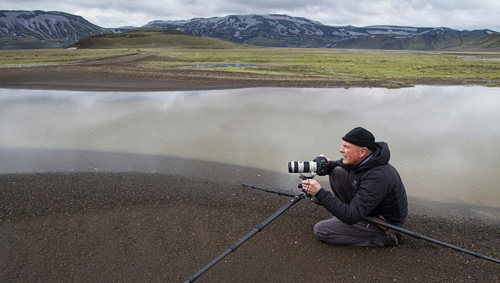
Meet Art Wolfe

I’ve always been enthusiastic about the work I do.

Art Wolfe

ET: Of the many European countries, which country or countries do you like to photograph the most – and why?

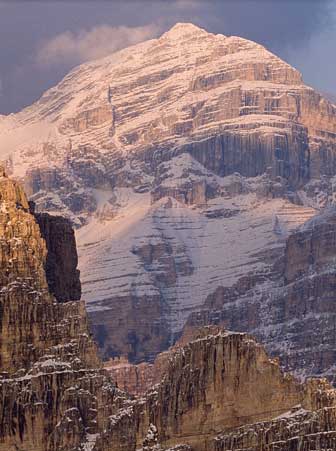
AW: I’ve traveled to Europe a number of times over the years. In fact, my first overseas trip was to England, and 28 days later I wound up in Greece. It was very early on, and one could argue I wasn’t much of a photographer, although I thought I was at the time. Italy definitely has been one of my favorite places to go, not only for the antiquity but for the stunning scenery: the craggy Dolomites in the north, and the south’s rumbling volcanoes of Mt. Etna and Stromboli. These have yielded great opportunities and photographs over the years; I love Italy!

Equally strong for me has been France; photographing in the French Alps, in and around the Rhone River delta and up into Provence has resulted in some of my most delightful photos over the years. Iceland surely is not to be missed―its young landscape is different every time I visit.

There are huge gaps in my coverage of Europe; I dream of the day I can travel through Spain. My long-time photo assistant is from Romania, though I have yet to get to central and eastern Europe. All these places draw my attention, and it’s just a matter of time before I get there.

ET: If you were to recommend to someone to photograph the European landscape, where would you “send” them and why?

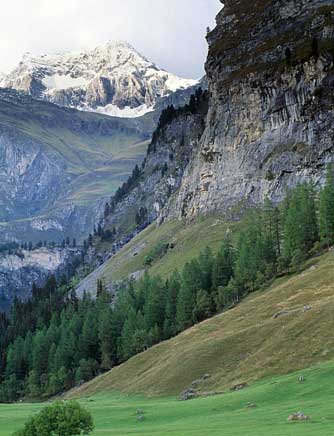
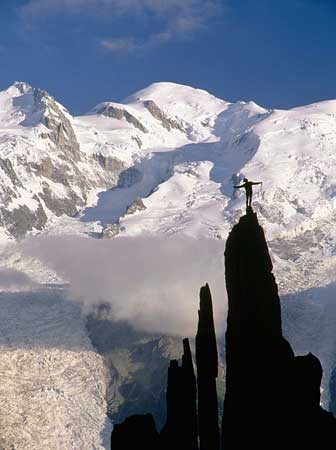
AW: Certainly it’s hard to beat the Alps, both French and Swiss. One of the striking things about the Alps is their verticality; they are very accessible initially but many of the peaks are among the most difficult peaks to climb on earth. One of my best locations has been Lac Blanc just above the ski town of Chamonix, France. I can’t overstate how stunningly beautiful Lac Blanc is as it reflects the extraordinary Chamonix Needles and Mont Blanc rising beyond.

I just love the Italian landscape, too. I love the whimsical ways the Italian farmers in Tuscany and Umbria have separated their fields by rows of cypress and pine. In addition, the rural landscapes of northern Scotland and the Isle of Skye are quite simply stunning; I have been there in the spring, when the forests around the icy, deep lochs are green and studded with bluebells. It is quite enchanting.

ET: Can you remember the first time you realized that maybe you were an “above average” photographer? How did your parents’ commercial artist business help you in your life’s work?

AW: My background initially was drawing and painting from early childhood all the way through graduating from the University of Washington, earning a degree in Fine Arts and Art Education. As far as realizing I was an above average photographer, it’s hard for me to just state that unequivocally; I would address it by saying I always realized I had an above average drive and focus. I’m rapidly approaching year 60 in my life, and the drive has not diminished. I’ve always been enthusiastic about the work that I do and sharing it with others.

Very early on I knew that whatever I wanted to do I could do it. My parents were commercial artists, and I watched my dad run his own small business. It was ingrained in me that I could do this as well. Children very often follow in the footsteps of their parents. Thankfully, my parents allowed me to pursue whatever I wanted. They had nothing but encouragement toward the arts, and in retrospect that was a blessing.

ET: You always seem to have so much fun and enthusiasm when you are photographing. Can you explain how this is?

AW: I think fun and enthusiasm is part and parcel to anyone’s occupation or passion. It’s rare in life for people to truly find their passion, especially when it’s their occupation. I feel blessed. I feel that I was destined to be a storyteller through the photographic medium, and I don’t take that lightly.
I sacrifice a lot being a photographer; I don’t have a family, I don’t have vacations, I don’t have a lot of things that people take for granted. But what I do have is a highly refined passion that gives me a deep sense of fulfillment. I can’t help but be enthusiastic and can’t help but having fun. I have a very impish sense of humor, a very free spirit about the work that I do and that just transfers to my photos. My enthusiasm is infectious; I am able to photograph people without trepidation. I have a very light spirit when I’m working around wild animals, I don’t stress about them, and they pick up on that energy so it’s a very positive experience. I wholly believe it enables me to get close to my subjects.

ET: Bad weather conditions typically thwart photography efforts. What do you think?

AW: My belief is bad weather often makes a shot. Whether it’s high winds, blowing snow or soaking rain, I get out there as long as I can protect myself and my camera. Weather makes for painterly effects: wind can be transferred into long impressionistic exposures where that sense of contrast between blurred motion and sharp focus subjects is often the difference between a mediocre photo and a great photo. So I look at bad weather conditions as the time to bundle up and get out the door!

ET: What is your advice for someone wanting to become a better than average photographer? What does it take to do this?

AW: No restraints! Just do it! There is an amazing amount of education being offered free through the internet. And some of the world’s best photographers offer amazing trips and workshops. I’d take advantage of that. Just jump in and immerse yourself into the world of photography and you will learn quickly.

ET: How do you determine where to go when you’re going to film your next show and how long does it take to arrange each edition of your show?

AW: My location choices for “Art Wolfe’s Travels to the Edge” were based on 30 years of knowledge about the world. After months of research and arrangements, each episode took an average of two weeks to film. The post production process added another couple months. It is a long process to get from idea to actual broadcast.

ET: Where did the name “Travels to the Edge” come from? (It’s a great line!)

AW: “Travels to the Edge” is based on my book Edge of the Earth, Corner of the Sky. It seemed like I traveled to the edges of the earth to photograph for that book. For the show name, my staff and I threw out words and started mixing and matching and ultimately settled upon “Travels to the Edge.” I thank you for the compliment and I agree, it’s a great line!

Enjoying the Riverbanks of Burgundy

By Danielle Pruger
Photos courtesy Burgundy Tourism

Auxerre, France

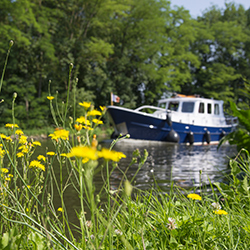
Burgundy, France offers more than 600 miles of waterways, making it a perfect destination for sailors of all experience levels. There are many ways to enjoy the rivers of Burgundy – sailing, sightseeing, waterskiing and bicycling along the river are just to name a few.

FUN AND RELAXATION BY THE WATER
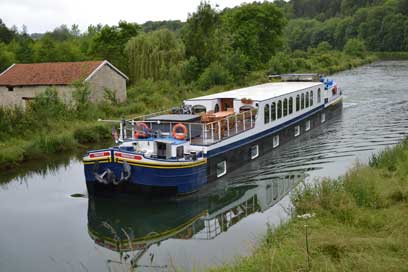
Visitors can relax on a sightseeing boat for a guided tour along the waters of the Burgundy Canal. The Seille, a river flowing between the French departments Tournus and Louhans, also offers cruising opportunities. Hotel barges are also a relaxing way to enjoy the Burgundy Canal.

The city of Clamecy and the medieval village of Cravant on the Nivernais Canal are great small towns to visit and explore. The little town of Semur-en-Auxois is few miles away from Burgundy and includes sights such as the Tour de l’Orle d’Or or the Collegiate Church of Notre-Dame. Large cities also have a lot to offer: the Dijon marina is a lively area with the Péniche Cancale, a boat converted into a floating gourmet bistro and cabaret that hosts concerts, exhibitions, dance performances and theatre.

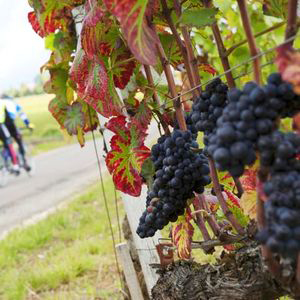
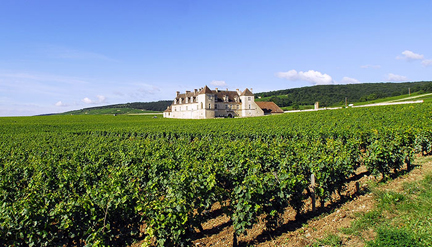
Burgundy, the birthplace of pinot noir and chardonnay, is home to world-class vineyards that produce some of the most prestigious wines in the world. Visitors can taste some of the best wines of Burgundy at the cellars of the vineyards of Auxerrois, Tonnerrois, Maranges or Santenay.

WATER SPORTS
Water sports enthusiasts can choose other activities including water-skiing, sailing and rowing. The developed areas invite swimming in leisure centers in Auxerre or Decize. The tranquility of the waterway can be enjoyed by fishing on the region’s canals or lakes or by big game fishing on the Saône while accompanied by a qualified instructor.

OUTDOOR ACTIVITIES ALONG THE BANKS
The towpaths along the canals and rivers, open to cyclists, are perfect for biking. These paths are also great for enjoying a walk along the waterfront.

The region is full of marked trails so there are plenty of routes to choose from. The Tour of Burgundy by bike runs along the canals of Nivernais and Burgundy, as well as the Canal du Centre. These paths take visitors through the region’s most beautiful landscapes – across vineyards, groves and forests and pass by historic monuments and charming residences.

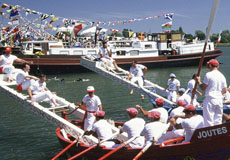
Pardone des mariniers in Saint-Jean de Losne

A region criss-crossed by waterways, every year Burgundy celebrates water with various events. Music, demonstrations, tournaments and tastings punctuate the shorelines all summer long. There are many events to choose from, including the Pardon des mariniers in Saint-Jean de Losne, the Fête du Flottage in Clamecy or the Halles en eaux in Decize.

For more info, go to Burgundy Tourism

Cruising Canals in France with “Panache”

By Marilyn Heimburger
Photos by Don Heimburger

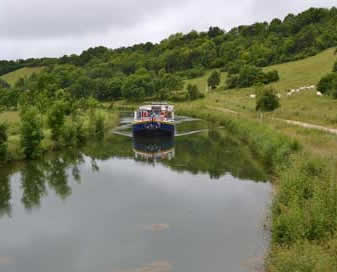
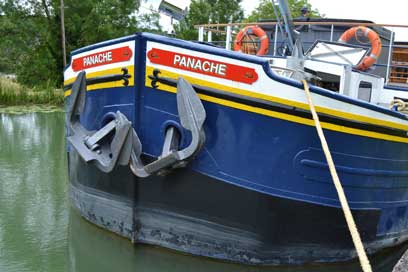
The word “panache” means style, energy, verve — and it’s also an apt name for a luxury hotel barge from European Waterways that cruises the canals of France.

Why cruise on a canal? Why are the canals there at all? Of France’s more than 5,000 miles of inland waterways, half consist of a vast network of canals, some built as early as the 17th century, to connect France’s rivers and provide a freight transportation route from the English Channel and the Atlantic Ocean to the Mediterranean. Narrow locks raised and lowered the barges over land elevations between the riverbeds. When trucks and railroads provided a cheaper and faster means of freight transport beginning in the 1970’s, the idea of redesigning commercial freight barges for passengers was born.

LUXURY ACCOMMODATIONS
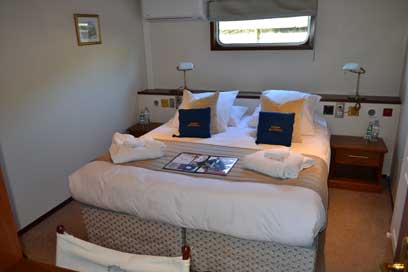
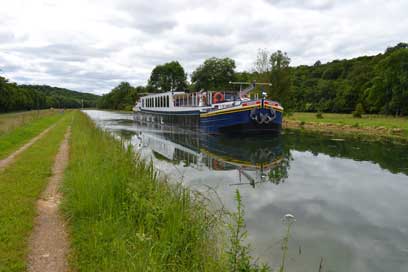
Our home during the six-day cruise on the Canal de la Marne au Rhin of Lorraine in eastern France was the 129-foot Panache, built in 1959 as a commercial freight barge and converted to a luxury hotel barge in 1998.

Rooms are below deck.

The six person crew — captain, pilot, deckhand, chef, hostess and housekeeper — greeted us on the sun deck with a Champagne toast and three appealing appetizers, and led us to our air-conditioned suite, with a queen-sized bed, private bathroom, plenty of storage space, desk, bedside tables, lamps and a television for watching onboard DVDs. Six roomy suites on the lower deck accommodate up to 12 passengers.

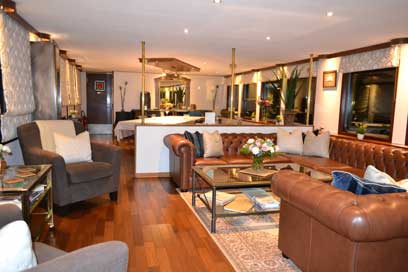
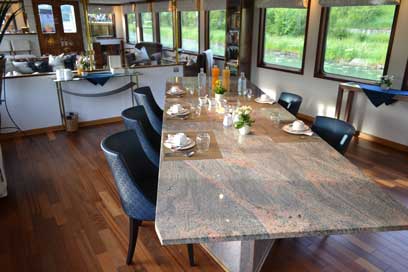
The main deck held the dining area with a gorgeous granite table that seats 12, a lounge area with a sectional leather sofa and coffee table for relaxing and reading, a fully stocked open bar, books and games, all surrounded by panoramic windows so guests can watch rural France glide by.

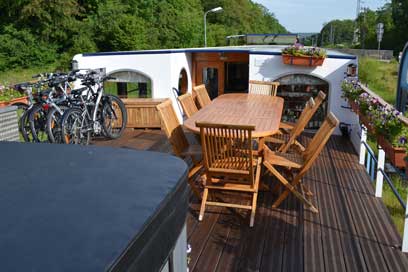
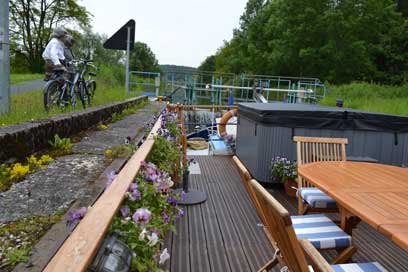
Another large table and folding chairs and a hot tub were on the sun deck, along with a supply of bicycles for guests to ride on the paved towpath that runs alongside the canal.

GOURMET MEALS
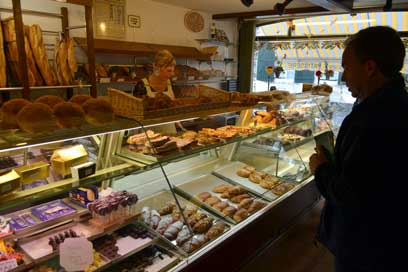
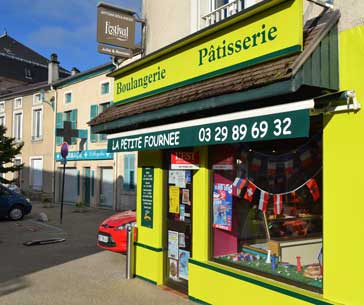
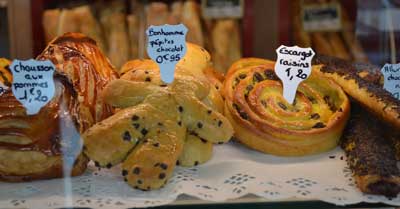
Each morning a continental breakfast of fresh fruit, juices, cheese and meats, coffee and fresh breads and pastries awaited us in the dining area. A made-to-order hot dish, such as scrambled eggs with smoked salmon, French toast, or an egg-in-ramekin creation, was also offered. By the second morning we were invited to accompany the captain on his early morning visit to the local patisserie to help select the freshly baked French pastries, croissants and baguettes for the day.

Going for fresh bread and pastries in the morning.

Both red and white wines were served with lunch menus that included mussels, a pesto and mozzarella tart, slices of smoked duck, carrot soup, mullet fish, chicken with wild mushrooms, sea bream, and fresh salads and cheese.

Each day ended with a four course, candlelit dinner in true French style. Red and white wines were presented to accompany each course:

  • Appetizers such as goat cheese and sun-dried tomato tart; crab, avocado and mango stack; chicken livers with shallots and capers; or seared scallops in cauliflower puree with crisps and chive oil.
  • Entrees including filet mignon wrapped in parma ham, rack of lamb, pork loin with dauphinois potatoes, beef filet with seared foie gras.
  • A cheese course with two or three selections meticulously paired with complementary dried fruits, jam or nuts.
  • And a dessert course – ah, the dessert course – banana souffle with double chocolate glace, chocolate mousse with iced amaretto, a fresh, citrusy lemon tart, a ramekin of molten chocolate lava with vanilla ice cream, and a strawberries and cream confection with crumbled merengue called the Eton mess.

One meal not prepared on board by Chef Todd was a special dinner at the intimate Table la Viktor in nearby Lucy on our second-to-last evening of the trip. With Captain Arnault as our genial host, we ordered local French cuisine – appetizers, entrees and desserts – from the menu, paired with appropriate wines, of course! It was a delicious dinner in an intimate setting.
EXCURSIONS ON LAND
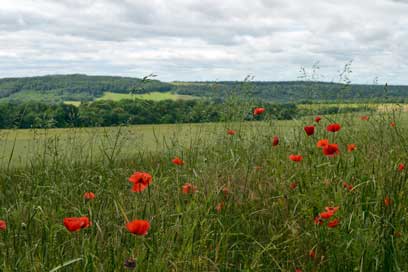
The shady towpath alongside the canal immediately tempted us to take advantage of bicycles available for guests. The crew gave us bicycle helmets and readied the bikes for off-loading as we approached one of the many, many locks. Just as the deck reached ground level, we stepped out with our “wheels,” and rode off, easily out-pacing the barge (whose maximum cruising speed on the canals is 3 mph) past flower and vegetable gardens, through a small town and a playground filled with children, eventually meeting the barge at another lock to re-board.

The crew somehow managed to hopscotch two multi-passenger vans from dock to dock each day, so that a vehicle was always available for excursions and errands. Hence the early morning trips to the patisserie for fresh pastries, and the crew’s ability to shop for fresh local ingredients for our gourmet meals.

During the first afternoon we enjoyed an excursion to the Domaine Trepo Leriguier family-owned Champagne house for a private tour and tasting.

The next day featured a trip to the town of Vaucouleurs and the Musee de Jeanne d’Arc. The museum is filled with statues and paintings from artist’s imaginings of how Joan of Arc might have looked. There was even a pristine framed WWI poster with her image, asking for support for the war effort. We also sat in the Castle Chapel where she prayed before departing with an escort in 1429 to request an army from Charles VII to fight the English in France.

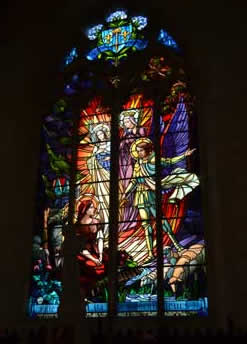
(left to right) Joan of Arc Castle Chapel; Joan of Arc statue in Vaucouleurs; Armored head; Stained glass windows in Castle Chapel

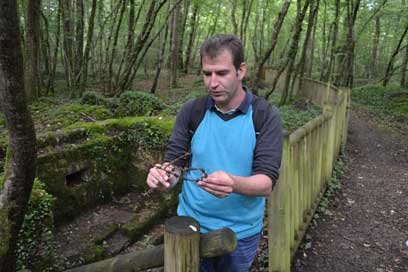
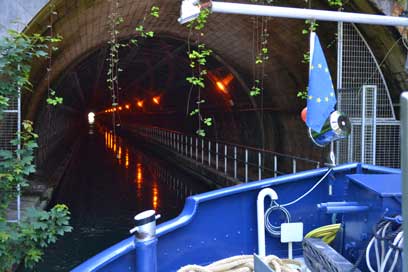
One morning, while the barge traveled through a three-mile tunnel, we drove to the town of St. Mihiel and had an excellent, informative tour guide show us the WWI trenches preserved nearby. Since it had recently rained, he easily found German and French bullets, barbed wire and shell remnants washed up in the mud. The majestic hilltop World War I Montsec American Monument dominates the landscape, and commemorates, among other things, the four-day battle in September 1918 when the American army liberated the St. Mihiel Salient.

Viewing the trenches of WWI; A U.S.-led WWI attack occurred in the strategically important Saint-Mihiel Salient, a triangular area of land between Verdun and Nancy occupied by the German army.

Our second-to-the-last day of cruising brought us to the town of Toul. A tour of the cathedral was followed by a private wine tasting at Domaine Lelievre. In addition to offering several of their wines, our hosts served us a traditional Lorraine meat filled pastry called Pate Lorraine.

Bertrand Trepo of Domaine Treop Leriguier offers tours of his Champagne vineyards. Domaine Lelievre in Lucey is a family-owned winery producing floral AOC Côtes wines.

By now we had switched from the canal to the Moselle River (where cruising speed increased somewhat) and our last stop was in Nancy, the ancient capital of Lorraine. We walked from the dock through beautiful gardens to the immense Saint Stanislas Square, which is surrounded by ornate gold and wrought iron and gates and stately buildings, and then used English language audio guides for a tour of the old town. A visit to the covered market and a stroll through the high end shopping district showed Nancy to be a popular stop for locals and tourists alike.

Saint Stanislaw Square; Porte de la Craffe in Nancy, built in the 14th century.

ENERGETIC CREW
The Panache lived up to its stylish name in accommodations and gourmet food, but every trip is only as good as its crew. Their energy and attitude were first class every day.

Chef Todd from England left an office job to study and follow his passion for cooking, and surprised us each day with menus derived from local ingredients, all with a perpetual smile on his face that revealed how much he loved his job.

Pilot Andre skillfully guided the barge through locks and tunnels with literally 2” of clearance on each side. He was phenomenal.

Hostesses Gabi and Kim enthusiastically presented wine selections, tempted us to try new cheese courses, delighted us with napkin folding and table-settings, and put fresh towels in our rooms every time we turned around.

Deckhand Anteo energetically did whatever needed to be done…from securing the barge inside each of the many locks, to off-loading bicycles, to painting scrapes on the boat when the pilot didn’t quite make it unscathed through the locks, to entertaining us with his guitar on the sun deck after hours.

Our unflappable captain Arnault, mini-bus chauffeur, evictor of spiders from air-conditioning units, tour leader, and story teller, met every challenge with tenacity and good humor, insuring that satisfaction was guaranteed on the cruise.

Consider a luxury hotel barge trip for a relaxing, comfortable week of gourmet meals and informative excursions while gliding through the backwaters of France. You won’t be disappointed.

Note: The itinerary for our cruise from Tronville-en-Barrois to Nancy was unique in the European Waterways system because a damaged lock prevented the barge from navigating its originally planned route.

For more information on this luxury hotel barge excursion, contact European Waterways:
USA 1-877-879-8808
Canada 1-877-574-3404
Email: sales@GoBarging.com
website: www.GoBarging.com