
Story and photos by Alison Ramsey
Madrid, the colorful capital of Spain, has a vibrant culinary scene with myriad eatery options to bring visitors closer to the city’s authentic culture, traditions, and characters. To make the most of a visit, vary mealtime experiences by trying unique gastronomy options and formats.
Progressive Dinner Offers Premium Food Experience
Elysian Tales, the passion project of charismatic Marwa Preston, brings guests on a multi-stop fully customized progressive dinner throughout the city, with short walking trips between venues.
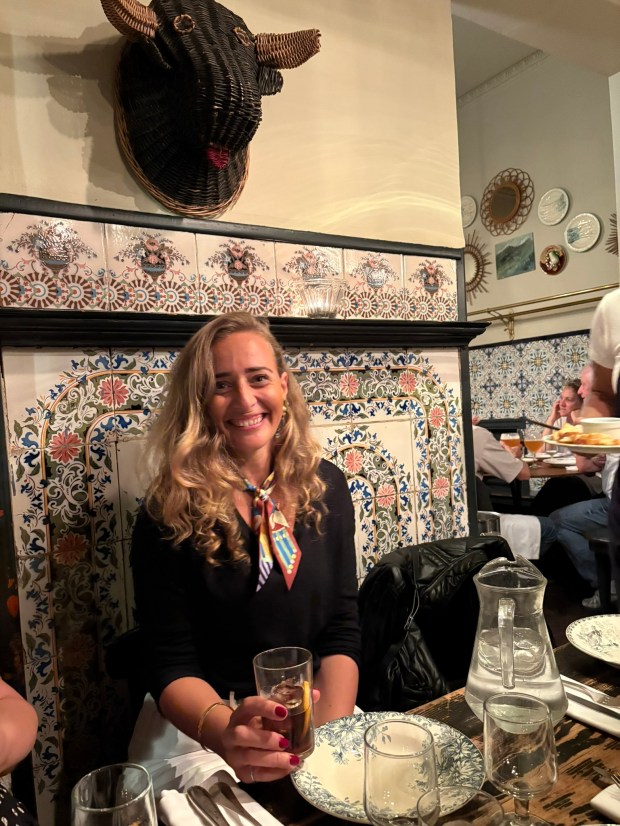
vermouth, served in its traditional small glass.
Michelin-Starred Fine Dining
One example program begins at the elegant, Michelin-starred Saddle restaurant, whose red velvet armchairs, full-ceiling skylights, and modern gold accents imbue sophistication and style. Join the chefs in the kitchen, where they teach participants to artfully scrape a creamy oval-shaped “butter quenelle” from a mountain of French butter to go with homemade sourdough bread and sparkling Corpinnat wine from Catalonia.
Friendly kitchen staff walk guests through plating a colorful vegetable course, using silver tweezers to decorate swirls of flavor with purple cauliflower, figs, carrots, strawberries, and edible flowers, and garnishing with fresh horseradish and sea salt. The quality of ingredients and combinations of interesting tastes here are beyond comparison, and the feeling of making it yourself alongside professional chefs in a gourmet kitchen is unmatched.

Sparkling Corpinnat wine, a colorful plated course, fresh bread, and local olive oil are part of a progressive dinner stop at Saddle. 
Sparkling Corpinnat wine, a colorful plated course, fresh bread, and local olive oil are part of a progressive dinner stop at Saddle. 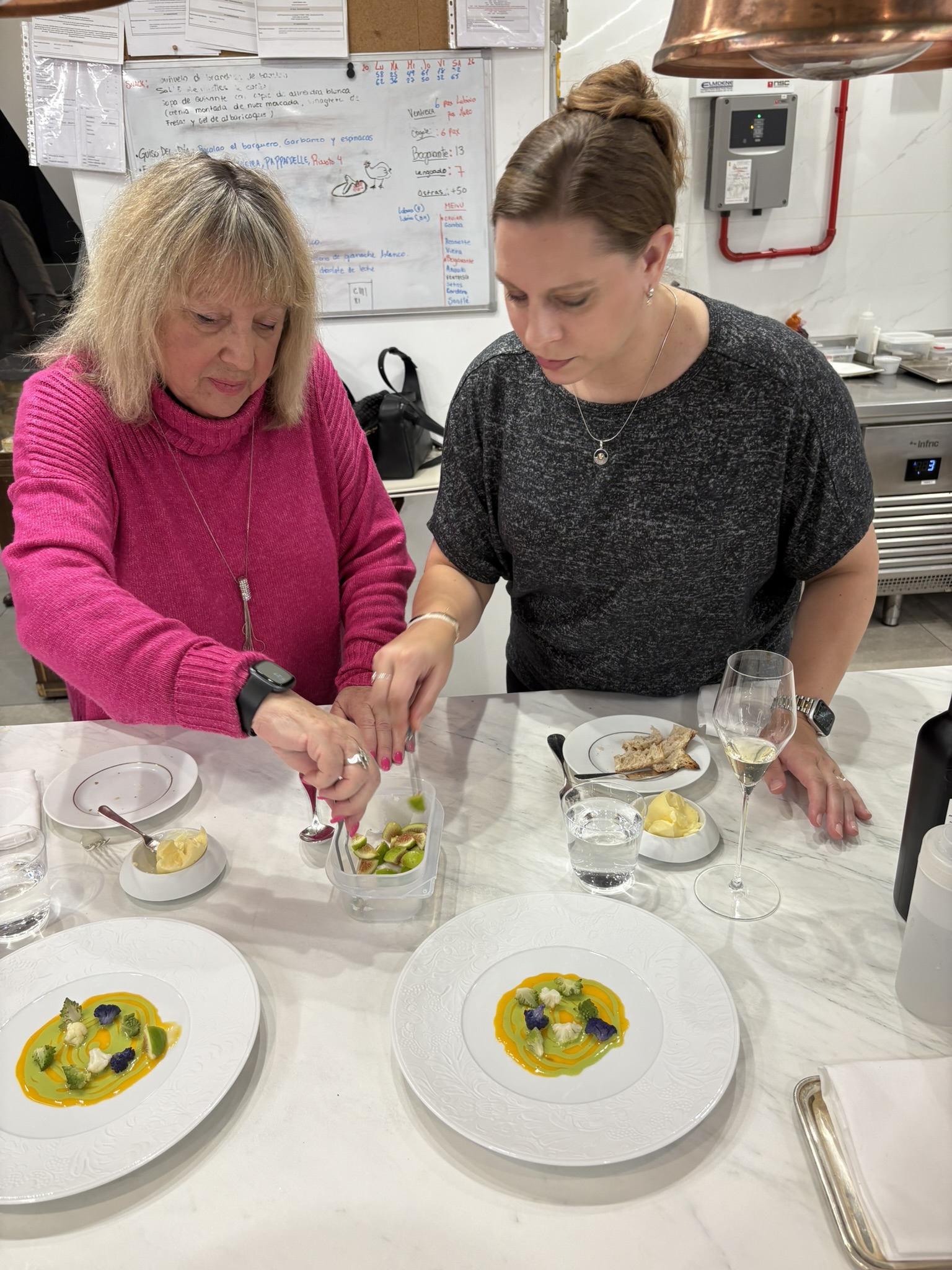
Progressive dinner participants at Saddle learn the art of plating a fresh vegetable and fruit dish. 
Marwa Preston of Elysian Tales and the Saddle staff teach diners the art of plating a fresh vegetable and fruit dish.
Homestyle Comfort Food
A leisurely walk past the stately Supreme Court of Spain and Church of Santa Bárbara leads to friendly Chuecha neighborhood bistro La Carmencita Tavern. The second oldest tavern in Madrid and a famous locale for writers to frequent, this lively venue is full of locals sipping red vermouth (white wine infused with caramelized sugar and botanicals), nibbling in-house marinated olives, and sampling savory cheeses with honey farmed from the outskirts of Madrid. Preston described their Spanish version of “Russian salad” as tuna, potatoes, green peas, and vegetables, and “everyone from Spain will tell you their mom’s recipe is the best.”
A grandma’s-home-cooking recipe of beef pate on bread, and Mediterranean anchovies comprise bar food typical in this “Soho of Madrid” area. At this homey site where three generations of Carmens lived, the elaborately decorated Spanish tiles on the walls are all original, and the dining room used to be the house’s bedroom.
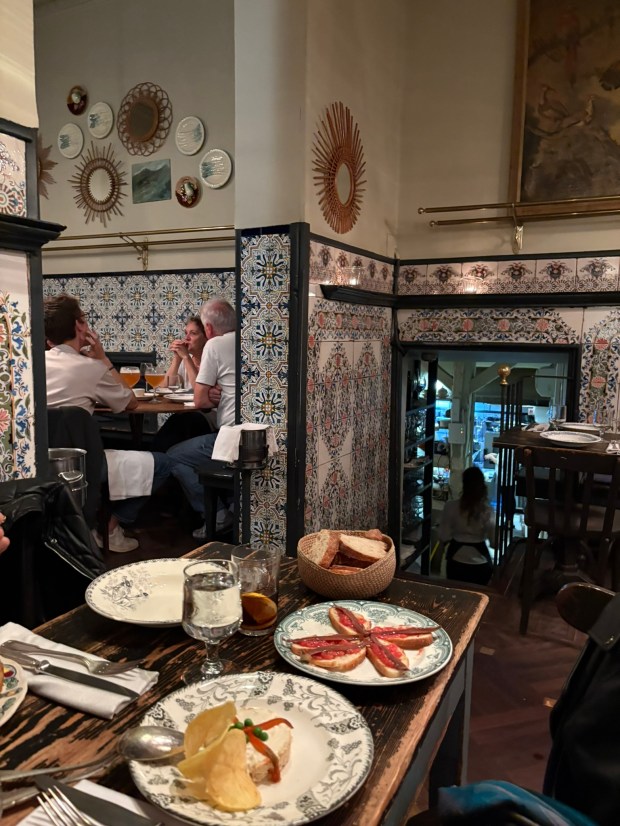
Tavern.
Romantic Date-Night Atmosphere
Moody candlelight, rough-hewn wooden tables, open-flame ovens, dramatic wall art, and a vast collection of high-level wines make Charrúa Madrid a romantic stop on the journey. Fresh rosemary is burned 30 minutes before dinner service, and the pleasant aroma stimulates senses and heightens the dining experience.
Begin with hot beef consommé rich with vitamins and minerals, creamy cauliflower puree (“90% cauliflower and 10% butter,” said Preston) with freshly shaved truffles, and seasoned tomatoes. Roasted red pepper is served alongside tender, free-roaming grass-fed Retinta beef sirloin to bring out the meat’s flavor, with the acidity of the pepper cutting through the meat’s fattiness.
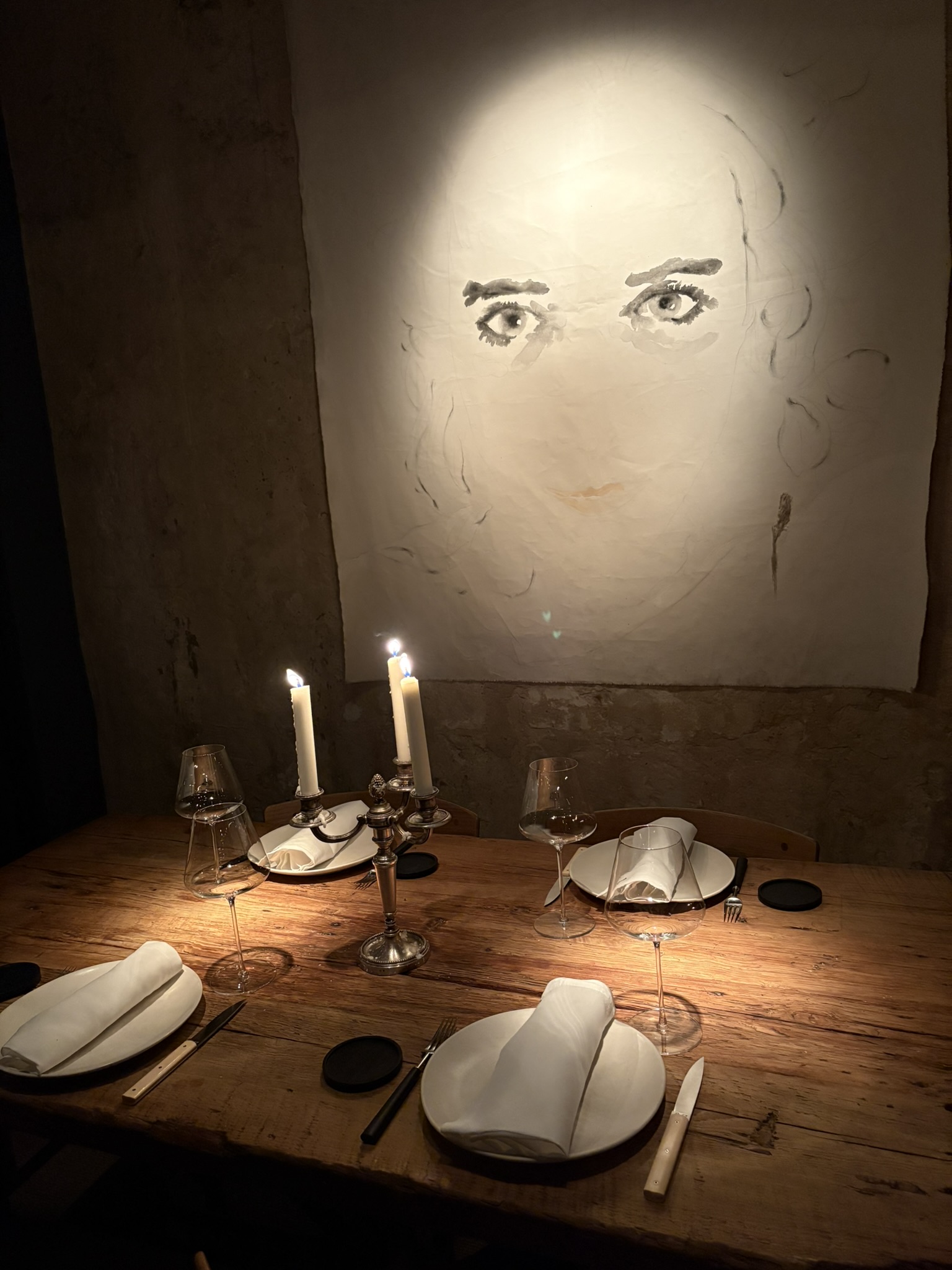
Rustic décor, dramatic lighting, and rich flavors at Charrúa Madrid make the venue a memorable stop on the dinner tour. 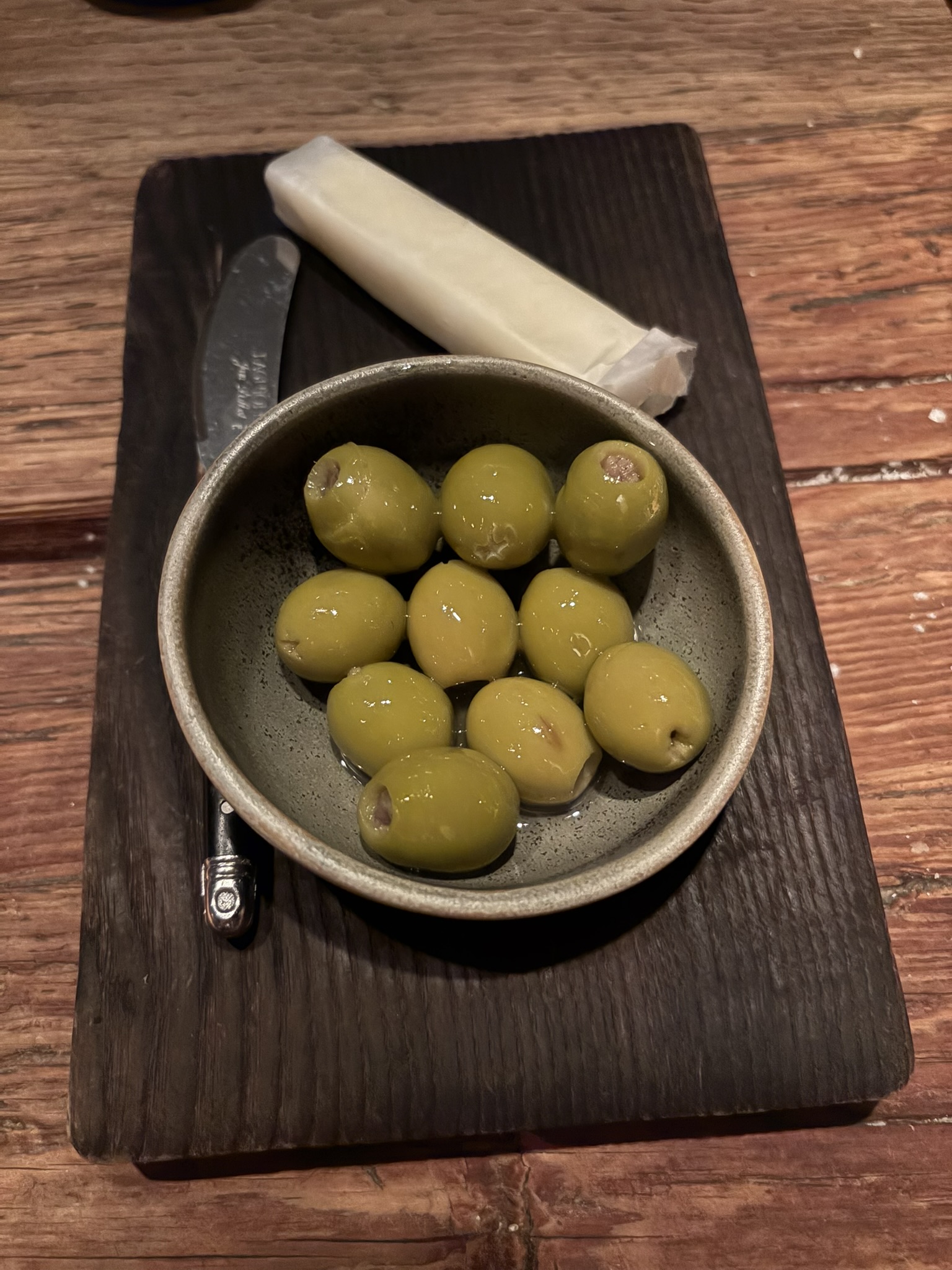
Rustic décor, dramatic lighting, and rich flavors at Charrúa Madrid make the venue a memorable stop on the dinner tour. 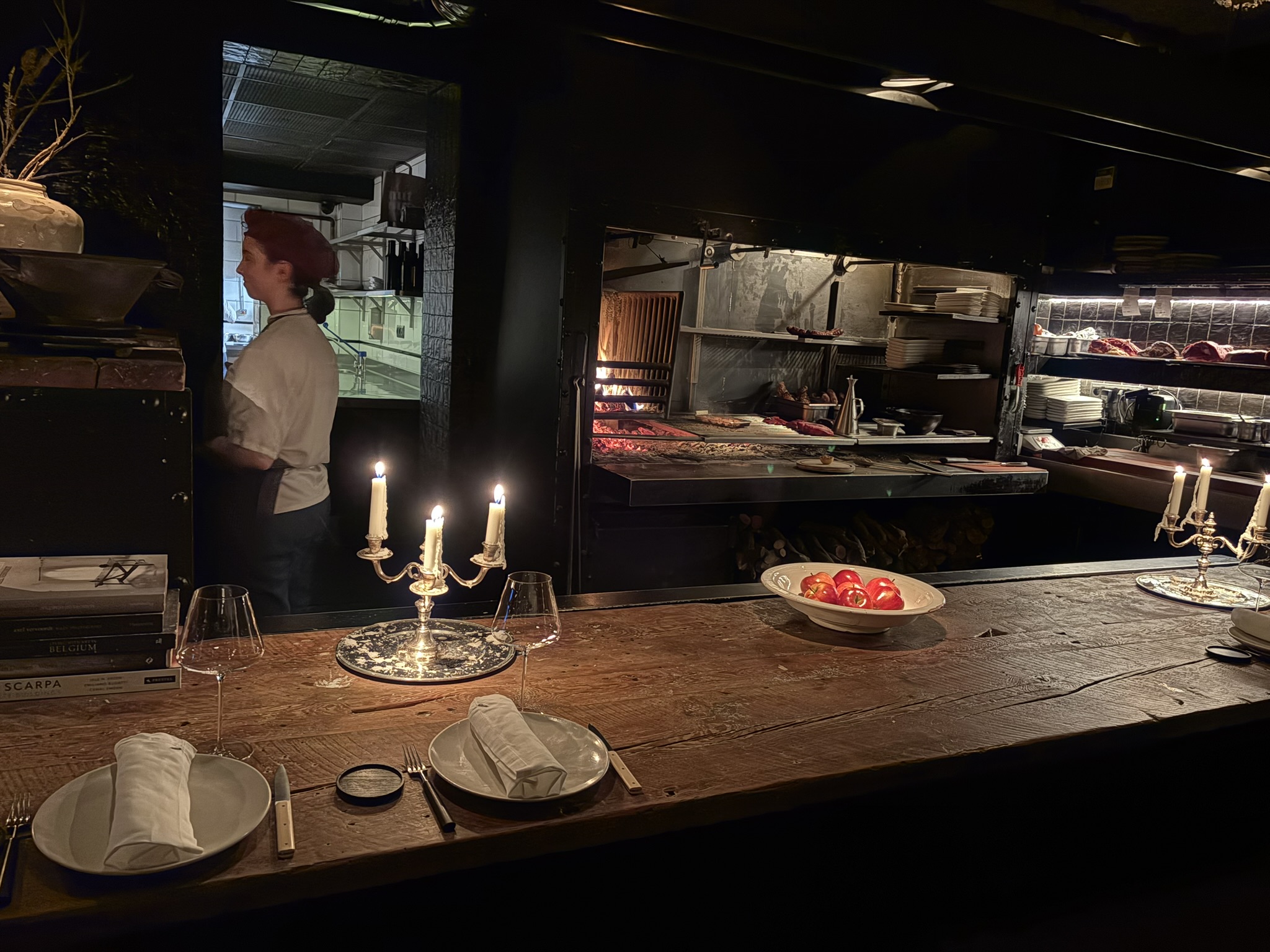
Rustic décor, dramatic lighting, and rich flavors at Charrúa Madrid make the venue a memorable stop on the dinner tour. 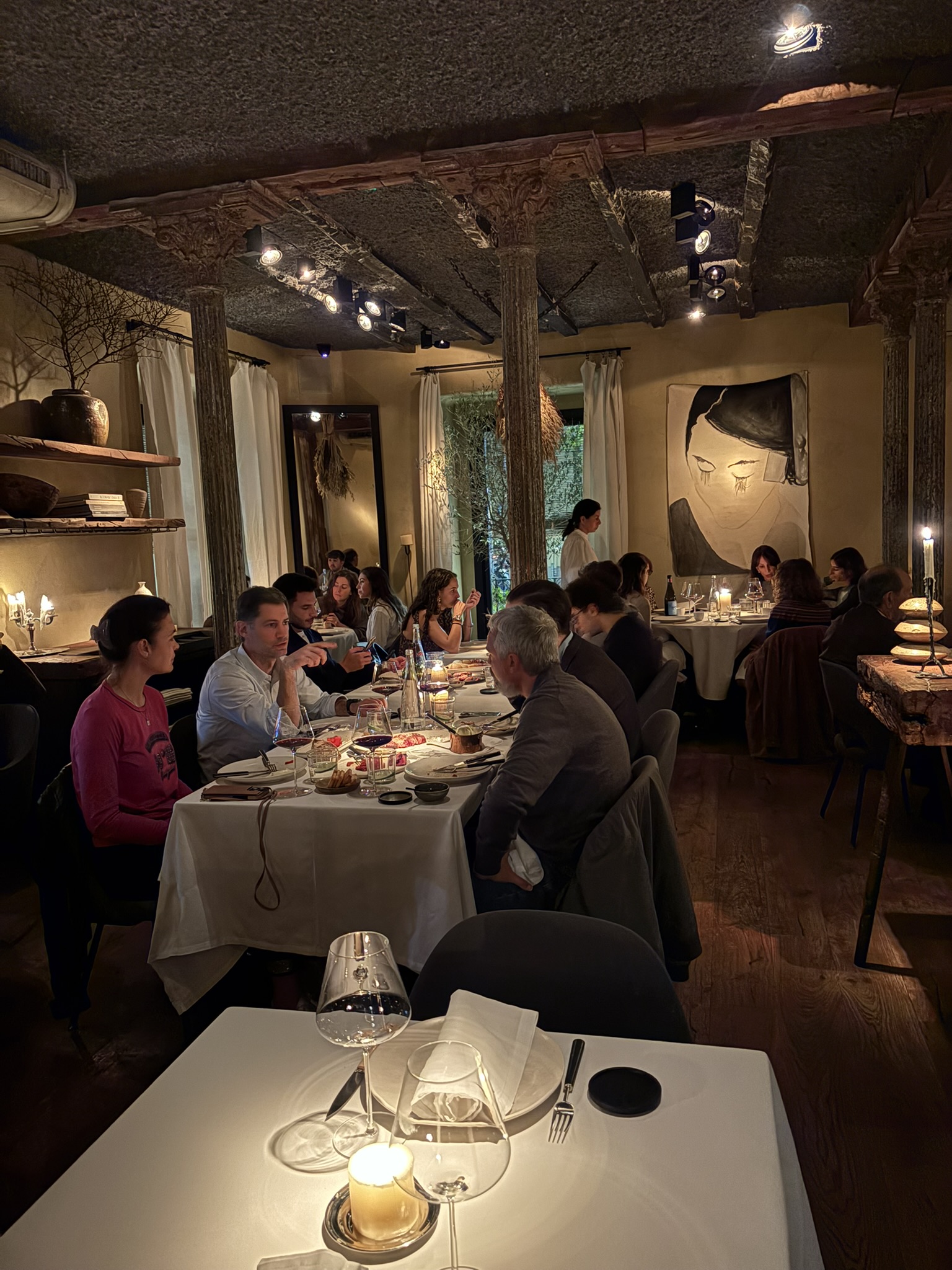
Rustic décor, dramatic lighting, and rich flavors at Charrúa Madrid make the venue a memorable stop on the dinner tour.
Dessert is torrija, a Spanish version of French toast that involves homemade brioche soaked in milk infused with cinnamon, orange rind, and lemon peel, and nested with yogurt ice cream. Preston explained that this is a typical Easter dish in Spain, although that time of year the bread is often soaked in wine instead of milk.
Despite the rich flavors in these courses, the food sits lightly in the stomach and is not fried, like many of the ham croquetas (deep-fried fritters) and bombas (fried mashed potato balls) served in touristy locations. With a short walk in between restaurants on this dining tour, guests don’t leave feeling stuffed and uncomfortable.
Funky Cocktail Bar
Wrap up the evening at Bar Manero Marqués de Cubas, a venue with a Vegas-style disco bar, DJ, private karaoke screen, and room dedicated to Julio Iglesias in the back. Pick your garnish of choice (cinnamon, ginger, pepper, sugar cubes, dried lime) and describe your favorite flavors, scents, or even your favorite vinyl record, and the host will create a drink they sense will match your taste.
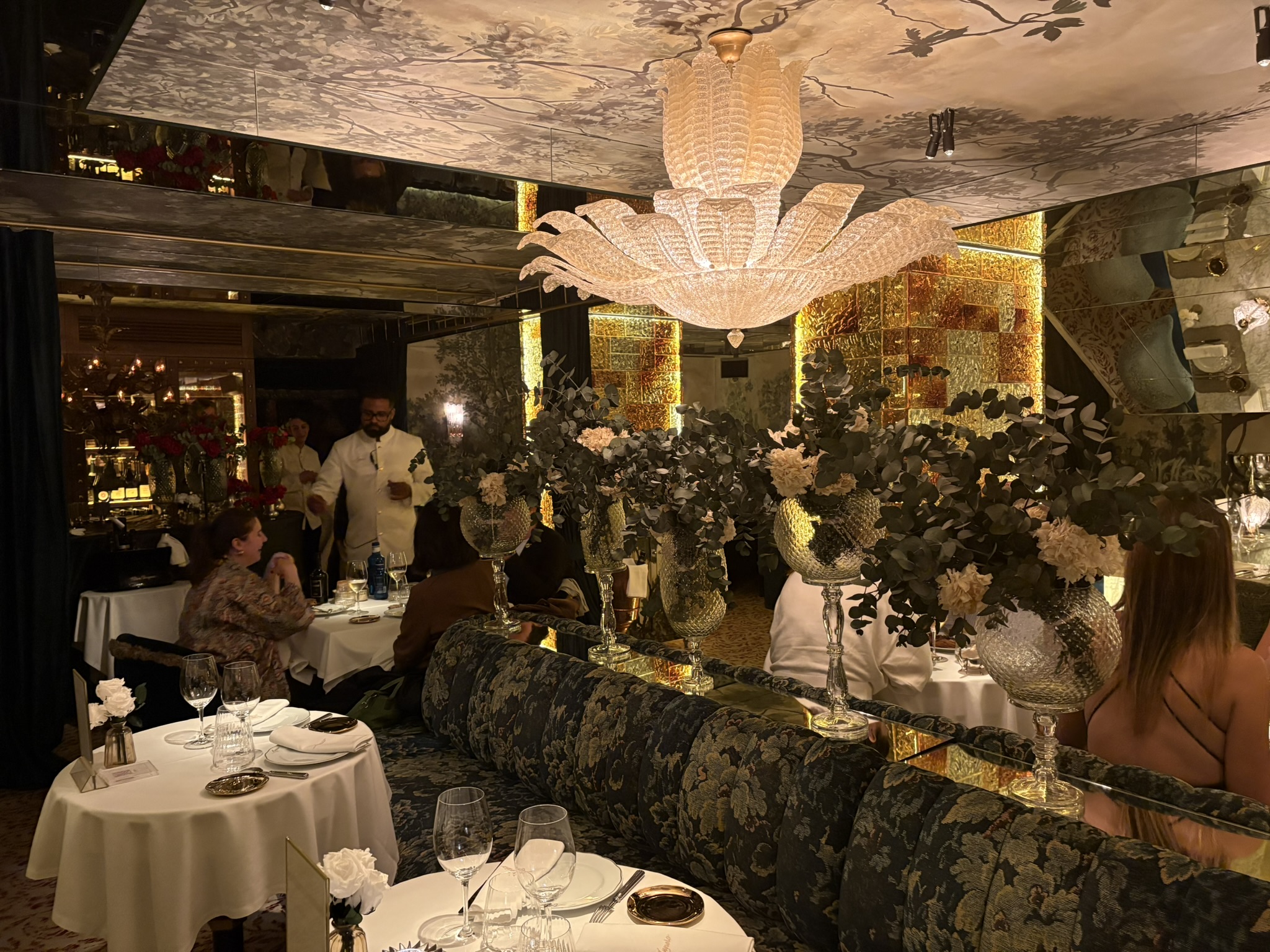


The front restaurant area has a crocheted ceiling, handmade mosaic floors, Murano-glass–covered towers, many mirrors, and walls are hand-painted with Madrid panoramas. It is truly a unique scene and novel way to end an evening of gastronomic exploration.
This curated culinary experience by Elysian Tales allows visitors to experience the food selections and scenes at several different types of eateries even if they only spend a few days in Madrid.
Other Distinctive Dining Options in Madrid
Local Castilian and Madrid Cuisine
Dine at traditional Madrid establishment Posada de la Villa for a taste of Castilian and Madrid cuisine, including roast suckling lamb cooked in a wood-fired oven (absolutely delicious, with tender meat falling off the bone), Bellota Iberian ham, Manchego cheese, homemade croquetas, tuna and tomato salad, Dehesa Valquejigoso wine, and “Posadero’s Dessert” trio of pastry, fried milk, and cheesecake. Dark wood and brick wall interiors, Iberian ham hanging from the rafters, excellent flavors, quality service, and an active scene of locals, people on business lunches, and foodies make this historic stop one to remember.


Traditional Madrid dining at Posada de la Villa includes local wines and roast suckling lamb cooked in a wood-fired oven.
Wine Masterclass and Tasting
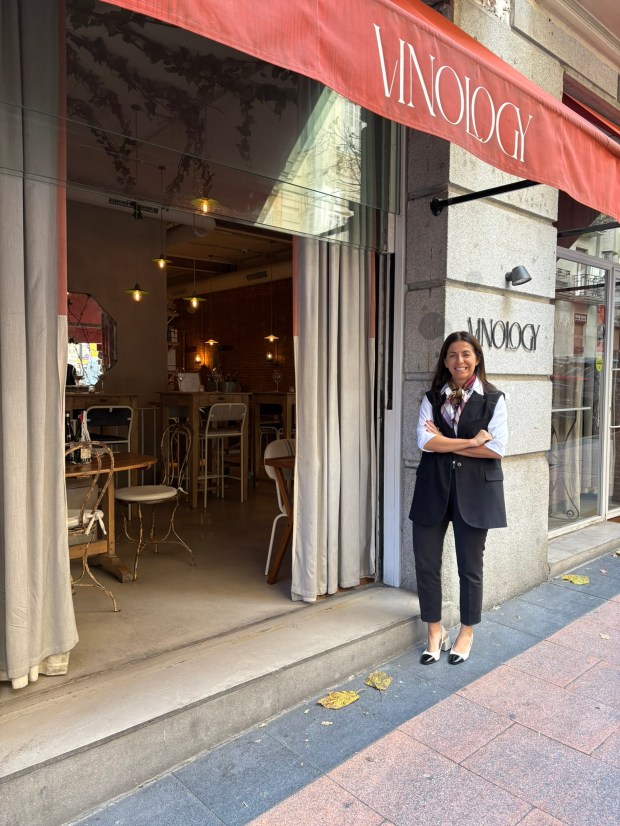
Explore Madrid’s wine culture and cuisine by taking a masterclass at Vinology. At this wine bar and restaurant, sommelier and founder, Pilar Oltra, guides guests through an exploration of Madrid’s four wine-producing regions—Arganda del Rey, Navalcarnero, San Martín de Valdeiglesias, and El Molar—made up of almost 22 acres of vineyards and 45 wineries.
Learn about grape varieties, terroir (the unique combination of climate, soil, terrain, and tradition that shape the character of a wine), and sample five wines alongside five creative tapas, including homemade foie mi-cuit (semi-cooked duck) with quince, cecina (smoked beef) with toasted almonds and extra virgin olive oil, and anchovy with Iberian jowl.


Dinner and Flamenco Show
The oldest, most prestigious, and most famous flamenco tablao (wooden stage) in the world is Corral de la Morería. Paired with its Michelin-starred haute cuisine designed by head chef, David García, this cultural dinner-and-show is a memorable way to involve all the senses in one evening experience.
Savor scallop carpaccio with tomato tartar, dates, and coconut ajoblanco (cold soup); poultry egg yolk over ropa vieja (shredded beef); sea bass and gilda (skewer of olive, anchovy, and pepper); and fruit sorbet or caramelized French toast made with fresh milk and served with banana ice cream.

For six decades, flamenco icons have graced the Corral de la Morería stage to showcase their art, and the venue is frequented by celebrities and visitors from across the globe (e.g., Frank Sinatra, Dua Lipa, Gloria Estefan). Here, the singers, dancers, and guitar players use feet, eyes, tongues, wrists, fingers, and flowing costumes to tell a dramatic story in sound and movement, with no translation needed, and present a new show every 7-10 days.
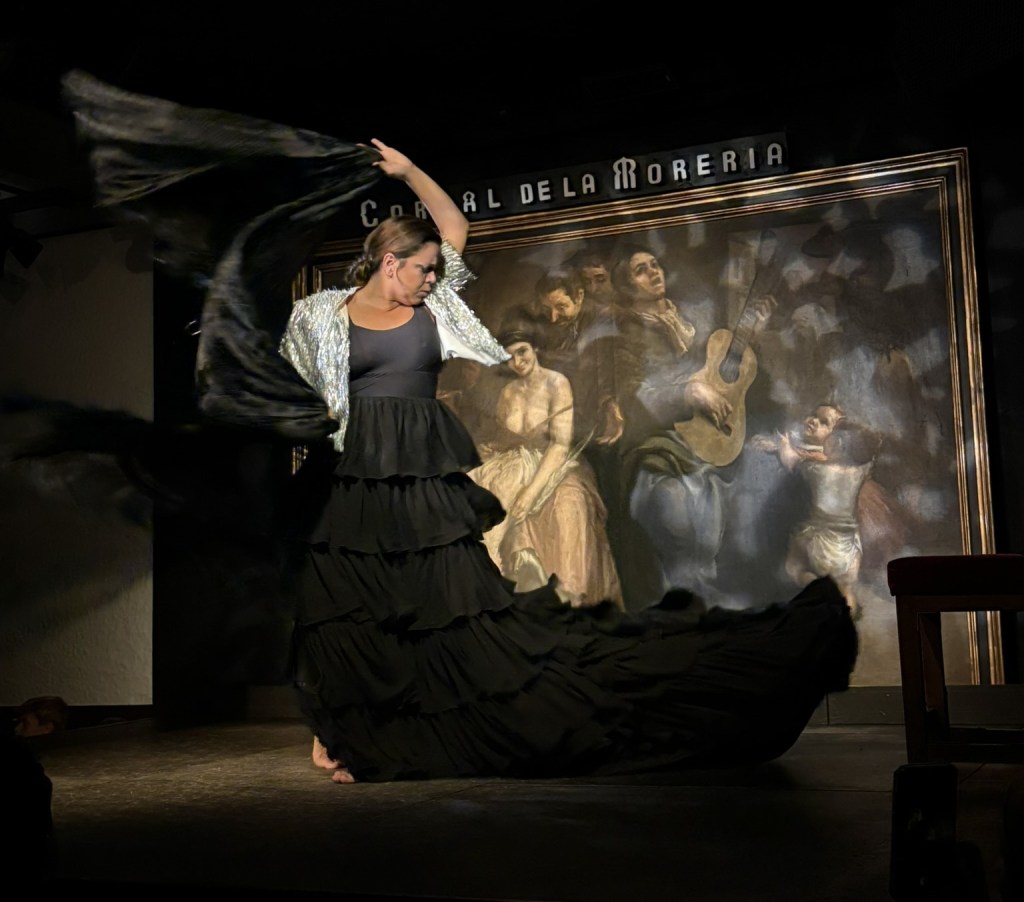
“It’s the only dance in the world where the music follows the dancers,” said Armando del Rey, an owner of the family-run business his father, Manuel, began in 1956. Manuel hired Armando’s mother, Blanca, a very well-known choreographer and dancer in Spain, and Manuel and Blanca soon fell in love. Now, Manuel and his brother, Juanma, work with artistic director Blanca in the restaurant sector as well. Corral de la Morería is the only restaurant in the world with a Michelin star that has a dinner and tablao, and it is listed in The New York Times bestseller “1,000 Places to See Before You Die.”
Jazz Entertainment Club
For dinner and drinks in a flashy club atmosphere, make a reservation at the bustling two-story Pabblo. Here guests are treated to Mediterranean cooking from a wood-fired oven and charcoal grill, classic and innovative cocktails, Picasso-inspired décor, and live band music with lounge singers, dancers, and aerial silk artists.

Pabblo’s dinner seating.
Between hummus, tuna tartar, fish and lamb courses, and a fun make-your-own ice cream sundae dessert platter, you’ll hear smooth saxophone jams, watch sequined showgirls shimmy and strut, and see a graceful gymnast draped around aerial ribbons and descending through the open ceiling from the upper level. Entertainment while eating is an exceptional way to end an evening out on the town.
Four Seasons’ Restaurants and Rooftop
The first Four Seasons hotel in Spain is found within an enormous and beautiful property block composed of seven historic buildings with a national-heritage–protected external façade. Within this complex, shop at Canalejas Gallery, the new luxury shopping arcade in central Madrid housing 40 boutiques and prestigious brands such as Dior, Cartier, Louis Vuitton, Rolex, Armani, Tom Ford, and Tumi.
After browsing or buying, easily head to Four Seasons’ El Patio lobby bar (featuring the original marble columns and concierge desk from when the room used to be the operations area of the Spanish Credit Bank), the Isa Asian cuisine restaurant and cocktail bar, or Dani Brasserie for signature Mediterranean and Andalusian dishes and drinks on the top level.

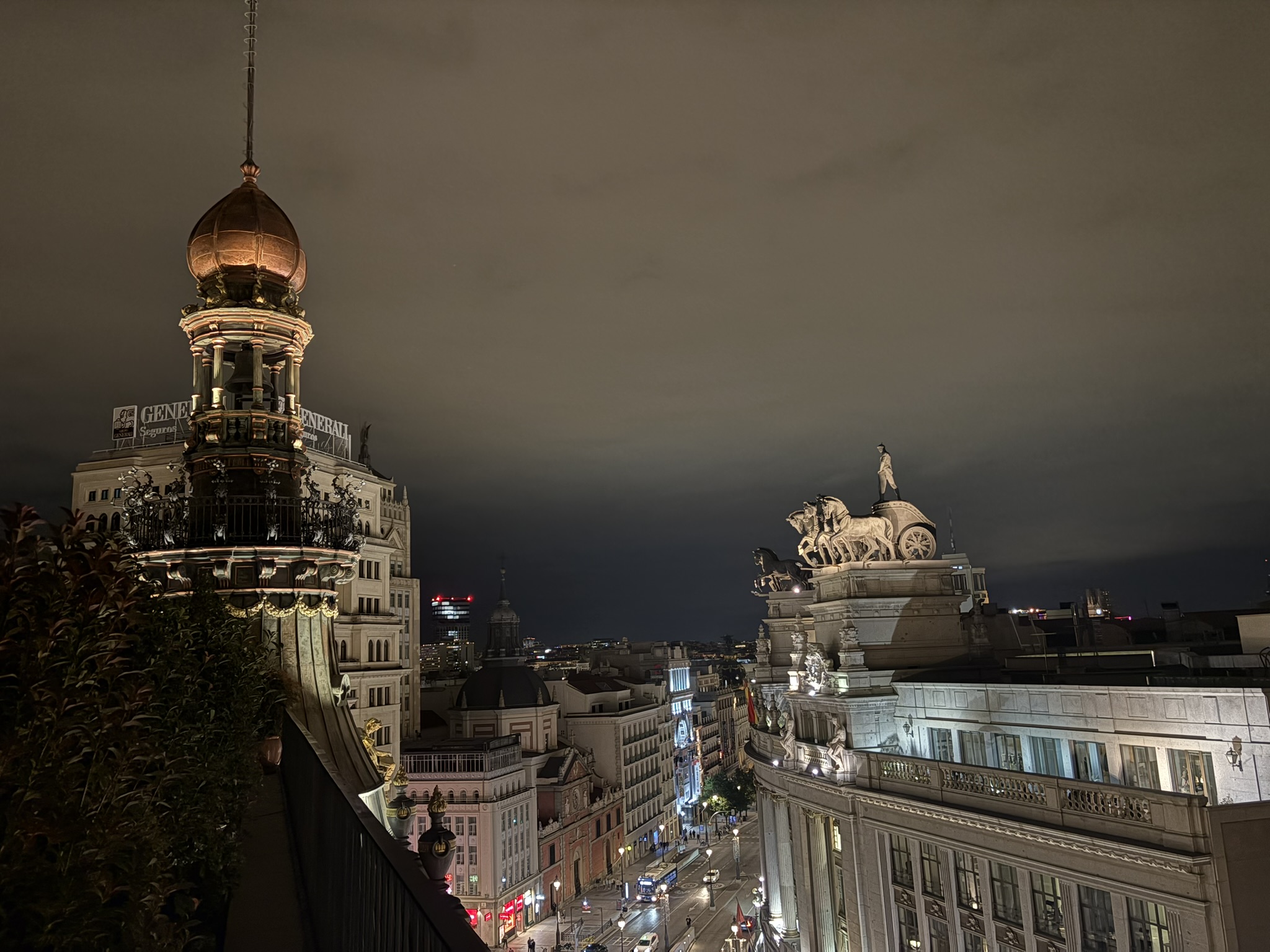
At Dani Brasserie, don’t miss chef Dani García’s famous and savory “Red Tuna Descargamento,” served in a delicate rose shape, with yellow bell peppers, lime, and olive oil. From the rooftop patio outside the dining room, admire Madrid’s city lights, cool night air, and stunning panoramic views.
WHEN YOU GO…
Stay at the centrally located Hotel Villa Real for easy access to the Prado Museum, Retiro Park, Thyssen-Bornemisza National Museum, Royal Palace of Madrid, and Gran Via high-end shopping street.
The vast breakfast buffet and attentive waitstaff will ensure you start your mornings fueled with fresh coffee and juice, plenty of meats and cheeses, fresh and dried fruits, pastries, cereals, and eggs-to-order. On your way to breakfast, explore the art and archeology collection in the hotel’s museum, which holds restored Roman mosaics and sculptures, and a private collection of painted Apulian vases.


Breakfast at Hotel Villa Real is varied, colorful, and fresh.
The East 47 bar and restaurant off the front lobby serves drinks, tapas, crisp salads, and Mediterranean-inspired dishes—with terrace seating out front in Plaza de las Cortes during warmer summer months.
For more information about Madrid, go to Visit Madrid.







 European Traveler