Layers of Time, Living Traditions in Southwest Sardinia

Sardinia’s ancient past survives not only in rock-cut tombs and sacred sites, but is also celebrated through the food, wine, and traditions that shape daily life

Story and photos by Alison Ramsey

Sant’Antioco is Italy’s oldest urban settlement, but its ancient past remains embedded in the island’s living traditions. In the southwestern region of Sardinia, Italy, communities have long been drawn by strategic coastlines, seafood-rich waters, mineral resources, and fertile land in a biodiverse ecosystem. As Mediterranean cultures crossed these shores, they passed along traditions, traded tools and recipes, and introduced influences that are still evident today. The island’s archaeology is not only preserved in excavated tombs and museum exhibits—it remains visibly connected to everyday culture through the food and wine served at family dinners.

Ferruccio Barreca Archaeological Museum

In Sant’Antioco—an island off the coast of southern Sardinia, connected by a manmade isthmus—the Ferruccio Barreca Archaeological Museum is set up for thorough exploration. The museum is arranged by historical timepoint, so visitors can follow the route from Phoenician and Punic origins extending into the Roman era in Italy’s most ancient city, Sulky.
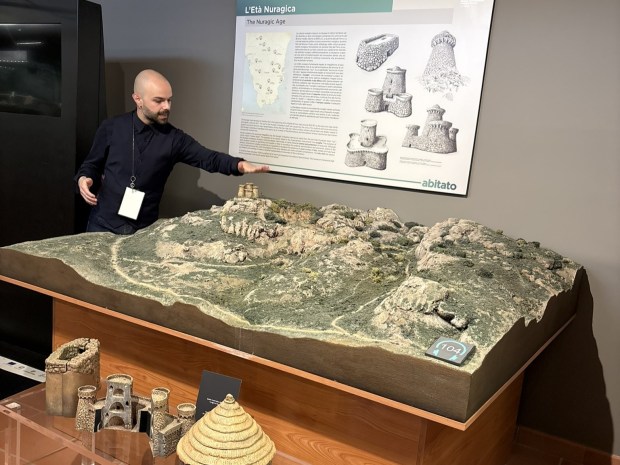
Museum guide points to exhibit model
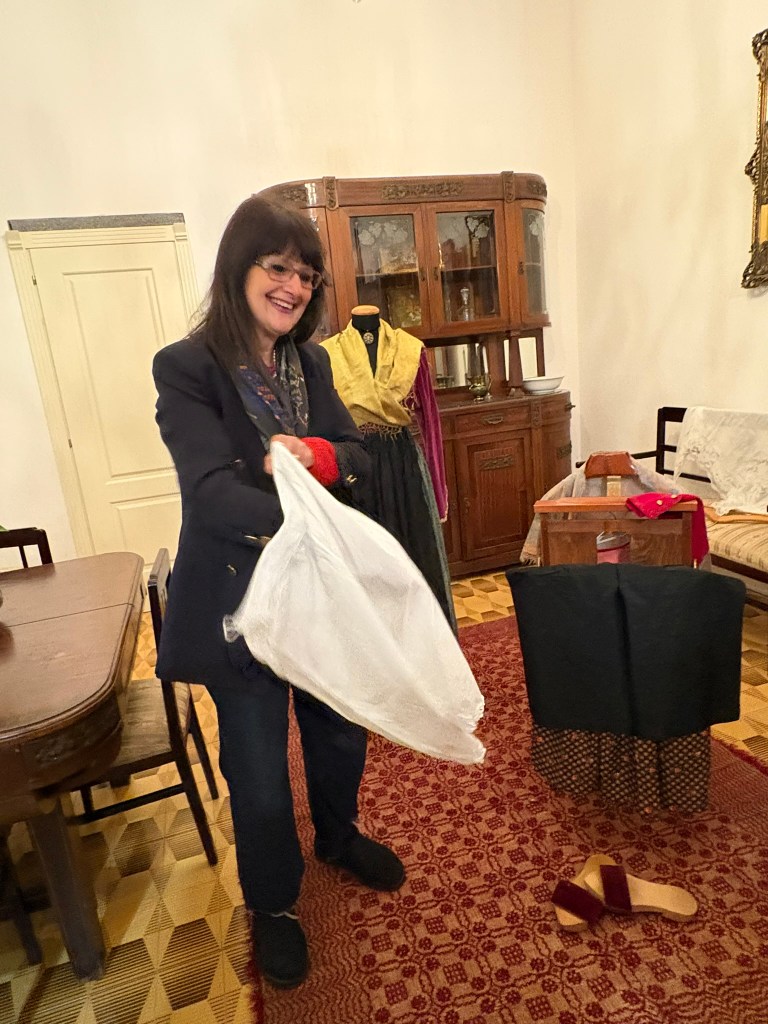
Knowledgeable guide Matteo Piras walks visitors through exhibitions at the Ferruccio Barreca Archaeological Museum.

Displayed here are artifacts found in excavations that are still in progress at sites on the island, with relics from ancient settlements and necropolises. One exhibition shows items found in a Punic Age water cistern and includes a large bowl used for making couscous (a typical Tunisian meal). Evidence like this indicates the island’s layered historical cultures resulting from its unique waterside location and landscape have influenced cuisine.

Tabarchin Cascà Indicates African Culinary Influence

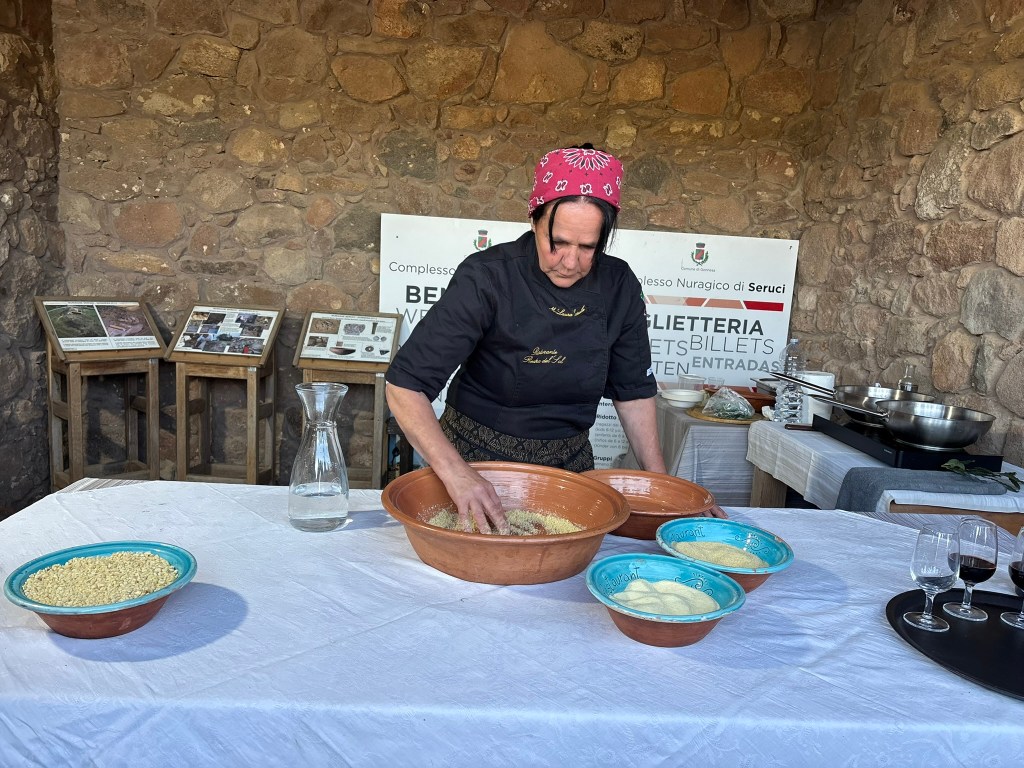
In Calasetta, the Tabarchin couscous called cascà is still traditionally made using hand-prepared semolina. Lines grooved into the sides of the bowl assist in breaking up the moistened, salted grain clumps to form spherical shapes. Made in large batches and cooked with vegetables and aromatic herbs, this couscous can be reheated as savory leftovers, with flavors intensifying for later enjoyment.
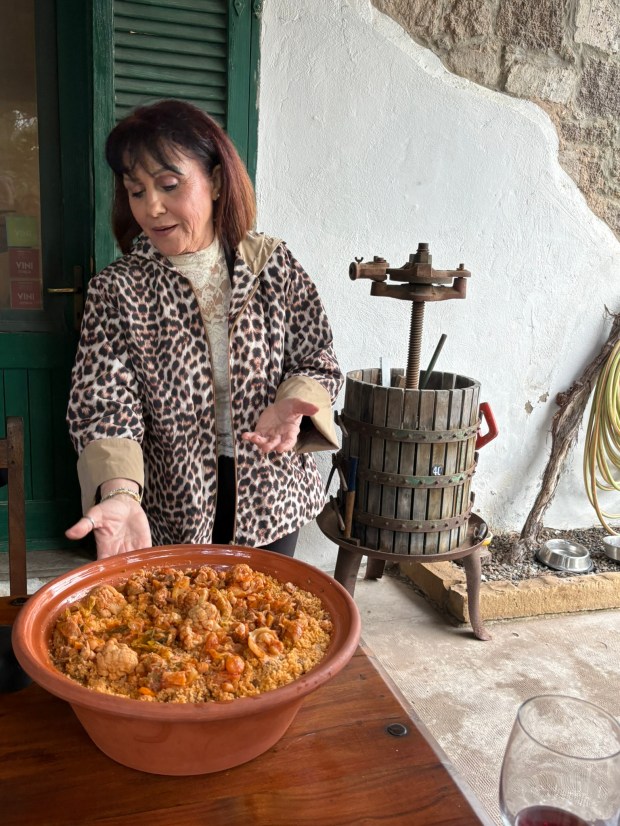
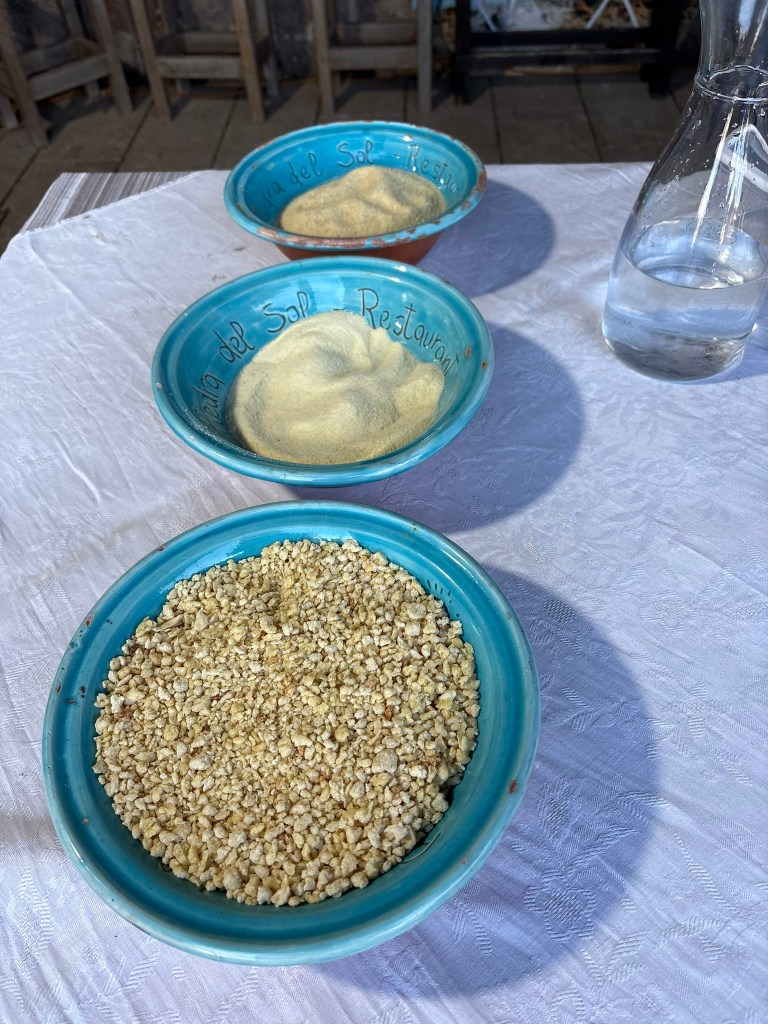
A family recipe of Calasetta couscous is served at the Tenuta La Sabbiosa winery.
Settlement Structures Give Clues to Earlier Lifestyles

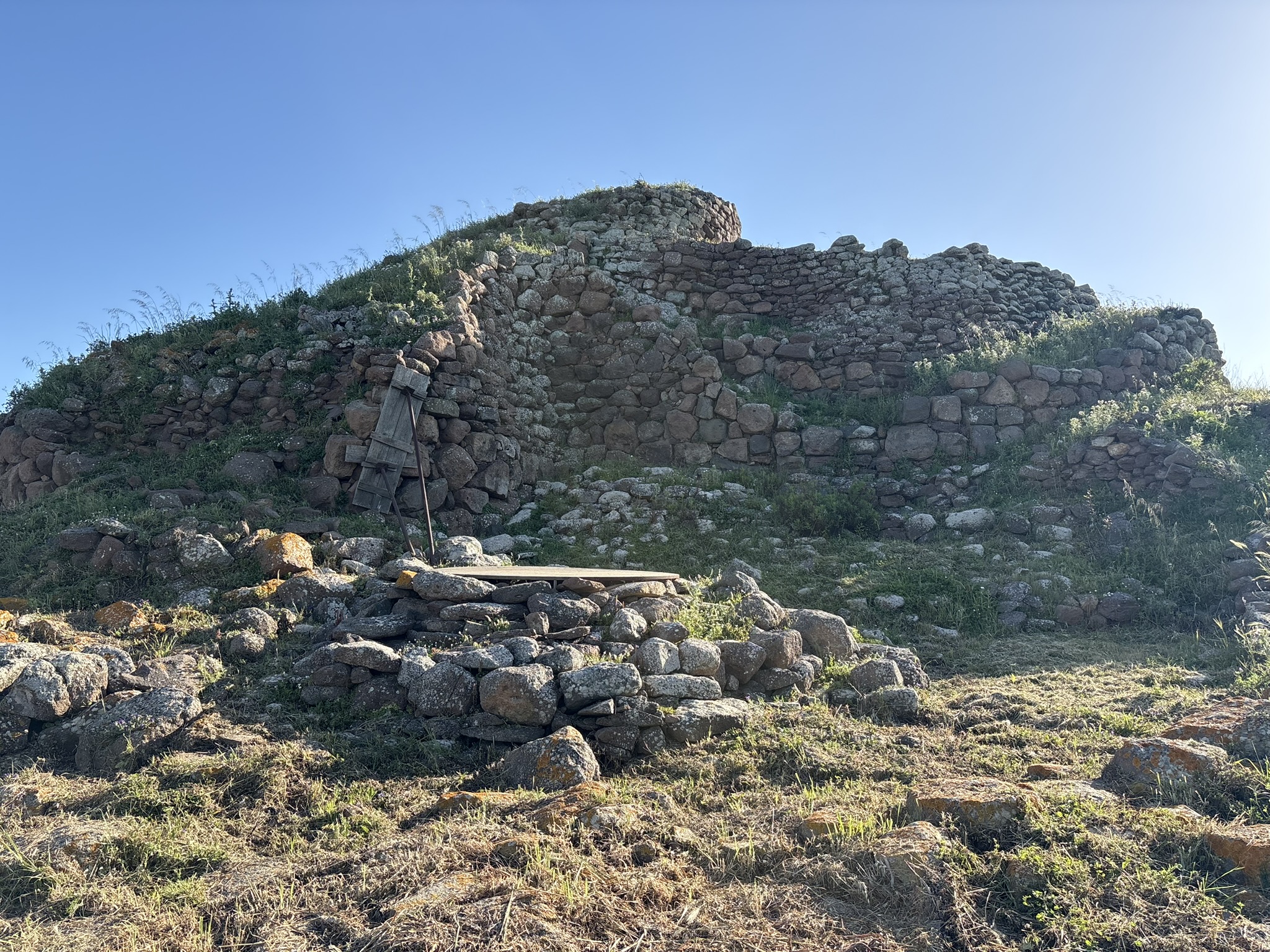
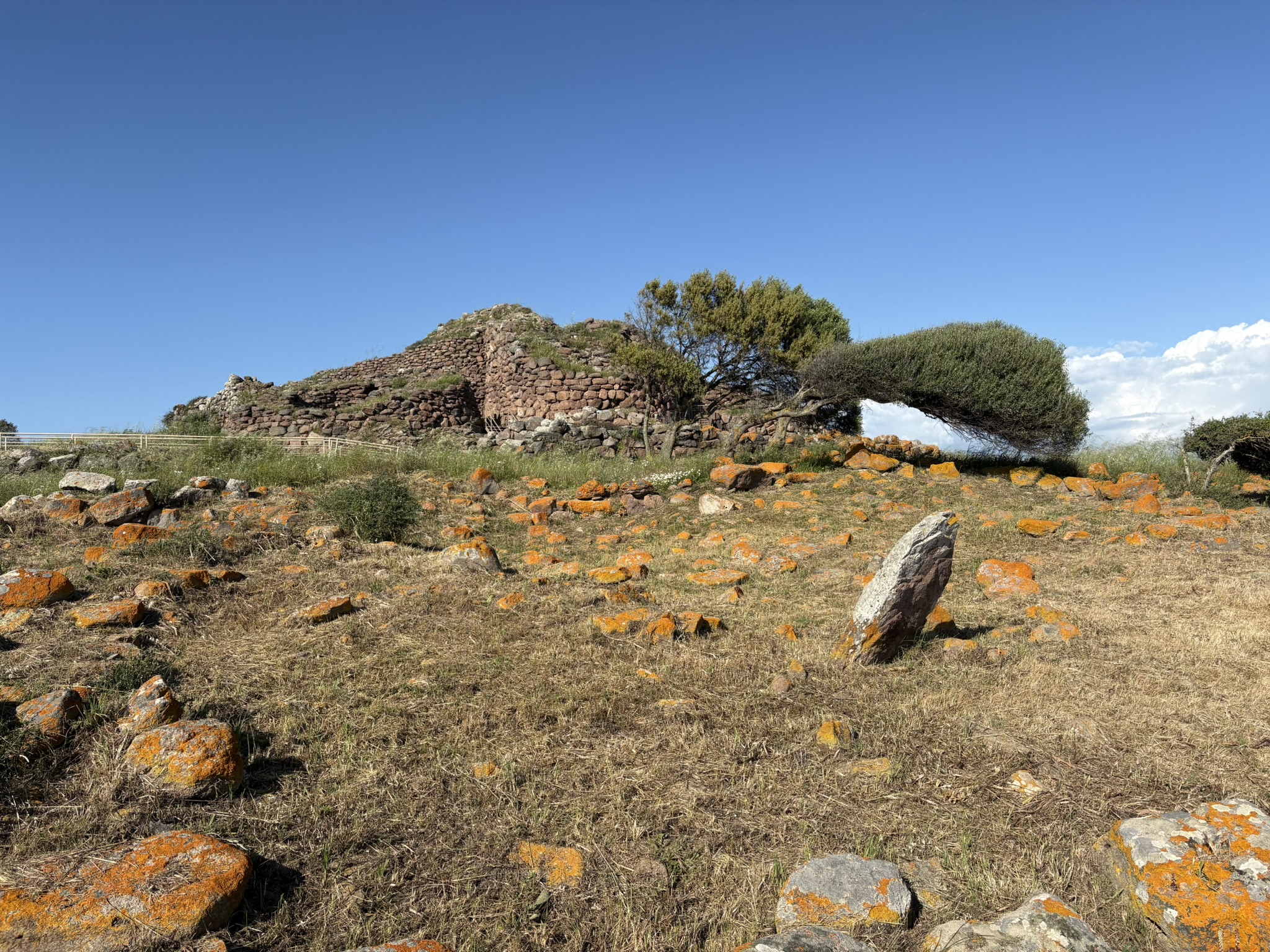
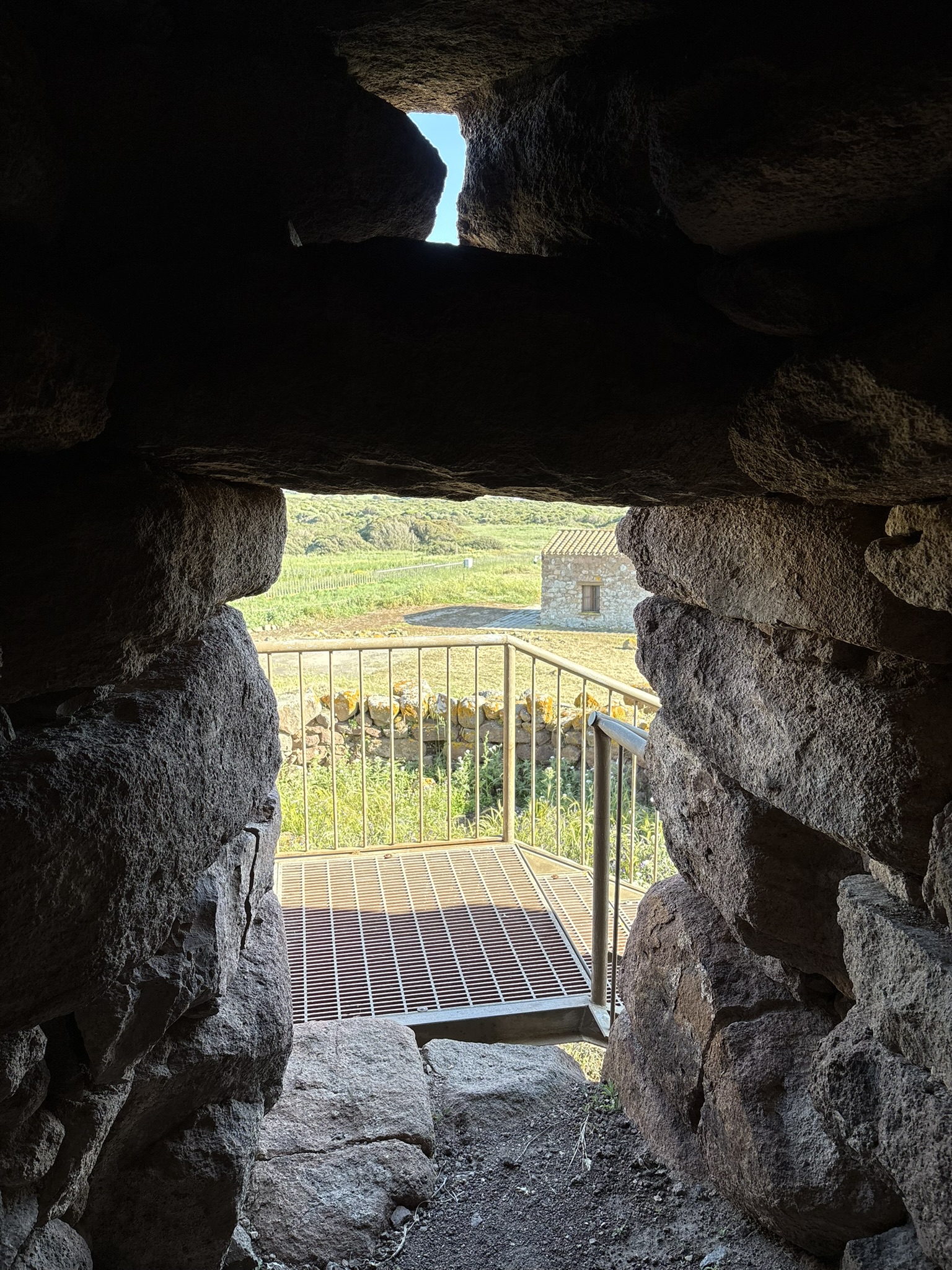
The southwestern portion of Sardinia holds the ruins of many nuraghes (fortress-like buildings) and shows evidence of the existence of Phoenician settlements—some of the oldest on the island. The remains of important Roman and Medieval structures are also found here. Across all of Sardinia, there are 7,000 discovered nuraghi, with 50 on Sant’Antioco island itself. Although the Nuragic Age’s characteristic structures vary in size and format, the strategic locations of these buildings seem to indicate they served as political, economic, and administrative centers of control and protection of resources.

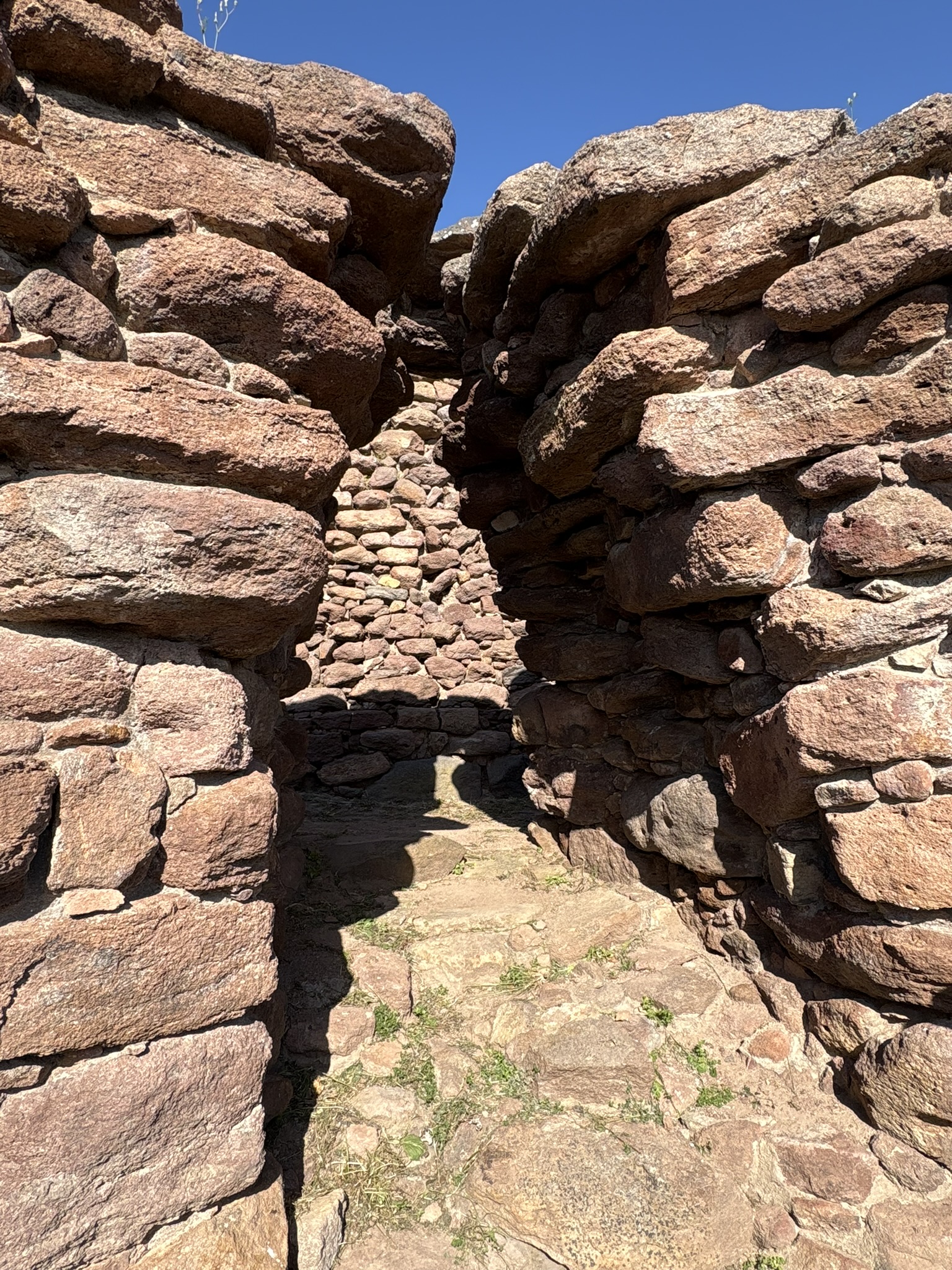
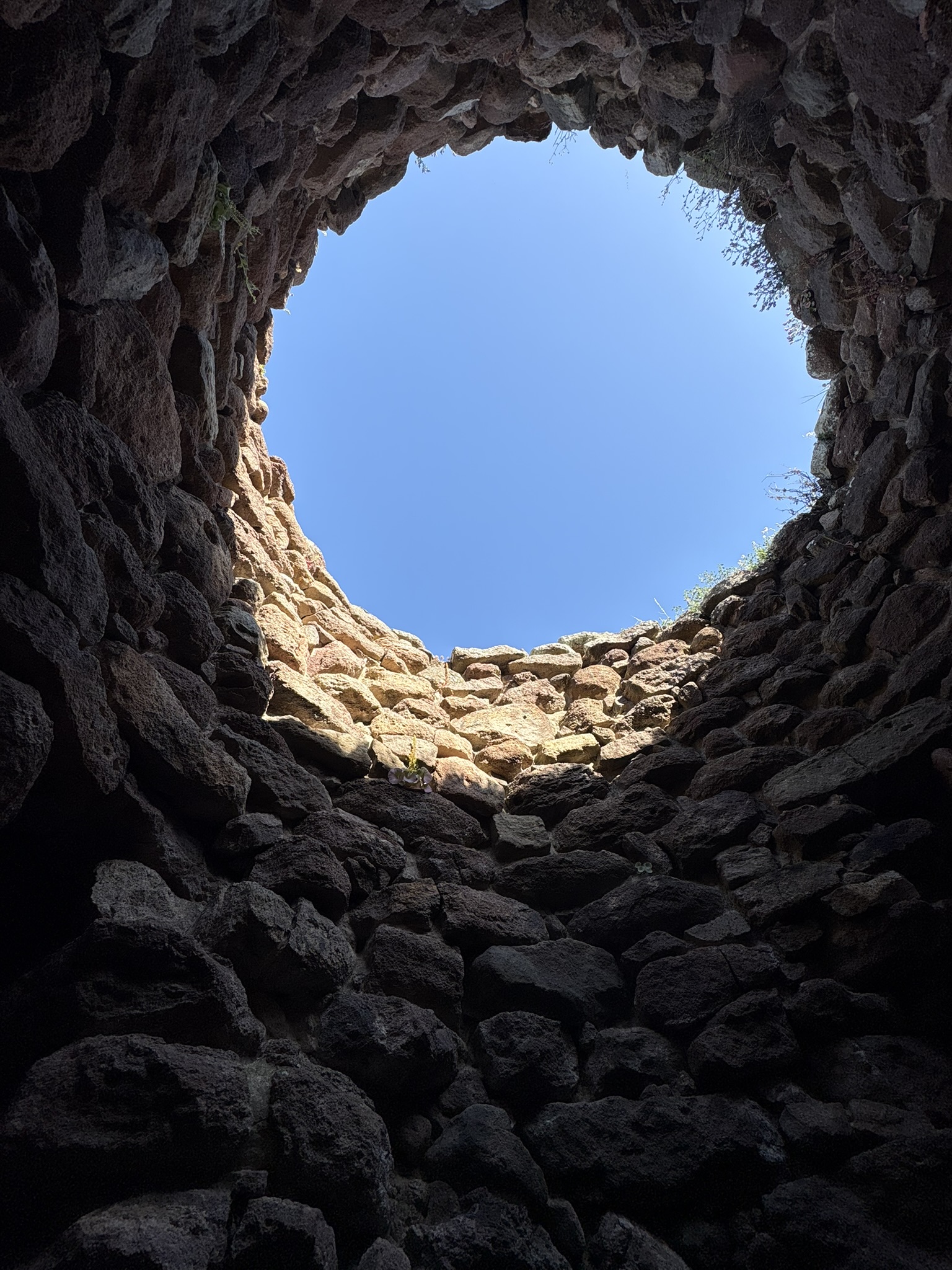
To touch ancient nuraghi monument stones from 1600 B.C., head to the 14-acre Nuragic complex of Seruci in the town of Gonnesa, one of the largest Bronze Age dig sites in Sardinia. Examination of the multi-tower nuraghe and numerous prehistoric artifacts found at this site indicate that the village included about 200 huts. Deposits of zinc, lead, and silver give evidence to the commercial and daily life of the settlement’s early inhabitants.
Grapevines Thrive From Ancient Roots

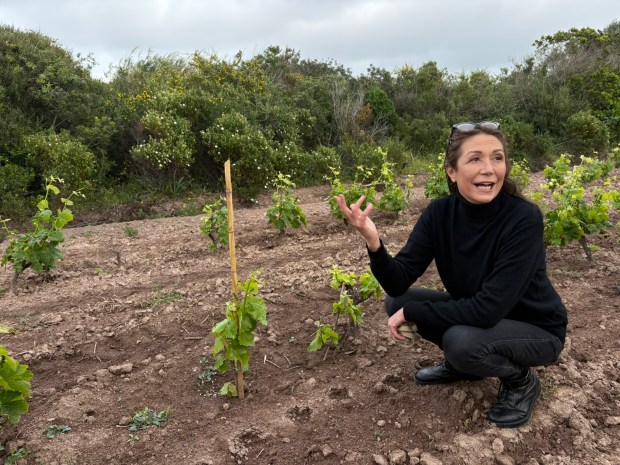
Protection of the land’s products remains important even today, as Sardinians work hard to retain the natural offerings provided by land and sea. Tenuta La Sabbiosa winery on Sant’Antioco has great respect and passion for the ancient Carignano vineyards the native soil and salty winds used to nourish year-round across the dunes. Having avoided Europe’s late 1800s phylloxera vine disease, these historic grapevines began to dwindle in the 1980s, as low yield and changes in the wine market slackened the wine-growing tradition. La Sabbiosa restored the centuries-old vineyards on their land, using traditional processing techniques combined with modern knowledge. The pure flavors and scents of their wines are unique in that they are a direct product of ancient, pre-phylloxera European roots and grapes grown seaside, in soil containing 99% sand.
Woman crouched beside grapevine plants
Through grafting original vines and hard manual work, the ancient flavor of European grapes is preserved in the roots at Tenuta La Sabbiosa winery.
Natural Cork Regenerates in Sardinian Ecosystem

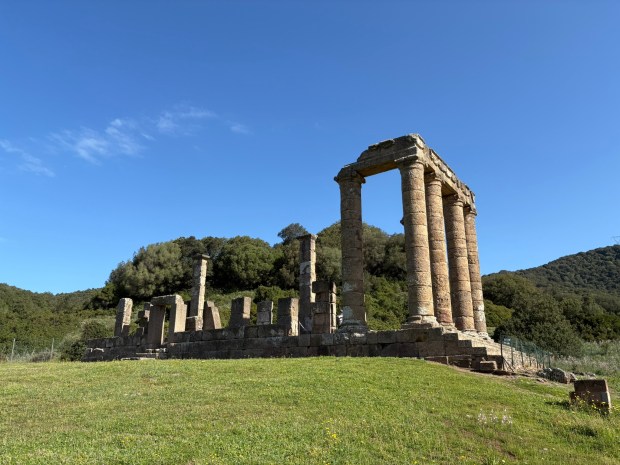
On the uphill road to Fluminimaggiore and the restored Roman Temple of Antas, cork oak trees are prevalent at the high elevation. These trees mark another way Sardinia’s landscape continues to shape local craft and commerce, as the trunks’ distinctive outward-growing bark regenerates in layers, allowing it to be harvested and regrow without harming the tree.

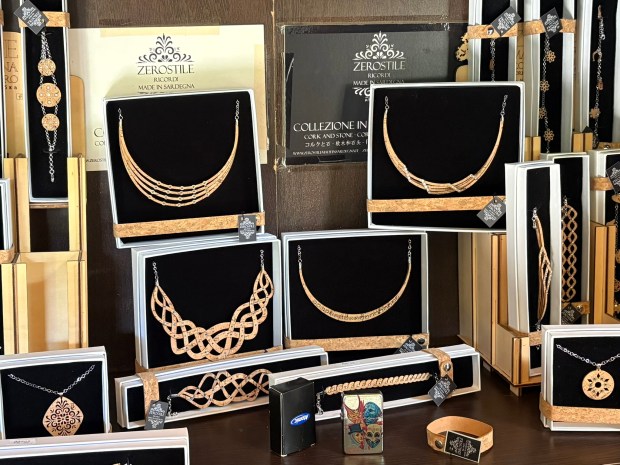
Renewable and sustainable, natural cork is harvested by cork producers to bring to northwest Sardinia and sell to wine producers, jewelry makers, and traditional mask makers, extending the relationship between Mediterranean ecology and everyday material culture.
Cork jewelry at a gift shop
Jewelry and souvenirs made from cork are found at some gift shops on the island.
Roman temple ruins in a meadow
The Temple of Antas has been partially reconstructed using original stones and fillers to recreate the front columns and staircase, and the sanctuary sits in the middle of a meadow, at an elevation where cork trees thrive.
Salt Harvested From Lagoon Waters

At waterfront MuMa Hostel on Sant’Antioco, the onsite Museum of the Sea and Shipwrights showcases natural habitats of plant and animal species on the island, including those of the herons, egrets, gulls, and pink flamingos that lounge in the Santa Caterina lagoon. These lagoon waters feed the adjacent Sant’Antioco salt pans, which are among the most important in Italy and help meet culinary demands.
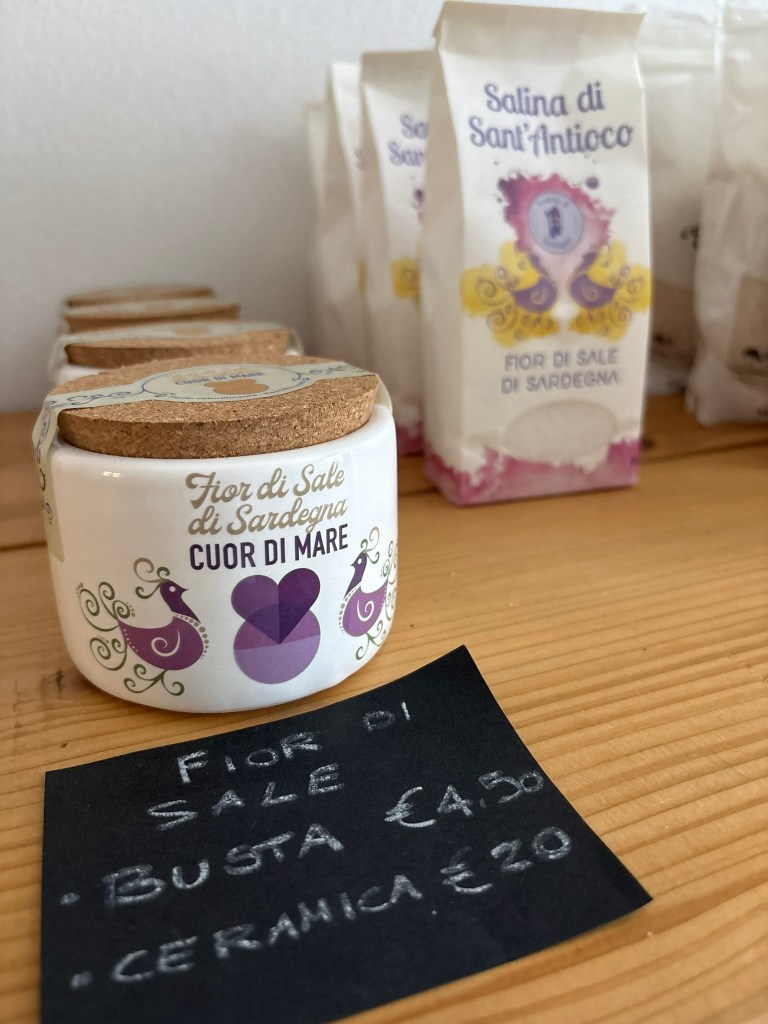
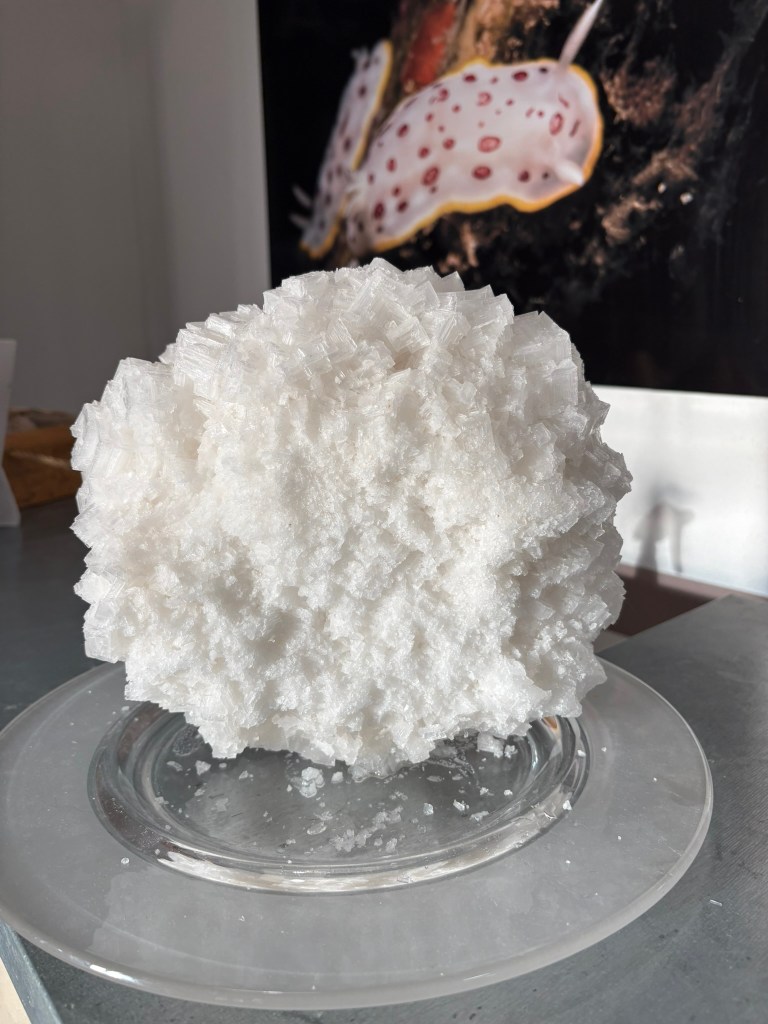
Flavorful Food From Flora

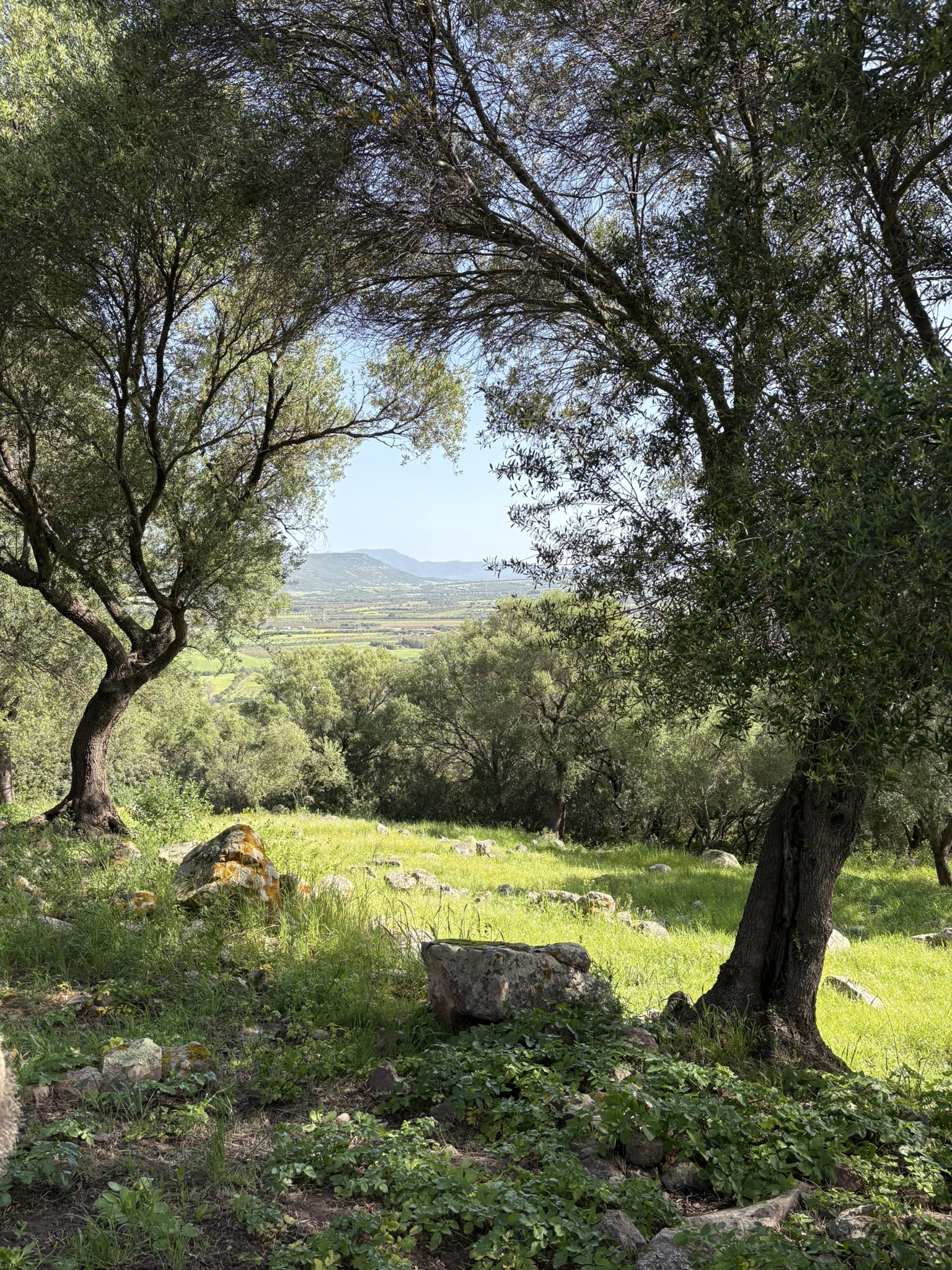
While hiking to archaeological sites for evidence of the past, acknowledge the unspoiled nature painting the hinterland. The pure air is filled with intense, aromatic scents of wild olive trees, prickly pear, wild lilies, chamomile, and myrtle. Although lovely to smell, this scrabbly brush that characterizes the Sardinian countryside is often waxy, dry, and bitter, so animals avoid them. To the enjoyment of many people, however, some of this vegetation from the Mediterranean scrub is used to create delightful food and drink.

Fruit from the myrtle plant is used to make a popular liqueur—mirto—served cold with desserts or after meals in Sardinia. The berries are steeped in high-proof alcohol for several weeks and mixed with simple syrup. The drink’s rich, sweet, and slightly bitter herbal flavor evokes the Mediterranean maquis—the dense shrubland typical of the region. Many households on the island make their own mirto or limoncello to have on hand for dinnertime and to serve to guests.
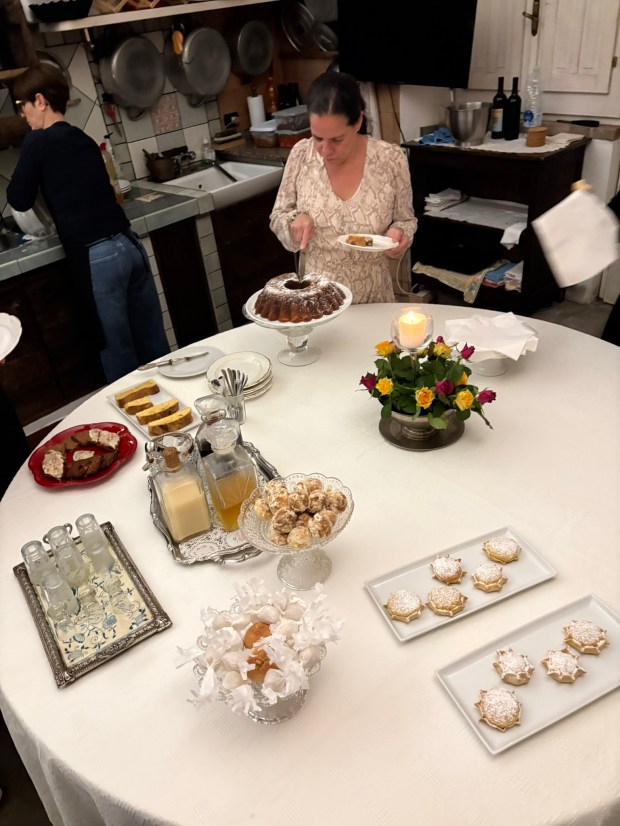
Table full of desserts and drinks
The dessert table at home restaurant Da Zia Pinuccia offers “ladies’ kisses” almond balls and pastries alongside chilled limoncello and mirto.

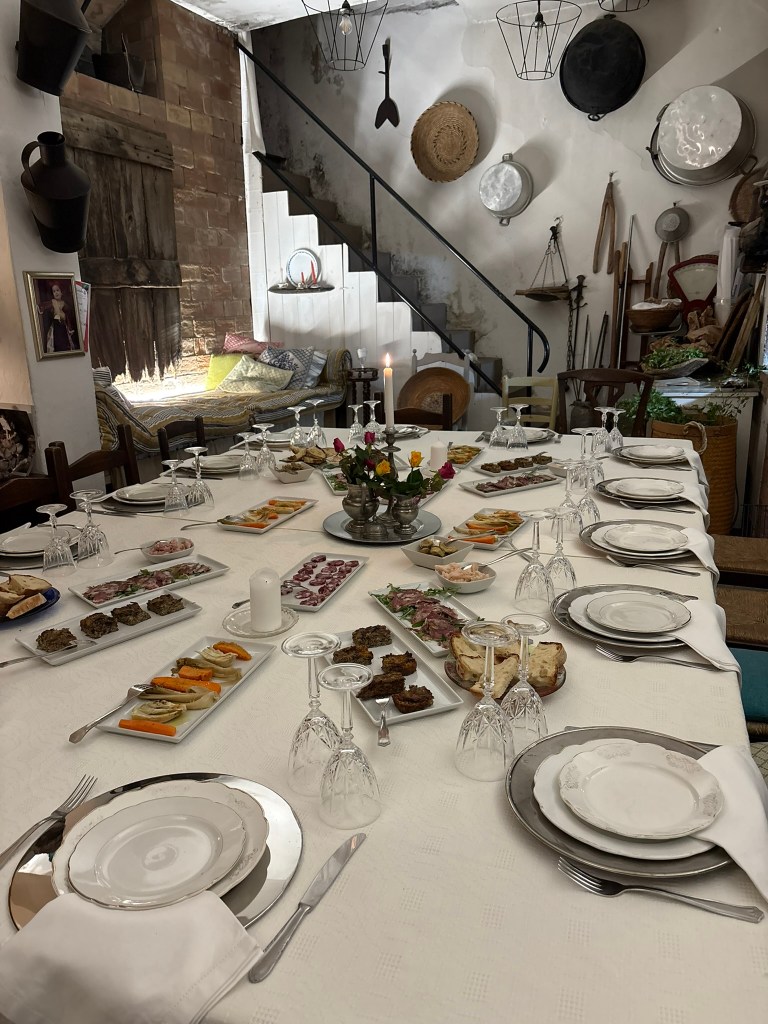
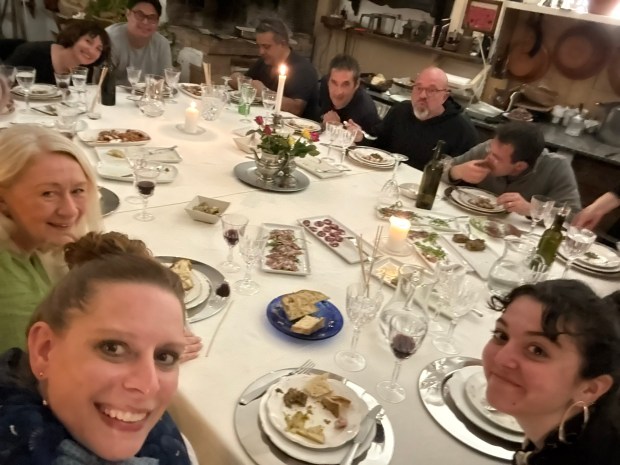
The fragrant branches of the myrtle plant are even used as a colorful garnish for plating suckling pig at home restaurant Da Zia Pinuccia. A family-style dinner at this 19th-century house provides an immersive dining experience with traditional Sardinian recipes passed down from previous generations, using locally sourced seasonal ingredients and ancient flavors.

Dine on homemade bread, vegetables, and meats cooked in the wood-fired oven, all served on antique dishware with years of family history. For dessert, try the “ladies’ kisses,” an almond ball coated in sugar and wrapped in white paper with fringed edges—a popular sweet in the south of Italy.

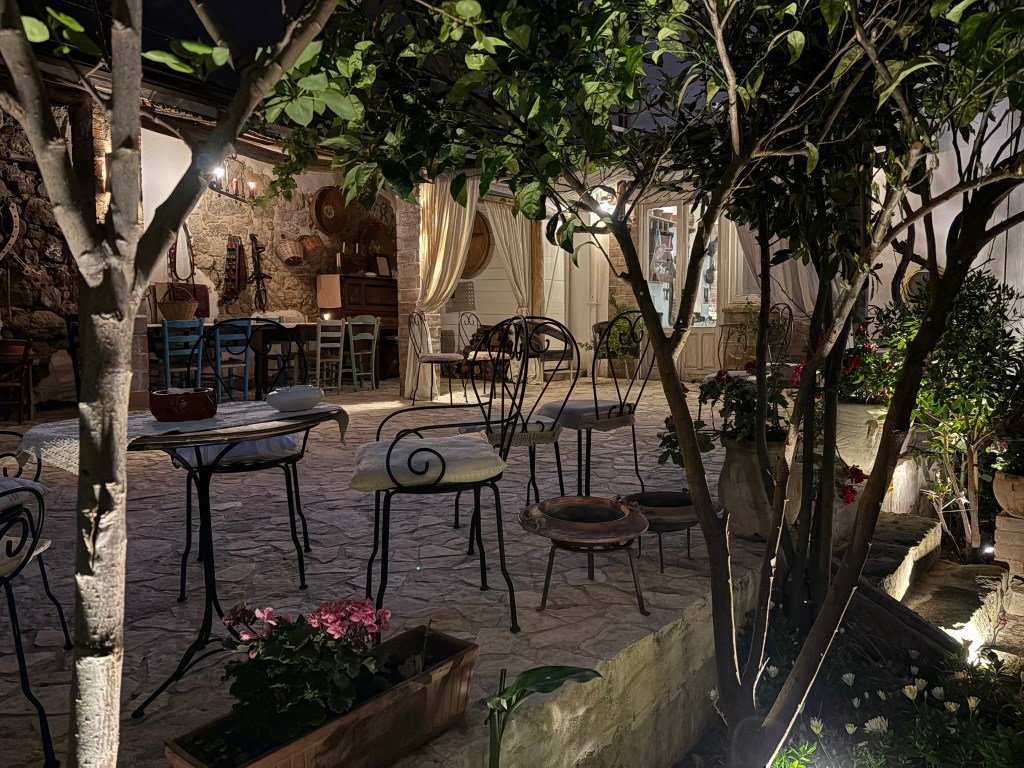
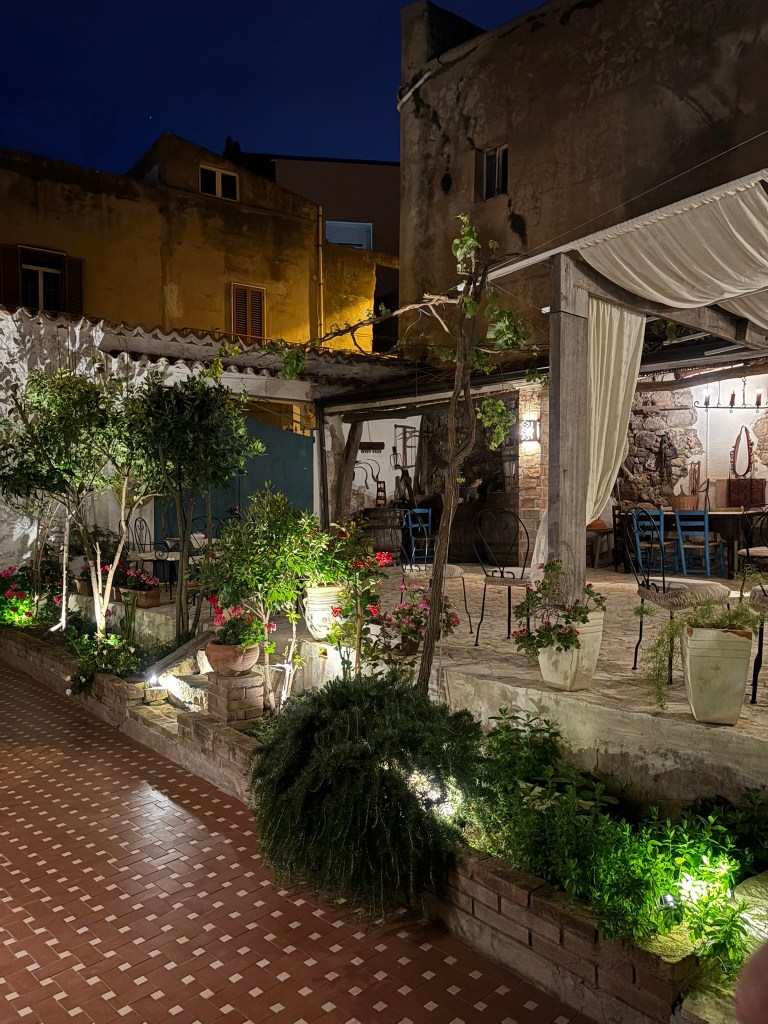
Learn generational stories around the dinner table, mingle with other guests in the gorgeous greenery lined stone courtyard, and enjoy time in a beautiful, warm home full of cultural history and memories.  
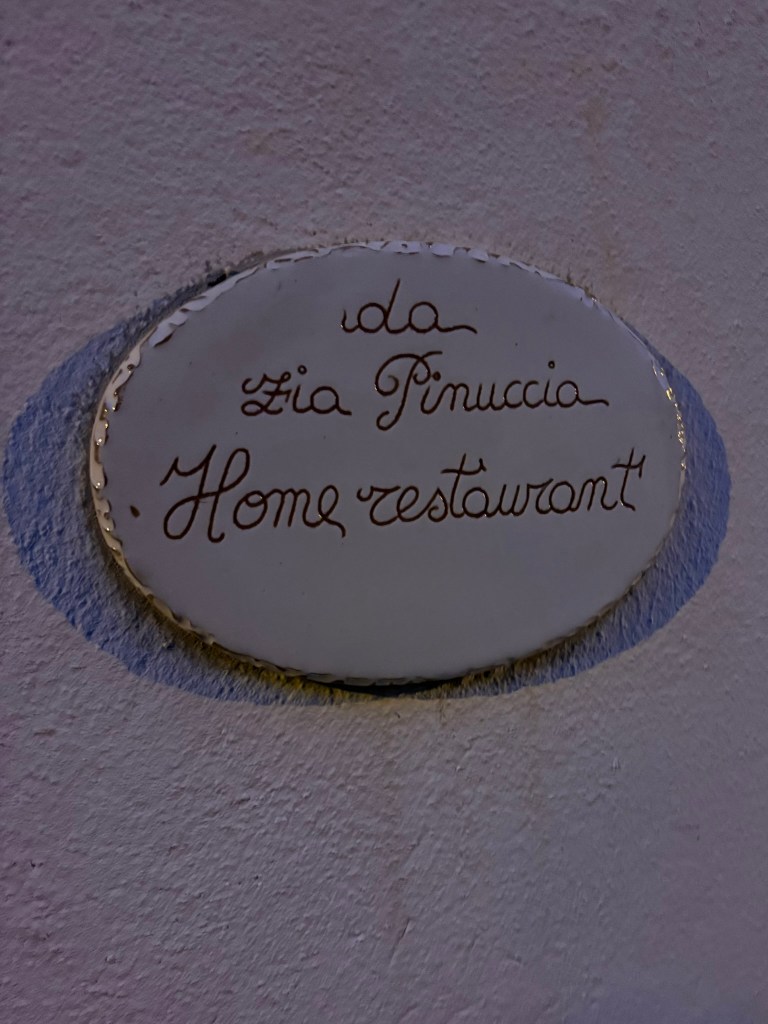
Prepare for lots of food and laughter around the table at home restaurant Da Zia Pinuccia.
Ancient Tombs—Waiting for the Afterlife

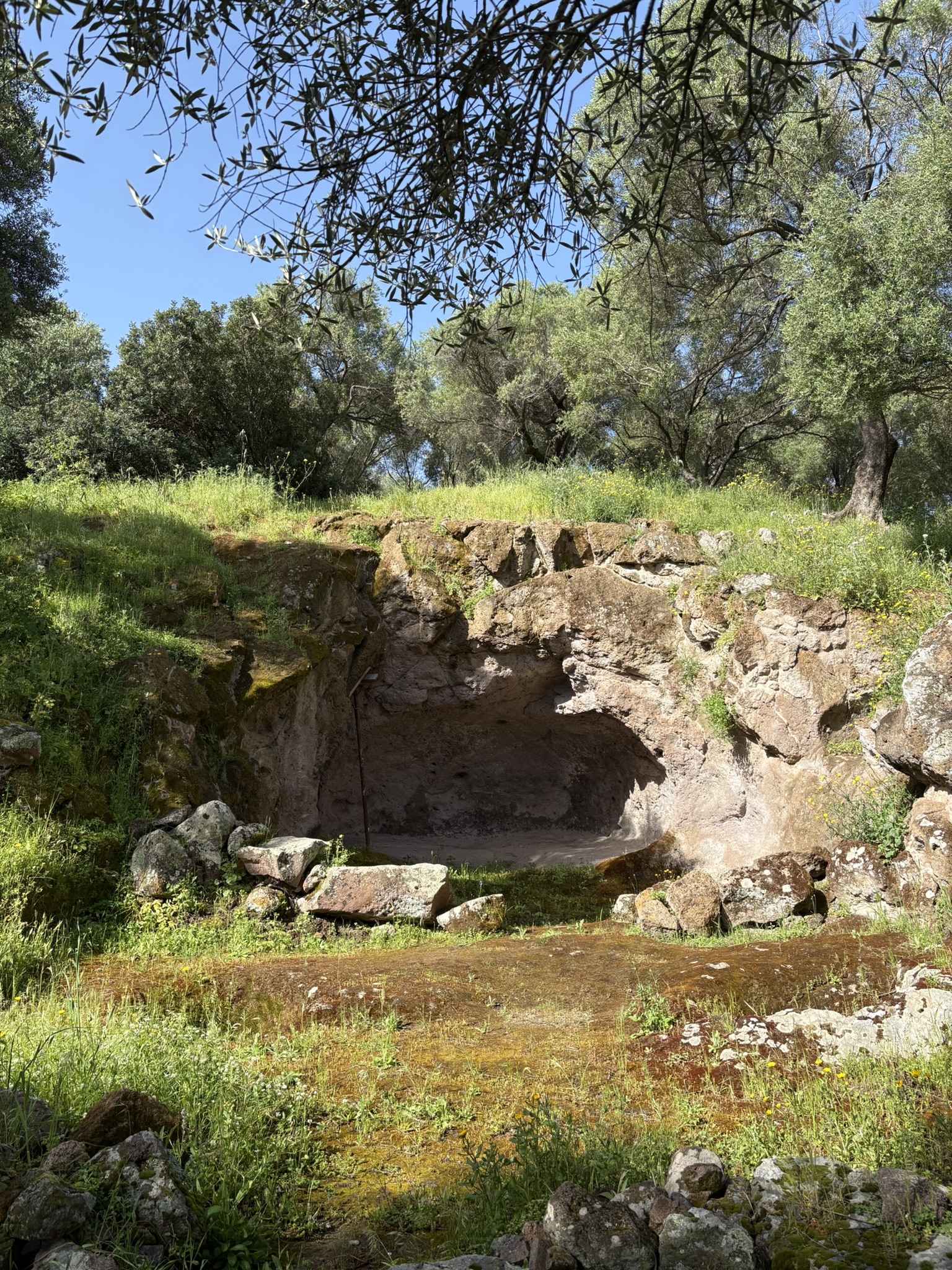
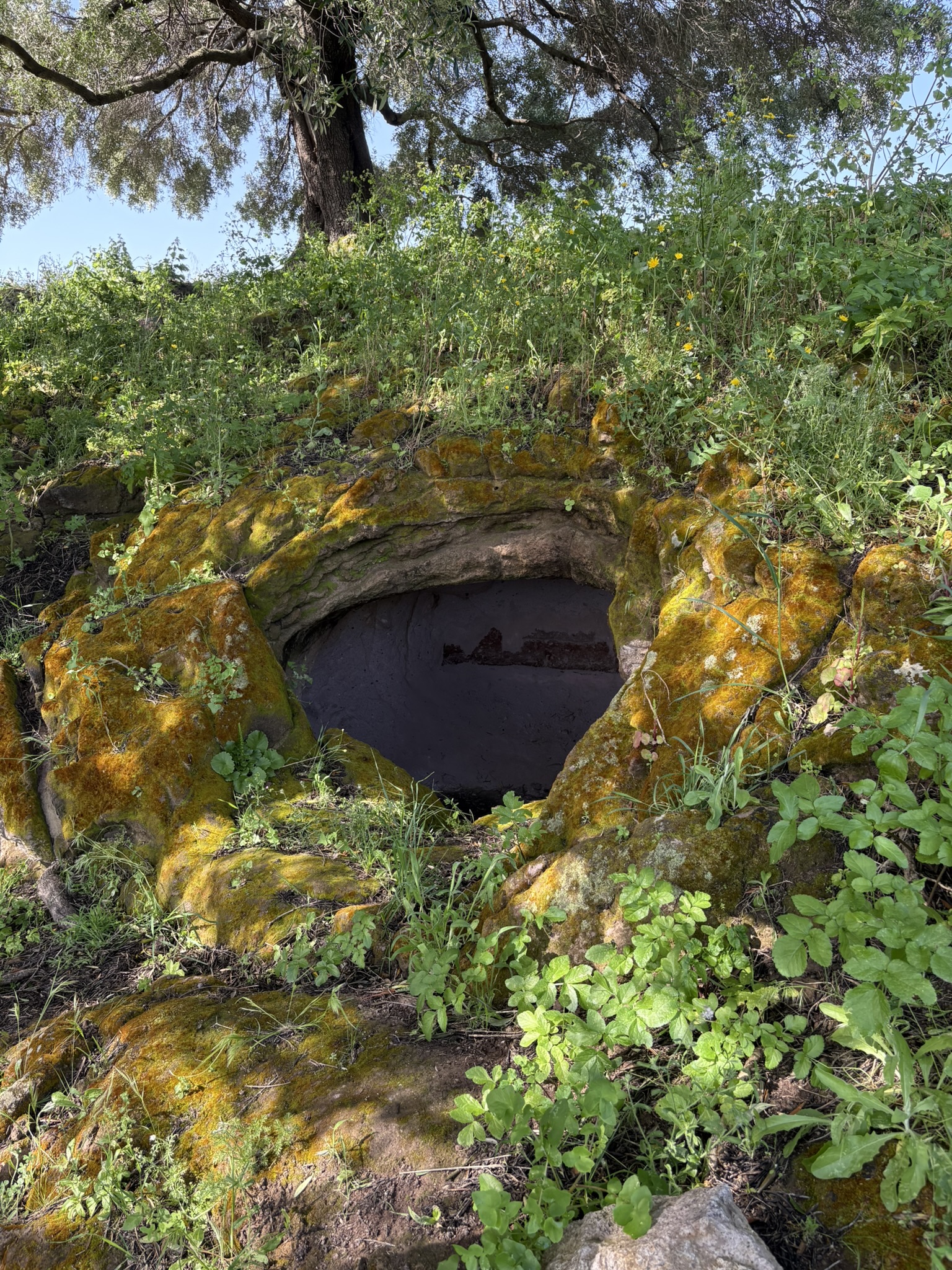
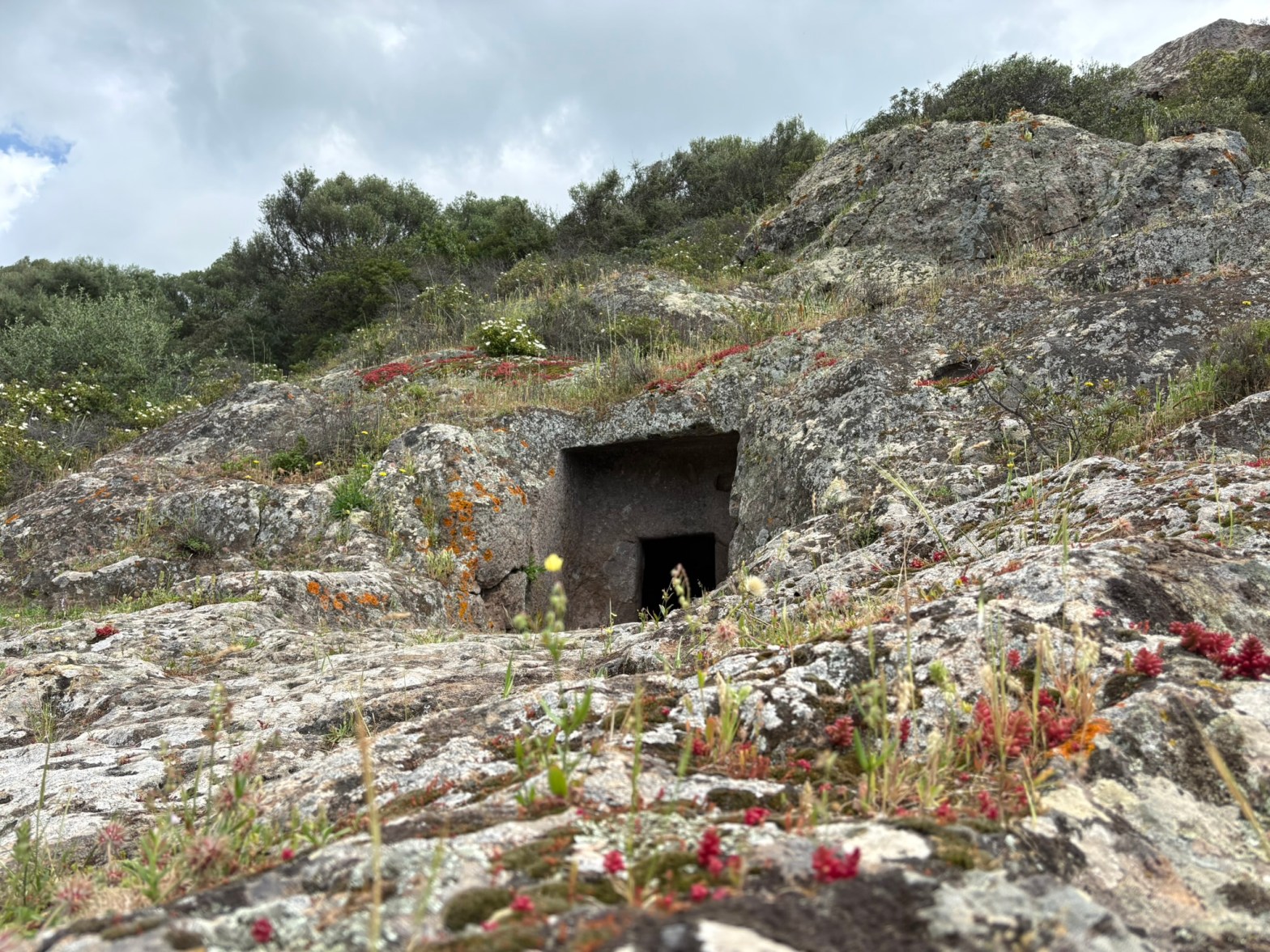
In terms of archaeological history, Montessu is one of the most important dig sites in Sardinia—due to its fascinating position along a moss-covered rockface and its significance in the study of prehistoric funerary rituals. The approximately 40 ancient cave-like tombs here, shaped with stone pickaxes, are called “fairy houses.” Often modeled after houses of the living, with multiple chambers, more than 3,500 of these are scattered across Sardinia, and legend says they belonged to tiny fairies who provided safe havens for the dead while they slept until passage into the afterlife.

Uncovered from the earth at Montessu have been artifacts such as obsidian, bronze, jasper, lead pieces for slingshots, etched coins, silver nails, and knives. Categorized necropolis finds from Montessu are displayed at archaeological museums in nearby Santadi and Cagliari.
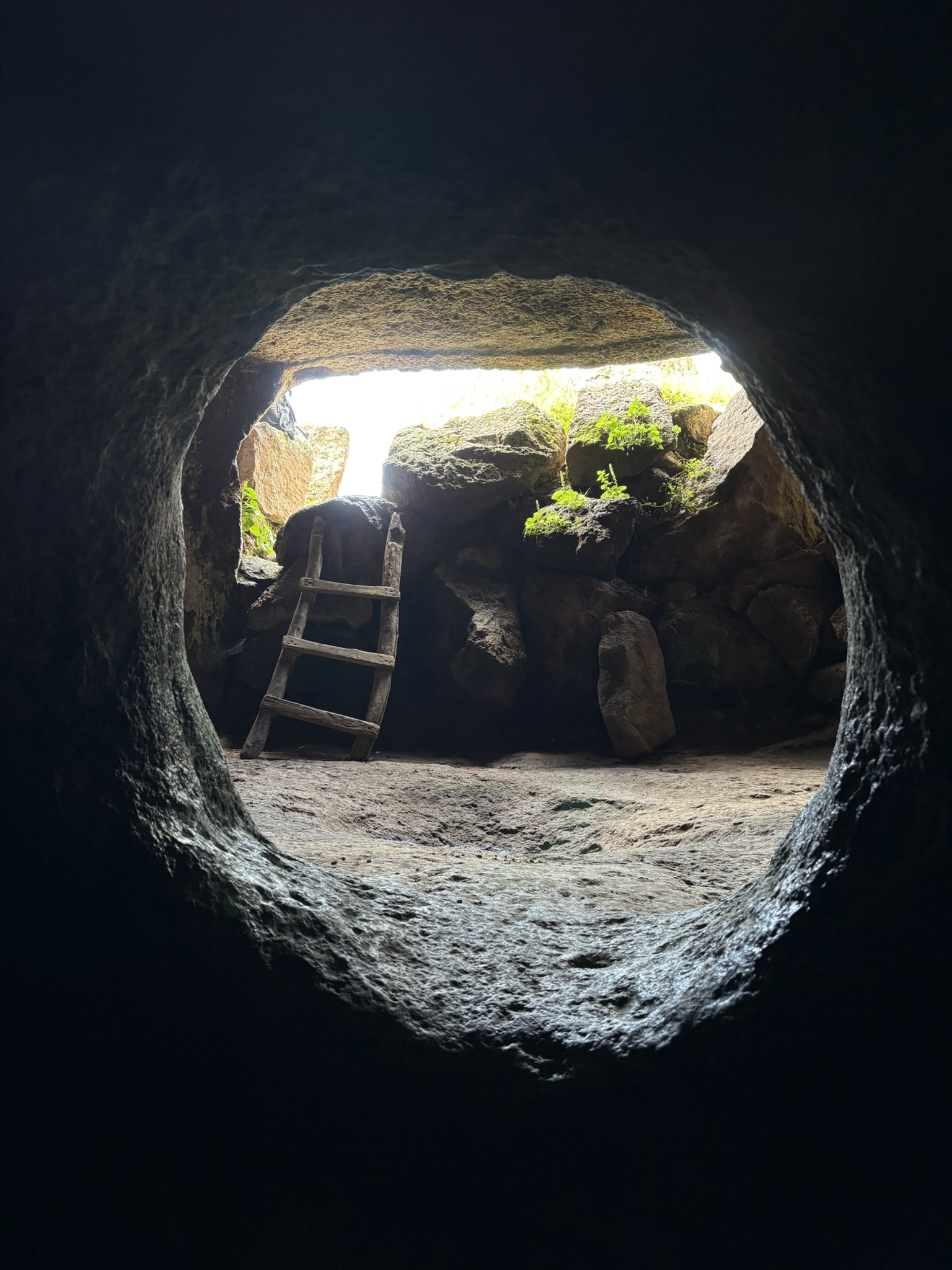
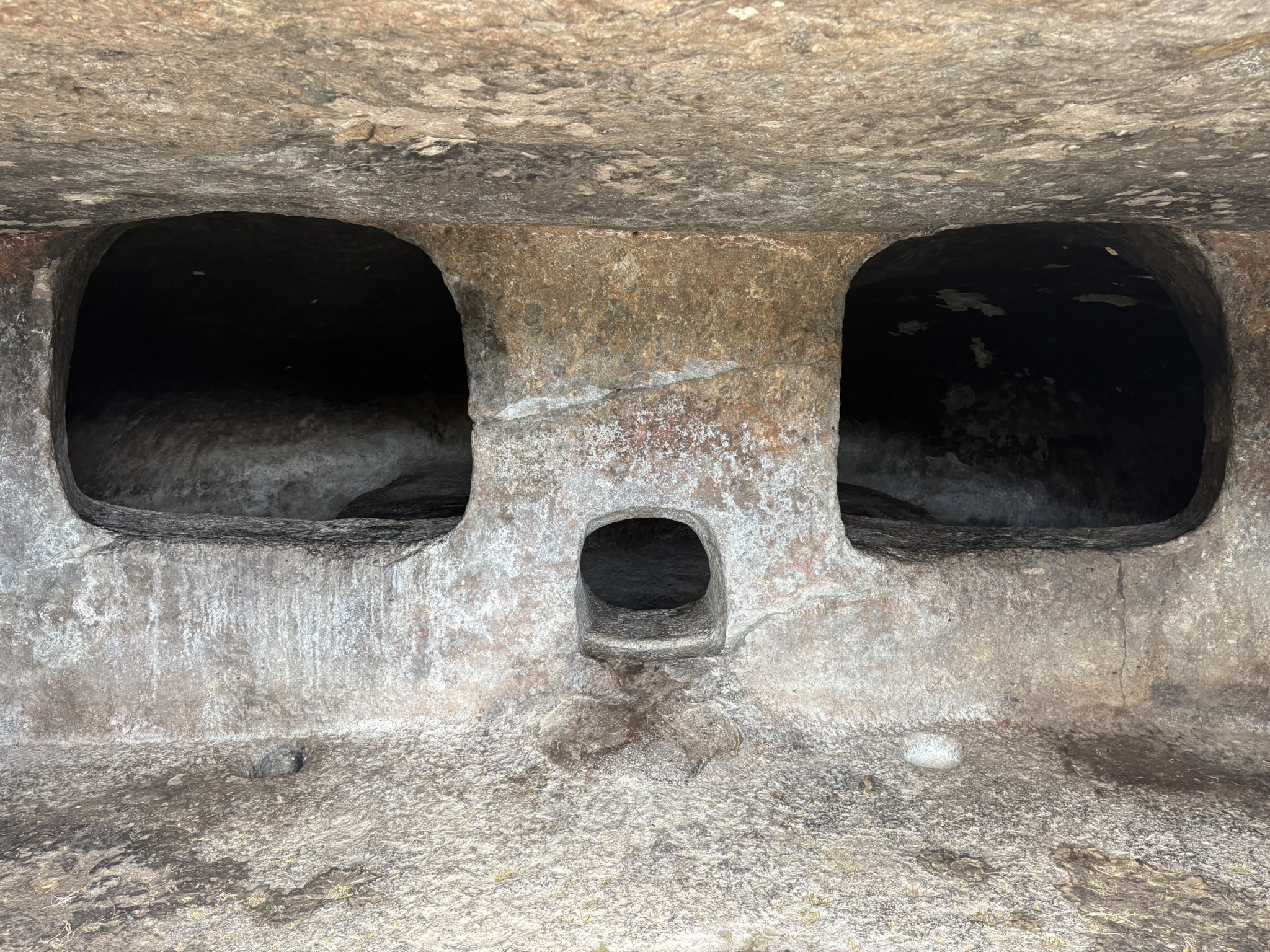
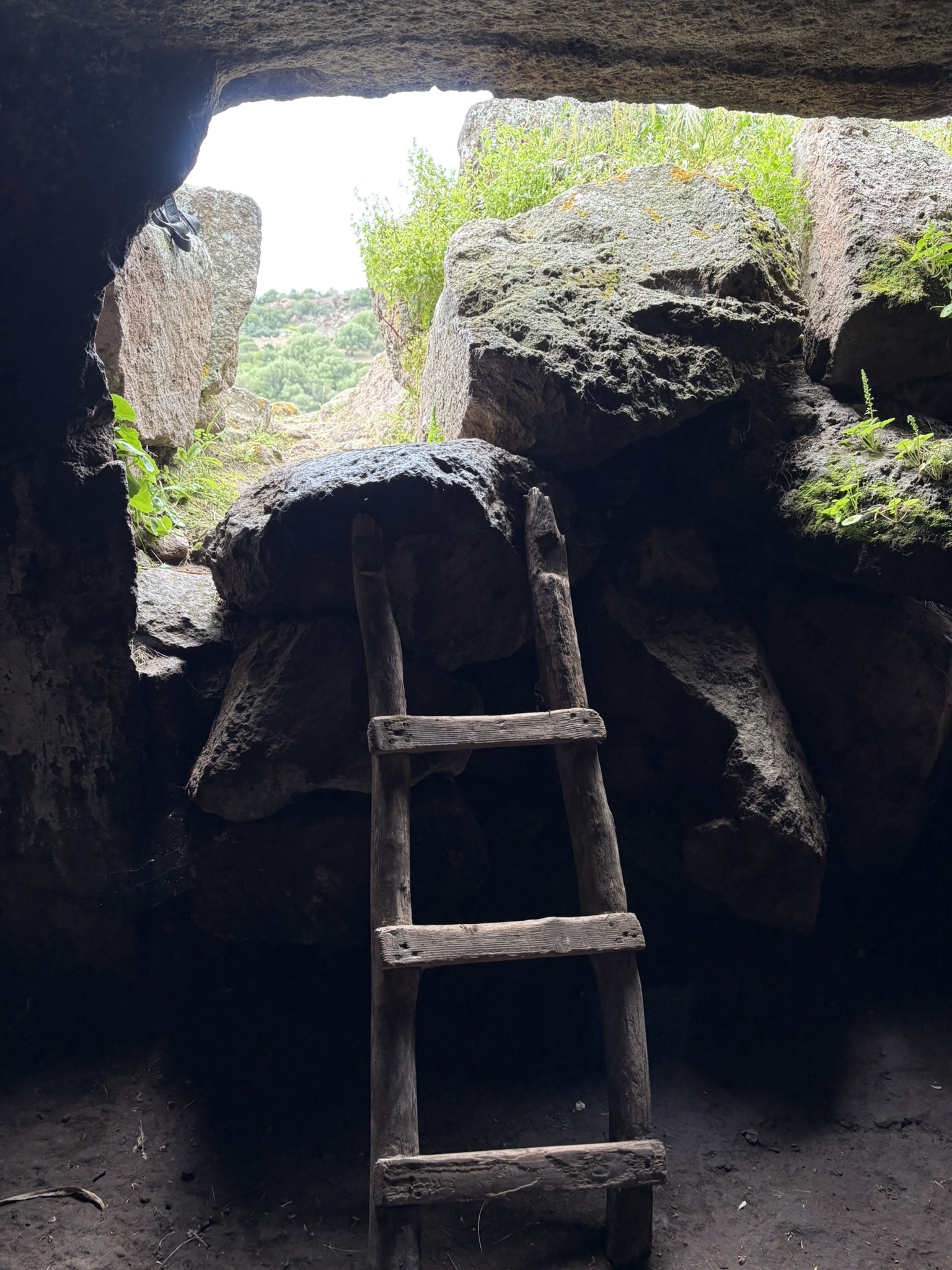
At Montessu, a 124-step stone staircase leads to more than 40 prehistoric tombs set along a rockface. Climb inside Tomb 10 (right and left photos) and down the wooden ladder for a peek inside the hollowed-out formation.

A scenic forest climb at the nearby Pani Loriga archaeological site leads to similarly constructed tombs—with evidence the interiors were painted with pigments—and the remains of a Punic settlement. Hilltop discoveries include masks, jugs, amulets, bracelets, and charms. Also found was a terracotta kernos, an ancient vase with several small cups attached to its rim for the purpose of filling with resins, oil, food, and wine for ritual activities. The walk across these grounds reveals shallow pits in the dirt where wild boars burrow for roots.
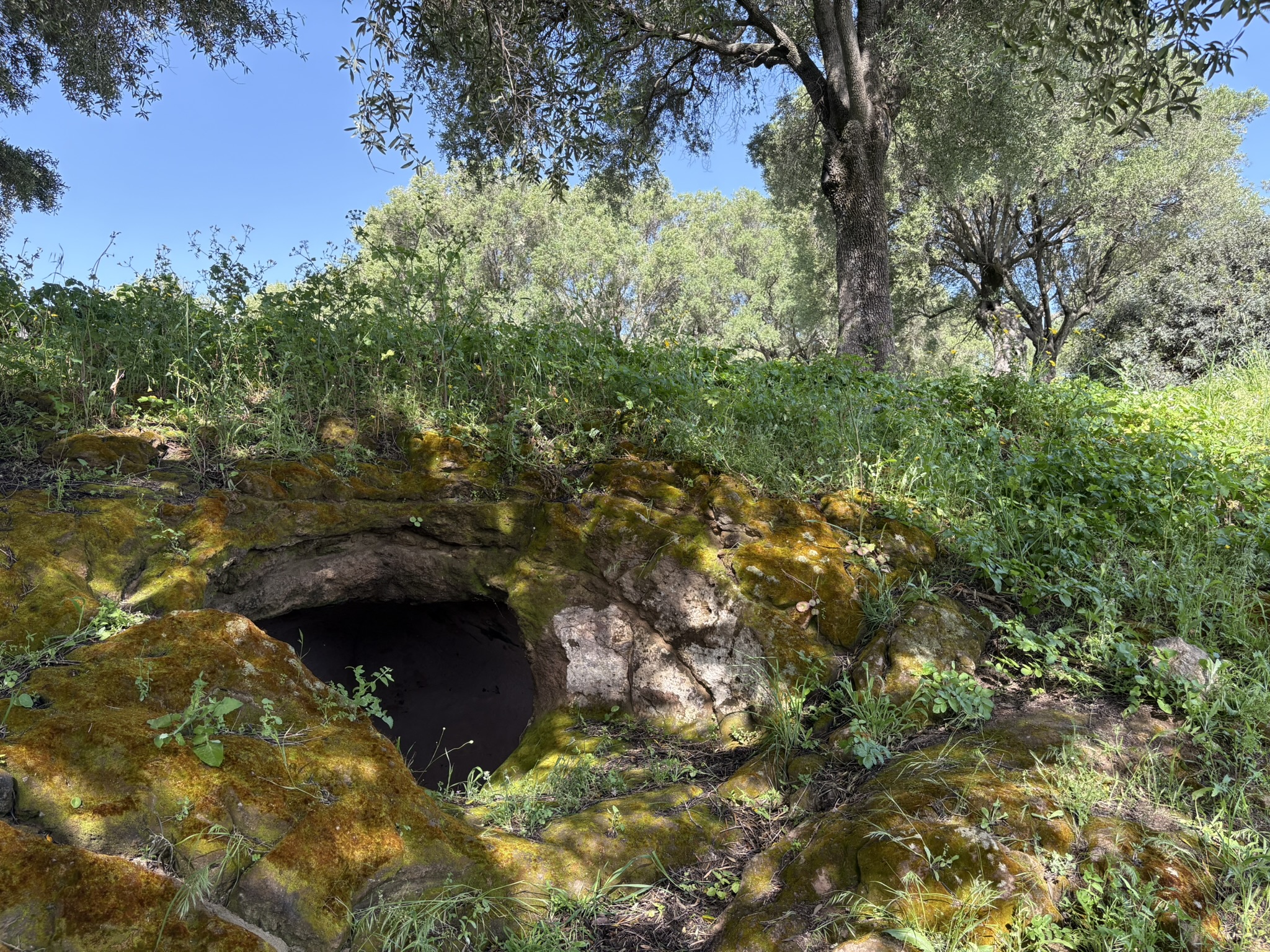
  • tombs cut into rocks

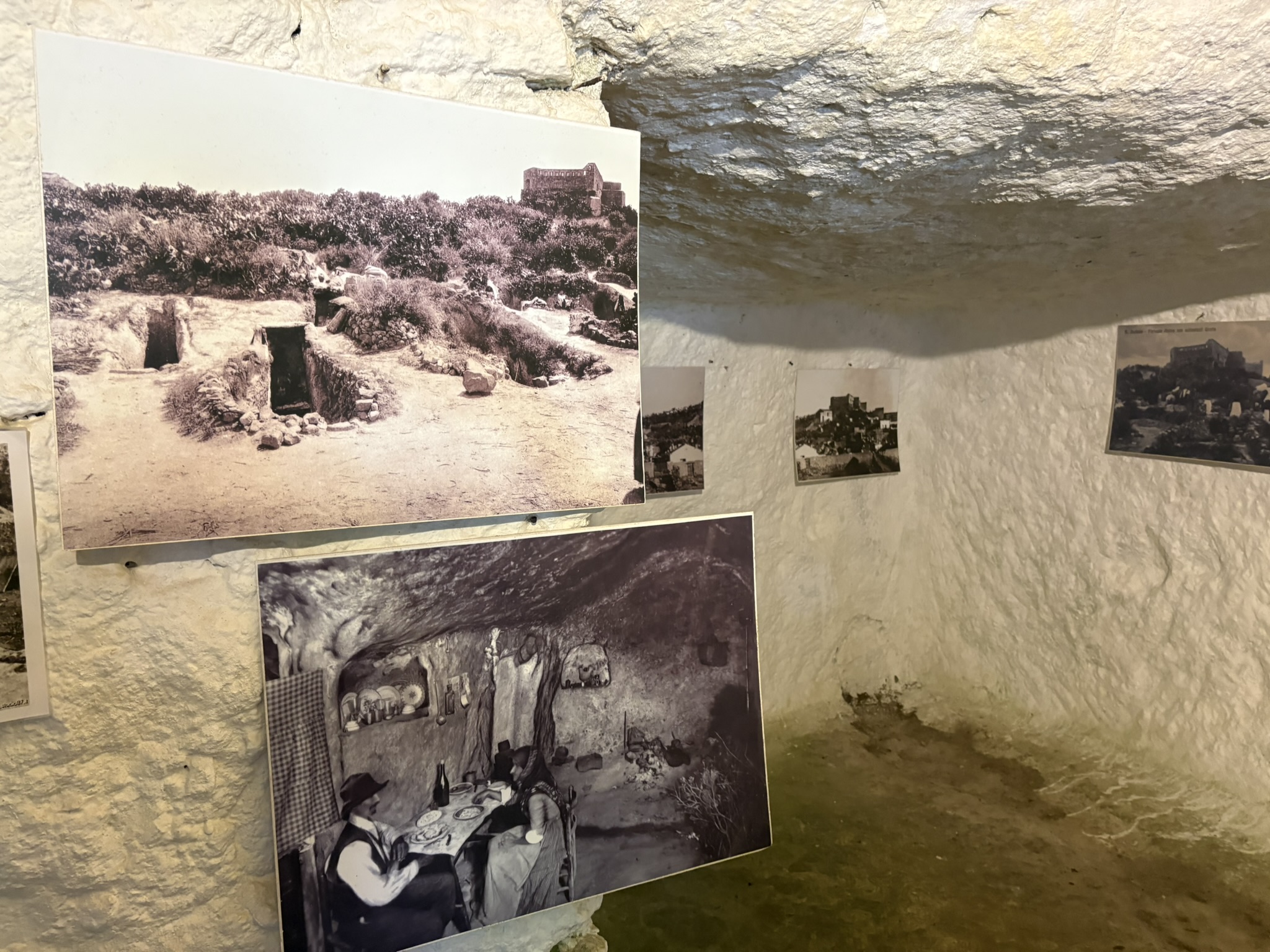
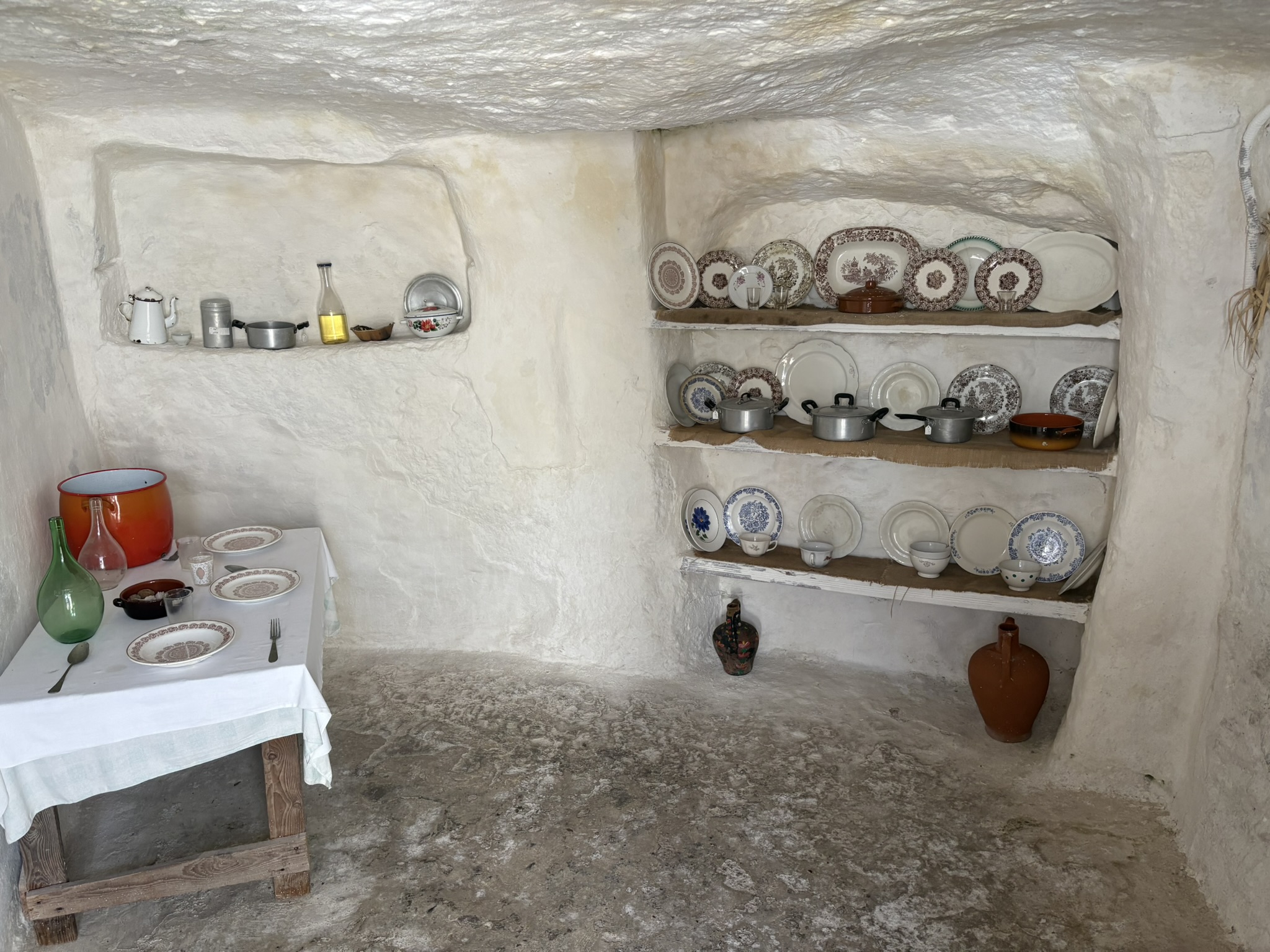
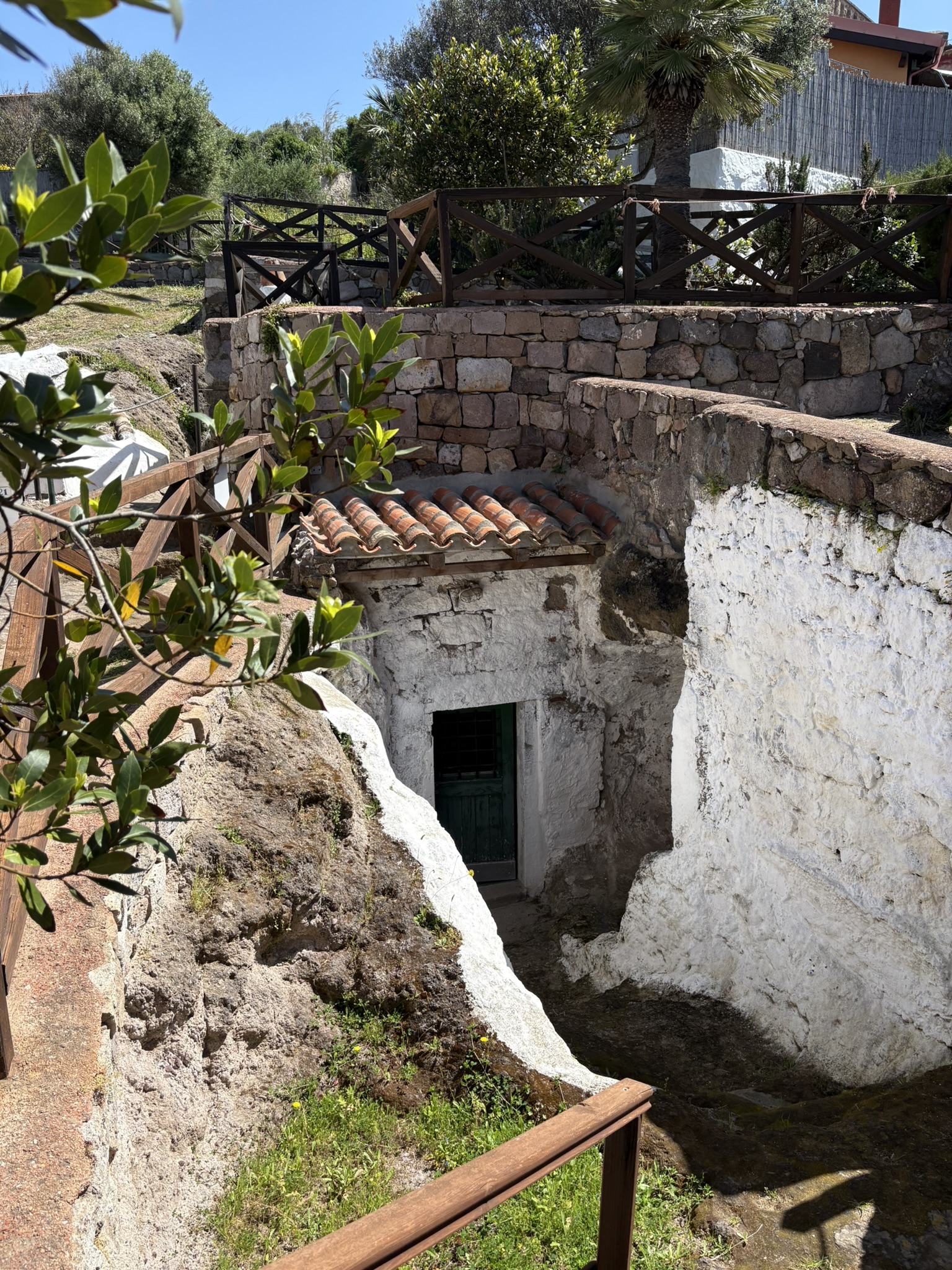
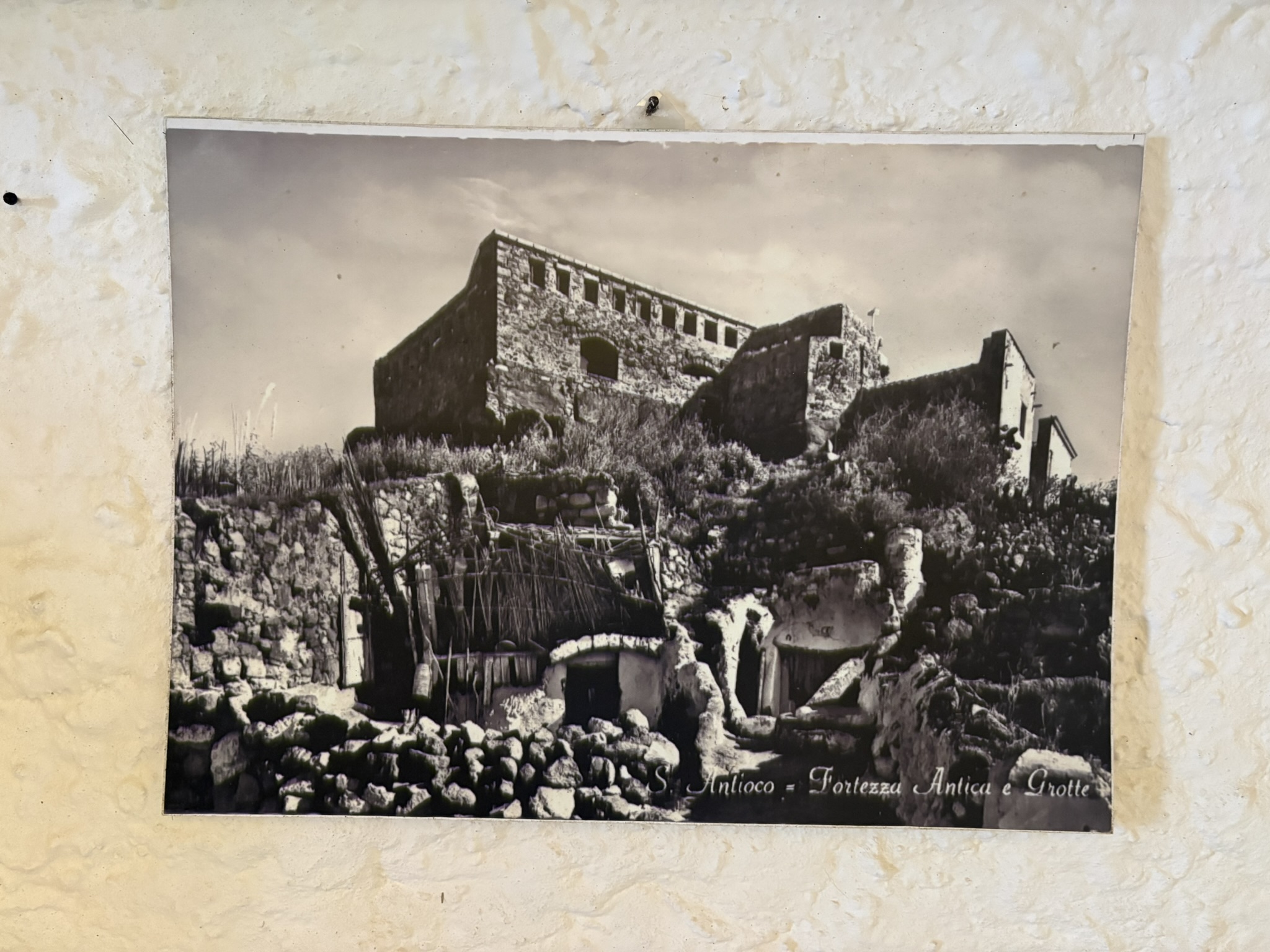
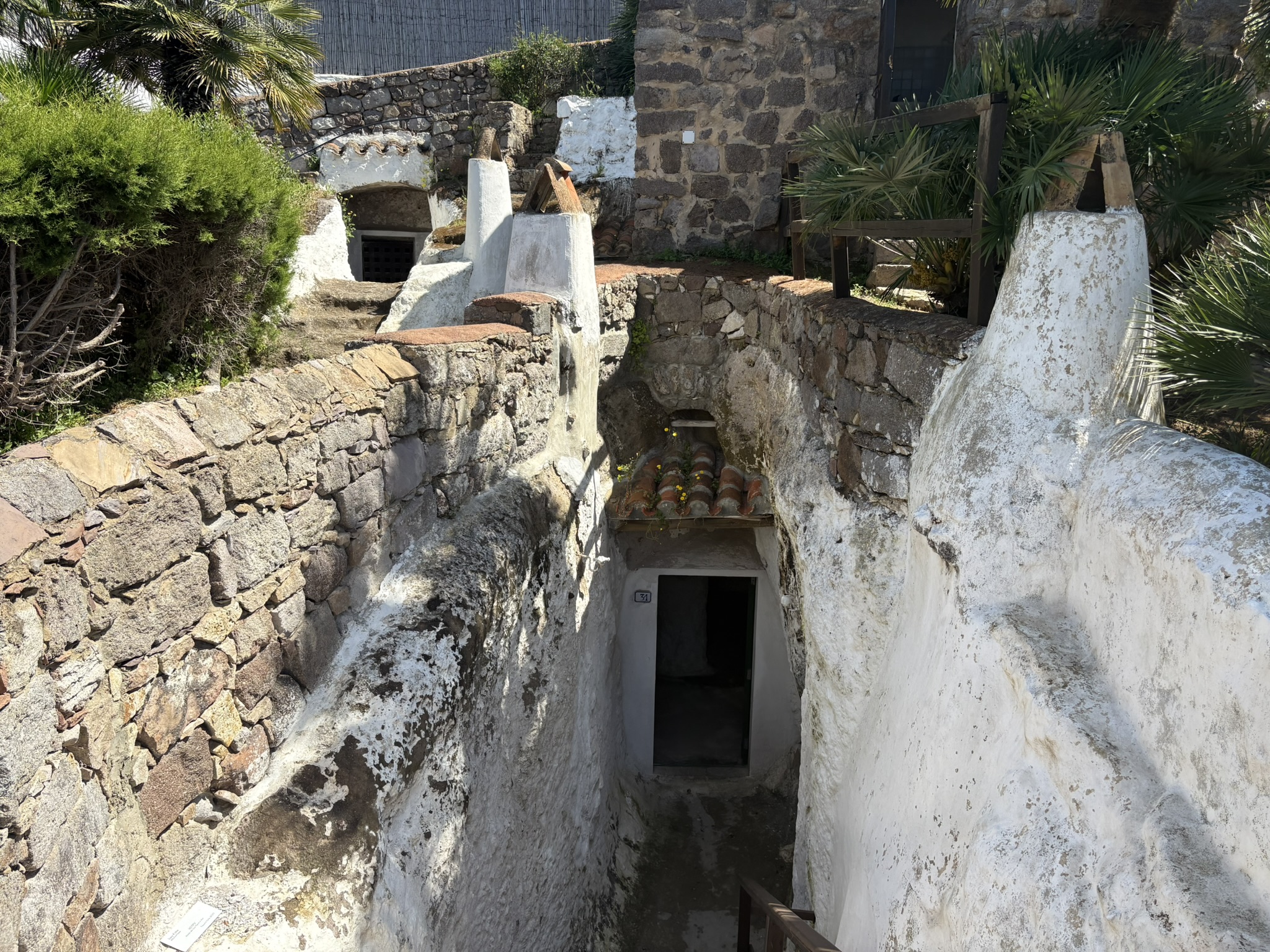
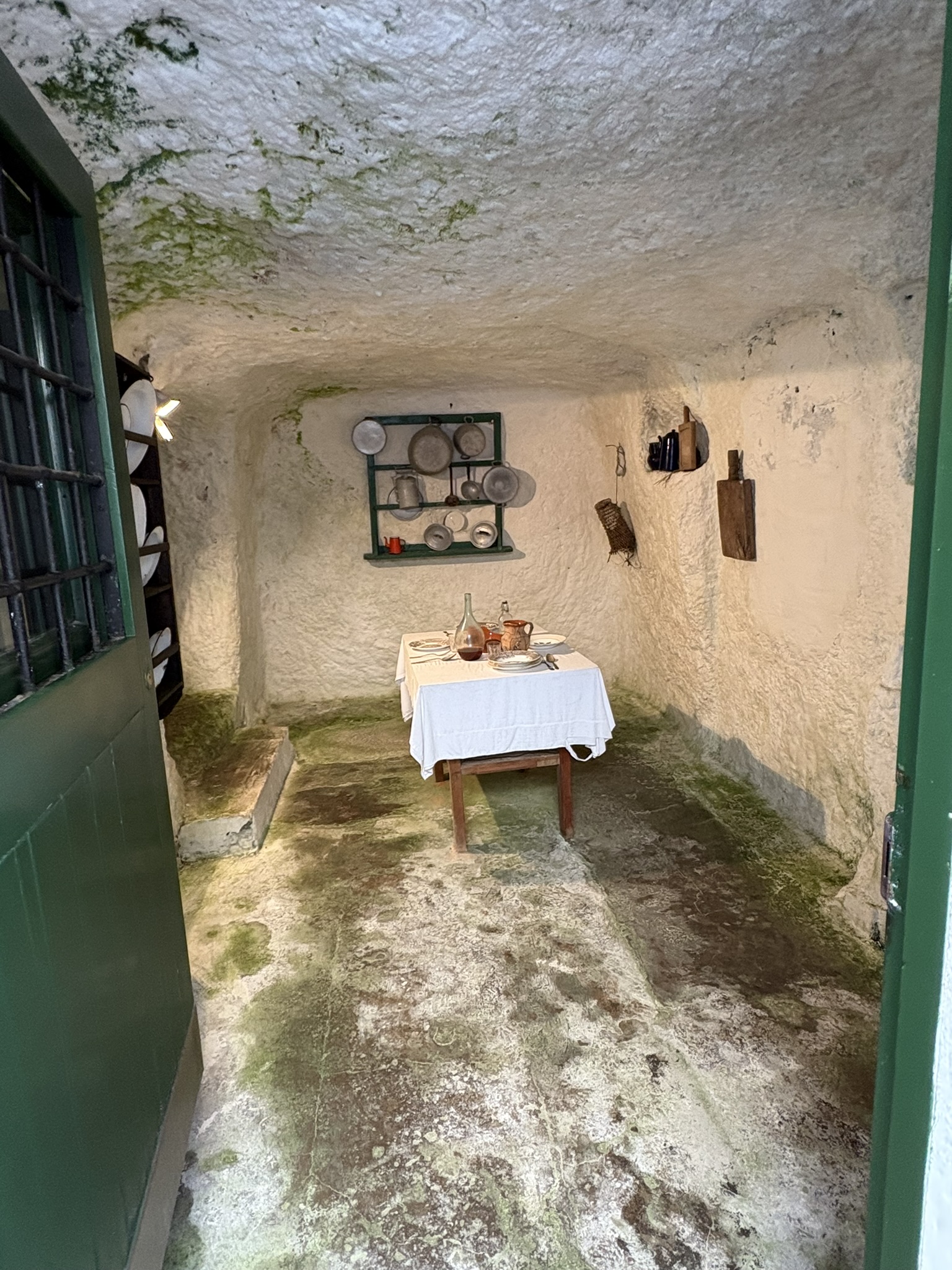
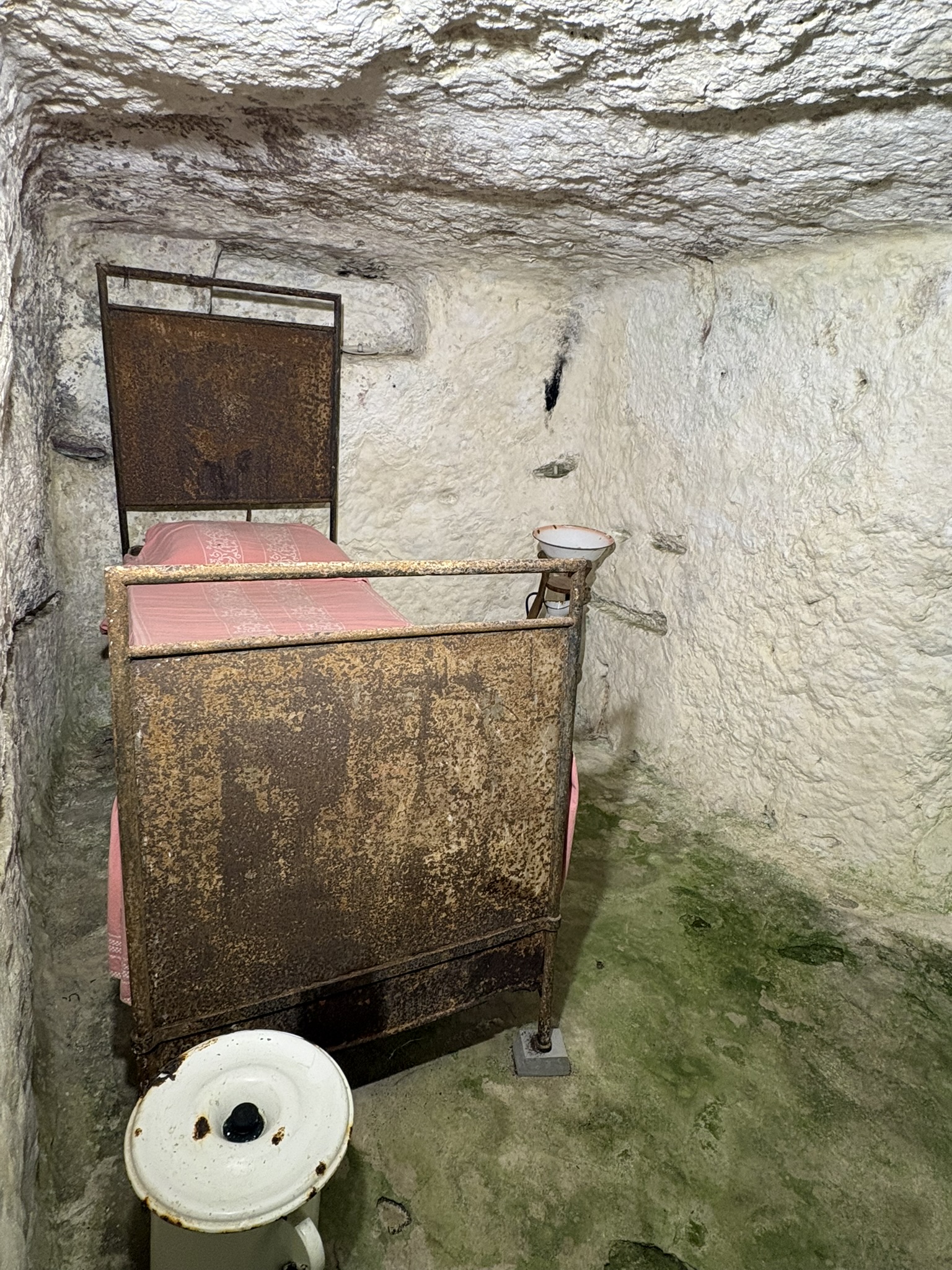
Another intriguing peek into the past can be found at Sant’Antioco’s Hypogeum Village, often called “Is Gruttas” (the caves). This grouping of Punic tombs from the late 6th and late 3rd century B.C. was repurposed as makeshift homes for poor townspeople who lived there by necessity in 1700 and again in 1912. Offering a glimpse into prior, difficult daily lives, these rooms show where the poorest villagers once lived, with some making bags and crafts to sell to rich citizens.
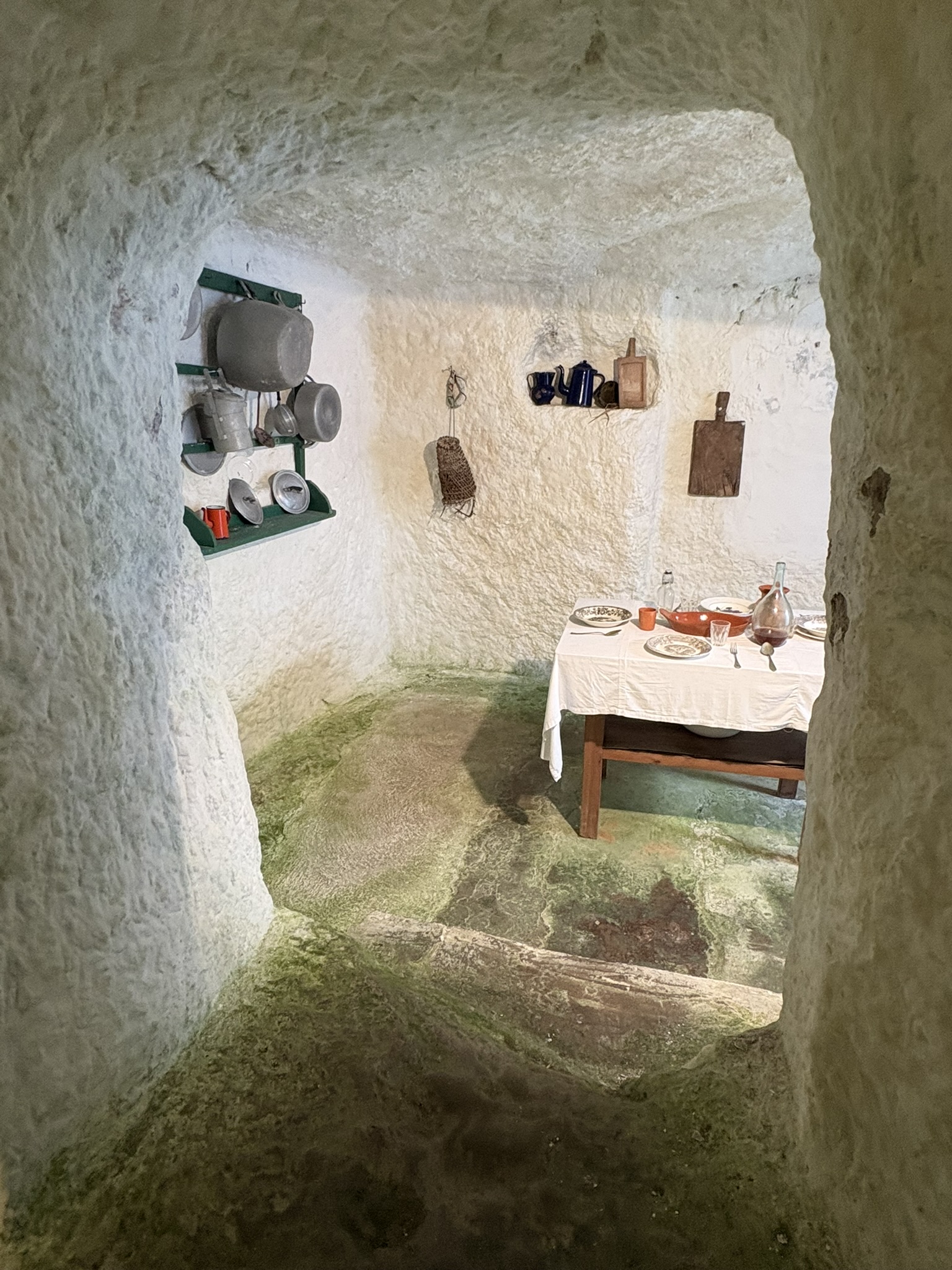
  • Tombs furnished as apartments

Situated on a high plateau, the Archaeological Park of Monte Sirai is divided into three areas—the high-settlement, the necropolises (13 underground family tombs), and the open-air tophet, where the ashes of infants and stillborn children were buried in urns. Enter through the North Gate public area to see the Temple of Ashtart ruins and where a Nuragic tower and water tank were once erected. From here, appreciate a panorama view of the entire region, including the Archipelago of Sulcis comprising Sant’Antioco and San Pietro islands.
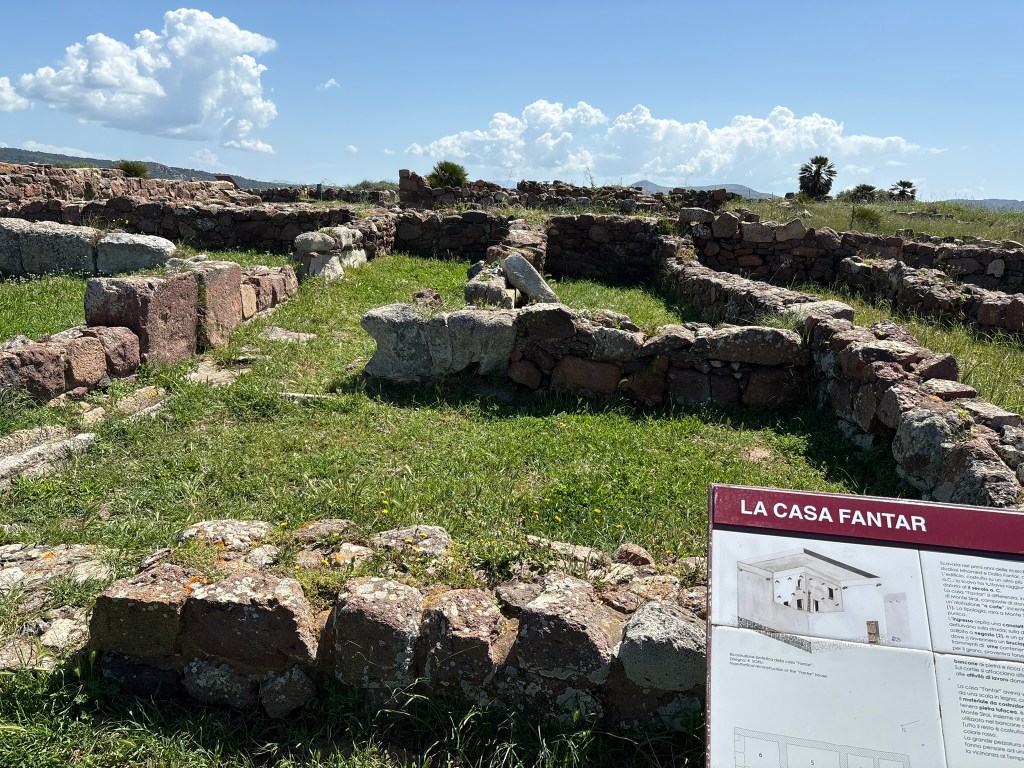
With archaeological sites and sacred cultural complexes set against rugged, unspoiled scenery, Sant’Antioco and Sardinia’s southwest make their layered past feel unusually present—in tombs carved from rock, in salt drawn from lagoon waters, in pre-phylloxera vines, and in the food and drink still served at family tables.



🔍 Search the site to discover more European Traveler feature stories. 🌍

FOLLOW US:

Top Pre-Travel Exercises for Injury Prevention

By Alison Ramsey

Travelers put much time and thought into packing for an upcoming trip to ensure they are prepared. Equal thought should be put into ensuring their bodies are prepared for the sudden physicality that most vacations demand—increased walking, lifting heavy suitcases into overhead compartments, and traversing irregular terrain.

Dana McSpadden, owner of High Definition Wellness Co., recommends pre-travel kettlebell workouts for “full body muscle engagement mixed with fat-burning cardio.” McSpadden said, “Getting in shape at home is so much easier than it’s made out to be, and I truly believe that kettlebells are the best way to get in shape at home, especially before travel. … These movements are fantastic ways to challenge your body, increase stamina and endurance, and make your body stronger.”

Amanda Grimm, We Run running coach and certified personal trainer, said that long periods of sitting and sudden spikes of activity—both of which are common on vacations—often result in sore calves, tight hips, and lower back pain. She said these ailments can be prevented by getting your body accustomed to daily short movement bursts, stretching, and incorporating mobility work.

Grimm suggests: “Compact fitness tools like resistance bands, adjustable dumbbells and a foldable treadmill or walking pad are all good choices for helping you to improve your body strength and stamina at home without a gym. A mini stepper or indoor cycle can also be used as lower impact cardio options to help to build endurance.”

Woman with dumbbells sitting on fitness trampoline
Photo courtesy of FED Fitness

James Brickerstaff, a personal trainer and yoga teacher at OriGym in the United Kingdom, points out the importance of improving cardiovascular fitness, balance, and lower body strength before travel in order to significantly reduce the risk of injury from increased walking and carrying heavy luggage on vacation. He said that an at-home fitness trampoline is a useful piece of equipment for people who might not be able to tolerate high-impact running workouts, because the “low-impact nature” still provides a “strong training stimulus.”

Brickerstaff said, “Short bouts of bouncing also elevate your heart rate quickly, meaning you can build endurance in less time compared to traditional steady-state cardio. … This is a very accessible and low-barrier workout to stay consistent. Sessions can be as short as 10 to 15 minutes, which removes the pressure of long workouts while still delivering results.”

One mini trampoline model to consider is the BT4 FED Fitness Trampoline. This 40-inch trampoline has a high-weight capacity, holding up to 400 pounds of dynamic weight. It arrives 90% pre-assembled, with the frame and bungee cords fully installed. Attaching the legs and T-handlebar is easily done with the provided tools and components. Included accessories are two pairs of non-slip grip-bottom trampoline socks and a 360-degree phone holder that attaches to the handlebar.

Woman with kettle bell standing on fitness trampoline
Photo courtesy of FED Fitness

By placing this trampoline in an accessible area, household members can conveniently use it throughout the day for cardio sessions—it is truly easy to fit in a short jumping workout without feeling pressure to plan ahead or carve extra time out of the day. The trampoline accommodates a wide range of heights and weights and is much easier on the knees than running.

Brickerstaff said, “Trampolining also plays a key role in improving balance and coordination, which are often overlooked but incredibly important when navigating uneven terrain, cobbled streets, or hiking routes. Exercises like single-leg bounces or controlled side-to-side shifts help develop this stability, making you less likely to roll an ankle or lose your footing when traveling.”

Prioritize your health and strength when planning for your next trip. You can always shop to replace a forgotten item of clothing during your travels, but you can’t undo a twisted ankle or strained muscle!


🔍 Search the site to discover more European Traveler feature stories. 🌍

FOLLOW US:

Cruising the Loire River with CroisiEurope

Mouthwatering meals, comfortable accommodations and excursions to grand French chateaux highlight travels on the Loire Princesse, a great way to see France

By Randy Mink

Those who have cruised the Danube, Rhine, Seine and other popular rivers of Europe might put a fresh new destination on their radar—the Loire Valley of western France.

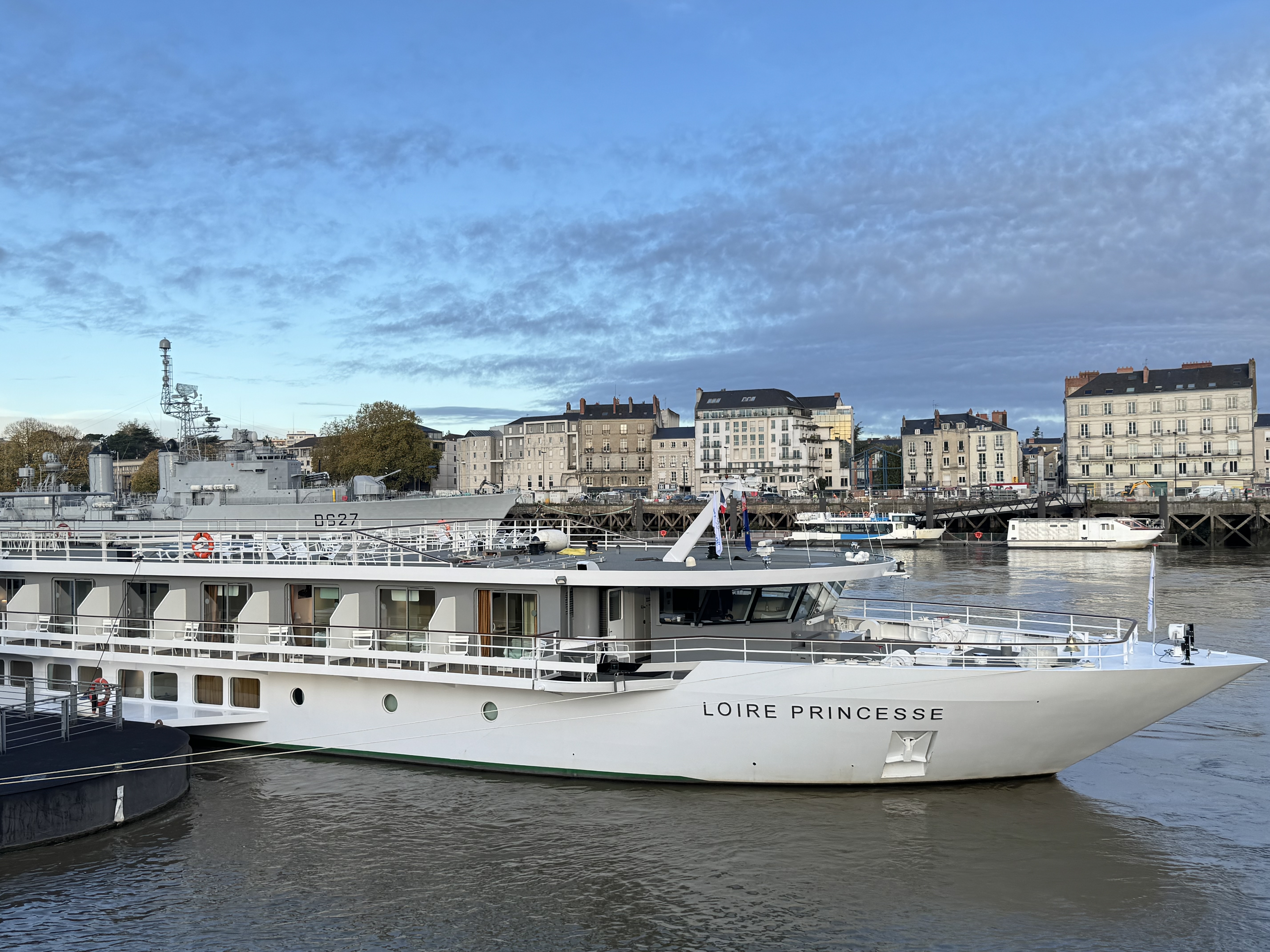
Gliding gently from east to west through the center of France, the Loire River flows past fertile fields, rolling hills and countless palaces and castles. Only one ship—CroisiEurope Cruises’ 96-passenger Loire Princesse—offers this route, and I was onboard November 2025.

On a five-day/four-night itinerary from Nantes, my daughter, her husband and I sailed to the Atlantic port of Saint-Nazaire and then headed east to visit the opulent Renaissance-era chateaux and do some wine tasting. To reach Nantes, we rode for two hours and 19 minutes on a high-speed train from Paris, where we spent three days both before and after the cruise.

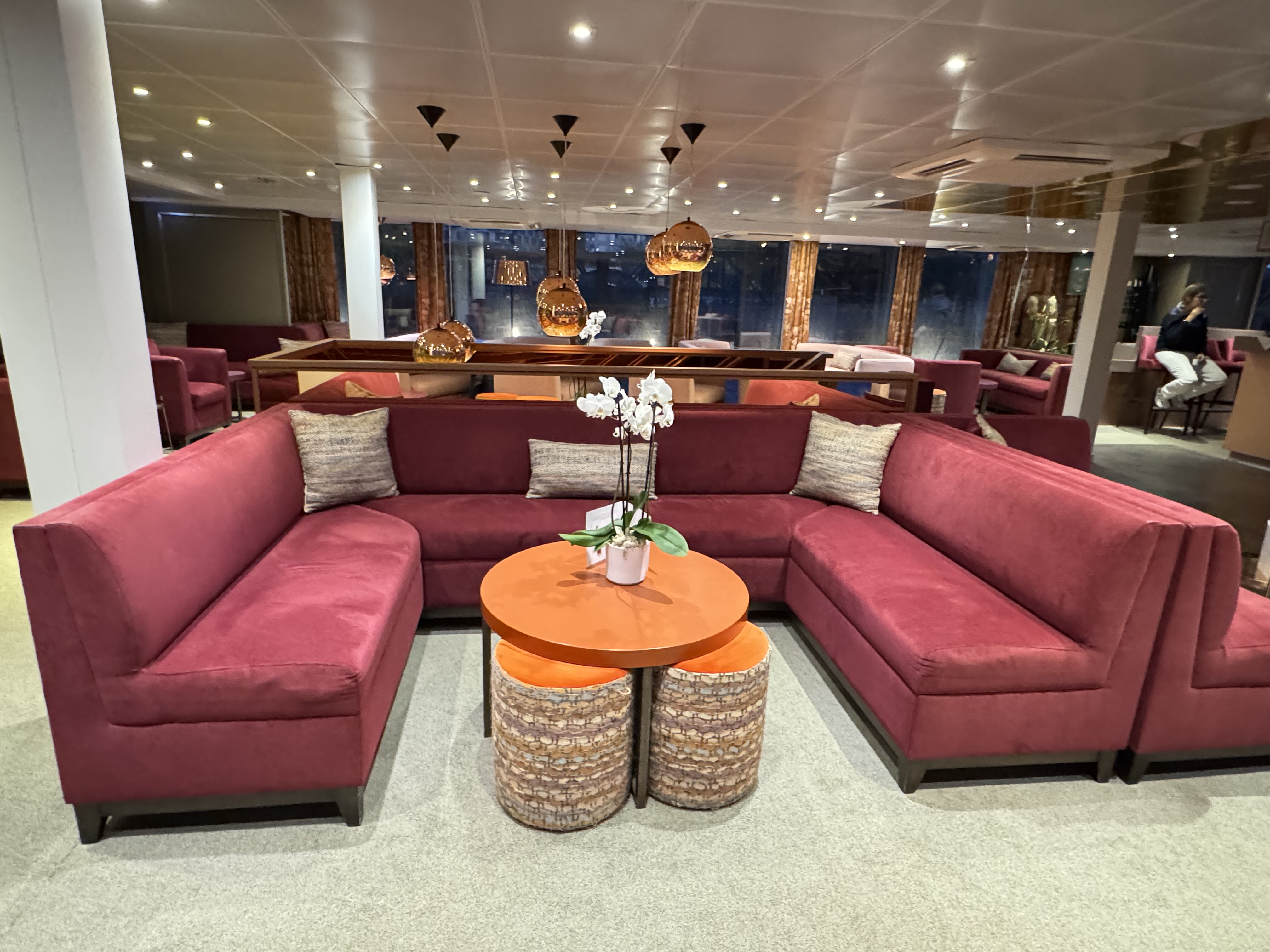
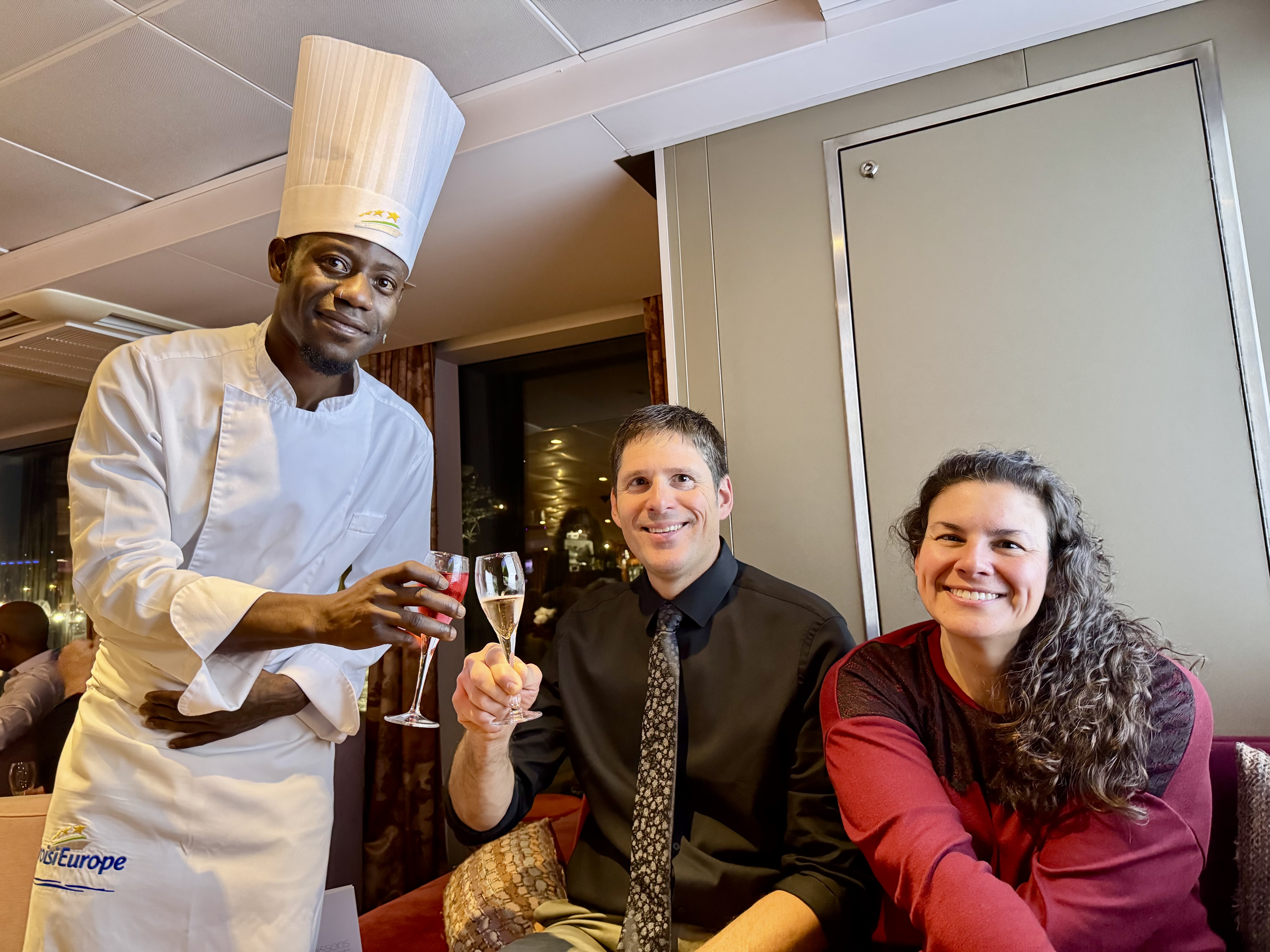
Left: CroisiEurope’s 96-passenger Loire Princesse, shown here in Nantes, is the only ship offering overnight cruises on France’s Loire River. (Randy Mink Photo) Top Right: The lounge/bar is the gathering spot for guests of the Loire Princesse. (Photo credit: CroisiEurope Cruises) Bottom Right: Loire Princesse passengers have a chance to meet the chef and other staff members at a gala cocktail party in the lounge/bar. (Randy Mink Photo)

Enchanting Nantes

A pleasant surprise, Nantes was a highlight of our 10-day trip to France. I had never heard much about it and was expecting just another big city, but the most westerly of France’s large urban centers turned out to be a charmer.  

In the heart of town, just steps from the Loire Princesse dock, lies Les Machines de L’ile, one of Nantes’ premier tourist attractions. At this gallery/workshop where oversized mechanical animals come alive, a group of us from the ship saw demonstrations of a giant spider, ant, heron, sloth, caterpillar, chameleon and other creatures in motion. Occupying former shipyard buildings in a reimagined district that preserves reminders of Nantes’ maritime past, it’s a one-of-a-kind artistic project inspired by the fantasy worlds of science-fiction novelist Jules Verne (a native of Nantes), Leonardo da Vinci’s mechanical aesthetic and the city’s industrial history.

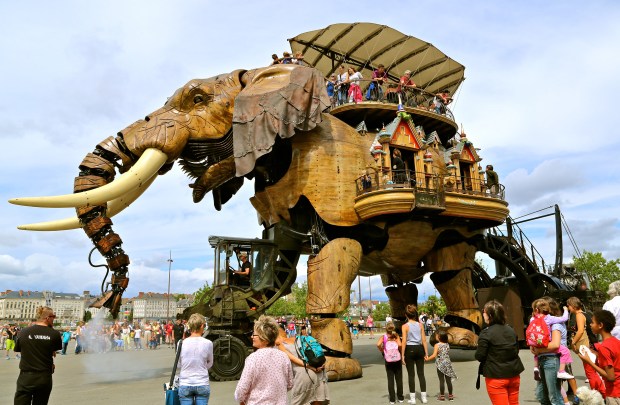
Getting the most attention at Les Machines de L’ile is the Grand Elephant, which can be seen ambling along the quay carrying up to 50 people on its back. Made of steel and wood and fitted with a hybrid engine, the 39-foot-high, 48-ton creation has been offering rides since 2007 and is practically a symbol of modern Nantes, the sixth-largest city in France. Robotic-like, he walks by the project’s massive Marine Worlds Carousel, a three-story, interactive crowd-pleaser populated by sea animals that riders can manipulate with ropes and levers.

mechanical elephant with people aboard
The Grand Elephant, a mechanical wonder at Les Machines de L’ile in Nantes, lumbers along the quayside, just steps from the Loire River. (Photo credit: CroisiEurope)

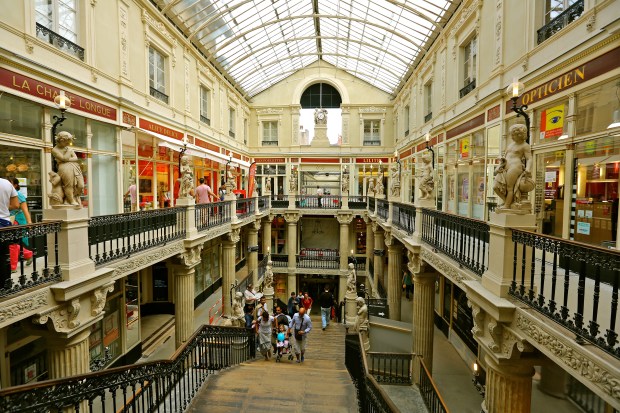
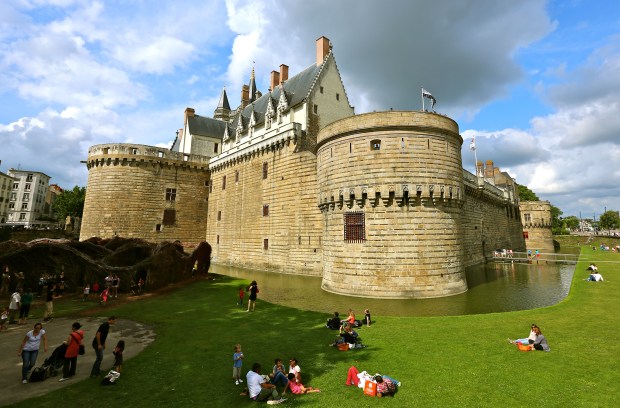
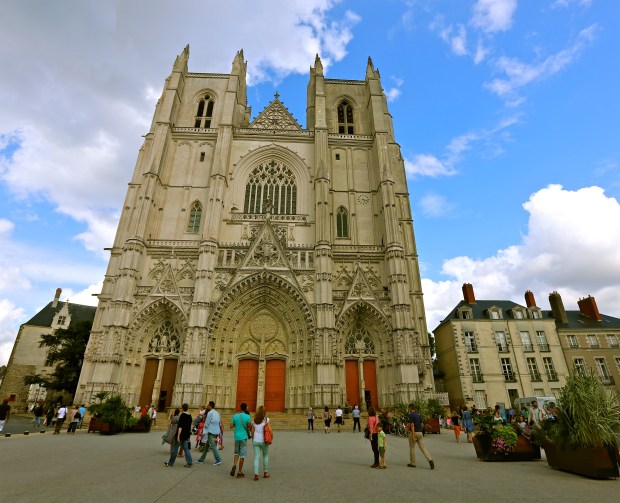
Before boarding the ship, we had a chance to poke around Nantes’ historic core, a compact area dominated by two attractions dating from the 15th century—the Cathedral of St. Peter and St. Paul and Castle of the Dukes of Brittany.  Exhibits in the castle museum chronicle the city’s history. You can stroll the ramparts for free. Also worth a look is the 1843 Passage Pommeraye, a covered shopping gallery with a monumental iron-and-glass roof.

interior of a shopping mall
Tourists exploring Nantes’ historic core will want to take a peek at Passage Pommeraye, a shopping mall dating back to 1843. (Photo credit: CroisiEurope)
people relaxing on lawn outside of a castle
The Castle of the Dukes of Brittany in Nantes houses a museum that chronicles the city’s history. (Photo credit: CroisiEurope)
cathedral with people outside of it
The Cathedral of St. Peter and St. Paul is a Gothic gem in Nantes’ historic district. (Photo credit: CroisiEurope Cruises)

Saint-Nazaire: Shipbuilding Center on the Atlantic

Downstream from Nantes, at the mouth of the Loire, resides the great shipbuilding center of Saint-Nazaire. On our shore excursion, I made good use of touchscreens, videos and a handheld audio guide during an immersive virtual voyage into the heyday of ocean liners at Escal’Atlantique, a museum housed in a German WWII submarine base a short walk from the Loire Princesse’s berth.

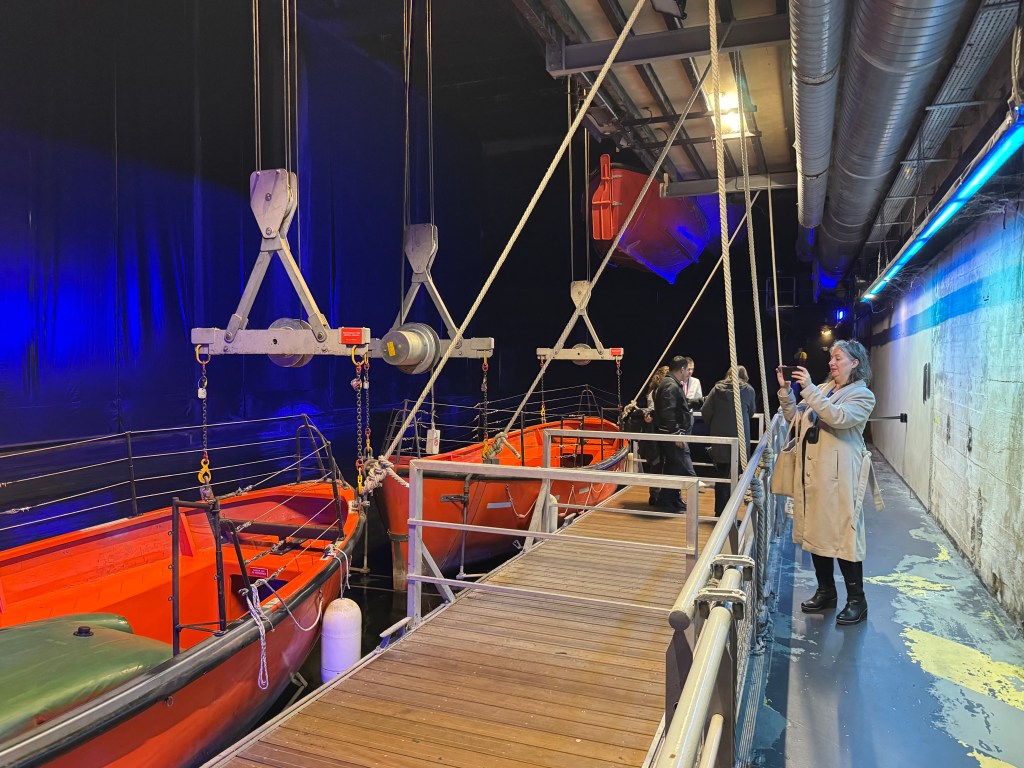
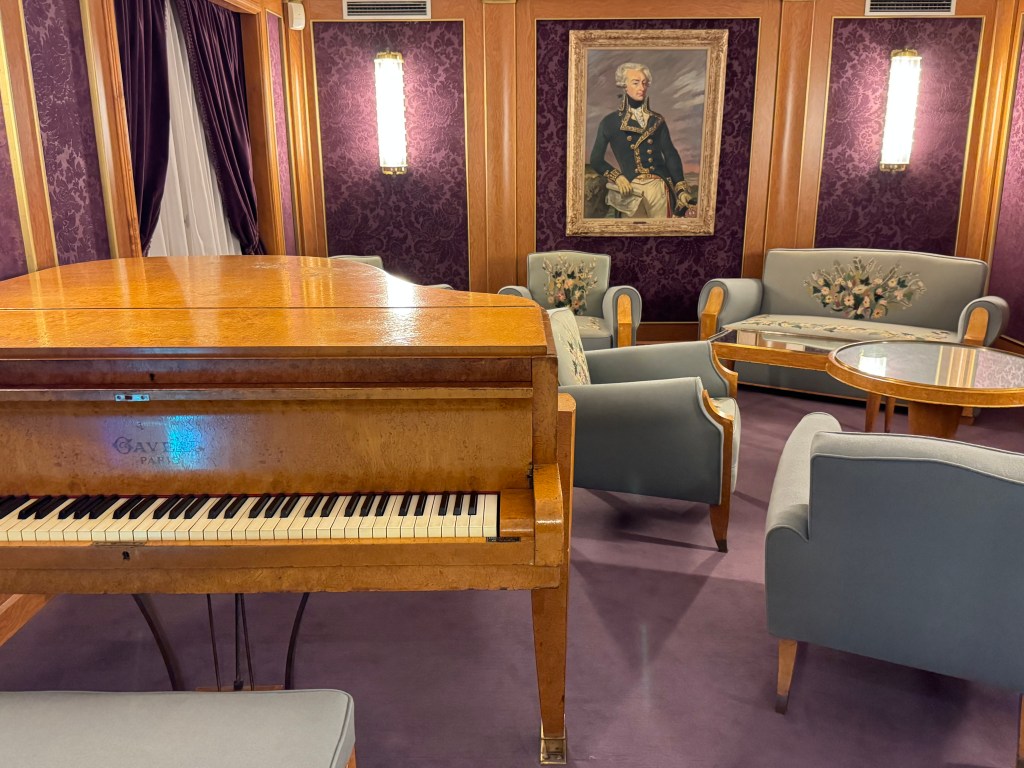
Besides furniture, artwork, dinnerware and large sections of paneling and other decor fragments, the museum showcases re-creations of staterooms and elegant public spaces of legendary French Line ships like the Normandie, a 1930s classic built in Saint-Nazaire. A movie with archival footage provides a timeline of important chapters in trans-Atlantic ship travel and explains how the airlines, beginning in the late 1950s, made ocean crossings a relic of the past. Visions of the ill-fated Titanic surface as your museum visit ends with a ride in a lifeboat that’s lowered to the floor below.

From the roof of the old submarine base, I could see the MSC World Asia under construction at Chantiers de l’Atlantique, one of the few shipyards that builds today’s mega liners. Our cruise did not include a visit there, but normally a shipyard tour is part of the program.

museum lifeboat
Guests of Escal’Atlantique, a Saint-Nazaire museum that chronicles the heyday of trans-Atlantic ocean travel, end their visit by riding in a lifeboat that’s lowered to the floor below. (Randy Mink Photo)
music room with piano and couches
A re-creation of the cozy first-class music room of the French Line’s Liberté, an ocean liner built in 1950, is on display at Escal’Atlantique. (Randy Mink Photo)
coasters and coffee mugs in a souvenir shop
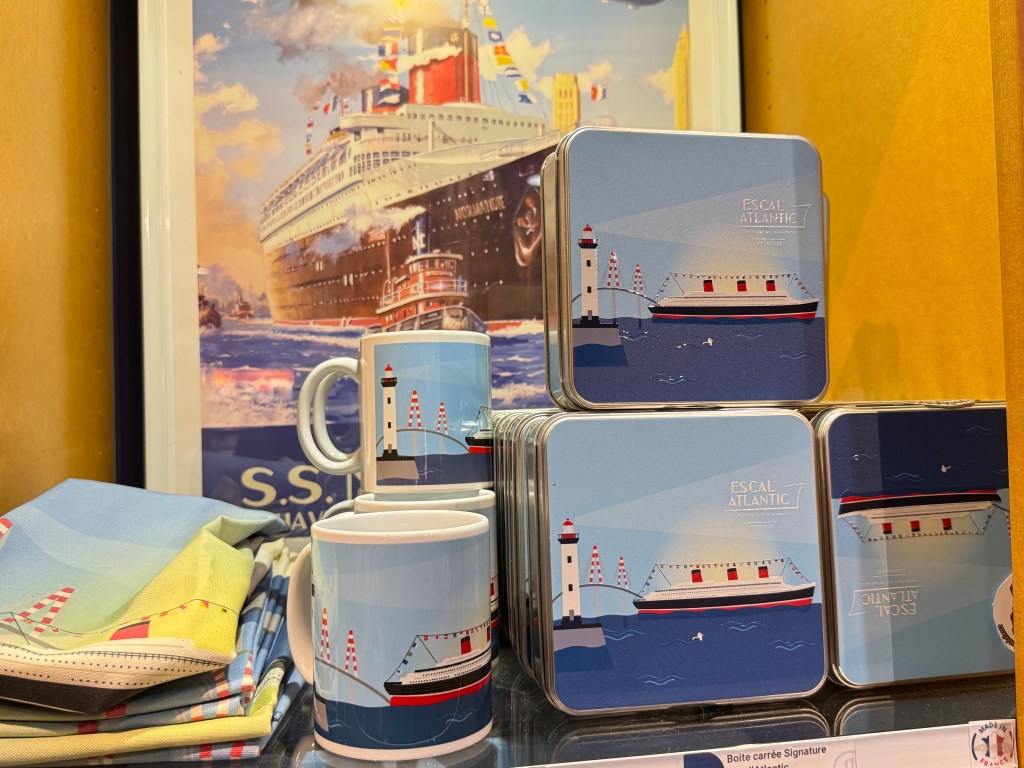
Maritime-themed souvenirs fill the shelves of the gift shop at Escal’Atlantique. (Randy Mink Photo)

Loire Princesse Amenities and Mealtimes

The Loire Princesse, a product of Saint-Nazaire’s shipyards, was built in 2015. Sporting side paddlewheels, the floating hotel is outfitted with a shallow draft suited to Loire River travel.

In fact, “the MS Loire Princesse was engineered specifically for this river,” says Sandrah Gurash, North America general manager for CroisiEurope. “As this is a ‘wild’ river, water levels are not controlled by lock systems and it can impact navigation abilities. The shallow draft and paddlewheels allow her to navigate the river in all but extreme water level conditions.”

The 30 Upper Deck cabins feature a sliding panoramic window and a terrace with two chairs and a table, while the deck below has 18 cabins with high windows. I liked how my bed faced the terrace and appreciated the ample closet space and floor-to-ceiling mirror. Bright and white, the room and bathroom showed no signs of aging.

Large windows grace the Loire Princesse’s lounge/bar, where the fun and music happens. One night in this welcoming living room, we were serenaded with traditional Breton songs performed by a spunky duo that encouraged audience participation. The lounge’s outdoor patio affords great landscape views. One level above, the Sun Deck offers 360° panoramas.

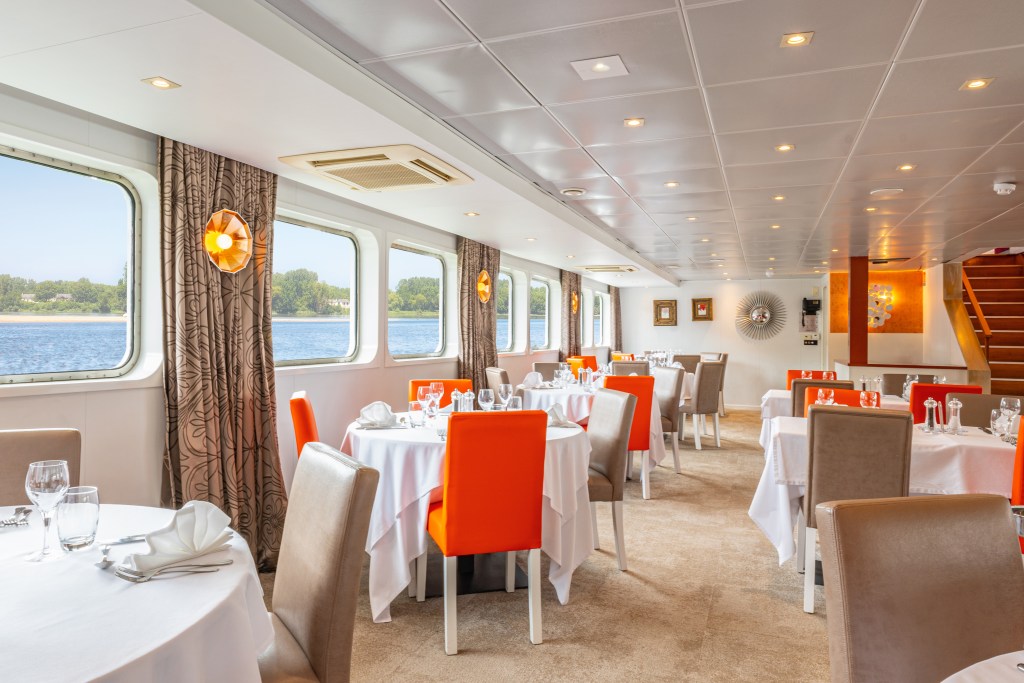
The best part of a CroisiEurope cruise, we had heard, is the refined French cuisine, and the Loire Princesse culinary team did not disappoint. Indeed, mealtimes in the restaurant merited exclamation points. The courses were artfully presented, the ingredients top quality, the sauces phenomenal. Each lunch and dinner (a plated meal orchestrated by a chef from Cameroon) seemed to outdo the previous one. Breakfast was a bountiful buffet. The cruise fare includes all drinks with meals and at the bar.

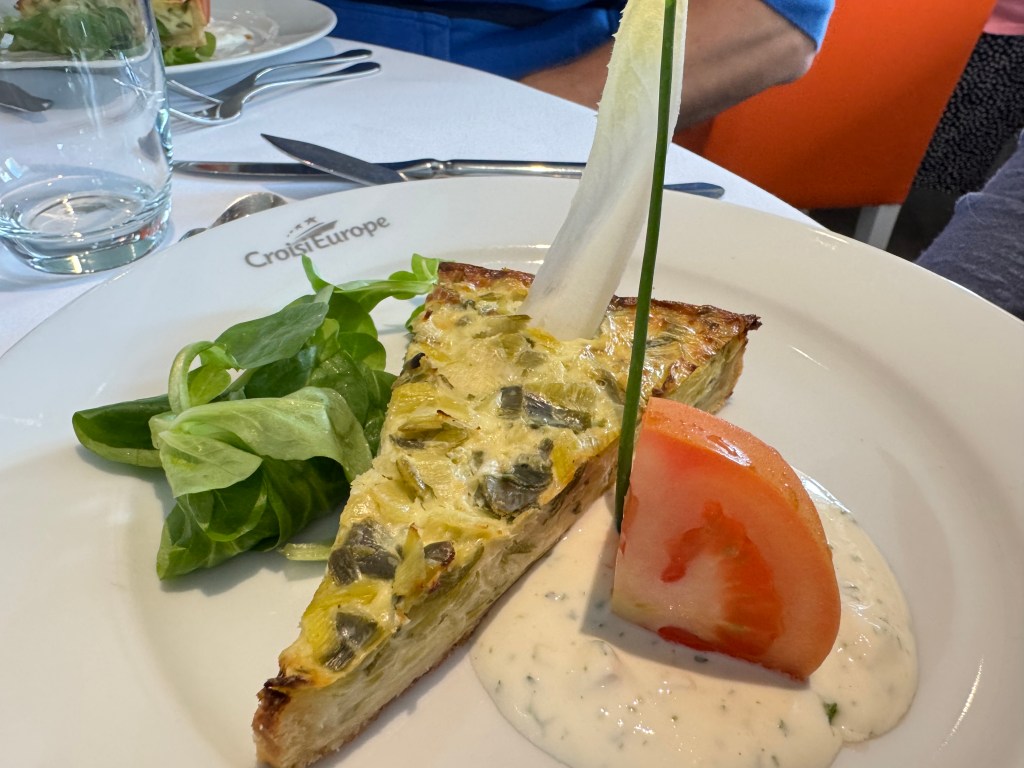
My favorite dinner started with assorted canapes and a silky, melt-in-your-mouth duck foie gras, followed by a quail filet in port wine sauce, brie filled with mascarpone and the grand finale—baked Alaska flambéed in Grand Marnier. A memorable lunch starred leek quiche and salmon steak in a white butter sauce the region is known for.

Our lunches and dinners did not include a choice of main course, but, starting in 2027, a selection of mains will be standard on all CroisiEurope river and canal cruises.

slice of quiche on a plate
Leek quiche is served for lunch in the Loire Princesse’s restaurant. (Randy Mink Photo)
cruise ship dining room
Gourmet meals await passengers in the Loire Princesse’s restaurant. (Photo credit: CroisiEurope Cruises)

Clisson Walking Tour and Muscadet Wine Route

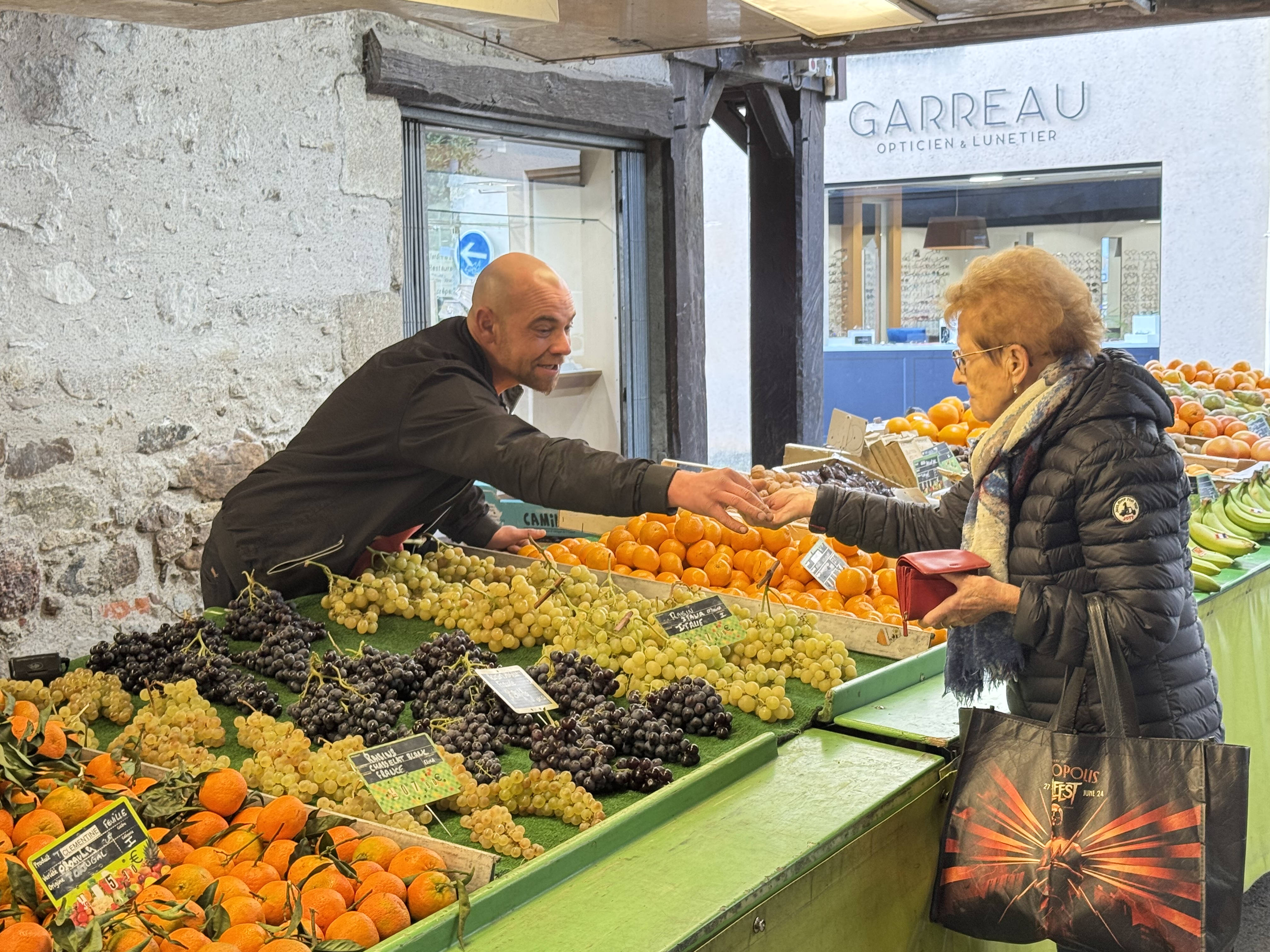
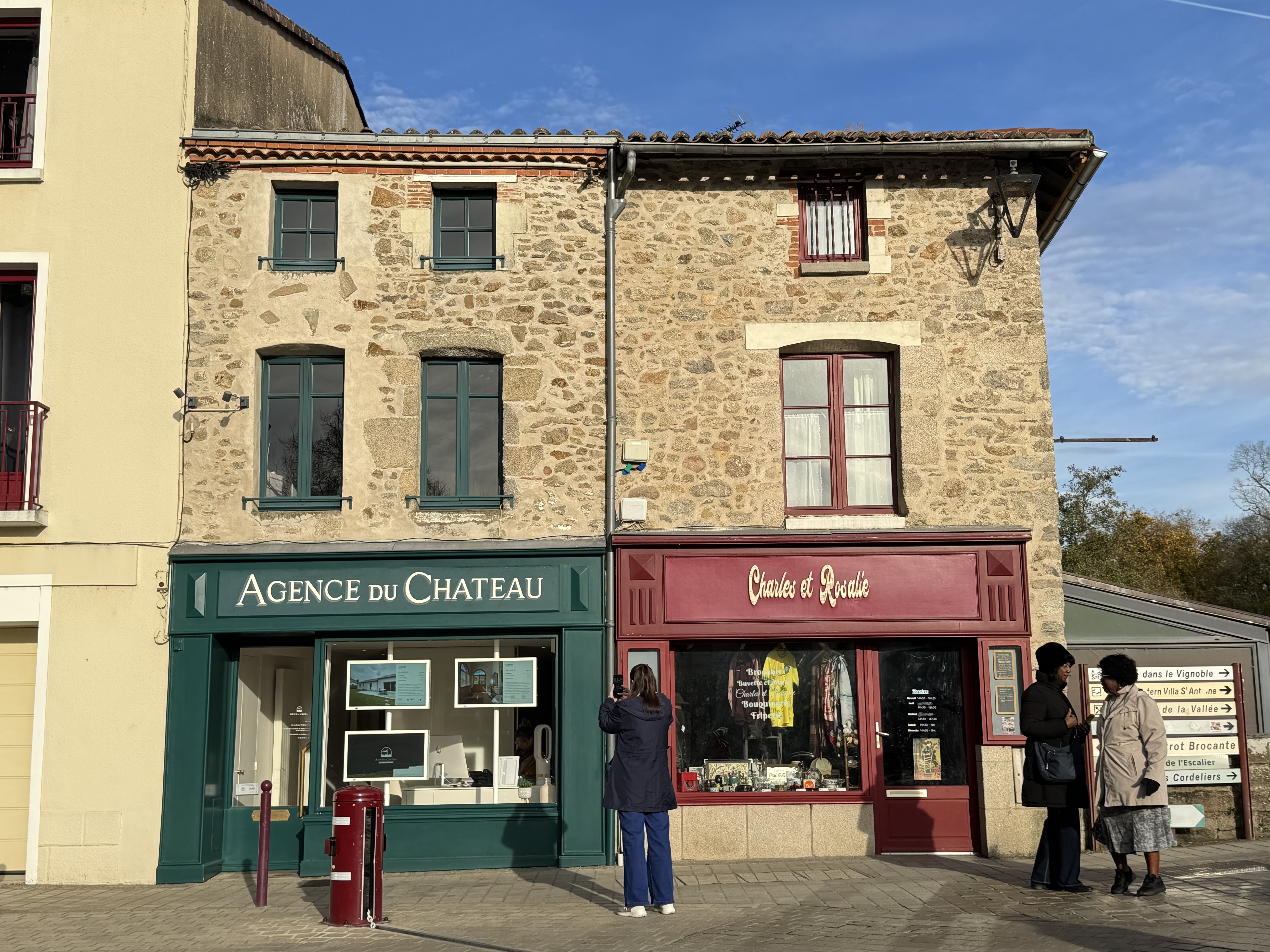
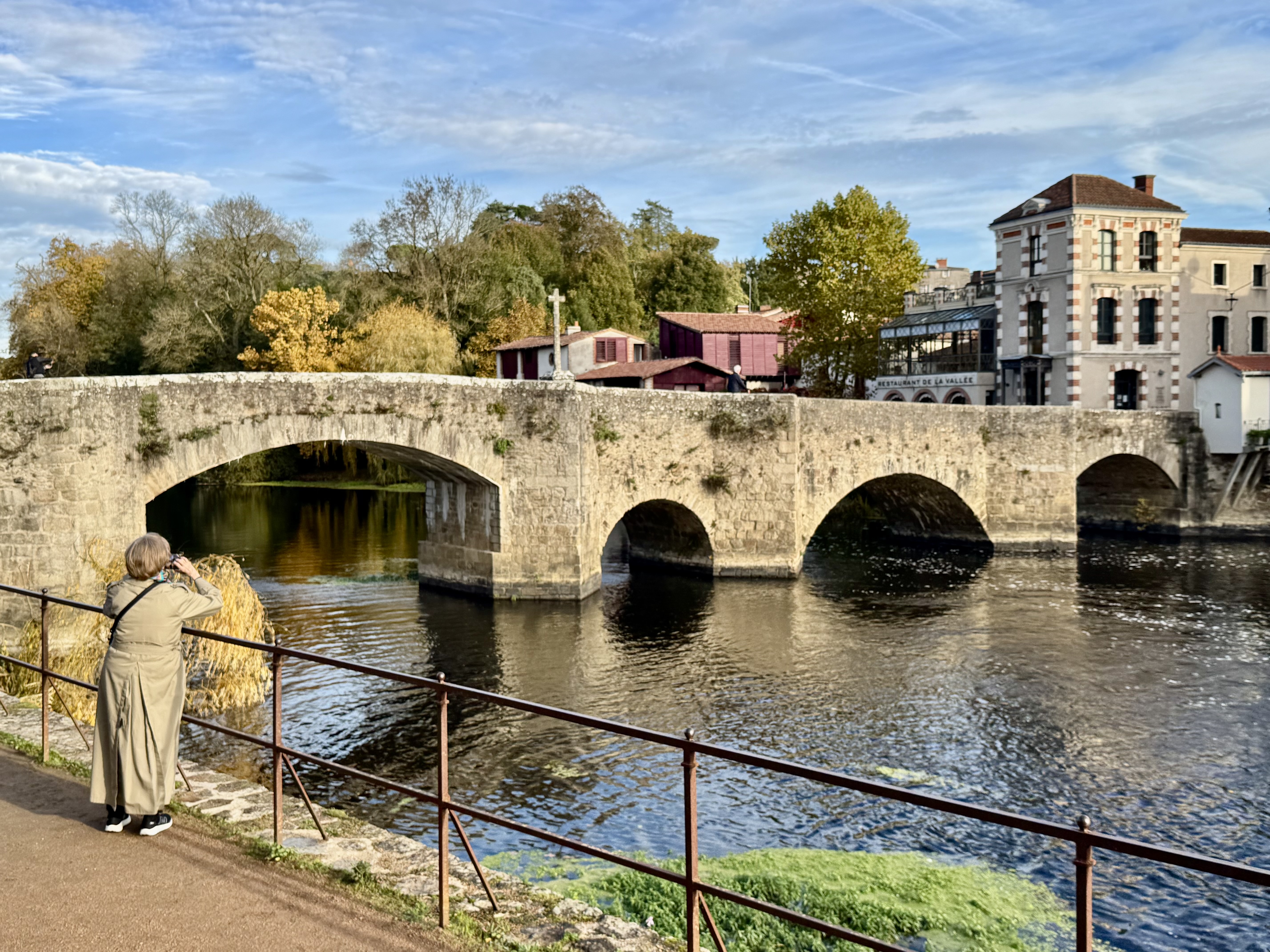
Heading east from Nantes on Day 3, our shore excursion took us to Clisson, a pretty village centered in picturesque castle ruins. Steps away from the medieval fortress is Clisson Market, a timber-framed structure where vendors sell fresh fruit and vegetables and locally caught fish. Rebuilt in the 19th century in the Italian architectural style, Clisson easily could pass for a town in Tuscany.

At our next stop, we gathered in a tasting room at Chateau Cassemichère to try several types of Muscadet, a dry white wine with a fruity bouquet that’s perfect with fish and seafood. The countryside south and east of Nantes has almost 400 wine growers, with Muscadet accounting for 80 percent of everything produced.

Walking tours of historic Clisson include a stop at the covered market. (Randy Mink Photo)

Loire Princesse shore excursions visit the picturesque French village of Clisson. (Photo credit: CroisiEurope)

Chateau Hopping in the Loire Valley

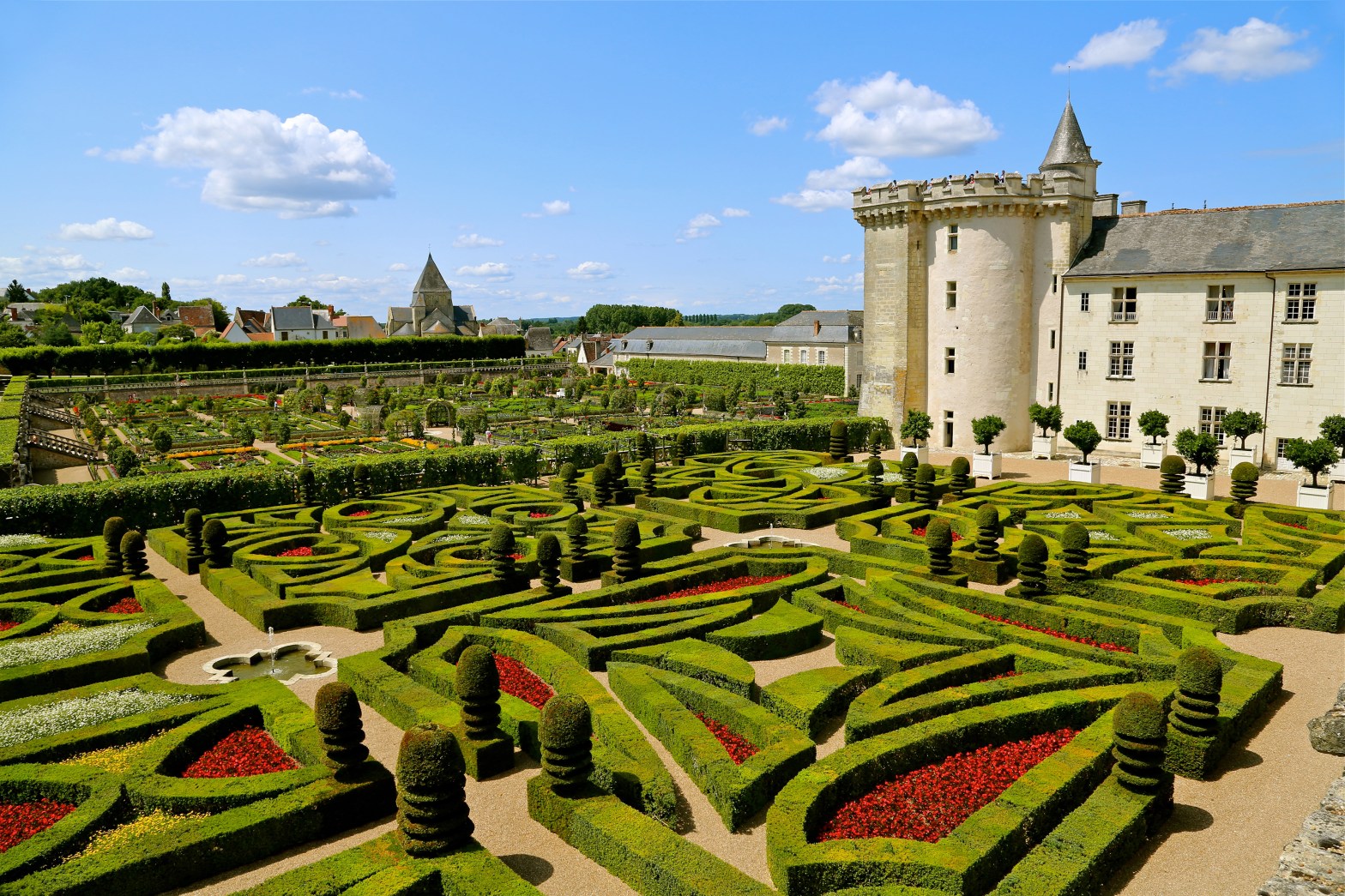
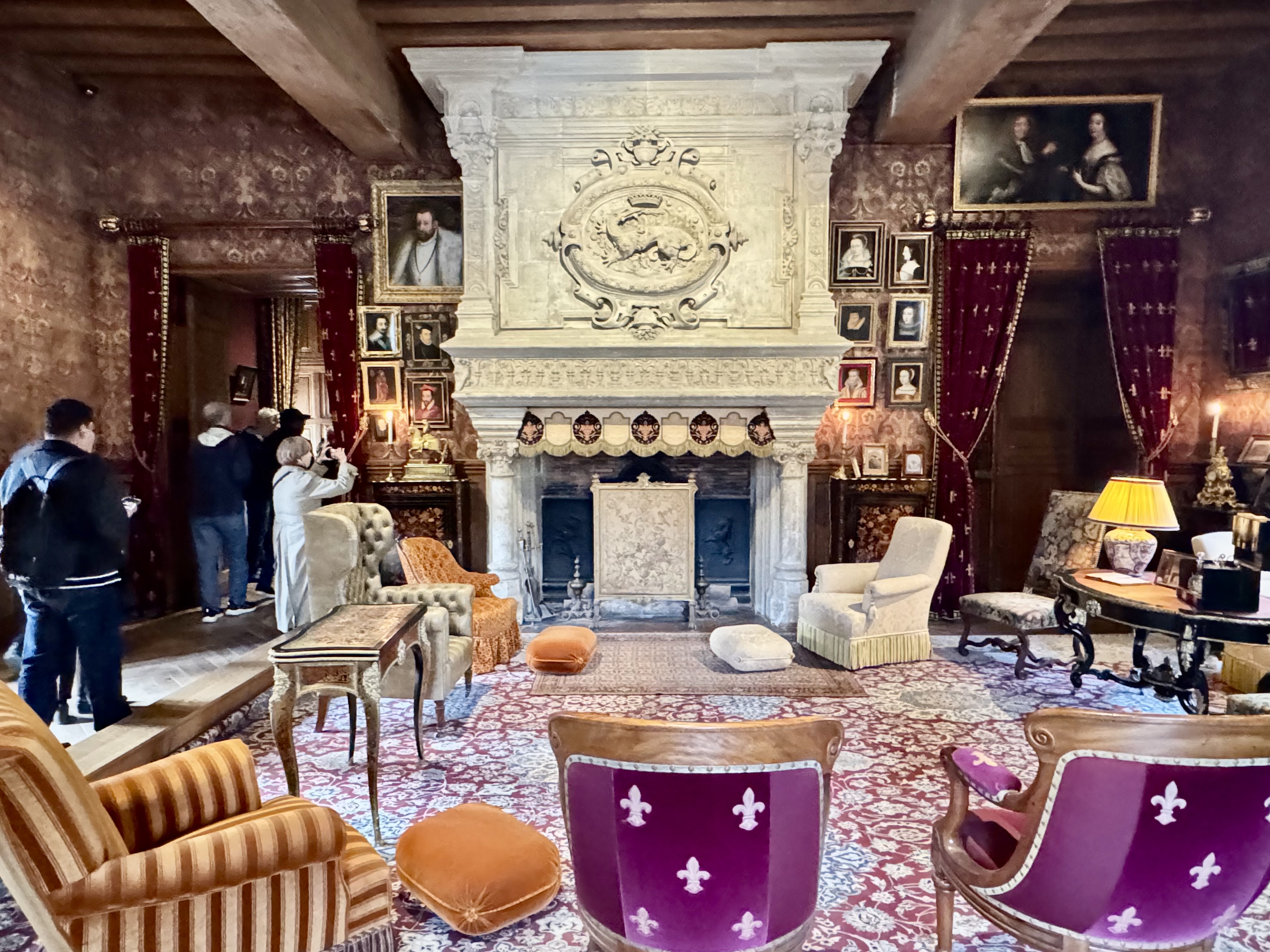
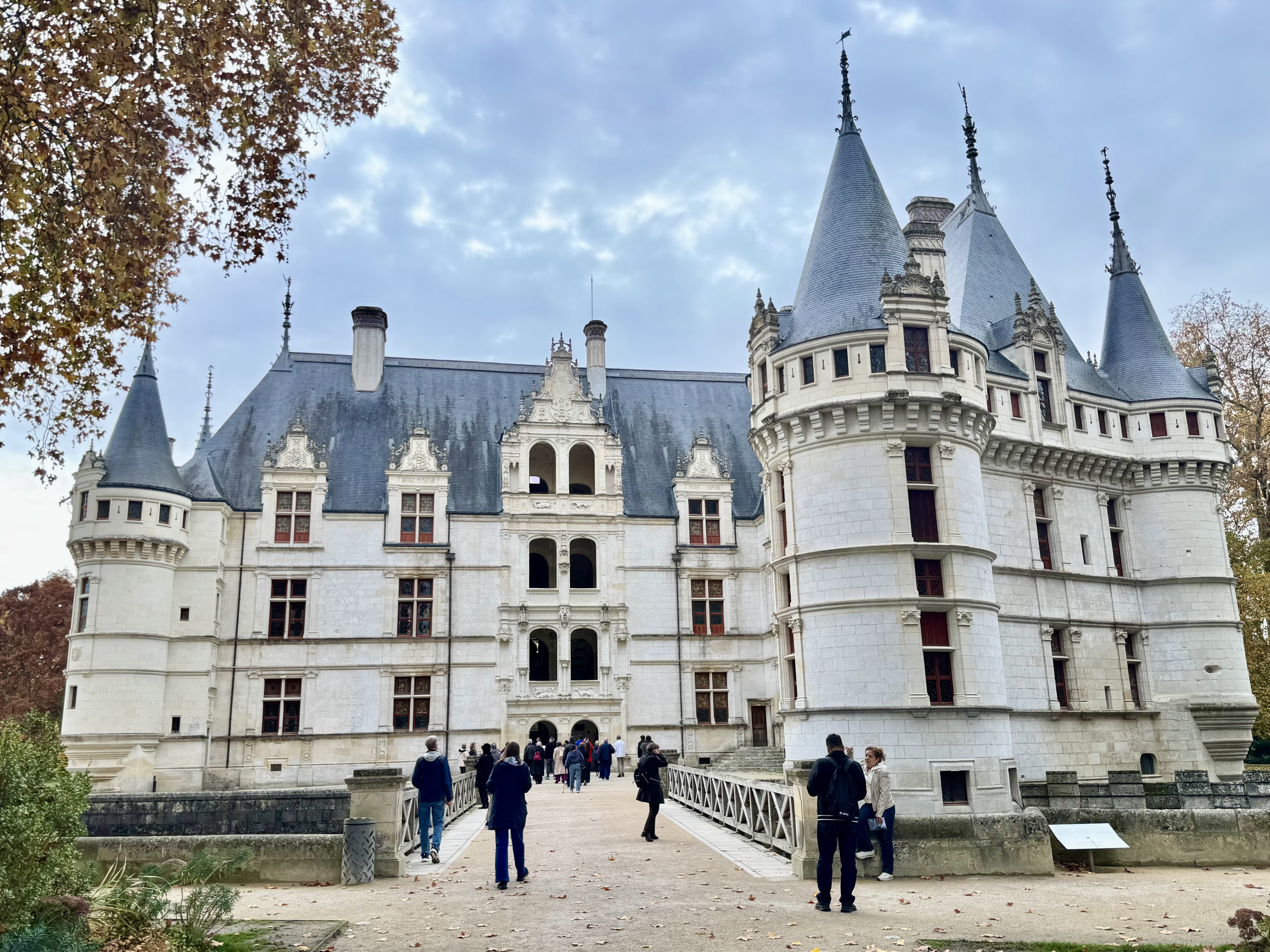
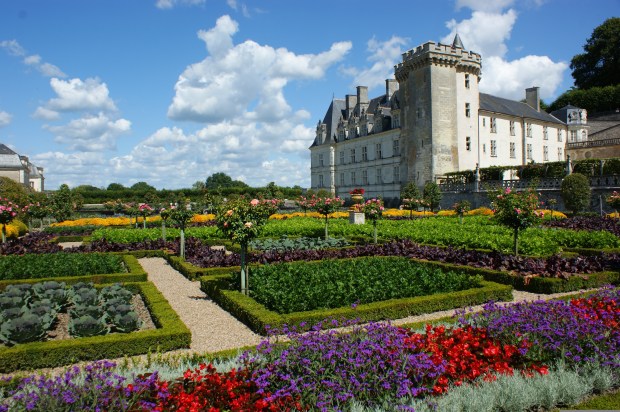
Our last day’s shore tour spotlighted two of the central Loire Valley’s most magnificent country estates—Chateau d’Azay-le-Rideau and Chateau de Villandry. Both fulfilled my visions of stately French manors. But it was the latter that really captured my imagination, thanks to the elaborate geometric patterns of its terraced, Italian-influenced flower, vegetable and herb gardens, a photogenic display attended by 10 full-time gardeners.

A Loire Princesse shore excursion includes a visit to Chateau d’Azay-le-Rideau, one of the Loire Valley’s grand Renaissance-era estates. (Randy Mink Photo)

At Chateau de Villandry, you’ll see tulips, begonias, roses, forget-me-nots and other flowers, depending on time of year. Some of the hedges are shaped into symbols, including hearts, fans and daggers. Planted throughout the estate are 1,015 lime trees.

chateau surrounded by flowering gardens
Chateau de Villandry is famed for its beautiful gardens. (Photo credit: Pixabay)

Panoramic views of the adjacent village and manicured gardens are available from atop the 12th century tower, the walled compound’s only remnant from medieval times. The chateau in its present form was built in 1536 by the finance minister of Francois I. Over the centuries, owners have included an ambassador of Louis XV and a brother of Napoleon I.

sitting room with large tapestry on the back wall
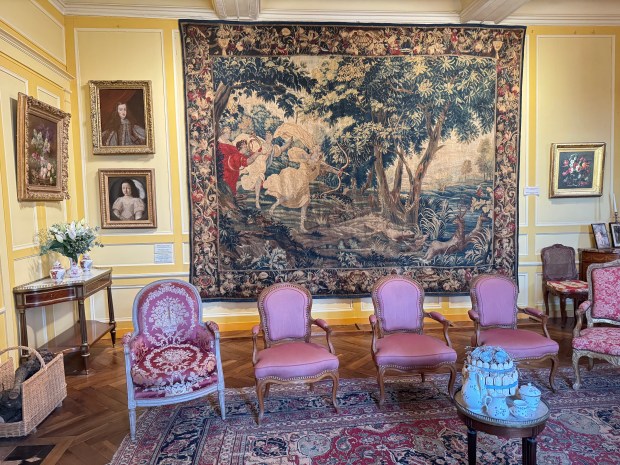
Sumptuous interiors awe visitors to Chateau de Villandry. (Randy Mink Photo)

In 1906, Joachim Carvallo and his wife, Ann Coleman, scientists from Spain and America respectively, took over Chateau de Villandry and restored its interiors and gardens. They were passionate collectors of old paintings, particularly 17th century Spanish art; some are on display. Of special note is the Oriental Drawing Room’s exquisite ceiling, a creation of Moorish craftsmen that came from a 15th century palace near Toledo, Spain. Joachim and Ann’s great-grandson, Henri Carvallo, now runs the estate and lives with his family in the former stables.

Ah, to be lord of the castle. The thought may be only a dream for us commoners, but it’s fun to fantasize. Having a chance to traipse through the Loire Valley’s aristocratic estates, along with receiving royal treatment onboard the Loire Princesse, is privilege enough for me. For more information on Loire River and other CroisiEurope cruises, log on to www.croisieuroperivercruises.com.


🔍 Search the site to discover more European Traveler feature stories. 🌍
FOLLOW US:

Learning Language in the Lap of Luxury

If “learn another language” is on your bucket list, but you’re not into classrooms, group travel, or homestays… keep reading.

By Abbey Algiers

This fall I took my 19th trip to Spain. 19 trips, yes. That number is due to a love affair with Spain that began at age nine, on a family trip to Madrid.  Next came Spanish summer school (at the ripe age of 10), then high school and college trips to Spain, followed by years of traveling there as a Spanish teacher. Now, as a travel writer and Spain specialist, Spain remains at the top of my list.
Yet, even with all of my years of travel and Spanish practice, I still look for opportunities to improve my Spanish. This past fall, I experienced a language and immersion tour that ranks as one of my most fulfilling cultural, learning, and personal growth experiences in Spain—and might be of interest if you’ve ever said, “I really want to learn another language and live like a local.” 

woman with sunglasses posing on a shopping street
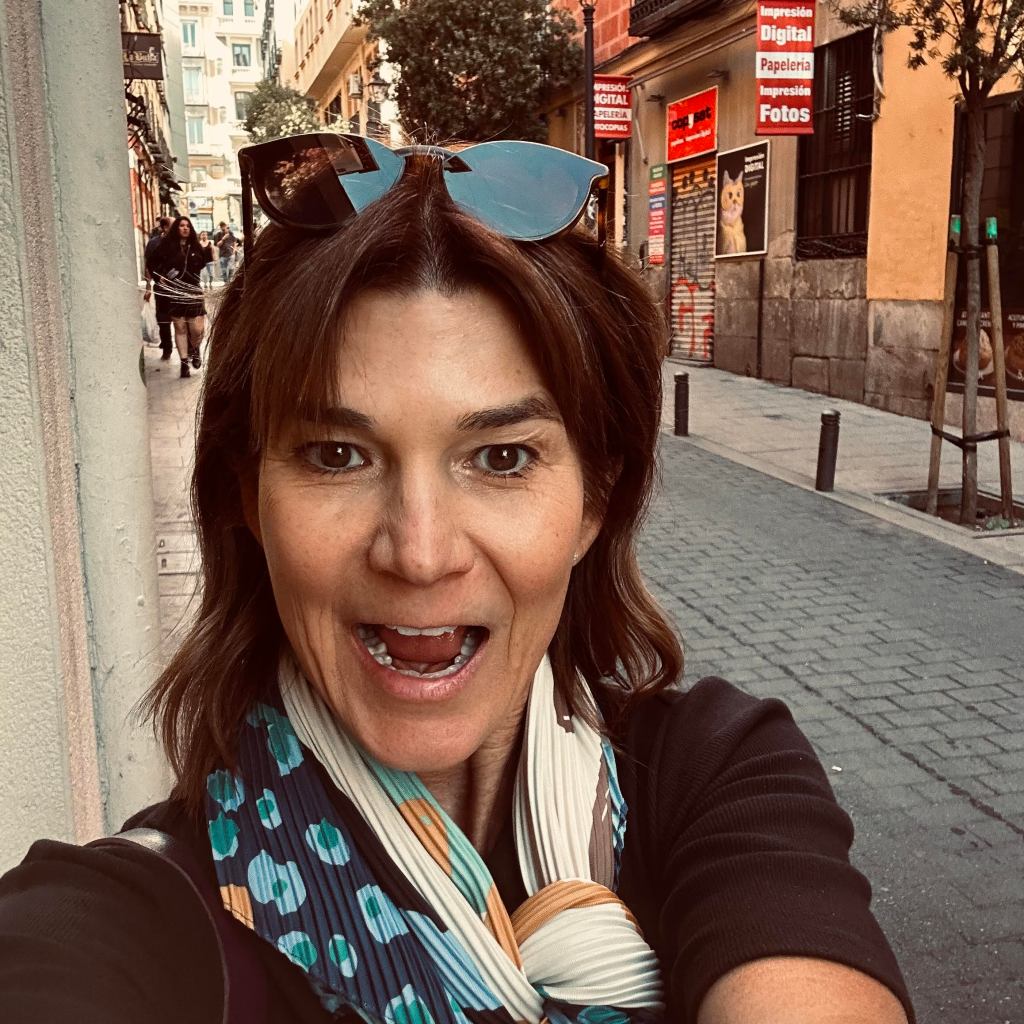
Fresh out of a hair salon in Madrid, living like a local.
Language Immersion in Sevilla and Madrid

I set out in October 2025 to spend two weeks in Spain—starting with a week in Sevilla, followed by one in Madrid. My goal was simple—to refresh my Spanish and enrich my knowledge of Spanish culture. And, if I’m being honest, I also wanted to stay in a beautiful hotel, unplug, and recharge.

Maybe at this point you’re wondering, “Why would a former Spanish teacher need to do an immersion?” Great question. While I am fairly fluent, I have two golden rules when it comes to language learning. First, to maintain fluency or get more fluent in a language, you’ve got to use it or you’ll lose it. Second, the best way to learn a language or improve fluency is to immerse yourself in the culture. 

Working within my schedule, I started searching for a Spanish immersion program that met my non-negotiables: no classrooms or groups (I’d had my fill as a teacher), flexible scheduling to fit my freelance life, and a stylish hotel in a lively area. I wasn’t interested in a homestay or just any hotel. I wanted this time to be restorative as well. With that criteria—no classrooms, no groups, and luxurious accommodations—I discovered a program called Language & Luxury, or L&L. As I read the company website, it was as if they were talking directly to me—no classrooms and no groups, just private one-to-one instruction. Best of all, the experience is coupled with personalized, private cultural tours and daily cultural activities, with the option to include luxury accommodations and additional curated experiences. 

Language & Luxury met my exact criteria. I could do a week in Sevilla and a week in Madrid, and even add on weeks in other Spanish cities. I got to decide when and where instruction took place, with the lessons catered to my language level and goals. I was so impressed with what L&L offered that I decided to try it. I’m here to take you through my trip and show you how fun and rewarding a language immersion tour can be—regardless of your language level, age, or travel experience.

How Language & Luxury Works

After expressing interest, I was contacted by L&L to schedule a call with the company’s founder, Richard Phelps. Richard told me more about the company and stressed that the entire tour is customized for the client. I could choose the exact dates and duration for my tour, the city (or cities), and the time of day for my private lessons. The flexibility and personalized attention really appealed to me. The addition of cultural activities and luxury accommodations sealed the deal. Next, I talked with one of the company’s Language & Luxury Destination Specialists to discuss the details of my two-week tour in Sevilla and Madrid. 

My Week in Sevilla

I arrived in Sevilla on a Saturday and was greeted at the airport by a driver provided by Language & Luxury. A short ride later, I arrived at Eme Catedral Hotel, a luxurious hotel directly across from the Catedral de Sevilla, the third-largest cathedral in the world. Not a bad spot to be, and I was blown away by everything the hotel had to offer—an attentive staff, several restaurants, a rooftop bar and pool, a workout facility, and a world-class spa. My suite was incredible, with cathedral views from two patios. All week, church bells lulled me to sleep at night and woke me up in the morning. 

Daily Routines

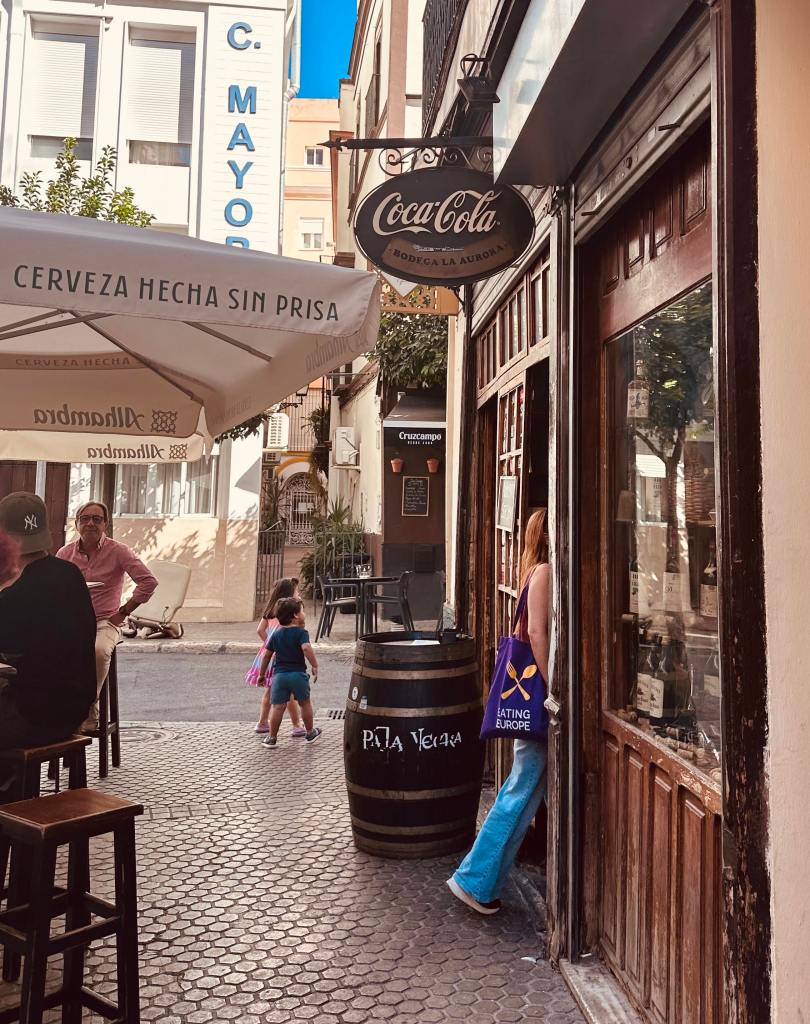
L&L clients can start their tour on any day of the week, which is great if you want to get away “when you’re able to get away.” Since my lessons started on a Monday, I spent Sunday acclimating to the area. I did this by taking a food tour with Eating Europe, a company that uses local guides to take groups to non-touristy restaurants for an authentic taste of local cuisine.

front entryway of an eatery
Eating Europe is a fabulous way to learn about the hotspots locals choose.

After the tour, I took advantage of the fact that Seville is highly walkable and took in some of the city’s highlights, like the majestic Seville Cathedral and Giralda tower, the lush Real Alcázar gardens, the grand Plaza de España with its canal and bridges, artisanal shops selling ceramics and fans, and Triana’s flamenco scene along the Guadalquivir River.

Language Immersion

The great thing about this immersion was that my instructor, Carmen, came to me at my hotel on the first and all subsequent days of my program. At our first meeting, Carmen and I met in a quiet part of the hotel for an introductory conversation (in Spanish & English), and then immediately got to work. She assessed my language and goals and asked where I wanted my lessons—right there at the hotel? In a cafe? On a quiet park bench? Or on the go, while strolling through the city? Being an active learner, I opted for walking lessons. Carmen was excellent—the perfect blend of instructor/new Spanish amiga, which made me feel comfortable working on my language with her.

man looking at market stand filled with produce
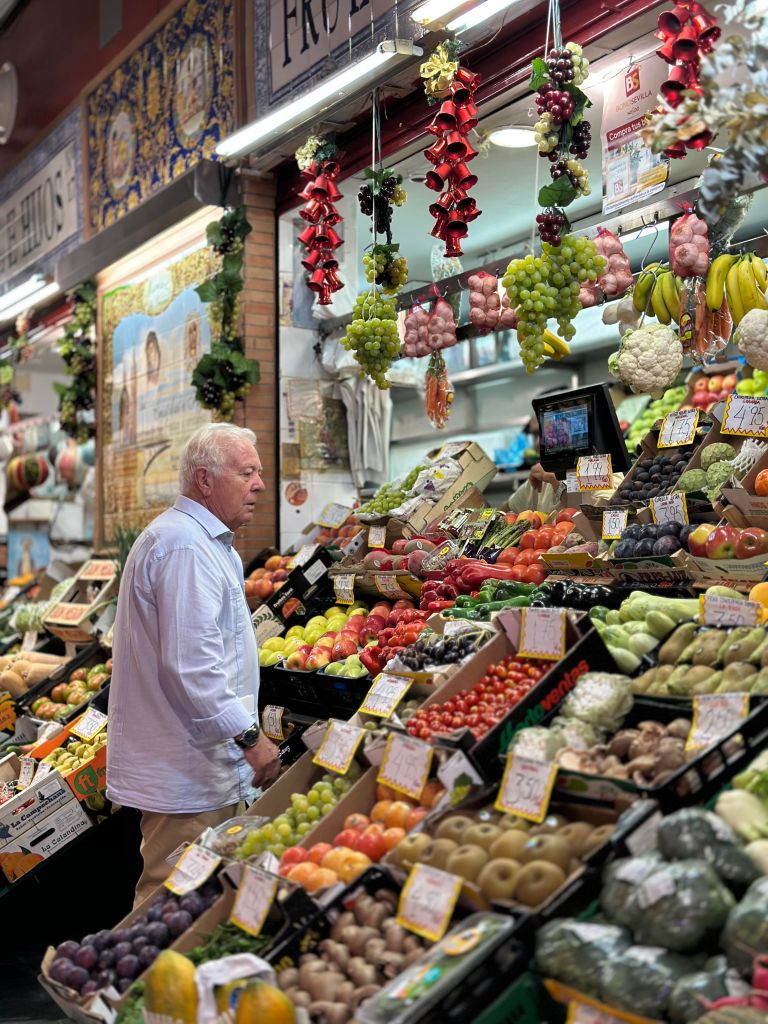
Local markets were the perfect place for conversation and interacting with locals.

In addition, Carmen followed up on the things we discussed. After our first lesson, she emailed me a list of verbs we’d talked about and gave me a comprehensive list of restaurants and points of interest based on things she’d learned about me. This was just one of many ways the week became personalized to me. As the days passed, Carmen and I realized we shared an interest in local legends, ghost stories, and health and wellness topics.

law enforcement officer on horseback
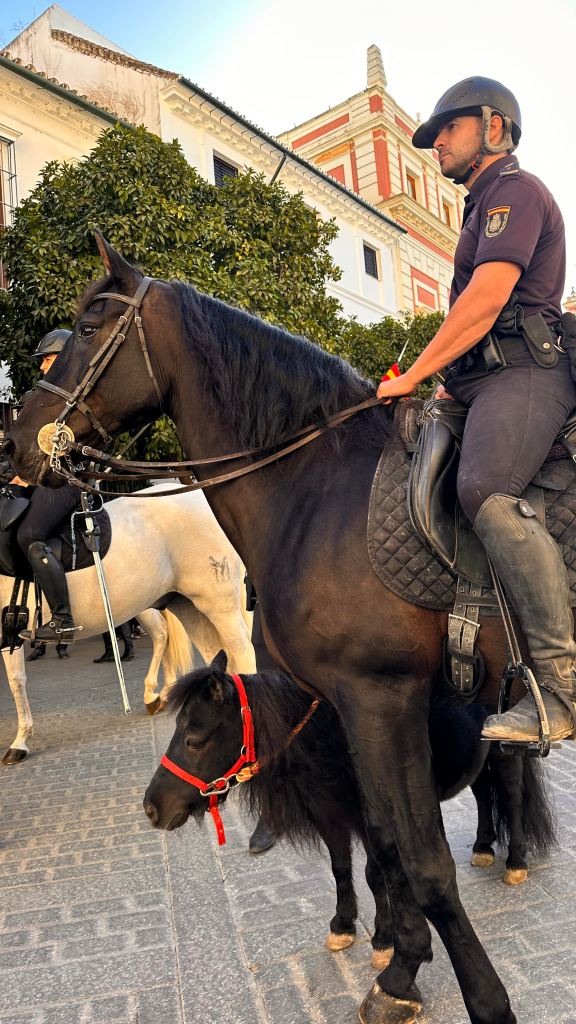
During one day’s lessons, we happened upon a ceremony honoring law enforcement officials in Sevilla.
Private Cultural Tours, Excursions, & Personalized Activities in Sevilla

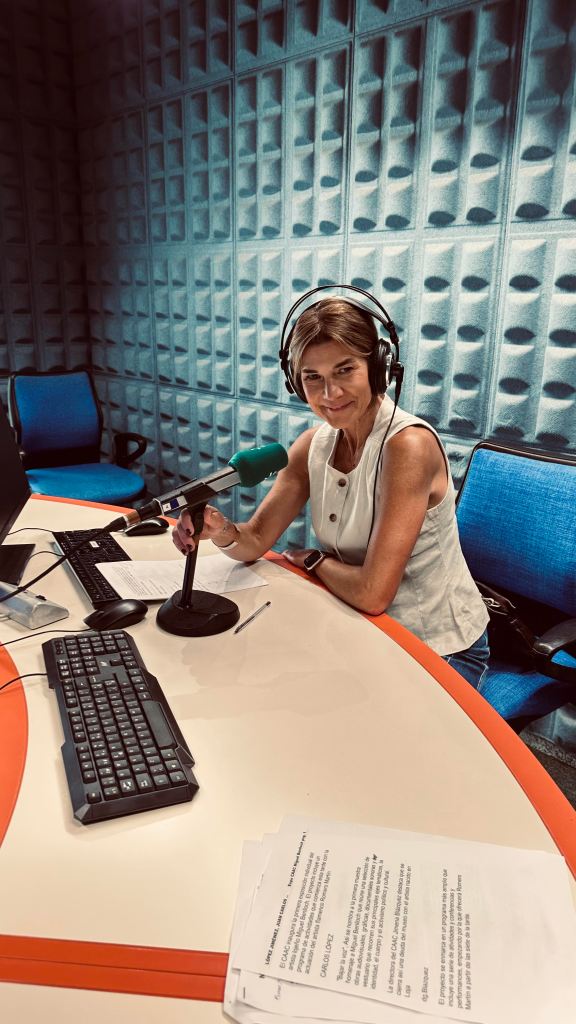
In addition to my daily private lessons, I had private cultural tours each day. Participants can choose three to five per week; I chose three. One day, Daniel, my guide, took me on a tour of the Cathedral of Sevilla and the Royal Alcázar. Another day, we toured markets and had tapas in one of Sevilla’s popular neighborhoods. I ended my week of tours with a visit to the Flamenco Museum and an authentic flamenco show. On the days I wasn’t on excursions, I pursued personal interests. One day, I played a round of golf at the Real Club de Golf Sevilla. Another day, I toured a radio station and talked with local journalists—an experience a local L&L partner set up for me.

woman in radio studio with microphone
Language & Luxury set up a tour of a local radio station. Such an interesting tour for this journalist!

The week in Sevilla flew by, and I was so glad to have another week to keep the momentum going in Madrid.

Week Two: Madrid

Per my Destination Specialist’s recommendation, I left Sevilla via high-speed AVE train to Madrid. Train travel in Europe is affordable, luxurious, and often much easier than air travel, as you don’t have to arrive hours in advance to travel. Again, I appreciated L&L’s transfer service from my hotel, and the business-class seat I reserved on the train was spacious and quiet.

Once in Madrid, I stayed at my friends’ house for the first part of my week and transferred to the hotel L&L had arranged for me mid-week. Language & Luxury participants can choose their own accommodations or have L&L set them up; I chose a mix of both. Again, I had a free day before my language lessons began on Monday, so I attended the Madrid Open Golf Tournament—because when you’re a golfer and there’s a tournament while you’re in town, why not, right? This is just one example of how one can “live like a local” and enrich the week’s experiences.

The Experience Continues in Madrid

My schedule in Madrid had a similar cadence to that in Sevilla. On Monday, I met Jennifer, my instructor, at the NH Palacio de Tepa, where I would stay later that week. We had an introductory chat, where I told her about what I’d covered in Sevilla, and talked to her about how I best learn/work. Jennifer told me she’d plan activities and lessons based on daily “walking immersions.” 

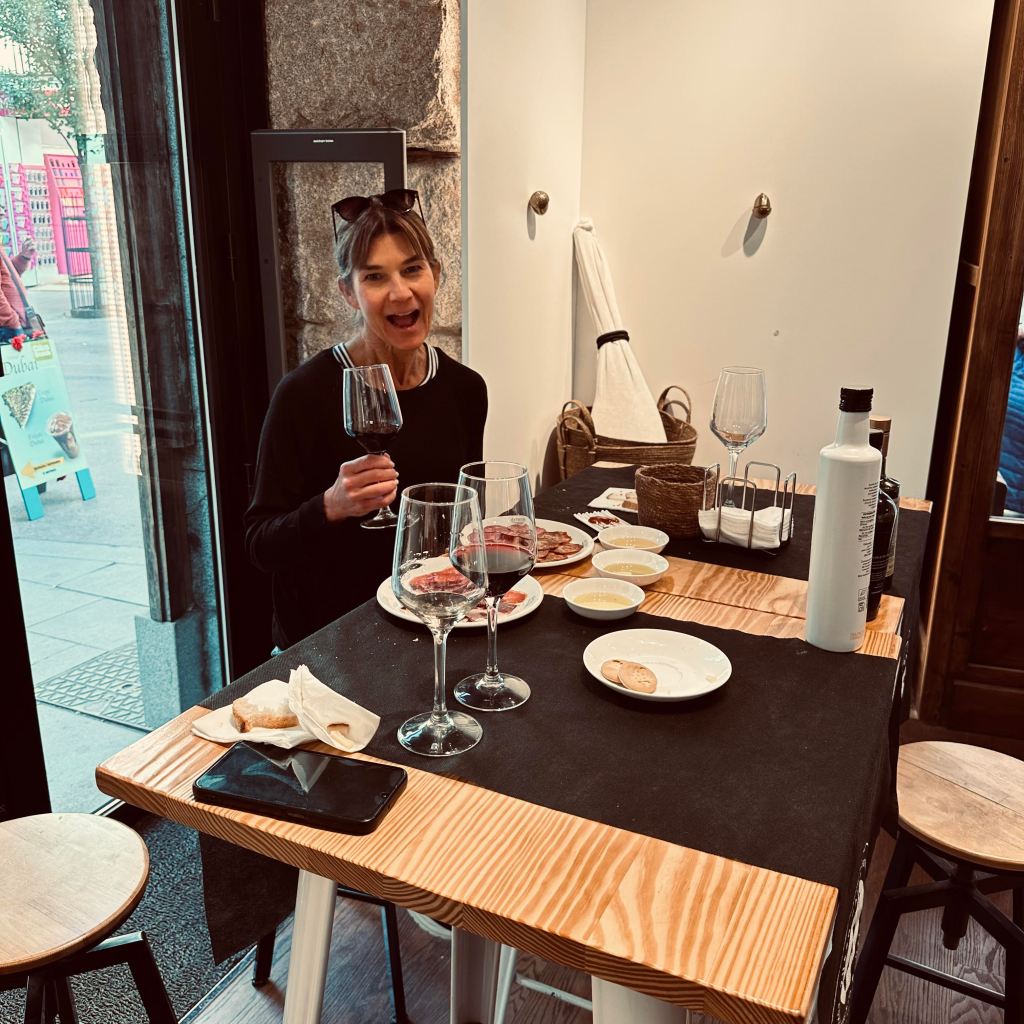
woman with wine glass at dinner table
A wine and Iberian jamón tasting was a definite highlight.
Private Cultural Tours, Excursions, & Personalized Activities in Madrid

I paired my private lessons with cultural experiences and enjoyed working with my cultural activities guide, Alessandro. Our tours took place after my daily lessons, and included:  a wine and Spanish jamón tasting, a tour of nearby restaurants not known to tourists, a walk through Madrid’s literary quarter (something I enjoyed immensely as a writer), and a visit to one of Madrid’s many art galleries, Fundación Mapfre. Working with the same local guide all week made the experience more meaningful, as I got used to Alessandro’s Spanish and approach. 

In addition, one afternoon I played a round of golf in one of Madrid’s finest private courses, the RACE Golf Club. Here I learned about the growing popularity of Madrid as a golf destination, and the numerous opportunities to play in the area’s surrounding courses. And of course, I learned this in a conversation with the club’s director of golf,  José Ignacio Vidosa Flores, while we spoke entirely in Spanish.

female golfer on golf course
October is a beautiful time to play golf in Madrid. Thanks to RACE Golf Club for a great round!
A Recap & Tips if You’d Like to Do a Language Immersion (in Spain or Around the World)

Toward the end of my two-week immersion, I had a revelation while sipping coffee with my instructor. I realized—Wow, I don’t think we’ve really spoken a lick of English since the first day of our instruction. 

Now, while this would definitely vary for someone who came to the program with little or no Spanish, as someone who really wanted to become “one with the language and culture of Spain,” the program 100% delivered. I wasn’t just speaking the language; I was immersed in the culture, using the language without really thinking about it. I felt like a Spaniard!

If you’re looking for a way to immerse yourself in the language and culture of Spain (or another destination around the world)—like I did in Sevilla and Madrid—consider Language & Luxury. You’ll get one-to-one instruction, cultural tours, and luxury hotels, plus personalized attention from the start.

The bottom line? If you’re looking to learn or fine-tune a language (choose from Spanish, Portuguese, German, Italian, French, or English) based on your level, travel schedule, learning style, and cultural interests, and prefer to stay in beautiful hotels, have transfers handled, plus enjoy a curated itinerary with suggestions for high-end experiences, I’d definitely suggest checking out Language & Luxury!   

In full disclosure, I was so impressed by the company that I wanted to be a part of it. I’m happy to say I’m now one of Language & Luxury’s Destination Specialists. However, please know I’d be spreading the word about this amazing opportunity to learn a language and grow as a person even if I didn’t work there!


🔍 Search the site to discover more European Traveler feature stories. 🌍

FOLLOW US:


Dining in Madrid Is More Than Just Dinner

Story and photos by Alison Ramsey

Madrid, the colorful capital of Spain, has a vibrant culinary scene with myriad eatery options to bring visitors closer to the city’s authentic culture, traditions, and characters. To make the most of a visit, vary mealtime experiences by trying unique gastronomy options and formats.

Progressive Dinner Offers Premium Food Experience

Elysian Tales, the passion project of charismatic Marwa Preston, brings guests on a multi-stop fully customized progressive dinner throughout the city, with short walking trips between venues.

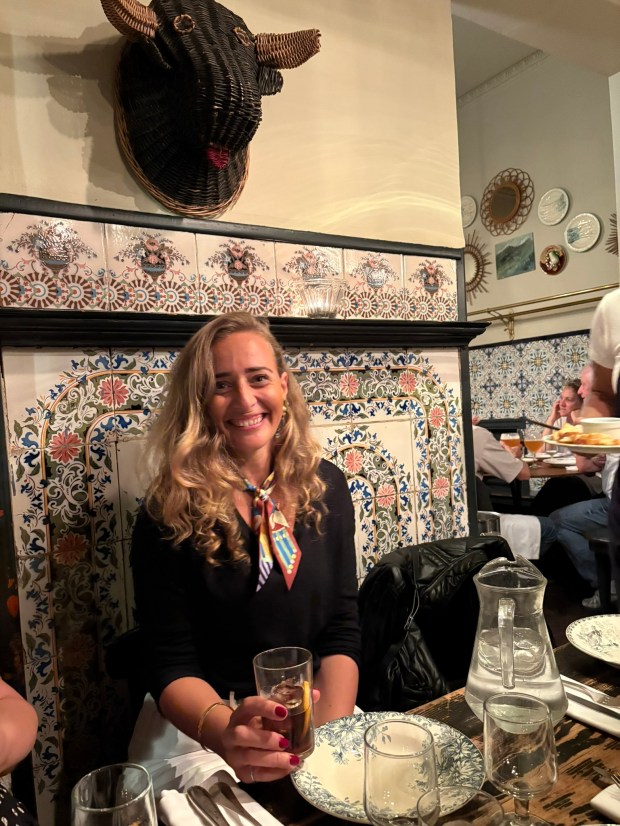
Woman at dinner table
Marwa Preston, backed by a Spanish-tiled wall at La Carmencita, sits with iced red
vermouth, served in its traditional small glass.

Michelin-Starred Fine Dining

One example program begins at the elegant, Michelin-starred Saddle restaurant, whose red velvet armchairs, full-ceiling skylights, and modern gold accents imbue sophistication and style. Join the chefs in the kitchen, where they teach participants to artfully scrape a creamy oval-shaped “butter quenelle” from a mountain of French butter to go with homemade sourdough bread and sparkling Corpinnat wine from Catalonia.

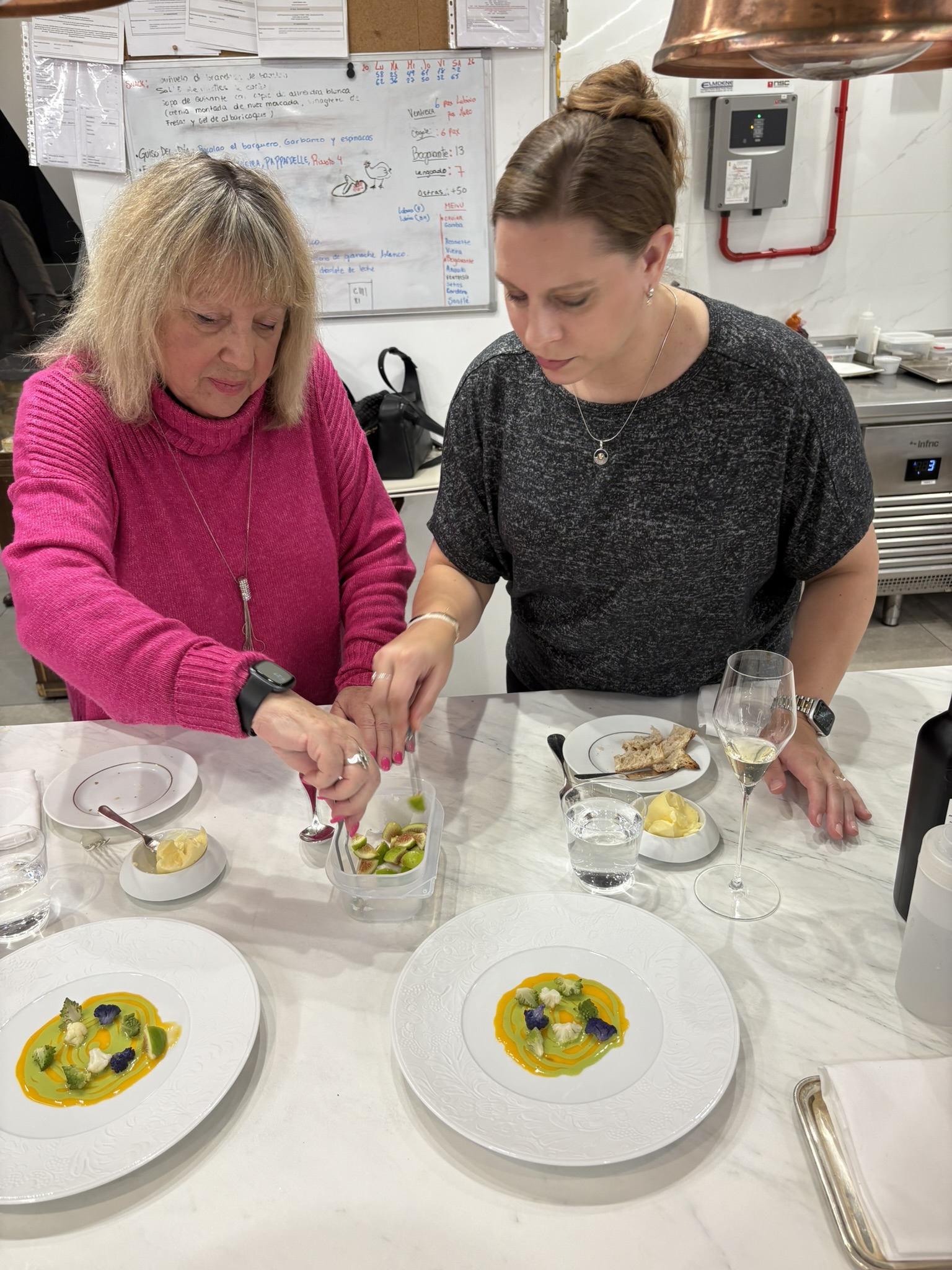
Friendly kitchen staff walk guests through plating a colorful vegetable course, using silver tweezers to decorate swirls of flavor with purple cauliflower, figs, carrots, strawberries, and edible flowers, and garnishing with fresh horseradish and sea salt. The quality of ingredients and combinations of interesting tastes here are beyond comparison, and the feeling of making it yourself alongside professional chefs in a gourmet kitchen is unmatched.   

  • Man displays bottle of wine
  • Two women plate vegetables
  • Chef and woman prepare food dishes

Homestyle Comfort Food

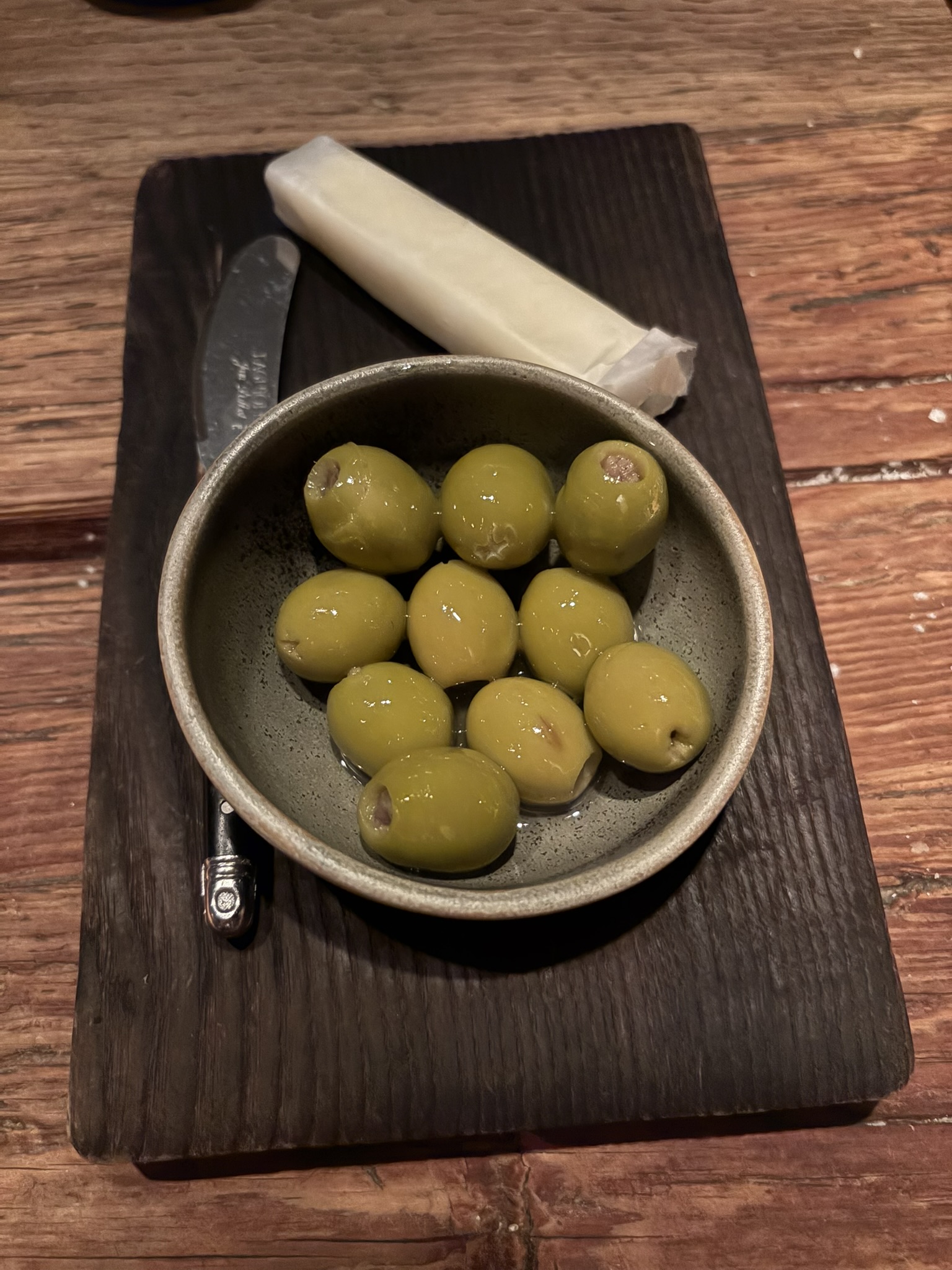
A leisurely walk past the stately Supreme Court of Spain and Church of Santa Bárbara leads to friendly Chuecha neighborhood bistro La Carmencita Tavern. The second oldest tavern in Madrid and a famous locale for writers to frequent, this lively venue is full of locals sipping red vermouth (white wine infused with caramelized sugar and botanicals), nibbling in-house marinated olives, and sampling savory cheeses with honey farmed from the outskirts of Madrid. Preston described their Spanish version of “Russian salad” as tuna, potatoes, green peas, and vegetables, and “everyone from Spain will tell you their mom’s recipe is the best.”

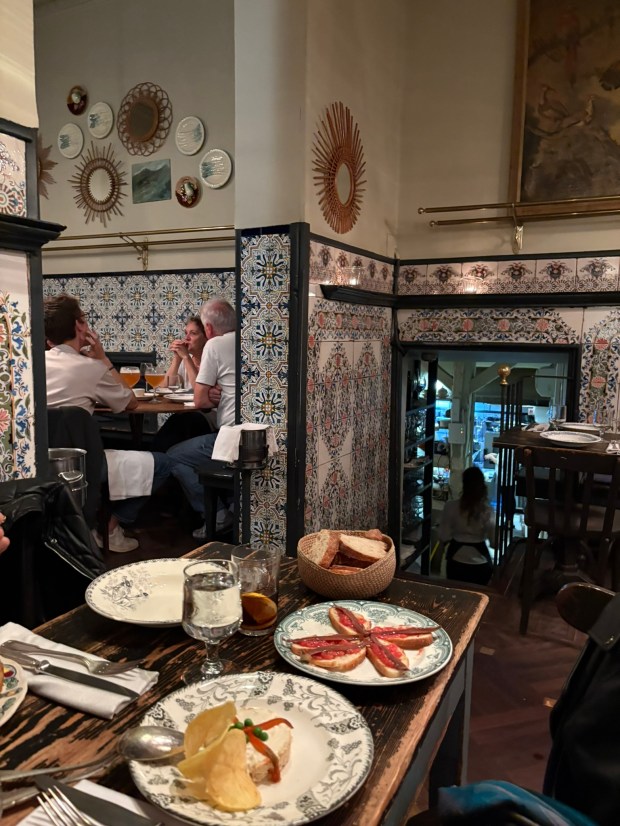
A grandma’s-home-cooking recipe of beef pate on bread, and Mediterranean anchovies comprise bar food typical in this “Soho of Madrid” area. At this homey site where three generations of Carmens lived, the elaborately decorated Spanish tiles on the walls are all original, and the dining room used to be the house’s bedroom.

Dining room and appetizer plates
Red vermouth and traditional tapas make up a cozy homestyle meal at La Carmencita
Tavern.

Romantic Date-Night Atmosphere

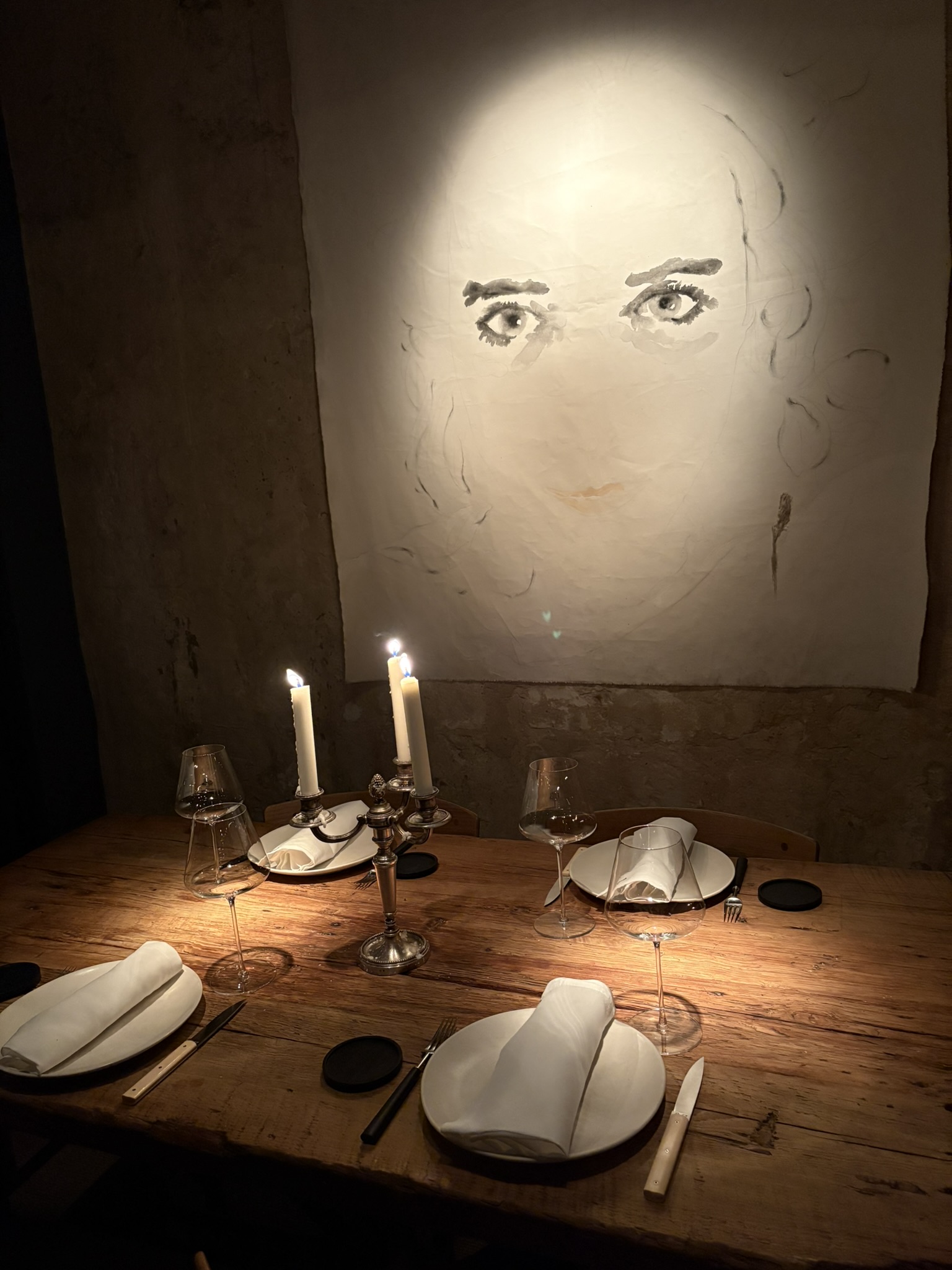
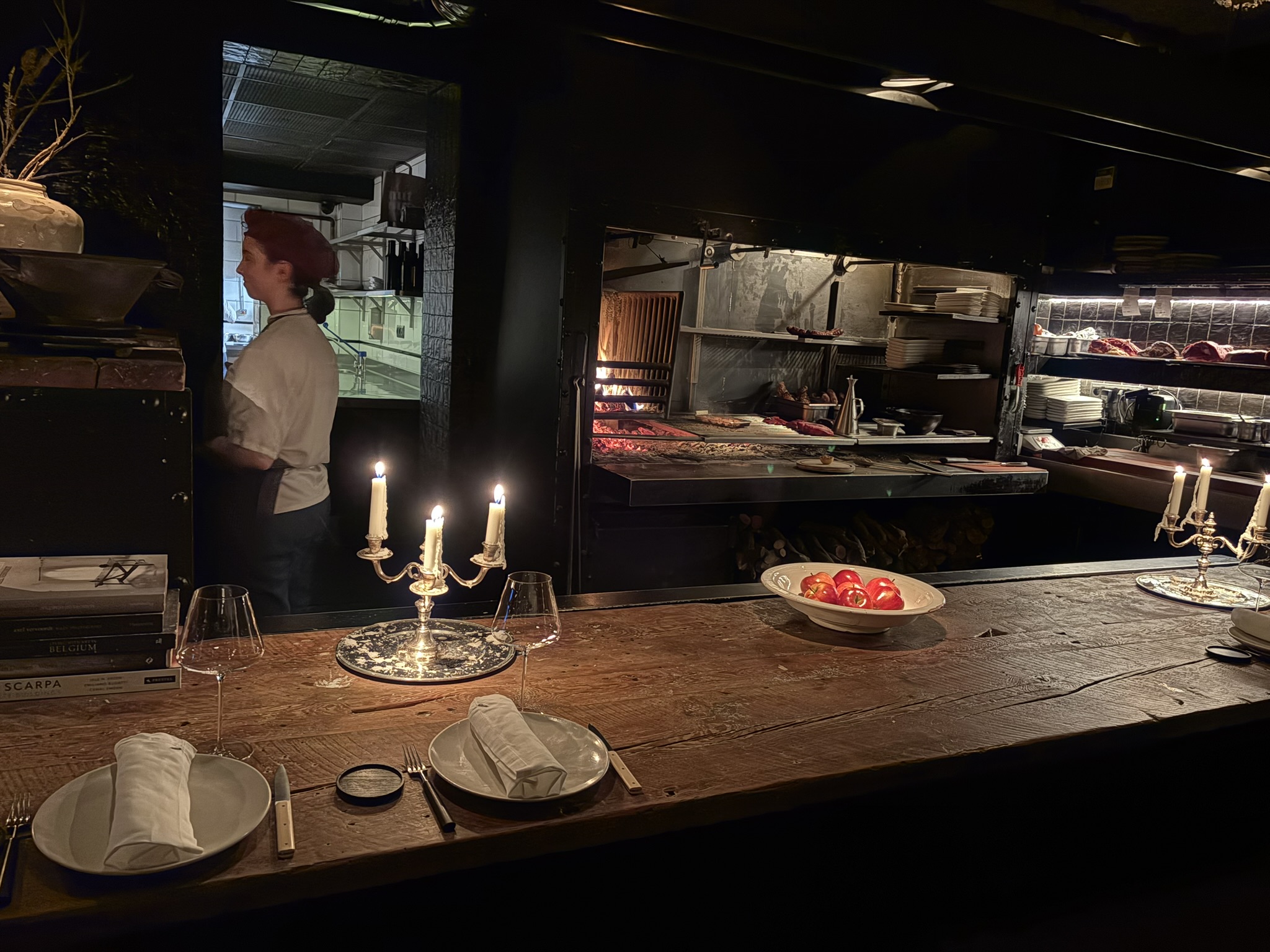
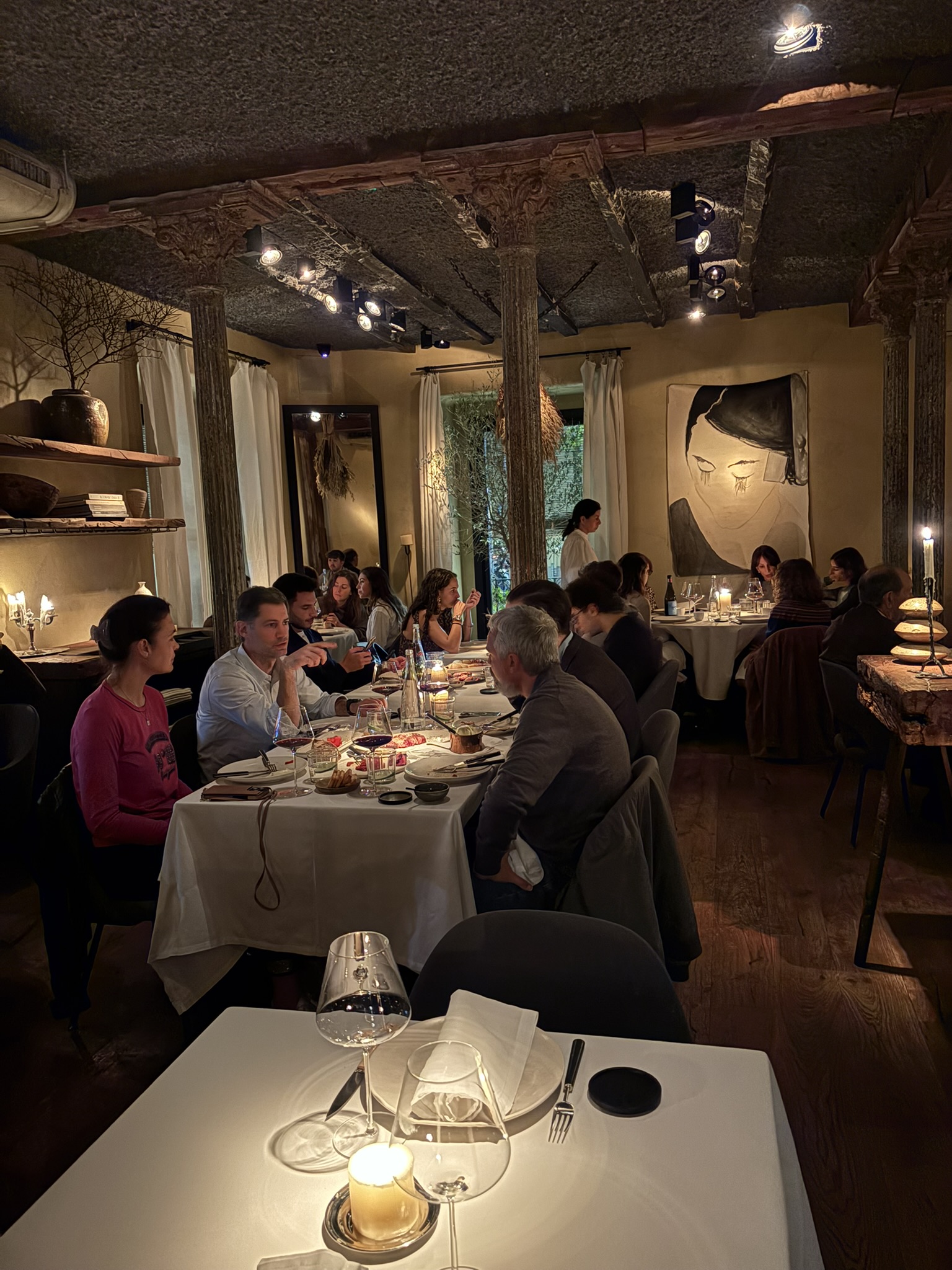
Moody candlelight, rough-hewn wooden tables, open-flame ovens, dramatic wall art, and a vast collection of high-level wines make Charrúa Madrid a romantic stop on the journey. Fresh rosemary is burned 30 minutes before dinner service, and the pleasant aroma stimulates senses and heightens the dining experience.

Begin with hot beef consommé rich with vitamins and minerals, creamy cauliflower puree (“90% cauliflower and 10% butter,” said Preston) with freshly shaved truffles, and seasoned tomatoes. Roasted red pepper is served alongside tender, free-roaming grass-fed Retinta beef sirloin to bring out the meat’s flavor, with the acidity of the pepper cutting through the meat’s fattiness.

  • Set dinner table with painting behind it
  • Bowl of olives
  • Open oven and candles
  • People sitting at dining tables

Dessert is torrija, a Spanish version of French toast that involves homemade brioche soaked in milk infused with cinnamon, orange rind, and lemon peel, and nested with yogurt ice cream. Preston explained that this is a typical Easter dish in Spain, although that time of year the bread is often soaked in wine instead of milk.  

Despite the rich flavors in these courses, the food sits lightly in the stomach and is not fried, like many of the ham croquetas (deep-fried fritters) and bombas (fried mashed potato balls) served in touristy locations. With a short walk in between restaurants on this dining tour, guests don’t leave feeling stuffed and uncomfortable.

Funky Cocktail Bar

Wrap up the evening at Bar Manero Marqués de Cubas, a venue with a Vegas-style disco bar, DJ, private karaoke screen, and room dedicated to Julio Iglesias in the back. Pick your garnish of choice (cinnamon, ginger, pepper, sugar cubes, dried lime) and describe your favorite flavors, scents, or even your favorite vinyl record, and the host will create a drink they sense will match your taste.

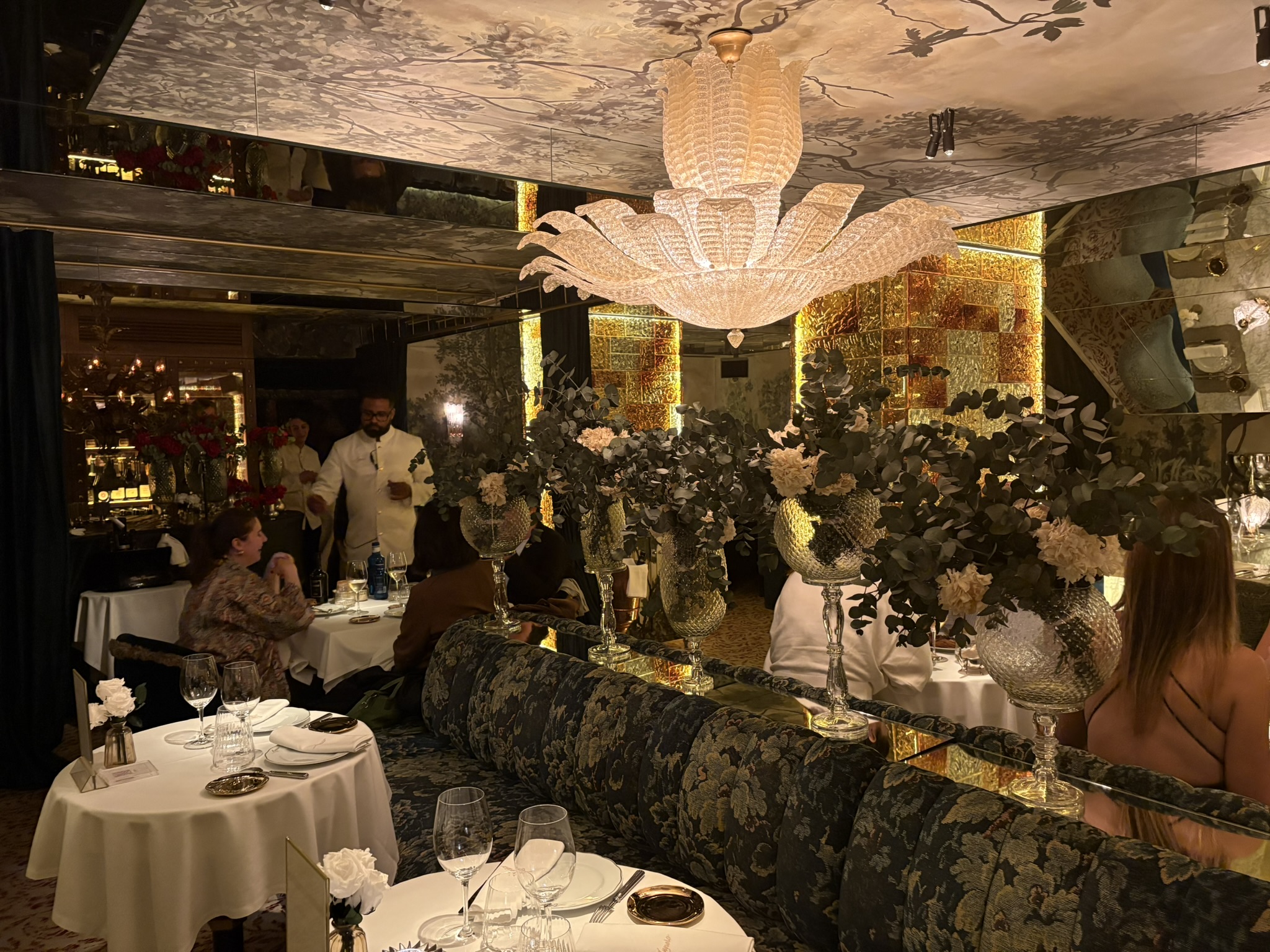
  • Dining room with chandelier
  • Tray of garnishes
  • dimly lit lounge room with overhead light

The front restaurant area has a crocheted ceiling, handmade mosaic floors, Murano-glass–covered towers, many mirrors, and walls are hand-painted with Madrid panoramas. It is truly a unique scene and novel way to end an evening of gastronomic exploration. 

This curated culinary experience by Elysian Tales allows visitors to experience the food selections and scenes at several different types of eateries even if they only spend a few days in Madrid.

Other Distinctive Dining Options in Madrid

Local Castilian and Madrid Cuisine

Dine at traditional Madrid establishment Posada de la Villa for a taste of Castilian and Madrid cuisine, including roast suckling lamb cooked in a wood-fired oven (absolutely delicious, with tender meat falling off the bone), Bellota Iberian ham, Manchego cheese, homemade croquetas, tuna and tomato salad, Dehesa Valquejigoso wine, and “Posadero’s Dessert” trio of pastry, fried milk, and cheesecake. Dark wood and brick wall interiors, Iberian ham hanging from the rafters, excellent flavors, quality service, and an active scene of locals, people on business lunches, and foodies make this historic stop one to remember.

Traditional Madrid dining at Posada de la Villa includes local wines and roast suckling lamb cooked in a wood-fired oven.

Wine Masterclass and Tasting

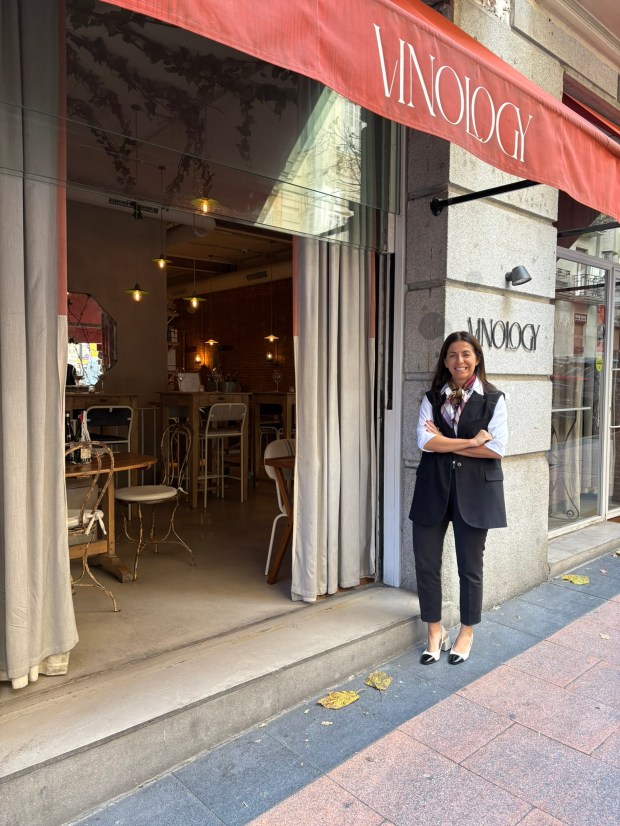
Explore Madrid’s wine culture and cuisine by taking a masterclass at Vinology. At this wine bar and restaurant, sommelier and founder, Pilar Oltra, guides guests through an exploration of Madrid’s four wine-producing regions—Arganda del Rey, Navalcarnero, San Martín de Valdeiglesias, and El Molar—made up of almost 22 acres of vineyards and 45 wineries.

Learn about grape varieties, terroir (the unique combination of climate, soil, terrain, and tradition that shape the character of a wine), and sample five wines alongside five creative tapas, including homemade foie mi-cuit (semi-cooked duck) with quince, cecina (smoked beef) with toasted almonds and extra virgin olive oil, and anchovy with Iberian jowl.

  • Woman standing outside of wine bar
  • Bowl of food and an edible flower
  • Woman stands in front of projector

Dinner and Flamenco Show

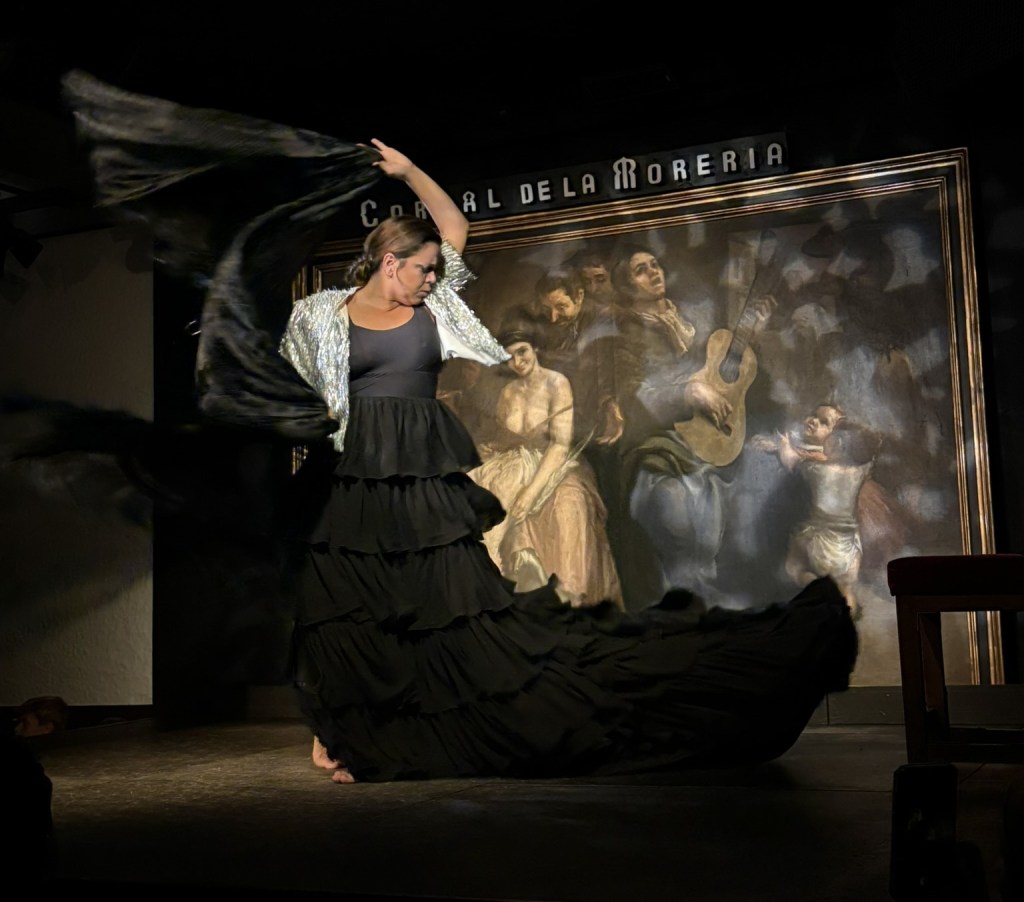
The oldest, most prestigious, and most famous flamenco tablao (wooden stage) in the world is Corral de la Morería. Paired with its Michelin-starred haute cuisine designed by head chef, David García, this cultural dinner-and-show is a memorable way to involve all the senses in one evening experience.

Savor scallop carpaccio with tomato tartar, dates, and coconut ajoblanco (cold soup); poultry egg yolk over ropa vieja (shredded beef); sea bass and gilda (skewer of olive, anchovy, and pepper); and fruit sorbet or caramelized French toast made with fresh milk and served with banana ice cream.  

Plate of food

For six decades, flamenco icons have graced the Corral de la Morería stage to showcase their art, and the venue is frequented by celebrities and visitors from across the globe (e.g., Frank Sinatra, Dua Lipa, Gloria Estefan). Here, the singers, dancers, and guitar players use feet, eyes, tongues, wrists, fingers, and flowing costumes to tell a dramatic story in sound and movement, with no translation needed, and present a new show every 7-10 days.

Flamenco dancer waving cape
A dramatic and sound-rich story is expressed on the Corral de la Moreria tablao.

“It’s the only dance in the world where the music follows the dancers,” said Armando del Rey, an owner of the family-run business his father, Manuel, began in 1956. Manuel hired Armando’s mother, Blanca, a very well-known choreographer and dancer in Spain, and Manuel and Blanca soon fell in love. Now, Manuel and his brother, Juanma, work with artistic director Blanca in the restaurant sector as well. Corral de la Morería is the only restaurant in the world with a Michelin star that has a dinner and tablao, and it is listed in The New York Times bestseller “1,000 Places to See Before You Die.”

Jazz Entertainment Club

For dinner and drinks in a flashy club atmosphere, make a reservation at the bustling two-story Pabblo. Here guests are treated to Mediterranean cooking from a wood-fired oven and charcoal grill, classic and innovative cocktails, Picasso-inspired décor, and live band music with lounge singers, dancers, and aerial silk artists.

Lounge singer performs with band
A live band, sultry singers, and glittering dancers present a high-energy show at
Pabblo’s dinner seating.

Between hummus, tuna tartar, fish and lamb courses, and a fun make-your-own ice cream sundae dessert platter, you’ll hear smooth saxophone jams, watch sequined showgirls shimmy and strut, and see a graceful gymnast draped around aerial ribbons and descending through the open ceiling from the upper level. Entertainment while eating is an exceptional way to end an evening out on the town.   

Four Seasons’ Restaurants and Rooftop

The first Four Seasons hotel in Spain is found within an enormous and beautiful property block composed of seven historic buildings with a national-heritage–protected external façade. Within this complex, shop at Canalejas Gallery, the new luxury shopping arcade in central Madrid housing 40 boutiques and prestigious brands such as Dior, Cartier, Louis Vuitton, Rolex, Armani, Tom Ford, and Tumi.

After browsing or buying, easily head to Four Seasons’ El Patio lobby bar (featuring the original marble columns and concierge desk from when the room used to be the operations area of the Spanish Credit Bank), the Isa Asian cuisine restaurant and cocktail bar, or Dani Brasserie for signature Mediterranean and Andalusian dishes and drinks on the top level.

  • rooftop patio with chairs and umbrellas
  • Rooftop view of city

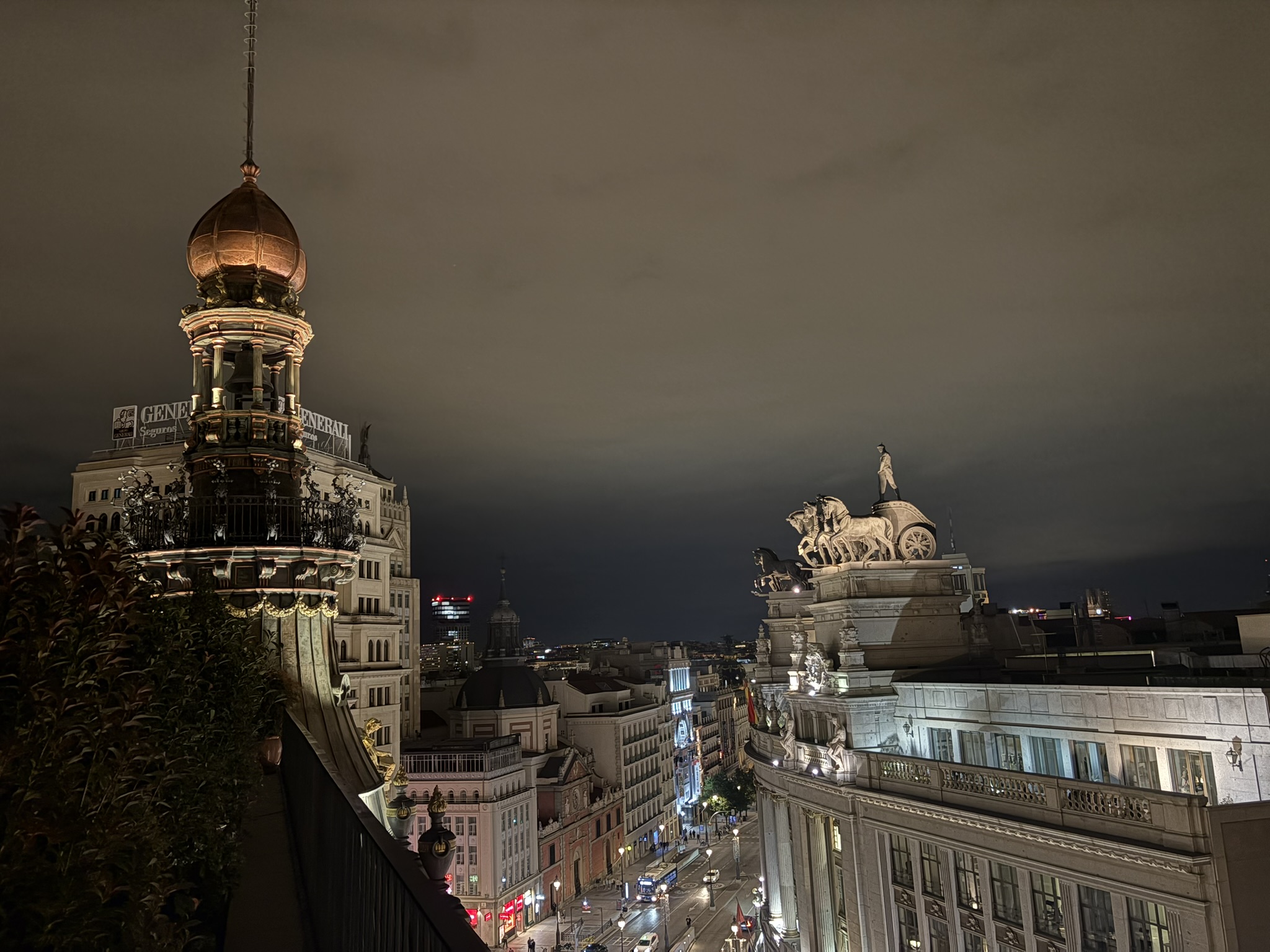
At Dani Brasserie, don’t miss chef Dani García’s famous and savory “Red Tuna Descargamento,” served in a delicate rose shape, with yellow bell peppers, lime, and olive oil. From the rooftop patio outside the dining room, admire Madrid’s city lights, cool night air, and stunning panoramic views.

WHEN YOU GO…

Stay at the centrally located Hotel Villa Real for easy access to the Prado Museum, Retiro Park, Thyssen-Bornemisza National Museum, Royal Palace of Madrid, and Gran Via high-end shopping street.

The vast breakfast buffet and attentive waitstaff will ensure you start your mornings fueled with fresh coffee and juice, plenty of meats and cheeses, fresh and dried fruits, pastries, cereals, and eggs-to-order. On your way to breakfast, explore the art and archeology collection in the hotel’s museum, which holds restored Roman mosaics and sculptures, and a private collection of painted Apulian vases.

Breakfast at Hotel Villa Real is varied, colorful, and fresh.

The East 47 bar and restaurant off the front lobby serves drinks, tapas, crisp salads, and Mediterranean-inspired dishes—with terrace seating out front in Plaza de las Cortes during warmer summer months.

For more information about Madrid, go to Visit Madrid.


🔍 Search the site to discover more European Traveler feature stories. 🌍

FOLLOW US: