Sardinia’s ancient past survives not only in rock-cut tombs and sacred sites, but is also celebrated through the food, wine, and traditions that shape daily life
Story and photos by Alison Ramsey
Sant’Antioco is Italy’s oldest urban settlement, but its ancient past remains embedded in the island’s living traditions. In the southwestern region of Sardinia, Italy, communities have long been drawn by strategic coastlines, seafood-rich waters, mineral resources, and fertile land in a biodiverse ecosystem. As Mediterranean cultures crossed these shores, they passed along traditions, traded tools and recipes, and introduced influences that are still evident today. The island’s archaeology is not only preserved in excavated tombs and museum exhibits—it remains visibly connected to everyday culture through the food and wine served at family dinners.
Ferruccio Barreca Archaeological Museum
In Sant’Antioco—an island off the coast of southern Sardinia, connected by a manmade isthmus—the Ferruccio Barreca Archaeological Museum is set up for thorough exploration. The museum is arranged by historical timepoint, so visitors can follow the route from Phoenician and Punic origins extending into the Roman era in Italy’s most ancient city, Sulky.
Displayed here are artifacts found in excavations that are still in progress at sites on the island, with relics from ancient settlements and necropolises. One exhibition shows items found in a Punic Age water cistern and includes a large bowl used for making couscous (a typical Tunisian meal). Evidence like this indicates the island’s layered historical cultures resulting from its unique waterside location and landscape have influenced cuisine.
Tabarchin Cascà Indicates African Culinary Influence
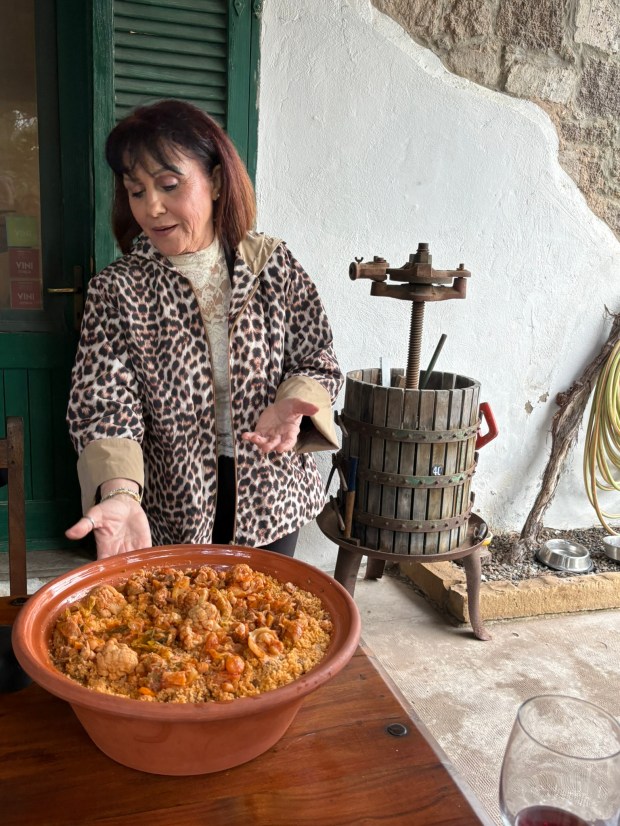
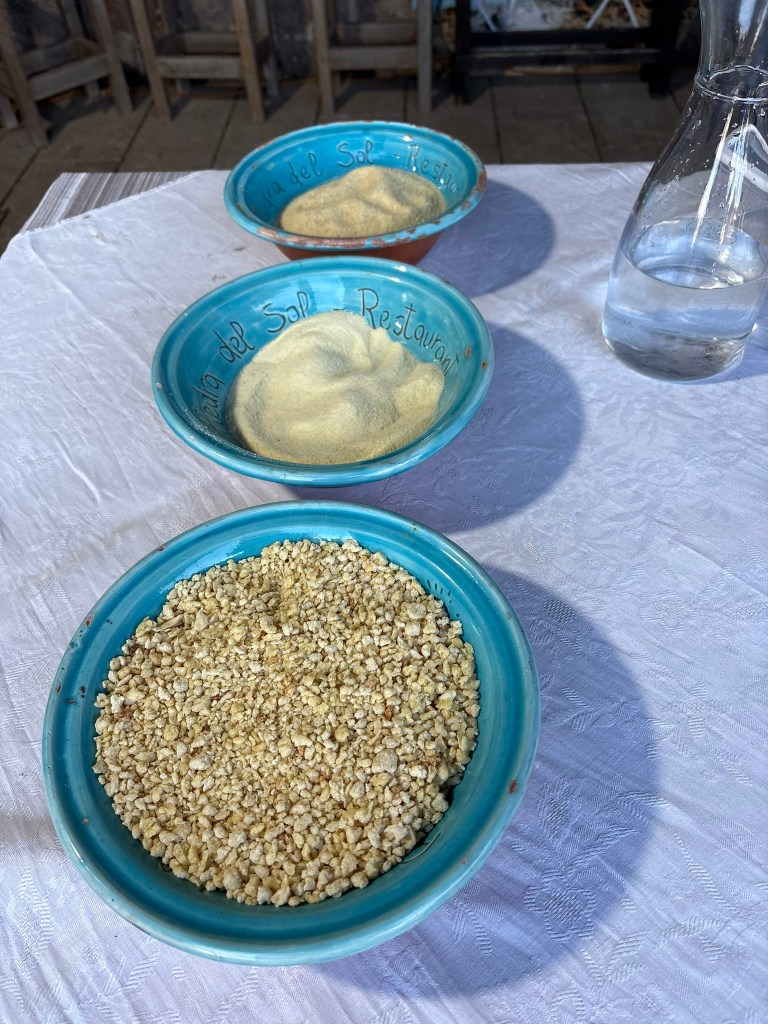
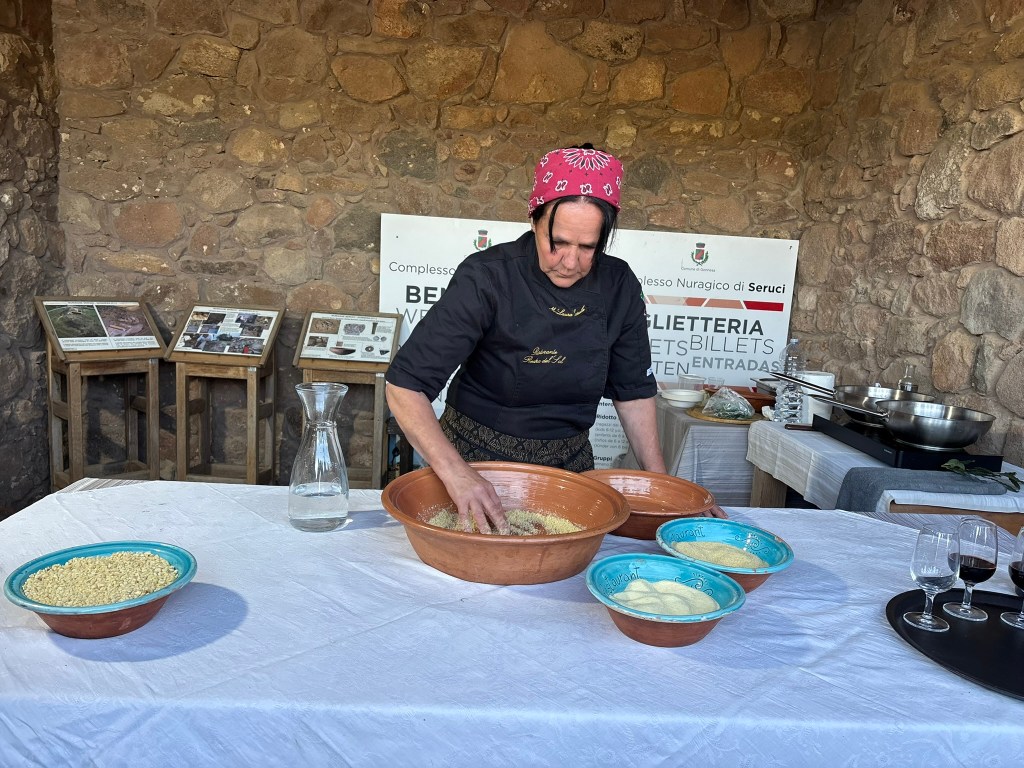
In Calasetta, the Tabarchin couscous called cascà is still traditionally made using hand-prepared semolina. Lines grooved into the sides of the bowl assist in breaking up the moistened, salted grain clumps to form spherical shapes. Made in large batches and cooked with vegetables and aromatic herbs, this couscous can be reheated as savory leftovers, with flavors intensifying for later enjoyment.
Settlement Structures Give Clues to Earlier Lifestyles
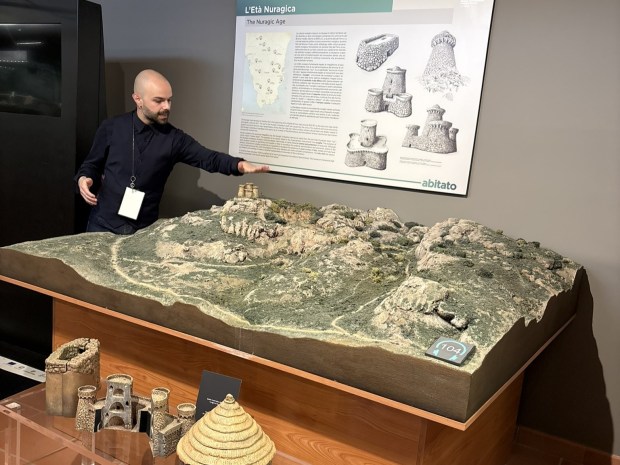
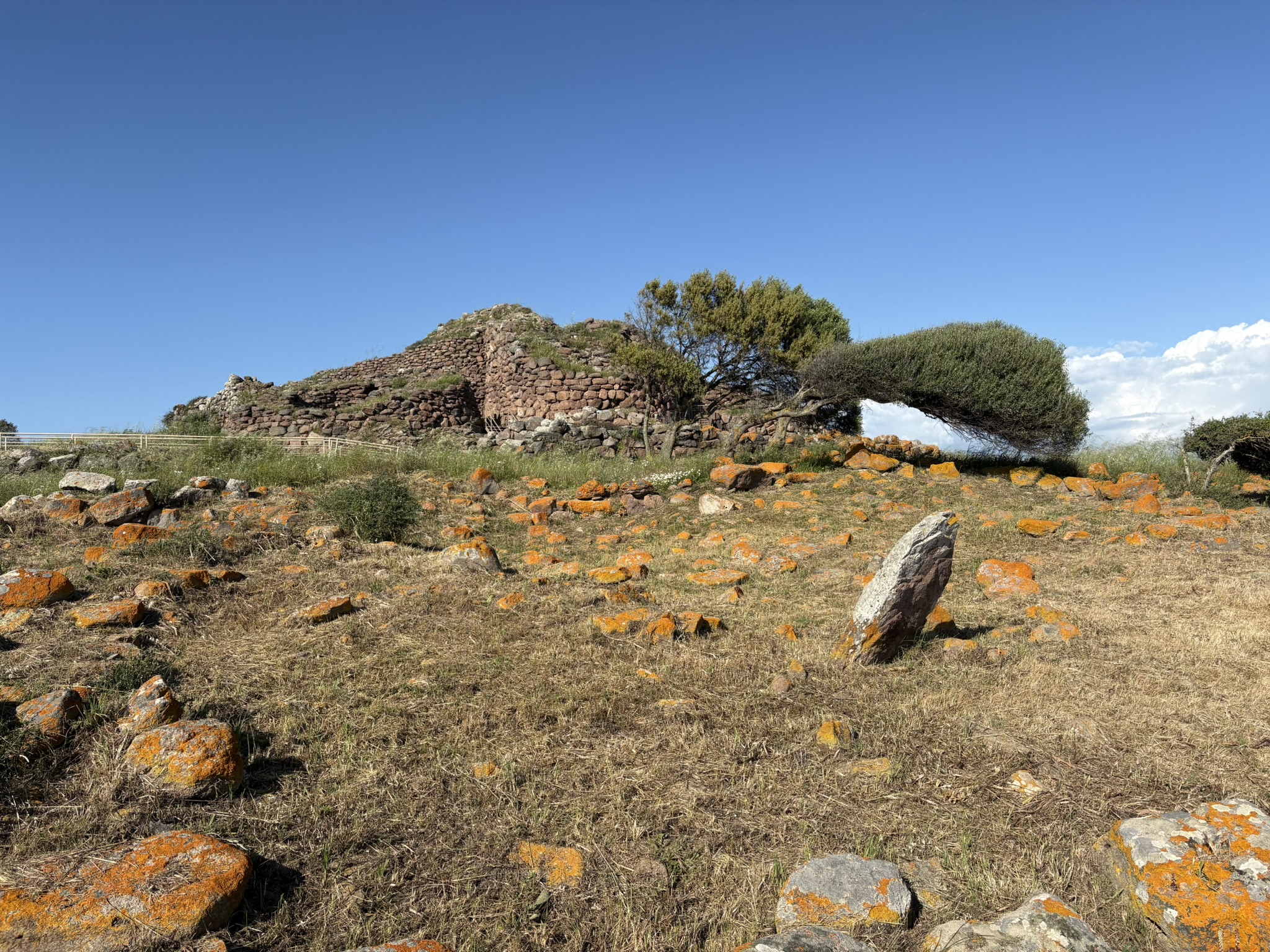
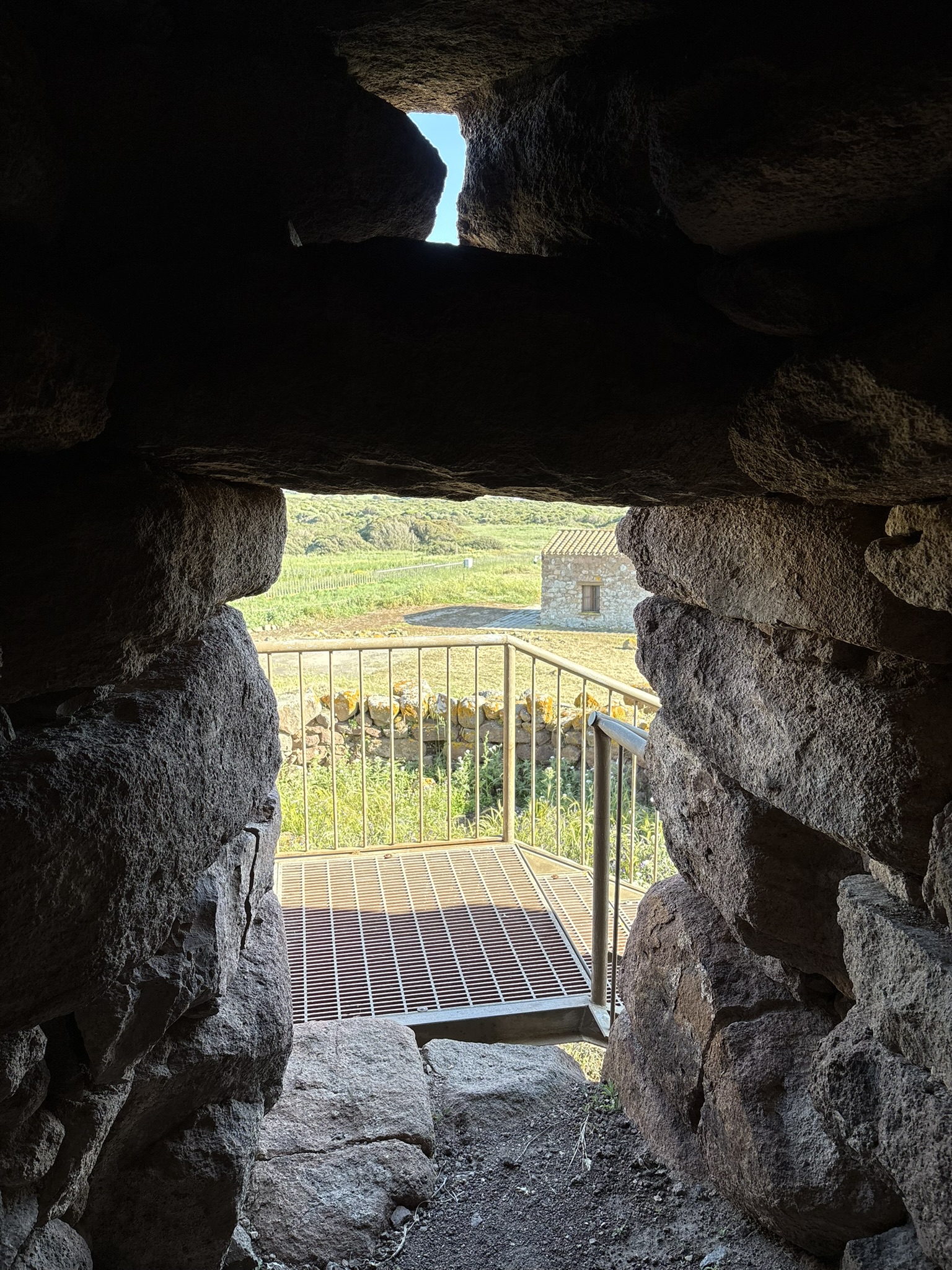
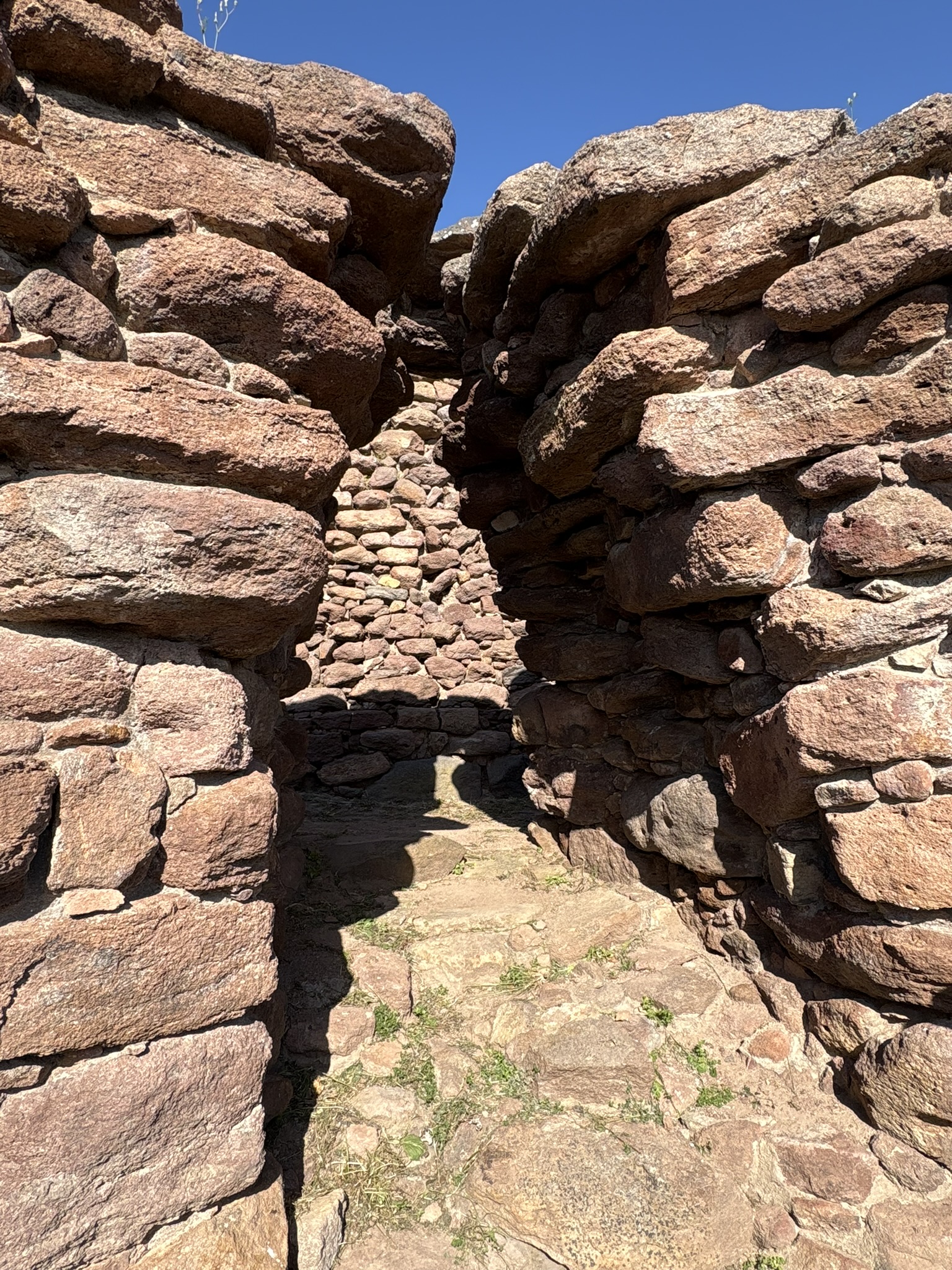
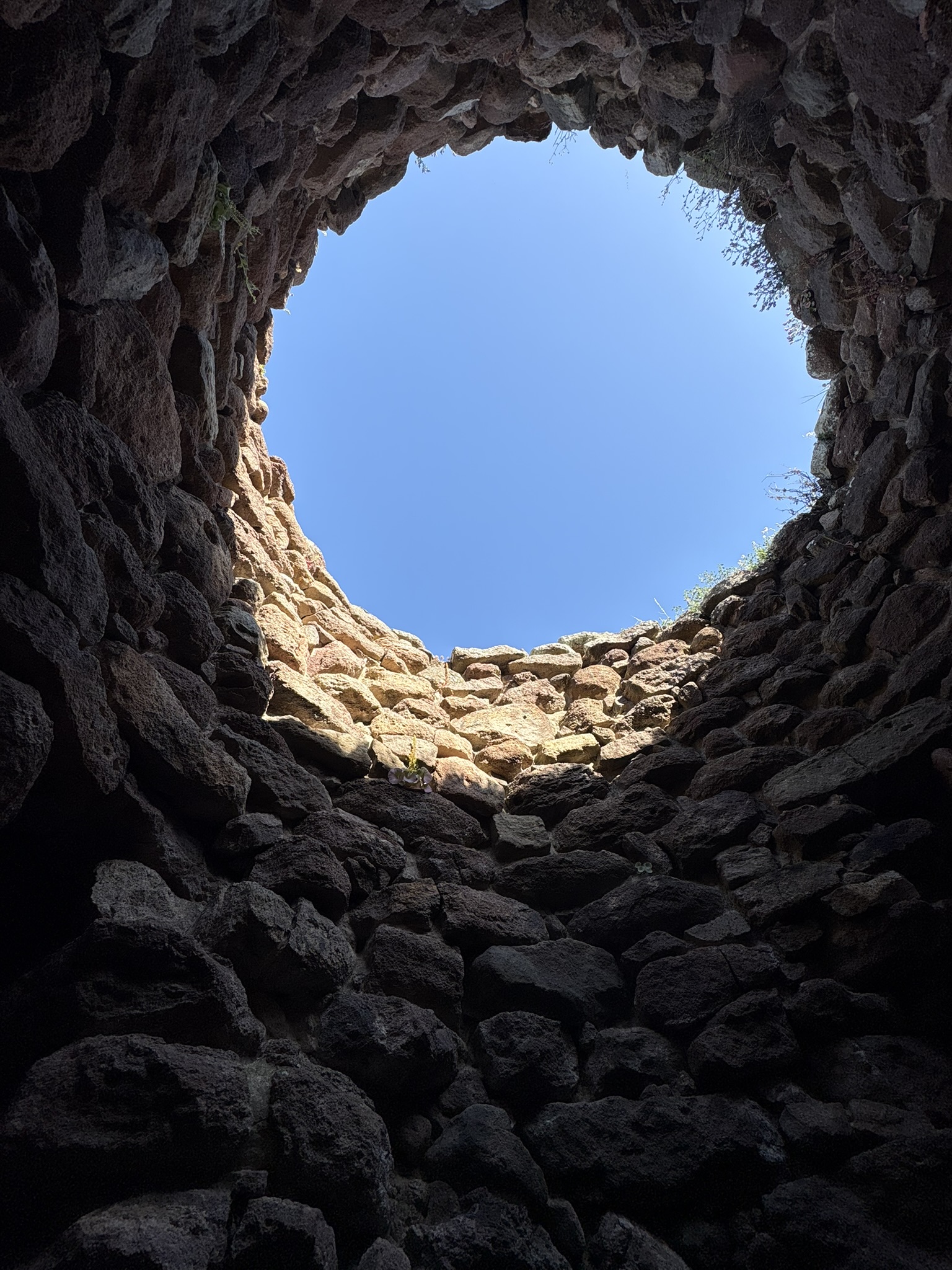
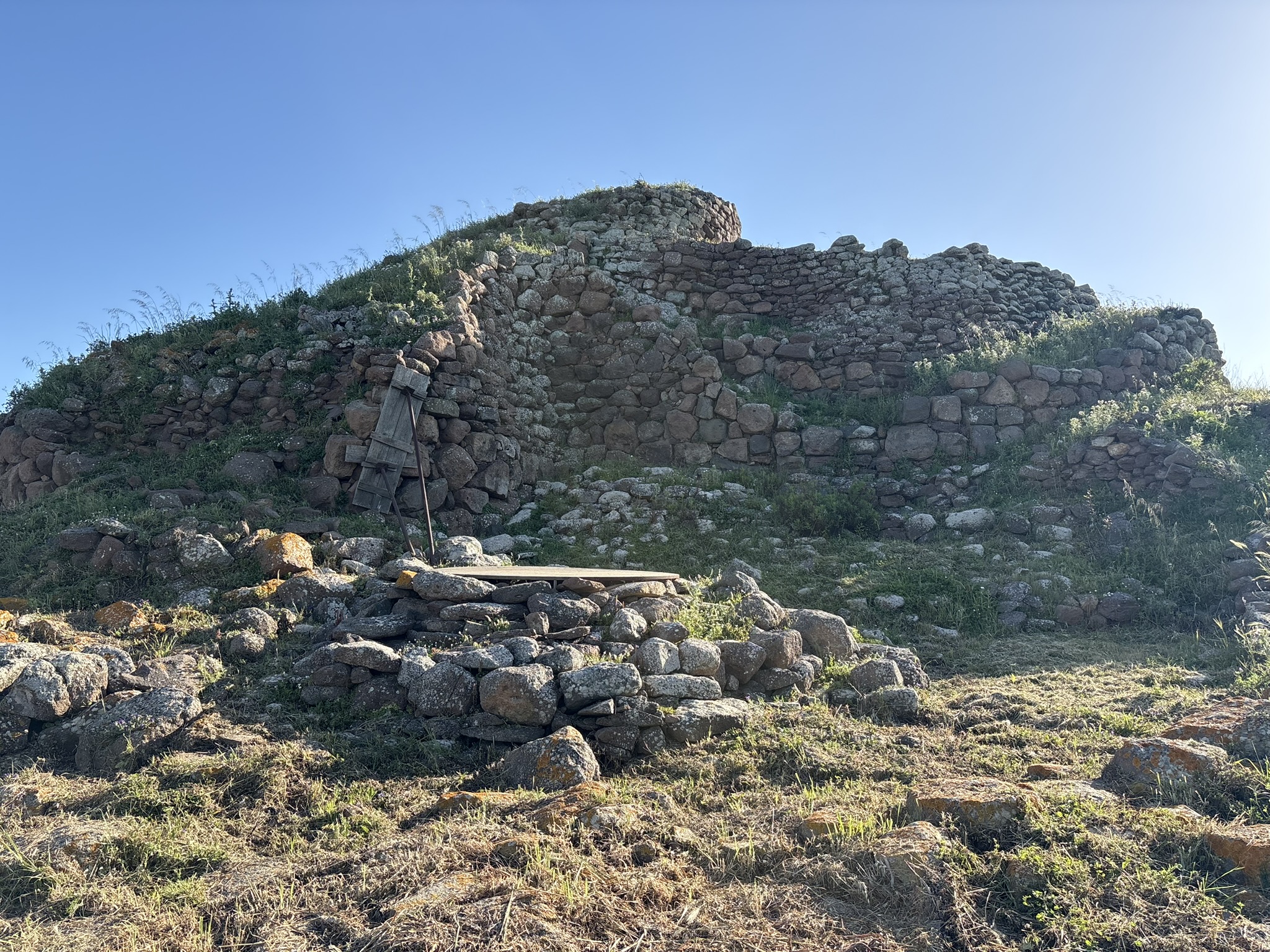
The southwestern portion of Sardinia holds the ruins of many nuraghes (fortress-like buildings) and shows evidence of the existence of Phoenician settlements—some of the oldest on the island. The remains of important Roman and Medieval structures are also found here. Across all of Sardinia, there are 7,000 discovered nuraghi, with 50 on Sant’Antioco island itself. Although the Nuragic Age’s characteristic structures vary in size and format, the strategic locations of these buildings seem to indicate they served as political, economic, and administrative centers of control and protection of resources.
To touch ancient nuraghi monument stones from 1600 B.C., head to the 14-acre Nuragic complex of Seruci in the town of Gonnesa, one of the largest Bronze Age dig sites in Sardinia. Examination of the multi-tower nuraghe and numerous prehistoric artifacts found at this site indicate that the village included about 200 huts. Deposits of zinc, lead, and silver give evidence to the commercial and daily life of the settlement’s early inhabitants.
Grapevines Thrive From Ancient Roots
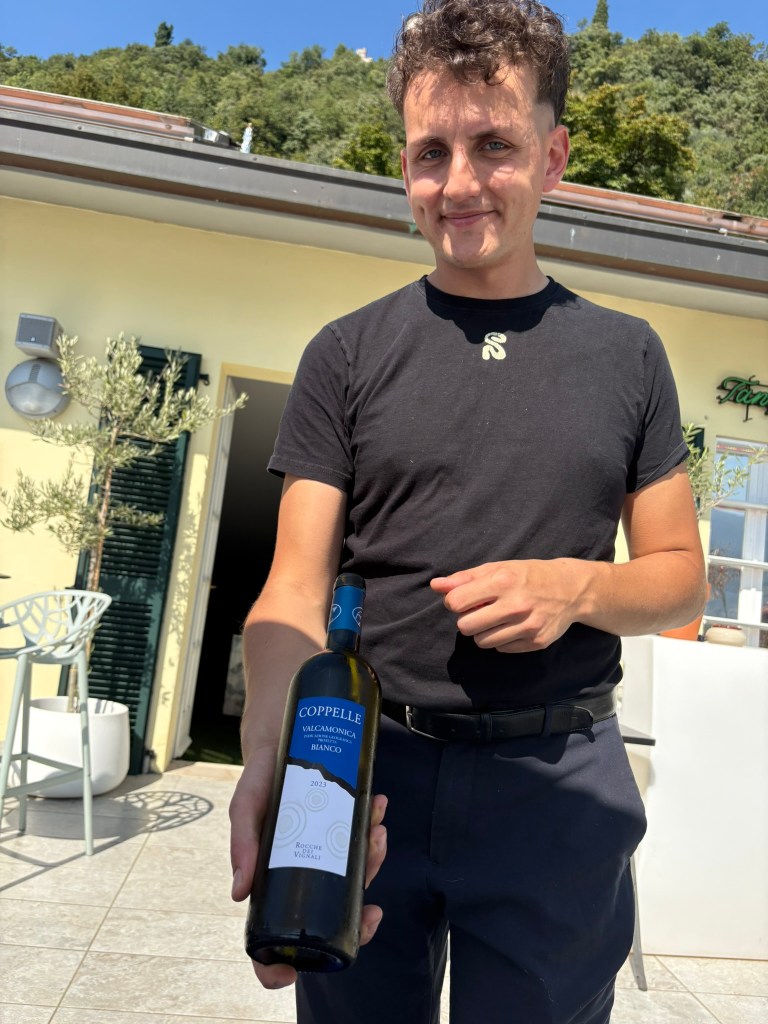
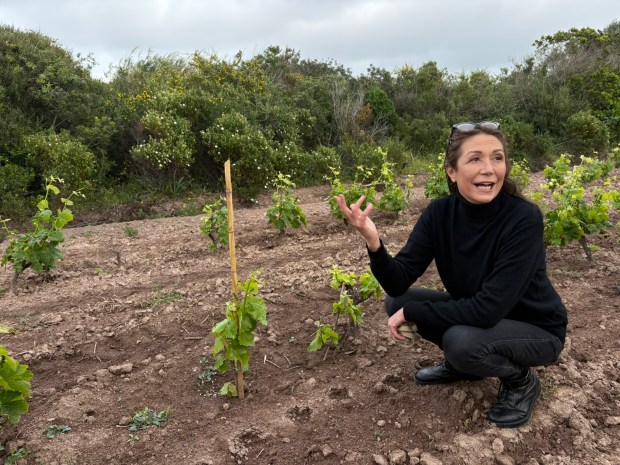
Protection of the land’s products remains important even today, as Sardinians work hard to retain the natural offerings provided by land and sea. Tenuta La Sabbiosa winery on Sant’Antioco has great respect and passion for the ancient Carignano vineyards the native soil and salty winds used to nourish year-round across the dunes. Having avoided Europe’s late 1800s phylloxera vine disease, these historic grapevines began to dwindle in the 1980s, as low yield and changes in the wine market slackened the wine-growing tradition. La Sabbiosa restored the centuries-old vineyards on their land, using traditional processing techniques combined with modern knowledge. The pure flavors and scents of their wines are unique in that they are a direct product of ancient, pre-phylloxera European roots and grapes grown seaside, in soil containing 99% sand.
Natural Cork Regenerates in Sardinian Ecosystem
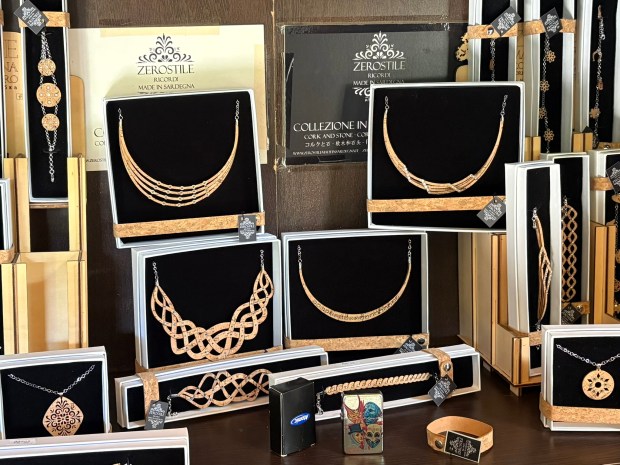
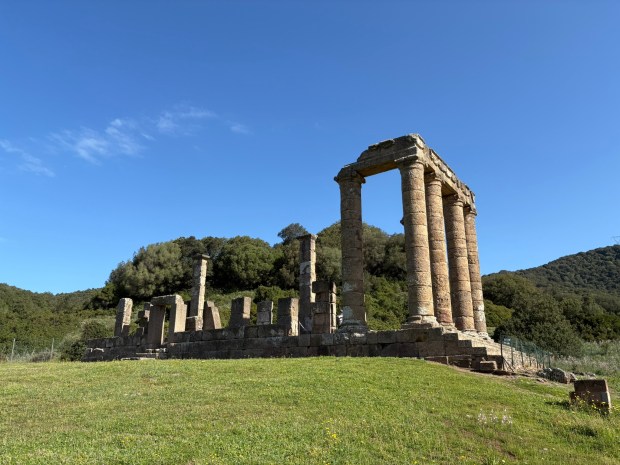
On the uphill road to Fluminimaggiore and the restored Roman Temple of Antas, cork oak trees are prevalent at the high elevation. These trees mark another way Sardinia’s landscape continues to shape local craft and commerce, as the trunks’ distinctive outward-growing bark regenerates in layers, allowing it to be harvested and regrow without harming the tree.
Renewable and sustainable, natural cork is harvested by cork producers to bring to northwest Sardinia and sell to wine producers, jewelry makers, and traditional mask makers, extending the relationship between Mediterranean ecology and everyday material culture.
Salt Harvested From Lagoon Waters
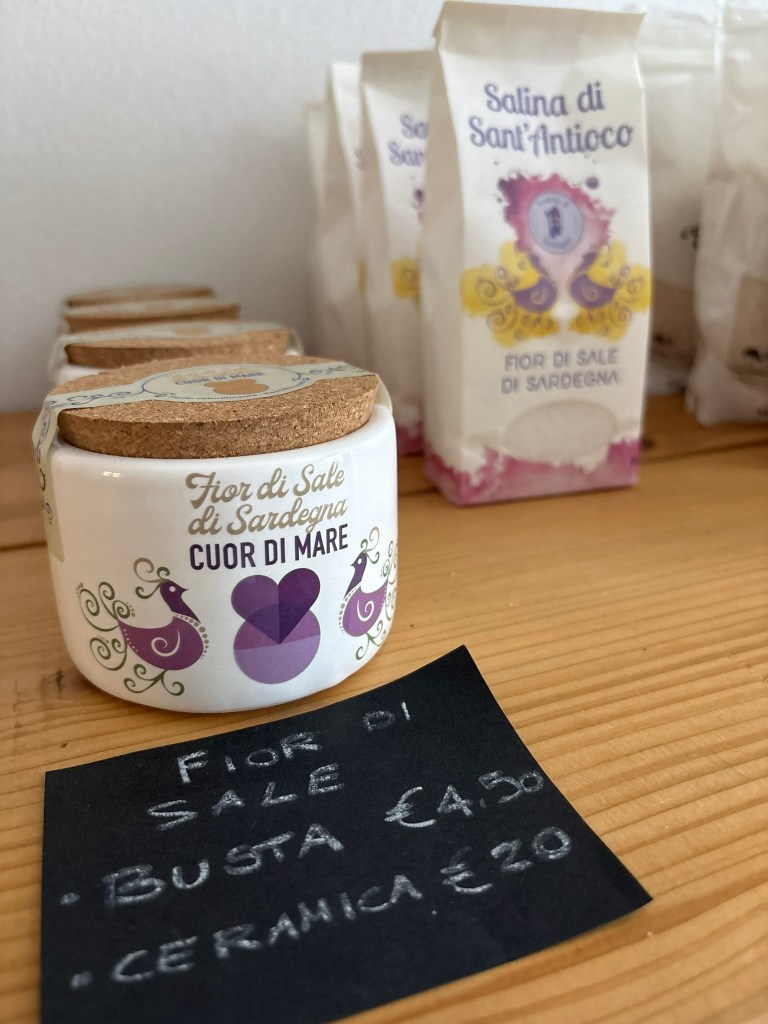
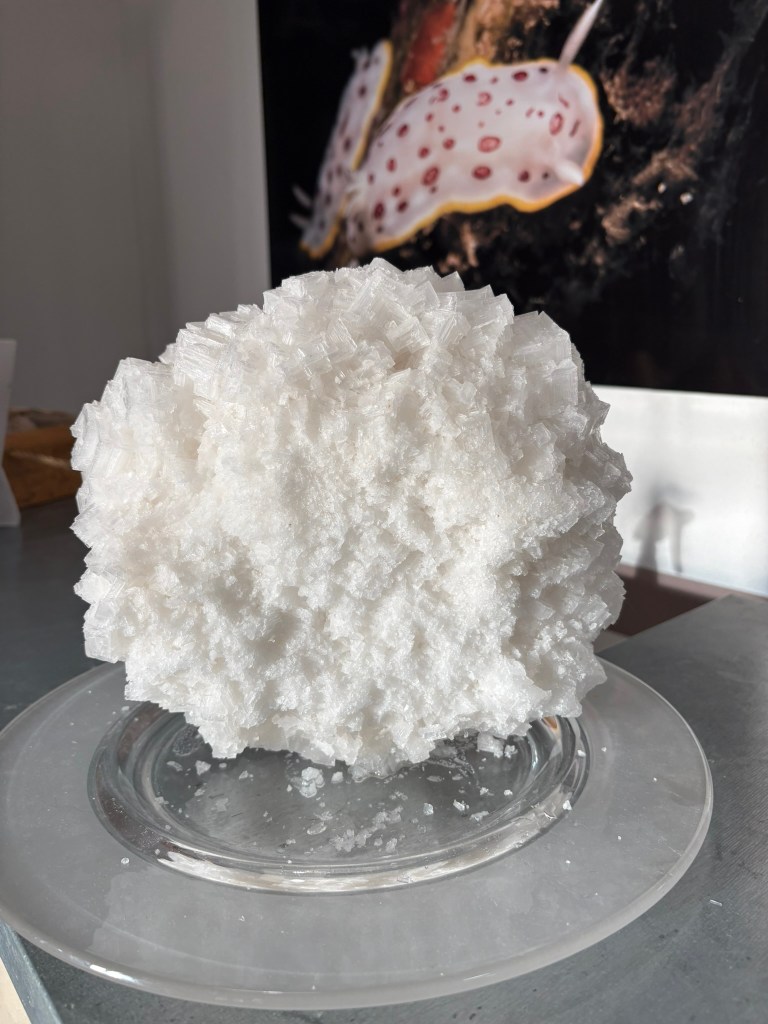
At waterfront MuMa Hostel on Sant’Antioco, the onsite Museum of the Sea and Shipwrights showcases natural habitats of plant and animal species on the island, including those of the herons, egrets, gulls, and pink flamingos that lounge in the Santa Caterina lagoon. These lagoon waters feed the adjacent Sant’Antioco salt pans, which are among the most important in Italy and help meet culinary demands.
Flavorful Food From Flora
While hiking to archaeological sites for evidence of the past, acknowledge the unspoiled nature painting the hinterland. The pure air is filled with intense, aromatic scents of wild olive trees, prickly pear, wild lilies, chamomile, and myrtle. Although lovely to smell, this scrabbly brush that characterizes the Sardinian countryside is often waxy, dry, and bitter, so animals avoid them. To the enjoyment of many people, however, some of this vegetation from the Mediterranean scrub is used to create delightful food and drink.
Fruit from the myrtle plant is used to make a popular liqueur—mirto—served cold with desserts or after meals in Sardinia. The berries are steeped in high-proof alcohol for several weeks and mixed with simple syrup. The drink’s rich, sweet, and slightly bitter herbal flavor evokes the Mediterranean maquis—the dense shrubland typical of the region. Many households on the island make their own mirto or limoncello to have on hand for dinnertime and to serve to guests.
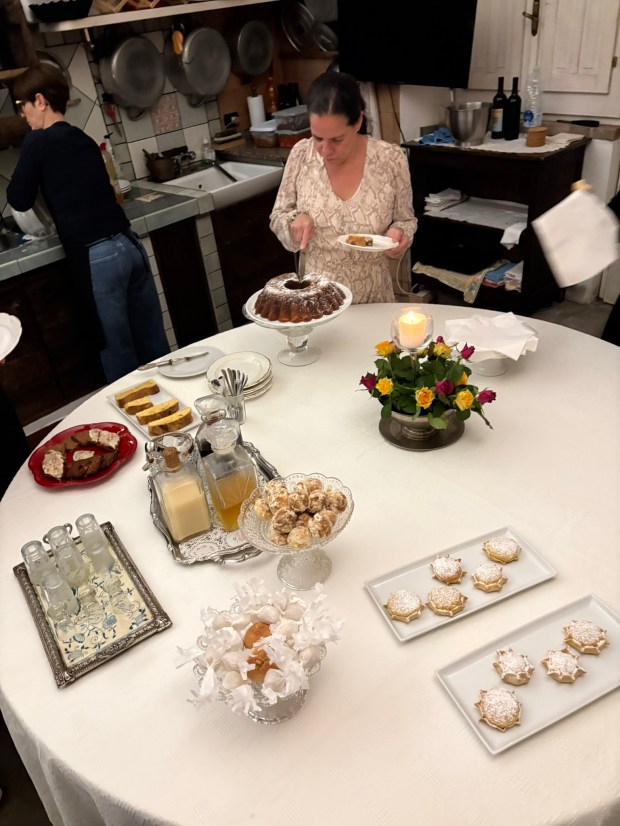
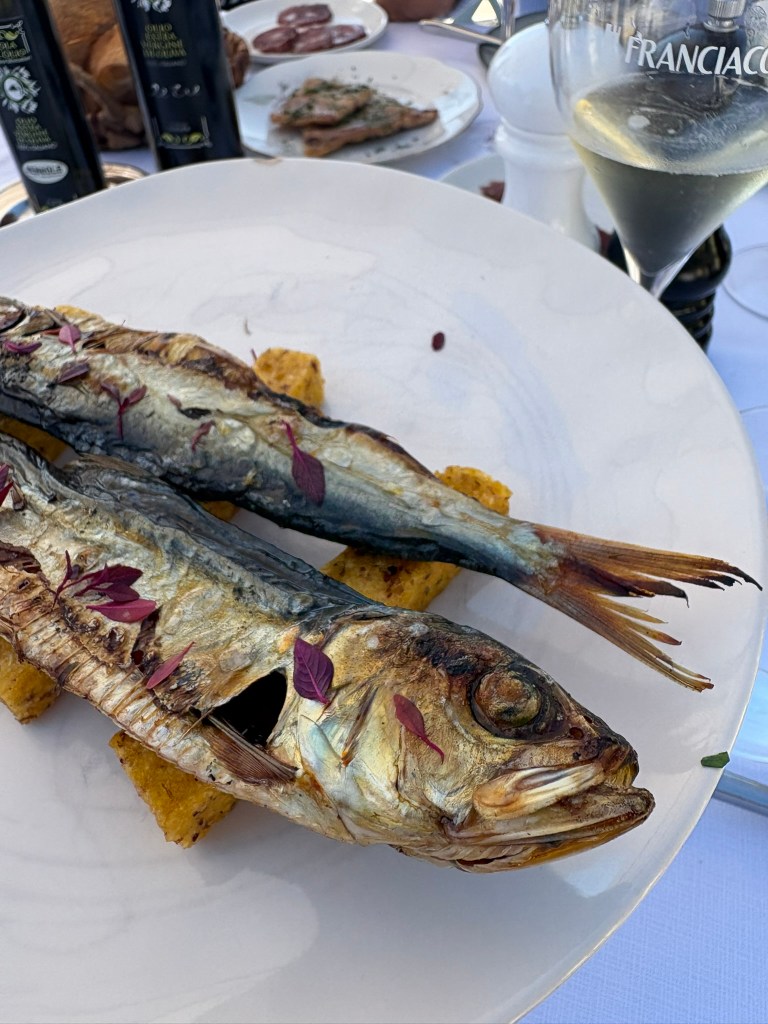
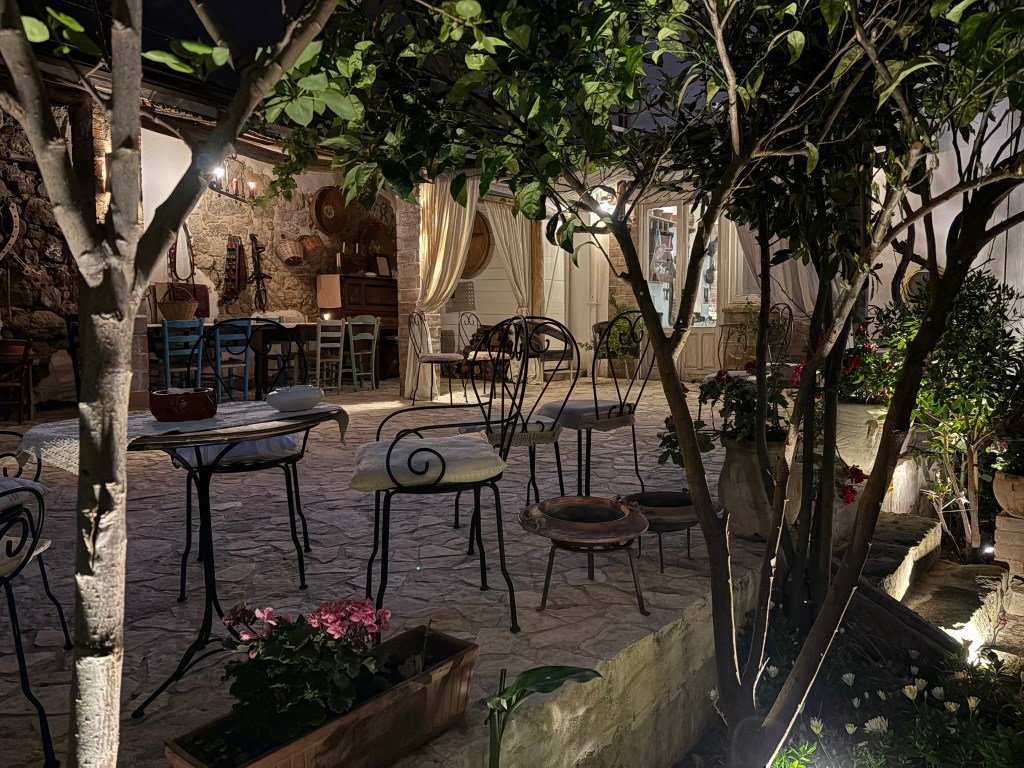
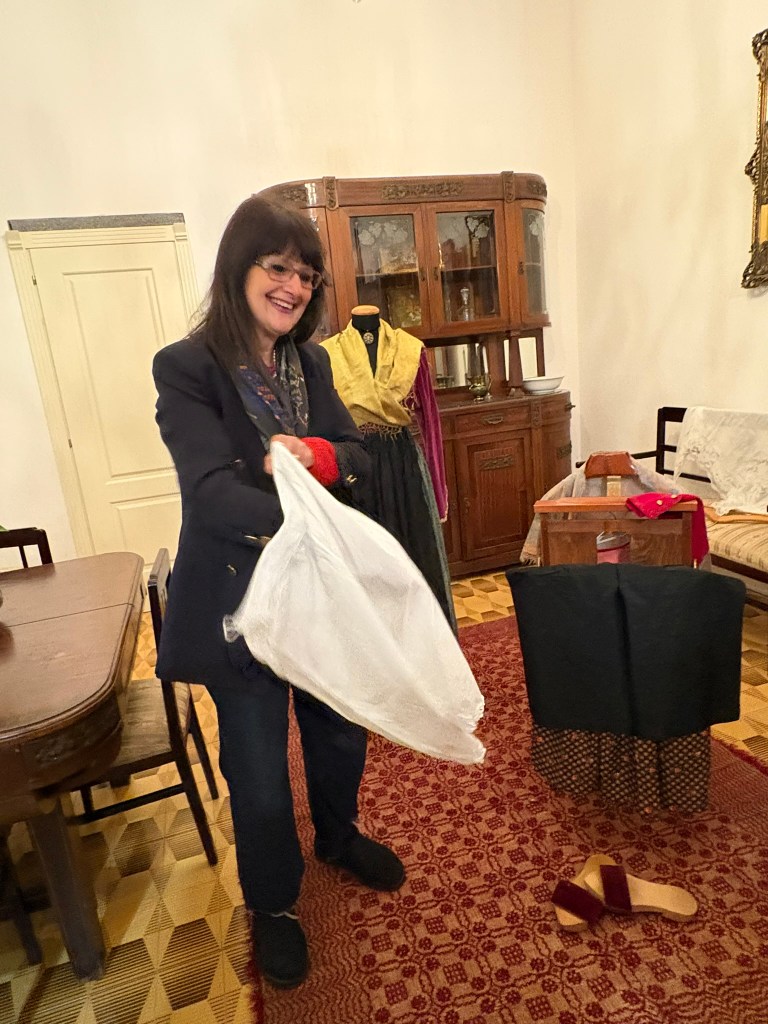
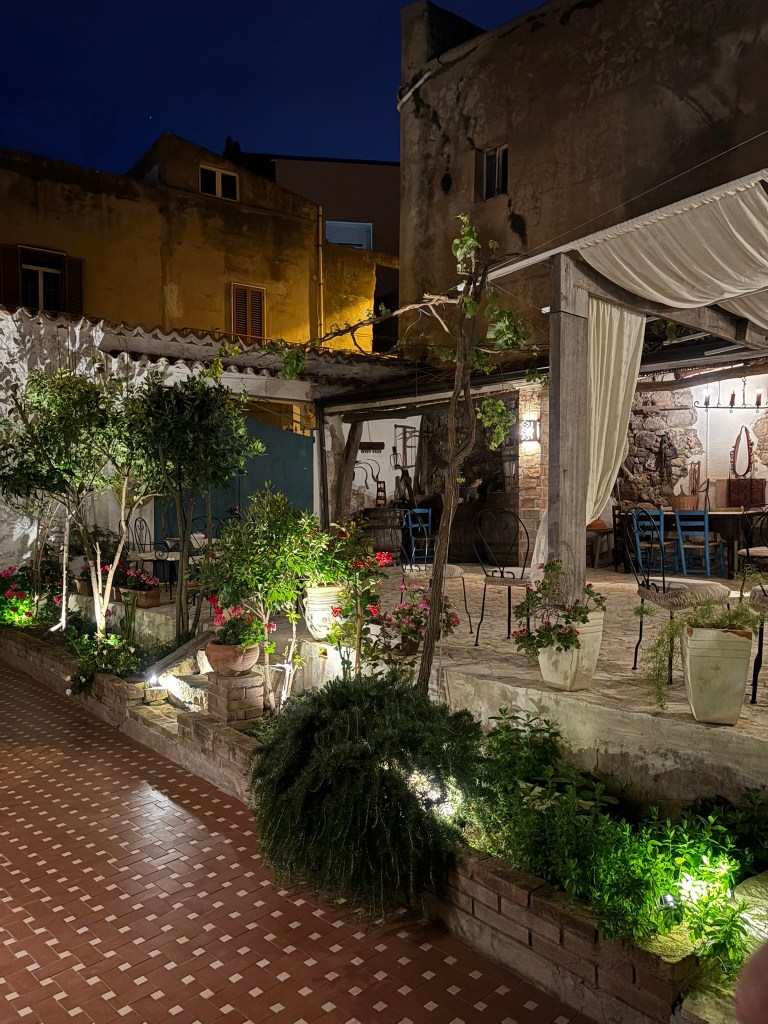
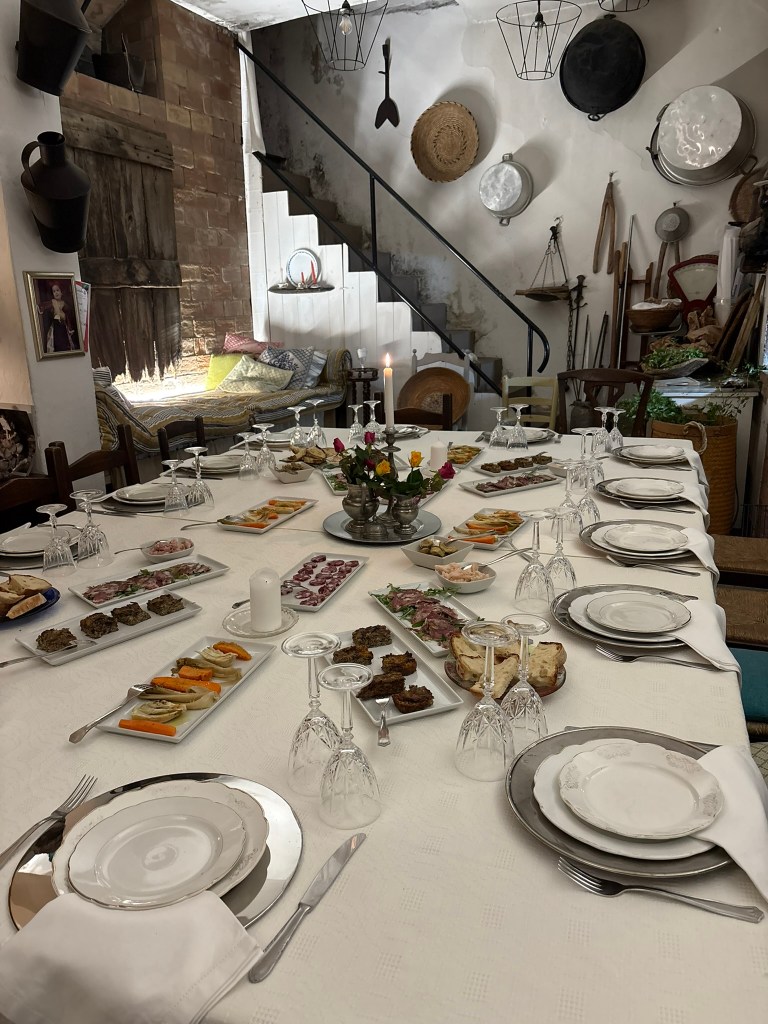
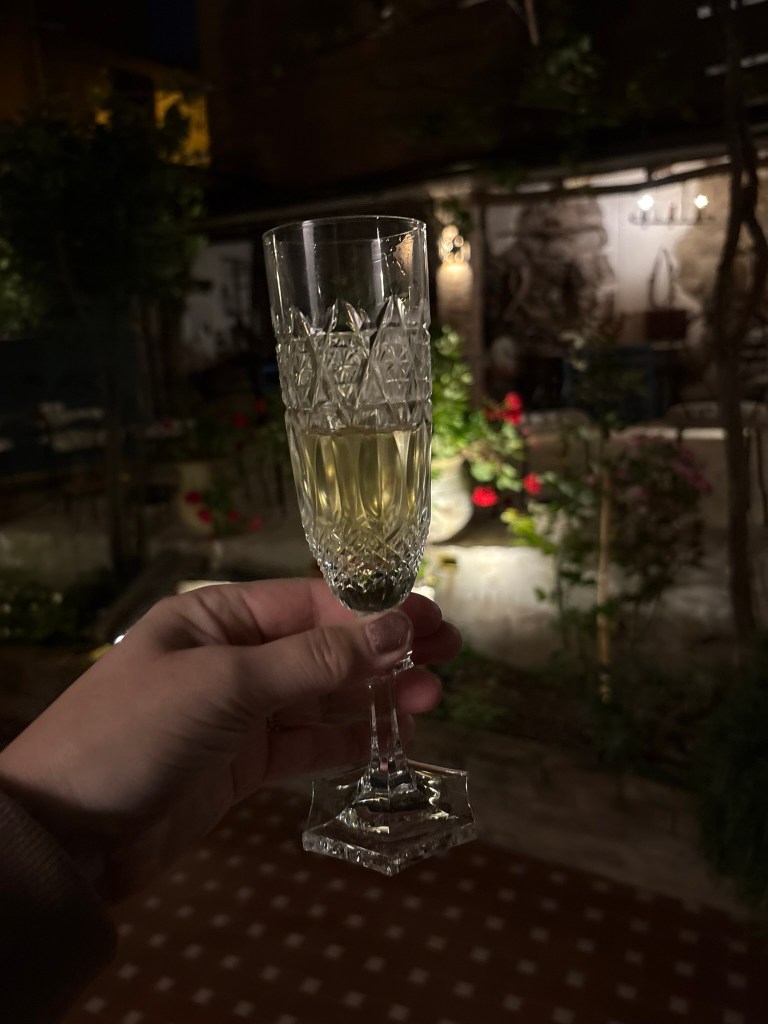
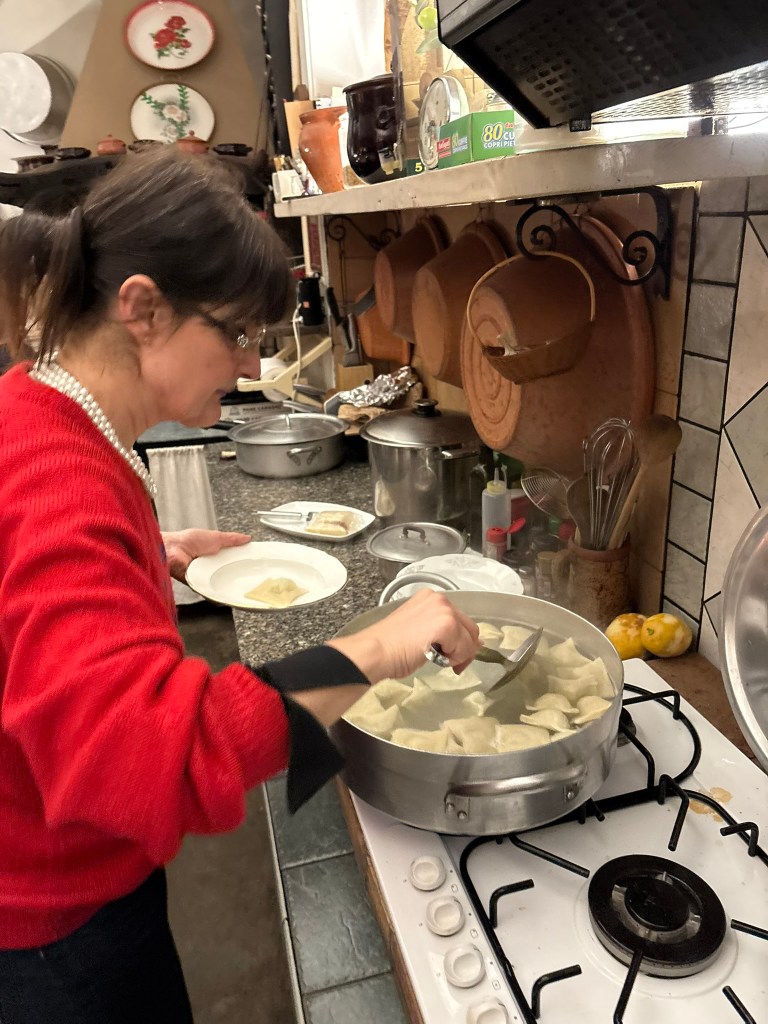
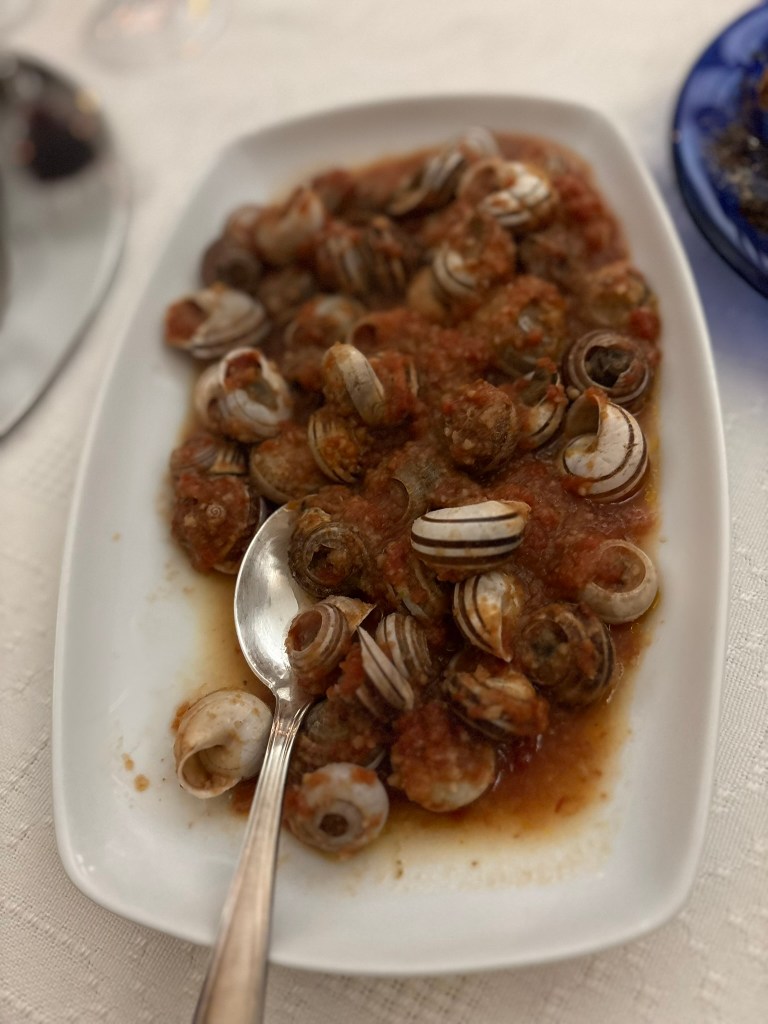
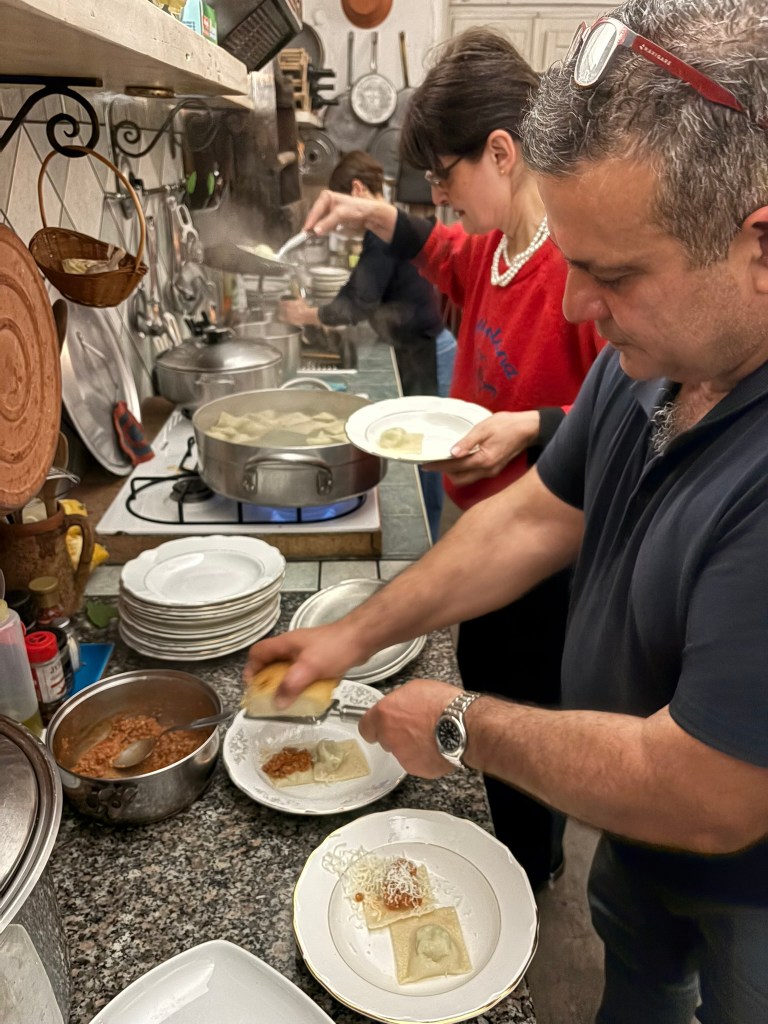
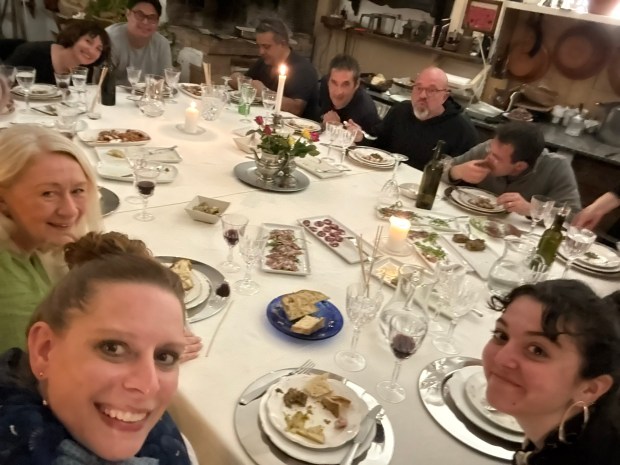
The fragrant branches of the myrtle plant are even used as a colorful garnish for plating suckling pig at home restaurant Da Zia Pinuccia. A family-style dinner at this 19th-century house provides an immersive dining experience with traditional Sardinian recipes passed down from previous generations, using locally sourced seasonal ingredients and ancient flavors.
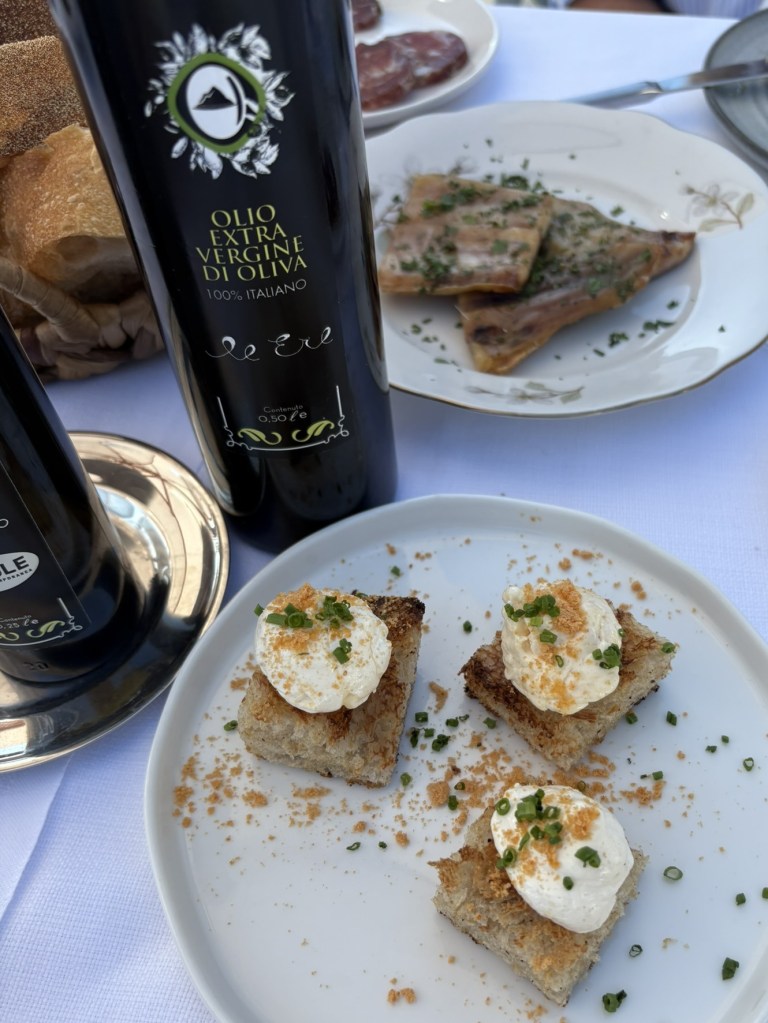
Dine on homemade bread, vegetables, and meats cooked in the wood-fired oven, all served on antique dishware with years of family history. For dessert, try the “ladies’ kisses,” an almond ball coated in sugar and wrapped in white paper with fringed edges—a popular sweet in the south of Italy.
Learn generational stories around the dinner table, mingle with other guests in the gorgeous greenery lined stone courtyard, and enjoy time in a beautiful, warm home full of cultural history and memories.
Ancient Tombs—Waiting for the Afterlife
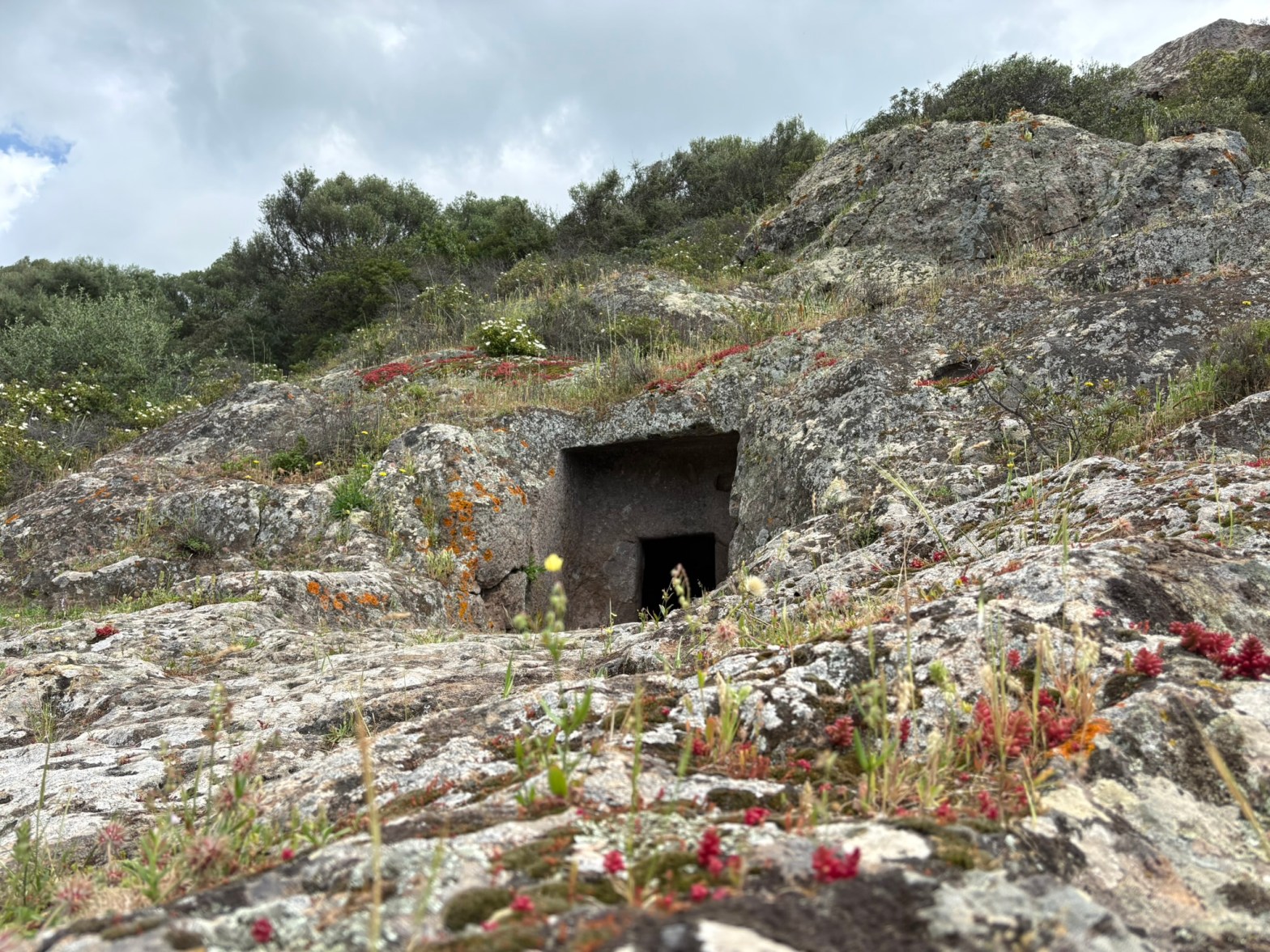
In terms of archaeological history, Montessu is one of the most important dig sites in Sardinia—due to its fascinating position along a moss-covered rockface and its significance in the study of prehistoric funerary rituals. The approximately 40 ancient cave-like tombs here, shaped with stone pickaxes, are called “fairy houses.” Often modeled after houses of the living, with multiple chambers, more than 3,500 of these are scattered across Sardinia, and legend says they belonged to tiny fairies who provided safe havens for the dead while they slept until passage into the afterlife.
Uncovered from the earth at Montessu have been artifacts such as obsidian, bronze, jasper, lead pieces for slingshots, etched coins, silver nails, and knives. Categorized necropolis finds from Montessu are displayed at archaeological museums in nearby Santadi and Cagliari.
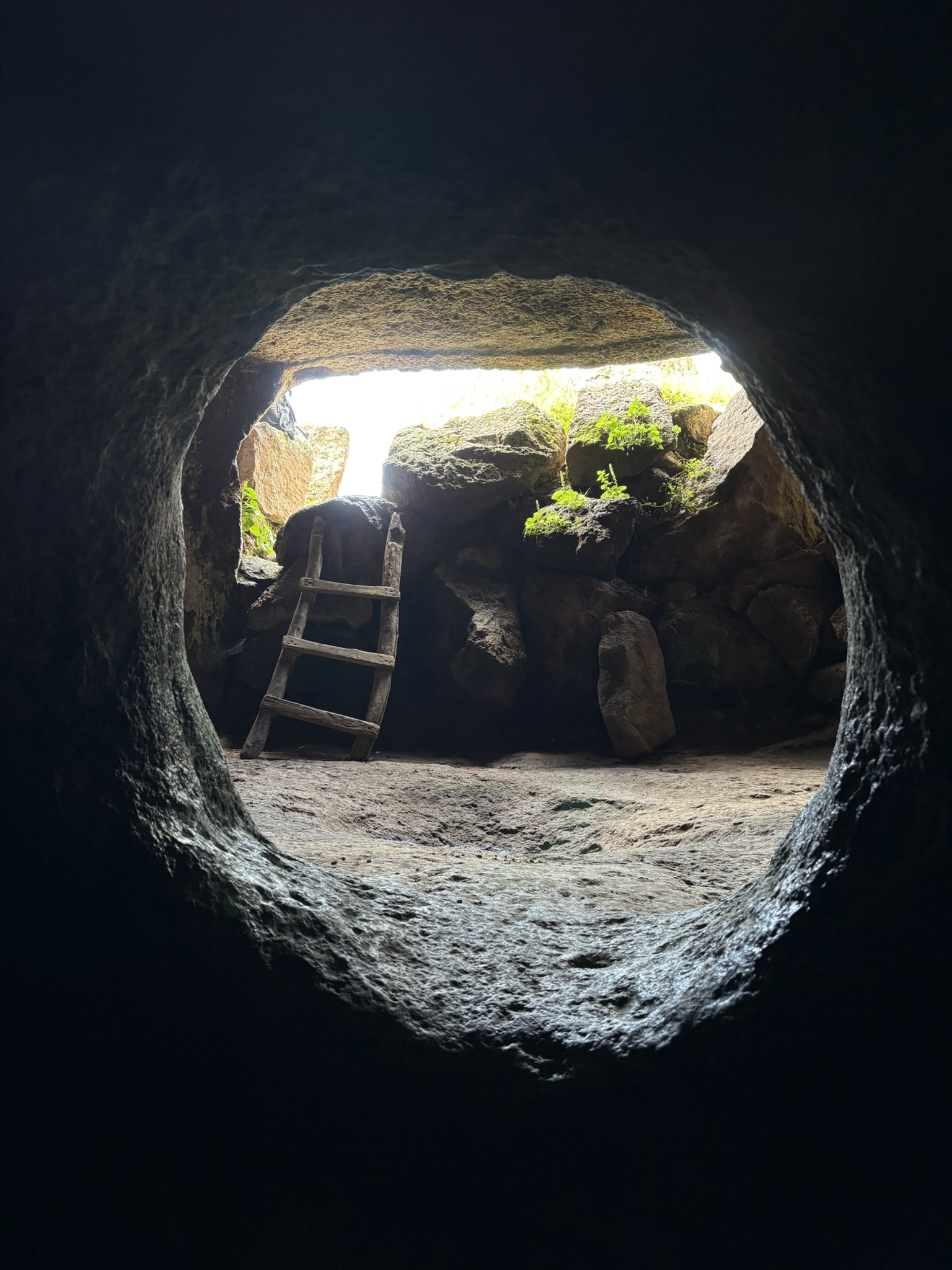
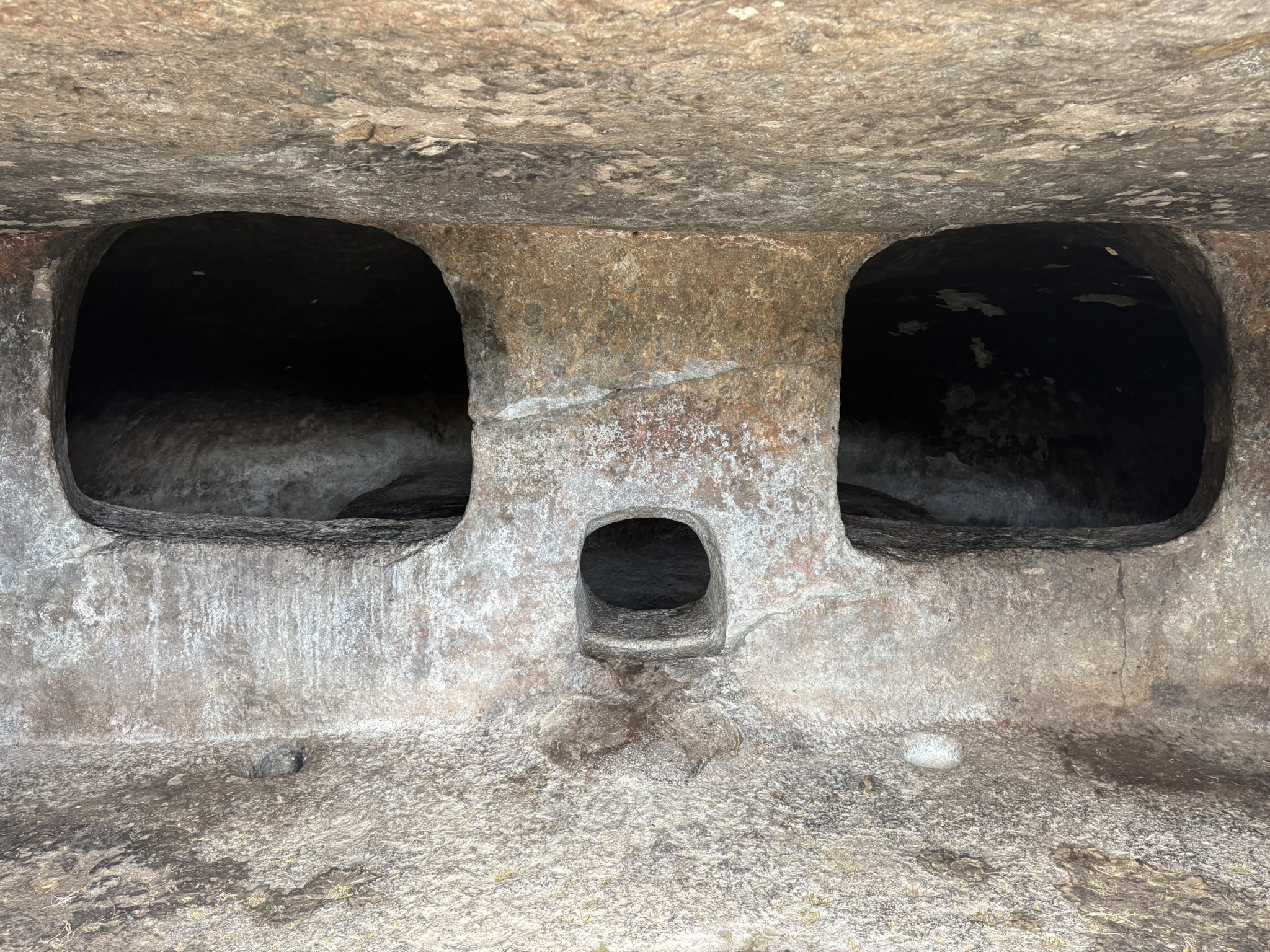
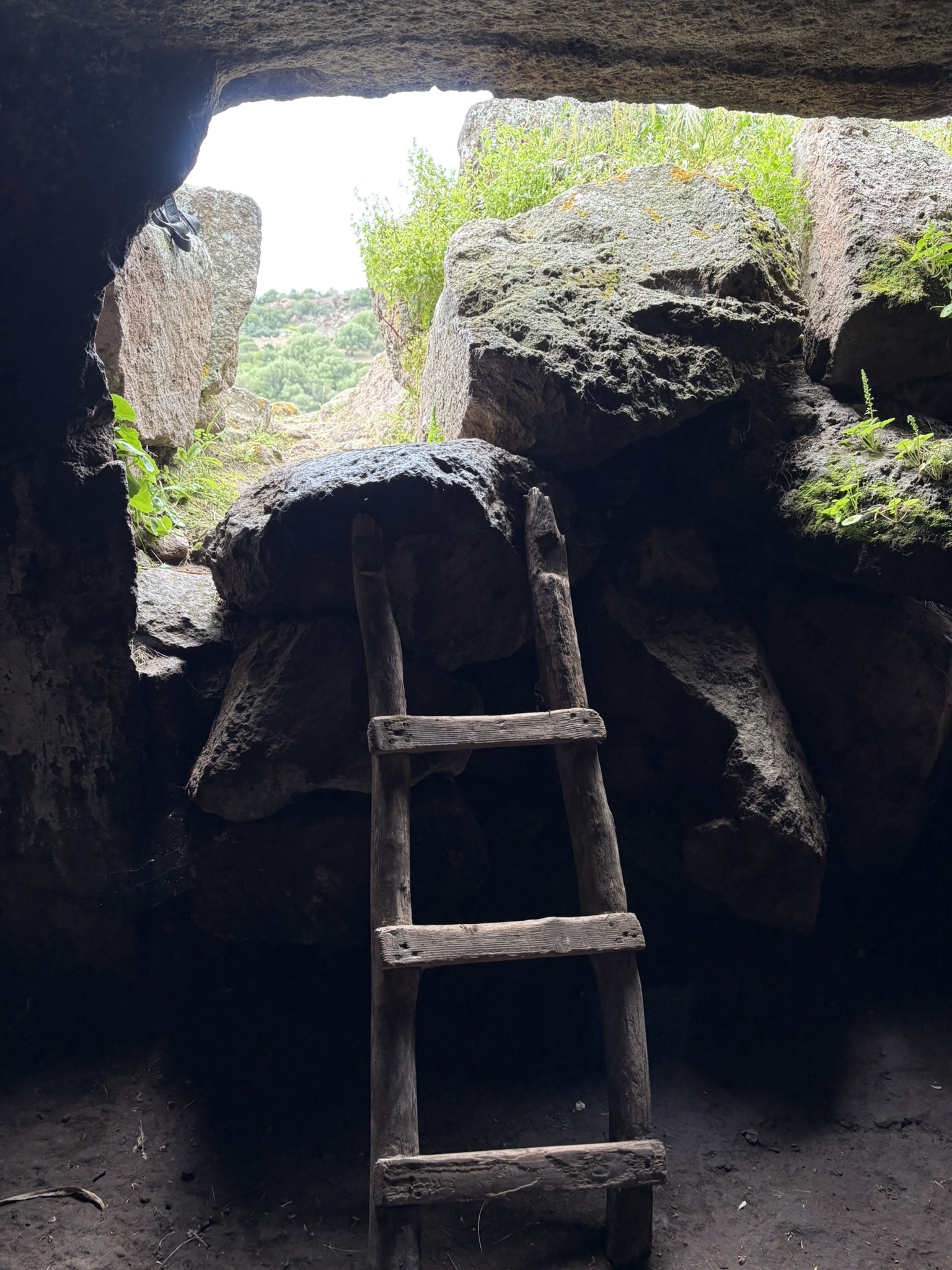
At Montessu, a 124-step stone staircase leads to more than 40 prehistoric tombs set along a rockface. Climb inside Tomb 10 (right and left photos) and down the wooden ladder for a peek inside the hollowed-out formation.
A scenic forest climb at the nearby Pani Loriga archaeological site leads to similarly constructed tombs—with evidence the interiors were painted with pigments—and the remains of a Punic settlement. Hilltop discoveries include masks, jugs, amulets, bracelets, and charms. Also found was a terracotta kernos, an ancient vase with several small cups attached to its rim for the purpose of filling with resins, oil, food, and wine for ritual activities. The walk across these grounds reveals shallow pits in the dirt where wild boars burrow for roots.
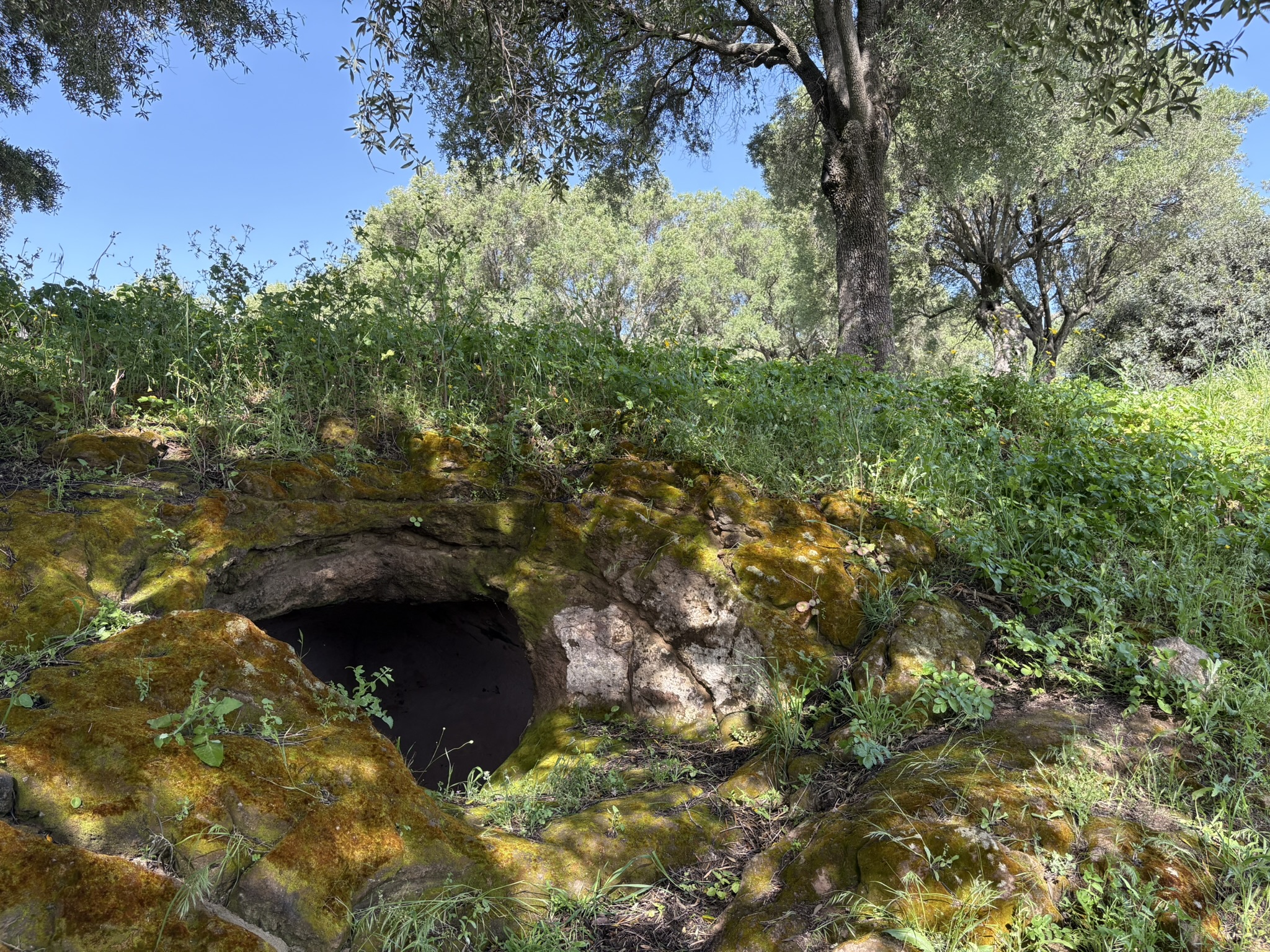
Fairy tombs cut into the rocks at Pani Loriga were found to have been painted with pigments. 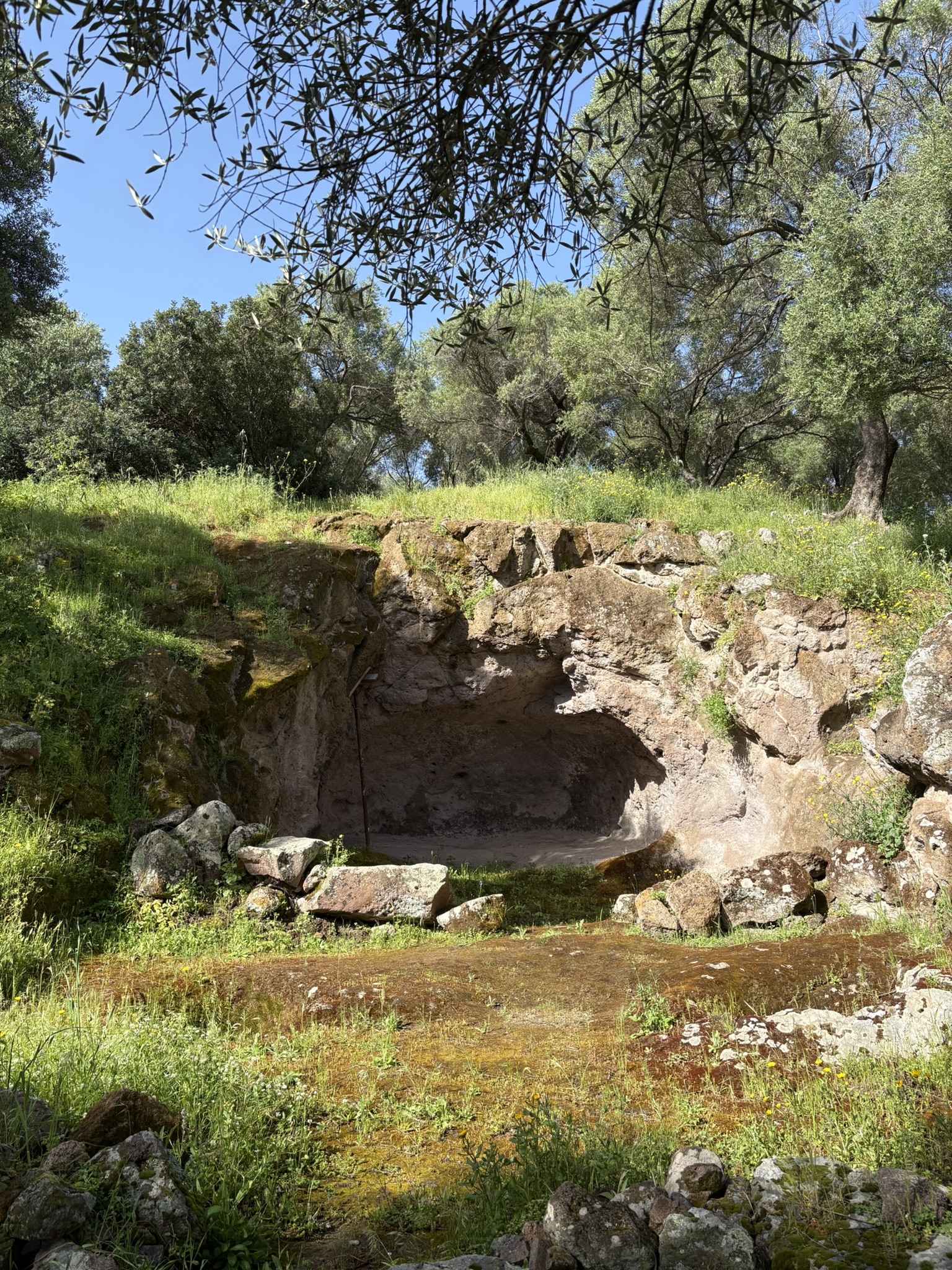
Fairy tombs cut into the rocks at Pani Loriga were found to have been painted with pigments. 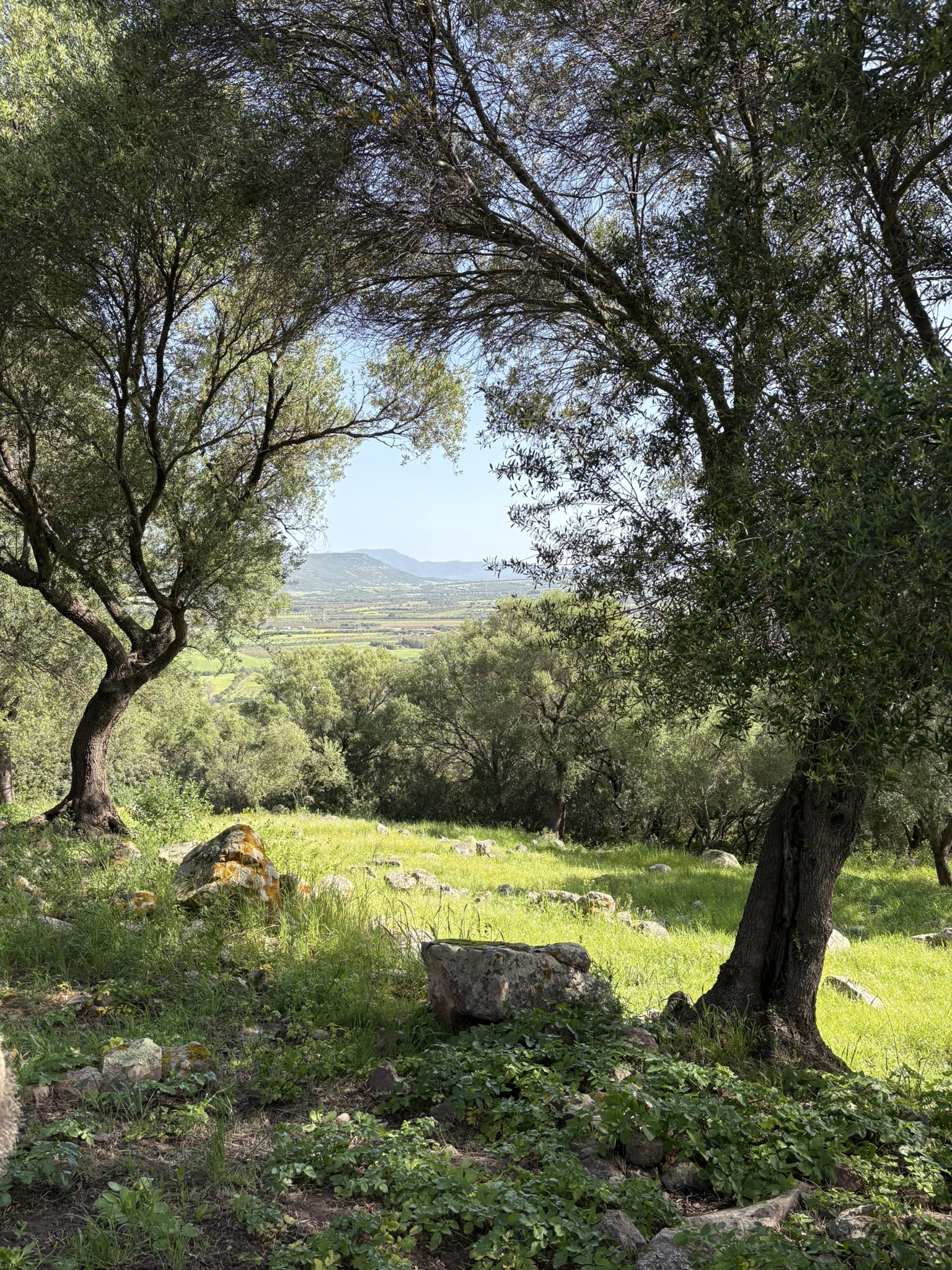
Pani Loriga archaeological site shows evidence of early settlements in the form of artifacts and structural remains. 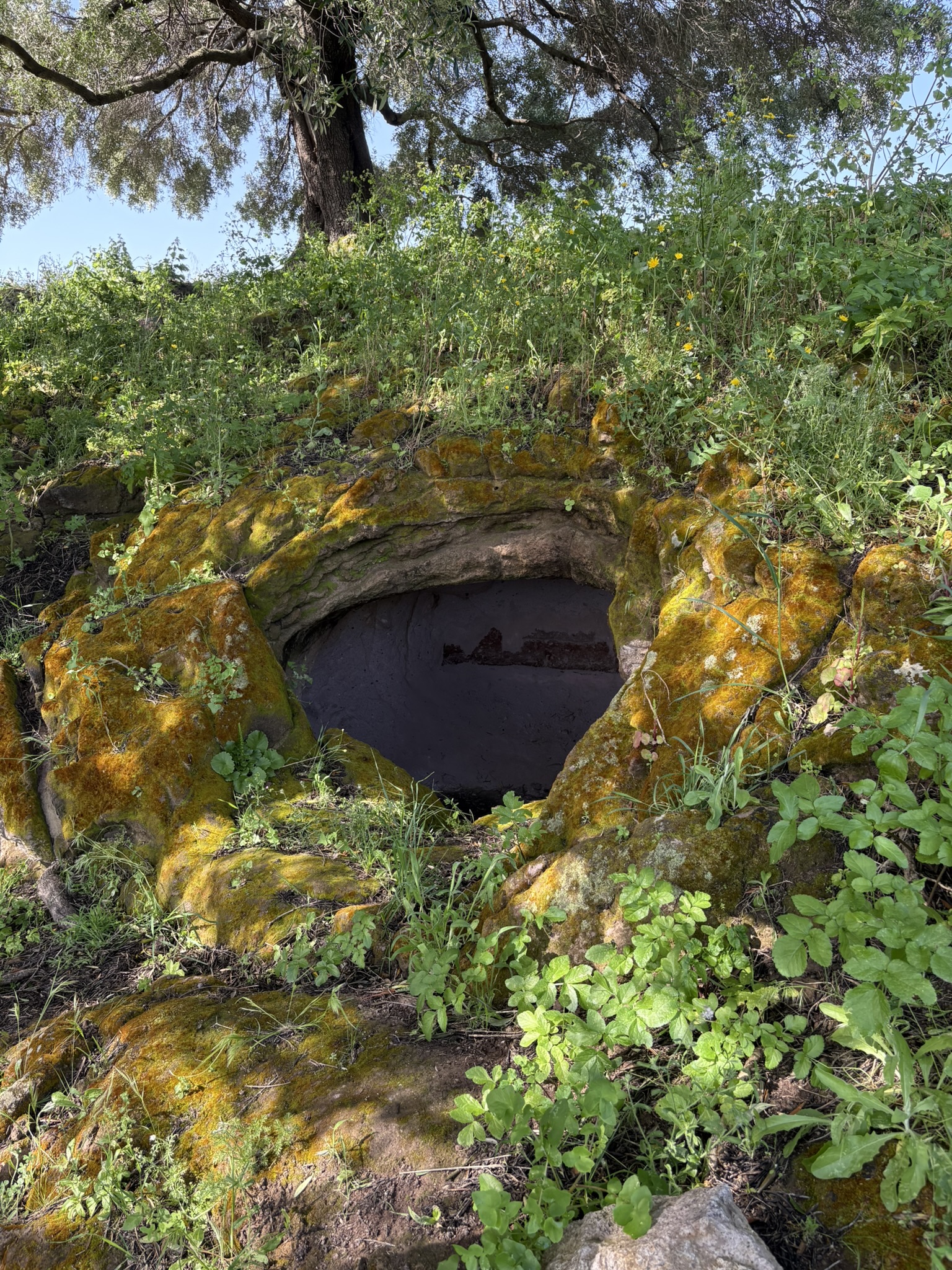
Fairy tombs cut into the rocks at Pani Loriga were found to have been painted with pigments.
Another intriguing peek into the past can be found at Sant’Antioco’s Hypogeum Village, often called “Is Gruttas” (the caves). This grouping of Punic tombs from the late 6th and late 3rd century B.C. was repurposed as makeshift homes for poor townspeople who lived there by necessity in 1700 and again in 1912. Offering a glimpse into prior, difficult daily lives, these rooms show where the poorest villagers once lived, with some making bags and crafts to sell to rich citizens.
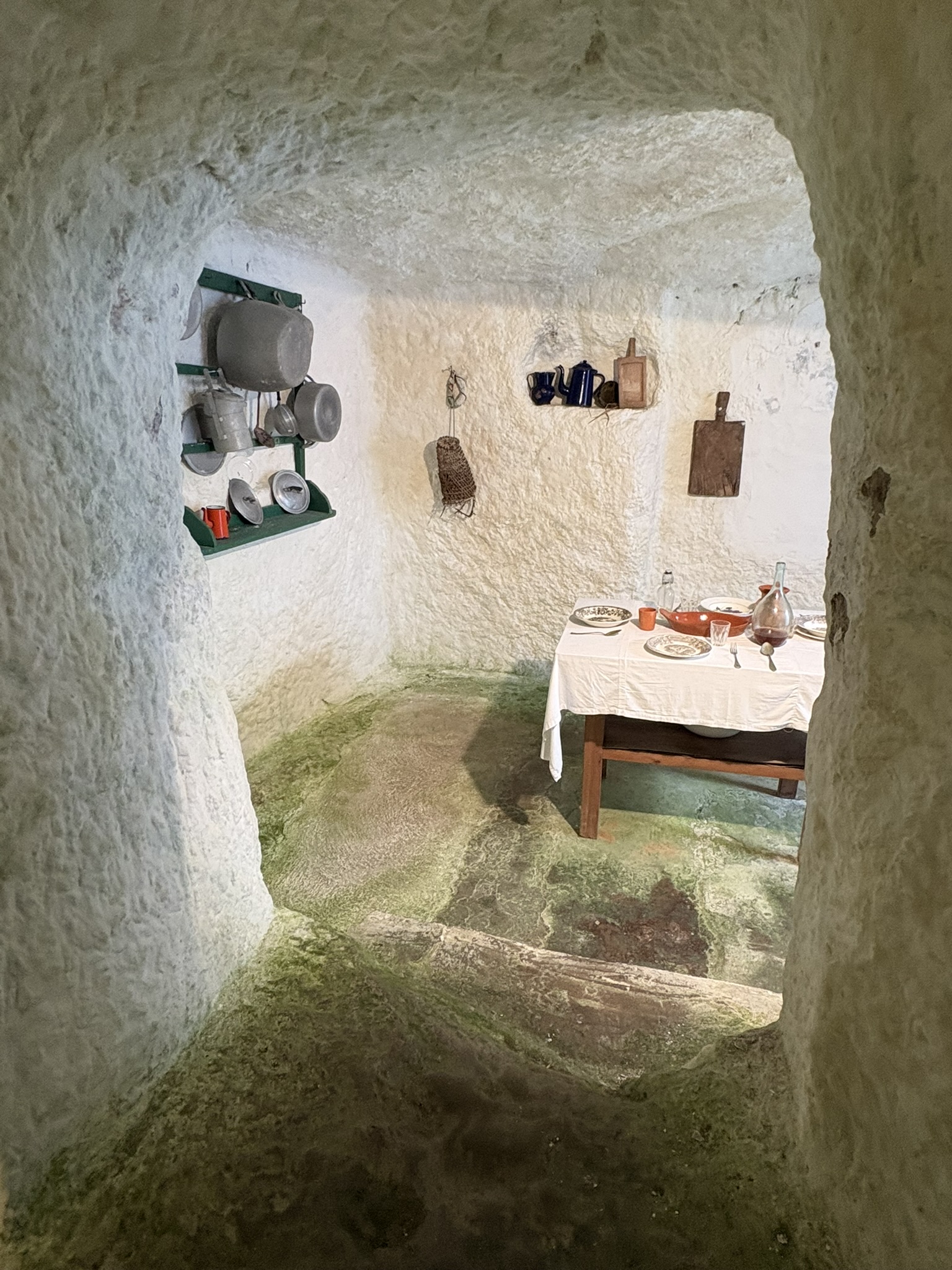
The poorest classes in the district once lived in repurposed burial chambers at Sant’Antioco’s Hypogeum Village—tombs that are now set up with artifacts and furnishings to show visitors a glimpse of past life. 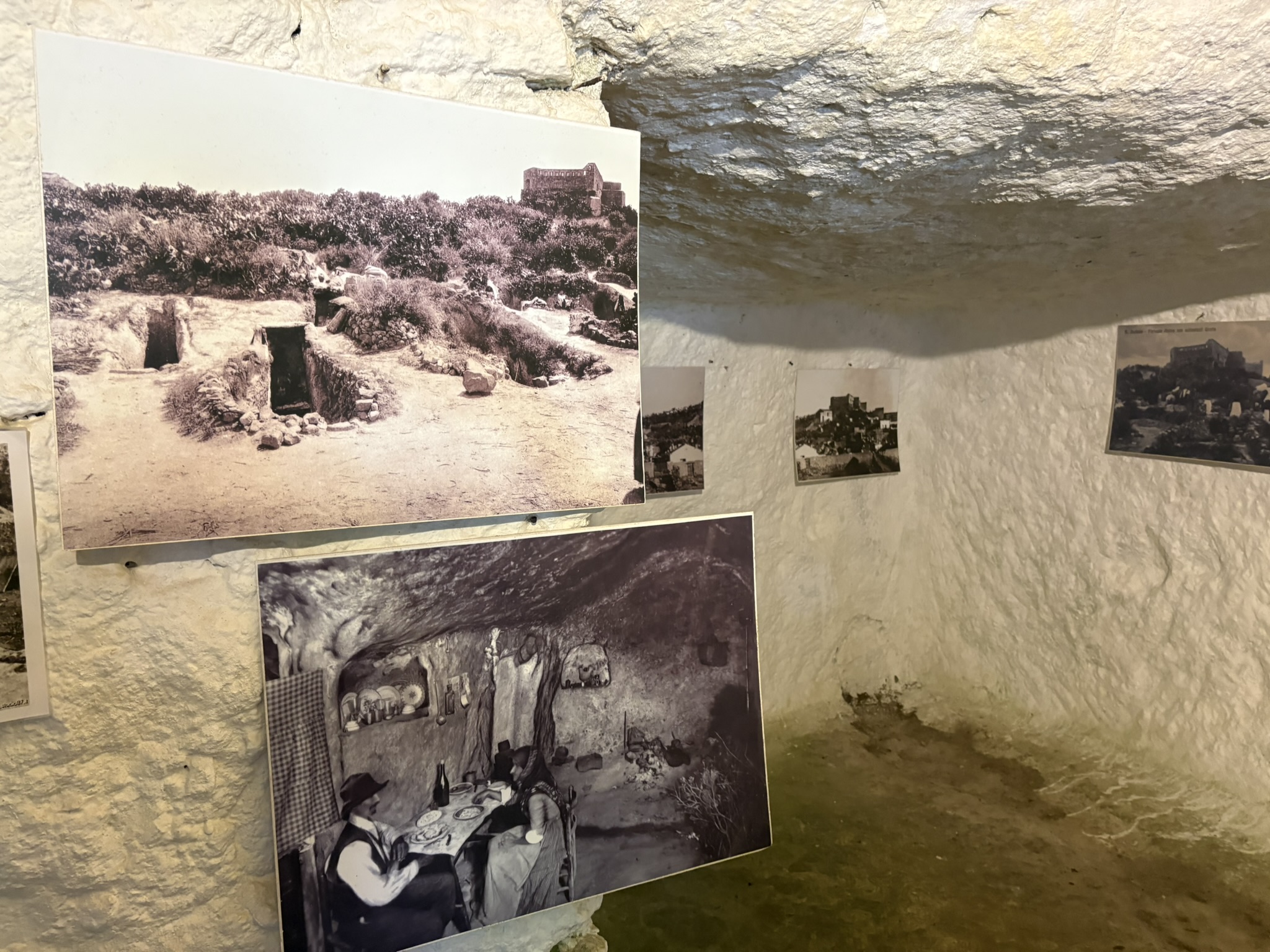
The poorest classes in the district once lived in repurposed burial chambers at Sant’Antioco’s Hypogeum Village—tombs that are now set up with artifacts and furnishings to show visitors a glimpse of past life. 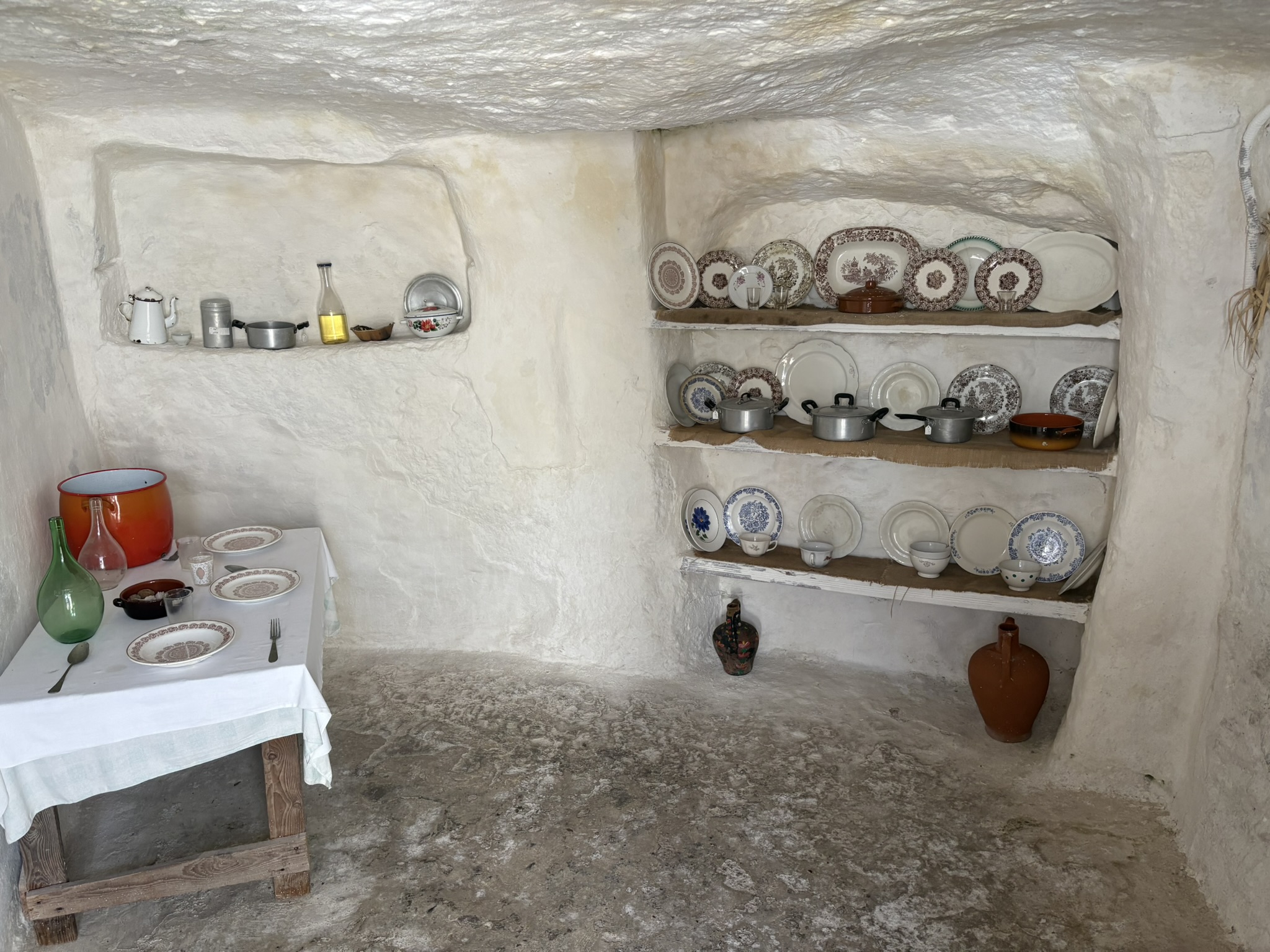
The poorest classes in the district once lived in repurposed burial chambers at Sant’Antioco’s Hypogeum Village—tombs that are now set up with artifacts and furnishings to show visitors a glimpse of past life. 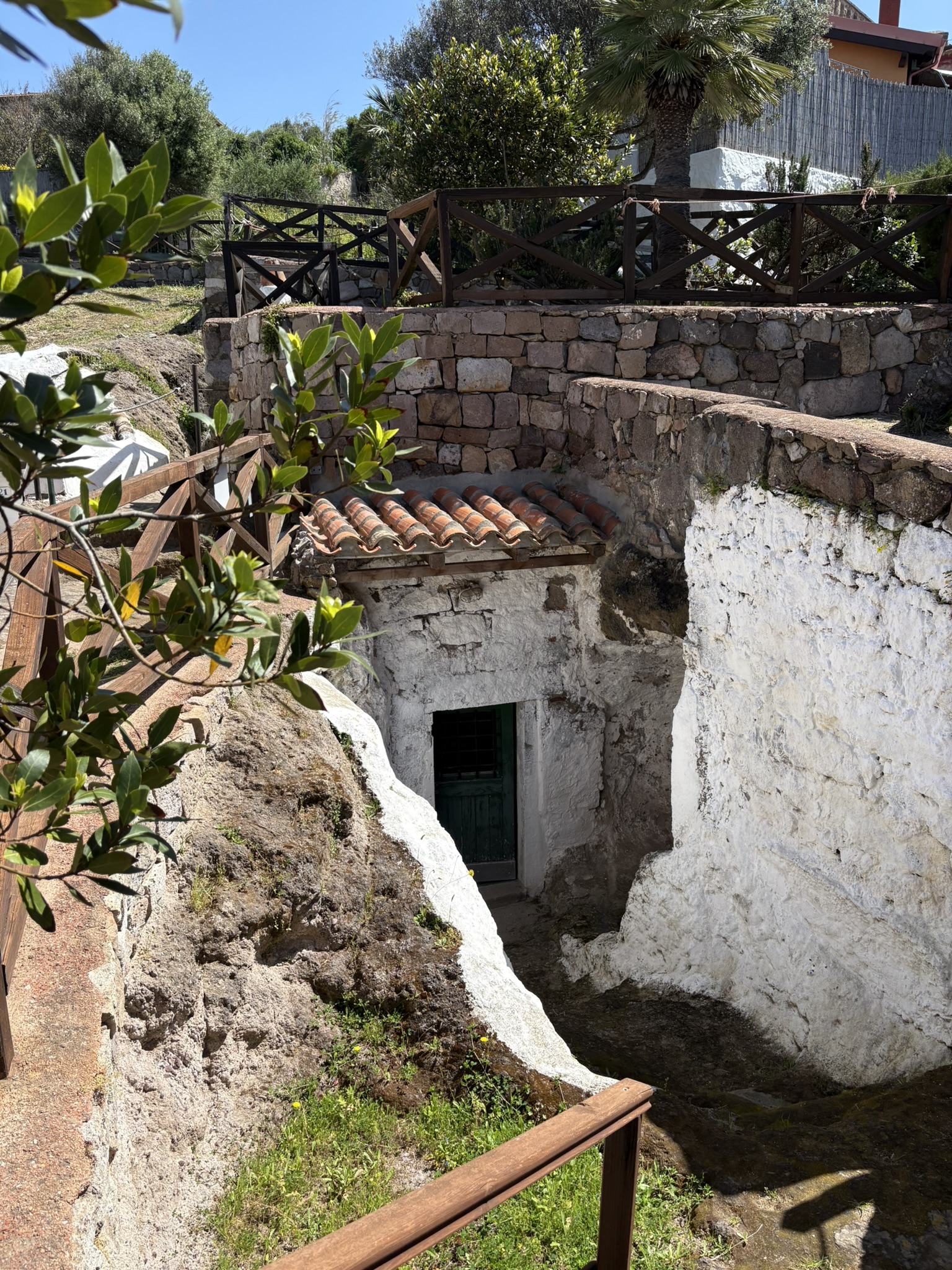
The poorest classes in the district once lived in repurposed burial chambers at Sant’Antioco’s Hypogeum Village—tombs that are now set up with artifacts and furnishings to show visitors a glimpse of past life. 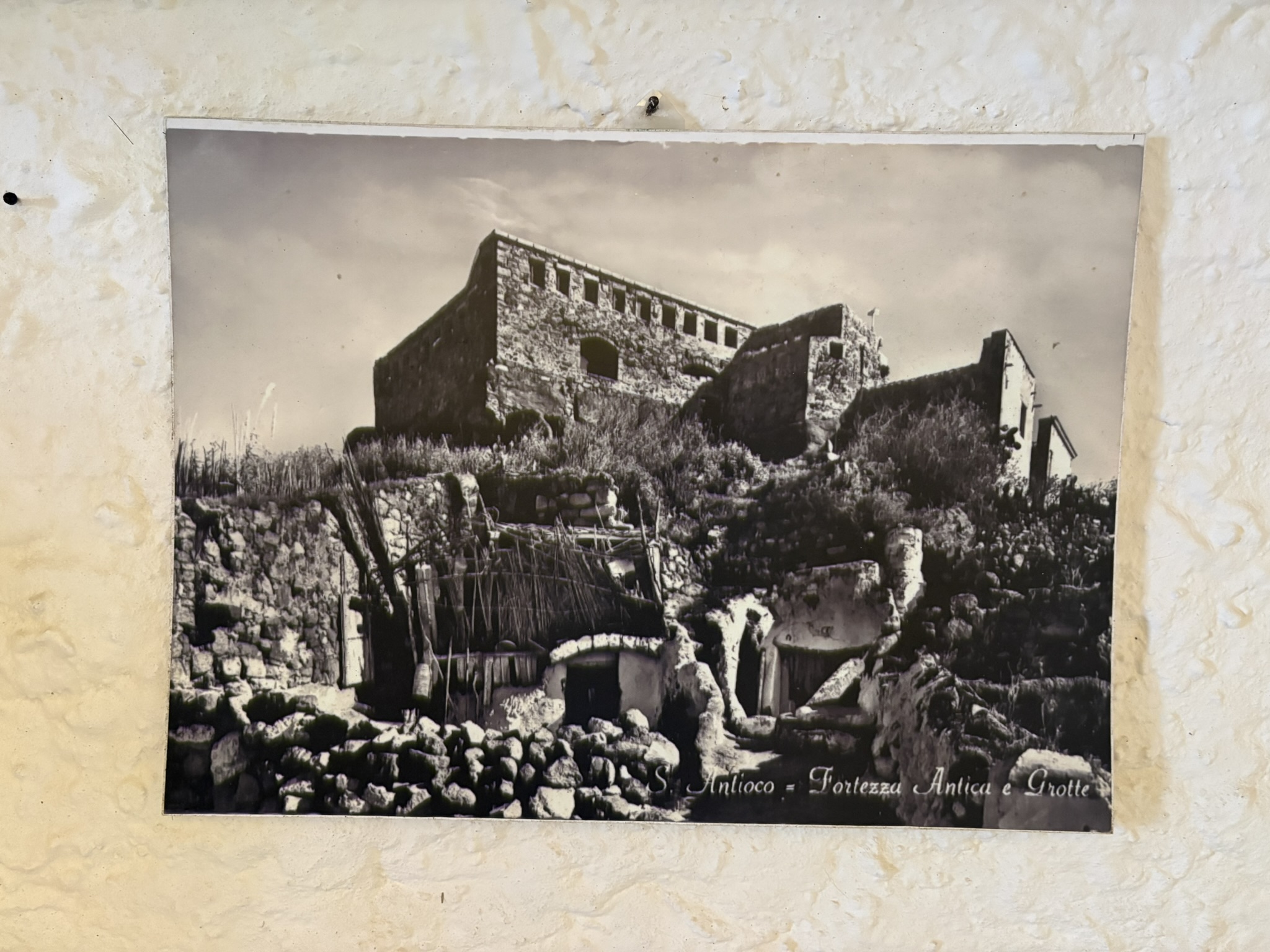
The poorest classes in the district once lived in repurposed burial chambers at Sant’Antioco’s Hypogeum Village—tombs that are now set up with artifacts and furnishings to show visitors a glimpse of past life. 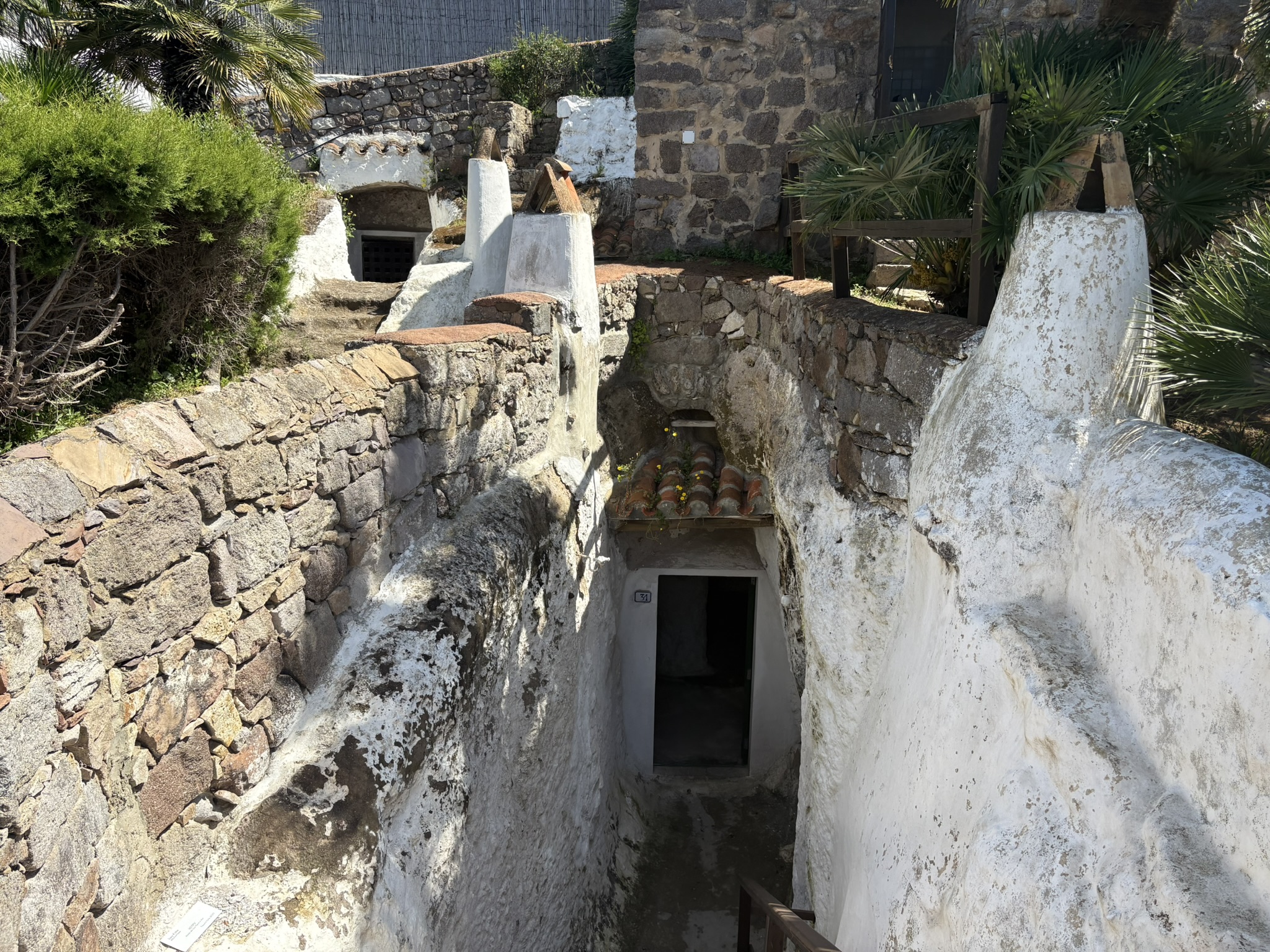
The poorest classes in the district once lived in repurposed burial chambers at Sant’Antioco’s Hypogeum Village—tombs that are now set up with artifacts and furnishings to show visitors a glimpse of past life. 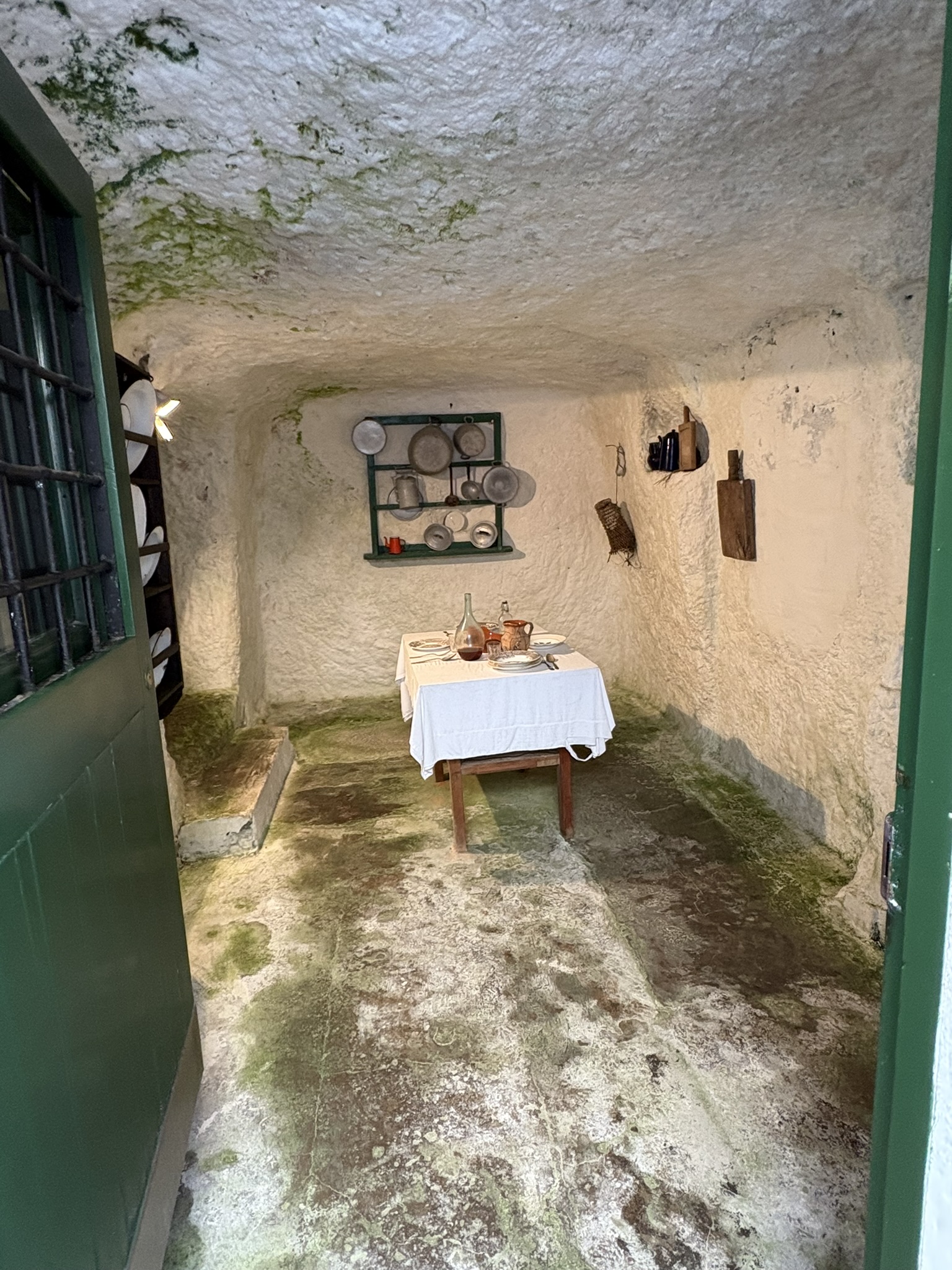
The poorest classes in the district once lived in repurposed burial chambers at Sant’Antioco’s Hypogeum Village—tombs that are now set up with artifacts and furnishings to show visitors a glimpse of past life. 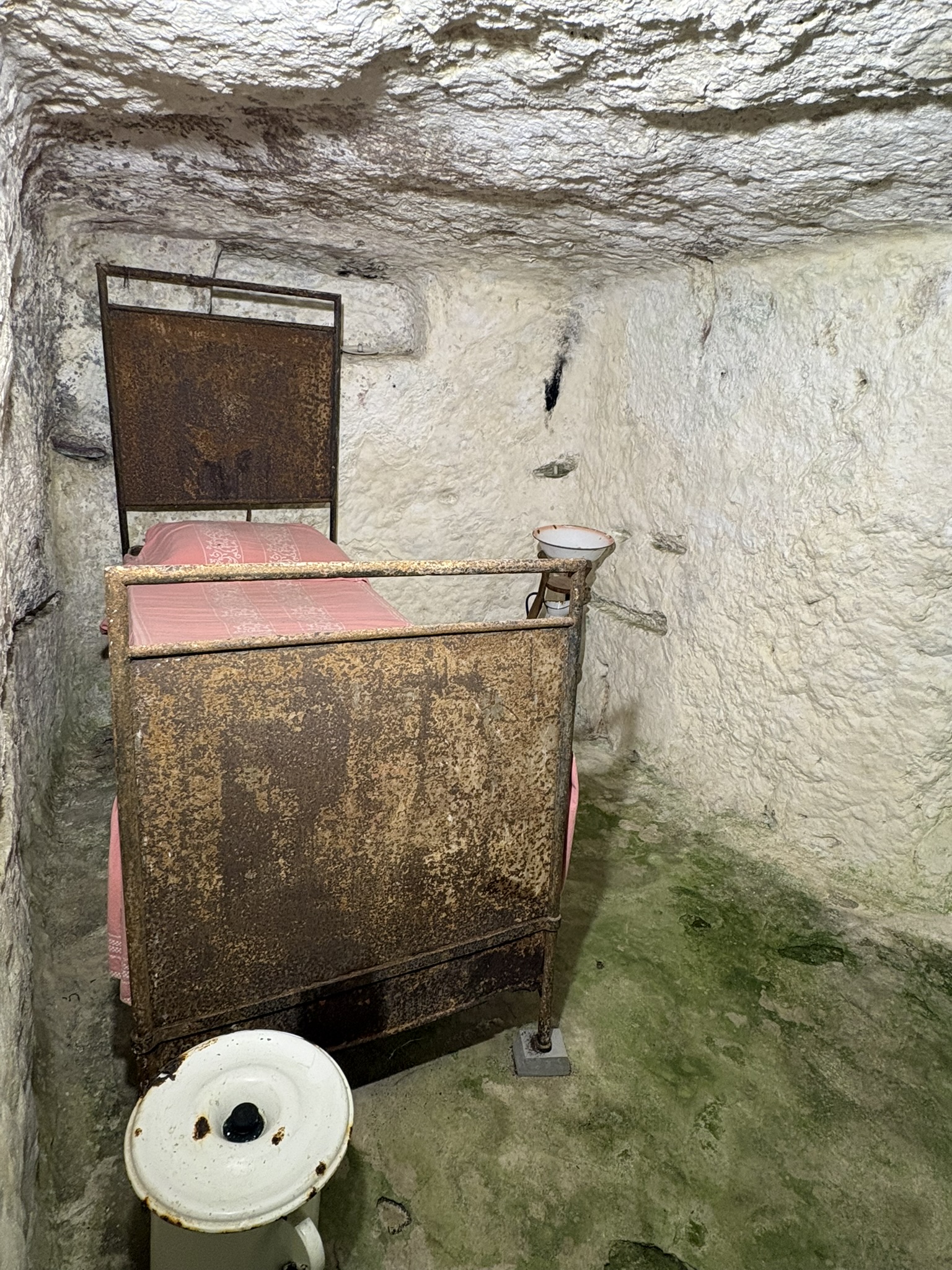
The poorest classes in the district once lived in repurposed burial chambers at Sant’Antioco’s Hypogeum Village—tombs that are now set up with artifacts and furnishings to show visitors a glimpse of past life.
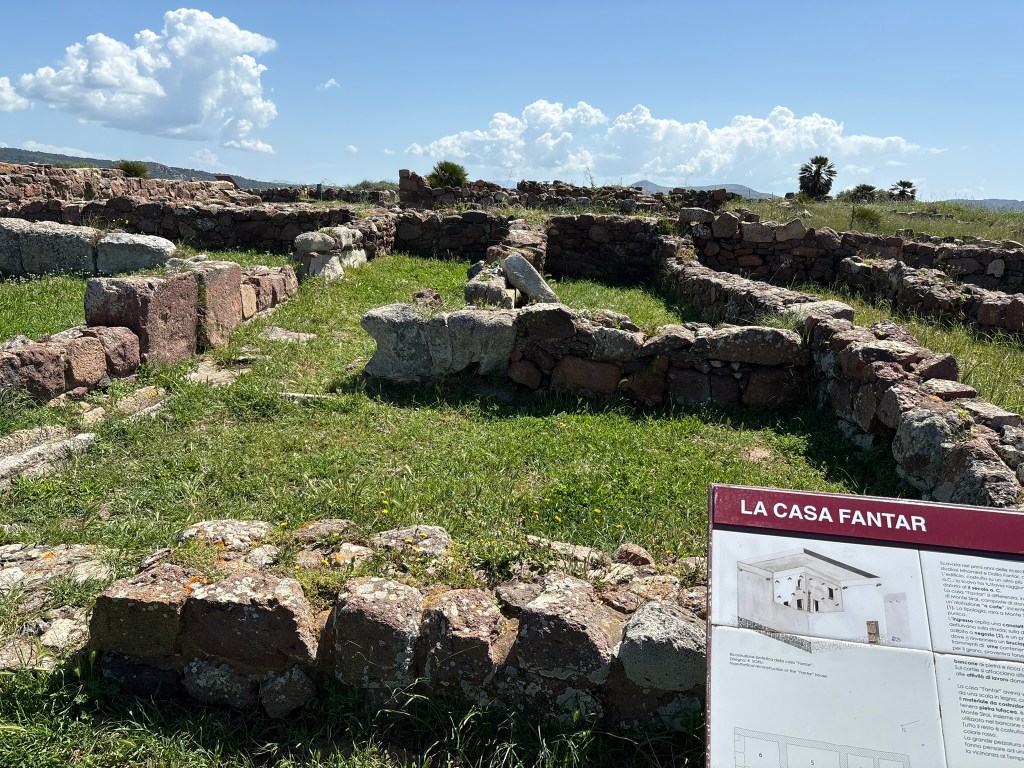
Situated on a high plateau, the Archaeological Park of Monte Sirai is divided into three areas—the high-settlement, the necropolises (13 underground family tombs), and the open-air tophet, where the ashes of infants and stillborn children were buried in urns. Enter through the North Gate public area to see the Temple of Ashtart ruins and where a Nuragic tower and water tank were once erected. From here, appreciate a panorama view of the entire region, including the Archipelago of Sulcis comprising Sant’Antioco and San Pietro islands.
With archaeological sites and sacred cultural complexes set against rugged, unspoiled scenery, Sant’Antioco and Sardinia’s southwest make their layered past feel unusually present—in tombs carved from rock, in salt drawn from lagoon waters, in pre-phylloxera vines, and in the food and drink still served at family tables.