Layers of Time, Living Traditions in Southwest Sardinia

Sardinia’s ancient past survives not only in rock-cut tombs and sacred sites, but is also celebrated through the food, wine, and traditions that shape daily life

Story and photos by Alison Ramsey

Sant’Antioco is Italy’s oldest urban settlement, but its ancient past remains embedded in the island’s living traditions. In the southwestern region of Sardinia, Italy, communities have long been drawn by strategic coastlines, seafood-rich waters, mineral resources, and fertile land in a biodiverse ecosystem. As Mediterranean cultures crossed these shores, they passed along traditions, traded tools and recipes, and introduced influences that are still evident today. The island’s archaeology is not only preserved in excavated tombs and museum exhibits—it remains visibly connected to everyday culture through the food and wine served at family dinners.

Ferruccio Barreca Archaeological Museum

In Sant’Antioco—an island off the coast of southern Sardinia, connected by a manmade isthmus—the Ferruccio Barreca Archaeological Museum is set up for thorough exploration. The museum is arranged by historical timepoint, so visitors can follow the route from Phoenician and Punic origins extending into the Roman era in Italy’s most ancient city, Sulky.
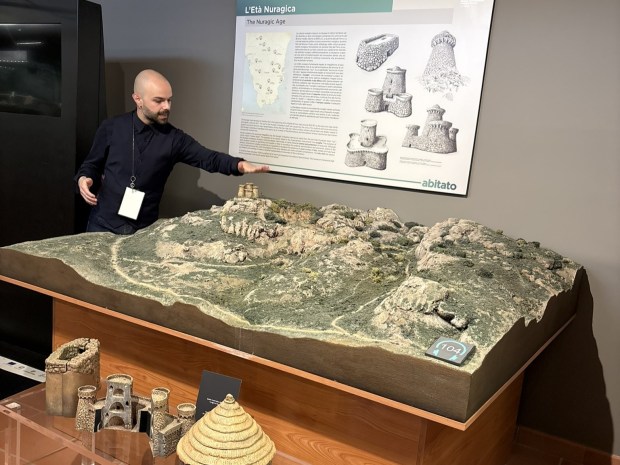
Museum guide points to exhibit model
Knowledgeable guide Matteo Piras walks visitors through exhibitions at the Ferruccio Barreca Archaeological Museum.

Displayed here are artifacts found in excavations that are still in progress at sites on the island, with relics from ancient settlements and necropolises. One exhibition shows items found in a Punic Age water cistern and includes a large bowl used for making couscous (a typical Tunisian meal). Evidence like this indicates the island’s layered historical cultures resulting from its unique waterside location and landscape have influenced cuisine.

Tabarchin Cascà Indicates African Culinary Influence

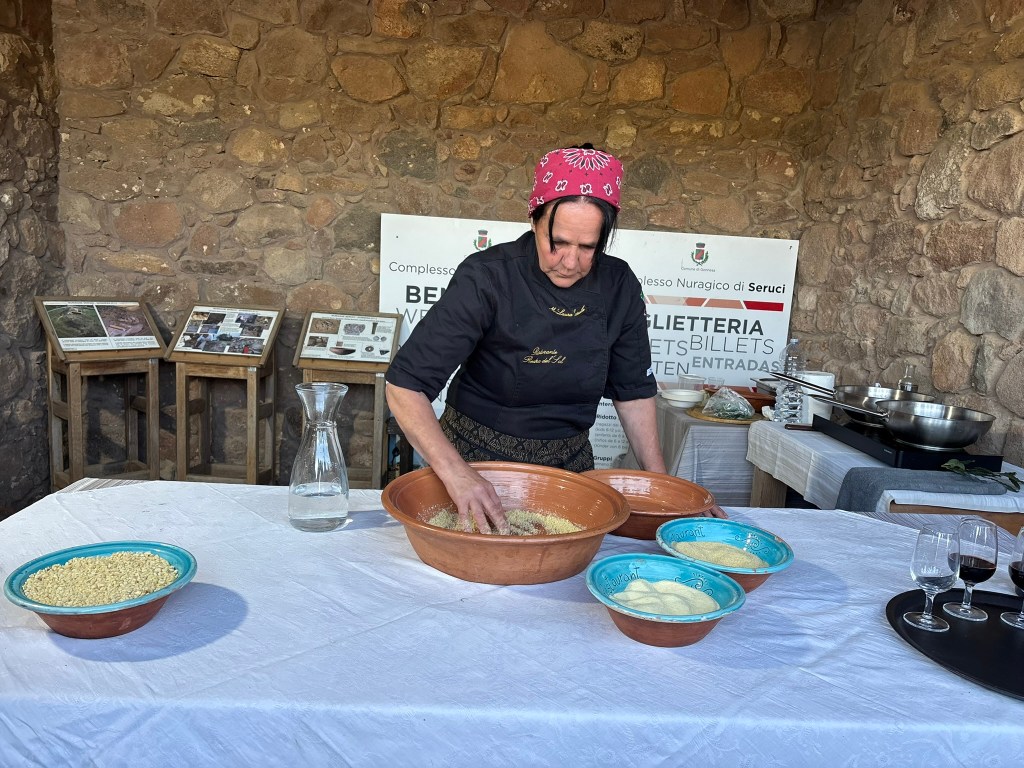
In Calasetta, the Tabarchin couscous called cascà is still traditionally made using hand-prepared semolina. Lines grooved into the sides of the bowl assist in breaking up the moistened, salted grain clumps to form spherical shapes. Made in large batches and cooked with vegetables and aromatic herbs, this couscous can be reheated as savory leftovers, with flavors intensifying for later enjoyment.
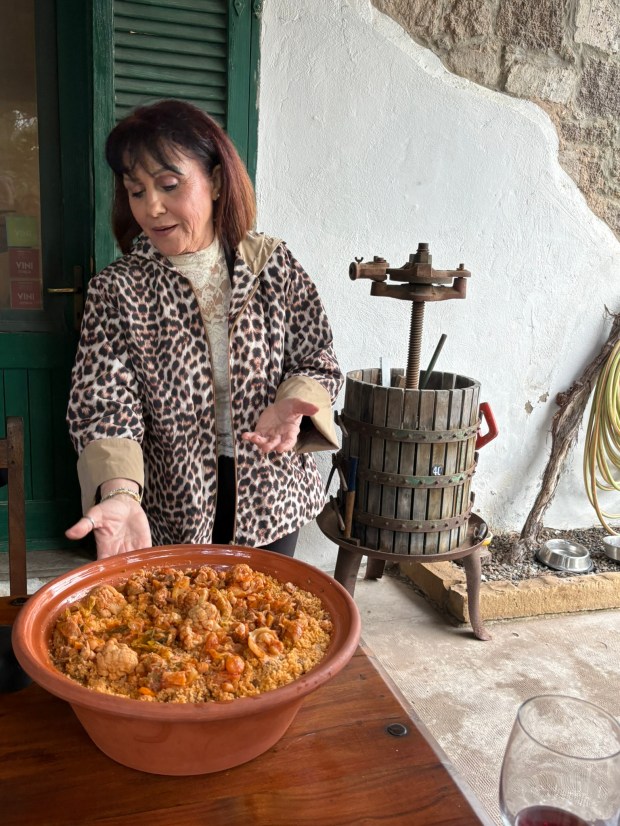
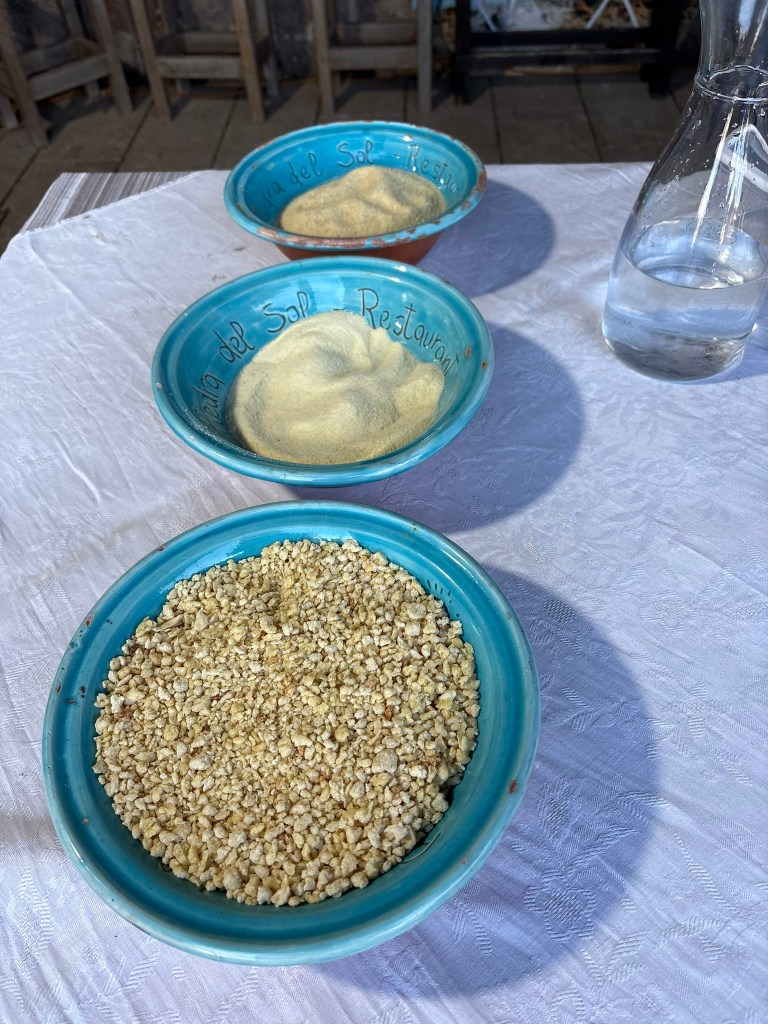
A family recipe of Calasetta couscous is served at the Tenuta La Sabbiosa winery.
Settlement Structures Give Clues to Earlier Lifestyles

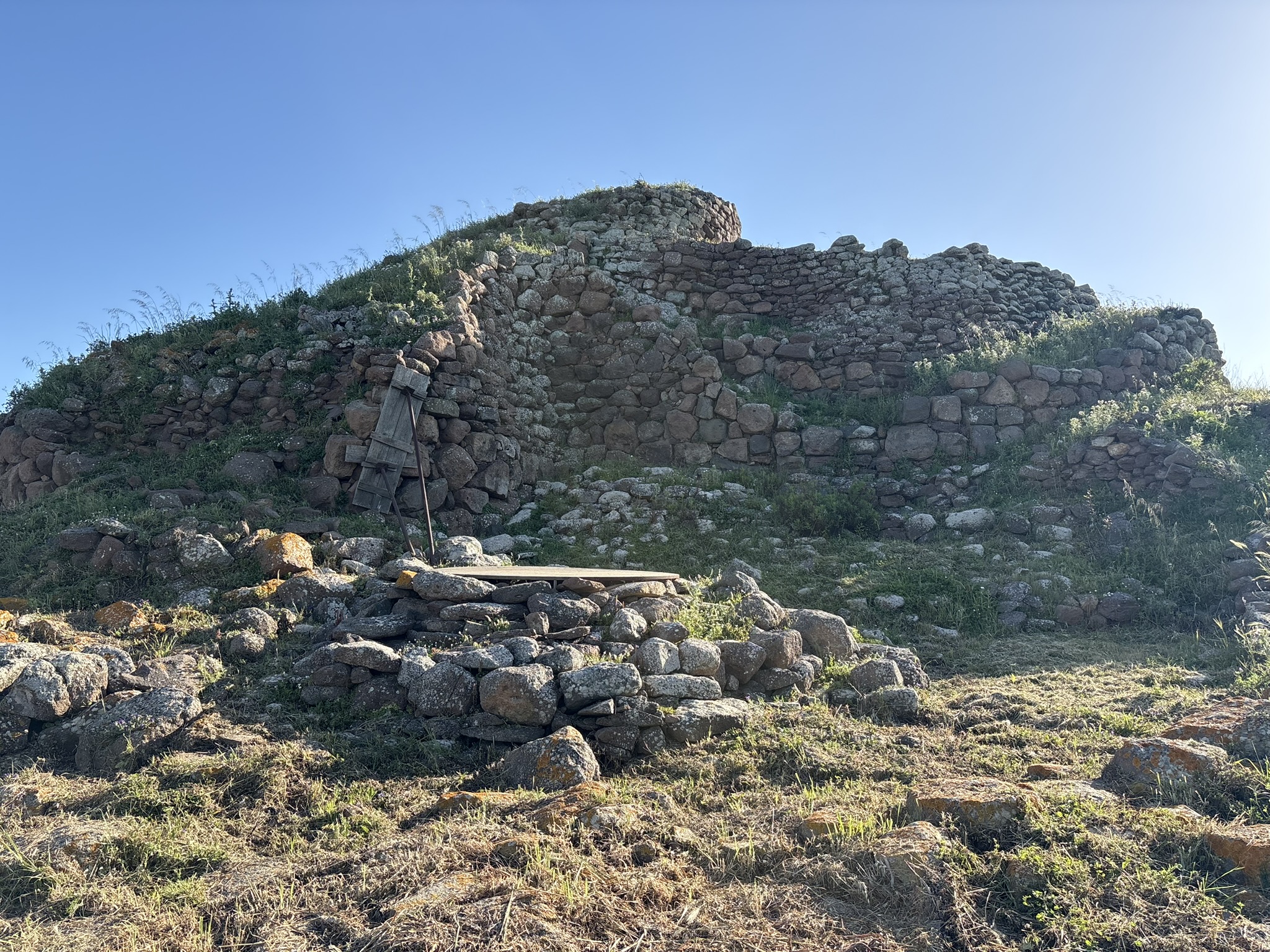
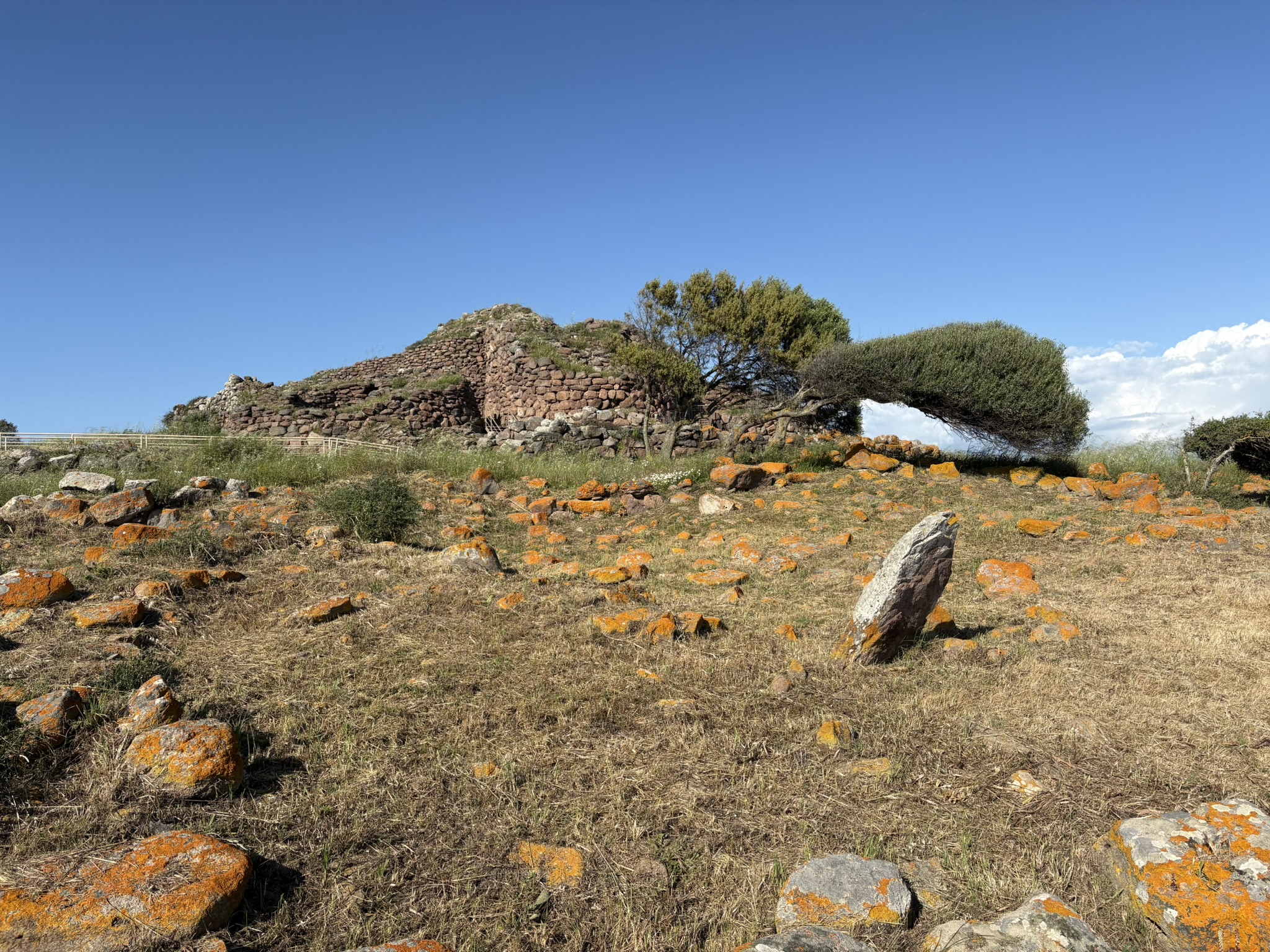
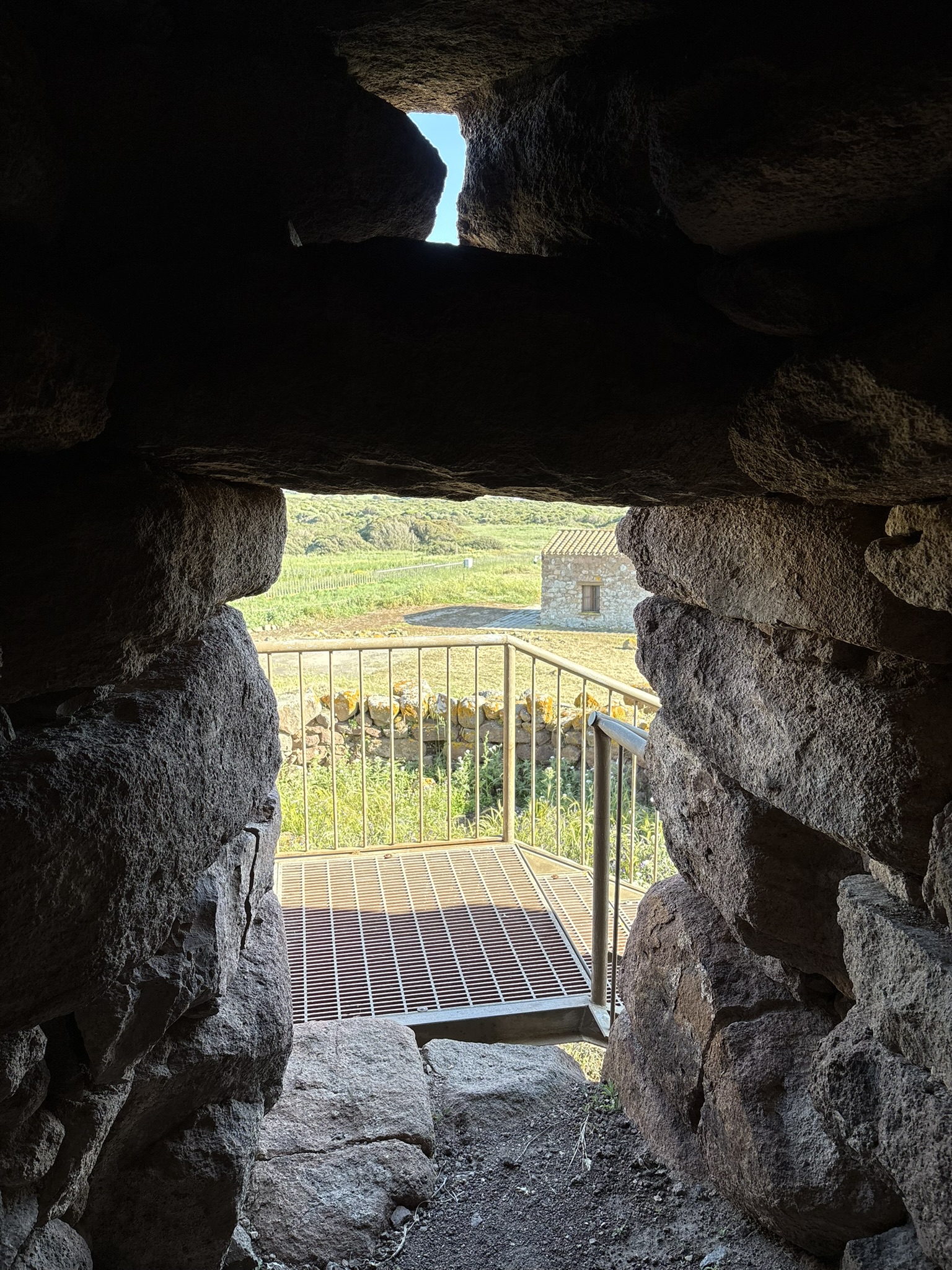
The southwestern portion of Sardinia holds the ruins of many nuraghes (fortress-like buildings) and shows evidence of the existence of Phoenician settlements—some of the oldest on the island. The remains of important Roman and Medieval structures are also found here. Across all of Sardinia, there are 7,000 discovered nuraghi, with 50 on Sant’Antioco island itself. Although the Nuragic Age’s characteristic structures vary in size and format, the strategic locations of these buildings seem to indicate they served as political, economic, and administrative centers of control and protection of resources.

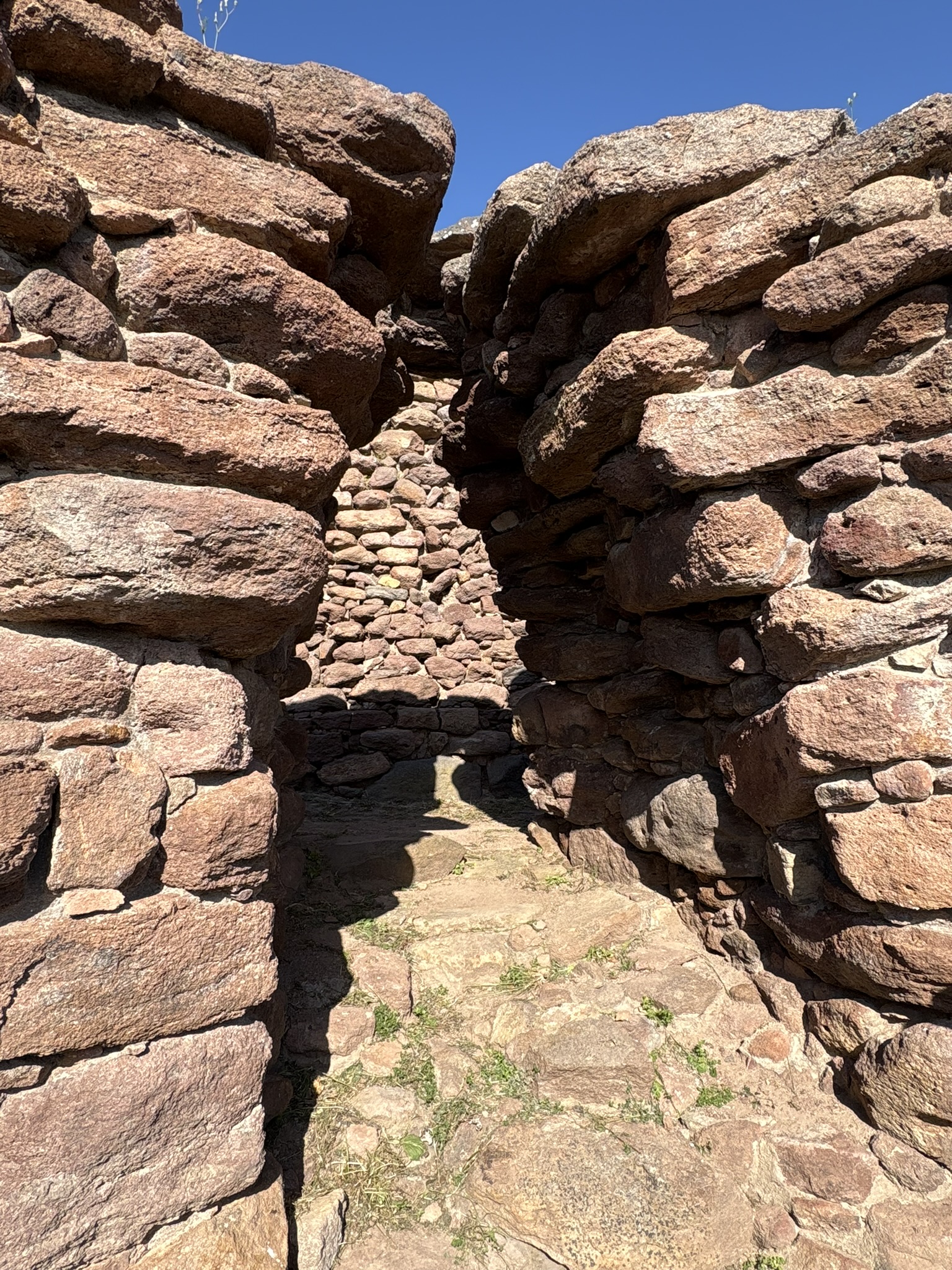
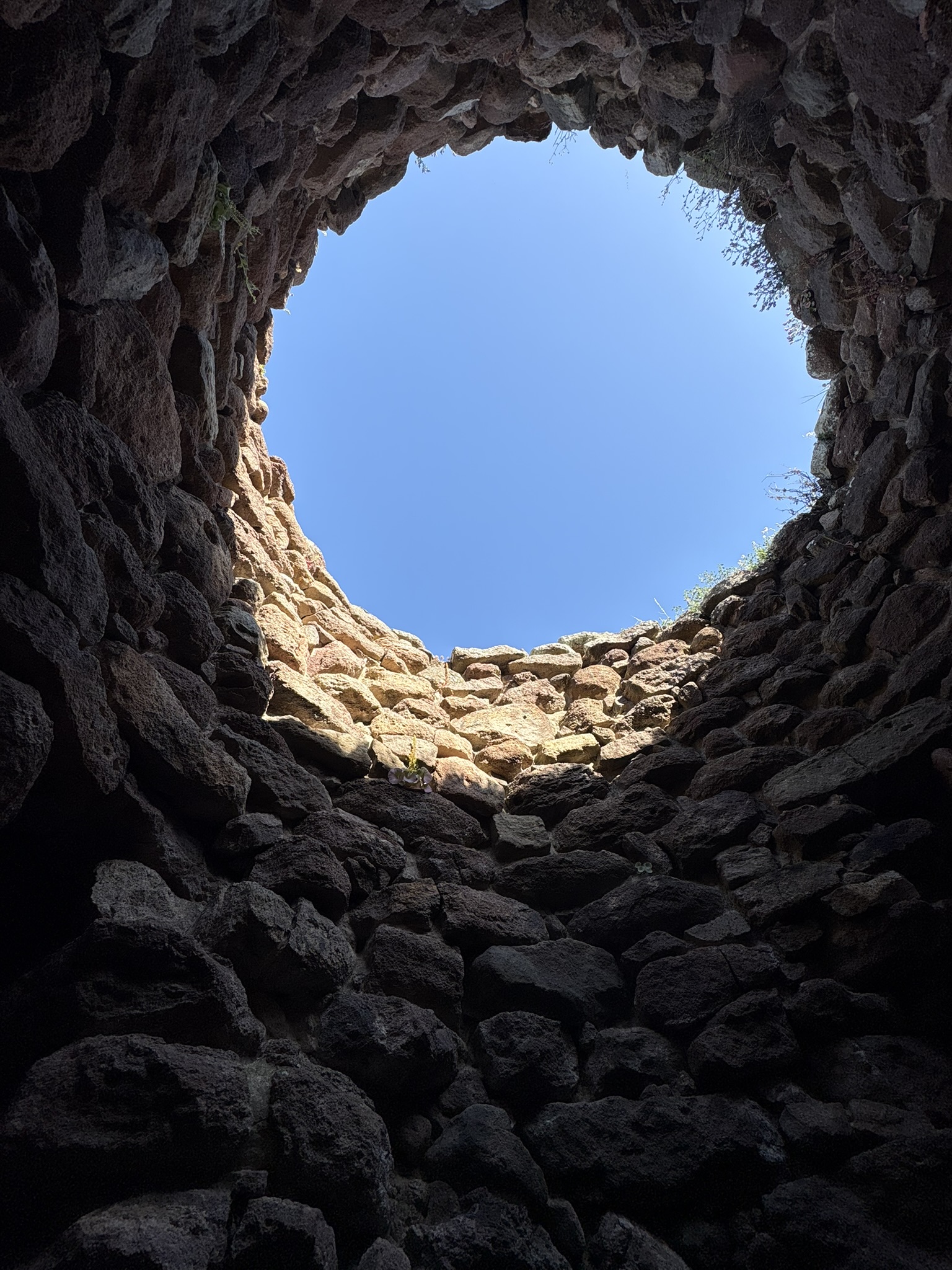
To touch ancient nuraghi monument stones from 1600 B.C., head to the 14-acre Nuragic complex of Seruci in the town of Gonnesa, one of the largest Bronze Age dig sites in Sardinia. Examination of the multi-tower nuraghe and numerous prehistoric artifacts found at this site indicate that the village included about 200 huts. Deposits of zinc, lead, and silver give evidence to the commercial and daily life of the settlement’s early inhabitants.
Grapevines Thrive From Ancient Roots

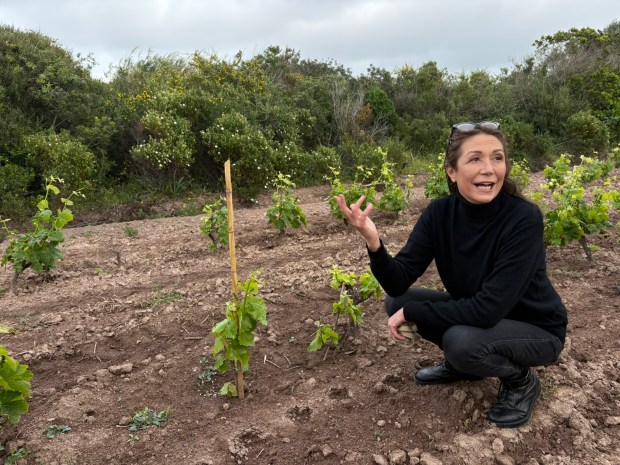
Protection of the land’s products remains important even today, as Sardinians work hard to retain the natural offerings provided by land and sea. Tenuta La Sabbiosa winery on Sant’Antioco has great respect and passion for the ancient Carignano vineyards the native soil and salty winds used to nourish year-round across the dunes. Having avoided Europe’s late 1800s phylloxera vine disease, these historic grapevines began to dwindle in the 1980s, as low yield and changes in the wine market slackened the wine-growing tradition. La Sabbiosa restored the centuries-old vineyards on their land, using traditional processing techniques combined with modern knowledge. The pure flavors and scents of their wines are unique in that they are a direct product of ancient, pre-phylloxera European roots and grapes grown seaside, in soil containing 99% sand.
Woman crouched beside grapevine plants
Through grafting original vines and hard manual work, the ancient flavor of European grapes is preserved in the roots at Tenuta La Sabbiosa winery.
Natural Cork Regenerates in Sardinian Ecosystem

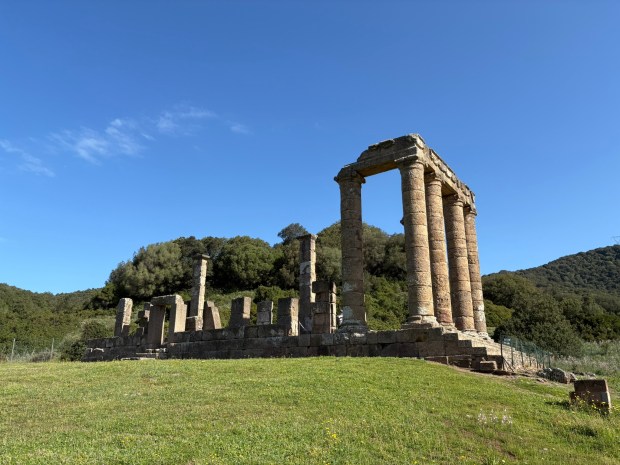
On the uphill road to Fluminimaggiore and the restored Roman Temple of Antas, cork oak trees are prevalent at the high elevation. These trees mark another way Sardinia’s landscape continues to shape local craft and commerce, as the trunks’ distinctive outward-growing bark regenerates in layers, allowing it to be harvested and regrow without harming the tree.

Renewable and sustainable, natural cork is harvested by cork producers to bring to northwest Sardinia and sell to wine producers, jewelry makers, and traditional mask makers, extending the relationship between Mediterranean ecology and everyday material culture.

Cork jewelry at a gift shop
Jewelry and souvenirs made from cork are found at some gift shops on the island.
Roman temple ruins in a meadow
The Temple of Antas has been partially reconstructed using original stones and fillers to recreate the front columns and staircase, and the sanctuary sits in the middle of a meadow, at an elevation where cork trees thrive.
Salt Harvested From Lagoon Waters

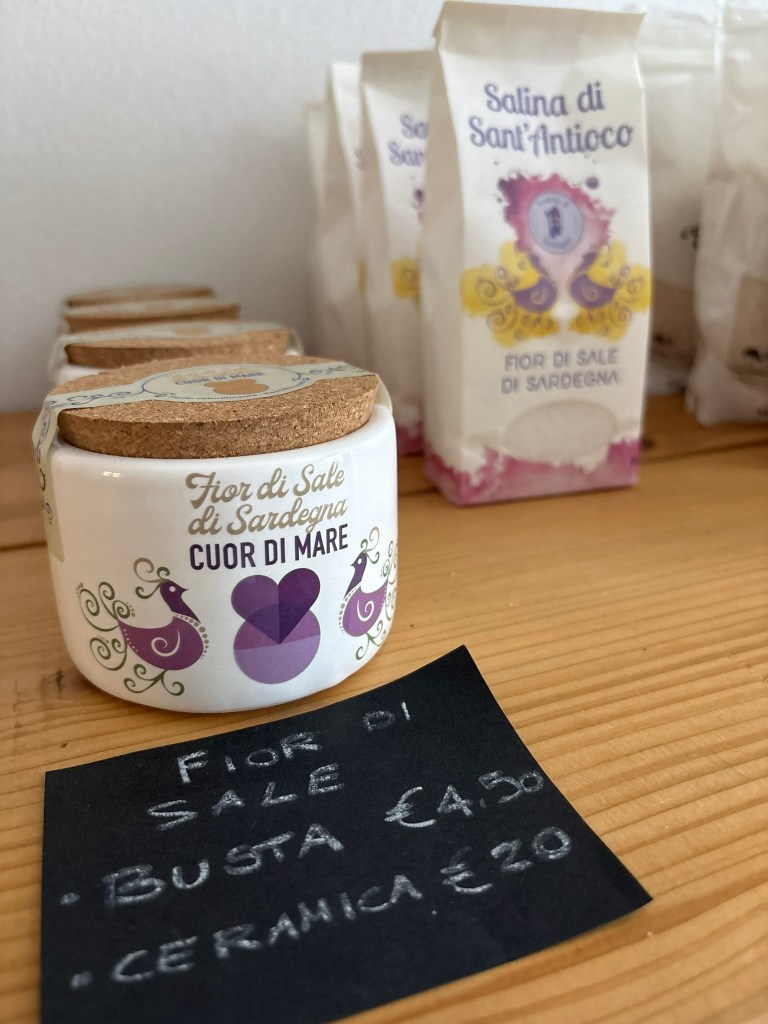
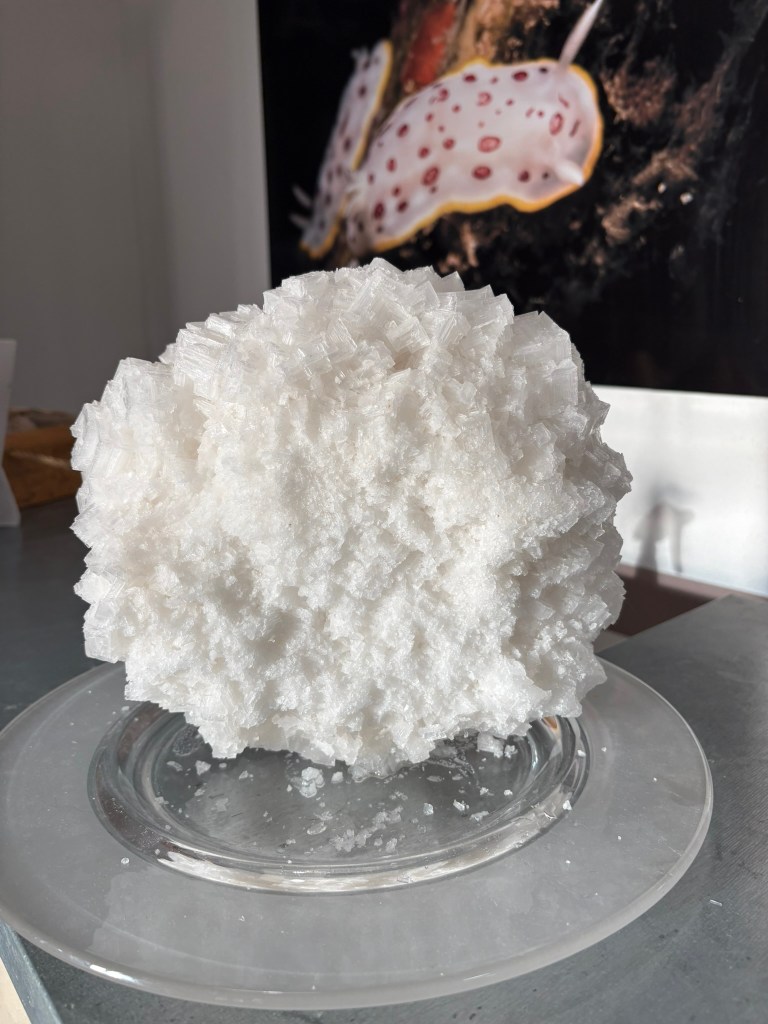
At waterfront MuMa Hostel on Sant’Antioco, the onsite Museum of the Sea and Shipwrights showcases natural habitats of plant and animal species on the island, including those of the herons, egrets, gulls, and pink flamingos that lounge in the Santa Caterina lagoon. These lagoon waters feed the adjacent Sant’Antioco salt pans, which are among the most important in Italy and help meet culinary demands.
Flavorful Food From Flora

While hiking to archaeological sites for evidence of the past, acknowledge the unspoiled nature painting the hinterland. The pure air is filled with intense, aromatic scents of wild olive trees, prickly pear, wild lilies, chamomile, and myrtle. Although lovely to smell, this scrabbly brush that characterizes the Sardinian countryside is often waxy, dry, and bitter, so animals avoid them. To the enjoyment of many people, however, some of this vegetation from the Mediterranean scrub is used to create delightful food and drink.

Fruit from the myrtle plant is used to make a popular liqueur—mirto—served cold with desserts or after meals in Sardinia. The berries are steeped in high-proof alcohol for several weeks and mixed with simple syrup. The drink’s rich, sweet, and slightly bitter herbal flavor evokes the Mediterranean maquis—the dense shrubland typical of the region. Many households on the island make their own mirto or limoncello to have on hand for dinnertime and to serve to guests.
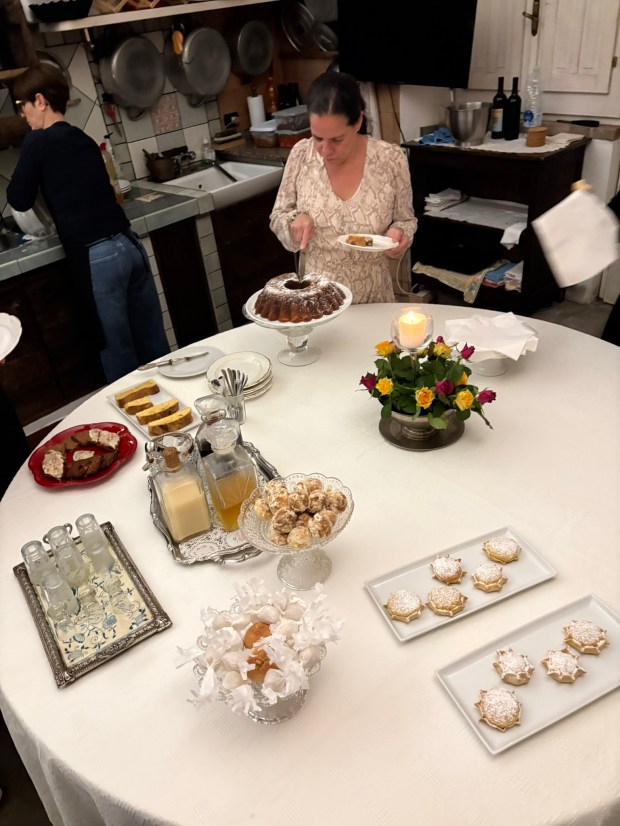
Table full of desserts and drinks
The dessert table at home restaurant Da Zia Pinuccia offers “ladies’ kisses” almond balls and pastries alongside chilled limoncello and mirto.

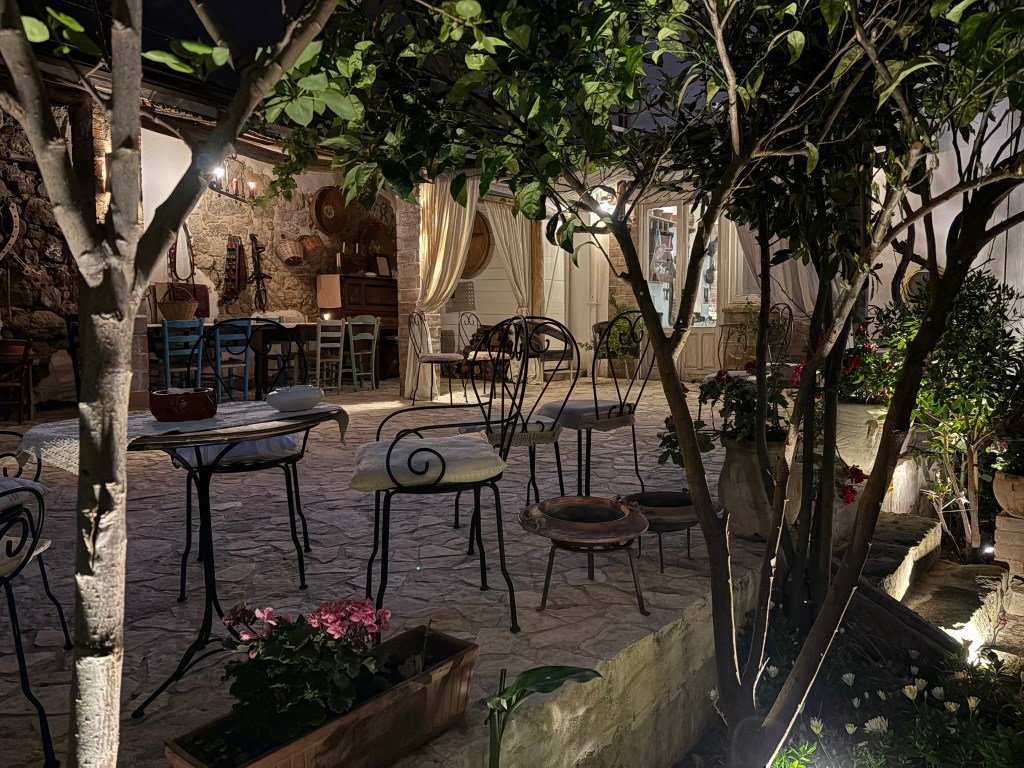
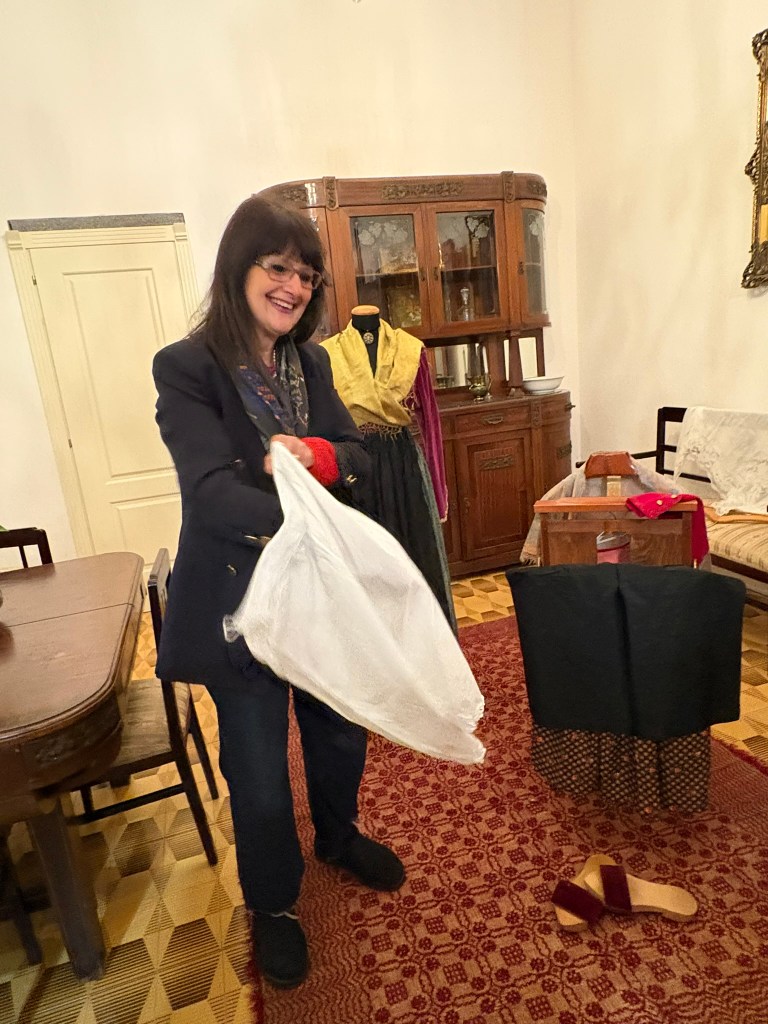
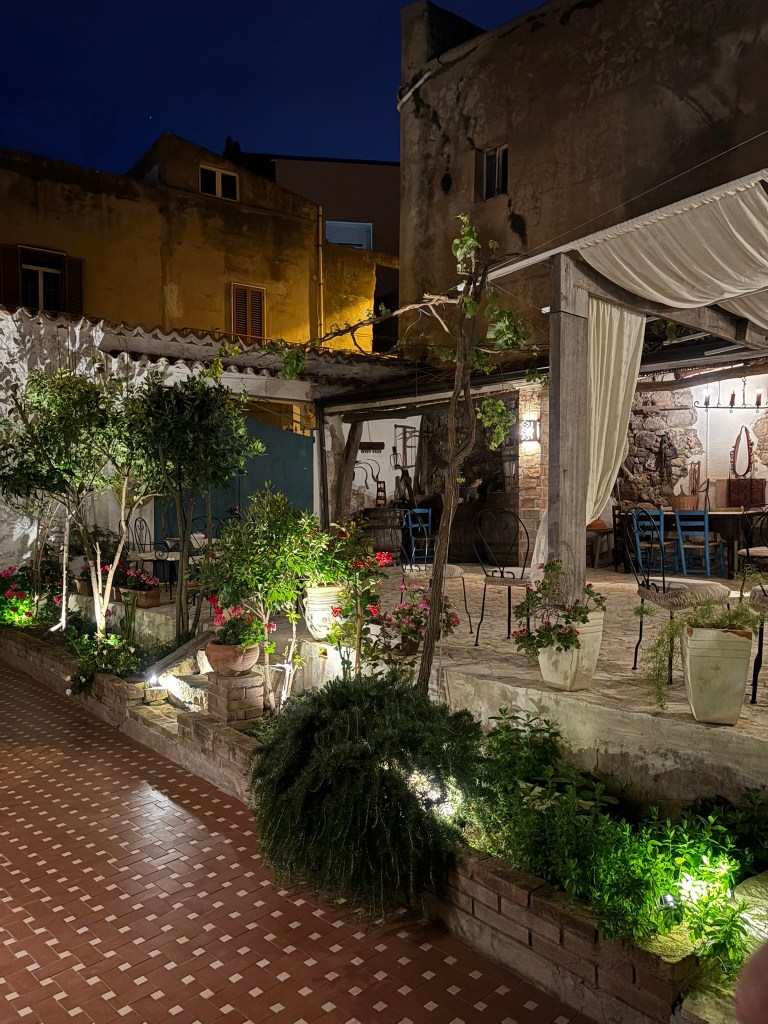
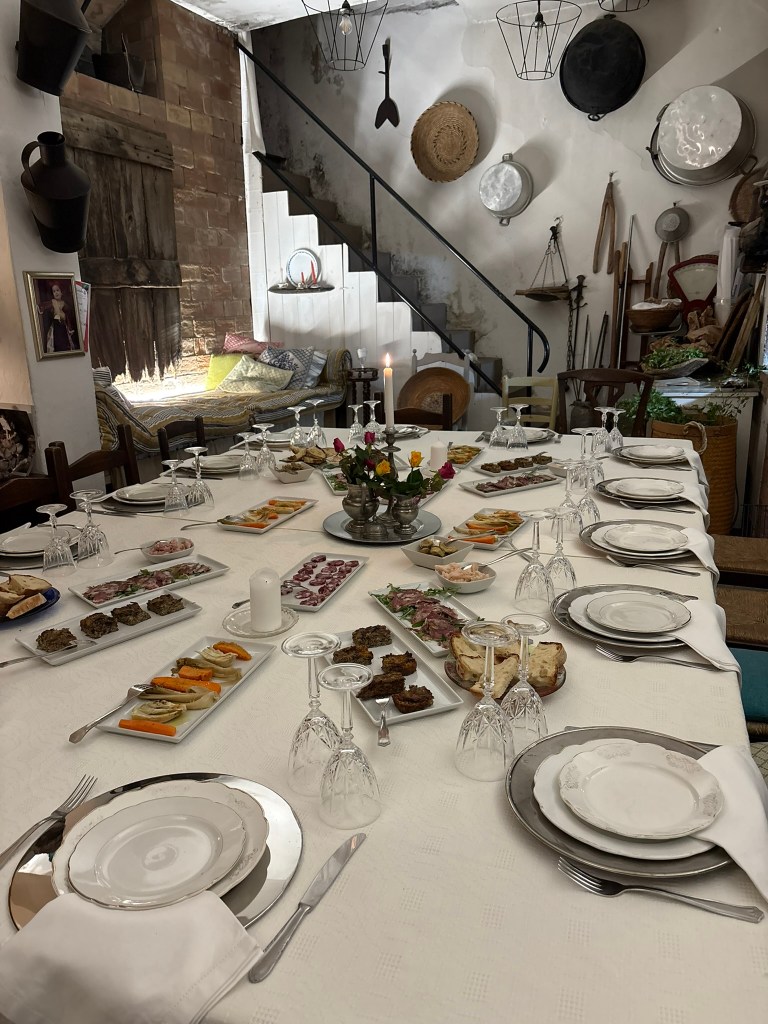
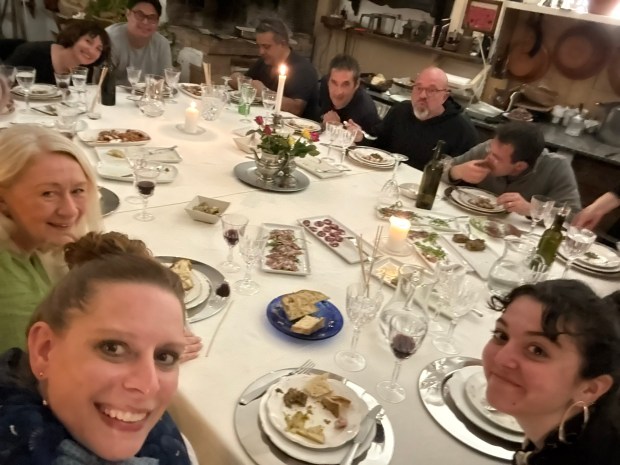
The fragrant branches of the myrtle plant are even used as a colorful garnish for plating suckling pig at home restaurant Da Zia Pinuccia. A family-style dinner at this 19th-century house provides an immersive dining experience with traditional Sardinian recipes passed down from previous generations, using locally sourced seasonal ingredients and ancient flavors.

Dine on homemade bread, vegetables, and meats cooked in the wood-fired oven, all served on antique dishware with years of family history. For dessert, try the “ladies’ kisses,” an almond ball coated in sugar and wrapped in white paper with fringed edges—a popular sweet in the south of Italy.

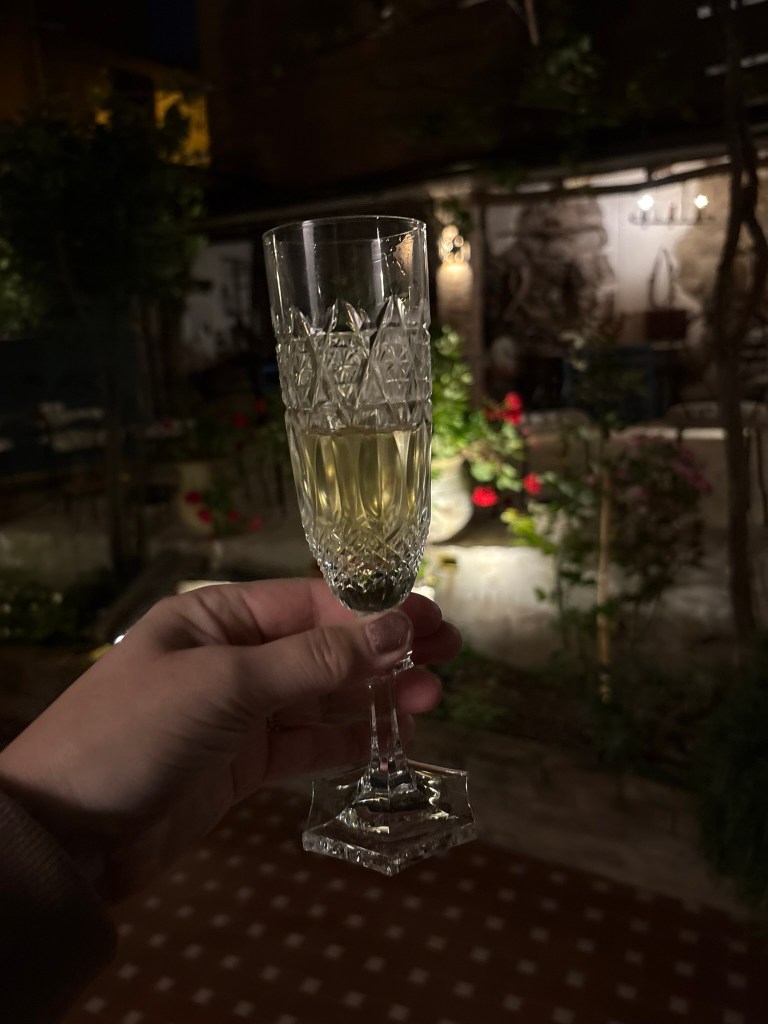
Learn generational stories around the dinner table, mingle with other guests in the gorgeous greenery lined stone courtyard, and enjoy time in a beautiful, warm home full of cultural history and memories.  
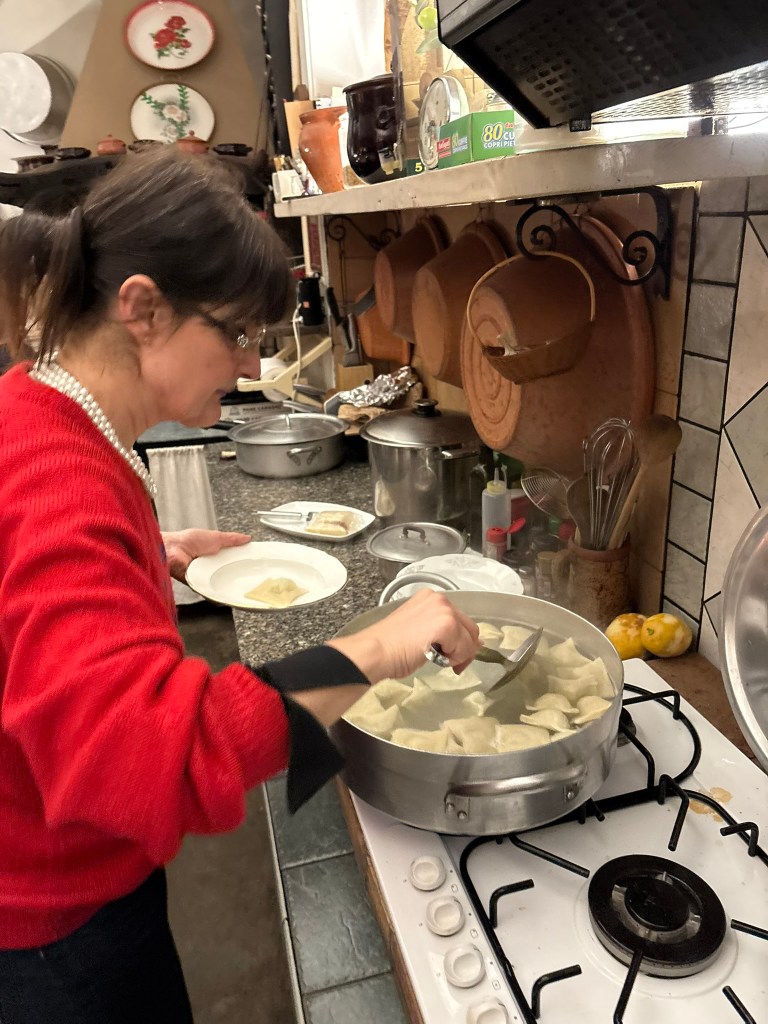
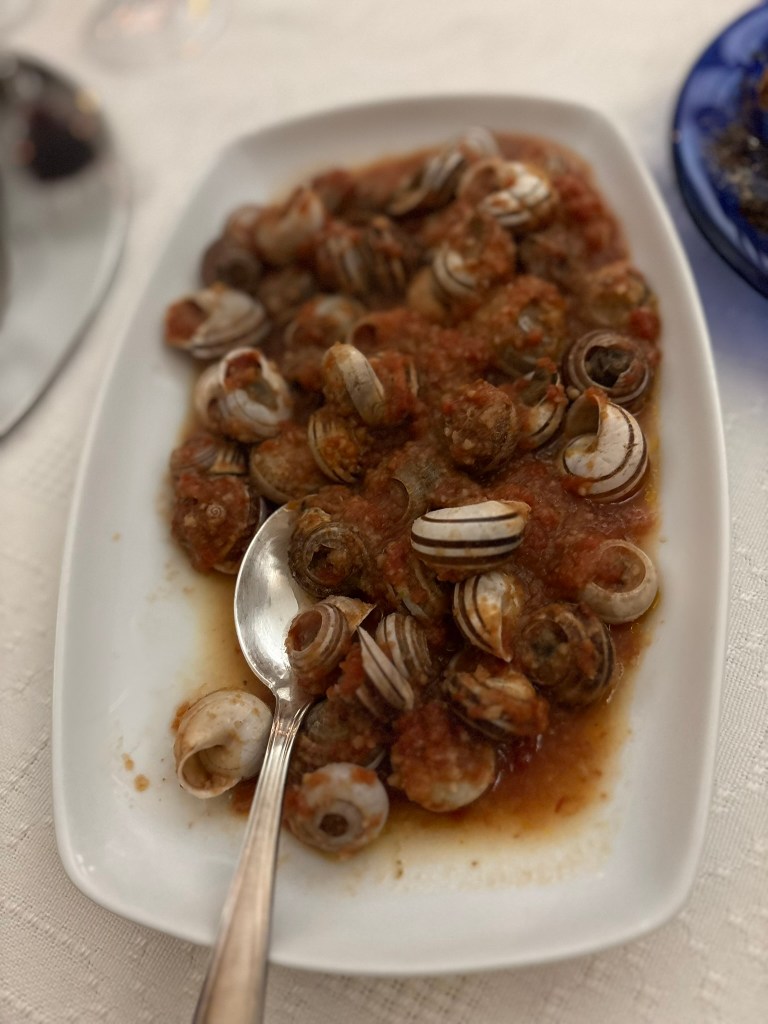
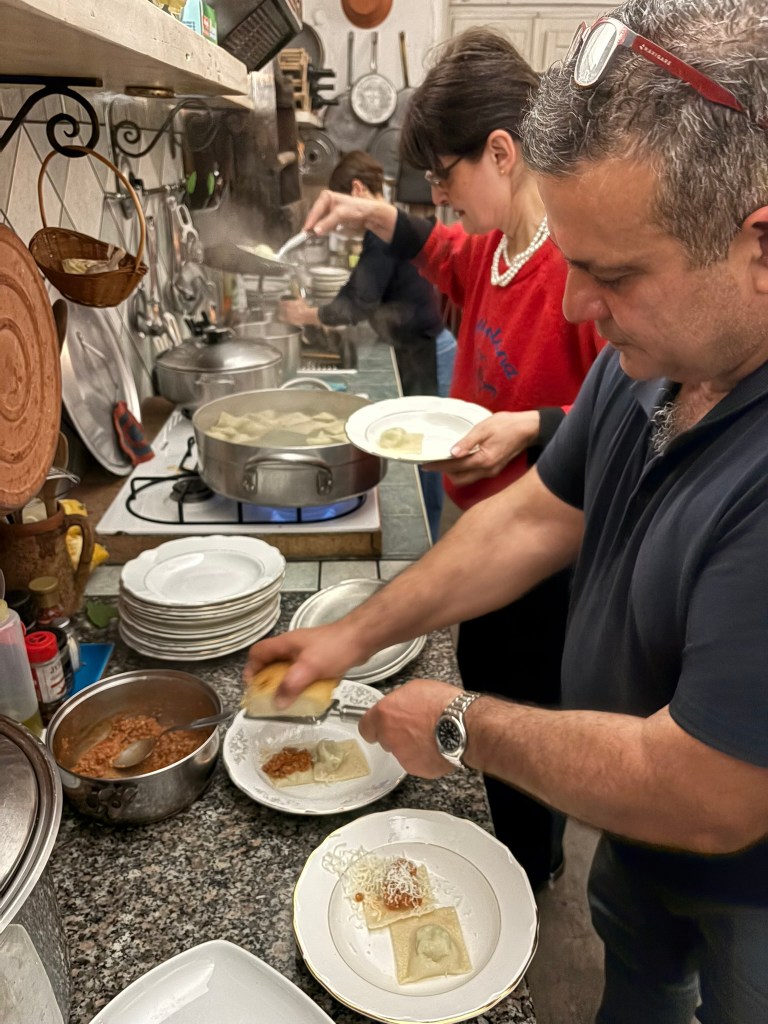
Prepare for lots of food and laughter around the table at home restaurant Da Zia Pinuccia.
Ancient Tombs—Waiting for the Afterlife

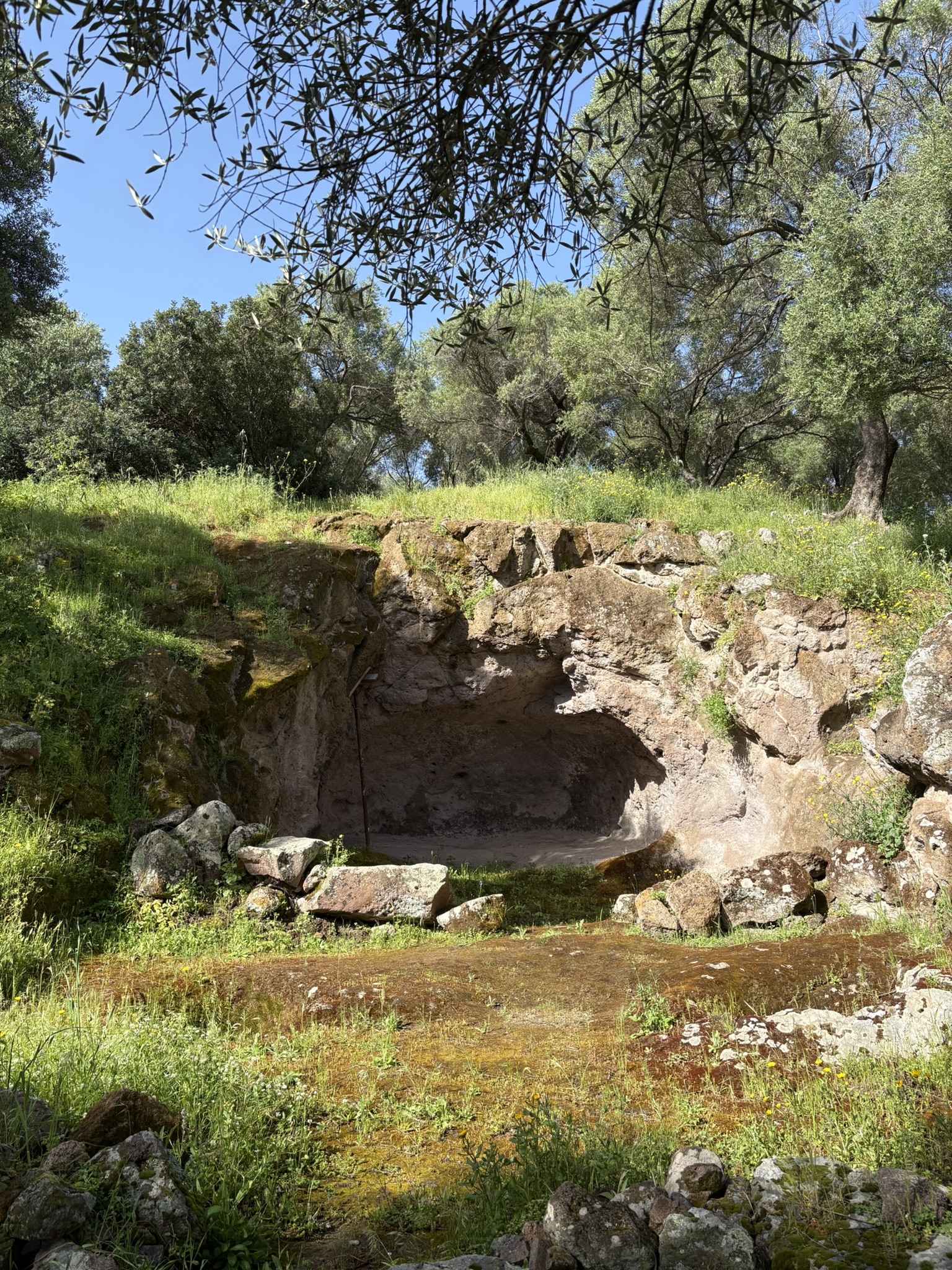
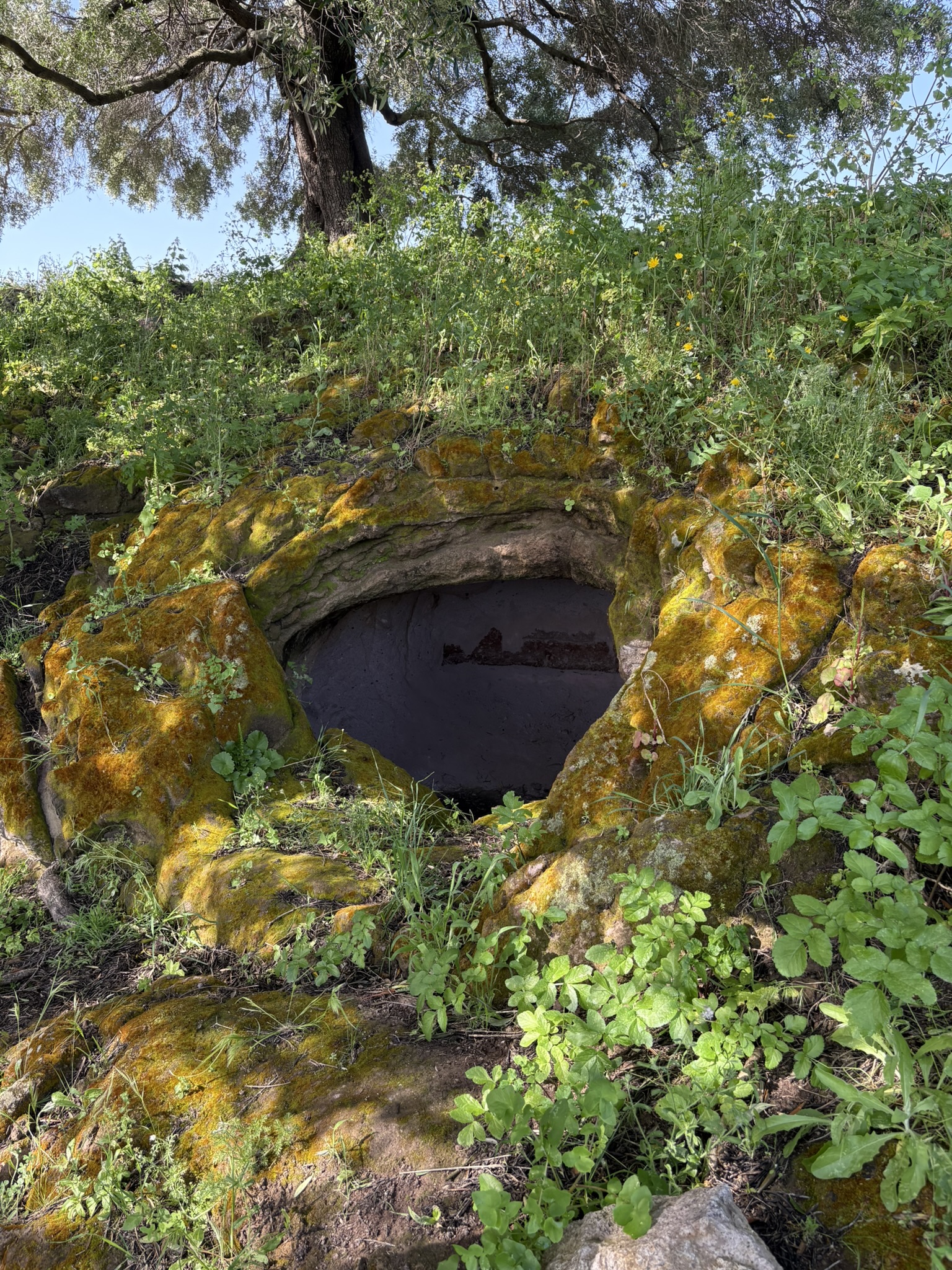
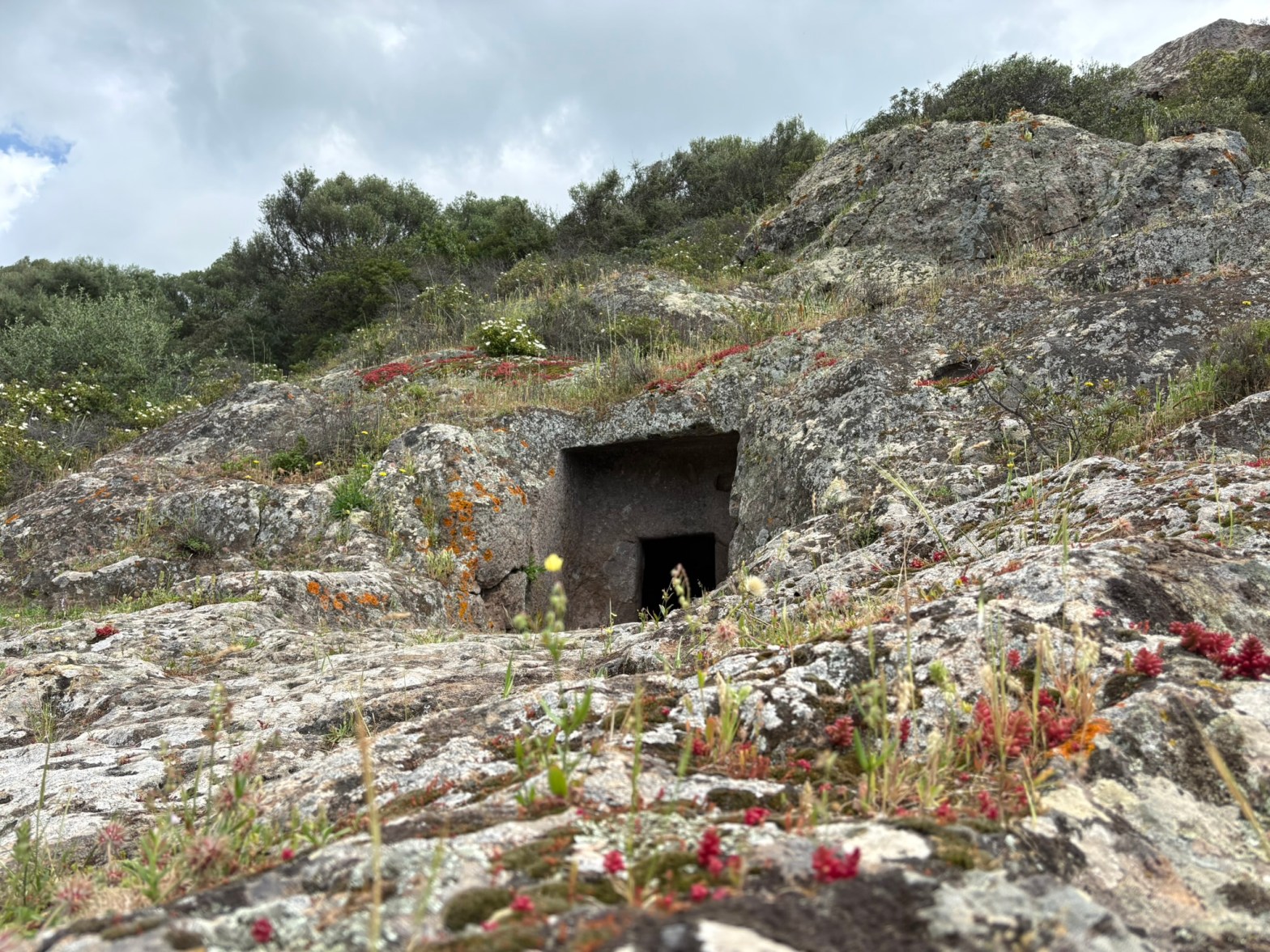
In terms of archaeological history, Montessu is one of the most important dig sites in Sardinia—due to its fascinating position along a moss-covered rockface and its significance in the study of prehistoric funerary rituals. The approximately 40 ancient cave-like tombs here, shaped with stone pickaxes, are called “fairy houses.” Often modeled after houses of the living, with multiple chambers, more than 3,500 of these are scattered across Sardinia, and legend says they belonged to tiny fairies who provided safe havens for the dead while they slept until passage into the afterlife.

Uncovered from the earth at Montessu have been artifacts such as obsidian, bronze, jasper, lead pieces for slingshots, etched coins, silver nails, and knives. Categorized necropolis finds from Montessu are displayed at archaeological museums in nearby Santadi and Cagliari.
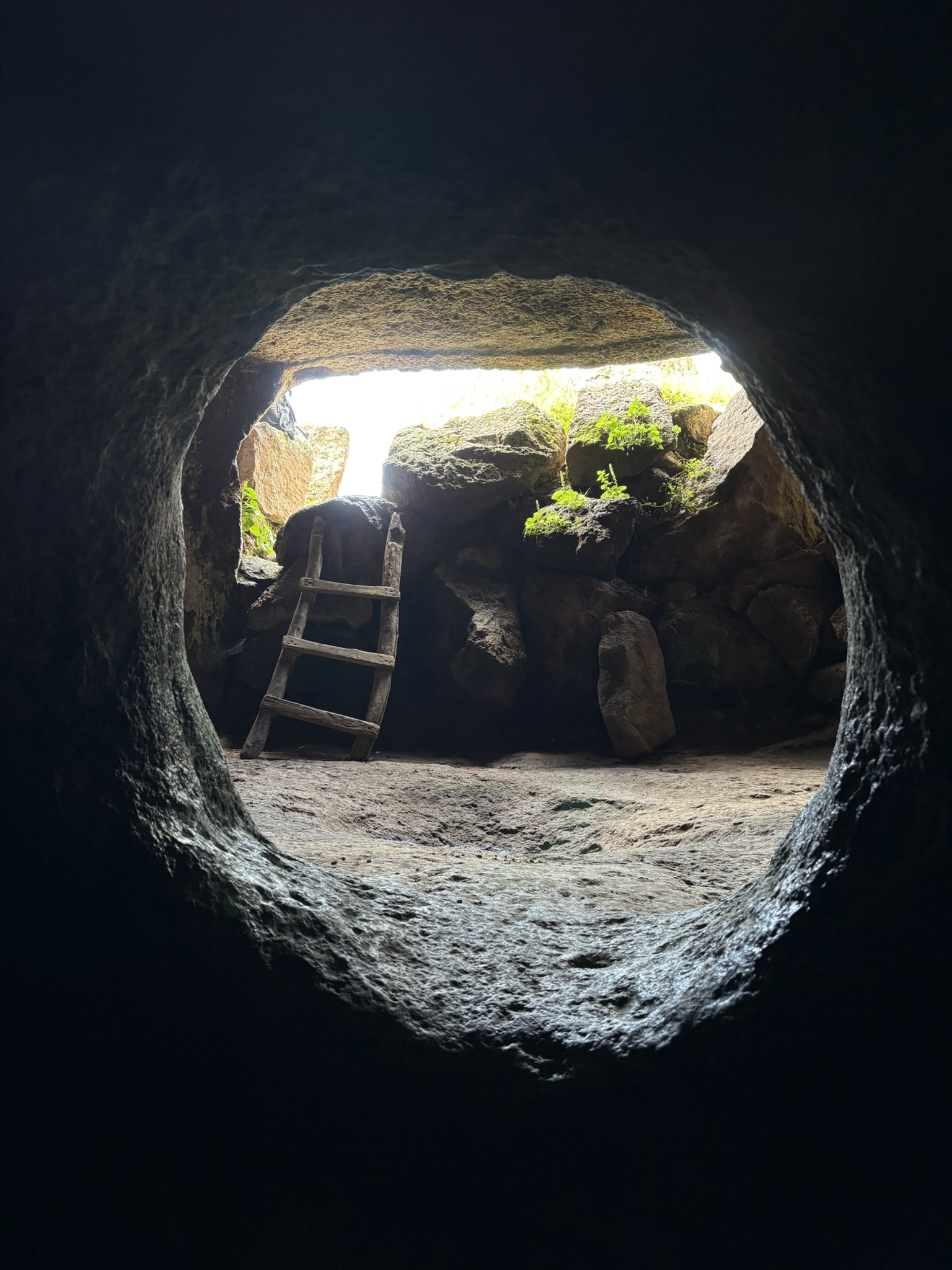
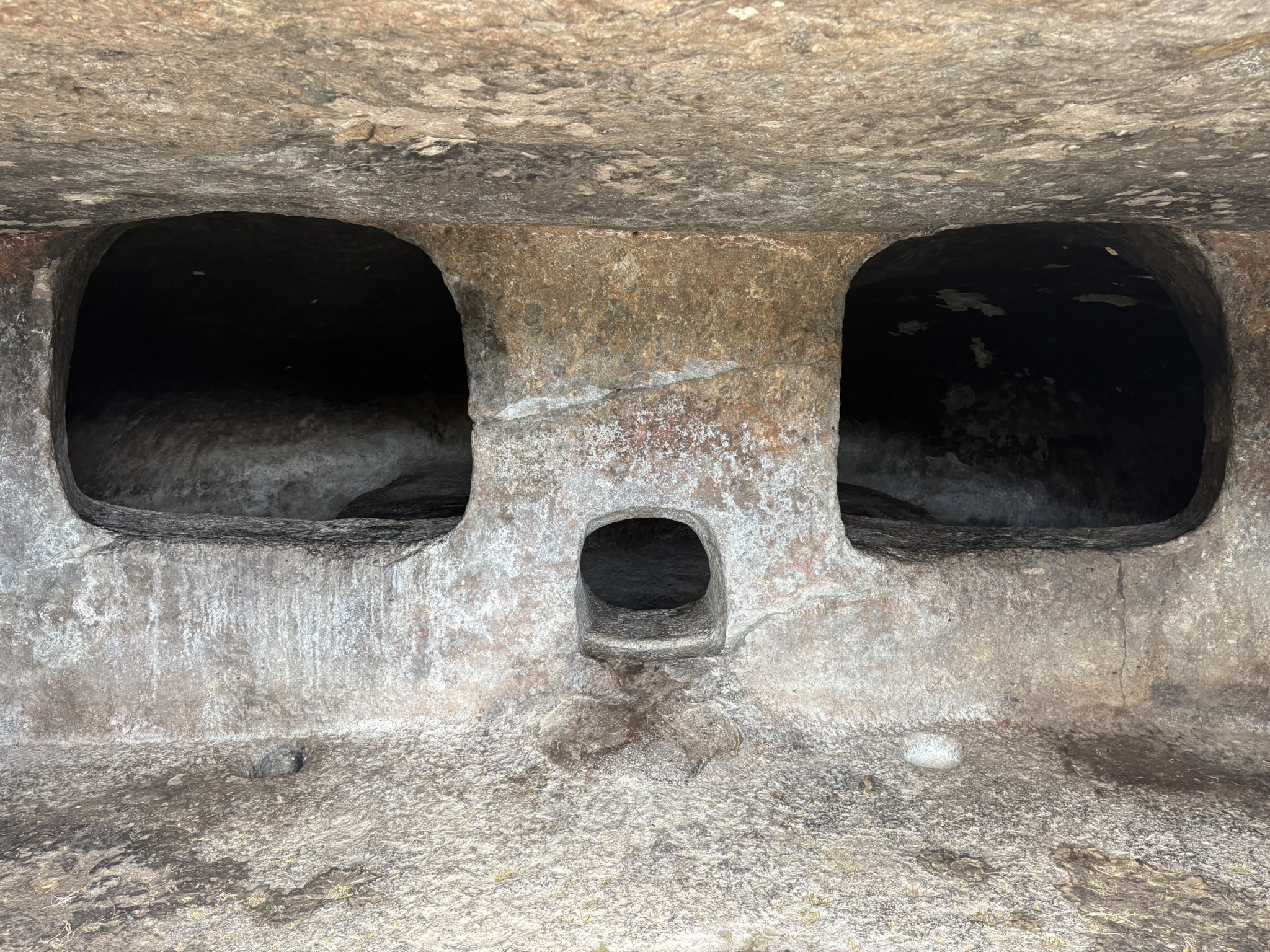
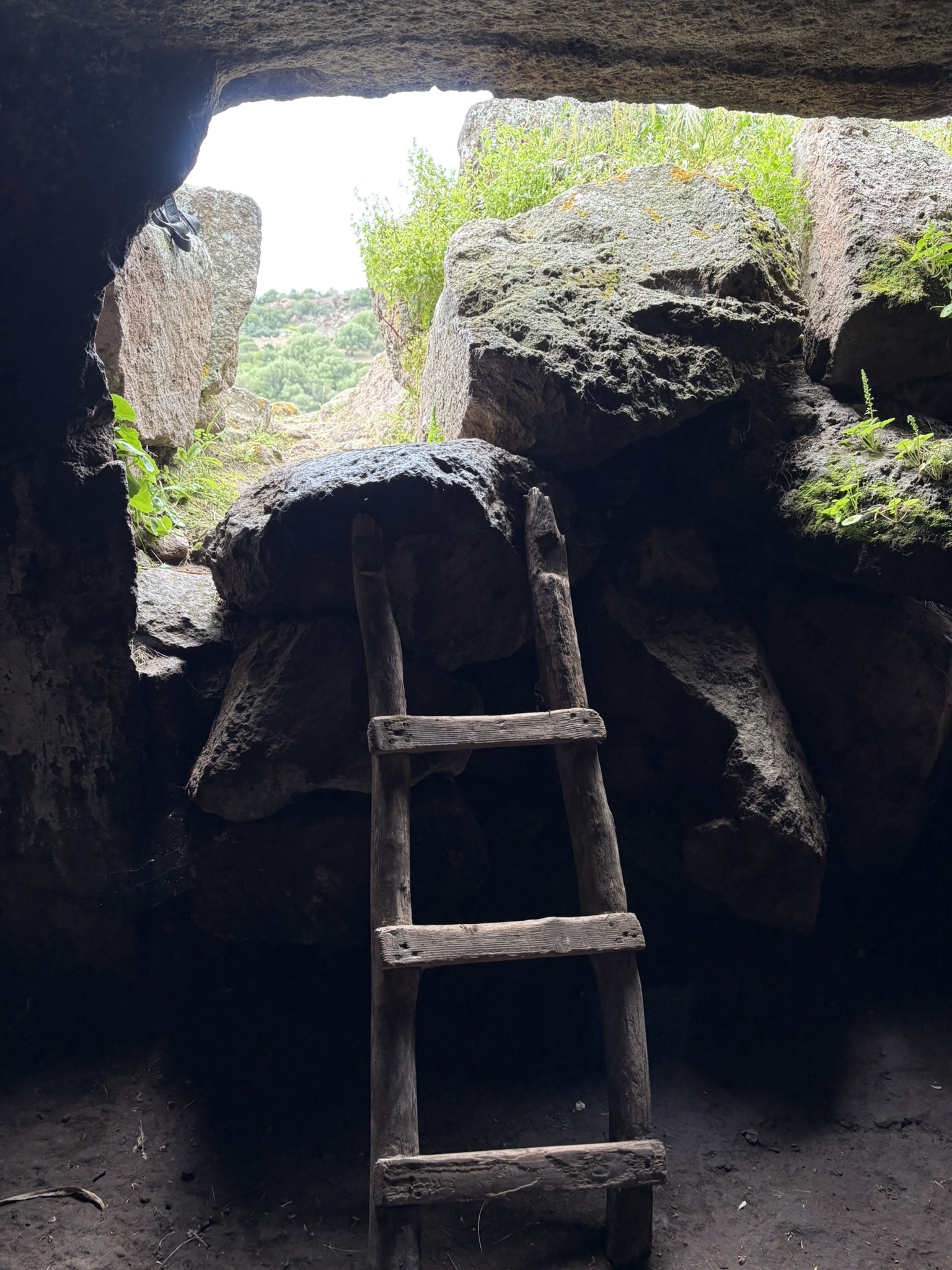
At Montessu, a 124-step stone staircase leads to more than 40 prehistoric tombs set along a rockface. Climb inside Tomb 10 (right and left photos) and down the wooden ladder for a peek inside the hollowed-out formation.

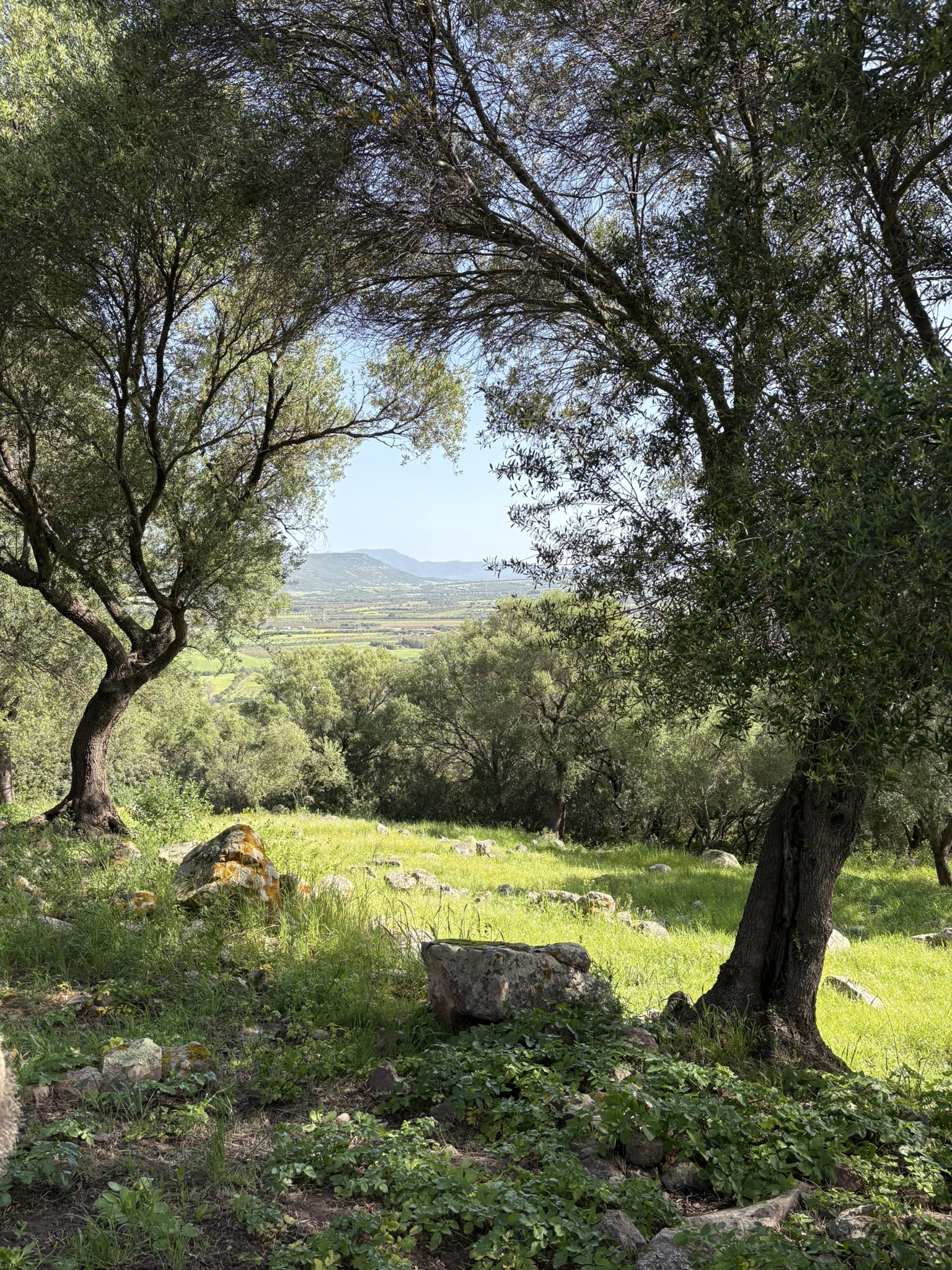
A scenic forest climb at the nearby Pani Loriga archaeological site leads to similarly constructed tombs—with evidence the interiors were painted with pigments—and the remains of a Punic settlement. Hilltop discoveries include masks, jugs, amulets, bracelets, and charms. Also found was a terracotta kernos, an ancient vase with several small cups attached to its rim for the purpose of filling with resins, oil, food, and wine for ritual activities. The walk across these grounds reveals shallow pits in the dirt where wild boars burrow for roots.
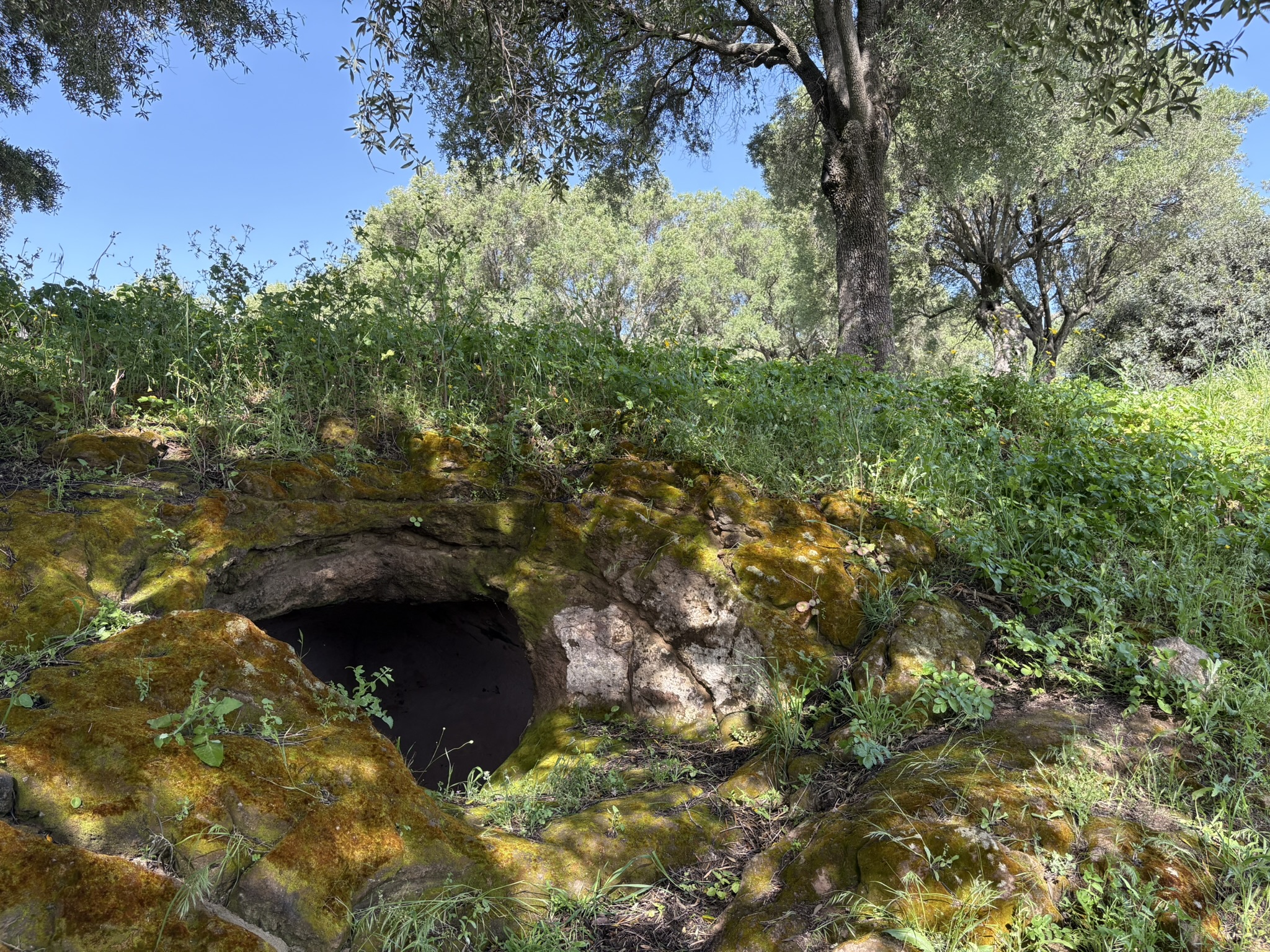
  • tombs cut into rocks

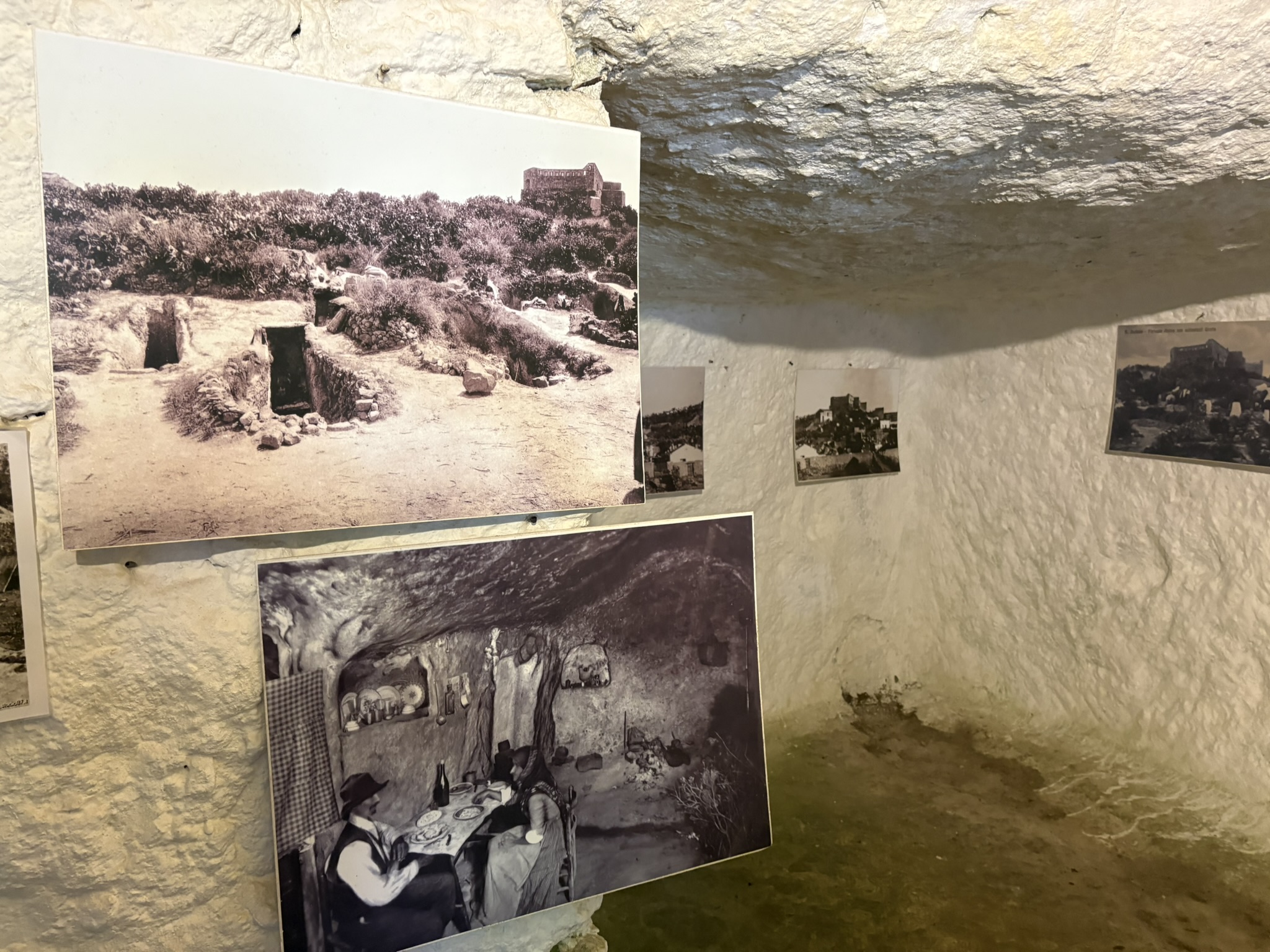
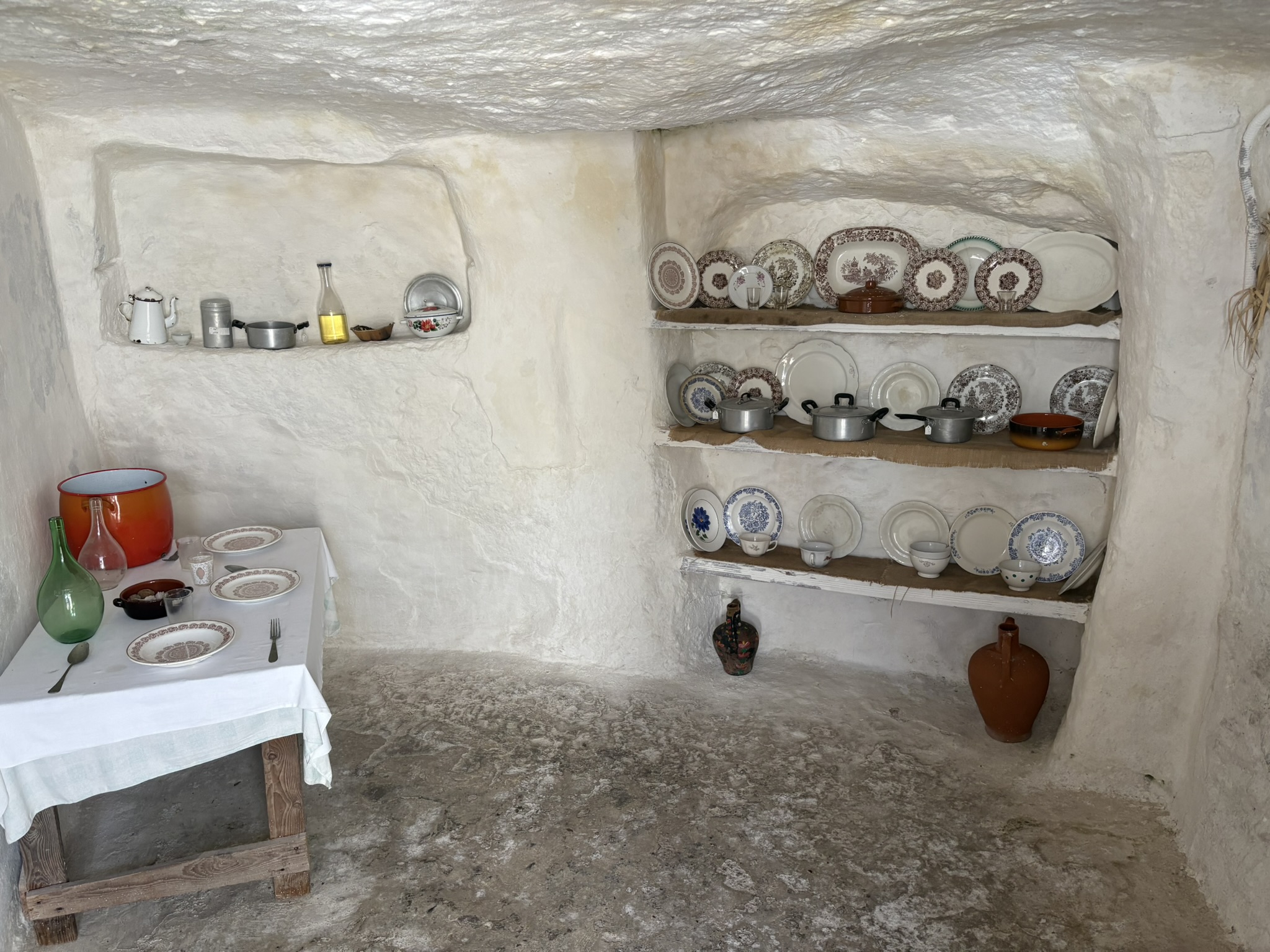
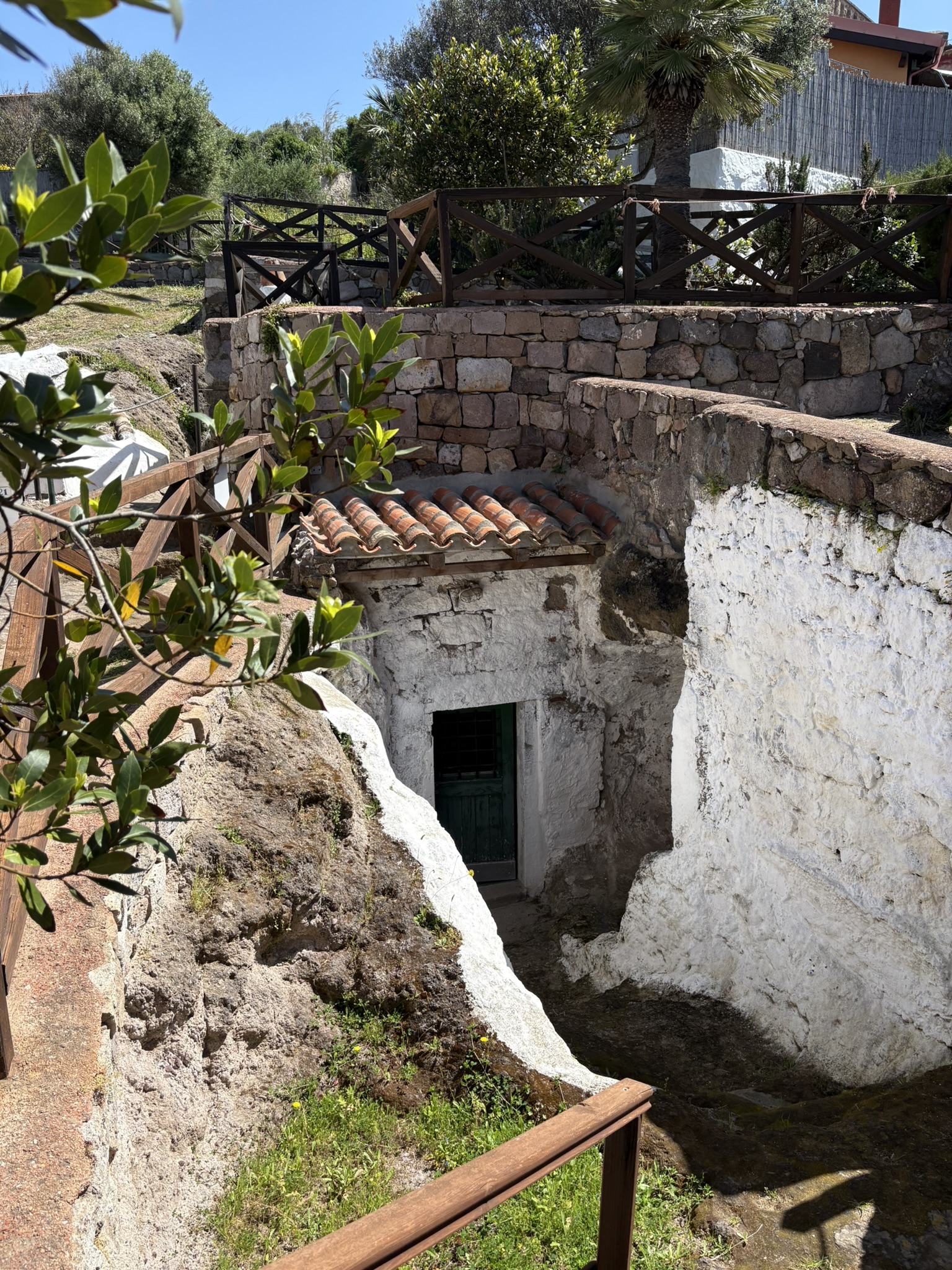
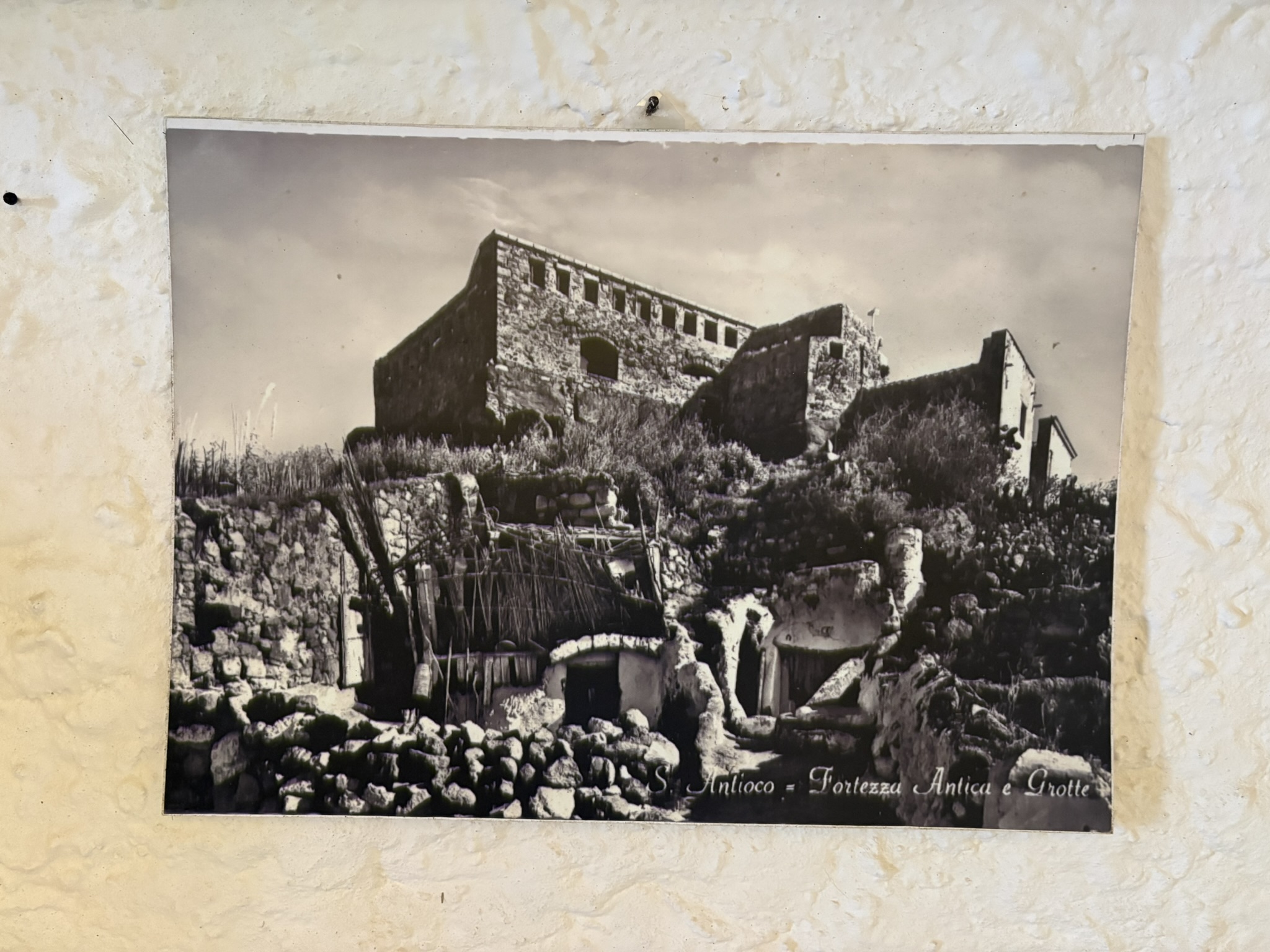
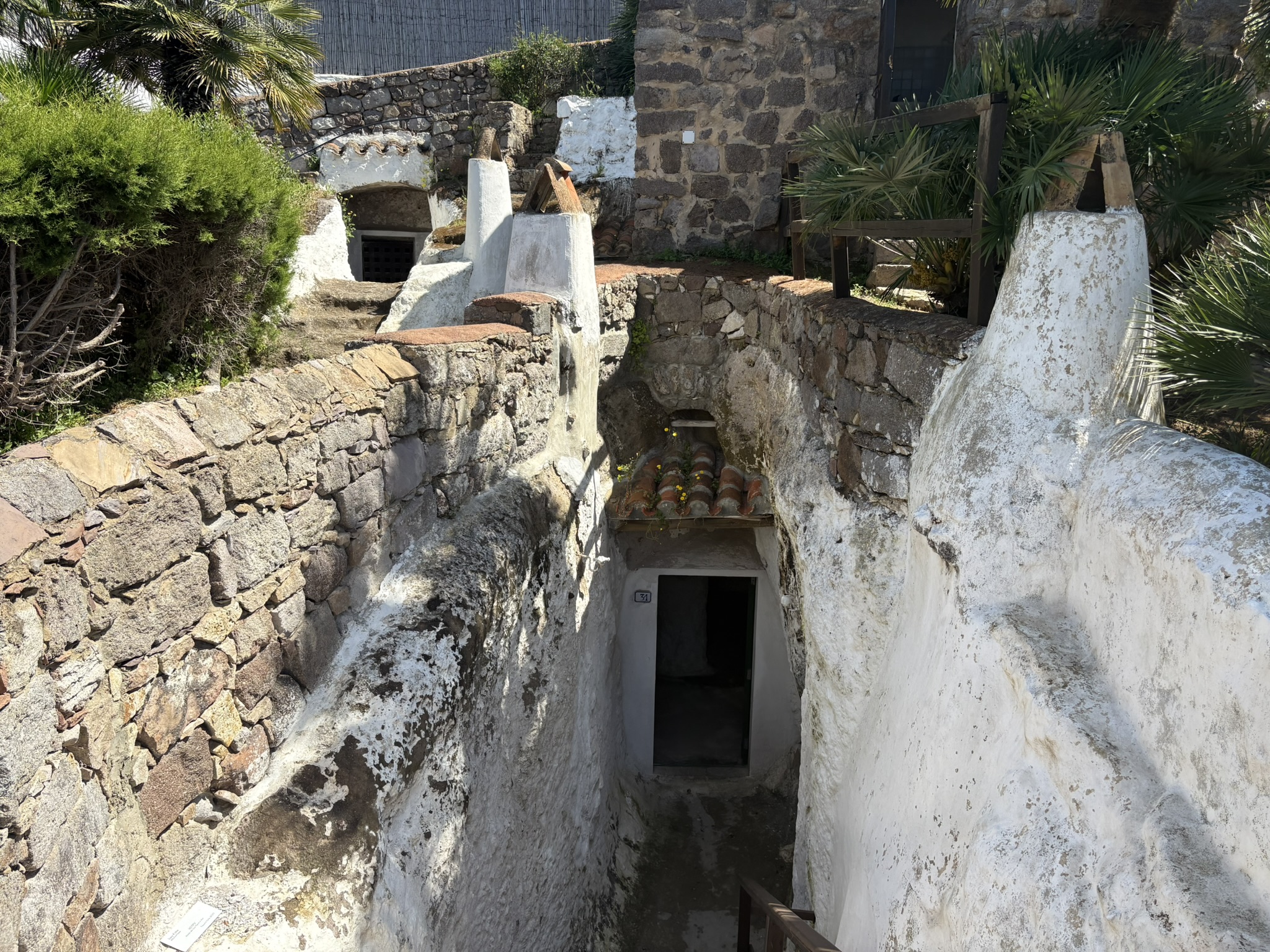
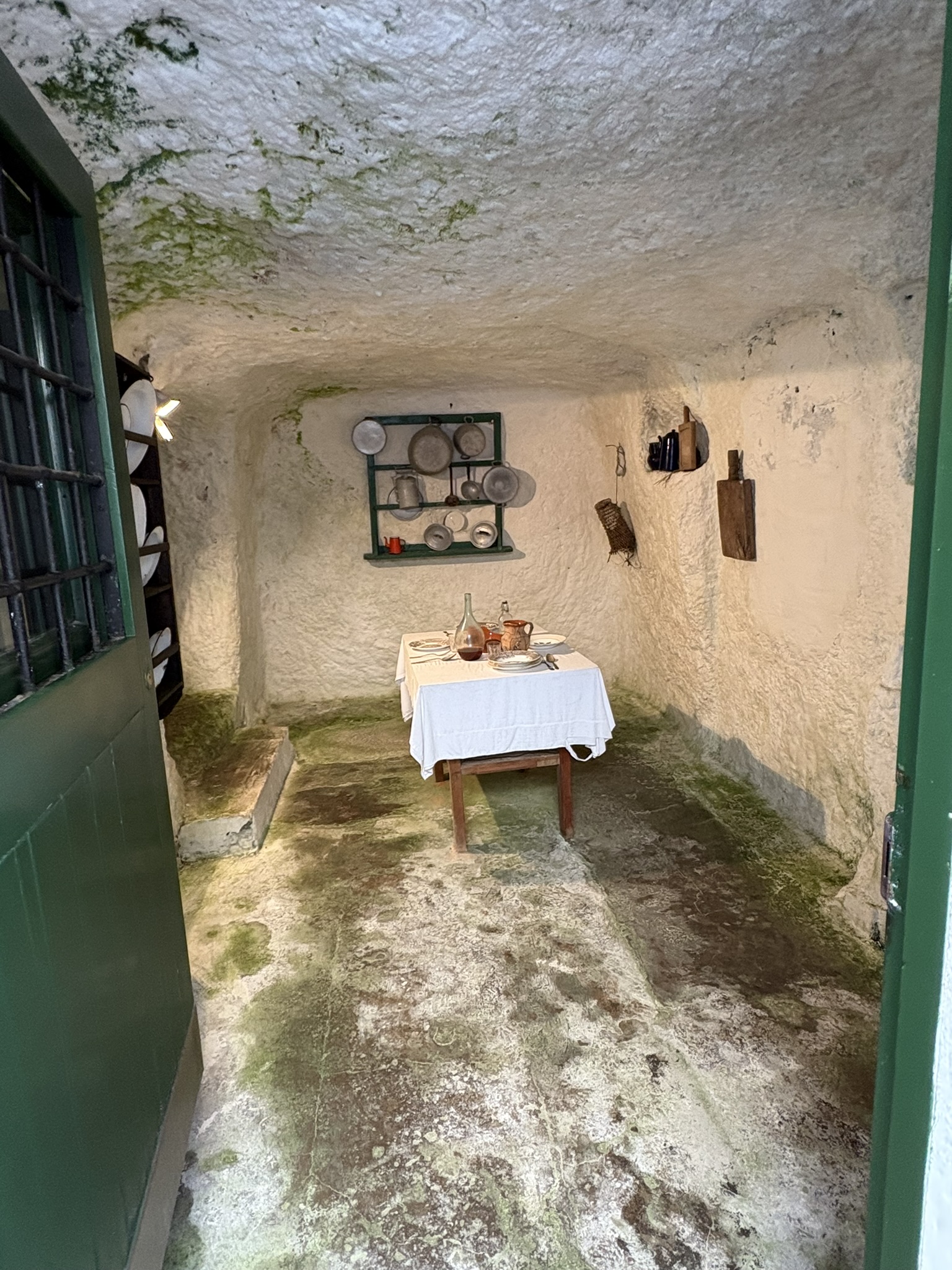
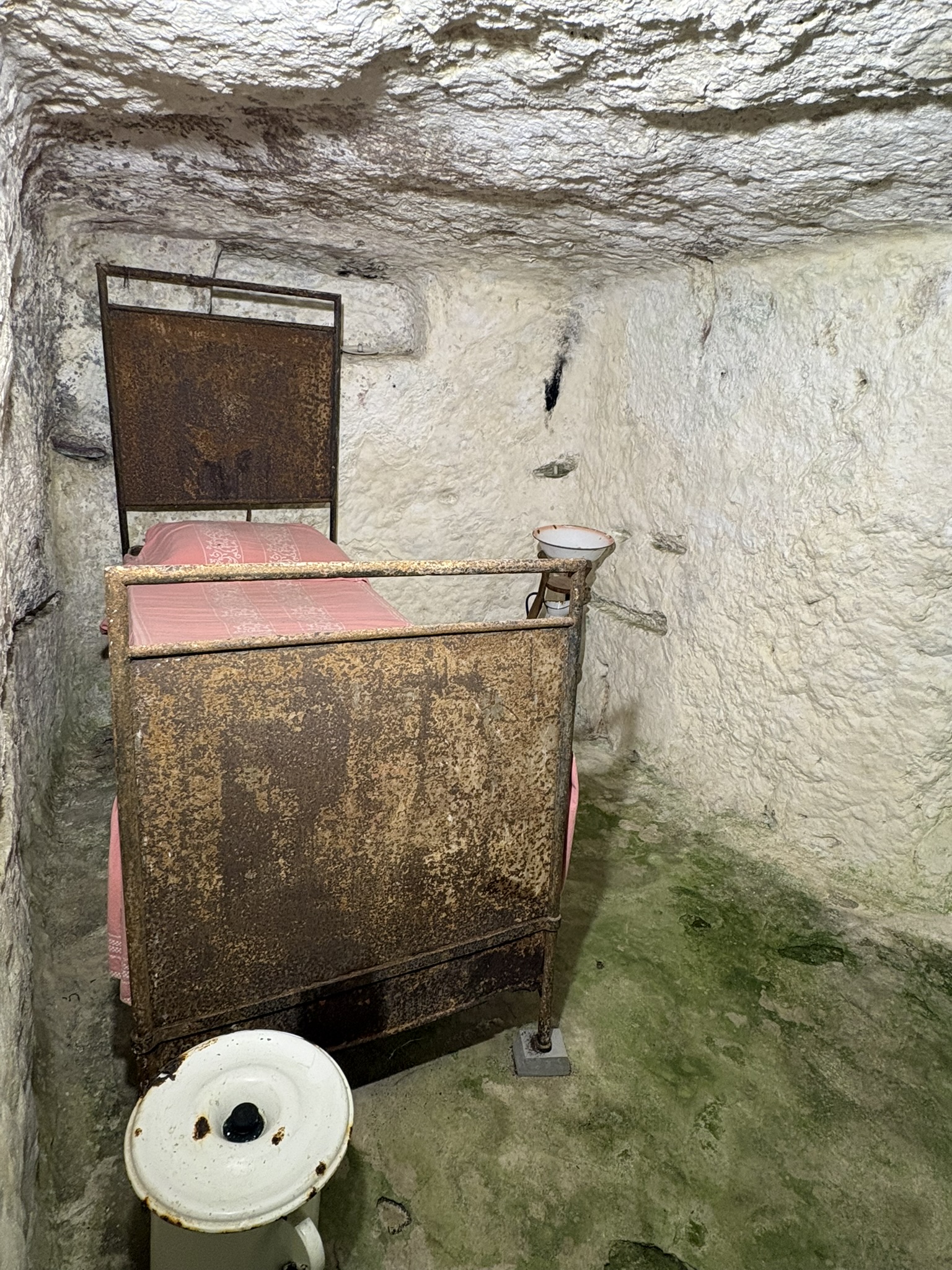
Another intriguing peek into the past can be found at Sant’Antioco’s Hypogeum Village, often called “Is Gruttas” (the caves). This grouping of Punic tombs from the late 6th and late 3rd century B.C. was repurposed as makeshift homes for poor townspeople who lived there by necessity in 1700 and again in 1912. Offering a glimpse into prior, difficult daily lives, these rooms show where the poorest villagers once lived, with some making bags and crafts to sell to rich citizens.
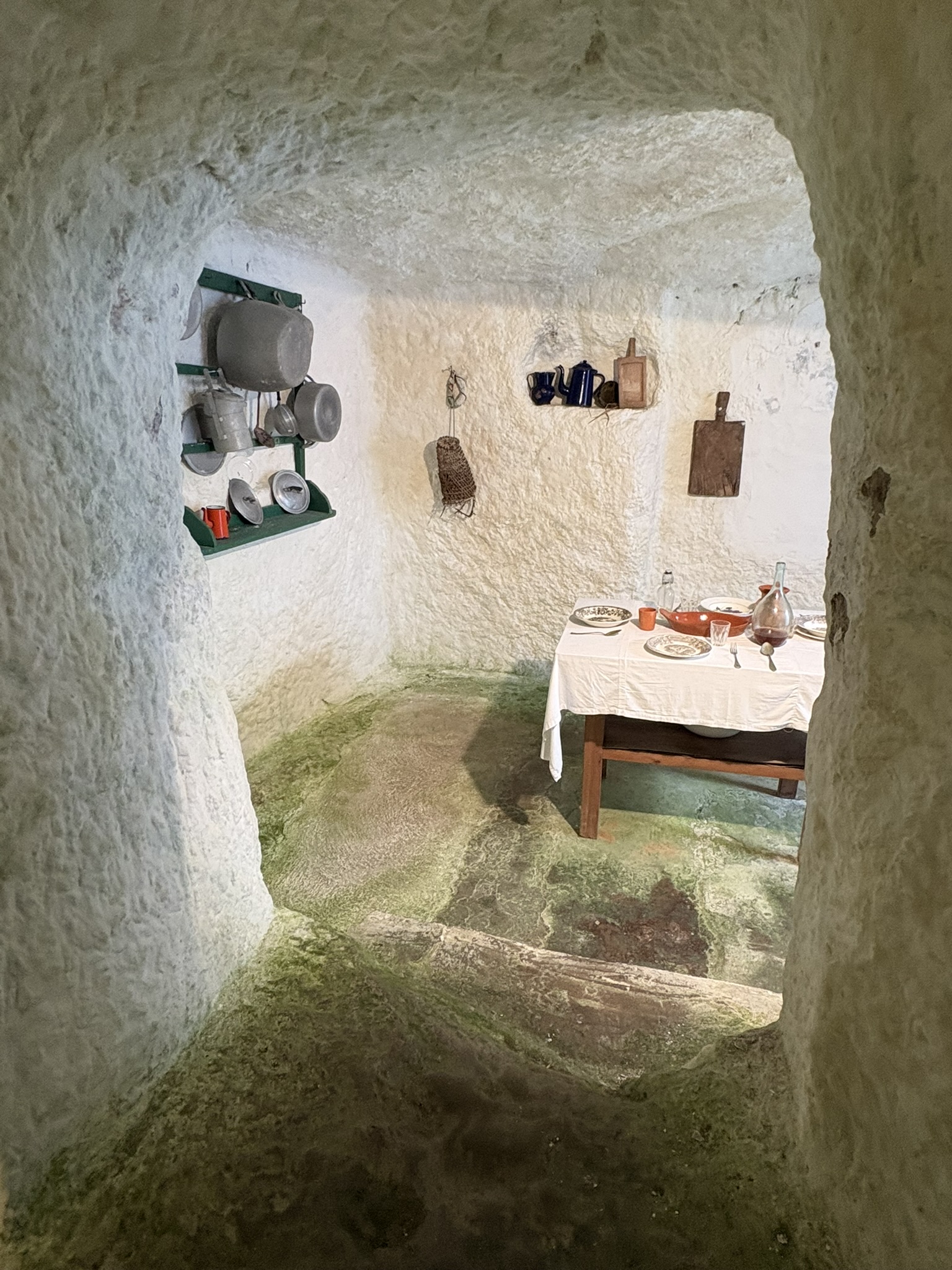
  • Tombs furnished as apartments

Situated on a high plateau, the Archaeological Park of Monte Sirai is divided into three areas—the high-settlement, the necropolises (13 underground family tombs), and the open-air tophet, where the ashes of infants and stillborn children were buried in urns. Enter through the North Gate public area to see the Temple of Ashtart ruins and where a Nuragic tower and water tank were once erected. From here, appreciate a panorama view of the entire region, including the Archipelago of Sulcis comprising Sant’Antioco and San Pietro islands.
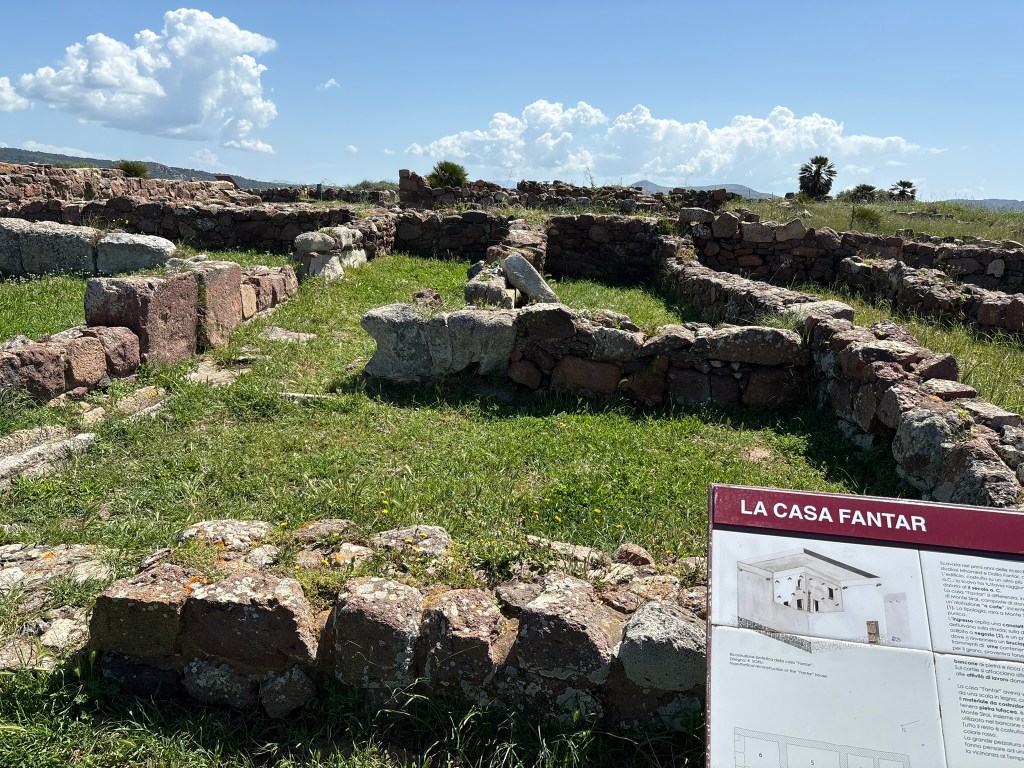
With archaeological sites and sacred cultural complexes set against rugged, unspoiled scenery, Sant’Antioco and Sardinia’s southwest make their layered past feel unusually present—in tombs carved from rock, in salt drawn from lagoon waters, in pre-phylloxera vines, and in the food and drink still served at family tables.

🔍 Search the site to discover more European Traveler feature stories. 🌍

FOLLOW US:

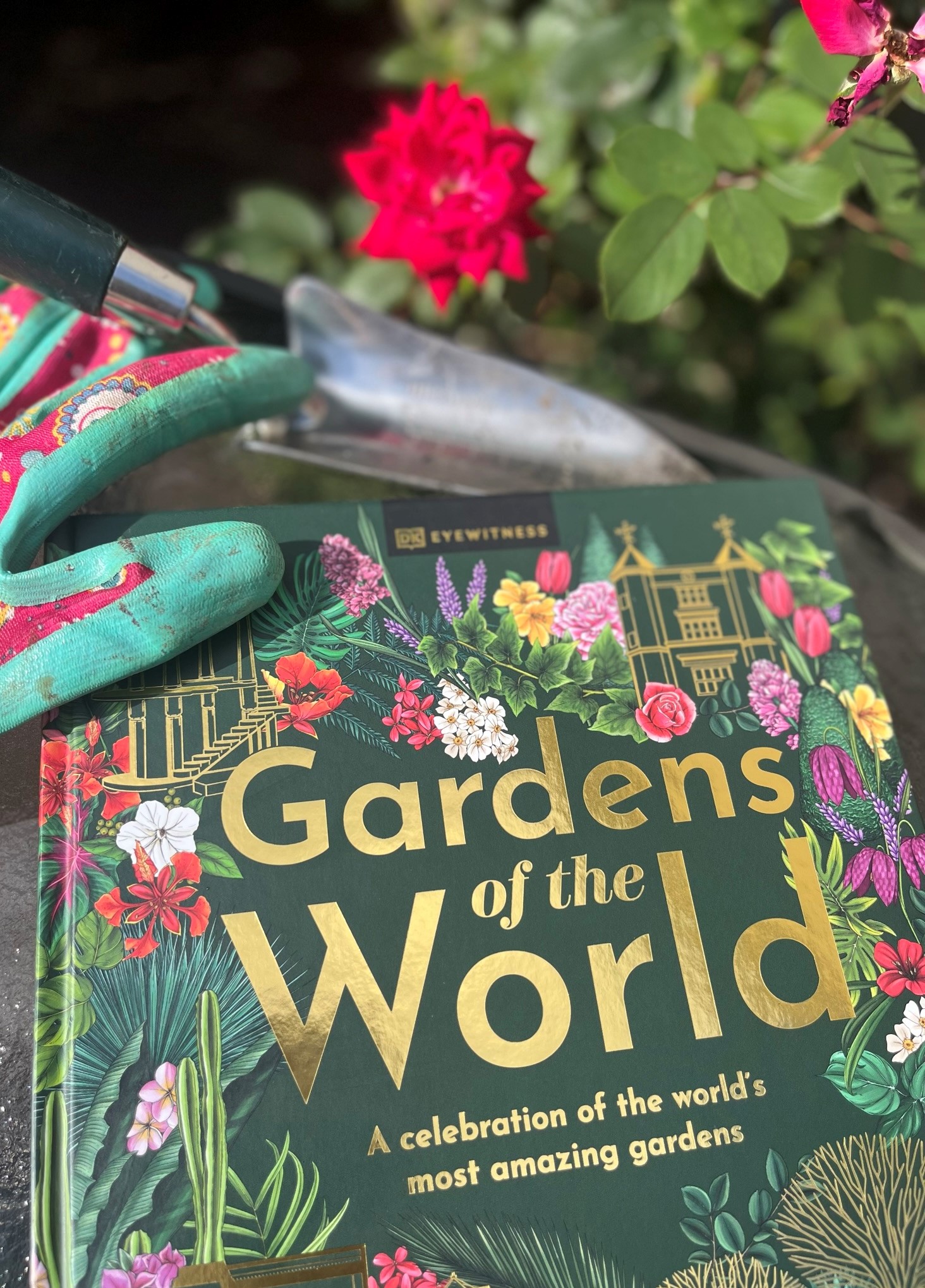
Gardens of the World: A Celebration of the World’s Most Amazing Gardens

From Monet’s idyllic water garden in Giverny, France, to the terraced gardens within Jewel Changi Airport in Singapore, this book introduces and explores places that uniquely celebrate the beauty of nature. Inspirational, iconic, and innovative gardens from all over the world have been selected for inclusion in this volume and are organized by theme: Carefully Curated, Mindful Spaces, Wild and Wonderful, Urban Oases, and Innovators and Influencers.

Pages from the Wild and Wonderful segment of the book include photos of the tumbling wisteria, rambling roses, wildflower-filled meadows, and sparkling crystal river that compose Giardini di Ninfa in Italy. Known as one of Italy’s most romantic gardens, lush foliage drapes over the crumbling ruins of medieval town Ninfa across a span of 20 acres. Pillaged by mercenaries and ransacked into ruin in 1381, the formerly vibrant town that Pope Boniface had bestowed upon the Caetani family became an “overgrown ghost town” until the overgrowth was cleared and some unstable structures restored in the early 20th century. This transformation, initiated by Prince Gelasio Caetani and his mother, included creating canals and a stream from once-stagnant, swampy waters. Other family members stepped in to design and maintain the gardens, add favorite plants and perennials, and set into motion the growth of a dreamy naturalistic garden gracing history-filled, ancient ruins.

Learn about unique landscape elements, native plant species, horticulture design inspiration, and history, and discover features and flora of 67 intriguing gardens that are yours to explore.    

For more DK Eyewitness titles, and further information about “Gardens of the World,” please visit https://www.dk.com/us/.  

Two New Books Encourage Adventurous Hiking and Biking

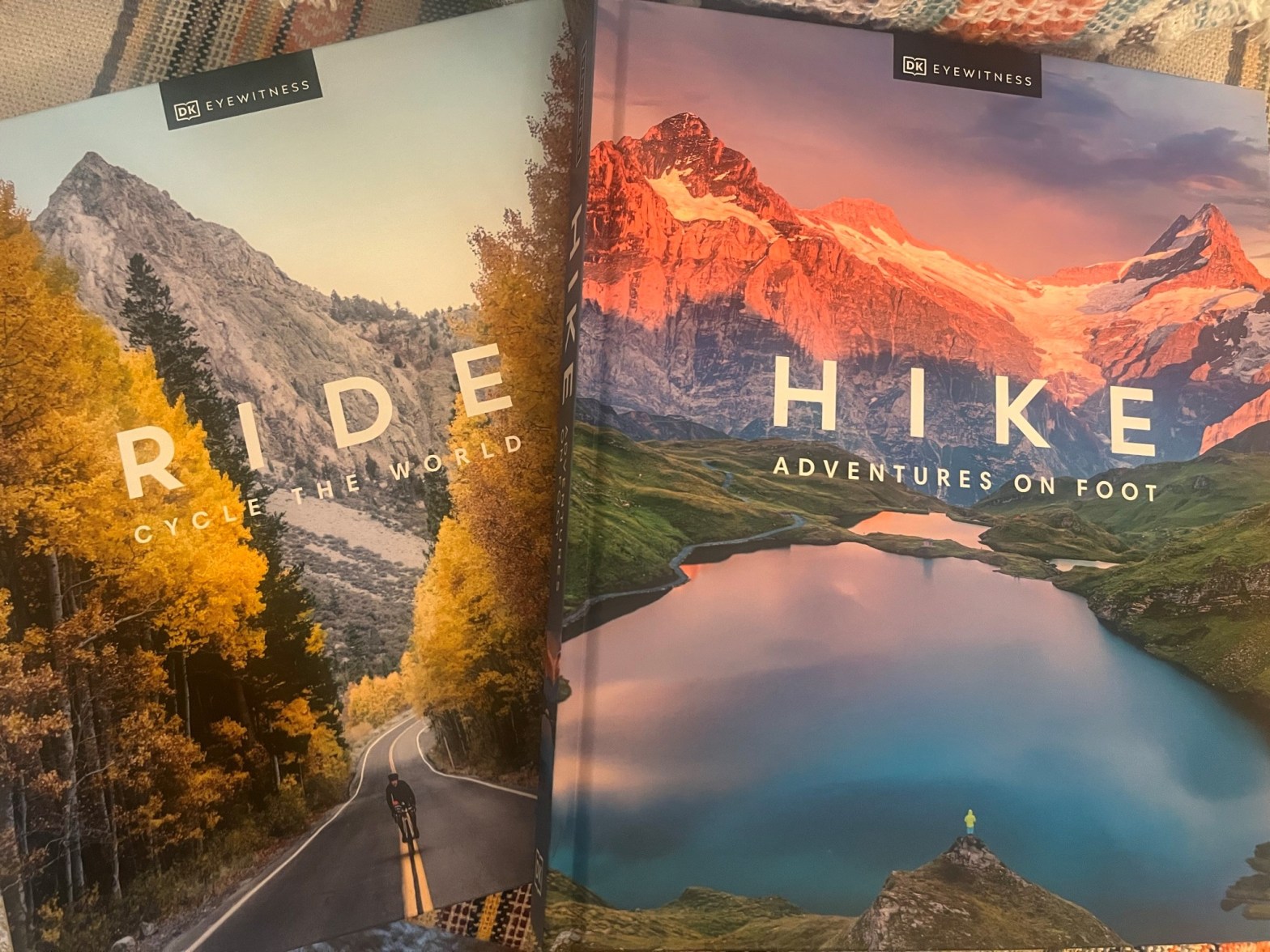
HIKE: Adventures on Foot
One hundred and twenty-five opportunities to move your body across the world in an exhilarating, sustainable way! This published compilation of walking trails is the work of outdoor enthusiasts who have selected each featured route for its spectacular scenery, interesting history, or unique challenges. Each trail suggestion includes practical information to help you plan your trip, including the distance, total ascent, elevation, duration, as well as sightseeing tips. Hiking newbies and veterans alike can benefit from the book’s preparation tips, trail etiquette guidelines, and essential gear checklist.

One scenic hiking trail suggestion, Dove Lake-Cradle Mountain (Ronny Creek, Tasmania, Australia), is a one-day circuit traversing boardwalks over moorland, passing through lush rainforest, and ascending large boulders on Cradle Mountain. Readers are advised to look for ambling wombats and gray-furred Bennett’s wallabies near Ronny Creek and to pause for photo opportunities of dramatic vistas from the summit of Cradle Mountain. The return trip passes numerous sparkling lakes and offers a chance to see quill-covered echidnas in their home near Dove Lake.

A fascinating book for active hikers and armchair travelers alike, “HIKE” binds maps, history, geography, and interesting photography together into an inspiring and informational volume.


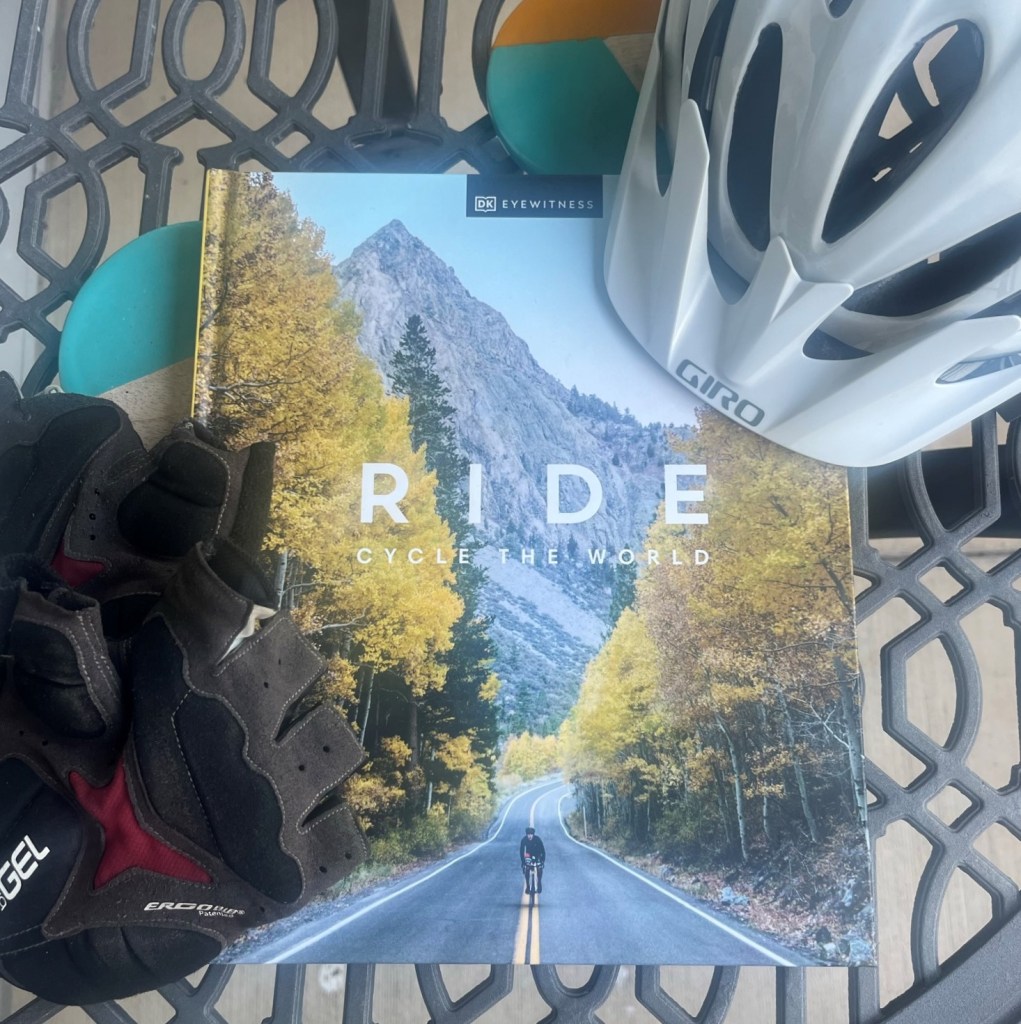
RIDE: Cycle the World
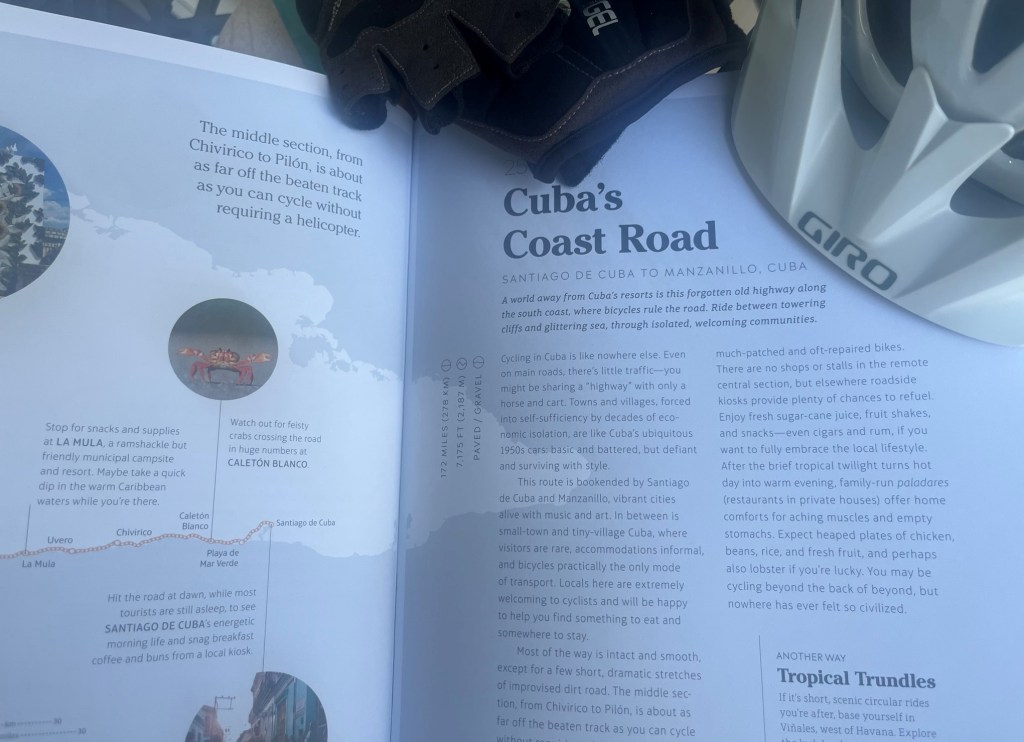
Explore the world by bike, cruising along the 100 cycleways presented in this compilation of trails recommended by avid cyclists. Along with colorful photos and area maps, this DK Eyewitness gem contains detailed route information, including road surface, elevation, total ascent, scenic outlooks, distance, and pit stops. Get inspired to go “bikepacking” in North America, Central and South America, Europe, Africa and the Middle East, Asia, and Australasia—wherever your travels take you.

Beginners, or those looking to upgrade their ride, are provided helpful guidance on which type of bike to choose for their adventures; road, mountain, gravel and touring, recumbent, and electric are the options explained and diagrammed in the opening pages of the book. Select a vehicle suitable for your experience level, desired terrain, comfort goals, and mobility needs, and prepare for your trip by reading up on bicycle maintenance, essential gear, and safety precautions.

Included in the book is a trail along the Helgeland Coast in Norway, which features a grouping of more than 6,500 islands rising from the sea. Best as a summertime route, with beautiful light but always a chance of showers, this Helgeland cycling opportunity traverses 126 miles in a “reasonably relaxed” ride on paved and gravel roads. “Syklist Velkommen” signs abound along the route, welcoming cyclists to stop for food, safe bike parking, and laundry facilities. Riders can expect photo-worthy vistas of mountain peaks, sandy beaches, and quaint and colorful wooden cabins, fishing huts, and houses. Along this route, stop at an old wharf along the trail to tour and sample sweets at Heidi’s Chocolate Factory in Dønna, eat a tasty meal cooked by famous chef Jon Aga at the Vega Havhotell, and visit the Vega World Heritage Centre to learn about eider ducks and how they helped earn the island UNESCO status.

Stock up on supplies and water, and prepare to feel the wind against your face as you explore spectacular sights via bicycle.  

For more DK Eyewitness titles, and further information about “HIKE” and “RIDE,” please visit https://www.dk.com/us/.   

The Best of Outdoor and Camping Near Prague

In a city where the average daily temperature ranges from 30 °F to 66 °F across the entire year, camping and other outdoor activities are popular. From May to September, the temps are typically in the mid 60s to low 70s, so it is perfect weather for water sports. The only time it gets really cold is November to March, when it is in the 30s. 

Whether you want to camp in a tent in the woods or do some glamping in a fancy cabin, Prague has all of that and more. Many of the campgrounds are along the Vltava River—the longest river in the Czech Republic—so you can fish, swim, and do some boating. Leave your bags with a Prague suitcase storage facility first for safekeeping while you have a great time outdoors. 

Photo by Josh Hild on Pexels.com

The most popular camp in the city, Oase Praha boasts 167 sites and seven cabins. The basic sites have 328 square feet without any hookups; standards include 328 square feet with electricity. The comfort sites have 328 to 492 square feet, water, and electricity. The premium sites have 558 square feet, water, and electricity.

The cabins (luxury mobile homes) have room for up to six people, with three bedrooms, a kitchen with appliances, satellite TV, a bathroom, and a shower. Onsite you can find a restaurant, playgrounds, indoor and outdoor pools, a dog park, a horse trail and horses, and pedal go-karts, and much more. Showers, dishwashers, and washing machines are also onsite.

Centrally located in Prague, its name says it all. River Camping Prague is right on the Vltava River, so you can enjoy lots of water fun. A neighboring water sport facility rents out kayaks, rafts, and canoes. The restaurant has delicious Czech cuisine, and you can order rolls to be delivered for breakfast in the morning. Pets are welcome.

Rent a bike to get to the zoo or botanical gardens just a few minutes away. The snack shop is fully stocked, many sites have fire pits or grills, and you can get wood from the reception area. Electric hookups are also available, and you can shower or wash clothes at the wash facility.

Near the river as well as the zoo, botanical garden, and Troja Palace, Autocamp Petrokova is the perfect place for those who want to be near the major attractions. They boast large sites for tents, caravans, or motor homes, with hookups for electricity and water. Pets are welcome. 

You’ll be right near a tram stop, and a bus stop where the bus can take you to the train station so you can get around to the palaces, museums, and Charles Bridge. The park provides showers, washing machines, and a kitchen for cooking. There is a private road that runs along the Vltava River where you can walk, bike, or skate. 

Whether you want to pitch a tent, park your RV, or rent a bungalow, Matyas Camp has all that and more. Fall asleep to sounds of the river just feet from your site, with a view of the hills in the background. The campground boasts clean facilities, home cooking in the restaurant, and a fun-for-all-ages pool.

Electricity and water are available, and pets are welcome. Washing machines and showers are available nearby, and you can also rent a boat or bike for your enjoyment. The kids will love the playground, swings and hammocks, fishing pier, sandbox, and table tennis while you enjoy an adult beverage at the bar

Photo by Dominika Roseclay on Pexels.com

In the middle of the Vltava River on the island of Císařská louka, under the stars across from the Vyšehrad Castle, you’ll find Caravan Park Prague. Whether you want to park a trailer or pitch a tent, there is plenty of open space to enjoy. Electricity and water are available for use as well. 

You have a variety of choices at Triocamp. Bungalows offer room for six with beds, AC, bathroom, and a kitchen. Cabins boast room for four with beds, a small fridge, heat, and dining set with 24-hour restrooms and showers. They also have a hotel with beds for up to three people, and private restrooms with showers. 

For a really unique way to camp, try the safari tents. Up to six people will enjoy two bedrooms, a kitchen, seating area, and a deck with furniture. They also have large sites for tents and RVs with electricity, restrooms with showers, and a kitchen. In addition, they have a pool, play areas, and a bistro featuring live music nights. 

Just 15 minutes from the zoo, botanical garden, and Troja Castle, Camp Dana has lots of space to park your RV, van, or pitch a tent. You will have electricity and water, as well as the use of hot showers and toilets 24 hours a day. Cook in the outdoor kitchen and shop at the camp market while the kids play on the equipment.

Enjoy the terrace and garden or watch television in the lounge area. The hotel has rooms for 2-4 people, with a seating area, shared bathrooms, and an onsite laundry. The Stromovka Park is also nearby, where they have ponds, playgrounds, and a restaurant. 

Just a few minutes from downtown Prague, Camp Džbán is right on the edge of a nature reserve with hiking, swimming, and the national forest. The campsite boasts 320 spots for RVs or tents with electricity, picnic tables, and lots of green space to enjoy. The chalets have beds for four, kitchens, and outdoor seating. 

There is a playground, tennis/badminton/volleyball courts, and a golf driving range right at the campground. No need to go anywhere else unless you really want to. The café serves meals and a wide range of drinks and beer. Showers, toilets, and washing machines are also available. 

Camping Drusus has room for 70 RVs or tents as well as eight cabins, and a guesthouse that accommodates visitors year-round. Campsites have electricity and plenty of space as well as access to showers, restrooms, kitchen facilities, and laundry. Several rooms at the guesthouse hold up to four people, and some have private baths. You can dine at the onsite restaurant, GUSTA, with its own mini-brewery for home-brewed beer.

Be sure to check with these campgrounds to see if you need reservations in advance. Also, verify the rules about pets, because some do not allow them. And don’t miss your chance to go into the city and visit the attractions like the Řepora Museum, Koněpruské Caves, and Karlštejn Castle.

Photo by Todd Trapani on Pexels.com

Ku’Panda Proves the Power of Plants

By Alison Ramsey

Air travel and outdoor adventure can dehydrate skin, but Ku’Panda has herbal solutions to bring your inner glow back to the skin’s surface!

Ku’Panda Skincare offers plant-based and herbal tea-infused skintreats for your skincare toolkit. Ku’Panda means “to plant” in Swahili, and the company’s well-researched “Plants First” philosophy is to combine plant-based botanicals with active ingredients that are scientifically proven through clinical studies to treat common skin issues. Based in the Sonoran Desert of Southern Arizona, the company sources plants and raw herbs from all over the world for the herbal teas that provide the necessary rejuvenation, anti-aging, and anti-inflammatory properties of their products. Rich with antioxidants, polyphenols, and natural acids, these dried herbs steamed in distilled water are Ku’Panda’s secret to moisturizing and rejuvenating inflamed and dehydrated skin.

Founder and CEO, Janae Peats, said, “I wanted to include botanicals and natural ingredients, but also ingredients that are proven to deliver the real results we look for. I was intentional about the ingredients and used powerful herbal teas like butterfly pea flower, hibiscus, white willow bark, and chaga mushroom, which target hydration and rejuvenation. Active ingredients like niacinamide, lactic acid, and hyaluronic acid are combined with these botanicals to deliver the results we seek.”

Travelers with long, dehydrating airplane flights but a desire to look and feel fresh upon landing could include several key Ku’Panda products in their carry-ons. Best-selling Butterfly Creme contains butterfly pea flower and has a fragrance-free whipped consistency that absorbs easily into thirsty skin. Rose Toner 2.0 is a small cooling spritz that revives dull skin with fresh hibiscus flower, licorice root, and rose water – ingredients that refresh, brighten, and revitalize your glow. Reveal Serum is a gentle, hibiscus tea exfoliant solution administered weekly to the skin via eye dropper, to combat hyperpigmentation and skin congestion using lactic acid and hyaluronic acid in combination with skin-soothing, fruit-based Vitamin C.

Packaged in gender-neutral glass containers, and essentially unscented, the Ku’Panda skincare line can benefit people of all skin type and shade. No one is excluded from the healing benefits of nature’s best. At Kupandaskin.com, full size products as well as sample sizes can be ordered, with all shipping included in the cost.

Economic and Earth-friendly, herbal teas in Ku’Panda skin products are a way to use nature to replenish the skin’s lost hydration with a sustainable solution. The “to plant” definition of the company name also reflects Ku’Panda’s positive and noteworthy viewpoint on intentional manifestation: “We can all have the life we desire, planted one seed at a time.”