Layers of Time, Living Traditions in Southwest Sardinia

Sardinia’s ancient past survives not only in rock-cut tombs and sacred sites, but is also celebrated through the food, wine, and traditions that shape daily life

Story and photos by Alison Ramsey

Sant’Antioco is Italy’s oldest urban settlement, but its ancient past remains embedded in the island’s living traditions. In the southwestern region of Sardinia, Italy, communities have long been drawn by strategic coastlines, seafood-rich waters, mineral resources, and fertile land in a biodiverse ecosystem. As Mediterranean cultures crossed these shores, they passed along traditions, traded tools and recipes, and introduced influences that are still evident today. The island’s archaeology is not only preserved in excavated tombs and museum exhibits—it remains visibly connected to everyday culture through the food and wine served at family dinners.

Ferruccio Barreca Archaeological Museum

In Sant’Antioco—an island off the coast of southern Sardinia, connected by a manmade isthmus—the Ferruccio Barreca Archaeological Museum is set up for thorough exploration. The museum is arranged by historical timepoint, so visitors can follow the route from Phoenician and Punic origins extending into the Roman era in Italy’s most ancient city, Sulky.
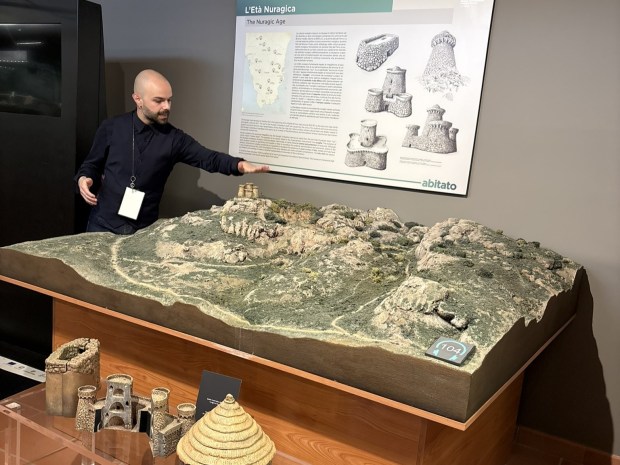
Museum guide points to exhibit model
Knowledgeable guide Matteo Piras walks visitors through exhibitions at the Ferruccio Barreca Archaeological Museum.

Displayed here are artifacts found in excavations that are still in progress at sites on the island, with relics from ancient settlements and necropolises. One exhibition shows items found in a Punic Age water cistern and includes a large bowl used for making couscous (a typical Tunisian meal). Evidence like this indicates the island’s layered historical cultures resulting from its unique waterside location and landscape have influenced cuisine.

Tabarchin Cascà Indicates African Culinary Influence

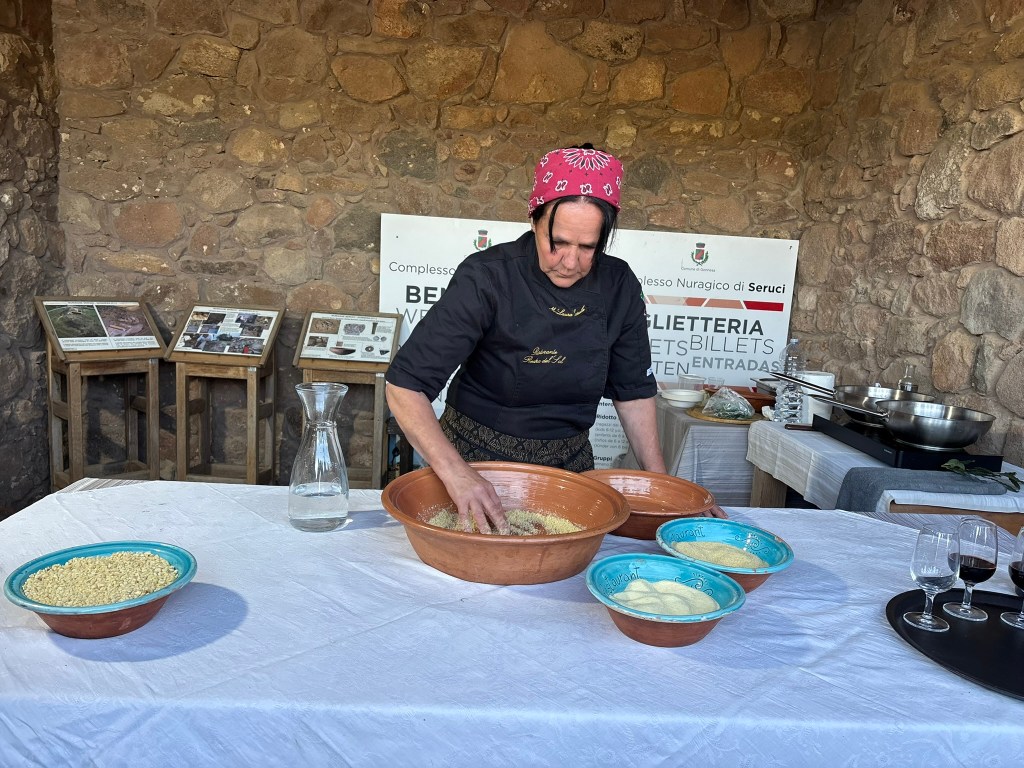
In Calasetta, the Tabarchin couscous called cascà is still traditionally made using hand-prepared semolina. Lines grooved into the sides of the bowl assist in breaking up the moistened, salted grain clumps to form spherical shapes. Made in large batches and cooked with vegetables and aromatic herbs, this couscous can be reheated as savory leftovers, with flavors intensifying for later enjoyment.
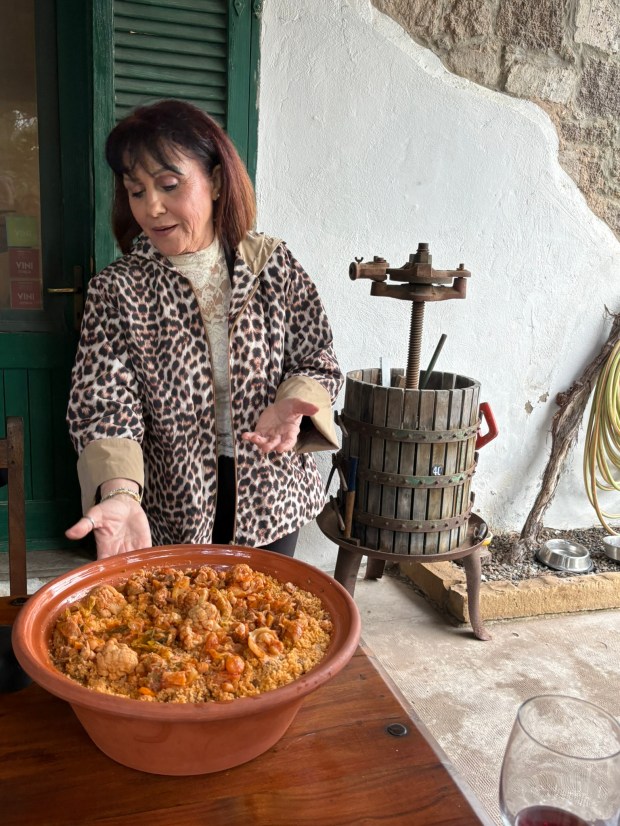
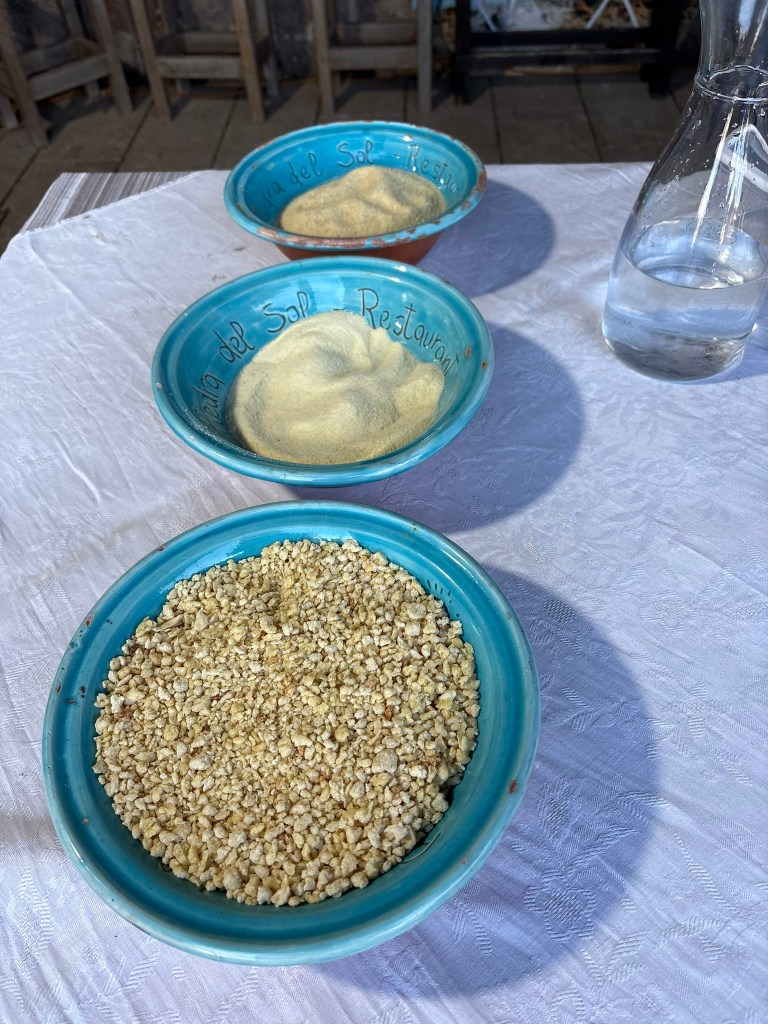
A family recipe of Calasetta couscous is served at the Tenuta La Sabbiosa winery.
Settlement Structures Give Clues to Earlier Lifestyles

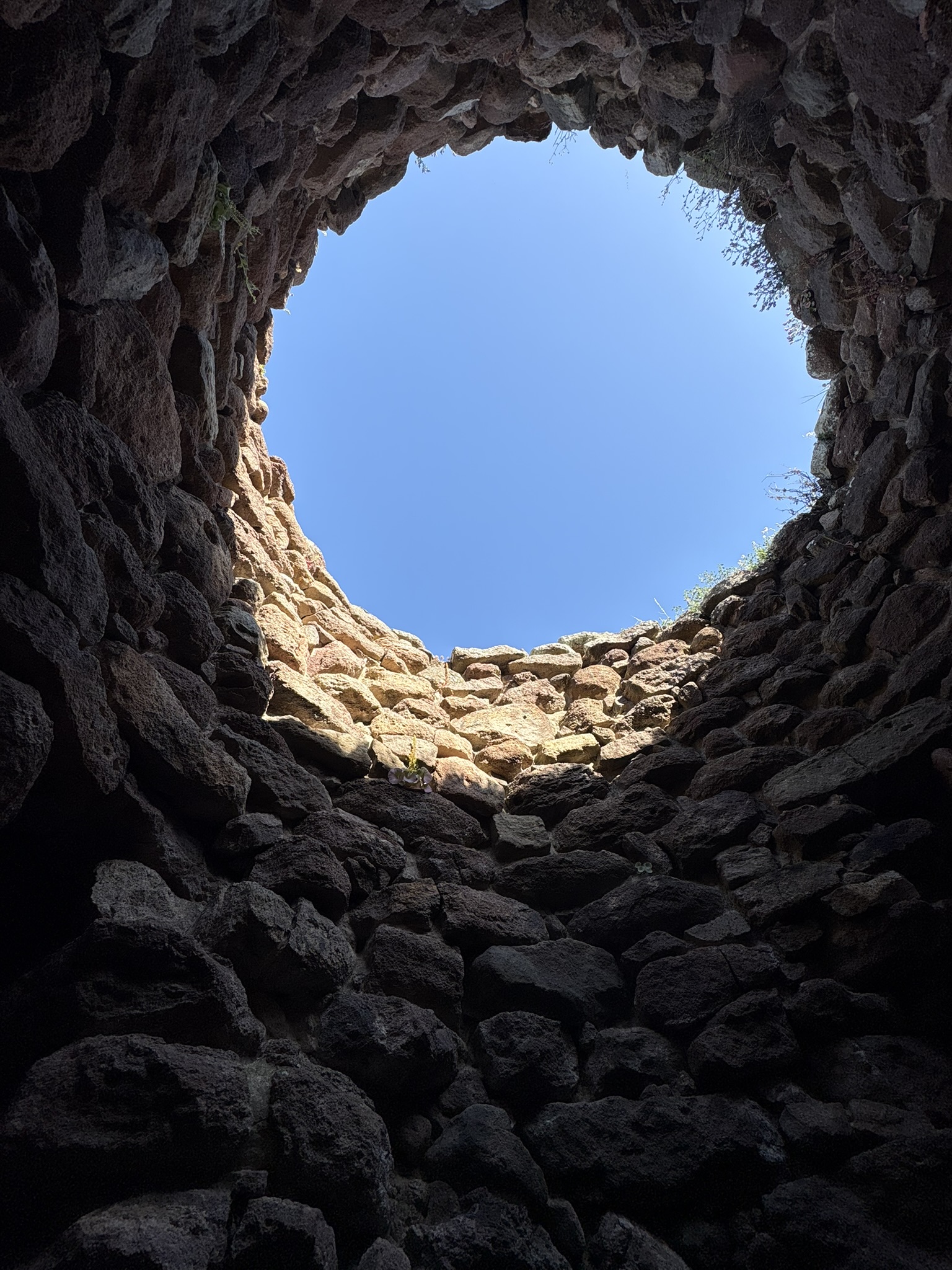
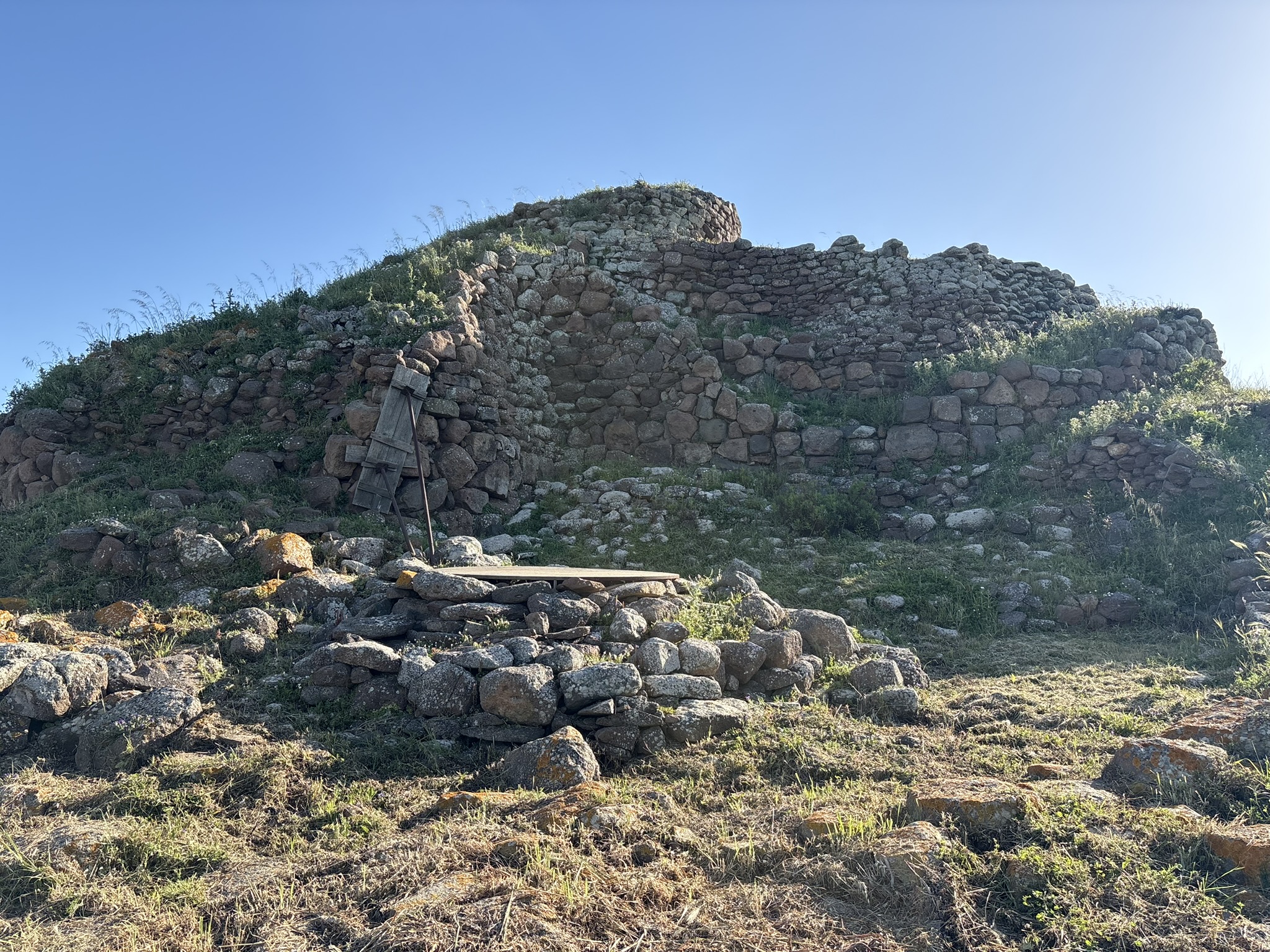
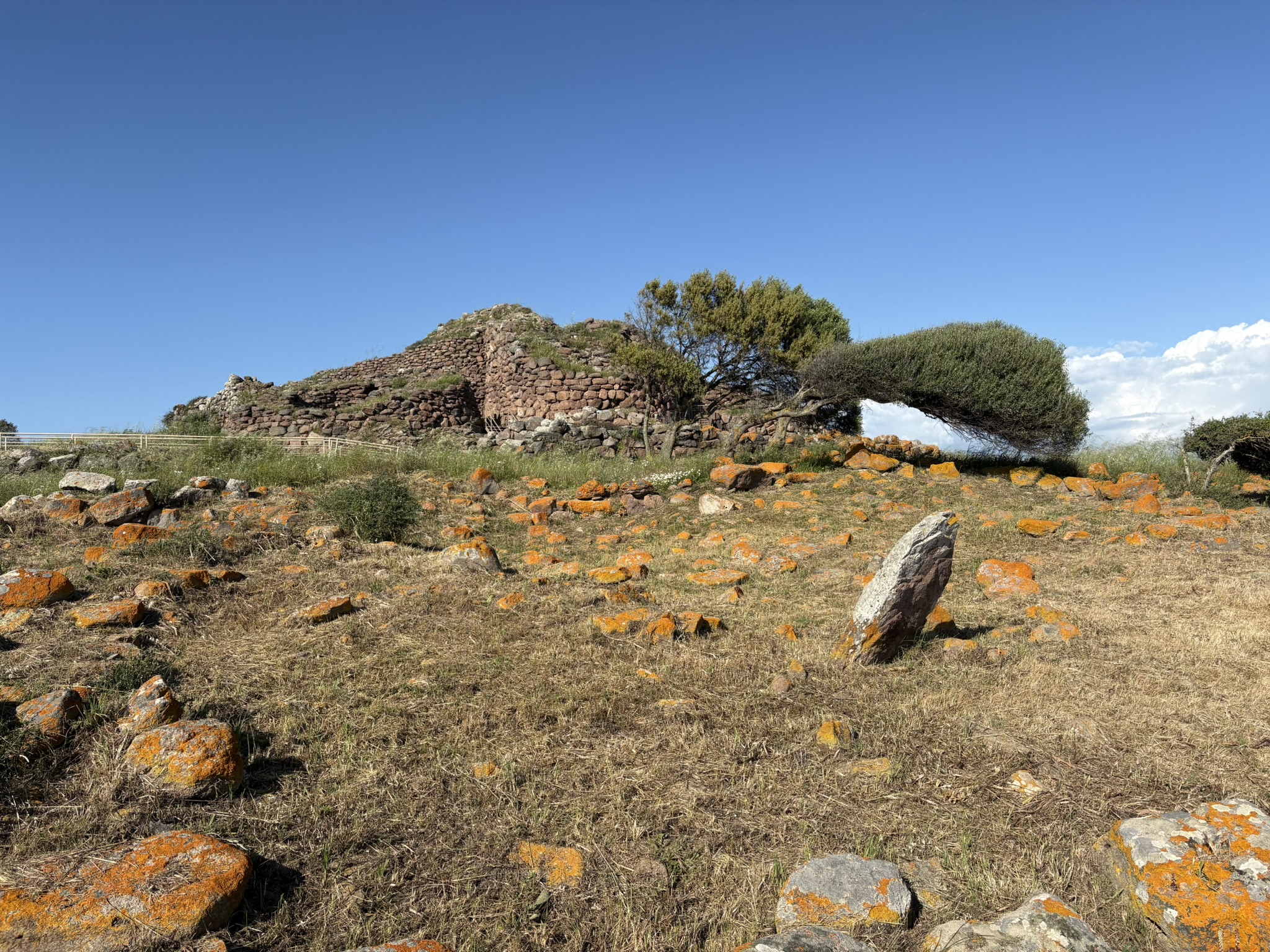
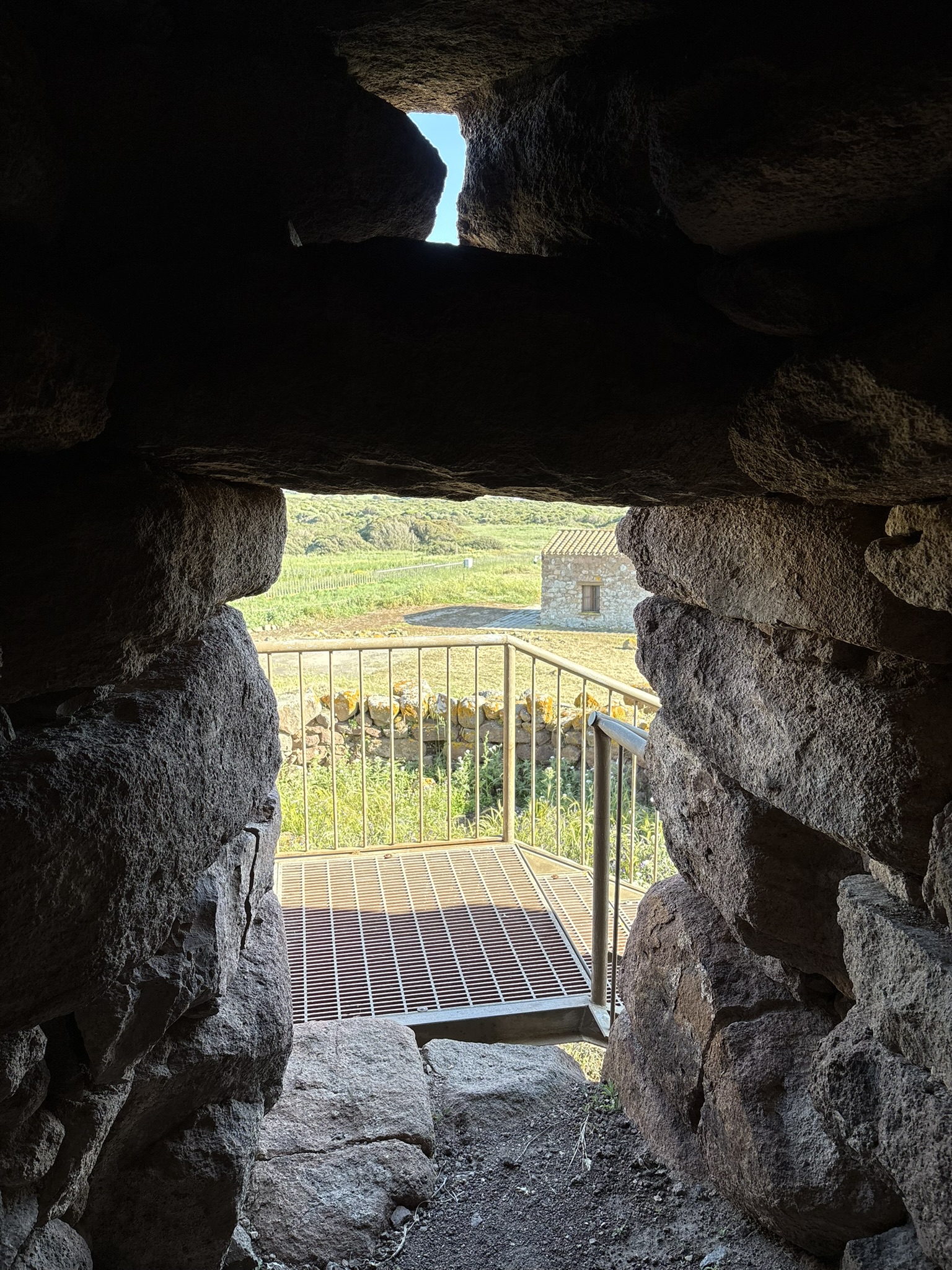
The southwestern portion of Sardinia holds the ruins of many nuraghes (fortress-like buildings) and shows evidence of the existence of Phoenician settlements—some of the oldest on the island. The remains of important Roman and Medieval structures are also found here. Across all of Sardinia, there are 7,000 discovered nuraghi, with 50 on Sant’Antioco island itself. Although the Nuragic Age’s characteristic structures vary in size and format, the strategic locations of these buildings seem to indicate they served as political, economic, and administrative centers of control and protection of resources.

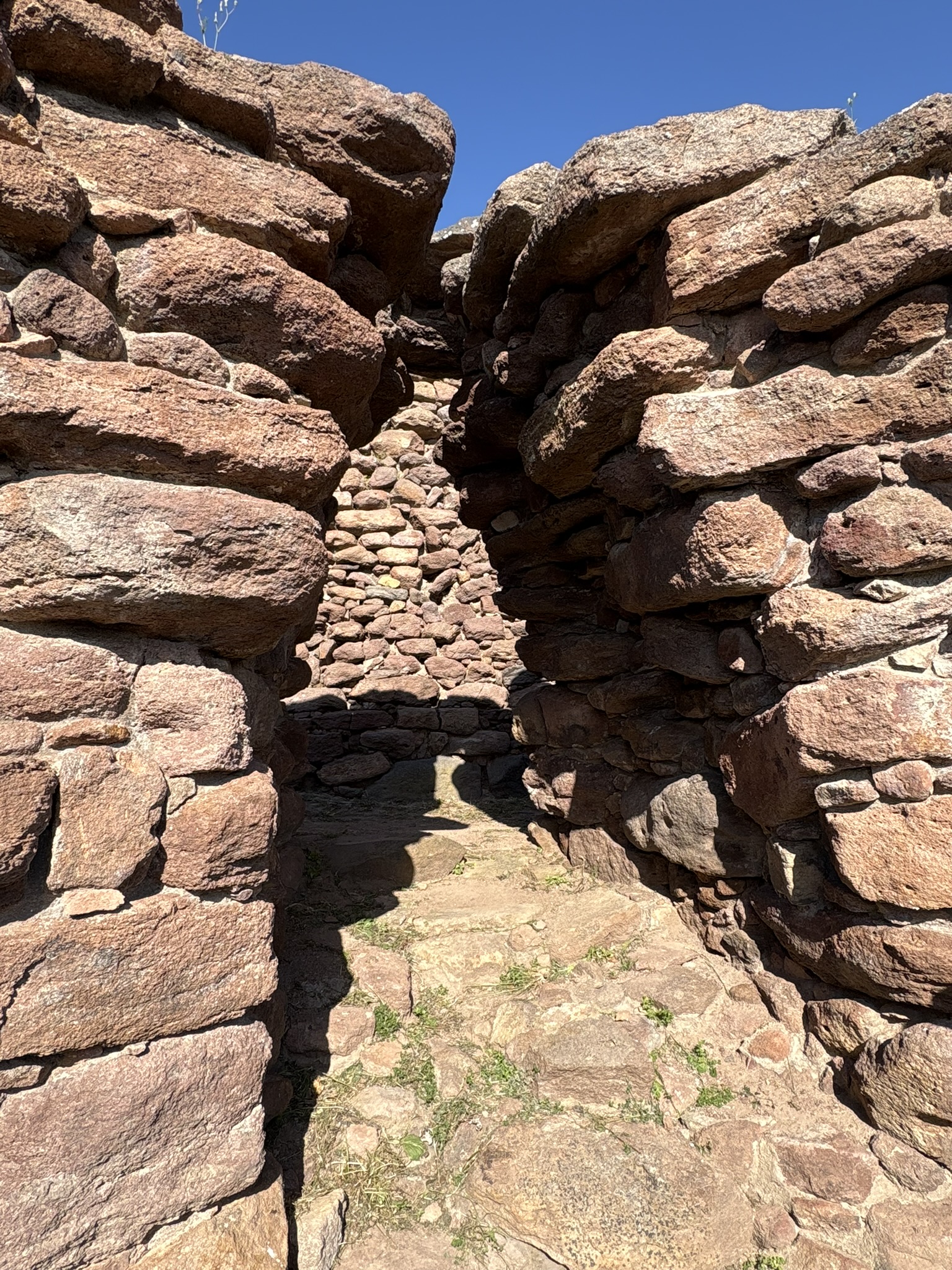
To touch ancient nuraghi monument stones from 1600 B.C., head to the 14-acre Nuragic complex of Seruci in the town of Gonnesa, one of the largest Bronze Age dig sites in Sardinia. Examination of the multi-tower nuraghe and numerous prehistoric artifacts found at this site indicate that the village included about 200 huts. Deposits of zinc, lead, and silver give evidence to the commercial and daily life of the settlement’s early inhabitants.
Grapevines Thrive From Ancient Roots

Protection of the land’s products remains important even today, as Sardinians work hard to retain the natural offerings provided by land and sea. Tenuta La Sabbiosa winery on Sant’Antioco has great respect and passion for the ancient Carignano vineyards the native soil and salty winds used to nourish year-round across the dunes. Having avoided Europe’s late 1800s phylloxera vine disease, these historic grapevines began to dwindle in the 1980s, as low yield and changes in the wine market slackened the wine-growing tradition. La Sabbiosa restored the centuries-old vineyards on their land, using traditional processing techniques combined with modern knowledge. The pure flavors and scents of their wines are unique in that they are a direct product of ancient, pre-phylloxera European roots and grapes grown seaside, in soil containing 99% sand.
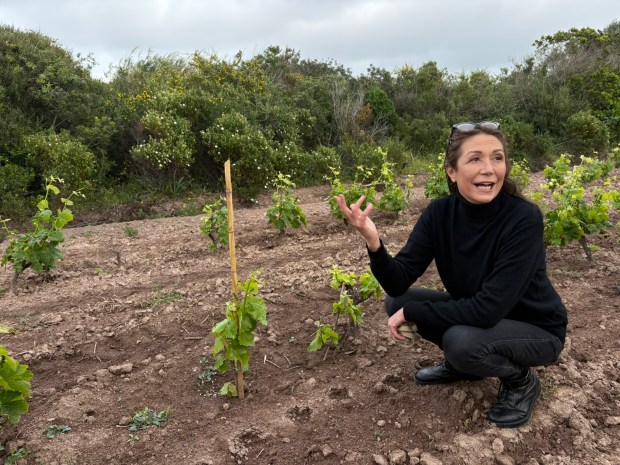
Woman crouched beside grapevine plants
Through grafting original vines and hard manual work, the ancient flavor of European grapes is preserved in the roots at Tenuta La Sabbiosa winery.
Natural Cork Regenerates in Sardinian Ecosystem

On the uphill road to Fluminimaggiore and the restored Roman Temple of Antas, cork oak trees are prevalent at the high elevation. These trees mark another way Sardinia’s landscape continues to shape local craft and commerce, as the trunks’ distinctive outward-growing bark regenerates in layers, allowing it to be harvested and regrow without harming the tree.

Renewable and sustainable, natural cork is harvested by cork producers to bring to northwest Sardinia and sell to wine producers, jewelry makers, and traditional mask makers, extending the relationship between Mediterranean ecology and everyday material culture.

Cork jewelry at a gift shop
Jewelry and souvenirs made from cork are found at some gift shops on the island.
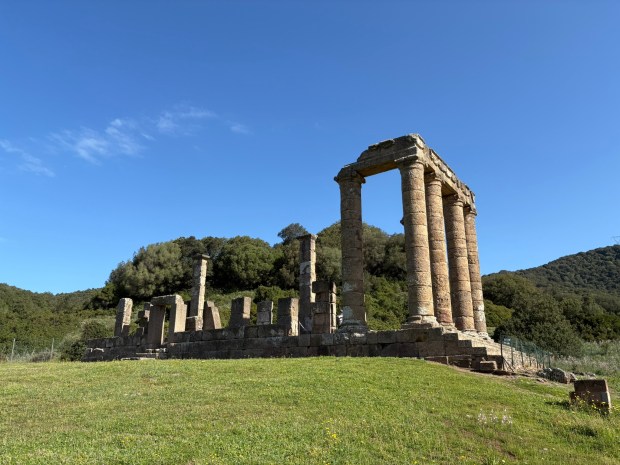
Roman temple ruins in a meadow
The Temple of Antas has been partially reconstructed using original stones and fillers to recreate the front columns and staircase, and the sanctuary sits in the middle of a meadow, at an elevation where cork trees thrive.
Salt Harvested From Lagoon Waters

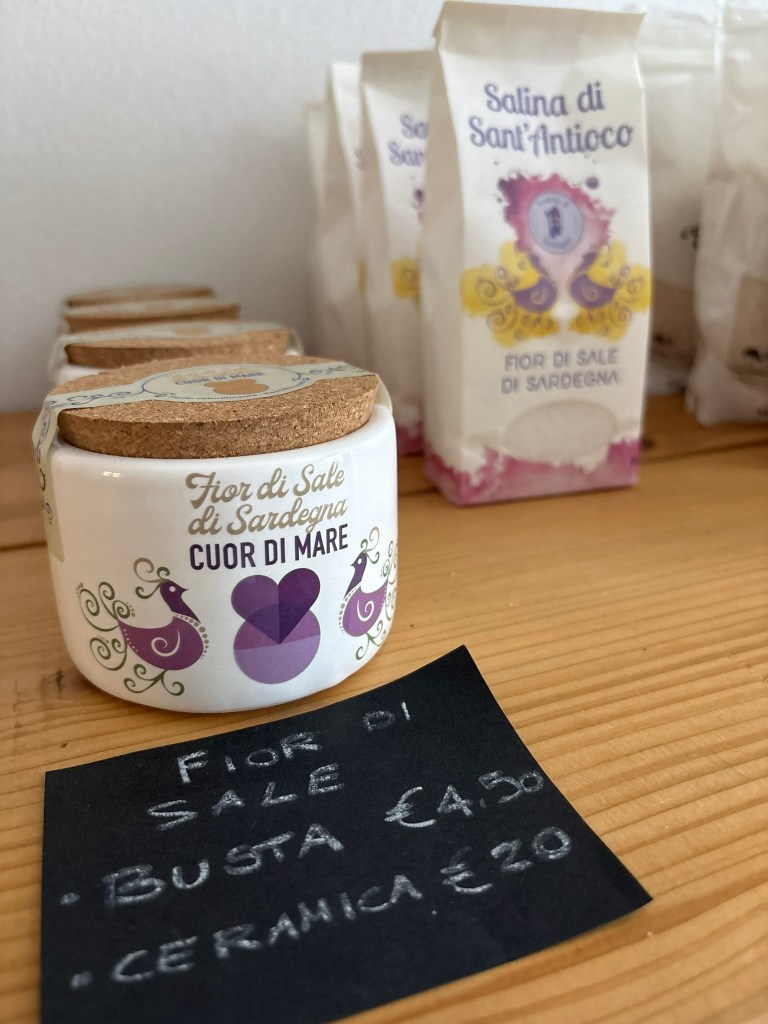
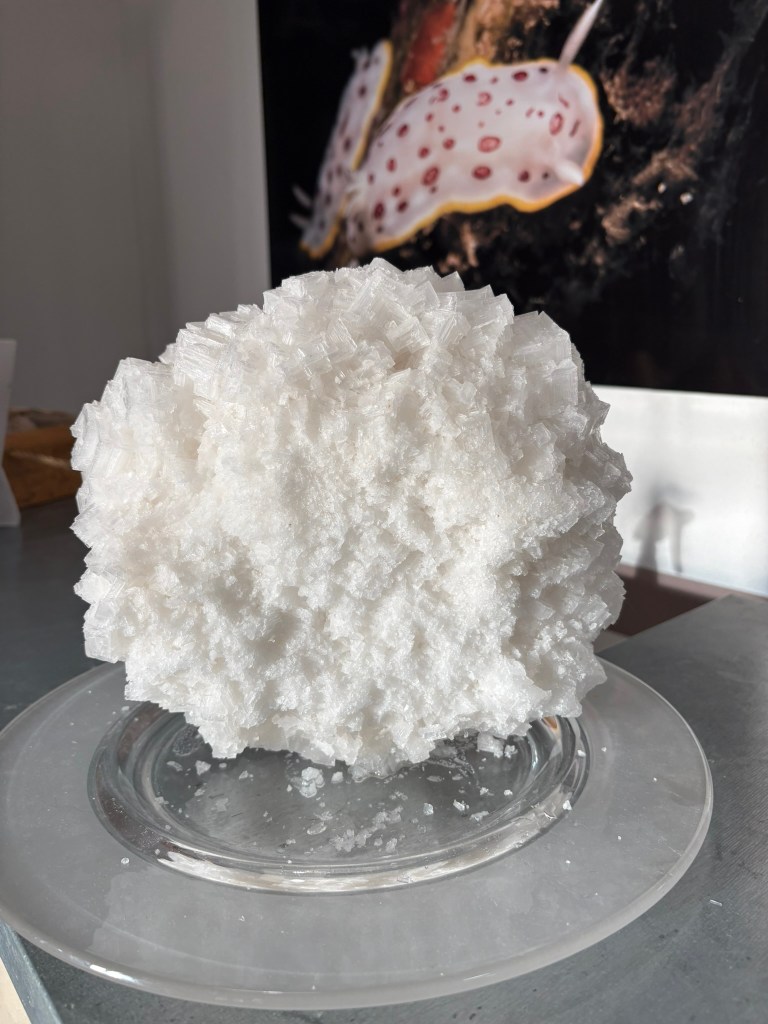
At waterfront MuMa Hostel on Sant’Antioco, the onsite Museum of the Sea and Shipwrights showcases natural habitats of plant and animal species on the island, including those of the herons, egrets, gulls, and pink flamingos that lounge in the Santa Caterina lagoon. These lagoon waters feed the adjacent Sant’Antioco salt pans, which are among the most important in Italy and help meet culinary demands.
Flavorful Food From Flora

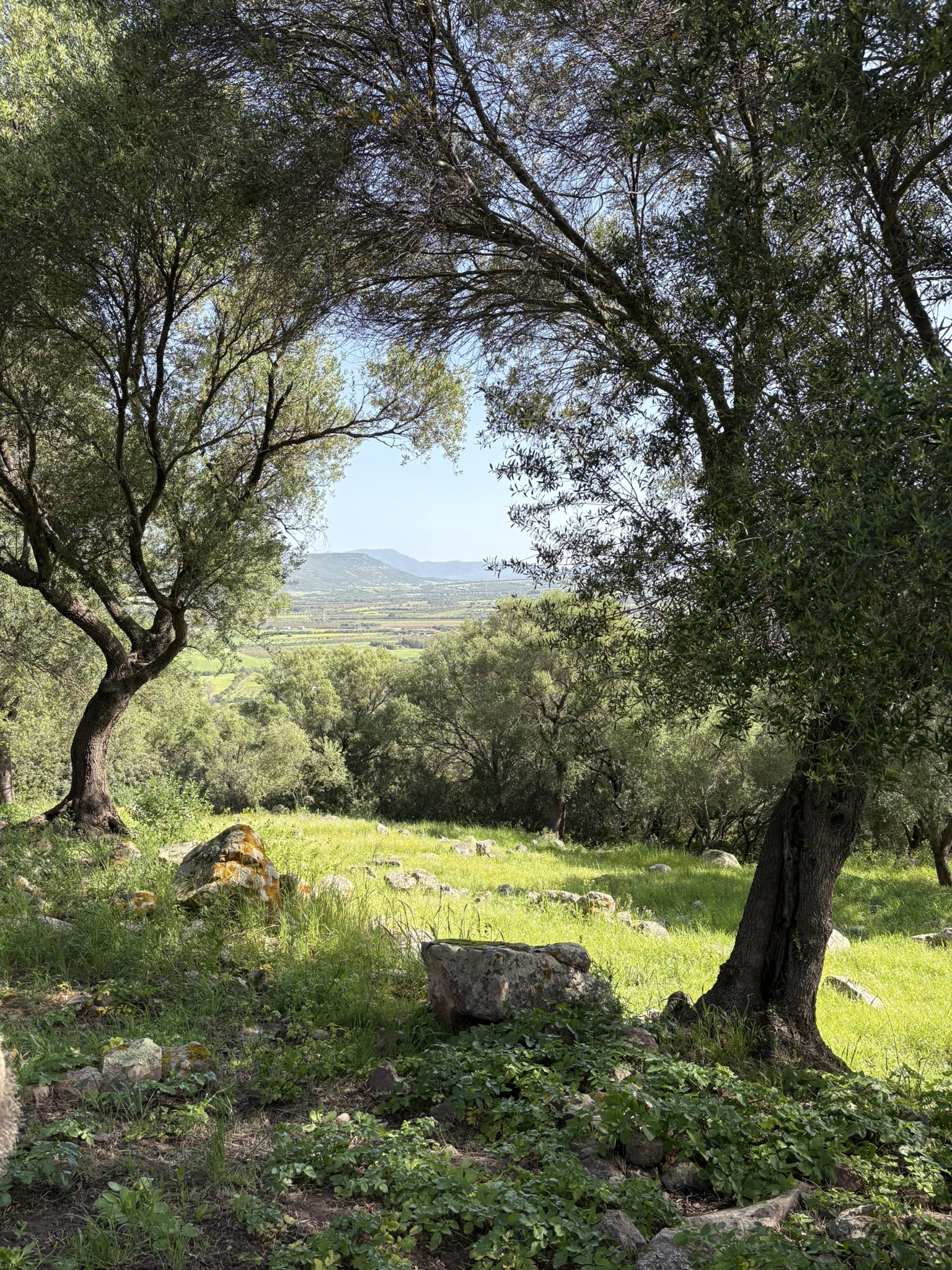
While hiking to archaeological sites for evidence of the past, acknowledge the unspoiled nature painting the hinterland. The pure air is filled with intense, aromatic scents of wild olive trees, prickly pear, wild lilies, chamomile, and myrtle. Although lovely to smell, this scrabbly brush that characterizes the Sardinian countryside is often waxy, dry, and bitter, so animals avoid them. To the enjoyment of many people, however, some of this vegetation from the Mediterranean scrub is used to create delightful food and drink.

Fruit from the myrtle plant is used to make a popular liqueur—mirto—served cold with desserts or after meals in Sardinia. The berries are steeped in high-proof alcohol for several weeks and mixed with simple syrup. The drink’s rich, sweet, and slightly bitter herbal flavor evokes the Mediterranean maquis—the dense shrubland typical of the region. Many households on the island make their own mirto or limoncello to have on hand for dinnertime and to serve to guests.
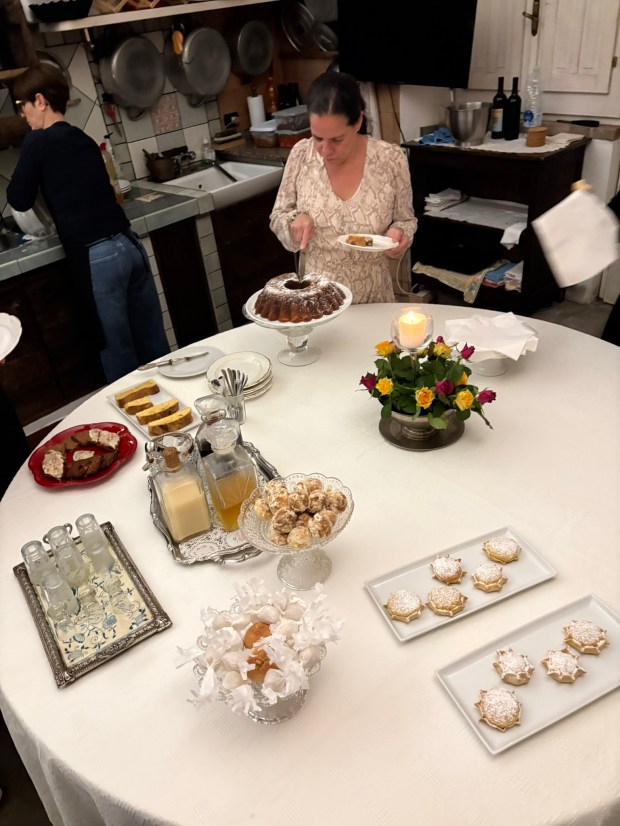
Table full of desserts and drinks
The dessert table at home restaurant Da Zia Pinuccia offers “ladies’ kisses” almond balls and pastries alongside chilled limoncello and mirto.

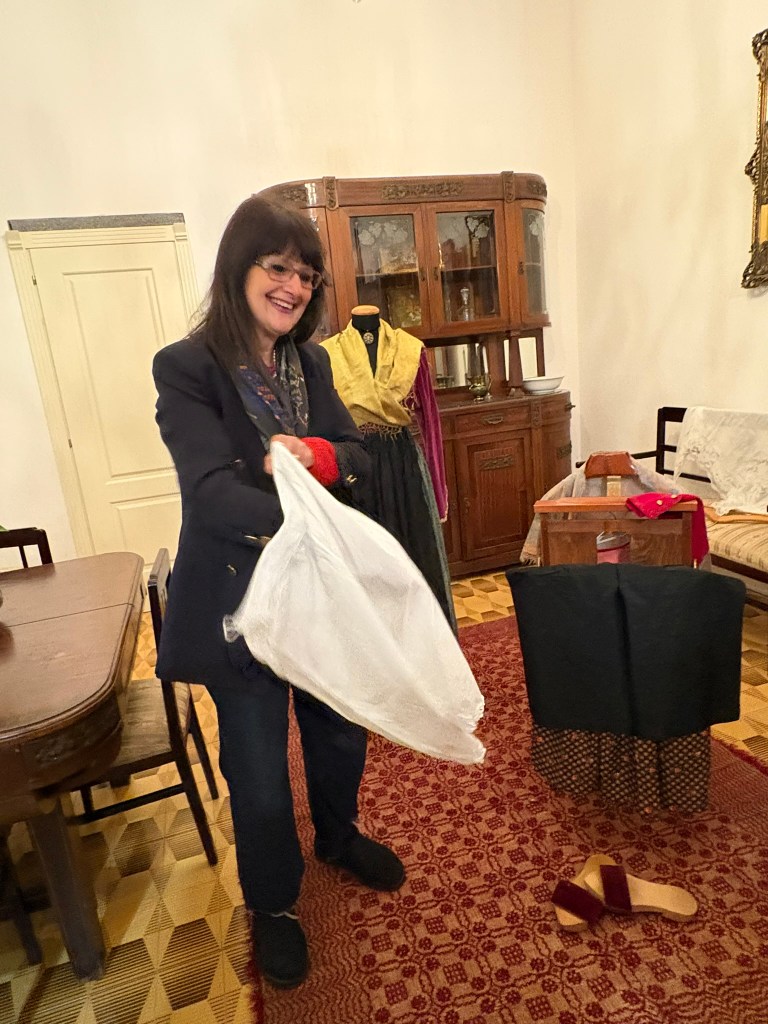
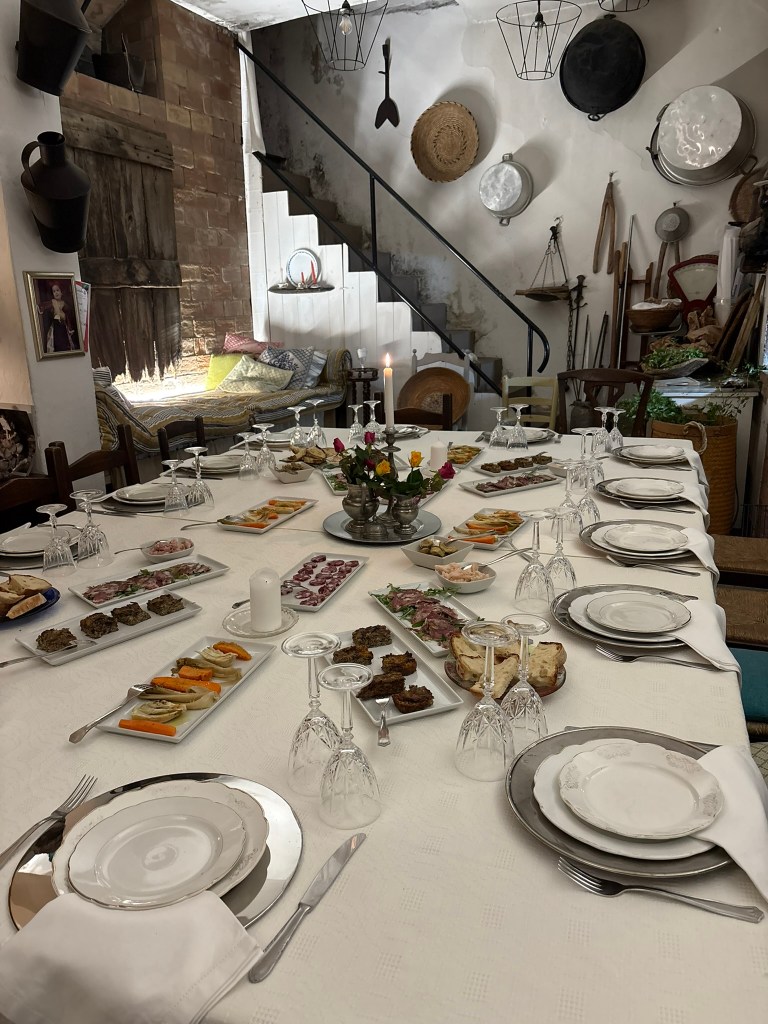
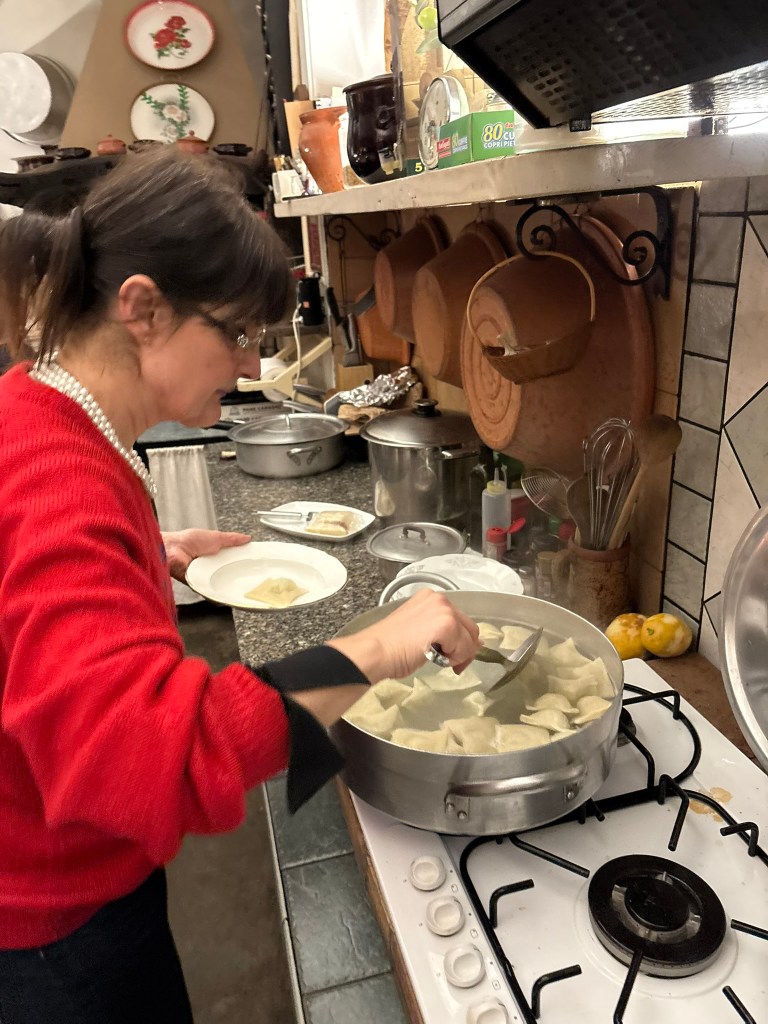
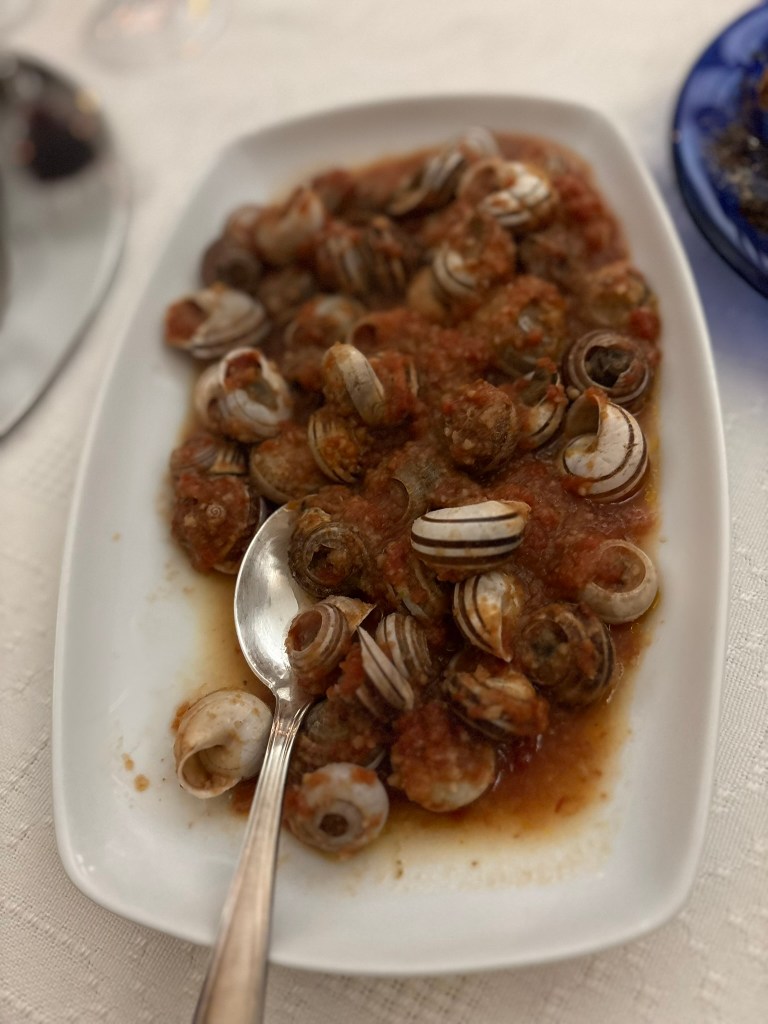
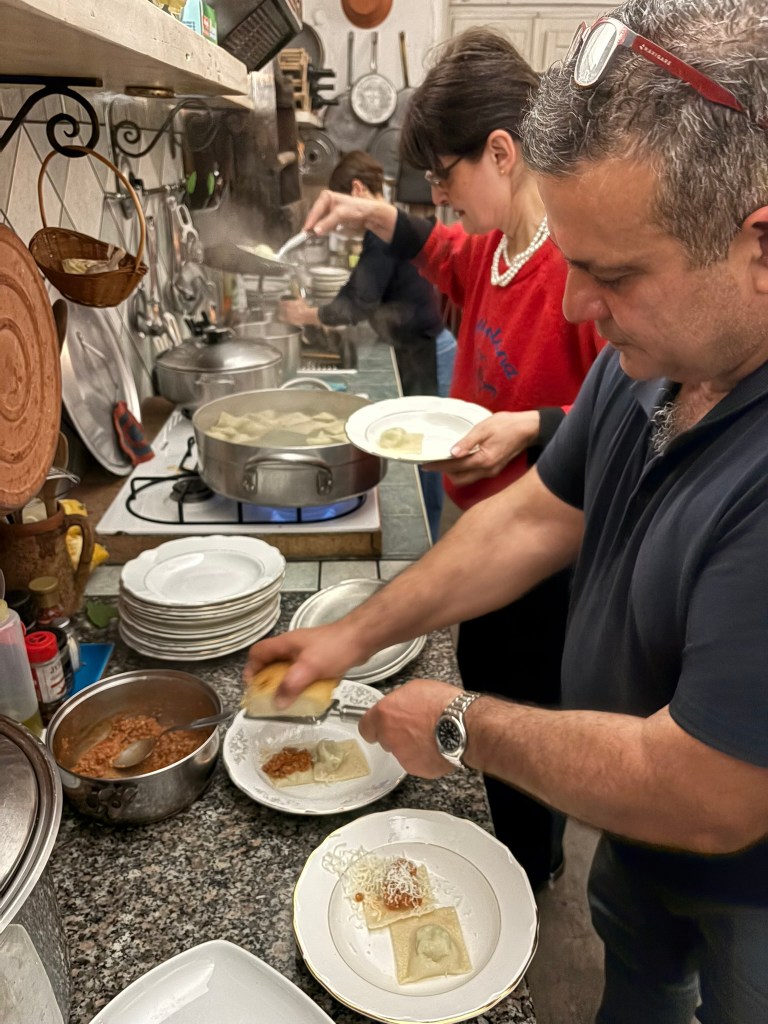
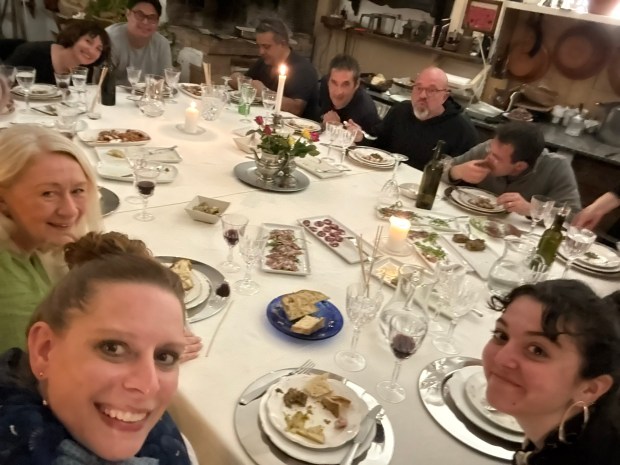
The fragrant branches of the myrtle plant are even used as a colorful garnish for plating suckling pig at home restaurant Da Zia Pinuccia. A family-style dinner at this 19th-century house provides an immersive dining experience with traditional Sardinian recipes passed down from previous generations, using locally sourced seasonal ingredients and ancient flavors.

Dine on homemade bread, vegetables, and meats cooked in the wood-fired oven, all served on antique dishware with years of family history. For dessert, try the “ladies’ kisses,” an almond ball coated in sugar and wrapped in white paper with fringed edges—a popular sweet in the south of Italy.

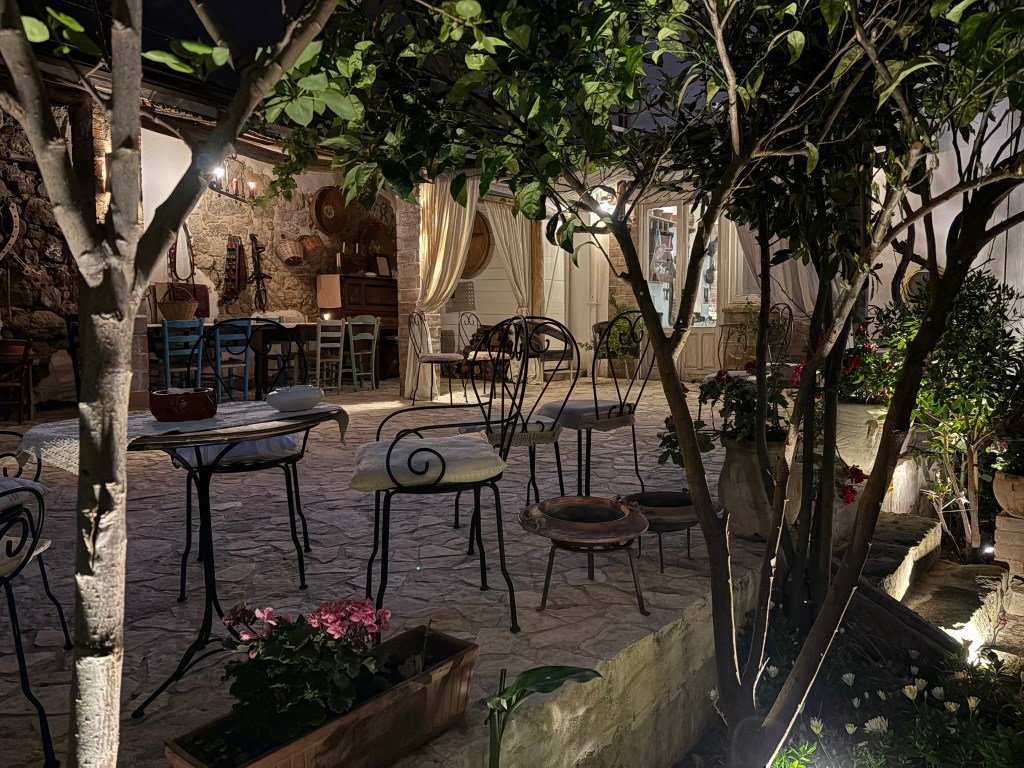
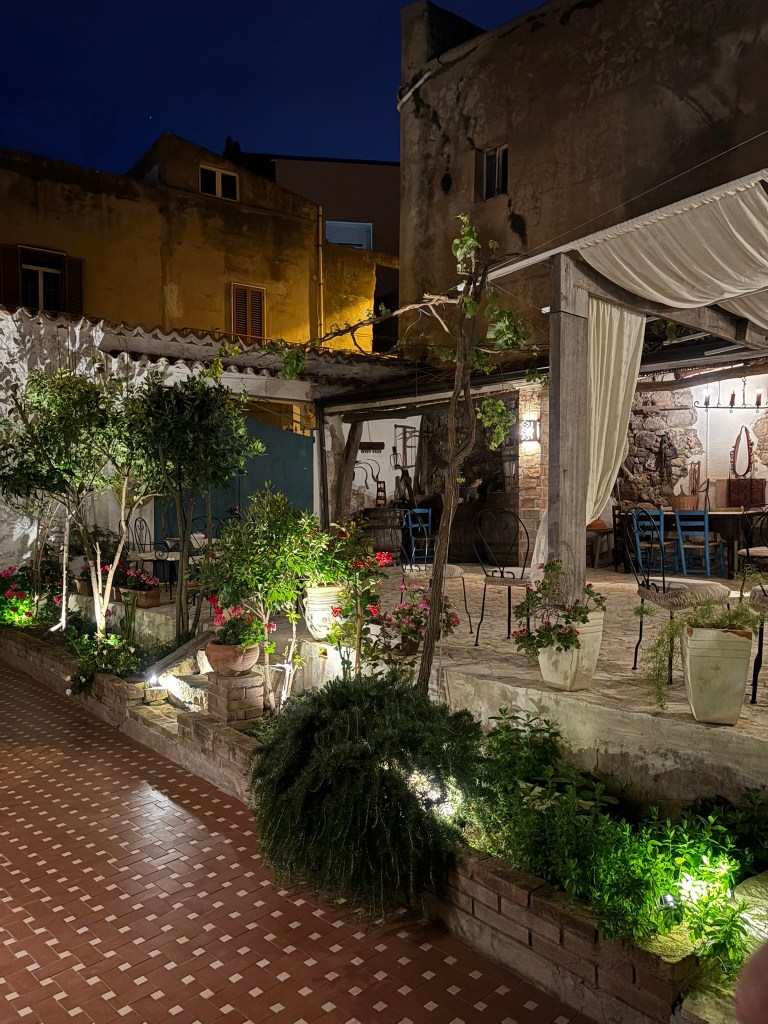
Learn generational stories around the dinner table, mingle with other guests in the gorgeous greenery lined stone courtyard, and enjoy time in a beautiful, warm home full of cultural history and memories.  
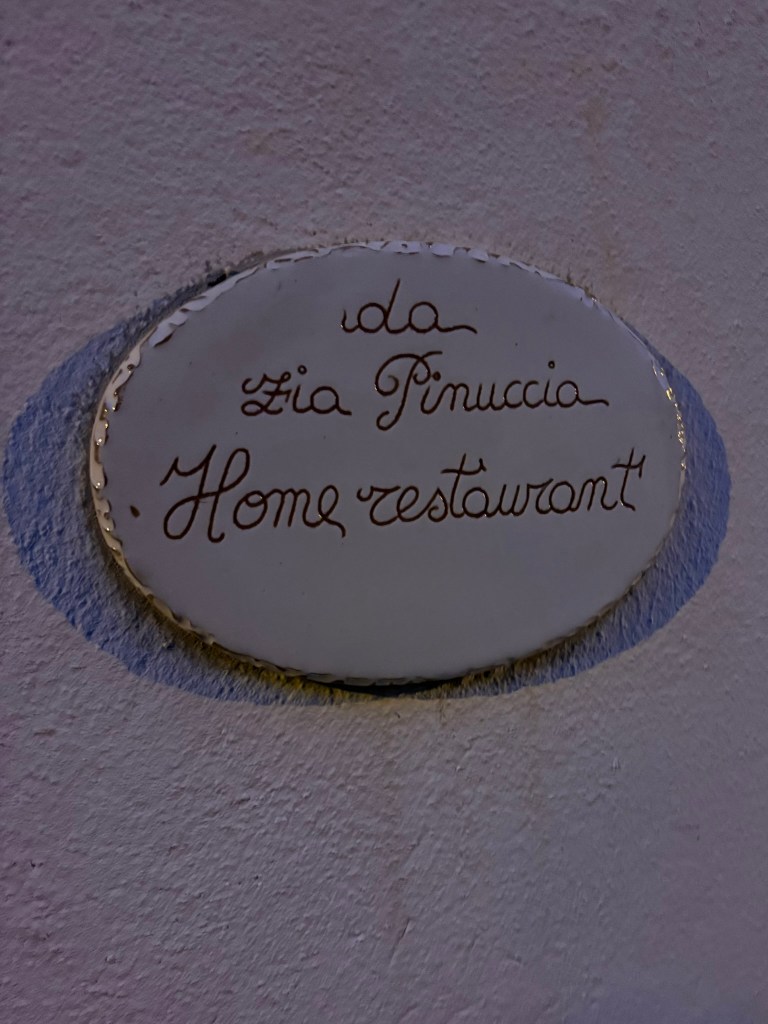
Prepare for lots of food and laughter around the table at home restaurant Da Zia Pinuccia.
Ancient Tombs—Waiting for the Afterlife

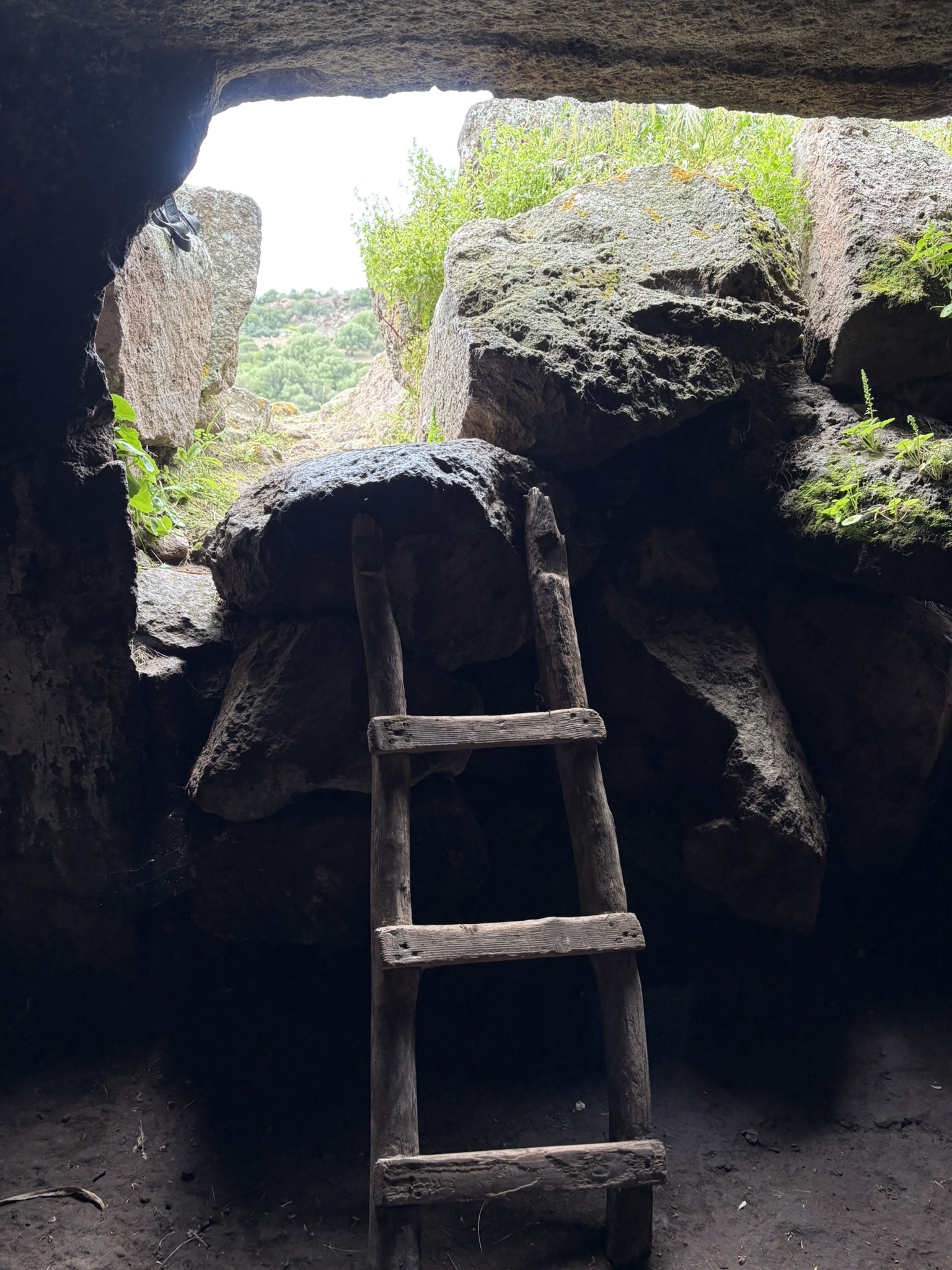
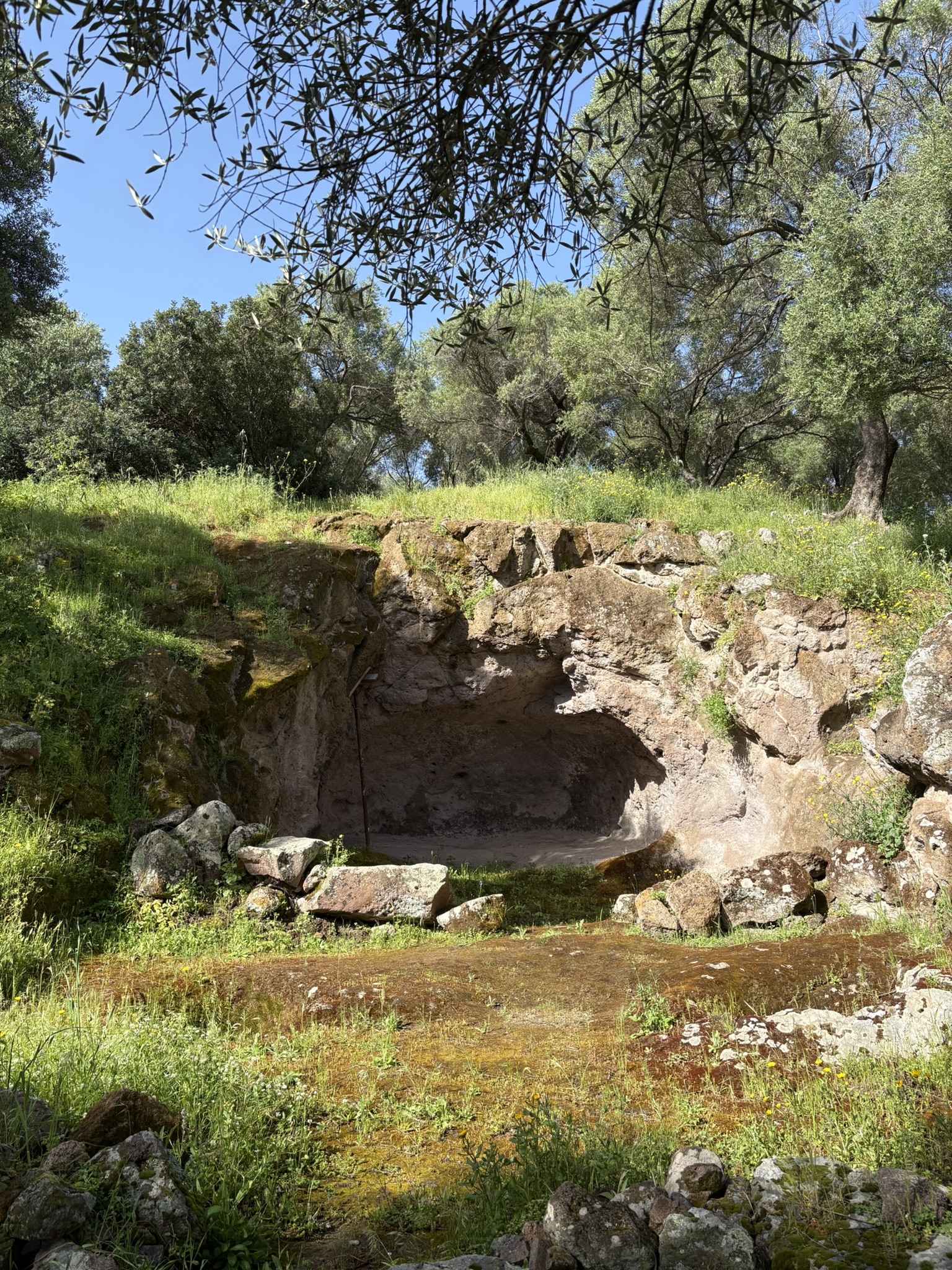
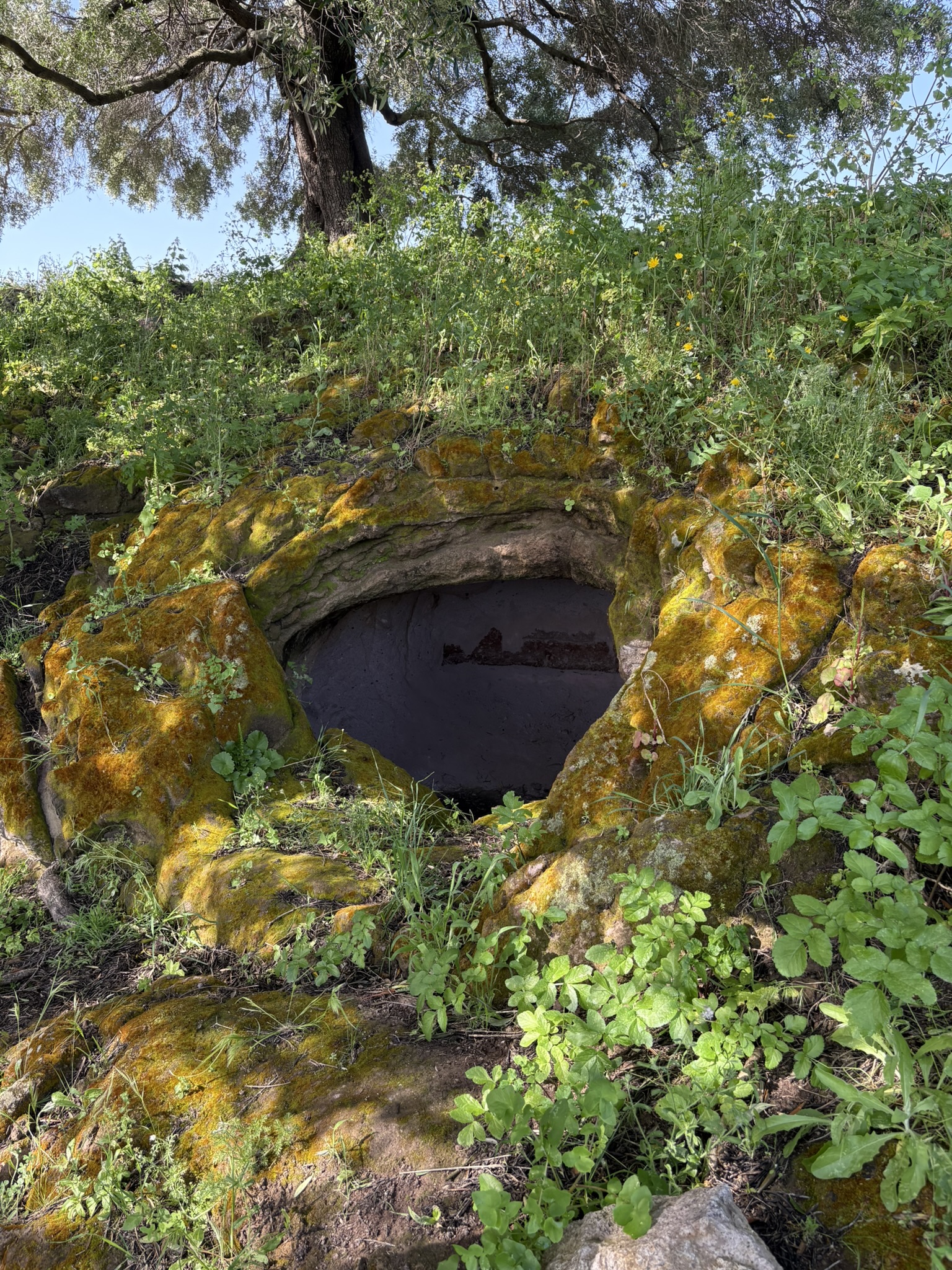
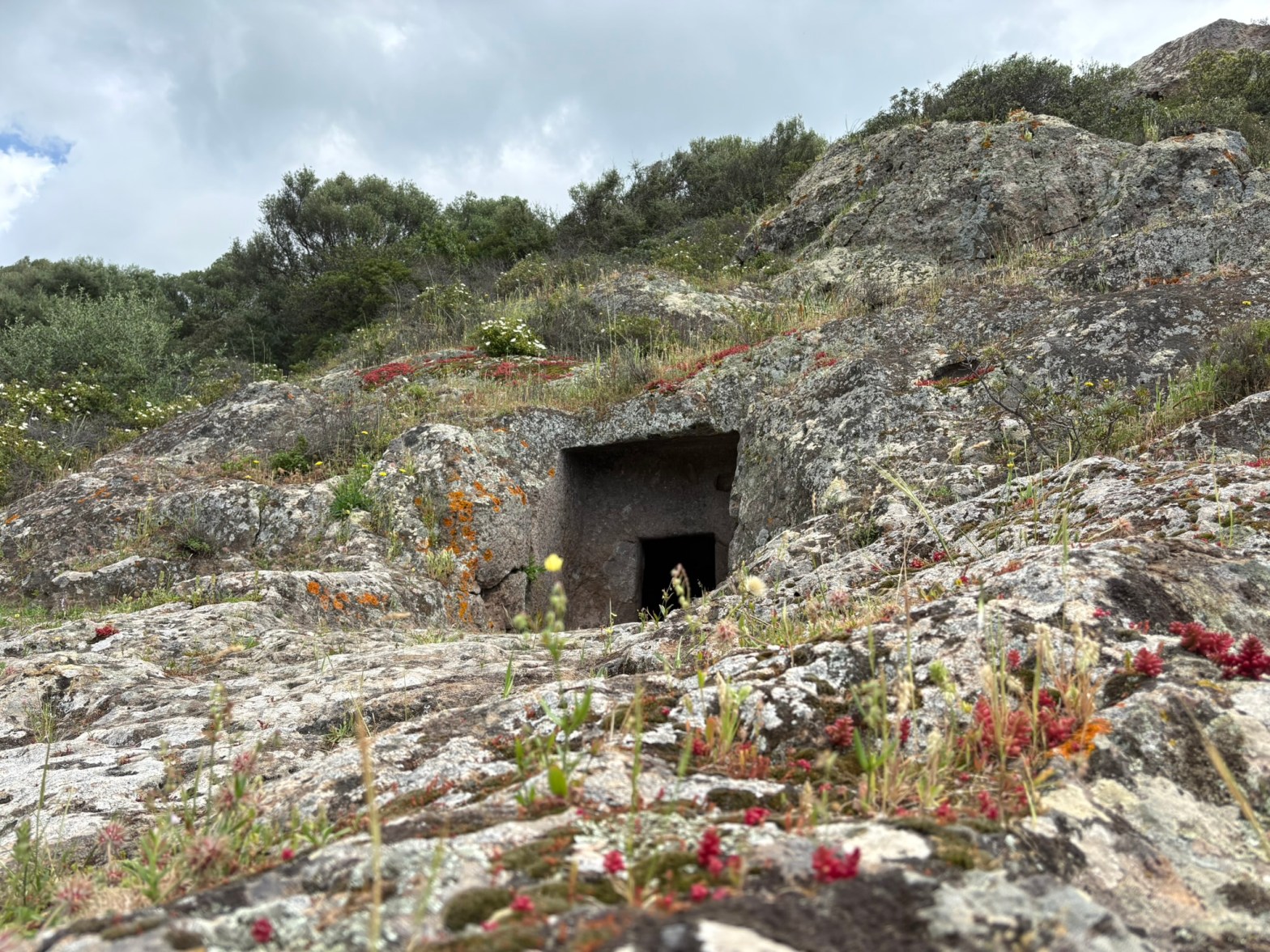
In terms of archaeological history, Montessu is one of the most important dig sites in Sardinia—due to its fascinating position along a moss-covered rockface and its significance in the study of prehistoric funerary rituals. The approximately 40 ancient cave-like tombs here, shaped with stone pickaxes, are called “fairy houses.” Often modeled after houses of the living, with multiple chambers, more than 3,500 of these are scattered across Sardinia, and legend says they belonged to tiny fairies who provided safe havens for the dead while they slept until passage into the afterlife.

Uncovered from the earth at Montessu have been artifacts such as obsidian, bronze, jasper, lead pieces for slingshots, etched coins, silver nails, and knives. Categorized necropolis finds from Montessu are displayed at archaeological museums in nearby Santadi and Cagliari.
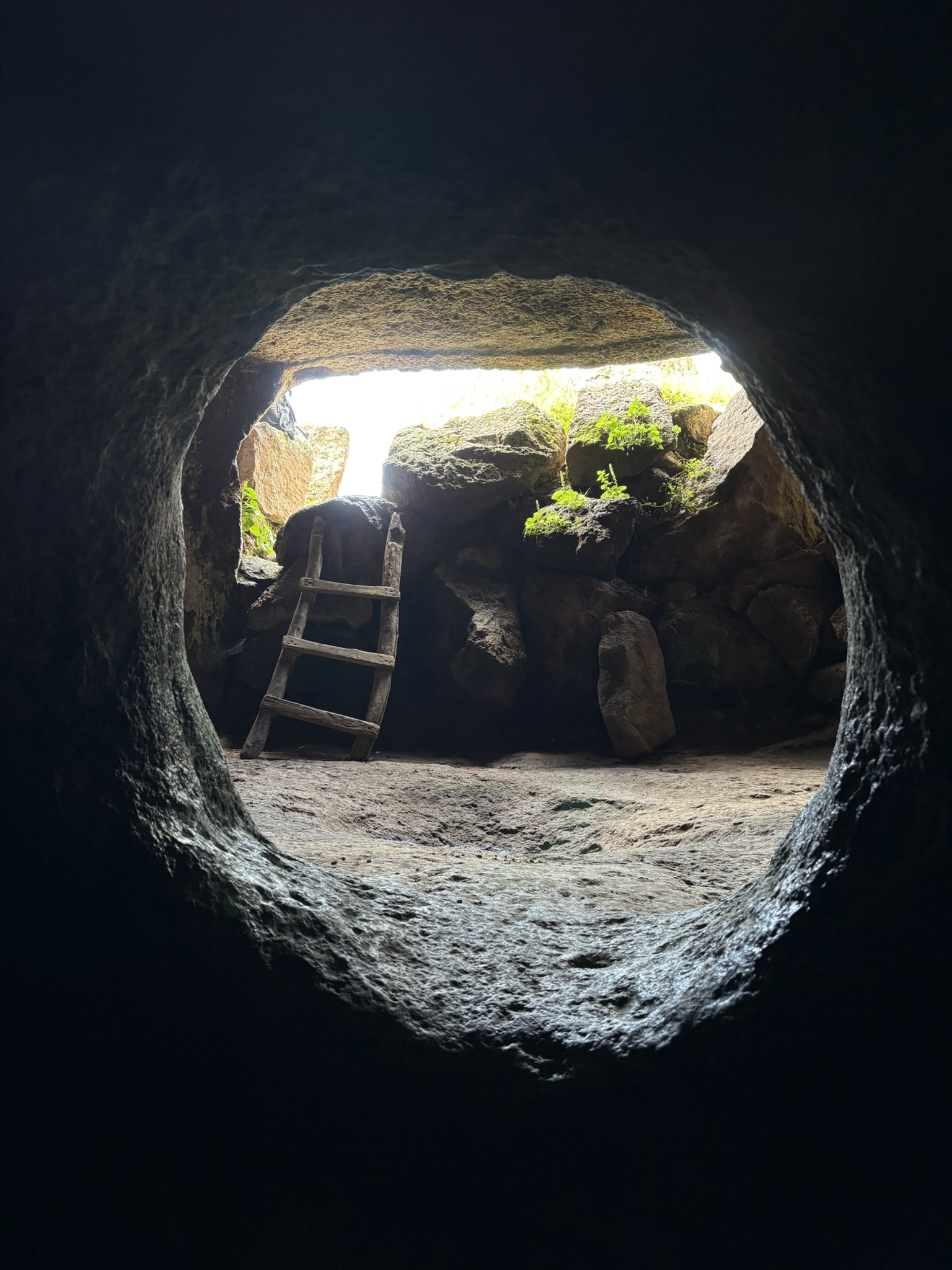
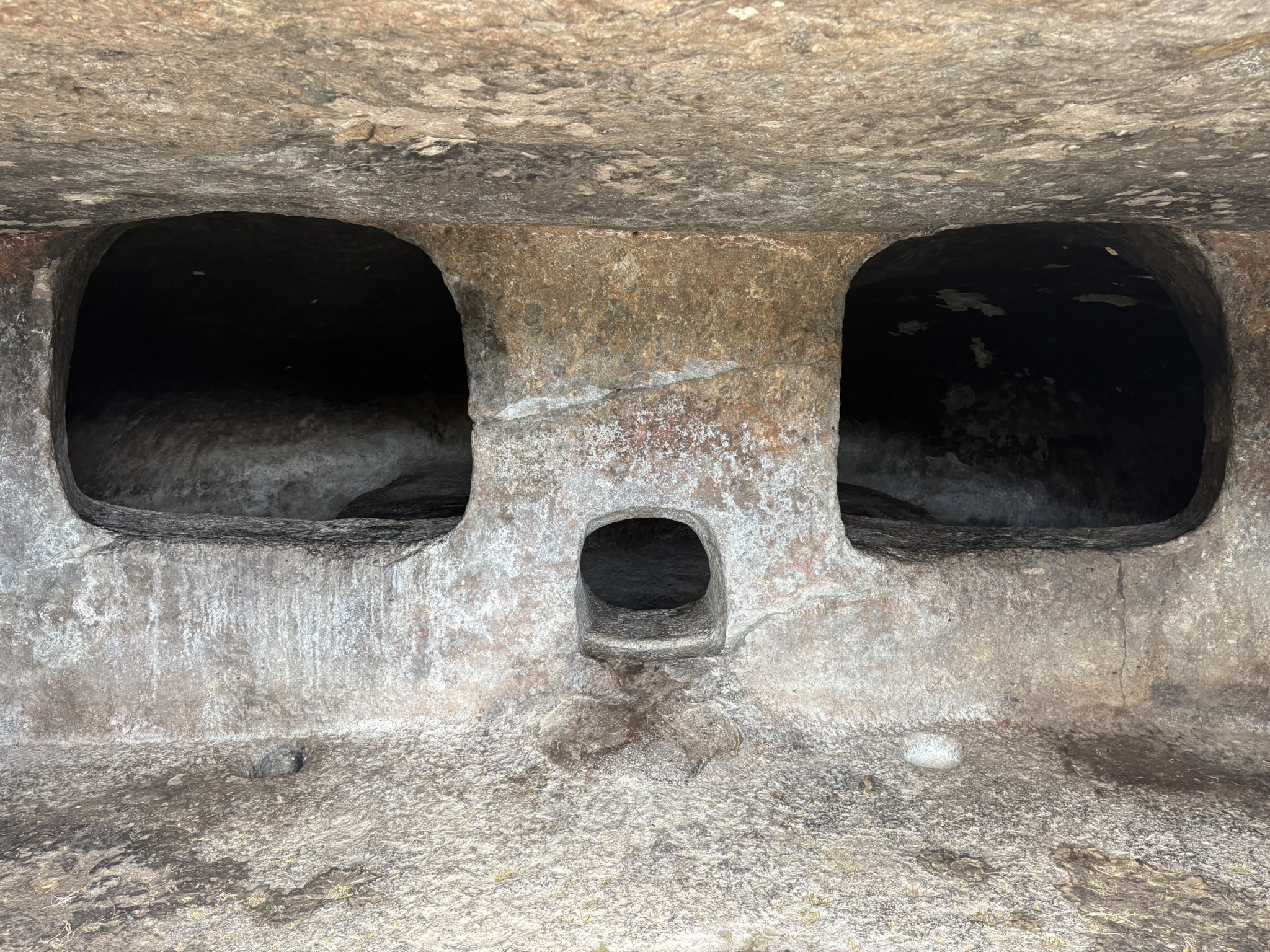
At Montessu, a 124-step stone staircase leads to more than 40 prehistoric tombs set along a rockface. Climb inside Tomb 10 (right and left photos) and down the wooden ladder for a peek inside the hollowed-out formation.

A scenic forest climb at the nearby Pani Loriga archaeological site leads to similarly constructed tombs—with evidence the interiors were painted with pigments—and the remains of a Punic settlement. Hilltop discoveries include masks, jugs, amulets, bracelets, and charms. Also found was a terracotta kernos, an ancient vase with several small cups attached to its rim for the purpose of filling with resins, oil, food, and wine for ritual activities. The walk across these grounds reveals shallow pits in the dirt where wild boars burrow for roots.
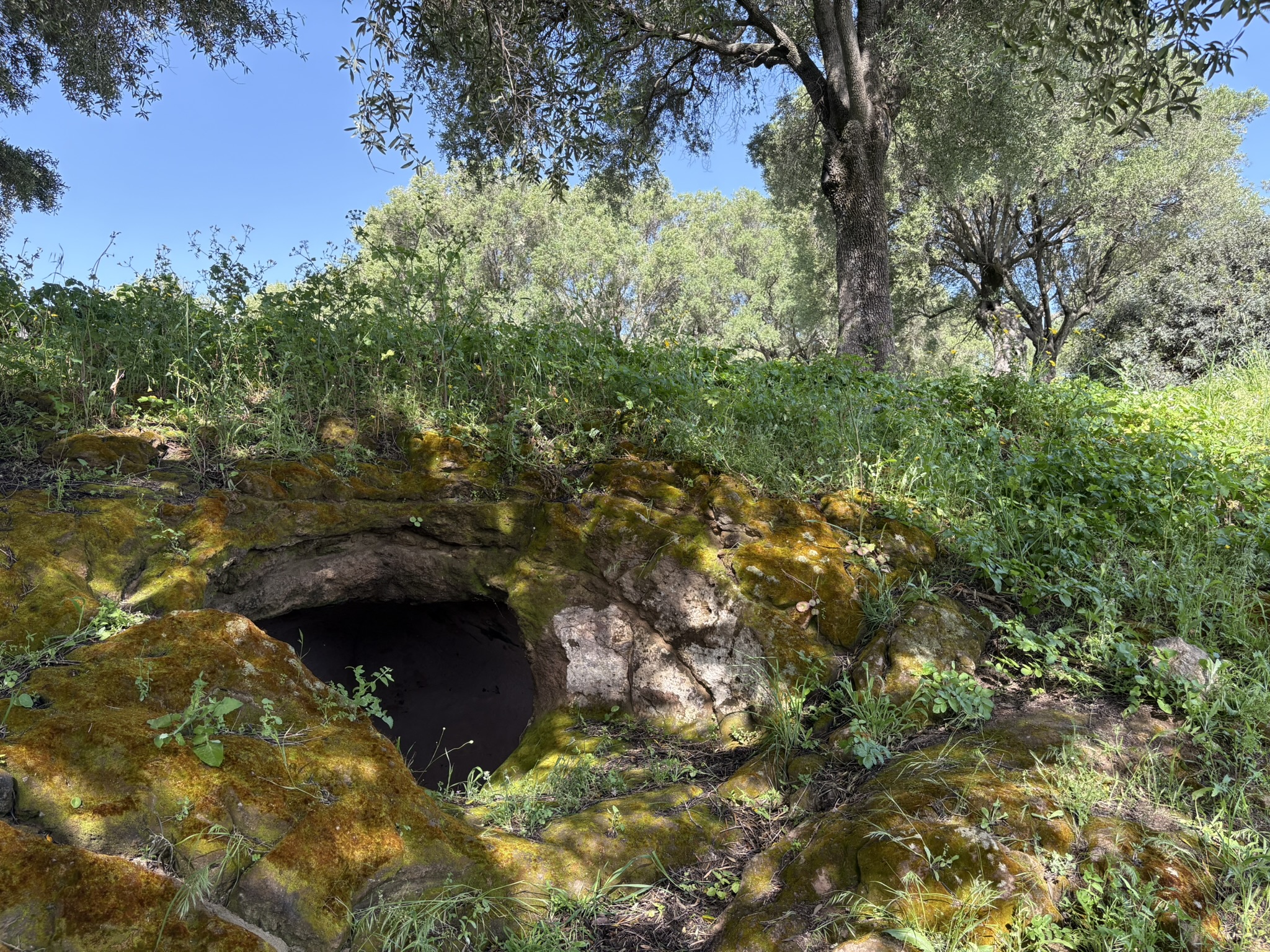
  • tombs cut into rocks

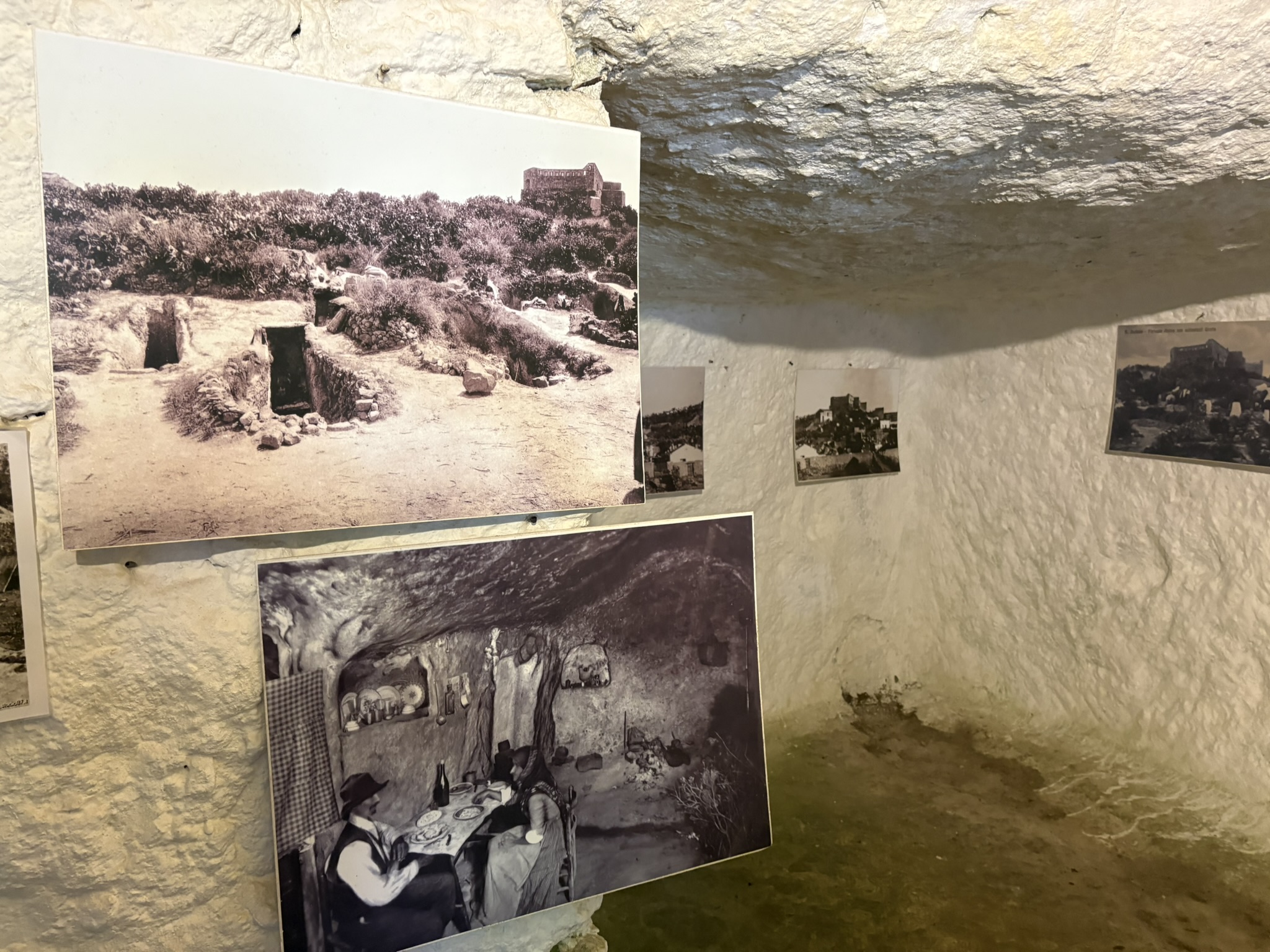
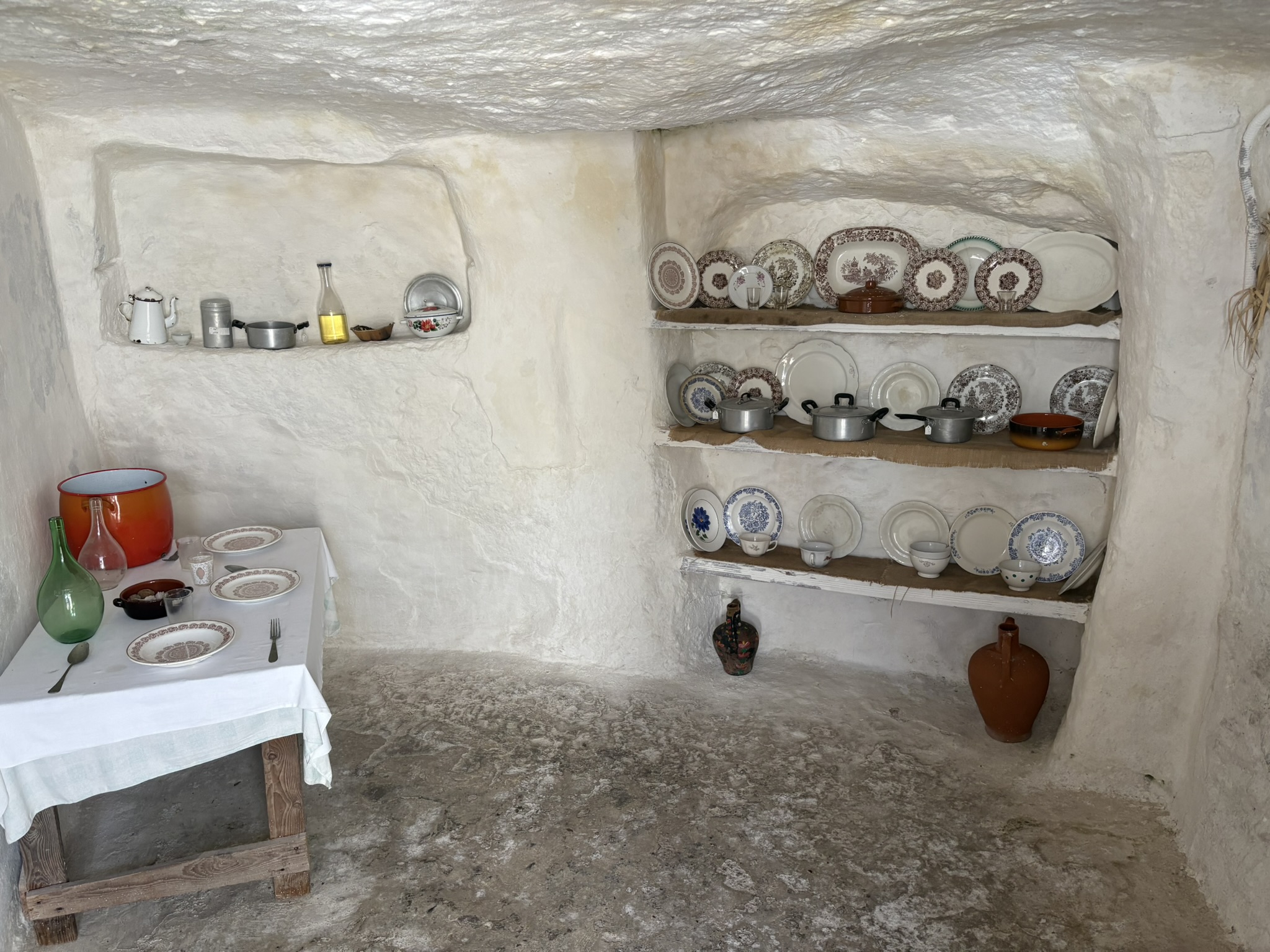
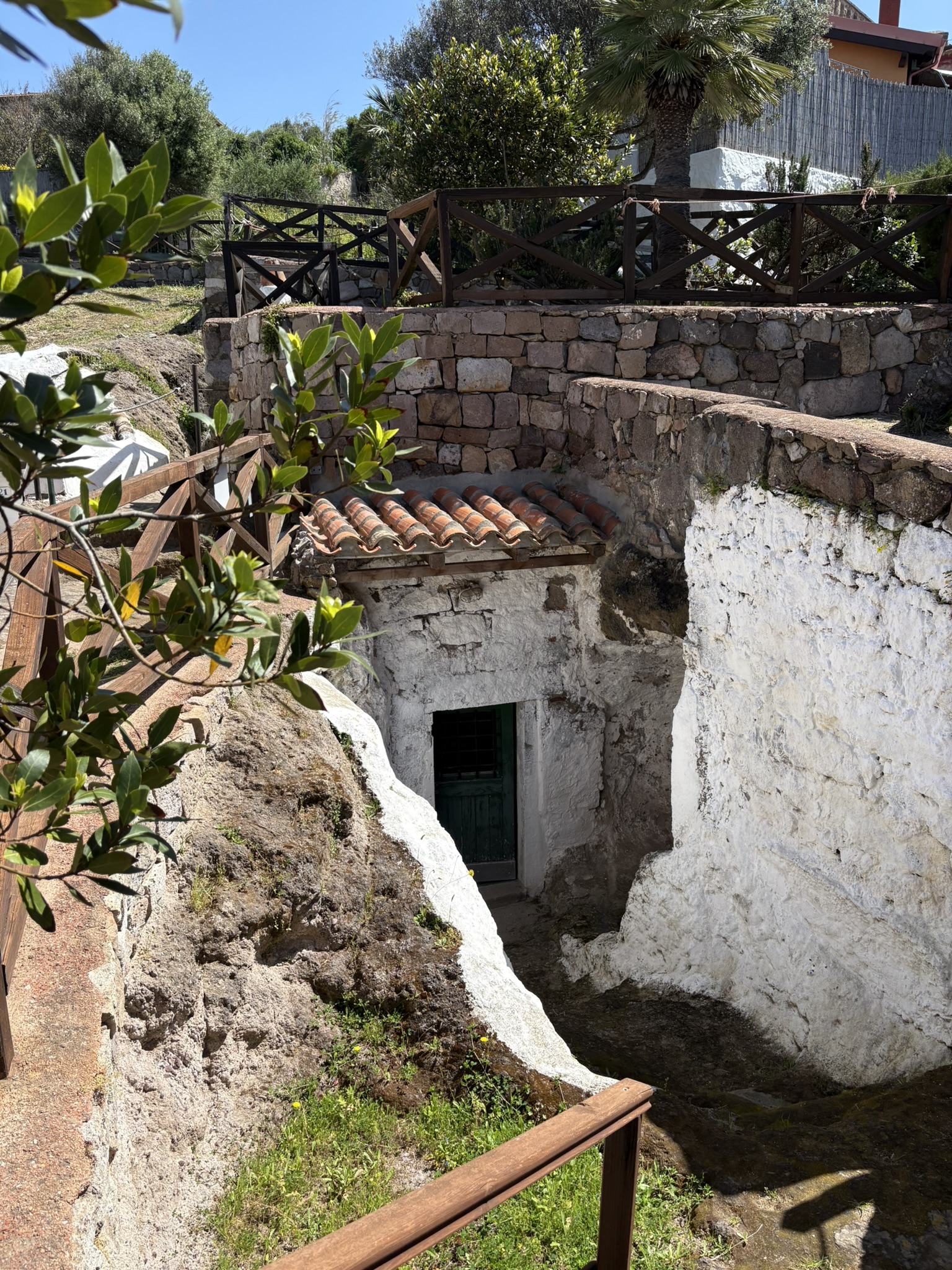
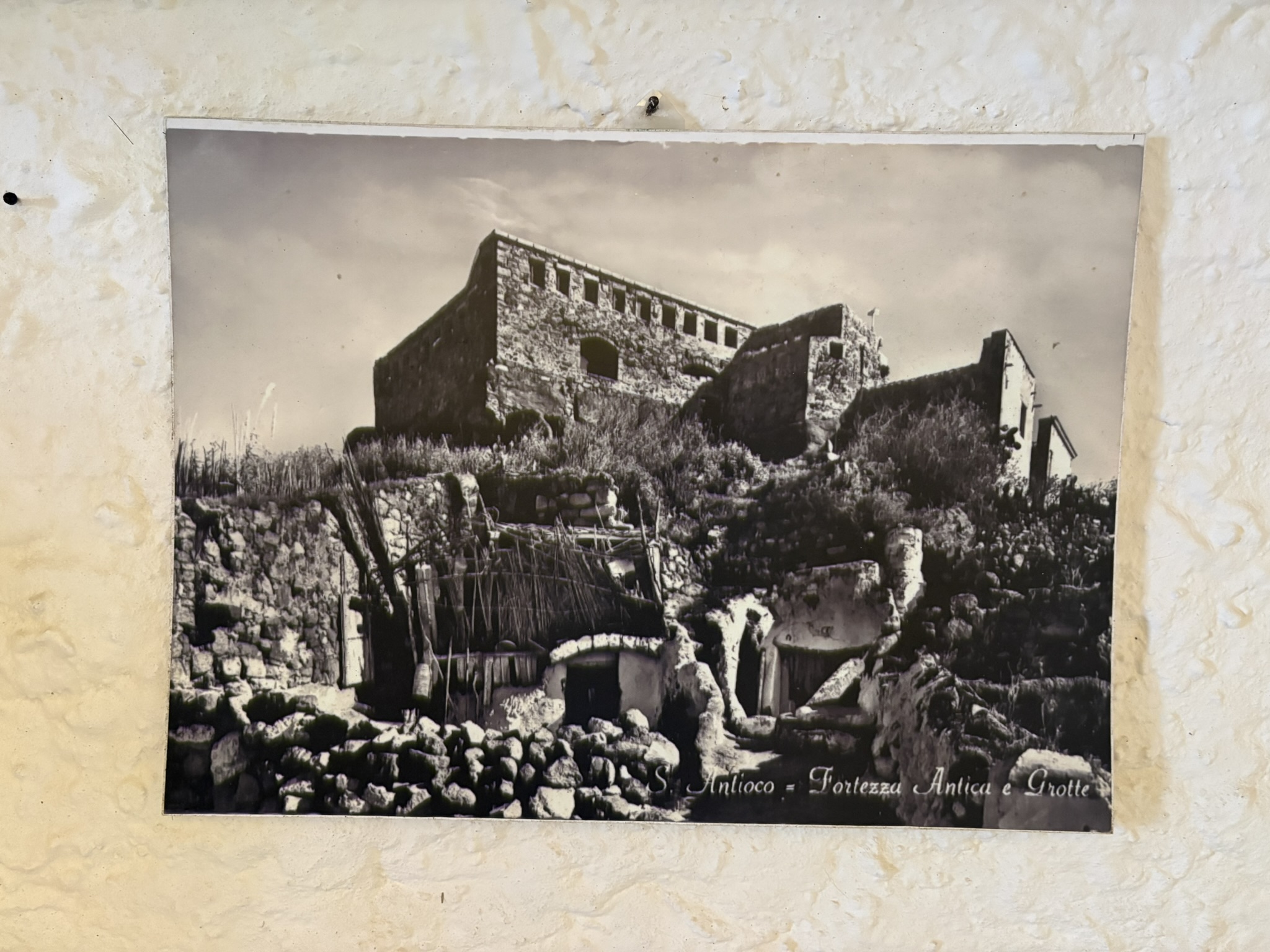
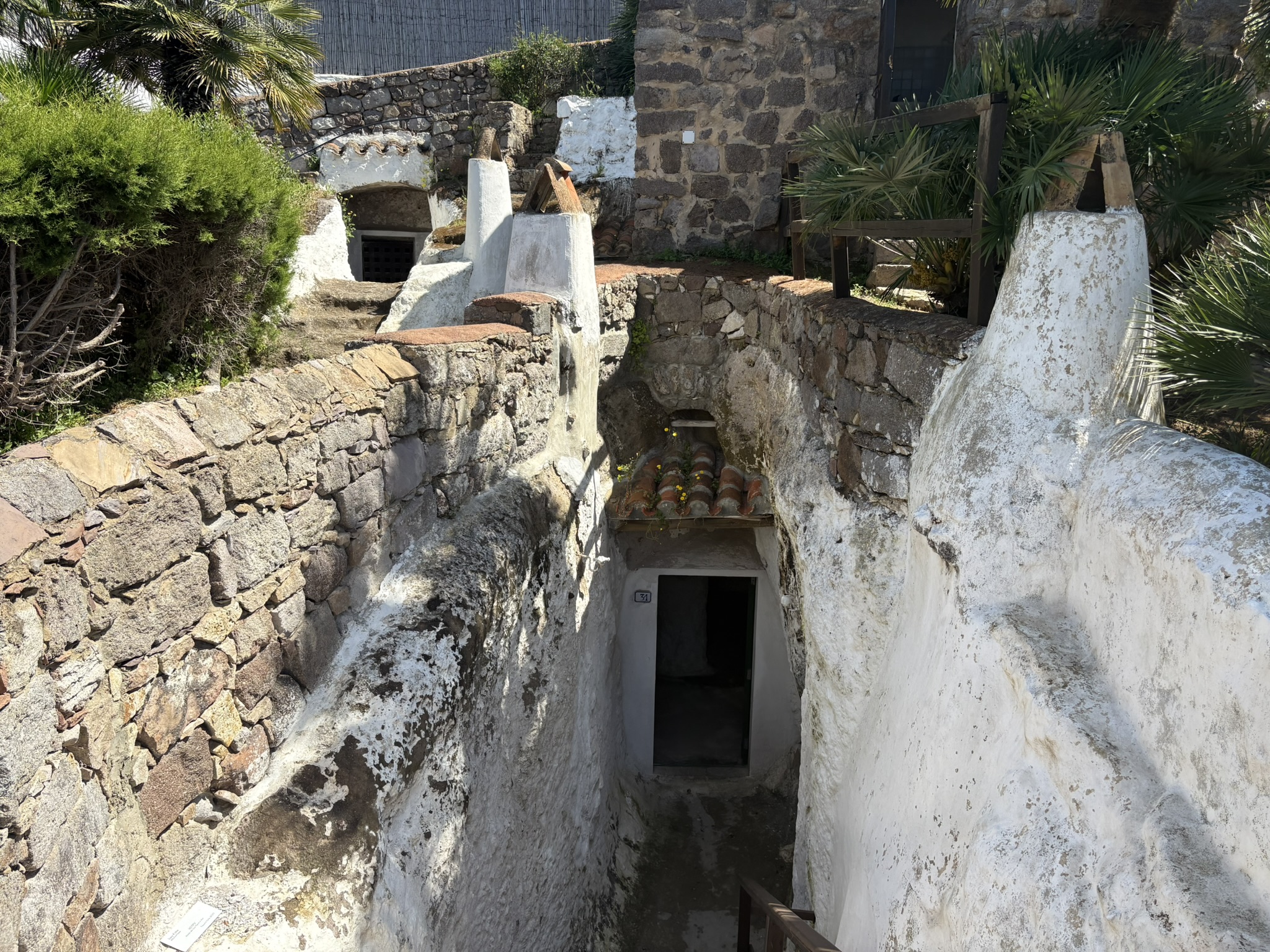
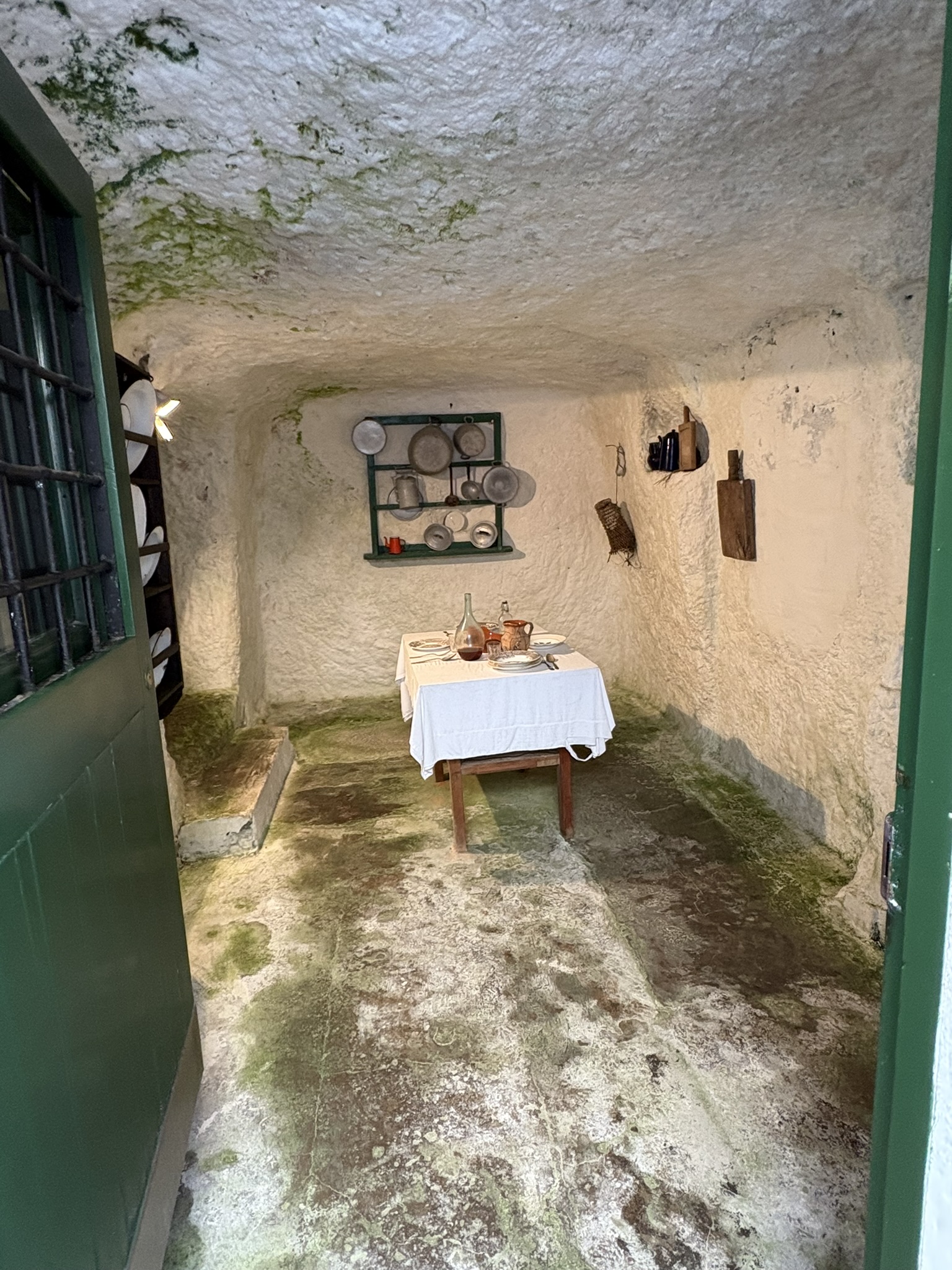
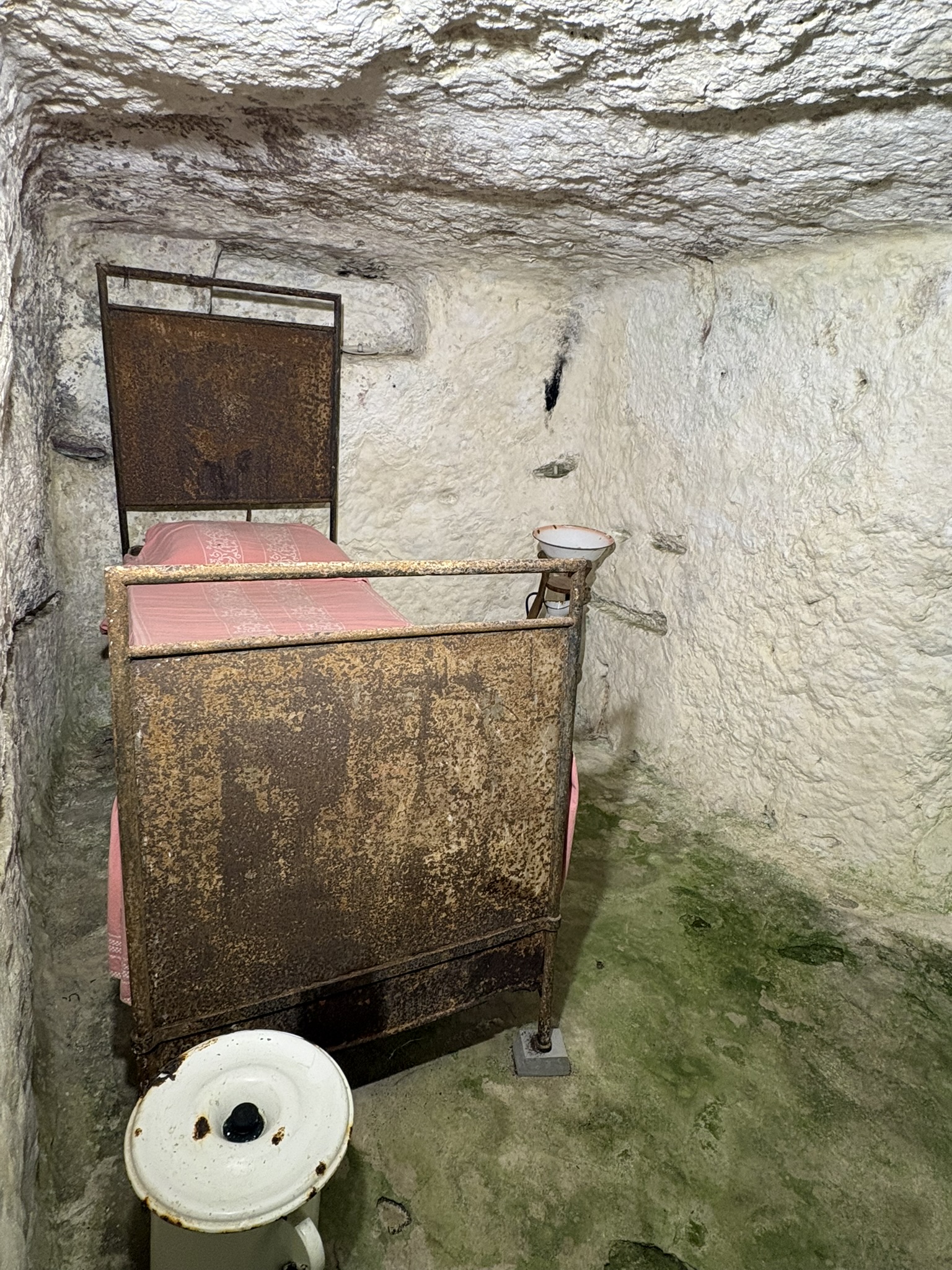
Another intriguing peek into the past can be found at Sant’Antioco’s Hypogeum Village, often called “Is Gruttas” (the caves). This grouping of Punic tombs from the late 6th and late 3rd century B.C. was repurposed as makeshift homes for poor townspeople who lived there by necessity in 1700 and again in 1912. Offering a glimpse into prior, difficult daily lives, these rooms show where the poorest villagers once lived, with some making bags and crafts to sell to rich citizens.
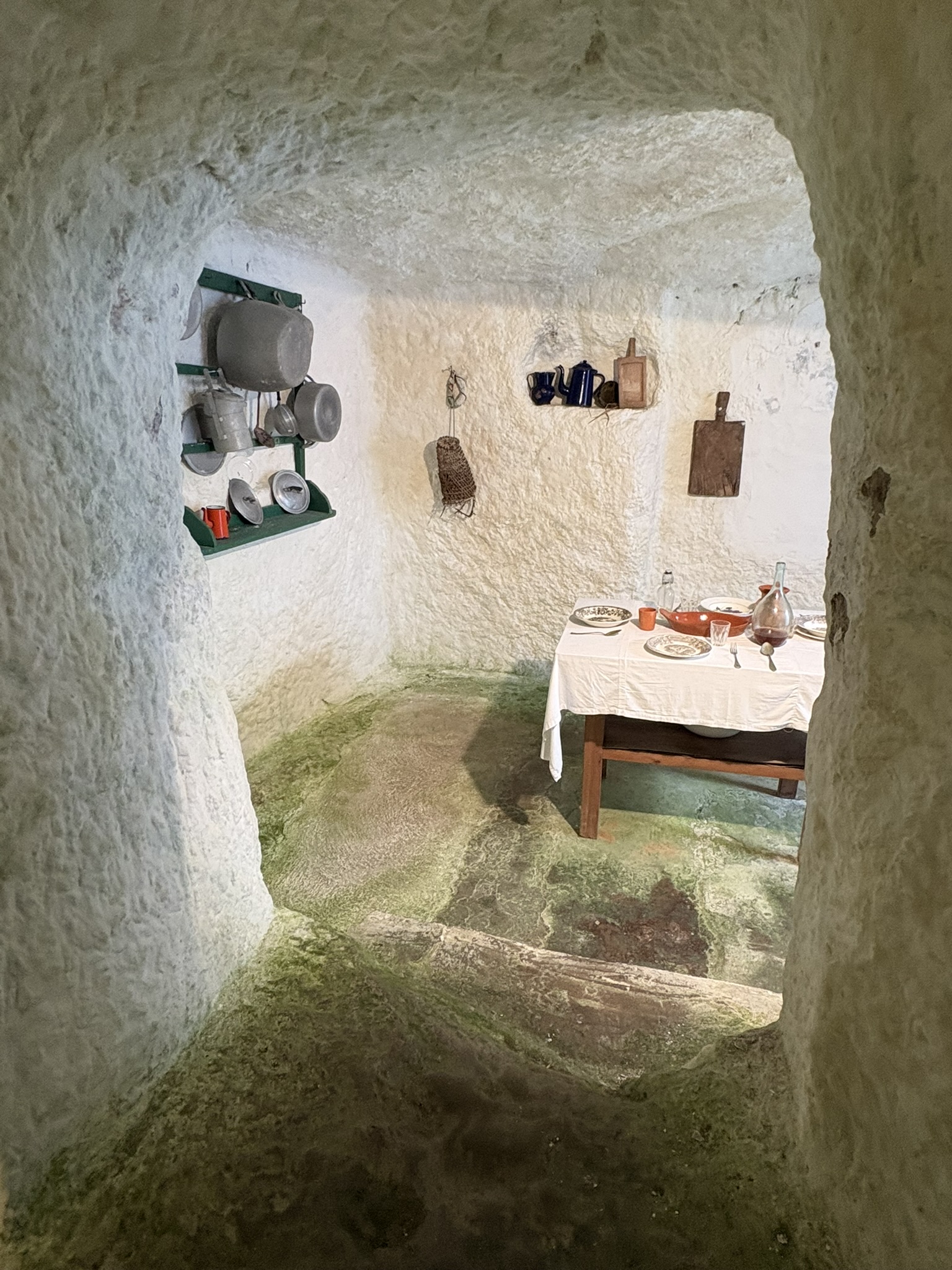
  • Tombs furnished as apartments

Situated on a high plateau, the Archaeological Park of Monte Sirai is divided into three areas—the high-settlement, the necropolises (13 underground family tombs), and the open-air tophet, where the ashes of infants and stillborn children were buried in urns. Enter through the North Gate public area to see the Temple of Ashtart ruins and where a Nuragic tower and water tank were once erected. From here, appreciate a panorama view of the entire region, including the Archipelago of Sulcis comprising Sant’Antioco and San Pietro islands.
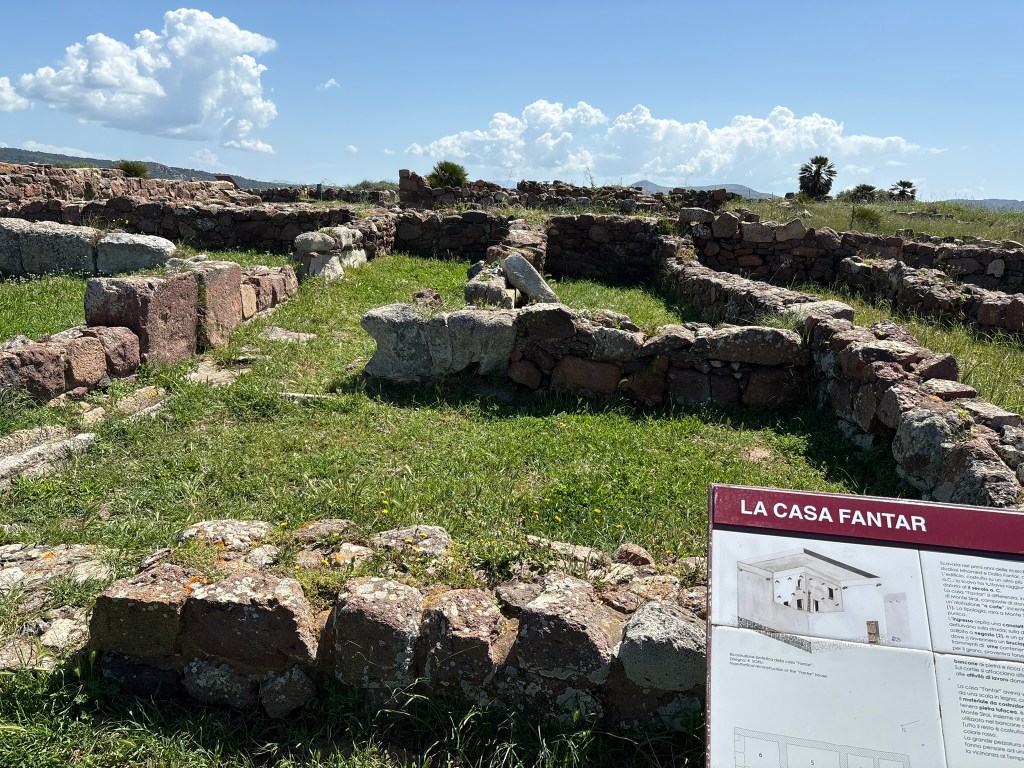
With archaeological sites and sacred cultural complexes set against rugged, unspoiled scenery, Sant’Antioco and Sardinia’s southwest make their layered past feel unusually present—in tombs carved from rock, in salt drawn from lagoon waters, in pre-phylloxera vines, and in the food and drink still served at family tables.


🔍 Search the site to discover more European Traveler feature stories. 🌍

FOLLOW US:

Discover Monte Isola: Fishing Heritage and Local Cuisine

By Alison Ramsey

Northern Italy island cuisine and fishing boats follow tradition

Literally translated to “Mount Island,” the beautiful village of Monte Isola, Italy, rises from the middle of Lake Iseo in the Brescia province in Lombardy. Monte Isola comprises three islands, the principal being Montisola—the largest inhabited lake island in Europe—reachable only by boat (ferries run approximately every 20 minutes during the day). Beneath the glittering cobalt water swims the sea life that, for years, inhabitants relied on for sustenance and livelihood. Montisola’s main industry is now tourism, but in the past, it was fishing.

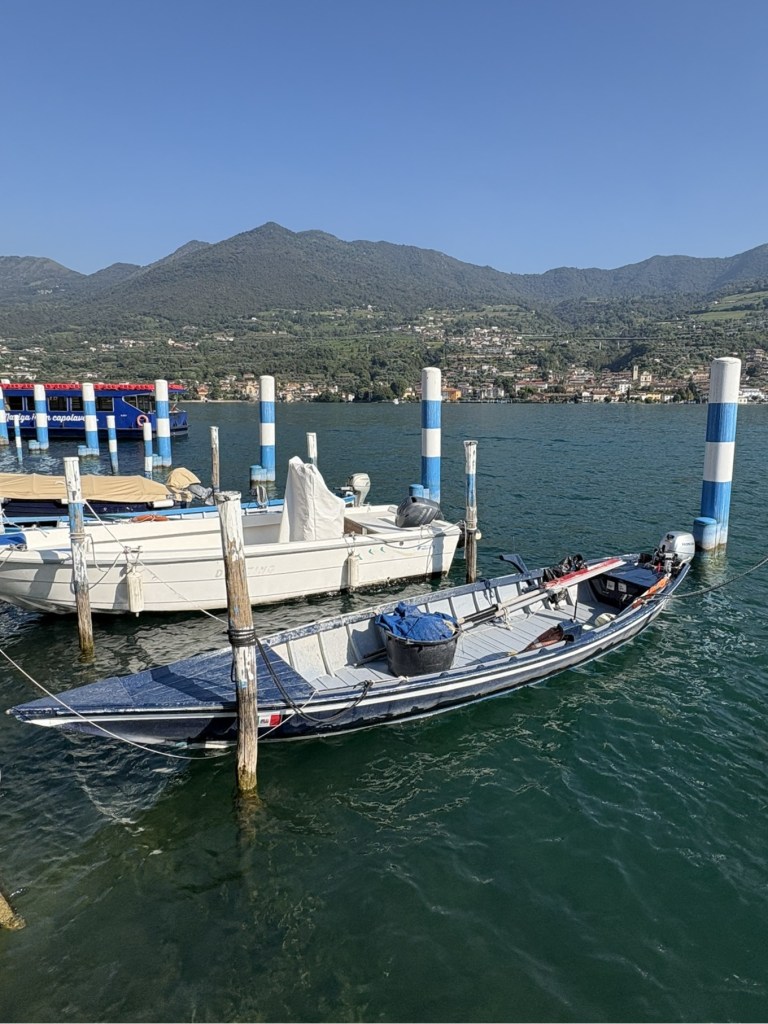
Montisola island in Lake Iseo has many docks and fishing boats

Montisola island in Lake Iseo is lined with docks and fishing boats.

Fishing boats and islands dot Lake Iseo in the Brescia region of Italy

Fishing boats and islands dot Lake Iseo in the Brescia region of Italy.

Unique Wooden Fishing Boats

Shipbuilding yards focused heavily on making a typical style of fishing boat called the Naèt—long and narrow wooden boats, similar in style to the famous Venetian gondolas. Islanders depended on these light and agile boats for fast transportation to the mainland as well as for successful fishing. Naèts are difficult to construct and require great skill to make, with builders using an ax, hammer, chisel, and plane to cut and shape chestnut wood for the frame and durable larch wood for the remainder of the body.

The original flat 4.5-foot-wide boats were almost 23 feet long, with sails attached to two intercrossed chestnut wood poles—about 11.5 feet and 13 feet each. Around 1958, builders began removing the sails and adding engines to these boats, which shortened the boat length by about two feet. At the very center depth of the hull, the width remains only 80 cm. Every village uses its own color for their Naèts, so a quick glance at the docks identifies where each boat originated.

The only remaining shipbuilding yard on the island is Cantiere Nautico Ercole Archetti, and this craftsmanship-focused family company has trained five generations of carpenters to reach shipbuilding expertise. Building unique wooden boats since 1600, the team now uses cutting-edge technology but still makes their products entirely by hand, using carefully selected marine wood and employing highly qualified Master Shipwrights. Maintenance, storage, and rental are other offerings from Ercole Archetti Shipyards.

Paolo Archetti, owner of local net manufacturing company Bresciareti, said that nuns used to own property on the island and wanted to be paid for the land they lent out. Renters with limited cash began to pay the nuns in fish instead of funds—children loaded the special two-ended wooden needle with thread and women handwove the nets men used for fishing. Because fishing was most productive during the warm months of April, May, and June, islanders learned how to preserve their catches, drying the fish and conserving them in oil for later payment.

Top left: The color of a Naèt indicates from which village the boat originated.
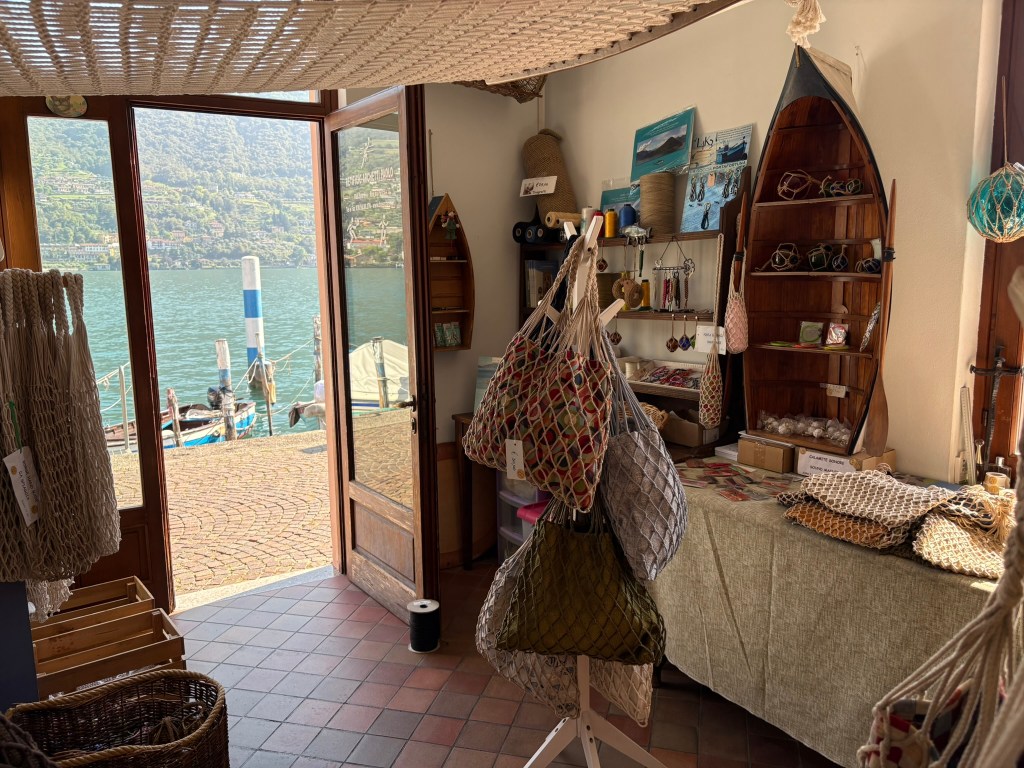
Top right: The Bresciareti storefront sells handwoven net accessories and the company fulfills large orders of machine-created nets for sports, construction, and aviary control.
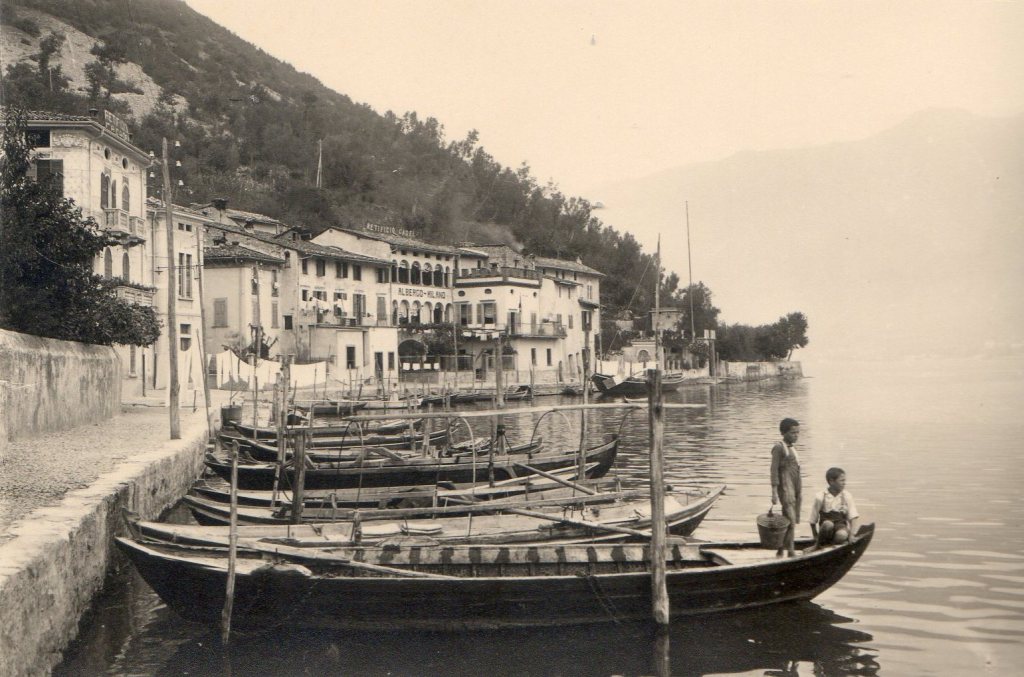
Bottom (photo courtesy of Michele Turla): Peschiera Maraglio port has always been a hotspot for boat parking.

Island Cuisine Includes Preserved Sardines

The pretty, pink-embellished Church of St. John the Baptist in Carzano, a small lakeside settlement on Montisola, is also known to locals as “St. John of the Sardines.” Independent tour guide Elena Confortini explained that on June 24 residents historically celebrated St. John’s feast day. On this day, which fell during the final seasonal period when sardines came closest to the shore and there was an abundance of fish, the church used to cook sardines in its front square and serve them freely. Although locally referred to as “sardines,” these fish are actually a species of freshwater twaite shad (Alosa fallax locustris) but are called sardèna in Italian because their appearance is similar to true sardines.  

Left (photo courtesy of Michele Turla): Fishing was the primary industry in historical Monte Isola.
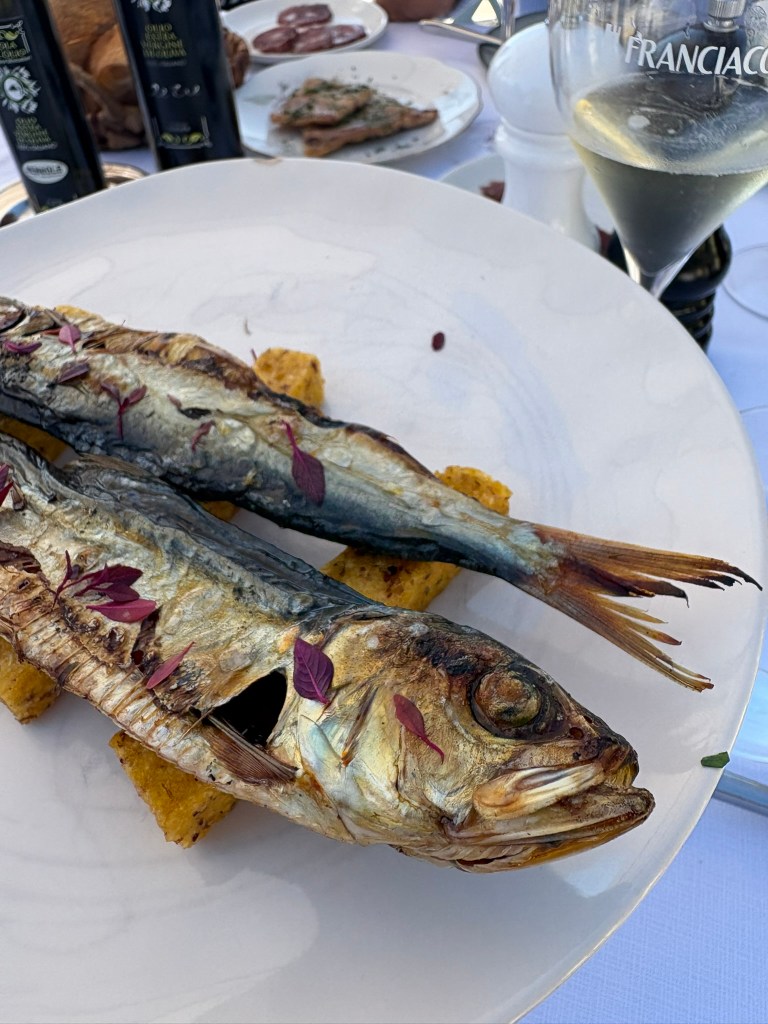
Right: Dried, salted, and preserved sardines on polenta are a traditional treat served by Sensole Locanda Contemporanea restaurant.

For centuries now, island cuisine has included dried, salted, and preserved fish—characteristically sardines, perch, and the common European whitefish (known in Italian as coregone). These fish, cured with salt and dried in the sun for 24 hours, are then washed and strung up in parallel lines dangling from hooks or tacked upon arches of ash branches secured with thread on both ends. After sunning outdoors in the heat for 5-10 days, the fish are removed into iron containers and pressed in olive oil. Several months in this state turns sardines a golden color, and they can then be seasoned simply with garlic, parsley, and oil, and grilled quickly over a hot fire. The surname “Archetti” is one of the more common names on Montisola. Translating to “little bows,” this name is derived from the bowed wooden frames erected all over the island for fish-drying.

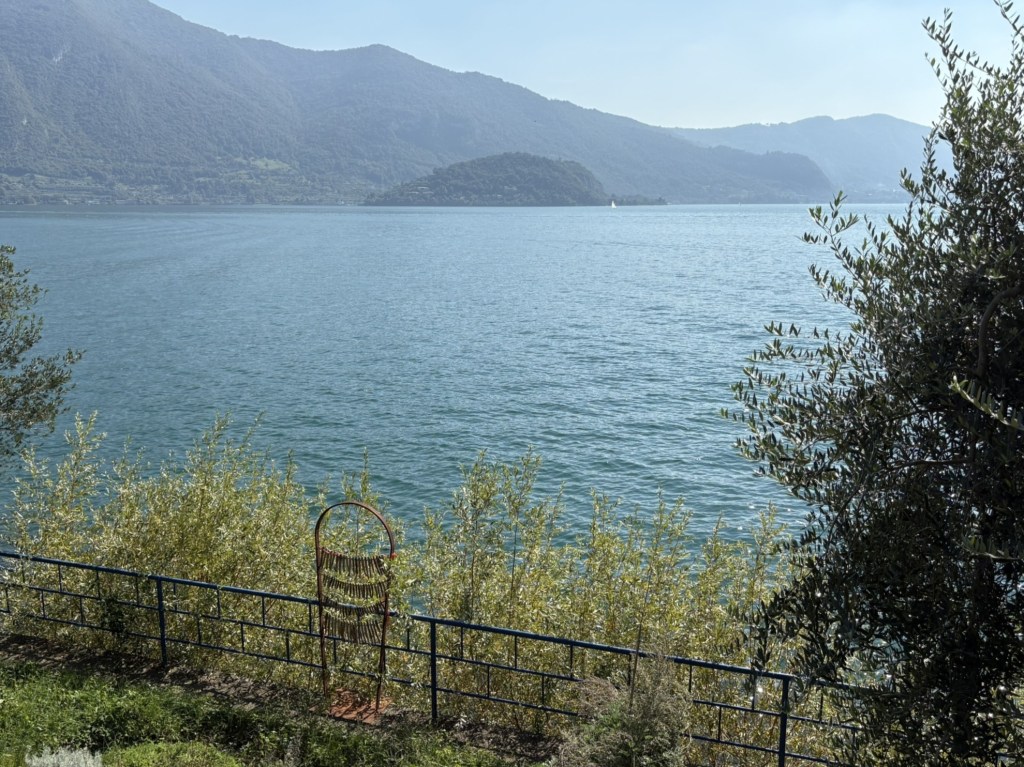
Monte Isola fish-preservation techniques from the past are still used today across the island, and garden art pieces imitating fish-drying frames decorate the lakeside. (Black-and-white photo courtesy of Michele Turla)

Only two eateries on the island currently serve sardines, one of which is Sensole Locanda Contemporanea. This charming, yellow-walled lakeside restaurant sits directly down the rocky hillside below Martinengo Fortress, a privately owned castle with a recognizable circular lookout tower. Young restaurant owner, Giovanni Lo Bresti, expertly serves traditional dishes using locally grown products, with each course gorgeously plated. Try the intensely flavorful dried sardines (use fingers, not utensils, to eat it the authentic way!) alongside tasty bars of fried polenta. Enjoy Monte Isola smoked salami, grilled dry coregone fish, fried pike balls, homemade bread, butter sprinkled with perch bottarga (salted, cured fish roe), and spiced salami ragout with bread gnocchi.

The upper outdoor deck of Sensole Locanda Contemporanea restaurant overlooks beautiful Lake Iseo, while the lower outdoor patio invites guests from the pedestrian walk.

Montisola Olive Oil and Franciacorta Wine

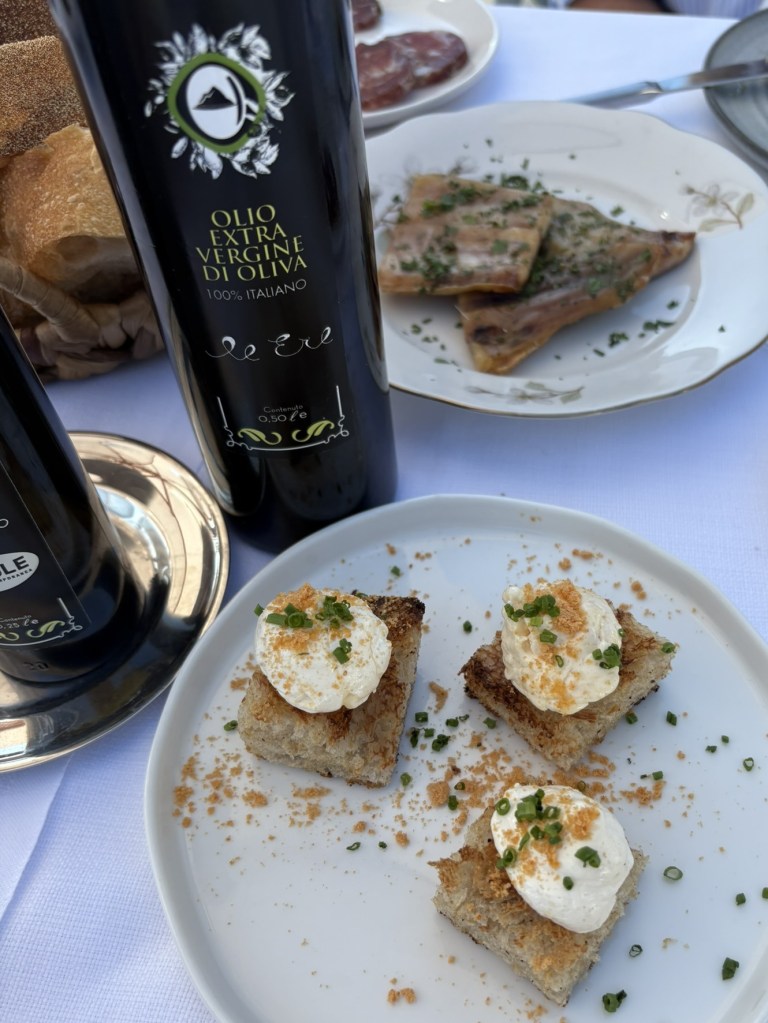
At Sensole restaurant, diners can also try the deliciously light local extra virgin olive oil labeled “l’isola dell’olio” (translation: “island of the oil”). One olive grove of just nine trees produced 50 bottles of this particular oil in 2025, the last bottle of which was down to the last drops in late September.

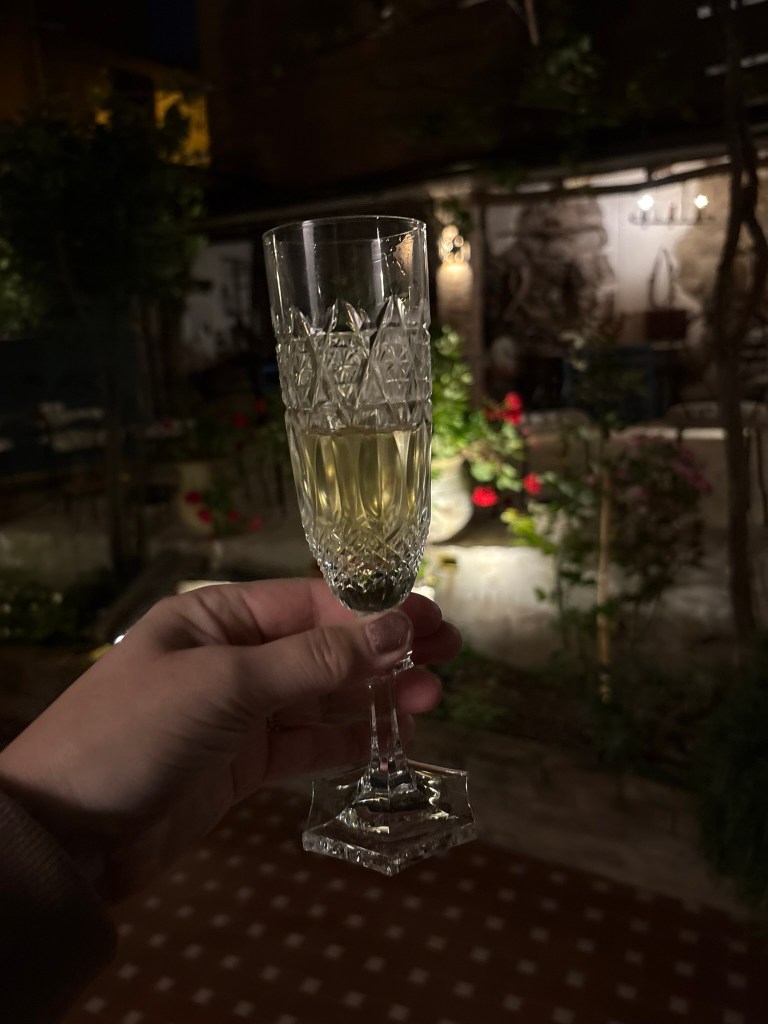
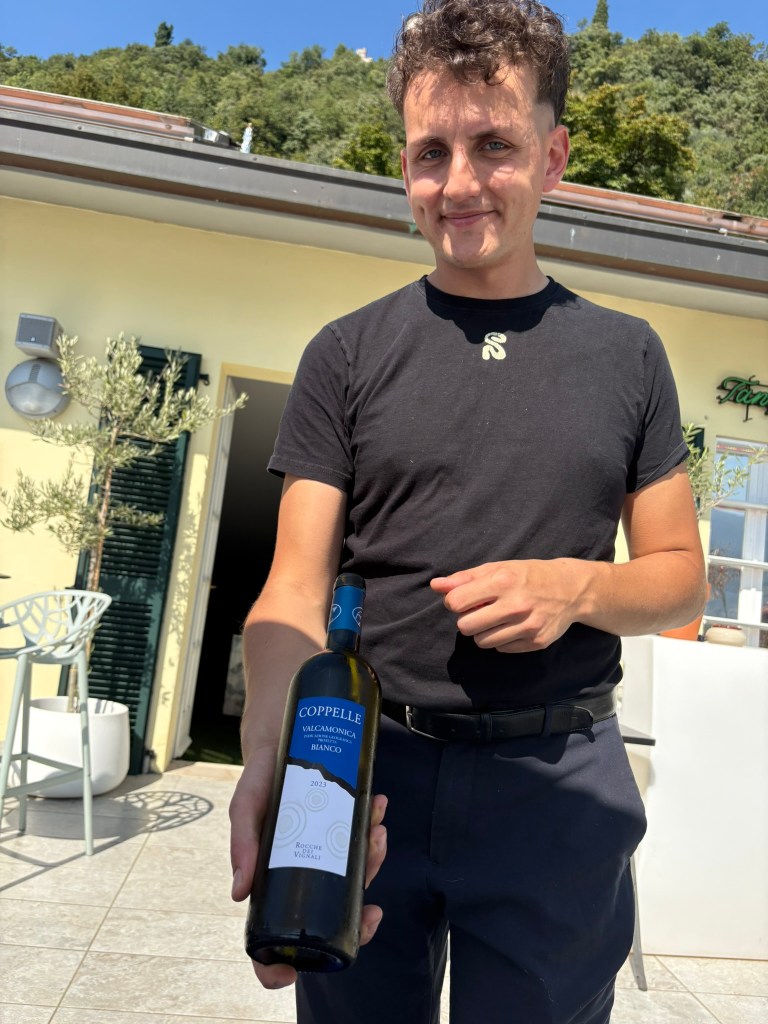
The whole of Monte Isola contains approximately 15,000 olive trees of several varieties, with groves planted on steep terraces to match the upward sloping terrain. Although difficult to harvest mountainside, the olives produced are of high quality and thrive in the unique lake island microclimate. Montisola’s restaurants prepare homegrown products with local oil and pair dishes with DOC “controlled designation of origin” wines from the region, such as Caruna 100% Chardonnay Brut from the Franciacorta region’s vineyards (served only in the Franciacorta-specific tulip-shaped glasses that stimulate bubble longevity).

Tasty local olive oil and flavorful, high-quality wines from the Franciacorta wine-growing region round out a relaxing and delicious meal provided by owner, Giovanni Lo Bresti, at Sensole Locanda Contemporanea.

All along the lakeside, pedestrians and bikers move down the winding path that separates glimmering water from flowering bushes and trees heavy with ripe fruit. Beside this promenade, sunbathers bask in golden rays and swimmers leap into the cool water to paddle amongst ducks and swans.

Here you can feel like you’ve stepped back into bygone times, commune with untouched nature, and enjoy an unhurried and uncrowded getaway. Wander the path to see garden art structures made of metal and wooden fish—imitating the ancient practice of drying the catch-of-the-day on arched racks—and peruse shops and cafes that use sardine and net décor to echo the fishing culture that sustained Monte Isola for so long.   

HOW TO GET THERE… ✈️
Fly NEOS Air from JFK airport in New York to Milan, Italy, and then travel by train or car to Sulzano, on the eastern shore of Lake Iseo. Then, take the 5-minute ferry ride from mainland Sulzano to Peschiera Maraglio on Monte Isola. Visit neosair.com/it for flights and schedules.
Tip: If you follow NEOS Air on social media, you can often score flight discounts and coupons to use toward airfare.

WHERE TO STAY… 🛏️
For a day trip to Monte Isola, stay at the romantic and rich-with-history Cappuccini Resort (Via Cappuccini, 54, 25033 Cologne BS, Italy), a 30-minute drive from the Sulzano ferry dock. This charming monastery-turned-resort is beautiful, clean, peaceful, and tastefully furnished with a blend of vintage relics and modern décor. A separate building with yoga, sauna, steam cave, and bubbling grotto spa with fountains and sun-heated waters provides numerous relaxation opportunities. Wander the sprawling hillside grounds to visit the outdoor pool and explore blooming rose gardens and fruit orchards. For more information, please visit cappuccini.it/en.


🔍 Search the site to discover more European Traveler feature stories. 🌍

FOLLOW US:

3 Countries, 2 Ski Resorts, 1 Week in Europe

Wishing you had planned a getaway this past spring break? It’s not too early to start planning for next year, and to think big with a European adventure!

By Alison Ramsey

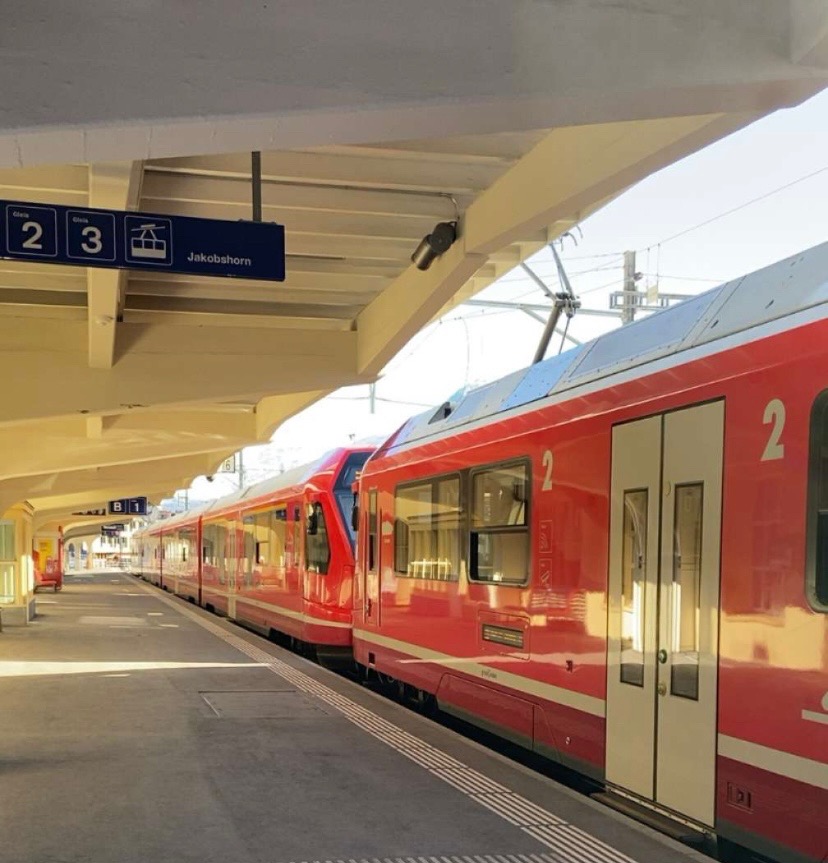
Stateside spring break destinations abound, but consider using that week of vacation time to explore three German-language European countries—Switzerland, Austria, and Germany—all easily reachable from each other by train. The Eurail Global Pass allows travelers to seamlessly cross country borders by rail using a single scannable QR code pass in the app. It’s a fantastic opportunity to maximize your time abroad and visit multiple countries all in one overseas trip.   

Eurail train travel is scenic and comfortable, and the well-designed Eurail app makes it easy to view train schedules and plan your trip.

Time in the mountains is essential if you’re headed to the Alpine countries of Switzerland and Austria. Downhill skiing in the Alps can be exhilarating, great exercise, and a fun social activity—as proven by the millions of visitors to throng ski resorts like Davos Klosters in Switzerland and St. Anton am Arlberg in Austria each year. Both destinations are part of the Best of the Alps organization’s carefully curated collection of classic mountain resorts and offer excellent ski schools.

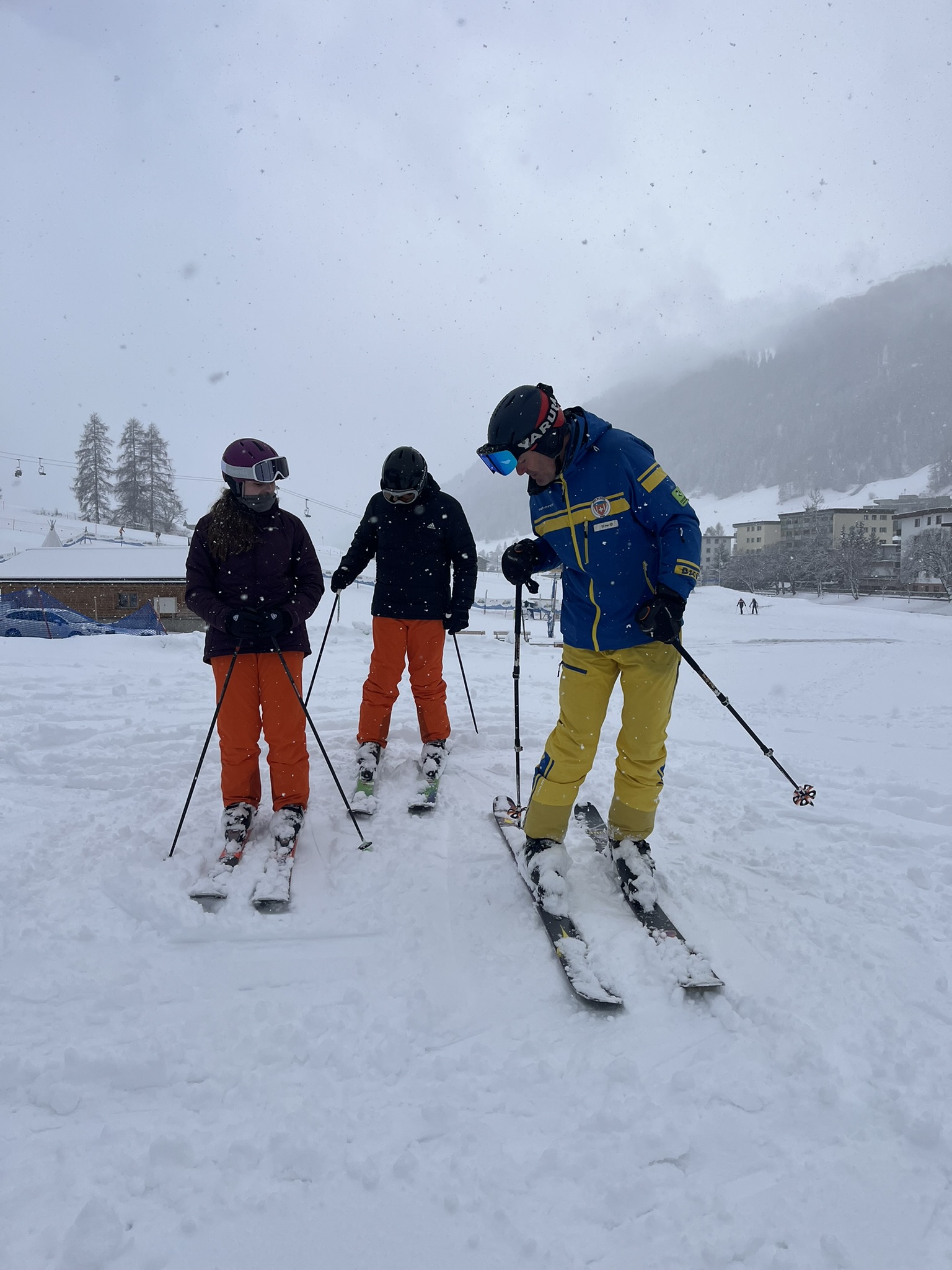
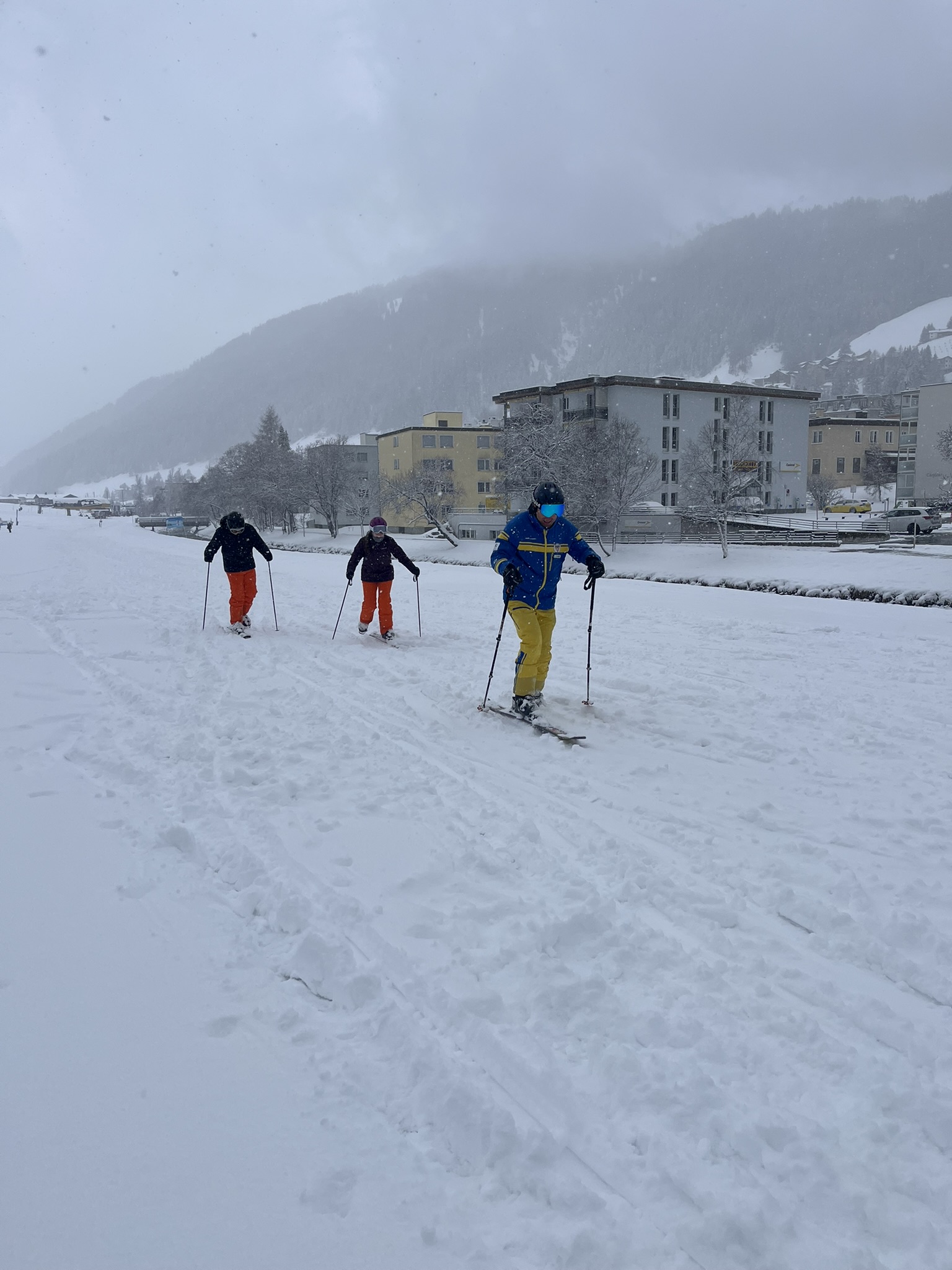
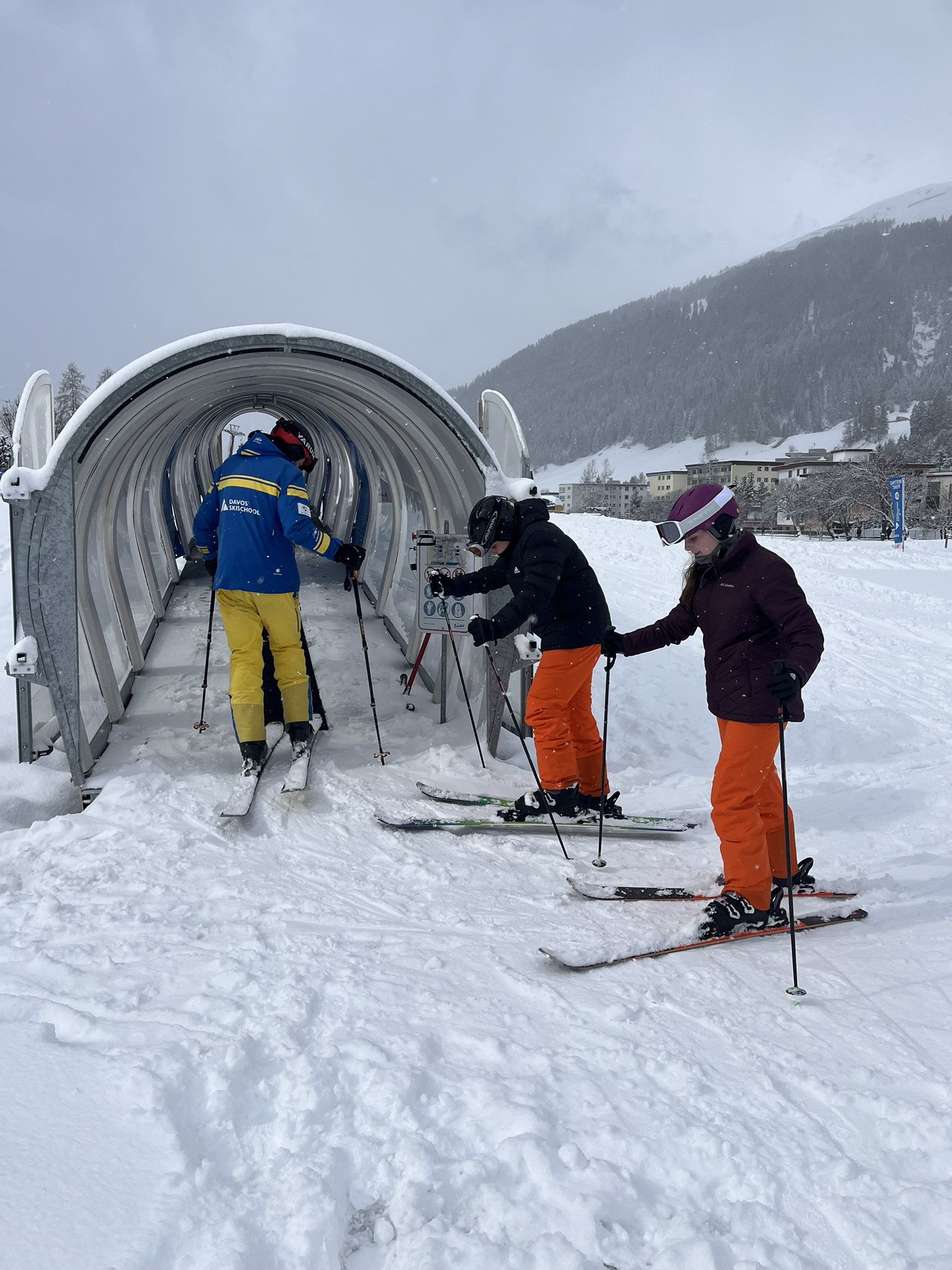
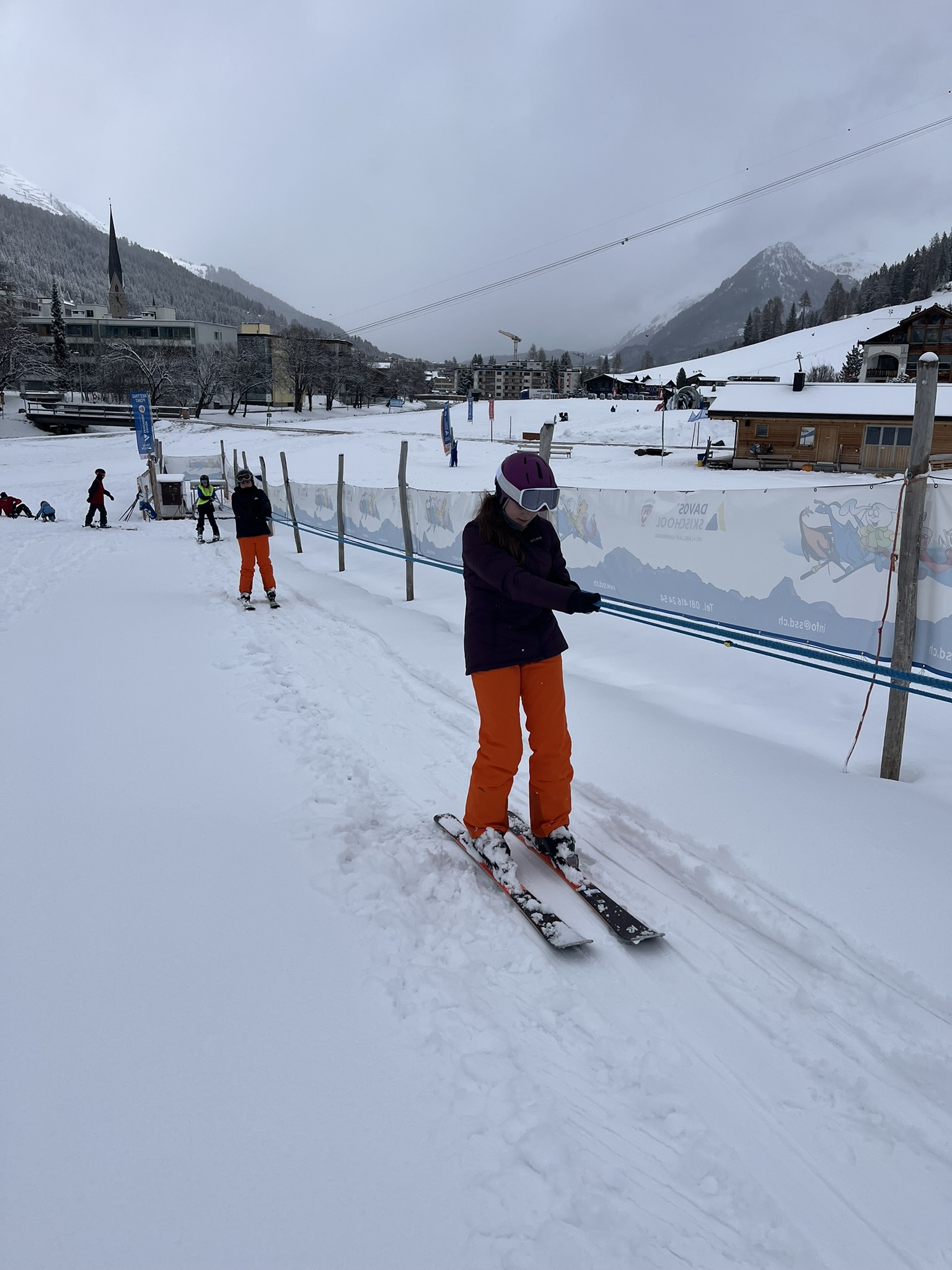
A 2.5-hour train ride from the Zürich Airport, the 13,000-inhabitant Alpine village of Davos is the highest city in Switzerland, at 5,147 feet above sea level. Its Ski School Davos, part of the Swiss Ski and Snowboard School, is the biggest and oldest ski school in the country. Students here can learn from patient, professional instructors, who focus on safety and ensure basic skills are mastered before introducing more difficult maneuvers or terrain. Experienced skiers have 157 miles of ski trails on 81 different slopes to explore over five separate ski areas, including the iconic Parsenn skiing and hiking area, famous for its wide pistes and long runs.
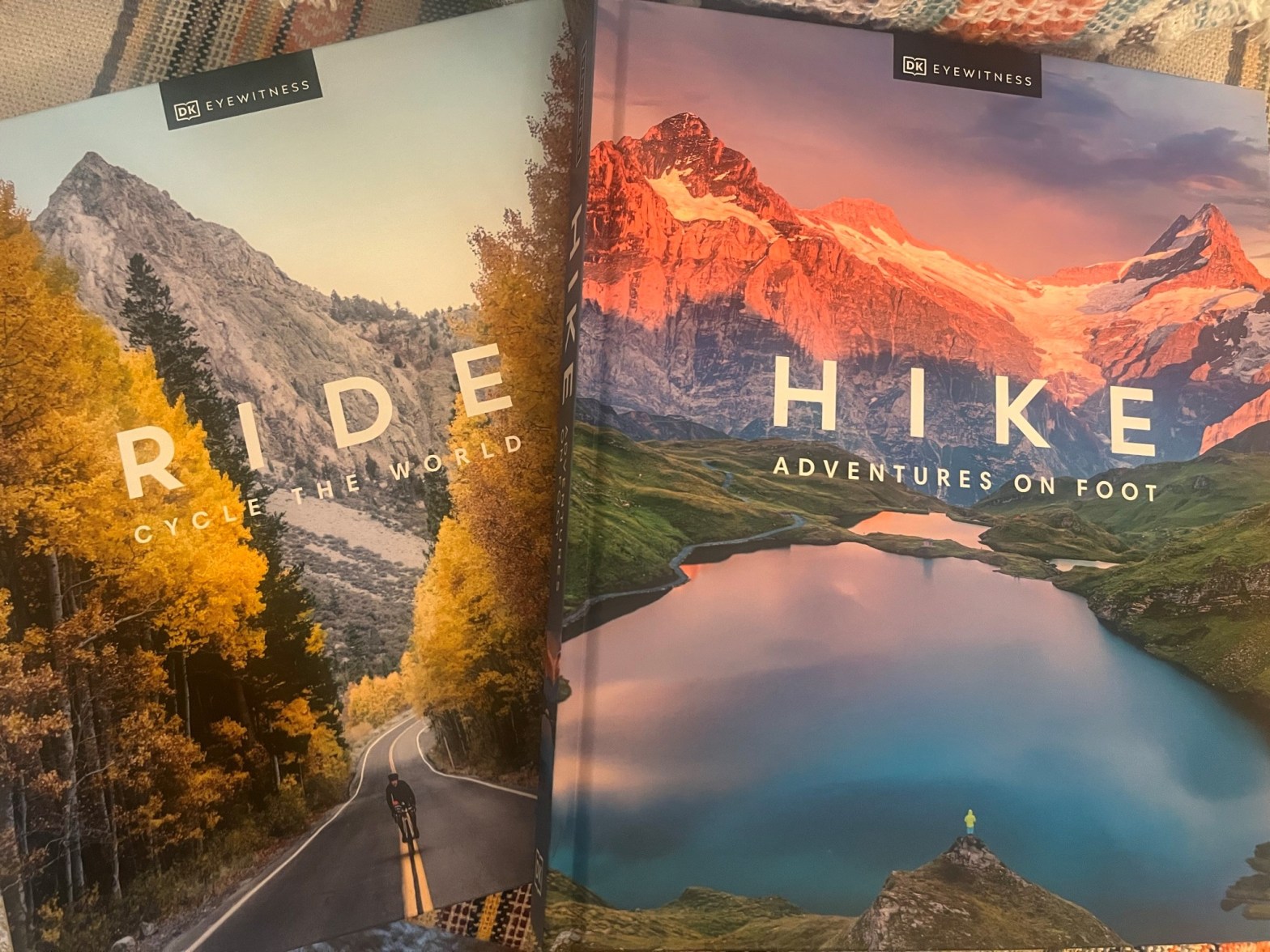
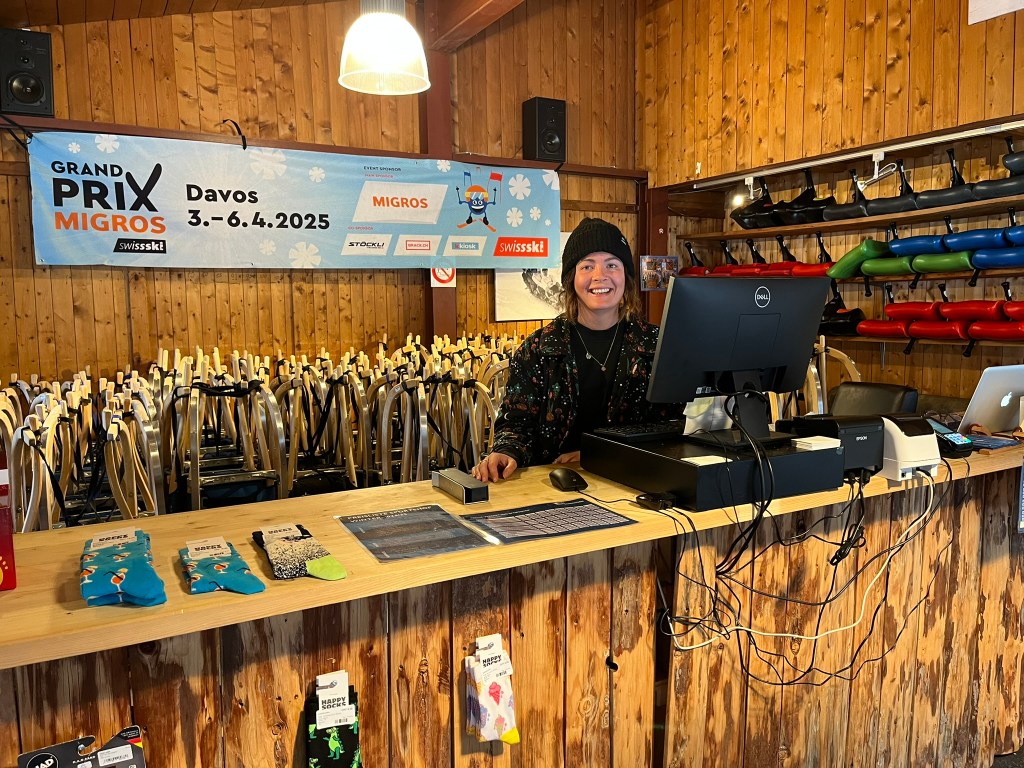
Private and group lessons are offered at Ski School Davos, with ski equipment rental available at Top Secret Ski & Snowboard Shop, directly across the street from Bolgen Plaza.

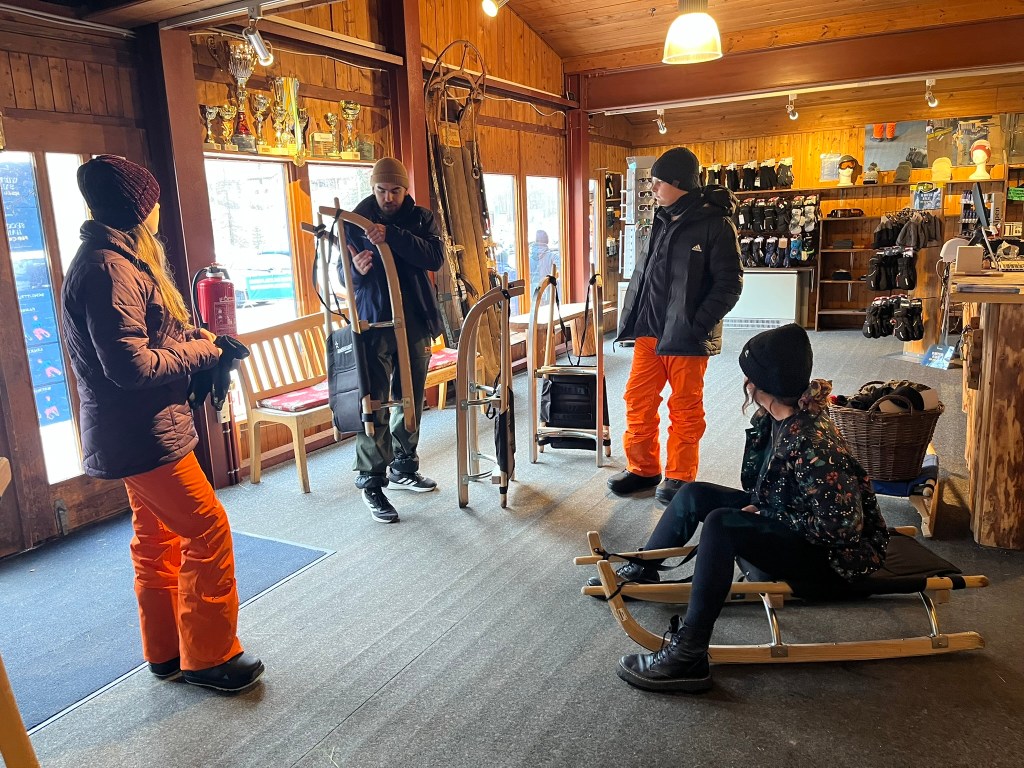
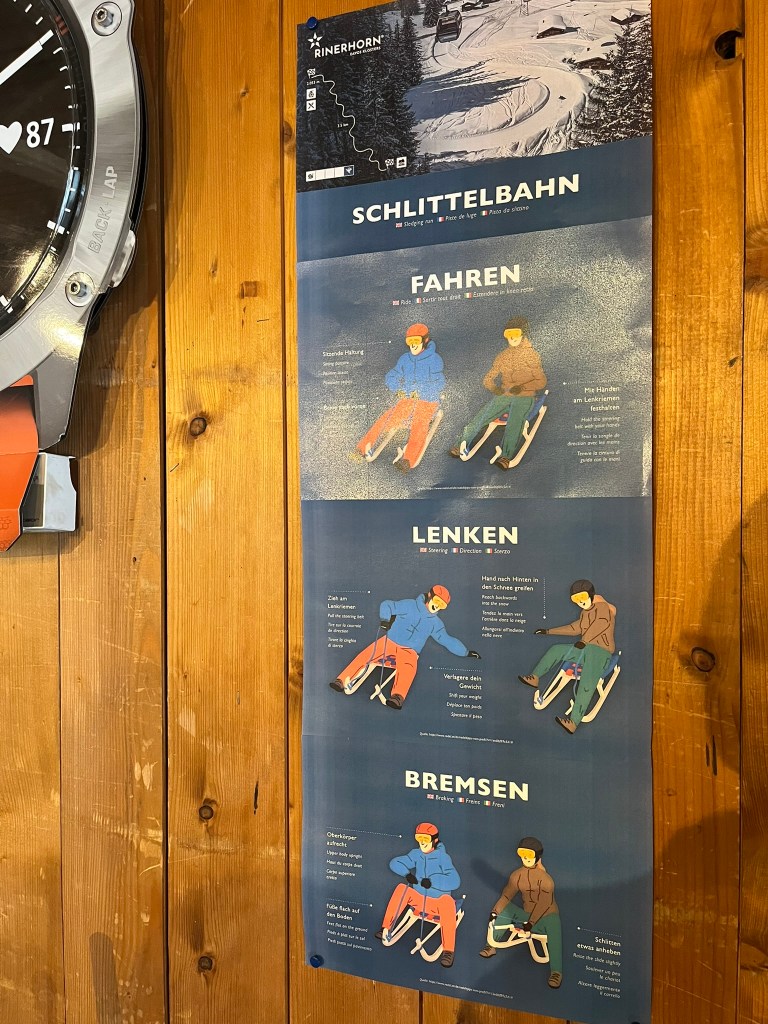
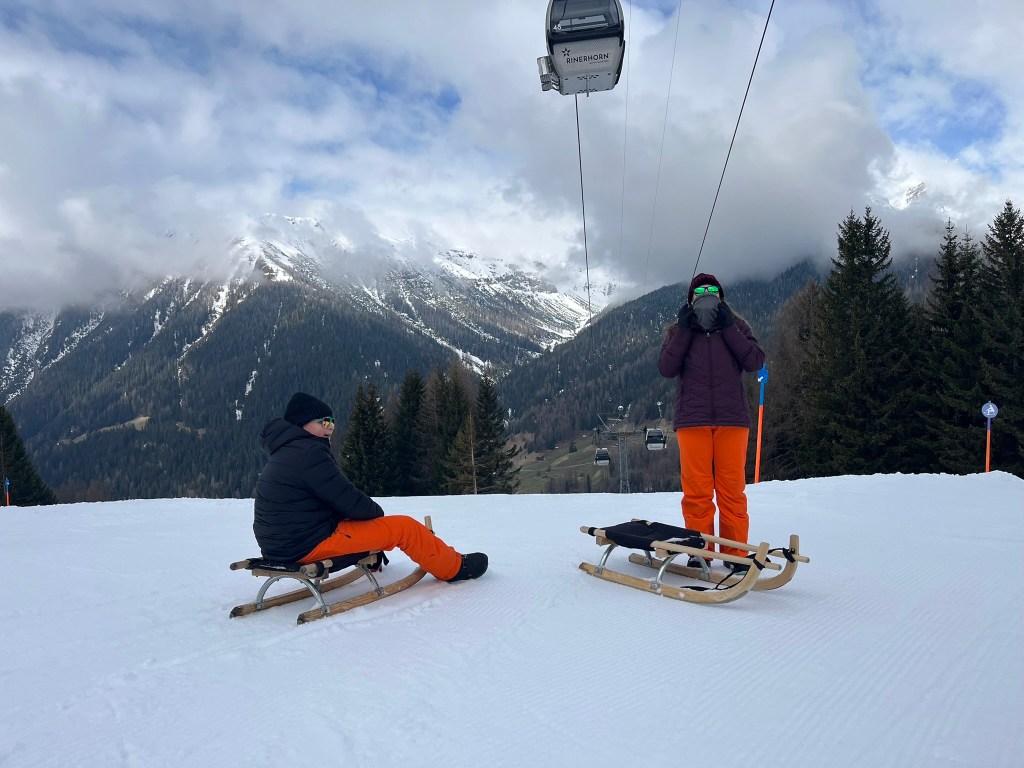
The Alps are inviting even to those not wearing skis. For a fun take on tobogganing, try sledging down the 2.2-mile Rinerhorn run in Davos. Take the ski lift to the top and pilot your wooden sledge down the steep and curving 33-bend slope—one of the most challenging sledging runs around—braking with knees bent and feet flat on the snow and changing direction by shifting weight and pulling the steering rope. It’s like high-speed Mario Kart in the mountains!

Rinerhorn has slopes for skiers and sledgers.

If you’re staying at the comfy mountain chalet Hotel Waldhuus in Davos, be sure to spend time in the large indoor pool and experience the Switzerland sauna lifestyle in their bio sauna, herbal sauna, or new Finnish sauna. Usually co-ed and textile-free, sauna visitors in Switzerland use towels simply for hygiene purposes—not as a cover-up, but to sit on so sweat doesn’t touch the wood. Sauna usage is linked to many health benefits and can lower blood pressure, improve cardiovascular health and circulation, reduce soreness after exercise, promote muscle recovery, stimulate immune system support, reduce stress, and eliminate toxins. A swim and sauna session after a full day of activity feels physically and mentally healing, especially in a clean and well-maintained facility.   

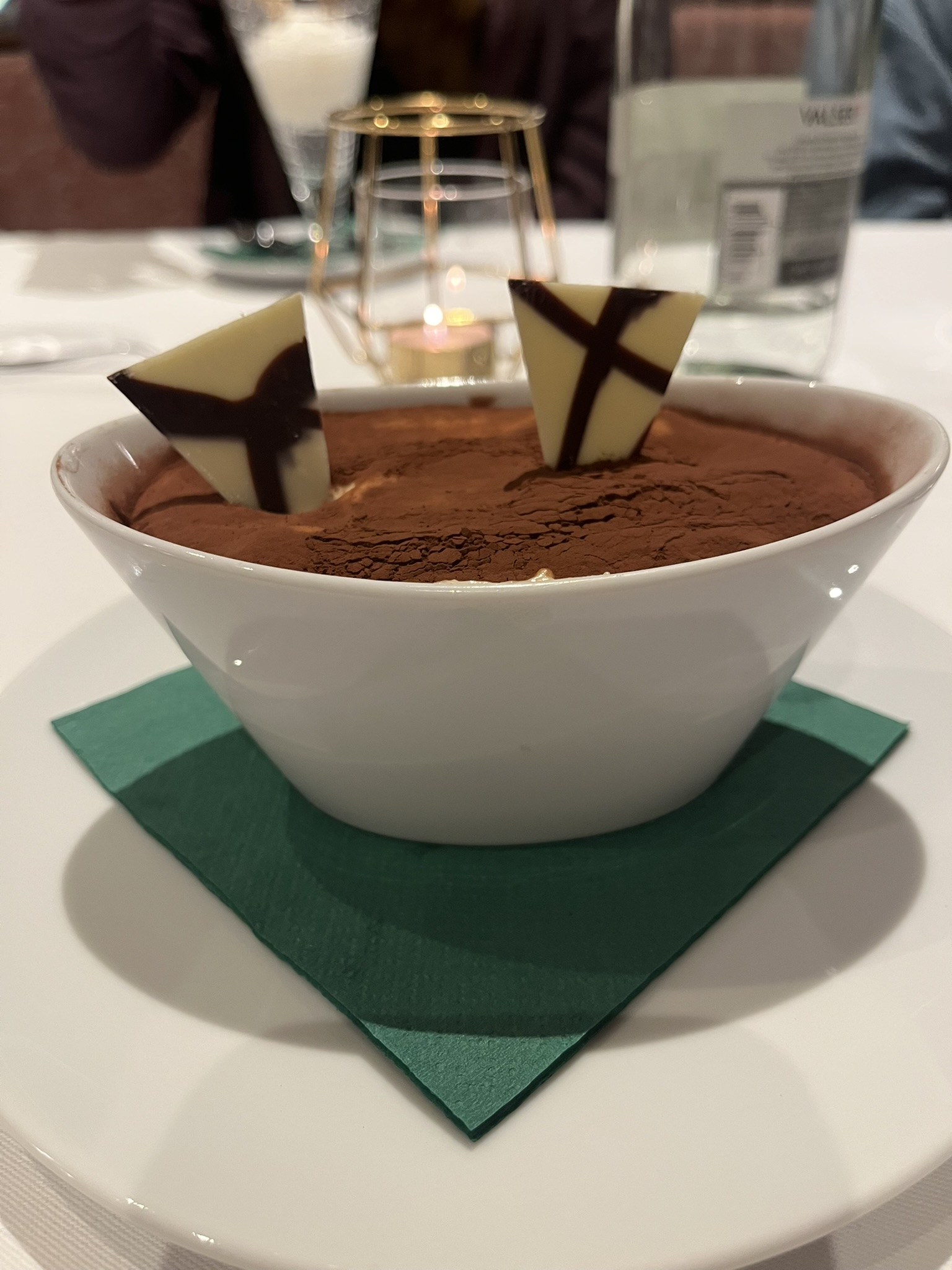
Unwind in Hotel Waldhuus’ comfortable accommodations with terrific spa facilities, and try the delicious tiramisu and enormous fresh breakfast spread in the Waldhuus Restaurant.

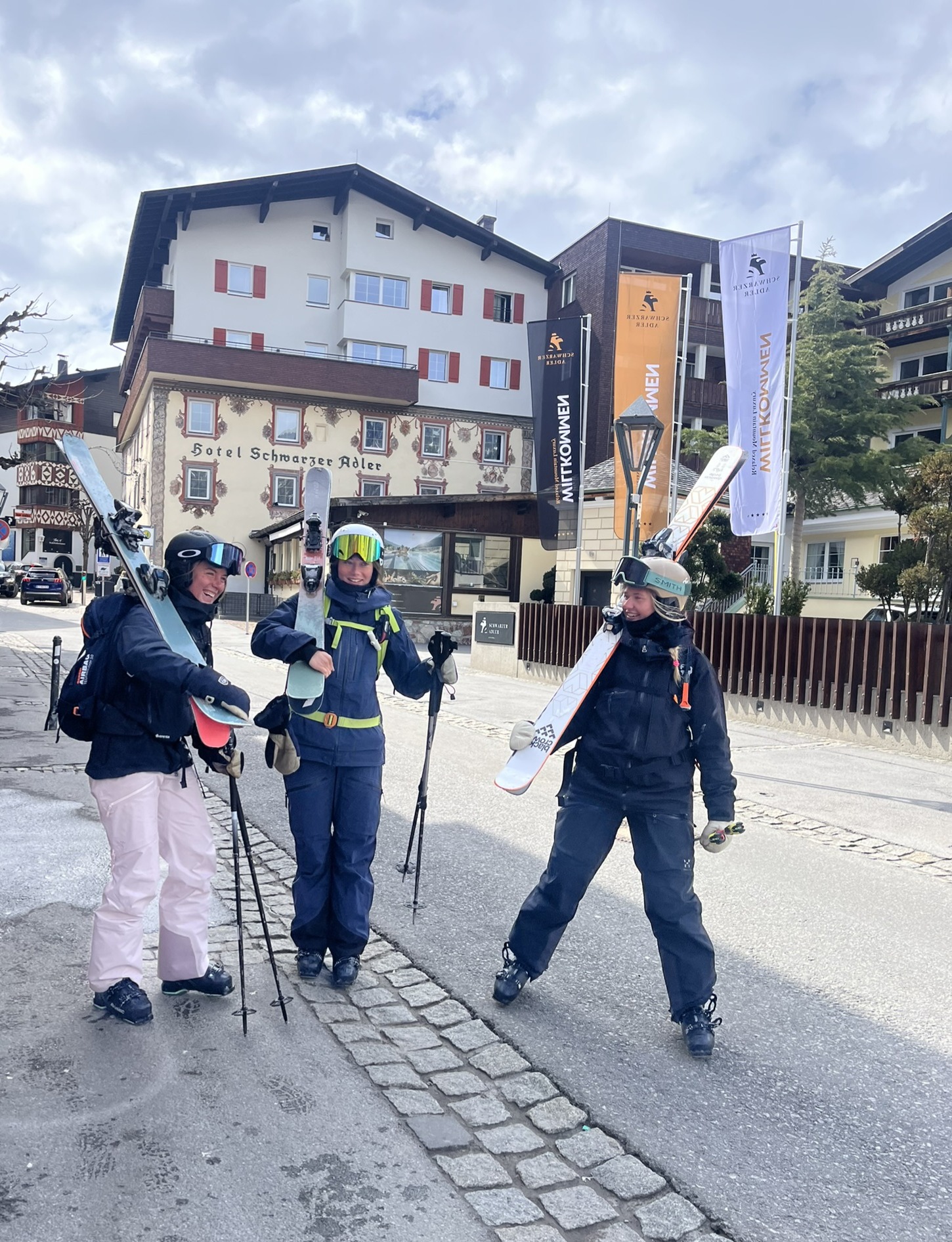
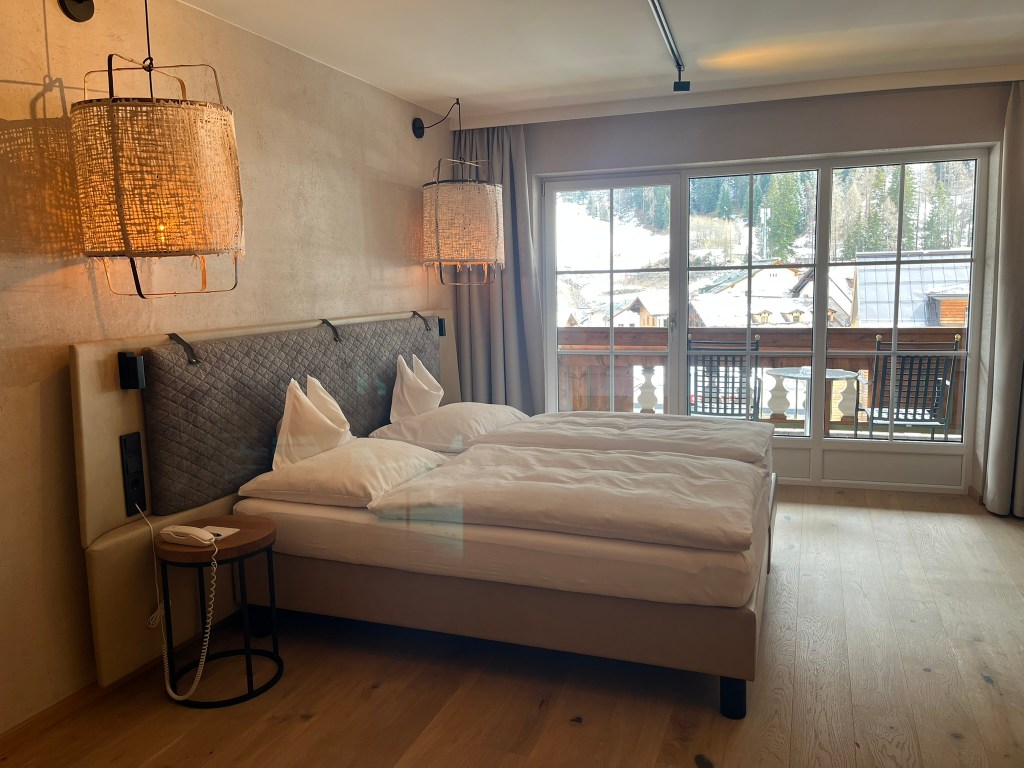
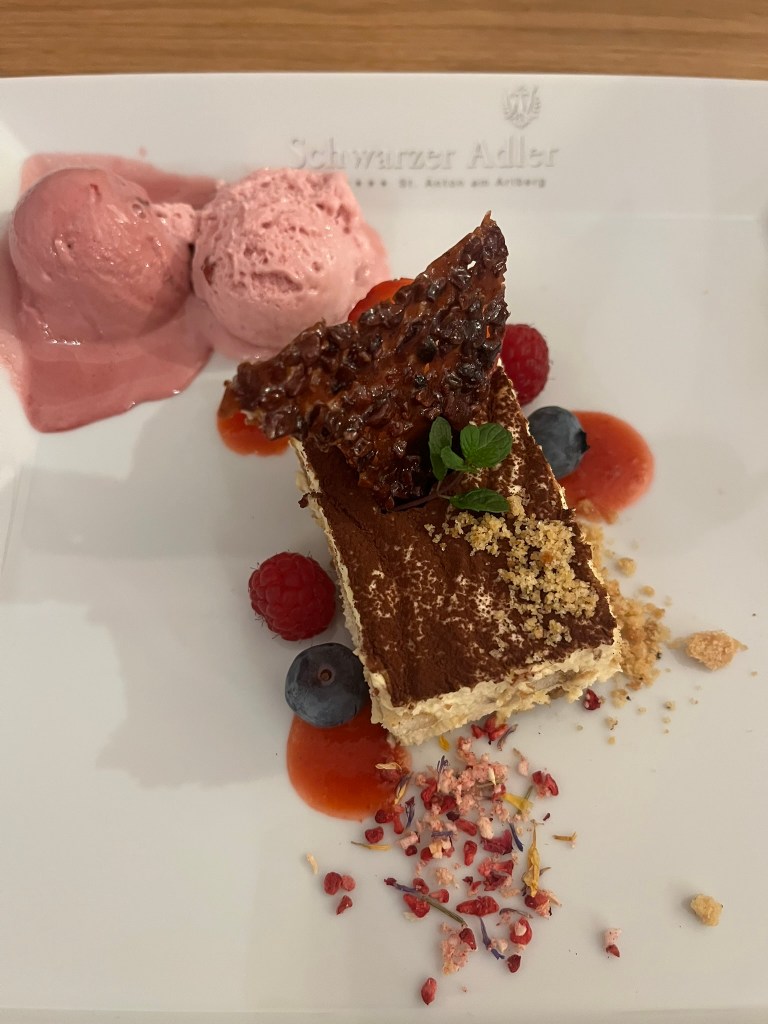
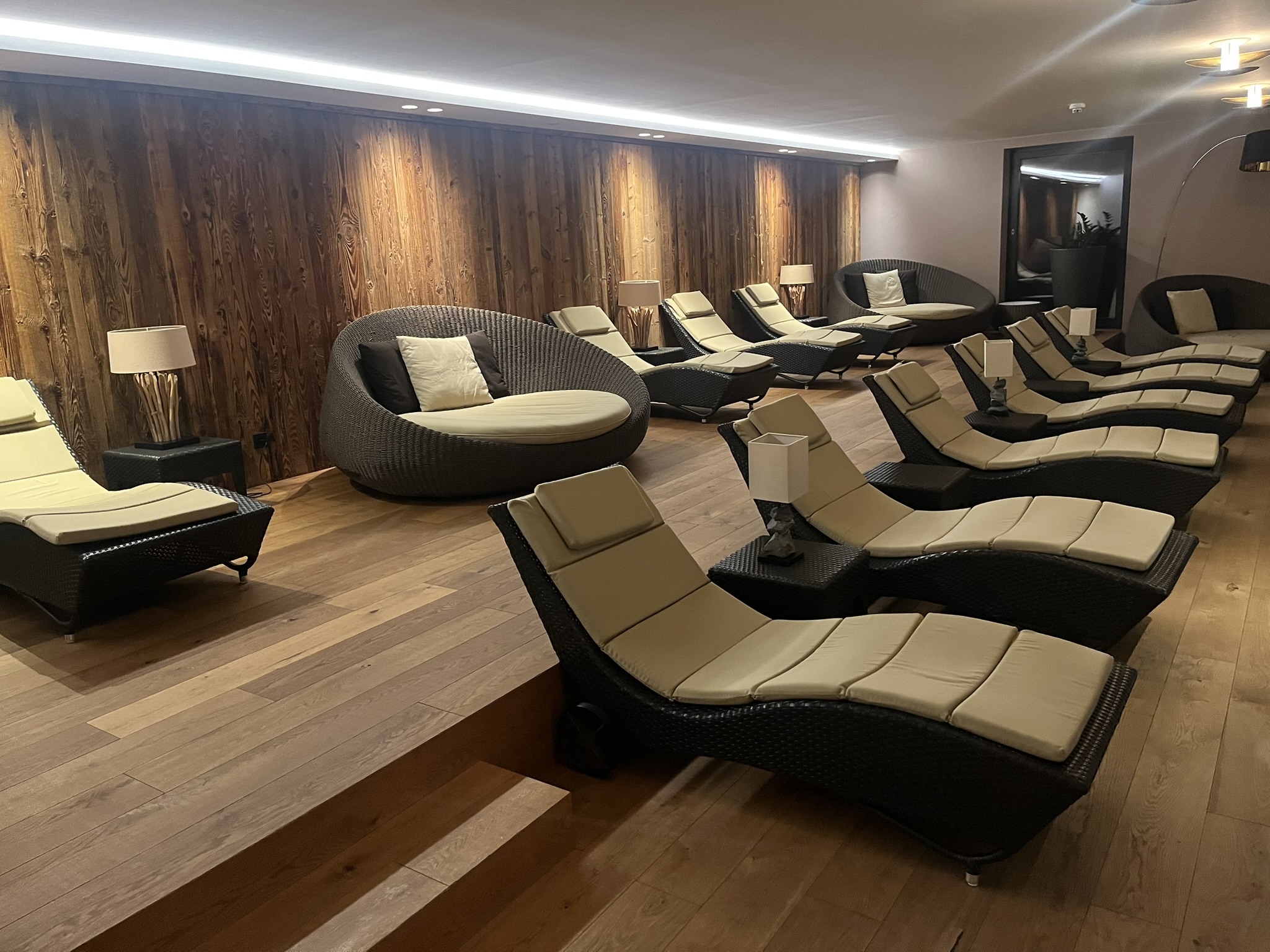
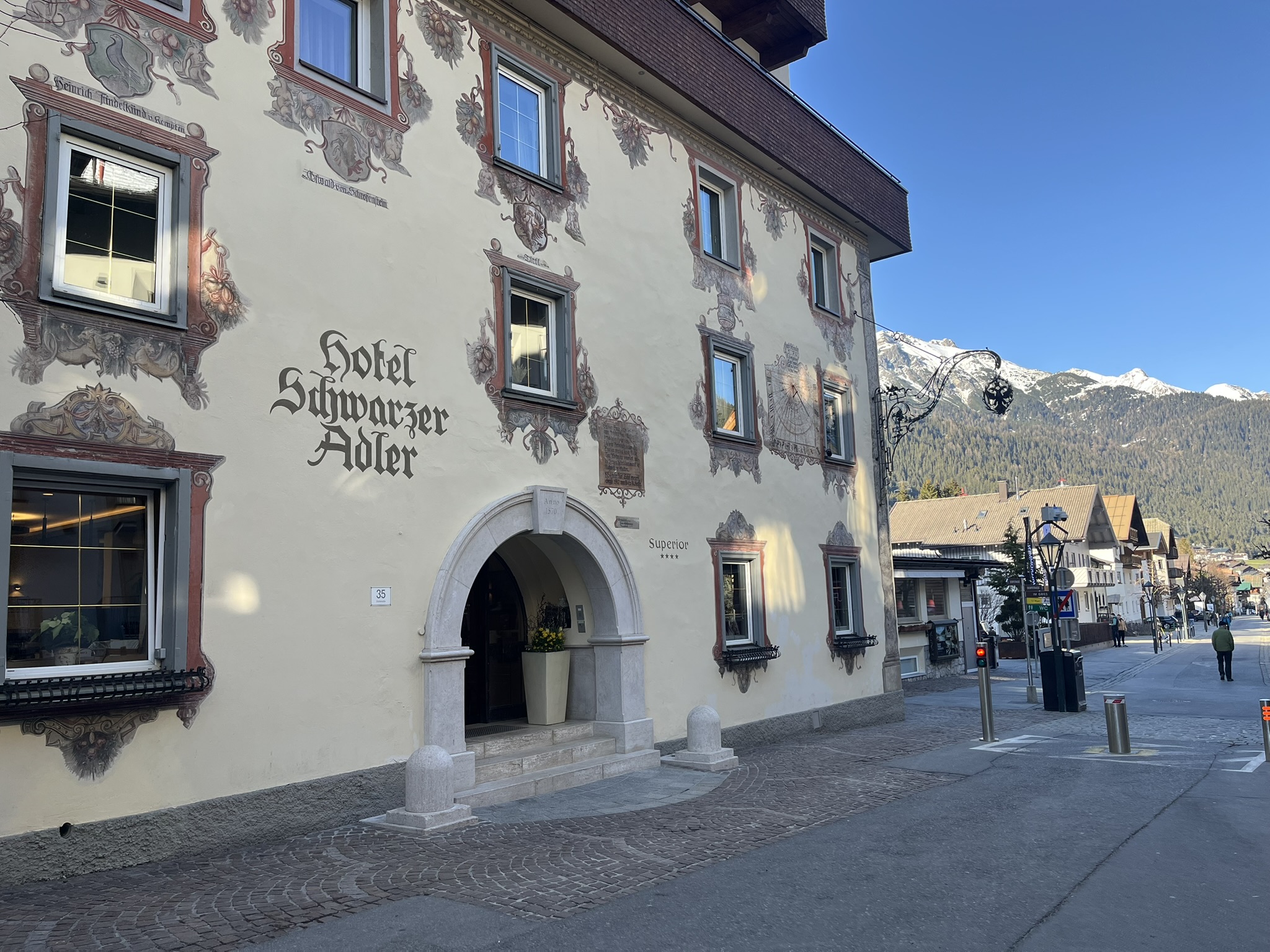
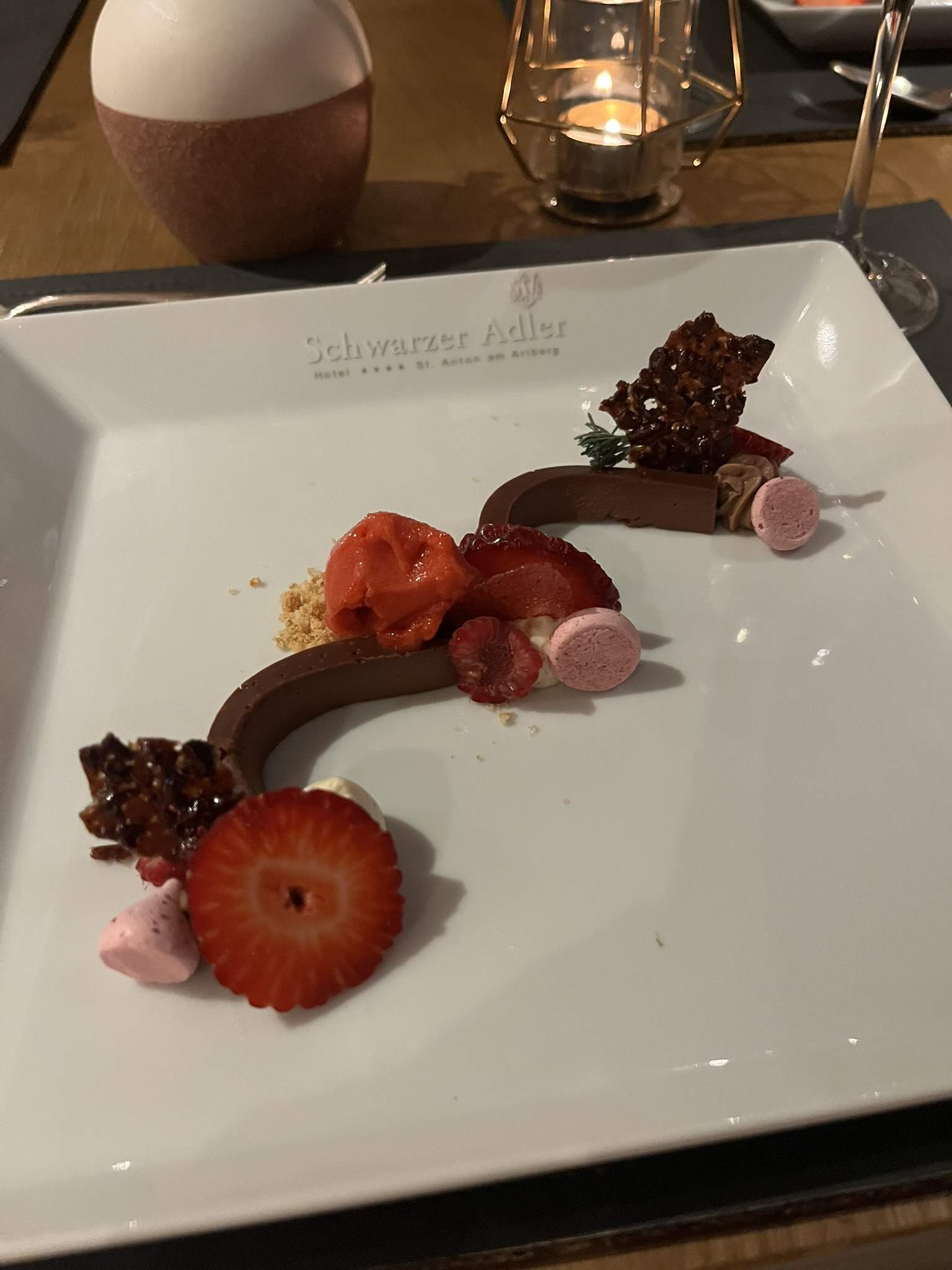
For a taste of the Austrian Alps, a 3.5-hour train ride brings you to St. Anton am Arlberg, Austria, where you can make your home base the classy Hotel Schwarzer Adler. Here, white-glove dinner service offers perfectly flavored and artfully plated meat and vegan dishes, homemade comfort foods including butter Spätzle (egg noodle pasta), and delectable desserts like “chocolate 5 ways,” with Austrian wines for pairing. You can swim in the outdoor sky pool under the pure mountain air or unwind indoors in the relaxation room, saunas, or sparkling indoor pool. Treat yourself to a spa package from the massage menu or simply sip an espresso on your hotel room balcony with a view of snowy peaks and a soundtrack of church bells and birdsong.

The Schwarzer Adler Hotel provides luxurious dining experiences and relaxation outlets.

Skischule Arlberg is the award-winning largest ski school in Austria, founded by Hannes Schneider, the father of the modern “Arlberg technique” skiing style. Before Schneider’s development of this forward semi-squatting posture, the trend was to stand erect with rigid knees, a position derived from Nordic or cross-country skiing, which wasn’t a practical stance for the steep Tyrolian terrain. Ski instructors at Skischule Arlberg keep lessons fun and stress-free, moving at the students’ pace and providing encouragement without pushing too far beyond current comfort levels. For those unaccustomed to ski life, it’s an excellent introduction to what many Alpine locals grow up learning from a young age.  

Ski School Arlberg prepares skiers to achieve their athletic goals.

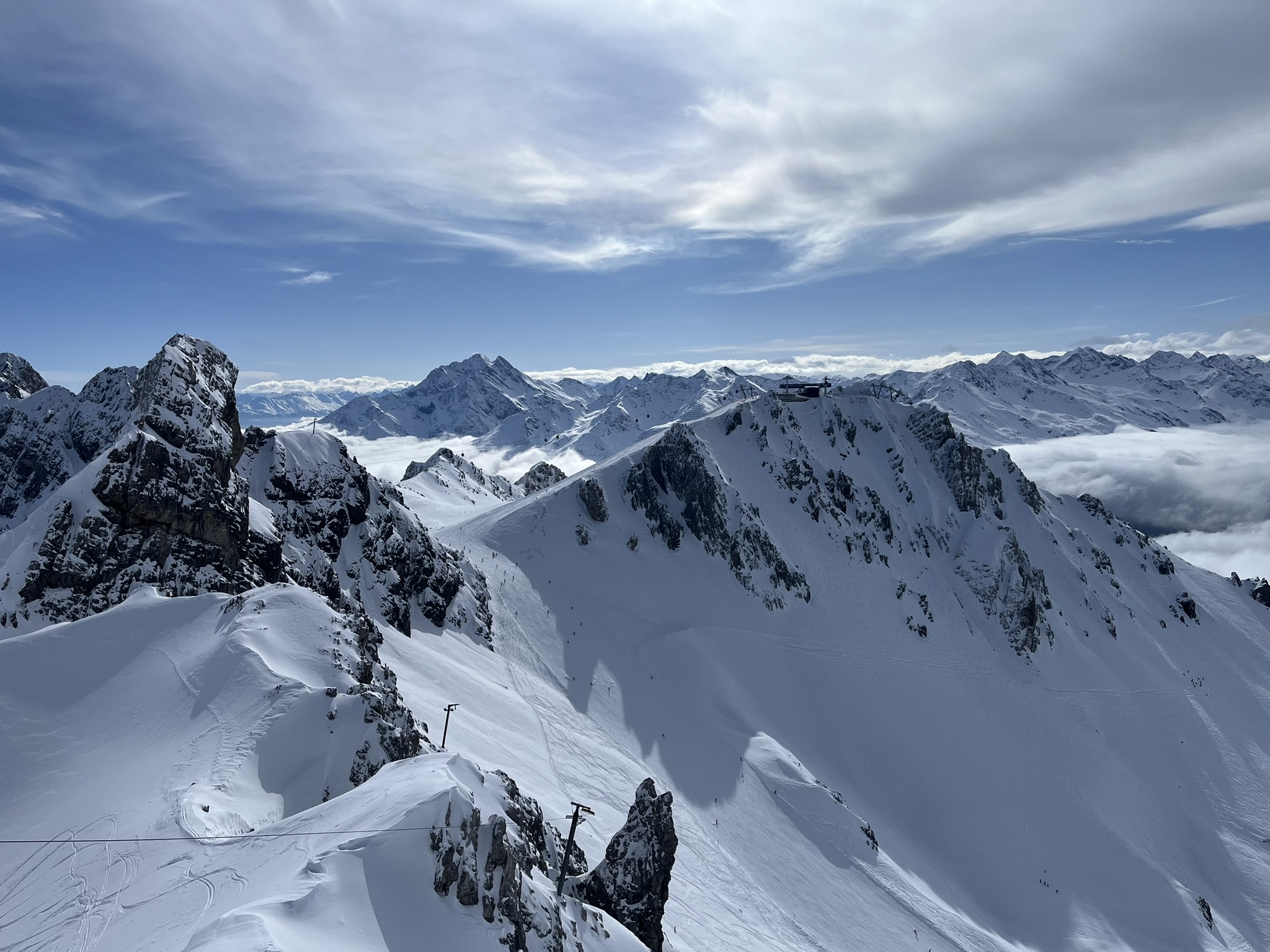
An incredible highlight of St. Anton—no skis needed—is up on the very peak of Valluga, at 9,222 miles above sea level. Ride the “Galzigbahn” ski lift to the first mountain station, where you can snack at the Galzig Restaurant, shop in the ski store, and watch athletes descend the slopes. Then ascend with the “Vallugabahn I” lift through fog and clouds to the Vallugagrat station and the Valluga View Restaurant. One more ride in the small “Vallugabahn II” cable car brings you to the pinnacle lookout point—a circular railed platform open to the intense sun and whipping wind, with breathtaking views of snow-covered Alps in every direction. You have a clear panorama from Lake Constance to Switzerland and the Zugspitze, the highest mountain in Germany. From here, you can see the extraordinary beauty of the glacier-carved gorges as well as the splendid organization of the ski resort, with numerous lifts in motion, skiers gracefully carving patterns into the snow, and sky-high facilities with everything you might need for your day in the heights.

Unbeatable Valluga views are a highlight of St. Anton am Arlberg.

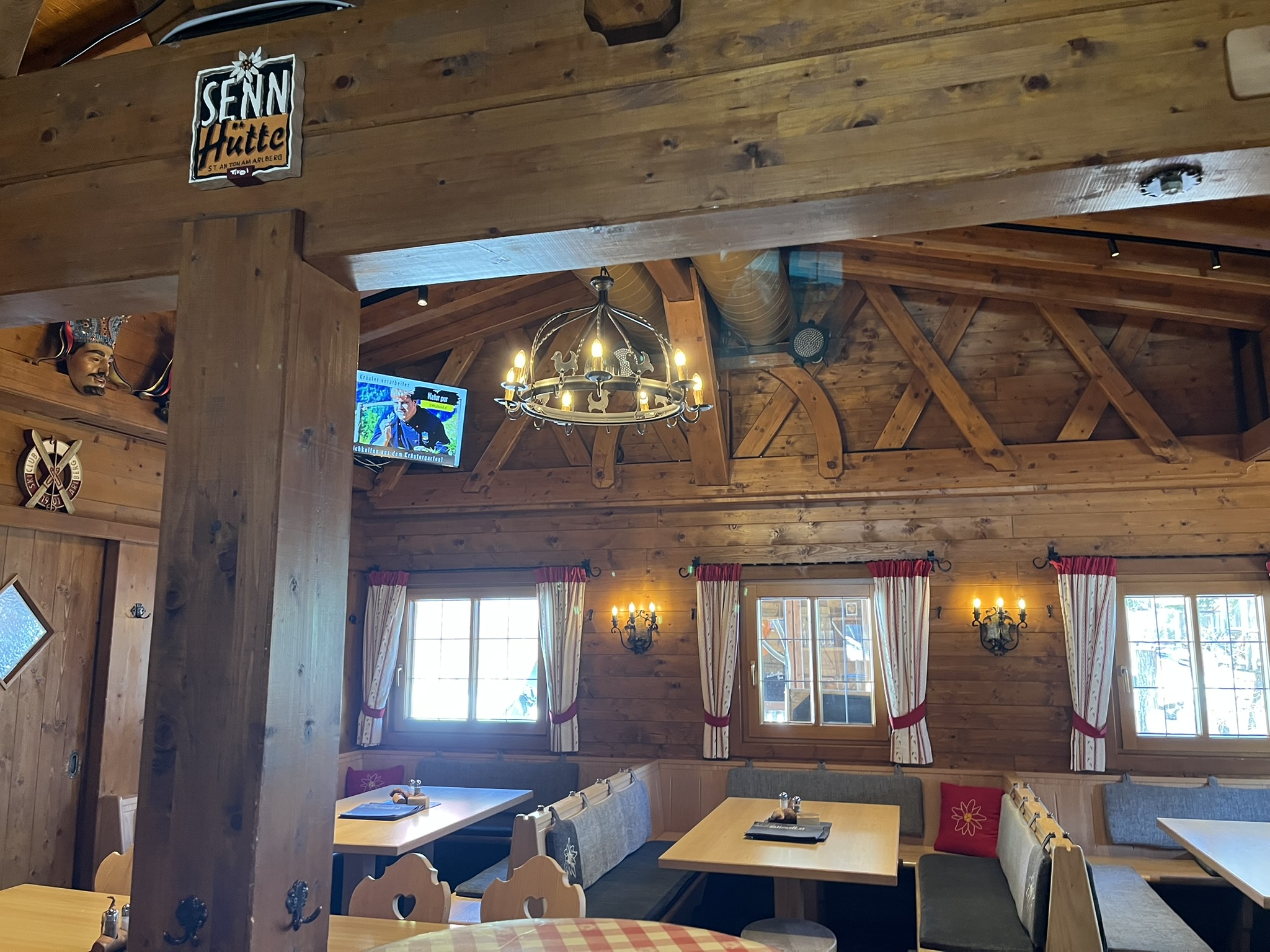
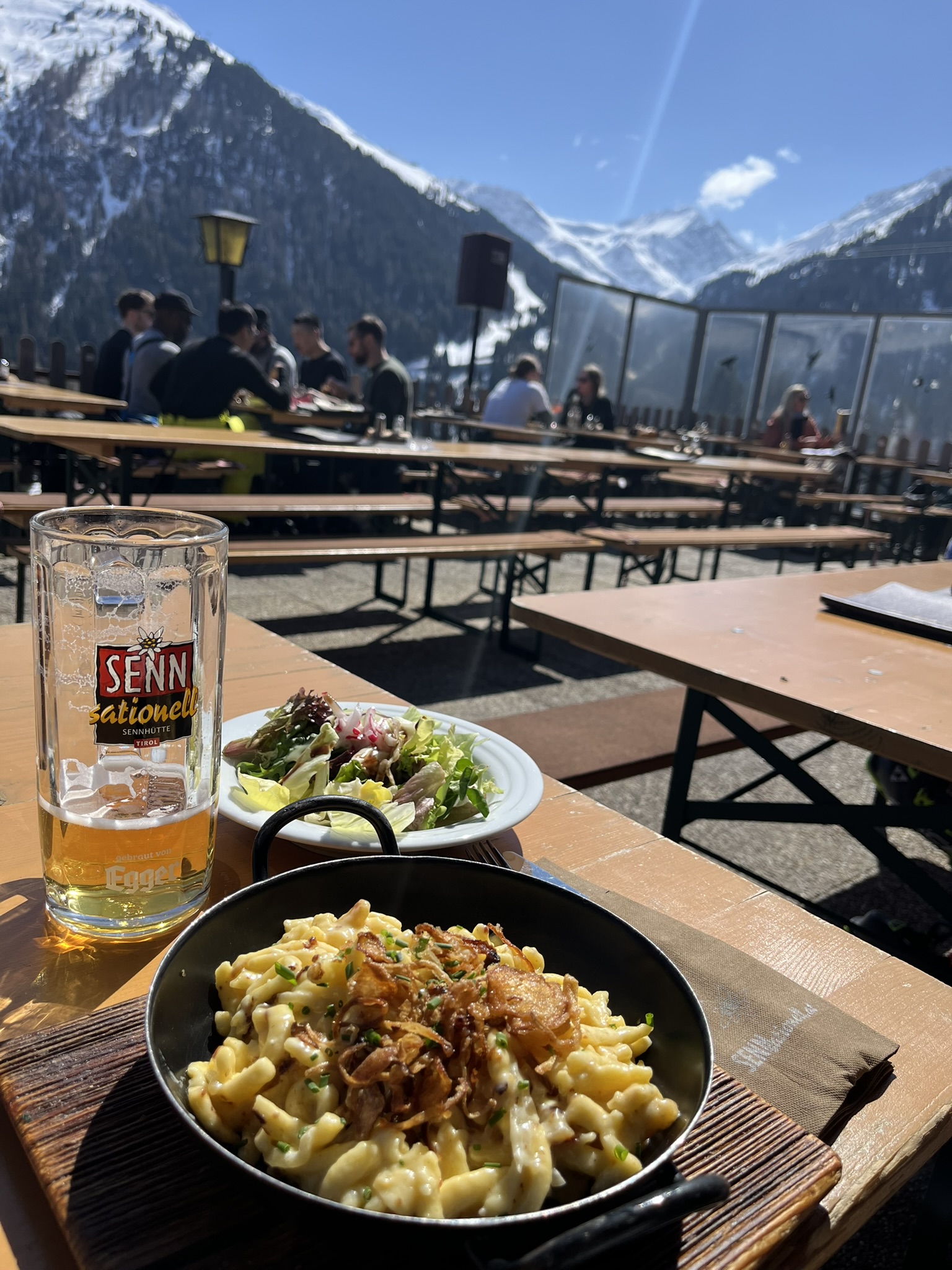
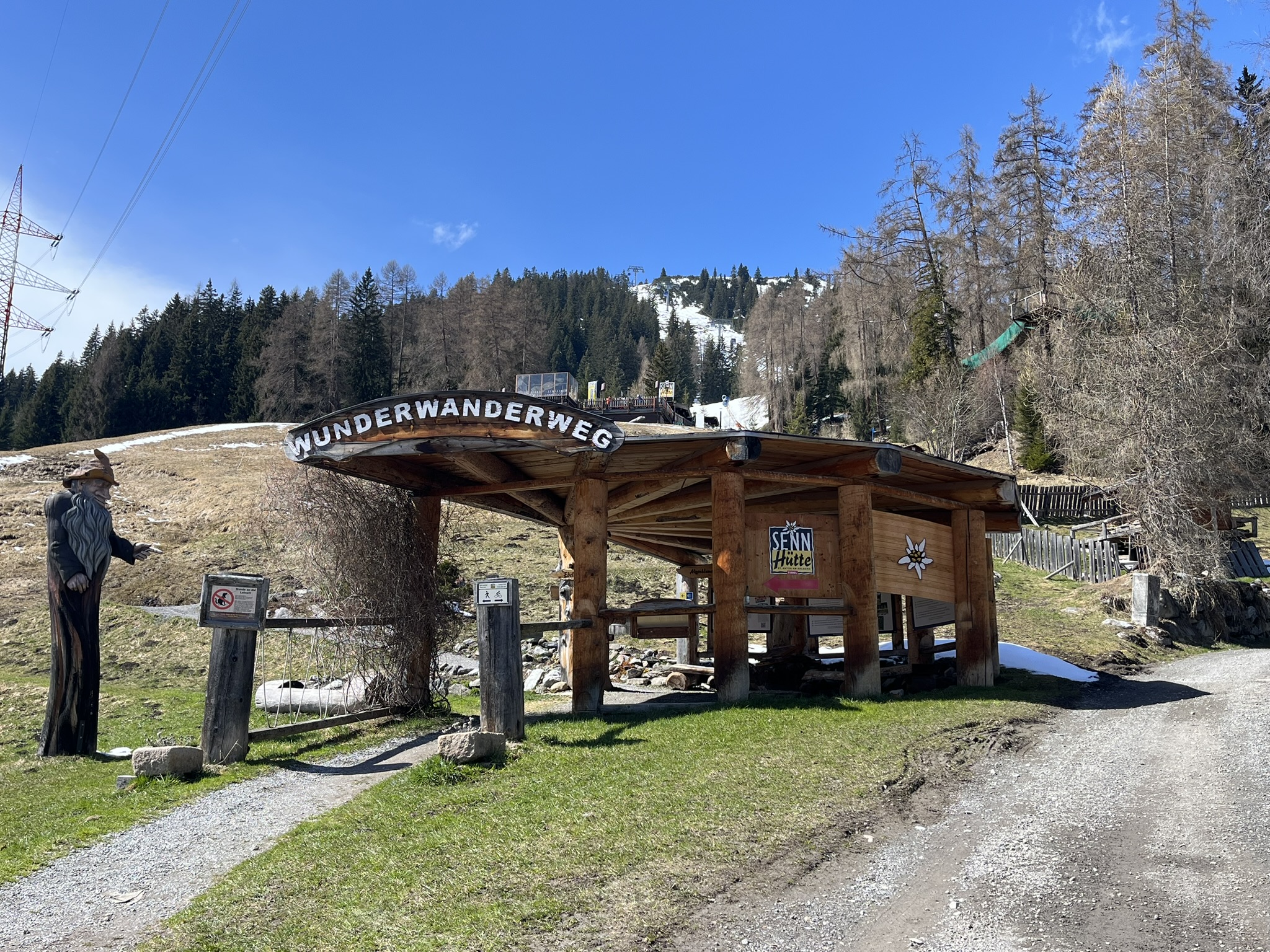
Don’t leave the Alps without an après-ski experience! St. Anton am Arlberg holds many opportunities to unwind and let loose after a day of athletics. You can party hard with club music and tasty drinks at any number of après-ski huts, or partake in a casual post-ski meal at the rustic Sennhütte restaurant right on the slopes—its entrance marked by an enormous pair of Lederhosen. Either ski down the hill right to the restaurant or take a free bus trip there from the town center and hike up the WunderWanderWeg (wonder walking way) pathway from the bus stop. The back patio balcony affords an outstanding view into the mountains—a brilliant backdrop for sampling Käsespätzle (thick cheesy noodles topped with crispy fried onions), Schnitzel and Pommes (fried meat cutlets and French fries), and gulping a refreshing beer or Skiwasser (“ski water”—an alcohol-free blend of raspberry syrup, lemon juice, and water or seltzer).

Giant lederhosen and the WunderWanderWeg lead the way to Sennhütte.

Any beer fans or German-language–lovers know that Bavaria is a nearby European destination worth visiting, so travel by Eurail from St. Anton 3.5 hours northeast and you’ll end up in Munich, Germany. A short walk from the Munich main train station through a Mediterranean district brings you to the fresh and inviting greenery-filled lobby of the KOOS Hotel. A prime location near Karlsplatz bus and streetcar stops, the KOOS Hotel is also within easy walking distance of the Altstadt, Munich’s medieval old town. KOOS Hotel’s vegan-friendly personal care products in the rooms and numerous vegetarian and vegan breakfast selections are a welcome perk for those with specific preferences and dietary needs. The hotel is also a role model for sustainability and is entirely paperless, with a digital check-in process and novel phone-activated room entry in lieu of a room key. This family- and dog-friendly haven near the city center has all you need for your stay, including an in-room washing machine and clothesline for freshening up travel clothes.

Environmental consideration and convenience are key at KOOS Hotel.

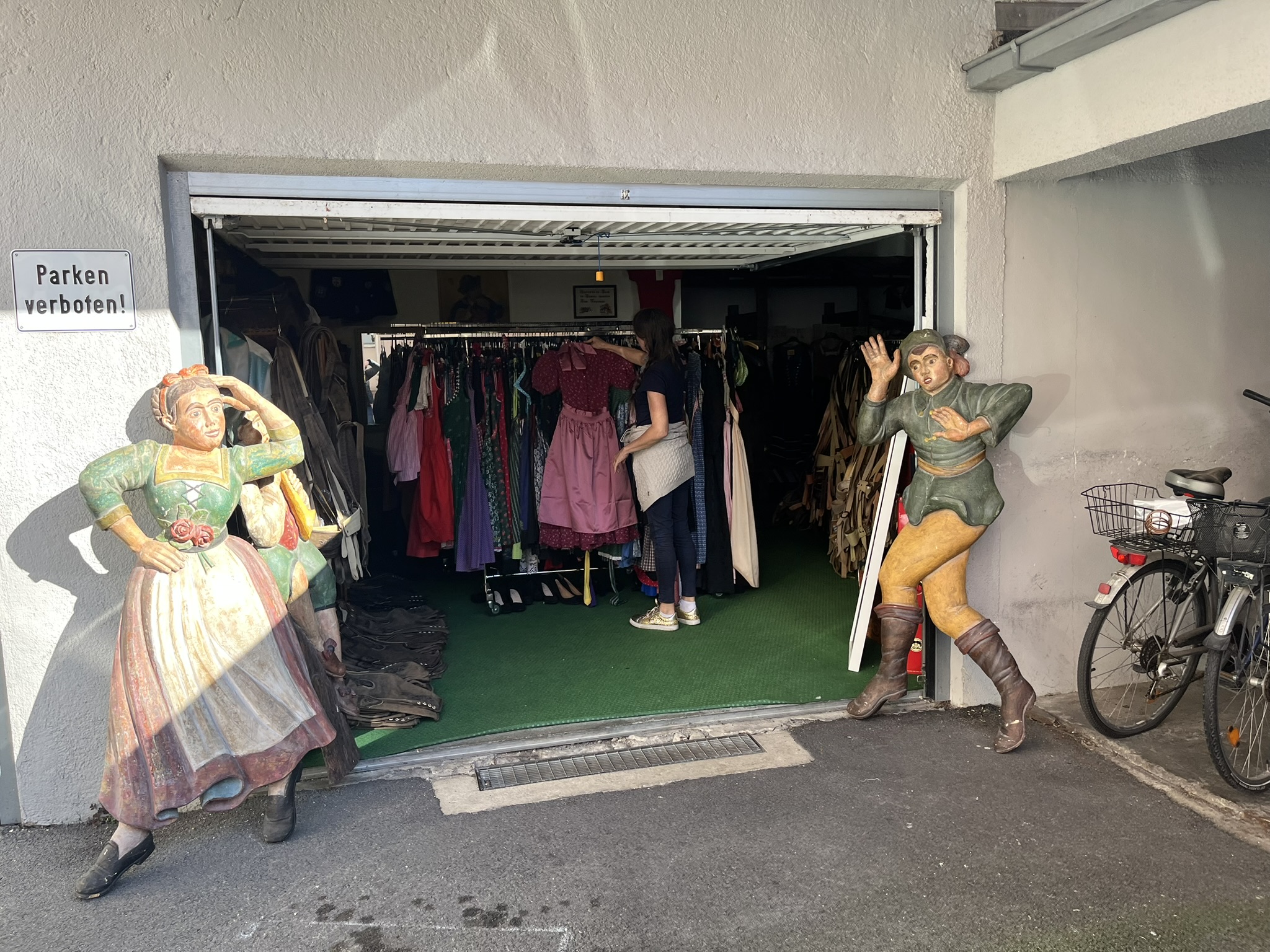
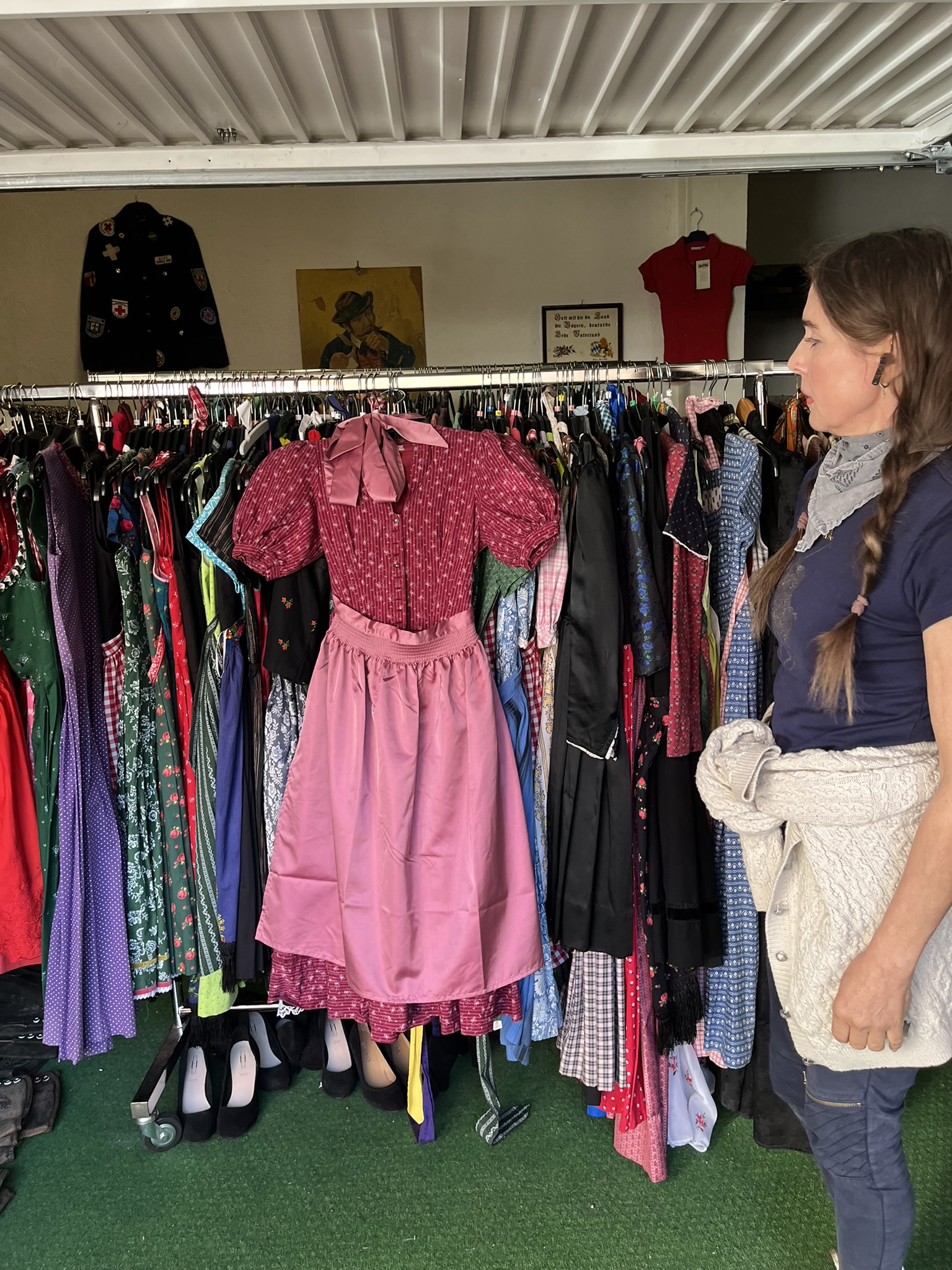
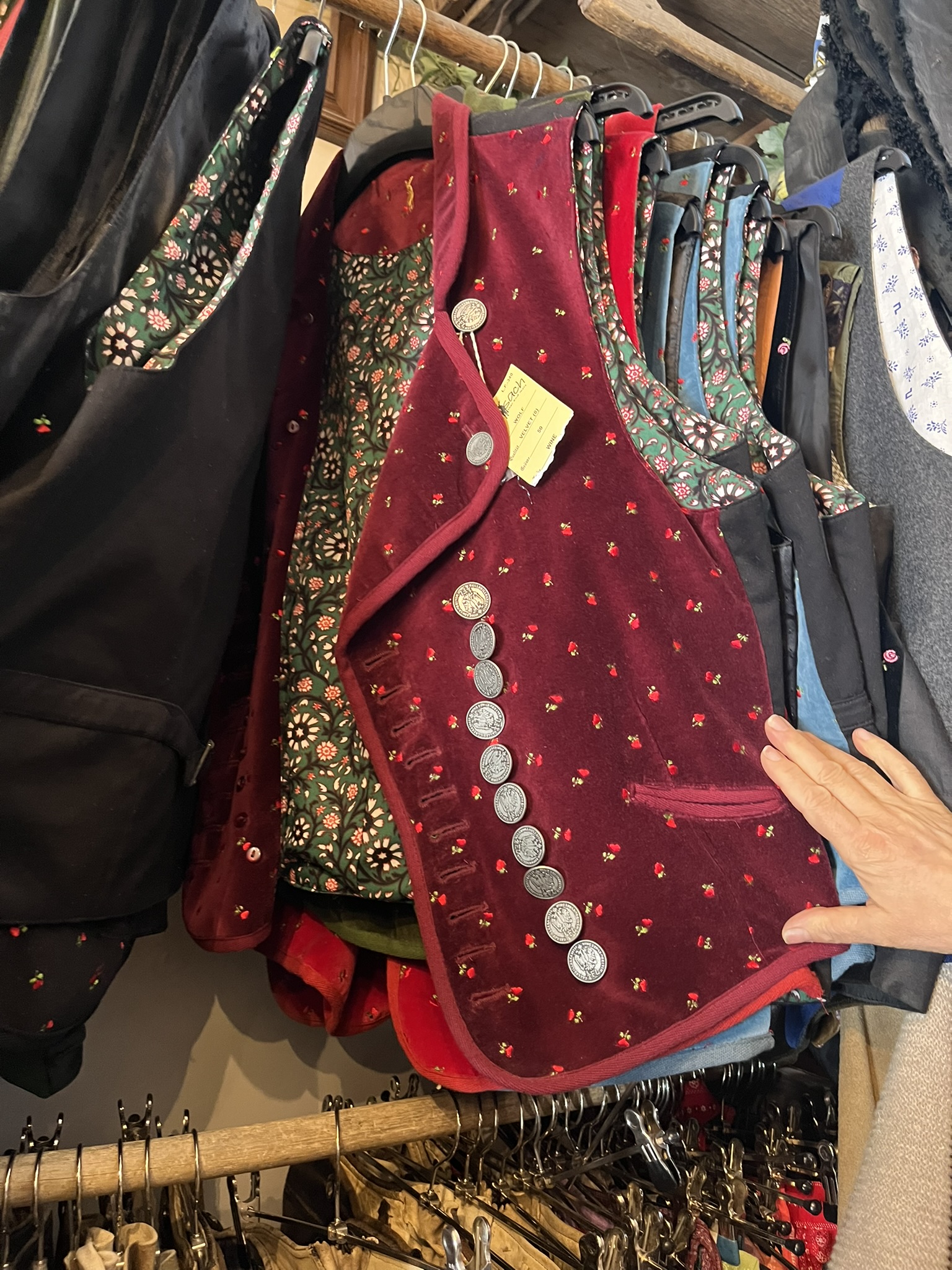
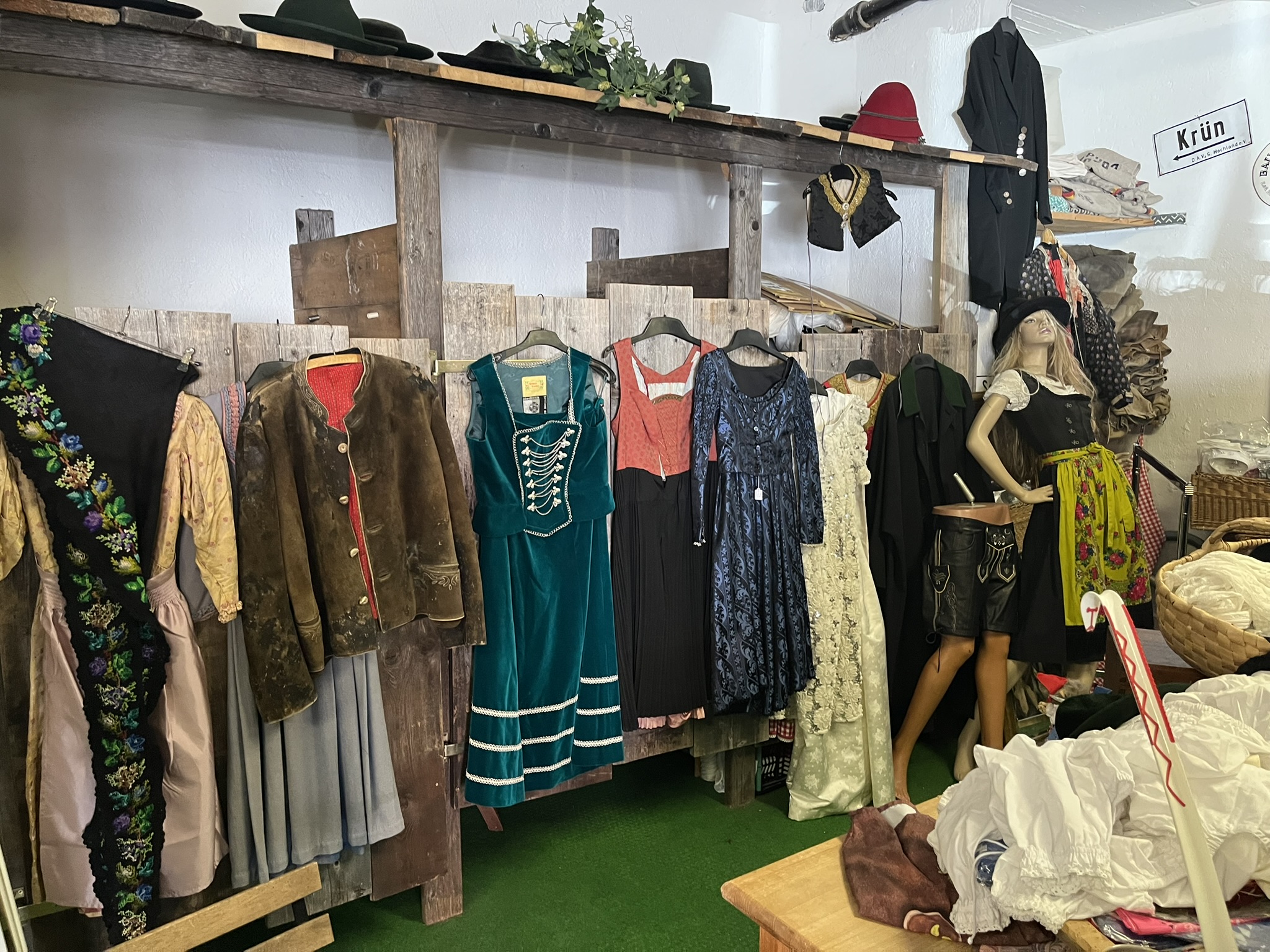
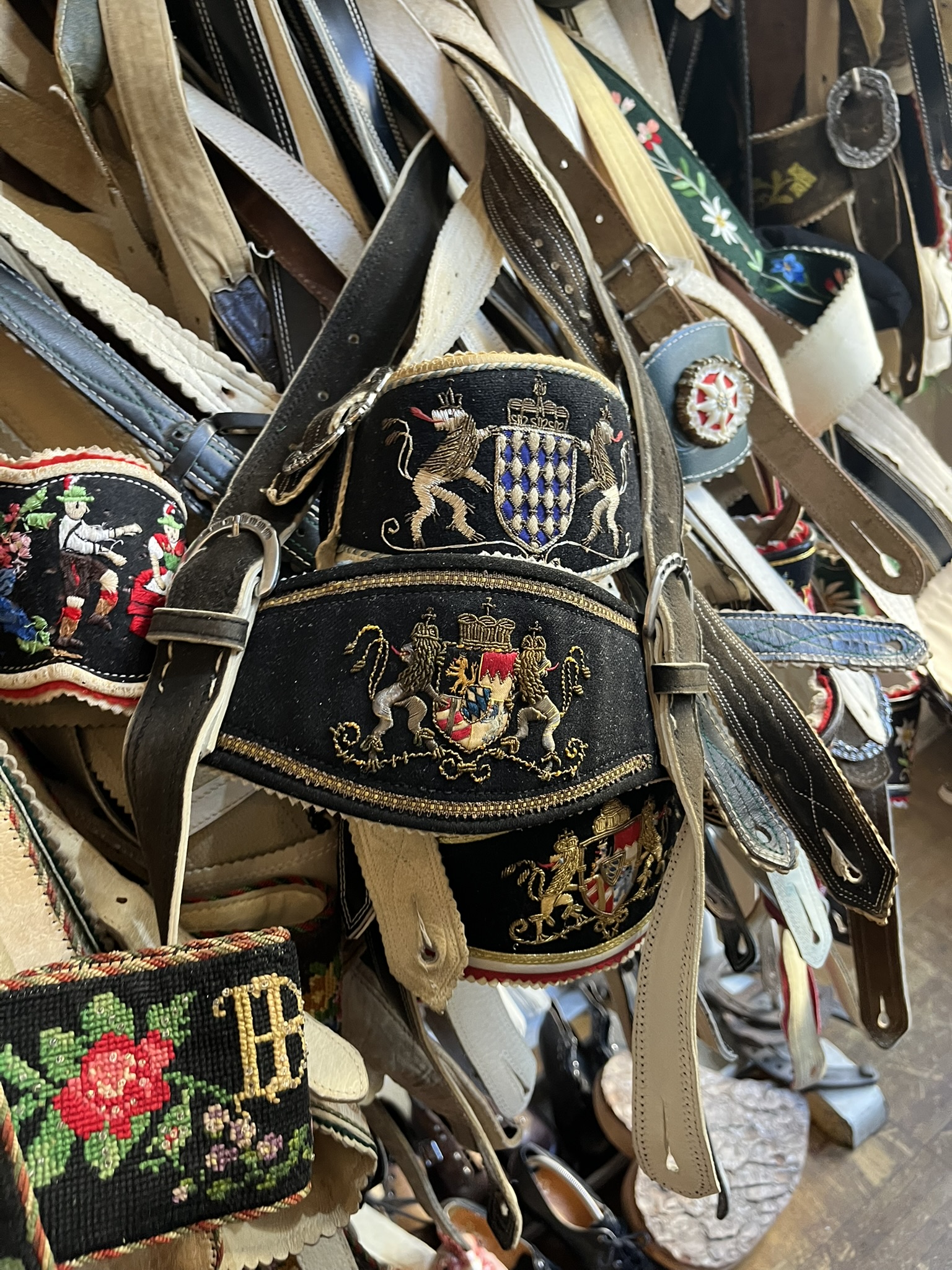
If you’re looking to buy some “new-to-you” threads, consider a walk to Holareidulijö traditional Bavarian clothing store. Affable and knowledgeable shop owner, Michaela Klein, lovingly restores and resells used Dirndl, Lederhosen, hats, vests, and myriad Bavarian accessories and jewelry, while offering an assortment of new shirts and socks to match her wares. During Oktoberfest season, Klein’s store and the extra garage unit in back are packed with shoppers searching rows of racks for colorful festival outfits and drinking the free beer she offers during her busiest weeks.

Holareidulijö is a treasure trove of authentic, high-quality refurbished Trachten.

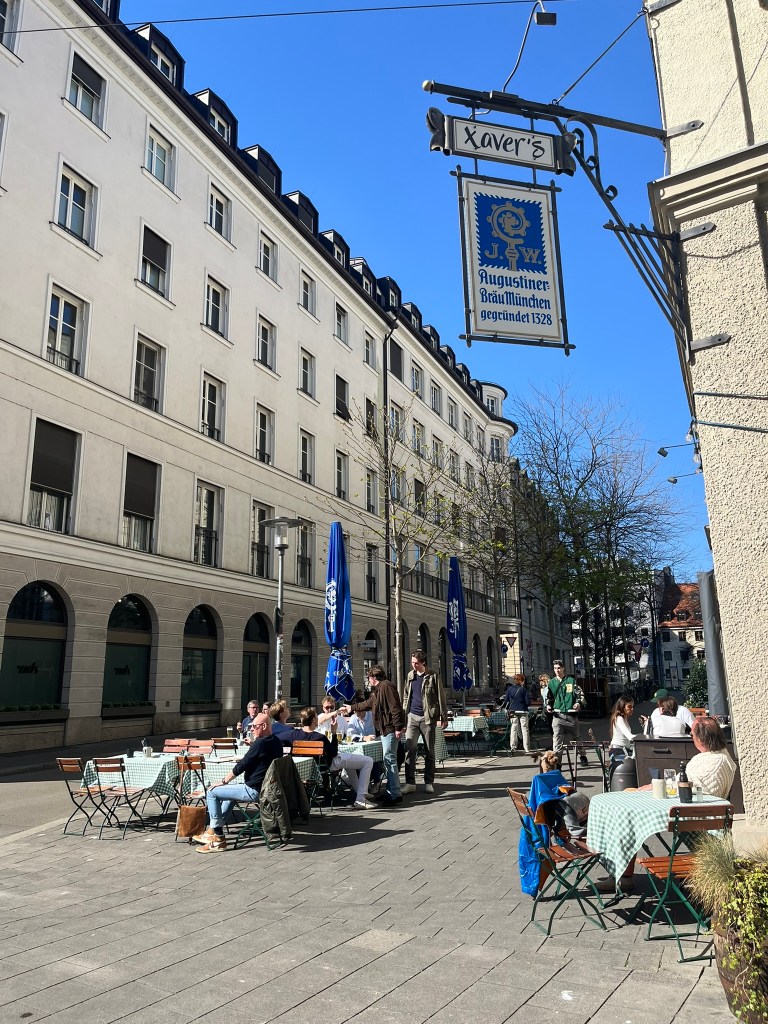
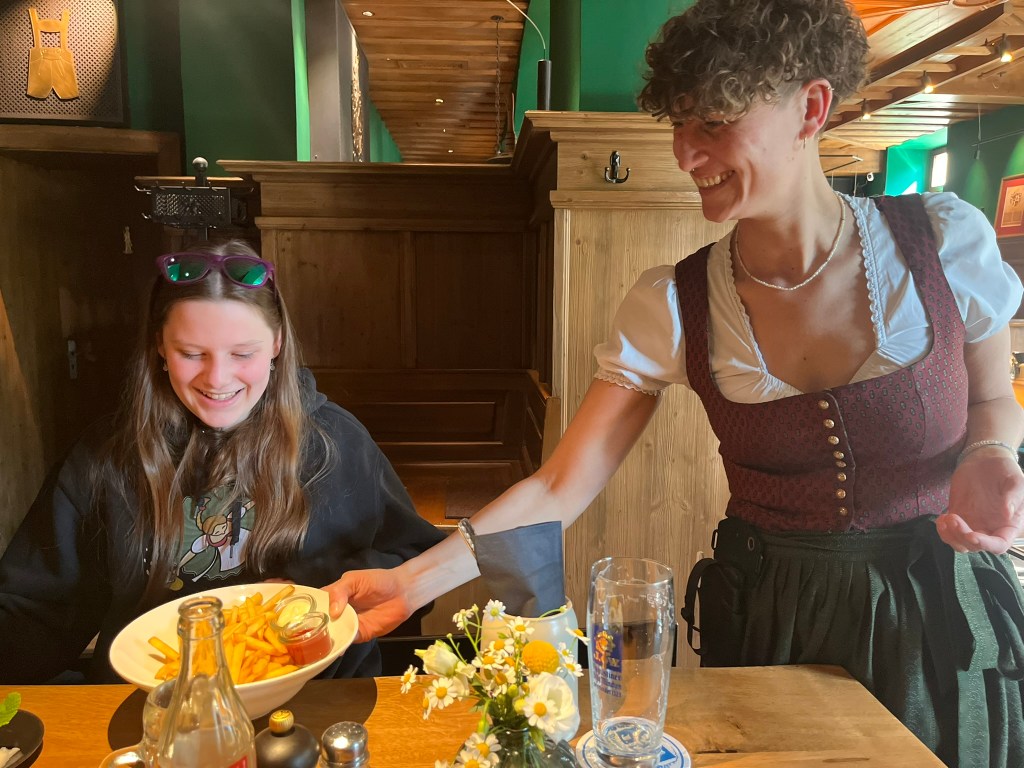
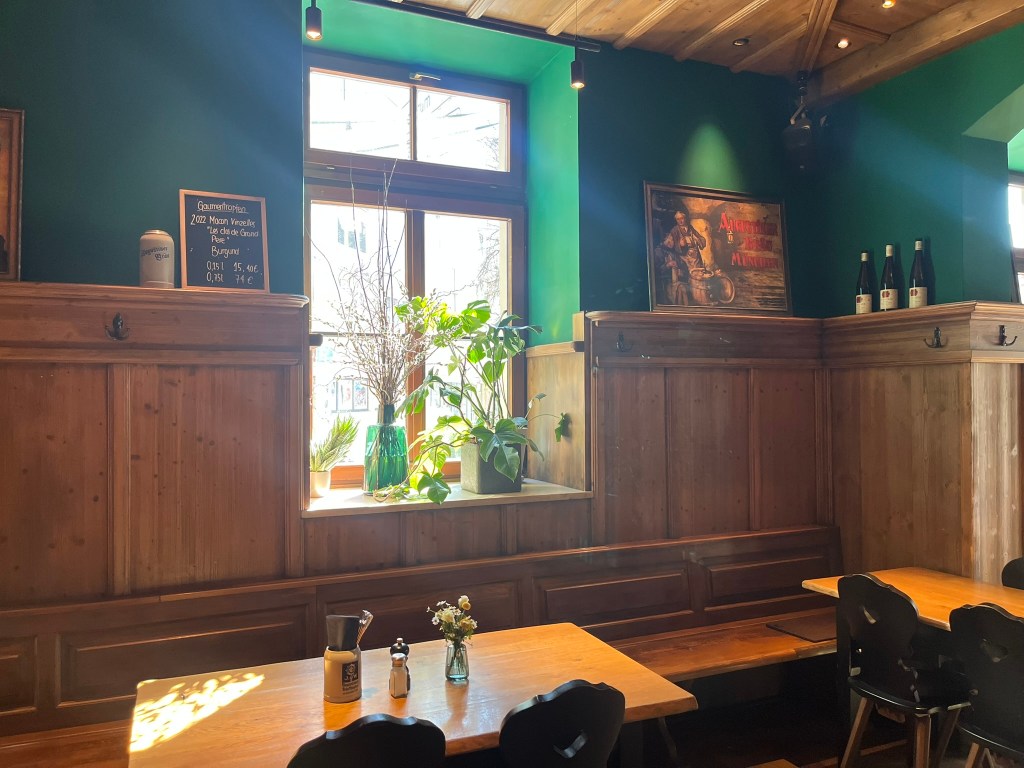
For a fantastic meal and some Augustiner beer or a selection from about 160 different wines, head to Xaver’s—a stylish restaurant and brew pub with a warm wood interior and a mix of small and large tables for date night or Stammtisch (“regulars’ table,” where friends recurrently gather to eat, drink, and socialize). Here, young and old alike are drawn to the restaurant motto’s “refreshingly traditional” vibe that features fun and friendly staff clad in traditional Bavarian costume (including genial owner Xaver himself, a sommelier and one of several restaurant-owning brothers). The menu features classic Bavarian dishes reimagined with a fresh take using locally farmed ingredients, as well as innovative entrees that change every six weeks. The lively music and cheerful atmosphere make you want to come back and be part of the scene— same time next week.

With a fresh take on Old World style, Xaver’s serves locally grown foods, Augustiner beer, and wines galore.

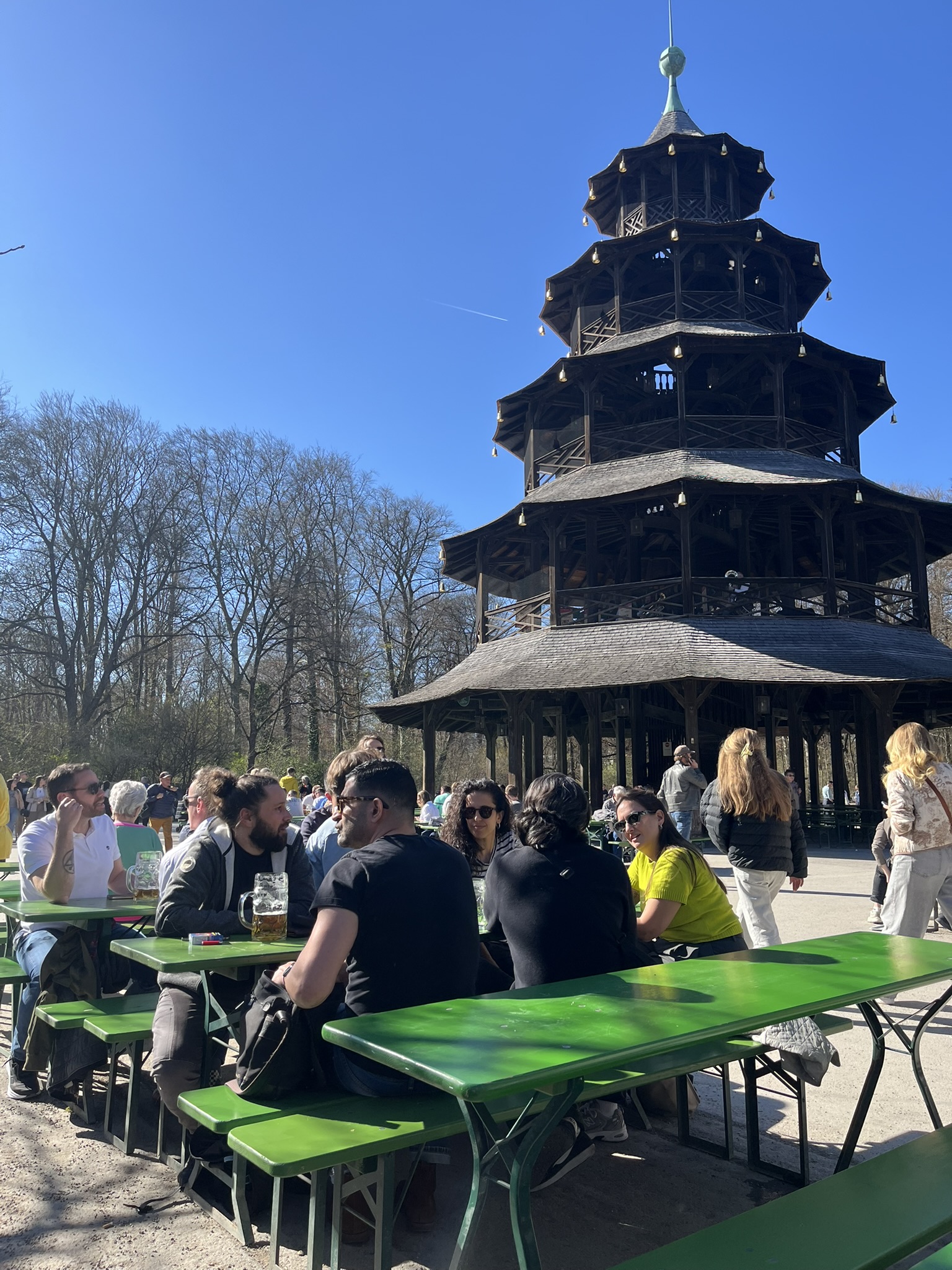
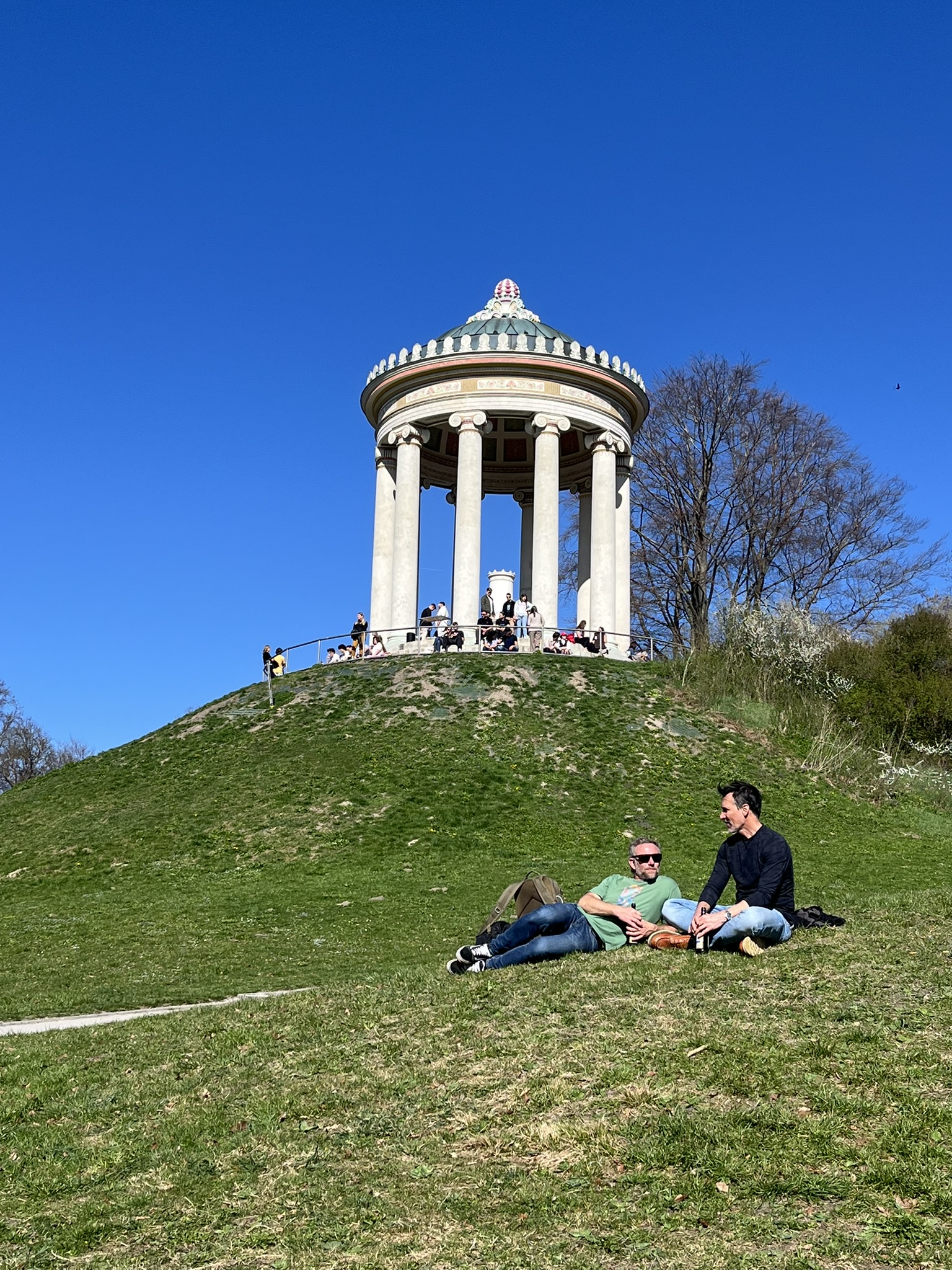
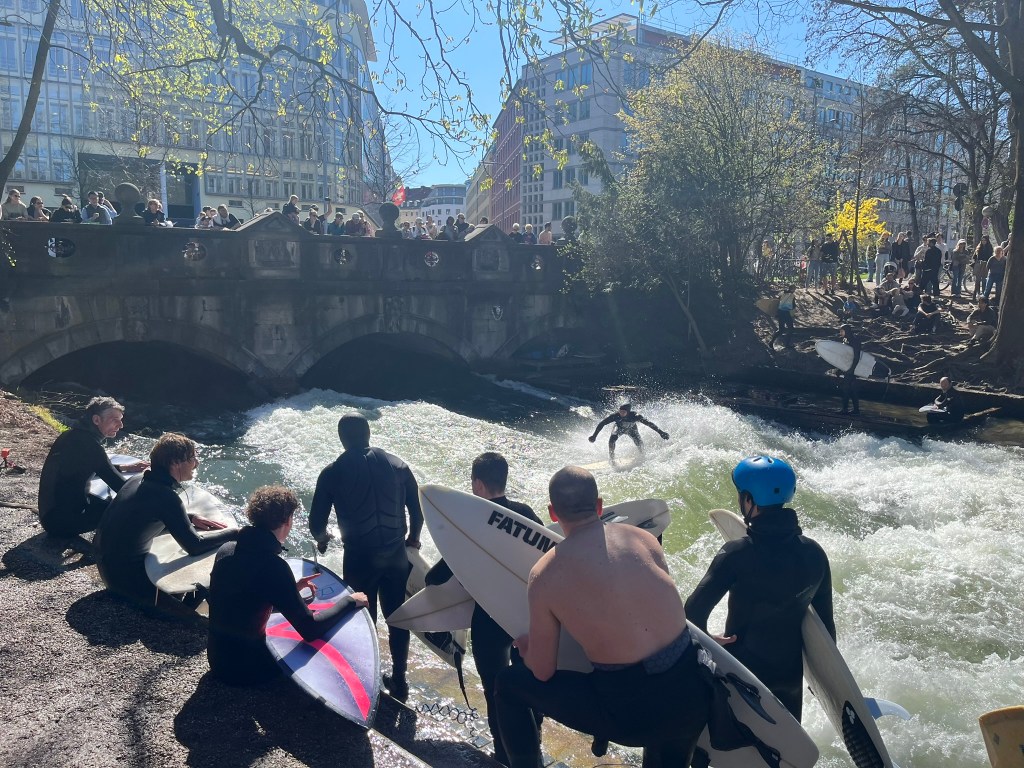
Spend a sunny day walking through the English Gardens to see brave wet-suited surfers on the man-made river waves and stop at the Biergarten am Chinesischen Turm (beer garden at the Chinese tower) for a fresh-baked pretzel and a mug of beer, Maracuja (passion fruit) juice with water, or Johannisbeere (black currant) juice with water. Kids can play on the jungle gym while adults chat and people-watch, all while listening to the lively oompah band playing from the second level of the tower.

On a nice day, the English Gardens fills with picnickers, volleyball players, surfers, and groups of friends.

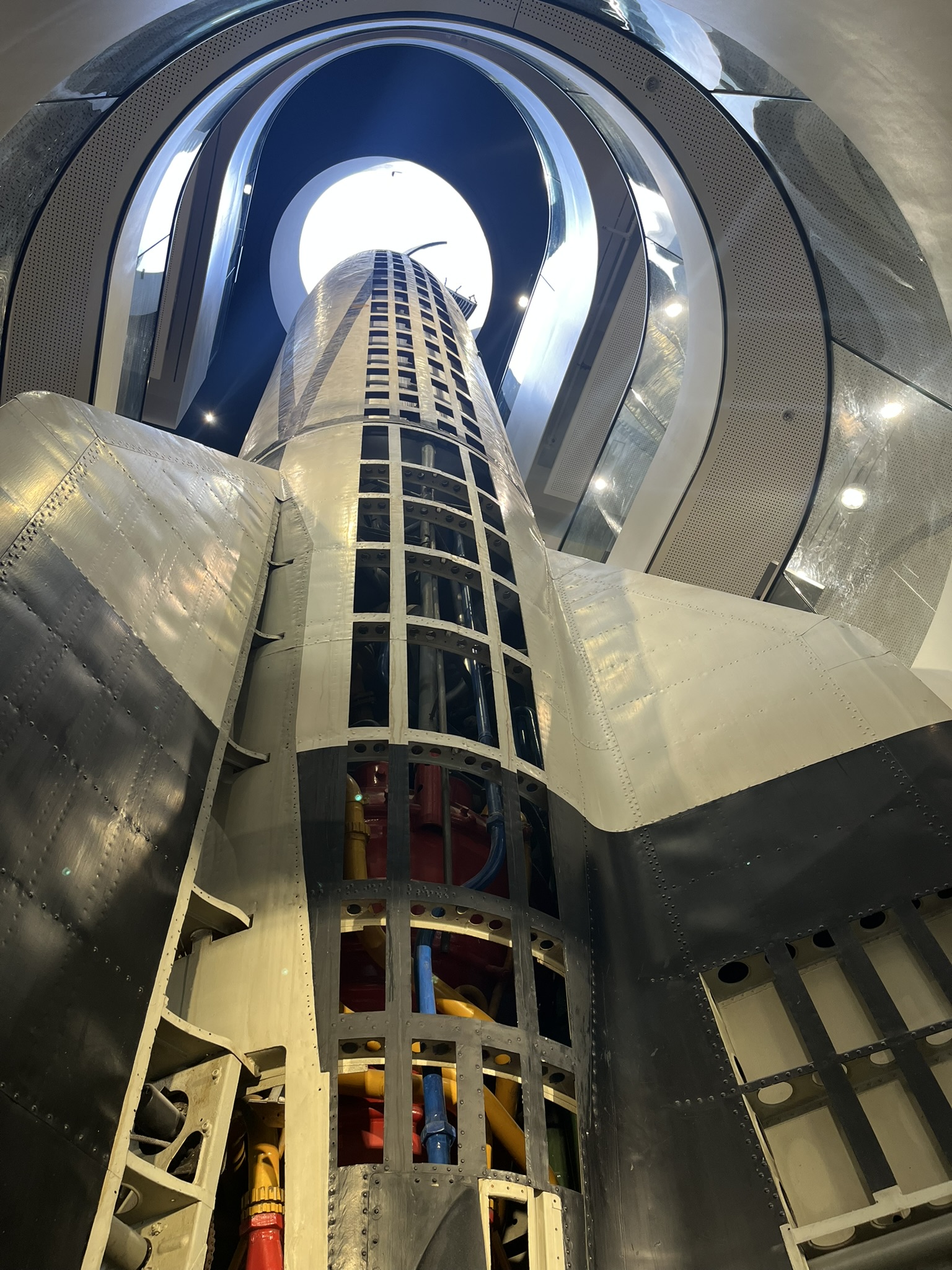
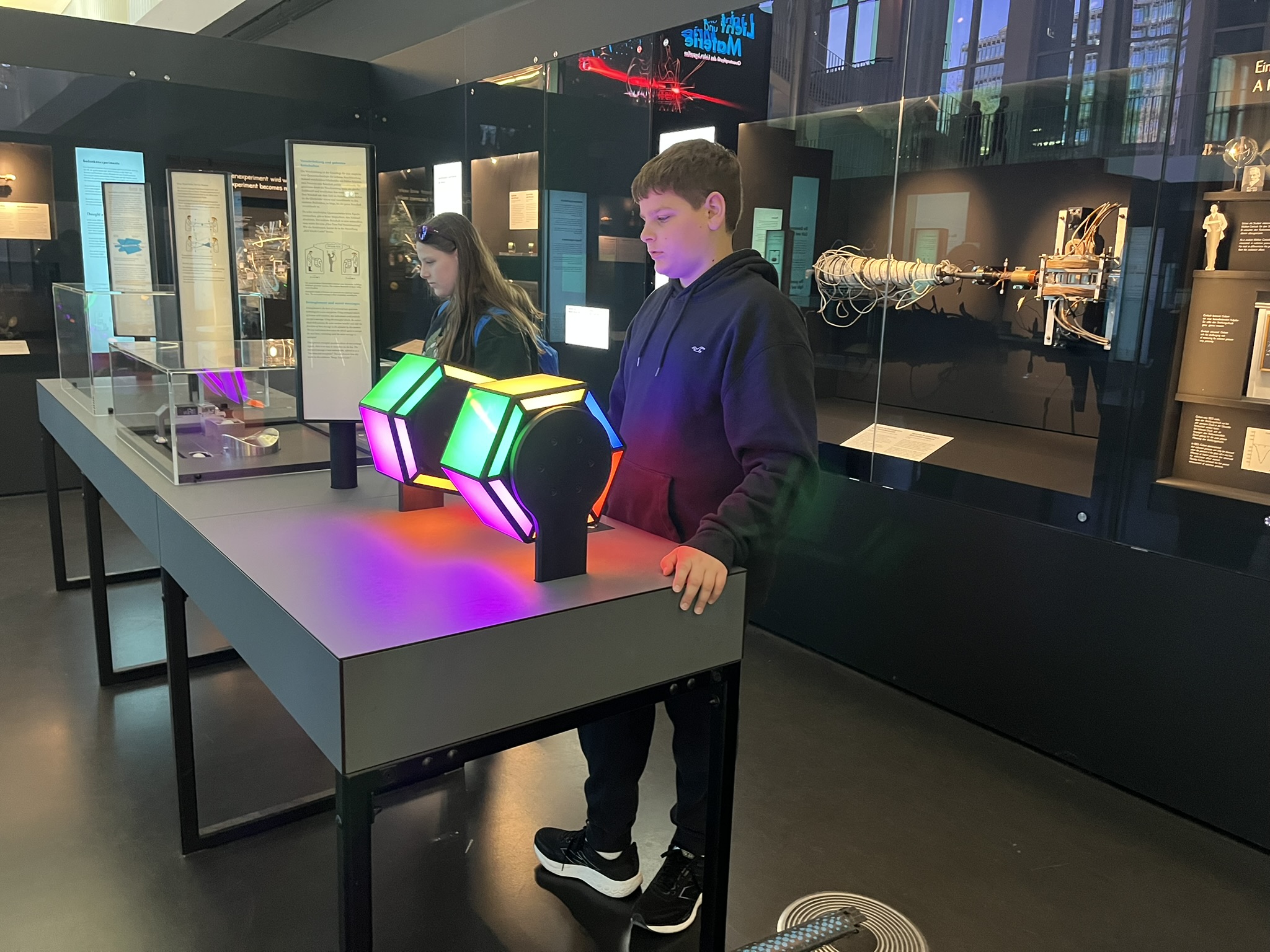
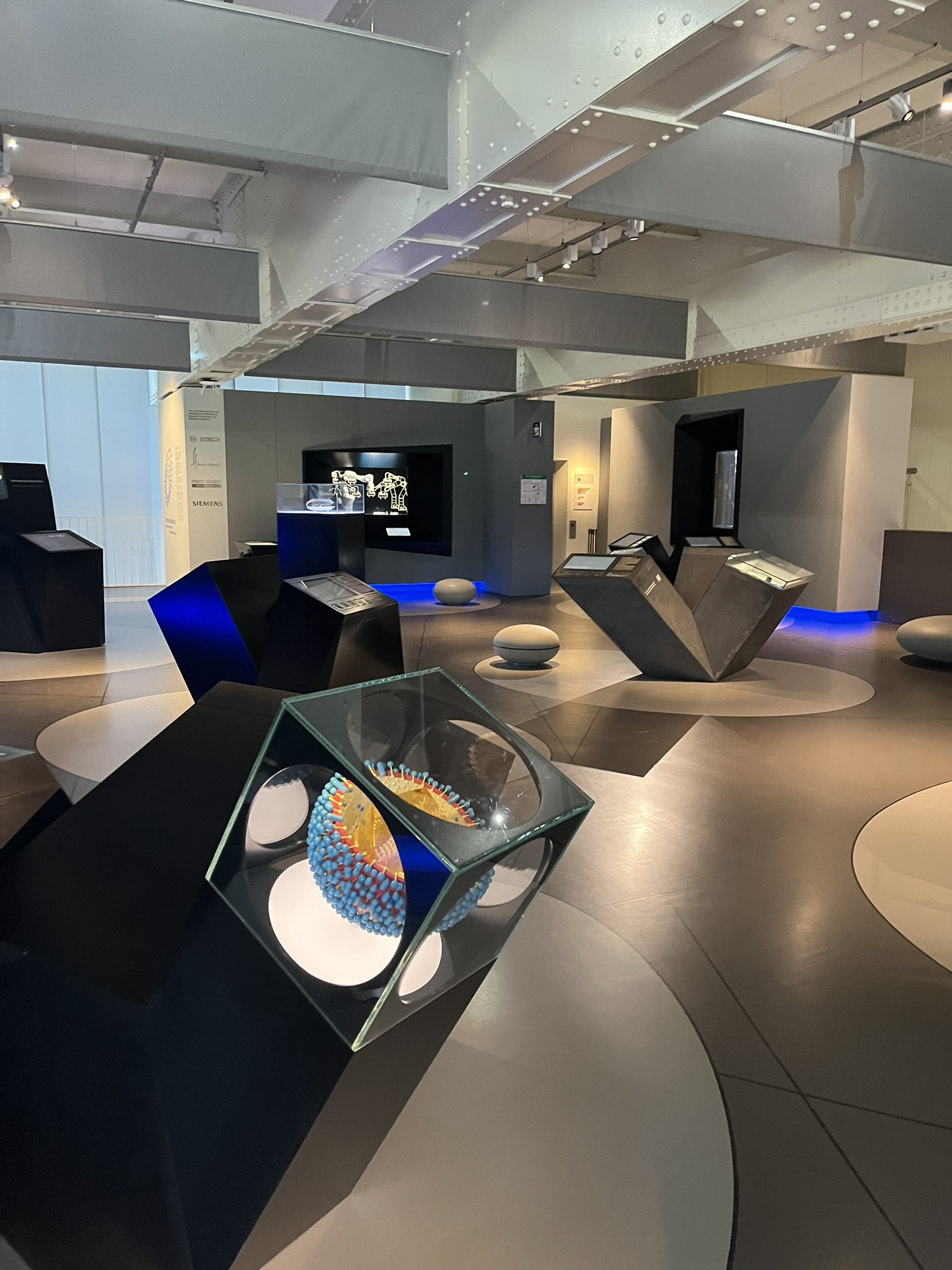
For a dose of education, head to the Deutsches Museum, one of the world’s largest natural science and technology museums. Through hands-on experiments and interactive exhibits, explore the physics of light and sound, observe chemical reactions, and learn about human body physiology. An enormous aviation center and historic airplane hangar allow visitors to climb into cockpits and pilot model airplanes. In the Musical Instruments exhibition, try your hand at playing the theremin—an electronic musical instrument played by placing hands in the air between two antennas that sense the hands’ positions and control frequency and volume.

Deutsches Museum interactive exhibits make learning fun.

After two nights in each city—Davos, Switzerland; St. Anton am Arlberg, Austria; and Munich, Germany—a flight out of Munich Airport concludes an adventure exploring towns in three different countries all within one week. Thanks to Eurail’s flexible Global Pass, it is a fantastic way to get a taste of multiple countries with just one set of airline flights!

Eurail offers speedy and smooth transportation, and window seats to beautiful scenery.

Looking for more ski opportunities? Visit bestofthealps.com to learn more about top ski resorts that help define and cultivate Alpine culture. Best of the Alps is a collection of 9 Alpine resorts that showcase mountain village magic and charm in Switzerland, Austria, France, and Italy. For more than 30 years, the Best of the Alps organization has encouraged exploration of the cultures, communities, traditions, natural wonders, and distinctions of these remarkable Alpine destinations: Chamonix-Mont-Blanc and Megève in France; Cortina d’Ampezzo and Courmayeur in Italy; Crans-Montana and Davos Klosters in Switzerland; and Kitzbühel, Lech Zürs am Arlberg, and St. Anton am Arlberg in Austria.

Two New Books Encourage Adventurous Hiking and Biking

HIKE: Adventures on Foot
One hundred and twenty-five opportunities to move your body across the world in an exhilarating, sustainable way! This published compilation of walking trails is the work of outdoor enthusiasts who have selected each featured route for its spectacular scenery, interesting history, or unique challenges. Each trail suggestion includes practical information to help you plan your trip, including the distance, total ascent, elevation, duration, as well as sightseeing tips. Hiking newbies and veterans alike can benefit from the book’s preparation tips, trail etiquette guidelines, and essential gear checklist.

One scenic hiking trail suggestion, Dove Lake-Cradle Mountain (Ronny Creek, Tasmania, Australia), is a one-day circuit traversing boardwalks over moorland, passing through lush rainforest, and ascending large boulders on Cradle Mountain. Readers are advised to look for ambling wombats and gray-furred Bennett’s wallabies near Ronny Creek and to pause for photo opportunities of dramatic vistas from the summit of Cradle Mountain. The return trip passes numerous sparkling lakes and offers a chance to see quill-covered echidnas in their home near Dove Lake.

A fascinating book for active hikers and armchair travelers alike, “HIKE” binds maps, history, geography, and interesting photography together into an inspiring and informational volume.


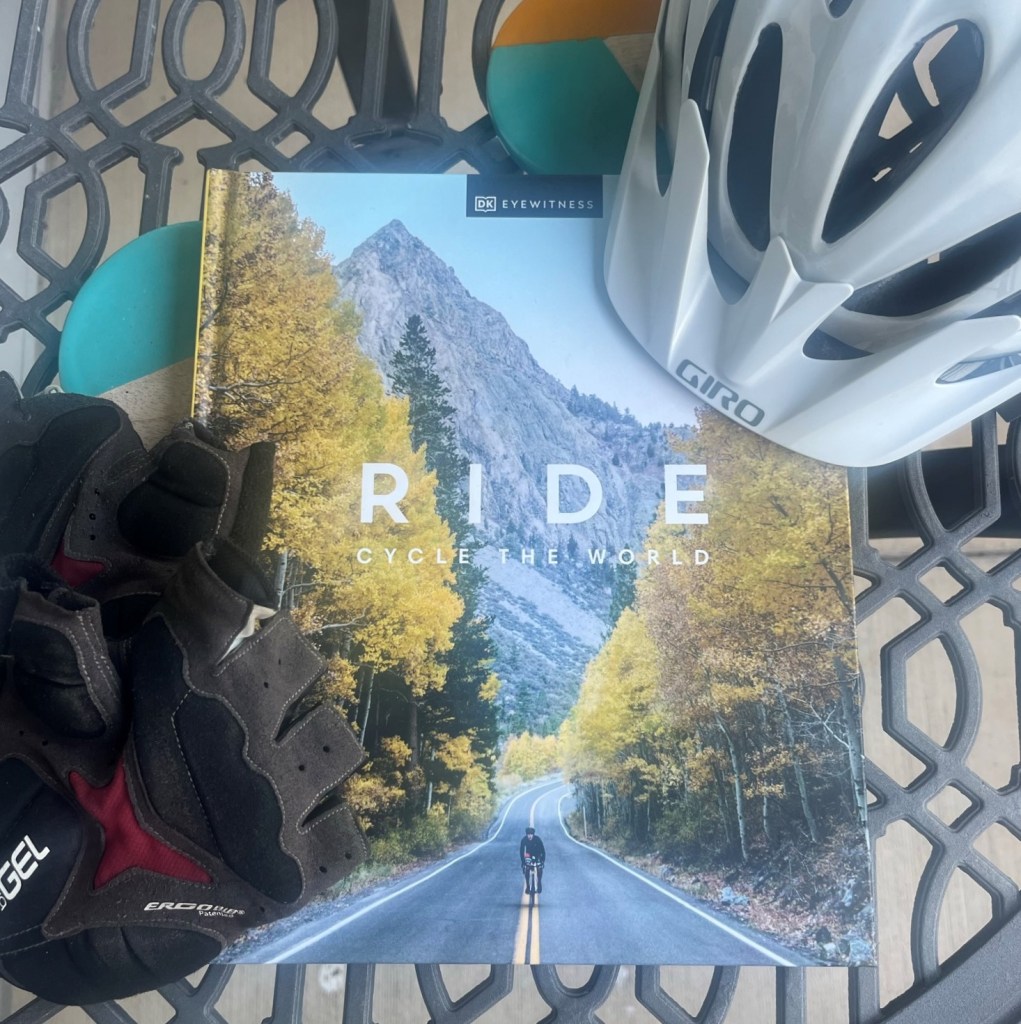
RIDE: Cycle the World
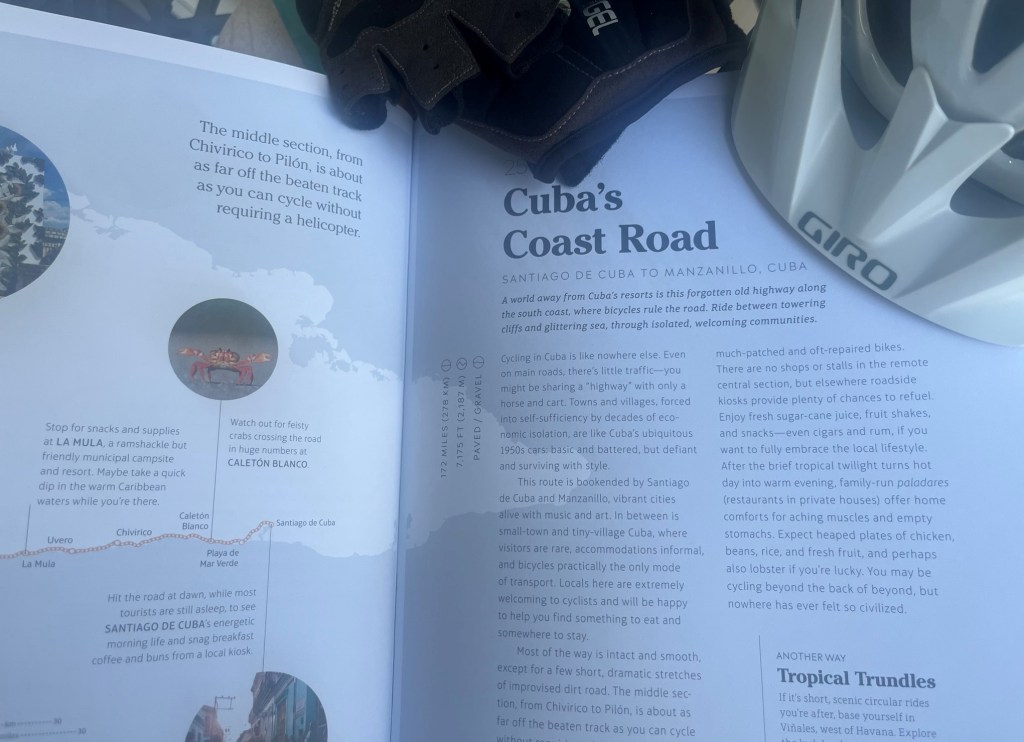
Explore the world by bike, cruising along the 100 cycleways presented in this compilation of trails recommended by avid cyclists. Along with colorful photos and area maps, this DK Eyewitness gem contains detailed route information, including road surface, elevation, total ascent, scenic outlooks, distance, and pit stops. Get inspired to go “bikepacking” in North America, Central and South America, Europe, Africa and the Middle East, Asia, and Australasia—wherever your travels take you.

Beginners, or those looking to upgrade their ride, are provided helpful guidance on which type of bike to choose for their adventures; road, mountain, gravel and touring, recumbent, and electric are the options explained and diagrammed in the opening pages of the book. Select a vehicle suitable for your experience level, desired terrain, comfort goals, and mobility needs, and prepare for your trip by reading up on bicycle maintenance, essential gear, and safety precautions.

Included in the book is a trail along the Helgeland Coast in Norway, which features a grouping of more than 6,500 islands rising from the sea. Best as a summertime route, with beautiful light but always a chance of showers, this Helgeland cycling opportunity traverses 126 miles in a “reasonably relaxed” ride on paved and gravel roads. “Syklist Velkommen” signs abound along the route, welcoming cyclists to stop for food, safe bike parking, and laundry facilities. Riders can expect photo-worthy vistas of mountain peaks, sandy beaches, and quaint and colorful wooden cabins, fishing huts, and houses. Along this route, stop at an old wharf along the trail to tour and sample sweets at Heidi’s Chocolate Factory in Dønna, eat a tasty meal cooked by famous chef Jon Aga at the Vega Havhotell, and visit the Vega World Heritage Centre to learn about eider ducks and how they helped earn the island UNESCO status.

Stock up on supplies and water, and prepare to feel the wind against your face as you explore spectacular sights via bicycle.  

For more DK Eyewitness titles, and further information about “HIKE” and “RIDE,” please visit https://www.dk.com/us/.   

Hike Around Lake Lucerne

Consists of 44 square miles of hiking trails complete with breathtaking views of the Alps

Photos courtesy Lucerne Tourism

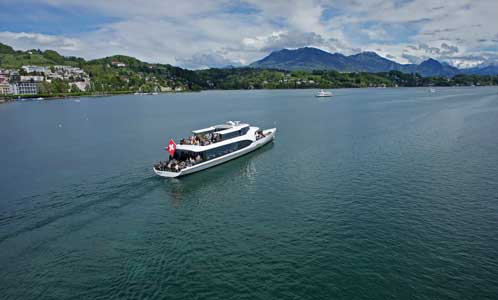
A walking trip around Lake Lucerne in central Switzerland provides impressive views of the Alps, as well as the surrounding hills and the lake.

Trekkers can pass through alpine meadows, steep cliffs and placid mountain lakes. While there, hikers can also enjoy the magnificent flora and fauna. Mountain inns are an invitation to fortify yourself, while mountain rails ensure that the strenuous uphill and downhill sections become excessive.

(LUCERNE) NIEDERRICKENBACH VILLAGE – EMMETTEN 5:30 (HOURS) TO (SEELISBERG)
Leave Lucerne by train and enter Niederrickenbach by cable car. In the village, there are shops selling alpine herb trees gathered by women from the monastery. The tour continues further along the sycamore woods on a well-known game observation trail along the edges of the hills of Schwalmis and Oberbauen to Niderbauen. EF Valley ride using the cable car to Emmeten, then by post bus to Seelisberg.

SEELISBERG TO FLÜELEN 5:05
The Road of Switzerland, opened in 1991 in commemoration of the 700th anniversary of the Swiss Federation. It winds around the deep Urnersee — sometimes high above it, then again directly on its shores, at times along steps hewn into the cliff side, then again on broad, comfortable tracks, past numerous inns and swimming locations, and with frequent, splendid views of the lake and the surrounding hills.

FLÜELEN TO BRUNNEN 5:55
Between Flüelen and Sisikon the trek passes over a path on the shores, such as at the Riviera, past Tellskapelle and Tellsplatte. The climb from Sisikon onwards is rough, but there is an exciting adventure pool in Morschach for recuperating.

BRUNNEN/URMIBERG – RIGI KALTBAD 4:10
Hikers can travel by cable car to Urmiberg. The Rigi is a trekker’s paradise. The path from Urmiberg via Scheidegg to Kaltbad is also a trek that can only be described using superlatives. Unmatched views, which can cover up to four lakes at a time, are guaranteed. The panoramic view of the hills stretches from Säntis to the Bernese Alps.

RIGI KALTBAD – RIGI KULM – KÜSSNACHT 4:30
Rigi Kaltbad is nicknamed the Queen of the Mountains, and at its highest point extends more than 5,900 feet. It is no wonder then that, on a fine day, thousands of people eager to enjoy the sun make an excursion to this mountain. An unforgettable experience! Descent to Seebodenalp and Küssnacht. EF Seebodenalp – Küssnacht by cable car.

KÜSSNACHT – LUCERNE 5:30
The round trip around Lake Lucerne ends with a splendid finishing stretch across the Dietschiberg. The view of the sea is magnificent, and it is enjoyed by the golfers playing here above Lucerne. After a short descent, the path leads back to the heart of Lucerne, along the lakeside promenade. Brittany Petrillo