Spain Is Hot

Let’s go, amigos!

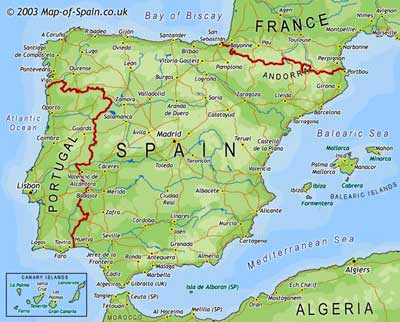
Map of Spain by Tourizm Maps © 2006

By Barbara Gibbs Ostmann
Photos by the author

Costa Blanca … Costa Daurada … the mere words conjure up images of warmth, sand and sunshine, just the antidote to chilly North American winter weather. Now is the time to head to the Mediterranean coast of Spain, where the weather is already warm. Going in the spring or fall offers great weather along with fewer tourists and lower, shoulder-season prices.

Spain is hot, hot, hot right now — from cuisine to fashion. Let’s go, amigos!

MAGICAL MADRID

Most flights from the United States fly into Madrid, and then connect to coastal cities such as Valencia or Barcelona. (Fly Iberian Airlines to get yourself into the Spanish state of mind.) Allow a few days for a Madrid sojourn before heading to the coast. The capital city is beautiful, packed with museums, great restaurants and many things to see and do.

The Gran Hotel Canarias Madrid makes a great home base. It is right in the center of town, across from the recently expanded Prado Museum and next to the Thyssen Museum.

Dining is a great pastime in Madrid, and Plaza Mayor is a good place to start. The area around the plaza is loaded with restaurants, such as Casa Botin, famous for its Castilian specialties and its listing in the Guinness Book of Records as the oldest restaurant in the world (circa 1725). Plaza Santa Ana, a short walk from the hotel and many museums, is home to lively tapas bars and wine bars. Near the Royal Palace, try the Café de Oriente. At the Thyssen Museum, dine in the terrace garden of the museum restaurant. For a simple and fun meal, check out the Museo del Jamon (Ham Museum), a chain of deli-cafes where you can see hanging hams, have a glass of sherry and a plate of sliced ham.

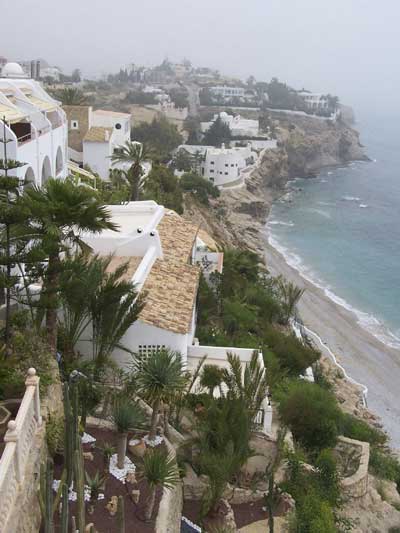
Hotel El Montiboli is perched on the Costa Blanca on the Mediterranean coast.
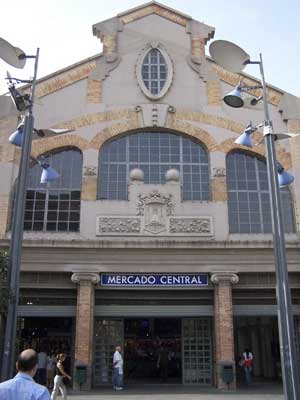
The central market of Alicante is in the heart of the city.

THE COSTA BLANCA

Tearing yourself away from Madrid, hop a plane or train and head to Alicante to begin your coastal voyage, then work your way northward along the coast to Barcelona, with as many stops along the way as your schedule will allow (or start in Barcelona and head south). Travel by rental car, plane or train, according to your preference and budget.

Alicante is on the Costa Blanca, or White Coast, and its beaches are spectacular. But there’s much more to do than lie on the sand and soak up the rays. Whether you take a guided city tour or wander on your own, don’t miss the imposing Santa Barbara Castle, which towers 500 feet above the city center, with panoramic views of the city below and the Mediterranean Sea. Early risers will enjoy the traditional covered market, the Mercado Centrale, bustling with vendors. Enjoy dinner at La Taberna del Gourmet or Nou Manolin.

A good base for exploring this area is the Hotel Hospes Amerigo, a beautifully renovated convent in the heart of Alicante. While the exterior is historic, the interior is ultra modern and comfortable.

Nearby towns include Elche and Villajoyosa, each worth a visit. In Elche, a majestic date palm grove with 600,000 trees, planted by the Phoenicians and later cultivated by the Moors, will take your breath away. Palm fronds from these trees are used for Palm Sunday celebrations throughout Spain. The grove itself is a UNESCO World Heritage Site. Take time to visit the Basilica of Santa Maria, the Huerto del Cura Botanic Gardens and the Archaeological Museum. Enjoy lunch (paella, anyone?) at Els Capellans Restaurant in the peaceful and beautiful surroundings of Hotel Huerto del Cura.

The picturesque fishing port of Villajoyosa is a major center of Spain’s chocolate production. A must stop is the Valor Chocolate Factory and the Chocolate Museum. You’ll want to stock up on Valor chocolate for gifts for the folks back home. For a scenic lunch stop, try the luxurious Hotel El Montiboli, perched on a cliff overlooking the Mediterranean. The dining room is wrapped in windows, with a view as divine as the food.

Elaborate chocolate sculpture at the Valor Chocolate Museum.
The likeness of the Lady of Elche is found all over town, from floral representations to fountains to sculptures.

VIVACIOUS VALENCIA

Next stop: Valencia, one of the most exciting cities in Europe, with its cosmopolitan mixture of old and new, tradition and trendiness, sophistication and casualness. The Hotel Astoria Palace, in the heart of the Old Quarter, is a great place to call home in Valencia.

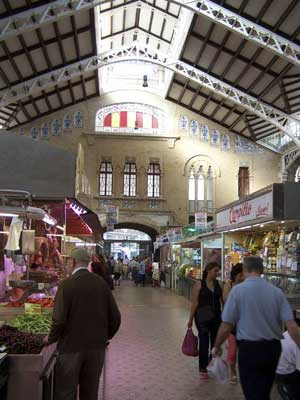
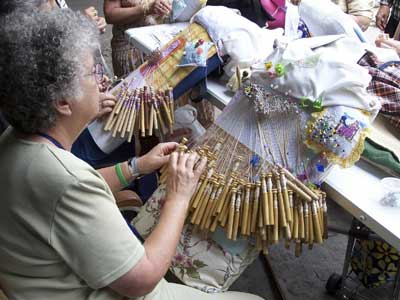
Begin your visit with a walking tour of the historic Old Quarter, with the Central Market, fascinating La Lonja Silk Exchange, unique Lace Market, Plaza Redonda and the beautiful St. Mary’s cathedral with its legendary Holy Chalice, believed to be the chalice used by Jesus Christ at the Last Supper.

For a complete change of pace, head to the ultra-modern City of Arts and Sciences, a museum where the building and grounds are as spectacular as what is inside. Other good choices include the Fine Arts Museum, Valencian Institute of Modern Art or the National Ceramics Museum.

Be sure to visit the bustling, revitalized port area, home of the 32nd America’s Cup competition in 2007, and future home of the 33rd America’s Cup in 2009. There will be a pre-regatta in July 2008.

If you like being next to the water, you might opt to stay at the new and beautiful Hotel Las Arenas, with its lush gardens and stunning pavilions overlooking the sea. Indulge in its luxurious spa, or dine in the elegant Restaurante Sorolla.

(left to right) The central market at Valencia is always bustling.; The National Ceramics Museum in Valencia has a remarkable exterior.; The ultra-modern City of Arts and Sciences is a must-see in Valencia.


For food to fuel your sightseeing, consider a stop for fideua, a paella made with noodles instead of rice, at Restaurante Submarino in the Oceanografico, or sample tapas at one of the many restaurants in the Old Quarter.

Be sure to try horchata, the artisanal beverage for which Valencia is known. A great place to get the real thing is in the suburb of Alboraya, where the chufa (tiger nut), the key ingredient in horchata, grows. The Horchateria Daniel serves a delicious horchata with the traditional accompaniment of freshly baked pastries.

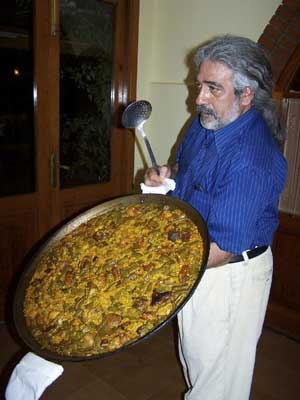
For a charming outing and an authentic heartland paella, head out of town to the Albufhera, where you can take a boat ride through the shallow freshwater lagoon, a natural park known for many species of birds and fish, and visit a barraca, a traditional fisherman’s hut near the rice paddies and orange groves. La Matandeta is a rural farmhouse restaurant where the paella is cooked over firewood in a huge pan.

Paella is cooked in a huge pan over a wood fire at La Matandeta restaurant in the Albufhera area.
Local women make lace in the time-honored fashion in the center of the round plaza that houses Valencia’s Lace Market.

FROM HISTORIC CASTLE TO MODERN SPA

For a historic stop on your route north, make a slight detour to the medieval town of Tortosa and spend the night in the charming Castillo de la Zuda Parador, a 10th-century castle. Be sure to get there in time to wander the streets of this picturesque village and explore the castle itself. For dinner, sample regional specialties in the parador’s restaurant.

(clockwise) The convent garden is an oasis of peace within the bustling city of Tarragona.; Exquisite Roman mosaics are preserved in museums in Tarragona.; The Le Meridien Ra Beach Hotel and Spa in El Vendrell must be seen and experienced to be believed.

After a long day at sea, fishermen still have work to do, mending their nets. These are at the port of Tarragona.


Heading on to the Costa Daurada (Golden Coast), stop in the town of El Vendrell and spend a night –- or two or three -– at the ultra-modern and ultra-luxe Le Meridien Ra Beach Hotel and Spa. Splurge for spa treatments, such as the chocolate massage. Enjoy the beach, or play in one of the pools. Be sure to dine at least once in the hotel’s La Vinya del Penedes restaurant.

ROMAN ECHOES IN TARRAGONA

The next stop on your northward route is Tarragona, an ancient Roman city with layer upon layer of ruins, designated a World Heritage Site by UNESCO. Be sure to take a guided tour of the old town so you can understand the many layers of history upon which Tarragona is built. Each spring the town celebrates its heritage with Tarraco Viva, a Roman festival and games.

Visit Tarragona’s port and see the fishing boats arrive in the late afternoon. Watch the fisherman as they auction their fish and mend their nets. For a traditional mariner’s menu, dine in the seaside Restaurante La Puda and sample Tarragona’s famous Romesco sauce. Or, savor authentic tapas at Restaurante La Nau, tucked away on Calle La Nau in the old town.

BEAUTIFUL BARCELONA

The final stop (or the first, if you travel in the opposite direction), is Barcelona, the jewel of Catalonia. It would take another entire article to do justice to the wonders of Barcelona and its environs. Check with the local tourist office for maps and current events, then head out to see the sites. The celebrated architectural marvels of Antoni Gaudi are a must, and you’ll see them in many places throughout the city. Be sure to climb the steep towers of the iconic Sagrada Familia, or temple of the Sacred Family, for an up close and personal look at this architectural wonder.

While wandering along La Rambla through the heart of the city, duck into La Boqueria market, the largest in all of Spain. After whetting your appetite in the market, you might want to sign up for a cooking class at the Hofmann Escuela de Hosteleria (Hofmann Hospitality School) to learn how to cook Catalan specialties.

The Hotel Catalonia Berna is a great location for the hub of your explorations, within walking distance of many sites and close to the subway for longer trips.

A side trip to the Black Madonna Shrine of Montserrat, perched impossibly upon the steep mountains outside of Barcelona, is a must.

For more information about Spain, contact the Tourist Office of Spain in New York (212-265-8822); Miami (305-358-1992); Chicago (312-642-1992) or Los Angeles (323-658-7188) or go to www.spain.info.

World Renowned Venetian Glass

Discovering the colorful island of Murano, Italy

By Kristi Nelson Cohen
Photos by the author

The renaissance European aristocracy favored it, explorers Lewis and Clark used the beads for trading with the Native Americans and Victorians proudly displayed it. Venetian glass has captured our eye for centuries, and today artisans continue a time-honored tradition to produce some of the world’s most beautiful glass.

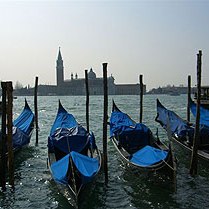
The marshy lagoon offers artisans the components necessary for glass making: silica, sand and soda ash. Glass making started in Venice over a thousand years ago, but with the fear of fire from the glowing hot furnaces, and air polluting smoke from these same furnaces, Venetians decreed that all glass making take place on a nearby island. Glass makers moved their furnaces and factories in 1291 to the island of Murano, just two miles north of Venice across the lagoon.

Once these glass artisans moved to Murano, this tiny town prospered and grew to nearly 30,000 residents in the 13th century. This community is similar to Venice, as it is comprised of several small islands, connected by canals and bridges, but on a much smaller scale. Today, Murano is home to only a few thousand permanent residents.

GET AWAY FROM CROWDS

Frankly, it is sometimes a relief to get away from the crowds and busy sidewalks in Venice and take the time to enjoy a slower pace in Murano. There are many glass factories still operating in Murano and most have complimentary demonstrations and tours available. Of course, they also have elegant showrooms with one-of-a-kind glass sculptures, chandeliers, goblets and even glass beads. Prices at the glass factories can seem steep, but each piece is authenticated, insured and shipping is available.

During a demonstration, most factories will show you how an artisan takes a molten glob of glass, orange with heat, and blows through a tube and spins the tube, creating a one-of-a-kind creation. Minerals and precious metals are added to the glass to create colors, just as they would have been 500 years ago. The color blends, and mineral recipes are a highly regarded secrets.

VISIT IS A ‘MUST’

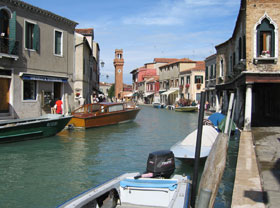
A visit to a glass factory is a must, but when it comes to buying glass, there are also many smaller shops lining Murano’s main canal near the Vaparetto (water bus) stop. Compare prices, as you may find even better bargains in one of the many shops in Venice. The smaller shops don’t usually offer shipping, but they are happy to pack purchases in bubble wrap and tissue to pack in your luggage.

To learn about the history of glass making, visit the Museo Vetrario in the restored Palazzo Giustinian. This museum has exhibits of rare 500-year-old glass and glass/enamel pieces, as well as contemporary sculptures and examples of the entire glass making process. They are open 10 a.m. – 4 p.m. daily (closed Wednesday).

Following a morning glass factory tour, enjoy a leisurely lunch at one of the many eateries located along Murano’s main canal. Al Vetrai Da Adino, located at address number 29, is a personal favorite. Owner Adino and his wife Christina cook up some local favorites including the freshest fish, pastas and vegetables.

Start your meal with a typical Venetian “spritz” which is a refreshing aperitif made with Campari and sparking Prosecco. (If you enter the island via the Vaparetto, simply walk across the first bridge, then continue north about 200 feet and you’ll see the restaurant on your right. A large rooster logo adorns the front window.) Adino doesn’t speak much English, but his hospitality and great food will win you over. Be sure to tell them “Kristi sent me!” and you might be treated to an after-meal glass of Fragolino, a homemade wine that’s simply delicious! For advance lunch reservations,
call 041-739-293.

TAKE THE VAPARETTO

How to reach Murano: Take the public water bus or Vaparetto – #41/42– which takes about 30 minutes (from the train station, or Piazzale Roma ) or take boat # 52 from San Zaccaria which is near Saint Mark’s Square.

In 2007, Vaparetto tickets were available for one trip at 3 Euro, or 12 Euro for a 24 hour multi-trip ticket. The glass factories also have representatives in San Marco Square who sometimes provide a free or discounted fare water taxi in exchange for taking a specific factory tour. Some hotels can also arrange for a boat to pick you up at the hotel and take you directly to one of the factories.

Once in Murano, you may want to continue on to the island of Torcello (whose cathedral was founded in 639) or Burano (distinct for its multi-colored homes and famous for the lace-making crafts). Take Vaparetto #13 from the dock located adjacent Murano’s lighthouse. (This requires walking across the canal and around Murano in order to get to the other Vaparetto stop).

Frankly, after a busy morning and a big lunch in Murano, one might prefer a lazy boat ride back to Venice, a good cup of coffee and or perhaps an afternoon nap. It’s all a part of the Venetian experience.

Kristi’s favorite glass factory offering a one-of-a-kind demonstration and truly unique, contemporary glass art is called Schiavon. Their factory also produces stemware, chandeliers and traditional Murano glass, although the unique pieces by Mr. Massimiliano Schiavon are worth a visit. This glass factory has been in the Schiavon family for three generations.

Vetreria Artistica Di Schiavon
No. 7 – just a few shops north of the Vaparetto stop on the first canal.
Phone: 011-39-041 739 396
http://www.massimilianoschiavon.com
E-mail: info@massimilianoschiavon.com

Kristi Nelson Cohen is the owner of Bella Italia Trips, a small U.S. company offering guided trips to Italy. To reach Kristi or for more information, log onto www.bellaitaliatrips.com.

Spotlight on Dubrovnik

By Susan O’Brien
Photos courtesy Croatian National Tourist Board

Have you always wished you had been on the Riviera with Hemingway, Stein and Picasso in the 1920s? Although time travel is not (yet) possible, there’s a place on the Adriatic coast that claims to capture that golden era.

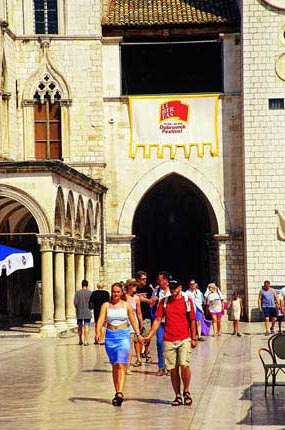
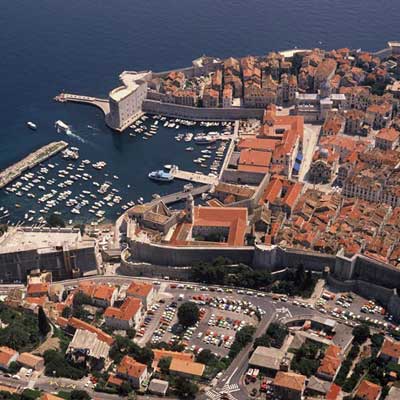
Dubrovnik has a proud history that goes back to Roman times, and its ancient center is so remarkably well-preserved it is on UNESCO’s list of World Heritage sites. It is Croatia’s southernmost city, enjoying a sunny Mediterranean climate and a spectacular mountain coastline dotted with more than 1,000 islands. It combines the charm of an ancient walled city with the amenities of a first-class Adriatic resort. It’s easy to see why the city has been known as “The Pearl of the Adriatic.”

The city was built on maritime trade, becoming a rival to Venice In the Middle Ages. Supported by its wealth and skilled diplomacy during the 15th and 16th centuries, Dubrovnik was one of the centers of development of the Croatian language and literature, home to many notable poets, playwrights, painters, mathematicians, physicists and other scholars.

GETTING THERE
The easiest way to get to Dubrovnik is by air, although bus and ferry transportation are also possibilities. Croatia Airlines operates daily flights to and from Zagreb and select European cities. Planes land at Dubrovnik International Airport (Zracna Luka), located at Cilipi, 18km (11 miles) from the city center.

Buses are available from other Croatian cities, as are ferries from Bari, Italy and other coastal spots in Croatia.

SIGHTS
The walled Old Town is pedestrian-friendly, and most major sites are inside. The Stradun is the main street through the Old Town. The Romanesque cathedral, which dates from the 6th or 7th century, was badly damaged in the earthquake of 1667 and rebuilt in the Baroque style by Roman architects Andrea Buffalini and Paolo Andreotti. There are also Jesuit, Dominican and Franciscan monasteries, among many other architectural treasures.

DINING
The basic style of Dubrovnik cuisine is Mediterranean. The emphasis is on olive oil, not butter. Polenta is a popular side dish and most dishes are liberally seasoned with parsley and garlic.

With strong historic links to Italy, it’s unsurprising that pasta and risotto is served in nearly every restaurant. Pizza is another favorite, usually toasted in wood-fired ovens.

The staple of traditional Dubrovnik cuisine is fish and seafood, expertly prepared but not necessarily local. The demand for best quality fish and shellfish far outstrips the supply, particularly in high season, and restaurants are often forced to buy frozen fish from afar.

ACCOMMODATIONS
Although the Yugoslavian wars of the ’90s severely damaged Dubrovnik, it has completely recovered and its tourist scene is as lively as ever. The city is home to dozens of accommodations from inexpensive hostels to luxurious, Riviera-style hotels. Apartment rentals are an economical option and are available in all price ranges as well. Some helpful web sites for finding accommodations are:
http://www.dubrovnik-guide.net/accommodation.htm
http://www.dubrovnik-online.com/english/hotel_list.php
http://www.visit-croatia.co.uk/accommodation/dubrovnik.htm

NIGHTLIFE
Dubrovnik hosts a lively nightlife scene and dozens of restaurants, all vying with each other for the attention of tourists. If you are used to the prices of Western Europe, this Eastern European city will seem like a comparative bargain.

MORE INFORMATION
There are plenty of good web sites about Croatia in general and Dubrovnik in particular, for help in travel planning. Here are a few:
www.visit-croatia.co.uk
www.dubrovnik-guide.net/
www.dubrovnik-online.com/

Mechelen: An Undiscovered Belgium Gem

By Don Heimburger
Photos by the author

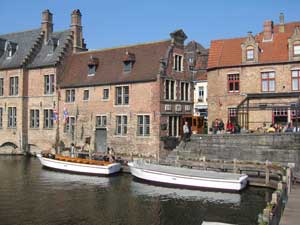
Mechelen, Belgium, about 15 miles north of Brussels, is a city of about 79,000 that features more than 300 monuments, eight historic Catholic churches and four UNESCO world heritage sights. You can reach the city by a short train ride from the main railway station in Brussels.

Mechelen is worth visiting not only because of its sights, but its people flourish because of a built-in determination and a friendliness that transcends nationalities. Maybe its because the Mecheleners have been perfecting humanity since 500 BC, when the first traces of human habitation of the area were discovered.

At one time, more than 100 firms in the city made furniture and word carvings, as evidenced by the many large and ornate church carvings seen here. Be sure to look for them as you discover this cobblestoned town, whose city center is only about a half mile across.

Some of the city’s sights include the early Gothic Brussels Gate, the last remnant of the medieval fortification constructed around the inner part of the city, built about 1300. At one time, all traffic entering and leaving had to pass through its limestone gates.

ST. RUMBOLD TOWER
You can’t miss St. Rumbold Tower—it dominates the city skyline. If you have the time, conquer the 514 steps to the top of the tower to the skywalk for a great view of the area. Original plans for the tower were made when Mechelen was a rich and powerful commercial and political center, and thus the tower of St. Rumbold’s Cathedral was to become the highest tower in the Low Countries. Completed, it would have reached the dizzying height of 547 feet. Financial problems in the 16th century halted construction. The tower now reaches a height of 318 feet, still plenty tall.

Inside the cathedral is a scale model of what the tower should have looked like had it been completed. Also inside the church are two of the largest stained glass windows in Europe. Jo Haazen and other guest carillonneurs present a carillon concert at the church every Monday evening from 8.30 p.m. to 9.30 p.m. These recitals are free.

A third highlight of the city is the Large Beguinage, where widows and unmarried women of class were invited to live together, submitting themselves to pledges of obedience and chastity. Parts of this community are still visible and are inter-woven into the city’s many old structures that line narrow streets in the center. Still in tact are the Beguines’ church, the infirmary, the house of the grand mistress and other structures.

(middle) One of the largest stained glass windows in Europe in Mechelen’s cathedral.

PALACE OF MARGARET OF AUSTRIA
Another important site is the Palace of Margaret of Austria of the Court of Savoy. This was the first renaissance building in the Low Countries and perhaps outside of Italy. The facade features Margaret’s coat of arms, and between 1616 to 1795 it was the seat of the Great Council. Its interior garden area is a fine place to rest your feet for a while.

Another spot worth visiting is St. John’s Church, which is open to the public. A very fine wood carving on the interior is one of Ruben’s masterpieces, The Adoration of the Magi. The church furniture, paintings and statues date largely from the 17th and 18th centuries.

For a respite from walking or touring the city, find Windels at Iron Leen 48 (not far from the main railway station), the oldest cigar store in Belgium (from 1875) that continues to make fine cigars, and offers them in beautiful hand-made wooden boxes. The store, now being run by the fifth generation of Windels, also carries a good selection of whiskeys.

The Jef Denyn Royal Carillon School, at Frederik de Merodestraat 63, is a state-subsidized educational institute that offers a six-year program to obtain a laureate’s diploma. Even the Vienna Boys Choir visited the school during the last few years. When you realize Belgium is one of the carillon capitals of the world, this school makes sense, and attracts students from as many as a dozen different countries. The heaviest carillon in Belgium—there are five different carillons in town–is in one of the local church towers.

The Jef Denyn Royal Carillon School in Mechelen

The De Wit Royal Manufacturers of Tapestry, operating since 1889, is the only workshop in Flanders to retain this age-old tradition. Offering a complete range of tapestry services, the firm offers individual tours on Saturdays at 10:30 a.m. and group tours on other days. The De Wit is housed in a beautiful old Abbey at Schoutetraat 7, and plays a key role in many old and expensive tapestry restorations throughout Europe.

TIME FOR SOME CUCKOO
Perhaps at lunch time you’ll want something unique and that is a local delicacy. Find a restaurant that serves the town’s famous Mechelse koekoek, or Mechelen cuckoo (chicken). This chicken, with black-gray feathers, is a feature on many local menus, and is often served with fresh vegetables or with a Mechelen beer sauce. You’ ll likely get a large side dish of round roasted potatoes to go with the chicken.

Delicious cheese lines the shelves in a Mechelen shop.

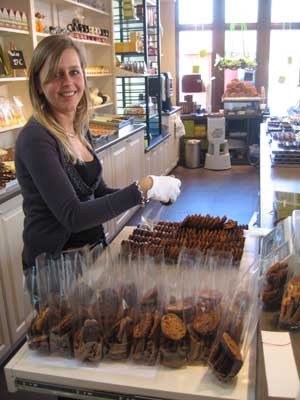
After lunch, stop in at one of the two local Gauthier chocolate shops (one is at Guldenstraat 2), and soak in the atmosphere. Store candies are hand-made, made from traditional Belgium customs, and follow a unique recipe, so you’ll likely leave with a bag full of something good to eat. The Gauthier family, with master chocolate maker Edouard Gauthier, has been making candy in town since 1964.

Round out your afternoon with a boat trip on the Inner Dyle River. A multilingual audio-guide tells you about the sights along the river banks. The departure is at the Jetty at Lamot/Haverwerf and costs €6 for adults.

MUCH MORE TO SEE
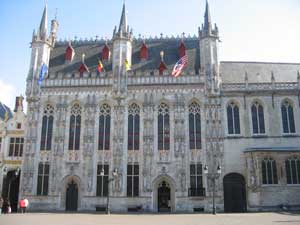
Many more Mechelen sights are available if you have the time, such as the Watchmaker’s Museum, the Jewish Museum of Deportation and Resistance, the Museum in City Hall (the old Rathaus), and the Het Anker Brewery Museum. At this small family brewery, best known for its local beers such as Gouden Carolus, you’ll get a feel for quality. The brewery also has its own restaurant and 22-room hotel.

Around the year 1500 more than 100 breweries operated in Mechelen, but like most things, the businesses and other important history of the city has faded over time. But this quaint Belgium town continues to re-count its traditions and rich past, and brings it forth today for all to enjoy.

For more information, go to www.tourismmechelen.be or www.visitflanders.us.

Wine Festivals Abound in Germany’s Historic Cities

From the first red wine produced along the Mosel River during Roman rule to the sweet Riesling for which the country is renowned, German wine is woven into the country’s culture and history.

Many member cities of the Historic Highlights of Germany are inviting travelers to experience this firsthand this fall with a series of wine-themed events, activities and offers.

In Mainz, more than 50 wine growers from throughout the region assemble during the first weekend in September for the annual Mainz Wine Market (photo at left). The event has craft stalls, rides, music and fireworks and, of course, dozens of wine stands. Wine-making goes back nearly 2,000 years in Trier, where several two-night packages feature special themes such as wine cultivation during Roman rule and a combination of World Heritage site visits and wine culture.

In Heidelberg, packages include the Heidelberg Wine and Chocolate Tasting with five wines from regional vineyards and five fine chocolates. Wine has long been central to life in Koblenz, located at the confluence of the Rhine and Mosel Rivers, where the “Wine Village” welcomes visitors to enjoy a glass of wine in the quiet setting of half-timbered houses.

Würzburg, situated on the Main River, is home to several wine estates, where visitors can enjoy tours and wine-tastings—including the Juliusspital, whose 400-year old, 800-foot long wine cellar makes it one of the oldest and largest German wineries.

Historic Highlights of Germany suggests two “Dream Routes” that focus on wine. Click on “Dream Routes” on our site at: www.historicgermany.com