Cova d’en Xoroi: Club in a Cave

By Alison Ramsey

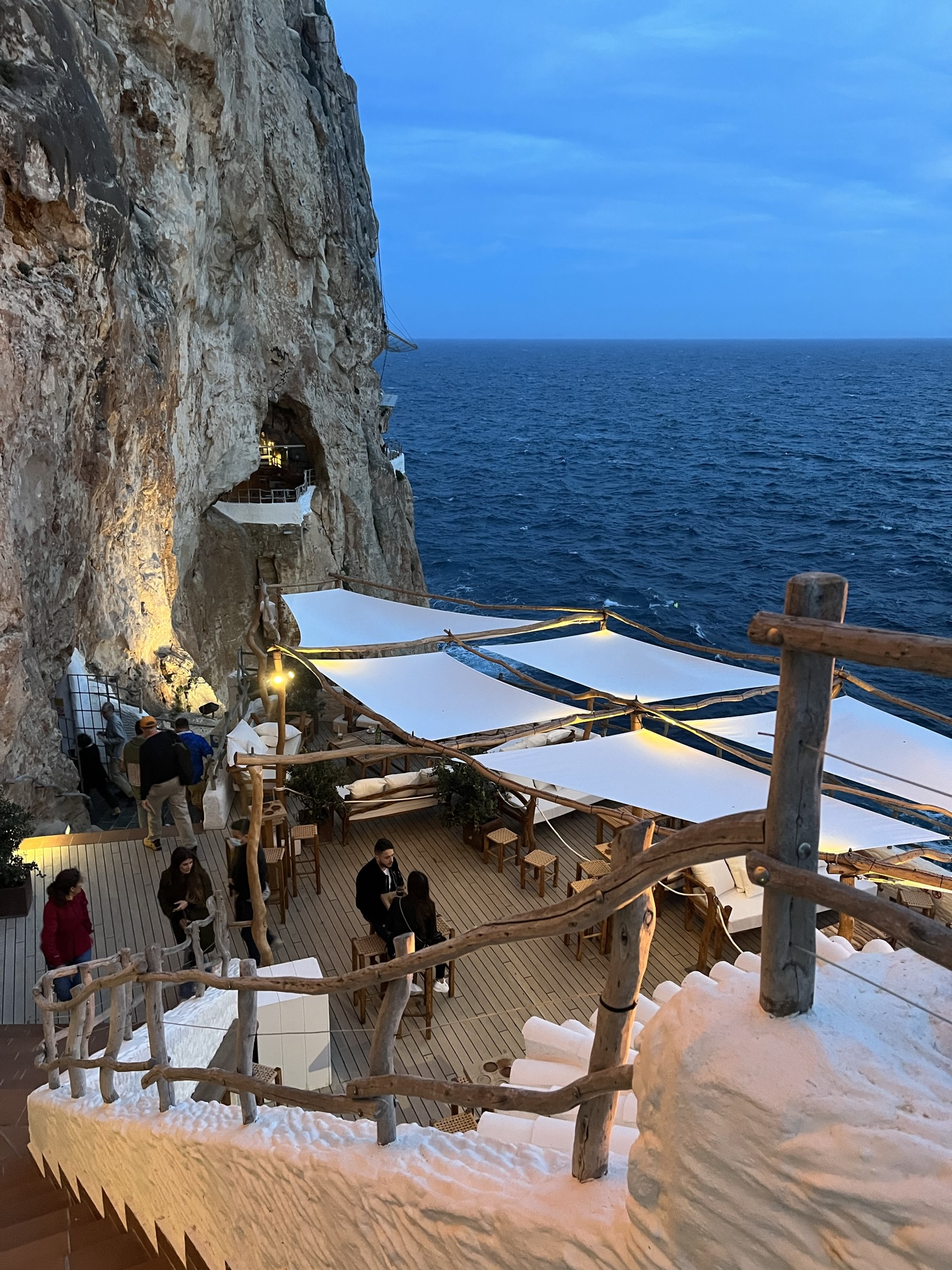
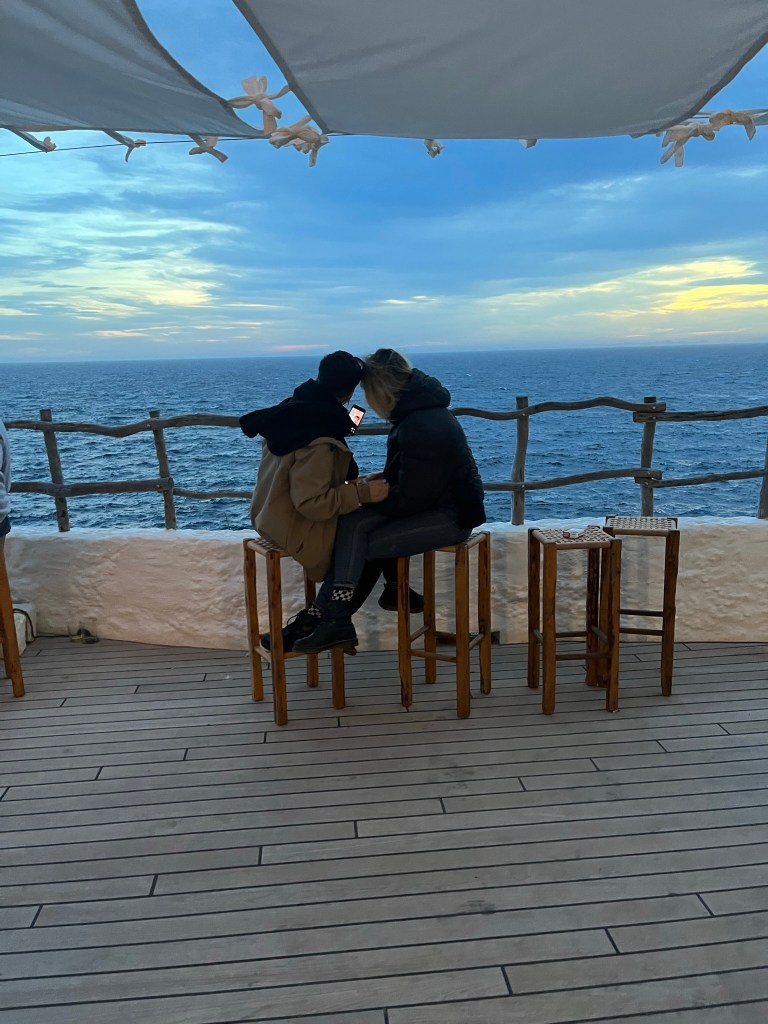
Best place to enjoy a lemonade + gin pomada? Cova d’en Xoroi—a daytime bar and afterhours club in a south coast cliffside cave that overlooks the beautiful Balearic Sea. Here on the outdoor patios you can watch the sun sink into the horizon and sip a drink in its glow. At 1 AM, a DJ starts spinning and the cavern becomes a dance club.
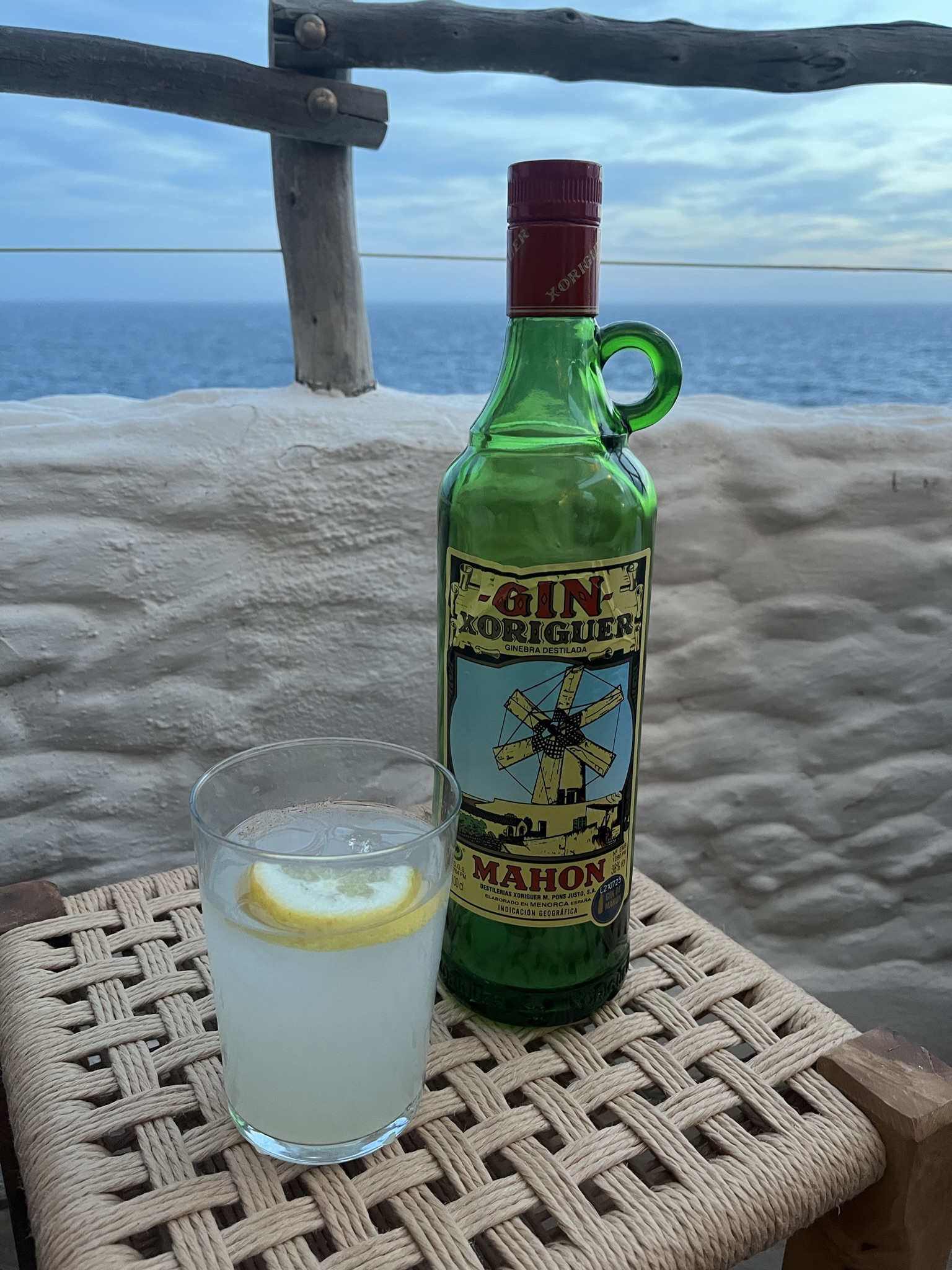
The recipe for Gin Xoriguer dates back to the early 1700s, and the distillery’s copper stills are more than 250 years old. The refreshing “pomada” cocktail consists of two parts lemonade and one part gin.

The Cova d’en Xoroi legend tells of a man named Xoroi who arrived by sea (perhaps a shipwreck survivor) and took refuge in the cave. During this time, a beautiful young woman from the country disappeared and was missing for years. One wintry day, a rare snowfall revealed footprints leading to the cave. Armed men stormed the cave and discovered Xoroi, the missing woman who had fallen in love with him, and their three children. Xoroi felt cornered and he and his eldest son jumped off the cliff into the sea, never to be seen again. The woman and her other children were taken back to Alaior, where they began a long lineage.

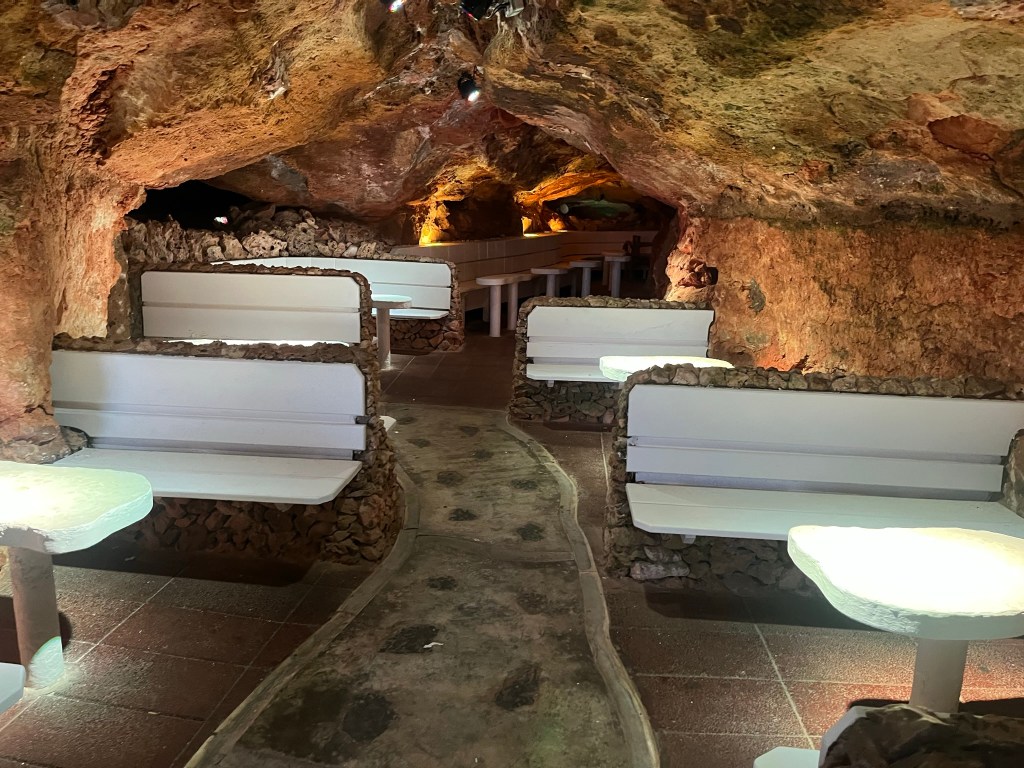
The cave’s interior has ample seating and booths with a sea view.

Nightlife at Cova d’en Xoroi features a variety of musical artists and themes, depending on the night. The live music schedule is posted online, and tickets can often be bought in advance.

Tickets are required for entry to the cave bar, with visiting hours segmented into a day session where children are welcome, an ambient sunset session suggested for adults, and an adults-only afterhours disco session. VIP seating is available for reservation, and the dress code restricts tank tops, beachwear, and sportswear, so dress to impress!
Souvenir Spotlight

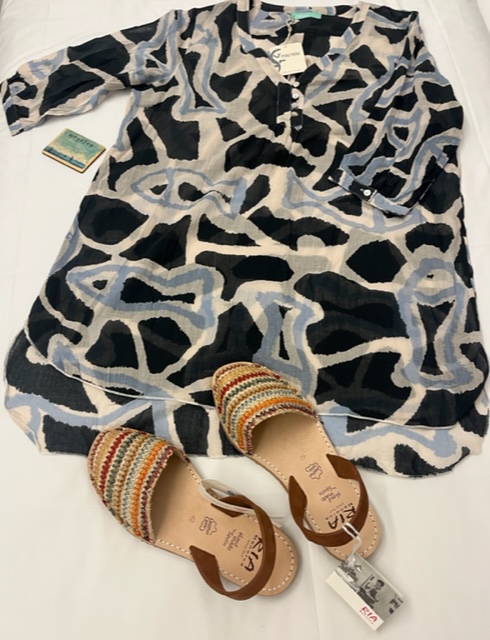
In addition to the incredible photos you will undoubtedly take home with you from the cave bar, stop for souvenirs in the fantastic gift shop up by the entryway. There you can browse a mix of locally made products, including handcrafted avarcas sandals by RIA Menorca and breezy Pou Nou island wear.

My gift shop souvenirs included colorful, woven RIA avarcas with a leather backstrap, and a lightweight Pou Nou tunic with shell buttons and a fish motif.

“Our company is based in Menorca, in the heart of the Mediterranean, and our designs are inspired by the island’s amazing elements—crystal-clear waters, magical beaches, and wild olive trees shimmering as the tramontana wind caresses them.”

Joan Carrés, Pou Nou founder
Spotlight on Dubrovnik

By Susan O’Brien
Photos courtesy Croatian National Tourist Board

Have you always wished you had been on the Riviera with Hemingway, Stein and Picasso in the 1920s? Although time travel is not (yet) possible, there’s a place on the Adriatic coast that claims to capture that golden era.

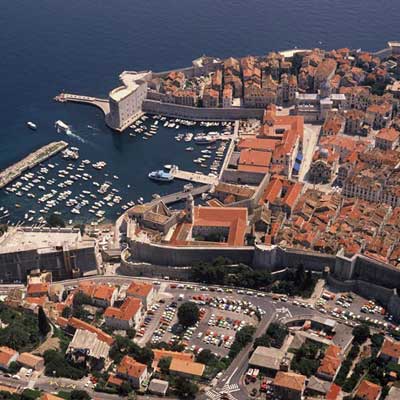
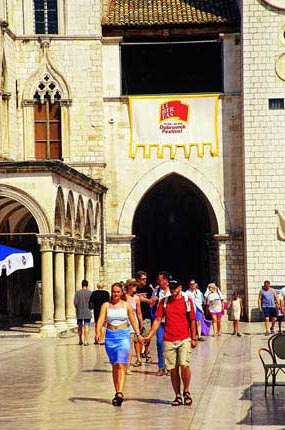
Dubrovnik has a proud history that goes back to Roman times, and its ancient center is so remarkably well-preserved it is on UNESCO’s list of World Heritage sites. It is Croatia’s southernmost city, enjoying a sunny Mediterranean climate and a spectacular mountain coastline dotted with more than 1,000 islands. It combines the charm of an ancient walled city with the amenities of a first-class Adriatic resort. It’s easy to see why the city has been known as “The Pearl of the Adriatic.”

The city was built on maritime trade, becoming a rival to Venice In the Middle Ages. Supported by its wealth and skilled diplomacy during the 15th and 16th centuries, Dubrovnik was one of the centers of development of the Croatian language and literature, home to many notable poets, playwrights, painters, mathematicians, physicists and other scholars.

GETTING THERE
The easiest way to get to Dubrovnik is by air, although bus and ferry transportation are also possibilities. Croatia Airlines operates daily flights to and from Zagreb and select European cities. Planes land at Dubrovnik International Airport (Zracna Luka), located at Cilipi, 18km (11 miles) from the city center.

Buses are available from other Croatian cities, as are ferries from Bari, Italy and other coastal spots in Croatia.

SIGHTS
The walled Old Town is pedestrian-friendly, and most major sites are inside. The Stradun is the main street through the Old Town. The Romanesque cathedral, which dates from the 6th or 7th century, was badly damaged in the earthquake of 1667 and rebuilt in the Baroque style by Roman architects Andrea Buffalini and Paolo Andreotti. There are also Jesuit, Dominican and Franciscan monasteries, among many other architectural treasures.

DINING
The basic style of Dubrovnik cuisine is Mediterranean. The emphasis is on olive oil, not butter. Polenta is a popular side dish and most dishes are liberally seasoned with parsley and garlic.

With strong historic links to Italy, it’s unsurprising that pasta and risotto is served in nearly every restaurant. Pizza is another favorite, usually toasted in wood-fired ovens.

The staple of traditional Dubrovnik cuisine is fish and seafood, expertly prepared but not necessarily local. The demand for best quality fish and shellfish far outstrips the supply, particularly in high season, and restaurants are often forced to buy frozen fish from afar.

ACCOMMODATIONS
Although the Yugoslavian wars of the ’90s severely damaged Dubrovnik, it has completely recovered and its tourist scene is as lively as ever. The city is home to dozens of accommodations from inexpensive hostels to luxurious, Riviera-style hotels. Apartment rentals are an economical option and are available in all price ranges as well. Some helpful web sites for finding accommodations are:
http://www.dubrovnik-guide.net/accommodation.htm
http://www.dubrovnik-online.com/english/hotel_list.php
http://www.visit-croatia.co.uk/accommodation/dubrovnik.htm

NIGHTLIFE
Dubrovnik hosts a lively nightlife scene and dozens of restaurants, all vying with each other for the attention of tourists. If you are used to the prices of Western Europe, this Eastern European city will seem like a comparative bargain.

MORE INFORMATION
There are plenty of good web sites about Croatia in general and Dubrovnik in particular, for help in travel planning. Here are a few:
www.visit-croatia.co.uk
www.dubrovnik-guide.net/
www.dubrovnik-online.com/