Learning the ‘Art of Travel’ on the Orient Express

A luxurious learning experience complete with a guide from London’s National Gallery

The Orient Express is launching a series of special vacation packages called “The Art of Travel,” including tours to Venice, Paris and within England. Travelers will learn about the lives of artists such as Canaletto, Bellini, Titian, Veronese, Monet, Rubens, Turner and Constable while seeing the places that inspired their work and visiting the places that house their work today, accompanied by an expert from London’s National Gallery.

All tours include at least one night at London’s Goring Hotel and begin at The National Gallery, where a specialist will give a guided introduction to selected masterpieces before the journey begins. Trips include:

THE VENICE OF CANALETTO: This seven-day tour will give travelers the opportunity to view Venice through Canaletto’s eyes. Travel from London aboard the Venice Simplon-Orient-Express through France, the snow-capped Alps and northern Italy. While in Venice, guests stay at the Hotel Cipriani and trace the footsteps of Canaletto, who is forever associated with magnificent Venetian views. Trips are limited to 20 people and depart on April 9, October 8 and October 22, 2011. 

VENETIAN PAINTERS: This is a six-day tour that introduces the traveler to the great Venetian masters, from Giovanni Bellini and Titian to Veronese. Starting in London with a tour and dinner at the National Gallery, travelers will fly to Venice, where they will step back into the Italian Renaissance and explore great sights such as the Doge’s Palace, the Accademia and Ca’ Rezzonica with an expert from the National Gallery. The journey ends with a return to London on the Venice Simplon-Orient-Express. The trip is limited to 20 people and departs on April 30, 2011.

IMPRESSIONS OF PARIS: Also offered will be a series of five-day tours focusing on French Impressionism, where travelers will trace Claude Monet’s long, dynamic life and will learn about the birth of a new artistic movement, when painters first began painting in the open air to capture the effects of light. From London, guests board the Venice Simplon-Orient-Express and can marvel that two of the restored carriages aboard the Art Deco train were already carrying passengers when Monet was producing his last masterpieces. Departures are April 9, May 7, June 25, July 27, August 24, September 24 and October 22, 2011. 

BRITISH PULLMAN: These tours combine the thrill of a steam-hauled luxury train, complemented by gourmet dining — brunch on the outbound journey and a three-course supper on the return — with delightful scenery and include visits to Bath’s finest art collections.

  • Collectors and Collecting: This trip is timed to coincide with the reopening of the Holburne Museum in May 2011 following a major restoration.  After a guided tour of the museum, there will be a tour of “Beckford’s Bath,” including the eccentric William Beckford’s house and the grounds leading up to Beckford’s Tower. The trip will depart on June 28, 2011.
  • Thomas Gainsborough: This journey focuses on landscape paintings by notable British and European artists including Rubens, Turner and Constable. Highlights include the new exhibition “Gainsborough’s Landscapes: Themes and Variation,” at the Holburne Museum and a walking tour of artists’ Bath.  This tour will depart on October 11, 2011.

For more information on “The Art of Travel,” visit www.orient-express.com/nationalgallery.

Rendez-vous in the Midi-Pyrénées for Wine, Food and Culture

Photographs compliments of Midi-Pyrénées Tourism Office

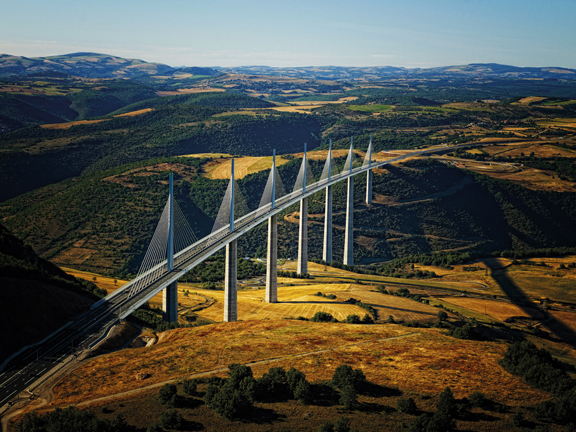
Visitors to the Midi-Pyrénées in France, also known as the Southwest, have the unique opportunity to savor some of the most unique food and wine in all of France while also soaking up the rich arts and culture scene of the region.

WINE
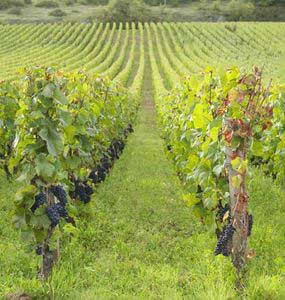
The Midi-Pyrénées is a verdant, hilly wine region—home to more than two dozen winemakers featuring some of the world’s greatest grape varieties and some that are grown nowhere else in the world.

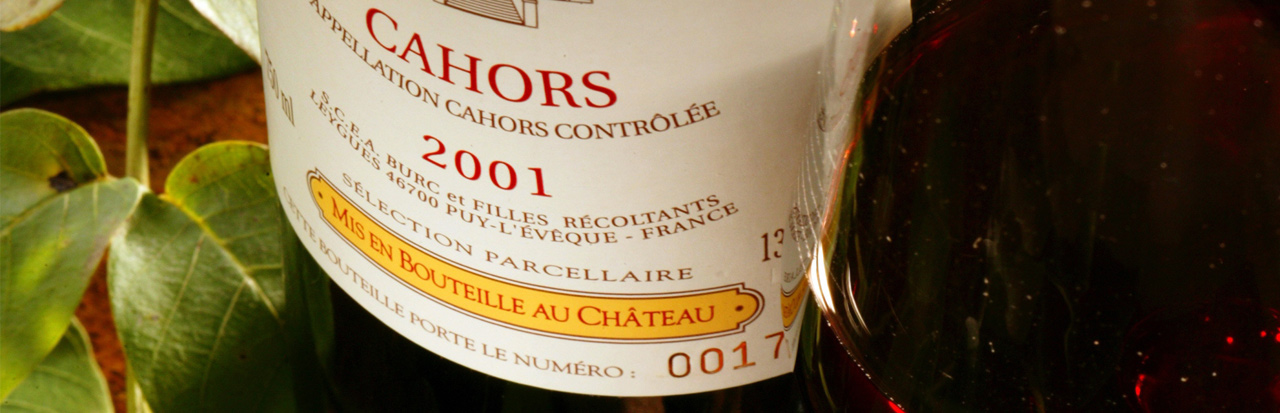
From the Malbec wines grown in the sun-drenched Cahors region to the Gaillac district, one of the oldest wine-growing areas in France, to the Madiran wines known for their inky color and tannic density, the wines of southwest France offer a wide array of flavors and are a true treasure trove for the dedicated wine connoisseur.

The region is also rich in spirits, most notably the distinctive brandy Armagnac, produced in Gascony. Tourists can explore the “Route de l’Armagnac” which winds through the vineyards and experience the different tastes and sensations of this brandy, known for its unique finesse and roundness.

FOOD
The Midi-Pyrénées is also renowned for its fine cuisine. It is home of the black truffle, which is found exclusively in the region around the village of Lalbenque.

The Midi-Pyrénées is also the capital of the iconic French specialty, foie gras. With subtle flavors of hazelnut and a creamy texture, this delicacy can be bought directly from the producer or at the special winter foie gras markets that are peppered throughout many small towns in the Gers district.

CULTURE
The Soulages Museum, in the town of Rodez, is dedicated to the work of acclaimed painter and Rodez native Pierre Soulages. Widely considered one of the great abstract artists, Soulages was inspired by the prehistoric and Romanesque art of the region. The museum houses 500 works donated by Pierre and Colette Soulages to Rodez, which is the world’s biggest collection, estimated to be worth close to $55 million.

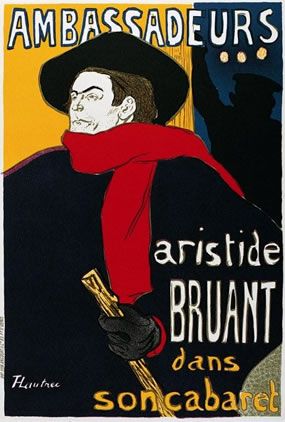
The Toulouse Lautrec Museum will celebrate the life of painter and lithographer Toulouse Lautrec, born in the city of Albi in 1864. The exhibit will run from October 25, 2014 to January 25, 2015.

FESTIVITIES
The Midi-Pyrénées also abounds with celebrations and performances, with more than 180 festivals and events taking place throughout the year.

The Medieval Festival of the Grand Falconer takes place in the village of Cordes-sur-Ciel on July 14—coinciding with Bastille Day, France’s national holiday. The annual festival offers a faithful recreation of medieval life in the Midi-Pyrénées, with fire-eaters, jugglers, falconers, troubadours, musicians, knights and villagers all garbed in medieval attire.

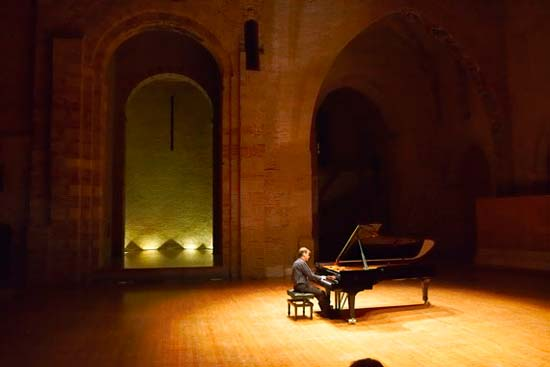
The Piano aux Jacobins, held in the region’s capital city Toulouse during the month of September, is the first festival in France entirely dedicated to piano performances. This year’s edition takes place September 2 to 29.

The small and quaint Gascon town of Marciac will transform into a jazz capital this summer from July 24 to August 13 with its legendary festival, Jazz in Marciac, which has welcomed international jazz icons.

ADVENTUROUS
The natural world comes alive in the Midi-Pyrénées with vast areas of untouched countryside and rugged mountains in its national parks. Cyclists come from all corners of the earth to follow the route of the Tour de France in the Pyrenees and climb the famed Col du Tourmalet.

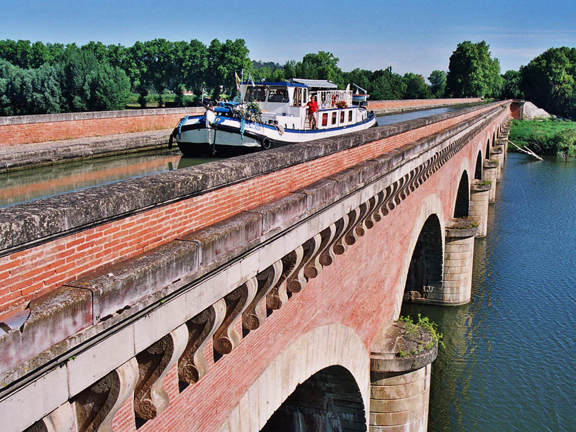
The Canal du Midi, a UNESCO World Heritage Site that runs from Bordeaux and the Atlantic coast to the Mediterranean sea, is ideal for bicycling enthusiasts looking for a relaxing ride and discovering this 150-mile engineering masterpiece.

SPIRITUAL
Travelers can embark on a spiritual retreat in the region at the sacred French Grotto of Lourdes, a world famous pilgrimage site. Every year, the cosmopolitan and convivial town receives 6 million travelers from 140 countries from every continent.

Walking the Way of St. James has changed little over the centuries, where pilgrims trek from all over Europe to the city of Santiago de Compostela in northwestern Spain. The route winds through many scenic villages born of the ancient pilgrimage, including Rocamadour, Conques and Moissac.

For more information on Midi-Pyrénées, go to: Midi-Pyrénées Tourism Office.

Ireland Tops Paris for Best Destination in 2011

An imprint of the global publishing giant Wiley, Frommer’s is one of the travel market’s leading authorities and most trusted online content and guide book producers. Every year its editors, authors and experts from around the world select the best cities, islands, beaches and other vacation destinations and decide on the destinations that are going to be big news for travelers in the coming year.

Its Top Destinations list aims to steer travelers clear of too-hot spots or places so under the radar that travelers could find themselves lost. The list also includes the Frommer’s Readers’ Favorite Destination.

“Last year’s favorite Paris was beat out this year by the very tourist-friendly nation of Ireland,” the company says. “During the nominations process, supporters told us why they were putting the Emerald Isle on their wish lists for the following year.”

Those reasons were comments praising Ireland’s rugged beauty, the people, the history, lush countryside and opportunities to ramble and explore.

Ireland received 29% of the overall vote from the 10 destinations up for nomination and pipped Paris in the readers’ vote for best destination by just 1%.

The other places up for nomination were Alaska, Hawaii, Australia, Egypt, Italy, Germany, New Zealand, Greece and Paris. More than 7,300 ballots were cast for the awards.

www.frommers.com
www.discoverireland.com

International High-Speed TGV Train Now Ready to Roll

New High-Speed Line makes Direct Train Travel between France, Germany and Switzerland faster and easier

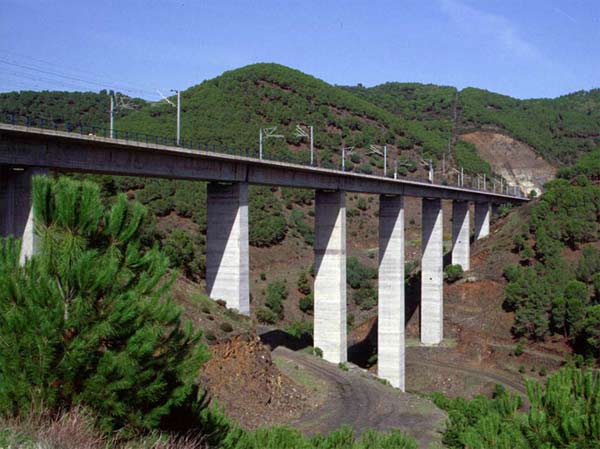
A total of 160 bridges and 12 viaducts have been built on the 264 miles of new track to be used by high-speed TGV trains which can travel at speeds up to 201 miles an hour.

For the first time, direct service is being offered within France on routes including Paris to Besancon, Belfort and Mulhouse.

TGV is French for Train à Grande Vitesse which means “high-speed train.”

International high-speed TGV trains offer direct service between France, Switzerland and Germany on routes such as Paris/Lausanne, Paris/Bern, Paris/Zurich and Frankfurt/Marseille. Tickets for TGV trains, including this newest section of high-speed line, are available through RailEurope.com.

Avignon TGV station

“This newest section of high-speed line will make a big difference to the way travelers can travel within France and also between France, Germany and Switzerland in 2012,” said company President and CEO Frederic Langlois. “The Rhine-Rhone high-speed line will offer faster travel times, more frequent and direct trains, and the speed, ease and convenience of connecting between these countries makes for a better travel experience.”

This new high-speed line runs east-west, reducing travel times from the northeastern city of Strasbourg to Lyon to just 3 hours and 40 minutes. The number of trains on this route will also increase to six roundtrips per day.

Another line will run north-south from France into Germany allowing travelers from Marseille or Avignon in the south of France to go directly to Frankfurt without changing trains. It is estimated that 11 million riders will utilize the new Rhine-Rhone line.

For more info, go to RailEurope.com
Photos courtesy of Net Resources International

Finding the Black Diamonds

Hunting truffles in the Dordogne

By Marilyn Heimburger
Photos by Don Heimburger

Dining in the Dordogne most certainly brings opportunities to pair wine with the other specialties of the area: foie gras, strawberries, walnuts and truffles.

In fact, the Perigord is known for producing the very best black truffle, an aromatic fungus resembling a small black potato. To experience this local treasure, I spent a delightful morning at Truffiere de Pechalifour, the truffle farm of Edouard Aynaud, learning the art of truffle hunting.

Truffle farmer Edouard Aynaud

After meeting the high-energy Edouard, we entered a glass-doored, yellow stone building, where Edouard snaps open the lid of a large plastic bowl holding several black truffles, and thrusts it in my face. “Smell this,” he says in French, insisting that once you have this scent in your head, you’ll never forget it.

Truffle farm
Edouard’s truffle-sniffing border collie

The valuable black truffle, sometimes called the Black Diamond, can command 1,000 Euros per kilogram, since the demand is always greater than the supply. Our host holds up a kiwi-sized truffle and we play “how much is this truffle worth?” My husband wins with his guess of 10 Euros, when the small scale records the truffle’s weight as 10 grams.

Now the lesson begins: truffles grow at the base of oak and hazelnut trees. The spores of the truffle form a web of mycorrhizal filaments that permeate both the soil and the roots of the trees. These filaments help the trees obtain nutrients from the soil, and in turn, the trees provide the truffle with needed sugars. Once this network spreads, there is a telltale brown circular area around the base of the tree called a “burn.” In the wild, this symbiotic relationship occurs with luck.

Map of truffle "burn"

Here on the 10-acre Pechalifour farm, Edouard’s father planted his first trees in 1968. Today new tree seedlings with truffle spores grafted onto their roots are planted in the hopes of increasing the truffle crop. Edouard holds up a 2-foot-tall oak seedling to illustrate, and tells us that you must plant it and pray, and maybe in several years (3? 6? 10?) the telltale “burn” will appear. He explains that sadly, not many young people are getting into this business because it requires so much patience and optimism.

Edouard, however, personifies optimism and joy, explaining his craft in rapid-fire French (admirably translated by our local guide) and punctuated with animated facial expressions and gestures worthy of Marcel Marceau.

Once the “burn” is identified, there are three methods to locate the truffles beneath it:

  1. With a pig. Grinning, Edouard holds up a Cracker-Jack-toy-sized pink plastic pig to illustrate. Furthermore, he continues, it must be a female pig. Why? Because the truffle scent mimics that of a male pig sex hormone.
  2. With a stick. Now he whacks a slender willow stick several times across the length of the table. Tapping a stick around the area of the “burn” disturbs a little brown fly that likes to lay its eggs on a ripe truffle, so that its larvae can feed on the nutrients. A short video illustrates that the fly’s brown color renders it invisible at rest. But once disturbed, the fly will rise up and then return to the location of the truffle, which must be harvested before the egg-laying, larva-eating process begins.
  3. With a dog. The dogs must be trained while they are very young to recognize and search for the truffle scent. For that, Edouard uses the plastic film containers used before the age of digital photography. He pokes holes into the container and fills it with cotton that has been moistened with truffle oil. Then for one week he plays fetch with his canine student, rolling the container a little distance away, and rewarding the pup with treats and love when the prize is returned. The next week he hides the container in corners or behind something, and again rewards its return with treats and praise. The third week he buries the container outside under a little bit of soil and waits three days so that it no longer carries his human scent, but only the scent of the truffle, before sending the dog to find it. At the end of three weeks, with lots of praise and treats, the dog is trained.

Suddenly we are aware of a yellow labrador and a young black and white border collie snuffling around our feet, obviously eager to get to work. Edouard grabs a basket, some dog treats and a digging tool, and assuring us that he did not hide truffles ahead of time for us to find, we begin our spirited trek though the trees.

Pointing out brown fly in “burn” area where truffle lie

Walking slightly ahead of us, Edouard sees the telltale “burn” around the base of a tree, and gives his dog the command. Within seconds, the dog sniffs and puts his paw on a spot. Edouard scoops up a handful of the moist soil and sniffs it, crowing gleefully when he detects the scent of the hidden truffle. He pushes into my hands the special two-sided truffle-digging tool: pointed pick at one end, flat scraping blade at the other, and tells me to dig — but gently! We’re not digging up potatoes!

Tree with signs of a truffle underneath

Soon my delicate poking isn’t fast enough for him and he rakes his fingers through the mud until he isolates the prize. After pointing to exactly where I should look, he lets me make the final discovery. Voila! There it is — and it’s tennis-ball HUGE! But, alas, it is spoiled inside because of the recent unfavorable weather. Edouard rewards his dog with a treat and a cuddle, and then crushes the truffle with his fingers and reburies it on the spot, so its spores can sprout again.

The best months for harvesting ripe truffles in the Perigord is December, January and February, and then only if the weather conditions have been favorable — too much rain and they grow too fast and don’t ripen at the right time. All in all, it’s a business that needs luck — and lots of dog treats.
www.truffe-perigord.com