Learning Language in the Lap of Luxury

If “learn another language” is on your bucket list, but you’re not into classrooms, group travel, or homestays… keep reading.

By Abbey Algiers

This fall I took my 19th trip to Spain. 19 trips, yes. That number is due to a love affair with Spain that began at age nine, on a family trip to Madrid.  Next came Spanish summer school (at the ripe age of 10), then high school and college trips to Spain, followed by years of traveling there as a Spanish teacher. Now, as a travel writer and Spain specialist, Spain remains at the top of my list.

Yet, even with all of my years of travel and Spanish practice, I still look for opportunities to improve my Spanish. This past fall, I experienced a language and immersion tour that ranks as one of my most fulfilling cultural, learning, and personal growth experiences in Spain—and might be of interest if you’ve ever said, “I really want to learn another language and live like a local.” 
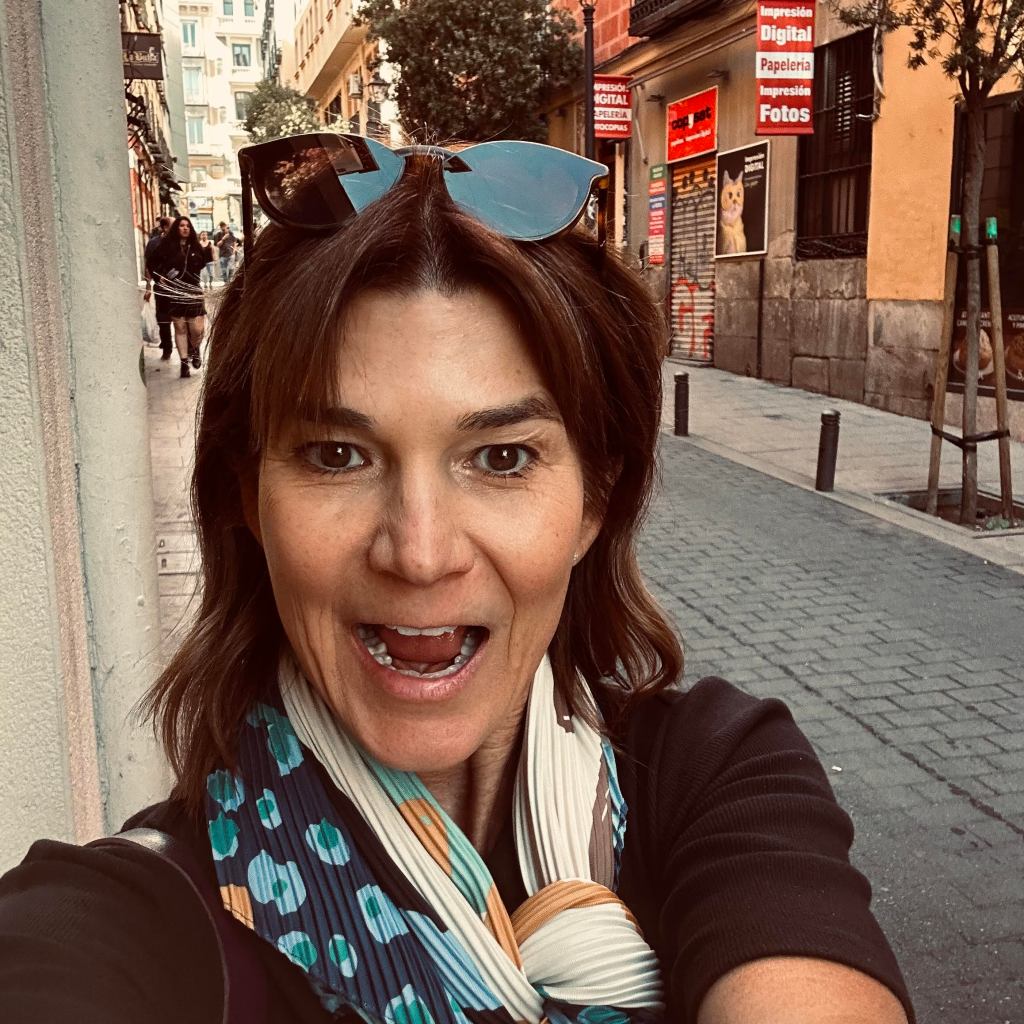
woman with sunglasses posing on a shopping street
Fresh out of a hair salon in Madrid, living like a local.
Language Immersion in Sevilla and Madrid

I set out in October 2025 to spend two weeks in Spain—starting with a week in Sevilla, followed by one in Madrid. My goal was simple—to refresh my Spanish and enrich my knowledge of Spanish culture. And, if I’m being honest, I also wanted to stay in a beautiful hotel, unplug, and recharge.

Maybe at this point you’re wondering, “Why would a former Spanish teacher need to do an immersion?” Great question. While I am fairly fluent, I have two golden rules when it comes to language learning. First, to maintain fluency or get more fluent in a language, you’ve got to use it or you’ll lose it. Second, the best way to learn a language or improve fluency is to immerse yourself in the culture. 

Working within my schedule, I started searching for a Spanish immersion program that met my non-negotiables: no classrooms or groups (I’d had my fill as a teacher), flexible scheduling to fit my freelance life, and a stylish hotel in a lively area. I wasn’t interested in a homestay or just any hotel. I wanted this time to be restorative as well. With that criteria—no classrooms, no groups, and luxurious accommodations—I discovered a program called Language & Luxury, or L&L. As I read the company website, it was as if they were talking directly to me—no classrooms and no groups, just private one-to-one instruction. Best of all, the experience is coupled with personalized, private cultural tours and daily cultural activities, with the option to include luxury accommodations and additional curated experiences. 

Language & Luxury met my exact criteria. I could do a week in Sevilla and a week in Madrid, and even add on weeks in other Spanish cities. I got to decide when and where instruction took place, with the lessons catered to my language level and goals. I was so impressed with what L&L offered that I decided to try it. I’m here to take you through my trip and show you how fun and rewarding a language immersion tour can be—regardless of your language level, age, or travel experience.

How Language & Luxury Works

After expressing interest, I was contacted by L&L to schedule a call with the company’s founder, Richard Phelps. Richard told me more about the company and stressed that the entire tour is customized for the client. I could choose the exact dates and duration for my tour, the city (or cities), and the time of day for my private lessons. The flexibility and personalized attention really appealed to me. The addition of cultural activities and luxury accommodations sealed the deal. Next, I talked with one of the company’s Language & Luxury Destination Specialists to discuss the details of my two-week tour in Sevilla and Madrid. 

My Week in Sevilla

I arrived in Sevilla on a Saturday and was greeted at the airport by a driver provided by Language & Luxury. A short ride later, I arrived at Eme Catedral Hotel, a luxurious hotel directly across from the Catedral de Sevilla, the third-largest cathedral in the world. Not a bad spot to be, and I was blown away by everything the hotel had to offer—an attentive staff, several restaurants, a rooftop bar and pool, a workout facility, and a world-class spa. My suite was incredible, with cathedral views from two patios. All week, church bells lulled me to sleep at night and woke me up in the morning. 

Daily Routines

L&L clients can start their tour on any day of the week, which is great if you want to get away “when you’re able to get away.” Since my lessons started on a Monday, I spent Sunday acclimating to the area. I did this by taking a food tour with Eating Europe, a company that uses local guides to take groups to non-touristy restaurants for an authentic taste of local cuisine.
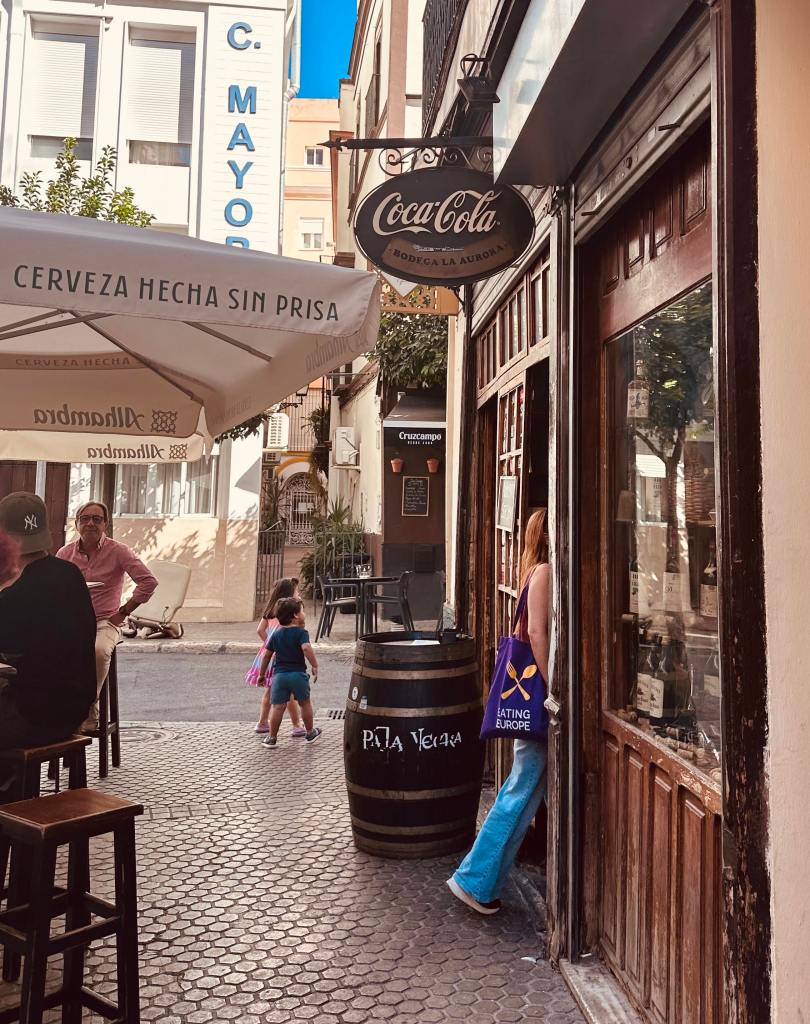
front entryway of an eatery
Eating Europe is a fabulous way to learn about the hotspots locals choose.

After the tour, I took advantage of the fact that Seville is highly walkable and took in some of the city’s highlights, like the majestic Seville Cathedral and Giralda tower, the lush Real Alcázar gardens, the grand Plaza de España with its canal and bridges, artisanal shops selling ceramics and fans, and Triana’s flamenco scene along the Guadalquivir River.

Language Immersion

The great thing about this immersion was that my instructor, Carmen, came to me at my hotel on the first and all subsequent days of my program. At our first meeting, Carmen and I met in a quiet part of the hotel for an introductory conversation (in Spanish & English), and then immediately got to work. She assessed my language and goals and asked where I wanted my lessons—right there at the hotel? In a cafe? On a quiet park bench? Or on the go, while strolling through the city? Being an active learner, I opted for walking lessons. Carmen was excellent—the perfect blend of instructor/new Spanish amiga, which made me feel comfortable working on my language with her.
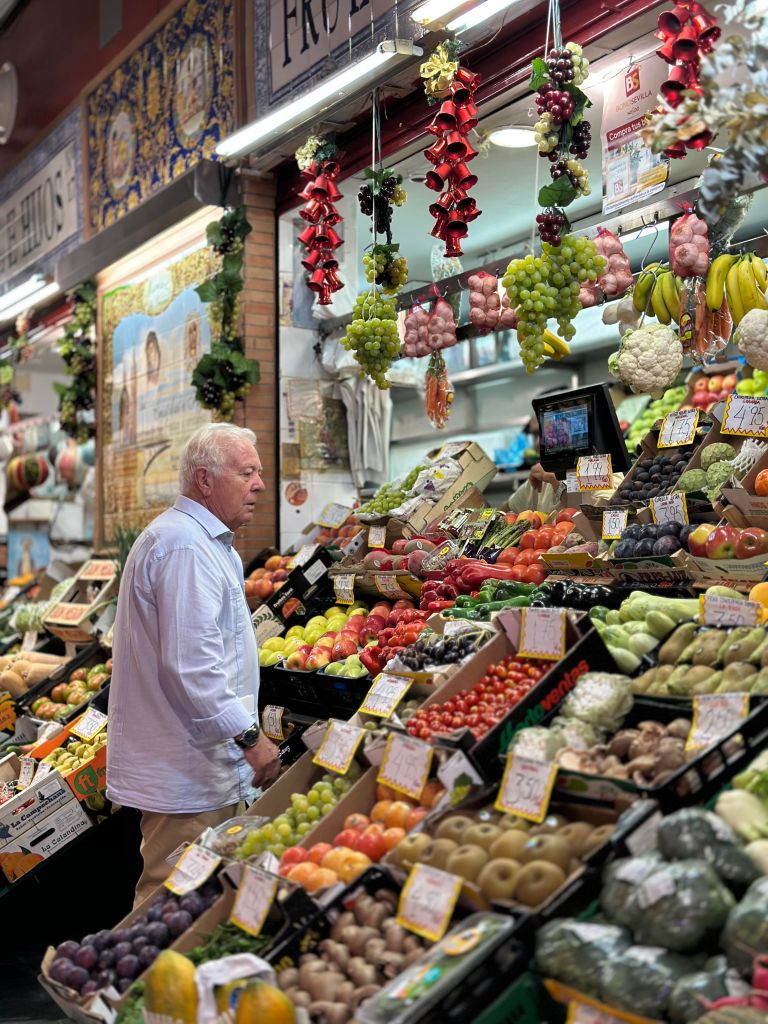
man looking at market stand filled with produce
Local markets were the perfect place for conversation and interacting with locals.

In addition, Carmen followed up on the things we discussed. After our first lesson, she emailed me a list of verbs we’d talked about and gave me a comprehensive list of restaurants and points of interest based on things she’d learned about me. This was just one of many ways the week became personalized to me. As the days passed, Carmen and I realized we shared an interest in local legends, ghost stories, and health and wellness topics.
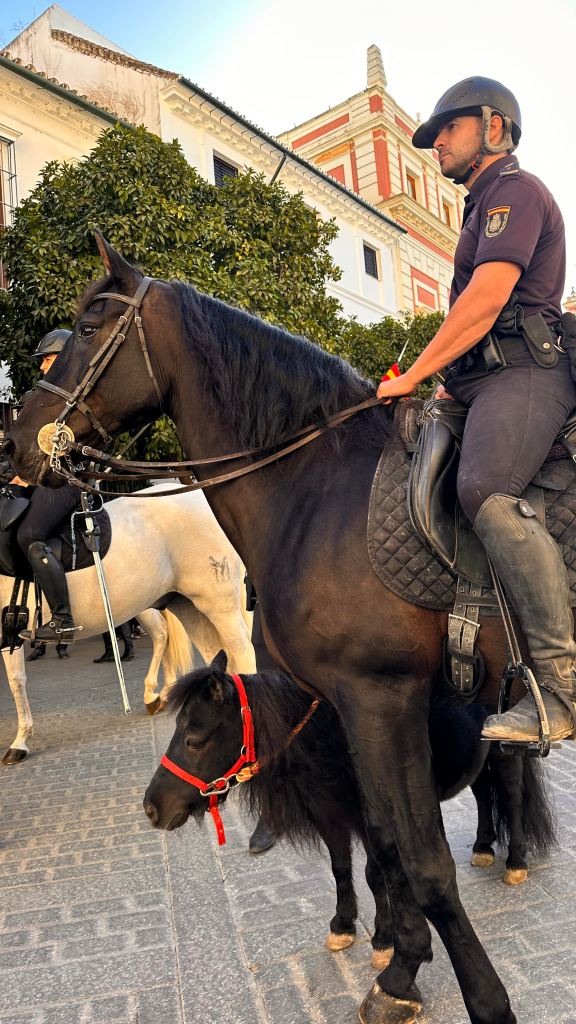
law enforcement officer on horseback
During one day’s lessons, we happened upon a ceremony honoring law enforcement officials in Sevilla.
Private Cultural Tours, Excursions, & Personalized Activities in Sevilla

In addition to my daily private lessons, I had private cultural tours each day. Participants can choose three to five per week; I chose three. One day, Daniel, my guide, took me on a tour of the Cathedral of Sevilla and the Royal Alcázar. Another day, we toured markets and had tapas in one of Sevilla’s popular neighborhoods. I ended my week of tours with a visit to the Flamenco Museum and an authentic flamenco show. On the days I wasn’t on excursions, I pursued personal interests. One day, I played a round of golf at the Real Club de Golf Sevilla. Another day, I toured a radio station and talked with local journalists—an experience a local L&L partner set up for me.
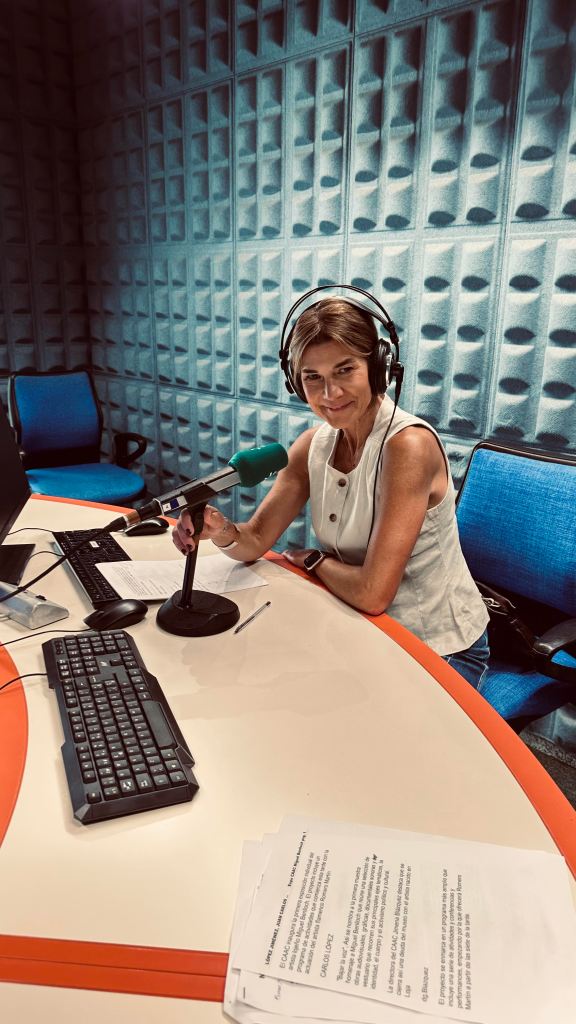
woman in radio studio with microphone
Language & Luxury set up a tour of a local radio station. Such an interesting tour for this journalist!

The week in Sevilla flew by, and I was so glad to have another week to keep the momentum going in Madrid.

Week Two: Madrid

Per my Destination Specialist’s recommendation, I left Sevilla via high-speed AVE train to Madrid. Train travel in Europe is affordable, luxurious, and often much easier than air travel, as you don’t have to arrive hours in advance to travel. Again, I appreciated L&L’s transfer service from my hotel, and the business-class seat I reserved on the train was spacious and quiet.

Once in Madrid, I stayed at my friends’ house for the first part of my week and transferred to the hotel L&L had arranged for me mid-week. Language & Luxury participants can choose their own accommodations or have L&L set them up; I chose a mix of both. Again, I had a free day before my language lessons began on Monday, so I attended the Madrid Open Golf Tournament—because when you’re a golfer and there’s a tournament while you’re in town, why not, right? This is just one example of how one can “live like a local” and enrich the week’s experiences.

The Experience Continues in Madrid

My schedule in Madrid had a similar cadence to that in Sevilla. On Monday, I met Jennifer, my instructor, at the NH Palacio de Tepa, where I would stay later that week. We had an introductory chat, where I told her about what I’d covered in Sevilla, and talked to her about how I best learn/work. Jennifer told me she’d plan activities and lessons based on daily “walking immersions.” 
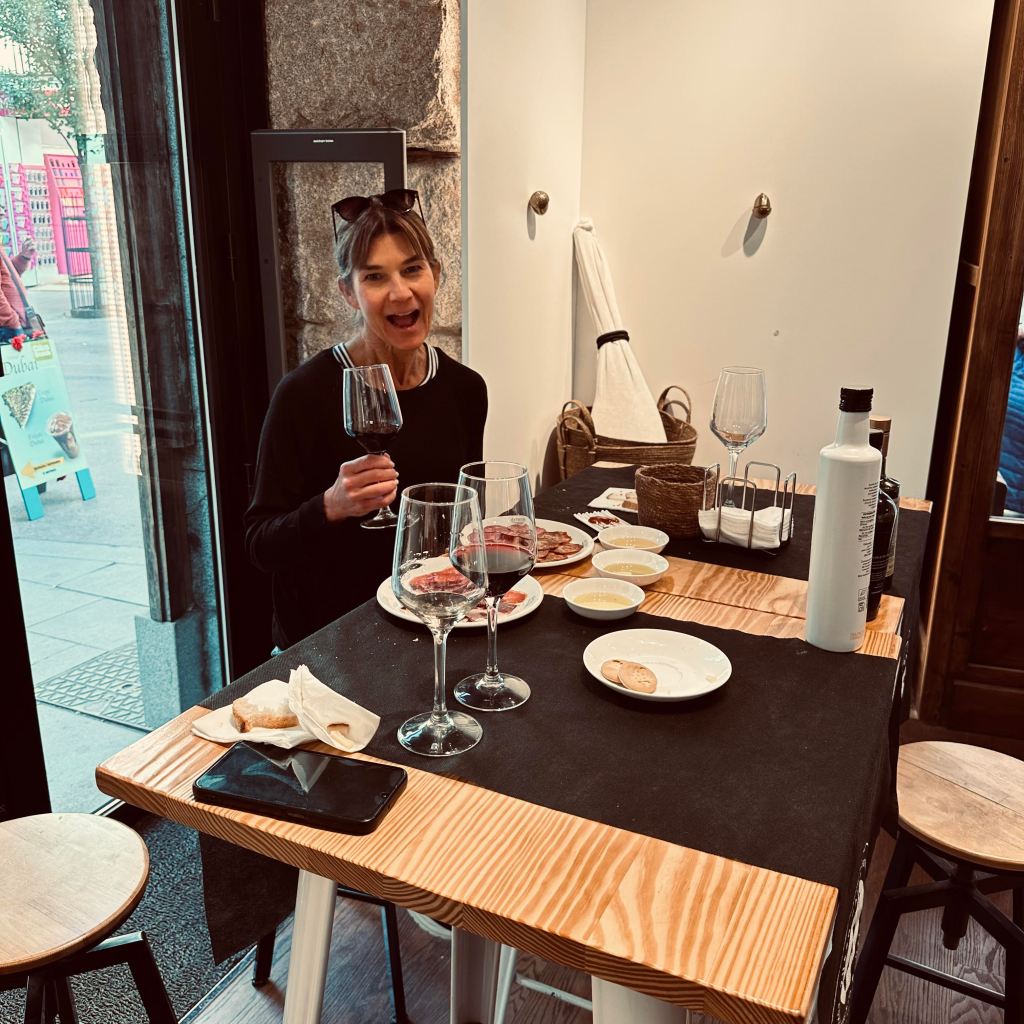
woman with wine glass at dinner table
A wine and Iberian jamón tasting was a definite highlight.
Private Cultural Tours, Excursions, & Personalized Activities in Madrid

I paired my private lessons with cultural experiences and enjoyed working with my cultural activities guide, Alessandro. Our tours took place after my daily lessons, and included:  a wine and Spanish jamón tasting, a tour of nearby restaurants not known to tourists, a walk through Madrid’s literary quarter (something I enjoyed immensely as a writer), and a visit to one of Madrid’s many art galleries, Fundación Mapfre. Working with the same local guide all week made the experience more meaningful, as I got used to Alessandro’s Spanish and approach. 

In addition, one afternoon I played a round of golf in one of Madrid’s finest private courses, the RACE Golf Club. Here I learned about the growing popularity of Madrid as a golf destination, and the numerous opportunities to play in the area’s surrounding courses. And of course, I learned this in a conversation with the club’s director of golf,  José Ignacio Vidosa Flores, while we spoke entirely in Spanish.

female golfer on golf course
October is a beautiful time to play golf in Madrid. Thanks to RACE Golf Club for a great round!
A Recap & Tips if You’d Like to Do a Language Immersion (in Spain or Around the World)

Toward the end of my two-week immersion, I had a revelation while sipping coffee with my instructor. I realized—Wow, I don’t think we’ve really spoken a lick of English since the first day of our instruction. 

Now, while this would definitely vary for someone who came to the program with little or no Spanish, as someone who really wanted to become “one with the language and culture of Spain,” the program 100% delivered. I wasn’t just speaking the language; I was immersed in the culture, using the language without really thinking about it. I felt like a Spaniard!

If you’re looking for a way to immerse yourself in the language and culture of Spain (or another destination around the world)—like I did in Sevilla and Madrid—consider Language & Luxury. You’ll get one-to-one instruction, cultural tours, and luxury hotels, plus personalized attention from the start.

The bottom line? If you’re looking to learn or fine-tune a language (choose from Spanish, Portuguese, German, Italian, French, or English) based on your level, travel schedule, learning style, and cultural interests, and prefer to stay in beautiful hotels, have transfers handled, plus enjoy a curated itinerary with suggestions for high-end experiences, I’d definitely suggest checking out Language & Luxury!   

In full disclosure, I was so impressed by the company that I wanted to be a part of it. I’m happy to say I’m now one of Language & Luxury’s Destination Specialists. However, please know I’d be spreading the word about this amazing opportunity to learn a language and grow as a person even if I didn’t work there!

🔍 Search the site to discover more European Traveler feature stories. 🌍

FOLLOW US:


Dining in Madrid Is More Than Just Dinner

Story and photos by Alison Ramsey

Madrid, the colorful capital of Spain, has a vibrant culinary scene with myriad eatery options to bring visitors closer to the city’s authentic culture, traditions, and characters. To make the most of a visit, vary mealtime experiences by trying unique gastronomy options and formats.

Progressive Dinner Offers Premium Food Experience

Elysian Tales, the passion project of charismatic Marwa Preston, brings guests on a multi-stop fully customized progressive dinner throughout the city, with short walking trips between venues.

Woman at dinner table
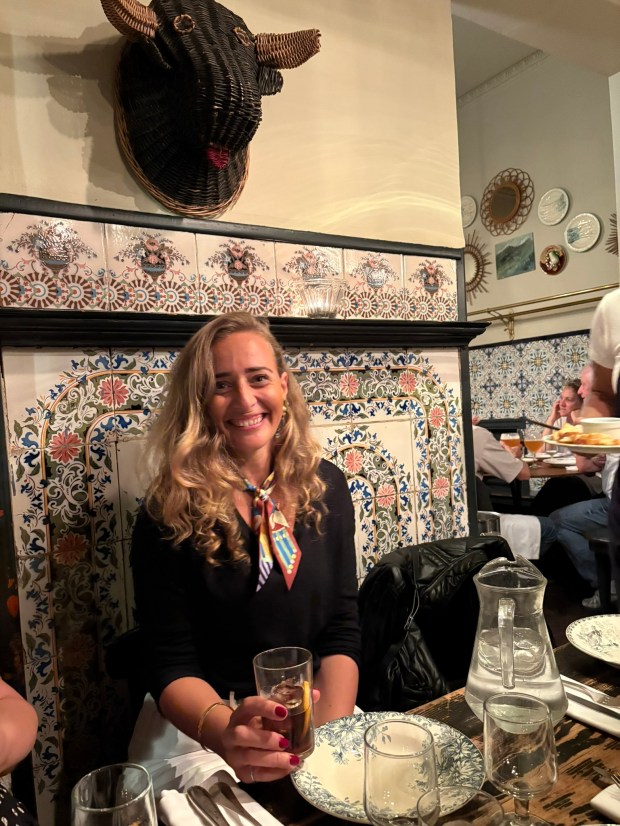
Marwa Preston, backed by a Spanish-tiled wall at La Carmencita, sits with iced red
vermouth, served in its traditional small glass.

Michelin-Starred Fine Dining

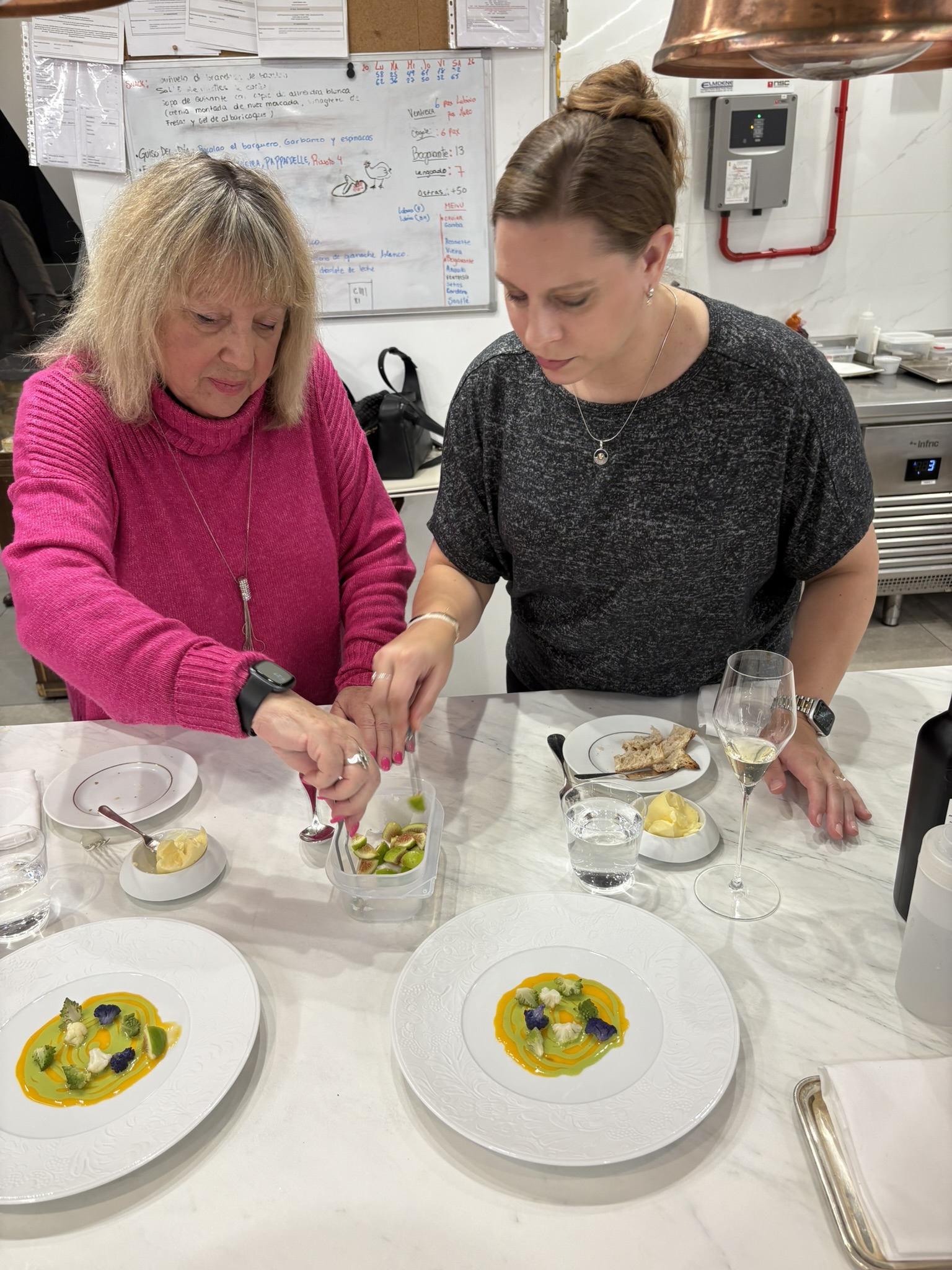
One example program begins at the elegant, Michelin-starred Saddle restaurant, whose red velvet armchairs, full-ceiling skylights, and modern gold accents imbue sophistication and style. Join the chefs in the kitchen, where they teach participants to artfully scrape a creamy oval-shaped “butter quenelle” from a mountain of French butter to go with homemade sourdough bread and sparkling Corpinnat wine from Catalonia.

Friendly kitchen staff walk guests through plating a colorful vegetable course, using silver tweezers to decorate swirls of flavor with purple cauliflower, figs, carrots, strawberries, and edible flowers, and garnishing with fresh horseradish and sea salt. The quality of ingredients and combinations of interesting tastes here are beyond comparison, and the feeling of making it yourself alongside professional chefs in a gourmet kitchen is unmatched.   

  • Man displays bottle of wine
  • Two women plate vegetables
  • Chef and woman prepare food dishes

Homestyle Comfort Food

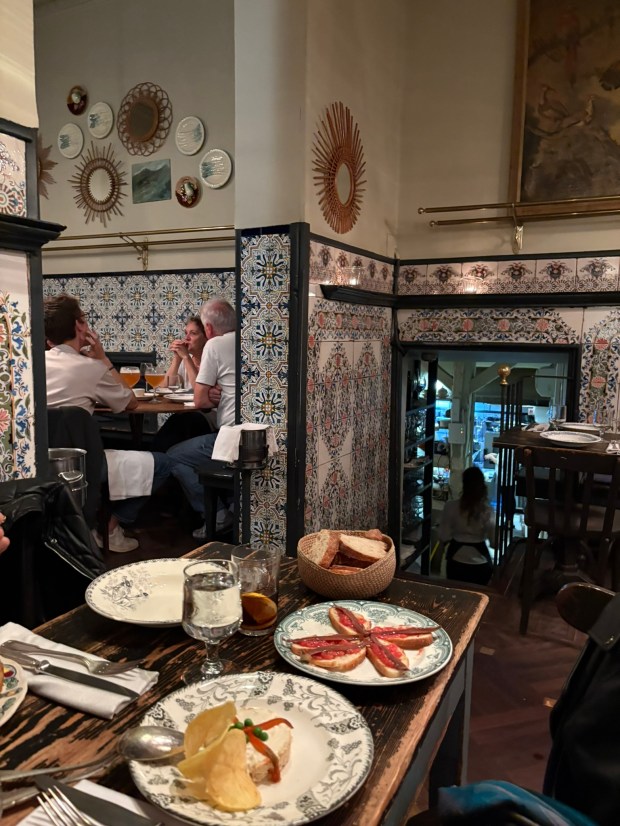
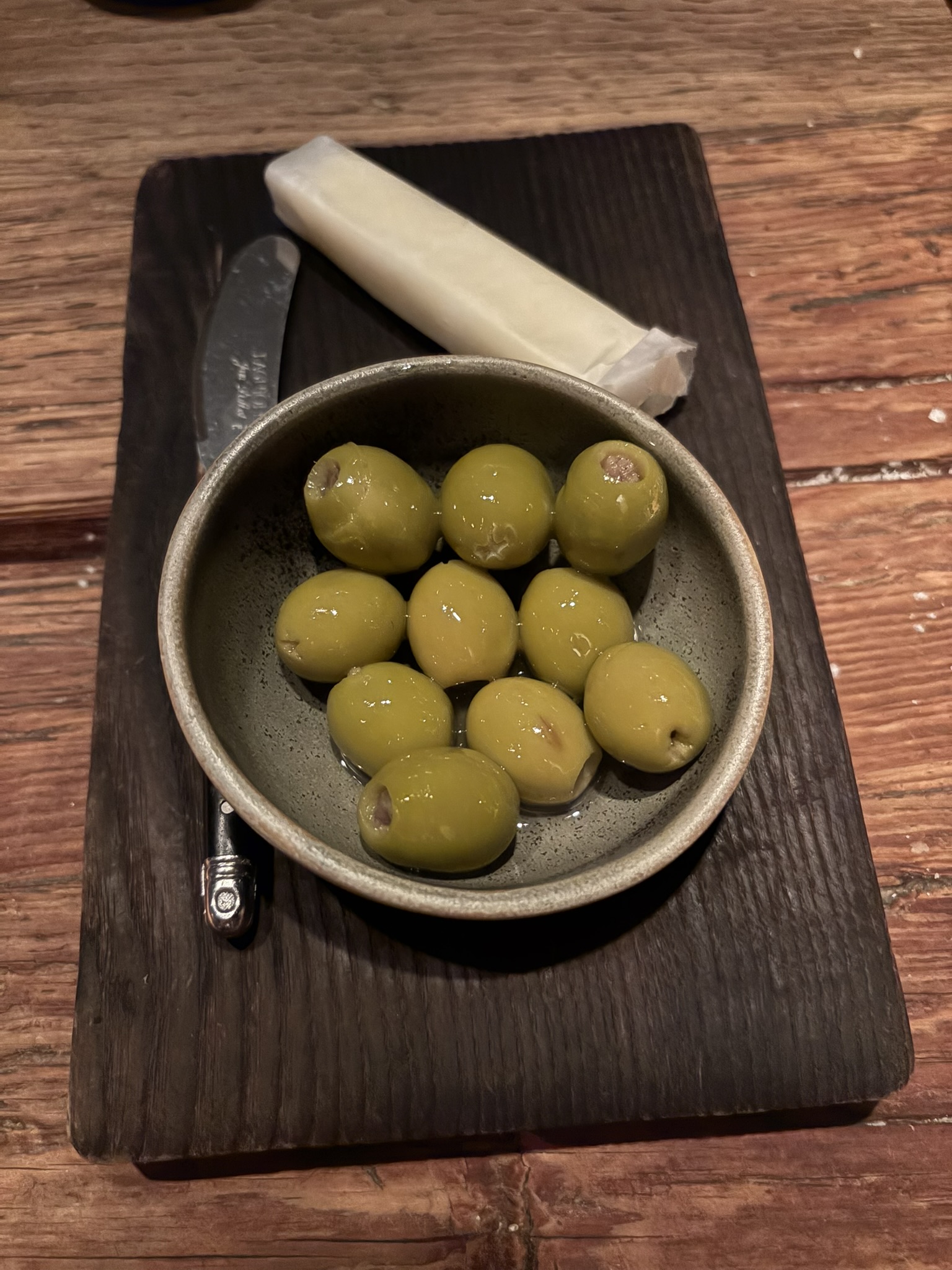
A leisurely walk past the stately Supreme Court of Spain and Church of Santa Bárbara leads to friendly Chuecha neighborhood bistro La Carmencita Tavern. The second oldest tavern in Madrid and a famous locale for writers to frequent, this lively venue is full of locals sipping red vermouth (white wine infused with caramelized sugar and botanicals), nibbling in-house marinated olives, and sampling savory cheeses with honey farmed from the outskirts of Madrid. Preston described their Spanish version of “Russian salad” as tuna, potatoes, green peas, and vegetables, and “everyone from Spain will tell you their mom’s recipe is the best.”

A grandma’s-home-cooking recipe of beef pate on bread, and Mediterranean anchovies comprise bar food typical in this “Soho of Madrid” area. At this homey site where three generations of Carmens lived, the elaborately decorated Spanish tiles on the walls are all original, and the dining room used to be the house’s bedroom.

Dining room and appetizer plates
Red vermouth and traditional tapas make up a cozy homestyle meal at La Carmencita
Tavern.

Romantic Date-Night Atmosphere

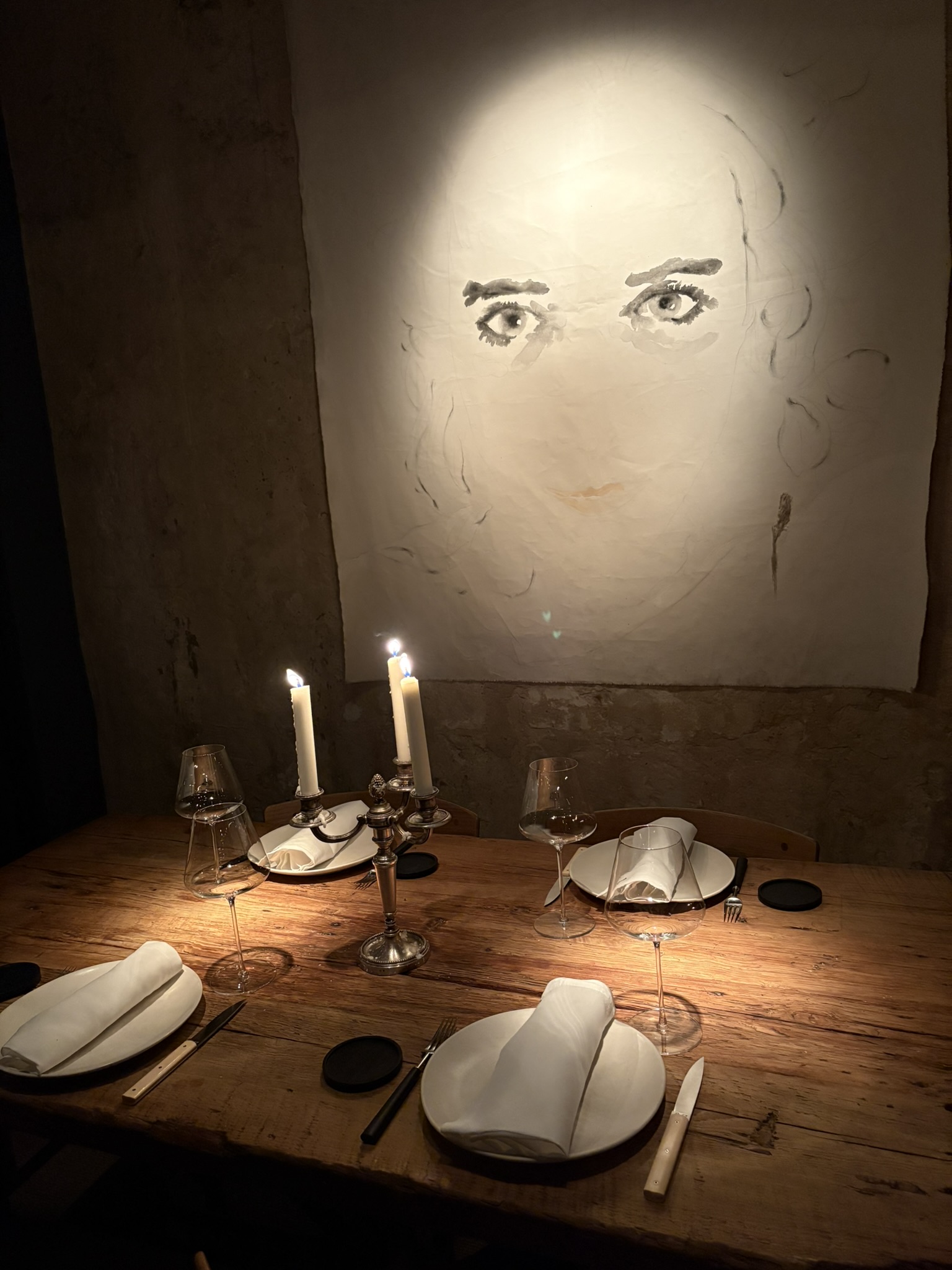
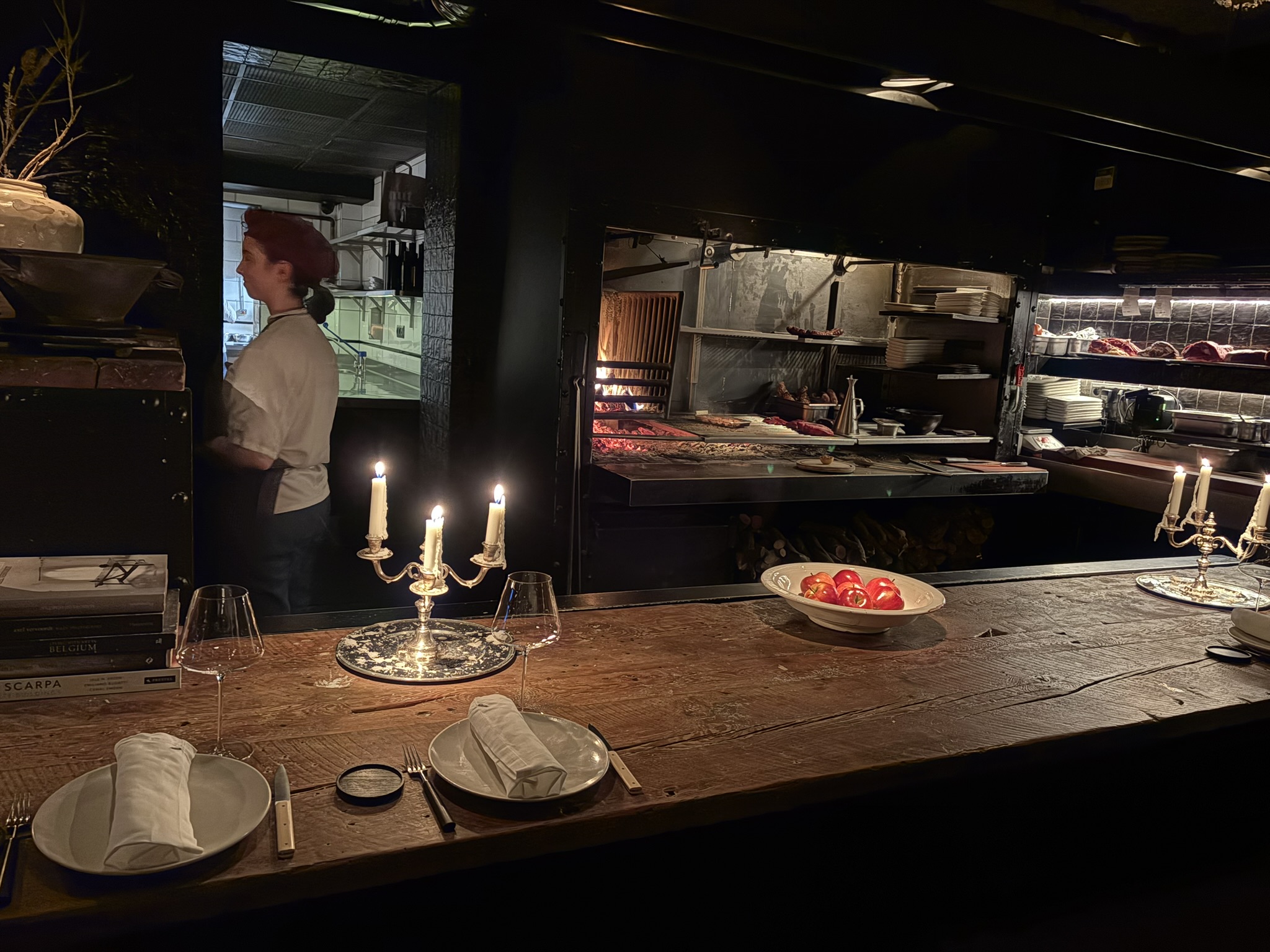
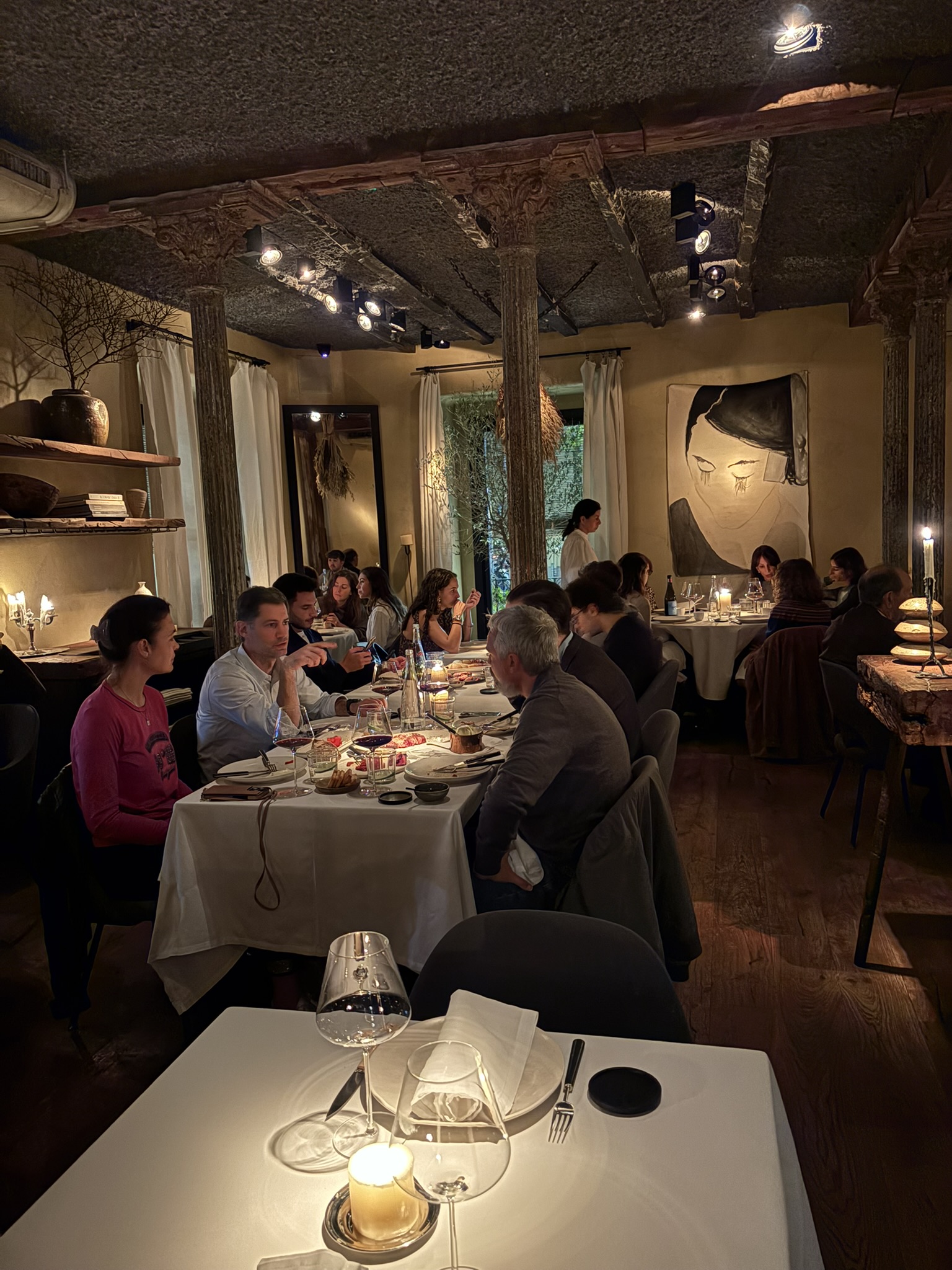
Moody candlelight, rough-hewn wooden tables, open-flame ovens, dramatic wall art, and a vast collection of high-level wines make Charrúa Madrid a romantic stop on the journey. Fresh rosemary is burned 30 minutes before dinner service, and the pleasant aroma stimulates senses and heightens the dining experience.

Begin with hot beef consommé rich with vitamins and minerals, creamy cauliflower puree (“90% cauliflower and 10% butter,” said Preston) with freshly shaved truffles, and seasoned tomatoes. Roasted red pepper is served alongside tender, free-roaming grass-fed Retinta beef sirloin to bring out the meat’s flavor, with the acidity of the pepper cutting through the meat’s fattiness.

  • Set dinner table with painting behind it
  • Bowl of olives
  • Open oven and candles
  • People sitting at dining tables

Dessert is torrija, a Spanish version of French toast that involves homemade brioche soaked in milk infused with cinnamon, orange rind, and lemon peel, and nested with yogurt ice cream. Preston explained that this is a typical Easter dish in Spain, although that time of year the bread is often soaked in wine instead of milk.  

Despite the rich flavors in these courses, the food sits lightly in the stomach and is not fried, like many of the ham croquetas (deep-fried fritters) and bombas (fried mashed potato balls) served in touristy locations. With a short walk in between restaurants on this dining tour, guests don’t leave feeling stuffed and uncomfortable.

Funky Cocktail Bar

Wrap up the evening at Bar Manero Marqués de Cubas, a venue with a Vegas-style disco bar, DJ, private karaoke screen, and room dedicated to Julio Iglesias in the back. Pick your garnish of choice (cinnamon, ginger, pepper, sugar cubes, dried lime) and describe your favorite flavors, scents, or even your favorite vinyl record, and the host will create a drink they sense will match your taste.

  • Dining room with chandelier
  • Tray of garnishes
  • dimly lit lounge room with overhead light

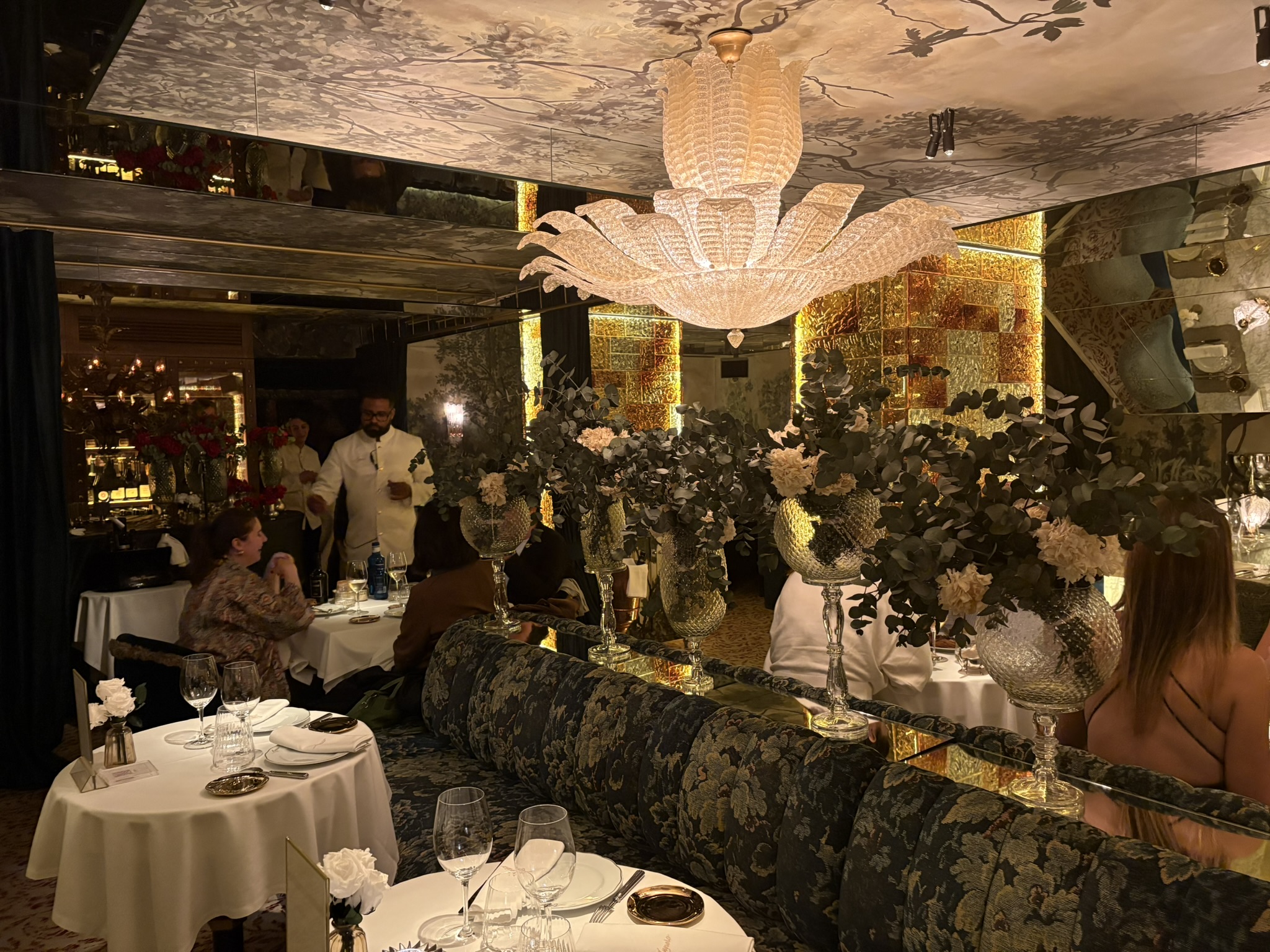
The front restaurant area has a crocheted ceiling, handmade mosaic floors, Murano-glass–covered towers, many mirrors, and walls are hand-painted with Madrid panoramas. It is truly a unique scene and novel way to end an evening of gastronomic exploration. 

This curated culinary experience by Elysian Tales allows visitors to experience the food selections and scenes at several different types of eateries even if they only spend a few days in Madrid.

Other Distinctive Dining Options in Madrid

Local Castilian and Madrid Cuisine

Dine at traditional Madrid establishment Posada de la Villa for a taste of Castilian and Madrid cuisine, including roast suckling lamb cooked in a wood-fired oven (absolutely delicious, with tender meat falling off the bone), Bellota Iberian ham, Manchego cheese, homemade croquetas, tuna and tomato salad, Dehesa Valquejigoso wine, and “Posadero’s Dessert” trio of pastry, fried milk, and cheesecake. Dark wood and brick wall interiors, Iberian ham hanging from the rafters, excellent flavors, quality service, and an active scene of locals, people on business lunches, and foodies make this historic stop one to remember.

Traditional Madrid dining at Posada de la Villa includes local wines and roast suckling lamb cooked in a wood-fired oven.

Wine Masterclass and Tasting

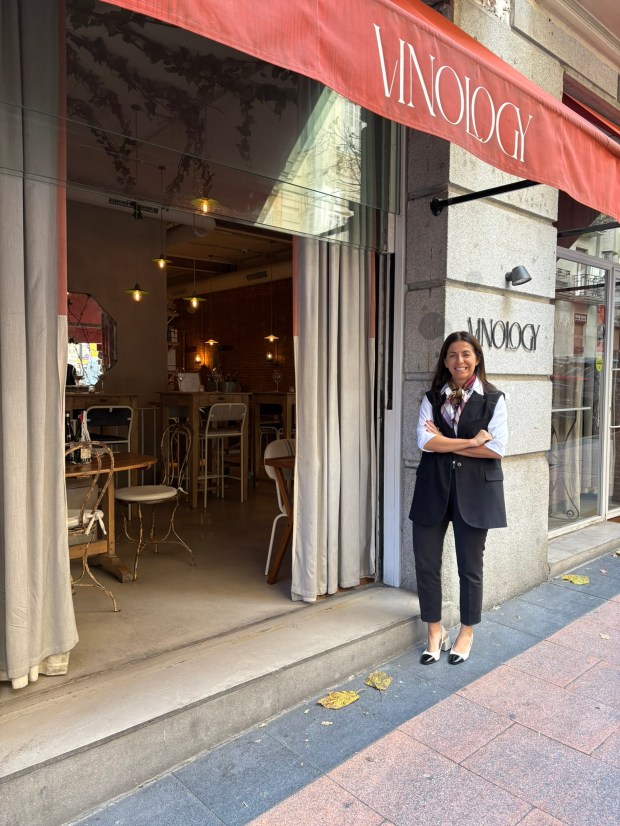
Explore Madrid’s wine culture and cuisine by taking a masterclass at Vinology. At this wine bar and restaurant, sommelier and founder, Pilar Oltra, guides guests through an exploration of Madrid’s four wine-producing regions—Arganda del Rey, Navalcarnero, San Martín de Valdeiglesias, and El Molar—made up of almost 22 acres of vineyards and 45 wineries.

Learn about grape varieties, terroir (the unique combination of climate, soil, terrain, and tradition that shape the character of a wine), and sample five wines alongside five creative tapas, including homemade foie mi-cuit (semi-cooked duck) with quince, cecina (smoked beef) with toasted almonds and extra virgin olive oil, and anchovy with Iberian jowl.

  • Woman standing outside of wine bar
  • Bowl of food and an edible flower
  • Woman stands in front of projector

Dinner and Flamenco Show

The oldest, most prestigious, and most famous flamenco tablao (wooden stage) in the world is Corral de la Morería. Paired with its Michelin-starred haute cuisine designed by head chef, David García, this cultural dinner-and-show is a memorable way to involve all the senses in one evening experience.

Savor scallop carpaccio with tomato tartar, dates, and coconut ajoblanco (cold soup); poultry egg yolk over ropa vieja (shredded beef); sea bass and gilda (skewer of olive, anchovy, and pepper); and fruit sorbet or caramelized French toast made with fresh milk and served with banana ice cream.  

Plate of food

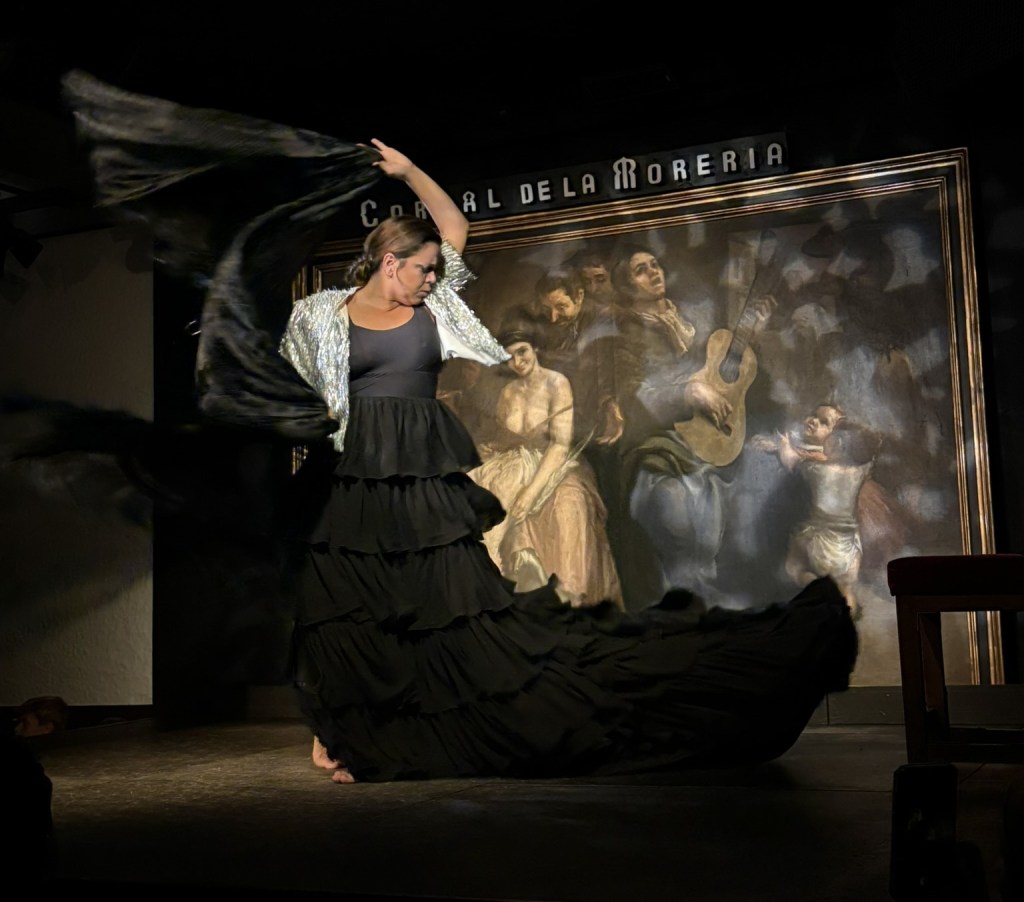
For six decades, flamenco icons have graced the Corral de la Morería stage to showcase their art, and the venue is frequented by celebrities and visitors from across the globe (e.g., Frank Sinatra, Dua Lipa, Gloria Estefan). Here, the singers, dancers, and guitar players use feet, eyes, tongues, wrists, fingers, and flowing costumes to tell a dramatic story in sound and movement, with no translation needed, and present a new show every 7-10 days.

Flamenco dancer waving cape
A dramatic and sound-rich story is expressed on the Corral de la Moreria tablao.

“It’s the only dance in the world where the music follows the dancers,” said Armando del Rey, an owner of the family-run business his father, Manuel, began in 1956. Manuel hired Armando’s mother, Blanca, a very well-known choreographer and dancer in Spain, and Manuel and Blanca soon fell in love. Now, Manuel and his brother, Juanma, work with artistic director Blanca in the restaurant sector as well. Corral de la Morería is the only restaurant in the world with a Michelin star that has a dinner and tablao, and it is listed in The New York Times bestseller “1,000 Places to See Before You Die.”

Jazz Entertainment Club

For dinner and drinks in a flashy club atmosphere, make a reservation at the bustling two-story Pabblo. Here guests are treated to Mediterranean cooking from a wood-fired oven and charcoal grill, classic and innovative cocktails, Picasso-inspired décor, and live band music with lounge singers, dancers, and aerial silk artists.

Lounge singer performs with band
A live band, sultry singers, and glittering dancers present a high-energy show at
Pabblo’s dinner seating.

Between hummus, tuna tartar, fish and lamb courses, and a fun make-your-own ice cream sundae dessert platter, you’ll hear smooth saxophone jams, watch sequined showgirls shimmy and strut, and see a graceful gymnast draped around aerial ribbons and descending through the open ceiling from the upper level. Entertainment while eating is an exceptional way to end an evening out on the town.   

Four Seasons’ Restaurants and Rooftop

The first Four Seasons hotel in Spain is found within an enormous and beautiful property block composed of seven historic buildings with a national-heritage–protected external façade. Within this complex, shop at Canalejas Gallery, the new luxury shopping arcade in central Madrid housing 40 boutiques and prestigious brands such as Dior, Cartier, Louis Vuitton, Rolex, Armani, Tom Ford, and Tumi.

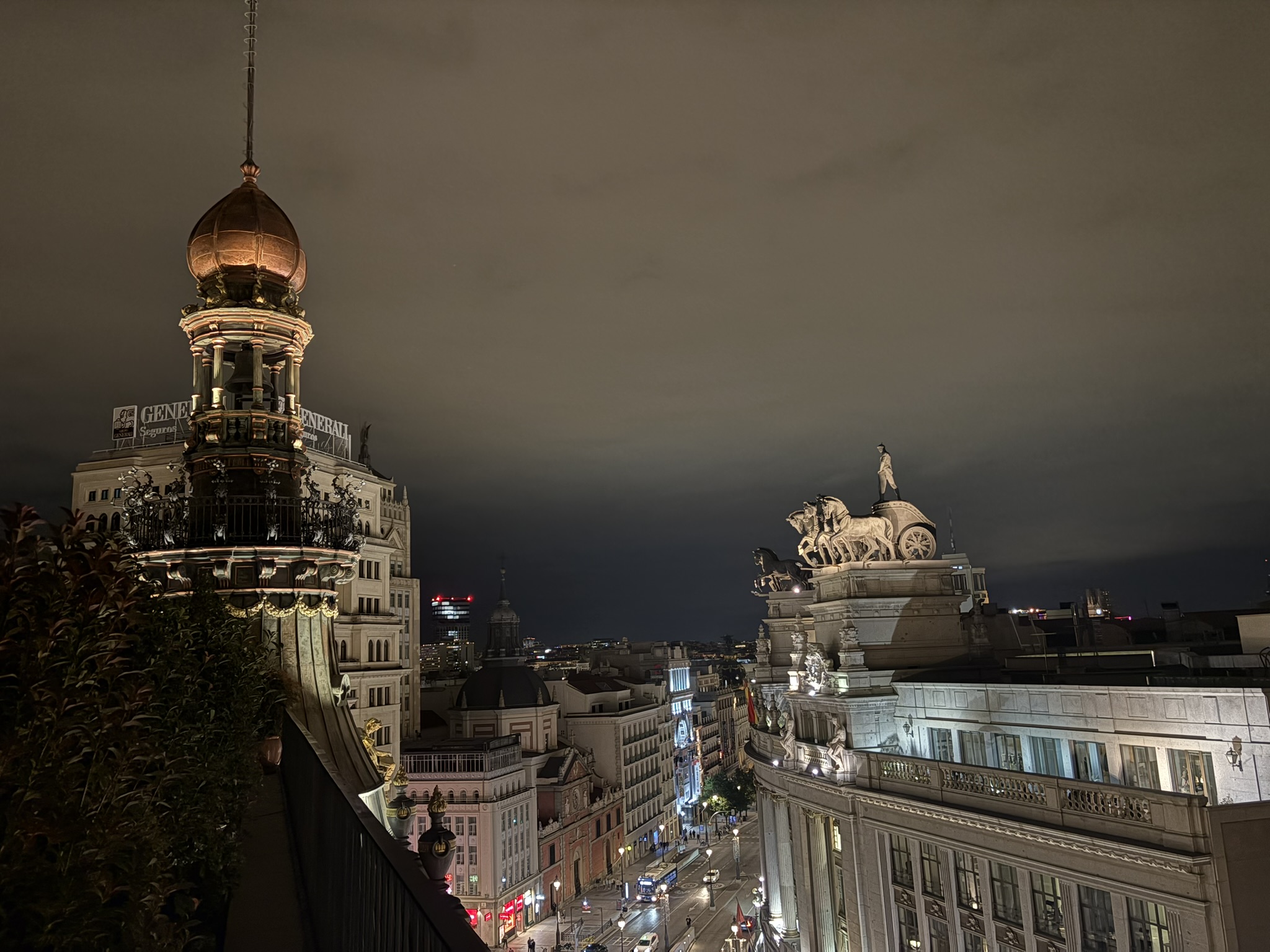
After browsing or buying, easily head to Four Seasons’ El Patio lobby bar (featuring the original marble columns and concierge desk from when the room used to be the operations area of the Spanish Credit Bank), the Isa Asian cuisine restaurant and cocktail bar, or Dani Brasserie for signature Mediterranean and Andalusian dishes and drinks on the top level.

  • rooftop patio with chairs and umbrellas
  • Rooftop view of city

At Dani Brasserie, don’t miss chef Dani García’s famous and savory “Red Tuna Descargamento,” served in a delicate rose shape, with yellow bell peppers, lime, and olive oil. From the rooftop patio outside the dining room, admire Madrid’s city lights, cool night air, and stunning panoramic views.

WHEN YOU GO…

Stay at the centrally located Hotel Villa Real for easy access to the Prado Museum, Retiro Park, Thyssen-Bornemisza National Museum, Royal Palace of Madrid, and Gran Via high-end shopping street.

The vast breakfast buffet and attentive waitstaff will ensure you start your mornings fueled with fresh coffee and juice, plenty of meats and cheeses, fresh and dried fruits, pastries, cereals, and eggs-to-order. On your way to breakfast, explore the art and archeology collection in the hotel’s museum, which holds restored Roman mosaics and sculptures, and a private collection of painted Apulian vases.

Breakfast at Hotel Villa Real is varied, colorful, and fresh.

The East 47 bar and restaurant off the front lobby serves drinks, tapas, crisp salads, and Mediterranean-inspired dishes—with terrace seating out front in Plaza de las Cortes during warmer summer months.

For more information about Madrid, go to Visit Madrid.


🔍 Search the site to discover more European Traveler feature stories. 🌍

FOLLOW US:

Spain’s Enchanting City of Flowery Patios

Medieval charm and floral beauty captivate visitors to Cordoba

Story and photos by Randy Mink

As you’re exploring the cobbled streets of this sun-kissed city in Southern Spain’s Andalusia region, it’s a smart move to escape the heat by stepping into a leafy courtyard festooned with flowers, draped in greenery and surrounded by thick, whitewashed walls. Harking back to Cordoba’s deep Arabic roots, these cool oases cast a magical spell.

Tucked into the largest urban historic center in Spain, the city’s trademark patios have always been a chief tourist draw. Architectural gems as well as horticultural havens, they mirror the tradition of cultivating flowers and plants introduced by the Moors when the Iberian Peninsula was ruled from Cordoba by Muslim emirs and caliphs. A respected seat of learning and artistic expression during its heyday in the 10th and early 11th centuries, Cordoba reigned as medieval Europe’s cultural capital, a city second in importance only to Constantinople. Christians, under King Ferdinand III of Castile, conquered Cordoba in 1236, ending five centuries of Muslim rule.

  • man looking at flowers
  • people looking at flowers

For two weeks every May, Cordoba celebrates its blooming courtyards during the Patio Festival (Festival de los Patios), an event held annually since 1921. About 50 private homes, competing for awards as the loveliest, open up their inner sanctums to the public—for free.

On my trip to Cordoba this past October, I was still able to view some private patios. In the San Basilio neighborhood, our group booked a tour (offered nearly year-round) that got us into the patios of five houses dating from the 16th to 18th centuries, a time when several poor families shared a communal courtyard. The common kitchen in some patios has been preserved and is on display. But the stars of the show are pots brimming with geraniums, impatiens, petunias, marigolds and other flower varieties, along with vines, shrubbery, rose bushes, and cascades of jasmine and raspberry-red bougainvillea. Orange, lemon, olive and fig trees also set the stage in these lush mini paradises, one of which is occupied by artisan shops specializing in handcrafted leather, ceramics, silver jewelry and perfumes.

FLORA: Blending Art and Nature

My October visit coincided with a relatively new cultural event that nods to Cordoba’s floral and botanical heritage. Called FLORA, the week-long, free-admission festival features five installations in public courtyards within walking distance of each other in the historic center.  Using plants and other natural materials, five international artists vie for monetary prizes. We saw creations by competitors from Mexico, Brazil, the United States and Spain.

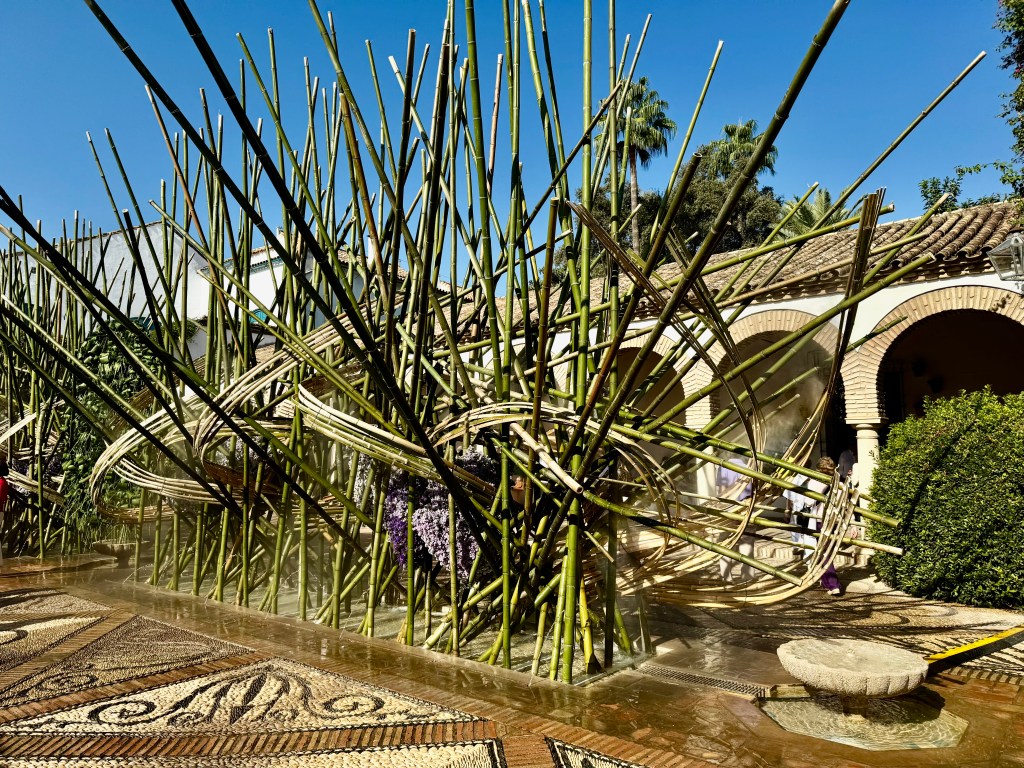
Bamboo canes and fountains in an art installation
Bamboo canes and fountains dominate the winning entry in FLORA 2025, an annual competition between international artists using plants and other natural materials to create large installations in existing patios in Cordoba. 

FLORA 2025’s first-place winner was Wagner Kreusch, a Brazilian who fashioned a monumental structure out of green bamboo canes, fountains, a misting feature, and purple and white aspidistra flowers. Titled Rio Flotante, or “Floating River,” his entry wowed onlookers at Palacio de Viana, the estate of the aristocratic marquises of Viana until 1980. Now a major tourist attraction, the 16th century palace has 12 plant-filled patios, each with a story to tell, and rooms displaying collections of furniture, weapons, porcelain, tapestries and paintings.

Cordoba’s Historic Heart

Threads of Christian and Jewish history, intertwined with vestiges of Roman, Visigoth and Moorish rule, emerge from every corner of Cordoba’s UNESCO-recognized historic quarter, a tourist-friendly maze of narrow lanes snaking between white buildings adorned with iron-grillwork windows, doors and balconies.

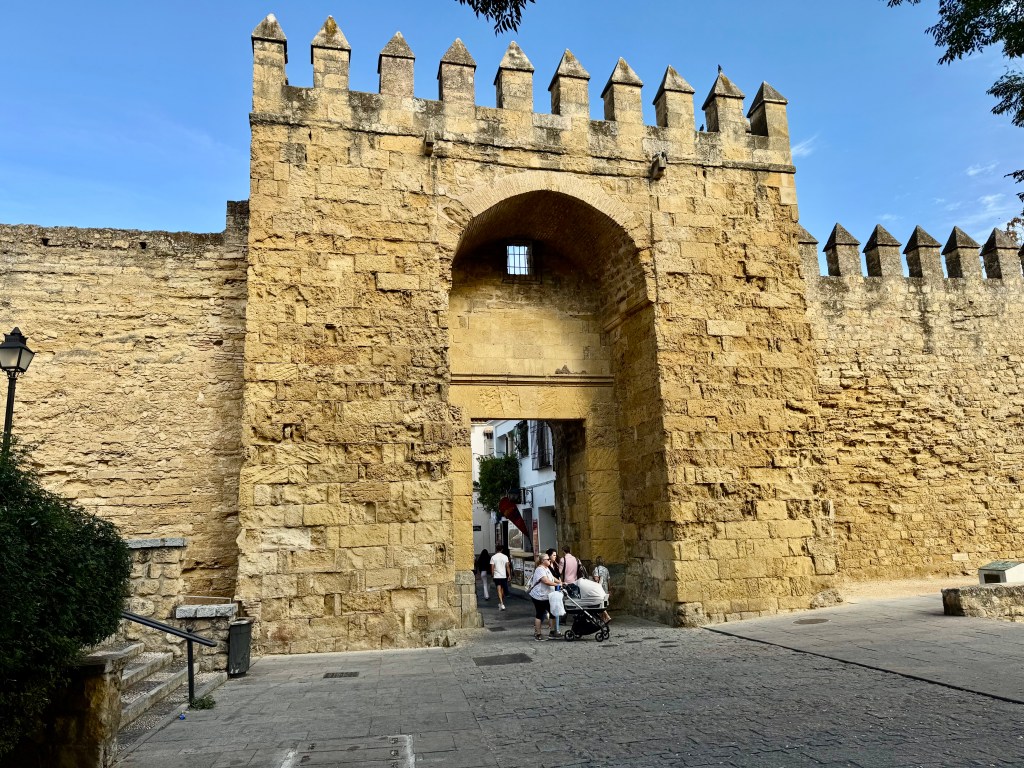
city gate and ancient walls
This surviving city gate provides entry through the ancient walls of Cordoba’s historic center.

Practically all the city’s top sights lie within this easily walkable district, but it’s also fun just to wander and get lost in the labyrinth, where flower-decked patios, orange trees, and festive taverns and outdoor cafes typify the gracious lifestyle of Andalusia, the region that conjures up our most romantic visions of Spain. Within the old city walls, you’ll also find plenty of souvenir shops. A highlight for our group was a rousing flamenco show with dinner at El Jaleo, an intimate room where dancers electrified us with some thunderous stomping.

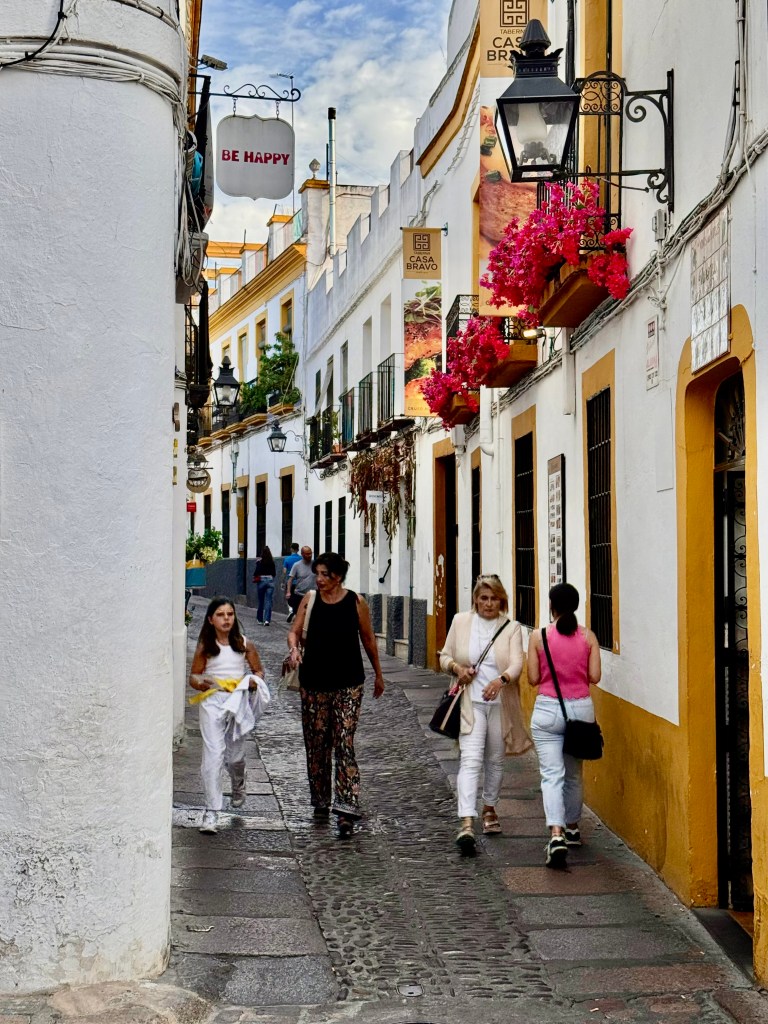
people walking down narrow street of shops
The intimate lanes of Cordoba’s historic center provide ideal settings for shopping, relaxing at cafes and just getting lost in medieval times.
Jewish Quarter

The medieval Jewish Quarter, or Juderia, is the historic core’s most atmospheric neighborhood, and its pleasures lay right outside the door of our hotel, the NH Collection Amistad Cordoba. Featuring flower-decked alleyways and patios, along with reminders of Jewish culture that flourished in Cordoba long ago, the quarter is home to the Synagogue, built in 1315. No longer used for worship, it’s the only Jewish temple in Andalusia to survive the Inquisition in 1492, when Jews were expelled from Spain or forced to convert to Christianity. Inside the small building you see Hebrew inscriptions, Arabic decoration and even a Cross (it was used as a church in the 19th century). For many years the Jews lived in harmony with the Muslims and some held prestigious positions in the government, professions and arts. Toledo claims Spain’s other two remaining medieval synagogues.

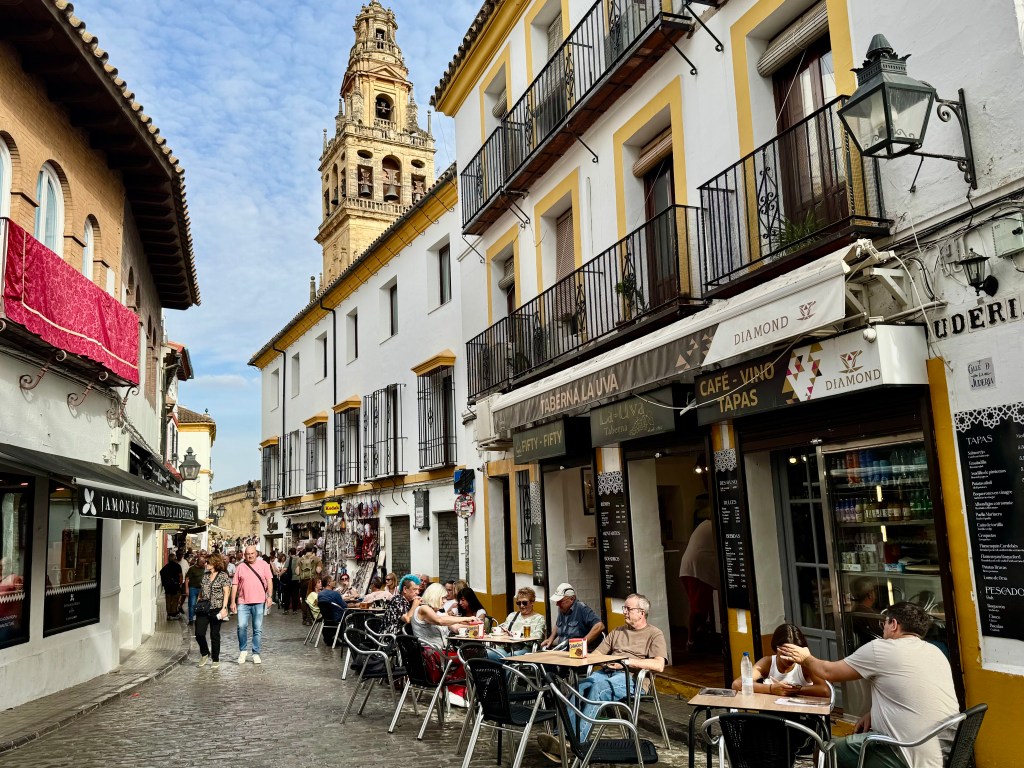
town street with people sitting at cafe tables
Cordoba’s atmospheric Jewish Quarter offers souvenir shops, cafes and a cozy medieval feel.

Nearby, in a beautifully restored 14th century house, Casa de Sefarad is a museum that tells the story of the Sephardic Jews in Iberia and other Mediterranean lands (a group differentiated from the Ashkenazi Jews of Central and Eastern Europe).

At the Bullfighting Museum (Museo Taurino), right across the plaza from my hotel, I learned about some of Cordoba’s greatest matadors. Though much of the exhibit text was in Spanish only, the two short audio-visual presentations provided an option in English. With a wrap-around screen, one film puts you right in the middle of the ring with a ferocious bull.

Cordoba’s Crown Jewel: The Mezquita

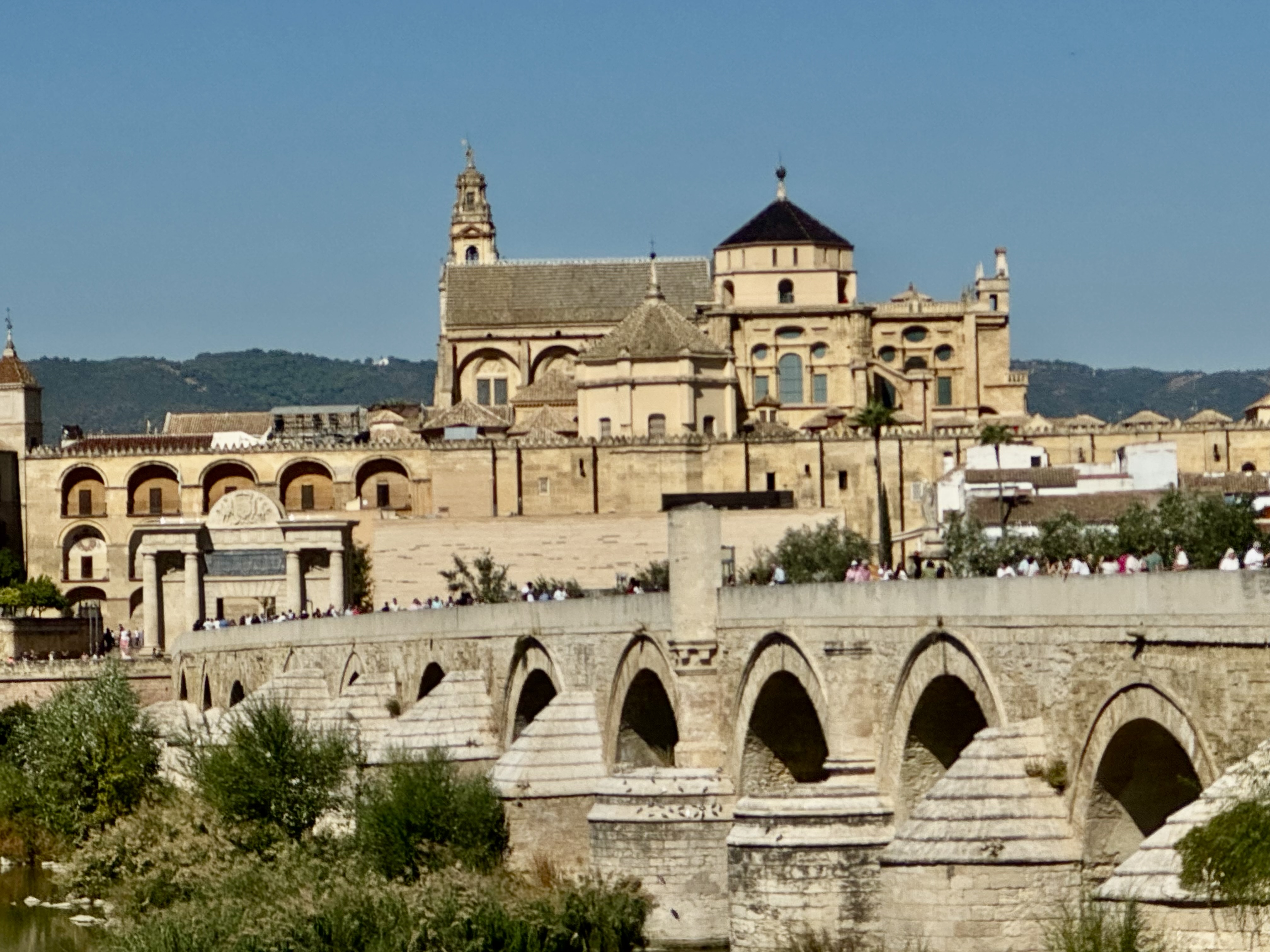
First-time Cordoba visitors make a beeline to the Mezquita, a former mosque that has been a church since the 13th century. Rather than destroy the mosque, the Christians decided to modify it. In fact, the church—complete with an elaborate main altar, a giant nave, an organ, religious artwork, tombs of important citizens and intricately carved Cuban mahogany choir stalls—appears to have been plopped smack into the middle of the mosque. The cavernous Mezquita (Spanish for “Mosque”) was once the second largest mosque in the world after the Great Mosque in Mecca.

  • Arches inside a church
  • bell tower and trees
  • altar items at a church

The Mezquita’s most dazzling sight is the endless forest of marble, granite and onyx columns topped with red-and-white-striped, horseshoe-shaped double arches, Islamic style; many of the pillars were recycled from Roman and Visigothic times. Fashioned over the centuries from a jumble of architectural styles, the dimly lit Mosque-Cathedral, as it’s known, is vast, mysterious and hard to wrap your head around. The columned arcades seem to march on forever, melting into infinity. There is no other building like it.  

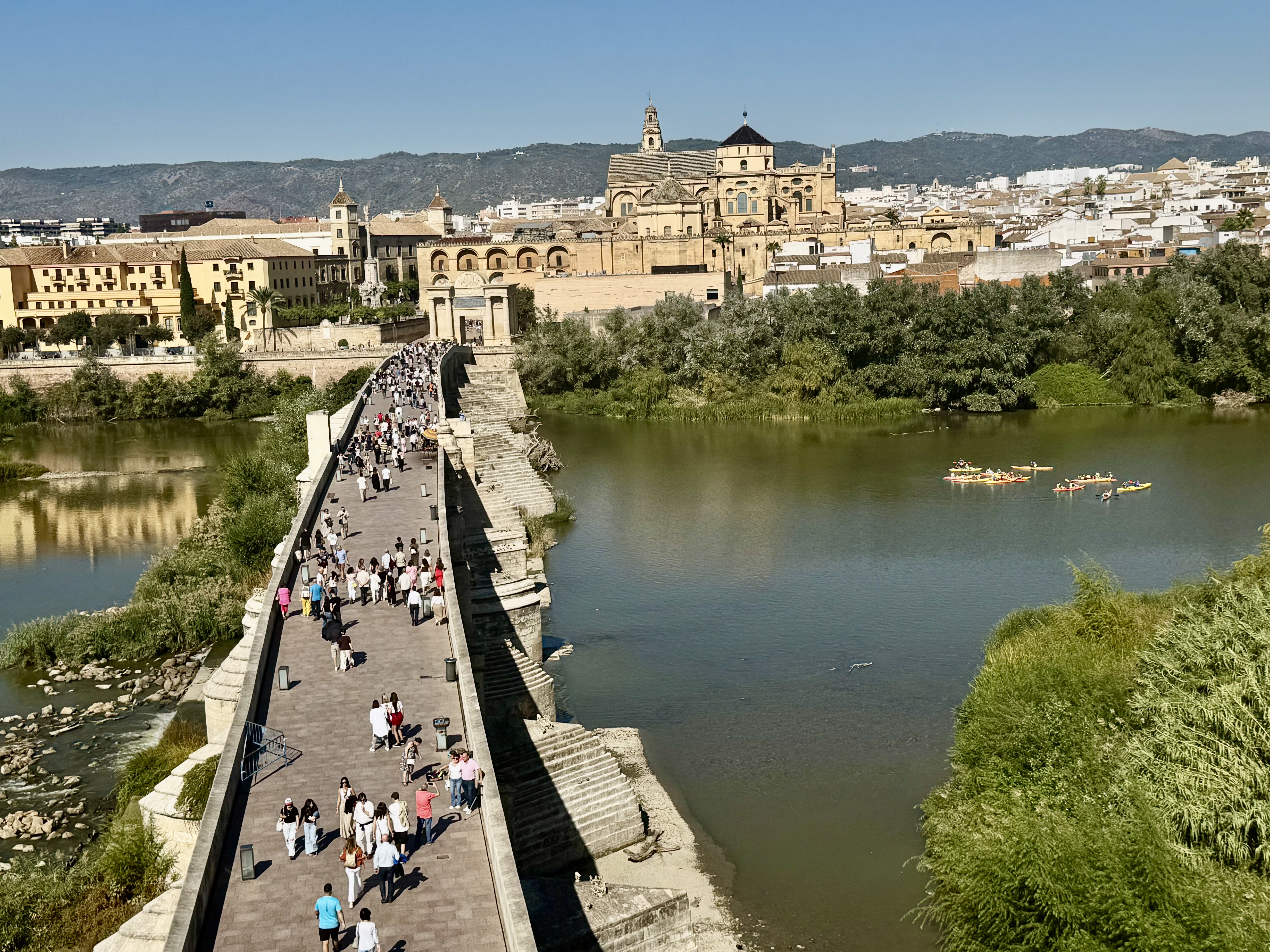
I wanted to climb the Mezquita’s bell tower (built around 1600 over remains of the mosque’s minaret), but tickets for the day were sold out. So, I crossed the Guadalquivir River via the 2,000-year-old Roman Bridge, a wide pedestrian walkway, and took in panoramic views from the rooftop terrace of the Calahorra Tower, a crenellated 1369 structure that houses a museum of Andalusian culture.

  • overhead view of pedestrian walkway over river
  • pedestrian bridge

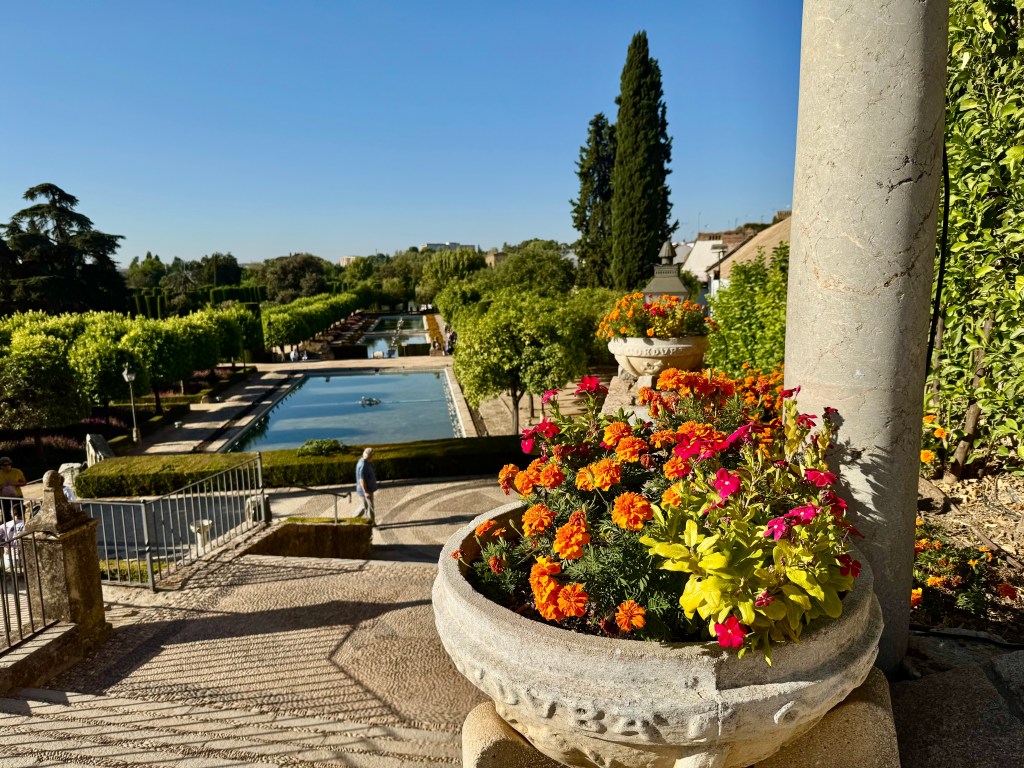
The bridge and Mezquita are a short walk from Alcazar de los Reyes Cristianos, residence of the Christian monarchs. The palace-fortress currently is closed for renovations, but I enjoyed walking through its terraced gardens, admiring the plantings and statuary. One sculpture depicts Christopher Columbus being received by King Ferdinand and Queen Isabella, sponsors of his 1492 voyage to the New World.

three tall statues in a garden
The Alcazar Gardens in Cordoba feature a sculpture of Christopher Columbus being received by King Ferdinand and Queen Isabella.
flower pot with garden and trees
The terraced gardens of the Alcazar palace/fortress are a must-see in Cordoba.

When it comes to destinations in Andalusia, Cordoba often gets short shrift, as Seville and Granada tend to get the most attention. But Cordoba should be on every traveler’s radar. Indeed, this overlooked city merits a day or two for a good looking over.

For more information log on to www.spain.info/en/destination/cordoba/


🔍 Search the site to discover more European Traveler feature stories. 🌍

FOLLOW US:

Staying in the Thick of Things in Cordoba, Spain

The NH Collection Amistad Cordoba, a splendid hotel within easy walking distance of historical landmarks, ensures delightful dining and pleasant dreams

By Randy Mink

Ensconced in the picturesque Jewish Quarter, the four-star NH Collection Amistad Cordoba made the perfect base camp for my explorations of Cordoba’s sprawling old town, the highlight of my recent travels in the south of Spain.

As soon as I passed through the lobby and walked out the door, there I was—in the quiet Plaza Maimonides, ready to prowl the cobbled lanes threading the city’s historic center, a maze of whitewashed buildings dating as far back as the Middle Ages. The Bullfighting Museum, housed in two old palaces, holds court across the way. A short stroll leads to the Mezquita, or Mosque-Cathedral, the greatest legacy of the city’s Muslim past.

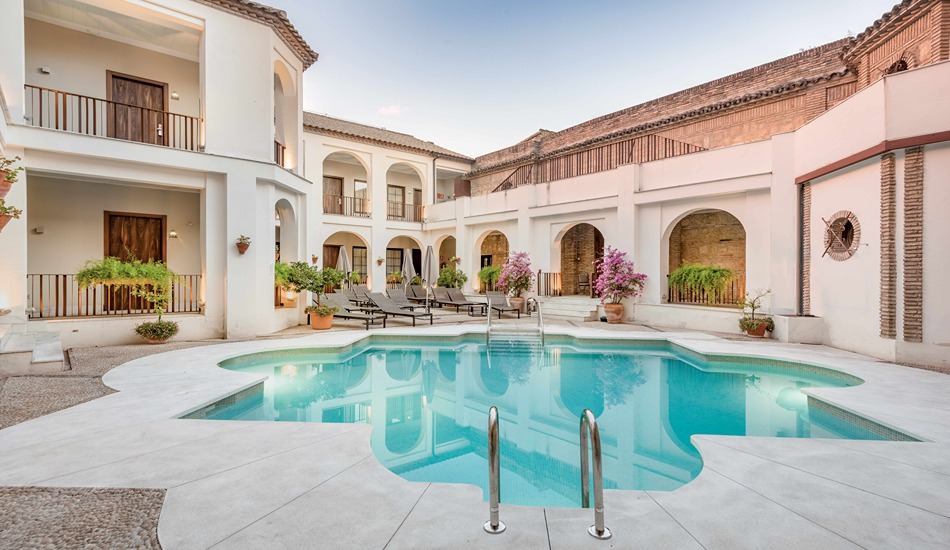
Occupying a pair of 17th and 18th century mansions, the 108-room NH Collection Amistad Cordoba has two outdoor courtyards, one of them with an Arab star-shaped swimming pool. Islamic ornamental and architectural touches grace other public areas as well. (At the time of writing, the larger courtyard was closed for renovation.)

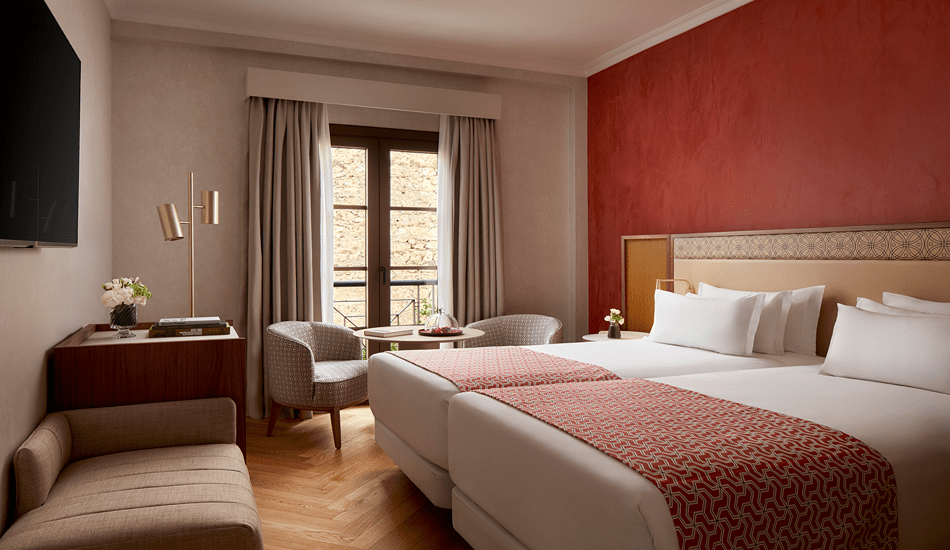
The property offers a variety of guest room categories, including rooms with private patio. My French balcony looked out on remains of a wall that separated the Jewish Quarter from the rest of the city. Other rooms overlook the courtyards or Plaza Maimonides.

My third-floor nest had all the amenities you’d expect from an upscale hotel—refrigerated mini-bar, coffee machine, magnifying make-up mirror, robe and slippers, and turndown service with chocolate. I especially liked the walk-in rainfall shower.

Savoring Regional Specialties in the Hotel Restaurant
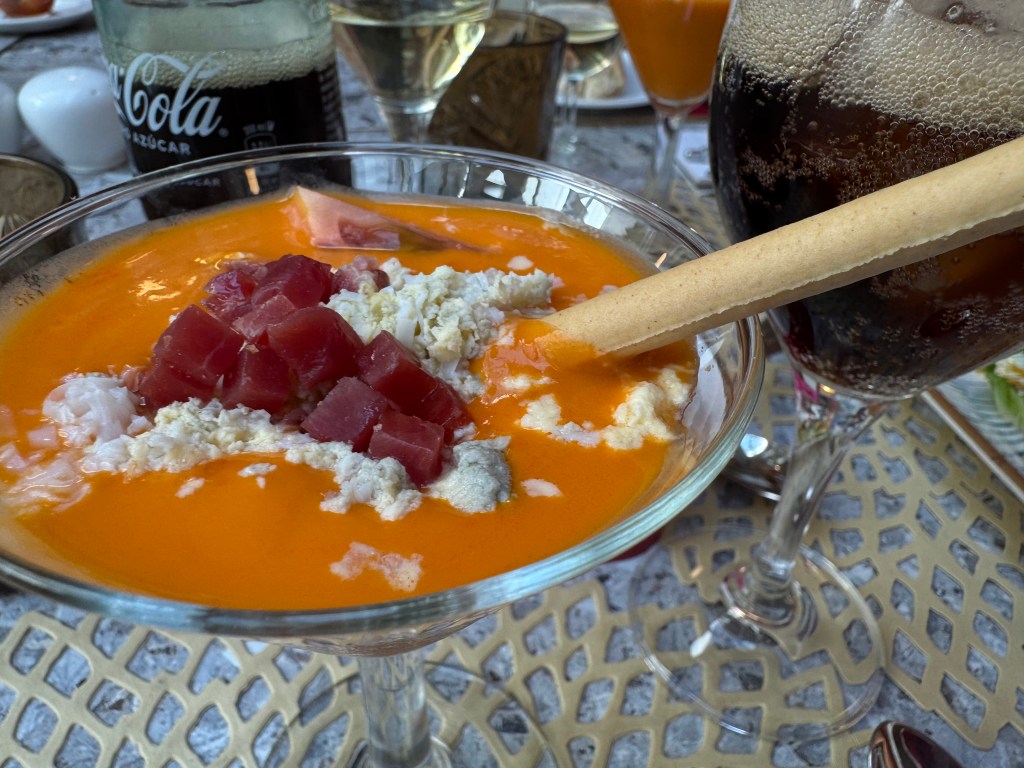
At one lunch in the restaurant, our group feasted on the five-course Cordoba tasting menu, which featured typical local specialties. We all loved the salmorejo, a cold tomato soup thickened with bread and topped with bits of hard-boiled egg and ham. After a salad and creamy oxtail croquettes, the main course was flamenquín, a fried roll of sliced pork and ham with cheese and red peppers. We finished with pastel cordobés, a sweet, squash-filled pastry. The price was 37 euros per person, two drinks included.

Photos by Randy Mink. The restaurant’s menu features typical local specialties, including salmorejo, a cold tomato soup thickened with bread and topped with bits of hard-boiled egg and ham.

The NH Collection’s cultural/gastronomic package in Cordoba is part of the brand’s Spain Designed for Feeling program of special experiences. (www.spaindesignedforfeeling.com/categoria/lifestyle). The plan includes both the tasting menu and a guided four-hour tour visiting the Mezquita, Jewish Quarter and Viana Palace.

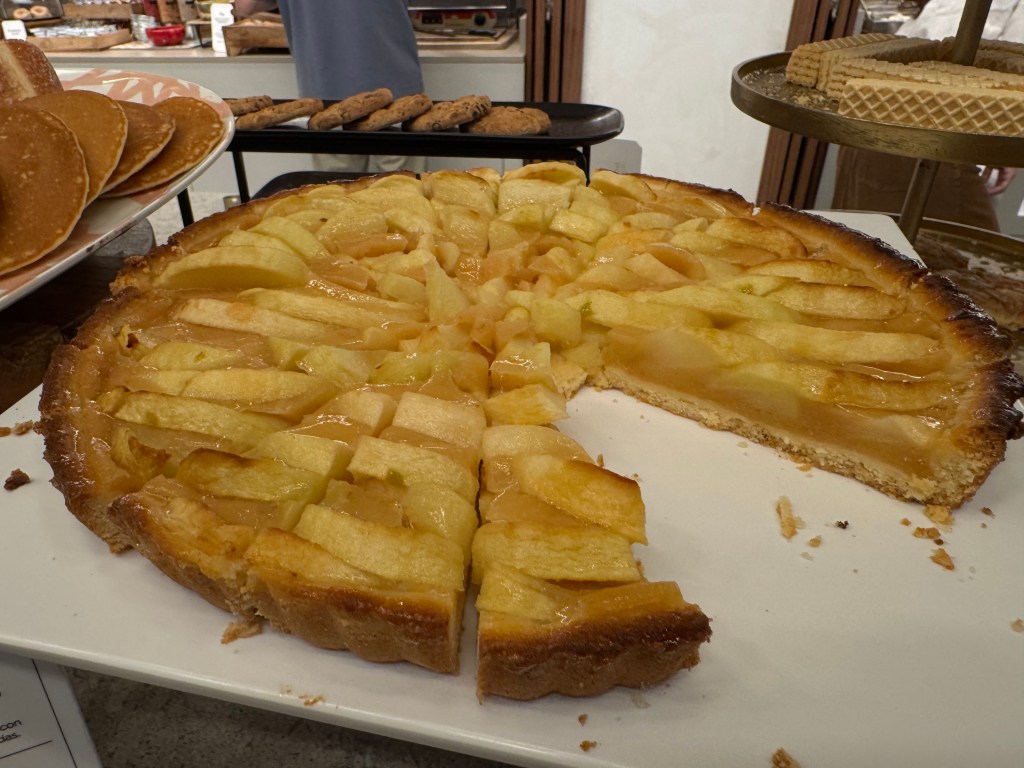
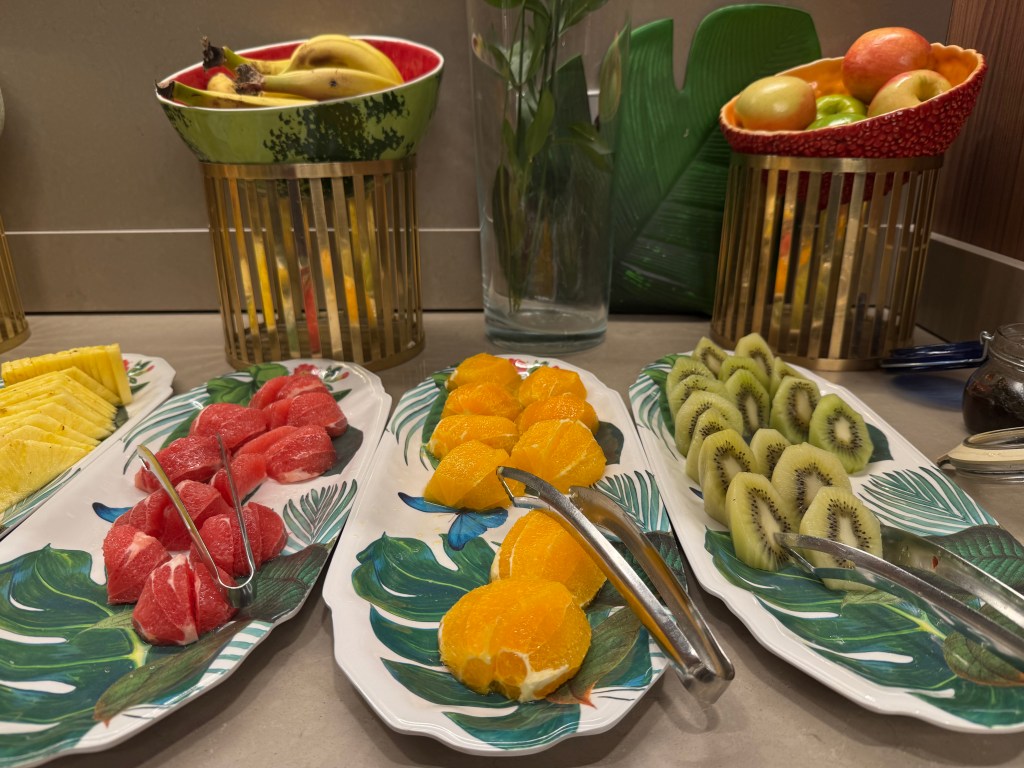
The hotel’s lavish breakfast buffet offered salmorejo (a morning treat for one group member who couldn’t get enough of it) along with a bounty of meats, cheeses, fruits, vegetables, juices and baked goods. As a sweet tooth, I went for the chocolate tart wedges and sugar-dusted squares of
pastel cordobés.

A concierge in the lobby assists travelers with making the most of their Cordoba stay, and the front desk gives out a detailed list of museums and other attractions with opening hours and admission prices.

NH Collection Hotels & Resorts is the high-end brand of Minor Hotels, which has lodgings across six continents. I had not been aware of the chain, but after stays in Cordoba and at Madrid’s NH Collection Palacio de Tepa days before, I am now a big fan.

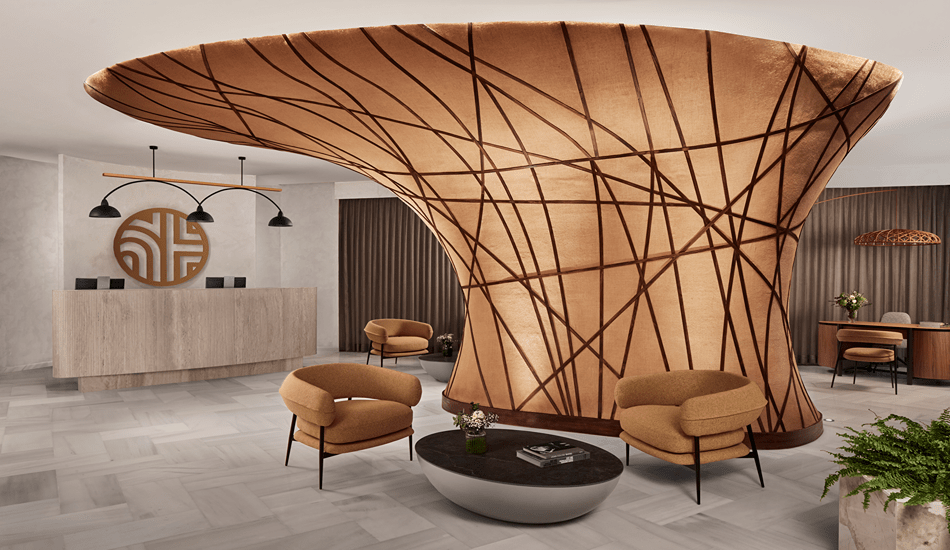
Photos of courtyard, guest room (Superior category), and lobby, courtesy of NH Collection Hotels & Resorts.

For more information on NH Collection Hotels & Resorts, log on to www.nhcollection.com.


🔍 Search the site to discover more European Traveler feature stories. 🌍

FOLLOW US:

Best Art Museums & Architecture for a Weekend in Barcelona

By Megan Kudla

Barcelona is a haven for art, especially being home to some of Antoni Gaudí’s most famous architectural wonders. The city also has world-class museums, with works that date back from the medieval times to more contemporary eras. If you’ve only got one weekend in Barcelona, but want to see as much art as possible, here’s a guide to the some of the best art museums and architecture tours.

Tip: If you’re extending your trip, you can purchase the ArticketBCN pass, which gets you entry into 6 of the top art museums across the city for a flat fee of 38€. (Plus, it comes in the form of a little red passport that gets stamped along the way. How cute is that?)

Sagrada Familia
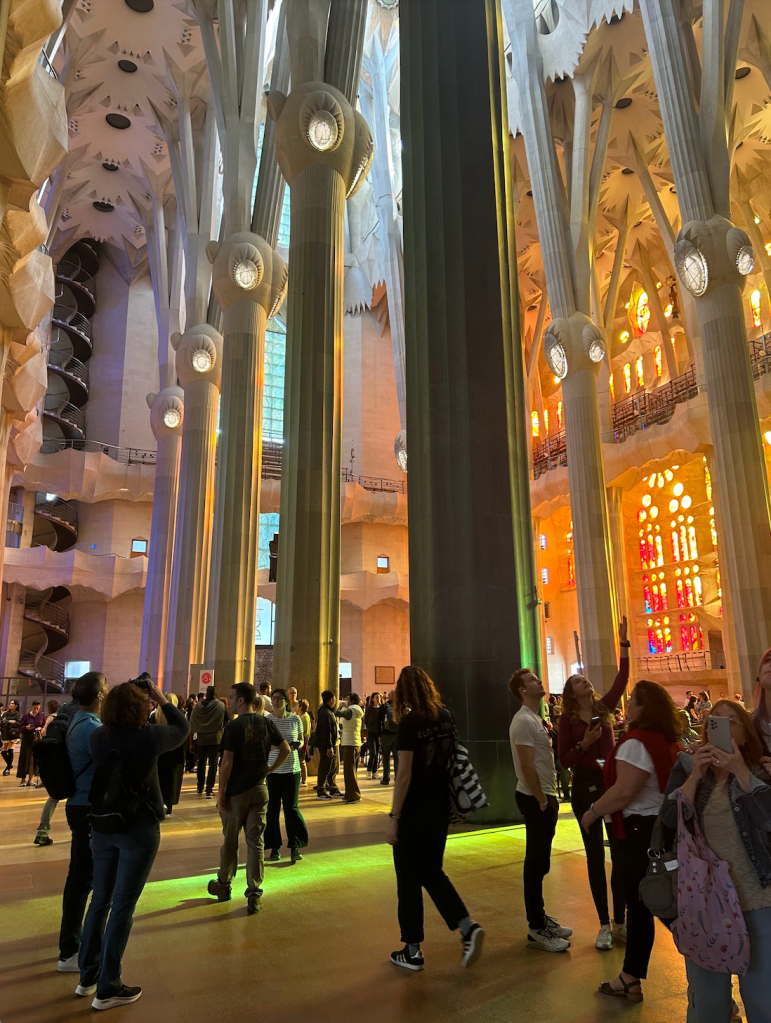
The pinnacle piece of architecture in Barcelona, the Sagrada Familia, should be first on your list. It’s also the most popular attraction in the area—when you are booking your flight and your hotel, go ahead and book this, too. Tickets range from 26€ to 40€. Marvel at the intricate sculptures adorning the outside and the mesmerizing colors that dance below the stained glass on the inside of this architectural monster, which is still under construction to this day.

Tip: The beginning and end of the self-guided tour are located on the outside of the Sagrada Familia, where you can admire the intricacies of Gaudí’s designs that display the Nativity Façade and the Passion Façade. This means that you should bring a jacket if you’re visiting during the fall or winter months.

Gaudí’s designs at the Sagrada Familia feature intricate sculptures.

Park Güell
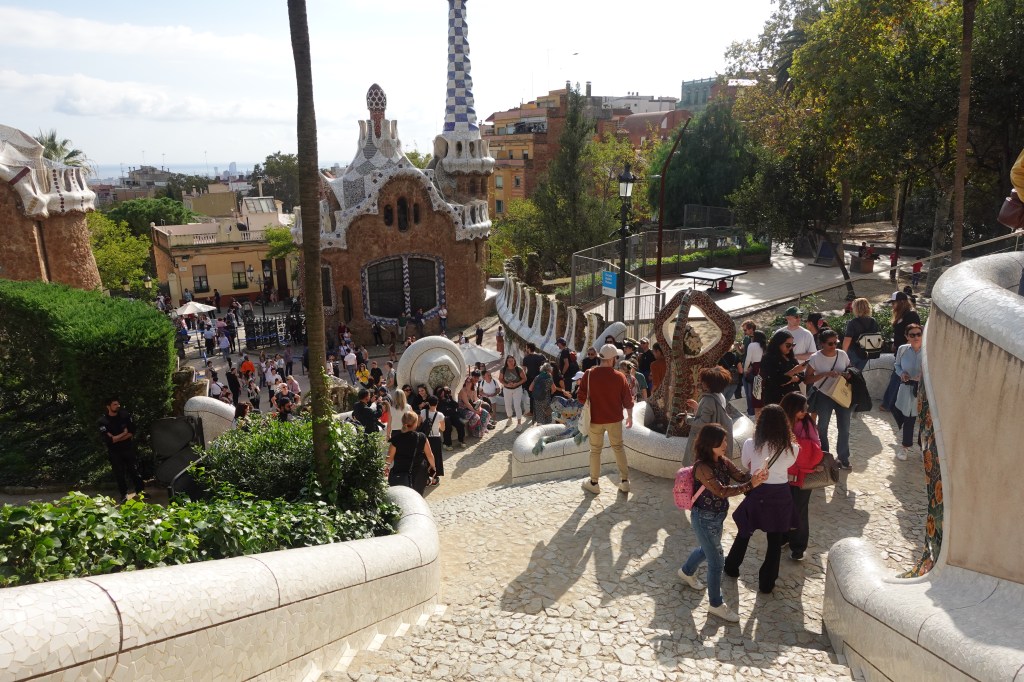
The second most popular Gaudí architectural site is probably Park Güell, a maze of green
spaces, viaducts, terraces, colorful mosaics, and more. Tickets are 18€ starting in 2025, and
you’ll also want to buy these ahead of your trip. As soon as you enter the park, you can
download an app with a helpful map that will direct you to the different parts of the park to
enjoy at your own leisure.

Tip: The Gaudí House Museum, where he lived from 1906 to 1925, is a separate ticket you can add on to your park entrance fee.

The beautiful Park Güell offers much to explore.

Casa Batlló
The final Gaudí tour to book in Barcelona would be Casa Batlló. Gaudí was commissioned by D. Josep Batlló in the early 1900s to redesign this building that would have been otherwise demolished. His inspiration pulled heavily from water, paying heed to organic shapes in the structure, as well as how natural light played with color upon ascending the multiple levels. Budget around 30€ for a general ticket.

Tip: Book an early time slot; the rooms are small, with lots of visitors clamoring to see this one-of-a-kind house. Then, if you find yourself particularly interested in the Gaudí style, put Casa Milá and Casa Vicens on your list.

Gaudí’s redesign of the Casa Batlló building is water-inspired.

Palau de la Música
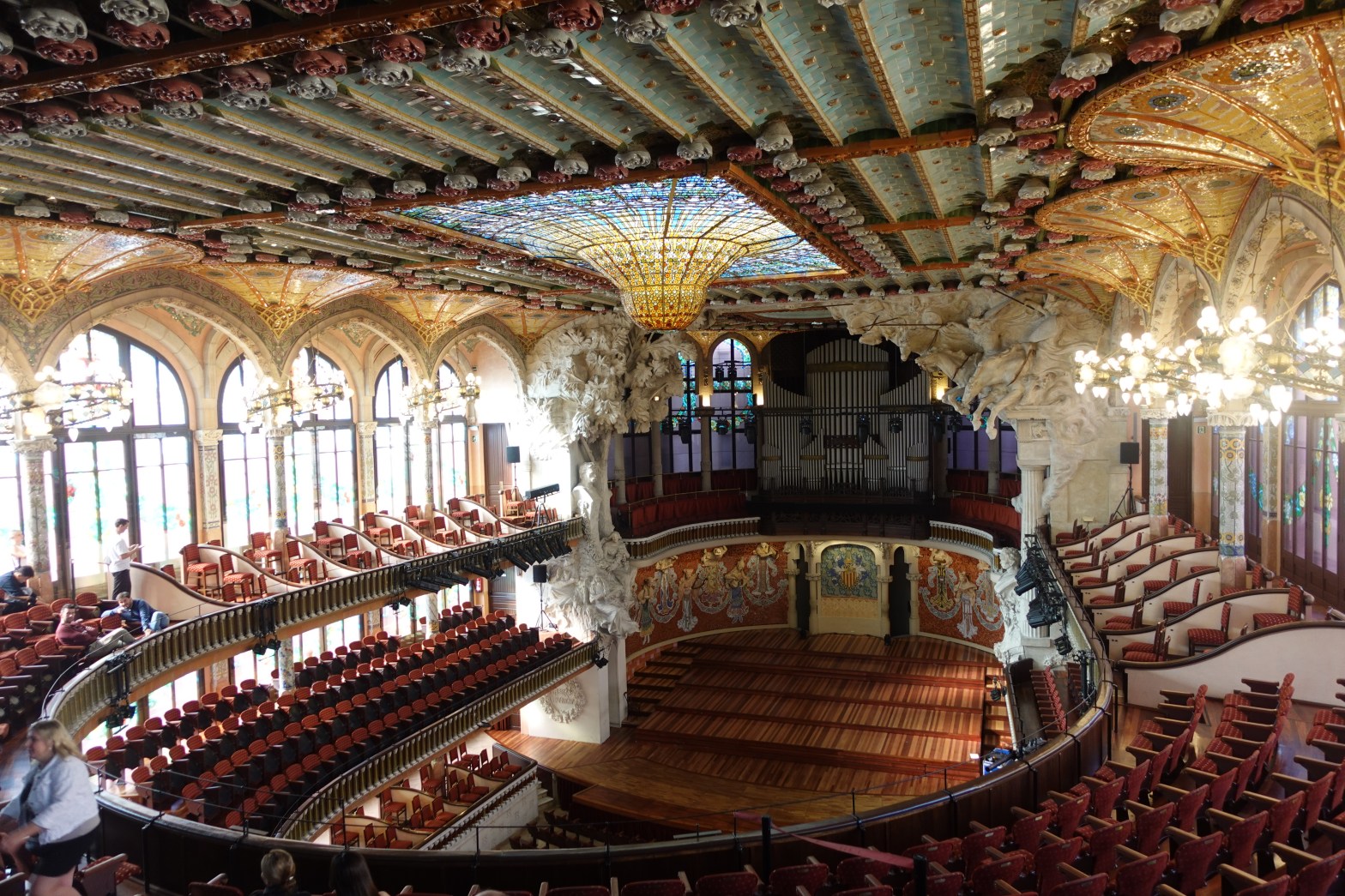
The shorter, slightly cheaper tour of the Palau de la Música was worth the time and money. Tickets are 22€, or only 16€ if you are over 65 or under 35 years old. The guided tour pairs you with an expert who will take you through the beautiful Lluís Millet Room and balcony, the busy foyer (which doubles as a restaurant-cafeteria), and, of course, the colorful and breathtaking Concert Hall.

Tip: The concert schedule is filled with opera, flamenco, coral, symphonic acts, and more. Plan a tour in the afternoon, then buy tickets to see the venue live and in action in the evening.

Palau de la Música’s Concert Hall is an exquisite venue for musical events.

Museu Picasso
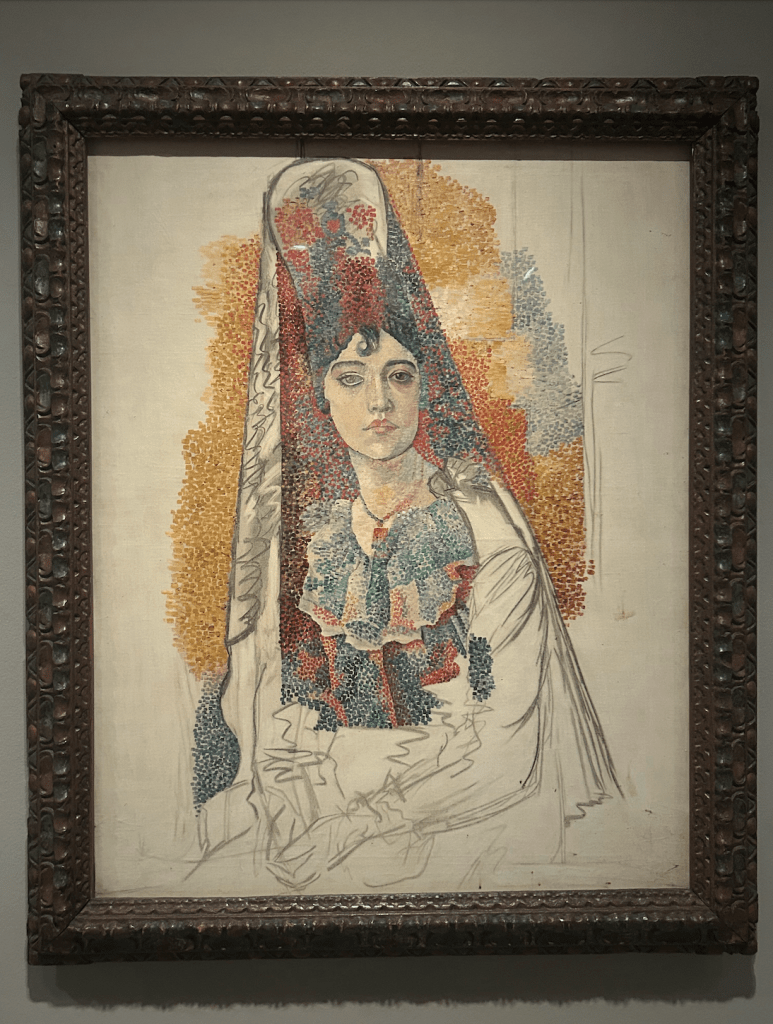
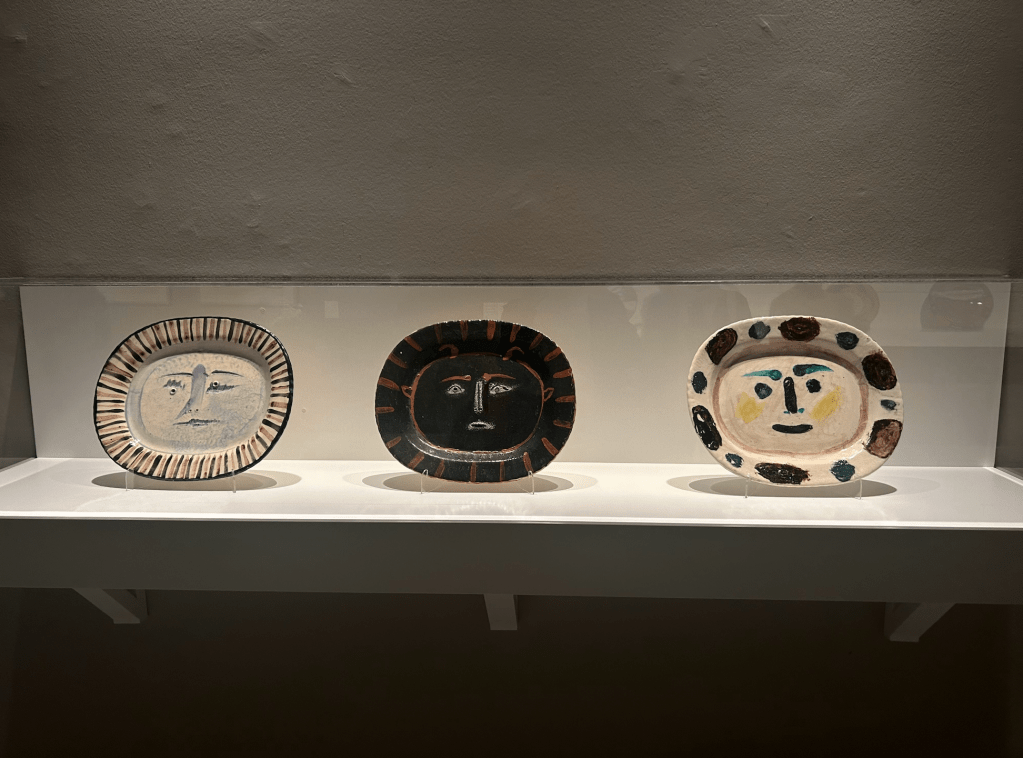
Part of the ArticketBCN, Museu Picasso was one of my favorite art museums. Not only does it house around 5,000 of Picasso’s works, but it’s a great showcase of the wide range of his
artistic talents. The cubism that Picasso is known for is not the only style he’s mastered. When visiting, you’ll get to see work from all periods of his life, from the classical work when he began studying art, to his Blue Period, and even ceramics.

Tip: It’s right next door to the Modern Contemporary (Moco) Museum and across the small
street from the Museu Etnològic i de Cultures del Món. Why not make it a full day, with a stop at the corner Brunells pastry shop in between?

Museu Picasso features more than 5,000 of Picasso’s works.

Museu Nacional d’Art de Catalunya
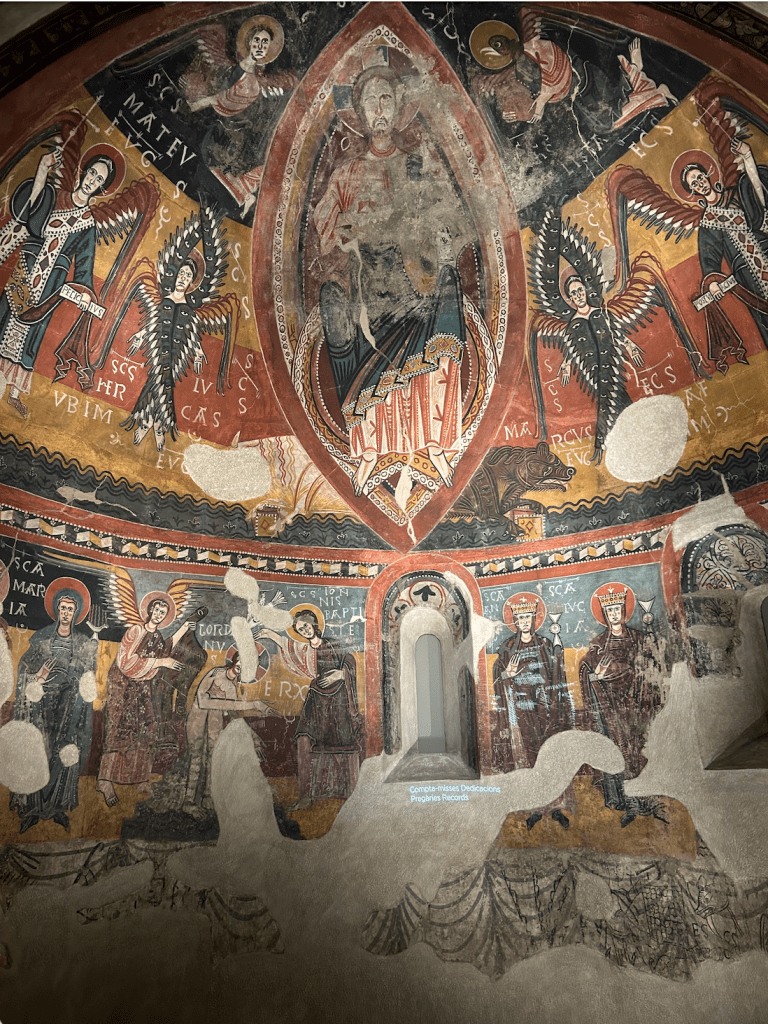
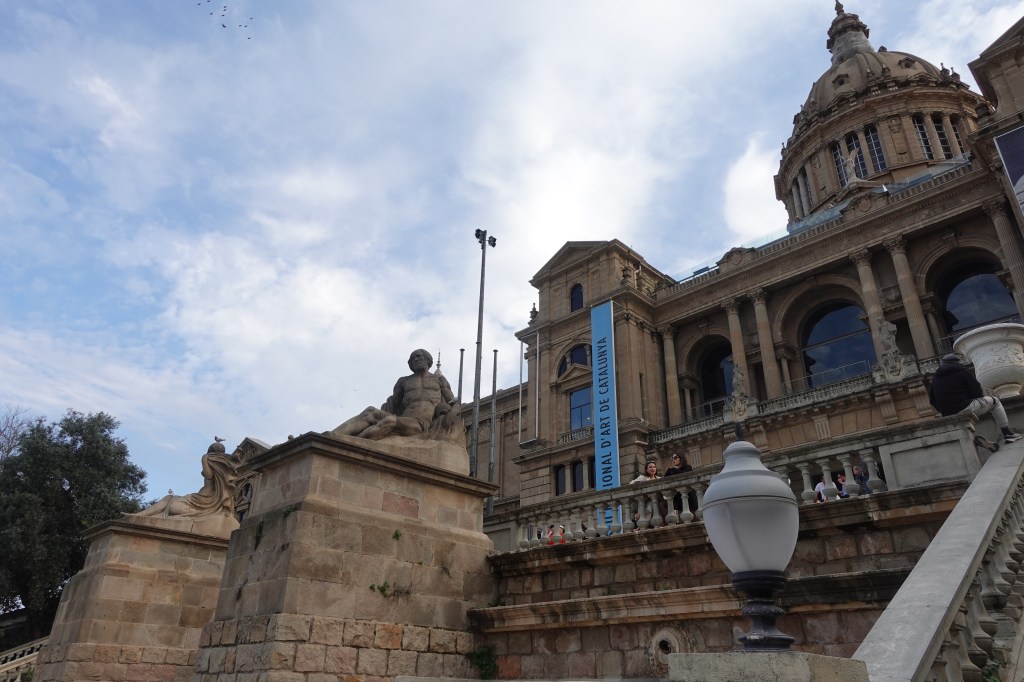
The Museu Nacional d’Art de Catalunya is as much an architectural site as it is an art museum. Located in the Parc de Montjuïc, you won’t miss the towering Palau Nacional on top of a huge hill. Take the many steps (or public escalators!) to the top, and hours of browsing artwork is at your fingertips. A top highlight is the collection of Romanesque art with murals that date back to the 11th to 13th centuries.

Tip: This is also a great stop for an aerial view of the city and mountains. If you’ve been looking for a photo opp, here it is!

Artwork and photo opps abound at Museu Nacional d’Art de Catalunya.

You can make a whole weekend surrounding just the art and architecture of Barcelona.
Between galleries, house tours, and live performances, you’ve got a city that’s filled with
centuries of artistic feats that now make this European city one of the most sought-after tourist destinations. Plan ahead, but don’t overbook each day—you’ll want time to savor each special site.