Chicago “Staycation” Offers Family-Friendly Fun

Stories and photos by Alison Ramsey

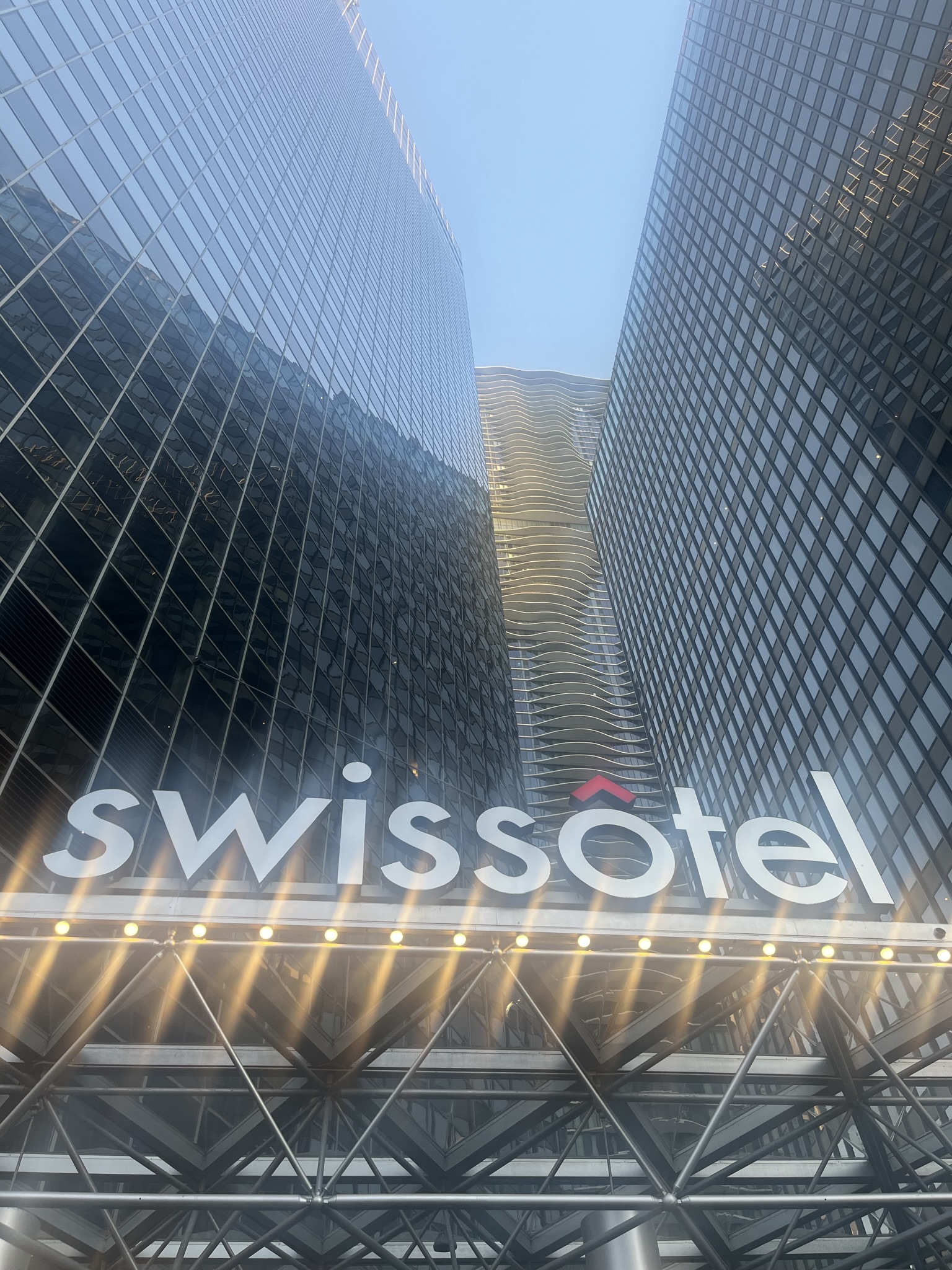
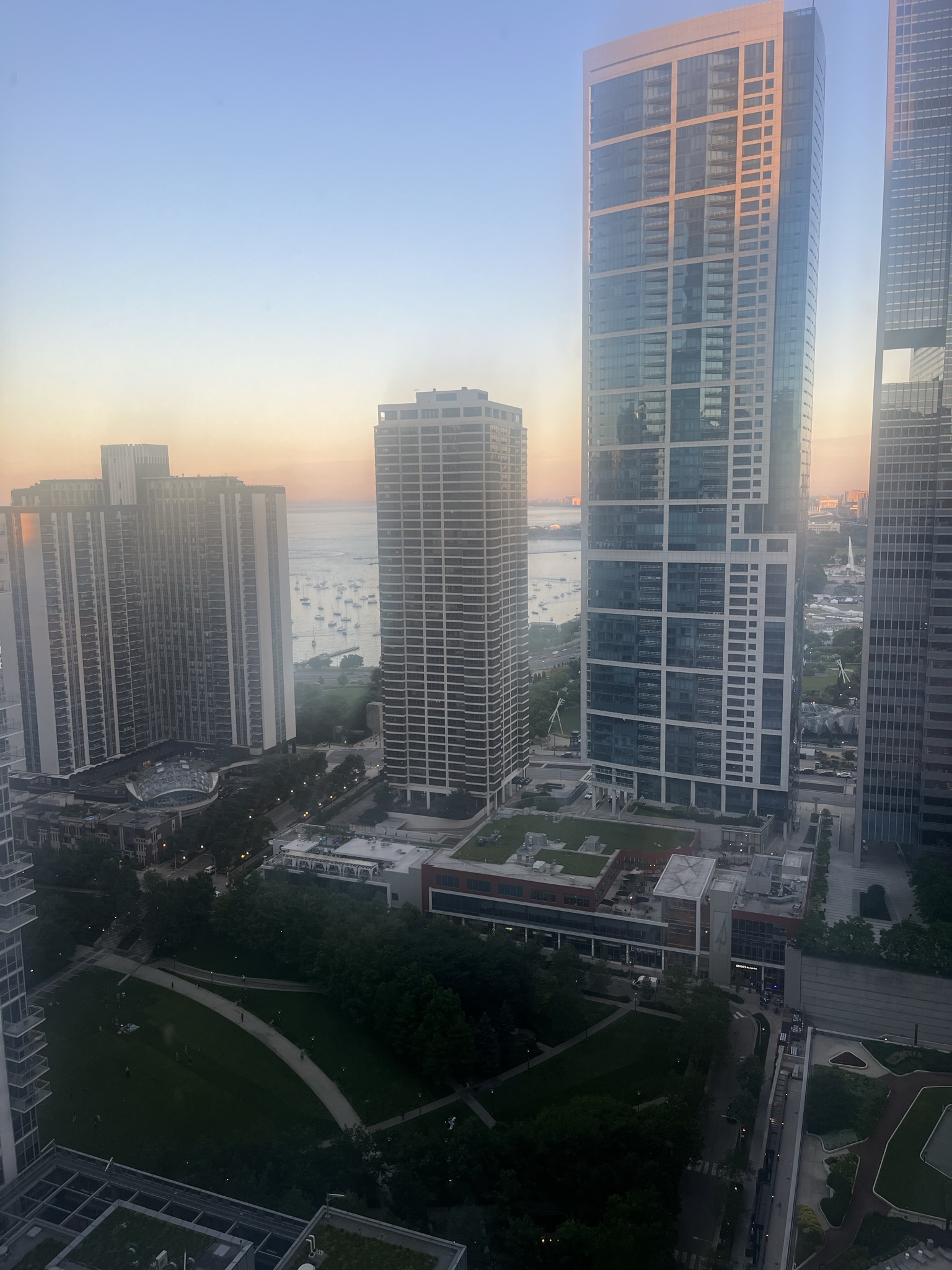
The kids’ favorite part of a weekend in Chicago? “The hotel! The hotel’s fitness center!” Weekending in downtown Chicago with small children sounds overwhelming, but a kids’ suite hotel stay and a family-friendly itinerary ensure a safe, fun, and memorable vacation. Swissôtel Chicago’s kids’ suites are like a sky-high family apartment, with a cozy master bedroom and bathroom, spacious common area and bathroom, and a separate but adjoining bedroom and bathroom for the littles. Plenty of full-wall windows provide a panorama of the Windy City, with views of Buckingham Fountain, the Chicago River, Pritzker Pavilion, Maggie Daley Park, and Navy Pier.
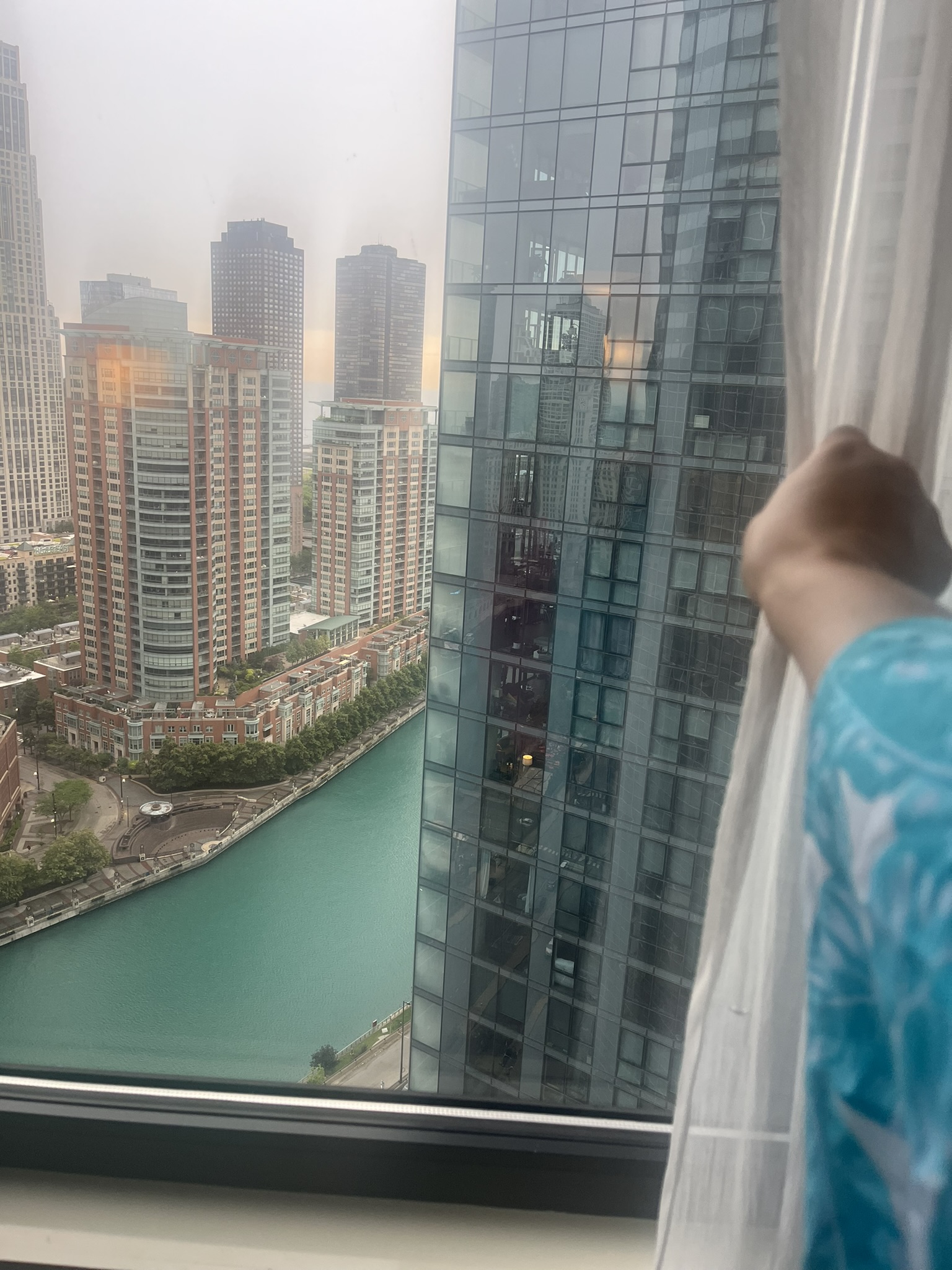
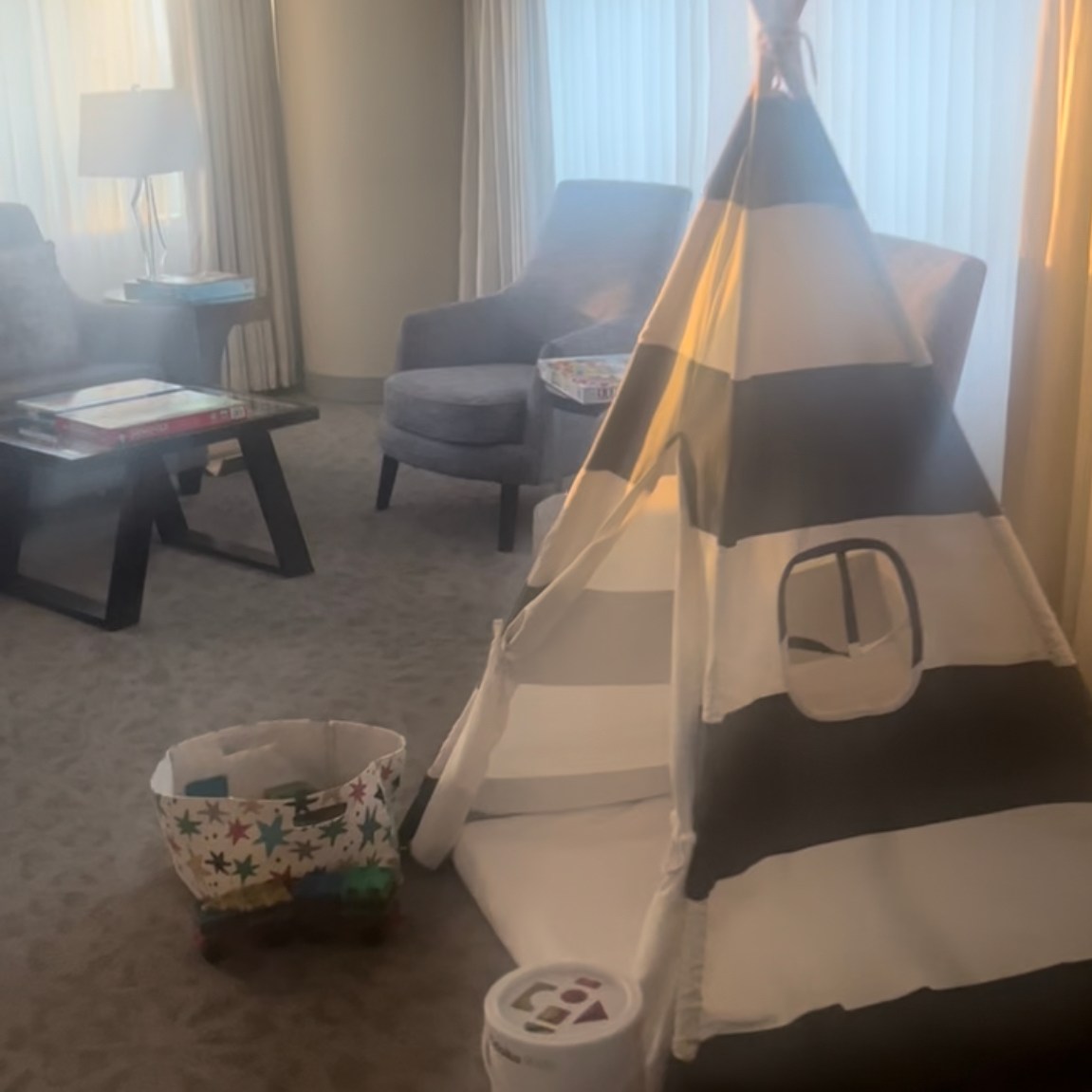
The suite’s shared rooms and kids’ wing are equipped with age-appropriate toys, games, and art supplies to engage and entertain without even needing to turn on the TV. The teepee tent provides a snug hideaway and place to house stuffed animals along for the trip. A giggle-filled game of Twister, marker doodling on fresh paper, birds’-eye boat-watching, and exercising in the huge, clean, and upscale Penthouse Fitness Center—you can enjoy the city without ever leaving Swissôtel!

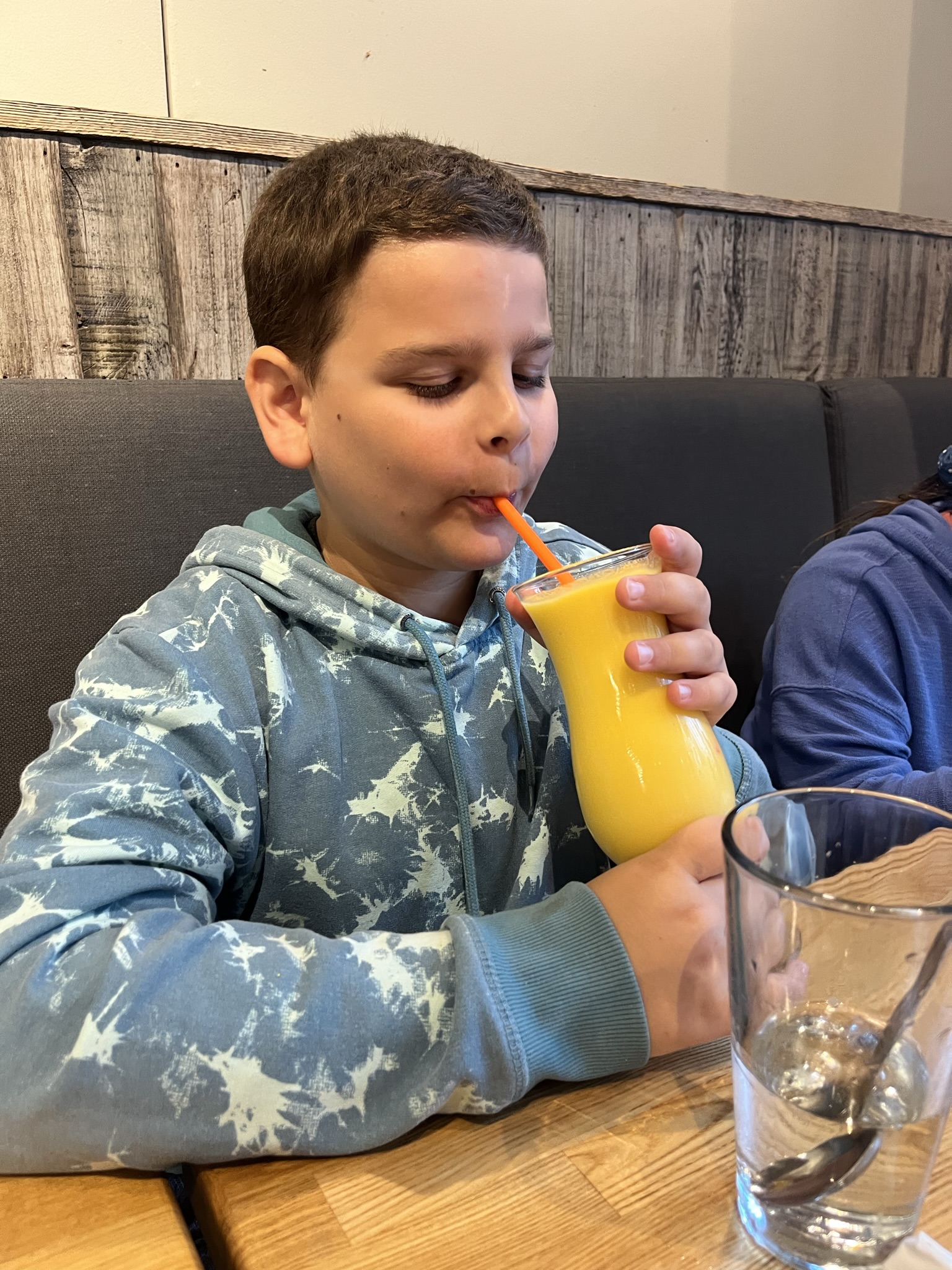
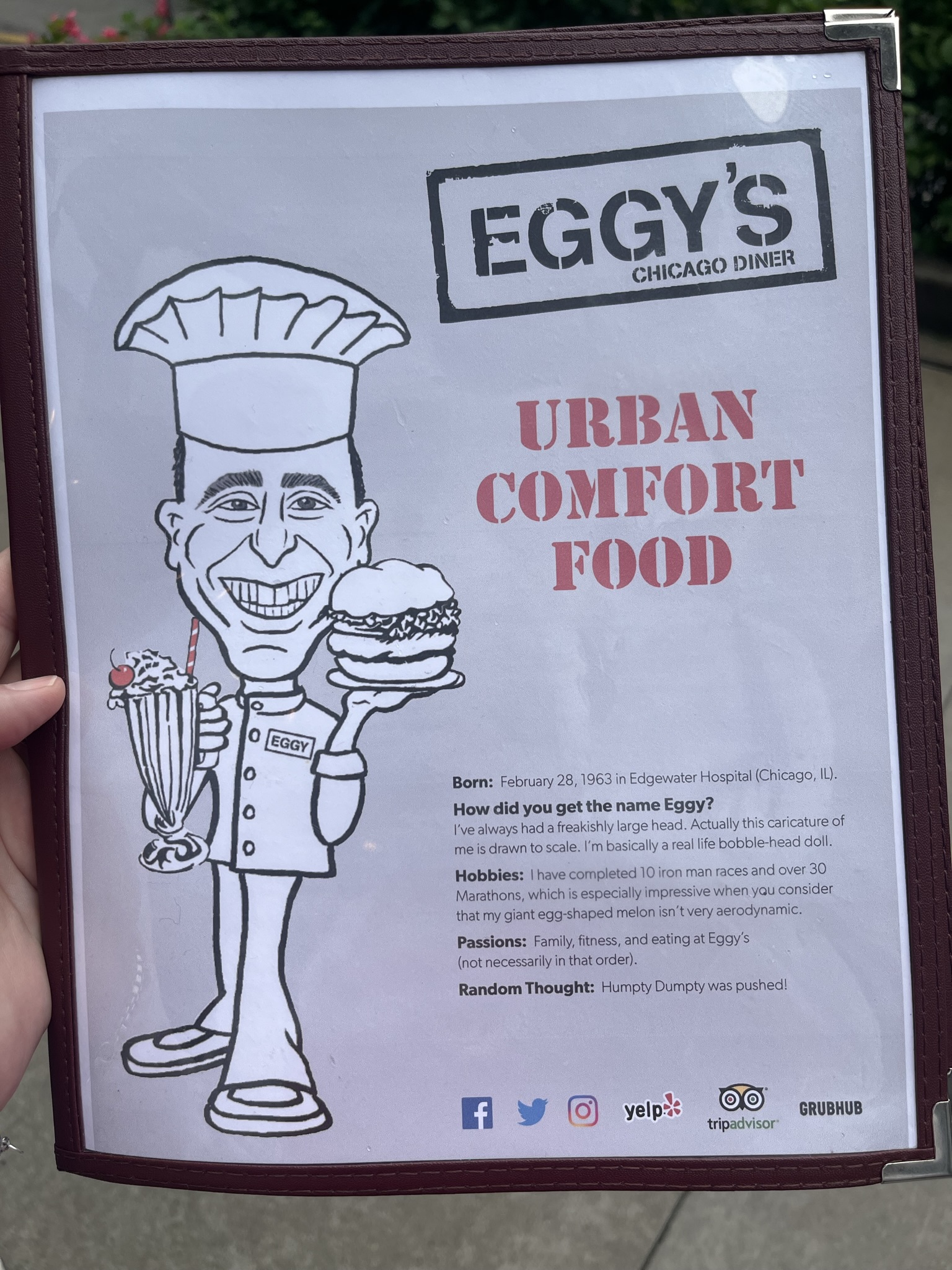
Eventually you’ll need to eat, though, and if room service isn’t your preference, you have plenty of dining options near the hotel. Eggy’s diner at the Chicago-Benton Place location is a 5-minute walk from Swissôtel across a beautifully landscaped park and serves home-cooked breakfast and lunch, coffee and tea, and bar drinks. Milkshakes, fresh-squeezed juices, smoothies, chocolate-chip pancakes, waffles, biscuits and gravy, crepes, skillets, sandwiches, and soups are among the delicious options for feeding a range of tastes. Crayons and a coloring sheet of cute food characters make waiting time seem fast.

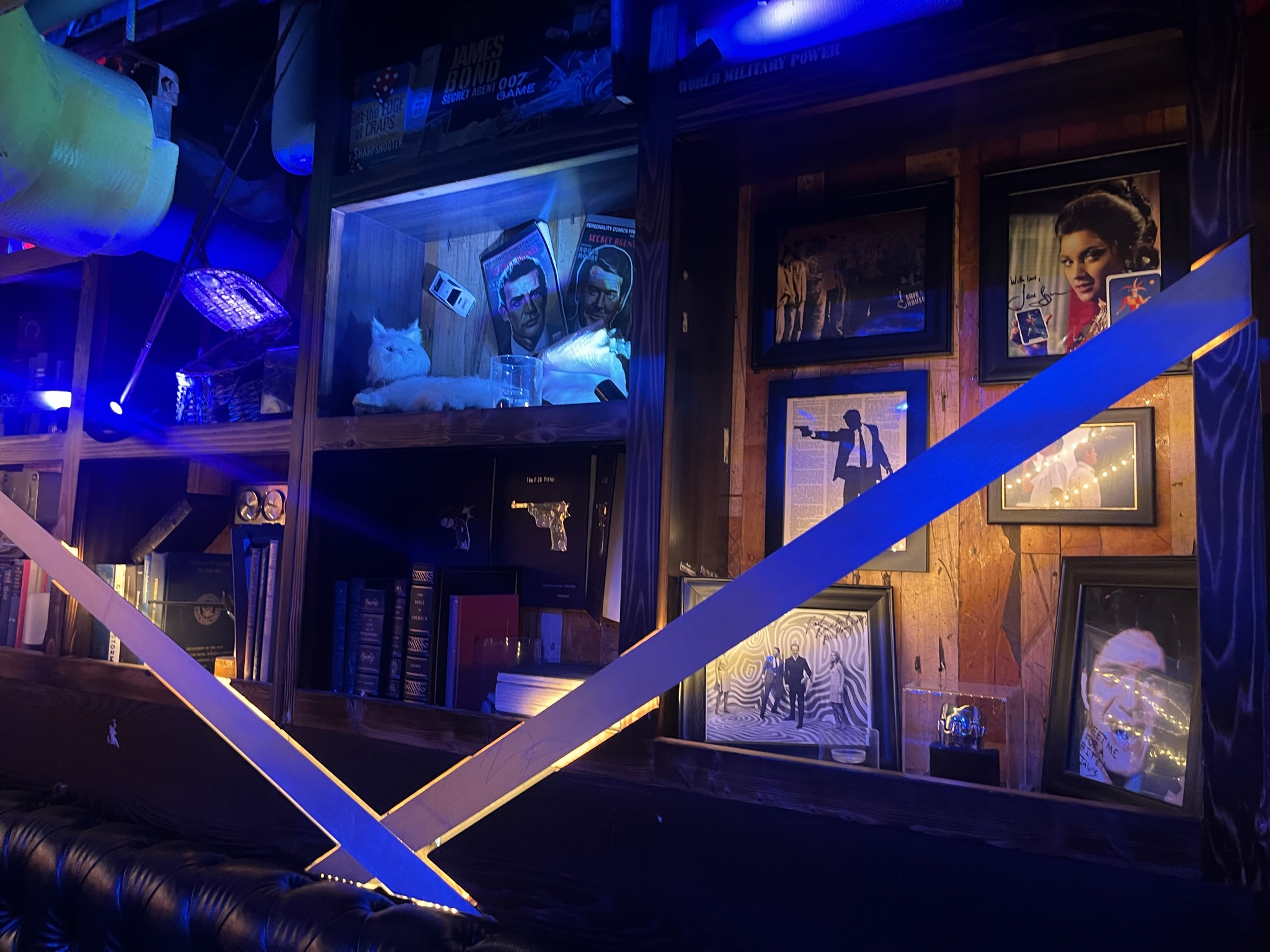
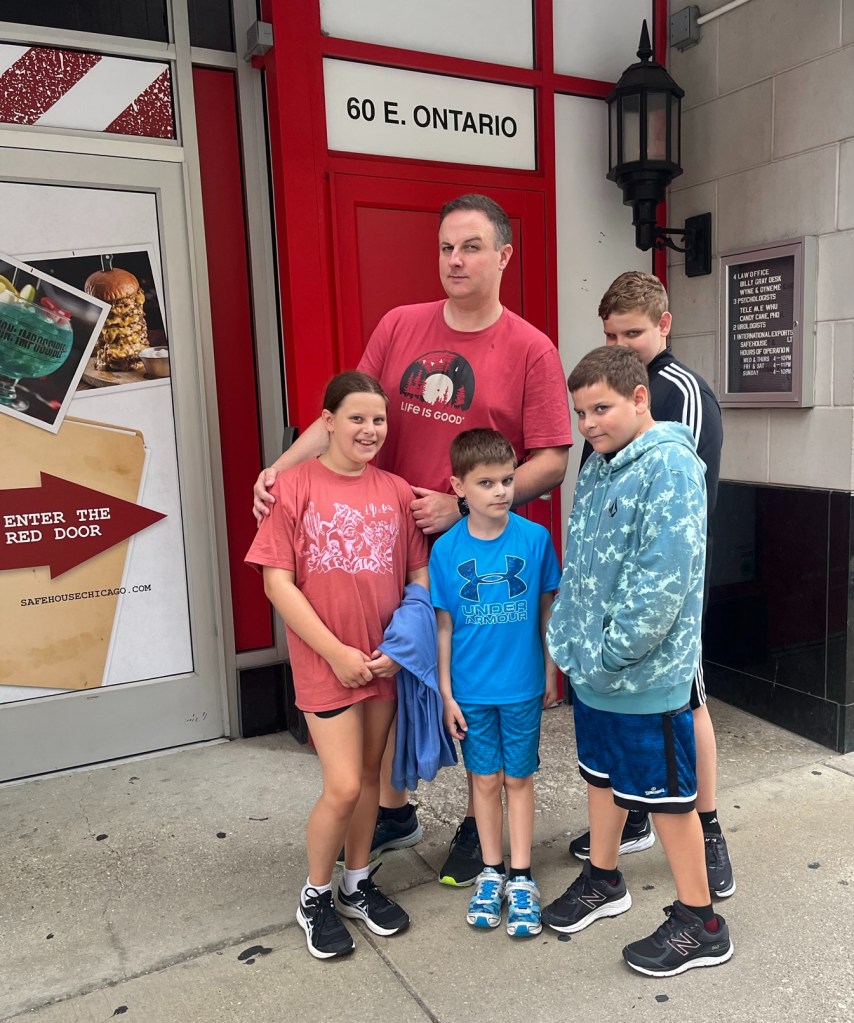
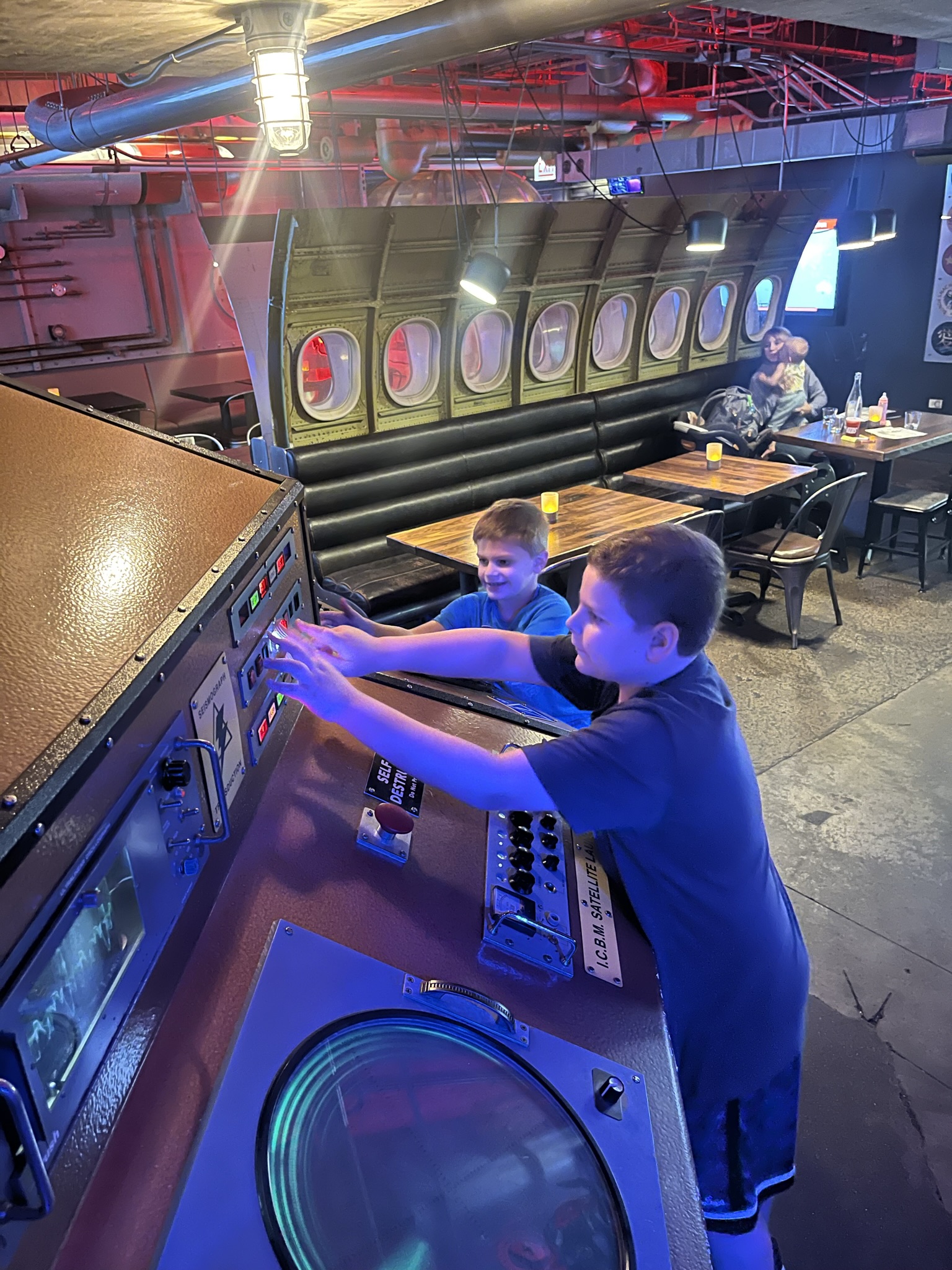
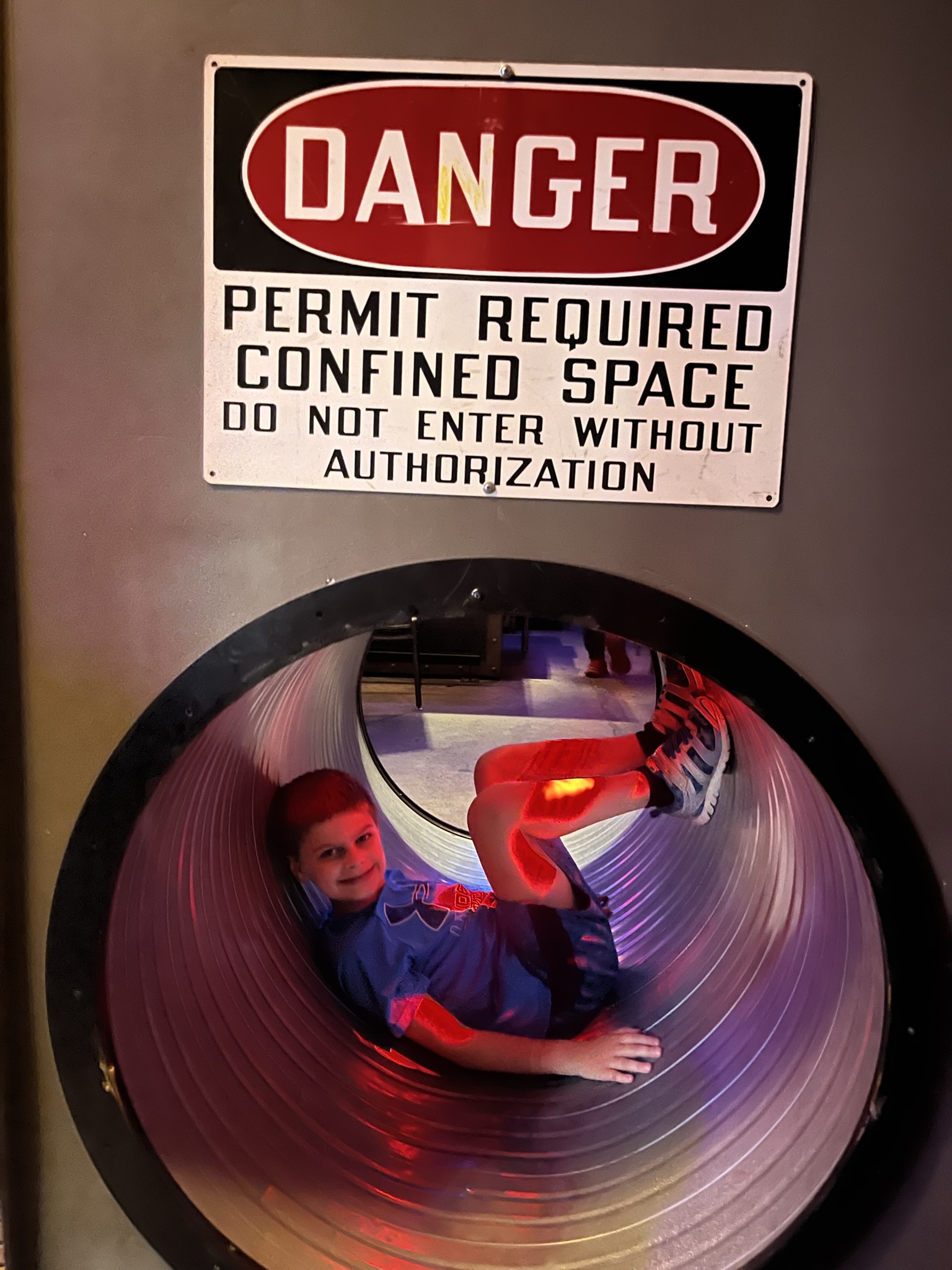
Chicago’s one-of-a-kind spy-themed dining experience at the SafeHouse is a 15-minute walk from Swissôtel down the Magnificent Mile to River North. The Red Door at 60 E. Ontario is the entry point to spy headquarters, where you start in a non-descript office and either whisper the correct password to Moneypenny, the front office “secretary,” or engage in an amusing test to gain clearance. Upon entering the underground restaurant and Interpol Bar, you can make your way through dimly lit rooms to explore spy memorabilia, discover secret rooms, complete a checklist of secret agent duties, climb through a sewer pipe labeled “DANGER,” and email goofy selfies from the photo booth.

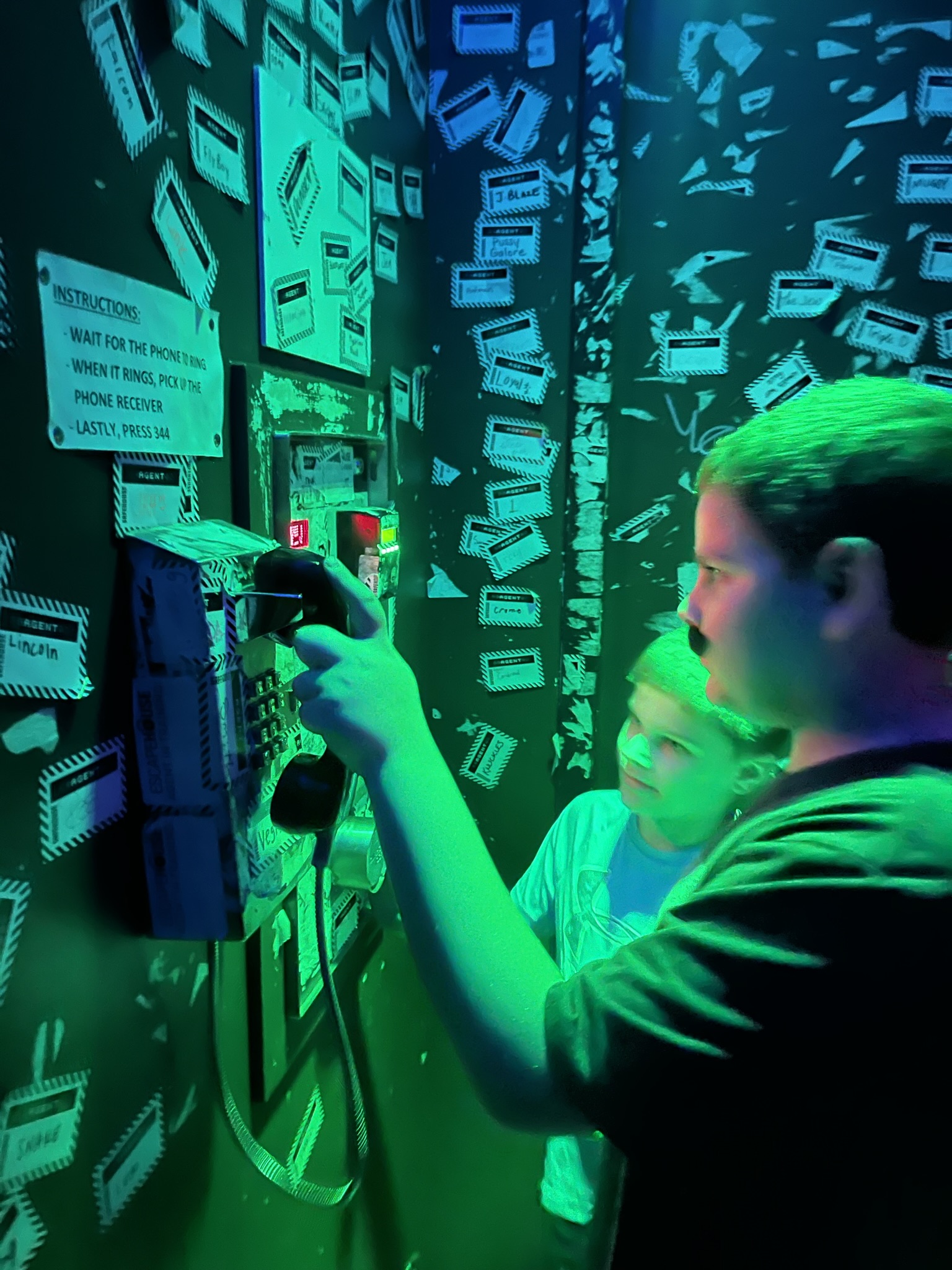
Silly surprises like one-way mirrors and alarms await in the bathrooms, and kids and adults alike can play with futuristic tech gadgets and create their own agent names. In-character waitstaff check with “Command” regarding food allergy inquiries and provide junior agents with top-secret disguises (sticky-backed fuzzy mustaches) upon request. Reasonably priced fare includes A License to Kill Mac & Cheese, “007” Layer Salad, Mission Impossible burgers, Camp Stanley Nachos, and Russian Finger Potatoes. Junior Spies can request meals like Goldfingers chicken nuggets, Carmen Cortez mac & cheese, or an Uncle Machete chopped taco salad. Make your escape by dialing a secret code in the hidden phone booth, dodge the maze of red lasers in the dark hallway, slap your agent nametag on the wall, and make your discreet exit back onto the city street.  

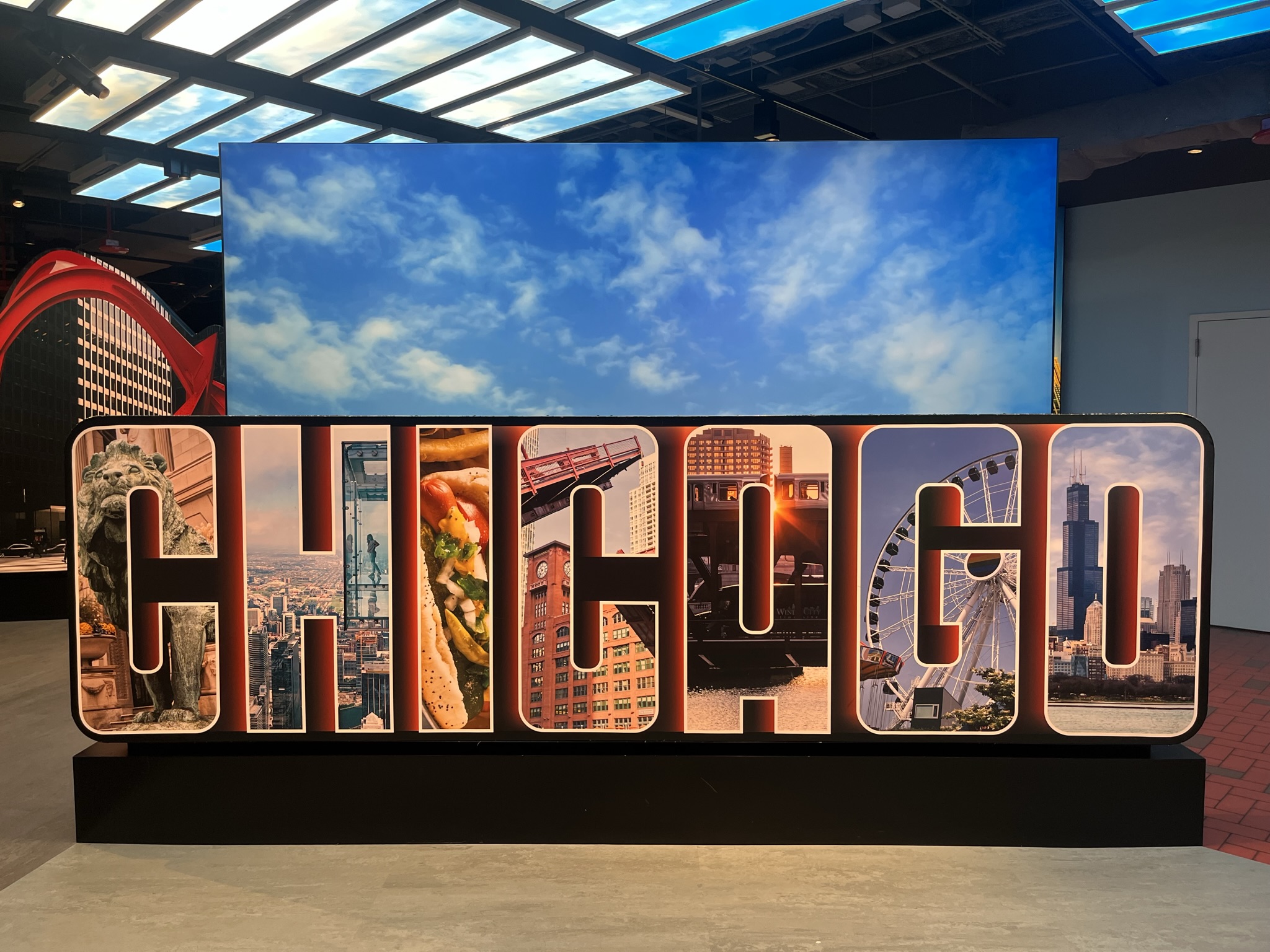
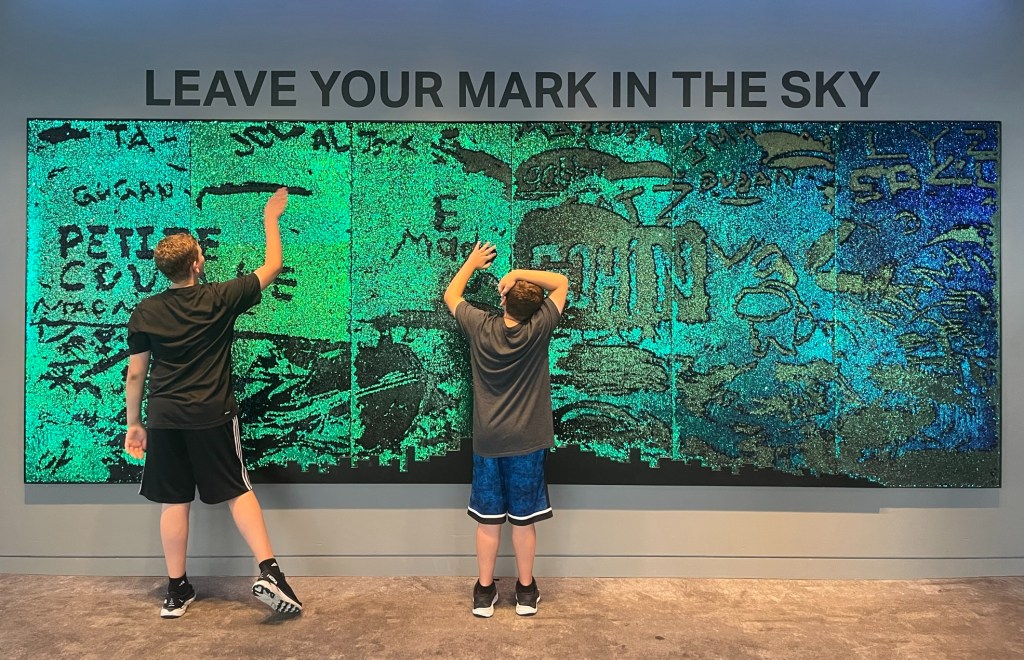
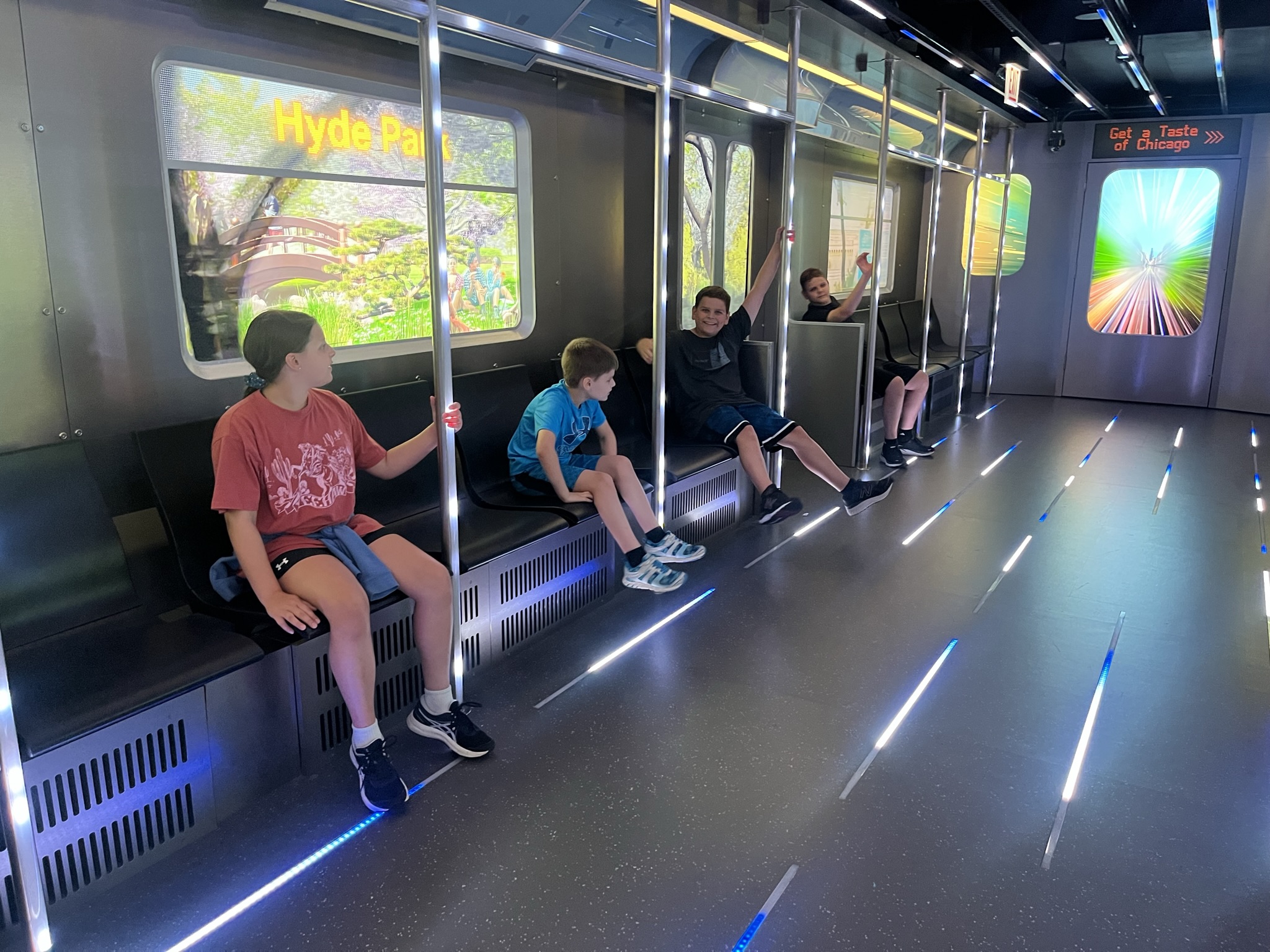
To head from dinner toward an evening at Skydeck Chicago in the Willis Tower, ride the scenic water taxi from the north side of the river at Michigan Avenue to the Ogilvie/Union Station stop, followed by a short walk, or call for a 13-minute Lyft drive. The winding, museum-tour walk to get to the elevator bank displays an artful collection of exhibitions, facts and figures about Chicago, and fantastic photo opportunities—an El simulation with vibrating seats and city scenes sliding by the window; a giant, plastic Chicago-style hot dog and deep-dish pizza to rest on; jazz, Oprah, The Second City, Wrigley Field, Cadillac Palace Theatre, and iconic city scene backdrops to pose in front of. A speedy ride in the elevator (1,600 feet per minute) shoots you up to the skyscraper’s viewing level.

The highest observation deck in the U.S., the Skydeck Ledge juts out over four feet from the 103rd floor—a breathtaking 1,353 feet above the Chicago River and Wacker Drive. View the city below with confidence, knowing that the Ledge can withstand four tons of pressure, hold 10,000 lbs, and is seamlessly constructed using three layers of half-inch thick laminated glass. Groups of guests are given a timed five minutes to step into one of the Ledge booths and take in the view, jump, do handstands, yoga poses—however they want to spend their time in the sky. Some feedback from kids who were initially wary of traveling up so high included, “We’re in the air, we’re super-secure, and we’re looking down 100 stories. It was a cool experience!” and “Well, that was awesome, and I totally don’t regret going on it!” A 1.5-mile Lyft ride or walk brings you back to Swissôtel.

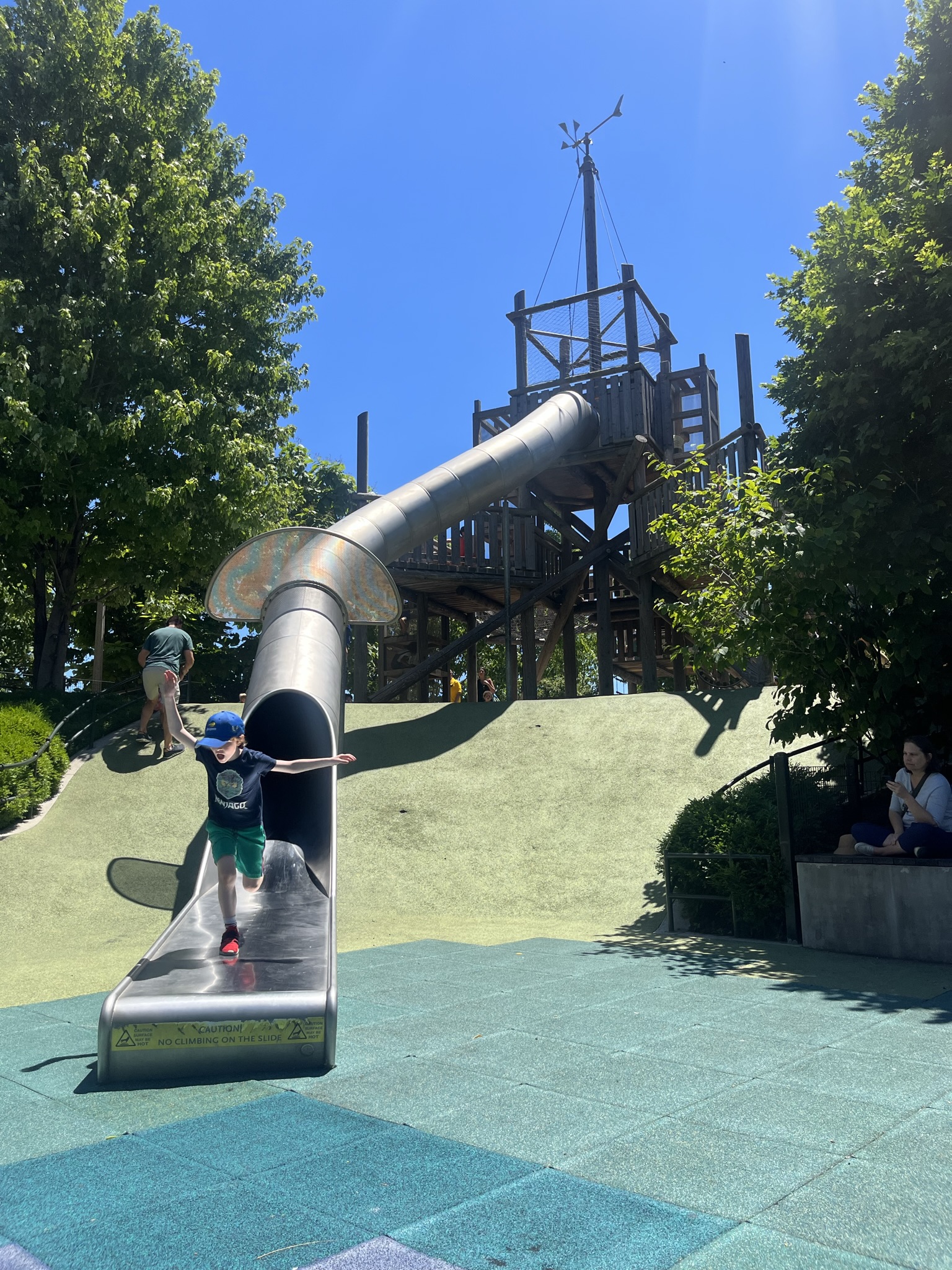
From Swissôtel to the massive Chicago Park District play area, Maggie Daley Park, is a 7-minute walk. The largest free activity is the Play Garden, a series of interconnected, imaginative play spaces integrating landscaping with the sculptures and structures. The Sea area features a large-scale ship and lighthouse tower with ladders, slides, talking tubes, and lookout scopes. The Watering Hole’s animal-themed splash pad includes a shady area with a bench for parents. A Harbor boat play zone, Enchanted Forest sensory exploration pathway, and Wave Lawn of rolling topography and sloped hills offer varied equipment and opportunities to engage all senses and stimulate imagination. Slide Crater’s giant suspension bridge slung between two towers is thrilling to run across while trying to keep your footing. Experience slides of all sizes and formations in this area (although the metal variety can be HOT in the summer sun!). Talk through tubes with others around the structure, rotate knobs to spin giant wheels, and be the lookout at the viewing scopes.

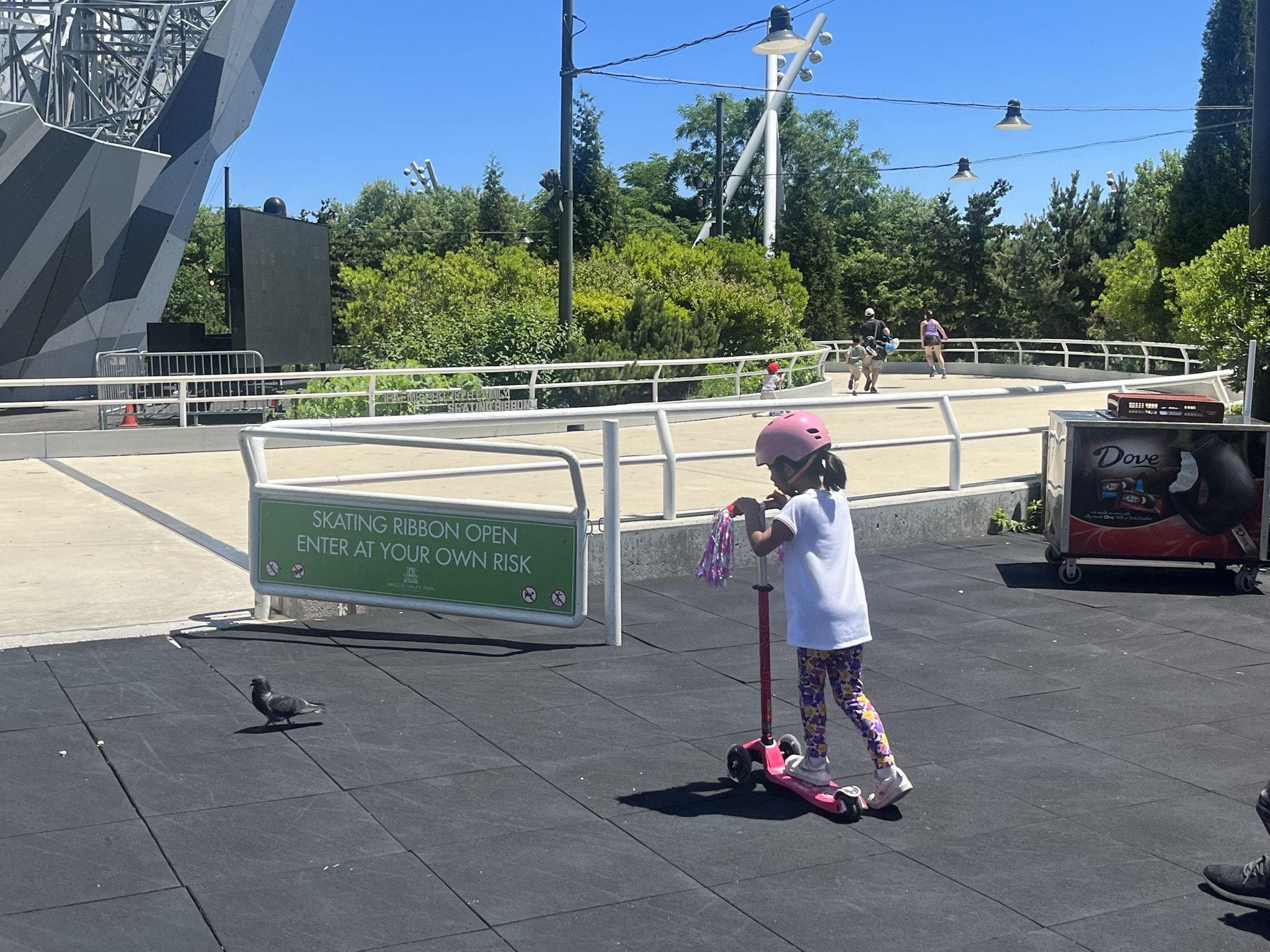
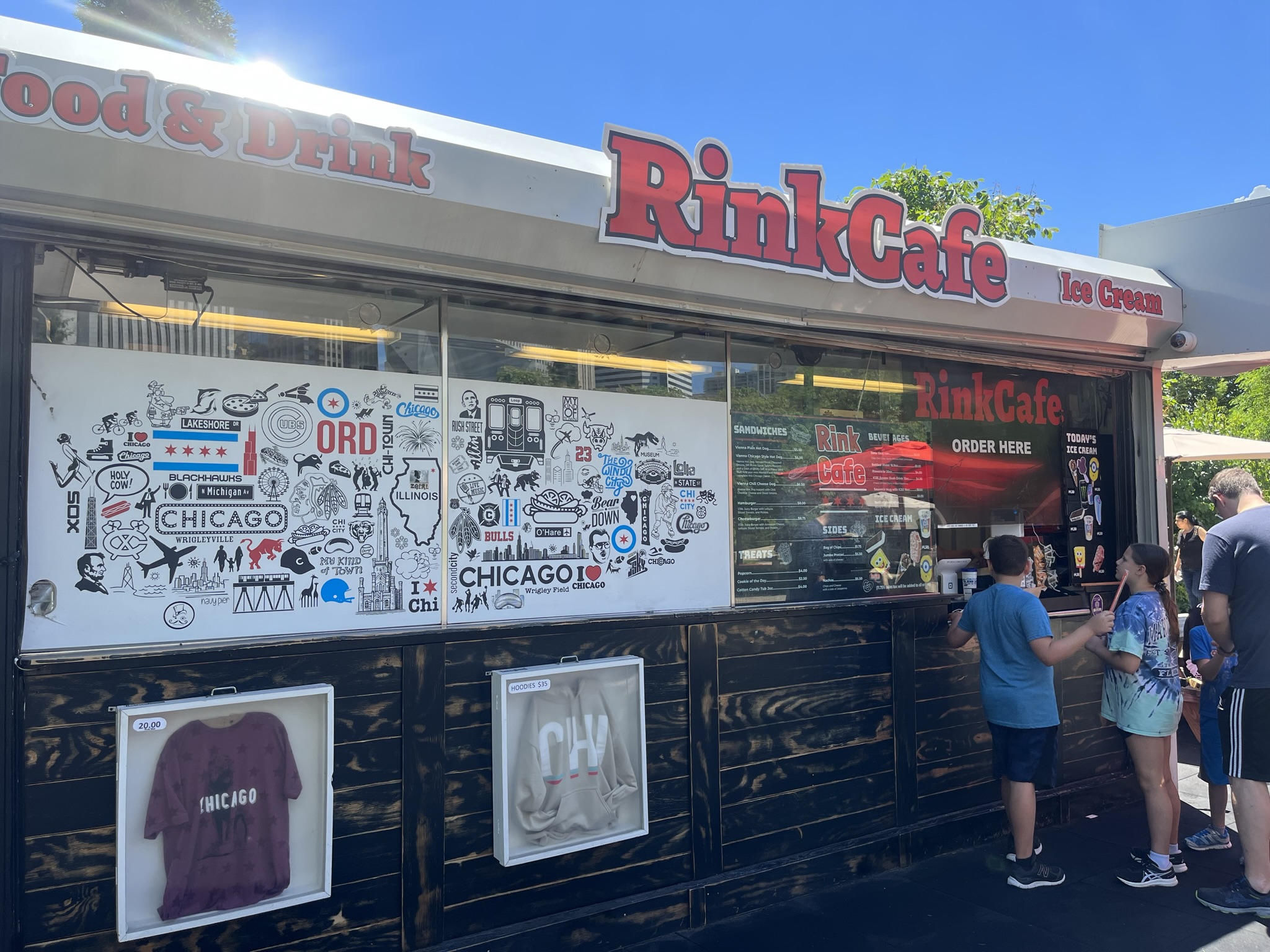
Other free areas include the tennis courts, picnic groves, Cancer Survivors’ Garden, and skating ribbon (rollerblades and Micro scooters are available to rent if you don’t bring your own equipment). For a fee and no reservations needed, visitors of any age can scale the Climbing Wall (shoes, helmet, and harness rental is offered), and kids aged 4-8 can even take a 15-minute climbing lesson with an instructor to assist them. Mini golf and a bungee jump are available for a fee. Conveniently located by the skating ribbon, the Rink Café food truck sells hot dogs, burgers, giant pretzels, ice cream, and other refreshments to enjoy under shady umbrellas.
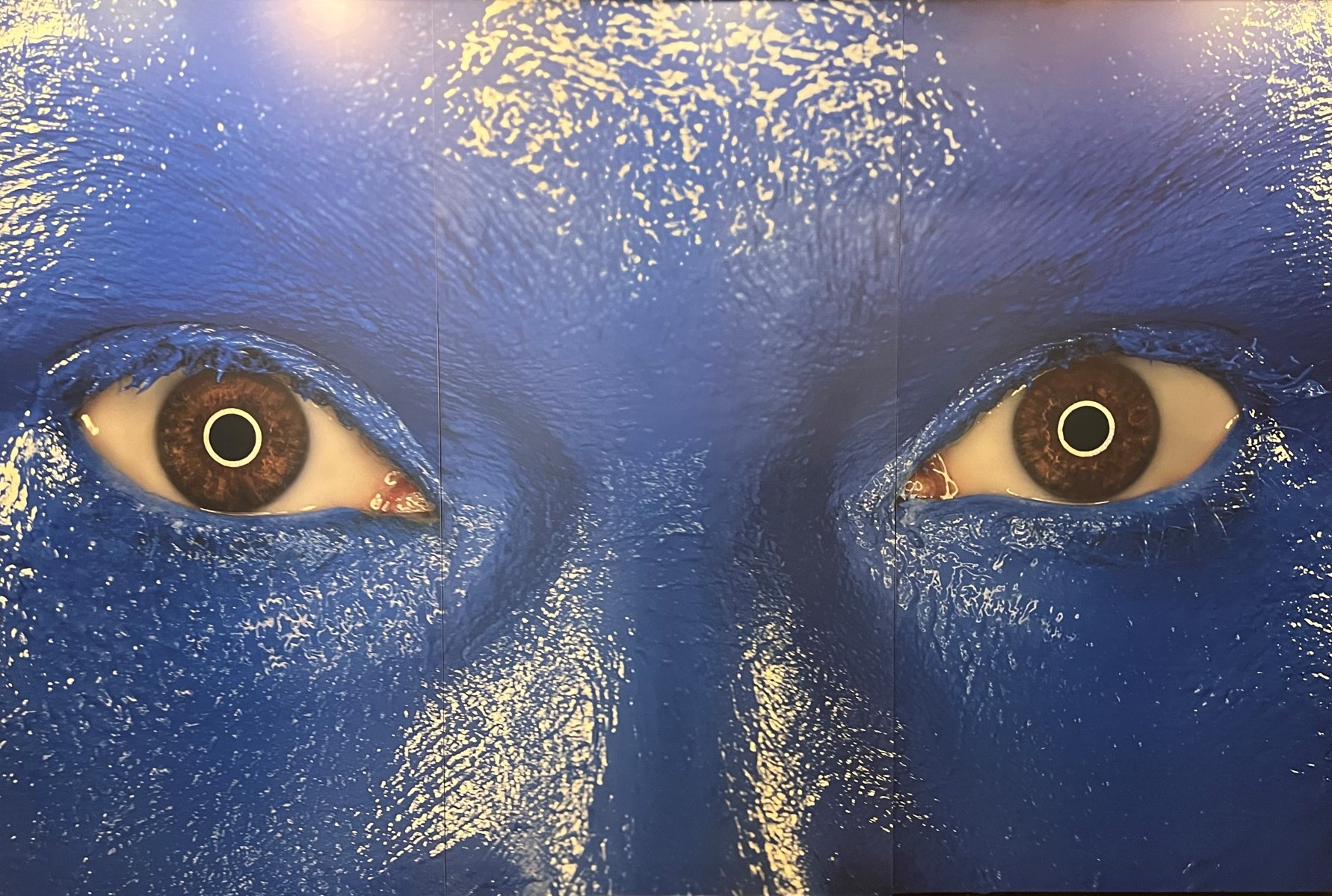
For an energetic, colorful, laughter-filled theater experience, bring the kids to the Blue Man Group at the Briar Street Theatre in the Lakeview neighborhood. While you wait for the show to begin, a scrolling marquee featuring jokes and ridiculous facts sets the tone for the event, warms up the crowd, and encourages audience participation. Through a series of comedic, surprising, awkward, and artful vignettes and instrumental songs involving PVC pipes, paints, lights, water, glow sticks, cereal, remastered instruments, and drums, the talented Blue Man Group cast opens an otherworldly dimension of sensory entertainment that enthralls and mesmerizes. Audience members in the front few rows don rain ponchos as protection from the show’s shower of water droplets, food, and paint. Several individuals were also singled out to participate in the show—on stage or from their seats—in “we’re laughing with you, not at you” situations. There is truly no comparison for this unique performance, and remembering those expressive, endearing blue faces will keep you smiling long after the lights go up.

Back at Swissôtel, the family can order refreshing drinks or nightcaps from the lobby bar and bring them upstairs to the suite, relaxing together in the living area to wind down for the night. A leisurely round of Pictionary or Connect Four or a warm shower under the rainfall showerhead brings an end to the eventful excursion in the city. Watch out the windows as Chicago dims its lights and rests up for a new day ahead.   
Cova d’en Xoroi: Club in a Cave

By Alison Ramsey

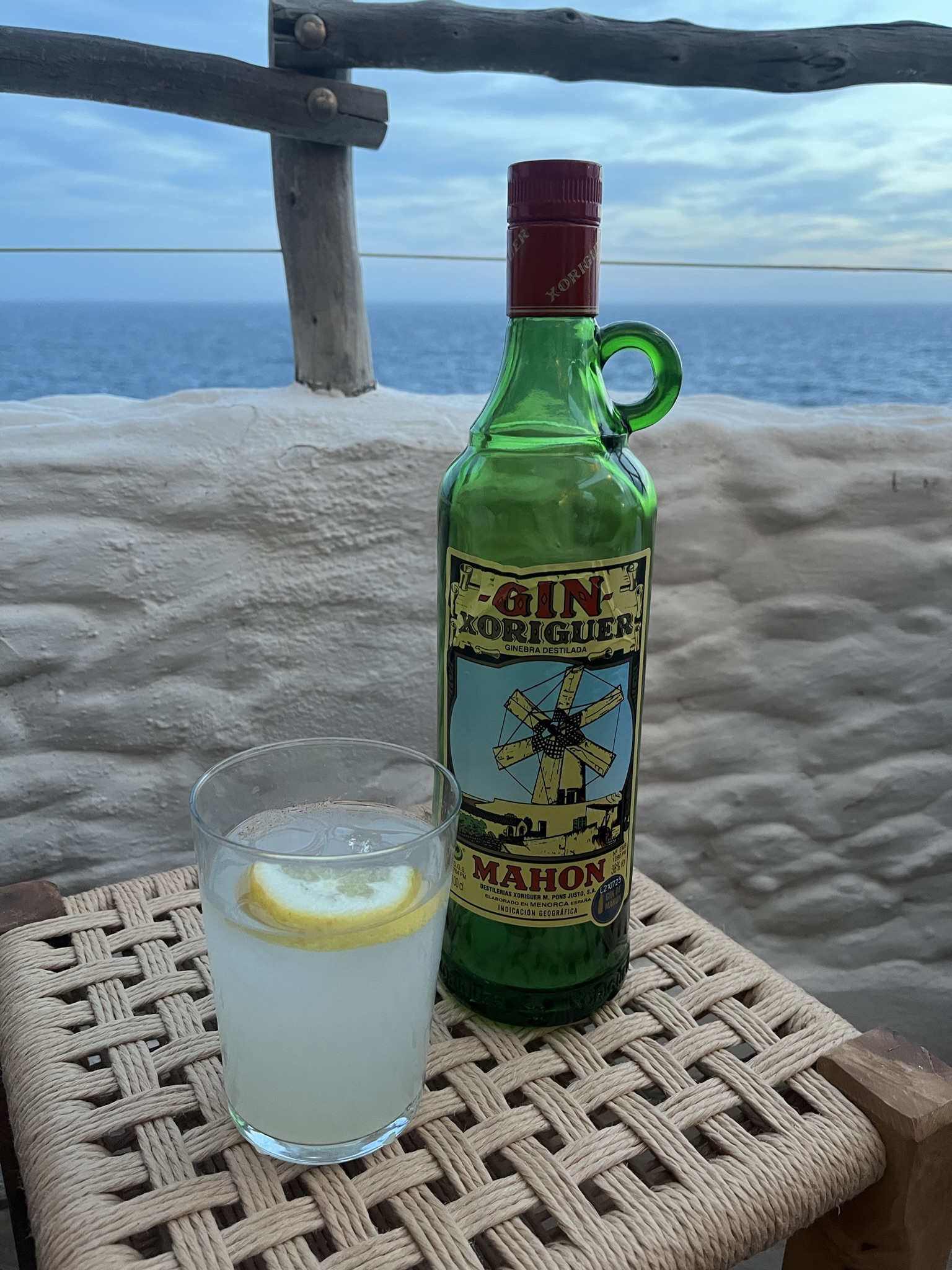
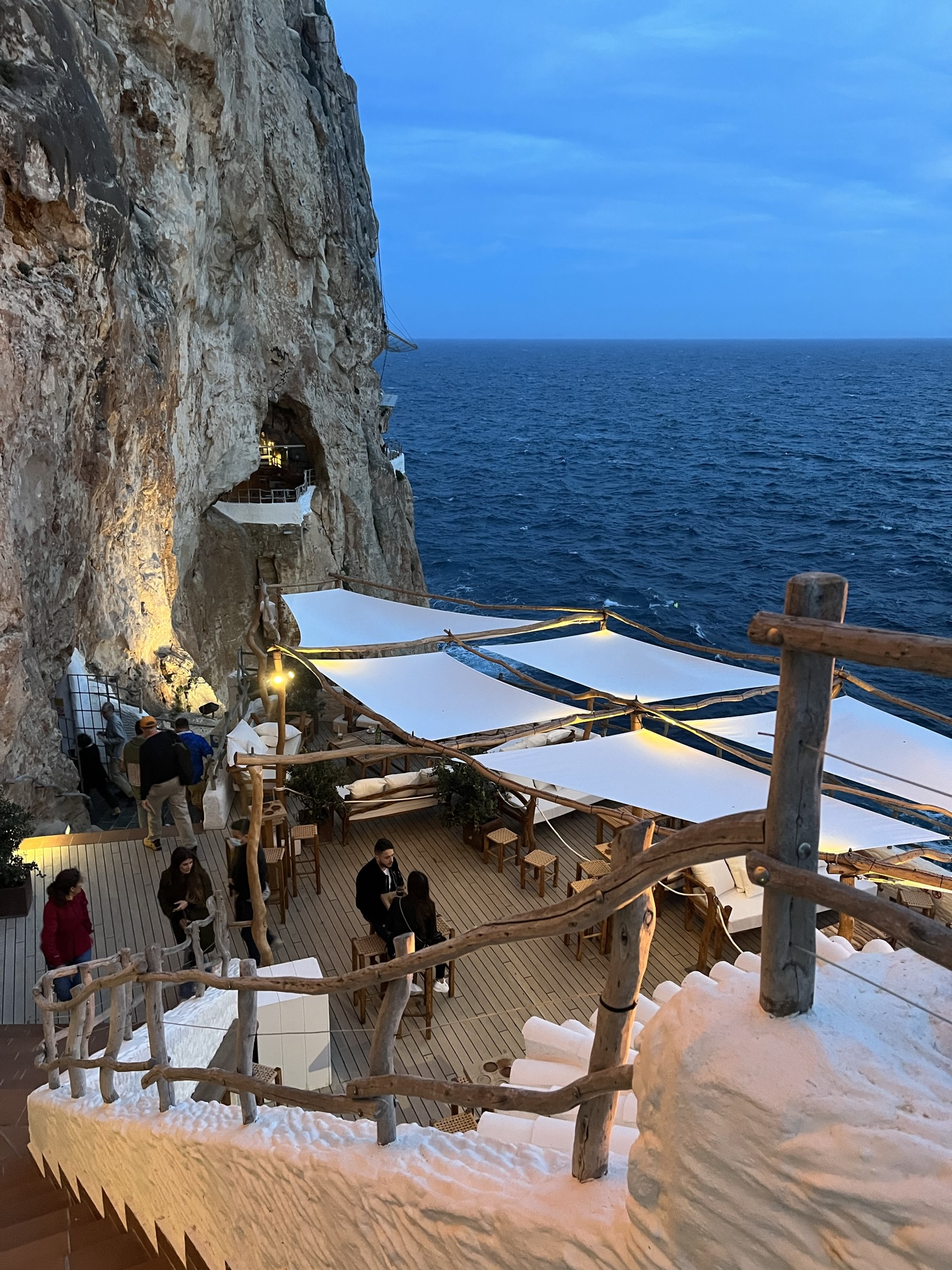
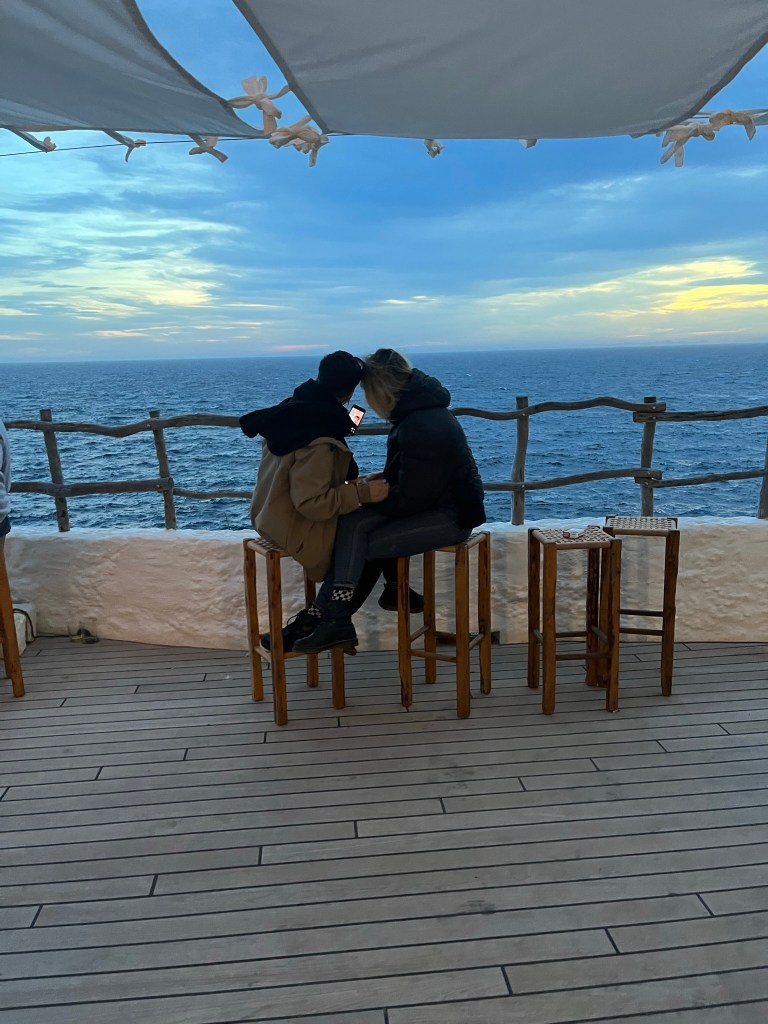
Best place to enjoy a lemonade + gin pomada? Cova d’en Xoroi—a daytime bar and afterhours club in a south coast cliffside cave that overlooks the beautiful Balearic Sea. Here on the outdoor patios you can watch the sun sink into the horizon and sip a drink in its glow. At 1 AM, a DJ starts spinning and the cavern becomes a dance club.

The recipe for Gin Xoriguer dates back to the early 1700s, and the distillery’s copper stills are more than 250 years old. The refreshing “pomada” cocktail consists of two parts lemonade and one part gin.

The Cova d’en Xoroi legend tells of a man named Xoroi who arrived by sea (perhaps a shipwreck survivor) and took refuge in the cave. During this time, a beautiful young woman from the country disappeared and was missing for years. One wintry day, a rare snowfall revealed footprints leading to the cave. Armed men stormed the cave and discovered Xoroi, the missing woman who had fallen in love with him, and their three children. Xoroi felt cornered and he and his eldest son jumped off the cliff into the sea, never to be seen again. The woman and her other children were taken back to Alaior, where they began a long lineage.

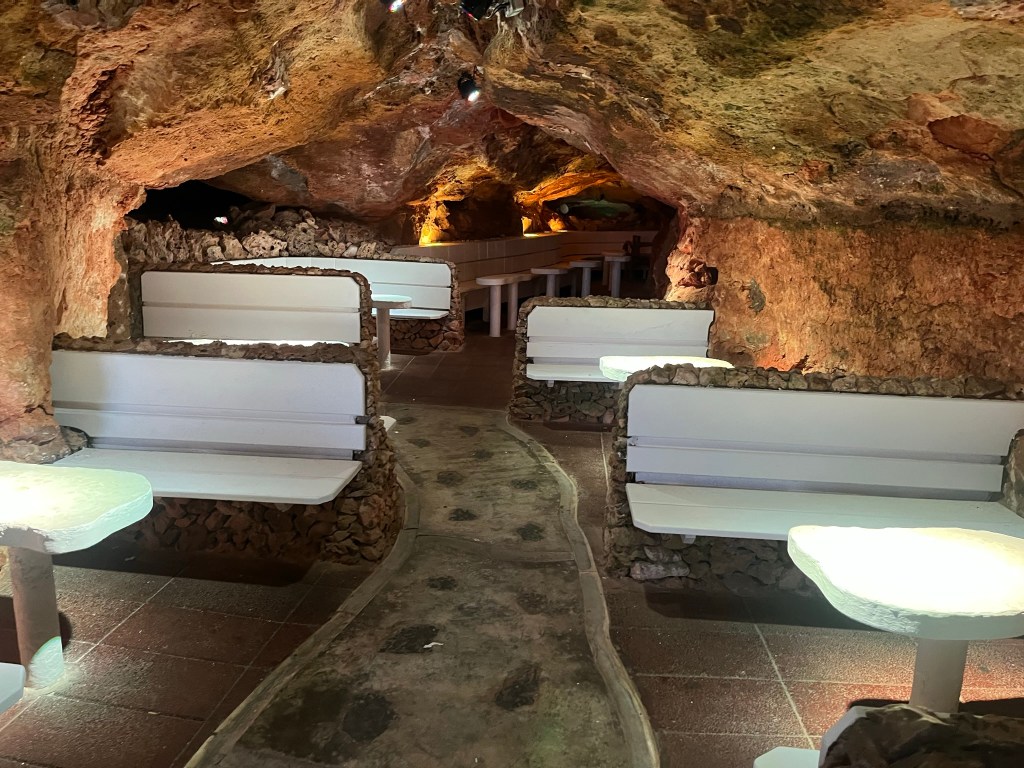
The cave’s interior has ample seating and booths with a sea view.

Nightlife at Cova d’en Xoroi features a variety of musical artists and themes, depending on the night. The live music schedule is posted online, and tickets can often be bought in advance.

Tickets are required for entry to the cave bar, with visiting hours segmented into a day session where children are welcome, an ambient sunset session suggested for adults, and an adults-only afterhours disco session. VIP seating is available for reservation, and the dress code restricts tank tops, beachwear, and sportswear, so dress to impress!

Souvenir Spotlight

In addition to the incredible photos you will undoubtedly take home with you from the cave bar, stop for souvenirs in the fantastic gift shop up by the entryway. There you can browse a mix of locally made products, including handcrafted avarcas sandals by RIA Menorca and breezy Pou Nou island wear.

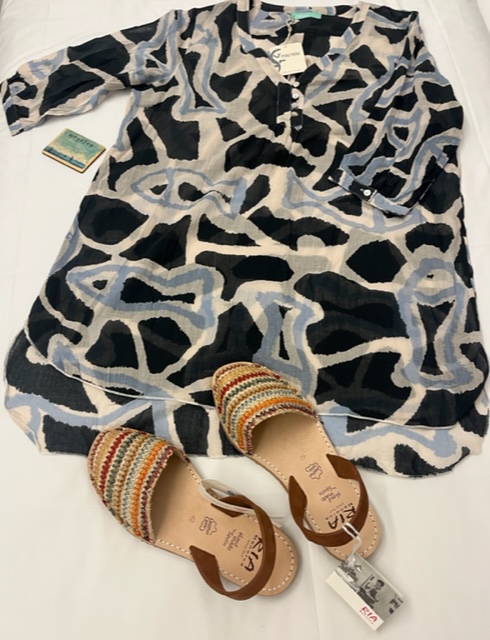
My gift shop souvenirs included colorful, woven RIA avarcas with a leather backstrap, and a lightweight Pou Nou tunic with shell buttons and a fish motif.

“Our company is based in Menorca, in the heart of the Mediterranean, and our designs are inspired by the island’s amazing elements—crystal-clear waters, magical beaches, and wild olive trees shimmering as the tramontana wind caresses them.”

Joan Carrés, Pou Nou founder

Eurostar on a Roll

By Don Heimburger

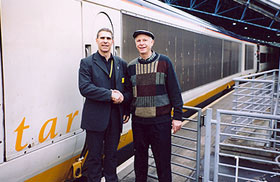
Don Heimburger and Eurostar Driver Detlef Hofmann shake hands prior to departure from Waterloo Station, London, when the train left from this station.

Nearly 22,000 travelers hop aboard a Eurostar train each day, and more than 75 million have traveled the Eurostar routes over the last decade.

That figure represents more rail passengers than all the airline passengers combined on both Eurostar routes out of London.

So what’s new with Eurostar for 2008?

NEW FOR 2008

For one, since November, 2007 Eurostar has moved to a new station, from Waterloo to St. Pancreas, reducing the rail journey between London and Paris by 20 minutes. (I loved Waterloo Station!)
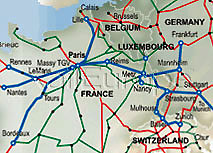
The travel time is now 2 hours and 15 minutes, and between London and Brussels it is only 1 hour and 51 minutes.

Also opened was Great Britian’s first high-speed line (called HS1) which carries the Eurostar exclusively. This allows travelers from London to Paris or Brussels to use the train for a one-day business or leisure trip. Every day the train runs 18 roundtrips between London and Paris and 10 between Brussels.

Eurostar trains feature 18 cars each, with car configurations changed depending on if the train is designated as a Business Premier train or a Leisure Select train. The train also runs to Lille, Eurodisney/Marne La Valle, Avignon (summer only), and Bourg St. Maurice (winter only).

TRAINS SEAT 766

Trains seat 766 persons, with special cars situated between cars 7 and 12, and standard class cars 1-5 and 14-18. There are always two bar cars, 6 and 13.

If you are a U.S. citizen, you will probably want to book your trip through Rail Europe, especially if you want to purchase a Eurail Pass that can include the Eurostar (and you can receive up to a 60% discount). Go to http://www.raileurope.com for the details.

In other European rail news, last summer the new French Railway TGV East train broke the world’s rail speed record, reaching a top speed on the trip of 357 miles per hour! A Rail Europe spokesman said, “This accomplishment is monumental for the SNCF and the rail community, and will have a positive impact on all who wish to travel east from Paris.”

The average speed, however, of the TGV East trains is 200 miles per hour. Each first class seat features its own electric power outlet, and broad seat cushions; first class passengers can book a taxi through the train conductor; and on-board messages are in French, German and English.

As an example of faster speeds on the TGV, here are new travel times posted by Rail Europe for travel between some stations:

  • France-Geneva:
    Paris-Bellegarde: 3 hours 10 minutes;
    Paris-Geneva: 3 hours 45 minutes
  • France-Switzerland:
    Paris-Lausanne: 4 hours;
    Paris-Zurich: 6 hours 10 minutes
  • Brussels-France:
    Brussels-Lyon: 3 hours 40 minutes;
    Brussels-Avignon: 5 hours

Climb Aboard Rail Europe’s Holiday Express to Germany’s Christmas Markets

This holiday season, Rail Europe presents the “German Christmas Markets,” a seven day itinerary to five enchanting Christmas markets throughout Germany.  

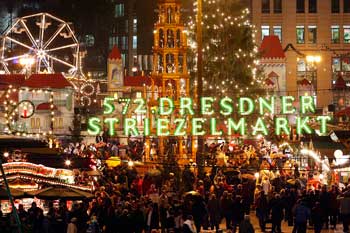
These unique and unforgettable markets invite travelers to experience the sights, smells and traditions of European Christmas festivities. Visitors can dive into a winter wonderland of regional traditions, handcrafts and culinary specialties such as Christmas Stollen (German Christmas cake), Lebkuchen (gingerbread) and Gluehwein (hot spiced wine). They can stroll through festively-decorated streets lit by thousands of twinkling lights and explore historic town centers as Christmas carols echo through the streets.  

Travelers can begin their journey in Dresden, home to one of the most well-known Christmas Markets in the world. Best known for its long royal and political history, Dresden has emerged as the cultural and educational center of Germany.  

Then, travel by train to Weimar, a city known for its rich history and architecture and home to scholars such as Goethe, Schiller and Herder.  During the month of December, the city’s Gothic town hall on the market square is transformed into a life-sized Advent Calendar, where three children open a new window each day as Father Christmas greets them with a small gift.  From Weimar, travelers will be whisked away to the medieval streets of Erfurt, where Christmas carols ring out and the air is filled with the aroma of gingerbread.  

Next stop–Eisenach–where travelers fall head over heels for the romantic market nestled within Wartburg Castle’s walls.  One of the best kept medieval castles in Germany, the Wartburg boasts a medieval marketplace with Christmas concerts and artists, craftsmen and knights, and colorful booths decked with boughs of holly.  

The trip concludes in Frankfurt, a buzzing financial metropolis housing one of the oldest and most elaborate markets in Germany, attracting more than three million international visitors each year.  Over 200 stalls offer arts and crafts, festive cuisine and a varied program of Advent concerts and trumpets playing from the balcony of St. Nicholas’ Church.

It’s an unforgettable experience–Christmas, Germany and trains!

Rail Europe offers hotels and train travel in their German Christmas Market package. For more information, go to www.raileurope.com.

Rent an Apartment in Italy

By Phyllis Schweikle
Photos courtesy the Italian Government Tourist Board NA

It is said that 65% of the world’s art treasures are in Italy, and 50% of those are in Florence. Five of us wanted to stay there for a full month, so hotels were too costly, and any pensione were too “rustic” (I’m finished with group sharing of bathrooms).

I made a list of our basic needs: old Florence neighborhood, quiet, four bedrooms, three baths, a well-stocked kitchen for my chef husband, air conditioning and a washing machine.

Then I entered “apartment rentals Florence Italy” in my computer search engine. Pages appeared with links to user-friendly websites for every size apartment, location and price, often with neighborhood maps. Historic Florence is not large, but if your interests lie near San Marco, then San Spirito may not be the neighborhood for you, unless you really like to walk a lot.

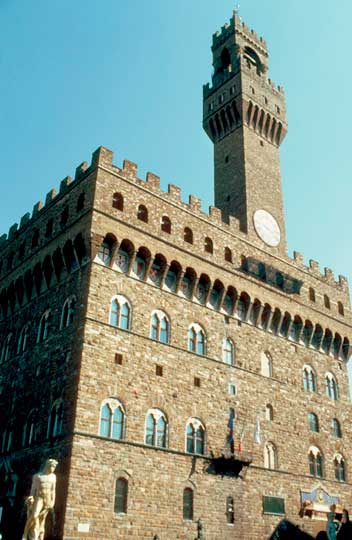
That year we found a wonderful apartment on via del Corno, behind the Palazzo Vecchio. While affordability motivated us to rent, we came away with so much more from our experience that today renting is our favorite option wherever we plan a stay of six days or more. Rent and you become what the Italians call famigliari — “familiars,” recognized and greeted by the fruit and vegetable guy, the baker, the butcher. You become absorbed into the fabric of your temporary neighborhood. Today at Ristorante Buzzino, where we often regrouped that first year, we embrace and are embraced, welcomed home on annual visits.

In major tourist areas, most Italians speak English, so if language is not your gift, you will be fine (always carry a light weight dictionary). But think about it… you are moving into a neighborhood, so why not learn some basic pronunciation rules and a few simple phrases? You will be amazed at the response to your effort. Check out the website “CyberItalian” and see if this interactive language learning tool appeals to you (for a $25/year membership you have so much to gain and comparatively nothing to lose).

We have learned a few things from renting six different apartments (five in Florence, ranging in size from studio to four bedrooms, and a two bedroom in Rome). Here are a few thoughts to consider:

1) Rates depend on a number of factors, but Italians are pragmatic, so don’t be afraid to negotiate respectfully if you plan to rent for three weeks or more. Owners are willing to reduce rates rather than leave a unit vacant.

2) Study the photos of every room. In my experience searching for six different apartments, online photos are reliable. So that ‘fish-eye‘ picture you see really does reveal the struggle to showcase a small space (which may be fine for you). If you find an interesting description with a photo of the terrace, request photos of all the rooms. There may be nothing wrong, but I’m just saying…

3) Italians are used to living in much less space per person than Americans. An apartment listing for 3 to 4 persons may have one bedroom for two, and a full size sofa bed in the living room, and/or a daybed in your bedroom to accommodate someone. If that’s okay with you, then go for it.

4) “T” stands for “Terra” which means Ground Floor. In Italy, the 1st Floor (Primo Piano) is one flight up, so unless you are young or athletic, you may want to eliminate any apartment without an elevator which is above the 2nd floor . Remember you will be carrying suitcases filled with necessities on arrival, and treasures when you leave, daily groceries, that famous bottled effervescent water, and your tired self up those steps at least once a day.

Our second apartment was a penthouse with a terrace and wonderful views. It belonged to an artist whose lovely artworks and subtle personal touches made us feel instantly at home. I was entranced by the interior photos, and though the description said ‘4th floor walk-up’, we were in very good shape. After all, I had walked all 60 miles of the Breast Cancer 3-Day that year. A few steps weren’t going to be a deal-breaker! Unfortunately, Tony and I both caught the flu at a language school we were attending. Every day for three weeks, two in health and one in illness, at least once a day, I’d find myself sitting on that 65th stair, surrounded by books, or groceries, and that water, staring exhaustedly up at the final 70th step with its terrace gate like a pilgrim outside the pearly gates.

5) Arrival can be a bit overwhelming, but ask how to use the washing machine and the oven (your dictionary should have a conversion table for weights and temperatures). Most important: be sure to ask where your electric box is. In one apartment we lost power repeatedly until the owner explained we needed to turn off the water heater in the bathroom before heating the oven. Italian electric flow is not like ours. Your daughter cannot dry her hair while you wash clothes, and your husband watches the news in air conditioning. In Italy, the circuits will blow. Ask where the switchbox is located. Then, when it happens, you can turn the power back on and choose where to reduce your draw. Trust me.

7) I assume there are clothes driers at the lavanderia (laundromat), but I have never seen one in an apartment or home. An Italian drier is the sun and breeze, and rain is an extra rinse cycle. In city apartments without terraces, you will find a drying rack in a closet along with clothespins, but be sure to check outside your windows…another clothes line could be there. You will also find an ironing board and iron. Italians iron everything. Washers do not hold a large number of articles, and take a long time to cycle. I would not recommend washing jeans within 48 hours of departure unless you plan to wear them damp.

Anais Nin wrote “Life shrinks or expands in proportion to one’s courage.” May your adventures be joyous, your courage rewarded, your view expanded.