The Best of Outdoor and Camping Near Prague

In a city where the average daily temperature ranges from 30 °F to 66 °F across the entire year, camping and other outdoor activities are popular. From May to September, the temps are typically in the mid 60s to low 70s, so it is perfect weather for water sports. The only time it gets really cold is November to March, when it is in the 30s. 

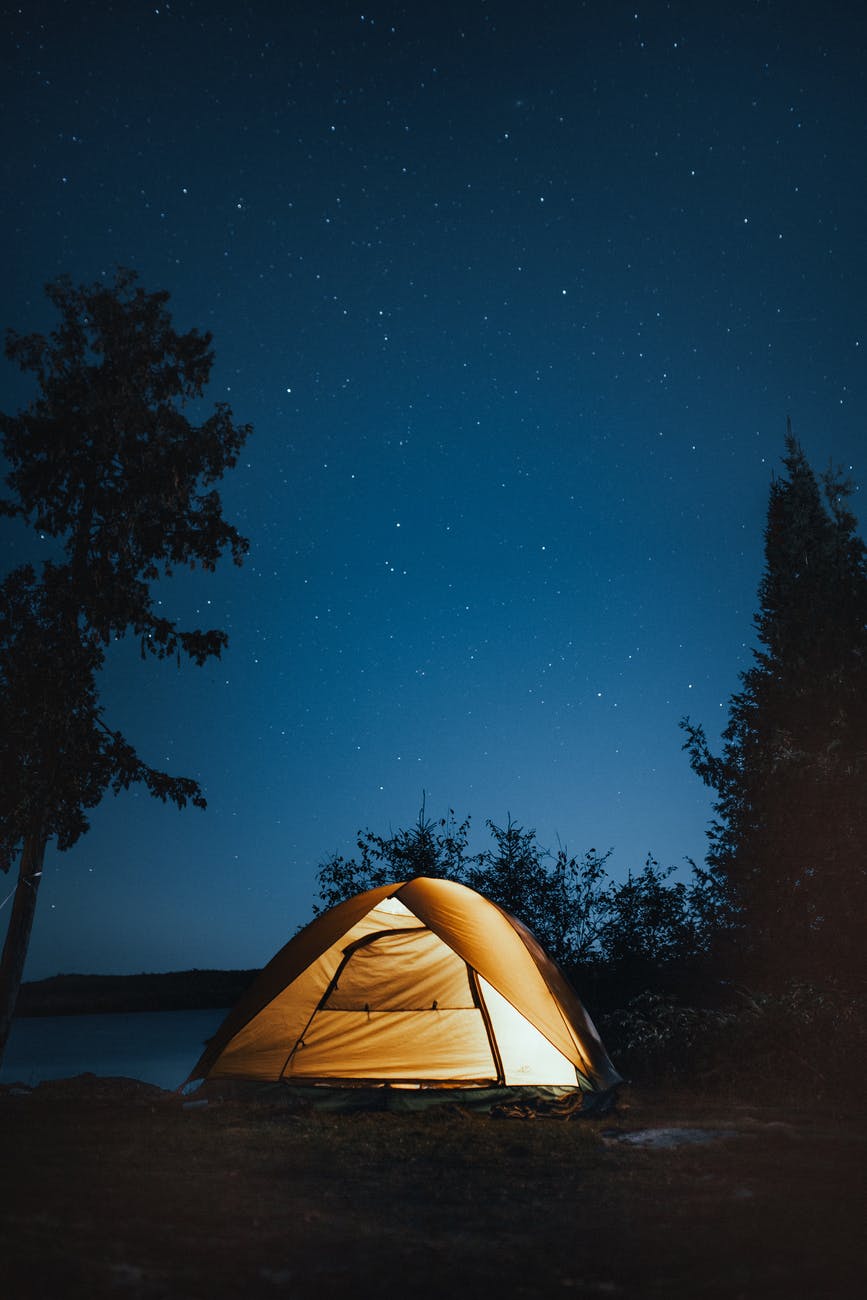
Whether you want to camp in a tent in the woods or do some glamping in a fancy cabin, Prague has all of that and more. Many of the campgrounds are along the Vltava River—the longest river in the Czech Republic—so you can fish, swim, and do some boating. Leave your bags with a Prague suitcase storage facility first for safekeeping while you have a great time outdoors. 

Photo by Josh Hild on Pexels.com

The most popular camp in the city, Oase Praha boasts 167 sites and seven cabins. The basic sites have 328 square feet without any hookups; standards include 328 square feet with electricity. The comfort sites have 328 to 492 square feet, water, and electricity. The premium sites have 558 square feet, water, and electricity.

The cabins (luxury mobile homes) have room for up to six people, with three bedrooms, a kitchen with appliances, satellite TV, a bathroom, and a shower. Onsite you can find a restaurant, playgrounds, indoor and outdoor pools, a dog park, a horse trail and horses, and pedal go-karts, and much more. Showers, dishwashers, and washing machines are also onsite.

Centrally located in Prague, its name says it all. River Camping Prague is right on the Vltava River, so you can enjoy lots of water fun. A neighboring water sport facility rents out kayaks, rafts, and canoes. The restaurant has delicious Czech cuisine, and you can order rolls to be delivered for breakfast in the morning. Pets are welcome.

Rent a bike to get to the zoo or botanical gardens just a few minutes away. The snack shop is fully stocked, many sites have fire pits or grills, and you can get wood from the reception area. Electric hookups are also available, and you can shower or wash clothes at the wash facility.

Near the river as well as the zoo, botanical garden, and Troja Palace, Autocamp Petrokova is the perfect place for those who want to be near the major attractions. They boast large sites for tents, caravans, or motor homes, with hookups for electricity and water. Pets are welcome. 

You’ll be right near a tram stop, and a bus stop where the bus can take you to the train station so you can get around to the palaces, museums, and Charles Bridge. The park provides showers, washing machines, and a kitchen for cooking. There is a private road that runs along the Vltava River where you can walk, bike, or skate. 

Whether you want to pitch a tent, park your RV, or rent a bungalow, Matyas Camp has all that and more. Fall asleep to sounds of the river just feet from your site, with a view of the hills in the background. The campground boasts clean facilities, home cooking in the restaurant, and a fun-for-all-ages pool.

Electricity and water are available, and pets are welcome. Washing machines and showers are available nearby, and you can also rent a boat or bike for your enjoyment. The kids will love the playground, swings and hammocks, fishing pier, sandbox, and table tennis while you enjoy an adult beverage at the bar

Photo by Dominika Roseclay on Pexels.com

In the middle of the Vltava River on the island of Císařská louka, under the stars across from the Vyšehrad Castle, you’ll find Caravan Park Prague. Whether you want to park a trailer or pitch a tent, there is plenty of open space to enjoy. Electricity and water are available for use as well. 

You have a variety of choices at Triocamp. Bungalows offer room for six with beds, AC, bathroom, and a kitchen. Cabins boast room for four with beds, a small fridge, heat, and dining set with 24-hour restrooms and showers. They also have a hotel with beds for up to three people, and private restrooms with showers. 

For a really unique way to camp, try the safari tents. Up to six people will enjoy two bedrooms, a kitchen, seating area, and a deck with furniture. They also have large sites for tents and RVs with electricity, restrooms with showers, and a kitchen. In addition, they have a pool, play areas, and a bistro featuring live music nights. 

Just 15 minutes from the zoo, botanical garden, and Troja Castle, Camp Dana has lots of space to park your RV, van, or pitch a tent. You will have electricity and water, as well as the use of hot showers and toilets 24 hours a day. Cook in the outdoor kitchen and shop at the camp market while the kids play on the equipment.

Enjoy the terrace and garden or watch television in the lounge area. The hotel has rooms for 2-4 people, with a seating area, shared bathrooms, and an onsite laundry. The Stromovka Park is also nearby, where they have ponds, playgrounds, and a restaurant. 

Just a few minutes from downtown Prague, Camp Džbán is right on the edge of a nature reserve with hiking, swimming, and the national forest. The campsite boasts 320 spots for RVs or tents with electricity, picnic tables, and lots of green space to enjoy. The chalets have beds for four, kitchens, and outdoor seating. 

There is a playground, tennis/badminton/volleyball courts, and a golf driving range right at the campground. No need to go anywhere else unless you really want to. The café serves meals and a wide range of drinks and beer. Showers, toilets, and washing machines are also available. 

Camping Drusus has room for 70 RVs or tents as well as eight cabins, and a guesthouse that accommodates visitors year-round. Campsites have electricity and plenty of space as well as access to showers, restrooms, kitchen facilities, and laundry. Several rooms at the guesthouse hold up to four people, and some have private baths. You can dine at the onsite restaurant, GUSTA, with its own mini-brewery for home-brewed beer.

Be sure to check with these campgrounds to see if you need reservations in advance. Also, verify the rules about pets, because some do not allow them. And don’t miss your chance to go into the city and visit the attractions like the Řepora Museum, Koněpruské Caves, and Karlštejn Castle.

Photo by Todd Trapani on Pexels.com

United Offers Direct Flights from US to Spanish Islands

By Alison Ramsey

Great news for U.S. travelers with Spanish islands on their “Places to Go” lists – this summer, United Airlines is launching direct flights from New York/Newark (EWR) to Palma de Mallorca (PMI) and Tenerife Sur (TFS). 

Royal Palace of La Almudaina in Palma, Mallorca

These seasonal flight offerings (June through September) are your opportunity to visit the Balearic Islands or Canary Islands without first stopping on the Spanish mainland. This new expansion makes United Airlines the U.S. carrier serving the largest number of destinations in Spain.

Flights to/from the Balearic Islands:

• New York/Newark – Palma de Mallorca

Flight UA236 EWR 20:55 – PMI 11:00 three flights weekly, on Tuesdays, Thursdays and Sundays

• Palma de Mallorca – New York/Newark

Flight UA237 PMI 12:55 – EWR 16:10 three flights weekly, on Wednesdays, Fridays, and Mondays

Flights to/from the Canary Islands:

• New York/Newark – Tenerife South

Flight UA248 EWR 21:50 – TFS 09:55 three flights weekly, on Mondays, Thursdays, and Saturdays

• Tenerife South – New York/Newark

Flight UA249 TFS 12:00 – EWR 14:55 three flights weekly, on Tuesdays, Fridays, and Sundays

Stay tuned for fresh travel stories about Mallorca and Menorca – coming soon!

Rent an Apartment in Italy

By Phyllis Schweikle
Photos courtesy the Italian Government Tourist Board NA

It is said that 65% of the world’s art treasures are in Italy, and 50% of those are in Florence. Five of us wanted to stay there for a full month, so hotels were too costly, and any pensione were too “rustic” (I’m finished with group sharing of bathrooms).

I made a list of our basic needs: old Florence neighborhood, quiet, four bedrooms, three baths, a well-stocked kitchen for my chef husband, air conditioning and a washing machine.

Then I entered “apartment rentals Florence Italy” in my computer search engine. Pages appeared with links to user-friendly websites for every size apartment, location and price, often with neighborhood maps. Historic Florence is not large, but if your interests lie near San Marco, then San Spirito may not be the neighborhood for you, unless you really like to walk a lot.

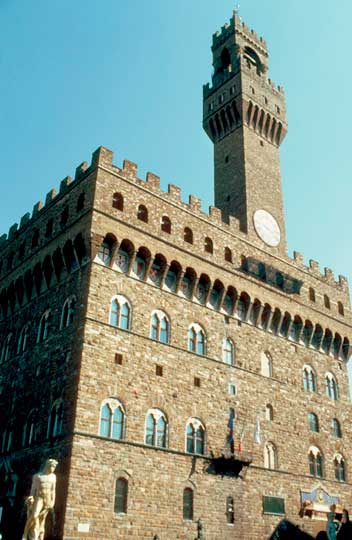
That year we found a wonderful apartment on via del Corno, behind the Palazzo Vecchio. While affordability motivated us to rent, we came away with so much more from our experience that today renting is our favorite option wherever we plan a stay of six days or more. Rent and you become what the Italians call famigliari — “familiars,” recognized and greeted by the fruit and vegetable guy, the baker, the butcher. You become absorbed into the fabric of your temporary neighborhood. Today at Ristorante Buzzino, where we often regrouped that first year, we embrace and are embraced, welcomed home on annual visits.

In major tourist areas, most Italians speak English, so if language is not your gift, you will be fine (always carry a light weight dictionary). But think about it… you are moving into a neighborhood, so why not learn some basic pronunciation rules and a few simple phrases? You will be amazed at the response to your effort. Check out the website “CyberItalian” and see if this interactive language learning tool appeals to you (for a $25/year membership you have so much to gain and comparatively nothing to lose).

We have learned a few things from renting six different apartments (five in Florence, ranging in size from studio to four bedrooms, and a two bedroom in Rome). Here are a few thoughts to consider:

1) Rates depend on a number of factors, but Italians are pragmatic, so don’t be afraid to negotiate respectfully if you plan to rent for three weeks or more. Owners are willing to reduce rates rather than leave a unit vacant.

2) Study the photos of every room. In my experience searching for six different apartments, online photos are reliable. So that ‘fish-eye‘ picture you see really does reveal the struggle to showcase a small space (which may be fine for you). If you find an interesting description with a photo of the terrace, request photos of all the rooms. There may be nothing wrong, but I’m just saying…

3) Italians are used to living in much less space per person than Americans. An apartment listing for 3 to 4 persons may have one bedroom for two, and a full size sofa bed in the living room, and/or a daybed in your bedroom to accommodate someone. If that’s okay with you, then go for it.

4) “T” stands for “Terra” which means Ground Floor. In Italy, the 1st Floor (Primo Piano) is one flight up, so unless you are young or athletic, you may want to eliminate any apartment without an elevator which is above the 2nd floor . Remember you will be carrying suitcases filled with necessities on arrival, and treasures when you leave, daily groceries, that famous bottled effervescent water, and your tired self up those steps at least once a day.

Our second apartment was a penthouse with a terrace and wonderful views. It belonged to an artist whose lovely artworks and subtle personal touches made us feel instantly at home. I was entranced by the interior photos, and though the description said ‘4th floor walk-up’, we were in very good shape. After all, I had walked all 60 miles of the Breast Cancer 3-Day that year. A few steps weren’t going to be a deal-breaker! Unfortunately, Tony and I both caught the flu at a language school we were attending. Every day for three weeks, two in health and one in illness, at least once a day, I’d find myself sitting on that 65th stair, surrounded by books, or groceries, and that water, staring exhaustedly up at the final 70th step with its terrace gate like a pilgrim outside the pearly gates.

5) Arrival can be a bit overwhelming, but ask how to use the washing machine and the oven (your dictionary should have a conversion table for weights and temperatures). Most important: be sure to ask where your electric box is. In one apartment we lost power repeatedly until the owner explained we needed to turn off the water heater in the bathroom before heating the oven. Italian electric flow is not like ours. Your daughter cannot dry her hair while you wash clothes, and your husband watches the news in air conditioning. In Italy, the circuits will blow. Ask where the switchbox is located. Then, when it happens, you can turn the power back on and choose where to reduce your draw. Trust me.

7) I assume there are clothes driers at the lavanderia (laundromat), but I have never seen one in an apartment or home. An Italian drier is the sun and breeze, and rain is an extra rinse cycle. In city apartments without terraces, you will find a drying rack in a closet along with clothespins, but be sure to check outside your windows…another clothes line could be there. You will also find an ironing board and iron. Italians iron everything. Washers do not hold a large number of articles, and take a long time to cycle. I would not recommend washing jeans within 48 hours of departure unless you plan to wear them damp.

Anais Nin wrote “Life shrinks or expands in proportion to one’s courage.” May your adventures be joyous, your courage rewarded, your view expanded.

Rail Europe: Trendsetter for Land Transportation

By Don Heimburger

In terms of speed, comfort, travel connections and schedules, frequency and rail facilities, the countries served by Rail Europe offer travelers the best land transportation by almost any standards.

With Rail Europe’s newly-designed website now up and running, we interviewed both Frederick Buhr, vice president of eBusiness for Rail Europe and Samina Sabir, public relations manager for Rail Europe.

The European trains of today already seem miles ahead of what the U.S.– or most other countries — offer in terms of speed, comfort and on-time reliability. Would you agree with that assessment, and expound on the differences you see between European rails and those of other countries.
The Swiss Federal Railways and French National Railroads are investing a great amount of public and private funds into a new hi-speed rail infrastructure which has resulted in a faster and more efficient form of train travel in Europe. Due to a high volume of travelers who use the European train network, there is a high frequency of train service that results in greater efficiency and punctuality. Train travel in Europe also allows people to seamlessly travel on multiple rail networks as European countries work together on public transportation. Rail Europe allows travelers to purchase train passes without restrictions that allows them to travel throughout the European continent.

If you could ride any European train for fun, which one would it be and why?
The Chocolate Train in Switzerland. This involves a roundtrip panoramic train journey from Montreux in the Swiss Riviera to Gruyères, home of the Gruyères cheeses, and then onto the Nestle chocolate factory where chocolate sampling is included. The Chocolate Train is included in the price of a Swiss pass.

Name some important upcoming routes where you expect dramatic changes in terms of service, speed or new equipment.
The TGV East in France now allows travelers to ride from Paris to the eastern regions of France faster and more conveniently than ever before. A route growing in popularity is the Paris/Reims journey–in just 45 minutes travelers are transported from the heart of Paris to the heart of the Champagne region.

The Spanish AVE train travels at speeds of 300 km/hour (186 mph) and covers the distance of 550 km (342 miles) between Madrid and Barcelona in less than 3 hours (travel time was previously 4 hours). New high-speed lines have also reduced travel times between Madrid and Valladolid; the journey, which previously took 2 hours, 30 minutes, now takes only 55 minutes. And what was a four-hour journey from Madrid to Málaga, now takes only 2 hours, 30 minutes. The city of Zaragoza is on the Madrid/Barcelona AVE line (1 hour, 18 minutes from Madrid, 1 hour, 29 minutes from Barcelona) and this is expected to be an emerging destination in Spain.

The Thalys train takes just 1 hour, 22 minutes to go from downtown Paris to Brussels, most of the journey made at 186 mph. By 2009, all Thalys tracks will be high-speed, and travel times Paris-Amsterdam (currently 4 hrs 11 min.) and Paris-Cologne (presently 3 hrs 50 min) will be cut to 3 hrs 9 min and 2 hrs 50 min, respectively. Up to 27 trains travel between Paris and Brussels in each direction daily, making the service convenient as well as fast.

In 10-15 years, how will the European rail travel scene have changed?
At Rail Europe we believe that the developments in high-speed rail and the investments being made to continue to develop the rail networks of Europe will make Europe more easily and quickly accessible to all travelers. Day trips from the major cities to smaller towns and villages connected by train will become more popular.

European train travel also offers the time-saving benefit of bringing travelers right into the city center, eliminating the need for airport/city transfers. It is expected that this convenience, along with a growing awareness that trains are an eco-friendly way to travel, will continue to influence a shift from air traffic to rail.

What is the fastest train right now on Rail Europe tracks?
The TGV in France runs at speeds of up to 200 mph and currently holds the world record for the fastest train.

For a first-time rail traveler in Europe, what can they expect when traveling on, say, an ICE train, the Eurostar and a regional train?
All German Inter City Express (ICE) trains connect all the major German cities such as Frankfurt, Hamburg, Stuttgart, Munich, Cologne and Berlin. All trains feature comfortable amenities and cutting-edge services, including reclining seats with built-in tables and video screens, an integral audio system, notebook and laptop connections, as well as cellular-friendly zones that allow for undisturbed service.

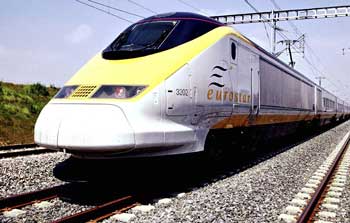
Eurostar takes you seamlessly from city center to city center within Belgium, France and the UK, as well as provides connecting services to more than 100 destinations. Business Premier class, which is the highest level of service, offers reclining seats and power outlets at each seat giving business passengers the freedom to work in comfortable surroundings. It also offers a choice of full service “at-seat” dining with champagne and wine and an “Express Breakfast” option. All 1st class cars for Leisure passengers offer comfortable seating, complimentary magazines/newspapers and the “at-seat” dining includes wine and hot and cold refreshments.

Regional trains are not high-speed trains and make more stops at more stations along the journey. At least one regional train journey is advisable, especially for the first time leisure traveler; it is a very real experience and has a certain air of romance to it. Buffet cars are available on most regional trains and offer sandwiches or hot and cold snacks.

Let’s say I wanted to fly to Frankfort and then travel by train to Passau and on to Vienna. What kind of travel times and service for this route would I find on your new website?
You can choose a train which connects in Wein (Vienna) or choose the fastest train which is direct from Passau to Vienna – see example below:

TRAIN 21Fastest

10:33AM
Passau Hbf,
Germany
1:22PM
Wien Westbahnhof,
Austria
2 hr 49 min

I’ve heard there are a number of “Scenic Trains” available for shorter, fun excursions. Which ones are most popular and why?
One very popular scenic train is The Glacier Express that connects the world-famous resorts of St. Moritz and Zermatt. Rail Europe offers a Glacier Express Tour which includes a Swiss Card with three transfers of rail travel, two nights accommodation in 3-star hotels (w/breakfast) and one night each in Zermatt and St. Moritz.

RAILTEAM AFFORDS ‘SEAMLESS’ TRAVEL

According to Buhr, Railteam (www.railteam.eu), a new venture, will make traveling on the European rail network easier and more seamless. Buhr says it will help “shrink Europe.”

It is a collaboration between Europe’s leading high-speed rail operators, currently DB (Germany), SNCF (France), Eurostar UK LTD (UK), NS Hispeed (Netherlands), ÖBB (Austria), SBB (Switzerland) and SNCB (Belgium), as well as their high-speed subsidiaries Thalys, Lyria and the DB/SNCF cooperation between France and Germany, with more train operators possibly joining in the future.

Access to the Railteam network is easy with interconnections at city center stations and Ffst local transfer services to and from departure points.

Unlike airports, when you travel with Railteam there are no lengthy boarding procedures, which means no lines. Swiftly on-board and settled in your reserved seat, travelers are able to work on their laptops, read, eat or relax.

Buhr also says that the European Union supplies large amounts of money to help the high-speed rail infrastructure budget for Europe, which allows more construction of new trackage and rail facilities throughout the continent.

Buhr is interested in hearing from passengers about how the new Rail Europe website works for them.

Fred Buhr, Vice President eBusiness, Rail Europe

Fred Buhr began his career with Rail Europe in 2000 to start up EuroVacations.com, the online one-stop shop for European vacation packages. In 2003 he became Rail Europe’s Director of Online Marketing, where he initiated the SEM and SEO strategies to grow market share. He currently holds the position of Vice President eBusiness and is in charge of eCommerce and online marketing. Fred was involved in leading a project dedicated to creating the newest version of the company’s website, RailEurope.com. He has extensive experience in the online travel industry and was responsible along with a business partner for creating one of the first full-service online agencies in Europe. Educated in Strasbourg, France, Fred also attended the Paris Business School where he earned a degree in International Business Relations.

Samina Sabir was educated in Ireland, and began her career in the retail/fashion industry. She joined Rail Europe in 1993, working in the Sales Department dealing specifically with Rail Europe National Accounts. In 2008 she became public relations manager for Rail Europ

Spain Is Hot

Let’s go, amigos!

Map of Spain by Tourizm Maps © 2006

By Barbara Gibbs Ostmann
Photos by the author

Costa Blanca … Costa Daurada … the mere words conjure up images of warmth, sand and sunshine, just the antidote to chilly North American winter weather. Now is the time to head to the Mediterranean coast of Spain, where the weather is already warm. Going in the spring or fall offers great weather along with fewer tourists and lower, shoulder-season prices.

Spain is hot, hot, hot right now — from cuisine to fashion. Let’s go, amigos!

MAGICAL MADRID

Most flights from the United States fly into Madrid, and then connect to coastal cities such as Valencia or Barcelona. (Fly Iberian Airlines to get yourself into the Spanish state of mind.) Allow a few days for a Madrid sojourn before heading to the coast. The capital city is beautiful, packed with museums, great restaurants and many things to see and do.

The Gran Hotel Canarias Madrid makes a great home base. It is right in the center of town, across from the recently expanded Prado Museum and next to the Thyssen Museum.

Dining is a great pastime in Madrid, and Plaza Mayor is a good place to start. The area around the plaza is loaded with restaurants, such as Casa Botin, famous for its Castilian specialties and its listing in the Guinness Book of Records as the oldest restaurant in the world (circa 1725). Plaza Santa Ana, a short walk from the hotel and many museums, is home to lively tapas bars and wine bars. Near the Royal Palace, try the Café de Oriente. At the Thyssen Museum, dine in the terrace garden of the museum restaurant. For a simple and fun meal, check out the Museo del Jamon (Ham Museum), a chain of deli-cafes where you can see hanging hams, have a glass of sherry and a plate of sliced ham.

Hotel El Montiboli is perched on the Costa Blanca on the Mediterranean coast.
The central market of Alicante is in the heart of the city.

THE COSTA BLANCA

Tearing yourself away from Madrid, hop a plane or train and head to Alicante to begin your coastal voyage, then work your way northward along the coast to Barcelona, with as many stops along the way as your schedule will allow (or start in Barcelona and head south). Travel by rental car, plane or train, according to your preference and budget.

Alicante is on the Costa Blanca, or White Coast, and its beaches are spectacular. But there’s much more to do than lie on the sand and soak up the rays. Whether you take a guided city tour or wander on your own, don’t miss the imposing Santa Barbara Castle, which towers 500 feet above the city center, with panoramic views of the city below and the Mediterranean Sea. Early risers will enjoy the traditional covered market, the Mercado Centrale, bustling with vendors. Enjoy dinner at La Taberna del Gourmet or Nou Manolin.

A good base for exploring this area is the Hotel Hospes Amerigo, a beautifully renovated convent in the heart of Alicante. While the exterior is historic, the interior is ultra modern and comfortable.

Nearby towns include Elche and Villajoyosa, each worth a visit. In Elche, a majestic date palm grove with 600,000 trees, planted by the Phoenicians and later cultivated by the Moors, will take your breath away. Palm fronds from these trees are used for Palm Sunday celebrations throughout Spain. The grove itself is a UNESCO World Heritage Site. Take time to visit the Basilica of Santa Maria, the Huerto del Cura Botanic Gardens and the Archaeological Museum. Enjoy lunch (paella, anyone?) at Els Capellans Restaurant in the peaceful and beautiful surroundings of Hotel Huerto del Cura.

The picturesque fishing port of Villajoyosa is a major center of Spain’s chocolate production. A must stop is the Valor Chocolate Factory and the Chocolate Museum. You’ll want to stock up on Valor chocolate for gifts for the folks back home. For a scenic lunch stop, try the luxurious Hotel El Montiboli, perched on a cliff overlooking the Mediterranean. The dining room is wrapped in windows, with a view as divine as the food.

Elaborate chocolate sculpture at the Valor Chocolate Museum.
The likeness of the Lady of Elche is found all over town, from floral representations to fountains to sculptures.

VIVACIOUS VALENCIA

Next stop: Valencia, one of the most exciting cities in Europe, with its cosmopolitan mixture of old and new, tradition and trendiness, sophistication and casualness. The Hotel Astoria Palace, in the heart of the Old Quarter, is a great place to call home in Valencia.

Begin your visit with a walking tour of the historic Old Quarter, with the Central Market, fascinating La Lonja Silk Exchange, unique Lace Market, Plaza Redonda and the beautiful St. Mary’s cathedral with its legendary Holy Chalice, believed to be the chalice used by Jesus Christ at the Last Supper.

For a complete change of pace, head to the ultra-modern City of Arts and Sciences, a museum where the building and grounds are as spectacular as what is inside. Other good choices include the Fine Arts Museum, Valencian Institute of Modern Art or the National Ceramics Museum.

Be sure to visit the bustling, revitalized port area, home of the 32nd America’s Cup competition in 2007, and future home of the 33rd America’s Cup in 2009. There will be a pre-regatta in July 2008.

If you like being next to the water, you might opt to stay at the new and beautiful Hotel Las Arenas, with its lush gardens and stunning pavilions overlooking the sea. Indulge in its luxurious spa, or dine in the elegant Restaurante Sorolla.

(left to right) The central market at Valencia is always bustling.; The National Ceramics Museum in Valencia has a remarkable exterior.; The ultra-modern City of Arts and Sciences is a must-see in Valencia.


For food to fuel your sightseeing, consider a stop for fideua, a paella made with noodles instead of rice, at Restaurante Submarino in the Oceanografico, or sample tapas at one of the many restaurants in the Old Quarter.

Be sure to try horchata, the artisanal beverage for which Valencia is known. A great place to get the real thing is in the suburb of Alboraya, where the chufa (tiger nut), the key ingredient in horchata, grows. The Horchateria Daniel serves a delicious horchata with the traditional accompaniment of freshly baked pastries.

For a charming outing and an authentic heartland paella, head out of town to the Albufhera, where you can take a boat ride through the shallow freshwater lagoon, a natural park known for many species of birds and fish, and visit a barraca, a traditional fisherman’s hut near the rice paddies and orange groves. La Matandeta is a rural farmhouse restaurant where the paella is cooked over firewood in a huge pan.

Paella is cooked in a huge pan over a wood fire at La Matandeta restaurant in the Albufhera area.
Local women make lace in the time-honored fashion in the center of the round plaza that houses Valencia’s Lace Market.

FROM HISTORIC CASTLE TO MODERN SPA

For a historic stop on your route north, make a slight detour to the medieval town of Tortosa and spend the night in the charming Castillo de la Zuda Parador, a 10th-century castle. Be sure to get there in time to wander the streets of this picturesque village and explore the castle itself. For dinner, sample regional specialties in the parador’s restaurant.

(clockwise) The convent garden is an oasis of peace within the bustling city of Tarragona.; Exquisite Roman mosaics are preserved in museums in Tarragona.; The Le Meridien Ra Beach Hotel and Spa in El Vendrell must be seen and experienced to be believed.

After a long day at sea, fishermen still have work to do, mending their nets. These are at the port of Tarragona.


Heading on to the Costa Daurada (Golden Coast), stop in the town of El Vendrell and spend a night –- or two or three -– at the ultra-modern and ultra-luxe Le Meridien Ra Beach Hotel and Spa. Splurge for spa treatments, such as the chocolate massage. Enjoy the beach, or play in one of the pools. Be sure to dine at least once in the hotel’s La Vinya del Penedes restaurant.

ROMAN ECHOES IN TARRAGONA

The next stop on your northward route is Tarragona, an ancient Roman city with layer upon layer of ruins, designated a World Heritage Site by UNESCO. Be sure to take a guided tour of the old town so you can understand the many layers of history upon which Tarragona is built. Each spring the town celebrates its heritage with Tarraco Viva, a Roman festival and games.

Visit Tarragona’s port and see the fishing boats arrive in the late afternoon. Watch the fisherman as they auction their fish and mend their nets. For a traditional mariner’s menu, dine in the seaside Restaurante La Puda and sample Tarragona’s famous Romesco sauce. Or, savor authentic tapas at Restaurante La Nau, tucked away on Calle La Nau in the old town.

BEAUTIFUL BARCELONA

The final stop (or the first, if you travel in the opposite direction), is Barcelona, the jewel of Catalonia. It would take another entire article to do justice to the wonders of Barcelona and its environs. Check with the local tourist office for maps and current events, then head out to see the sites. The celebrated architectural marvels of Antoni Gaudi are a must, and you’ll see them in many places throughout the city. Be sure to climb the steep towers of the iconic Sagrada Familia, or temple of the Sacred Family, for an up close and personal look at this architectural wonder.

While wandering along La Rambla through the heart of the city, duck into La Boqueria market, the largest in all of Spain. After whetting your appetite in the market, you might want to sign up for a cooking class at the Hofmann Escuela de Hosteleria (Hofmann Hospitality School) to learn how to cook Catalan specialties.

The Hotel Catalonia Berna is a great location for the hub of your explorations, within walking distance of many sites and close to the subway for longer trips.

A side trip to the Black Madonna Shrine of Montserrat, perched impossibly upon the steep mountains outside of Barcelona, is a must.

For more information about Spain, contact the Tourist Office of Spain in New York (212-265-8822); Miami (305-358-1992); Chicago (312-642-1992) or Los Angeles (323-658-7188) or go to www.spain.info.