Discover Nürnberg’s Many Medieval Layers

Story and Photos by Alison Ramsey

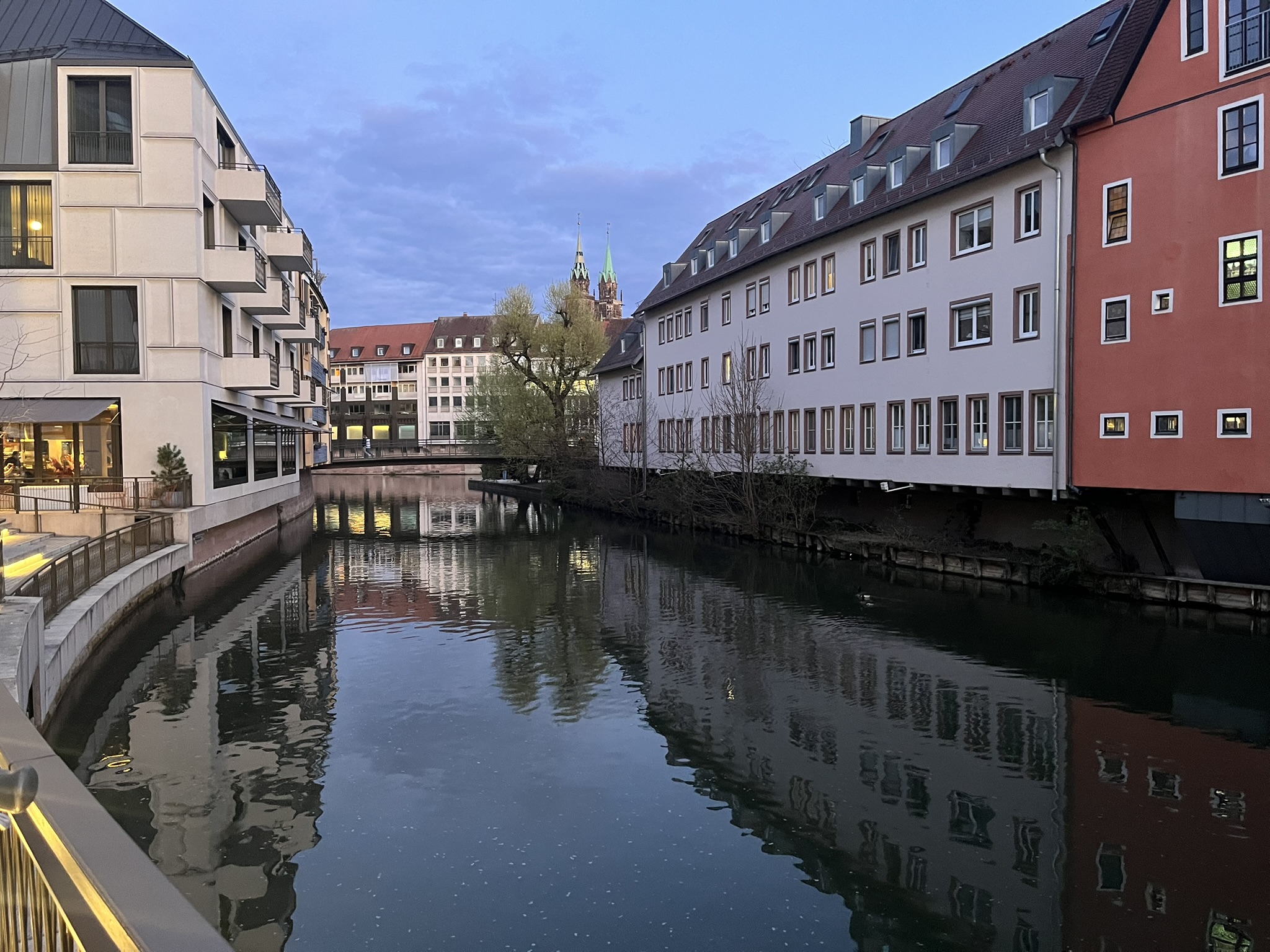
Nürnberg, Germany, is full of rich medieval history, with plenty of myths and mystery. The largest city in the northern region of Bavaria, often referred to as the unofficial capital of Franconia, Nürnberg displays a unique Franconian identity in terms of its culture, architecture, cuisine, and historical political structures. Explore all angles and layers of the city to learn more about what makes Nürnberg unique.

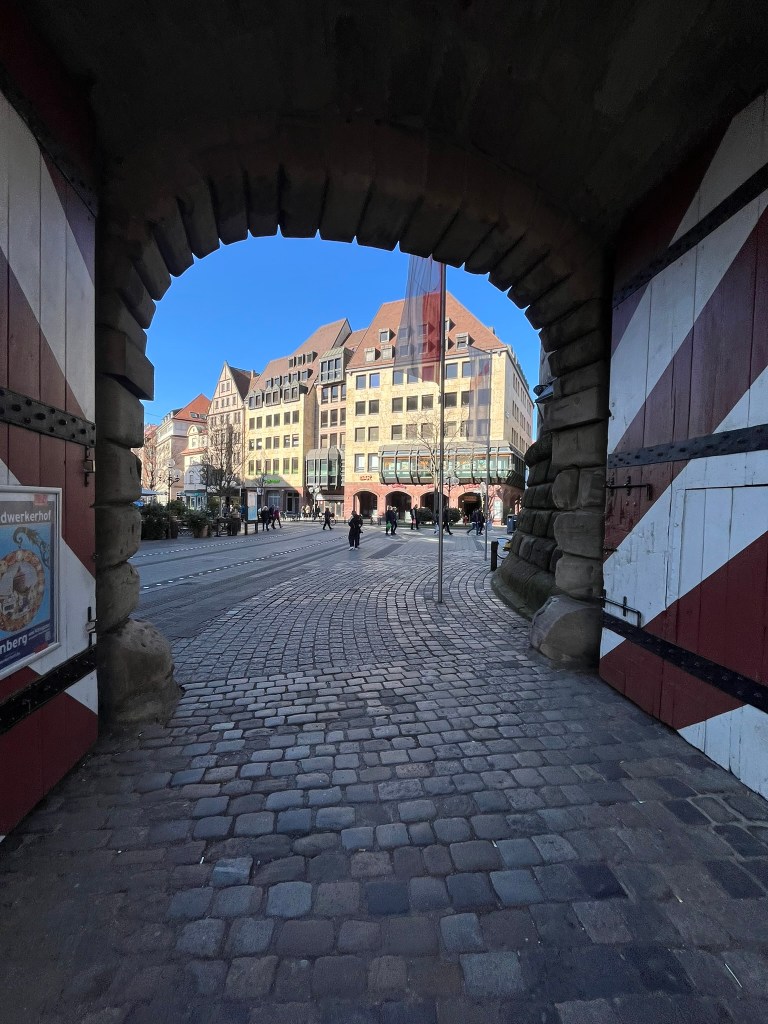
Nürnberg is easily entered through the Frauentorturm, directly across from the city’s main train station.

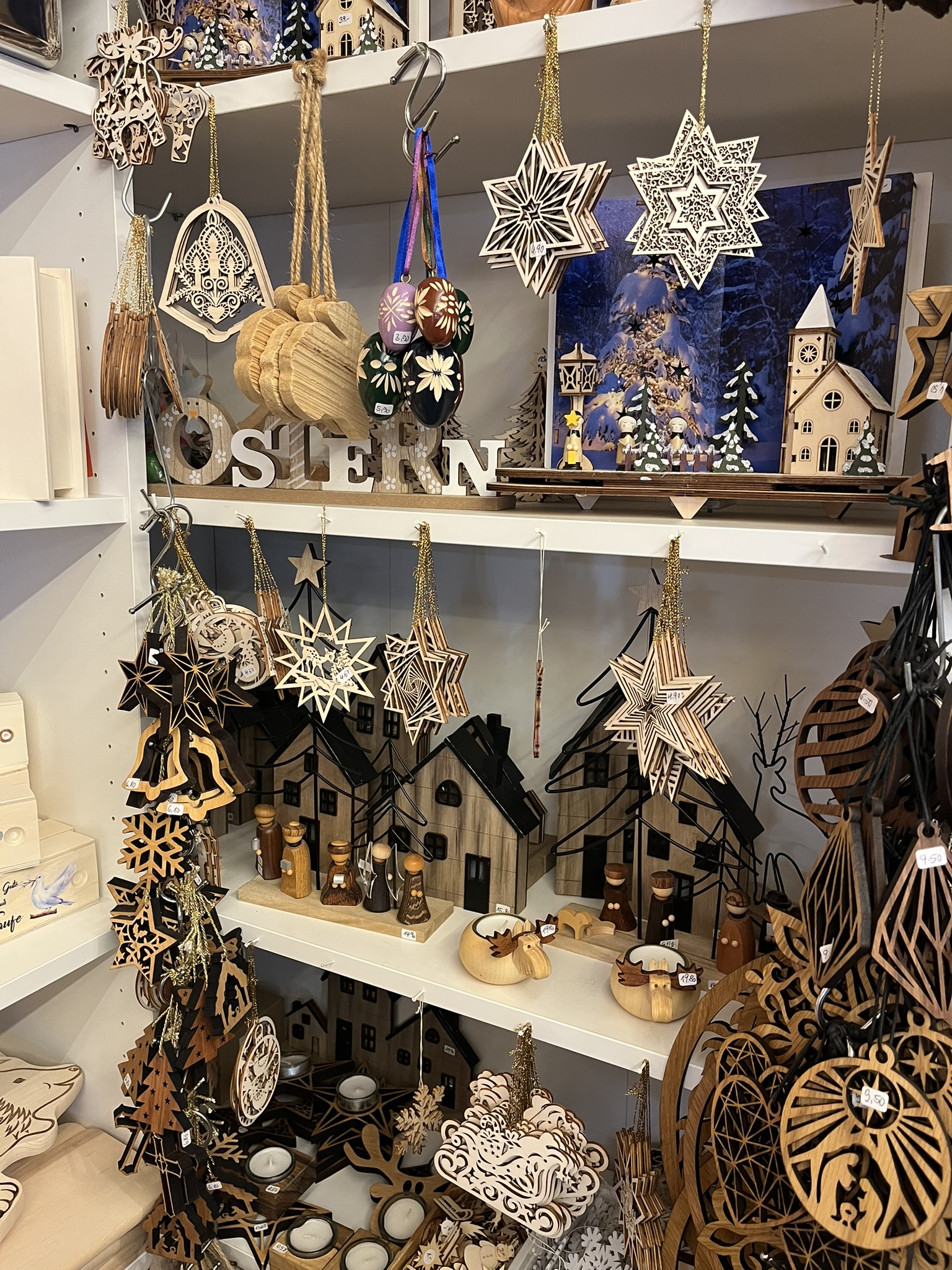
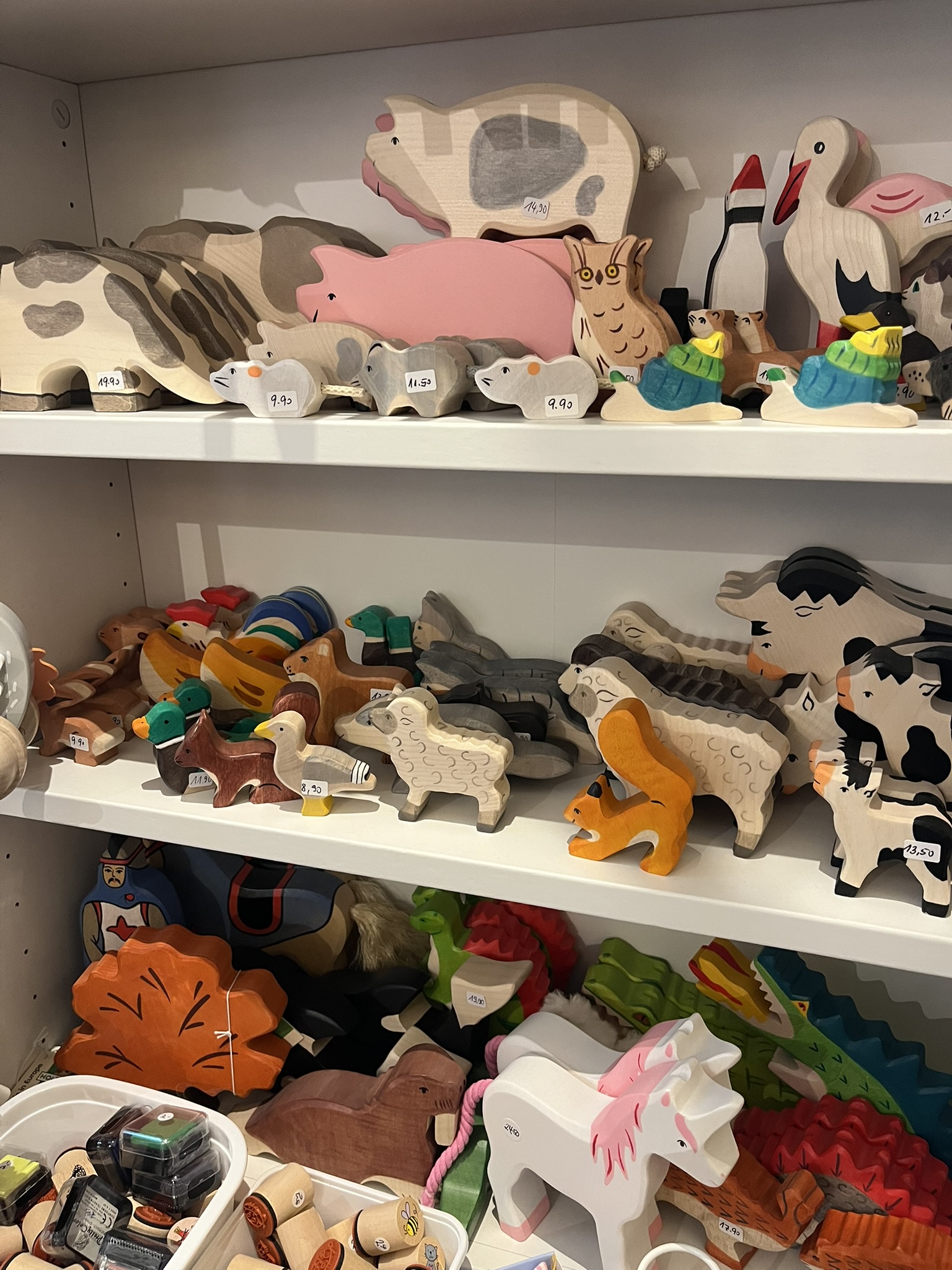
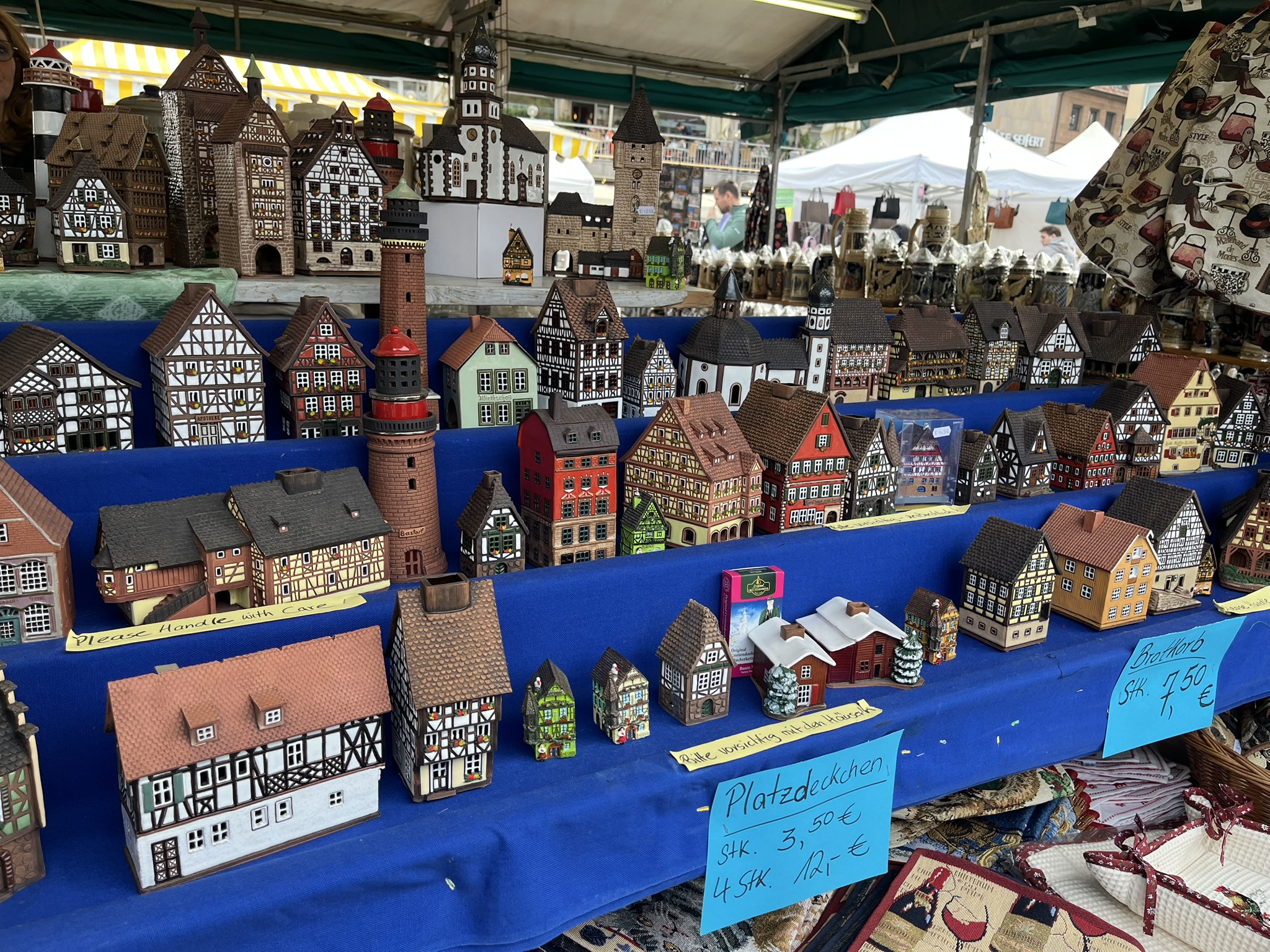
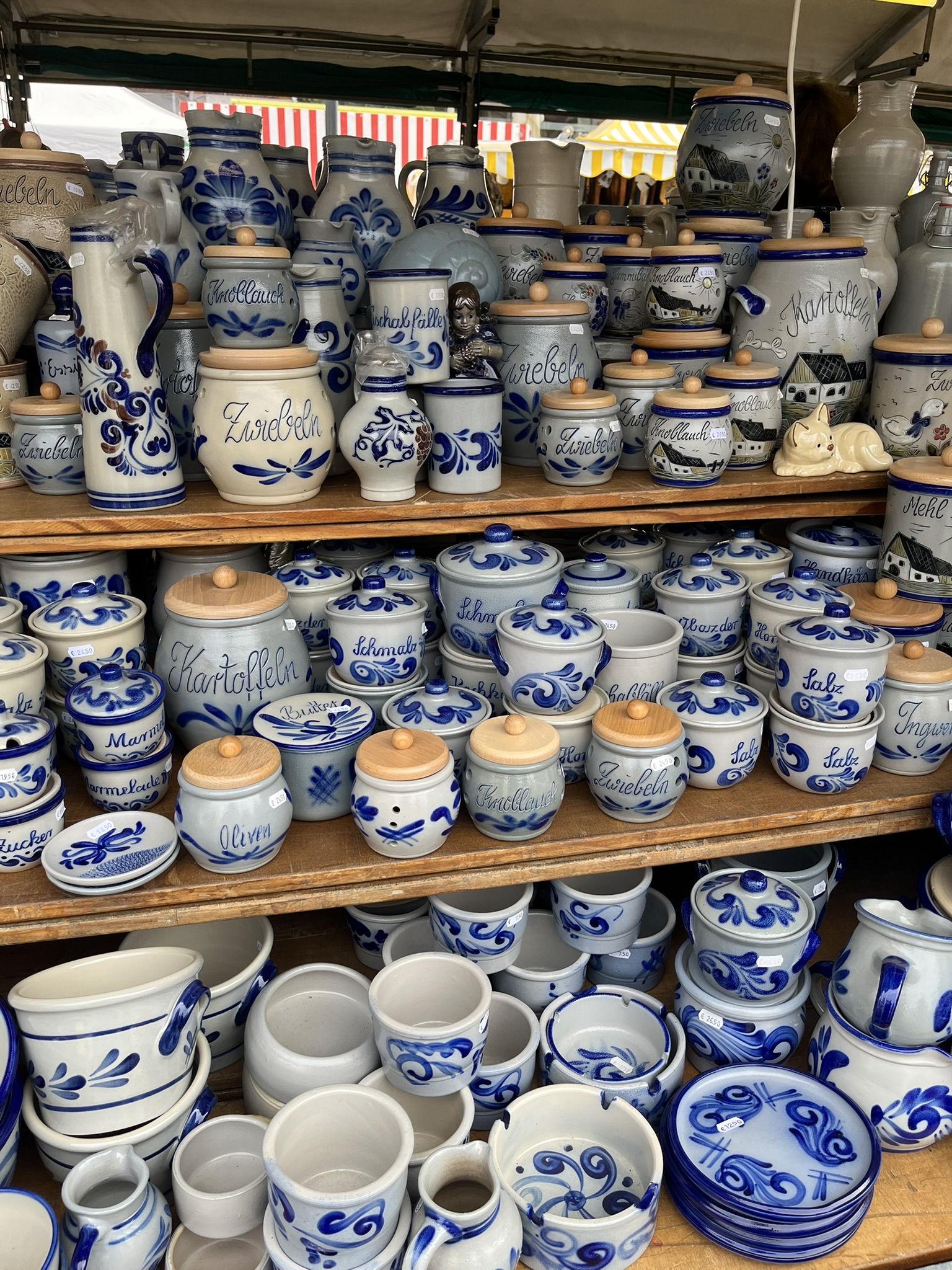
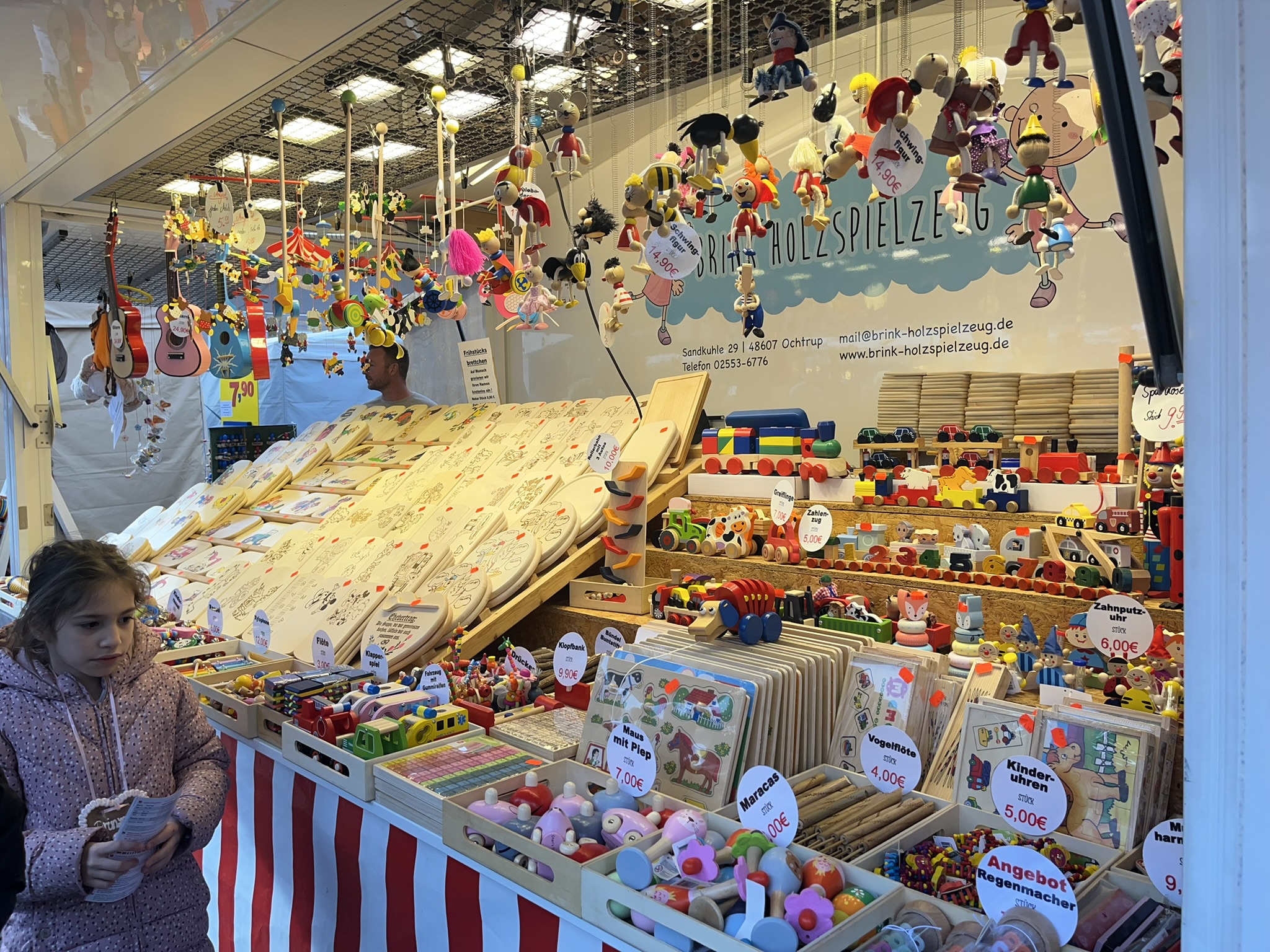
Enter the city through the base of the Frauentorturm (Women’s Gate Tower), and you’ll immediately find the first attraction in the initial interior lining. Craftsmen’s Courtyard is a collection of cottage industries behind the thick city wall, where small half-timbered workshops are labeled with antique signs and ornate metal fittings. Craftworkers here create pottery, glassware, candles, jewelry, leatherwork, and wooden wares. These traditional and unique gifts handmade by local artisans include leather bracelets, wallets, belts; carved wooden animals, toys, keychains, hand-carved pens, cutting boards, and kitchen utensils. Set amongst colorful flowering plants and bright-potted greenery, cafes and restaurants in this idyllic city segment serve tasty snacks, cakes, and invigorating coffee drinks.
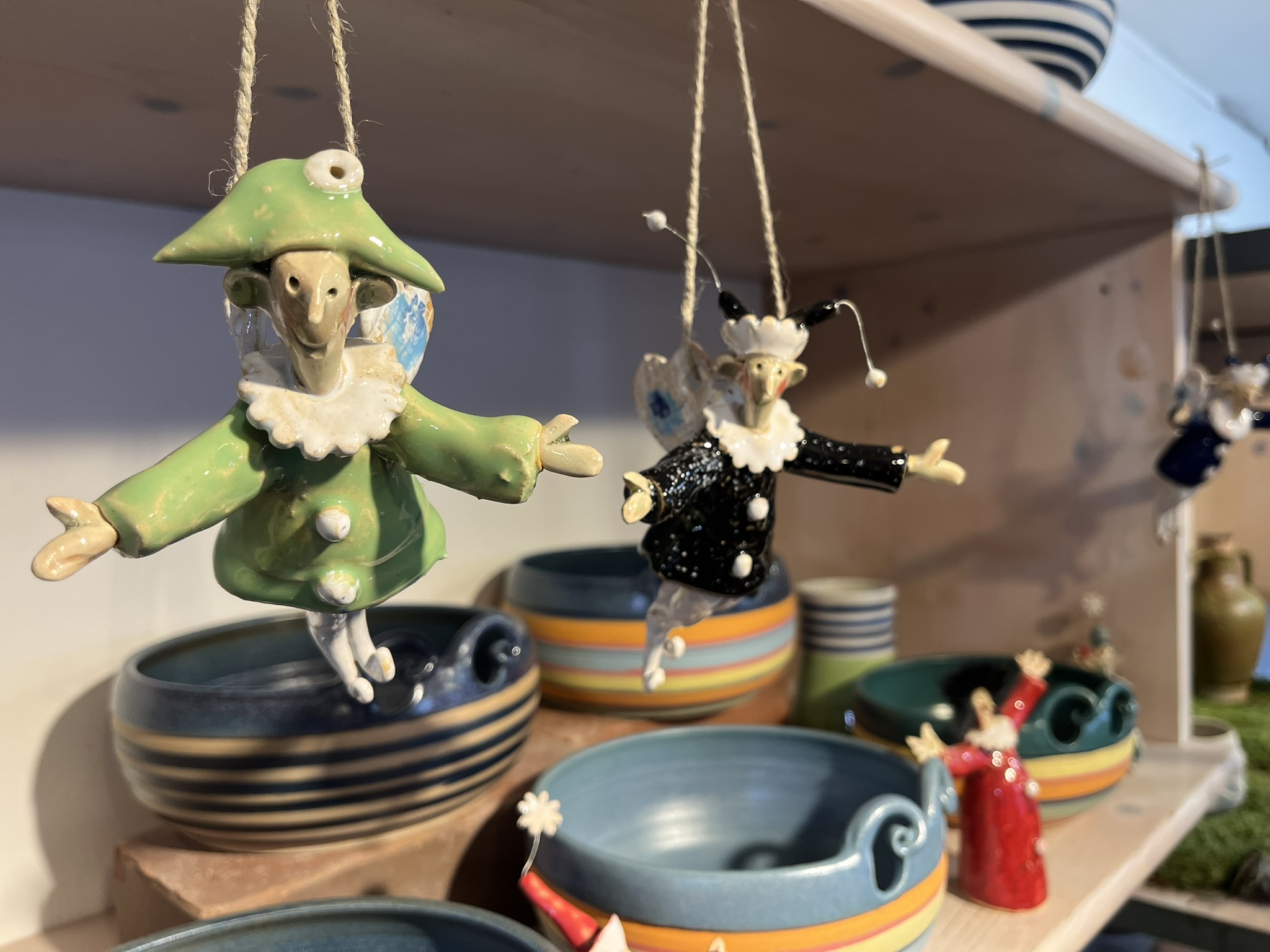
Handcrafted gifts and homemade treats await in the Craftsmen’s Courtyard.

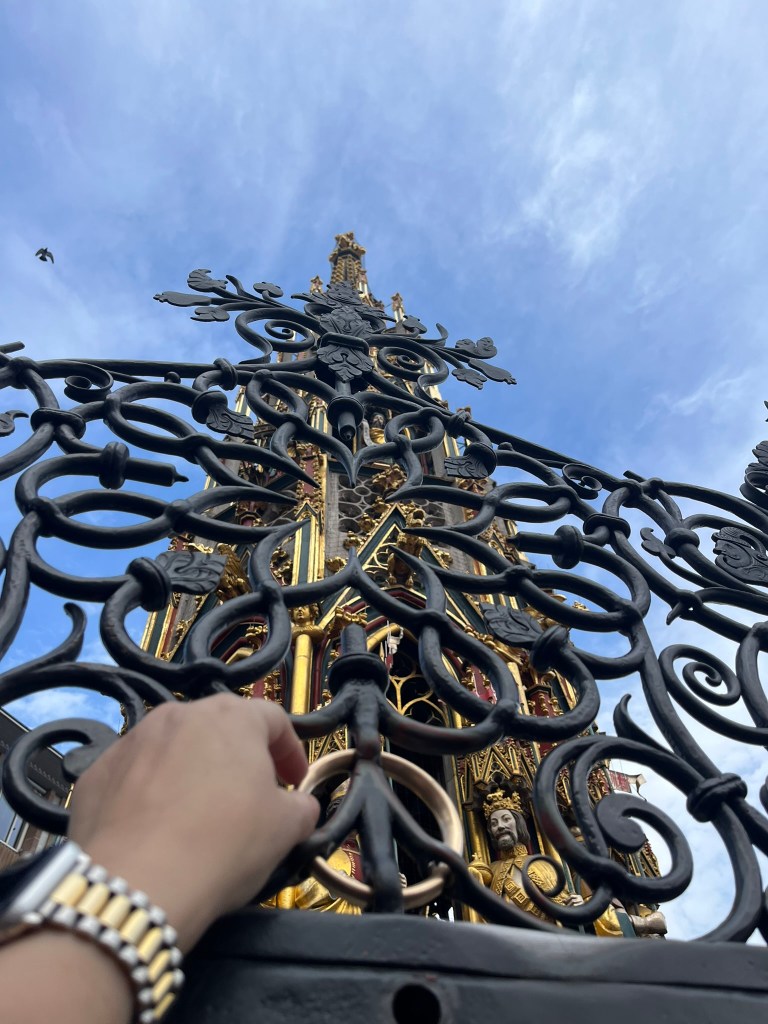
The Old Town’s Hauptmarkt (main market square) holds the famous Schöner Brunnen (Beautiful Fountain), an intricate 14th century 62-foot-high Gothic structure encircled by a metal railing. Forty stone figures on four of the piece’s many tiers represent the world’s varied beliefs and philosophical ideas about the Holy Roman Empire during the medieval period—in the form of church and secular leaders, evangelists, prophets, philosophers, and biblical characters. Set within the intricate railing design is a small golden ring, and legend dictates that turning this shiny brass ring three times fulfills wishes and brings good luck.  

Turn the Beautiful Fountain’s brass ring three times to make your wish come true!

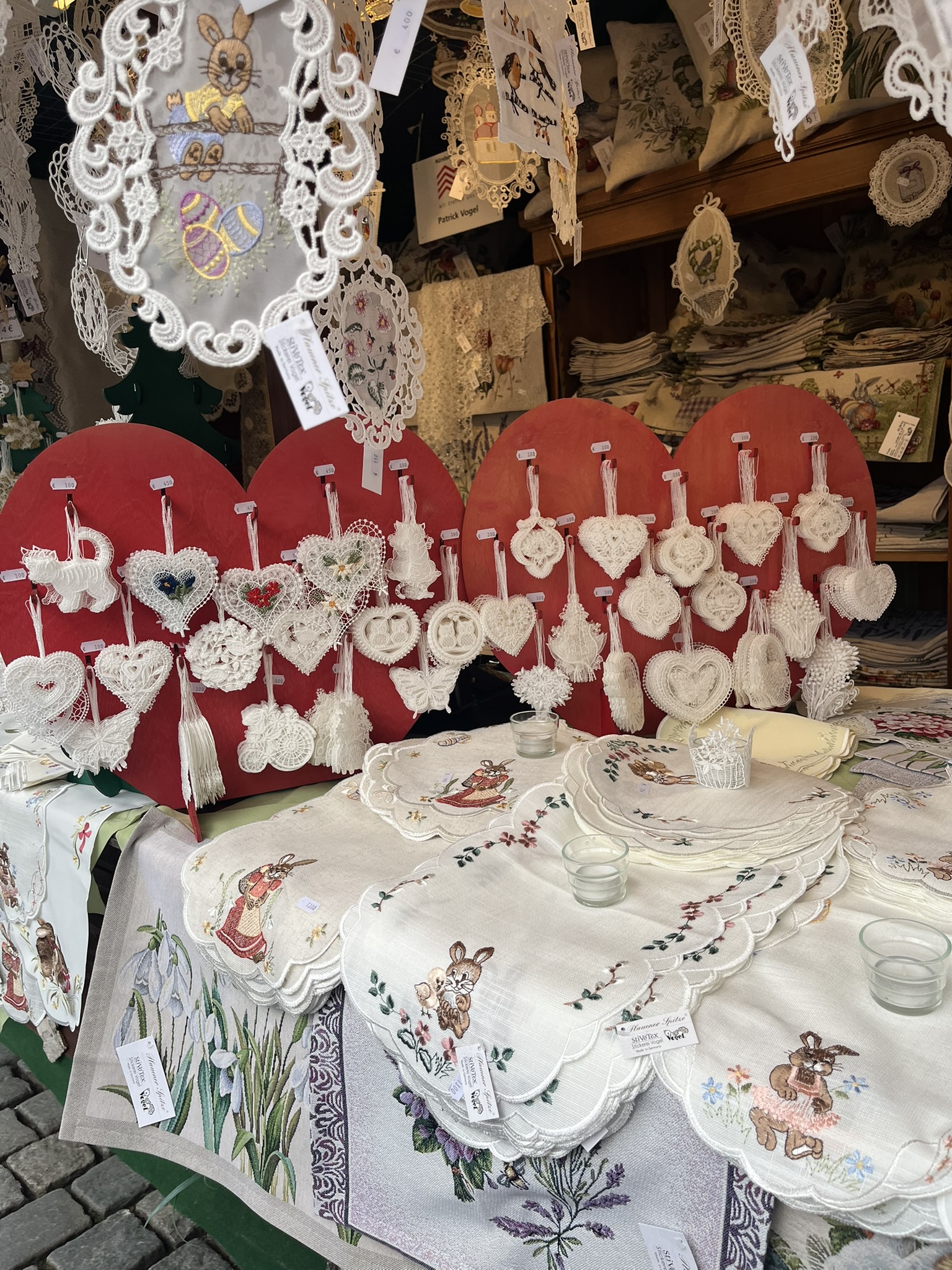
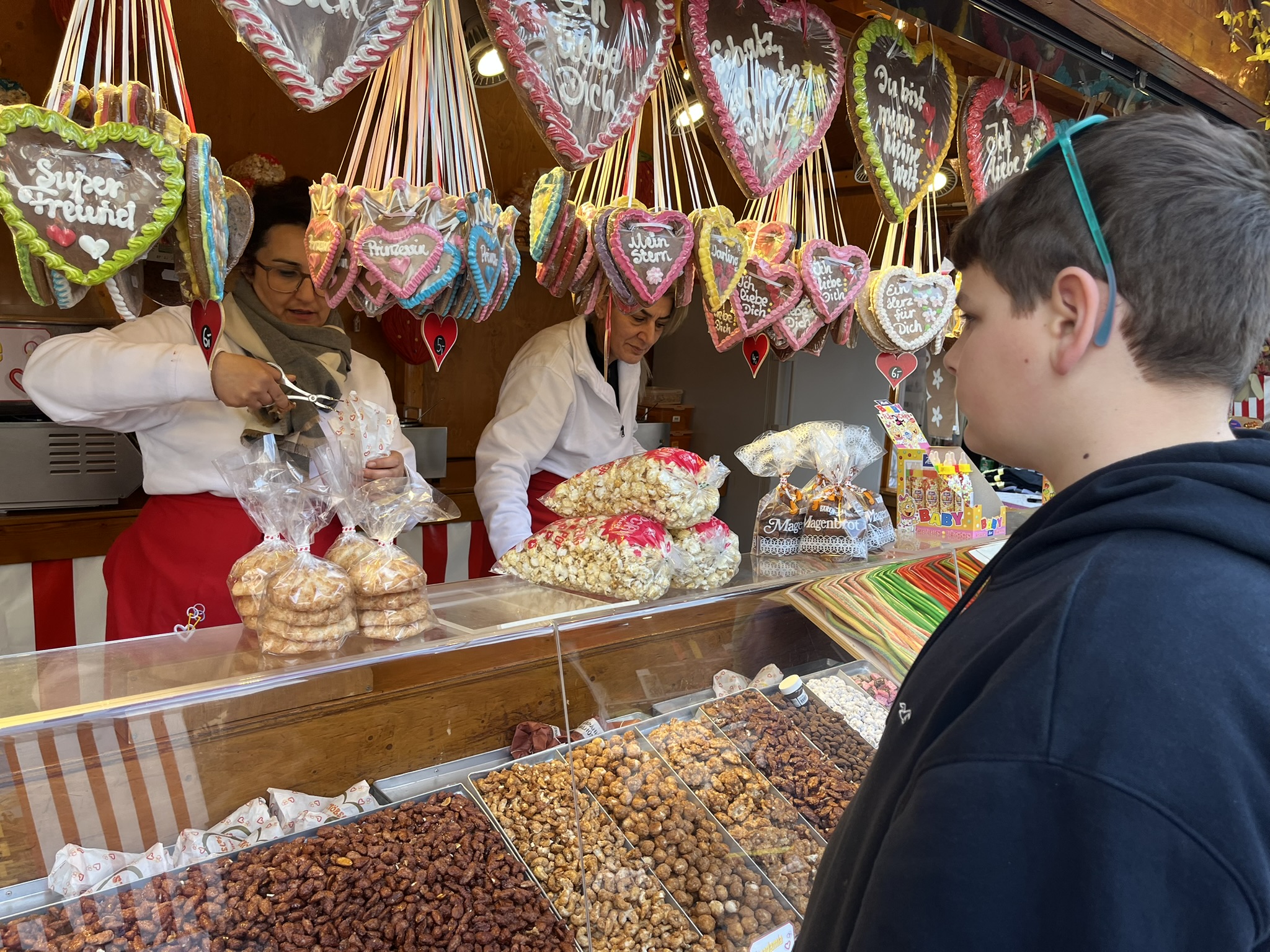
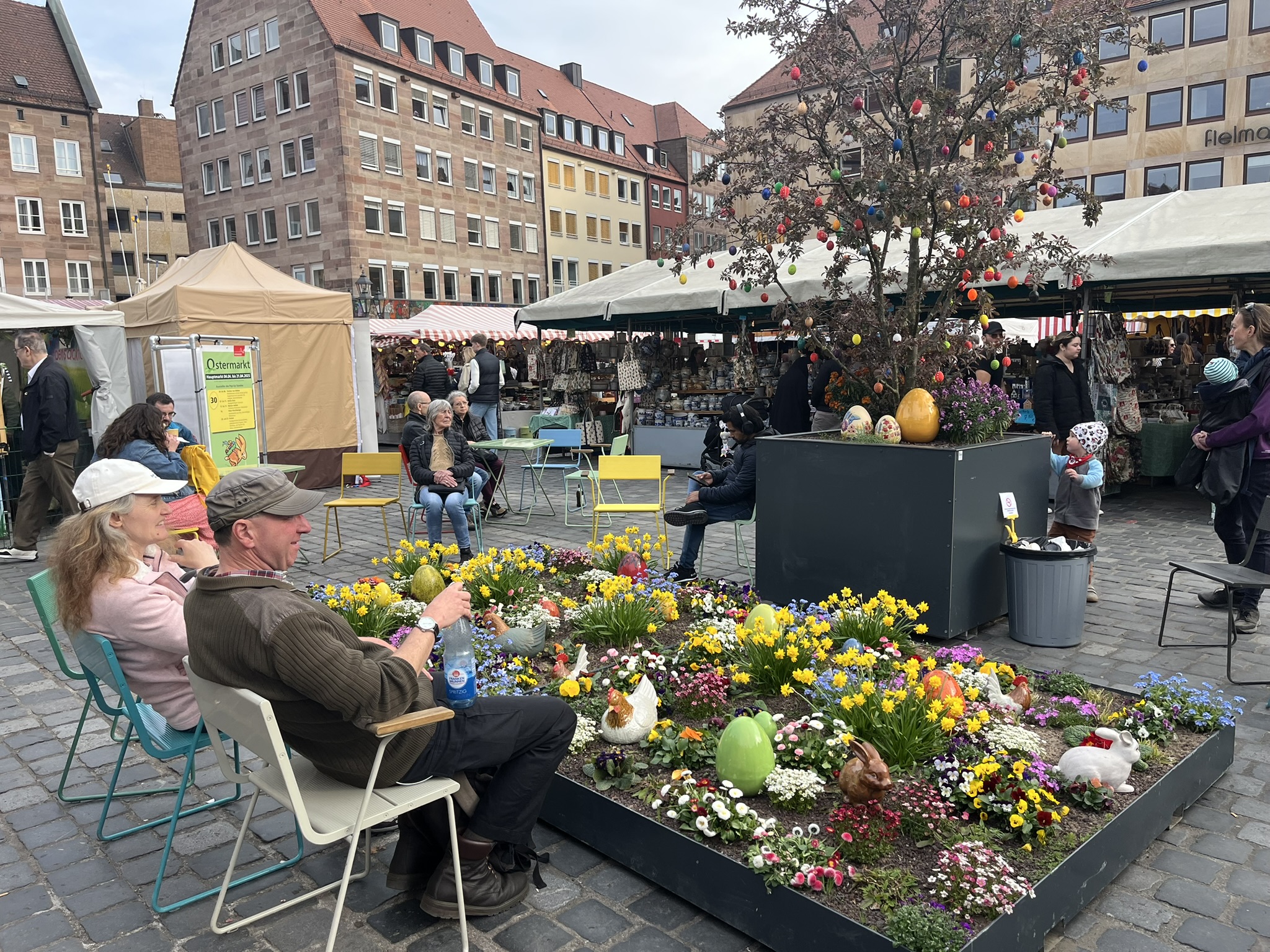
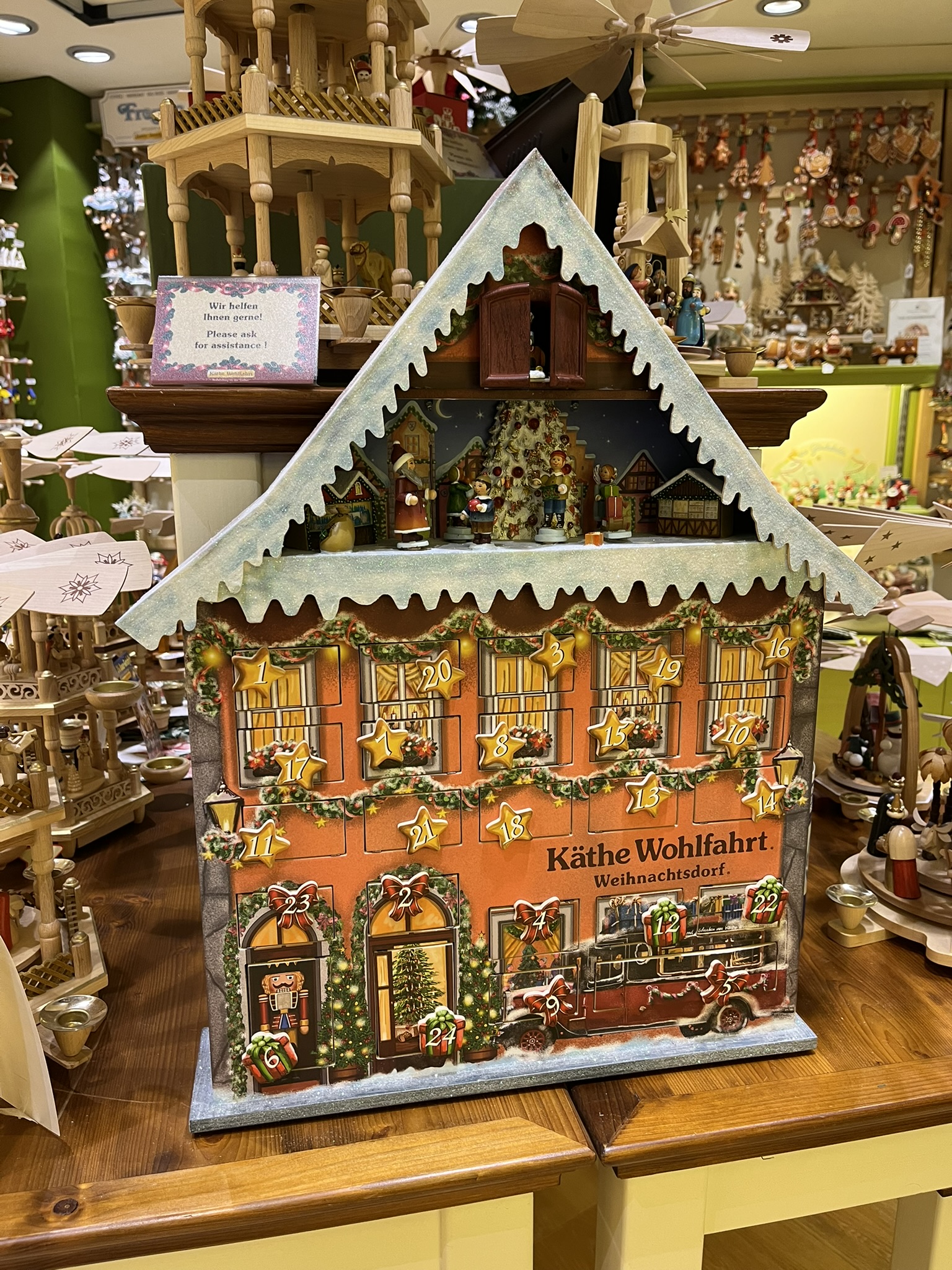
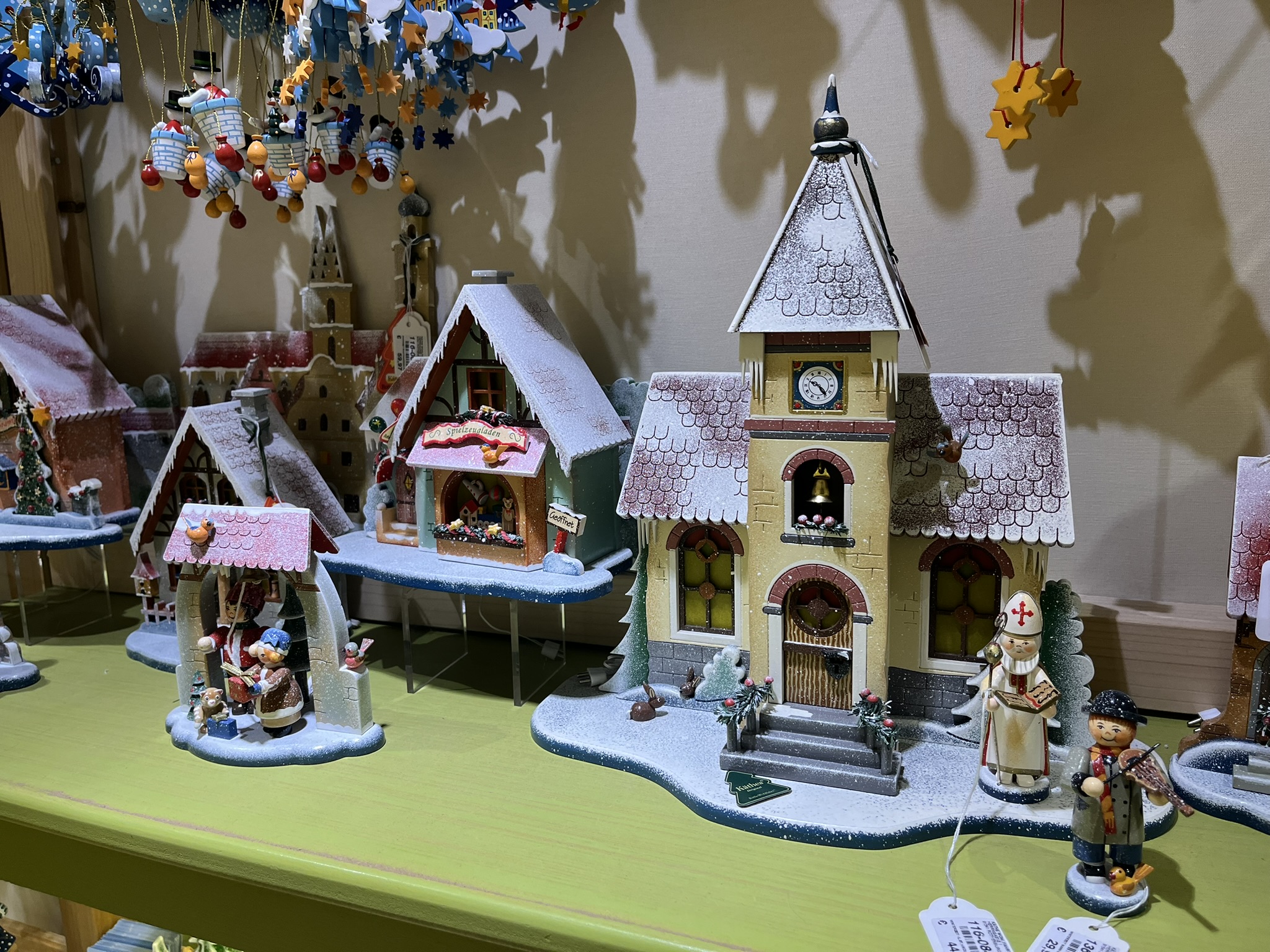
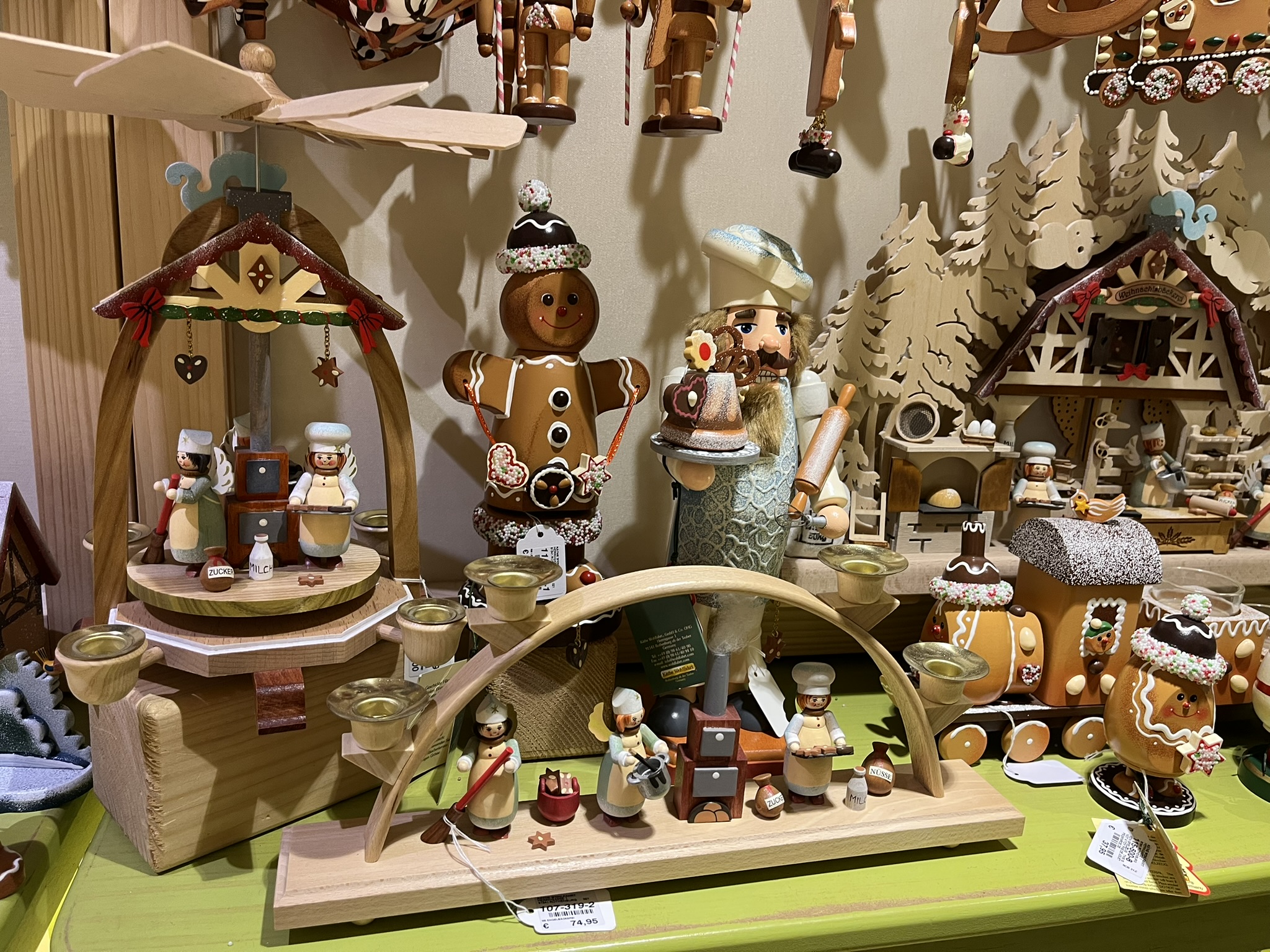
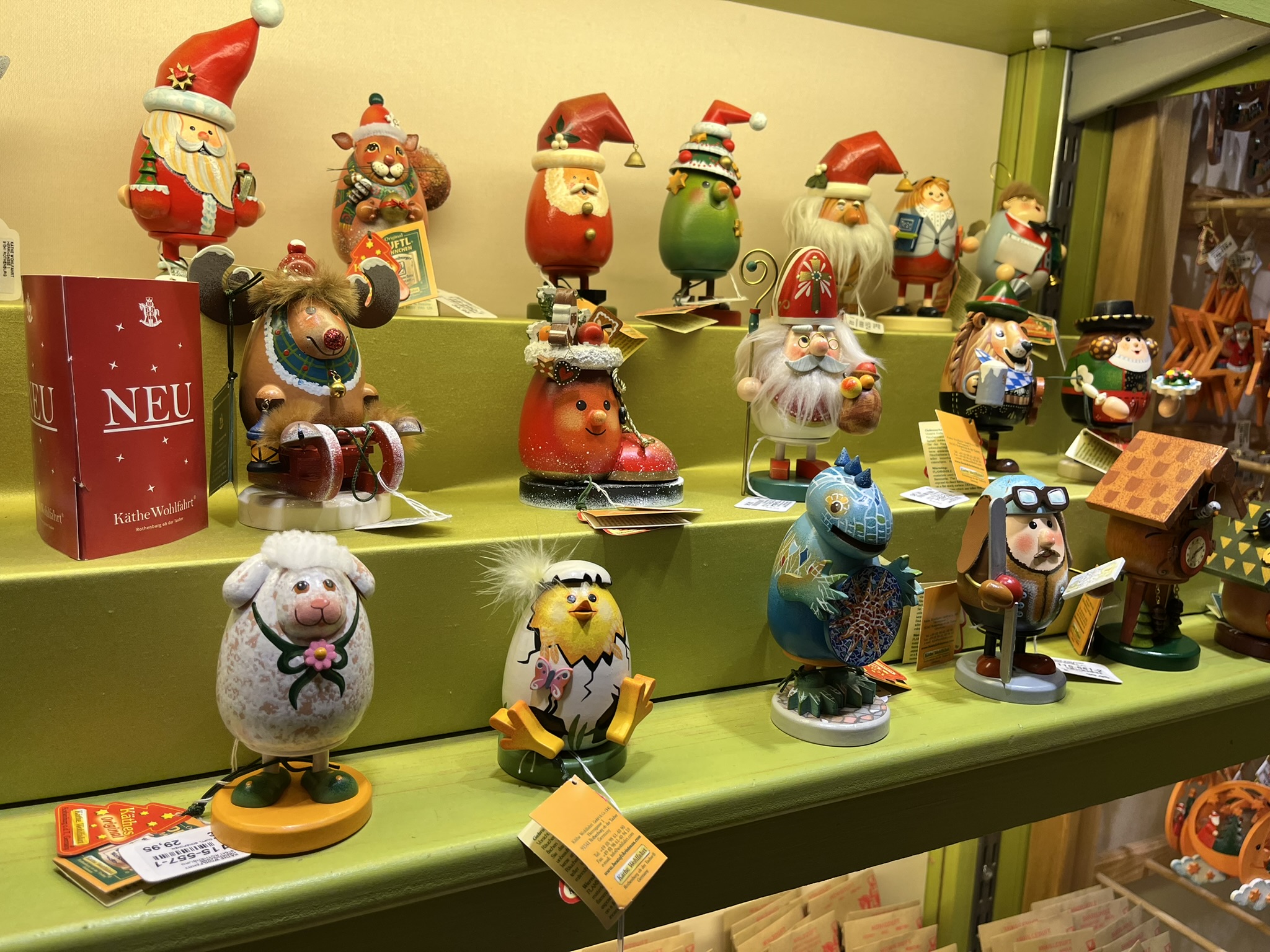
Right here in the main market square is where the wintertime Christkindlesmarkt Christmas market is held, but during springtime, you can find a festive Easter market in its place. Shop for leather goods, wooden crafts, embroidered linens, woven socks, wine, spring home décor, pottery, and plush toys. Try the made-on-site fried dough with powdered sugar Küchle (little cake), sugared roasted nuts, and gingerbread cookies. Of course, if you’re missing the Christkindlesmarkt, stop into the Käthe Wohlfahrt specialty shop in town to stock up on Erzgebirge handmade Christmas pyramids, incense smokers, ornaments, and toys.

The main square houses winter and spring markets filled with handcrafted wares and tasty snacks.

Nürnberg provides many restaurant options for a delicious, full sit-down meal. Zum Gulden Stern is the city’s oldest existing historical bratwurst kitchen—and the oldest in the world—dating back to 1419. Here, the famous, original Nürnberg sausages (branded as the Original Nürnberger Röstla®) are grilled over a beechwood fire in a building built around 1380. The sausages are prepared with traditional spices like mace (a sister spice to nutmeg), marjoram, salt, and pepper, by the family-run Pfettner butcher shop in Nürnberg. The characteristic smoke and aroma of beechwood infuse this delicacy with unique flavor. The sausages served at Zum Gulden Stern are never boiled or pre-fried; instead, they are placed on the grill white and raw, cooked for about 7 minutes, and then removed once the tops and bottoms are evenly browned and crispy. (Consider also visiting the Nürnberg Bratwurst Museum, which presents the myths and legends surrounding these small 7-9cm sausages the town is known for.)

Zum Gulden Stern is a historic restaurant that serves the city’s famous mini sausages.

Barrel-fermented sauerkraut grown by the Wehr family in the Aischgrund region is cooked and seasoned at Zum Gulden Stern with fresh pork lard. The vegetables, horseradish, and wines served at the restaurant are all sourced from family-owned businesses in the region, and the dishes are substantial and savory. This tavern survived all the wars, likely hosted famous Middle Ages painter Albrecht Dürer, and still serves up delicious daily-prepared meat-and-vegetable soups and famous sausages. In addition to the interesting antique wall art, the colorful wooden ceiling is patched with old brightly painted cupboard panels, to cover holes made where weighty drunken guests from older days had fallen through from the upper level.

Step into history while dining at Zum Gulden Stern, where famous Middle Ages painter Albrecht Dürer is said to have frequented.

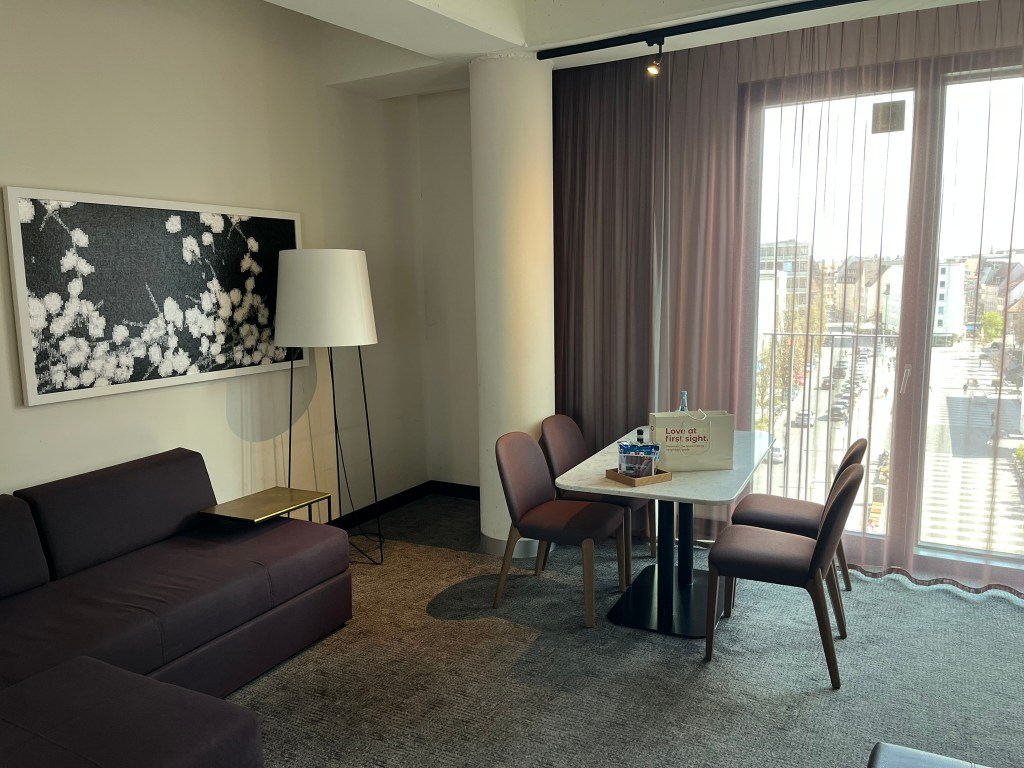
Adina Apartment Hotel, about a 12-minute walk from the main train station, in the heart of the city, is a comfortable, clean, and convenient place to overnight in Nürnberg. The spacious studios and one- and two-bedroom apartments have fully equipped kitchens, cozy linens, and vegan personal care products, and the hotel is upscale but relaxed and inviting. Friendly, efficient, and attentive staff, and fast and accommodating room service make this an exceptional lodging choice. Breakfast in the downstairs dining area is varied and colorful, with many tasty options to help kick-start your day—fresh juices, lattes, meat and cheese platters, vegetables, cereals, dried and fresh fruits, fish filet cakes, pancakes and rolls, sweet breads, jams, eggs, and hot breakfast meat dishes (including the city’s famous sausages). After a day exploring the town, the lap pool and sauna area provide just enough space for a refreshing evening swim and relaxation in the dry heat.
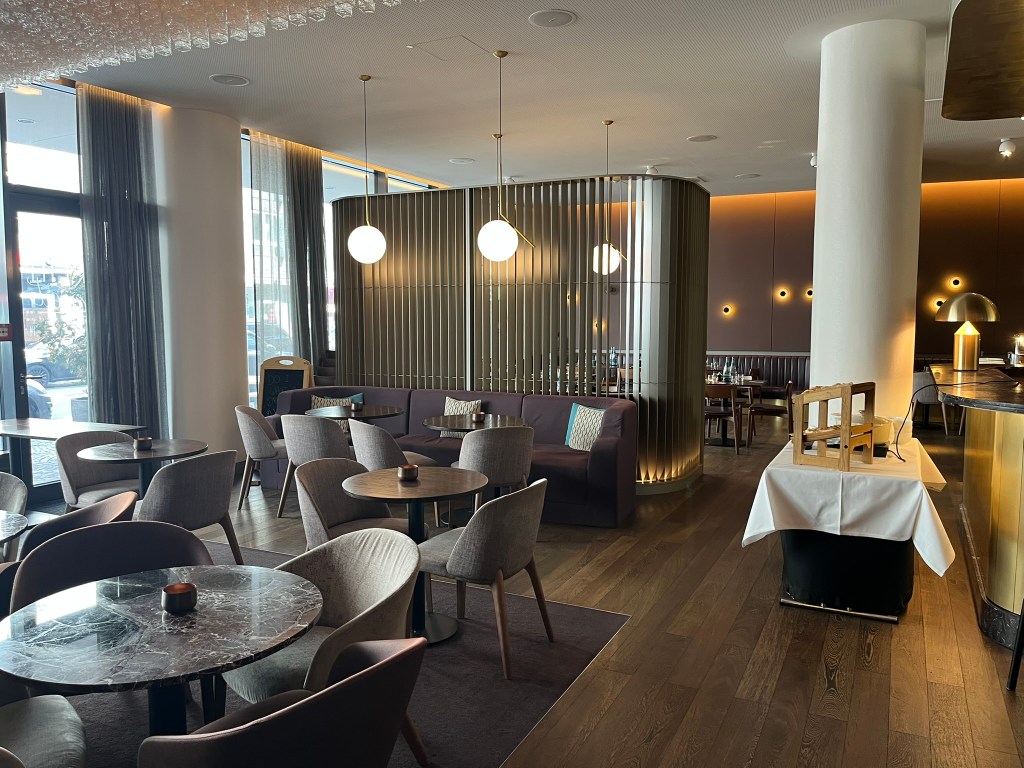
Adina Apartment Hotel is a cozy place to lodge, with activities for guests of all ages.

Be sure to buy a Nürnberg Card online or at one of several Tourist Information stands, to receive a variety of free admissions and discounts. The Nürnberg Card allows you 48 hours of free access to almost all the city museums and attractions as well as free public transportation.

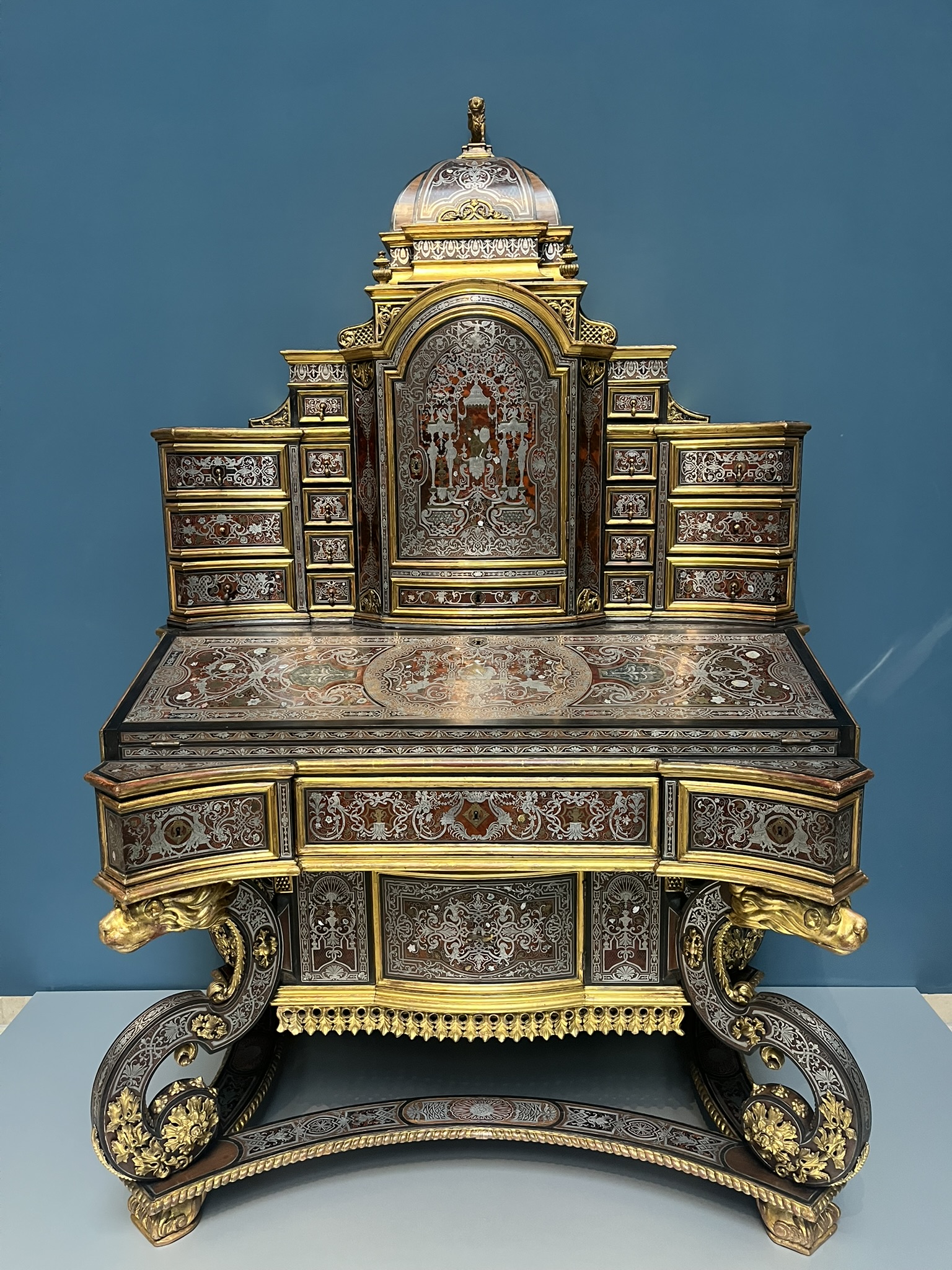
A three-minute walk down the street from the Adina Apartment Hotel takes you to the Germanisches Nationalmuseum (German National Museum), the largest cultural history museum in the German-speaking countries. Here, you can explore five exhibition areas on three levels of the museum—artifacts from the Old Stone Age to the Middle Ages, collections from Renaissance to Enlightenment, and 20th Century masterpieces—there are multitudes of treasures to examine. The armor and hunting exhibition is especially expansive, with case after case of intricate weaponry. You’ll also find an impressive array of musical instruments, jewelry, sleighs, sculptures, and paintings.

The German National Museum exhibits magnificent artifacts from all eras.

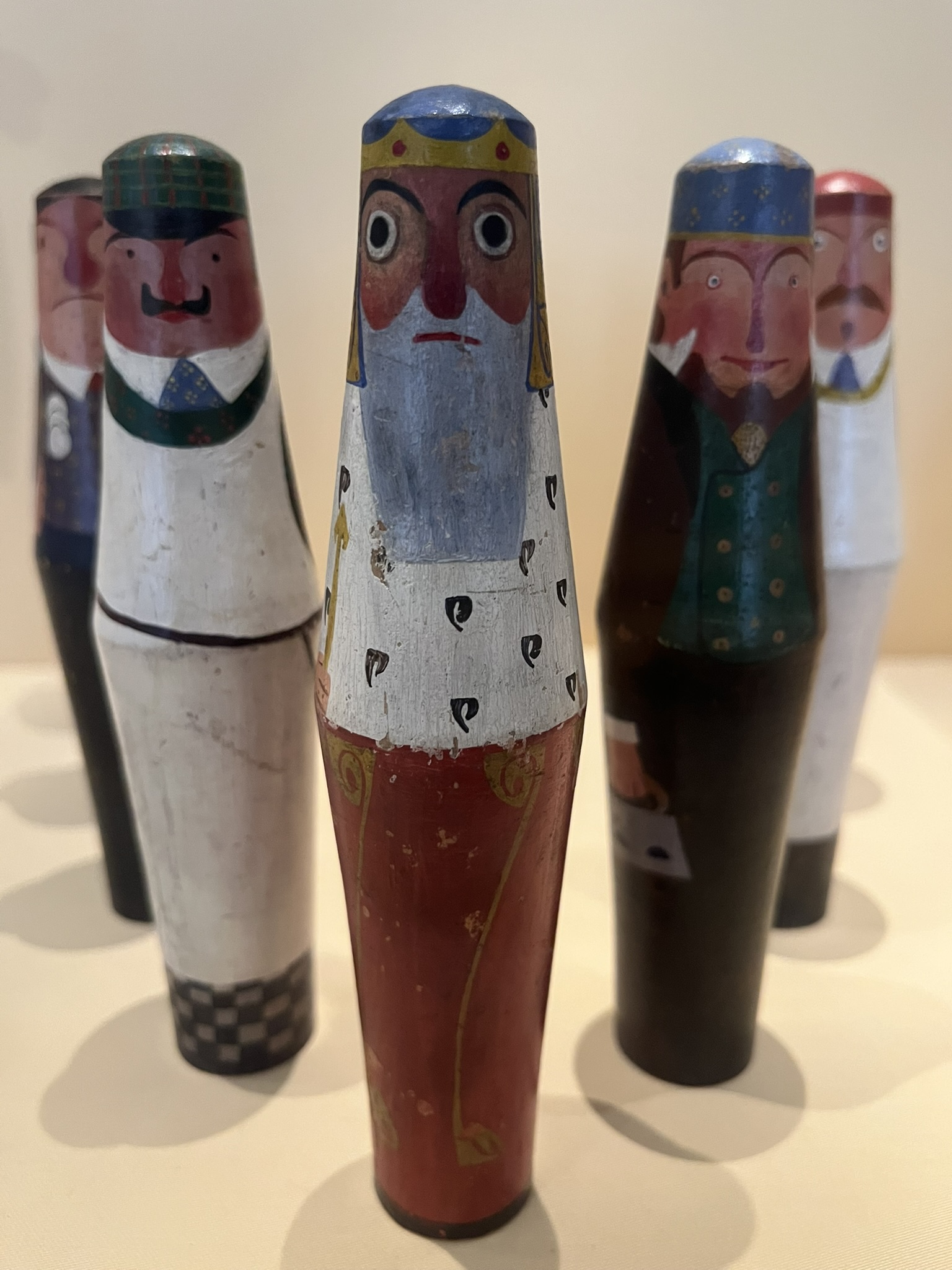
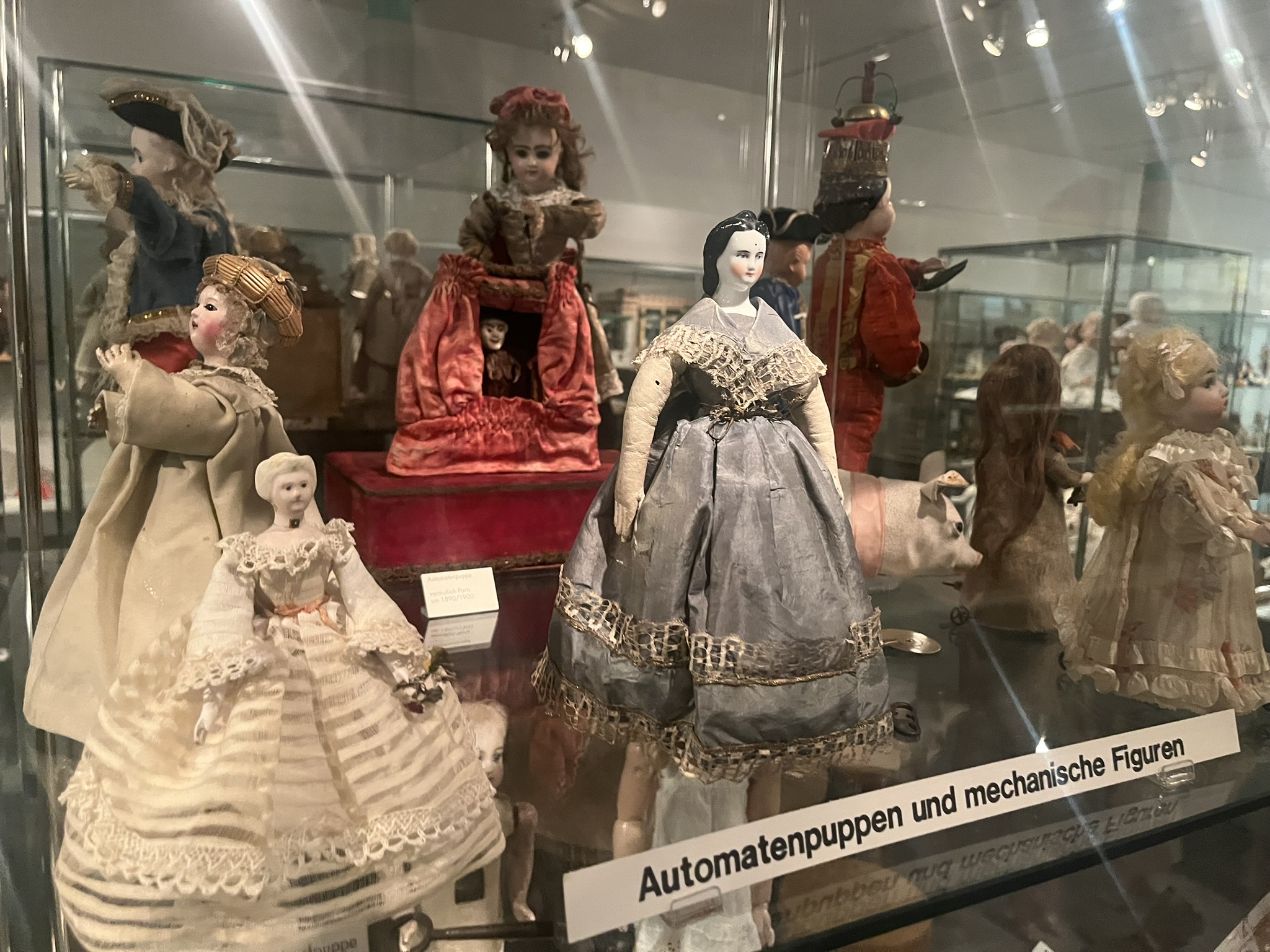
A separate building houses the toys portion of the museum—a showcase of detailed dollhouses, dolls, tin cars and armies, optical toys, and miniature railroads. Many of the elaborate 17th century dollhouses exhibited here were thought to be commissioned by Nürnberg’s wealthy merchants and patricians. For young people, the houses functioned as a visual representation of ideal households and a clear display of tasks and activities to be performed in each of the rooms. For example, dollhouse sitting rooms were often decorated with tea service, chess boards, and decks of cards, while kitchen layouts included hearth-cleaning tools, cake molds, soup ladles, and copper pots. Similarly, 18th– to 20th-century toys conveyed educational objectives relating to children’s future familial and career lives. Playing with dolls helped girls prepare for their roles as patient, gentle mothers. Boys’ toys were often linked to their potential future working lives—tin soldiers encouraged strategic thought and tactical warfare, wooden building blocks taught spatial reasoning and construction design, and other technical toys fostered special interests and skills.

Antique toys at the German National Museum give a glimpse into historic playtime and its echoes of everyday life.

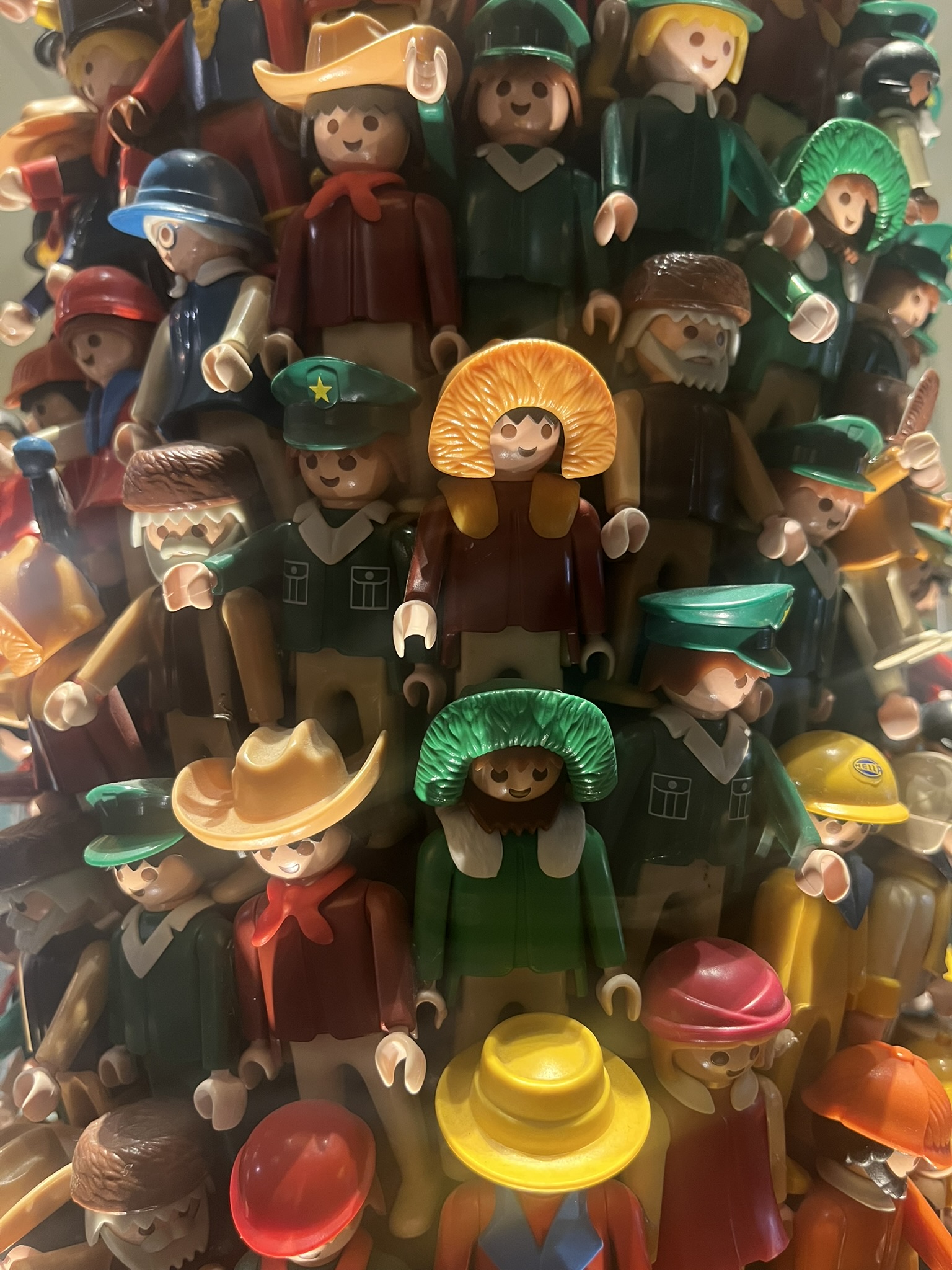
Spielzeugmuseum (toy museum) Nürnberg is another toy museum that displays games and playthings of all sorts—dolls, metal soldiers, puppets, teddy bears, model railroads, tin vehicles, and Playmobil figures, as well as vintage and newer iconic characters like Paddington Bear, ALF, and Garfield. Visit this museum for a bit of history and some interactive play time with toys and family games in the upstairs playroom.
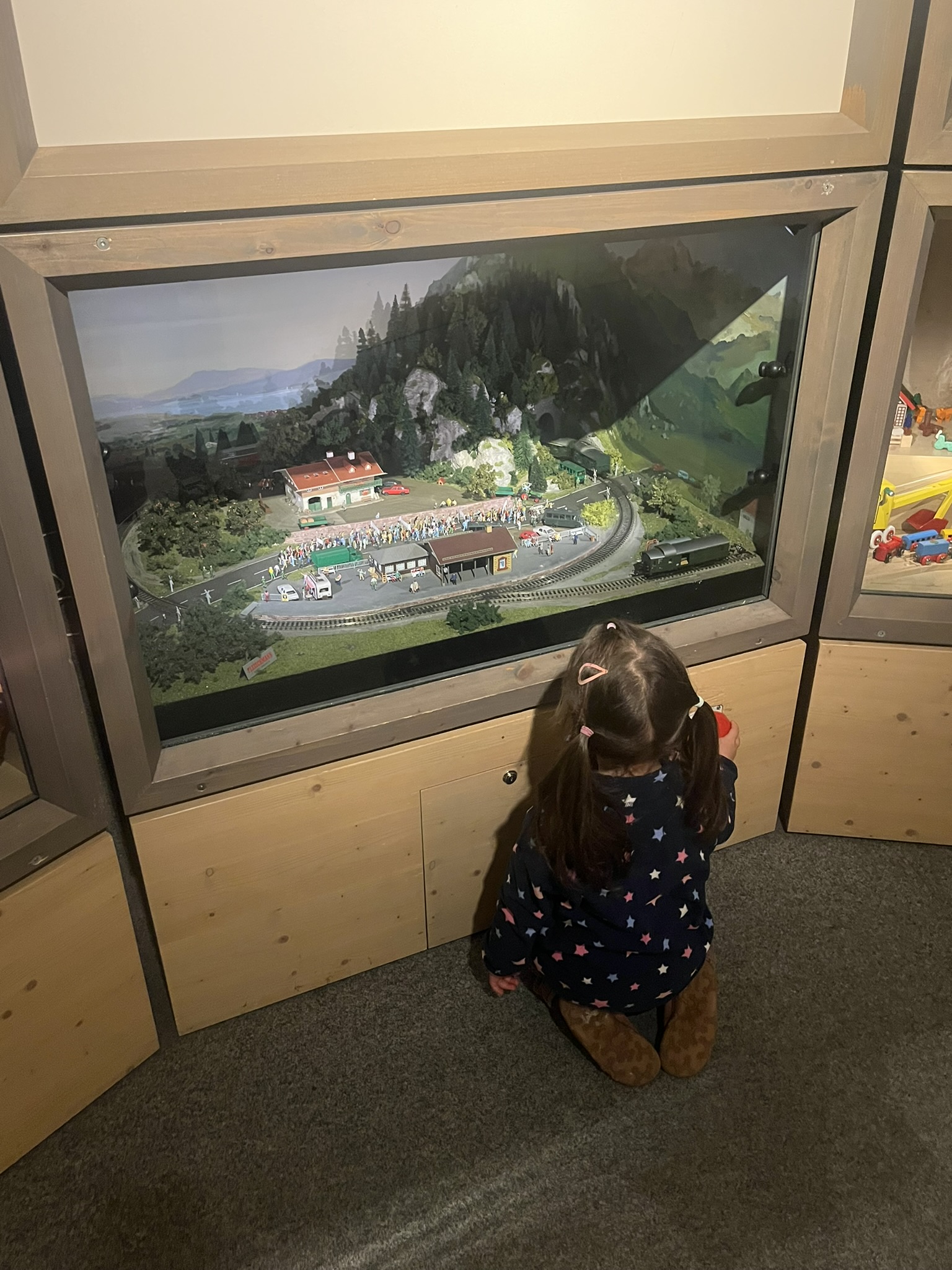
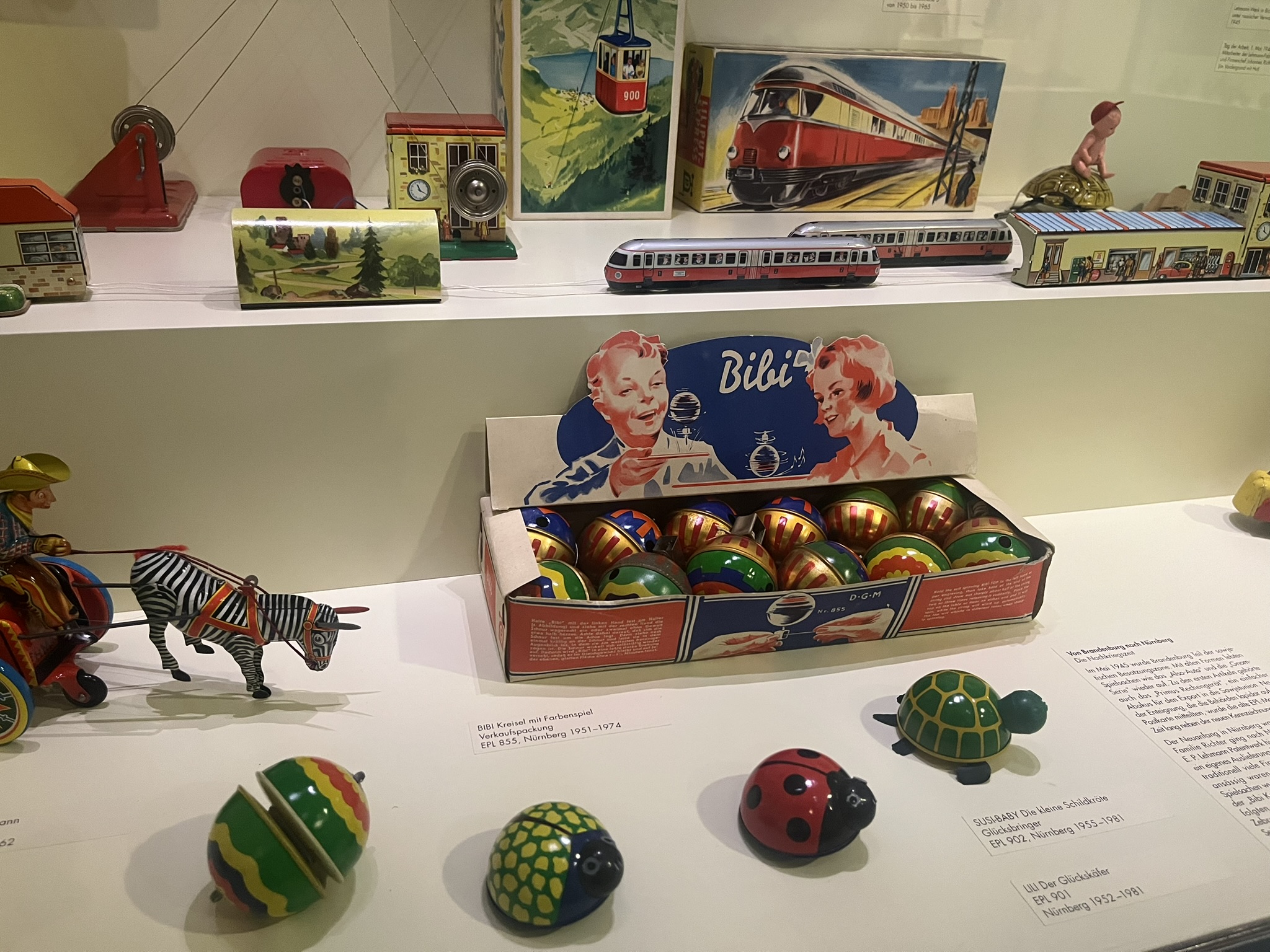
Spielzeugmuseum Nürnberg displays old and new toys alike, with areas for interactive play and a building and board game zone.

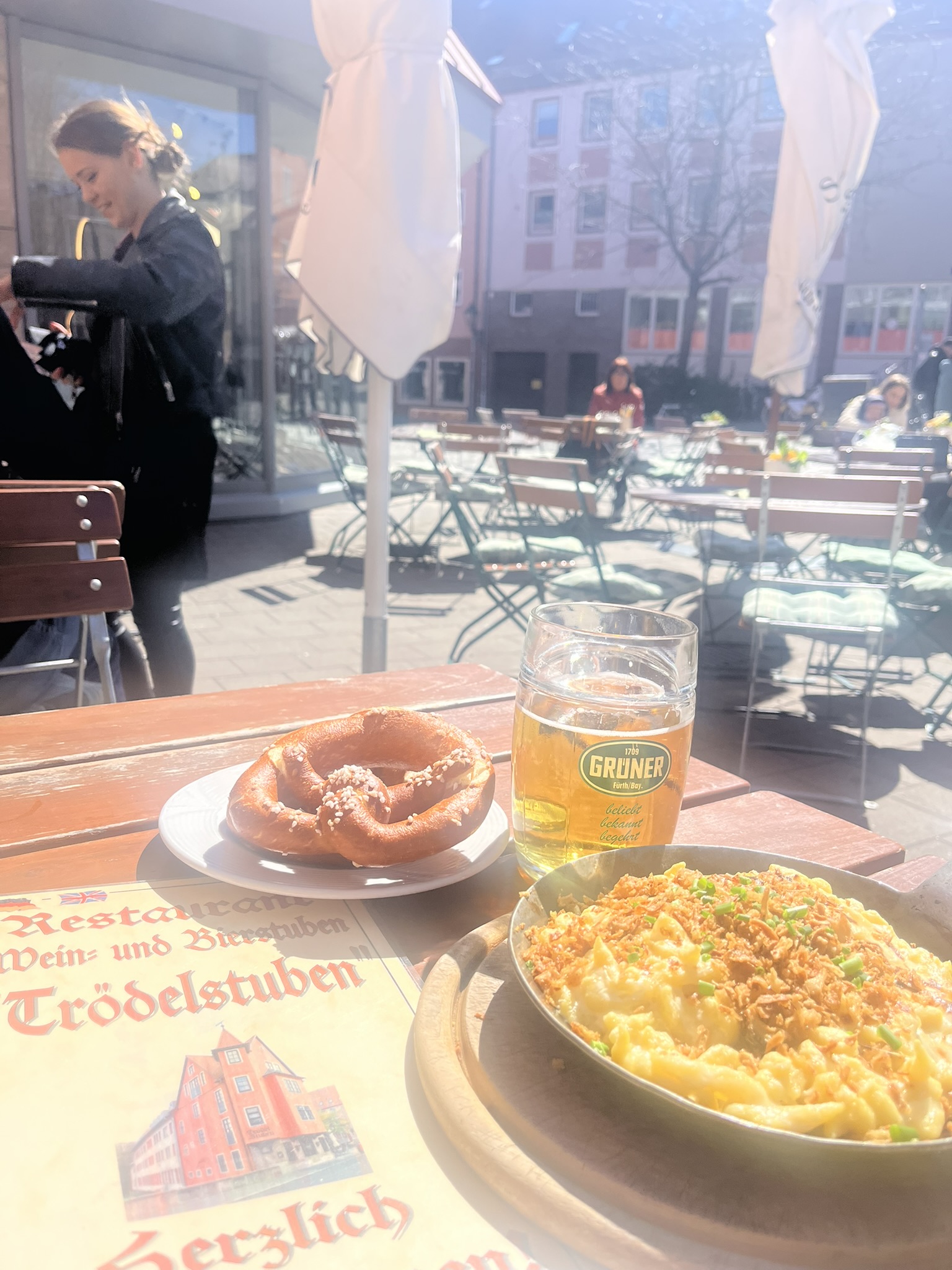
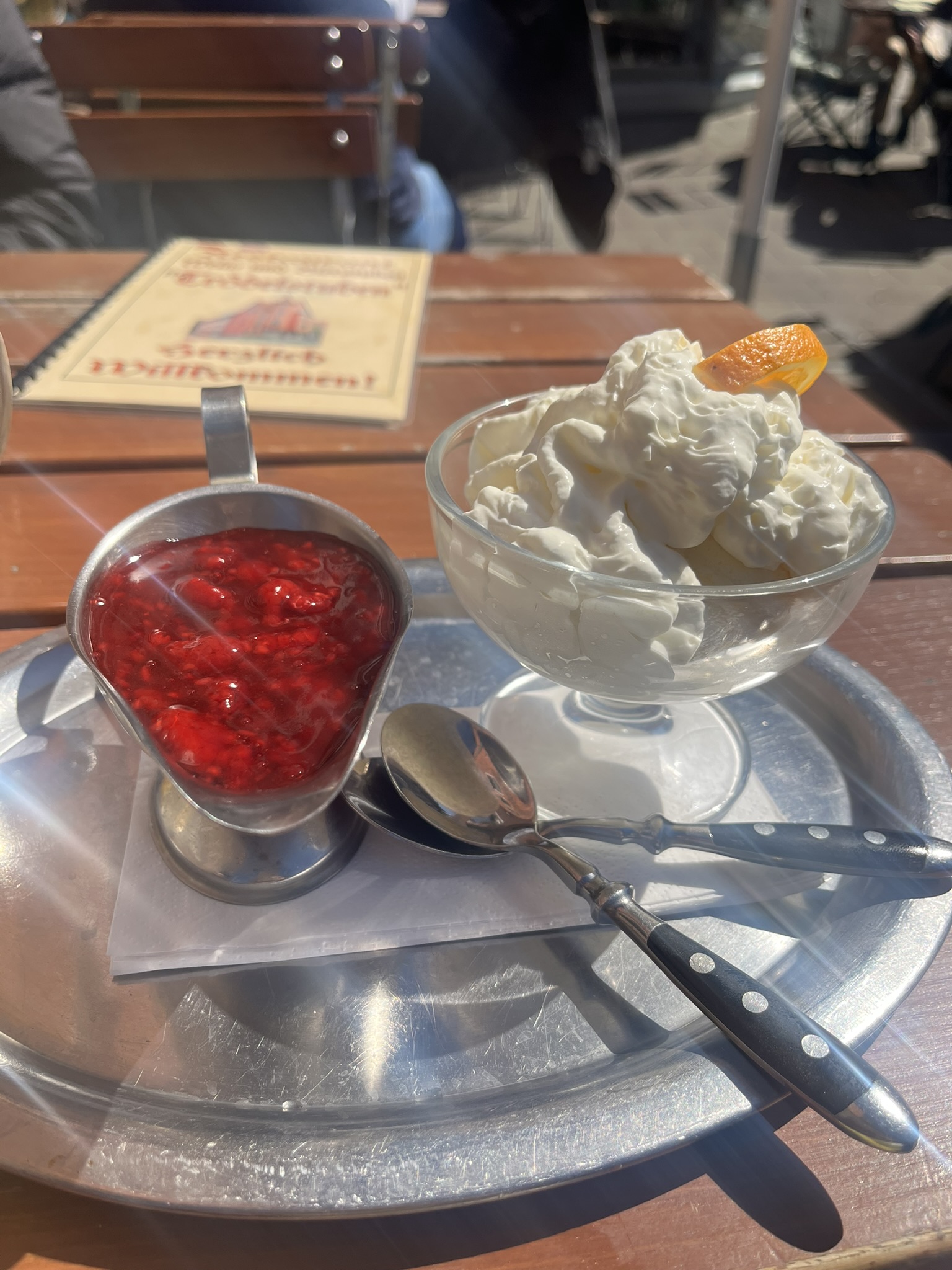
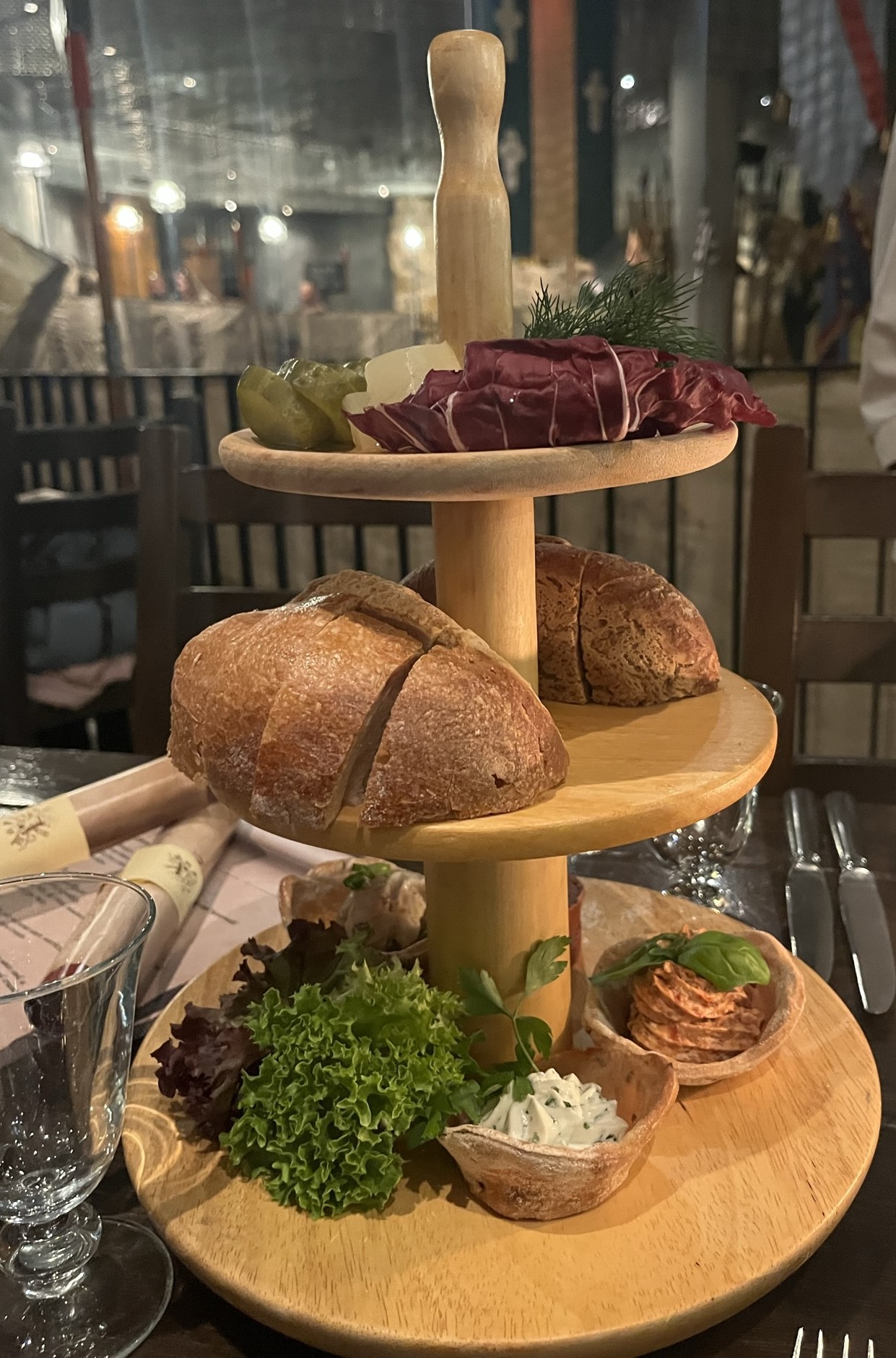
Stop by Die Wirtschaft restaurant for Brotzeit (bread time), Veschber (midday snack), or Gudzerla (Franconian tapas) to nosh on a savory selection of sourdough or oven-crusted bread, marinated cheeses and sausages, pickled vegetables, and herbs. The warm and crispy Apfelküchle (specifically, fried apple rings in beer batter with homemade ice cream and plum compote) will revive you for the rest of your city exploration. For another delicious snack or dessert option, Restaurant Trödelstuben serves up hot raspberries and raspberry sauce over vanilla ice cream. If you’d like a break from traditional German food, try the KOKONO Pan-Asian Cuisine & Sushi Bar on Luitpoldstraße. Expect fresh food, seasonal flowers on all tables, and a fun presentation of dry ice mist at your table while you eat your edamame and sushi rolls.
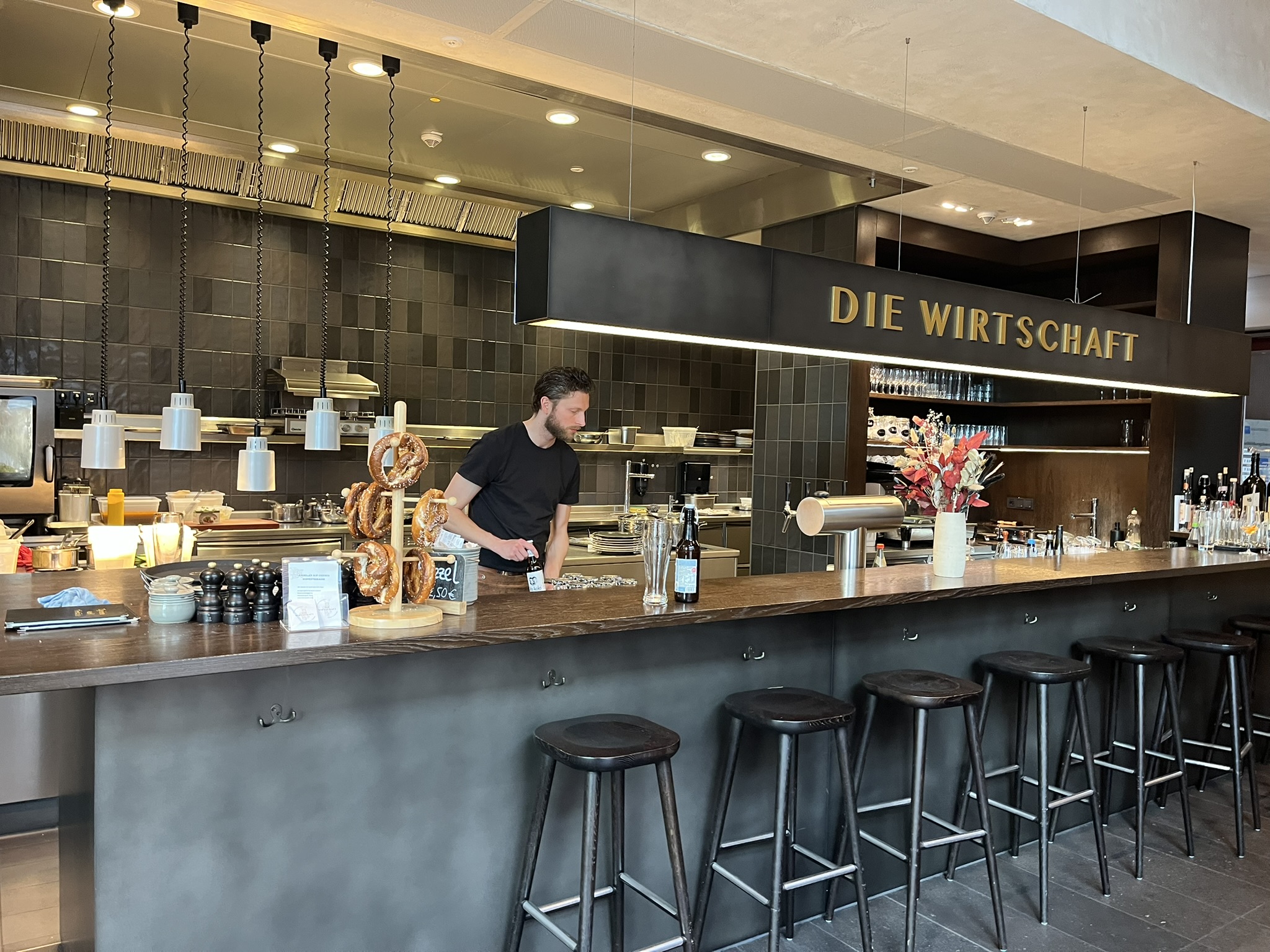
Nürnberg culinary variety abounds, with traditional German cuisine and desserts as well as delicious Asian delicacies.

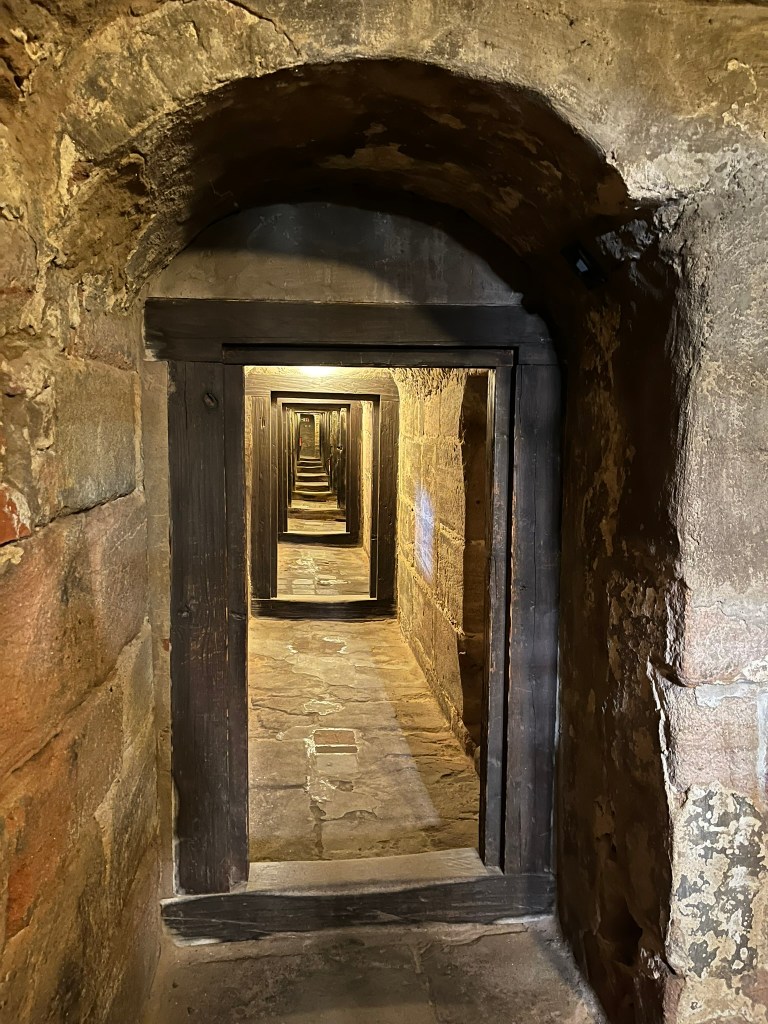
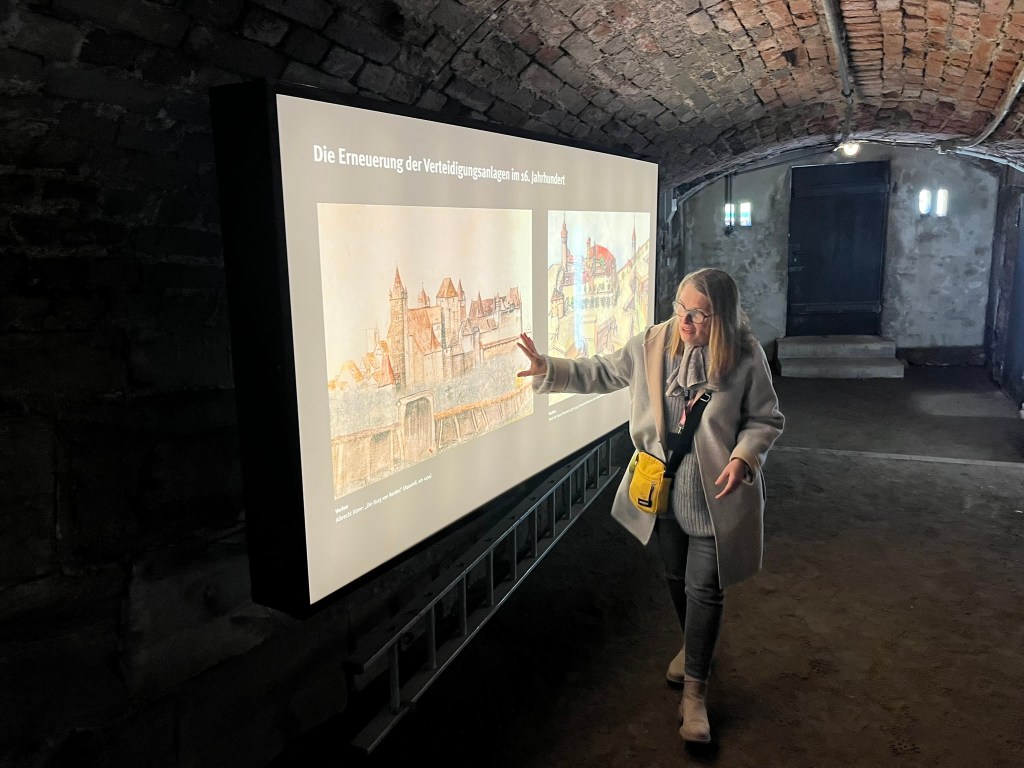
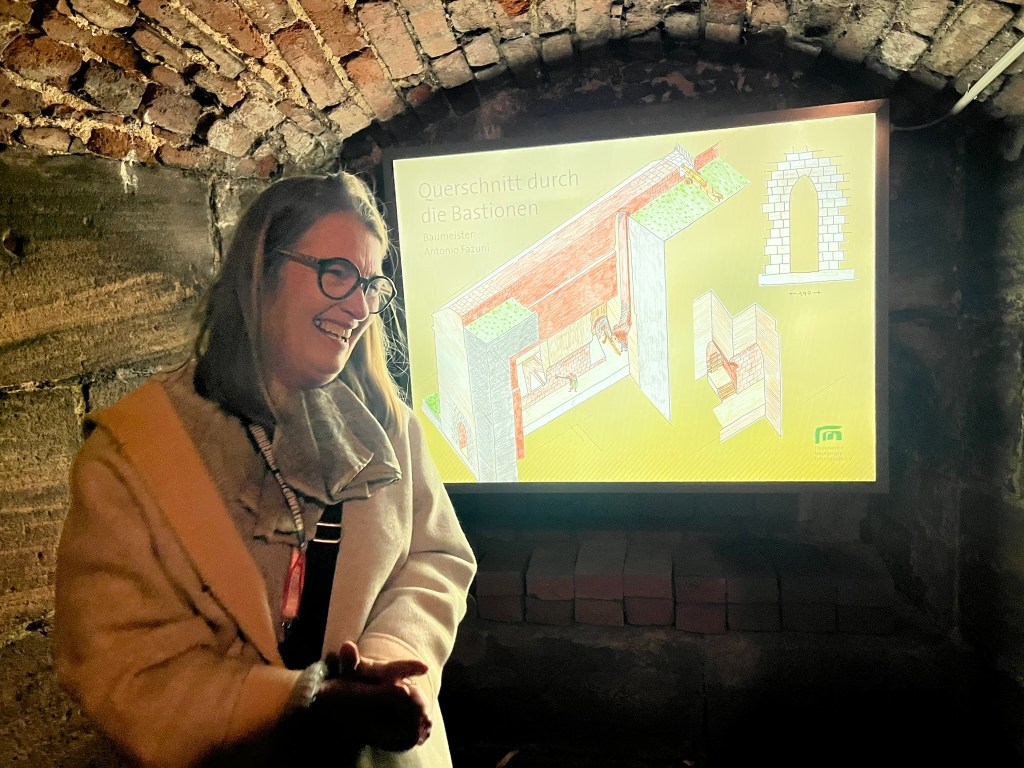
Not all the city’s most interesting sights can be found at ground level. Claudia Radtke, certified Nürnberg city guide, provides guided tours of Nürnberg’s fascinating underground worlds. Those interested in history, fortification, and ancient legal systems (and those aged 10 years and older) will enjoy the intriguing and informative tours entitled “Tunnels and Secret Passages in the City Wall” and “Medieval Dungeons.” The 14th century dungeons in vaulted rock-cut cellars beneath the city hall contain prison cells, torture chambers, the jailer’s house, a prison kitchen, and a blacksmith’s workshop. Walk through underground corridors with damp limestone walls (use the railings and watch your step), learn about those who walked there before you, and explore the city’s ancient approaches to maintaining peace, organization, and stability.

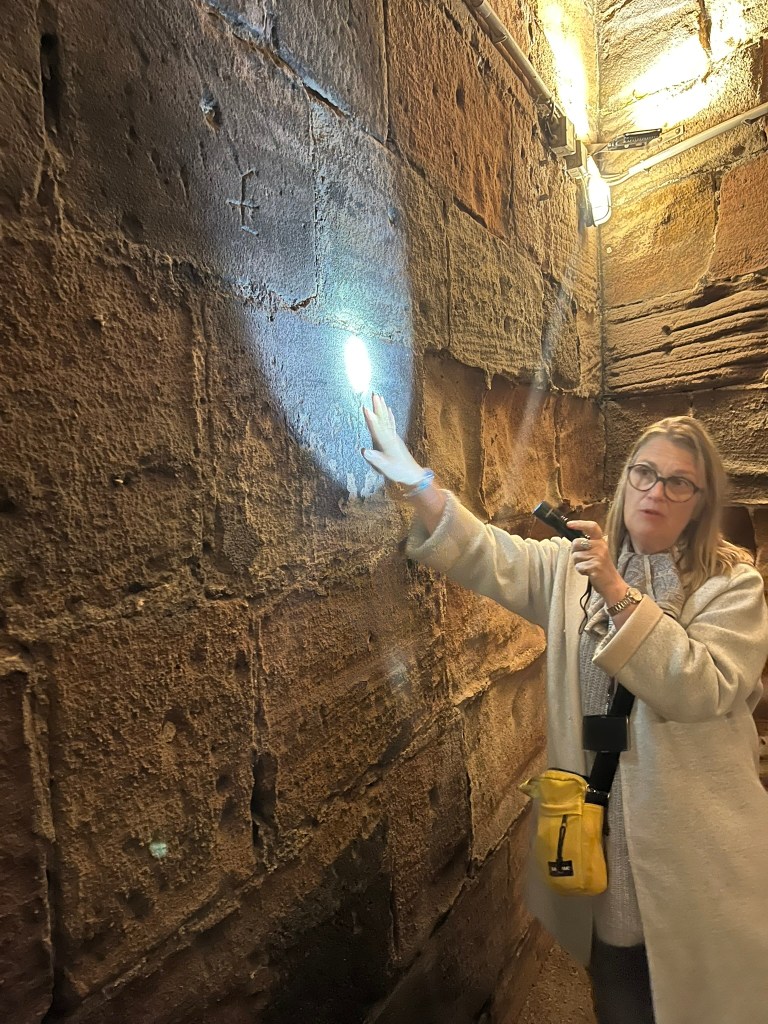
Explore beneath the city, with exciting tours of dungeons and underground passageways.

Underneath the Imperial Castle, a network of defensive passageways wind about, with casemates and embrasures from which weapons could be fired into all angles of the moat. Interestingly, the humid tunnels were not conducive to weapon storage, so weapons were stored aboveground and brought down via a ramp during combat periods. The quarry-stone underground walls are eroded and colorful, shaped and stained from sour rain dripping through.

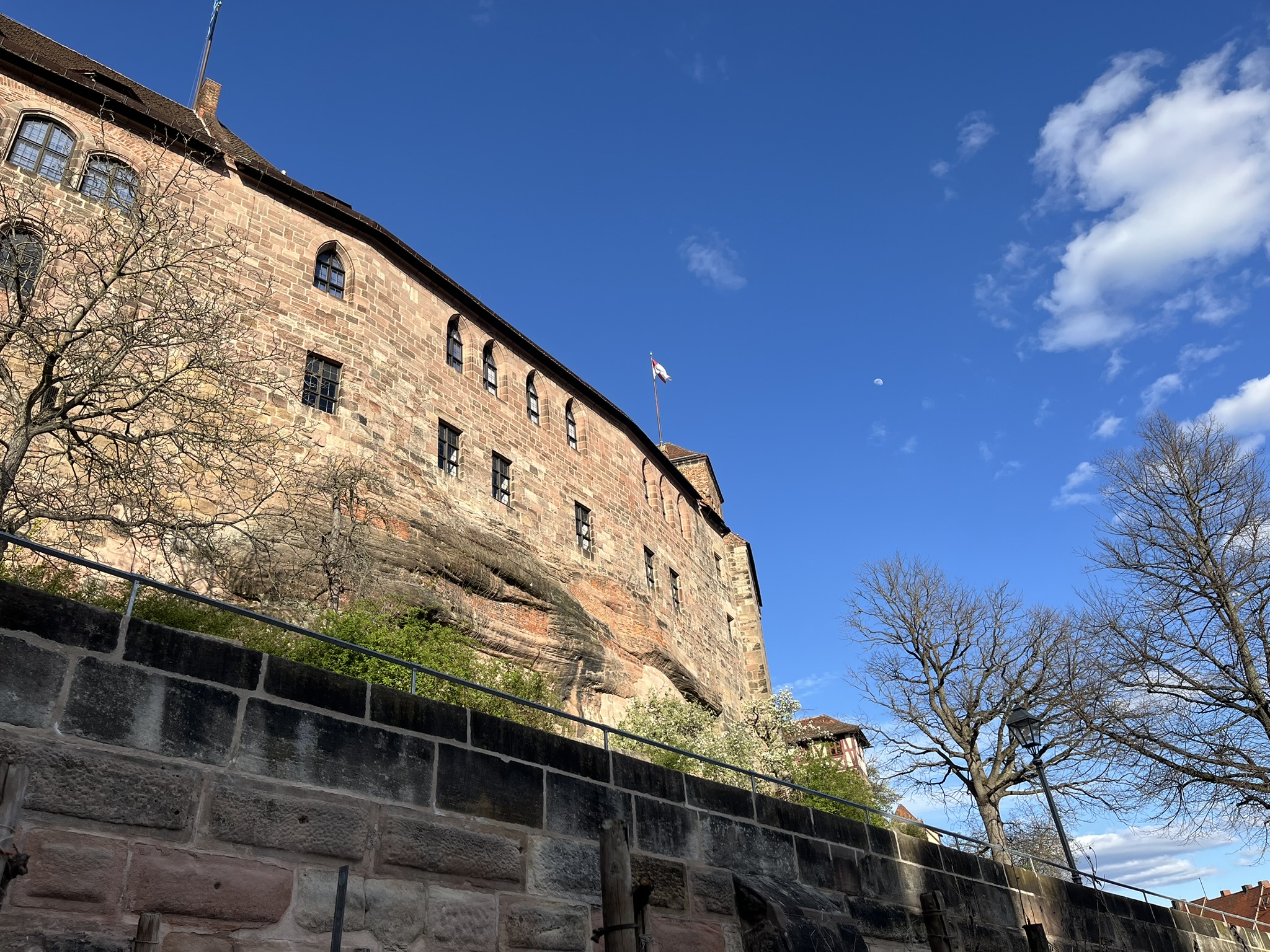
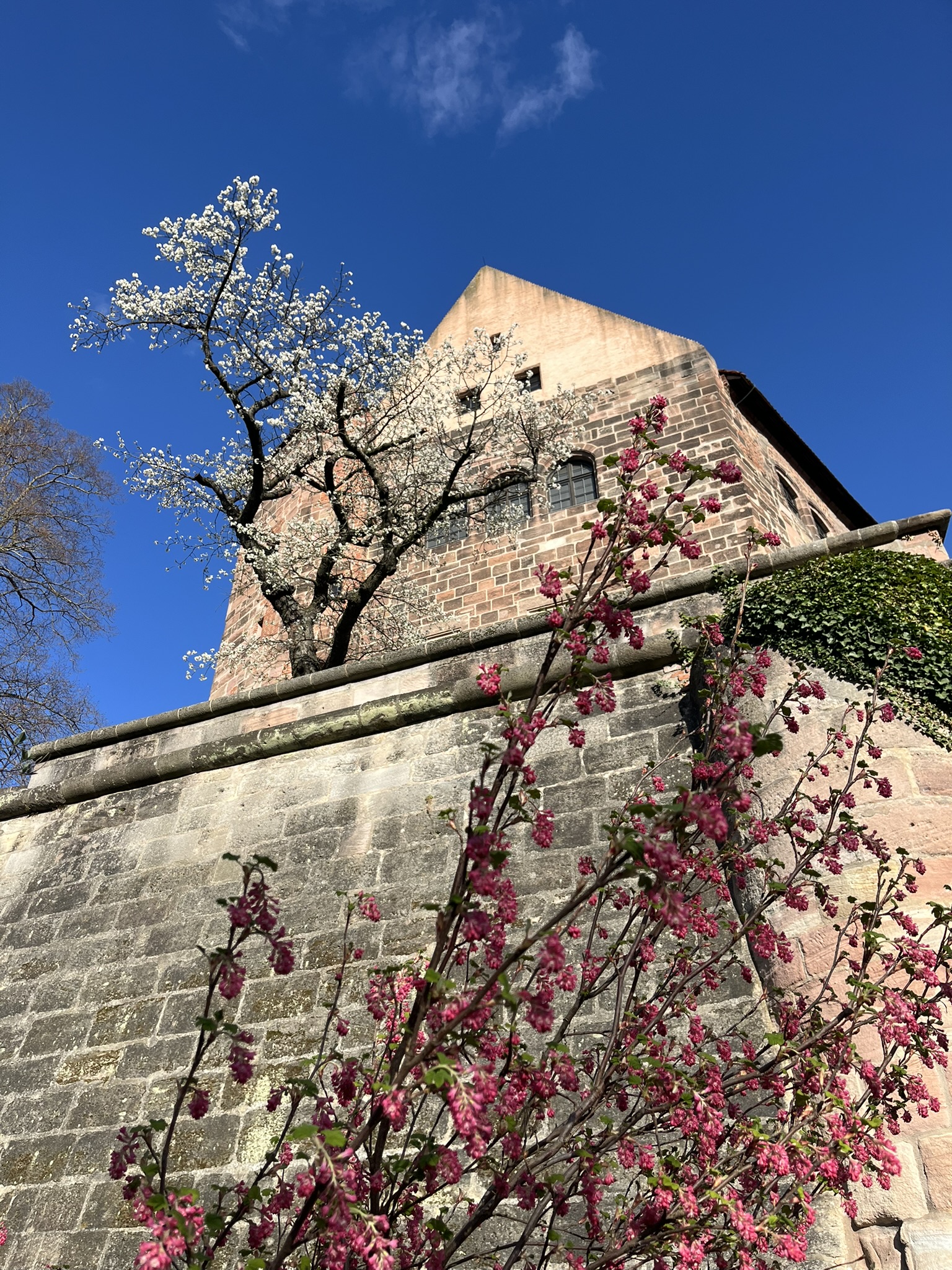
Don’t forget to climb up and appreciate sights from the very top of the Imperial Castle—views down into the moat and stone walkways meandering through flowering trees beneath cloud-speckled blue skies. Wealthy, strategically built, well-invested in defense, and never captured (or attacked, for that matter), Nürnberg was one of the Holy Roman Empire’s best-protected cities in Europe. The city’s history of wealth and peace is attributed to its involvement in trade, due to solving issues diplomatically and with payment rather than through warfare.
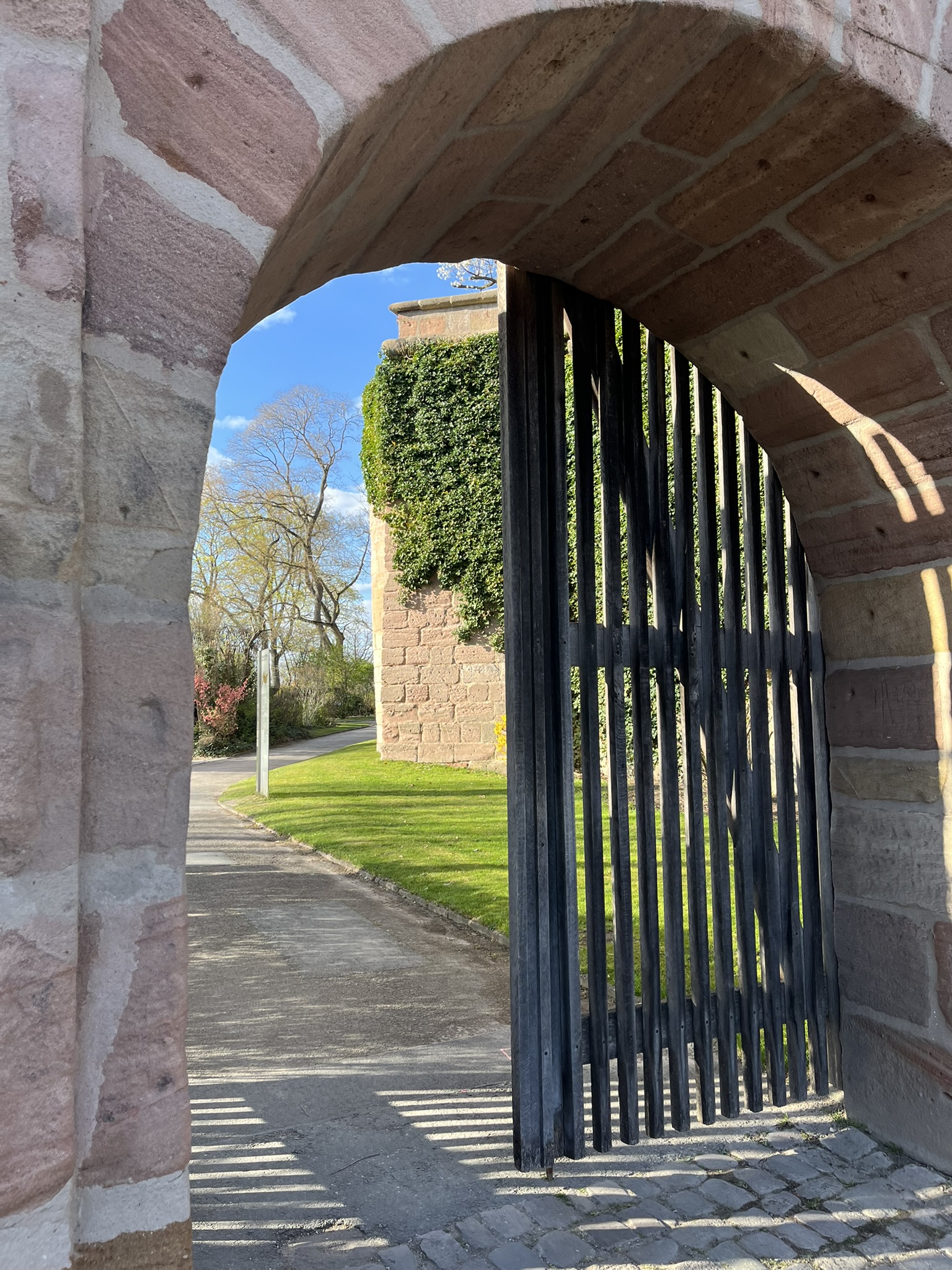
The uphill climb to the Imperial Castle rewards you with beautiful views.

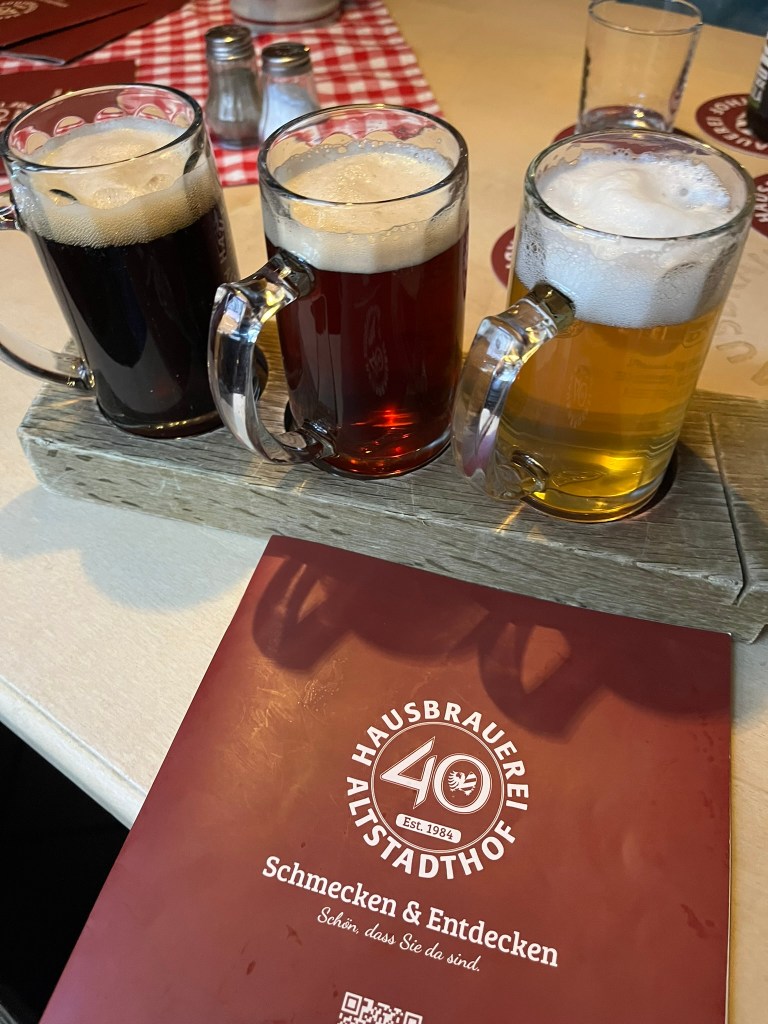
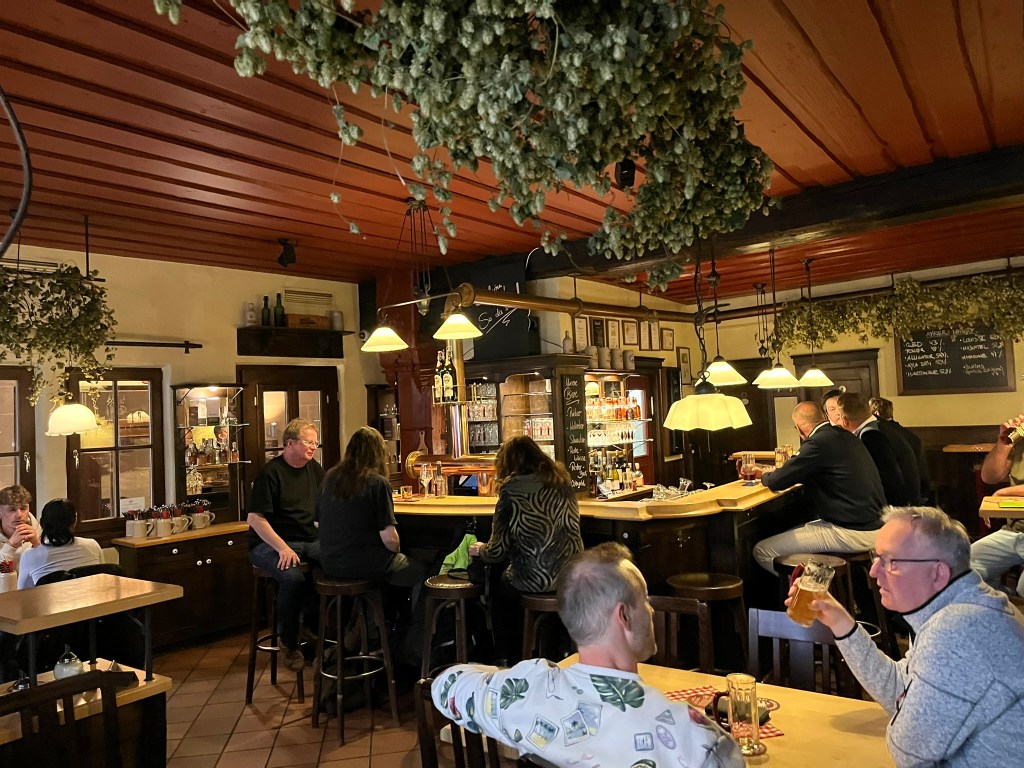
After peering down from the Imperial Castle, stop at the nearby Hausbrauerei Altstadthof, known for its brewed Rotbier (red beer) and oven-fresh Schäufele (roasted pork shoulder in red beer sauce with dumplings and sauerkraut). The snug tavern area with a “hidden gem” feel is a great hangout spot for groups and couples to have a homestyle Franconian meal and a few freshly tapped craft beers. Fill up on savory Nürnberger sausages, potato soup with crusty bread, Obazda specialty Bavarian cheese, spätzle (dumpling-like irregular-shaped egg noodles), red cabbage, goulash, and a wheat- and black-beer sponge cake “Beeramisu” dessert or Apfelküchle (this menu’s variation is drizzled with custard sauce and served with vanilla bean ice cream, whipped cream, and almond slices).
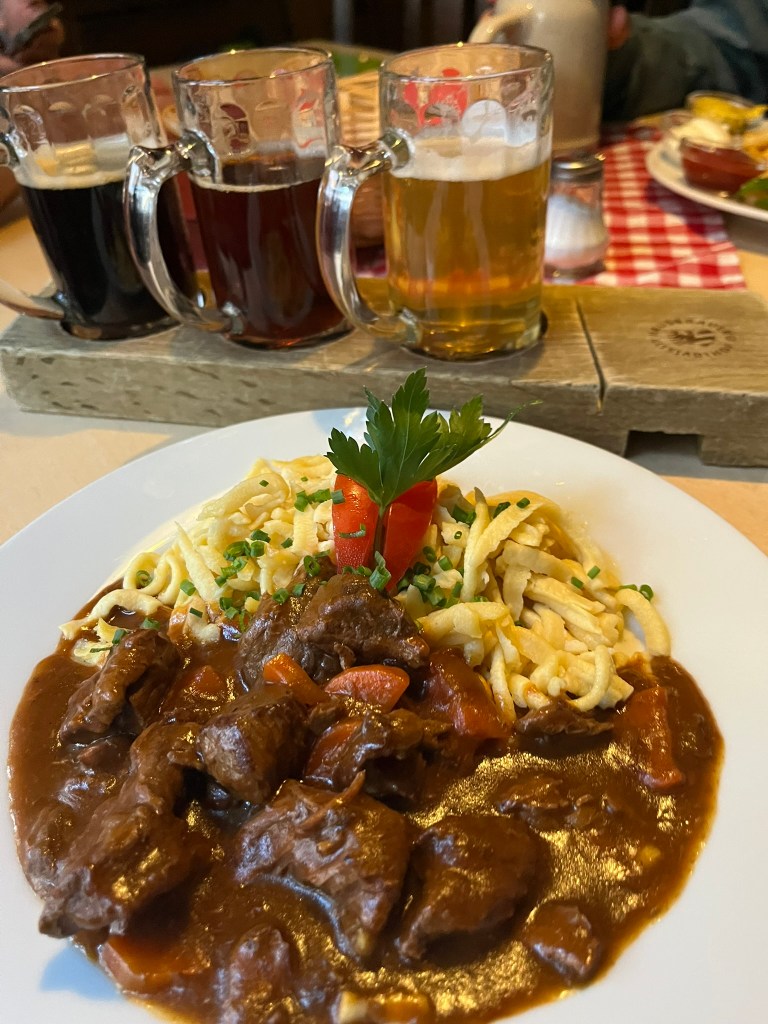
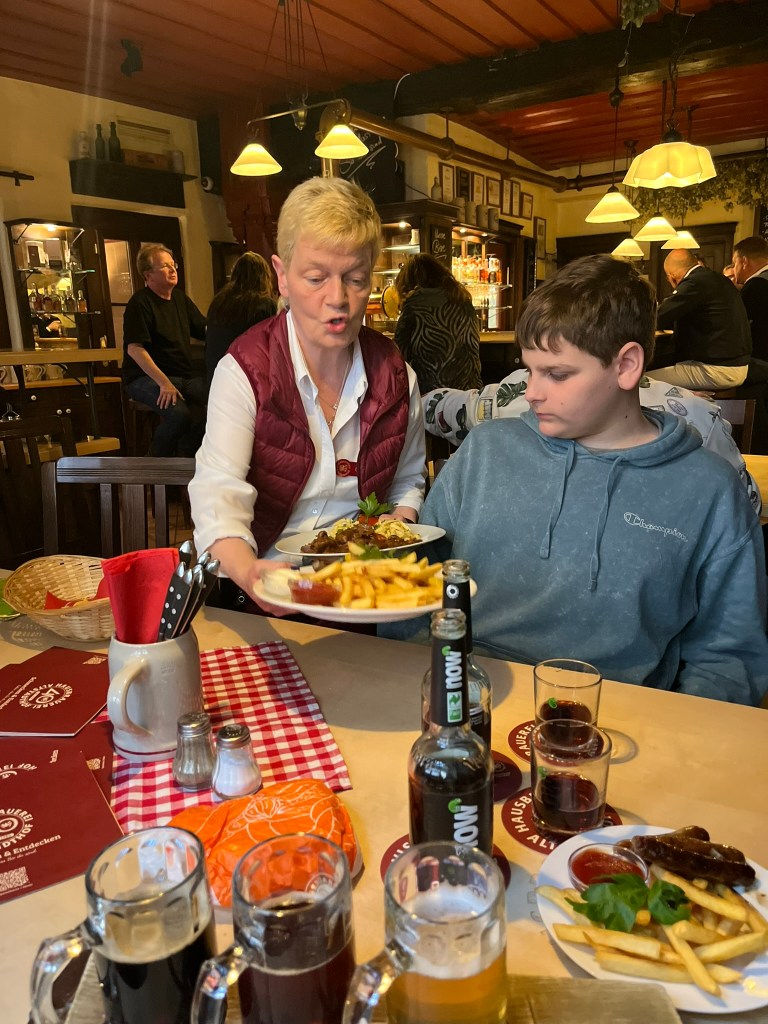
Hausbrauerei Altstadthof serves hearty meals and tasty beer in an inviting social environment.

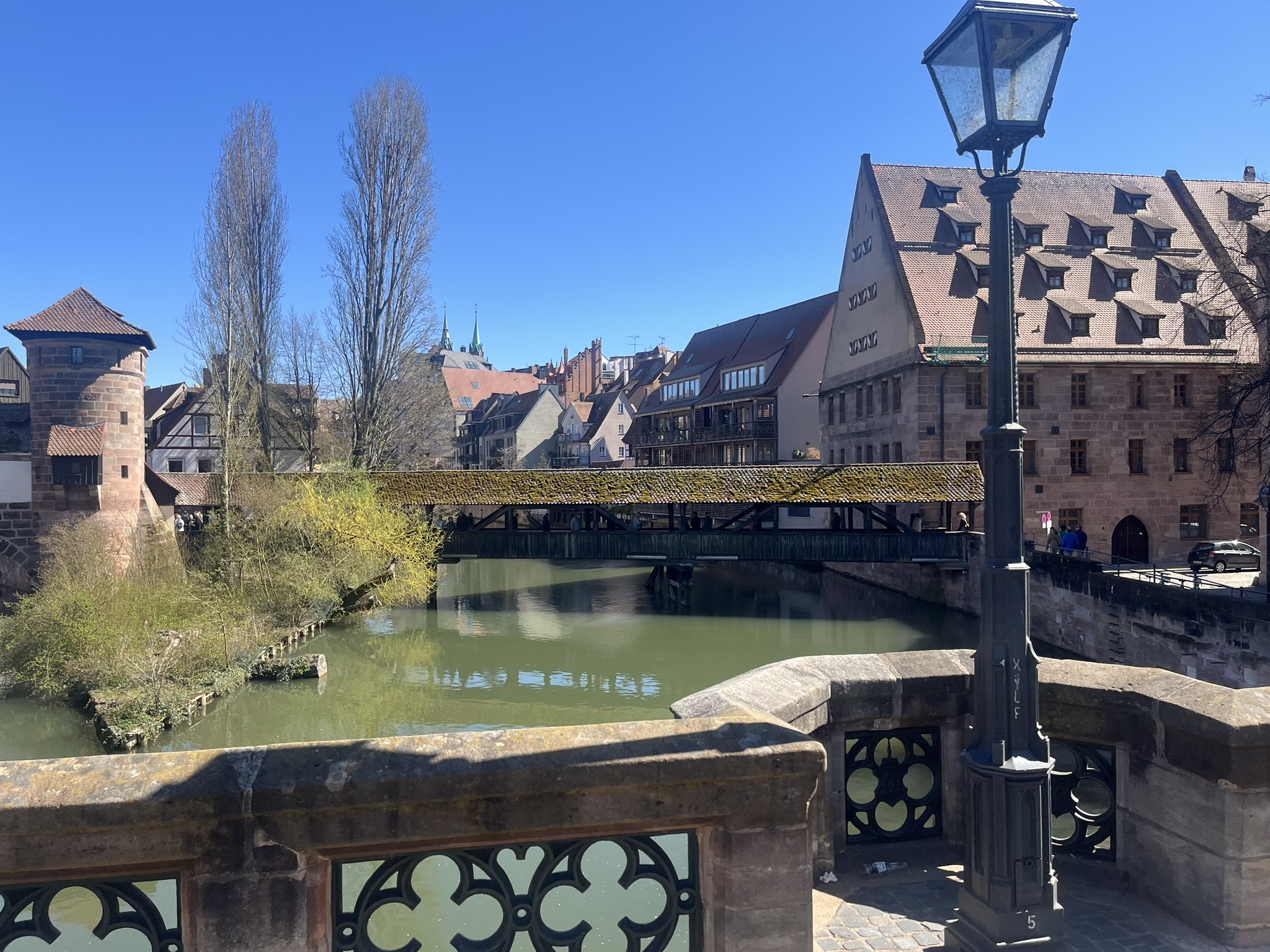
Tour the Old Town and learn about the city’s history while riding the Mini Train, which departs from the Beautiful Fountain at the Main Market Square and takes you on an almost hour-long loop in and around thHausbrauerei Altstadthofe city while multi-language audio headsets announce historical landmarks and relay town stories. One legend tells of German robber Eppelein von Gailingen, who allegedly escaped execution by leaping off the castle and over the moat and city wall on his horse, leaving behind hoofprints on the roof. You’ll see the half-timbered historical building built in 1446 that once housed lepers for three days during Holy Week (to provide them medical attention, clothing, and food), then became a wine storage depot, and now functions as student housing. You’ll also spot the Hangman’s Bridge, a wooden footbridge over the Pegnitz River used solely by the Nürnberg hangman between the 16th and 19th century to travel between his secluded home on a small island in the Pegnitz into the city, as a Middle Ages rule forbade him from contact with “honorable citizens.”
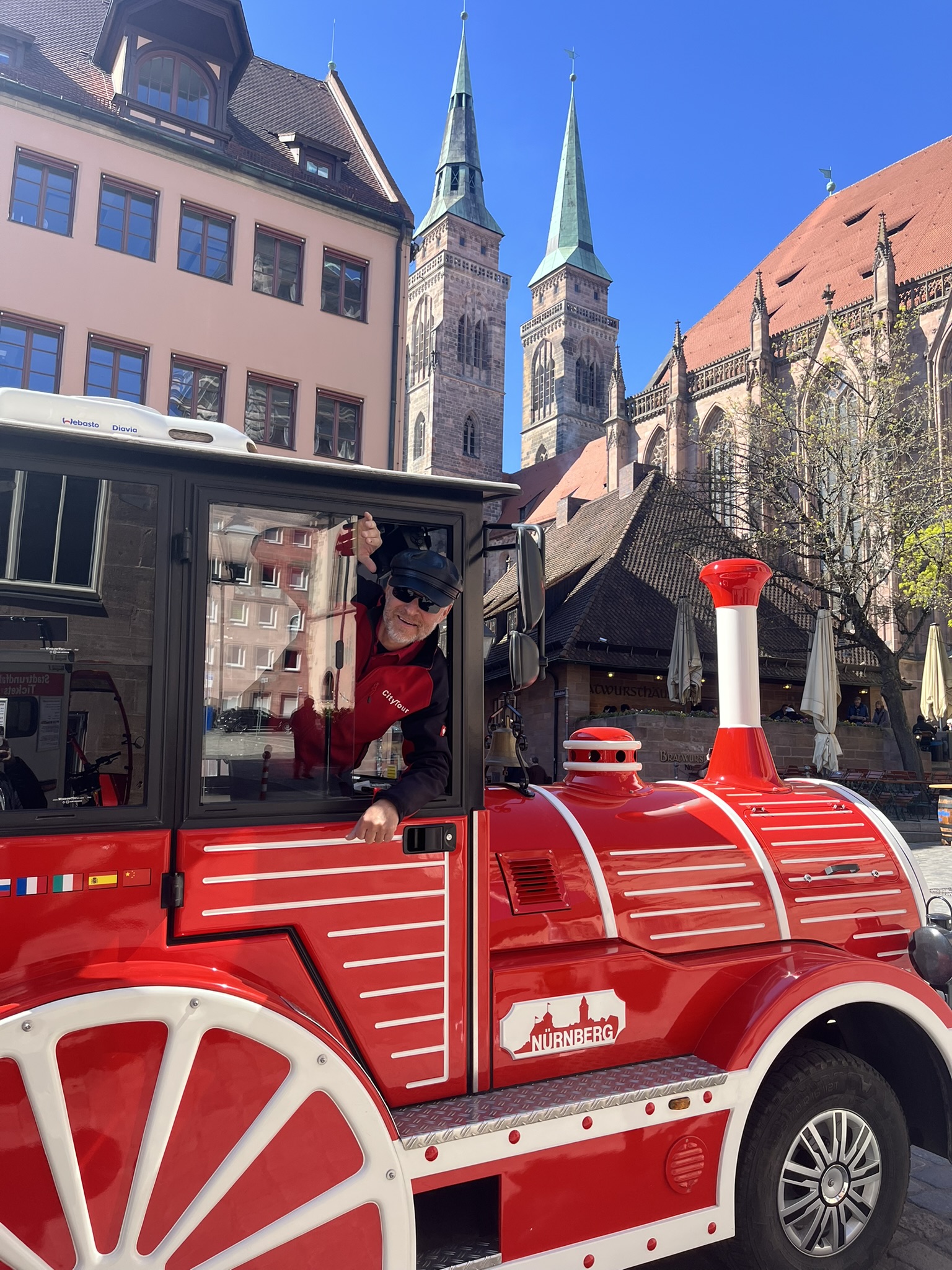
The Mini Train ride provides a comprehensive city tour while revealing town lore.

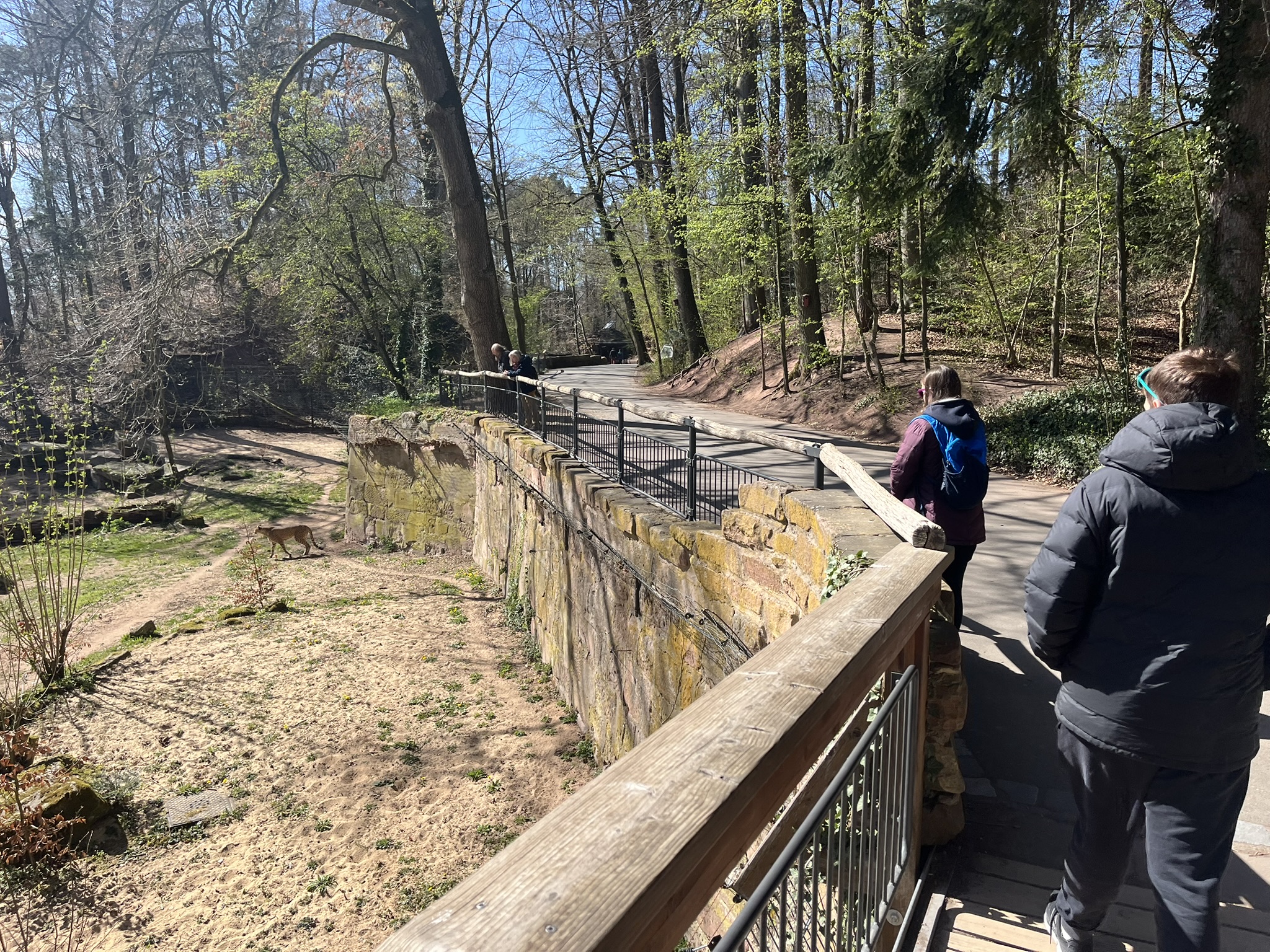
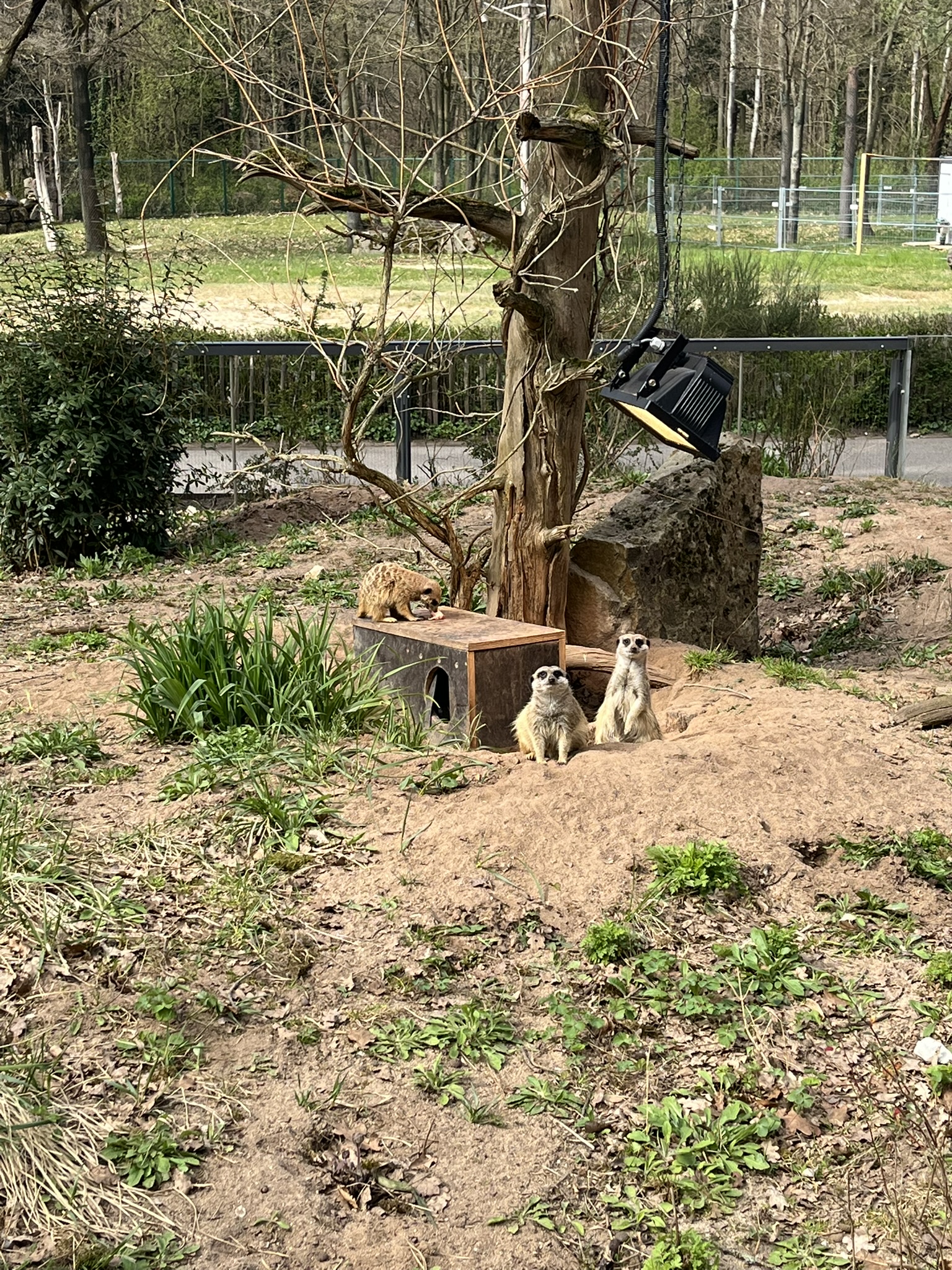
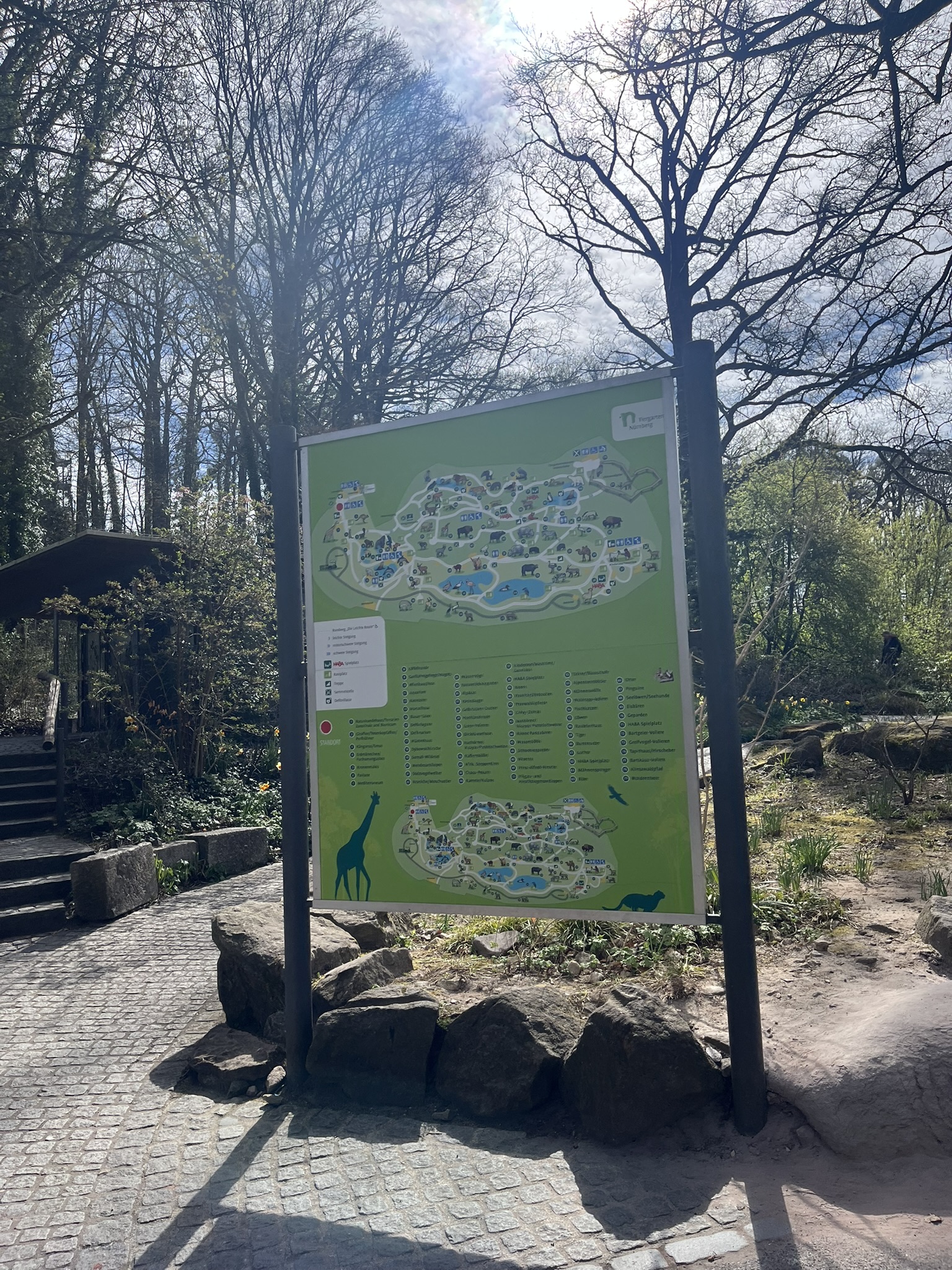
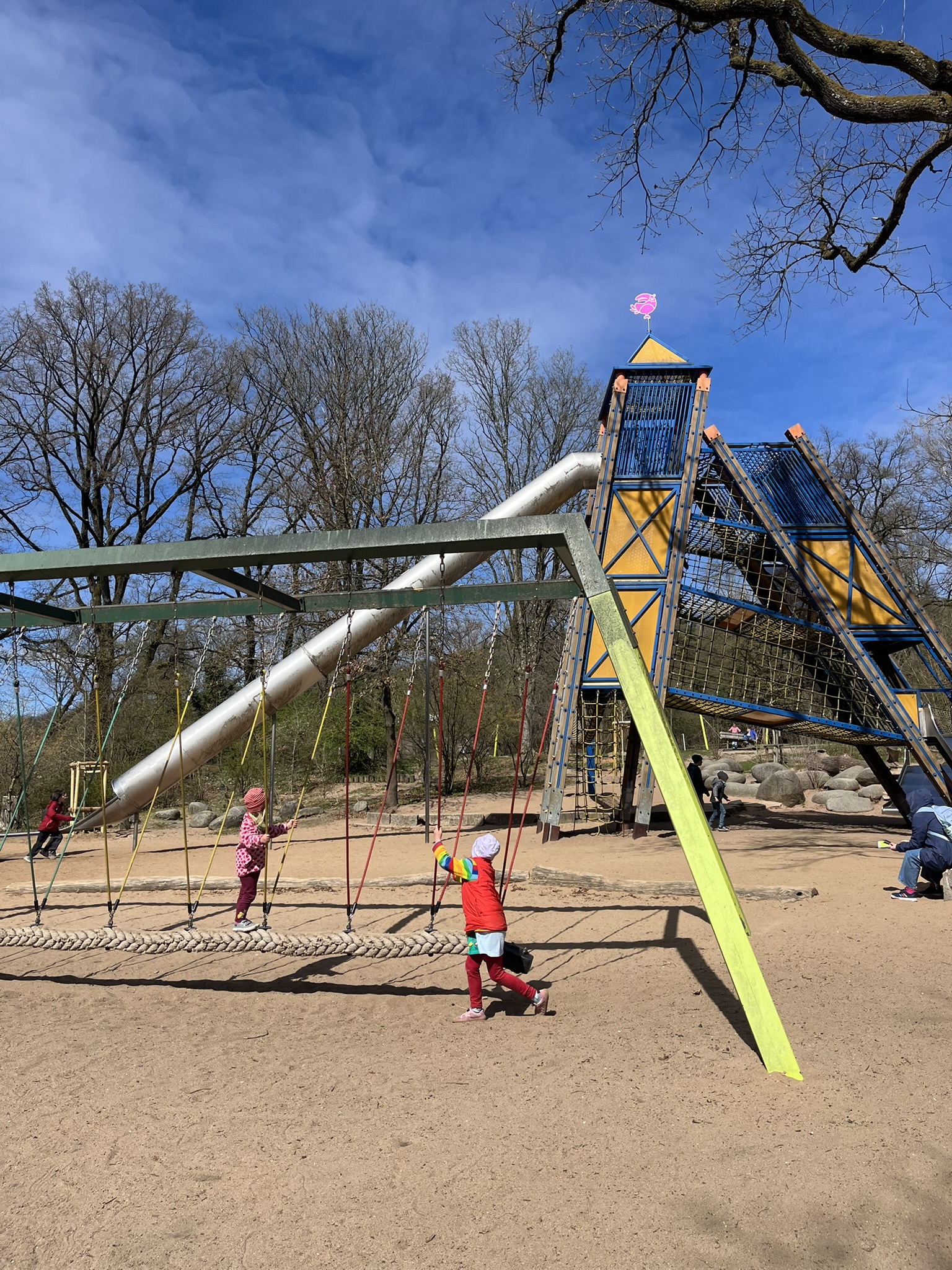
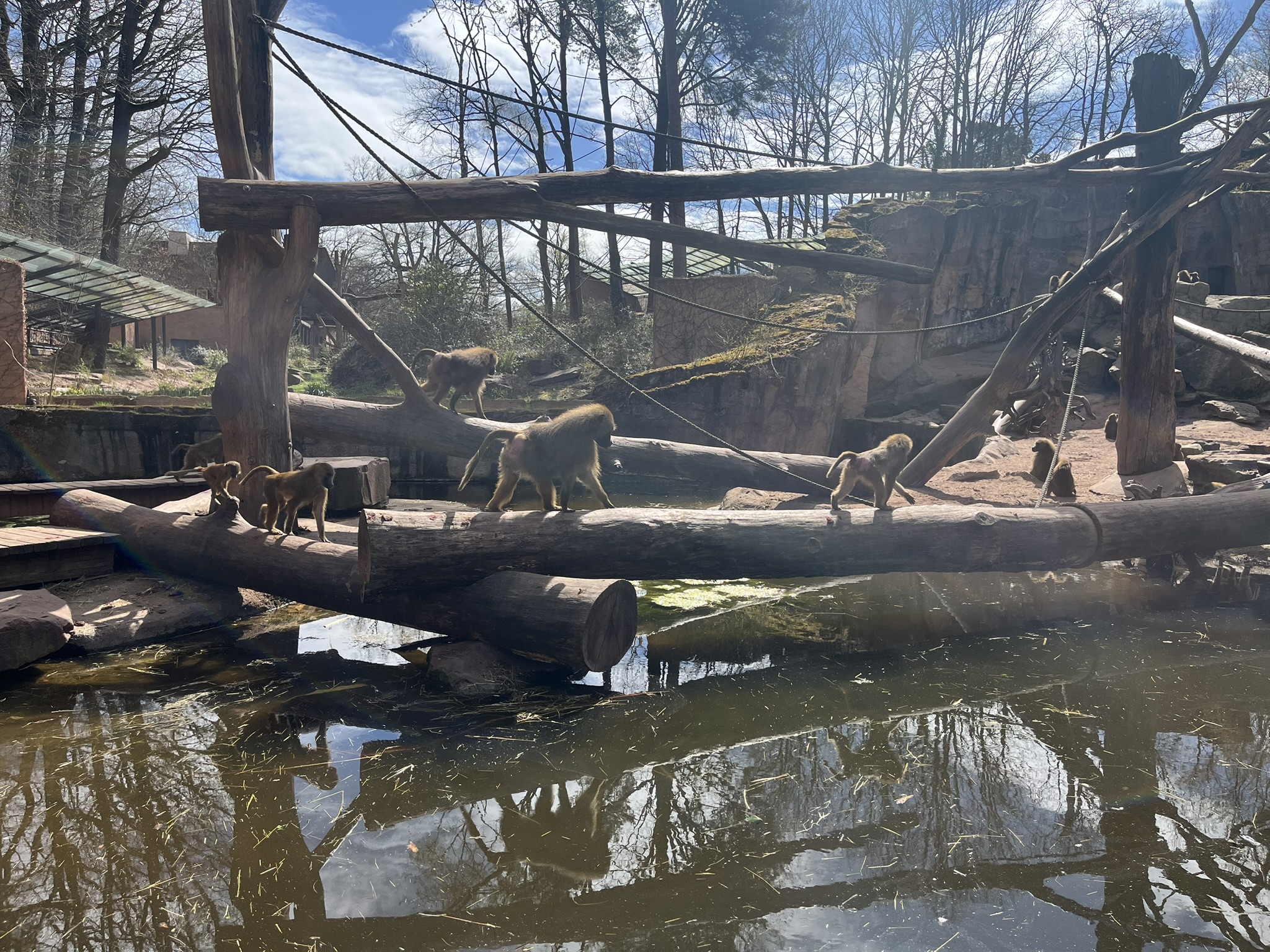
Don’t forget to visit Nürnberg’s surrounding area outside the city walls. Nürnberg Zoo is about a 25-minute ride out of the city center via public transportation. Backed by sandstone cliffs, the exhibits of pacing lions, squeaking lemurs, playful polar bears, and around 300 different animal species (about 40 considered endangered) provide guests with plenty of animal entertainment. One of the largest zoos in Europe, the Nürnberg Zoo is built on approximately 160 acres that include woodlands of ancient trees, peaceful ponds, rocky formations, and sloping walkways. Its special “climate high forest trail” is built at the treetops and allows visitors to stroll and view the zoo from above. The zoo is designed in a natural, park-like arrangement that feels very relaxed and rural. Not only open-air–enclosured animals make this place their home, but water birds and forest animals are found in the wild in this “forest preserve”-like walking zoo. There are numerous play areas for children, including a fantastic large playground with zip lines, ropes courses, giant slides, and inset trampolines—appropriate even for older kids or spirited adults.   

Restaurant Waldschänke within the zoo grounds is reached via a slightly uphill walk along beautiful pathways. Indoors or out in the beer garden you can order hearty meat entrees, kid-friendly food, salads, fish dishes, Mediterranean meals, revitalizing drinks, and an extensive selection of vegetarian and vegan options. Complete with audience-interactive Culinary Theater performances, colorful murals, amusing children’s books to borrow and peruse during your meal, and an opportunity to purchase plush animals, Restaurant Waldschänke is a welcoming eatery for families.

Restaurant Waldschänke in the Nürnberg Zoo is a convenient place to power up between wildlife exhibits.

By exploring inside and outside of Nürnberg’s city walls, high above the castle moat, and even below the streets, you can go beyond surface level to uncover fascinating history and experience this medieval town’s inimitable Franconian charm.

Saxony’s Sweets and Treats Take the Cake

Story and photos by Alison Ramsey

There’s something irresistible about German bakeries—the fresh brötchen and Berliners, croissants, and the bold espresso you can order alongside—something that makes it feel okay to stop at various locales throughout the day, even beyond just a morning coffee and pastry. It seems that a thick slice of cake and a mug of strong, steaming coffee any time of day makes a whole lot of sense when you’re in a region with such a rich baking history. Dresden, the capital of Saxony in Germany, and nearby Meissen and Leipzig have much to offer snack lovers when it comes to pastries and cakes. So pour a fresh cup, heat up a bun, and read all about the role Saxony played in the rise of gluten-filled goodness.  

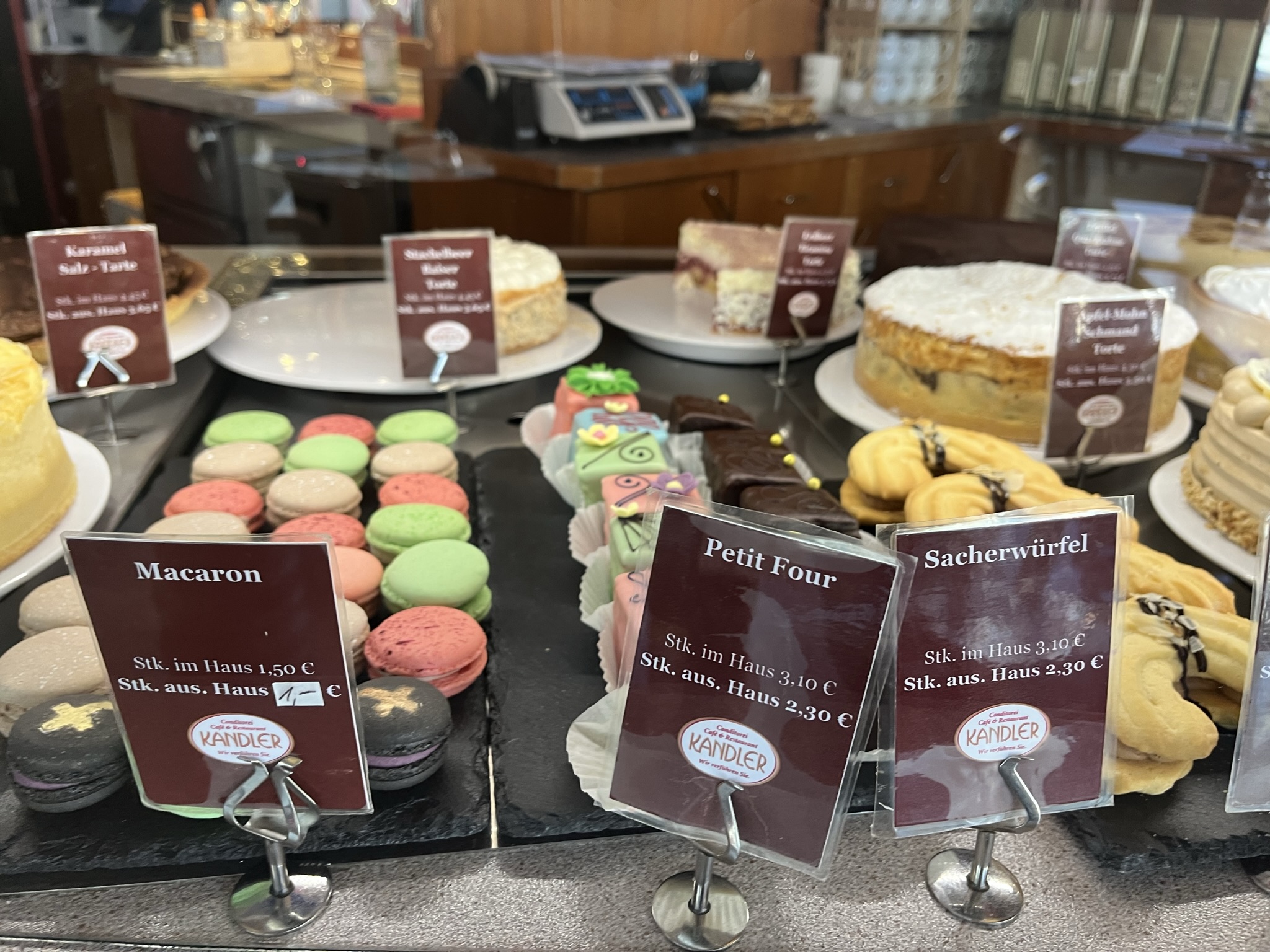
The five locations of Kandler Konditerei in Leipzig are always stocked with sweet temptations.

Russisch Brot
During the late 19th century, Dresden-based master baker Wilhelm Hanke adopted the 1845 St. Petersburg, Russia, recipe for Russisch Brot (Russian bread), which are crunchy glazed cookies made from sugar, egg whites, water, and flavoring, and formed into the shapes of alphabet letters. These are sold under the Dr. Quendt label and remain a popular Christmas treat or a delicious snack to help teach reading. The letters “M” and “W” are too fragile to be stable, so Dr. Hartmut Quendt ensured bags contain mirrored 1’s that snackers can use to create their own “M” and “W” shapes. It’s clear permission to play with your food!

Stollen
Dresden is also the birthplace of the authentic stollen Christmas cake—the Dresdner Christstollen. When stollen was first baked in the 1400’s, under the supervision of the church council, the bread was not allowed to contain butter or milk during Advent, so it was a dry and bland pastry consisting of flour, yeast, oil, and water. Ernst of Saxony and his brother Albrecht appealed to the Pope and asked that the dairy ban be lifted, so they could replace the oil with butter, as butter was cheaper than oil at the time. The appeal was denied, but finally, five popes later, Pope Innocent VIII sent Dresden the famous 1491 “Butter Letter,” in which he granted permission for dairy ingredients to be used in the stollen—although the Dresden bakers must, in return, pay a fine to be used toward the building of churches.

In 1730, Augustus the Strong, a stollen lover, commissioned a group of 100 Dresden bakers to bake an almost 4,000-pound loaf, which was brought to the king’s table using eight horses. A giant oven was built especially for this occasion, and an oversized knife was designed specifically for the event. This is the basis for the annual Dresdner Stollenfest (or “Striezelmarkt”), which takes place in Dresden the Saturday before the second Sunday in Advent. The festival is a highlight of the pre-Christmas season and celebrates the stollen baking tradition, featuring a colorful parade and the sale of varieties of stollen.

A huge stollen is still made annually and divided into smaller pieces on a specially shaped stollen cutting board—using a 26-pound replica of the original baroque knife from the Residenzschloss (Royal Palace) Court Silver Collection of Augustus the Strong—with cake portions sold to raise money for charity. The Stollenfest knife design features a swooping stainless-steel blade and Augustus the Strong’s coat of arms and rose tendril.

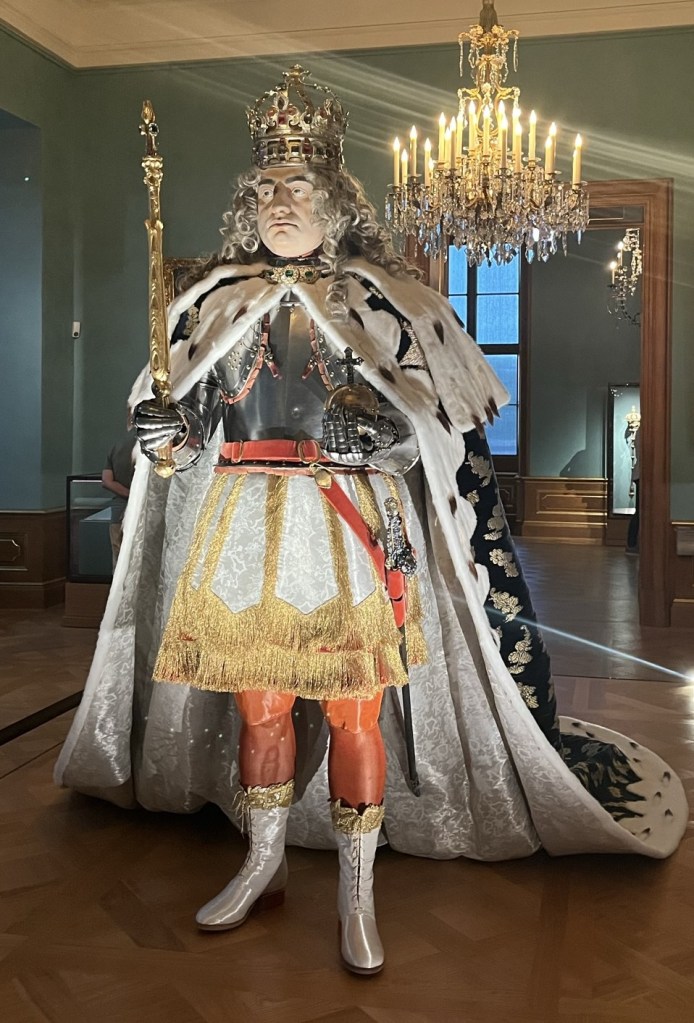
Left: A Dresden bakery displays its stollen seal. Right: This life-sized figure of Augustus the Strong is displayed in the Dresden Residenzschloss.

Stollen has its own protected name and registered trademark, and the recipe needs to follow certain guidelines to earn the golden, oval “stollen seal.” The cake only passes the test for high quality and validity if it contains no margarine and no artificial flavors or preservatives. The Dresdner Stollen Association requires that each cake contain butter, rum-soaked raisins, candied orange peels and lemon peels, and sweet and bitter almonds to receive the seal. Outside of these requirements, the approximately 110 Dresden bakeries that produce this sweet each use their own secret spice mixture, passed down through generations, which results in varied and distinctive flavors from bakery to bakery. Each stollen is labeled with a 6-digit seal number, to identify and track the bakery of origin. Also identifiable by the European Union-protected geographical indication, true Dresdner Christstollen is marked with a blue and yellow Geschϋtzte Geografische Angabe (“protected geographical indication”) sticker. Dresdner Christstollen can only be produced within Dresden itself or within specific boundaries surrounding the capital. This cake is best enjoyed by removing slices from the middle and pushing together the ends, eating the cake from the center outward. It is seen as traditional Dresden “finger food,” with no need to use a fork.

Eierschecke
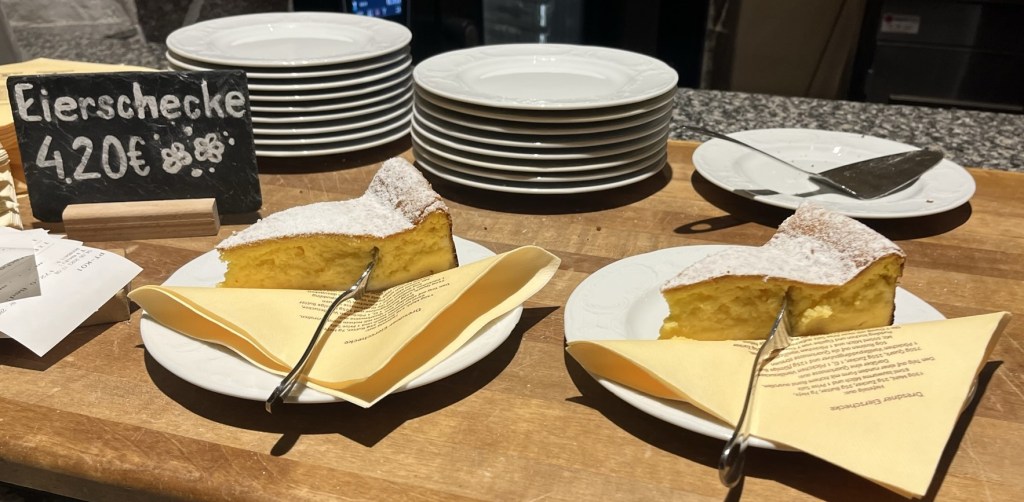
For something slightly sweeter, the Dresdner Eierschecke is a popular pastry choice. It’s a 3-layer confection consisting of a cake base topped with a custard-like quark cheesecake center, and a layer of sweet vanilla egg white on top, dusted with powdered sugar. Only found in Saxony and neighboring regions, this treat is often served with coffee or tea, and makes its way into celebratory menus for birthdays, weddings, and holidays. Some bakeries add chocolate, dried fruit, and sliced nuts, but the original recipe is simply the three-layered stack of varied texture.

Eierschecke and other traditional Saxon specialties are served at the Pulverturm.

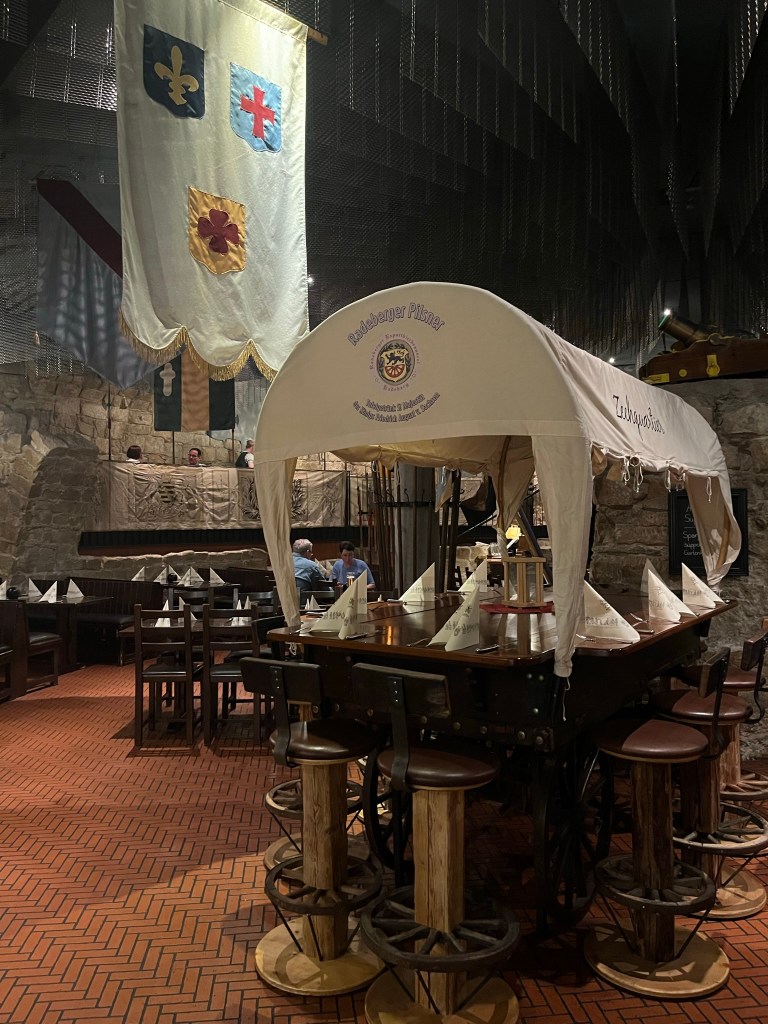
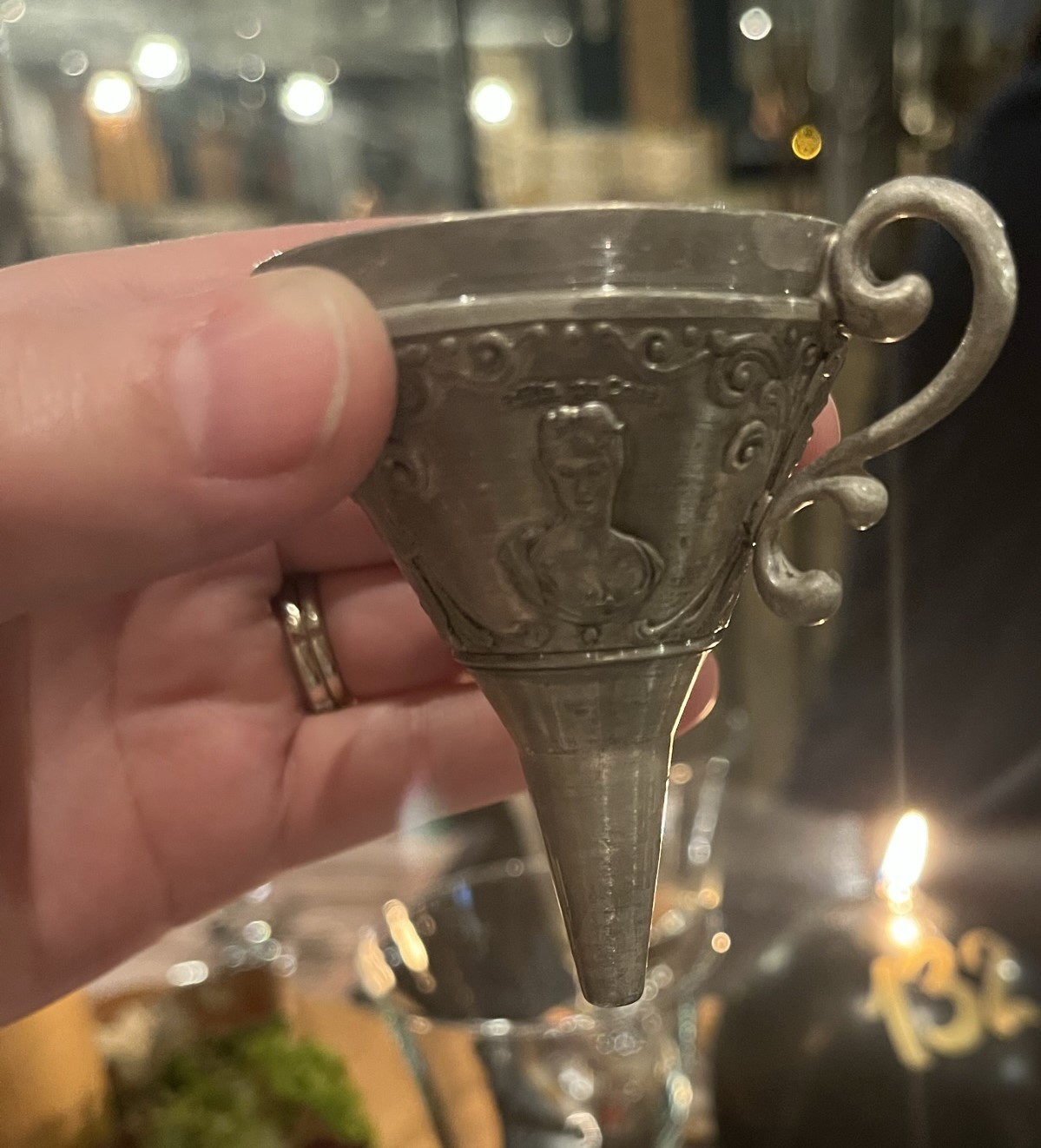
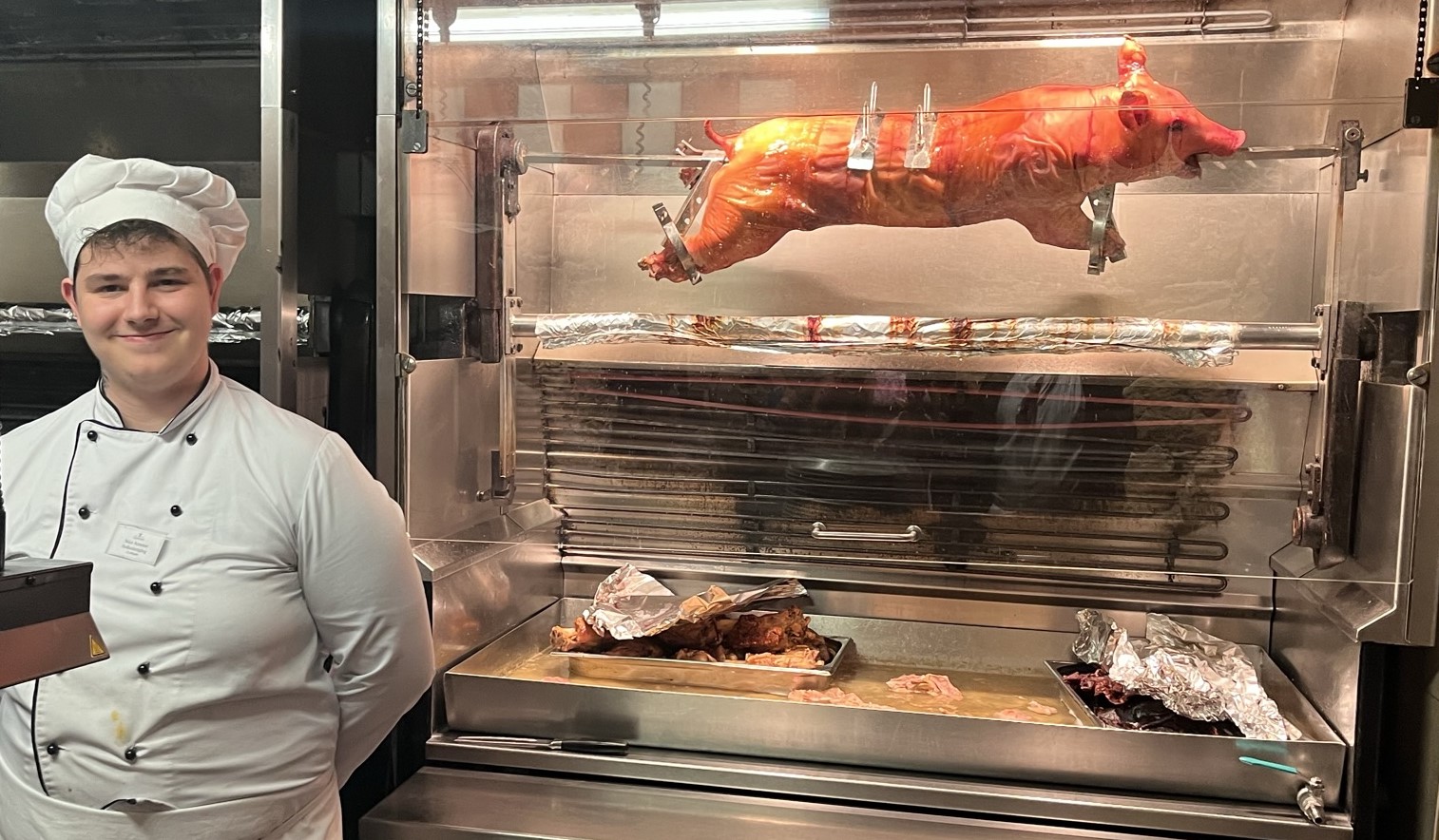
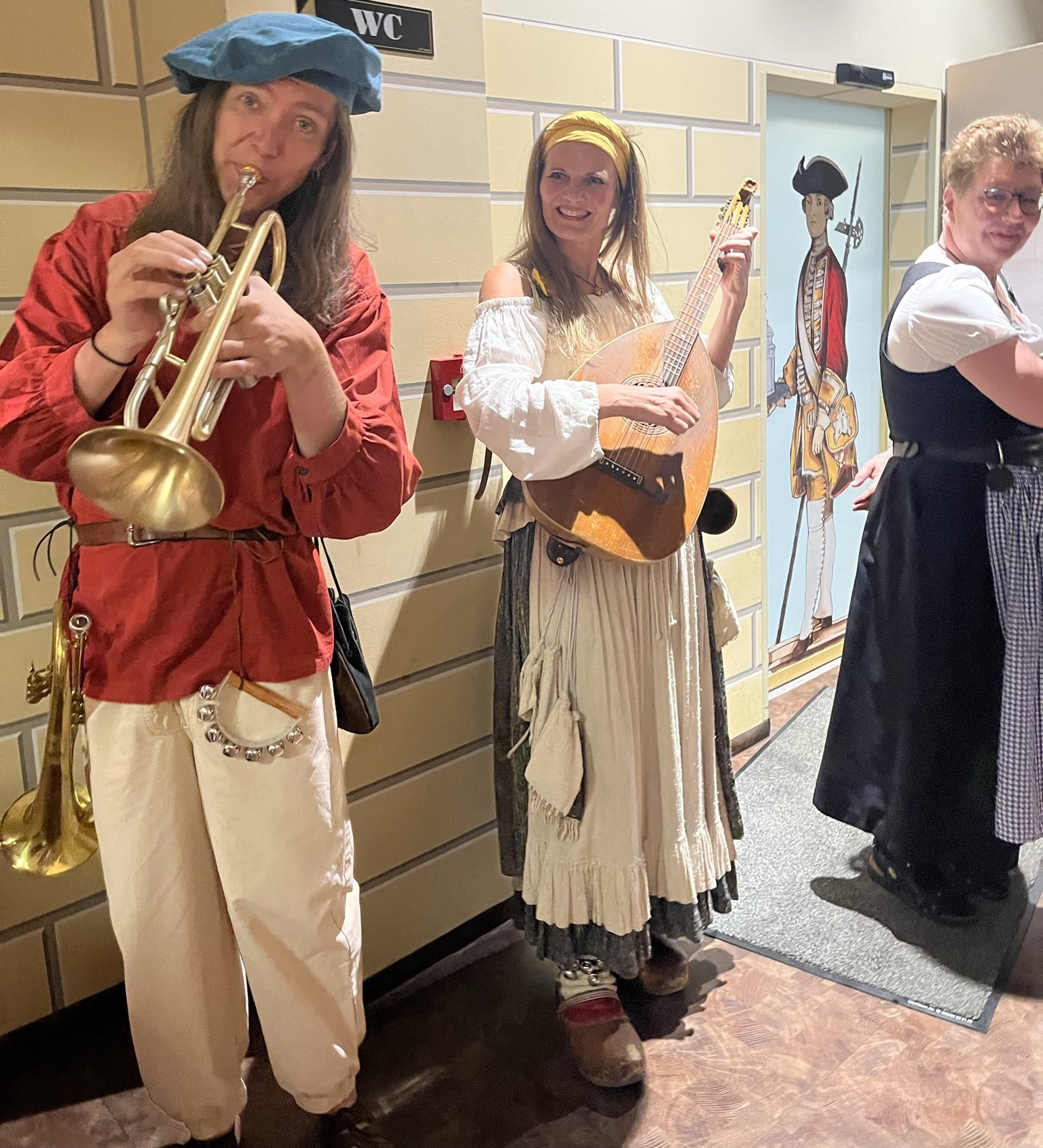
Eierschecke is on the dessert menu at the Pulverturm restaurant next to the Frauenkirche. A historic vaulted powder tower containing portions of the original walls, Pulverturm delights guests with Saxon specialties, homecooked suckling pig, and rousing tableside performances by lively, costumed, character musicians. Be sure to try your hand at funnel-drinking here—a practice that stems from Augustus the Strong’s love of Saxon wines but his court’s dislike for washing numerous wine glasses. The court created a special funnel fit to Augustus’ mouth measurements, so servants could pour the wine directly through the funnel into his open mouth. At the Pulverturm, a variation on this method involves drinking herbed liquor from tiny funnels. Named “Cosel’s Tears,” the drink’s herbs were said to grow from the tears of Augustus’ former mistress, the Countess of Cosel, whom he banished to Stolpen Castle for more than 40 years because of her interfering interest in politics. After a satisfying Saxon meal, have a sugar-dusted slice of Eierschecke and cup of espresso to complete the full Pulverturm experience.

Pulverturm restaurant in Dresden is a full-service, medieval-themed entertainment and dining experience.

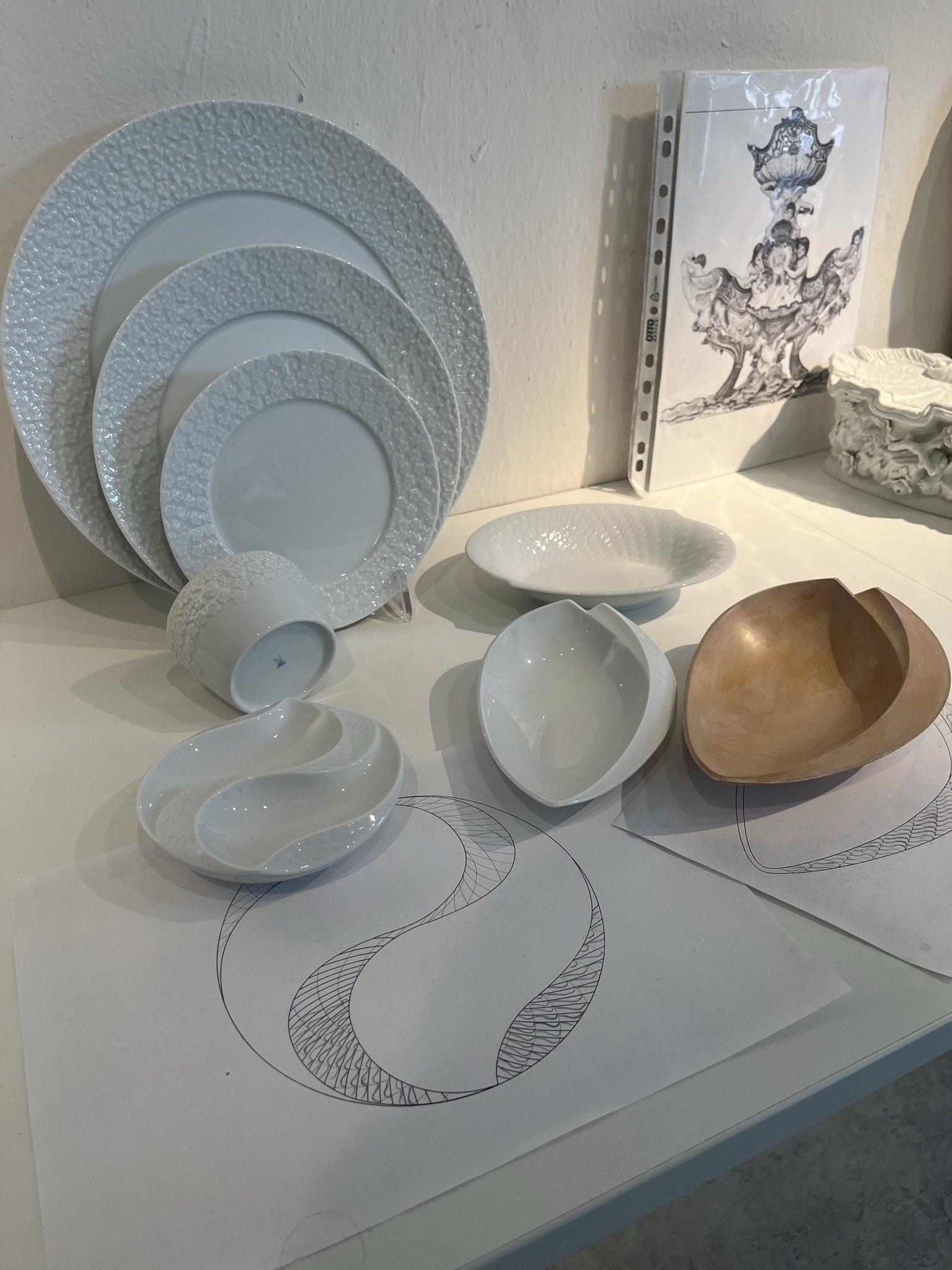
To make your own Eierschecke, try the recipe provided by Meissen porcelain manufactory underglaze painter Marlies Moser in the cookbook Cooking With Meissen. A 30-minute drive from Dresden, the Meissen manufactory creates fine porcelain vessels on which to serve tempting treats. At this company that labels its pieces with the forgery-proof “Crossed Swords” trademark, Moser worked for 40 years in production, painting underglaze onto unfired, porous porcelain—a skill that requires much training, a high level of precision, and years of experience—because the paint immediately penetrates and spreads, making later touchups impossible. The work of an underglaze painter is especially important for iconic Meissen designs like the 1731-created “Blue Onion,” whose luminous, metal oxide cobalt blue color only releases upon final firing. Moser now works in the demonstration workshop at the House of Meissen, and contributed her “Leutewitz Eierschecke” recipe for the company cookbook. Imagine a piece of this cake presented on a beautiful artisan-decorated Meissen porcelain dish!

The Meissen company cookbook features 24 recipes from appetizers to desserts. Saxon potato soup, Saxon meatballs, beef sauerbraten, quark dumplings with plum compote, and an inverted apple tart are among the list, and each submission includes a biography of the Meissen employee who contributed it. This beautiful, full-color hardbound book shows the food plated on fine porcelain tableware and includes sections about dining etiquette and the history of the craft.

Meissner Fummel
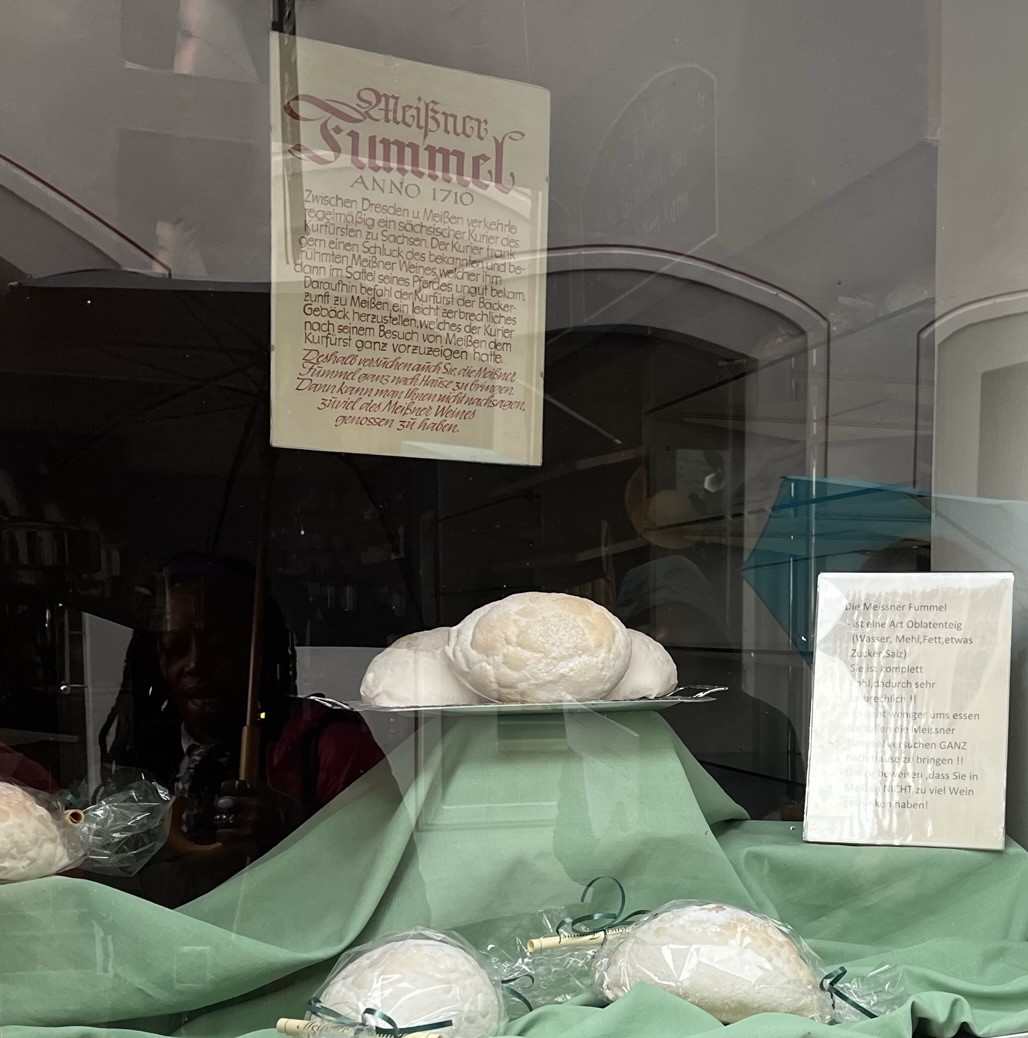
Eighteenth century legend tells that Augustus the Strong, who first commissioned the now-famous Meissen porcelain, used to send couriers back and forth between Meissen and Dresden with factory status updates. The town of Meissen is known for its excellent wine production (try the romantic, antique-filled Vincenz Richter wine restaurant!) and the couriers would often arrive back at the Dresden court intoxicated. Augustus’ solution was to instruct Meissen bakers to invent a pastry so fragile that it could remain intact only if delivered by a sober courier. The result was the hollow, brittle, extremely delicate Meissner Fummel cake, which had to be safely delivered to the Saxon Elector along with the progress reports about the porcelain. Made only with simple ingredients, Fummel is essentially a shell of flaky bread sprinkled with powdered sugar. Zieger Konditerei in Meissen produces this balloon-like baked good, which has been a protected geographical indication since 2000 and can only be manufactured in Meissen. The Fummel is often given to newly married couples in Meissen as a symbol of love’s fragility, and small gifts or cards are sometimes tucked into the center.

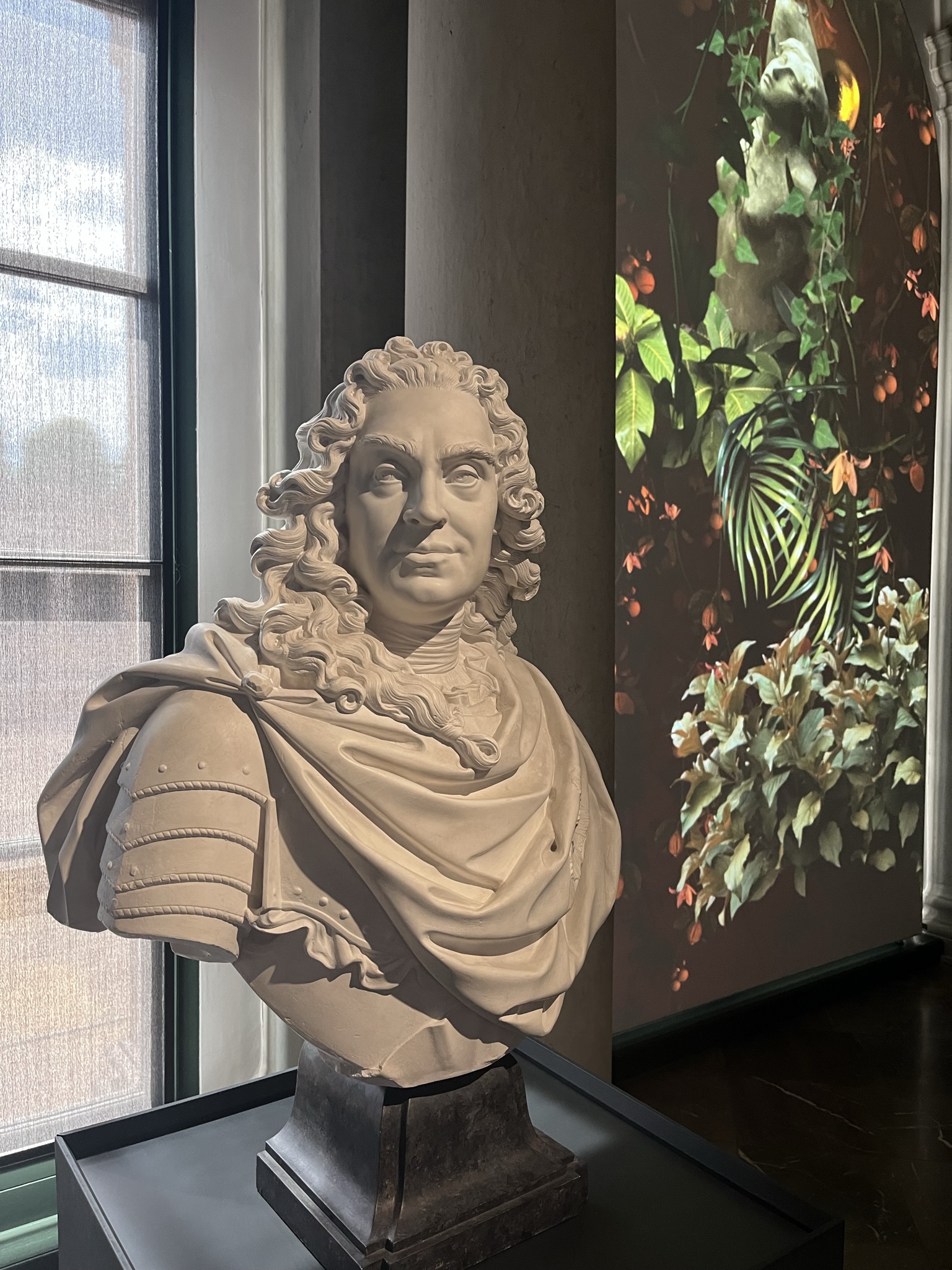
Left: A bust of Augustus the Strong appears in the interactive Zwinger Xperience, a multi-media immersion into the story of the baroque Zwinger building and festival area commissioned by Augustus. Right: This street window in Meissen displays loaves of Fummel along with a poster telling the humorous German story of why the bread recipe was initially invented.

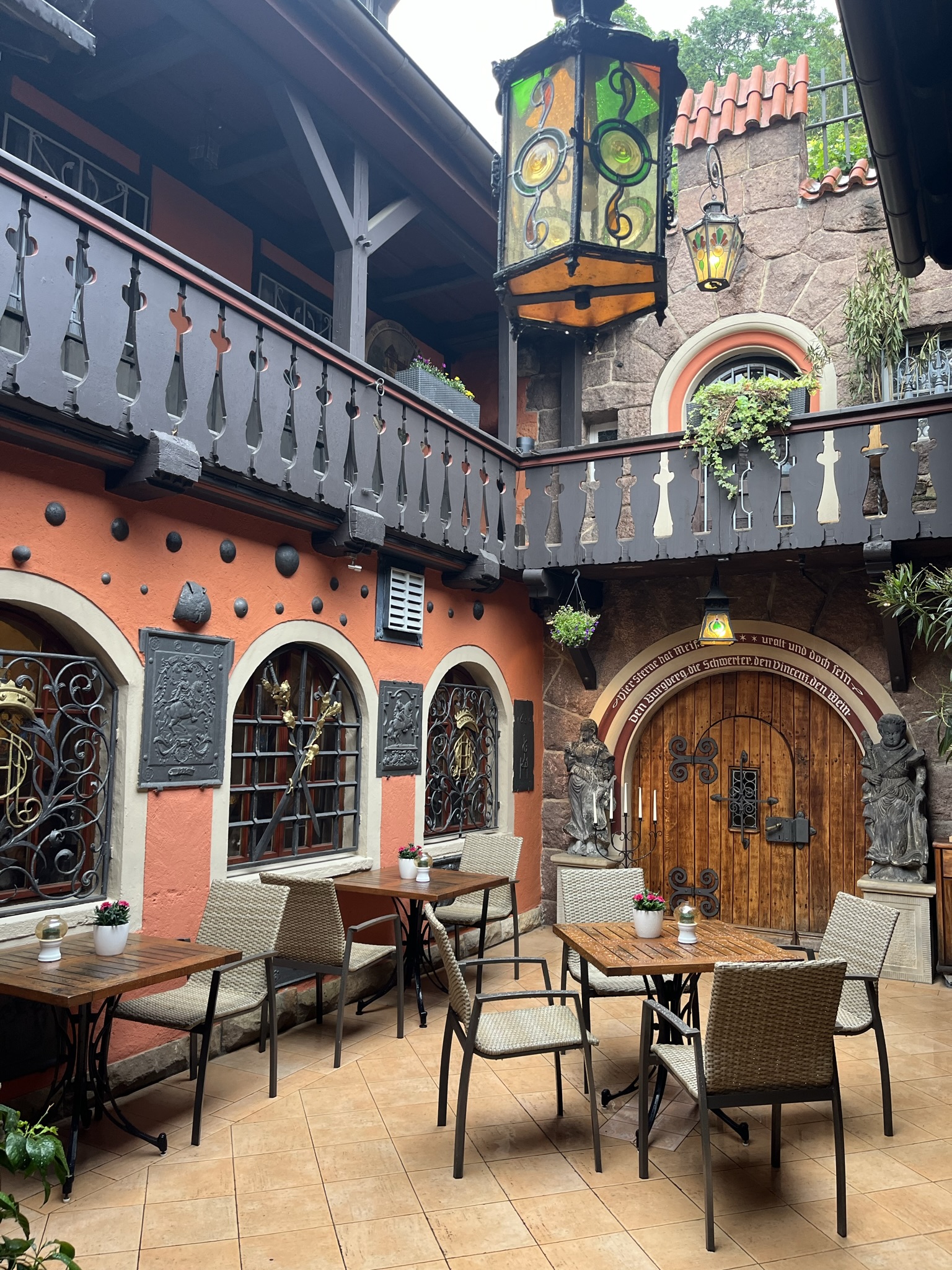
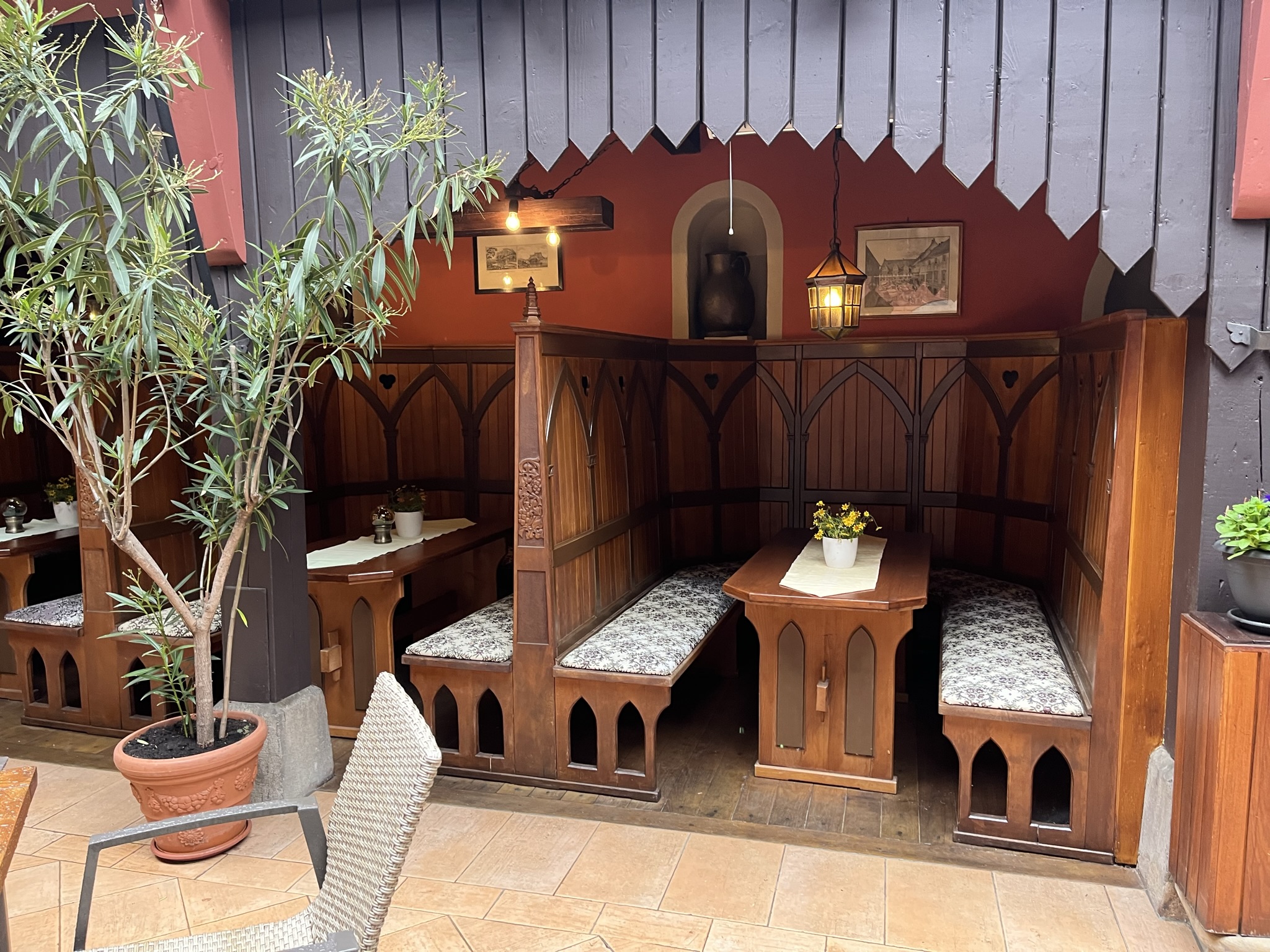
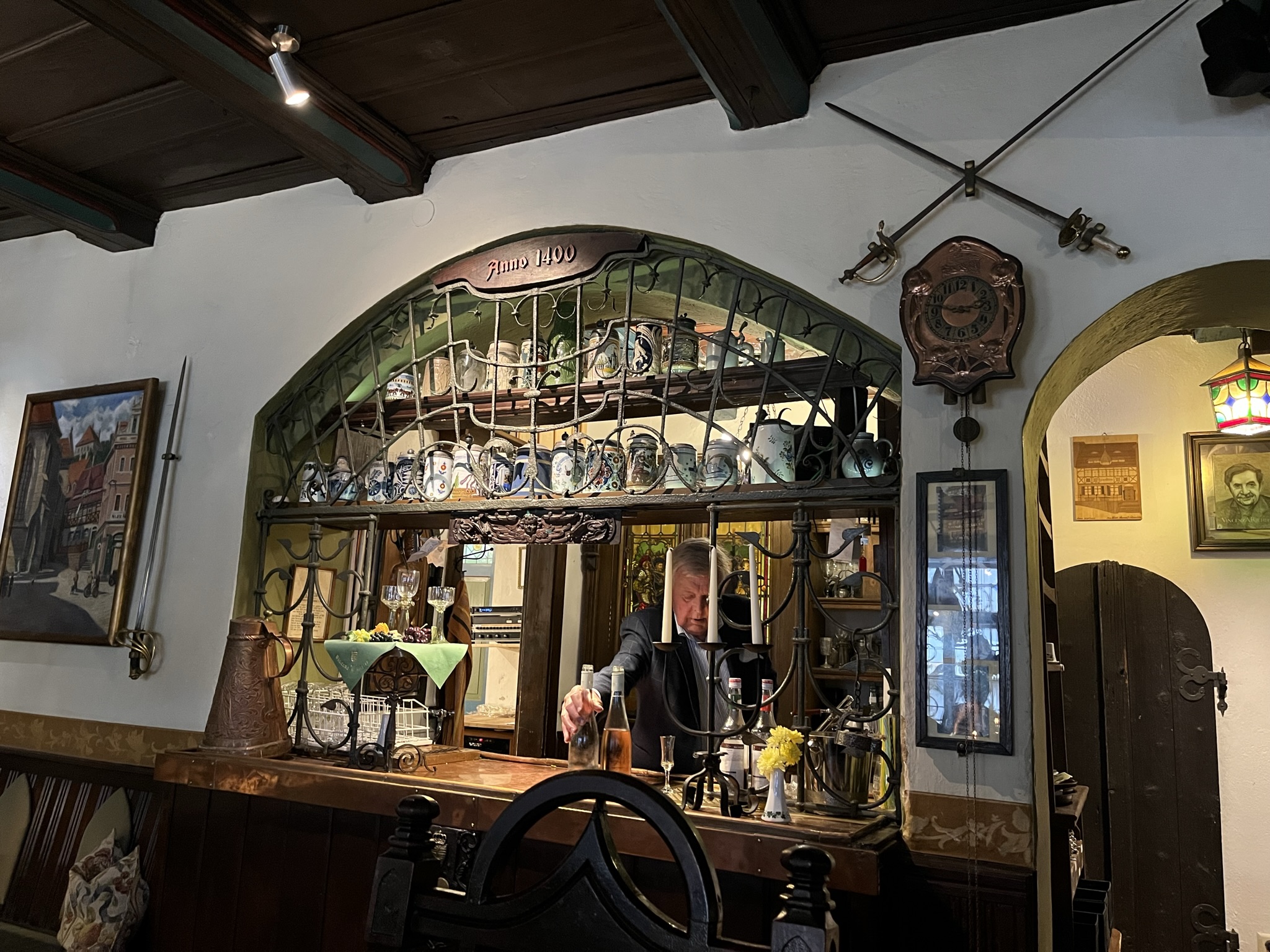
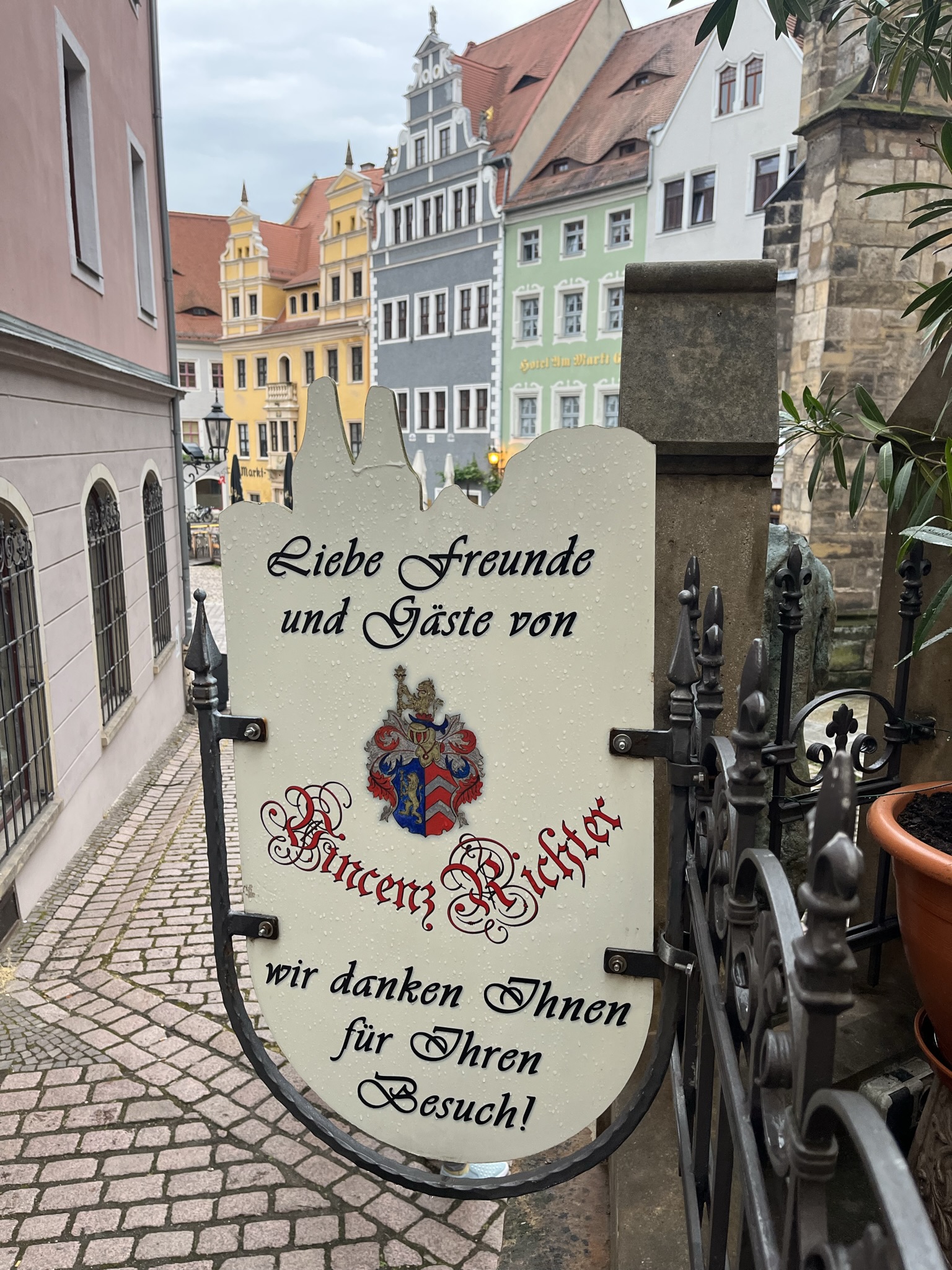
You’ll be sure to fumble that Fummel after a few glasses of wine here! Vincenz Richter wine restaurant in Meissen celebrates its 150th anniversary this year. The 500-year-old building that houses hundreds of antiques and historical items is known as one of Germany’s most romantic places. The family winery produces its delicious wine varietals on the steep slopes of Meissen’s Elbe River valley.

Leipziger Lerche
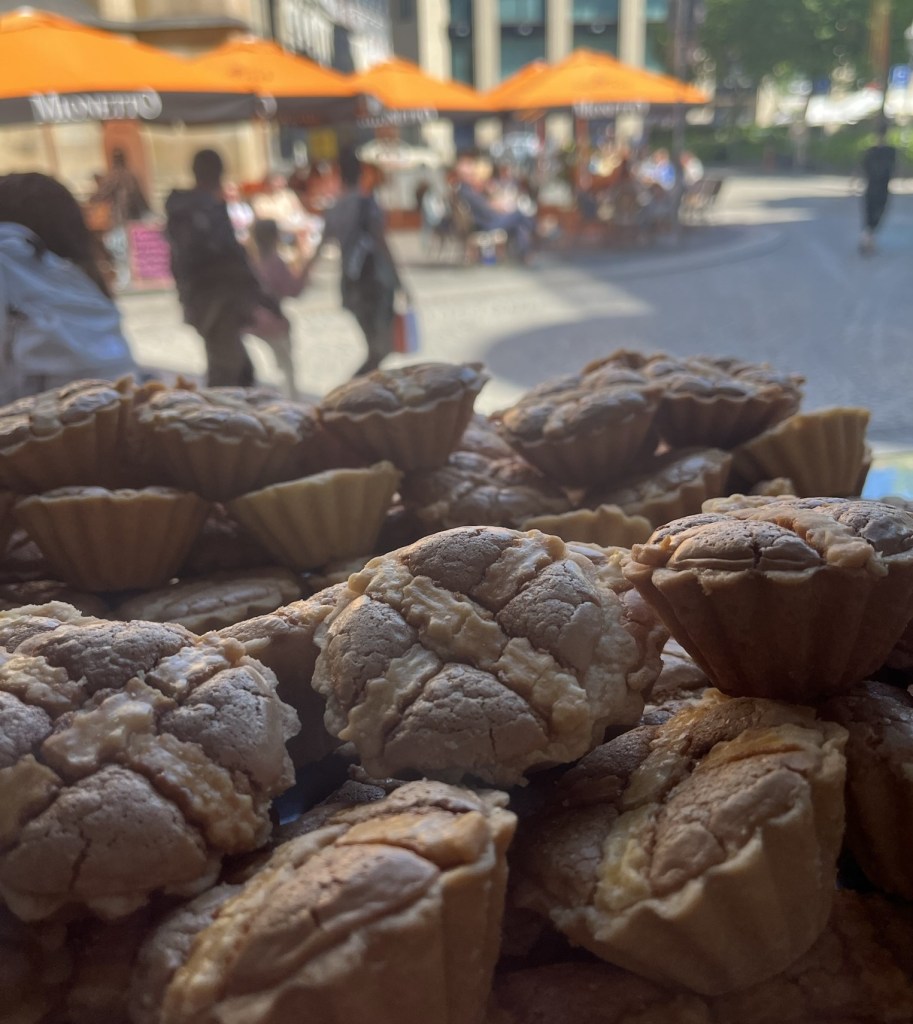
The Leipziger Lerche (“Leipzig Lark”) dessert was born as part of the animal protection movement in the 19th century. Songbird larks used to be hunted and baked with herbs and eggs into a pastry crust and then served as a hearty delicacy. This culinary luxury was enjoyed in Leipzig and beyond, and many bird carcasses were bound in twine and shipped from Saxony to various countries around the continent for others to cook. The bird-baking business boomed, and the bird population declined. In 1876, after overhunting and a severe storm had killed off many of these birds, King Albert of Saxony banned lark trapping. To combat the suffering of this Leipzig business, some clever confectionaries in Leipzig then created a marzipan-stuffed shortcrust tart as a substitute for the traditional meat quiche. Now served in a small, fluted muffin cup, like a miniature pie, this baked good features two strips of dough crossed over the top to represent the trussing used to tie up stuffed larks. Beneath the ground almond and egg white mixture of the tartlet, there is often a cherry or dollop of jam to symbolize the heart of the lark. Kandler Konditerei in Leipzig is a popular source for “Kandler Lerche” pastries of this style, baked fresh daily and as naturally and preservative-free as possible, with numerous packaged options sold for a sweet, Saxony-specific souvenir.

Save a songbird and let Kandler Konditerei tempt you with a Leipziger Lerche.

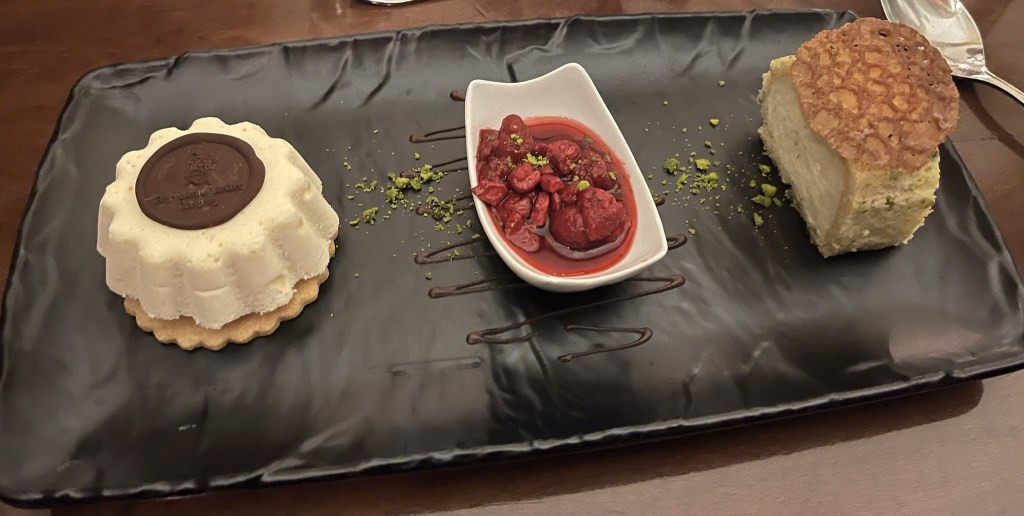
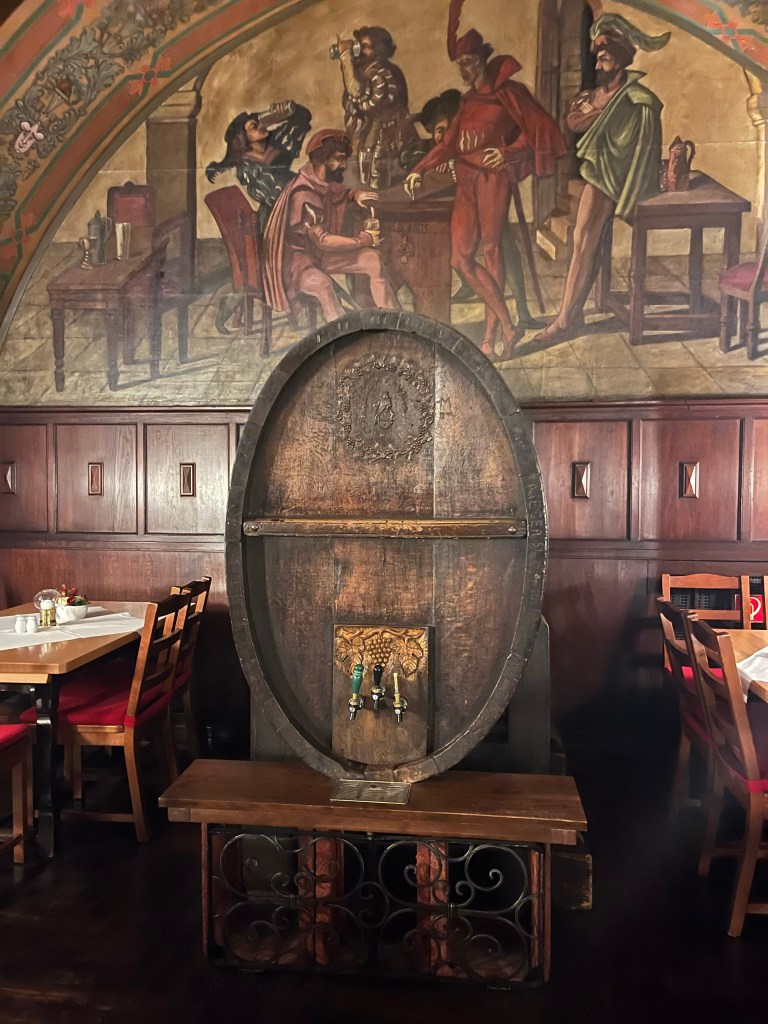
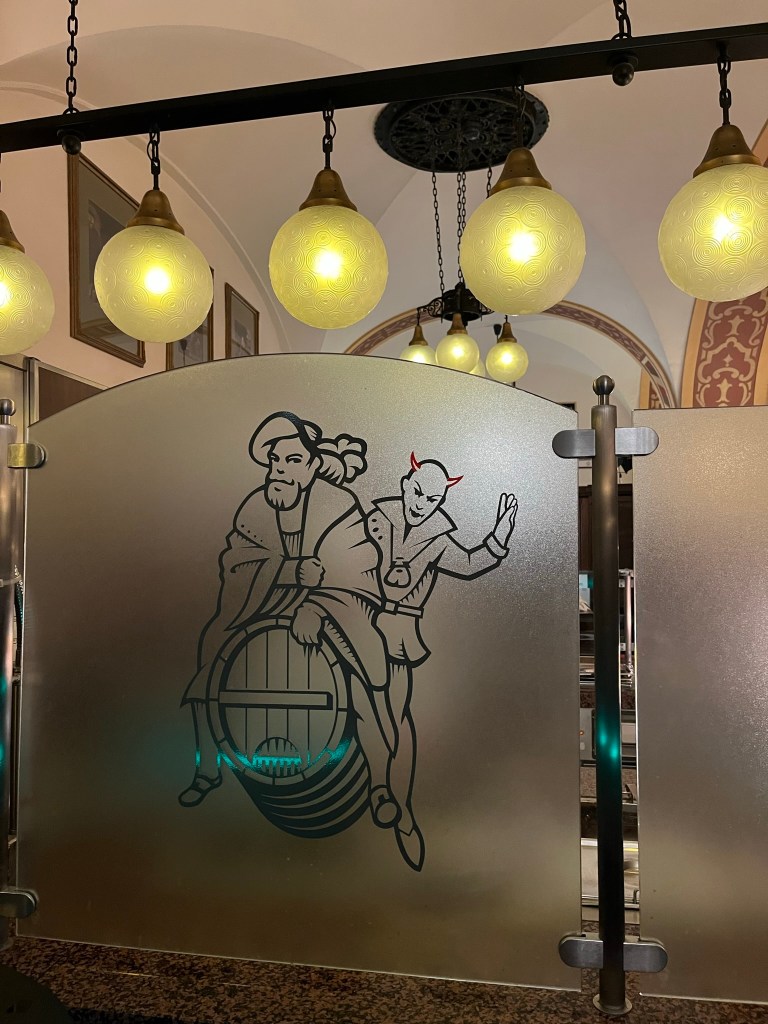
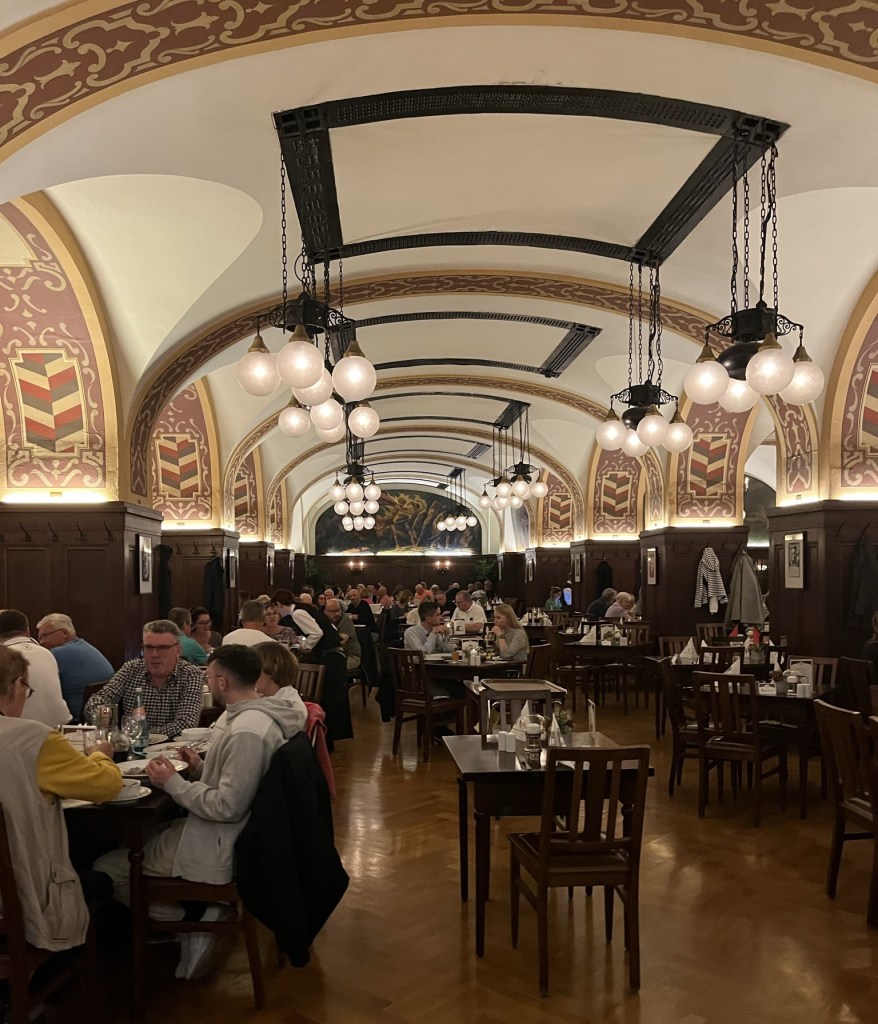
For a tasty variation of Leipziger Lerche, try the ice cream version served at Auerbachs Keller in Leipzig. This bundt-cake-shaped mound of ice cream is seated on a petaled crust and topped with a dark chocolate medallion stamped with “Auerbachs Keller Leipzig” and an image of Dr. Faust riding astride a wine barrel. Goethe and Martin Luther were regular guests of Auerbachs Keller, and it’s a treat to dine in the historic basement rooms of the Mädler Passage where they sat and to eat traditional Saxonian cuisine, including this new take on a famous regional dessert.

Auerbachs Keller Leipzig serves a special iced Leipziger Lerche with curd-cheese-lime-mousse and raspberry sauce.

Auerbachs Keller in the Mädler Passage is the most famous and second oldest restaurant in Leipzig, and was one of the most popular places for wine in the 16th century.

Visiting Saxony?
Take an audio guided tour through the Meissen Manufactory and visit the Meissen Porcelain Foundation Museum. Enjoy coffee and delicacies at the Café & Restaurant Meissen, where your snacks are served on fine porcelain and you can sample the specially created Meissen cake featuring the crossed swords trademark. Register for a porcelain casting class or creative workshop and make your own Meissen masterpiece—available for adults and kids alike—or personalize a Meissen coffee mug and have your unique creation safely shipped directly to your home. Sign up your kids for an etiquette class to learn the art of fine dining or join a themed specialty meal (brunch with organ recital, Advent dinner, Christmas dinner, or Ladies Crime Night dinner). The one-hour “Women at Meissen” social history class highlights the significant role women have played in the manufactory’s workforce since the 18th century. The “Tea, Coffee, and Chocolate” event is offered once a month and teaches participants about the three “pleasure drinks” that were popular luxury goods during the Baroque period and how Meissen porcelain played a role in providing many varieties of elegant drinkware.
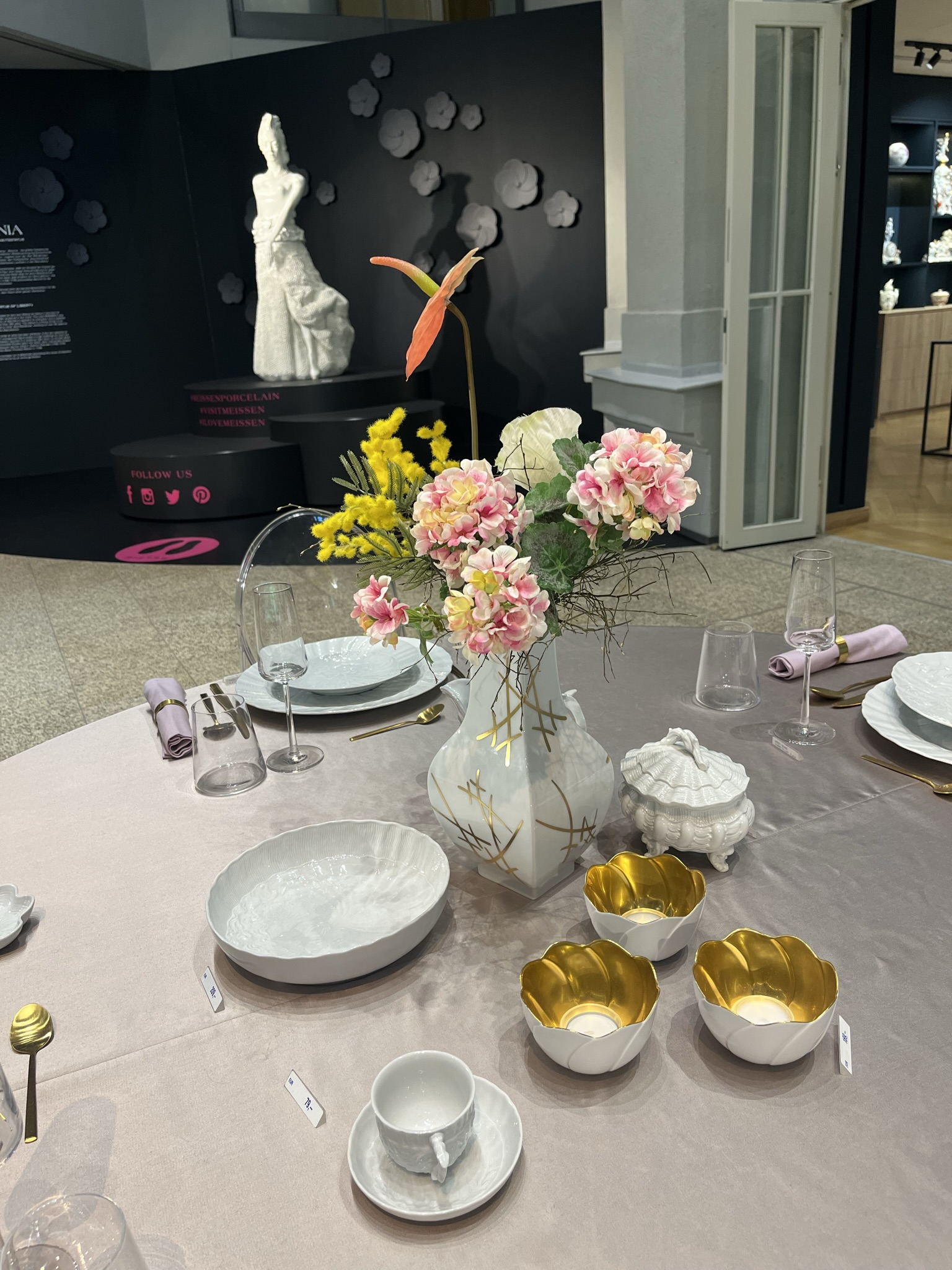
Meissen porcelain tableware makes every cake look better. Sweets and special place settings are a suggested Saxony souvenir.

Traditional British Christmas Pudding

Courtesy David Ross/ www.britainexpress.com

INGREDIENTS
l lb. of each: raisins, currants, golden raisins, breadcrumbs, brown sugar
8 oz. suet
4 oz. each: mixed peel, glace cherries chopped, almonds chopped
1 each: lemon – grate rind, orange – grate rind, carrot – grated, apple – grated
1 tbs. flour
1 tsp. mixed spice
Pinch salt
6-8 eggs
10 oz. stout (bottle) or dark beer (Guiness is good)
OR 5 ozs. each: brandy and milk
 
PREPARATION
Mix dry ingredients first then mix with lightly beaten eggs & liquid. Grease the bottom of a bowl large enough to hold pudding and press mixture into it. Place wax paper over the top and then foil over that, crimping it around the edges to keep firm. Either cook for 2 hours in pressure cooker with about 2 inches water or put in pan with water on stove for 4 hours. Keep checking water in pan to prevent burning. Store well wrapped for as long as possible for better flavor. Some people make them one year to eat the next. Serve with hot custard, cream, or brandy sauce.

Why steam for so long? Christmas puddings are quite dense because of all the fruit, nuts, etc. they contain. Steaming is the best method of cooking because it allows a slow cooking which ensures a moist and palatable result (cakes being less dense can cook for less time and still remain moist, so baking is the best method). If you used a faster cooking method for a Christmas pudding you would get a crusty pudding. A pudding steamed for 2 hours, rather than 4, would probably still have some uncooked mixture in the center. So, while the cooking time obviously depends on the size of the pudding. (This is when it is cooked on the stove – not the pressure cooker)
Related: Quick Christmas Pudding
Recipe used by kind permission of Hazel Whyte

For more recipes from Britain, go to: http://www.britainexpress.com/articles/Food/index.htm

Christmas Is a Time of Food and Fun

European Traveler has gathered Christmas holiday recipes from around Europe, and we present them here in a special tribute to the countries from which they come. You’ll find a variety of tasty foods in these selections, from desserts and breads to main dishes, to cookies and candies. As December progresses, we plan to add more, so stay tuned!

Please note that some of the recipes are in metric measurements and may need to be converted.

Bon Appetit!

AUSTRIA

VIENNESE VANILLA CRESCENTS (VANILLEKIPFERL)

Eva Draxler / Vienna Tourist Board

INGREDIENTS
1 1/2 sticks (6 ounces) unsalted butter
2/3 cup finely ground nuts (almonds or hazelnuts)
1/2 cup confectioner’s sugar
2 egg yolks
1 1/2 cups all purpose flour
dash of salt

PREPARATION
Knead all ingredients together quickly – keep them cool. Cool in refrigerator for several hours. When forming crescents, take out only the amount of dough you are working with. Form into large, sausage-like rolls with a diameter of about 2 inches. Cut thin slices and quickly roll each of them in the palms of your hands, thus forming small crescents. Place on greased cookie sheet. Bake at 325 degrees Fahrenheit for about 20 minutes. Let cool for no more than five minutes. While still warm, roll in vanilla sugar.

THE AZORES

HOTEL MARINA ATLANTICO
THE AZORES

Courtesy Monica Bensaude Fernandes/Bensaude Turismo

COD “COM TODOS” STYLE

INGREDIENTS
2 cod steaks
300 grs of cooked chickpeas
1 Portuguese cabbage
200 grs carrots chopped in thin circles
2 dls extra virgin olive oil
30 grs fresh coriander
1 salted pickled red pepper cut length wise
6 dry garlic cloves
200 grs crumbed corn bread
100 ml cream
Salt and white pepper
PREPARATION
Boil cod for 5 minutes. Remove skin and bones. Grate chickpeas in a tasse-vite. Add cream and season with salt and pepper. Blanch cabbage, drain and sauté in olive oil and garlic.
Sauté carrots in olive oil and garlic.
PLATE PRESENTATION
Using a rim, first layer chickpeas, and then carrots. On top, place cod, broken apart. Cover it with sautéed cabbage and lastly, the crumbed corn bread. Give it a little color by briefly placing in a very hot oven. Decorate with olive oil and fresh coriander.

DUCK BREAST WITH ORANGE AND DRIED FRUITS
INGREDIENTS
2 boneless duck breasts
300 grs red cabbage, julienned
4 oranges
300 grs potatoes, cut in extra fine rounds (chip style)
50 grs crushed walnuts
50 grs crushed pine nuts
50 grs S.Jorge cheese sliced thin
½ cup Brandy
Salt and white pepper
2 tablespoons balsamic vinegar
10 grs sugar
PREPARATION
Sauté duck in high heat for 5 minutes. Season with salt and pepper. Zest the orange. Set aside. Juice the oranges and add it to pan. Let it reduce and set aside the sauce. Bake potatoes in a fan format with the thinly sliced cheese on top. Sauté cabbage with a little olive oil. Add balsamic vinegar, sugar and dried fruit.
PLATE PRESENTATION
At the top, place the fanned potatoes. In the center, place red cabbage and beneath position the laminated duck. Cover with sauce and orange zest.

VEAL LOIN VERDELHO
INGREDIENTS
400 grs veal loin
300 grs potatoes
400 grs carrots
Verdelho wine from Pico Island
Onions
Leeks
Salt and pepper (local, if possible)
PREPARATION
Season veal with salt and pepper. Blush or sauté loin in high heat for 5 minutes. Remove veal, add onions and leeks and brown. Add red wine and let it reduce. Season and sift sauce. Grate carrots and sauté in a little olive oil. Bake potatoes, which have been previously stuffed with a bay leaf and bacon, in alternating cuts.
PLATE PRESENTATION
Place carrots at the center, potatoes in the back, veal in the front of plate, and cover with sauce.

GERMANY

MULLED WINE
(GLUHWEIN)
Victoria Keefe Larson/German National Tourist Office

Perfect for those dark and cold winter evenings.

INGREDIENTS:
2 bottles red wine
1 cup sugar
3 cups water
1 lemon, sliced
20 whole cloves
6 to 8 cinnamon sticks
1 orange, sliced for garnish

PREPARATION:
Mix water, lemon and spices and simmer for an hour. Strain. Heat but do not boil the red wine. Add wine to hot water mixture. Ladle into cups and serve with half a slice of orange.

HUNGARY

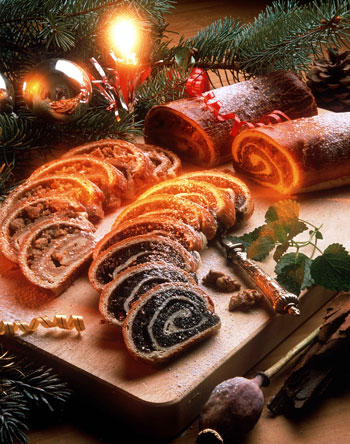
Dios es Makos beigli
Poppy seed and nut rolls (bagels)

From Culinary Hungary/courtesy Elvira Vida/Hungarian National Tourist Office

Makes 4 rolls; the filling ingredients are calculated for 2 rolls respectively.

INGREDIENTS
For the dough:
1 cup sugar
1/2 cup/120 ml milk
1 cake/15 g compressed yeast
1/2 cup/5O g confectioner’s sugar
3 1/4 cup/500 g flour
6 1/2 tbsp/100 g butter
6 1/2 tbsp/100 g lard
2 eggs
1 tsp grated lemon zest
pinch of salt

For the nut filling:
Scant 1/2 cup/100 ml milk
1OO g superfine sugar
1 envelope of vanilla sugar
1/2 tsp grated lemon zest
3 tbsp/30 g raisins
Pinch of cinnamon
3 cups/250 g ground nuts
3-4 tsp honey (or 1-2 apples or 2-3 tsp apricot jam)

For the poppy seed filling:
Scant 1/2 cup/lOO ml milk
1 1/4 cups/250 g confectioners sugar
1 sachet of vanilla sugar
1 2/3 cups/250 g ground poppy seeds
3 tbsp/30 g raisins
1 tsp grated lemon zest
4 tbsp honey

Other:
Butter or lard for the baking sheet
1 egg yolk for glazing

PREPARATION:
Dissolve the sugar in the lukewarm milk, then add the yeast. Mix the remaining dough ingredients wilh the yeast mixture and knead thoroughly. Cover the dough with a dish towel and leave to rise for about 30 minutes.

To make the nut filling, put the milk in a pan with the sugar and vanilla sugar and bring to a boil. Add the lemon zest, raisins, cinnamon, nuts, and honey (or peeled, grated apples or apricot jam).

For the poppy seed filling, mix the milk with the confectioners’ sugar and vanilla sugar. Bring to a boil and add the poppy seeds and raisins. Simmer for a few minutes, stirring constantly, then remove from the heat and stir in the lemon zest and honey.

Divide the dough into four and roll out each piece into a rectangle measuring about 12 x 14 inches/30 x 35 cm. Spread the dough with the nut or poppy seed filling and roll up lengthwise, ensuring that the rolls remain firm. Grease a baking sheet and carefully transfer the rolls onto the sheet and brush with egg yolk.

Bake in a preheated (medium) oven until golden brown. Only remove from the oven when completely cool. If kept covered and stored in a cool, dry place the bagel will stay fresh for a long time. Do not slice until just before serving, arranging the slices like roof tiles on a plate, and sprinkle with confectioners’ sugar.

PORTUGAL

REBANADAS CASA OS MOINHOS

INGREDIENTS

16 egg yolks
500 g sugar
1 kg Portuguese white bread
Cinnamon
Lemon

PREPARATION
Mix the eggs with 16 tablespoons sugar until it is a thick mix — make a thin syrup out of the rest of the sugar. Use one glass of water for this, then slice the bread, — after letting it sit for one day. Dip the slices into the syrup, drain, and dip in the egg yolk mix. Gently pan sear on a medium stove top, and sprinkle with cinnamon and lemon zest.

SPAIN

ROSCON DE REYES
(Holiday Bread)

This recipe is from The Foods and Wines of Spain by Penelope Casas
Courtesy Patricia Wood Winn/Tourist Office of Spain

No holiday is more eagerly awaited in Spain than El Dia de los Reyes Magos-the Day of the Three Kings (Epiphany) on January 6. On this date every year, so the legend goes, the Three Wise Men journey to Spain on camels, bearing gifts for all Spanish children. They use ladders to gain access to city apartments aud leave presents in the children’s shoes, which have been carefully laid out the night before, along with fodder for the hungry camels. Kids who have not been good during the year fear the worst: that the kings will fill their shoes with black coal instead of toys.

Rascon de Reyes is baked and eaten only at this time of year. It is a delicious sweetened bread, coated with sugar and candied fruits, and it always contains a surprise-either a coin or a small ceramic figurine, which is to bring luck for the year to the fortunate person who finds it in his piece of bread.

Makes 1 large bread ring

INGREDIENTS
1 package dry yeast
3/4 cup warm water
1 tablespoon orange flower water (often found in Italian food shops. If unavailable, substitute strong tea)
1/2 teaspoon grated lemon rind 6 cloves
1/4 pound butter
1 tablespoon lard or vegetable shortening
1/2 cup sugar
1/2 teaspoon salt
2 eggs
1 tablespoon brandy, preferably Spanish brandy, or Cognac
1/2 cup milk, scalded and cooled
5 cups unbleached, all-purpose flour
Candied fruit slices (orange, lemon, etc.)
1 egg, lightly beaten
1 1/2 tablespoons sugar, preferably coarse, for sprinkling

PREPARATION
Dissolve the yeast in 1/4 cup of the warm water. Simmer the remaining 1/2 cup of warm water with the orange flower water, lemon rind, and cloves for 10 minutes, covered. Cool. Discard the cloves. Cream the butter, lard, the sugar, and the salt. Beat in the 2 eggs, then add the brandy, milk, the water-and-lemon mixture, and the softened yeast. Gradually mix in the flour with a wooden spoon until a soft and slightly sticky dough is obtained. Knead on a floured working surface, adding more flour as needed, about 5 minutes, until smooth and elastic. Place the dough in a large oiled bowl, turn to coat with the oil, cover with a towel, and place in a warm spot, such as an unlit oven, to double in size, about 2 hours. Punch down and knead again 5 minutes. Insert a good luck coin – perhaps a silver dollar or half-dollar – or some other appropriate object, such as a cute miniature ceramic animal.

Shape the dough into a large ring, pinching the ends to seal. Place on a lightly greased cookie sheet. Decorate with the fruit slices, pushing them slightly into the dough. Let the ring rise in a warm spot about 1 hour, or until double in size. Brush with the egg, which has been mixed with a teaspoon of water, sprinkle with sugar, and bake in a 350° F oven 35-40 minutes, or until a deep golden brown.

European Christmas Sweets

From Advent to Three Kings Day

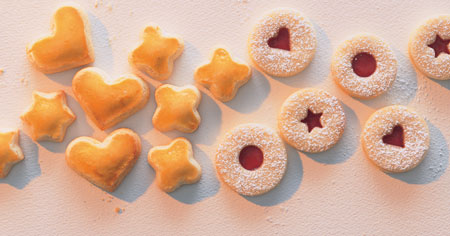
Two famous Swiss Christmas cookies: on the left are the Mailänderli, on the right, Spitzbuebli. Both will be devoured throughout Switzerland this season. Courtesy Swissmilk.ch/Ursula Beamish

by Sharon Hudgins

Christmas is my favorite holiday season in Europe. Advent, the period leading up to Christmas itself, begins on November 30 or on the fourth Sunday before Christmas, whichever comes first on the calendar. And in most places, the Christmas season doesn’t end until six weeks later, on January 6, known as Three Kings Day (or Epiphany).

Special foods are prepared and eaten at this time of year, some of them with roots in Europe’s pre-Christian past. During the cold, dark days leading up to the winter solstice (December 21 or 22) and Christmas (December 25), people have a natural craving for caloric cookies, cakes, and confections to tide them over until warmer, sunnier weather arrives. Yet not so long ago, Advent was a time of fasting for members of the Catholic Church, which forbade the consumption of butter, eggs, and other animal products during this holy period, in solemn preparation for the coming of the Christ Child.

Today, only a few people still deny themselves such temptations during the days leading up to Christmas. In many parts of northern Europe the annual Christmas baking binge begins as early as October, when home cooks make hundreds of cookies and dozens of cakes and puddings whose flavors are better if they “ripen” for several weeks before serving. Commercial bakers and confectioners hire extra help to produce thousands of holiday sweets for this most lucrative quarter of their business year. And colorful open-air Christmas markets in large cities and small towns sell the seasonal specialties of their own particular region.

Bakers in the British Isles start making their Christmas puddings several weeks or even months in advance of the special December day. Old-fashioned Christmas Plum Pudding—originally made with mutton, beefsteak, and fruits, including plums—has morphed in modern times into a dense, rich, dessert full of currants, raisins, and sultanas, with mixed fruit peel and candied cherries, steamed in a covered bowl and served with a brandy hard sauce made from sugar, butter, and brandy beaten together until fluffy. A sixpence coin is cooked inside the pudding, which supposedly brings good fortune to whoever finds it in his or her serving.

Also popular in Britain are a variety of fruit cakes, sometimes covered with a layer of marzipan and decorated with marzipan “fruits” and sprigs of holly—and small mince pies, their pasty cases filled with a fruity mincemeat mixture of apples, raisins, currants, sultanas, almonds, beef suet, brown sugar, and several spices. In earlier times, the oval shape of these mince pies was said to represent Christ’s crib, with the spices symbolizing the gifts from the East that the Three Kings brought to Bethlehem.

In Scotland, slices of densely textured Dundee Cake, filled with dried and candied fruits and decorated with almond halves on top, are served on “Boxing Day” (December 26). Buttery Scottish shortbread, taken with a dram of Scotch whisky, is traditional for the New Year. And in Ireland the holiday season is the time for loaves of fruit-and-nut-filled breads, as well as several kinds of round or oblong puddings made from wheat or potato doughs, sugar, spices, and dried fruits, wrapped in a cloth and boiled in a big cooking pot.

In the Scandinavian countries the Christmas season begins on St. Lucia’s Day (December 13), which is celebrated with coiled yeast buns colored with saffron. You’ll also find a number of yeast-raised Christmas breads (JulekakaJulekage) made with plenty of butter and eggs, filled with raisins, nuts, and candied fruits, and seasoned with cardamom. Norwegian Almond Ring Cake (Kransekake) is a tower of baked almond-paste rings, the largest on the bottom and the smallest on the top, fancily decorated with white icing. Crispy molasses-spice cookies called pepparkakor are popular throughout Scandinavia, where they’re made in many holiday shapes and sometimes hung as ornaments on the branches of a special “pepparkakor tree” made of wooden dowels. And a traditional Christmas Eve dessert is rice pudding, with a whole almond hidden inside. Whoever finds the almond will be married before the next Christmas (in Sweden) or will have a series of lucky adventures throughout the coming year (in Denmark).

The Netherlands, Belgium, and northern Germany are home to crispy brown Christmas cookies known as Speculaas or Spekulatius, the dough spiked with ginger or black pepper and pressed into special wooden molds that outline the cookies’ shapes and imprint designs on them. Cookies in the form of windmills and little sailor boys are especially popular. And throughout all of Germany, the Christmas season seems to bring out the best in home bakers, whose kitchens are filled with the aromas of sugar, yeast, spices, nuts, and candied fruits combined in myriad ways to produce some of Europe’s best-known holiday treats.

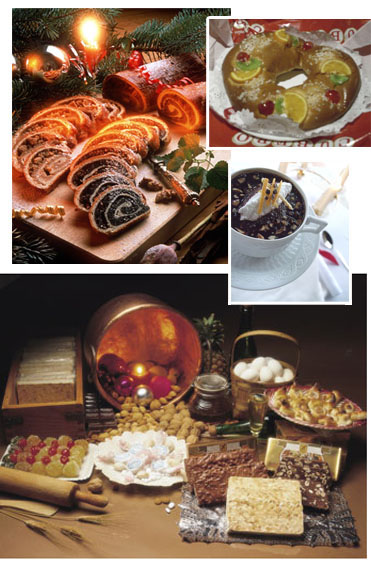
German gingerbread cookies (Lebkuchen) have been famous throughout Central Europe since the Middle Ages, especially those from the city of Nürnberg. The stiff dough made of rye or wheat flour, honey, almonds, hazelnuts, finely chopped candied fruit peel, and spices—ginger, cinnamon, nutmeg, cloves, allspice, cardamom, and coriander—is pressed into wooden molds that imprint intricate designs on the cookies. Other Lebkuchen cookies are made in simple shapes—circles, hearts, squares—and decorated with white or chocolate icing. No German Christmas season would be complete without plenty of Lebkuchen to nibble on during the entire six weeks from Advent to Epiphany.

Other traditional German Christmas sweets include flat, white, anise-flavored cookies (Springerle), made with pretty designs printed on them with wooden molds; spicy, round “pepper nuts” (Pfeffernüsse) containing ginger or black pepper; six-pointed “cinnamon stars” (Zimtsterne), redolent of that spice and covered with thick white icing; marzipan confections made of sweetened almond paste, shaped and colored to resemble tiny fruits, vegetables, animals, and other figures; Stollen, an oblong fruit-nut-raisin bread covered with a thick layer of confectioners’ sugar and said to represent the Christ Child in swaddling clothes; and Striezel, a braided bread whose three strands of dough symbolize the Holy Trinity.

Holiday treats very similar to these can be found throughout Switzerland, Austria, the Czech Republic, Slovakia, Poland, and Ukraine. Many Poles and Ukrainians also begin their Christmas Eve dinner with kutia, an ancient kind of pudding made with whole wheat grains boiled with honey, figs, dates, raisins, nuts, lemon peel, and poppy seeds. And they conclude the meal with a sweet compote containing twelve kinds of dried fruits, symbolizing the Twelve Apostles. In Hungary, poppy-seed rolls and cakes are popular at this time of year, harking back to the pre-Christian era when the tiny seeds were eaten as a fertility charm on the night of the winter solstice to ensure a bountiful harvest in the coming year.

Christmas traditions are a bit different in the Latin lands. In France, especially in the south, it’s customary to have thirteen desserts for the Christmas Eve dinner that follows Midnight Mass—including fruits, nuts, dates, marzipan, nougat, and always a “Jule log cake” (Bûche de Noël), a long cylindrical cake rolled up around a buttercream filling and decorated on the outside with chocolate icing swirled to look like tree bark, with marzipan “leaves” and meringue “mushrooms” attached to the log-shaped cake. The French end the Christmas season with the celebration of Three Kings Day (January 6), when they eat a special “kings’ cake” (galette des Rois), a round, somewhat flat, golden-colored cake made of puff pastry, often enriched with an almond-paste filling, which has a single bean or a porcelain or plastic good-luck charm baked into it. Whoever finds the charm in his or her piece of cake becomes king for the day and gets to wear the gold-foil crown that was perched atop the cake when it was served.

In Italy, bakers turn out a number of yeasty Christmas breads (pane di Natale), full of butter, eggs, nuts, raisins, and dried and candied fruits. Particularly popular throughout the country is panettone from Milan, a tall, delicate, dome-shaped yeast bread studded with raisins, almonds, and candied orange peel. The northern Italians like their own Alpine fruit bread (Zelten), another yeast-raised bread chock full of dates, sultanas, candied citron, almonds, walnuts, and pine nuts, scented with cinnamon and cloves. The Italian sweet tooth finds satisfaction in all the confections traditionally eaten during the Christmas season, too, including chewy almond nougat (torrone) and marzipan; candied orange halves, candied pumpkin slices, and candied whole chestnuts; and medieval panforte from Siena, a flat, dense, highly spiced, confection-like fruit-and-nut cake containing almonds, hazelnuts, walnuts, pine nuts, honey, candied fruit peel, cinnamon, cloves, white pepper, and coriander seeds. And on Three Kings Day the Italians eat puff pastries filled with apricot preserves, as well as a type of sweet focaccia (flat bread) with a single black bean baked inside for the lucky eater who finds it and gets to be “king for the day.”

The Christmas season in Spain is a time for consuming large quantities of the confections for which the country is famous: marzipan from Toledo, often formed in fanciful shapes and sometimes decorated with white icing and colorful candied fruits; almond nougat (turrón), the hard variety from Alicante and the soft version from Jijona, as well as numerous other types of turrón containing hazelnuts, pine nuts, coconut, and chocolate; candied chestnuts; sugar-coated almonds; candied fruits and dried dates; the rich chocolates for which Spain is gaining an international reputation; and “fig bread” (pan de higos), a thick, chewy confection of dried figs, hazelnuts, almonds, and sesame seeds, flavored with grated orange peel and anise liquor.

The special meal on Christmas Eve in Spain often concludes with a sweet soup made of ground almonds, walnuts, or chestnuts, sprinkled with cinnamon. But for children the main event of the holiday season is Three Kings Day, when they receive gifts from the Magi who carried presents to the baby Jesus. As in other Latin countries, the traditional sweet is Three Kings Cake (Roscón de Reyes), a ring-shaped cake studded with raisins, nuts, and candied fruit, and with a coin, a bean, or a small toy baked into it—the lucky charm for the finder, who then gets to wear a king’s paper crown for the rest of the day.

The holiday season in Greece is also a time for indulging in sweets: pencil-thin bread-dough fritters fried in olive oil and drizzled with honey; coiled flaky baklava filled with ground almonds and roasted chick peas; spice cookies made with cinnamon, cloves, and olive oil, then soaked in a sweet syrup; delicate ground-almond cookies (kourabiedes) covered with a thick coating of confectioners’ sugar and with a whole clove baked inside to symbolize the spices that the Three Kings brought to the Christ Child.

Many kinds of special Christmas breads (Christópsomo) are baked in Greece during this season, too. Depending on each family’s own traditions, the Christmas bread might contain walnuts, almonds, raisins, dried figs, lemon or orange zest, cinnamon, cloves, coriander seeds, black pepper, and aniseeds. The shapes of these breads vary according to family preferences, too, as do the decorations on top, which range from symbolic shapes made of dough to sugar glazes and garnishes of chopped candied fruits. After the midnight church service on Christmas Eve, the family and guests gather around the table to share the Christmas bread. The first piece is set aside for Christ, and the rest is distributed among the diners, one of whom will find a coin baked into the bread, bringing that person the blessing of good luck. And on New Year’s Eve, the Greeks share another special bread called Vasilópita (St. Basil’s Bread), a yeast bread flavored with aniseeds or mahlepi seeds, honey, olive oil, and grated orange zest, sprinkled on top with sesame seeds and often decorated with the number of the new year made out of dough. The head of the household breaks the bread at the last stroke of midnight, giving a piece to each person at the table—and whoever finds the coin baked inside will have good fortune throughout the year.