Afloat on the Rhine and Moselle

A dream river voyage on the Scenic Opal spotlights cozy towns in the heart of Europe

By Randy Mink

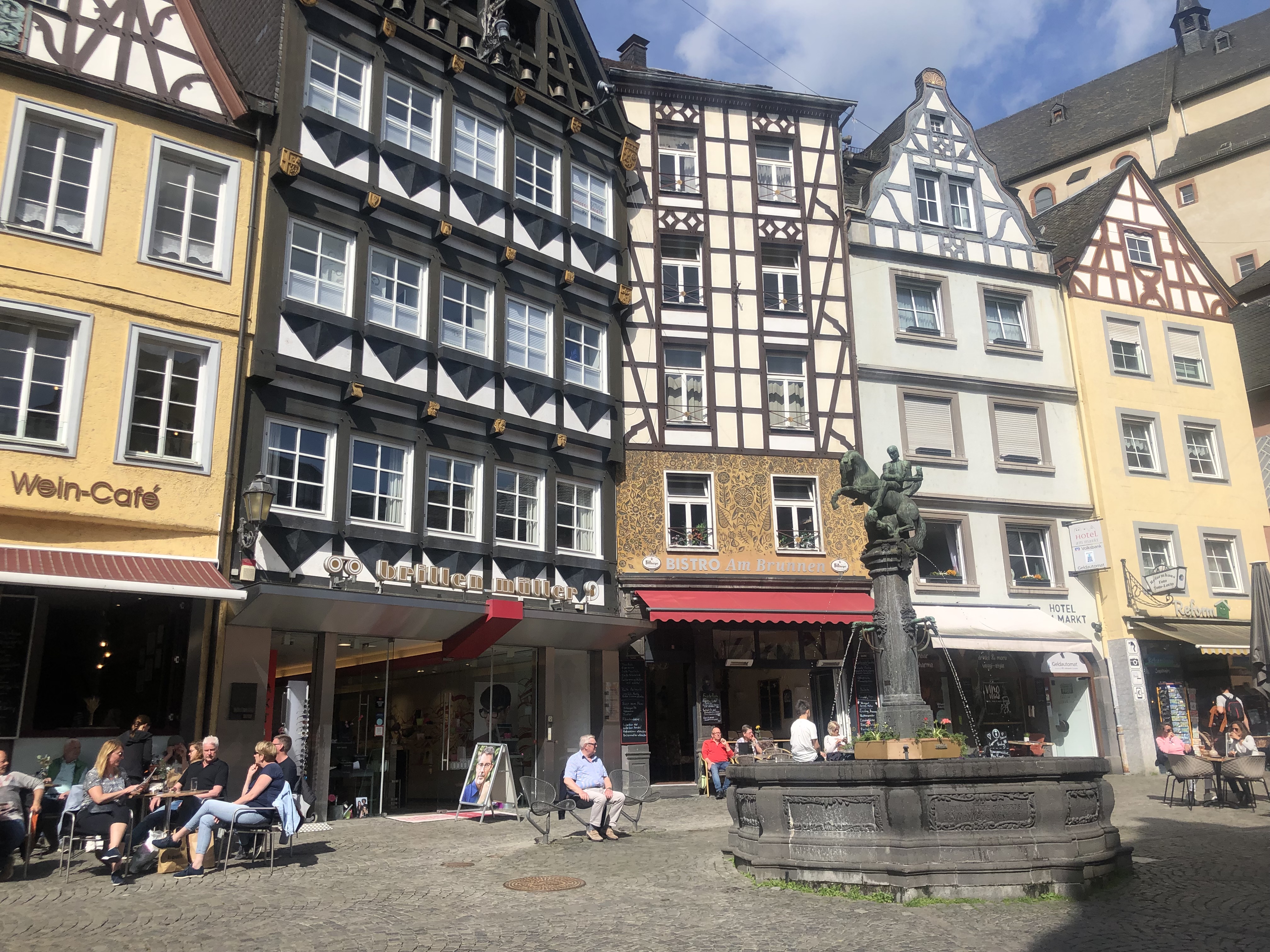
With its half-timbered houses, tangle of cobbled alleyways and picture-perfect castle perched on a crag high above the market square, the German village of Cochem struck me as something plucked from a medieval fairy tale.

Almost too good to be true, the Moselle River town of 5,500 was one of several stops on “Charming Castles & Vineyards of the Rhine & Moselle,” a seven-night cruise itinerary offered by Scenic, an Australia-based company with 12 luxury river ships in Europe. My brother and I were aboard the 163-passenger Scenic Opal, our floating hotel for the week.

Happily, in Cochem and some other ports of call, the historic town centers lay just steps from the ship’s gangway. I love being in the middle of everything within minutes of disembarking.

Clockwise: The Moselle River town of Cochem, Germany, as seen from hilltop Reichsburg Castle. (Photo credit: German National Tourist Board)
Reichsburg Castle looms high above the Moselle River town of Cochem.  (Larry Mink Photo)
Cochem charms visitors with its ancient, half-timbered buildings. (Randy Mink Photo)

Because of my ancestry and the fact that my first trip to Europe was a summer German language program in Austria, I’ve always had an affinity for German-speaking countries. Until this cruise, however, I had never been to the Rhine or Moselle valleys.

It was the Moselle’s inclusion that steered me to the itinerary, as not all Rhine cruises venture to this narrower, slower-moving, more intimate tributary, which twists and turns more than 100 picturesque miles between the German cities of Trier and Koblenz. Many Rhine journeys spend time in the more industrial stretches to the north.

I also liked this particular circuit because it touched four countries. Besides shore excursions in Germany, Scenic offered tours in France and the Grand Duchy of Luxembourg. The cruise ended in Basel, Switzerland, where we stayed two nights in a hotel before flying home.

The Rhine travels nearly 800 miles from the Swiss Alps to Rotterdam on the North Sea, forming the border of southwestern Germany and eastern France. From the Vosges Mountains, the Moselle flows through northeastern France and Luxembourg to Germany, joining the Rhine at Koblenz, our first port after embarking the day before at Mainz, a city of 200,000 about 40 minutes from the Frankfurt airport.

Both waterways dish up a passing parade of vineyard-covered slopes, hilltop castles and idyllic towns with gabled houses, church steeples and leafy riverside promenades—an eye-popping feast for those of us who thronged the railings or drank it in from deck chairs. Steady streams of barges, sightseeing boats and pleasure craft also kept us engaged. One afternoon on the Moselle, the Scenic Opal went through three locks, the first one upon leaving Koblenz for the pretty Moselle Valley, my favorite part of the trip.

Koblenz: At the Confluence

In Koblenz I opted for a ship-arranged walking tour but easily could have wandered on my own. The colorful squares and alleys of Old Town, a largely pedestrianized shopping zone with plenty of cafes and bakeries, were a short walk from our berth at the beautifully landscaped Rhine Promenade. (My brother chose the e-biking excursion, exploring on one of the ship’s electrically assisted bicycles.)

The park-like river walk led to Deutsches Eck, or German Corner, the point where the mighty Rhine meets little sister Moselle. Lording over the tip of land is a monumental equestrian statue of Kaiser Wilhelm I (1797-1888), first emperor of the New German Empire. Destroyed in World War II and replaced in 1993 after the fall of the Berlin Wall, the statue now represents German unity. Nearby stand three concrete slabs from the infamous wall and text about life under Communism in East Germany. Overlooking the confluence is Ehrenbreitstein Fortress, a massive complex reached by cable car from the promenade.

Clockwise (Randy Mink Photos): An equestrian statue of Kaiser Wilhelm I, the first emperor of the New German Empire, overlooks the confluence of the Rhine and Moselle rivers in Koblenz, Germany. The meeting point is called Deutsches Eck, or German Corner.
Scenic Opal passengers explore Koblenz, Germany, on a guided bike tour.
Tempting bakeries and cafes are just a few blocks from cruise ships’ Rhine River berths.

Little Luxembourg

From our next stop, the Moselle Valley town of Bernkastel, we took a morning excursion to Luxembourg City, an hour-and-a-half away. Our guided ramble through the capital city’s oldest quarter, famed for the stone bastions and battlements rising above dramatic ravines, focused on the shop-filled pedestrian zone and included panoramic lookout points. After the tour my brother and I relaxed over hot chocolate at the Chocolate House, snaring an outdoor table across from the Grand Ducal Palace, where we earlier had snapped pictures of the soldiers on guard duty. Passengers who didn’t sign up for Luxembourg could choose to visit a Bernkastel winery and sample the valley’s renowned Rieslings.
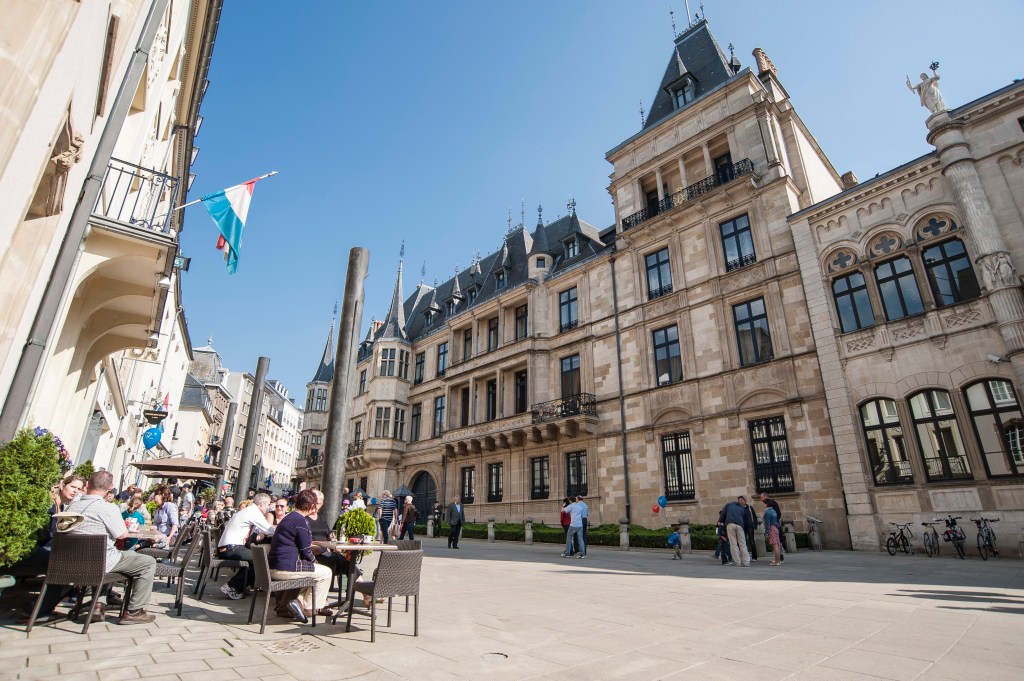
1: The imposing Grand Ducal Palace captivates river cruise passengers on the Luxembourg City shore excursion. (Photo credit: LFT/Christian Millen)
2: Soldiers stand guard at the Grand Ducal Palace. (Randy Mink Photo)
3: Ancient fortifications charm visitors to Luxembourg City, a shore excursion option from the Moselle River town of Bernkastel, Germany. (Photo credit: LFT/Alfonso Sagueiro)
4: Stunning panoramas abound in Luxembourg City. (Randy Mink Photo)

Moselle Crowd-Pleasers: Bernkastel & Cochem

After lunch on the Scenic Opal, moored across the bridge from Bernkastel, we explored the storybook German town. Its riverfront facade didn’t look unusually quaint, but as we probed deeper into the web of little streets, the place just kept getting cuter and cuter. I wanted to photograph every square, crooked lane and antique building in my path, and slip into every wine tavern. Had we more time, I would have hiked up to Landshut Castle, frequented centuries ago by the territorial lords of Trier. Built in 1277 and in partial decay since 1692, it houses a restaurant and cafe.
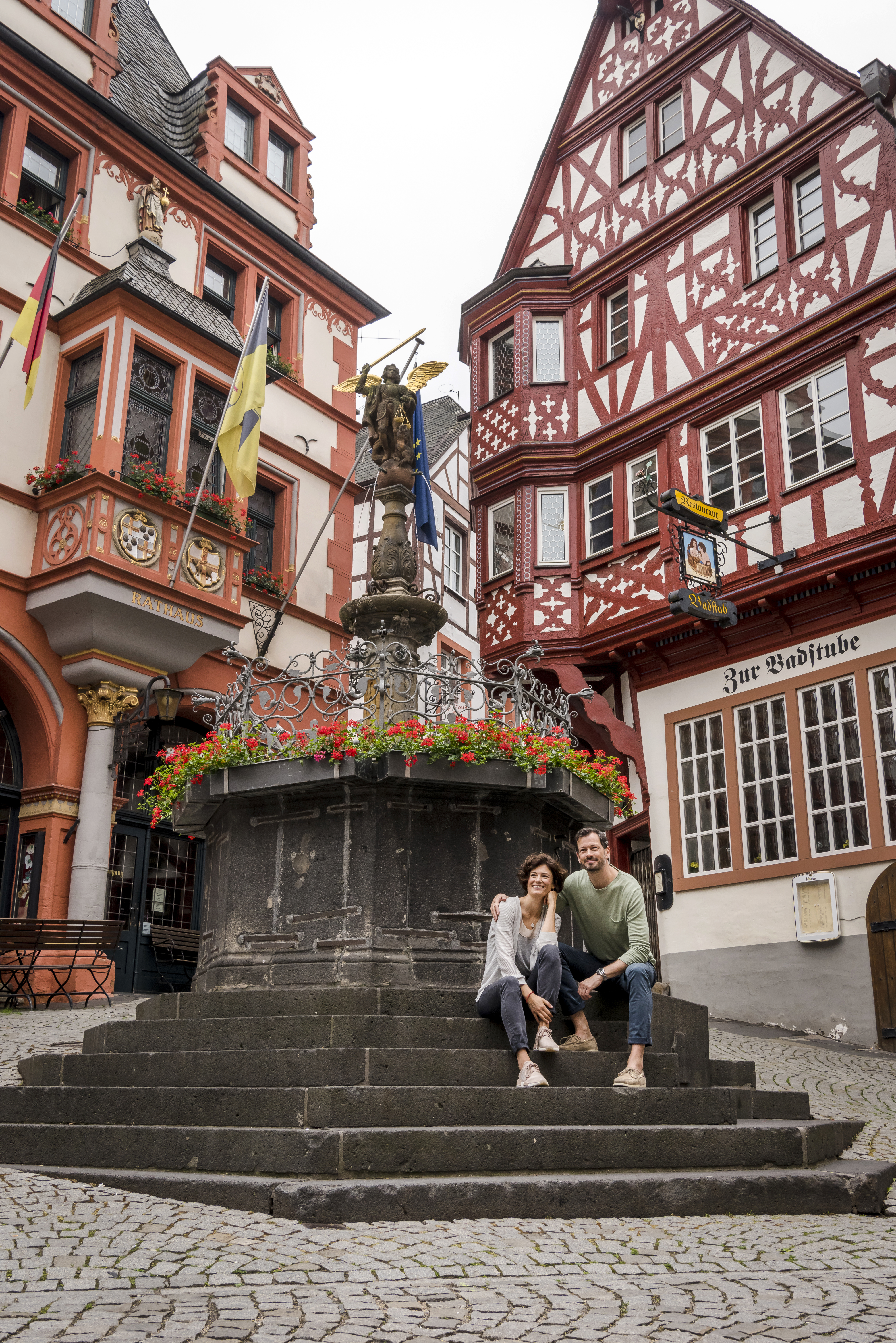
Left: The fairy-tale town of Bernkastel is a popular stop on Moselle River cruises in Germany. (Photo credit: German National Tourist Board)
Right: Landshut Castle, dating back to 1277, overlooks Bernkastel.  (Randy Mink Photo)

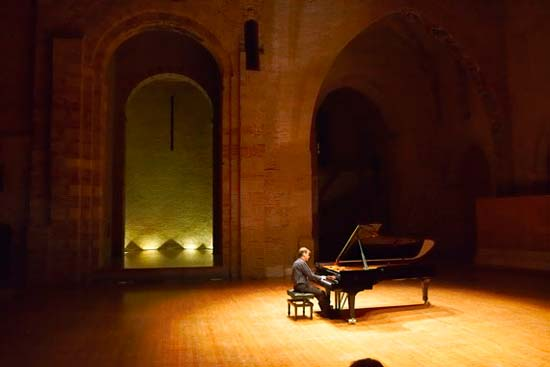
In the evening, we all boarded buses for Trier, where Scenic had arranged a private classical concert staged amid the Gothic grandeur of the 13th century Liebfrauenkirche. Riding through Germany’s oldest city to reach the church, we grabbed glimpses of the famous Porta Nigra, the best-preserved Roman city gate north of the Alps.

Scenic Opal passengers attended a private classical concert at the 13th century Liebfrauenkirche in Trier, Germany. (Randy Mink Photo)

In Cochem, the hub of the Middle Moselle, our excursion featured a visit to Reichsburg Castle. From its lofty vantage point we enjoyed sweeping views of the river, the steep vineyard abutting the castle grounds and a skyline dominated by the onion-dome spire of St. Martin Church. Dating from the 11th century, Reichsburg was restored in the late 1800s by a wealthy Berliner who created an idealized version of a medieval stronghold. Although not architecturally faithful, it certainly gives Cochem a photogenic landmark, and three-fourths of the main tower is original. Mounted animal heads, suits of armor and period furniture set the mood inside. Afterwards, our walking tour of Cochem showcased its compact central square, Baroque town hall and ancient town gates.

Clockwise (Photo credits: German National Tourist Board): Cochem’s Reichsburg Castle has all the trappings of a rustic baronial estate.
The Middle Ages come alive on tours of Reichsburg Castle.
Reichsburg Castle and the onion-dome spire of St. Martin Church frame this view of the Moselle River town of Cochem, Germany.

On the Romantic Rhine

Next we traveled the 32 miles from Cochem back to Koblenz, where our ship overnighted in order to get in position for a morning journey to Rüdesheim that would spotlight the Upper Middle Rhine Valley, or Rhine Gorge, the river’s most castle-studded corridor. This would be our big day, the one we’d been waiting for.

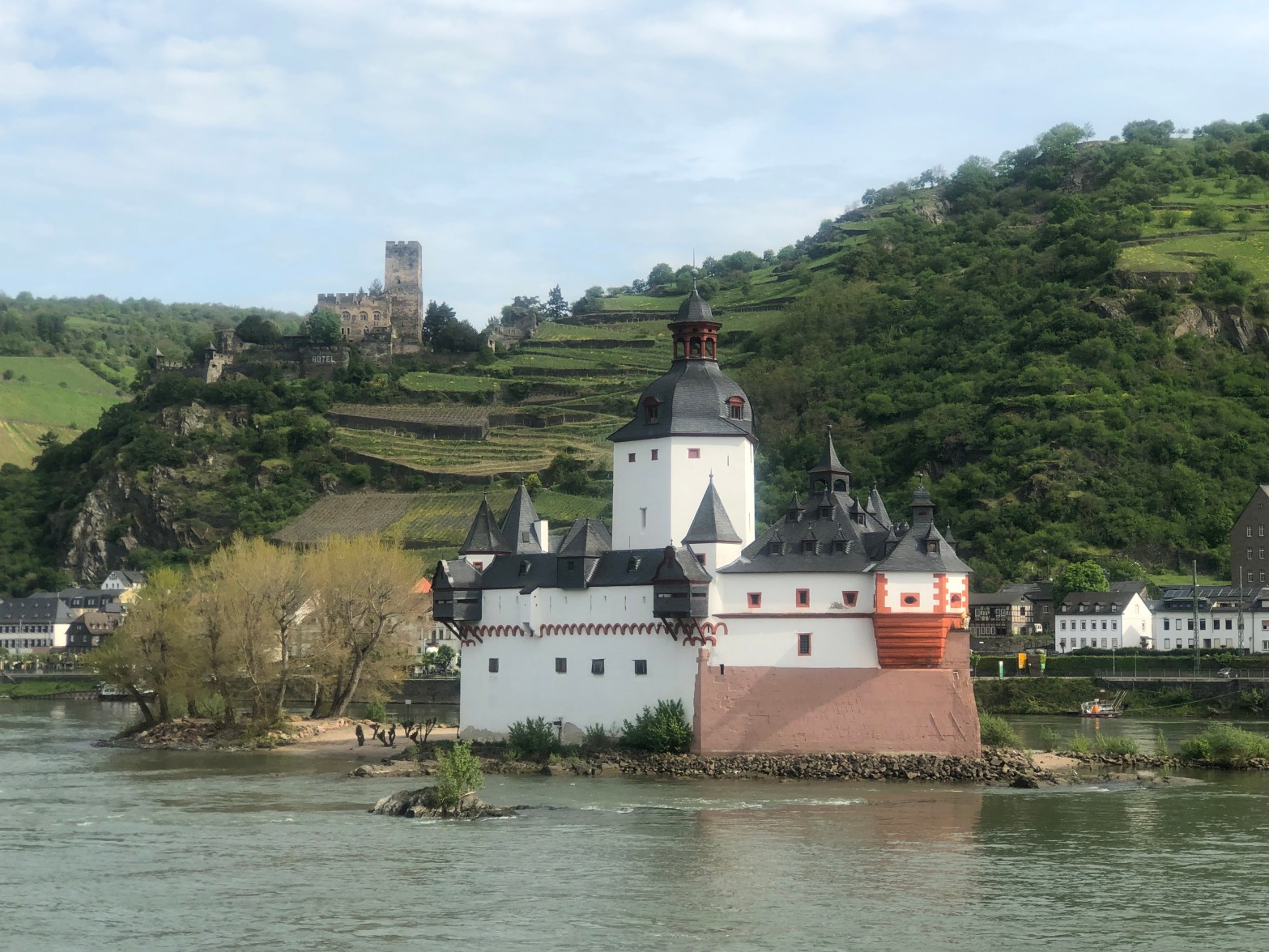
As we looked out from the breezy top deck, it was castle after castle, many of them, romantically, in various states of ruin. Some crowned distant summits, others rose straight from the shore. Vine-ribboned hillsides and timeless villages seemed to be waiting around every bend.

As we learned from the cruise director’s narration and from Tailormade (the Scenic smartphone app), some of the fortresses have been repurposed as museums, restaurants, hotels or private residences. Castle Stahlek in Bacharach, now a youth hostel, once served as a Nazi indoctrination center and military hospital during World War II.  (The app’s commentary also came in handy for exploring ashore and helped us identify the towns and landmarks we passed while cruising.)

In Rüdesheim, a tourist-packed village crammed with wine taverns and souvenir shops, we hiked through vineyards to Niederwald Monument, a grandiose memorial that commemorates the 1871 founding of the German Empire after the end of the Franco-Prussian War. Our uphill trek was challenging, the cable car ride down a lot more fun.
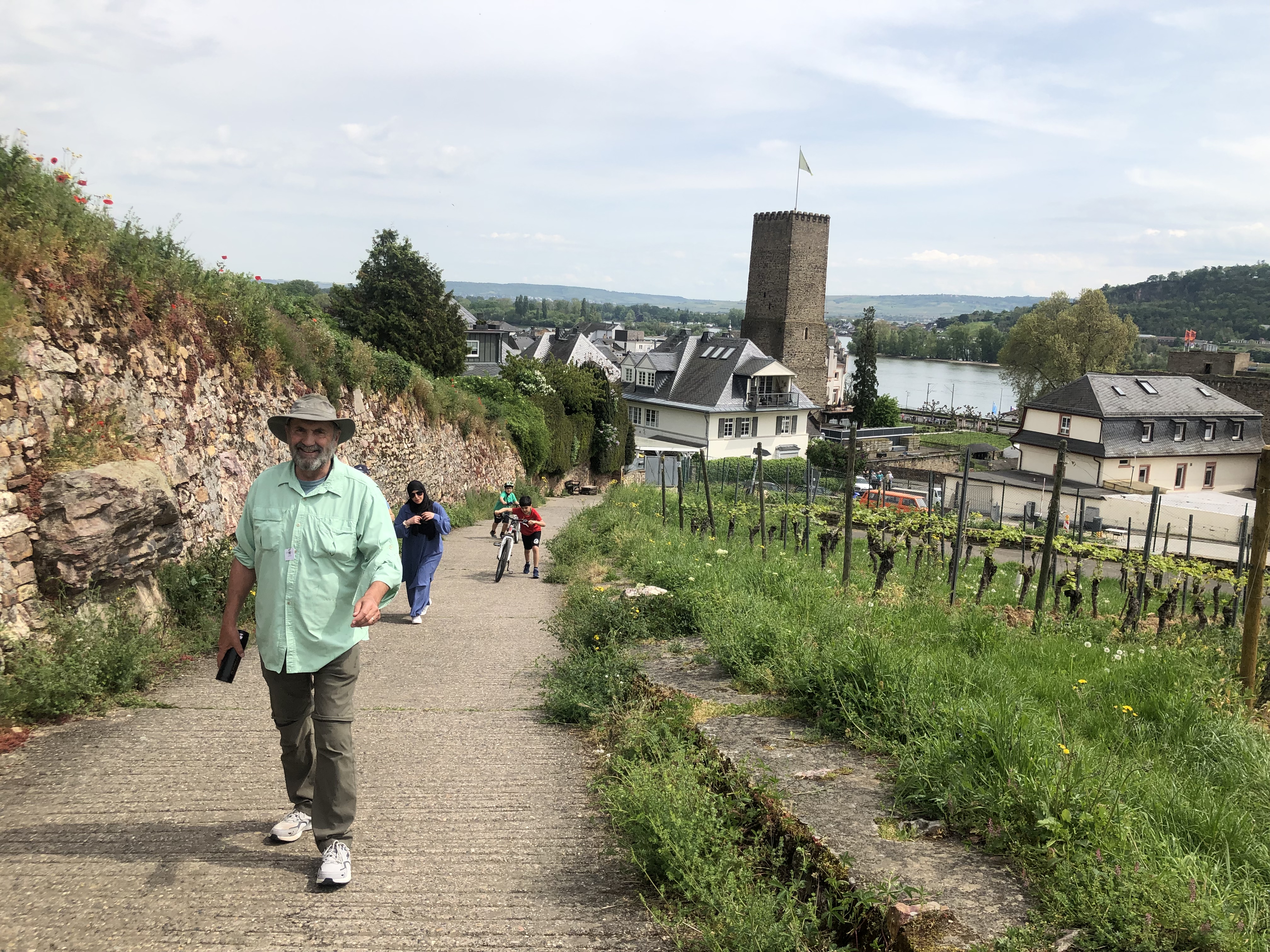
Left: It’s an uphill trek for Scenic Opal passengers who choose to walk to the hilltop Niederwald Monument high above Rüdesheim. (Randy Mink Photo)
Right: Shore excursions in the Rhine River town of Rüdesheim visit the Niederwald Monument, a grandiose memorial that celebrates the 1871 founding of the German Empire after the end of the Franco-Prussian War. (Photo credit: German Tourist Board)

Forays into France

Heading south on the Rhine, the Scenic Opal tied up at two more German towns. From Rastatt we were torn between a tour to the German spa town of Baden-Baden and one to Strasbourg, capital of France’s Alsace, a region that historically has flipped back and forth between German and French control. In Breisach, our last port of call before Basel, we had to weigh Colmar, Alsace’s most beautiful town, against Freiburg, a Black Forest gem renowned for its medieval Old Town.

Since we had seen plenty of Germany, we went all in for Alsace and enjoyed walking tours of Strasbourg and Colmar, both with cozy, traffic-free historic cores chockablock with pastel, flower-laden, Hansel-and-Gretel houses. It’s just that touch of fairy-tale fantasy we needed to put a happily-ever-after ending to our trip through the enchanting heart of Europe—the Europe of our dreams.

Left: The Cathedral of Notre-Dame, a towering landmark cast in red sandstone, dominates this view of Strasbourg’s historic core. (Randy Mink Photo)
Right: Rheinstein Castle, near the German town of Trechtingshausen, is one of many medieval castles that captivates Rhine River cruise passengers. (Photo credit: German National Tourist Board)


To read about the Scenic Opal luxury river ship, including its accommodations and dining experiences, please visit https://europeantraveler.net/2023/10/19/cruising-through-the-heart-of-europe/

The Silk Exchange: A Jewel of European Gothic Architecture

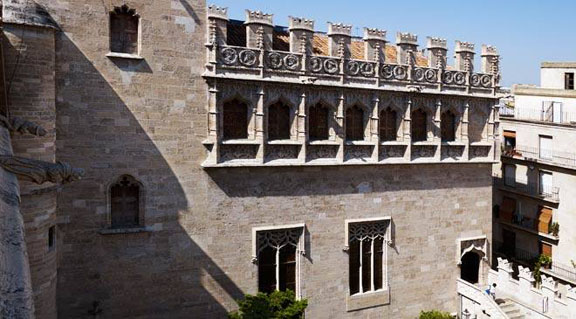
Silk Exchange’s fortress appearance

Photos courtesy Valencia Tourist Office

The Silk Exchange in Valencia, Spain is an exceptional example of a secular building in late Gothic style, which dramatically illustrates the power and wealth of one of the great Mediterranean mercantile cities. It is aesthetically unique because of its fine Gothic architecture combined with Renaissance decoration from the 15th century.

The majority of the Silk Exchange was built between 1482 and 1492 under master mason Pere Compte. The work was completed by a pupil of his after his death, which explains the presence of Renaissance elements.

Its similarity with old medieval castles is based on the fierce, fortress-like appearance of its stone walls. It comprises four parts: the Tower, the Sea Consulate Room, the Orange-tree Patio and the Room of Columns. The site covers more than 6,562 square feet indoors and out.

It is a typical representation of the commercial and financial past of the city of Valencia, and has been used for the same purpose for five centuries. Its original function was as a trading exchange for oil. It developed into the main maritime trading center and the silk exchange. At the present time it is still a major trading exchange, now dealing primarily in agricultural products.

For more info, go to www.turisvalencia.es/

Highclere Castle is the True Home of Downton Abbey

Photos courtesy VisitBritain

The third season of the television series Downton Abbey premieres on January 6. Finally, fans of the series will find out whether the will-they-won’t-they relationship between Lady Mary and Matthew will end in happiness, not to mention the fate of Mr. Bates. You’ll also meet Lady Grantham’s mother, played by legendary actress Shirley MacLaine.

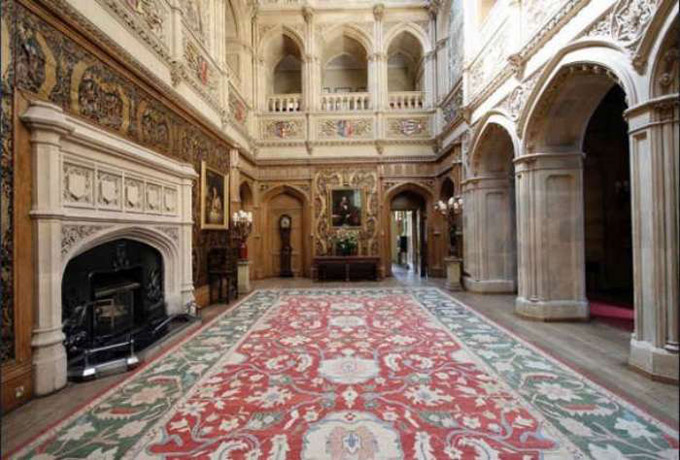
Watching the show makes you wish you were having afternoon tea in the beautiful garden of a magnificent stately home. Thousands of fans are visiting the real Downton Abbey, Highclere Castle, as well as the other stunning locations from the series.

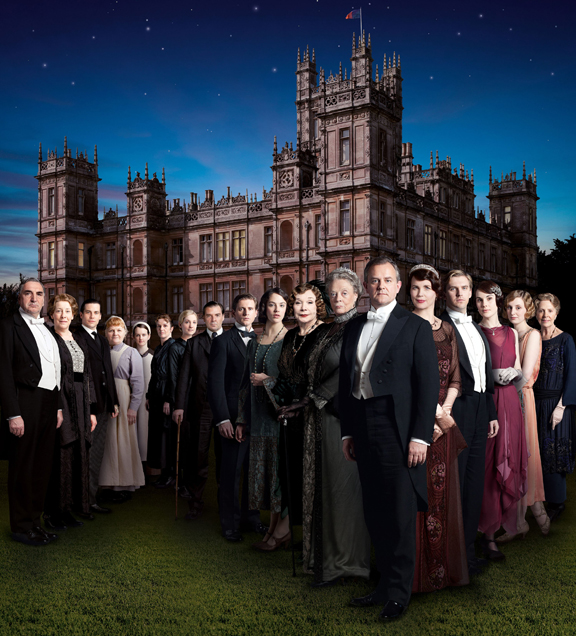
Cast of Downton Abbey

HIGHCLERE CASTLE
Highclere Castle in Berkshire (southeast England) is the real castle that plays the role of Downton Abbey, fictional home to the Earl of Grantham, his glamorous wife, daughters and a host of servants. The Victorian castle is set amidst 1,000 acres of parkland that is as beautiful as it looks on screen. The actual residents are the Earl and Countess of Carnarvon, whose family have lived on the site since 1679. Downton Abbey author, Julian Fellowes, is a longstanding friend of the family and had Highclere in mind as the home of the Granthams while writing the series.

Make a trip this spring when the castle is open to visitors and truly step into Downton life: sip tea at the cafe, stroll the garden pensively just like Lady Mary, Edith or Sybil and admire the sumptuous rooms, many of which are used during filming. Highclere is located about 1 1/2 hours away from London by train.

For diehard fans who want to sleep in the same room as their Downton heroes (albeit without them there), book a room at The Carnarvon Arms, a grade-II former coachhouse nearby Highclere Castle. As it’s only a short distance from Highclere, during filming, The Carnarvon is occupied by the Downton cast, and has recently undergone restoration by British celebrity chef Marco Pierre White to become a luxury country inn hideaway. What could be better than guaranteed delicious pub grub, a traditional British inn experience and the possibility that you may catch a glimpse of Dan Stevens (Matthew) or Jim Carter (Carson) at the bar?

THE COTSWOLDS
The Cotswolds, in southwest England, have been designated as an area of outstanding natural beauty, and are quintessential England at its loveliest. The area is north of Highclere and can be reached in less than two hours from London. In series two, it was the site of scandal when Lady Sybil eloped with the family chauffeur, Branson. The pair went to Swinbrook in the Oxfordshire Cotswolds, a pretty village where time seems to have stood still, and filmed at the Swan Inn. This beautiful boutique inn makes for an idyllic base from which to explore the area.

Downton Abbey
Cotswolds Village

Also in the Cotswolds is the picturesque village of Bampton, where many of the exterior scenes in of Downton Village and Crawley House are filmed. Bampton library and church were used for exterior shots of Downton Cottage Hospital. Stop off at the shingle-roofed Bampton Coffee House for an English cream tea or lunch at the Vineyard at Stockcross, an elegant hotel with a great restaurant and an impressive wine cellar. Maggie Smith, Downton’s resident Dame, is rumored to have stayed here during filming.

LINCOLN CASTLE
Did he or didn’t he? Season three sees character John Bates locked up in York prison for the murder of his former wife. On closer inspection, it is actually Lincoln Castle, situated a couple of hours south of York, is used as the prison. In addition to its Downton fame, Lincoln Castle is also home to the Lincoln Magna Carta, which dates to 1215, as well as the Charter of the Forest, a 1217 document that made sure England’s forests weren’t taken over by the aristocracy. History buffs will be pleased to learn that Lincoln Castle is the only place in the world where you can witness the two documents together.

For more info, go to www.visitbritain.com

Rendez-vous in the Midi-Pyrénées for Wine, Food and Culture

Photographs compliments of Midi-Pyrénées Tourism Office

Visitors to the Midi-Pyrénées in France, also known as the Southwest, have the unique opportunity to savor some of the most unique food and wine in all of France while also soaking up the rich arts and culture scene of the region.

WINE
The Midi-Pyrénées is a verdant, hilly wine region—home to more than two dozen winemakers featuring some of the world’s greatest grape varieties and some that are grown nowhere else in the world.

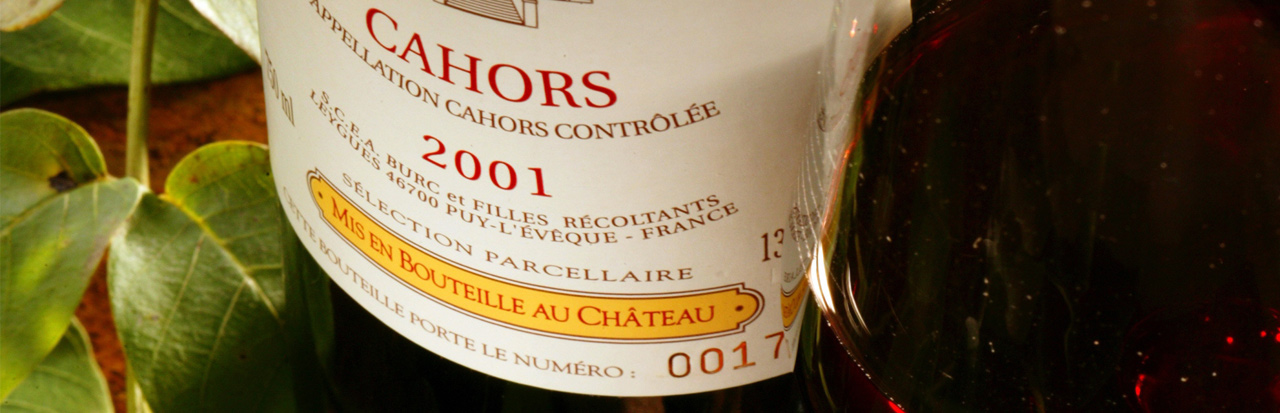
From the Malbec wines grown in the sun-drenched Cahors region to the Gaillac district, one of the oldest wine-growing areas in France, to the Madiran wines known for their inky color and tannic density, the wines of southwest France offer a wide array of flavors and are a true treasure trove for the dedicated wine connoisseur.

The region is also rich in spirits, most notably the distinctive brandy Armagnac, produced in Gascony. Tourists can explore the “Route de l’Armagnac” which winds through the vineyards and experience the different tastes and sensations of this brandy, known for its unique finesse and roundness.

FOOD
The Midi-Pyrénées is also renowned for its fine cuisine. It is home of the black truffle, which is found exclusively in the region around the village of Lalbenque.

The Midi-Pyrénées is also the capital of the iconic French specialty, foie gras. With subtle flavors of hazelnut and a creamy texture, this delicacy can be bought directly from the producer or at the special winter foie gras markets that are peppered throughout many small towns in the Gers district.

CULTURE
The Soulages Museum, in the town of Rodez, is dedicated to the work of acclaimed painter and Rodez native Pierre Soulages. Widely considered one of the great abstract artists, Soulages was inspired by the prehistoric and Romanesque art of the region. The museum houses 500 works donated by Pierre and Colette Soulages to Rodez, which is the world’s biggest collection, estimated to be worth close to $55 million.

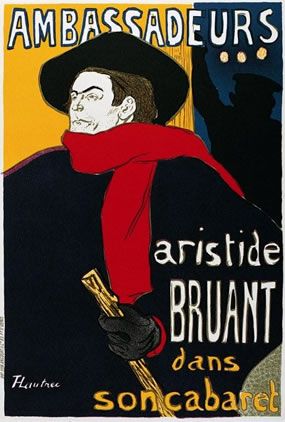
The Toulouse Lautrec Museum will celebrate the life of painter and lithographer Toulouse Lautrec, born in the city of Albi in 1864. The exhibit will run from October 25, 2014 to January 25, 2015.

FESTIVITIES
The Midi-Pyrénées also abounds with celebrations and performances, with more than 180 festivals and events taking place throughout the year.

The Medieval Festival of the Grand Falconer takes place in the village of Cordes-sur-Ciel on July 14—coinciding with Bastille Day, France’s national holiday. The annual festival offers a faithful recreation of medieval life in the Midi-Pyrénées, with fire-eaters, jugglers, falconers, troubadours, musicians, knights and villagers all garbed in medieval attire.

The Piano aux Jacobins, held in the region’s capital city Toulouse during the month of September, is the first festival in France entirely dedicated to piano performances. This year’s edition takes place September 2 to 29.

The small and quaint Gascon town of Marciac will transform into a jazz capital this summer from July 24 to August 13 with its legendary festival, Jazz in Marciac, which has welcomed international jazz icons.

ADVENTUROUS
The natural world comes alive in the Midi-Pyrénées with vast areas of untouched countryside and rugged mountains in its national parks. Cyclists come from all corners of the earth to follow the route of the Tour de France in the Pyrenees and climb the famed Col du Tourmalet.

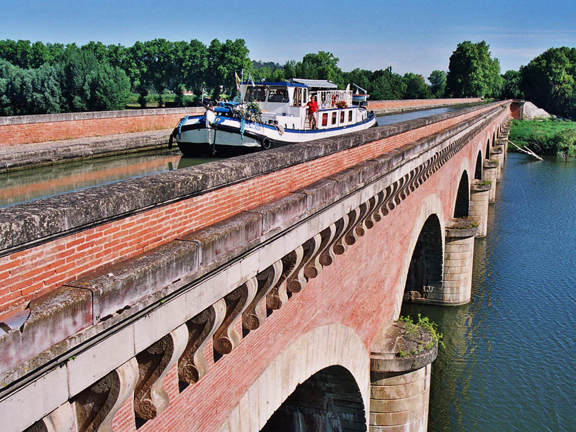
The Canal du Midi, a UNESCO World Heritage Site that runs from Bordeaux and the Atlantic coast to the Mediterranean sea, is ideal for bicycling enthusiasts looking for a relaxing ride and discovering this 150-mile engineering masterpiece.

SPIRITUAL
Travelers can embark on a spiritual retreat in the region at the sacred French Grotto of Lourdes, a world famous pilgrimage site. Every year, the cosmopolitan and convivial town receives 6 million travelers from 140 countries from every continent.

Walking the Way of St. James has changed little over the centuries, where pilgrims trek from all over Europe to the city of Santiago de Compostela in northwestern Spain. The route winds through many scenic villages born of the ancient pilgrimage, including Rocamadour, Conques and Moissac.

For more information on Midi-Pyrénées, go to: Midi-Pyrénées Tourism Office.

Sightsleeping in a Castle

Photo courtesy Heidelberg Marketing GmbH
Sightsleeping Hotels

With “sightsleeping” hotels, the state of Bavaria offers tourists interesting ways to discover the land of King Ludwig with its many castles. “Sightsleeping” features 19 different hotels all over Bavaria, each unique, and a tourist attraction in and of itself.

Especially interesting are the seven castle hotels at Neuburg, Wernberg, Pommersfelde, Eggersberg, Rothenburg, Burgellern and Hopferau. Each offers a connection between history, culture, art and luxury. (www.bayern.by)


Live like a king, spend as a pauper

Castles, former hunting lodges and manor homes have been turned into bed and breakfast places and even youth hostels. All these castles are pleasant, historic and non expensive getaways, and definitely a good bargain.

Castles, monasteries and manor houses that have joined the Culture and Castles Association, a group of aristocratic families opening their properties to the public, stand out due to their remarkable authenticity, and they provide timeless accommodations for great value, starting at 60 Euro per night. Services range from bed and breakfasts, holiday apartments and wedding facilities, to dreamlike locations for meetings and special festivities. (www.culture-castles.de)

Along the Castle Road, which stretches more than 600 miles from Mannheim/Heidelberg to Prague, some of the more than 70 castles, palaces and castle ruins have been turned into hotels and offer comfortable and fairy-tale like accommodations. For centuries the buildings have survived the vicissitudes of history and stand as reminders of emperors, kings and princes, of poets and thinkers, robber knights and romantic tales of chivalry.

Youth hostels in castles are the essence of great value with a unique experience. Stahleck Castle (www.jugendherberge.de), in Bacharach near the river Rhine river, is Germany’s prime example of spending like a pauper but living like a king. This 11th century castle houses one of Germany’s top youth hostels with plenty of beds, a warm welcome and a medieval view. Prices for an overnight stay can be as low as 20 Euro. Other popular youth hostels can be found in the castles of Nuremberg above the city center: Altena near the Ruhr region, Ehrenbreitstein near Koblenz and Rothenfels in the Main valley.

Baden Wuerttemberg and its Castles

The state of Baden Wuerttemberg in the southwest of Germany is home to many of the country’s finest palaces and the birthplace of its most powerful dynasty: the Hohenzollern, who ruled Prussia and Germany for many centuries.

Castles in Baden Wuerttemberg cannot only be visited, but they also serve as hotels offering guests royal comfort and an unforgettable stay.

A luxury getaway is the Castle Hotel Buehlerhoehe. The five-star hotel, just outside of Baden-Baden, is at an altitude of 2,788 feet, overlooking the surrounding wineries. With luxury accommodations, gourmet restaurants and unique flair, this castle hotel is one of Baden Wuerttemberg’s shining stars and promises an unforgettable stay. (www.buehlerhoehe.de)

Along the castle road lie other unique hotels: A romantic stay in an authentic fortress can be found at Castle Guttenberg. Situated on a mountaintop overlooking the river Neckar, guests will not only sleep comfortable in this fortress from the 13th century, the castle has a rustic charm and invites guests to medieval feasts. (www.burg-guttenberg.de)

The Castle Hotel Liebenstein is a treat for all golfers with its own 27-hole golf course. The castle was built in the 12th century and is situated in close to the river Neckar. With 24 rooms, the hotel promises an intimate experience with personal service. (www.liebenstein.com)

Other castle hotels in Baden Wuerttemberg are Staufeneck, www.burg-staufeneck.de; Haigerloch, www.schloss-haigerloch.de; Hornberg, www.burg-hotel-hornberg.de; Heinsheim, www.schloss-heinsheim.de; and Reinach, www.schlossreinach.de.

From the castle hotels you can take trips to the impressive main castles of the Hohenzollern. The crown of the Prussian kings can be visited in Hohenzollern Castle, a majestic fortress overlooking its environment from the top of a mountain. Castle Sigmaringen, the Hohenzollern’s former seat on the Danube, is also a major landmark. The castle of the princes of Hohenzollern stands high above the Danube on a white Jurassic limestone spur. All the castles of the Hohenzollern can be discovered by following the scenic Hohenzollern route. The route of 143 miles takes you through the countryside and to many sights that once made up “Hohenzollern country.” The route starts from the Neckar Valley in the north and runs down almost as far as Lake Constance in the south, traversing the Swabian Alb. (www.germany-tourism.de)

Besides the castles of “Hohenzollern Country,” there are the impressive palaces of Heidelberg and Mannheim. Heidelberg Castle served as the residence of the Palatine Electors for over four centuries and today is a UNESCO World Heritage Site. The castle and its courtyard are famous for celebrations and cultural events, such as the castle festival in the summer (June 21 – August 23). (www.heidelberg-marketing.de)

Reopened last year, the Baroque castle of Mannheim is the pride of the region. Built in 1720 the castle has a long and turbulent history, being destroyed and rebuilt several times.(www.schloss-mannheim.de)

For more information on castles in the state of Baden-Wuerttemberg visit http://www.tourism-bw.com. An overview of all castles in Baden-Wuerttemberg is at www.schloesser-magazin.de.