Exploring Germany: Culture, Cuisine, and History on Viking Cruises

Even a 45-minute lecture can prepare you for the sights and scenes of Germany

Story and photos by Sharon Hudgins

Cruise Lecture Teaches History, Culture
If you watch Masterpiece and other programs on public television in America, you’re probably familiar with the phrase, “Viking. Proud sponsor of…”—accompanied by images from Viking’s “longboat” cruises on the Rhine, Mosel, and Danube rivers in Europe. Other times you see wanderlust-invoking scenes from Viking’s ocean-going fleet, which sails the Atlantic and Pacific oceans, the Baltic and Mediterranean seas, and beyond, encircling the globe. And occasionally you’ll see the two new Viking polar-class expedition ships, the “Octantis” and “Polaris,” that sail to Antarctica in the Southern Hemisphere and the Great Lakes in the Northern Hemisphere.

Since 2017 I’ve had the pleasure of being a guest speaker on Viking Ocean Cruises in Europe, giving lectures on historical, cultural, and culinary topics aboard ships sailing from Viking’s home port in Bergen, Norway, to most of the countries bordering on the Baltic Sea.

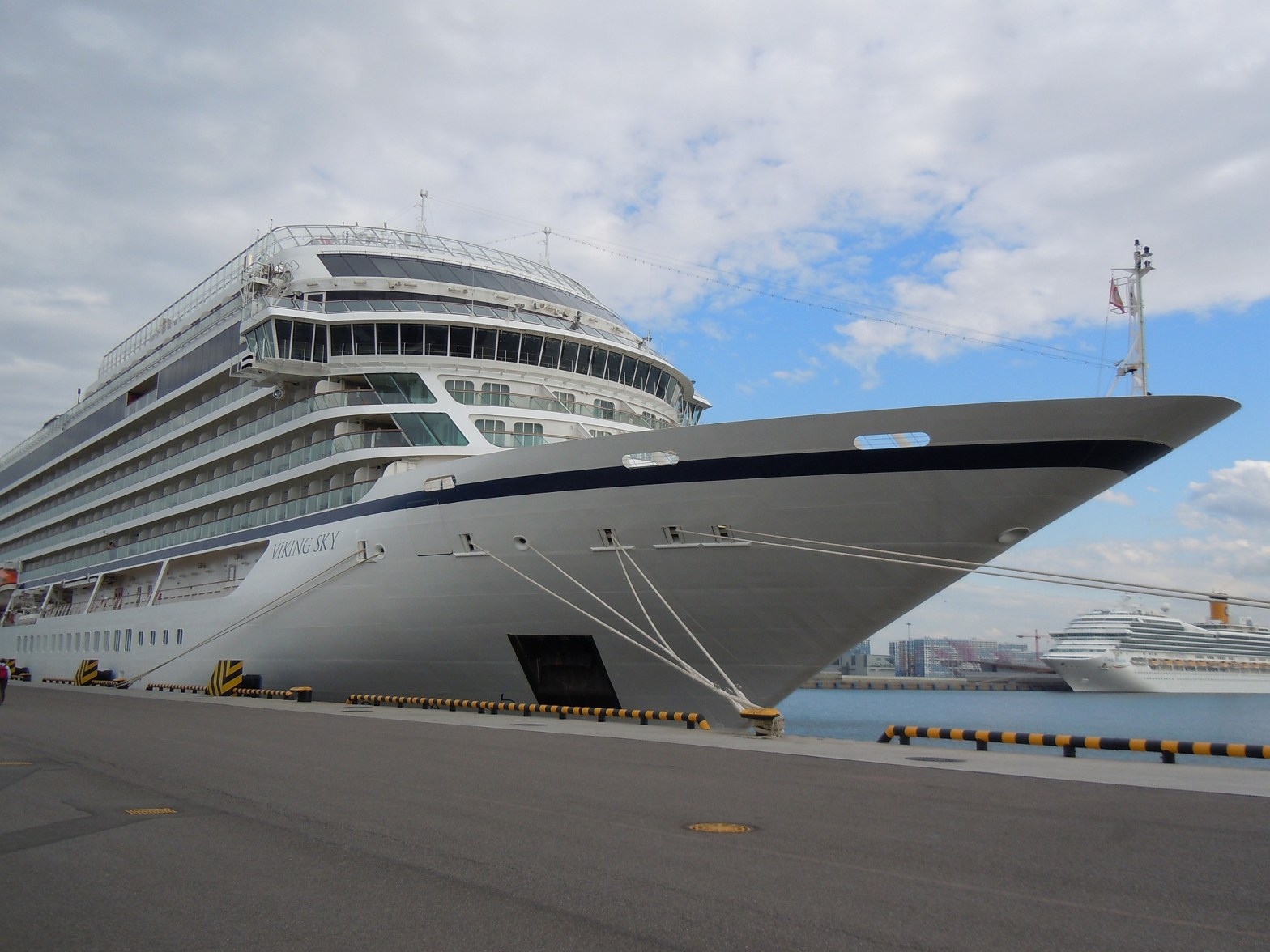
The Viking Sea ship docked at a Baltic port.

The “Viking Sea” ship docked at a Baltic port.

That itinerary follows the routes of the Hanseatic League, the medieval trading confederation that linked the countries of England, northern Europe, and Russia, and also the routes of the earlier, historical Vikings, who plied the waters of the Baltic, too.

Viking prides itself on focusing on the history and cultures of every country on its itineraries. So the cruise director on each ship schedules lectures about those destinations one or two days before the ship arrives in a port, to prepare passengers for the sights, sounds, and tastes of each new country they visit.

While the cruise ship guests are away during the day on shore excursions to a variety of places in those countries, the ship’s staff refills the vessel’s fuel tanks, cleans the guest rooms and public spaces, restocks food supplies, and prepares meals for hungry passengers when they come back on board. The singers, dancers, and musicians also use that time to rehearse their next shows on stage.

Cultural Stereotypes and Truths
So what does that have to do with Germany? Many cruise lines sailing in the Baltic dock at the busy German port of Warnemünde. I’ve lost count of how many times I’ve been to Warnemünde and the surrounding area, as a guest speaker on Viking, National Geographic-Lindblad, and Oceania cruises, as well as on press trips for journalists gathering new material for articles to write. But only on Viking cruises have I had the opportunity to present a 45-minute illustrated lecture about that entire country of Germany, a nation I often think of as “my second home.”

I begin with a short introduction telling how long I lived in Germany (15 years) and what I was doing there (teaching for the University of Maryland’s education programs at U.S. military bases, writing for the Stars and Stripes newspaper). I also mention that for 28 years I was a writer for German Life magazine in America, too. Then I launch into my lecture: “Germany: Land of Laptops and Lederhosen.”

A lecture on “all-of-Germany” in 45 minutes? How is that possible? Not easy without being superficial, I assure you. And that’s exactly how I begin my lecture, showing pictures of the stereotypes that many people have about Germany: Men in Lederhosen. Women wearing Dirndls. Oompah bands and choral groups clothed in traditional Trachten, too. Half-timbered houses and fairy-tale castles. Foaming mugs of beer. Strings of sausages. Pretzels!

Then I point out that stereotypes often contain a grain of truth. But they’re only one part of a many-faceted story (or country), factors that exist side-by-side with all of them being true simultaneously.

Modern Germany – Regions and Festivals
So I segue easily into modern Germany: High-speed highways. High-speed trains. High-tech industries. High fashion. Avant-garde art and architecture. Michelin-starred restaurants and Turkish döner kebab stands. And all those oh-so-wonderful German breads and pastries!

There’s no way anyone could condense centuries of German history into such a lecture. So I focus on Germany today, starting with Berlin and the country’s government (with a nod to the rise and fall of the Berlin Wall), and an overview of Germany’s population, literacy rate, national health insurance program, religions, and economy. The rest of my presentation is about the characteristics of its four main regions, from North to South, East to West, including those regions’ differing landscapes, architecture, industries, and cuisines. Then I conclude with—what else?—Oktoberfest! That world-renowned German beer festival brings me full circle back to the beginning of my lecture: The coexistence of stereotypes and deeper, often contrasting, realities in Germany today, a land of computers and cowbells indeed.

Viking Ships and Excursions
Viking’s ocean vessels carry 960 guests, plus a large, well-trained crew. While in port, most of the passengers head off on shore excursions, and even some of the ship’s employees have a few hours of shore leave, too. When the ship is docked in Warnemünde, Viking offers half-day and full-day excursions to several locations in northern Germany: the Hanseatic cities of Rostok, Lübeck, and Wismar; a classic 19th-century spa town reached by steam train; the magnificent castle in Schwerin; the grim concentration camp at Sachsenhausen.

But the most popular destination is Berlin—six hours round-trip by special train, plus six hours of touring various parts of the city and its historical sites, by chartered buses and on foot with knowledgeable guides, or just exploring Berlin on your own. One excursion even includes lunch at the Reichstag, along with a special tour of that iconic building so important in Germany’s history.

Clockwise from left: The German Reichstag in Berlin, as seen from the Spree River.
The modernistic Marie-Elizabeth-Lueders-Haus government building near the Reichstag in Berlin.
The facades of many Berlin buildings are best viewed from a boat ride on the Spree River.

On my first Baltic cruise with Viking, the only time available for my Germany lecture was at 9 p.m. on the night before we docked at Warnemünde. Since half the 960 guests on that ship had signed up for the 12-hour shore excursions to Berlin the next day—and since they all had to get up at 5 a.m. to board the train at 6 that morning—I expected only a few people to attend my lecture that night. After all, passengers could always watch a video of it on television in their own cabins, any time later during the cruise. So I was surprised when half the ship showed up for that introduction-to-Germany lecture, filling the lecture hall.

The next evening we all returned from Berlin, tired but happy, after a full day of riding the rails through the German countryside, visiting one of the world’s great capital cities, and learning so much about Berlin’s special place in history. But another treat awaited us back in Warnemünde. A red carpet led from the cruise ship terminal across the pier to the ship’s gangway. Lined up along the sides were the ship’s officers and staff, from the captain to the cabin cleaners. At the terminal each guest was handed a glass of sparkling wine, which we all tried to balance in one hand while dancing along the red carpet to lively music, with many of the crew joining in, as we made our way back to the ship.

Top: One of the modernistic fountains in Rostock, a shore excursion destination on Viking Baltic cruises.
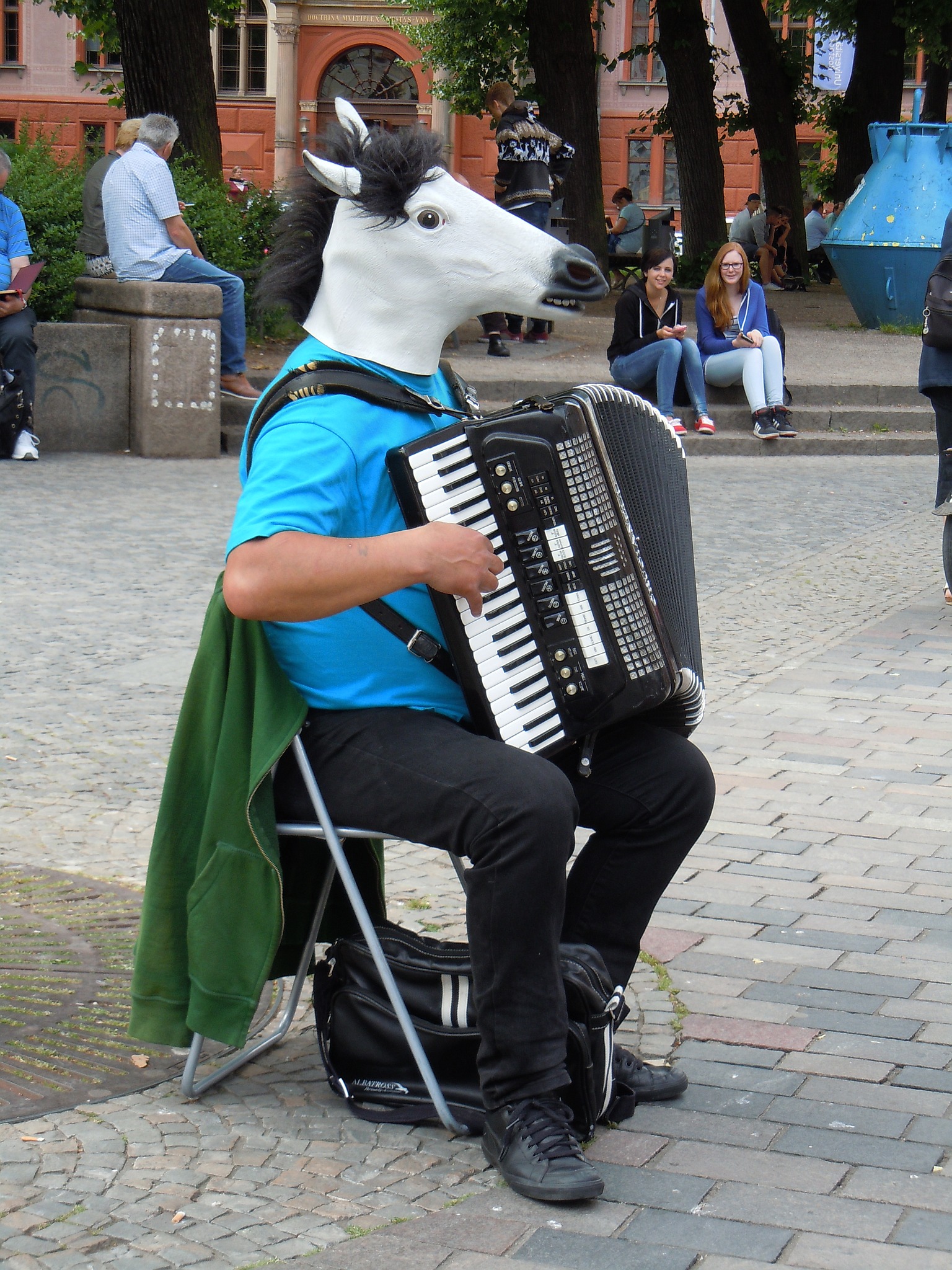
Lower left: Street musician in Rostock, one of the cities on shore excursions from Viking ships docked at Warnemünde, Germany, on Baltic cruises.
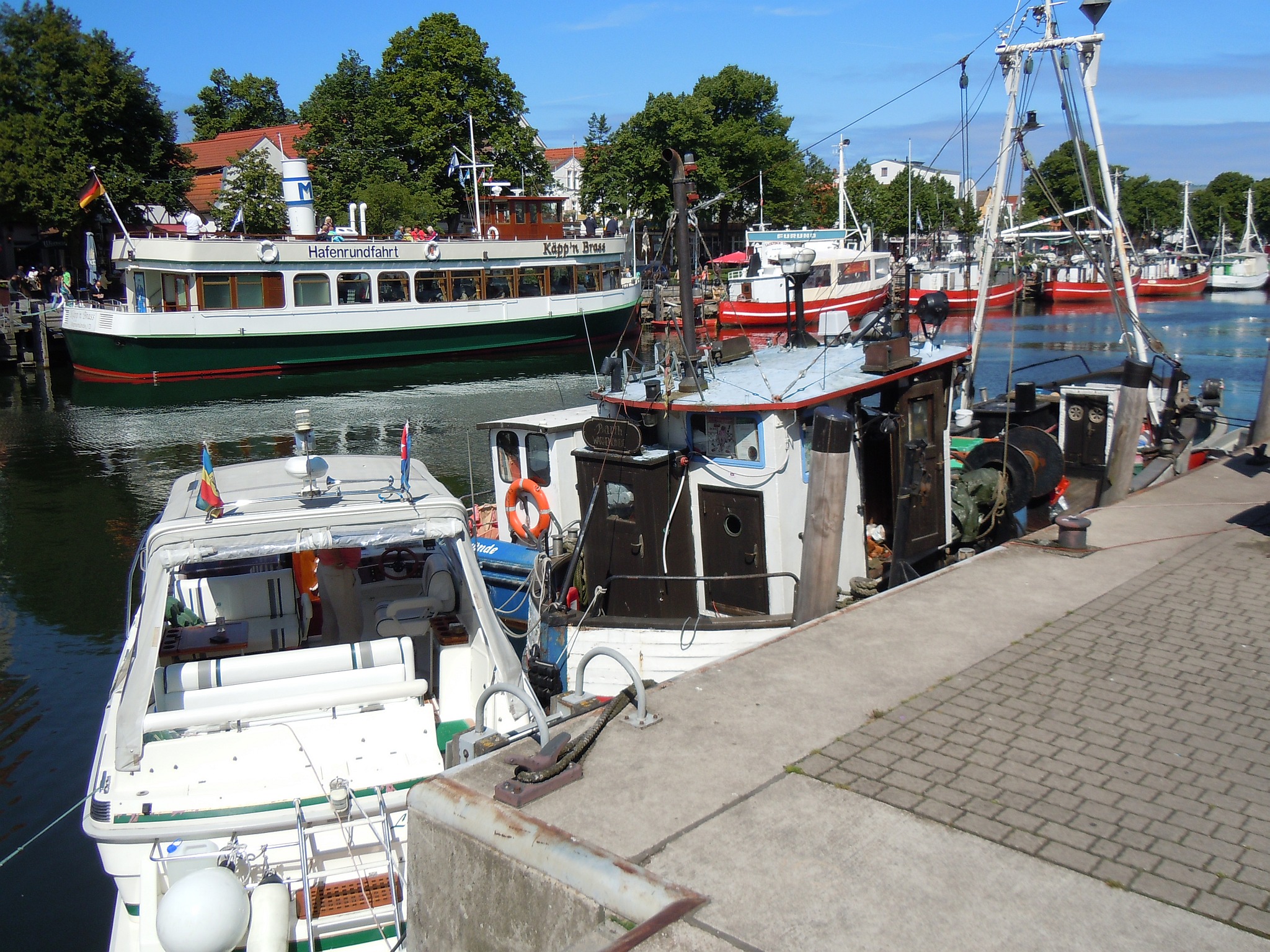
Middle and lower right: The colorful Alter Strom inner harbor at Warnemünde is always filled with small fishing boats and sightseeing boats.

German Culinary Delights on Deck
Dinners on board that evening featured traditional German specialties, from Sauerbraten to Schnitzel, Black Forest Cherry Cake to Bavarian Cream. And of course plenty of German beers and wines, too! As we sailed away from Warnemünde, the only regret for me was leaving a country where I have such deep roots. But we still had five other Baltic countries to visit on that cruise, so who was I to complain about new adventures awaiting the next day? And there was always the prospect of another cruise, or even a different kind of job, bringing me back to Germany in the future.

One of the greatest rewards of working on tours in Germany has been introducing other people to such a fascinating country. Nothing compares with the feeling I get when a member of our tour group comes up to me and says, “Thank you for your lecture about Germany. Because of you, I saw the country with different eyes when we were there.”
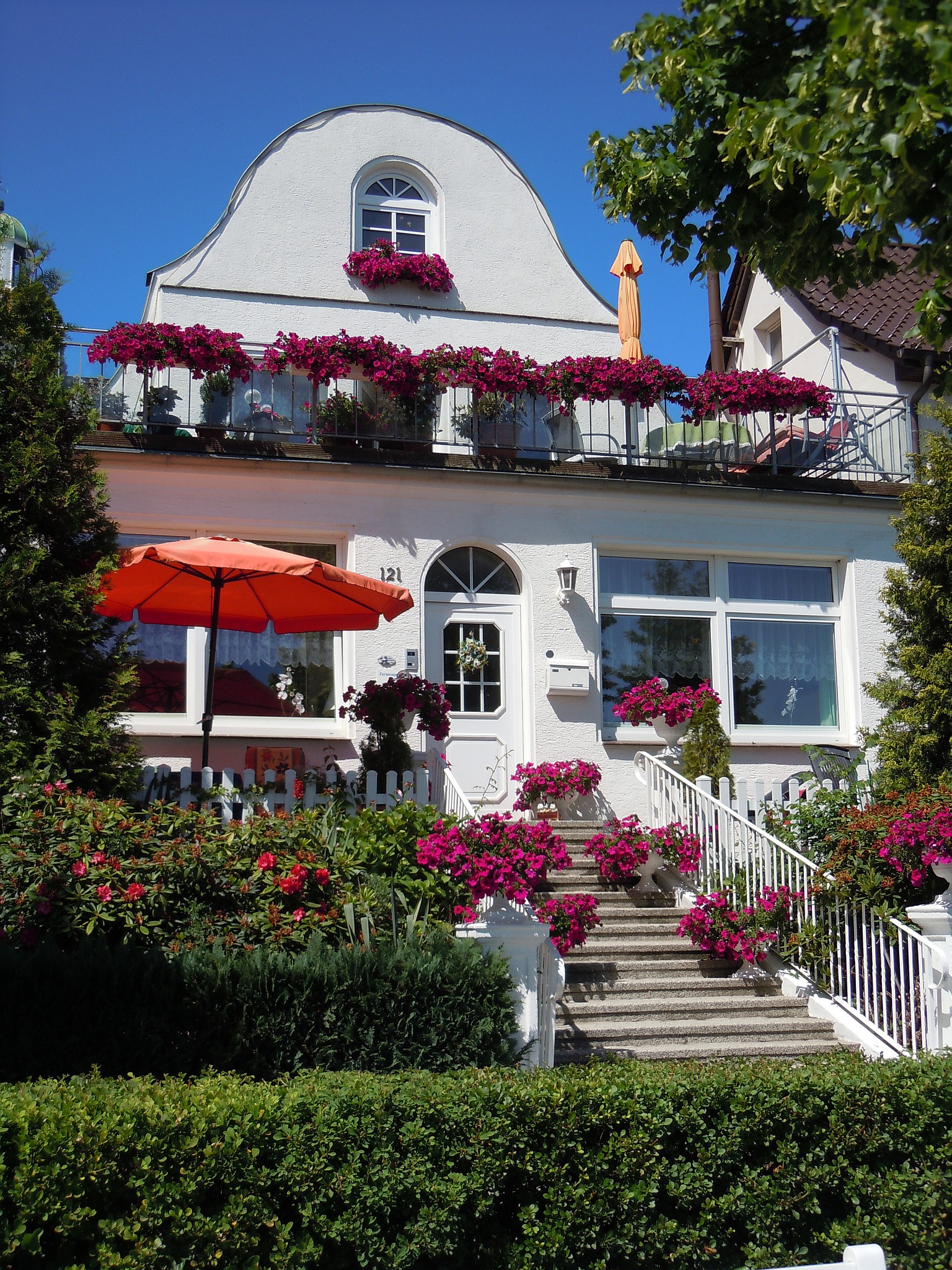
Left: One of the many pretty villas overlooking the waterfront at Warnemünde.
Right: Sand sculpture at the cruise ship dock in Warnemünde.


Sharon Hudgins is a professional writer and a lecturer on educational tours to Europe, Alaska, and North Asia. See more at www.sharonhudgins.com

Visit Viking Cruises to explore cruise destinations and itineraries.

🔍 Search the site to discover more European Traveler feature stories. 🌍

FOLLOW US:

Christmas Is a Time of Food and Fun

European Traveler has gathered Christmas holiday recipes from around Europe, and we present them here in a special tribute to the countries from which they come. You’ll find a variety of tasty foods in these selections, from desserts and breads to main dishes, to cookies and candies. As December progresses, we plan to add more, so stay tuned!

Please note that some of the recipes are in metric measurements and may need to be converted.

Bon Appetit!

AUSTRIA

VIENNESE VANILLA CRESCENTS (VANILLEKIPFERL)

Eva Draxler / Vienna Tourist Board

INGREDIENTS
1 1/2 sticks (6 ounces) unsalted butter
2/3 cup finely ground nuts (almonds or hazelnuts)
1/2 cup confectioner’s sugar
2 egg yolks
1 1/2 cups all purpose flour
dash of salt

PREPARATION
Knead all ingredients together quickly – keep them cool. Cool in refrigerator for several hours. When forming crescents, take out only the amount of dough you are working with. Form into large, sausage-like rolls with a diameter of about 2 inches. Cut thin slices and quickly roll each of them in the palms of your hands, thus forming small crescents. Place on greased cookie sheet. Bake at 325 degrees Fahrenheit for about 20 minutes. Let cool for no more than five minutes. While still warm, roll in vanilla sugar.

THE AZORES

HOTEL MARINA ATLANTICO
THE AZORES

Courtesy Monica Bensaude Fernandes/Bensaude Turismo

COD “COM TODOS” STYLE

INGREDIENTS
2 cod steaks
300 grs of cooked chickpeas
1 Portuguese cabbage
200 grs carrots chopped in thin circles
2 dls extra virgin olive oil
30 grs fresh coriander
1 salted pickled red pepper cut length wise
6 dry garlic cloves
200 grs crumbed corn bread
100 ml cream
Salt and white pepper
PREPARATION
Boil cod for 5 minutes. Remove skin and bones. Grate chickpeas in a tasse-vite. Add cream and season with salt and pepper. Blanch cabbage, drain and sauté in olive oil and garlic.
Sauté carrots in olive oil and garlic.
PLATE PRESENTATION
Using a rim, first layer chickpeas, and then carrots. On top, place cod, broken apart. Cover it with sautéed cabbage and lastly, the crumbed corn bread. Give it a little color by briefly placing in a very hot oven. Decorate with olive oil and fresh coriander.

DUCK BREAST WITH ORANGE AND DRIED FRUITS
INGREDIENTS
2 boneless duck breasts
300 grs red cabbage, julienned
4 oranges
300 grs potatoes, cut in extra fine rounds (chip style)
50 grs crushed walnuts
50 grs crushed pine nuts
50 grs S.Jorge cheese sliced thin
½ cup Brandy
Salt and white pepper
2 tablespoons balsamic vinegar
10 grs sugar
PREPARATION
Sauté duck in high heat for 5 minutes. Season with salt and pepper. Zest the orange. Set aside. Juice the oranges and add it to pan. Let it reduce and set aside the sauce. Bake potatoes in a fan format with the thinly sliced cheese on top. Sauté cabbage with a little olive oil. Add balsamic vinegar, sugar and dried fruit.
PLATE PRESENTATION
At the top, place the fanned potatoes. In the center, place red cabbage and beneath position the laminated duck. Cover with sauce and orange zest.

VEAL LOIN VERDELHO
INGREDIENTS
400 grs veal loin
300 grs potatoes
400 grs carrots
Verdelho wine from Pico Island
Onions
Leeks
Salt and pepper (local, if possible)
PREPARATION
Season veal with salt and pepper. Blush or sauté loin in high heat for 5 minutes. Remove veal, add onions and leeks and brown. Add red wine and let it reduce. Season and sift sauce. Grate carrots and sauté in a little olive oil. Bake potatoes, which have been previously stuffed with a bay leaf and bacon, in alternating cuts.
PLATE PRESENTATION
Place carrots at the center, potatoes in the back, veal in the front of plate, and cover with sauce.

GERMANY

MULLED WINE
(GLUHWEIN)
Victoria Keefe Larson/German National Tourist Office

Perfect for those dark and cold winter evenings.

INGREDIENTS:
2 bottles red wine
1 cup sugar
3 cups water
1 lemon, sliced
20 whole cloves
6 to 8 cinnamon sticks
1 orange, sliced for garnish

PREPARATION:
Mix water, lemon and spices and simmer for an hour. Strain. Heat but do not boil the red wine. Add wine to hot water mixture. Ladle into cups and serve with half a slice of orange.

HUNGARY

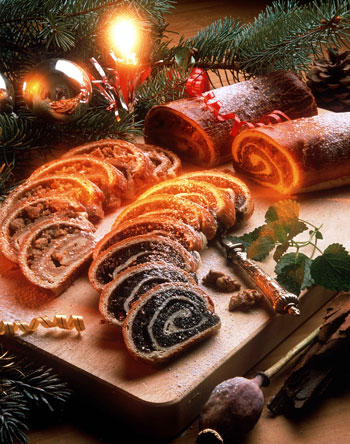
Dios es Makos beigli
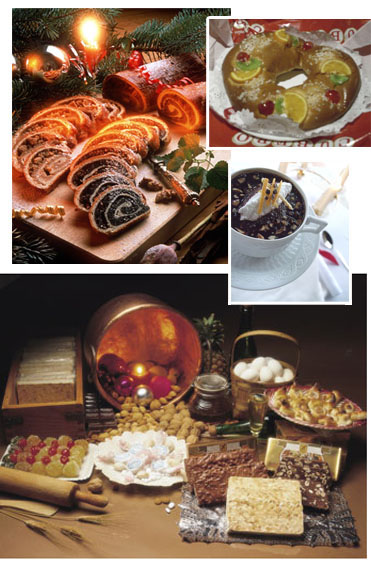
Poppy seed and nut rolls (bagels)

From Culinary Hungary/courtesy Elvira Vida/Hungarian National Tourist Office

Makes 4 rolls; the filling ingredients are calculated for 2 rolls respectively.

INGREDIENTS
For the dough:
1 cup sugar
1/2 cup/120 ml milk
1 cake/15 g compressed yeast
1/2 cup/5O g confectioner’s sugar
3 1/4 cup/500 g flour
6 1/2 tbsp/100 g butter
6 1/2 tbsp/100 g lard
2 eggs
1 tsp grated lemon zest
pinch of salt

For the nut filling:
Scant 1/2 cup/100 ml milk
1OO g superfine sugar
1 envelope of vanilla sugar
1/2 tsp grated lemon zest
3 tbsp/30 g raisins
Pinch of cinnamon
3 cups/250 g ground nuts
3-4 tsp honey (or 1-2 apples or 2-3 tsp apricot jam)

For the poppy seed filling:
Scant 1/2 cup/lOO ml milk
1 1/4 cups/250 g confectioners sugar
1 sachet of vanilla sugar
1 2/3 cups/250 g ground poppy seeds
3 tbsp/30 g raisins
1 tsp grated lemon zest
4 tbsp honey

Other:
Butter or lard for the baking sheet
1 egg yolk for glazing

PREPARATION:
Dissolve the sugar in the lukewarm milk, then add the yeast. Mix the remaining dough ingredients wilh the yeast mixture and knead thoroughly. Cover the dough with a dish towel and leave to rise for about 30 minutes.

To make the nut filling, put the milk in a pan with the sugar and vanilla sugar and bring to a boil. Add the lemon zest, raisins, cinnamon, nuts, and honey (or peeled, grated apples or apricot jam).

For the poppy seed filling, mix the milk with the confectioners’ sugar and vanilla sugar. Bring to a boil and add the poppy seeds and raisins. Simmer for a few minutes, stirring constantly, then remove from the heat and stir in the lemon zest and honey.

Divide the dough into four and roll out each piece into a rectangle measuring about 12 x 14 inches/30 x 35 cm. Spread the dough with the nut or poppy seed filling and roll up lengthwise, ensuring that the rolls remain firm. Grease a baking sheet and carefully transfer the rolls onto the sheet and brush with egg yolk.

Bake in a preheated (medium) oven until golden brown. Only remove from the oven when completely cool. If kept covered and stored in a cool, dry place the bagel will stay fresh for a long time. Do not slice until just before serving, arranging the slices like roof tiles on a plate, and sprinkle with confectioners’ sugar.

PORTUGAL

REBANADAS CASA OS MOINHOS

INGREDIENTS

16 egg yolks
500 g sugar
1 kg Portuguese white bread
Cinnamon
Lemon

PREPARATION
Mix the eggs with 16 tablespoons sugar until it is a thick mix — make a thin syrup out of the rest of the sugar. Use one glass of water for this, then slice the bread, — after letting it sit for one day. Dip the slices into the syrup, drain, and dip in the egg yolk mix. Gently pan sear on a medium stove top, and sprinkle with cinnamon and lemon zest.

SPAIN

ROSCON DE REYES
(Holiday Bread)

This recipe is from The Foods and Wines of Spain by Penelope Casas
Courtesy Patricia Wood Winn/Tourist Office of Spain

No holiday is more eagerly awaited in Spain than El Dia de los Reyes Magos-the Day of the Three Kings (Epiphany) on January 6. On this date every year, so the legend goes, the Three Wise Men journey to Spain on camels, bearing gifts for all Spanish children. They use ladders to gain access to city apartments aud leave presents in the children’s shoes, which have been carefully laid out the night before, along with fodder for the hungry camels. Kids who have not been good during the year fear the worst: that the kings will fill their shoes with black coal instead of toys.

Rascon de Reyes is baked and eaten only at this time of year. It is a delicious sweetened bread, coated with sugar and candied fruits, and it always contains a surprise-either a coin or a small ceramic figurine, which is to bring luck for the year to the fortunate person who finds it in his piece of bread.

Makes 1 large bread ring

INGREDIENTS
1 package dry yeast
3/4 cup warm water
1 tablespoon orange flower water (often found in Italian food shops. If unavailable, substitute strong tea)
1/2 teaspoon grated lemon rind 6 cloves
1/4 pound butter
1 tablespoon lard or vegetable shortening
1/2 cup sugar
1/2 teaspoon salt
2 eggs
1 tablespoon brandy, preferably Spanish brandy, or Cognac
1/2 cup milk, scalded and cooled
5 cups unbleached, all-purpose flour
Candied fruit slices (orange, lemon, etc.)
1 egg, lightly beaten
1 1/2 tablespoons sugar, preferably coarse, for sprinkling

PREPARATION
Dissolve the yeast in 1/4 cup of the warm water. Simmer the remaining 1/2 cup of warm water with the orange flower water, lemon rind, and cloves for 10 minutes, covered. Cool. Discard the cloves. Cream the butter, lard, the sugar, and the salt. Beat in the 2 eggs, then add the brandy, milk, the water-and-lemon mixture, and the softened yeast. Gradually mix in the flour with a wooden spoon until a soft and slightly sticky dough is obtained. Knead on a floured working surface, adding more flour as needed, about 5 minutes, until smooth and elastic. Place the dough in a large oiled bowl, turn to coat with the oil, cover with a towel, and place in a warm spot, such as an unlit oven, to double in size, about 2 hours. Punch down and knead again 5 minutes. Insert a good luck coin – perhaps a silver dollar or half-dollar – or some other appropriate object, such as a cute miniature ceramic animal.

Shape the dough into a large ring, pinching the ends to seal. Place on a lightly greased cookie sheet. Decorate with the fruit slices, pushing them slightly into the dough. Let the ring rise in a warm spot about 1 hour, or until double in size. Brush with the egg, which has been mixed with a teaspoon of water, sprinkle with sugar, and bake in a 350° F oven 35-40 minutes, or until a deep golden brown.