The ‘Champs-Elysees’ of Burgundy Wines

The wines of Burgundy are rich and varied, and are divided into regional appellations, village appellations, Premiers crus and Grands crus. The Appellation d’Origine Contrôlée (AOC) is your guarantee of the characteristics of the regional wines. Fall is a beautiful time to drive or bike through the wine routes.

The Côte de Nuits extends from the south of Dijon to Corgoloin and forms the northern section of the Grands Crus route. It is a prestigious hillside that is home to villages bearing the names of the greatest red wines in the world. Here you will find 24 of the 33 grands crus in Burgundy: Chambertin, Clos de Vougeot, Romanée-Conti and many more.

The Côte de Beaune follows on from the Côte de Nuits towards the south, from Ladoix-Serrigny to the hillside of the Maranges. This soil, blessed with the Chardonnay grape, is where the greatest dry white wines in the world are produced (Corton-Charlemagne and Montrachet, among others). Outside of the city of Beaune, which is the capital of Burgundy’s wine regions, the countryside becomes gentler as you approach Santenay and the département of Saône-et-Loire.

Burgundy hiker

ROUTE OF THE GRANDS VINS DE BOURGOGNE – THE ROUTE THROUGH NATURE
The route of the Grands Vins runs from Santenay to Saint-Gengoux-le-National, and is the extension of the route of the Grands Crus towards the south: more than 100 signposts connect around 40 towns via the vineyards of Maranges, the Couchois and the Côte Chalonnaise. This varied route combines villages with nature, and vineyards with wooded countryside, and is dotted with Romanesque churches and castles. You can discover it by car, but also along the water of the Canal du Centre, or by bike along the the many cycling routes.

ROUTE OF THE MÂCONNAIS-BEAUJOLAIS, THE SOUTHERN WINE-GROWING AREA
This route in the south of Saône-et-Loire is the extension of all the wine routes from Dijon. The eight circuits enable you to break away from the main route and explore the most southerly vineyards in Burgundy in greater depth. The main route itself crosses the Mâcon wine-growing region in a straight line and finishes at Romanèche-Thorins (Saône-et-Loire) on the hillsides of the Beaujolais region.

ROUTE OF THE VINEYARDS OF THE YONNE ALONGSIDE THE RIVERS
In the département of the Yonne, the vineyards have developed alongside rivers: the Jovinien and the Auxerrois in the Yonne Valley, the Chablisien in the Serein Valley, the Tonnerrois in the Armançon Valley, and the Vézelien in the Cure Valley. The wines of the Yonne are undergoing a renaissance and deserve to be discovered in all their diversity just as much as the highly famous Chablis.

ALONG THE LOIRE AROUND THE NIÈVRE
The vineyards of the Nièvre, which extend along the right bank of the Loire, belong not to Burgundy but to the Centre-Loire, and have long suffered from a certain lack of recognition. Now another wine route enables visitors to discover all their charms, from the hillsides of Pouilly-sur-Loire, where the famous Pouilly-Fumé is produced, to the Coteaux du Giennois overlooking Cosne-Cours-sur-Loire. This route also takes in Sancerre on the other side of the river in the Cher.

For more information on Burgundy, go to www.burgundy-tourism.com.

Learning the ‘Art of Travel’ on the Orient Express

A luxurious learning experience complete with a guide from London’s National Gallery

The Orient Express is launching a series of special vacation packages called “The Art of Travel,” including tours to Venice, Paris and within England. Travelers will learn about the lives of artists such as Canaletto, Bellini, Titian, Veronese, Monet, Rubens, Turner and Constable while seeing the places that inspired their work and visiting the places that house their work today, accompanied by an expert from London’s National Gallery.

All tours include at least one night at London’s Goring Hotel and begin at The National Gallery, where a specialist will give a guided introduction to selected masterpieces before the journey begins. Trips include:

THE VENICE OF CANALETTO: This seven-day tour will give travelers the opportunity to view Venice through Canaletto’s eyes. Travel from London aboard the Venice Simplon-Orient-Express through France, the snow-capped Alps and northern Italy. While in Venice, guests stay at the Hotel Cipriani and trace the footsteps of Canaletto, who is forever associated with magnificent Venetian views. Trips are limited to 20 people and depart on April 9, October 8 and October 22, 2011. 

VENETIAN PAINTERS: This is a six-day tour that introduces the traveler to the great Venetian masters, from Giovanni Bellini and Titian to Veronese. Starting in London with a tour and dinner at the National Gallery, travelers will fly to Venice, where they will step back into the Italian Renaissance and explore great sights such as the Doge’s Palace, the Accademia and Ca’ Rezzonica with an expert from the National Gallery. The journey ends with a return to London on the Venice Simplon-Orient-Express. The trip is limited to 20 people and departs on April 30, 2011.

IMPRESSIONS OF PARIS: Also offered will be a series of five-day tours focusing on French Impressionism, where travelers will trace Claude Monet’s long, dynamic life and will learn about the birth of a new artistic movement, when painters first began painting in the open air to capture the effects of light. From London, guests board the Venice Simplon-Orient-Express and can marvel that two of the restored carriages aboard the Art Deco train were already carrying passengers when Monet was producing his last masterpieces. Departures are April 9, May 7, June 25, July 27, August 24, September 24 and October 22, 2011. 

BRITISH PULLMAN: These tours combine the thrill of a steam-hauled luxury train, complemented by gourmet dining — brunch on the outbound journey and a three-course supper on the return — with delightful scenery and include visits to Bath’s finest art collections.

  • Collectors and Collecting: This trip is timed to coincide with the reopening of the Holburne Museum in May 2011 following a major restoration.  After a guided tour of the museum, there will be a tour of “Beckford’s Bath,” including the eccentric William Beckford’s house and the grounds leading up to Beckford’s Tower. The trip will depart on June 28, 2011.
  • Thomas Gainsborough: This journey focuses on landscape paintings by notable British and European artists including Rubens, Turner and Constable. Highlights include the new exhibition “Gainsborough’s Landscapes: Themes and Variation,” at the Holburne Museum and a walking tour of artists’ Bath.  This tour will depart on October 11, 2011.

For more information on “The Art of Travel,” visit www.orient-express.com/nationalgallery.

Rendez-vous in the Midi-Pyrénées for Wine, Food and Culture

Photographs compliments of Midi-Pyrénées Tourism Office

Visitors to the Midi-Pyrénées in France, also known as the Southwest, have the unique opportunity to savor some of the most unique food and wine in all of France while also soaking up the rich arts and culture scene of the region.

WINE
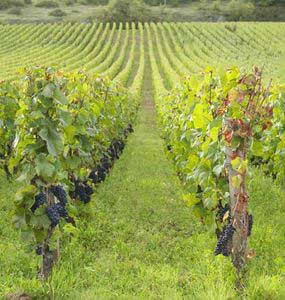
The Midi-Pyrénées is a verdant, hilly wine region—home to more than two dozen winemakers featuring some of the world’s greatest grape varieties and some that are grown nowhere else in the world.

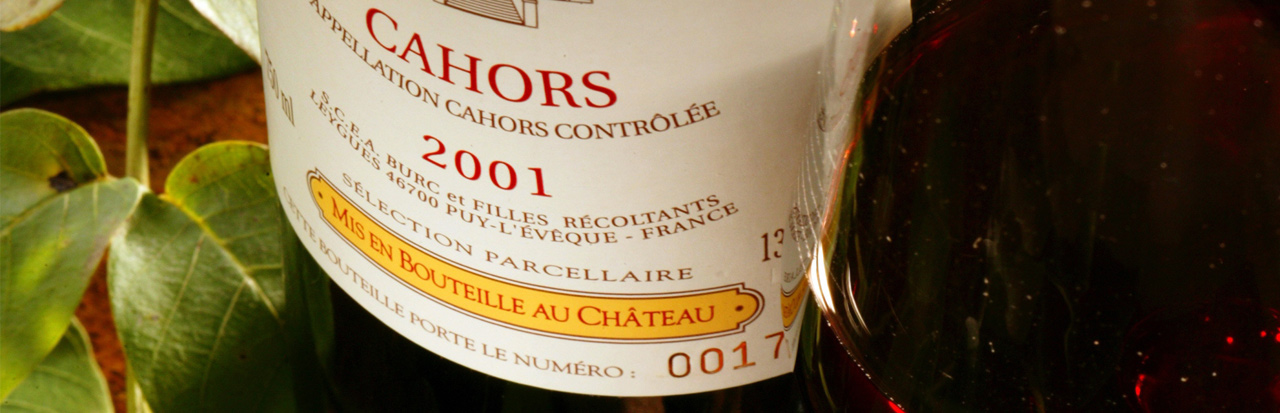
From the Malbec wines grown in the sun-drenched Cahors region to the Gaillac district, one of the oldest wine-growing areas in France, to the Madiran wines known for their inky color and tannic density, the wines of southwest France offer a wide array of flavors and are a true treasure trove for the dedicated wine connoisseur.

The region is also rich in spirits, most notably the distinctive brandy Armagnac, produced in Gascony. Tourists can explore the “Route de l’Armagnac” which winds through the vineyards and experience the different tastes and sensations of this brandy, known for its unique finesse and roundness.

FOOD
The Midi-Pyrénées is also renowned for its fine cuisine. It is home of the black truffle, which is found exclusively in the region around the village of Lalbenque.

The Midi-Pyrénées is also the capital of the iconic French specialty, foie gras. With subtle flavors of hazelnut and a creamy texture, this delicacy can be bought directly from the producer or at the special winter foie gras markets that are peppered throughout many small towns in the Gers district.

CULTURE
The Soulages Museum, in the town of Rodez, is dedicated to the work of acclaimed painter and Rodez native Pierre Soulages. Widely considered one of the great abstract artists, Soulages was inspired by the prehistoric and Romanesque art of the region. The museum houses 500 works donated by Pierre and Colette Soulages to Rodez, which is the world’s biggest collection, estimated to be worth close to $55 million.

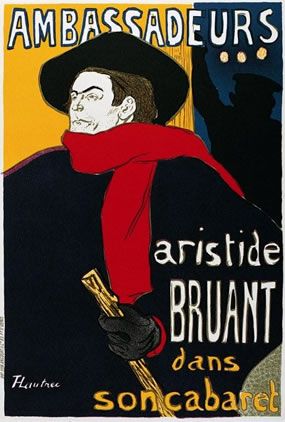
The Toulouse Lautrec Museum will celebrate the life of painter and lithographer Toulouse Lautrec, born in the city of Albi in 1864. The exhibit will run from October 25, 2014 to January 25, 2015.

FESTIVITIES
The Midi-Pyrénées also abounds with celebrations and performances, with more than 180 festivals and events taking place throughout the year.

The Medieval Festival of the Grand Falconer takes place in the village of Cordes-sur-Ciel on July 14—coinciding with Bastille Day, France’s national holiday. The annual festival offers a faithful recreation of medieval life in the Midi-Pyrénées, with fire-eaters, jugglers, falconers, troubadours, musicians, knights and villagers all garbed in medieval attire.

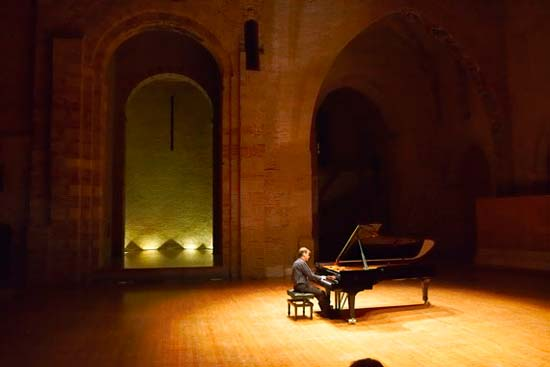
The Piano aux Jacobins, held in the region’s capital city Toulouse during the month of September, is the first festival in France entirely dedicated to piano performances. This year’s edition takes place September 2 to 29.

The small and quaint Gascon town of Marciac will transform into a jazz capital this summer from July 24 to August 13 with its legendary festival, Jazz in Marciac, which has welcomed international jazz icons.

ADVENTUROUS
The natural world comes alive in the Midi-Pyrénées with vast areas of untouched countryside and rugged mountains in its national parks. Cyclists come from all corners of the earth to follow the route of the Tour de France in the Pyrenees and climb the famed Col du Tourmalet.

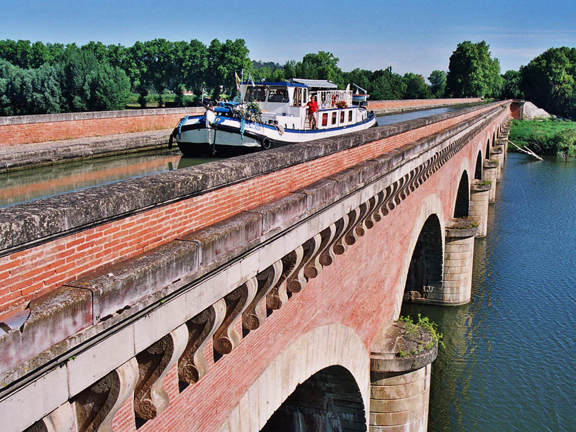
The Canal du Midi, a UNESCO World Heritage Site that runs from Bordeaux and the Atlantic coast to the Mediterranean sea, is ideal for bicycling enthusiasts looking for a relaxing ride and discovering this 150-mile engineering masterpiece.

SPIRITUAL
Travelers can embark on a spiritual retreat in the region at the sacred French Grotto of Lourdes, a world famous pilgrimage site. Every year, the cosmopolitan and convivial town receives 6 million travelers from 140 countries from every continent.

Walking the Way of St. James has changed little over the centuries, where pilgrims trek from all over Europe to the city of Santiago de Compostela in northwestern Spain. The route winds through many scenic villages born of the ancient pilgrimage, including Rocamadour, Conques and Moissac.

For more information on Midi-Pyrénées, go to: Midi-Pyrénées Tourism Office.

Ireland Tops Paris for Best Destination in 2011

An imprint of the global publishing giant Wiley, Frommer’s is one of the travel market’s leading authorities and most trusted online content and guide book producers. Every year its editors, authors and experts from around the world select the best cities, islands, beaches and other vacation destinations and decide on the destinations that are going to be big news for travelers in the coming year.

Its Top Destinations list aims to steer travelers clear of too-hot spots or places so under the radar that travelers could find themselves lost. The list also includes the Frommer’s Readers’ Favorite Destination.

“Last year’s favorite Paris was beat out this year by the very tourist-friendly nation of Ireland,” the company says. “During the nominations process, supporters told us why they were putting the Emerald Isle on their wish lists for the following year.”

Those reasons were comments praising Ireland’s rugged beauty, the people, the history, lush countryside and opportunities to ramble and explore.

Ireland received 29% of the overall vote from the 10 destinations up for nomination and pipped Paris in the readers’ vote for best destination by just 1%.

The other places up for nomination were Alaska, Hawaii, Australia, Egypt, Italy, Germany, New Zealand, Greece and Paris. More than 7,300 ballots were cast for the awards.

www.frommers.com
www.discoverireland.com

International High-Speed TGV Train Now Ready to Roll

New High-Speed Line makes Direct Train Travel between France, Germany and Switzerland faster and easier

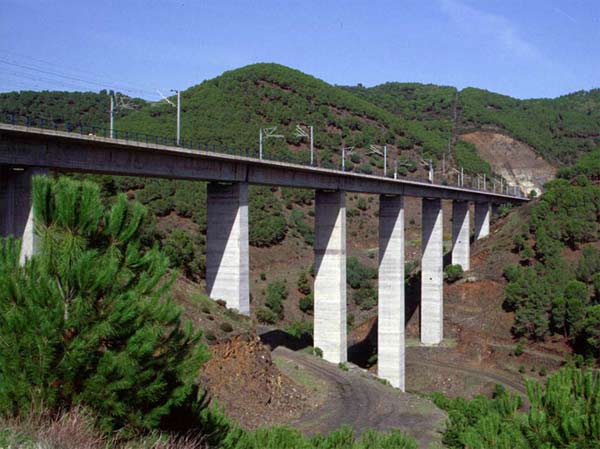
A total of 160 bridges and 12 viaducts have been built on the 264 miles of new track to be used by high-speed TGV trains which can travel at speeds up to 201 miles an hour.

For the first time, direct service is being offered within France on routes including Paris to Besancon, Belfort and Mulhouse.

TGV is French for Train à Grande Vitesse which means “high-speed train.”

International high-speed TGV trains offer direct service between France, Switzerland and Germany on routes such as Paris/Lausanne, Paris/Bern, Paris/Zurich and Frankfurt/Marseille. Tickets for TGV trains, including this newest section of high-speed line, are available through RailEurope.com.

Avignon TGV station

“This newest section of high-speed line will make a big difference to the way travelers can travel within France and also between France, Germany and Switzerland in 2012,” said company President and CEO Frederic Langlois. “The Rhine-Rhone high-speed line will offer faster travel times, more frequent and direct trains, and the speed, ease and convenience of connecting between these countries makes for a better travel experience.”

This new high-speed line runs east-west, reducing travel times from the northeastern city of Strasbourg to Lyon to just 3 hours and 40 minutes. The number of trains on this route will also increase to six roundtrips per day.

Another line will run north-south from France into Germany allowing travelers from Marseille or Avignon in the south of France to go directly to Frankfurt without changing trains. It is estimated that 11 million riders will utilize the new Rhine-Rhone line.

For more info, go to RailEurope.com
Photos courtesy of Net Resources International