Discover Nürnberg’s Many Medieval Layers

Story and Photos by Alison Ramsey

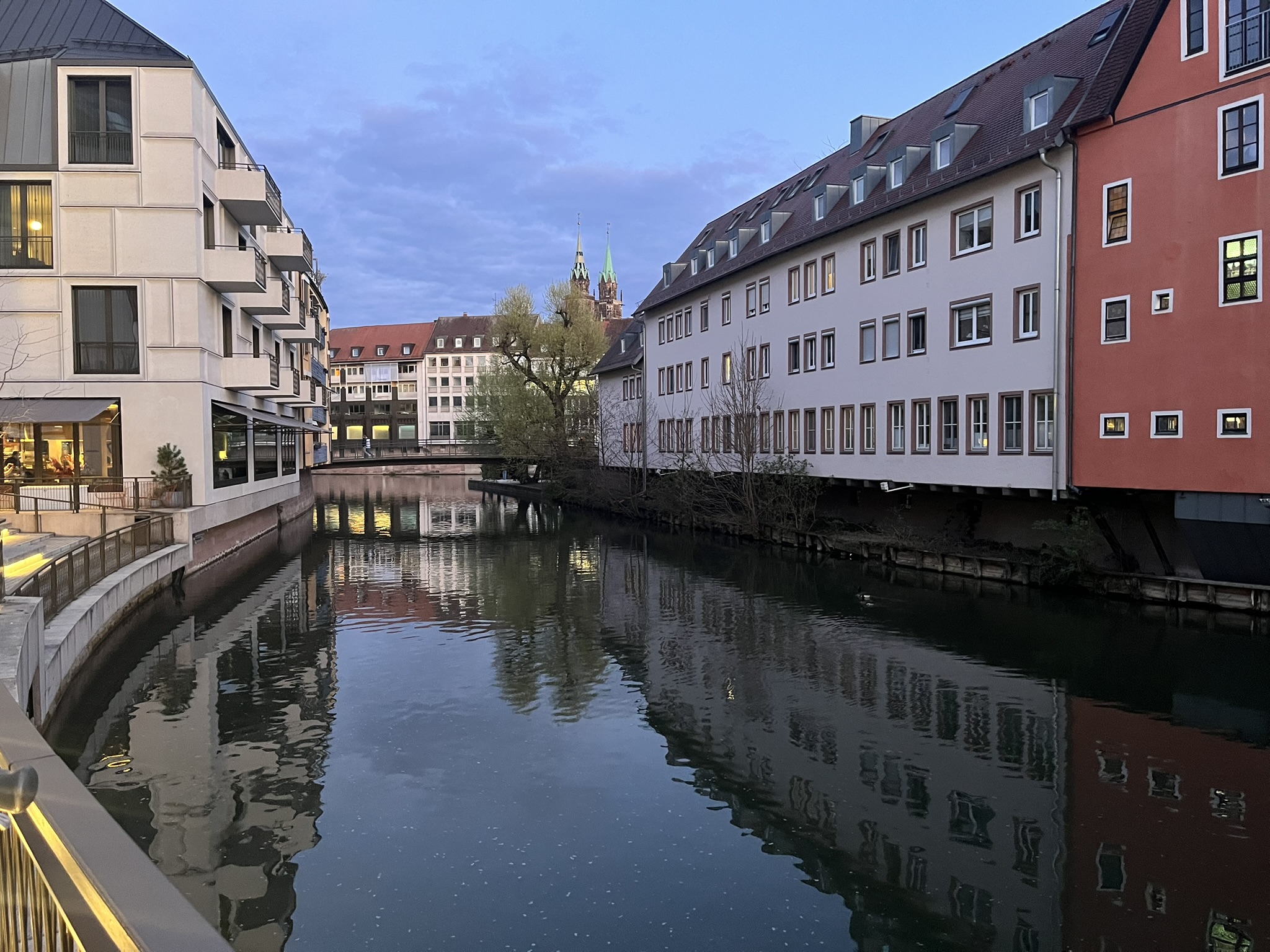
Nürnberg, Germany, is full of rich medieval history, with plenty of myths and mystery. The largest city in the northern region of Bavaria, often referred to as the unofficial capital of Franconia, Nürnberg displays a unique Franconian identity in terms of its culture, architecture, cuisine, and historical political structures. Explore all angles and layers of the city to learn more about what makes Nürnberg unique.

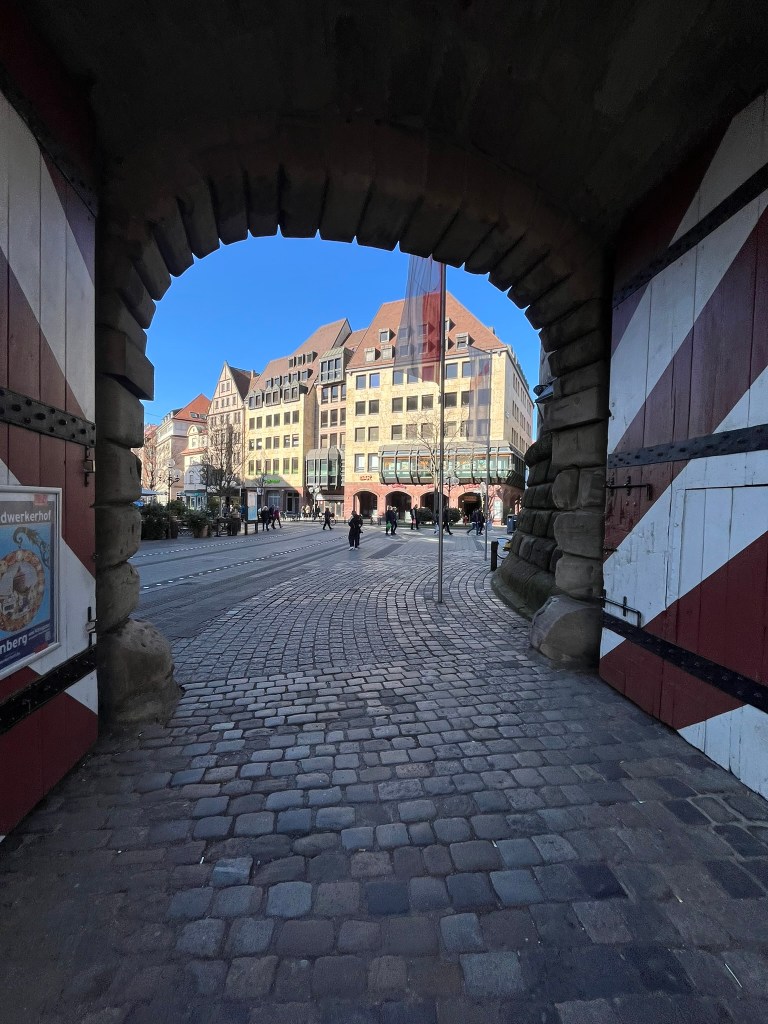
Nürnberg is easily entered through the Frauentorturm, directly across from the city’s main train station.

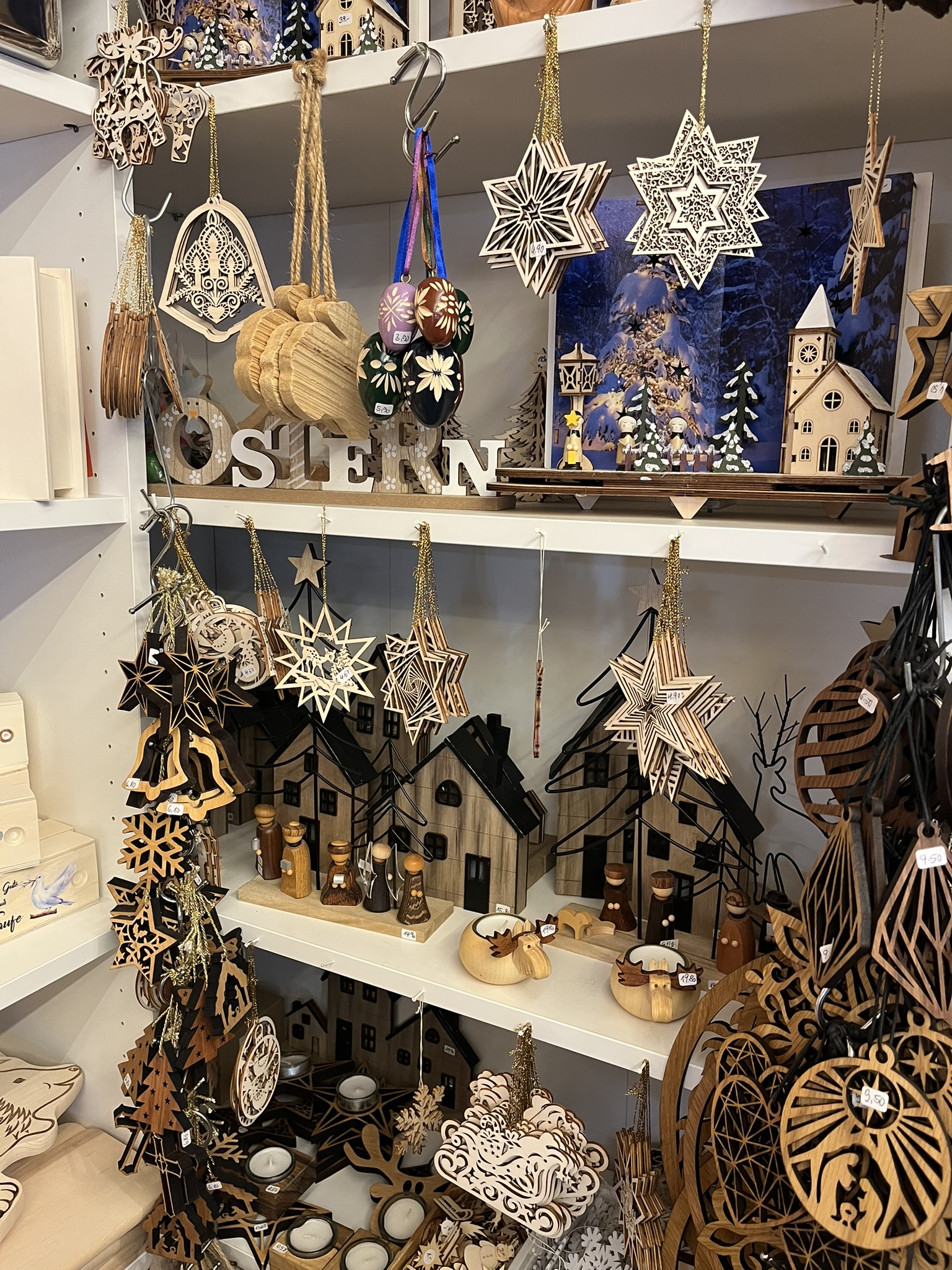
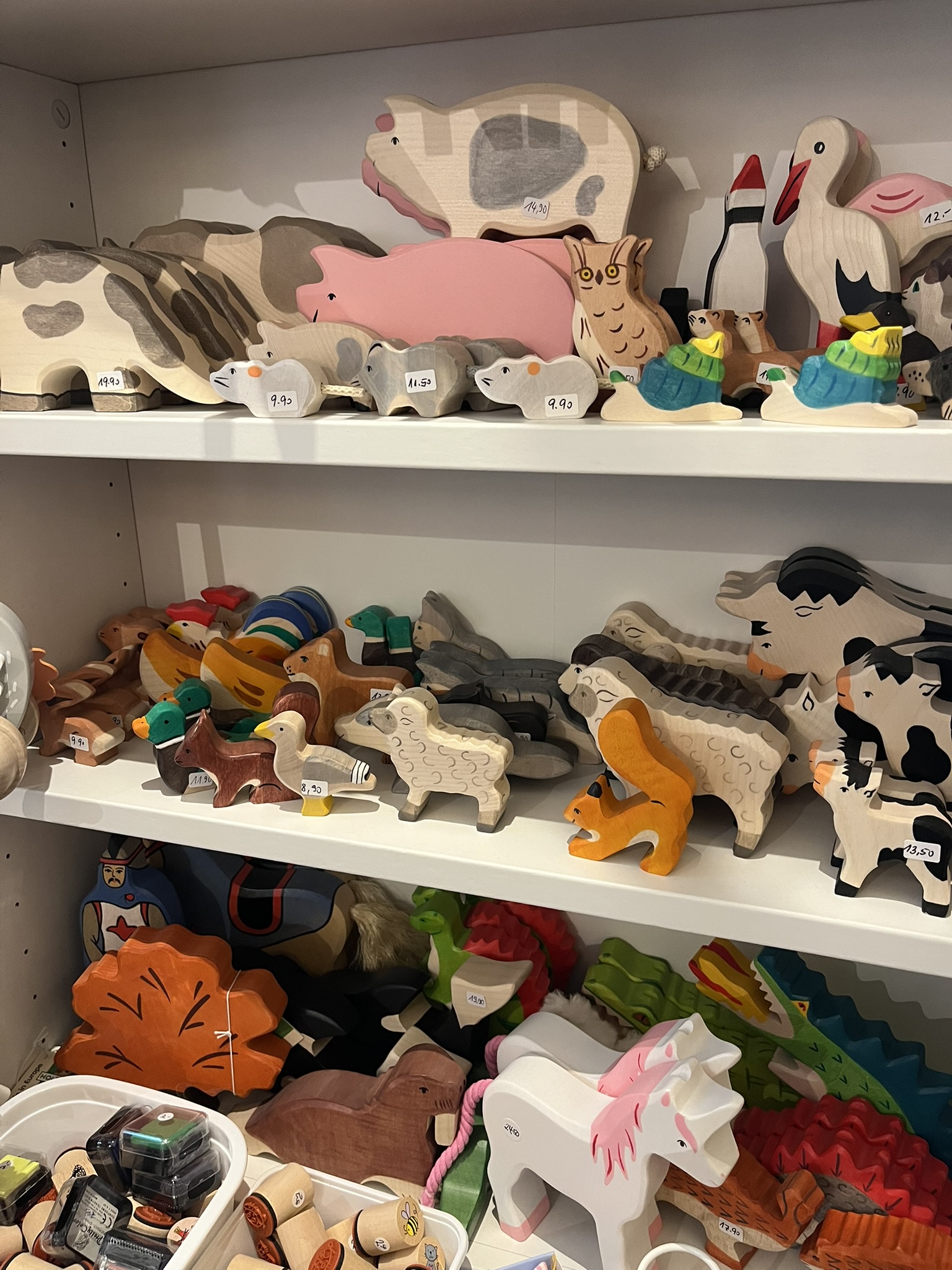
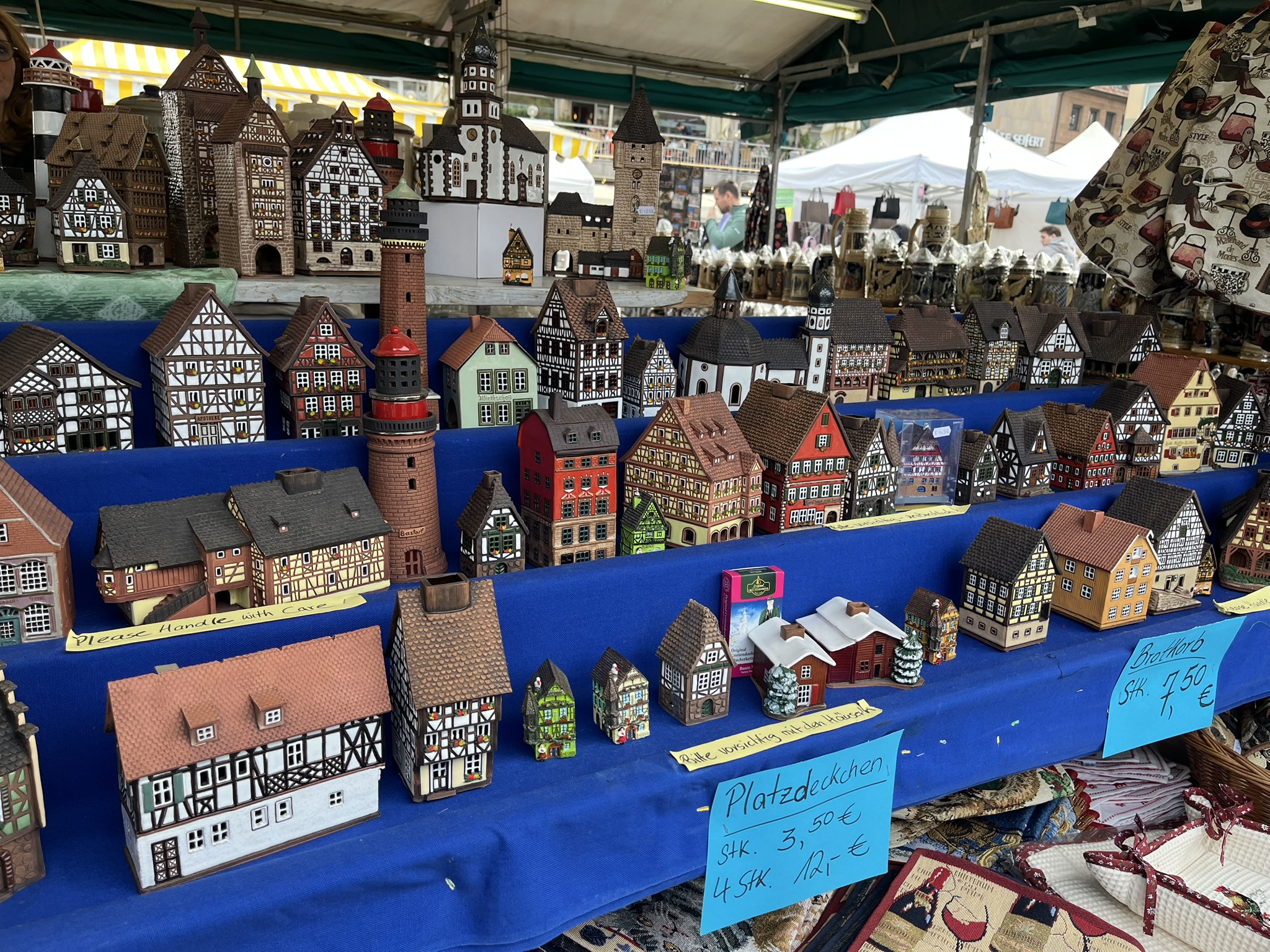
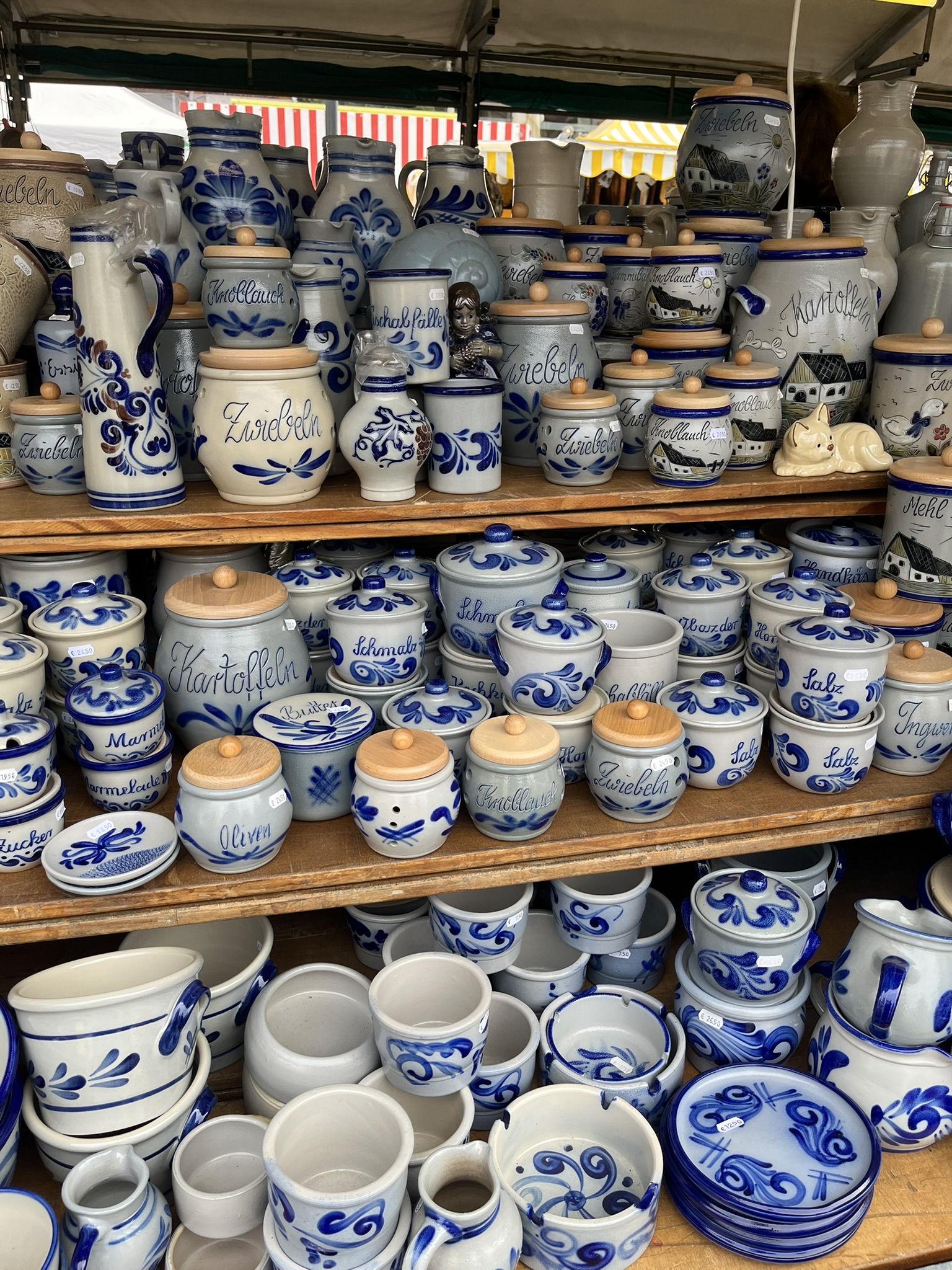
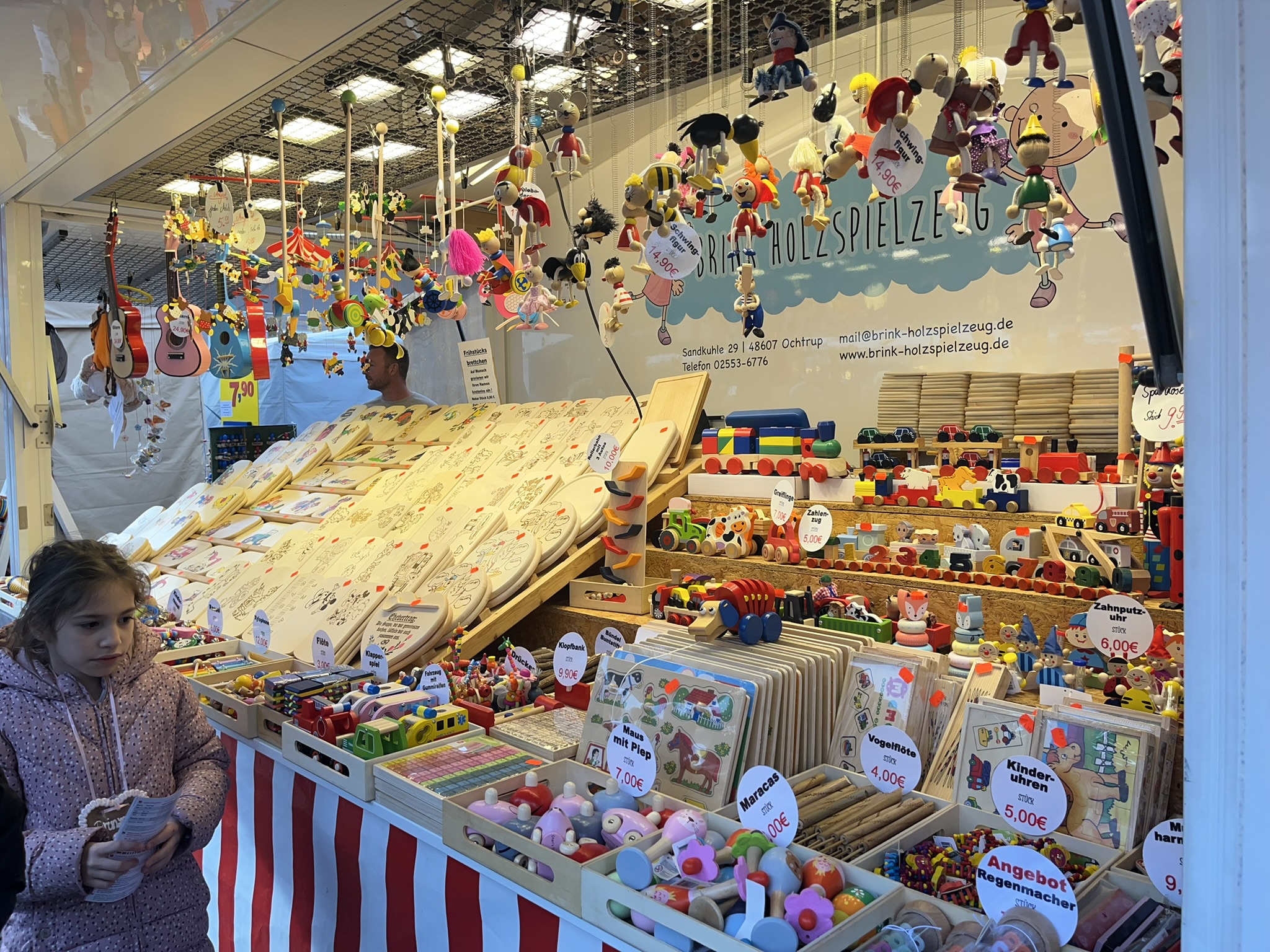
Enter the city through the base of the Frauentorturm (Women’s Gate Tower), and you’ll immediately find the first attraction in the initial interior lining. Craftsmen’s Courtyard is a collection of cottage industries behind the thick city wall, where small half-timbered workshops are labeled with antique signs and ornate metal fittings. Craftworkers here create pottery, glassware, candles, jewelry, leatherwork, and wooden wares. These traditional and unique gifts handmade by local artisans include leather bracelets, wallets, belts; carved wooden animals, toys, keychains, hand-carved pens, cutting boards, and kitchen utensils. Set amongst colorful flowering plants and bright-potted greenery, cafes and restaurants in this idyllic city segment serve tasty snacks, cakes, and invigorating coffee drinks.
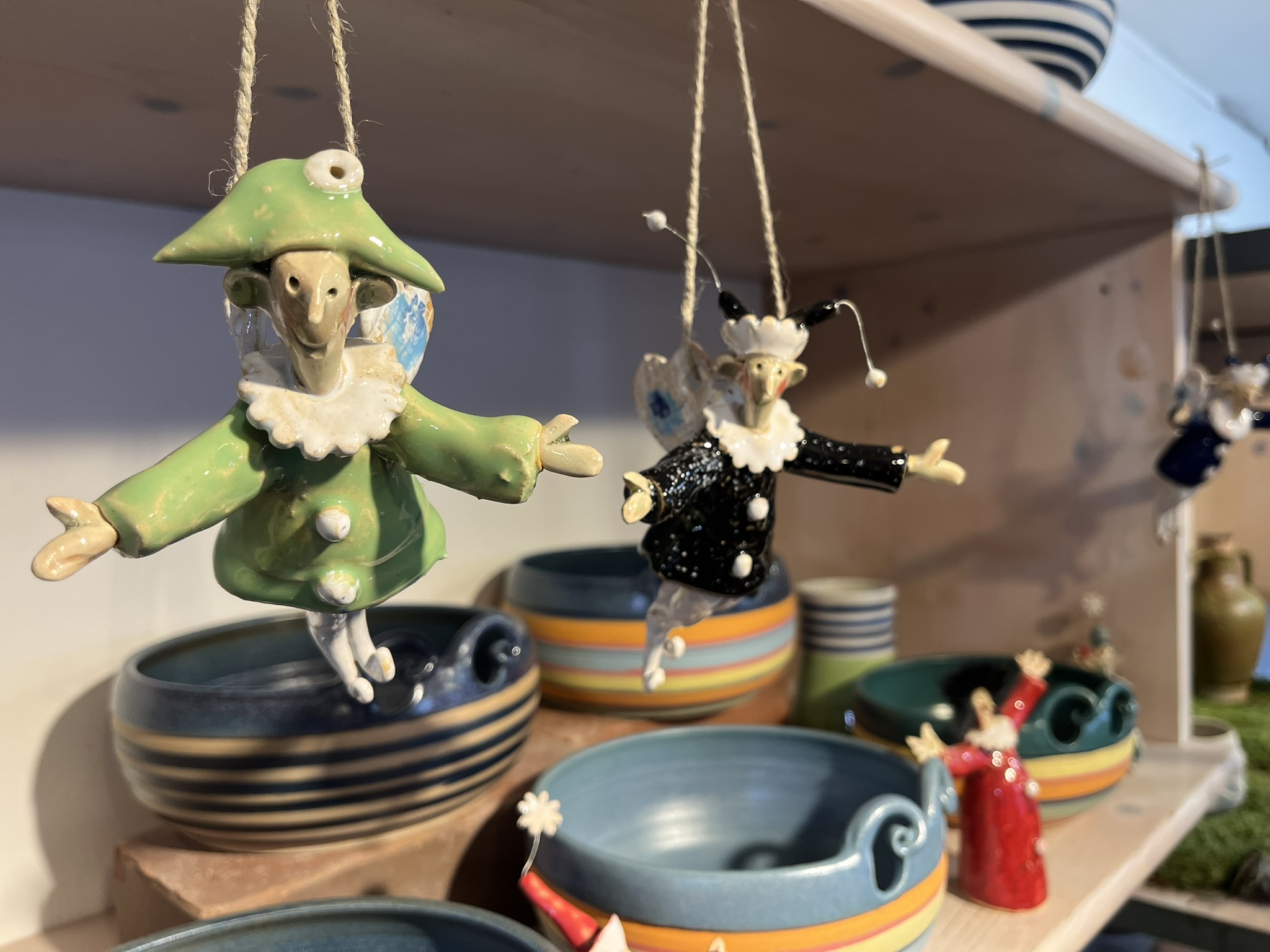
Handcrafted gifts and homemade treats await in the Craftsmen’s Courtyard.

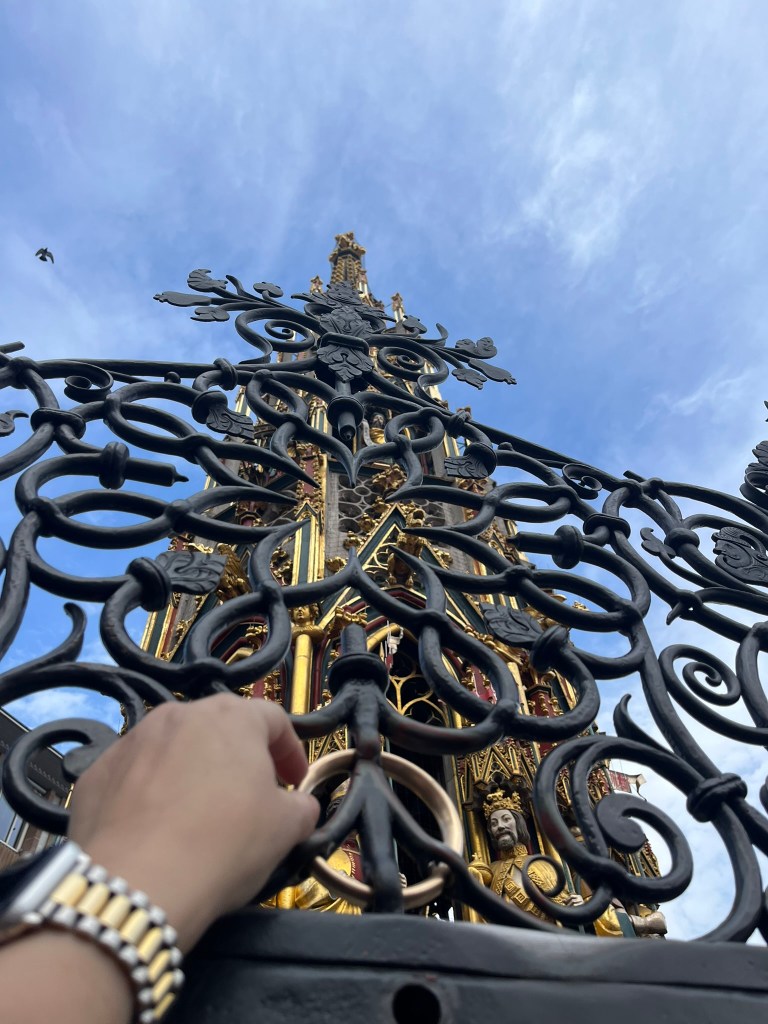
The Old Town’s Hauptmarkt (main market square) holds the famous Schöner Brunnen (Beautiful Fountain), an intricate 14th century 62-foot-high Gothic structure encircled by a metal railing. Forty stone figures on four of the piece’s many tiers represent the world’s varied beliefs and philosophical ideas about the Holy Roman Empire during the medieval period—in the form of church and secular leaders, evangelists, prophets, philosophers, and biblical characters. Set within the intricate railing design is a small golden ring, and legend dictates that turning this shiny brass ring three times fulfills wishes and brings good luck.  

Turn the Beautiful Fountain’s brass ring three times to make your wish come true!

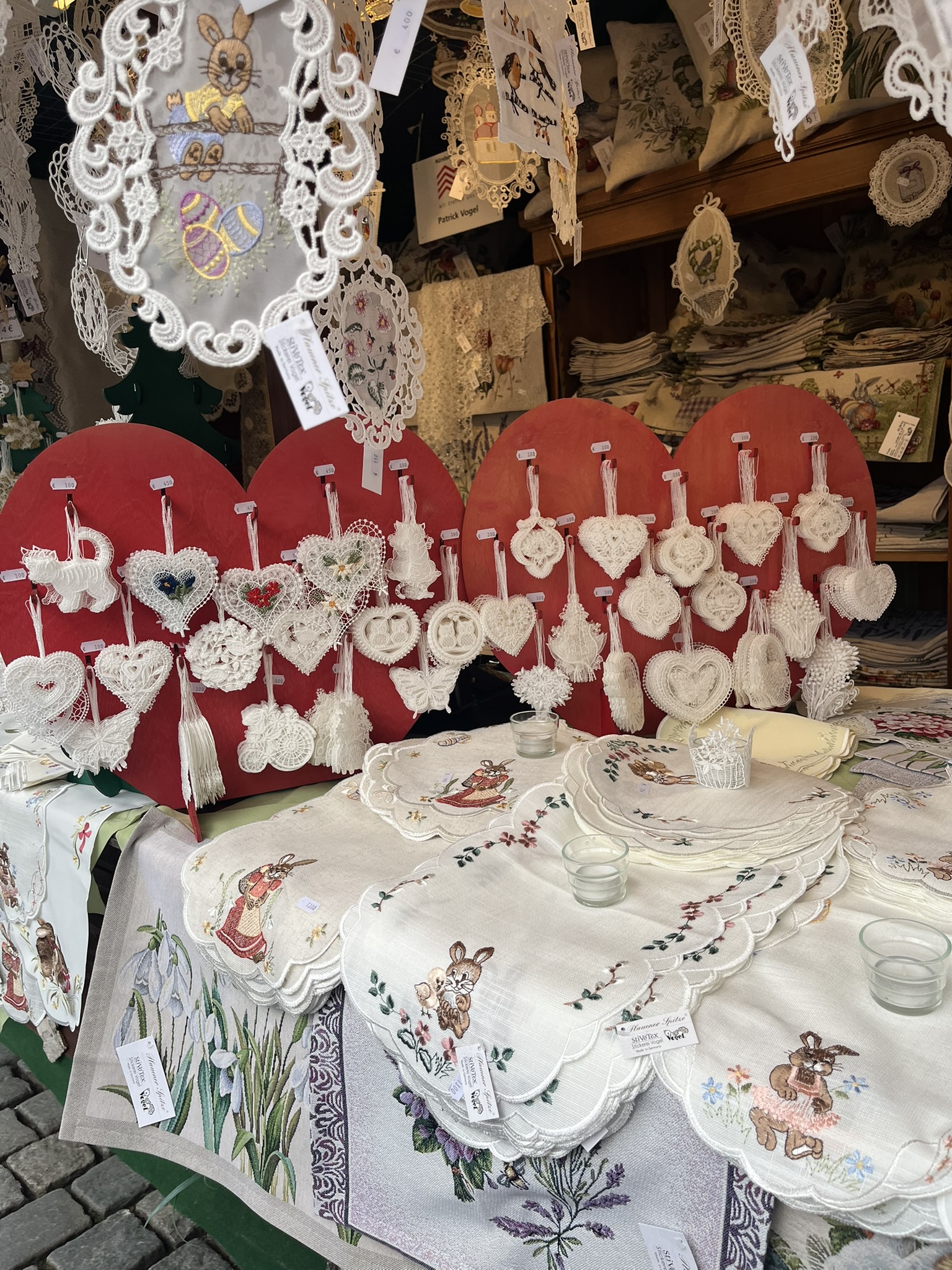
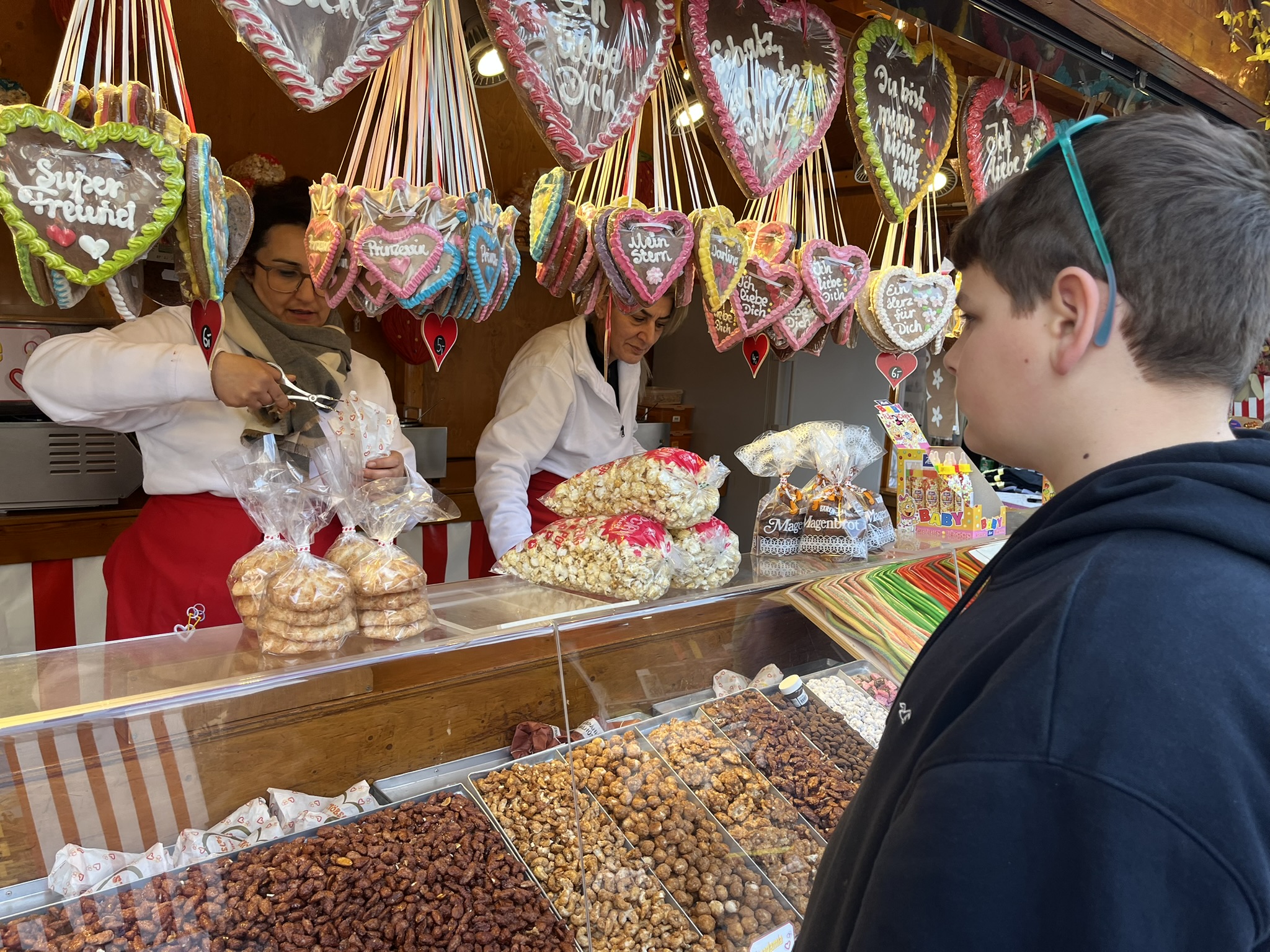
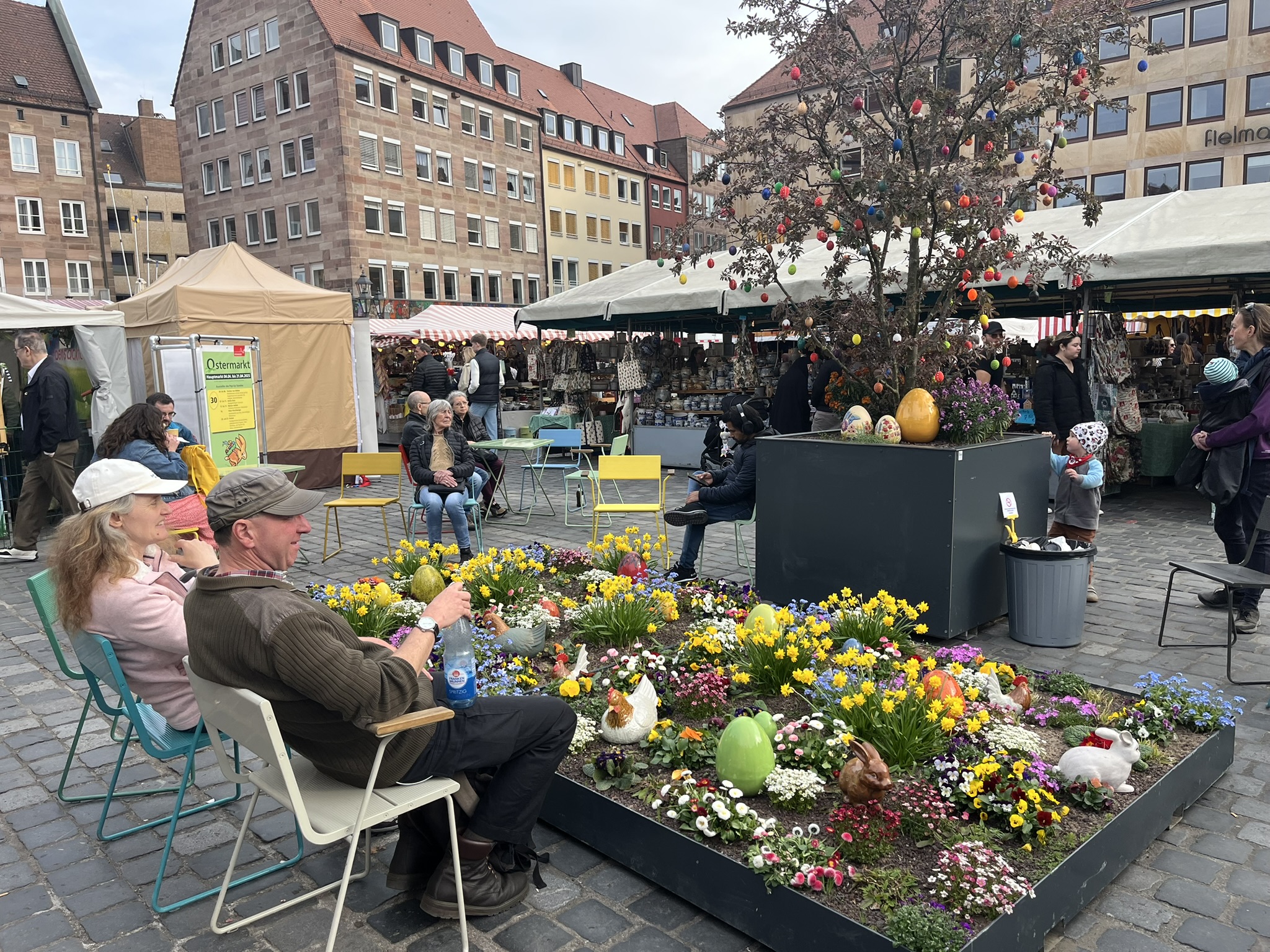
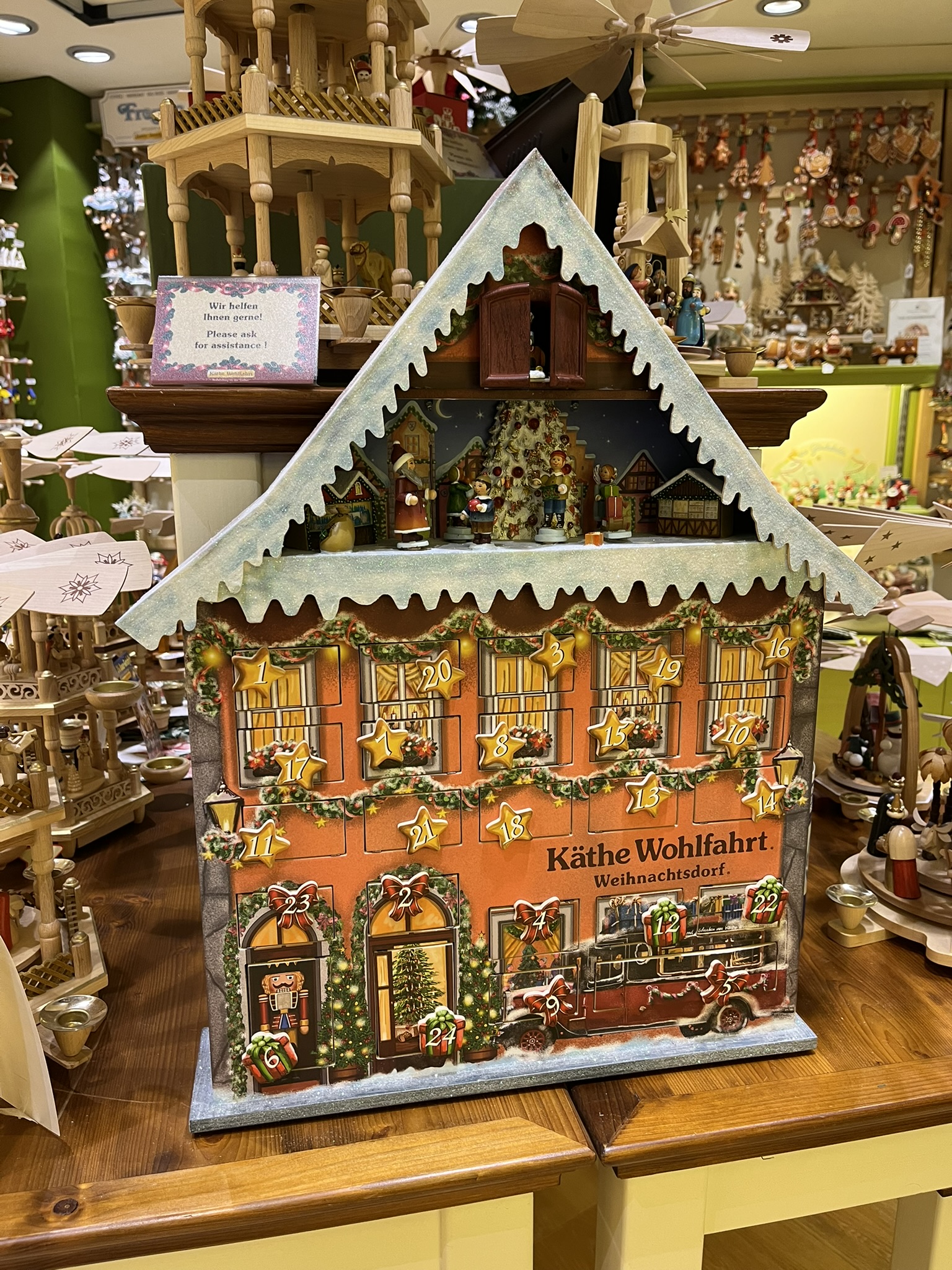
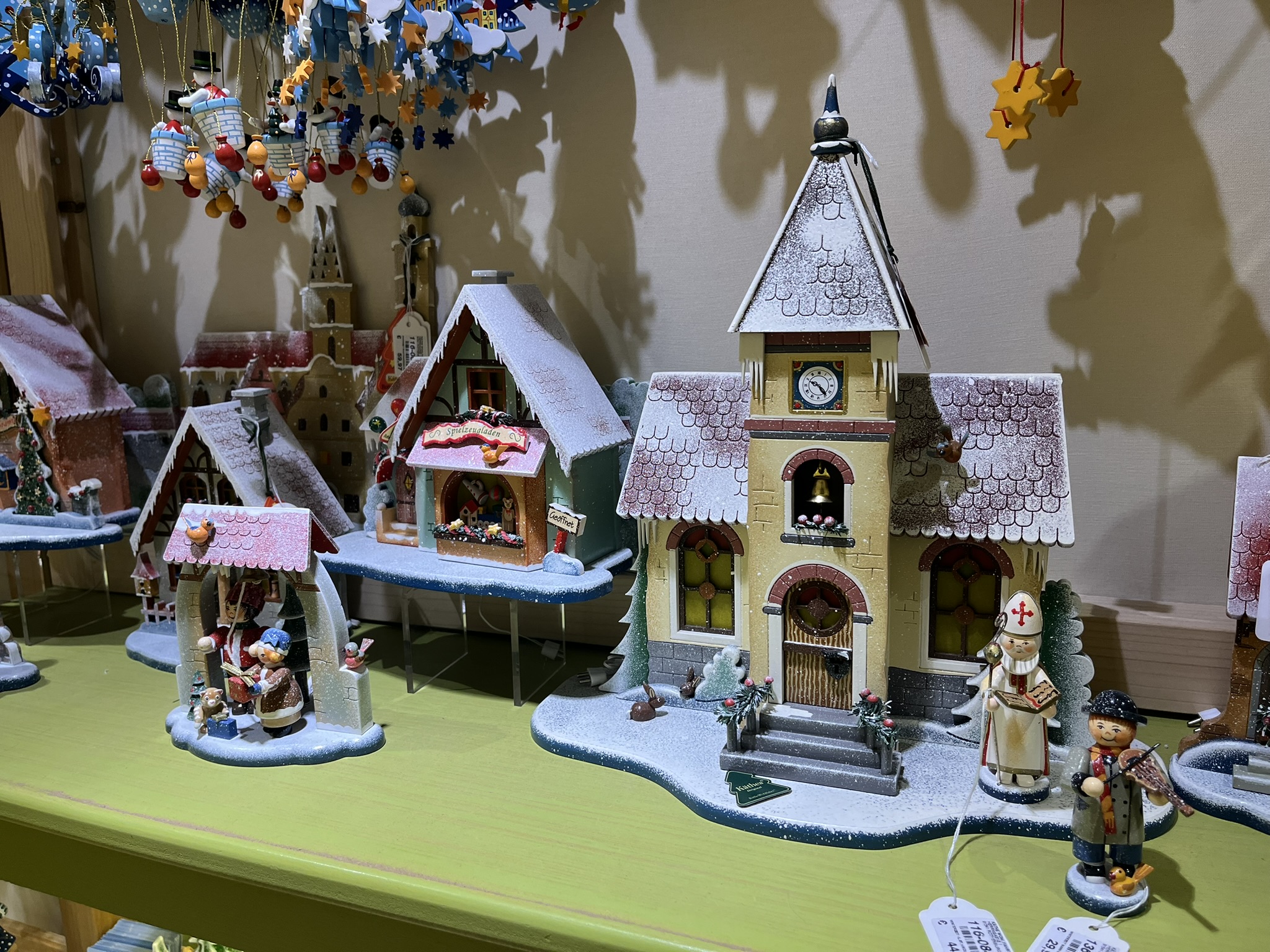
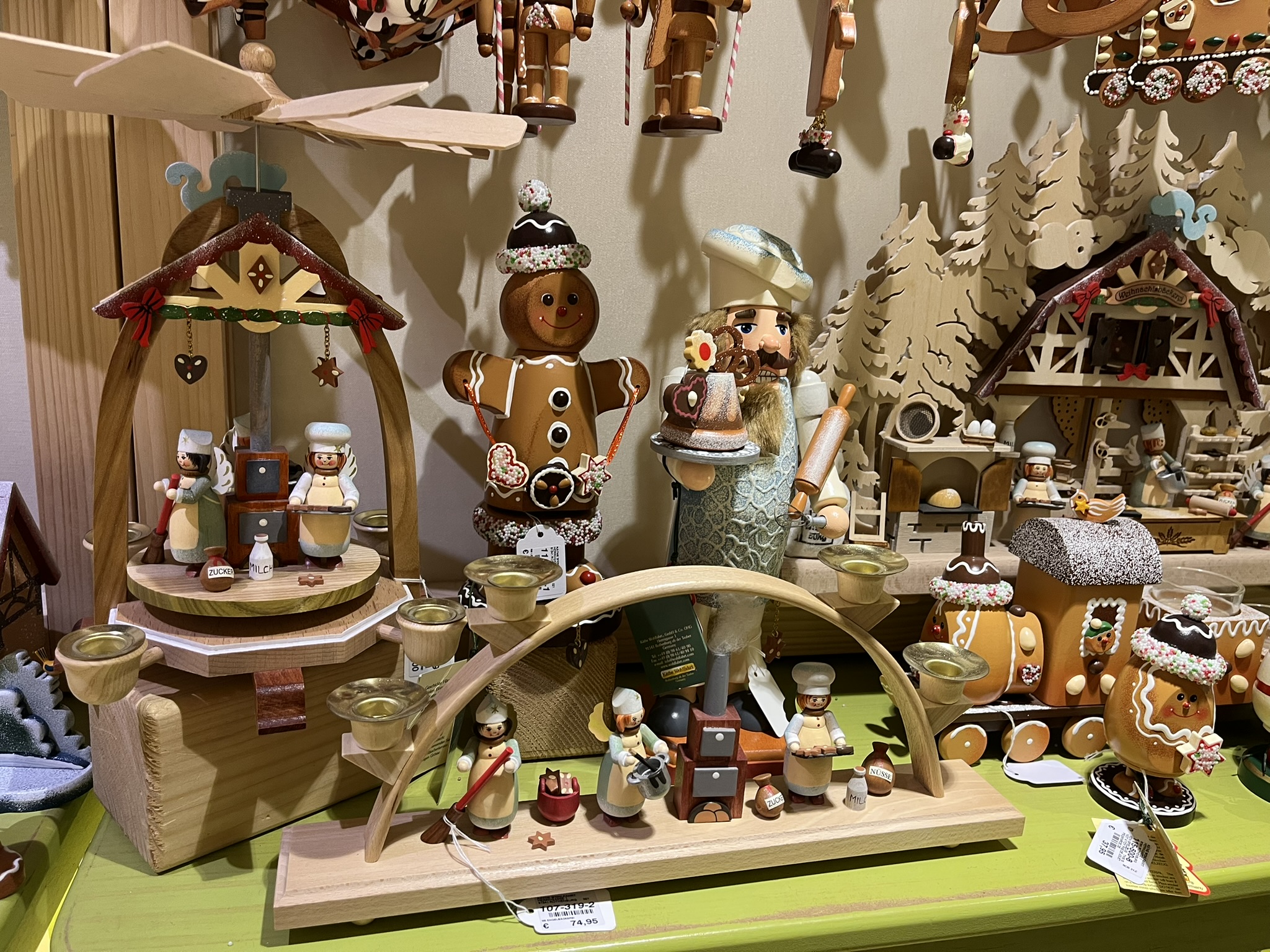
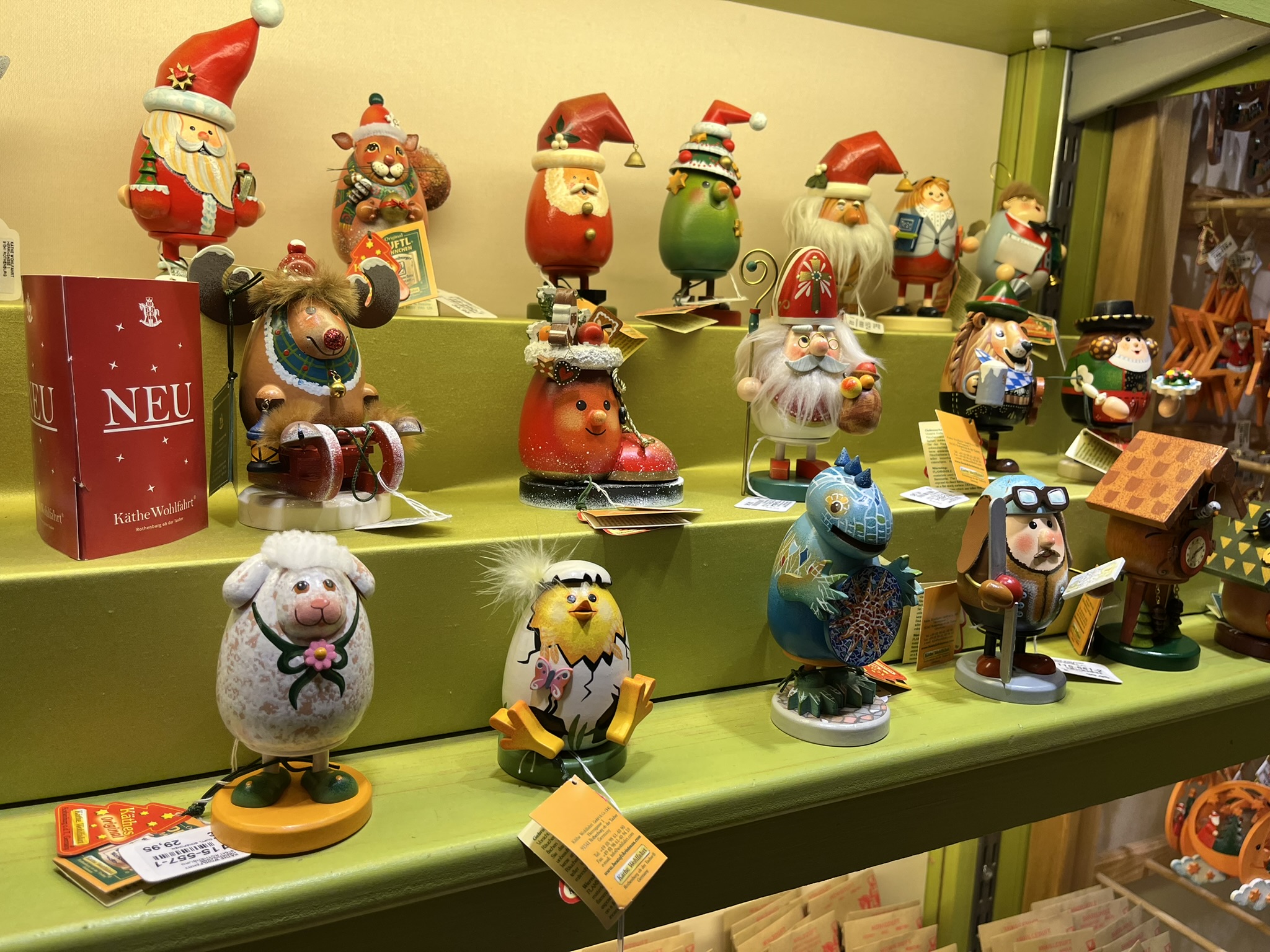
Right here in the main market square is where the wintertime Christkindlesmarkt Christmas market is held, but during springtime, you can find a festive Easter market in its place. Shop for leather goods, wooden crafts, embroidered linens, woven socks, wine, spring home décor, pottery, and plush toys. Try the made-on-site fried dough with powdered sugar Küchle (little cake), sugared roasted nuts, and gingerbread cookies. Of course, if you’re missing the Christkindlesmarkt, stop into the Käthe Wohlfahrt specialty shop in town to stock up on Erzgebirge handmade Christmas pyramids, incense smokers, ornaments, and toys.

The main square houses winter and spring markets filled with handcrafted wares and tasty snacks.

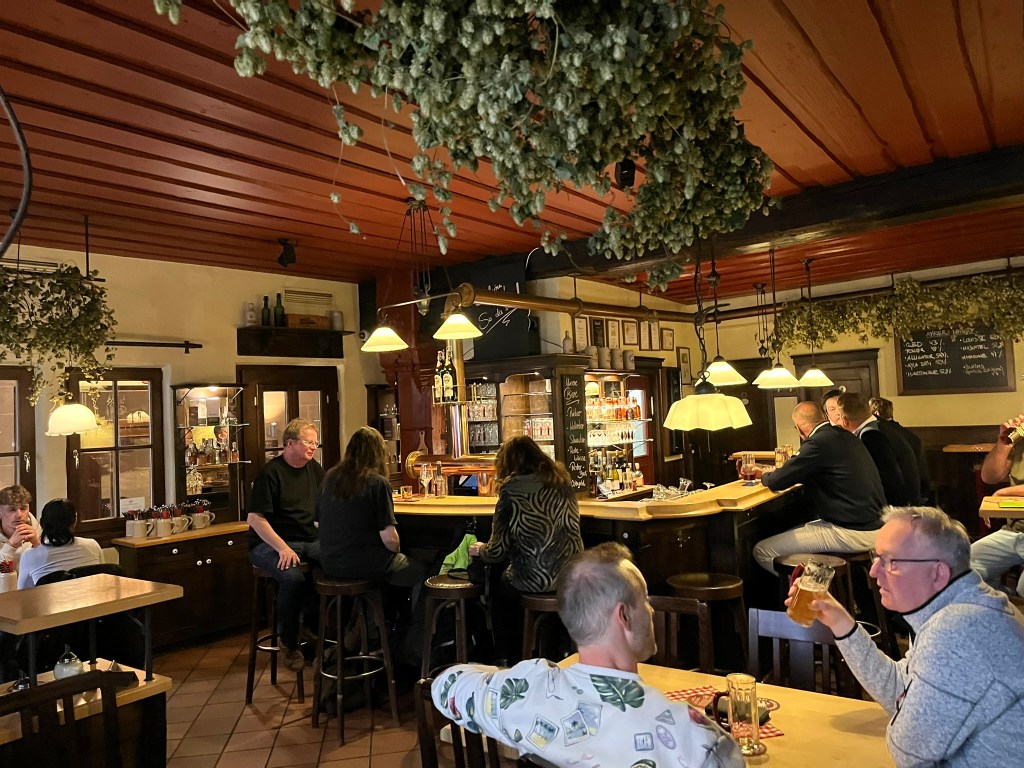
Nürnberg provides many restaurant options for a delicious, full sit-down meal. Zum Gulden Stern is the city’s oldest existing historical bratwurst kitchen—and the oldest in the world—dating back to 1419. Here, the famous, original Nürnberg sausages (branded as the Original Nürnberger Röstla®) are grilled over a beechwood fire in a building built around 1380. The sausages are prepared with traditional spices like mace (a sister spice to nutmeg), marjoram, salt, and pepper, by the family-run Pfettner butcher shop in Nürnberg. The characteristic smoke and aroma of beechwood infuse this delicacy with unique flavor. The sausages served at Zum Gulden Stern are never boiled or pre-fried; instead, they are placed on the grill white and raw, cooked for about 7 minutes, and then removed once the tops and bottoms are evenly browned and crispy. (Consider also visiting the Nürnberg Bratwurst Museum, which presents the myths and legends surrounding these small 7-9cm sausages the town is known for.)

Zum Gulden Stern is a historic restaurant that serves the city’s famous mini sausages.

Barrel-fermented sauerkraut grown by the Wehr family in the Aischgrund region is cooked and seasoned at Zum Gulden Stern with fresh pork lard. The vegetables, horseradish, and wines served at the restaurant are all sourced from family-owned businesses in the region, and the dishes are substantial and savory. This tavern survived all the wars, likely hosted famous Middle Ages painter Albrecht Dürer, and still serves up delicious daily-prepared meat-and-vegetable soups and famous sausages. In addition to the interesting antique wall art, the colorful wooden ceiling is patched with old brightly painted cupboard panels, to cover holes made where weighty drunken guests from older days had fallen through from the upper level.

Step into history while dining at Zum Gulden Stern, where famous Middle Ages painter Albrecht Dürer is said to have frequented.

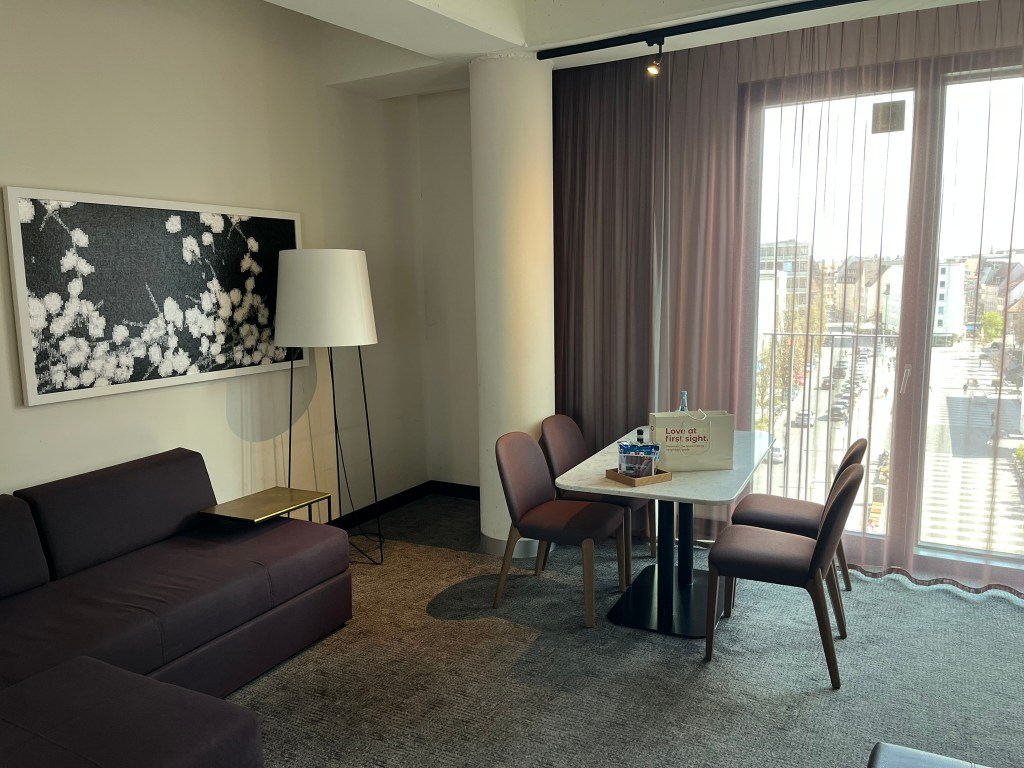
Adina Apartment Hotel, about a 12-minute walk from the main train station, in the heart of the city, is a comfortable, clean, and convenient place to overnight in Nürnberg. The spacious studios and one- and two-bedroom apartments have fully equipped kitchens, cozy linens, and vegan personal care products, and the hotel is upscale but relaxed and inviting. Friendly, efficient, and attentive staff, and fast and accommodating room service make this an exceptional lodging choice. Breakfast in the downstairs dining area is varied and colorful, with many tasty options to help kick-start your day—fresh juices, lattes, meat and cheese platters, vegetables, cereals, dried and fresh fruits, fish filet cakes, pancakes and rolls, sweet breads, jams, eggs, and hot breakfast meat dishes (including the city’s famous sausages). After a day exploring the town, the lap pool and sauna area provide just enough space for a refreshing evening swim and relaxation in the dry heat.
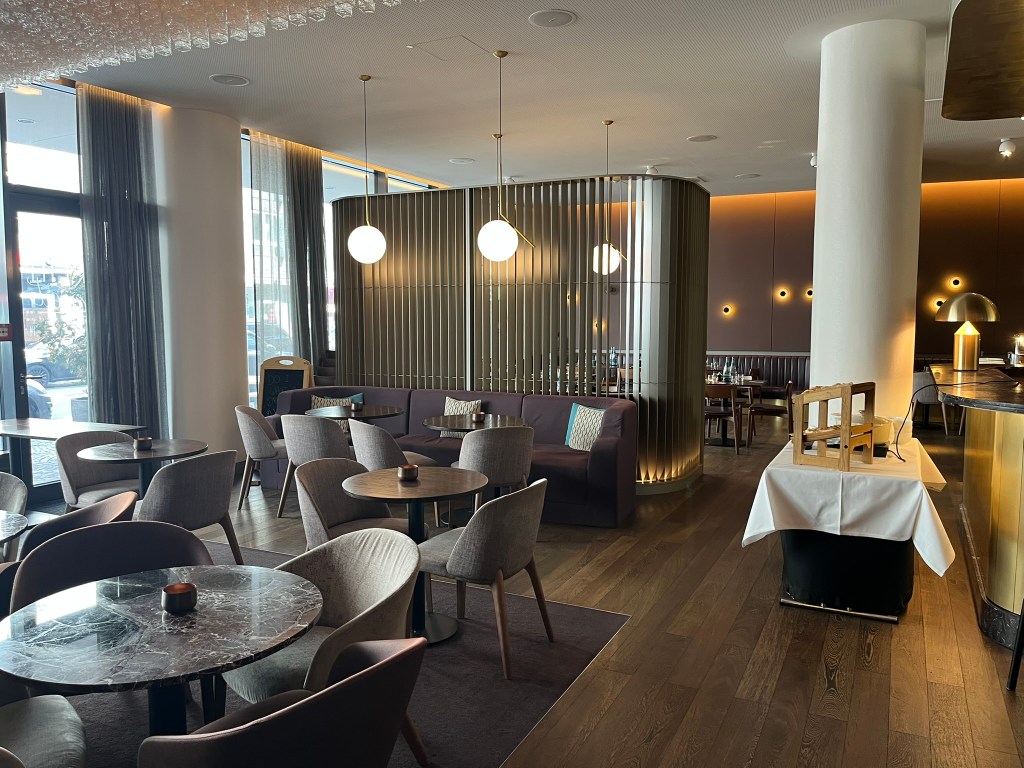
Adina Apartment Hotel is a cozy place to lodge, with activities for guests of all ages.

Be sure to buy a Nürnberg Card online or at one of several Tourist Information stands, to receive a variety of free admissions and discounts. The Nürnberg Card allows you 48 hours of free access to almost all the city museums and attractions as well as free public transportation.

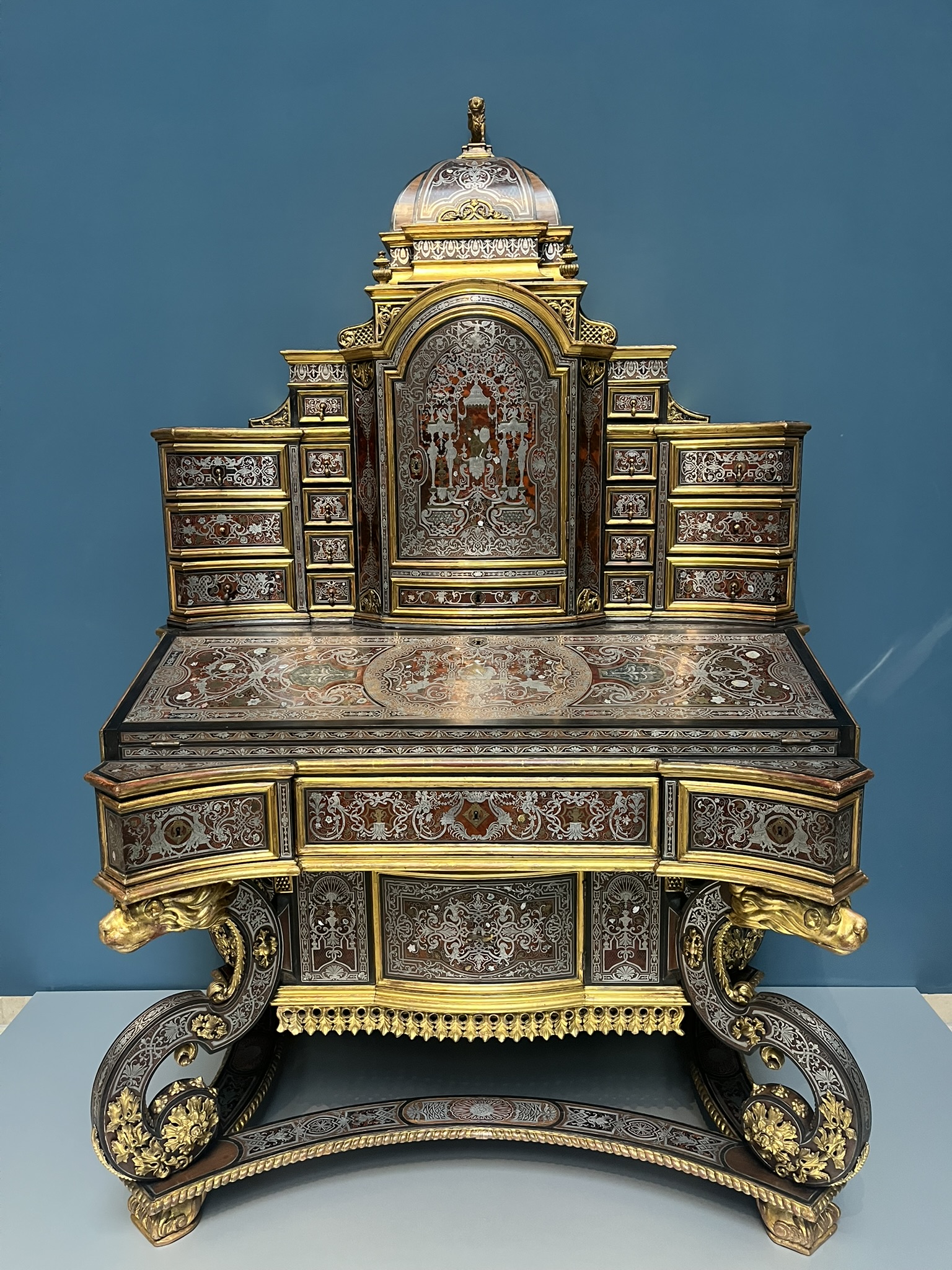
A three-minute walk down the street from the Adina Apartment Hotel takes you to the Germanisches Nationalmuseum (German National Museum), the largest cultural history museum in the German-speaking countries. Here, you can explore five exhibition areas on three levels of the museum—artifacts from the Old Stone Age to the Middle Ages, collections from Renaissance to Enlightenment, and 20th Century masterpieces—there are multitudes of treasures to examine. The armor and hunting exhibition is especially expansive, with case after case of intricate weaponry. You’ll also find an impressive array of musical instruments, jewelry, sleighs, sculptures, and paintings.

The German National Museum exhibits magnificent artifacts from all eras.

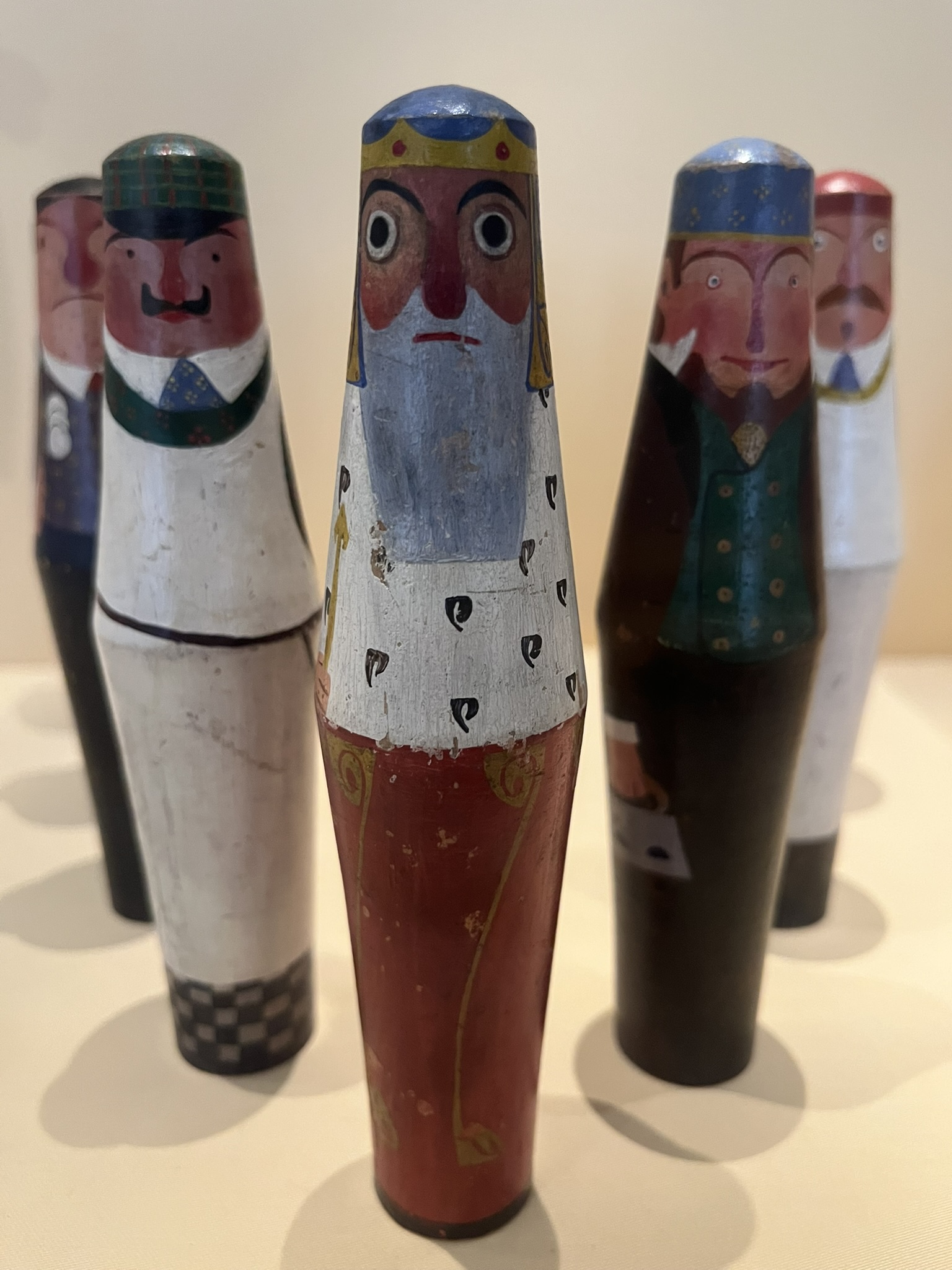
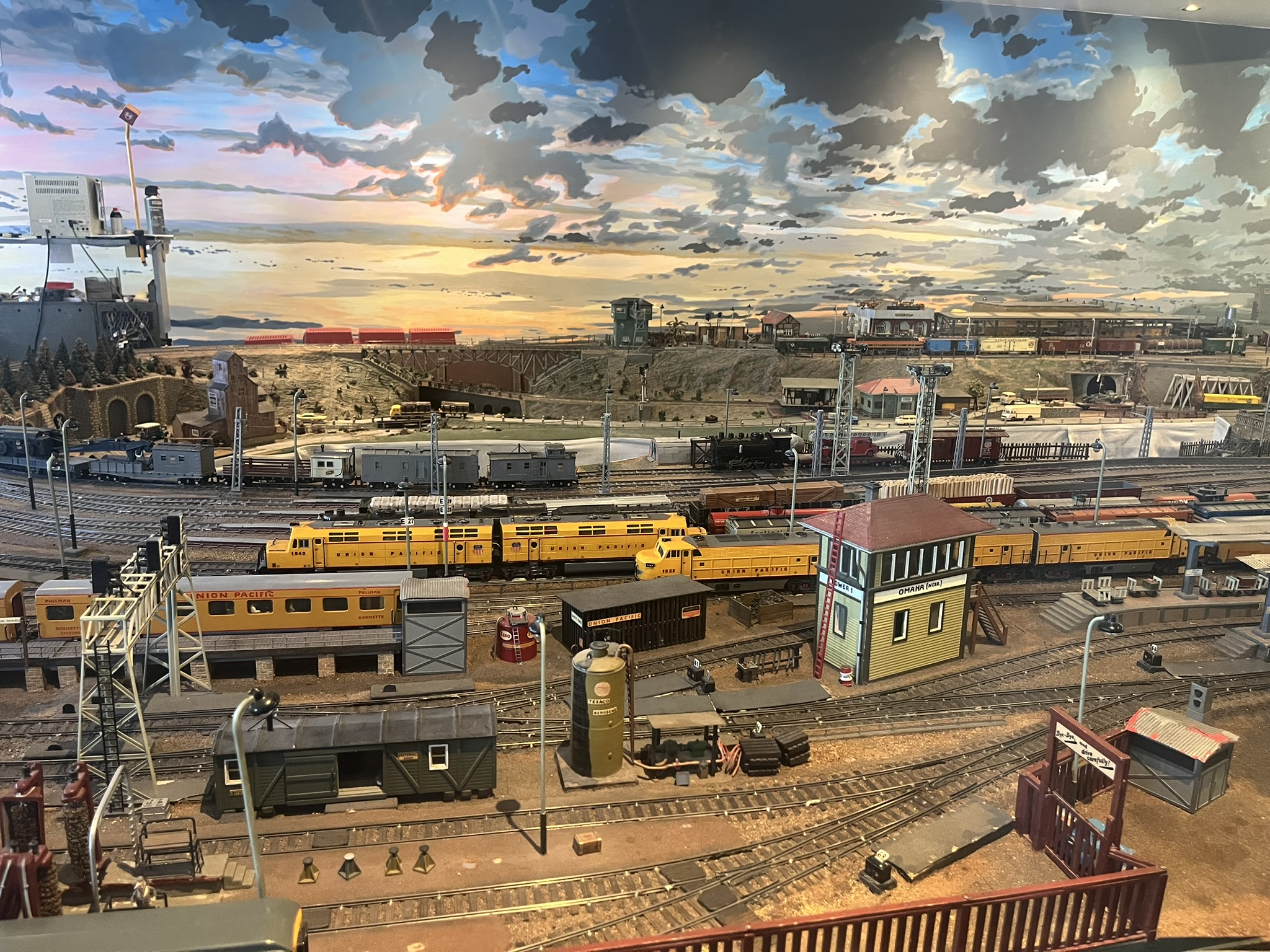
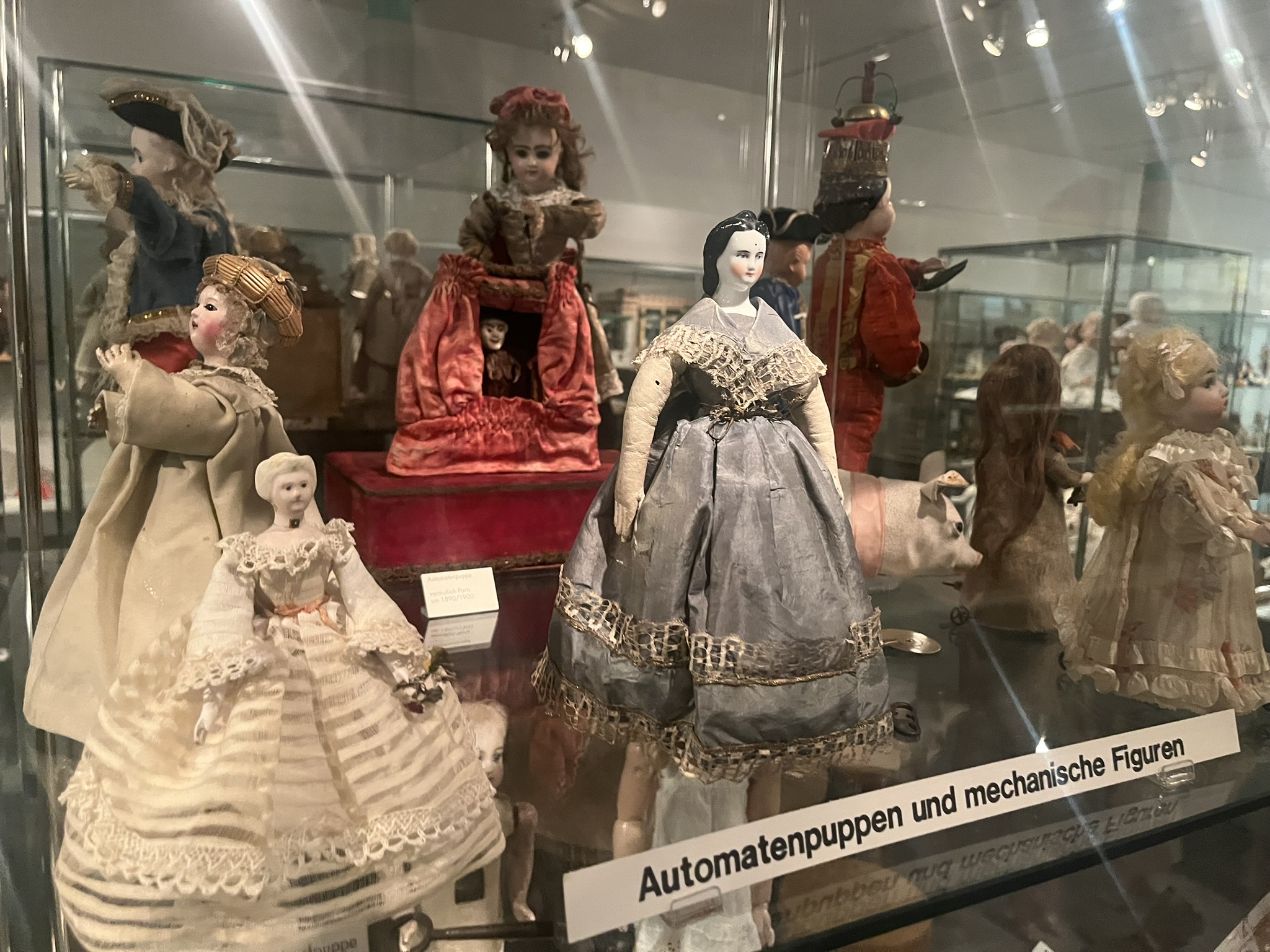
A separate building houses the toys portion of the museum—a showcase of detailed dollhouses, dolls, tin cars and armies, optical toys, and miniature railroads. Many of the elaborate 17th century dollhouses exhibited here were thought to be commissioned by Nürnberg’s wealthy merchants and patricians. For young people, the houses functioned as a visual representation of ideal households and a clear display of tasks and activities to be performed in each of the rooms. For example, dollhouse sitting rooms were often decorated with tea service, chess boards, and decks of cards, while kitchen layouts included hearth-cleaning tools, cake molds, soup ladles, and copper pots. Similarly, 18th– to 20th-century toys conveyed educational objectives relating to children’s future familial and career lives. Playing with dolls helped girls prepare for their roles as patient, gentle mothers. Boys’ toys were often linked to their potential future working lives—tin soldiers encouraged strategic thought and tactical warfare, wooden building blocks taught spatial reasoning and construction design, and other technical toys fostered special interests and skills.

Antique toys at the German National Museum give a glimpse into historic playtime and its echoes of everyday life.

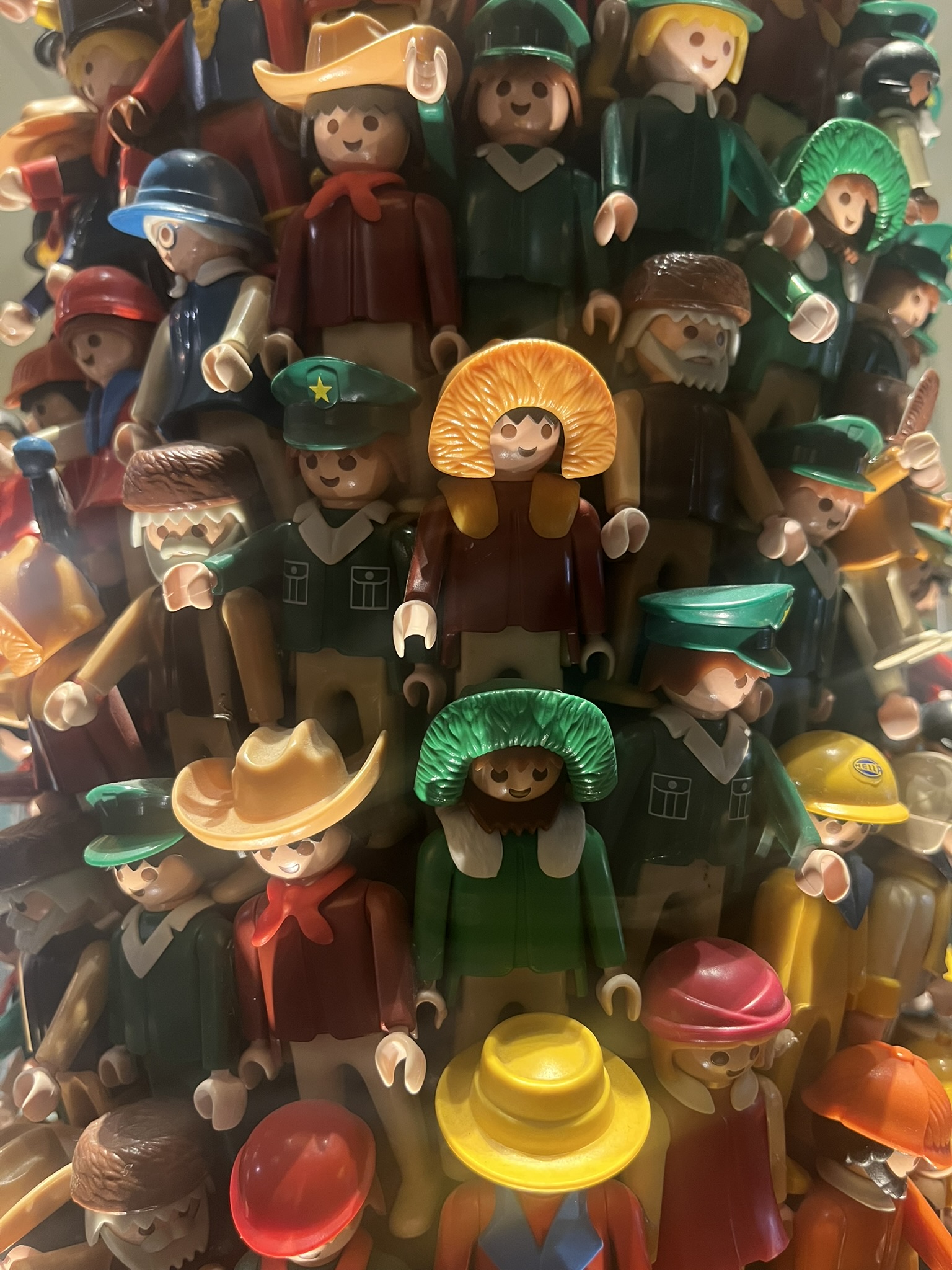
Spielzeugmuseum (toy museum) Nürnberg is another toy museum that displays games and playthings of all sorts—dolls, metal soldiers, puppets, teddy bears, model railroads, tin vehicles, and Playmobil figures, as well as vintage and newer iconic characters like Paddington Bear, ALF, and Garfield. Visit this museum for a bit of history and some interactive play time with toys and family games in the upstairs playroom.
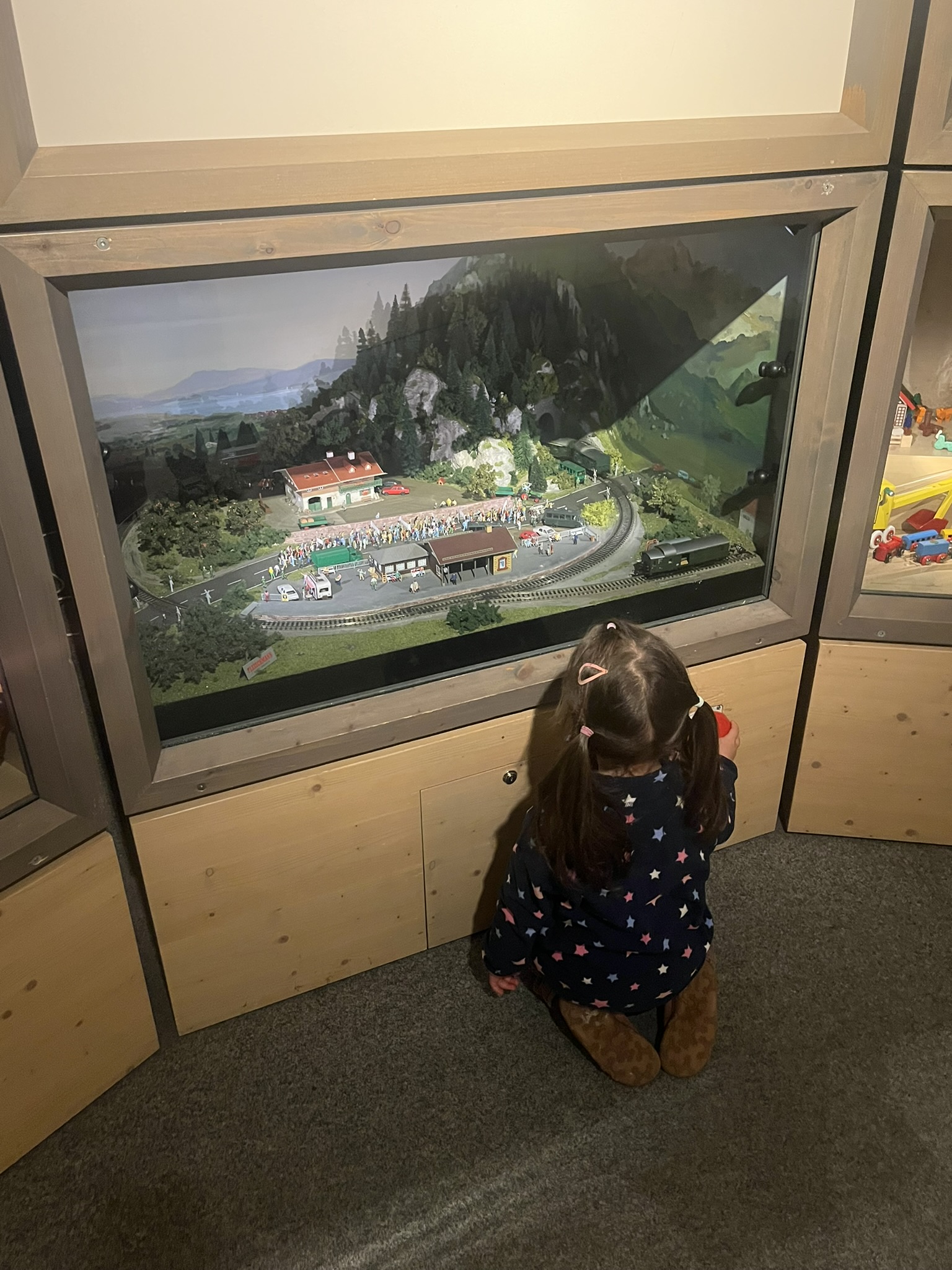
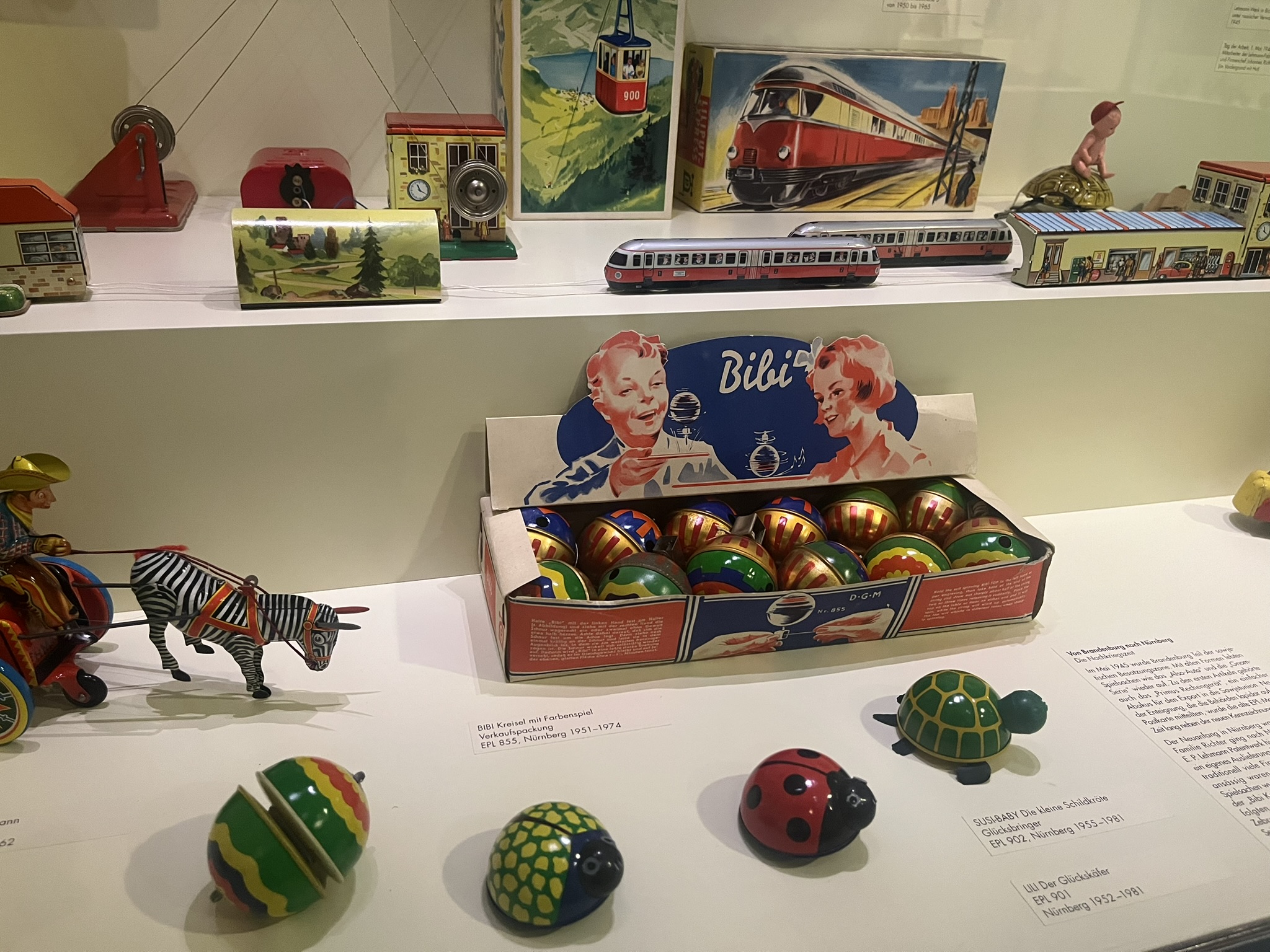
Spielzeugmuseum Nürnberg displays old and new toys alike, with areas for interactive play and a building and board game zone.

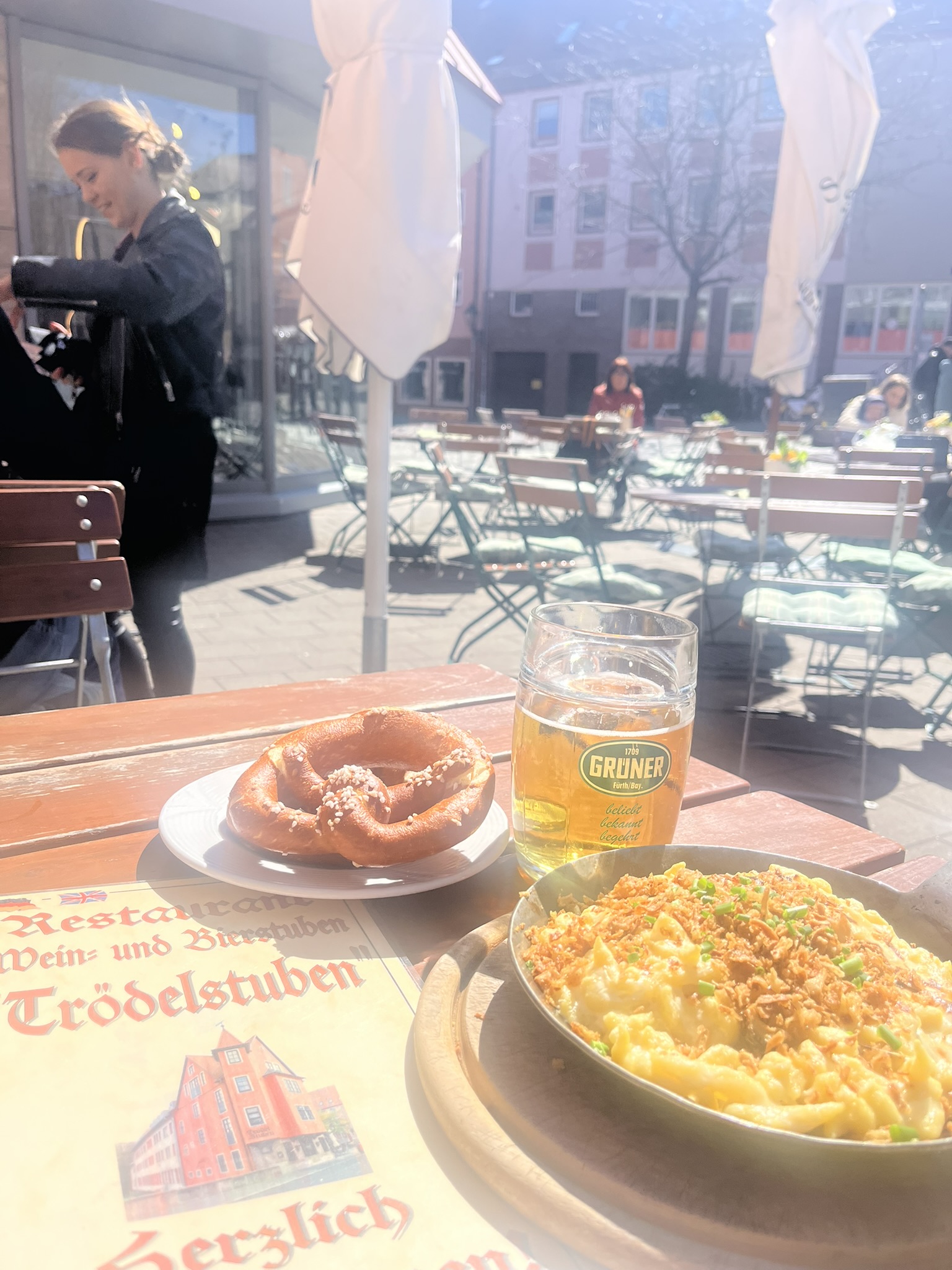
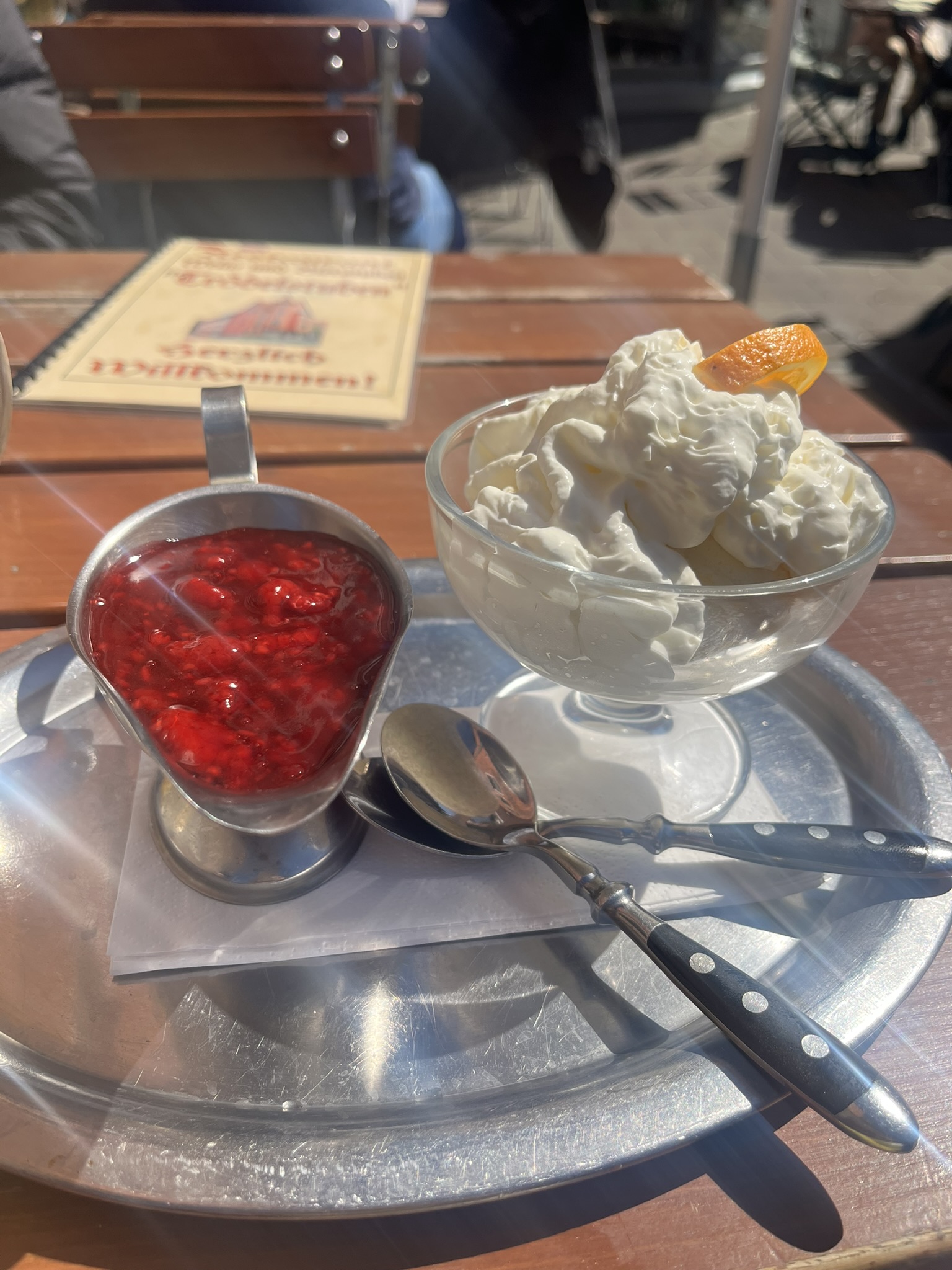
Stop by Die Wirtschaft restaurant for Brotzeit (bread time), Veschber (midday snack), or Gudzerla (Franconian tapas) to nosh on a savory selection of sourdough or oven-crusted bread, marinated cheeses and sausages, pickled vegetables, and herbs. The warm and crispy Apfelküchle (specifically, fried apple rings in beer batter with homemade ice cream and plum compote) will revive you for the rest of your city exploration. For another delicious snack or dessert option, Restaurant Trödelstuben serves up hot raspberries and raspberry sauce over vanilla ice cream. If you’d like a break from traditional German food, try the KOKONO Pan-Asian Cuisine & Sushi Bar on Luitpoldstraße. Expect fresh food, seasonal flowers on all tables, and a fun presentation of dry ice mist at your table while you eat your edamame and sushi rolls.
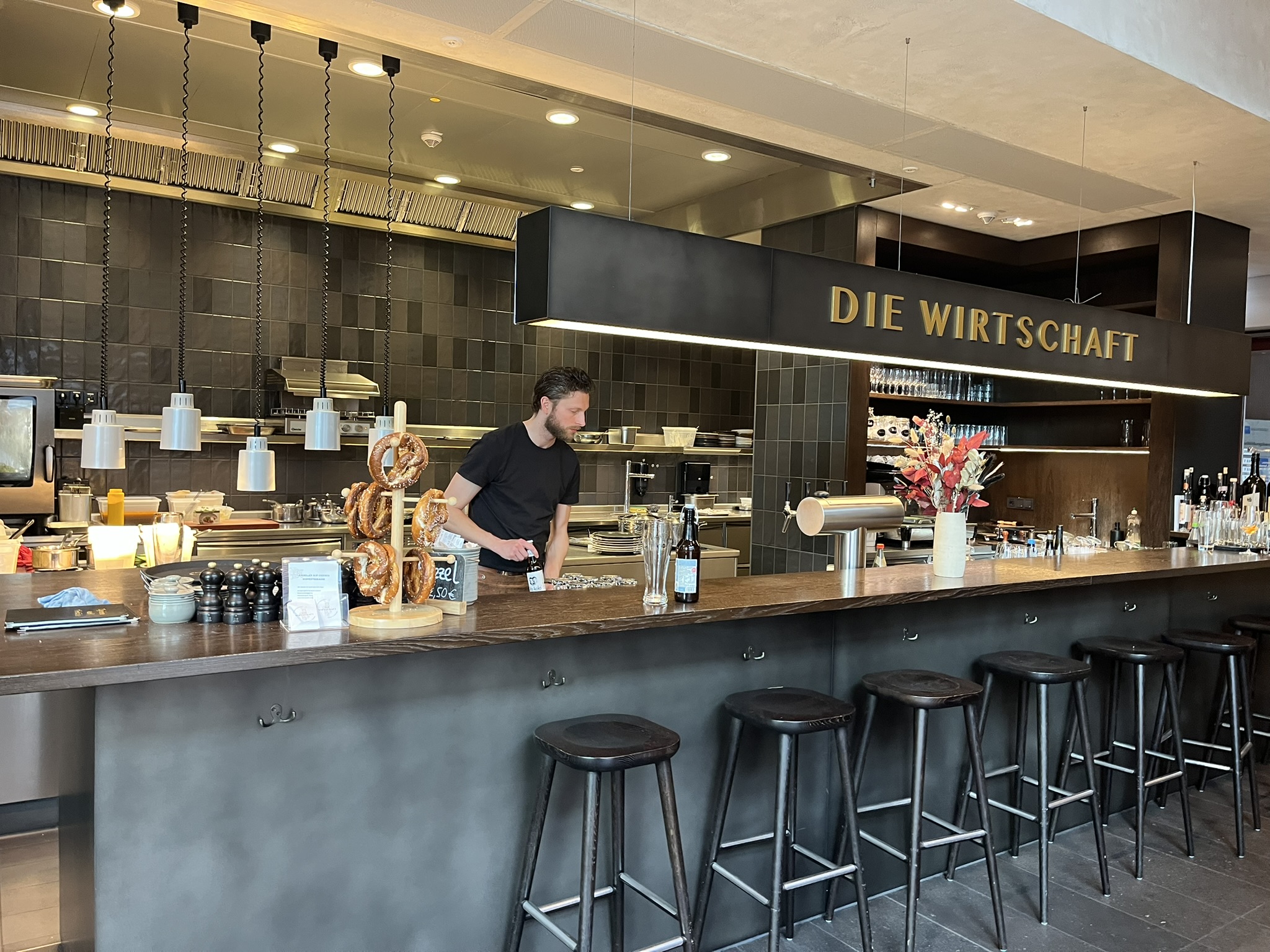
Nürnberg culinary variety abounds, with traditional German cuisine and desserts as well as delicious Asian delicacies.

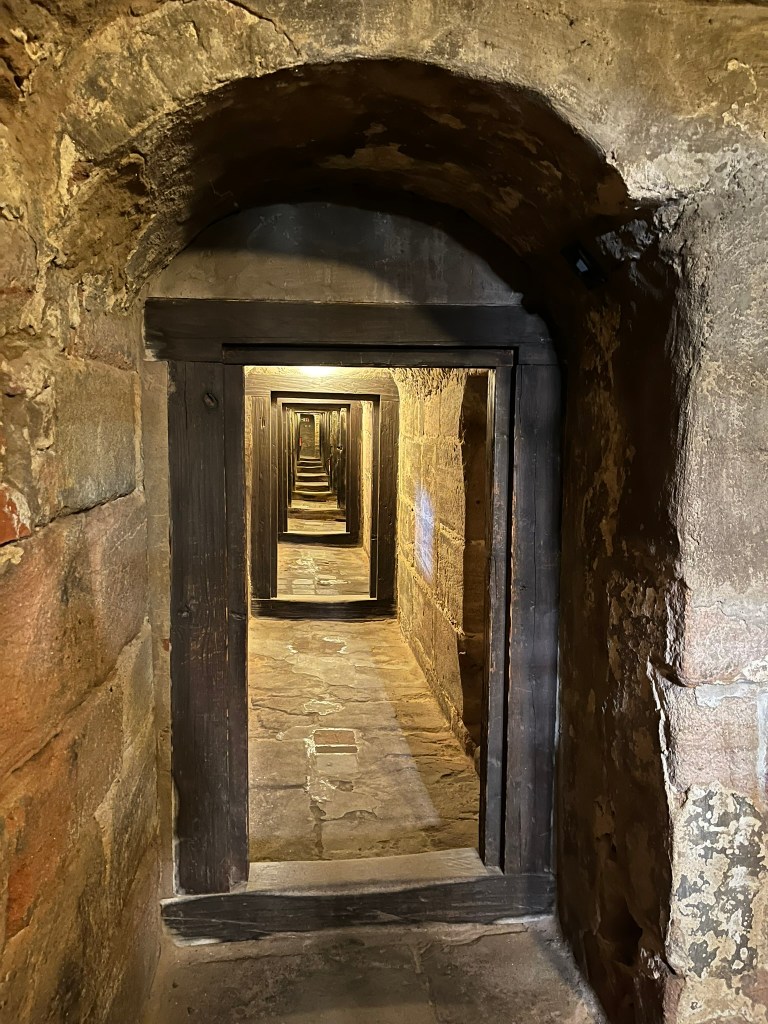
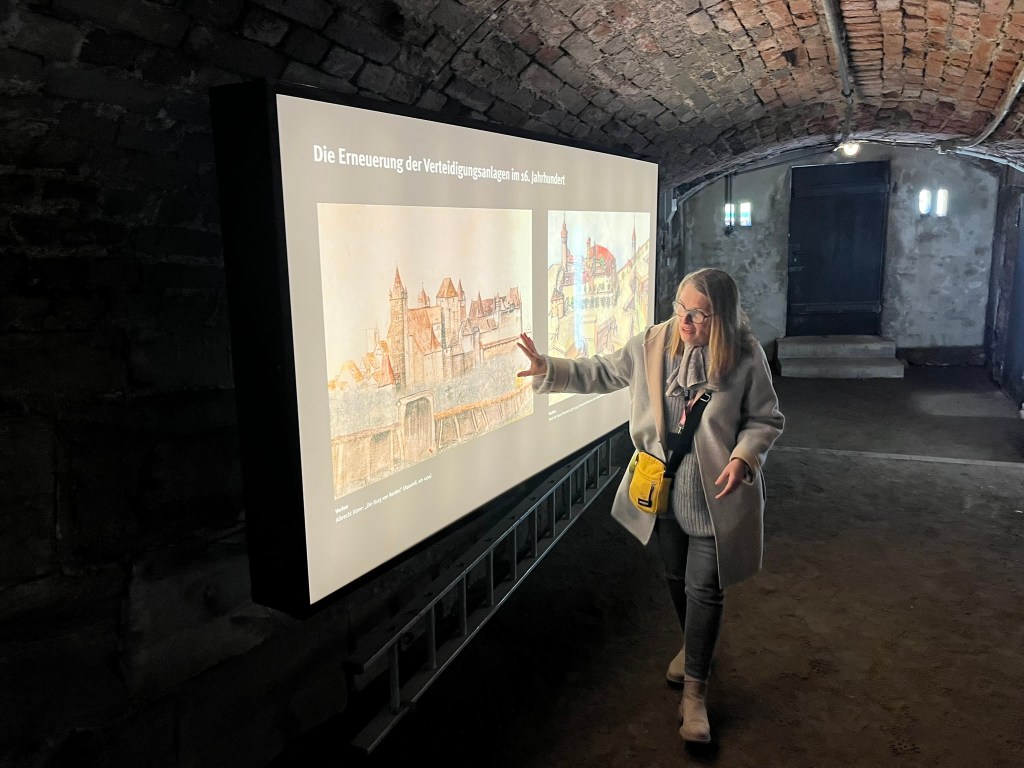
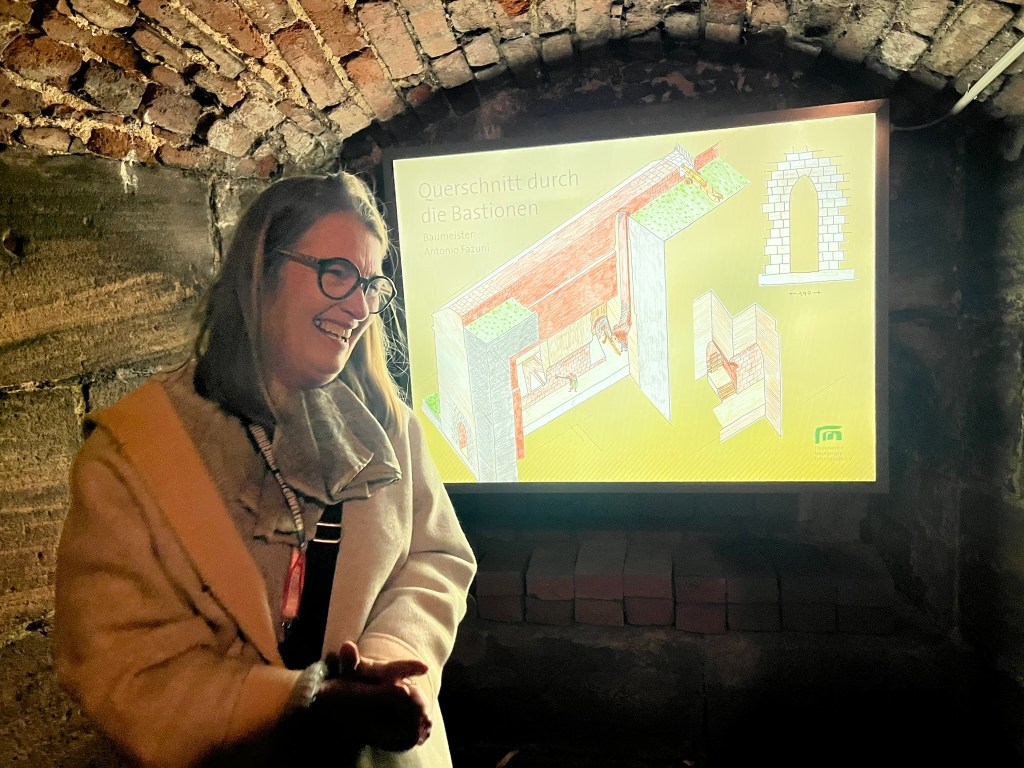
Not all the city’s most interesting sights can be found at ground level. Claudia Radtke, certified Nürnberg city guide, provides guided tours of Nürnberg’s fascinating underground worlds. Those interested in history, fortification, and ancient legal systems (and those aged 10 years and older) will enjoy the intriguing and informative tours entitled “Tunnels and Secret Passages in the City Wall” and “Medieval Dungeons.” The 14th century dungeons in vaulted rock-cut cellars beneath the city hall contain prison cells, torture chambers, the jailer’s house, a prison kitchen, and a blacksmith’s workshop. Walk through underground corridors with damp limestone walls (use the railings and watch your step), learn about those who walked there before you, and explore the city’s ancient approaches to maintaining peace, organization, and stability.

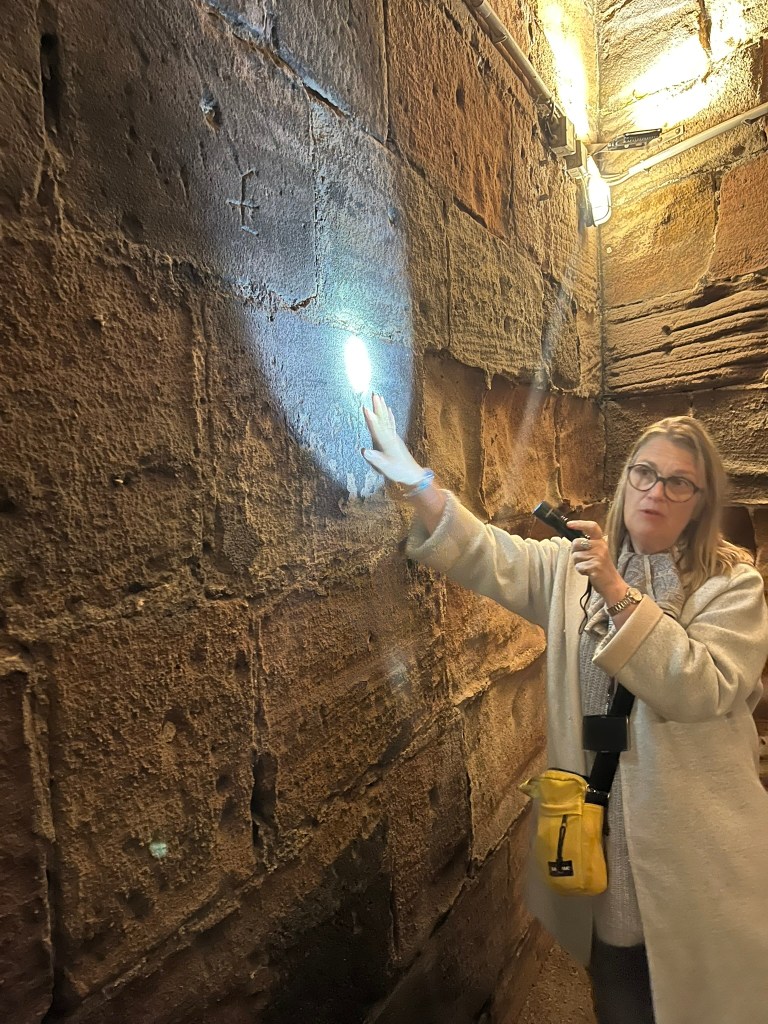
Explore beneath the city, with exciting tours of dungeons and underground passageways.

Underneath the Imperial Castle, a network of defensive passageways wind about, with casemates and embrasures from which weapons could be fired into all angles of the moat. Interestingly, the humid tunnels were not conducive to weapon storage, so weapons were stored aboveground and brought down via a ramp during combat periods. The quarry-stone underground walls are eroded and colorful, shaped and stained from sour rain dripping through.

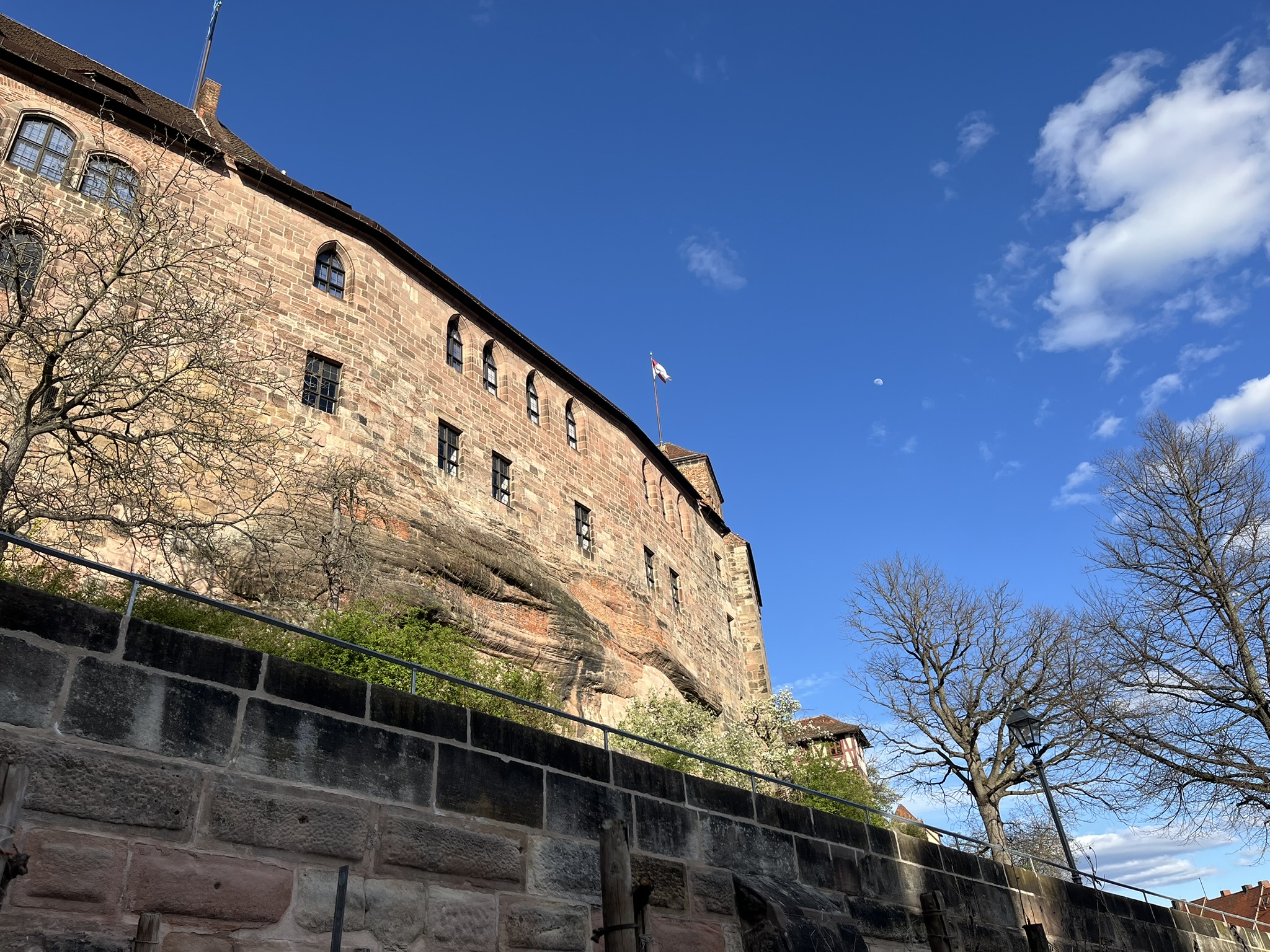
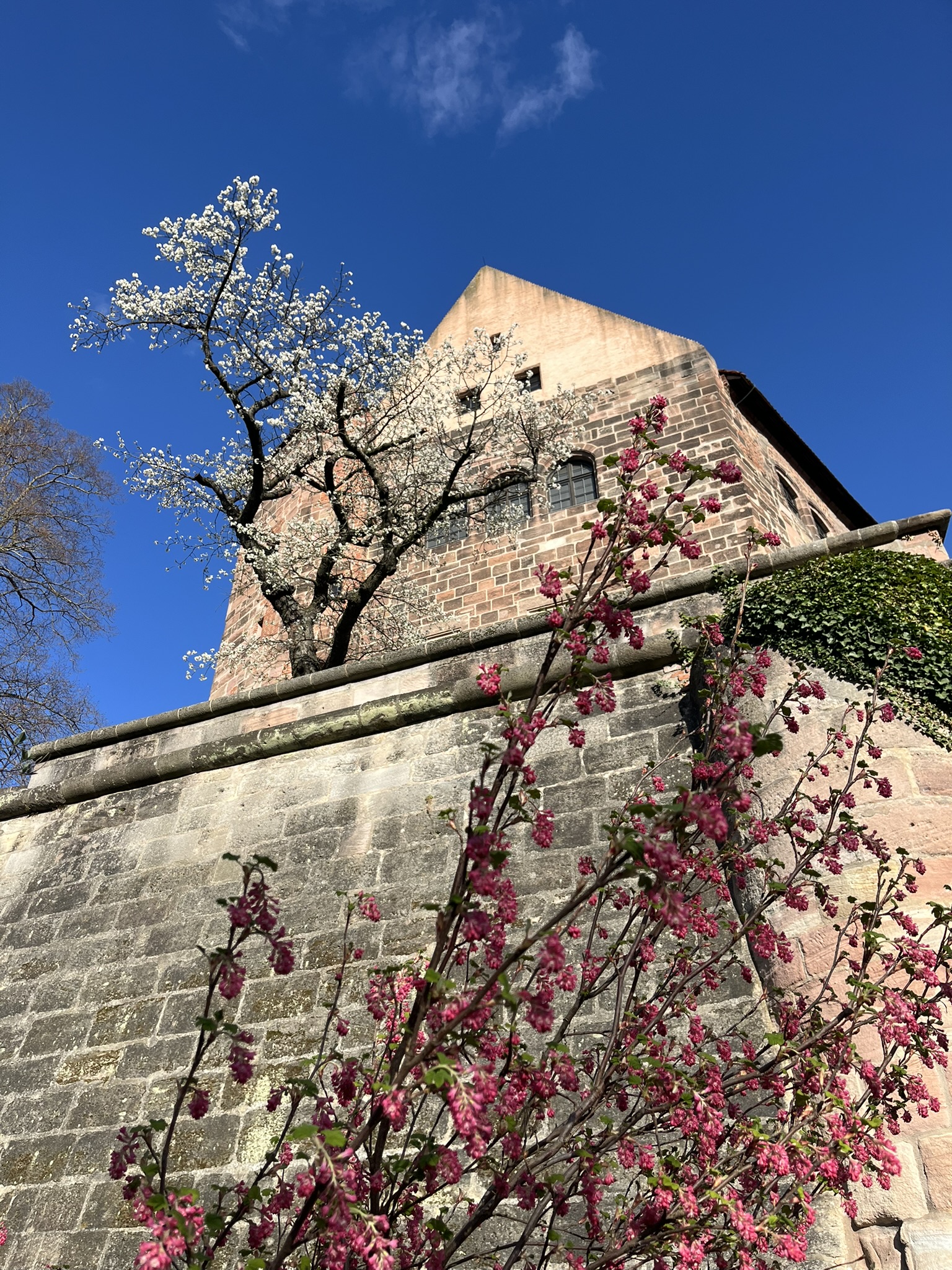
Don’t forget to climb up and appreciate sights from the very top of the Imperial Castle—views down into the moat and stone walkways meandering through flowering trees beneath cloud-speckled blue skies. Wealthy, strategically built, well-invested in defense, and never captured (or attacked, for that matter), Nürnberg was one of the Holy Roman Empire’s best-protected cities in Europe. The city’s history of wealth and peace is attributed to its involvement in trade, due to solving issues diplomatically and with payment rather than through warfare.
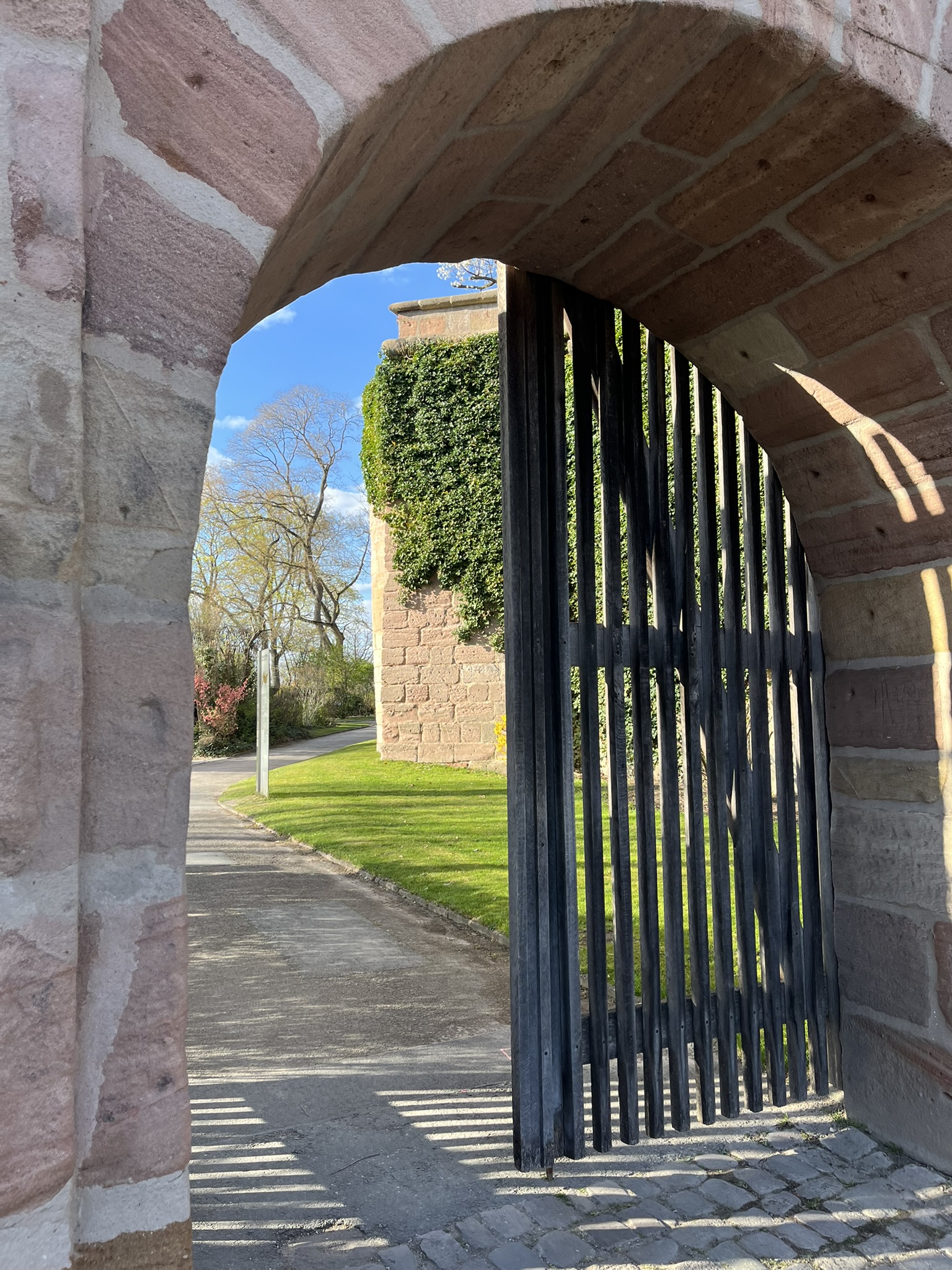
The uphill climb to the Imperial Castle rewards you with beautiful views.

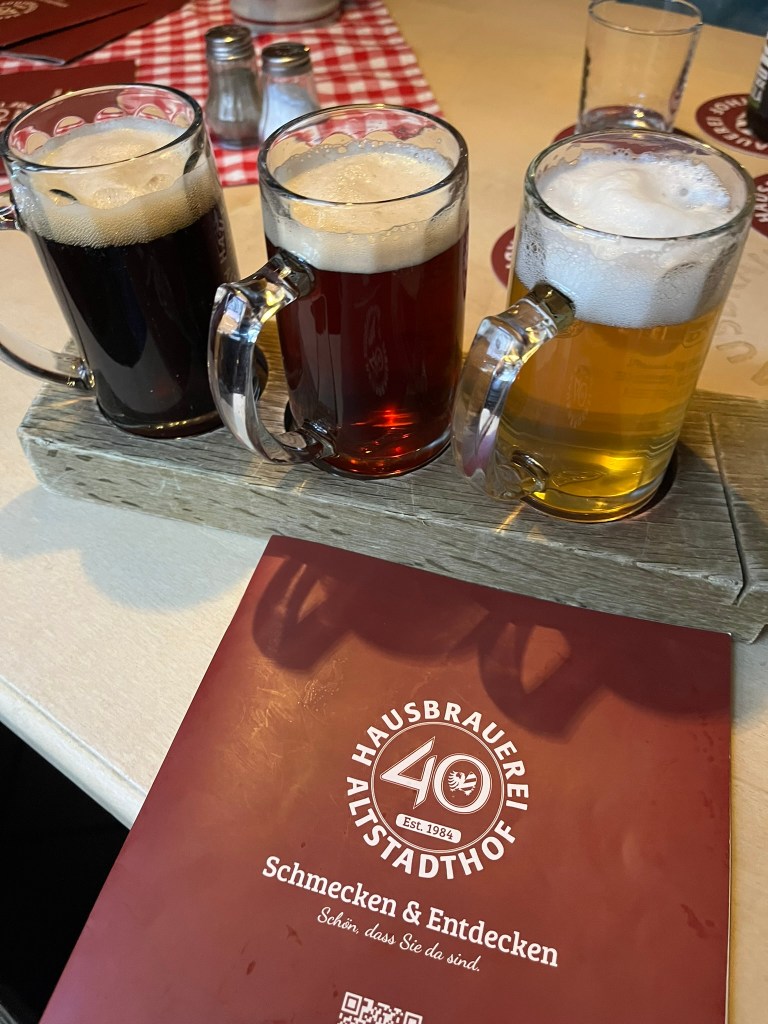
After peering down from the Imperial Castle, stop at the nearby Hausbrauerei Altstadthof, known for its brewed Rotbier (red beer) and oven-fresh Schäufele (roasted pork shoulder in red beer sauce with dumplings and sauerkraut). The snug tavern area with a “hidden gem” feel is a great hangout spot for groups and couples to have a homestyle Franconian meal and a few freshly tapped craft beers. Fill up on savory Nürnberger sausages, potato soup with crusty bread, Obazda specialty Bavarian cheese, spätzle (dumpling-like irregular-shaped egg noodles), red cabbage, goulash, and a wheat- and black-beer sponge cake “Beeramisu” dessert or Apfelküchle (this menu’s variation is drizzled with custard sauce and served with vanilla bean ice cream, whipped cream, and almond slices).
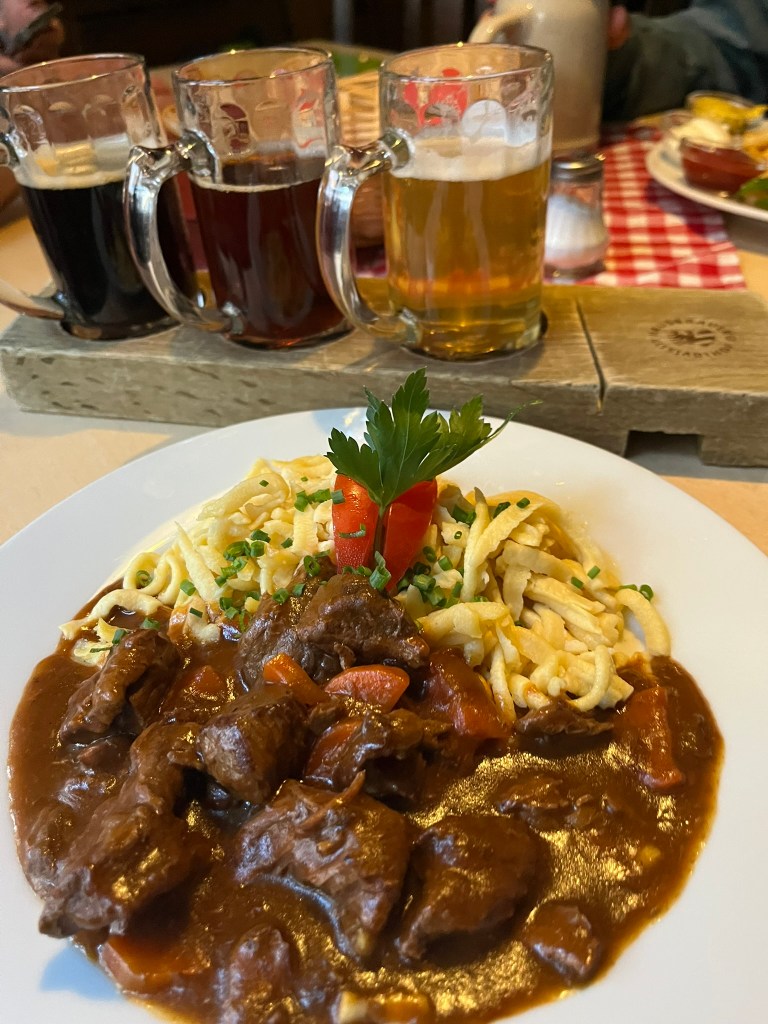
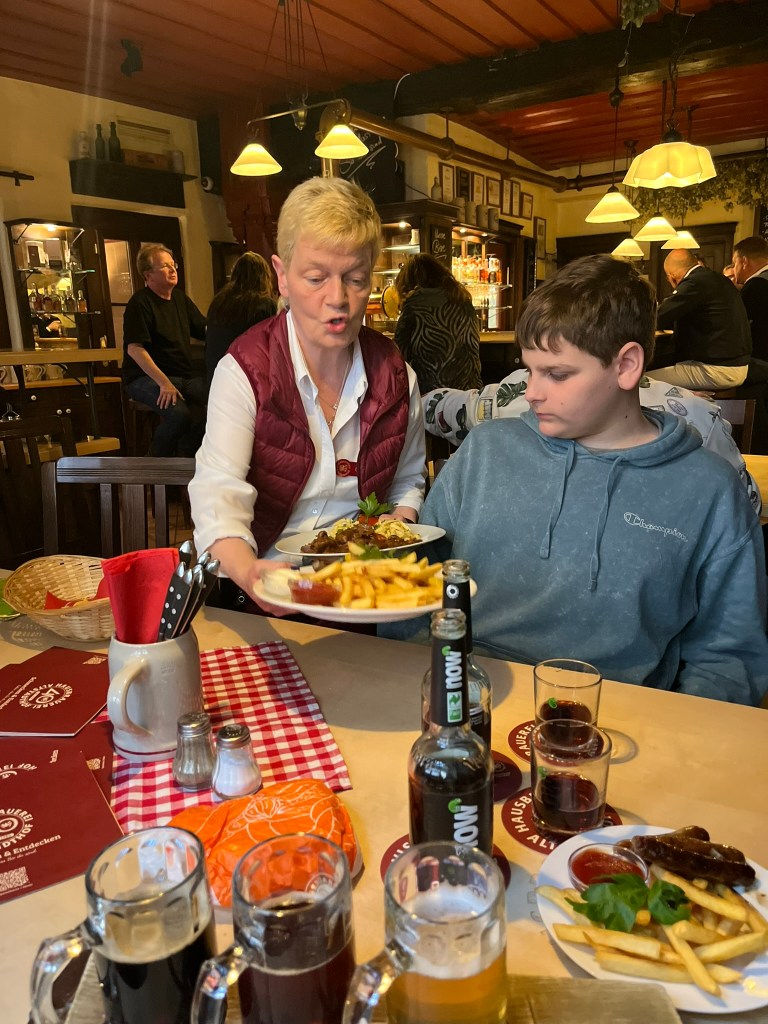
Hausbrauerei Altstadthof serves hearty meals and tasty beer in an inviting social environment.

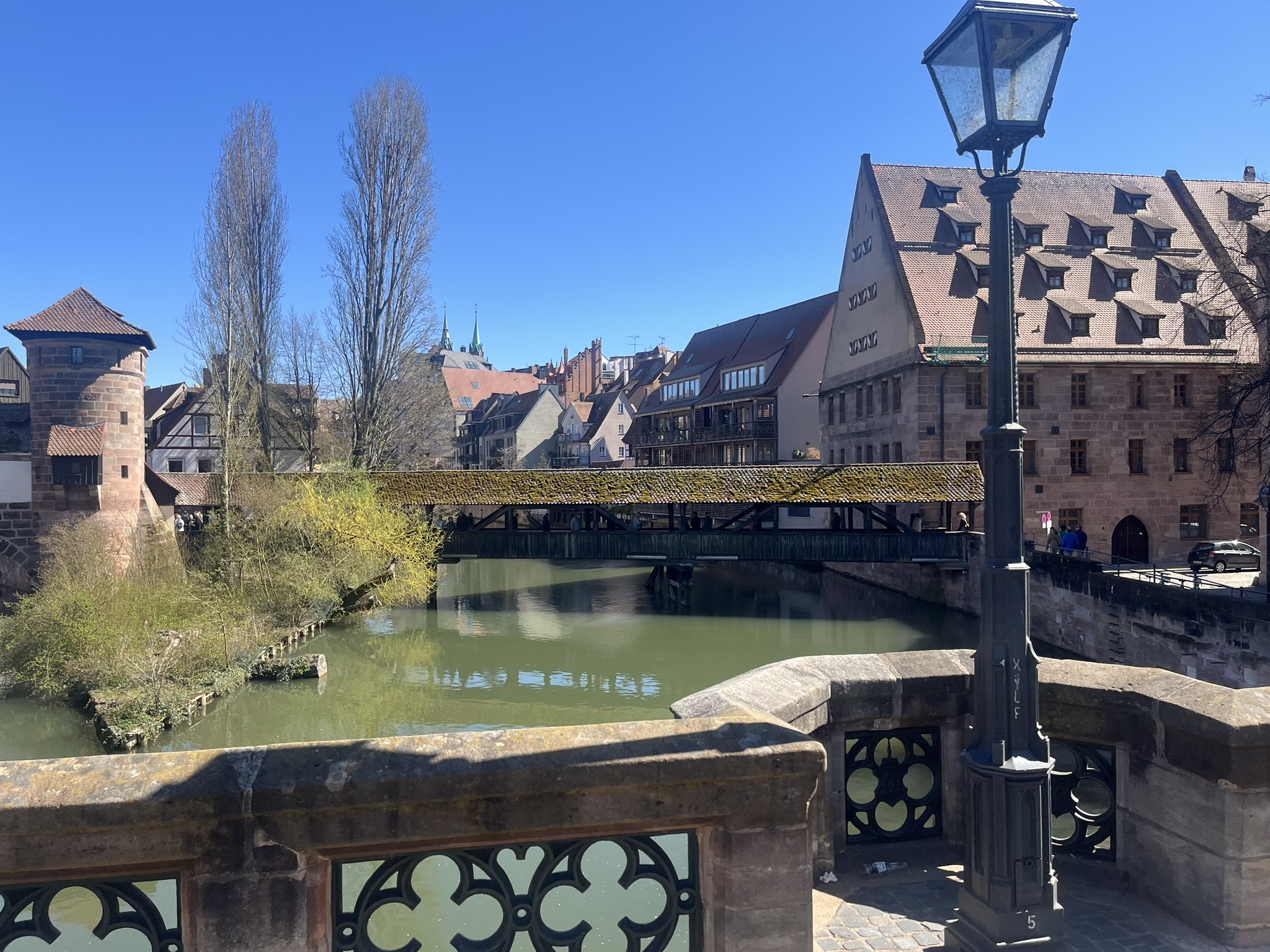
Tour the Old Town and learn about the city’s history while riding the Mini Train, which departs from the Beautiful Fountain at the Main Market Square and takes you on an almost hour-long loop in and around thHausbrauerei Altstadthofe city while multi-language audio headsets announce historical landmarks and relay town stories. One legend tells of German robber Eppelein von Gailingen, who allegedly escaped execution by leaping off the castle and over the moat and city wall on his horse, leaving behind hoofprints on the roof. You’ll see the half-timbered historical building built in 1446 that once housed lepers for three days during Holy Week (to provide them medical attention, clothing, and food), then became a wine storage depot, and now functions as student housing. You’ll also spot the Hangman’s Bridge, a wooden footbridge over the Pegnitz River used solely by the Nürnberg hangman between the 16th and 19th century to travel between his secluded home on a small island in the Pegnitz into the city, as a Middle Ages rule forbade him from contact with “honorable citizens.”
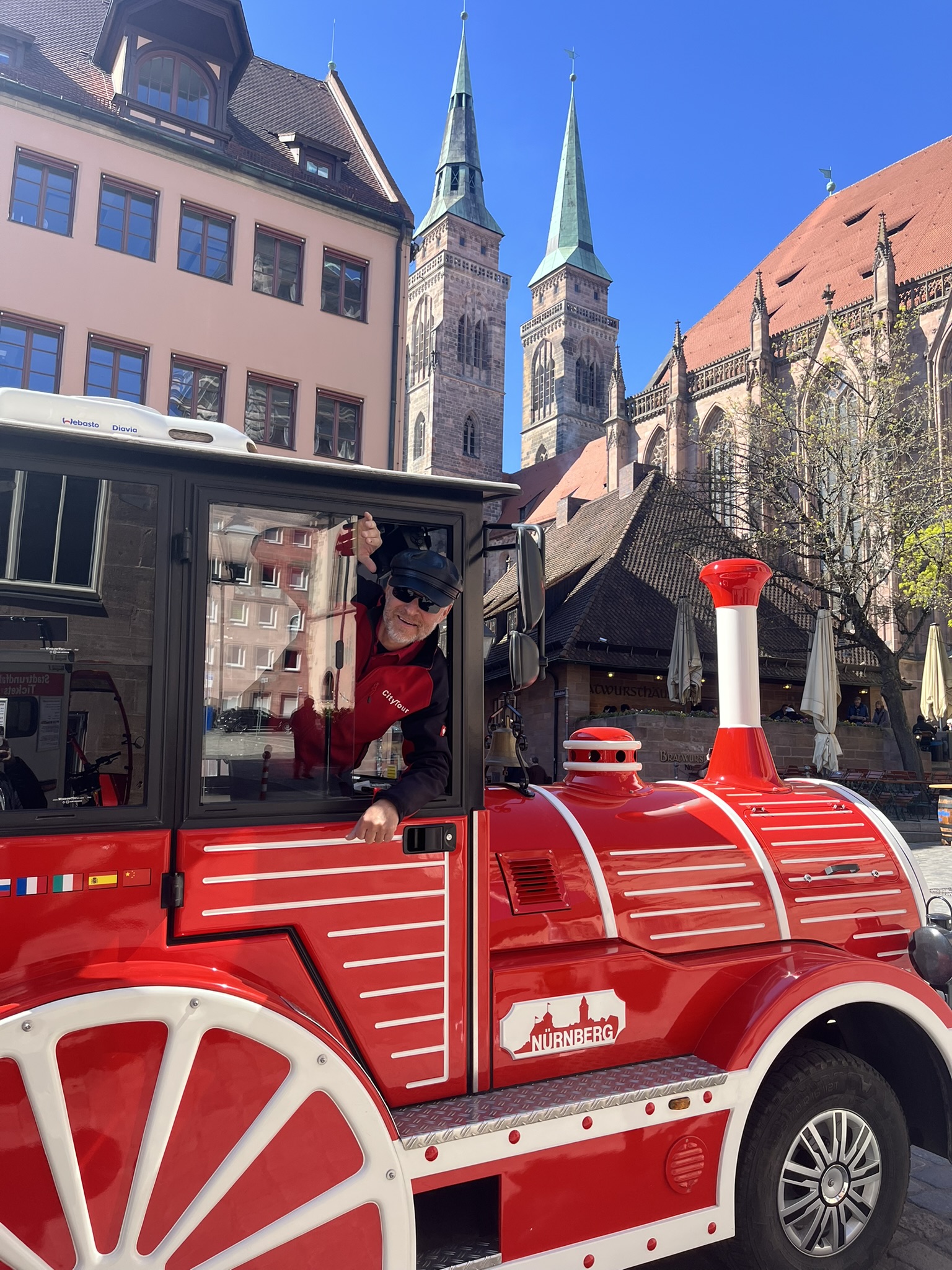
The Mini Train ride provides a comprehensive city tour while revealing town lore.

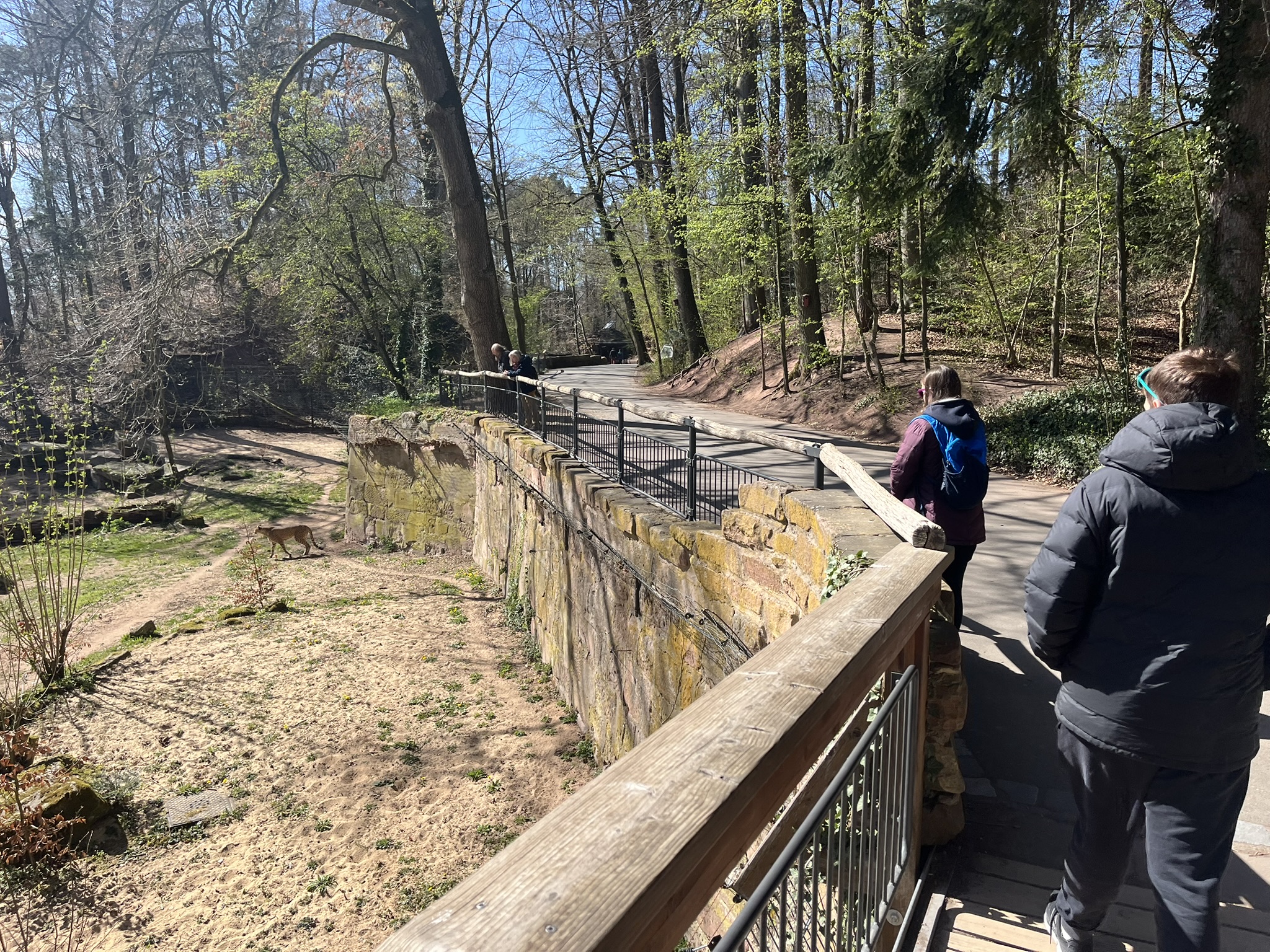
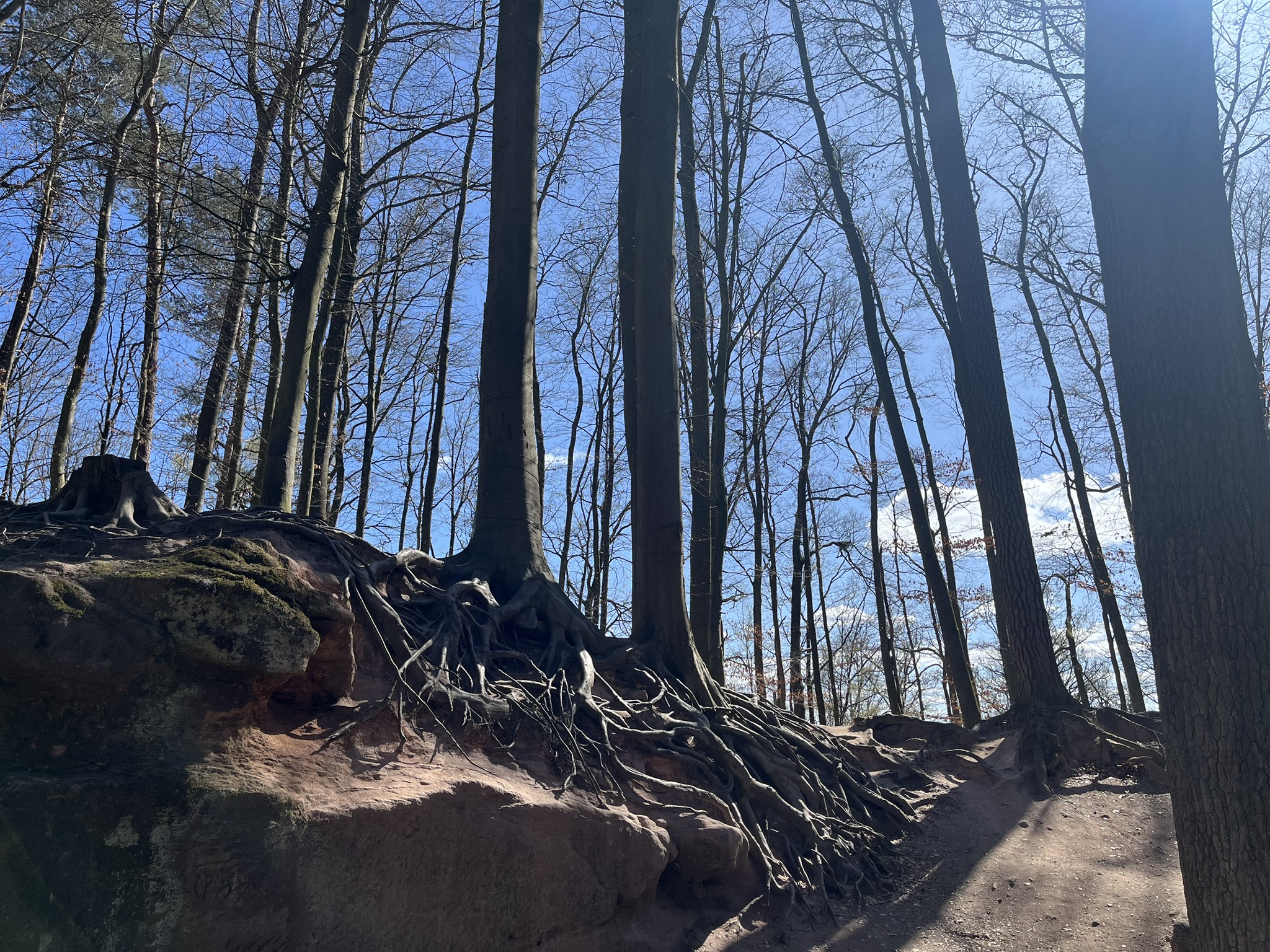
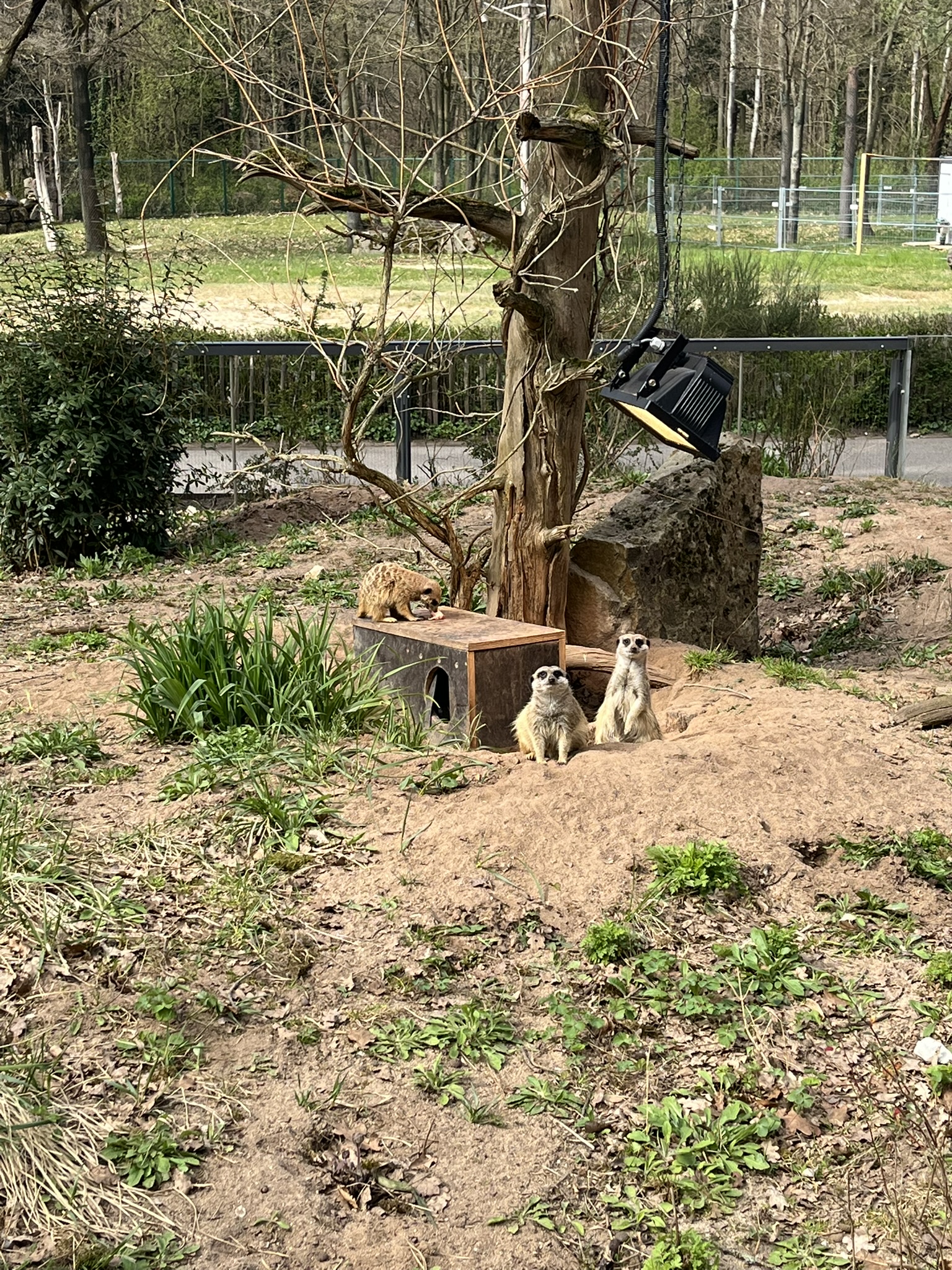
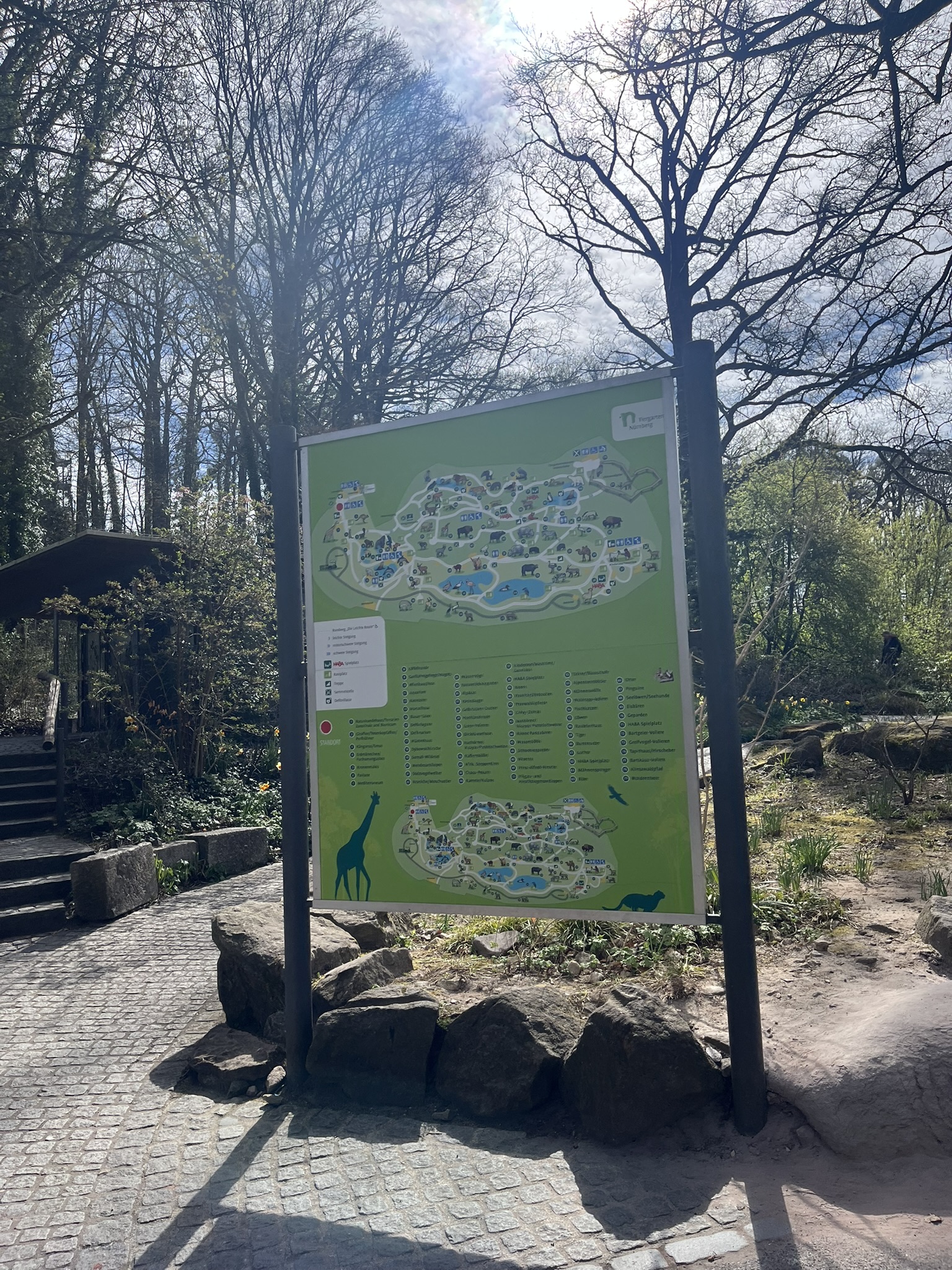
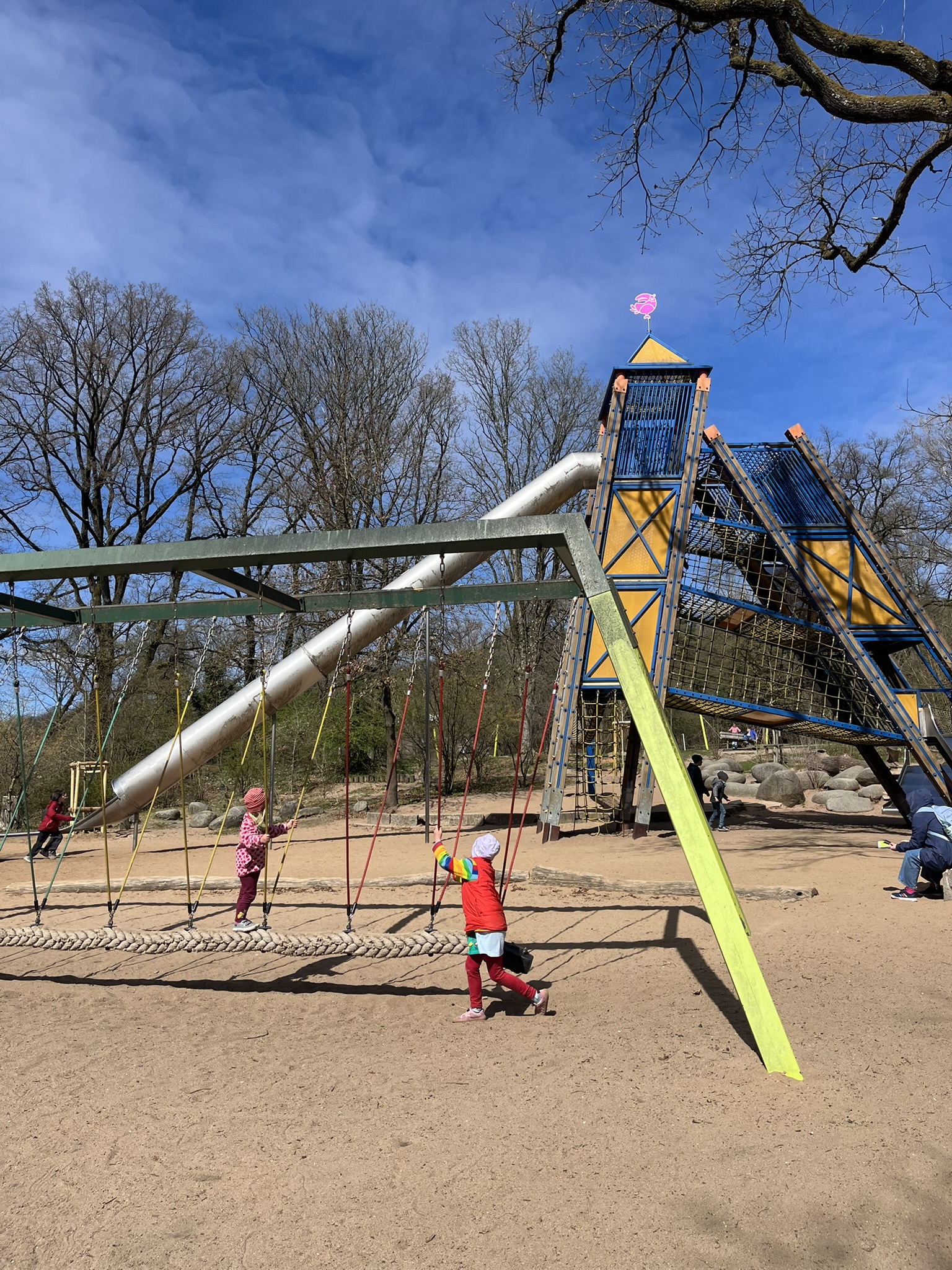
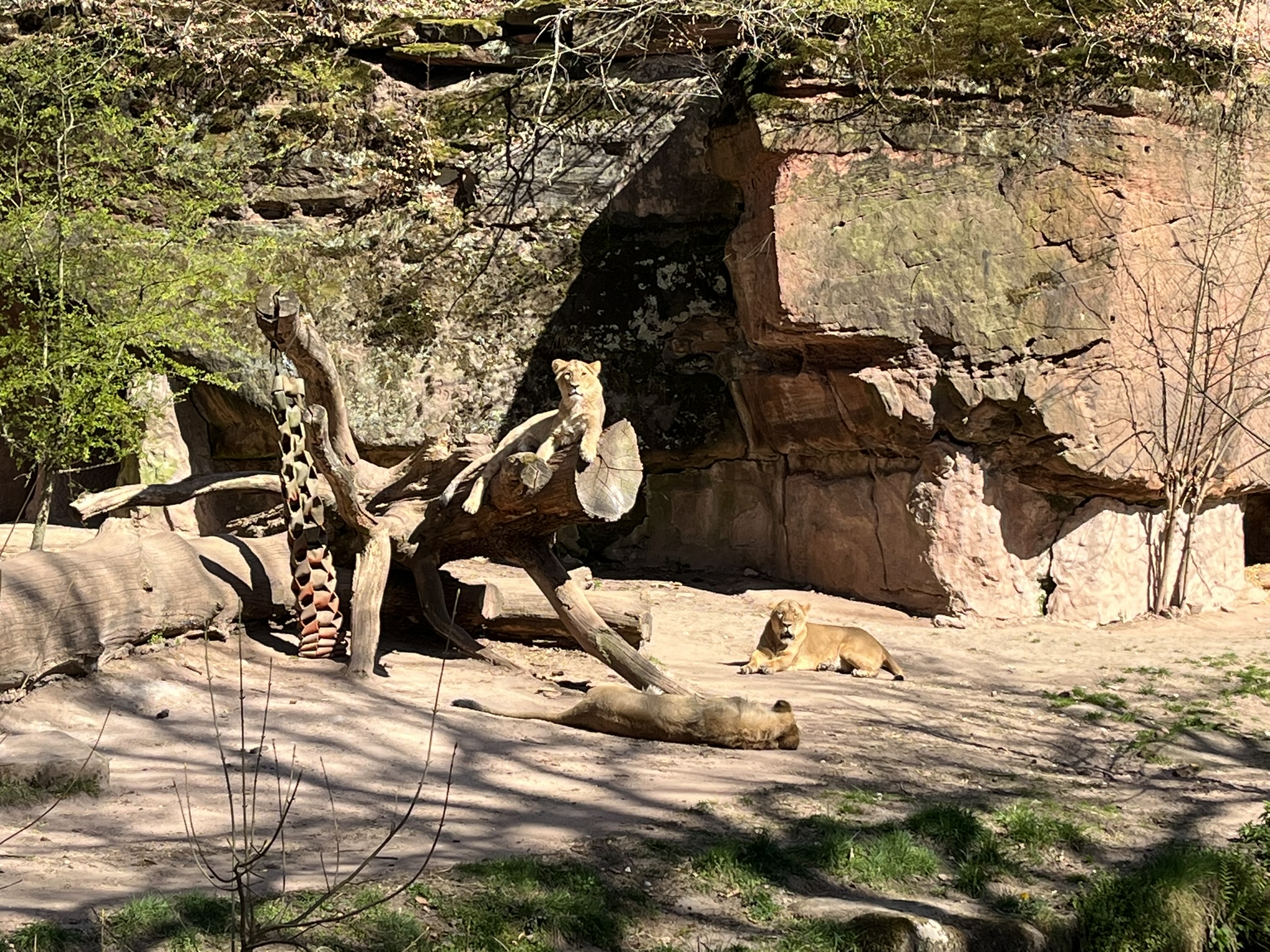
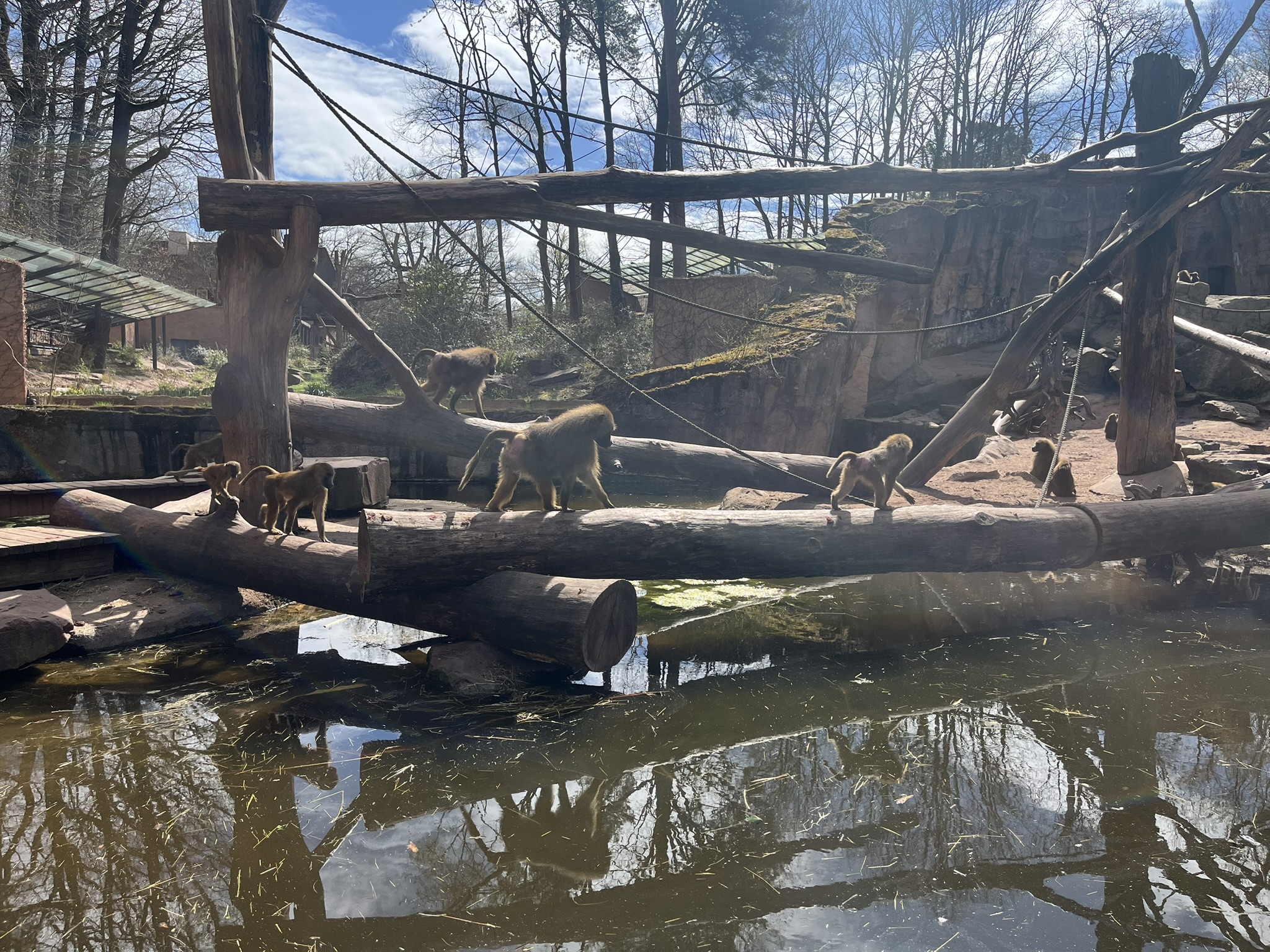
Don’t forget to visit Nürnberg’s surrounding area outside the city walls. Nürnberg Zoo is about a 25-minute ride out of the city center via public transportation. Backed by sandstone cliffs, the exhibits of pacing lions, squeaking lemurs, playful polar bears, and around 300 different animal species (about 40 considered endangered) provide guests with plenty of animal entertainment. One of the largest zoos in Europe, the Nürnberg Zoo is built on approximately 160 acres that include woodlands of ancient trees, peaceful ponds, rocky formations, and sloping walkways. Its special “climate high forest trail” is built at the treetops and allows visitors to stroll and view the zoo from above. The zoo is designed in a natural, park-like arrangement that feels very relaxed and rural. Not only open-air–enclosured animals make this place their home, but water birds and forest animals are found in the wild in this “forest preserve”-like walking zoo. There are numerous play areas for children, including a fantastic large playground with zip lines, ropes courses, giant slides, and inset trampolines—appropriate even for older kids or spirited adults.   

Restaurant Waldschänke within the zoo grounds is reached via a slightly uphill walk along beautiful pathways. Indoors or out in the beer garden you can order hearty meat entrees, kid-friendly food, salads, fish dishes, Mediterranean meals, revitalizing drinks, and an extensive selection of vegetarian and vegan options. Complete with audience-interactive Culinary Theater performances, colorful murals, amusing children’s books to borrow and peruse during your meal, and an opportunity to purchase plush animals, Restaurant Waldschänke is a welcoming eatery for families.

Restaurant Waldschänke in the Nürnberg Zoo is a convenient place to power up between wildlife exhibits.

By exploring inside and outside of Nürnberg’s city walls, high above the castle moat, and even below the streets, you can go beyond surface level to uncover fascinating history and experience this medieval town’s inimitable Franconian charm.
Best Art Museums & Architecture for a Weekend in Barcelona

By Megan Kudla

Barcelona is a haven for art, especially being home to some of Antoni Gaudí’s most famous architectural wonders. The city also has world-class museums, with works that date back from the medieval times to more contemporary eras. If you’ve only got one weekend in Barcelona, but want to see as much art as possible, here’s a guide to the some of the best art museums and architecture tours.

Tip: If you’re extending your trip, you can purchase the ArticketBCN pass, which gets you entry into 6 of the top art museums across the city for a flat fee of 38€. (Plus, it comes in the form of a little red passport that gets stamped along the way. How cute is that?)

Sagrada Familia
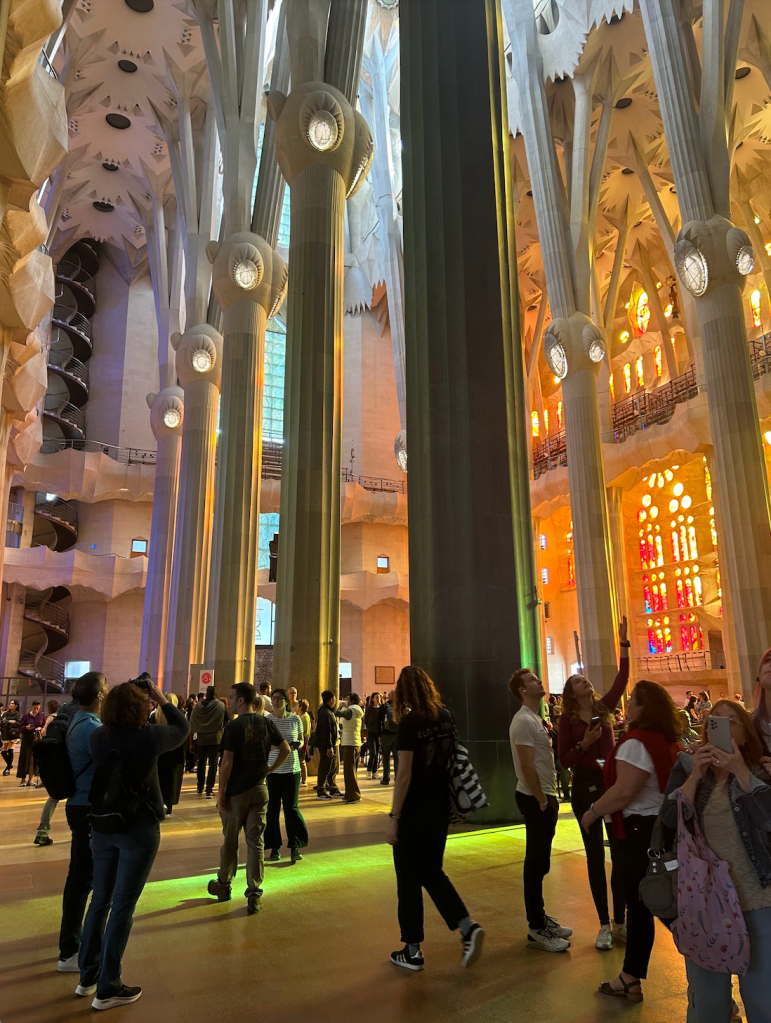
The pinnacle piece of architecture in Barcelona, the Sagrada Familia, should be first on your list. It’s also the most popular attraction in the area—when you are booking your flight and your hotel, go ahead and book this, too. Tickets range from 26€ to 40€. Marvel at the intricate sculptures adorning the outside and the mesmerizing colors that dance below the stained glass on the inside of this architectural monster, which is still under construction to this day.

Tip: The beginning and end of the self-guided tour are located on the outside of the Sagrada Familia, where you can admire the intricacies of Gaudí’s designs that display the Nativity Façade and the Passion Façade. This means that you should bring a jacket if you’re visiting during the fall or winter months.

Gaudí’s designs at the Sagrada Familia feature intricate sculptures.

Park Güell
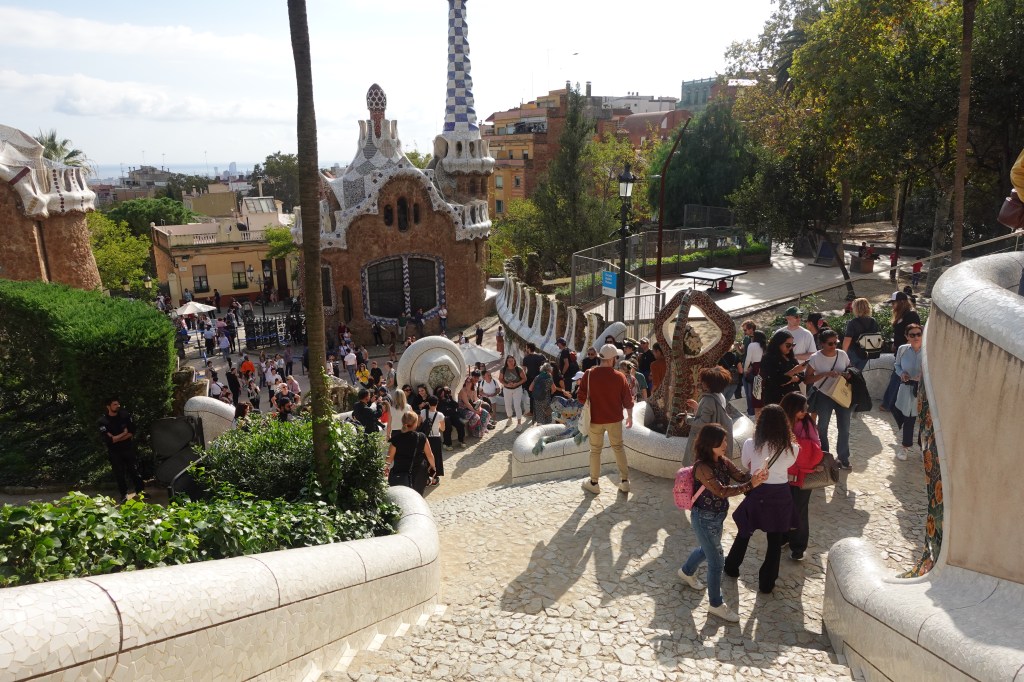
The second most popular Gaudí architectural site is probably Park Güell, a maze of green
spaces, viaducts, terraces, colorful mosaics, and more. Tickets are 18€ starting in 2025, and
you’ll also want to buy these ahead of your trip. As soon as you enter the park, you can
download an app with a helpful map that will direct you to the different parts of the park to
enjoy at your own leisure.

Tip: The Gaudí House Museum, where he lived from 1906 to 1925, is a separate ticket you can add on to your park entrance fee.

The beautiful Park Güell offers much to explore.

Casa Batlló
The final Gaudí tour to book in Barcelona would be Casa Batlló. Gaudí was commissioned by D. Josep Batlló in the early 1900s to redesign this building that would have been otherwise demolished. His inspiration pulled heavily from water, paying heed to organic shapes in the structure, as well as how natural light played with color upon ascending the multiple levels. Budget around 30€ for a general ticket.

Tip: Book an early time slot; the rooms are small, with lots of visitors clamoring to see this one-of-a-kind house. Then, if you find yourself particularly interested in the Gaudí style, put Casa Milá and Casa Vicens on your list.

Gaudí’s redesign of the Casa Batlló building is water-inspired.

Palau de la Música
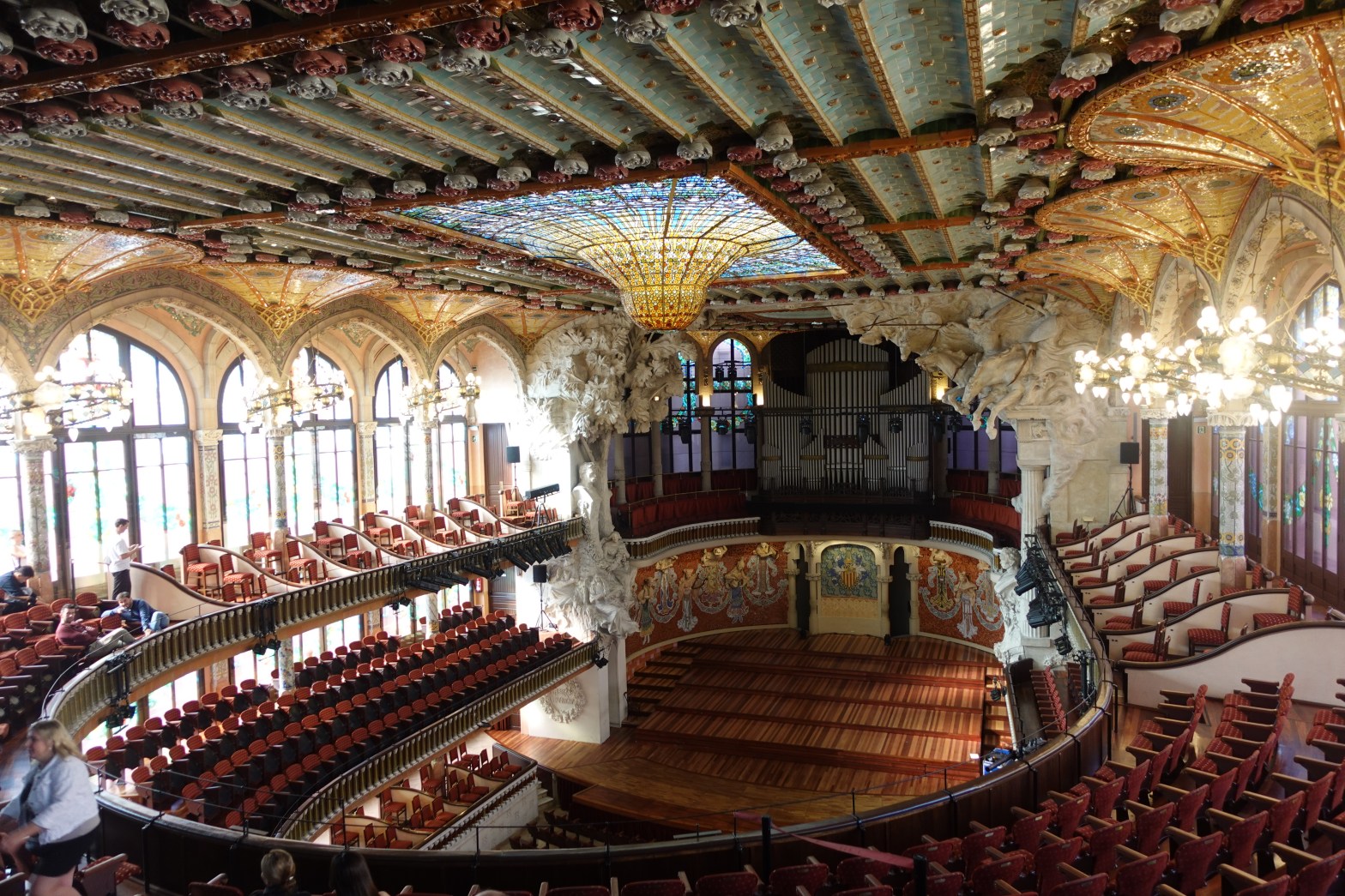
The shorter, slightly cheaper tour of the Palau de la Música was worth the time and money. Tickets are 22€, or only 16€ if you are over 65 or under 35 years old. The guided tour pairs you with an expert who will take you through the beautiful Lluís Millet Room and balcony, the busy foyer (which doubles as a restaurant-cafeteria), and, of course, the colorful and breathtaking Concert Hall.

Tip: The concert schedule is filled with opera, flamenco, coral, symphonic acts, and more. Plan a tour in the afternoon, then buy tickets to see the venue live and in action in the evening.

Palau de la Música’s Concert Hall is an exquisite venue for musical events.

Museu Picasso
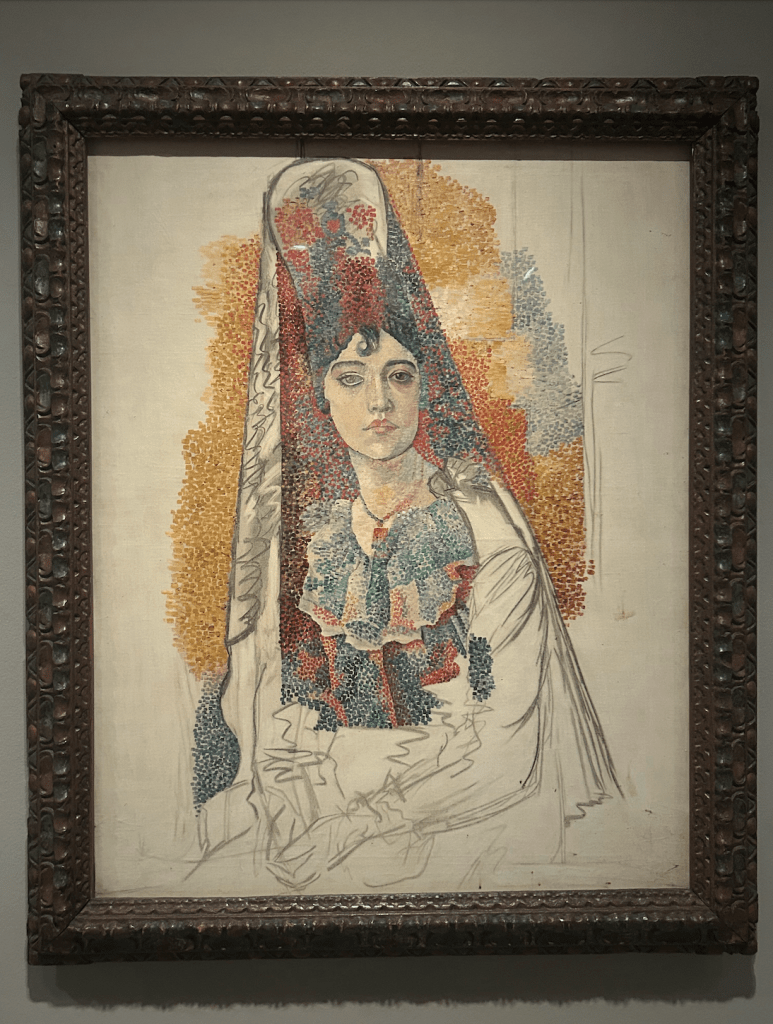
Part of the ArticketBCN, Museu Picasso was one of my favorite art museums. Not only does it house around 5,000 of Picasso’s works, but it’s a great showcase of the wide range of his
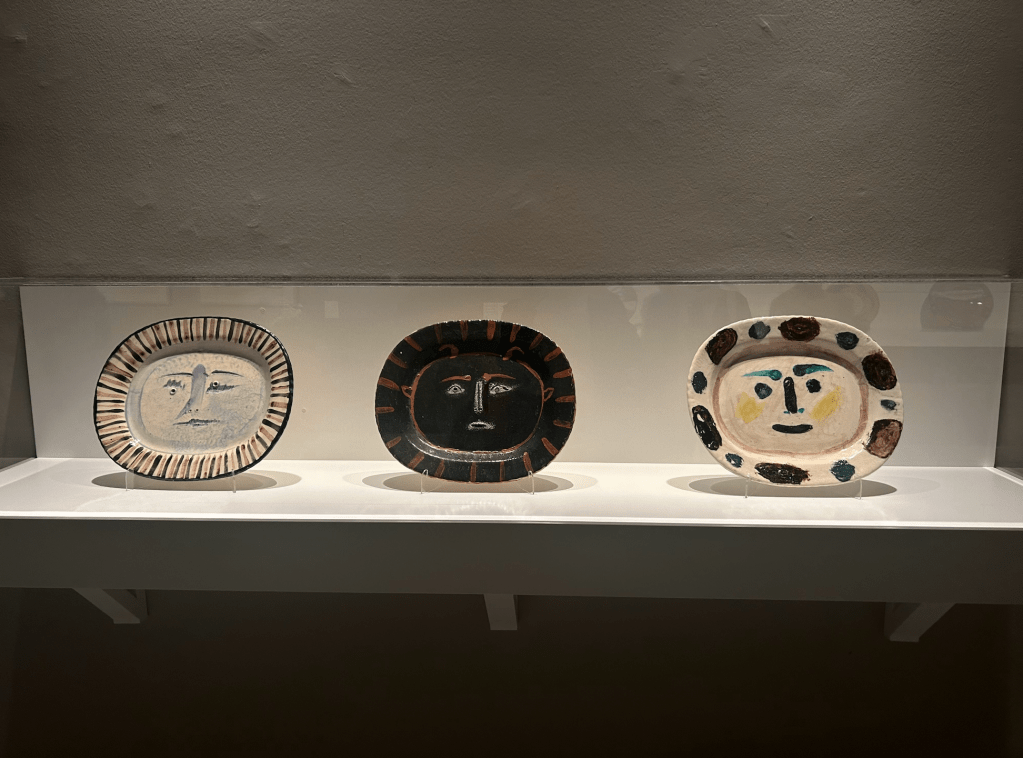
artistic talents. The cubism that Picasso is known for is not the only style he’s mastered. When visiting, you’ll get to see work from all periods of his life, from the classical work when he began studying art, to his Blue Period, and even ceramics.

Tip: It’s right next door to the Modern Contemporary (Moco) Museum and across the small
street from the Museu Etnològic i de Cultures del Món. Why not make it a full day, with a stop at the corner Brunells pastry shop in between?

Museu Picasso features more than 5,000 of Picasso’s works.

Museu Nacional d’Art de Catalunya
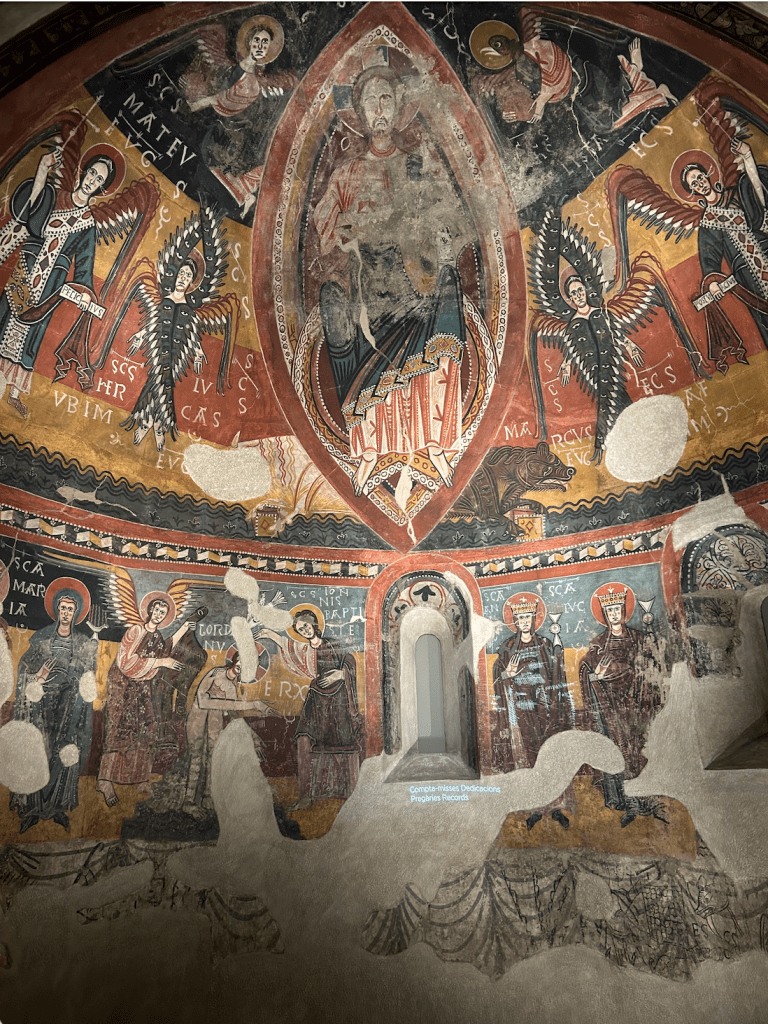
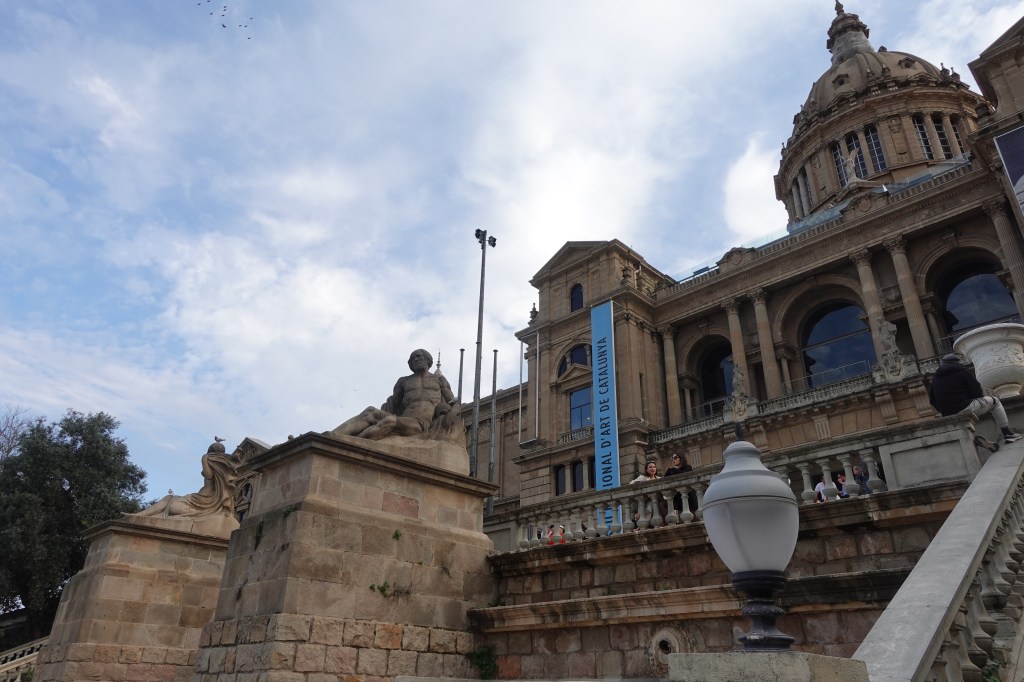
The Museu Nacional d’Art de Catalunya is as much an architectural site as it is an art museum. Located in the Parc de Montjuïc, you won’t miss the towering Palau Nacional on top of a huge hill. Take the many steps (or public escalators!) to the top, and hours of browsing artwork is at your fingertips. A top highlight is the collection of Romanesque art with murals that date back to the 11th to 13th centuries.

Tip: This is also a great stop for an aerial view of the city and mountains. If you’ve been looking for a photo opp, here it is!

Artwork and photo opps abound at Museu Nacional d’Art de Catalunya.

You can make a whole weekend surrounding just the art and architecture of Barcelona.
Between galleries, house tours, and live performances, you’ve got a city that’s filled with
centuries of artistic feats that now make this European city one of the most sought-after tourist destinations. Plan ahead, but don’t overbook each day—you’ll want time to savor each special site.

Hitting the Heights in Cuenca

A medieval gem awaits travelers in the Castilla-La Mancha region of central Spain

Story and Photos by Randy Mink  

With ancient buildings stacked on a steep promontory at the meeting of two deep river gorges, Cuenca projects a dramatic profile, one different from any other city in Spain. Because it’s not on the traditional tour circuit, this somewhat isolated medieval gem, about two hours southeast of Madrid, is off the radar of most North American travelers, a fact that just adds to its beguiling appeal.

In Cuenca it’s all about the heights. Think vertical. Looking up or gazing down, you’ll find yourself constantly taking in the views. Traipsing around narrow meandering streets and passageways, you’ll encounter one vantage point after another that provides a fresh new slant on cliff-clinging houses high above the gorges. There’s a new vista at every turn.

Those afraid of heights get nervous crossing San Pablo footbridge, a wooden plank walkway that spans the Huécar River 200 feet below. But it’s a major attraction in itself, an Instagrammable spot for sure. If you’re staying at Parador de Cuenca, as our group was, the bridge is the most direct way of getting to the core of the enchanting Ciudad Alta, or Old City. We crossed it several times a day, often wondering how many people it could hold at one time.

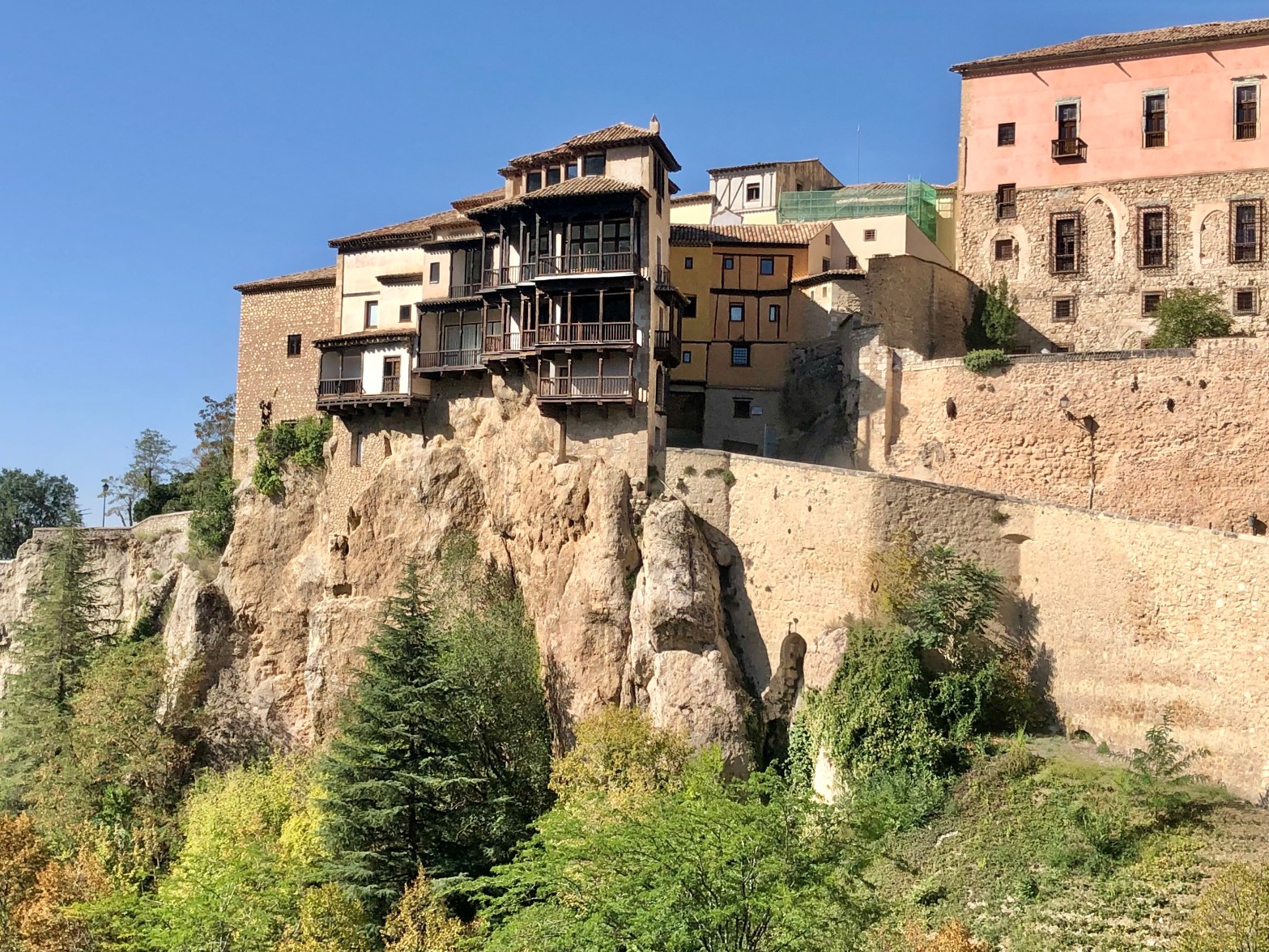
San Pablo footbridge and the Hanging Houses (left) dominate this view of Cuenca’s Old City.

From the bridge you have the best view of Cuenca’s most emblematic attraction—the Hanging Houses, or Casas Colgadas. The wooden balconies of this trio of 14th century dwellings jut out over a sheer cliff. Appearing to defy gravity, the buildings seem about to topple off their perch and into the abyss. You can actually stand on one of the cantilevered balconies if you visit the Museum of Spanish Abstract Art or gourmet restaurant Casas Colgadas Jesus Segura, both tenants of the Hanging Houses. Some art lovers prefer the Antonio Perez Foundation, a museum of modern art housed within a former Carmelite convent, another cliff-hugger.

The Antonio Perez Foundation is a modern art museum housed in a former convent.

In medieval times, why did many builders push to the precipice? The answer: real estate was scarce atop the escarpment and every square foot counted. Because land was at a premium, some houses were built eight to 12 stories high. Constructed of wood and adobe, these “skyscrapers,” many of them painted in bright colors today, were among the tallest buildings in Europe until the introduction of reinforced concrete in the 20th century. At its economic peak in the 15th century, the crowded old quarter had a population of 17,000. Now the number is 2,000.

Cuenca does not have a long checklist of must-see sights, which suits me just fine. I’m happy just wandering and getting lost in the medieval lanes, soaking up all the history that crosses my path—and taking picture after picture. The refreshing lack of tourists in Cuenca makes it even more delightful.

The narrow alleyways of Cuenca’s historic core invite discovery.

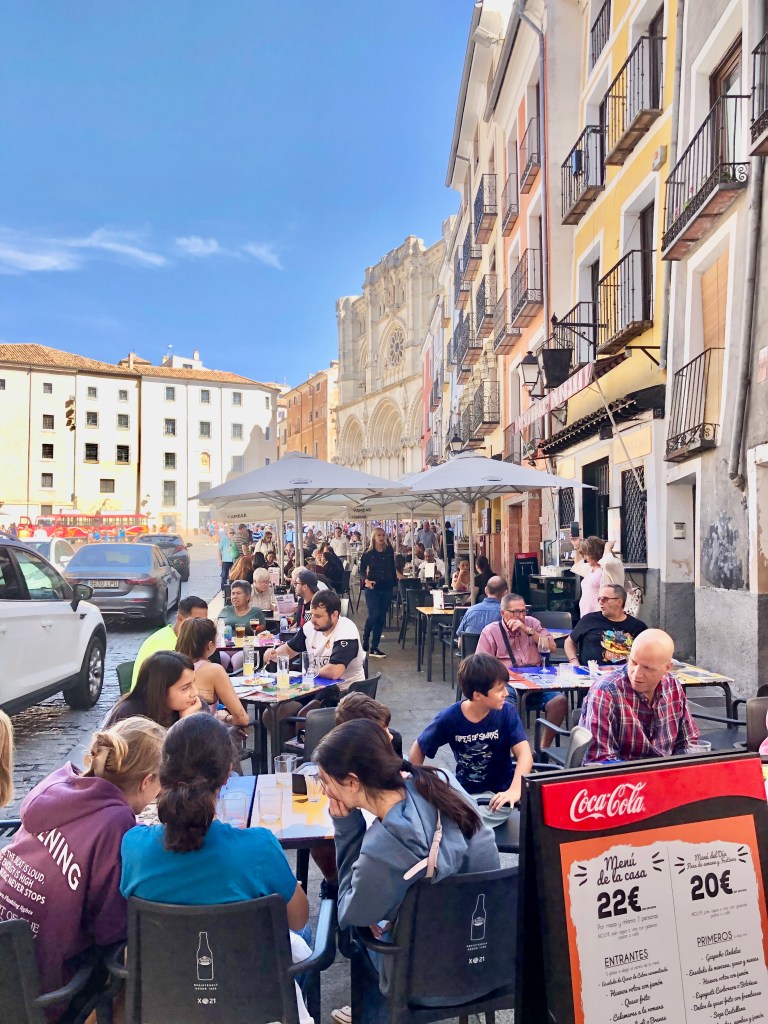
The heart of this UNESCO World Heritage city is the Plaza Mayor, which spreads in a linear fashion from the Cathedral of Cuenca, passing through the arch of the town hall. Outdoor cafes lend a lively air, and the red tram departs from the square for a tour of the Old City, an ideal option for those who want to avoid tackling the steep inclines on foot.

The Plaza Mayor, with its outdoor cafes, is the focal point for tourists in Cuenca’s historic core.

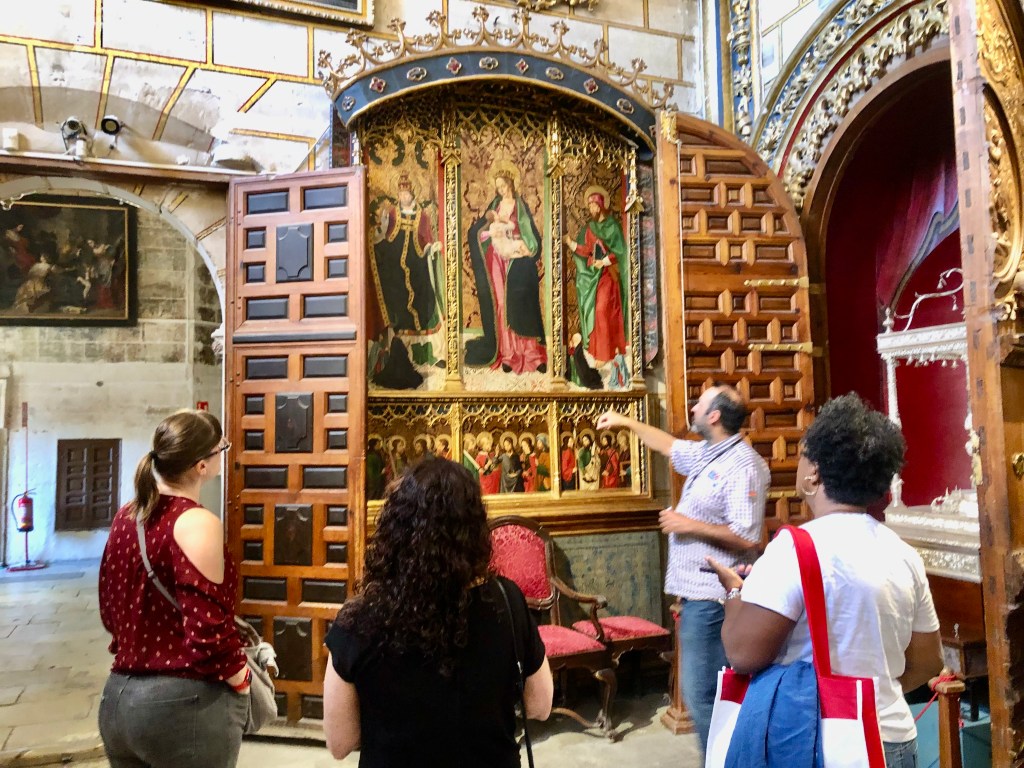
The Cathedral in Cuenca is a treasure house of art and architecture.

Sightseeing trams take tourists up and down the hilly lanes of Cuenca’s Old City.

While Spain has better known churches, the Cathedral of Nuestra Senora de Gracia is truly impressive and worth a look inside. Largely built between 1156 and 1256, it was the first Gothic church on the Iberian peninsula. Statuary, paintings, expanses of marble and lavishly adorned chapels reflected the city’s wealth in medieval days. The two pipe organs date from the 18th century. Our group heard their melodious sounds while seated in the ornately carved wooden choir stalls during an evening concert.

Rock climbers scale the cliffs just down the road from Parador de Cuenca, a monastery-turned-hotel.

If you haven’t had enough in the way of heights after taking in the panoramas from all angles and crossing the footbridge a number of times, consider a zipline ride or go rock climbing. On a short walk from Parador de Cuenca, I came upon harnessed men and women scaling vertical walls and people of all ages whooshing across the valley on a sturdy cable. And on two mornings I saw hot air balloons high in the sky. I wasn’t adventurous enough to pursue those options but wished I’d had time to hike the path that zigzags up to the giant mountaintop statue of Christ, Cerro del Socorro. The two-mile trail is marked by 14 Stations of the Cross. The statue is illuminated at night, as is the entire rock face of medieval Cuenca, a romantic vision that lingers long after your visit to this fascinating city off the beaten path.

Afloat on the Rhine and Moselle

A dream river voyage on the Scenic Opal spotlights cozy towns in the heart of Europe

By Randy Mink

With its half-timbered houses, tangle of cobbled alleyways and picture-perfect castle perched on a crag high above the market square, the German village of Cochem struck me as something plucked from a medieval fairy tale.

Almost too good to be true, the Moselle River town of 5,500 was one of several stops on “Charming Castles & Vineyards of the Rhine & Moselle,” a seven-night cruise itinerary offered by Scenic, an Australia-based company with 12 luxury river ships in Europe. My brother and I were aboard the 163-passenger Scenic Opal, our floating hotel for the week.

Happily, in Cochem and some other ports of call, the historic town centers lay just steps from the ship’s gangway. I love being in the middle of everything within minutes of disembarking.

Clockwise: The Moselle River town of Cochem, Germany, as seen from hilltop Reichsburg Castle. (Photo credit: German National Tourist Board)
Reichsburg Castle looms high above the Moselle River town of Cochem.  (Larry Mink Photo)
Cochem charms visitors with its ancient, half-timbered buildings. (Randy Mink Photo)

Because of my ancestry and the fact that my first trip to Europe was a summer German language program in Austria, I’ve always had an affinity for German-speaking countries. Until this cruise, however, I had never been to the Rhine or Moselle valleys.

It was the Moselle’s inclusion that steered me to the itinerary, as not all Rhine cruises venture to this narrower, slower-moving, more intimate tributary, which twists and turns more than 100 picturesque miles between the German cities of Trier and Koblenz. Many Rhine journeys spend time in the more industrial stretches to the north.

I also liked this particular circuit because it touched four countries. Besides shore excursions in Germany, Scenic offered tours in France and the Grand Duchy of Luxembourg. The cruise ended in Basel, Switzerland, where we stayed two nights in a hotel before flying home.

The Rhine travels nearly 800 miles from the Swiss Alps to Rotterdam on the North Sea, forming the border of southwestern Germany and eastern France. From the Vosges Mountains, the Moselle flows through northeastern France and Luxembourg to Germany, joining the Rhine at Koblenz, our first port after embarking the day before at Mainz, a city of 200,000 about 40 minutes from the Frankfurt airport.

Both waterways dish up a passing parade of vineyard-covered slopes, hilltop castles and idyllic towns with gabled houses, church steeples and leafy riverside promenades—an eye-popping feast for those of us who thronged the railings or drank it in from deck chairs. Steady streams of barges, sightseeing boats and pleasure craft also kept us engaged. One afternoon on the Moselle, the Scenic Opal went through three locks, the first one upon leaving Koblenz for the pretty Moselle Valley, my favorite part of the trip.

Koblenz: At the Confluence

In Koblenz I opted for a ship-arranged walking tour but easily could have wandered on my own. The colorful squares and alleys of Old Town, a largely pedestrianized shopping zone with plenty of cafes and bakeries, were a short walk from our berth at the beautifully landscaped Rhine Promenade. (My brother chose the e-biking excursion, exploring on one of the ship’s electrically assisted bicycles.)

The park-like river walk led to Deutsches Eck, or German Corner, the point where the mighty Rhine meets little sister Moselle. Lording over the tip of land is a monumental equestrian statue of Kaiser Wilhelm I (1797-1888), first emperor of the New German Empire. Destroyed in World War II and replaced in 1993 after the fall of the Berlin Wall, the statue now represents German unity. Nearby stand three concrete slabs from the infamous wall and text about life under Communism in East Germany. Overlooking the confluence is Ehrenbreitstein Fortress, a massive complex reached by cable car from the promenade.

Clockwise (Randy Mink Photos): An equestrian statue of Kaiser Wilhelm I, the first emperor of the New German Empire, overlooks the confluence of the Rhine and Moselle rivers in Koblenz, Germany. The meeting point is called Deutsches Eck, or German Corner.
Scenic Opal passengers explore Koblenz, Germany, on a guided bike tour.
Tempting bakeries and cafes are just a few blocks from cruise ships’ Rhine River berths.

Little Luxembourg

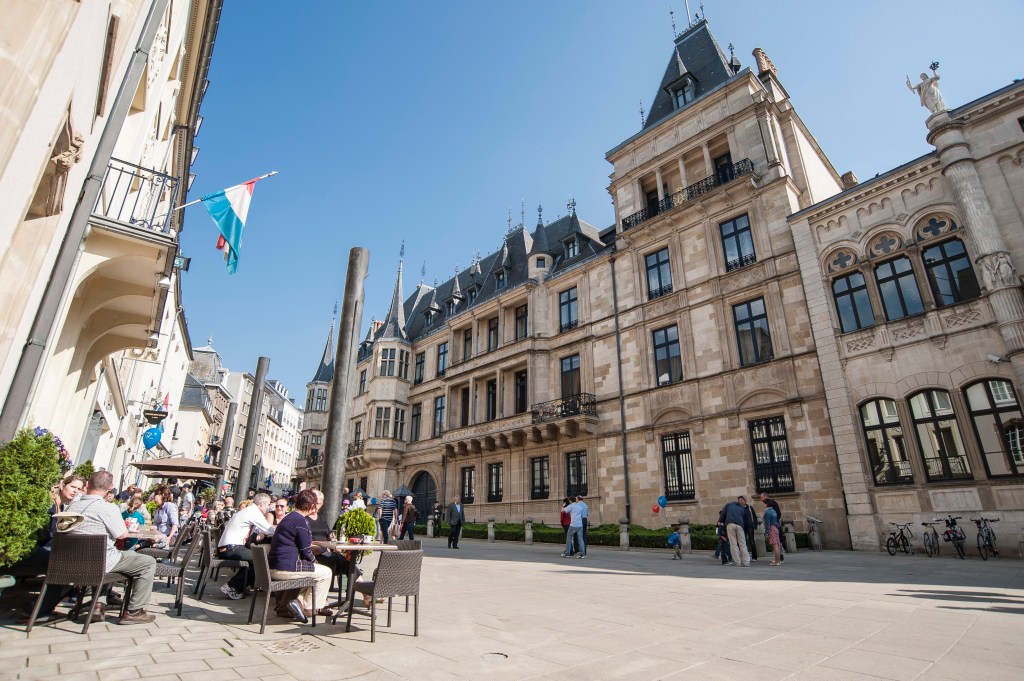
From our next stop, the Moselle Valley town of Bernkastel, we took a morning excursion to Luxembourg City, an hour-and-a-half away. Our guided ramble through the capital city’s oldest quarter, famed for the stone bastions and battlements rising above dramatic ravines, focused on the shop-filled pedestrian zone and included panoramic lookout points. After the tour my brother and I relaxed over hot chocolate at the Chocolate House, snaring an outdoor table across from the Grand Ducal Palace, where we earlier had snapped pictures of the soldiers on guard duty. Passengers who didn’t sign up for Luxembourg could choose to visit a Bernkastel winery and sample the valley’s renowned Rieslings.

1: The imposing Grand Ducal Palace captivates river cruise passengers on the Luxembourg City shore excursion. (Photo credit: LFT/Christian Millen)
2: Soldiers stand guard at the Grand Ducal Palace. (Randy Mink Photo)
3: Ancient fortifications charm visitors to Luxembourg City, a shore excursion option from the Moselle River town of Bernkastel, Germany. (Photo credit: LFT/Alfonso Sagueiro)
4: Stunning panoramas abound in Luxembourg City. (Randy Mink Photo)

Moselle Crowd-Pleasers: Bernkastel & Cochem

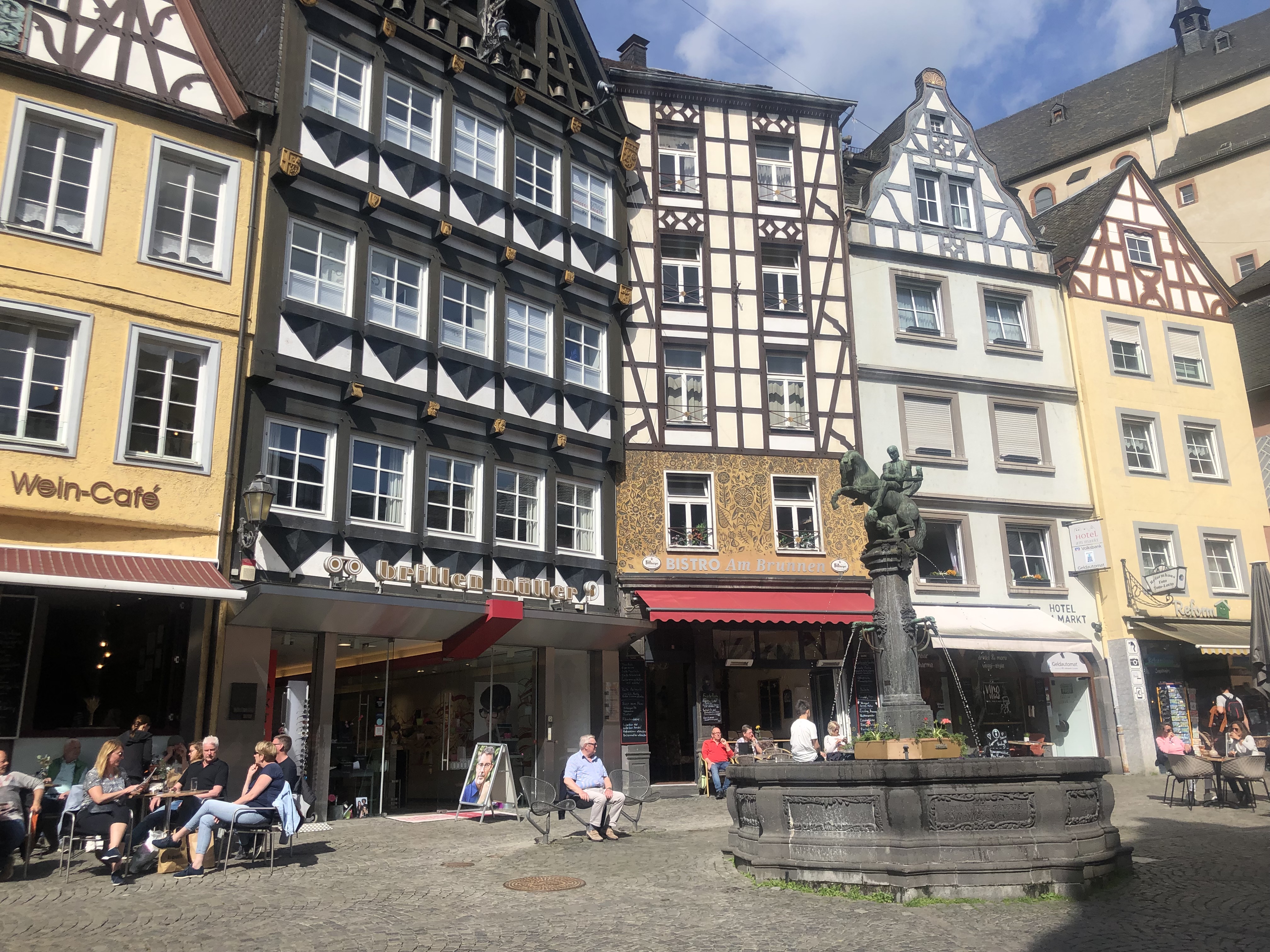
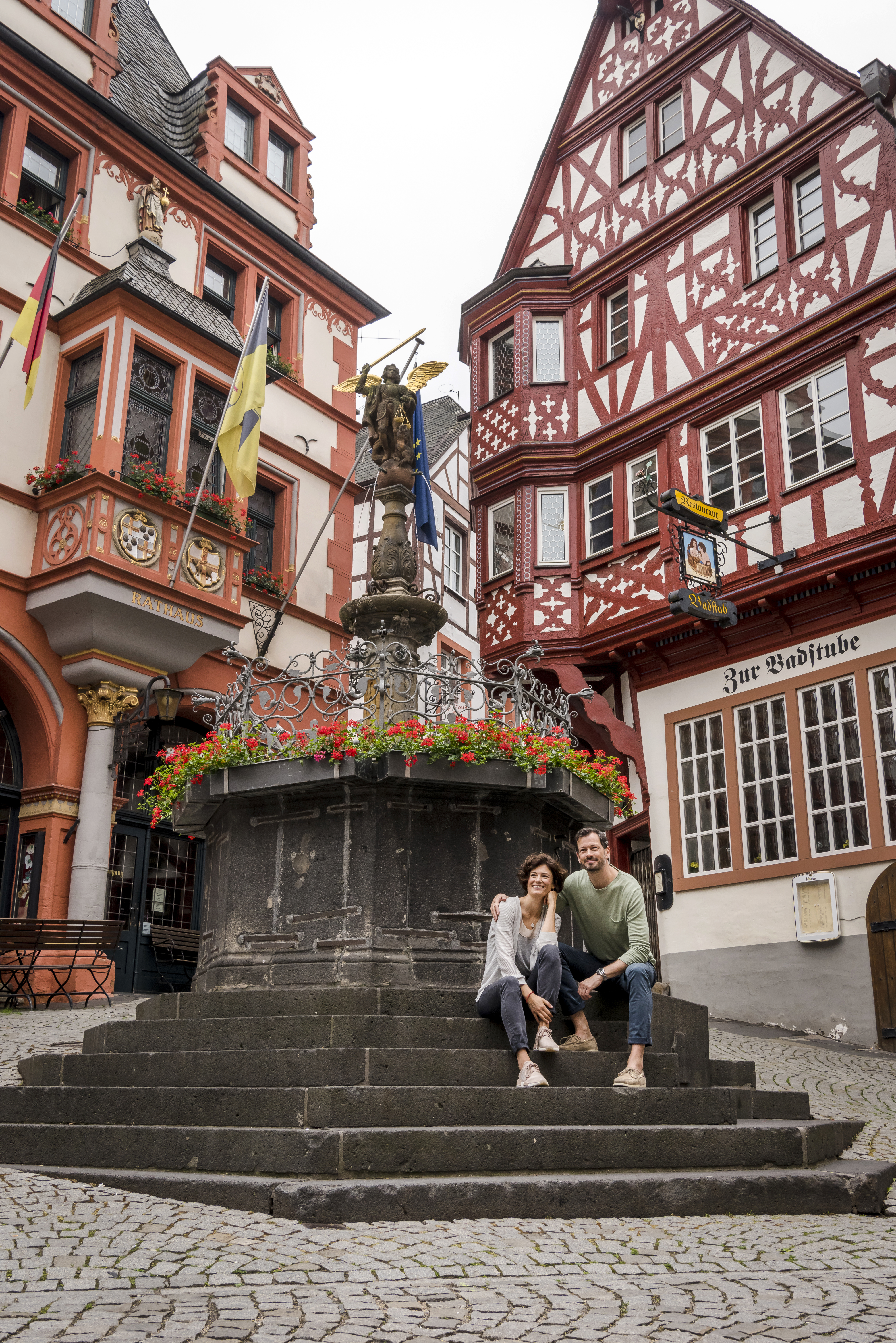
After lunch on the Scenic Opal, moored across the bridge from Bernkastel, we explored the storybook German town. Its riverfront facade didn’t look unusually quaint, but as we probed deeper into the web of little streets, the place just kept getting cuter and cuter. I wanted to photograph every square, crooked lane and antique building in my path, and slip into every wine tavern. Had we more time, I would have hiked up to Landshut Castle, frequented centuries ago by the territorial lords of Trier. Built in 1277 and in partial decay since 1692, it houses a restaurant and cafe.

Left: The fairy-tale town of Bernkastel is a popular stop on Moselle River cruises in Germany. (Photo credit: German National Tourist Board)
Right: Landshut Castle, dating back to 1277, overlooks Bernkastel.  (Randy Mink Photo)

In the evening, we all boarded buses for Trier, where Scenic had arranged a private classical concert staged amid the Gothic grandeur of the 13th century Liebfrauenkirche. Riding through Germany’s oldest city to reach the church, we grabbed glimpses of the famous Porta Nigra, the best-preserved Roman city gate north of the Alps.

Scenic Opal passengers attended a private classical concert at the 13th century Liebfrauenkirche in Trier, Germany. (Randy Mink Photo)

In Cochem, the hub of the Middle Moselle, our excursion featured a visit to Reichsburg Castle. From its lofty vantage point we enjoyed sweeping views of the river, the steep vineyard abutting the castle grounds and a skyline dominated by the onion-dome spire of St. Martin Church. Dating from the 11th century, Reichsburg was restored in the late 1800s by a wealthy Berliner who created an idealized version of a medieval stronghold. Although not architecturally faithful, it certainly gives Cochem a photogenic landmark, and three-fourths of the main tower is original. Mounted animal heads, suits of armor and period furniture set the mood inside. Afterwards, our walking tour of Cochem showcased its compact central square, Baroque town hall and ancient town gates.

Clockwise (Photo credits: German National Tourist Board): Cochem’s Reichsburg Castle has all the trappings of a rustic baronial estate.
The Middle Ages come alive on tours of Reichsburg Castle.
Reichsburg Castle and the onion-dome spire of St. Martin Church frame this view of the Moselle River town of Cochem, Germany.

On the Romantic Rhine

Next we traveled the 32 miles from Cochem back to Koblenz, where our ship overnighted in order to get in position for a morning journey to Rüdesheim that would spotlight the Upper Middle Rhine Valley, or Rhine Gorge, the river’s most castle-studded corridor. This would be our big day, the one we’d been waiting for.

As we looked out from the breezy top deck, it was castle after castle, many of them, romantically, in various states of ruin. Some crowned distant summits, others rose straight from the shore. Vine-ribboned hillsides and timeless villages seemed to be waiting around every bend.

As we learned from the cruise director’s narration and from Tailormade (the Scenic smartphone app), some of the fortresses have been repurposed as museums, restaurants, hotels or private residences. Castle Stahlek in Bacharach, now a youth hostel, once served as a Nazi indoctrination center and military hospital during World War II.  (The app’s commentary also came in handy for exploring ashore and helped us identify the towns and landmarks we passed while cruising.)

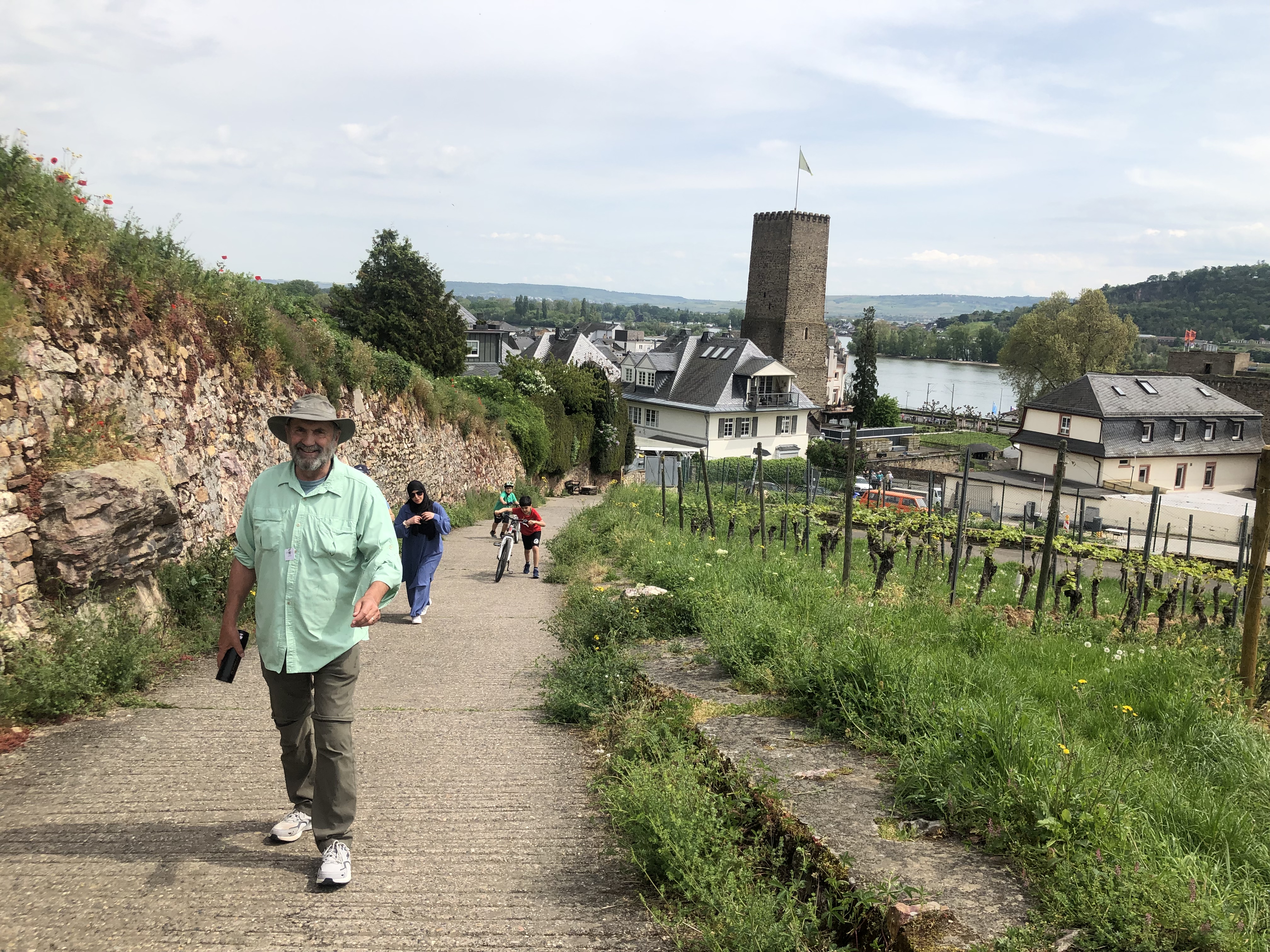
In Rüdesheim, a tourist-packed village crammed with wine taverns and souvenir shops, we hiked through vineyards to Niederwald Monument, a grandiose memorial that commemorates the 1871 founding of the German Empire after the end of the Franco-Prussian War. Our uphill trek was challenging, the cable car ride down a lot more fun.

Left: It’s an uphill trek for Scenic Opal passengers who choose to walk to the hilltop Niederwald Monument high above Rüdesheim. (Randy Mink Photo)
Right: Shore excursions in the Rhine River town of Rüdesheim visit the Niederwald Monument, a grandiose memorial that celebrates the 1871 founding of the German Empire after the end of the Franco-Prussian War. (Photo credit: German Tourist Board)

Forays into France

Heading south on the Rhine, the Scenic Opal tied up at two more German towns. From Rastatt we were torn between a tour to the German spa town of Baden-Baden and one to Strasbourg, capital of France’s Alsace, a region that historically has flipped back and forth between German and French control. In Breisach, our last port of call before Basel, we had to weigh Colmar, Alsace’s most beautiful town, against Freiburg, a Black Forest gem renowned for its medieval Old Town.

Since we had seen plenty of Germany, we went all in for Alsace and enjoyed walking tours of Strasbourg and Colmar, both with cozy, traffic-free historic cores chockablock with pastel, flower-laden, Hansel-and-Gretel houses. It’s just that touch of fairy-tale fantasy we needed to put a happily-ever-after ending to our trip through the enchanting heart of Europe—the Europe of our dreams.

Left: The Cathedral of Notre-Dame, a towering landmark cast in red sandstone, dominates this view of Strasbourg’s historic core. (Randy Mink Photo)
Right: Rheinstein Castle, near the German town of Trechtingshausen, is one of many medieval castles that captivates Rhine River cruise passengers. (Photo credit: German National Tourist Board)


To read about the Scenic Opal luxury river ship, including its accommodations and dining experiences, please visit https://europeantraveler.net/2023/10/19/cruising-through-the-heart-of-europe/

Clixo Fidgety Fun Inspires Creativity During Travel and Beyond

By Alison Ramsey

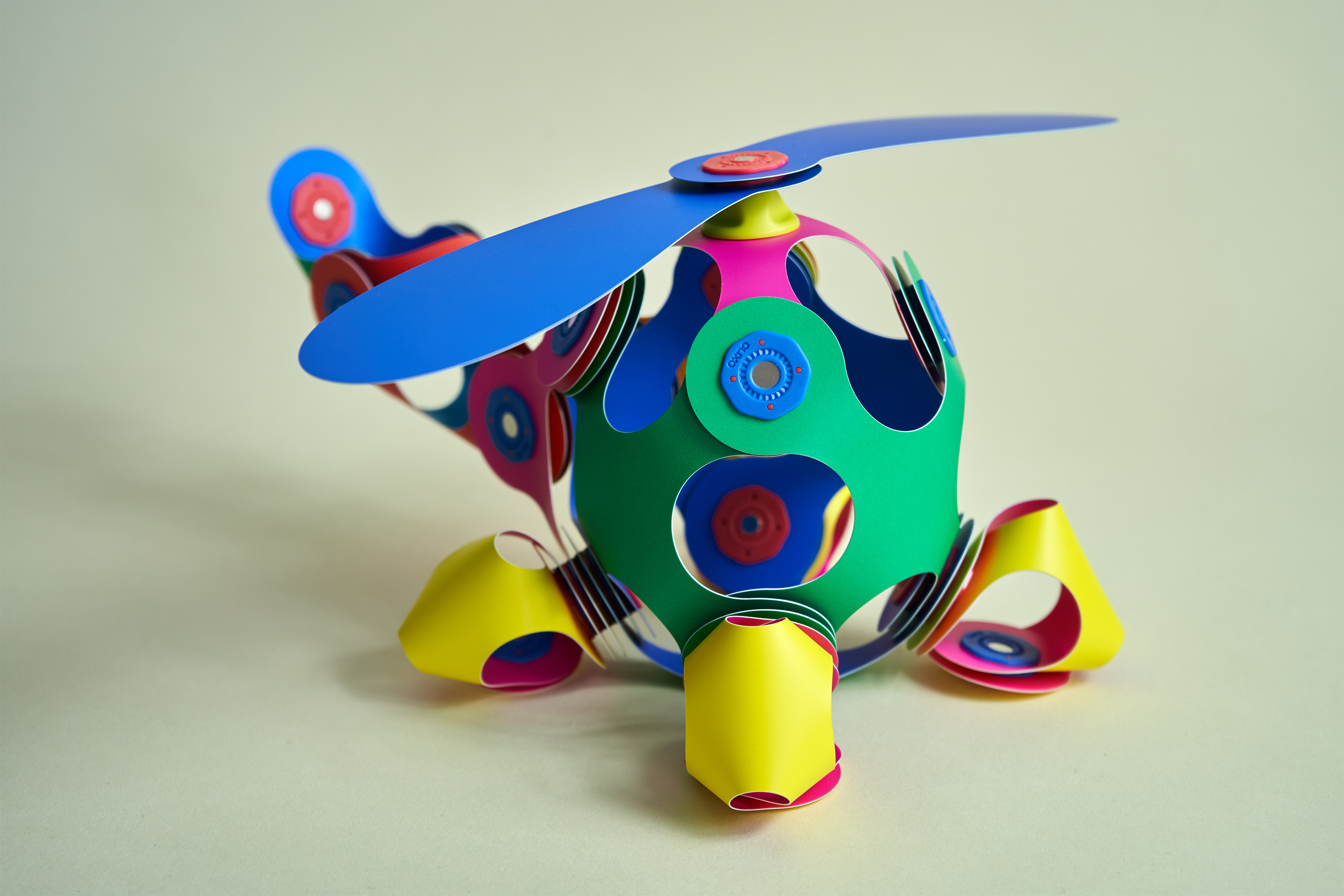
A unique toy for kids and adults alike, the easy-to-pack Clixo magnetic play system encourages freeform building and exploration—no rules or instructions required! Tuck a set of these flat, flexible building pieces into your day bag and pull them out to see your fussy or feisty traveling companions turn into creative geniuses.

Photos courtesy of Clixo.

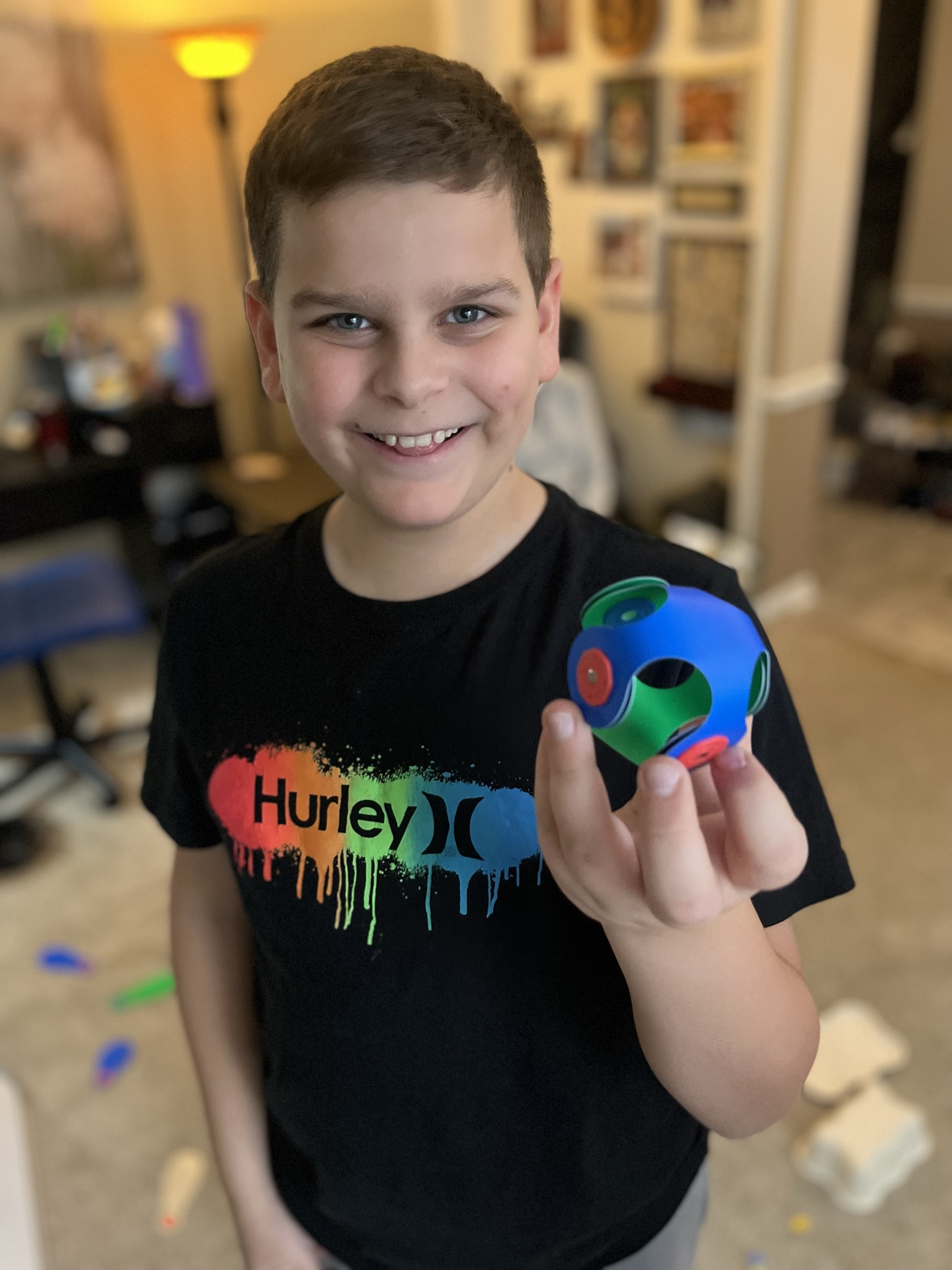
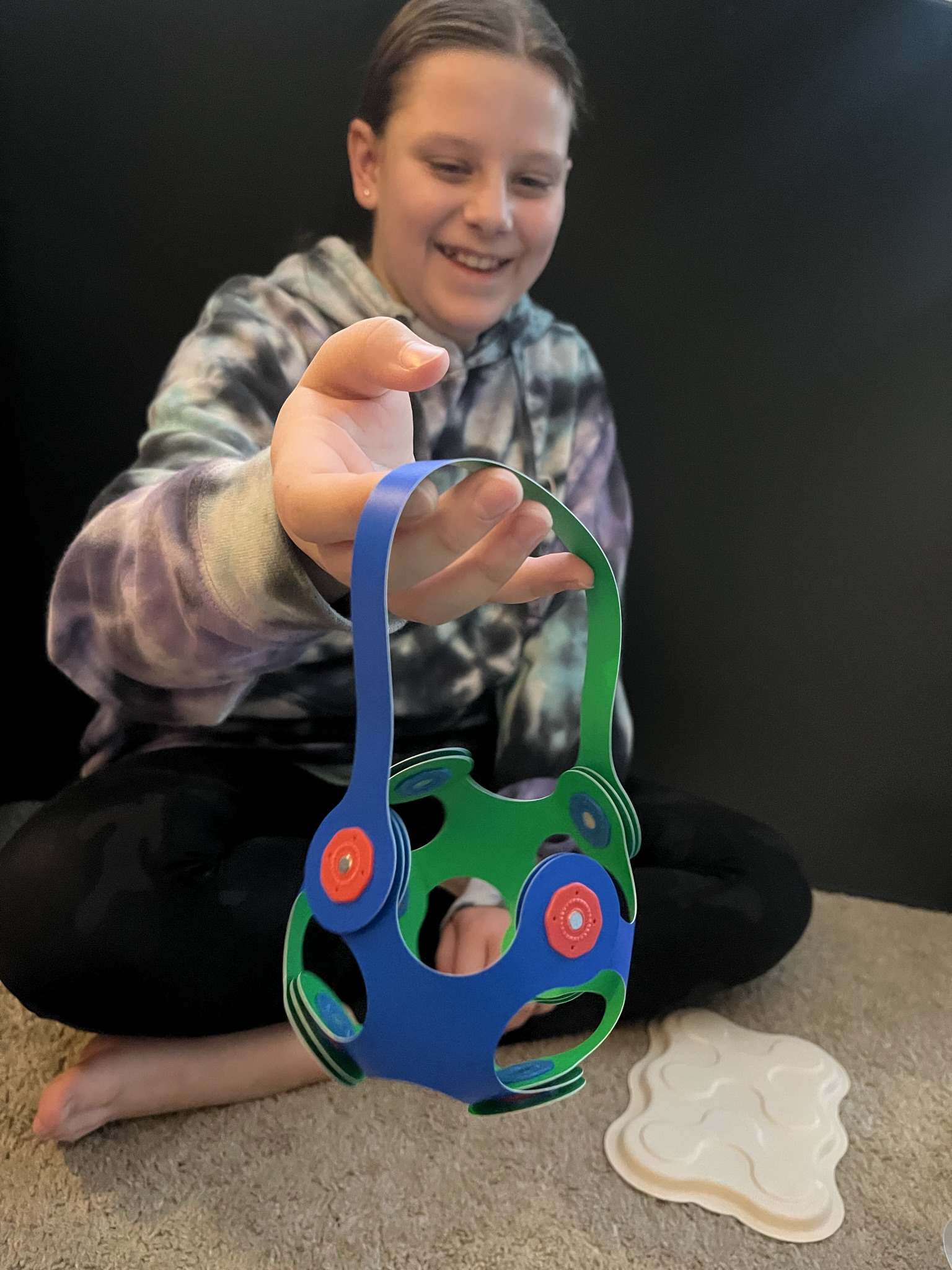
Visored motorcycle helmet, floppy beagle ears, a colorful handbag—within five minutes of opening a package of Clixo lightweight and flexible magnetic shapes, my kids’ creativity using these colorful pieces resulted in a plethora of fun creations. This award-winning building toy from Toyish Labs is packed with endless possibilities for playtime on the go or at home. The durable and compact flexible pieces can be stored flat and easily cleaned and sanitized. Secure magnets are safely fastened to key edges, allowing toy enthusiasts of all ages to snap together pieces and discover limitless creative possibilities. Creations can be stuck to the fridge, worn as accessories or, as with the Grip and Stick Pack, secured via suction cups to a window or flat surface—great for road trips and sticking to the interior of car windows! Some packages include special units that allow attached pieces to spin or roll on wheels, encouraging construction of propellers, vehicles, and other movement-inspired shapes.

Clixo needs no instructions or preamble. My kids were initially confused about what they were opening, but within several moments were excitedly clicking and snapping together pieces with no assistance or explanation needed. Open-ended, screen-free, hands-on play is Clixo’s strength, offering opportunities to create fun 3D structures from 2D pieces. These unique building sets were a finalist for the 2021 Toy of the Year Award, won the Top Toy of the Year Award from the 2022 Creative Child Awards, and have won the Oppenheim Toy Portfolio Gold Seal Best Toy Award and the Tillywig Toy Awards Best Creative Fun Award.

This summer, Clixo partnered with the Museum of Ice Cream (MOIC) in Chicago, Austin, and New York City to launch an interactive experience that allows guests to build colorful 3D creations on magnetic building walls. A special MOIC Clixo pack is sold on-location at these three venues, and features strawberry- and cherry-colored shapes. If your travels bring you to these cities, stop into the MOIC and add some creative constructions to the wall.

Photos courtesy of Clixo.

Assaf Eshet, CEO and Founder of Toyish Labs and creator of Clixo said, “We’re very excited to be working with Museum of Ice Cream on this collaboration and sharing Clixo with MOIC visitors. Museum of Ice Cream provides a fun and engaging experience for all kids and their parents. At Clixo, we share the same values of bringing play and creativity to kids and kids at heart.”

Photo courtesy of Clixo.

For more information or to purchase Clixo building sets, please visit www.clixo.com. The Black Friday Super Sale is currently offering up to 40% off sitewide, so take advantage of the sale prices for these colorful stocking stuffers or Christmas gifts while you can! May your holidays and holiday travel be peaceful, joy-filled, and inspiring.