3 Countries, 2 Ski Resorts, 1 Week in Europe

Wishing you had planned a getaway this past spring break? It’s not too early to start planning for next year, and to think big with a European adventure!

By Alison Ramsey

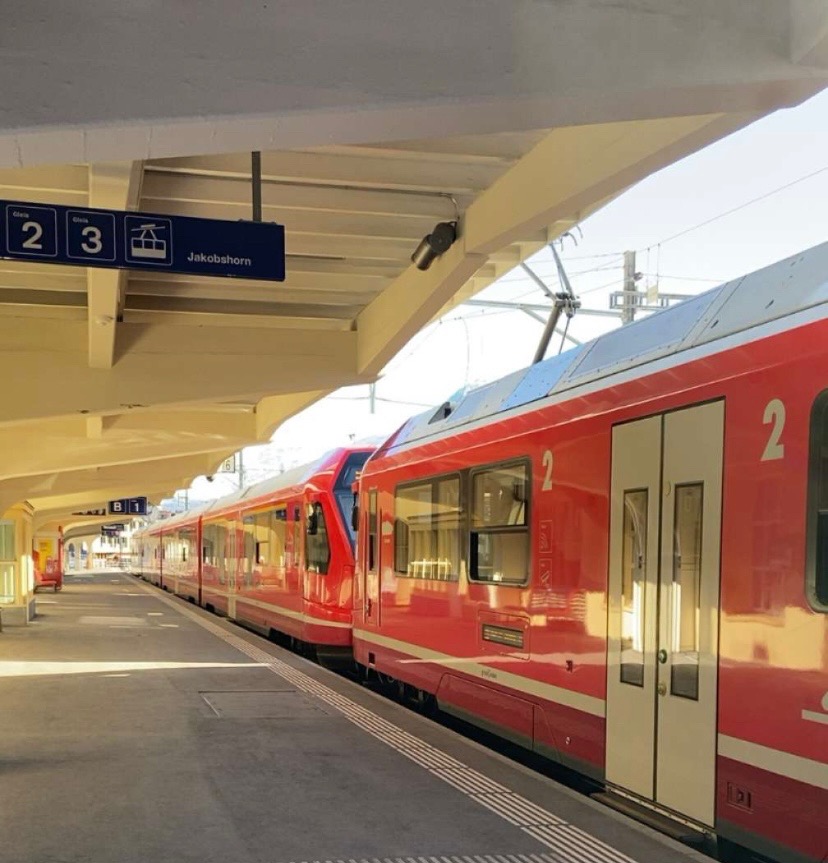
Stateside spring break destinations abound, but consider using that week of vacation time to explore three German-language European countries—Switzerland, Austria, and Germany—all easily reachable from each other by train. The Eurail Global Pass allows travelers to seamlessly cross country borders by rail using a single scannable QR code pass in the app. It’s a fantastic opportunity to maximize your time abroad and visit multiple countries all in one overseas trip.   

Eurail train travel is scenic and comfortable, and the well-designed Eurail app makes it easy to view train schedules and plan your trip.

Time in the mountains is essential if you’re headed to the Alpine countries of Switzerland and Austria. Downhill skiing in the Alps can be exhilarating, great exercise, and a fun social activity—as proven by the millions of visitors to throng ski resorts like Davos Klosters in Switzerland and St. Anton am Arlberg in Austria each year. Both destinations are part of the Best of the Alps organization’s carefully curated collection of classic mountain resorts and offer excellent ski schools.

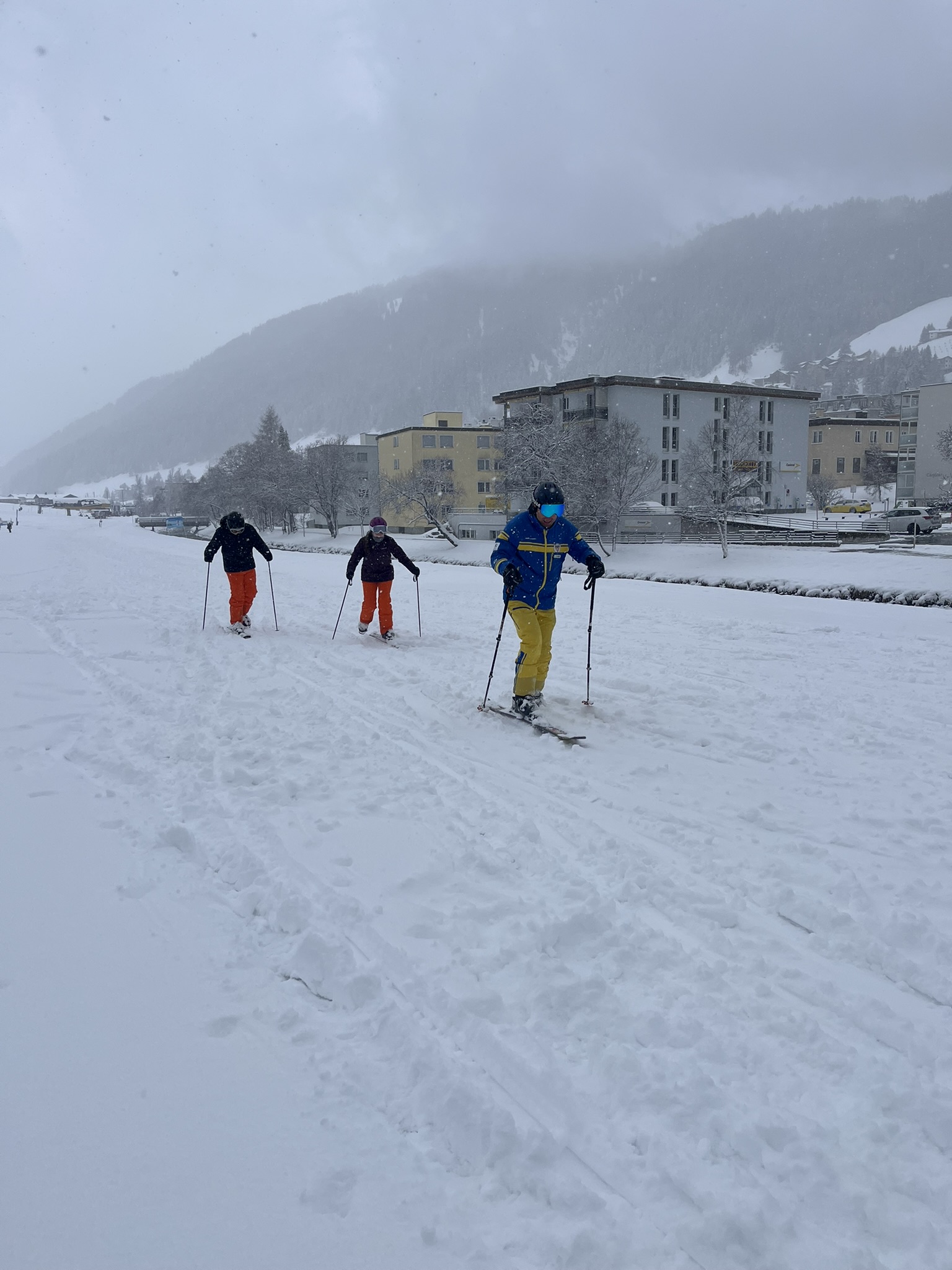
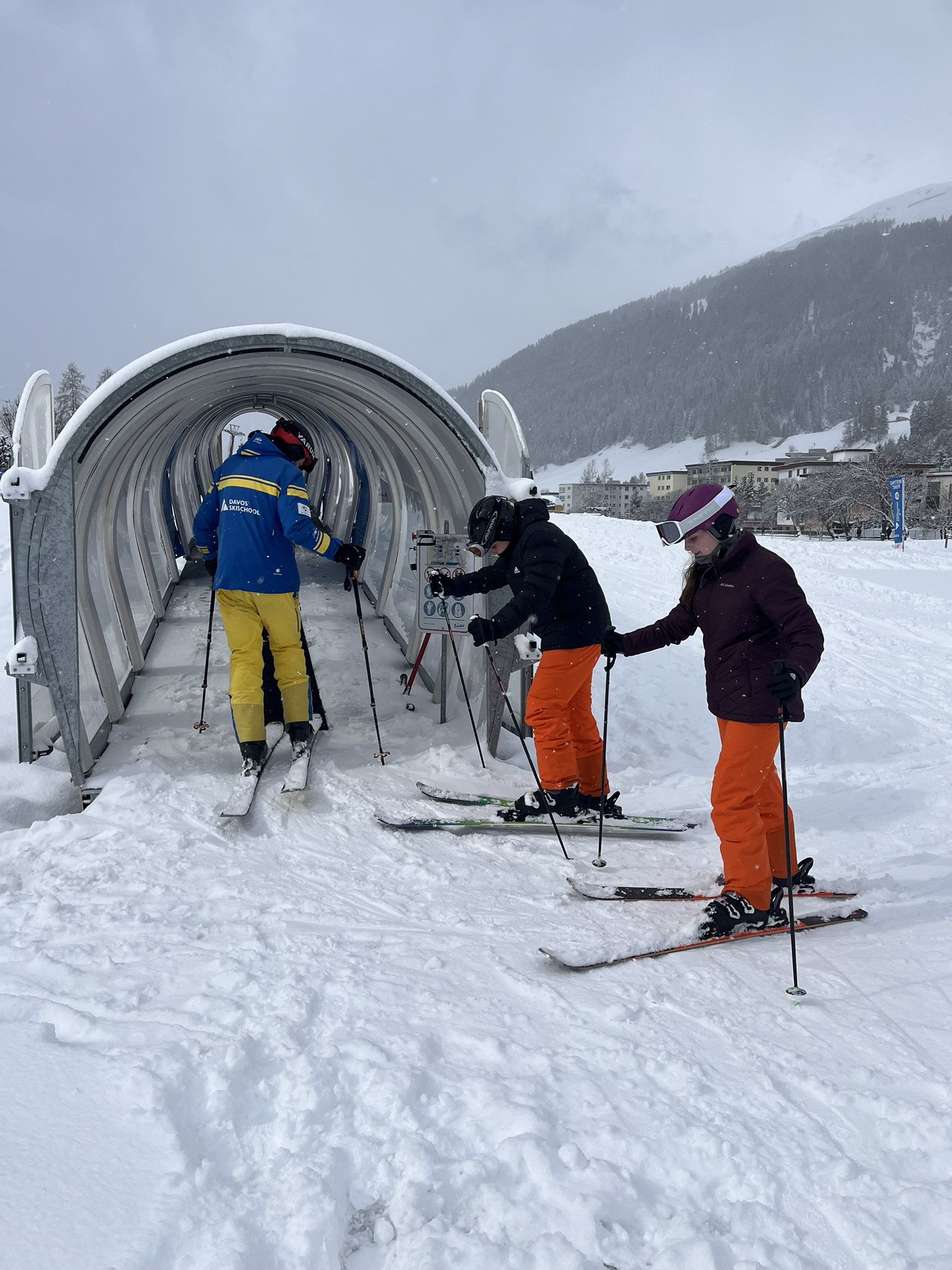
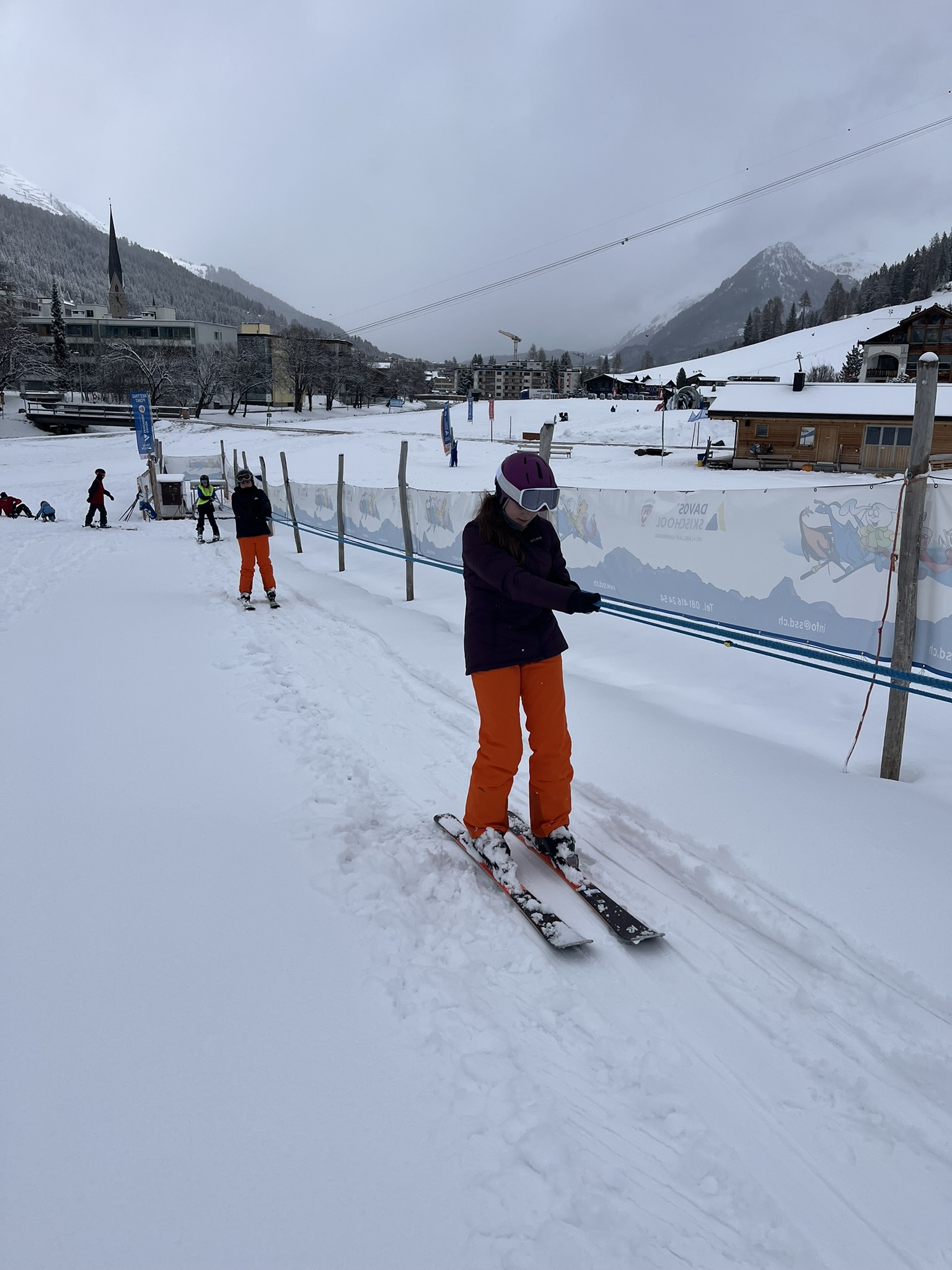
A 2.5-hour train ride from the Zürich Airport, the 13,000-inhabitant Alpine village of Davos is the highest city in Switzerland, at 5,147 feet above sea level. Its Ski School Davos, part of the Swiss Ski and Snowboard School, is the biggest and oldest ski school in the country. Students here can learn from patient, professional instructors, who focus on safety and ensure basic skills are mastered before introducing more difficult maneuvers or terrain. Experienced skiers have 157 miles of ski trails on 81 different slopes to explore over five separate ski areas, including the iconic Parsenn skiing and hiking area, famous for its wide pistes and long runs.
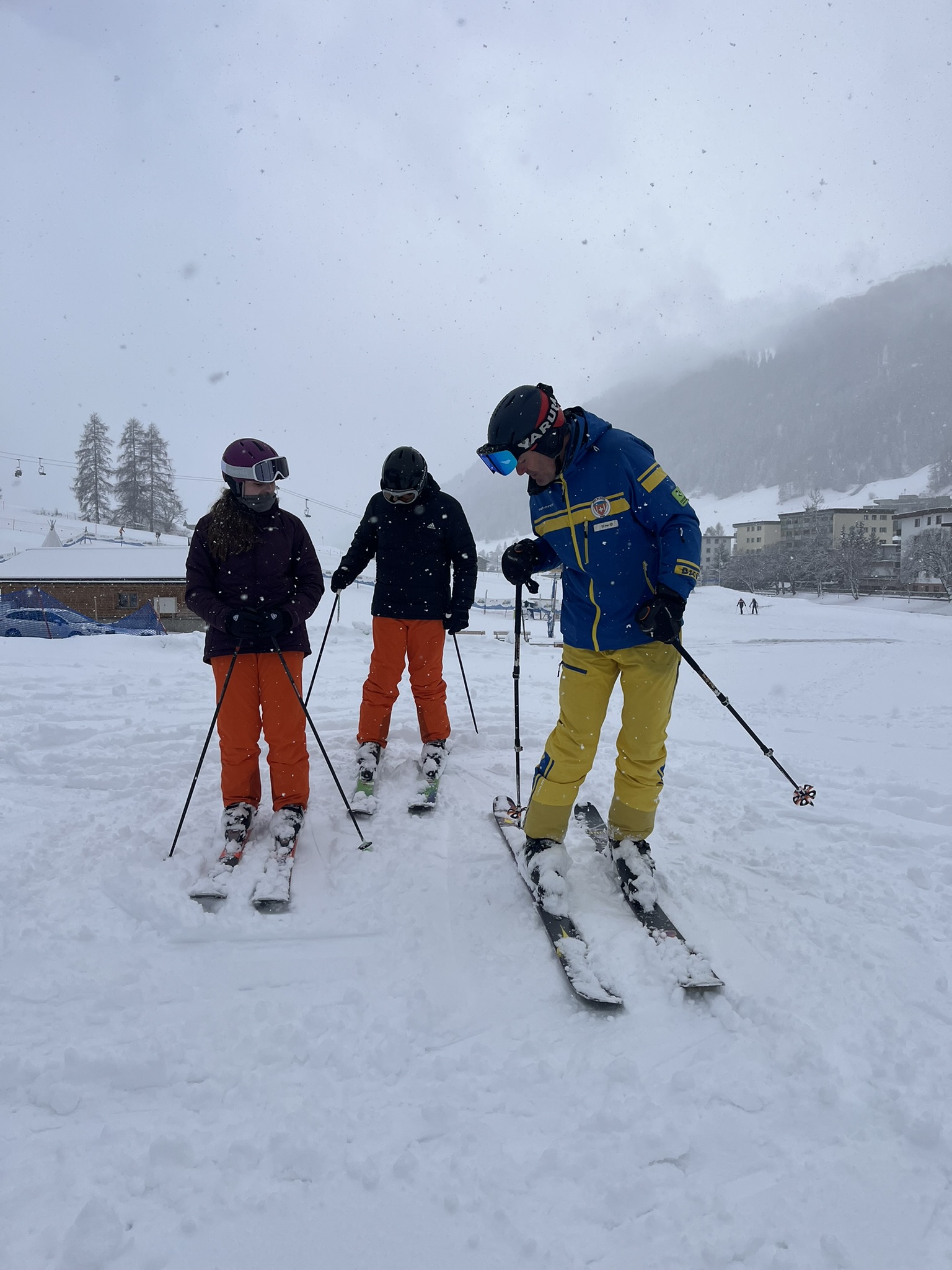
Private and group lessons are offered at Ski School Davos, with ski equipment rental available at Top Secret Ski & Snowboard Shop, directly across the street from Bolgen Plaza.

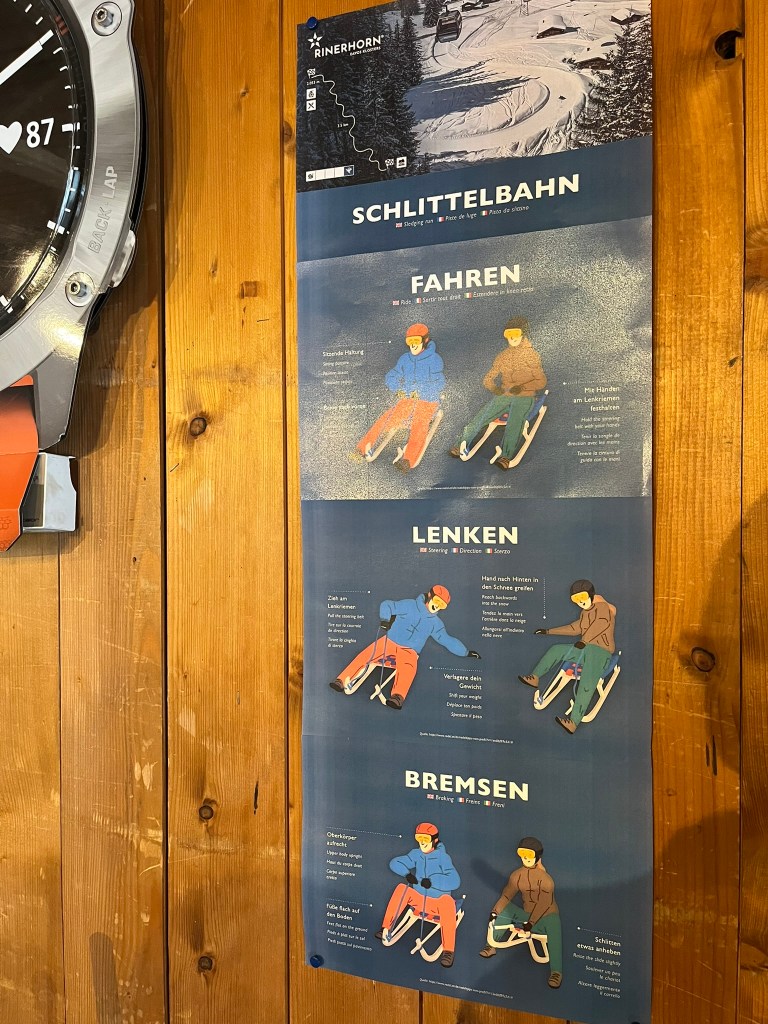
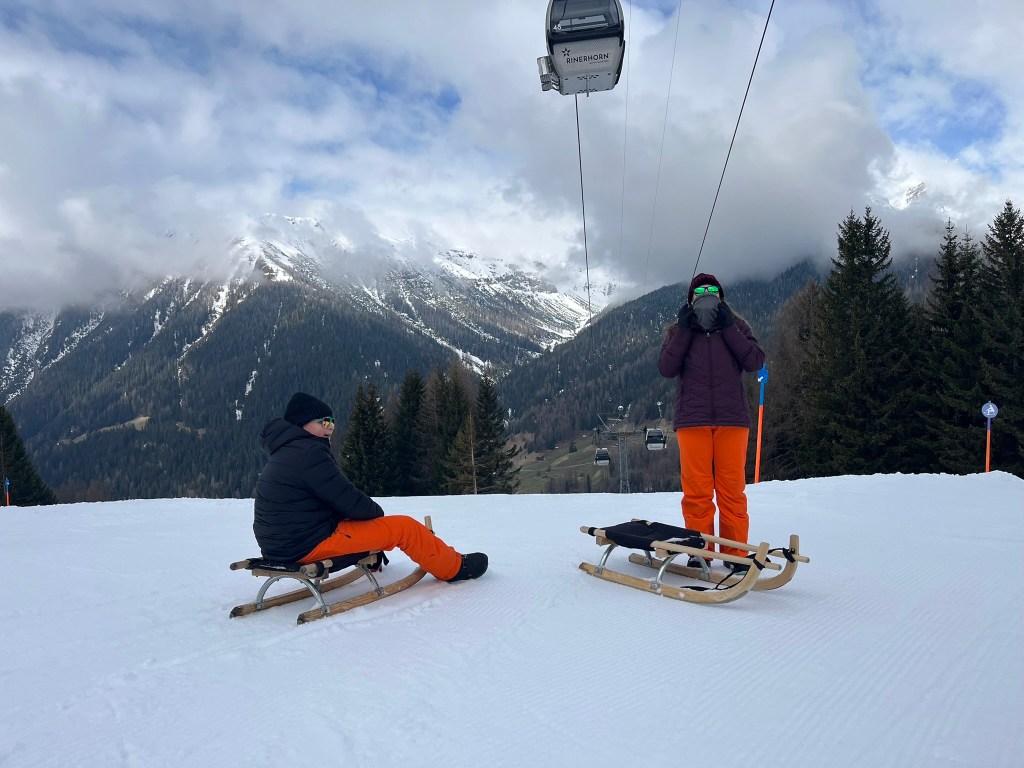
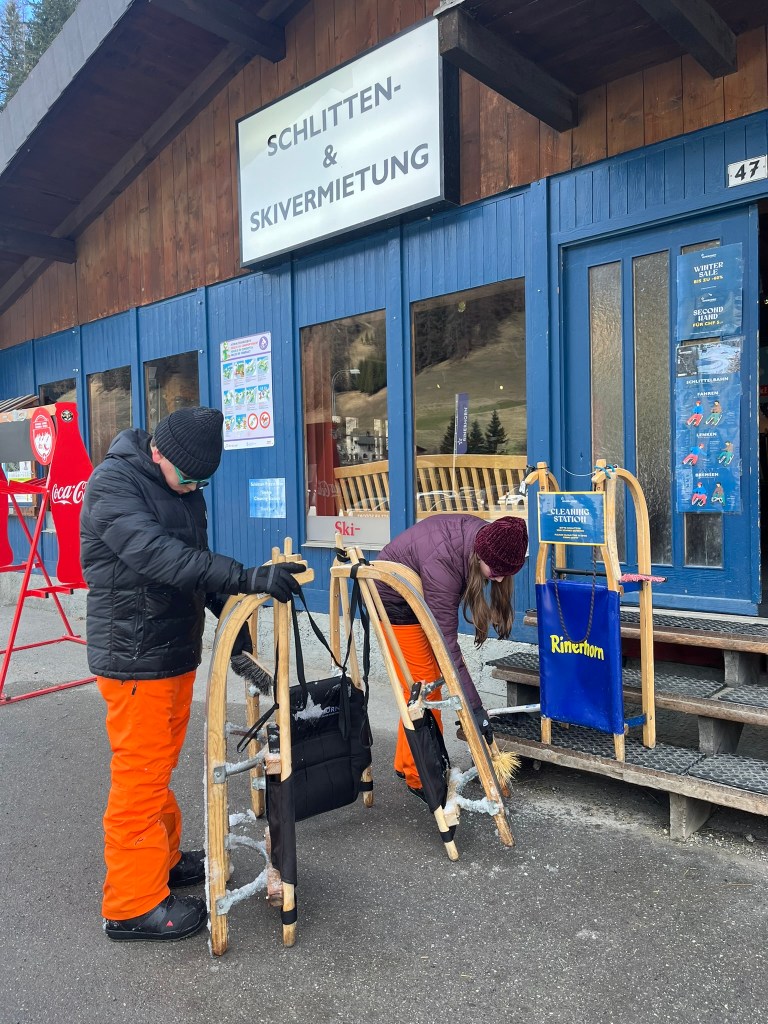
The Alps are inviting even to those not wearing skis. For a fun take on tobogganing, try sledging down the 2.2-mile Rinerhorn run in Davos. Take the ski lift to the top and pilot your wooden sledge down the steep and curving 33-bend slope—one of the most challenging sledging runs around—braking with knees bent and feet flat on the snow and changing direction by shifting weight and pulling the steering rope. It’s like high-speed Mario Kart in the mountains!
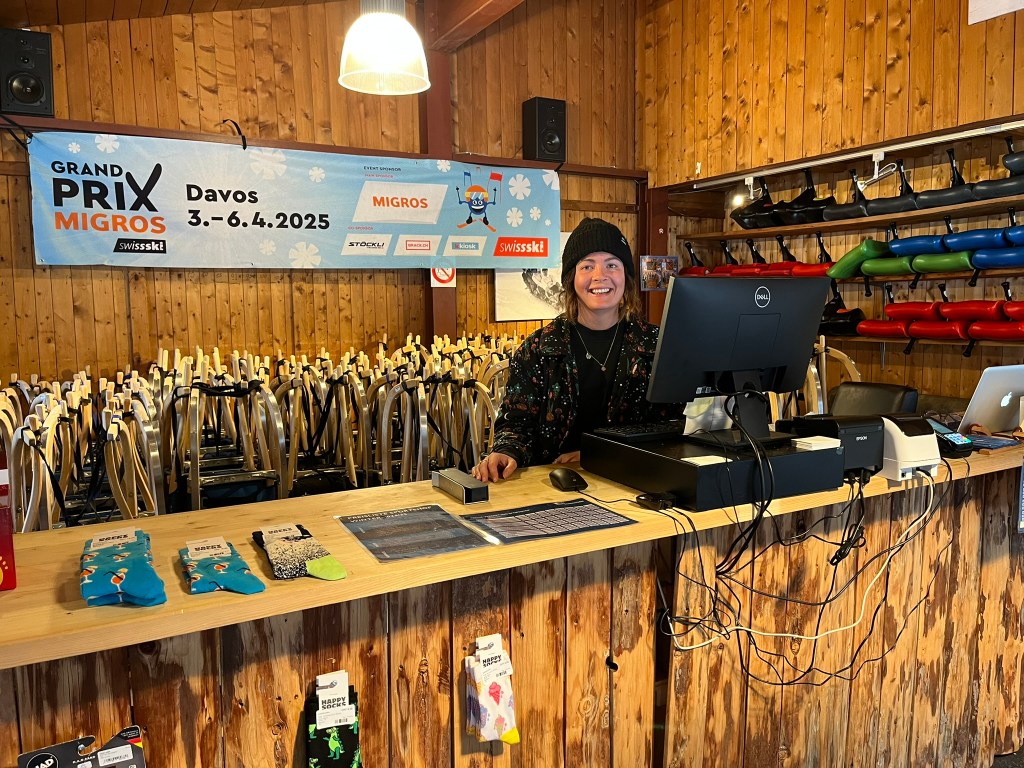
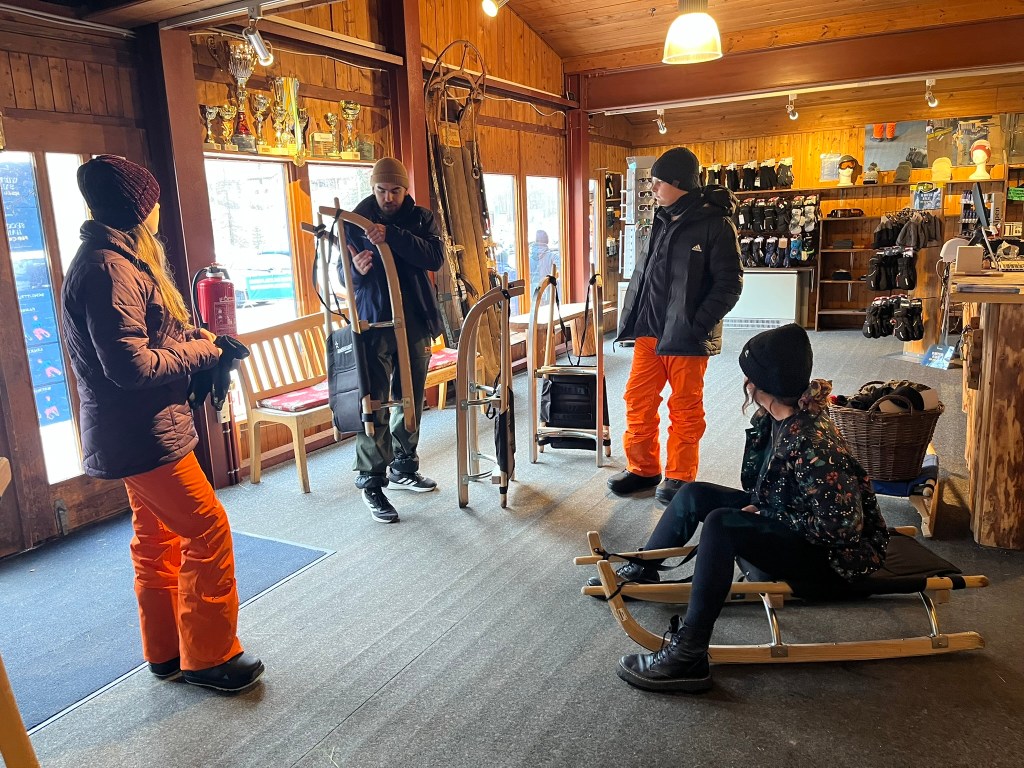
Rinerhorn has slopes for skiers and sledgers.

If you’re staying at the comfy mountain chalet Hotel Waldhuus in Davos, be sure to spend time in the large indoor pool and experience the Switzerland sauna lifestyle in their bio sauna, herbal sauna, or new Finnish sauna. Usually co-ed and textile-free, sauna visitors in Switzerland use towels simply for hygiene purposes—not as a cover-up, but to sit on so sweat doesn’t touch the wood. Sauna usage is linked to many health benefits and can lower blood pressure, improve cardiovascular health and circulation, reduce soreness after exercise, promote muscle recovery, stimulate immune system support, reduce stress, and eliminate toxins. A swim and sauna session after a full day of activity feels physically and mentally healing, especially in a clean and well-maintained facility.   

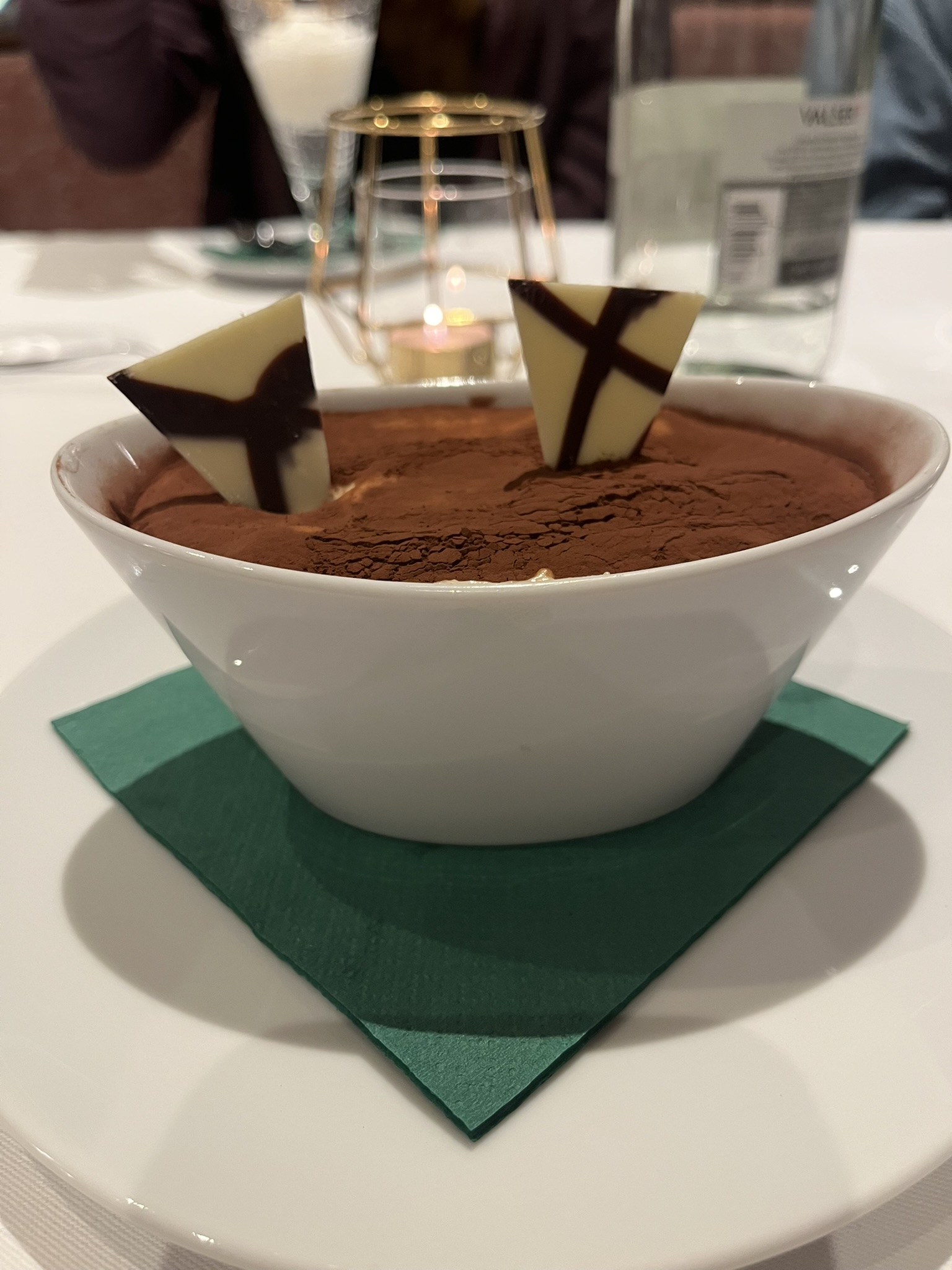
Unwind in Hotel Waldhuus’ comfortable accommodations with terrific spa facilities, and try the delicious tiramisu and enormous fresh breakfast spread in the Waldhuus Restaurant.

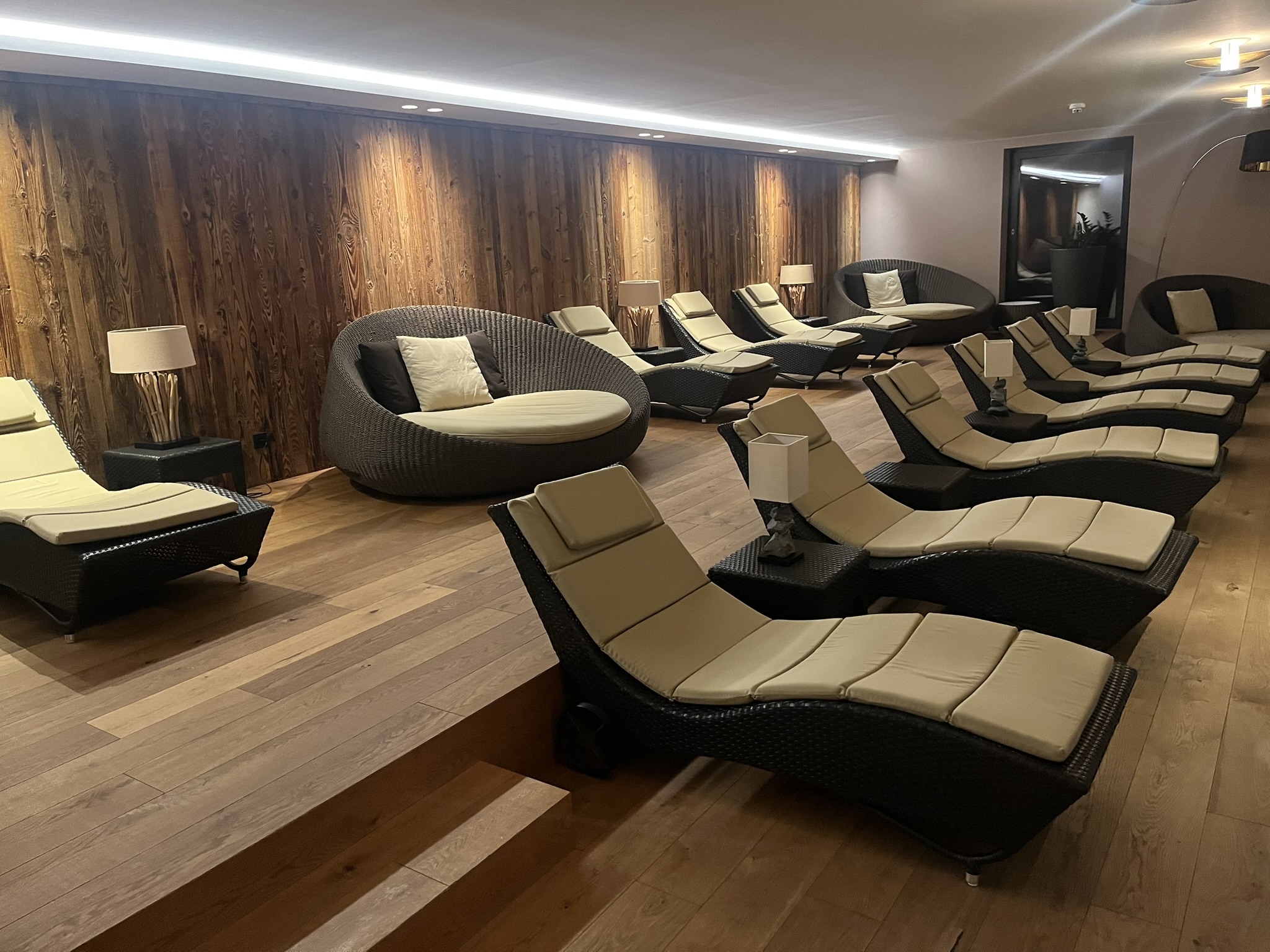
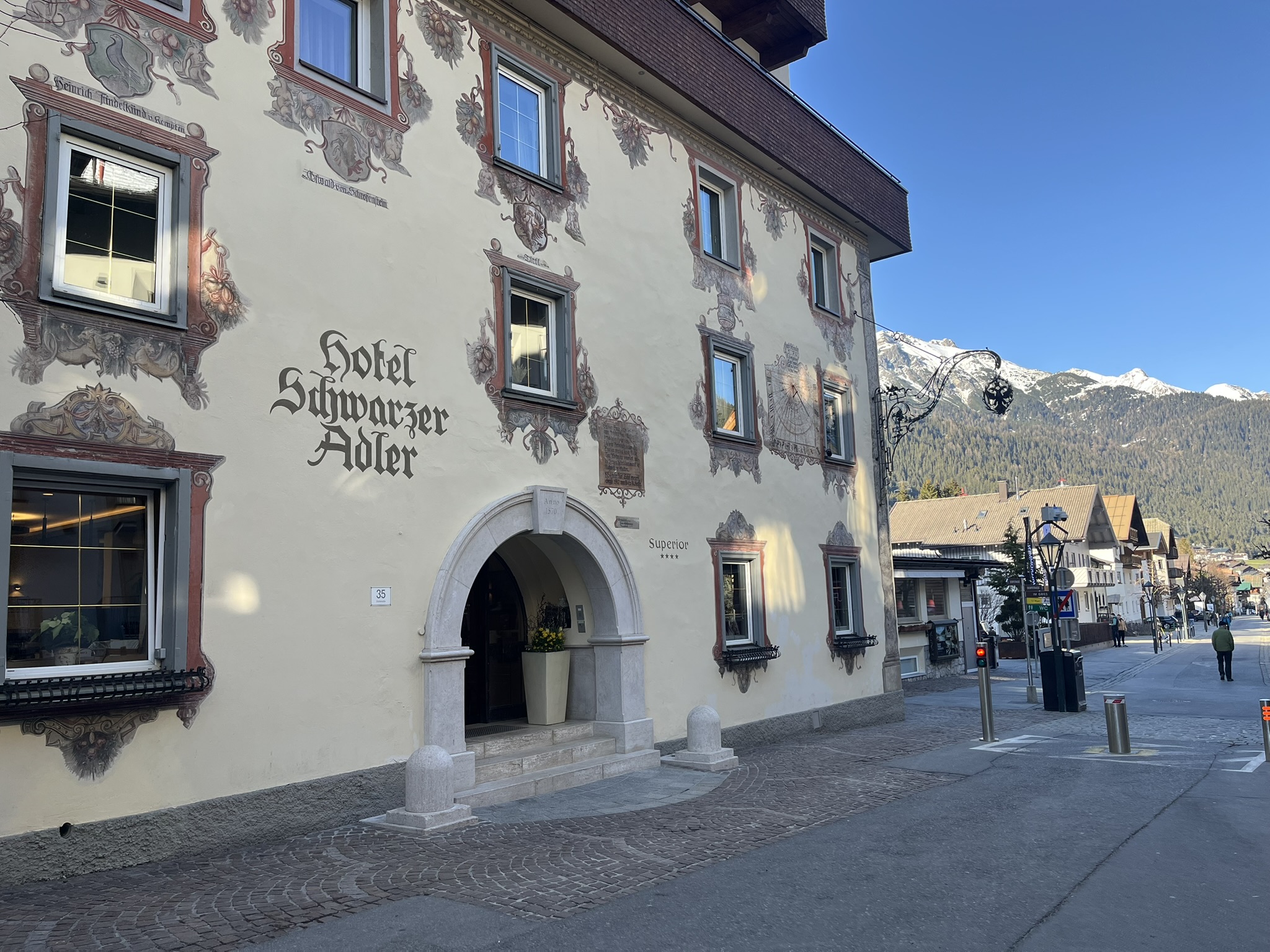
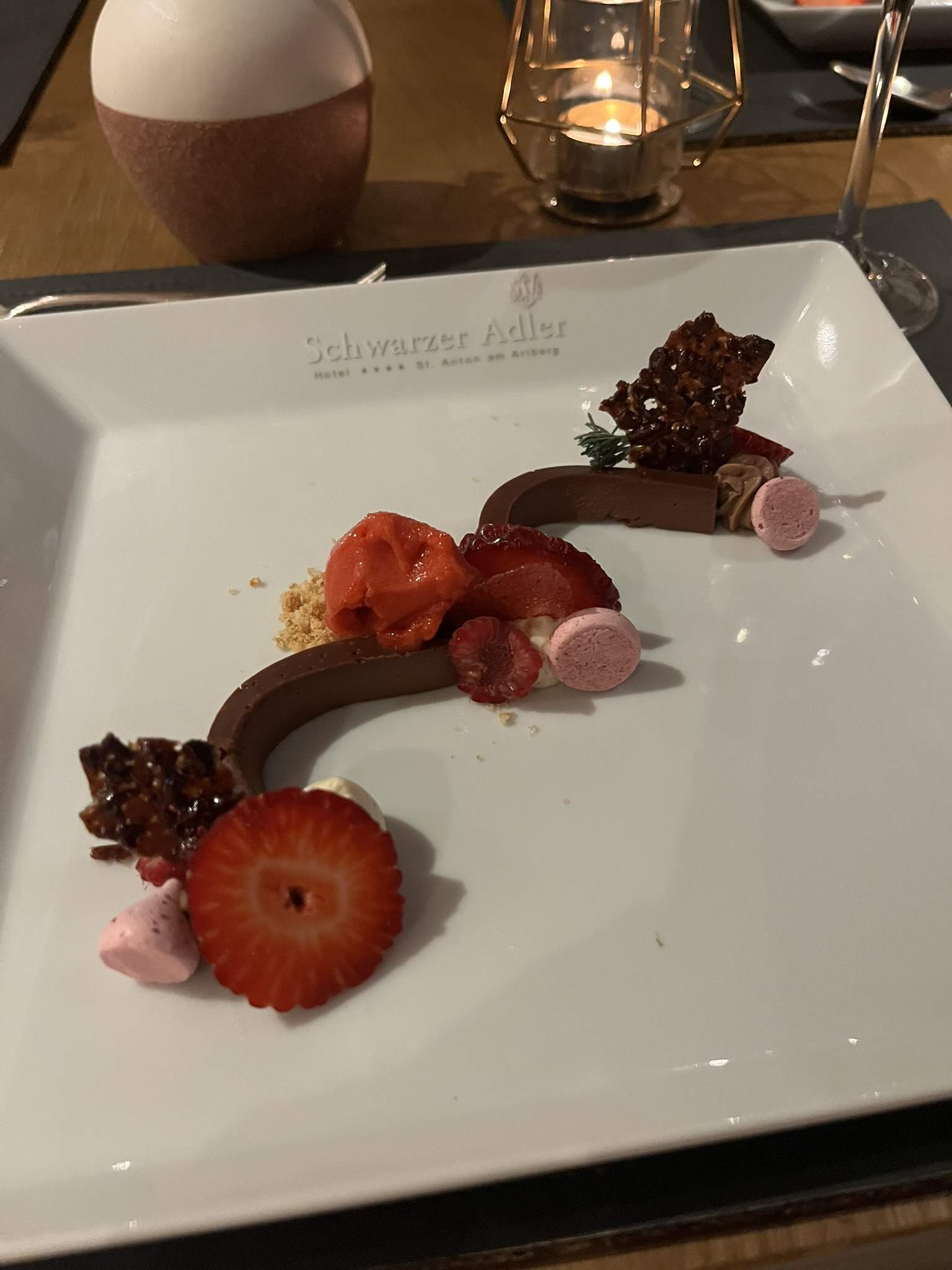
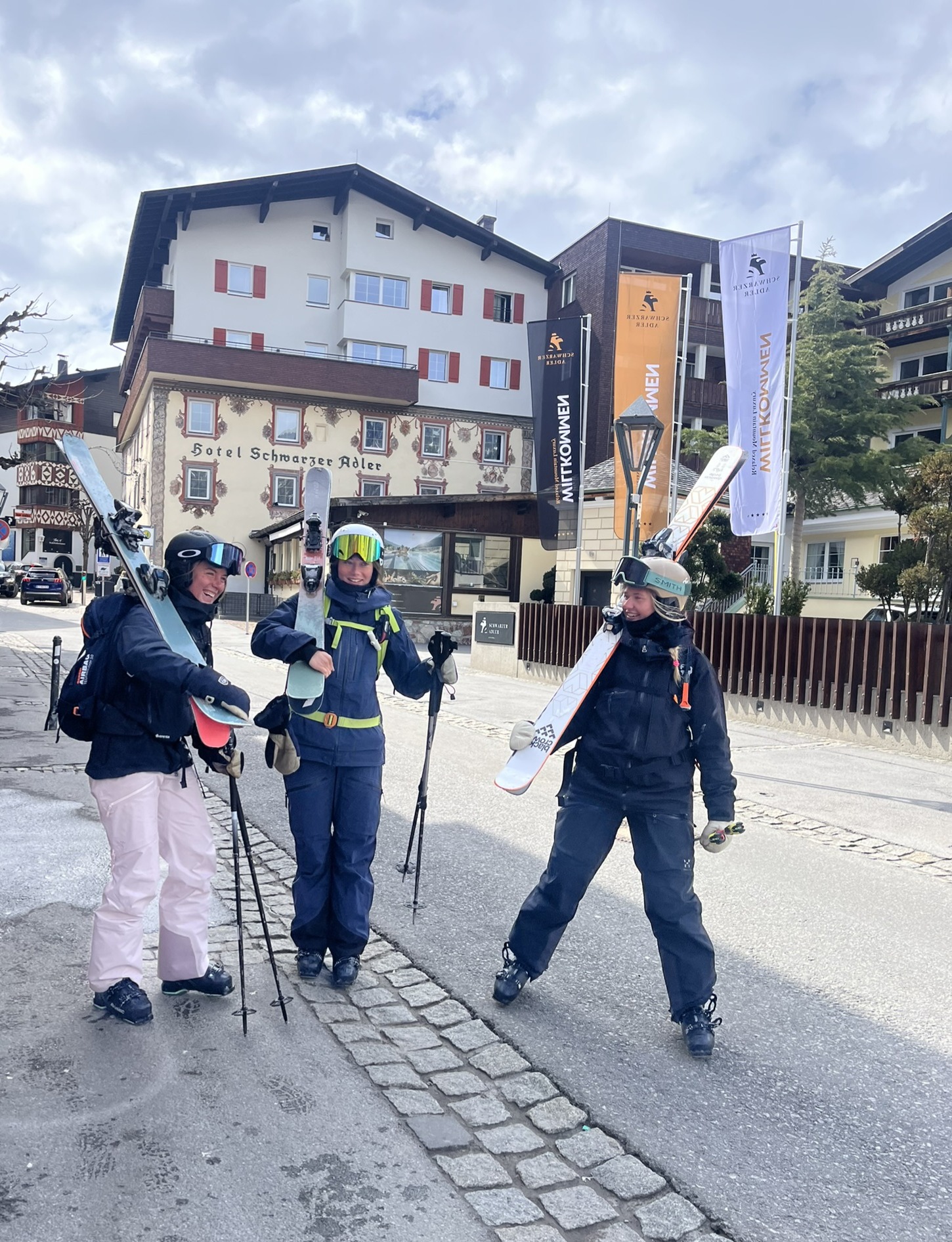
For a taste of the Austrian Alps, a 3.5-hour train ride brings you to St. Anton am Arlberg, Austria, where you can make your home base the classy Hotel Schwarzer Adler. Here, white-glove dinner service offers perfectly flavored and artfully plated meat and vegan dishes, homemade comfort foods including butter Spätzle (egg noodle pasta), and delectable desserts like “chocolate 5 ways,” with Austrian wines for pairing. You can swim in the outdoor sky pool under the pure mountain air or unwind indoors in the relaxation room, saunas, or sparkling indoor pool. Treat yourself to a spa package from the massage menu or simply sip an espresso on your hotel room balcony with a view of snowy peaks and a soundtrack of church bells and birdsong.
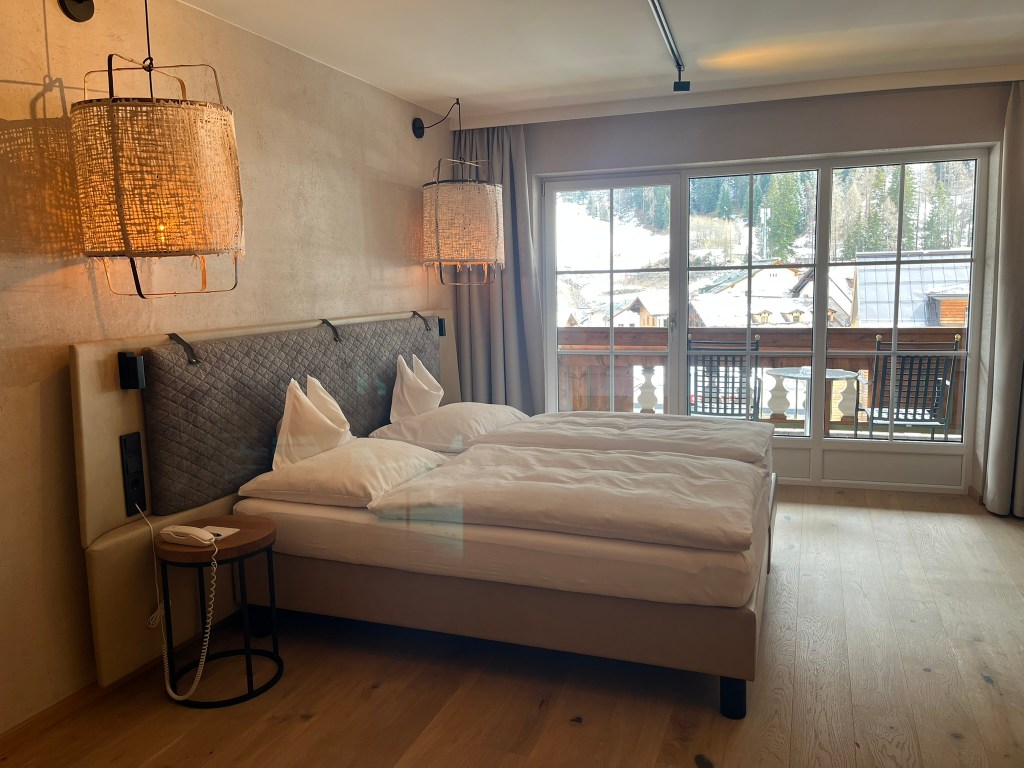
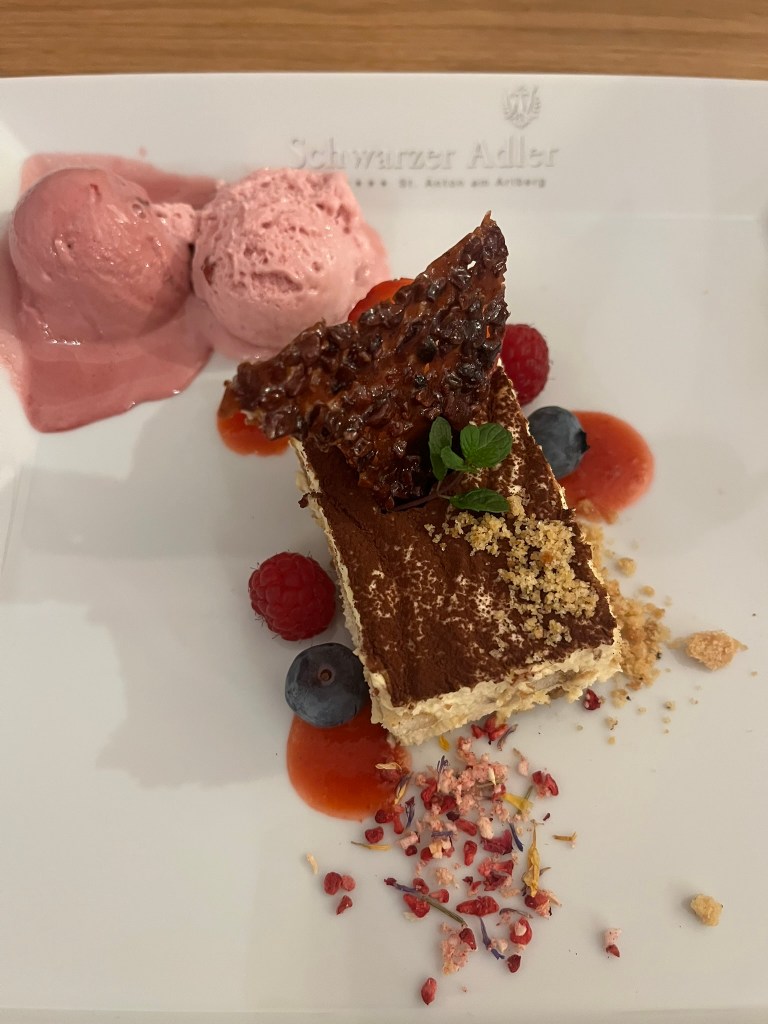
The Schwarzer Adler Hotel provides luxurious dining experiences and relaxation outlets.

Skischule Arlberg is the award-winning largest ski school in Austria, founded by Hannes Schneider, the father of the modern “Arlberg technique” skiing style. Before Schneider’s development of this forward semi-squatting posture, the trend was to stand erect with rigid knees, a position derived from Nordic or cross-country skiing, which wasn’t a practical stance for the steep Tyrolian terrain. Ski instructors at Skischule Arlberg keep lessons fun and stress-free, moving at the students’ pace and providing encouragement without pushing too far beyond current comfort levels. For those unaccustomed to ski life, it’s an excellent introduction to what many Alpine locals grow up learning from a young age.  

Ski School Arlberg prepares skiers to achieve their athletic goals.

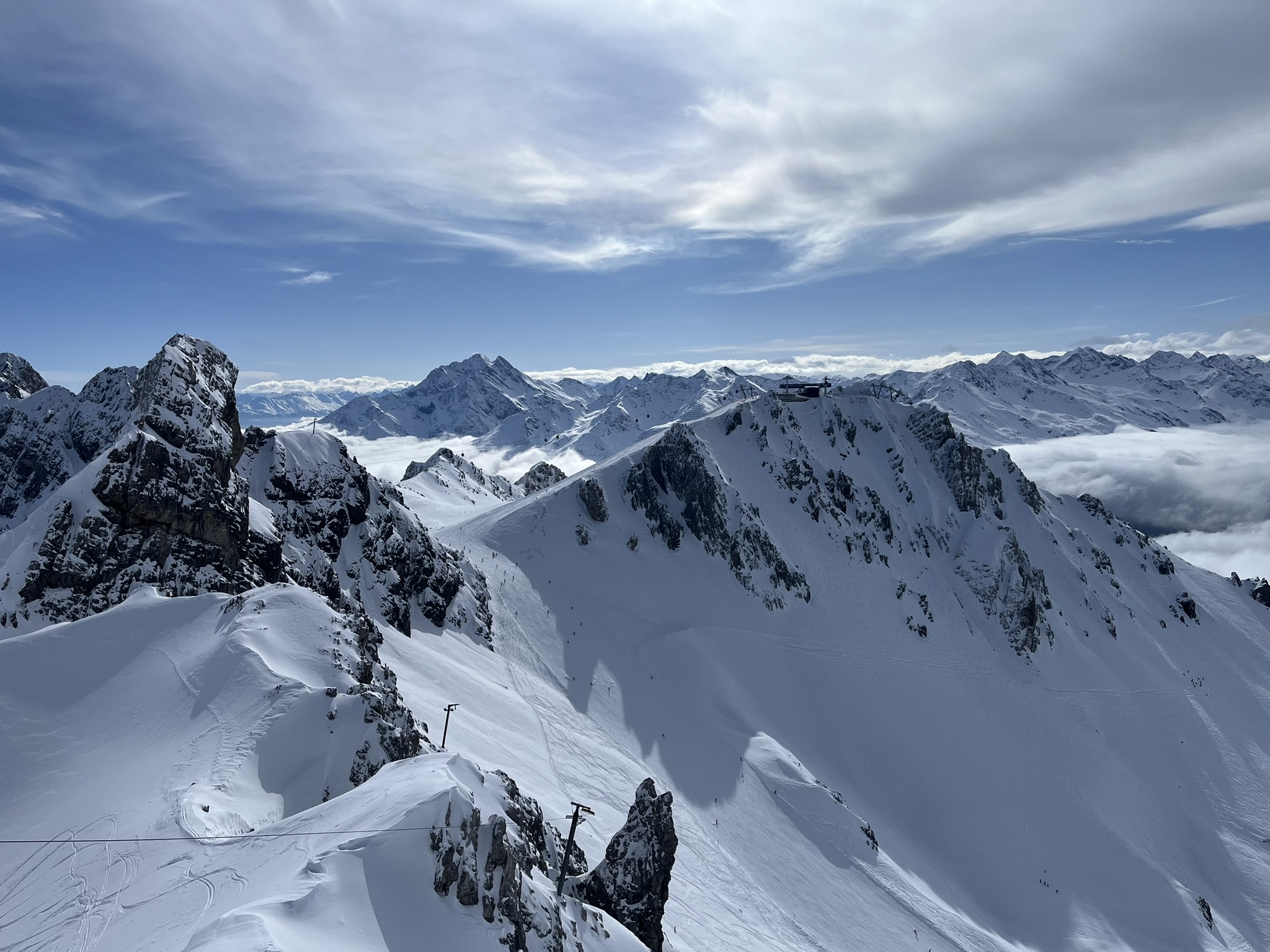
An incredible highlight of St. Anton—no skis needed—is up on the very peak of Valluga, at 9,222 miles above sea level. Ride the “Galzigbahn” ski lift to the first mountain station, where you can snack at the Galzig Restaurant, shop in the ski store, and watch athletes descend the slopes. Then ascend with the “Vallugabahn I” lift through fog and clouds to the Vallugagrat station and the Valluga View Restaurant. One more ride in the small “Vallugabahn II” cable car brings you to the pinnacle lookout point—a circular railed platform open to the intense sun and whipping wind, with breathtaking views of snow-covered Alps in every direction. You have a clear panorama from Lake Constance to Switzerland and the Zugspitze, the highest mountain in Germany. From here, you can see the extraordinary beauty of the glacier-carved gorges as well as the splendid organization of the ski resort, with numerous lifts in motion, skiers gracefully carving patterns into the snow, and sky-high facilities with everything you might need for your day in the heights.

Unbeatable Valluga views are a highlight of St. Anton am Arlberg.

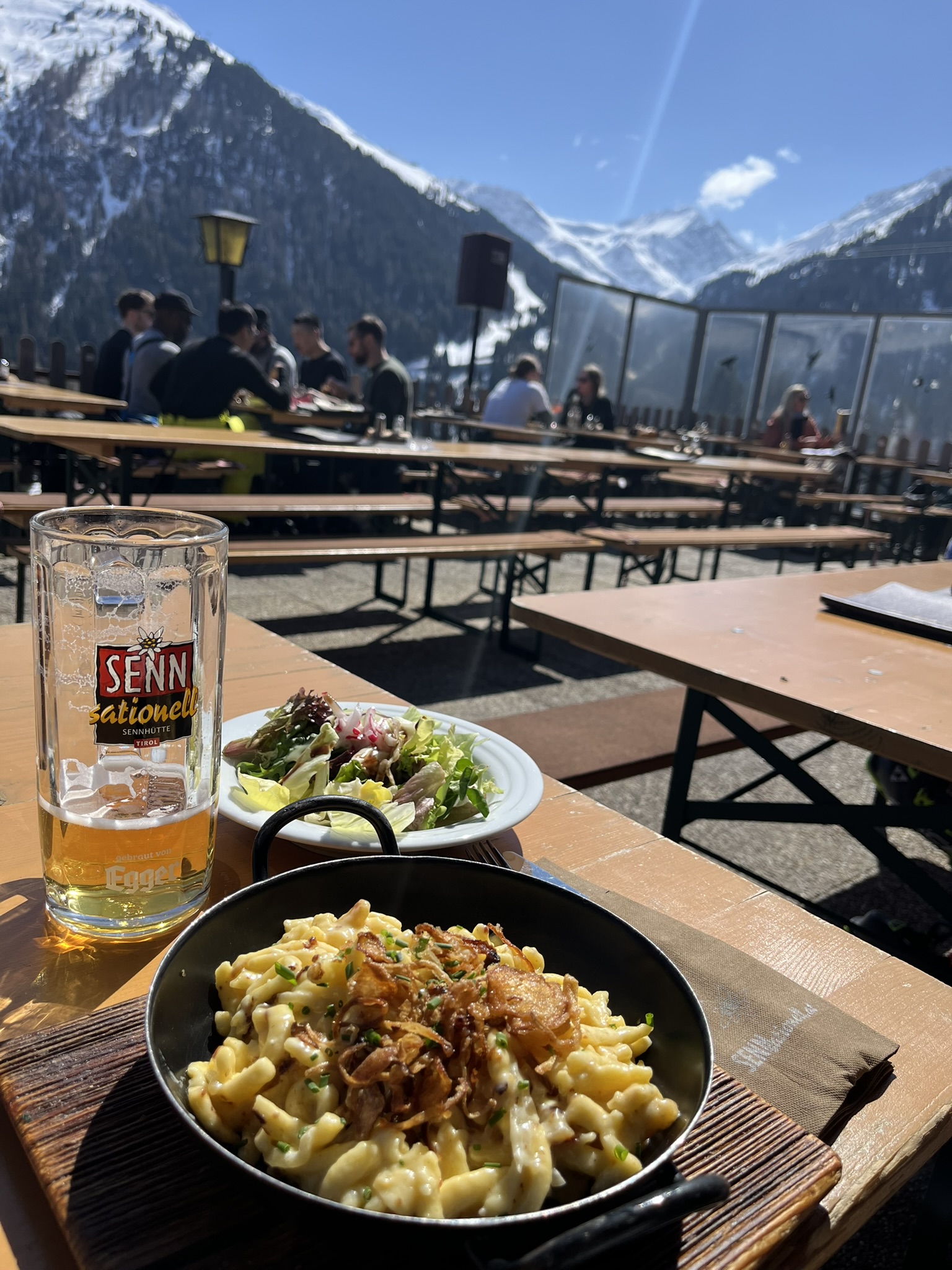
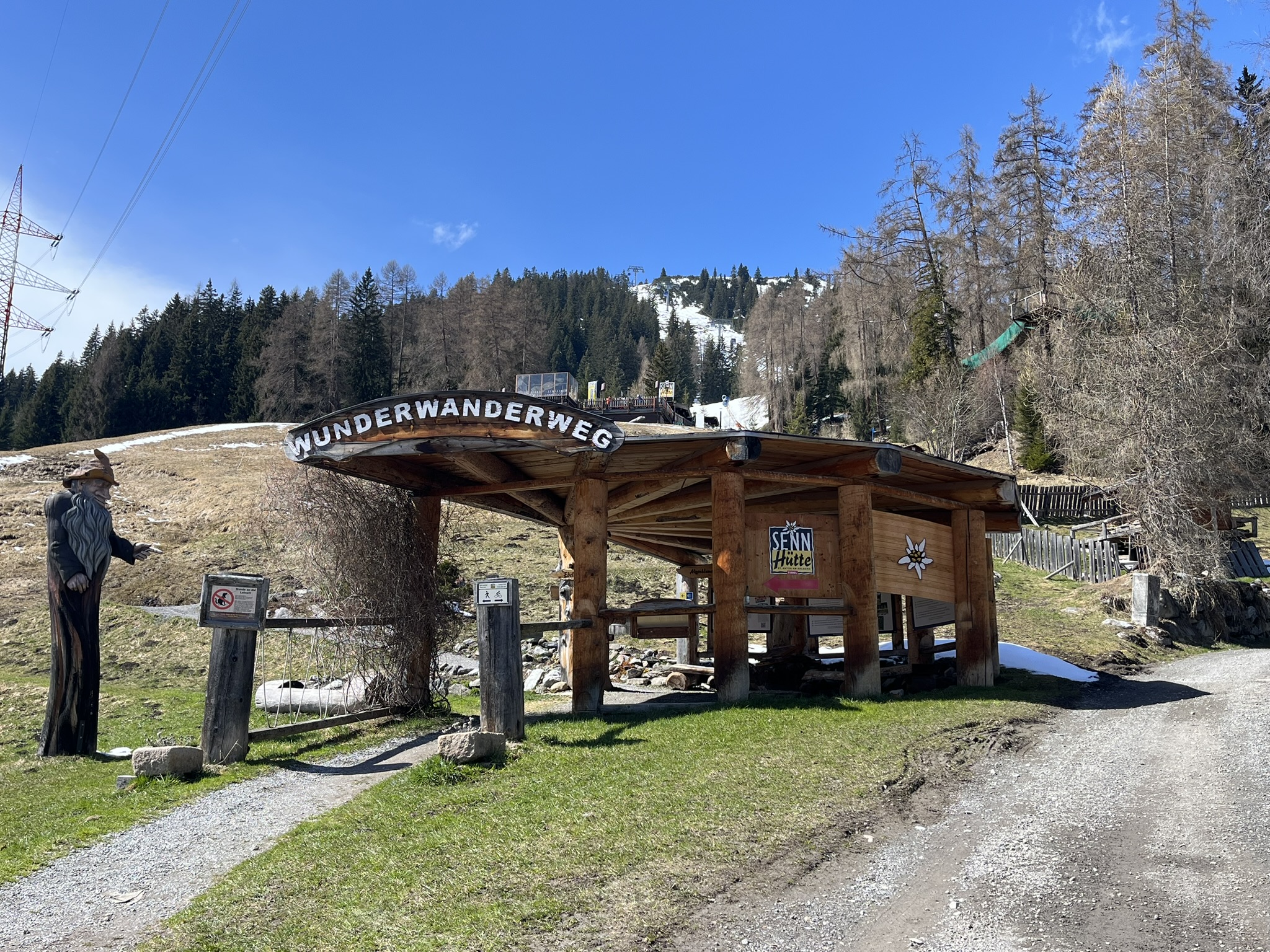
Don’t leave the Alps without an après-ski experience! St. Anton am Arlberg holds many opportunities to unwind and let loose after a day of athletics. You can party hard with club music and tasty drinks at any number of après-ski huts, or partake in a casual post-ski meal at the rustic Sennhütte restaurant right on the slopes—its entrance marked by an enormous pair of Lederhosen. Either ski down the hill right to the restaurant or take a free bus trip there from the town center and hike up the WunderWanderWeg (wonder walking way) pathway from the bus stop. The back patio balcony affords an outstanding view into the mountains—a brilliant backdrop for sampling Käsespätzle (thick cheesy noodles topped with crispy fried onions), Schnitzel and Pommes (fried meat cutlets and French fries), and gulping a refreshing beer or Skiwasser (“ski water”—an alcohol-free blend of raspberry syrup, lemon juice, and water or seltzer).
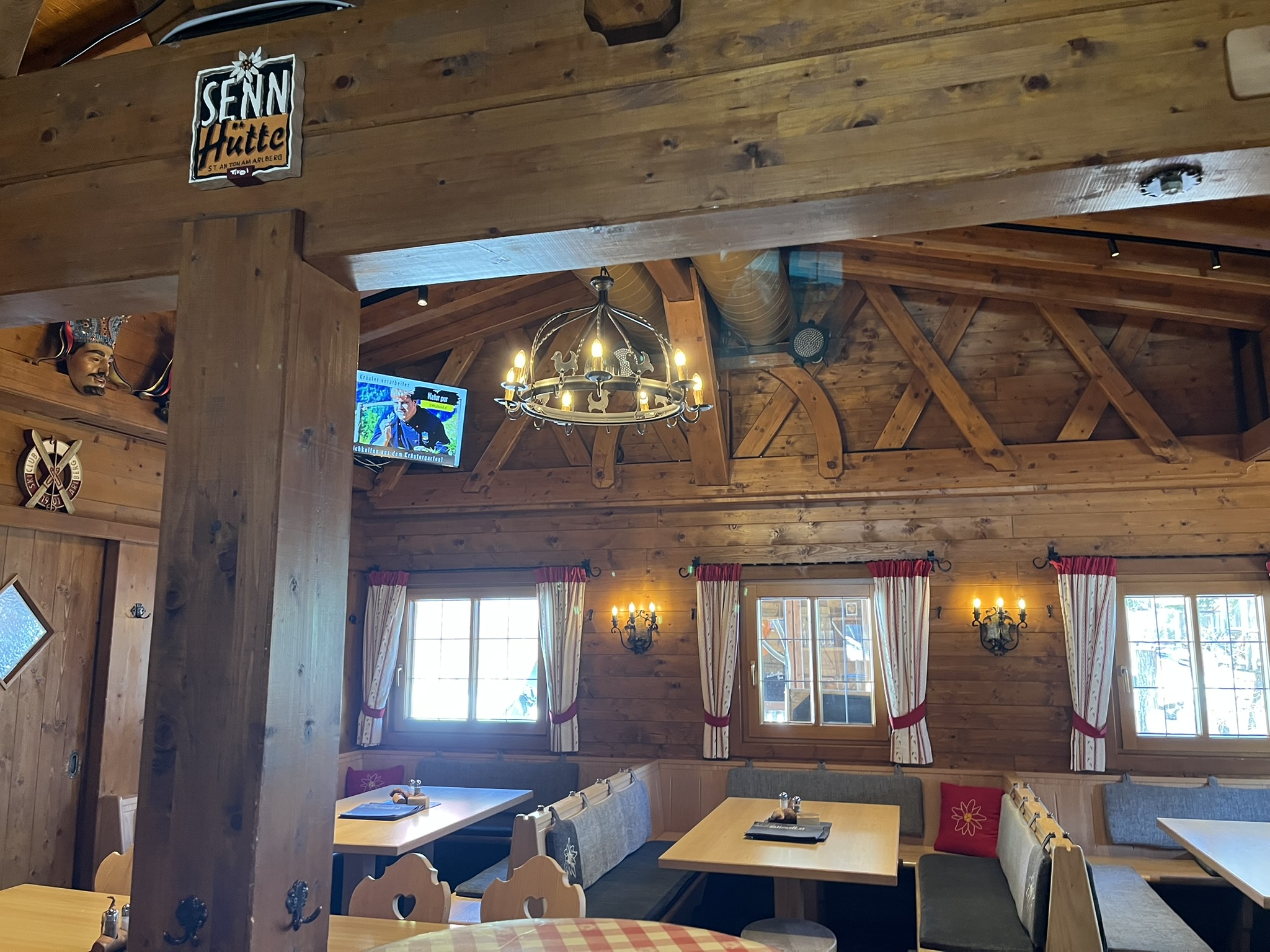
Giant lederhosen and the WunderWanderWeg lead the way to Sennhütte.

Any beer fans or German-language–lovers know that Bavaria is a nearby European destination worth visiting, so travel by Eurail from St. Anton 3.5 hours northeast and you’ll end up in Munich, Germany. A short walk from the Munich main train station through a Mediterranean district brings you to the fresh and inviting greenery-filled lobby of the KOOS Hotel. A prime location near Karlsplatz bus and streetcar stops, the KOOS Hotel is also within easy walking distance of the Altstadt, Munich’s medieval old town. KOOS Hotel’s vegan-friendly personal care products in the rooms and numerous vegetarian and vegan breakfast selections are a welcome perk for those with specific preferences and dietary needs. The hotel is also a role model for sustainability and is entirely paperless, with a digital check-in process and novel phone-activated room entry in lieu of a room key. This family- and dog-friendly haven near the city center has all you need for your stay, including an in-room washing machine and clothesline for freshening up travel clothes.

Environmental consideration and convenience are key at KOOS Hotel.

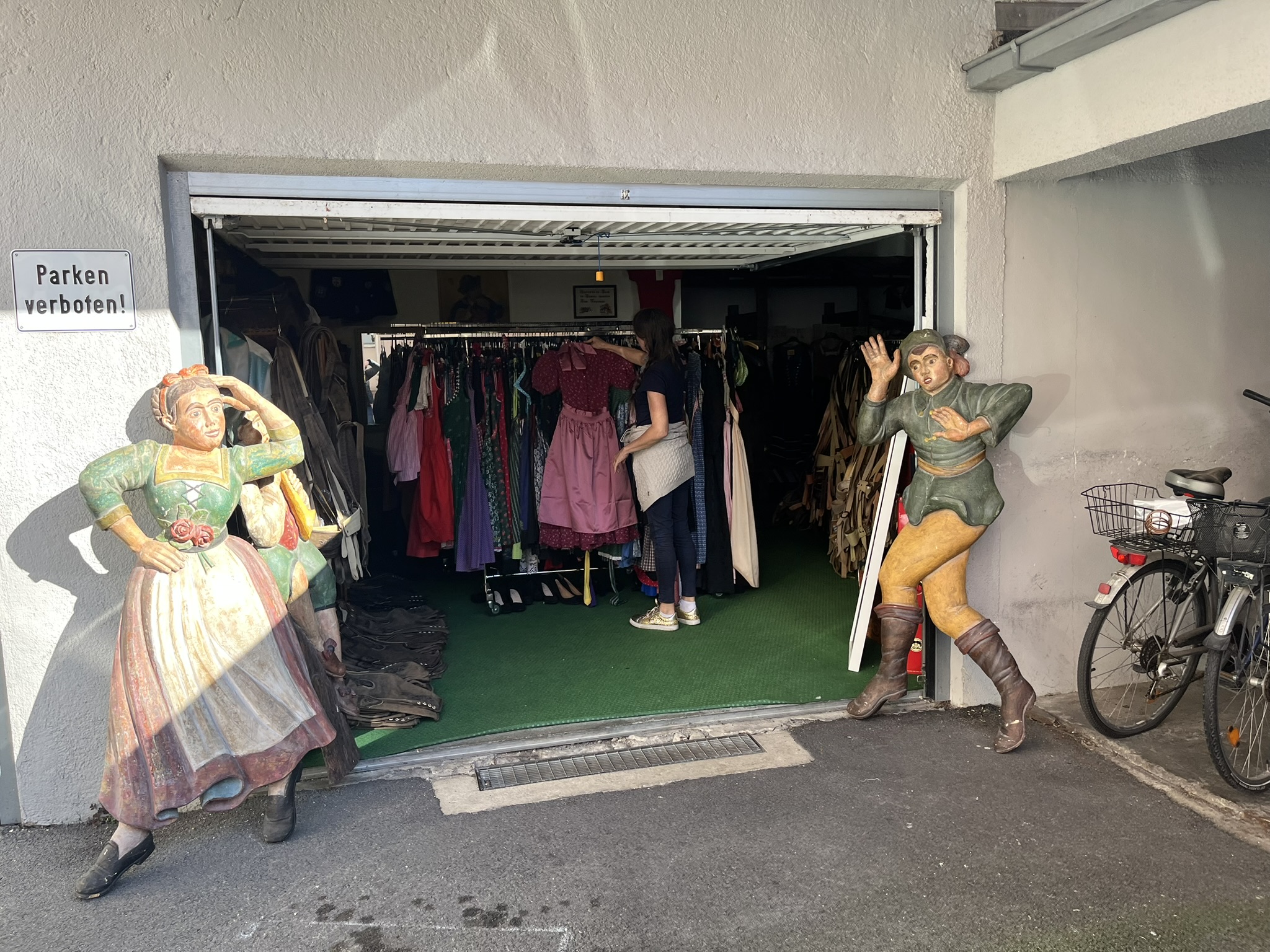
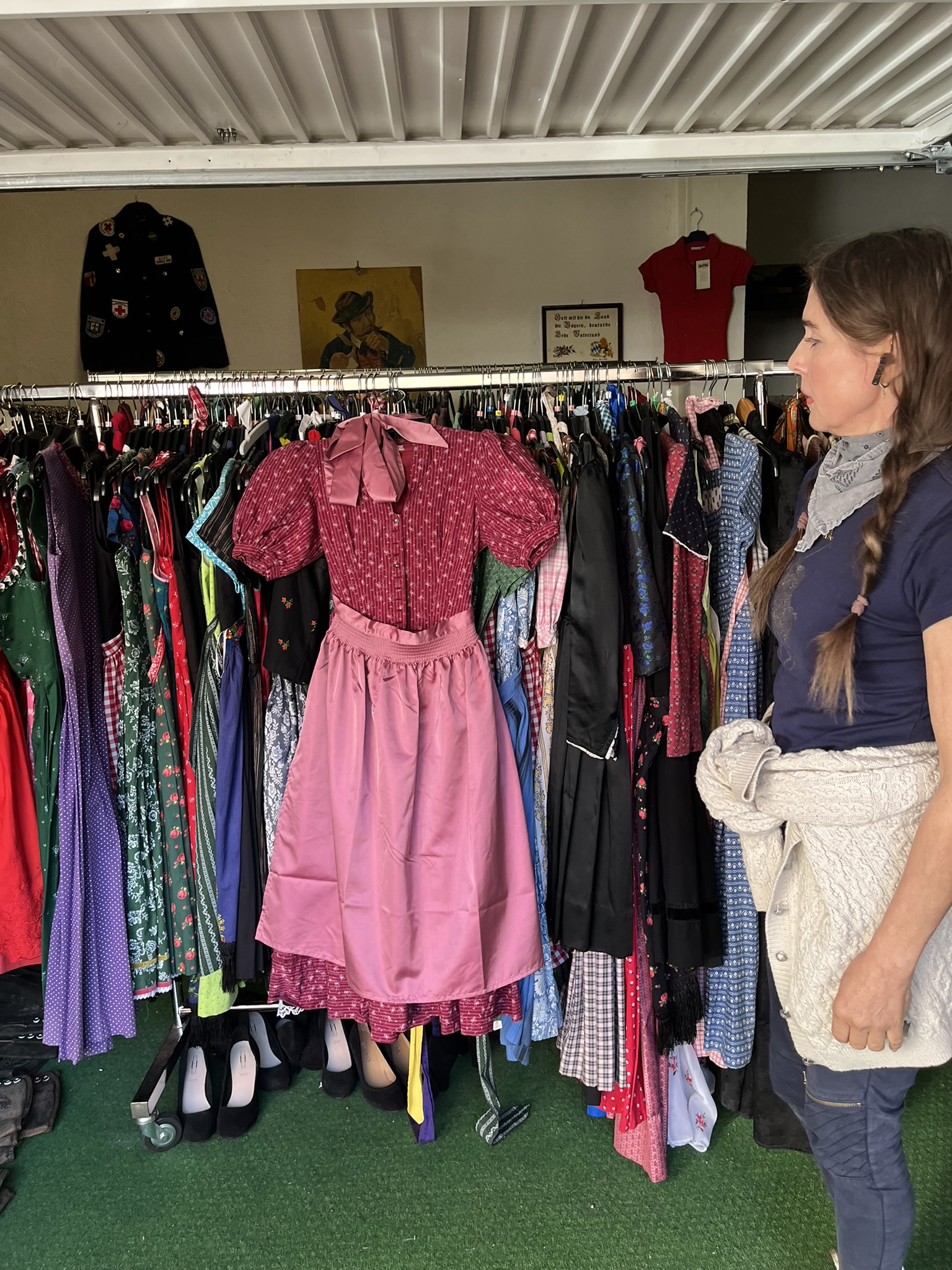
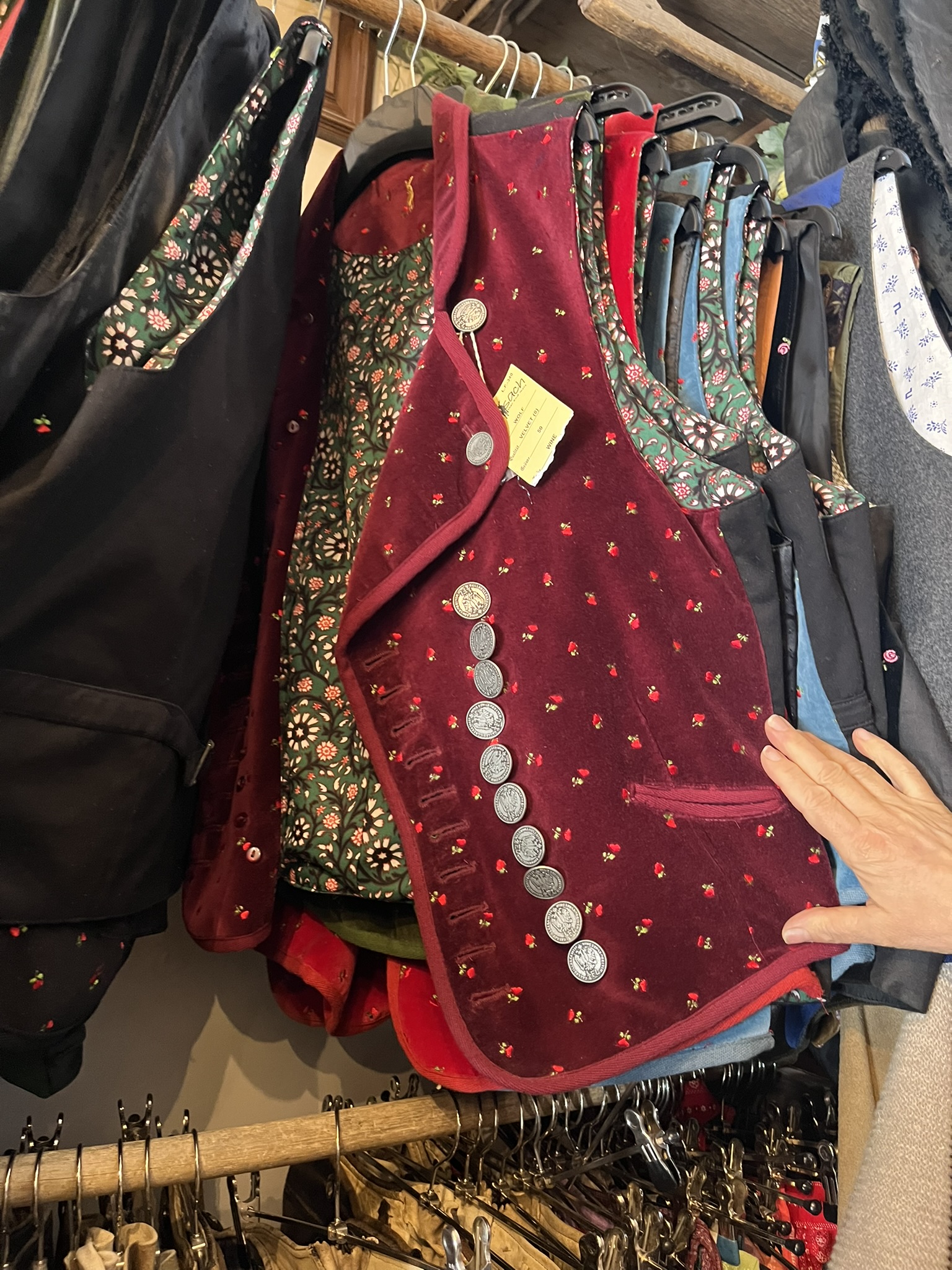
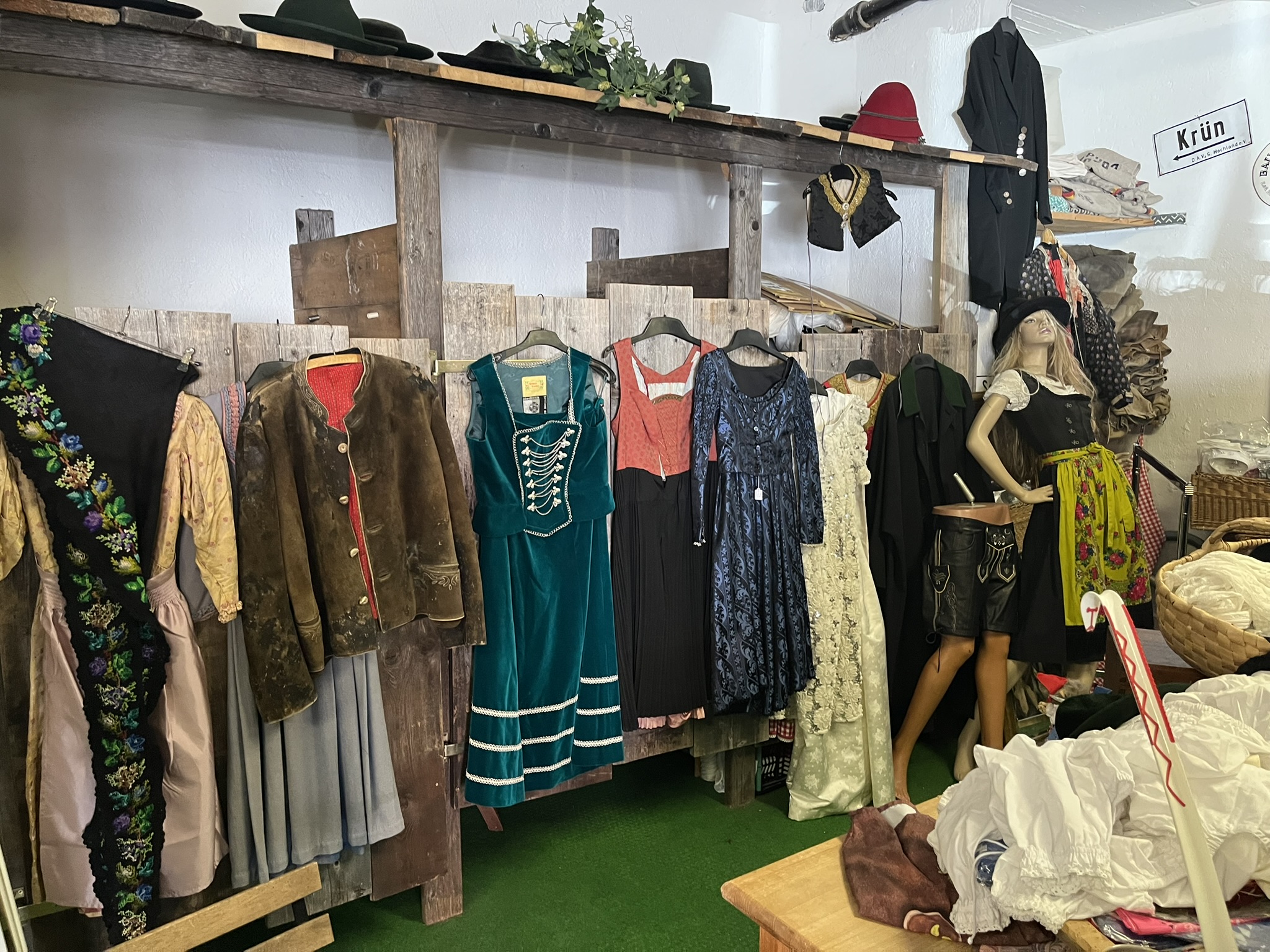
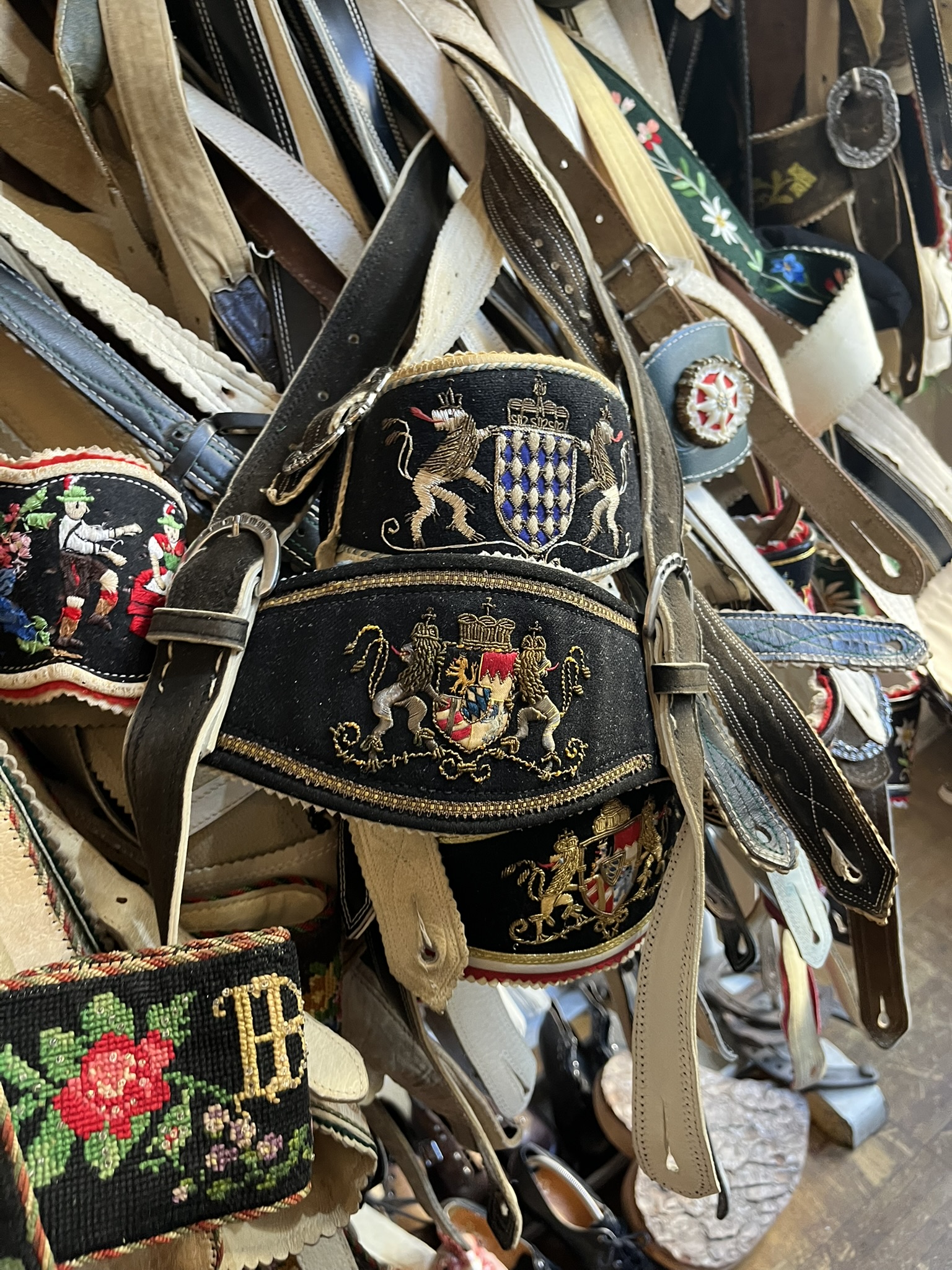
If you’re looking to buy some “new-to-you” threads, consider a walk to Holareidulijö traditional Bavarian clothing store. Affable and knowledgeable shop owner, Michaela Klein, lovingly restores and resells used Dirndl, Lederhosen, hats, vests, and myriad Bavarian accessories and jewelry, while offering an assortment of new shirts and socks to match her wares. During Oktoberfest season, Klein’s store and the extra garage unit in back are packed with shoppers searching rows of racks for colorful festival outfits and drinking the free beer she offers during her busiest weeks.

Holareidulijö is a treasure trove of authentic, high-quality refurbished Trachten.

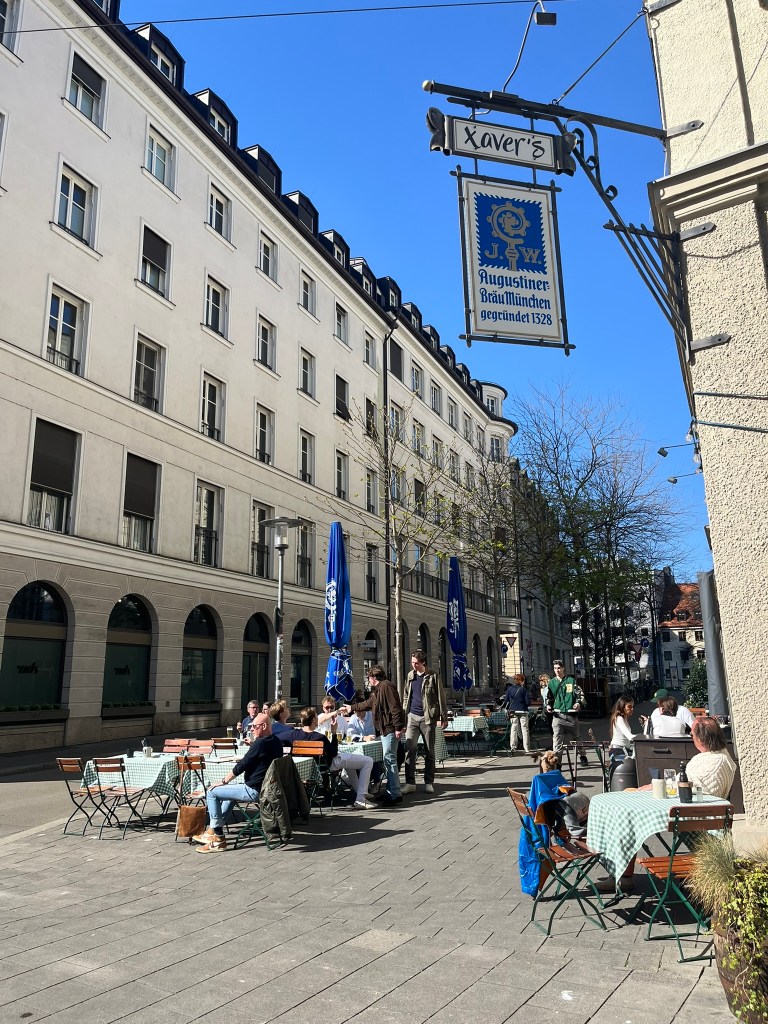
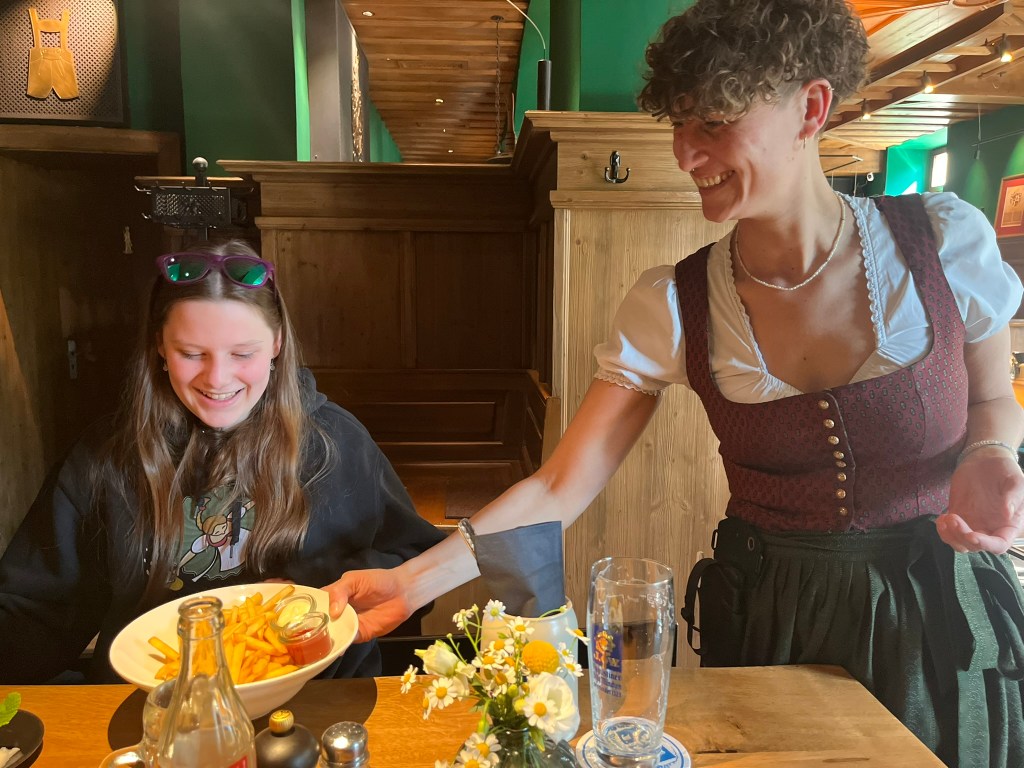
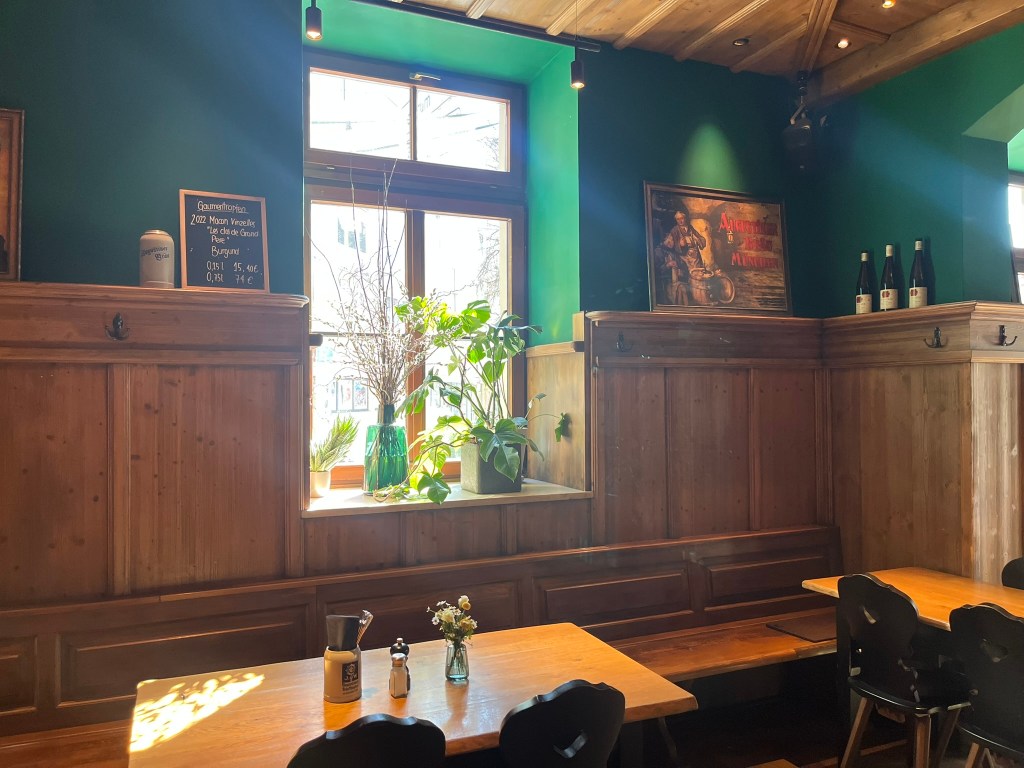
For a fantastic meal and some Augustiner beer or a selection from about 160 different wines, head to Xaver’s—a stylish restaurant and brew pub with a warm wood interior and a mix of small and large tables for date night or Stammtisch (“regulars’ table,” where friends recurrently gather to eat, drink, and socialize). Here, young and old alike are drawn to the restaurant motto’s “refreshingly traditional” vibe that features fun and friendly staff clad in traditional Bavarian costume (including genial owner Xaver himself, a sommelier and one of several restaurant-owning brothers). The menu features classic Bavarian dishes reimagined with a fresh take using locally farmed ingredients, as well as innovative entrees that change every six weeks. The lively music and cheerful atmosphere make you want to come back and be part of the scene— same time next week.

With a fresh take on Old World style, Xaver’s serves locally grown foods, Augustiner beer, and wines galore.

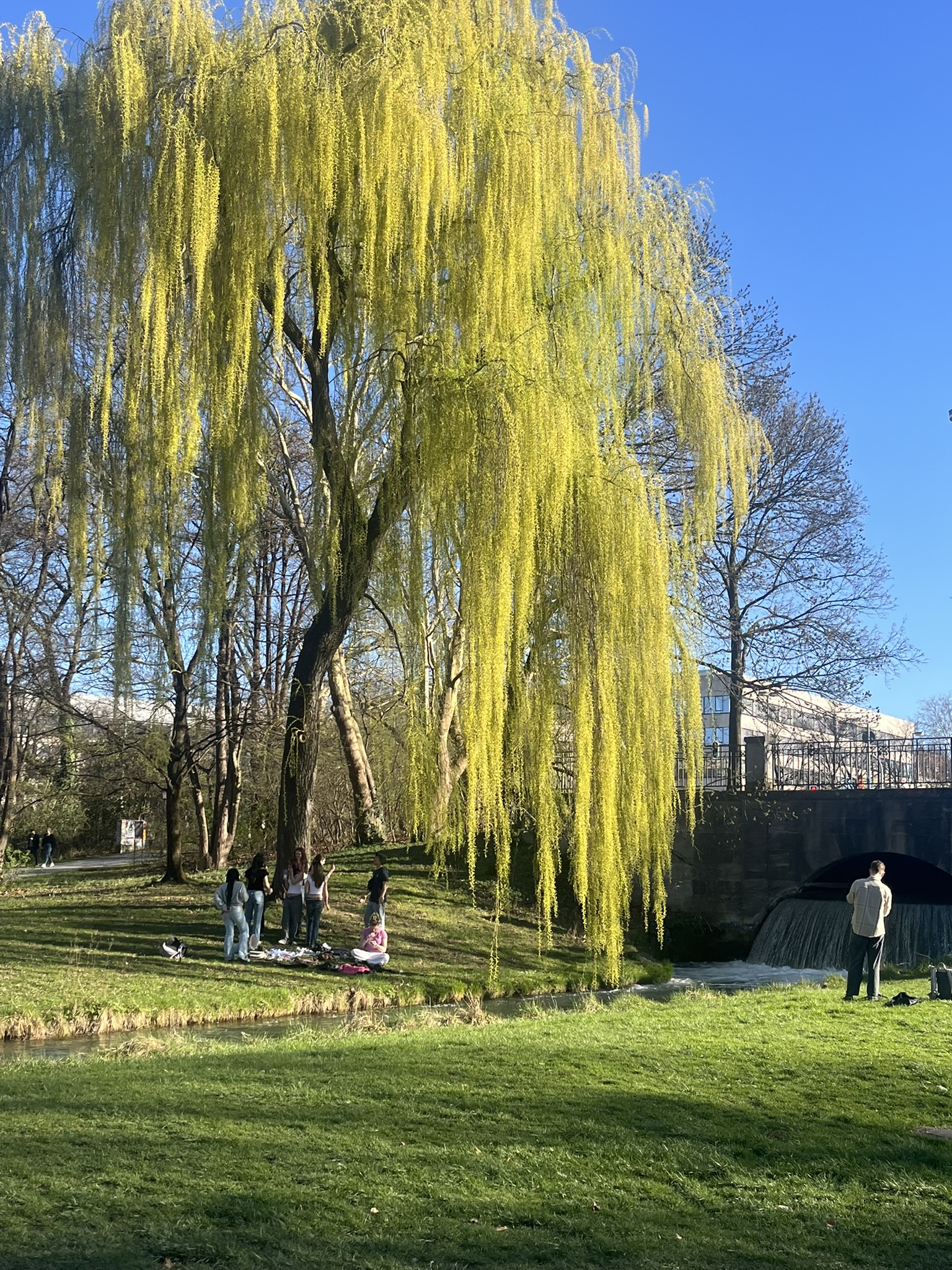
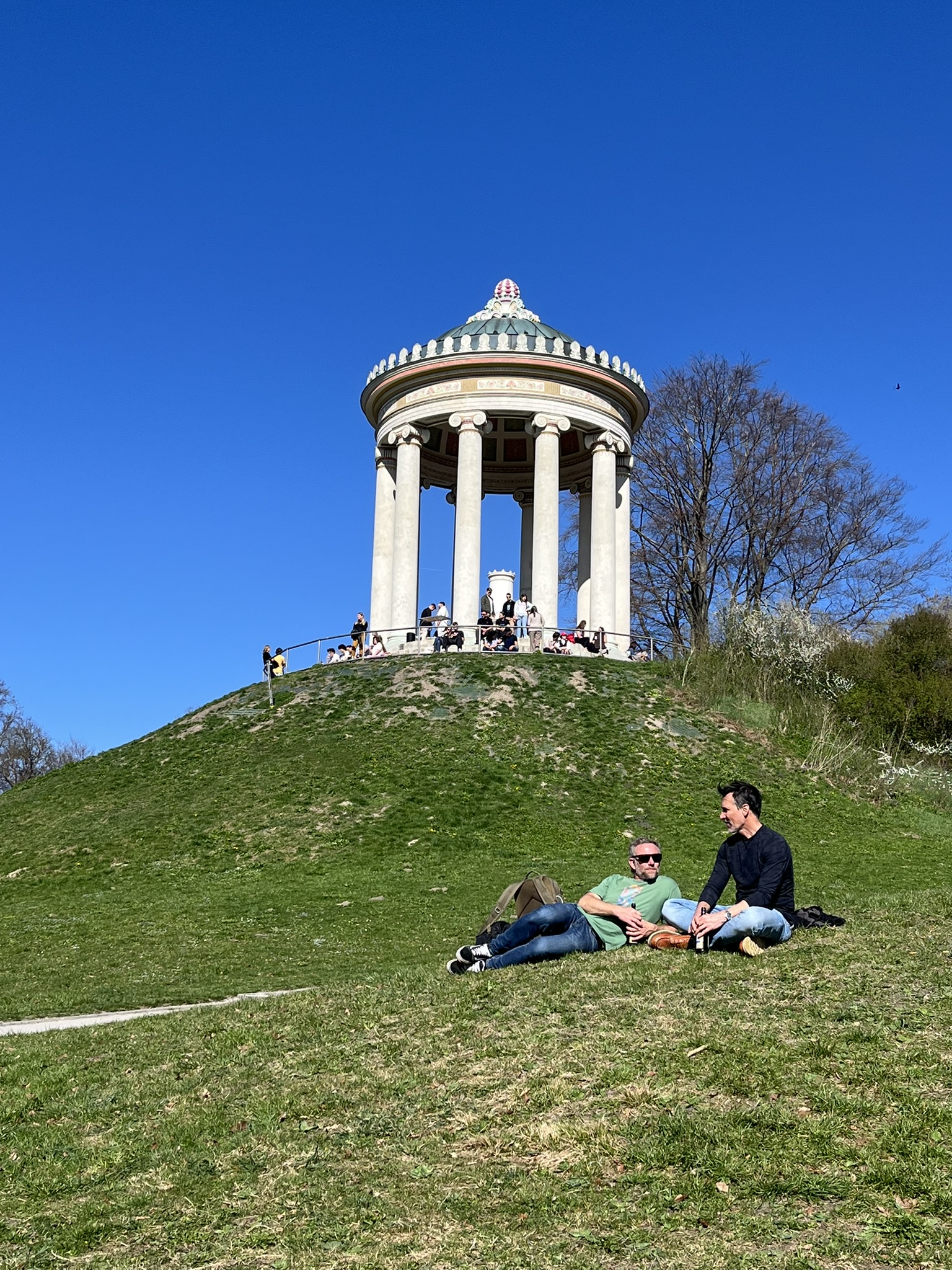
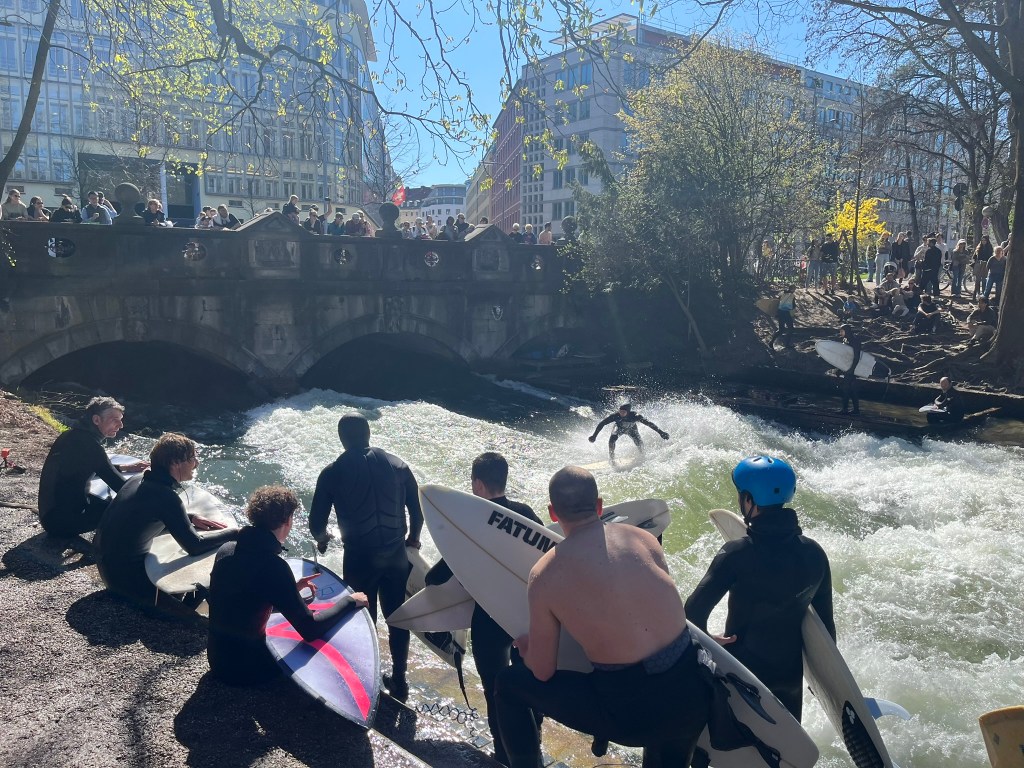
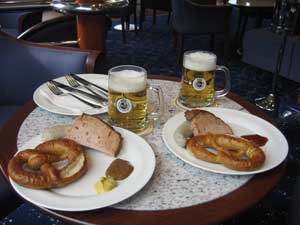
Spend a sunny day walking through the English Gardens to see brave wet-suited surfers on the man-made river waves and stop at the Biergarten am Chinesischen Turm (beer garden at the Chinese tower) for a fresh-baked pretzel and a mug of beer, Maracuja (passion fruit) juice with water, or Johannisbeere (black currant) juice with water. Kids can play on the jungle gym while adults chat and people-watch, all while listening to the lively oompah band playing from the second level of the tower.
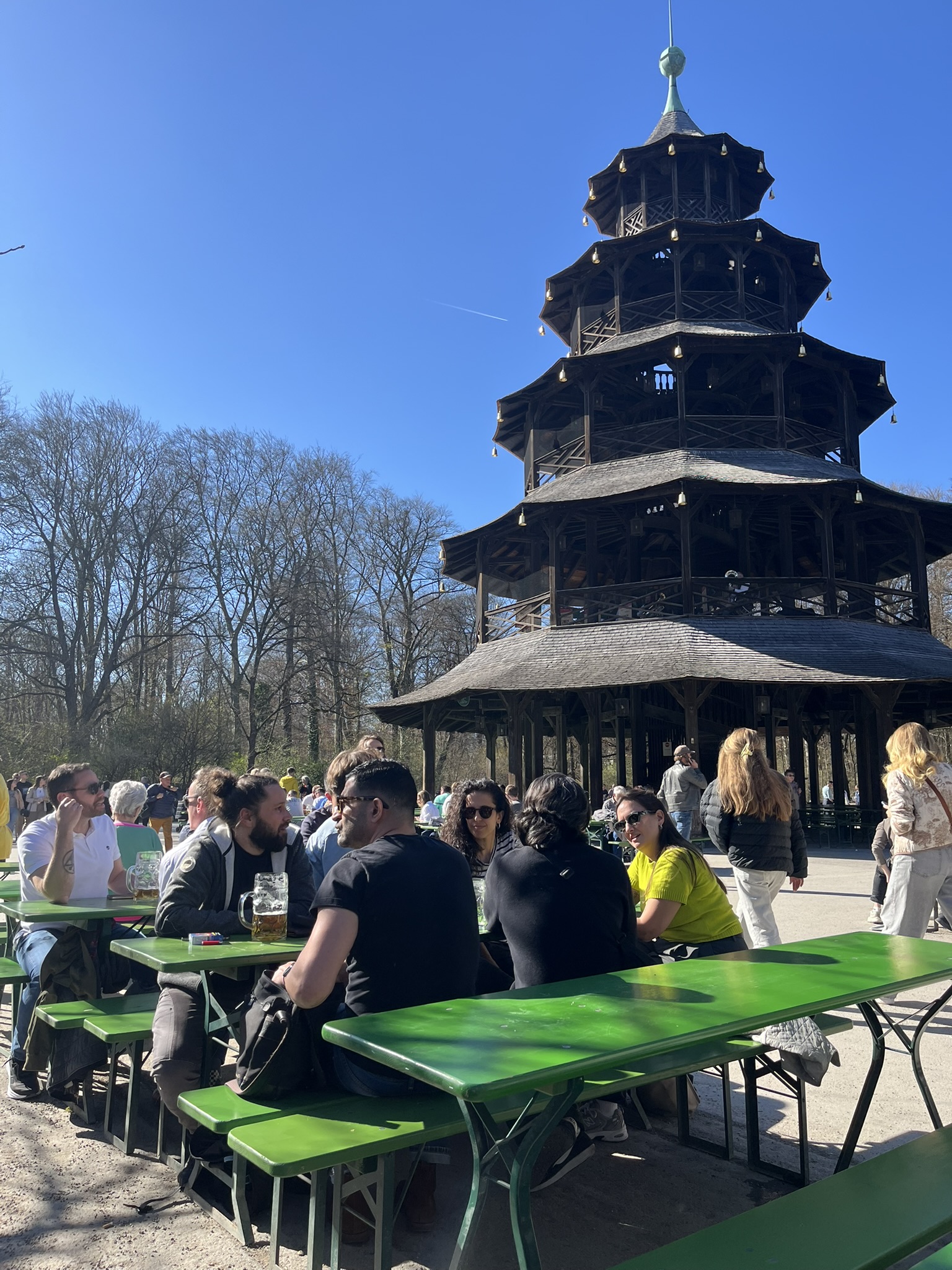
On a nice day, the English Gardens fills with picnickers, volleyball players, surfers, and groups of friends.

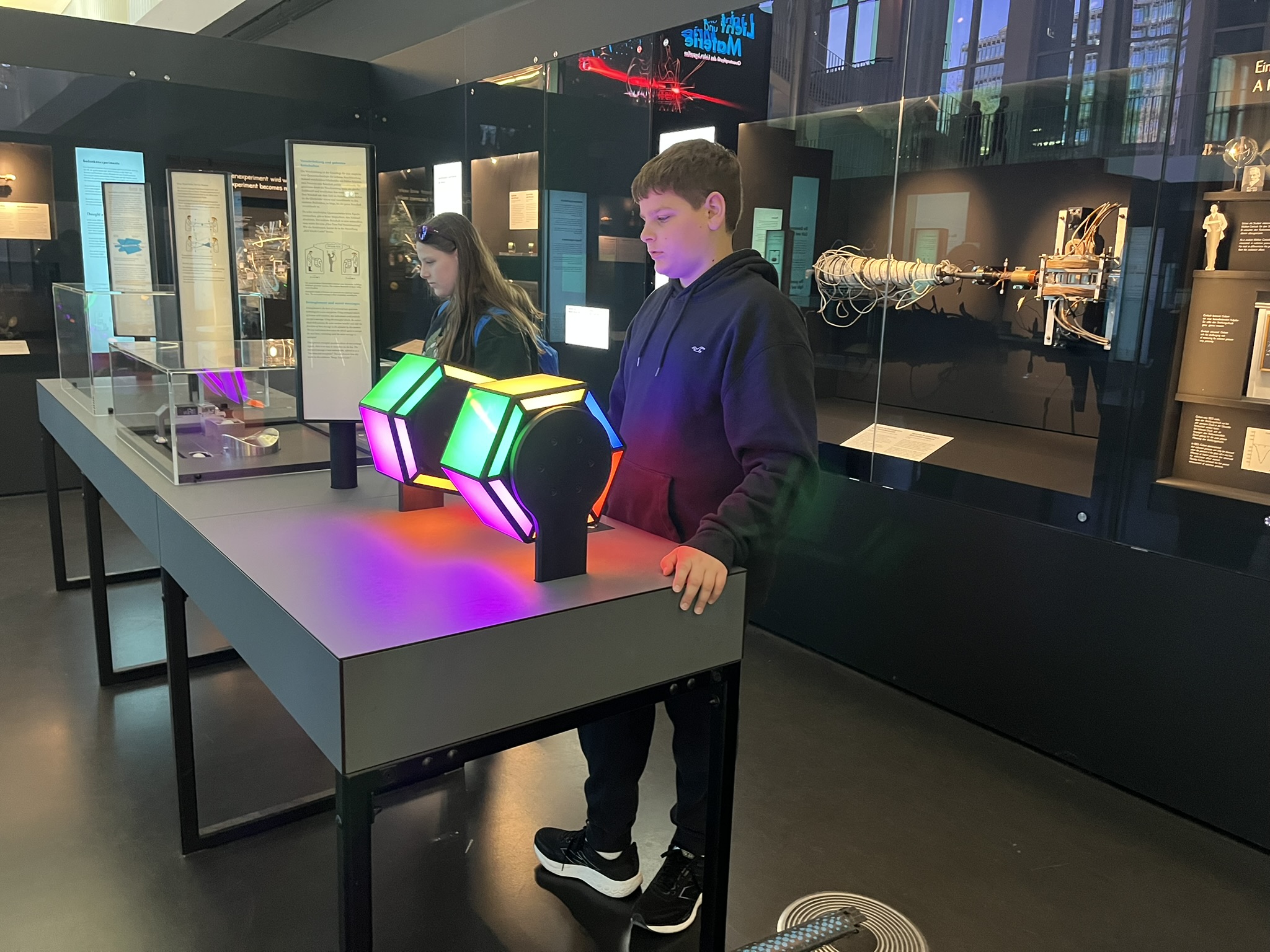
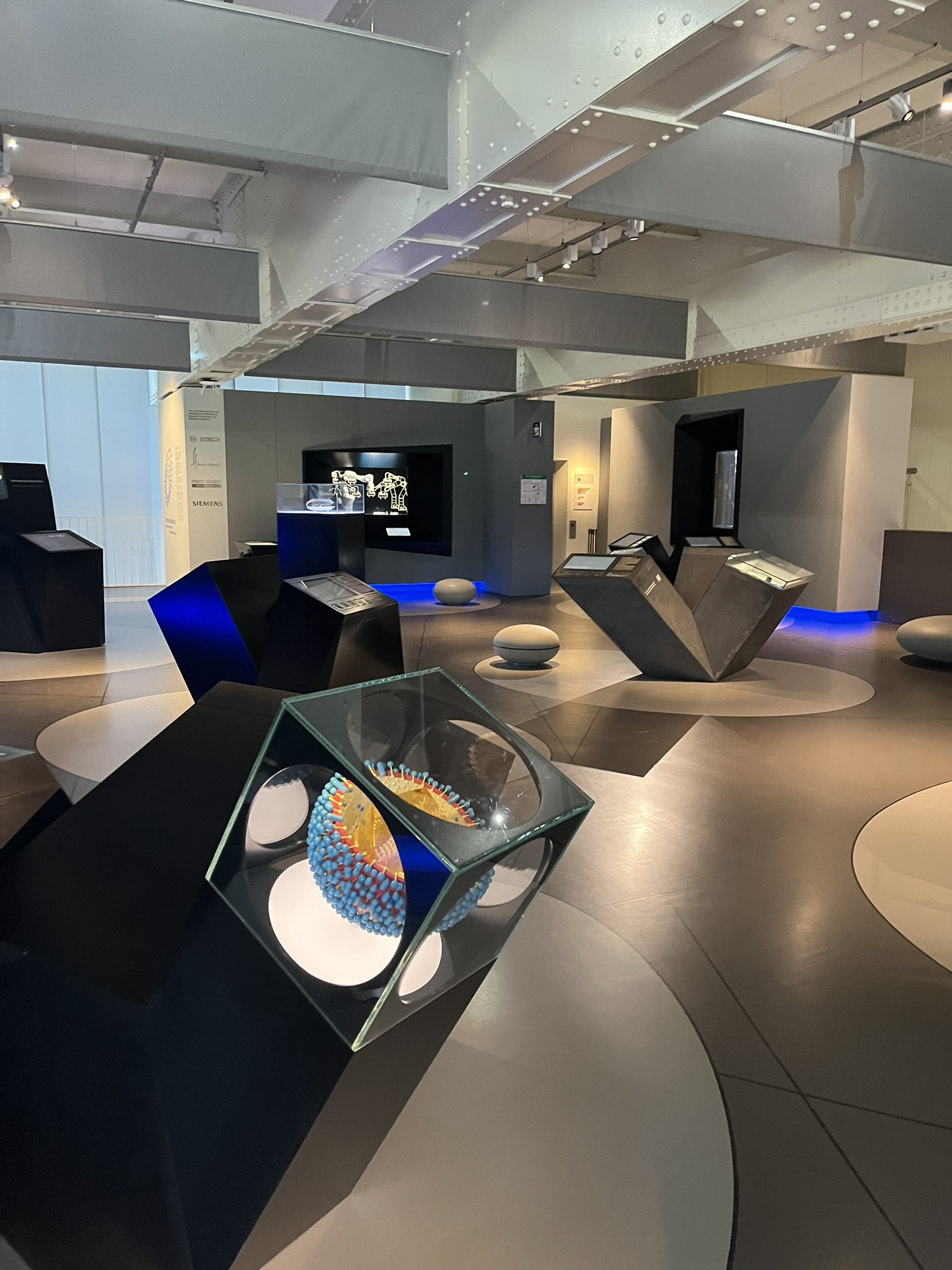
For a dose of education, head to the Deutsches Museum, one of the world’s largest natural science and technology museums. Through hands-on experiments and interactive exhibits, explore the physics of light and sound, observe chemical reactions, and learn about human body physiology. An enormous aviation center and historic airplane hangar allow visitors to climb into cockpits and pilot model airplanes. In the Musical Instruments exhibition, try your hand at playing the theremin—an electronic musical instrument played by placing hands in the air between two antennas that sense the hands’ positions and control frequency and volume.

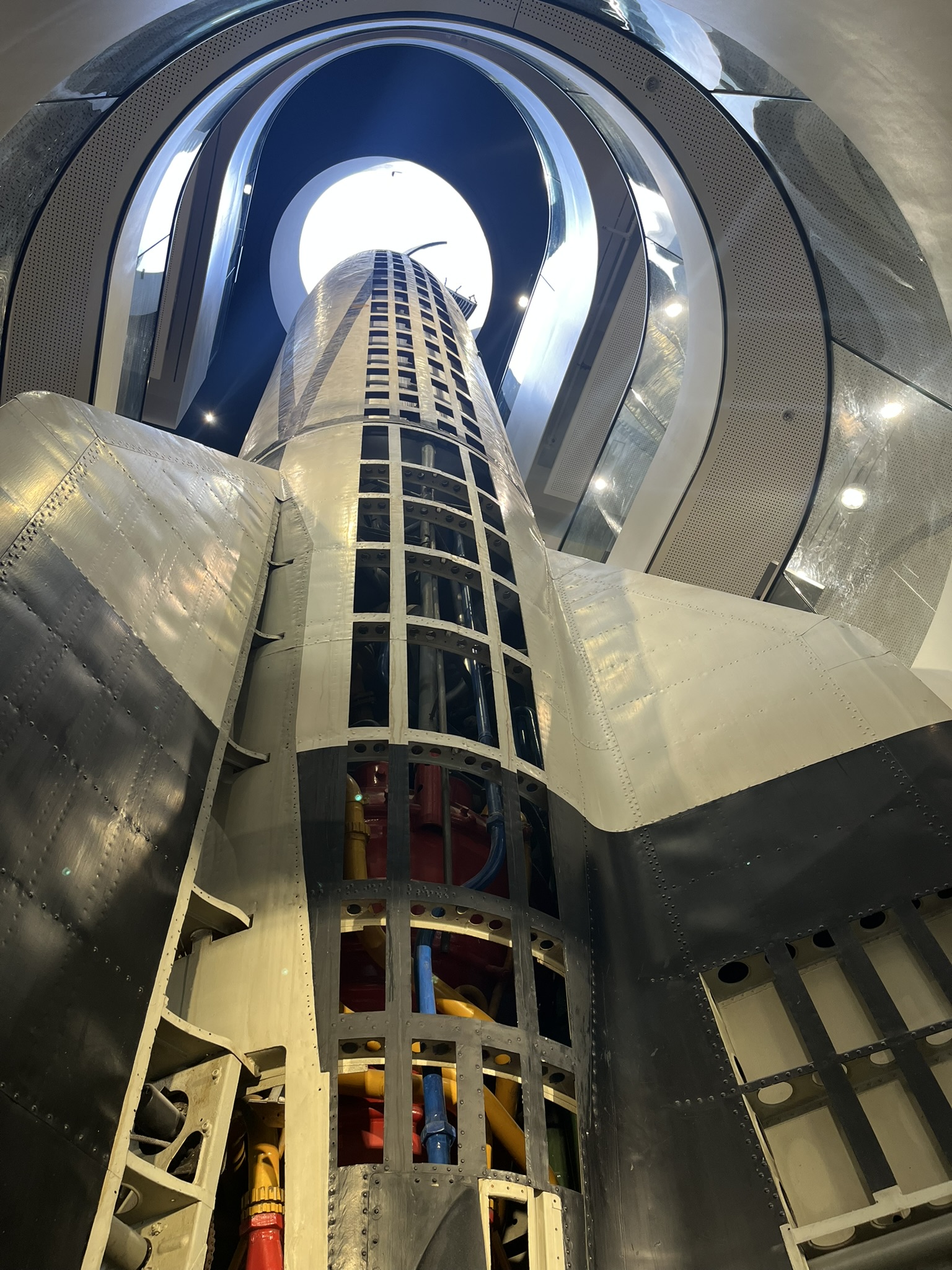
Deutsches Museum interactive exhibits make learning fun.

After two nights in each city—Davos, Switzerland; St. Anton am Arlberg, Austria; and Munich, Germany—a flight out of Munich Airport concludes an adventure exploring towns in three different countries all within one week. Thanks to Eurail’s flexible Global Pass, it is a fantastic way to get a taste of multiple countries with just one set of airline flights!

Eurail offers speedy and smooth transportation, and window seats to beautiful scenery.

Looking for more ski opportunities? Visit bestofthealps.com to learn more about top ski resorts that help define and cultivate Alpine culture. Best of the Alps is a collection of 9 Alpine resorts that showcase mountain village magic and charm in Switzerland, Austria, France, and Italy. For more than 30 years, the Best of the Alps organization has encouraged exploration of the cultures, communities, traditions, natural wonders, and distinctions of these remarkable Alpine destinations: Chamonix-Mont-Blanc and Megève in France; Cortina d’Ampezzo and Courmayeur in Italy; Crans-Montana and Davos Klosters in Switzerland; and Kitzbühel, Lech Zürs am Arlberg, and St. Anton am Arlberg in Austria.
New Premicon Queen Brings 5-Star Luxury to the Rivers

By Don Heimburger
Photos by the author or as noted

ON BOARD THE PREMICON QUEEN, MELK, AUSTRIA—What comes to mind when someone talks about the most beautiful waterways in Europe?

There is the Rhine, the Elbe, the Mosel, Main and others, of course, but the Danube seems to conjure up visions of romance, adventure and even intrigue.

The 1,771-mile-long Danube, originating in the Black Forest and flowing through 10 countries to the Black Sea, is Europe’s second longest river (Russia’s Volga is the longest). A third of the river flows through mountains, and the remainder through hills and plains.

So here I am, a passenger on the Premicon Queen, a floating five-star hotel, which caters to travelers who appreciate the finer comforts of life and who can afford the time to enjoy them. It’s said to have more room per passenger than any other river cruise ship, at 484 square feet per passenger.

BUDAPEST IS ORIGINATING POINT
Operated by the popular Cologne-based KD Cruise Company, the five-day trip starts in Budapest and ends in Regensburg, Germany, a distance of 452 miles. And in those miles, as well as in the total miles of this majestic river, I think of all the cultures, towns, traditions and people this river binds together. This thought continues to hold wonder for me throughout the cruise, as we float from country to country and city to city.

Seeing these things all come together on the river—on a luxury ship—is a satisfying way to relax, with plenty of time to think, dream and melt your stress away.

Billed as the world’s most modern twin-propeller cruiser, the 800 KW Premicon Queen features two mini suites, 30 junior suites, 16 deluxe suites and four queen suites. The rooms face the water so travelers enjoy the river from the comfort of their own suite. The crew speaks both German and English.

Deluxe suites, with 237 square feet of space, feature an upscale interior, marble bathroom with shower and panorama doors which when opened, turn the suite into a loggia. Queen suites have a separate living and sleeping area, marble bathrooms with shower and tub and French balconies as well as a walk-on balcony with two seats. Even a butler is assigned to your cabin for any extra help you may need.

Rooms feature individual temperature control, television (with a channel showing a view from the front of the ship), telephone and wireless internet access. Bathrooms had both 110 and 220 volt outlets. Room service was also available.

The Premicon crew

OCTOBER TRIP
A couple of days devoted to touring Budapest are in order if you’ve never been to this city of under two million people. A city tour by a Cityrama bus (www.cityrama.hu), with a German/English-speaking guide, is a must if you aren’t familiar with the city. Purchase of a Budapest Card is also a good idea if you want to scout out the city on your own. It offers free services or discounts to more than 100 attractions from museums, baths and restaurants as well as public transportation.

Be sure to see the Westminster-style Parliament building, the Chain Bridge (especially at night), Heroes Square, the Palace of Art, the Transport Museum (Europe’s oldest), maybe the zoo, and take the funicular to Castle Hill. For fun visit the Great Market Hall, Statue Park and perhaps enjoy a nice relaxing stroll through Margaret (Margitsziget) Park, located on an island and reachable by tram. While in Budapest, visit the famous Szechenyi Baths in the City Park and eat at the upscale Gundel Restaurant nearby.

The Premicon Queen has arrangements with Hilton to provide lodging at the point of departure as well as the end point on cruises so passengers can spend extra time visiting these cities before and after their cruise.

My October cruise avoided the large tour groups that typically crowd Europe’s rivers and land excursions, so there was not a crush of visitors to deal with. But some of the nicer, warmer weather was gone as well. It’s a tradeoff sometimes.

After a day and a half of visiting the sights of Budapest, it was time to find my ship. Approaching the dock area near Budapest’s Parliament Building where it was waiting, two eager young men greeted me and carried my luggage to my room—no back strain there. After a tour of the room by one of the crew, I’m off to explore this 442-foot by 37-foot wide boat. I’m surprised it’s just a bit over 5 feet deep, but later on the trip I note some areas of low water on the river and understand why this is necessary.

The captain, Stamen Dimitrov, who has been piloting ships for 19 years, will tell you the 106-passenger Premicon Queen can travel at nearly 14 miles an hour and has space for a crew of 60. Cruise Director Doris Moser, Hotel Manager Thomas Boge and Restaurant Manager Oliver Schulz, are on board to oversee virtually your every whim. When you figure the passenger count to the crew, you can see that it’s a win-win situation for the passengers, especially if you like attention.

SUNDECK GREAT GETAWAY
When the weather is warm, and there’s no precipitation, the 10,764-square feet of space on the top sundeck is the place to be. With comfortable lounge chairs, a tai chi area, shuffleboard, chessboard and putting green—as well as waiters ready to take your drink order—passengers have a number of distractions. In colder weather, you can use one of the large blankets supplied by the ship to stay warm.

When departing Budapest at 10 p.m., I wasn’t really sure we were leaving the dock since the ship’s motors were so quiet. After devouring the chocolates on my pillow placed there earlier in the evening by the maid, and after a comfortable night’s sleep in my room trimmed in rich dark wood paneling, I was ready for breakfast, served at the rear of the ship. With glass on all sides and rear of the restaurant, passengers are able to enjoy a wide-screen view of the river at the stern.

If you enjoy variety in your meals, the Premicon Queen will likely satisfy you. Breakfast consisted of a number of different juices, jams, breads, meats (ham, salami, veal liver pate, bacon, sausage), cereals, egg selections, as well as hot drinks, milk (3.5%, 1.5% or .03%), vita drinks such as green and yellow tea, and cheeses (Emmentaler, Tilsiter, Gouda, Edamer or Buttercheese, Brie and others).

In addition, oatmeal, fish, fresh fruits or dried fruits, danish pastries and more await you, and that’s just at breakfast. Did I mention the champagne? Early birds could start their day in the Steamship Salon with a limited breakfast menu until the ship’s main restaurant opened at 7:30 a.m.

One evening for dinner guests were offered appetizers of beef tartar with dark bread and pickles or queen’s salad, or warm potato quiche. That was followed by a pure carrot ginger bisque soup with sevilla orange segments, and a main course of seared plaice fillet on lemon pesto, pancetta and rice souffle, or oven-roasted tenderloin of veal with truffle essence and a baked potato. Dessert was either tiramisu, green tea sherbert, seasonal fruit salad or a selection of cheeses. Oh yes, there was also a vegetarian dish.

Executive Chef Rainer Buss was always busy in the kitchen with his crew preparing new entrees, and Oliver Schulz the restaurant manager was eager to please, inquiring about the food, making sure passengers were well attended to, and sending the wine steward over to help guests make a wine selection.

Wine selections were sometimes a bit hard to make just because of the wide selection. My notes indicate that at one evening meal, passengers could select from two types of Hungarian bottled wines and four types of open wines, two from Germany and two from Austria. Descriptions of the wines and their origins was printed in the menus.

LOCAL CUISINE FEATURED
As the Queen floated down the Rhine between Hungary, Austria and Germany, the meals were often especially chosen to coincide with foods from that area. As an example, near Passau the evening meal selection included beef roulade with gravy, red cabbage and potatoes. A Bavarian crème with blueberry compote, a most delicious combination, celebrated the end of the meal.

As you can guess, meals were served with elegance and flair, and the portions were plentiful. More than once I was glad the ship was as large as it was so I could take an after-dinner stroll. But then came the “midnight snack,” usually served around 10:30 p.m., in case you were still hungry. This usually featured finger sandwiches, fruits, desserts and other tempting treats too good—and presented too elegantly—to pass up. Coffee and tea time was also a daily ritual between 3:30 p.m. and 4:30 p.m. in the ship’s Theatron, as was a cocktail hour at 6:30 p.m. every evening. Dinner began at 7 p.m.

The ship’s library was small but had an interesting selection of books on history, travel and novels, as well as some board games. Guests can walk to the clubroom where fine cigars and premium whiskeys are available, or relax in the contemporary steamship lounge.

ADDITIONAL FEATURES, ENTERTAINMENT
With wellness a big item these days in Europe, you can go below deck to the wellness area which includes a glass-encased saunarium, shower temple, a large whirlpool and a variety of cardio exercise machines. On-board staff can assist passengers with advice, acupressure, massages and even Kneipp treatments. A color and face consultation for women was also offered by the salon attendee.

Of course, complete make-up, hair styling and well-being sessions were available with an appointment during the cruise. This section of the ship on the lower deck was attractively decorated and inviting.

After dinner, passengers were treated to the on-board Bulgarian orchestra Rococo, featuring Bulgarian singer Rumy Key, a popular radio and television star. The orchestra also performed at dinner in the restaurant one evening. Also, slide presentations were given by Cruise Director Moser in the lounge, detailing the history of towns the ship was about to visit. These were informative sessions where guests could glean a lot of valuable information shortly before the ship docked in port—I know I learned a lot of information that helped me plan my historical treks through the towns. City maps were also provided for passengers.

The Queen also offers a number of off-ship land tour packages at the various ports where time allowed. Thus at Vienna, where we docked at 8:30 a.m., passengers had until about 10:45 p.m. The ship offered a shuttle service to the city center (Albertinaplatz) for those who needed a ride only. Individual tours were also available designed especially for passengers, such as private tastings with famous winemakers and helicopter excursions. All tours were arranged in small groups with a personal travel guide and minivans.

In Bratislava, passengers were offered a tour of the traffic museum, and they were taken there by an old-timer red bus. Another tour offered—which looked like a lot of fun—was entitled “Cooking at the Flowers Restaurant,” a unique, high-class Mediterranean-style restaurant with a glass roof, located in the historic Erdody Palace building. At Melk, Austria, a three-hour tour about wine growing and the wine culture of the region was available. All land excursions were extra fare, but you can also go on your own.

HIGHLIGHTS ALONG THE RIVER
Along-the-river highlights of this cruise include the Basilica of Esztergom, largest Catholic cathedral in Hungary, the tallest building in Hungary and the 18th largest church in the world. In Bratislava, where we had about 11 hours to explore, we were directed to the Old Town which is adjacent to the Danube. St. Martin’s Cathedral where Maria Theresa was crowned in 1740, is a must-see, as is St. Michael’s Gate, the last remaining portion of the historic city wall; Main Square, the bustling center of the city, Old Town Hall, and Bratislava Castle, the city’s most prominent landmark.

In Vienna, where the ship docked for 16 hours, passengers could spend a whole day and a good part of the evening in town. Highlights of this city are the Opera House, Hofburg Palace area, Schonbrunn Palace, St. Stephen’s Cathedral, Albertina Museum, Belvedere Palace, Lipizzaner Museum, the Secession Museum, the outdoor market called Naschmarkt, Liechtenstein Museum, the Sacher Cafe located in the Sacher Hotel, Vienna’s colorful main square called Stephansplatz, the Kohlmarkt (Vienna’s elegant shopping street), and right outside the city by tram, Grinzing, where “new wine” is offered at numerous little taverns and cafes.

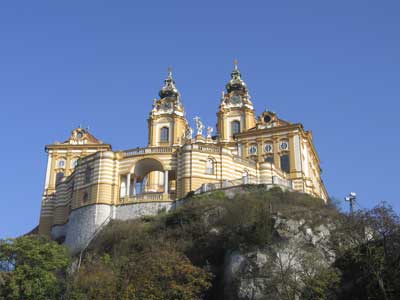
The Melk Abbey overlooks the Danube

Further down the Danube, Durnstein, a small village on top of “bird hill,” contains ruins of the Castle Durnstein. Here in 1192-1193 Richard the Lionheart was held prisoner after the Third Crusade. You can snap some fantastic photos of this intriguing small village from the ship’s sundeck on a clear day. In the Wachau area of Austria, Riesling and green Veltliner grape vineyards line the surrounding hills. The leaves of the vines, turning yellow from the fall season, presented an eye-catching picture.

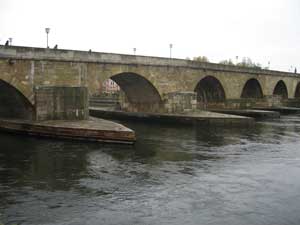
The ancient Stone Bridge crosses the Danube at Regensburg

At Melk, the ship docked for five hours, enough time to make the trek through the small town of Melk and up to the Benedictine abbey which sits majestically on a cliff at the river bend. An important spiritual and cultural center for more than 1,000 years, Melk’s baroque abbey was first the home to the Babenberg family and since 1089 has been a monastery. This enormous structure, built between 1702 and 1736, is now on the UNESCO World Cultural Heritage list. Individual and group tours of the abbey are available.

PASSAU NEXT STOP
Passau was the ship’s next stop, and it’s defined by water. Three rivers—the Danube, Inn and Ilz—converge there, making it very picturesque. The Old Town is squeezed between the river banks in a storybook setting. The huge St. Stephen’s Cathedral houses the largest church organ in the world, with 234 stops and 18,000 pipes. Had our ship arrived a bit earlier, a free organ concert would have been on our agenda. Time didn’t permit a visit, but on the opposite side of the Danube was the Vesta Niederhaus, a medieval fortress which at one time formed the outermost defensive wall of the city.

Our last city and stop on the cruise was Regensburg, Germany, originally founded as a military camp by the Romans. It’s an ideal town to explore by foot; 1,300 buildings are listed as being of historical interest, and a good view of the skyline is from the 12th century Stone Bridge which crosses the Danube by means of 15 arches; at one time it was the only fortified crossing of the Danube over its entire length. The streets curve and meander throughout the city center, and it takes some time to acquaint yourself with the old historic district, but it’s an interesting challenge to visit the merchant quarter, the Domnstadt area next to the ecclesiastical buildings, and the other parts of the Old Town. There’s also no problem finding a good hotel here if you wish to explore the city further: the Bayerwald, Furstenhof, Park-Cafe, Lindner Hotel Kaiserhof and Goldene Sonne are several that can make your stay a pleasant one.

With my Premicon Queen trip at an end, I said goodbye to the crew who had made my stay on board a memorable one. It was a river trip to far-off destinations where I had never before been. “Life is a long, wonderful journey,” says the Premicon’s Managing Director Klaus Hildebrand. “To travel is to live, to come to know the unknown,” he says.

That is what this cruise trip was all about for me, discovering people, places and the unknown. It was a fun adventure, and I’m a better educated traveler because of it.

IF YOU GO…
Cruising on a river ship is a relaxing way to visit cities and towns; virtually everything is done for you including meals and entertainment—and you don’t have to make your bed in the morning. It can get chilly on a ship, however, so always pack warm clothing. The evening meal is the time when passengers dress up, so a sport jacket and tie are in order for men, and more formal attire for women.

While there are usually no medical personnel on board, the ship is always in contact with the local authorities and can be at a dock within a few minutes. If you take medication, make sure you have enough of what you’ll need for the trip.

It’s not hard to find gifts along the way to take back home, so take an extra bag that can be folded into your main suitcase which you can then bring back with you.

Traveling with friends on a cruise makes sense. You’ll always have someone to dine with, and they can accompany you on the extra land tours.

Cruises are available for 2,3,5,6,7 and 10 nights on the Rhine, Danube and Main, as well as Christmas Journey and New Year’s Eve cruises.

For reservations contact www.premiconqueen.com, or in Germany call +49-221-2088-500 or e-mail: pearl@k-d.com.

Fine Dining in Liechtenstein

By Sharon Hudgins
Photos by the author

Liechtenstein is a small country with a big appetite for good food.

Wedged in between Austria and Switzerland, this country of only 62 square miles is bisected south to north by the Rhine River, with majestic mountains rising steeply on both sides of the lush Rhine Valley. Corn, cabbages, beets, onions and asparagus grow on the fertile Rhine plain. Wild game such as deer, boar, pheasant and grouse roam the forests and meadows on the mountainsides, and silvery trout swim in the cold Alpine streams.

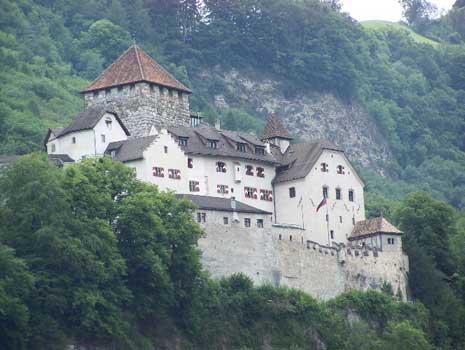
Perched high on one of the mountains, the medieval castle of the princely family of Liechtenstein towers over Vaduz, the capital city (population 5,500). Liechtenstein is officially a principality, where the Prince still rules as a hereditary monarch in conjunction with a democratically elected parliament. The Prince also owns the Hofkellerei (Princely Wine Cellars) in Vaduz, where you can taste his excellent wines. Afterward, walk along an educational wine trail in his local vineyard, where detailed signs describe the 50 different grape varieties growing there. More than 100 other vintners throughout the country also produce red and white wines of their own.

ALPINE FUSION FOOD
The cooking of Liechtenstein is a creative combination of German, Austrian, Swiss, Italian and French culinary influences, producing a kind of local “Alpine fusion” cuisine. Soups are especially popular, from hearty meat-and-vegetable stews (split pea and sausage, smoked pork and sauerkraut) to elegant foamy white-wine soups served in stemmed glasses. Asparagus is a favorite vegetable, and the primary meats are beef, pork, and mountain trout.

Dumplings and potatoes are the main starches of traditional Liechtensteiner cooking, which includes shredded potato pancakes like Swiss Rösti and a variety of dumplings made from wheat flour, cornmeal or potatoes. Cheese is an important ingredient in the cuisine, from rich Alpine hard and semi-soft cheeses to Sauerkas, a kind of lightly aged fresh cheese made from soured milk. Desserts are as rich as you’d expect in a country situated between Austria and Switzerland. And wine has an important place on the table, befitting a country that prides itself in its small, but high quality, wine industry.

There’s a big difference between farmhouse fare in an Alpine climate and the fine cooking of Liechtenstein’s shrines of haute cuisine, several of which have garnered Michelin stars and high Gault Millau ratings. In the rustic restaurants you’ll find the stick-to-your ribs dishes like breaded pork cutlets, fried chicken, roast pork and Käsknöpfle, a large portion of little egg dumplings (like German-Schwabian Spätzle) tossed with a copious amount of cheese and garnished with plenty of crisply fried onions. Known as Liechtenstein’s “national dish,” Käsknöpfle is usually served with a separate portion of applesauce or a green salad, to counter the richness of the cheese.

FINE DINING
Only 36,000 people live in this wealthy little enclave in the heart of Europe, where banking and financial services produce a GDP per capita that puts Liechtenstein in the top tier of the world’s richest countries. Such wealth supports a number of fine restaurants, rated among the best places to dine in Europe. These high-end restaurants tend to focus on lighter fare, artistically arranged on fancy plates—the kind of cuisine that combines respect for the country’s culinary traditions, an emphasis on local, seasonal ingredients and the imaginative use of modern kitchen techniques.

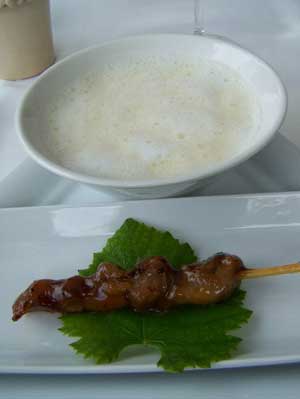
Highly acclaimed by many restaurant guides, chef Rolf Berger’s Restaurant Torkel serves haute cuisine in a beautiful setting. Located in a historic medieval building that was once a wine press, on the grounds of the royal vineyards in Vaduz, Restaurant Torkel is known not only for the quality of its cooking and its delightful ambience, but also for its excellent wine cellar. Choices on a recent daily menu in the summer included a delicious white wine soup with small yakitori dumplings on a skewer, Swiss prime beef filet in Port wine sauce, grilled sea bass in foamy smoked trout sauce, fresh berry parfait garnished with more berries and a good selection of cheeses. In nice weather, the perfect place to dine is on the pleasant stone-paved terrace overlooking the lush vineyards and the dramatic mountains beyond.

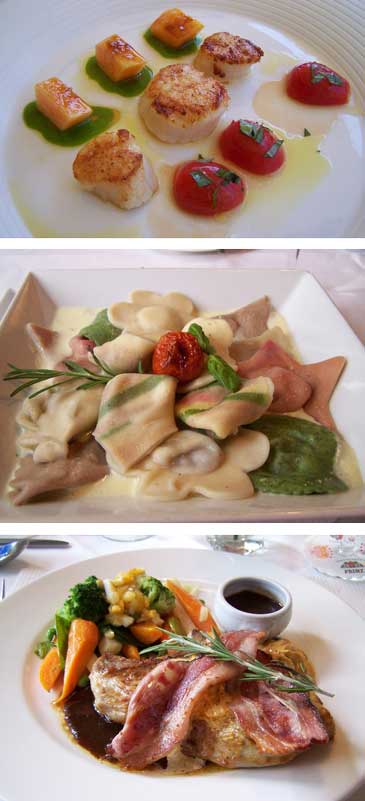
Another outstanding restaurant in Vaduz, the Marée at the Park Hotel Sonnenhof has won one Michelin star, two Gault Millau toques, and numerous other accolades. This is the place for fine dining in luxurious surroundings, from the elegantly furnished dining rooms to the large covered terrace facing the mountains and surrounded by gardens. The menu changes seasonally, four times a year, and features both traditional and modern dishes, all prepared with a light touch and plated artistically. Selections at a recent summer lunch included an appetizer of roasted scallops with melon, tomatoes, and fresh basil, followed by a main dish of crispy glazed breast of pork with fresh chanterelle mushrooms and cherries. Notable desserts were the colorful artist’s palette of house-made sorbets, and the basil sorbet with fresh strawberries and elderberry foam.

TRADITIONAL INNS
For very good food at reasonable prices, the Landgasthof Mühle is the place to go. Located on the site of an old mill on the edge of Vaduz, this lovely little inn offers an interesting menu that matches the quality of the restaurant’s décor. Try the creamy Vaduz wine soup or the excellent house-made terrine with a large salad, followed by multicolored ravioli with foamy herb sauce, and elderberry sabayon garnished with fresh berries for dessert. Highly recommended for the quality of the food, large portions and friendly staff.

Long a favorite of locals and tourists alike, the Wirtschaft zum Löwen in Schellenberg is a traditional old inn located in a wood-shingled farmhouse with red geraniums blooming in the window boxes. Dine in one of the cozy, wood-paneled dining rooms or on the pleasant terrace with a spectacular view across the border to Austria. House specialties include the head cheese with onion rings and mustard sauce, and classic Käsknöpfle, those cheese-drenched dumplings with applesauce and green salad. Large portions of good traditional food served in a nice setting.

MOUNTAIN HIGHS
Located in the Vögeli Alpenhotel in Malbun, a ski resort 5,000 feet above sea level, the Restaurant Alpenhotel is a cozy, rustic, pine-paneled restaurant—just the place where you want to retreat after a long day of hiking in the Alps or skiing down the mountainsides. The food is good here, and the portions are huge, apparently to satisfy those hungry hikers and skiers. The extensive menu seems to have something for every taste, including hearty meat dishes, a variety of big Rösti potato pancakes with garnishes, several pastas and cheese fondue. Warm up with garlic cream soup or creamy pumpkin soup with Styrian pumpkin seed oil, then chow down on the house-made game bratwurst with onion sauce, or deer Schnitzel with mushroom sauce. Be sure to save room for the traditional desserts (crêpes with chocolate sauce and whipped cream, battered-and-fried apple slices with vanilla sauce) or a big slice of the excellent cakes.

The Hotel-Restaurant Galina in Malbun is run by another member of the Vögeli family who owns the nearby Alpenhof hotel and restaurant there. At the Galina, the talented Norman Vögeli wears several hats: the hotel’s manager and falcon master (he stages an interesting falcon show several times a week), as well as the restaurant’s chef and pastry-maker (he supplies the delicious creamy cakes, fresh daily, for the Alpenhof Restaurant down the road). The food is very good here, including several large salads garnished with meats and cheeses, hearty soups, vegetarian main dishes, pizzas, cheese fondue and chef Vögeli’s tempting cakes for dessert.

And finally, down the mountain road from Malbun, stop off at the Cafe-Konditorei Gulfina in Triesenberg, for its luscious cakes and pastries, open-face sandwiches, and good variety of breads, all made fresh daily. Sip a cup of hot coffee and indulge in a slice of rich Engadiner Nusstorte—a regional pastry specialty, filled with caramel and walnuts—while sitting outside on the terrace that hangs precipitously over the mountainside, with a spectacular view of the valley below.

● Hofkellerei Liechtenstein, Vaduz, www.hofkellerei.li
● Restaurant Torkel, Vaduz, www.torkel.li
● Restaurant Marée, Park Hotel Sonnenhof, Vaduz, www.sonnenhof.li
● Landgasthof Mühle, Vaduz, www.muehle.li
● Wirtschaft zum Löwen, Schellenberg, www.loewen.li
● Restaurant Alpenhotel, Vögeli Alpenhotel, Malbun, www.alpenhotel.li
● Falknerei Galina Hotel-Restaurant, Malbun, www.galina.li
● Cafe-Konditorei Guflina, Triesenberg, www.guflina.li

Gingerbread Galore!

By Sharon Hudgins
Photos by the author

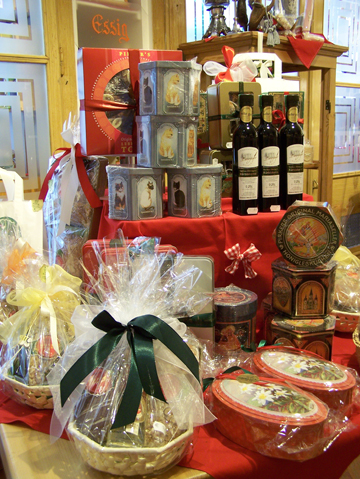
‘Tis the season when a young elf’s fancy turns to thoughts of gingerbread. Although these sweet-spicy cakes and cookies are popular year-round in many countries of Europe, they’re particularly associated with the winter holidays. Bakeries from Sweden to Slovakia to Switzerland turn out tons of commercial gingerbread products, often packaged in brightly colored wrappings and tin boxes. And home bakers dig through kitchen drawers and recipe files to find favorite cookie cutters and family recipes for their own Christmas gingerbreads.

Although flatcakes made with honey and spices were baked by the ancient Egyptians, Greeks, and Romans, the gingerbreads of northern Europe probably date only from the Middle Ages, when honey was still the main type of sweetener available locally, and exotic, expensive spices such as cinnamon, black pepper and ginger were increasingly being imported from faraway lands in the East. A taste for gingerbread eventually spread throughout Europe, with certain cities becoming known for their own particular types: Strasbourg and Dijon in France, Torun in Poland, Tula in Russia, Aachen and Nürnberg in Germany, Basel and St. Gallen in Switzerland.

MANY VARIETIES
Gingerbread recipes evolved over time and in diverse places. Various kinds of gingerbread were, and still are, made with different combinations of honey, sugar, flour, eggs, almonds, hazelnuts, walnuts, raisins, lemons, candied orange peel, candied citron, rosewater, rum, brandy, black pepper, ginger, cinnamon, nutmeg, cloves, allspice, cardamom, coriander, aniseed and saffron. Although these baked goods are often referred to as “gingerbread” in English, some of them don’t contain any ginger at all.

The variety of possible ingredients and textures causes some confusion about what “gingerbread” actually is. A cake, a cookie, or a loaf? Hard or soft? Thick or thin? Glazed or unglazed? Decorated with fancy frostings, or with fruits and nuts, or even with expensive gold leaf? At various times in its history, gingerbread has been all of these.

GERMAN GINGERBREAD
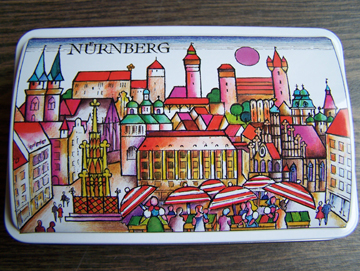
In the Middle Ages, the city of Nürnberg became one of the most famous places for making gingerbreads in Germany, where these seductive sweets have long been known as Lebkuchen (or sometimes Pfefferkuchen, when their spiciness comes from black pepper instead of ginger). Records show that Lebkuchen was being baked in Nürnberg as early as the 14th century. Traditionally, the stiff dough was pressed into highly detailed molds made of wood, metal, or terra cotta, which imprinted intricate designs on the Lebkuchen before it was removed from the molds and baked in a hot oven. Nürnberg Lebkuchen contained such costly ingredients, and was of such high quality, that it was accepted as payment for city taxes and given as gifts to nobles, princes, and heads of state.

Over time, as the prices of ingredients fell and the demand for Lebkuchen increased, faster production methods became necessary. The elaborate handmade molds were replaced by less detailed, often mass-produced, molds. Simpler decorations―such as nuts, candied fruit, and sugar frostings―were applied to the tops of many cookies. And the shapes were simplified, too, evolving into the basic human, animal, and geometric forms common today.

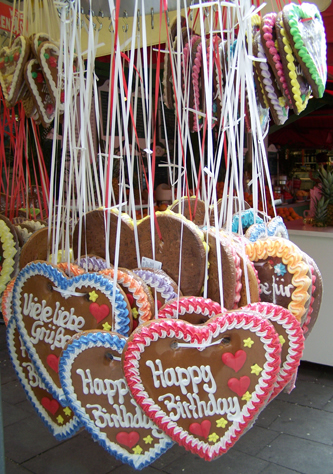
In the early 1800s, gingerbread houses became popular in Germany after the publication of the Grimm brothers’ fairy tale, Hansel and Gretel. And during the 19th century, ornately decorated Lebkuchen hearts also became the rage. Covered with fancy designs and romantic sayings made from colored icing, these large heart-shaped cookies were often exchanged between sweethearts. You can still buy them at almost every German festival and special market, including the Christmas markets held in many German cities throughout December.

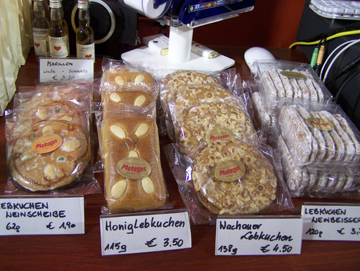
The Lebkuchen produced in Germany today comes in all sorts of sizes, shapes, flavors, colors and textures: rounds, rectangles, squares, hearts, stars, pretzel forms, St. Nicholas (for Christmas), lucky pigs (for New Year) and rabbits (for Easter). The Lebkuchen dough can be “white” (light colored) or different shades of brown. Some Lebkuchen are also covered with white or chocolate icing, and some are filled with marzipan or jam. Honey Lebkuchen is sweetened only (or primarily) with honey. Oblaten Lebkuchen are cookies with the dough mounded on top of a thin wafer before baking. And delicate, elegant Elisen Lebkuchen are made with at least 25% ground almonds, hazelnuts, or walnuts, and no more than 10% flour.

GINGERBREADS ACROSS EUROPE
You’ll also find similar spicy cookies of different shapes, colors and textures called Printen (in Aachen, Germany), Pfefferkuchen (in Pulsnitz, Germany), Spekulatius (in the German Rhineland), Leckerli (in Basel, Switzerland), Biberli (in the Appenzell region of Switzerland), speculaas Holland, speculoos in Belgium, pepperkaker in Norway, pepparkakor in Sweden, piperkakut in Finland, pebernǿdder in Denmark, pain d’épices in France, licitar in Croatia, mézeskalács in Hungary, perníky in the Czech Republic and Slovakia, pierniki in Poland and prianiki in Russia. Other towns and regions have their own specific names for the many varieties of gingerbreads produced there.

Europeans also use gingerbread cookies as ingredients in other dishes. You’ll find crumbled gingerbread used as a stuffing for pork and for pasta, as a thickener for sauces, a flavoring for soups, a crunchy texture in salad dressings, and a base for many puddings and desserts. There’s even a German-Italian “fusion” dessert called ” Nürnberger Tiramisu”! And for people who just can’t get enough of that sweet, spicy, Christmasy taste of gingerbread, the Belgians have recently invented a gingery, caramely speculoos spread, similar in texture to Nutella, made from crushed gingerbread cookies.

If I’ve whetted your appetite for these European gingerbreads, my best suggestion is to travel there and taste them for yourself. You can also mail order many of them from the websites listed below. Costard, the clown in Shakespeare’s play, “Love’s Labour’s Lost,” had the right idea when he said, “An’ I had but one penny in the world, thou shouldst have it to buy gingerbread.”

Nürnberg Lebkuchen information www.lebkuchen.nuernberg.de/englische_version/index.html

Lebkuchen-Schmidt, Nürnberg
ww2.lebkuchen-schmidt.com/eng_index.php

Metzger Lebkuchen, Vienna
www.lebkuchenmetzger.at/

Lebkuchen-Pirker, Mariazell, Austria
www.lebkuchen-pirker.at/home/index.php?&lang+eng

Kerner Lebkuchen, Mariazell, Austria
www.lebzelterei-kerner.at/index.htm

Lebkuchen-Gandl, St. Wolfgang, Austria
www.lebkuchen-gandl.com/

Appenzeller Biberli, Switzerland
www.baerli-biber.ch/

Basel Läckerli, Switzerland
www.laeckerli-huus.ch/

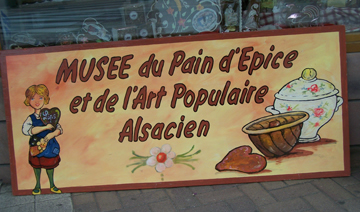
French-Alsatian Pain d’Épices
www.paindepices-lips.com
www.fortwenger.fr/

Alte Pfefferkuechlerei (small gingerbread museum in Weissenberg,Germany) www.museum.stadt-weissenberg.de/

Speculoos Spread
www.thenibble.com/zine/archives/speculoos-spread.asp

YouTube video about how to make decorated European gingerbread
www.youtube.com/watch?v=OVX5wiv_oMk

American online sources for ordering European gingerbreads
www.germandeli.com
www.germangrocery.com

InterCity Hotels: In the Center of the Action

InterCity Hotel in downtown Munich

By Don Heimburger
Photos by the author

My business takes me to European cities several times a year, and I usually end up spending a lot of time in the “old town” or historic part of a city or town. It’s typically my favorite place to spend time, looking at the market squares, visiting hotels and restaurants, asking questions about town festivals and events, or visiting a museum or other local attraction.

When I’m done at the end of a day, I want to stay close to the center of town, because really I’m not done with my work. There’s always more to see and do in the evening, and that means generally after a late afternoon break, I’m back again, interviewing, taking pictures or attending some function. And again it’s usually near the center of town.

CENTER OF TOWN CLOSE TO TRAIN STATION
In Europe, the center of town means it’s in close proximity to the train station, because the railroads are and were instrumental in growing cities.

One company that likes to locate its hotels near the train stations is Steigenberger’s InterCity Hotel group, a chain of 31 facilities in Germany and one in Austria. Their own literature says, “If you are seeking a centrally located, functionally equipped and comfortable domicile, InterCityHotels are your perfect choice.”

In a recent business deal, the Egyptian tourism corporation Travco Group became a majority stockholder in the Steigenberger Hotel Group. “Particular focus will be given to international expansion of the brands Steigenberger Hotels and Resorts and InterCityHotel,” says Hamed El Chiaty, founder and owner of the Travco Group.

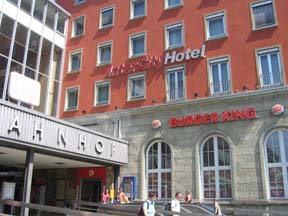
On a recent trip to Munich and Freiburg, I booked rooms at the InterCity Hotel in both cities. From the Munich train station, where I arrived from the airport, I only had a few steps before I saw the familiar InterCity sign at one end of the train station.

FEATURES OF HOTEL
The five-story hotel has 198 rooms and suites, floors for non-smoking, with all rooms sound-proofed and air-conditioned. The soundproofing was a good idea, as next to a train station, it can be fairly noisy at times. Rooms feature a bathroom with shower, toilet, hair dryer, cable television and a writing desk. There was a WiFi connection in the room. The hotel featured two elevators and a restaurant (Fleming’s Brasserie & Wine Bar), where the morning’s complimentary breakfast was served.

I was happy to have room air conditioning when I was there, as it hit 95 degrees in the afternoon in Munich, a rarity for this city so close to the Alps.

A convenient part of any InterCity booking is a complimentary card that allows guests to use local public transportation free of charge. So if you want to go to the Marienplatz, as an example, which I did several times, I just presented my card at the train station when needed, and I enjoyed free transportation. The city center is less than a mile away.

Intercity hotels are mid-range in price, clean and walkable to the inner city. In the morning, a buffet-style breakfast was served with scrambled and hard-boiled eggs, sausage (white Munchener sausages), several types of yogurt, two types of juice, hard rolls, whole grain breads, crossiants and pastries, bacon, large pretzels, a variety of soft and hard cheeses, six types of cereals and a variety of cold cut meats.

There was also dried fruits, fresh fruits such as watermelon, pineapple, and a bowl of mixed apples for guests. I was ready to start my day!

The lobby downstairs was sparse but featured comfortable chairs and couches for guests, as well as a few tables.

THE FREIBURG INTERCITY
Later on, I took the train to Freiburg near the Black Forest, where again a stay at the InterCity there kept me close to the train station and was only a few blocks from downtown. The hotel, in fact, is just a few steps from the entrance to the train station.

This multi-level hotel features 152 guestrooms, had non-smoking rooms, cable television, direct dial telephones, a modem/fax link, a writing desk and a mini-bar. There was no air conditioning, so with the hot weather, keeping the window open was a necessity; I was told the typical summer high temperature doesn’t require air, and it’s not available in most Freiburg hotels.

The room had a shower, toilet, hairdryer, and a restaurant and a bar downstairs. The hotel staff was pleasant and I noticed they was able to answer visitors questions about the train schedules and the city. Again the room was clean and had the basics. The hotel even had rooms for the disabled if needed.

In all, a stay at a InterCityHotel affords travelers a convenient location for a mid-range price, with breakfast included.

MORE HOTELS TO OPEN
More InterCity Hotels are scheduled to open with the merger of the Travco Group. Steigenberger’s Chief Executive Officer André Witschi says that the company will continue to invest in improving the quality of their hotels, and international expansion will help them to increase brand awareness for Steigenberger Hotels and Resorts and InterCityHotels.

In 2010 and 2011 InterCityHotels will open five new locations in Germany: at the Berlin-Brandenburg Airport and in Bonn, Darmstadt, Mannheim and Ingolstadt.

For more information, go to:
www.intercityhotel.com
www.muenchen.intercityhotel.de
www.freiburg.intercityhotel.de

Contact the hotels by e-mail: info@muenchen.intercityhotel.de
info@freiburg.intercityhotel.de

If you are arriving by train:
www.raileurope.com