Christmas Markets in Luther Country

Erfurt Christmas Market

In Germany’s Luther Country, Advent means Christmas markets. The crisp winter air is filled with the smell of ginger and nutmeg, signaling the arrival of Stollen, a special Christmas cake, and Glühwein, mulled wine. Cobbled streets and squares, lined with half-timbered medieval houses, provide the backdrop for dozens of wooden stalls, selling wooden toys and Christmas decorations, handcrafted gifts and seasonal foods, such as Zimtsterne (cinnamon stars) and Lebkuchen (soft, spiced cookies).

Brass bands play and choirs sing carols, often written by Martin Luther himself. In fact, many Christmas traditions were supposedly instigated by the Protestant reformer 500 years ago. Legend insists one dark and starry night, Luther was touched by the beauty of the pine trees. On returning home, he cut down a tree, took it into his house and decorated it with candles. As well as the Christmas tree, Luther is credited with the idea of Christkind, the Christ child bringing presents. (Kris Kringle is still familiar in many U.S. homes). Concerned that Saint Nicholas, who delvered his gifts on December 6, was too popular, Luther came up with an alternative to “Santa Claus”: a golden angel, with wings and a crown.

Here are just some of Luther Country’s most authentic Christmas markets.

(clockwise) Christmas Stollen; Lebkuchen; Zimtsterne

ERFURT
November 27 – December 22
Although Erfurt’s 162nd Christmas Market spreads throughout the old town, the focus is on the Domplatz, the vast Cathedral Square. The 200 market booths sell everything from Thuringian bratwurst (Germany’s favorite grilled sausage) and Christmas cookies to handmade toys or traditional, handmade Christmas decorations. Children love the giant Ferris wheel,

the 90-foot-tall Christmas tree covered in candles, and the 40-foot-high wooden pyramid. Most of all, they love the nativity scene, set in a fairytale forest, complete with near life-sized, hand-carved figures. Gardeners should not miss the floral Christmas exhibition in the underground vaults of the cathedral.
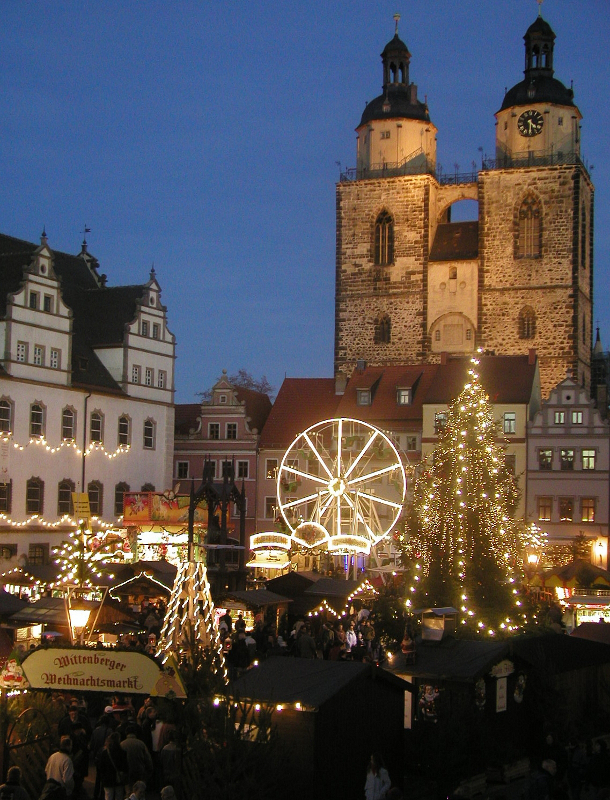
Lutherstadt Wittenburg Christmas Market

LUTHERSTADT WITTENBERG
November 28 – December 23
In the market square, a statue of Luther looks out across the Christmas market, with its stalls decorated with pine boughs, lights and Christmas ornaments. In the air is the scent of mulled wine and roasted almonds. Across the square is the Marienskirche (St. Mary’s Church), where Luther preached. Special are the town’s Adventshöfe, medieval courtyards, where local artists and craftsmen sell their wares. In the Cranach Courtyard, named for Luther’s great friend and painter Lucas Cranach, the weekend of December 8 and 9 features weavers and knitters, wood carvers and basket makers.

QUEDLINBURG
November 30 – December 23
With more than 1,300 half-timbered houses, Quedlinburg is one of Europe’s most romantic cities. And during the Christmas Market, strolling along the cobbled streets is like walking through history. One unique event is the “Advent in den Höfen” (December 1-2, 8-9, 15-16), when some 20 private courtyards open to sell special Christmas gifts, often handmade. Another highlight is the world’s largest Advent calendar! At 4:30 p.m. every afternoon for 24 days, children look out for the star that marks the house where the next scene in the Advent calendar will appear. When the door opens, fairytale characters appear and dance, sing or play for spectators.

WERNIGERODE
November 30 – December 22
Dominated by its 12th-century castle, Wernigerode’s annual Christmas market has a fairy story backdrop: a 15th-century town hall, half-timbered houses and a 35-foot-tall Christmas tree. The stalls serve traditional food and drink, hand-made toys and ornaments for the home; evenings are filled with concerts of seasonal music. From December 15 to January 8, 2013, the Castle hosts its own special Winter Market. Children meet a fairy at 3 p.m. and receive presents from St. Nikolaus (Santa Claus) at 4 p.m. They also love to ride the Christmas train in a historic carriage, pulled by a steam engine through the snow-covered countryside.
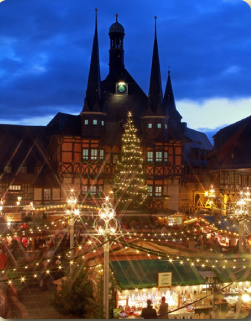
Wernigerode Christmas Market

LAUSCHA
December 1-2 and 8-9
Each Christmas, this small town in a steep, wooded valley in the Thuringian Forest, plays a vital role in every American home. This is where the first glass Christmas tree ornaments were created in 1847. In 1880, F. W. Woolworth, the five-and-dime store pioneer, brought a batch of these glass balls to his store in Pennsylvania, and the rest is history. The tradition continues in Germany’s glassblowing capital, where you can watch artisans creating works of art at Lauscha’s Museum of Glass Art. At Lauscha’s annual Christmas “Kugelmarkt,” or glass bauble market, you can buy these handmade decorations in all shapes and colors.
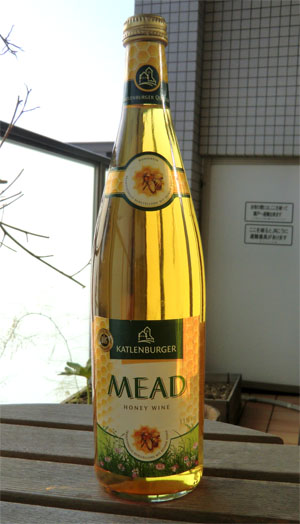
Mead honey wine

WARTBURG CASTLE, EISENACH
December 1-2, 8-9, 15-16
Wartburg Castle is where Martin Luther, the Protestant reformer, changed history when he translated the New Testament into German. And this UNESCO World Heritage Site just outside Eisenach is still a massively impressive fortress. At Christmas, however, a historic Christmas Market transforms the castle, with artists and street performers, craftsmen and knights. Meet candle makers and barrel makers, rope makers and lantern makers, minstrels and puppeteers. With cheerful booths and medieval decorations, this is a like a trip back in time. And the medieval food is delicious, from roast apples and honey to mead.
Raise a Glass to Ireland’s New Whiskey Trail

Photos courtesy Ireland Tourist Office

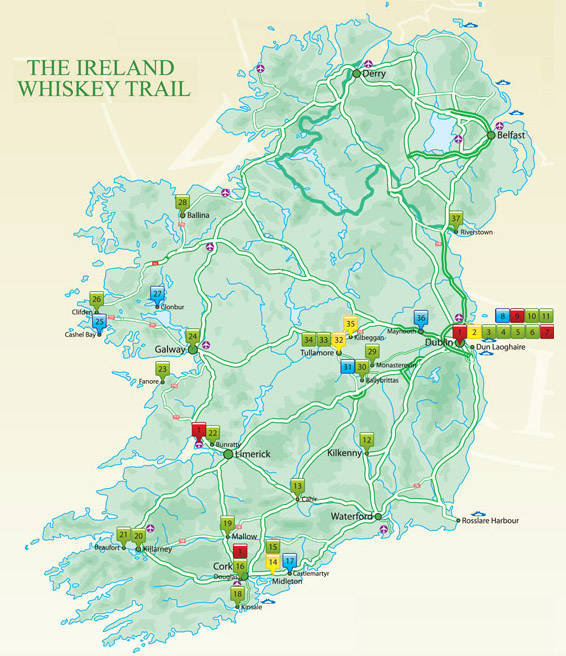
History, heritage and “a drop in your hand” of the finest whiskey in the world combine in one of the Emerald Isle’s newest visitor attractions, the Ireland Whiskey Trail.

IRISH WHISKEY TOURING GUIDE
Heidi Donelon has created a touring guide for whiskey lovers to Irish pubs, hotels, whiskey shops and distilleries throughout Ireland. The trail features nearly 40 different places, ranging from the famous old Jameson Distillery in Dublin, to less well known whiskey emporiums such as Fairhill House Hotel in Connemara, which boasts a stock of more than 170 different whiskies.

Donelon says: “The trail is a great way for people to experience the story and magic of Irish whiskey, while discovering the heart of Ireland through the Irish characters they will inevitably meet in the pubs and bars across the island. It is a great touring guide for whiskey lovers, but also for anyone who wants to find that perfect Irish pub during their trip, whether they are whiskey drinkers or not. Some of these pubs are the last links to old and forgotten distilleries. These are not just great whiskey pubs, but also some of the very best traditional Irish pubs in the country.”

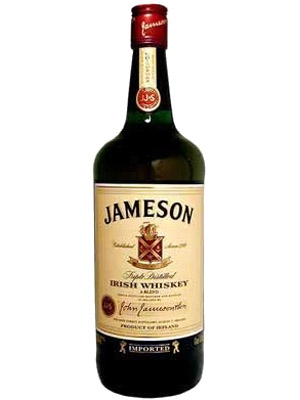
IN addition to the in-depth tour guide, the Ireland Whiskey Trail gives information about the history of Irish whiskey, insight into the difference between brands, Irish Coffee and whiskey recipes and details of whiskey tasting events. The Irish are credited with inventing whiskey, called uisce beatha in Gaelic, which translates as “water of life.” For 1,500 years whiskey has warmed the hearts of the Irish and their guests, and today it is a worldwide success with sales of brands such as Jameson, Bushmills, Tullamore Dew and Kilbeggan increasing at an unparalleled rate.

For more info, go to www.discoverireland.com or www.irelandwhiskeytrail.com

The City of Beer and Fun: Munich; The City of Oktoberfest!

By Steve and Alison Ramsey

“Ozapft is!” exclaimed Munich’s Lord Mayor Christian Ude after opening the first keg of beer at noon on September 22, thus officially inaugurating the world famous German Octoberfest.

And following 16 days of beer, fun and Gemutlichkeit, the 2007 Munich Octoberfest closed its gates after 6.2 million people visited the biggest fair in the world.

This big city, with rural charm and friendly people, served 6.7 million glasses of beer, thousands of Hendl (chickens) and 104 oxen to the crowds that swarmed into the 14 large tents on the Octoberfest grounds right off of the Schwanthalerstrasse. As many as 10,000 people can be accommodated in some of the huge beer tents.

Alison Ramsey tasted and tested the beers at Octoberfest. A good reporter must get all the facts, and test all the flavors of beer before she files her report.

COLORFUL TENTS
The tents, which sometimes appear more like buildings, are highly colorful, and are decorated with painted murals, clouds and more to make them attractive to the visitors, some of which spend all day inside!

OctFest07

A special Octoberfest beer, brewed by Munich’s six major breweries, is served in the tents. The delicious draught is usually served with radishes, Obatzta (special cheese), sausages, roast chicken or grilled fish. And barbecue beef is a Wiesn specialty.

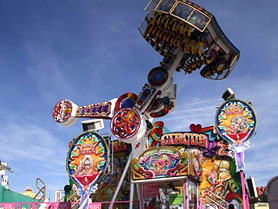
This year, as many as 80 different firms offered fair guests samplings of their foods, and more than 200 attractions greeted fair-goers as well, such as breathtaking rides like the Olympia Loop or the Power Tower, the Krinoline (merry-go-round), the Teufelsrad (Devil’s Wheel), the Toboggan and even a variety show.

OctFest11-13

HISTORY OF THE FAIR
The wedding of Crown Prince Ludwig–later King Ludwig I of Bavaria–and Princess Theresa of Saxony-Hildburghausen in 1810, started the fair when the royal couple invited the people of Munich to celebrate in the fields in front of the city gates. The fields were named “Theresienwiese” in honor of the princess, and locals later abbreviated the name to “Wiesn.”

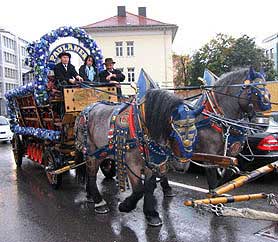
The annual Munich celebration starts off with a parade featuring festive carriages bearing the land-lords’ families, the horse-drawn drays of the Munich breweries, showmen’s coaches, waitresses on decorated floats and the beer tent bands. It’s quite a spectacle!

The following day the Munich Costume and Rifleman’s Parade features groups in traditional costumes, marching bands, troops of bandsmen and trumpeters, amateur and mountain riflemen. Performers of all kinds, decorated coaches and flower garlands are always main attractions of the parade. And the parade goes on even if the weather is bad!

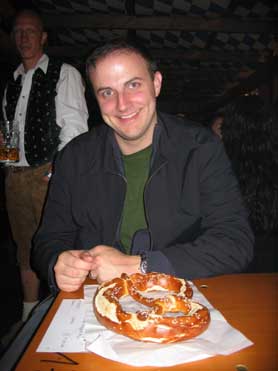
European Traveler’s Steve Ramsey tests one of the giant pretzels at the 2007 Munich Octoberfest. Got a beer to go with this?

ONE LAST WORD, AND A FAMOUS BREW
Of course, one of Munich’s famous trademarks is the 418-year-old Hofbrauhaus, where beer lovers gravitate throughout the year. It’s a fun establishment that holds up to 3,000 guests at the same time. The beer house even has its own beer, served, of course, at Octoberfest.

Stay tuned for more beer news. We had a great time in Munich, so it’s likely we’ll be back! Let’s see…when is next year’s fair?

OctFest09

Sightsleeping in a Castle

Photo courtesy Heidelberg Marketing GmbH
Sightsleeping Hotels

With “sightsleeping” hotels, the state of Bavaria offers tourists interesting ways to discover the land of King Ludwig with its many castles. “Sightsleeping” features 19 different hotels all over Bavaria, each unique, and a tourist attraction in and of itself.

Especially interesting are the seven castle hotels at Neuburg, Wernberg, Pommersfelde, Eggersberg, Rothenburg, Burgellern and Hopferau. Each offers a connection between history, culture, art and luxury. (www.bayern.by)


Live like a king, spend as a pauper

Castles, former hunting lodges and manor homes have been turned into bed and breakfast places and even youth hostels. All these castles are pleasant, historic and non expensive getaways, and definitely a good bargain.

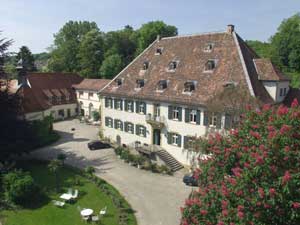
Castles, monasteries and manor houses that have joined the Culture and Castles Association, a group of aristocratic families opening their properties to the public, stand out due to their remarkable authenticity, and they provide timeless accommodations for great value, starting at 60 Euro per night. Services range from bed and breakfasts, holiday apartments and wedding facilities, to dreamlike locations for meetings and special festivities. (www.culture-castles.de)

Along the Castle Road, which stretches more than 600 miles from Mannheim/Heidelberg to Prague, some of the more than 70 castles, palaces and castle ruins have been turned into hotels and offer comfortable and fairy-tale like accommodations. For centuries the buildings have survived the vicissitudes of history and stand as reminders of emperors, kings and princes, of poets and thinkers, robber knights and romantic tales of chivalry.

Youth hostels in castles are the essence of great value with a unique experience. Stahleck Castle (www.jugendherberge.de), in Bacharach near the river Rhine river, is Germany’s prime example of spending like a pauper but living like a king. This 11th century castle houses one of Germany’s top youth hostels with plenty of beds, a warm welcome and a medieval view. Prices for an overnight stay can be as low as 20 Euro. Other popular youth hostels can be found in the castles of Nuremberg above the city center: Altena near the Ruhr region, Ehrenbreitstein near Koblenz and Rothenfels in the Main valley.

Baden Wuerttemberg and its Castles

The state of Baden Wuerttemberg in the southwest of Germany is home to many of the country’s finest palaces and the birthplace of its most powerful dynasty: the Hohenzollern, who ruled Prussia and Germany for many centuries.

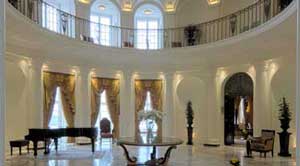
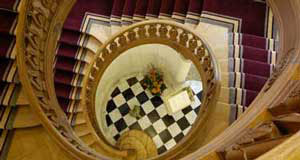
Castles in Baden Wuerttemberg cannot only be visited, but they also serve as hotels offering guests royal comfort and an unforgettable stay.

A luxury getaway is the Castle Hotel Buehlerhoehe. The five-star hotel, just outside of Baden-Baden, is at an altitude of 2,788 feet, overlooking the surrounding wineries. With luxury accommodations, gourmet restaurants and unique flair, this castle hotel is one of Baden Wuerttemberg’s shining stars and promises an unforgettable stay. (www.buehlerhoehe.de)

Along the castle road lie other unique hotels: A romantic stay in an authentic fortress can be found at Castle Guttenberg. Situated on a mountaintop overlooking the river Neckar, guests will not only sleep comfortable in this fortress from the 13th century, the castle has a rustic charm and invites guests to medieval feasts. (www.burg-guttenberg.de)

The Castle Hotel Liebenstein is a treat for all golfers with its own 27-hole golf course. The castle was built in the 12th century and is situated in close to the river Neckar. With 24 rooms, the hotel promises an intimate experience with personal service. (www.liebenstein.com)

Other castle hotels in Baden Wuerttemberg are Staufeneck, www.burg-staufeneck.de; Haigerloch, www.schloss-haigerloch.de; Hornberg, www.burg-hotel-hornberg.de; Heinsheim, www.schloss-heinsheim.de; and Reinach, www.schlossreinach.de.

From the castle hotels you can take trips to the impressive main castles of the Hohenzollern. The crown of the Prussian kings can be visited in Hohenzollern Castle, a majestic fortress overlooking its environment from the top of a mountain. Castle Sigmaringen, the Hohenzollern’s former seat on the Danube, is also a major landmark. The castle of the princes of Hohenzollern stands high above the Danube on a white Jurassic limestone spur. All the castles of the Hohenzollern can be discovered by following the scenic Hohenzollern route. The route of 143 miles takes you through the countryside and to many sights that once made up “Hohenzollern country.” The route starts from the Neckar Valley in the north and runs down almost as far as Lake Constance in the south, traversing the Swabian Alb. (www.germany-tourism.de)

Besides the castles of “Hohenzollern Country,” there are the impressive palaces of Heidelberg and Mannheim. Heidelberg Castle served as the residence of the Palatine Electors for over four centuries and today is a UNESCO World Heritage Site. The castle and its courtyard are famous for celebrations and cultural events, such as the castle festival in the summer (June 21 – August 23). (www.heidelberg-marketing.de)

Reopened last year, the Baroque castle of Mannheim is the pride of the region. Built in 1720 the castle has a long and turbulent history, being destroyed and rebuilt several times.(www.schloss-mannheim.de)

For more information on castles in the state of Baden-Wuerttemberg visit http://www.tourism-bw.com. An overview of all castles in Baden-Wuerttemberg is at www.schloesser-magazin.de.

‘Ciao Down’ in Emilia-Romagna, Italy’s Gastronomic Capital

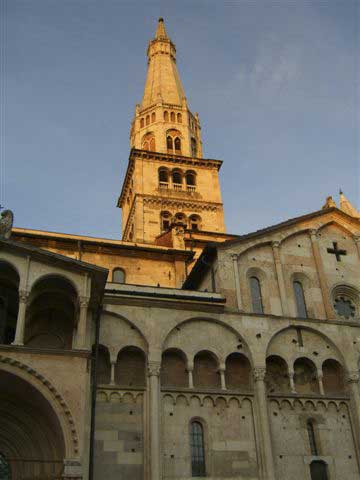
The bell tower of Modena’s cathedral

By Kristi Nelson Cohen
Photos by the author

One of things travelers enjoy the most is, well, eating.  We chow down breakfast, lunch and dinner without blinking an eye, when we wouldn’t dream of eating this much at home.  But as they say, “When in Rome.” You should definitely dine as they do, with a great glass of wine.  Each region of Italy offers its specialties, but Emilia-Romagna, located in the heartland of central Italy, could easily be considered this country’s gastronomic capital.
 
Located just over an hour north of Florence and about two hours southwest of Venice is the region’s capital, a major metropolitan city called Bologna. Bologna is easily reached as a transportation hub on the Italian rail or on Highway A1 from Florence.  Less than an hour northwest of Bologna are the smaller communities of Modena and Parma, which are also accessible by rail or car. The busy A1 highway links Bologna to Milan via Modena and Parma. 
 
The larger-than-life opera singer Luciano Pavarotti was from Modena. Pavarotti’s large stature and his appetite for life, friendliness and generosity exemplify the people of this region.  Those who watched his funeral on television in late 2007 got a glimpse of Modena’s historic Romanesque duomo.  This 11th century cathedral, its piazza and bell tower are all listed by UNESCO as a world heritage site.  But we’re here to talk about food!
 
Pigs still outnumber people here, which is why the Parma ham or prosciutto di parma is a dietary staple. Many of Italy’s prosciutto, salami and other pork products are cured in towns scattered over this region. Another well-known food staple is Parmesan cheese, and we’re not talking about the stuff that comes in a green can. The real deal is called Parmigiano-Reggiano. And don’t forget about the famed balsamic vinegar which originated in Modena, called Aceto Balsamico Tradizionale.  Here a visitor will learn about the painstaking process of making this aged, black gold. Tradizionale Balsamico is very expensive — a small bottle can cost $100-$400 — but each thick drop carries sweet and complex flavors used to enhance a variety of foods.

Lambrusco grapevines near Modena

 
ACETO BALSAMICO TRADIZIONALE DI MODENA

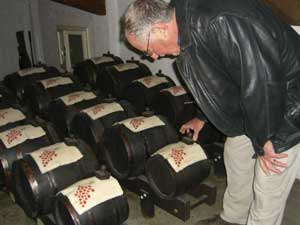
The balsamic vinegar found in the grocery stores, or even in the specialty gourmet stores in the U.S., is great on salads, but has merely a slight resemblance to the real thing. Tradizionale vinegar is made with the Trebbiano white grape. The juice is cooked, reduced and fermented in a series of specifically made wooden casks for no less than 12 years.  Each year, the vinegar evaporates from the wooden casks and is then moved to a graduated smaller cask.  At the end of 12 years, what started as six gallons of fermenting grape juice will only produce one quart of finished tradizionale vinegar. 
 
The vinegar production must pass strict government standards and be approved by the Balsamic Vinegar Consortium which monitors the quality and production amounts. There is only a handful of small producers, and while prices may seem high, this syrupy concoction takes years to create.  While visiting the area it is possible to schedule a production tour and tasting. High end restaurants offer menu selections where the Aceto Balsamico Tradizionale is sprinkled sparingly over grilled meats, strawberries, tortelloni, Parmigiano Reggiano cheese or even over ice cream. This sweet, aged, deep brown nectar can even be drunk as an after-dinner liqueur.
 

Balsamic vinegar casks


SAY “CHEESE” — PARMIGIANO–REGGIANO

West of Modena is Reggio Emilia, the birthplace of the renowned Parmigiano-Reggiano cheese. This cheese is not only grated onto pasta, but is often served by itself in chunks as an appetizer or even for dessert, when it might be drizzled with honey or the famed balsamic vinegar.
 
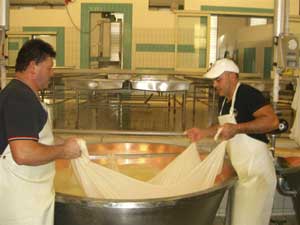
Cheese production tours are available with advance scheduling. There you can watch cheese makers stirring the milky brew in large copper cauldrons, then cutting through the curds and later forming soft pillows of cheese. The soft cheese is pressed into a wheel form with the pre-formatted stamp which says “Parmigiano Reggiano” and allowed to cool.  The soft wheel is then cured in saltwater brine for two weeks. The cheese wheel is then placed on wooden shelves and allowed to age from 2-5 years. 
 
Visitors can easily buy this cheese from any market in the area or even at the airport on departure day.  Be sure to check the hardened rind area to see the perforated stamp of authenticity.  If the cheese is sealed in a vacuum package, it is perfectly acceptable to carry home as a delicious reminder of a vacation in Italy.    

(left to right) Wheels of Parmigiano-Reggiano undergo the aging process; Master cheese makers with pillows of soft cheese

 
FAST CARS, RAGING BULLS AND RED RACING FEVER

If great food and world heritage sights aren’t enough to entice a visit to the area, perhaps the thrill of seeing another part of Italy’s claim to fame will  Italian design is world famous, but none more coveted than Italian specialty sports cars. The Modena area is home to Ferrari, Maserati, Ducati, Lamborghini and Pagani. 
 
Tours at the Ferrari factory, located 12 miles south of Modena in Maranello, are not available, but the Galleria Ferrari Museum has a great exhibition of engines, vintage cars, memorabilia and a reconstruction of Ferrari founder Enzo Ferrari’s personal study. There’s also the official Formula One shop, the Ferrari restaurant and places where visitors can view the Ferrari test track through the fence, giving an ample cure for “red racing fever.”

The Lamborghini Factory Museum located at Via Modena 12 in Sant’Agata is under the same roof as the “raging bull” factory.  There visitors enjoy a wide array of vintage automobiles, historic photos and rare prototype models. With an advance appointment, factory tours are also available, and this museum isn’t nearly as crowded as Ferrari, which gives visitors a chance to stroll the displays at leisure. Guided tours in English are available with advance request. 
 
There is so much to see for the sports car enthusiast that it might be best to set up guided full-service tours with museum and factory admission organized in advance by a professional guide service. Le Volpi Ciccione is one such operator. They can even customize a tour that includes your own Ferrari to drive for a few days, as long as your budget will allow.
 
Our food and motor tour included a cooking class at the Ferrari Village restaurant. The Ferrari Village’s red exteriors were a good match for the passion of the restaurant’s culinary team, which graciously opened their kitchen so our group could learn to make gnocco fritto (a light deep-fried dough which was served piping hot with thin slices of prosciutto) and the filled pasta called tortelloni (larger) or tortellini (traditional smaller-shaped filled pasta). Following the cooking instructions, our group enjoyed a luncheon fit for kings and, yes, we sampled our own creations, although some students were better at shaping the tortelloni than others.

With great food, historic sights, friendly people and the classy Italian sports cars, this area of Italy is not to be missed!
 
CONTACT INFORMATION TO HELP YOU FIND YOUR WAY THROUGH EMILIA-ROMAGNA
 
Le Volpi Ciccione srl – Tour Operator/Travel Agency in Modena
Le Volpi provides customized tours and area lodging with emphasis on food, wine, motorcars, historic sights and much more.  English speaking guides and group tours available. 

Vicolo del cane 7, 41100 Modena, Italy
Phone:  011-39-059-218 722
For customized tour itineraries for both individuals and groups, contact Giusy@levolpiciccione.it
 
Museo Lamborghini
Via Modena 12, 40019 Sant’Agata Bolognese, Italy
Phone:  011- 39-051-681 7611
Open Monday through Friday excluding holidays
E-mail:  museo@lamborghini.com or for factory tours factorytour@lamborghini.com
 
Galleria Ferrari
Via Dino Ferrari, 43-41053 Maranello, Italy
Phone:  011-053-694-32 04
Open every day excluding Dec. 25 & Jan. 1
E-mail: (for group requests) galleria@ferrari.it
 
Balsamic Vinegar Consortium
Corso Cavour 60, Modena 41100
Phone:  011-059 23 6981
 
Parmigiano-Reggiano Consortium
Via Kennedy 18, Reggio-Emilia
Phone:  011-052 23 077 41

About the writer
Kristi Nelson Cohen, also known as the “Train Dame,” has a long history with marketing and tourism promotions. Cohen’s love of history and trains, in addition to her hospitality and marketing background, led to a position as Vice President of Marketing for the Durango & Silverton Narrow Gauge Railroad where she worked full time until 2004.

Cohen remains active as an affiliate for American Heritage Railways and Rail Events Inc. where she has assisted with marketing efforts for The Great Smoky Mountains Railroad, Thomas the Tank Engine, Little Engine That Could Rail Tour and Polar Express Rides. She was also one of the organizers of the National Narrow Gauge Convention held in Durango in August 2006. She now owns and operates an international tour company called Bella Italia Trips, leading guided tours to Italy.