Munich Day Trips: Castles and Palaces of Bavaria

Story and photos by Megan Kudla

The biggest cities in Europe are oftentimes the most convenient to fly into and to build travel itineraries around. There’s a host of information to find when researching your trip, including hotels, sites, and tours. Munich, Germany, is one of these key places that tourists look to book for a few days when taking a European journey. And it’s a great city for history and art buffs, as some of the main sites include royal residences. 

There are plenty of palaces to visit by walking or taking a short train ride from Munich’s Marienplatz (the main square); however, a trip to the countryside to see castles built into the Bavarian Alps can also be a perfect way to break up your time spent in the big city and to learn about the history of the larger area. We’ll start with the palaces most easily reached from the Munich city center, and then move to those that are probably best to drive to.


By Foot or Train

Residenz München

From 1508 to 1918, the Residenz München was the official home of the Wittelsbach family dynasty: the dukes, electors, and kings of Bavaria. Located in Old Town and just a 5-minute walk from Marienplatz, you’ll find that it’s one of the most easily accessible sites if you’re staying in the historic center of Munich. 

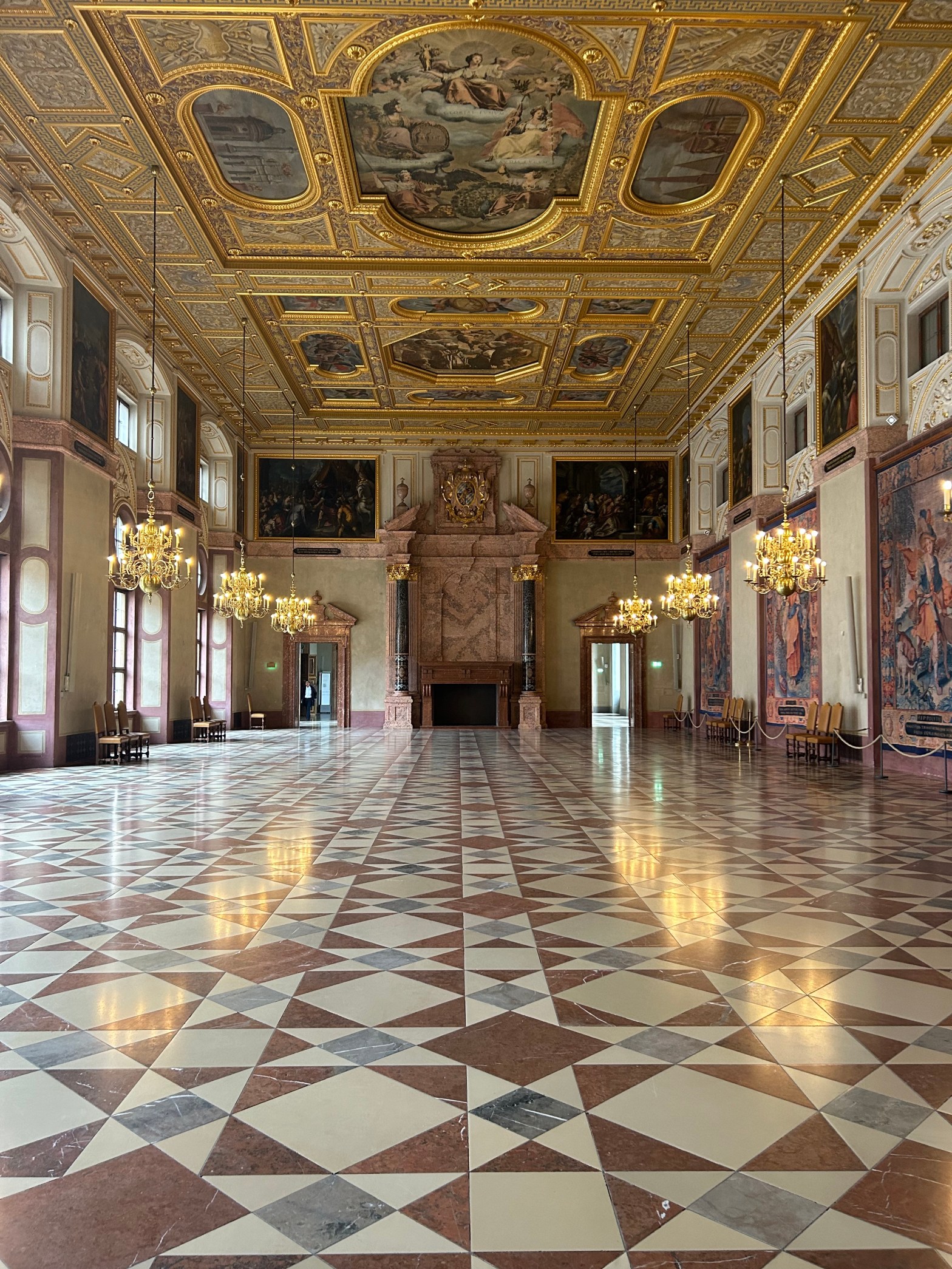
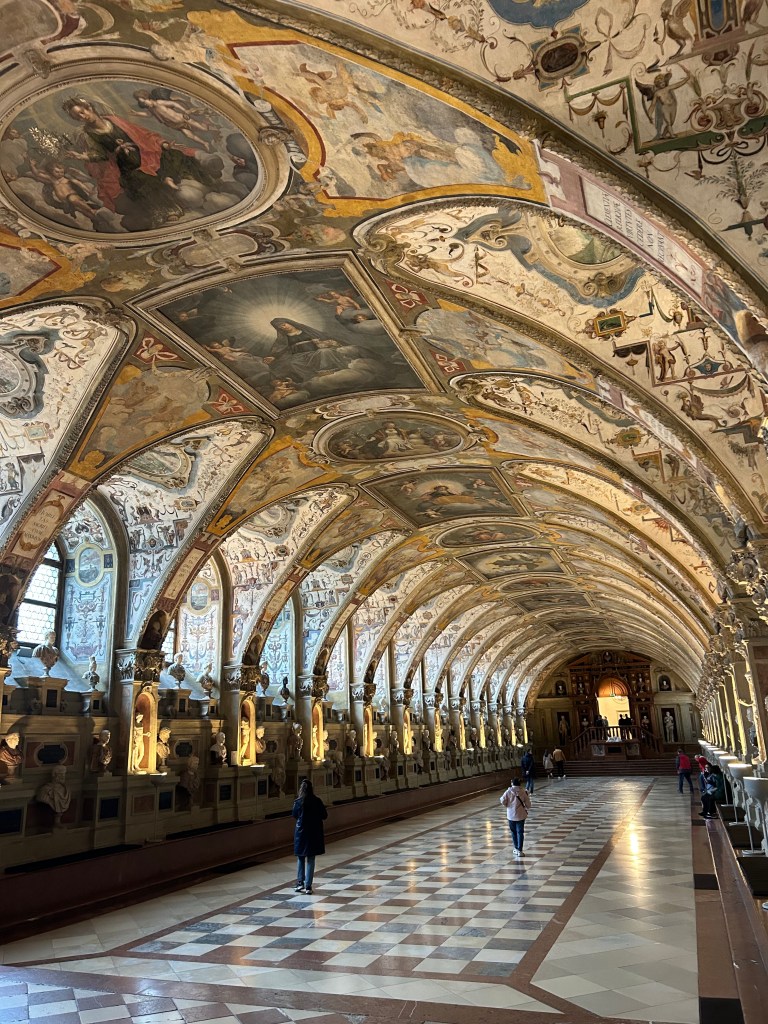
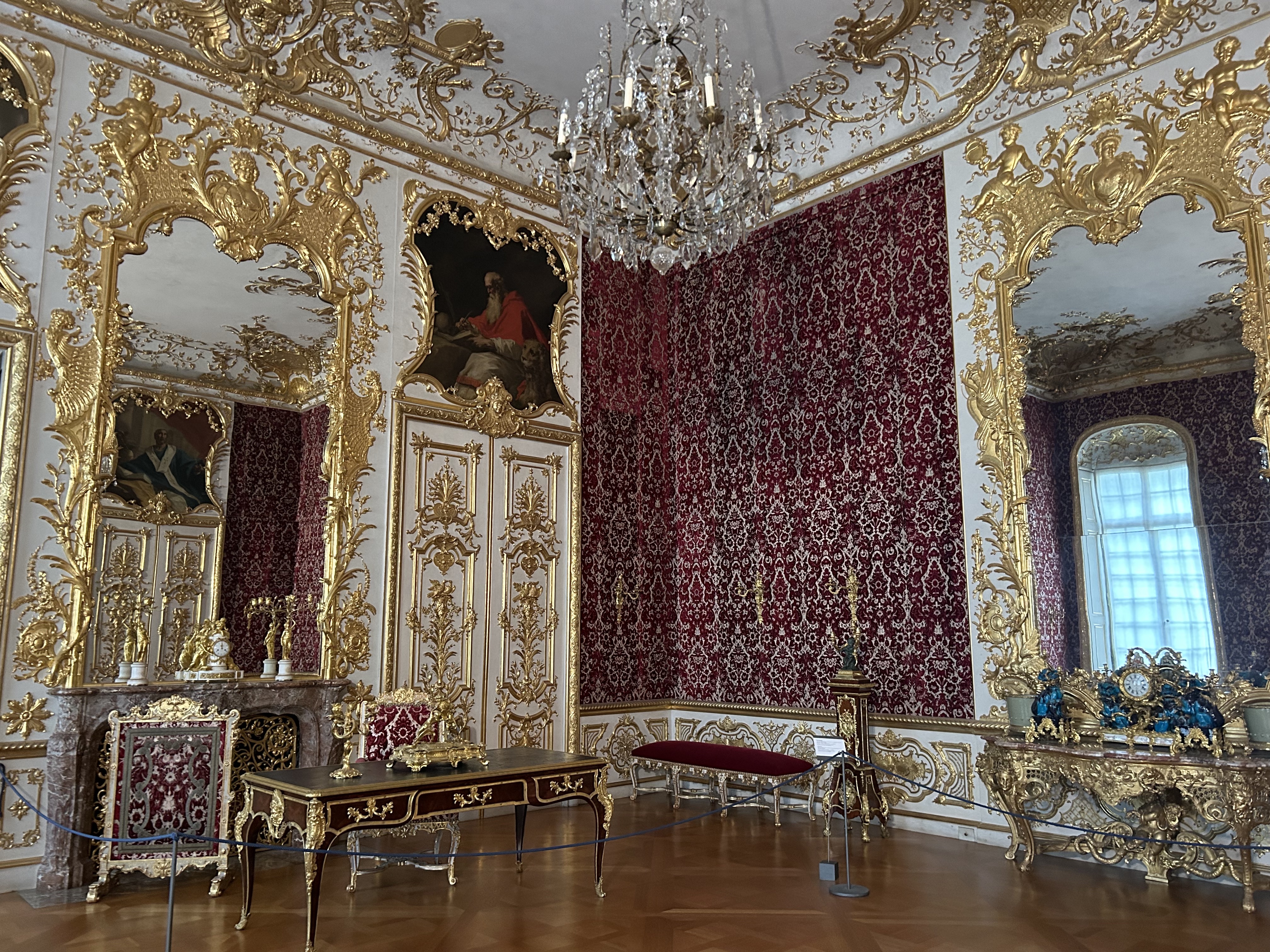
The palace hosts a dizzying maze of rooms upon rooms—antechambers, galleries, places of worship—of elegant design in the Baroque, Rococo, and Neoclassical styles, according to the tastes of the late rulers. Much was destroyed in the 1945 bombings during World War II, but it has been reconstructed to what you see today. Although some of the furnishings were saved, many were remade to authentically resemble what it would have been. 

Your journey to see the tapestries, furniture, and grand art is self-paced. You can get a singular ticket to tour the royal rooms, or you can purchase a combination ticket that includes entrance into the royal treasury exhibition and the Cuvilliés Theatre. 


Schloss Nymphenburg

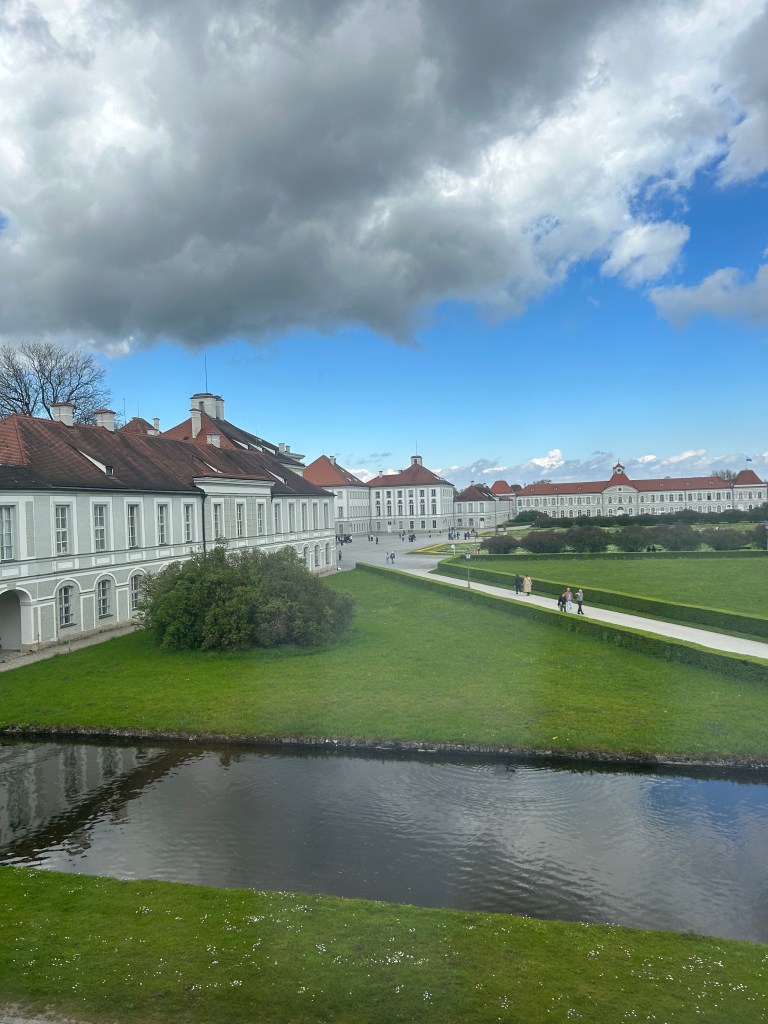
One of the most popular sites to visit in Munich, the Schloss Nymphenburg, began its construction in 1664 as the Bavarian electors’ summer residence. The grounds are expansive, so a trip here could take up as much as a half to a whole day, depending on how much time you wish to spend wandering the acres of residence and park. It’s fewer than 30 minutes away from the Marienplatz by public transit. 

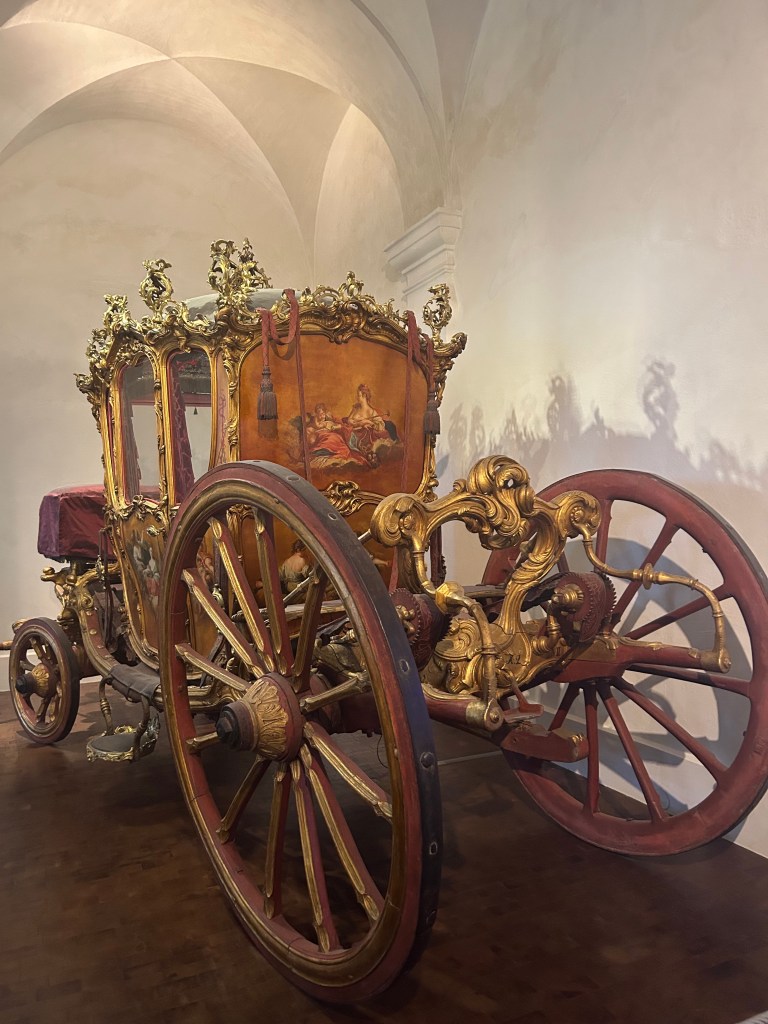
Like the Residenz München, you can purchase separate tickets to each museum and site, or you can purchase a combination ticket. The combination ticket will get you entrance into the palace rooms, the Marstallmuseum (where you can see the original royal carriages and sleighs of the past), the Museum of Nymphenburg Porcelain (where you learn about how the secret of Chinese porcelain came to Germany), and the park palaces.

The park palaces are worth noting. They are spread out across the grounds but, if you’re up for it, can add up to quite a nice day walking around and exploring. Each park palace had a different function and design, so the buildings you enter will give you even more of a look into the extravagant life of the royal family. 


By Car

Ready to get out into the Bavarian countryside? A popular day trip, and one that’s easy to find group tours of, is the ride to Neuschwanstein Castle near Füssen and the Linderhof Palace in Ettal. Group tours can be as large as 40 people in a big bus. You can also get smaller tours that are capped at 20 people, which, of course, will cost a bit extra, but will give you a more intimate relationship with the tour guide and the fellow travelers. Or, you can opt to map it out yourself. Just ensure you grab tickets ahead of time, as there are timed entries for these popular German castles.

Schloss Neuschwanstein

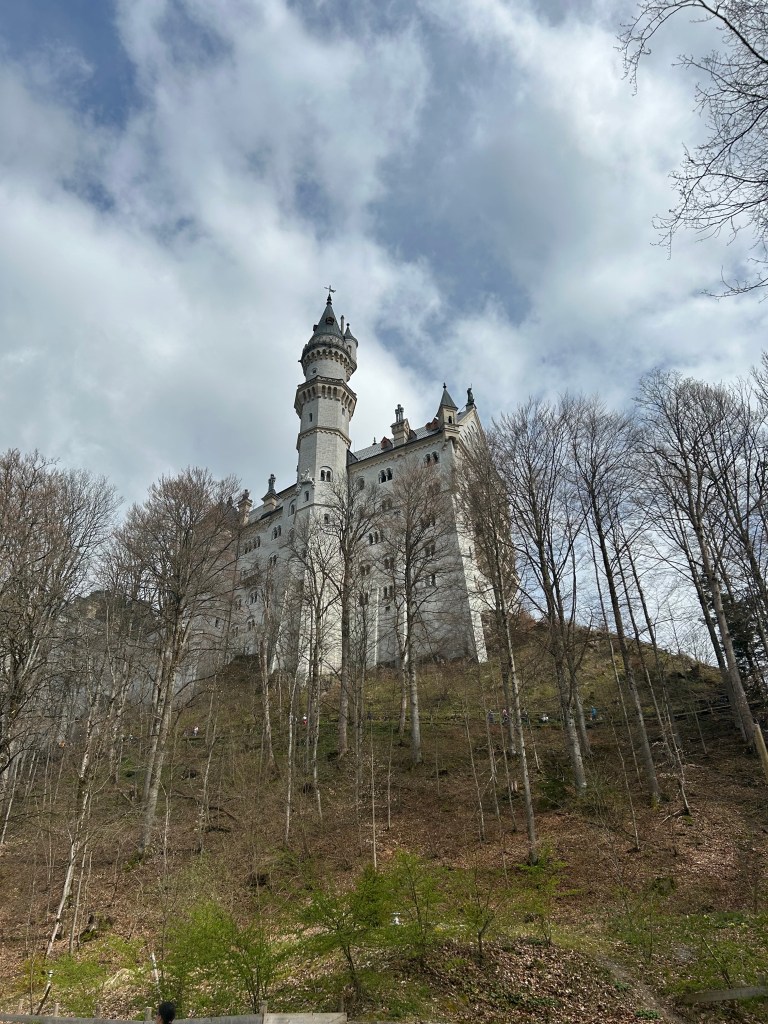
Around a 2-hour drive from the Munich city center, Schloss Neuschwanstein is often known as the “Sleeping Beauty” or “Cinderella” castle, as this is the famous structure that inspired Walt Disney’s depictions of the iconic Disney World and Disneyland main castles. Although the Schloss Neuschwanstein is medieval-looking, it wasn’t actually built during that era. King Ludwig II of Bavaria was simply inspired in 1869 to build his lofty castle in the medieval style. It actually has a state-of-the-art kitchen with the newest technology, including a stove and roasting oven with a plate warmer.
The story goes that castle construction did not go as quickly and smoothly as the young king had hoped—plus, it got rather cold living there in the winter—so he focused his attention on the creation of the Linderhof Palace for his winter residence. Therefore, the Neuschwanstein Castle tour only takes you through the two upper levels; the palace is largely unfinished. What you do get to see is still mind-blowing, with wall murals depicting medieval scenes, ceilings that seem to tower over you forever, and artistic odes to his favorite composer, Richard Wagner.
The location is right across the way from his father’s castle—Prince Maximilian II’s Schloss Hohenschwangau, where Ludwig grew up and which he cherished dearly. You can also visit the Hohenschwangau Castle, but note that it involves some steep steps to reach.

Schloss Linderhof

When Ludwig put his fairytale Neuschwanstein Castle on pause, construction of the Schloss Linderhof—just a one-hour drive away from Neuschwanstein—went into full swing. This palace was the only one that was completed during his lifetime. He was largely inspired by Versailles and King Louis XIV of France, otherwise known as the Sun King, and you will see obvious nods to the French king as soon as you walk into the palace. As Ludwig II’s winter home, you can almost imagine snow falling and Ludwig riding through the land on his royal sled at nightfall…

As with the Neuschwanstein Castle, you cannot take pictures on the inside. And it can take a lot to describe the grandeur of the rooms in this palace. The rooms feel smaller and give off a cozier feel, but there’s nothing quaint about the rococo decor. You will find yourself surrounded by objects of great worth and artistic merit, as well as walls and ceilings that are gilded in gold. There is even a “magic table” that could rise and lower from the king’s quarters down into a room where servants, staying unseen, filled His Majesty’s table with meals.

No less thought went into the Linderhof gardens and park, and especially not the fountain that graces the front of the palace. Every 30 minutes, you’ll get the chance to see water rush up into the air, reaching above 70 feet high. It’s quite an impressive sight.

Ready to Explore!

To ensure you don’t feel rushed, give these four German palaces and castles at least a full 3 days to explore. There are many other sites in Munich to pair with a day visiting the Residenz München, too, because Marienplatz offers markets, churches, biergartens, the nearby Englischer Garten, and more. You’ll find that although Munich is a modern city, it also grants you the opportunity to take a step backward in time to learn about Bavaria’s past.

Salamanca Is Spain at its Most Majestic

Salamanca’s Old Town boasts one of the largest and most beautiful town squares in Spain. Its labyrinth of pedestrian streets is a stroller’s paradise.

Story and photos by Randy Mink

Two of my favorite things to do in Europe are: 1) communing with the past in historic city centers with rambling pedestrian zones and 2) watching the world go by while noshing away at an outdoor cafe. For me, life doesn’t get better than this.

In west-central Spain, the perfect place to pursue both passions is Salamanca, a medium-size city just 100 minutes away from Madrid by high-speed train.

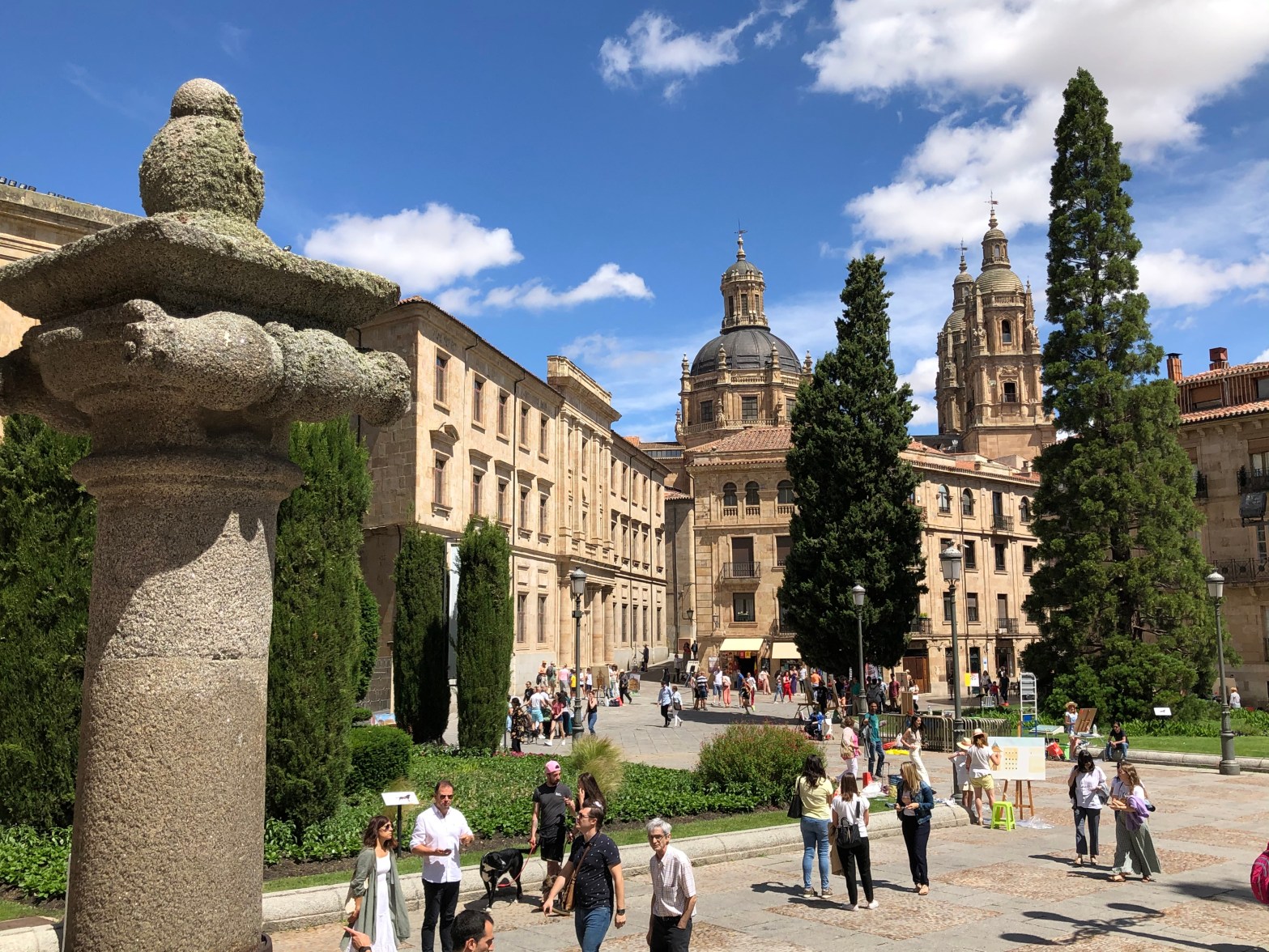
Salamanca’s Plaza Mayor, one of the most magnificent town squares in Spain, is ringed with cafes serving up tapas, those delectable little bites craved by locals and tourists alike. Steps away, cobbled, car-free streets invite carefree wanderers to travel back centuries, as distant as the Middle Ages. Giving this outdoor museum a youthful vibe are students from around the world who attend the University of Salamanca, Spain’s oldest. It’s all there for a true European experience in this UNESCO World Heritage City.

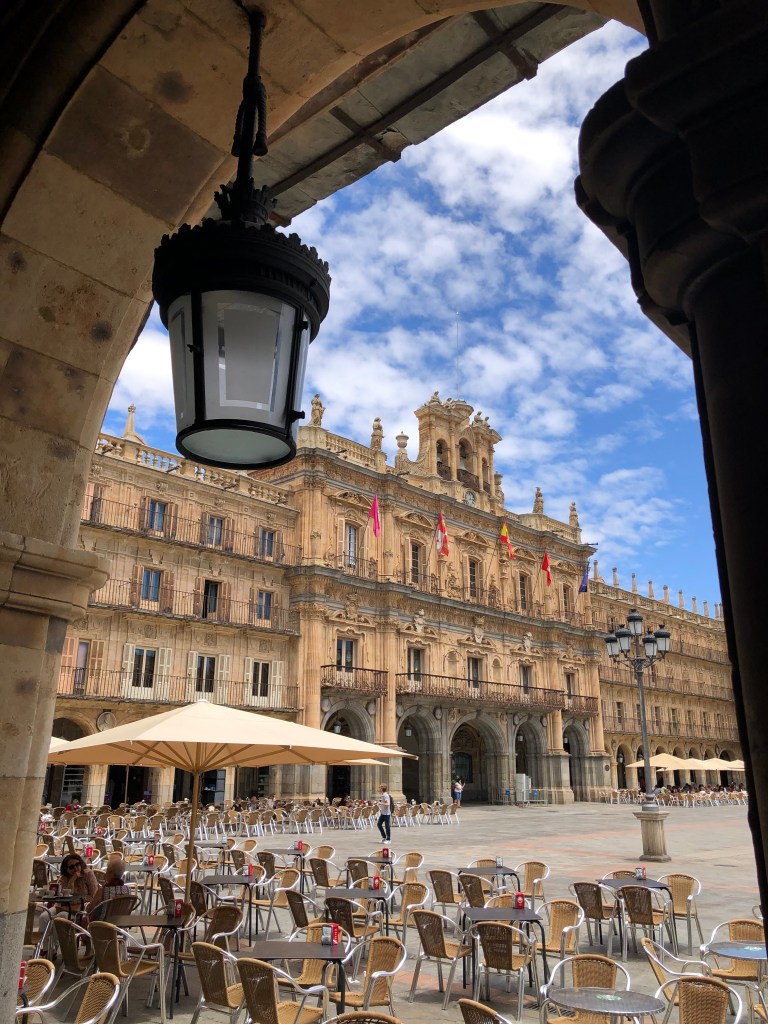
Salamanca’s Plaza Mayor is one of the largest and most beautiful central squares in Spain. The Baroque architecture dates from the 1700s.

Salamanca is not exactly on the way to other big destinations—you have to seek it out. That gives the city a feeling of being undiscovered.

Tourist-friendly but not too crowded, the historic core is compact and manageable. The number of sights is not overwhelming, so there’s time to pause, reflect and loll about eating tapas on the Plaza or Calle Rua Mayor, the main pedestrian artery. Salamanca’s Old Town, to my mind, is Spain in a nutshell.

Salamanca’s Majestic Plaza Mayor

From your umbrella table on the Plaza Mayor, once a bullring and now criss-crossed by constant foot traffic, you can take in the sweeping expanse of Baroque architectural grandeur dating from the 1700s. Cement benches provide seating in the middle of the square, and three floors of stately, balconied apartments rise above the archways that rim its perimeter.

In the arcades, you’ll find not only cafes but restaurants, bakeries, ice cream shops and the tourist office as well. The flag-bedecked clock tower building, a common meeting point, houses the Town Hall. Stone medallions on the colonnades depict great Spanish writers, kings and queens, and explorers like Columbus and Cortes. (After years of controversy, the image of former dictator Francisco Franco was taken down in 2017.) Sort of a community living room, the Plaza Mayor is the heart and soul of Salamanca.

Tapa Tasting in Salamanca’s Old Town

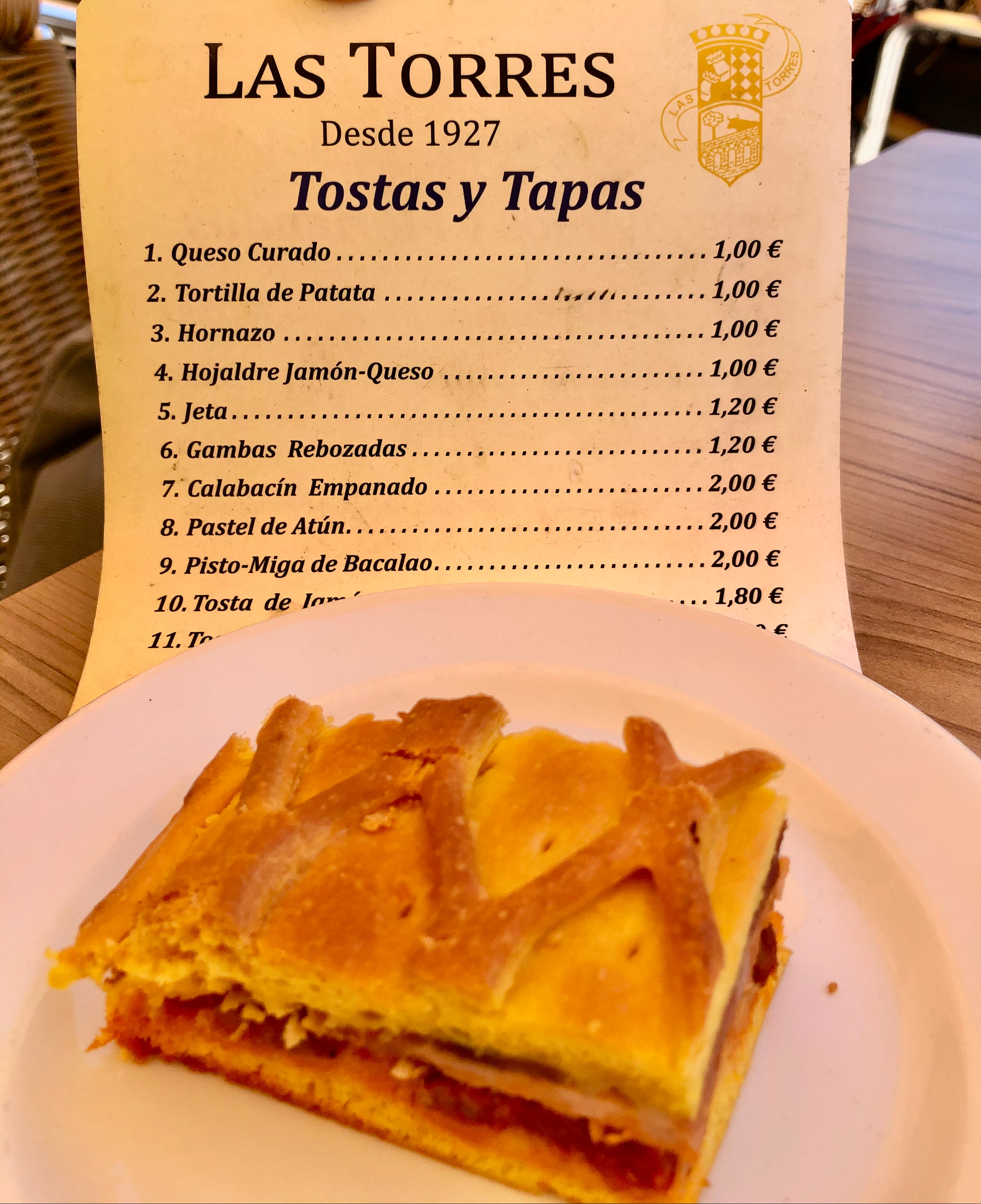
On a bright spring day, I surveyed the splendor from my perch at Las Torres, nibbling on items from the tapas menu at the venerable cafe/bar, a Plaza Mayor fixture since 1927. My favorite was hornazo, a meat lover’s dream. This Salamanca province specialty consists of layers of pork chorizo, pork loin and ham wrapped in lattice-crusted yellow dough, and sometimes includes bits of hard-boiled egg. I also indulged in fried eggplant slices drizzled with honey (crujiente de berenjena-miel in Spanish), more of an Andalusia specialty (from that region’s historical North African influences).

Hornazo,” a specialty of Salamanca province, consists of layers of pork chorizo, pork loin and ham wrapped in lattice-crusted yellow dough. It is served as a tapa at cafes and restaurants, and sold at bakeries and food shops in larger quantities.

During my two days in Salamanca, I had other memorable tapas:

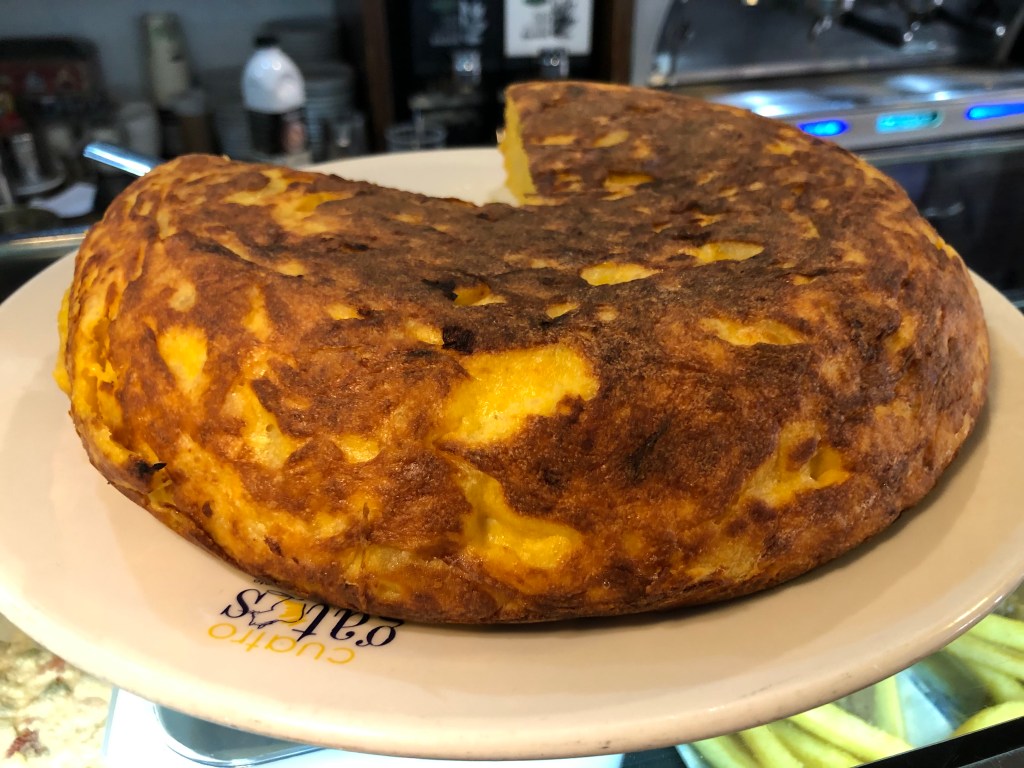
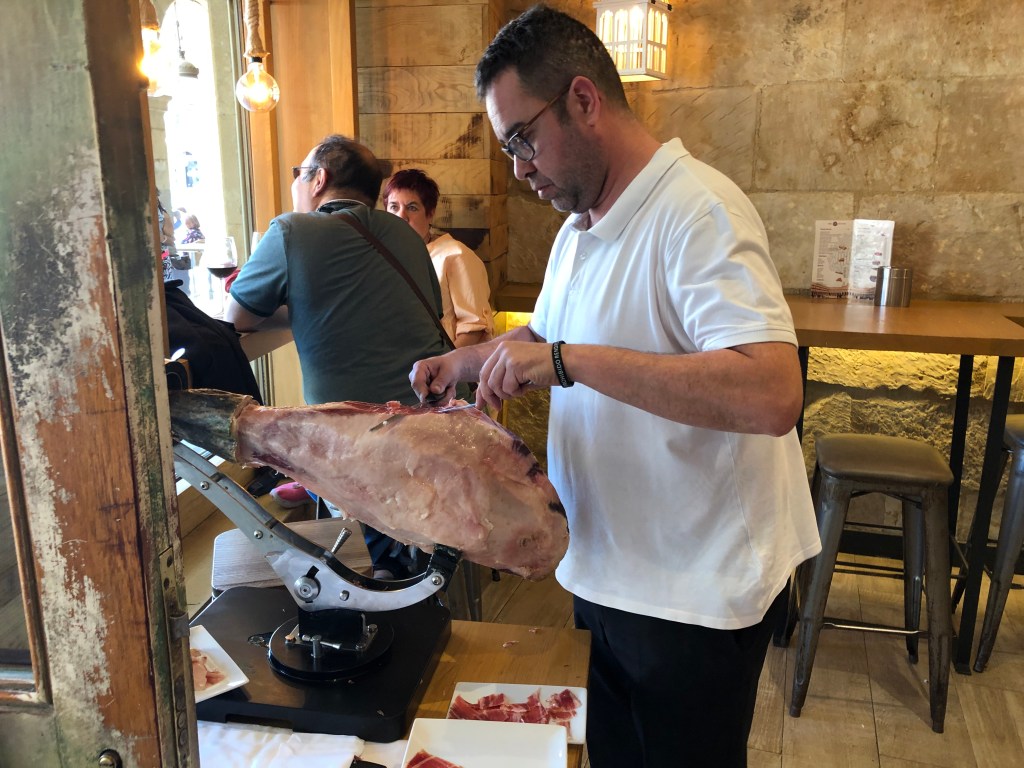
  • At the Plaza’s Cafeteria Los Escudos, I chose two classics—Iberian cured ham (jamon iberico), thinly sliced on the spot, and a wedge of Spanish omelette (tortilla de patatas), a simple egg-and-potato dish.
  • On a visit to Los Escudos the next day, I tried ensaladilla rusa—called paloma in Salamanca—a mayonnaise-y tapa with potato, peas and tiny bits of tuna, carrot, olive and hard-boiled egg, served with a wavy, shell-like crisp.
  • On Calle Rua Mayor, another prime spot for people-watching, I stopped at Cuatro Gatos for revuelto de farinato, a pretty orange-yellow concoction made of farinato (pork fat mixed with bread crumbs and paprika) and fried egg. Flavored with onion, salt, anise seed and other seasonings, farinato is called the “poor man’s chorizo.”
  • At several places, I ordered ham, chicken or Roquefort cheese croquettes. A favorite of mine, the croquette (croqueta) is a diminutive, deep-fried log of mush filled with the hot, creamy goodness of bechamel sauce (olive oil, butter, flour, milk). Yum.
  • For dinner at Lilicook Gastropub, I started with a plate of patatas bravas from the menu’s tapas section. The hefty portion of fried potatoes in spicy tomato/mayonnaise sauce could have been my whole meal.

(left) Among the many tapa choices in Salamanca, Spain is “revuelto de farinato,” a mixture of farinato (pork fat with bread crumbs and paprika) and fried egg. (center) Wedges of Spanish omelette, or “tortilla de patatas,” are popular with tapa lovers throughout Spain. This beauty is a creation of Cafeteria Los Escudos, a cafe on Salamanca’s Plaza Mayor. (right) Iberian cured ham (“jamon iberico”), a favorite tapa in Spain, is thinly sliced on the spot at Cafeteria Los Escudos, a cafe on Salamanca’s Plaza Mayor.

Seeing Salamanca From on High

In Europe, whenever the chance arises, I climb to the top of a major landmark—for bird’s-eye views and just the challenge and bragging rights of making it to the summit. Salamanca’s Old Town presented me opportunities at two buildings a short walk from the Plaza Mayor.

At La Clerecia Church, I ascended the wooden Scala Coeli, or “Stairway of Heaven,” on a 200-step trek to the passageway connecting its two bell towers. Setting my sights even higher, I then took the spiral, bell ringer’s stairwell for a look at the big iron bells. Besides enjoying panoramas of the city’s ancient churches, convents and palaces, I spied migratory storks nesting on the dome of the colossal Baroque church, which began life in 1617 as a training school for Jesuit missionaries and now is home to Pontificia University, a private Roman Catholic school.

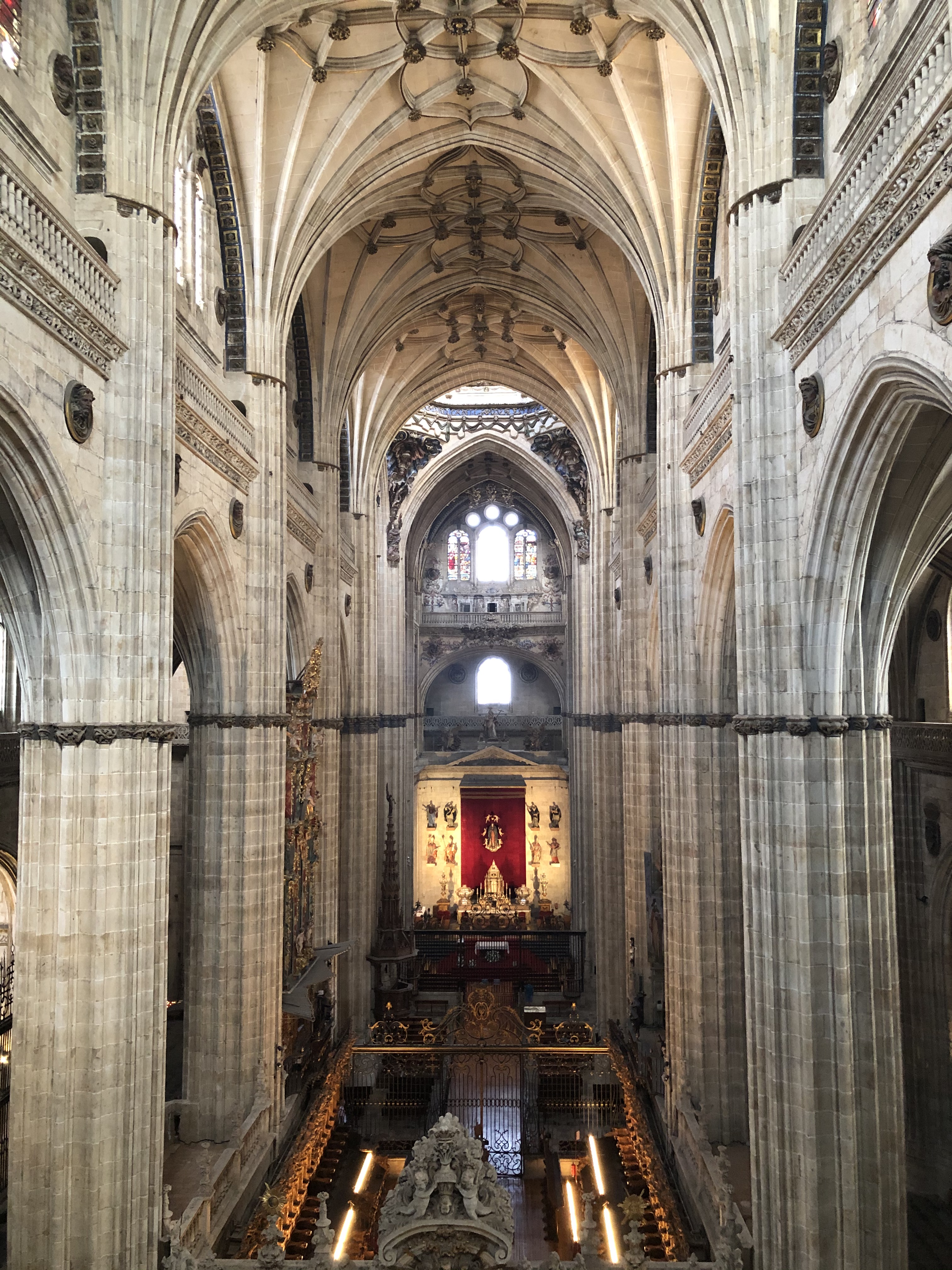
I also tackled the 328-foot-tall bell tower—and tried my hand at bell ringing—at Salamanca’s somewhat quirky double-cathedral complex. Built centuries apart, the Old Cathedral and New Cathedral are actually attached—they share buttresses. In fact, you can’t visit the 13th century Romanesque church (Cathedral of Santa Maria) without going through the Cathedral of La Asuncion de la Virgen, or New Cathedral, which isn’t new at all—it was built hundreds of years ago in the Gothic, Renaissance and Baroque styles. The bell tower is the highest historic tower in Spain after La Giralda in Seville.

From a viewing platform, visitors can admire the Gothic-style nave of Salamanca’s New Cathedral.

For those who don’t make it to the bell room at the top, lower-level terraces offer fine views of the town and the cathedrals’ exteriors. A cell phone tour of the interiors, a cool activity on a hot day, highlights sumptuous wood carvings, murals and a massive organ.

The University Plays a Big Role in Salamanca

For its first 200 years, the University of Salamanca was in the Old Cathedral. Founded in 1218 by King Alfonso IX of Leon, it ranks as one of the oldest universities in Europe, and, though its prestige peaked in the 16th century, clearly enhances the city’s image.

On a walk through the Old Town’s student quarter, it’s not uncommon to hear English spoken, as many American study-abroad programs take place at the university, which includes both historic buildings—some from the 15th century—and modern ones. Besides Spanish language courses, foreigners take classes in Spanish culture and literature.

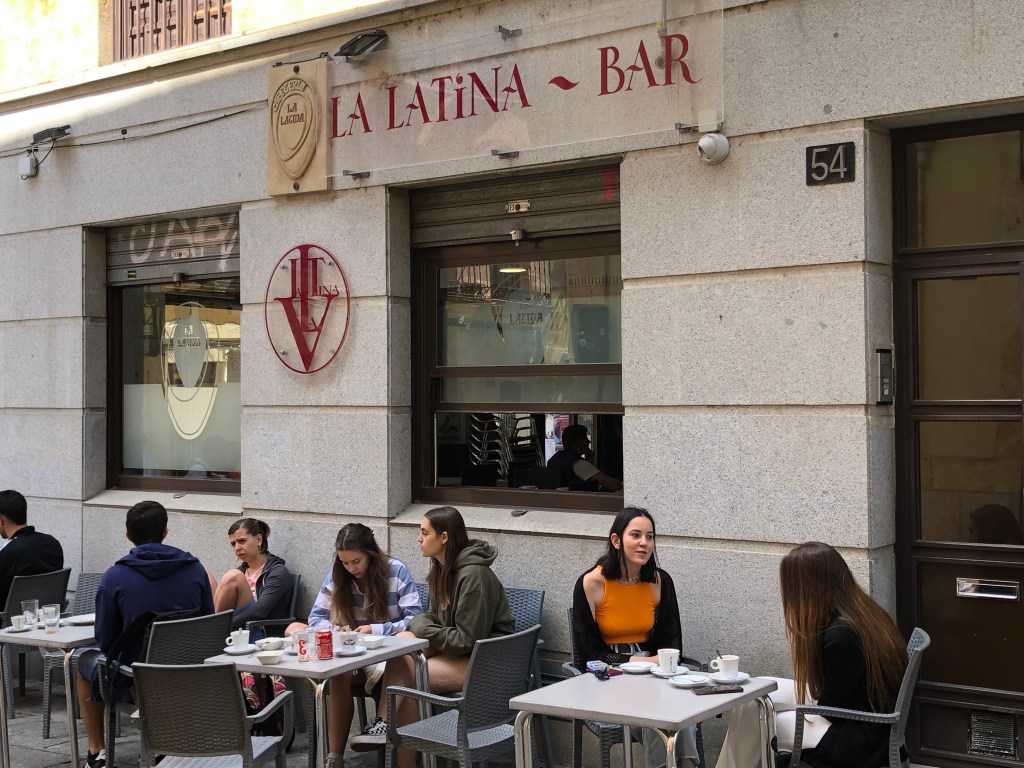
(left and center) Cafes in the student quarter give Old Town Salamanca a youthful vibe. The University of Salamanca, Spain’s oldest, dates back to 1218. (right) The University of Salamanca, the oldest university in Spain, is among the many points of interest in Old Town, a warren of pedestrianized streets filled with examples of architectural splendor.

Intricate stone carvings on the facade of the main university building (Escuelas Mayores, or Upper Schools) provide the focal point for tourists exploring the hallowed streets of academia. The decorative style of ornamentation, popular during the late Spanish Renaissance, is called Plateresque because the filigree-like carvings resemble fine silver jewelry, plata being the Spanish word for “silver.” At any time of day, you’ll see people craning their necks trying to spot the “hidden” frog sitting on a human skull. (Vendors sell croaking toy frogs, and souvenir stores are full of frog trinkets.)

Frescoes and intricate stone carvings impress visitors touring Salamanca’s 13th-century Old Cathedral, a lovingly preserved survivor of the Middle Ages.

Also gracing the splendid facade are carvings of King Ferdinand and Queen Isabella, who financed the university; their grandson, Hapsburg Emperor Charles V; and the pope at the time, plus mythical heroes, religious scenes and coats of arms. (This type of tapestry in sandstone, an Arabic influence, also is found adorning the New Cathedral, St. Stephen’s Monastery and other Old Town buildings from the period.) For an admission fee, tourists can go inside the academic shrine and see the original classrooms and lecture halls, now museum exhibits.

Savoring Salamanca’s Old World Splendor and its Golden Glow

The sandstone used in Old Town’s buildings, quarried in nearby Villamayor, takes on a golden cast as it ages, giving Salamanca a special patina and the nickname Golden City. New buildings constructed with the same stone exhibit a lighter shade.

The best place for photographing the Old World splendor from a distance is the Roman Bridge, a pedestrian span over the River Tormes. Located just outside the city walls, this 1st century relic comprises 26 arches, 15 of them originals. Standing by the bridge is the oldest monument in Salamanca—a weathered stone bull created by pre-Roman settlers about 2,300 years ago. From the bridge you see that the New Cathedral is much bigger than the Old Cathedral. A riverfront park has benches, bike paths and boats for rent.

The Roman Bridge, a walkway spanning the River Tormes, affords fine views dominated by the church towers and domes of Salamanca’s Old Town.

Salamanca Invites Strolling Day and Night

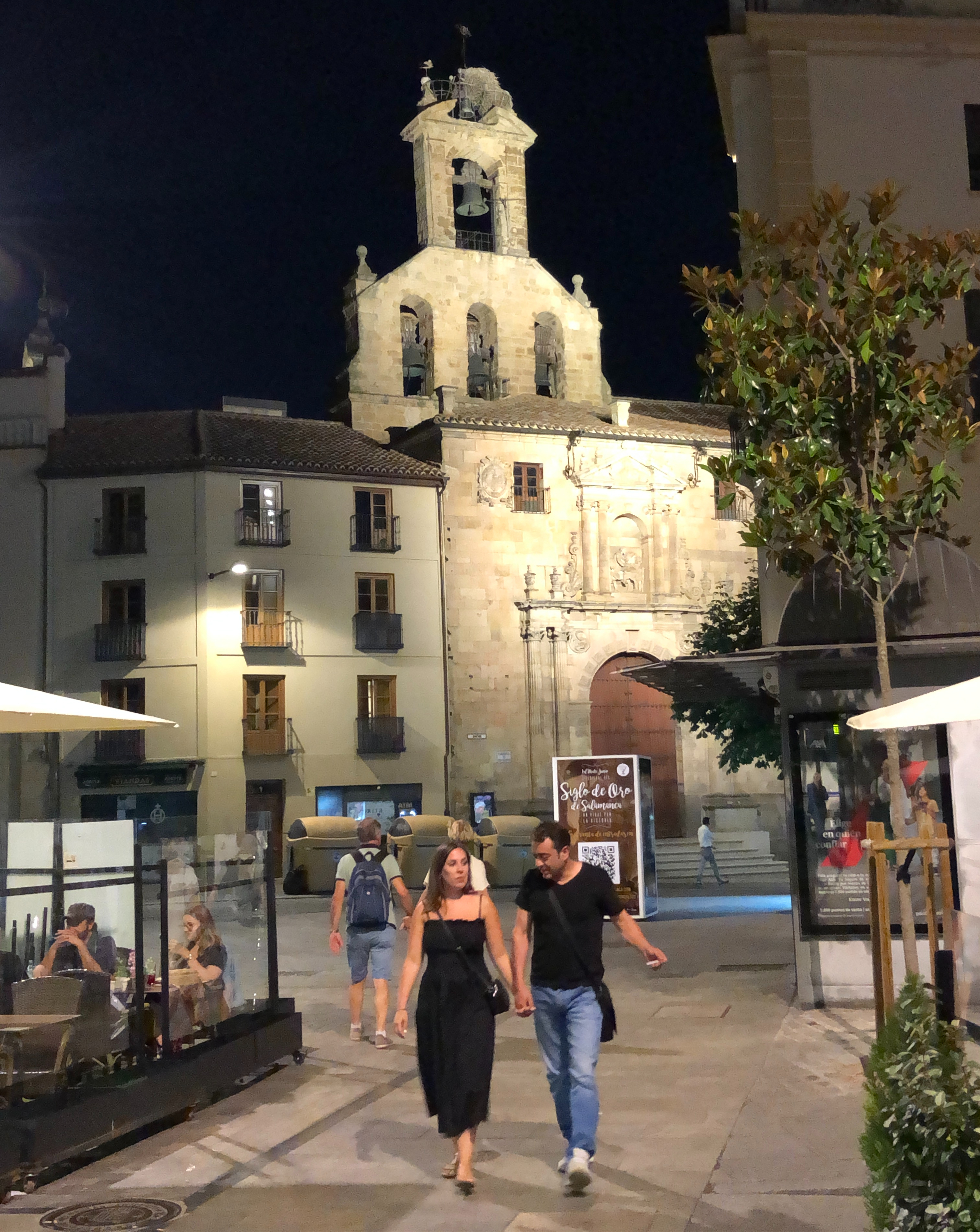
Salamanca’s Old Town doesn’t roll up the sidewalks after dark. Floodlit church towers, domes and facades cast a romantic spell, and ornate iron lampposts illuminate the stone streets. Strolling around this enchanting labyrinth one night around 11:30, I witnessed people thronging restaurants and cafes, lining up at ice cream stands, and sitting on park benches and church steps as they watched the crowds parade by. (I’ll never get used to the Spanish penchant for late-night dinners.) There were even families out with young kids, and a few souvenir stores were open as midnight approached. I loved the ambience—lively but relaxed.

Why was I pounding the pavement well past my bedtime? Having been seduced by the Golden City, I just wanted to soak up every last drop of magic before I had to leave by train the next morning for Madrid and my flight home to Chicago. Salamanca is truly a treasure to savor.

Floodlit buildings cast a romantic spell on Salamanca’s Old Town, a lively district that stays open late.

Menorca Artisans Keep Traditional Craftsmanship Alive

Story and photos by Alison Ramsey

In the west Mediterranean Sea, the Balearic Islands’ Menorca makes the most of its natural resources. And for being only about 30 miles long and 10 miles wide, it has a lot! This haven of coves and turquoise water licking untouched white sand beaches has been a Biosphere Reserve since 1993, and due to its wide diversity of habitats and landscape it is UNESCO-designated as the headquarters for the World Network of Island and Coastal Biosphere Reserves for matters pertaining to sustainable development. Local farming practices focus on sustainability and preserving the island’s natural heritage. Using environmental resources found within the island’s ecosystem, resident farmers and artisans make a living from the offerings provided by landscape and livestock.

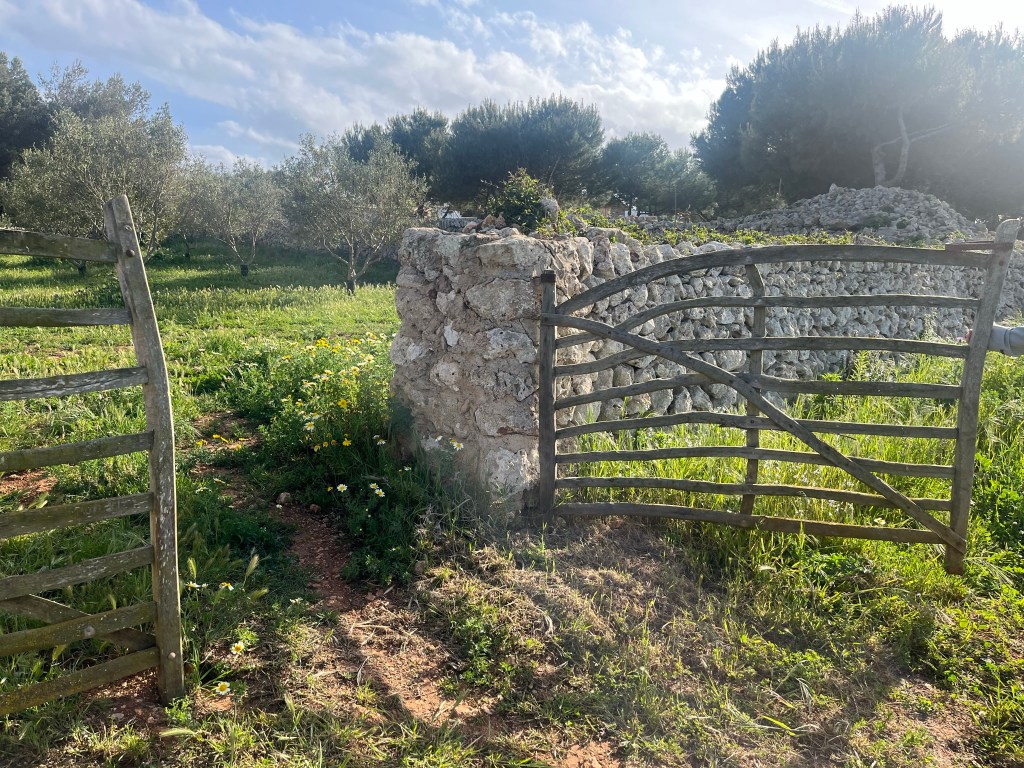
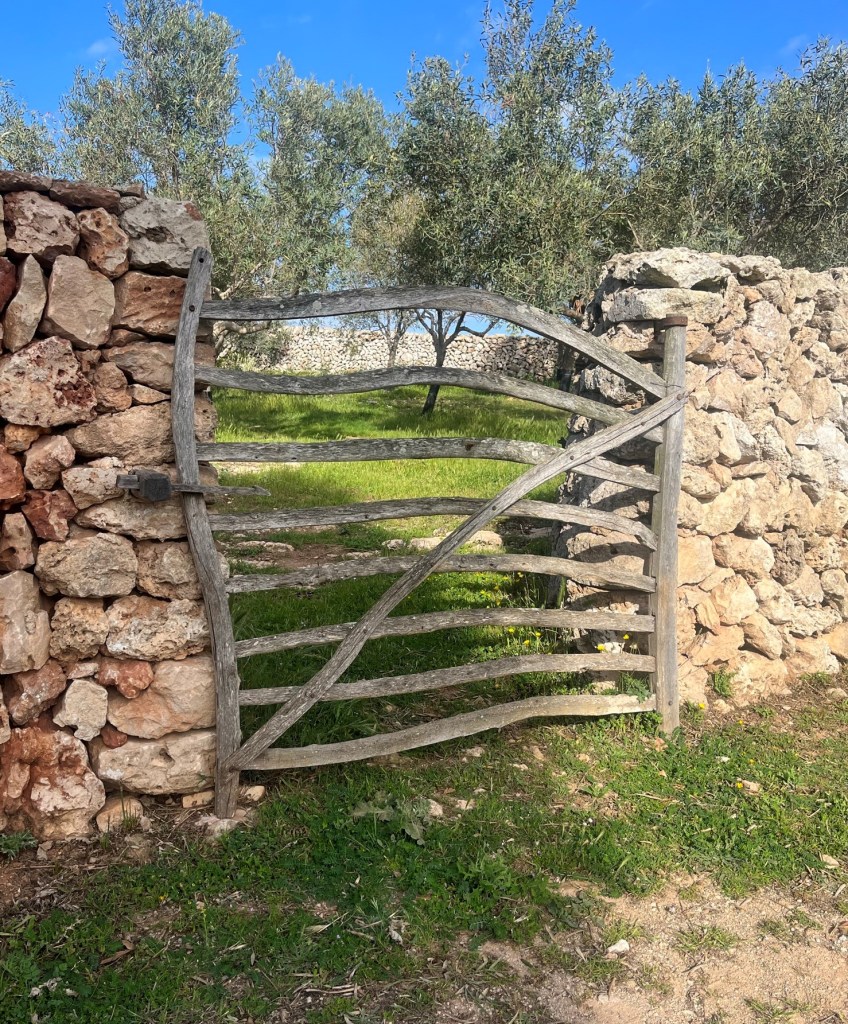
Across the island, wild olive tree wood is fashioned into fences to divide land and act as guard rails.

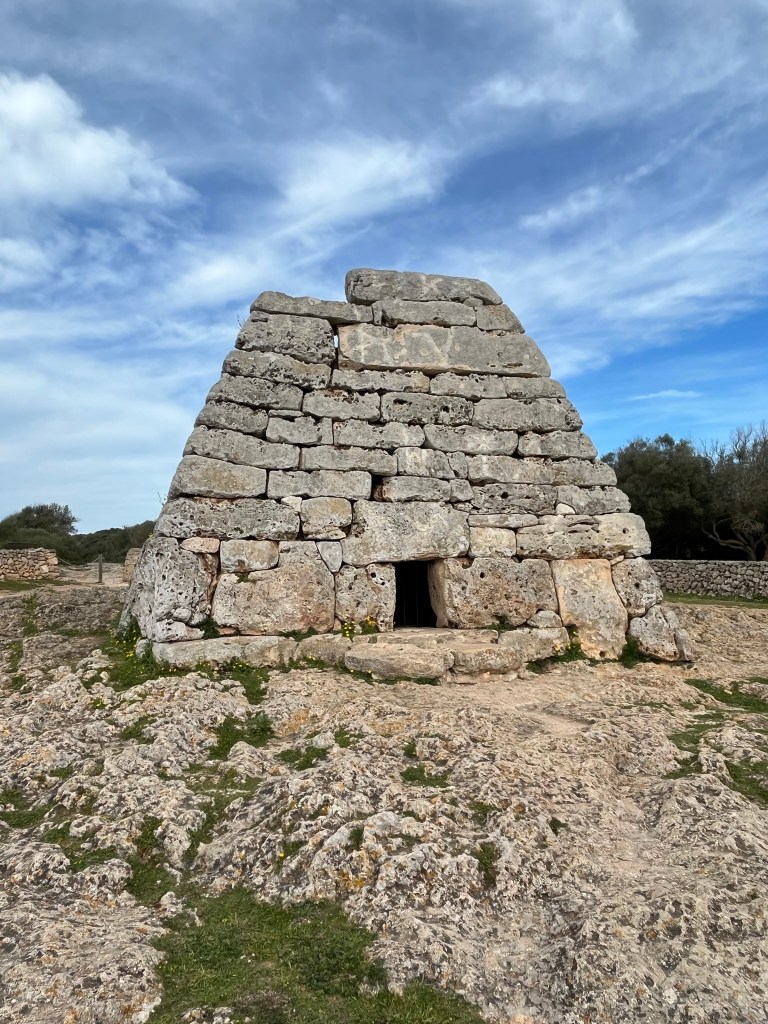
Menorca’s “mosaic landscape” of varying ecosystems consists of farmland, forests, and villages, with a bird’s-eye view revealing small plots of land divided by a network of dry-stone walls. Since ancient times, agrarians have gleaned rocks from the soil to build these mortar-less barriers that cover about 6,835 miles of the island (more than half the length of the Great Wall of China) and reduce erosion by blocking the wind from shifting soil to neighboring plots. Even the island’s prehistoric navetas (burial chambers) and talayots (shrines) were built by carefully selecting stones of varied size and shape, filling gaps with sand, and relying on gravity to secure them together.

(left) Unique to the island, Menorca’s navetas are pre-Talaiotic burial monuments shaped like an inverted boat and built using only large stone blocks. (middle) The island’s naturally rocky soil is gleaned to build stone walls that separate land plots. Wild olive trees with olives not suitable for harvesting are formed into farm gates using their distinctive, curvy wood. (right) Prevalent on Menorca are cement-free stacked-stone walls and sturdy gates crafted from wild olive trees.

Vineyards on Menorca are typically surrounded by these stone walls, a drainage situation that adequately waters the vines without leaving them overly damp. Local beverages created from the natural flora offerings of the land include the Vi de la Terra Illa de Menorca indication of quality wine, aromatic Menorcan gin (the oldest in Spain) produced using wine-based alcohol distilled with native herbs and juniper berries in old copper stills, and herb liquor digestifs.

The olive tree is another landscape prevalence, including the Spanish arbequina variety, which is used to produce a popular extra virgin olive oil with a mild, creamy flavor and slow kick. Oral history says the famous condiment mayonnaise heralds from Menorca, where the invading French Duke of Richelieu first tried the local sauce (a simple mixture of olive oil, egg, and salt) and brought it back to the French court, naming the recipe “mahonnaise” after the town Mahón. The oldest written source of Menorcan recipes is Art de la Cuina, a book by Fra Francesc Roger detailing the island’s cultural gastronomy in more than 200 18th century recipes, including a recipe for mayo using native olive oil. Not only are olives used for oil production, the strong wood from wild olive trees whose olives aren’t large enough to harvest is crafted into rustic, swing farm gates in a distinctive curvy design seen all across the island.

The oldest written source of Menorcan recipes is Art de la Cuina, a book by Fra Francesc Roger detailing the island’s cultural gastronomy in more than 200 18th century recipes, including a recipe for mayo using native olive oil.

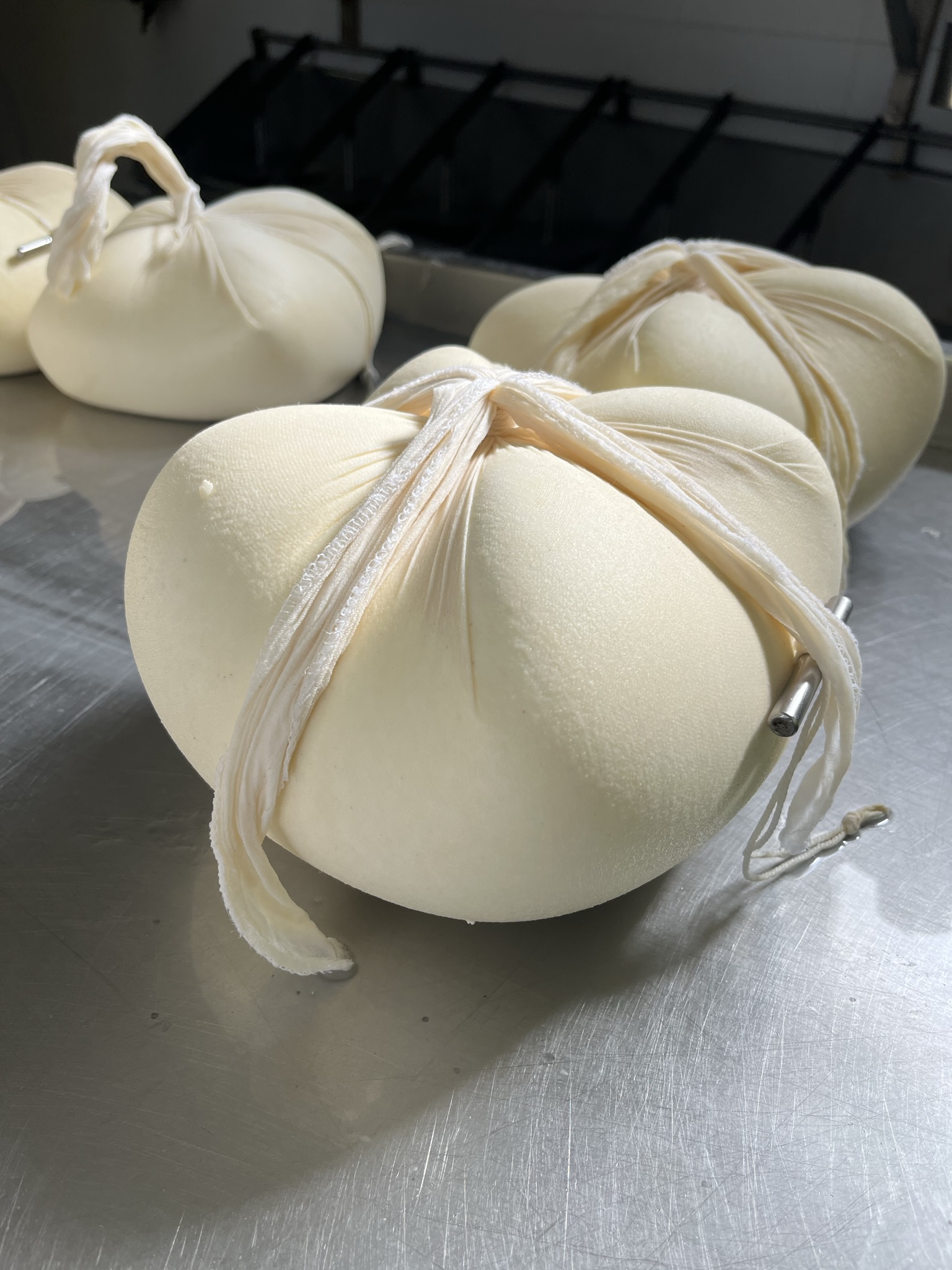
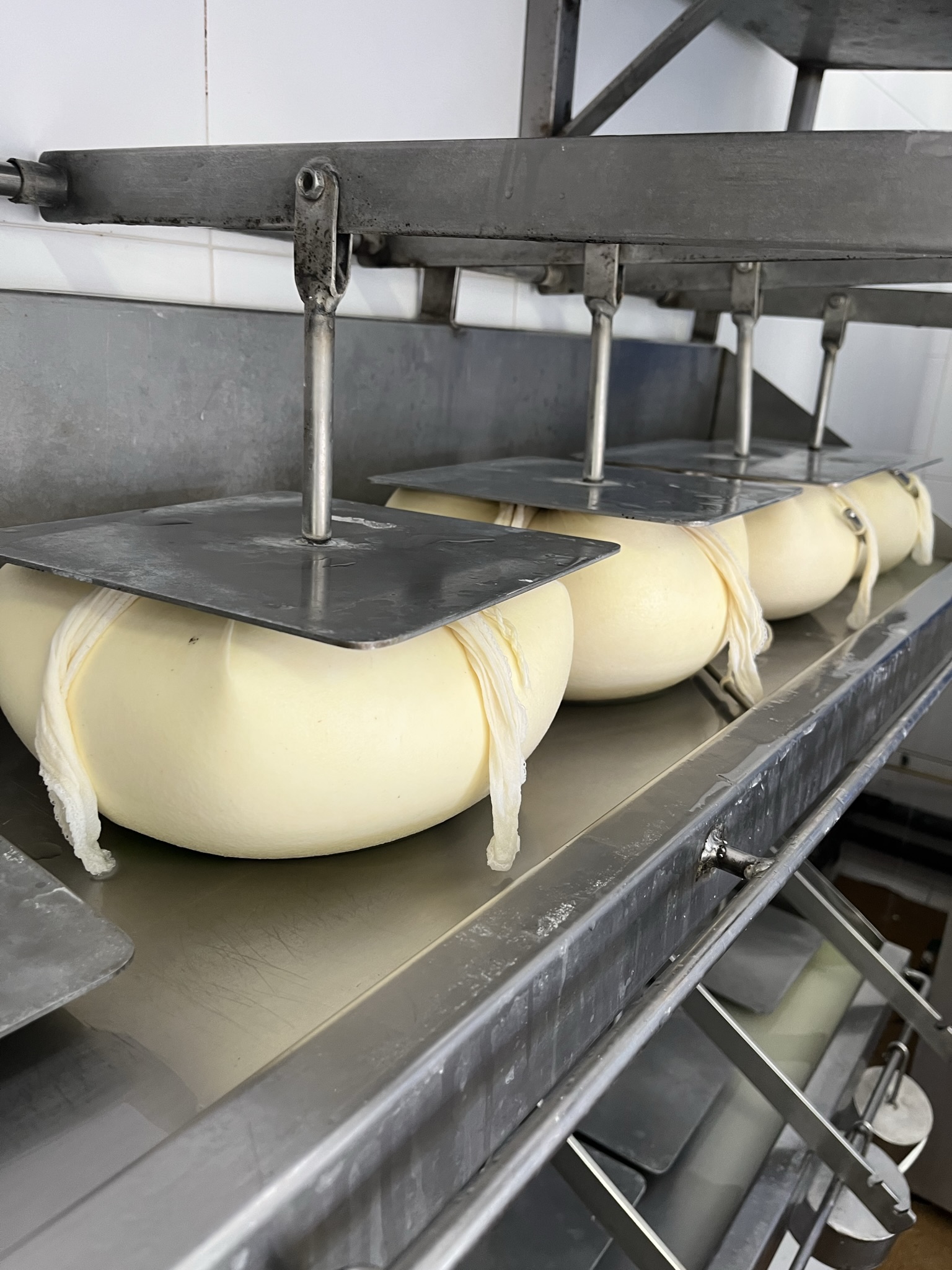
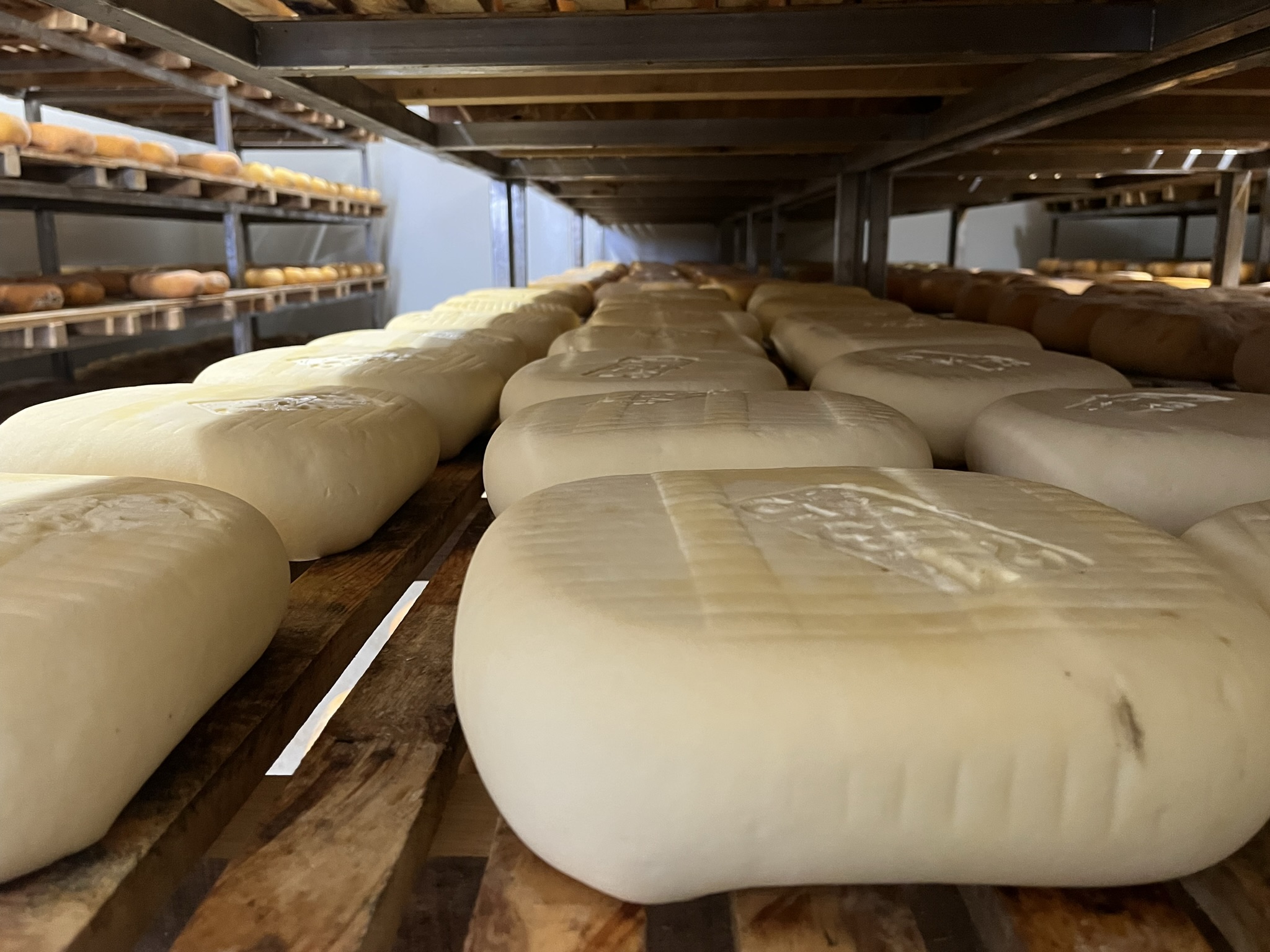
Using age-old methods, farmers use milk from Menorcan cows to produce rounded-edge square blocks of Mahón-Menorca Denomination of Origin cheese with a flavorful, oily dark rind (even Arabic documents from the year 1000 describe the tasty qualities of cow’s milk Menorcan cheese). Farms like Son Piris produce artisan cheese (made with raw milk and intended for immediate consumption) or the more industrialized and slightly sweeter pasteurized-milk cheeses. Martina Fedelich of Son Piris explained that it is difficult to imitate the Menorcan bacteria used in their cheese, as they are unique and isolated from other cheeses and even differ from those on neighboring island Mallorca. Easy to identify, Mahón-Menorca cheese’s unique shape comes from the cheesecloth used during the pressing process, and fabric lines from the cloth remain visible in the rind.

(clockwise from upper left) The unique shape of Mahón-Menorca cheese comes from the cheesecloth used during the pressing process, and fabric lines from the cloth remain visible in the rind; Son Piris cheeses are wrapped tightly in cheesecloth, which holds together the solid cheese curd while allowing for drainage of liquid whey; Wrapped cheeses are pressed to remove excess moisture; After their tightly wrapped cloths are removed, the cheese is set out to dry; Martina Fedelich of Son Piris serves the famous farm-to-table Mahón-Menorca Denomination of Origin cheese.  

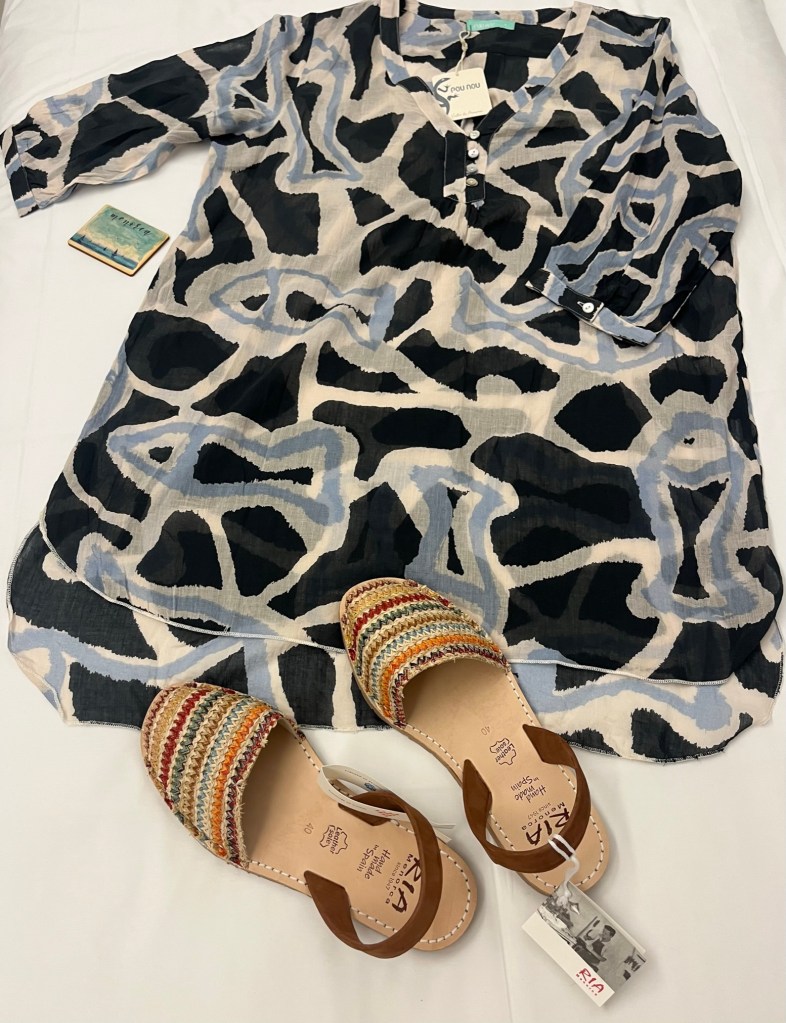
Agriculture is a key trade on Menorca; however, the most important manufacturing business on the island is shoe design and production—an industry dating back to the 18th century. Footwear made in Menorca is known for its high quality and meticulous craftsmanship. The most famous sandal shape, with a cowhide leather upper and sole, was first created to protect farmers’ feet while working the rocky soil. Nowadays, these avarcas (also called abarcas or menorquinas) are sold with heels and straps of all styles and colors, but use recycled tires as a hardy sole. Popularity and production have been increasing especially over the past few years, and they are worn by Menorcans and visitors alike.

RIA brand avarcas fashioned from leather with a colorful woven upper are a stylish update to traditional peasant footwear. Pou Nou clothing motifs echo the sea life and landscape of the island, like this fish-print tunic in shades of blue.

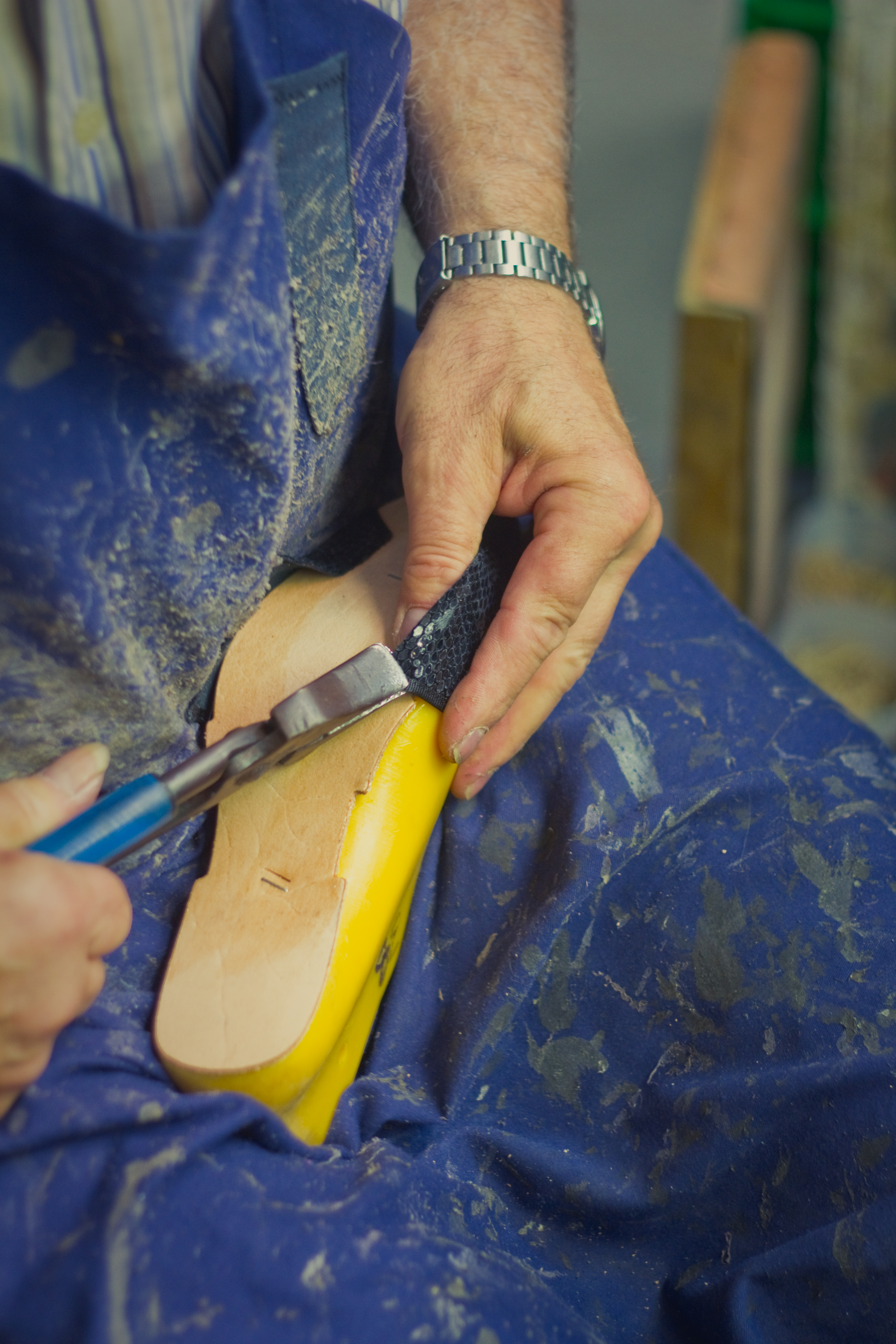
Avarca company MIBO proudly carries the Avarca de Menorca hallmark—another island-specific denomination of origin—which guarantees that their footwear is crafted locally and made with high-quality materials. Founded in 1998 by Miguel Pascual and Bosco Moll, MIBO designs and manufactures these iconic Menorcan sandals using traditional methodology combined with modern technology. Moll said, “The process to make a pair of avarcas from Menorca has about 25 operations, which all need the hands of craftsmen to be able to make them. We also use technology that helps the craftsmen, but it always requires expert hands. … The future of our product and our brand passes through the qualified training of our craftsmen-workers since there are no schools or training cycles that help this task.”

(left) A traditional style with modern updates, some MIBO avarcas feature trendy details like cut-outs, bows, and textured mosaic prints. (right) A MIBO artisan carefully guides a hallmark-stamped leather sole through machine stitching. Photos courtesy of MIBO.

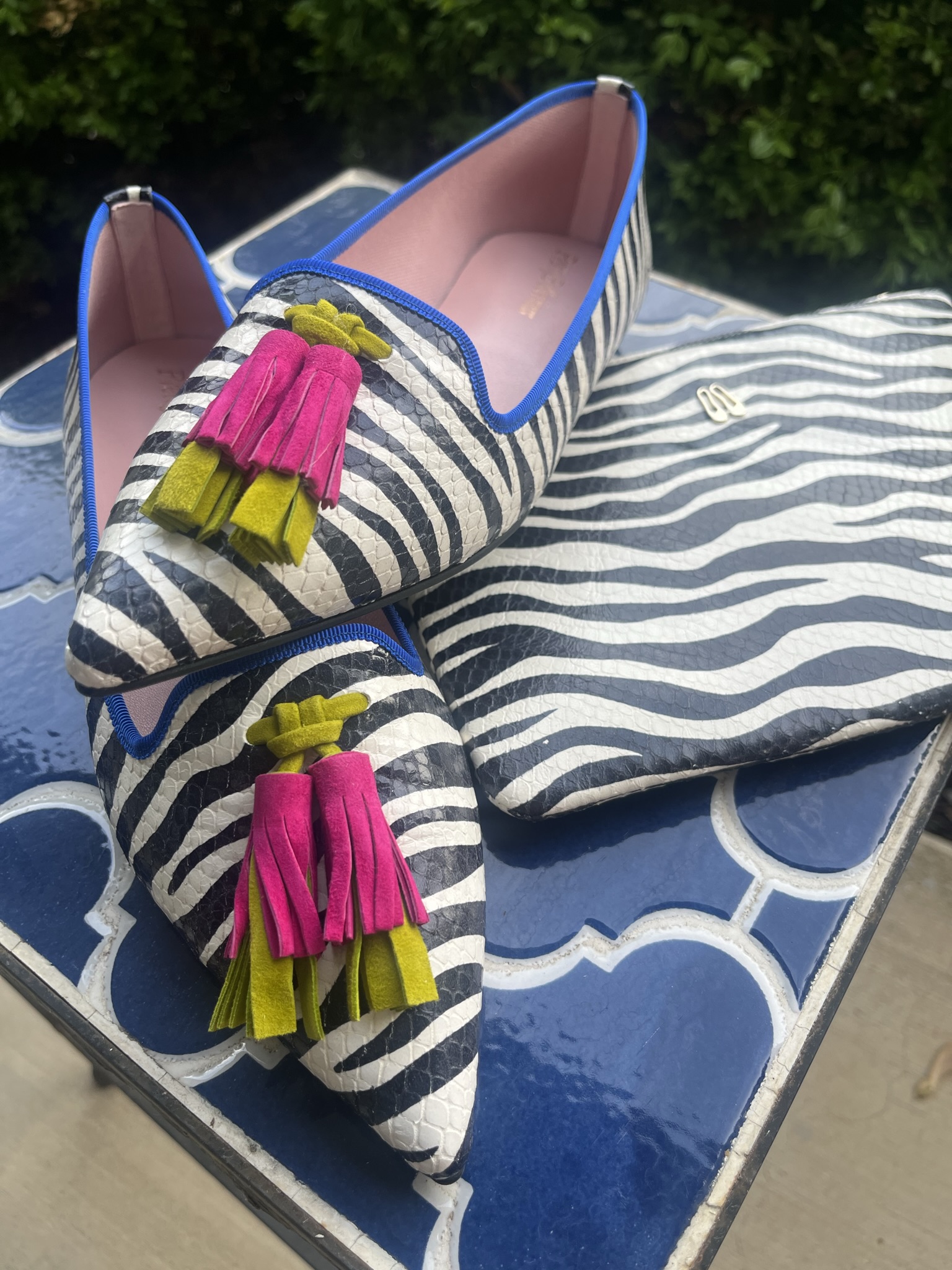
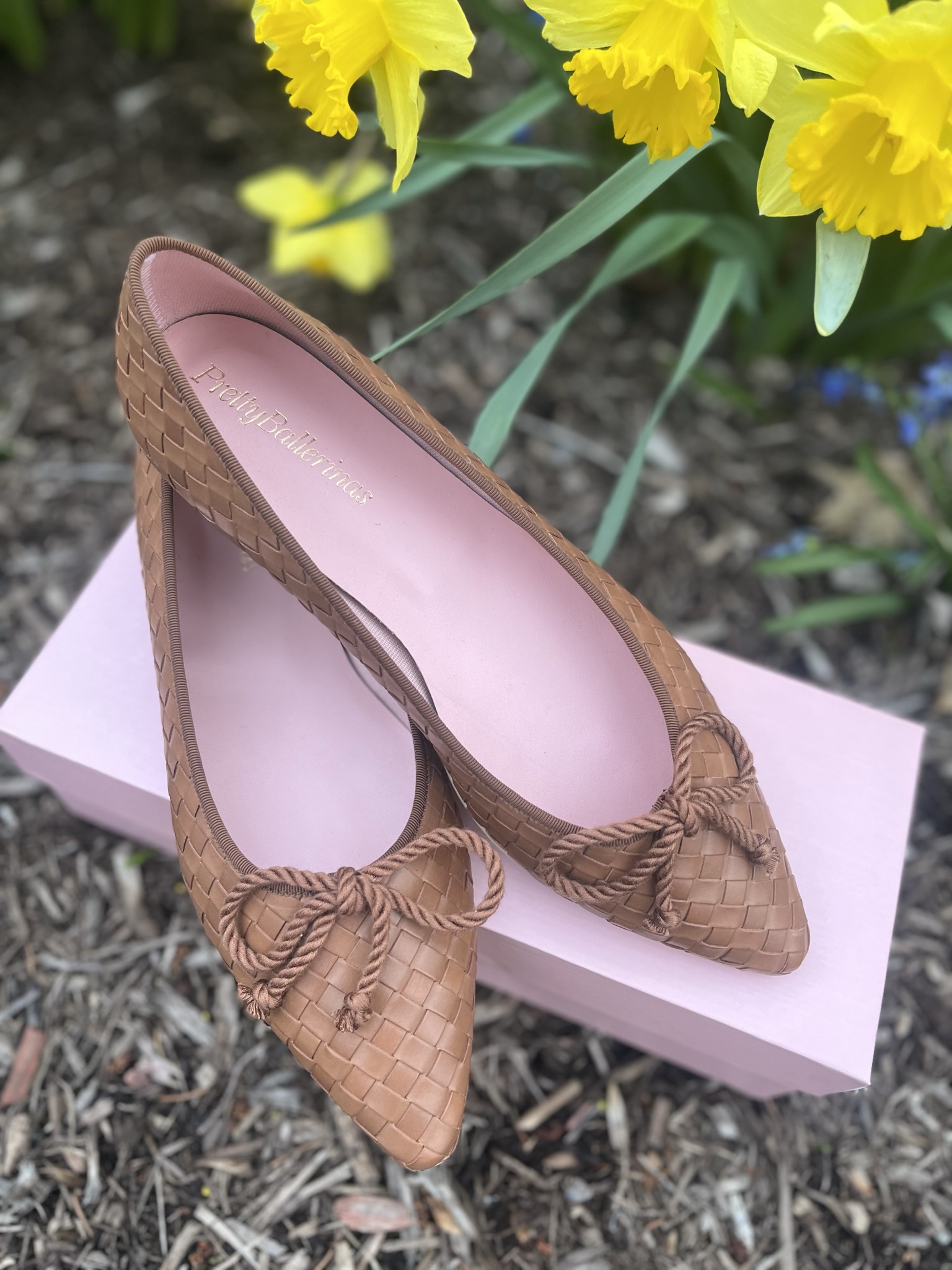
Another prestigious Menorcan shoe brand known internationally for its impeccable quality and innovative designs is Pretty Ballerinas, a unique line of leather flats produced by the Mascaró Group footwear company. These fashions have been famously worn by Kate Moss, Kate Middleton, the Queen of Spain, Elle Macpherson, Claudia Schiffer, and Angelina Jolie, among other celebrities. Fanny Cano, vivacious franchisee and owner of Pretty Ballerinas U.S. (the sole U.S. store, located in New York City), was born on Mallorca and has worked for the Mascaró brand since 1998. Fanny said:

“I love when through our very personal customer service we get to transmit to our customers the island’s vibes. They know they are wearing a unique piece crafted by hand on a small island in the Mediterranean. They feel the quality and the time invested in their pair of shoes. Explaining to the clients where and how the shoes are made—in a very artisanal and old-fashioned method—it really helps them to get tele-transported to the smell of the leather, the artisan hands sewing the shoes, mixed with the breeze of the sea and the taste of the food.”

Fanny Cano, Pretty Ballerinas franchisee and owner of the New York City store, poses before the iconic pink boxes and glamorous storefront that identify this high-quality brand of Menorca-made women’s leather flats. Easily identifiable by a pink lining and stamped ballerina slipper icon on the underside, Pretty Ballerinas flats and matching handbags exhibit a unique style and luxurious leather silhouette. Top-left and bottom-right photos courtesy of Fanny Cano.

Woodworking, earthenware, basket weaving, traditional llaüt wooden boat carpentry, and other crafts using fabrics, stone, and paper are sold in island shops and markets during the summer months. The quality of local, professional artisans’ work is acknowledged by the Artesanía de Menorca (Craft of Menorca) hallmark, and the Centre Artesanal de Menorca (Artisan Centre of Menorca) at the Es Mercadal fairground exhibits and sells many of these handmade products.

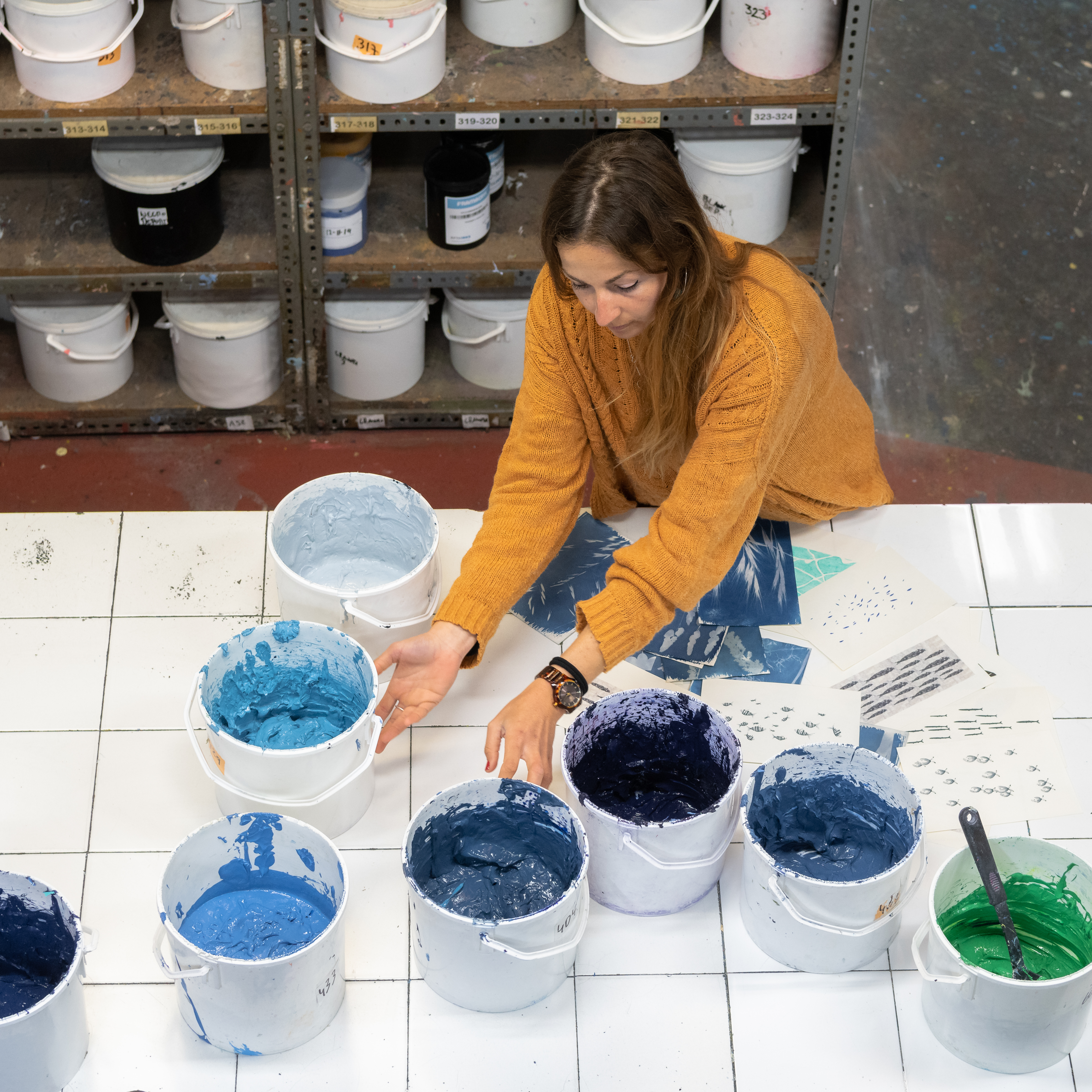
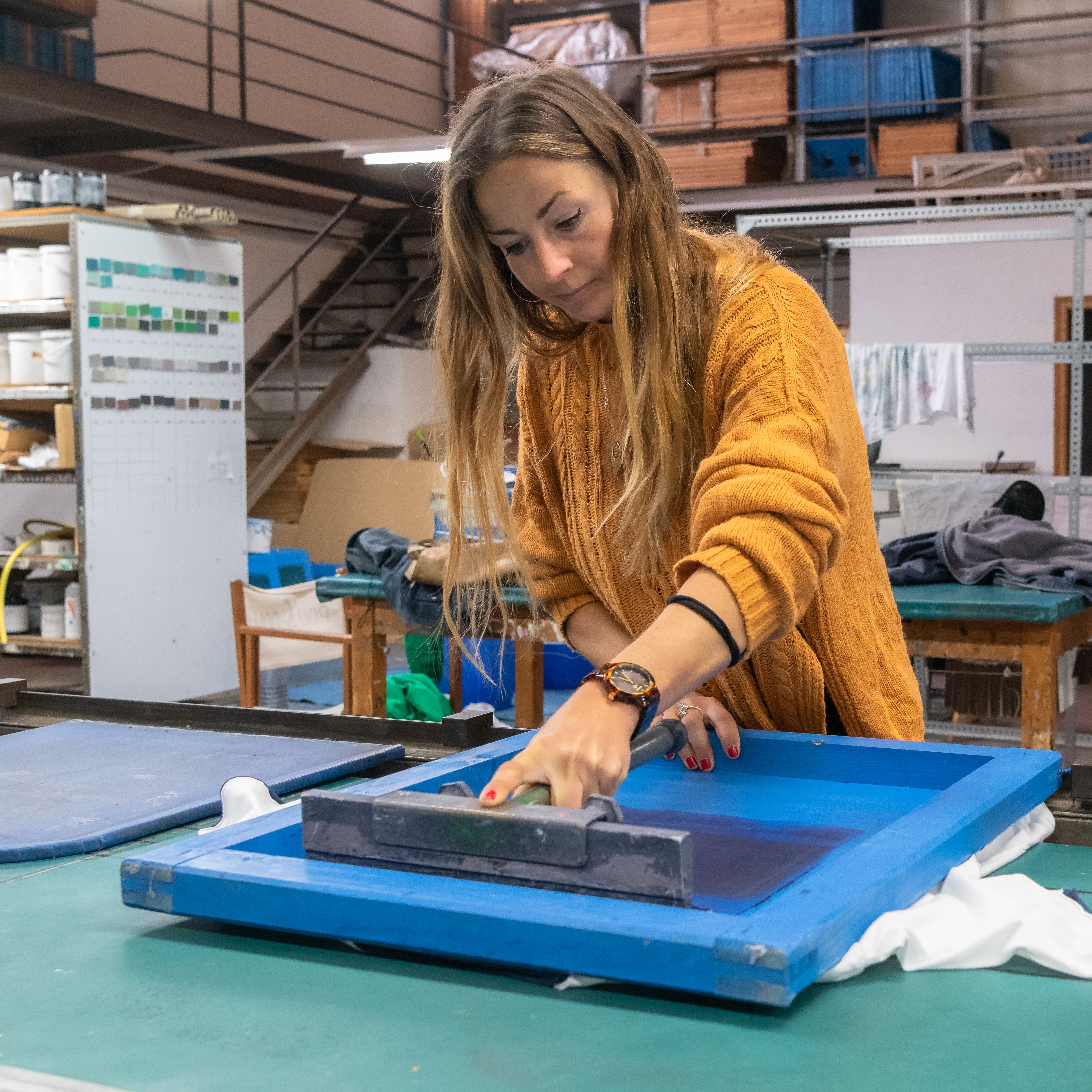
A Menorca-born leader in local artistry is Pou Nou clothing company, whose designers work closely with area artists to produce contemporary designs and stylish garments that reflect the colors and shapes of Mediterranean life. Drawing inspiration from the sea, sky, and island itself, Pou Nou creates hand-printed T-shirts and breezy, comfortable fashions for all ages using natural fibers like linen and cotton.

(clockwise from left) Pou Nou team members select nature-inspired artwork for clothing designs; Pou Nou colors and designs are inspired by Menorca’s flora and fauna, sea, and sky; Using a Mediterranean-inspired color palette, a Pou Nou team member tests a screen-print design.
Photos courtesy of Pou Nou.

Collaboration with local artists results in Pou Nou’s unique island-wear designs.

Owner Joan Carrés said, “I am proud of having been in the business for 36 years, following my original idea of combining good quality garments with original artwork from local artists.” Pou Nou’s easy-to-wear styles and unique artist collaborations feature screen-printed sea creatures, flowers, geckos, insects, boats, bikes, palm leaves, and nautical themes. With Pou Nou only available for purchase in Spain and other European countries, U.S. travelers looking for this island-wear can reach the Balearic Islands by flying directly from New York/Newark (EWR) to Palma de Mallorca (PMI) through United Airlines’ new, seasonal direct flight offerings. Menorca has been like a hidden treasure for many years, largely reached only from mainland Spain, but these new direct flights from the United States allow easier access to Menorca-made specialty items and scenic views of iconic landscape features. The island’s varied ecosystems and natural offerings provide ample resources for a thriving artisan business, with agriculture, footwear, fashion, and handcraft industries using materials and inspiration offered by the beautiful land and sea.

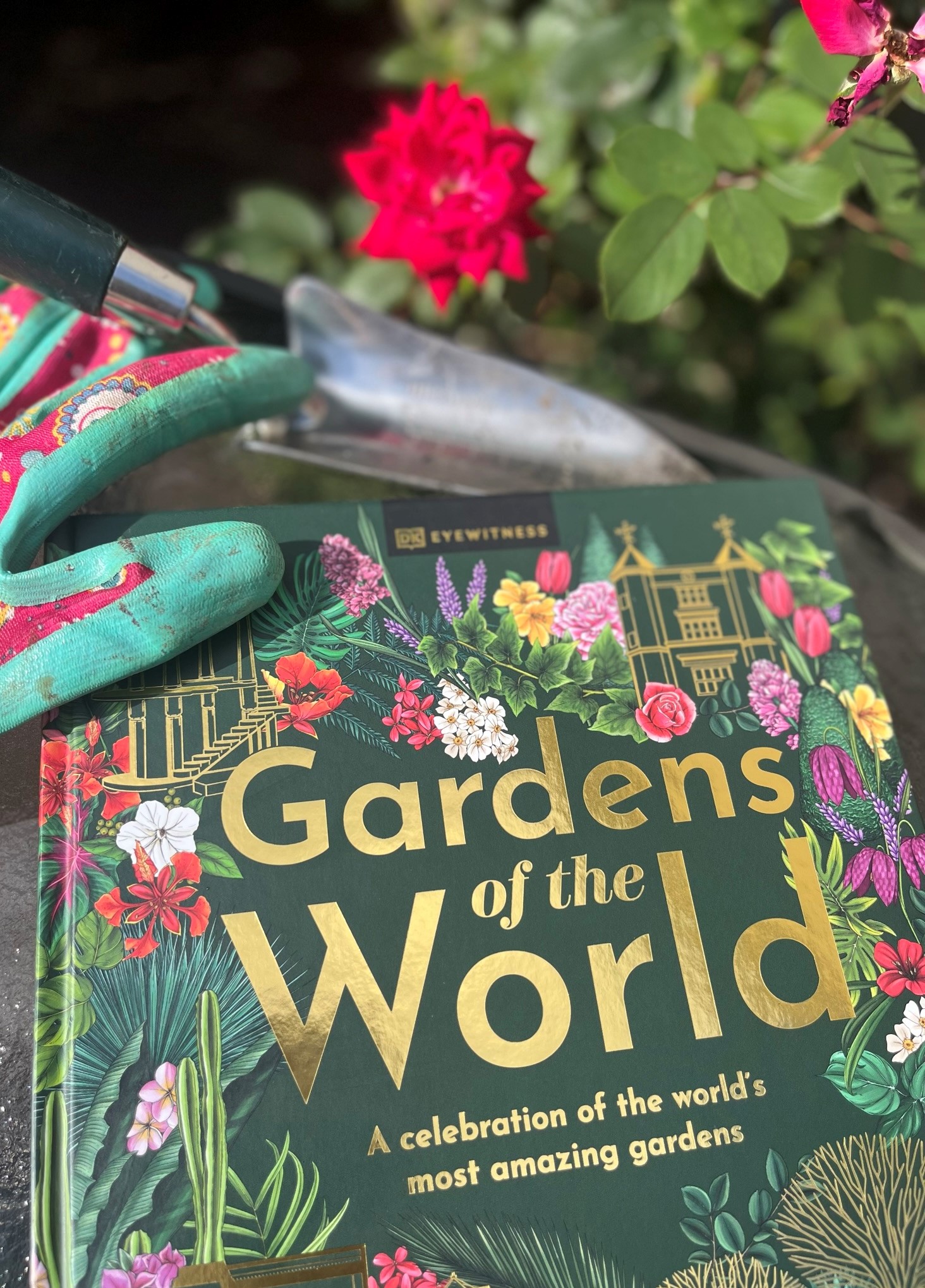
Gardens of the World: A Celebration of the World’s Most Amazing Gardens

From Monet’s idyllic water garden in Giverny, France, to the terraced gardens within Jewel Changi Airport in Singapore, this book introduces and explores places that uniquely celebrate the beauty of nature. Inspirational, iconic, and innovative gardens from all over the world have been selected for inclusion in this volume and are organized by theme: Carefully Curated, Mindful Spaces, Wild and Wonderful, Urban Oases, and Innovators and Influencers.

Pages from the Wild and Wonderful segment of the book include photos of the tumbling wisteria, rambling roses, wildflower-filled meadows, and sparkling crystal river that compose Giardini di Ninfa in Italy. Known as one of Italy’s most romantic gardens, lush foliage drapes over the crumbling ruins of medieval town Ninfa across a span of 20 acres. Pillaged by mercenaries and ransacked into ruin in 1381, the formerly vibrant town that Pope Boniface had bestowed upon the Caetani family became an “overgrown ghost town” until the overgrowth was cleared and some unstable structures restored in the early 20th century. This transformation, initiated by Prince Gelasio Caetani and his mother, included creating canals and a stream from once-stagnant, swampy waters. Other family members stepped in to design and maintain the gardens, add favorite plants and perennials, and set into motion the growth of a dreamy naturalistic garden gracing history-filled, ancient ruins.

Learn about unique landscape elements, native plant species, horticulture design inspiration, and history, and discover features and flora of 67 intriguing gardens that are yours to explore.    

For more DK Eyewitness titles, and further information about “Gardens of the World,” please visit https://www.dk.com/us/.  

Spain at Its Best

Straying off the beaten path in Castile-León, a region ripe for discovery 

Story and Photos by Randy Mink

Does your town have a distinct look or personality? Something that really sets it apart from others?

In western Spain, tiny Mogarraz (pop. 250) plasters its personality all over town, festooning houses with pictures of residents past and present. These portraits are large artworks that visitors can’t help noticing as they prowl the little plazas and narrow streets of this obscure town in the Sierra de Francia Mountains of southern Salamanca province.

Overlooked by most travel guidebooks, quirky Mogarraz was one of my favorite discoveries on a recent trip that included some under-the-radar places in Castile-León, one of Spain’s 17 autonomous regions. Our group concentrated on the region’s less-traveled western frontier, dropping in on remote rural areas, sampling three of its designated wine routes and venturing as far as the Portugal border.

This was my first trip overseas in three years, so I was more than revved up. Like a lot of Americans whose international travel plans were stifled by the pandemic, I had been itching to travel abroad. What a joy it was to be in Europe again! Each day was a revelation, a real adventure delving into art history, gastronomy, wine and everything that gets me psyched about Spain. Talk about pent-up wanderlust. The week-long trip provided a much-needed boost indeed.

Castile-León, situated west and north of Madrid, makes up about 20 percent of Spain’s total area but is only its sixth largest region in population (2½ million). Consisting of nine provinces, the vast chunk of real estate is slightly bigger than Portugal. Castile-León claims nine of Spain’s 34 wine routes and counts more than 400 wineries. It boasts three UNESCO World Heritage Sites—Salamanca (which our group visited), Segovia and Ávila.

The quaint medieval village of Mogarraz, on the Sierra de Francia Wine Route, would be a delightful destination if just for the enchanting cobblestone lanes that snake past its stone and half-timbered houses, many with flower-filled balconies. But portraits of the people who live in these ancient buildings add a strange twist.

The novel art project began in the 1960s, when poverty in the area drove many residents to seek jobs in South America, for which they needed a photo ID card. These IDs inspired the idea of decorating houses with photographs of the adults who lived in them. In 2012, local artist Florencio Maíllo took over the project and today he paints each of the 300-some portraits, from wizened grandmothers to young men in military caps.

Mogarraz and other towns in this mountainous region base their economies on tourism and winemaking. The delicate, dark-skinned rufete grape is special to the Sierra de Francia area in southern Salamanca province, where vines have been tended in terraces for centuries.

Our nest for the night, Hotel Spa Villa de Mogarraz, was right in the heart of the fairy-tale town and just steps from Bodega Vinos La Zorra. Under a tent canopy on La Zorra’s streetside patio, bistro patrons savor wines and tapas at tables fashioned from colorfully painted oil drums. We noshed on croquetas (croquettes), those addictive deep-fried balls of mushy goodness, and patatas meneás, mashed sweet potatoes flavored with garlic and paprika and topped with a pork rind.

Our group also went back in time in Miranda del Castañar, another gem on the Sierra de Francia Wine Route. With a guide we wandered the cobbled streets and took in forested panoramas from the 12th century walls of the pretty hilltop village. The medieval castle is now a brewery.

The medieval streets of Miranda del Castañar invite tourists to explore.

The city of Salamanca, unlike sleepy Mogarraz and Miranda del Castañar, is rather well known as a visitor destination, its historical core centering on the venerable buildings of Spain’s oldest university, founded in 1218. With a magnificent central plaza, lively pedestrian streets and youthful vibe, the manageable, medium-sized city of 150,000 residents offers just the right ingredients for a pleasant day or two of seeing the sights and soaking in the ambience. To me, it’s Spain in a nutshell.

Clockwise from upper left: Relaxing and people-watching on Salamanca’s Plaza Major, one of Spain’s largest and most beautiful squares; The best views of Salamanca’s Old World skyline are from the banks of the River Tormes and its Roman bridge; The author enjoys a hornazo meat pie at a café on Salamanca’s Plaza Major; Hornazo, a meat pie with layers of pork chorizo, pork loin and ham wrapped in lattice-crusted yellow dough, is a specialty of Salamanca province; Exploring Salamanca’s Old and New Cathedrals.

In Salamanca’s Old Town, an open-air museum of radiant sandstone buildings, prime attractions lie within walking distance of each other. I recommend these five experiences:

  1. Touring the Old and New Cathedrals. Built centuries apart, they are attached; you can’t visit the 13th century Romanesque church (Cathedral of Santa Maria) without going through the Cathedral of La Asunción de la Virgen, or New Cathedral, which isn’t new at all. It was built hundreds of years ago in the Gothic, Renaissance and Baroque styles.
  2. Ascending the “Stairway to Heaven” on a 200-step climb up La Clerecía Church’s bell towers for bird’s-eye views of Old Town. The colossal Baroque building, now Pontificia University, began life in 1617 as a training school for Jesuit missionaries.
  3. Walking across the River Tormes’ Roman-era bridge while admiring the classic Old World skyline
  4. Touring the University of Salamanca, a popular place for American and other foreign students to study Spanish. Standing before the main building’s intricately sculpted sandstone façade, tourists try to find the “hidden” frog, said to be a symbol of good luck.
  5. Relaxing over tapas at a café on postcard-perfect Plaza Mayor, one of the largest and most beautiful squares in Spain. Try hornazo, a meat pie with layers of pork chorizo, pork loin and ham wrapped in lattice-crusted yellow dough.

Zamora, a town of 60,000 north of Salamanca, is called the “Romanesque City.” Its 23 Romanesque churches, 10th century walls and Duero River bridge ruins provide a magical setting for communing with the past. The Cathedral of Zamora impresses with its Byzantine-style dome, richly carved choir and 15th century Flemish tapestries.

The Zamora Wine Route in Zamora and Salamanca provinces takes travelers through traditional rural landscapes of sheep pastures, hay fields, vineyards and unspoiled villages with stone houses and Romanesque churches. In Villanueva de Campeán, we did wine tastings in the barrel room and vineyards of Bodegas Viñas del Cenit, which makes Cenit Tradición, an unusual blend of red and white grapes (mostly tempranillo)—a light, refreshing wine with less alcohol. The vines have been mixed since the times of the Franciscan friars who tended them from their 15th century monastery, the ruins of which we saw in the distance. (Older locals remember when monks still inhabited the monastery.)

“They just wanted to make wine, with no worries whether it was red or white. It was just wine for them,” said Ana Belen Hernández, Cenit’s director of marketing. “Cenit Tradición is our commitment to carrying on the tradition and personality of the historic wines of this territory. It’s a wine with no recipe, a wine we think our ancestors would have made.”

Growing grapes for wine is an age-old tradition in the Castile-León region of western Spain.

Cenit’s 90-year-old vineyards are threaded by the Via de la Plata, or Silver Route, one of the 11 pilgrimage routes to the tomb of St. James in the Cathedral of Santiago de Compostela in Galicia; visitors may encounter pilgrims making the trek.

In the nearby village of Casaseca de Campeán, our group enjoyed an atmospheric wine country lunch at Café de Quintano. Deep underground, we feasted amid the rustic trappings of a vaulted, 200-year-old cellar. The hard-working servers must have made 20 trips each from the upstairs kitchen to our cozy “cave.” Besides wines, the group menu featured platters of cheeses and paper-thin slices of cured ham, chickpea soup, tuna steak in garlic sauce and Iberian pork steak with deep-fried vegetables. At dinner the previous night we had two regional specialties—roast suckling leg of lamb and Zamoran-style rice, a zesty dish with pork and paprika.

My best memory of the Zamora Wine Route was touring Quesería La Antigua, a high-tech dairy in Fuentesaúco. Donning a white plastic coat, hairnet and shoe covers, we followed guides who explained how sheep’s milk is turned into prize-winning cheeses. Afterward, we watched a video and sampled six varieties, including one with tempranillo grape skins in the rind, another flecked with paprika flakes. Under construction is a museum that will showcase La Antigua’s passion for making cheese.

Sampling the product is a highlight on tours of Quesaría La Antigua in Fuentesaúco, a dairy that makes sheep’s milk cheeses.

When our bus passed a shepherd tending his flock later that day, we got giddy and were granted a photo stop. We were en route to the far western stretches of Zamora and Salamanca provinces where the Douro River’s scenic canyonlands straddle the Spain-Portugal border. (“Douro” is the Portuguese spelling; it’s “Duero” in Spanish.) For Spaniards, this remote valley of granite cliffs and outcroppings is considered the “Wild West.”

Our introduction to the Arribes del Duero Wine Route, set against the backdrop of the valley’s Arribes del Duero nature park, involved vineyard and winery visits hosted by Bodega el Hato y el Garabato in tiny Formariz. Dinner and overnight were in the comfortable Posada Doña Urraca in Fermoselle, a quiet Spanish border town famous for its centuries-old network of wine caves (more than 1,000, so they say), a few of which have been opened for tourism. After our subterranean tour and wine tasting, we did more sampling at Bodega Frontio, a winery started by a young Danish entrepreneur who goes by the nicknames “Chus” and the “Crazy Dane.”

A brief foray into Portugal the next day took us to Miranda do Douro, where we boarded an excursion boat for an ecology cruise focusing on the geology, flora and fauna of the UNESCO Meseta Ibérica Biosphere Reserve. Our one-hour journey provided a chance to witness up-close the spectacular gorge topography we had viewed from a lookout point earlier that day.

Flying the flag of the European Union, this excursion boat offers a narrated environmental cruise spotlighting the geology, flora and fauna of the Douro River Valley, a land of scenic splendor on the Spain-Portugal border.

Exploring Fermoselle and other villages tucked away from the crowds, we often felt as if we had Castile-León to ourselves. On early morning strolls up and down the twisting, shadowy alleyways, sometimes the only sounds were chirping birds, crowing roosters and our own footsteps. It was good to be back in the Old Country, making new discoveries in corners of Spain off the beaten track.

For tourism information on Castile-León, visit www.turismocastillayleon.com.