3 Countries, 2 Ski Resorts, 1 Week in Europe

Wishing you had planned a getaway this past spring break? It’s not too early to start planning for next year, and to think big with a European adventure!

By Alison Ramsey

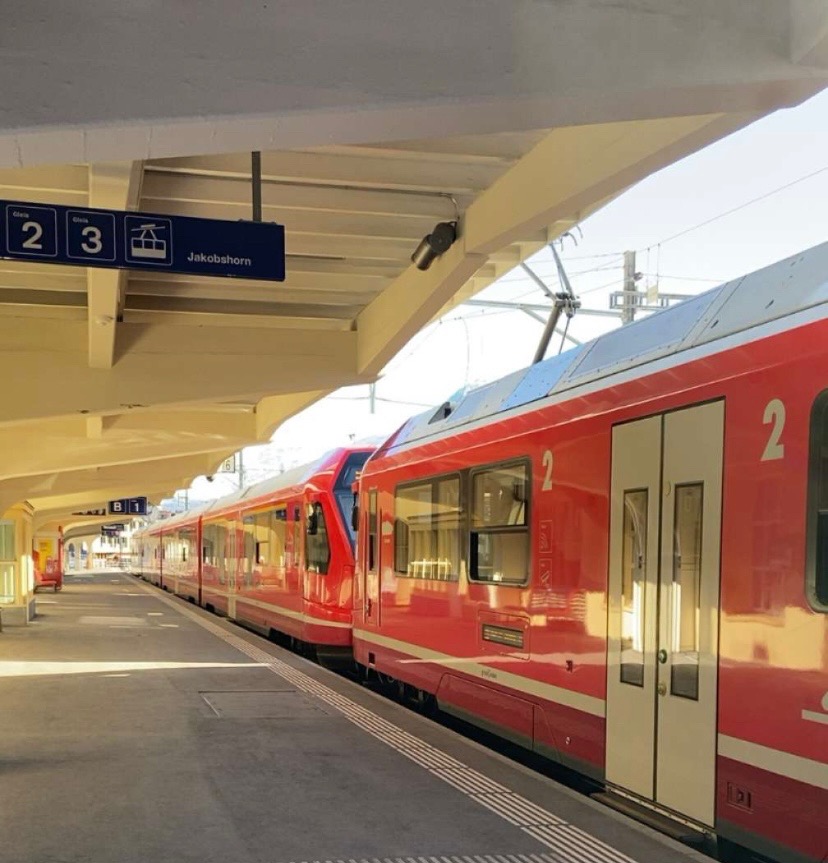
Stateside spring break destinations abound, but consider using that week of vacation time to explore three German-language European countries—Switzerland, Austria, and Germany—all easily reachable from each other by train. The Eurail Global Pass allows travelers to seamlessly cross country borders by rail using a single scannable QR code pass in the app. It’s a fantastic opportunity to maximize your time abroad and visit multiple countries all in one overseas trip.   

Eurail train travel is scenic and comfortable, and the well-designed Eurail app makes it easy to view train schedules and plan your trip.

Time in the mountains is essential if you’re headed to the Alpine countries of Switzerland and Austria. Downhill skiing in the Alps can be exhilarating, great exercise, and a fun social activity—as proven by the millions of visitors to throng ski resorts like Davos Klosters in Switzerland and St. Anton am Arlberg in Austria each year. Both destinations are part of the Best of the Alps organization’s carefully curated collection of classic mountain resorts and offer excellent ski schools.

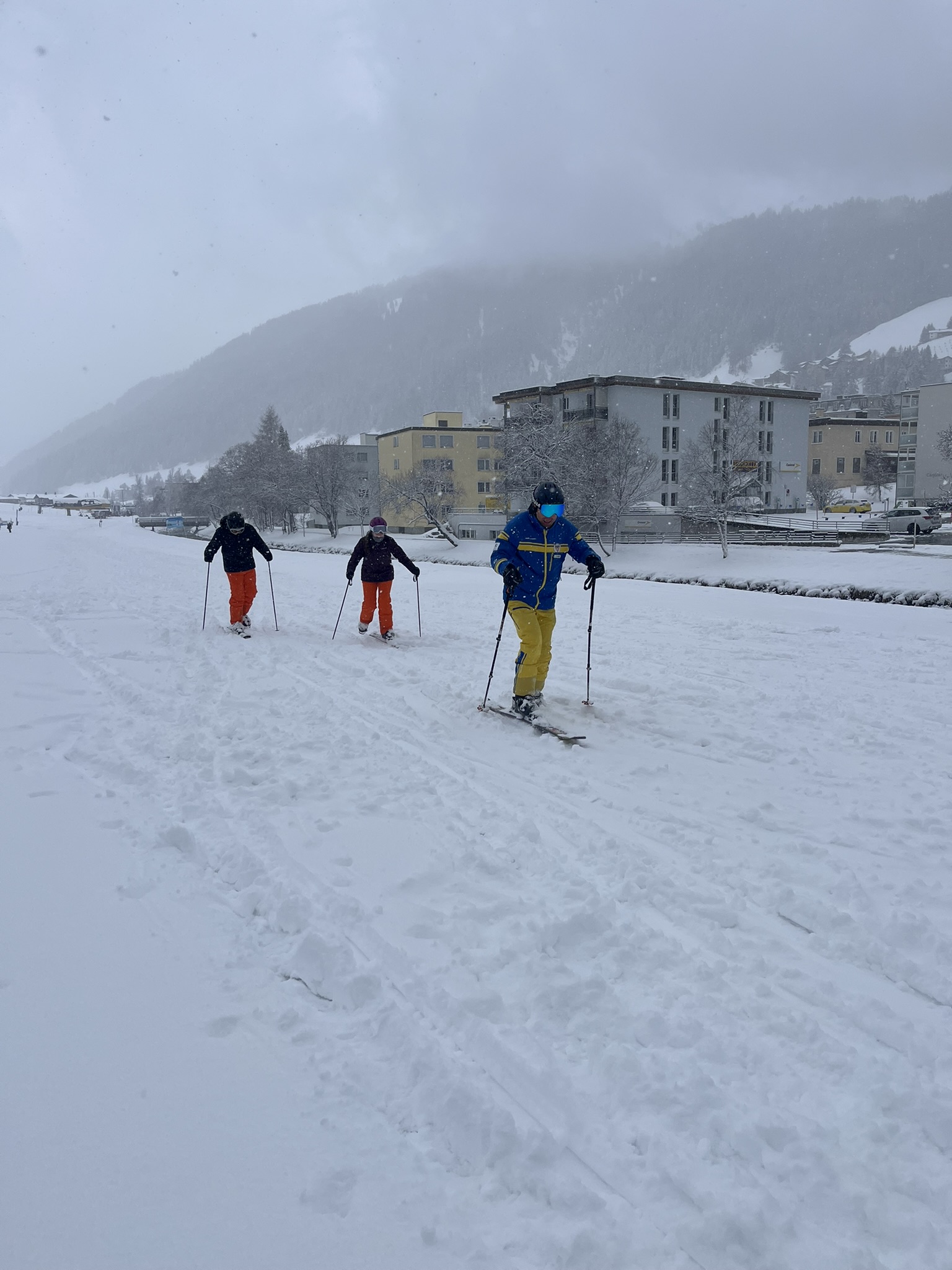
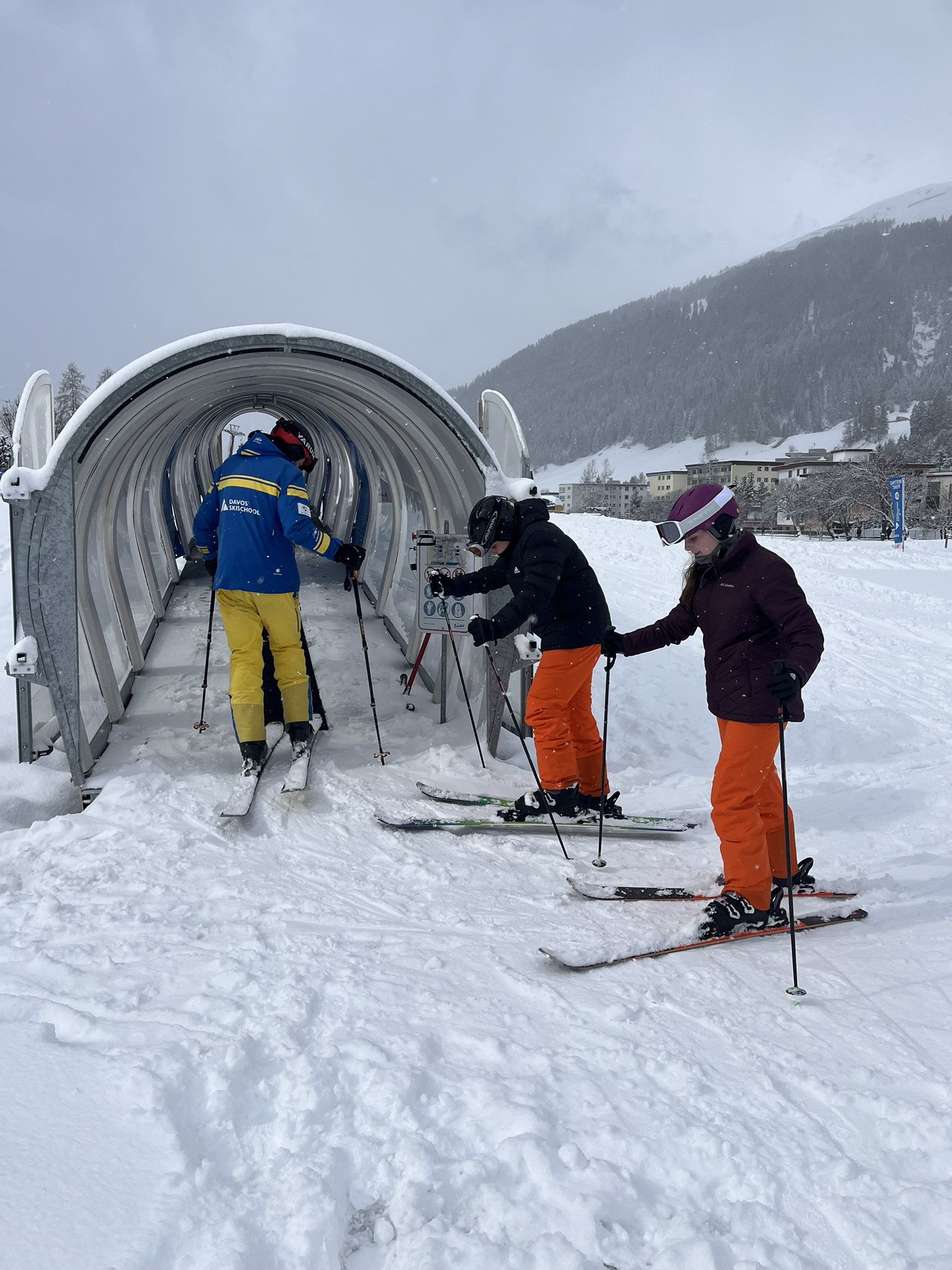
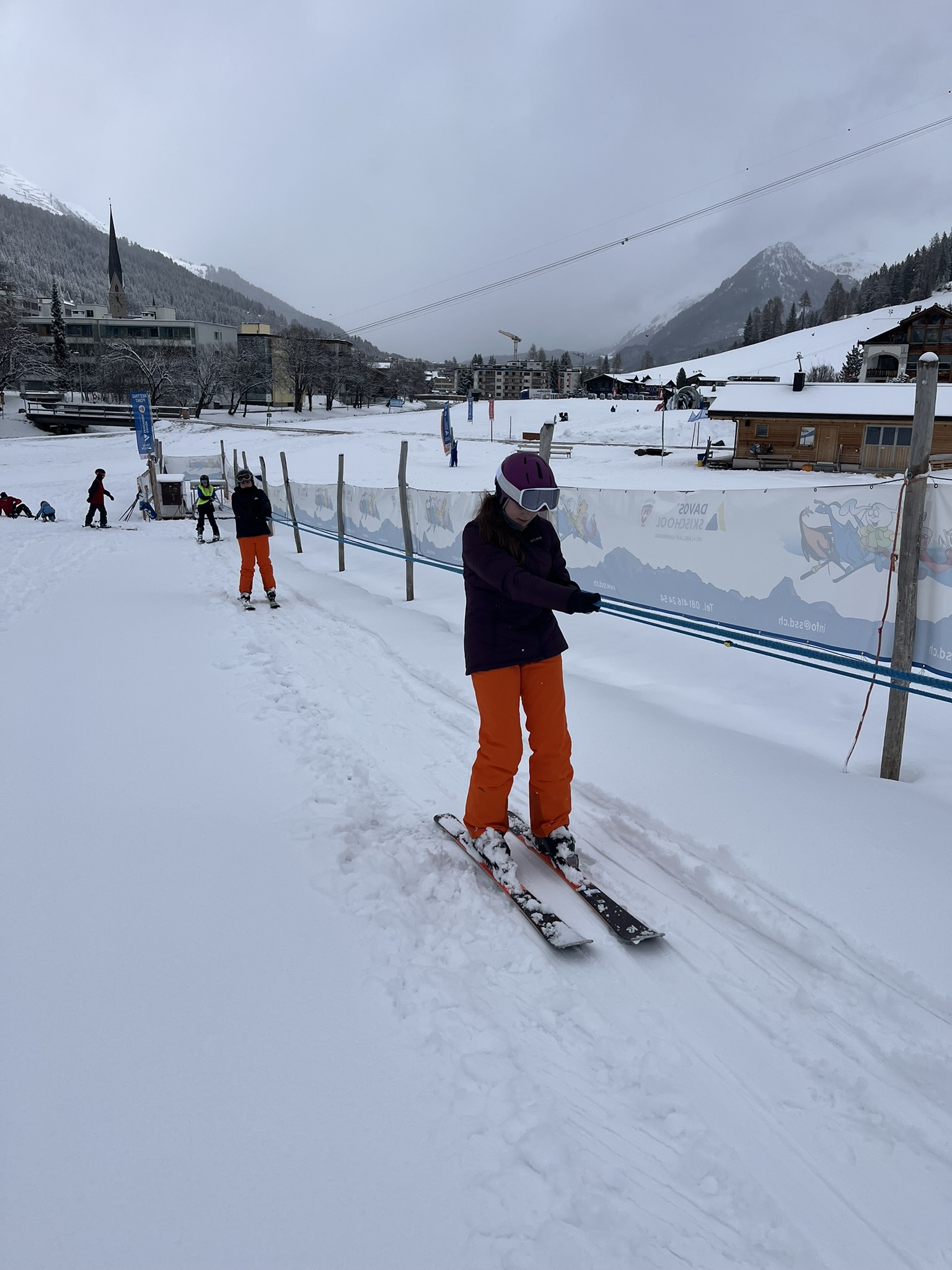
A 2.5-hour train ride from the Zürich Airport, the 13,000-inhabitant Alpine village of Davos is the highest city in Switzerland, at 5,147 feet above sea level. Its Ski School Davos, part of the Swiss Ski and Snowboard School, is the biggest and oldest ski school in the country. Students here can learn from patient, professional instructors, who focus on safety and ensure basic skills are mastered before introducing more difficult maneuvers or terrain. Experienced skiers have 157 miles of ski trails on 81 different slopes to explore over five separate ski areas, including the iconic Parsenn skiing and hiking area, famous for its wide pistes and long runs.
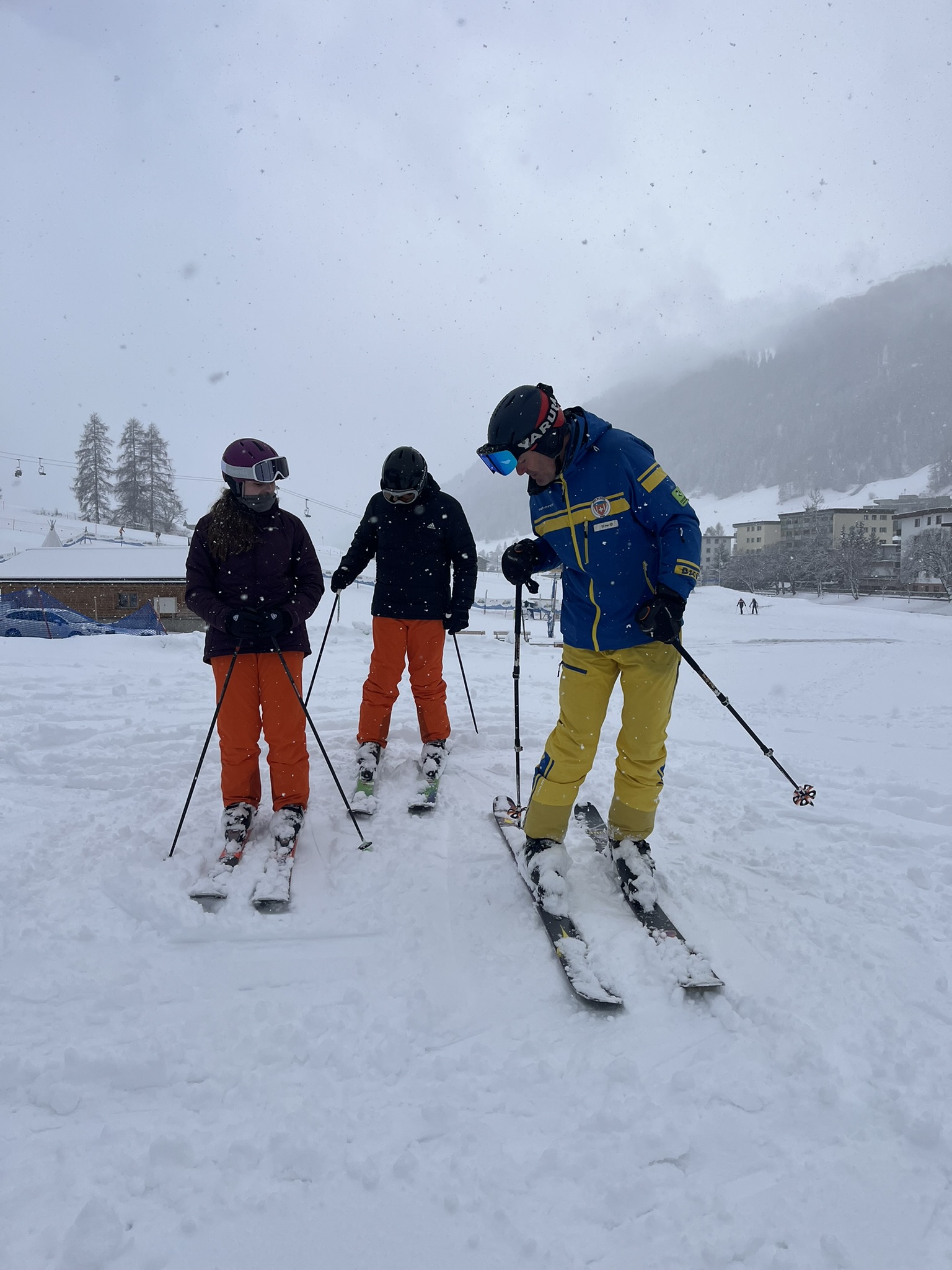
Private and group lessons are offered at Ski School Davos, with ski equipment rental available at Top Secret Ski & Snowboard Shop, directly across the street from Bolgen Plaza.

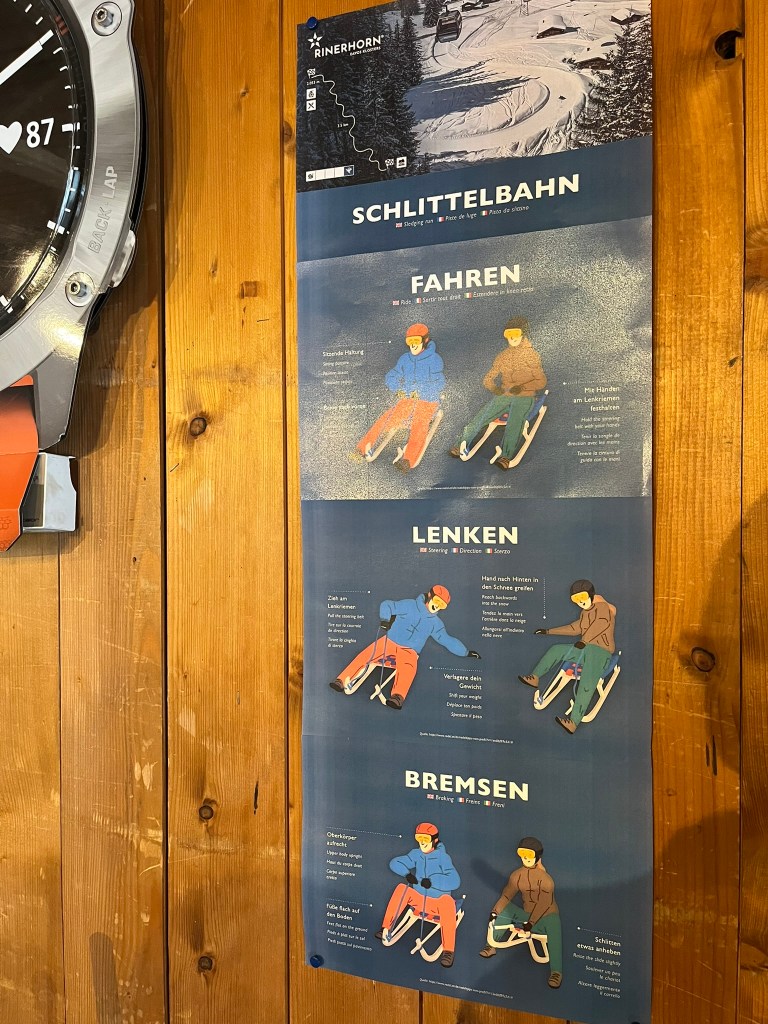
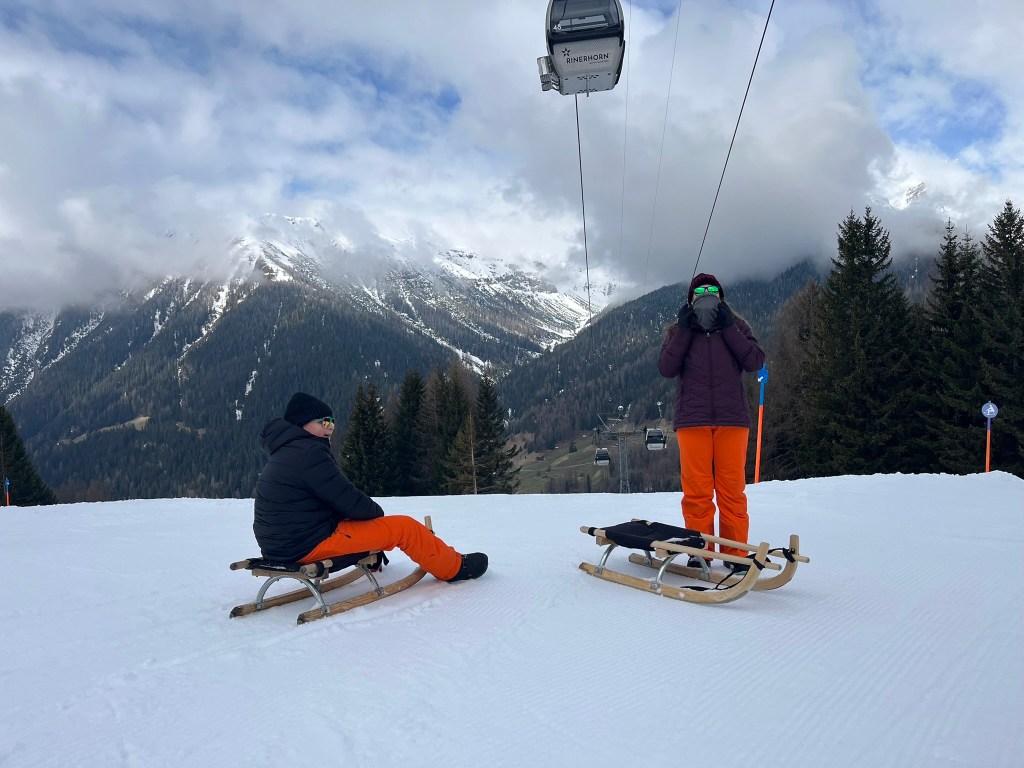
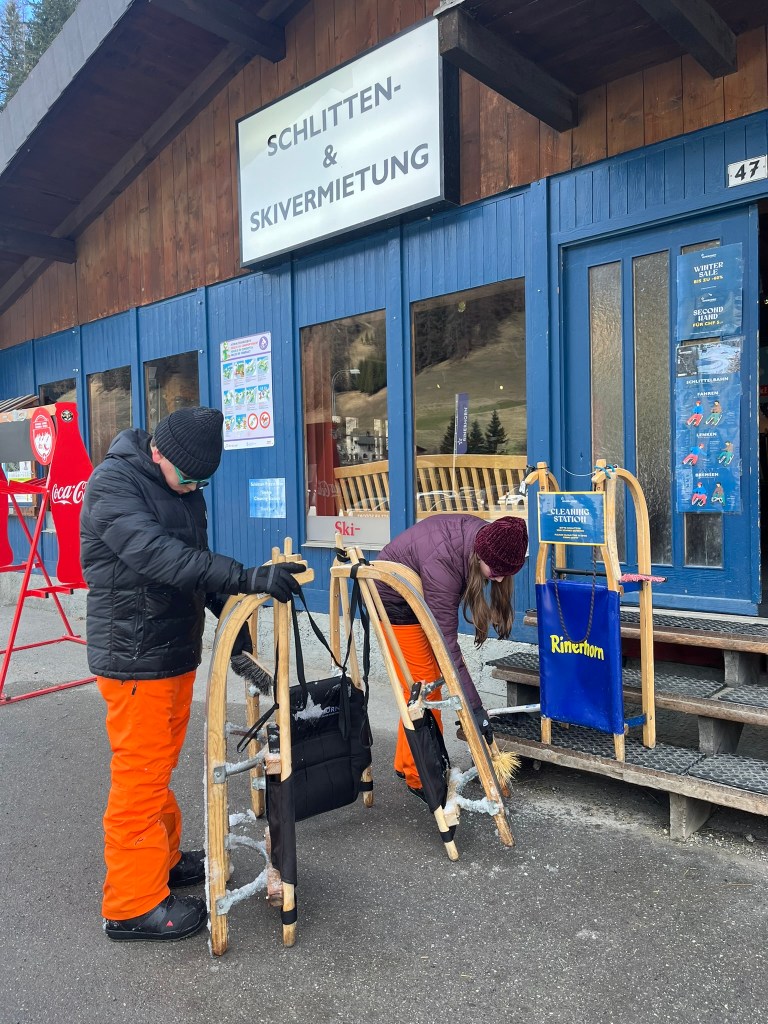
The Alps are inviting even to those not wearing skis. For a fun take on tobogganing, try sledging down the 2.2-mile Rinerhorn run in Davos. Take the ski lift to the top and pilot your wooden sledge down the steep and curving 33-bend slope—one of the most challenging sledging runs around—braking with knees bent and feet flat on the snow and changing direction by shifting weight and pulling the steering rope. It’s like high-speed Mario Kart in the mountains!
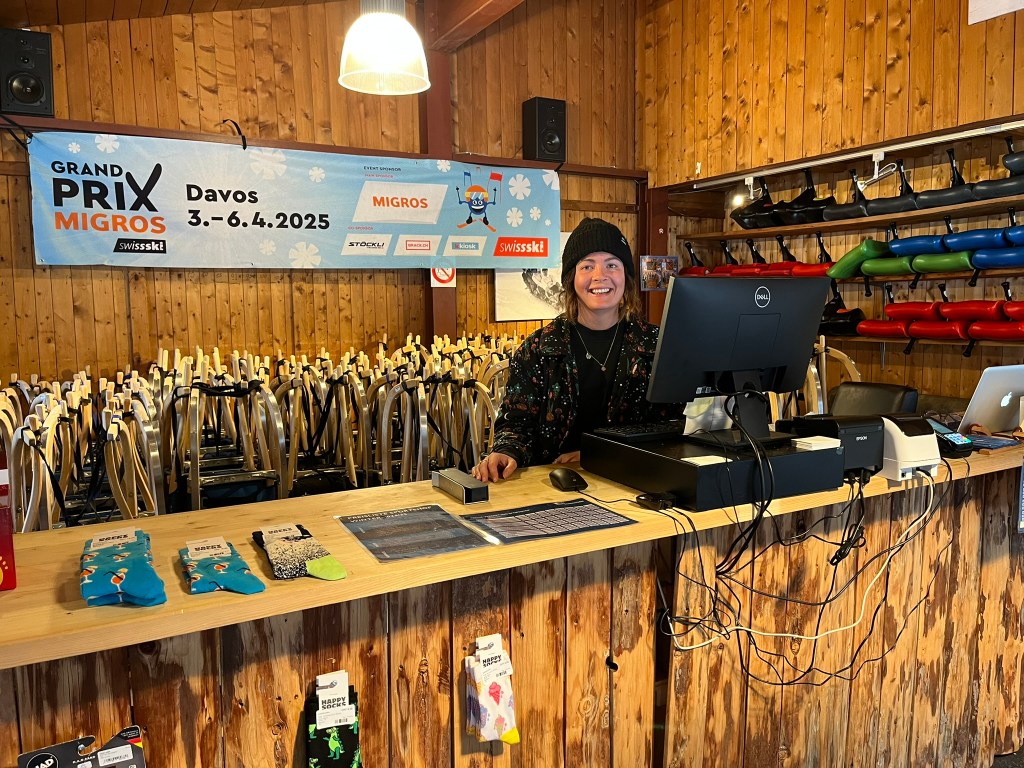
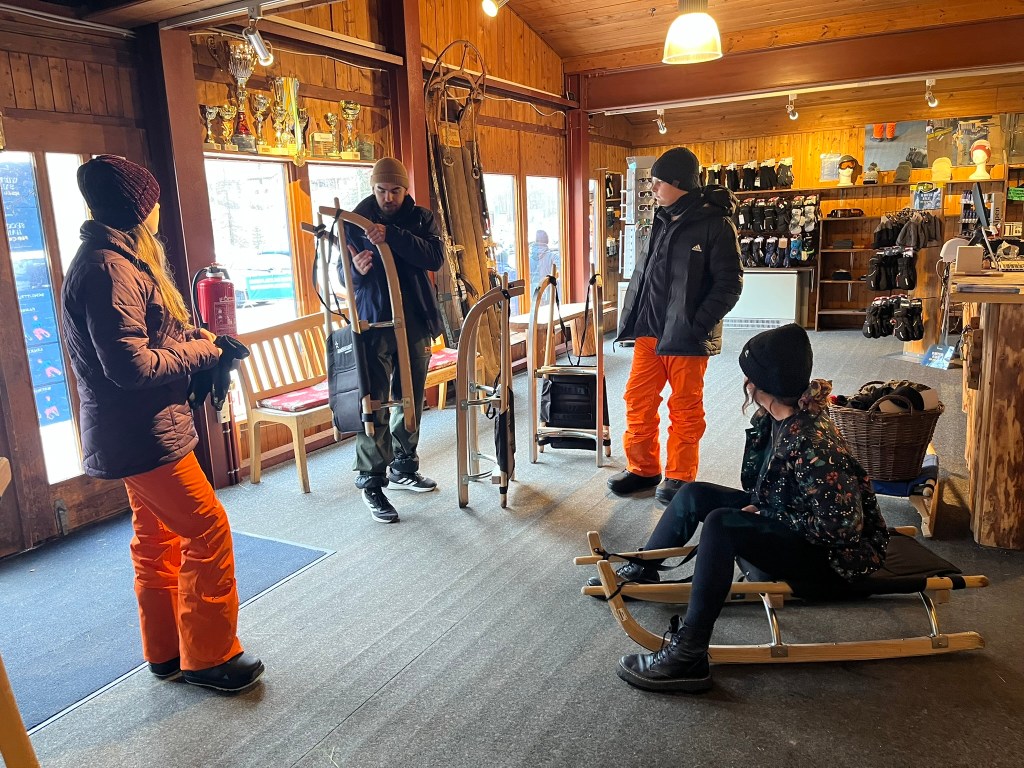
Rinerhorn has slopes for skiers and sledgers.

If you’re staying at the comfy mountain chalet Hotel Waldhuus in Davos, be sure to spend time in the large indoor pool and experience the Switzerland sauna lifestyle in their bio sauna, herbal sauna, or new Finnish sauna. Usually co-ed and textile-free, sauna visitors in Switzerland use towels simply for hygiene purposes—not as a cover-up, but to sit on so sweat doesn’t touch the wood. Sauna usage is linked to many health benefits and can lower blood pressure, improve cardiovascular health and circulation, reduce soreness after exercise, promote muscle recovery, stimulate immune system support, reduce stress, and eliminate toxins. A swim and sauna session after a full day of activity feels physically and mentally healing, especially in a clean and well-maintained facility.   

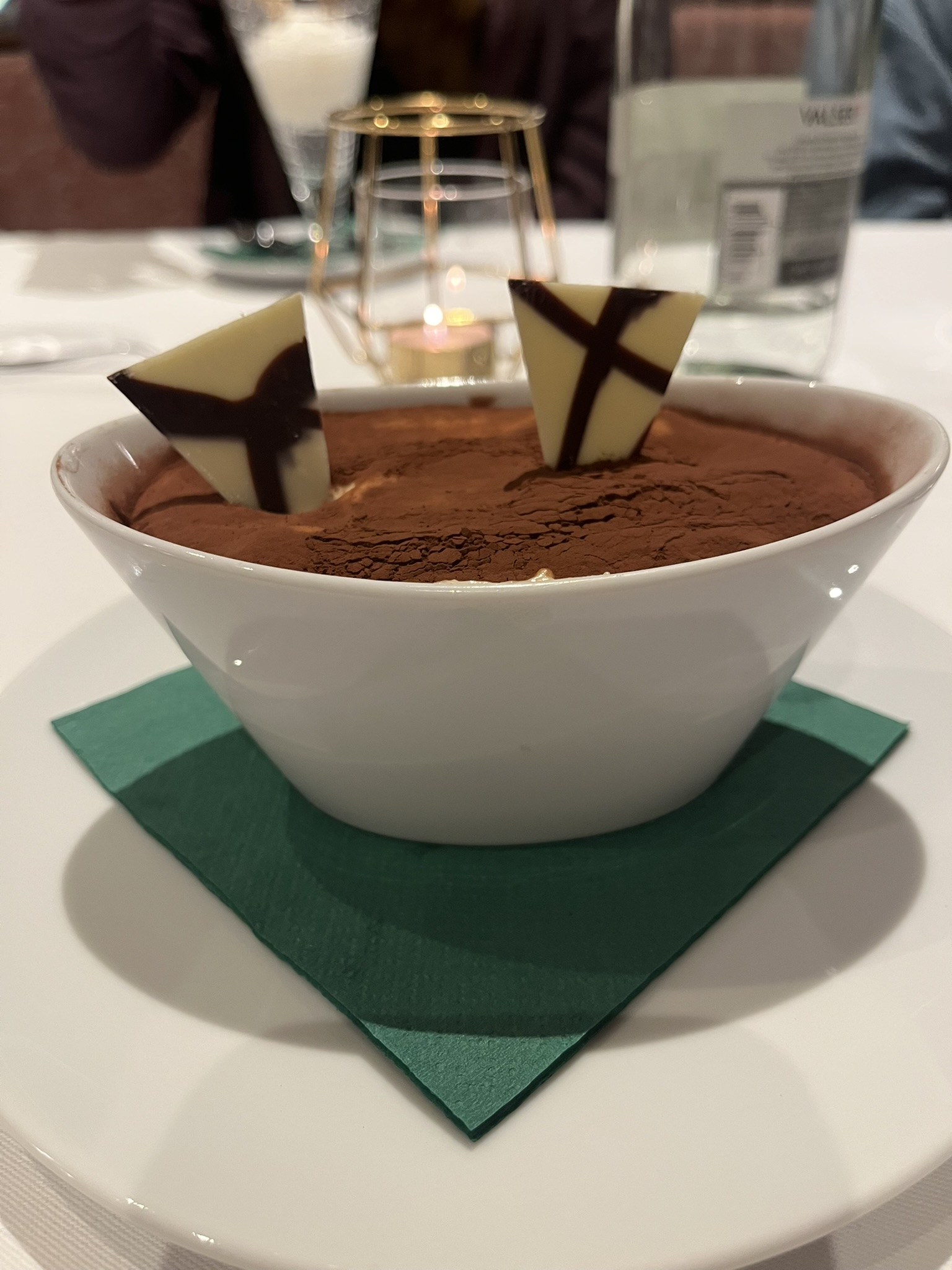
Unwind in Hotel Waldhuus’ comfortable accommodations with terrific spa facilities, and try the delicious tiramisu and enormous fresh breakfast spread in the Waldhuus Restaurant.

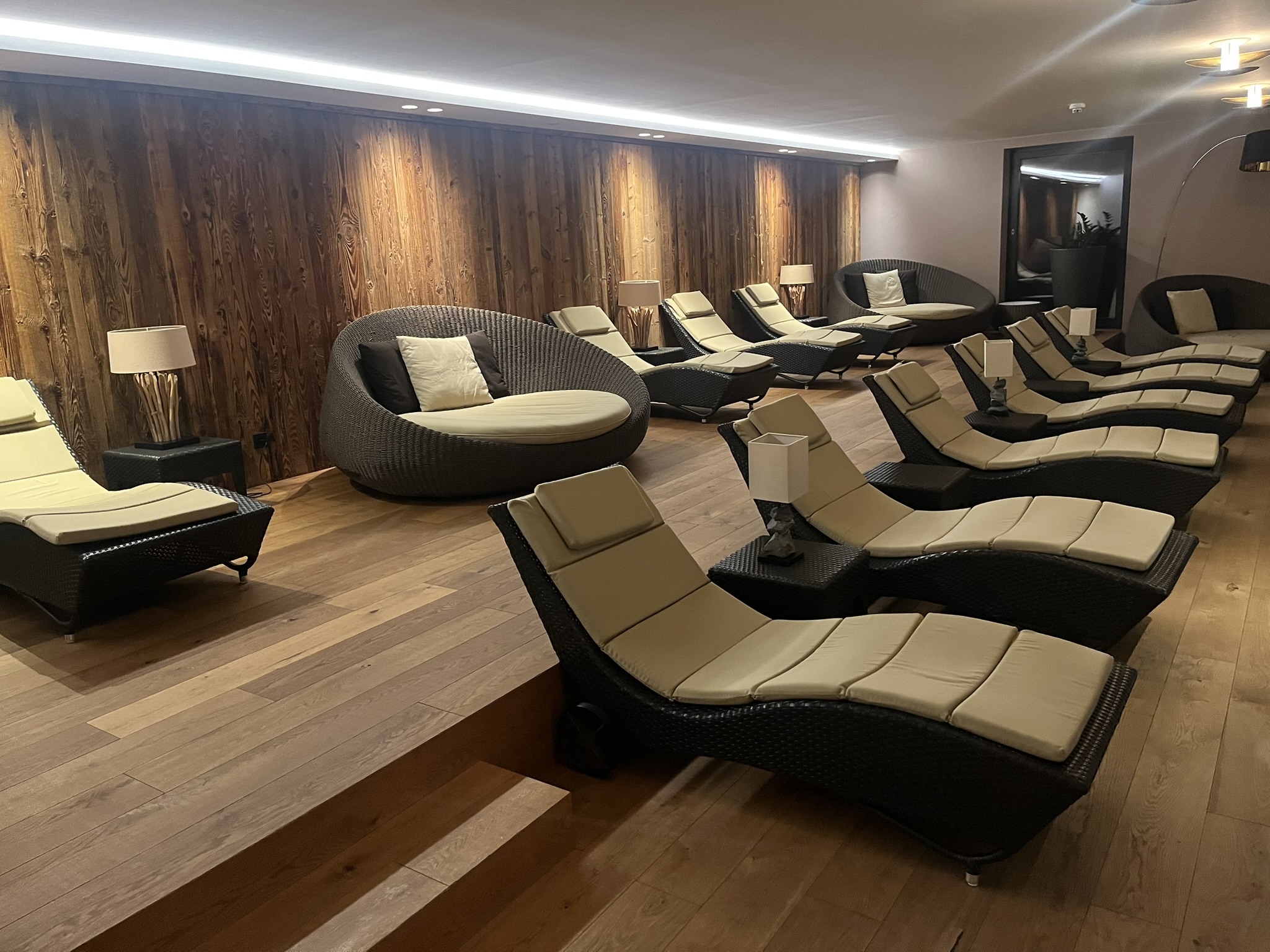
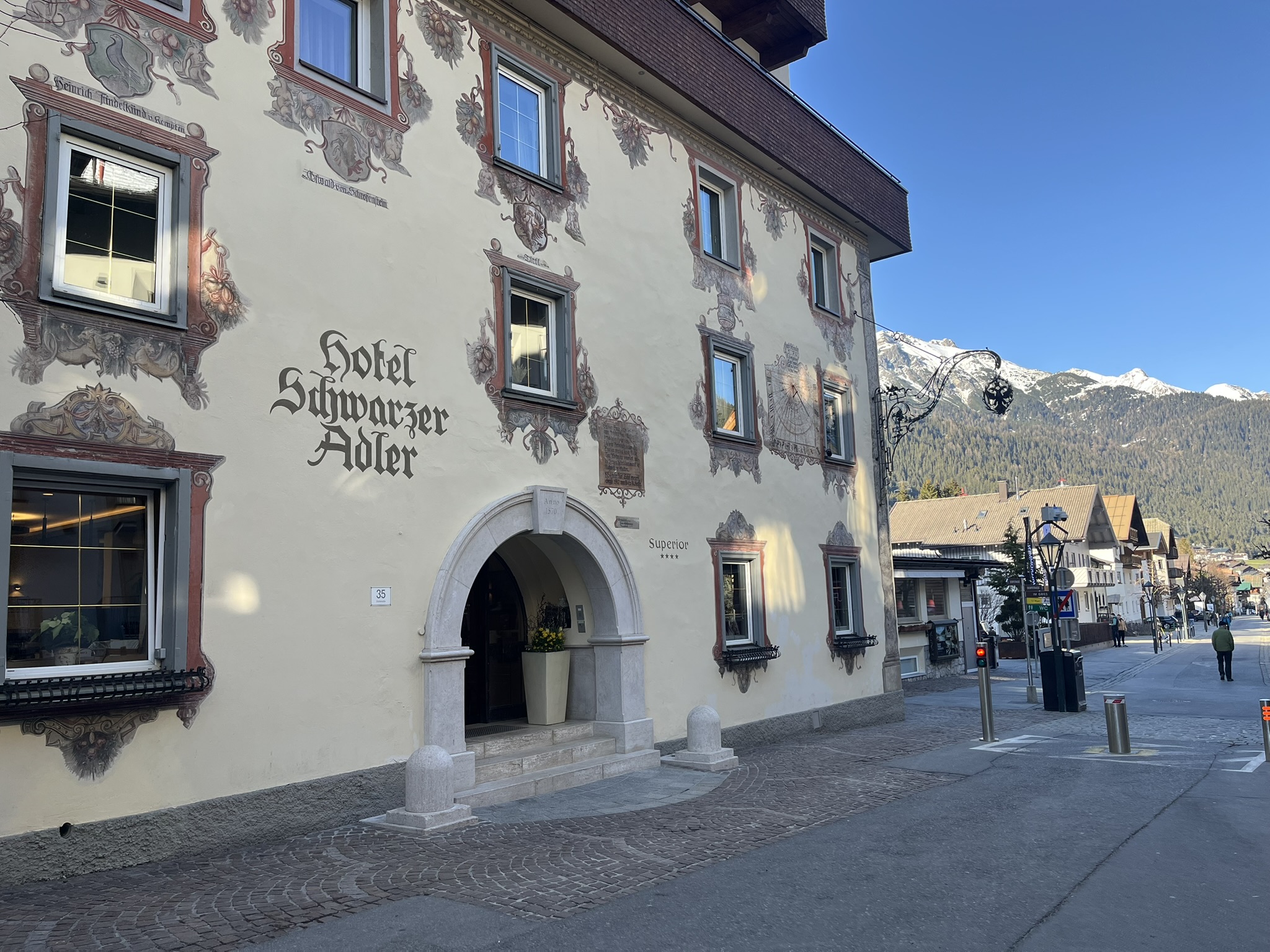
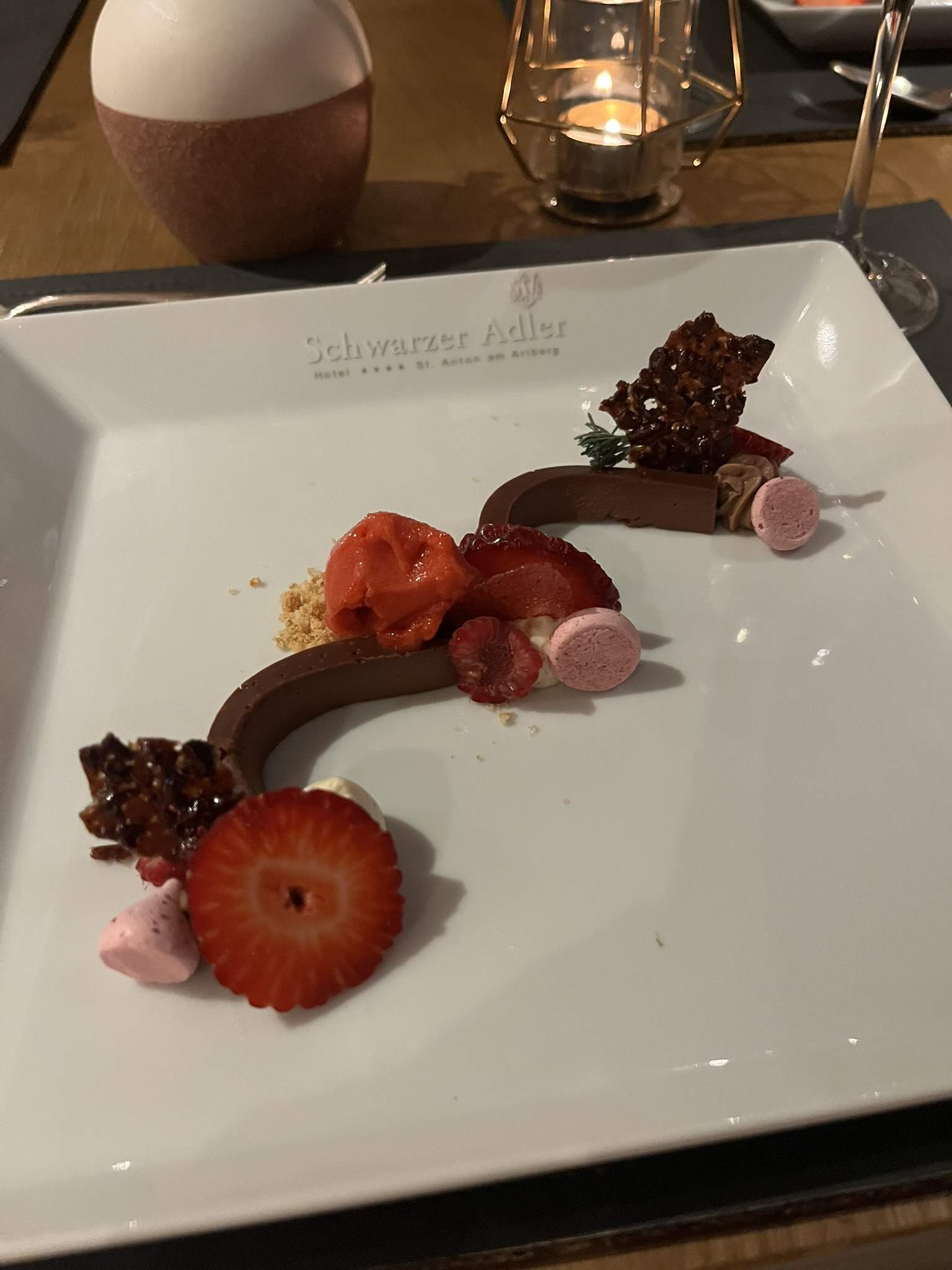
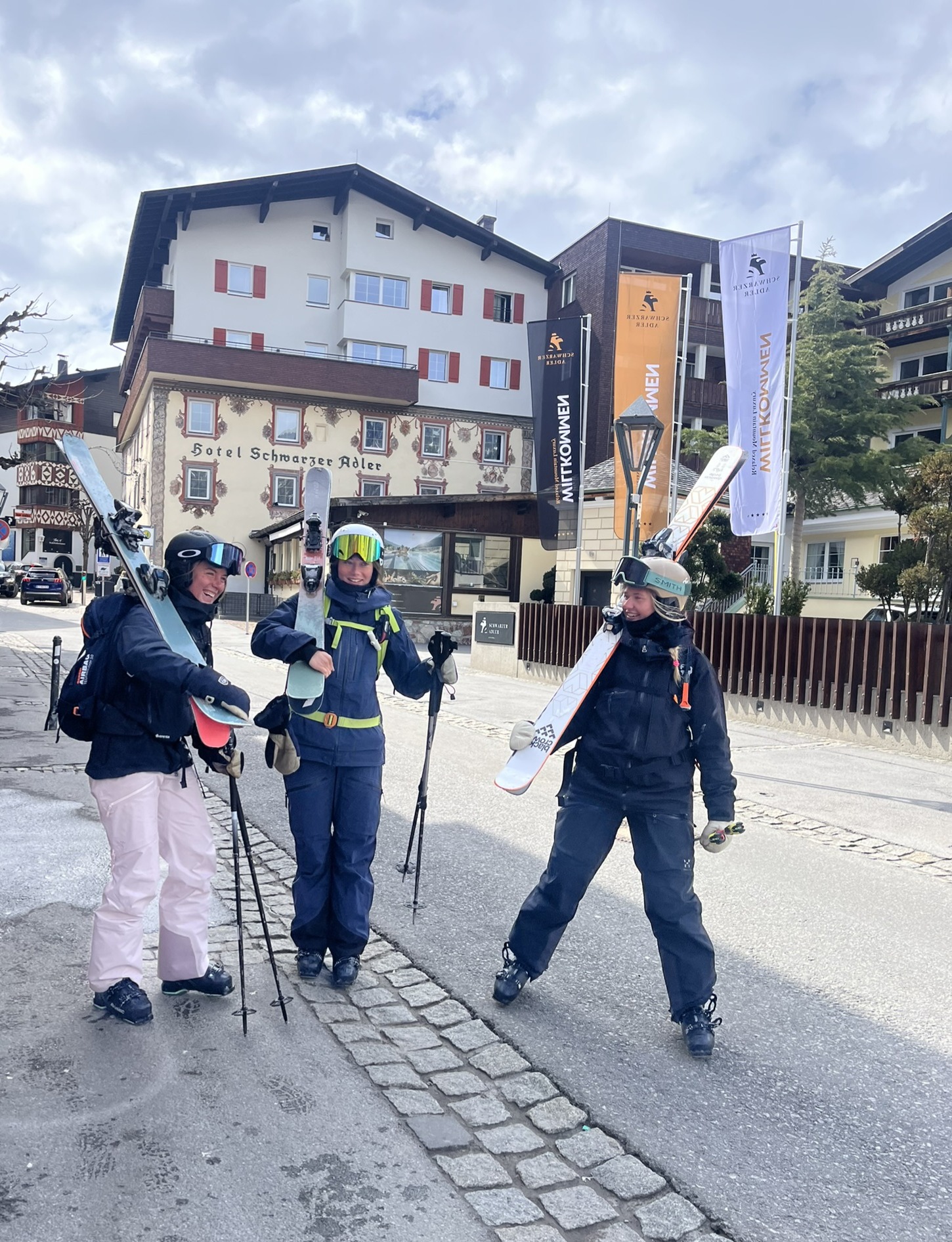
For a taste of the Austrian Alps, a 3.5-hour train ride brings you to St. Anton am Arlberg, Austria, where you can make your home base the classy Hotel Schwarzer Adler. Here, white-glove dinner service offers perfectly flavored and artfully plated meat and vegan dishes, homemade comfort foods including butter Spätzle (egg noodle pasta), and delectable desserts like “chocolate 5 ways,” with Austrian wines for pairing. You can swim in the outdoor sky pool under the pure mountain air or unwind indoors in the relaxation room, saunas, or sparkling indoor pool. Treat yourself to a spa package from the massage menu or simply sip an espresso on your hotel room balcony with a view of snowy peaks and a soundtrack of church bells and birdsong.
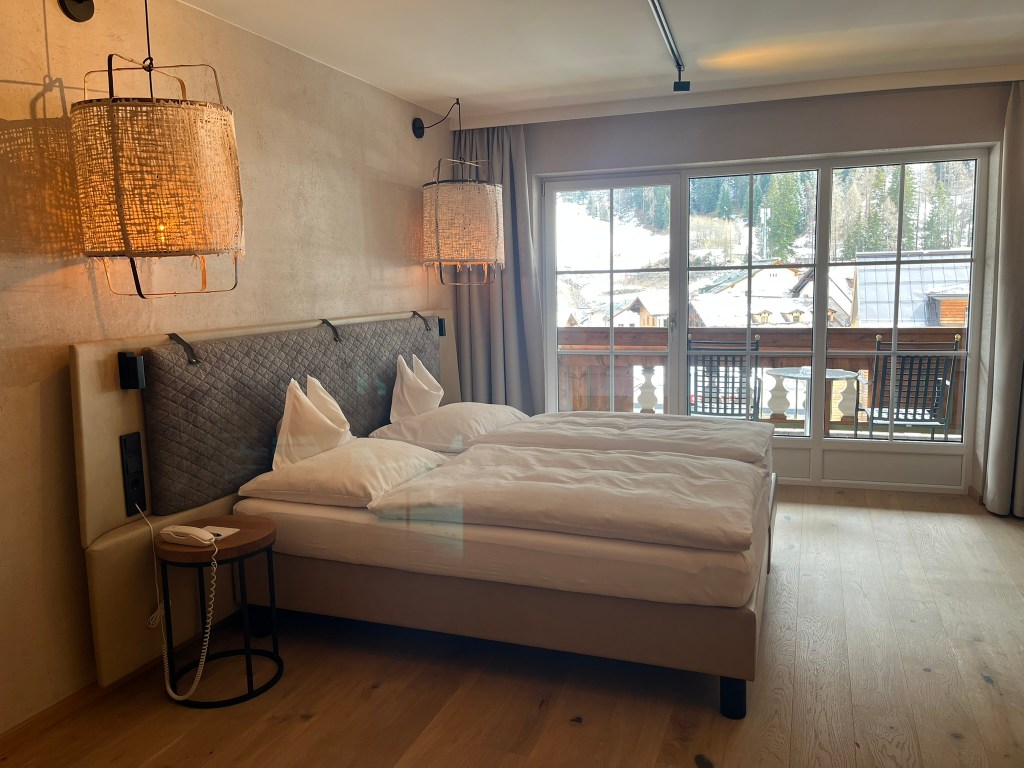
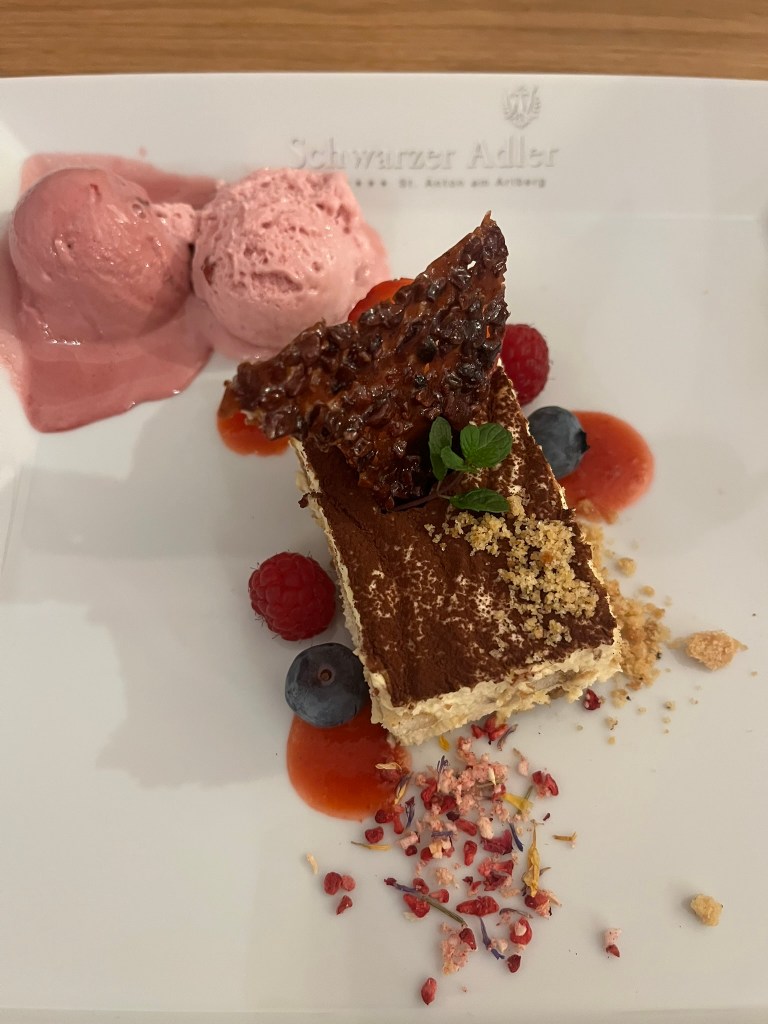
The Schwarzer Adler Hotel provides luxurious dining experiences and relaxation outlets.

Skischule Arlberg is the award-winning largest ski school in Austria, founded by Hannes Schneider, the father of the modern “Arlberg technique” skiing style. Before Schneider’s development of this forward semi-squatting posture, the trend was to stand erect with rigid knees, a position derived from Nordic or cross-country skiing, which wasn’t a practical stance for the steep Tyrolian terrain. Ski instructors at Skischule Arlberg keep lessons fun and stress-free, moving at the students’ pace and providing encouragement without pushing too far beyond current comfort levels. For those unaccustomed to ski life, it’s an excellent introduction to what many Alpine locals grow up learning from a young age.  

Ski School Arlberg prepares skiers to achieve their athletic goals.

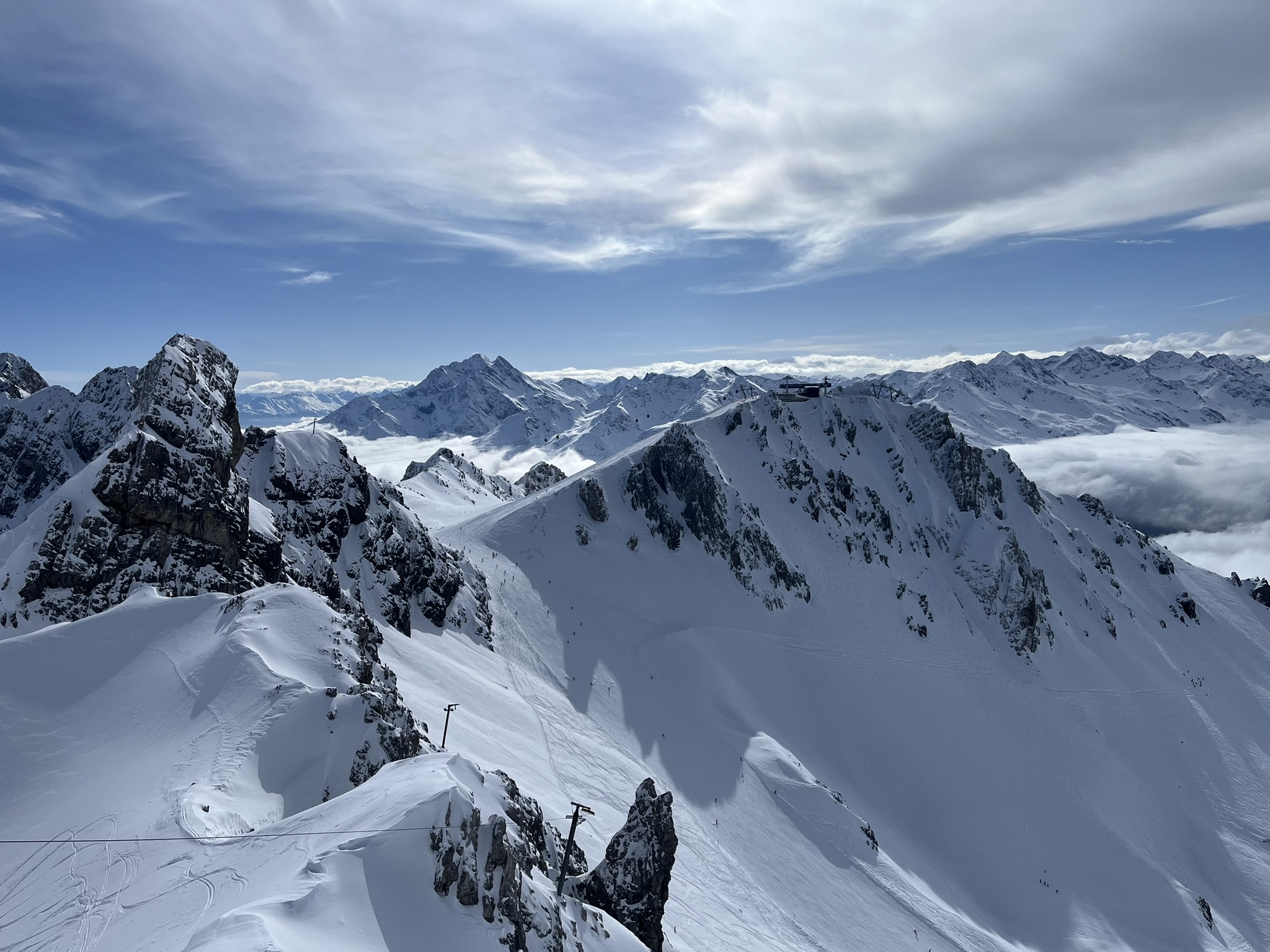
An incredible highlight of St. Anton—no skis needed—is up on the very peak of Valluga, at 9,222 miles above sea level. Ride the “Galzigbahn” ski lift to the first mountain station, where you can snack at the Galzig Restaurant, shop in the ski store, and watch athletes descend the slopes. Then ascend with the “Vallugabahn I” lift through fog and clouds to the Vallugagrat station and the Valluga View Restaurant. One more ride in the small “Vallugabahn II” cable car brings you to the pinnacle lookout point—a circular railed platform open to the intense sun and whipping wind, with breathtaking views of snow-covered Alps in every direction. You have a clear panorama from Lake Constance to Switzerland and the Zugspitze, the highest mountain in Germany. From here, you can see the extraordinary beauty of the glacier-carved gorges as well as the splendid organization of the ski resort, with numerous lifts in motion, skiers gracefully carving patterns into the snow, and sky-high facilities with everything you might need for your day in the heights.

Unbeatable Valluga views are a highlight of St. Anton am Arlberg.

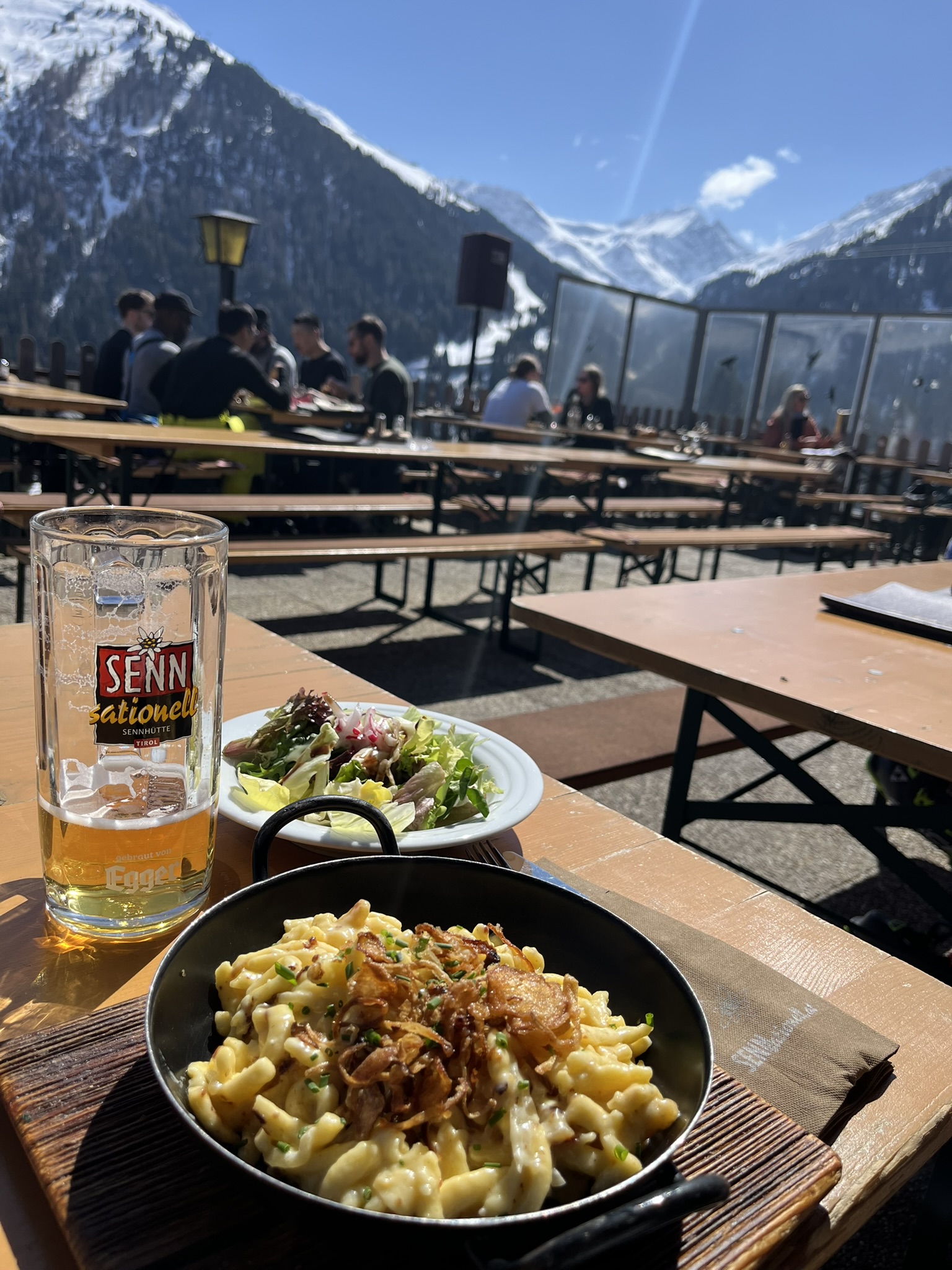
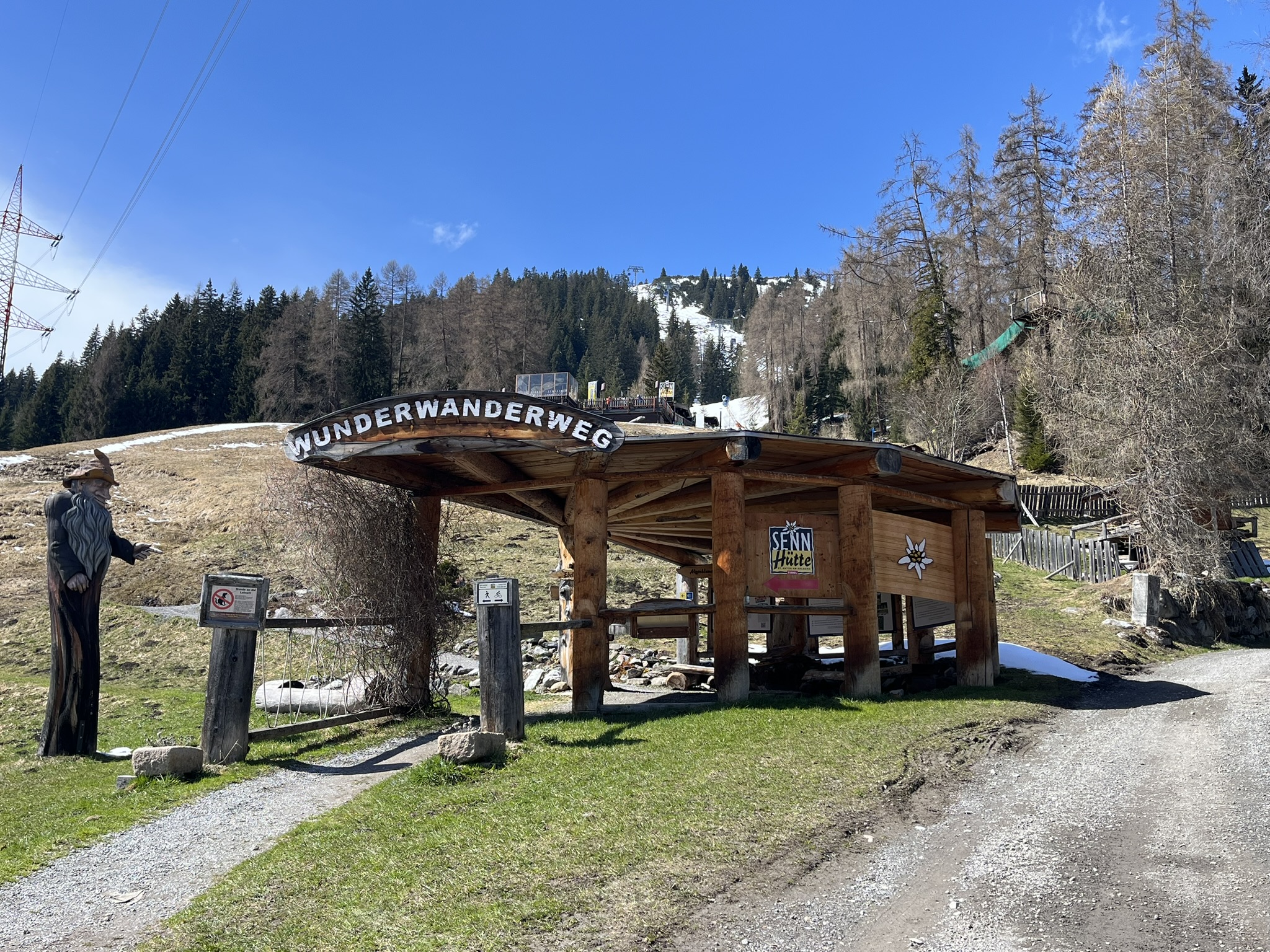
Don’t leave the Alps without an après-ski experience! St. Anton am Arlberg holds many opportunities to unwind and let loose after a day of athletics. You can party hard with club music and tasty drinks at any number of après-ski huts, or partake in a casual post-ski meal at the rustic Sennhütte restaurant right on the slopes—its entrance marked by an enormous pair of Lederhosen. Either ski down the hill right to the restaurant or take a free bus trip there from the town center and hike up the WunderWanderWeg (wonder walking way) pathway from the bus stop. The back patio balcony affords an outstanding view into the mountains—a brilliant backdrop for sampling Käsespätzle (thick cheesy noodles topped with crispy fried onions), Schnitzel and Pommes (fried meat cutlets and French fries), and gulping a refreshing beer or Skiwasser (“ski water”—an alcohol-free blend of raspberry syrup, lemon juice, and water or seltzer).
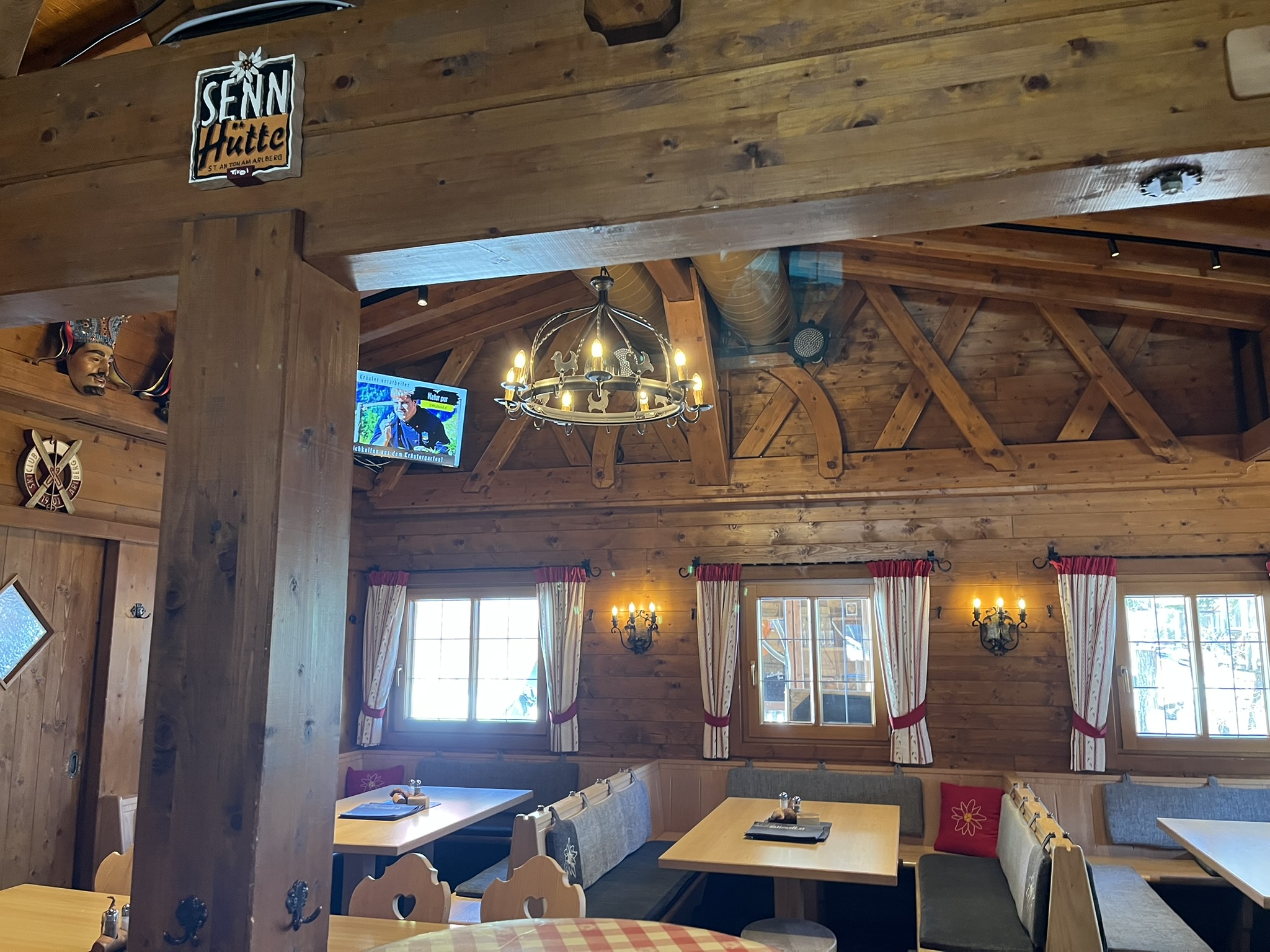
Giant lederhosen and the WunderWanderWeg lead the way to Sennhütte.

Any beer fans or German-language–lovers know that Bavaria is a nearby European destination worth visiting, so travel by Eurail from St. Anton 3.5 hours northeast and you’ll end up in Munich, Germany. A short walk from the Munich main train station through a Mediterranean district brings you to the fresh and inviting greenery-filled lobby of the KOOS Hotel. A prime location near Karlsplatz bus and streetcar stops, the KOOS Hotel is also within easy walking distance of the Altstadt, Munich’s medieval old town. KOOS Hotel’s vegan-friendly personal care products in the rooms and numerous vegetarian and vegan breakfast selections are a welcome perk for those with specific preferences and dietary needs. The hotel is also a role model for sustainability and is entirely paperless, with a digital check-in process and novel phone-activated room entry in lieu of a room key. This family- and dog-friendly haven near the city center has all you need for your stay, including an in-room washing machine and clothesline for freshening up travel clothes.

Environmental consideration and convenience are key at KOOS Hotel.

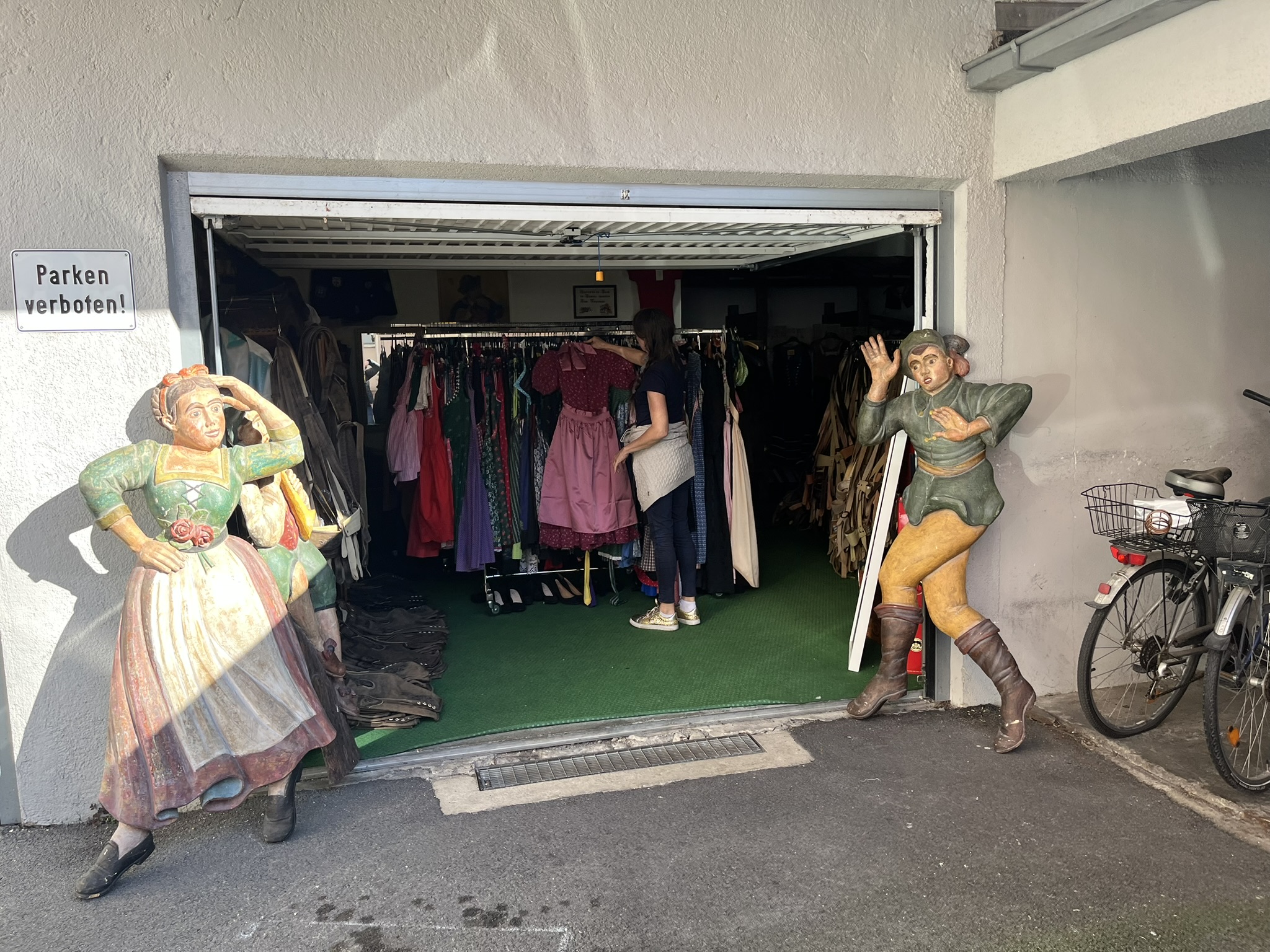
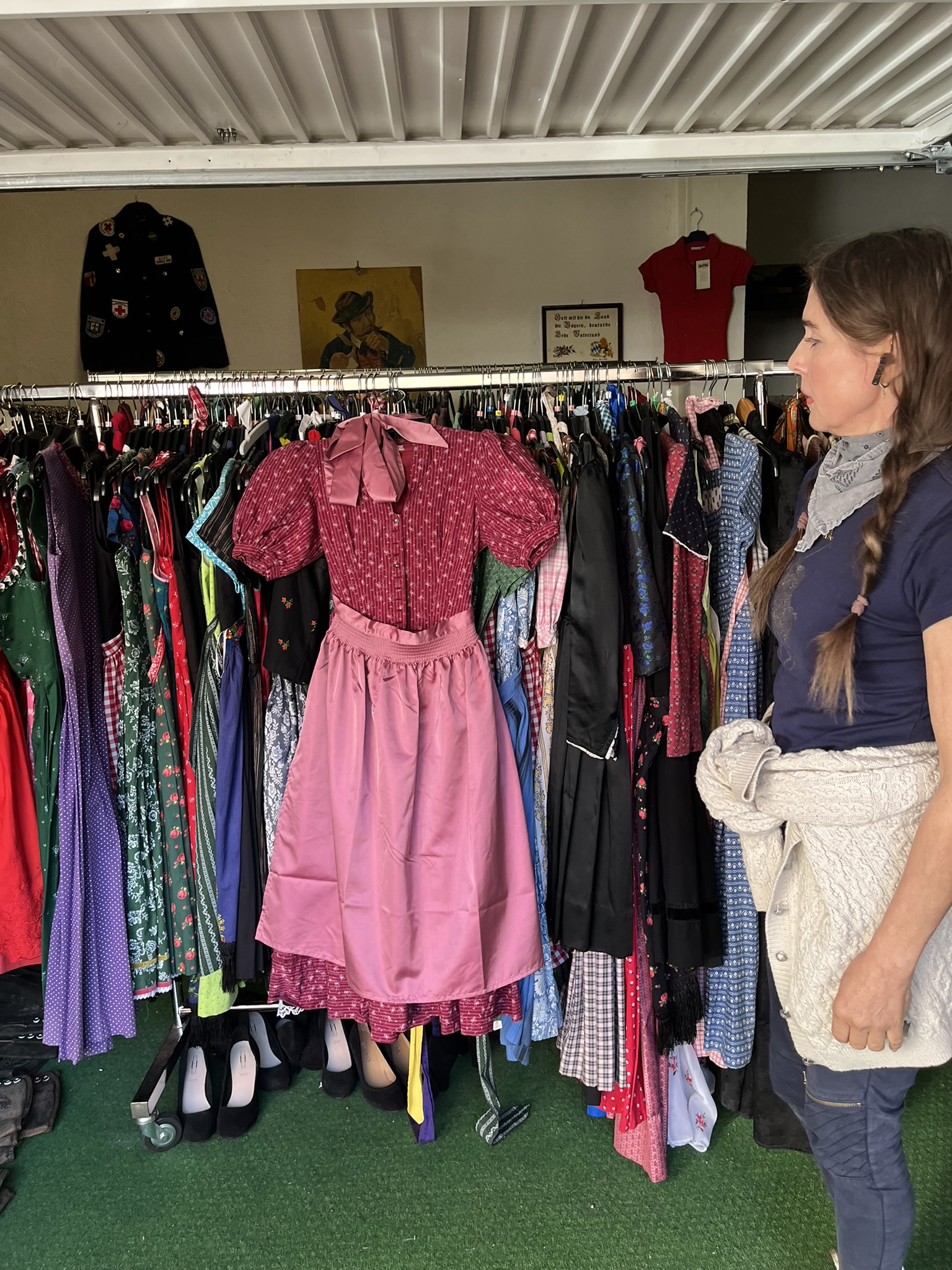
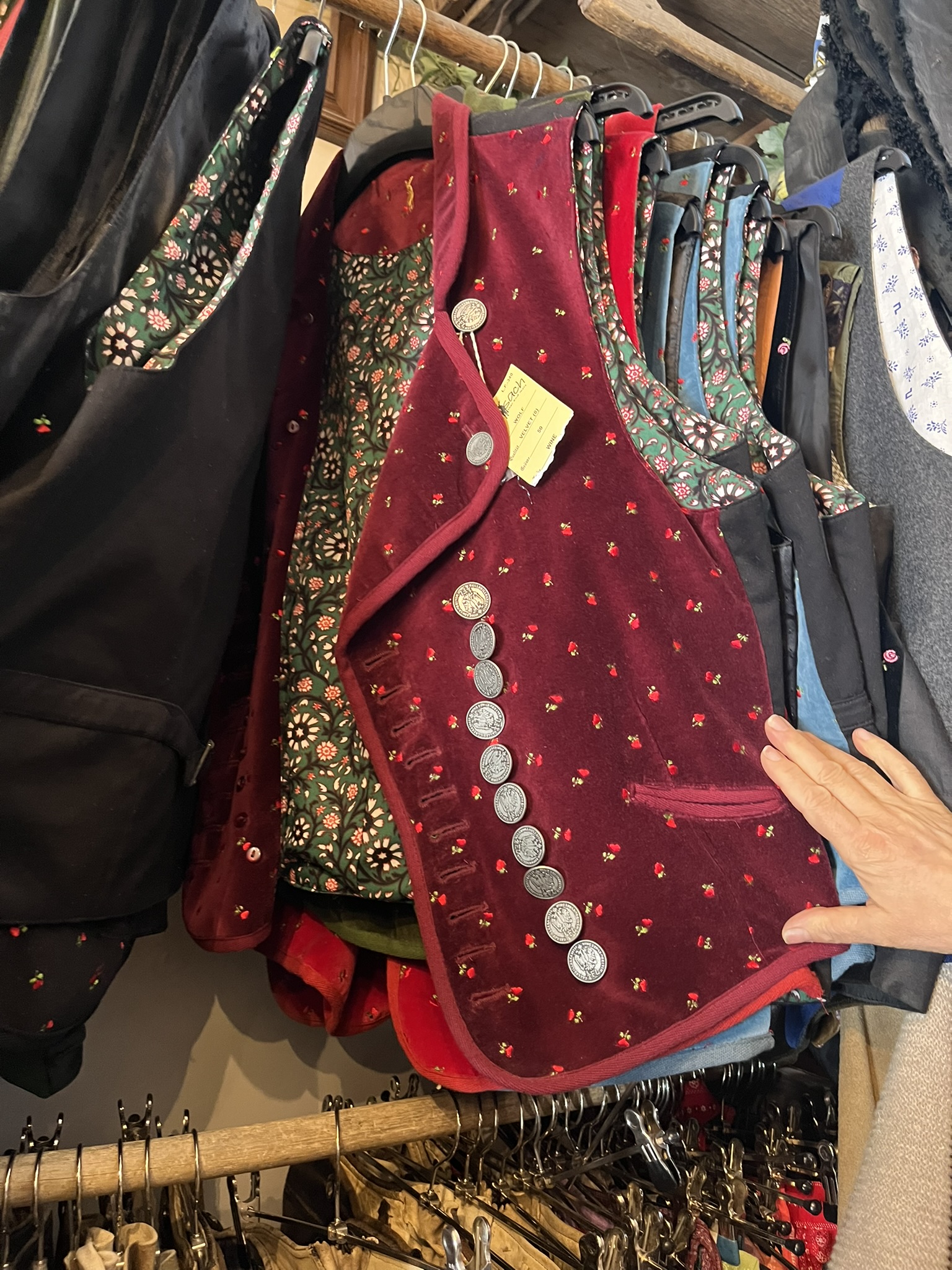
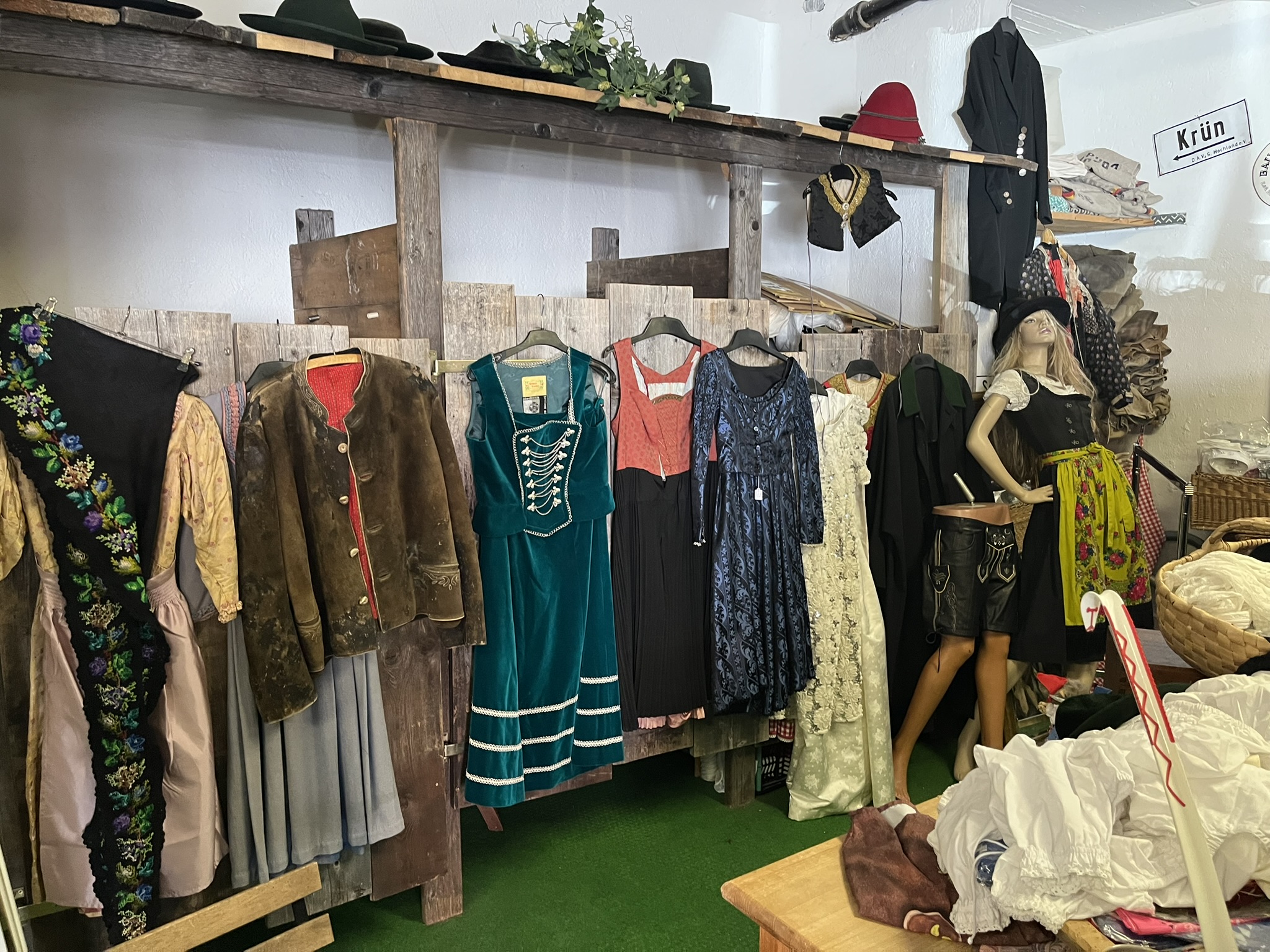
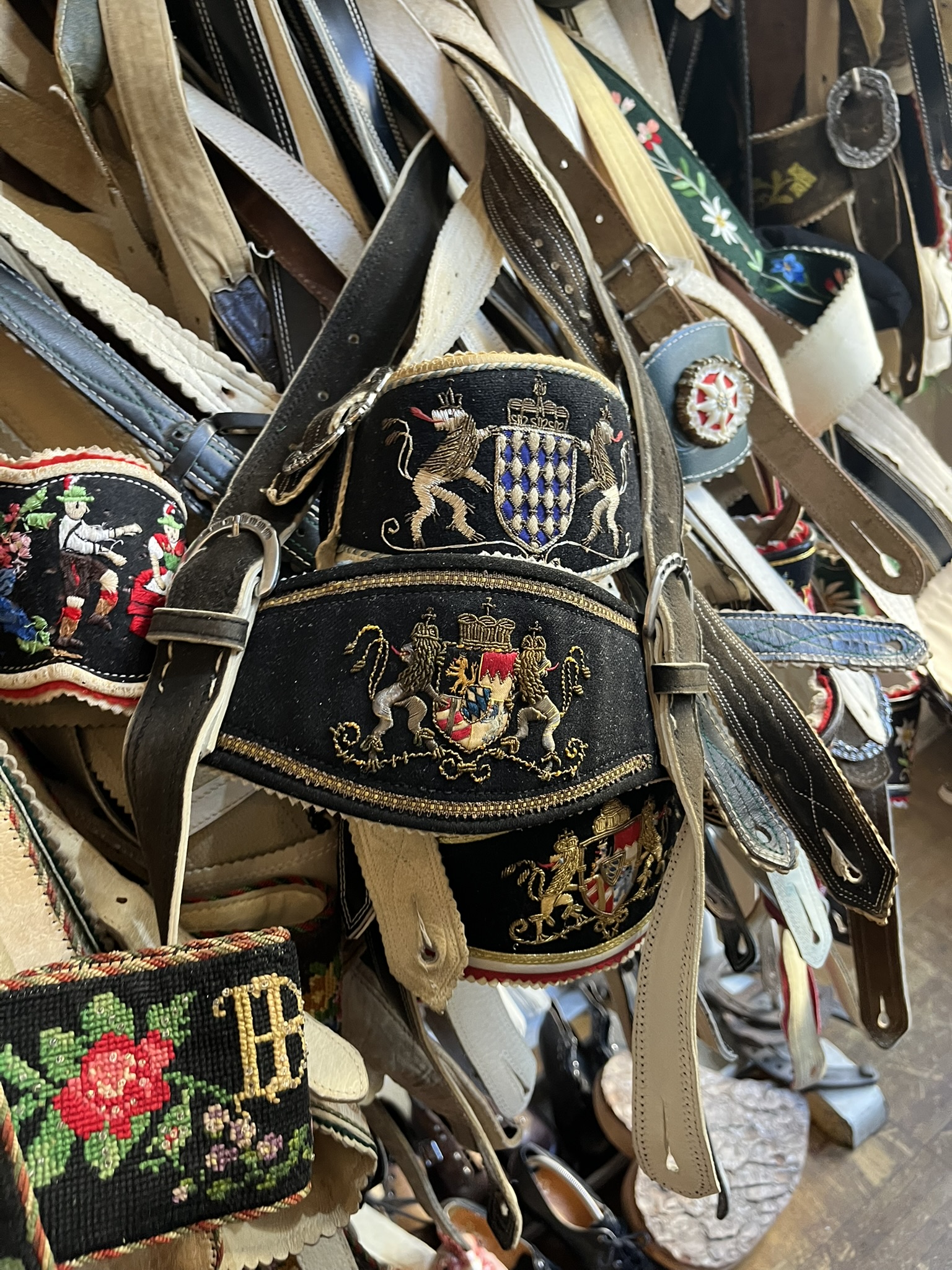
If you’re looking to buy some “new-to-you” threads, consider a walk to Holareidulijö traditional Bavarian clothing store. Affable and knowledgeable shop owner, Michaela Klein, lovingly restores and resells used Dirndl, Lederhosen, hats, vests, and myriad Bavarian accessories and jewelry, while offering an assortment of new shirts and socks to match her wares. During Oktoberfest season, Klein’s store and the extra garage unit in back are packed with shoppers searching rows of racks for colorful festival outfits and drinking the free beer she offers during her busiest weeks.

Holareidulijö is a treasure trove of authentic, high-quality refurbished Trachten.

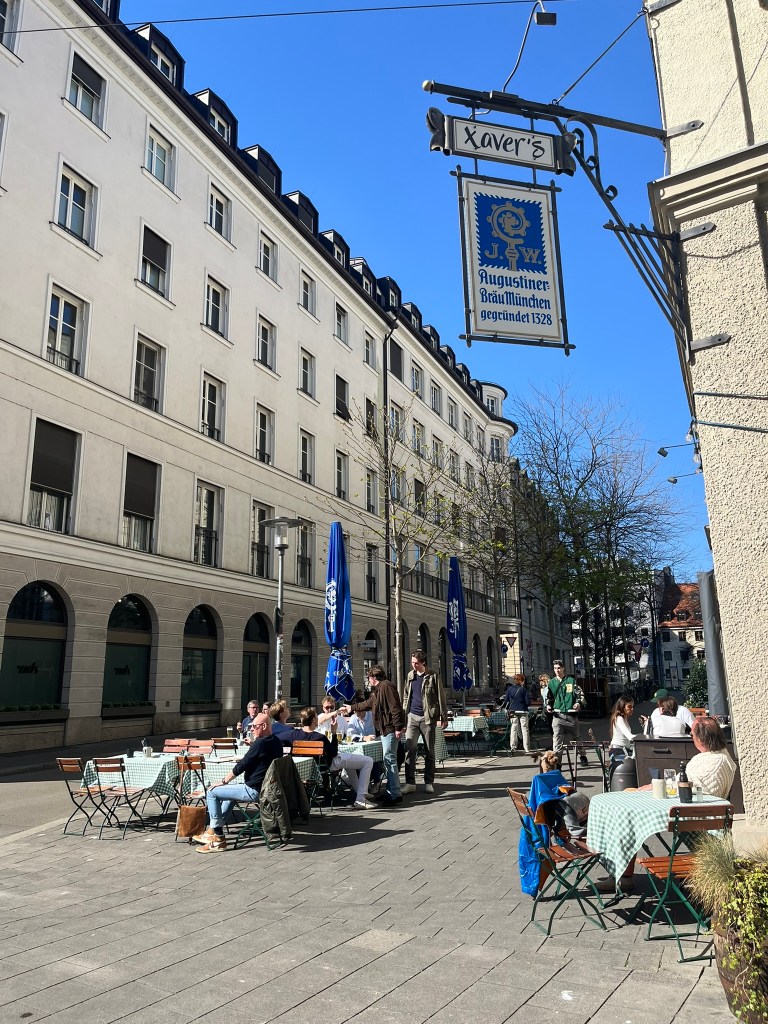
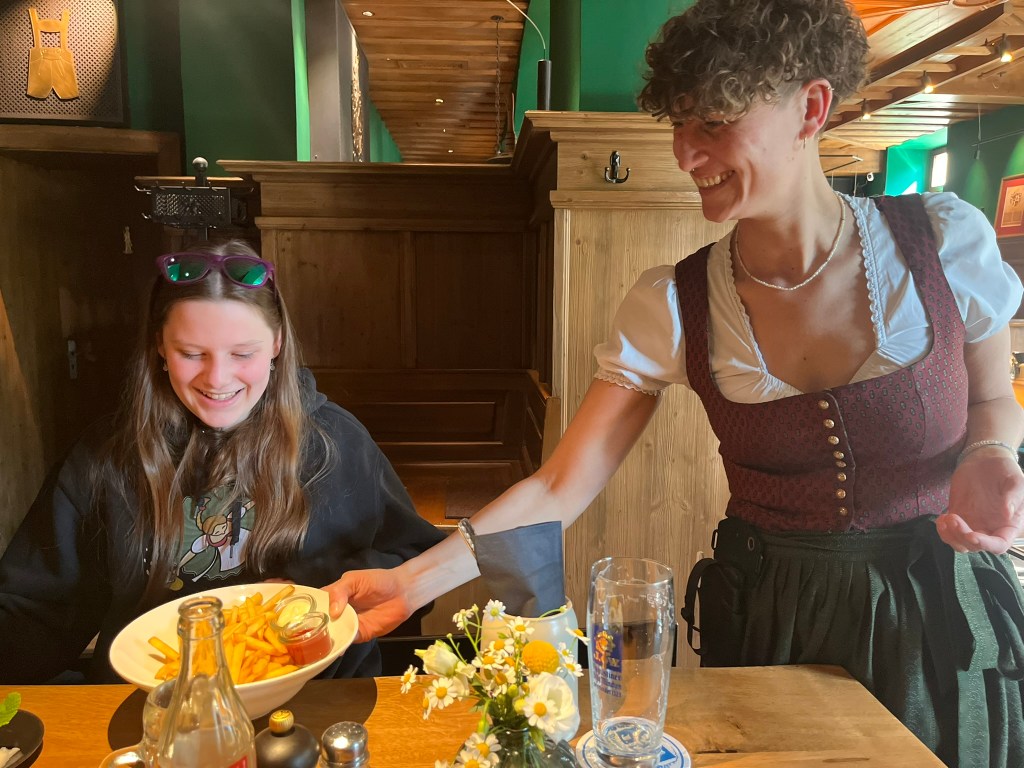
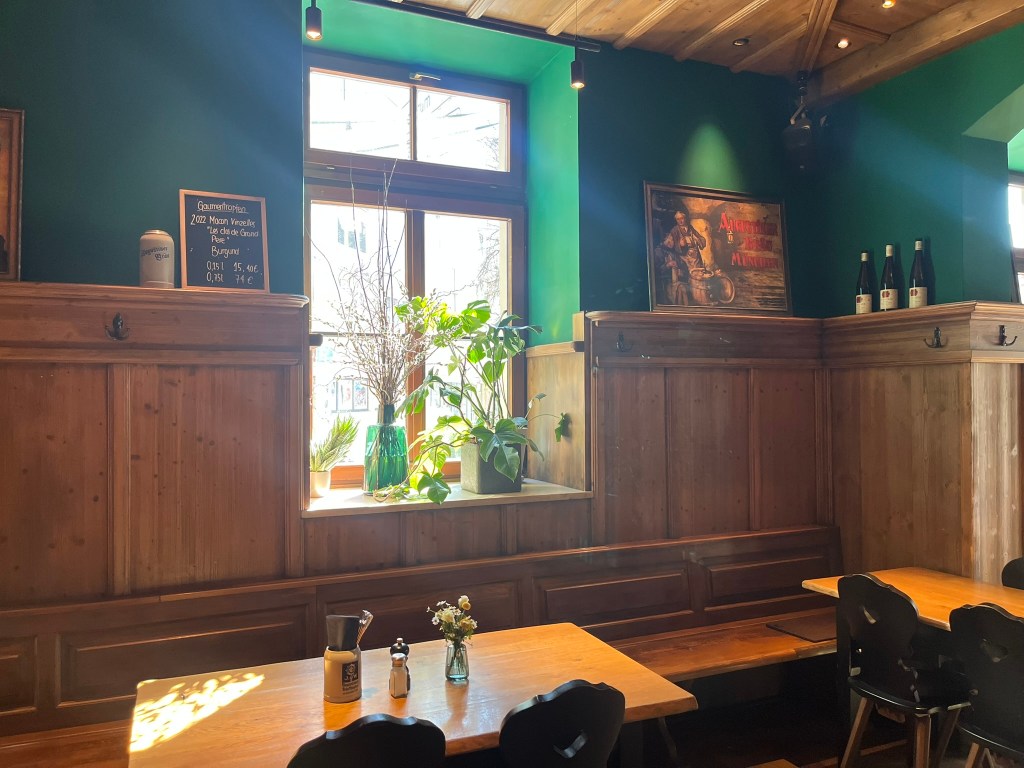
For a fantastic meal and some Augustiner beer or a selection from about 160 different wines, head to Xaver’s—a stylish restaurant and brew pub with a warm wood interior and a mix of small and large tables for date night or Stammtisch (“regulars’ table,” where friends recurrently gather to eat, drink, and socialize). Here, young and old alike are drawn to the restaurant motto’s “refreshingly traditional” vibe that features fun and friendly staff clad in traditional Bavarian costume (including genial owner Xaver himself, a sommelier and one of several restaurant-owning brothers). The menu features classic Bavarian dishes reimagined with a fresh take using locally farmed ingredients, as well as innovative entrees that change every six weeks. The lively music and cheerful atmosphere make you want to come back and be part of the scene— same time next week.

With a fresh take on Old World style, Xaver’s serves locally grown foods, Augustiner beer, and wines galore.

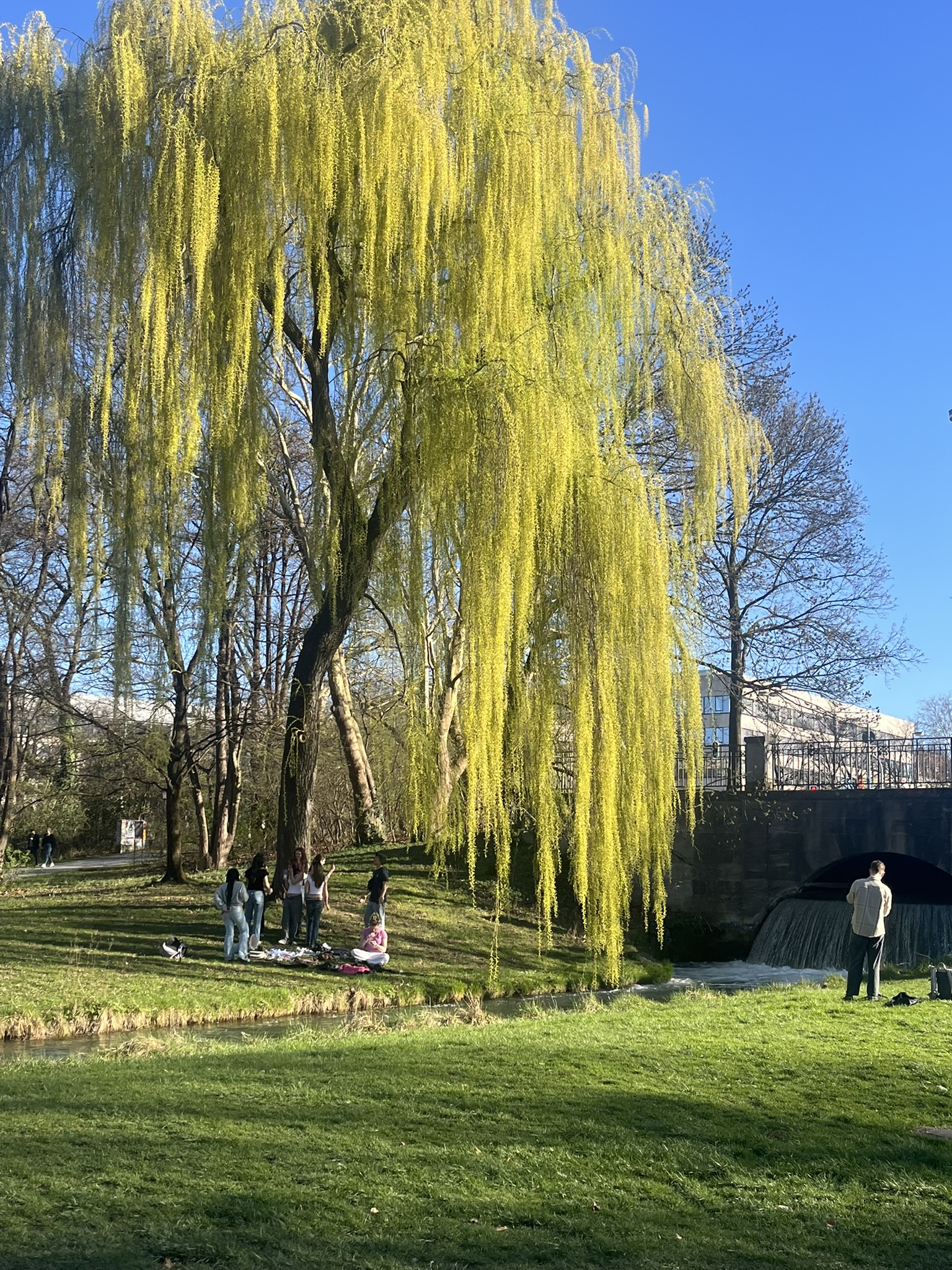
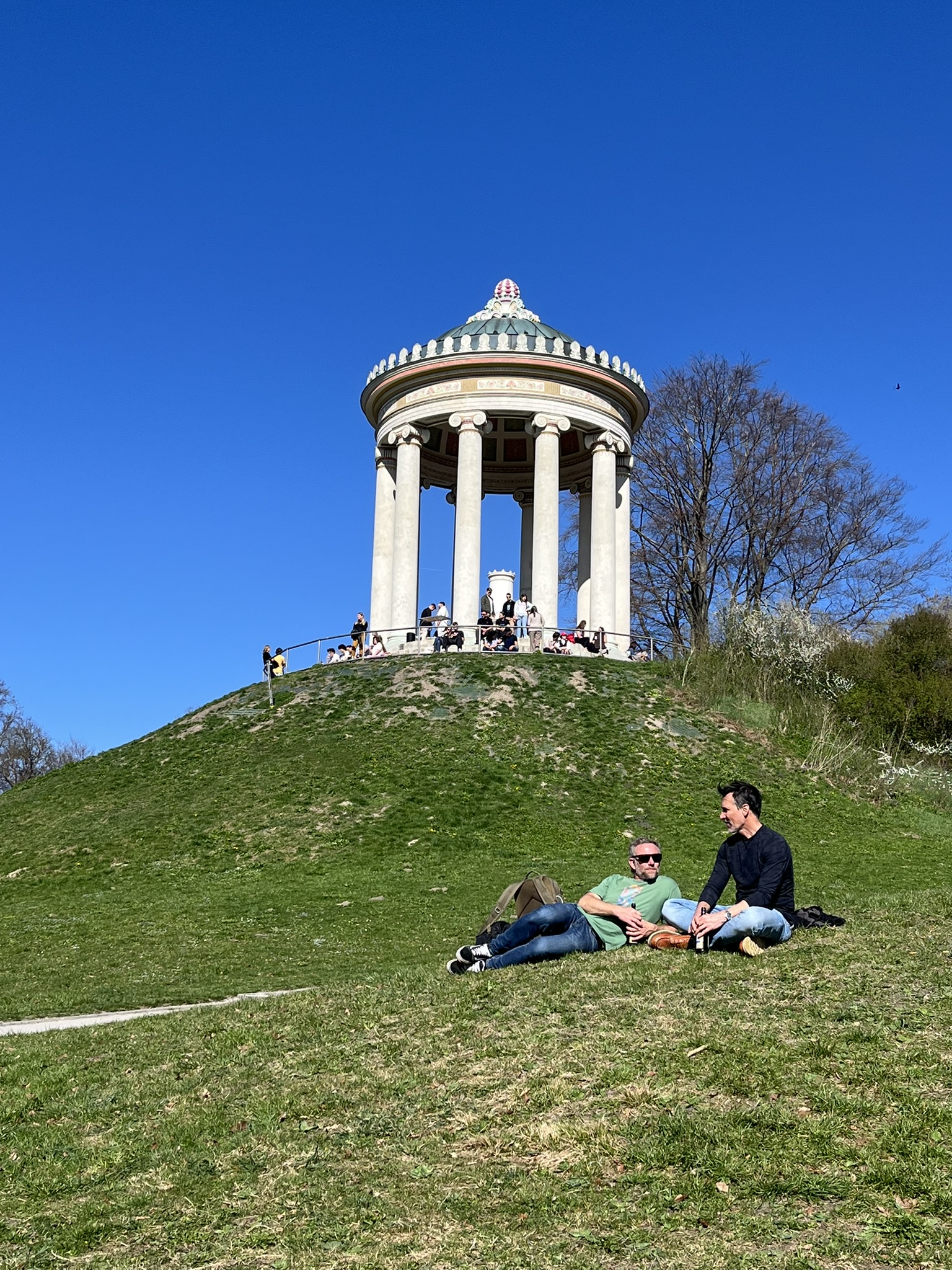
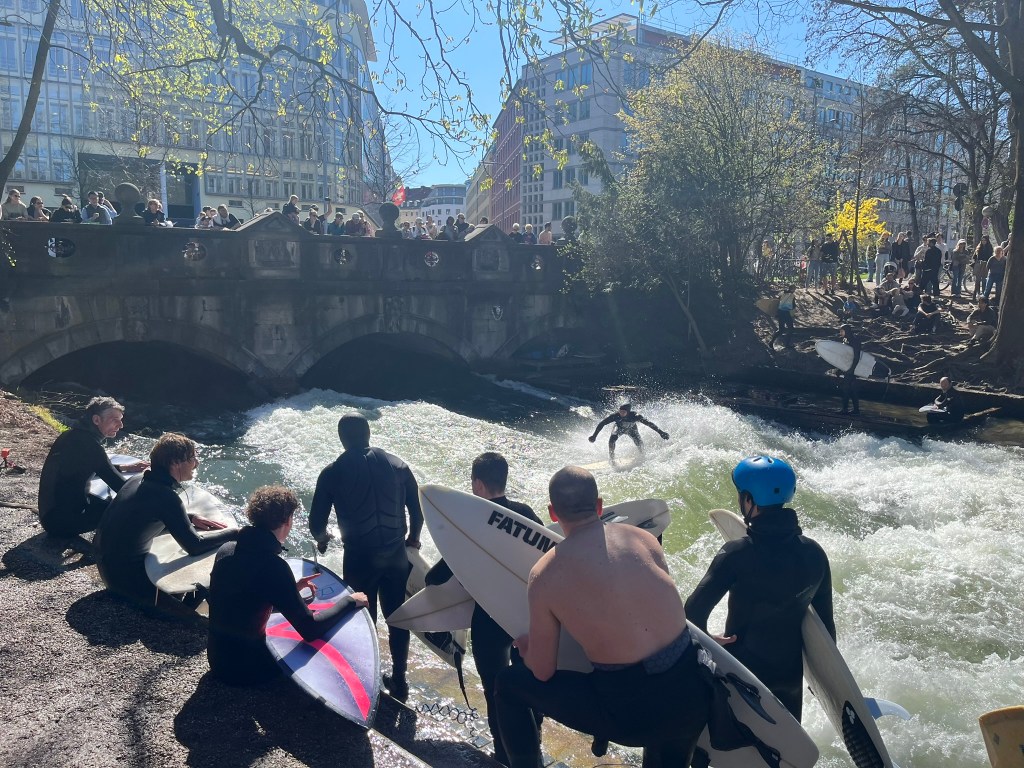
Spend a sunny day walking through the English Gardens to see brave wet-suited surfers on the man-made river waves and stop at the Biergarten am Chinesischen Turm (beer garden at the Chinese tower) for a fresh-baked pretzel and a mug of beer, Maracuja (passion fruit) juice with water, or Johannisbeere (black currant) juice with water. Kids can play on the jungle gym while adults chat and people-watch, all while listening to the lively oompah band playing from the second level of the tower.
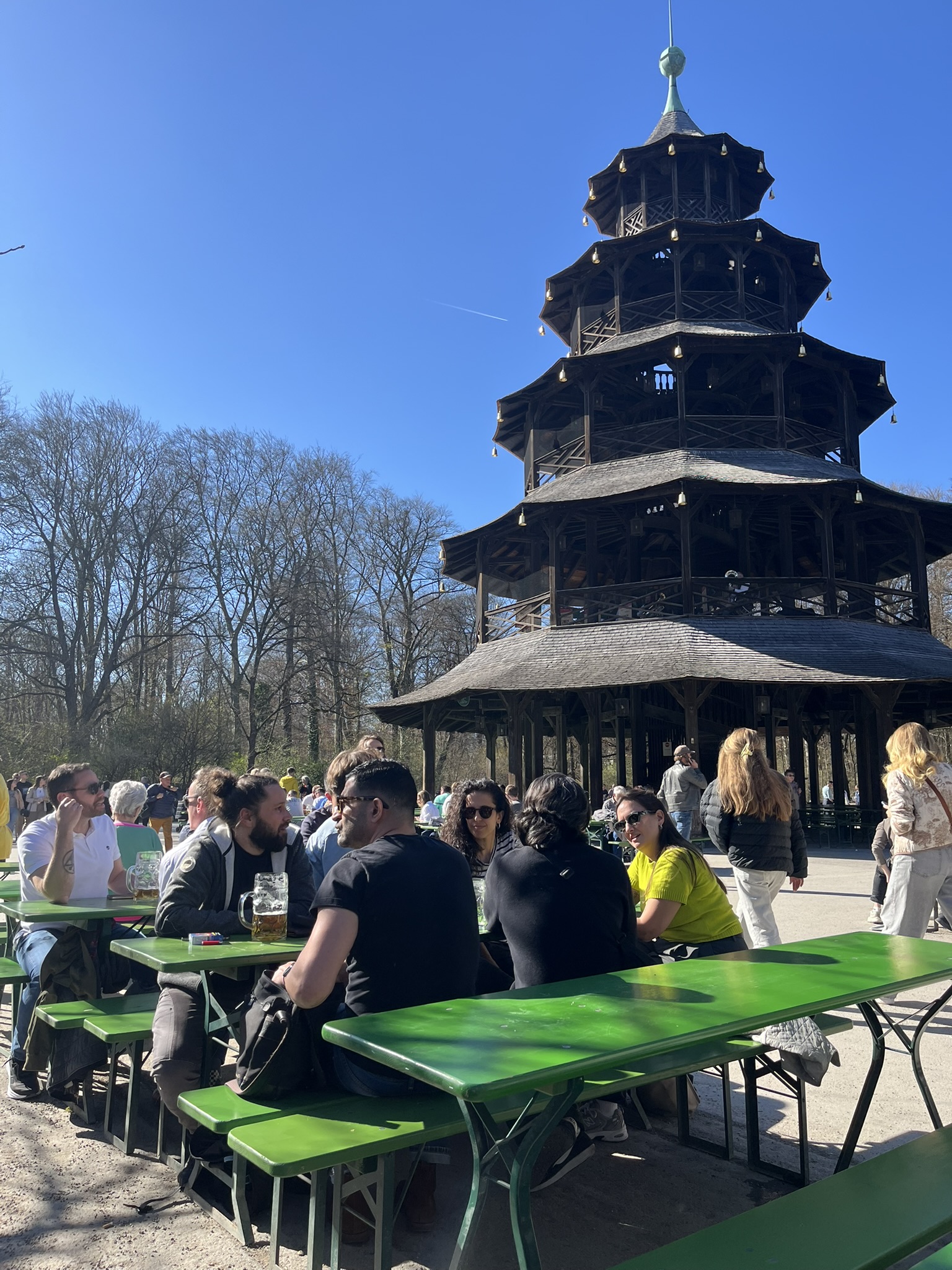
On a nice day, the English Gardens fills with picnickers, volleyball players, surfers, and groups of friends.

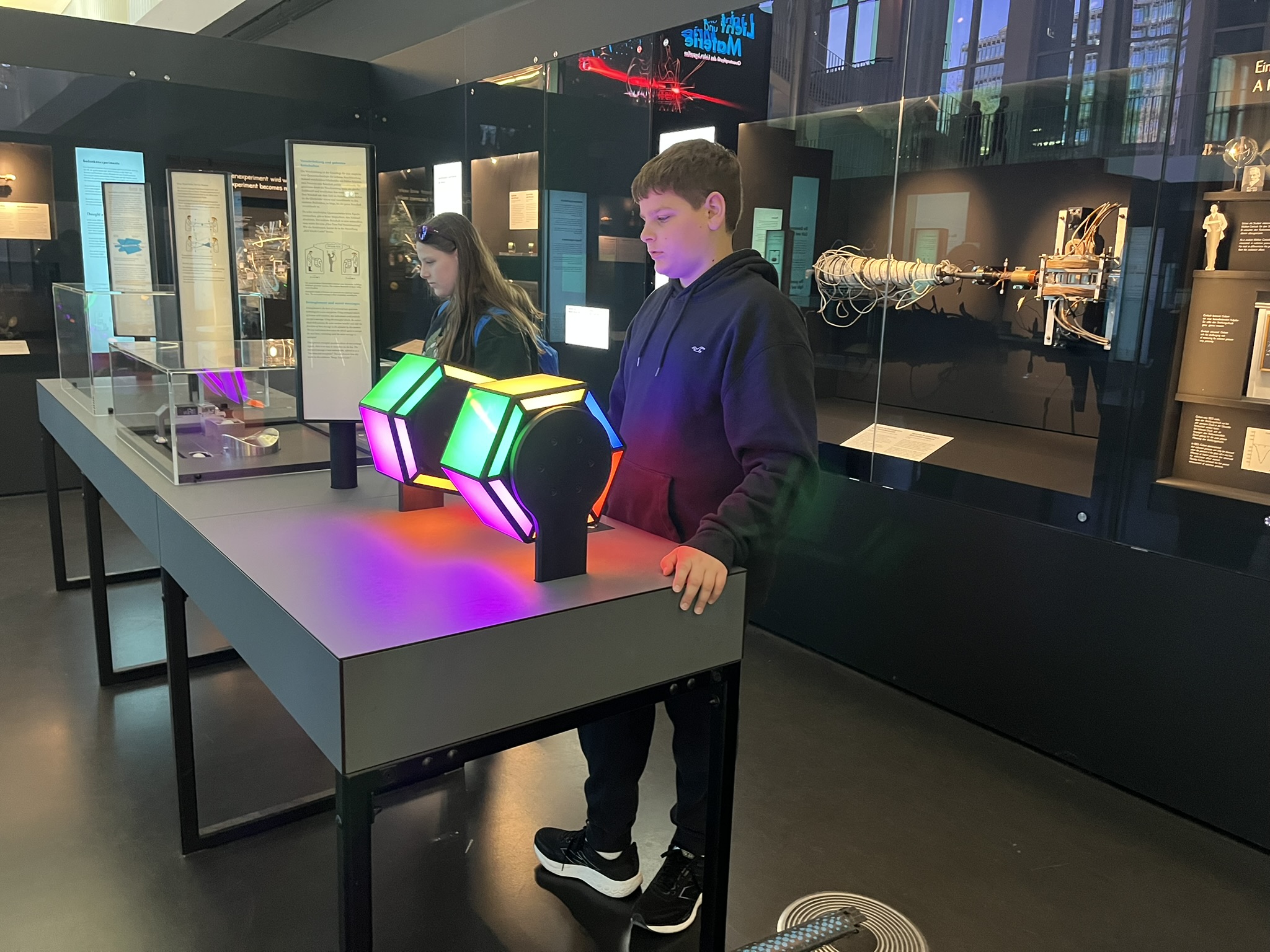
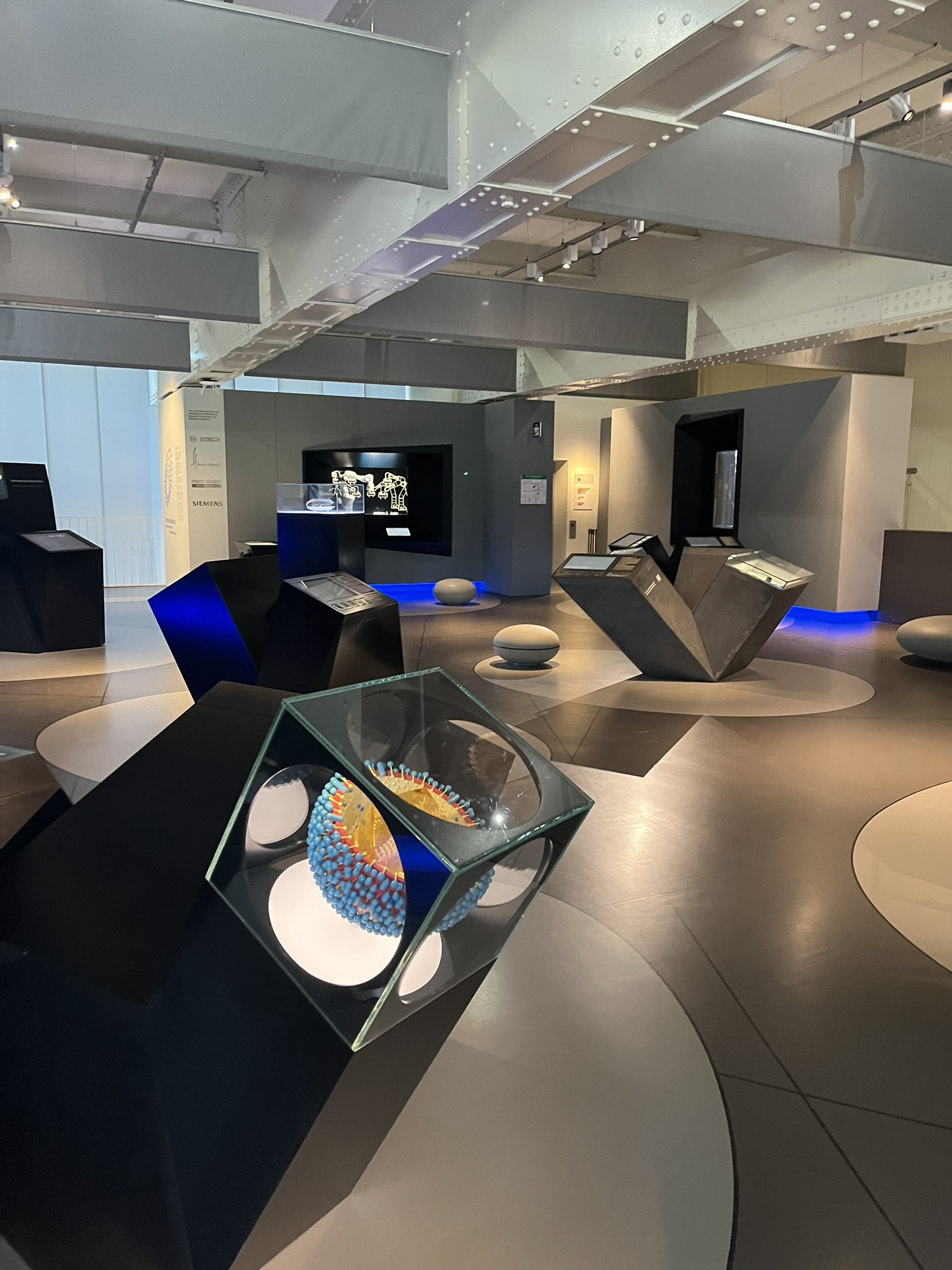
For a dose of education, head to the Deutsches Museum, one of the world’s largest natural science and technology museums. Through hands-on experiments and interactive exhibits, explore the physics of light and sound, observe chemical reactions, and learn about human body physiology. An enormous aviation center and historic airplane hangar allow visitors to climb into cockpits and pilot model airplanes. In the Musical Instruments exhibition, try your hand at playing the theremin—an electronic musical instrument played by placing hands in the air between two antennas that sense the hands’ positions and control frequency and volume.

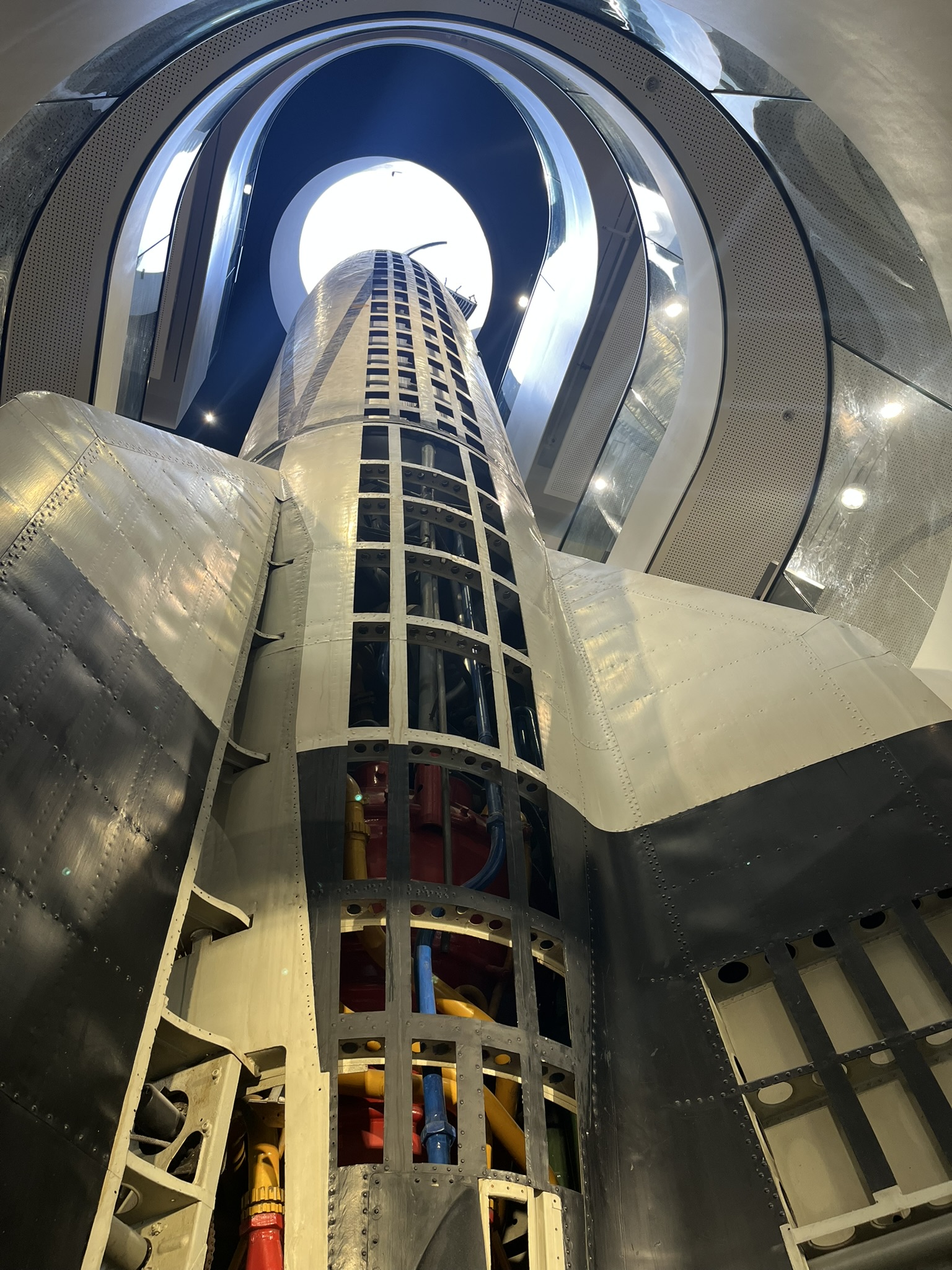
Deutsches Museum interactive exhibits make learning fun.

After two nights in each city—Davos, Switzerland; St. Anton am Arlberg, Austria; and Munich, Germany—a flight out of Munich Airport concludes an adventure exploring towns in three different countries all within one week. Thanks to Eurail’s flexible Global Pass, it is a fantastic way to get a taste of multiple countries with just one set of airline flights!

Eurail offers speedy and smooth transportation, and window seats to beautiful scenery.

Looking for more ski opportunities? Visit bestofthealps.com to learn more about top ski resorts that help define and cultivate Alpine culture. Best of the Alps is a collection of 9 Alpine resorts that showcase mountain village magic and charm in Switzerland, Austria, France, and Italy. For more than 30 years, the Best of the Alps organization has encouraged exploration of the cultures, communities, traditions, natural wonders, and distinctions of these remarkable Alpine destinations: Chamonix-Mont-Blanc and Megève in France; Cortina d’Ampezzo and Courmayeur in Italy; Crans-Montana and Davos Klosters in Switzerland; and Kitzbühel, Lech Zürs am Arlberg, and St. Anton am Arlberg in Austria.
Munich Day Trips: Castles and Palaces of Bavaria

Story and photos by Megan Kudla

The biggest cities in Europe are oftentimes the most convenient to fly into and to build travel itineraries around. There’s a host of information to find when researching your trip, including hotels, sites, and tours. Munich, Germany, is one of these key places that tourists look to book for a few days when taking a European journey. And it’s a great city for history and art buffs, as some of the main sites include royal residences. 

There are plenty of palaces to visit by walking or taking a short train ride from Munich’s Marienplatz (the main square); however, a trip to the countryside to see castles built into the Bavarian Alps can also be a perfect way to break up your time spent in the big city and to learn about the history of the larger area. We’ll start with the palaces most easily reached from the Munich city center, and then move to those that are probably best to drive to.


By Foot or Train

Residenz München

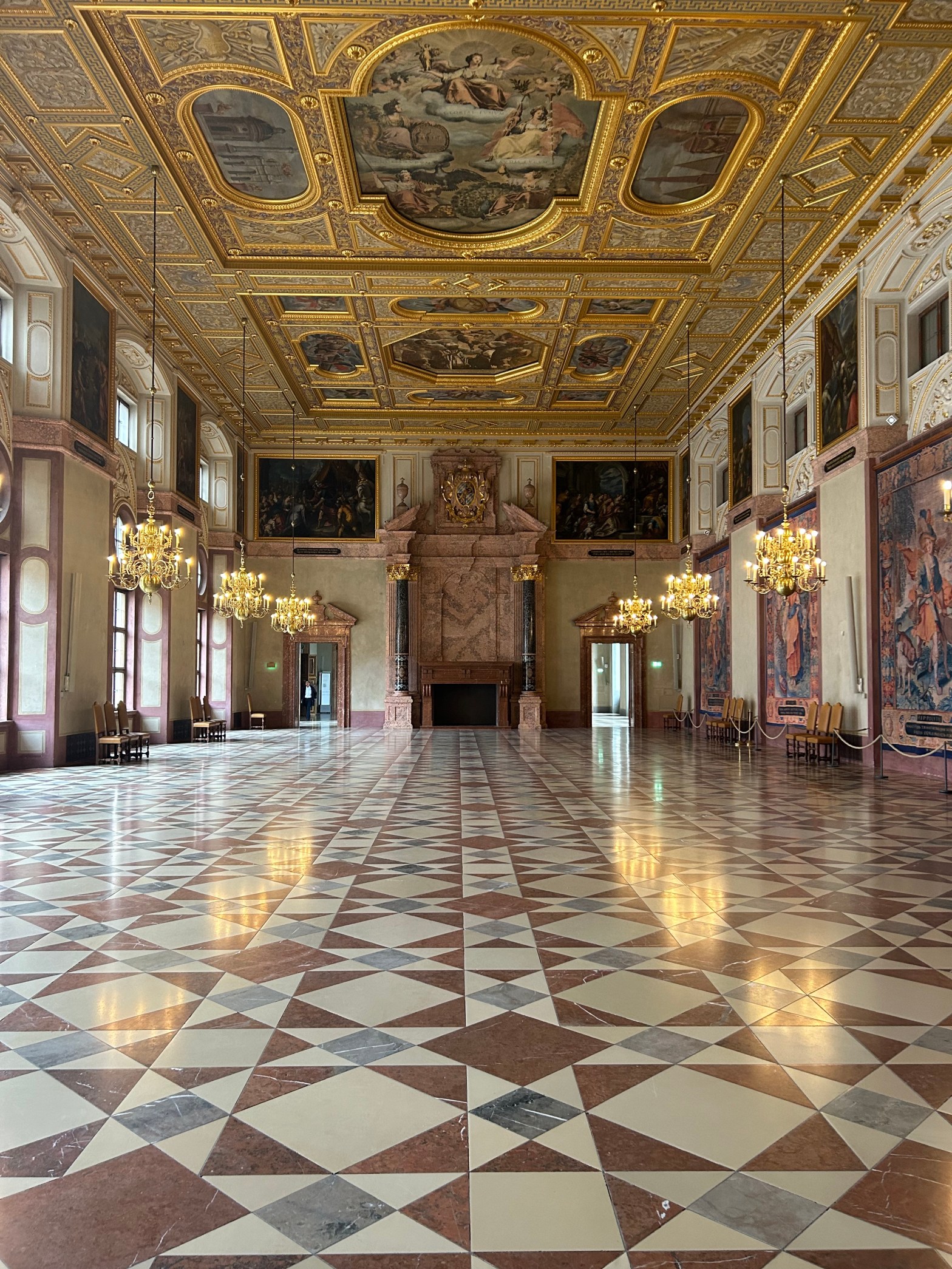
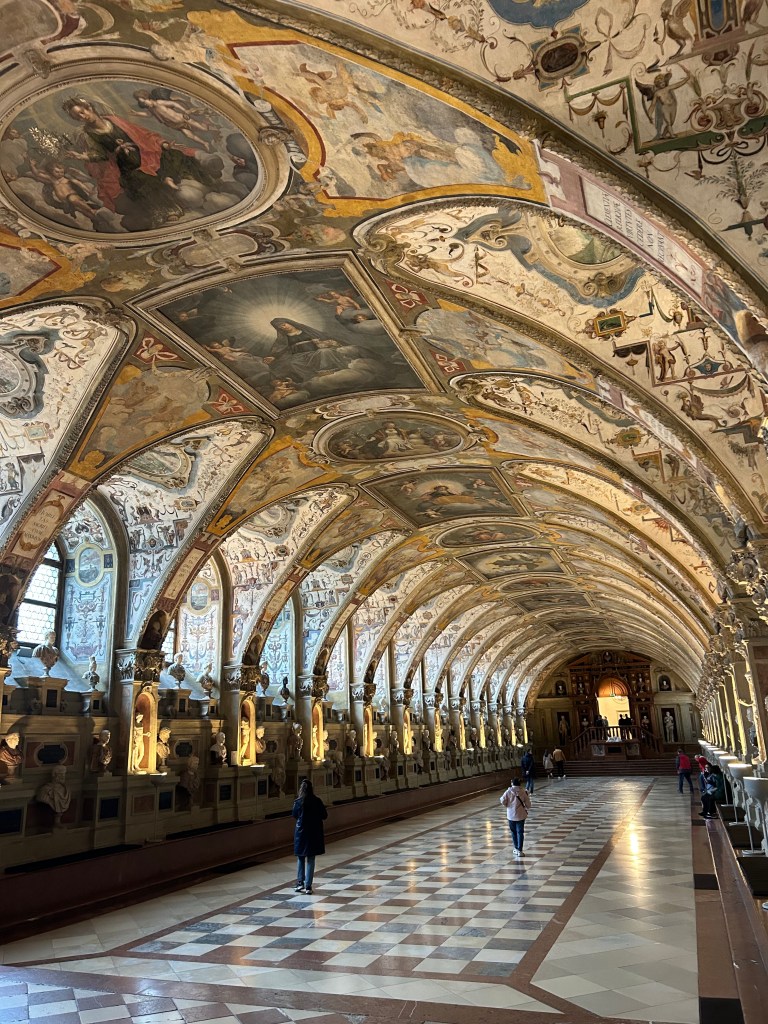
From 1508 to 1918, the Residenz München was the official home of the Wittelsbach family dynasty: the dukes, electors, and kings of Bavaria. Located in Old Town and just a 5-minute walk from Marienplatz, you’ll find that it’s one of the most easily accessible sites if you’re staying in the historic center of Munich. 

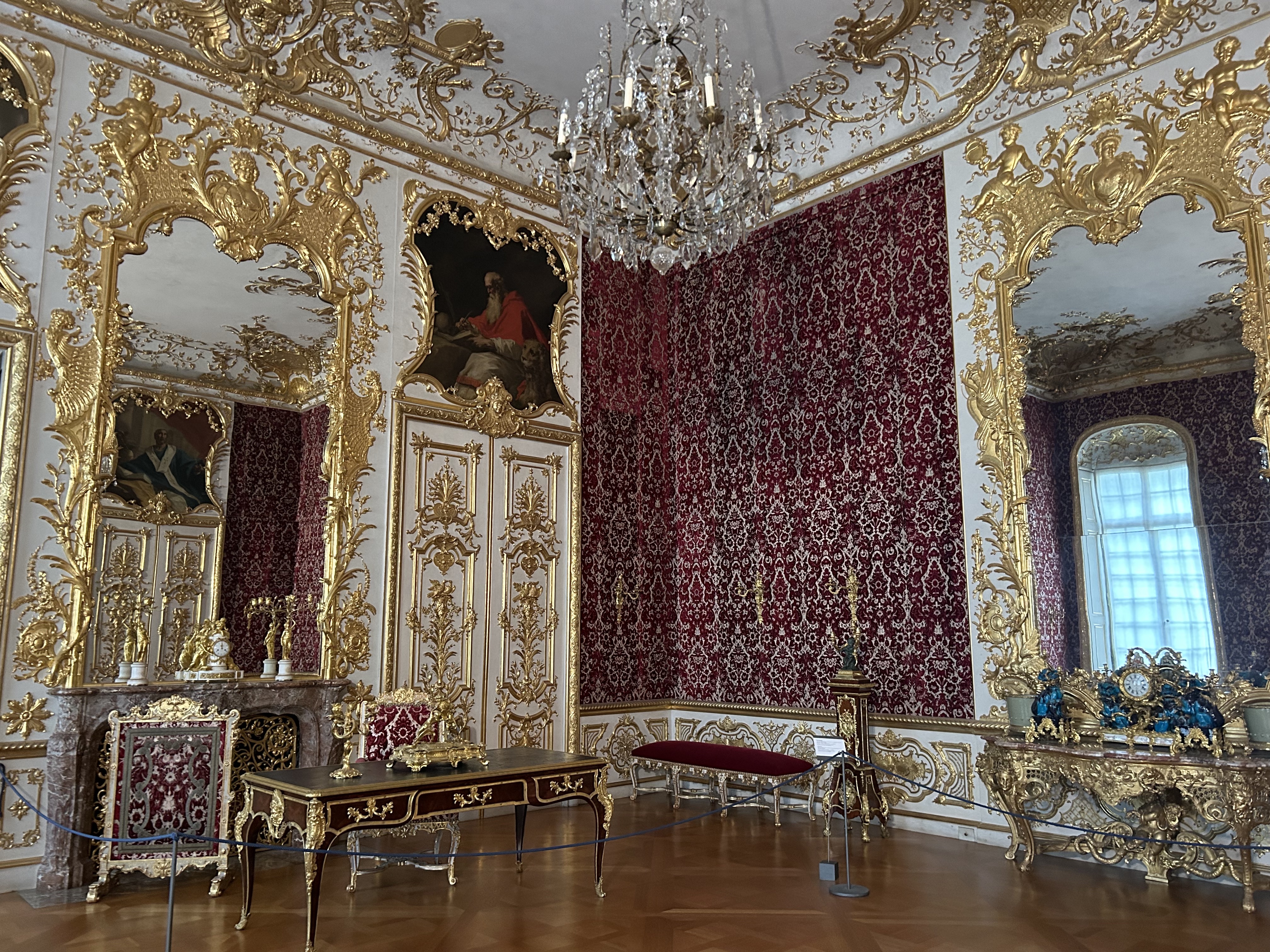
The palace hosts a dizzying maze of rooms upon rooms—antechambers, galleries, places of worship—of elegant design in the Baroque, Rococo, and Neoclassical styles, according to the tastes of the late rulers. Much was destroyed in the 1945 bombings during World War II, but it has been reconstructed to what you see today. Although some of the furnishings were saved, many were remade to authentically resemble what it would have been. 

Your journey to see the tapestries, furniture, and grand art is self-paced. You can get a singular ticket to tour the royal rooms, or you can purchase a combination ticket that includes entrance into the royal treasury exhibition and the Cuvilliés Theatre. 


Schloss Nymphenburg

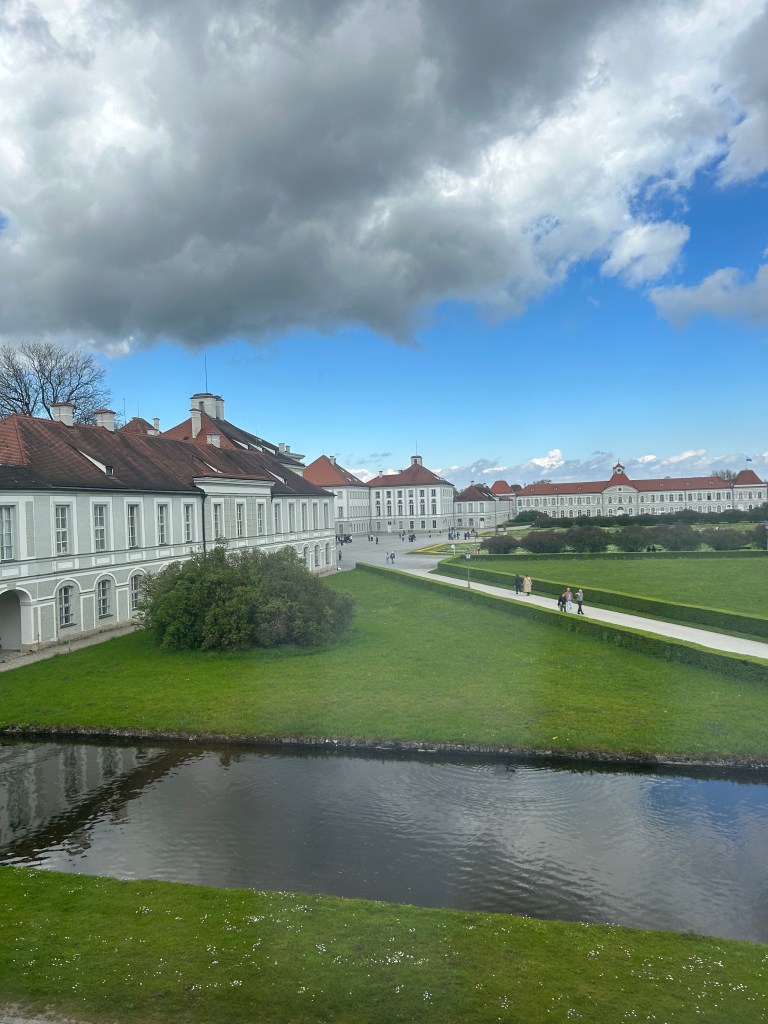
One of the most popular sites to visit in Munich, the Schloss Nymphenburg, began its construction in 1664 as the Bavarian electors’ summer residence. The grounds are expansive, so a trip here could take up as much as a half to a whole day, depending on how much time you wish to spend wandering the acres of residence and park. It’s fewer than 30 minutes away from the Marienplatz by public transit. 

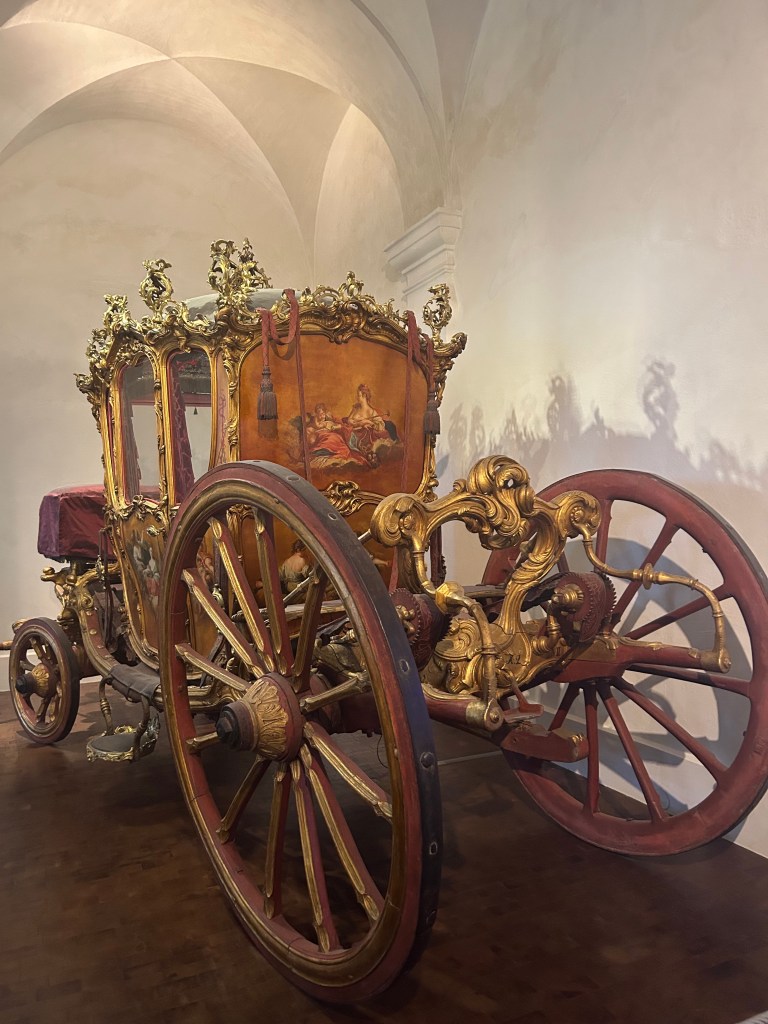
Like the Residenz München, you can purchase separate tickets to each museum and site, or you can purchase a combination ticket. The combination ticket will get you entrance into the palace rooms, the Marstallmuseum (where you can see the original royal carriages and sleighs of the past), the Museum of Nymphenburg Porcelain (where you learn about how the secret of Chinese porcelain came to Germany), and the park palaces.

The park palaces are worth noting. They are spread out across the grounds but, if you’re up for it, can add up to quite a nice day walking around and exploring. Each park palace had a different function and design, so the buildings you enter will give you even more of a look into the extravagant life of the royal family. 


By Car

Ready to get out into the Bavarian countryside? A popular day trip, and one that’s easy to find group tours of, is the ride to Neuschwanstein Castle near Füssen and the Linderhof Palace in Ettal. Group tours can be as large as 40 people in a big bus. You can also get smaller tours that are capped at 20 people, which, of course, will cost a bit extra, but will give you a more intimate relationship with the tour guide and the fellow travelers. Or, you can opt to map it out yourself. Just ensure you grab tickets ahead of time, as there are timed entries for these popular German castles.

Schloss Neuschwanstein

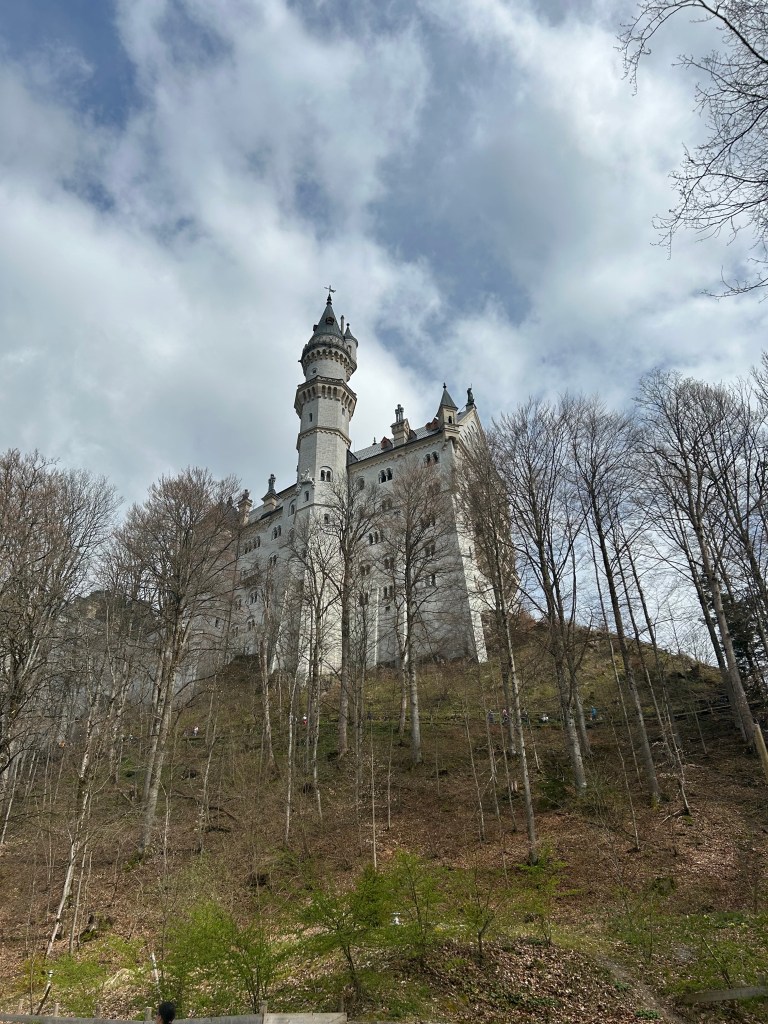
Around a 2-hour drive from the Munich city center, Schloss Neuschwanstein is often known as the “Sleeping Beauty” or “Cinderella” castle, as this is the famous structure that inspired Walt Disney’s depictions of the iconic Disney World and Disneyland main castles. Although the Schloss Neuschwanstein is medieval-looking, it wasn’t actually built during that era. King Ludwig II of Bavaria was simply inspired in 1869 to build his lofty castle in the medieval style. It actually has a state-of-the-art kitchen with the newest technology, including a stove and roasting oven with a plate warmer.

The story goes that castle construction did not go as quickly and smoothly as the young king had hoped—plus, it got rather cold living there in the winter—so he focused his attention on the creation of the Linderhof Palace for his winter residence. Therefore, the Neuschwanstein Castle tour only takes you through the two upper levels; the palace is largely unfinished. What you do get to see is still mind-blowing, with wall murals depicting medieval scenes, ceilings that seem to tower over you forever, and artistic odes to his favorite composer, Richard Wagner.

The location is right across the way from his father’s castle—Prince Maximilian II’s Schloss Hohenschwangau, where Ludwig grew up and which he cherished dearly. You can also visit the Hohenschwangau Castle, but note that it involves some steep steps to reach.

Schloss Linderhof

When Ludwig put his fairytale Neuschwanstein Castle on pause, construction of the Schloss Linderhof—just a one-hour drive away from Neuschwanstein—went into full swing. This palace was the only one that was completed during his lifetime. He was largely inspired by Versailles and King Louis XIV of France, otherwise known as the Sun King, and you will see obvious nods to the French king as soon as you walk into the palace. As Ludwig II’s winter home, you can almost imagine snow falling and Ludwig riding through the land on his royal sled at nightfall…

As with the Neuschwanstein Castle, you cannot take pictures on the inside. And it can take a lot to describe the grandeur of the rooms in this palace. The rooms feel smaller and give off a cozier feel, but there’s nothing quaint about the rococo decor. You will find yourself surrounded by objects of great worth and artistic merit, as well as walls and ceilings that are gilded in gold. There is even a “magic table” that could rise and lower from the king’s quarters down into a room where servants, staying unseen, filled His Majesty’s table with meals.

No less thought went into the Linderhof gardens and park, and especially not the fountain that graces the front of the palace. Every 30 minutes, you’ll get the chance to see water rush up into the air, reaching above 70 feet high. It’s quite an impressive sight.

Ready to Explore!

To ensure you don’t feel rushed, give these four German palaces and castles at least a full 3 days to explore. There are many other sites in Munich to pair with a day visiting the Residenz München, too, because Marienplatz offers markets, churches, biergartens, the nearby Englischer Garten, and more. You’ll find that although Munich is a modern city, it also grants you the opportunity to take a step backward in time to learn about Bavaria’s past.

Munich’s Big Bash

Celebrating 850 Years of Bavarian Delights

By Marilyn Heimburger
Photos by Don Heimburger and courtesy Munich Tourist Office

I have always liked Munich. Actually, it’s more than just liking the city. I feel moved by its vibrant life, its stimulating nature and its friendly people. Apparently many more feel the way I do, since it is Germany’s most-visited city.

Last year, during Munich’s 850th birthday, the city of 1.3 million hosted the following:

  • City Foundation Festival in June in the heart of the city, featuring traditional Bavarian culture and international folk culture. A highlight of the fest was a Gaufest, or regional festival, of the many associations for folk culture where dancing and costumes from the Isargau region were prominent. As many as 10,000 participants were involved in this. A group of 100 rafters from the Oberland region showed how to build a raft. Dance masters showed how to learn the “Munich-Francaise” dance.
  • In July, the Old Town Ring, which was free from automobile traffic, served as the center for a celebration of theater, music, dance, games and sports on many stages. Scenes from peasant life in Munich with markets, street theater and beer gardens were staged. There also was music from international bands and more.
  • In August, the three-day Isar Bridges Festival, centered around the Cornelius, Ludwig and Maximilian bridges, highlighted the Isar River (which flows through the city) as the city’s life-giving artery. There was music under the bridge, dancing along its banks, glittering lights on the water, and with this came Munich’s famous culinary delights. An action theater group, which encouraged audience participation, also presented skits. There were also night-time water and laser shows
  • Additional highlights included the world premier of a work commissioned from composer Victoria Borisova-Ollas especially for the 850th anniversary. In June the Cuvillies Theater, one of German’s most elegant Rococo theaters, reopened after a spectacular renovation. In the newly re-designed St. Jakobs-Platz, many of the local museums and community organizations held programs of music ranging from classical to klezmer (a musical genre), dancing and creative street theater, exhibitions, tours and more.
  • Many of Munich museums featured exhibits of famous Munich artists, writers and Munich’s cultural heritage.

As Munich’s Lord Mayor Christian Ude said, “(Munich’s) celebrating its 850th foundation day…is nothing exceptional. What is remarkable is the city’s rapid growth from a monastery on a hill to a European metropolis with over a million inhabitants and a high-tech hub.”

As Ude says, the city is special because of its enduring and much-praised flair as a place with a zest for life.

The settlement of Munichen was originally granted the right to market goods and mint coins in June of 1158. In 1214 it was granted status as a town, and in 1255 it became the seat of the Wittelsbach dynasty. Under Kind Ludwig I, many famous buildings were erected, making Munich a major cultural center, and in 1918 the Free State of Bavaria was formed.

For travelers, the city offers 355 hotels and pensions with 45,500 hotel beds available. In 2006, 4.4. million tourists booked nearly nine million overnight stays, with 47% of them from overseas, with the USA bringing in the most, followed by Italy, Great Britain, Austria and Switzerland.

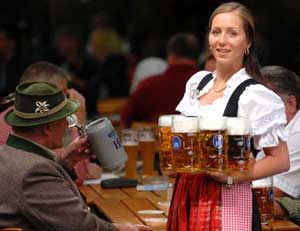
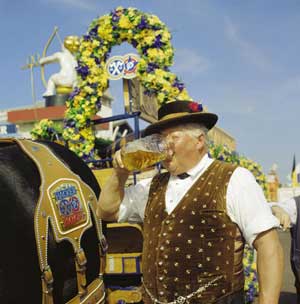
The city boasts three universities and eight colleges, 60 theaters and an opera house, 45 major museums, three symphony orchestras—and it hosts the famous 16-day Octoberfest beginning on the Saturday two weeks before October.

Favorites for visitors to see in Munich include:

  • The city’s twin onion-domed towers of the Frauenkirche, Church of our Lady, Frauenplatz 1, is the city’s best-known landmark.
  • Marienplatz and the glockenspiel on the Marienplatz in the city center displays the mechanical dancers in the tower of the Rathaus (Town Hall) at 11 a.m. and noon (and 5 p.m. in the summer).
  • Schloss Nymphenburg is the impressive Baroque palace built as the summer residence for the Bavarian Electors. Today the main building houses a museum.
  • The Viktualienmarkt is Munich’s oldest market, originally begun as a farmer’s market and now a favorite place for a wide range of produce, Bavarian specialties and more.
  • The Hofbrauhaus deserves a visit, as its one of Munich’s best-known restaurant-breweries at Am Platz 9. Great dining is available, or just casual drinking and listening to oom-pah music. For information on the Hofbrauhaus, visit www.hofbraeuhaus.de.
  • There are many churches to visit, including the Asamkirche built by the Asam brothers in the 18th century with its spectacular interior at Sendlinger Strasse 62; Church of the Sacred Heart, a cubed-shaped structure with an innovative facade at Romanstrasse 6; and Saint Peter’s, Munich’s oldest parish at Rindermarkt 1.
  • The Deutsches Museum at Museumsinsel 1 houses sailboats, windmills, space probes, robots, ships, trains, planes and much more. Allot a whole day for this attraction.
  • Octoberfest Museum, at Sterneckerstrasse 2, will tell you all about the history of beer including how it started as a drink at monasteries, and all about the city’s famous Octoberfest celebration.
  • The expanded BMW Museum is a must-see if you are fascinated with automobiles and engineering. Tours are available.

Munich is waiting to wow you.

IF YOU GO…
You can arrive at Munich’s Airport, which is like a city within itself. Flights from numerous major hubs arrive and depart from here daily. Train is another good option if you are coming from another European city.

If you’ll be in town for at least a day, pick up the City Tour Card (one- and three-day tickets are available), which is good not only for all public transportation, but also includes discounts of up to 50% on more than 30 attractions such as sights, bike rentals, museums, theaters and restaurants. www.citytourcard.com.

A close-in, convenient four-star hotel is the Platzl Hotel at Sparkassenstrasse 10. It is located near the Hofbrauhaus and is within a a couple of minutes walk of the Marienplatz. Visit www.platzl.de.

Guided tours of Munich are available. Visit www.muenchen.de for more information. The tourism office is located in the Rathaus, first floor, at Marienplatz.

Schwabinger Christmas Market: Flying High, Yet Down to Earth

Photos courtesy Schwabinger Christmas Market and Thomas Gießner

In times of technical developments and mass produced goods, the Schwabing Christmas Market in Munich, Germany strives to lift the focus to the individuality of arts and crafts.

FLYING HIGH, YET DOWN TO EARTH
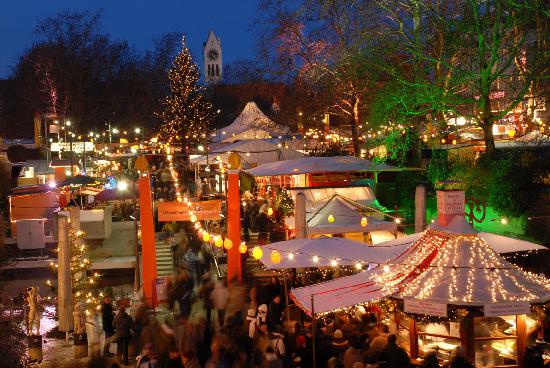
This market has caught the imagination of its visitors for decades with a mix of artisans creating art and crafts. The magical atmosphere of the Christmas market with its many culinary delights give it an unmistakable flair.

In addition, visitors can also expect daily music shows, kids’ entertainment and various culinary delights—and all is free of charge.

MUNICH’S FINEST ARTISTS MARKET
More than 100 artists from all over Germany create a place where one can relax and enjoy this unique atmosphere. The concept has been one of an artist’s market from the very beginning. An unmistakable flair can be found here with the high level of artistic talent and craftsmanship. This is further underlined by the quality of the daily cultural programming and fine foods, as well as concerts and various events.

IDEA WAS BORN
In the early 1970’s a number of artists who exhibited during the summer on the “Art Mile” on Leopold Street in Munich began to show their work at the former Swiss House prior to Christmas. In 1975 the idea of an artist’s market, with stalls and events, was born. With the backing of the local council, the Schwabing Chistmas Market was founded. A jury is responsible for choosing the work shown, as well as finding new exhibitors. This ensures that all exhibited work comes from the studios and workshops of the artists.

For more info, go to www.schwabingerweihnachtsmarkt.de/en/info/info.html