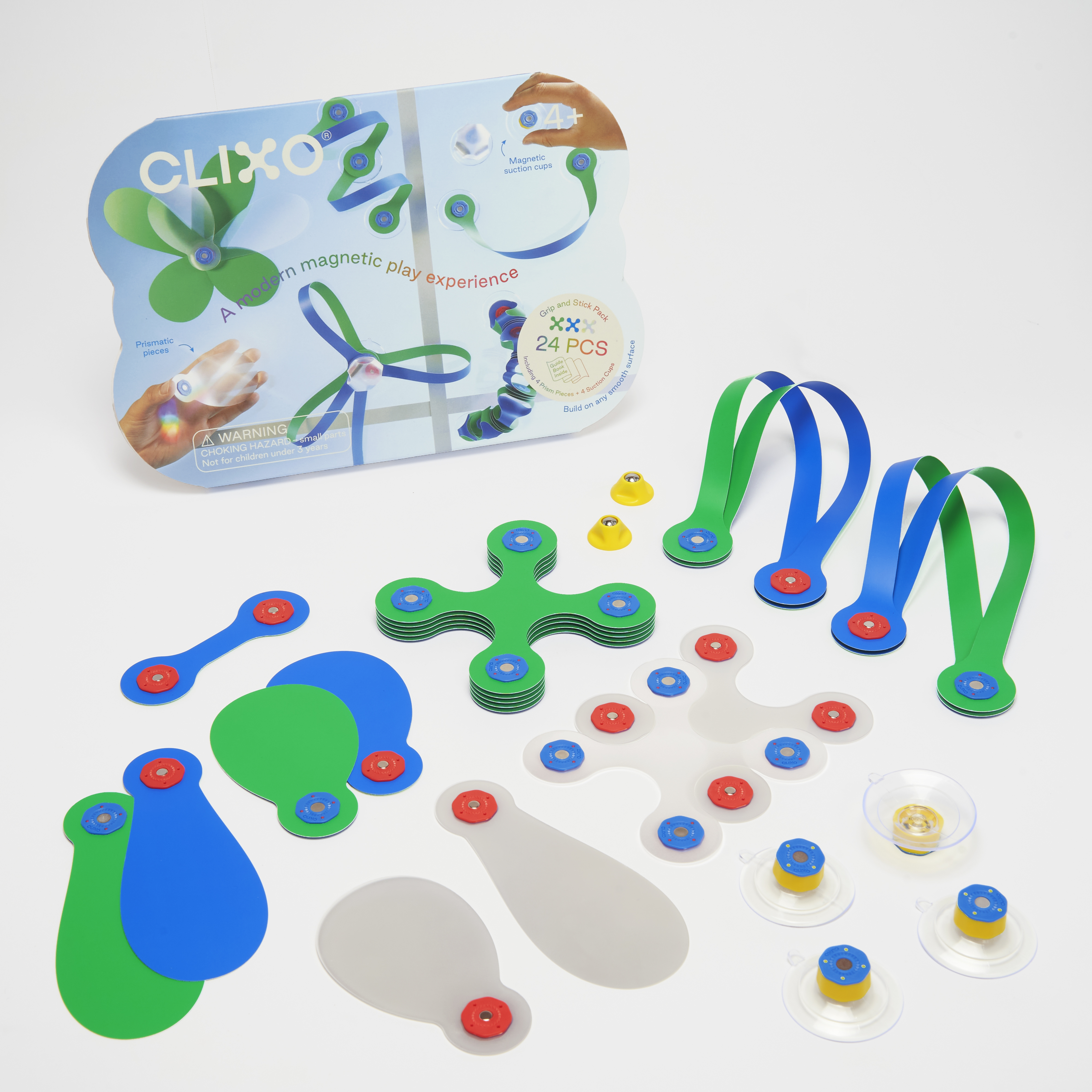
Clixo Fidgety Fun Inspires Creativity During Travel and Beyond

By Alison Ramsey

A unique toy for kids and adults alike, the easy-to-pack Clixo magnetic play system encourages freeform building and exploration—no rules or instructions required! Tuck a set of these flat, flexible building pieces into your day bag and pull them out to see your fussy or feisty traveling companions turn into creative geniuses.

Photos courtesy of Clixo.

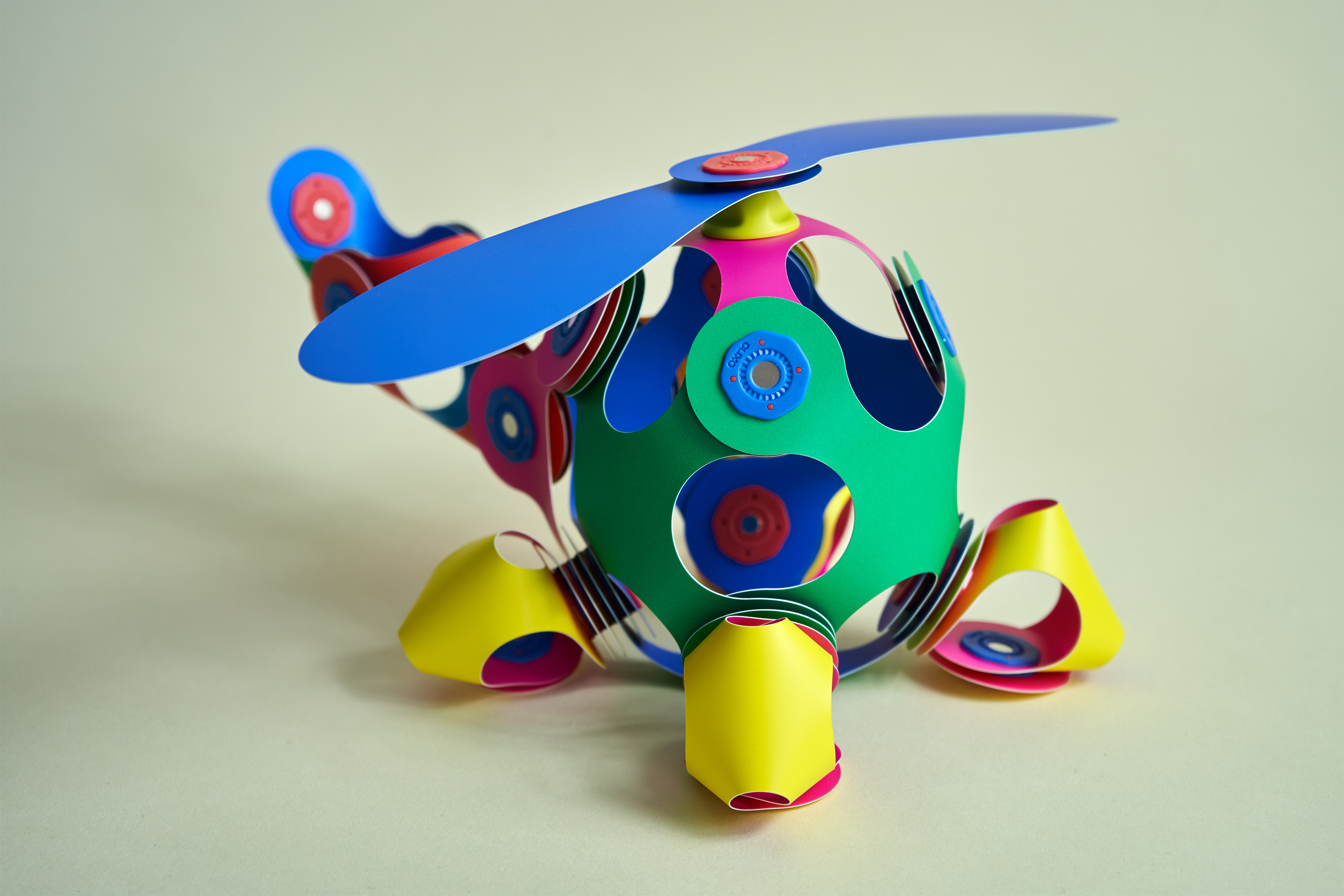
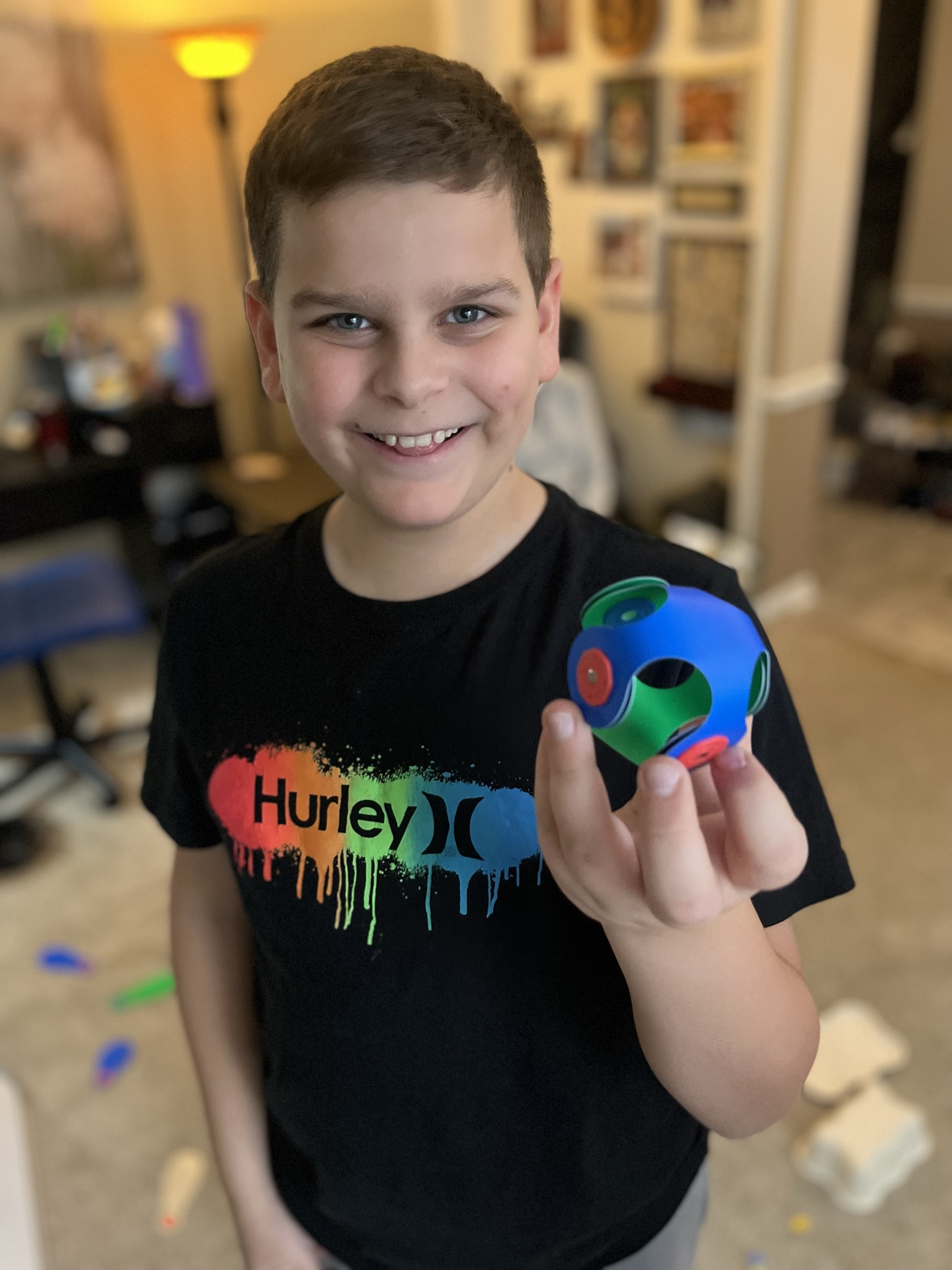
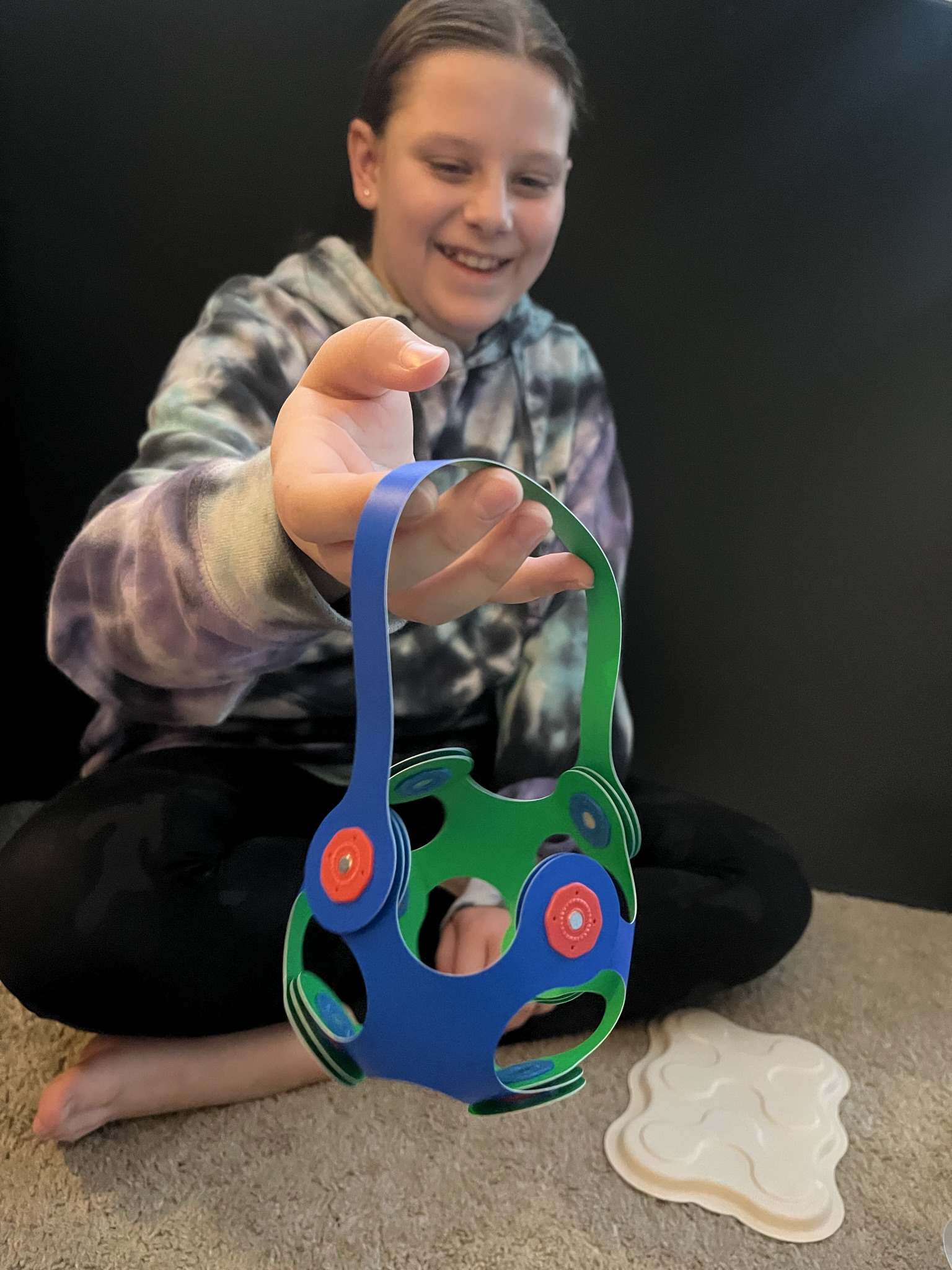
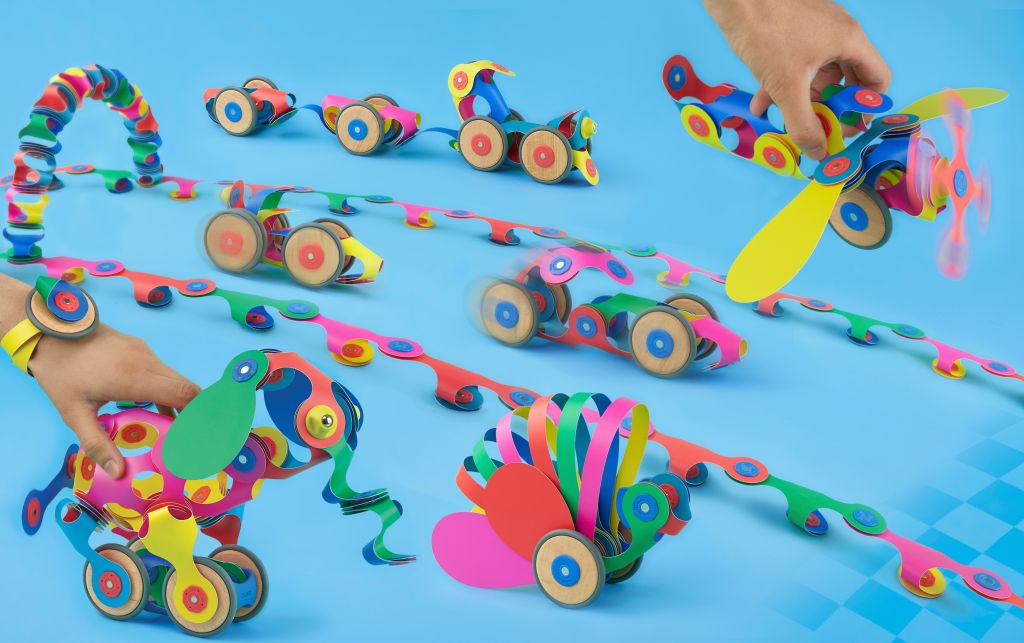
Visored motorcycle helmet, floppy beagle ears, a colorful handbag—within five minutes of opening a package of Clixo lightweight and flexible magnetic shapes, my kids’ creativity using these colorful pieces resulted in a plethora of fun creations. This award-winning building toy from Toyish Labs is packed with endless possibilities for playtime on the go or at home. The durable and compact flexible pieces can be stored flat and easily cleaned and sanitized. Secure magnets are safely fastened to key edges, allowing toy enthusiasts of all ages to snap together pieces and discover limitless creative possibilities. Creations can be stuck to the fridge, worn as accessories or, as with the Grip and Stick Pack, secured via suction cups to a window or flat surface—great for road trips and sticking to the interior of car windows! Some packages include special units that allow attached pieces to spin or roll on wheels, encouraging construction of propellers, vehicles, and other movement-inspired shapes.

Clixo needs no instructions or preamble. My kids were initially confused about what they were opening, but within several moments were excitedly clicking and snapping together pieces with no assistance or explanation needed. Open-ended, screen-free, hands-on play is Clixo’s strength, offering opportunities to create fun 3D structures from 2D pieces. These unique building sets were a finalist for the 2021 Toy of the Year Award, won the Top Toy of the Year Award from the 2022 Creative Child Awards, and have won the Oppenheim Toy Portfolio Gold Seal Best Toy Award and the Tillywig Toy Awards Best Creative Fun Award.

This summer, Clixo partnered with the Museum of Ice Cream (MOIC) in Chicago, Austin, and New York City to launch an interactive experience that allows guests to build colorful 3D creations on magnetic building walls. A special MOIC Clixo pack is sold on-location at these three venues, and features strawberry- and cherry-colored shapes. If your travels bring you to these cities, stop into the MOIC and add some creative constructions to the wall.

Photos courtesy of Clixo.

Assaf Eshet, CEO and Founder of Toyish Labs and creator of Clixo said, “We’re very excited to be working with Museum of Ice Cream on this collaboration and sharing Clixo with MOIC visitors. Museum of Ice Cream provides a fun and engaging experience for all kids and their parents. At Clixo, we share the same values of bringing play and creativity to kids and kids at heart.”

Photo courtesy of Clixo.

For more information or to purchase Clixo building sets, please visit www.clixo.com. The Black Friday Super Sale is currently offering up to 40% off sitewide, so take advantage of the sale prices for these colorful stocking stuffers or Christmas gifts while you can! May your holidays and holiday travel be peaceful, joy-filled, and inspiring.

Menorca Artisans Keep Traditional Craftsmanship Alive

Story and photos by Alison Ramsey

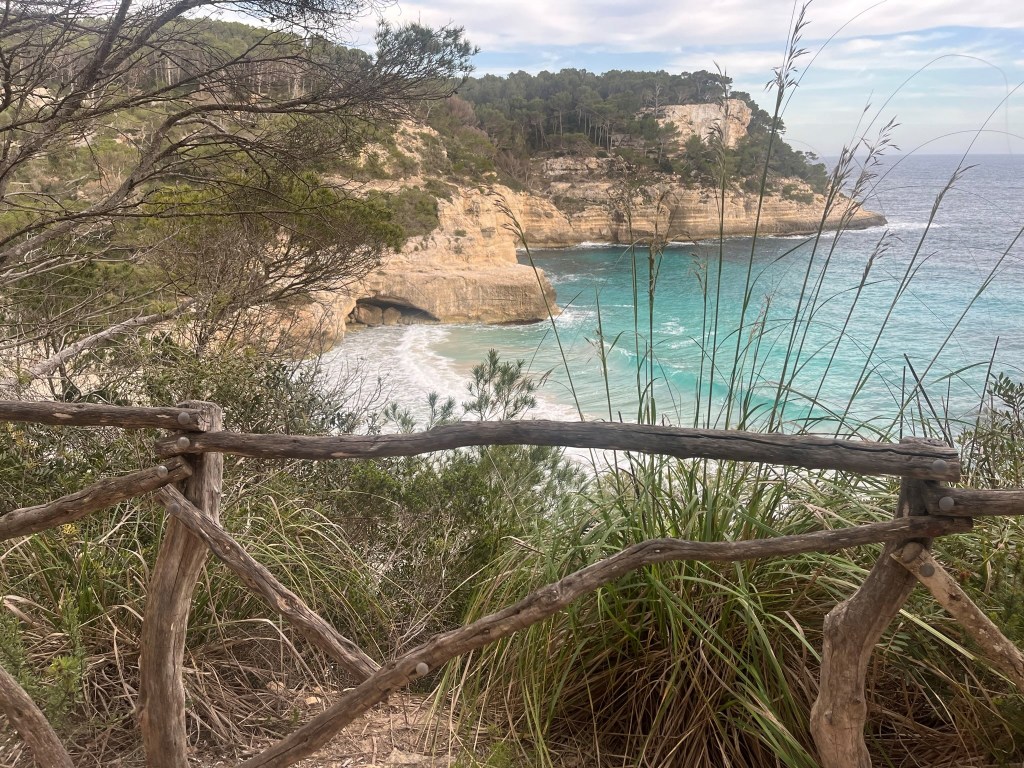
In the west Mediterranean Sea, the Balearic Islands’ Menorca makes the most of its natural resources. And for being only about 30 miles long and 10 miles wide, it has a lot! This haven of coves and turquoise water licking untouched white sand beaches has been a Biosphere Reserve since 1993, and due to its wide diversity of habitats and landscape it is UNESCO-designated as the headquarters for the World Network of Island and Coastal Biosphere Reserves for matters pertaining to sustainable development. Local farming practices focus on sustainability and preserving the island’s natural heritage. Using environmental resources found within the island’s ecosystem, resident farmers and artisans make a living from the offerings provided by landscape and livestock.

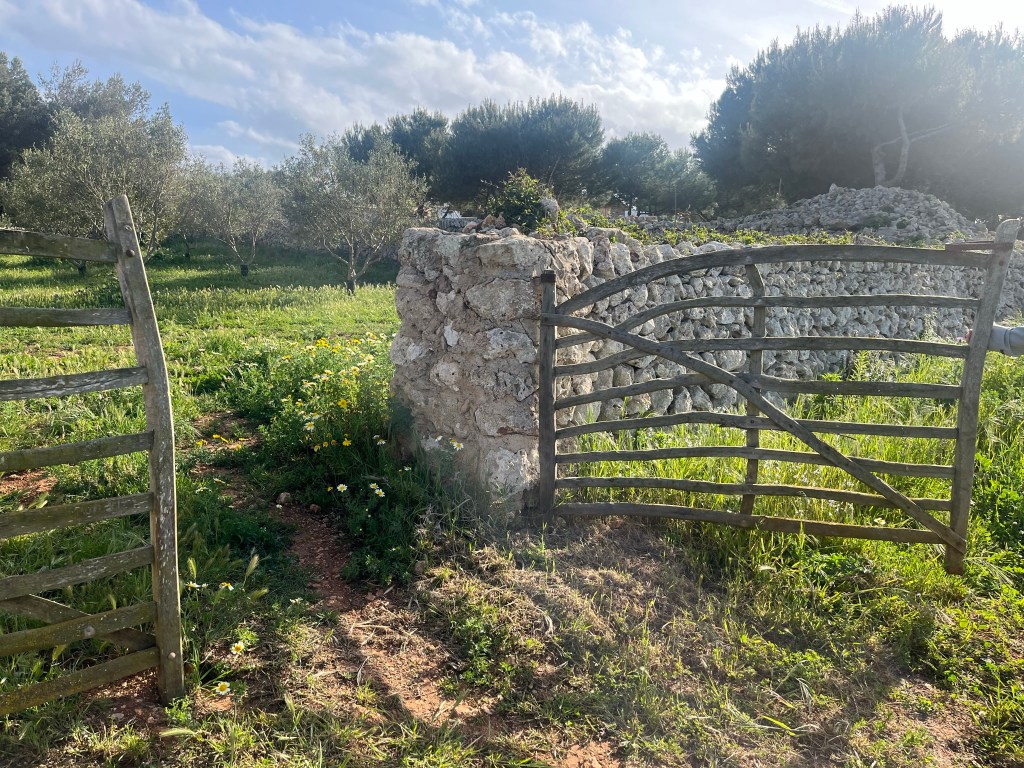
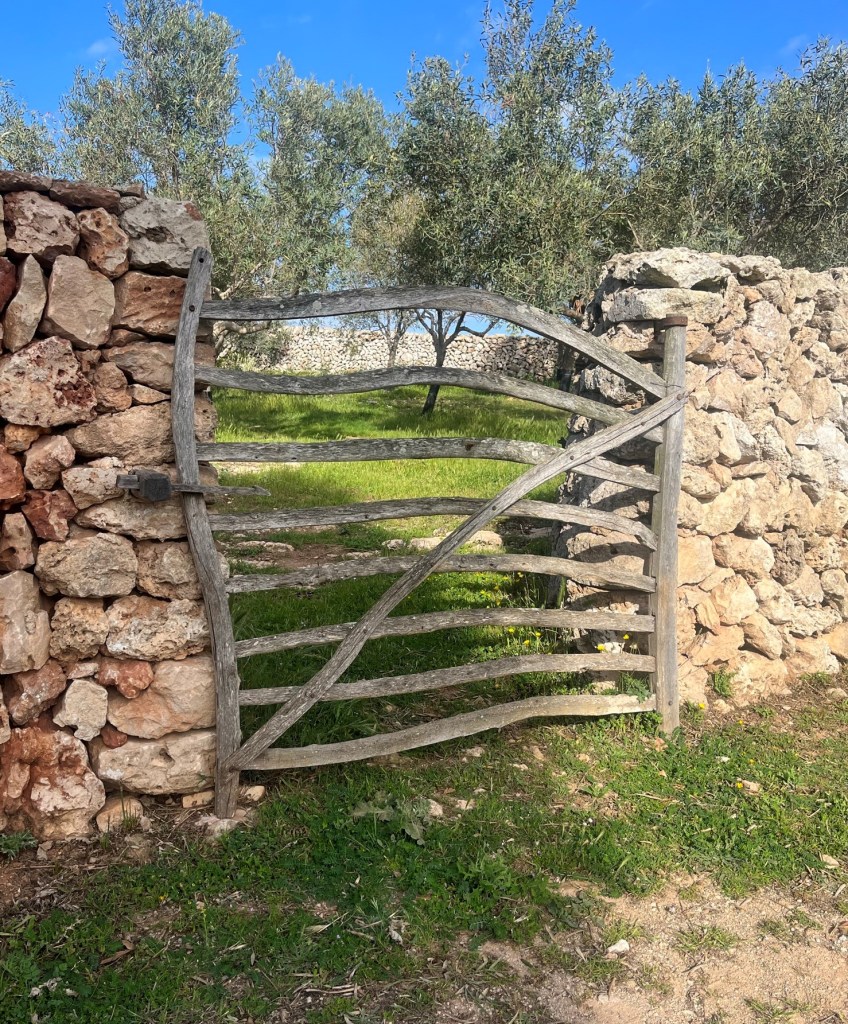
Across the island, wild olive tree wood is fashioned into fences to divide land and act as guard rails.

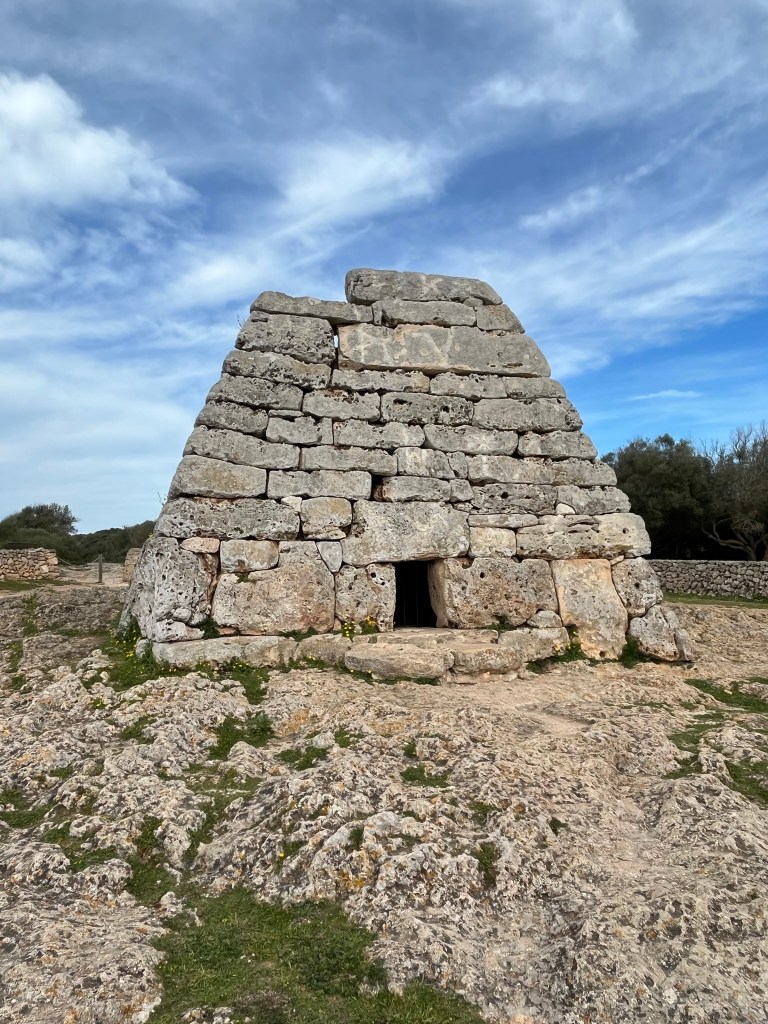
Menorca’s “mosaic landscape” of varying ecosystems consists of farmland, forests, and villages, with a bird’s-eye view revealing small plots of land divided by a network of dry-stone walls. Since ancient times, agrarians have gleaned rocks from the soil to build these mortar-less barriers that cover about 6,835 miles of the island (more than half the length of the Great Wall of China) and reduce erosion by blocking the wind from shifting soil to neighboring plots. Even the island’s prehistoric navetas (burial chambers) and talayots (shrines) were built by carefully selecting stones of varied size and shape, filling gaps with sand, and relying on gravity to secure them together.

(left) Unique to the island, Menorca’s navetas are pre-Talaiotic burial monuments shaped like an inverted boat and built using only large stone blocks. (middle) The island’s naturally rocky soil is gleaned to build stone walls that separate land plots. Wild olive trees with olives not suitable for harvesting are formed into farm gates using their distinctive, curvy wood. (right) Prevalent on Menorca are cement-free stacked-stone walls and sturdy gates crafted from wild olive trees.

Vineyards on Menorca are typically surrounded by these stone walls, a drainage situation that adequately waters the vines without leaving them overly damp. Local beverages created from the natural flora offerings of the land include the Vi de la Terra Illa de Menorca indication of quality wine, aromatic Menorcan gin (the oldest in Spain) produced using wine-based alcohol distilled with native herbs and juniper berries in old copper stills, and herb liquor digestifs.

The olive tree is another landscape prevalence, including the Spanish arbequina variety, which is used to produce a popular extra virgin olive oil with a mild, creamy flavor and slow kick. Oral history says the famous condiment mayonnaise heralds from Menorca, where the invading French Duke of Richelieu first tried the local sauce (a simple mixture of olive oil, egg, and salt) and brought it back to the French court, naming the recipe “mahonnaise” after the town Mahón. The oldest written source of Menorcan recipes is Art de la Cuina, a book by Fra Francesc Roger detailing the island’s cultural gastronomy in more than 200 18th century recipes, including a recipe for mayo using native olive oil. Not only are olives used for oil production, the strong wood from wild olive trees whose olives aren’t large enough to harvest is crafted into rustic, swing farm gates in a distinctive curvy design seen all across the island.

The oldest written source of Menorcan recipes is Art de la Cuina, a book by Fra Francesc Roger detailing the island’s cultural gastronomy in more than 200 18th century recipes, including a recipe for mayo using native olive oil.

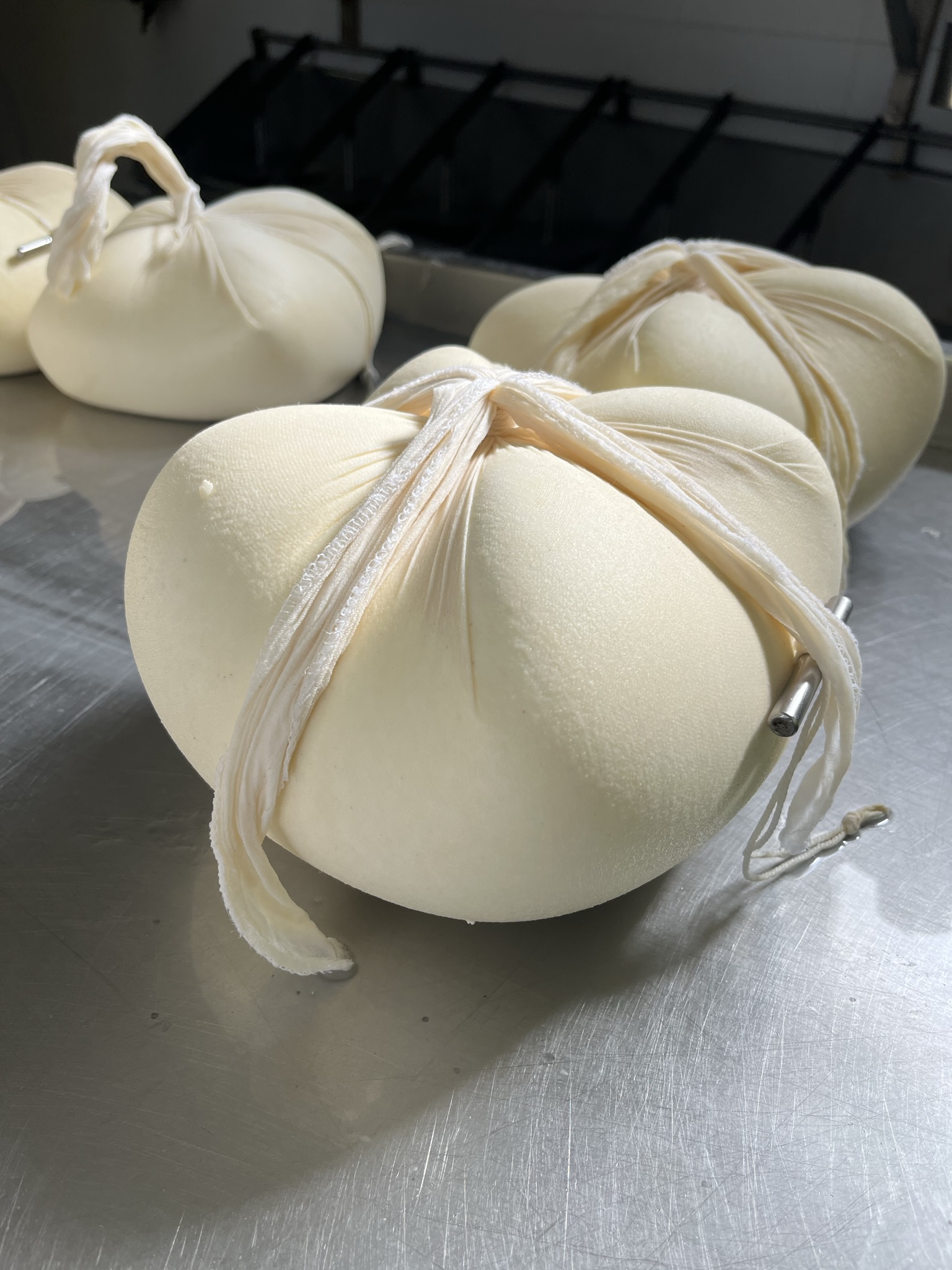
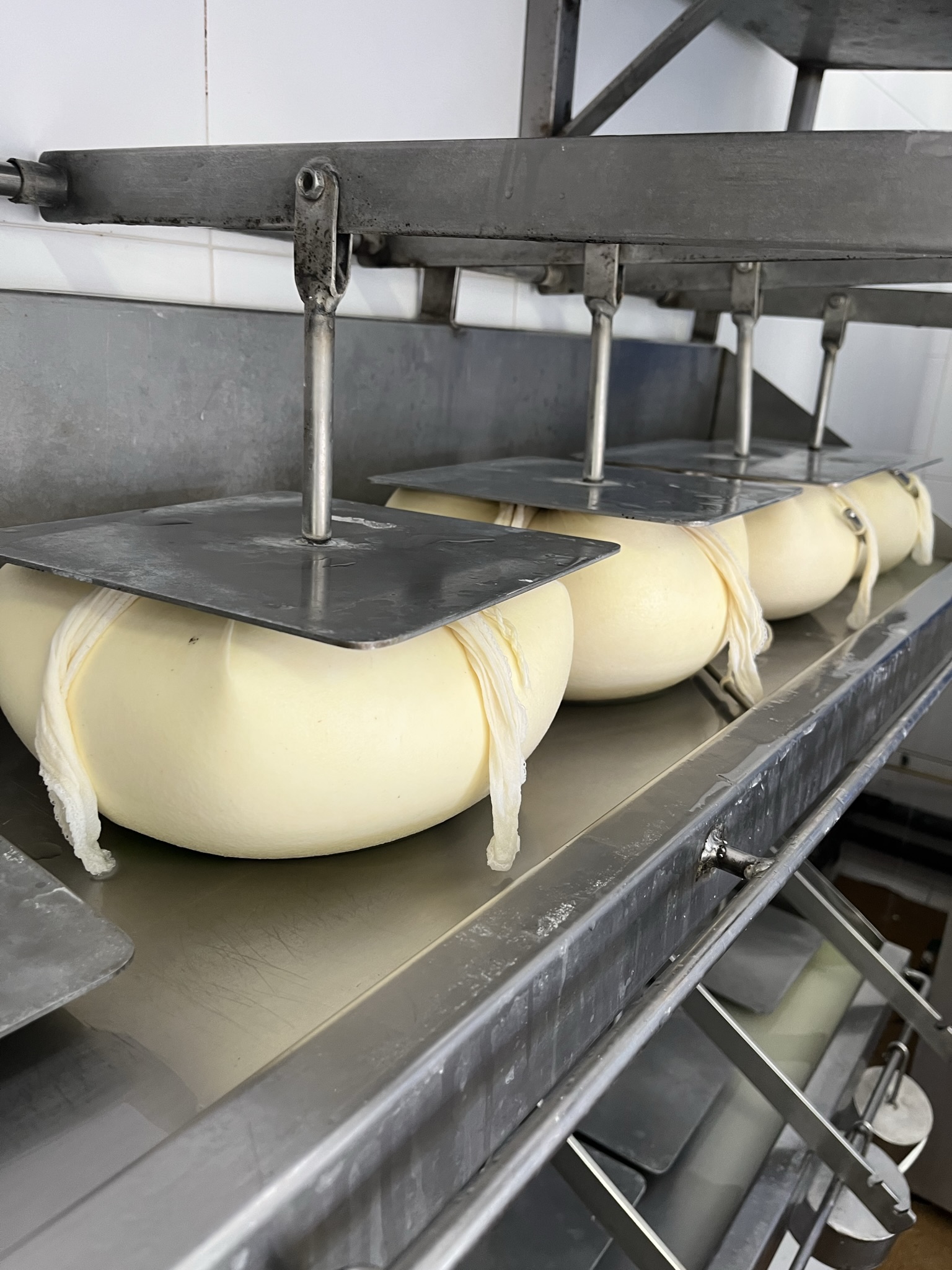
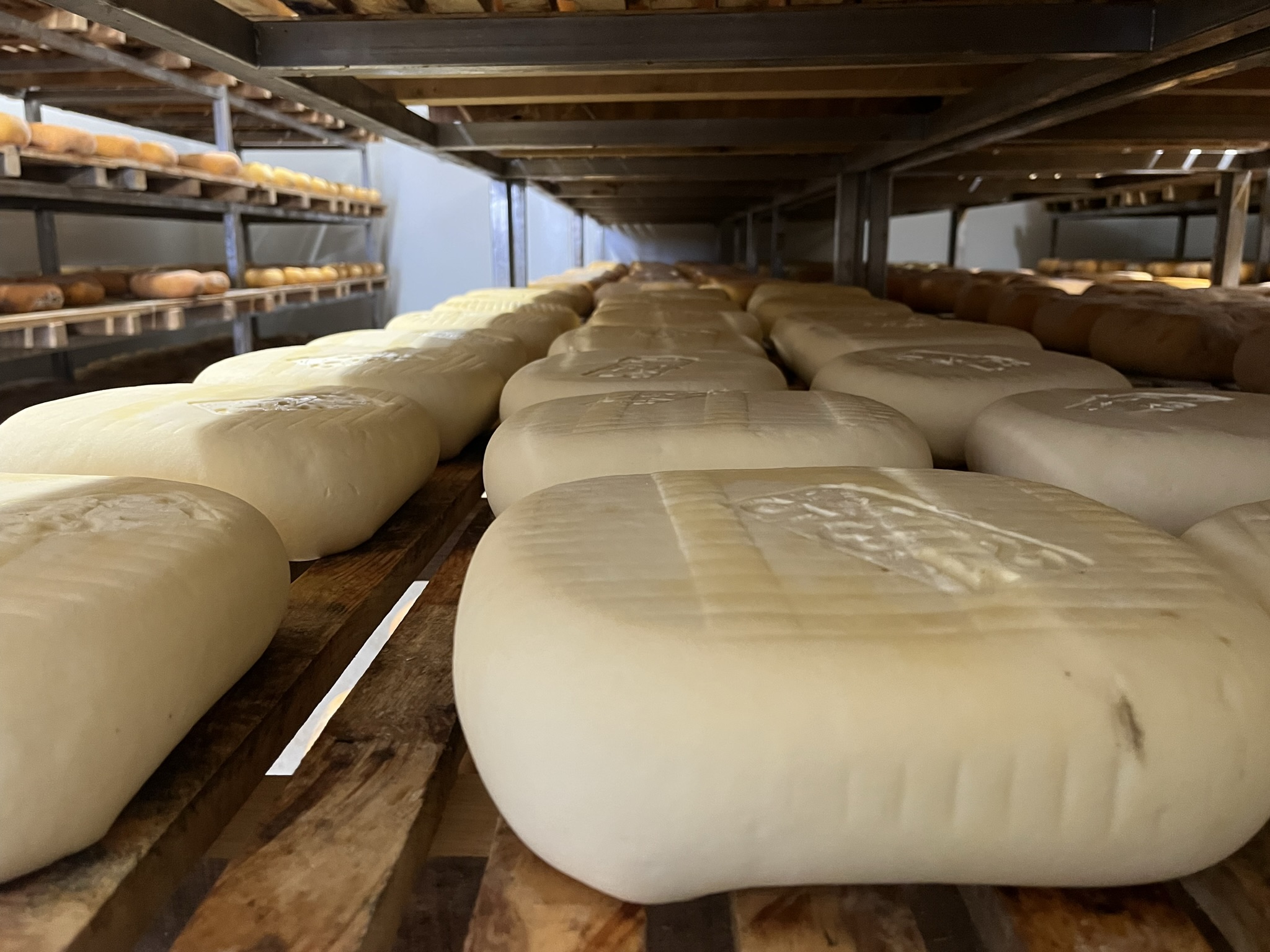
Using age-old methods, farmers use milk from Menorcan cows to produce rounded-edge square blocks of Mahón-Menorca Denomination of Origin cheese with a flavorful, oily dark rind (even Arabic documents from the year 1000 describe the tasty qualities of cow’s milk Menorcan cheese). Farms like Son Piris produce artisan cheese (made with raw milk and intended for immediate consumption) or the more industrialized and slightly sweeter pasteurized-milk cheeses. Martina Fedelich of Son Piris explained that it is difficult to imitate the Menorcan bacteria used in their cheese, as they are unique and isolated from other cheeses and even differ from those on neighboring island Mallorca. Easy to identify, Mahón-Menorca cheese’s unique shape comes from the cheesecloth used during the pressing process, and fabric lines from the cloth remain visible in the rind.

(clockwise from upper left) The unique shape of Mahón-Menorca cheese comes from the cheesecloth used during the pressing process, and fabric lines from the cloth remain visible in the rind; Son Piris cheeses are wrapped tightly in cheesecloth, which holds together the solid cheese curd while allowing for drainage of liquid whey; Wrapped cheeses are pressed to remove excess moisture; After their tightly wrapped cloths are removed, the cheese is set out to dry; Martina Fedelich of Son Piris serves the famous farm-to-table Mahón-Menorca Denomination of Origin cheese.  

Agriculture is a key trade on Menorca; however, the most important manufacturing business on the island is shoe design and production—an industry dating back to the 18th century. Footwear made in Menorca is known for its high quality and meticulous craftsmanship. The most famous sandal shape, with a cowhide leather upper and sole, was first created to protect farmers’ feet while working the rocky soil. Nowadays, these avarcas (also called abarcas or menorquinas) are sold with heels and straps of all styles and colors, but use recycled tires as a hardy sole. Popularity and production have been increasing especially over the past few years, and they are worn by Menorcans and visitors alike.

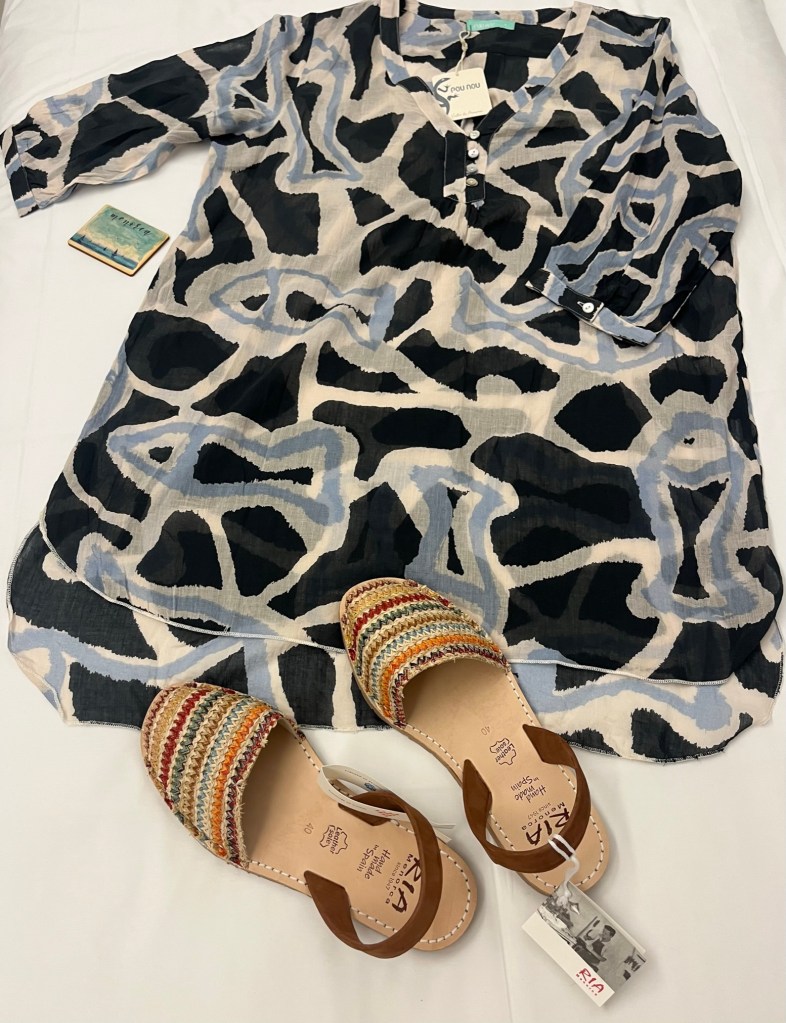
RIA brand avarcas fashioned from leather with a colorful woven upper are a stylish update to traditional peasant footwear. Pou Nou clothing motifs echo the sea life and landscape of the island, like this fish-print tunic in shades of blue.

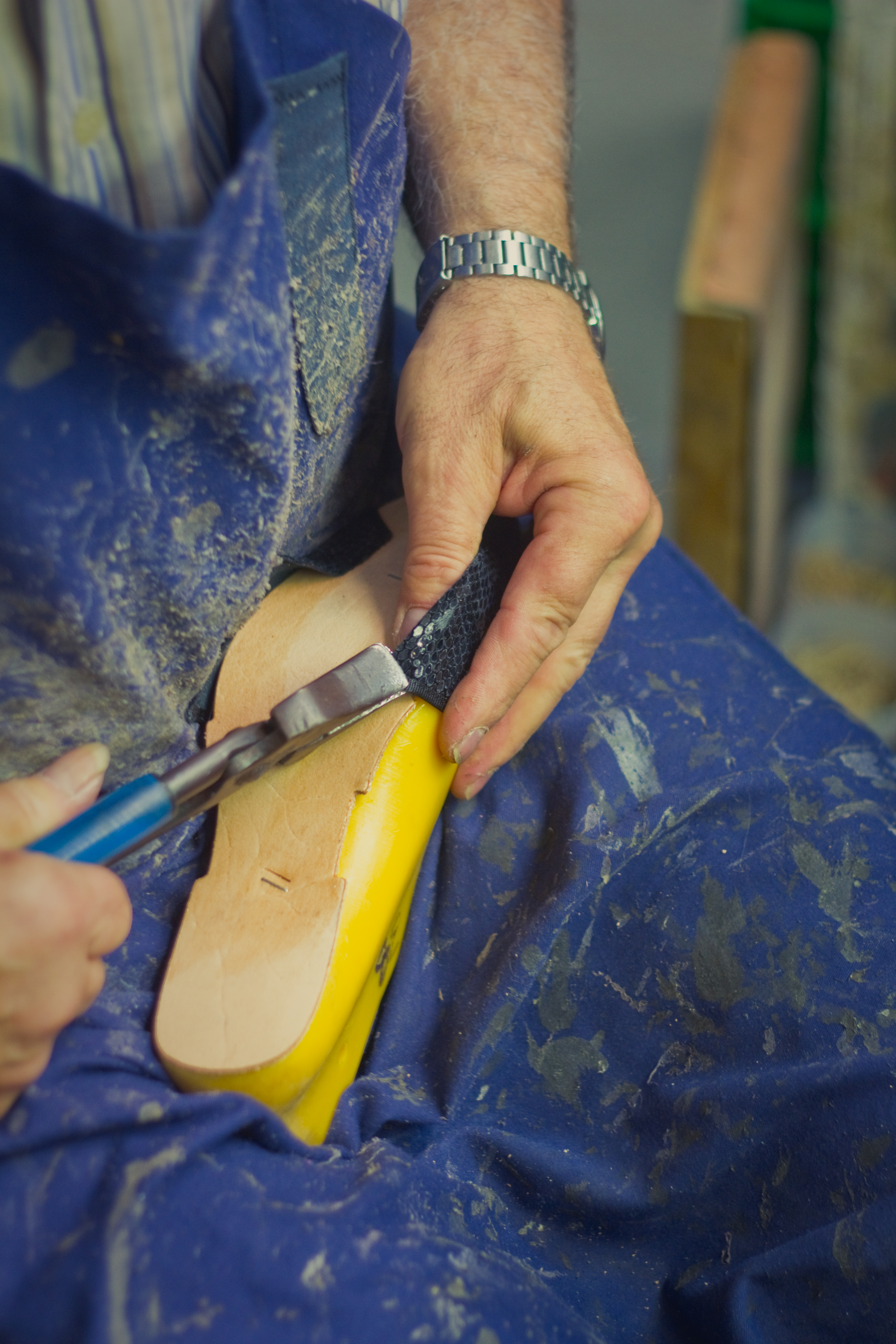
Avarca company MIBO proudly carries the Avarca de Menorca hallmark—another island-specific denomination of origin—which guarantees that their footwear is crafted locally and made with high-quality materials. Founded in 1998 by Miguel Pascual and Bosco Moll, MIBO designs and manufactures these iconic Menorcan sandals using traditional methodology combined with modern technology. Moll said, “The process to make a pair of avarcas from Menorca has about 25 operations, which all need the hands of craftsmen to be able to make them. We also use technology that helps the craftsmen, but it always requires expert hands. … The future of our product and our brand passes through the qualified training of our craftsmen-workers since there are no schools or training cycles that help this task.”

(left) A traditional style with modern updates, some MIBO avarcas feature trendy details like cut-outs, bows, and textured mosaic prints. (right) A MIBO artisan carefully guides a hallmark-stamped leather sole through machine stitching. Photos courtesy of MIBO.

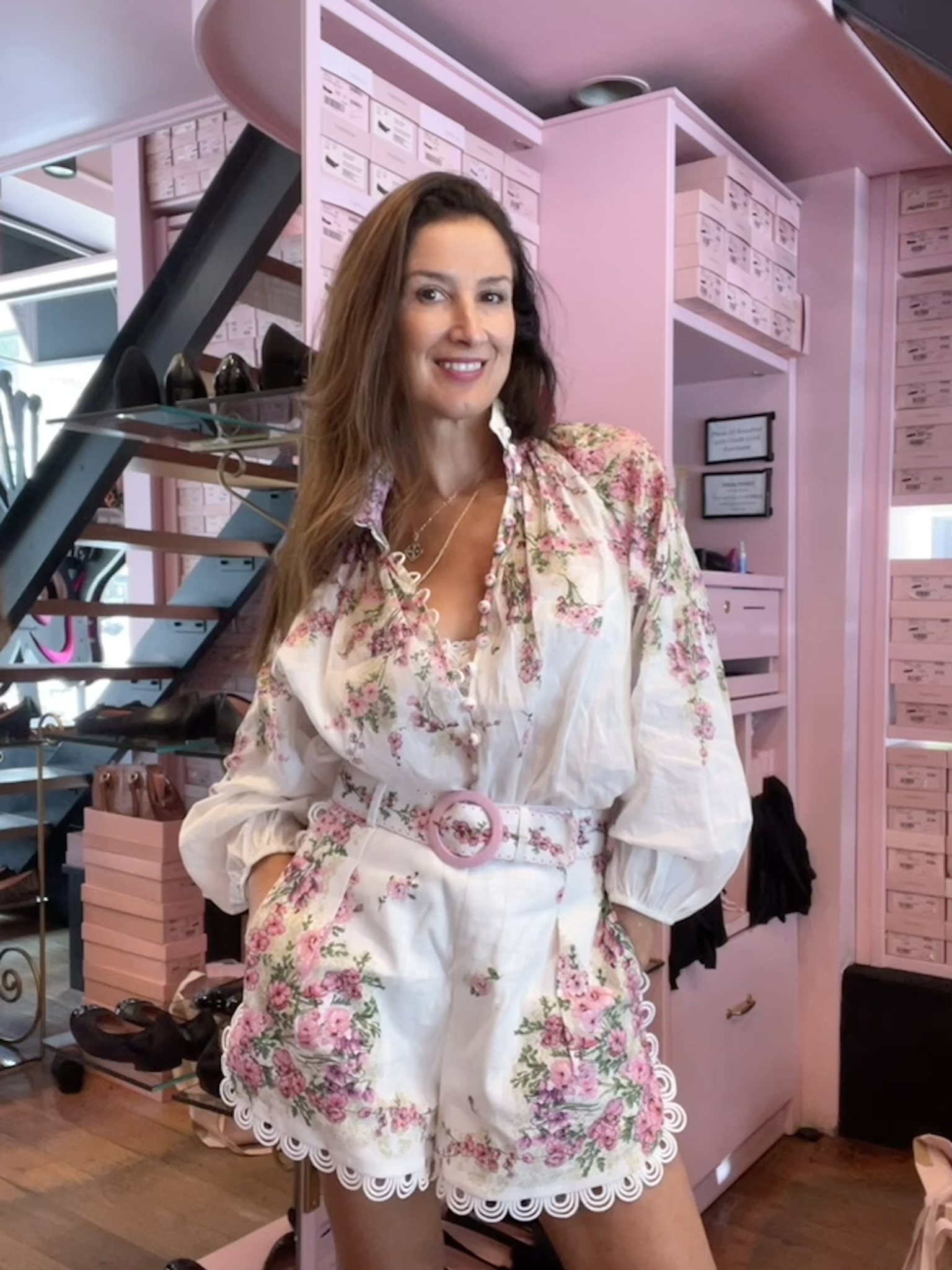
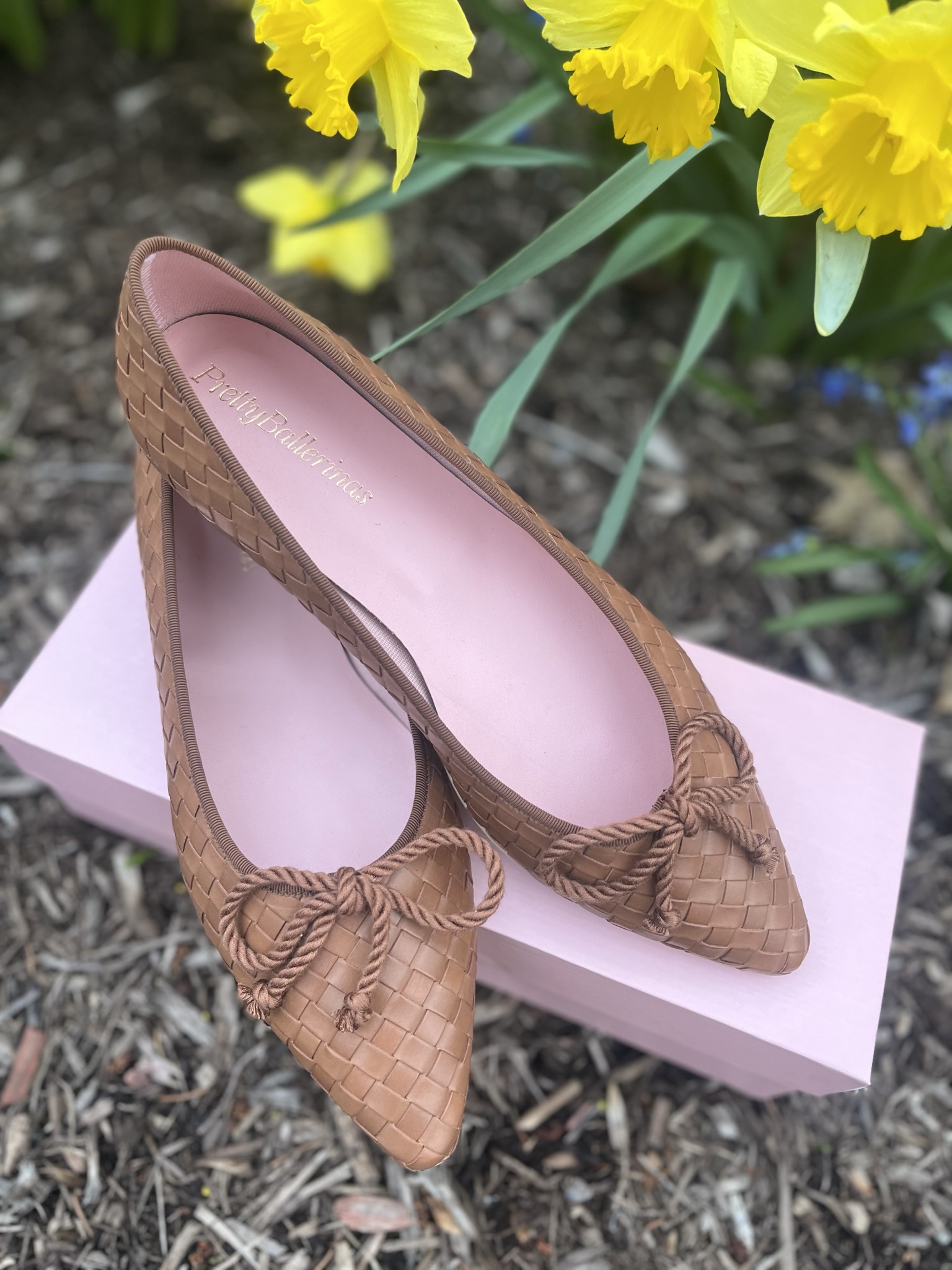
Another prestigious Menorcan shoe brand known internationally for its impeccable quality and innovative designs is Pretty Ballerinas, a unique line of leather flats produced by the Mascaró Group footwear company. These fashions have been famously worn by Kate Moss, Kate Middleton, the Queen of Spain, Elle Macpherson, Claudia Schiffer, and Angelina Jolie, among other celebrities. Fanny Cano, vivacious franchisee and owner of Pretty Ballerinas U.S. (the sole U.S. store, located in New York City), was born on Mallorca and has worked for the Mascaró brand since 1998. Fanny said:

“I love when through our very personal customer service we get to transmit to our customers the island’s vibes. They know they are wearing a unique piece crafted by hand on a small island in the Mediterranean. They feel the quality and the time invested in their pair of shoes. Explaining to the clients where and how the shoes are made—in a very artisanal and old-fashioned method—it really helps them to get tele-transported to the smell of the leather, the artisan hands sewing the shoes, mixed with the breeze of the sea and the taste of the food.”

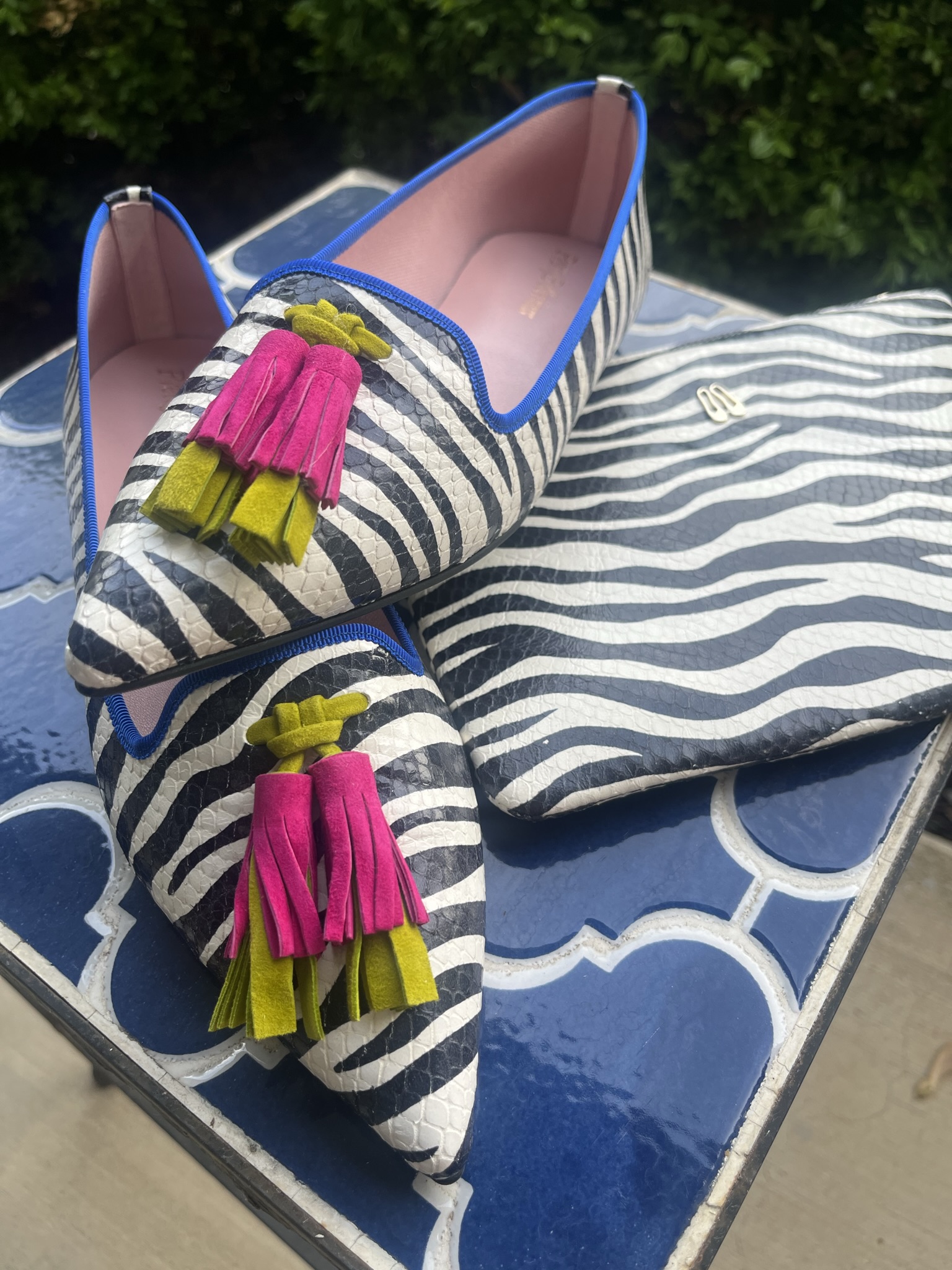
Fanny Cano, Pretty Ballerinas franchisee and owner of the New York City store, poses before the iconic pink boxes and glamorous storefront that identify this high-quality brand of Menorca-made women’s leather flats. Easily identifiable by a pink lining and stamped ballerina slipper icon on the underside, Pretty Ballerinas flats and matching handbags exhibit a unique style and luxurious leather silhouette. Top-left and bottom-right photos courtesy of Fanny Cano.

Woodworking, earthenware, basket weaving, traditional llaüt wooden boat carpentry, and other crafts using fabrics, stone, and paper are sold in island shops and markets during the summer months. The quality of local, professional artisans’ work is acknowledged by the Artesanía de Menorca (Craft of Menorca) hallmark, and the Centre Artesanal de Menorca (Artisan Centre of Menorca) at the Es Mercadal fairground exhibits and sells many of these handmade products.

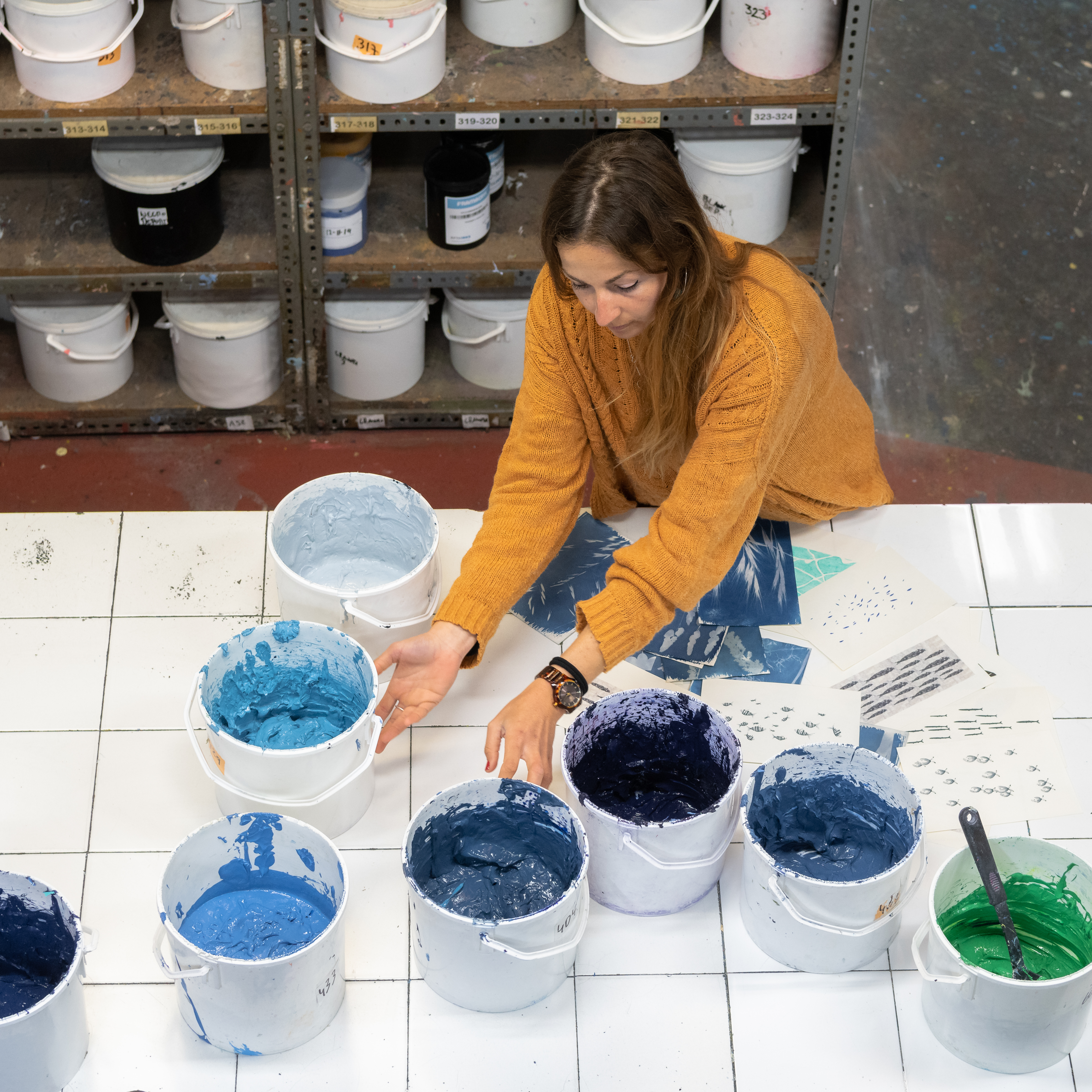
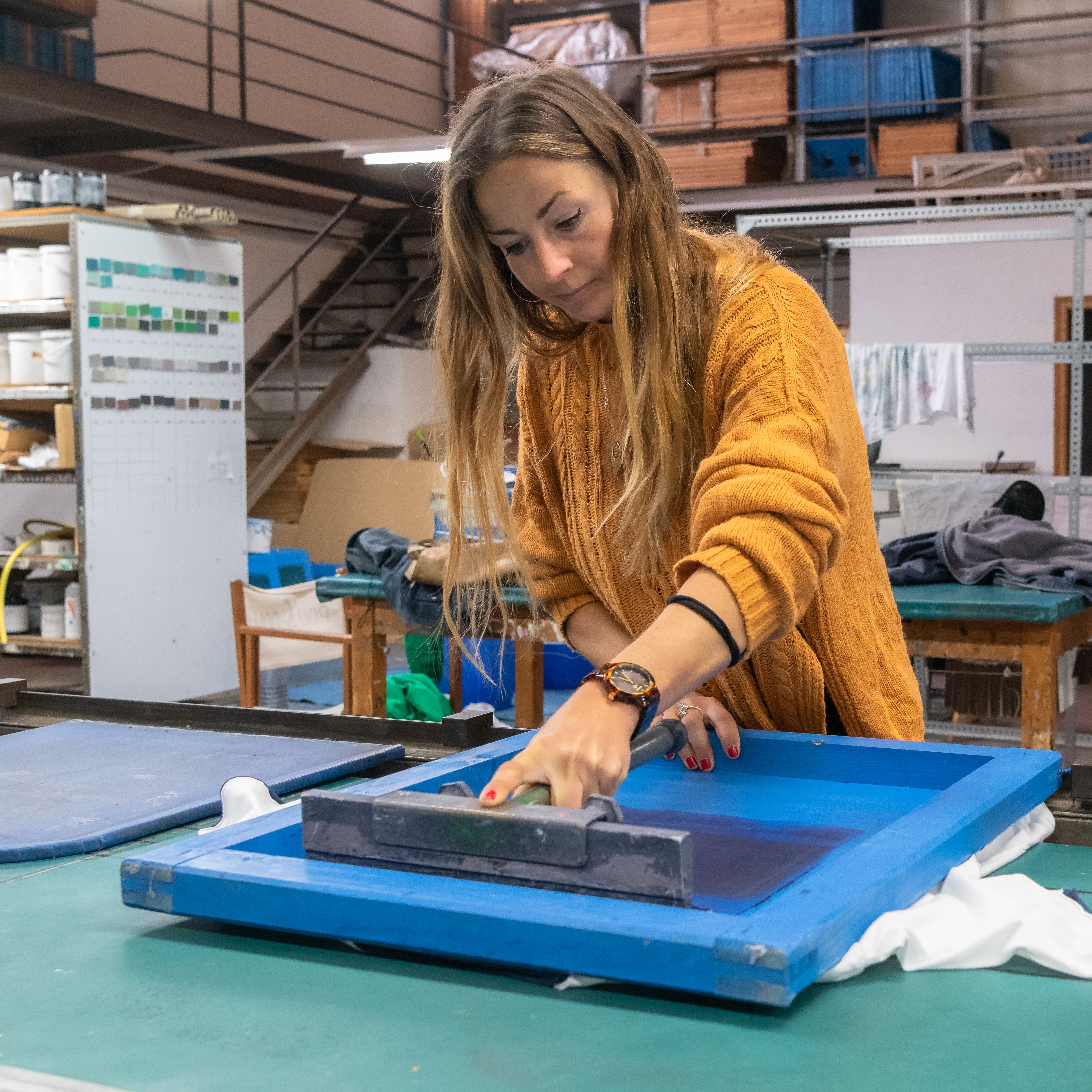
A Menorca-born leader in local artistry is Pou Nou clothing company, whose designers work closely with area artists to produce contemporary designs and stylish garments that reflect the colors and shapes of Mediterranean life. Drawing inspiration from the sea, sky, and island itself, Pou Nou creates hand-printed T-shirts and breezy, comfortable fashions for all ages using natural fibers like linen and cotton.

(clockwise from left) Pou Nou team members select nature-inspired artwork for clothing designs; Pou Nou colors and designs are inspired by Menorca’s flora and fauna, sea, and sky; Using a Mediterranean-inspired color palette, a Pou Nou team member tests a screen-print design.
Photos courtesy of Pou Nou.

Collaboration with local artists results in Pou Nou’s unique island-wear designs.

Owner Joan Carrés said, “I am proud of having been in the business for 36 years, following my original idea of combining good quality garments with original artwork from local artists.” Pou Nou’s easy-to-wear styles and unique artist collaborations feature screen-printed sea creatures, flowers, geckos, insects, boats, bikes, palm leaves, and nautical themes. With Pou Nou only available for purchase in Spain and other European countries, U.S. travelers looking for this island-wear can reach the Balearic Islands by flying directly from New York/Newark (EWR) to Palma de Mallorca (PMI) through United Airlines’ new, seasonal direct flight offerings. Menorca has been like a hidden treasure for many years, largely reached only from mainland Spain, but these new direct flights from the United States allow easier access to Menorca-made specialty items and scenic views of iconic landscape features. The island’s varied ecosystems and natural offerings provide ample resources for a thriving artisan business, with agriculture, footwear, fashion, and handcraft industries using materials and inspiration offered by the beautiful land and sea.

Climb Aboard Rail Europe’s Holiday Express to Germany’s Christmas Markets

This holiday season, Rail Europe presents the “German Christmas Markets,” a seven day itinerary to five enchanting Christmas markets throughout Germany.  

These unique and unforgettable markets invite travelers to experience the sights, smells and traditions of European Christmas festivities. Visitors can dive into a winter wonderland of regional traditions, handcrafts and culinary specialties such as Christmas Stollen (German Christmas cake), Lebkuchen (gingerbread) and Gluehwein (hot spiced wine). They can stroll through festively-decorated streets lit by thousands of twinkling lights and explore historic town centers as Christmas carols echo through the streets.  

Travelers can begin their journey in Dresden, home to one of the most well-known Christmas Markets in the world. Best known for its long royal and political history, Dresden has emerged as the cultural and educational center of Germany.  

Then, travel by train to Weimar, a city known for its rich history and architecture and home to scholars such as Goethe, Schiller and Herder.  During the month of December, the city’s Gothic town hall on the market square is transformed into a life-sized Advent Calendar, where three children open a new window each day as Father Christmas greets them with a small gift.  From Weimar, travelers will be whisked away to the medieval streets of Erfurt, where Christmas carols ring out and the air is filled with the aroma of gingerbread.  

Next stop–Eisenach–where travelers fall head over heels for the romantic market nestled within Wartburg Castle’s walls.  One of the best kept medieval castles in Germany, the Wartburg boasts a medieval marketplace with Christmas concerts and artists, craftsmen and knights, and colorful booths decked with boughs of holly.  

The trip concludes in Frankfurt, a buzzing financial metropolis housing one of the oldest and most elaborate markets in Germany, attracting more than three million international visitors each year.  Over 200 stalls offer arts and crafts, festive cuisine and a varied program of Advent concerts and trumpets playing from the balcony of St. Nicholas’ Church.

It’s an unforgettable experience–Christmas, Germany and trains!

Rail Europe offers hotels and train travel in their German Christmas Market package. For more information, go to www.raileurope.com.

Chocolate Museum Is Sweet

By Marilyn Heimburger
Photos by Don and Marilyn Heimburger

As spring approaches, thoughts of chocolate come to mind, just because we’re always looking for an excuse to eat chocolate! As the saying goes, “Chocolate–it’s not just for breakfast anymore!”

After a recent trip to Cologne, Germany, and after visiting the Cathedral and Roman ruins, I added a trip to the Chocolate Museum to my itinerary. You’ll learn all there is to know about this treat and have the opportunity to taste and see why the ancients called chocolate the “food of the gods.”

Opened on Halloween Day in 1993, the museum was the idea of Dr. Hans Imhoff, an entrepreneur who was the head of the Stollwerck Chocolate Company of Cologne. The three-story museum is located on the banks of the Rhine, within sight of the Cologne Cathedral.

Designed to look like a ship in the harbor, its modern glass and metal architecture surrounds the historic central customs office, which was built in the 1890’s. The museum welcomes an average of 1,700 visitors a day and about 650,000 per year.

3,000-YEAR-OLD HISTORY

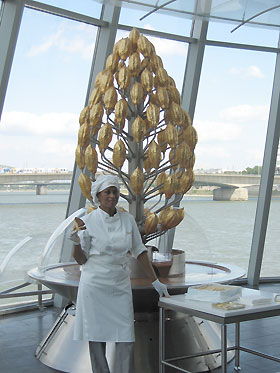
Visitors can see chocolate being made at the museum.

As you walk through the three-story museum, you’ll see exhibits covering the 3,000-year history of chocolate. Growing and harvesting raw cocoa is shown with photographs, harvesting tools and a full size log boat from Ghana. Next is a 100-square-meter tropical greenhouse containing real cocoa plants and more than 60 other rainforest species. You’ll learn that the flowers of the cocoa plant grow directly on the trunk of the tree, so that pollinating insects can find them more easily in the thick jungle!

Chocolate’s popularity began as a luxury drink. An extensive exhibit brings you through the pre-Columbian Olmec, Aztec and Mayan culture, where cocoa was the drink of the gods, and was sometimes used as currency, or “brown gold.”

Next you’ll see the beautiful porcelain and silver cups and pitchers that were crafted to serve this luxury item in 17th and 18th century Europe. The chocolate culture of the 19th and 20th centuries is depicted in a full-sized shop, with chocolate tins and boxes on display, as if you had stepped back in time.

Front and back of a Santa mold

Beautifully preserved chocolate vending machines and advertising posters give insight into the popularity of chocolate. A film room continuously shows old television ads for chocolate. Chocolate packaging from apparently any brand of chocolate that ever existed is on display. Even American brands of chocolate are represented, although Astrid Hage, press representative of the museum, admitted that it was difficult to find someone willing to eat the American-made chocolate in order to empty the packaging. She explained that the Europeans follow a different standard in their chocolate production, and that their formula produces a superior taste.

DECIDE FOR YOURSELF

You’ll have the chance to decide that for yourself in another part of the museum, where, thanks to the Lindt and Spruengli Company, a two-floor exhibit demonstrates the production of chocolate today. From the processing, roasting, grinding of the bean to the pouring of hollow molded chocolate figures and a truffle production line, this small-scale system makes about 400 kg of chocolate every day for visitors to see, smell and finally, to taste.

A nearly 10-foot tall chocolate fountain stands on the production floor, and a museum staff member stands ready to offer a waffle cookie dipped in the warm melted chocolate that pours from the spouts.

THERE’S MORE, TOO

Do you want more of the “food of the gods?” A gift shop offering chocolate, souvenirs and gifts is ready to serve you. The museum also has a restaurant with a view of the Rhine.

Admission fees are 6.50 EUR for adults. Children under six or visiting on their birthdays are free. All exhibit texts are in both German and English.

The museum is closed on Mondays. Check their web page for information on hours, tours and special events: www.schokoladenmuseum.de

Spotlight on Brussels, Belgium

Belgium without Brussels? No way!

By Don Heimburger

What would Belgium do without Brussels?

The capital of the kingdom, yes kingdom, of Belgium–Brussels–is located pretty much in the center of Belgium, south of Antwerp. Brussels is a cosmopolitan city of more than 2 million people (total area) that loves food.

Known for its Grand-Place/Grote Markt with its filigree stonework, the city is fashionable, upscale and village-like all at the same time. Did I mention beer? It’s said Brussels offers 2,000 kinds of beer. Then there’s the food, and the chocolates.

Let’s take a tour through Brussels, using some of the internet sites available:

Both public and private transport are highly developed in the Brussels area, with a network of high-quality roads, airline routes and inland waterways.
• Your arrival in Brussels–ways of entering the Brussels-Capital Region
• Moving around Brussels–means of traveling, using public transport, on foot, by bicycle, by car, by motorbike, by air, etc.
• Finding your way around Brussels–which are the best maps of the city available on the Net.

Brussels is served by Brussels Airport, located in the nearby Flemish municipality of Zaventem, and by the much smaller so-called Brussels South Charleroi Airport, located near Charleroi (Wallonia), some 50 km (30 mi) from Brussels. Brussels is also served by direct high-speed rail links to London by the Eurostar train via the Channel Tunnel (1hr 51 min); to Amsterdam; Paris and Cologne by the Thalys; and to Cologne and Frankfurt by the German ICE (Inter-City Express trains).

The Brussels metro dates back to 1976, but underground lines known as premetro have been serviced by tramways since 1968. A comprehensive bus and tram network also covers the city. Brussels also has its own port on the Willebroek Canal located in the northwest of the city.

An interticketing system means that a STIB/MIVB ticket holder can use the train or long-distance buses inside the city. The commuter services operated by De Lijn, TEC and SNCB/NMBS in the next few years will be augmented by a metropolitan RER rail network around Brussels.

Since 2003 Brussels has had a car-sharing service operated by the Bremen Company Cambio in partnership with STIB/MIVB and local ridesharing company taxi stop. In 2006 shared bicycles were also introduced.

Brussels contains more than 80 museums, including the Museum of Modern Art, and the Royal Museums of Fine Arts of Belgium. The museum has an extensive collection of various painters such as the Flemish painters such as Brueghel, Rogier van der Weyden, Robert Campin, Anthony van Dyck and Jacob Jordaens. Brussel’s museums cover areas such as art, technology, industry, science, folklore, literature, history and many other subjects, each presenting a different face of Brussels. They are astounding in the wealth of their collections and the new perspective they offer of cultures from all over the world.

FOODS
Brussels is known for its local waffles, its chocolate, its French fries and its numerous types of beers. The Brussels sprout was first cultivated in Brussels, hence the name.

Brussel’s gastronomic offerings include approximately 1,800 restaurants with very good food and atmosphere. Connoisseurs consider Belgian cuisine among the best in Europe. In addition to traditional restaurants, there is an overwhelming number of cafes and bistros and the usual range of international fast food chains. The cafes are similar to bars that offer beers and small dishes. Also widespread are so-called brasseries that offer a large number of beers and typical national foods.

Belgian cuisine is characterized by the combination of French cuisine with more hearty Flemish recipes. Culinary specialties include Brussel’s waffles (Gaufres) and mussels (usually served with “Moules frites”–French fries). The city is a stronghold of chocolate and praline manufacturers, with traditional companies like Godiva, Neuhaus and Leonidas. In addition, the Belgian beer enjoys a good reputation—Hoegaarden, Leffe, Duvel, Jupiler, Stella Artois and Kriek (cherry beer) are all examples.

Brussels has become a significant center for international institutions, notably those of the European Union. The city also plays host to the headquarters of the North Atlantic Treaty Organization (NATO) which is based in the city, along with 1,000 other international organizations and 2,000 international corporations. Brussels is third in the number of international conferences it hosts and is one of the largest convention centers in the world. The presence of the EU and other international bodies means there are more ambassadors and journalists in Brussels than Washington D.C. International schools have also been established to serve this presence.

VIRTUAL TOURS
Art Nouveau in Bruxelles : http://www.artnouveau.be
Atomium : http://www.atomium.be
Chinese pavilion and Japanese tower :
http://www.kmkg-mrah.be
Memorials, monuments, plaques and statues : http://www.brusselsremembers.irisnet.be

For more information, to go www.visitbelgium.com.

The following websites also contain extra information:
Fun in Brussels
Belgium Hospitality
Restaurants in the center of Brussels

Restaurant maps
Deltaweb guide to restaurants