Photos courtesy Visit Great Britain and Lake District National Parks
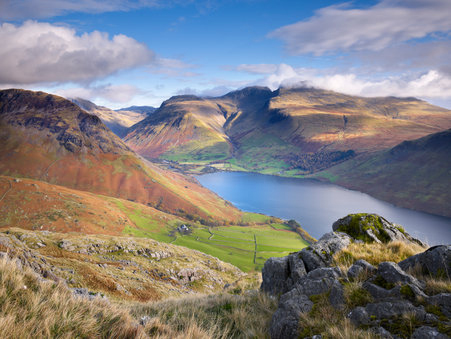
Sprawling 885 square miles across Cumbria in North West England, the Lake District National Park is England’s largest National Park. With 16 sparkling lakes, England’s five tallest mountains, six national nature reserves and over 400 towns and villages, it’s no wonder the Lake District is a popular attraction.
Natural beauty isn’t the only thing going on in the Lake District. Activities range from child-friendly adventure parks to high-adrenaline assault courses. Don’t miss Lake Windermere—the largest of the lakes—where you can try everything from open water swimming to sailing, canoeing, kayaking and windsurfing.
The arts and culture scene started by the likes of William Wordsworth and Beatrix Potter is still thriving today, with a year-round calendar of literary, arts and heritage events and countless museums, galleries and performance venues to visit. With so much to see and do, your only problem will be deciding what to do first.
All that exploring is bound to work up an appetite. And you’re in luck, because the Lake District is one of Britain’s food and drink hotspots. Whether you fancy a refreshing brew at a traditional tearoom, a pint of real ale at a pub with a roaring fire or a elaborate meal at a Michelin-starred restaurant, you’ll find something to suit every taste in the Lake District.
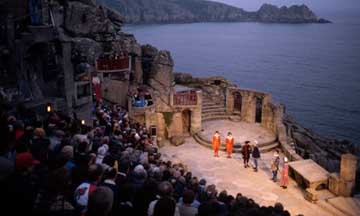
Top five things to see and do: 1. Take the kids to meet Peter Rabbit and friends at the World of Beatrix Potter. 2. Watch one of the productions at the Theater by the Lake in Keswick. 3. Explore the nearby cosmopolitan city of Carlisle and the historic town of Kendal. 4. Visit one of Cumbria’s 24 microbreweries—you’ll find many of these at the back of local pubs. 5. Tour the poet William Wordsworth’s house, Dove Cottage, surrounded by the countryside that inspired him.
Kaitlyn and Kellen get “sized up” by this big Swiss Air DC-3.
Photos by Amy Luetgert
Wow! Cool! That’s what visitors, and especially children, say after a few minutes in this 21,500-sq-foot museum in Lucerne, located right on Lake Lucerne.
With as many as 850,000 visitors a year, the museum is Switzerland’s most popular attraction of its type.
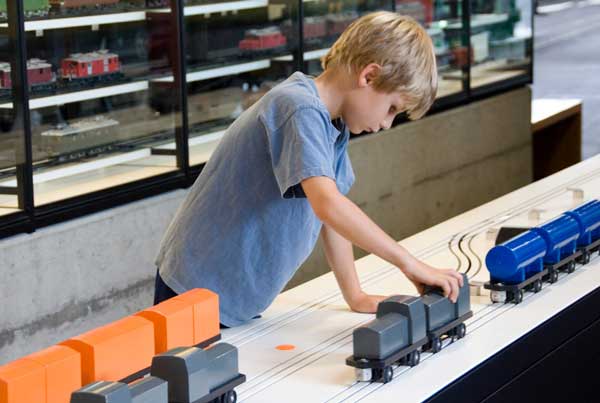
From space capsules to trains (big ones, as well as miniature ones that run through the grounds), to airplanes and helicopters and automobiles, from the latest media technologies and interactive hands-on exhibits to a cycle park, the Swiss Transport Museum displays more than 3,000 objects, plenty to keep two kids busy for a while.
Kaitlyn Luetgert, 9, and her brother Kellen, 6, from the Chicagoland area, spent an afternoon at the Museum with their parents, and their mother Amy Luetgert filed this photo report of their experiences.
The Luetgert kids “sign on” as airline pilots and flight attendants.Kellen says, “I could spend a whole day here!”“No problem, let’s walk under this steam engine,” urges Kellen.With a facade like this, anything is possible inside the Museum.
The third season of the television series Downton Abbey premieres on January 6. Finally, fans of the series will find out whether the will-they-won’t-they relationship between Lady Mary and Matthew will end in happiness, not to mention the fate of Mr. Bates. You’ll also meet Lady Grantham’s mother, played by legendary actress Shirley MacLaine.
Watching the show makes you wish you were having afternoon tea in the beautiful garden of a magnificent stately home. Thousands of fans are visiting the real Downton Abbey, Highclere Castle, as well as the other stunning locations from the series.
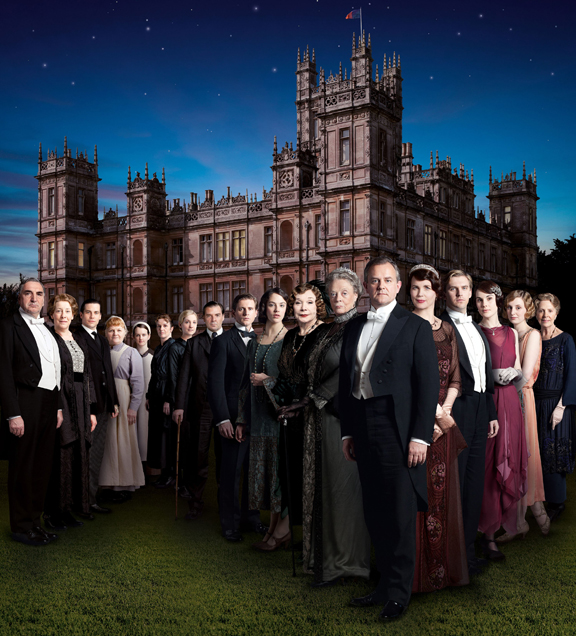
Cast of Downton Abbey
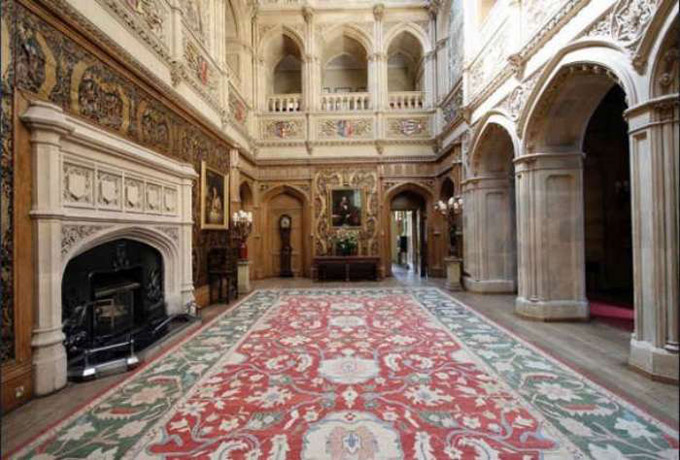
HIGHCLERE CASTLE Highclere Castle in Berkshire (southeast England) is the real castle that plays the role of Downton Abbey, fictional home to the Earl of Grantham, his glamorous wife, daughters and a host of servants. The Victorian castle is set amidst 1,000 acres of parkland that is as beautiful as it looks on screen. The actual residents are the Earl and Countess of Carnarvon, whose family have lived on the site since 1679. Downton Abbey author, Julian Fellowes, is a longstanding friend of the family and had Highclere in mind as the home of the Granthams while writing the series.
Make a trip this spring when the castle is open to visitors and truly step into Downton life: sip tea at the cafe, stroll the garden pensively just like Lady Mary, Edith or Sybil and admire the sumptuous rooms, many of which are used during filming. Highclere is located about 1 1/2 hours away from London by train.
For diehard fans who want to sleep in the same room as their Downton heroes (albeit without them there), book a room at The Carnarvon Arms, a grade-II former coachhouse nearby Highclere Castle. As it’s only a short distance from Highclere, during filming, The Carnarvon is occupied by the Downton cast, and has recently undergone restoration by British celebrity chef Marco Pierre White to become a luxury country inn hideaway. What could be better than guaranteed delicious pub grub, a traditional British inn experience and the possibility that you may catch a glimpse of Dan Stevens (Matthew) or Jim Carter (Carson) at the bar?
THE COTSWOLDS The Cotswolds, in southwest England, have been designated as an area of outstanding natural beauty, and are quintessential England at its loveliest. The area is north of Highclere and can be reached in less than two hours from London. In series two, it was the site of scandal when Lady Sybil eloped with the family chauffeur, Branson. The pair went to Swinbrook in the Oxfordshire Cotswolds, a pretty village where time seems to have stood still, and filmed at the Swan Inn. This beautiful boutique inn makes for an idyllic base from which to explore the area.
Cotswolds Village
Also in the Cotswolds is the picturesque village of Bampton, where many of the exterior scenes in of Downton Village and Crawley House are filmed. Bampton library and church were used for exterior shots of Downton Cottage Hospital. Stop off at the shingle-roofed Bampton Coffee House for an English cream tea or lunch at the Vineyard at Stockcross, an elegant hotel with a great restaurant and an impressive wine cellar. Maggie Smith, Downton’s resident Dame, is rumored to have stayed here during filming.
LINCOLN CASTLE Did he or didn’t he? Season three sees character John Bates locked up in York prison for the murder of his former wife. On closer inspection, it is actually Lincoln Castle, situated a couple of hours south of York, is used as the prison. In addition to its Downton fame, Lincoln Castle is also home to the Lincoln Magna Carta, which dates to 1215, as well as the Charter of the Forest, a 1217 document that made sure England’s forests weren’t taken over by the aristocracy. History buffs will be pleased to learn that Lincoln Castle is the only place in the world where you can witness the two documents together.
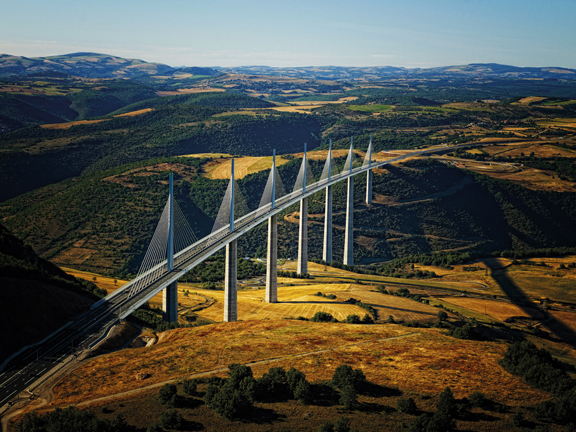
Photographs compliments of Midi-Pyrénées Tourism Office
Visitors to the Midi-Pyrénées in France, also known as the Southwest, have the unique opportunity to savor some of the most unique food and wine in all of France while also soaking up the rich arts and culture scene of the region.
WINE The Midi-Pyrénées is a verdant, hilly wine region—home to more than two dozen winemakers featuring some of the world’s greatest grape varieties and some that are grown nowhere else in the world.
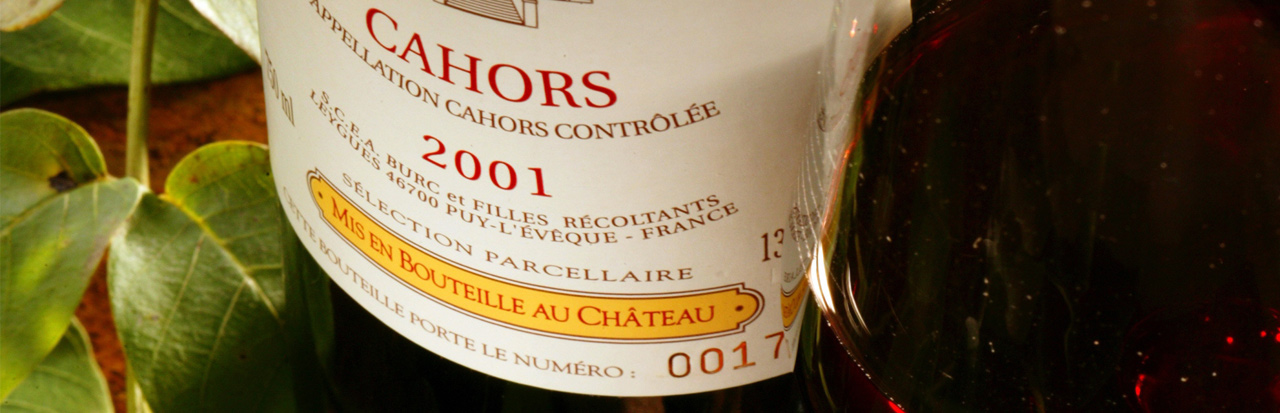
From the Malbec wines grown in the sun-drenched Cahors region to the Gaillac district, one of the oldest wine-growing areas in France, to the Madiran wines known for their inky color and tannic density, the wines of southwest France offer a wide array of flavors and are a true treasure trove for the dedicated wine connoisseur.
The region is also rich in spirits, most notably the distinctive brandy Armagnac, produced in Gascony. Tourists can explore the “Route de l’Armagnac” which winds through the vineyards and experience the different tastes and sensations of this brandy, known for its unique finesse and roundness.
FOOD The Midi-Pyrénées is also renowned for its fine cuisine. It is home of the black truffle, which is found exclusively in the region around the village of Lalbenque.
The Midi-Pyrénées is also the capital of the iconic French specialty, foie gras. With subtle flavors of hazelnut and a creamy texture, this delicacy can be bought directly from the producer or at the special winter foie gras markets that are peppered throughout many small towns in the Gers district.
CULTURE The Soulages Museum, in the town of Rodez, is dedicated to the work of acclaimed painter and Rodez native Pierre Soulages. Widely considered one of the great abstract artists, Soulages was inspired by the prehistoric and Romanesque art of the region. The museum houses 500 works donated by Pierre and Colette Soulages to Rodez, which is the world’s biggest collection, estimated to be worth close to $55 million.
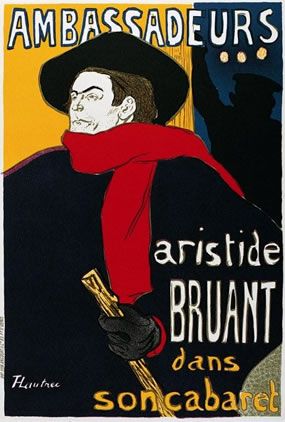
The Toulouse Lautrec Museum will celebrate the life of painter and lithographer Toulouse Lautrec, born in the city of Albi in 1864. The exhibit will run from October 25, 2014 to January 25, 2015.
FESTIVITIES The Midi-Pyrénées also abounds with celebrations and performances, with more than 180 festivals and events taking place throughout the year.
The Medieval Festival of the Grand Falconer takes place in the village of Cordes-sur-Ciel on July 14—coinciding with Bastille Day, France’s national holiday. The annual festival offers a faithful recreation of medieval life in the Midi-Pyrénées, with fire-eaters, jugglers, falconers, troubadours, musicians, knights and villagers all garbed in medieval attire.
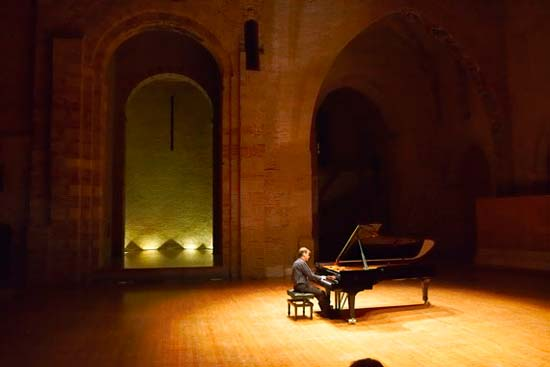
The Piano aux Jacobins, held in the region’s capital city Toulouse during the month of September, is the first festival in France entirely dedicated to piano performances. This year’s edition takes place September 2 to 29.
The small and quaint Gascon town of Marciac will transform into a jazz capital this summer from July 24 to August 13 with its legendary festival, Jazz in Marciac, which has welcomed international jazz icons.
ADVENTUROUS The natural world comes alive in the Midi-Pyrénées with vast areas of untouched countryside and rugged mountains in its national parks. Cyclists come from all corners of the earth to follow the route of the Tour de France in the Pyrenees and climb the famed Col du Tourmalet.
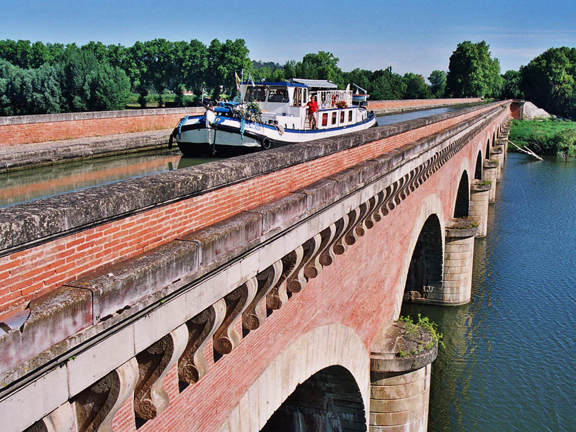
The Canal du Midi, a UNESCO World Heritage Site that runs from Bordeaux and the Atlantic coast to the Mediterranean sea, is ideal for bicycling enthusiasts looking for a relaxing ride and discovering this 150-mile engineering masterpiece.
SPIRITUAL Travelers can embark on a spiritual retreat in the region at the sacred French Grotto of Lourdes, a world famous pilgrimage site. Every year, the cosmopolitan and convivial town receives 6 million travelers from 140 countries from every continent.
Walking the Way of St. James has changed little over the centuries, where pilgrims trek from all over Europe to the city of Santiago de Compostela in northwestern Spain. The route winds through many scenic villages born of the ancient pilgrimage, including Rocamadour, Conques and Moissac.
Everyone knows the story of the poor immigrants who arrived at Ellis Island in New York after a transatlantic journey from Europe. The “huddled masses yearning to breathe free” came by the millions in the late 19th and early 20th century, all with one dream—a better life in America. Their long voyage ended as they sailed into New York Harbor past the Statue of Liberty, a beacon of freedom and hope.
Many of us have visited the Ellis Island Immigration Museum and possibly even traced our ancestry there. But a new attraction in Antwerp, Belgium tells the flip side of the tale as it unfolded on the opposite shore of the ocean. In the actual brick warehouses where emigrants gathered to board, the Red Star Line Museum sheds light on the almost forgotten history of an American-owned shipping company that from 1873 to 1934 brought more than two million passengers from Antwerp to New York, Philadelphia, Boston and Halifax, most of them poor and oppressed peoples from Eastern Europe; about 25% were Jewish. Fewer than 200,000 were Belgians.
Among those dreamers was a Jewish family from a Russian town in what is now Belarus. The five-year-old son, Israel Isadore Baline, who traveled on Red Star Line’s Rijnland, went on to become a songwriter extraordinaire and changed his name to Irving Berlin. Had it not been for that voyage in 1893, “God Bless America” and “White Christmas” might not be part of the American songbook.
There were some rags-to-riches stories indeed, but it’s mostly the personal testimonies of ordinary folks that dominate the two exhibit floors of the Red Star Line Museum, located in Eilandje, a former dockyard district undergoing redevelopment. The museum is just a short walk from the Kattendijk Dock, where most European river cruise ships berth in Antwerp.
Curator Bram Beeleart confirms the museum is more about people than ships, emphasizing the importance of firsthand accounts of migrants before, during and after their transoceanic trips. “The overall theme we want to convey is that it’s about little people who imagined a better life for themselves on the other side of the ocean…little people who dreamed great things,” Beeleart says.
The fact that the museum occupies the original Red Star Line departure sheds on the Scheldt River’s Rijnkaai, or Rhine Quay, “adds power to the whole experience,” he says. The humble, decaying buildings had been empty since 2000; the oldest dates to 1894.
In putting together the museum’s exhibits, Beeleart and his team visited Ellis Island Immigration Museum and Hamburg’s Ballinstadt Emigration Museum, among others. Beyer Blinder Belle, the New York architecture firm that designed the Red Star Line Museum, also did the restoration work at Ellis Island.
The eight thematic areas abound with oversized photos and text (including excerpts from letters), artifacts, touchscreen computers, pullout drawers and audio and video stations. Visitors follow in the emigrant’s footsteps, starting at a Warsaw ticket agency similar to many such offices in Eastern Europe where passengers would have bought their Red Star Line tickets.
Next in the sequence is a train compartment for the trip to Antwerp, followed by glimpses of early 20th century Antwerp, procedures in the Red Star Line departure buildings, the deck of an ocean steamer, shipboard life, arrival at Ellis Island and a new future in the United States.
Prior to following the European emigrant’s path to the New World, visitors encounter a timeline of migration throughout human history and installations that spotlight “Six Star Witnesses,” including Red Star Line passengers Albert Einstein and Sonia Pressman Fuentes, the latter a renowned feminist who made the trip from Florida for the museum’s grand opening last fall.
The exhibit on 1910-1922 Antwerp, which features grainy film accompanied by sound effects like streetcars and the clip-clop of horses, describes how locals viewed the Eastern Europeans with curiosity and pity—exotic head scarves, weather-beaten faces and ragged appearance clearly set the migrants apart. Upon arrival in Antwerp, train passengers from small towns in Russia, Poland, Austria-Hungary and Germany were awed by the cathedral-like Central Station, still one of the city’s grandest sights and worth a look even if you’re not traveling by rail.
Before their 10-day ocean voyage, the rumpled travelers stayed in dingy, overcrowded migrant hotels and often were the target of crooks. But Basia Cohen, as a girl from Russia, had positive memories of her 1921 experience: “Antwerp was my favorite city of all. It was the first time I had ice cream. We used to hear about ice cream but we never even had seen it.”
Visitors also experience the anxiety that emigrants endured in the very building where they awaited the medical exams that resulted in 2 to 4% of ticket holders being rejected for the trip to America, as the line would be liable for repatriating anyone with a contagious disease. Everyone in third class had to take an hour-long shower using vinegar and other solutions; their clothes were fumigated and baggage was sterilized in large pressure boilers.
Once at sea, most of the emigrants wallowed in the bowels of the ship, where conditions were cramped. Those in third class, or steerage, slept on straw mattresses and had to scramble to stave off hunger. In the words of Golda Meir, a Russian immigrant who settled in Milwaukee and later became the prime minister of Israel: “It was not a pleasant trip. We spent the nights on sheetless beds and most of the days standing in line for food that was ladled out to us as though we were cattle.”
Passengers in first- and second-class (pleasure travelers, businessmen, even an occasional emigrant), however, enjoyed fine dining, deck games and evening entertainment. Sometimes they would throw fruit or candy down to the children traveling in steerage. On display are dishes, silverware, ashtrays and cigarette lighters with the Red Star insignia, plus sample menus, wine lists and pictures of ballroom dancing. Ironically, songs played in the first- and second-class lounges in the 1920s and ’30s included ones written by a now-famous Irving Berlin, who had traveled in steerage three decades earlier.
From its earliest days the Red Star Line promoted its product in artistic brochures and posters, but concentrated more and more on the vacation market once the U.S. clamped down on immigration in the early 1920s. Actual printed materials and touchscreen displays show how the line marketed cruises to “discriminating travelers” who could “leave boredom behind and find solace in the sun” on a trip from New York to Havana, Nassau, and Bermuda. Its 2,500-passenger flagship, BelgenlandII, touted a swimming pool and fake beach.
During Prohibition, Americans took “booze cruises” to Bermuda, and the line even did seven world cruises. Over the years Red Star operated 23 ships (all with “land” in the name—Pennland, Westernland, Lapland, etc.) and chartered other vessels. Unable to survive during the Great Depression, the company was finally liquidated in 1934. Its demise was a big blow to Antwerp, where “the pulse of the Red Star Line was felt in the very arteries of the city,” wrote one local newspaper reporter.
Exhibits on Ellis Island and tenement life in New York’s Lower East Side give way to the success stories, including the iconic example of composer/lyricist Berlin. A showpiece is one of Berlin’s composing pianos, on loan from his second daughter, Linda Emmet, who lives in Paris. Visitors are reminded of the many songs he penned, from “Alexander’s Ragtime Band” to “Puttin’ on the Ritz.”
A museum visit concludes with the stories of today’s immigrants in Antwerp and a chance to do online genealogical research of your own. Then climb or ride the elevator up the new concrete-and-steel observation tower, which mimics the chimney and bow of a Red Star Line ship. The open-air platform affords a panorama of quays along the Scheldt—the last scenes that passengers, on their way to an uncertain future, would have witnessed as Antwerp and the Old World slipped from view.
For anyone fascinated by maritime history and tales of human migration, the Red Star Line Museum is Antwerp’s star attraction. For information, visit redstarline.org.












 European Traveler