Exploring Germany: Culture, Cuisine, and History on Viking Cruises

Even a 45-minute lecture can prepare you for the sights and scenes of Germany

Story and photos by Sharon Hudgins

Cruise Lecture Teaches History, Culture
If you watch Masterpiece and other programs on public television in America, you’re probably familiar with the phrase, “Viking. Proud sponsor of…”—accompanied by images from Viking’s “longboat” cruises on the Rhine, Mosel, and Danube rivers in Europe. Other times you see wanderlust-invoking scenes from Viking’s ocean-going fleet, which sails the Atlantic and Pacific oceans, the Baltic and Mediterranean seas, and beyond, encircling the globe. And occasionally you’ll see the two new Viking polar-class expedition ships, the “Octantis” and “Polaris,” that sail to Antarctica in the Southern Hemisphere and the Great Lakes in the Northern Hemisphere.

Since 2017 I’ve had the pleasure of being a guest speaker on Viking Ocean Cruises in Europe, giving lectures on historical, cultural, and culinary topics aboard ships sailing from Viking’s home port in Bergen, Norway, to most of the countries bordering on the Baltic Sea.

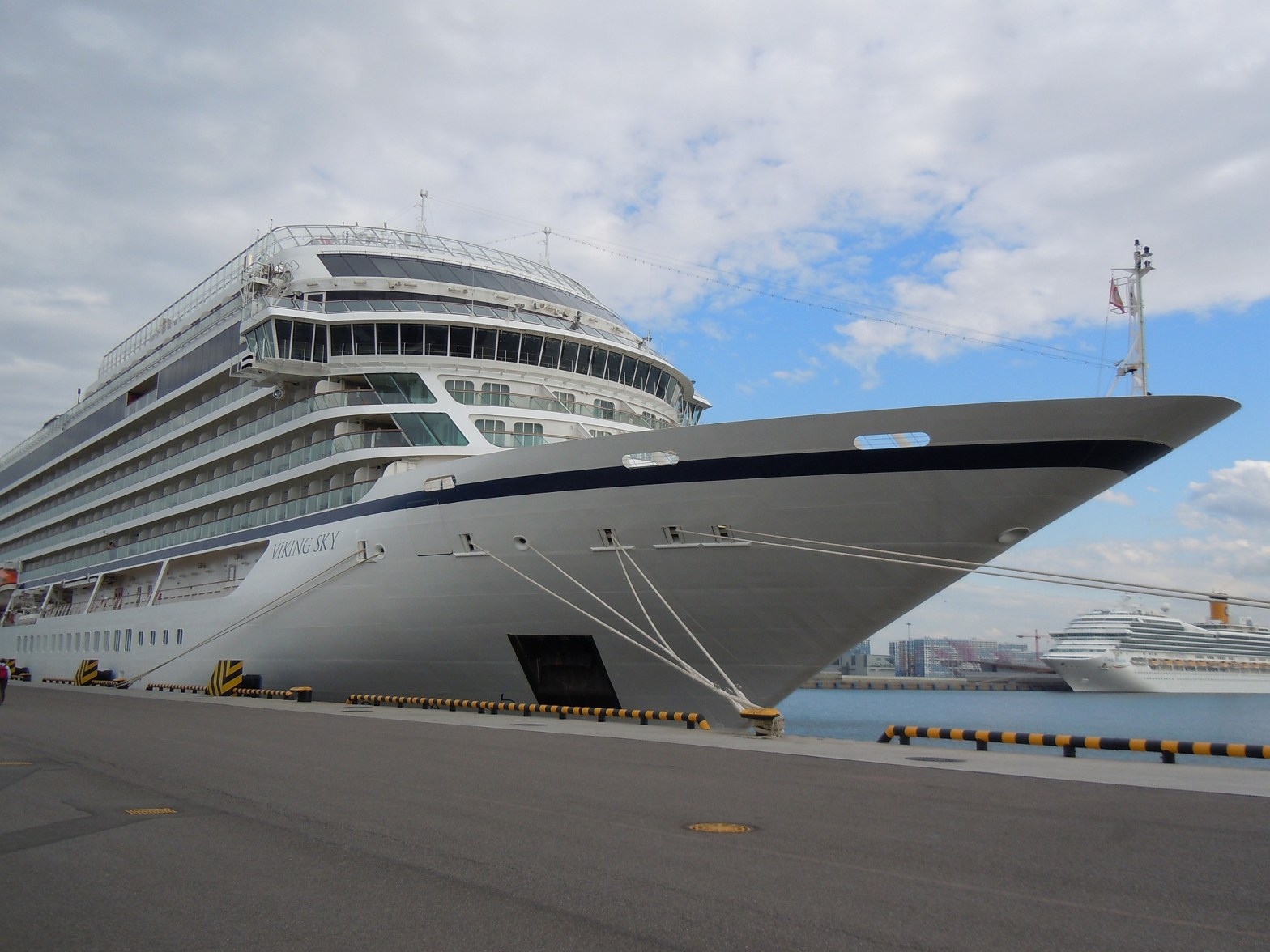
The Viking Sea ship docked at a Baltic port.

The “Viking Sea” ship docked at a Baltic port.

That itinerary follows the routes of the Hanseatic League, the medieval trading confederation that linked the countries of England, northern Europe, and Russia, and also the routes of the earlier, historical Vikings, who plied the waters of the Baltic, too.

Viking prides itself on focusing on the history and cultures of every country on its itineraries. So the cruise director on each ship schedules lectures about those destinations one or two days before the ship arrives in a port, to prepare passengers for the sights, sounds, and tastes of each new country they visit.

While the cruise ship guests are away during the day on shore excursions to a variety of places in those countries, the ship’s staff refills the vessel’s fuel tanks, cleans the guest rooms and public spaces, restocks food supplies, and prepares meals for hungry passengers when they come back on board. The singers, dancers, and musicians also use that time to rehearse their next shows on stage.

Cultural Stereotypes and Truths
So what does that have to do with Germany? Many cruise lines sailing in the Baltic dock at the busy German port of Warnemünde. I’ve lost count of how many times I’ve been to Warnemünde and the surrounding area, as a guest speaker on Viking, National Geographic-Lindblad, and Oceania cruises, as well as on press trips for journalists gathering new material for articles to write. But only on Viking cruises have I had the opportunity to present a 45-minute illustrated lecture about that entire country of Germany, a nation I often think of as “my second home.”

I begin with a short introduction telling how long I lived in Germany (15 years) and what I was doing there (teaching for the University of Maryland’s education programs at U.S. military bases, writing for the Stars and Stripes newspaper). I also mention that for 28 years I was a writer for German Life magazine in America, too. Then I launch into my lecture: “Germany: Land of Laptops and Lederhosen.”

A lecture on “all-of-Germany” in 45 minutes? How is that possible? Not easy without being superficial, I assure you. And that’s exactly how I begin my lecture, showing pictures of the stereotypes that many people have about Germany: Men in Lederhosen. Women wearing Dirndls. Oompah bands and choral groups clothed in traditional Trachten, too. Half-timbered houses and fairy-tale castles. Foaming mugs of beer. Strings of sausages. Pretzels!

Then I point out that stereotypes often contain a grain of truth. But they’re only one part of a many-faceted story (or country), factors that exist side-by-side with all of them being true simultaneously.

Modern Germany – Regions and Festivals
So I segue easily into modern Germany: High-speed highways. High-speed trains. High-tech industries. High fashion. Avant-garde art and architecture. Michelin-starred restaurants and Turkish döner kebab stands. And all those oh-so-wonderful German breads and pastries!

There’s no way anyone could condense centuries of German history into such a lecture. So I focus on Germany today, starting with Berlin and the country’s government (with a nod to the rise and fall of the Berlin Wall), and an overview of Germany’s population, literacy rate, national health insurance program, religions, and economy. The rest of my presentation is about the characteristics of its four main regions, from North to South, East to West, including those regions’ differing landscapes, architecture, industries, and cuisines. Then I conclude with—what else?—Oktoberfest! That world-renowned German beer festival brings me full circle back to the beginning of my lecture: The coexistence of stereotypes and deeper, often contrasting, realities in Germany today, a land of computers and cowbells indeed.

Viking Ships and Excursions
Viking’s ocean vessels carry 960 guests, plus a large, well-trained crew. While in port, most of the passengers head off on shore excursions, and even some of the ship’s employees have a few hours of shore leave, too. When the ship is docked in Warnemünde, Viking offers half-day and full-day excursions to several locations in northern Germany: the Hanseatic cities of Rostok, Lübeck, and Wismar; a classic 19th-century spa town reached by steam train; the magnificent castle in Schwerin; the grim concentration camp at Sachsenhausen.

But the most popular destination is Berlin—six hours round-trip by special train, plus six hours of touring various parts of the city and its historical sites, by chartered buses and on foot with knowledgeable guides, or just exploring Berlin on your own. One excursion even includes lunch at the Reichstag, along with a special tour of that iconic building so important in Germany’s history.

Clockwise from left: The German Reichstag in Berlin, as seen from the Spree River.
The modernistic Marie-Elizabeth-Lueders-Haus government building near the Reichstag in Berlin.
The facades of many Berlin buildings are best viewed from a boat ride on the Spree River.

On my first Baltic cruise with Viking, the only time available for my Germany lecture was at 9 p.m. on the night before we docked at Warnemünde. Since half the 960 guests on that ship had signed up for the 12-hour shore excursions to Berlin the next day—and since they all had to get up at 5 a.m. to board the train at 6 that morning—I expected only a few people to attend my lecture that night. After all, passengers could always watch a video of it on television in their own cabins, any time later during the cruise. So I was surprised when half the ship showed up for that introduction-to-Germany lecture, filling the lecture hall.

The next evening we all returned from Berlin, tired but happy, after a full day of riding the rails through the German countryside, visiting one of the world’s great capital cities, and learning so much about Berlin’s special place in history. But another treat awaited us back in Warnemünde. A red carpet led from the cruise ship terminal across the pier to the ship’s gangway. Lined up along the sides were the ship’s officers and staff, from the captain to the cabin cleaners. At the terminal each guest was handed a glass of sparkling wine, which we all tried to balance in one hand while dancing along the red carpet to lively music, with many of the crew joining in, as we made our way back to the ship.

Top: One of the modernistic fountains in Rostock, a shore excursion destination on Viking Baltic cruises.
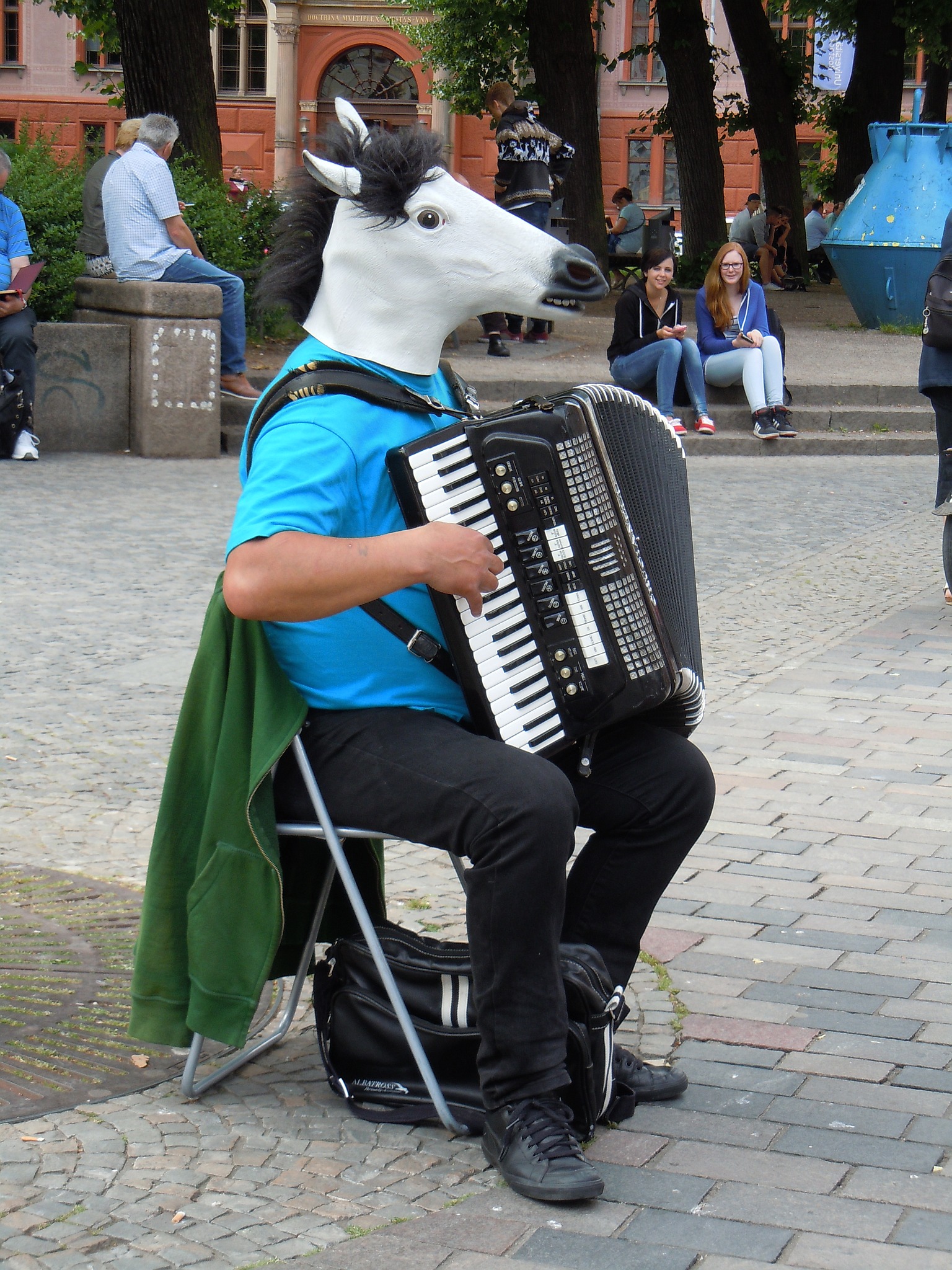
Lower left: Street musician in Rostock, one of the cities on shore excursions from Viking ships docked at Warnemünde, Germany, on Baltic cruises.
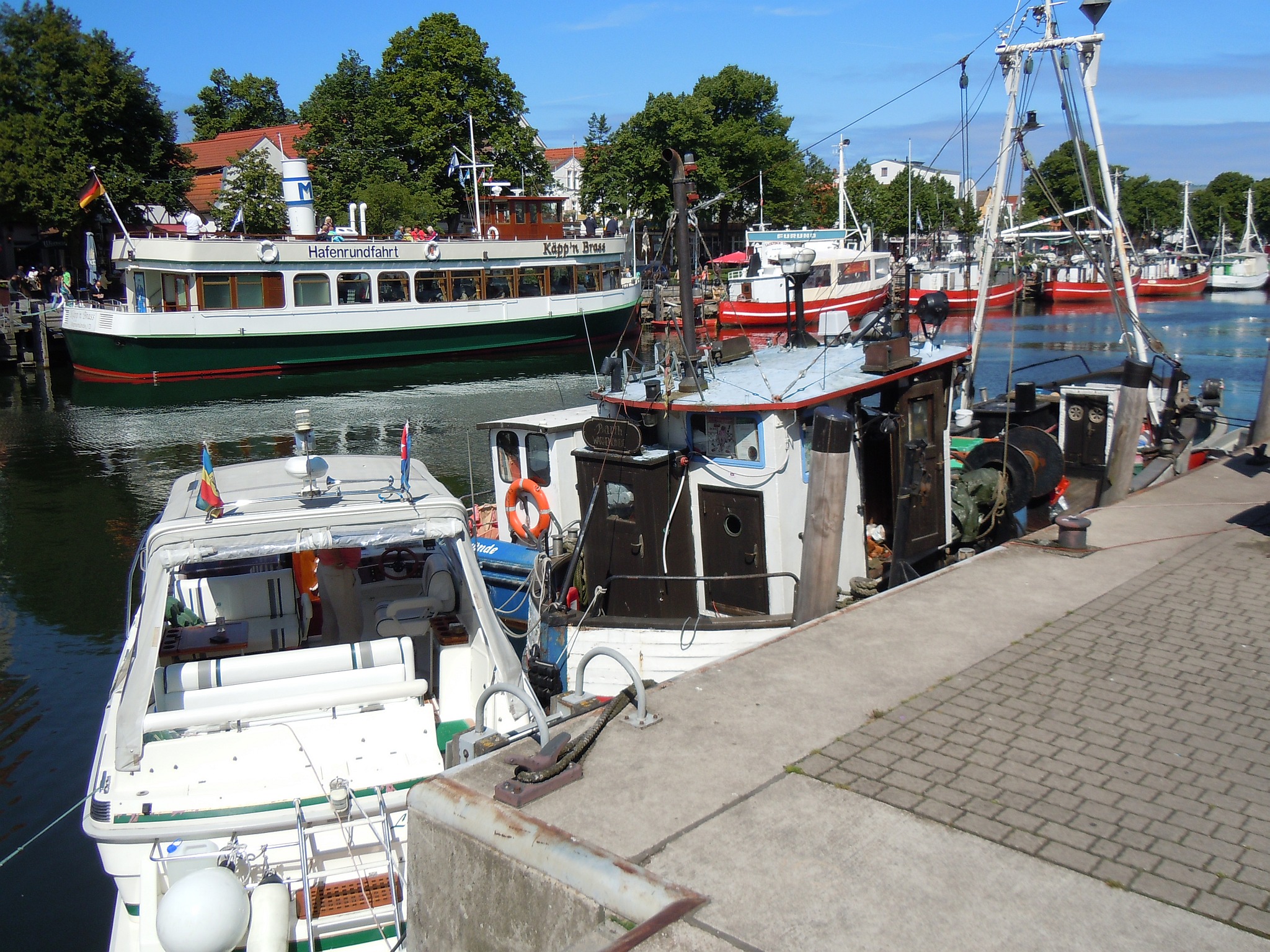
Middle and lower right: The colorful Alter Strom inner harbor at Warnemünde is always filled with small fishing boats and sightseeing boats.

German Culinary Delights on Deck
Dinners on board that evening featured traditional German specialties, from Sauerbraten to Schnitzel, Black Forest Cherry Cake to Bavarian Cream. And of course plenty of German beers and wines, too! As we sailed away from Warnemünde, the only regret for me was leaving a country where I have such deep roots. But we still had five other Baltic countries to visit on that cruise, so who was I to complain about new adventures awaiting the next day? And there was always the prospect of another cruise, or even a different kind of job, bringing me back to Germany in the future.

One of the greatest rewards of working on tours in Germany has been introducing other people to such a fascinating country. Nothing compares with the feeling I get when a member of our tour group comes up to me and says, “Thank you for your lecture about Germany. Because of you, I saw the country with different eyes when we were there.”

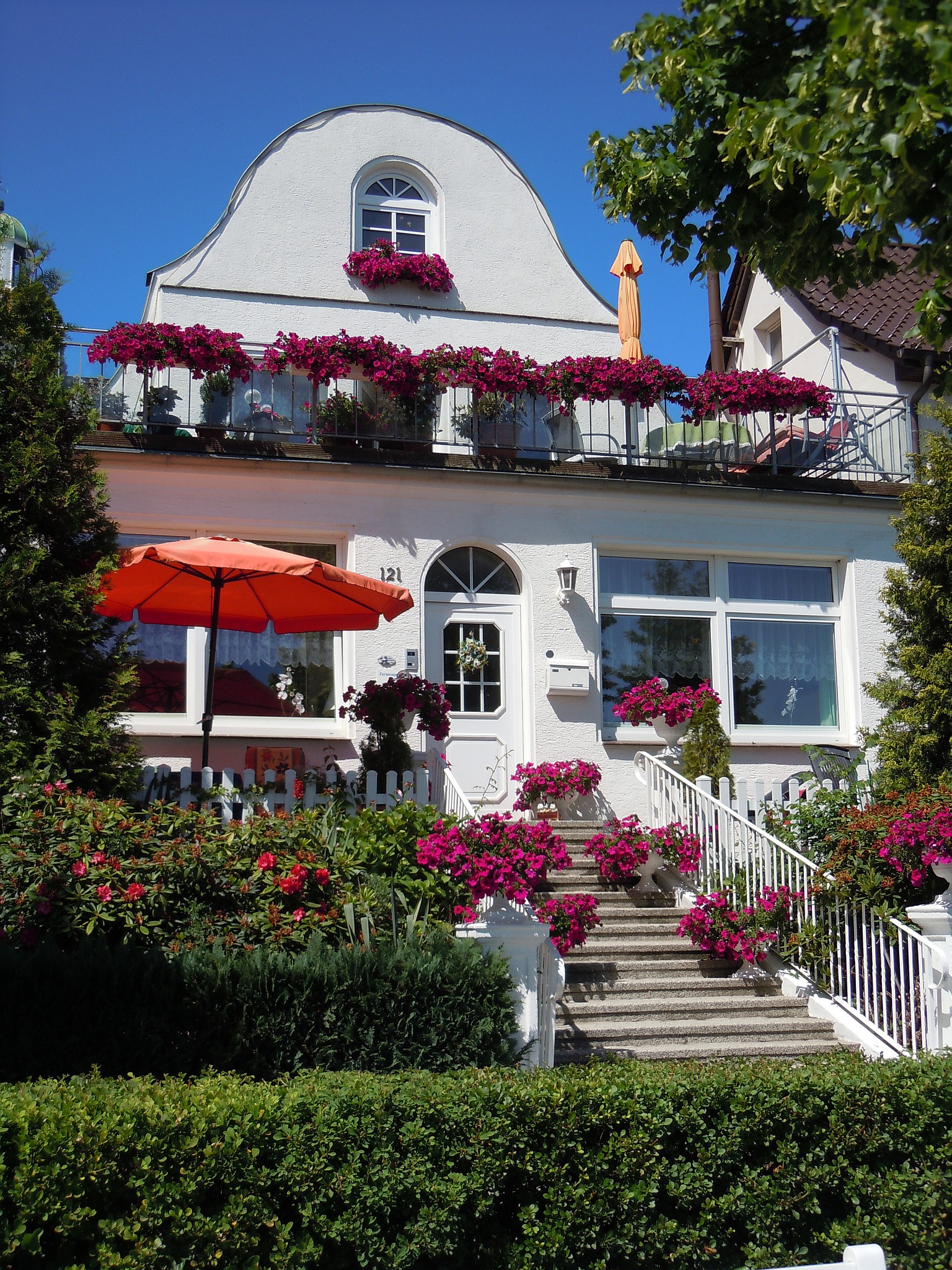
Left: One of the many pretty villas overlooking the waterfront at Warnemünde.
Right: Sand sculpture at the cruise ship dock in Warnemünde.


Sharon Hudgins is a professional writer and a lecturer on educational tours to Europe, Alaska, and North Asia. See more at www.sharonhudgins.com

Visit Viking Cruises to explore cruise destinations and itineraries.


🔍 Search the site to discover more European Traveler feature stories. 🌍

FOLLOW US:

Discover Nürnberg’s Many Medieval Layers

Story and Photos by Alison Ramsey

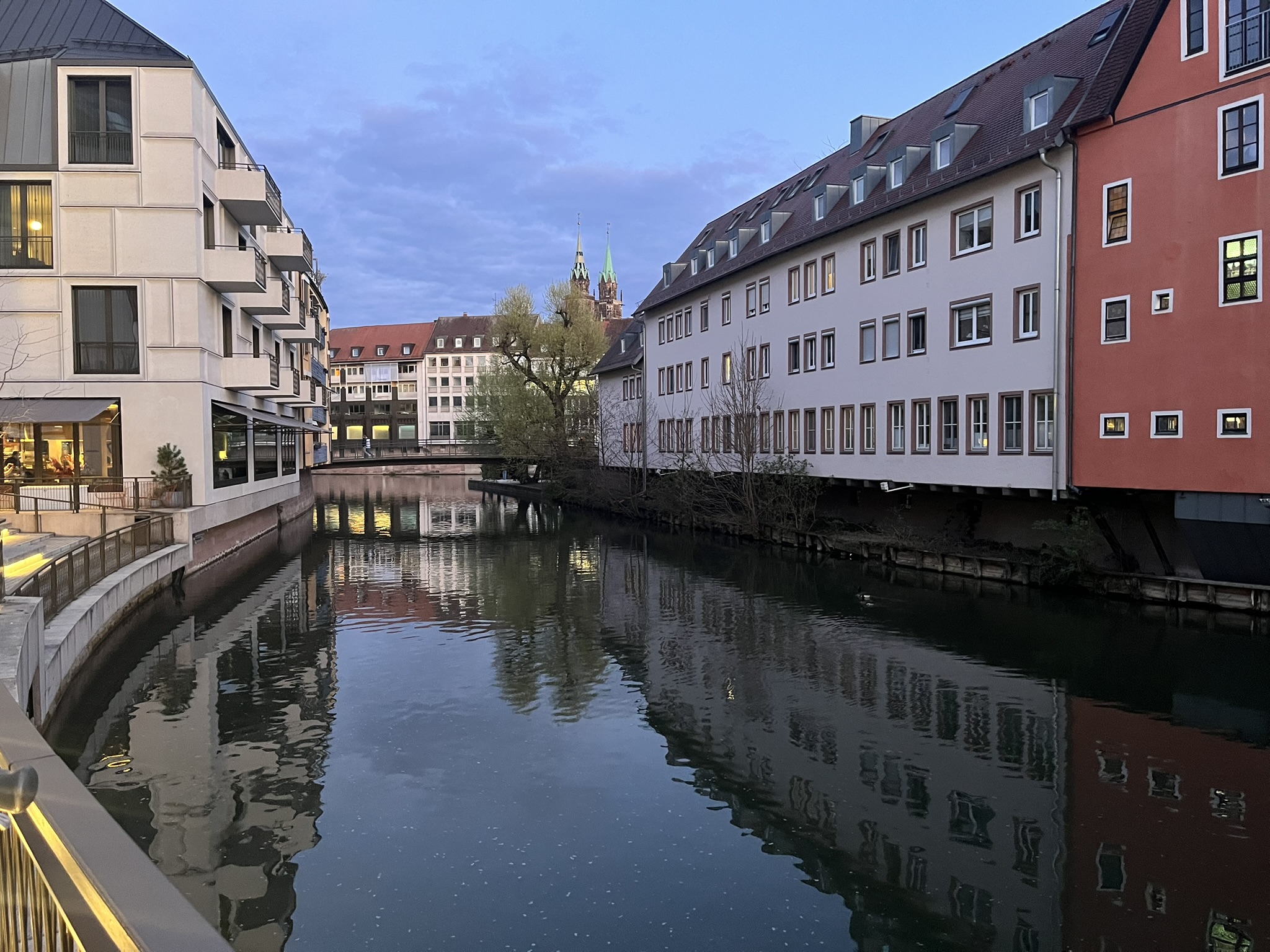
Nürnberg, Germany, is full of rich medieval history, with plenty of myths and mystery. The largest city in the northern region of Bavaria, often referred to as the unofficial capital of Franconia, Nürnberg displays a unique Franconian identity in terms of its culture, architecture, cuisine, and historical political structures. Explore all angles and layers of the city to learn more about what makes Nürnberg unique.

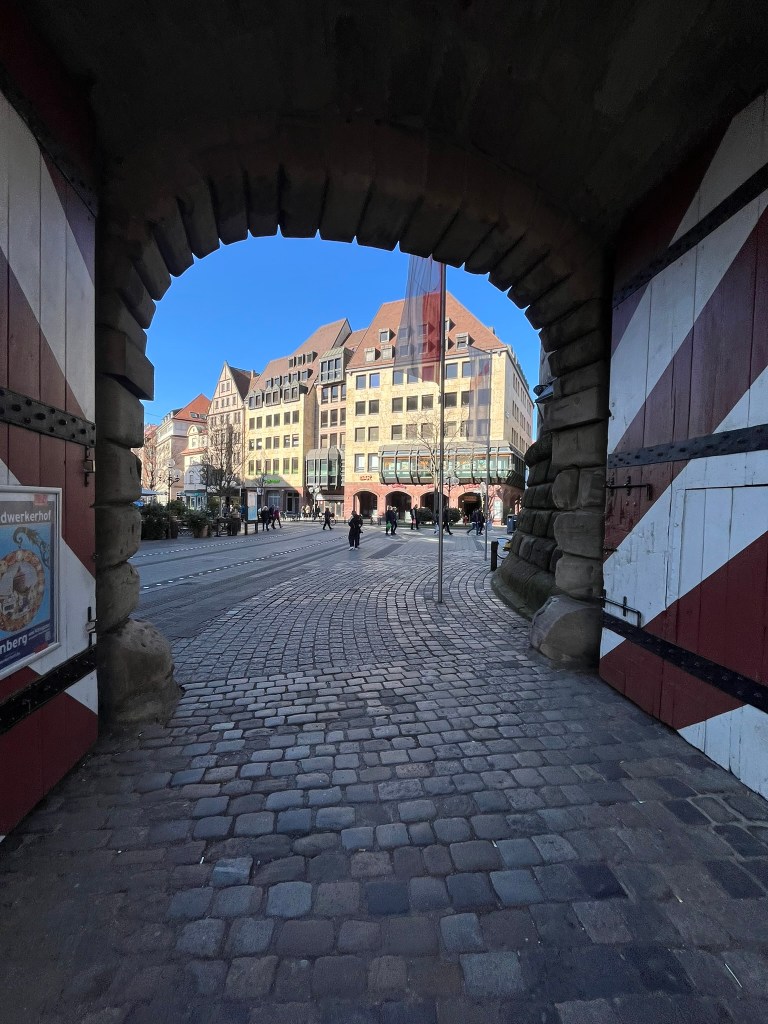
Nürnberg is easily entered through the Frauentorturm, directly across from the city’s main train station.

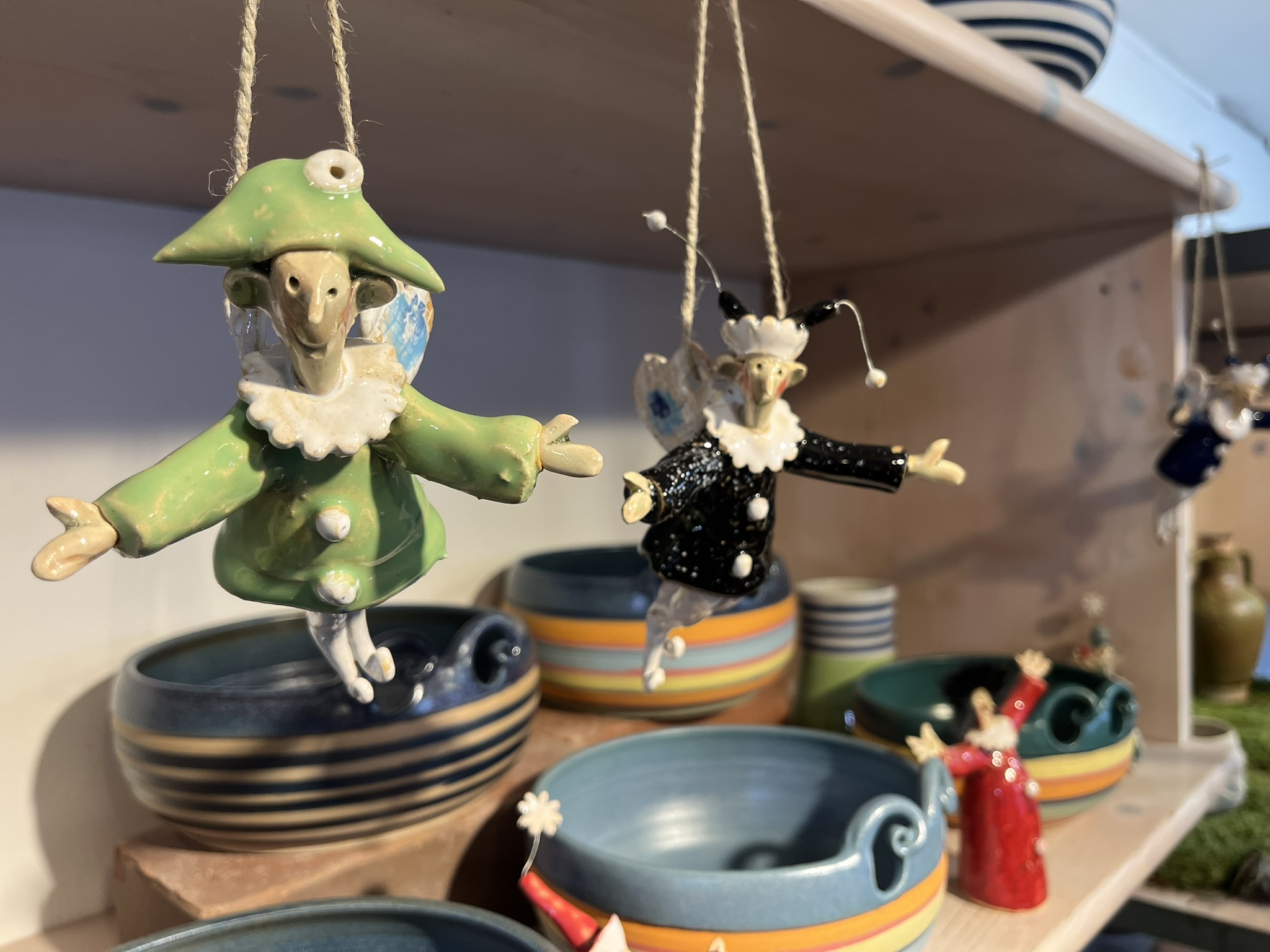
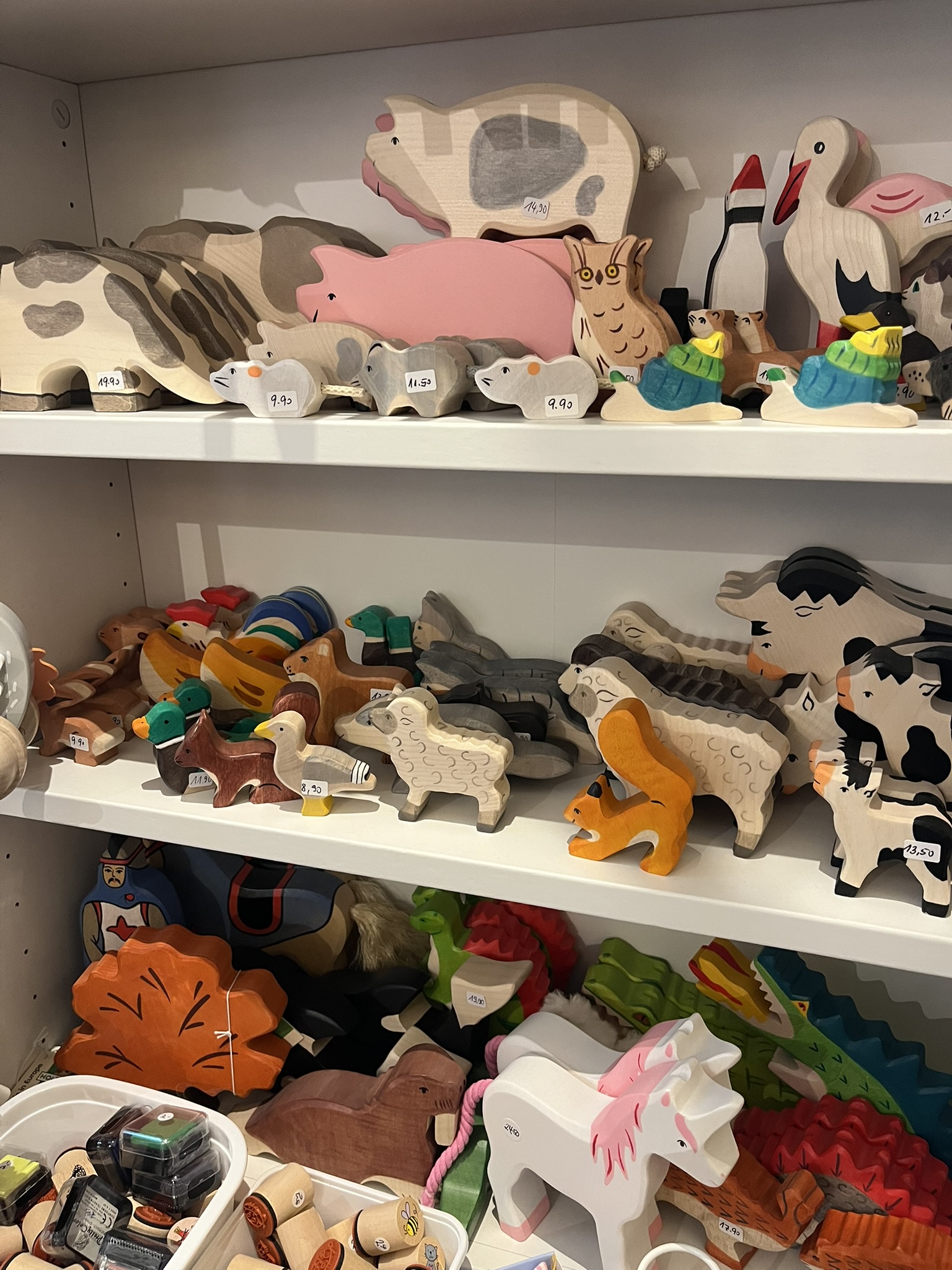
Enter the city through the base of the Frauentorturm (Women’s Gate Tower), and you’ll immediately find the first attraction in the initial interior lining. Craftsmen’s Courtyard is a collection of cottage industries behind the thick city wall, where small half-timbered workshops are labeled with antique signs and ornate metal fittings. Craftworkers here create pottery, glassware, candles, jewelry, leatherwork, and wooden wares. These traditional and unique gifts handmade by local artisans include leather bracelets, wallets, belts; carved wooden animals, toys, keychains, hand-carved pens, cutting boards, and kitchen utensils. Set amongst colorful flowering plants and bright-potted greenery, cafes and restaurants in this idyllic city segment serve tasty snacks, cakes, and invigorating coffee drinks.

Handcrafted gifts and homemade treats await in the Craftsmen’s Courtyard.

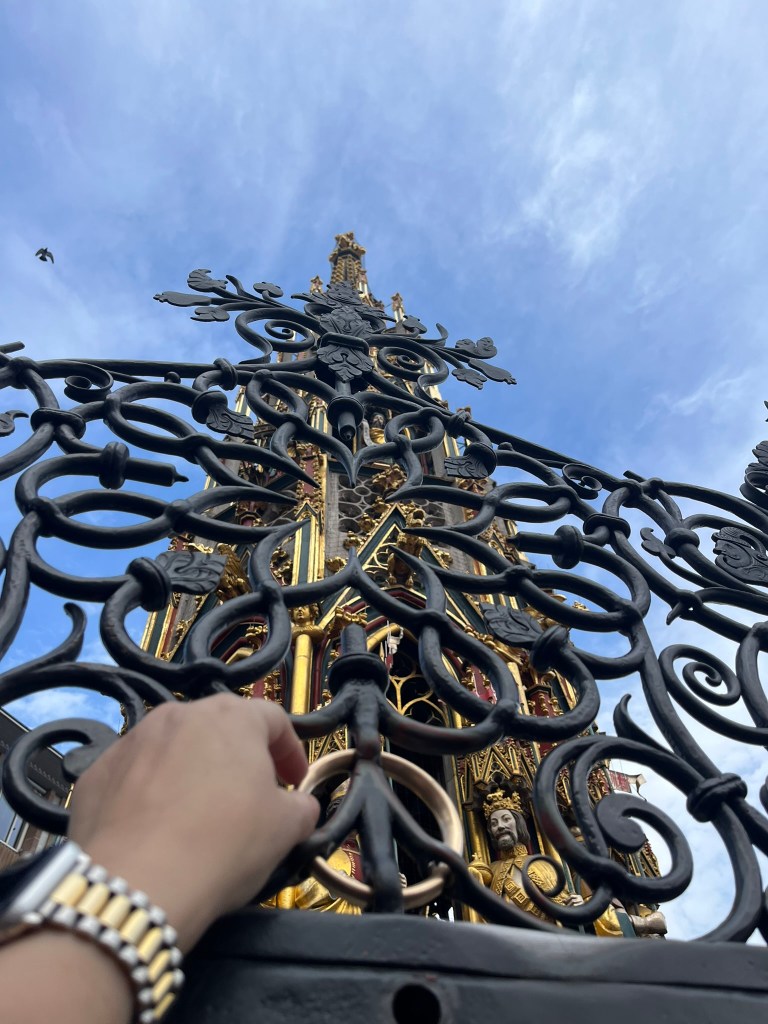
The Old Town’s Hauptmarkt (main market square) holds the famous Schöner Brunnen (Beautiful Fountain), an intricate 14th century 62-foot-high Gothic structure encircled by a metal railing. Forty stone figures on four of the piece’s many tiers represent the world’s varied beliefs and philosophical ideas about the Holy Roman Empire during the medieval period—in the form of church and secular leaders, evangelists, prophets, philosophers, and biblical characters. Set within the intricate railing design is a small golden ring, and legend dictates that turning this shiny brass ring three times fulfills wishes and brings good luck.  

Turn the Beautiful Fountain’s brass ring three times to make your wish come true!

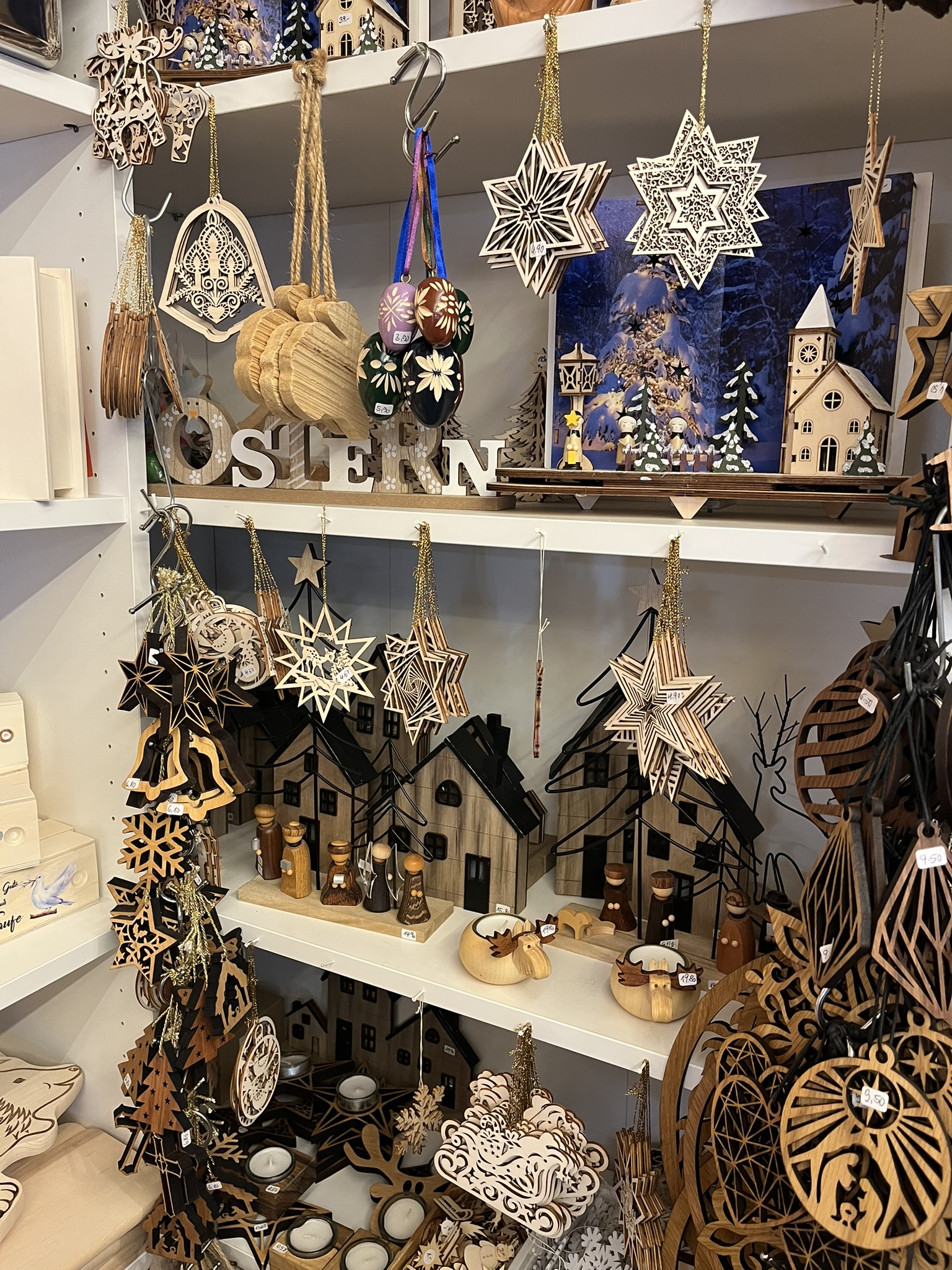
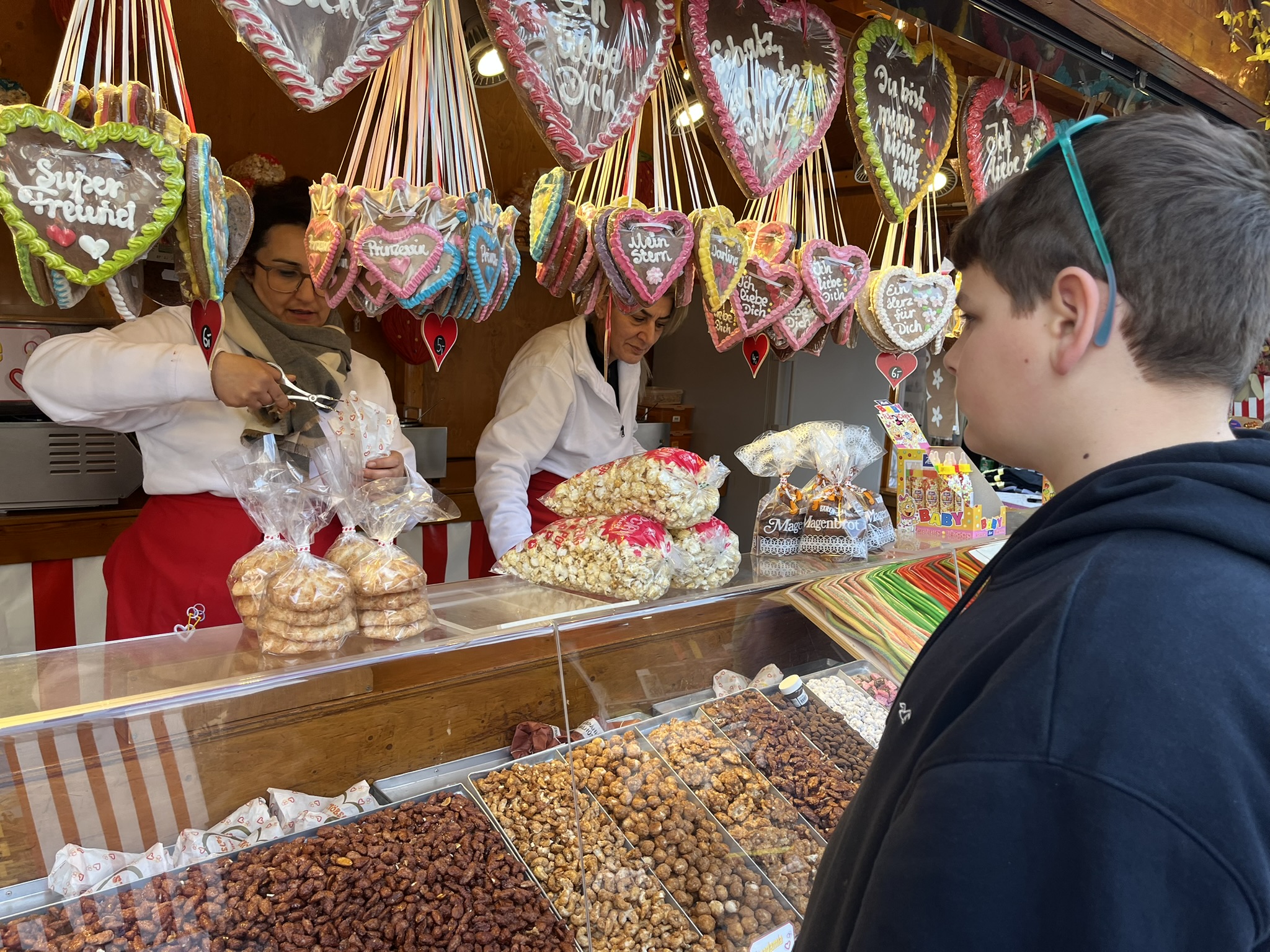
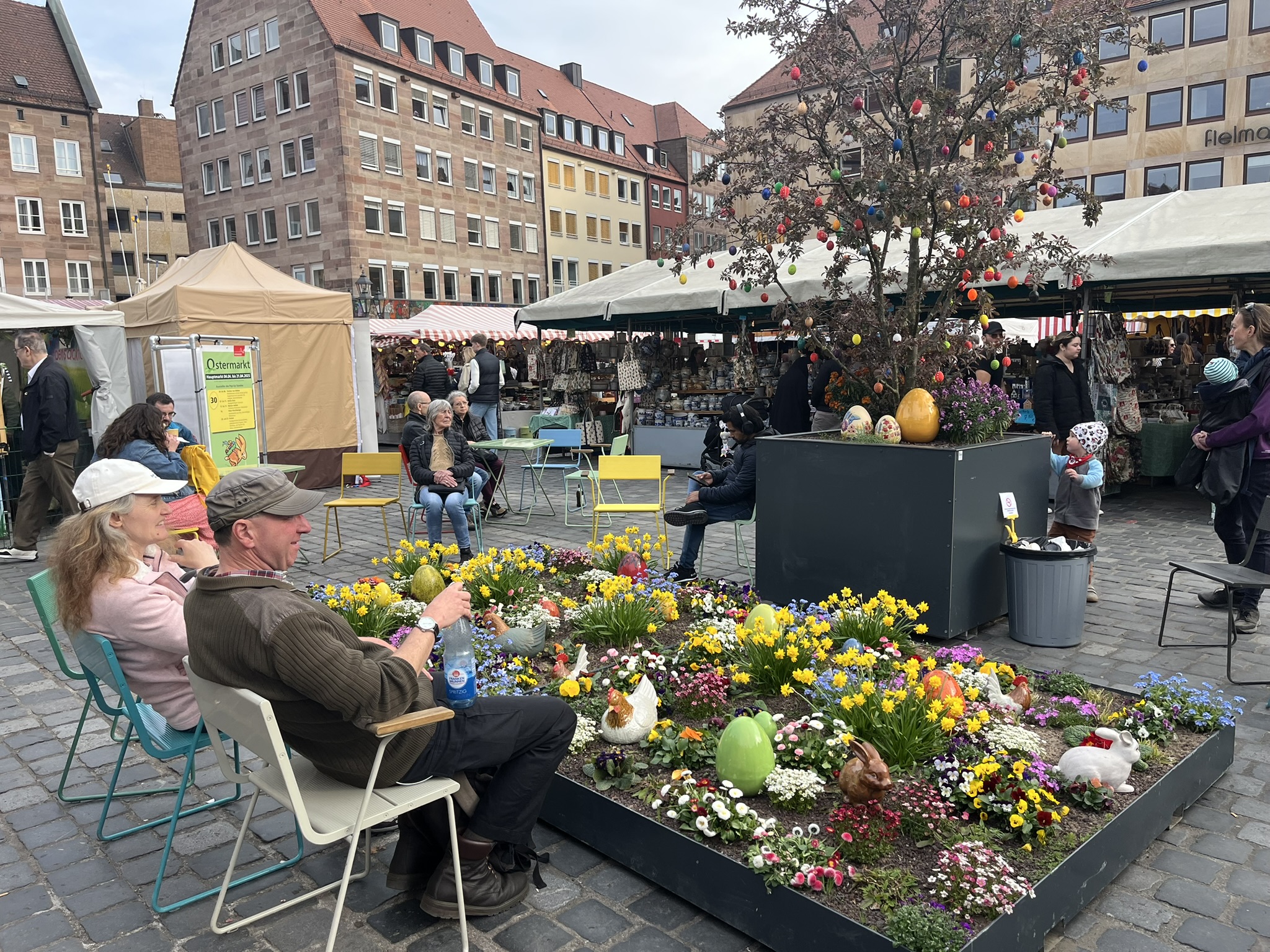
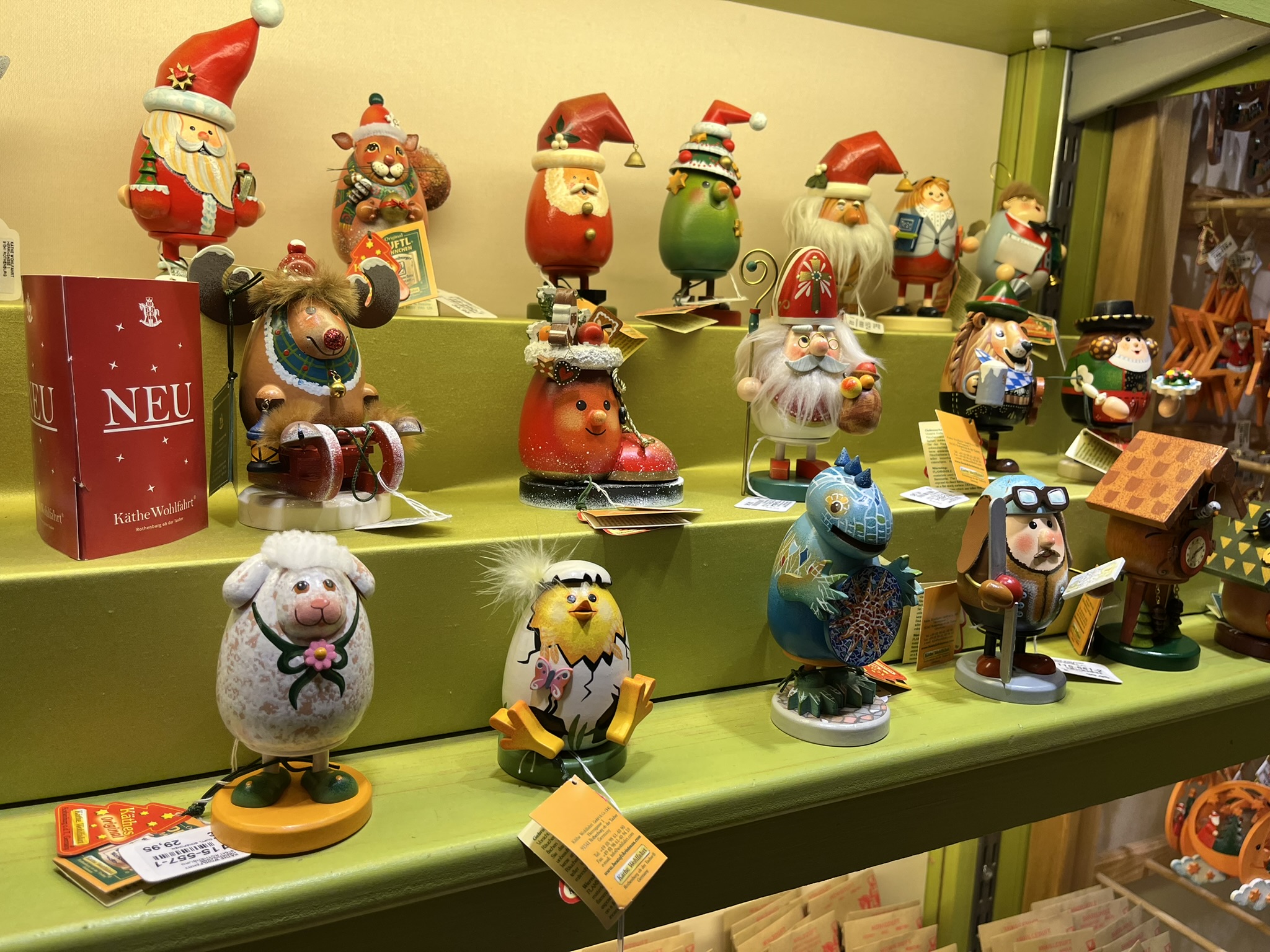
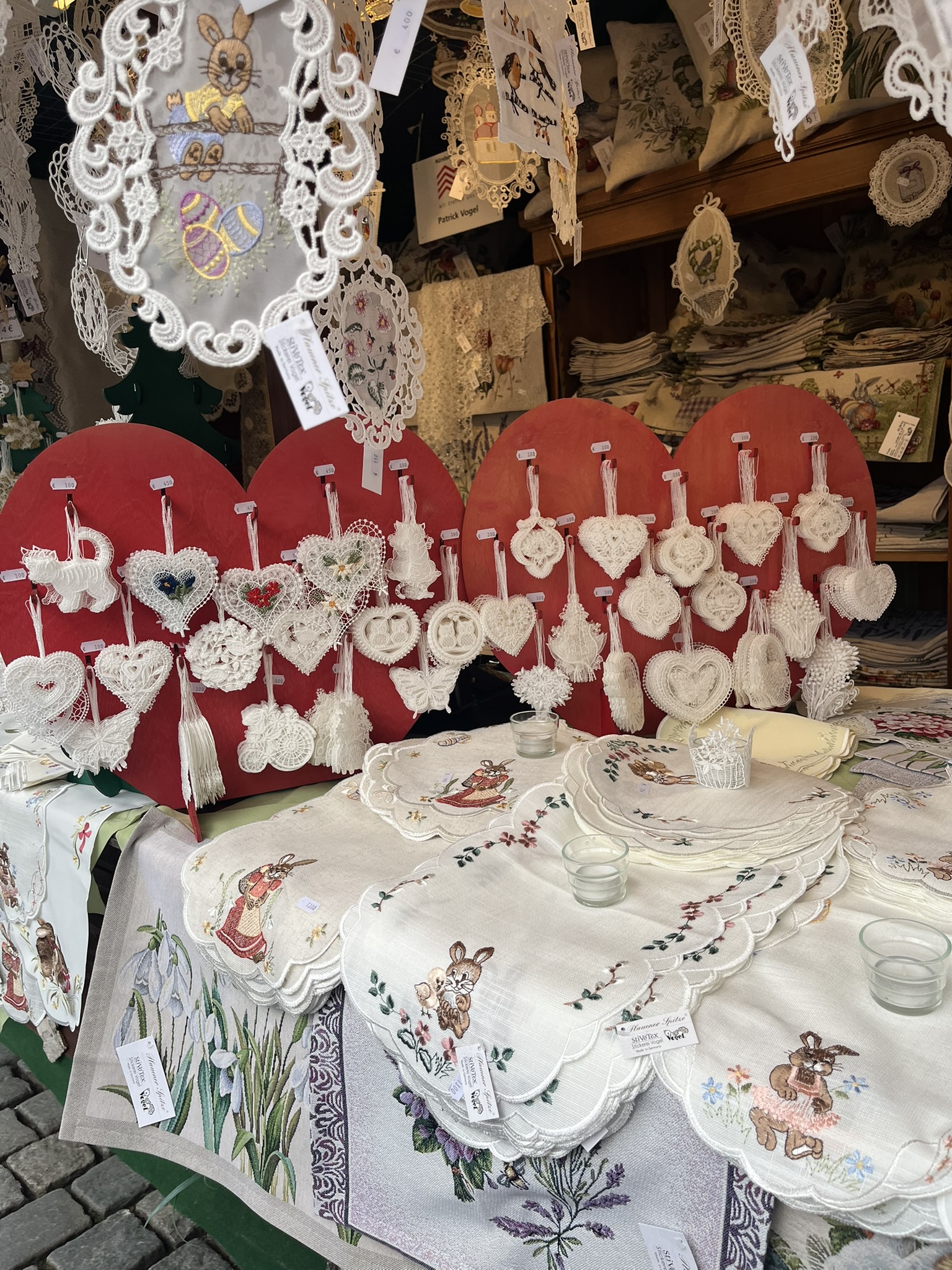
Right here in the main market square is where the wintertime Christkindlesmarkt Christmas market is held, but during springtime, you can find a festive Easter market in its place. Shop for leather goods, wooden crafts, embroidered linens, woven socks, wine, spring home décor, pottery, and plush toys. Try the made-on-site fried dough with powdered sugar Küchle (little cake), sugared roasted nuts, and gingerbread cookies. Of course, if you’re missing the Christkindlesmarkt, stop into the Käthe Wohlfahrt specialty shop in town to stock up on Erzgebirge handmade Christmas pyramids, incense smokers, ornaments, and toys.

The main square houses winter and spring markets filled with handcrafted wares and tasty snacks.

Nürnberg provides many restaurant options for a delicious, full sit-down meal. Zum Gulden Stern is the city’s oldest existing historical bratwurst kitchen—and the oldest in the world—dating back to 1419. Here, the famous, original Nürnberg sausages (branded as the Original Nürnberger Röstla®) are grilled over a beechwood fire in a building built around 1380. The sausages are prepared with traditional spices like mace (a sister spice to nutmeg), marjoram, salt, and pepper, by the family-run Pfettner butcher shop in Nürnberg. The characteristic smoke and aroma of beechwood infuse this delicacy with unique flavor. The sausages served at Zum Gulden Stern are never boiled or pre-fried; instead, they are placed on the grill white and raw, cooked for about 7 minutes, and then removed once the tops and bottoms are evenly browned and crispy. (Consider also visiting the Nürnberg Bratwurst Museum, which presents the myths and legends surrounding these small 7-9cm sausages the town is known for.)

Zum Gulden Stern is a historic restaurant that serves the city’s famous mini sausages.

Barrel-fermented sauerkraut grown by the Wehr family in the Aischgrund region is cooked and seasoned at Zum Gulden Stern with fresh pork lard. The vegetables, horseradish, and wines served at the restaurant are all sourced from family-owned businesses in the region, and the dishes are substantial and savory. This tavern survived all the wars, likely hosted famous Middle Ages painter Albrecht Dürer, and still serves up delicious daily-prepared meat-and-vegetable soups and famous sausages. In addition to the interesting antique wall art, the colorful wooden ceiling is patched with old brightly painted cupboard panels, to cover holes made where weighty drunken guests from older days had fallen through from the upper level.

Step into history while dining at Zum Gulden Stern, where famous Middle Ages painter Albrecht Dürer is said to have frequented.

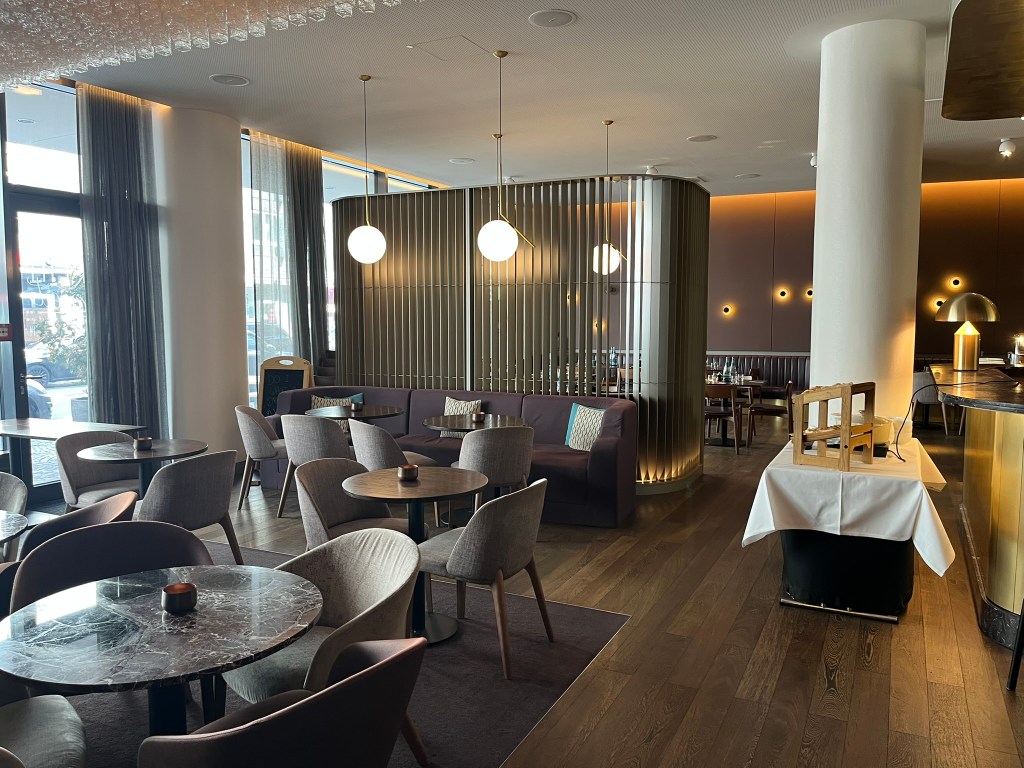
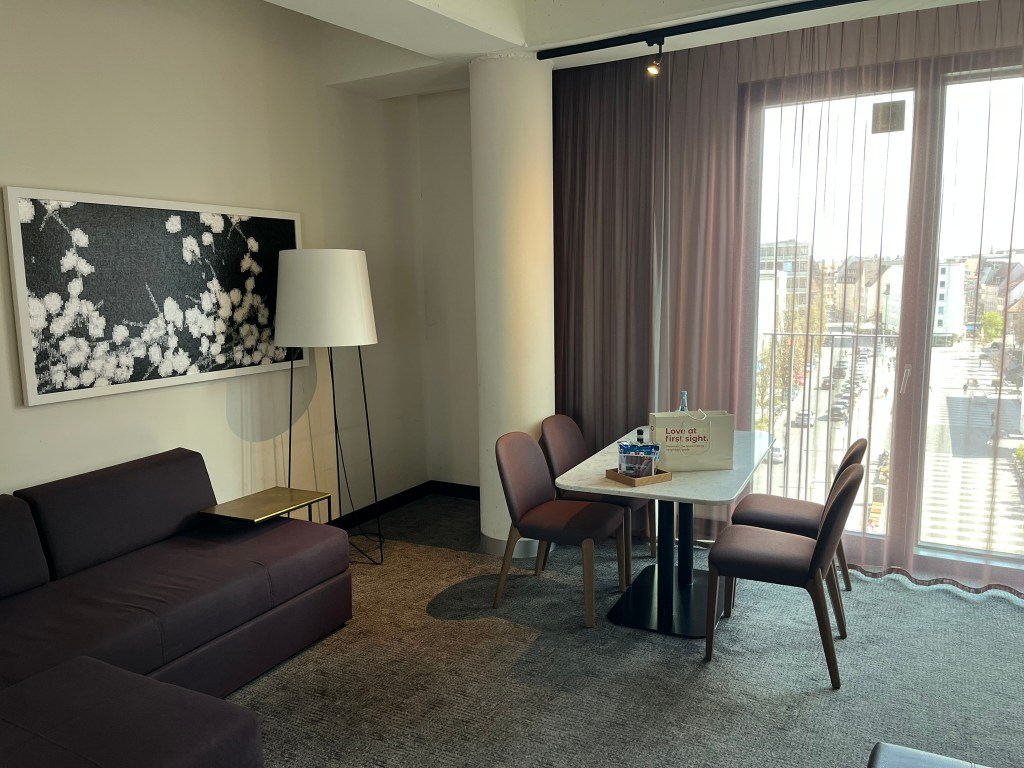
Adina Apartment Hotel, about a 12-minute walk from the main train station, in the heart of the city, is a comfortable, clean, and convenient place to overnight in Nürnberg. The spacious studios and one- and two-bedroom apartments have fully equipped kitchens, cozy linens, and vegan personal care products, and the hotel is upscale but relaxed and inviting. Friendly, efficient, and attentive staff, and fast and accommodating room service make this an exceptional lodging choice. Breakfast in the downstairs dining area is varied and colorful, with many tasty options to help kick-start your day—fresh juices, lattes, meat and cheese platters, vegetables, cereals, dried and fresh fruits, fish filet cakes, pancakes and rolls, sweet breads, jams, eggs, and hot breakfast meat dishes (including the city’s famous sausages). After a day exploring the town, the lap pool and sauna area provide just enough space for a refreshing evening swim and relaxation in the dry heat.

Adina Apartment Hotel is a cozy place to lodge, with activities for guests of all ages.

Be sure to buy a Nürnberg Card online or at one of several Tourist Information stands, to receive a variety of free admissions and discounts. The Nürnberg Card allows you 48 hours of free access to almost all the city museums and attractions as well as free public transportation.

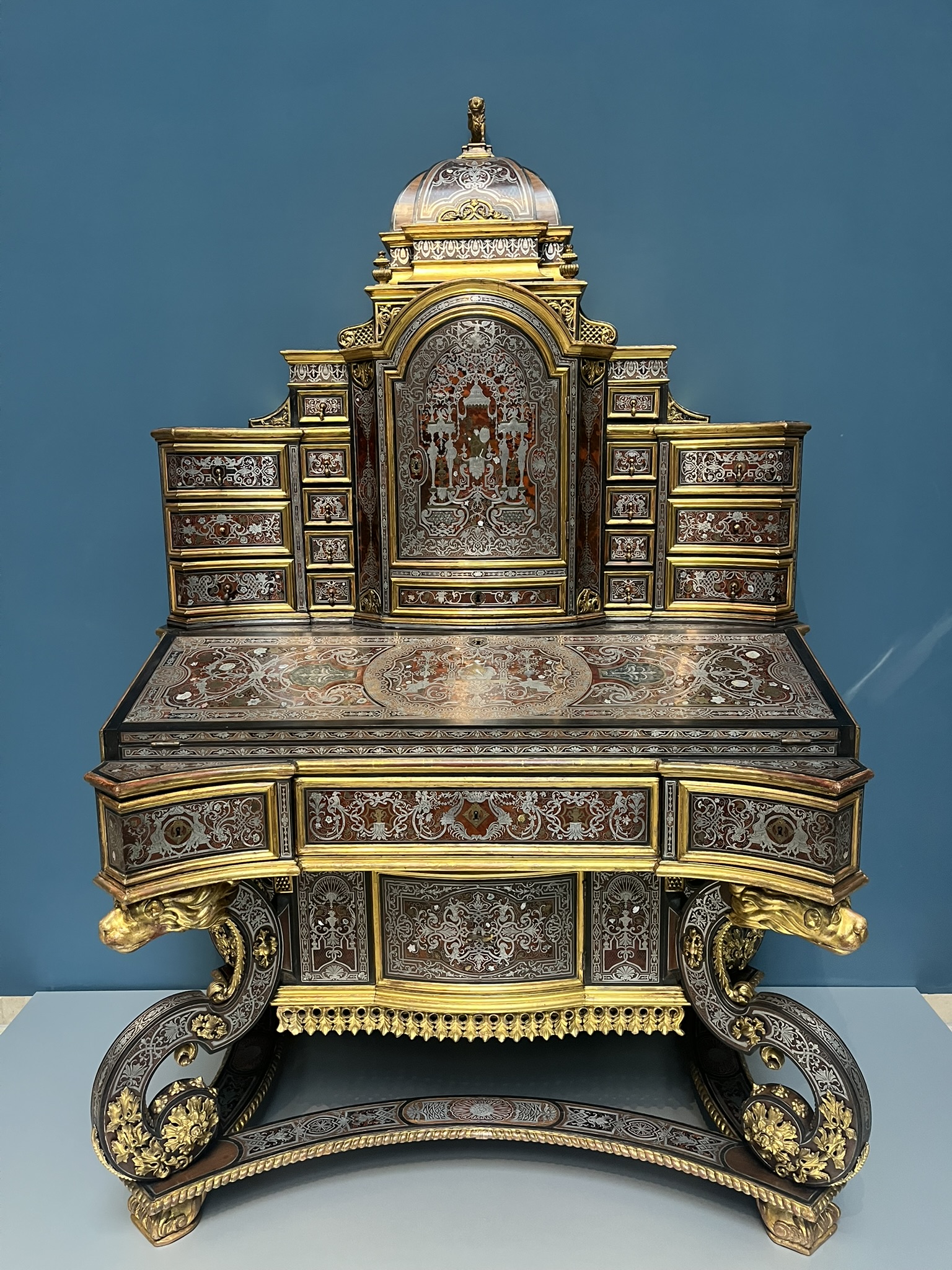
A three-minute walk down the street from the Adina Apartment Hotel takes you to the Germanisches Nationalmuseum (German National Museum), the largest cultural history museum in the German-speaking countries. Here, you can explore five exhibition areas on three levels of the museum—artifacts from the Old Stone Age to the Middle Ages, collections from Renaissance to Enlightenment, and 20th Century masterpieces—there are multitudes of treasures to examine. The armor and hunting exhibition is especially expansive, with case after case of intricate weaponry. You’ll also find an impressive array of musical instruments, jewelry, sleighs, sculptures, and paintings.

The German National Museum exhibits magnificent artifacts from all eras.

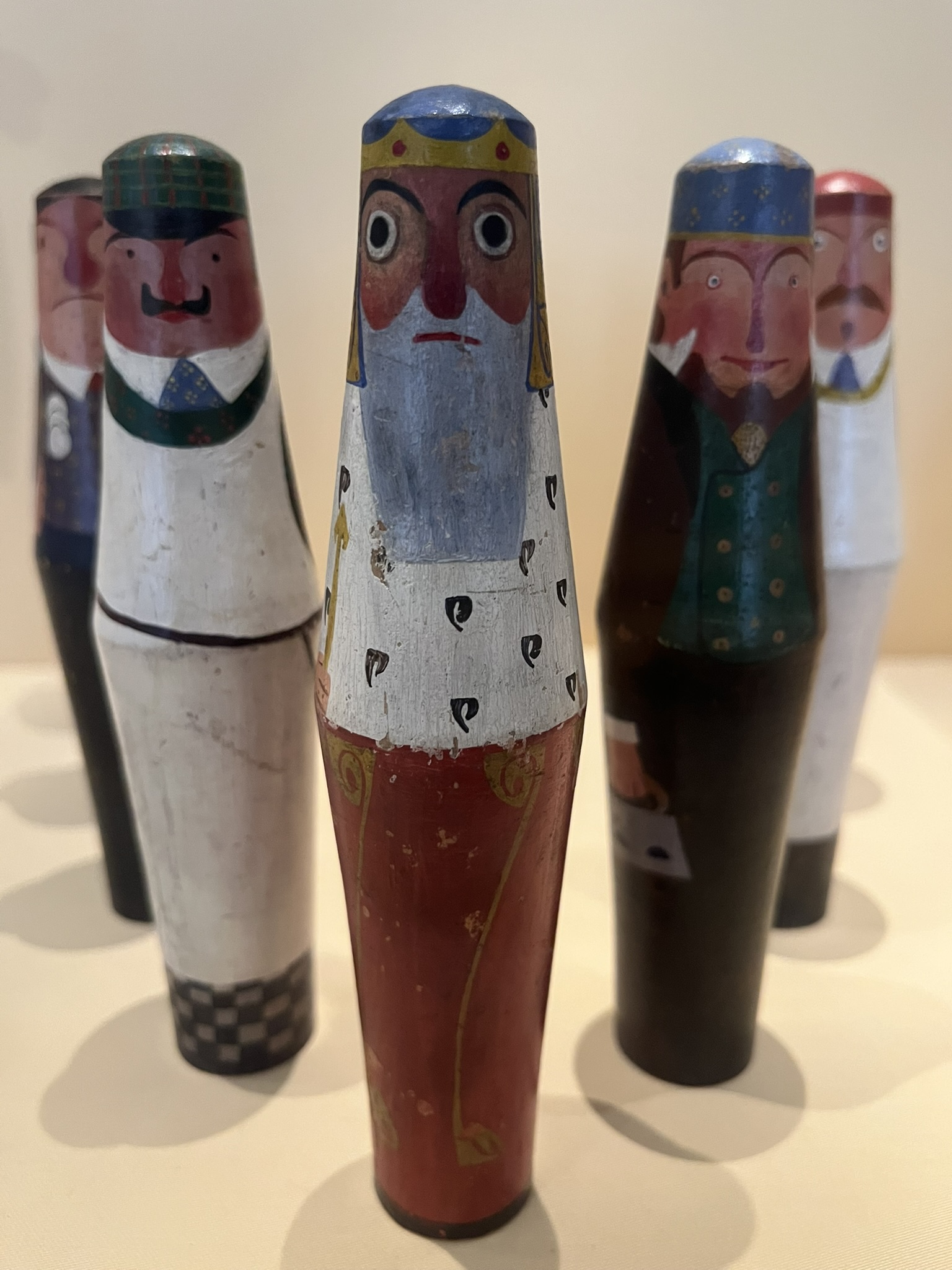
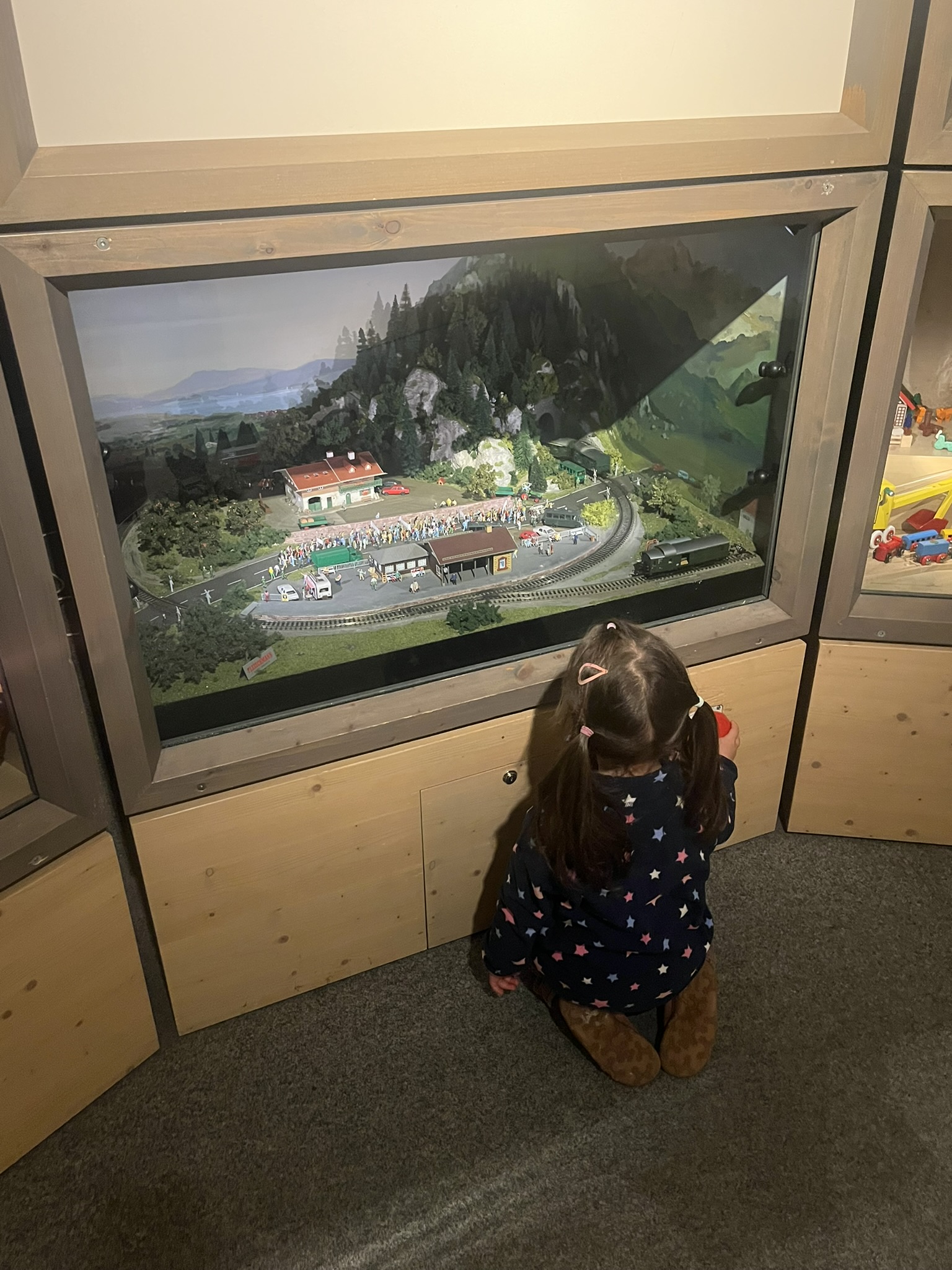
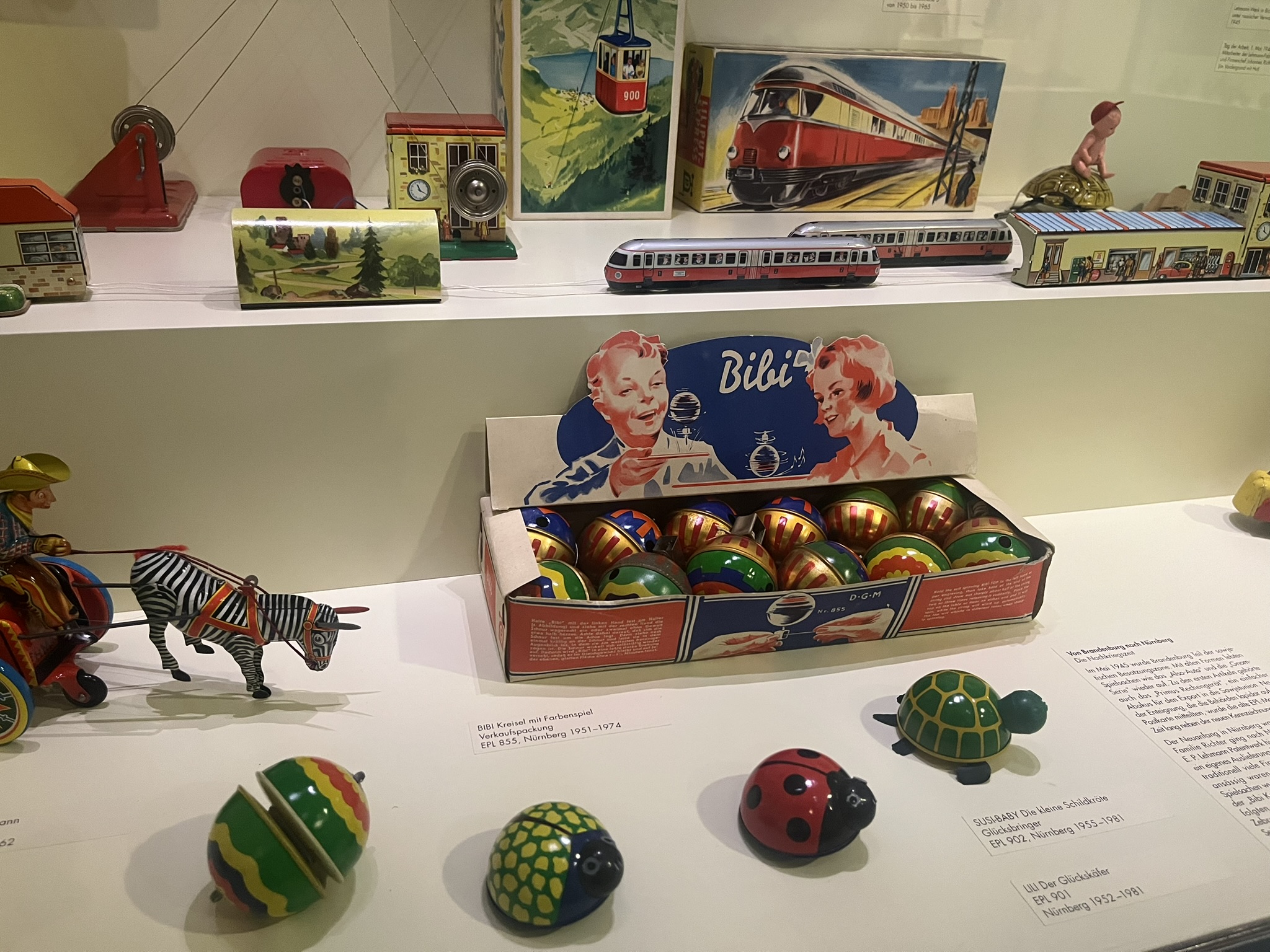
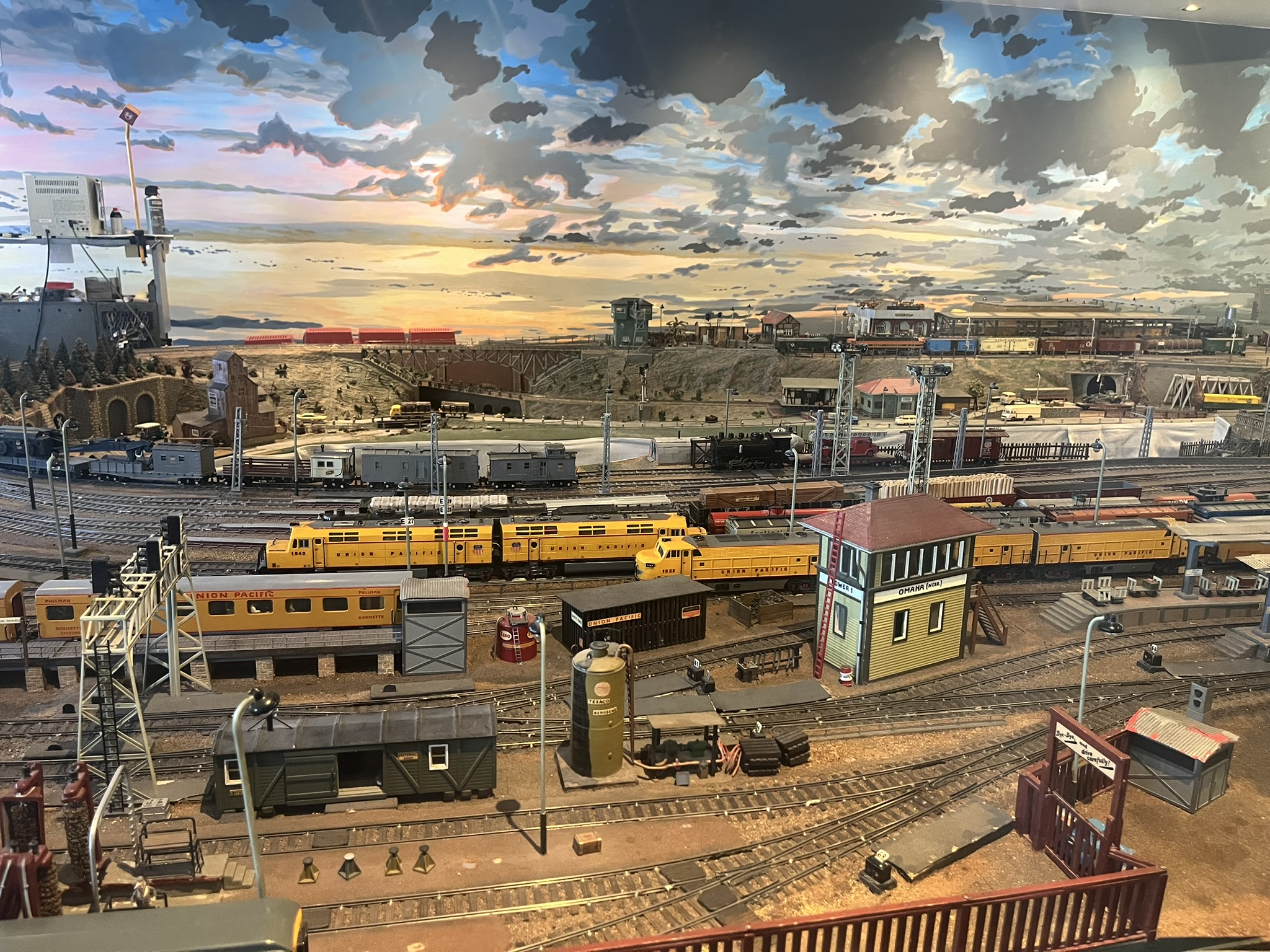
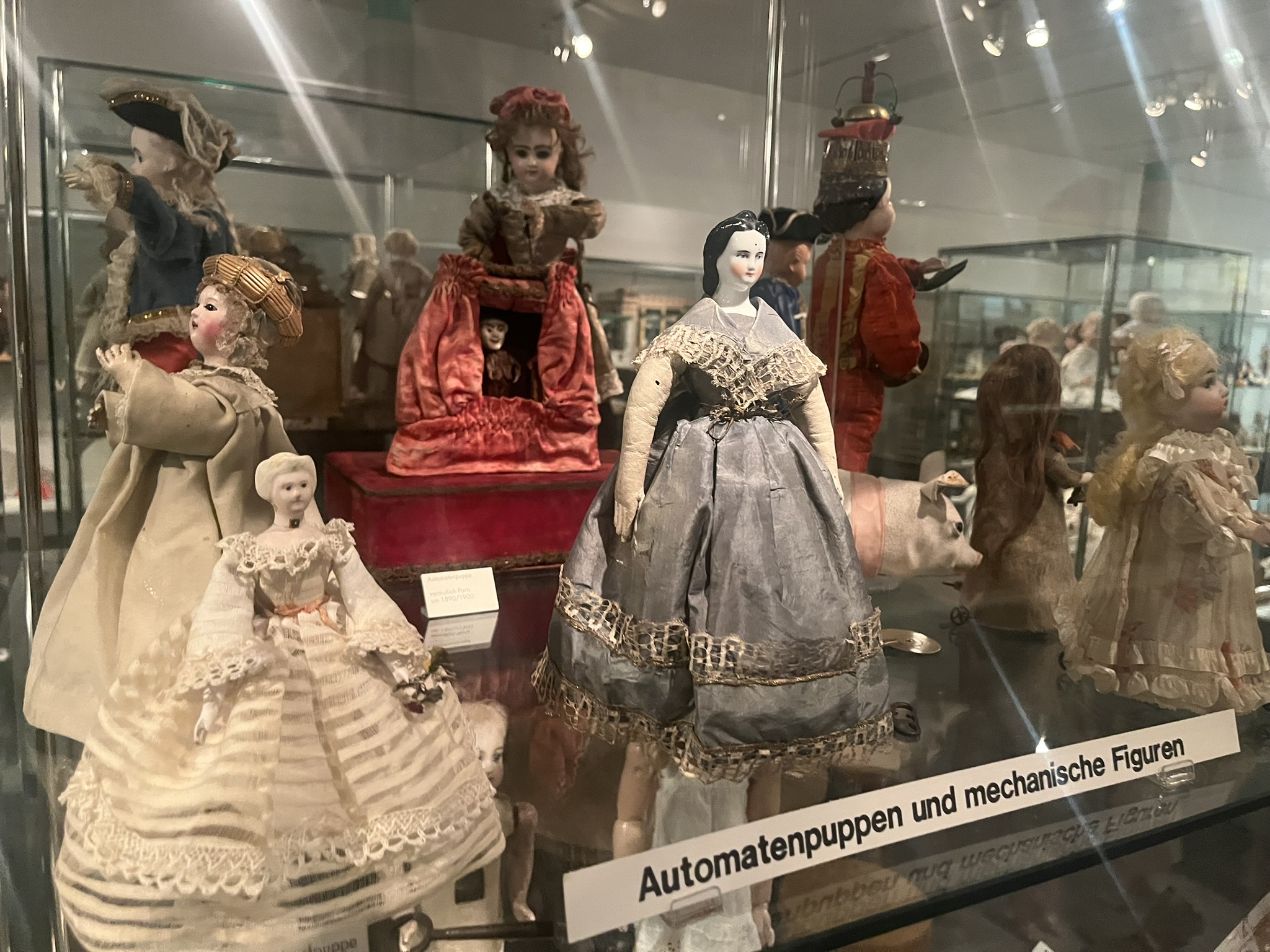
A separate building houses the toys portion of the museum—a showcase of detailed dollhouses, dolls, tin cars and armies, optical toys, and miniature railroads. Many of the elaborate 17th century dollhouses exhibited here were thought to be commissioned by Nürnberg’s wealthy merchants and patricians. For young people, the houses functioned as a visual representation of ideal households and a clear display of tasks and activities to be performed in each of the rooms. For example, dollhouse sitting rooms were often decorated with tea service, chess boards, and decks of cards, while kitchen layouts included hearth-cleaning tools, cake molds, soup ladles, and copper pots. Similarly, 18th– to 20th-century toys conveyed educational objectives relating to children’s future familial and career lives. Playing with dolls helped girls prepare for their roles as patient, gentle mothers. Boys’ toys were often linked to their potential future working lives—tin soldiers encouraged strategic thought and tactical warfare, wooden building blocks taught spatial reasoning and construction design, and other technical toys fostered special interests and skills.

Antique toys at the German National Museum give a glimpse into historic playtime and its echoes of everyday life.

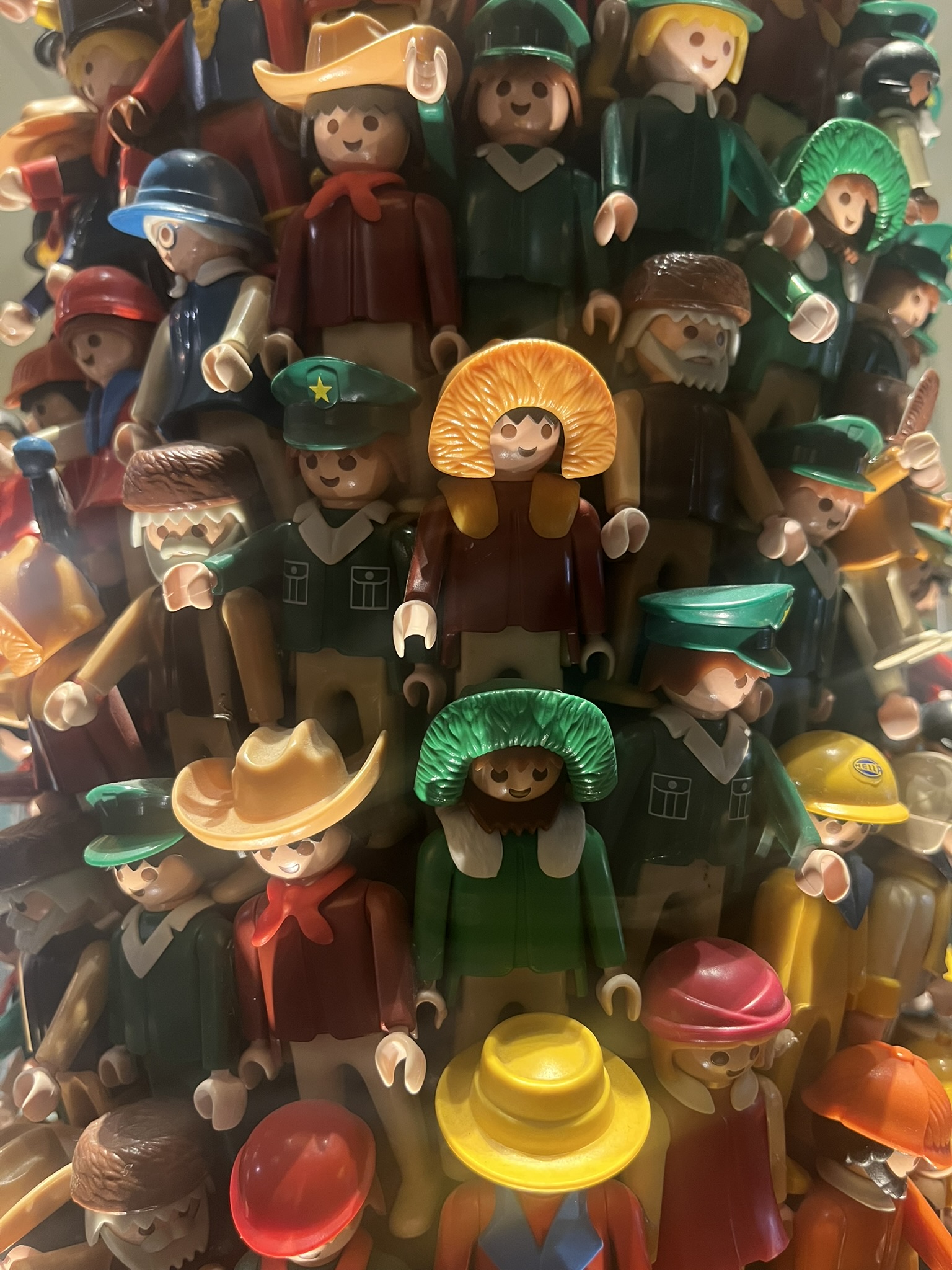
Spielzeugmuseum (toy museum) Nürnberg is another toy museum that displays games and playthings of all sorts—dolls, metal soldiers, puppets, teddy bears, model railroads, tin vehicles, and Playmobil figures, as well as vintage and newer iconic characters like Paddington Bear, ALF, and Garfield. Visit this museum for a bit of history and some interactive play time with toys and family games in the upstairs playroom.
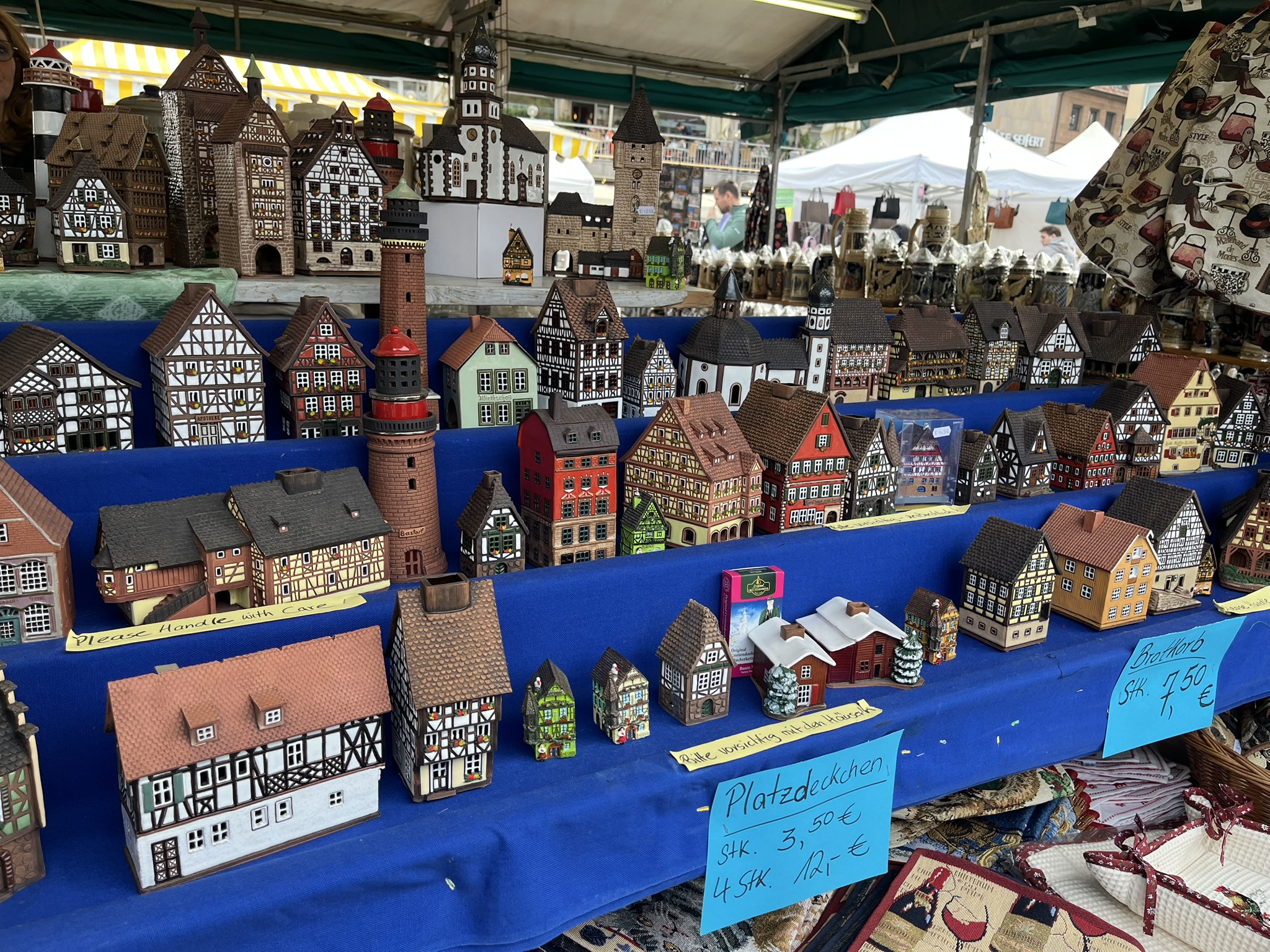
Spielzeugmuseum Nürnberg displays old and new toys alike, with areas for interactive play and a building and board game zone.

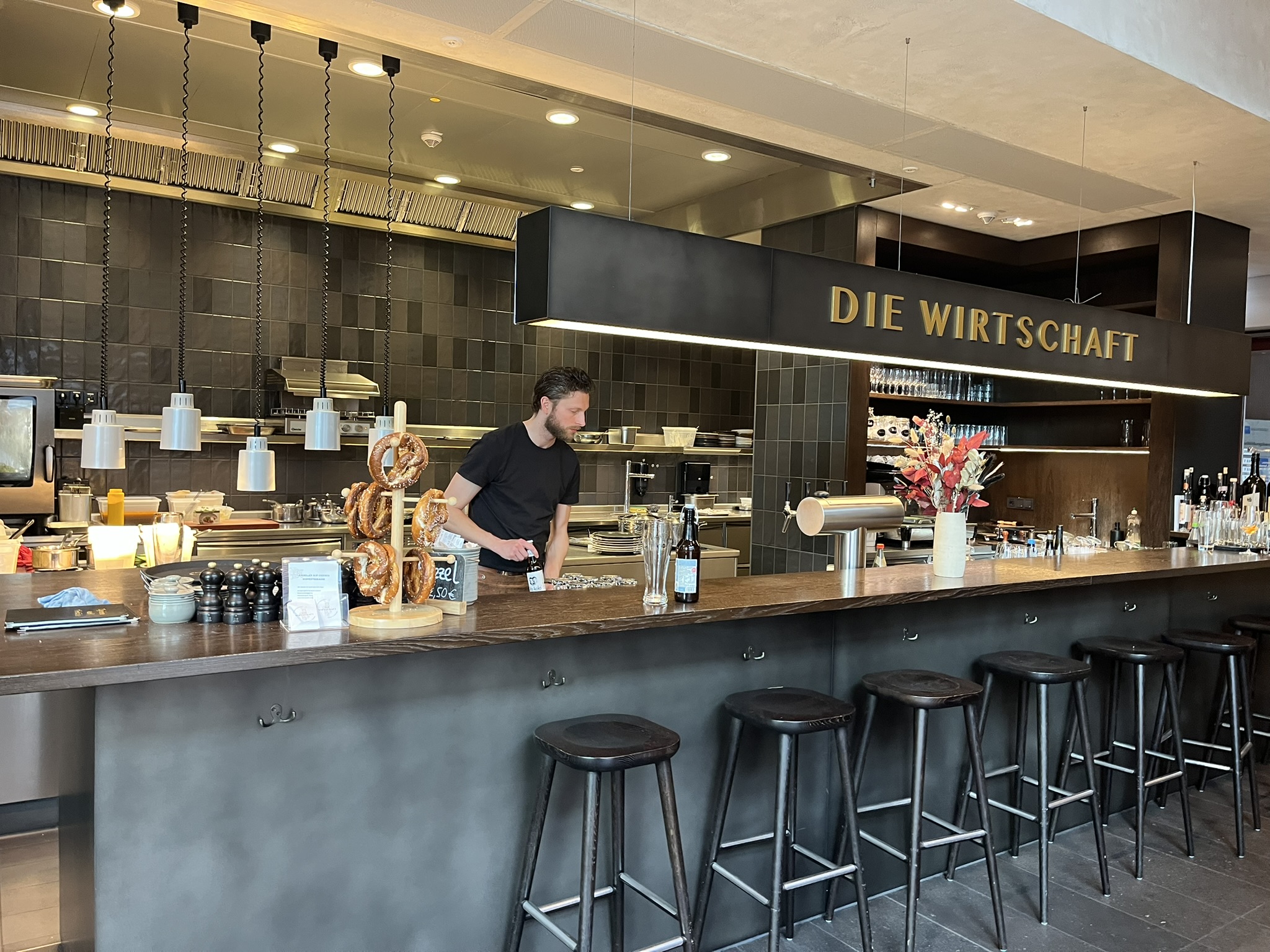
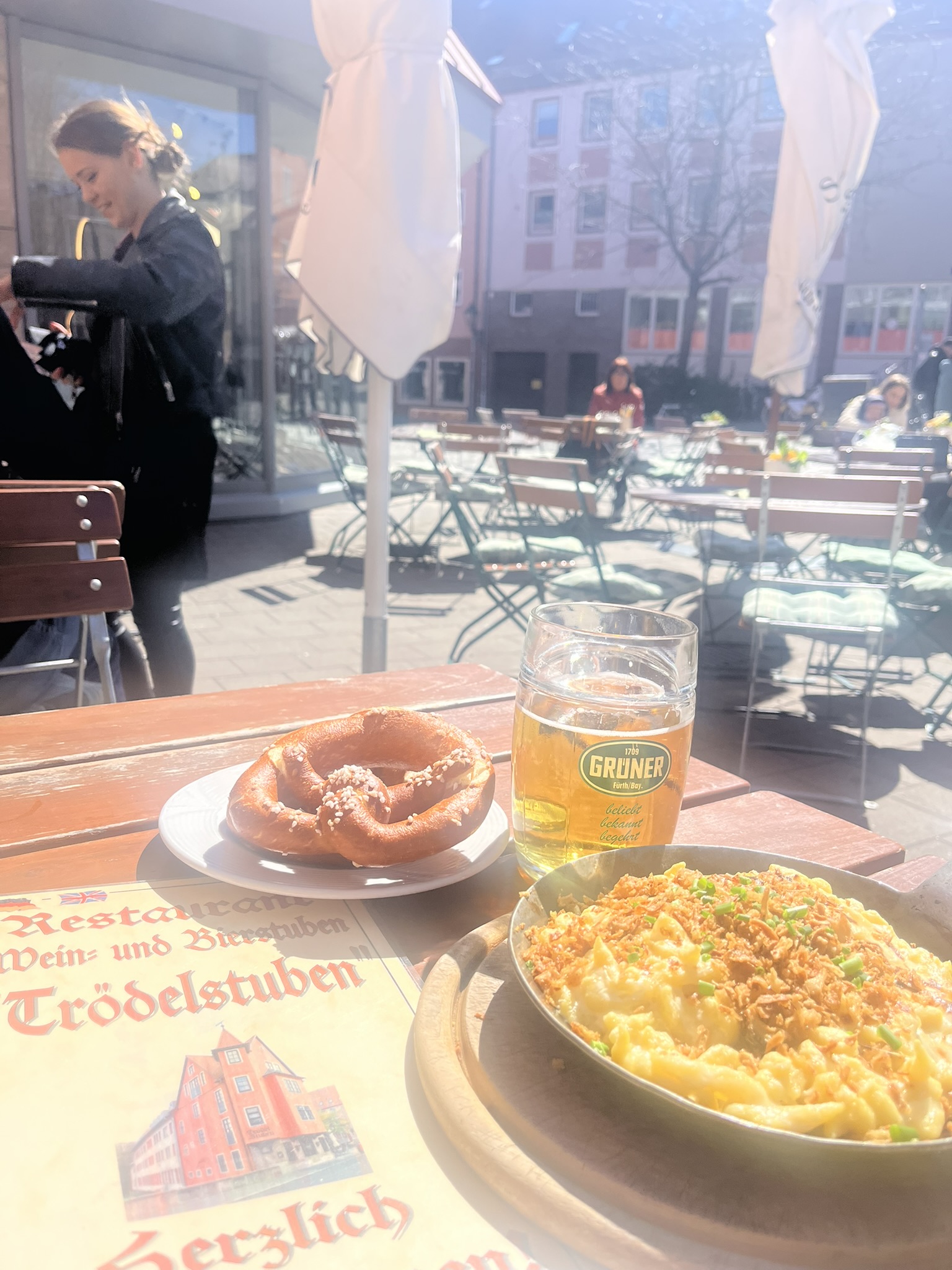
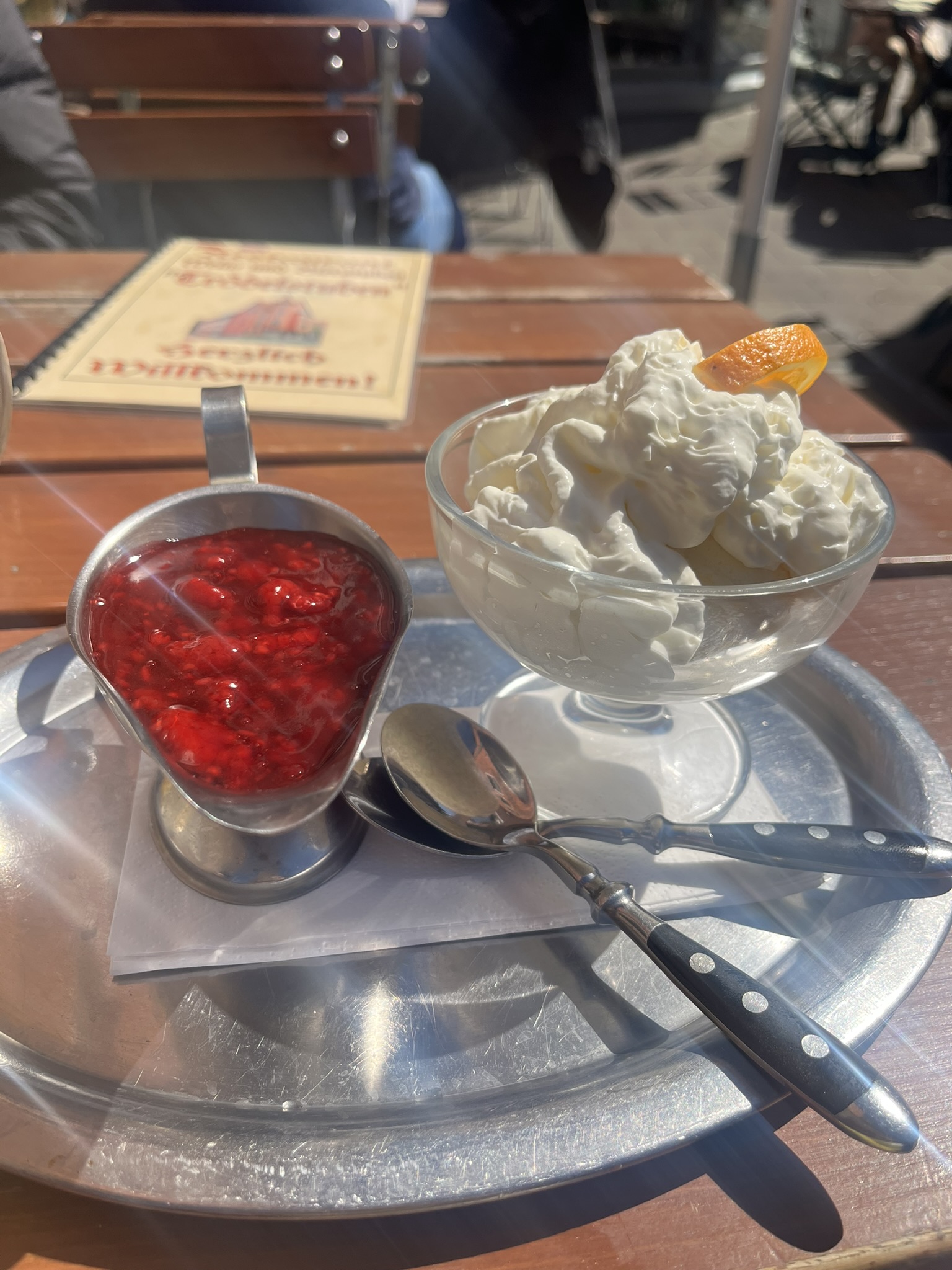
Stop by Die Wirtschaft restaurant for Brotzeit (bread time), Veschber (midday snack), or Gudzerla (Franconian tapas) to nosh on a savory selection of sourdough or oven-crusted bread, marinated cheeses and sausages, pickled vegetables, and herbs. The warm and crispy Apfelküchle (specifically, fried apple rings in beer batter with homemade ice cream and plum compote) will revive you for the rest of your city exploration. For another delicious snack or dessert option, Restaurant Trödelstuben serves up hot raspberries and raspberry sauce over vanilla ice cream. If you’d like a break from traditional German food, try the KOKONO Pan-Asian Cuisine & Sushi Bar on Luitpoldstraße. Expect fresh food, seasonal flowers on all tables, and a fun presentation of dry ice mist at your table while you eat your edamame and sushi rolls.
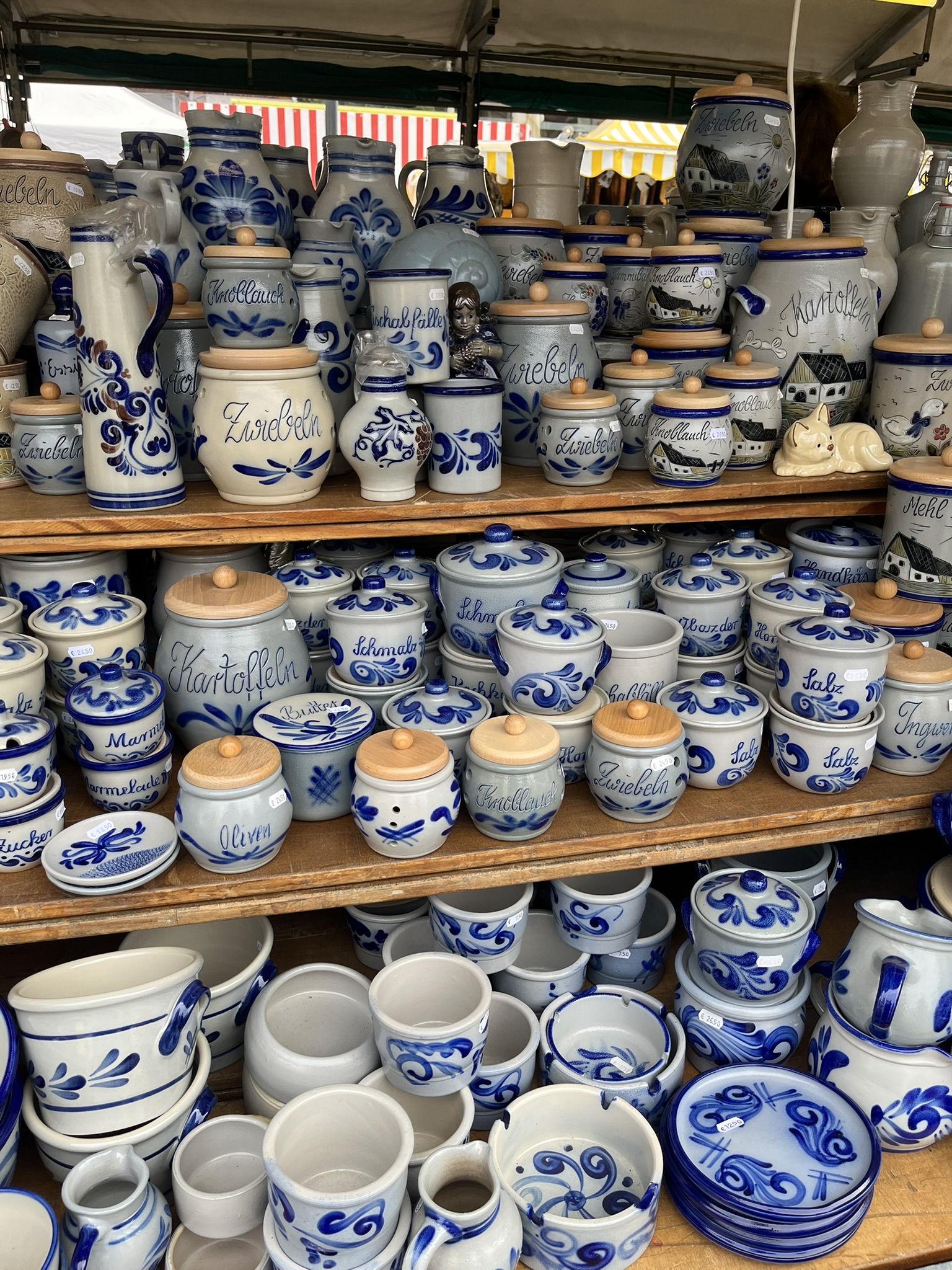
Nürnberg culinary variety abounds, with traditional German cuisine and desserts as well as delicious Asian delicacies.

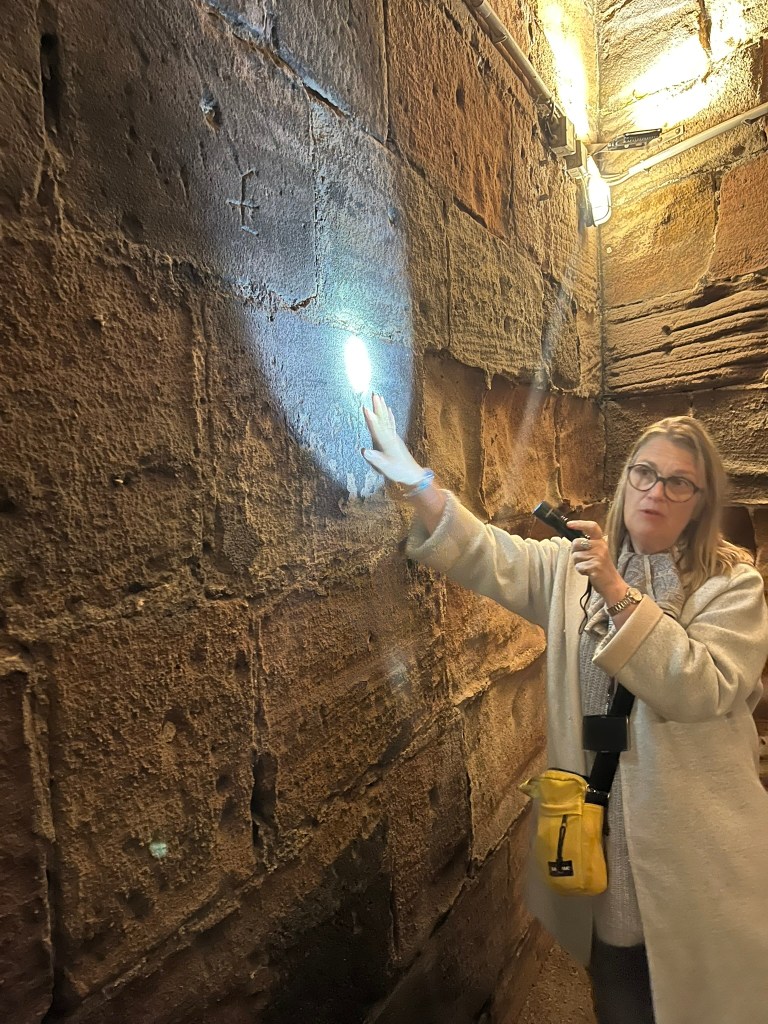
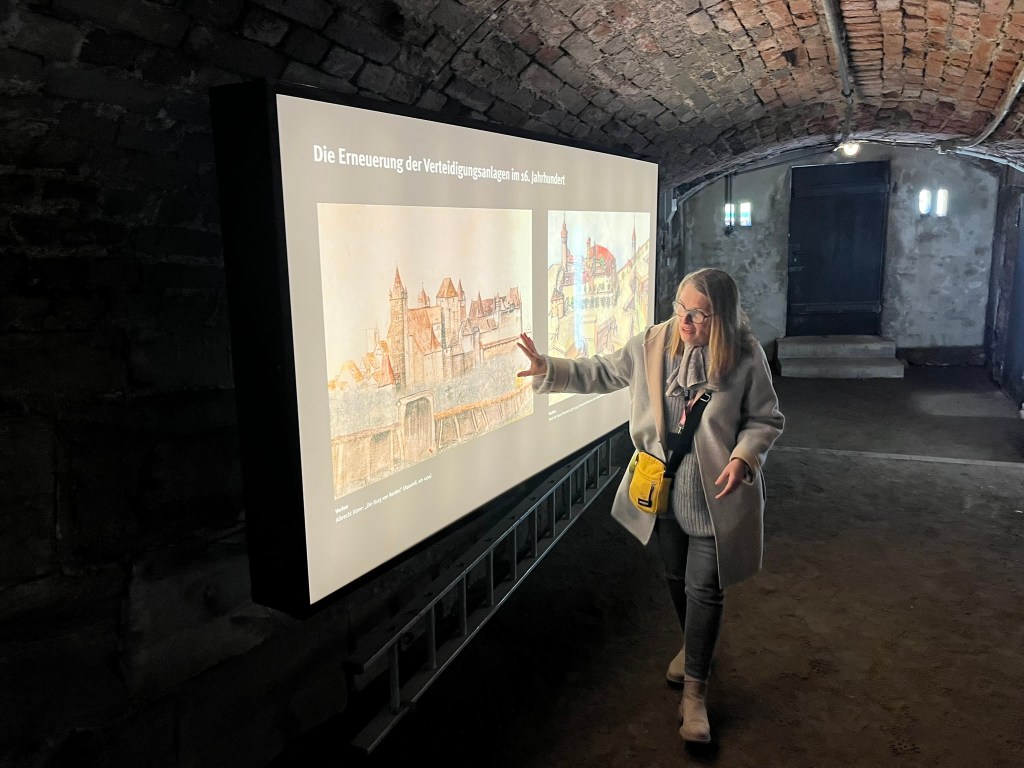
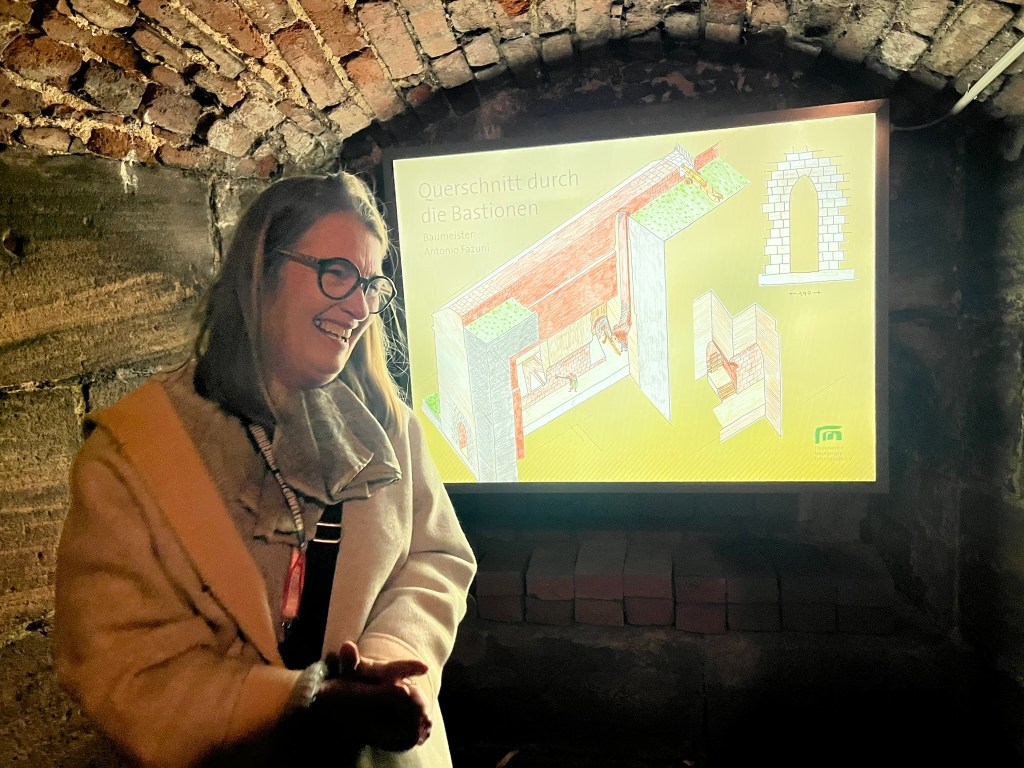
Not all the city’s most interesting sights can be found at ground level. Claudia Radtke, certified Nürnberg city guide, provides guided tours of Nürnberg’s fascinating underground worlds. Those interested in history, fortification, and ancient legal systems (and those aged 10 years and older) will enjoy the intriguing and informative tours entitled “Tunnels and Secret Passages in the City Wall” and “Medieval Dungeons.” The 14th century dungeons in vaulted rock-cut cellars beneath the city hall contain prison cells, torture chambers, the jailer’s house, a prison kitchen, and a blacksmith’s workshop. Walk through underground corridors with damp limestone walls (use the railings and watch your step), learn about those who walked there before you, and explore the city’s ancient approaches to maintaining peace, organization, and stability.

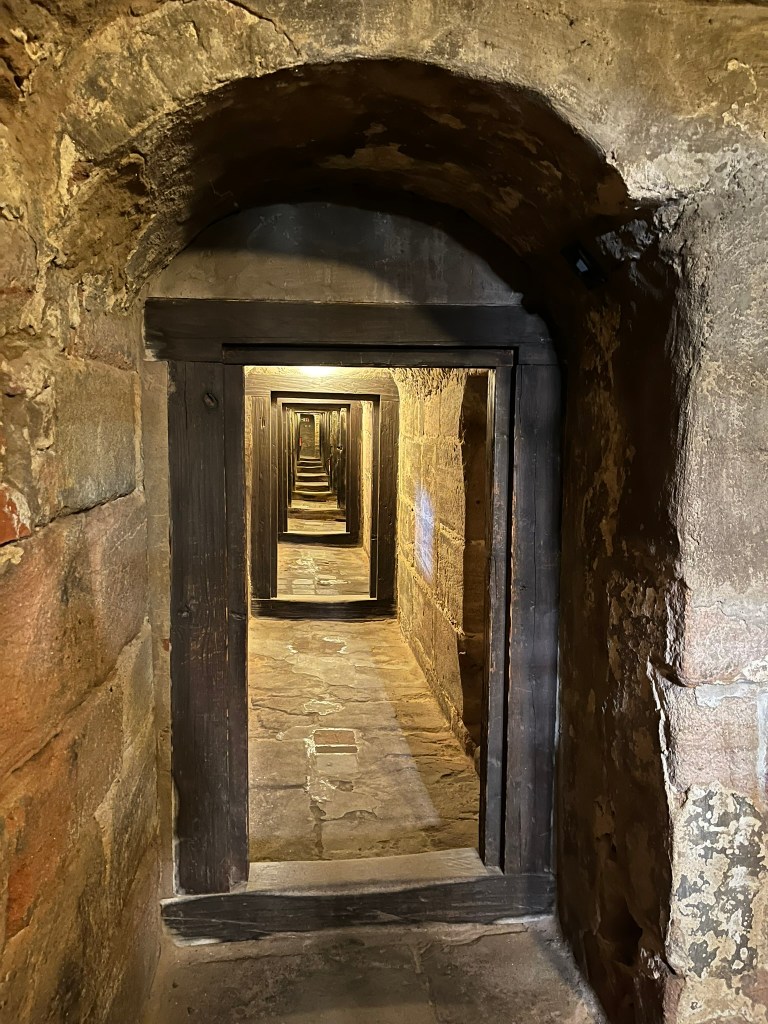
Explore beneath the city, with exciting tours of dungeons and underground passageways.

Underneath the Imperial Castle, a network of defensive passageways wind about, with casemates and embrasures from which weapons could be fired into all angles of the moat. Interestingly, the humid tunnels were not conducive to weapon storage, so weapons were stored aboveground and brought down via a ramp during combat periods. The quarry-stone underground walls are eroded and colorful, shaped and stained from sour rain dripping through.

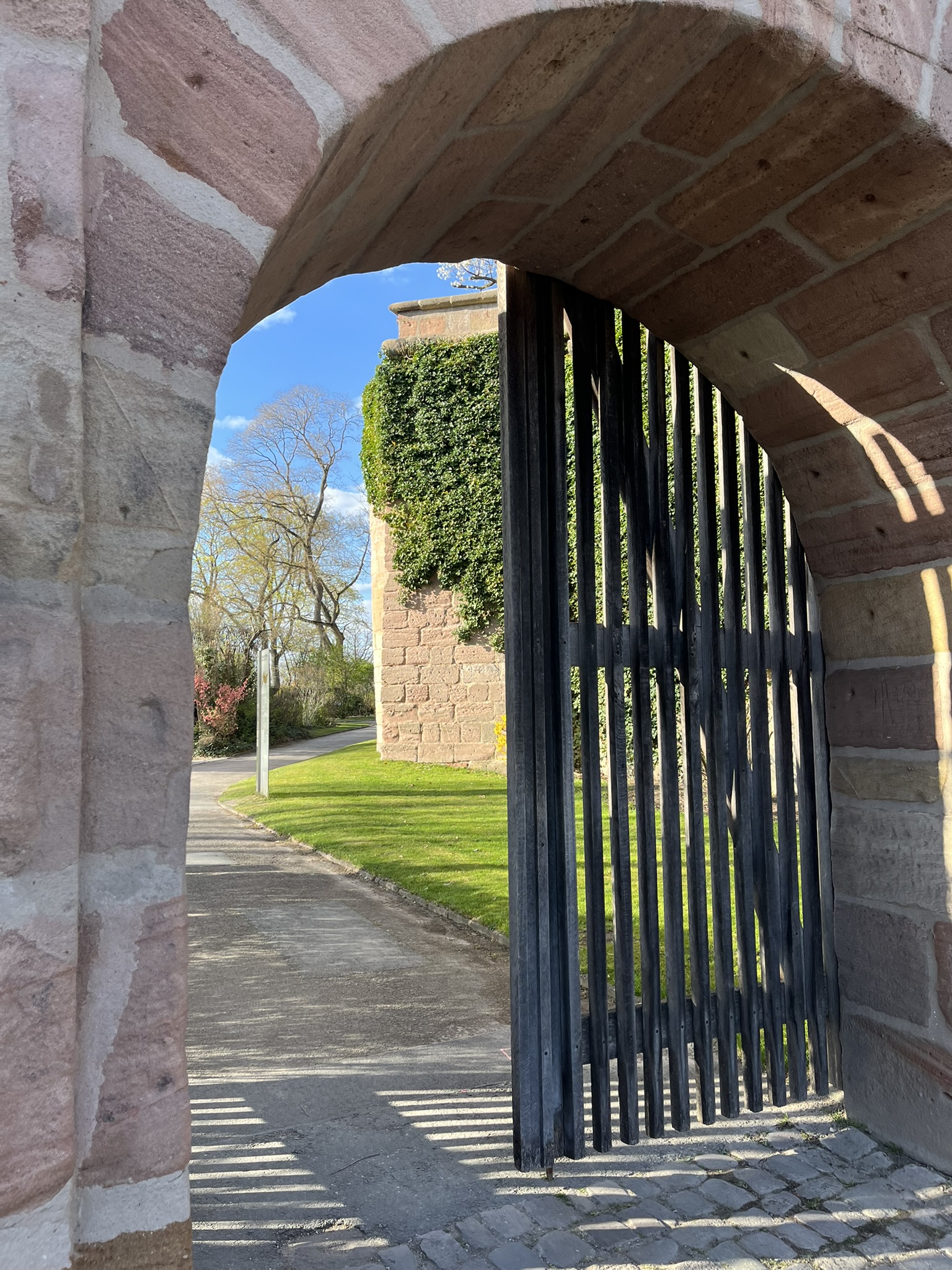
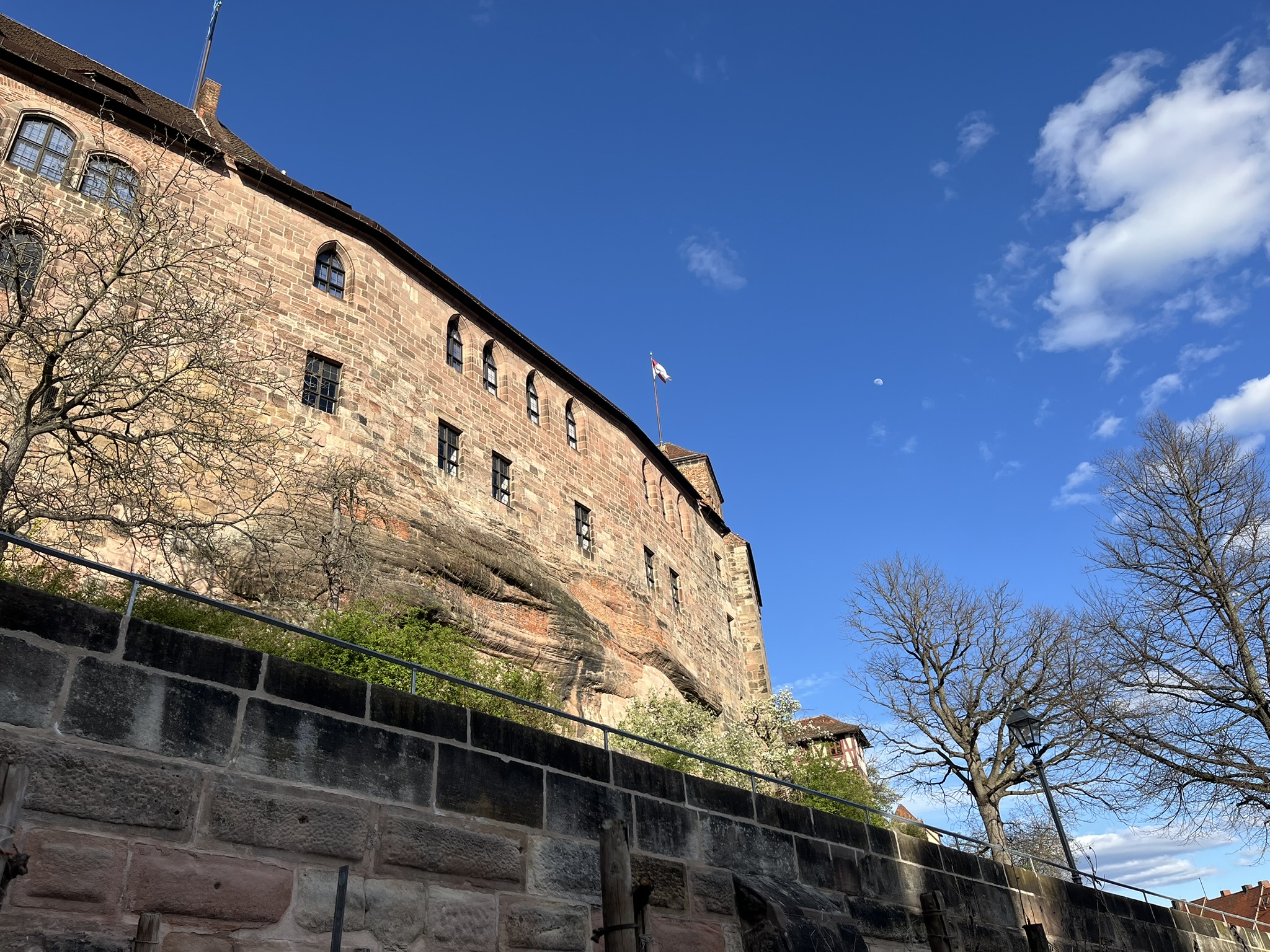
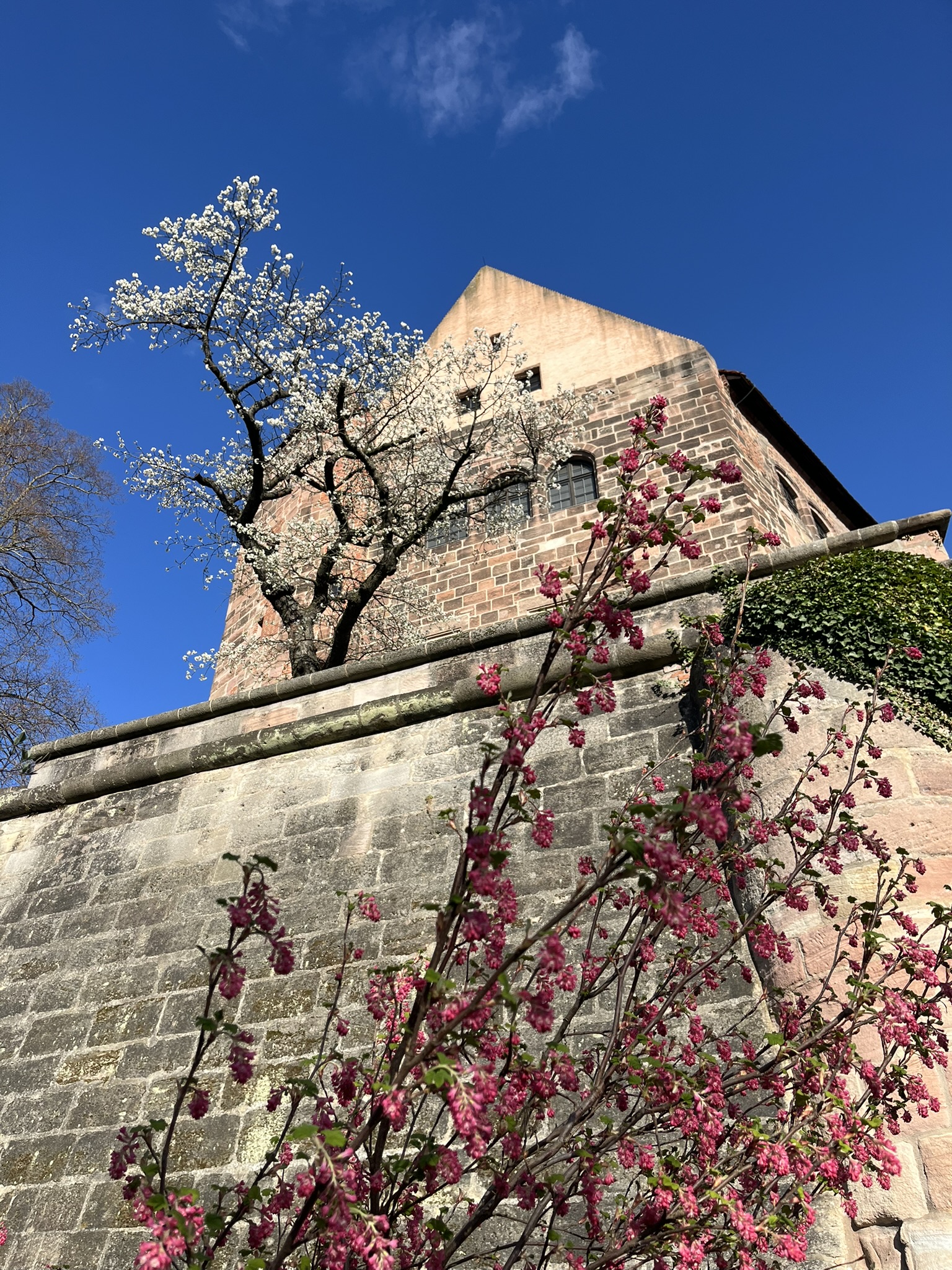
Don’t forget to climb up and appreciate sights from the very top of the Imperial Castle—views down into the moat and stone walkways meandering through flowering trees beneath cloud-speckled blue skies. Wealthy, strategically built, well-invested in defense, and never captured (or attacked, for that matter), Nürnberg was one of the Holy Roman Empire’s best-protected cities in Europe. The city’s history of wealth and peace is attributed to its involvement in trade, due to solving issues diplomatically and with payment rather than through warfare.

The uphill climb to the Imperial Castle rewards you with beautiful views.

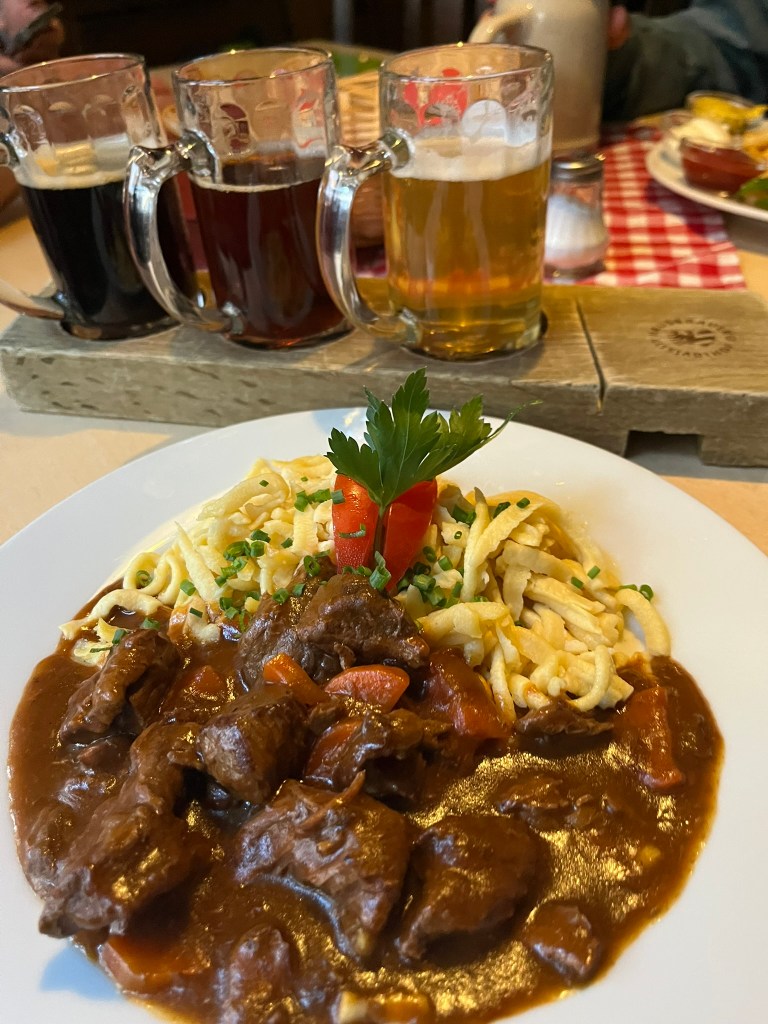
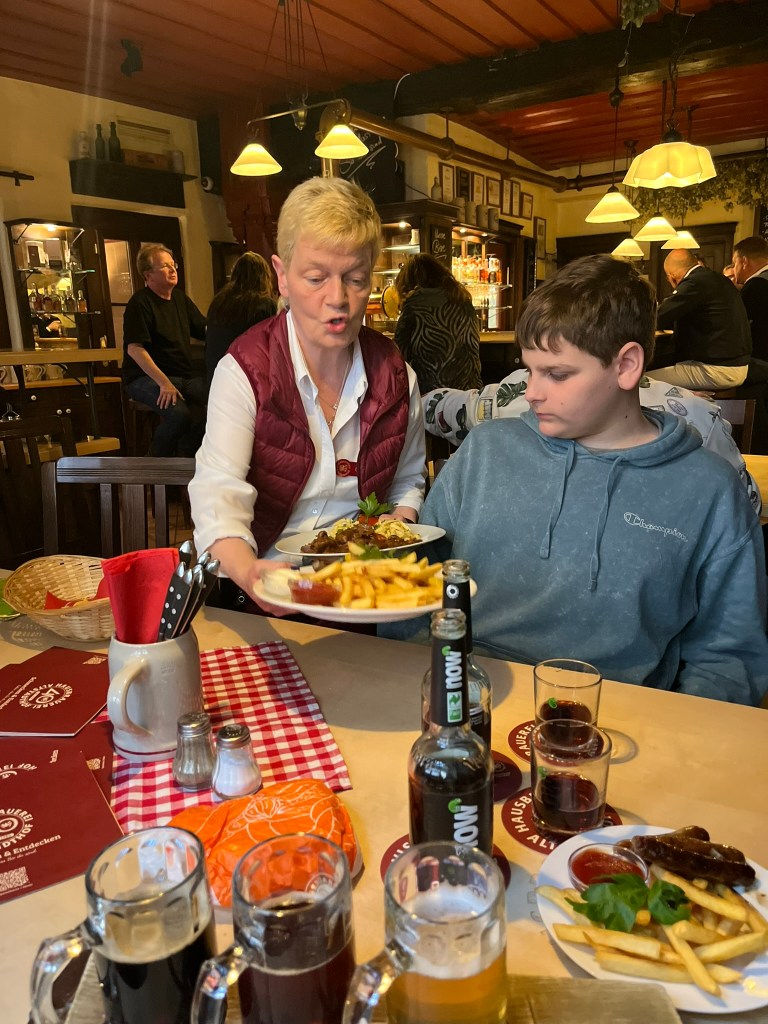
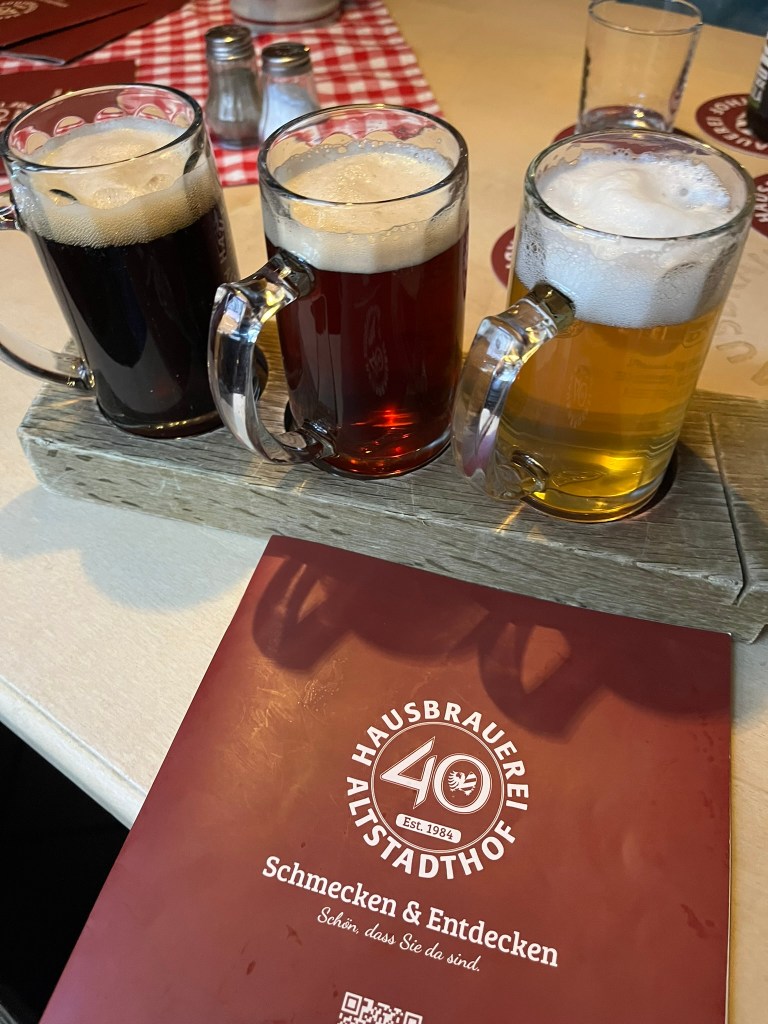
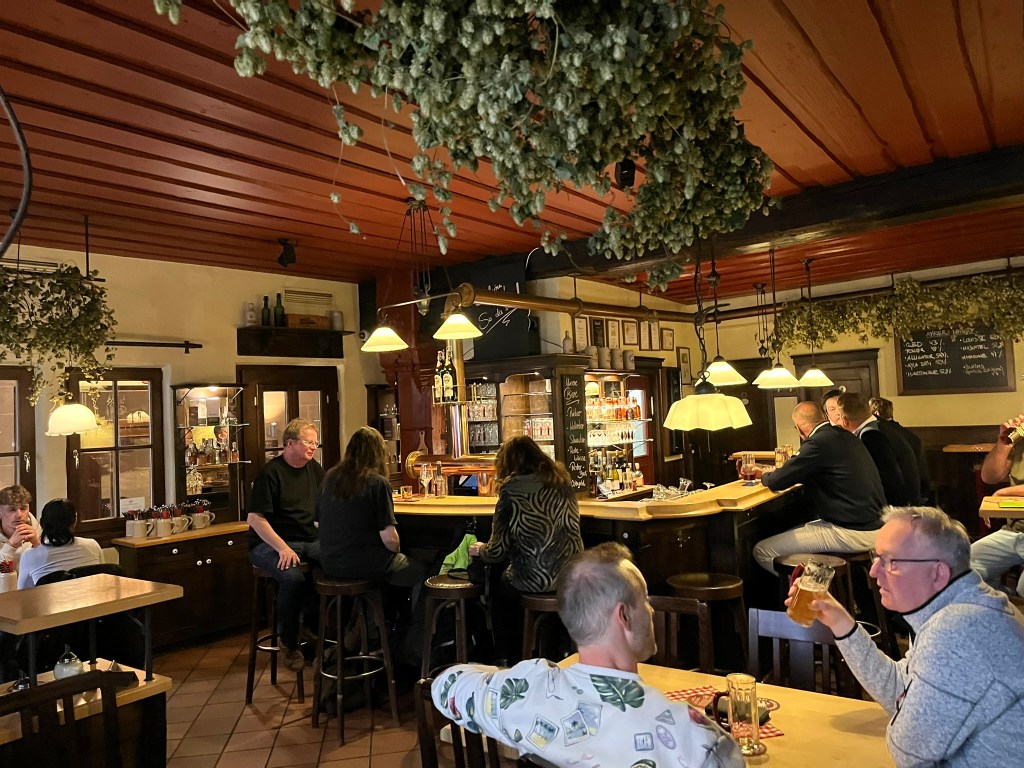
After peering down from the Imperial Castle, stop at the nearby Hausbrauerei Altstadthof, known for its brewed Rotbier (red beer) and oven-fresh Schäufele (roasted pork shoulder in red beer sauce with dumplings and sauerkraut). The snug tavern area with a “hidden gem” feel is a great hangout spot for groups and couples to have a homestyle Franconian meal and a few freshly tapped craft beers. Fill up on savory Nürnberger sausages, potato soup with crusty bread, Obazda specialty Bavarian cheese, spätzle (dumpling-like irregular-shaped egg noodles), red cabbage, goulash, and a wheat- and black-beer sponge cake “Beeramisu” dessert or Apfelküchle (this menu’s variation is drizzled with custard sauce and served with vanilla bean ice cream, whipped cream, and almond slices).

Hausbrauerei Altstadthof serves hearty meals and tasty beer in an inviting social environment.

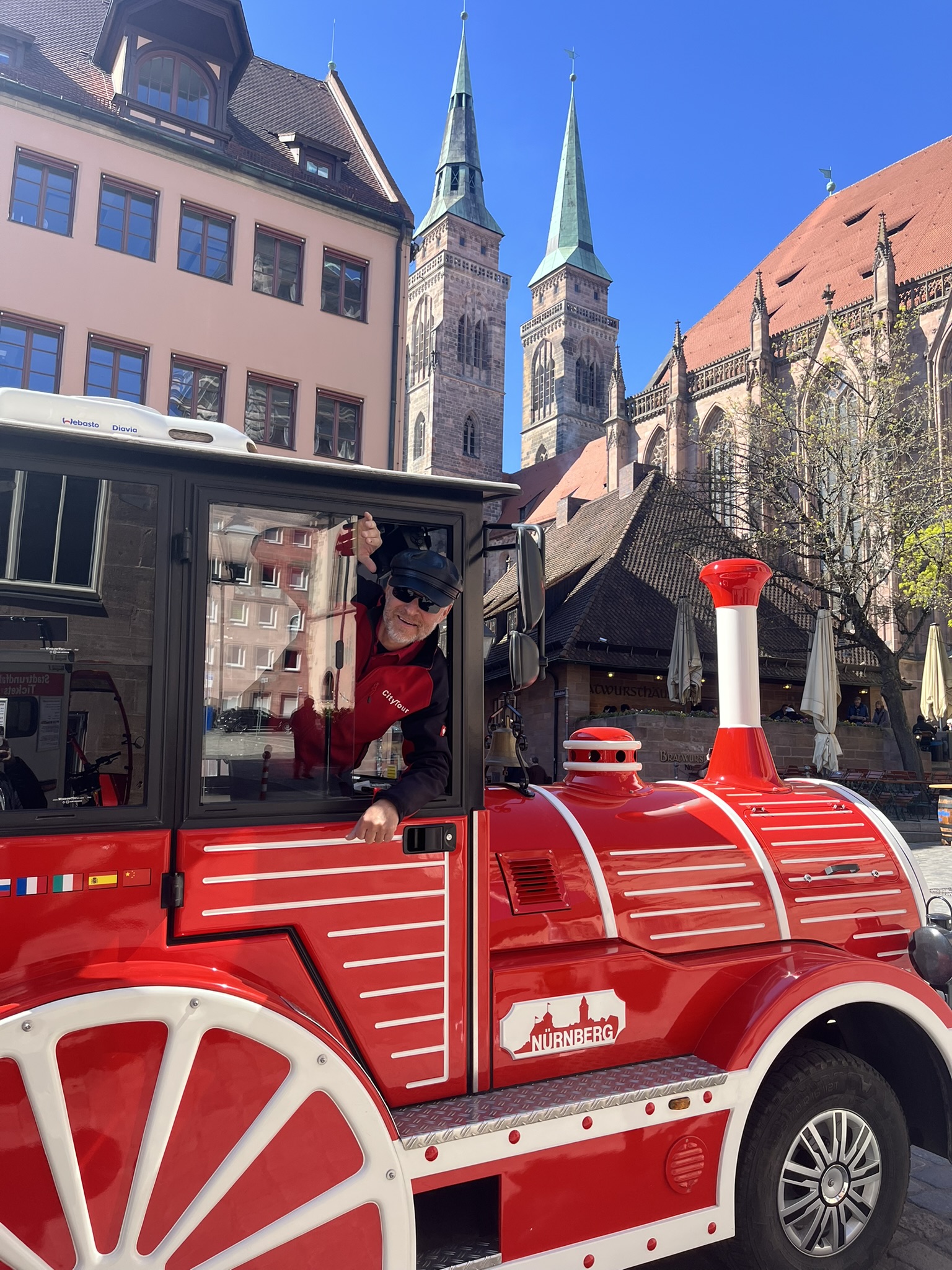
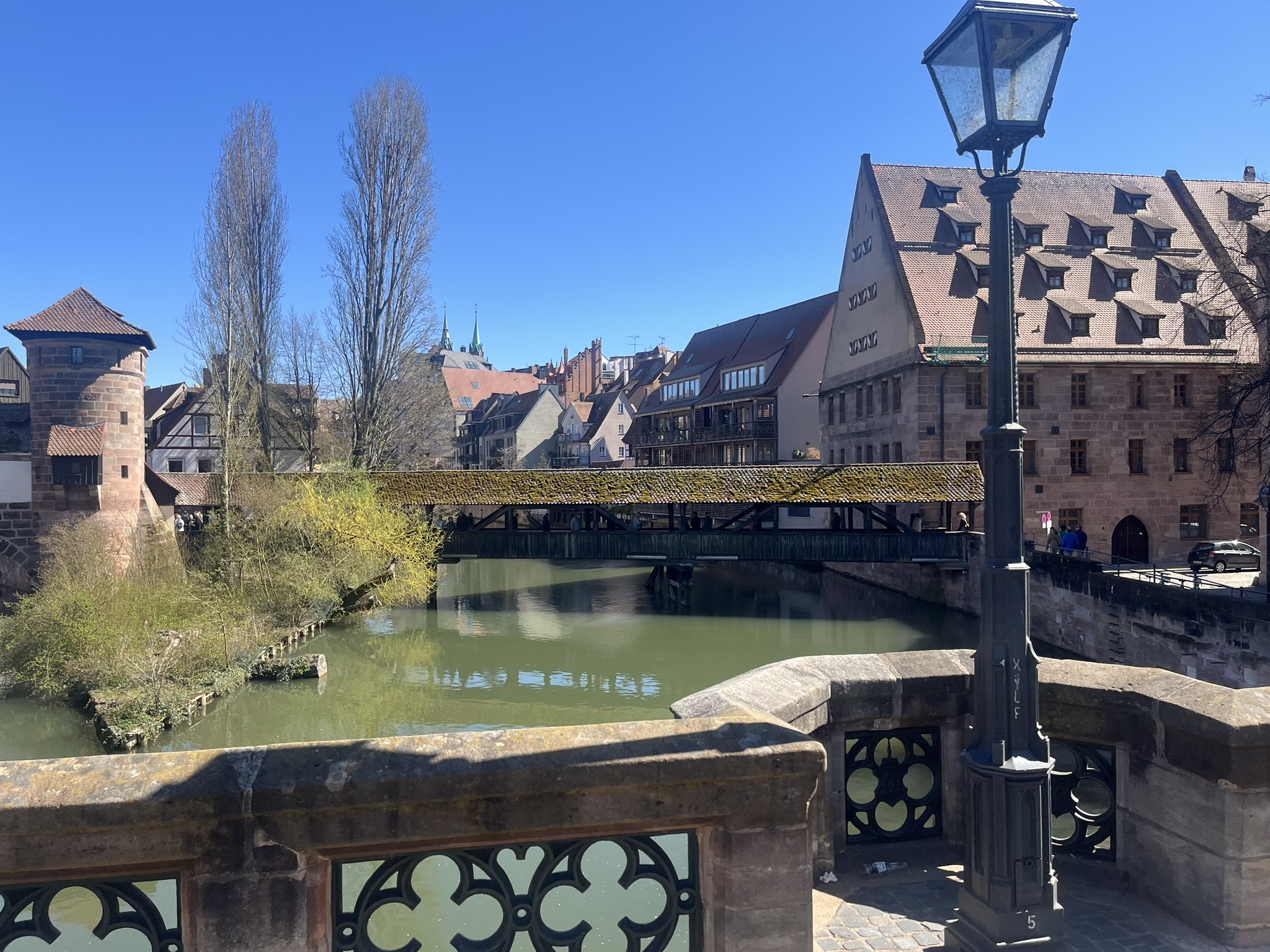
Tour the Old Town and learn about the city’s history while riding the Mini Train, which departs from the Beautiful Fountain at the Main Market Square and takes you on an almost hour-long loop in and around thHausbrauerei Altstadthofe city while multi-language audio headsets announce historical landmarks and relay town stories. One legend tells of German robber Eppelein von Gailingen, who allegedly escaped execution by leaping off the castle and over the moat and city wall on his horse, leaving behind hoofprints on the roof. You’ll see the half-timbered historical building built in 1446 that once housed lepers for three days during Holy Week (to provide them medical attention, clothing, and food), then became a wine storage depot, and now functions as student housing. You’ll also spot the Hangman’s Bridge, a wooden footbridge over the Pegnitz River used solely by the Nürnberg hangman between the 16th and 19th century to travel between his secluded home on a small island in the Pegnitz into the city, as a Middle Ages rule forbade him from contact with “honorable citizens.”

The Mini Train ride provides a comprehensive city tour while revealing town lore.

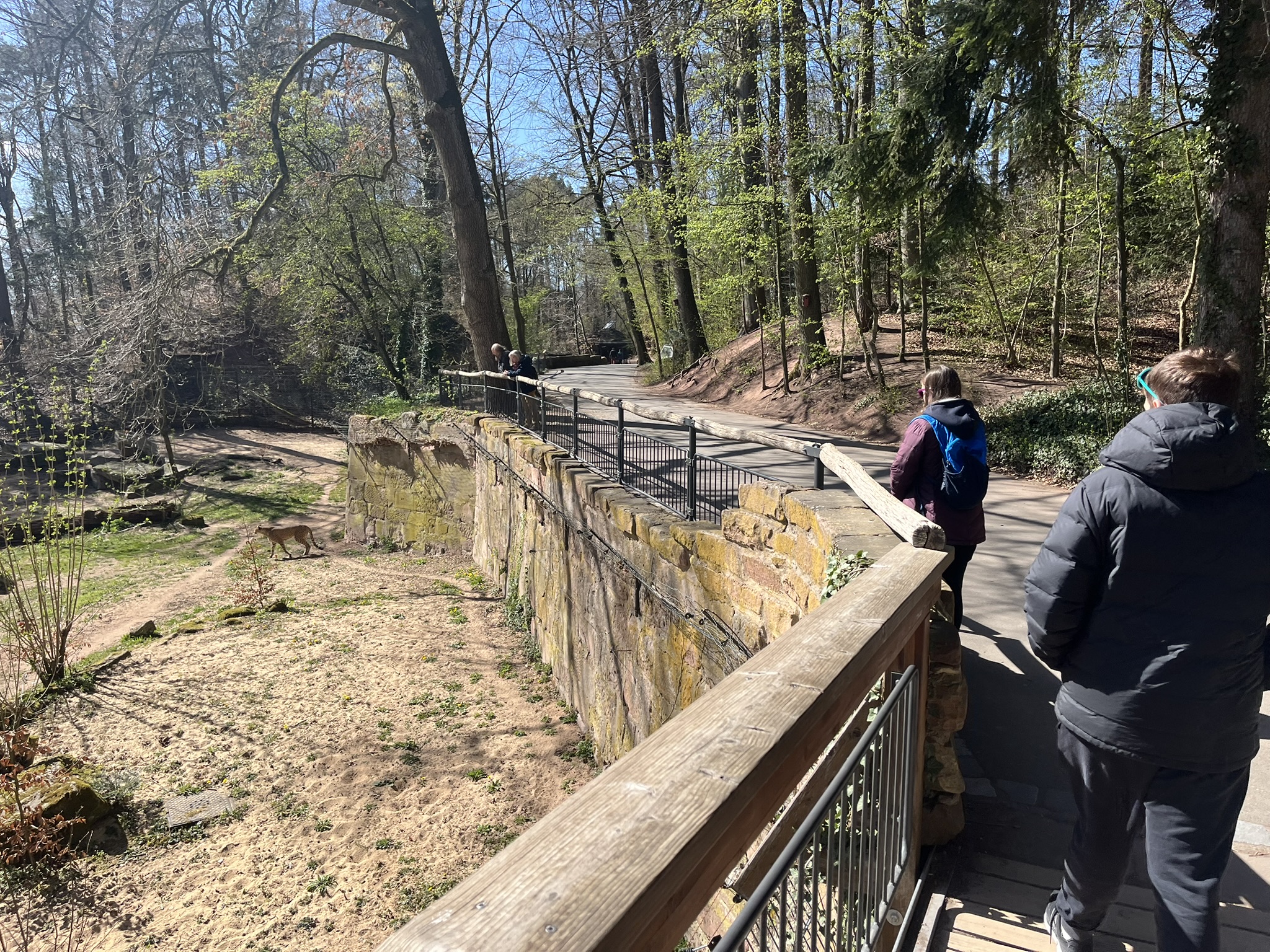
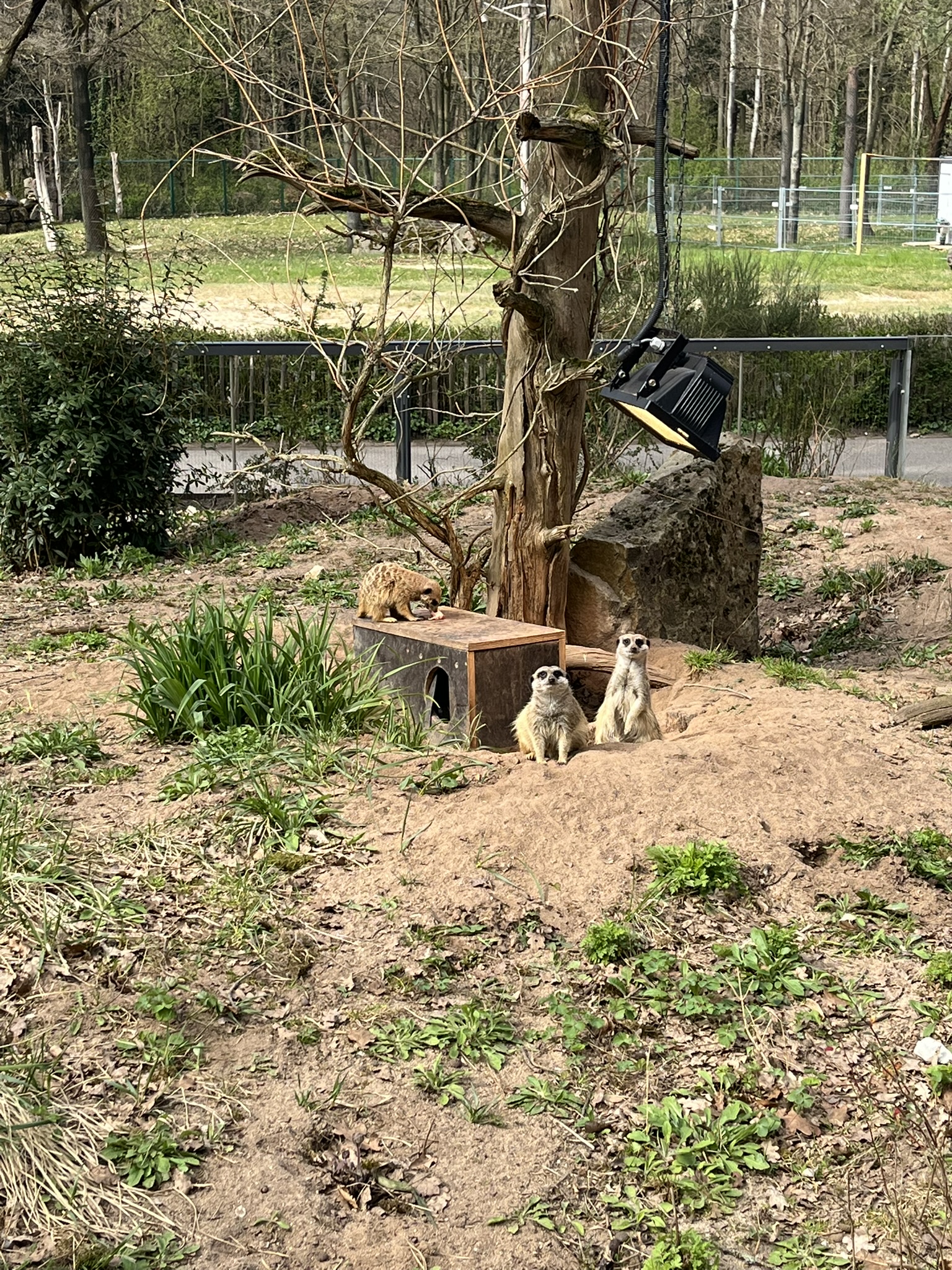
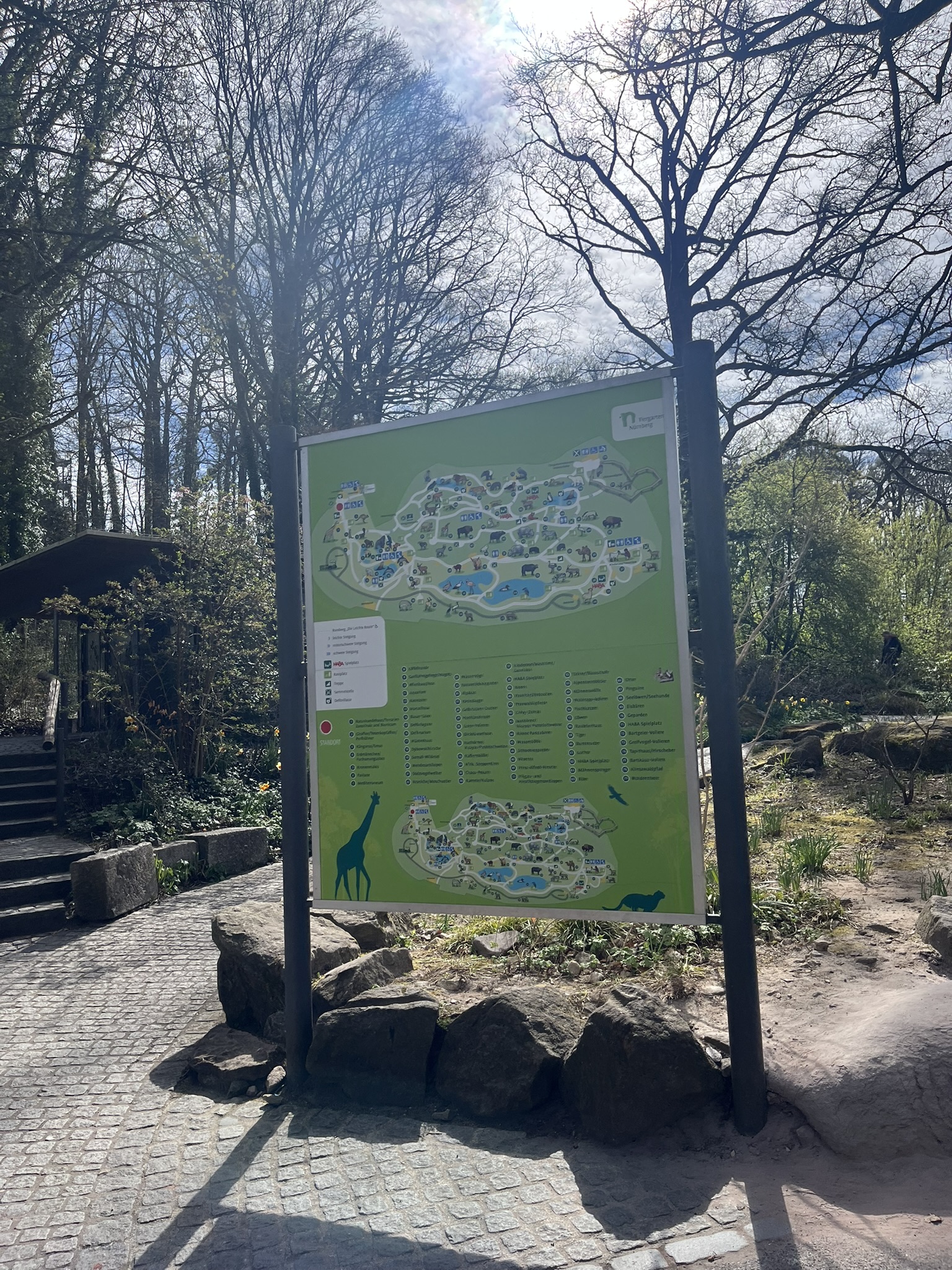
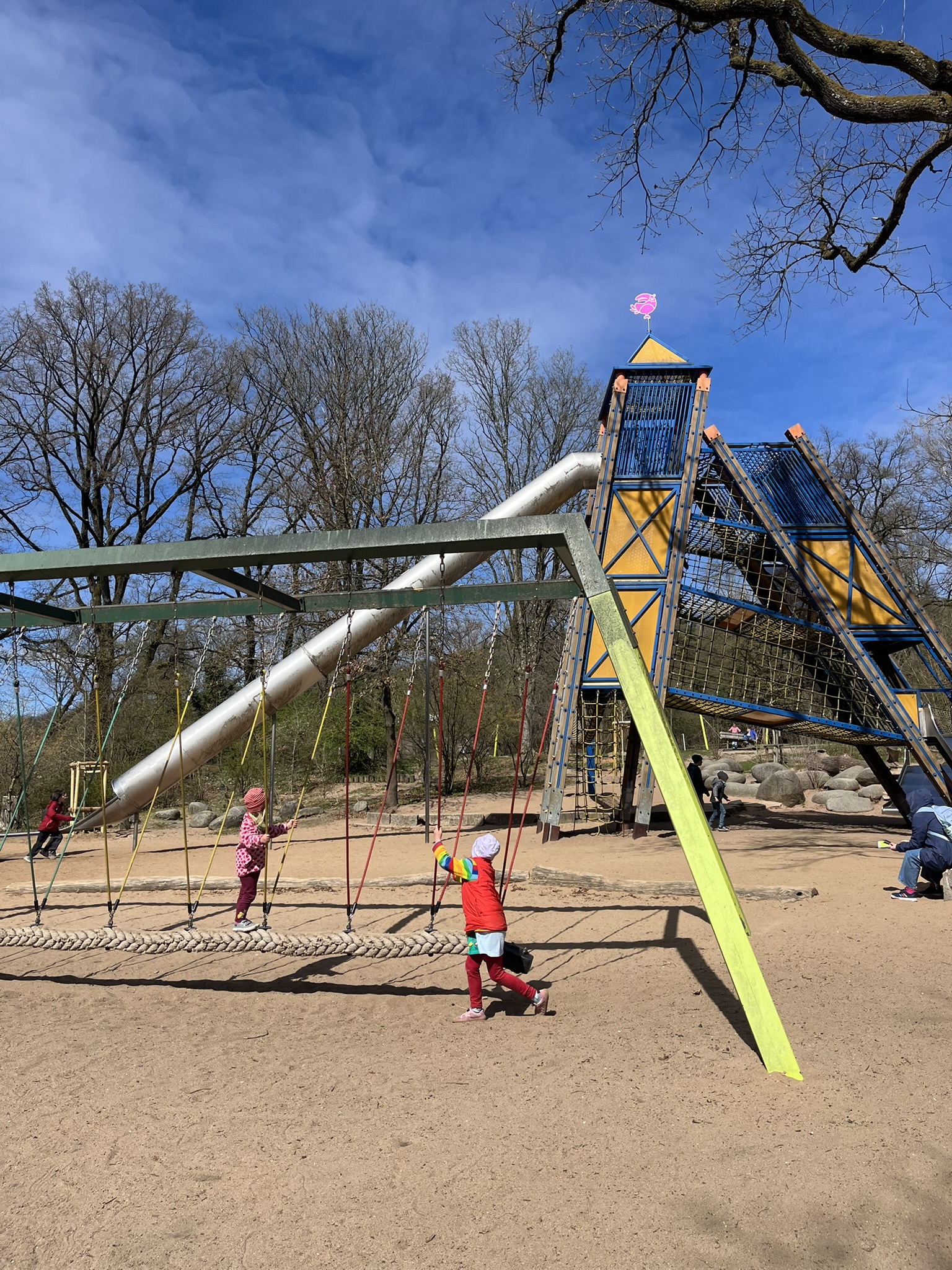
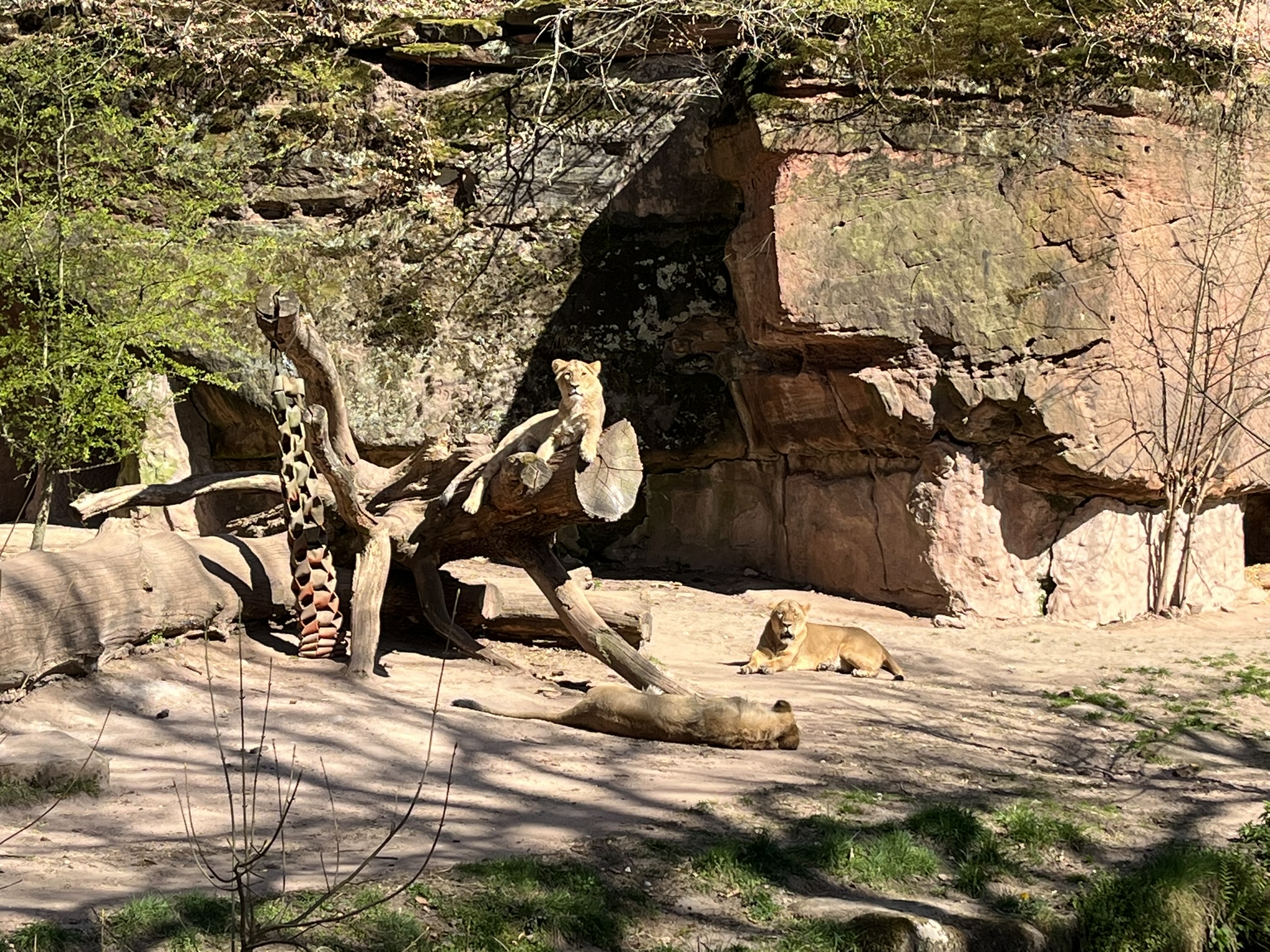
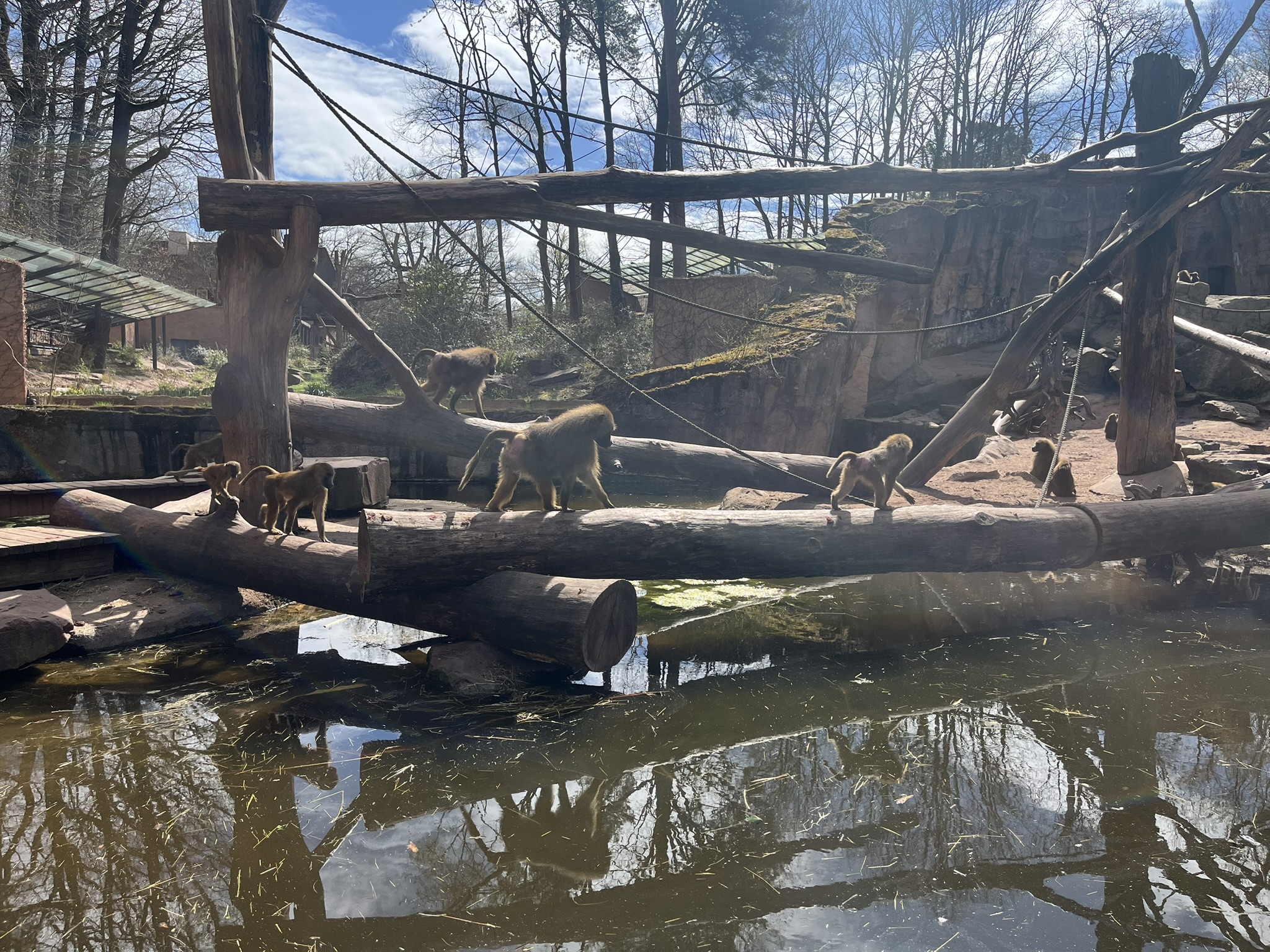
Don’t forget to visit Nürnberg’s surrounding area outside the city walls. Nürnberg Zoo is about a 25-minute ride out of the city center via public transportation. Backed by sandstone cliffs, the exhibits of pacing lions, squeaking lemurs, playful polar bears, and around 300 different animal species (about 40 considered endangered) provide guests with plenty of animal entertainment. One of the largest zoos in Europe, the Nürnberg Zoo is built on approximately 160 acres that include woodlands of ancient trees, peaceful ponds, rocky formations, and sloping walkways. Its special “climate high forest trail” is built at the treetops and allows visitors to stroll and view the zoo from above. The zoo is designed in a natural, park-like arrangement that feels very relaxed and rural. Not only open-air–enclosured animals make this place their home, but water birds and forest animals are found in the wild in this “forest preserve”-like walking zoo. There are numerous play areas for children, including a fantastic large playground with zip lines, ropes courses, giant slides, and inset trampolines—appropriate even for older kids or spirited adults.   

Restaurant Waldschänke within the zoo grounds is reached via a slightly uphill walk along beautiful pathways. Indoors or out in the beer garden you can order hearty meat entrees, kid-friendly food, salads, fish dishes, Mediterranean meals, revitalizing drinks, and an extensive selection of vegetarian and vegan options. Complete with audience-interactive Culinary Theater performances, colorful murals, amusing children’s books to borrow and peruse during your meal, and an opportunity to purchase plush animals, Restaurant Waldschänke is a welcoming eatery for families.

Restaurant Waldschänke in the Nürnberg Zoo is a convenient place to power up between wildlife exhibits.

By exploring inside and outside of Nürnberg’s city walls, high above the castle moat, and even below the streets, you can go beyond surface level to uncover fascinating history and experience this medieval town’s inimitable Franconian charm.

3 Countries, 2 Ski Resorts, 1 Week in Europe

Wishing you had planned a getaway this past spring break? It’s not too early to start planning for next year, and to think big with a European adventure!

By Alison Ramsey

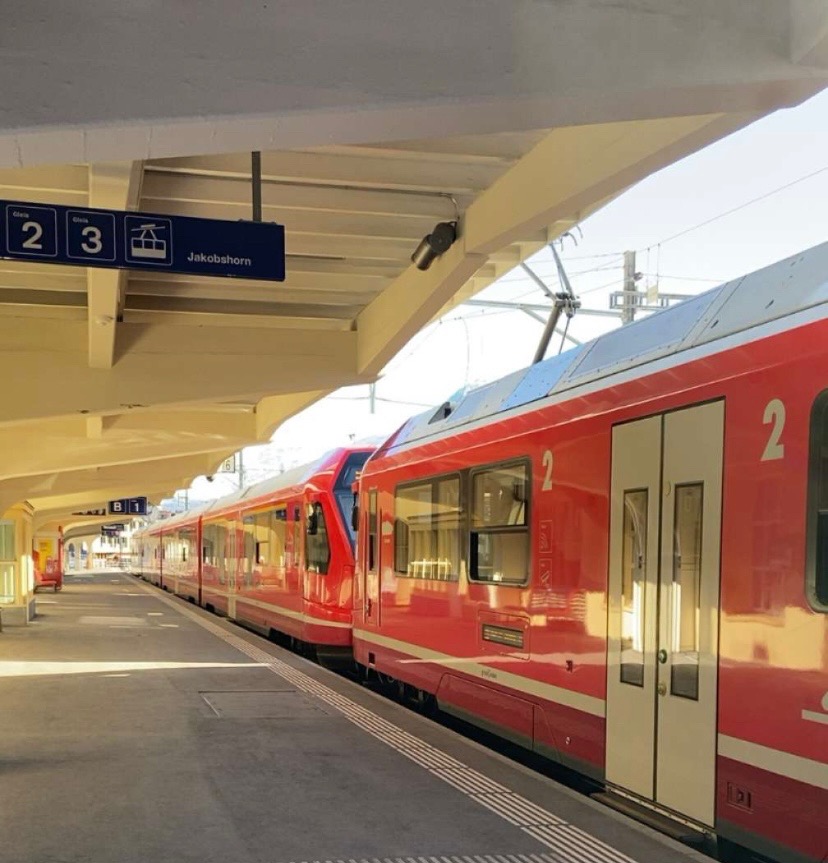
Stateside spring break destinations abound, but consider using that week of vacation time to explore three German-language European countries—Switzerland, Austria, and Germany—all easily reachable from each other by train. The Eurail Global Pass allows travelers to seamlessly cross country borders by rail using a single scannable QR code pass in the app. It’s a fantastic opportunity to maximize your time abroad and visit multiple countries all in one overseas trip.   
Eurail train travel is scenic and comfortable, and the well-designed Eurail app makes it easy to view train schedules and plan your trip.

Time in the mountains is essential if you’re headed to the Alpine countries of Switzerland and Austria. Downhill skiing in the Alps can be exhilarating, great exercise, and a fun social activity—as proven by the millions of visitors to throng ski resorts like Davos Klosters in Switzerland and St. Anton am Arlberg in Austria each year. Both destinations are part of the Best of the Alps organization’s carefully curated collection of classic mountain resorts and offer excellent ski schools.

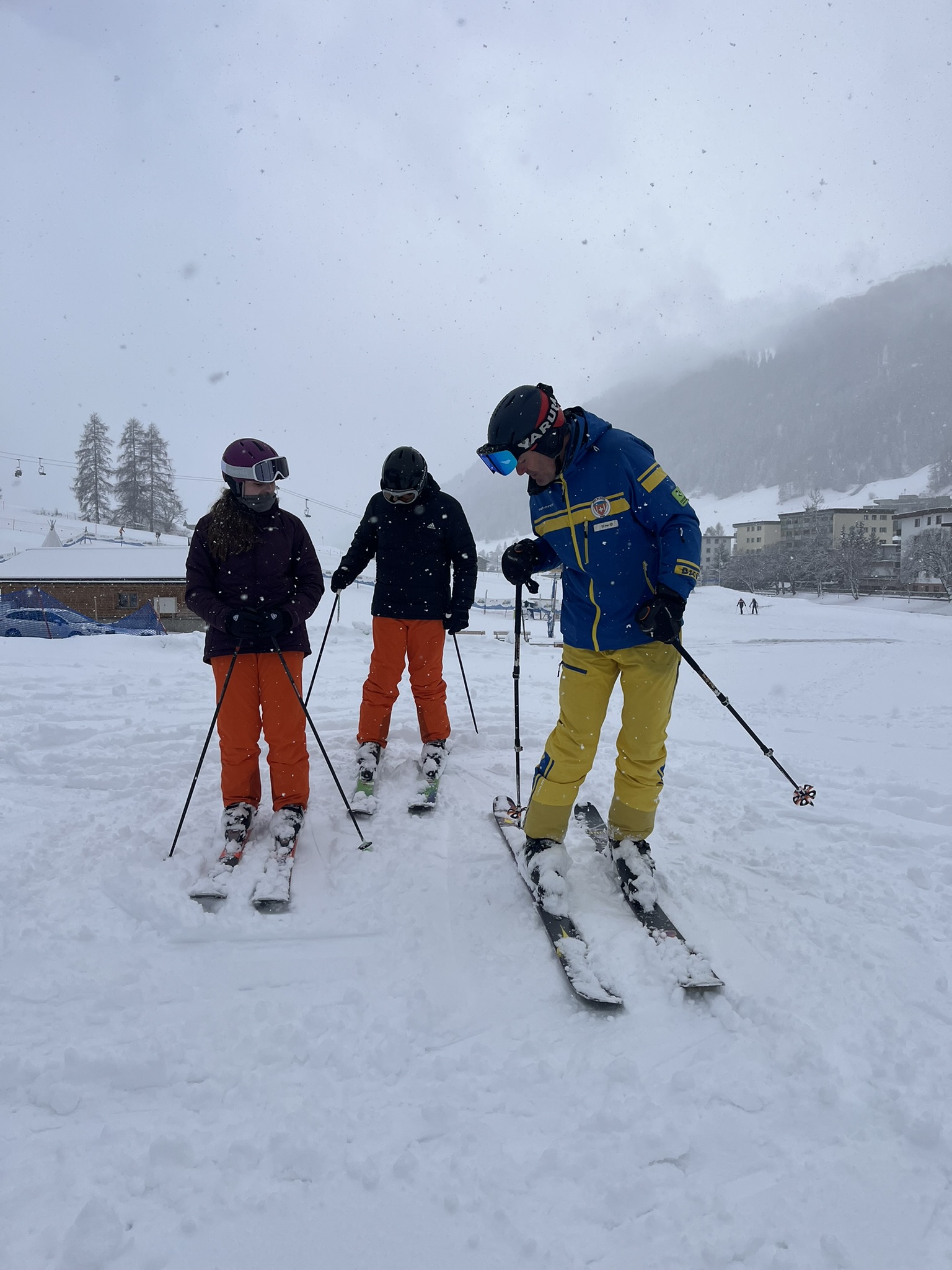
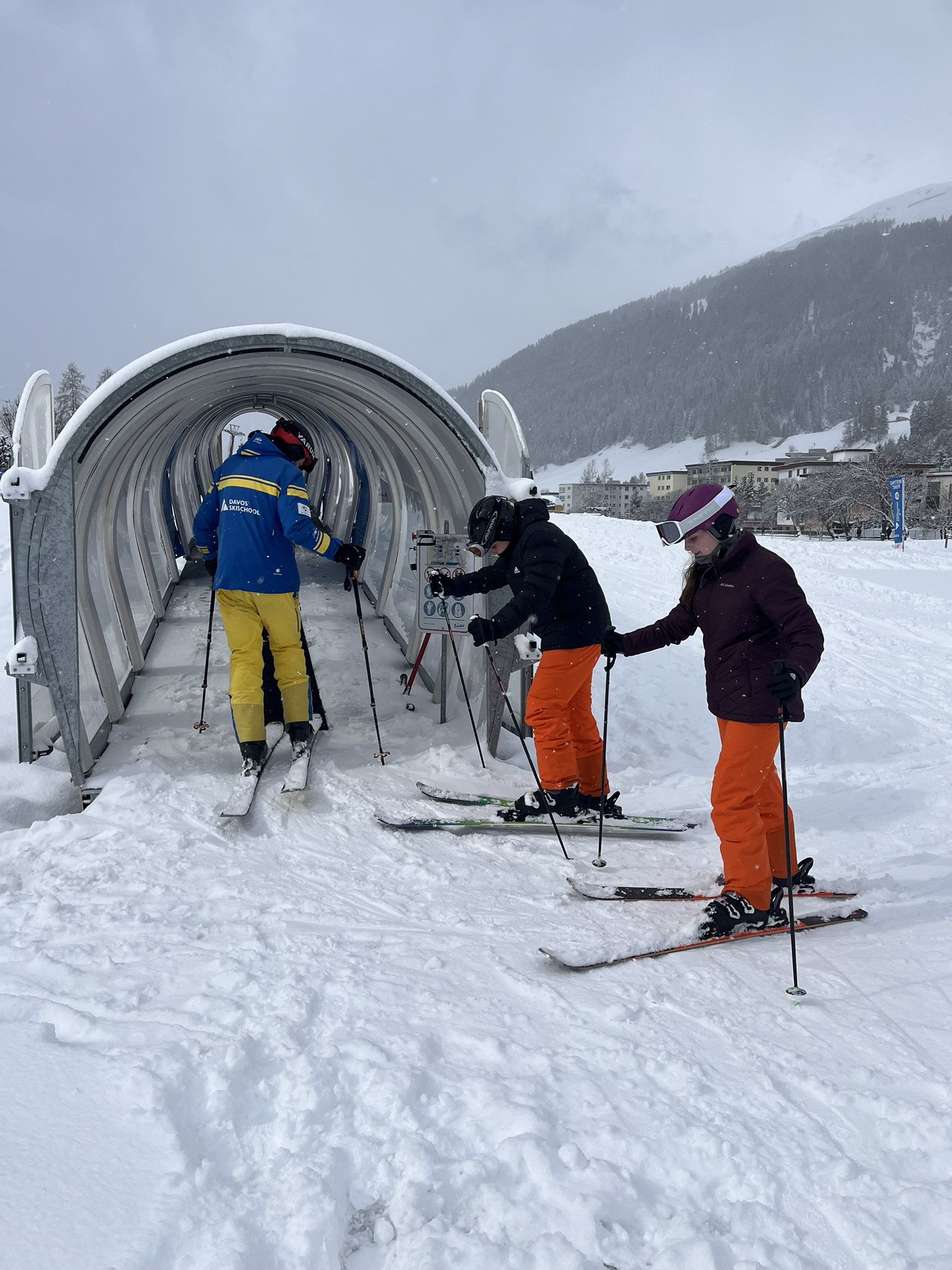
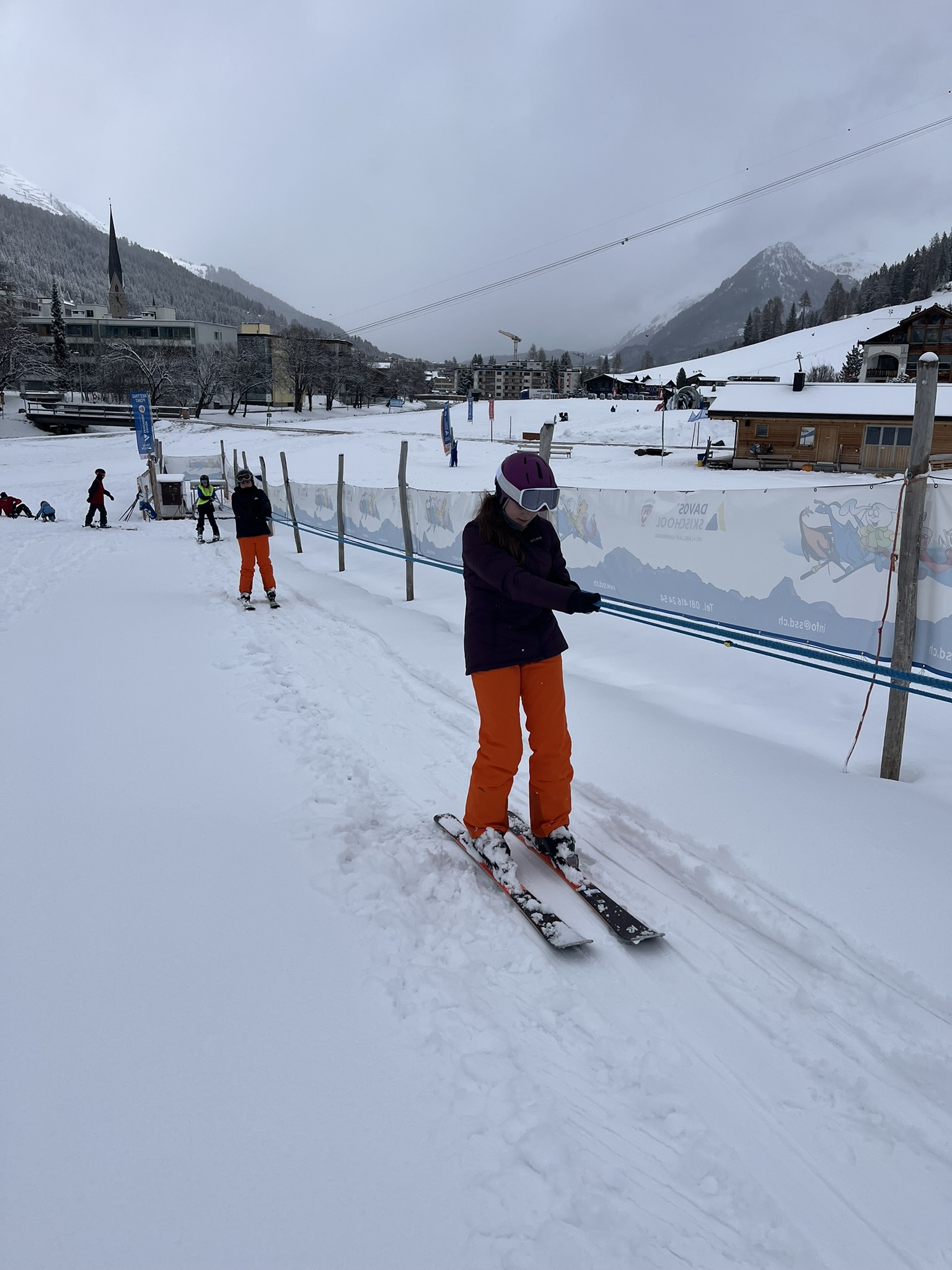
A 2.5-hour train ride from the Zürich Airport, the 13,000-inhabitant Alpine village of Davos is the highest city in Switzerland, at 5,147 feet above sea level. Its Ski School Davos, part of the Swiss Ski and Snowboard School, is the biggest and oldest ski school in the country. Students here can learn from patient, professional instructors, who focus on safety and ensure basic skills are mastered before introducing more difficult maneuvers or terrain. Experienced skiers have 157 miles of ski trails on 81 different slopes to explore over five separate ski areas, including the iconic Parsenn skiing and hiking area, famous for its wide pistes and long runs.

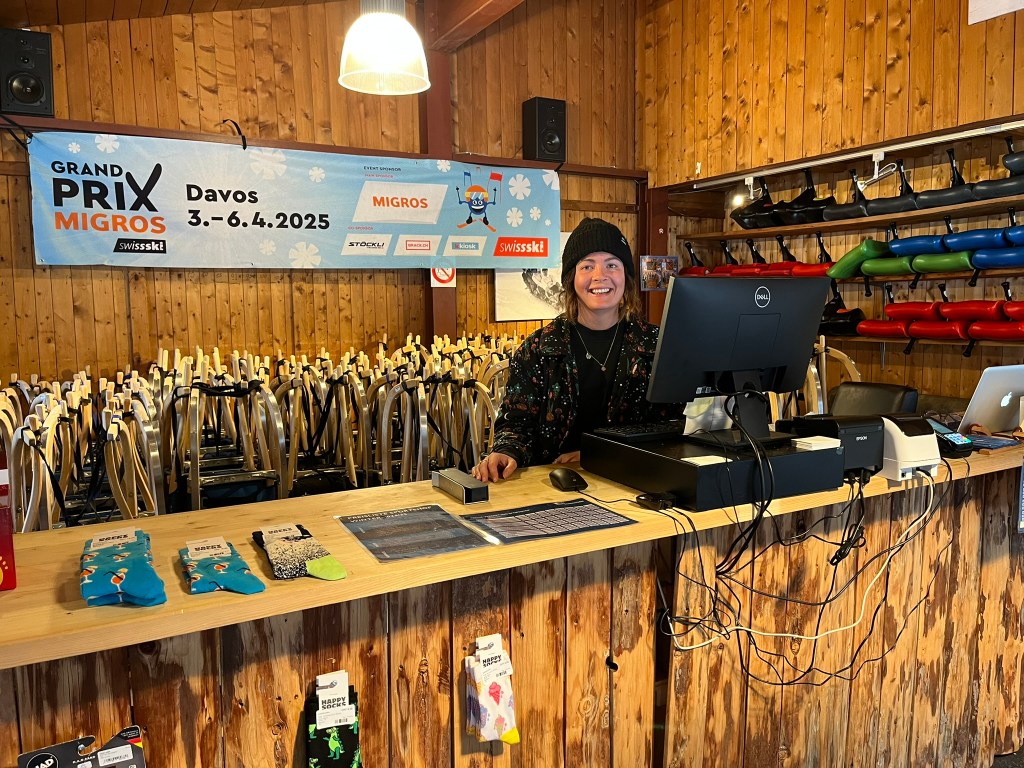
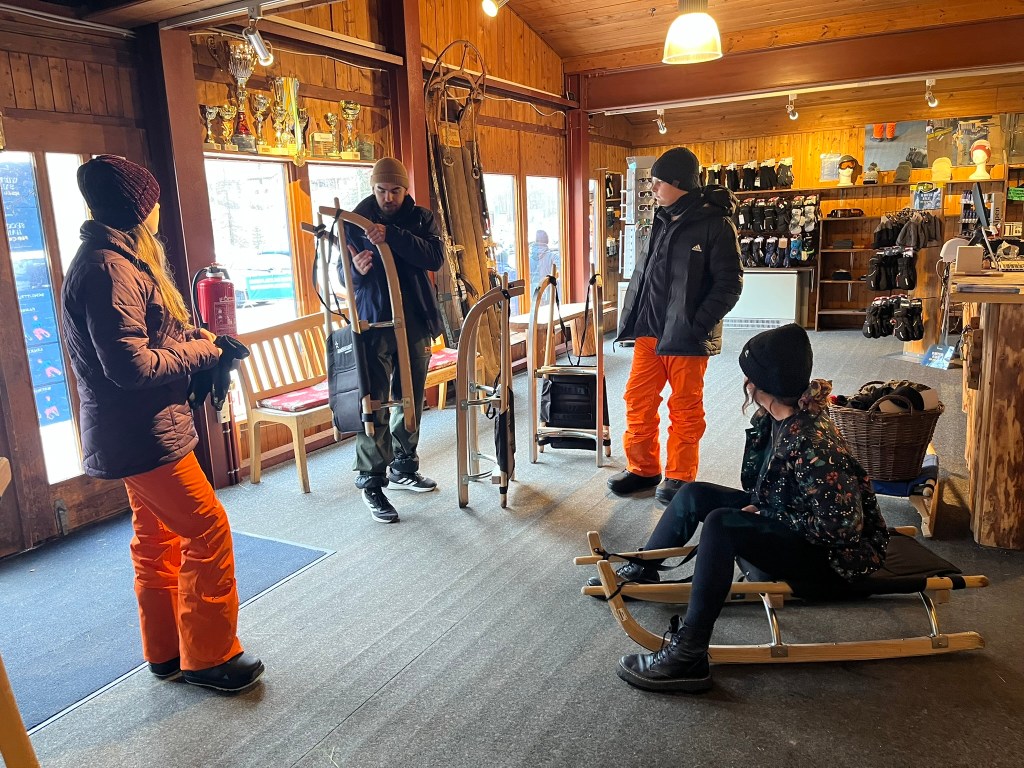
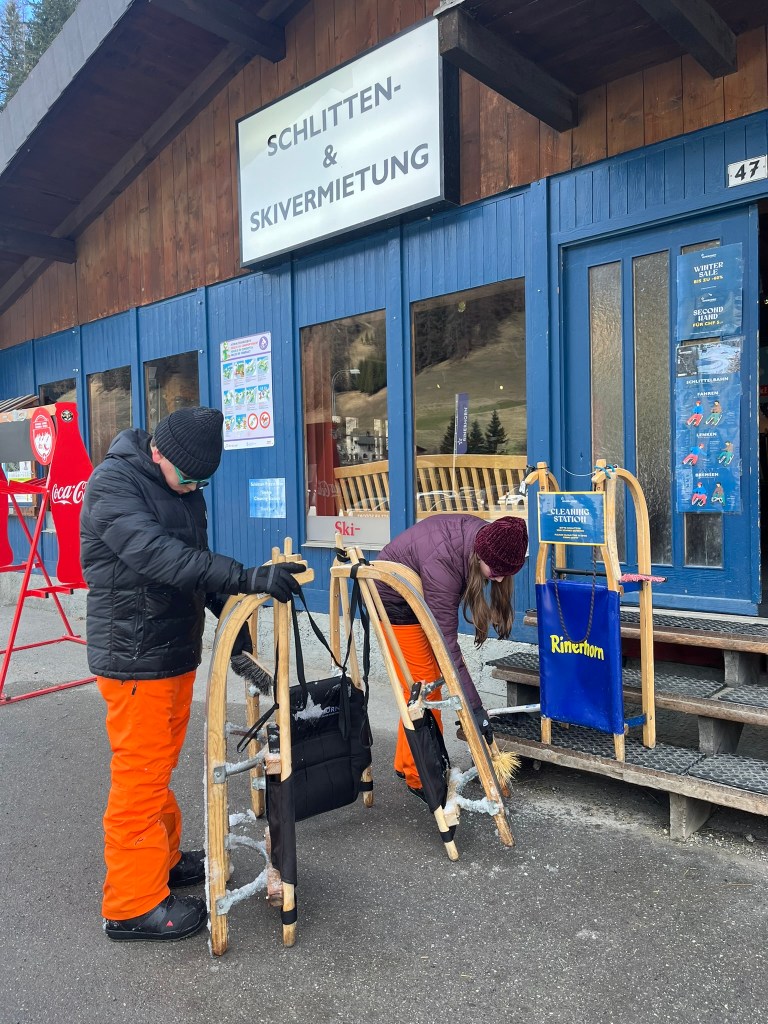
Private and group lessons are offered at Ski School Davos, with ski equipment rental available at Top Secret Ski & Snowboard Shop, directly across the street from Bolgen Plaza.

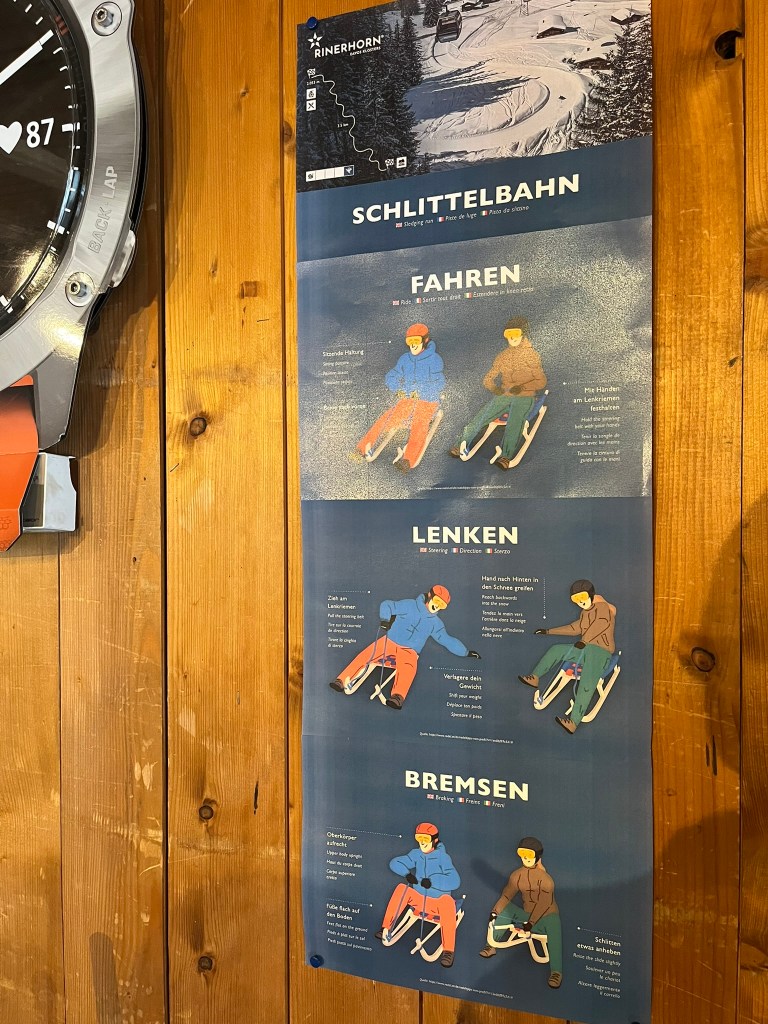
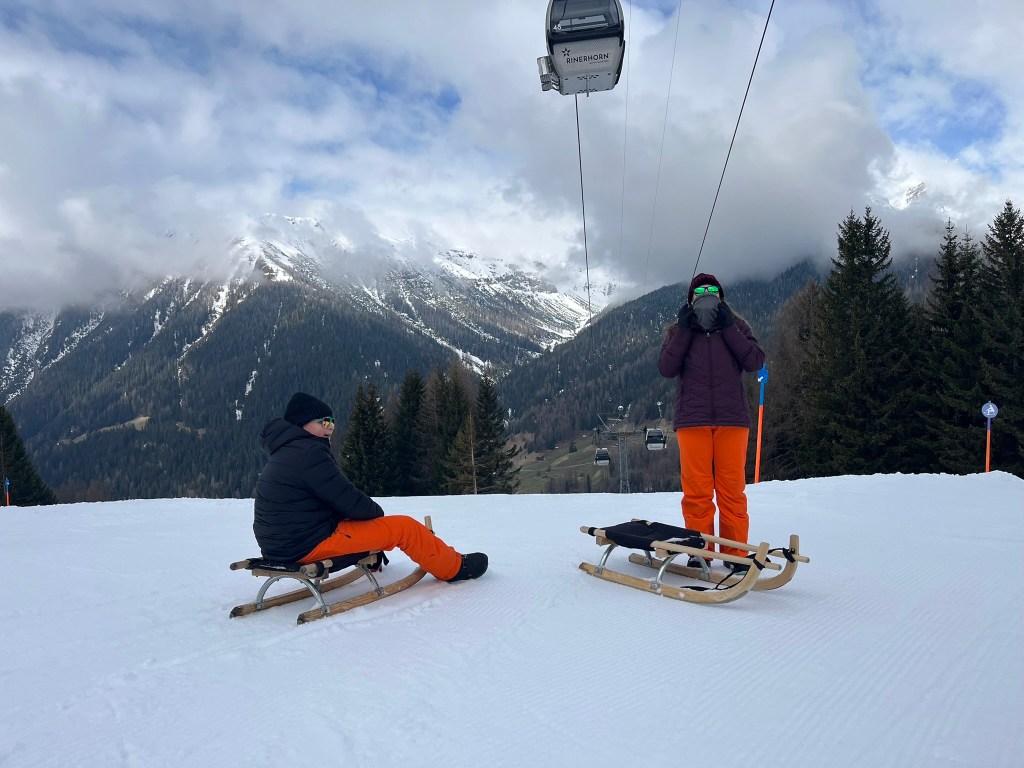
The Alps are inviting even to those not wearing skis. For a fun take on tobogganing, try sledging down the 2.2-mile Rinerhorn run in Davos. Take the ski lift to the top and pilot your wooden sledge down the steep and curving 33-bend slope—one of the most challenging sledging runs around—braking with knees bent and feet flat on the snow and changing direction by shifting weight and pulling the steering rope. It’s like high-speed Mario Kart in the mountains!

Rinerhorn has slopes for skiers and sledgers.

If you’re staying at the comfy mountain chalet Hotel Waldhuus in Davos, be sure to spend time in the large indoor pool and experience the Switzerland sauna lifestyle in their bio sauna, herbal sauna, or new Finnish sauna. Usually co-ed and textile-free, sauna visitors in Switzerland use towels simply for hygiene purposes—not as a cover-up, but to sit on so sweat doesn’t touch the wood. Sauna usage is linked to many health benefits and can lower blood pressure, improve cardiovascular health and circulation, reduce soreness after exercise, promote muscle recovery, stimulate immune system support, reduce stress, and eliminate toxins. A swim and sauna session after a full day of activity feels physically and mentally healing, especially in a clean and well-maintained facility.   

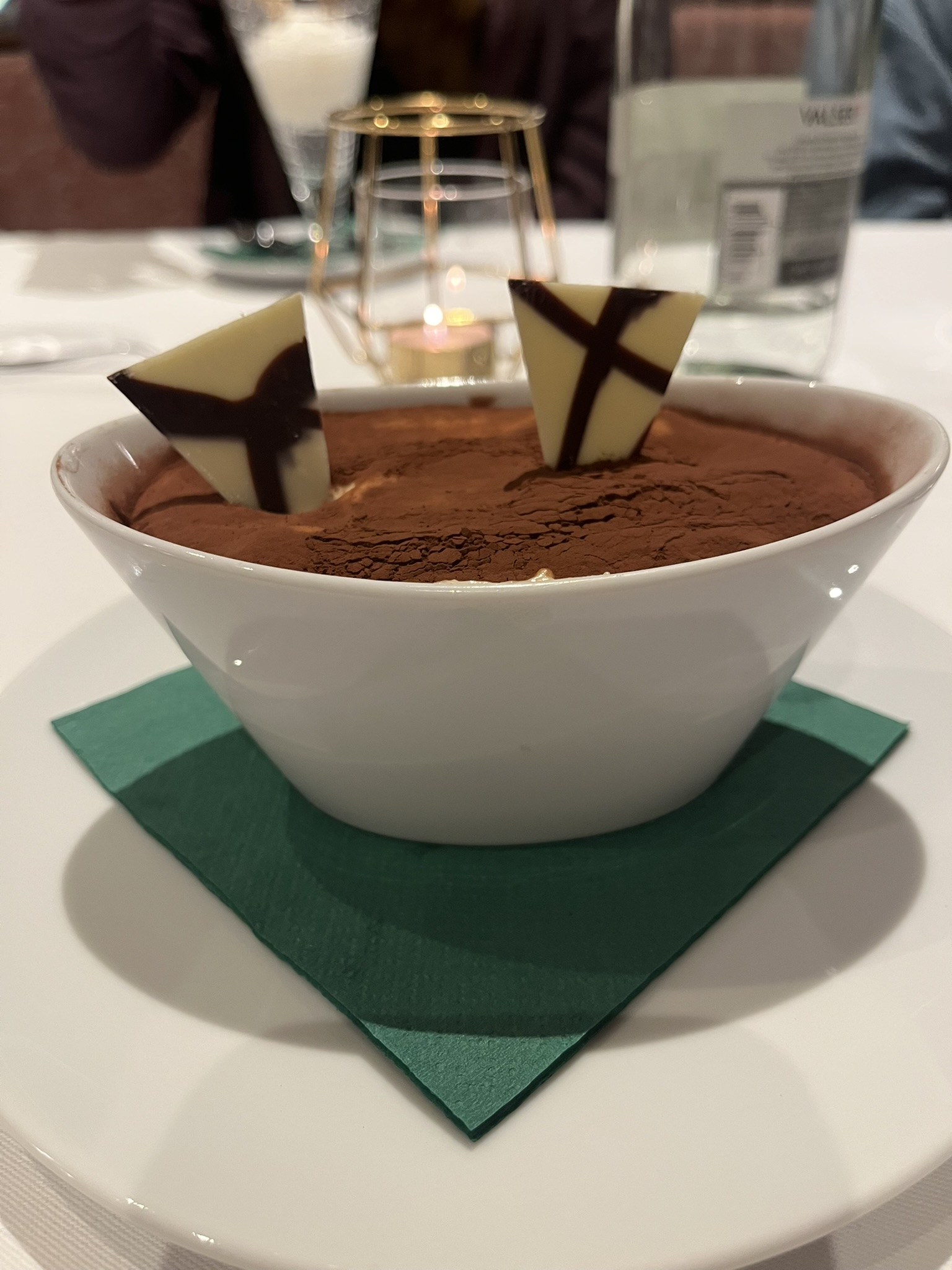
Unwind in Hotel Waldhuus’ comfortable accommodations with terrific spa facilities, and try the delicious tiramisu and enormous fresh breakfast spread in the Waldhuus Restaurant.

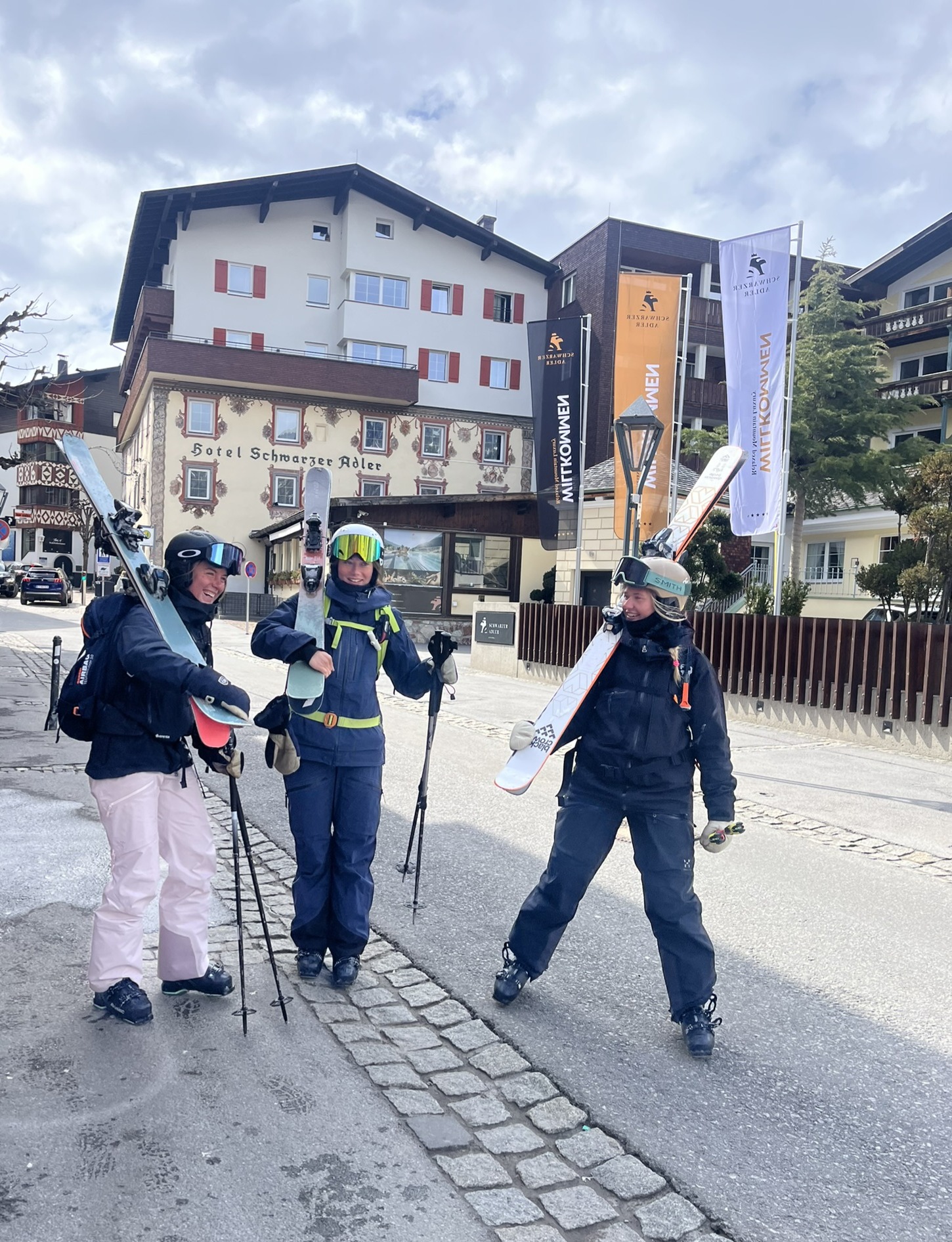
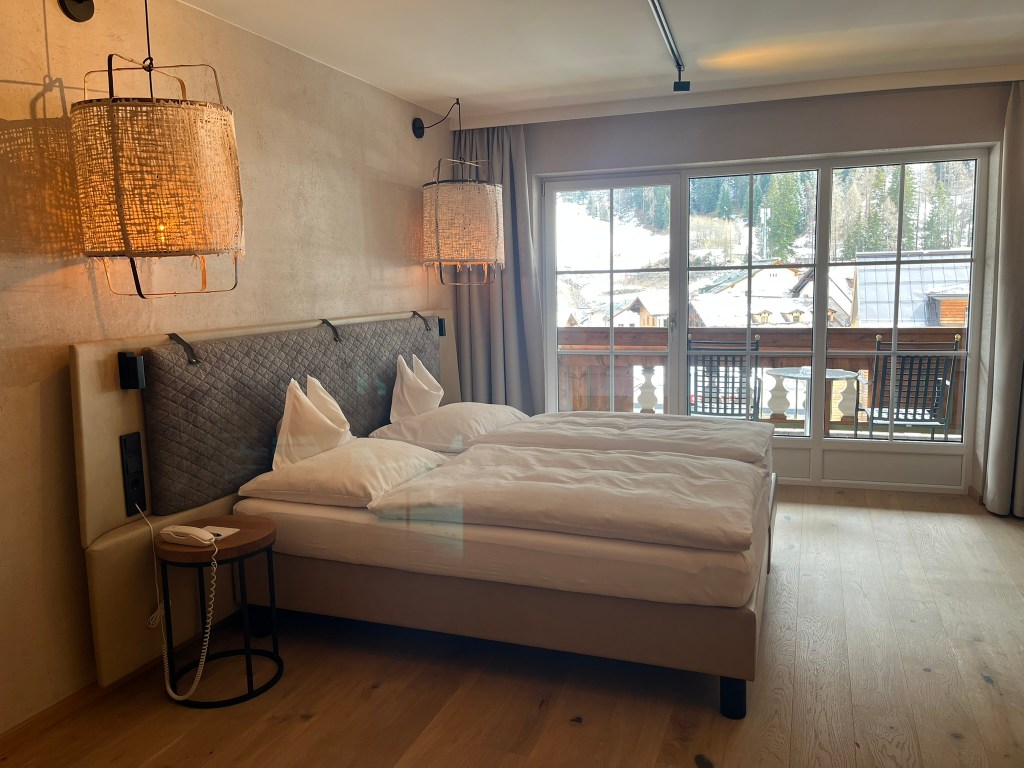
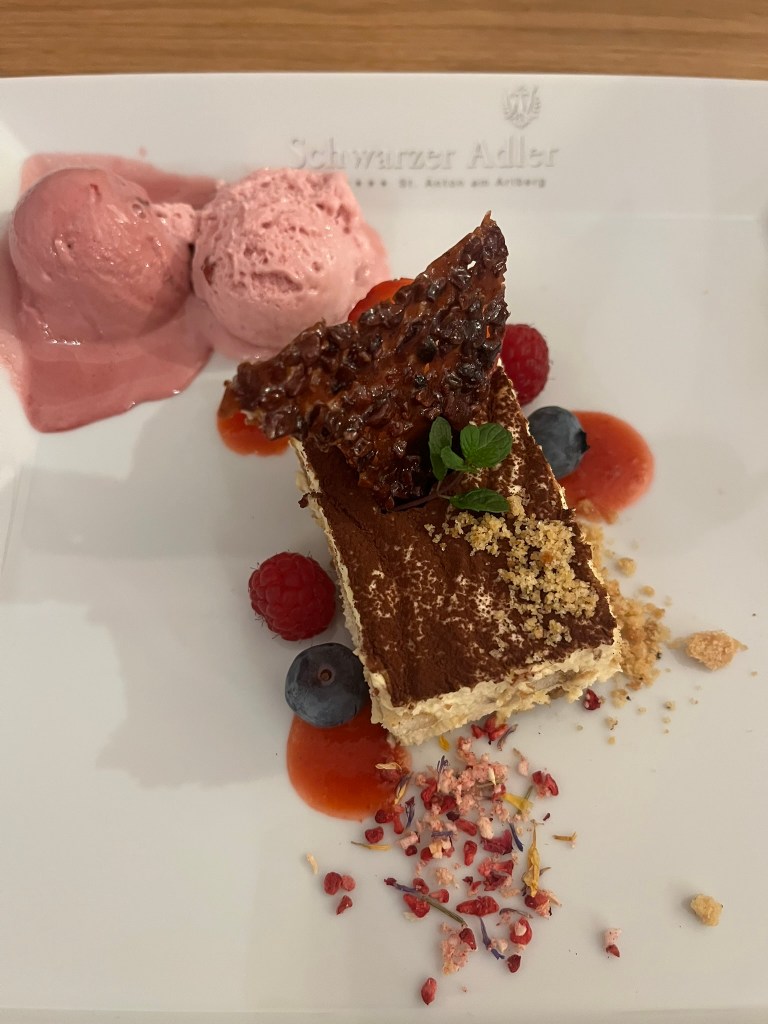
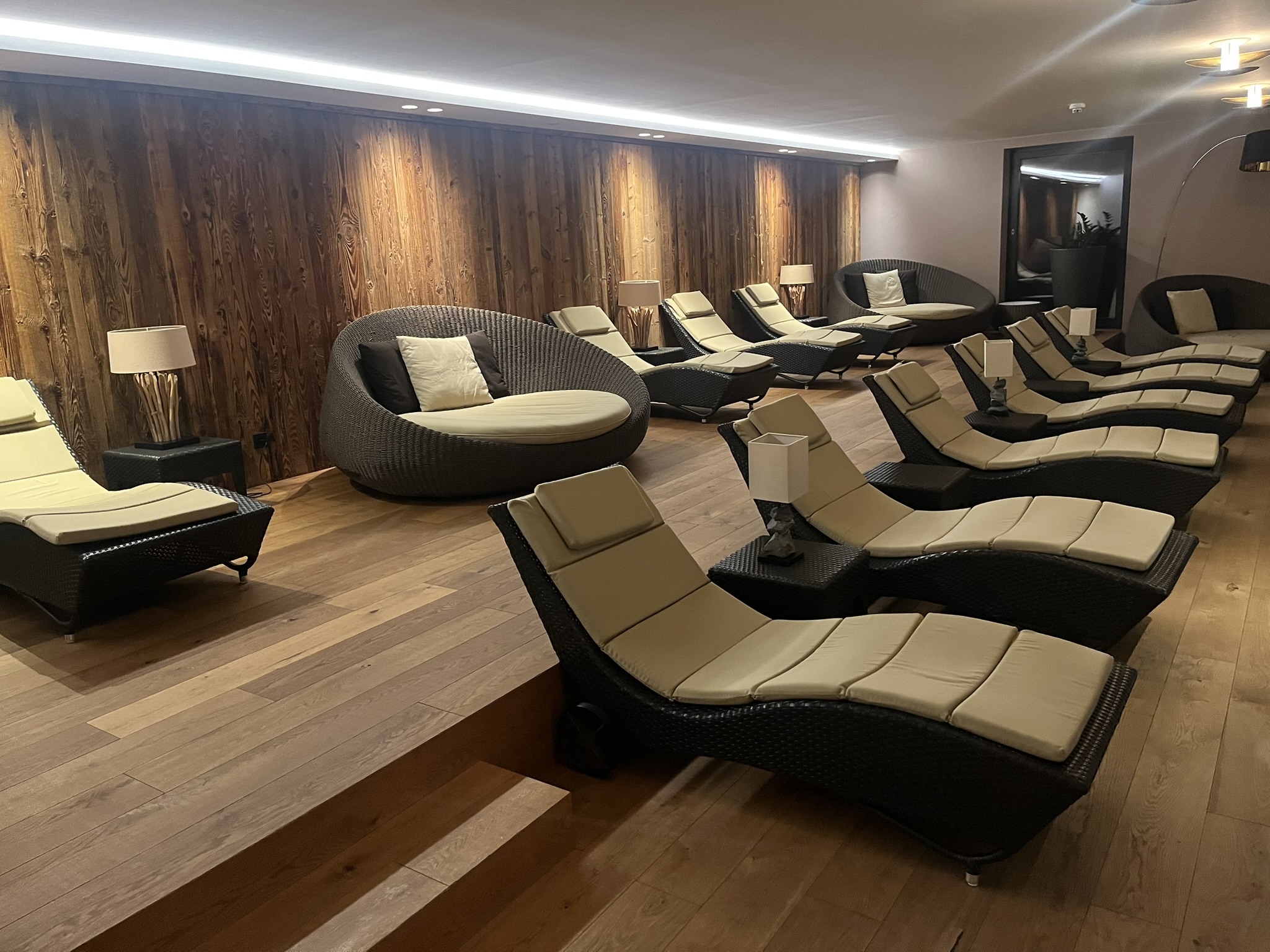
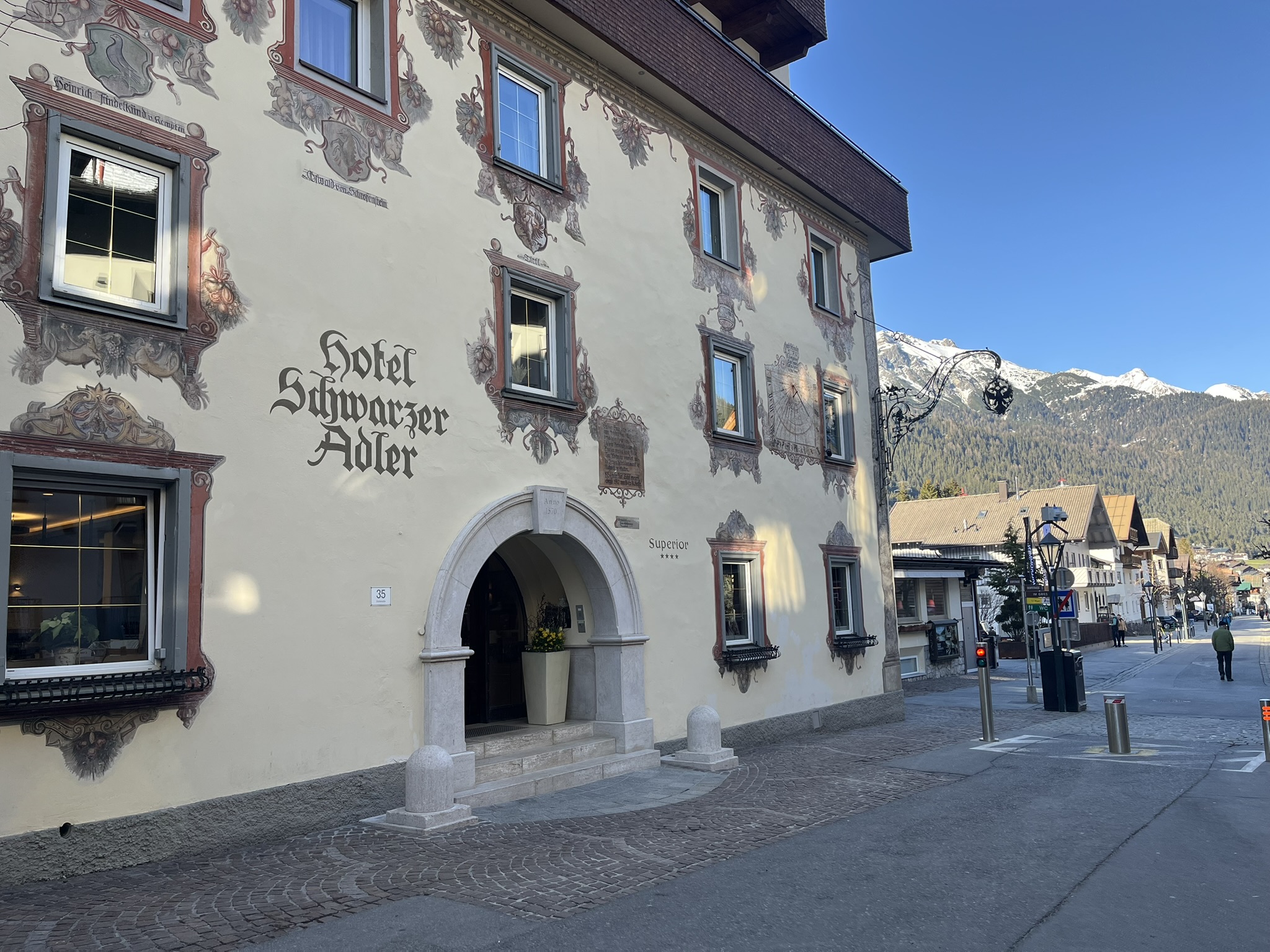
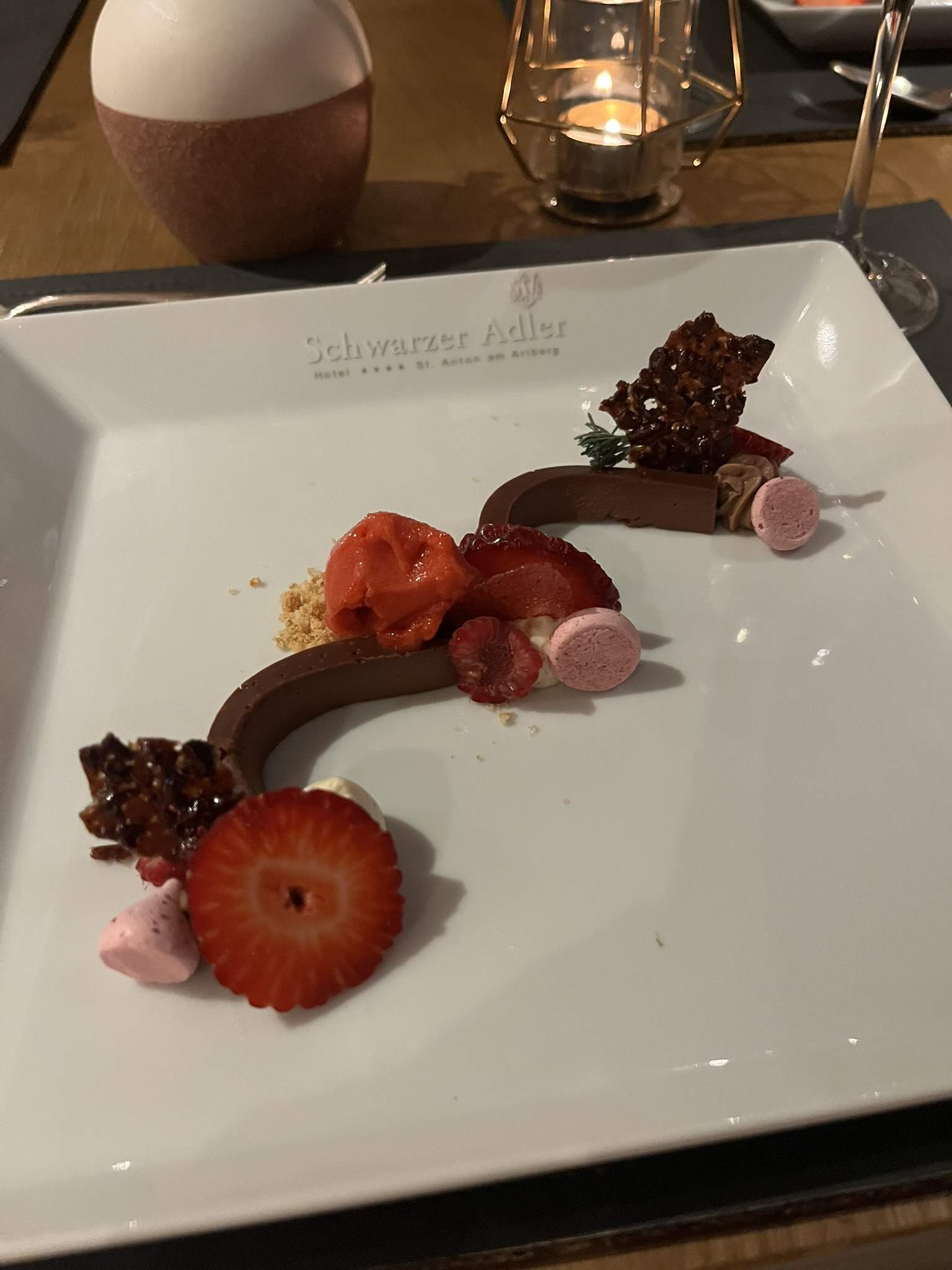
For a taste of the Austrian Alps, a 3.5-hour train ride brings you to St. Anton am Arlberg, Austria, where you can make your home base the classy Hotel Schwarzer Adler. Here, white-glove dinner service offers perfectly flavored and artfully plated meat and vegan dishes, homemade comfort foods including butter Spätzle (egg noodle pasta), and delectable desserts like “chocolate 5 ways,” with Austrian wines for pairing. You can swim in the outdoor sky pool under the pure mountain air or unwind indoors in the relaxation room, saunas, or sparkling indoor pool. Treat yourself to a spa package from the massage menu or simply sip an espresso on your hotel room balcony with a view of snowy peaks and a soundtrack of church bells and birdsong.

The Schwarzer Adler Hotel provides luxurious dining experiences and relaxation outlets.

Skischule Arlberg is the award-winning largest ski school in Austria, founded by Hannes Schneider, the father of the modern “Arlberg technique” skiing style. Before Schneider’s development of this forward semi-squatting posture, the trend was to stand erect with rigid knees, a position derived from Nordic or cross-country skiing, which wasn’t a practical stance for the steep Tyrolian terrain. Ski instructors at Skischule Arlberg keep lessons fun and stress-free, moving at the students’ pace and providing encouragement without pushing too far beyond current comfort levels. For those unaccustomed to ski life, it’s an excellent introduction to what many Alpine locals grow up learning from a young age.  

Ski School Arlberg prepares skiers to achieve their athletic goals.

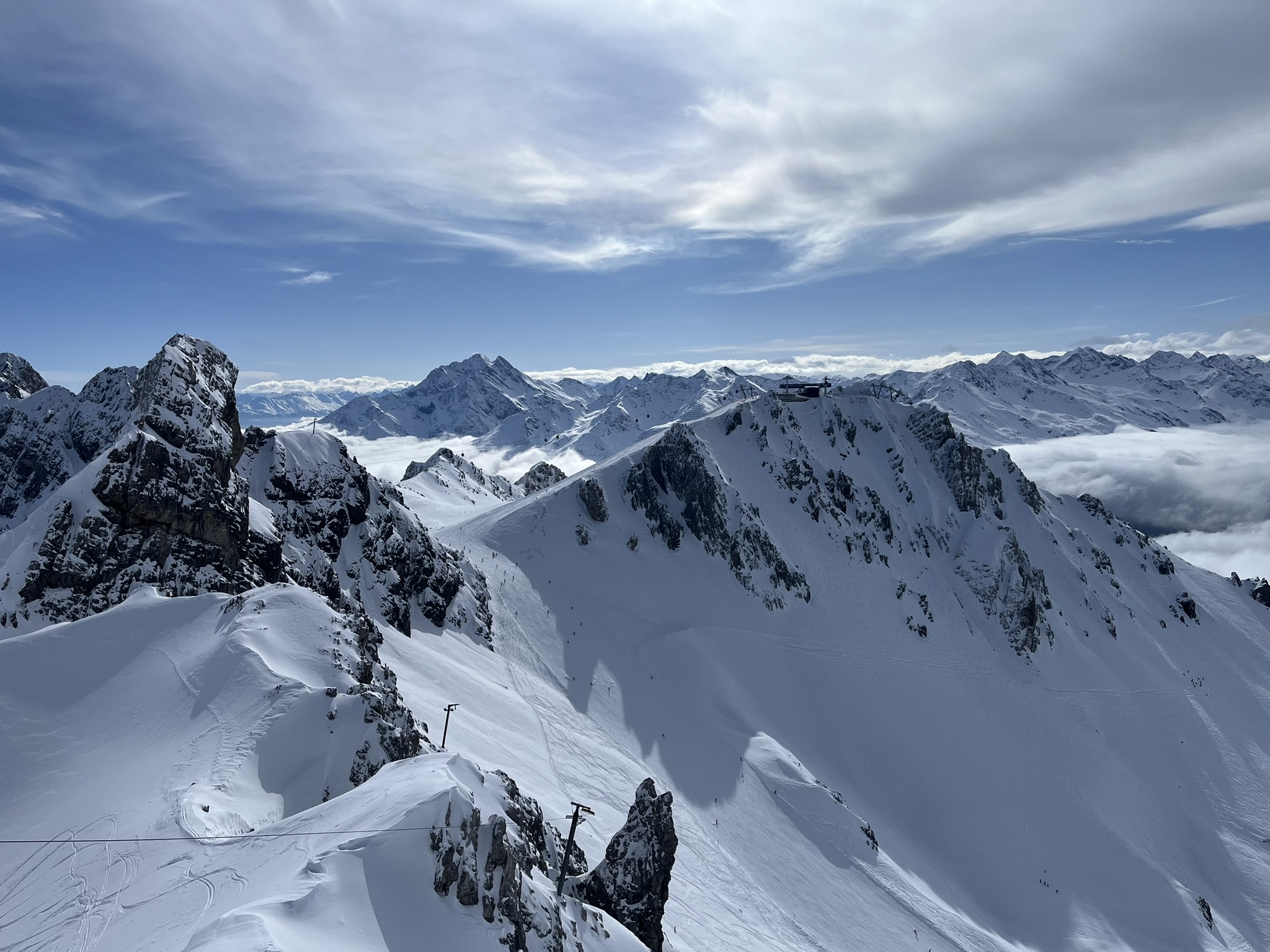
An incredible highlight of St. Anton—no skis needed—is up on the very peak of Valluga, at 9,222 miles above sea level. Ride the “Galzigbahn” ski lift to the first mountain station, where you can snack at the Galzig Restaurant, shop in the ski store, and watch athletes descend the slopes. Then ascend with the “Vallugabahn I” lift through fog and clouds to the Vallugagrat station and the Valluga View Restaurant. One more ride in the small “Vallugabahn II” cable car brings you to the pinnacle lookout point—a circular railed platform open to the intense sun and whipping wind, with breathtaking views of snow-covered Alps in every direction. You have a clear panorama from Lake Constance to Switzerland and the Zugspitze, the highest mountain in Germany. From here, you can see the extraordinary beauty of the glacier-carved gorges as well as the splendid organization of the ski resort, with numerous lifts in motion, skiers gracefully carving patterns into the snow, and sky-high facilities with everything you might need for your day in the heights.

Unbeatable Valluga views are a highlight of St. Anton am Arlberg.

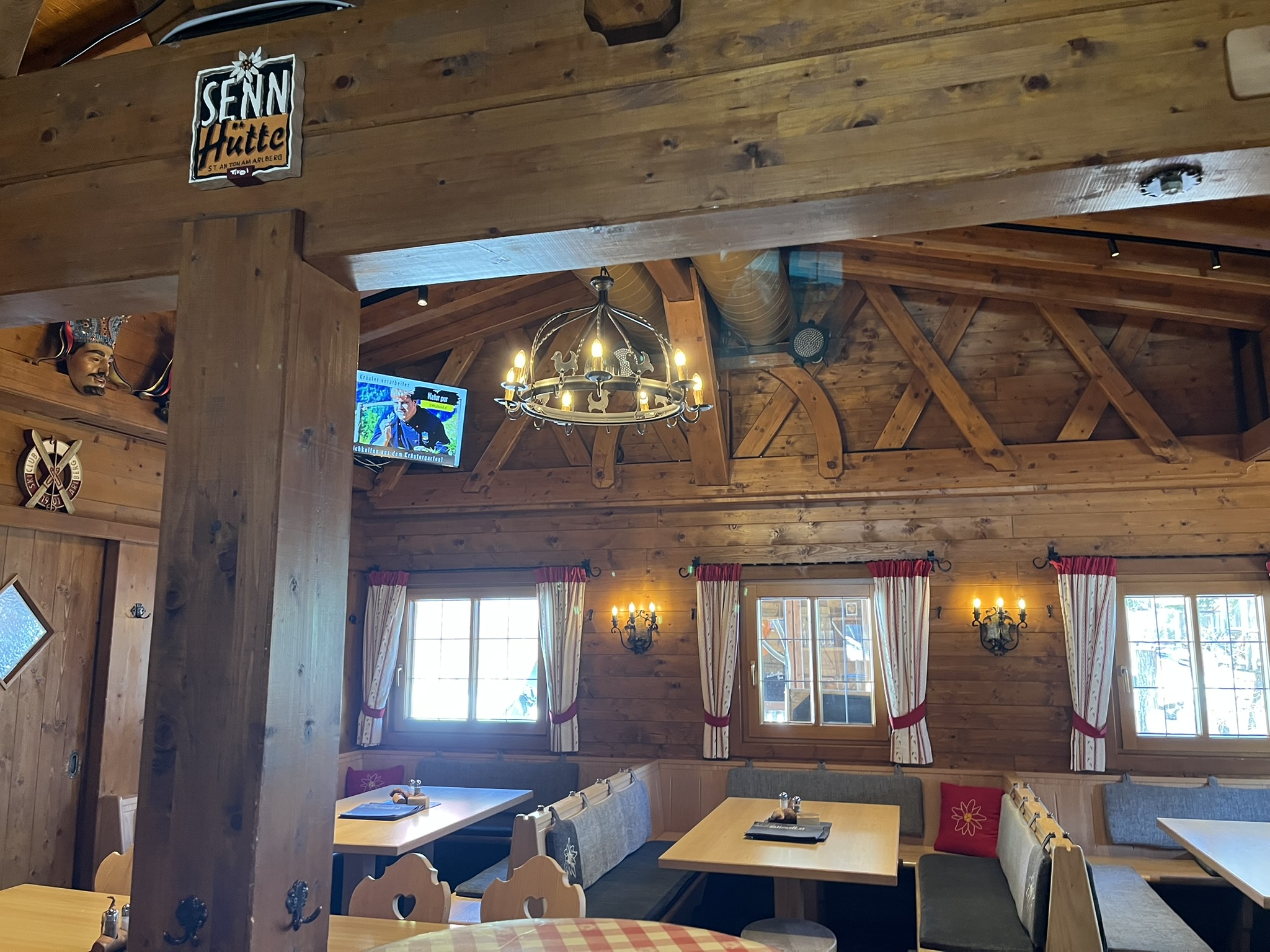
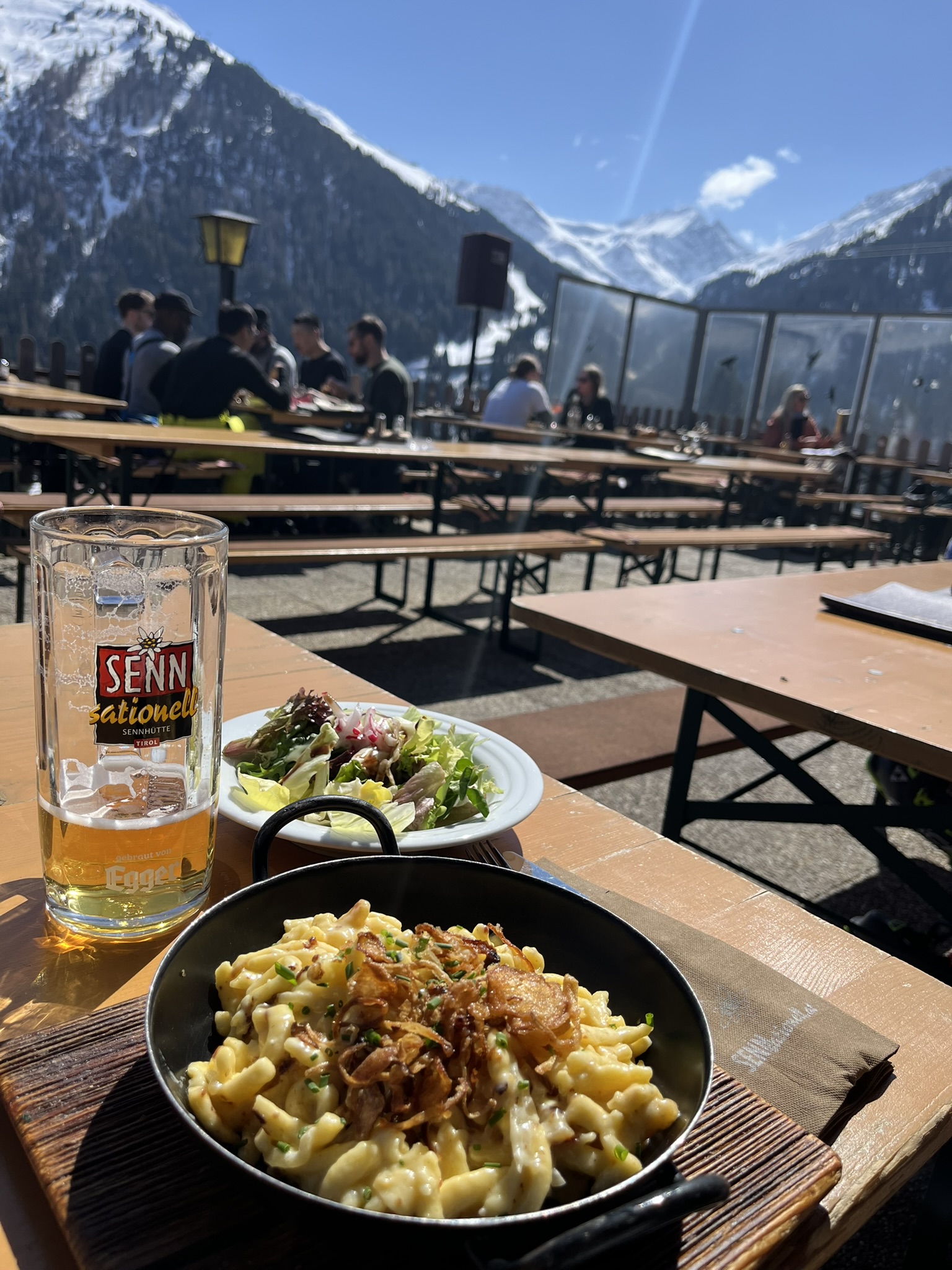
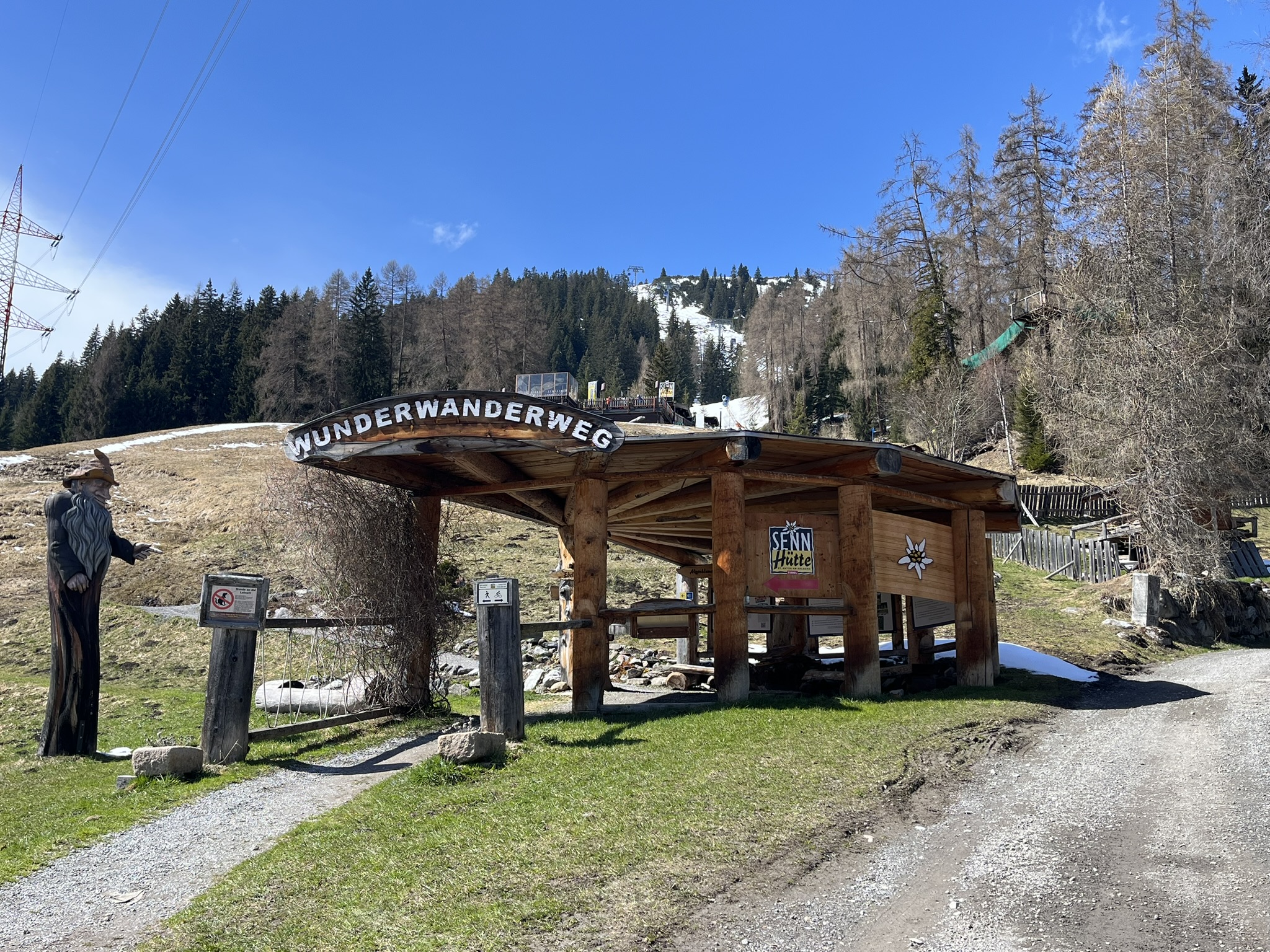
Don’t leave the Alps without an après-ski experience! St. Anton am Arlberg holds many opportunities to unwind and let loose after a day of athletics. You can party hard with club music and tasty drinks at any number of après-ski huts, or partake in a casual post-ski meal at the rustic Sennhütte restaurant right on the slopes—its entrance marked by an enormous pair of Lederhosen. Either ski down the hill right to the restaurant or take a free bus trip there from the town center and hike up the WunderWanderWeg (wonder walking way) pathway from the bus stop. The back patio balcony affords an outstanding view into the mountains—a brilliant backdrop for sampling Käsespätzle (thick cheesy noodles topped with crispy fried onions), Schnitzel and Pommes (fried meat cutlets and French fries), and gulping a refreshing beer or Skiwasser (“ski water”—an alcohol-free blend of raspberry syrup, lemon juice, and water or seltzer).

Giant lederhosen and the WunderWanderWeg lead the way to Sennhütte.

Any beer fans or German-language–lovers know that Bavaria is a nearby European destination worth visiting, so travel by Eurail from St. Anton 3.5 hours northeast and you’ll end up in Munich, Germany. A short walk from the Munich main train station through a Mediterranean district brings you to the fresh and inviting greenery-filled lobby of the KOOS Hotel. A prime location near Karlsplatz bus and streetcar stops, the KOOS Hotel is also within easy walking distance of the Altstadt, Munich’s medieval old town. KOOS Hotel’s vegan-friendly personal care products in the rooms and numerous vegetarian and vegan breakfast selections are a welcome perk for those with specific preferences and dietary needs. The hotel is also a role model for sustainability and is entirely paperless, with a digital check-in process and novel phone-activated room entry in lieu of a room key. This family- and dog-friendly haven near the city center has all you need for your stay, including an in-room washing machine and clothesline for freshening up travel clothes.

Environmental consideration and convenience are key at KOOS Hotel.

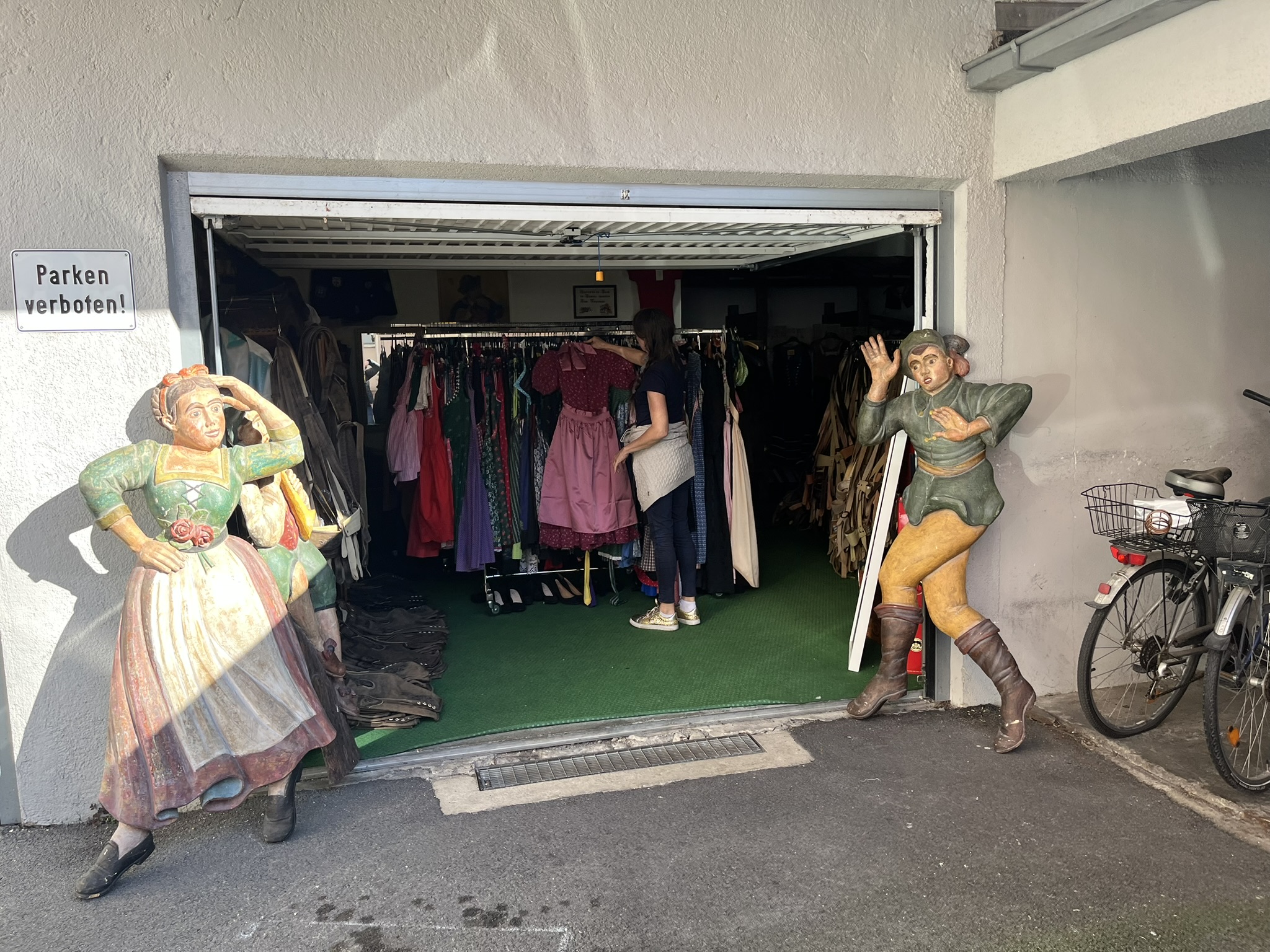
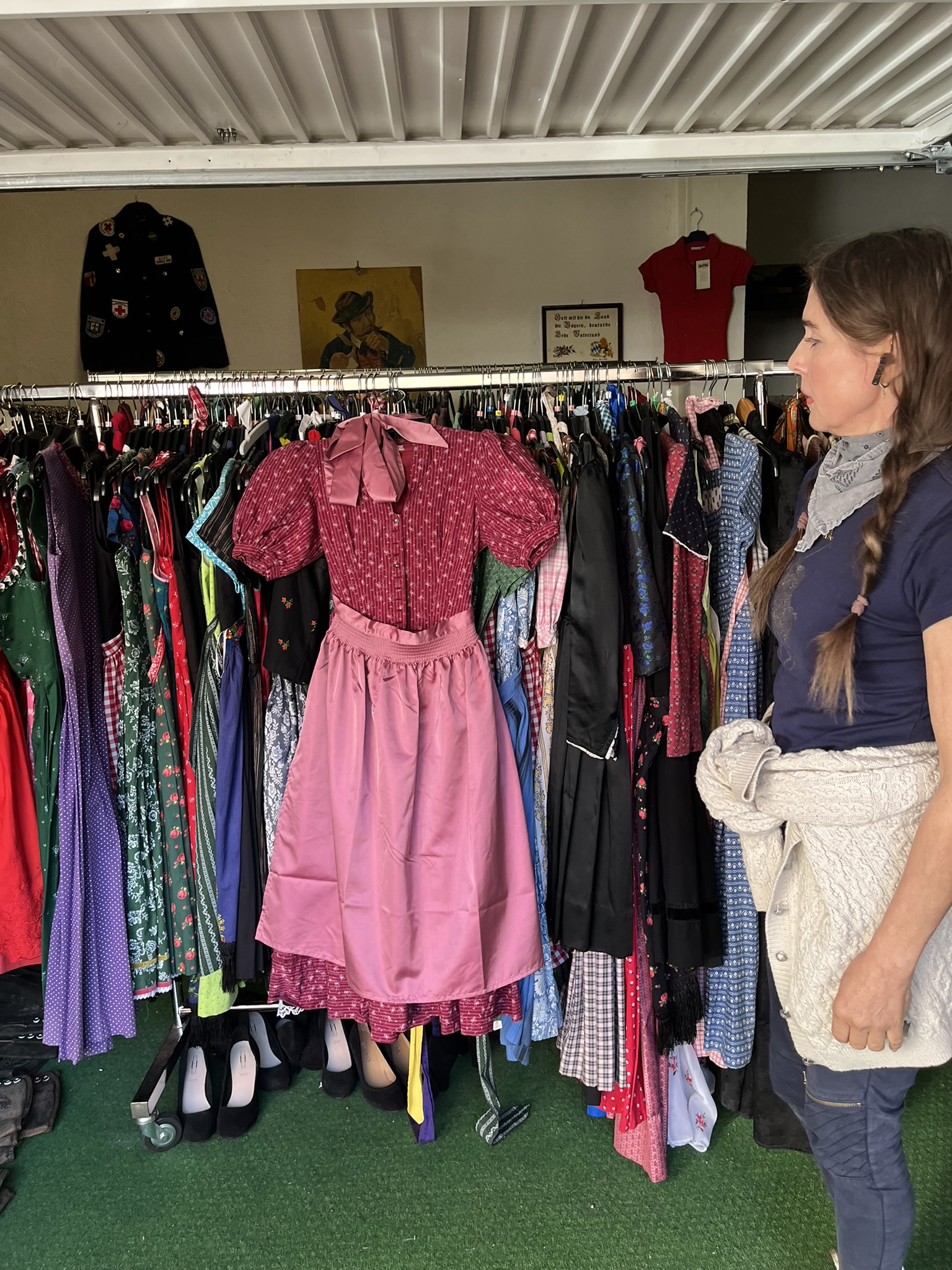
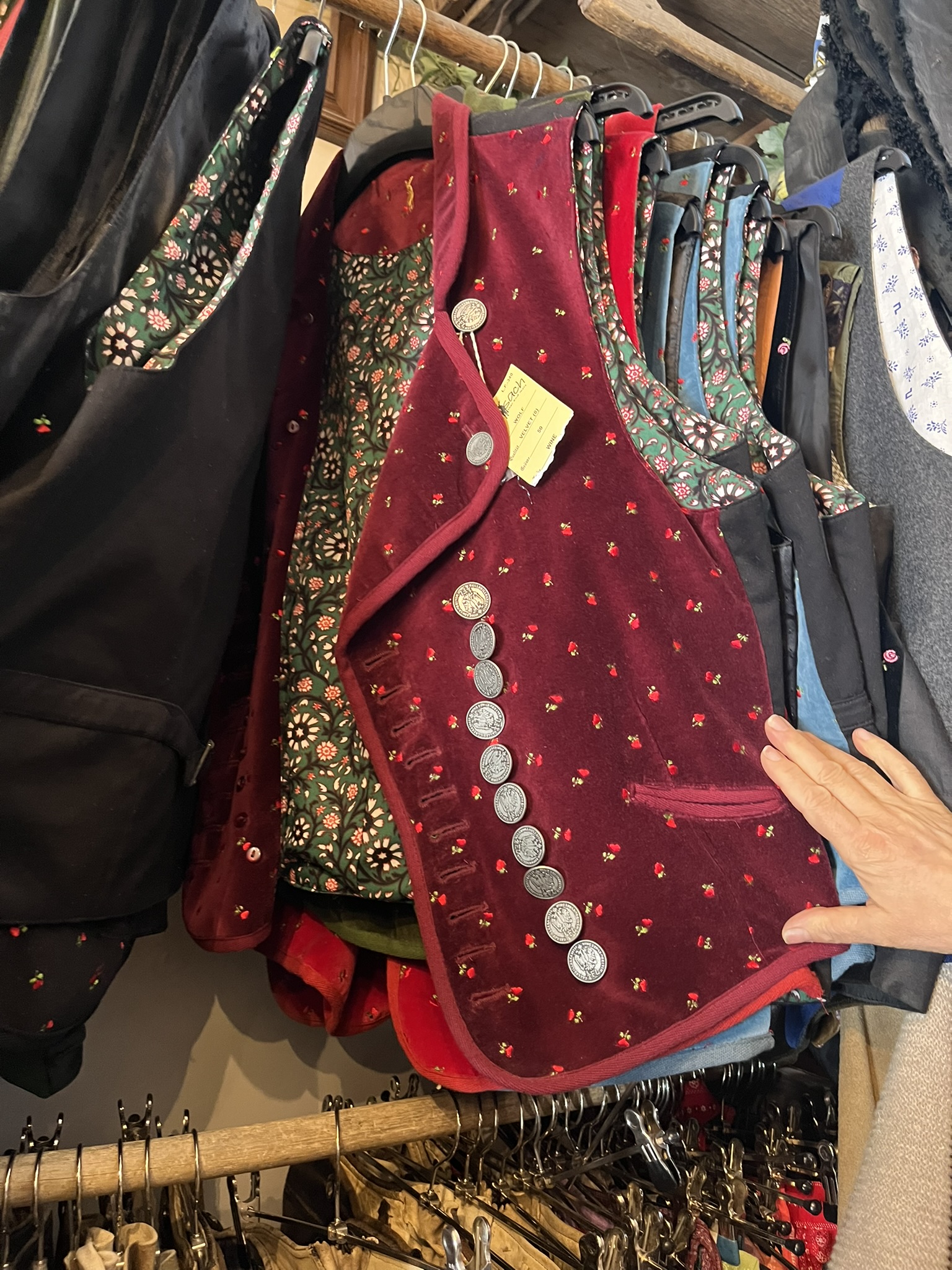
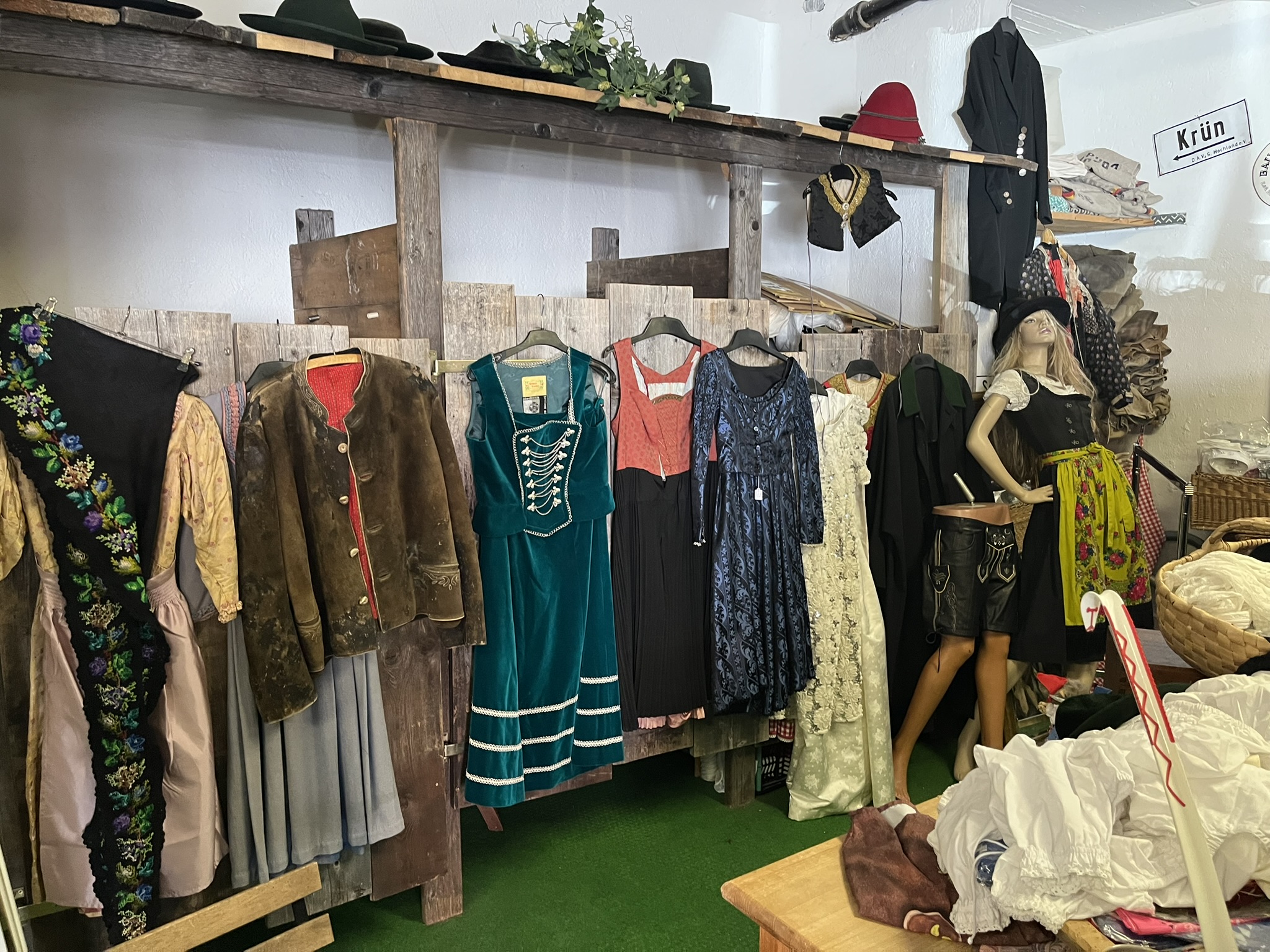
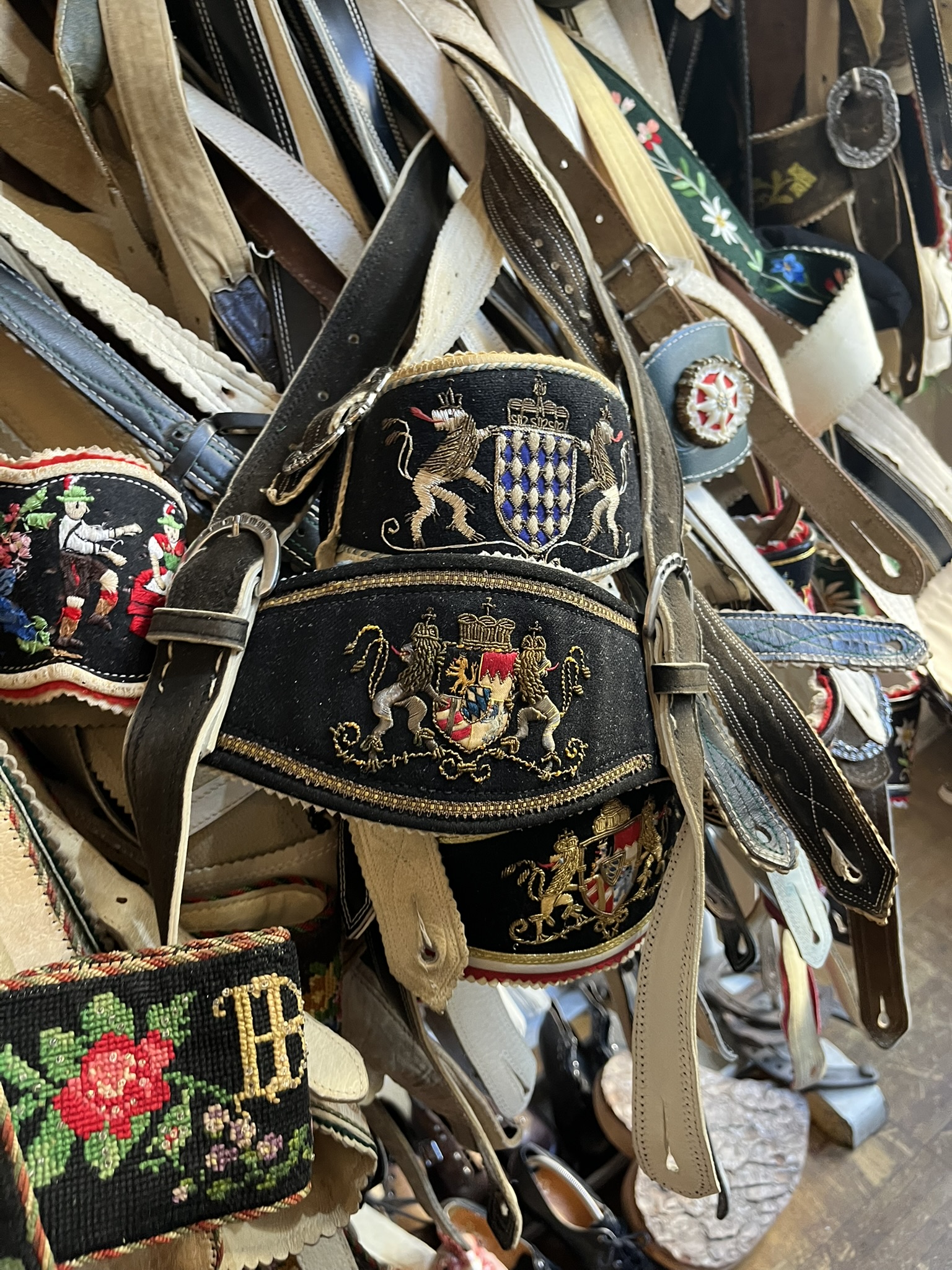
If you’re looking to buy some “new-to-you” threads, consider a walk to Holareidulijö traditional Bavarian clothing store. Affable and knowledgeable shop owner, Michaela Klein, lovingly restores and resells used Dirndl, Lederhosen, hats, vests, and myriad Bavarian accessories and jewelry, while offering an assortment of new shirts and socks to match her wares. During Oktoberfest season, Klein’s store and the extra garage unit in back are packed with shoppers searching rows of racks for colorful festival outfits and drinking the free beer she offers during her busiest weeks.

Holareidulijö is a treasure trove of authentic, high-quality refurbished Trachten.

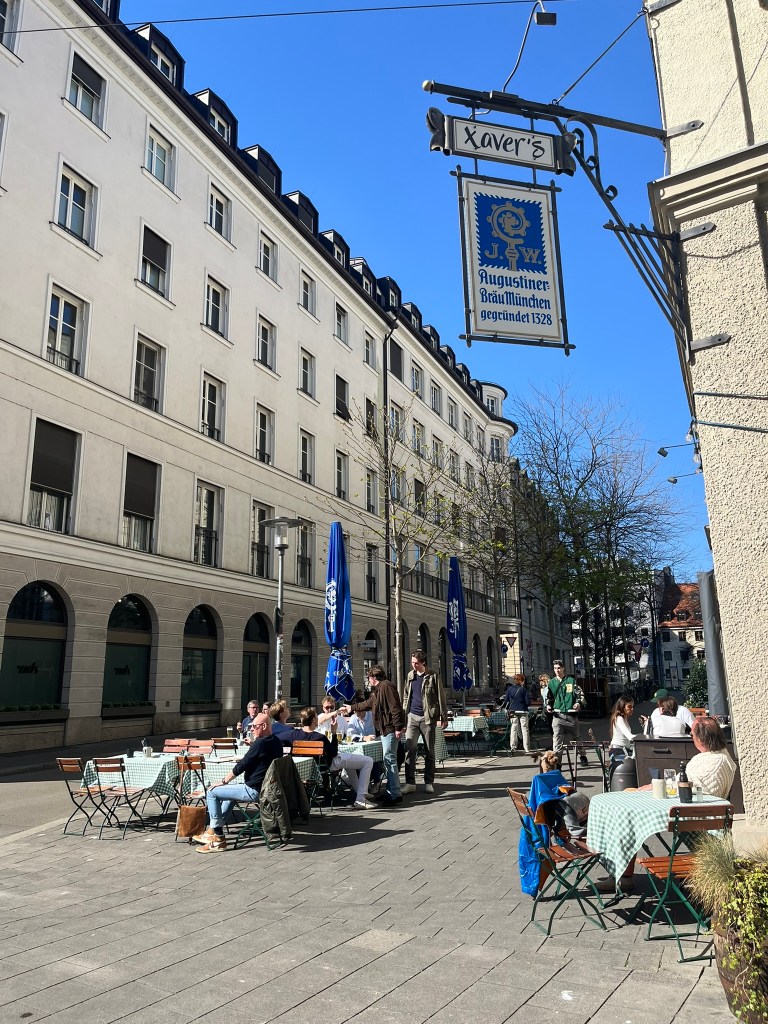
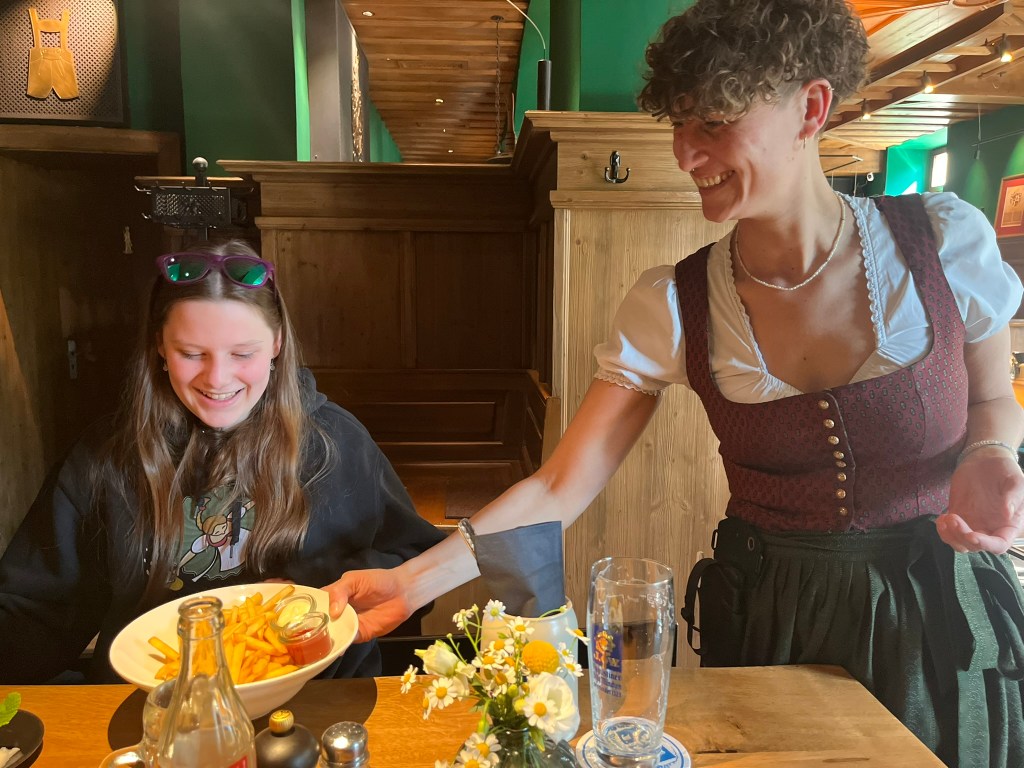
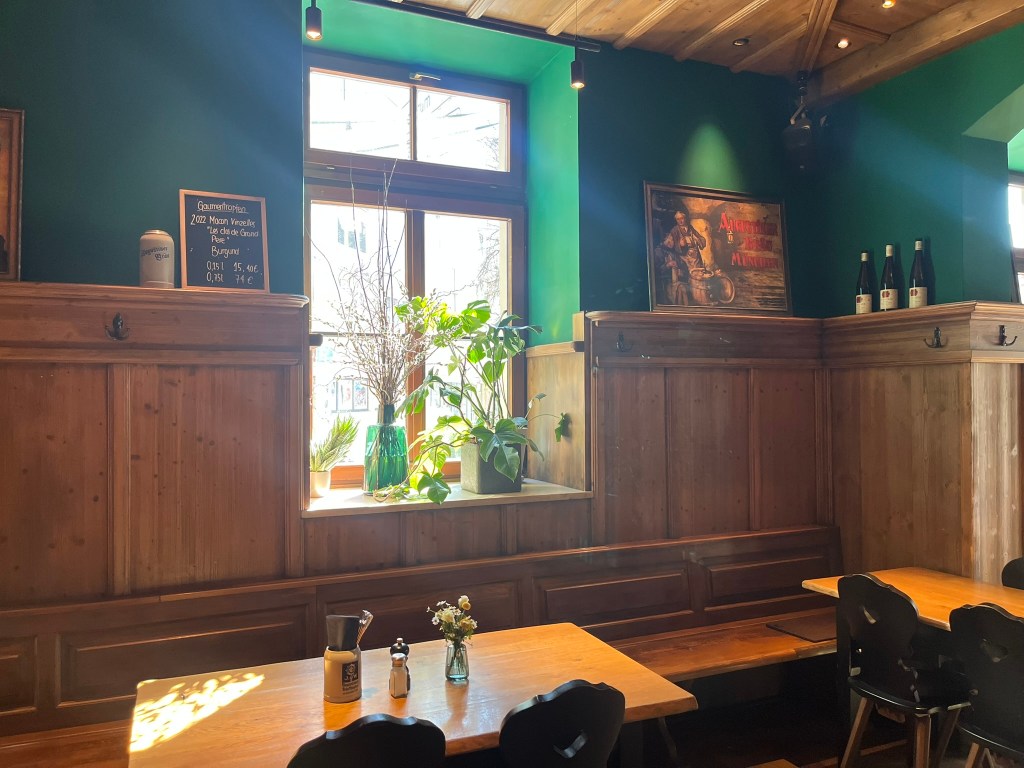
For a fantastic meal and some Augustiner beer or a selection from about 160 different wines, head to Xaver’s—a stylish restaurant and brew pub with a warm wood interior and a mix of small and large tables for date night or Stammtisch (“regulars’ table,” where friends recurrently gather to eat, drink, and socialize). Here, young and old alike are drawn to the restaurant motto’s “refreshingly traditional” vibe that features fun and friendly staff clad in traditional Bavarian costume (including genial owner Xaver himself, a sommelier and one of several restaurant-owning brothers). The menu features classic Bavarian dishes reimagined with a fresh take using locally farmed ingredients, as well as innovative entrees that change every six weeks. The lively music and cheerful atmosphere make you want to come back and be part of the scene— same time next week.

With a fresh take on Old World style, Xaver’s serves locally grown foods, Augustiner beer, and wines galore.

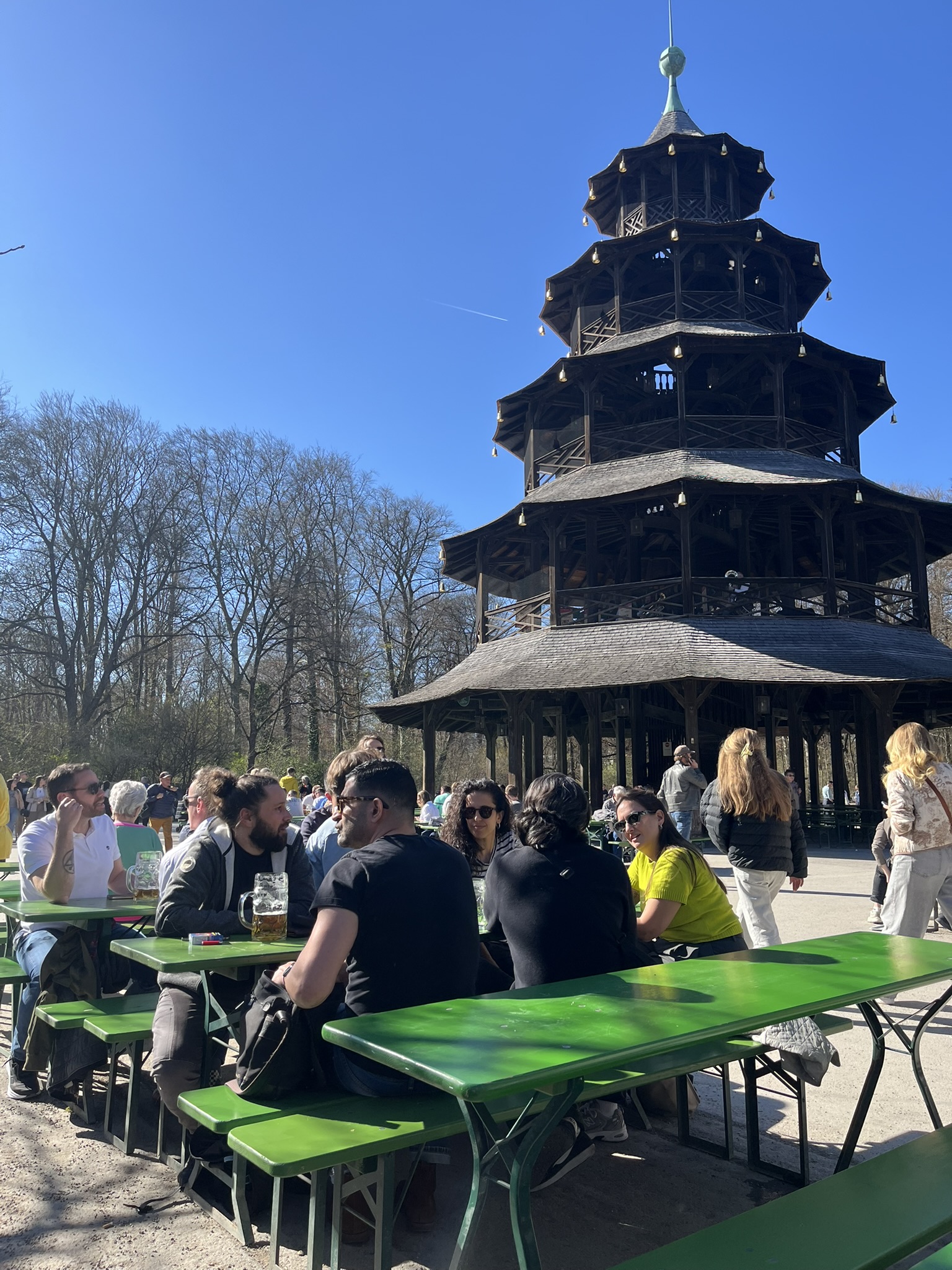
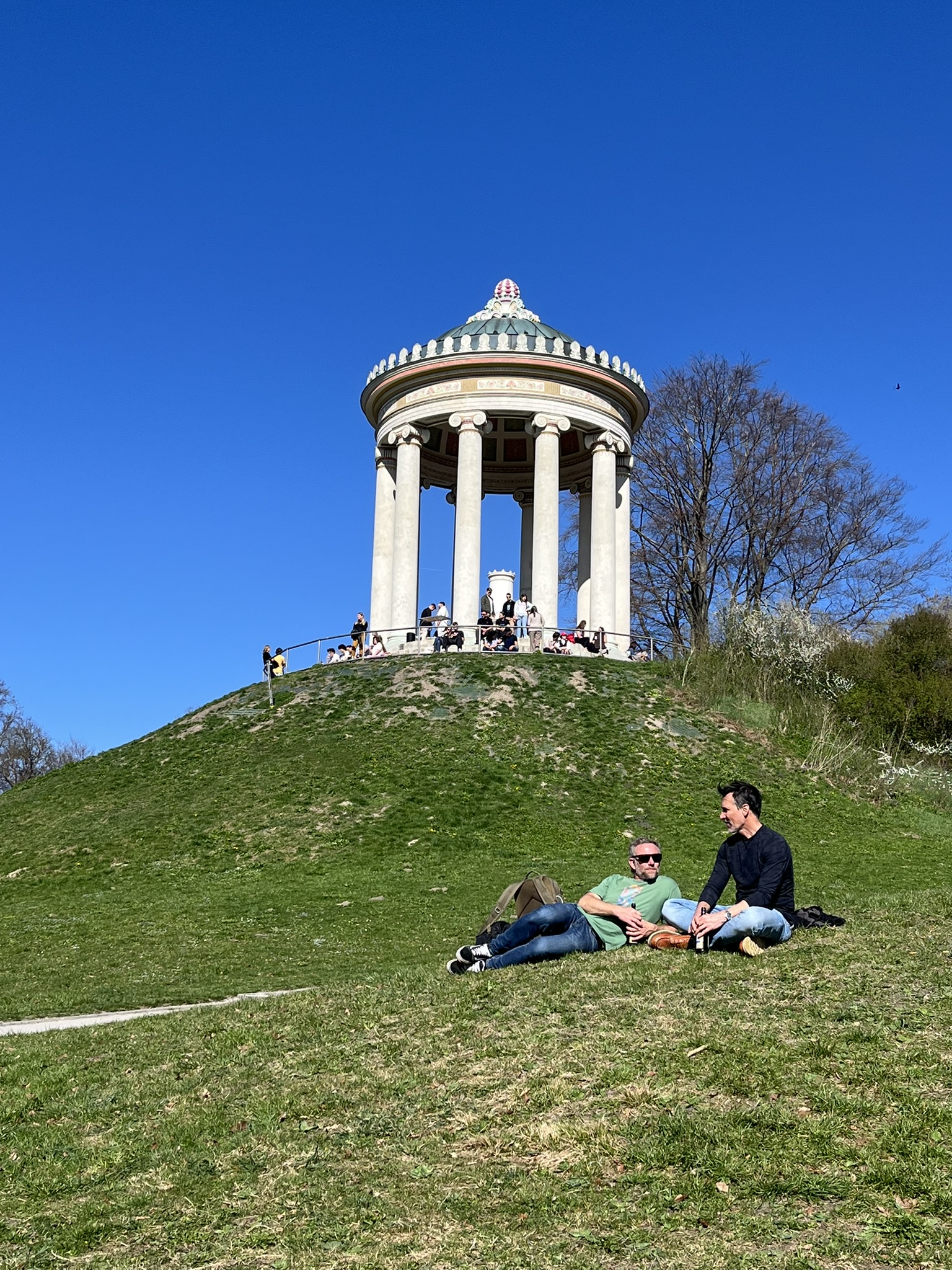
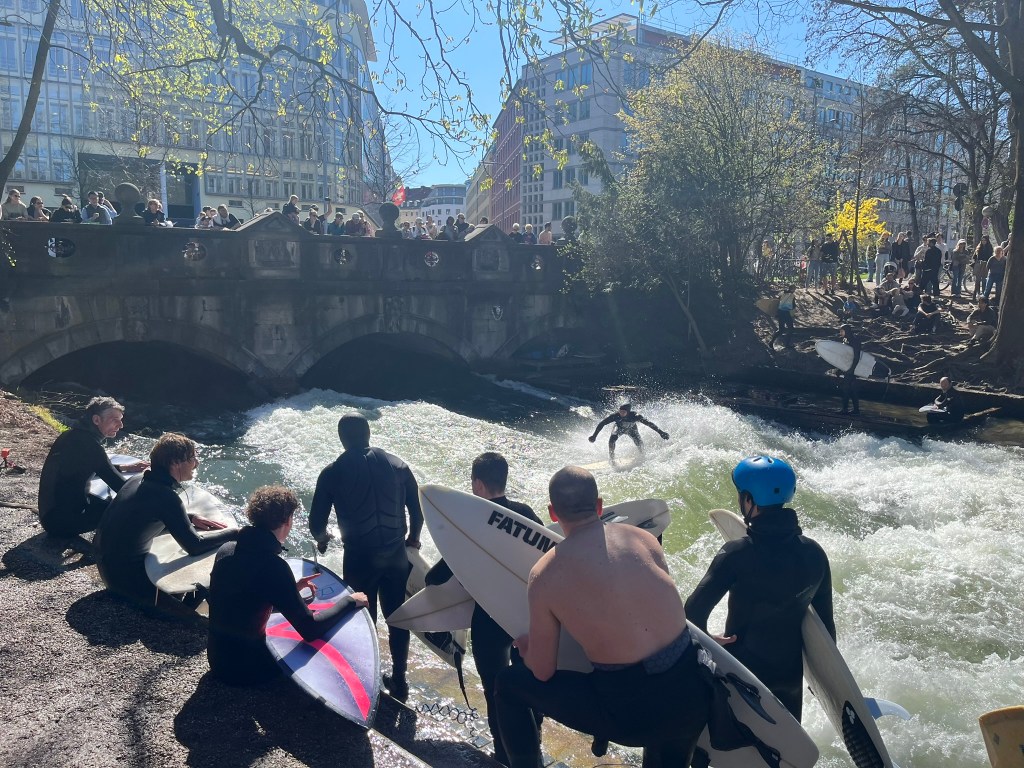
Spend a sunny day walking through the English Gardens to see brave wet-suited surfers on the man-made river waves and stop at the Biergarten am Chinesischen Turm (beer garden at the Chinese tower) for a fresh-baked pretzel and a mug of beer, Maracuja (passion fruit) juice with water, or Johannisbeere (black currant) juice with water. Kids can play on the jungle gym while adults chat and people-watch, all while listening to the lively oompah band playing from the second level of the tower.

On a nice day, the English Gardens fills with picnickers, volleyball players, surfers, and groups of friends.

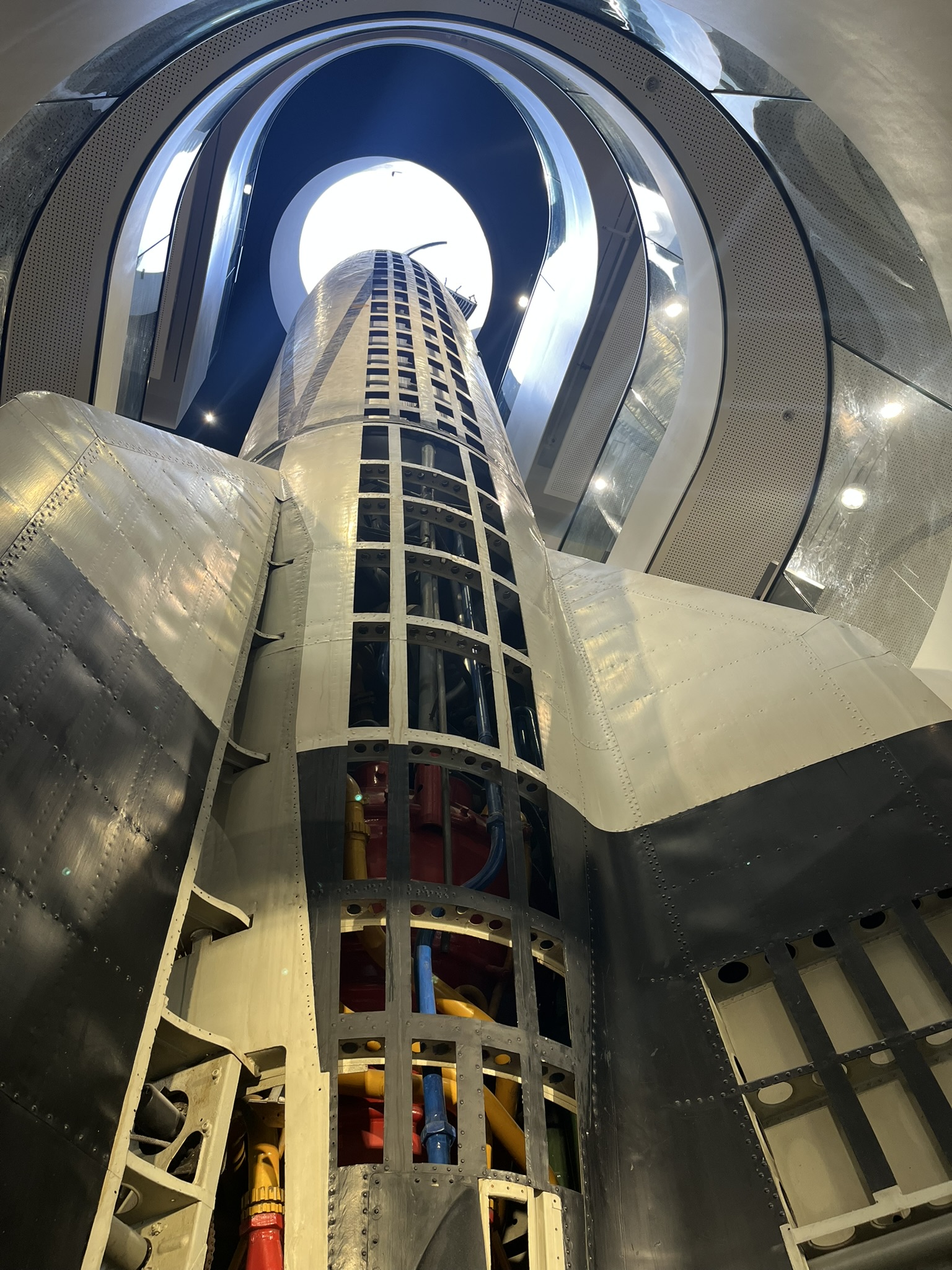
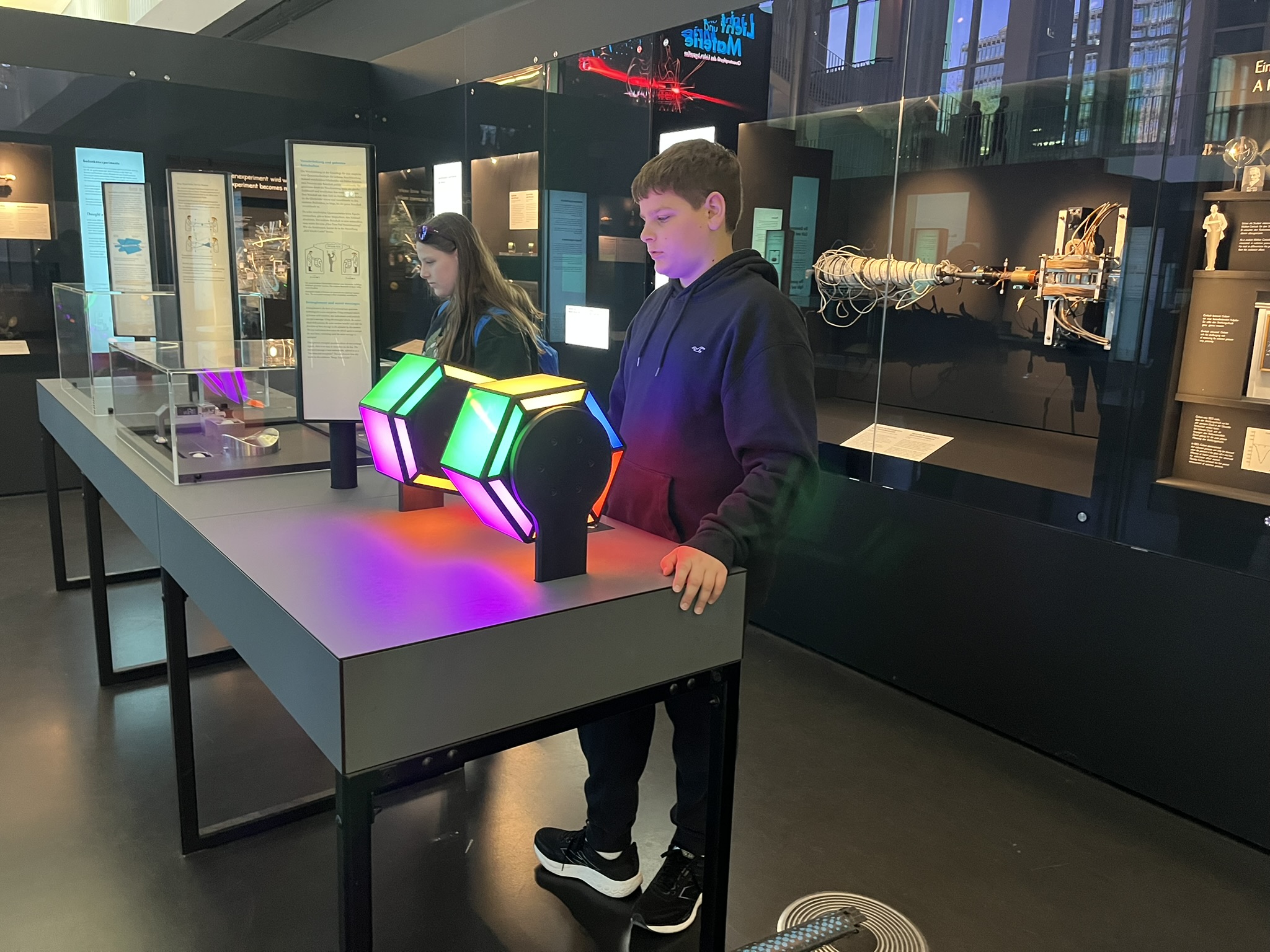
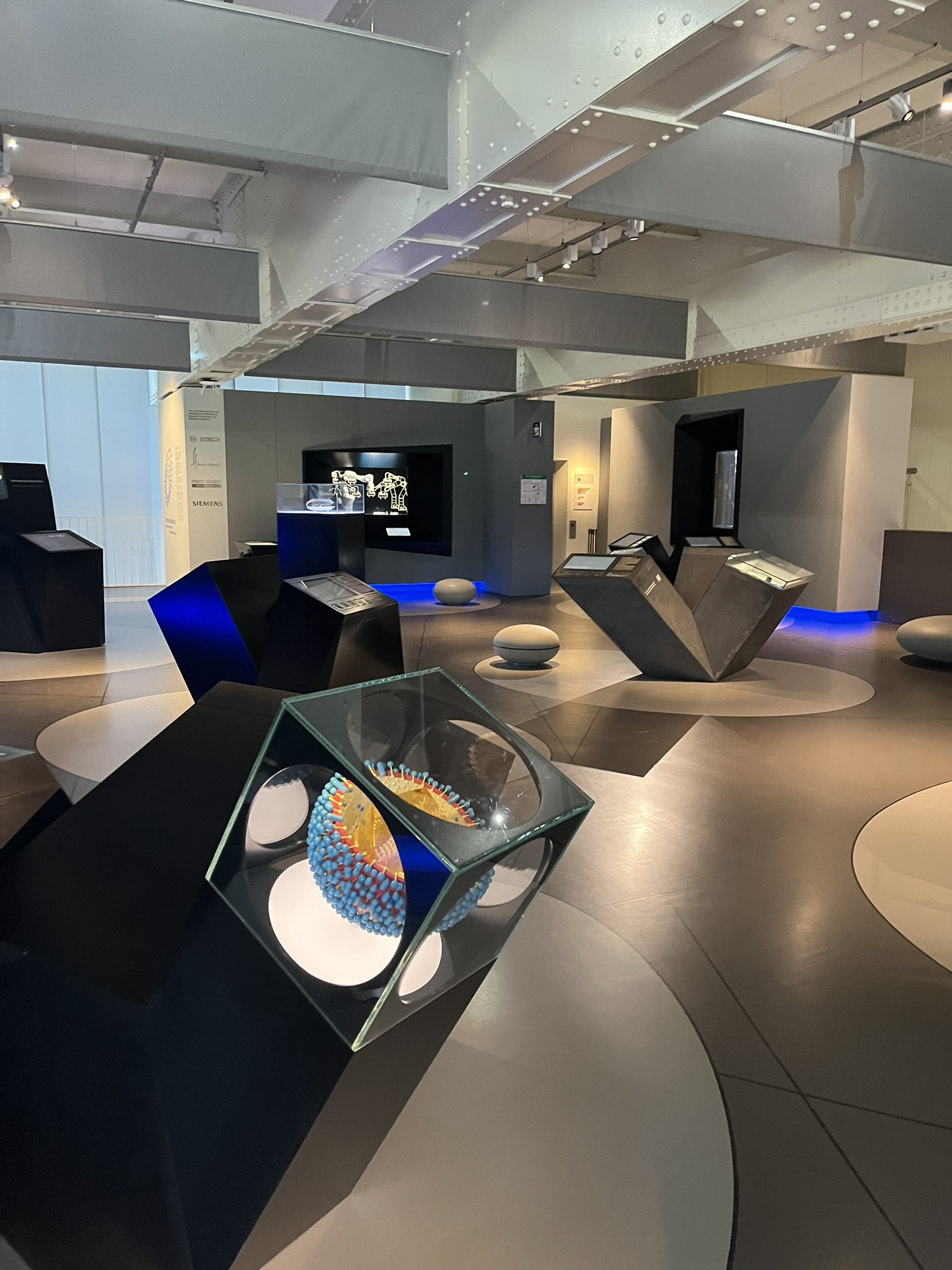
For a dose of education, head to the Deutsches Museum, one of the world’s largest natural science and technology museums. Through hands-on experiments and interactive exhibits, explore the physics of light and sound, observe chemical reactions, and learn about human body physiology. An enormous aviation center and historic airplane hangar allow visitors to climb into cockpits and pilot model airplanes. In the Musical Instruments exhibition, try your hand at playing the theremin—an electronic musical instrument played by placing hands in the air between two antennas that sense the hands’ positions and control frequency and volume.

Deutsches Museum interactive exhibits make learning fun.

After two nights in each city—Davos, Switzerland; St. Anton am Arlberg, Austria; and Munich, Germany—a flight out of Munich Airport concludes an adventure exploring towns in three different countries all within one week. Thanks to Eurail’s flexible Global Pass, it is a fantastic way to get a taste of multiple countries with just one set of airline flights!

Eurail offers speedy and smooth transportation, and window seats to beautiful scenery.

Looking for more ski opportunities? Visit bestofthealps.com to learn more about top ski resorts that help define and cultivate Alpine culture. Best of the Alps is a collection of 9 Alpine resorts that showcase mountain village magic and charm in Switzerland, Austria, France, and Italy. For more than 30 years, the Best of the Alps organization has encouraged exploration of the cultures, communities, traditions, natural wonders, and distinctions of these remarkable Alpine destinations: Chamonix-Mont-Blanc and Megève in France; Cortina d’Ampezzo and Courmayeur in Italy; Crans-Montana and Davos Klosters in Switzerland; and Kitzbühel, Lech Zürs am Arlberg, and St. Anton am Arlberg in Austria.

Hitting the Heights in Cuenca

A medieval gem awaits travelers in the Castilla-La Mancha region of central Spain

Story and Photos by Randy Mink  

With ancient buildings stacked on a steep promontory at the meeting of two deep river gorges, Cuenca projects a dramatic profile, one different from any other city in Spain. Because it’s not on the traditional tour circuit, this somewhat isolated medieval gem, about two hours southeast of Madrid, is off the radar of most North American travelers, a fact that just adds to its beguiling appeal.

In Cuenca it’s all about the heights. Think vertical. Looking up or gazing down, you’ll find yourself constantly taking in the views. Traipsing around narrow meandering streets and passageways, you’ll encounter one vantage point after another that provides a fresh new slant on cliff-clinging houses high above the gorges. There’s a new vista at every turn.

Those afraid of heights get nervous crossing San Pablo footbridge, a wooden plank walkway that spans the Huécar River 200 feet below. But it’s a major attraction in itself, an Instagrammable spot for sure. If you’re staying at Parador de Cuenca, as our group was, the bridge is the most direct way of getting to the core of the enchanting Ciudad Alta, or Old City. We crossed it several times a day, often wondering how many people it could hold at one time.

San Pablo footbridge and the Hanging Houses (left) dominate this view of Cuenca’s Old City.

From the bridge you have the best view of Cuenca’s most emblematic attraction—the Hanging Houses, or Casas Colgadas. The wooden balconies of this trio of 14th century dwellings jut out over a sheer cliff. Appearing to defy gravity, the buildings seem about to topple off their perch and into the abyss. You can actually stand on one of the cantilevered balconies if you visit the Museum of Spanish Abstract Art or gourmet restaurant Casas Colgadas Jesus Segura, both tenants of the Hanging Houses. Some art lovers prefer the Antonio Perez Foundation, a museum of modern art housed within a former Carmelite convent, another cliff-hugger.

The Antonio Perez Foundation is a modern art museum housed in a former convent.

In medieval times, why did many builders push to the precipice? The answer: real estate was scarce atop the escarpment and every square foot counted. Because land was at a premium, some houses were built eight to 12 stories high. Constructed of wood and adobe, these “skyscrapers,” many of them painted in bright colors today, were among the tallest buildings in Europe until the introduction of reinforced concrete in the 20th century. At its economic peak in the 15th century, the crowded old quarter had a population of 17,000. Now the number is 2,000.

Cuenca does not have a long checklist of must-see sights, which suits me just fine. I’m happy just wandering and getting lost in the medieval lanes, soaking up all the history that crosses my path—and taking picture after picture. The refreshing lack of tourists in Cuenca makes it even more delightful.

The narrow alleyways of Cuenca’s historic core invite discovery.

The heart of this UNESCO World Heritage city is the Plaza Mayor, which spreads in a linear fashion from the Cathedral of Cuenca, passing through the arch of the town hall. Outdoor cafes lend a lively air, and the red tram departs from the square for a tour of the Old City, an ideal option for those who want to avoid tackling the steep inclines on foot.

The Plaza Mayor, with its outdoor cafes, is the focal point for tourists in Cuenca’s historic core.

The Cathedral in Cuenca is a treasure house of art and architecture.

Sightseeing trams take tourists up and down the hilly lanes of Cuenca’s Old City.

While Spain has better known churches, the Cathedral of Nuestra Senora de Gracia is truly impressive and worth a look inside. Largely built between 1156 and 1256, it was the first Gothic church on the Iberian peninsula. Statuary, paintings, expanses of marble and lavishly adorned chapels reflected the city’s wealth in medieval days. The two pipe organs date from the 18th century. Our group heard their melodious sounds while seated in the ornately carved wooden choir stalls during an evening concert.

Rock climbers scale the cliffs just down the road from Parador de Cuenca, a monastery-turned-hotel.

If you haven’t had enough in the way of heights after taking in the panoramas from all angles and crossing the footbridge a number of times, consider a zipline ride or go rock climbing. On a short walk from Parador de Cuenca, I came upon harnessed men and women scaling vertical walls and people of all ages whooshing across the valley on a sturdy cable. And on two mornings I saw hot air balloons high in the sky. I wasn’t adventurous enough to pursue those options but wished I’d had time to hike the path that zigzags up to the giant mountaintop statue of Christ, Cerro del Socorro. The two-mile trail is marked by 14 Stations of the Cross. The statue is illuminated at night, as is the entire rock face of medieval Cuenca, a romantic vision that lingers long after your visit to this fascinating city off the beaten path.

Communing With the Past in Tantalizing Toledo

The city of swords, marzipan and El Greco is a perennial favorite with tourists in Spain

By Randy Mink

I could spend hours roaming through the tangle of cobbled pathways that thread the historic core of Toledo, one of the best places in all of Europe for getting lost in a medieval dreamscape. Loaded with Old World magic, Toledo projects the very essence of Spain and was once its capital.

On a recent visit to this intriguing city rich in Christian, Jewish and Muslim heritage, I never tired of probing the labyrinth’s nooks and crannies while popping into souvenir stores, touring museums, and traipsing through an ancient synagogue, the world’s fourth-largest cathedral and a former mosque built during the Moorish occupation.

The Mosque of Cristo de la Luz, later a Catholic chapel, was one of 10 mosques in Toledo during the Moorish period. (Randy Mink Photo)

Like the Old City district of Cuenca, another tourist favorite in Spain’s Castilla-La Mancha region, Toledo’s extensive medieval quarter sprawls across a rocky mount bounded by the original city walls and surrounded by a river below.

Located 55 miles southwest of Madrid, Toledo (pronounced “to-LAY-do” in Spanish) overflows with tourists—attracting a million of them every year—and its pedestrian alleyways abound with gift shops. I’m not ashamed to say I loved shopping for refrigerator magnets and other tchotchkes in Toledo, but I also liked stepping away from the commercialism to explore shady back lanes and sunlit plazas accented with wrought-iron balconies, grillwork windows and massive, centuries-old wooden doors. Some of Toledo’s narrow winding streets do allow cars, however, so be prepared to stand flat against the buildings to spare your feet from being run over by drivers barreling up and down the steep inclines.

The narrow streets of Toledo’s Old City beckon tourists who relish getting lost in the past. (Randy Mink Photo)

Long known for its quality cutlery, Toledo has many sword stores and calls itself the Sword Capital of the World. At the Zamorano sword factory, where we watched craftsmen at work, one fellow traveler shipped home two swords, fitting reminders of this fortified city that harks back to the days of knights in shining armor. Since the Middle Ages, Toledo has excelled in steel craftsmanship. Stores offer fine selections of knives, letter openers and scissors as well as swords, plus knight figurines in all sizes.

Also catching shoppers’ eyes is the art of damascene—the inlay of intricate gold and silver threads into a steel base. Top sellers include damascene jewelry, scissors and tableware.

Toledo’s historic core counts numerous shops that specialize in swords, daggers, knives, scissors and knights in shining armor. (Randy Mink Photo)

Candy is always a good thing to bring home, and I stocked up on marzipan at Santo Tomé’s flagship store. The seventh-generation family company has been making its famous almond paste confection since 1856. For gift-giving, I bought wrapped boxes of six-inch marzipan bars inscribed “T-O-L-E-D-O,” but my own bag of marzipan pieces was gobbled up before I got to the Madrid airport. (I even started on the bag originally intended for the neighbor watching my cats—it was so irresistibly fresh.)

Santo Tomé marzipan consists of 57 percent crushed almonds, 40 percent sugar and 3 percent honey, with no preservatives or extra ingredients. The most colorful items are in the shape of fruits—oranges, lemons, strawberries, etc. Some pieces are studded with pine nuts or whole almonds or come with a dab of jam. The flagship store/bakery on Calle Santo Tomé occupies a former convent. (Nuns were once the main provider of marzipan, and a few convents in Toledo still sell it.) Santo Tomé has three other locations in town, including one on Plaza de Zocodover, the main square.

Tours of Santo Tomé marzipan bakery include a peek into the kitchen where bakers are making the almond-based confection. (Photo credit: Santo Tomé)

Santo Tomé marzipan is the perfect souvenir of Toledo and makes the perfect gift for those back home. (Randy Mink Photo)

In between shopping and wandering footloose in the dense medieval mazes, I checked off a few places from my must-see list.

The Alcazar, a former fortress and royal residence, crowns the highest point in the city and is now a vast military museum with excellent exhibits on the history of Spain. Rebuilt under dictator Francisco Franco after the Spanish Civil War, the Alcazar had been heavily damaged during the siege by loyalists in 1936. 

At the other extreme, Underground Toledo is worth a look. Archaeologist and tourism guide Diego Esteban Sánchez takes small groups into the bowels of the medieval district, unlocking doors that lead to well-lit restored sites like a Roman bath, a Jewish house and an ancient well.

The same sense of discovery is offered by cozy, atmospheric eateries like Restaurante La Cave, a historic building with brick-lined rooms in cave-like spaces below street level.

To art lovers, Toledo is virtually synonymous with the Greek-born painter Domenikos Theotokopoulos, better known as El Greco, or “The Greek.” He moved to Spain in 1571 from the island of Crete and, after centuries of neglect, is today venerated as one of the country’s old masters, along with Goya and Velazquez.

The El Greco Museum is one of Toledo’s top visitor attractions. (Randy Mink Photo)

El Greco’s religious canvases, distinguished by bold colors and elongated figures in voluminous robes, can be admired at several locations, including the El Greco Museum. Other El Grecos are found in the Santa Cruz Museum, the Gothic-style Cathedral of Toledo (along with works by Raphael, Titian, Goya and Caravaggio) and the Convent of Santo Domingo el Antiguo, which houses the crypt where the artist is believed to be buried. 

In Toledo’s old Jewish Quarter, El Transito Synagogue is a prime tourist draw. (Randy Mink Photo)

One could a whole morning or afternoon admiring the statuary, artwork and architectural flourishes of the Gothic-style Cathedral of Toledo, one of Spain’s most impressive churches. (Randy Mink Photo)

The El Greco Museum resides next door to the 14th century El Transito Synagogue with its Arabic-influenced interior decoration, magnificent coffered ceiling and museum of Sephardic Jewish culture. Here in the old Jewish Quarter, the park across the street has a memorial to El Greco and a terrace affording panoramic views of the Tagus River (Rio Tajo) and city of Toledo, truly one of the most captivating places in all of Spain.

For more information on Toledo, Cuenca and other cities in Castilla-La Mancha, visit www.turismocastillalamancha.com.