Wishing you had planned a getaway this past spring break? It’s not too early to start planning for next year, and to think big with a European adventure!
By Alison Ramsey
Stateside spring break destinations abound, but consider using that week of vacation time to explore three German-language European countries—Switzerland, Austria, and Germany—all easily reachable from each other by train. The Eurail Global Pass allows travelers to seamlessly cross country borders by rail using a single scannable QR code pass in the app. It’s a fantastic opportunity to maximize your time abroad and visit multiple countries all in one overseas trip.
Eurail train travel is scenic and comfortable, and the well-designed Eurail app makes it easy to view train schedules and plan your trip.
Time in the mountains is essential if you’re headed to the Alpine countries of Switzerland and Austria. Downhill skiing in the Alps can be exhilarating, great exercise, and a fun social activity—as proven by the millions of visitors to throng ski resorts like Davos Klosters in Switzerland and St. Anton am Arlberg in Austria each year. Both destinations are part of the Best of the Alps organization’s carefully curated collection of classic mountain resorts and offer excellent ski schools.
A 2.5-hour train ride from the Zürich Airport, the 13,000-inhabitant Alpine village of Davos is the highest city in Switzerland, at 5,147 feet above sea level. Its Ski School Davos, part of the Swiss Ski and Snowboard School, is the biggest and oldest ski school in the country. Students here can learn from patient, professional instructors, who focus on safety and ensure basic skills are mastered before introducing more difficult maneuvers or terrain. Experienced skiers have 157 miles of ski trails on 81 different slopes to explore over five separate ski areas, including the iconic Parsenn skiing and hiking area, famous for its wide pistes and long runs.
Private and group lessons are offered at Ski School Davos, with ski equipment rental available at Top Secret Ski & Snowboard Shop, directly across the street from Bolgen Plaza.
The Alps are inviting even to those not wearing skis. For a fun take on tobogganing, try sledging down the 2.2-mile Rinerhorn run in Davos. Take the ski lift to the top and pilot your wooden sledge down the steep and curving 33-bend slope—one of the most challenging sledging runs around—braking with knees bent and feet flat on the snow and changing direction by shifting weight and pulling the steering rope. It’s like high-speed Mario Kart in the mountains!
Rinerhorn has slopes for skiers and sledgers.
If you’re staying at the comfy mountain chalet Hotel Waldhuus in Davos, be sure to spend time in the large indoor pool and experience the Switzerland sauna lifestyle in their bio sauna, herbal sauna, or new Finnish sauna. Usually co-ed and textile-free, sauna visitors in Switzerland use towels simply for hygiene purposes—not as a cover-up, but to sit on so sweat doesn’t touch the wood. Sauna usage is linked to many health benefits and can lower blood pressure, improve cardiovascular health and circulation, reduce soreness after exercise, promote muscle recovery, stimulate immune system support, reduce stress, and eliminate toxins. A swim and sauna session after a full day of activity feels physically and mentally healing, especially in a clean and well-maintained facility.
Unwind in Hotel Waldhuus’ comfortable accommodations with terrific spa facilities, and try the delicious tiramisu and enormous fresh breakfast spread in the Waldhuus Restaurant.
For a taste of the Austrian Alps, a 3.5-hour train ride brings you to St. Anton am Arlberg, Austria, where you can make your home base the classy Hotel Schwarzer Adler. Here, white-glove dinner service offers perfectly flavored and artfully plated meat and vegan dishes, homemade comfort foods including butter Spätzle (egg noodle pasta), and delectable desserts like “chocolate 5 ways,” with Austrian wines for pairing. You can swim in the outdoor sky pool under the pure mountain air or unwind indoors in the relaxation room, saunas, or sparkling indoor pool. Treat yourself to a spa package from the massage menu or simply sip an espresso on your hotel room balcony with a view of snowy peaks and a soundtrack of church bells and birdsong.
The Schwarzer Adler Hotel provides luxurious dining experiences and relaxation outlets.
Skischule Arlberg is the award-winning largest ski school in Austria, founded by Hannes Schneider, the father of the modern “Arlberg technique” skiing style. Before Schneider’s development of this forward semi-squatting posture, the trend was to stand erect with rigid knees, a position derived from Nordic or cross-country skiing, which wasn’t a practical stance for the steep Tyrolian terrain. Ski instructors at Skischule Arlberg keep lessons fun and stress-free, moving at the students’ pace and providing encouragement without pushing too far beyond current comfort levels. For those unaccustomed to ski life, it’s an excellent introduction to what many Alpine locals grow up learning from a young age.
Ski School Arlberg prepares skiers to achieve their athletic goals.
An incredible highlight of St. Anton—no skis needed—is up on the very peak of Valluga, at 9,222 miles above sea level. Ride the “Galzigbahn” ski lift to the first mountain station, where you can snack at the Galzig Restaurant, shop in the ski store, and watch athletes descend the slopes. Then ascend with the “Vallugabahn I” lift through fog and clouds to the Vallugagrat station and the Valluga View Restaurant. One more ride in the small “Vallugabahn II” cable car brings you to the pinnacle lookout point—a circular railed platform open to the intense sun and whipping wind, with breathtaking views of snow-covered Alps in every direction. You have a clear panorama from Lake Constance to Switzerland and the Zugspitze, the highest mountain in Germany. From here, you can see the extraordinary beauty of the glacier-carved gorges as well as the splendid organization of the ski resort, with numerous lifts in motion, skiers gracefully carving patterns into the snow, and sky-high facilities with everything you might need for your day in the heights.
Unbeatable Valluga views are a highlight of St. Anton am Arlberg.
Don’t leave the Alps without an après-ski experience! St. Anton am Arlberg holds many opportunities to unwind and let loose after a day of athletics. You can party hard with club music and tasty drinks at any number of après-ski huts, or partake in a casual post-ski meal at the rustic Sennhütte restaurant right on the slopes—its entrance marked by an enormous pair of Lederhosen. Either ski down the hill right to the restaurant or take a free bus trip there from the town center and hike up the WunderWanderWeg (wonder walking way) pathway from the bus stop. The back patio balcony affords an outstanding view into the mountains—a brilliant backdrop for sampling Käsespätzle (thick cheesy noodles topped with crispy fried onions), Schnitzel and Pommes (fried meat cutlets and French fries), and gulping a refreshing beer or Skiwasser (“ski water”—an alcohol-free blend of raspberry syrup, lemon juice, and water or seltzer).
Giant lederhosen and the WunderWanderWeg lead the way to Sennhütte.
Any beer fans or German-language–lovers know that Bavaria is a nearby European destination worth visiting, so travel by Eurail from St. Anton 3.5 hours northeast and you’ll end up in Munich, Germany. A short walk from the Munich main train station through a Mediterranean district brings you to the fresh and inviting greenery-filled lobby of the KOOS Hotel. A prime location near Karlsplatz bus and streetcar stops, the KOOS Hotel is also within easy walking distance of the Altstadt, Munich’s medieval old town. KOOS Hotel’s vegan-friendly personal care products in the rooms and numerous vegetarian and vegan breakfast selections are a welcome perk for those with specific preferences and dietary needs. The hotel is also a role model for sustainability and is entirely paperless, with a digital check-in process and novel phone-activated room entry in lieu of a room key. This family- and dog-friendly haven near the city center has all you need for your stay, including an in-room washing machine and clothesline for freshening up travel clothes.
Environmental consideration and convenience are key at KOOS Hotel.
If you’re looking to buy some “new-to-you” threads, consider a walk to Holareidulijö traditional Bavarian clothing store. Affable and knowledgeable shop owner, Michaela Klein, lovingly restores and resells used Dirndl, Lederhosen, hats, vests, and myriad Bavarian accessories and jewelry, while offering an assortment of new shirts and socks to match her wares. During Oktoberfest season, Klein’s store and the extra garage unit in back are packed with shoppers searching rows of racks for colorful festival outfits and drinking the free beer she offers during her busiest weeks.
Holareidulijö is a treasure trove of authentic, high-quality refurbished Trachten.
For a fantastic meal and some Augustiner beer or a selection from about 160 different wines, head to Xaver’s—a stylish restaurant and brew pub with a warm wood interior and a mix of small and large tables for date night or Stammtisch (“regulars’ table,” where friends recurrently gather to eat, drink, and socialize). Here, young and old alike are drawn to the restaurant motto’s “refreshingly traditional” vibe that features fun and friendly staff clad in traditional Bavarian costume (including genial owner Xaver himself, a sommelier and one of several restaurant-owning brothers). The menu features classic Bavarian dishes reimagined with a fresh take using locally farmed ingredients, as well as innovative entrees that change every six weeks. The lively music and cheerful atmosphere make you want to come back and be part of the scene— same time next week.
With a fresh take on Old World style, Xaver’s serves locally grown foods, Augustiner beer, and wines galore.
Spend a sunny day walking through the English Gardens to see brave wet-suited surfers on the man-made river waves and stop at the Biergarten am Chinesischen Turm (beer garden at the Chinese tower) for a fresh-baked pretzel and a mug of beer, Maracuja (passion fruit) juice with water, or Johannisbeere (black currant) juice with water. Kids can play on the jungle gym while adults chat and people-watch, all while listening to the lively oompah band playing from the second level of the tower.
On a nice day, the English Gardens fills with picnickers, volleyball players, surfers, and groups of friends.
For a dose of education, head to the Deutsches Museum, one of the world’s largest natural science and technology museums. Through hands-on experiments and interactive exhibits, explore the physics of light and sound, observe chemical reactions, and learn about human body physiology. An enormous aviation center and historic airplane hangar allow visitors to climb into cockpits and pilot model airplanes. In the Musical Instruments exhibition, try your hand at playing the theremin—an electronic musical instrument played by placing hands in the air between two antennas that sense the hands’ positions and control frequency and volume.
Deutsches Museum interactive exhibits make learning fun.
After two nights in each city—Davos, Switzerland; St. Anton am Arlberg, Austria; and Munich, Germany—a flight out of Munich Airport concludes an adventure exploring towns in three different countries all within one week. Thanks to Eurail’s flexible Global Pass, it is a fantastic way to get a taste of multiple countries with just one set of airline flights!
Eurail offers speedy and smooth transportation, and window seats to beautiful scenery.
Looking for more ski opportunities? Visit bestofthealps.com to learn more about top ski resorts that help define and cultivate Alpine culture. Best of the Alps is a collection of 9 Alpine resorts that showcase mountain village magic and charm in Switzerland, Austria, France, and Italy. For more than 30 years, the Best of the Alps organization has encouraged exploration of the cultures, communities, traditions, natural wonders, and distinctions of these remarkable Alpine destinations: Chamonix-Mont-Blanc and Megève in France; Cortina d’Ampezzo and Courmayeur in Italy; Crans-Montana and Davos Klosters in Switzerland; and Kitzbühel, Lech Zürs am Arlberg, and St. Anton am Arlberg in Austria.
Our sleek, smooth-riding InterCity train arrives in Zurich from Frankfurt–our rail journey has begun!
by Don Heimburger Photos by the author
Ever since I was a kid growing up in Tolono, Illinois (population then of 1,000), I had dreams of traveling to the Alps. The picture postcards showing snow-capped mountains, clear blue lakes and small chalet-type houses perched on the edge of grassy mountains with colorful flowers dangling out of the flowerboxes, were intriguing and beckoning.
So with three trusty guidebooks, Frommer’s Europe by Rail (includes a full-color Eurail route map and is the official guide of RailEurope), and Europe by Eurail by LaVerne Ferguson-Kosinski, and Fodor’s Switzerland, I set out to plan an extended rail trip through Germany, Switzerland, Italy and Austria with my wife, Marilyn.
Since we were planning to see the Alps anyway, I determined to find the few extra days needed to make a full scale invasion of them. Thus I mapped out a triangle-shaped rail route between Zurich, Venice and Vienna, with intermittent stops that would cover new overseas territory for us, and also achieve our goal of seeing the Alps in the four countries, with Germany as our starting point.
One of the hardest parts of the planning, even with 18 days available, was deciding what to leave out. Once you read the European guidebooks and tourist pamphlets, you realize 2 1/2 weeks is but a drop in the bucket.
To investigate adequately every rail line, tram, cog railway, funicular, steamship line or rail museum in just these four countries–as well as the shops and other historic sights– you’d need a lot more time. But back to reality…
RAIL IS THE KEY Our mode of transportation, once we set foot in Europe, was rail. Rail could get us to every city or town, especially the “rings” (old parts of the city), and it would also take us, with the help of some bus and steamship lines, to other places close to where the rail lines ended. Rail Europe (www.raileurope.com or call 888-382-7245 ) was the first place we started, gathering facts about routes, cities located on rail lines and schedules.
Our Eurail passes were called Eurailpass Flexi which allowed first class travel for 15 days within a two month time period. They cost $914 each, are useable on consecutive or non-consecutive days, and are good for unlimited travel in 17 European countries as well as on some major shipping lines. Other tickets are also available with different rules and at different prices, so see which ones fit for you. A standard Eurail pass for 15 days costs only $588, and you can even obtain a Eurailpass Saver for $498 for 15 days.
Eurail pass holders are also entitled to hang out at the OBB lounge in the Wien Westbahnhof and the Salzburg Hbf for lst class pass holders; free transport on the Paris underground and CFL buses in Luxemburg; 30% off Flam railway travel in Norway; 50% off numerous funiculars and cable cars in Switzerland; 25% off the Zugspitzbahnen in Germany’s Garmisch-Partenkirchen area; 50% off FGC train travel in Spain; 30% off some Hilton hotels; as well as many other special deals. When you purchase Eurail tickets, they will give you a list of these specials.
American Airlines (800-433-7300) was chosen as the official airline for our Alps Rail Adventure Tour because AA has been offering top quality transportation for decades, and they provide non-stop service between Chicago and Frankfurt. We have flown American Airlines many times before, with good service and knowledgeable crews and staff. They have a reputation for that, and our previous overseas trips on AA were comfortable.
We could have flown AA from Chicago to Zurich, but there was a four hour layover in Dallas, and I thought, “Do I want to be in Dallas waiting in an airport, or riding the ICE (Intercity) train between Frankfurt and Zurich?” You know what my decision was.
DAY ONE Once past the baggage counter and security at O’Hare International Airport, we waited for our plane’s departure time (6:50 p.m.) which was pushed back a little, but in the end we arrived on time in Frankfurt after a smooth flight, dinner and breakfast, and two in-flight movies. The flight gave us time to re-check our schedules and dream about what the next few days would hold for us.
DAY TWO Our plane arrived at 10:30 a.m., and tired and sleepy-eyed from the 8 1/2 hour flight, we went through customs, retrieved our bags and headed out of the airport on the S Bahn to the main Frankfurt Bahnhof to catch the 12:05 p.m. DB (Die Bahn–www.bahn.de–click on “Int. Guests” at top of web page) ICE (Intercity) train to Zurich. The ICE train, with a sleek bullet nose and painted in white, would take 3 hours and 53 minutes to make the distance. We had completed our first major train connection on this trip, and felt good that we had done well, although the ICE train appears to have been a bit late arriving in Frankfurt, which helped us. It seems the rails were aligned to our advantage, and we were feeling good about our journey.
Europe’s high-speed trains are indeed fast (sometimes reaching 185 mph), clean, comfortable and probably 90% on time. You can usually set your watch by the train schedules, that’s how on-time they are! Train riding in Europe is generally faster than taking the plane.
Our first class ICE tickets allowed us spacious 19″-wide seats with windows 25″ high and 52″ long. We enjoyed a comfortable, quiet ride through Mannheim, Offenburg (close to where my grandfather grew up as a boy in Germany), Karlsruhe, Freiburg and Basel (where Germany, France and Switzerland meet, and where our first class car emptied out).
Anxious to taste the Germanic foods, I strolled to the Bord (restaurant) car and brought back a ham and cheese sandwich with fresh Brot (bread). I remembered the fresh Brot from previous trips, and realized I was again in for a taste treat!
After arriving at the 1871 Zurich train station we headed for the InterContinental Hotel on Badenerstrasse, located a change of trams away from the old section of town. Once we deciphered the direction signage on the tram platform, we took the tram right outside the station. Our luggage, packed with 18 days of clothing, was a bit heavy to lug up the tram steps, but we managed.
The blue-and-white trams run down the middle of many of the Zurich streets, including the famous Bahnhofstrasse which is laden with expensive shops–Christian Dior, Gucci, Tiffany–as it makes its way to Burkliplatz at the foot of Lake Zurich.
So far, we learned that while knowing German was great, we didn’t need to speak it: most everyone we met in Zurich could speak English. Zurich is the largest city in Switzerland (and has the world’s largest gold exchange), is a major rail hub and a common starting point for rail excursions into the rest of the country.
The Swiss Railways SBB (www.sbb.ch) operates nearly 3,600 miles of railroads, mostly under wire. There are also 65 private railroad companies (mostly narrow gauge lines) and 600 funiculars, cablecars, rack railways and chairlifts operating in Switzerland. These transport systems operate to a standard, rather than to a price point. Go there and you’ll see what I mean.
Our evening meal at the InterContinental’s restaurant consisted of an appetizer of crab in a puff pastry garnished with basil, and the dinner was Norwegian salmon in a lobster butter sauce, asparagus, boiled potatoes with butter and parsley garnished with a fish-shaped puff pastry with sesame seeds. Dessert was homemade chocolate mousse with cream and fresh fruit and a carmel pudding with almond cream and fresh fruit.
Afterwards, we fell into our comfortable bed and found the Sleep Zone within minutes.
The blue electric trams run down the Bahnhofstrasse in Zurich.
DAY THREE The Zurich InterContinental welcomed us the next morning with a breakfast buffet that would satisfy virtually any taste. Eggs, bacon, cereal, meats and cheeses, yogurts, various breads, coffee, juices and much more. We energized with this repast and headed out to purchase a 3-day Zurich Card which allows unlimited transport on all trains, buses, trams and boats, as well as free admission to 40 museums in the greater Zurich area and a complimentary drink in more than 20 restaurants. Zurich is said to have one of the densest public transport systems in the world, and it ran flawlessly. For two-thirds of Swiss people, it is less than a five-minute walk to the nearest means of public transport
Our Zurich Card allowed us to take a pleasant 1 1/2-hour boat tour on Lake Zurich, where we watched as the towns spread their tentacles out along the Zurichsee from downtown Zurich, each town with its many churches, each with a beautiful, quaint steeple and a clock (remember, we’re in Switzerland!). The surrounding mountains provide a magnificant backdrop to the towns, despite it being a bit overcast and cool. A roundtrip between Zurich and historic Rapperswill, the farthest lake stop from Zurich, is two hours each way–the lake is long and large!
We noted with a laugh that the Getrankekarte on the boat featured a six-page alcohol menu (beer, wine, champagnes) and a one-page food menu. We saw all sorts of watercraft on the lake including sailboats, rowboats, fishing boats and even cigar boats. We met another couple from Boston and compared trip notes, always a good thing to do.
At Brasserie LIPP that evening our meal consisted of fillet of sole and boiled potatoes. After a misunderstanding on how the fish was priced (by the gram), our bill came to 97 francs…but finally settled in at $77 American dollars once our credit card bill arrived. Still, we thought about skipping the next few meals to make up for that.
At Burkliplatz we discovered the Saturday morning flea market, where Zurichers were leisurely drinking their morning coffee and talking. I didn’t see much buying, but you could purchase anything from clothing to tools, books, pots and pans, and even large Swiss cowbells, and do it in English!
We found the local toy museum up a narrow street, took the small lift up, and entered two rooms full of old vintage toys and trains, probably worth a lot more than any U.S. American Flyer collection. It was neatly displayed in lighted cases, and I came away with a better appreciation of my train collection.
Zurich was celebrating summer ceramic teddy bear statues on the sidewalks, and many people took advantage of the picture opportunities these presented.
We headed up on a funicular electric train to the top of Zurich; it was a fun and fast ride. The Swiss make “adventuring” fun and easy.
Zurich’s oldest parish church–St. Peter’s Kirche–dates from the early 13th century and features the largest clock face in Europe. A church has been on the grounds since the 9th century. Another church to see is the Fraumunster, which rises on the left bank of the river and was founded as an abbey by Emperor Ludwig in 853. It has five stained glass windows by Marc Chagall dating from 1970. Admission is free. We enjoyed our visit there.
Did I mention chocolate yet? I should have, because Zurich has some of the most expensive sweet shops selling some of the most lucious chocolates anywhere. It goes without saying we had to try some. We ate lunch, consisting of a cold beer and bratwurst, on an old bridge over the Limmat River near the Rathaus.
Then we headed back to the train station to catch train S10 for the Uetliberg funicular railway to take us high up the side of Uetliberg Mountain. Our train had three-car electric trainsets with wide windows for viewing and very comfortable seats. From the top you can catch spectacular views of the lake and the city, and you can also hike down, as we found many people doing.
At the top you can enjoy refreshments or a complete meal, and even stay in the quiet 1879 hotel at the top. As we were readying to leave the summit, a wedding party had just traveled up the Uetliberg by train for the reception. It was going to be a beautiful night above the city!
DAY FOUR We were having so much fun exploring we were already beginning to feel at home here and forgot that we had lost nine hours of sleep somewhere over the Atlantic. Or maybe our adrenaline had kicked in again.
We bid farewell to lovely, grand Zurich, grabbed the tram to the train station and caught the 12:04 p.m. SBB (Swiss Railroad) InterRegional train to Lucerne. Once seated, I was going to hop out to take a few pictures of our train, but I’m glad I remained in my seat, as the train pulled out without warning. In Germany the conductor blows a whistle, but apparently in Switzerland the train silently leaves the station. What a nice, quiet sophisticated way to announce a departure–I liked it.
The Swiss love to tunnel through things: we were in a tunnel for the first full five minutes out of Zurich station, but I don’t know why since the train left the station on level ground and we were still in Zurich, which is flat, at least around the station. As I said, the Swiss love to tunnel.
We climbed to the second deck of the car where there were large windows, and I noticed that the car folded inwards so the second level–at least at the roofline–was not as wide as the first level. The seats had center tables for eating, playing cards or spreading out paperwork or a laptop: very convenient. Again, we had the second deck to ourselves, and wondered if the conductor would find us up there.
The schedule called for a short 45-minute train ride. The train stopped at Thalwil, Zug (where five trains entered the station at once while we were parked there) and Rotkreuz. At Zug the locals make a special Zuger Kirschtorte yellow cake soaked in cherry schnapps which I’ll have to try next time. The train follows Lake Lucerne into town with gorgeous views of the water and surrounding hills. I noticed that we are really zipping along the shoreline, but the train was hardly making a whisper. What a way to travel.
We see the numerous chalet-type houses with flowers cascading down from flower boxes on the windows sills, spiraling church steeples and the famous gilded Swiss clocks on each of them.
Don and Marilyn overlooking Lucerne from the city’s still-standing tower fortifications. Composer Richard Wagner said, “I do not know of a more beautiful spot in this world.”
The Lucerne train station is conveniently located right across from the ship docks, and we walked through a beautiful old arch that was from the original station that burned in 1977. We checked the boat schedule because tomorrow from this spot we would trade iron rails for crystal clear water.
Richard Wagner said of 700-year-old Lucerne: I do not know of a more beautiful spot in this world. As we left the train station and looked around at the inviting lake, the tall mountains, the historic city and the white puffy clouds that are nearly inevitable near water, I couldn’t agree more. It is a place of peace, calm and opulence, filled with history, excellent food and narrow streets crowded with unique shops, all surrounded in part by the Musegg Wall, completed in 1386 as part of the city’s fortification. Three towers are open to the public: Schirmer, Zyt and Mannli. The oldest city clock, built by Hans Luter in 1535, is on Zyt tower and chimes every hour, one minute before all other city clocks. Walt Disney himself couldn’t have built a more inviting, charming city.
Lucerne is a beautiful city; this is the Reuss River.
Our hotel is the two-star Weinhof, conveniently located within 10 minutes walking distance (if your luggage has wheels) across the lake from the train station. Or you can take bus #l or #7, or even a cab, but for us it was a fun walk.
The hotel’s claim to fame is its warm, cozy restaurant on the first floor, which caters to many locals and was nearly always filled with customers. The Weinhof is located in the old part of town between the cathedral and the Lowendenkmal (Lion Monument), one of the world’s most famous monuments, hewn out of natural rock in memory of Swiss mercenaries in 1792. You must see it to appreciate how it was done!
Lucerne historical treats to see: Chapel Bridge, constructed in the first half of the 14th century as part of the city’s defense and named in honor of nearby St. Peter’s chapel. Paintings on the bridge were added in the 17th century, illustrating scenes of Swiss and local history. The 34-meter-high Water Tower was built around 1300 and used as an archives, treasury, prison and torture chamber.
Also, we saw the historical fresco-painted buildings that border the old city on the right bank of the Reuss River (see especially the Weinmarket). We visited the very beautiful Hofkirche near the Weinhof which was the main cathedral for the city’s population. It was founded in the 8th century as a Benedictine monastery, and its carved pulpit and choir stalls date from the 17th century. It features an 80-rank organ (1650) and is one of Switzerland’s finest. Outside, Italianate loggias shelter a cemetery for patrician families of Old Luzern.
Don thanks Mt. Pilatus engine driver for getting them down safely from the top of the 7,000-foot peak.
Transportation buffs will want to ride the Lake Lucerne boats (including some beautiful paddle steamships) operated by the Lake Lucerne Navigation Company (Schiffahrtsgellschaft des Vierwaldstattersees) since 1835. It is the largest shipping company in Switzerland, and even builds its own ships.
The company, whose lack of money actually saved the old boats from being retired, operates five steamships and 15 saloon cruisers that ply the waters all the way to Seedorf and Alpnachstad, carrying 2.3 million passengers a year. The ship’s routes cover a total of 33 stops along the lake.
Almost at the top of Mt. Pilatus; note the very steep gradiant. We’re above the clouds.
The firm’s literature explains, “You’ll drift by peaceful meadows and idyllic bays, see dramatic inland fjords stretching to the bottom of vertical cliffs that rise majestically to the first Alpine summits.” I couldn’t have said it better myself; you are transported to another world that perhaps only Switzerland can provide.
On main ship routes they also serve breakfast, lunch, coffee/cakes and dinner (including beer, wines and specialty liquors). The ships also are part of the William Tell Express route between Central Switzerland and Ticino which includes both ships and trains through the 15-kilometer-long Gotthard tunnel in Goschenen, Europe’s most important north-south gateway.
DAY FIVE Our hopes for a clear day on Mt. Pilatus were dashed when we woke up to rain and overcast skies, but had to make the best of it. The weather cleared a bit as we pulled away from the dock, and I asked one of the boat attendents if the heavy clouds might clear, but she pointed in the direction of Pilatus and simply said, “Take a look at the mountain.” She was right, the clouds looked dark and uncompromising.
We took the steamer (named the Mt. Pilatus) to Alpnachstad where we boarded the Mt. Pilatus cogwheel railway to the 7,000-foot summit on the steepest railway (with a 48% incline) in the world. This massif of limestone comprises a number of peaks, the highest of which is Tomlishorn. You can also take the meter gauge train from Lucerne to Alpnachstad which will drop you on the doorstep of the Mt. Pilatus cog railway station.
The Pilatus train operates from May to November and takes a quick and easy 40 minutes to reach the top. A panoramic view at the top includes Santis, Titlis, the Bernese Alps with Finsterhorn, Eiger, Monch and the Jungfrau.
The climb up and down was not even as scary as the Durango & Silverton in Colorado, perhaps because the Swiss ingenuity and equipment is engineered to take any anxiety out of a ride such as this.
It was still cloudy and rainy at the top, and we couldn’t see anything but the buildings that hang on for dear life at the summit. We did have a cup of delicious hot potato soup and fresh bread in the mountain’s Mt. Pilatus Hotel restaurant, and I can say that if it had been a clear, warm day, the top terrace/sun deck would have been very welcoming. I was amazed to see the massive infrastructure of the Pilatus Railway with all its trackage, turnouts, electric poles and wires, sideline buildings, crews and equipment clear up to the top of the mountain. There’s even a 3-star hotel (Hotel Kuhm) with 27 double rooms at the top as well.
Between 1886 and 1890, 11 steam locomotives and coaches were used in the Pilatus service until electrification came along in May of 1937. One of the steam locos is preserved at the transport museum in Lucerne, a very worthwhile museum to visit, with plenty of Swiss steam on display. The museum is said to be the largest transport museum in Europe and could easily evaporate a day’s time for a railbuff.
If you take the train up Pilatus, get a seat in the lowest compartment on the far side facing the rock face; as you get higher, you’ll actually have a better view as the line is perched on ledges near the summit. The engineer on the way down was R. Jergen, a jolly fellow who spoke English. Our pleasant boat trip back to Lucerne was aboard the Wilf Winkel/Reid.
A real treat was eating that evening at the Zunfthaus zu Pfistern on the Ruess River, a fine little outdoor restaurant with a great view of the river and passers-by. Our Cordon Blue and Schnitzel with vegetables and fries was delicious. Afterward, we sat near Lake Lucerne on a park bench and watched the half moon light up the city. The sky had cleared, it was a good night for people-watching, but our eyes were still partially on Chicago time. On the way back to the hotel, we peeked into a store window where a cashmere sweater was on display for 1,480 francs, another reminder that while beautiful, Switzerland is also pricey.
Restaurants and cafes are everywhere in Europe. Here we stop on a sunny, pleasant afternoon in Weggis, Switzerland for ice cream as we wait for our steam-powered paddleboat to return us to Lucerne.
DAY SIX The next day, after being awakened by the long-lasting Hofkirche peels, we rode the ship Fluelen to Vitznau, where we boarded the Rigibahn to the summit of 6,000-foot Mt. Rigi (“Queen of the Mountains”). The railway is the oldest mountain railroad in Europe, dating from 1871. The railroad sometimes still operates steam, but our train was strictly new red-and-white electric cars. A railway shop tour at Vitznau had been arranged for us by manager Elke Guth, but the train was on time, and we couldn’t wait for the next one, so up we went! (Sorry Elke, we’ll catch the shop tour next time!)
Our train was filled with an Asian tour group, and we noticed that Asian groups were nearly everywhere we went in Switzerland. Before long–just a few minutes–we could already see way below into the valley, and the view was impressive. Small but tidy Swiss farms dotted the landscape, as did milk cows–lots of cows. We noticed a number of small flagstop stations on the way up the mountain.
This beautiful Old Swiss House restaurant in Lucerne was situated close to the Weinhof Hotel at which we stayed. Many of the Swiss hotels/restaurants were cozy and served delicious food.
As we ascended, an attendant came through the cars and gave each passenger a set of official Rigi Railway socks, apparently for hiking.
First mention in public records of the mountain was in 1353. Swiss engineer Niklaus Riggenbach masterminded construction of the cogwheel Vitznau-Rigi Railway which ran its first train in May of 1871. Riggenbach himself engineered the train for part of the way. The first year of operation saw 60,000 passengers. In 1971, more than half a million people rode the train. And what a train it is; even Mark Twain wrote a story about his trip there in 1880:
We overlooked a limitless expanse of mossy mountain domes and peaks draped in imperishable snow, flooded with an alpine glory of changing and dissolving splendors. We could not speak. We could hardly breathe. We could only gaze in drunken ecstasy and drink it in.
A view from the top on a clear day is one of the most breathtaking views in Europe. You can see the Swiss Alps, 13 lakes, and as far away as Germany and France. There are extensive walking and hiking paths and 13 hotels/restaurants along the way to the top serving typical Swiss foods. We noticed numerous hikers with their walking sticks taking the ride up.
Paralleling the Rigi Railway trackage near the summit is the Arth-Rigi Railway, a rack-and-pinion line, which runs from Goldau to Kulm. It was the first standard gauge rack-and-pinion line in Switzerland to change to electric traction. These two railways merged in 1992. Together the lines operate two steam locomotives (built 1923 and 1925), two saloon carriages from 1873 and carriage #6, the oldest self-propelled cog-wheel carriage in the world.
On the return we departed the train at Kaltbad where we caught the very steep gondola down to Weggis. The cableway was put in service in 1968, and operates at 30-minute intervals, crossing a height differential of 924 meters in less than 10 minutes.
At Weggis we spent a pleasant hour or so soaking up the warm sun and treating ourselves to refreshing ice cream at a roadside cafe near the dock before catching the Schwyz ship back to Lucerne. At the stop called Burgenstock, you can ride the Burgenstock Bahnen funicular part way up to the 1,476-foot tall mountain; Europe’s fastest outdoor elevator takes you up the remaining distance to the top.
On the boat back Marilyn engaged an older Swiss woman in conversation whose son was a railroad fireman for the Swiss rails when they ran steam locomotives 40 years ago–he’s a railfan, too, she said. She also mentioned that heavy rains from three weeks ago had washed out track in the Interlaken area, a forwarning that riding the rails in that area may not be possible.
With a tinge of homesickness, we dine that evening at McDonald’s, but our 16 francs only brings us a Big Mac, a hamburger, fries, a Coke and a bottle of apple juice. Well, we had to try McDonald’s overseas. We noticed that they use Swiss potatoes for their fries which have a different flavor than Chicago fries.
In our last night in town, we again checked out Swiss watches (every store it seems sells them), but anything really good begins at 200-300 francs, and my U.S.-made one is just fine, thank you. But they were tempting…
We walk over to the Bahnhof and find that, indeed, because of line washouts, a bus will take us part of the way to Interlaken tomorrow.
The Jungfrau Railway at Kleine Scheidegg (6,762 feet high), Switzerland, where you change trains for the final leg to The Top of Europe at 11,313 feet.
DAY SEVEN We left our hotel after breakfast, and caught the 10:55 a.m. train for Interlaken, just making it in time. We could see washouts everywhere along the line to Interlaken, with crews and machines busy restoring the tracks. At Sarnen, we transferred to a bus because of the water damage. The owner of the model train shop near the Bahnhof in Lucerne informed us, too, of the washouts and advised us where to sit on the train and bus to best see the track damage. The bus climbed very high into the mountains with switchback roads and steep grades, eventually swinging down into a beautiful valley in which Interlaken is nestled.
Our bus stopped at Meiringen for 20 minutes, but I couldn’t see why since no one left the bus or got on except the driver. At the Victorian resort town of Interlaken (1,870 feet), we caught one of the frequent SBB standard gauge trains from Interlaken Ost (East), where we saw cars for the meter gauge Harder Kulm cog railway and the Schynige Platte Railway, to Interlaken West station (a 3-4 minute ride). Our four-star, 49-room Hotel Krebs, built in 1875, is just a very short walk up the street.
Upon arrival we saw that Interlaken’s main street was full of quiet shops and inviting restaurants, a sign we were going to like it here. Hotel Krebs, which housed troops in WWII, is expecting us, and we are assigned room 223 on the left side of the hotel, for an excellent view of the Jungfrau–when it isn’t clouded in.
The cozy atmosphere and excellent service of the Krebs staff makes for an enjoyable and friendly stay with the fourth generation of Krebs–Peter and Marianne–who have a hands-on attitude. Peter registers guests, answers questions, even seats guests at dinner. I’m not sure he sleeps.
Once we settled in, it was time to think about if and how we were going to conquer that magnificant mountain that lay in front of us, the Jungfrau (the German word for virgin).
The Jungfrau Railway is a separate entity from the SBB, and tickets are not transferable, but there is a discount with a Eurail pass. To do nearly anything by public transportation here (train/bus/gondola) you’ll need Jungfrau Railway tickets. The headquarters/ticket office is located on the main street of Interlaken, as well as at the train stations.
A friend told me to visit the Grand Hotel Victoria-Jungfrau and the 35-acre Hoheweg park across the street where hang gliders land. We did that the first evening we were there and viewed the gliders with interest from afar; it looked like a sport for only the very young and very brave, and I don’t qualify for either.
Don at the Top of Europe
Dinner at the Hotel Krebs that evening was first class. I had the special of the night, pork and potatoes, and Marilyn had fillet fish and steamed potatoes mit (with) salad bar. We enjoyed a Cote de Rhone red wine and for dessert custard with kiwi and strawberry glaze. The dining room looks out onto the main street and the mountains, or you can eat outside as well. The hotel is ideally situated for enjoying the beauty of its surroundings.
Interlaken is between Lake Brienz and Lake Thun and leads into the valley where Grindelwald is located or into the valley where Lauterbrunnen sits, two charming Swiss mountain villages.
Interlaken’s main attractions, besides the spectacular scenery, are the 1859 Kursaal (casino) grounds (find the floral clock), where gambling, concerts and plays are performed; the Schlosskirche (Castle Church) founded as the chapel for the Augustinian monastery; and the many shops where you can buy Swiss watches, flags or other souvenirs.
The meter-gauge Jungfrau Railway is considered the classic tourist excursion in the Swiss Alps. So being true railfans, and seeing the mountain close-up from the streets of Interlaken, wasn’t enough. Tomorrow we would go vertical!
DAY EIGHT Early the next morning we caught the next train back to Interlaken Ost, where we boarded the bright blue and yellow electric train cars and pulled out toward Wilderwil where we spotted more locomotives and cars for the Schynige Platte Railway, which travels through Wilderswil to a botanical alpine garden high in the mountains.
The train stops at Lauterbrunnen where a number of hikers get on and off. On the right we could see Staubbach Falls, with a drop of 900 feet, and on that same shelf the town of Murren (an old 50 cm trolley is on display in the Murren station). We changed at walled-in-rock Lauterbrunnen for the electric rack line that continues up higher, where we encountered waterfalls, high bridges, tunnels, snowsheds and get an eye-full of the craggy, bluff-faced Lauterbrunnen Valley. They say there are 72 various waterfalls in this valley alone.
We passed through higher-up resort towns of Murren and Wengen and finally reached 6,762-foot-high Kleine Scheidegg. I’ve seen pictures of this junction in books before, but didn’t understand its significance: it’s your last chance to chicken out of a ride to the Top of Europe, the Jungfraujoch, and the highest altitude railway station in Europe, set in two caverns hewn from solid rock.
From the top of First (the mountain) at Grindelwald, this is what we saw!
Kleine Scheidegg is a staging area for trains, and for high altitude fun. You can go back down from there, you can hike from there, you can relax at a hotel or restaurant, or you can go down the back side to Grindelwald by the 80 centimeter gauge train. What you cannot do is get anywhere from here by car or bus. It’s either a train or your walking shoes.
As our train climbs higher towards the Jungfraujoch, the sun begins to lighten the mountain tops, and the picture-taking possibilities improve dramatically. Twice we’re allowed to get out on the way up from Kleine Scheidegg and look at dramatic mountains through windows cut in the rock. Most of our trip from here to the top is either in tunnels cut in the rock or under snowsheds, and if you look at the rail line from afar, you’ll realize that was the only way to the top. Marilyn even noticed altitude sickness bags in the train cars!
The Top of Europe is 13,642 feet, but our train only goes to 11,313 feet and deposits passengers in a tunnel-like setting deep within the mountain, after a 4 1/2-mile-long railroad tunnel that snakes through the interiors of the Eiger and Monch mountains.
From there, you have your choice of adventures: souvenir shops, an ice palace carved right into a glacier, an audio-visual show, a plateau walk, an elevator to the 11,760-foot Sphinx viewing area, a ride behind North Greenland sledge dogs, skiing or gracier hiking (the nearby Aletsch Glacier is the longest ice-stream in the Alps), or lunch in the large cafeteria.
It was a warm, pleasant day when we went up and it made all the difference; they say don’t go if it is overcast. From our “Top of Europe” view we could see Schilthorn Mountain and the solar-powered rotating Piz Gloria restaurant that turns 360 degrees on its own axis that was shown in the James Bond thriller On Her Majesty’s Secret Service. They say visitors should order the James Bond breakfast.
On the way down, we rode the train to Grindelwald on the other side of the mountain, and were able to walk around that village until late afternoon (it’s easy to get around on foot), then caught the bus back to Interlaken. On the trip down we could see the numerous road/track/bridge washouts.
Our last evening in Interlaken we ate at a small outdoor restaurant as the city lights began to twinkle in the crisp autumn mountain air.
DAY NINE The next morning after a nourishing breakfast of scrambled eggs, bacon, crossaints and jellies, coffee and juice, cereal and yogurt, we caught the SBB train again back to Interlaken Ost, then a bus to Grindelwald, 17 miles to the east and at 3,445 feet.
Our Grindelwald hotel was the 208-room four-star Sunstar; our room’s balcony looked out onto a glacier underneath the imposing Eiger and a peaceful green valley. We could hear a mountain stream roaring in the distance–just the thing to relax and calm. Grit Schlutter and Yves Timonin run the resort hotel that features indoor pool, sauna, steam bath, solarium, massages, tennis courts, bike rentals and live music. The Sunstar is a 15-minute walk from the train station, but a hotel van is available.
Across the street was the gondola to First, a 30-minute ride to the enchanting views and nature hikes of the First (7,113 feet). There are intermediate stations at Bort and Schreckfeld at which you can also stop and hike down.
Alpine flowers such as edelweiss, anemones and asters can be seen along the trail that parallels the gondola ride if you’d rather hike. On the way up, we even saw a bride and groom in one gondola and the wedding party in the next gondola–perhaps the couple got married at the top of First?
Grindelwald in summer is, simply, breathtaking. There are 500 kilometers of walking and hiking trails, guided hiking and mountain tours, river rafting, ice stadium, indoor heated pool, mountain biking, hanggliding and paragliding.
Not far from our hotel was the Pfingstegg gondola, and we were going to ride it, but we arrived late in the afternoon and decided not to try it. We could have also taken the longest gondola ride anywhere from Grund to Mannlichen (7,317 feet), but it was on the other side of the valley and time was too short.
In the evening we ate at the Oberland Stube which featured three Swiss musicians (two accordian and a bass player). The elderly owner of the restaurant came by our table and chatted in English, telling us he had taken over the establishment from his father years ago. Our meal was Swiss fondue for Marilyn and pan fried trout for me. As we were eating, it began to rain, and it was still rainy and cold the next morning as we prepared to leave for Como, Italy. Perhaps it was time to leave, but this little piece of heaven will remain in our hearts for a long time to come.
Barbarossa Festival in Como was colorful and fun.
DAY TEN The Eiger was socked in as we enjoyed a full breakfast in the dining room at the Sunstar in Grindelwald. Then the hotel’s van dropped us off at the train station to catch the bus to Interlaken, since trains were still inoperable because of the floods.
We caught the first train to Spiez from Interlaken, where the ticket agent routed us on a fast 3 hour 22-minute trip on the InterCity to Milano Centrale station. This stretch of track is also picturesque with numerous waterfalls, long, green valleys, small towns on steep hillsides, with a very spectacular valley between Lalden and Brig. The SBB Swiss locomotives were changed at Domodossola for the Trenitalia (Italian) engines, and shortly thereafter the border guards came through the train to check passports.
The entry into Italy was noticeable, with a lot less spit and polish at the railroad stations and in the rail facilities, and less general upkeep in the towns and villages. The surrounding hills were still beautiful, and we noted many monasteries or chapels high up on the sides of the hills, tucked between the trees. Vineyards also began to appear, as did marble quarries.
If you haven’t been to Italy before, trains are Espresso, meaning an express, and additional charges are supplemento. The word for tickets is biglietti.
Milano Centrale train station is crowded–I mean very crowded–and there’s a funny story I could tell you sometime about an elderly Italian woman with lots of luggage who just had to go against the flow of traffic, a three-car baggage wagon with two rail employees riding it, about a thousand harried passengers in the station and two Italian policemen. Later.
We tried our first true Italian latte at a small coffee shop in the Milano train station. We actually liked it, after first having thought Italian coffee might taste too strong.
As we approached the train to Como, we noticed it was already quite full, but we got the last seats left in first class. It was a short 40-minute ride to Como’s San Giovanni station, where we met an English couple who had just arrived in town and were trying to find their hotel. We got them squared away, then continued down to the lake to find our hotel–the Barchetta Excelsior. On the way we noticed palm trees growing along the street of this quaint city of 86,000.
DAY ELEVEN Our two nights in Como were relaxing partly because we had absolutely nothing planned; we just let things fall where they may, and things did happen.
Our hotel room overlooked Lake Como and Piazza Cavour and featured a small balcony with two chairs and a table. The 83-room Barchetta is centrally located, but sometimes that’s not ideal. In our case, there was a book fair in the piazza that lasted both days we were in Como, and one of the evenings Italian author Magdi Allam gave a presentation which lasted until 11 p.m. Let’s just say public address systems work very well in Italy, especially in a three-sided piazza.
From the window of our hotel room, I noticed a funicular that ran up a nearby mountain, from Como to Brunate, but we didn’t get a chance to ride it. If anything, a boat ride offered by the Ministero Delle Infrastrutture E Dei Trasporti to Bellagio could have been on our agenda, but it wasn’t either. Bellagio is supposed to be a bit of heaven on earth.
St. Mark’s Cathedral is constructed from Italian marble of many different colors.
DAY TWELVE On Sunday, the day dawned cloudy and cool, and after breakfast in the hotel, we discovered the Cathedral (Duomo, built 1396-1740) which features nine tapestries of the 16th century. Next to it is the three-colored marble walls of the Broletto (town hall). Later we shopped for gifts, located the silk museum which opened in 1990 (silk is a speciality of Como), and purchased quiche and mousse from a local store for lunch on our hotel balcony.
After a short rest, we decided to hike along the lake for a couple of miles. There’s a sidewalk that runs to the other side of the lake and ends at an official-looking building which just happened to have a Ferrari exhibit around the grounds.
On the way back to the dock area, we were surprised to see people in fancy, colorful medieval costumes parading down the street in the park near the lake. This continued for almost an hour, until the park was chock full of kings, queens, princes, lords and ladies, knights in armor, and even peasants.
We had stumbled upon the Barbarossa Festival, a 10-day event which culminated in the parade and various groups of people trying to please and dazzle the royalty on the reviewing stand by tossing large, colorful flags into the air while dancing to drums and wind instruments from their troop.
This was an occasion for merriment, and we saw many a lord and lady enjoying refreshments afterward. After about two hours of this, we headed to the Malthus Beer Garden below our hotel and ordered a bratwurst and salad, as well as a Marilyn Beer, which is brewed right in Como! Dessert? Never worry about that, a gelato stand is always nearby.
Don toasts with Dino, left, and Paulo at the Ai Vetrai restaurant on Murano, a vaporetto ride away from Venice. We become good friends quickly, and enjoyed a delicious meal on the canal in front of the establishment.
At a silk store the night before we saw some beautiful Italian-made ties, but noted that the store opened at 9 in the morning. Our train left Como at 10:12, and we remembered that the sidewalks to the train station weren’t all that smooth for two-wheeled luggage. Nevertheless, after breakfast we walked up the street and found the owner washing the front windows. It wasn’t 9 a.m. yet, but after 10 minutes he asked us, “Can I help you?” We hadn’t known that on Mondays the store was closed, and he was just cleaning up. The friendly shop owner sold us the ties, and after huffing and puffing up the hill with our luggage to the station, we boarded the 10:12 to Milano with time to spare, partly because the train was eight minutes late.
The train to Venice, our next stop, appeared very full as we walked toward it in the Milano station. In fact, it is so full that we could not even find a seat–anywhere, in any class.
We finally settled near a vestibule and sat on our luggage. It was hot and stuffy in the car, and people stood in all the aisles. Near the vestibule the water closet was apparently the only unreserved seat on the train!
At Verona, about an hour and 20 minutes into the trip, the conductor finally collected our tickets and informed us there were now a couple of empty seats in first class. We gratefully acknowledged this and found the seats. Getting back to the water closet, unlike in Switzerland, the toilets dump onto the tracks.
At the Venice Stazione di Santa Lucia, we made seat reservations for Vienna to make sure we got a seat on that train, because it would be a six-hour ride. It cost 10 euros for both of us.
Leaving the Venice train station (identified by a large, faded FS logo at the top center of the structure) we entered a bizarre world of ancient buildings and long-ago history. A tourist office is located in the station if you need information or directions.
There are a dozen steep steps from the train station to the waiting boats, so our wheeled luggage was a necessity again.
In by train, out by water taxi: that’s the general arrangement in Venice from the train station. The vaporettos are operated by ACTV (Azienda del Consorzio Transporti Veneziano). We caught a water bus on Route 10 (there are several routes) on the Grand Canal, and soon drifted past some of the hundreds of old palaces that now serve as stores, hotels and residences. The city consists of 177 canals that serve as streets and sewers. When we were there, we did not have to contend with the acqua alta, or the wind-driven high waters that sometimes flood the island.
Venice is a fairy-tale city of 60,000 residents, located on one of 120 small islands that dot the waterfront off the mainland. We stayed at the Starhotel Splendid Suisse on San Marcos Island between the Basilicia of St. Mark and the Rialto Bridge (be sure to ask for one of the renovated rooms at the Sunstar). Finding our hotel–any hotel–in Venice isn’t easy, since street numbers don’t correspond to anything. After asking three times if we were headed in the right direction, we spotted the hotel.
Even in September the narrow streets were crowded in Venice. The shops are amazingly small but feature great window displays. The city reminds us of a Disney set, with gondola rides as a bonus.
After checking in at the hotel, we strolled to spacious St. Mark’s Square, which apparently is Italy’s largest pigeon farm. People are attacked from all sides by the birds, especially those who feed them.
Three- to five-piece orchestras play in St. Mark’s Square at the various outdoor restaurants, and waiters wear tuxedos and bowties. Other sites to see in Venice include the 325-foot-high Campanile, a tall brick bell tower where you can look out onto Venice, the surrounding water and other islands, and even see the Italian Alps on a clear day,
If you want a gondola ride, expect to pay around $100. The rides are romantic, especially in the evening when the glow of the city takes hold, but pricey. Some gondolas even include music and a vocalist.
Stephansdom in Vienna
DAY THIRTEEN
Today we’re heading out on the vaporetto to the islands of Murano to look at hand-blown glass, and Burano, to look at lace. The water bus ride was $10.50 each for the roundtrip (actually for a 24-hour period). At Murano we stopped at the first cafe for coffee and a crossiant, then off we went to the first glass-blowing demonstration that beckoned us (there are several on the island).
Kristi Nelson Cohen, former vice president of the Durango & Silverton RR, had asked me to look in on Paulo and Dino at Ai Vetrai if we got the chance. I hunted down the restaurant near the canal, and Paulo, a waiter, and I immediately became good friends. In the kitchen, Dino, the owner, poured an apertif and we toasted our good fortune to meet from thousands of miles away. Later, we came came back for a lovely lunch of spaghetti, and crab and pasta, with sweet red dessert wine and Italian lemon cookies. The sunny, warm afternoon, and hospitality, on Murano was something we’ll not forget.
The island of lace is Burano, a small island where the homes are painted different colors so that the fisherman coming home after a long period at sea, and thus celebrating their return by imbibing a little too much, could recognize their houses. The island is a very unique place and so peaceful that it’s hard to describe.
In Venice that evening we made a last round of the shops and ate our sandwiches in St. Mark’s Square for supper, with accompanying orchestra music playing in the background from one of the restaurants. Afterward we hiked to Academia Bridge on the far side of San Marco and felt good that we could find our way around without a map. Following the crowd through the narrow walkways was one way of staying on the main path.
We were looking forward to the train ride tomorrow, leaving Venice at 2:47 p.m. and arriving Vienna’s Sudbahnhof (south train station) at 9:44 p.m.
(left to right) Zum Eulenspiegel on Hagenauerplatz in the old part of the city.; A view of Salzburg from atop the Festung castle.
DAY FOURTEEN
Since we had to check out of the hotel by about noon, we stored our luggage for 10.5 euros at the train station and then spent some free time checking out a vibrant section of Venice near the train station, a part of town we hadn’t visited yet. It was full of little shops and fruit and vegetable stands. We also visited the church of S.S. Jeremy and Lucy in this section. St. Lucy, the Martyr of Syrause, died in 304 and the body was brought back to Italy during the Fourth Crusade. In 1955 Lucy’s face was covered with an artistic silver mask, and the body now sits atop one of the altars underneath a clear glass.
Before we walked down the train shed to our train, I noted the hordes of people coming into Venice and seeing the Grand Canal for the first time and the water taxis. What a sight it was for us and must be for them!
We found our train seats quickly, and with time to spare before departure, I talked to the engineer, who invited me into the electric’s cab, minus my camera. In broken English, he feared the “sheriff” would be in the vicinity, and it was forbidden to photograph the locomotive.
Our train crossed the Venice causeway, stopped in Metra a few miles up the track on the mainland, then made a gentle sweep to the east towards Vienna. In half an hour the Alps came into view, especially at Sacile, and our train speed was somewhere between 90-100 mph. At Tarcento, Italy, the mountains loomed on both sides of the tracks. This part of Italy looks more prosperous than the part we saw coming from Switzerland to Milano, and flower boxes were in vogue again as we crossed into Austria. Railroad tunnels were part of the scenery as we made our way towards Vienna.
The Austrian Federal Railways or OBB operates 3,595 miles of line, and I suspect mostly under wire. A Eurail pass entitles you to a number of other discounts including boat cruise discounts, bicycle rentals at some stations, discounts on sightseeing trips and other railways.
(left to right) Outdoor vendor at Salzburg’s Rupertikirtag festival. He makes hats right on the spot.; The food in Salzburg was inviting and tasty.
The carpeted cars, which feature 230v outlets for laptops, are marked OBB, but the locomotives remain Italian. Our large seats (like business class on airplanes) have arm and headrests, and we looked out through large and wide windows. Our first class section had single seats on one side of the car and four facing table seats on the other side. Our section also had four business class compartments of four chairs each.
The route through the Alps on the OBB Eurocity took us through Pordenone, Udine, Tarvisio, Villach and Bruck a.d. Mur. Once in Austria, Krauss-Maffei locomotives were coupled onto the front.
Supper on the train that evening consisted of Fleischlaibchen mit Erdapfelpurre Rissole (meatloaf with mashed potatoes, 6.80 euros), Ottakringer Goldfassi Pils Bier (3.10), Stiegel Goldbrau (3.10), Gulaschsuppe mit Semmel (goulash soup with roll, 3.20) and Apfelstrudel with Creme (3.20).
From the train we note a spectacular castle called Landekrone on the top of a hill which was built in 1100 and which protected the area from major invasions from the south and east.
DAY FIFTEEN
We found the InterContinental Hotel in Vienna last night at about 11 p.m., after taking a surface tram to near Stadtpark. A four-piece band was playing in the lobby in the cocktail lounge, but after obtaining our 9th floor room key, we headed right up.
Our top floor room overlooked the nearby park, but also gave us a dramatic wide angle view of the city. The room itself was beautifully decorated, was outfitted with all the nicest amenities and fit in with the regal nature of InterContinental hotels and Vienna.
Morning breakfast was a made-to-order ham/cheese/tomato omelet with cereal, sausages, breads, cold cuts, cheeses, juices and coffee. An Asian breakfast buffet was even available.
We checked our bags with the bellboy, then walked to the ring section of the city, which we had visited five years before when our daughter Alison was studying in Vienna. We looked in at the Stephandom, did some quick shopping, then caught two underground trains to the Westbahnhof for 1.50 euros each. We had just planned a quick overnight stop in Vienna as part of our “Alps triangle tour.”
We caught the 1:34 p.m. train to Salzburg–birthplace of Mozart– and boarded a car with one first class coach and six second class cars. The train left the station in a rush: there was no wasted time running slowly through yard areas like in the U.S.
The arch on the street leading into the old section of Innsbruck.
On this leg of the journey, we traveled through Linz where there are many railyards, a beautiful cathedral and a double-turreted white castle in the hills near town. At St. Polten, I saw an old steam roundhouse, but it was filled with diesels. Ah, to see the good old days back again and steam and smoke spiralling out of that roundhouse!
This train featured first class compartments, blinds and curtains on the windows, small tables between the two chairs facing each other next to the windows, plenty of legroom, clean, wide windows and luggage racks above the seats.
As the train got into a rhythmn, I could have easily fallen asleep because the ride was so quiet and the roadbed so smooth. I noticed new rail construction on this line; they were installing new parallel tracks. New concrete walls alongside the tracks, electric rail line poles and construction equipment dot the right-of-way for many miles. The investment must be huge on this new stretch of line.
We pulled into the Salzburg Bahnhof at 4:52 p.m. and walked to our hotel, the Salzburg Sheraton, which was close to colorful Mirabell Gardens. We had a room on the first floor facing a garden.
Dinner that evening was on the second floor at the very cozy and delightful Zum Eulenspiegel on Hagenauerplatz in the old part of the city, near Mozart’s Geburtshaus (house where he was born in 1756). The atmosphere was delightful, we had a good view of the square below, but there was a surcharge for eating indoors versus the outside cafe.
As we were crossing the bridge over the river to our hotel, fireworks erupted around the Festung, making for a festive atmosphere. Tomorrow we will explore the Festung Hohensalzburg castle on the hill overlooking the city.
DAY SIXTEEN
Breakfast this morning was on our own, and Marilyn had noticed a second story restaurant the night before located across the Salzach River not far from the Getreidegasse, Salzburg’s most famous shopping district.
Hanno Langer and Andreas Werner, of Cafe Sigrist at Griesgasse 13, offer a breakfast of coffee, juice, breadsticks, whole wheat rolls, jelly and butter, eight pieces of ham and cheese, yogurt fruit salad and two soft boiled eggs at the reasonable price of 16.60 e (total). Satisfied, we found the curvy back streets to the funicular (9.60 e each) to the top to visit the castle that overlooks the city (warning: walking up to this steep landmark may be hazardous to your energy level).
The Festung was constructed in 1077, but was not the first fortification on the site. It was its own self-contained town within the town in case of war. Over the centuries the archbishops turned the castle into a palace with numerous rooms and towers.
Today the castle is open for guided tours, which are included in the cost of the funicular. The displays inside the castle are extremely well done and interesting, and we spent several hours here. Look for the various coat of arms of different archbishops which often include strange biographical elements such as turnips, cannonballs and a lion’s tail in the form of a pretzel.
Marilyn checks out the paintings on the building walls in Mittenwald, Germany. The town is on the German-Swiss border.
Since the day was warm, sunny and clear, we enjoyed Sacher Torte at an outdoor restaurant at the castle where we could see the spectacular Alps mountain ranges in the distance. One of the specials served here is Salzburger Nockerl, made of vanilla pudding in a large baked crust. It’s delivered with hot cranberry sauce and serves two for 14.90 e. We didn’t order one, but we were tempted. Being here on this beautiful day was a special treat, and it was hard to say goodbye to this idyllic place.
Back in old Salzburg, we stumbled across the Salzburger Domkirchweihfest Zu Ruperti which was held that weekend. The Rupertikirtag is a traditional festival honoring Rupert, the patron saint of Salzburg, the first bishop of that city. References to the celebration extend into the Middle Ages, and in 1977 the festival was brought back in its present form with carnival rides, traditional handiwork booths, farmer’s market, beer garden, music and entertainment.
The festival vendors offered local treats such as Apfelkuchen, Kraplen, Pafesen, Brezen (chocolate-covered pretzels) and Kokoskuppel. A giant beer tent located in one of the town squares was serving up bratwurst and beer, and complimentary schnapps, along with live Bavarian music.
Frankfurt’s train station: our last stop on this rail adventure.
Some of the more important sights to see in Salzburg include the 1614 Cathedral designed by Santino Solari, the Residenz which has served as the seat of Salzburg’s archbishops since 1120, Mozart Square in the center of town, Mirabell Gardens and Palace, Hellbrunn Palace with its trick fountains, and St. Peter’s Cemetery which is traced back to the Roman Juvavum.
Two great days in Salzburg ended, and we left for Innsbruck the next morning.
DAY SEVENTEEN
We were up early enough this Saturday morning to catch the 8:56 a.m. train to Innsbruck, after having breakfast in a bakery shop at the station. The bread was fresh, and I needed a second helping–after all, our trip was coming to an end soon.
Our train–the Karriere-Express–was five minutes late arriving Salzburg, but the entire journey took only two hours, and we arrived in Innsbruck, the capital of Tyrol, at about 10:45. From there, it was a short five-minute walk to the Hilton, which is the tallest hotel in town, with a superb view of the surrounding mountains. Our room had an excellent view of the Olympic ski jump tower on a nearby hillside and the accompanying restaurant on top. And, yes, a funicular will take you there.
It’s only 45 minutes by rail to the German border from here, or 30 minutes to the Italian border. The city of Innsbruck is chocked full of Gothic, Renaissance and baroque buildings, and the important sights can be seen in a day.
The Altstadt or Old Town is located on Maria-Theresien-Strasse and is the main street of the city. At the southern end of the boulevard is the Triumphal Arch built in 1765 on orders of Maria Theresa.
The day we were in Innsbruck (which means “bridge over the Inn,” the Inn River), a couple of very old red and white electric street cars were operating on the main street lines. I was able to take a couple of pictures, but only saw them swing through the main shopping district a couple of times.
The city operates three surface tram lines (Strassenbahn) and a number of bus routes. A day pass on all of these costs 3.2 e.
We weren’t in town long enough to purchase the Innsbruck Card, but it is available for 28 e for 48 hours, with a 50% reduction for Kinder (children). It’s good at the following attractions, and more: Imperial Hofburg Palace, Museum of Tyrolean Art, Court Church, City Tower, Ambras Castle (two miles from downtown Innsbruck; take tram #3 or #6), Museum of Cultural History, Alpine Zoo, Swarovski Crystal Worlds, Bell Railway Museum and the Bergisel ski jump stadium. At one end of the Friedrich-Strasse is the Goldenes Dachl (Little Golden Roof) which features more than 2,650 gold-plated tiles and was built at the beginning of the 16th century for Emperior Maximillian where he could sit and watch tournaments in the square below.
I have to admit, at least an hour in the afternoon was spent in a small, quiet Innsbruck park near St. Jakob’s, where I rested on a bench. Little did I know that we’d be back here again in the evening to watch some grand festivities!
Again we spent time in the “ring” portion of the city, shopping and watching street cars. In the evening we ate at the famous Goldener Adler restaurant which has the slogan, “A tradition to which we have been committed since 1390” (And I thought a 100-year tradition of something was old.) The thing was, we didn’t even know it was that famous or old when we sat down to order–it just looked like the kind of place we wanted to eat! Marilyn and I shared a plate of delicious broiled trout and potatoes.
As we were walking back to the Hilton, we saw a number of people lined up in front of St. Jakob’s church and heard that Bishop Manfred Scheuer was being honored. The church was filled to capacity, and rows of men and women in festive Austrian garb were lined up in the center aisle.
Outside the church, a band and a riflemen troop had assembled to honor the bishop when he came outside, and tents had been set up with food and drink for a reception in the adjacent square. This was another unplanned event that added interest to our stay and gave us an insight into the local community.
DAY EIGHTEEN
The town of Mittenwald, Germany on the German/Swiss border, was our next stop that Sunday morning, and the OBB agent prepared a schedule for us at the station from the computer. We left Innsbruck at 10:35 a.m. on a regionalzug, and arrived Mittenwald at 11:35 a.m. Friends Carol and Bill Ewald, both German instructors from suburban Chicago, had visited this charming mountain town and wanted us to see it.
The train route to Mittenwald climbs the side of the mountain leaving Innsbruck, and before long the train seems to be riding on thin air, with high mountain peaks galore. The train makes stops at small mountain towns along the way, including Klais, which is the highest German intercity train station at 933 meters.
In Mittenwald in the Karwendel Mountains, a place known for its centuries-old tradition of violin-making, we checked our luggage at a locker in the train station and walked around the beautiful little town. The village has numerous Gasthofs for vacationers, and Luftmalerei adorns a number of the buildings. That, along with the spectacular mountains, clean air and the ever-colorful flowers, combine to enhance this village.
As lunchtime approached, Marilyn picked out the Gasthof Stern as a likely spot to eat. In a small, shady courtyard a group of Madigral singers from the town had just performed at church and were dining on wurst, pretzels and beer. Every so often they sang out an Alleluia in harmony, and once even an entire song in German.
Later at a shop I found a wine krug (pitcher) and a pin for my Bavarian hat. But then our time was up, and we had to board the train at 1:37 p.m. for our final leg of the journey through Munich to Frankfurt. Coming down from Mittenwald, numerous hikers and bikers rode the train, getting off and on at the various local stations.
At Munich we rushed to catch our Intercity train to Frankfurt–it was a 10-minute walk between tracks 28 and 12, and we had only 12 minutes to make it. German trains do not wait!
The train had one first class car, and luckily we found two seats in a first-class smoking compartment with three talkative young men and a quiet Munich woman. Fortunately the three, who perhaps had been overserved at the Munich Octoberfest, left the train at Heidelberg.
During the trip, as I went back to the restaurant car, Marilyn spotted a steam engine and passenger cars on an adjacent track near Geislingen, a city near Ulm. We weren’t able to confirm anything else on this steam sighting.
It was late, and we were tired when our train finally pulled into Frankfurt’s Hauptbahnhof. The time on the station’s exterior clock read 8:15 p.m.–the last major train ride of our trip was completed–and our rail experiences had been positive and rewarding.
Our comfortable InterContinental Hotel room, with a grand overview of Frankfurt and the Main River from the 18th floor, was welcoming after the long trip. The hotel was a short couple of blocks from the train station, where we’d catch the S Bahn tomorrow for the airport.
On our last morning we found breakfast at a small cafe on the way to the old part of the city, our last German shopping expedition before leaving for the airport.
Our trip was coming to a fast close, and it gave me time to reflect.
As the plane rose into the sky, I contemplated what we had just accomplished. In 18 days we had traveled by rail to 10 major European cities that formed a triangle between four countries situated in the Alps. We did not stay in any one city more than three nights, and we only did that once in Lucerne, where we had several day trips planned.
We had taken numerous adventurous side trips near these cities to attractions that were entertaining and educational, and we did this by rail, by funicular, tram, bus, boat or cable car. We did not contribute to air pollution by renting our own vehicle.
What we did do was have a great time, relaxed as much as reporters could, met wonderful people and ate too much good food. Would we do it again? We have to, because this trip only reinforced what we’re finding out the more we travel overseas: the world is full of fascinating places to go and interesting people you’d never meet if you just stayed at home. Besides, Europe has thousands more trains we’ve not ridden yet.
HELPFUL ADDITIONAL RESOURCE INFORMATION ABOUT OUR ALPS RAIL ADVENTURE
If you really want to obtain up-to-the-minute detailed rail schedules, get a copy of the very hefty Thomas Cook European Timetable. The book, which is also available from Rail Europe, will set you back $25-30, plus shipping.
RAIL TRAVEL: YOU WILL HAVE A CHOICE
European trains are clean, efficient, and there’s usually one about every hour or so to where you’re going.
But you have a choice between regional trains and faster trains that can make a big difference in travel times. If you wish to take things slower and see the scenery, a local train is nice, and usually still adequate in central Europe.
Cross country trains (EuroCity) offer high-speed services; InterCity are express trains and make more important stops only; regional or local trains make frequent stops and thus are slower; suburban trains connect major cities with close outying areas and are handy when you want to travel to a suburb of a major European city.
RAILWAY STATIONS
In general, railway stations in Germany, Switzerland and Austria are very clean, provide helpful signage to find facilities within the station and are manned by at least one or more train agents who can answer questions in their native language and usually English as well.
While we have not visited many stations in Italy, our impression is that these are not as clean or passenger-friendly. The Como, Italy station restroom facilities were very borderline.
At large stations such as Frankfurt, Munich, Zurich, Venice, Milan and Vienna, there are many services available such as currency exchanges, rail passenger windows, restaurants, souvenir shops, lockers for baggage storage (at a charge), and waiting areas (sometimes these can be quite full).
To find train departure times, timetables are on hung on walls or posts at most small stations. At larger stations, a very prominent departure board is centrally located with train names, numbers and times. Passengers will often crowd around these to watch train postings.
Train stations in larger cities tend to be confusing at first until you become oriented. The crowds can be overwhelming and the lines long to ask a question or purchase a ticket. We encountered long lines in Venice and Frankfurt. The Milano train station was jam-packed with people, many overanxious to get to their trains.
TRAVEL SAFETY
Your personal safety is always important, and you should be sure that you use a money belt hidden underneath your shirt or blouse when on a trip. It’s much harder for someone to steal that than it is a purse or wallet.
While our experiences indicate that nearly anywhere in public railway stations is relatively safe and secure, you should always understand that dimly-lighted passages, areas where there are few or no passengers or employes, or areas under construction make for good hiding places for people wanting to do harm to you or steal your money or belongings. Be extra careful of people bumping into you or several people jostling you–this could be a way of diverting your attention while your wallet is taken. On overnight trains in berths, sleep on your wallet or purse.
Never leave valuables on a station bench unattended, or in your train seat. Also be aware of people around you and what they’re doing.
Last, while you’ll find most people are kind and considerate, some will try to take advantage of you, especially if you don’t know the local currency, or if you appear to be a foreigner. Be careful, but have fun.
A UNIQUE, SPECIAL RAILWAY
The Jungfrau Railway, Harderstrasse 14, CH-3800, Interlaken, Switzerland (www.jungfraubahn.ch)
The Jungfrau Railway (gauge of 100 cm) consists of the following lines: Berner Oberland (BOB–100 cm); Wengernalp (WAB–80 cm); Jungfrau (JB); Schynige Platte (SPB); Harder cablecar (HB); First aerial cable car (FB); and Lauterbrunnen-Grutschalp-Murren Railway (BLM).
On a good, clear day, as many as 4,000 people take the Jungfrau Railway to the Top of Europe. The first segment of the line from Kleine Scheidegg to the top was inaugurated in 1898, with construction starting two years before.
The railway, founded by Adolf Guyer-Zeller, was actually meant to go to the very top of the Jungfrau, but the trains stop at the ice-bound saddle of the Monch. The saddle is an ideal location for panoramic views with the least amount of danger to the public.
Power for the railway is supplied by two three-phase A.C. 50-cycle 1,125-volt cables on overhead line.
The railway operates 10 motor coaches, 10 front cabin control cars, four twin units, five locomotives, eight passenger cars, 19 freight cars and three service cars including a rotary snowplow, a snowplow with extractor/blower and a work wagon.
You may want to contact and stay at the same hotels we stayed at on our most recent trip, which was Sept. 8-26, 2005. Many, but not all, include breakfast as part of your accommodation price.
The hotels– in order of appearance–were:
InterContinental Zurich, Badenerstrasse 420, Zurich, Switzerland (www.intercontinental.com/zurich). A distance of 1.93 miles from the train station, two tram stops away from main train station. Our evening meal there was elegant and relatively inexpensive. Energizing morning buffet breakfast served. 364 rooms, rated four stars.
Hotel Weinhof Lucerne, Weystrasse 12, Lucerne, Switzerland (www.hotel-weinhof.ch). A nice 15-minute walk from the train station across the lake. Convenient to the old city and Lion Monument. 28 rooms, rated three stars.
Hotel Krebs Interlaken, Bahnhofstrasse 4, Interlaken, Switzerland (www.krebshotel.ch). Family operated 1875 hotel in the heart of the city and easy walk to the Bahnhof West station. Our room overlooked the Jungfrau. Interesting vintage furniture in the hallways and lobby. Excellent food and service, with attentive staff. 49 rooms, rated four stars.
Sunstar Hotel Grindelwald, Grindelwald, Switzerland (www.sunstar.ch/grindelwald). A 15-minute walk from the train station through a touristy downtown street, but what a street. It fronts the Eiger, and views from the hotel and the charming street cafes are spectacular. This four-star hotel is actually a resort; 208 rooms.
Hotel Barchetta Excelsior Como, Piazza Cavour, Como, Italy (www.hotelbarchetta.it). Located on the piazza next to harbor on Lake Como; 20-minute hike from train station or take a cab. Our cute balcony overlooked the square below. Hotel in center of shopping district. Rated four stars, 83 rooms.
Starhotel Splendid Suisse, Venice, San Marco Mercerie, 760 Venezia 30124 (www.starhotels.com). Centrally located near St. Mark’s Square and the Rialto Bridge. Coming from the railway station, a water shuttle service down the Grand Canal leaves you off at boat landing No. 82 near the Rialto Bridge. The hotel is five minutes away from there down winding alleys. Ask for directions. Hotel also has its own landing dock if you arrive by gondolier. A four-star hotel with breakfast (try to get a seat near the window that overlooks the canal–we did.) We used the free internet service in the lobby. Ask for a room in the newly-refurbished section. 166 rooms.
InterContinental-Wien, Johannesgasse 28, A-1037 Vienna, Austria (www.intercontinental.com). The hotel’s motto is “We know what it takes,” and they do. First international hotel in Wien, founded in 1962. Five-star hotel with classy lobby, services and rooms. Ava Gardner, Richard Burton, Lauren Bacall and Omar Sharif have stayed here. The hotel is the exclusive caterer for the Hofburg Palace. Our 12th floor Viennese-style room, overlooking Stadtpark, was very spacious and restful with huge bathroom with two sinks, comfy bed. Intermezzo Bar was one of Vienna’s First American bars. Business center in lobby. Expanded morning buffet breakfast was overwhelming. More than 400 rooms and 60 suites.
Sheraton Salzburg, Auerspergstrasse 4, Salzburg, Austria 5020 (www.sheraton.com). We had a first floor double room overlooking a shaded park. The hotel was conveniently located between the railway station and the old historical part of the city (Altstadt), reachable by bridge across the Salzach River. The hotel sits next to Mirabell Gardens, has fitness equipment, sauna, steamed bath and massage. In 2006 the town celebrates the 250th birthday of Mozart. This deluxe five-star hotel has 163 rooms.
Hilton Innsbruck, Salurner Strasse 15, Innsbruck, Austria (www.hilton.at). A four-star hotel located between the railway station and the old portion of Innsbruck. Trams travel right down the street in front of this 318-room modern hotel. We were on the top floor–hotel is highest in Innsbruck–with good view of the Olypmic ski jump facilities and surrounding mountains. Their Guggeryllis Restaurant serves tyrolian specialities.
InterContinental Frankfurt, Wilhelm-Leuschner-Strasse 43, 60329 Frankfurt am Main, Germany (www.frankfurt.intercontinental.com). Our last night in Europe was spent in a double room on the 18th floor overlooking the River Main, not far from the City Center. The main railway station is within a couple of blocks. The staff speaks 11 languages. The 770-room hotel (441 of which are non-smoking), has a fitness club and two restaurants.
OUR ADVICE ABOUT HOTELS Don’t assume anything when previewing hotels in Europe. European hotel rooms are usually smaller than in the U.S., but the rate usually includes breakfast. Some hotels do not have elevators (called “lifts” over there). Most European hotels are old, and in some cases very old. Some are maintained at a high level, others are not. Sometimes price does not equate with quality. Many hotels have internet sites where you can view the lobby, the exterior and rooms and also obtain pricing and amenities.
In general our hotels on this trip were exceptionally good, and the hotel staff was pleasant, knowledgeable and helpful. Unlike in the U.S., the hotel food was excellent and as good as you’d find in a stand-alone restaurant. At breakfast buffets we were served plentiful food, and at the larger or more international hotels, it was overwhelming.
We tried to combine convenient hotel locations within easy walking distance to the railway stations with easy walks to the city centers. Only in a couple of cities did we need to take trams between our hotel and the older, historic parts of the city. While price is always a factor in reserving a hotel room, in general European hotels are more expensive than in the U.S., and you are not likely to find a $65 hotel room in major cities: rooms in other than transient hotels will cost you some money. Go ahead and budget for it when planning your trip.
WHAT THIS TRIP DID FOR US…
This trip satisfied our urge to travel by rail, but it did something else as well. It made us realize, especially in Switzerland, that there were many things there we did not have the time for, and that we’ll need to go again to see them.
Riding the rails in Europe is an adventure of body, mind and soul. And it’s something that grows on you: the more you learn, the more you realize you have just scratched the surface of Europe, its customs and its people. Catch us again at a later date when we take our next Rail Adventure!
My heart is warm with the friends I meet, and better friends I’ll not be knowing.
But there isn’t a train I wouldn’t take, no matter where it’s going.
By Barbara Gibbs Ostmann All photos courtesy Switzerland Tourist Board
Switzerland is celebrating 150 years of Alpinism this year, and there’s no better way to celebrate than by going for a long mountain hike.
Aristocratic English adventurers were on to a good thing back in 1857 when they reached the summit of the Finsteraarhorn and later, upon their return to London, founded The Alpine Club, the first mountaineering association in the world.
By 1863, English climbers had ascended more than 50 Swiss peaks, firmly launching Switzerland as the playground of Europe and the center of mountain tourism. Today’s hikers can choose from more than 40,000 miles of well-marked paths throughout the country.
NEED COMFORTABLE BOOTS Touring Switzerland by foot is a lot different than touring it by train or car, and worth all the sweat and effort. The key to a successful hiking trip is a pair of well-broken-in hiking boots — it is not the time to try out a new pair.
Having lived in Switzerland for two years as a graduate student, and visiting it many times, I had my doubts about going on an organized hiking tour. But hiking in a group proved to be a great way to visit Switzerland, providing moral support and camaraderie. Although we had prepared for the trip by hiking at home, we all benefited from the well-planned itinerary that began with easy walks and built up to the steeper climbs, preparing us physically for the more difficult parts of the hike.
My group of hiking companions, ranging in age from 13 to 67, set off in high spirits from Les Avants, above Montreux on Lake Geneva in the French-speaking part of Switzerland, and arrived 10 days later, foot weary but fulfilled, in M̹rren in the heart of the Bernese Oberland in German-speaking Switzerland.
STARTED EASY The adventure began with an easy hike through the forest up to the Col de Jaman (Jaman Pass), above Lac Leman (Lake Geneva). We spent the first night on the trail in a matratzenlager or dormitory — a large room filled with side-by-side mattresses. It was a good introduction to what to expect in the final stages of our hike when we would be in the mountains for three days, carrying all our food and clothing. For most of the trip, we carried a day pack and a sack lunch each day, while our suitcases were transported by bus to the next village and hotel where we would spent the night.
It was early to bed because it was early to rise. At a little more than 11 miles, the next day’s walk was the longest of the trip, and much of it was on paved roads— hard on the feet and legs. However, the scenery along the Lac de L’Hongrin was beautiful and the weather was sunny and warm. The day’s hike ended in L’Etivaz, a small village in the French part of Switzerland.
DAY THREE The third day’s walk was more typical of those to come. We started with a steep climb out of the valley and up to the windy Col de Jable (Jable Pass), where we huddled behind a rock fence to eat lunch. Upon crossing the Col de Jable, we left the French Canton of Vaud and entered the German Canton of Bern. Descending, we arrived in the glitzy resort town of Gstaad. There was time to shop, but in our hiking gear, we didn’t look the part of fashionable Gstaad jet-setters.
In the morning, we hiked through drizzling rain to the bus stop and took the postal bus from Gstaad to the village of Lauenen, where we set out on the day’s hike. As we trudged over the Tr̹tlisberg Pass, the rain grew heavier and the temperature dropped. At the top of the pass, it was sleeting, and we were wet, cold and miserable. No stop for a picnic lunch at the top of this pass! In fact, no stop for lunch at all. All we wanted was to get to the next town, Lenk, and get warm and dry.
We did hole up briefly on the porch of an unoccupied chalet where we nibbled chocolate bars, changed from wet to dry clothes (if you were lucky enough to have any dry ones in your pack) and generally fortified ourselves for the remaining descent. We finally arrived at our small hotel in Lenk, where we rushed to get into hot baths midpoint of hike the hotel quickly ran out of hot water.
The next day, the midpoint of the hike and a free day, dawned sunny and bright. Many of us took the ski lift up to Leiterli from where we could see across the valley to the pass we had crossed the day before in the rain. We could pick out the chalet where we stopped, the place where we got lost and had to climb on our hands and knees on the slippery scree to get back up to the path, and where we had turned off to take a shortcut to town. It looked better in the sunshine than it had in the rain the day before!
Sunday, it was back to the trail. We started with a short bus ride to the hamlet of B̹elberg, from which we hiked to the Hahnenmoos Pass. It was drizzling, but nothing like the rainy day we’d had before. As we descended, the rain stopped, and we arrived in the lovely town of Adelboden with time to visit the shops.
The journey from Les Avants to Adelboden had been an introduction to the days to come. From Adelboden on, the mountains were higher and more rugged, and much of the trail was above the timberline.
The next day’s 9-mile hike began with a long, hard climb up to the Bunderchrinde Pass — more than 3,500 feet over slippery shale rock — then on to Kandersteg. As I sweated, puffed and panted, I wondered if I could actually make it. But when I reached the pass at 7,500 feet, it was more than worth the effort.
In my notebook I wrote, with words inadequate to describe the satisfaction of being there: What a thrill. The view is worth the whole hike. We are above the clouds, and in the clouds, as they move and change position. The north face of the Eiger just popped out of the clouds — thrilling! Eiger and Munch
Later, both the Eiger and the M̦nch were stunning as they poked through the clouds. Sighting the Eiger that day was the first of many such glimpses as we continued toward it and ended up directly across from it at our final destination of M̹rren. We were now at the heart of the hike — three days in the mountains with everything on our backs, hiking from Kandersteg to M̹rren, across the Bernese Oberland into the shadow of the Jungfrau, the magnificent mountain and glacier above Interlaken.
Luck was with us, and we had great weather for the three days, and even the next day in M̹rren, when we visited the Jungfraujoch in bright sunlight.
Leaving Kandersteg and its comforts, we started with a chairlift up to the Oeschinnensee, a spectacular Alpine lake with blue waters in an incredibly beautiful setting. From the lake, it’s a climb of more than 3,600 feet to the Hoht̹rli Pass, where we spent the night in an Alpine hut on the Bl̹misalp, next to a glacier. The hut, perched precariously on the top of the pass, is a popular spot for summer hikers and mountain climbers. In the winter, it is covered completely by snow. The accommodations at the hut consisted of a large room filled with mattresses, where we all piled in and slept like logs.
COLORFUL, AWESOME SUNSET One of the thrills that day was watching the colorful sunset, as the sun sank into the clouds, framed by the mountain peaks. From the pass, we could pick out the Eiger, now bigger and closer than its first sighting yesterday, as well as the Schilthorn with its restaurant perched on top, the scene of the James Bond movie, “In Her Majesty’s Secret Service.”
We began the morning’s descent by clinging to a steel cable pegged into the mountain wall as we slipped and slid on loose scree. The descent of 4,000 feet before reaching Alpine pastures seemed interminable. We just kept walking-and walking-and walking and going down and down and down.
We finally reached the valley floor where a glacial river flowed, icy cold and steel gray in color. We peeled off as much clothing as we could and still be decent and cooled off in the stream. Then it was on to a nearby chalet for cold beer and our sack lunches.
In the afternoon, we hiked along a wide path with wildflowers and bright sun. It was a delightful walk, leading us to our accommodations for the night: a cow and goat barn at Unter D̹rrenberg.
A ‘LOFTY’ SLEEP We climbed a ladder from the stables to the loft. (You quickly learn to hold the sides of the ladder, not the rungs, unless you want a handful of cow manure!) In the loft, there were side-by-side mattresses, as in the dormitories. Only here, the air was scented with ammonia from the goats and cows below. It was primitive, but one of the trip’s highlights for me, but not for some of my fellow hikers. It was probably a good thing that the next night we would find ourselves in a comfortable hotel once again.
The next day was the last day of the hike, and we hated to see it end. The morning’s climb was the most difficult of the entire trip — or maybe I was just getting tired. I thought I’d never make it across all that slippery scree and obtain the summit. But once again, upon arriving at the pass, the Sefinenfurke, the views were so spectacular and the feeling of accomplishment so great that I immediately forgot the ordeal of arriving there.
MAKE IT LAST We dawdled over lunch at the pass; everyone wanted to make the day last as long as possible. A snooze in the sun, a scramble to a nearby peak for photos, and soon it was time to descend. We crossed from the shale into Alpine pastures into forest and down into M̹rren, a picturesque village perched on the side of the mountain, facing the Jungfrau, M̦nch and Eiger across the valley.
The snow-covered mountains radiated sunlight as we descended, alpenstocks (walking sticks) in hand. After watching the Eiger grow larger and larger for several days, suddenly there it was, bigger than life and bathed in bright sunlight.
The feelings of the group could be summed up in the words we saw carved in German on an ancient chalet in the village of Kandersteg:
“He who drinks of the high mountain light, shall know no unhappiness on earth.”
For hiking tips and itineraries specific to Switzerland, visit www.myswitzerland.com and click on “hiking.”
The most important item for a hiking trip is a good pair of boots that fit you well and are thoroughly broken in. Other things to include in your pack are: moleskin, Band-Aids, Swiss Army knife, water bottle, sunscreen, Ace bandages, medicated powder, poncho, wool or fleece sweater or jacket, flashlight, binoculars, compass, hat, sunglasses, resealable plastic bags for keeping articles dry. Be sure to dress in layers — the weather in the mountains can change swiftly.
ABOUT THE WRITER Barbara Gibbs Ostmann is an award-winning journalist with 30 years of writing and editing experience in newspapers, magazines, cookbooks and newsletters. She was food writer for the New York Times Regional Newspaper Group from 1993-2005 and food editor of the St. Louis Post-Dispatch from 1975-1990. She joined the faculty of the University of Missouri-Columbia as an assistant professor and the coordinator of the Agricultural Journalism program from 1991-1993.
Barbara has co-edited 12 cookbooks and is co-author of “The Recipe Writer’s Handbook,” a style manual, and was copyedited or contributed to 17 other books. She writes about travel, food and wine for regional and national magazines, and copyedits manuscripts for several publishing houses.
Barbara is treasurer of The Culinary Trust, the philanthropic arm of the International Association of Culinary Professionals (IACP). She is also on the Board of Directors of the Midwest Travel Writers Association and the Missouri Association of Publications. She has traveled extensively in Europe, Asia, Australia, Africa, North America and South America.
The majestic Swiss mountain San Salvatore, at 1,970 feet, rises into the sky of Lugano, offering a unique perspective of the lake, the Lombardic plain and the magnificent range of the Swiss and Savoy Alps.
The site is enchanting, thanks to its restaurant with a veranda and panoramic terrace, where visitors can combine gastronomic pleasures with relaxing moments.
The funicular, running since 1890, takes passengers up to San Salvatore in 12 minutes and starts in the Lugano suburb of Paradiso. A footpath leads from the intermediate station to a 150-meter-high fixed rope trail.
A 15-minute stroll from the mountain station takes climbers to the peak, where there is a viewing tower, offering a breathtaking view of the region of Lugano, Lake Lugano, Lombardy and the Alps.
I’ve always been enthusiastic about the work I do.
Art Wolfe
ET: Of the many European countries, which country or countries do you like to photograph the most – and why?
AW: I’ve traveled to Europe a number of times over the years. In fact, my first overseas trip was to England, and 28 days later I wound up in Greece. It was very early on, and one could argue I wasn’t much of a photographer, although I thought I was at the time. Italy definitely has been one of my favorite places to go, not only for the antiquity but for the stunning scenery: the craggy Dolomites in the north, and the south’s rumbling volcanoes of Mt. Etna and Stromboli. These have yielded great opportunities and photographs over the years; I love Italy!
Equally strong for me has been France; photographing in the French Alps, in and around the Rhone River delta and up into Provence has resulted in some of my most delightful photos over the years. Iceland surely is not to be missed―its young landscape is different every time I visit.
There are huge gaps in my coverage of Europe; I dream of the day I can travel through Spain. My long-time photo assistant is from Romania, though I have yet to get to central and eastern Europe. All these places draw my attention, and it’s just a matter of time before I get there.
ET: If you were to recommend to someone to photograph the European landscape, where would you “send” them and why?
AW: Certainly it’s hard to beat the Alps, both French and Swiss. One of the striking things about the Alps is their verticality; they are very accessible initially but many of the peaks are among the most difficult peaks to climb on earth. One of my best locations has been Lac Blanc just above the ski town of Chamonix, France. I can’t overstate how stunningly beautiful Lac Blanc is as it reflects the extraordinary Chamonix Needles and Mont Blanc rising beyond.
I just love the Italian landscape, too. I love the whimsical ways the Italian farmers in Tuscany and Umbria have separated their fields by rows of cypress and pine. In addition, the rural landscapes of northern Scotland and the Isle of Skye are quite simply stunning; I have been there in the spring, when the forests around the icy, deep lochs are green and studded with bluebells. It is quite enchanting.
ET: Can you remember the first time you realized that maybe you were an “above average” photographer? How did your parents’ commercial artist business help you in your life’s work?
AW: My background initially was drawing and painting from early childhood all the way through graduating from the University of Washington, earning a degree in Fine Arts and Art Education. As far as realizing I was an above average photographer, it’s hard for me to just state that unequivocally; I would address it by saying I always realized I had an above average drive and focus. I’m rapidly approaching year 60 in my life, and the drive has not diminished. I’ve always been enthusiastic about the work that I do and sharing it with others.
Very early on I knew that whatever I wanted to do I could do it. My parents were commercial artists, and I watched my dad run his own small business. It was ingrained in me that I could do this as well. Children very often follow in the footsteps of their parents. Thankfully, my parents allowed me to pursue whatever I wanted. They had nothing but encouragement toward the arts, and in retrospect that was a blessing.
ET: You always seem to have so much fun and enthusiasm when you are photographing. Can you explain how this is?
AW: I think fun and enthusiasm is part and parcel to anyone’s occupation or passion. It’s rare in life for people to truly find their passion, especially when it’s their occupation. I feel blessed. I feel that I was destined to be a storyteller through the photographic medium, and I don’t take that lightly.
I sacrifice a lot being a photographer; I don’t have a family, I don’t have vacations, I don’t have a lot of things that people take for granted. But what I do have is a highly refined passion that gives me a deep sense of fulfillment. I can’t help but be enthusiastic and can’t help but having fun. I have a very impish sense of humor, a very free spirit about the work that I do and that just transfers to my photos. My enthusiasm is infectious; I am able to photograph people without trepidation. I have a very light spirit when I’m working around wild animals, I don’t stress about them, and they pick up on that energy so it’s a very positive experience. I wholly believe it enables me to get close to my subjects.
ET: Bad weather conditions typically thwart photography efforts. What do you think?
AW: My belief is bad weather often makes a shot. Whether it’s high winds, blowing snow or soaking rain, I get out there as long as I can protect myself and my camera. Weather makes for painterly effects: wind can be transferred into long impressionistic exposures where that sense of contrast between blurred motion and sharp focus subjects is often the difference between a mediocre photo and a great photo. So I look at bad weather conditions as the time to bundle up and get out the door!
ET: What is your advice for someone wanting to become a better than average photographer? What does it take to do this?
AW: No restraints! Just do it! There is an amazing amount of education being offered free through the internet. And some of the world’s best photographers offer amazing trips and workshops. I’d take advantage of that. Just jump in and immerse yourself into the world of photography and you will learn quickly.
ET: How do you determine where to go when you’re going to film your next show and how long does it take to arrange each edition of your show?
AW: My location choices for “Art Wolfe’s Travels to the Edge” were based on 30 years of knowledge about the world. After months of research and arrangements, each episode took an average of two weeks to film. The post production process added another couple months. It is a long process to get from idea to actual broadcast.
ET: Where did the name “Travels to the Edge” come from? (It’s a great line!)
AW: “Travels to the Edge” is based on my book Edge of the Earth, Corner of the Sky. It seemed like I traveled to the edges of the earth to photograph for that book. For the show name, my staff and I threw out words and started mixing and matching and ultimately settled upon “Travels to the Edge.” I thank you for the compliment and I agree, it’s a great line!
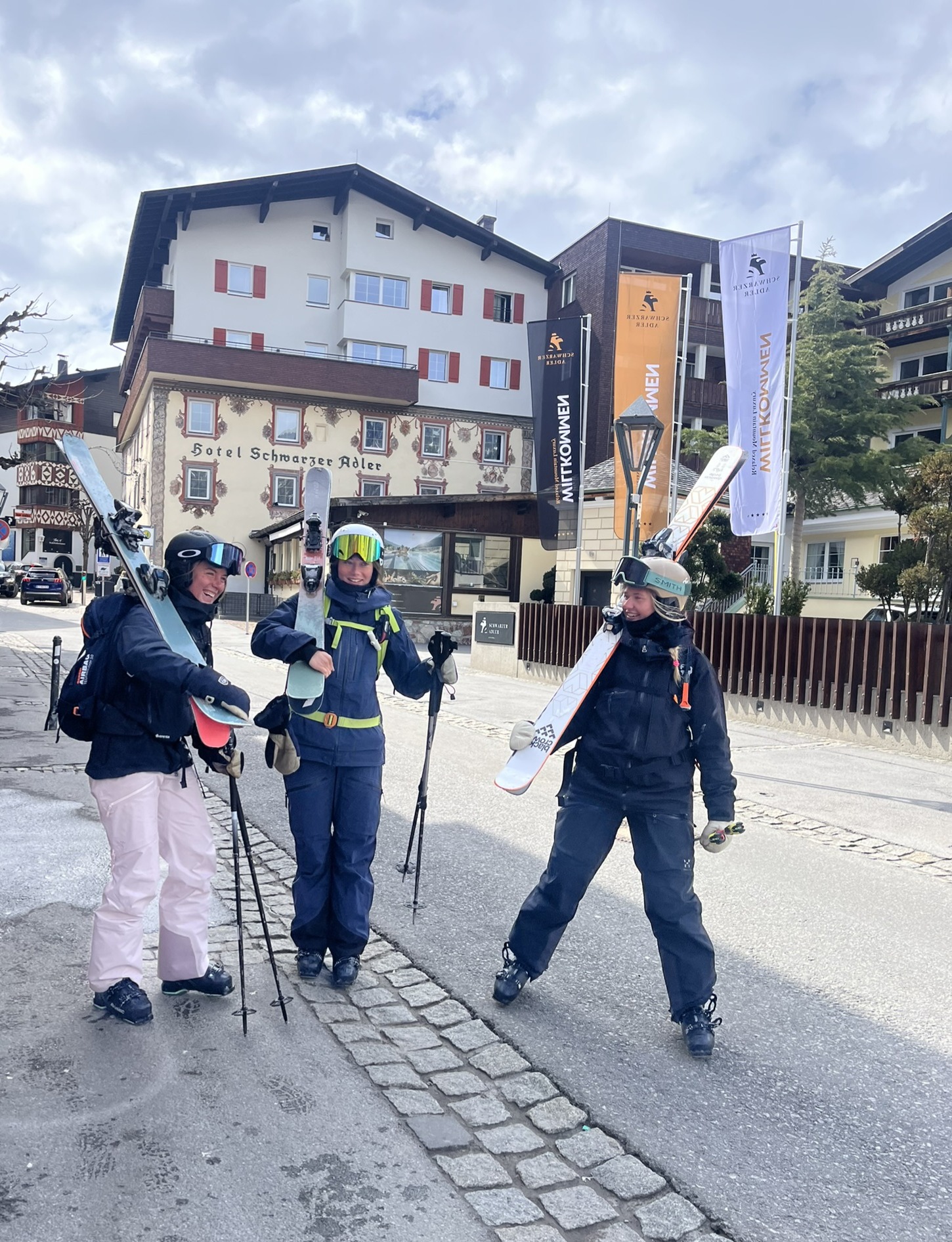

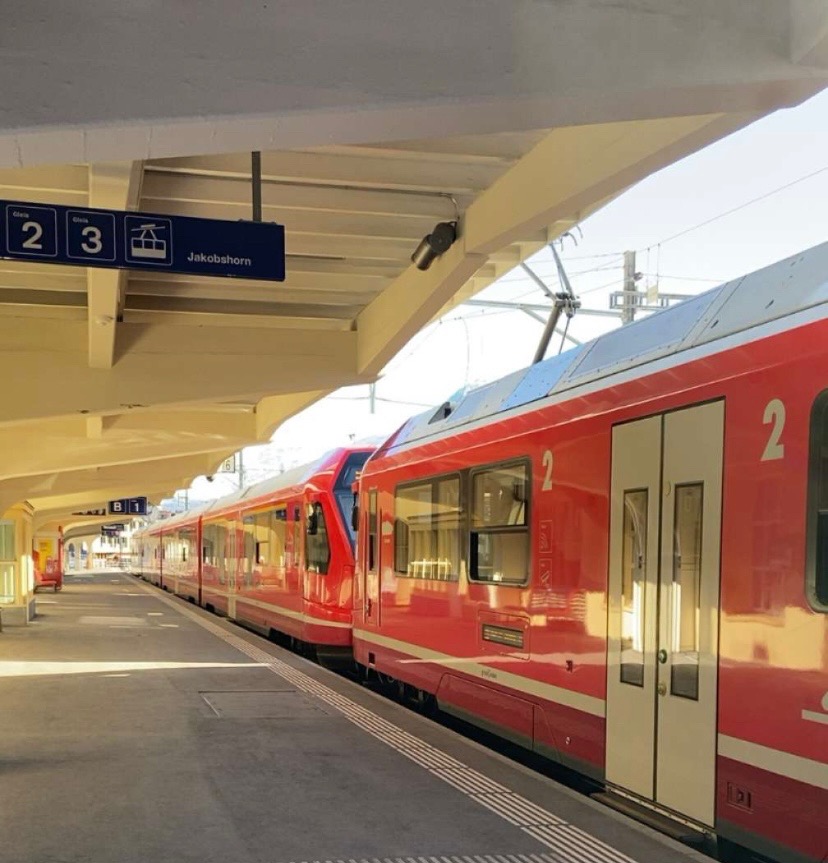
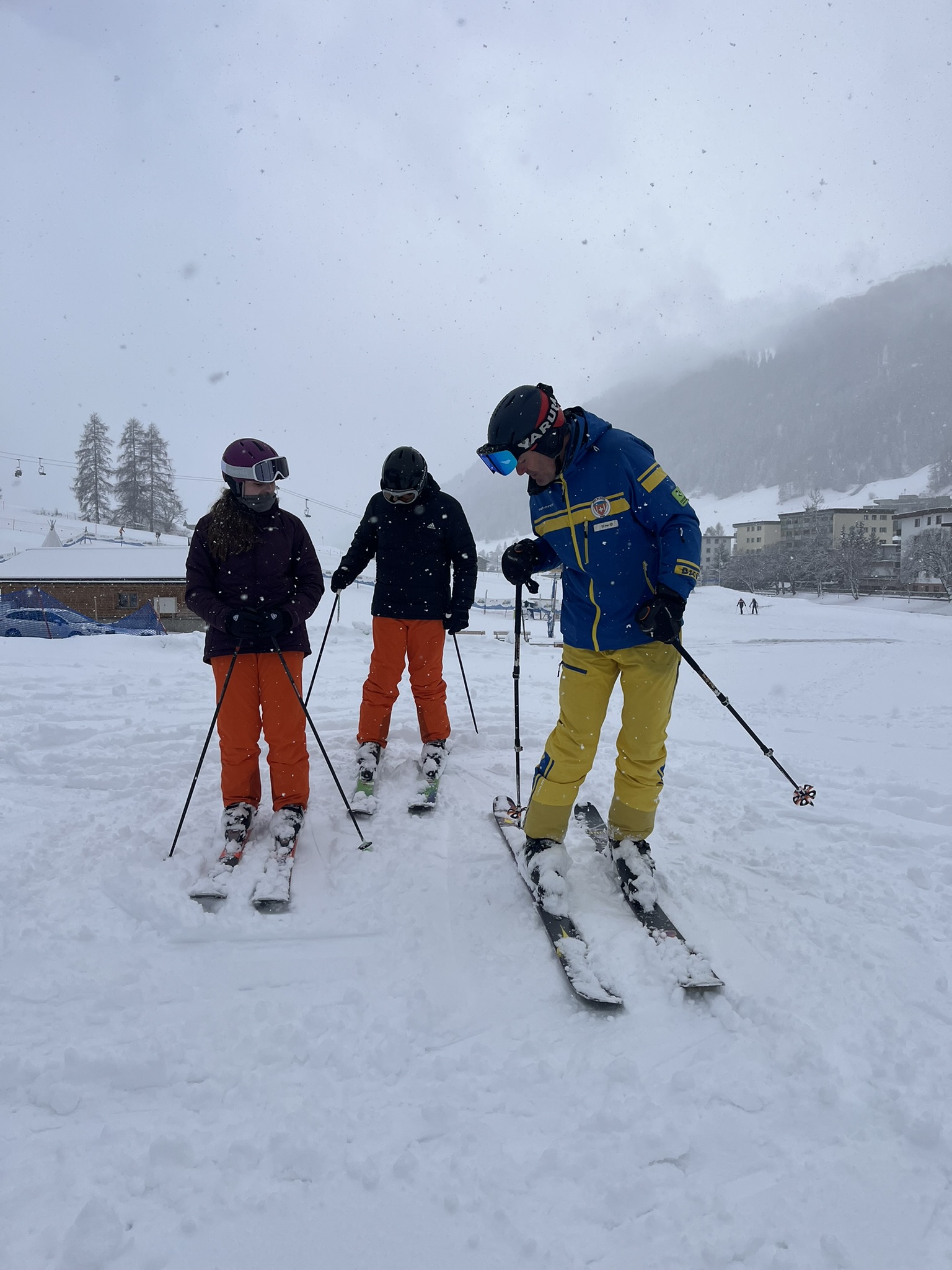


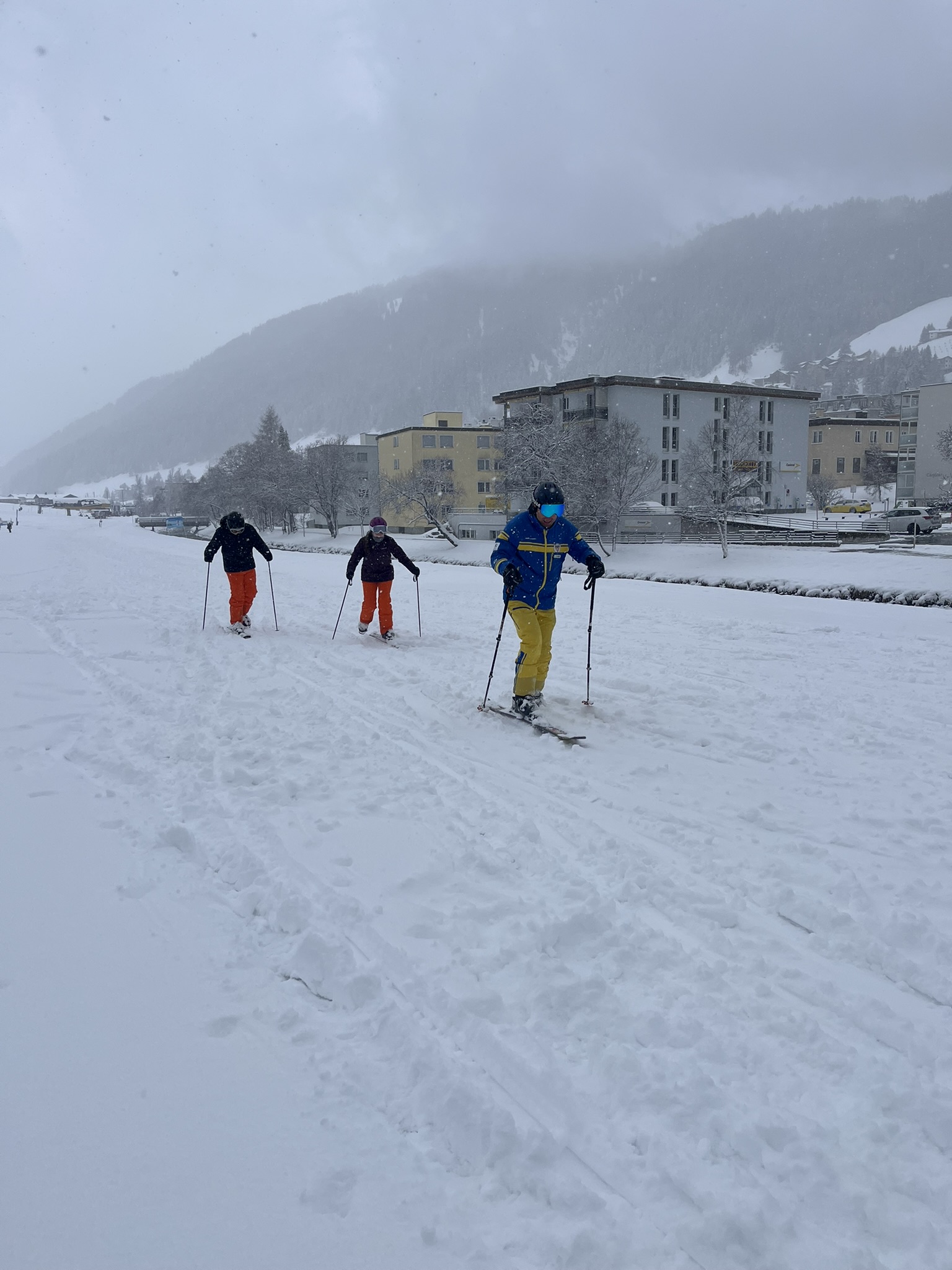
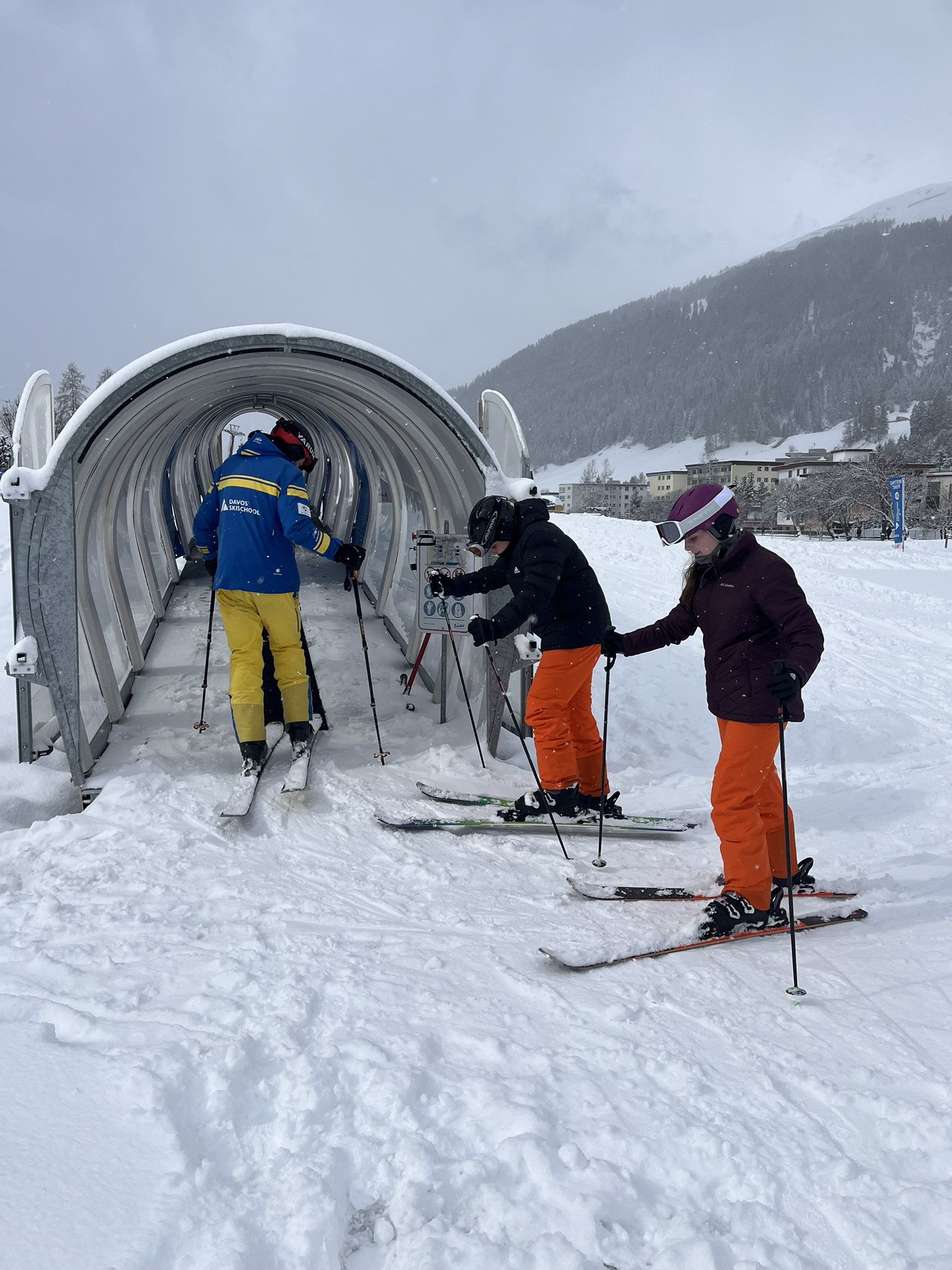

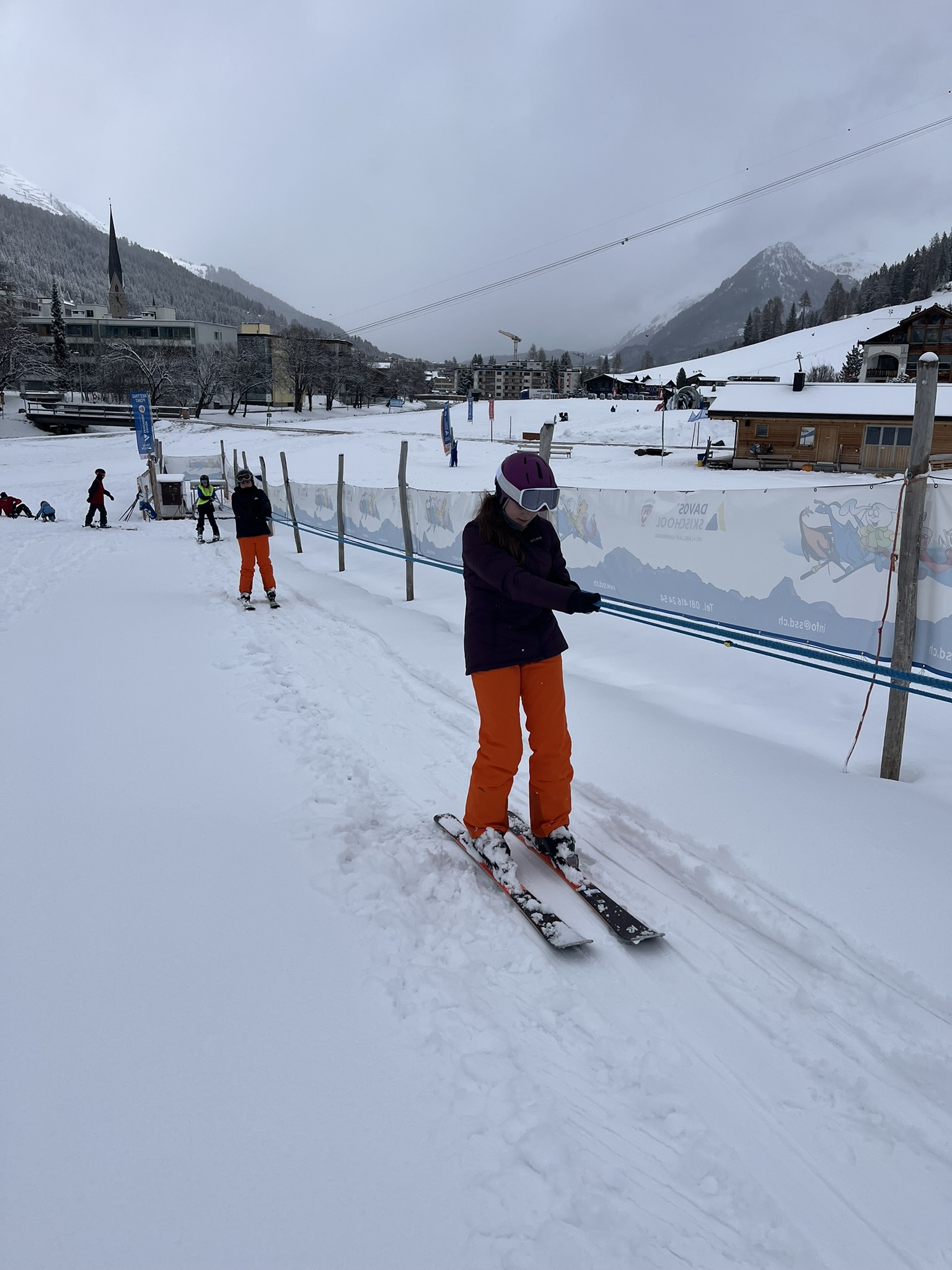
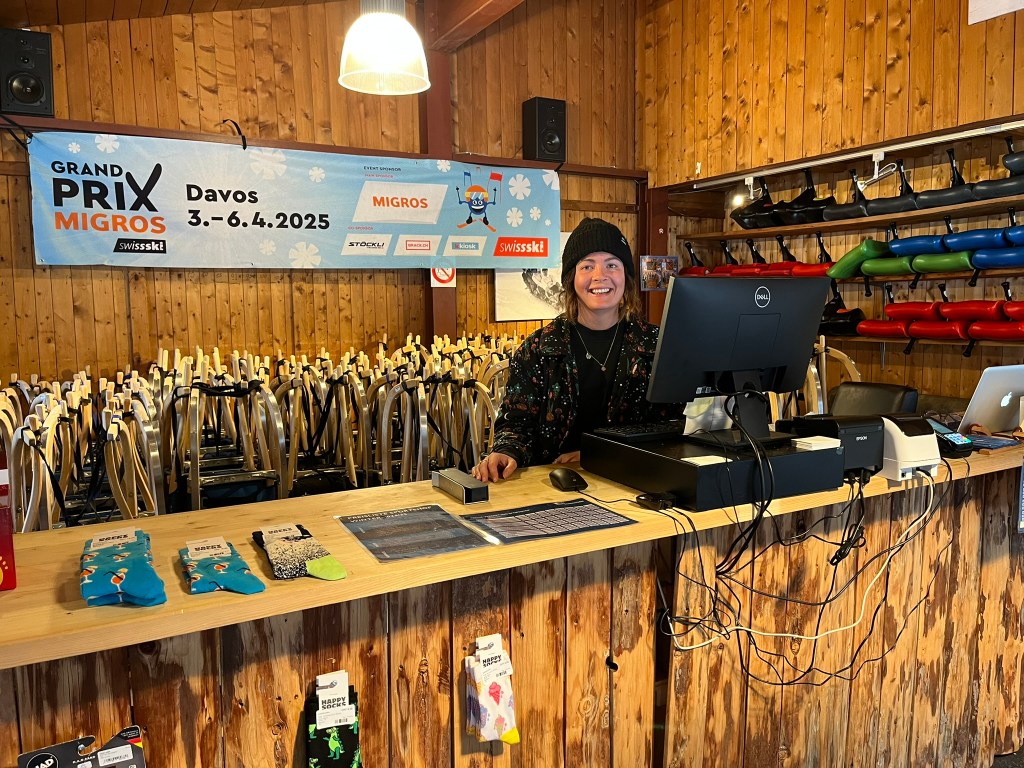
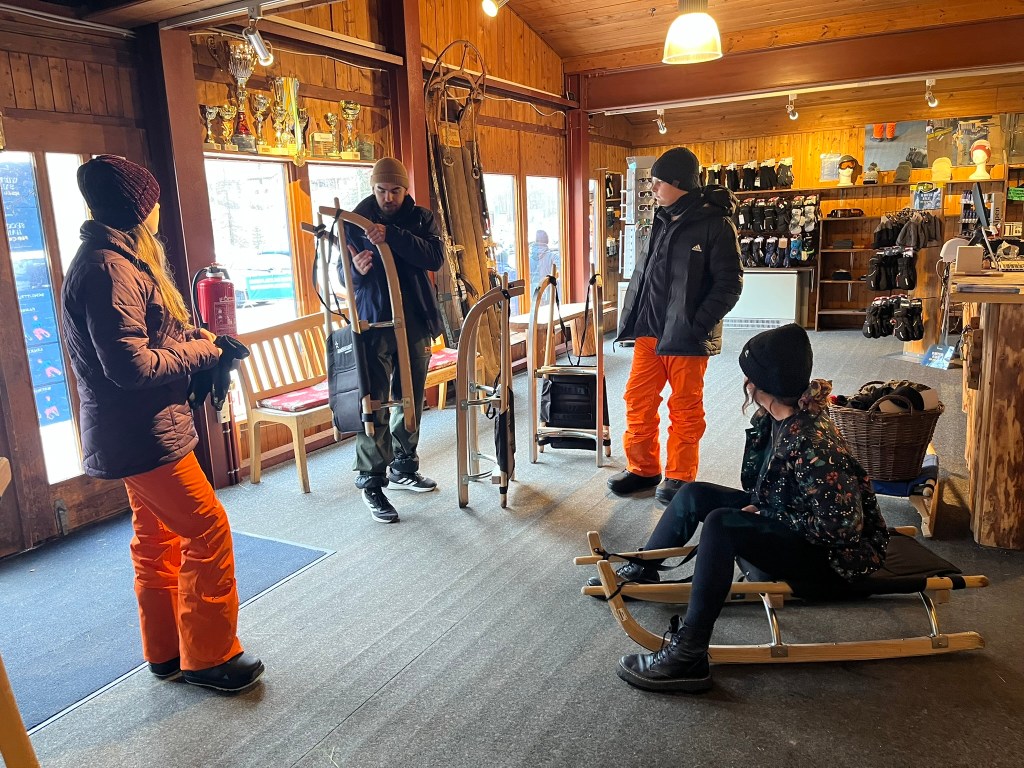
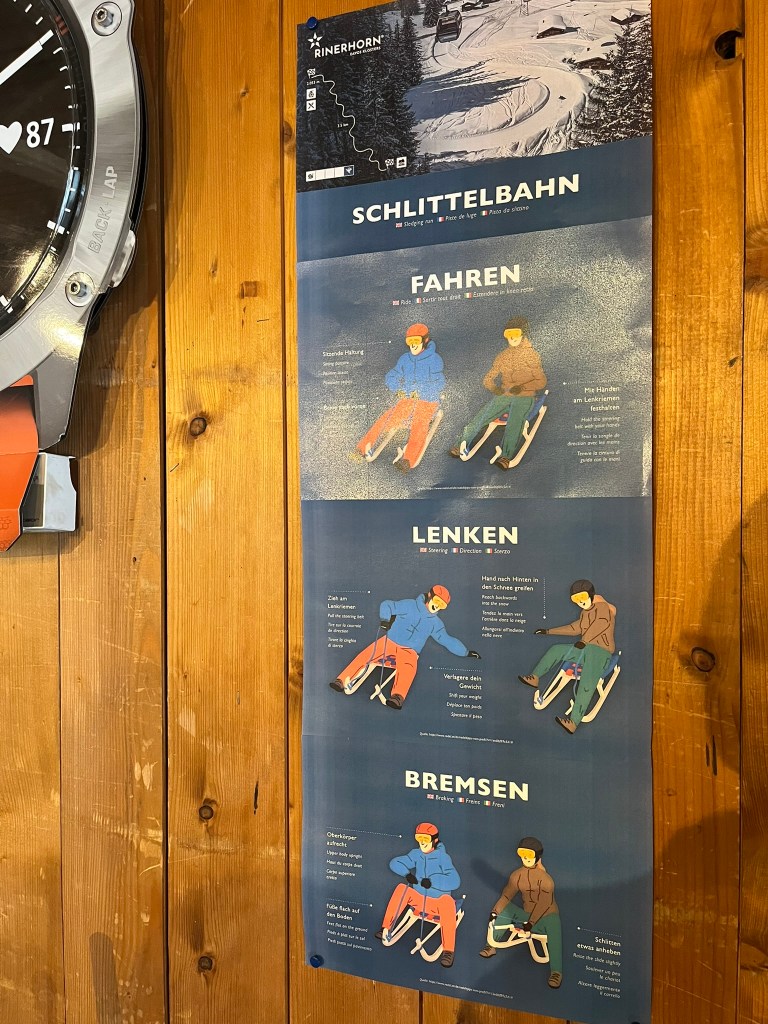

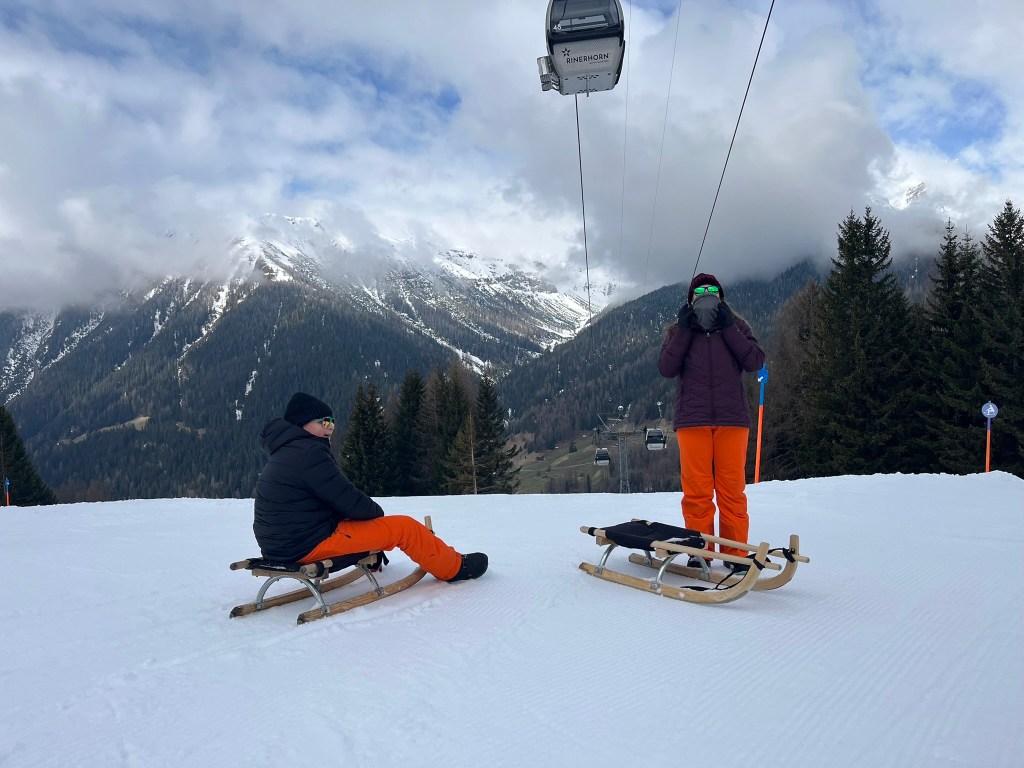
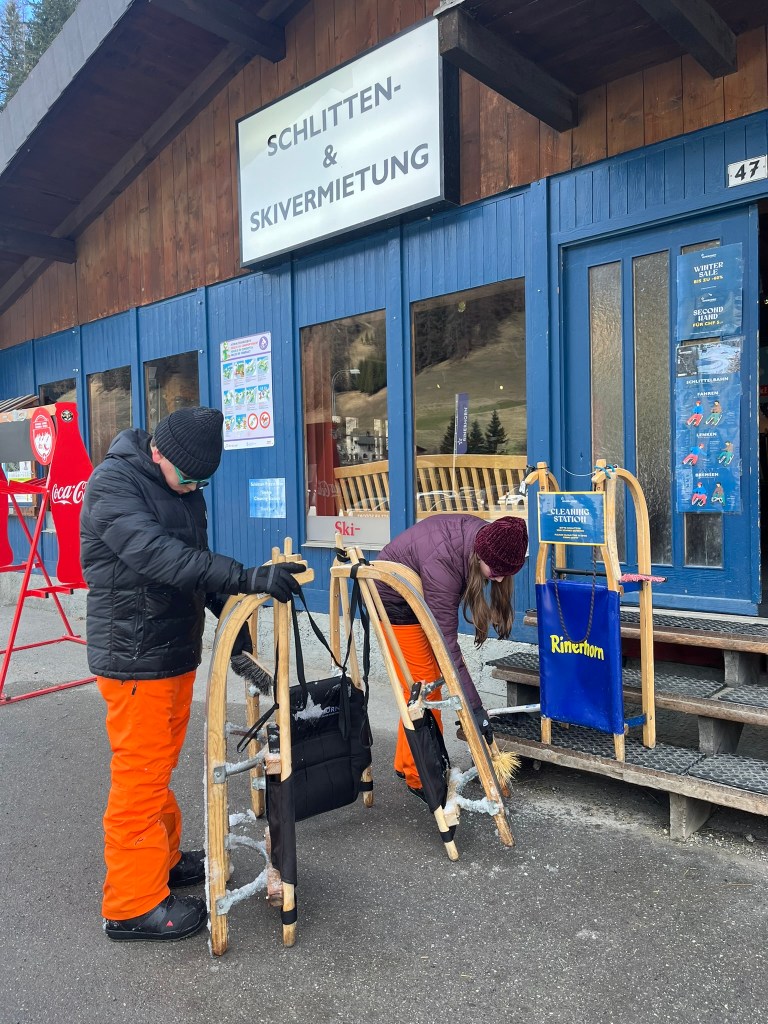


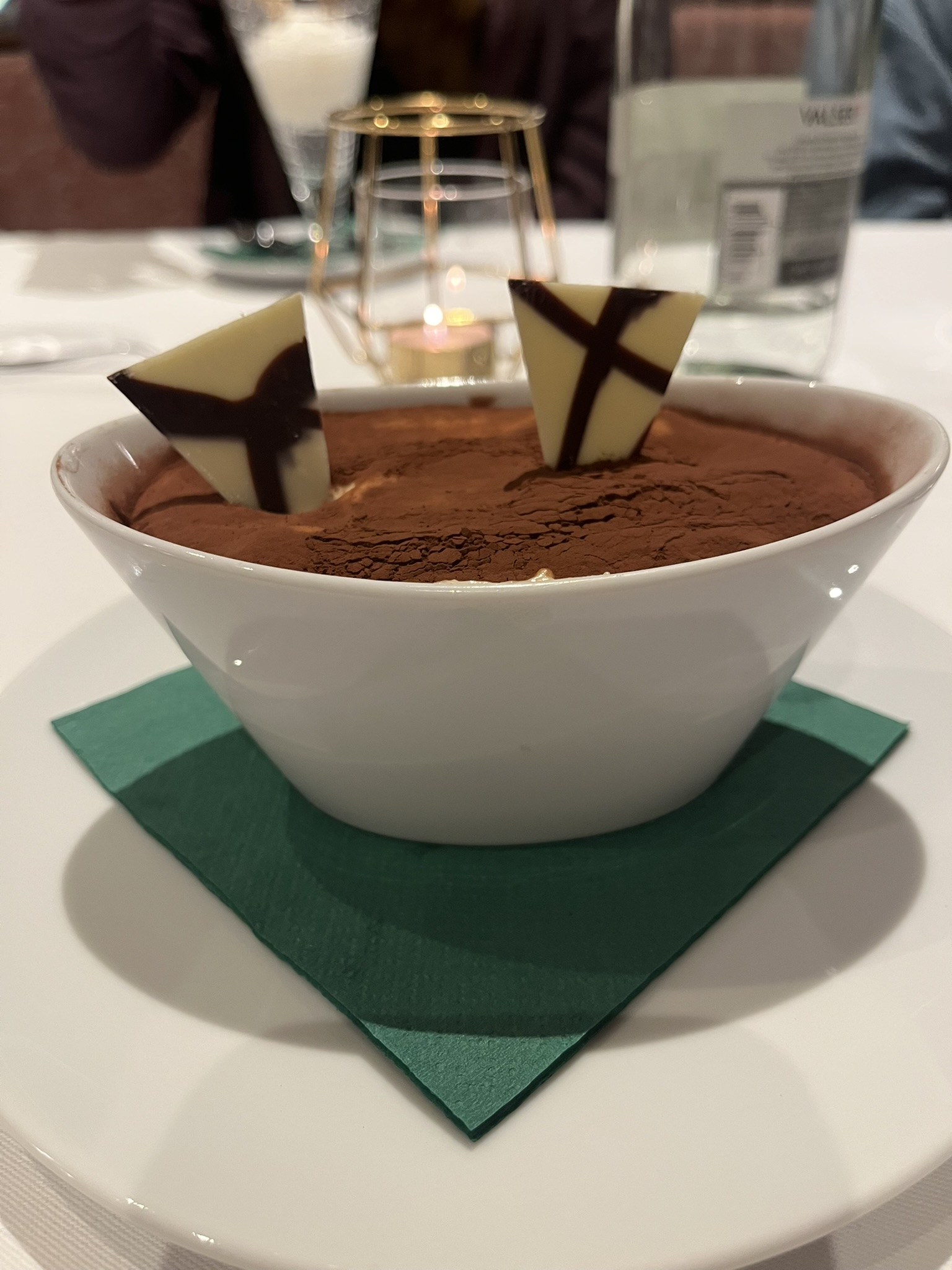

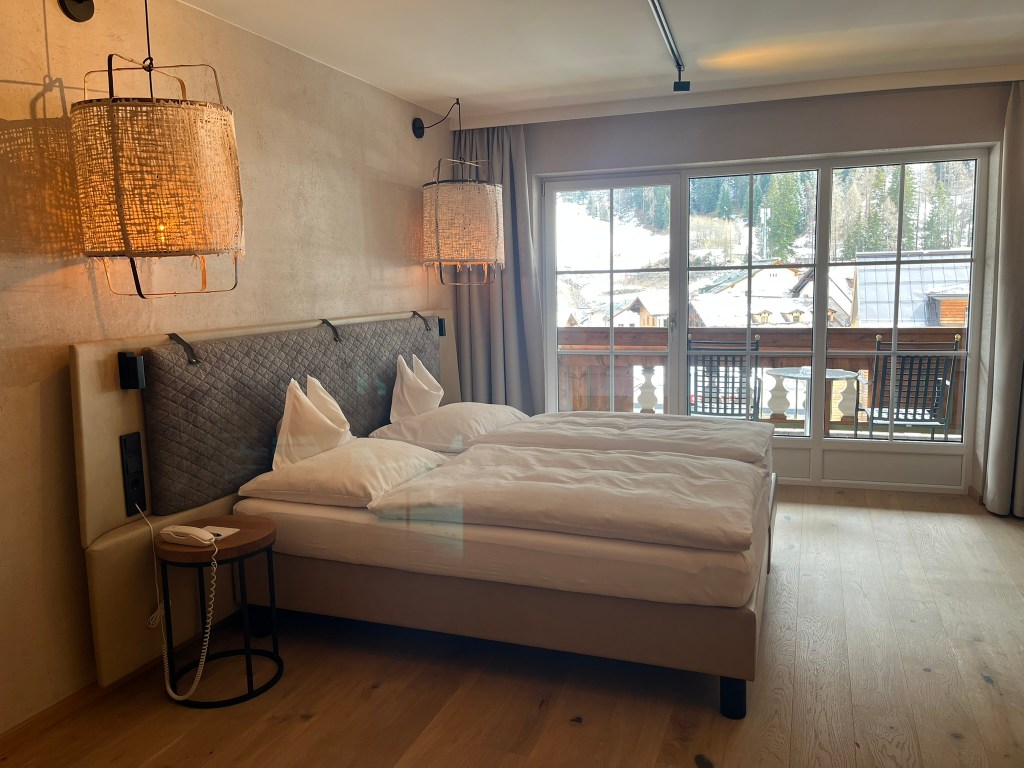
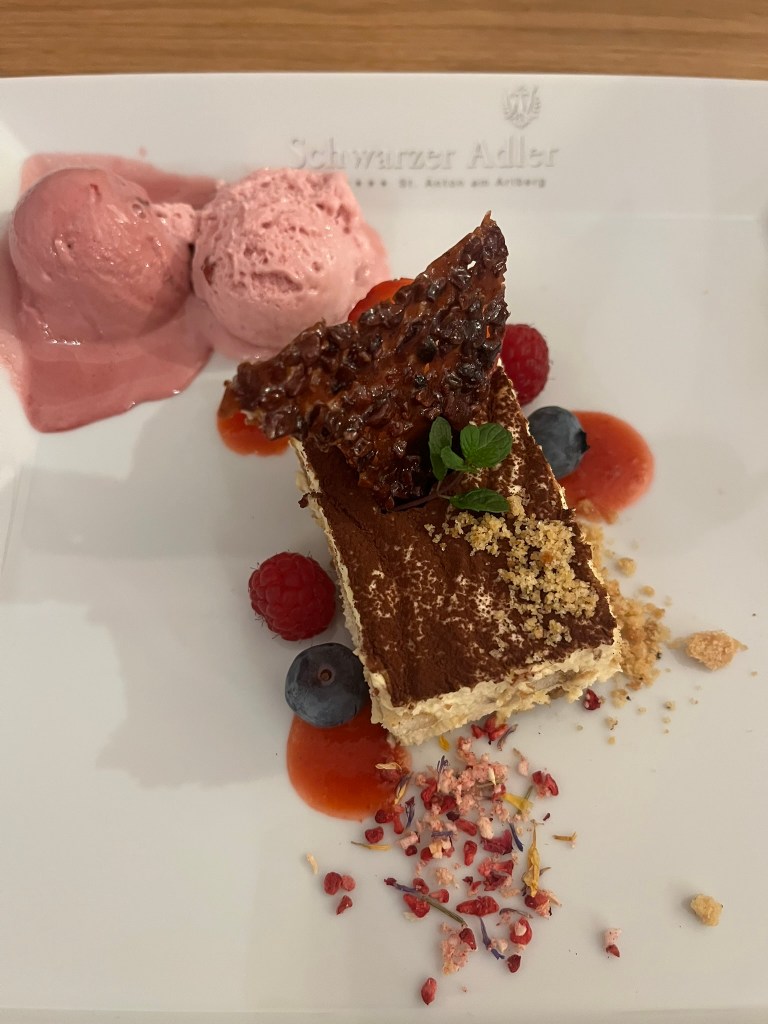
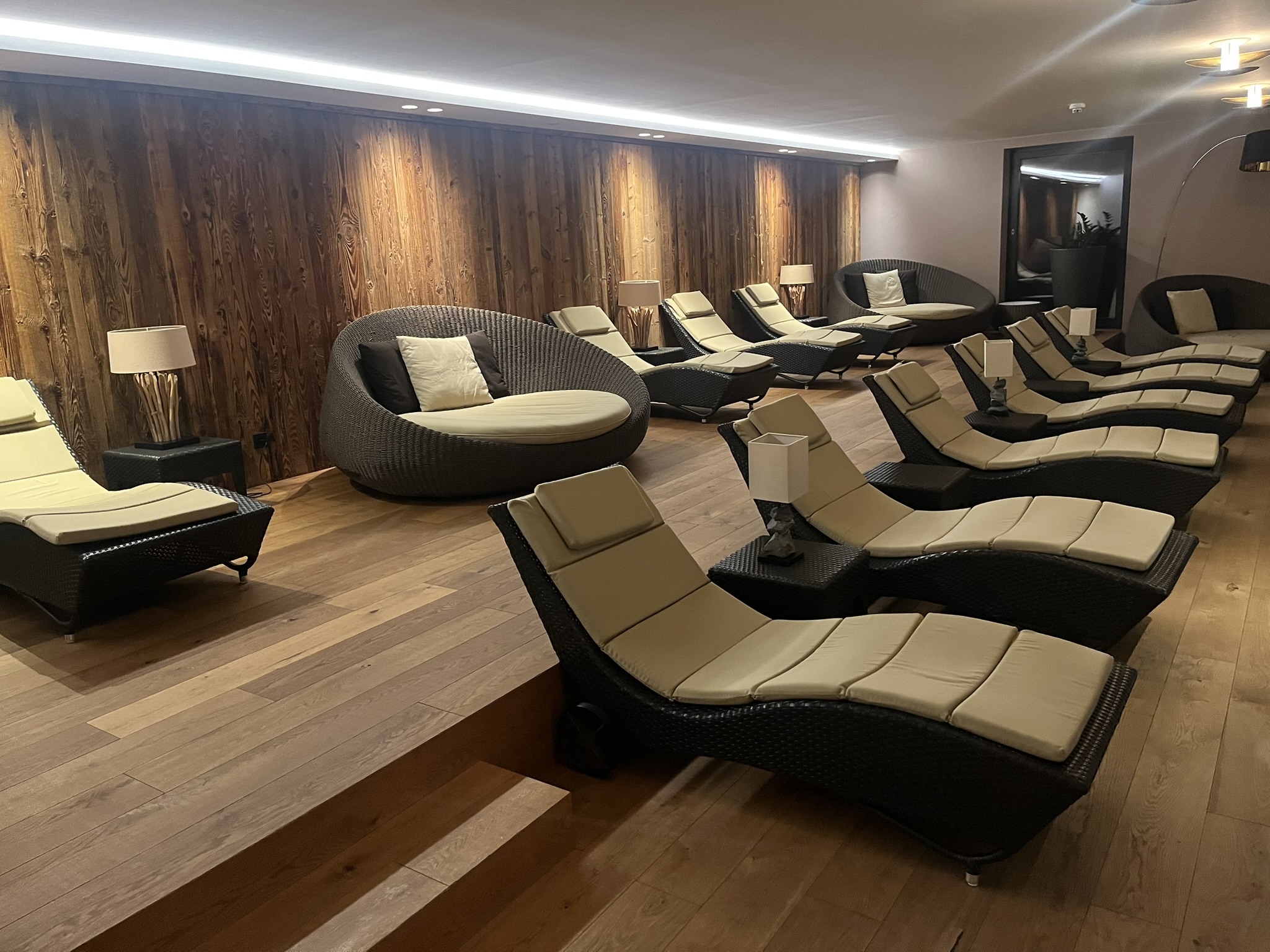
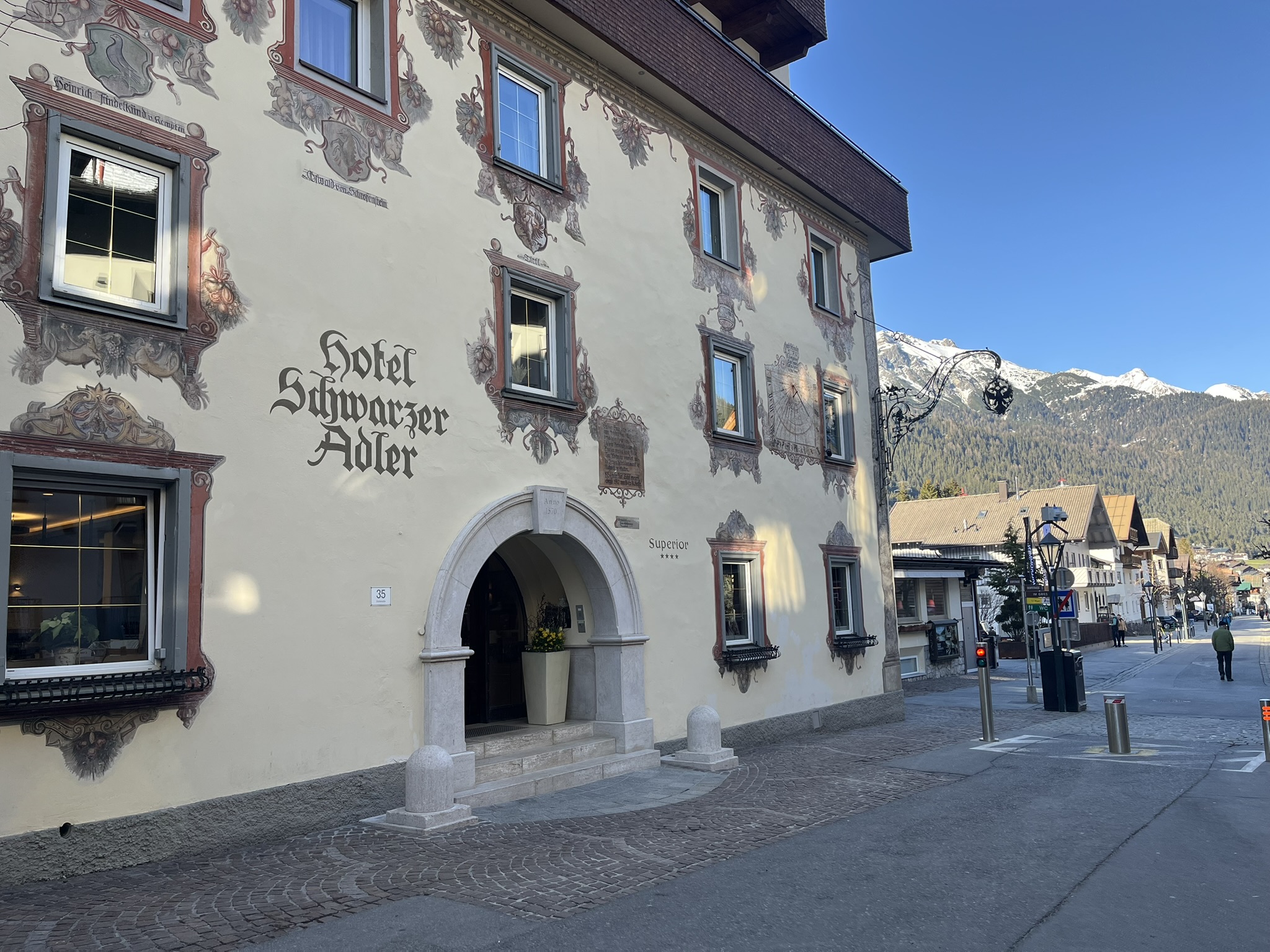

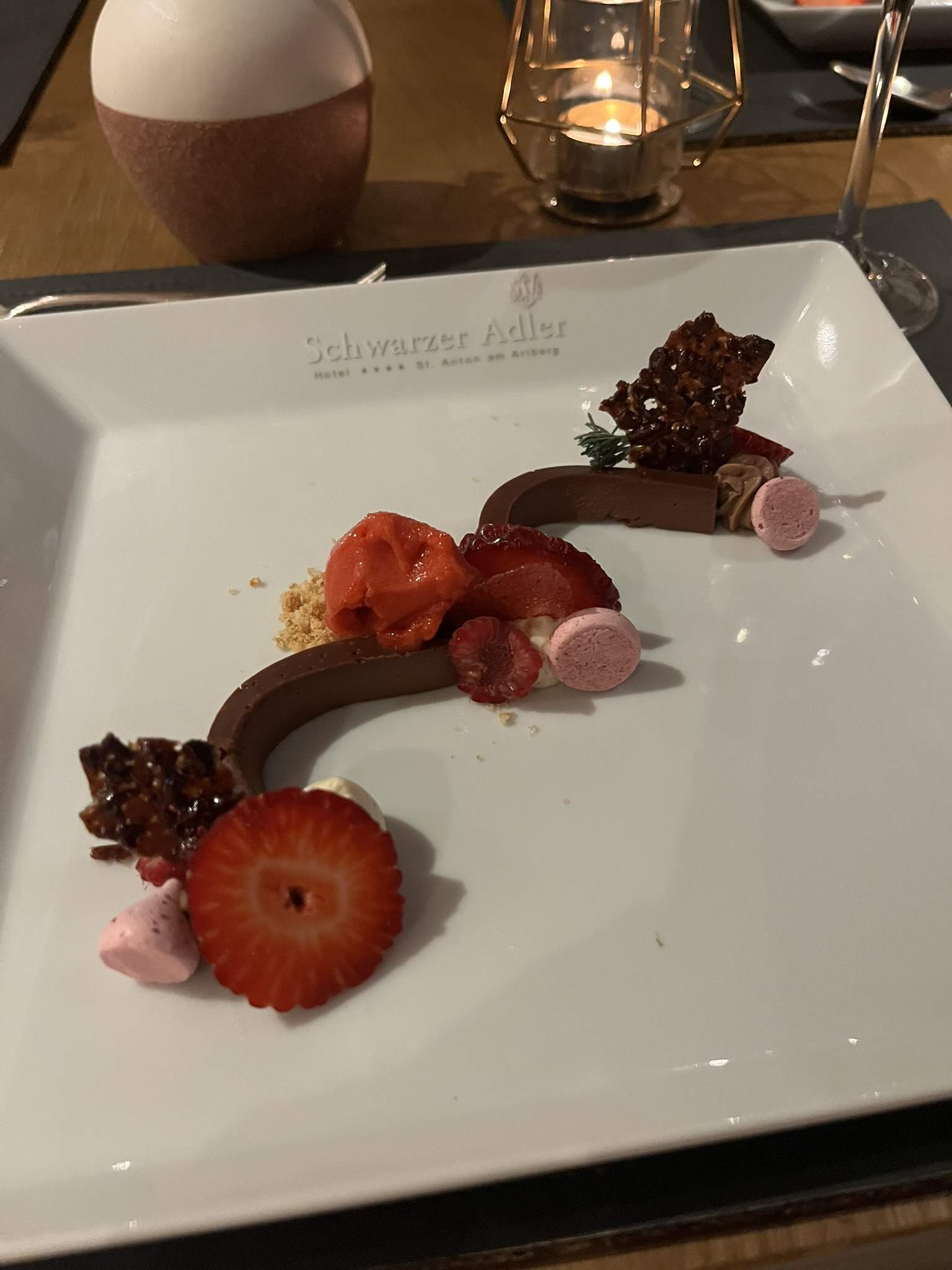


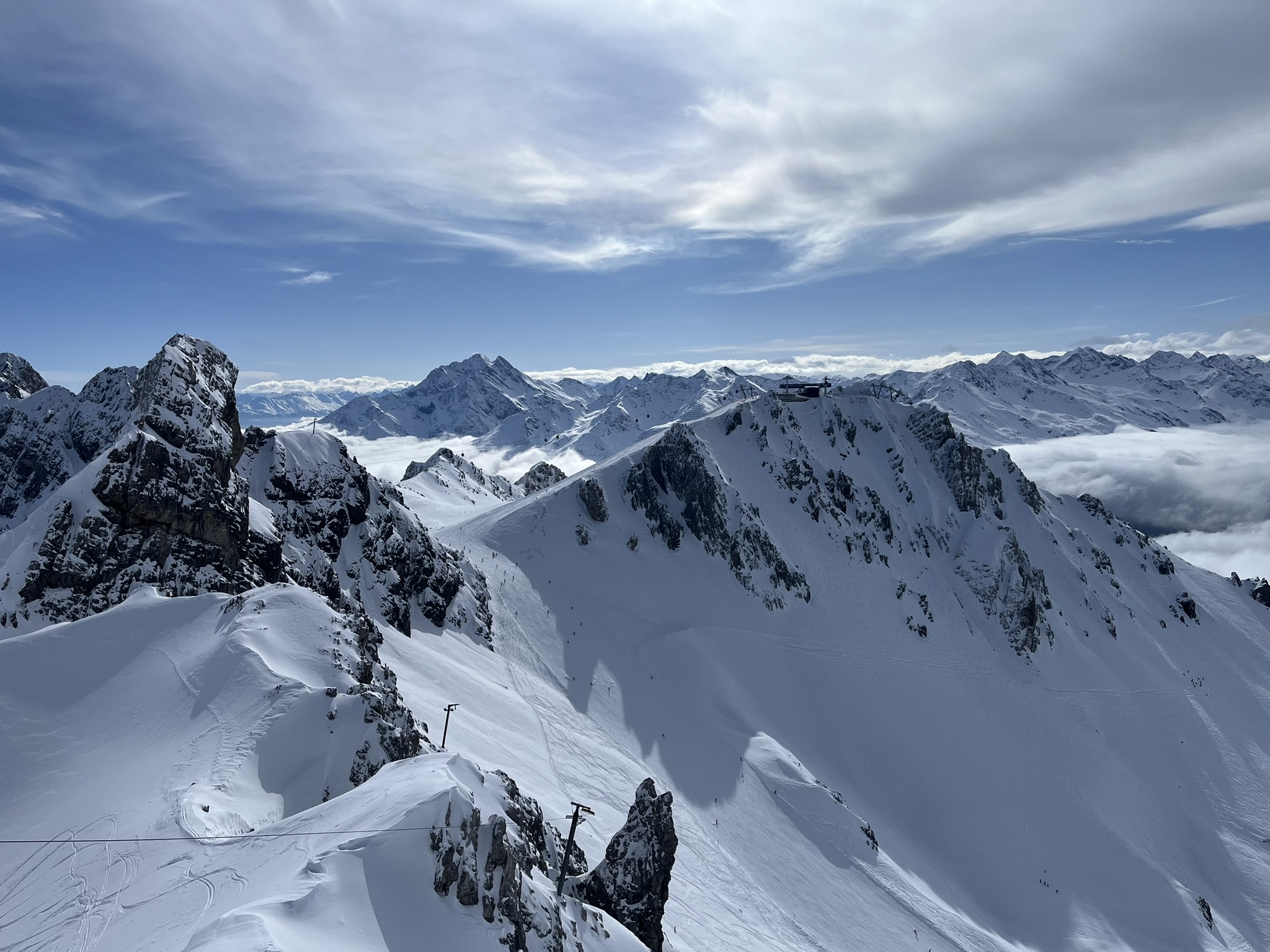
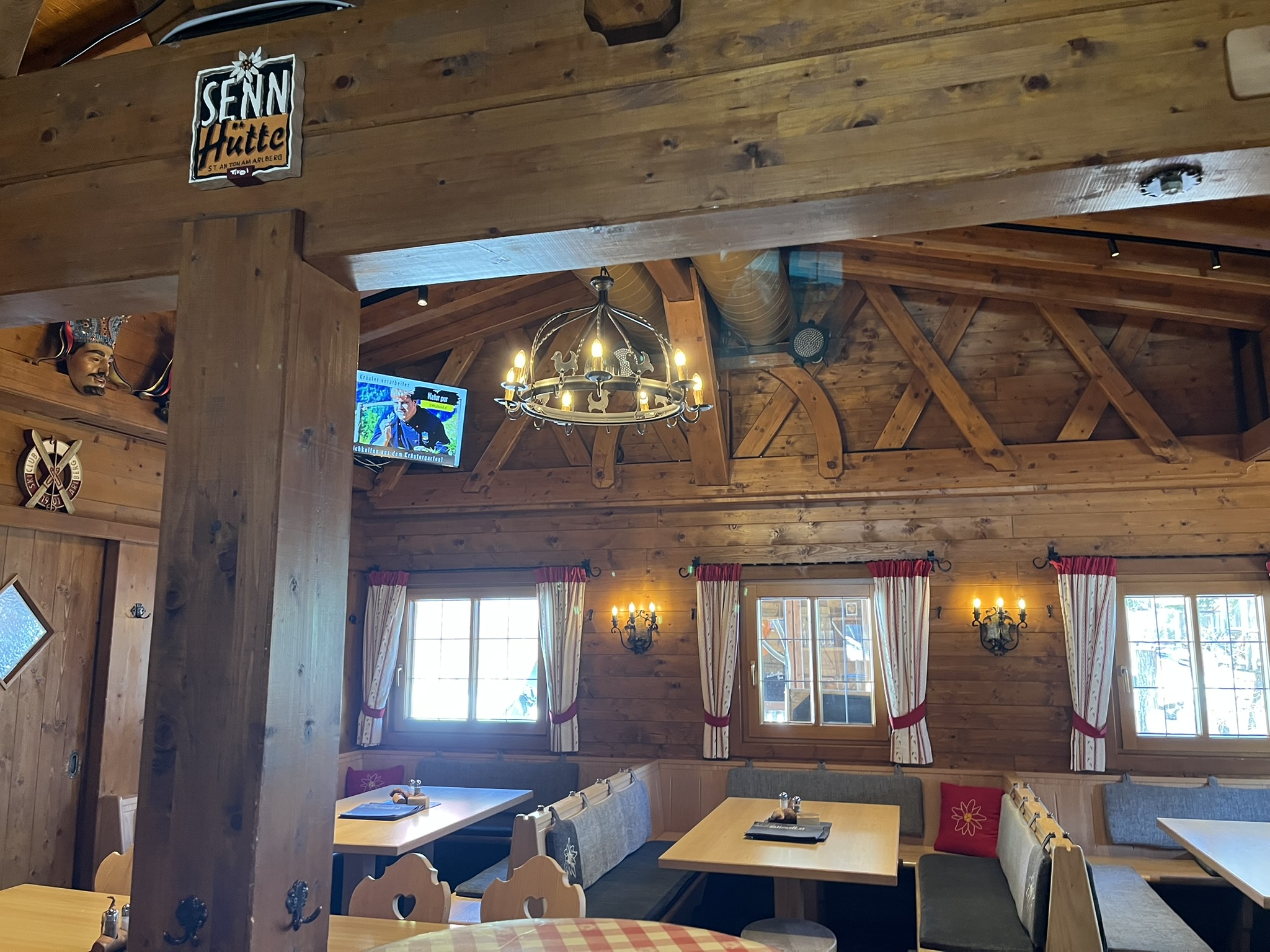


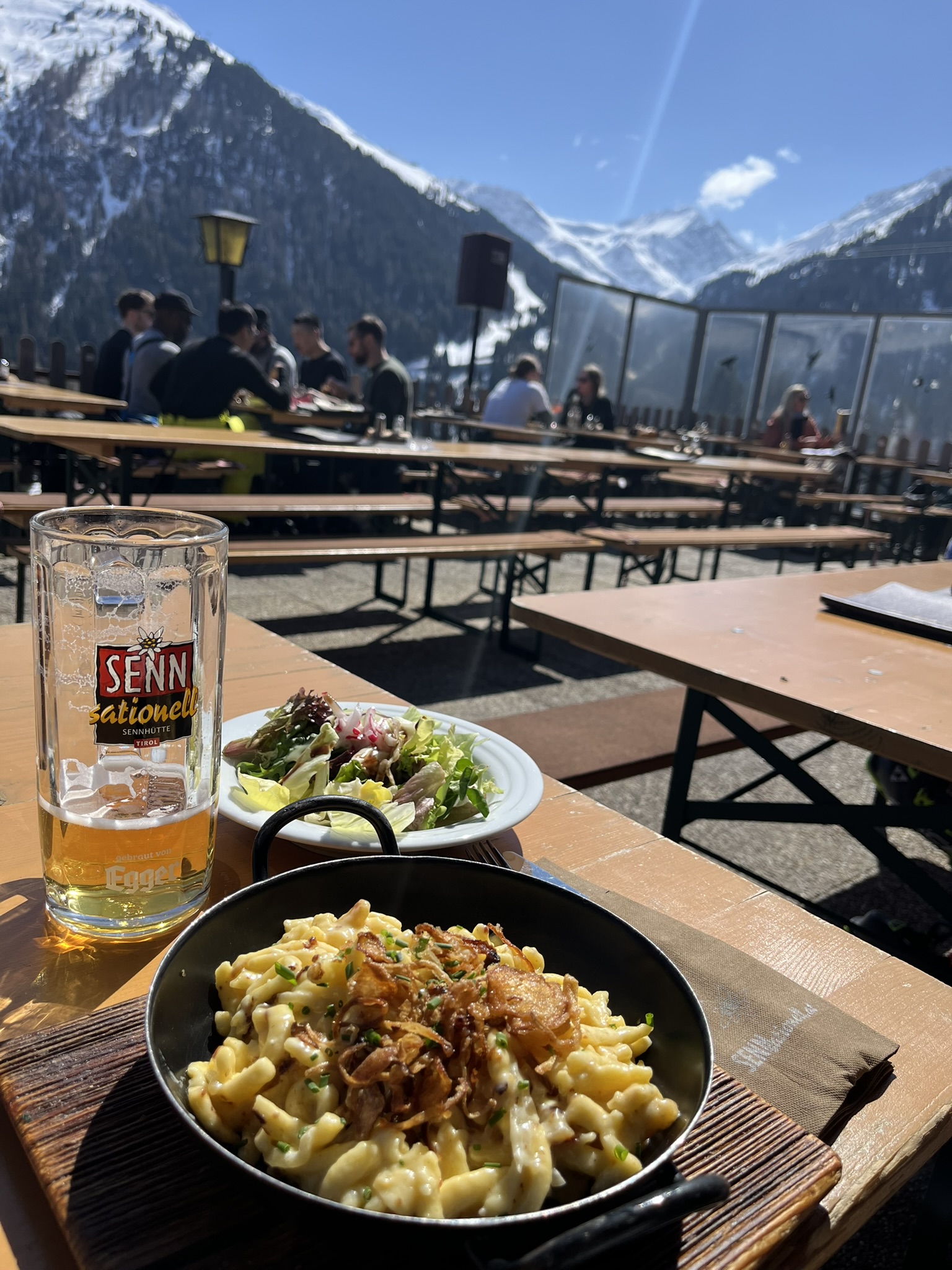
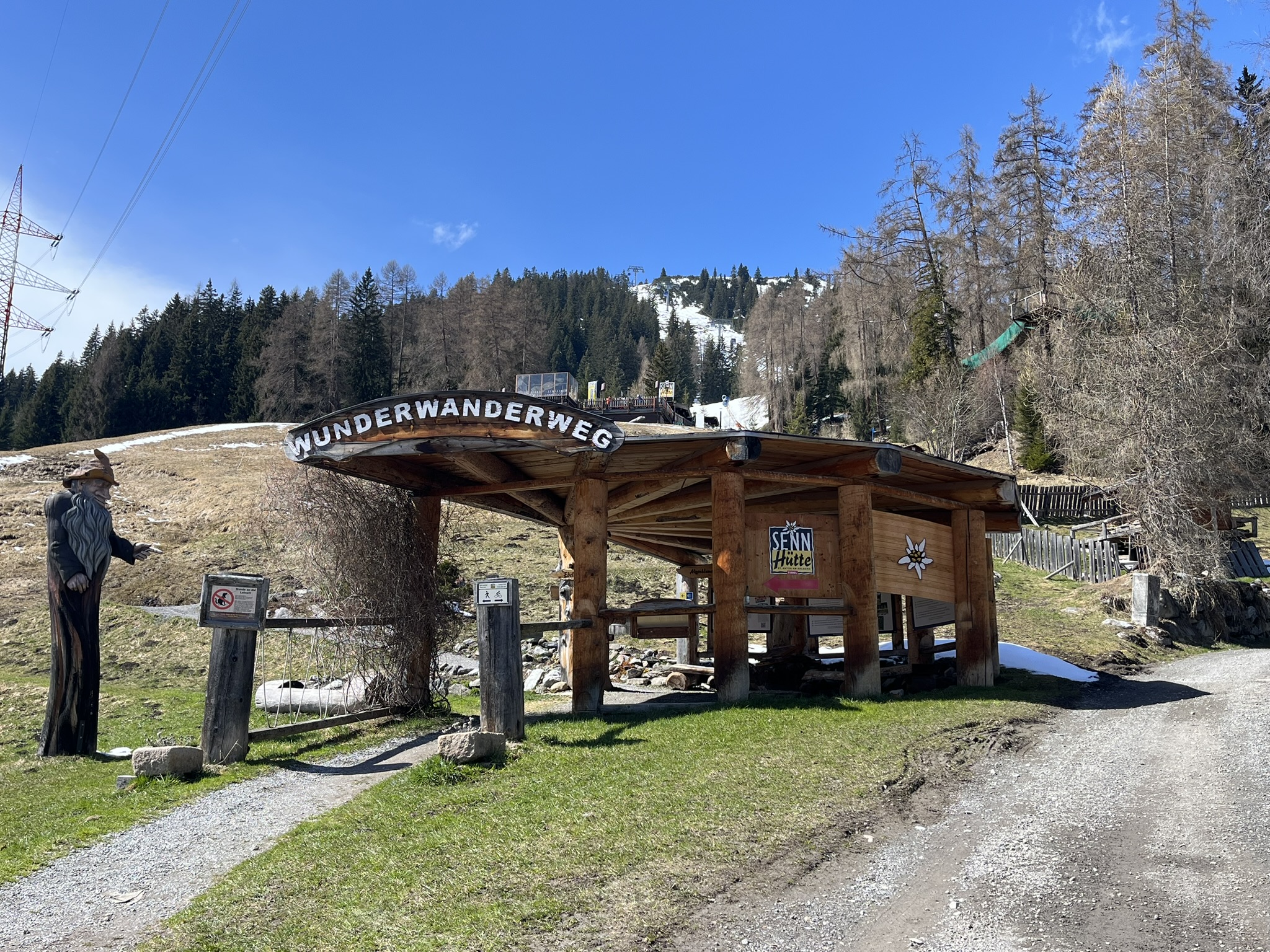


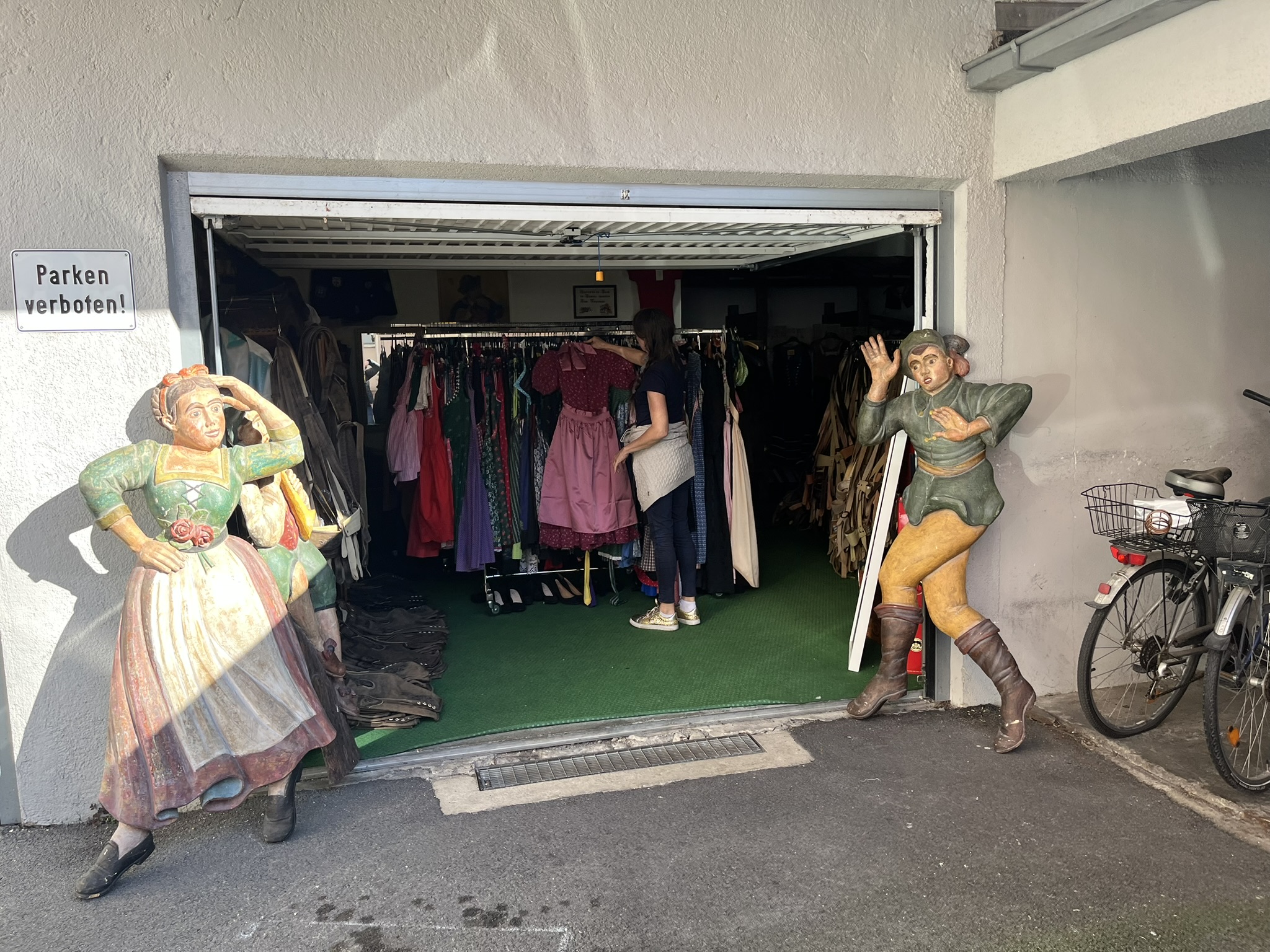
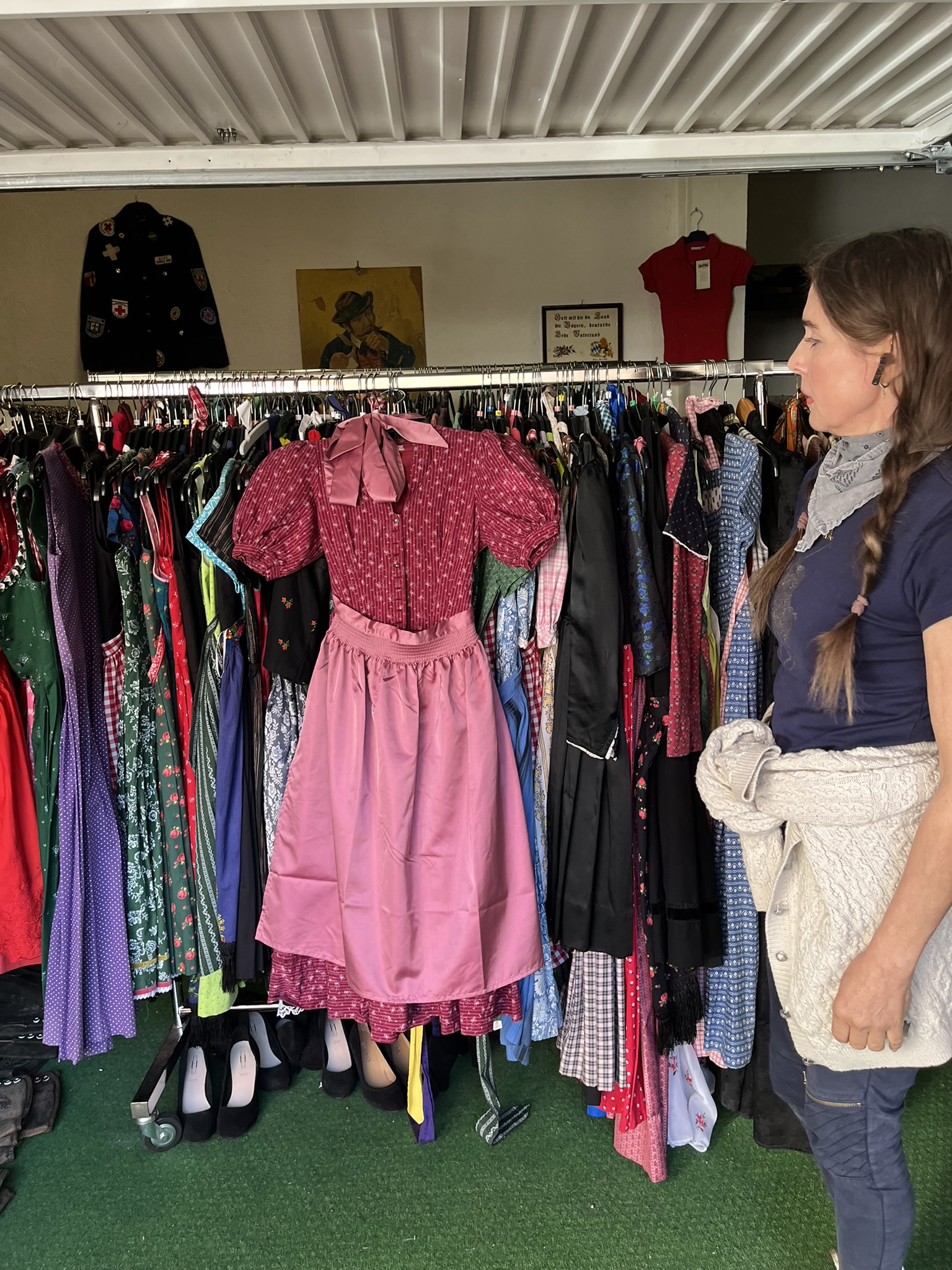

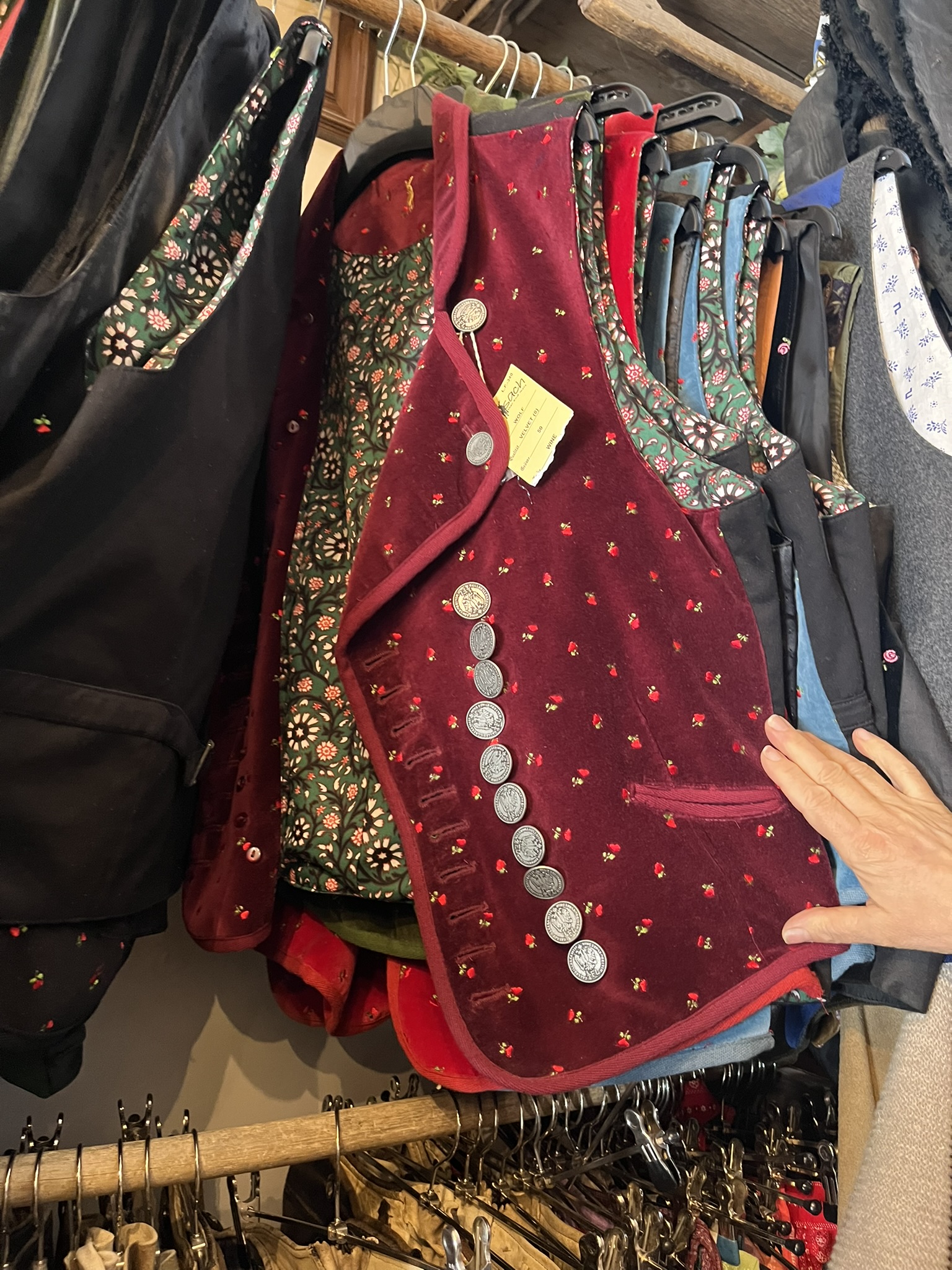
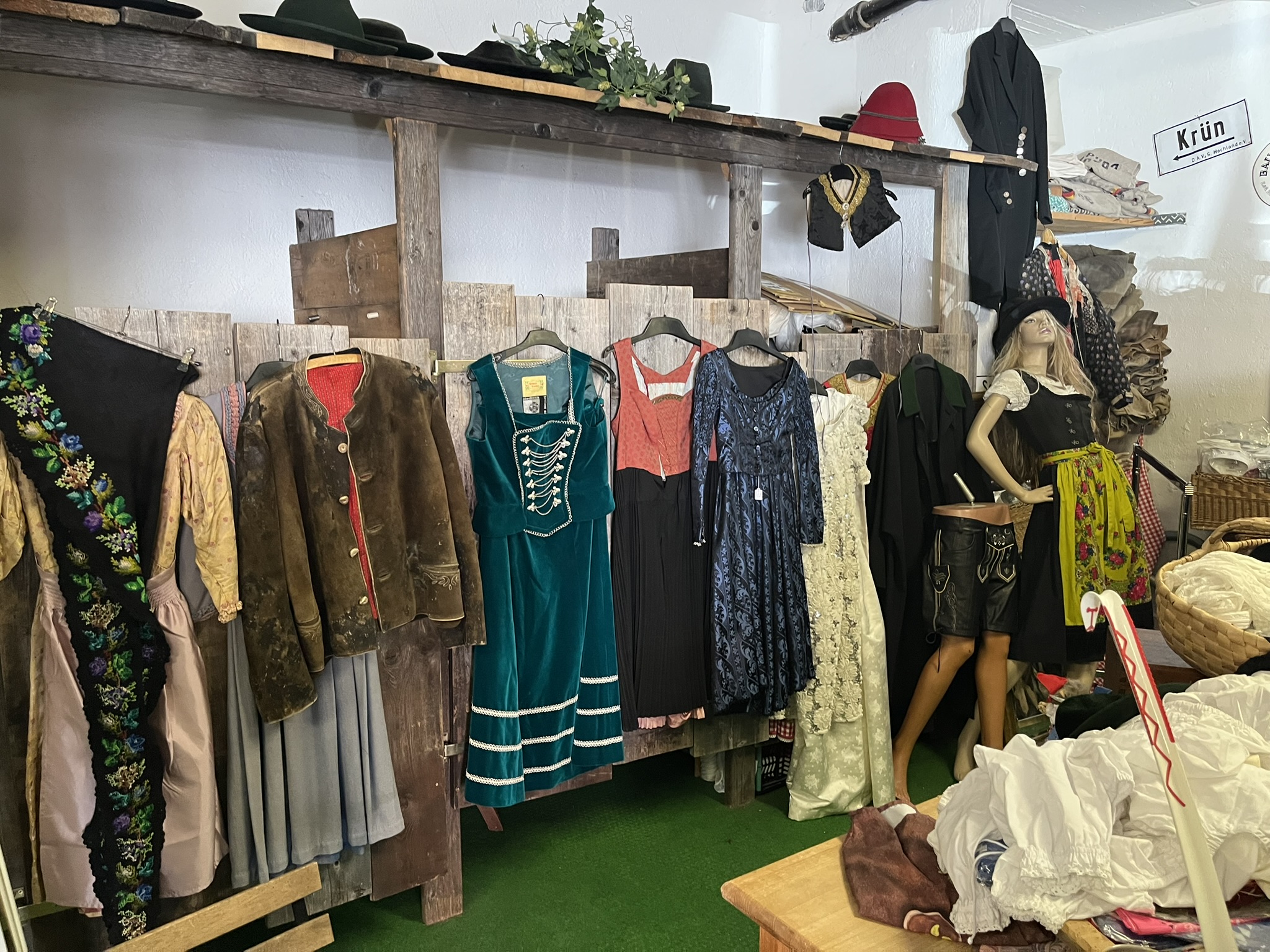


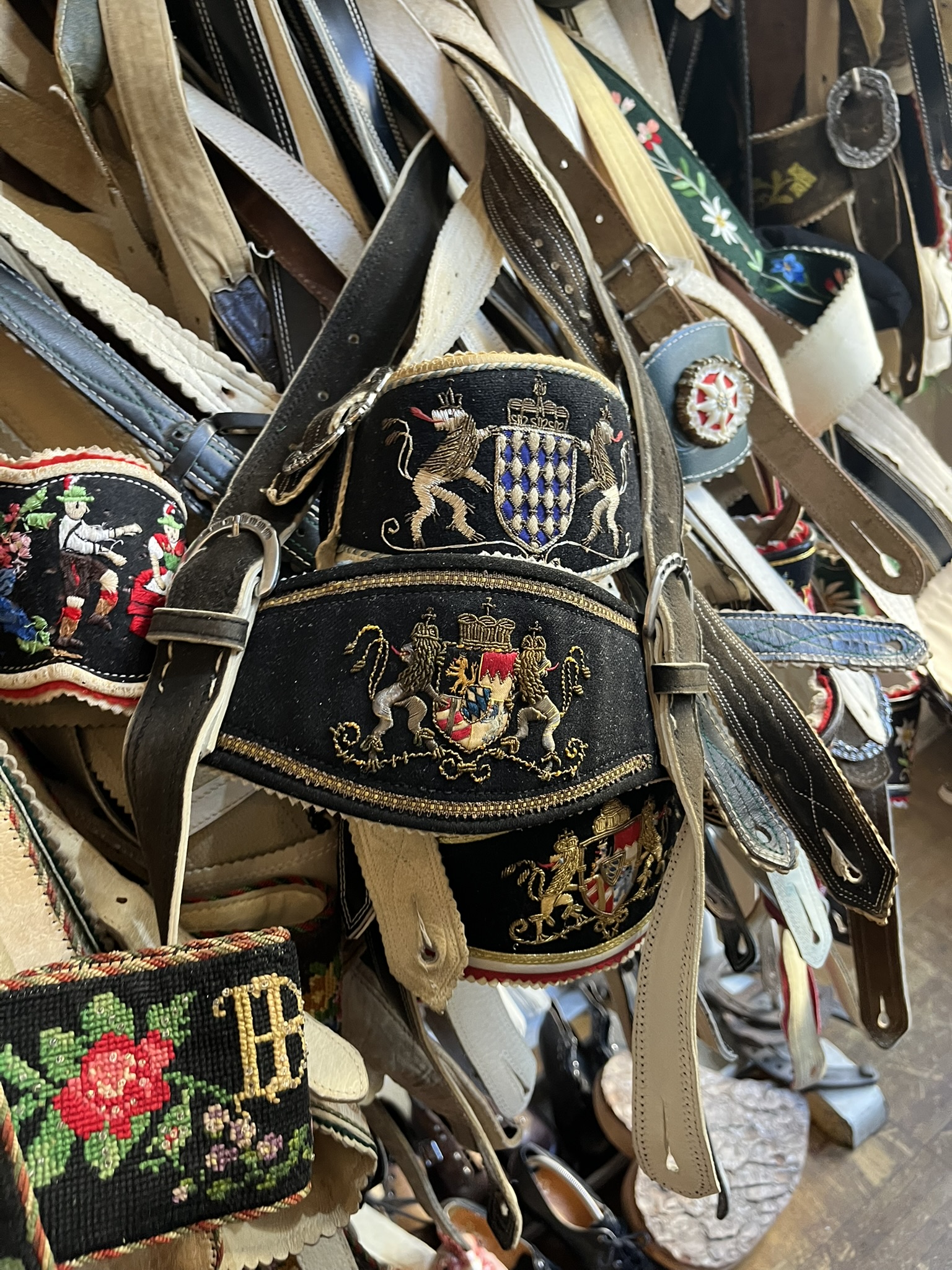


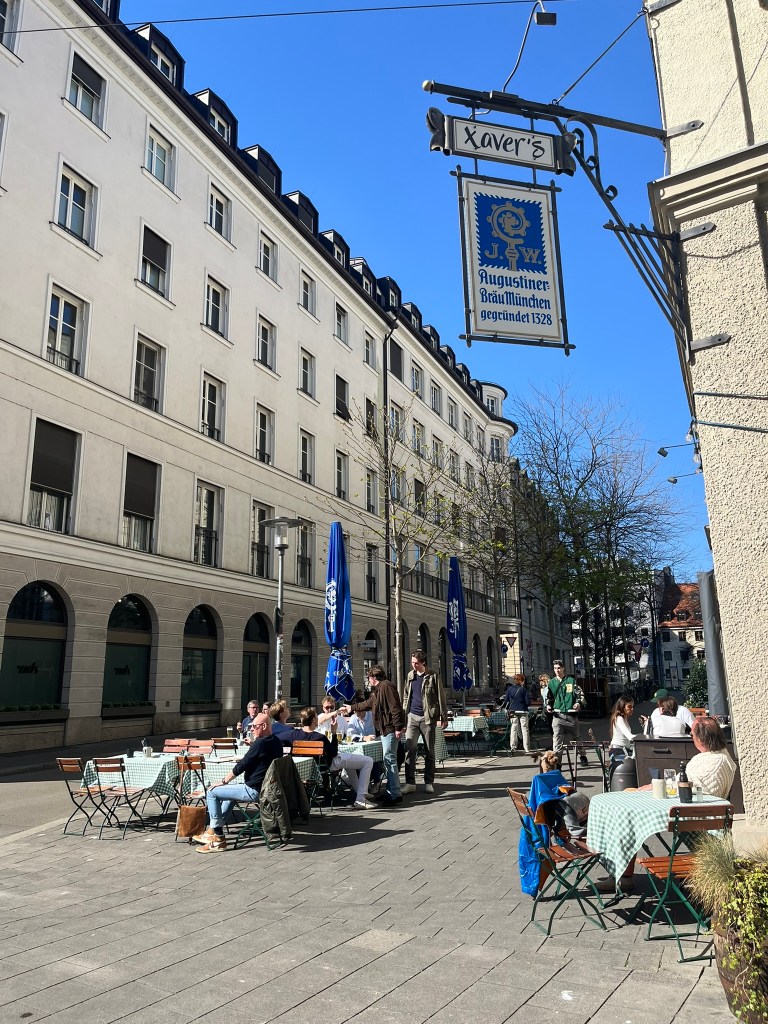
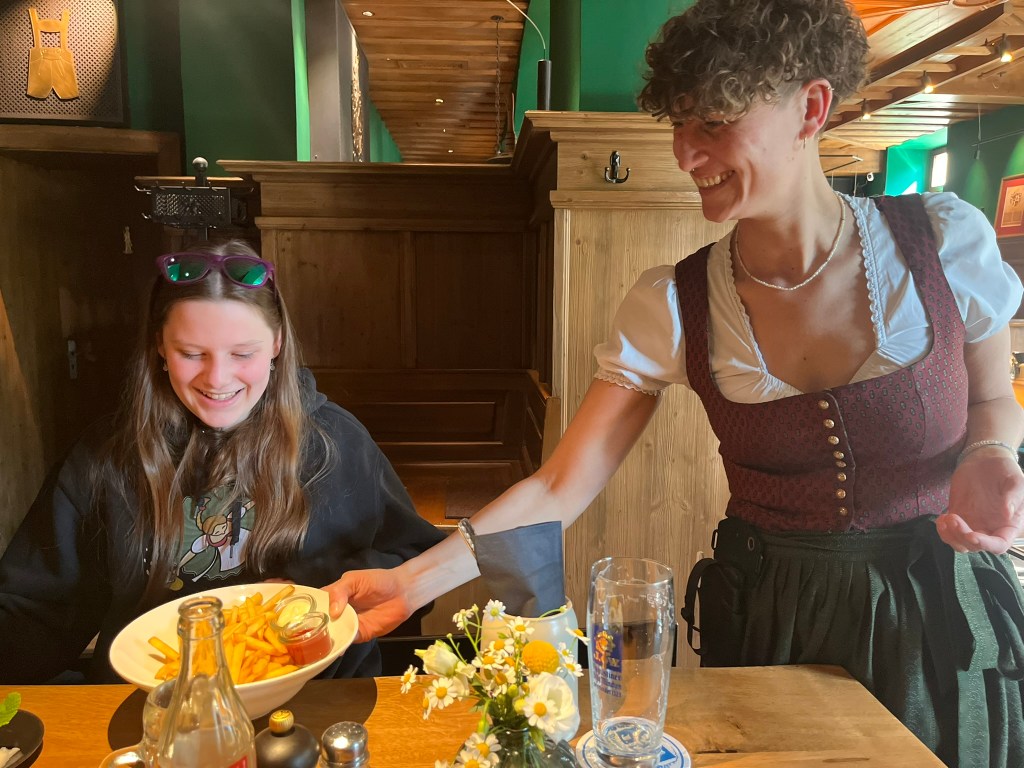
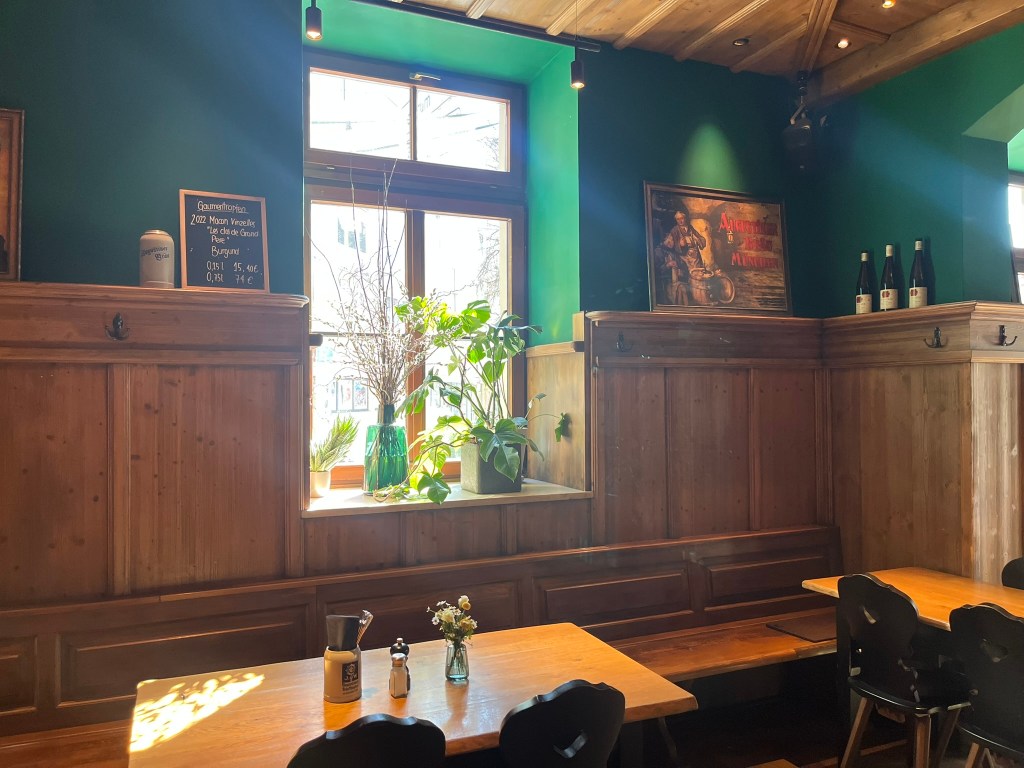
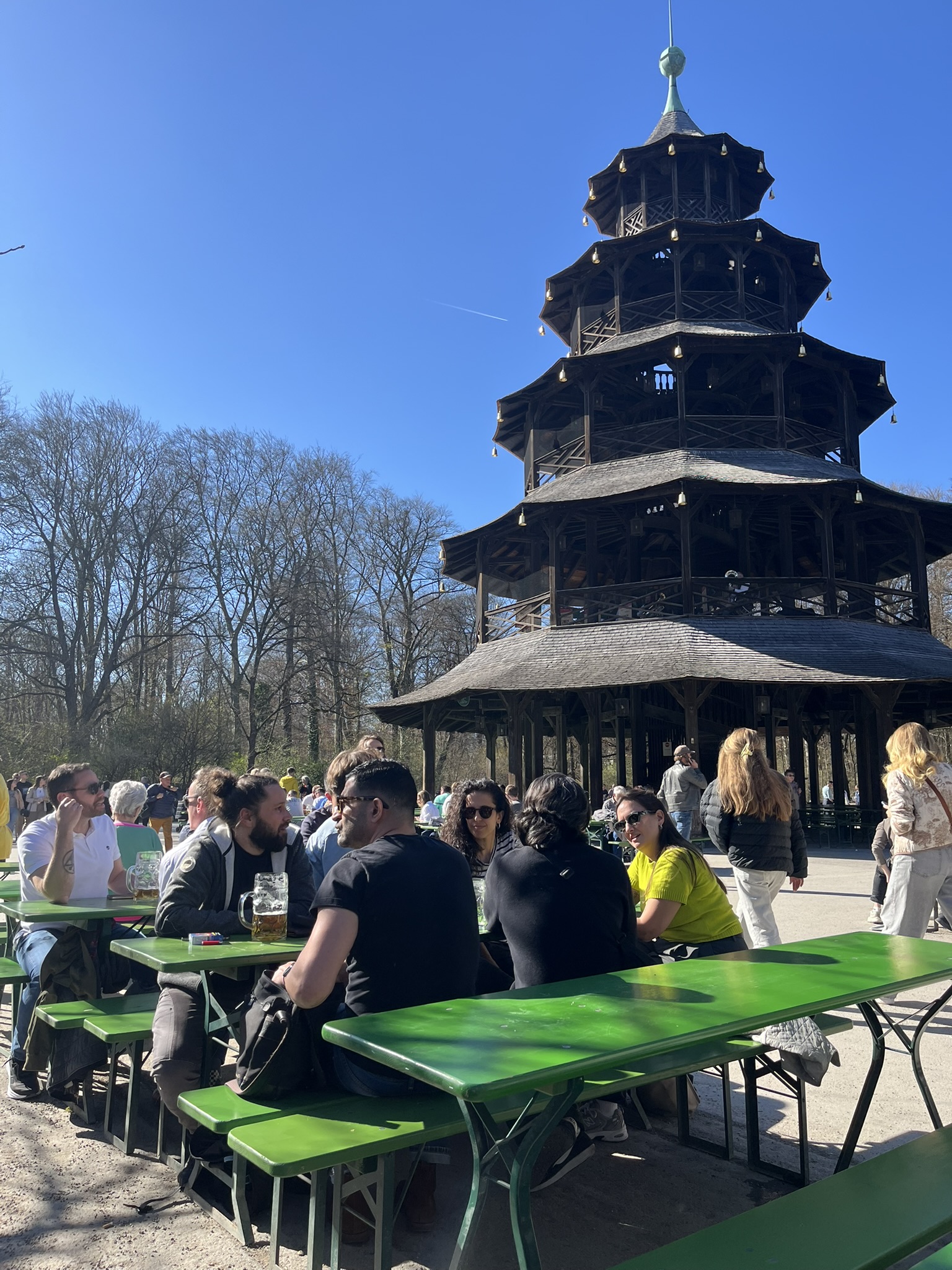


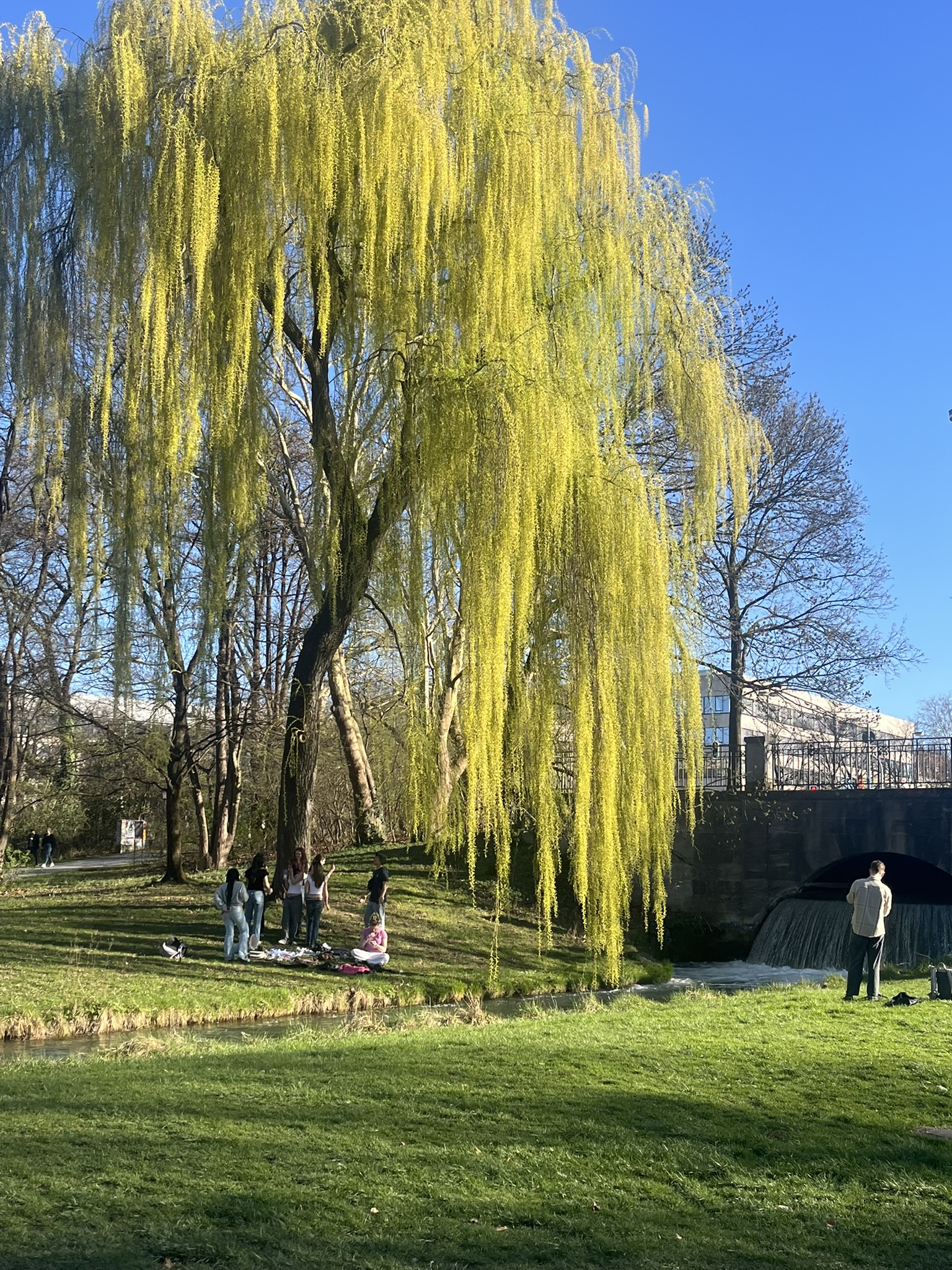
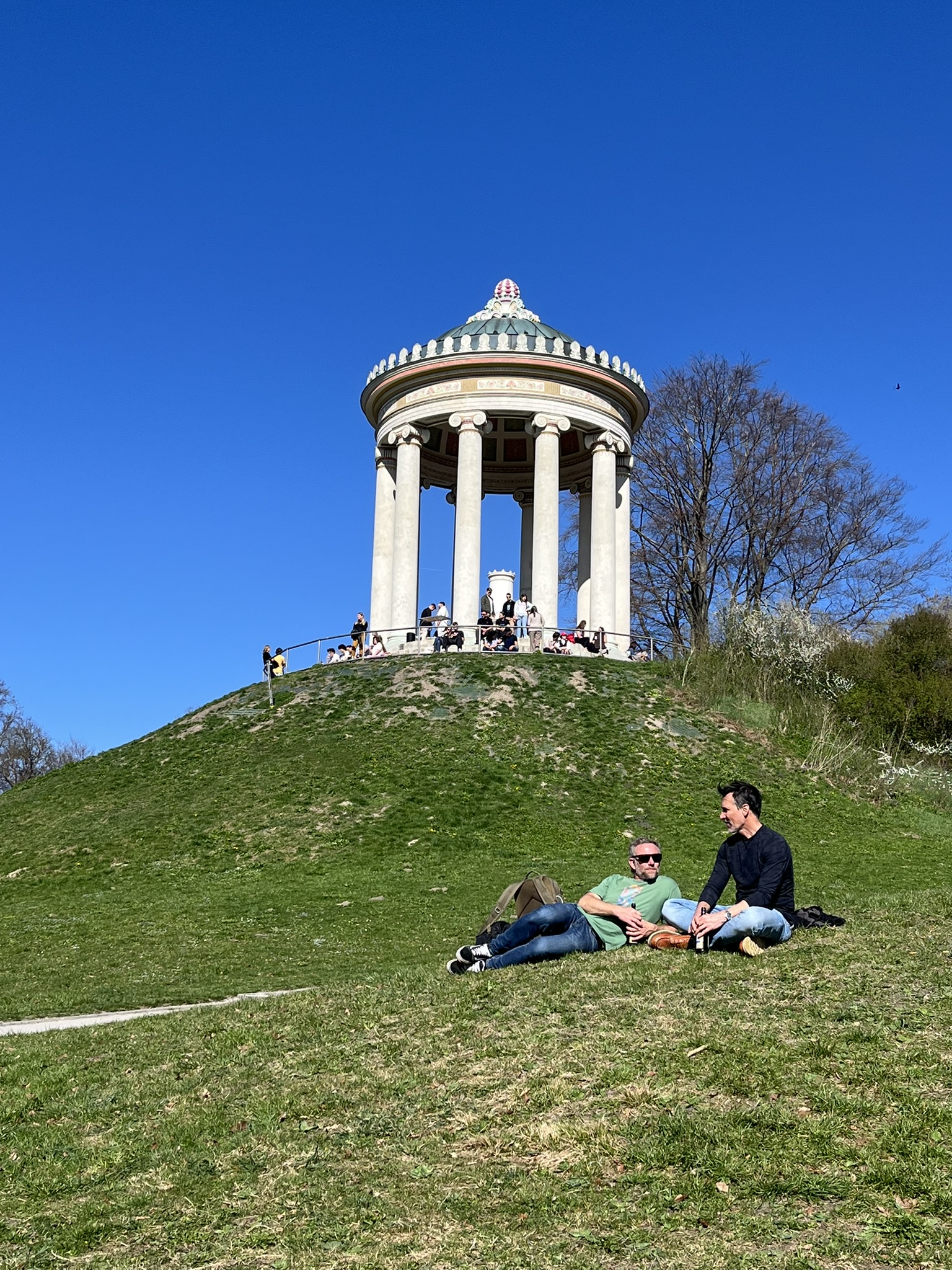
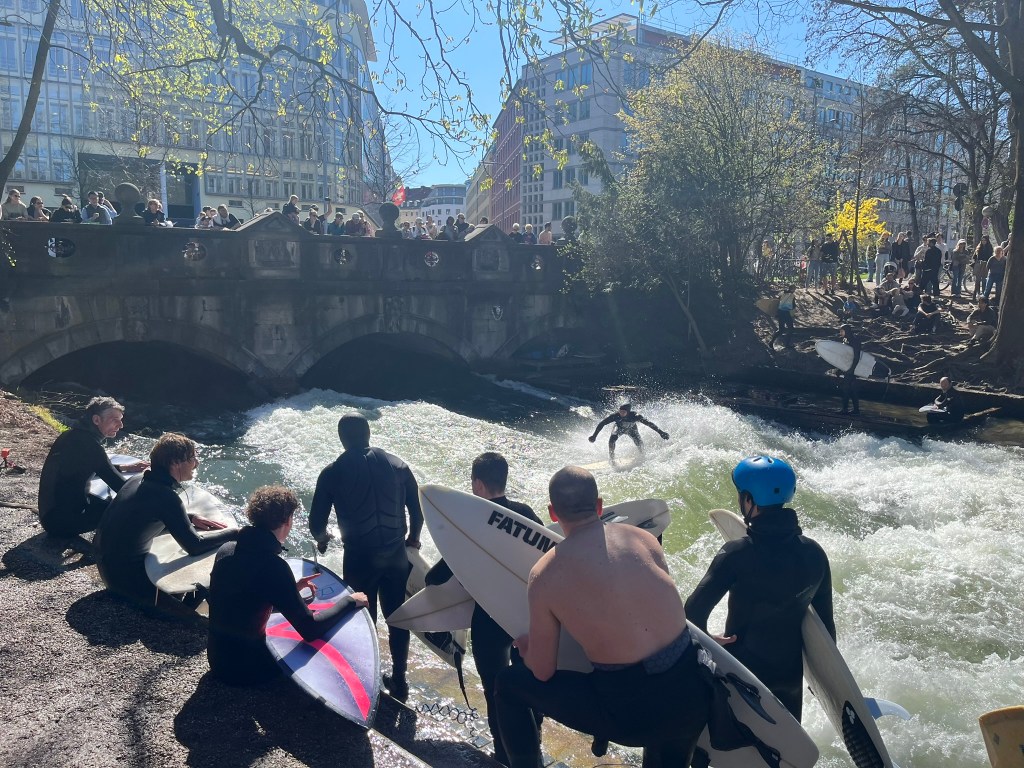

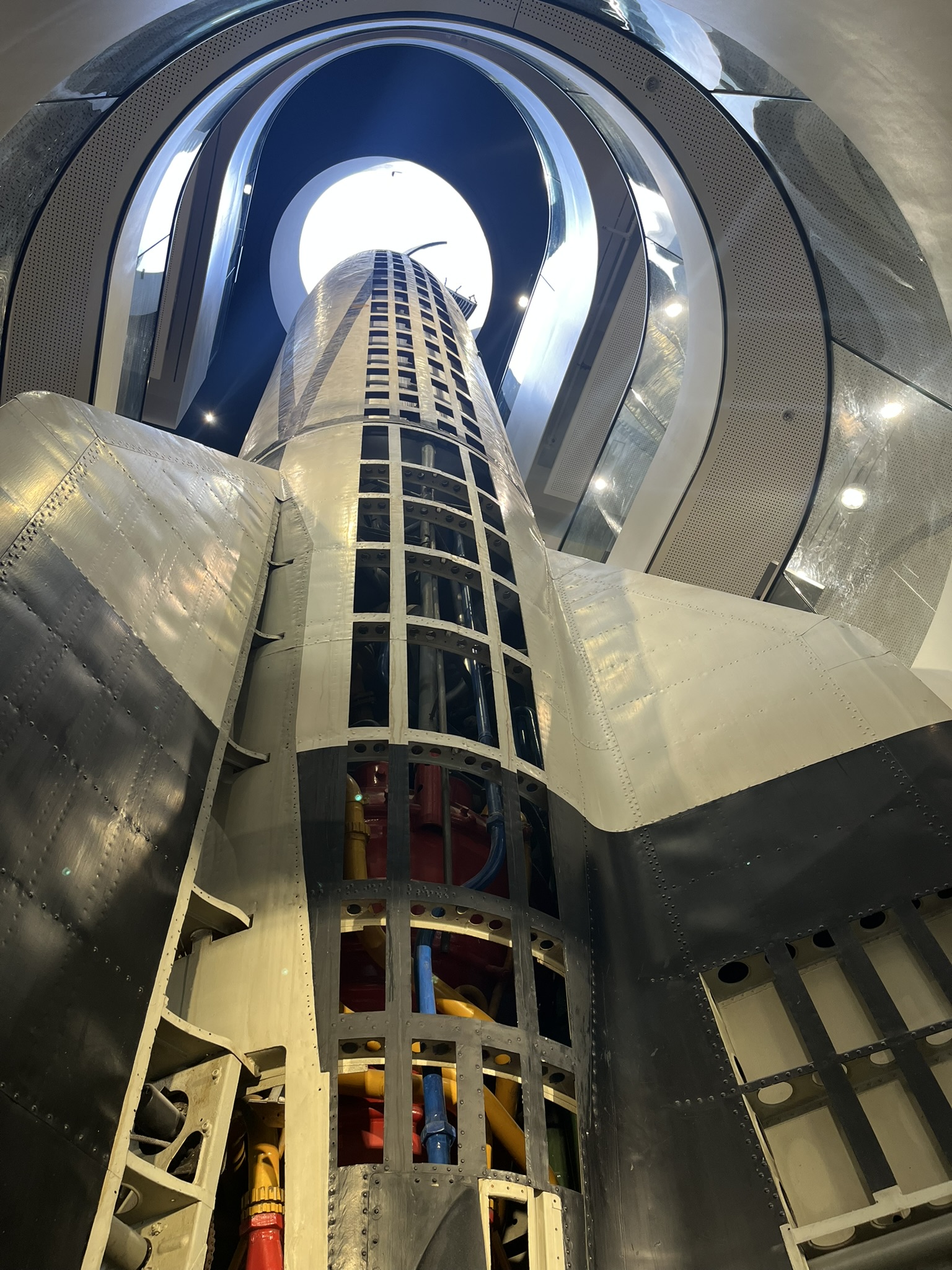

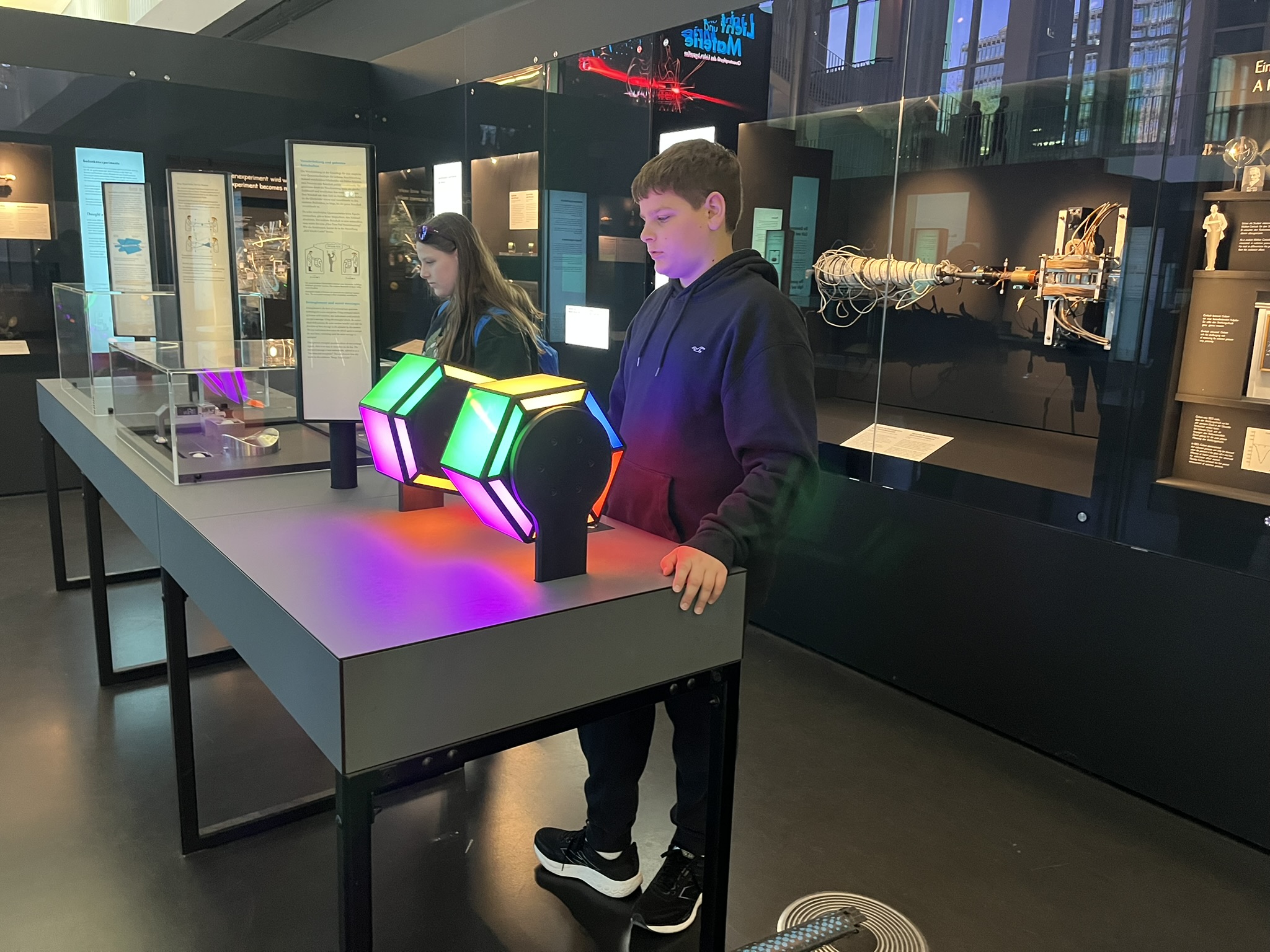
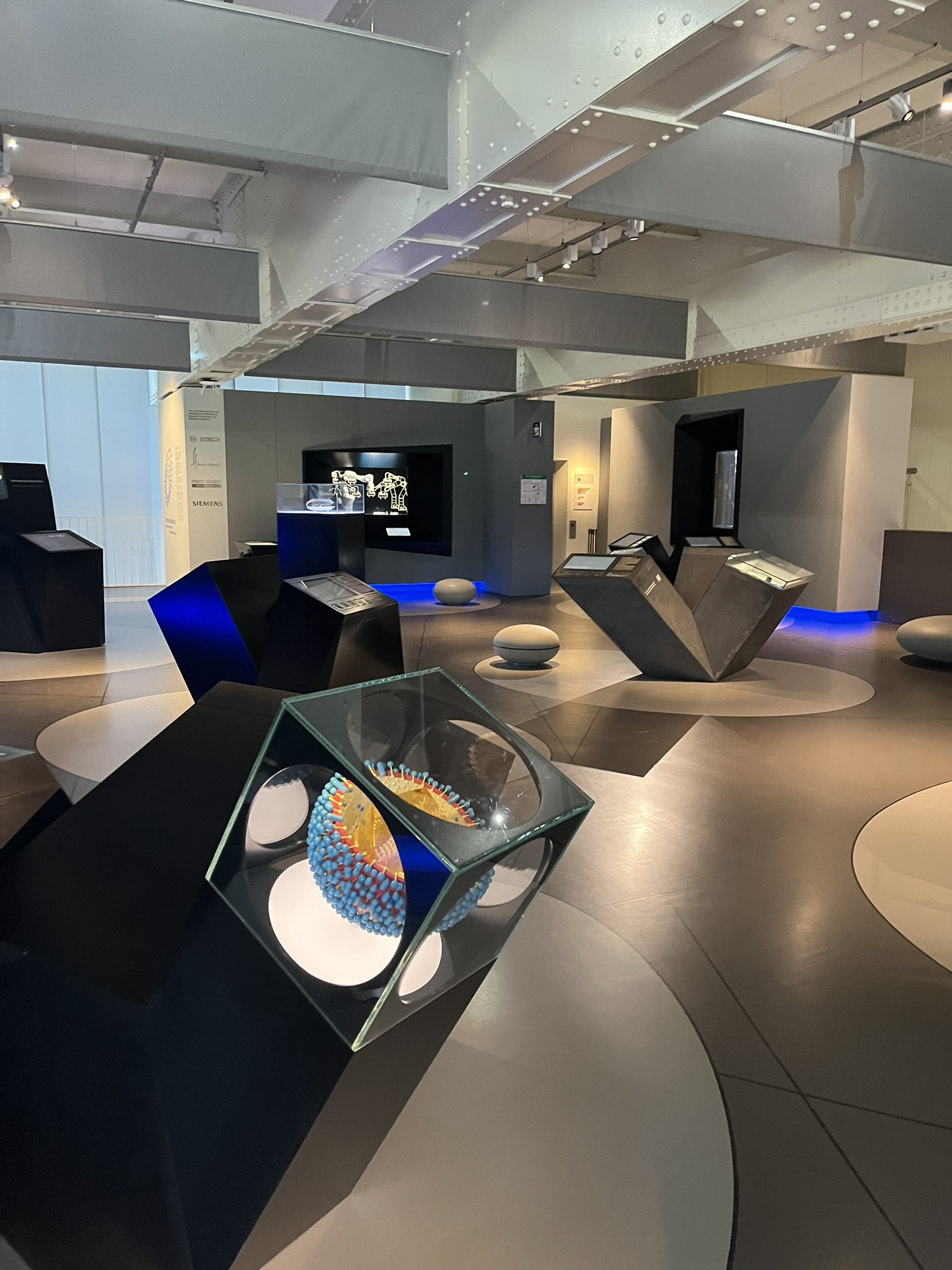


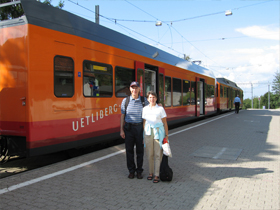
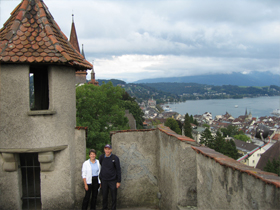

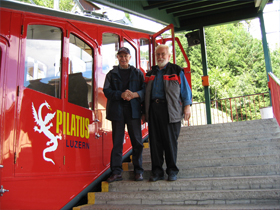
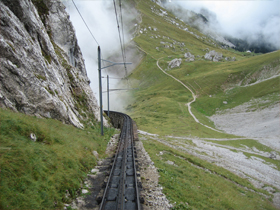

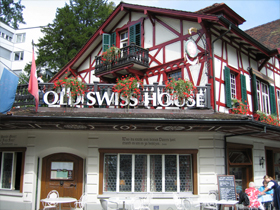

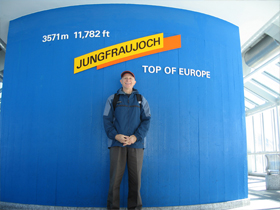
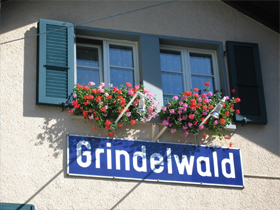


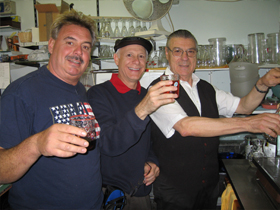
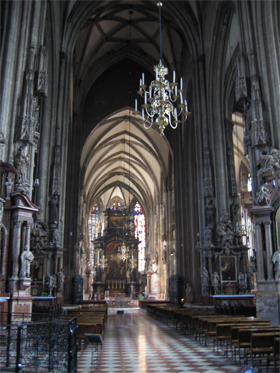
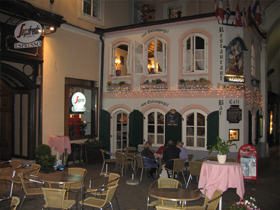


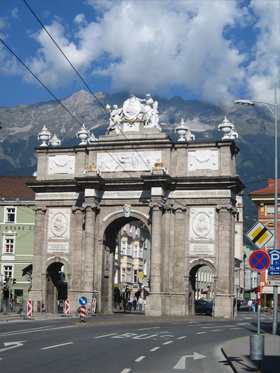
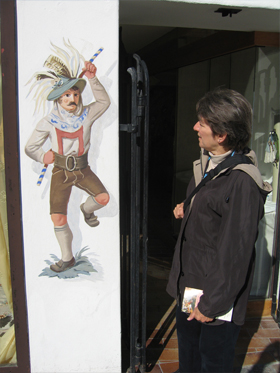
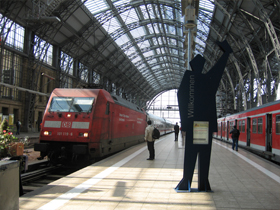
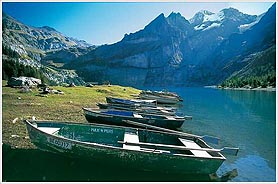
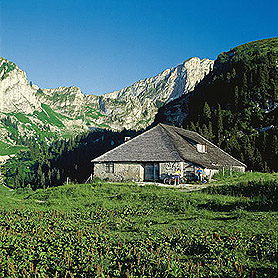
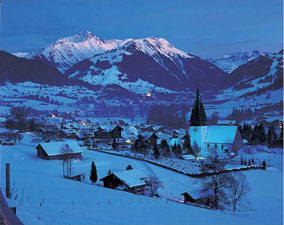

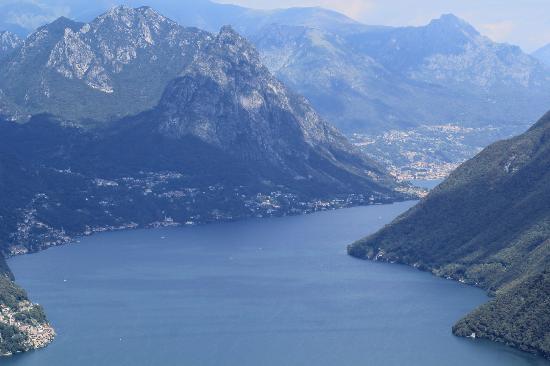

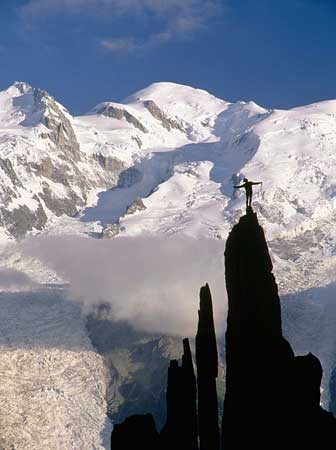


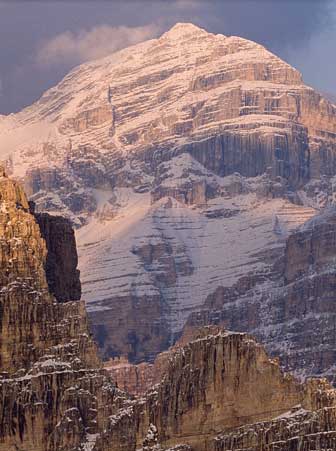
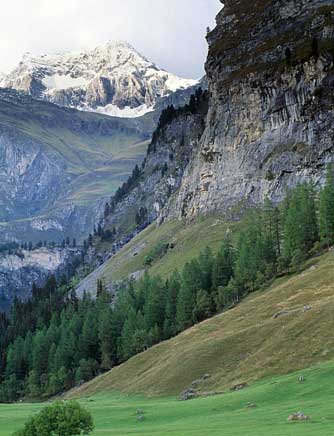
 European Traveler