Discover Nürnberg’s Many Medieval Layers

Story and Photos by Alison Ramsey

Nürnberg, Germany, is full of rich medieval history, with plenty of myths and mystery. The largest city in the northern region of Bavaria, often referred to as the unofficial capital of Franconia, Nürnberg displays a unique Franconian identity in terms of its culture, architecture, cuisine, and historical political structures. Explore all angles and layers of the city to learn more about what makes Nürnberg unique.

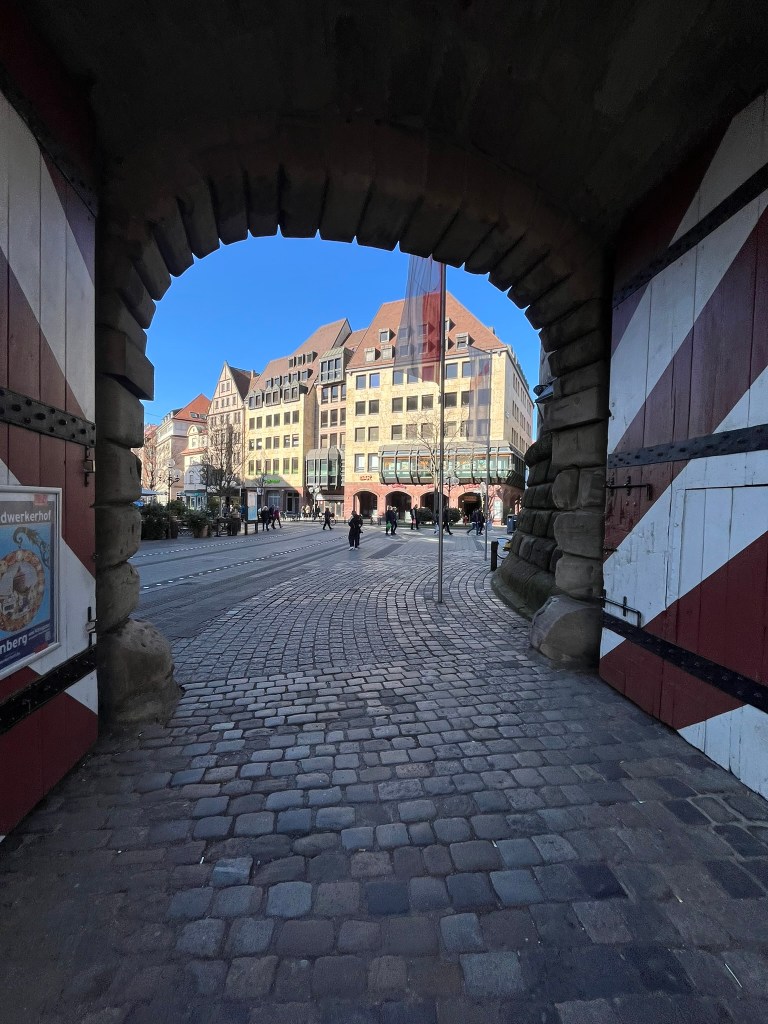
Nürnberg is easily entered through the Frauentorturm, directly across from the city’s main train station.

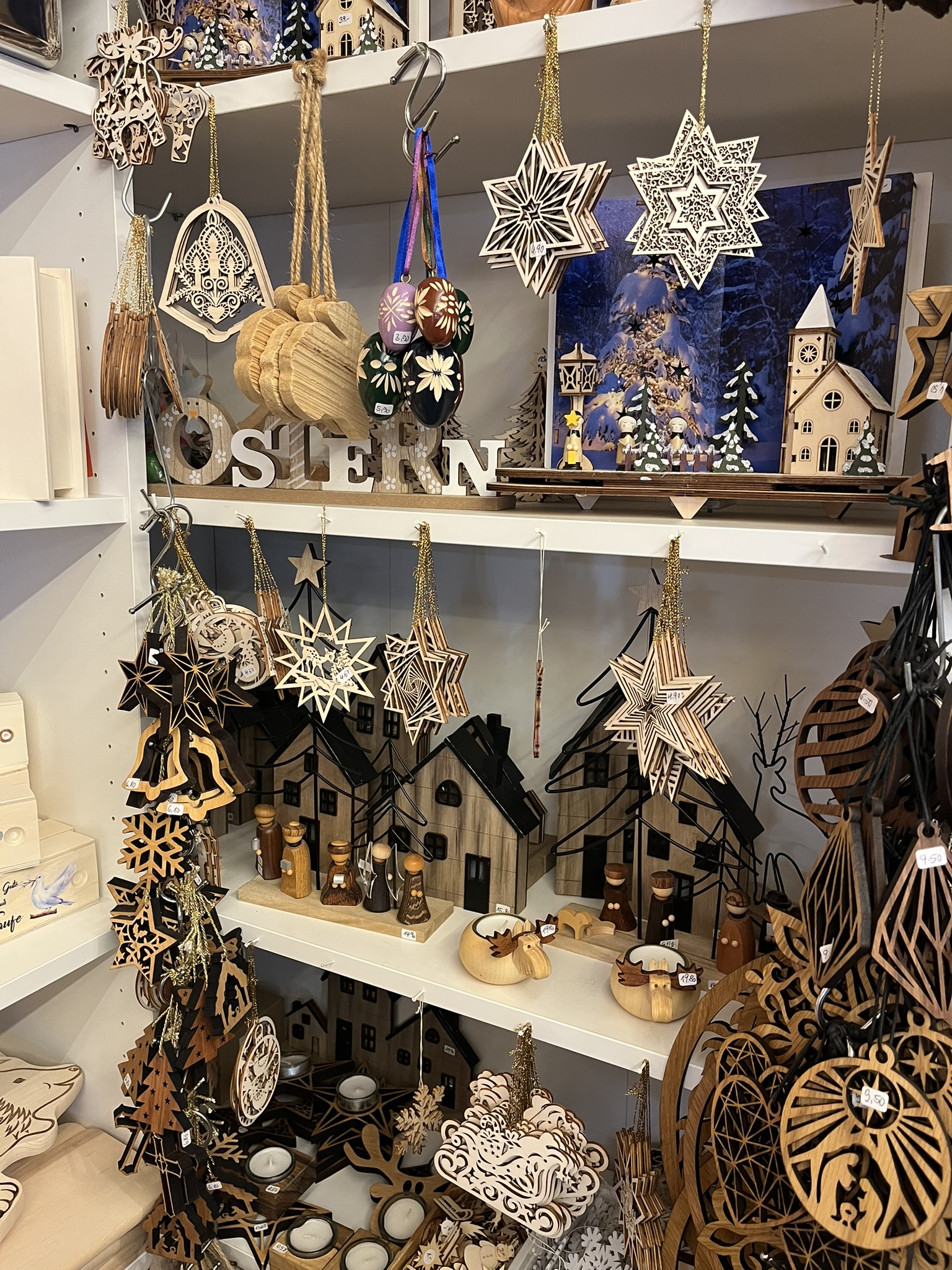
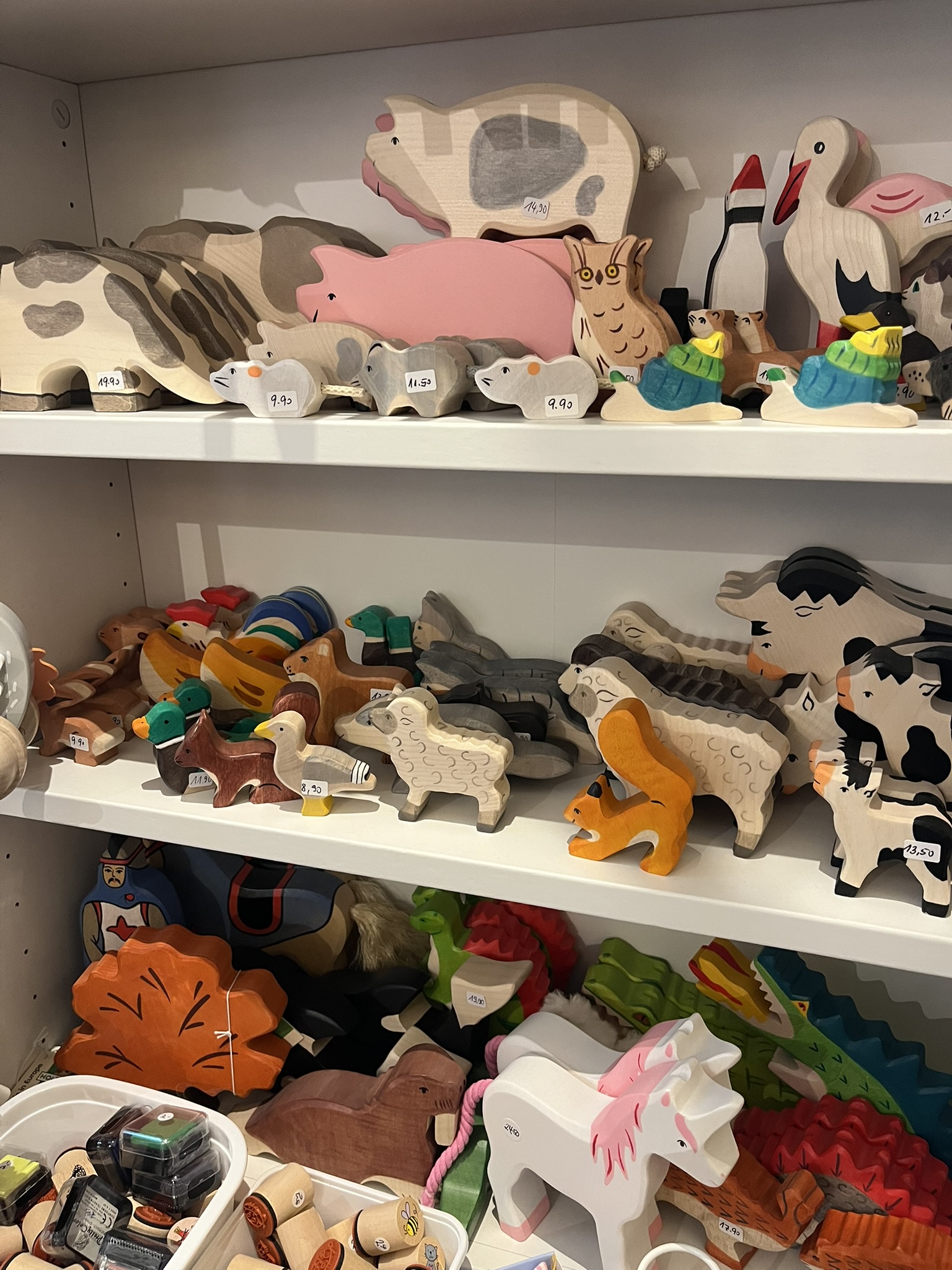
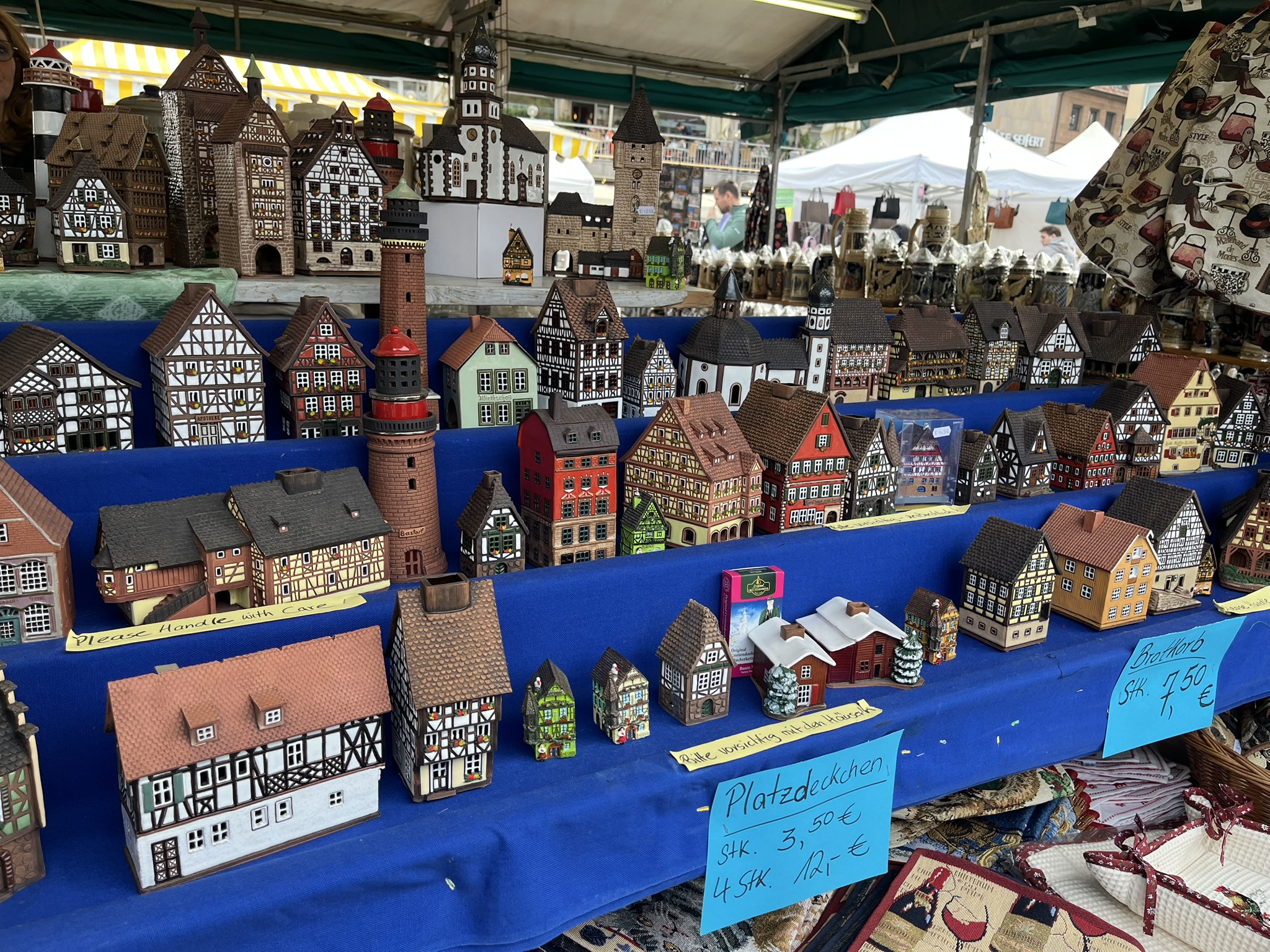
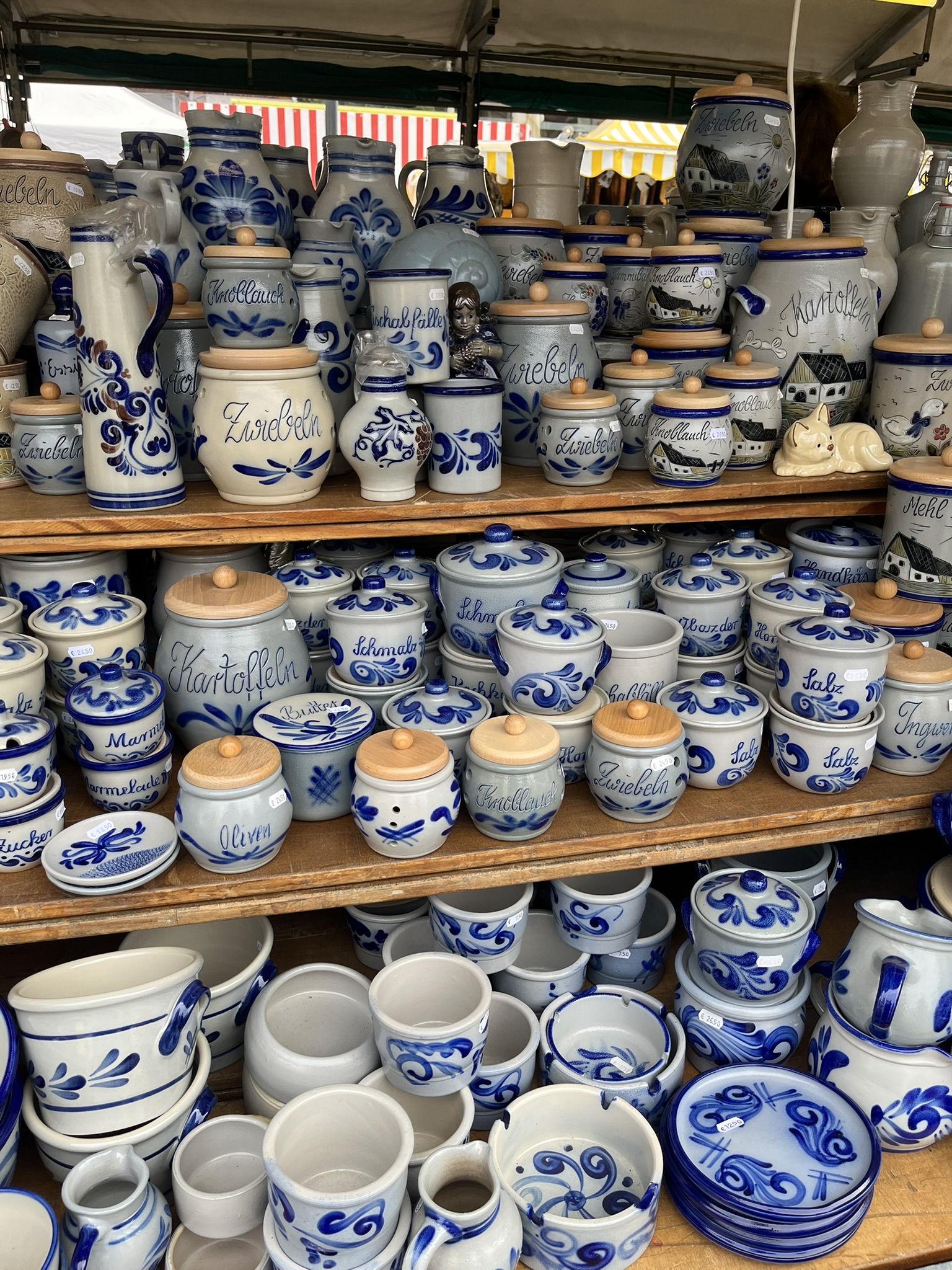
Enter the city through the base of the Frauentorturm (Women’s Gate Tower), and you’ll immediately find the first attraction in the initial interior lining. Craftsmen’s Courtyard is a collection of cottage industries behind the thick city wall, where small half-timbered workshops are labeled with antique signs and ornate metal fittings. Craftworkers here create pottery, glassware, candles, jewelry, leatherwork, and wooden wares. These traditional and unique gifts handmade by local artisans include leather bracelets, wallets, belts; carved wooden animals, toys, keychains, hand-carved pens, cutting boards, and kitchen utensils. Set amongst colorful flowering plants and bright-potted greenery, cafes and restaurants in this idyllic city segment serve tasty snacks, cakes, and invigorating coffee drinks.
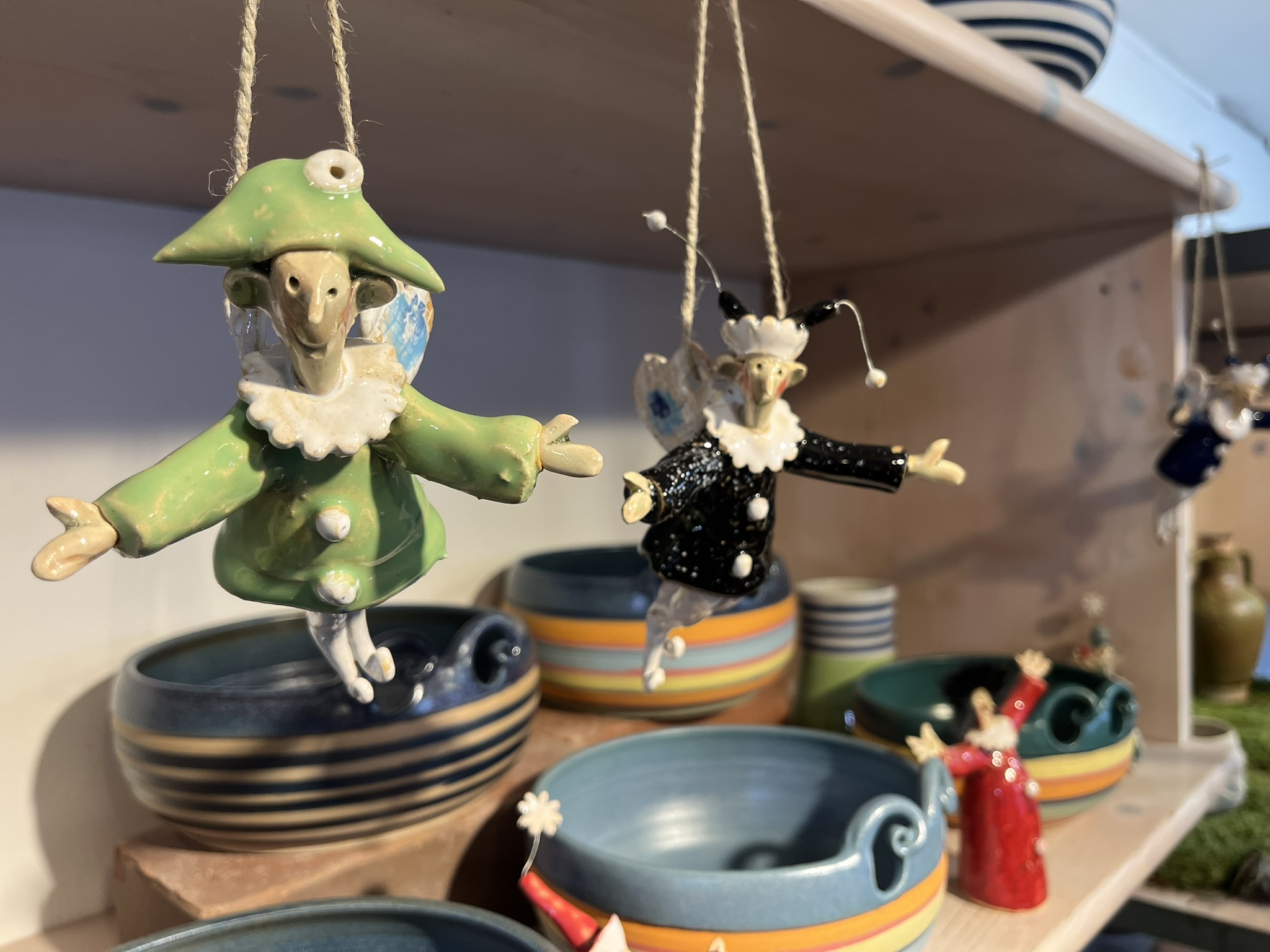
Handcrafted gifts and homemade treats await in the Craftsmen’s Courtyard.

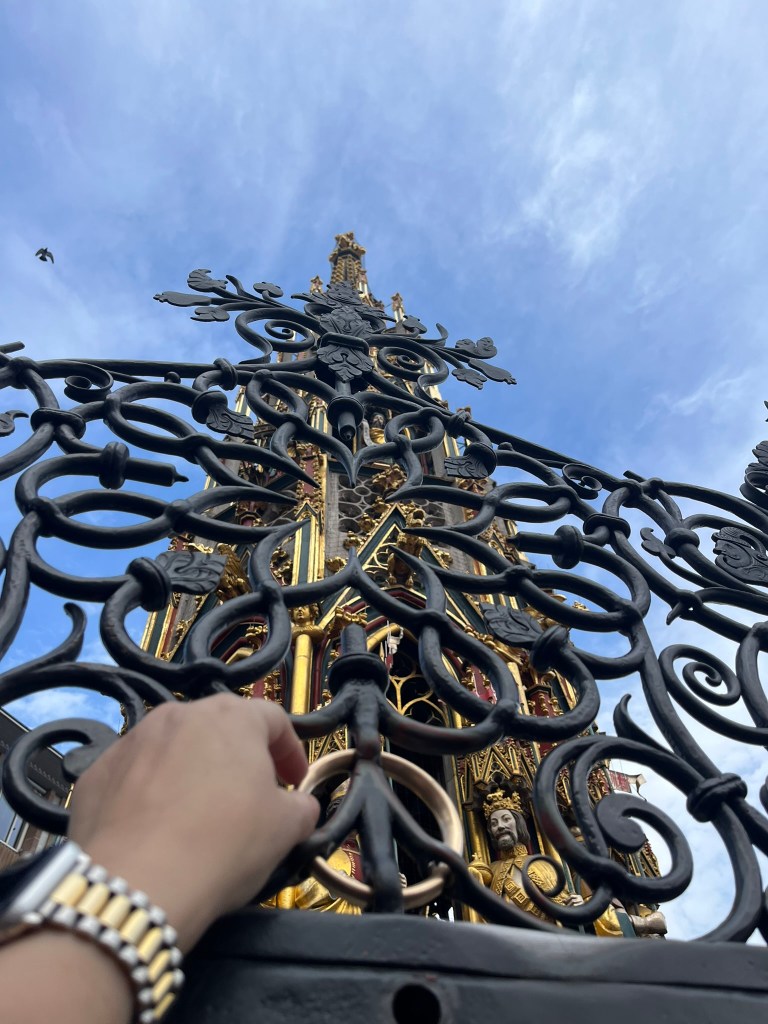
The Old Town’s Hauptmarkt (main market square) holds the famous Schöner Brunnen (Beautiful Fountain), an intricate 14th century 62-foot-high Gothic structure encircled by a metal railing. Forty stone figures on four of the piece’s many tiers represent the world’s varied beliefs and philosophical ideas about the Holy Roman Empire during the medieval period—in the form of church and secular leaders, evangelists, prophets, philosophers, and biblical characters. Set within the intricate railing design is a small golden ring, and legend dictates that turning this shiny brass ring three times fulfills wishes and brings good luck.  

Turn the Beautiful Fountain’s brass ring three times to make your wish come true!

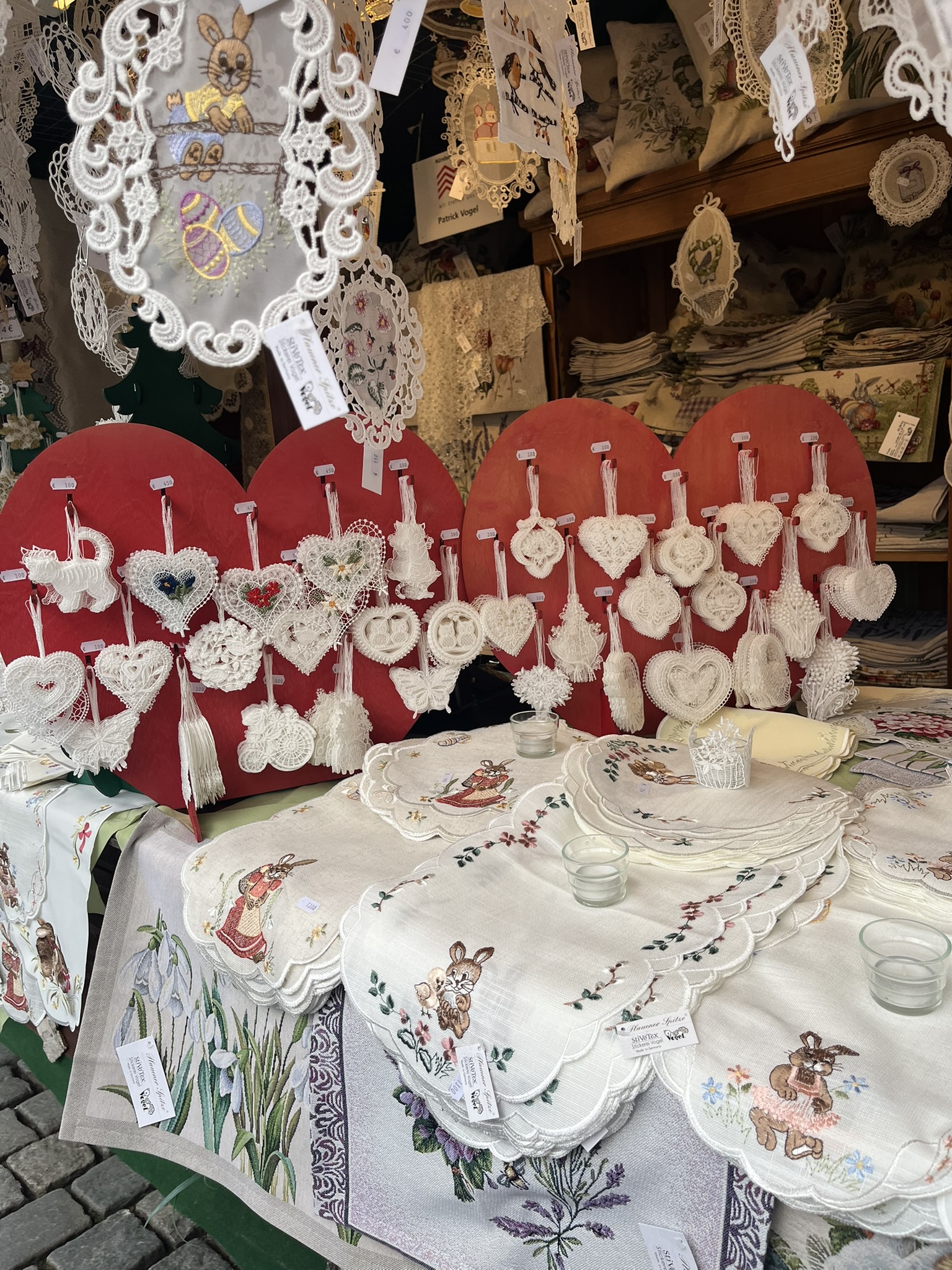
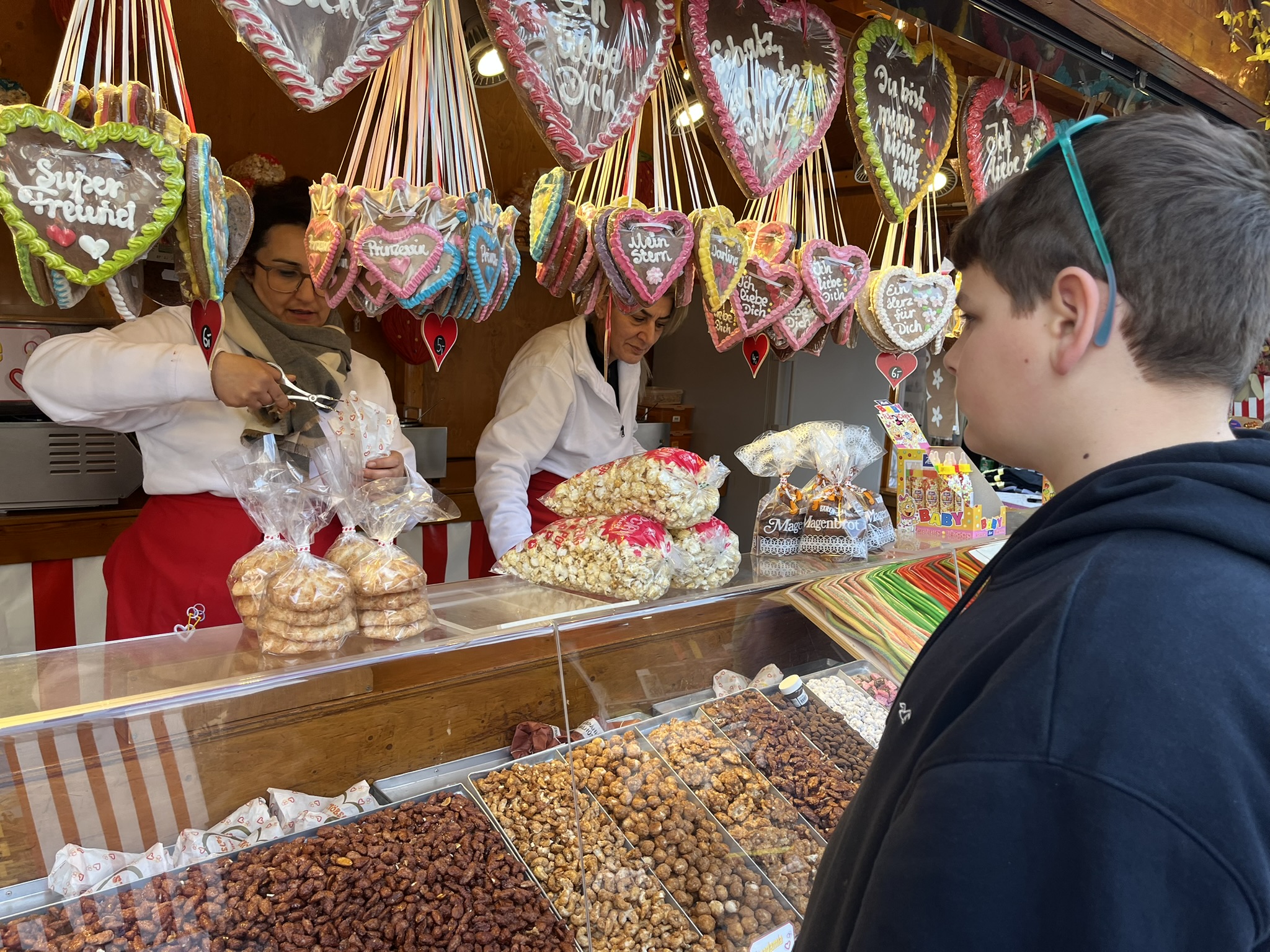
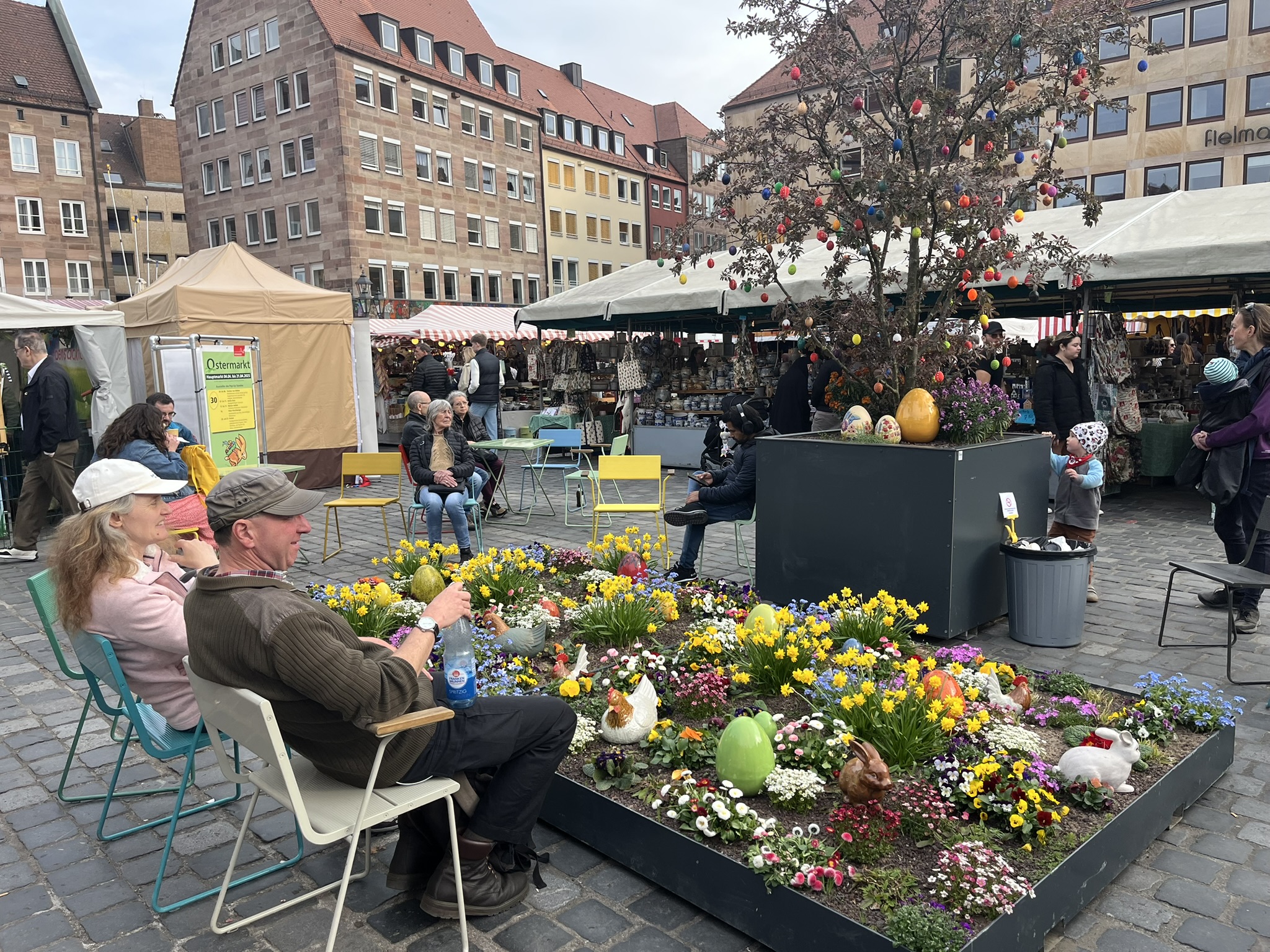
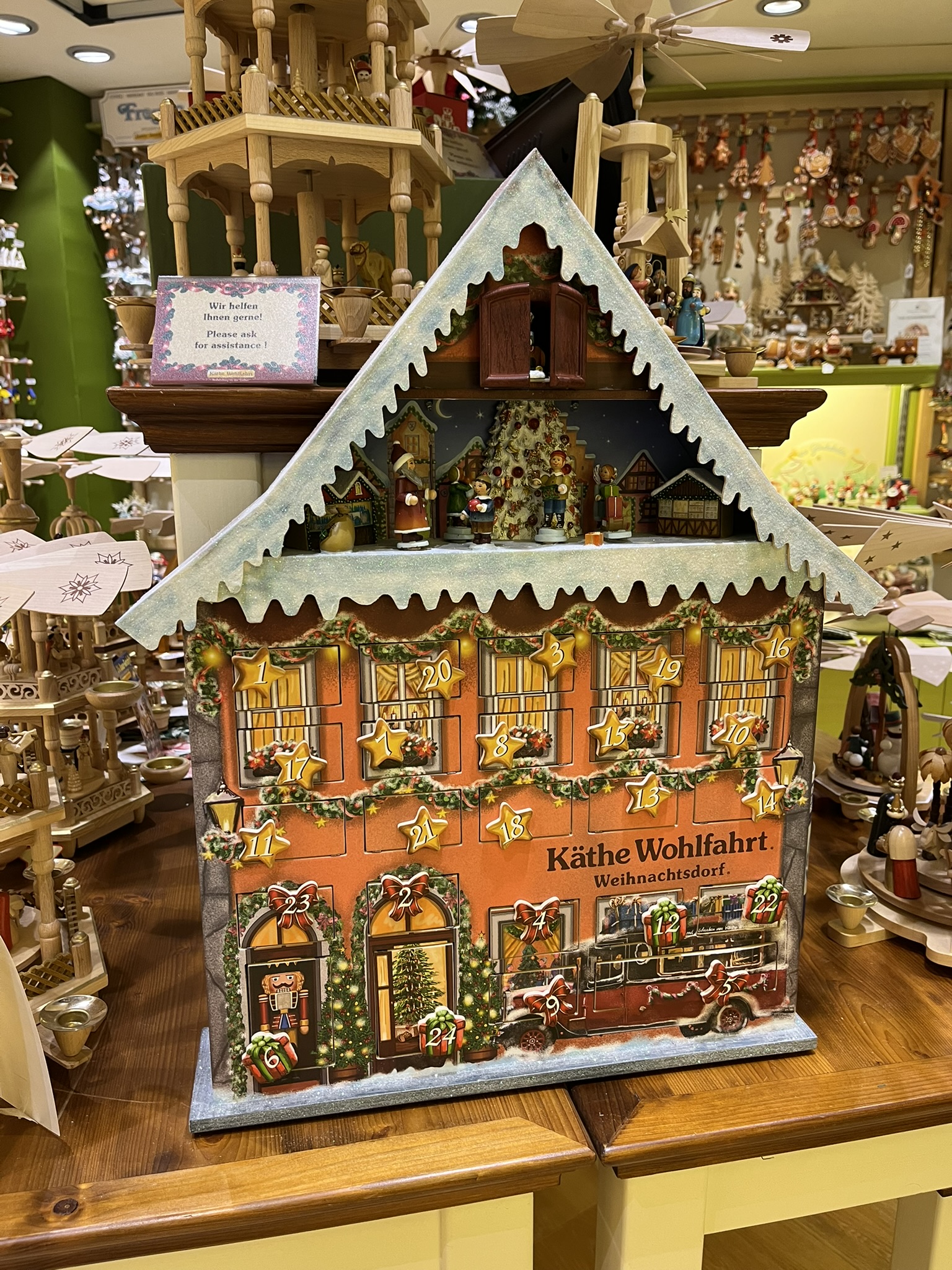
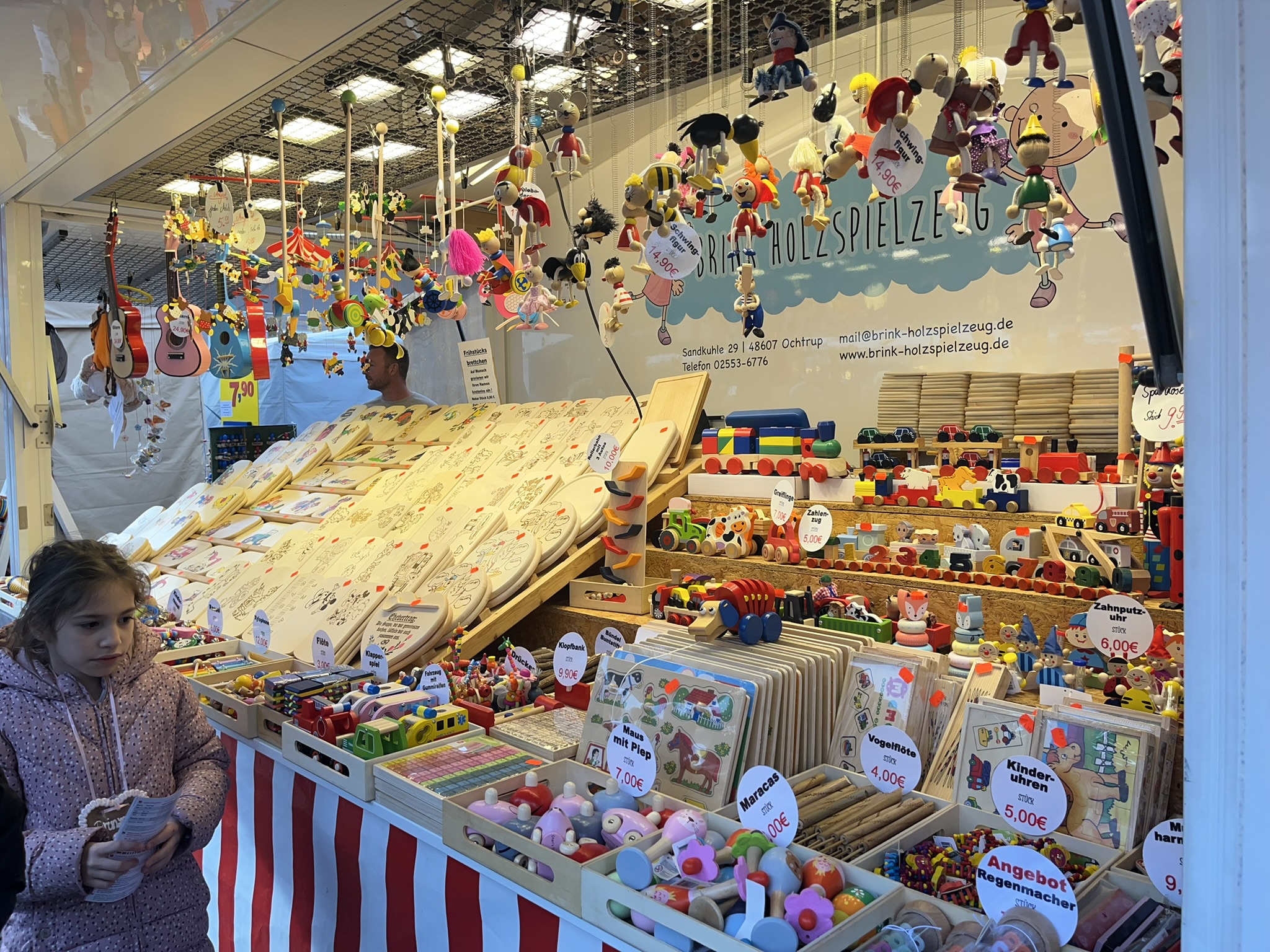
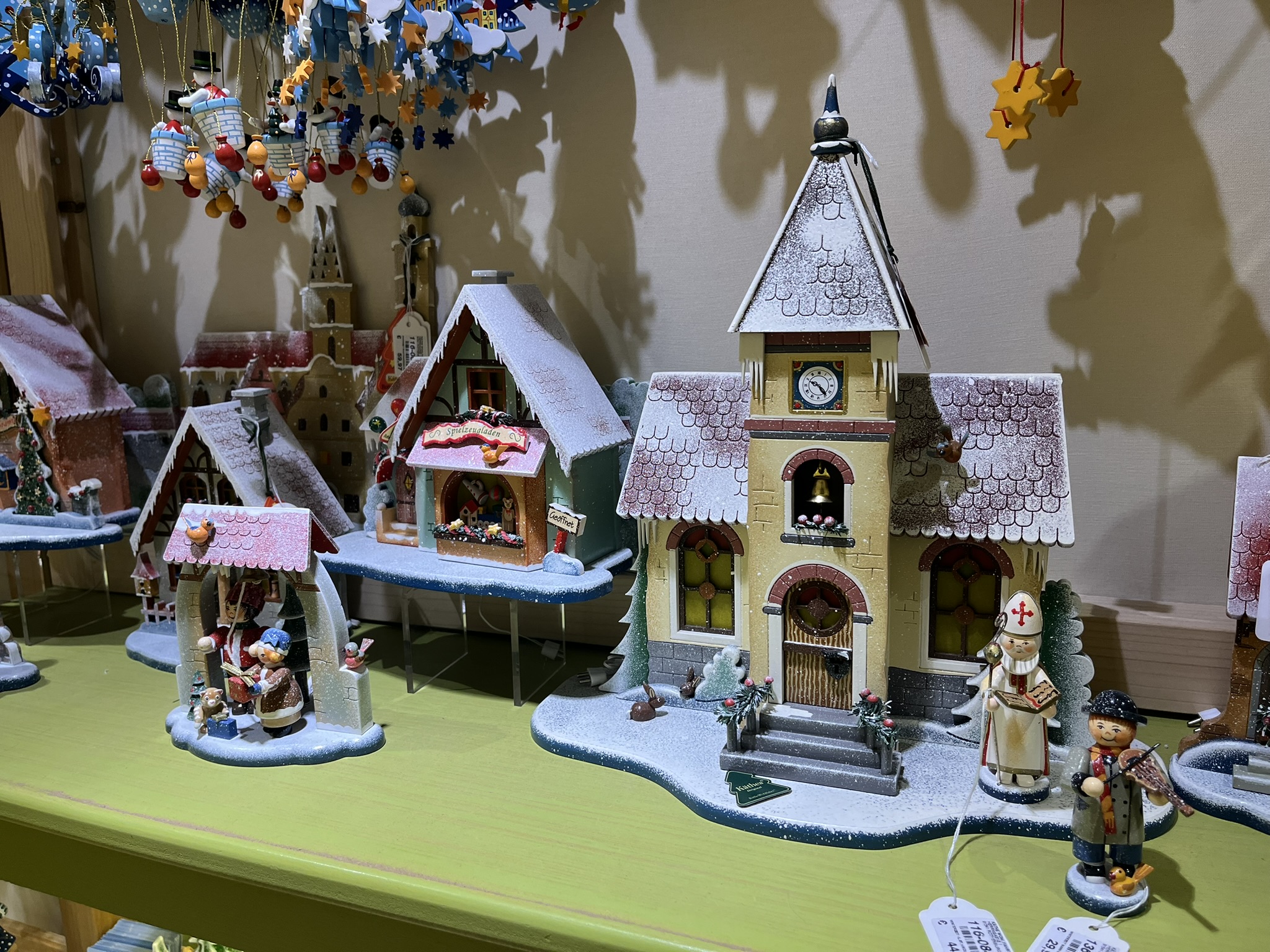
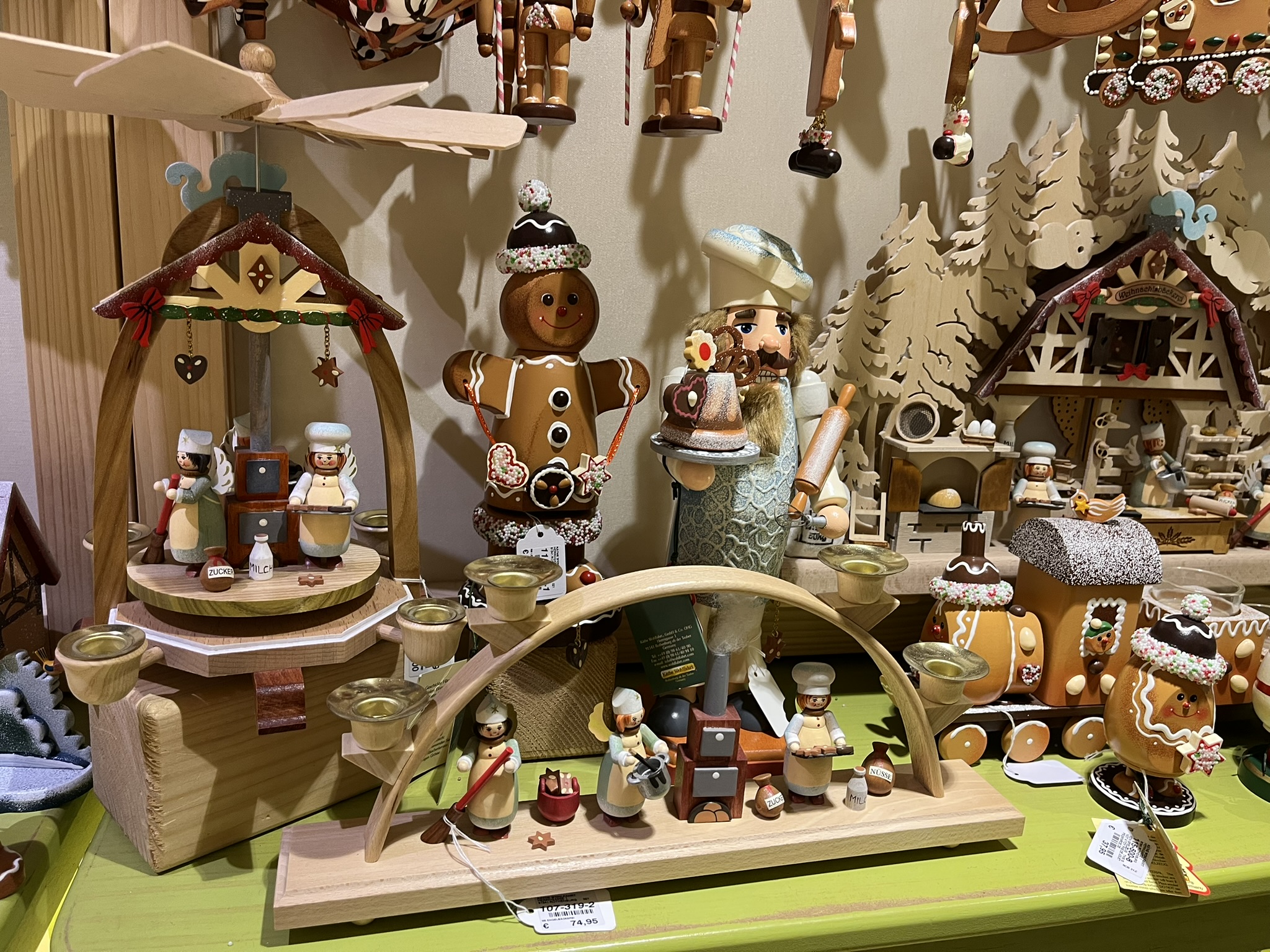
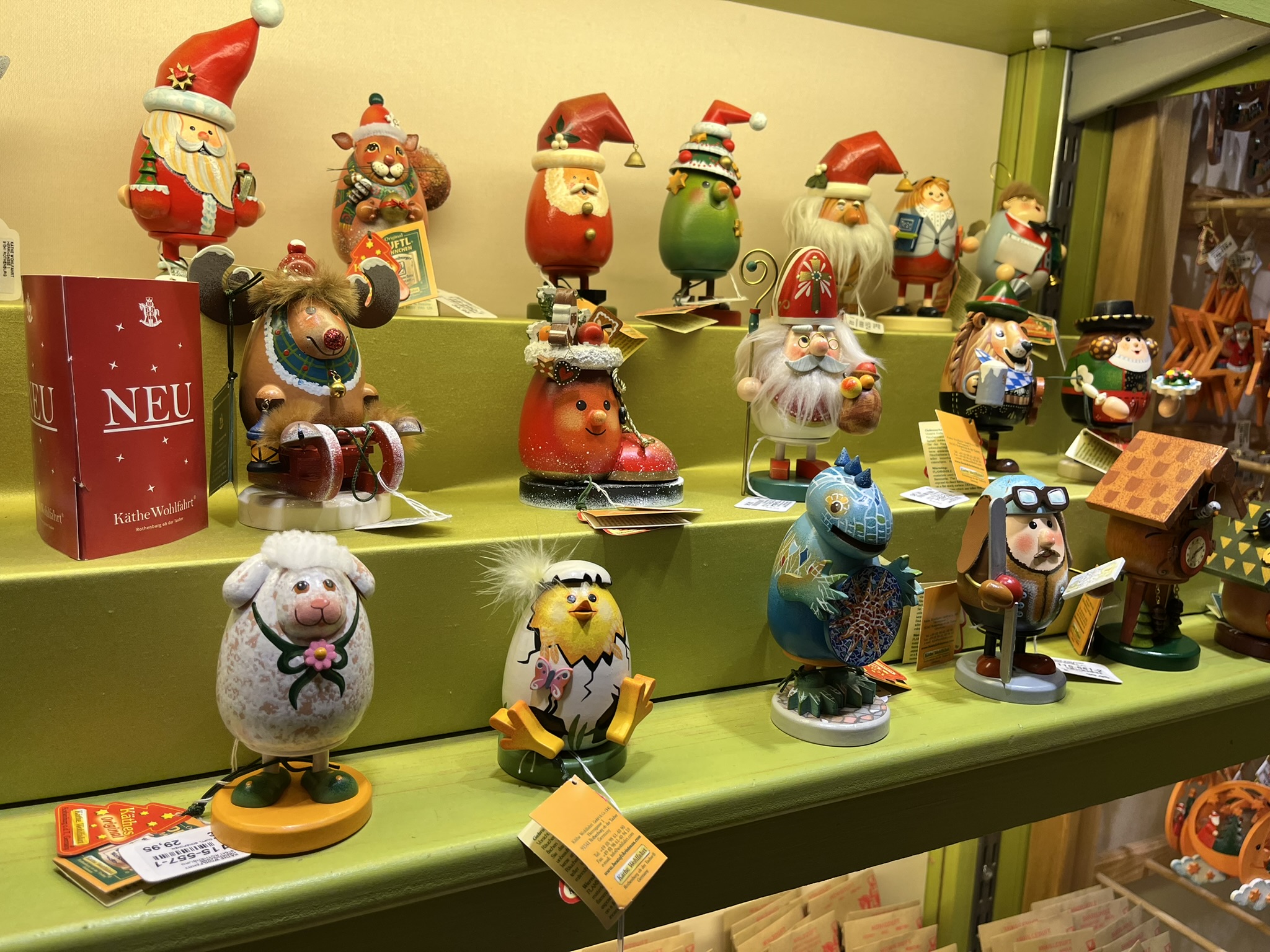
Right here in the main market square is where the wintertime Christkindlesmarkt Christmas market is held, but during springtime, you can find a festive Easter market in its place. Shop for leather goods, wooden crafts, embroidered linens, woven socks, wine, spring home décor, pottery, and plush toys. Try the made-on-site fried dough with powdered sugar Küchle (little cake), sugared roasted nuts, and gingerbread cookies. Of course, if you’re missing the Christkindlesmarkt, stop into the Käthe Wohlfahrt specialty shop in town to stock up on Erzgebirge handmade Christmas pyramids, incense smokers, ornaments, and toys.

The main square houses winter and spring markets filled with handcrafted wares and tasty snacks.

Nürnberg provides many restaurant options for a delicious, full sit-down meal. Zum Gulden Stern is the city’s oldest existing historical bratwurst kitchen—and the oldest in the world—dating back to 1419. Here, the famous, original Nürnberg sausages (branded as the Original Nürnberger Röstla®) are grilled over a beechwood fire in a building built around 1380. The sausages are prepared with traditional spices like mace (a sister spice to nutmeg), marjoram, salt, and pepper, by the family-run Pfettner butcher shop in Nürnberg. The characteristic smoke and aroma of beechwood infuse this delicacy with unique flavor. The sausages served at Zum Gulden Stern are never boiled or pre-fried; instead, they are placed on the grill white and raw, cooked for about 7 minutes, and then removed once the tops and bottoms are evenly browned and crispy. (Consider also visiting the Nürnberg Bratwurst Museum, which presents the myths and legends surrounding these small 7-9cm sausages the town is known for.)

Zum Gulden Stern is a historic restaurant that serves the city’s famous mini sausages.

Barrel-fermented sauerkraut grown by the Wehr family in the Aischgrund region is cooked and seasoned at Zum Gulden Stern with fresh pork lard. The vegetables, horseradish, and wines served at the restaurant are all sourced from family-owned businesses in the region, and the dishes are substantial and savory. This tavern survived all the wars, likely hosted famous Middle Ages painter Albrecht Dürer, and still serves up delicious daily-prepared meat-and-vegetable soups and famous sausages. In addition to the interesting antique wall art, the colorful wooden ceiling is patched with old brightly painted cupboard panels, to cover holes made where weighty drunken guests from older days had fallen through from the upper level.

Step into history while dining at Zum Gulden Stern, where famous Middle Ages painter Albrecht Dürer is said to have frequented.

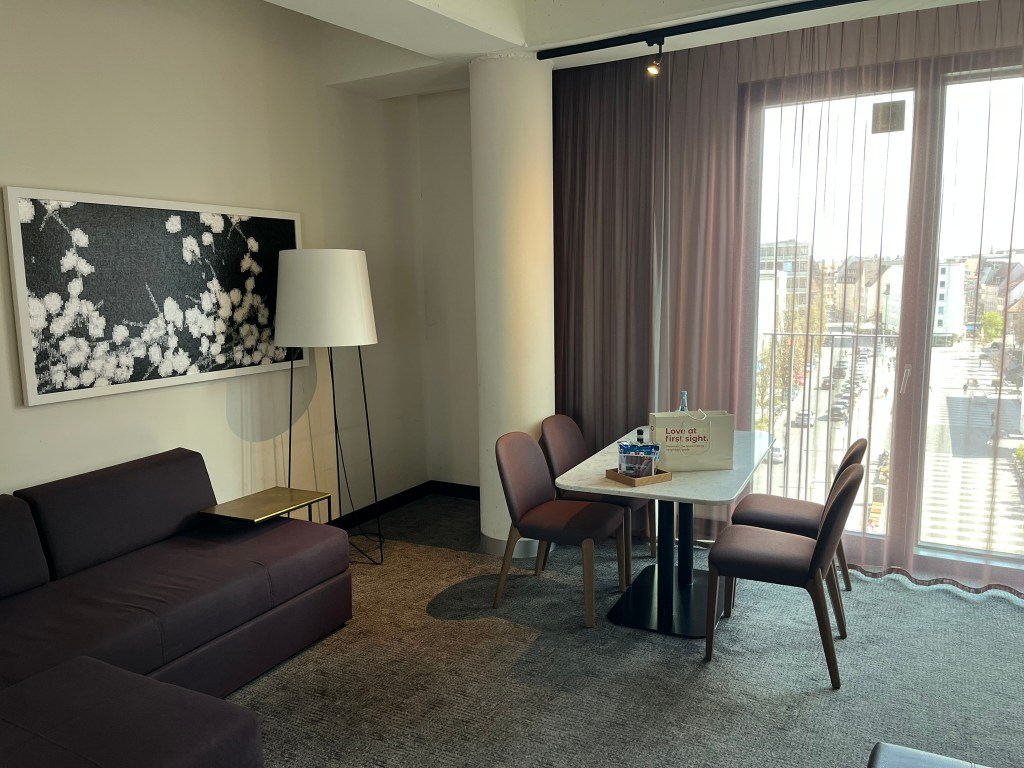
Adina Apartment Hotel, about a 12-minute walk from the main train station, in the heart of the city, is a comfortable, clean, and convenient place to overnight in Nürnberg. The spacious studios and one- and two-bedroom apartments have fully equipped kitchens, cozy linens, and vegan personal care products, and the hotel is upscale but relaxed and inviting. Friendly, efficient, and attentive staff, and fast and accommodating room service make this an exceptional lodging choice. Breakfast in the downstairs dining area is varied and colorful, with many tasty options to help kick-start your day—fresh juices, lattes, meat and cheese platters, vegetables, cereals, dried and fresh fruits, fish filet cakes, pancakes and rolls, sweet breads, jams, eggs, and hot breakfast meat dishes (including the city’s famous sausages). After a day exploring the town, the lap pool and sauna area provide just enough space for a refreshing evening swim and relaxation in the dry heat.
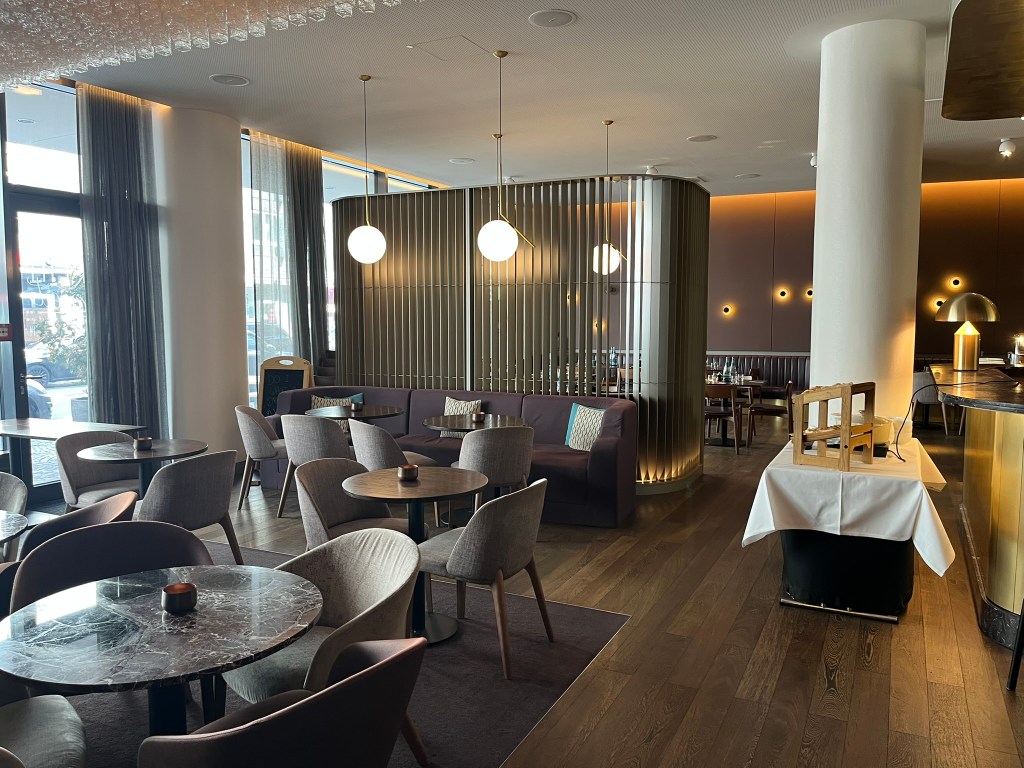
Adina Apartment Hotel is a cozy place to lodge, with activities for guests of all ages.

Be sure to buy a Nürnberg Card online or at one of several Tourist Information stands, to receive a variety of free admissions and discounts. The Nürnberg Card allows you 48 hours of free access to almost all the city museums and attractions as well as free public transportation.

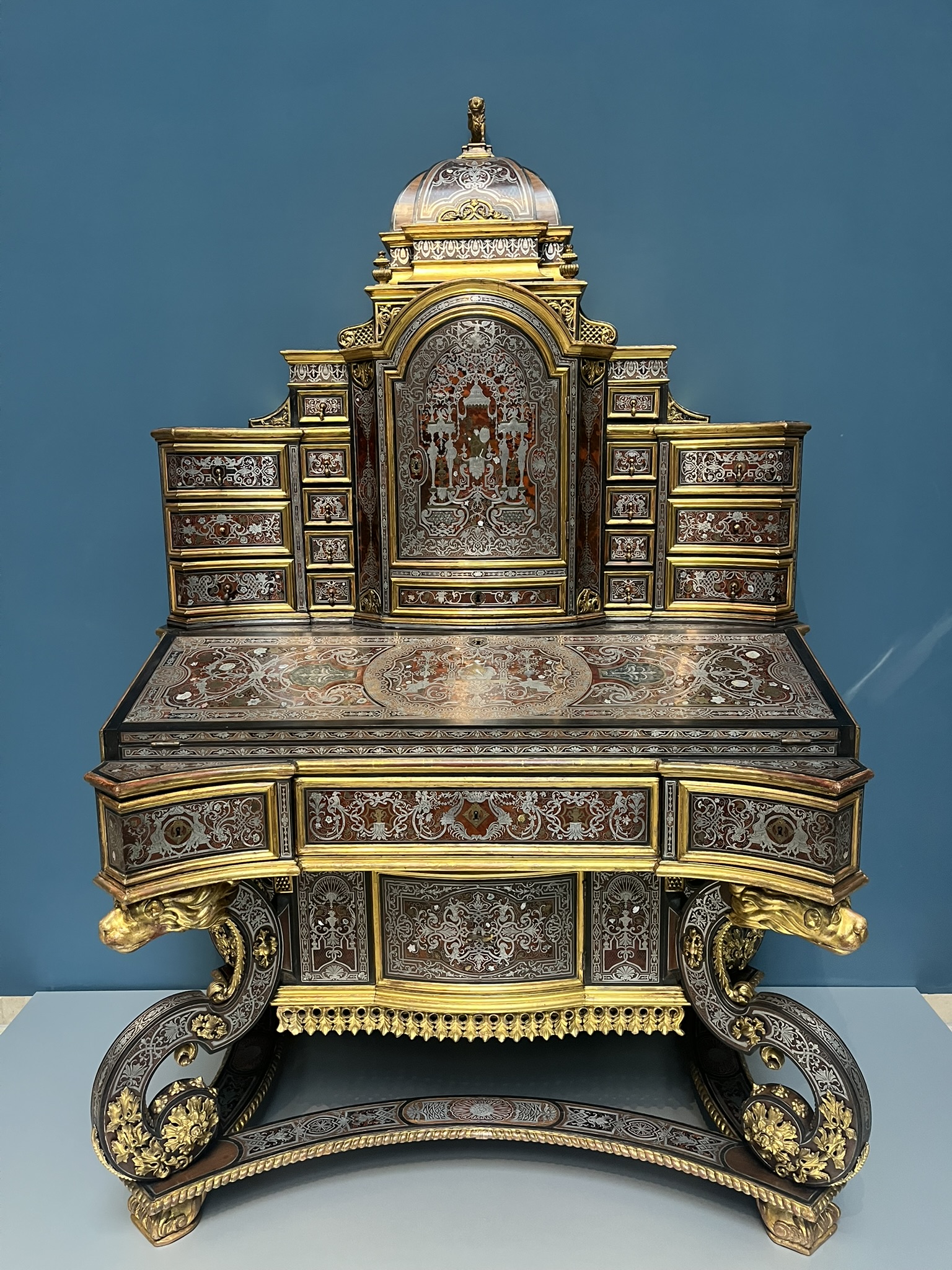
A three-minute walk down the street from the Adina Apartment Hotel takes you to the Germanisches Nationalmuseum (German National Museum), the largest cultural history museum in the German-speaking countries. Here, you can explore five exhibition areas on three levels of the museum—artifacts from the Old Stone Age to the Middle Ages, collections from Renaissance to Enlightenment, and 20th Century masterpieces—there are multitudes of treasures to examine. The armor and hunting exhibition is especially expansive, with case after case of intricate weaponry. You’ll also find an impressive array of musical instruments, jewelry, sleighs, sculptures, and paintings.

The German National Museum exhibits magnificent artifacts from all eras.

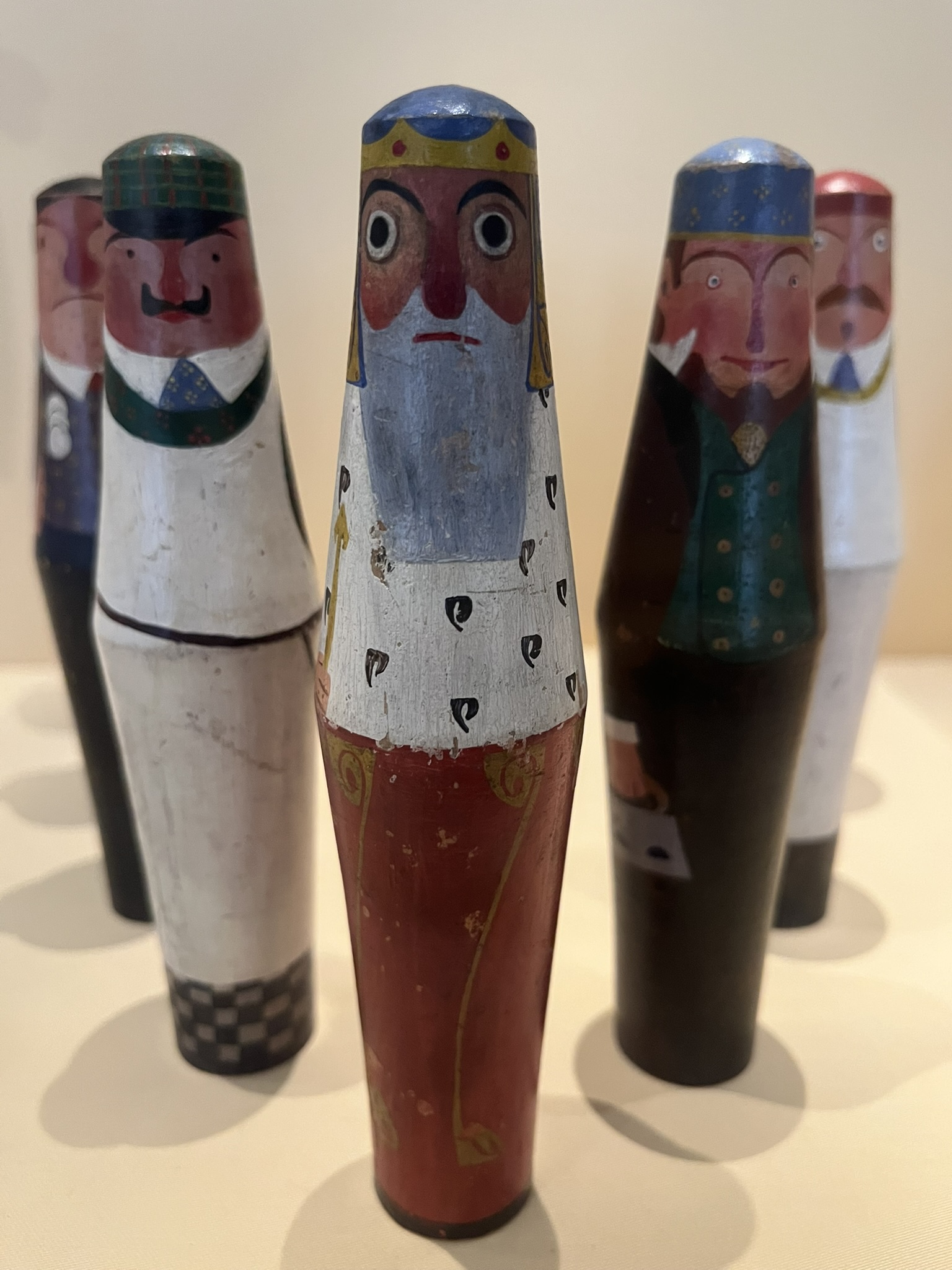
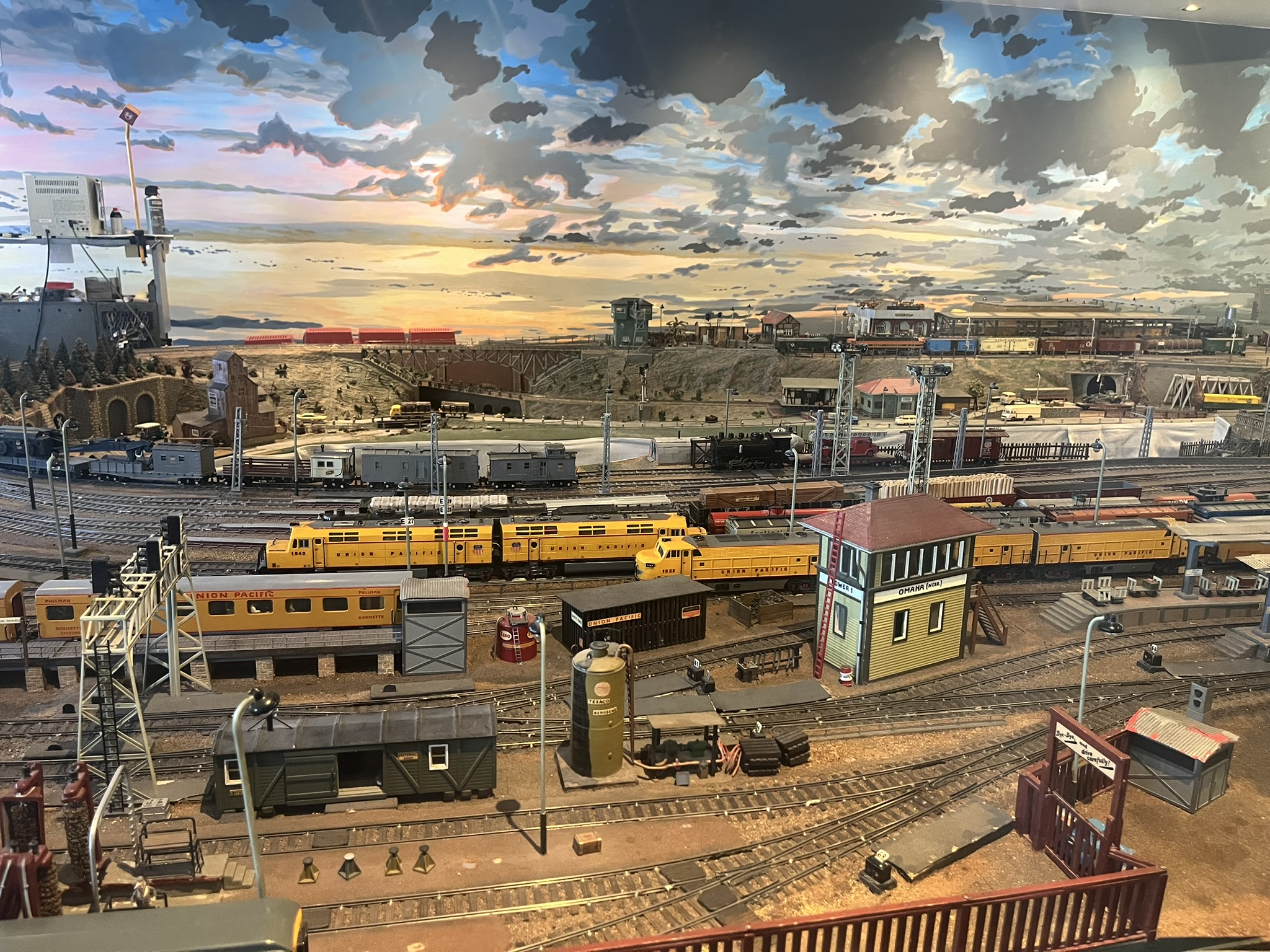
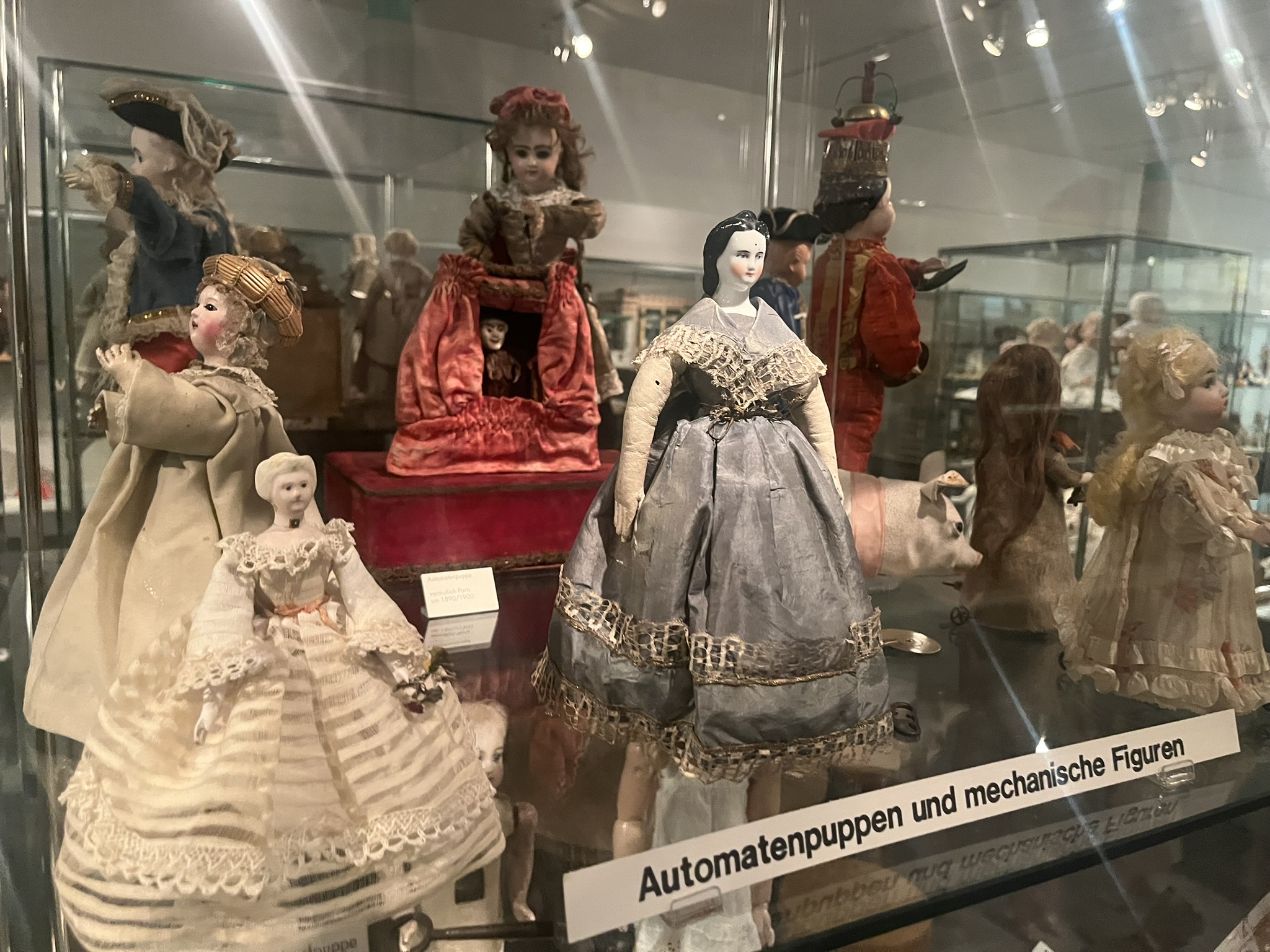
A separate building houses the toys portion of the museum—a showcase of detailed dollhouses, dolls, tin cars and armies, optical toys, and miniature railroads. Many of the elaborate 17th century dollhouses exhibited here were thought to be commissioned by Nürnberg’s wealthy merchants and patricians. For young people, the houses functioned as a visual representation of ideal households and a clear display of tasks and activities to be performed in each of the rooms. For example, dollhouse sitting rooms were often decorated with tea service, chess boards, and decks of cards, while kitchen layouts included hearth-cleaning tools, cake molds, soup ladles, and copper pots. Similarly, 18th– to 20th-century toys conveyed educational objectives relating to children’s future familial and career lives. Playing with dolls helped girls prepare for their roles as patient, gentle mothers. Boys’ toys were often linked to their potential future working lives—tin soldiers encouraged strategic thought and tactical warfare, wooden building blocks taught spatial reasoning and construction design, and other technical toys fostered special interests and skills.

Antique toys at the German National Museum give a glimpse into historic playtime and its echoes of everyday life.

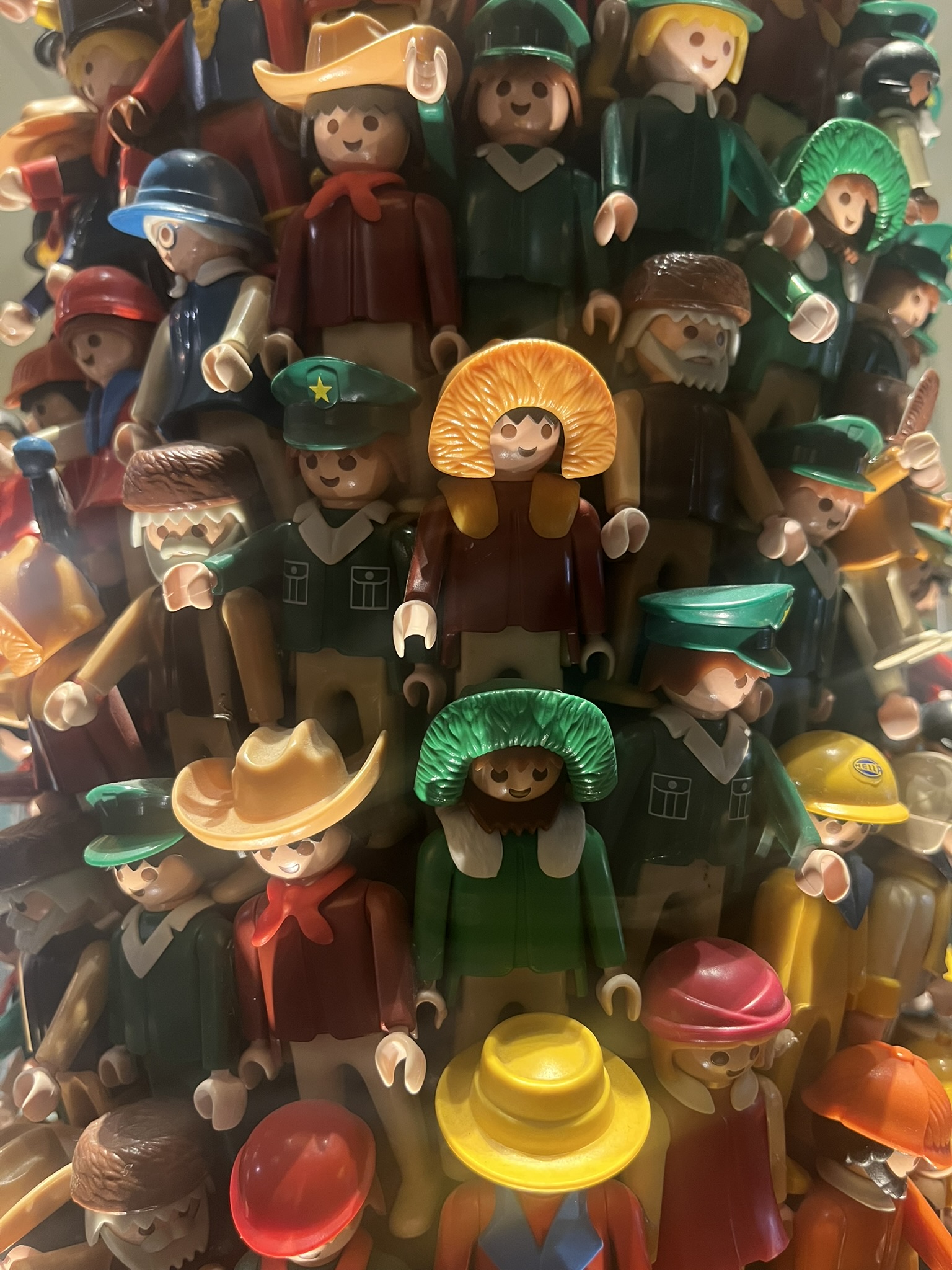
Spielzeugmuseum (toy museum) Nürnberg is another toy museum that displays games and playthings of all sorts—dolls, metal soldiers, puppets, teddy bears, model railroads, tin vehicles, and Playmobil figures, as well as vintage and newer iconic characters like Paddington Bear, ALF, and Garfield. Visit this museum for a bit of history and some interactive play time with toys and family games in the upstairs playroom.
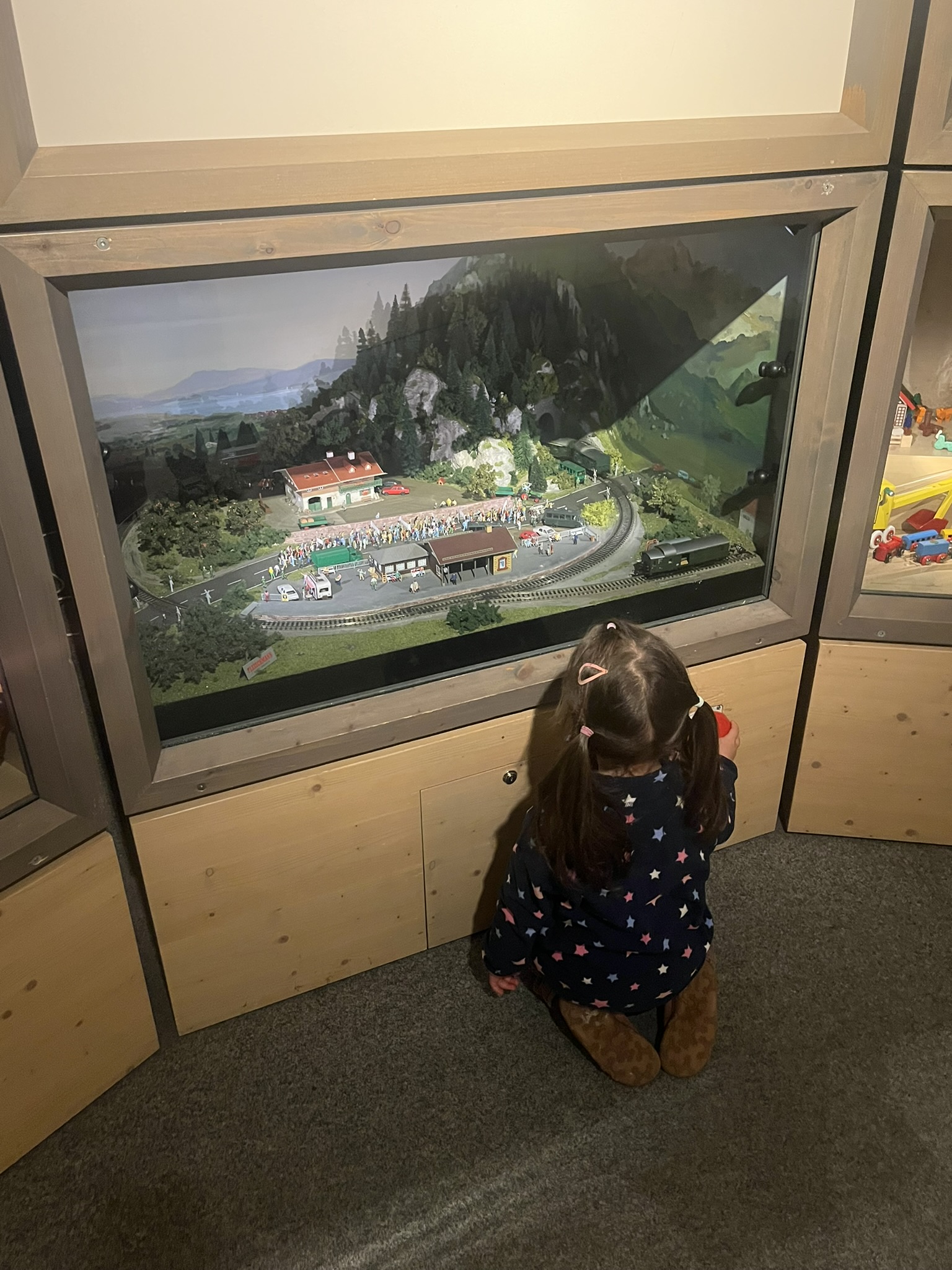
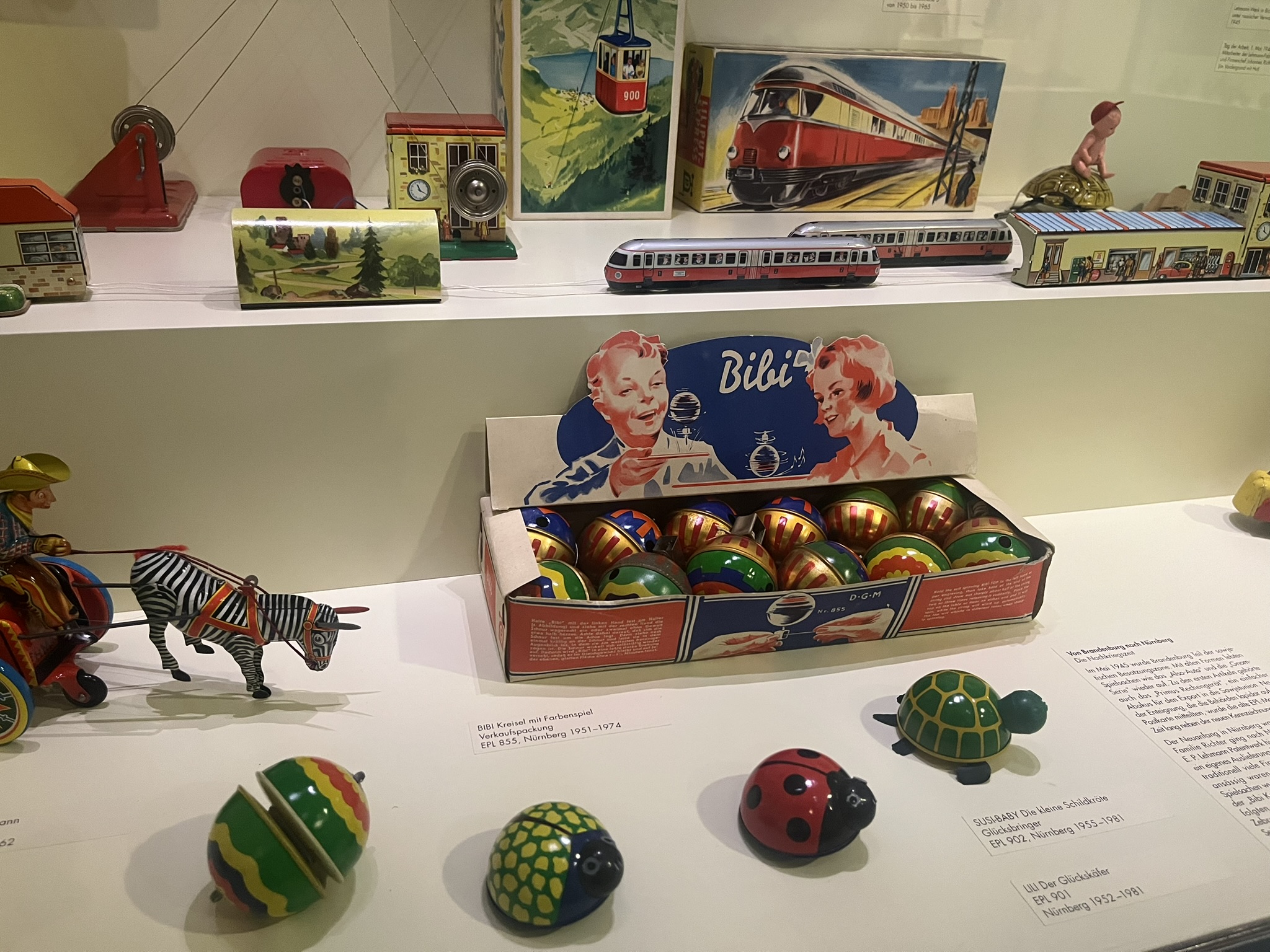
Spielzeugmuseum Nürnberg displays old and new toys alike, with areas for interactive play and a building and board game zone.

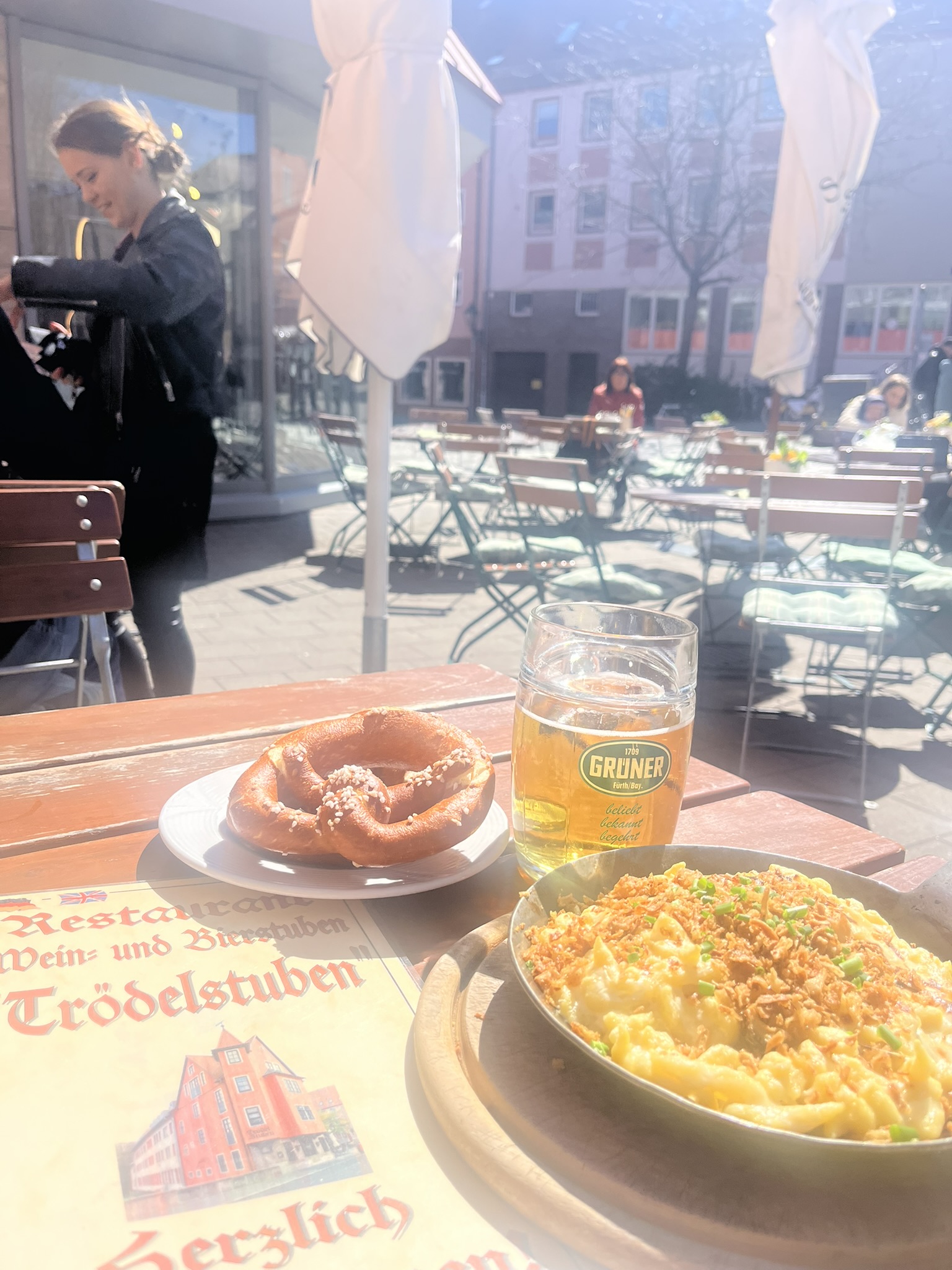
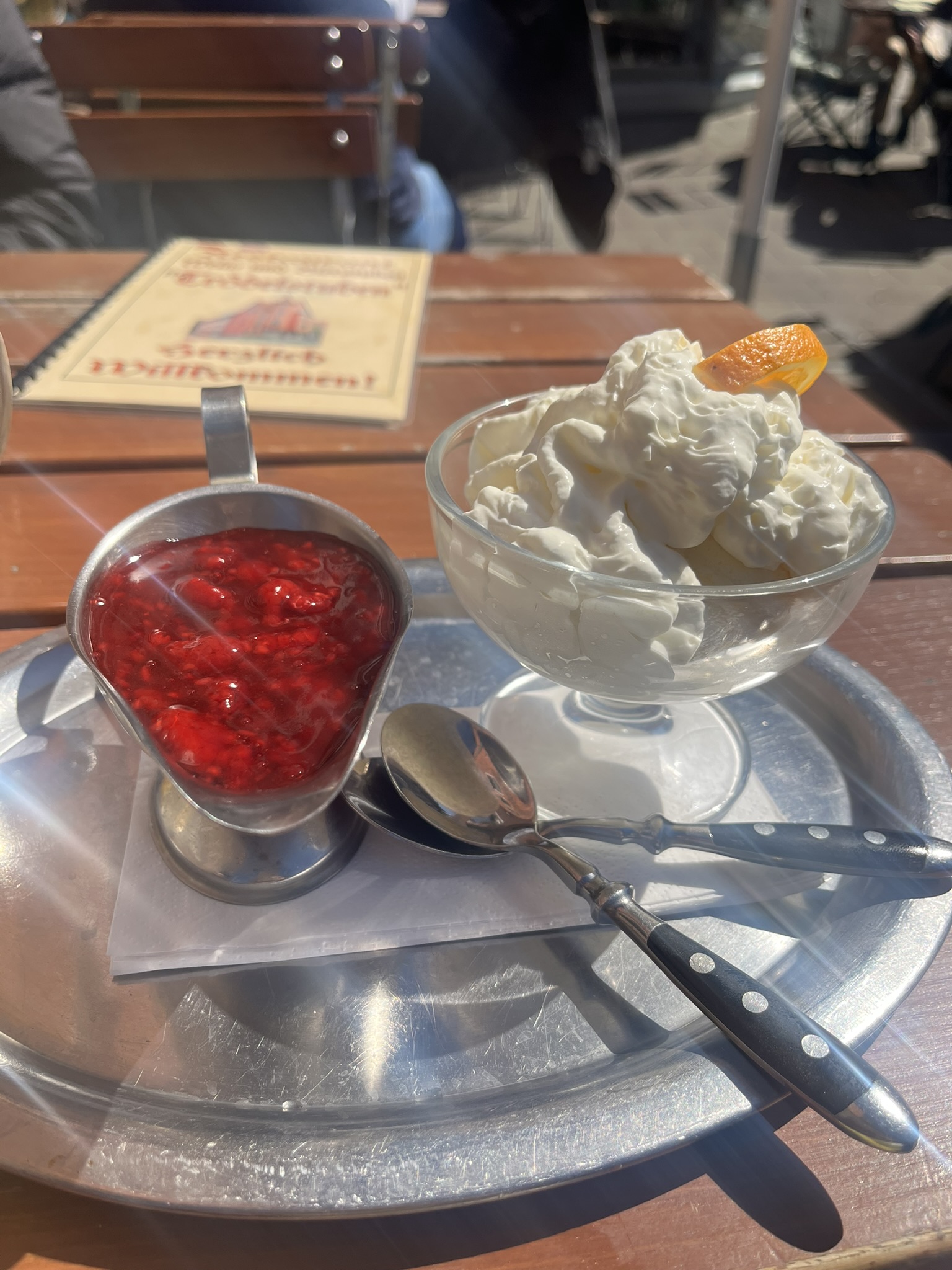
Stop by Die Wirtschaft restaurant for Brotzeit (bread time), Veschber (midday snack), or Gudzerla (Franconian tapas) to nosh on a savory selection of sourdough or oven-crusted bread, marinated cheeses and sausages, pickled vegetables, and herbs. The warm and crispy Apfelküchle (specifically, fried apple rings in beer batter with homemade ice cream and plum compote) will revive you for the rest of your city exploration. For another delicious snack or dessert option, Restaurant Trödelstuben serves up hot raspberries and raspberry sauce over vanilla ice cream. If you’d like a break from traditional German food, try the KOKONO Pan-Asian Cuisine & Sushi Bar on Luitpoldstraße. Expect fresh food, seasonal flowers on all tables, and a fun presentation of dry ice mist at your table while you eat your edamame and sushi rolls.
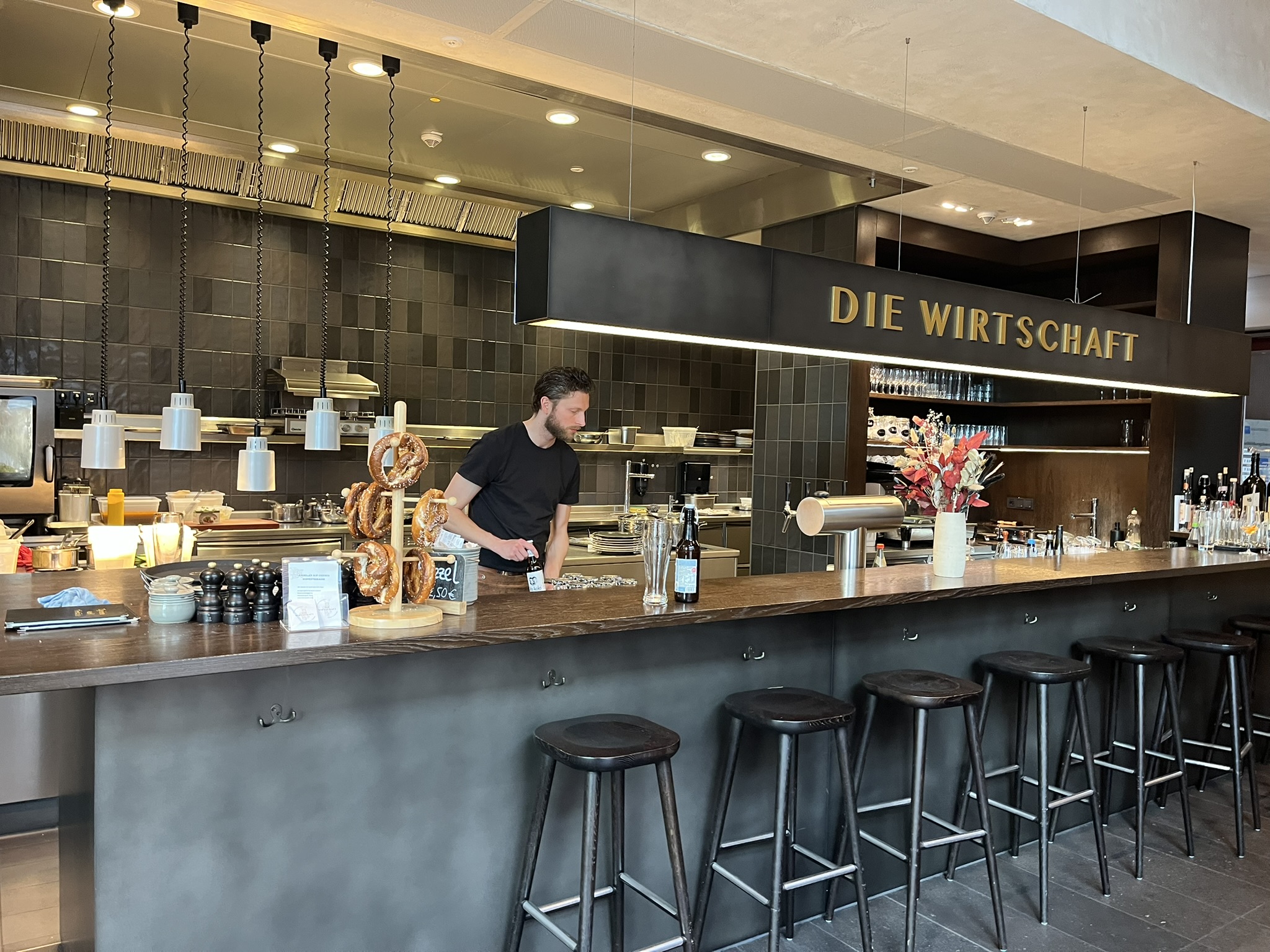
Nürnberg culinary variety abounds, with traditional German cuisine and desserts as well as delicious Asian delicacies.

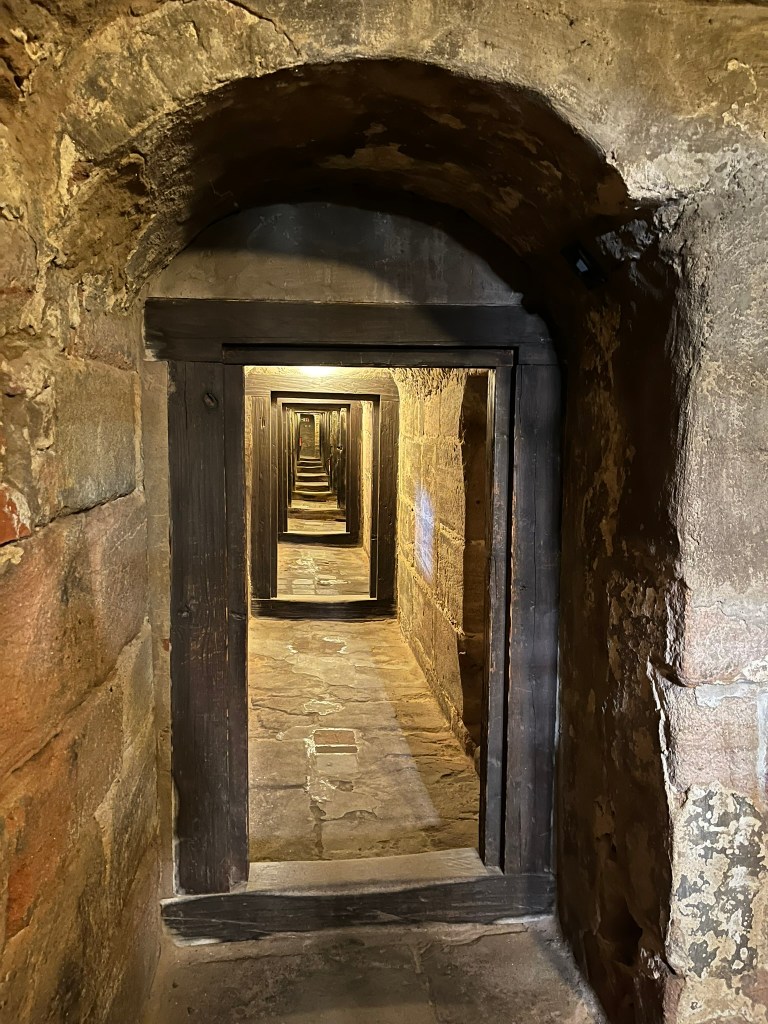
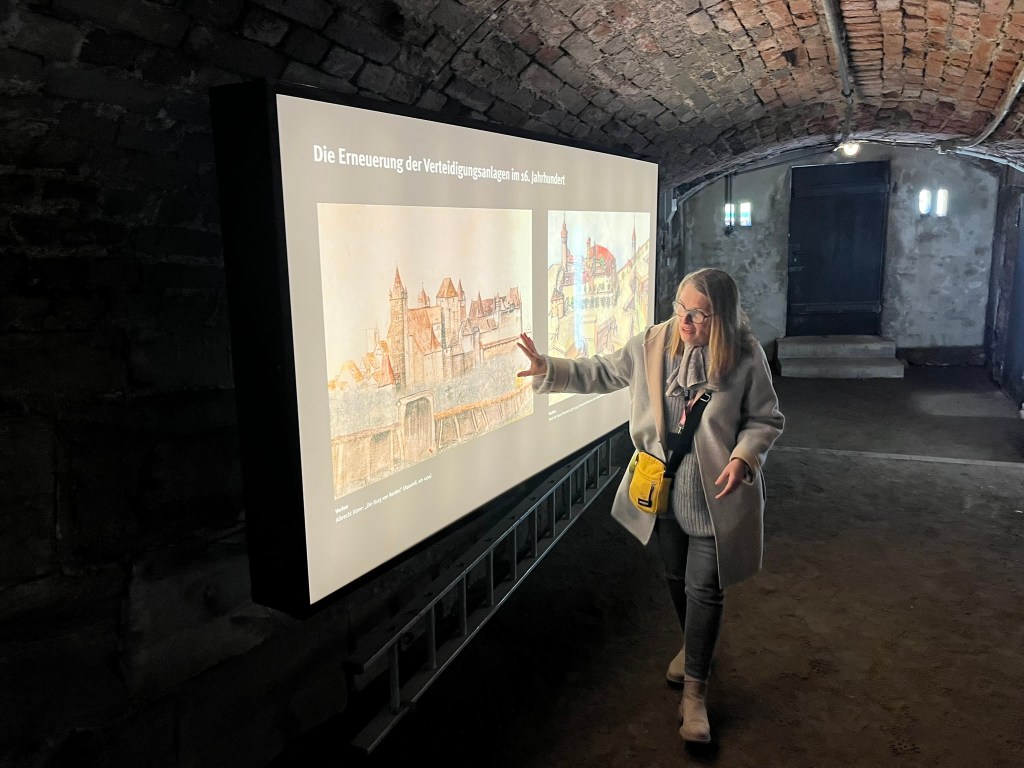
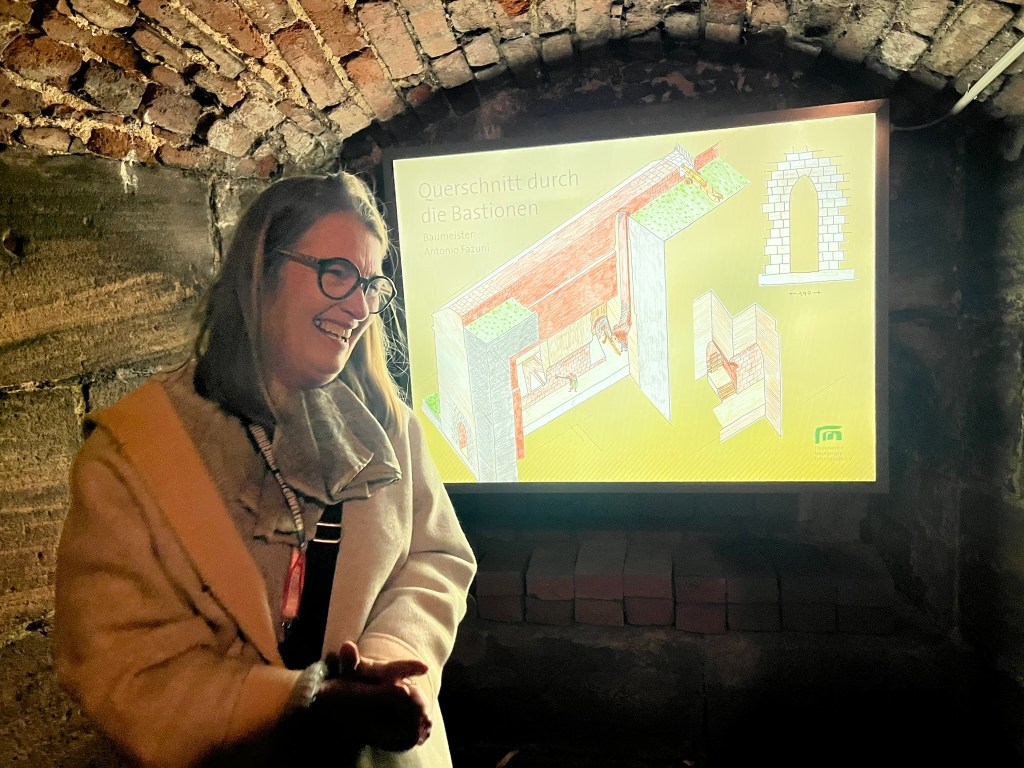
Not all the city’s most interesting sights can be found at ground level. Claudia Radtke, certified Nürnberg city guide, provides guided tours of Nürnberg’s fascinating underground worlds. Those interested in history, fortification, and ancient legal systems (and those aged 10 years and older) will enjoy the intriguing and informative tours entitled “Tunnels and Secret Passages in the City Wall” and “Medieval Dungeons.” The 14th century dungeons in vaulted rock-cut cellars beneath the city hall contain prison cells, torture chambers, the jailer’s house, a prison kitchen, and a blacksmith’s workshop. Walk through underground corridors with damp limestone walls (use the railings and watch your step), learn about those who walked there before you, and explore the city’s ancient approaches to maintaining peace, organization, and stability.

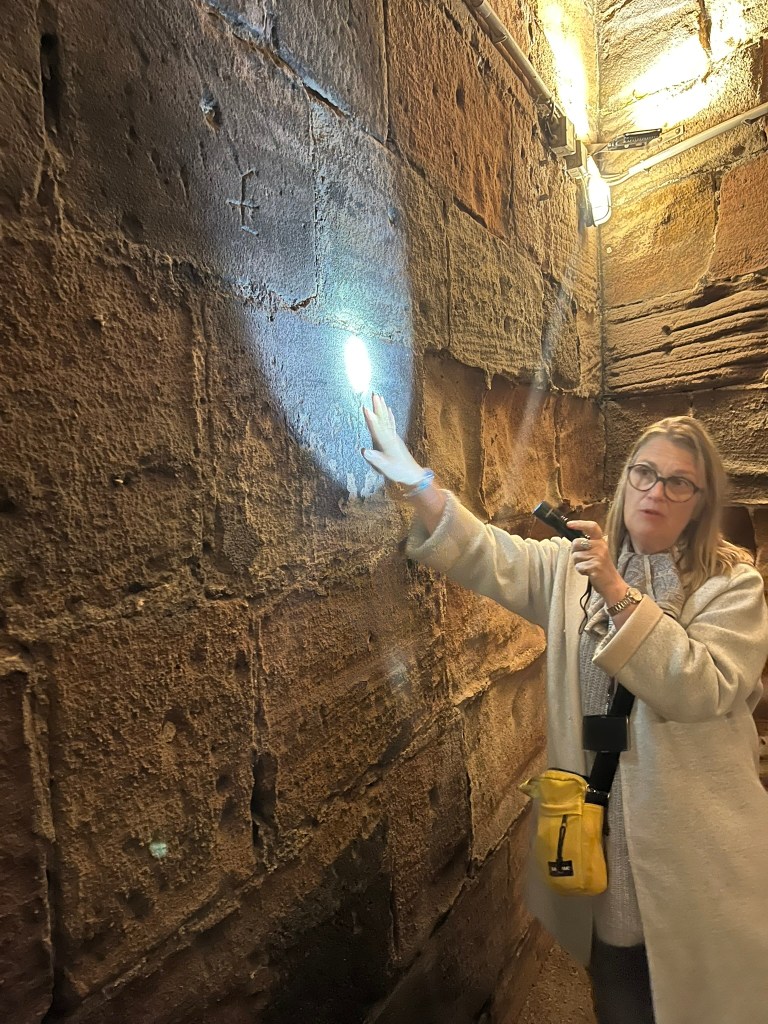
Explore beneath the city, with exciting tours of dungeons and underground passageways.

Underneath the Imperial Castle, a network of defensive passageways wind about, with casemates and embrasures from which weapons could be fired into all angles of the moat. Interestingly, the humid tunnels were not conducive to weapon storage, so weapons were stored aboveground and brought down via a ramp during combat periods. The quarry-stone underground walls are eroded and colorful, shaped and stained from sour rain dripping through.

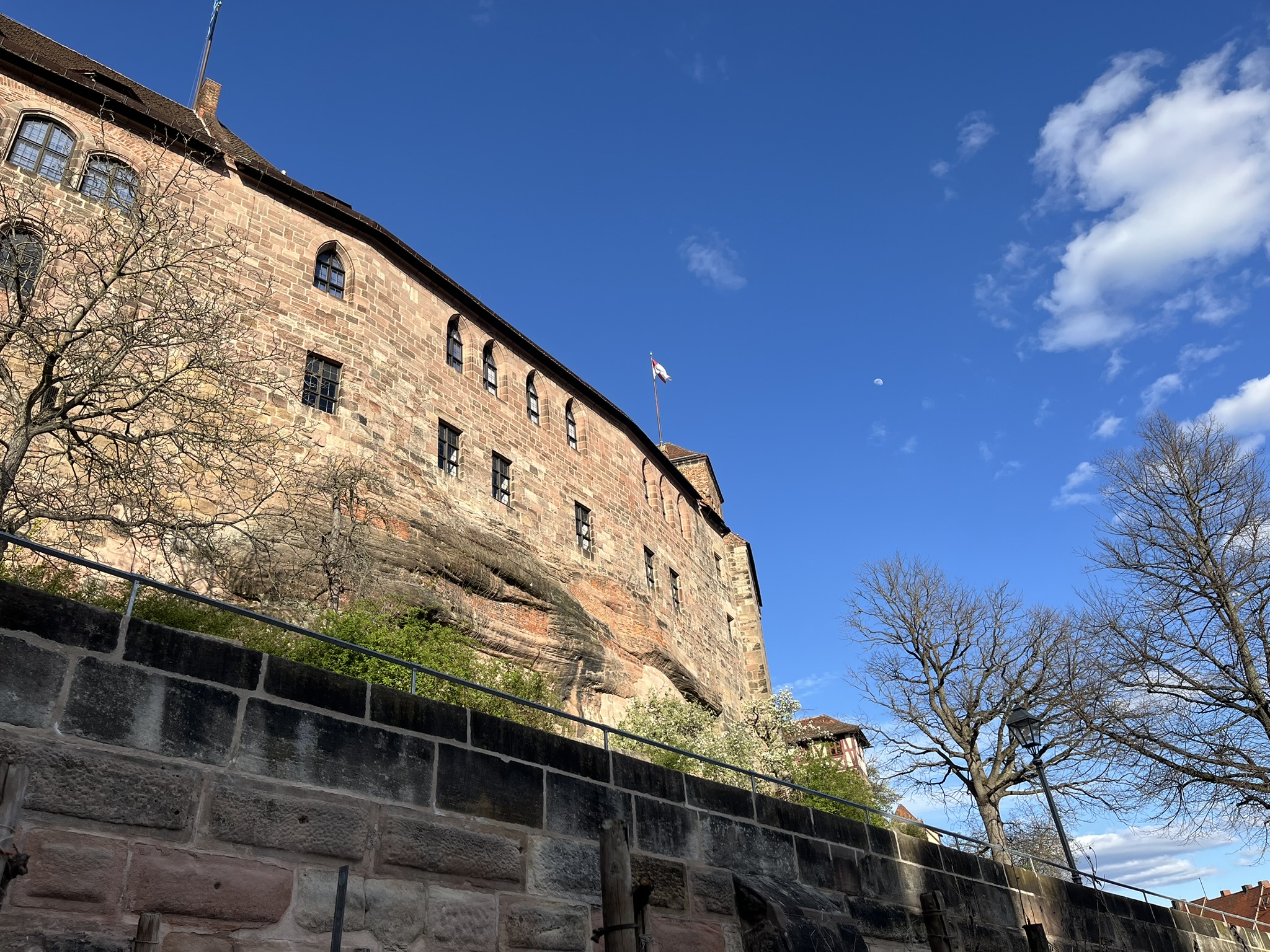
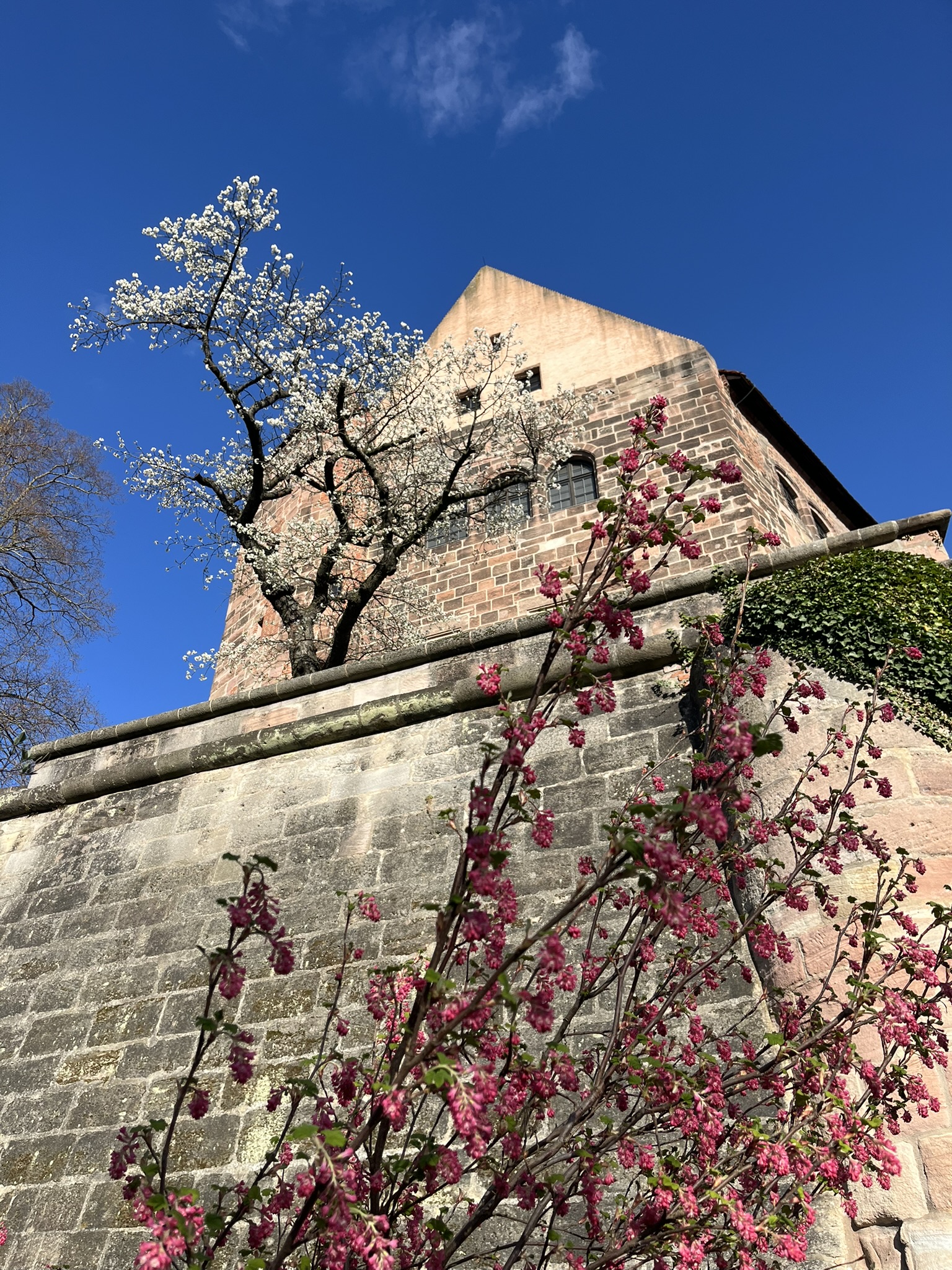
Don’t forget to climb up and appreciate sights from the very top of the Imperial Castle—views down into the moat and stone walkways meandering through flowering trees beneath cloud-speckled blue skies. Wealthy, strategically built, well-invested in defense, and never captured (or attacked, for that matter), Nürnberg was one of the Holy Roman Empire’s best-protected cities in Europe. The city’s history of wealth and peace is attributed to its involvement in trade, due to solving issues diplomatically and with payment rather than through warfare.
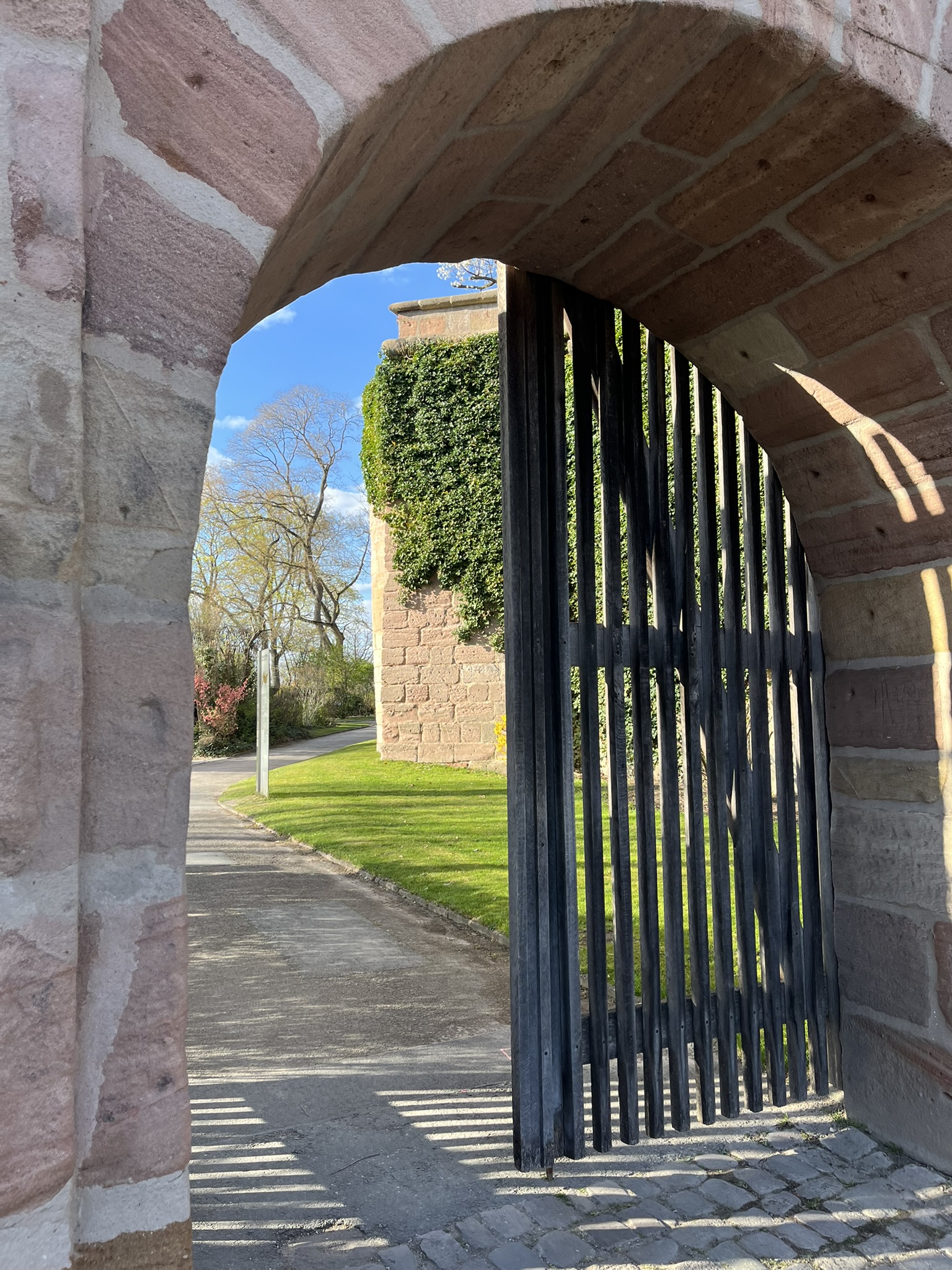
The uphill climb to the Imperial Castle rewards you with beautiful views.

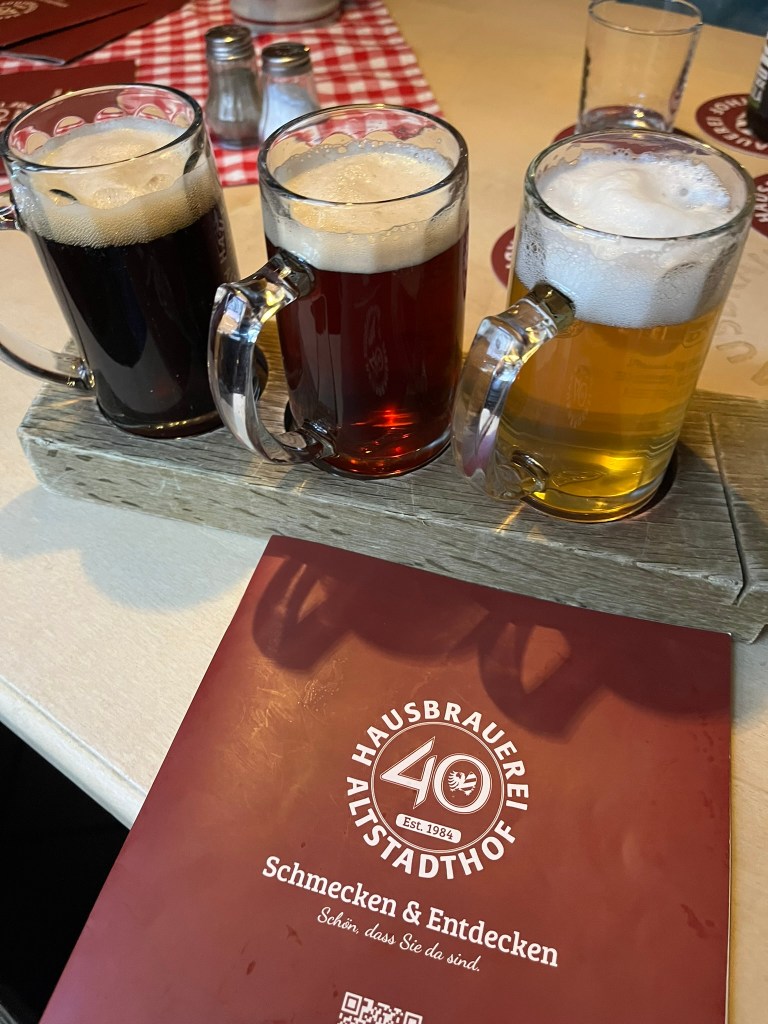
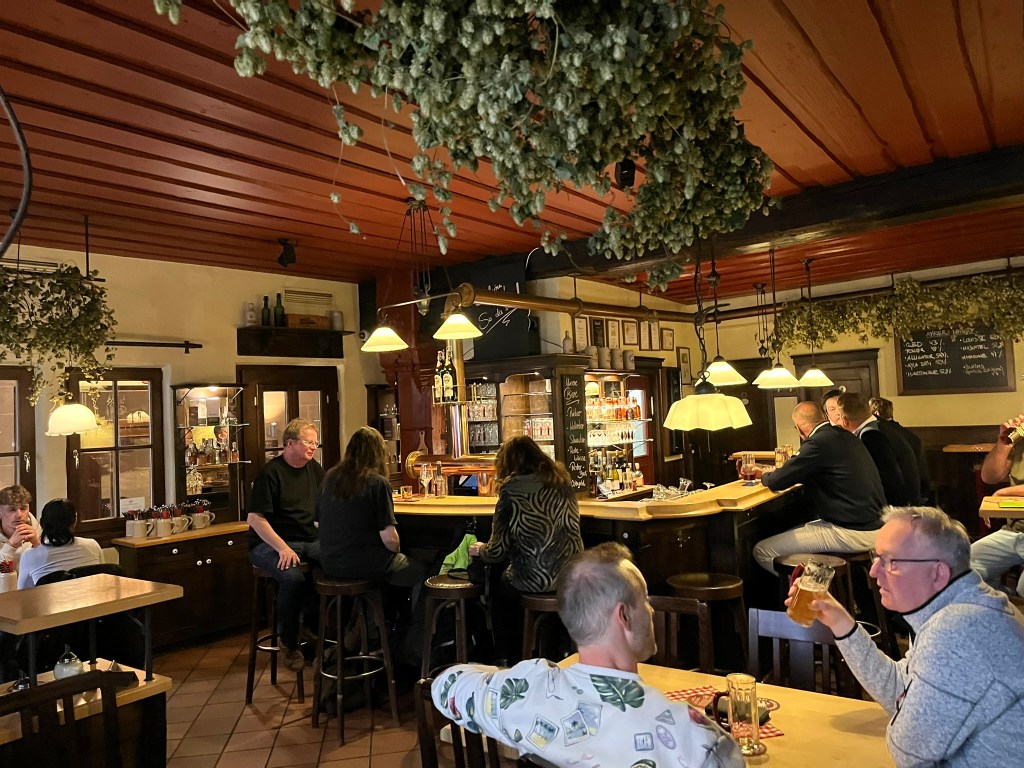
After peering down from the Imperial Castle, stop at the nearby Hausbrauerei Altstadthof, known for its brewed Rotbier (red beer) and oven-fresh Schäufele (roasted pork shoulder in red beer sauce with dumplings and sauerkraut). The snug tavern area with a “hidden gem” feel is a great hangout spot for groups and couples to have a homestyle Franconian meal and a few freshly tapped craft beers. Fill up on savory Nürnberger sausages, potato soup with crusty bread, Obazda specialty Bavarian cheese, spätzle (dumpling-like irregular-shaped egg noodles), red cabbage, goulash, and a wheat- and black-beer sponge cake “Beeramisu” dessert or Apfelküchle (this menu’s variation is drizzled with custard sauce and served with vanilla bean ice cream, whipped cream, and almond slices).
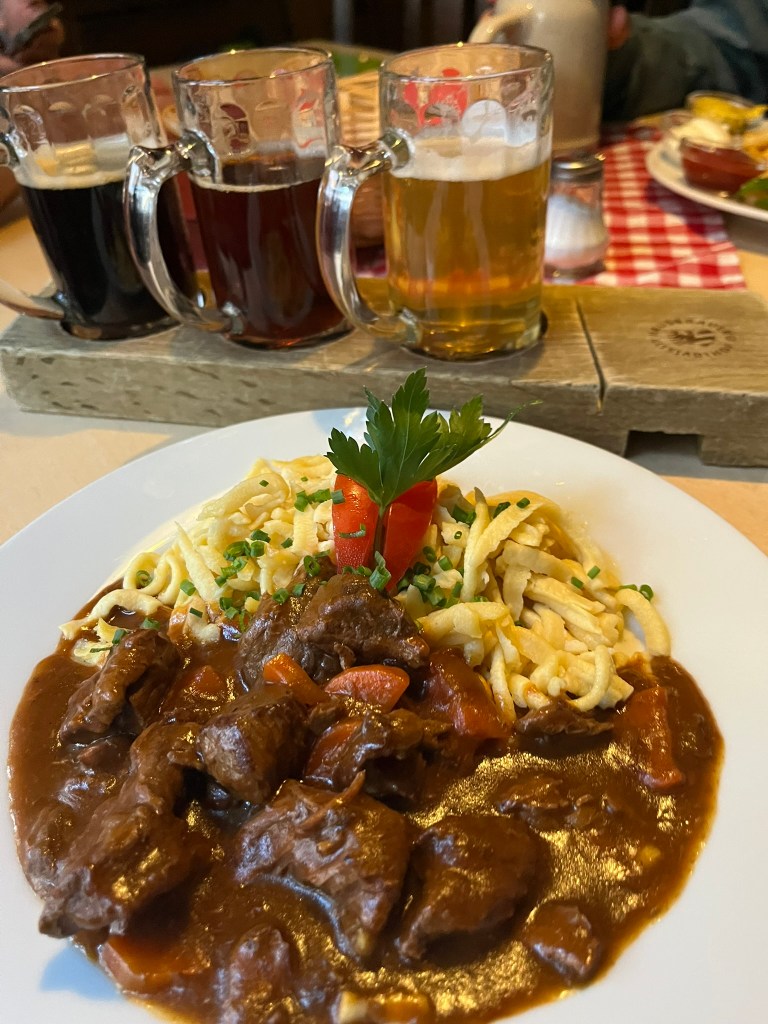
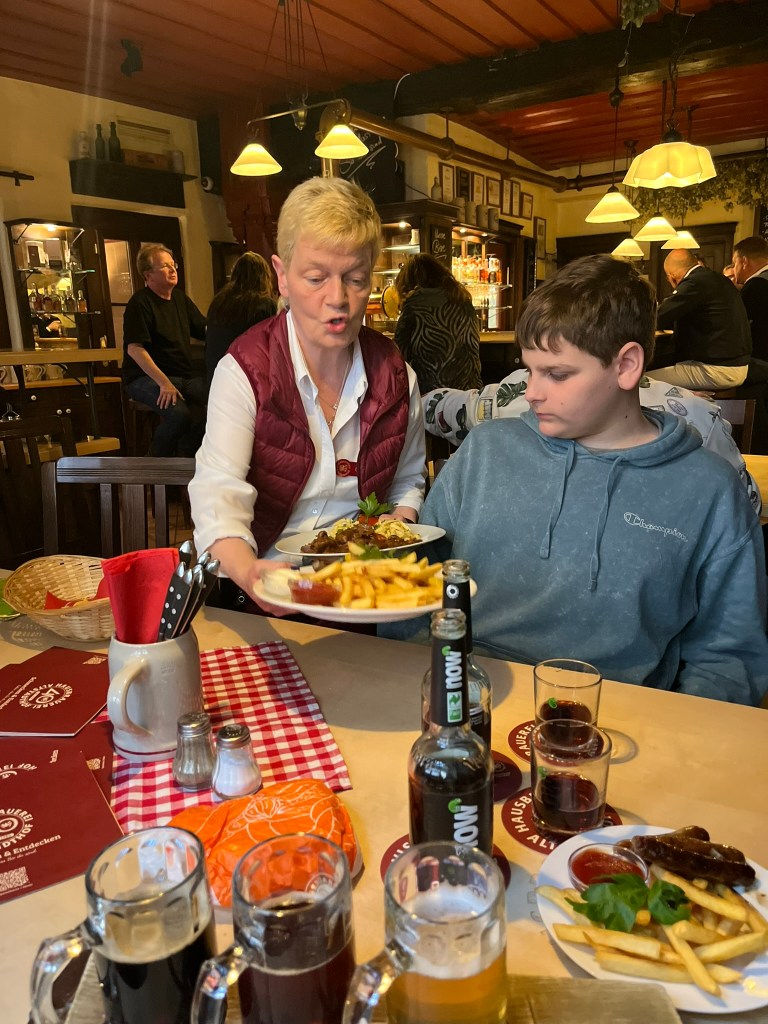
Hausbrauerei Altstadthof serves hearty meals and tasty beer in an inviting social environment.

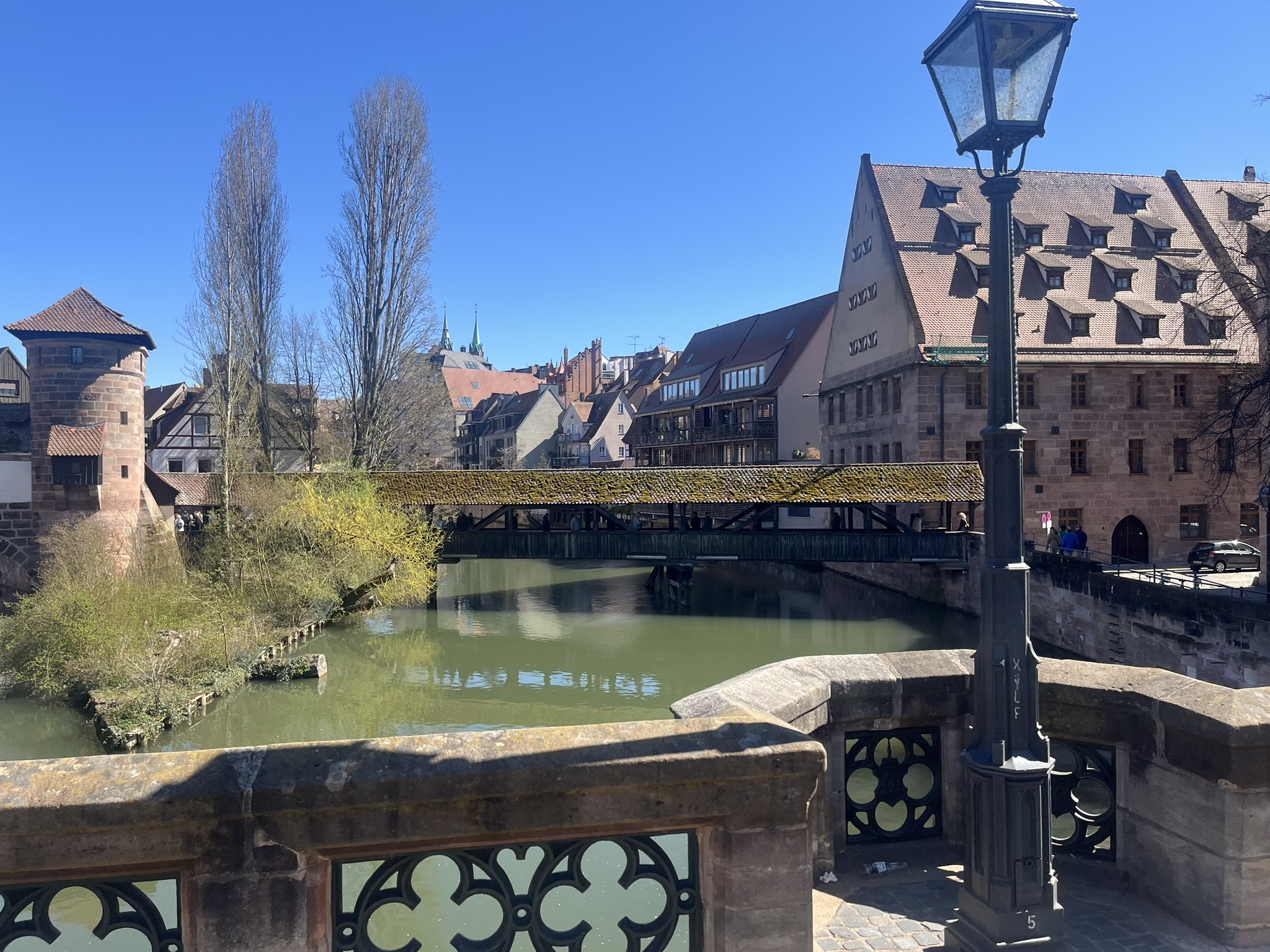
Tour the Old Town and learn about the city’s history while riding the Mini Train, which departs from the Beautiful Fountain at the Main Market Square and takes you on an almost hour-long loop in and around thHausbrauerei Altstadthofe city while multi-language audio headsets announce historical landmarks and relay town stories. One legend tells of German robber Eppelein von Gailingen, who allegedly escaped execution by leaping off the castle and over the moat and city wall on his horse, leaving behind hoofprints on the roof. You’ll see the half-timbered historical building built in 1446 that once housed lepers for three days during Holy Week (to provide them medical attention, clothing, and food), then became a wine storage depot, and now functions as student housing. You’ll also spot the Hangman’s Bridge, a wooden footbridge over the Pegnitz River used solely by the Nürnberg hangman between the 16th and 19th century to travel between his secluded home on a small island in the Pegnitz into the city, as a Middle Ages rule forbade him from contact with “honorable citizens.”
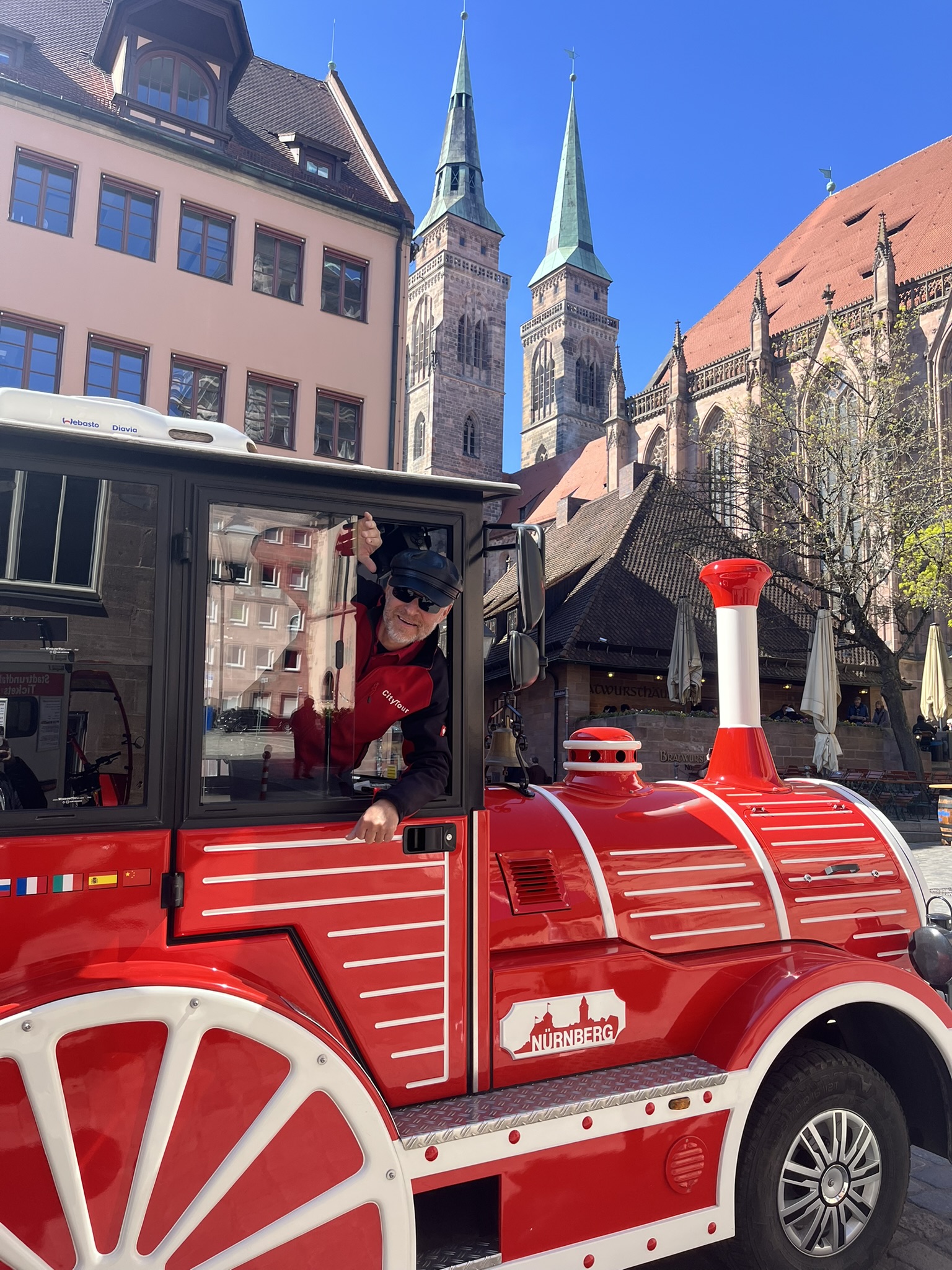
The Mini Train ride provides a comprehensive city tour while revealing town lore.

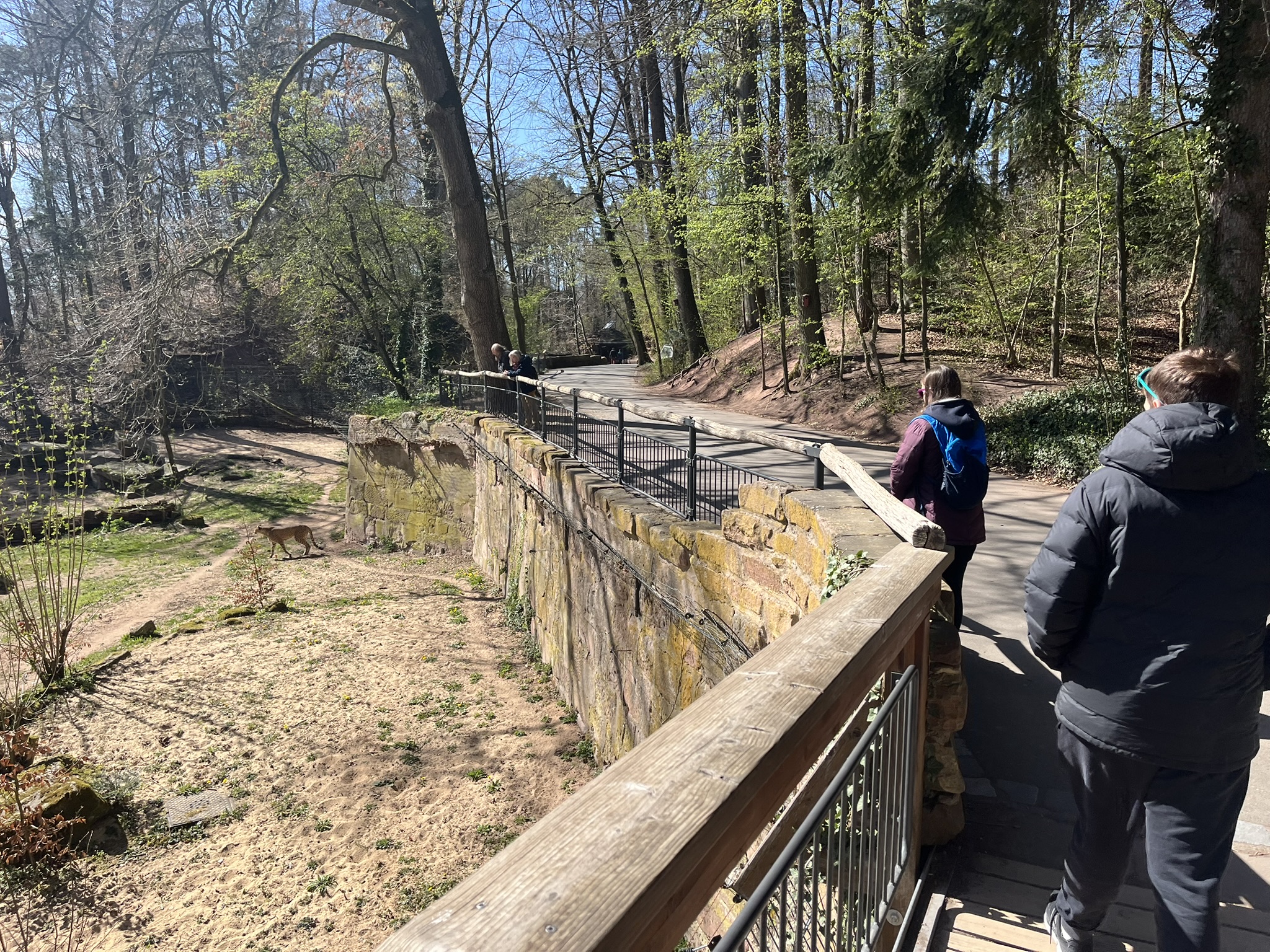
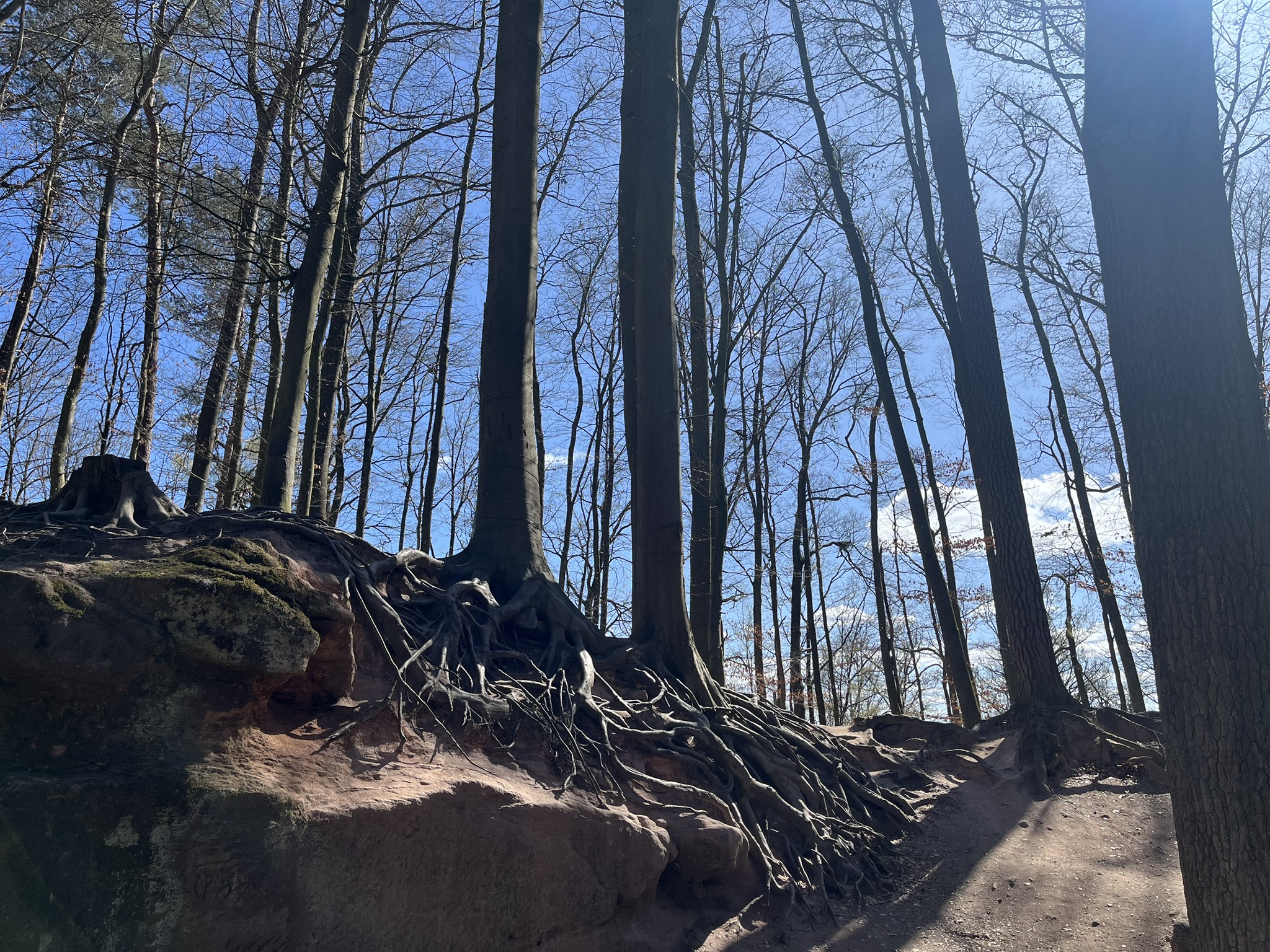
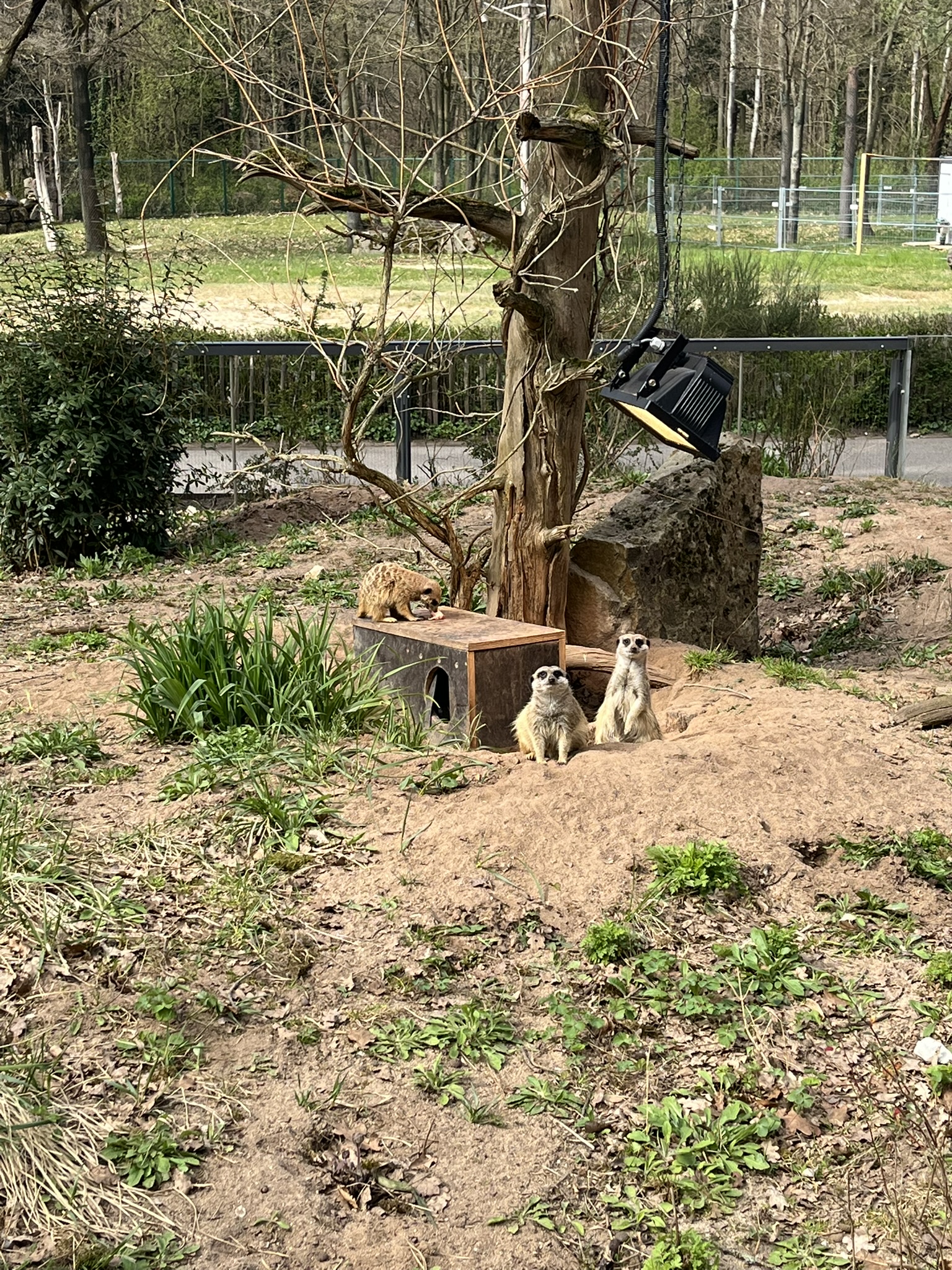
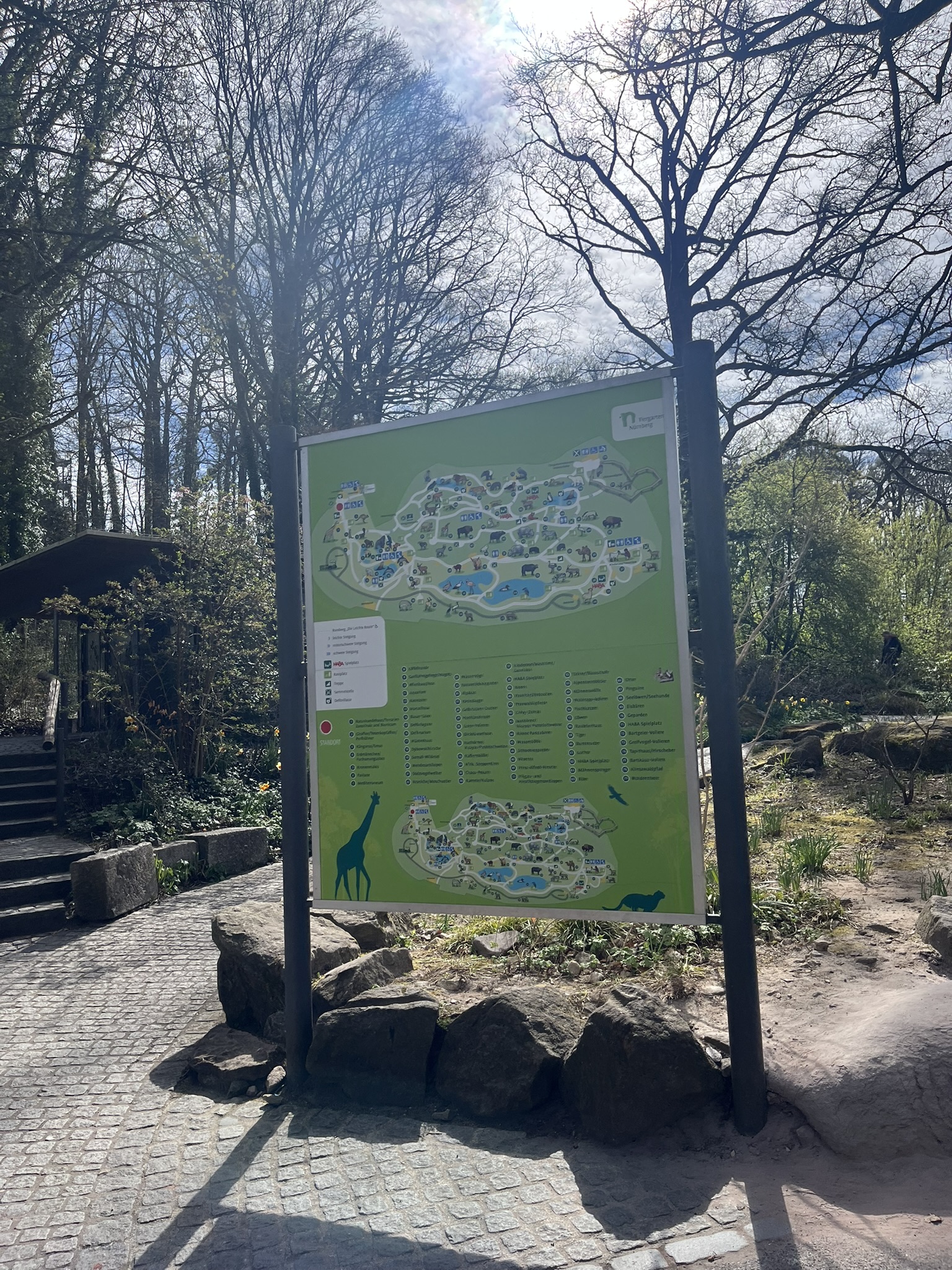
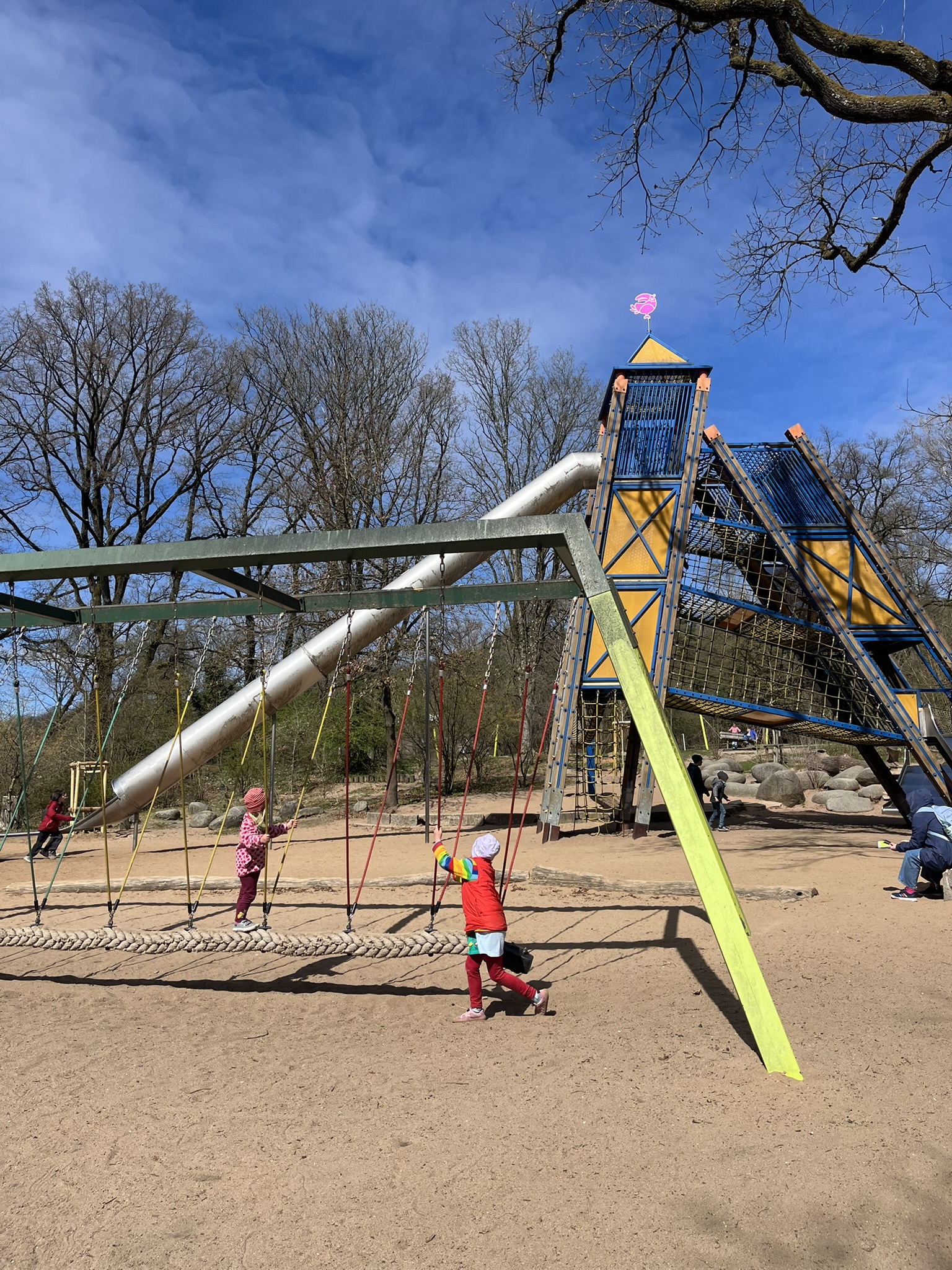
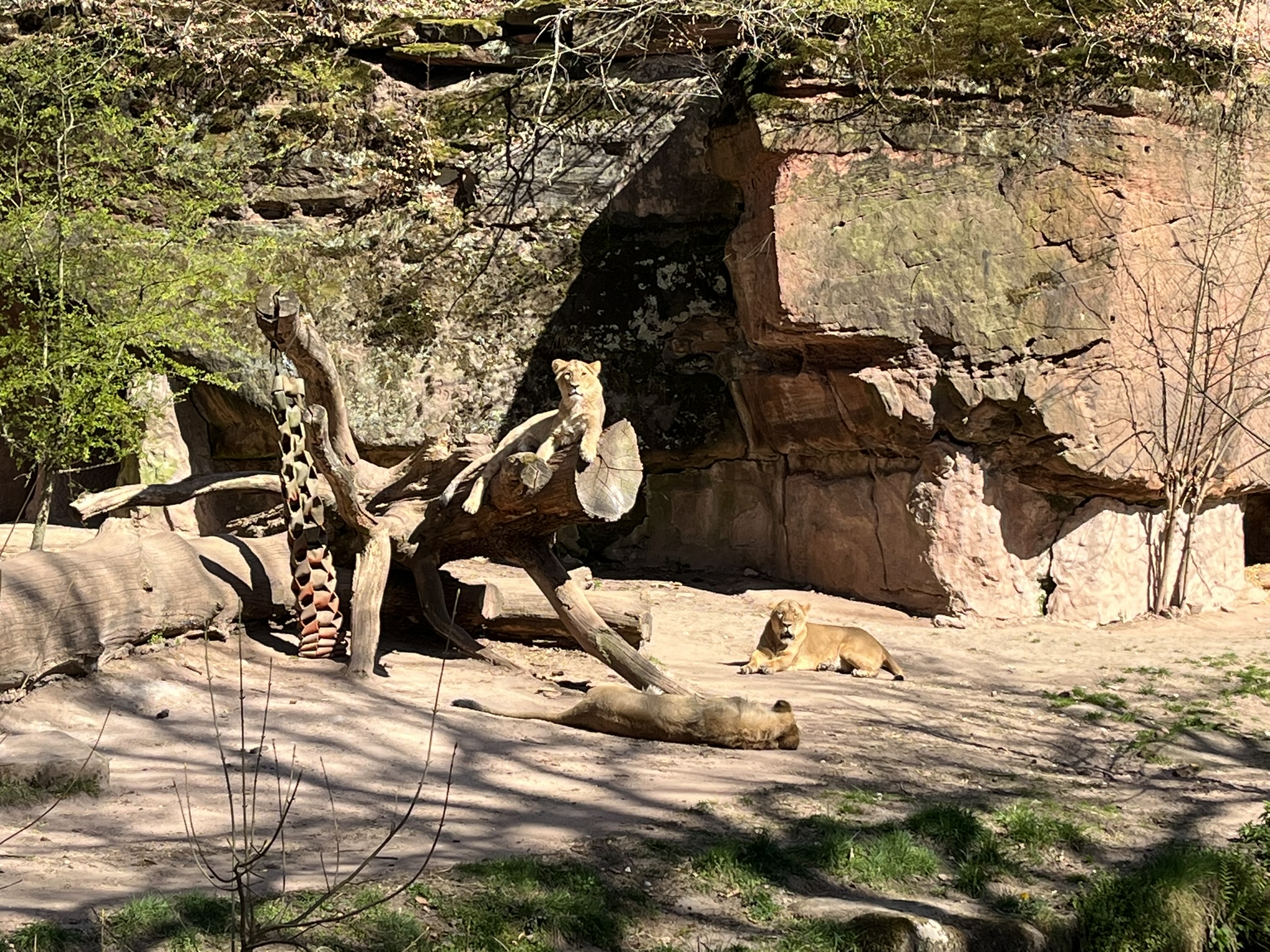
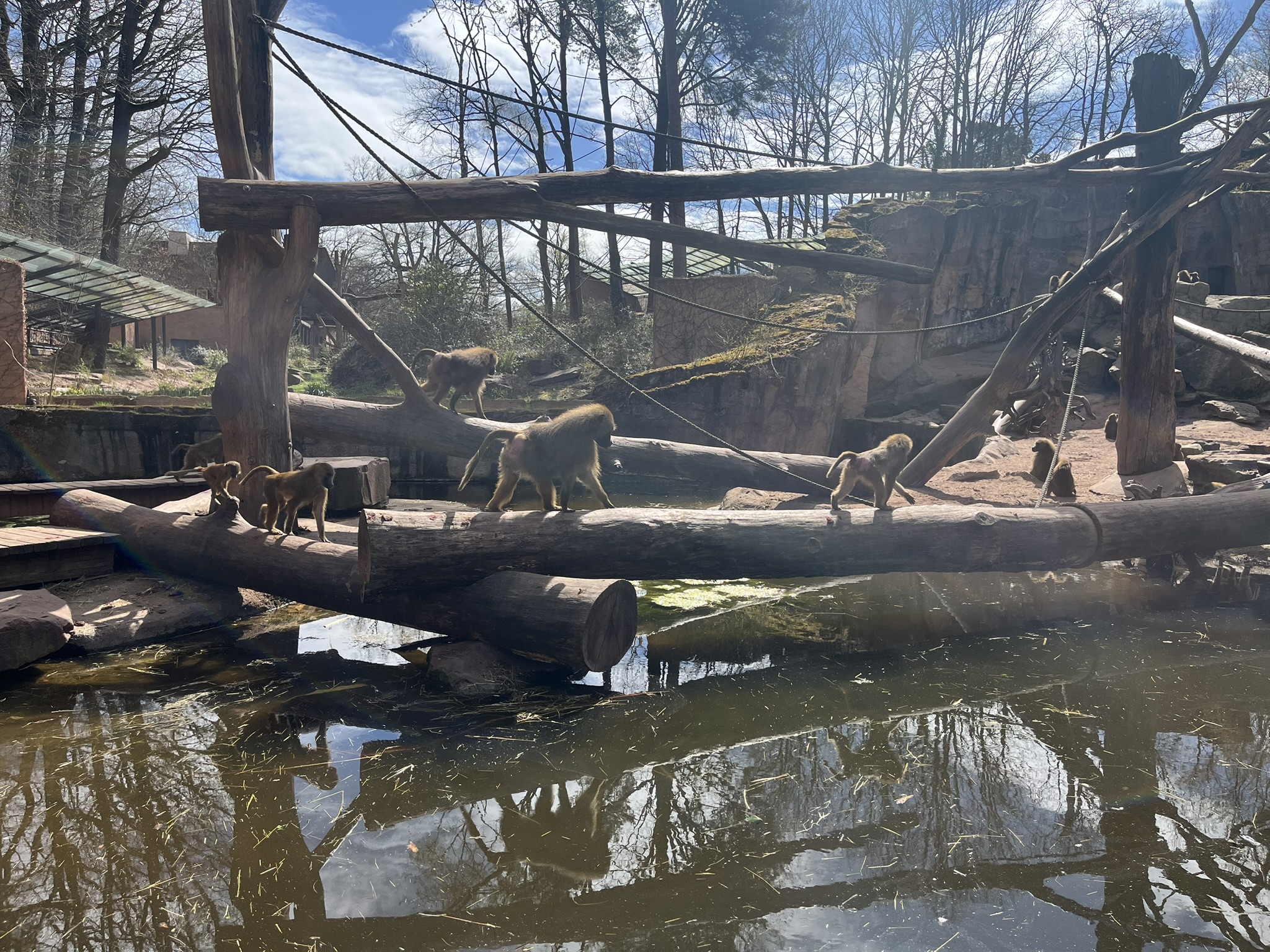
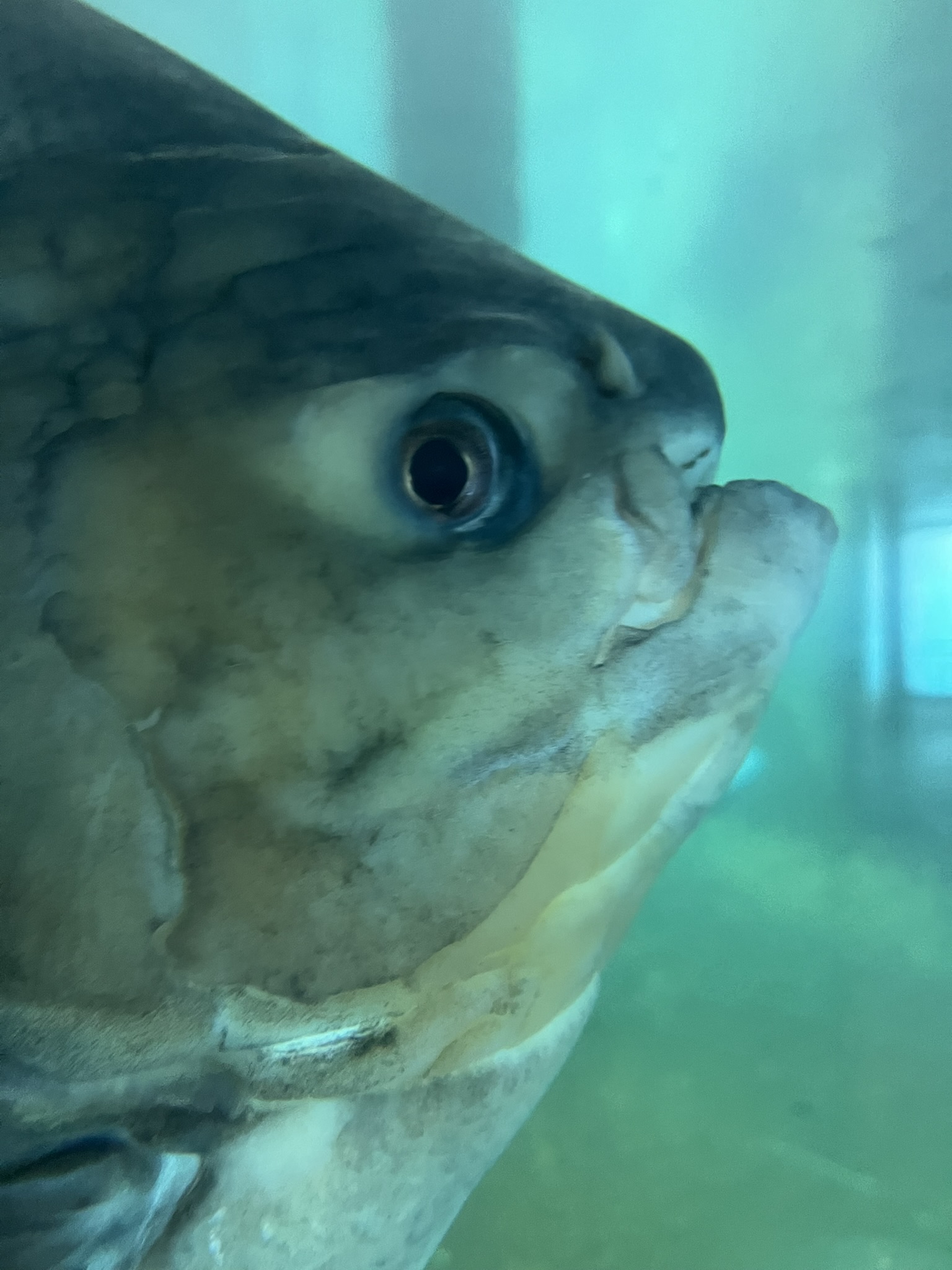
Don’t forget to visit Nürnberg’s surrounding area outside the city walls. Nürnberg Zoo is about a 25-minute ride out of the city center via public transportation. Backed by sandstone cliffs, the exhibits of pacing lions, squeaking lemurs, playful polar bears, and around 300 different animal species (about 40 considered endangered) provide guests with plenty of animal entertainment. One of the largest zoos in Europe, the Nürnberg Zoo is built on approximately 160 acres that include woodlands of ancient trees, peaceful ponds, rocky formations, and sloping walkways. Its special “climate high forest trail” is built at the treetops and allows visitors to stroll and view the zoo from above. The zoo is designed in a natural, park-like arrangement that feels very relaxed and rural. Not only open-air–enclosured animals make this place their home, but water birds and forest animals are found in the wild in this “forest preserve”-like walking zoo. There are numerous play areas for children, including a fantastic large playground with zip lines, ropes courses, giant slides, and inset trampolines—appropriate even for older kids or spirited adults.   

Restaurant Waldschänke within the zoo grounds is reached via a slightly uphill walk along beautiful pathways. Indoors or out in the beer garden you can order hearty meat entrees, kid-friendly food, salads, fish dishes, Mediterranean meals, revitalizing drinks, and an extensive selection of vegetarian and vegan options. Complete with audience-interactive Culinary Theater performances, colorful murals, amusing children’s books to borrow and peruse during your meal, and an opportunity to purchase plush animals, Restaurant Waldschänke is a welcoming eatery for families.

Restaurant Waldschänke in the Nürnberg Zoo is a convenient place to power up between wildlife exhibits.

By exploring inside and outside of Nürnberg’s city walls, high above the castle moat, and even below the streets, you can go beyond surface level to uncover fascinating history and experience this medieval town’s inimitable Franconian charm.

Clixo Fidgety Fun Inspires Creativity During Travel and Beyond

By Alison Ramsey

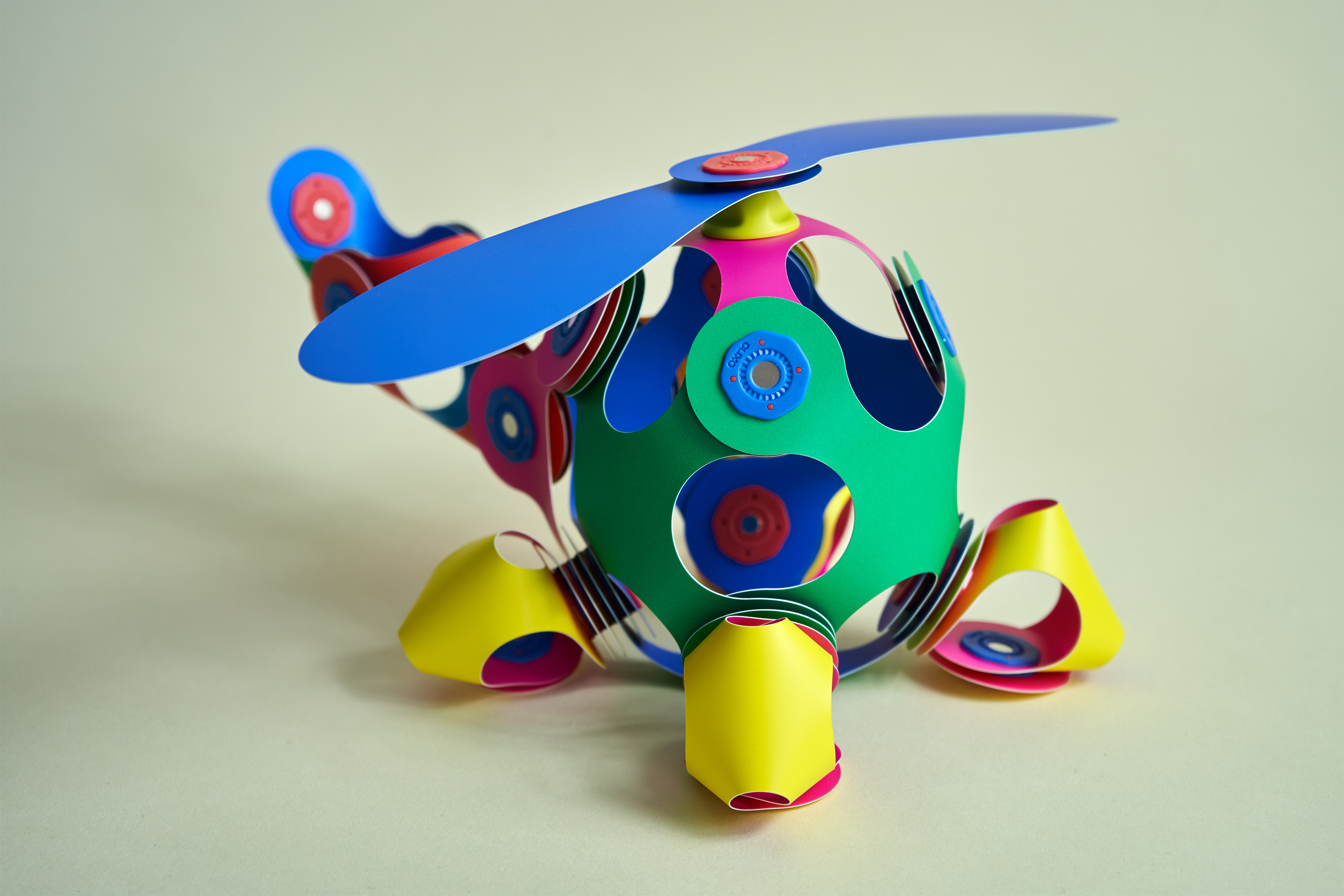
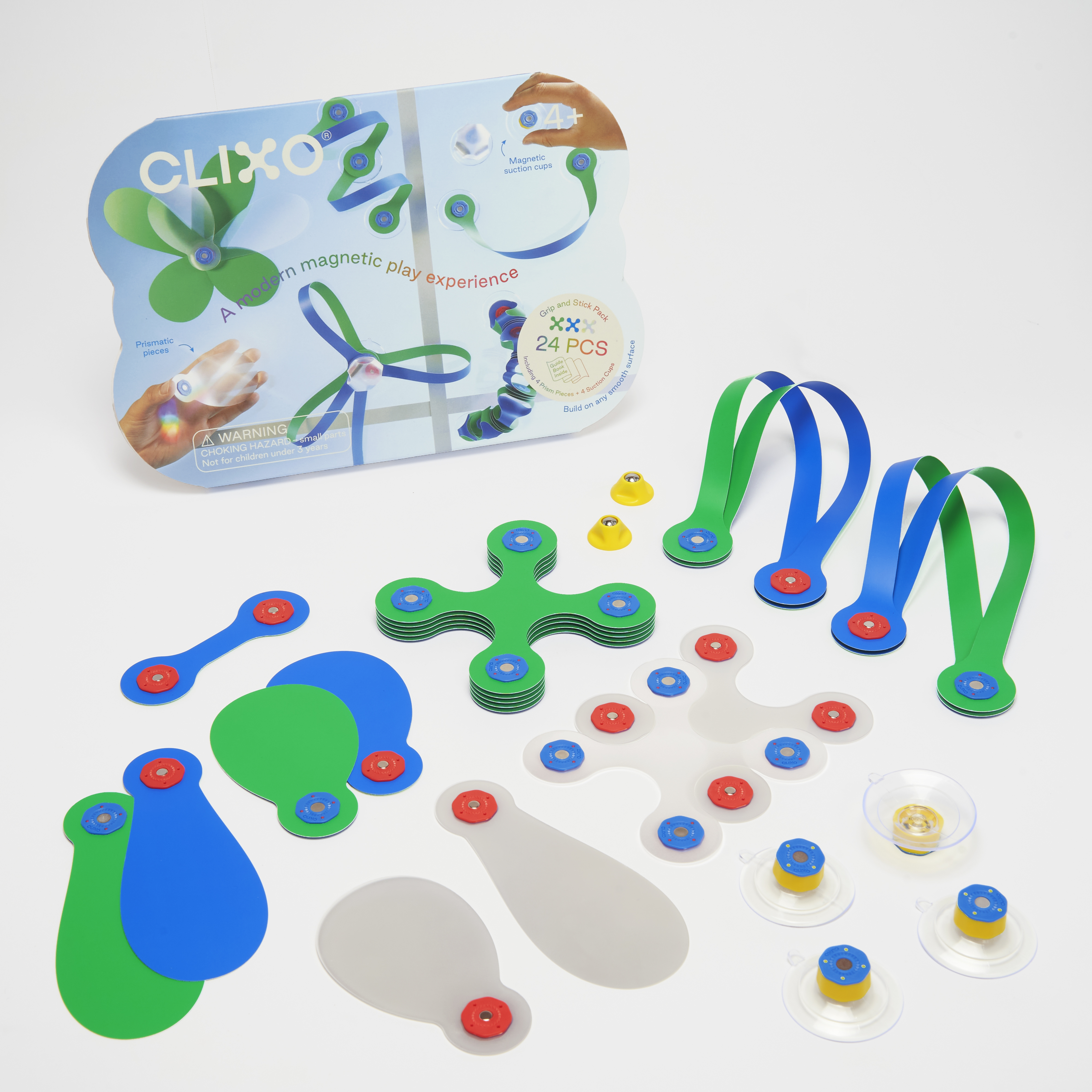
A unique toy for kids and adults alike, the easy-to-pack Clixo magnetic play system encourages freeform building and exploration—no rules or instructions required! Tuck a set of these flat, flexible building pieces into your day bag and pull them out to see your fussy or feisty traveling companions turn into creative geniuses.

Photos courtesy of Clixo.

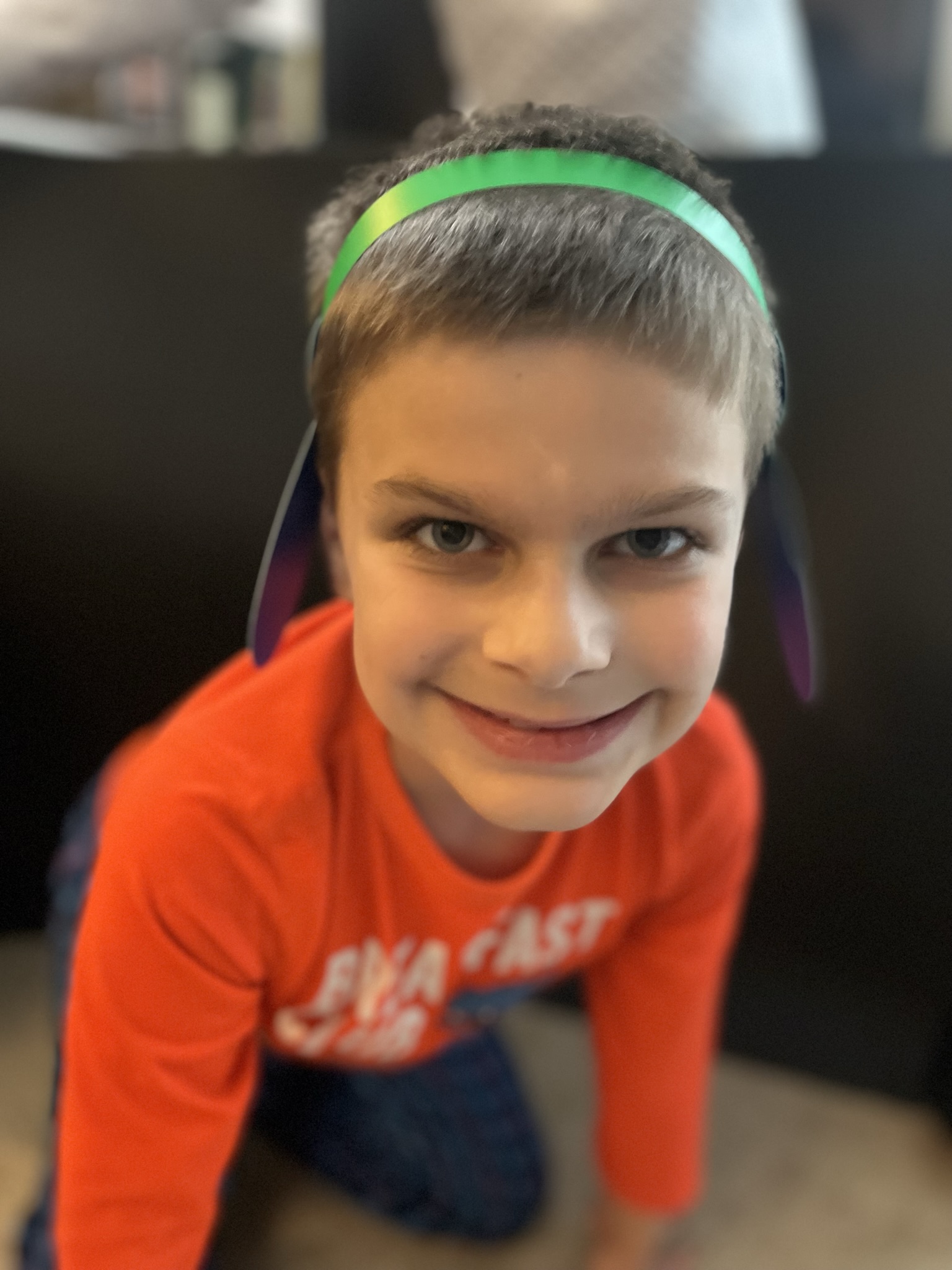
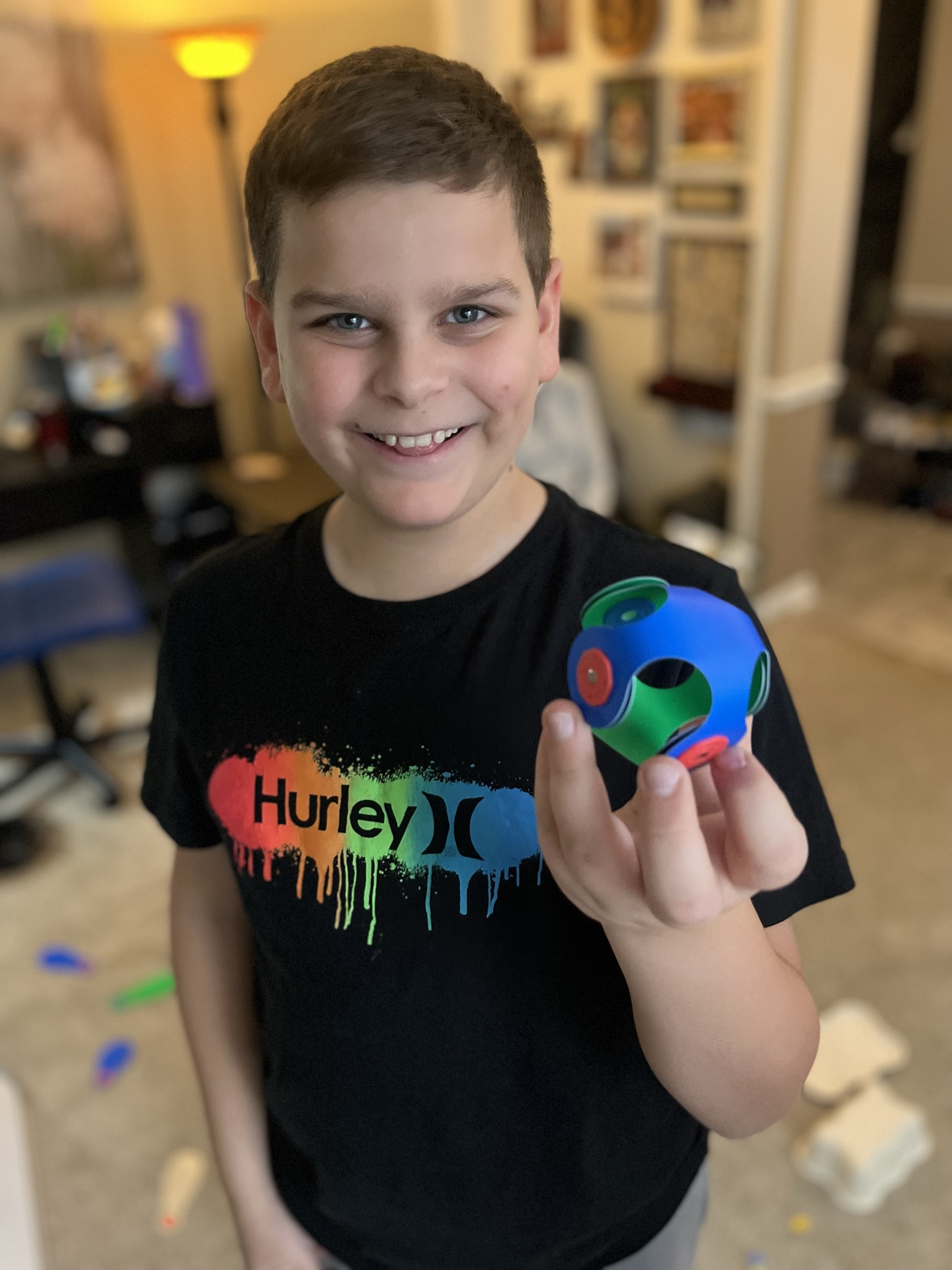
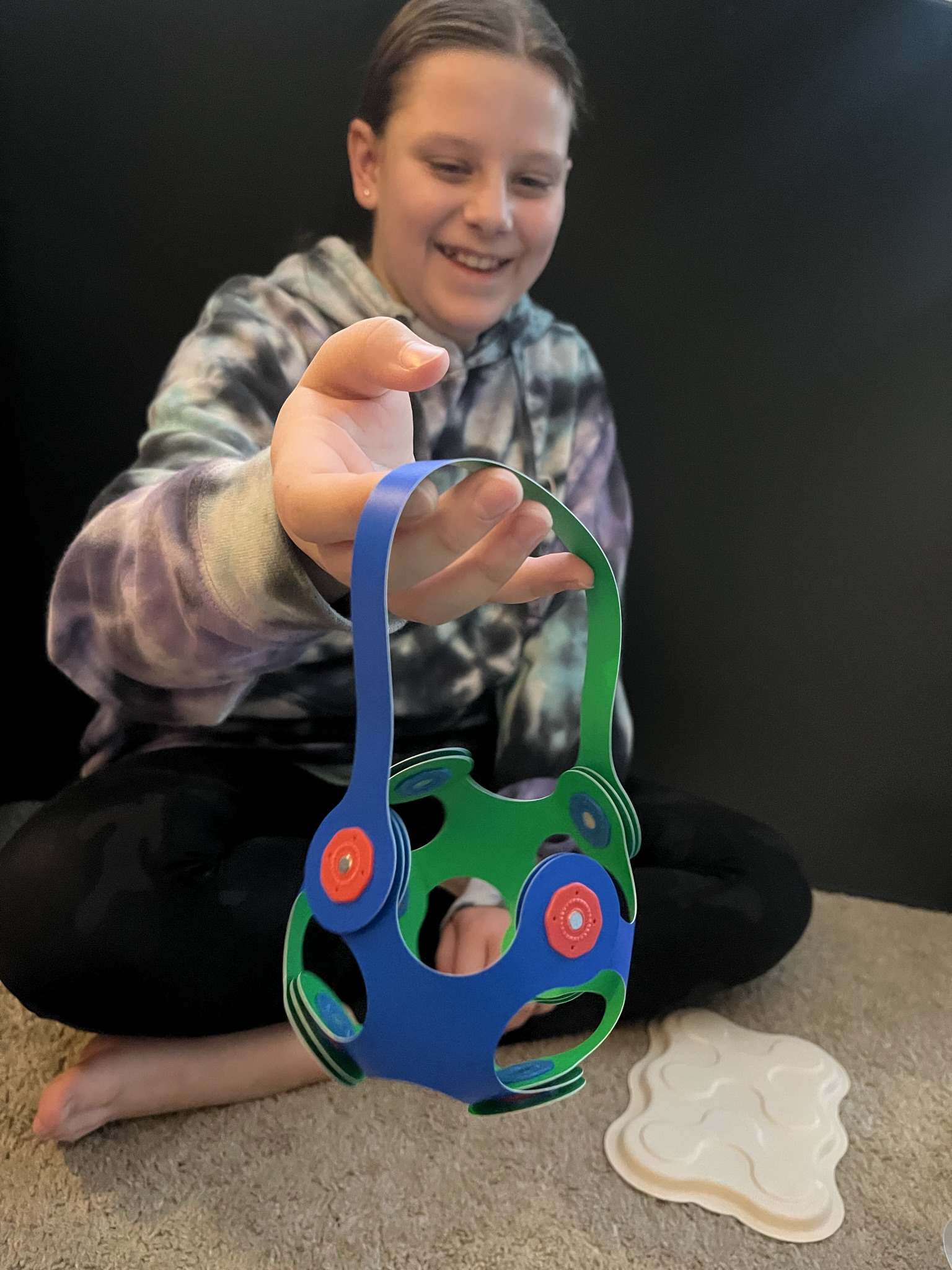
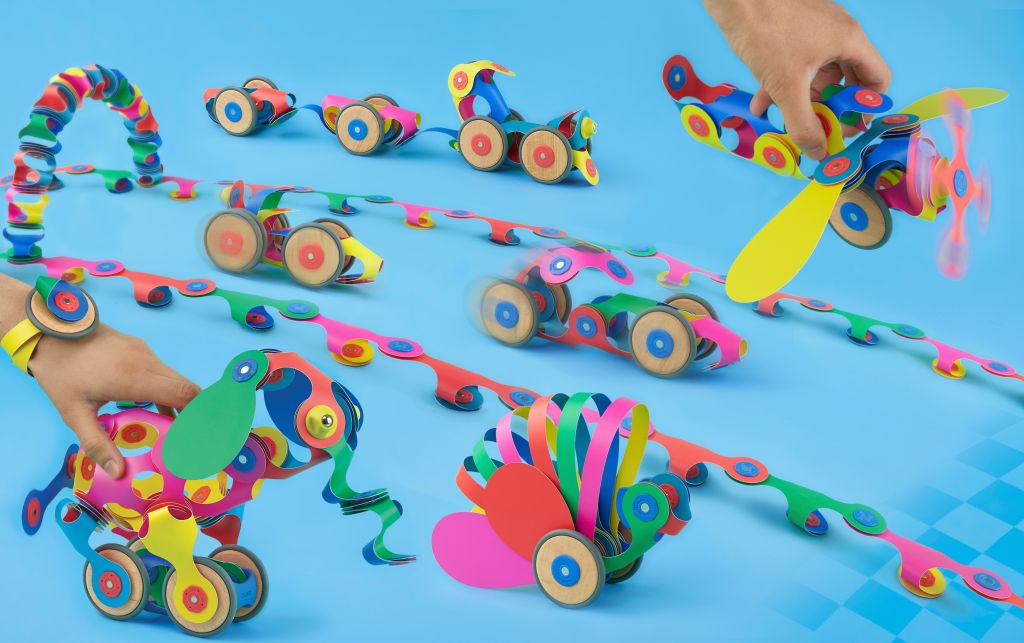
Visored motorcycle helmet, floppy beagle ears, a colorful handbag—within five minutes of opening a package of Clixo lightweight and flexible magnetic shapes, my kids’ creativity using these colorful pieces resulted in a plethora of fun creations. This award-winning building toy from Toyish Labs is packed with endless possibilities for playtime on the go or at home. The durable and compact flexible pieces can be stored flat and easily cleaned and sanitized. Secure magnets are safely fastened to key edges, allowing toy enthusiasts of all ages to snap together pieces and discover limitless creative possibilities. Creations can be stuck to the fridge, worn as accessories or, as with the Grip and Stick Pack, secured via suction cups to a window or flat surface—great for road trips and sticking to the interior of car windows! Some packages include special units that allow attached pieces to spin or roll on wheels, encouraging construction of propellers, vehicles, and other movement-inspired shapes.

Clixo needs no instructions or preamble. My kids were initially confused about what they were opening, but within several moments were excitedly clicking and snapping together pieces with no assistance or explanation needed. Open-ended, screen-free, hands-on play is Clixo’s strength, offering opportunities to create fun 3D structures from 2D pieces. These unique building sets were a finalist for the 2021 Toy of the Year Award, won the Top Toy of the Year Award from the 2022 Creative Child Awards, and have won the Oppenheim Toy Portfolio Gold Seal Best Toy Award and the Tillywig Toy Awards Best Creative Fun Award.

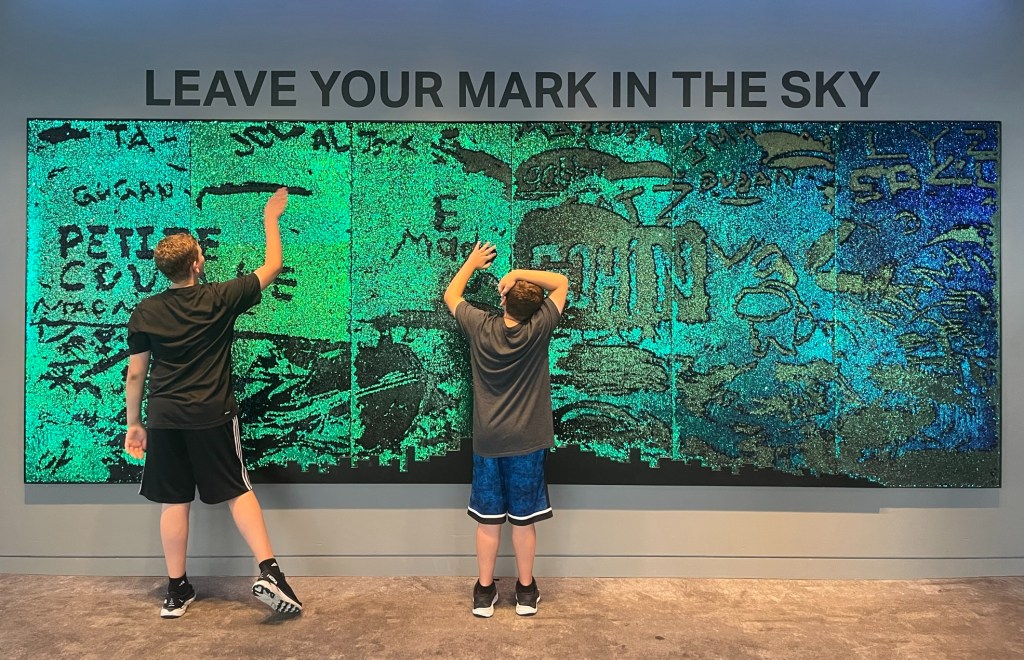
This summer, Clixo partnered with the Museum of Ice Cream (MOIC) in Chicago, Austin, and New York City to launch an interactive experience that allows guests to build colorful 3D creations on magnetic building walls. A special MOIC Clixo pack is sold on-location at these three venues, and features strawberry- and cherry-colored shapes. If your travels bring you to these cities, stop into the MOIC and add some creative constructions to the wall.

Photos courtesy of Clixo.

Assaf Eshet, CEO and Founder of Toyish Labs and creator of Clixo said, “We’re very excited to be working with Museum of Ice Cream on this collaboration and sharing Clixo with MOIC visitors. Museum of Ice Cream provides a fun and engaging experience for all kids and their parents. At Clixo, we share the same values of bringing play and creativity to kids and kids at heart.”

Photo courtesy of Clixo.

For more information or to purchase Clixo building sets, please visit www.clixo.com. The Black Friday Super Sale is currently offering up to 40% off sitewide, so take advantage of the sale prices for these colorful stocking stuffers or Christmas gifts while you can! May your holidays and holiday travel be peaceful, joy-filled, and inspiring.
Chicago “Staycation” Offers Family-Friendly Fun

Stories and photos by Alison Ramsey

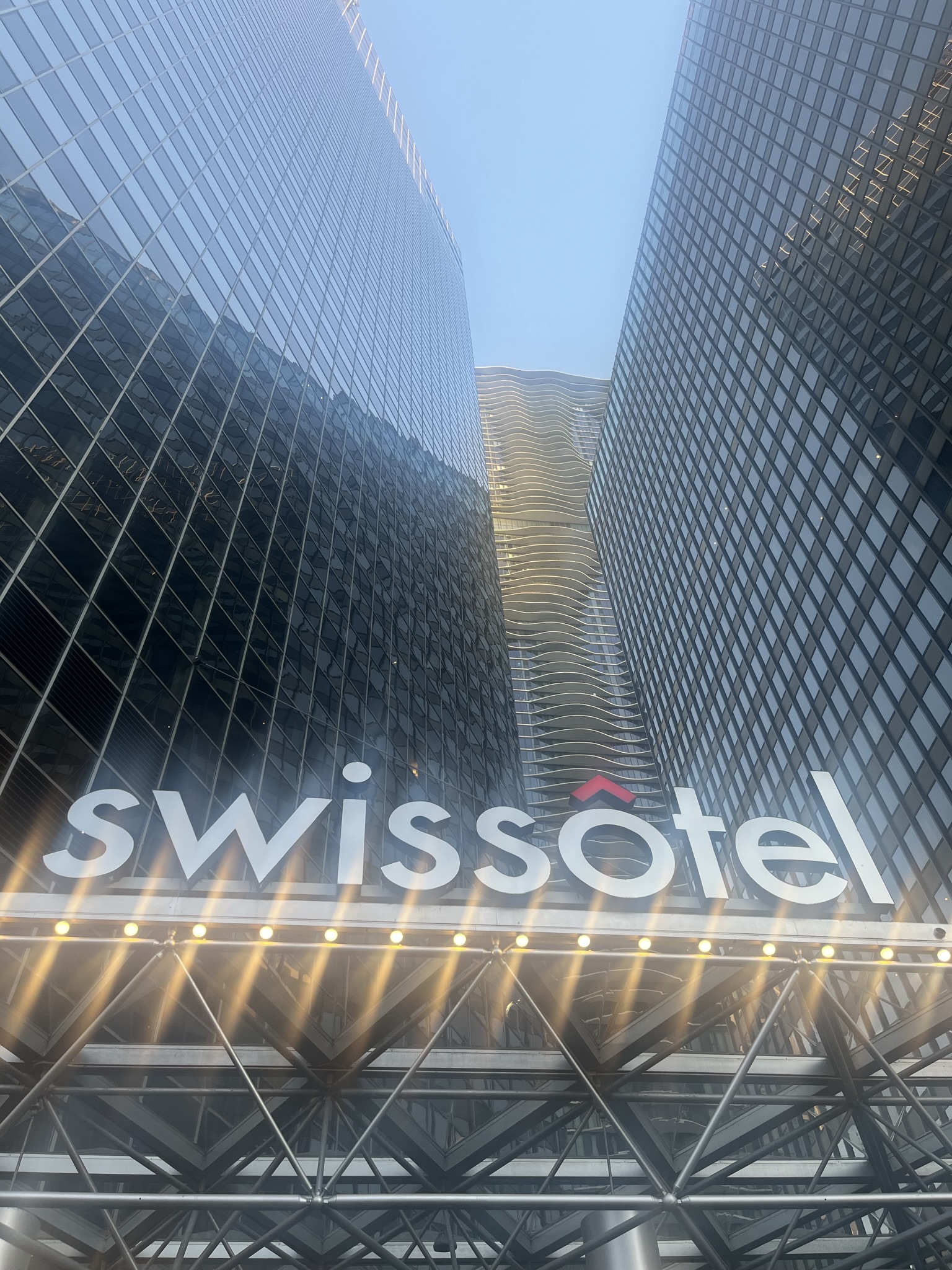
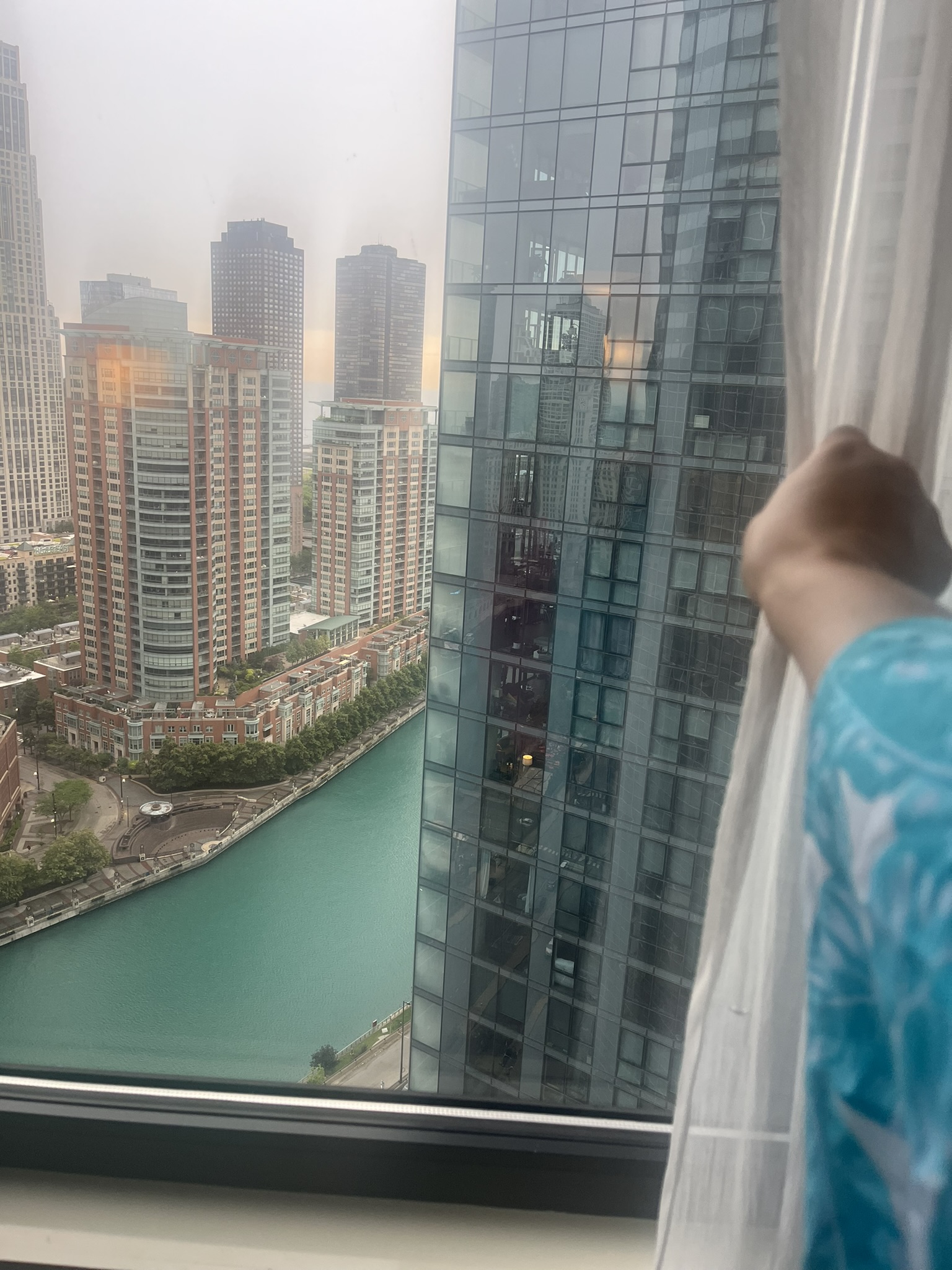
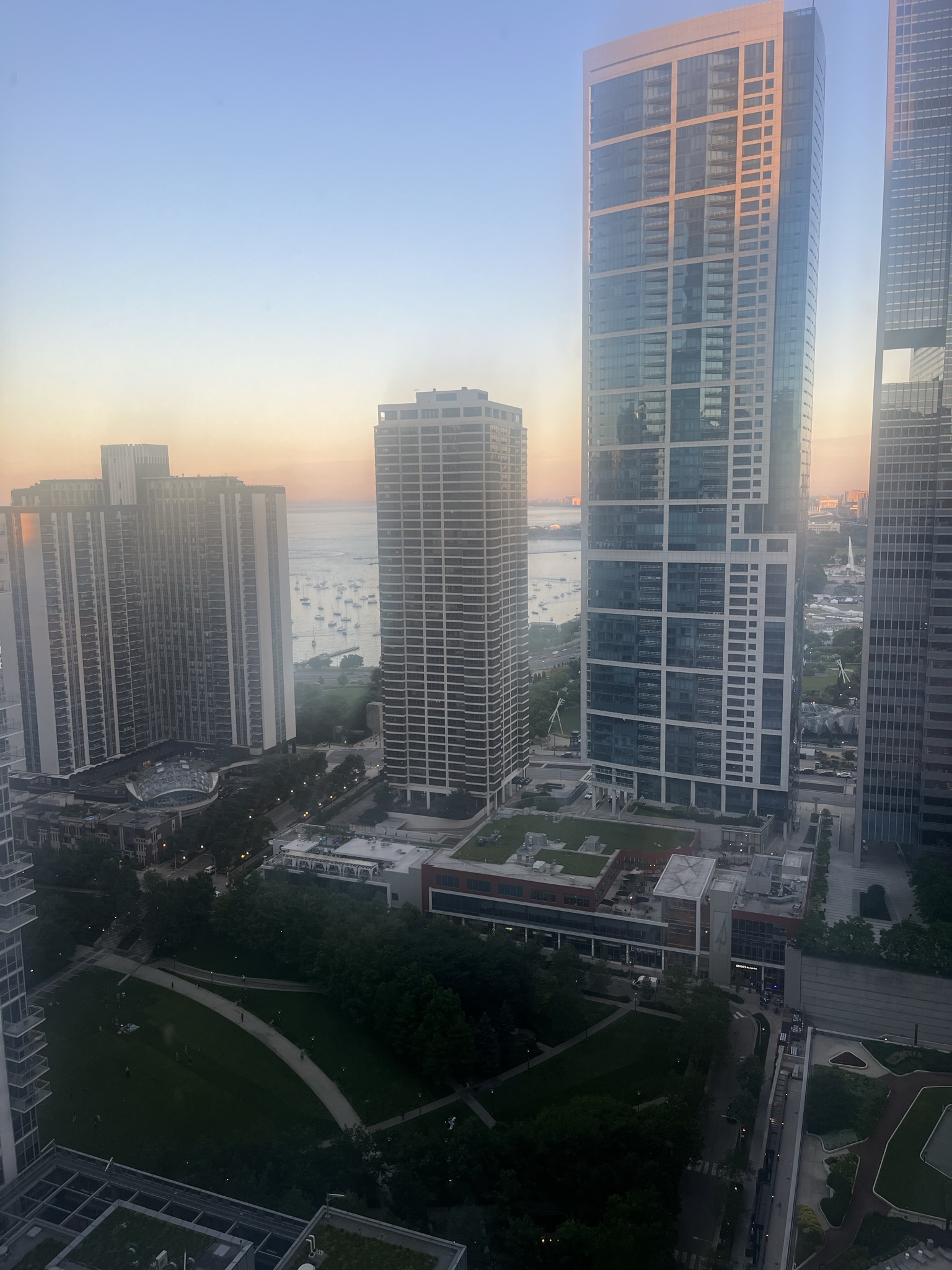
The kids’ favorite part of a weekend in Chicago? “The hotel! The hotel’s fitness center!” Weekending in downtown Chicago with small children sounds overwhelming, but a kids’ suite hotel stay and a family-friendly itinerary ensure a safe, fun, and memorable vacation. Swissôtel Chicago’s kids’ suites are like a sky-high family apartment, with a cozy master bedroom and bathroom, spacious common area and bathroom, and a separate but adjoining bedroom and bathroom for the littles. Plenty of full-wall windows provide a panorama of the Windy City, with views of Buckingham Fountain, the Chicago River, Pritzker Pavilion, Maggie Daley Park, and Navy Pier.

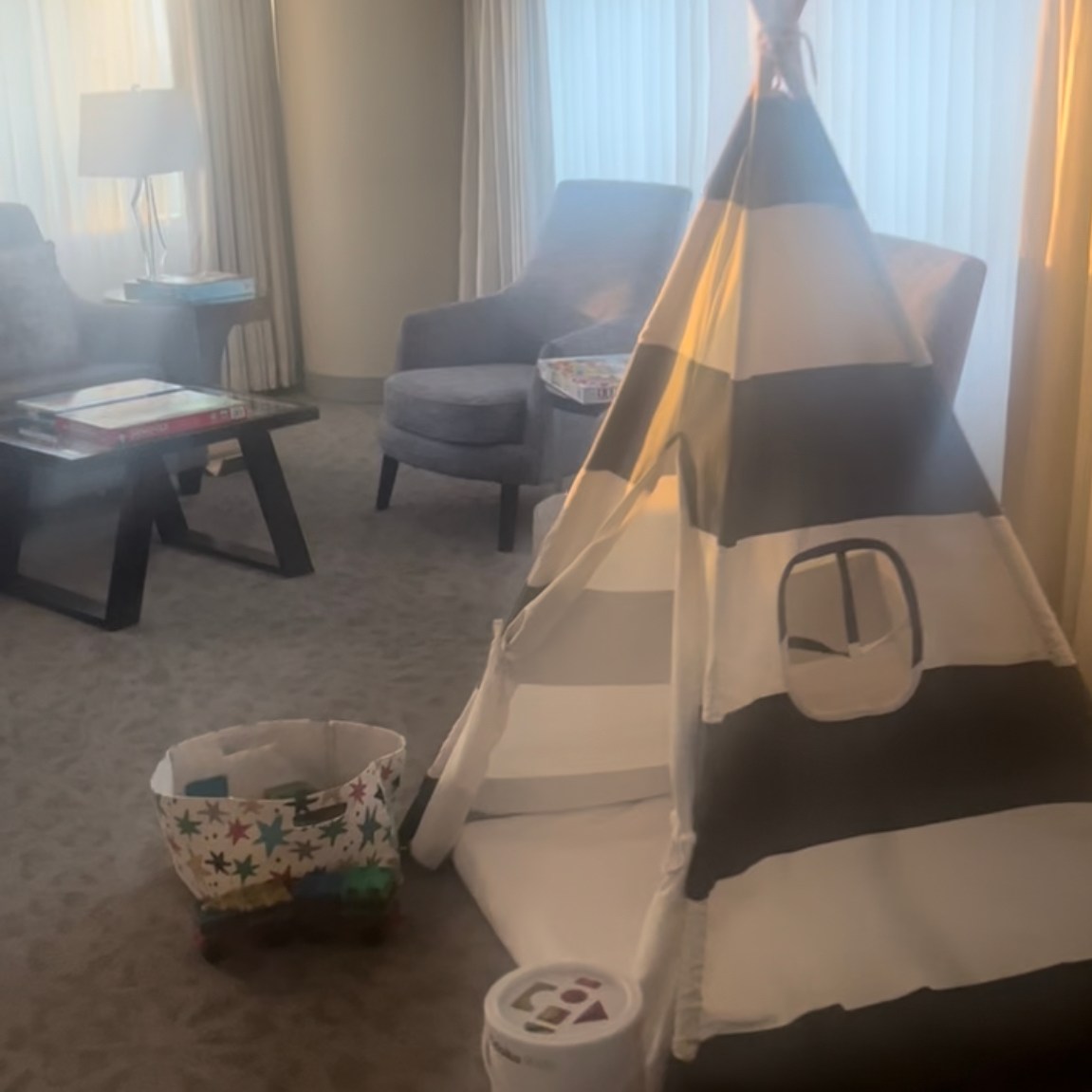
The suite’s shared rooms and kids’ wing are equipped with age-appropriate toys, games, and art supplies to engage and entertain without even needing to turn on the TV. The teepee tent provides a snug hideaway and place to house stuffed animals along for the trip. A giggle-filled game of Twister, marker doodling on fresh paper, birds’-eye boat-watching, and exercising in the huge, clean, and upscale Penthouse Fitness Center—you can enjoy the city without ever leaving Swissôtel!

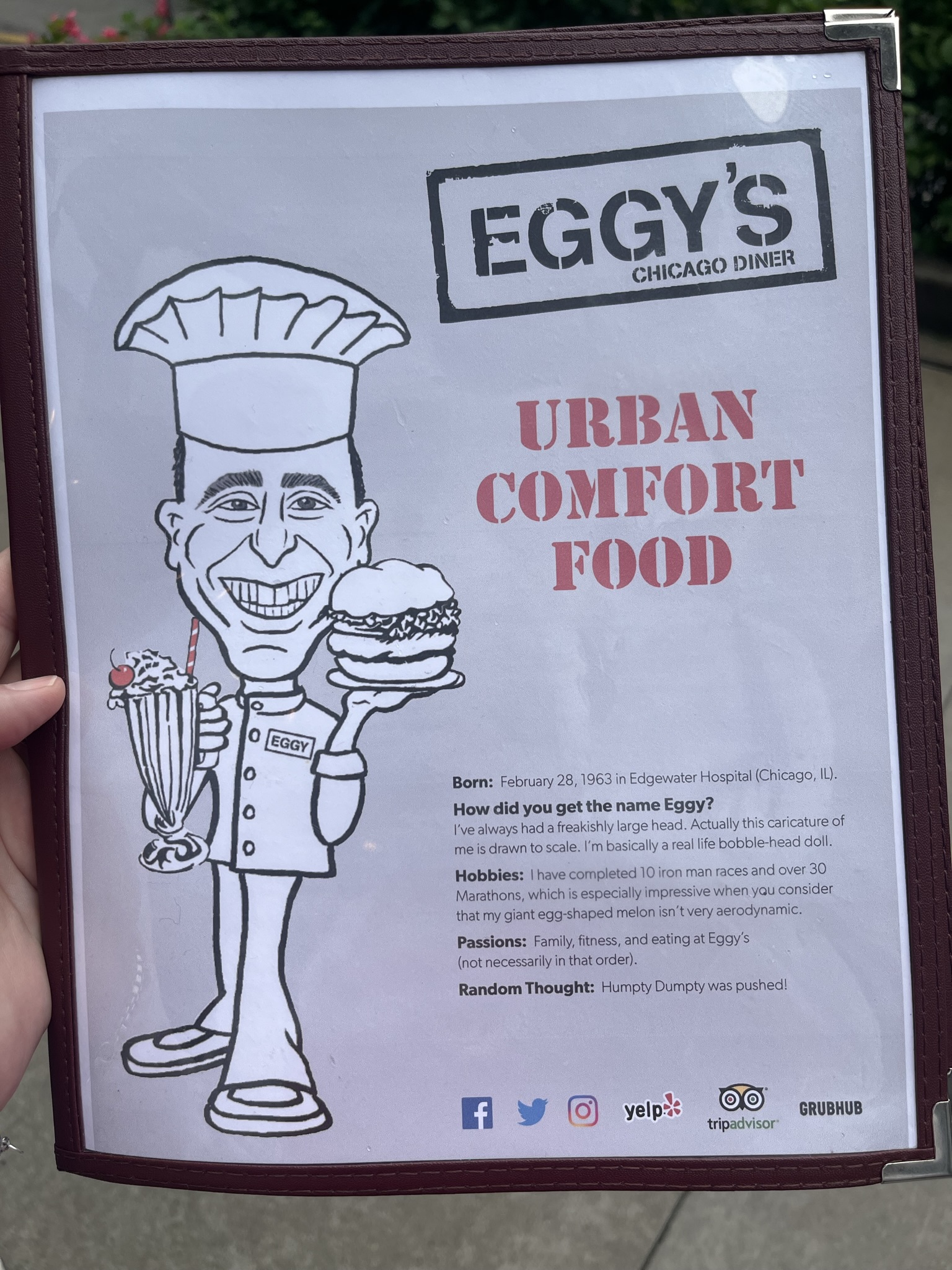
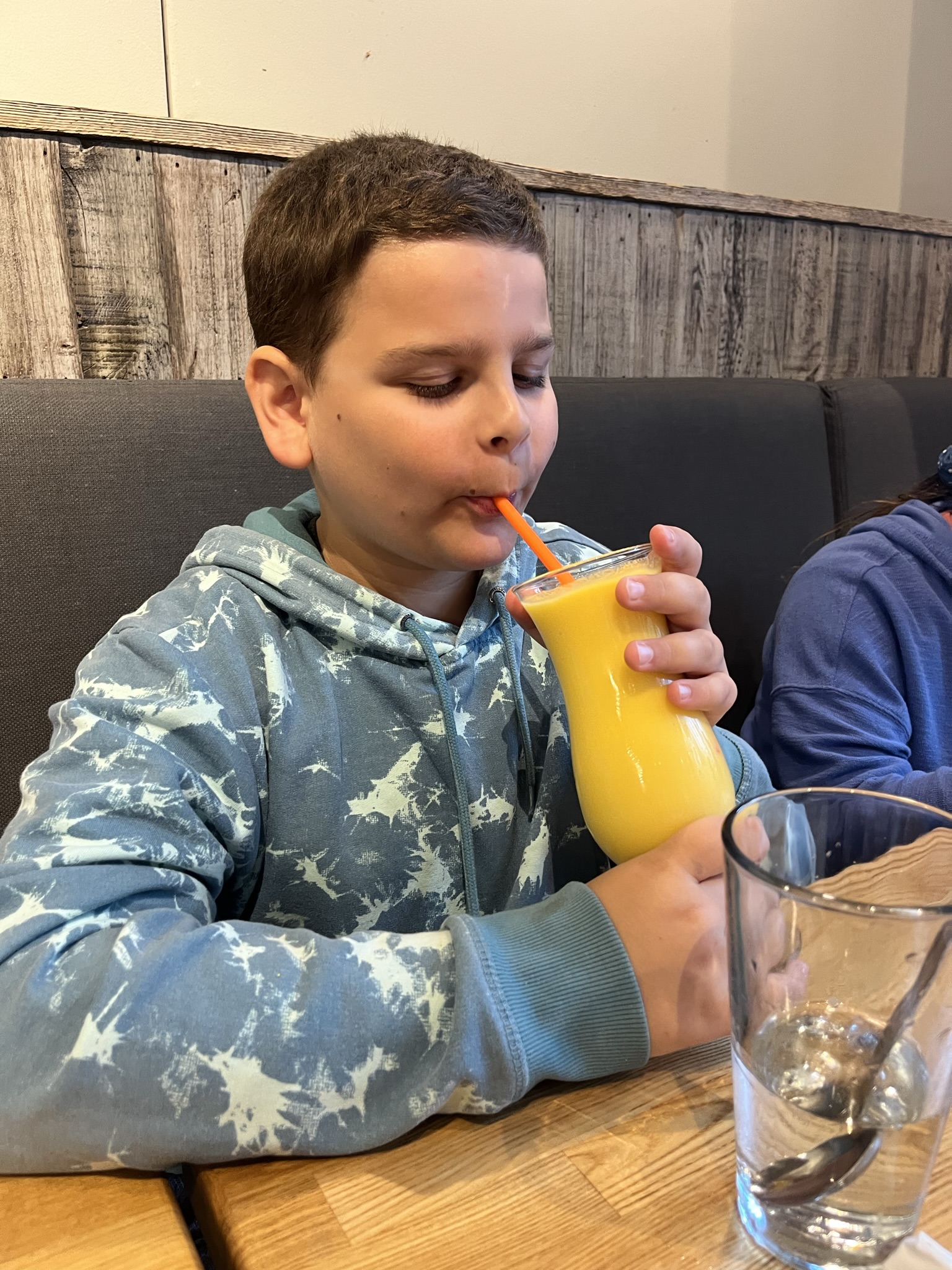
Eventually you’ll need to eat, though, and if room service isn’t your preference, you have plenty of dining options near the hotel. Eggy’s diner at the Chicago-Benton Place location is a 5-minute walk from Swissôtel across a beautifully landscaped park and serves home-cooked breakfast and lunch, coffee and tea, and bar drinks. Milkshakes, fresh-squeezed juices, smoothies, chocolate-chip pancakes, waffles, biscuits and gravy, crepes, skillets, sandwiches, and soups are among the delicious options for feeding a range of tastes. Crayons and a coloring sheet of cute food characters make waiting time seem fast.

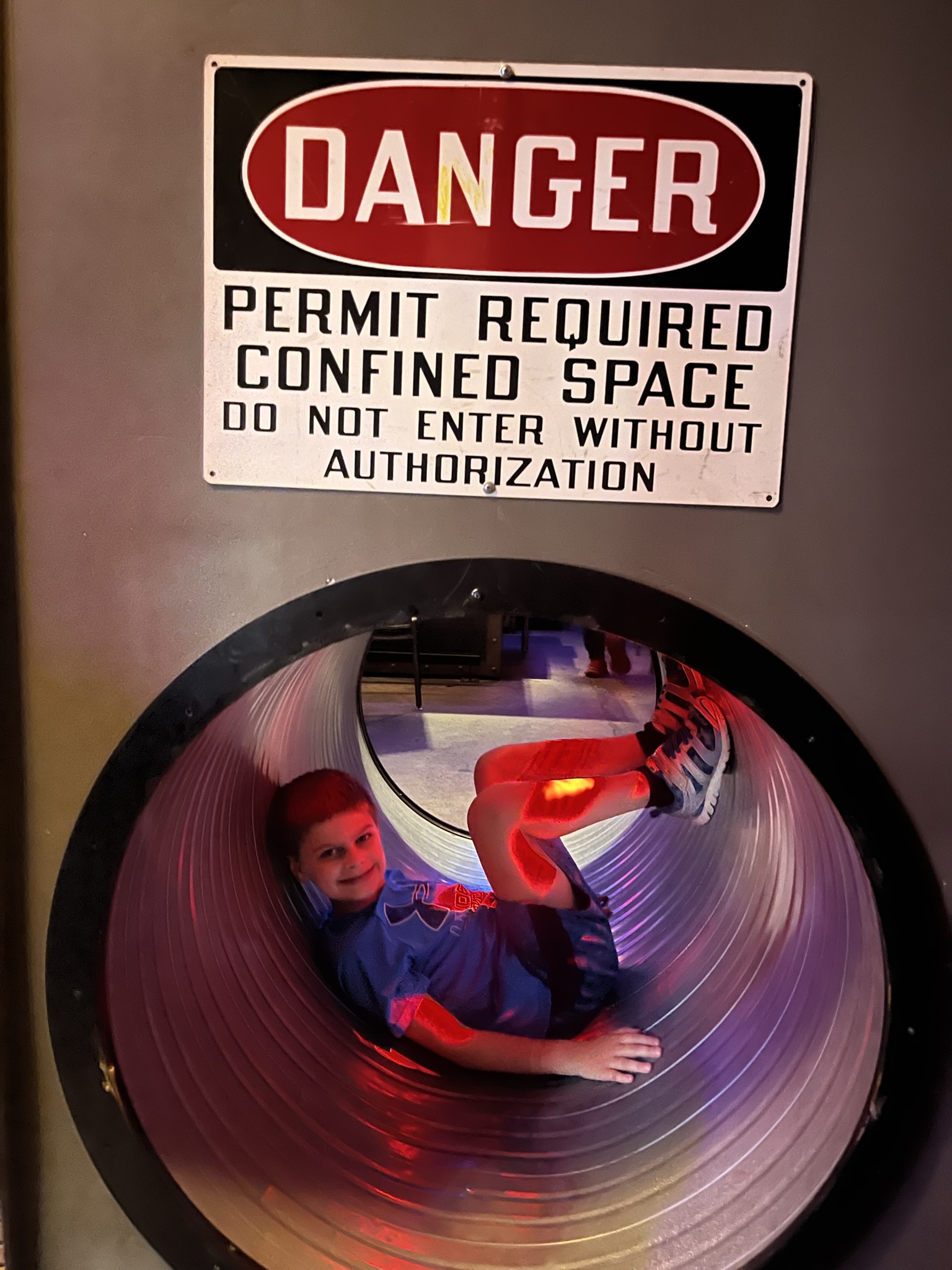
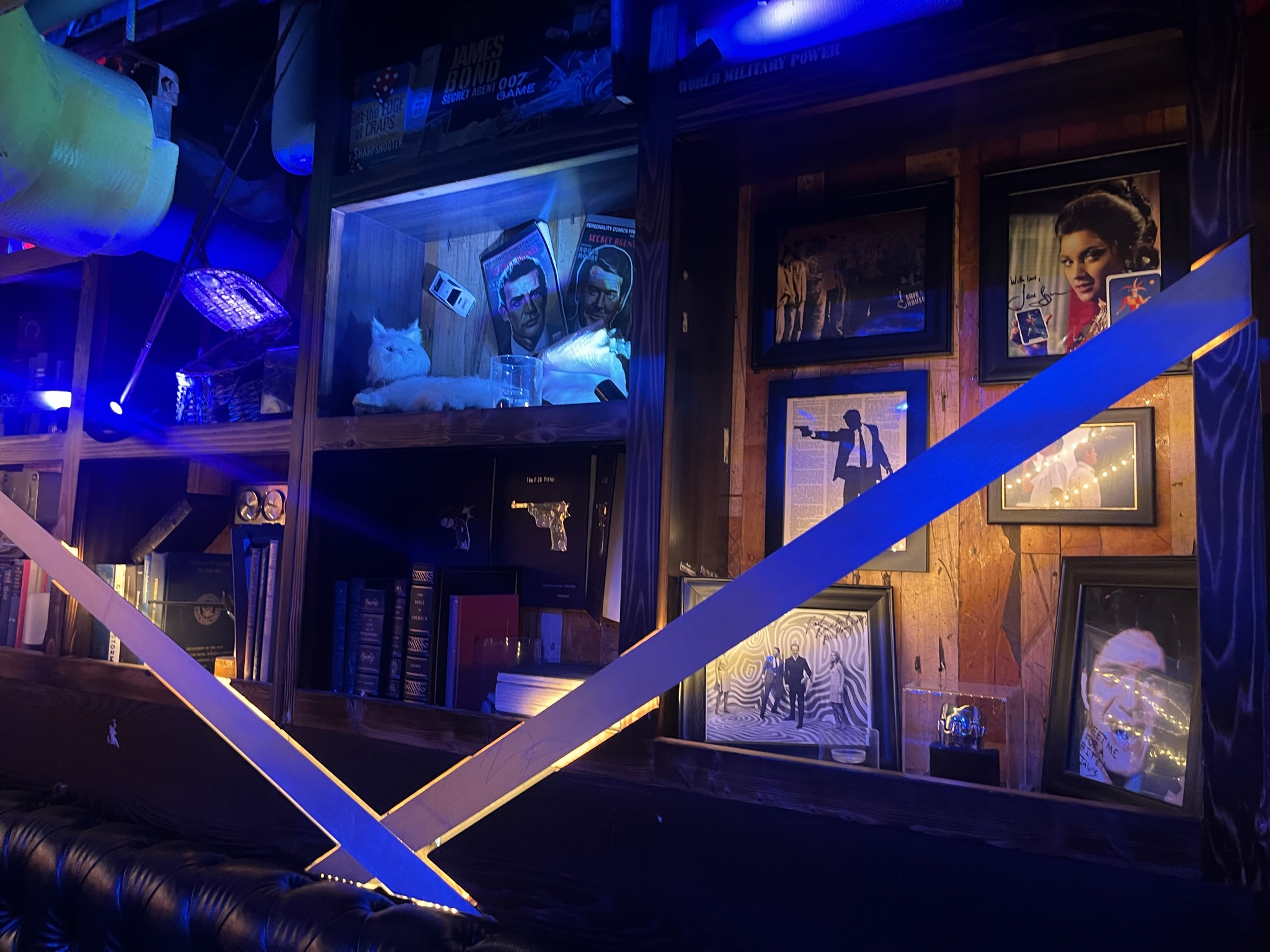
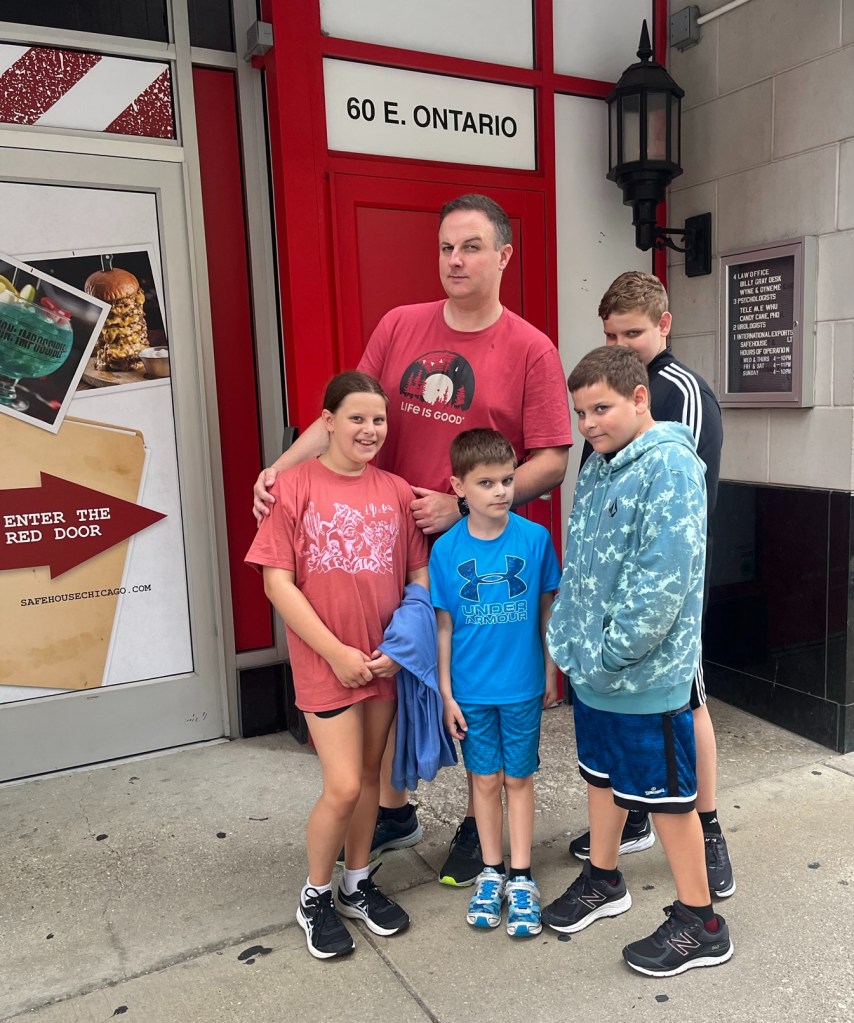
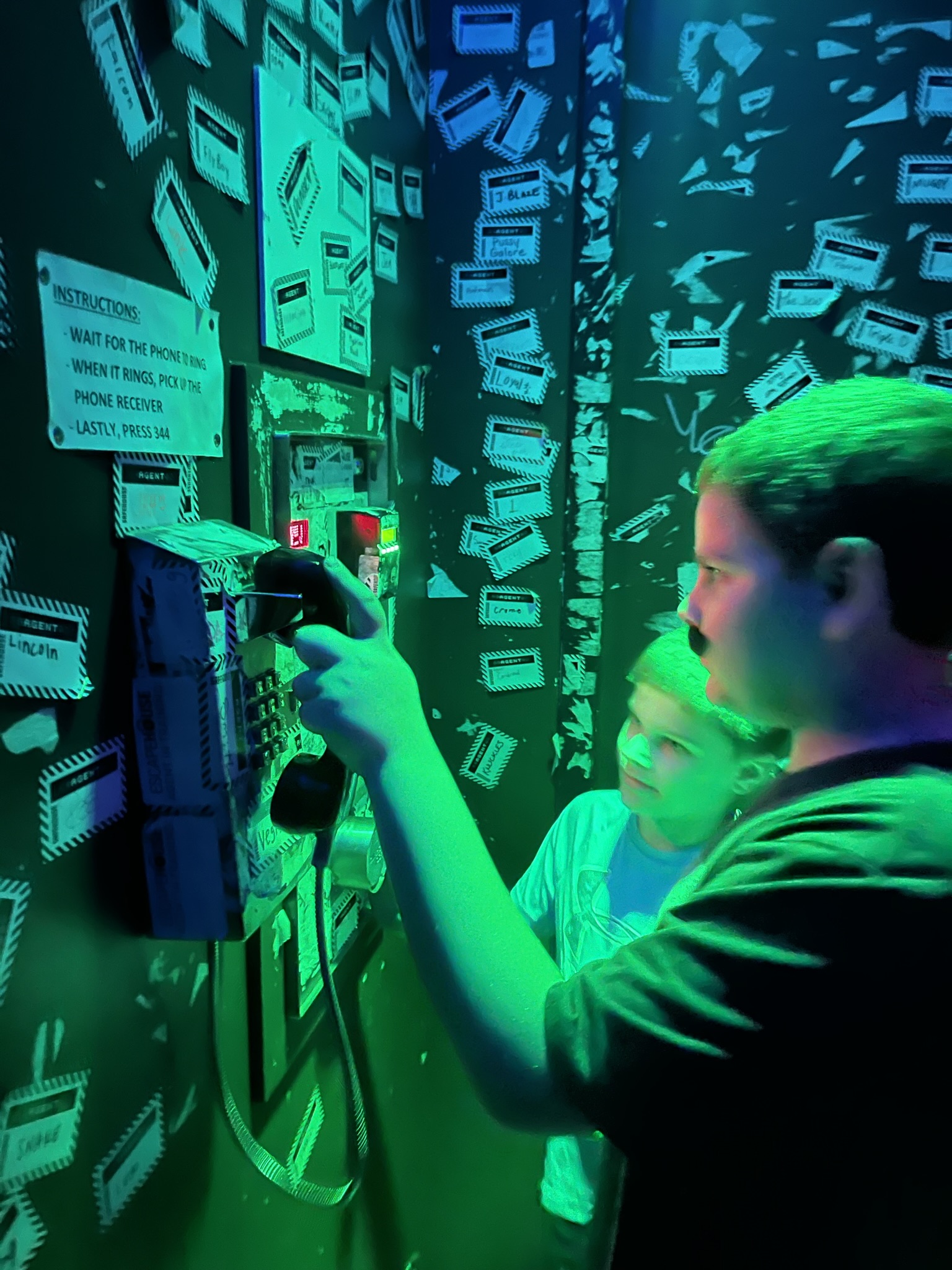
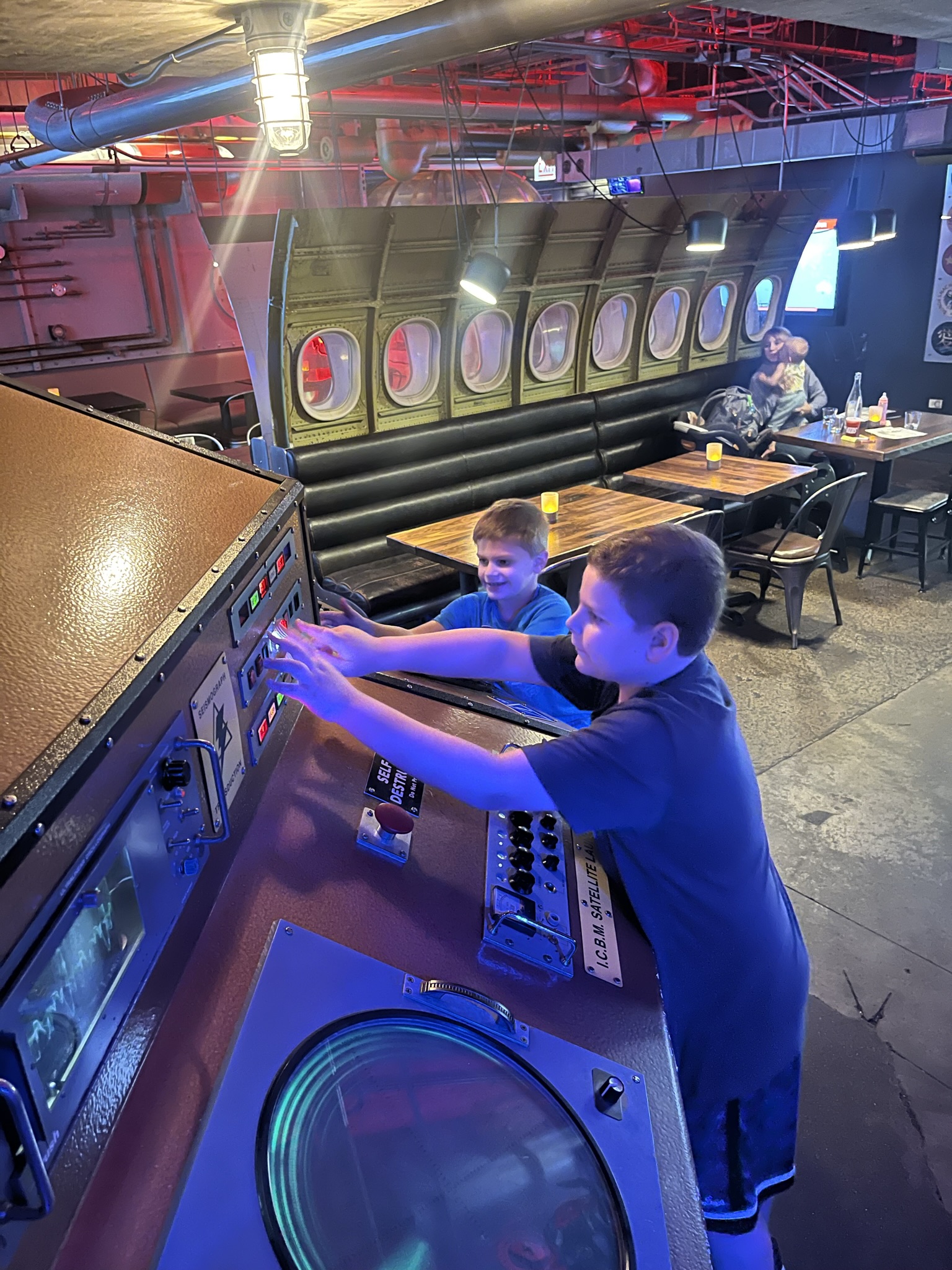
Chicago’s one-of-a-kind spy-themed dining experience at the SafeHouse is a 15-minute walk from Swissôtel down the Magnificent Mile to River North. The Red Door at 60 E. Ontario is the entry point to spy headquarters, where you start in a non-descript office and either whisper the correct password to Moneypenny, the front office “secretary,” or engage in an amusing test to gain clearance. Upon entering the underground restaurant and Interpol Bar, you can make your way through dimly lit rooms to explore spy memorabilia, discover secret rooms, complete a checklist of secret agent duties, climb through a sewer pipe labeled “DANGER,” and email goofy selfies from the photo booth.

Silly surprises like one-way mirrors and alarms await in the bathrooms, and kids and adults alike can play with futuristic tech gadgets and create their own agent names. In-character waitstaff check with “Command” regarding food allergy inquiries and provide junior agents with top-secret disguises (sticky-backed fuzzy mustaches) upon request. Reasonably priced fare includes A License to Kill Mac & Cheese, “007” Layer Salad, Mission Impossible burgers, Camp Stanley Nachos, and Russian Finger Potatoes. Junior Spies can request meals like Goldfingers chicken nuggets, Carmen Cortez mac & cheese, or an Uncle Machete chopped taco salad. Make your escape by dialing a secret code in the hidden phone booth, dodge the maze of red lasers in the dark hallway, slap your agent nametag on the wall, and make your discreet exit back onto the city street.  

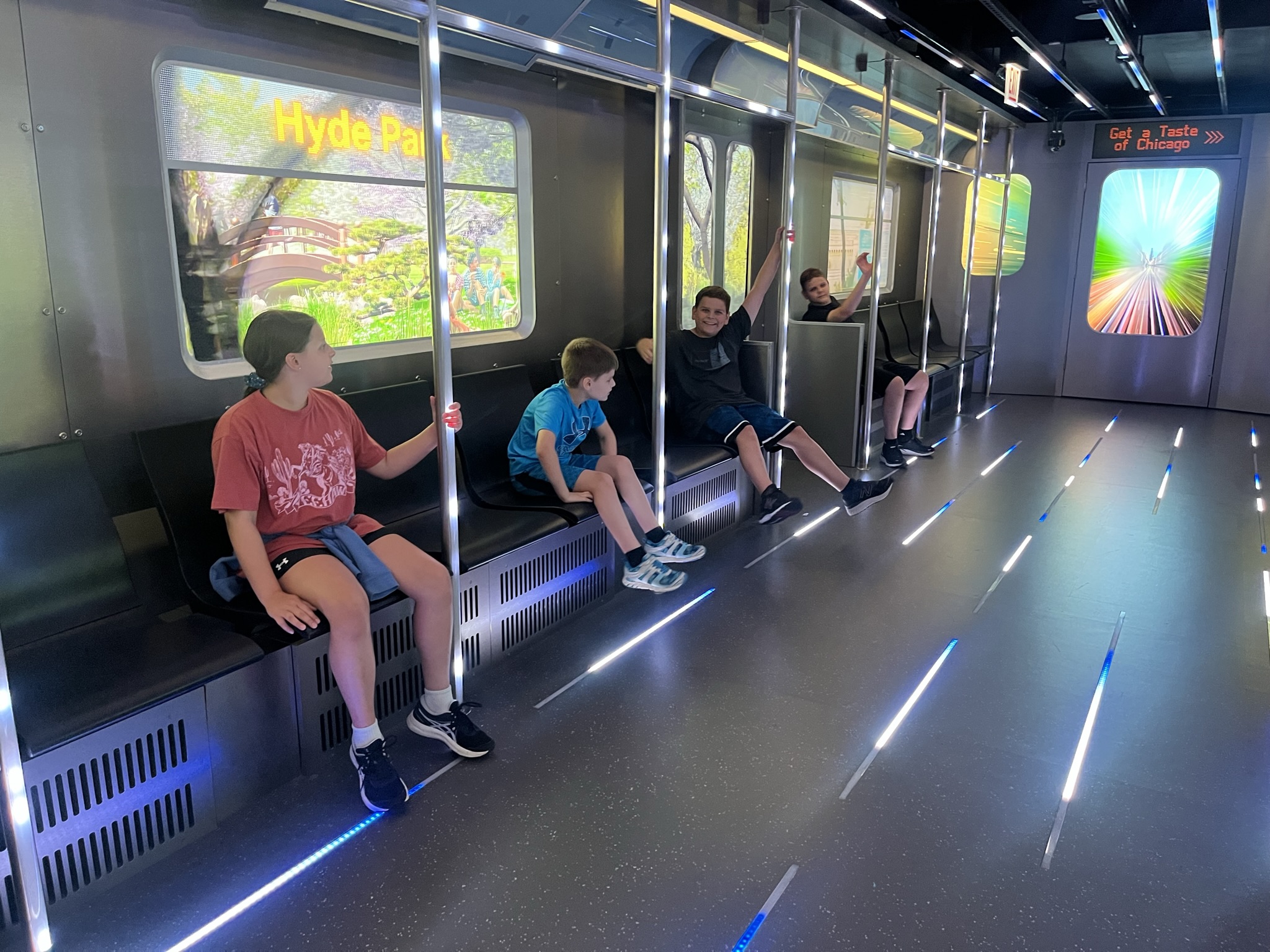
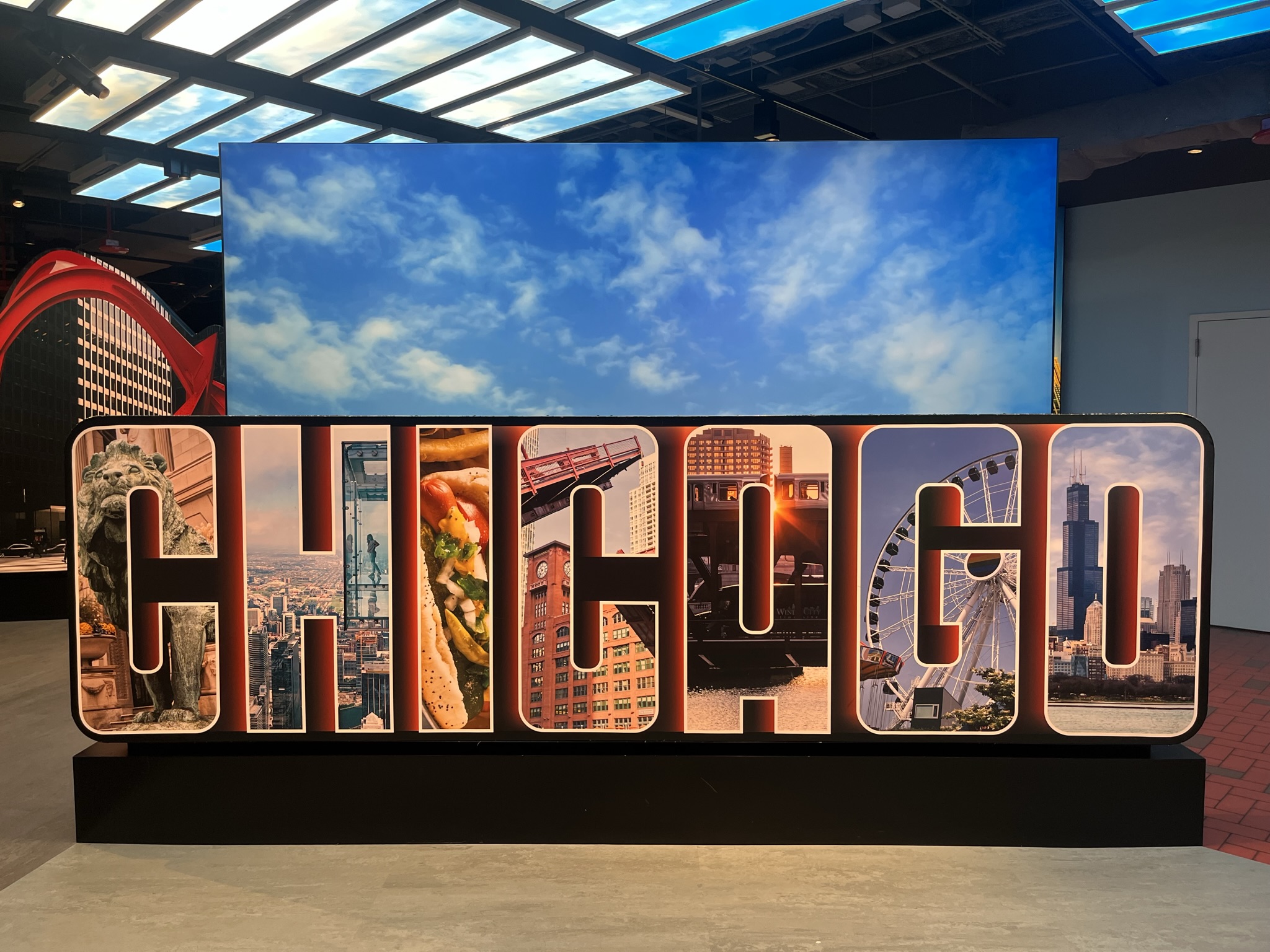
To head from dinner toward an evening at Skydeck Chicago in the Willis Tower, ride the scenic water taxi from the north side of the river at Michigan Avenue to the Ogilvie/Union Station stop, followed by a short walk, or call for a 13-minute Lyft drive. The winding, museum-tour walk to get to the elevator bank displays an artful collection of exhibitions, facts and figures about Chicago, and fantastic photo opportunities—an El simulation with vibrating seats and city scenes sliding by the window; a giant, plastic Chicago-style hot dog and deep-dish pizza to rest on; jazz, Oprah, The Second City, Wrigley Field, Cadillac Palace Theatre, and iconic city scene backdrops to pose in front of. A speedy ride in the elevator (1,600 feet per minute) shoots you up to the skyscraper’s viewing level.

The highest observation deck in the U.S., the Skydeck Ledge juts out over four feet from the 103rd floor—a breathtaking 1,353 feet above the Chicago River and Wacker Drive. View the city below with confidence, knowing that the Ledge can withstand four tons of pressure, hold 10,000 lbs, and is seamlessly constructed using three layers of half-inch thick laminated glass. Groups of guests are given a timed five minutes to step into one of the Ledge booths and take in the view, jump, do handstands, yoga poses—however they want to spend their time in the sky. Some feedback from kids who were initially wary of traveling up so high included, “We’re in the air, we’re super-secure, and we’re looking down 100 stories. It was a cool experience!” and “Well, that was awesome, and I totally don’t regret going on it!” A 1.5-mile Lyft ride or walk brings you back to Swissôtel.

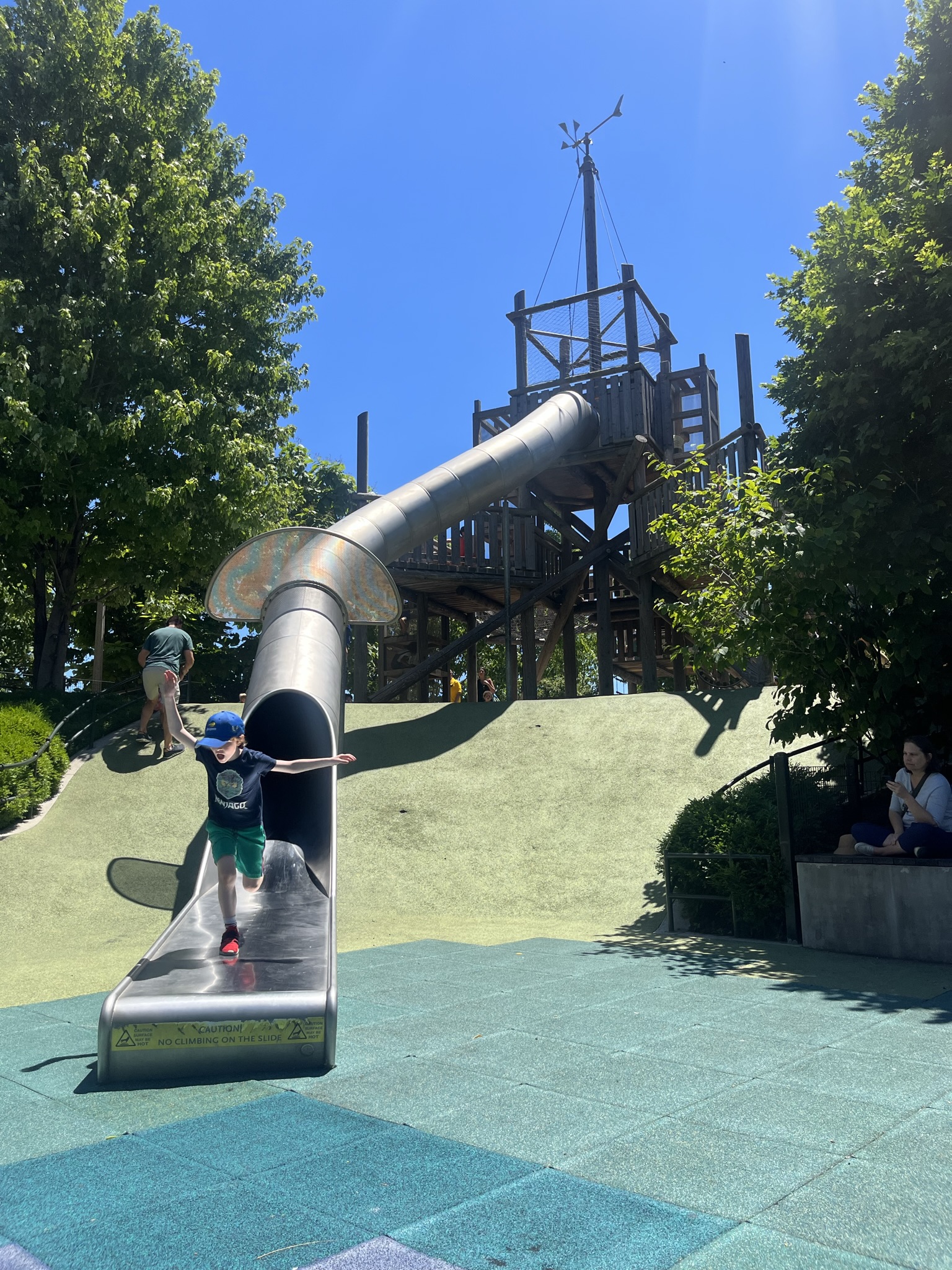
From Swissôtel to the massive Chicago Park District play area, Maggie Daley Park, is a 7-minute walk. The largest free activity is the Play Garden, a series of interconnected, imaginative play spaces integrating landscaping with the sculptures and structures. The Sea area features a large-scale ship and lighthouse tower with ladders, slides, talking tubes, and lookout scopes. The Watering Hole’s animal-themed splash pad includes a shady area with a bench for parents. A Harbor boat play zone, Enchanted Forest sensory exploration pathway, and Wave Lawn of rolling topography and sloped hills offer varied equipment and opportunities to engage all senses and stimulate imagination. Slide Crater’s giant suspension bridge slung between two towers is thrilling to run across while trying to keep your footing. Experience slides of all sizes and formations in this area (although the metal variety can be HOT in the summer sun!). Talk through tubes with others around the structure, rotate knobs to spin giant wheels, and be the lookout at the viewing scopes.

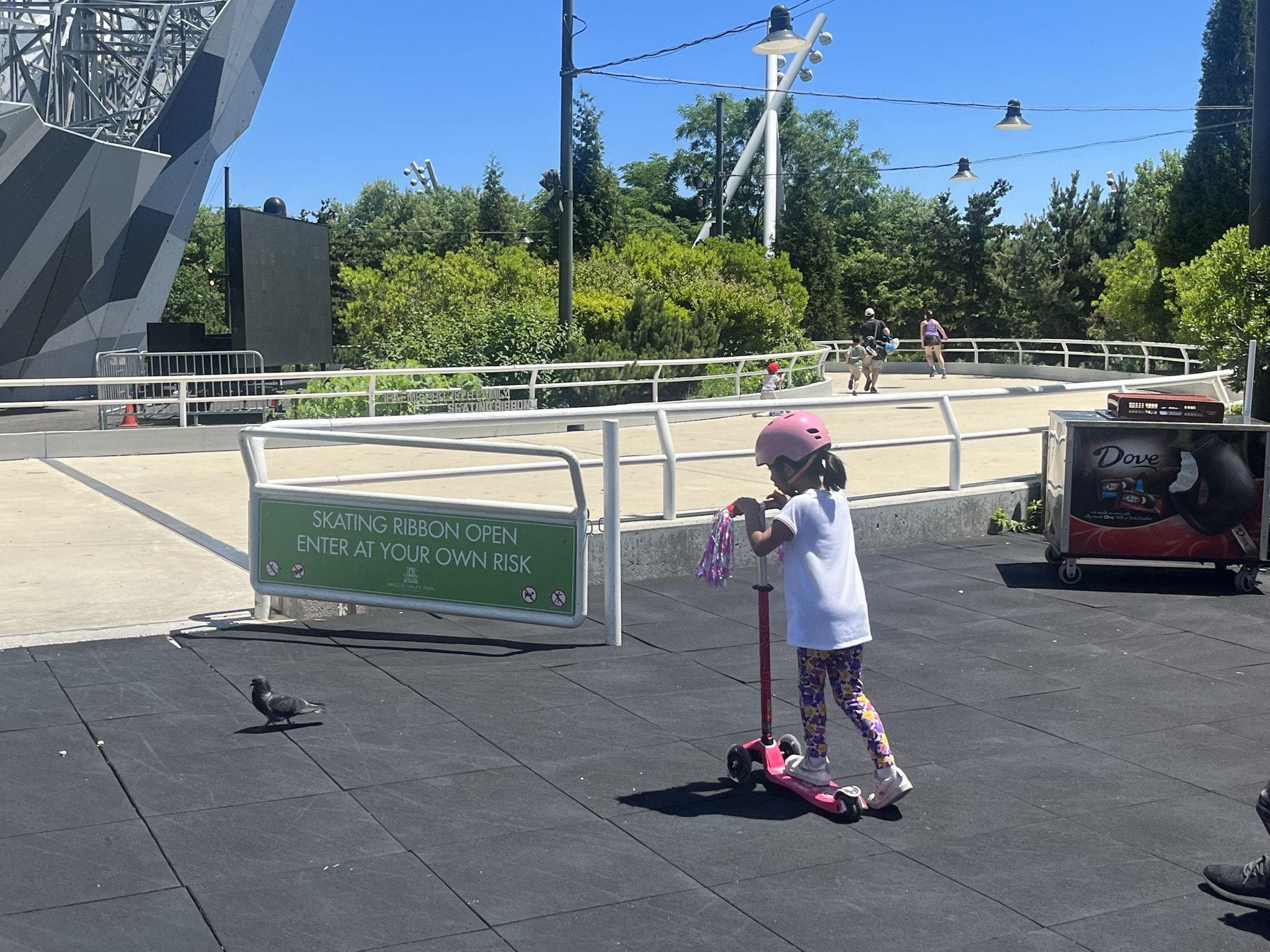
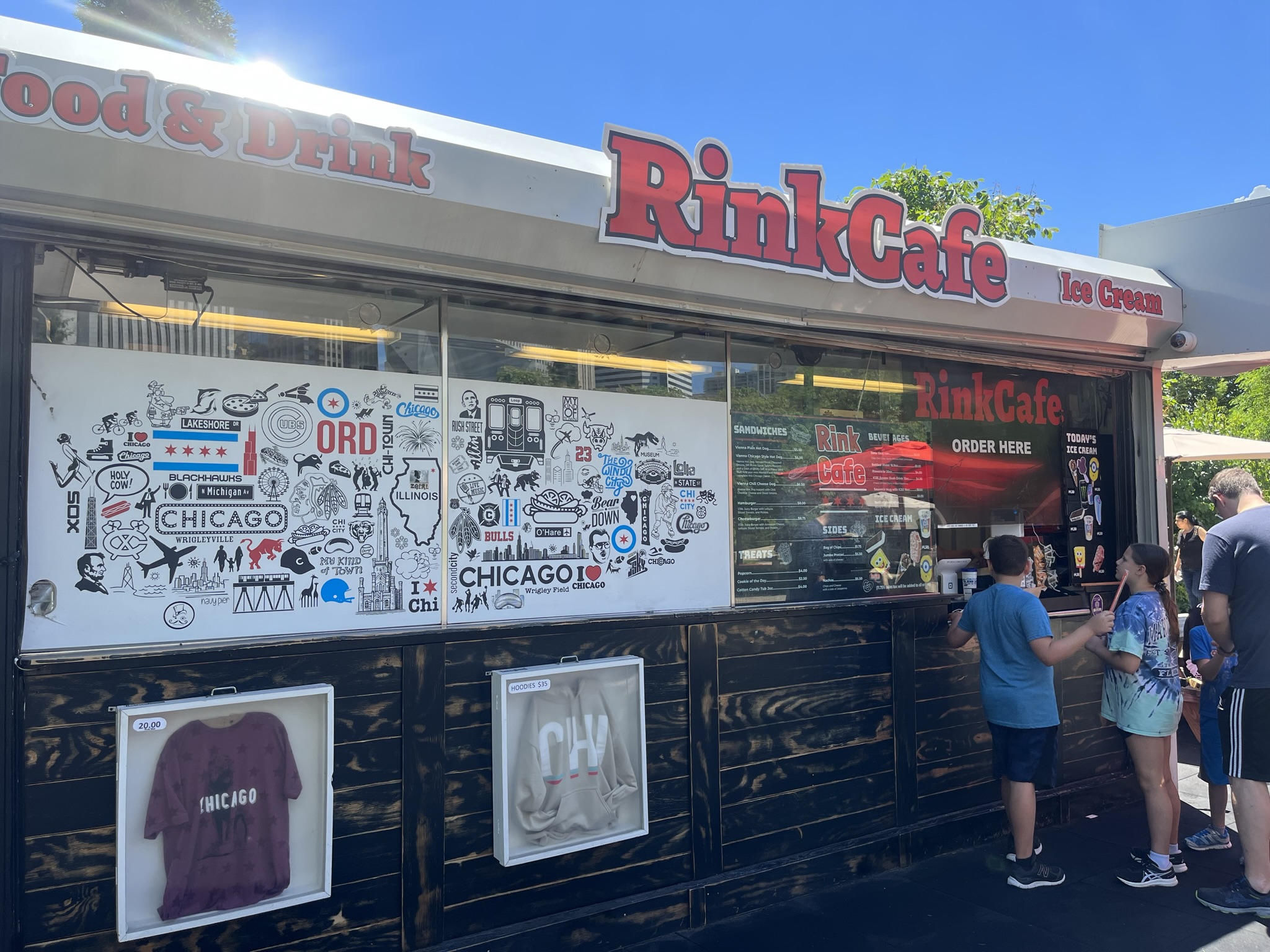
Other free areas include the tennis courts, picnic groves, Cancer Survivors’ Garden, and skating ribbon (rollerblades and Micro scooters are available to rent if you don’t bring your own equipment). For a fee and no reservations needed, visitors of any age can scale the Climbing Wall (shoes, helmet, and harness rental is offered), and kids aged 4-8 can even take a 15-minute climbing lesson with an instructor to assist them. Mini golf and a bungee jump are available for a fee. Conveniently located by the skating ribbon, the Rink Café food truck sells hot dogs, burgers, giant pretzels, ice cream, and other refreshments to enjoy under shady umbrellas.

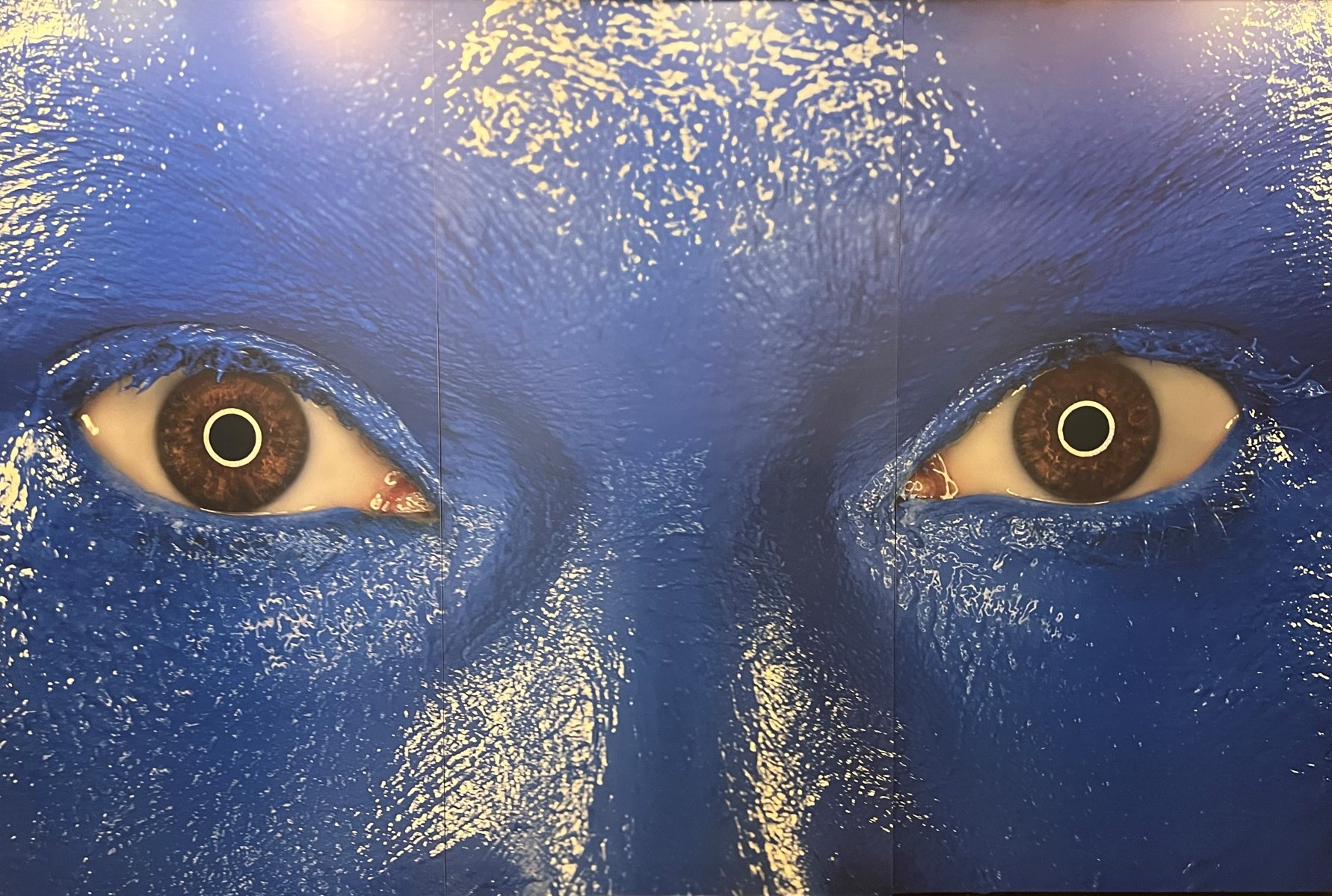
For an energetic, colorful, laughter-filled theater experience, bring the kids to the Blue Man Group at the Briar Street Theatre in the Lakeview neighborhood. While you wait for the show to begin, a scrolling marquee featuring jokes and ridiculous facts sets the tone for the event, warms up the crowd, and encourages audience participation. Through a series of comedic, surprising, awkward, and artful vignettes and instrumental songs involving PVC pipes, paints, lights, water, glow sticks, cereal, remastered instruments, and drums, the talented Blue Man Group cast opens an otherworldly dimension of sensory entertainment that enthralls and mesmerizes. Audience members in the front few rows don rain ponchos as protection from the show’s shower of water droplets, food, and paint. Several individuals were also singled out to participate in the show—on stage or from their seats—in “we’re laughing with you, not at you” situations. There is truly no comparison for this unique performance, and remembering those expressive, endearing blue faces will keep you smiling long after the lights go up.

Back at Swissôtel, the family can order refreshing drinks or nightcaps from the lobby bar and bring them upstairs to the suite, relaxing together in the living area to wind down for the night. A leisurely round of Pictionary or Connect Four or a warm shower under the rainfall showerhead brings an end to the eventful excursion in the city. Watch out the windows as Chicago dims its lights and rests up for a new day ahead.   

Snack Responsibly With Roll’eat

By Alison Ramsey

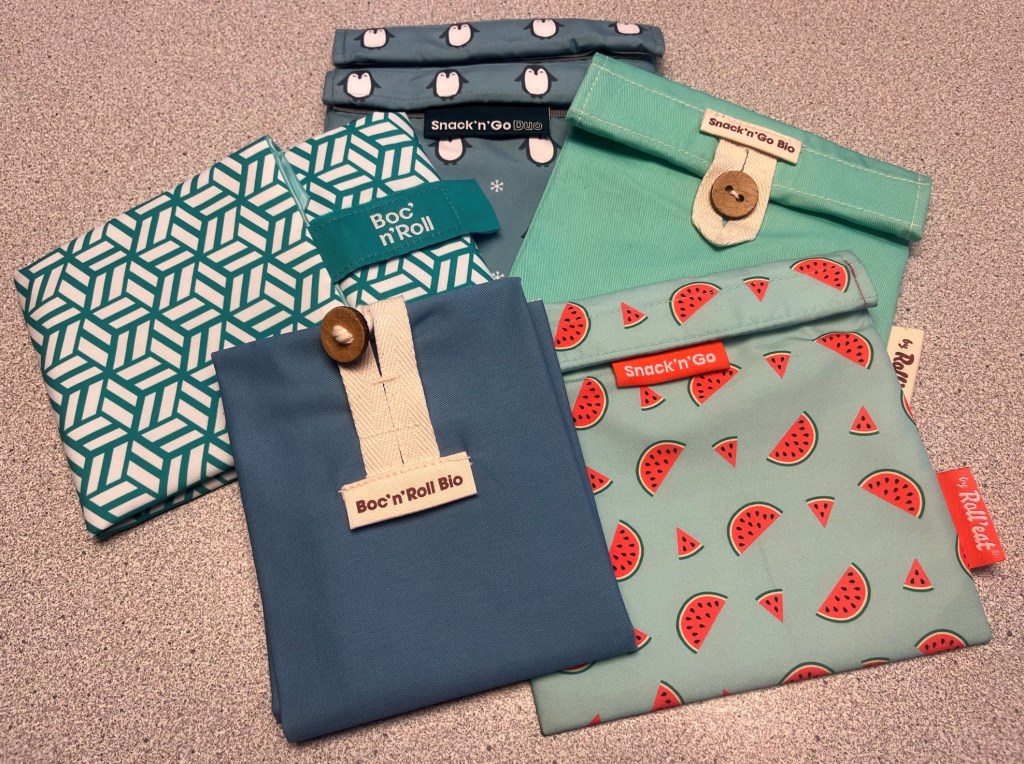
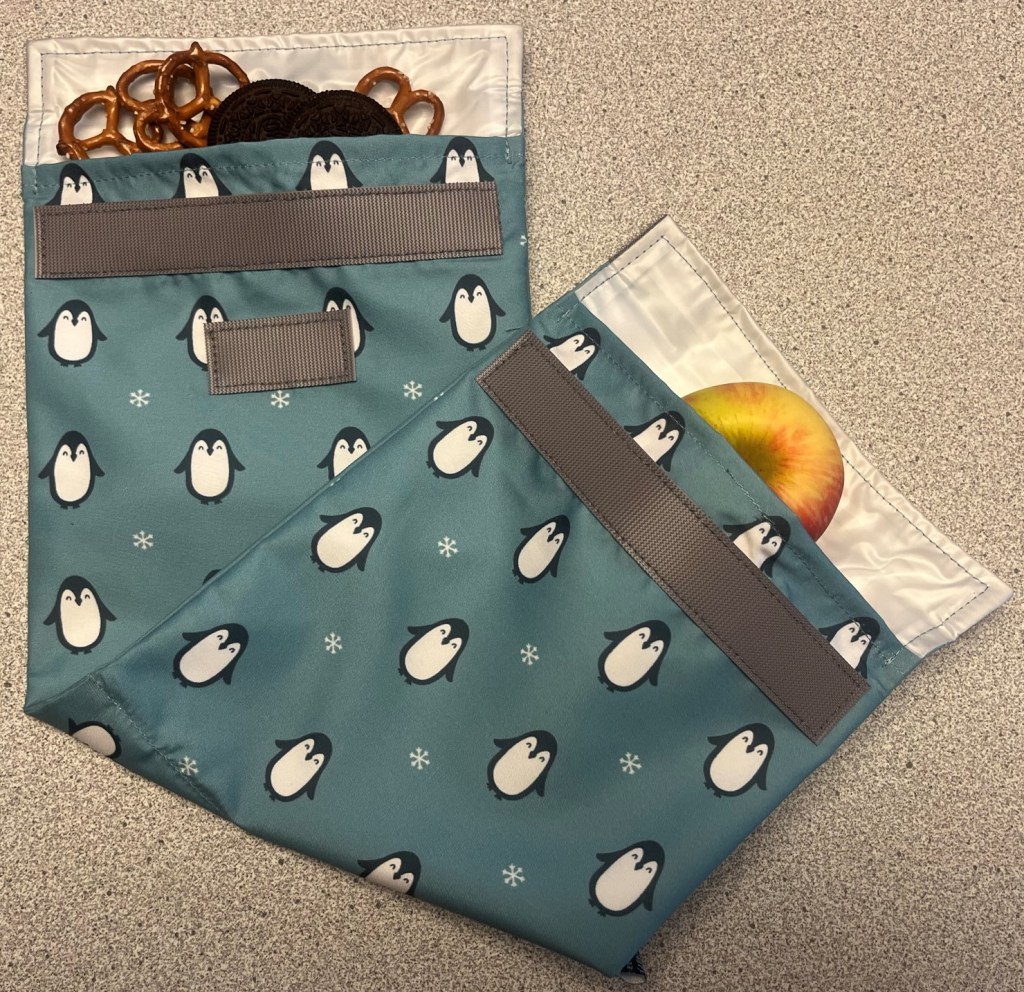
How many plastic sandwich and snack bags do you use in a week? If you pack a lunch and snacks for work or school, probably too many to count! You can help reduce pollution and protect our planet by switching to reusable food wrappers by Roll’eat. These sandwich and snack bags come in a wide variety of fun colors and prints – from animals to fruits to bold solids and flashy patterns, you can pack some personality into your purse or lunch bag!

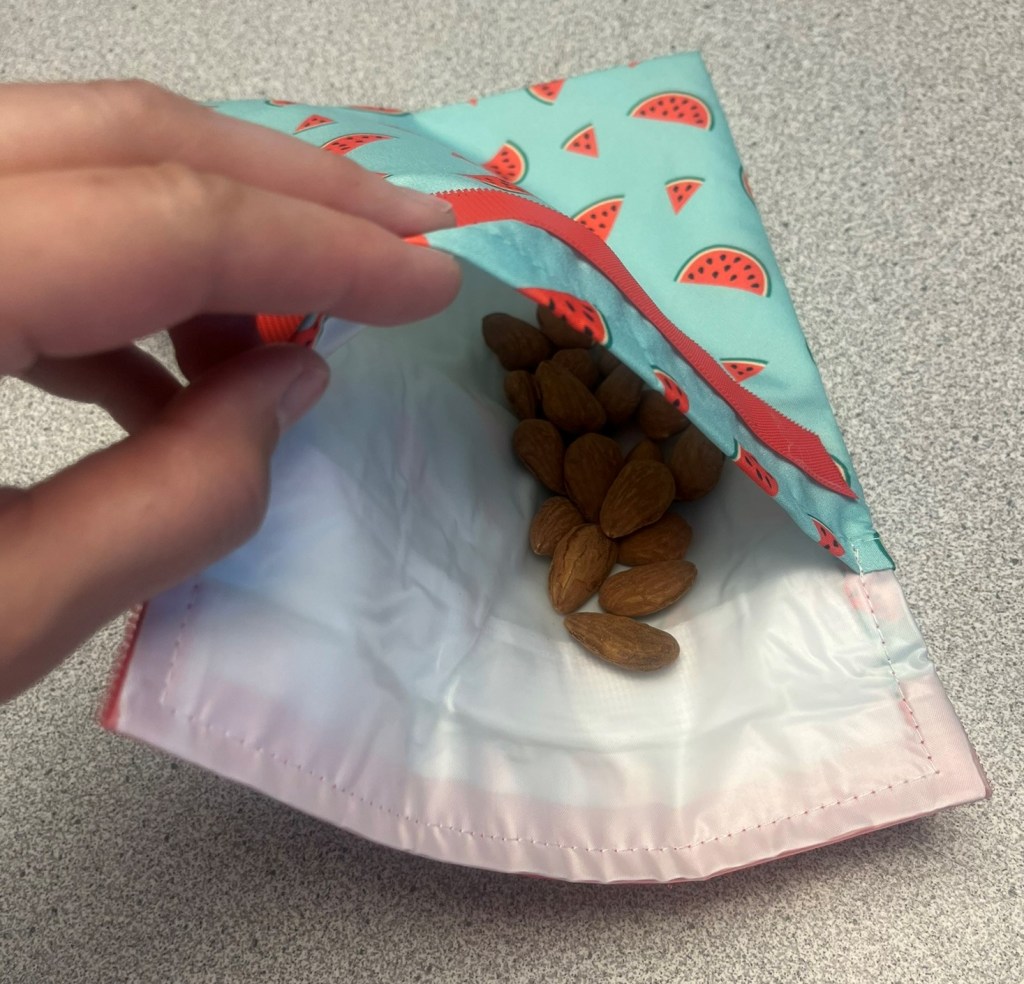
On a recent work trip full of long tours, the hotel’s abundant continental breakfasts were too tempting to ignore. Many colleagues sustained themselves throughout the long days by wrapping mixed nuts or an extra pastry into a tissue-thin napkin in the morning and stuffing it into a pocket or bag. As you know, this rudimentary wrapping often results in a crushed croissant or a pocket of loose, linty legumes. Roll’eat Snack’n’Go and Boc’n’Roll reusable bags are the perfect solution to this problem, protecting your snacks from spilling or squashing, and they provide zero waste!

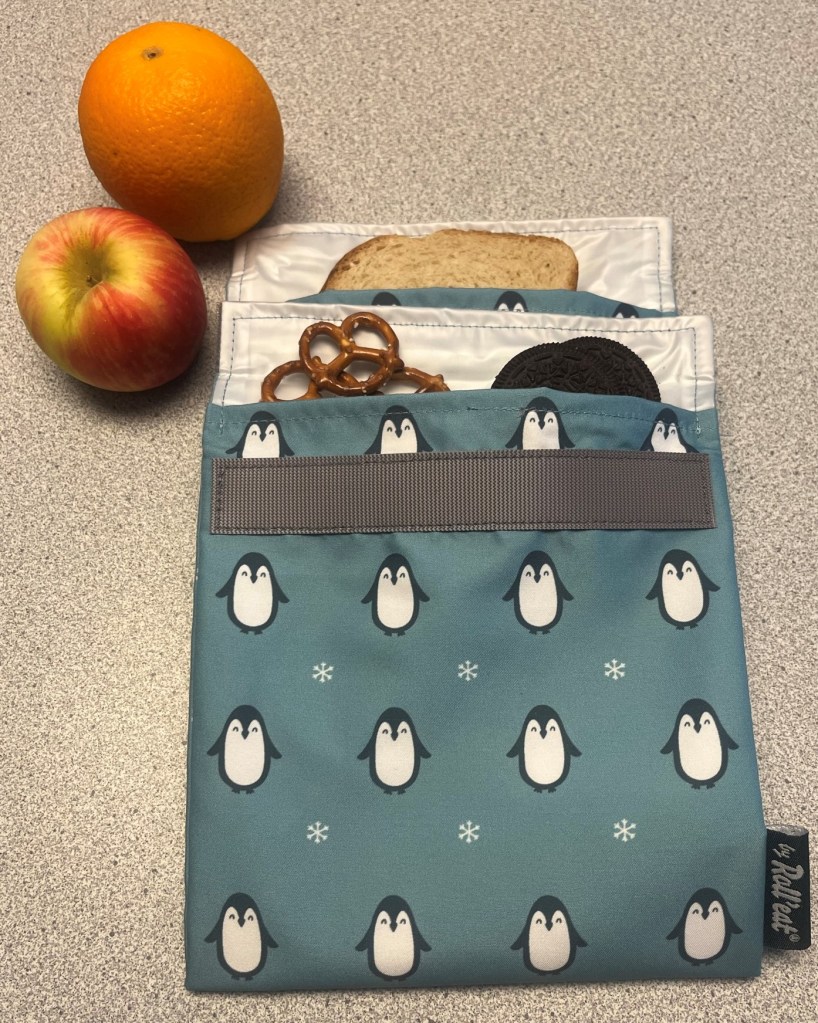
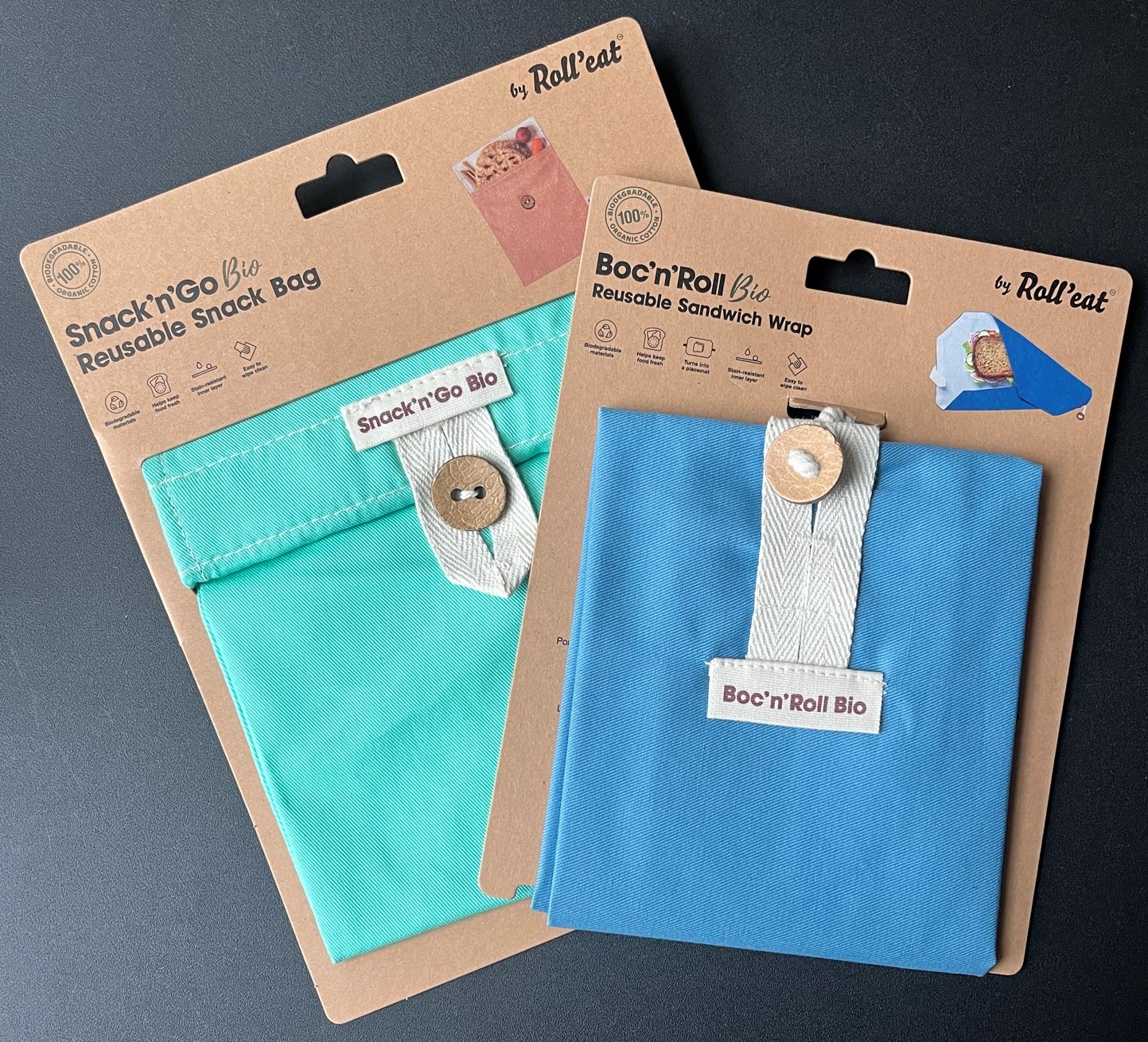
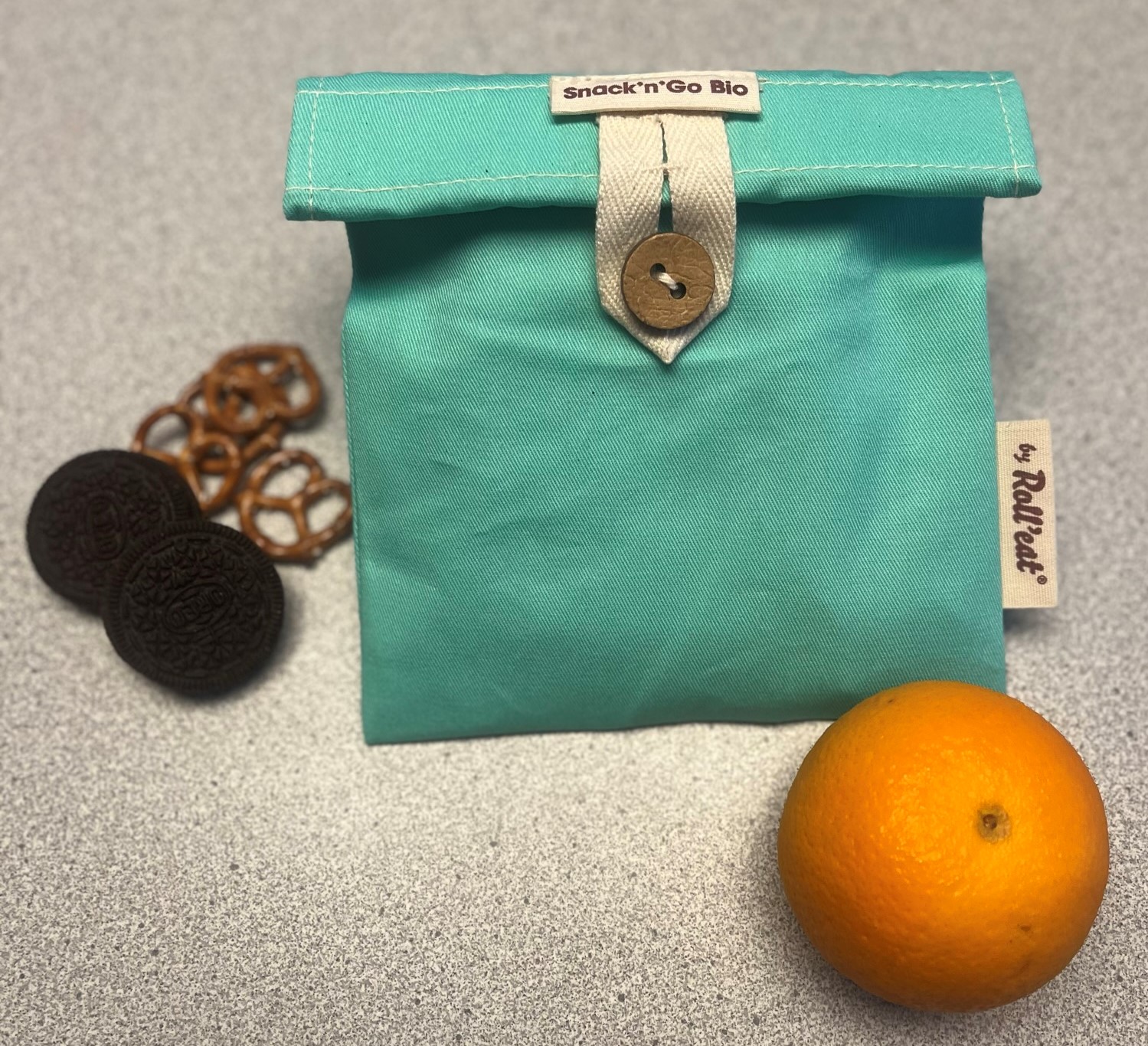
The eco-friendly Snack’n’Go is a 7”x7” soft pouch with a durable upper closure and a leak- and stain-resistant inner layer that ensures your snacks remain fresh. The double-layered fabric can be wiped on the outside and inside with a damp cloth or washed in the washing machine, and the bags can fold down to a small size for easy packability. They are lead-free, BPA-free, and hassle-free for life on the go. There is even a Snack’n’Go Duo that features 2 pockets, so you can slip a saucy sub sandwich into one and some crunchy munchies into another, keeping your food items separated.

Roll’eat bags also give you the option to pack healthy food from home instead of relying on junk food from vending machines or supporting the production of pre-packaged, high-calorie snacks. You can snack on fresh, natural foods that support better health, while using a snack holder made of materials that don’t cause harm to your health or to nature.

The Boc’n’Roll sandwich holder opens flat to turn into an ~18”x13” placemat, protecting your food from dirty surfaces, and it can fold compactly, depending on the food you’re enclosing. I am one who loves wrapping gifts, and each use of the Boc’n’Roll is like preparing a colorful present to open later! You place your sandwich in the center and fold up each side over it until easily securing it with a button or strip of fabric fastener, depending on the model. The fabric is beautiful and tough, but please don’t use sharp utensils around it or try to cut a sandwich in half on top, to avoid puncturing it.

The Bio line by Roll’eat is 100% biodegradable and sustainable. The fabric of these is an organic cotton canvas in solid colors, with a natural wooden button enclosure. These compostable materials are manufactured using fewer fossil sources and will eventually decompose faster while using less energy than other materials – another chance to be kind to Mother Earth and reduce negative effects.  

Reduce harmful waste, promote environmental awareness, choose a responsible lifestyle, pack healthy foods – Roll’eat bags help you do all of that while adding style to your snack life! Please visit RolleatUSA.com to shop the collection and learn more about the Roll’eat mission and impact.

“Think eco, be smart!”

Travel With Kids

Photos courtesy Travel with Kids

ET: How many times have you taken your kids along with you on a foreign trip, and where?
 
The kids have been traveling with us since before they could walk (they are 10 and eight now), so on many, many trips to places like the British Isles, France, Italy, Greece, Peru, Costa Rica, Alaska, Florida, Mexico and the Caribbean.

ET: At what age do you feel it’s worthwhile for children to be taken on an overseas trip to Europe? Please explain your reasoning.
 
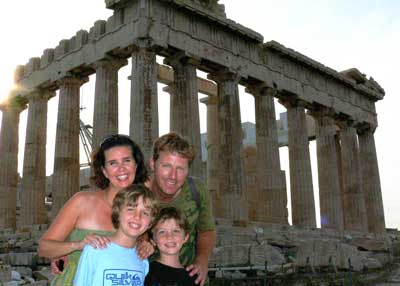
I think each age has its own benefits and drawbacks.  When they are babies they are easy to travel with (before they can walk) and babies seem to open up a whole new door with the locals…you will meet other parents and talk about universal issues and be introduced to a whole different world than a typical traveler…people love babies! The drawback is babies come with a lot of gear and long overseas flights can be tough with a crier.  Toddlers are fun to travel with because you see things entirely differently. They are fascinated by everything and leave nothing unexplored.  What we might see as a famous monument a toddler might see as a cool worm inching its way across a stone surface.  It gives perspective to things and adds a playfulness you might not get with older kids. However, toddlers can be unpredictable, and you still have to deal with added gear and schedules.  My favorite is school-age kids.  They still see things differently: our boys spent a good 20 minutes watching an ant carrying a toothpick across the Parthenon last summer, but they are more able to comprehend the historical and cultural significance of destinations.  They are learning about the places in school and they bring that with them as well. Plus, they don’t have as much stuff, and are able to carry their own bags and they actually want to spend time with their parents still.  The drawback is that they are in school, so homework has to become a part of their trip as well.  Pre-teens and teens, depending on what stage they are in, can still be excited by exotic destinations, especially if you put an adventurous spin on it (i.e., zip lining through the Amazon, hiking the Inca Trail), but they are harder to impress and a mopey teenager can put a damper on the vacation for everyone.  But, don’t let this stop you, as they will appreciate it later, and it gives them a global view on life that many kids their age don’t have.

ET: Language differences may or may not be a big barrier to children on a trip to Europe when accompanied by their parents, especially when the children are younger. At what age do you recommend children study the language before they travel overseas, and how might they best learn a language, say, when they’re going over for only a week or two?  
I always encourage travelers of every age to learn at least a few words in the country they are visiting.  Saying “s’il vous plaît” in Paris will get you a much warmer reception than instantly assuming everyone knows English.  And its fun for kids to practice the language with local kids.  It is by no means necessary. There are very few places on earth that you can’t find at least one person who speaks English. However, if you plan on getting far off the beaten path, I would suggest a phrase book.  There are lots of smart phone applications available as well now.  We usually download one of those and practice a few key phrases in the weeks before the trip and while we are on long plane or train rides.

ET: Are there some things that are vitally important to take with you when you take younger kids along, that you may not find in Europe?
 
For the most part, you can find anything in Europe that you will need supply-wise.  If there is a specialty item that is unique to your child, you may want to bring that…for example, a certain diaper rash cream for kids with sensitive skin, or a formula that your child needs.  Also, any prescription medications.  But don’t be afraid to try local things as well. Europe has lots of independent companies producing natural kids’ items that you can’t find in the States.

ET: What about the added expense by taking kids with you to Europe? Does it cost a lot extra to travel around, lodge and feed them?
 
Airline tickets are the main extra expense.  Big hotels will be able to accommodate most small families in a regular room without additional expense. Booking a condo/apartment helps save on lodging costs and gives extra room for the while family to spread out. Plus, the kitchen can help save money on eating out. We usually do breakfast and sometimes lunch or dinner in the condo, but we like to eat out as well to get a feel for the local cuisine. 

ET: Food. What do you suggest about finding “kid foods”– good, nutritious food at reasonable prices when overseas?
 
Go where the locals go. You don’t need to spend a lot to taste the local cuisine.  The kids love street stalls. too. Just make sure to ask for guidance from locals to avoid getting sick. Crepe stands in Paris, panini cafes in Italy, pasty shops in England…all these foods let you get a taste of real local foods at a fraction of the cost of a sit-down restaurant.

ET: Can you recommend some special “kid-friendly” hotels in Europe, or cities or attractions that seem to especially cater to kids?
 
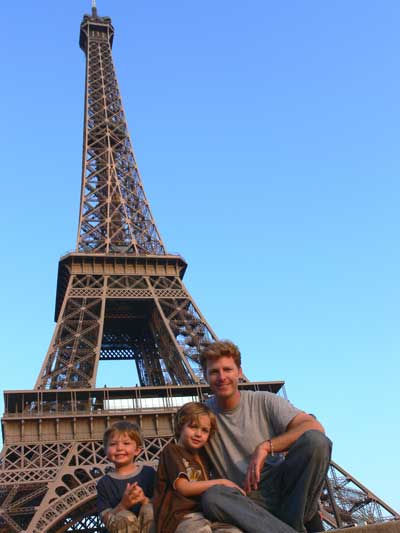
It’s not always the cities you would think that are exciting for kids.  There doesn’t have to be an amusement park to interest kids.  Our kids were fascinated by Venice, a city many people would not think of taking kids to.  They loved taking the boats up and down the canals and wandering the tiny streets.  Big cities are fun for kids, too.  Paris and London are on the top of our kids’ destinations list.  They love riding the tube and double decker buses and visiting big time attractions like the Eiffel Tower.  Really anything can be interesting to kids if you prep them for it.  Learn about a destination before you go.  The kids learned about gladiators and Rome before we went to Italy, and it really came to life in Roman ruins all over Europe.  They had a blast pretending to be gladiators in colosseums from Wales to Rome.  Walks Inside Rome had a great tour with history on a kid’s level and a visit to Gladiator School…the kids learned from “real gladiators” how to fight with swords and defend against wild animals. Very fun! Many attractions have kid versions of audio tours, scavenger hunts, or something to engage kids. Just ask. If they don’t, you can always make your own. When the kids were younger (ages 5 and 7) we visited the Louvre. I was worried about keeping them interested, so I printed out pictures of some of the more famous exhibits and sent them on an art treasure hunt.  They had a blast, and even enlisted the security guards to help them, and we enjoyed extra time at the museum.
 
As far as hotels go, apartment rentals are always great with kids.  The apartments are often in local neighborhoods, so you get a better feel for local life.  We rented apartments from Frenchy Rentals in Paris, a villa in Tuscany from Italy Perfect and apartments in Rome from Parker Villas.  When we are staying in a hotel, we try to stay in family-owned, smaller hotels.  These are usually located in the more culturally rich or historically significant parts of town.  A lot of it is also about location.  We don’t want to have to take a 20 minute taxi everytime we want to go into the old part of town. We like to be where the action is.

ET: Teenage tensions can be a problem. How do you handle this on a long European trip?
 
Lots of luck.  Just kidding. Teenagers are a different breed, and since I don’t have any yet, I can’t give too much advice here.  What I have noticed with my niece and nephews is that when they are out of their element (like you are in a foreign culture), some of that attitude fades away.  I went on a trip to New York with my 15-year-old niece last year, and we had a blast.  I asked for her input on everything we did, and I think that helped a lot. Let the kids (of all ages) help plan what you are doing. That helps them feel invested in the trip ahead of time and keeps them engaged while you are on the road.

ET: What foreign trips/areas might you not want to take your kids on and why?
 
I don’t think there are any areas I would say don’t take kids accept for areas I would not go myself because of dangers or violence.  I guess there are some third world countries for which I would want to edit the itinerary. It would be very hard for the kids to comprehend such abject poverty. I might also stay away from long trips in which passengers are contained and there are no breaks. Kids who are cooped up and bored for long periods of time can get irritating fast.
 
Many people ask if I am scared to travel because of coverage they see on television. Fortunately, I have never felt any hostility from locals stemming from my being an American. In fact, quite the opposite.  I have always been welcomed with open arms.  When we traveled through the Middle East I was not sure what to expect, but everyone was very warm and welcoming.  What you see in the news is not always how it is in real life. I would be cautious, of course, as things can happen when you travel, just as they could at home.  Be aware of what is going on around you, ask the locals for perspective and trust your instincts.

ET: What do you suggest on a European trip if the parents want to occasionally go out alone in the evening and the kids need to go to bed. Who watches the kids? 
 
Many hotels offer babysitting service. I have never used them as I would not feel comfortable leaving my kids with a stranger.  However, I hear stories from other people who did this, and it turned out just fine.  I would say that for me, the point of a family vacation is to spend time with your kids.  At some point, they won’t want to hang around with us anymore, so I try to cash in on all the time I can with them now.  Schedules are a bit more flexible when we travel. So, the kids stay up later which is just fine as the town squares in the evening are packed with families strolling and kids playing. It’s a time where we really get to know the locals, and the kids love it!

ET: What do you think is the most important thing to remember when going to Europe with your kids?
 
Take time to absorb it all.  Often times when we travel (and I am just as guilty of it as anyone else), we pack in as much as we can.  There’s so many wonderful things to see and do in Europe. And we end up moving so fast that we don’t take time to just sit and soak it all in.  Sitting in the town square, watching life go by, is a great tradition in southern European countries, and it’s a great time to reflect and just spend time with your kids…time bonding and re-connecting with one another, which is really what it’s all about anyway.

Find out more about Travel with Kids:
Facebook: www.facebook.com/pages/Travel-With-Kids/107216306811
Twitter: twitter.com/Travel_WithKids
YouTube: www.youtube.com/travelwithkids
Travel With Kids Blog: travelingkids.blogspot.com
Janson Media:ttp: www.janson.com/dvdcatalog/

Travel With Kids takes viewers on an educational journey through each destination visited, presenting history and culture in an innovative way, as well as showing the kid-friendly things to do and see. Whether planning a trip, or just wanting to learn more about a destination, Travel With Kids will entertain the whole family. For more information on Travel With Kids, or to purchase a DVD visit www.TravelWithKids.tv