3 Countries, 2 Ski Resorts, 1 Week in Europe

Wishing you had planned a getaway this past spring break? It’s not too early to start planning for next year, and to think big with a European adventure!

By Alison Ramsey

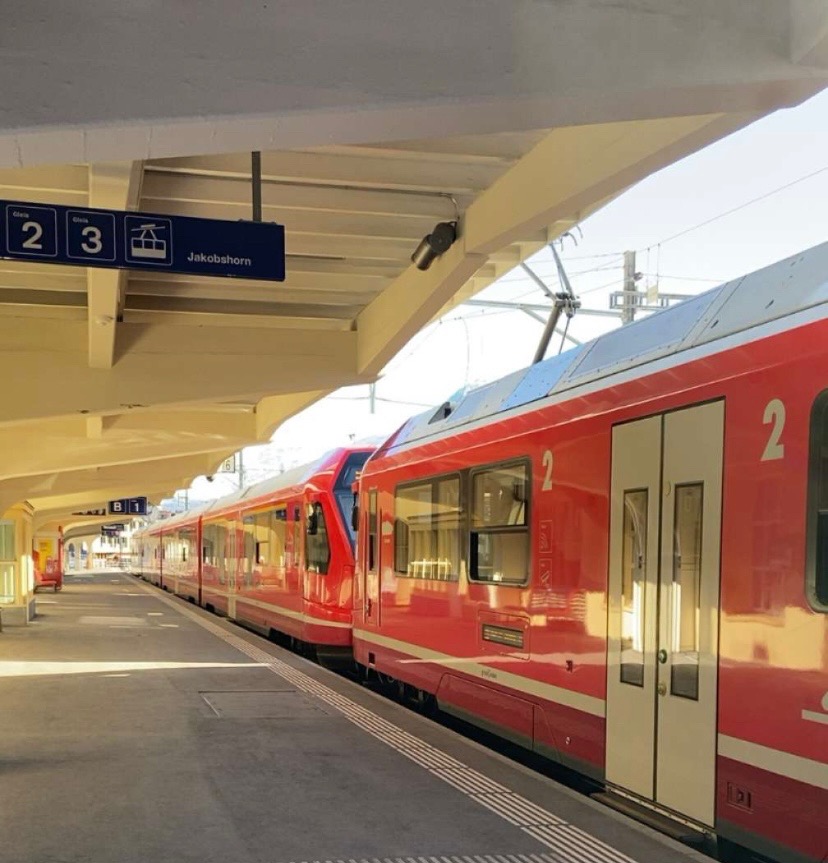
Stateside spring break destinations abound, but consider using that week of vacation time to explore three German-language European countries—Switzerland, Austria, and Germany—all easily reachable from each other by train. The Eurail Global Pass allows travelers to seamlessly cross country borders by rail using a single scannable QR code pass in the app. It’s a fantastic opportunity to maximize your time abroad and visit multiple countries all in one overseas trip.   

Eurail train travel is scenic and comfortable, and the well-designed Eurail app makes it easy to view train schedules and plan your trip.

Time in the mountains is essential if you’re headed to the Alpine countries of Switzerland and Austria. Downhill skiing in the Alps can be exhilarating, great exercise, and a fun social activity—as proven by the millions of visitors to throng ski resorts like Davos Klosters in Switzerland and St. Anton am Arlberg in Austria each year. Both destinations are part of the Best of the Alps organization’s carefully curated collection of classic mountain resorts and offer excellent ski schools.

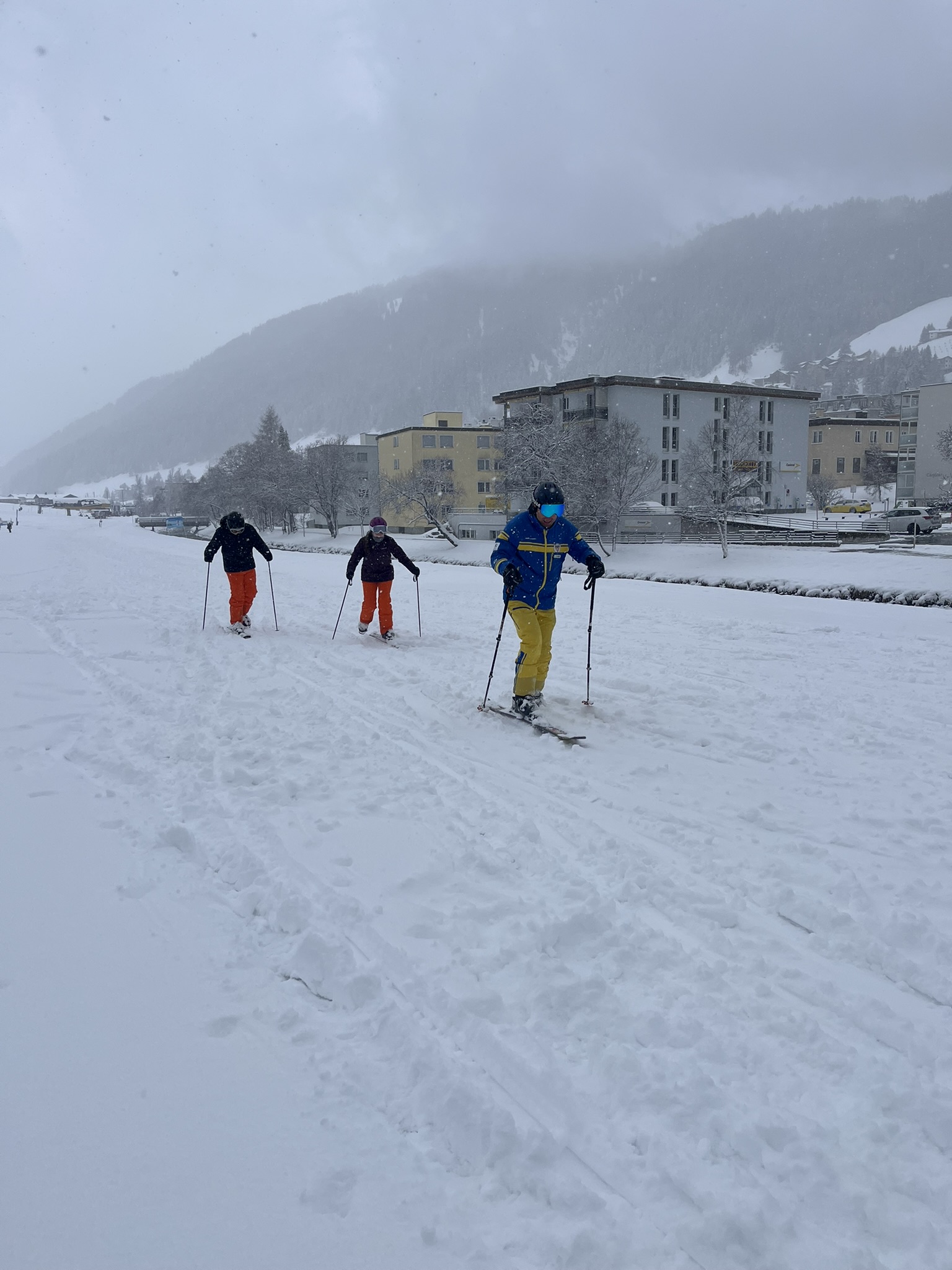
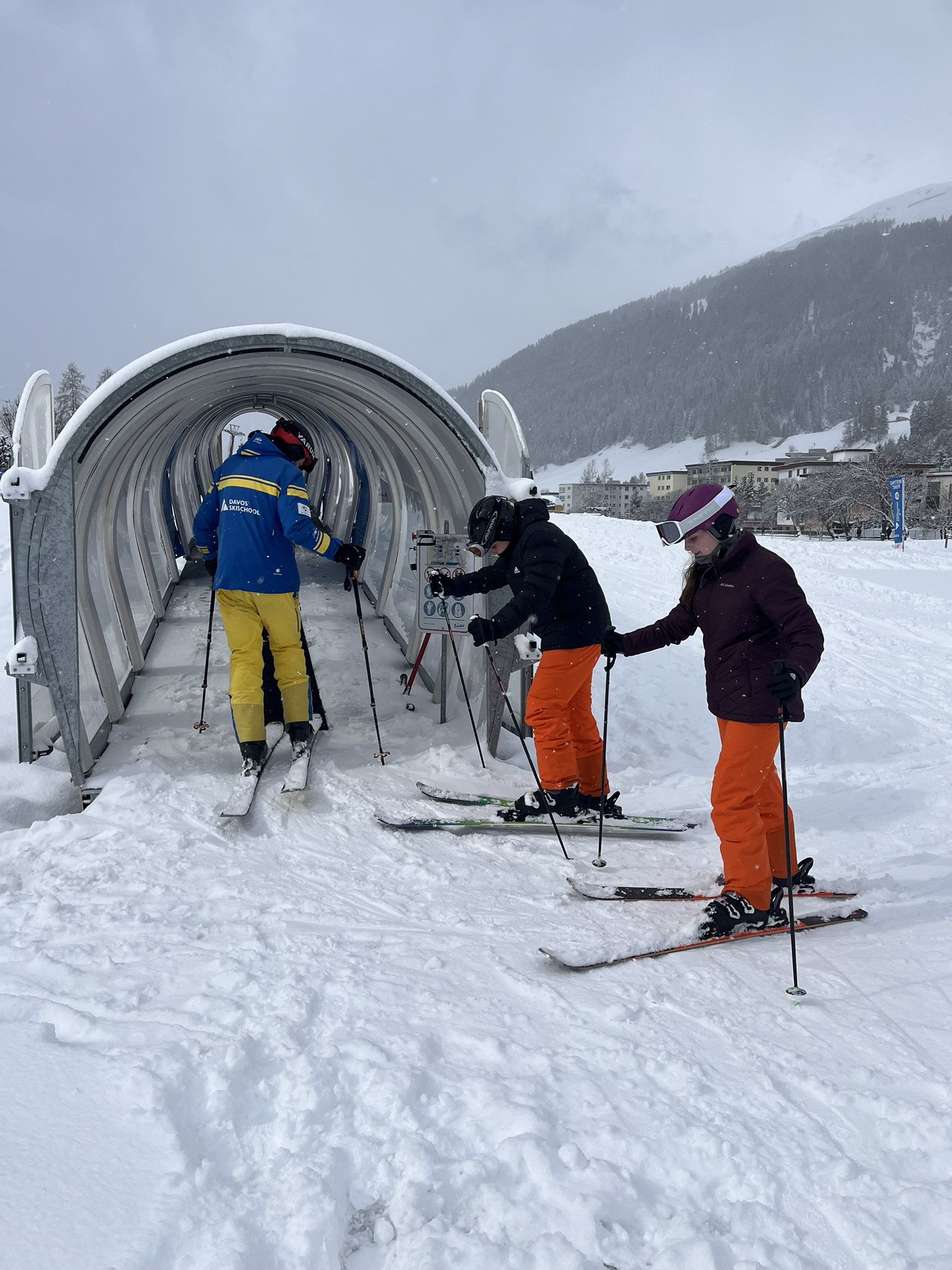
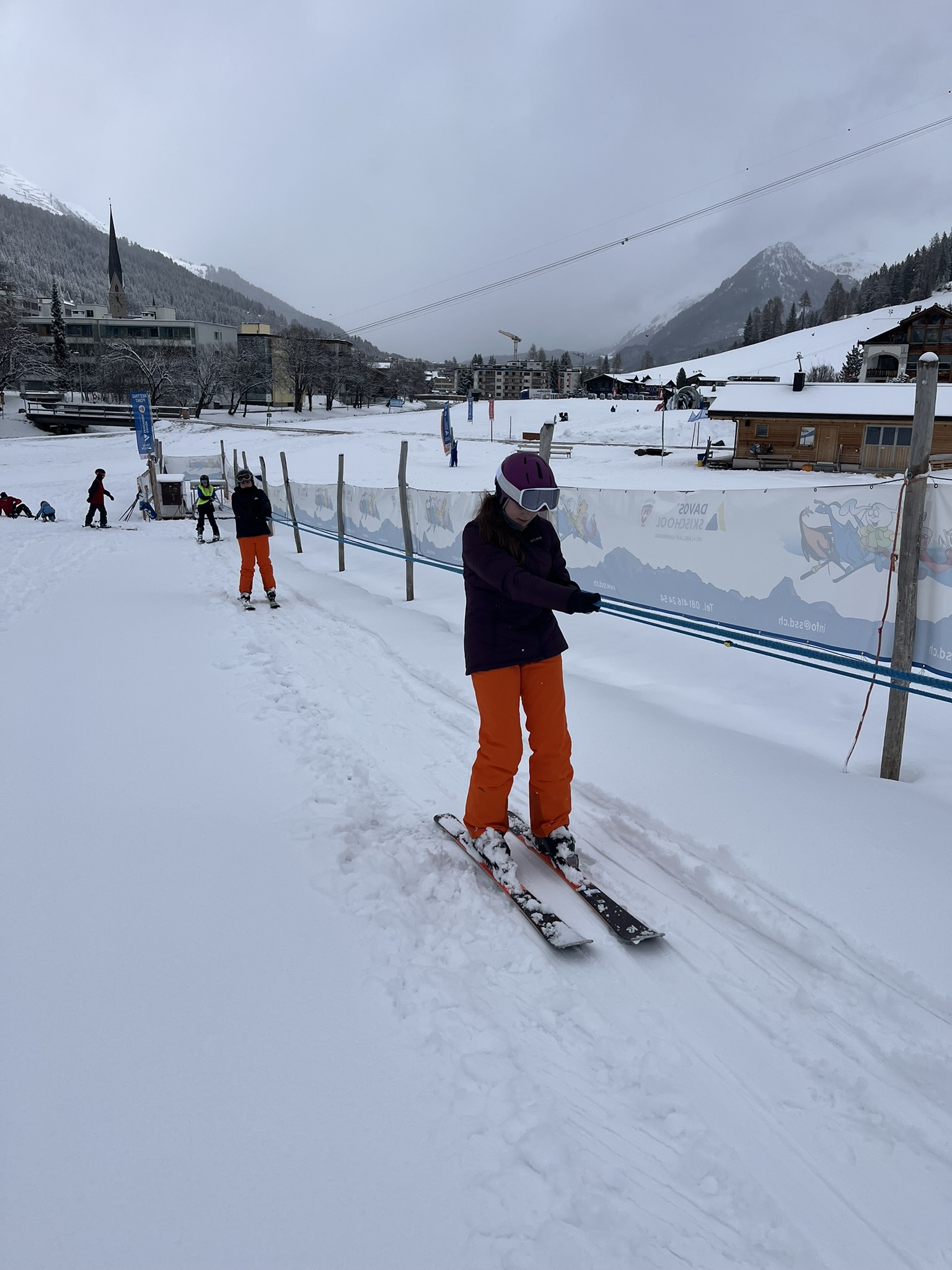
A 2.5-hour train ride from the Zürich Airport, the 13,000-inhabitant Alpine village of Davos is the highest city in Switzerland, at 5,147 feet above sea level. Its Ski School Davos, part of the Swiss Ski and Snowboard School, is the biggest and oldest ski school in the country. Students here can learn from patient, professional instructors, who focus on safety and ensure basic skills are mastered before introducing more difficult maneuvers or terrain. Experienced skiers have 157 miles of ski trails on 81 different slopes to explore over five separate ski areas, including the iconic Parsenn skiing and hiking area, famous for its wide pistes and long runs.
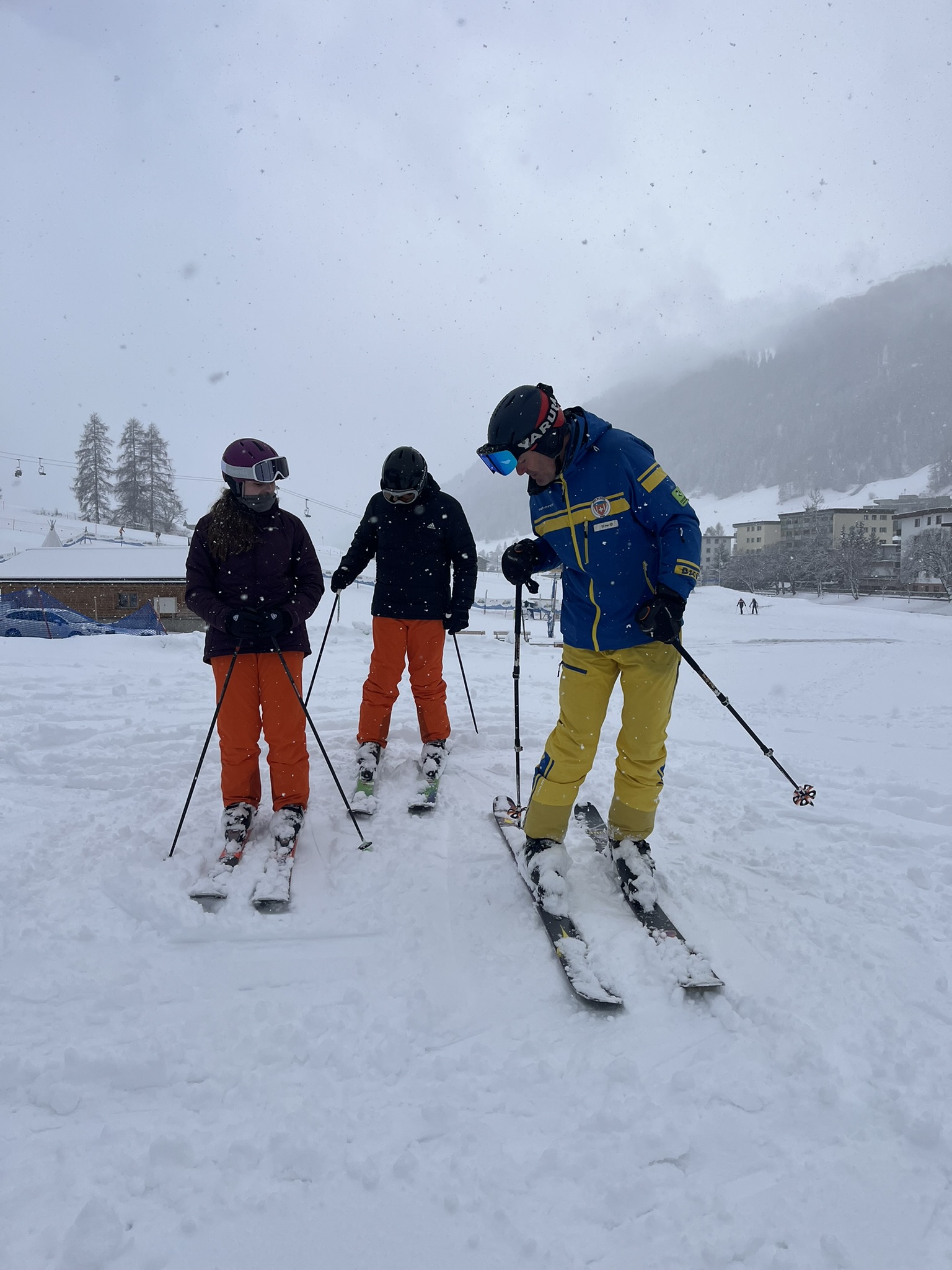
Private and group lessons are offered at Ski School Davos, with ski equipment rental available at Top Secret Ski & Snowboard Shop, directly across the street from Bolgen Plaza.

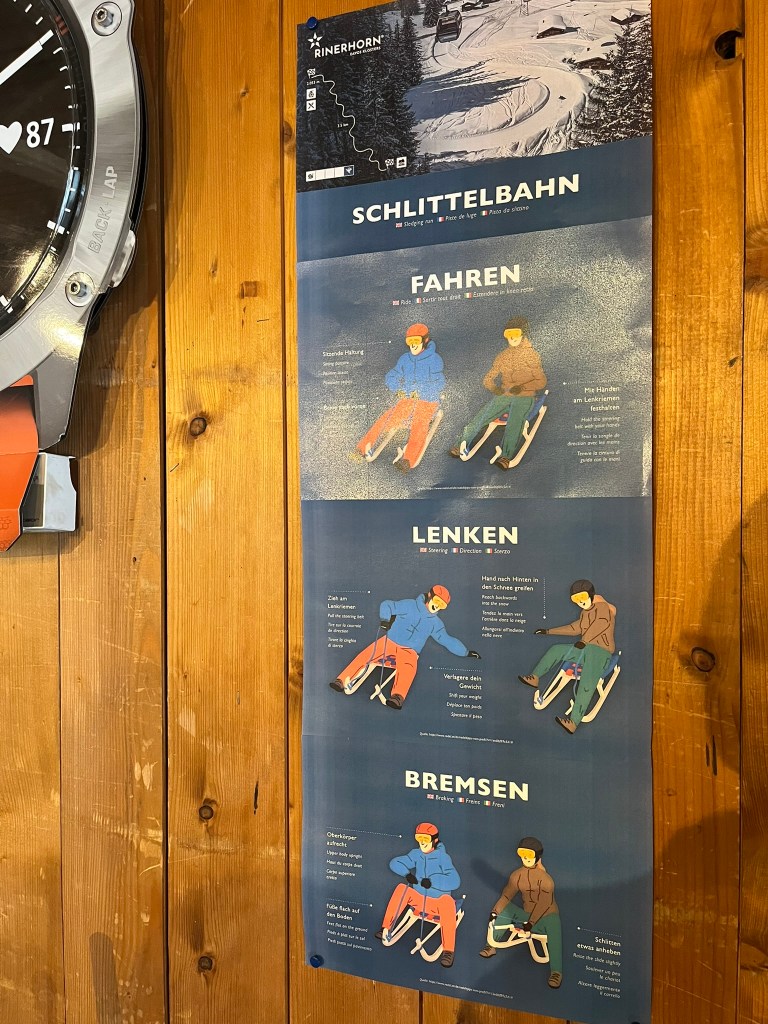
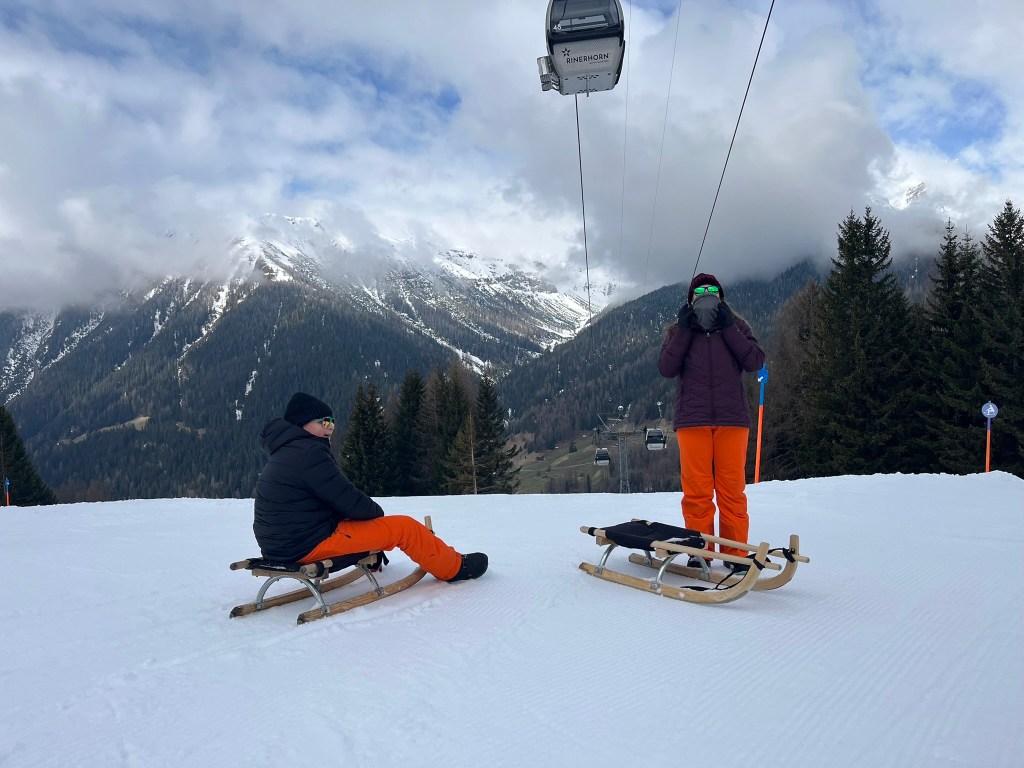
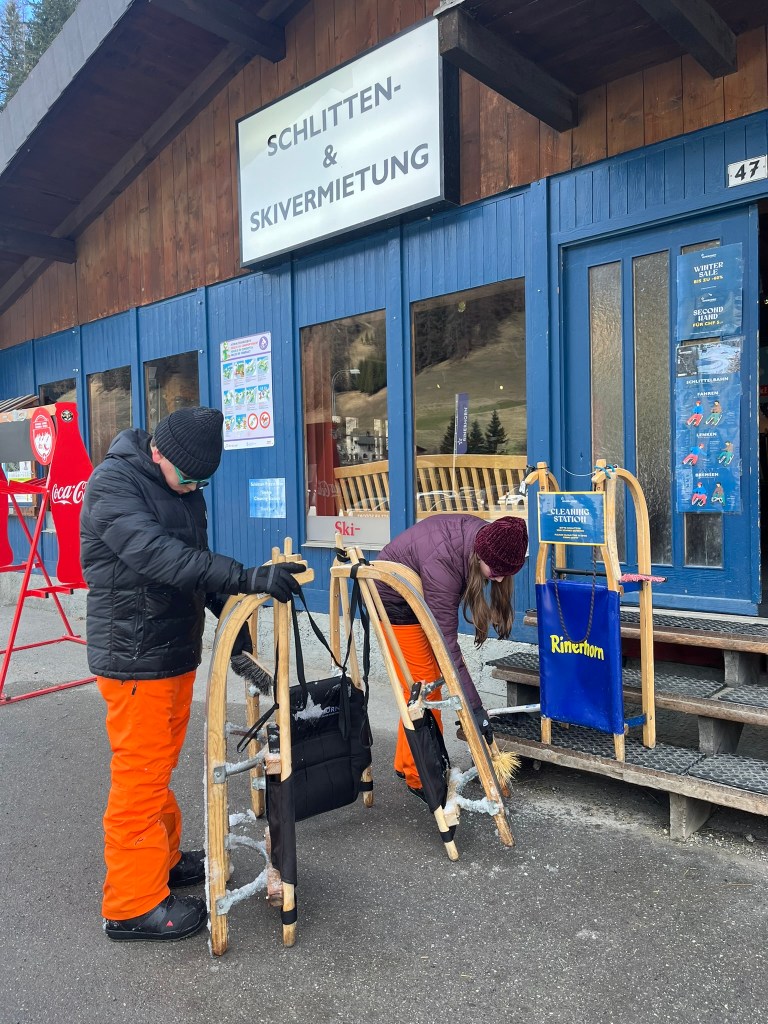
The Alps are inviting even to those not wearing skis. For a fun take on tobogganing, try sledging down the 2.2-mile Rinerhorn run in Davos. Take the ski lift to the top and pilot your wooden sledge down the steep and curving 33-bend slope—one of the most challenging sledging runs around—braking with knees bent and feet flat on the snow and changing direction by shifting weight and pulling the steering rope. It’s like high-speed Mario Kart in the mountains!
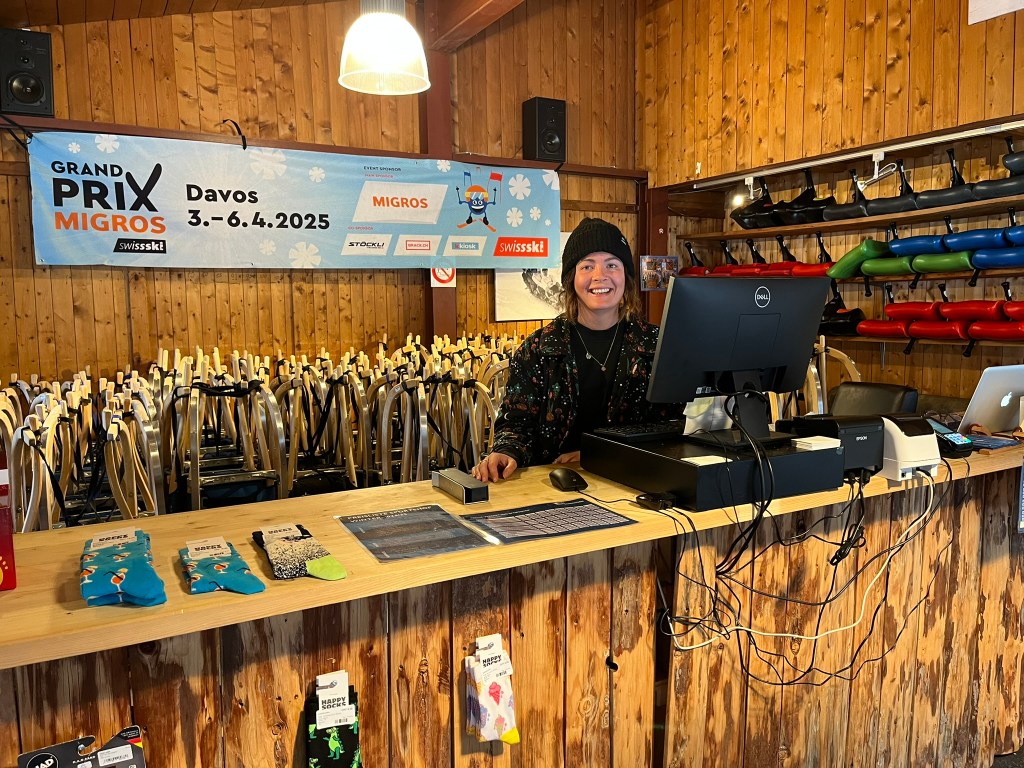
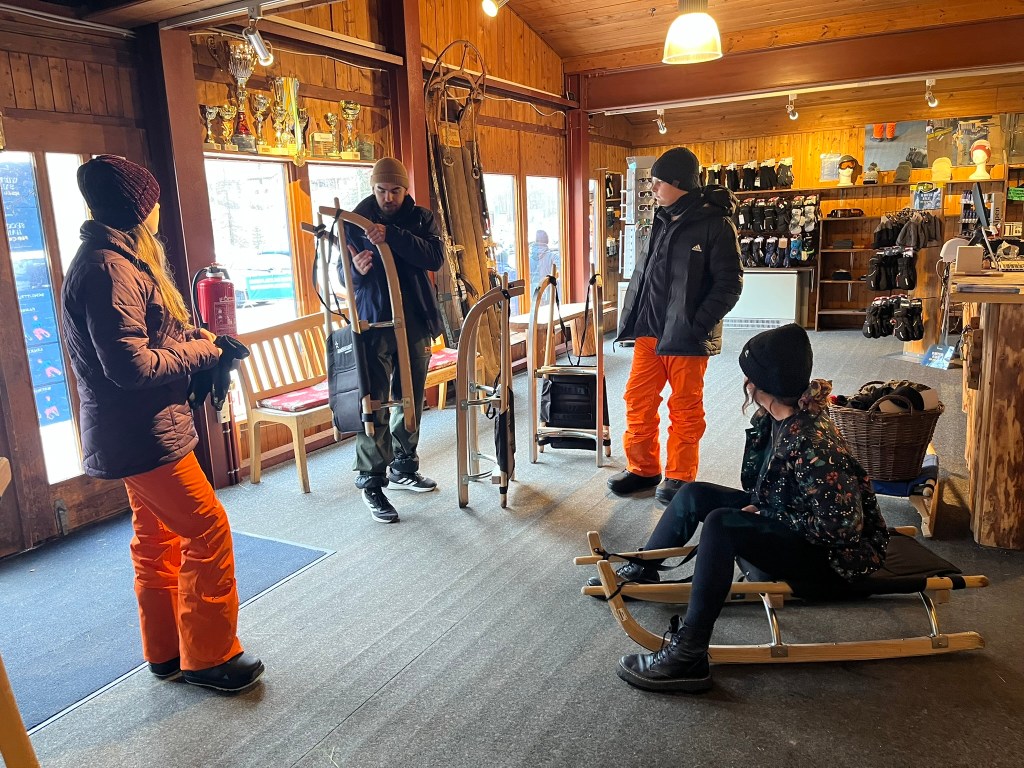
Rinerhorn has slopes for skiers and sledgers.

If you’re staying at the comfy mountain chalet Hotel Waldhuus in Davos, be sure to spend time in the large indoor pool and experience the Switzerland sauna lifestyle in their bio sauna, herbal sauna, or new Finnish sauna. Usually co-ed and textile-free, sauna visitors in Switzerland use towels simply for hygiene purposes—not as a cover-up, but to sit on so sweat doesn’t touch the wood. Sauna usage is linked to many health benefits and can lower blood pressure, improve cardiovascular health and circulation, reduce soreness after exercise, promote muscle recovery, stimulate immune system support, reduce stress, and eliminate toxins. A swim and sauna session after a full day of activity feels physically and mentally healing, especially in a clean and well-maintained facility.   

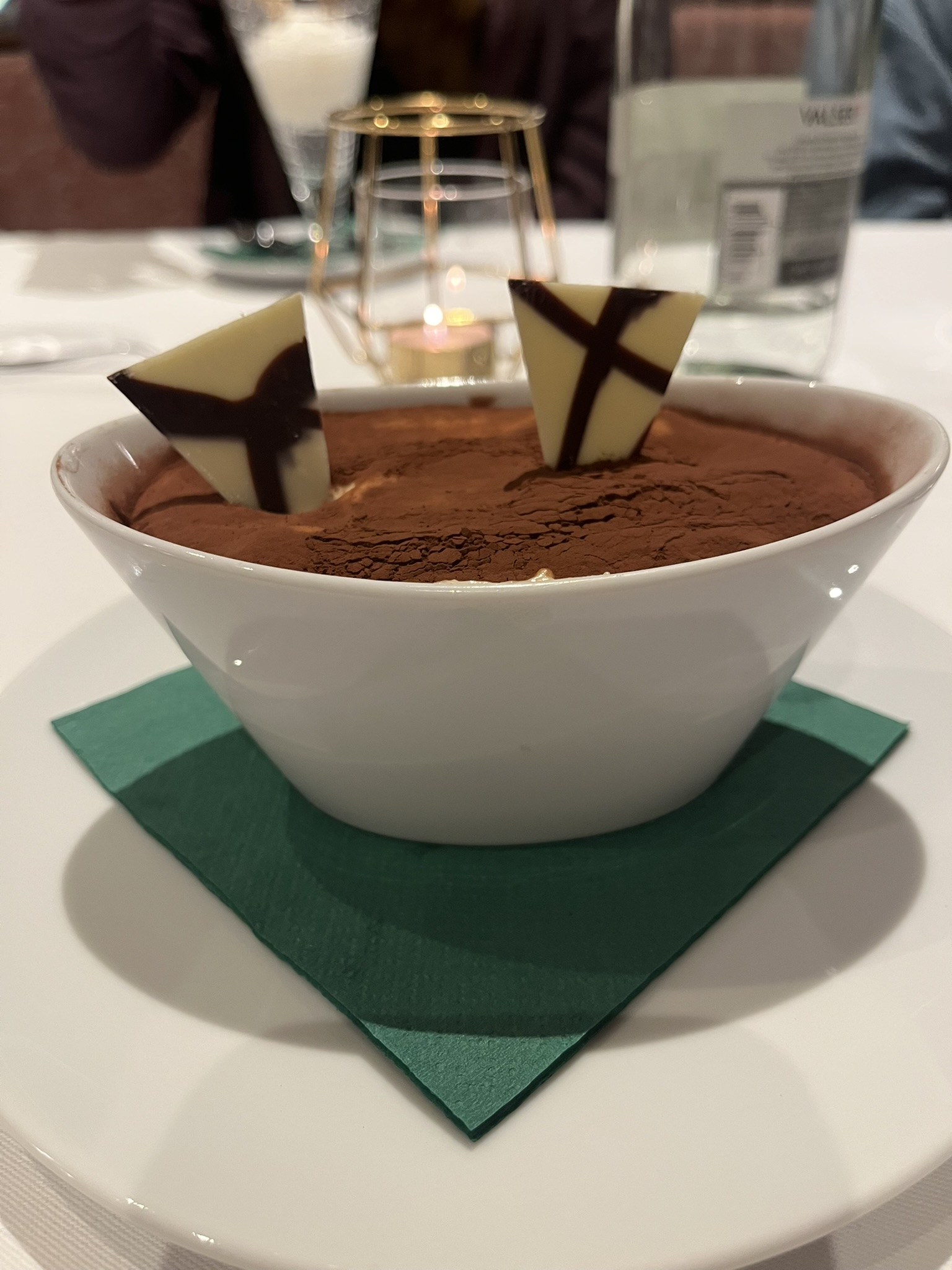
Unwind in Hotel Waldhuus’ comfortable accommodations with terrific spa facilities, and try the delicious tiramisu and enormous fresh breakfast spread in the Waldhuus Restaurant.

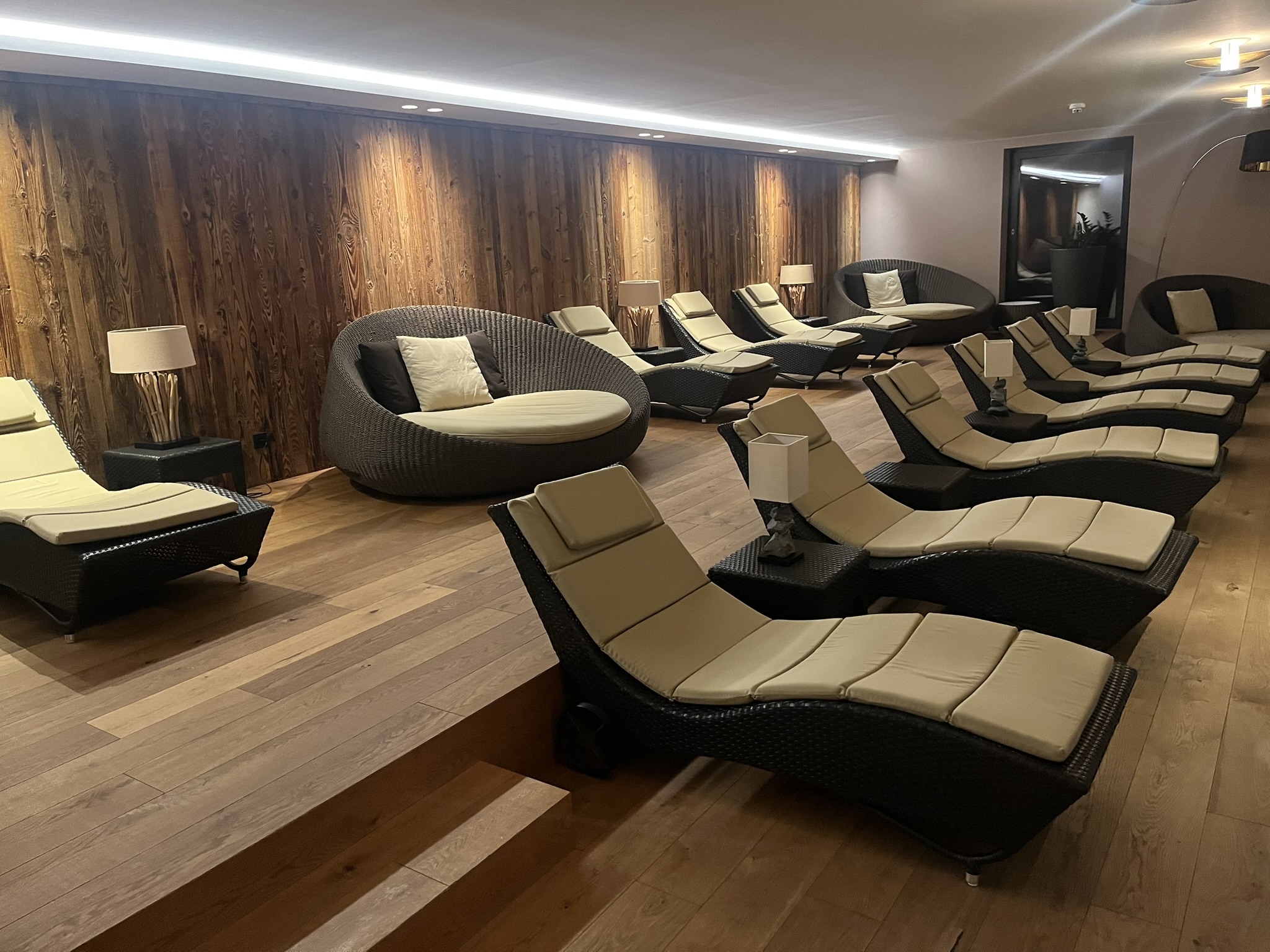
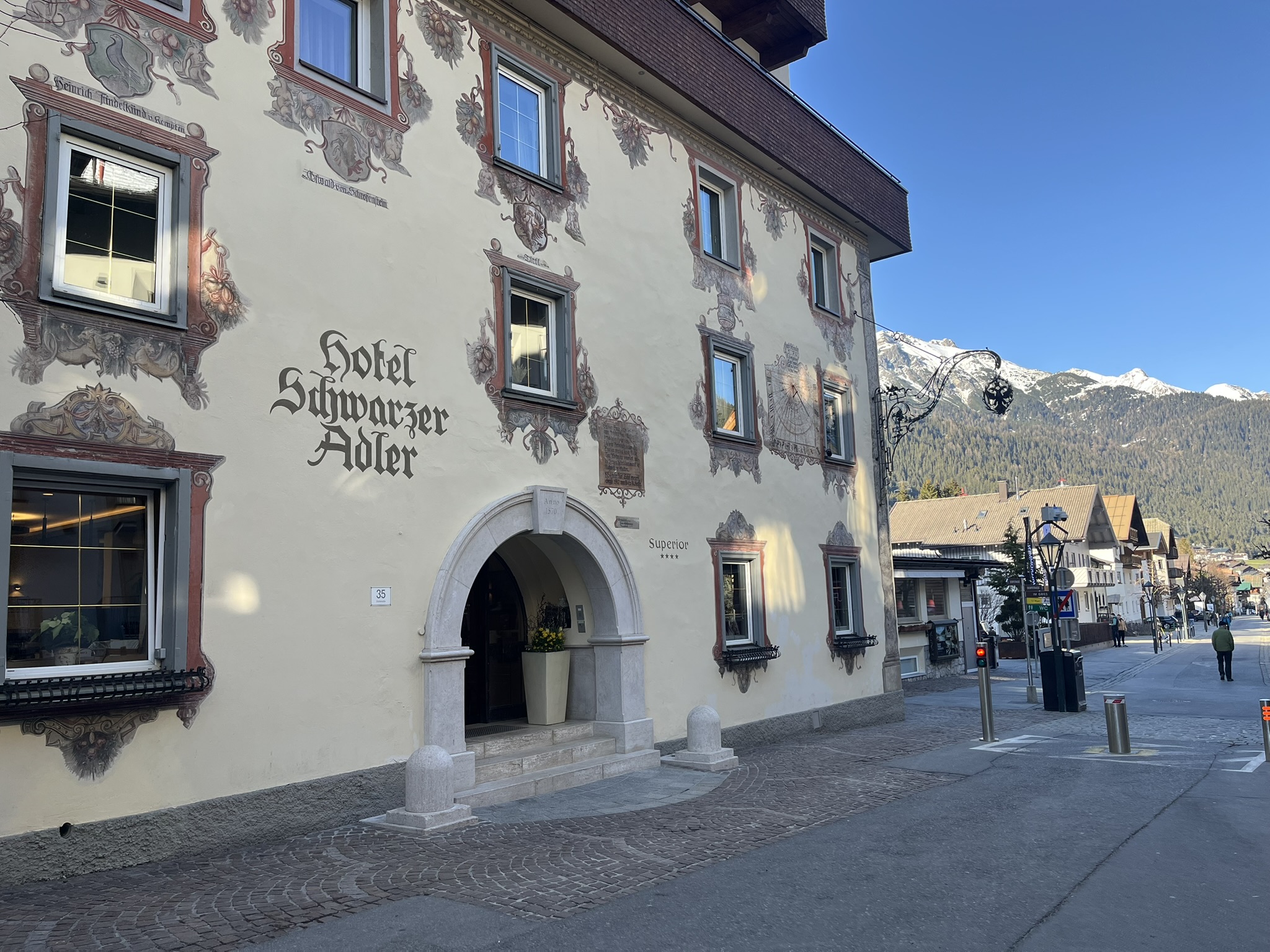
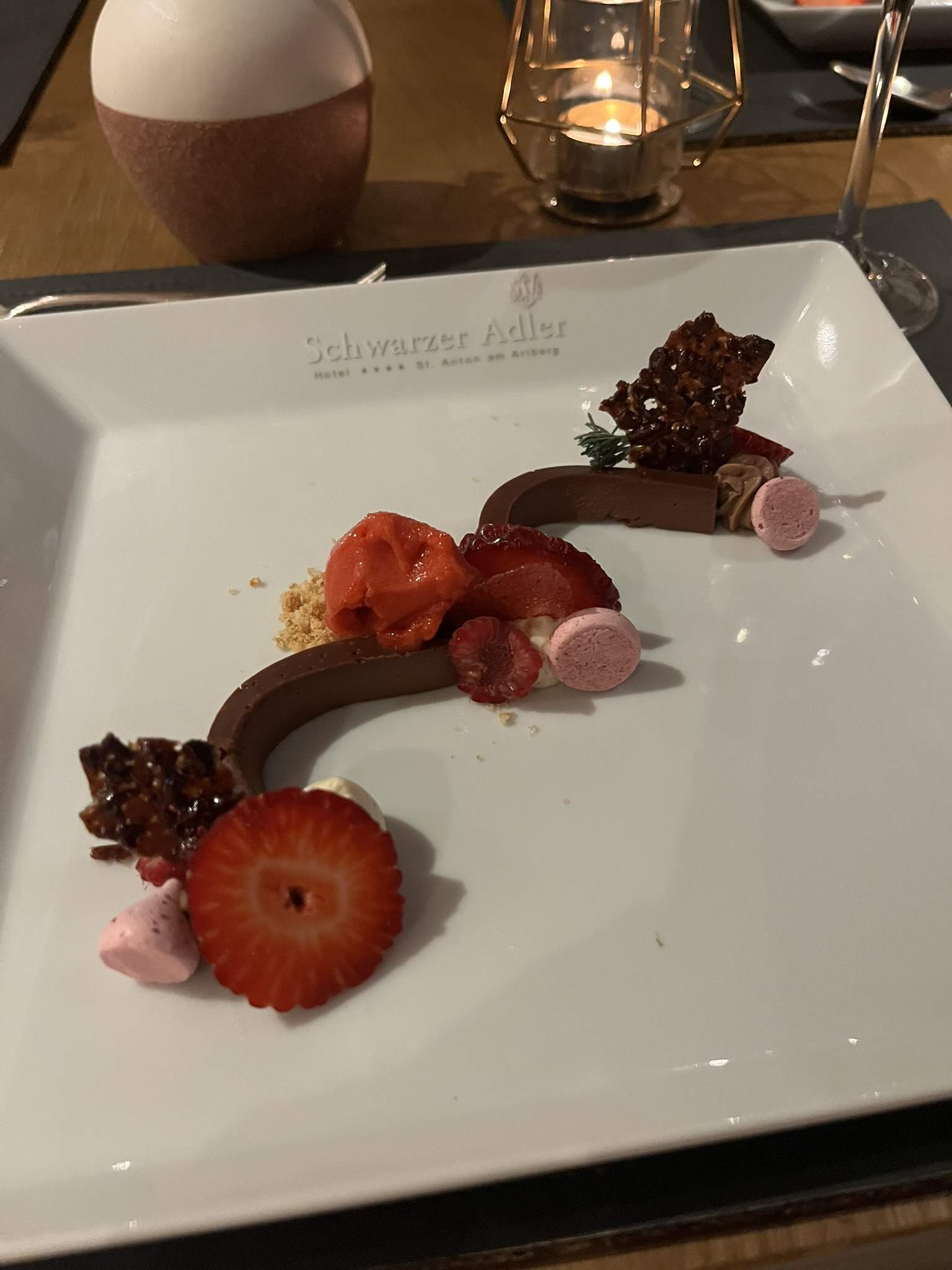
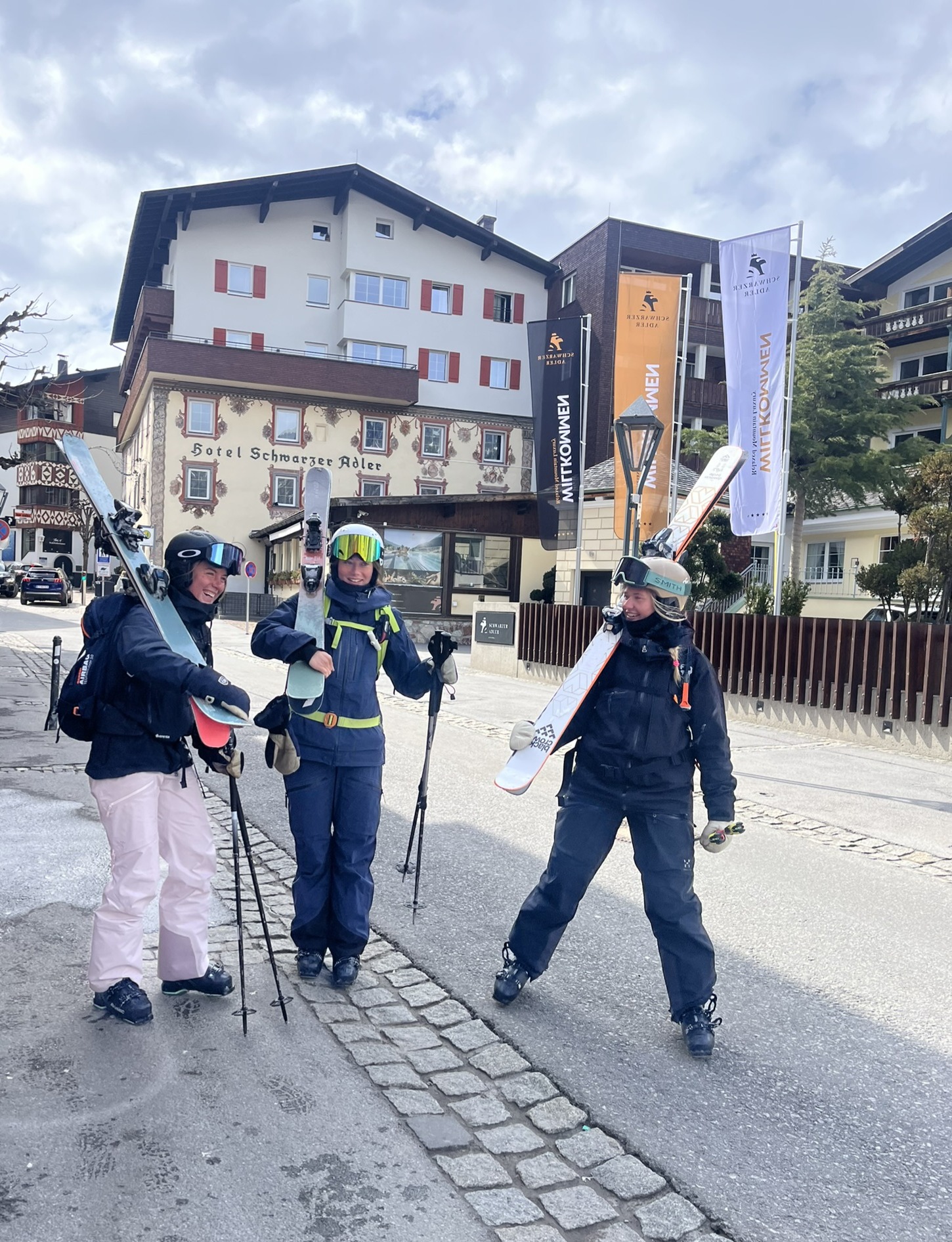
For a taste of the Austrian Alps, a 3.5-hour train ride brings you to St. Anton am Arlberg, Austria, where you can make your home base the classy Hotel Schwarzer Adler. Here, white-glove dinner service offers perfectly flavored and artfully plated meat and vegan dishes, homemade comfort foods including butter Spätzle (egg noodle pasta), and delectable desserts like “chocolate 5 ways,” with Austrian wines for pairing. You can swim in the outdoor sky pool under the pure mountain air or unwind indoors in the relaxation room, saunas, or sparkling indoor pool. Treat yourself to a spa package from the massage menu or simply sip an espresso on your hotel room balcony with a view of snowy peaks and a soundtrack of church bells and birdsong.
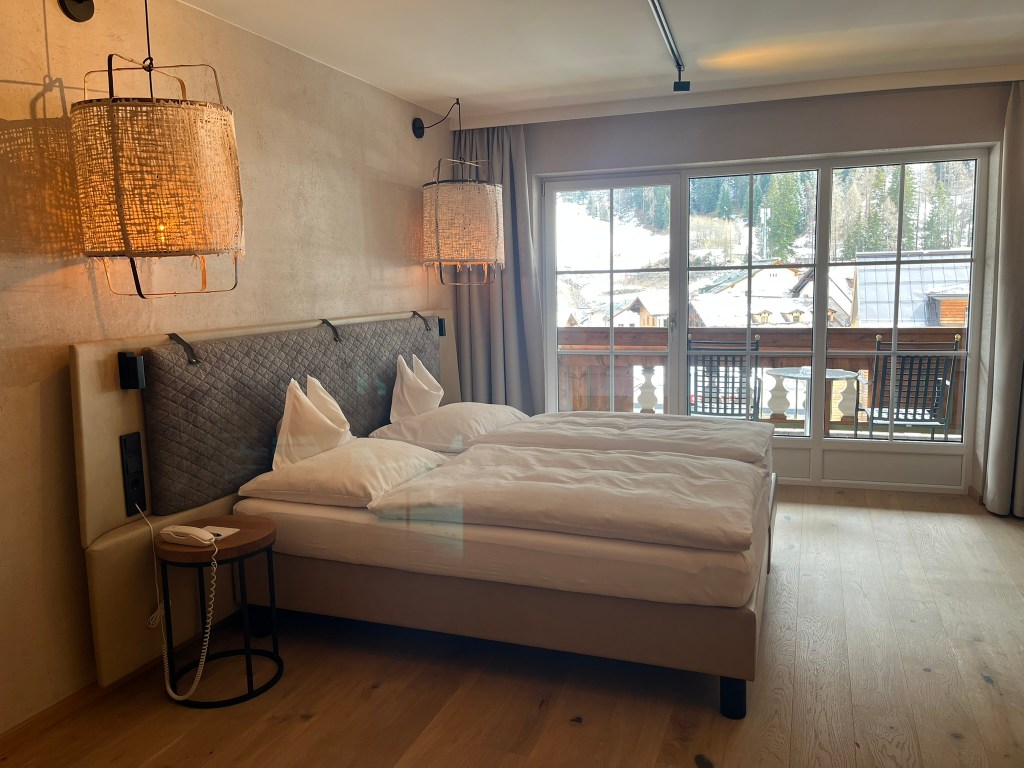
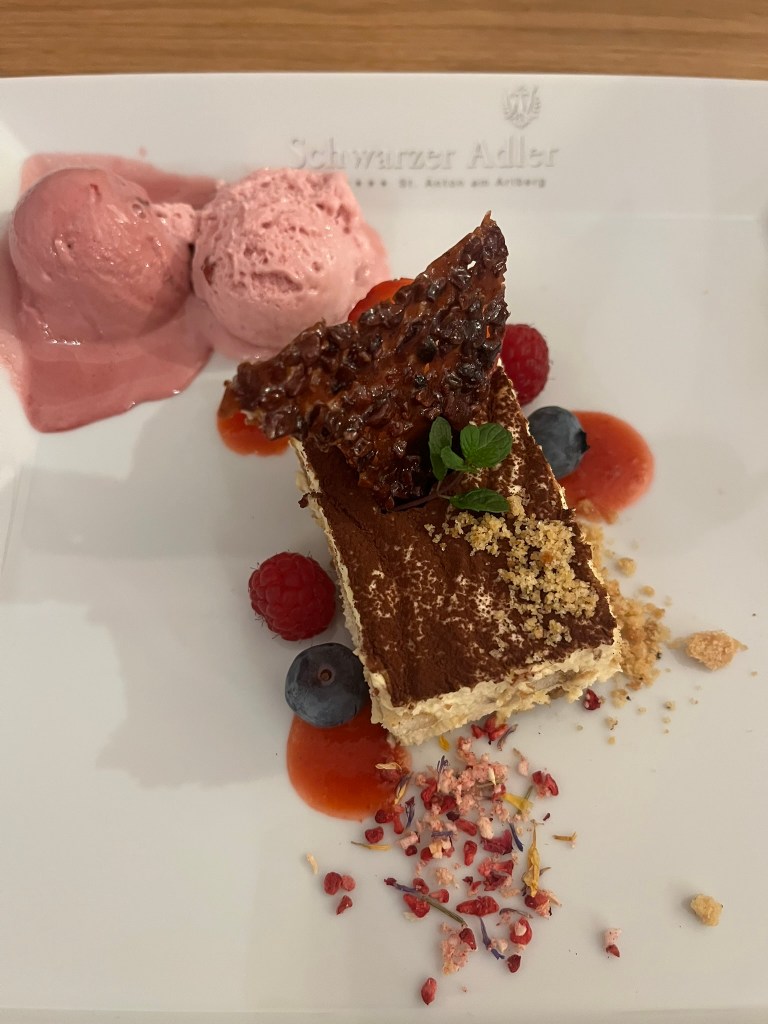
The Schwarzer Adler Hotel provides luxurious dining experiences and relaxation outlets.

Skischule Arlberg is the award-winning largest ski school in Austria, founded by Hannes Schneider, the father of the modern “Arlberg technique” skiing style. Before Schneider’s development of this forward semi-squatting posture, the trend was to stand erect with rigid knees, a position derived from Nordic or cross-country skiing, which wasn’t a practical stance for the steep Tyrolian terrain. Ski instructors at Skischule Arlberg keep lessons fun and stress-free, moving at the students’ pace and providing encouragement without pushing too far beyond current comfort levels. For those unaccustomed to ski life, it’s an excellent introduction to what many Alpine locals grow up learning from a young age.  

Ski School Arlberg prepares skiers to achieve their athletic goals.

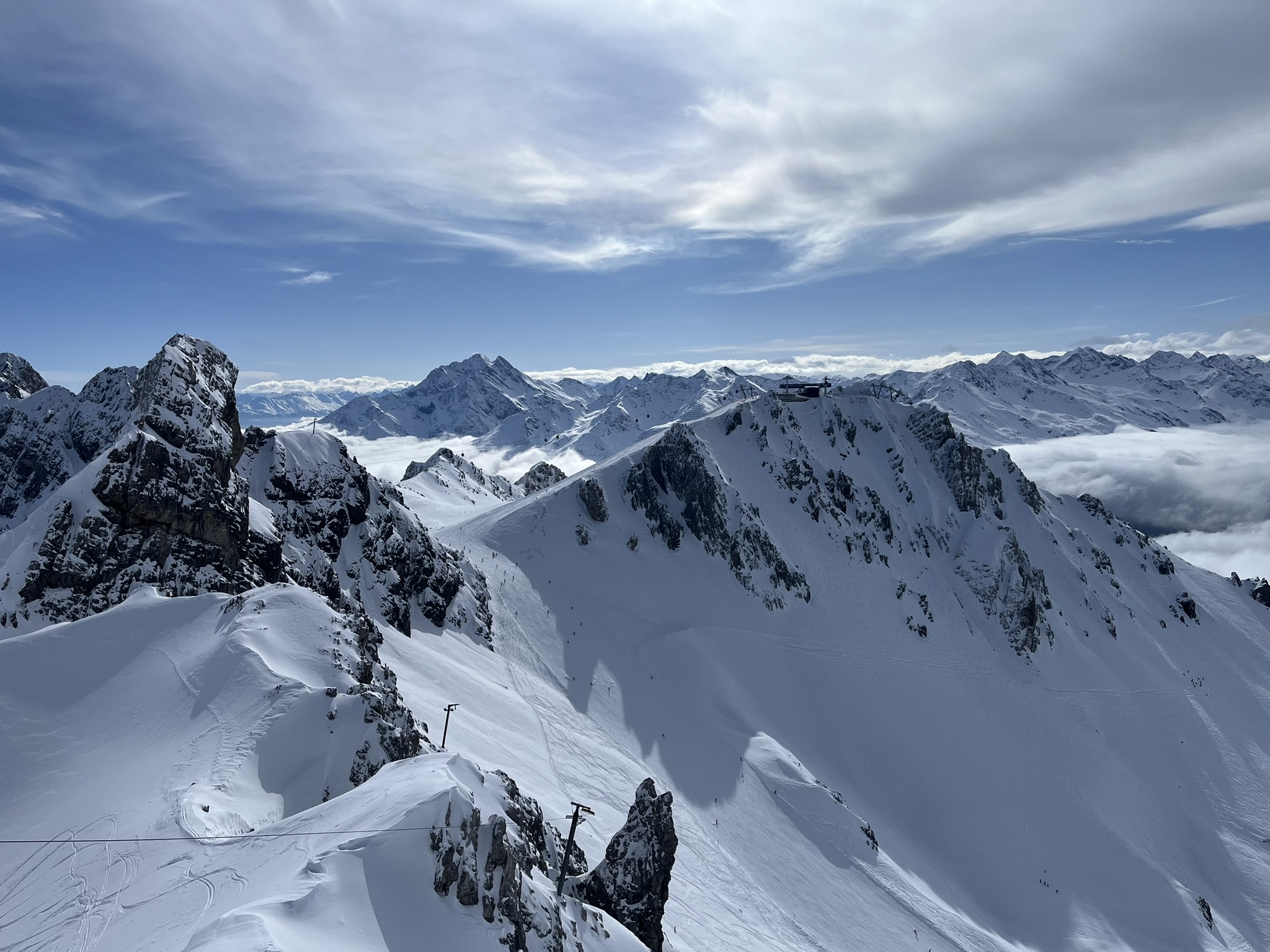
An incredible highlight of St. Anton—no skis needed—is up on the very peak of Valluga, at 9,222 miles above sea level. Ride the “Galzigbahn” ski lift to the first mountain station, where you can snack at the Galzig Restaurant, shop in the ski store, and watch athletes descend the slopes. Then ascend with the “Vallugabahn I” lift through fog and clouds to the Vallugagrat station and the Valluga View Restaurant. One more ride in the small “Vallugabahn II” cable car brings you to the pinnacle lookout point—a circular railed platform open to the intense sun and whipping wind, with breathtaking views of snow-covered Alps in every direction. You have a clear panorama from Lake Constance to Switzerland and the Zugspitze, the highest mountain in Germany. From here, you can see the extraordinary beauty of the glacier-carved gorges as well as the splendid organization of the ski resort, with numerous lifts in motion, skiers gracefully carving patterns into the snow, and sky-high facilities with everything you might need for your day in the heights.

Unbeatable Valluga views are a highlight of St. Anton am Arlberg.

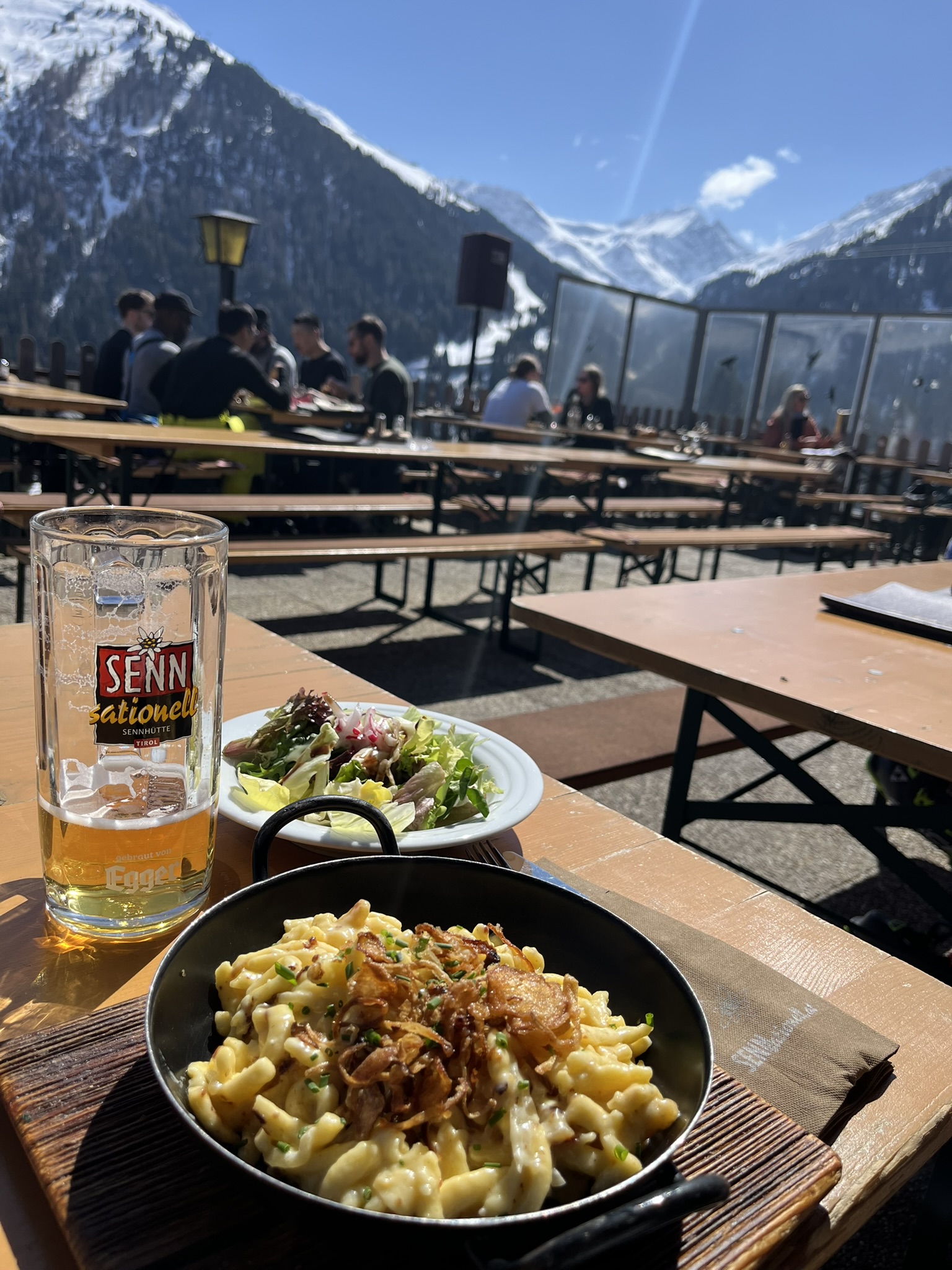
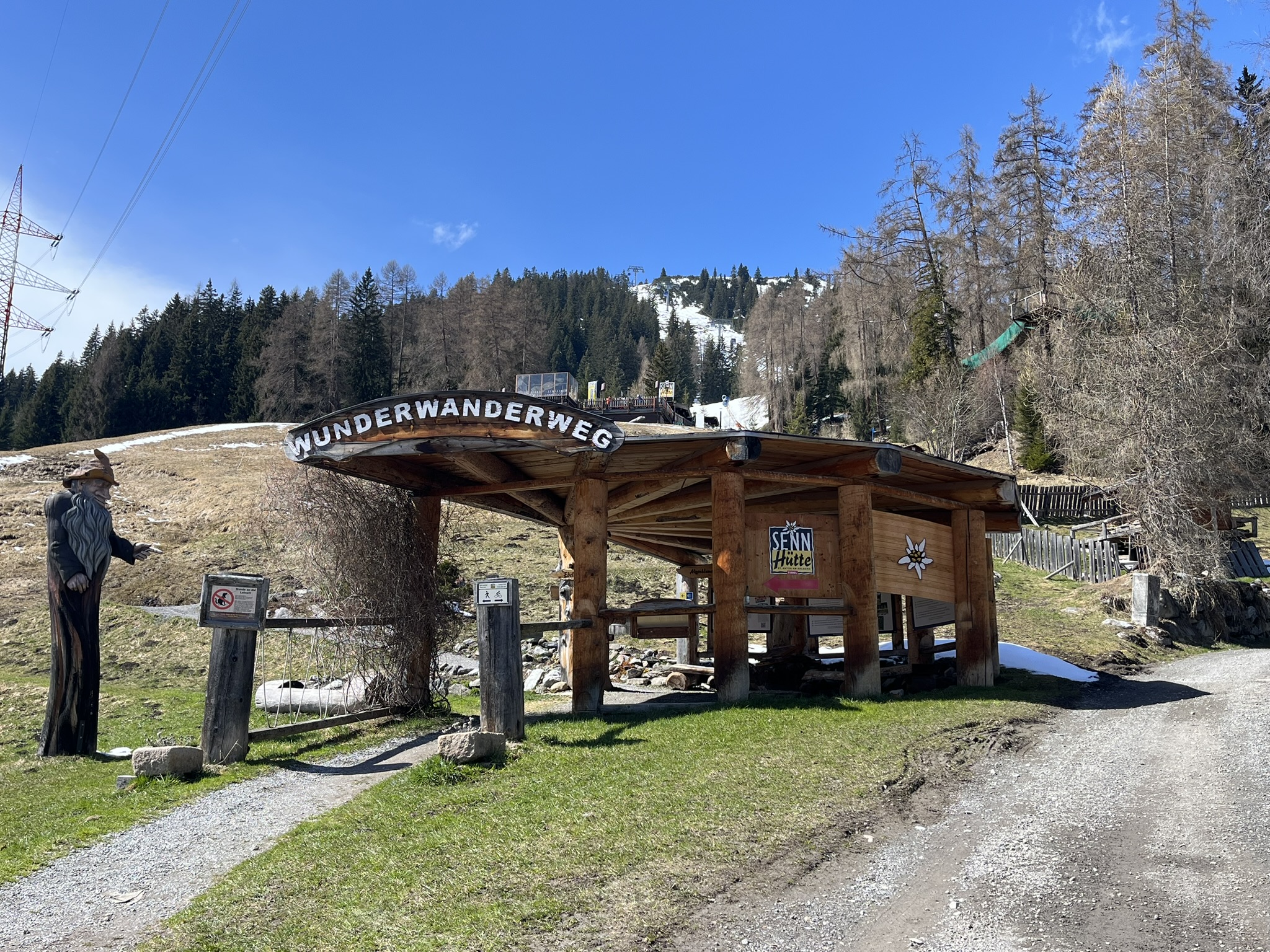
Don’t leave the Alps without an après-ski experience! St. Anton am Arlberg holds many opportunities to unwind and let loose after a day of athletics. You can party hard with club music and tasty drinks at any number of après-ski huts, or partake in a casual post-ski meal at the rustic Sennhütte restaurant right on the slopes—its entrance marked by an enormous pair of Lederhosen. Either ski down the hill right to the restaurant or take a free bus trip there from the town center and hike up the WunderWanderWeg (wonder walking way) pathway from the bus stop. The back patio balcony affords an outstanding view into the mountains—a brilliant backdrop for sampling Käsespätzle (thick cheesy noodles topped with crispy fried onions), Schnitzel and Pommes (fried meat cutlets and French fries), and gulping a refreshing beer or Skiwasser (“ski water”—an alcohol-free blend of raspberry syrup, lemon juice, and water or seltzer).
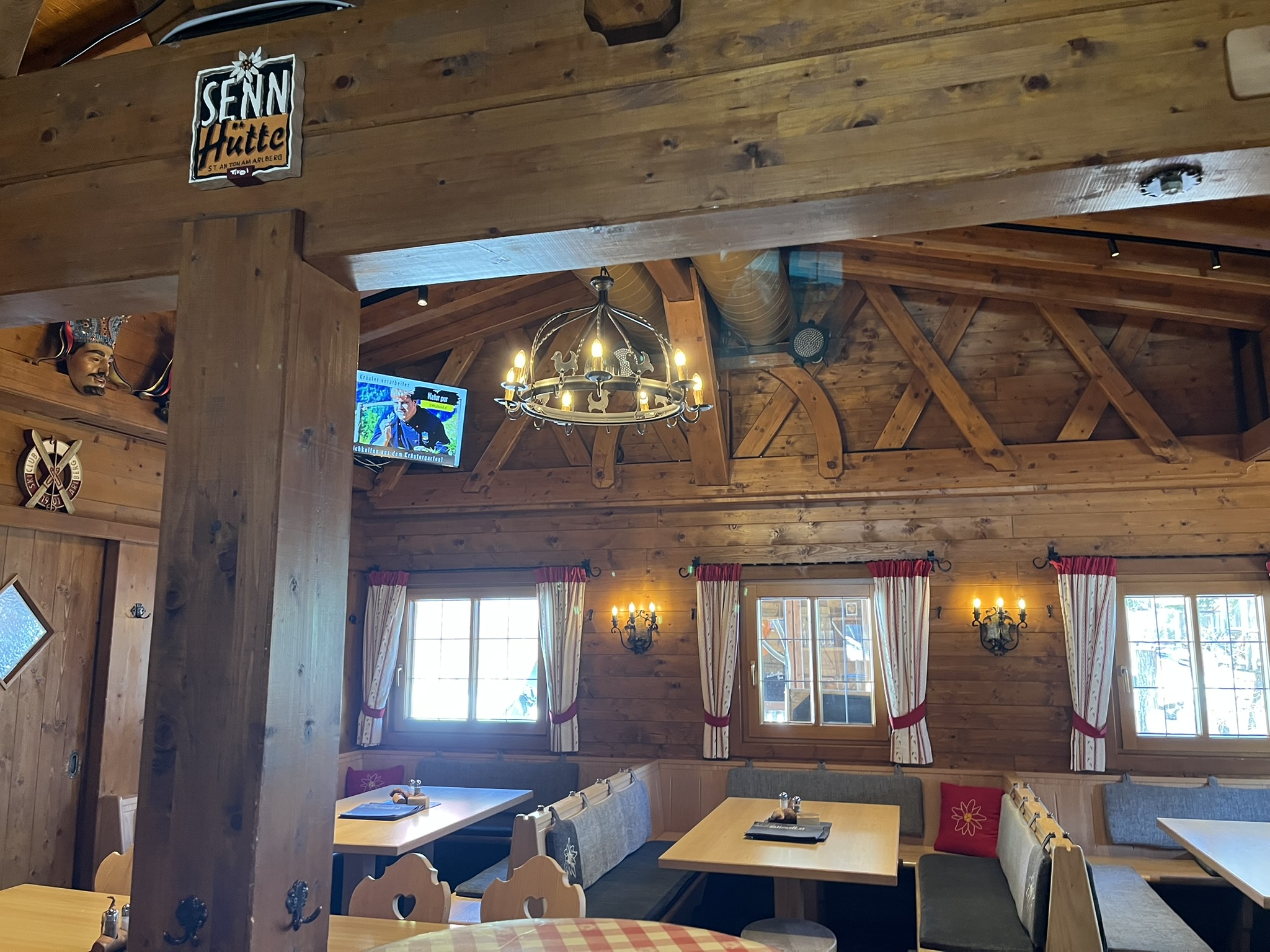
Giant lederhosen and the WunderWanderWeg lead the way to Sennhütte.

Any beer fans or German-language–lovers know that Bavaria is a nearby European destination worth visiting, so travel by Eurail from St. Anton 3.5 hours northeast and you’ll end up in Munich, Germany. A short walk from the Munich main train station through a Mediterranean district brings you to the fresh and inviting greenery-filled lobby of the KOOS Hotel. A prime location near Karlsplatz bus and streetcar stops, the KOOS Hotel is also within easy walking distance of the Altstadt, Munich’s medieval old town. KOOS Hotel’s vegan-friendly personal care products in the rooms and numerous vegetarian and vegan breakfast selections are a welcome perk for those with specific preferences and dietary needs. The hotel is also a role model for sustainability and is entirely paperless, with a digital check-in process and novel phone-activated room entry in lieu of a room key. This family- and dog-friendly haven near the city center has all you need for your stay, including an in-room washing machine and clothesline for freshening up travel clothes.

Environmental consideration and convenience are key at KOOS Hotel.

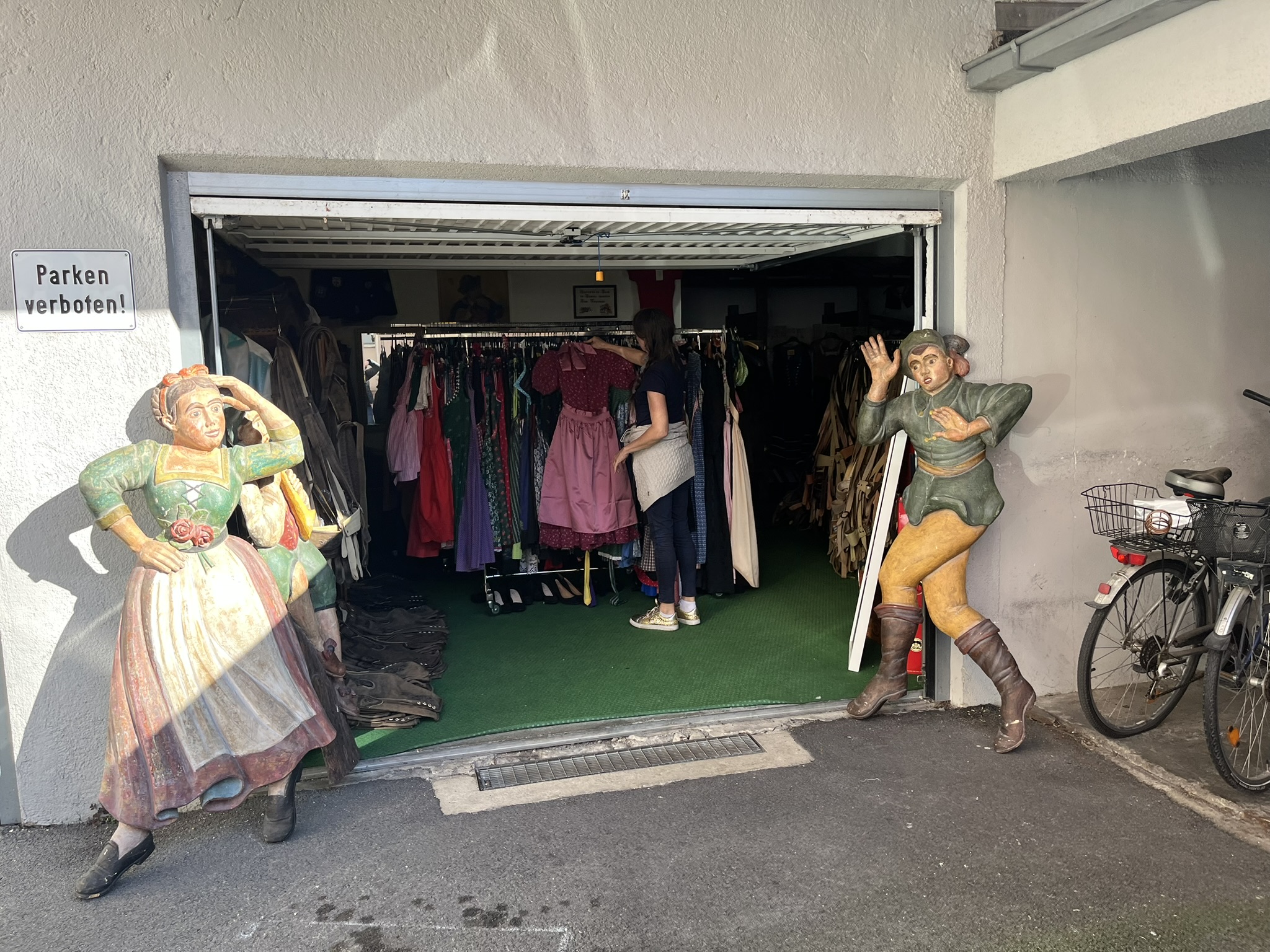
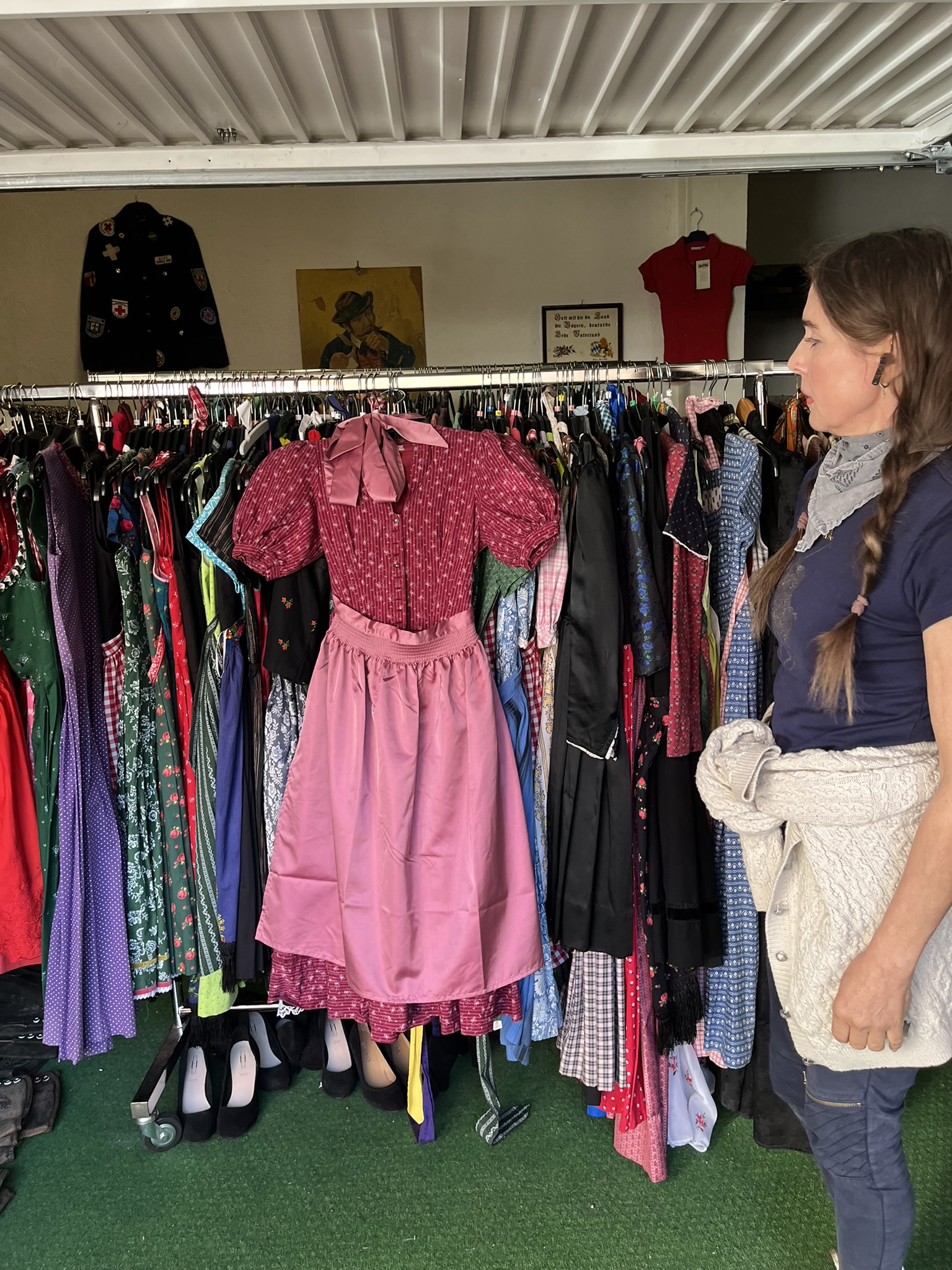
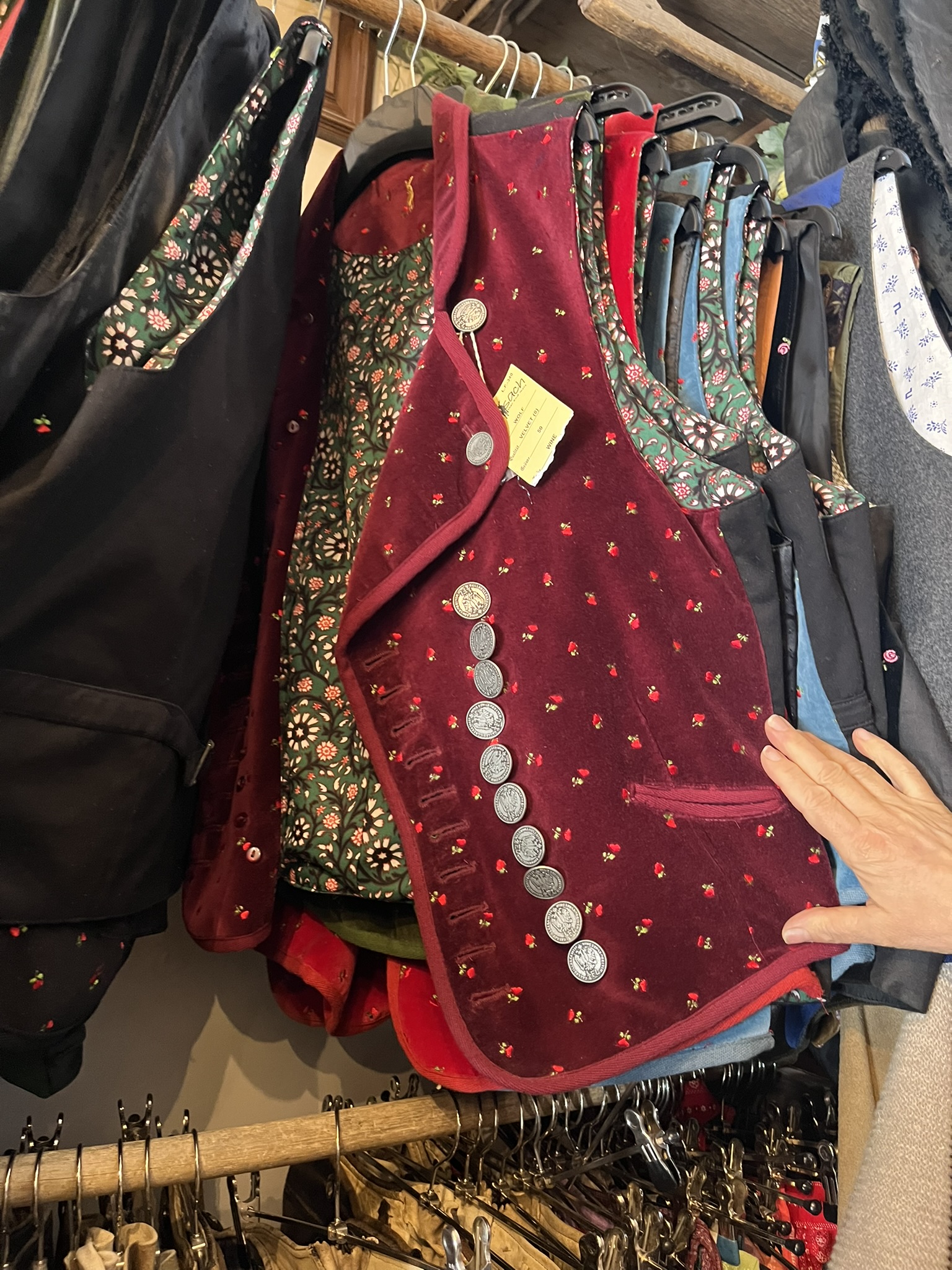
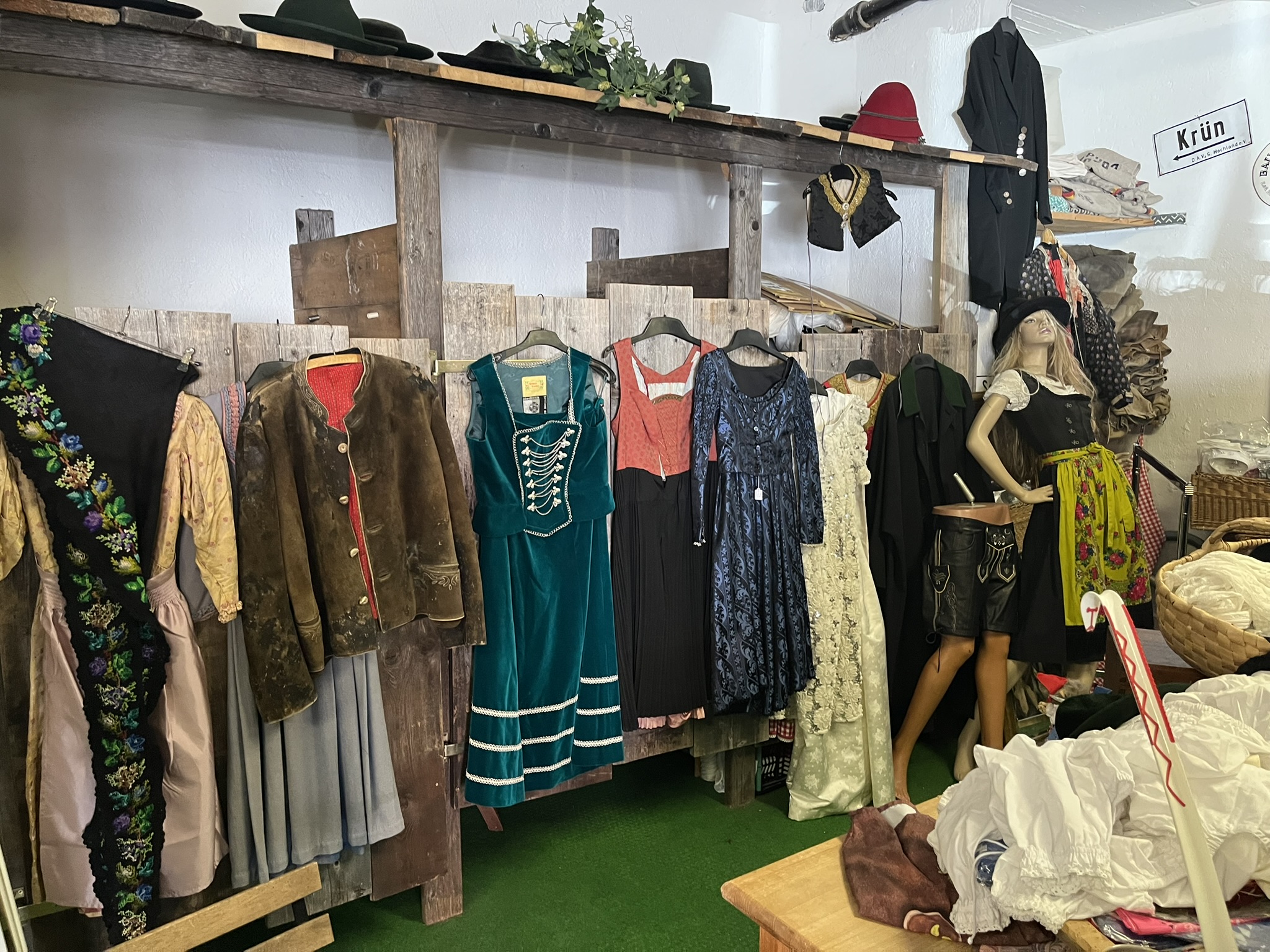
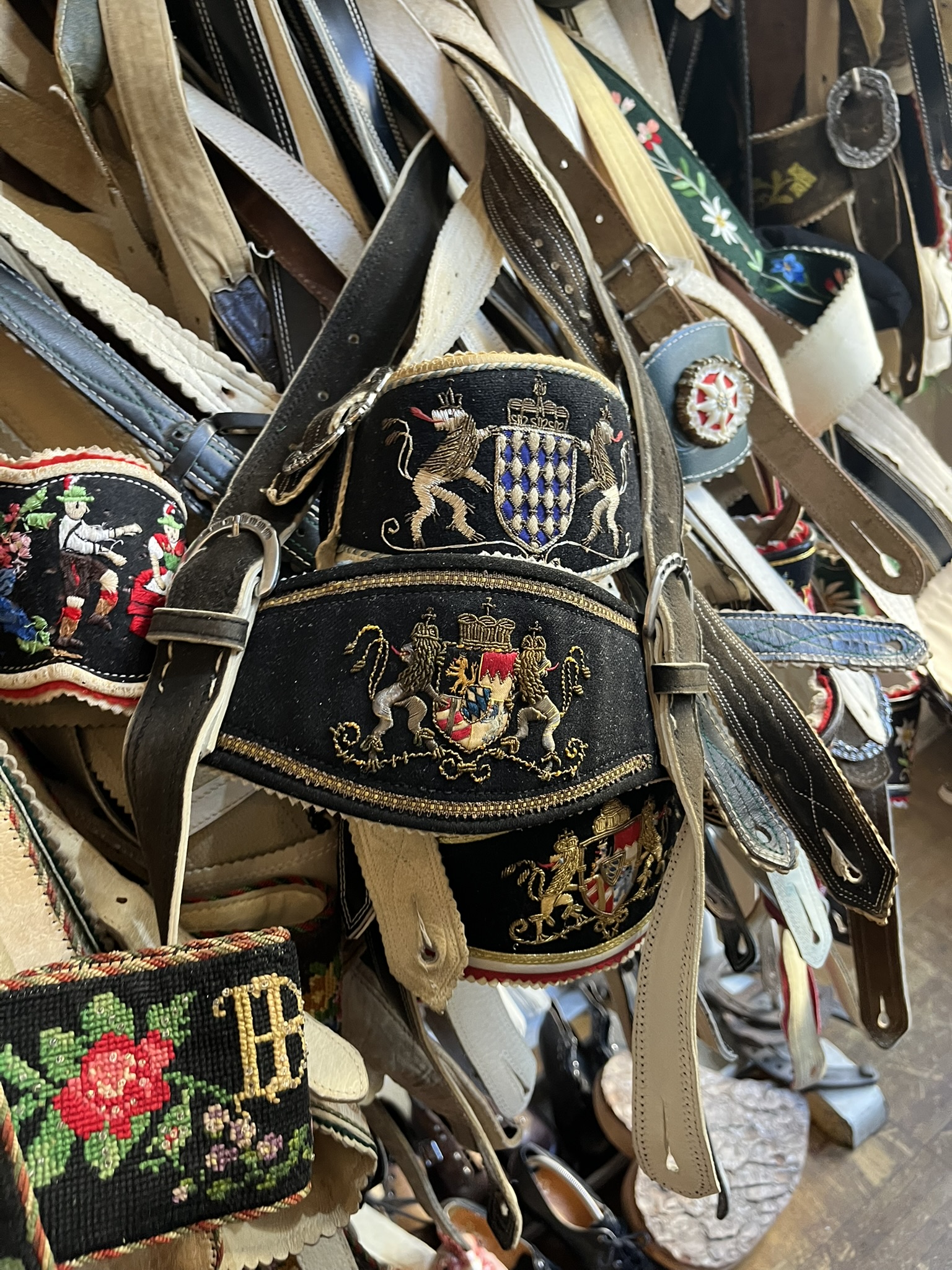
If you’re looking to buy some “new-to-you” threads, consider a walk to Holareidulijö traditional Bavarian clothing store. Affable and knowledgeable shop owner, Michaela Klein, lovingly restores and resells used Dirndl, Lederhosen, hats, vests, and myriad Bavarian accessories and jewelry, while offering an assortment of new shirts and socks to match her wares. During Oktoberfest season, Klein’s store and the extra garage unit in back are packed with shoppers searching rows of racks for colorful festival outfits and drinking the free beer she offers during her busiest weeks.

Holareidulijö is a treasure trove of authentic, high-quality refurbished Trachten.

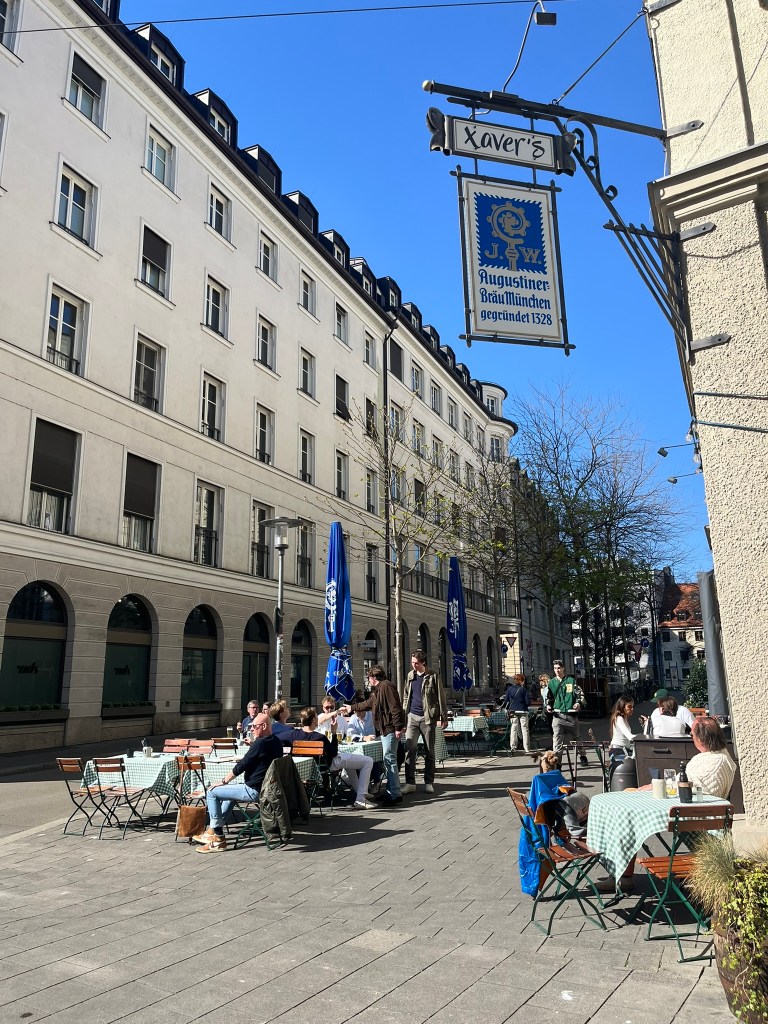
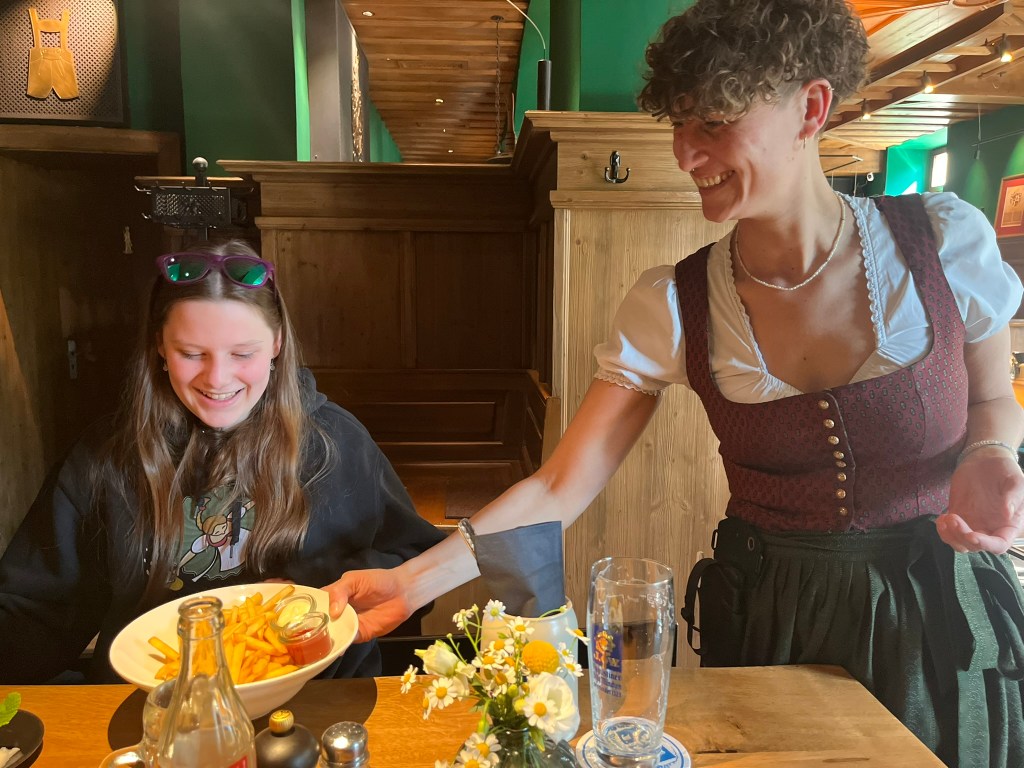
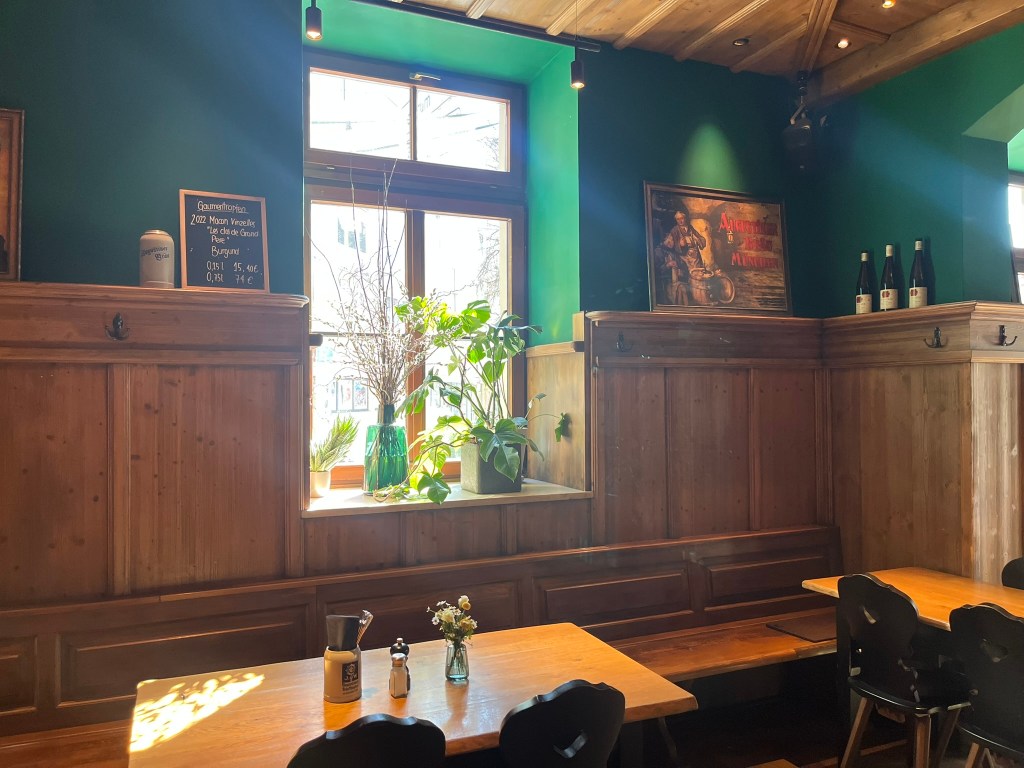
For a fantastic meal and some Augustiner beer or a selection from about 160 different wines, head to Xaver’s—a stylish restaurant and brew pub with a warm wood interior and a mix of small and large tables for date night or Stammtisch (“regulars’ table,” where friends recurrently gather to eat, drink, and socialize). Here, young and old alike are drawn to the restaurant motto’s “refreshingly traditional” vibe that features fun and friendly staff clad in traditional Bavarian costume (including genial owner Xaver himself, a sommelier and one of several restaurant-owning brothers). The menu features classic Bavarian dishes reimagined with a fresh take using locally farmed ingredients, as well as innovative entrees that change every six weeks. The lively music and cheerful atmosphere make you want to come back and be part of the scene— same time next week.

With a fresh take on Old World style, Xaver’s serves locally grown foods, Augustiner beer, and wines galore.

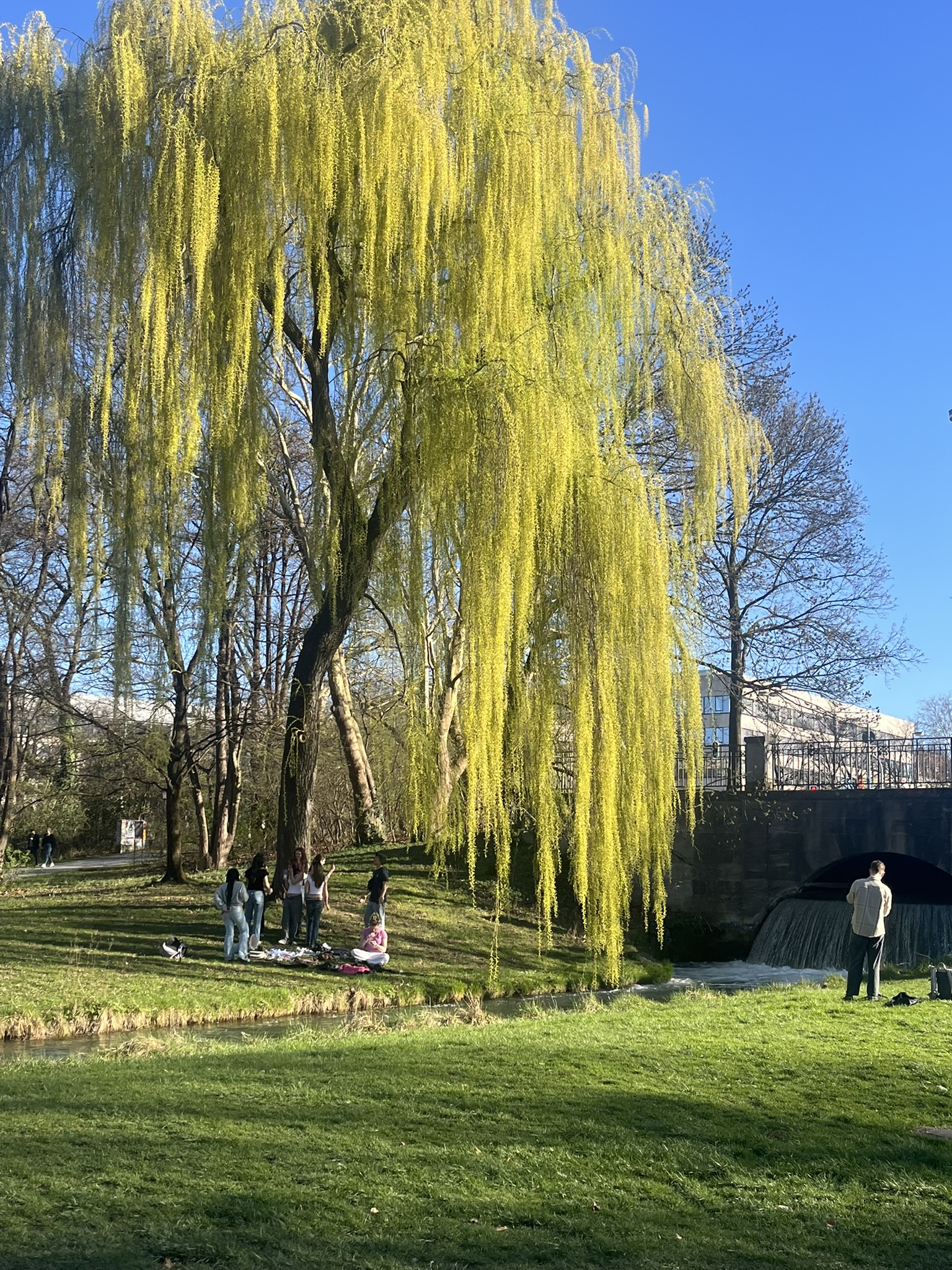
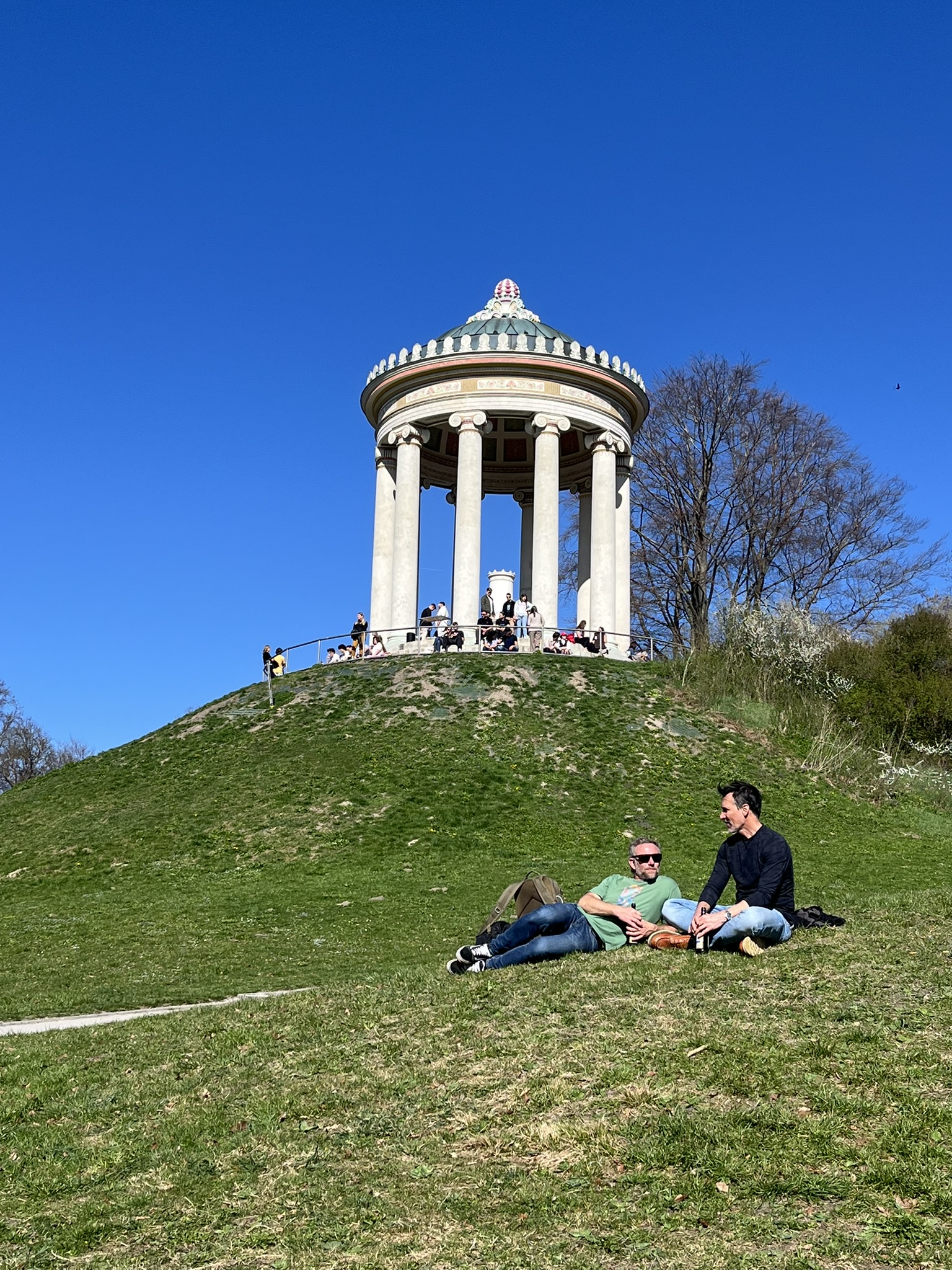
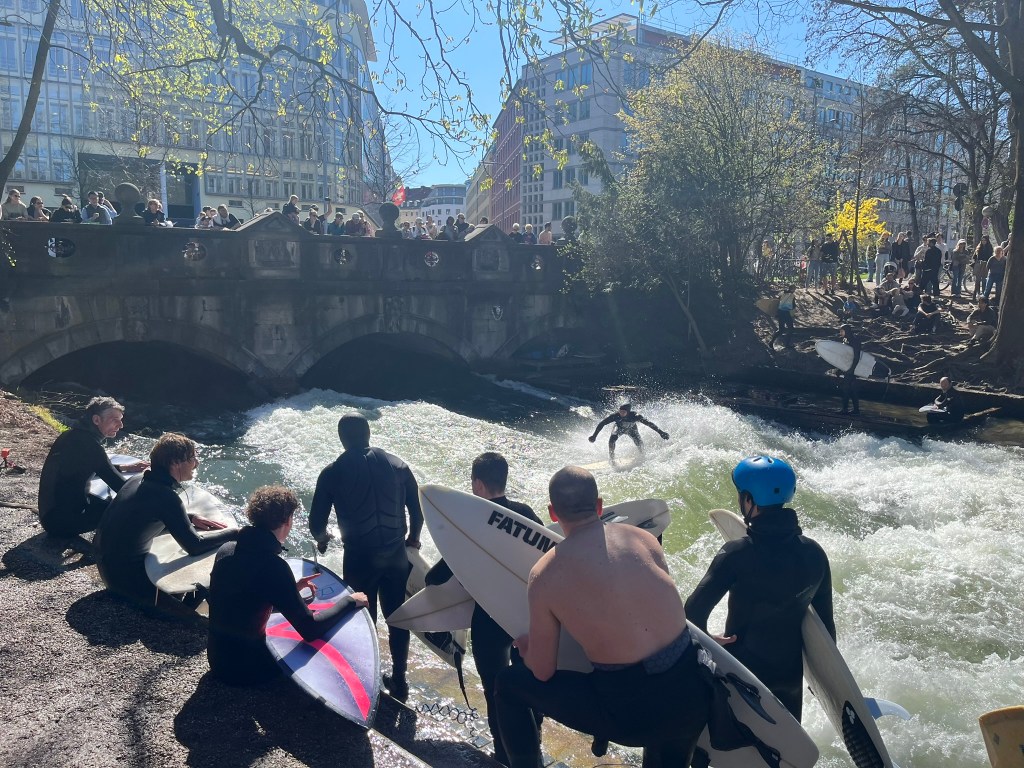
Spend a sunny day walking through the English Gardens to see brave wet-suited surfers on the man-made river waves and stop at the Biergarten am Chinesischen Turm (beer garden at the Chinese tower) for a fresh-baked pretzel and a mug of beer, Maracuja (passion fruit) juice with water, or Johannisbeere (black currant) juice with water. Kids can play on the jungle gym while adults chat and people-watch, all while listening to the lively oompah band playing from the second level of the tower.
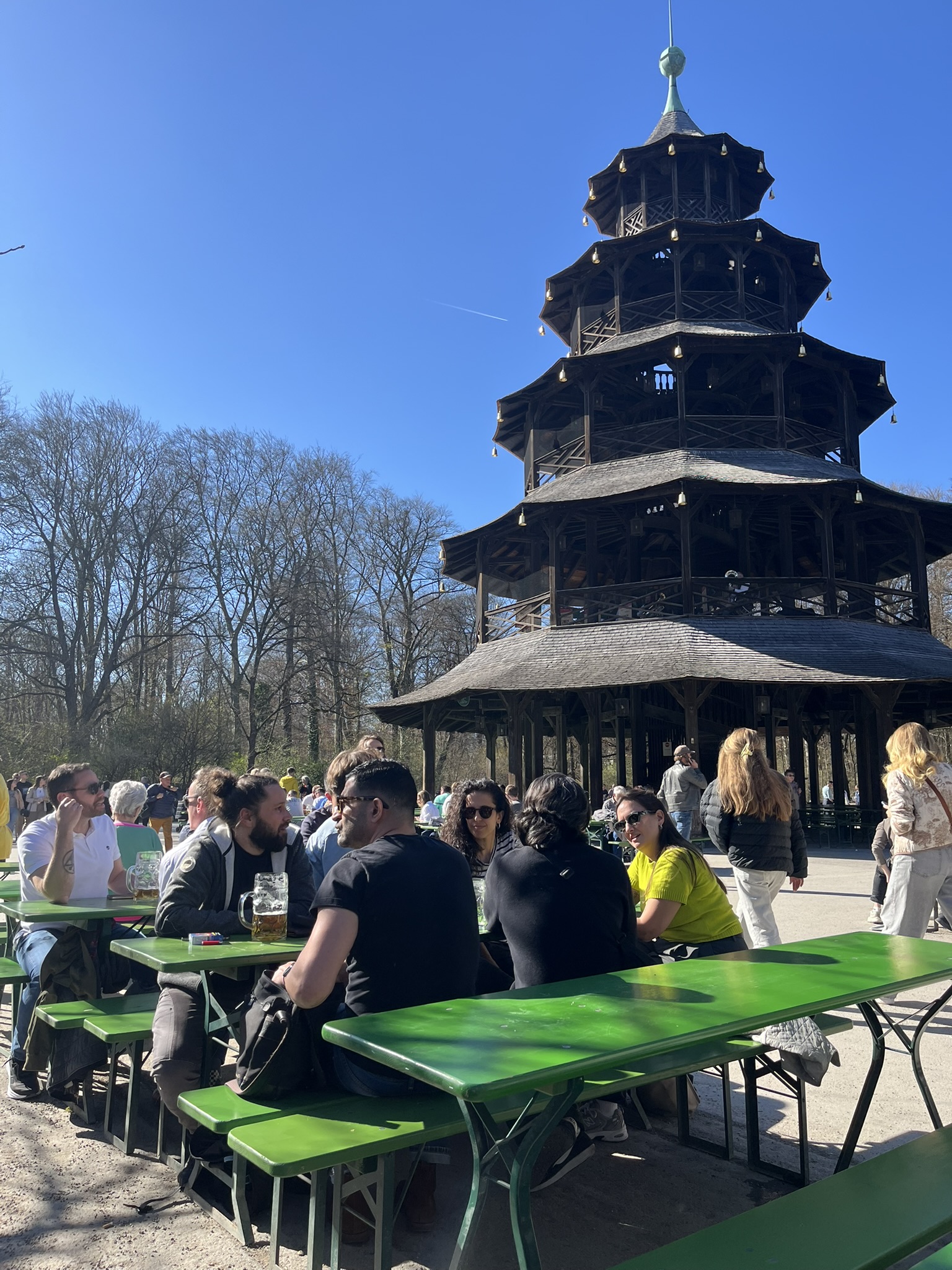
On a nice day, the English Gardens fills with picnickers, volleyball players, surfers, and groups of friends.

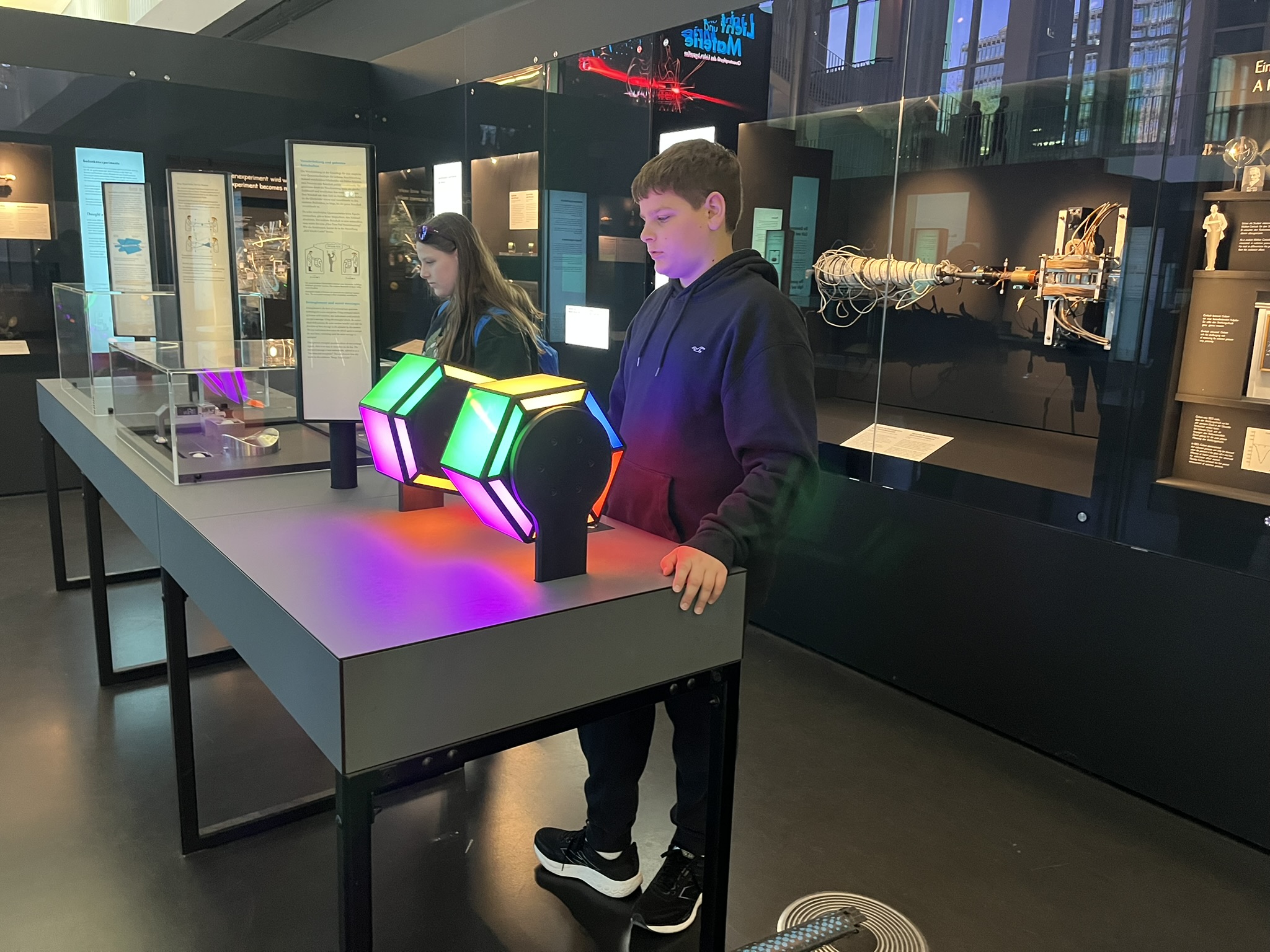
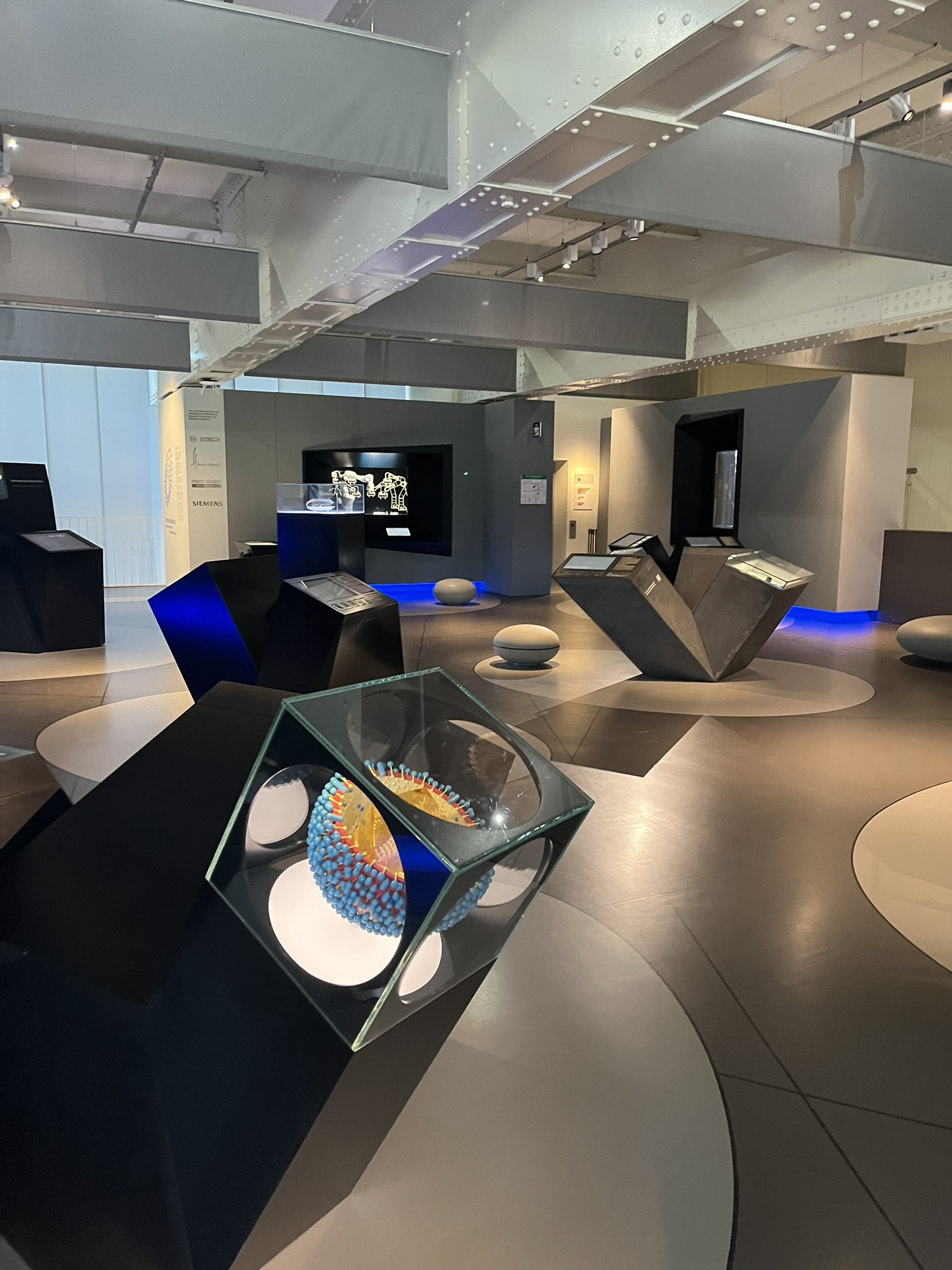
For a dose of education, head to the Deutsches Museum, one of the world’s largest natural science and technology museums. Through hands-on experiments and interactive exhibits, explore the physics of light and sound, observe chemical reactions, and learn about human body physiology. An enormous aviation center and historic airplane hangar allow visitors to climb into cockpits and pilot model airplanes. In the Musical Instruments exhibition, try your hand at playing the theremin—an electronic musical instrument played by placing hands in the air between two antennas that sense the hands’ positions and control frequency and volume.

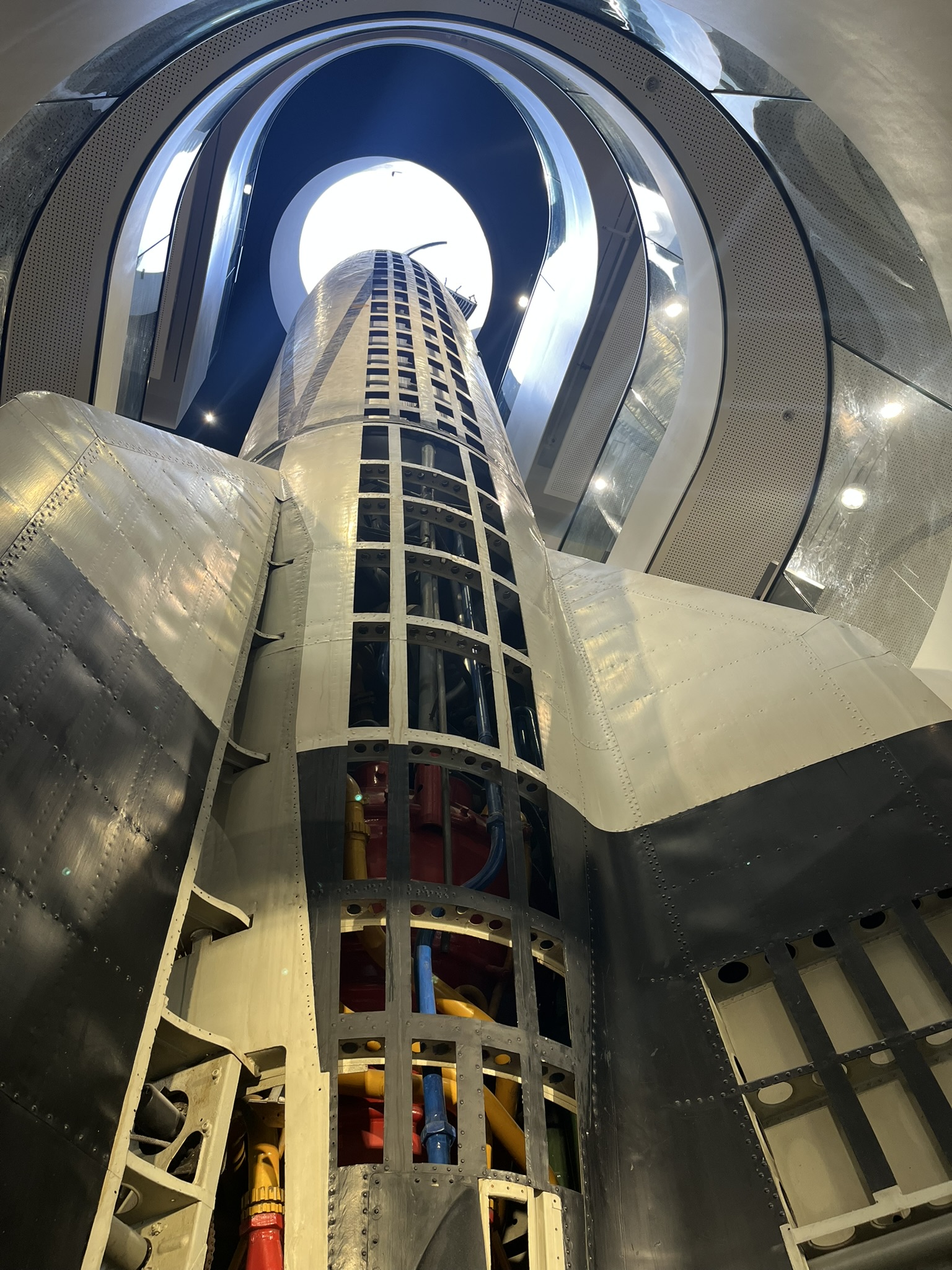
Deutsches Museum interactive exhibits make learning fun.

After two nights in each city—Davos, Switzerland; St. Anton am Arlberg, Austria; and Munich, Germany—a flight out of Munich Airport concludes an adventure exploring towns in three different countries all within one week. Thanks to Eurail’s flexible Global Pass, it is a fantastic way to get a taste of multiple countries with just one set of airline flights!

Eurail offers speedy and smooth transportation, and window seats to beautiful scenery.

Looking for more ski opportunities? Visit bestofthealps.com to learn more about top ski resorts that help define and cultivate Alpine culture. Best of the Alps is a collection of 9 Alpine resorts that showcase mountain village magic and charm in Switzerland, Austria, France, and Italy. For more than 30 years, the Best of the Alps organization has encouraged exploration of the cultures, communities, traditions, natural wonders, and distinctions of these remarkable Alpine destinations: Chamonix-Mont-Blanc and Megève in France; Cortina d’Ampezzo and Courmayeur in Italy; Crans-Montana and Davos Klosters in Switzerland; and Kitzbühel, Lech Zürs am Arlberg, and St. Anton am Arlberg in Austria.

Gateway to Connemara

By Susan O’Brien
Photos by the author

The early part of the 21st century has changed Ireland in many ways both good and bad. A building boom (now gone bust in the world-wide recession) had Irish-style mini-mansions going up throughout the beautiful and rugged western part of this once-impoverished country. Many immigrants were returning home to take advantage of the employment opportunities created by the famed “Celtic Tiger” economy.

But if you are a visitor looking for a place that still holds the bucolic charm for which Ireland is famous, Clifden in County Galway is a perfect base for exploring beautiful Connemara. This little Irish village is perfectly situated between bustling Galway City and the rolling countryside of western Ireland, which is justly famous for its rugged, desolate beauty.

Kylemore Abbey, Connemara

One of the newest towns in Ireland, Clifden was founded at the beginning of the 19th century by John D’Arcy, who hoped the town would bring prosperity to the poverty-stricken area. Today the village is much as it was built more than 100 years ago, but as a hub for tourists exploring the surrounding countryside, it is home to numerous restaurants, shops, B&Bs and hotels.

Clifden is a logical and pleasant home base or jumping-off point for anyone wishing to explore Connemara and its beautiful coastline, quaint villages and rugged mountains. It is also a convenient hour’s drive into Galway City, with its more cosmopolitan nightlife and shopping scene.

To check out accommodations, restaurants and things to do in Clifden, go to www.clifdenchamber.ie. For information on the region, go to www.connemara.ie or discoverireland.com.

Hiking + Swiss Alps = Fun

By Barbara Gibbs Ostmann
All photos courtesy Switzerland Tourist Board

Switzerland is celebrating 150 years of Alpinism this year, and there’s no better way to celebrate than by going for a long mountain hike.

Aristocratic English adventurers were on to a good thing back in 1857 when they reached the summit of the Finsteraarhorn and later, upon their return to London, founded The Alpine Club, the first mountaineering association in the world.

By 1863, English climbers had ascended more than 50 Swiss peaks, firmly launching Switzerland as the playground of Europe and the center of mountain tourism. Today’s hikers can choose from more than 40,000 miles of well-marked paths throughout the country.

NEED COMFORTABLE BOOTS
Touring Switzerland by foot is a lot different than touring it by train or car, and worth all the sweat and effort. The key to a successful hiking trip is a pair of well-broken-in hiking boots — it is not the time to try out a new pair.

Having lived in Switzerland for two years as a graduate student, and visiting it many times, I had my doubts about going on an organized hiking tour. But hiking in a group proved to be a great way to visit Switzerland, providing moral support and camaraderie. Although we had prepared for the trip by hiking at home, we all benefited from the well-planned itinerary that began with easy walks and built up to the steeper climbs, preparing us physically for the more difficult parts of the hike.

My group of hiking companions, ranging in age from 13 to 67, set off in high spirits from Les Avants, above Montreux on Lake Geneva in the French-speaking part of Switzerland, and arrived 10 days later, foot weary but fulfilled, in M̹rren in the heart of the Bernese Oberland in German-speaking Switzerland.

STARTED EASY
The adventure began with an easy hike through the forest up to the Col de Jaman (Jaman Pass), above Lac Leman (Lake Geneva). We spent the first night on the trail in a matratzenlager or dormitory — a large room filled with side-by-side mattresses. It was a good introduction to what to expect in the final stages of our hike when we would be in the mountains for three days, carrying all our food and clothing. For most of the trip, we carried a day pack and a sack lunch each day, while our suitcases were transported by bus to the next village and hotel where we would spent the night.

It was early to bed because it was early to rise. At a little more than 11 miles, the next day’s walk was the longest of the trip, and much of it was on paved roads— hard on the feet and legs. However, the scenery along the Lac de L’Hongrin was beautiful and the weather was sunny and warm. The day’s hike ended in L’Etivaz, a small village in the French part of Switzerland.

DAY THREE
The third day’s walk was more typical of those to come. We started with a steep climb out of the valley and up to the windy Col de Jable (Jable Pass), where we huddled behind a rock fence to eat lunch. Upon crossing the Col de Jable, we left the French Canton of Vaud and entered the German Canton of Bern. Descending, we arrived in the glitzy resort town of Gstaad. There was time to shop, but in our hiking gear, we didn’t look the part of fashionable Gstaad jet-setters.

In the morning, we hiked through drizzling rain to the bus stop and took the postal bus from Gstaad to the village of Lauenen, where we set out on the day’s hike. As we trudged over the Tr̹tlisberg Pass, the rain grew heavier and the temperature dropped. At the top of the pass, it was sleeting, and we were wet, cold and miserable. No stop for a picnic lunch at the top of this pass! In fact, no stop for lunch at all. All we wanted was to get to the next town, Lenk, and get warm and dry.

We did hole up briefly on the porch of an unoccupied chalet where we nibbled chocolate bars, changed from wet to dry clothes (if you were lucky enough to have any dry ones in your pack) and generally fortified ourselves for the remaining descent. We finally arrived at our small hotel in Lenk, where we rushed to get into hot baths midpoint of hike the hotel quickly ran out of hot water.

The next day, the midpoint of the hike and a free day, dawned sunny and bright. Many of us took the ski lift up to Leiterli from where we could see across the valley to the pass we had crossed the day before in the rain. We could pick out the chalet where we stopped, the place where we got lost and had to climb on our hands and knees on the slippery scree to get back up to the path, and where we had turned off to take a shortcut to town. It looked better in the sunshine than it had in the rain the day before!

Sunday, it was back to the trail. We started with a short bus ride to the hamlet of B̹elberg, from which we hiked to the Hahnenmoos Pass. It was drizzling, but nothing like the rainy day we’d had before. As we descended, the rain stopped, and we arrived in the lovely town of Adelboden with time to visit the shops.

The journey from Les Avants to Adelboden had been an introduction to the days to come. From Adelboden on, the mountains were higher and more rugged, and much of the trail was above the timberline.

The next day’s 9-mile hike began with a long, hard climb up to the Bunderchrinde Pass — more than 3,500 feet over slippery shale rock — then on to Kandersteg. As I sweated, puffed and panted, I wondered if I could actually make it. But when I reached the pass at 7,500 feet, it was more than worth the effort.

In my notebook I wrote, with words inadequate to describe the satisfaction of being there: What a thrill. The view is worth the whole hike. We are above the clouds, and in the clouds, as they move and change position. The north face of the Eiger just popped out of the clouds — thrilling! Eiger and Munch

Later, both the Eiger and the M̦nch were stunning as they poked through the clouds. Sighting the Eiger that day was the first of many such glimpses as we continued toward it and ended up directly across from it at our final destination of M̹rren. We were now at the heart of the hike — three days in the mountains with everything on our backs, hiking from Kandersteg to M̹rren, across the Bernese Oberland into the shadow of the Jungfrau, the magnificent mountain and glacier above Interlaken.

Luck was with us, and we had great weather for the three days, and even the next day in M̹rren, when we visited the Jungfraujoch in bright sunlight.

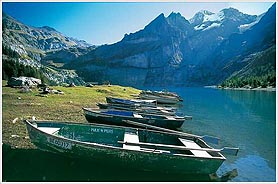
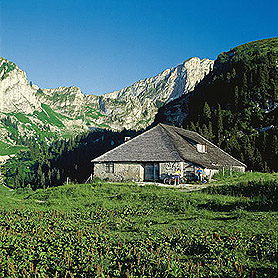
Leaving Kandersteg and its comforts, we started with a chairlift up to the Oeschinnensee, a spectacular Alpine lake with blue waters in an incredibly beautiful setting. From the lake, it’s a climb of more than 3,600 feet to the Hoht̹rli Pass, where we spent the night in an Alpine hut on the Bl̹misalp, next to a glacier. The hut, perched precariously on the top of the pass, is a popular spot for summer hikers and mountain climbers. In the winter, it is covered completely by snow. The accommodations at the hut consisted of a large room filled with mattresses, where we all piled in and slept like logs.

COLORFUL, AWESOME SUNSET
One of the thrills that day was watching the colorful sunset, as the sun sank into the clouds, framed by the mountain peaks. From the pass, we could pick out the Eiger, now bigger and closer than its first sighting yesterday, as well as the Schilthorn with its restaurant perched on top, the scene of the James Bond movie, “In Her Majesty’s Secret Service.”

We began the morning’s descent by clinging to a steel cable pegged into the mountain wall as we slipped and slid on loose scree. The descent of 4,000 feet before reaching Alpine pastures seemed interminable. We just kept walking-and walking-and walking and going down and down and down.

We finally reached the valley floor where a glacial river flowed, icy cold and steel gray in color. We peeled off as much clothing as we could and still be decent and cooled off in the stream. Then it was on to a nearby chalet for cold beer and our sack lunches.

In the afternoon, we hiked along a wide path with wildflowers and bright sun. It was a delightful walk, leading us to our accommodations for the night: a cow and goat barn at Unter D̹rrenberg.

A ‘LOFTY’ SLEEP
We climbed a ladder from the stables to the loft. (You quickly learn to hold the sides of the ladder, not the rungs, unless you want a handful of cow manure!) In the loft, there were side-by-side mattresses, as in the dormitories. Only here, the air was scented with ammonia from the goats and cows below. It was primitive, but one of the trip’s highlights for me, but not for some of my fellow hikers. It was probably a good thing that the next night we would find ourselves in a comfortable hotel once again.

The next day was the last day of the hike, and we hated to see it end. The morning’s climb was the most difficult of the entire trip — or maybe I was just getting tired. I thought I’d never make it across all that slippery scree and obtain the summit. But once again, upon arriving at the pass, the Sefinenfurke, the views were so spectacular and the feeling of accomplishment so great that I immediately forgot the ordeal of arriving there.

MAKE IT LAST
We dawdled over lunch at the pass; everyone wanted to make the day last as long as possible. A snooze in the sun, a scramble to a nearby peak for photos, and soon it was time to descend. We crossed from the shale into Alpine pastures into forest and down into M̹rren, a picturesque village perched on the side of the mountain, facing the Jungfrau, M̦nch and Eiger across the valley.

The snow-covered mountains radiated sunlight as we descended, alpenstocks (walking sticks) in hand. After watching the Eiger grow larger and larger for several days, suddenly there it was, bigger than life and bathed in bright sunlight.

The feelings of the group could be summed up in the words we saw carved in German on an ancient chalet in the village of Kandersteg:

“He who drinks of the high mountain light, shall know no unhappiness on earth.”

I’ll drink to that.

ET EXTRA
The company I traveled with is no longer offering the Swiss hiking itinerary, but several other companies offer similar guided or self-guided trips. Start with these links and do some research to find the trip that suits you.
* Ryder Walker Alpine Adventures, www.ryderwalker.com.
* Wanderweg Holidays, www.wanderwegholidays.com.
* Active Journeys, www.activejourneys.com.
* Ibex Treks, www.ibextreks.com.
* European Walking Tours, www.walkingtours.com.
* The Wayfarers, www.thewayfarers.com.
* Alpinehikers, www.alpinehikers.com.

For hiking tips and itineraries specific to Switzerland, visit www.myswitzerland.com and click on “hiking.”

The most important item for a hiking trip is a good pair of boots that fit you well and are thoroughly broken in. Other things to include in your pack are: moleskin, Band-Aids, Swiss Army knife, water bottle, sunscreen, Ace bandages, medicated powder, poncho, wool or fleece sweater or jacket, flashlight, binoculars, compass, hat, sunglasses, resealable plastic bags for keeping articles dry. Be sure to dress in layers — the weather in the mountains can change swiftly.

ABOUT THE WRITER
Barbara Gibbs Ostmann is an award-winning journalist with 30 years of writing and editing experience in newspapers, magazines, cookbooks and newsletters. She was food writer for the New York Times Regional Newspaper Group from 1993-2005 and food editor of the St. Louis Post-Dispatch from 1975-1990. She joined the faculty of the University of Missouri-Columbia as an assistant professor and the coordinator of the Agricultural Journalism program from 1991-1993.

Barbara has co-edited 12 cookbooks and is co-author of “The Recipe Writer’s Handbook,” a style manual, and was copyedited or contributed to 17 other books. She writes about travel, food and wine for regional and national magazines, and copyedits manuscripts for several publishing houses.

Barbara is treasurer of The Culinary Trust, the philanthropic arm of the International Association of Culinary Professionals (IACP). She is also on the Board of Directors of the Midwest Travel Writers Association and the Missouri Association of Publications. She has traveled extensively in Europe, Asia, Australia, Africa, North America and South America.

Experience the Panorama of Switzerland from Atop Mount San Salvatore

Photo courtesy Switzerland Tourism

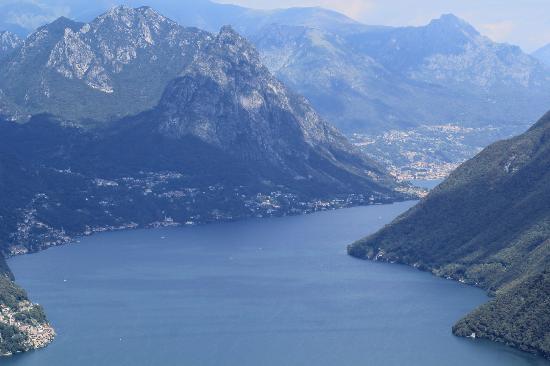
The majestic Swiss mountain San Salvatore, at 1,970 feet, rises into the sky of Lugano, offering a unique perspective of the lake, the Lombardic plain and the magnificent range of the Swiss and Savoy Alps.

The site is enchanting, thanks to its restaurant with a veranda and panoramic terrace, where visitors can combine gastronomic pleasures with relaxing moments.

The funicular, running since 1890, takes passengers up to San Salvatore in 12 minutes and starts in the Lugano suburb of Paradiso. A footpath leads from the intermediate station to a 150-meter-high fixed rope trail.

A 15-minute stroll from the mountain station takes climbers to the peak, where there is a viewing tower, offering a breathtaking view of the region of Lugano, Lake Lugano, Lombardy and the Alps.

For more info, go to Switzerland Tourism

Ski or Just Relax in the Shadow of Mount Blanc

Photos courtesy Swiss Tourism

Perched on a wooded, sunny plateau above the Rhône Valley about halfway between Martigny and the Chateau de Chillon end of Lake Geneva, Villars offers activities that find the balance between recreation and relaxation.

Ever since the famous Orient Express arrived here, visitors to Villars have enjoyed the healthy air to be found on the natural balcony it rests on. At about 1,300 meters (4,225 feet) in the heart of the Vaud Alps, this idyllic setting has stunning views stretching from Lake Geneva to Mont Blanc.

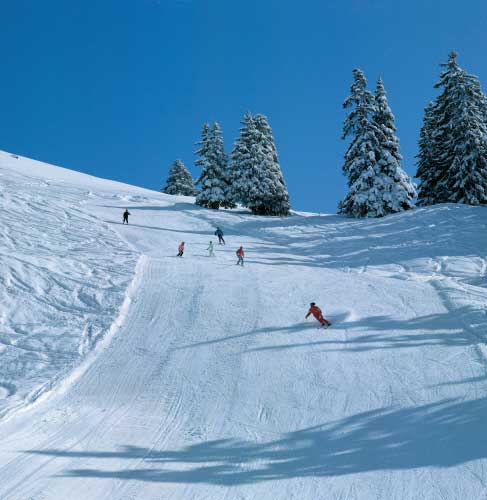
Winter sports fans can enjoy the wide range of attractions the area offers, including 125 kilometers (78 miles) of skiing terrain. In all, there are 52 runs which are 50 percent beginner, 42 percent intermediate and eight percent advanced. Sports enthusiasts wanting to be challenged can try the glacier at Les Diablerets, about 20 kilometers (13 miles) from Villars. There are four glaciers in the area available for heliskiing.

Those in search of relaxation can enjoy the facilities and wellness benefits of the thermal baths (Lavey-les-Bains). Children can enjoy the family programs that cater to adults and kids.

More information can be found at www.ski-europe.com/resorts/villars