Cruising the Loire River with CroisiEurope

Mouthwatering meals, comfortable accommodations and excursions to grand French chateaux highlight travels on the Loire Princesse, a great way to see France

By Randy Mink

Those who have cruised the Danube, Rhine, Seine and other popular rivers of Europe might put a fresh new destination on their radar—the Loire Valley of western France.

Gliding gently from east to west through the center of France, the Loire River flows past fertile fields, rolling hills and countless palaces and castles. Only one ship—CroisiEurope Cruises’ 96-passenger Loire Princesse—offers this route, and I was onboard November 2025.

On a five-day/four-night itinerary from Nantes, my daughter, her husband and I sailed to the Atlantic port of Saint-Nazaire and then headed east to visit the opulent Renaissance-era chateaux and do some wine tasting. To reach Nantes, we rode for two hours and 19 minutes on a high-speed train from Paris, where we spent three days both before and after the cruise.
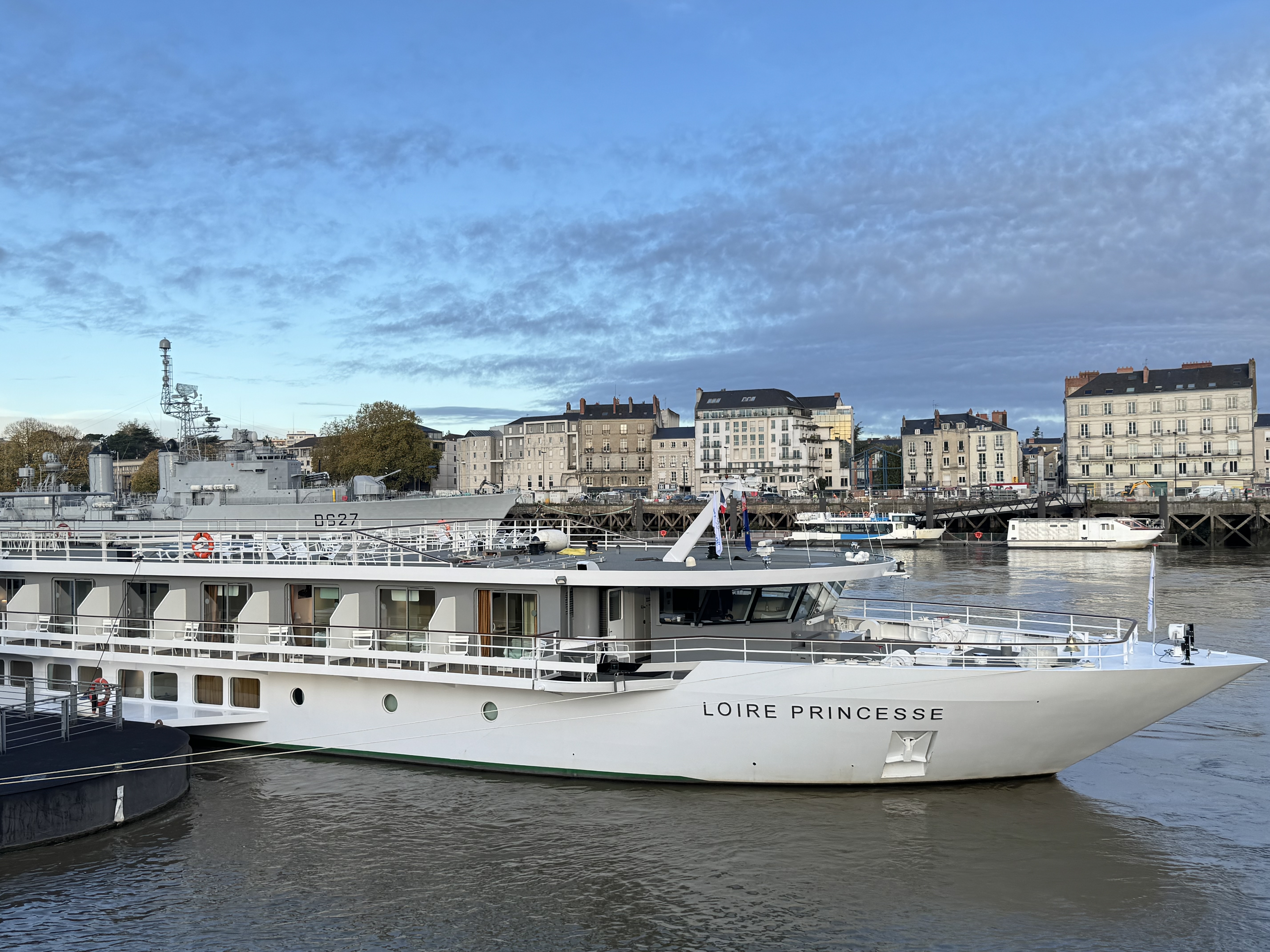
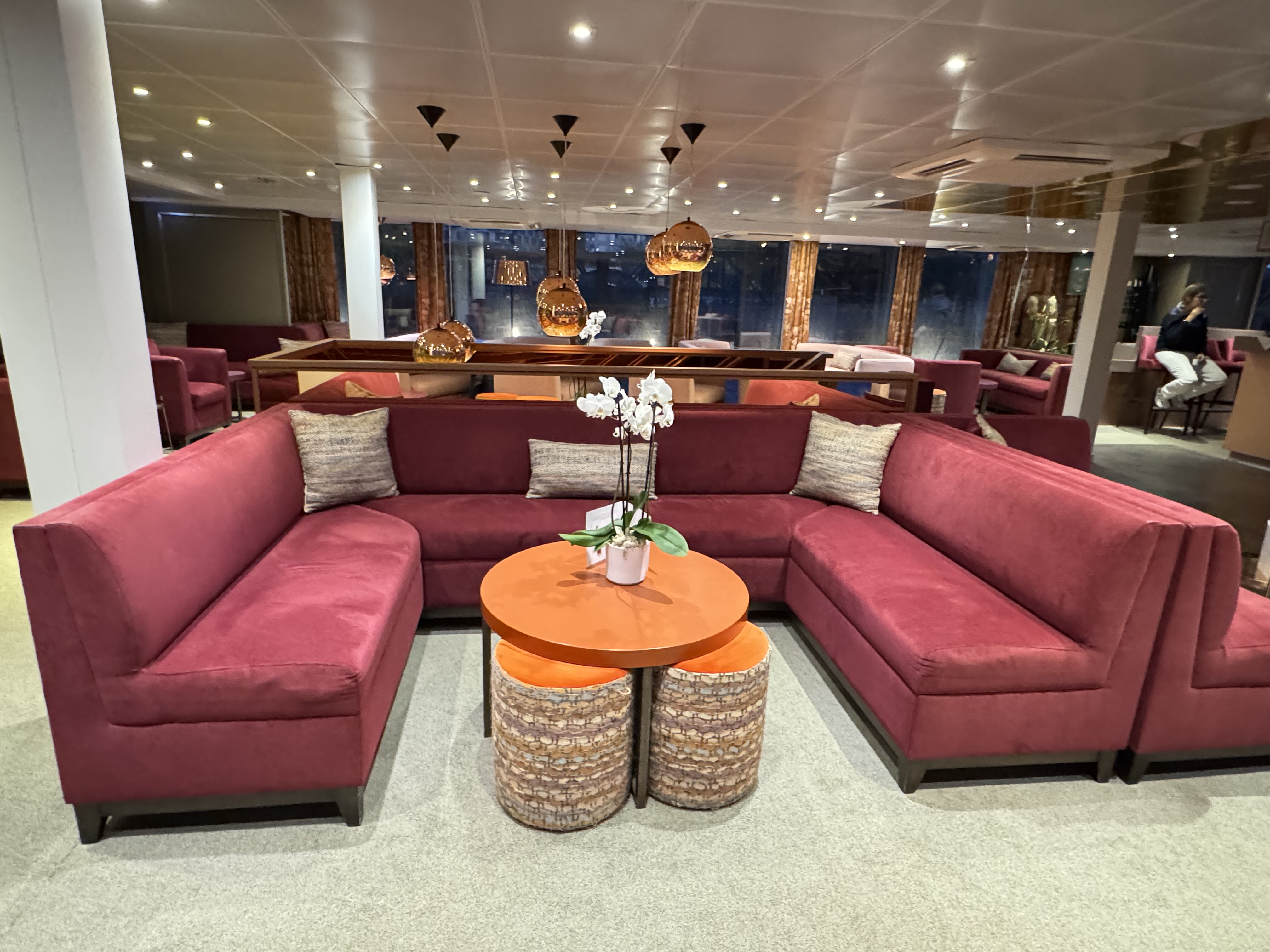
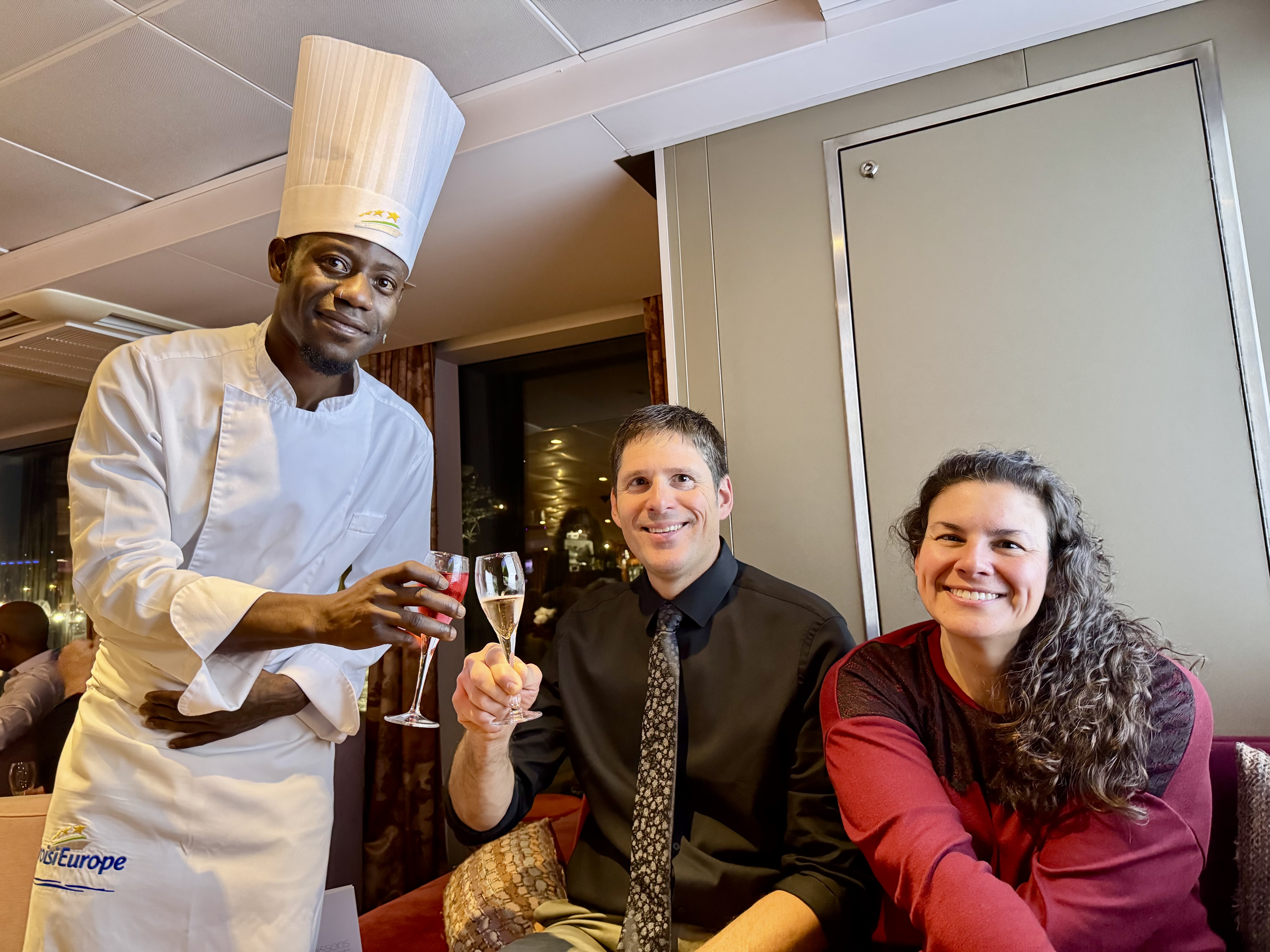
Left: CroisiEurope’s 96-passenger Loire Princesse, shown here in Nantes, is the only ship offering overnight cruises on France’s Loire River. (Randy Mink Photo) Top Right: The lounge/bar is the gathering spot for guests of the Loire Princesse. (Photo credit: CroisiEurope Cruises) Bottom Right: Loire Princesse passengers have a chance to meet the chef and other staff members at a gala cocktail party in the lounge/bar. (Randy Mink Photo)

Enchanting Nantes

A pleasant surprise, Nantes was a highlight of our 10-day trip to France. I had never heard much about it and was expecting just another big city, but the most westerly of France’s large urban centers turned out to be a charmer.  

In the heart of town, just steps from the Loire Princesse dock, lies Les Machines de L’ile, one of Nantes’ premier tourist attractions. At this gallery/workshop where oversized mechanical animals come alive, a group of us from the ship saw demonstrations of a giant spider, ant, heron, sloth, caterpillar, chameleon and other creatures in motion. Occupying former shipyard buildings in a reimagined district that preserves reminders of Nantes’ maritime past, it’s a one-of-a-kind artistic project inspired by the fantasy worlds of science-fiction novelist Jules Verne (a native of Nantes), Leonardo da Vinci’s mechanical aesthetic and the city’s industrial history.

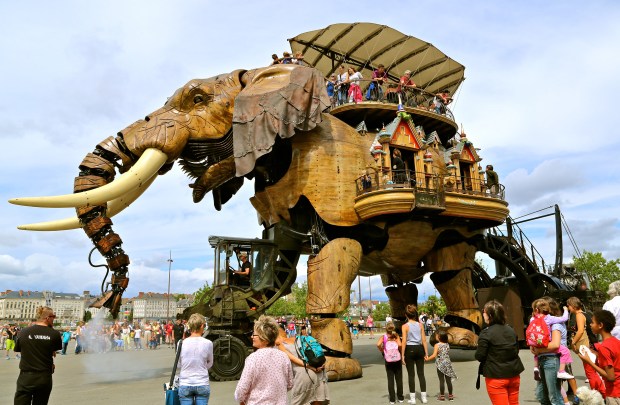
Getting the most attention at Les Machines de L’ile is the Grand Elephant, which can be seen ambling along the quay carrying up to 50 people on its back. Made of steel and wood and fitted with a hybrid engine, the 39-foot-high, 48-ton creation has been offering rides since 2007 and is practically a symbol of modern Nantes, the sixth-largest city in France. Robotic-like, he walks by the project’s massive Marine Worlds Carousel, a three-story, interactive crowd-pleaser populated by sea animals that riders can manipulate with ropes and levers.
mechanical elephant with people aboard
The Grand Elephant, a mechanical wonder at Les Machines de L’ile in Nantes, lumbers along the quayside, just steps from the Loire River. (Photo credit: CroisiEurope)

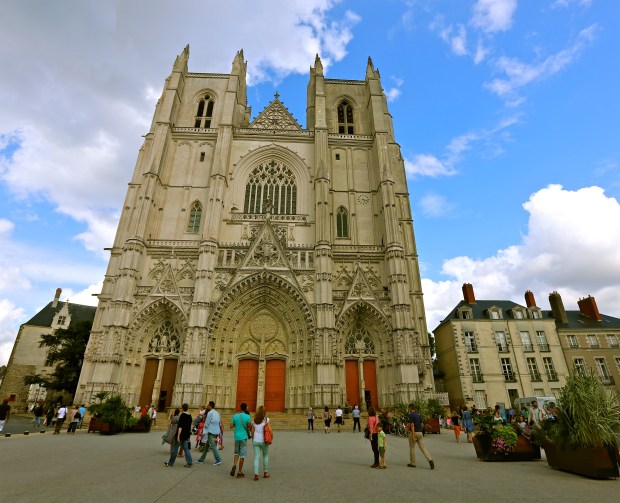
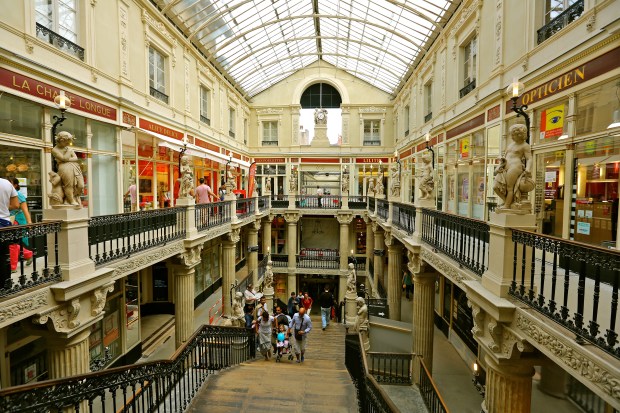
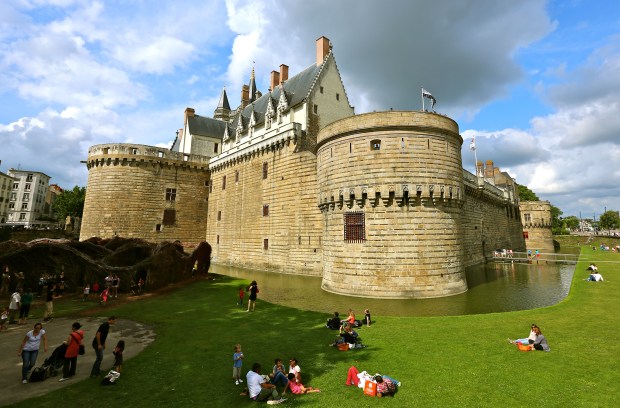
Before boarding the ship, we had a chance to poke around Nantes’ historic core, a compact area dominated by two attractions dating from the 15th century—the Cathedral of St. Peter and St. Paul and Castle of the Dukes of Brittany.  Exhibits in the castle museum chronicle the city’s history. You can stroll the ramparts for free. Also worth a look is the 1843 Passage Pommeraye, a covered shopping gallery with a monumental iron-and-glass roof.
interior of a shopping mall
Tourists exploring Nantes’ historic core will want to take a peek at Passage Pommeraye, a shopping mall dating back to 1843. (Photo credit: CroisiEurope)
people relaxing on lawn outside of a castle
The Castle of the Dukes of Brittany in Nantes houses a museum that chronicles the city’s history. (Photo credit: CroisiEurope)
cathedral with people outside of it
The Cathedral of St. Peter and St. Paul is a Gothic gem in Nantes’ historic district. (Photo credit: CroisiEurope Cruises)

Saint-Nazaire: Shipbuilding Center on the Atlantic

Downstream from Nantes, at the mouth of the Loire, resides the great shipbuilding center of Saint-Nazaire. On our shore excursion, I made good use of touchscreens, videos and a handheld audio guide during an immersive virtual voyage into the heyday of ocean liners at Escal’Atlantique, a museum housed in a German WWII submarine base a short walk from the Loire Princesse’s berth.

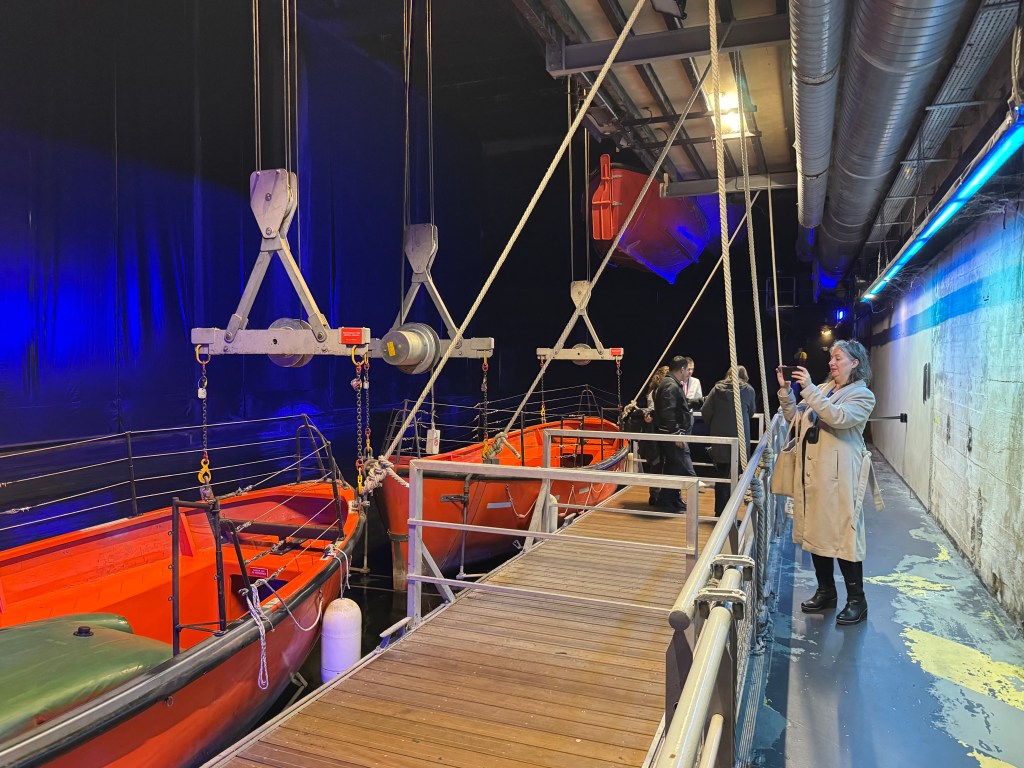
Besides furniture, artwork, dinnerware and large sections of paneling and other decor fragments, the museum showcases re-creations of staterooms and elegant public spaces of legendary French Line ships like the Normandie, a 1930s classic built in Saint-Nazaire. A movie with archival footage provides a timeline of important chapters in trans-Atlantic ship travel and explains how the airlines, beginning in the late 1950s, made ocean crossings a relic of the past. Visions of the ill-fated Titanic surface as your museum visit ends with a ride in a lifeboat that’s lowered to the floor below.

From the roof of the old submarine base, I could see the MSC World Asia under construction at Chantiers de l’Atlantique, one of the few shipyards that builds today’s mega liners. Our cruise did not include a visit there, but normally a shipyard tour is part of the program.
museum lifeboat
Guests of Escal’Atlantique, a Saint-Nazaire museum that chronicles the heyday of trans-Atlantic ocean travel, end their visit by riding in a lifeboat that’s lowered to the floor below. (Randy Mink Photo)
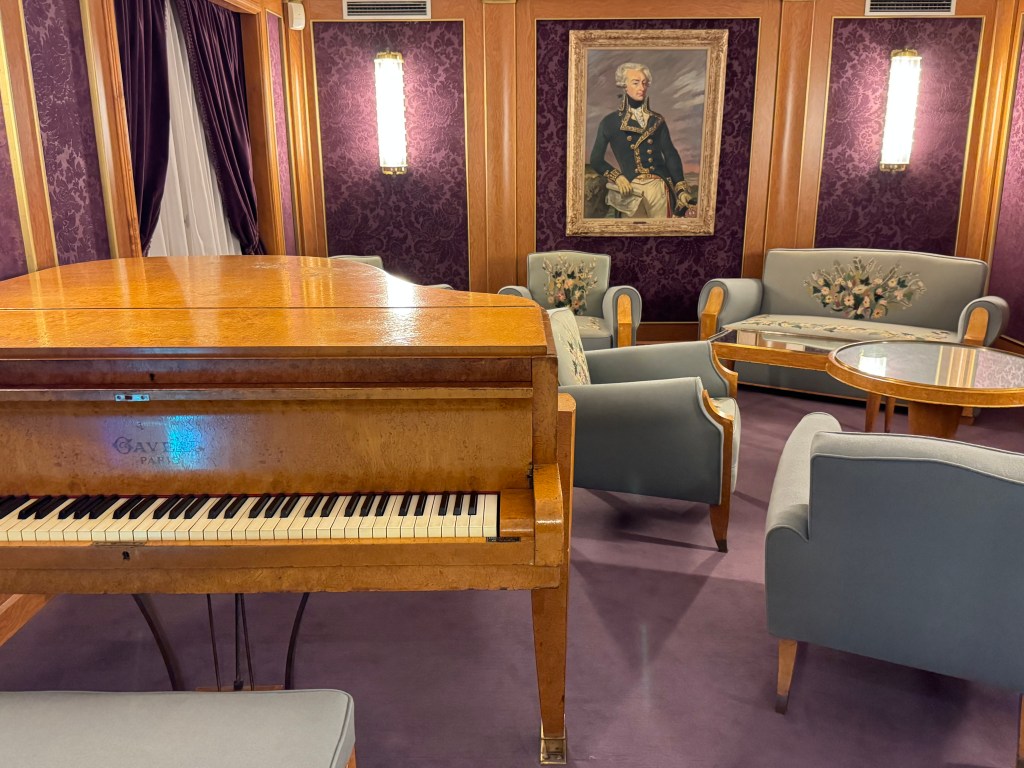
music room with piano and couches
A re-creation of the cozy first-class music room of the French Line’s Liberté, an ocean liner built in 1950, is on display at Escal’Atlantique. (Randy Mink Photo)
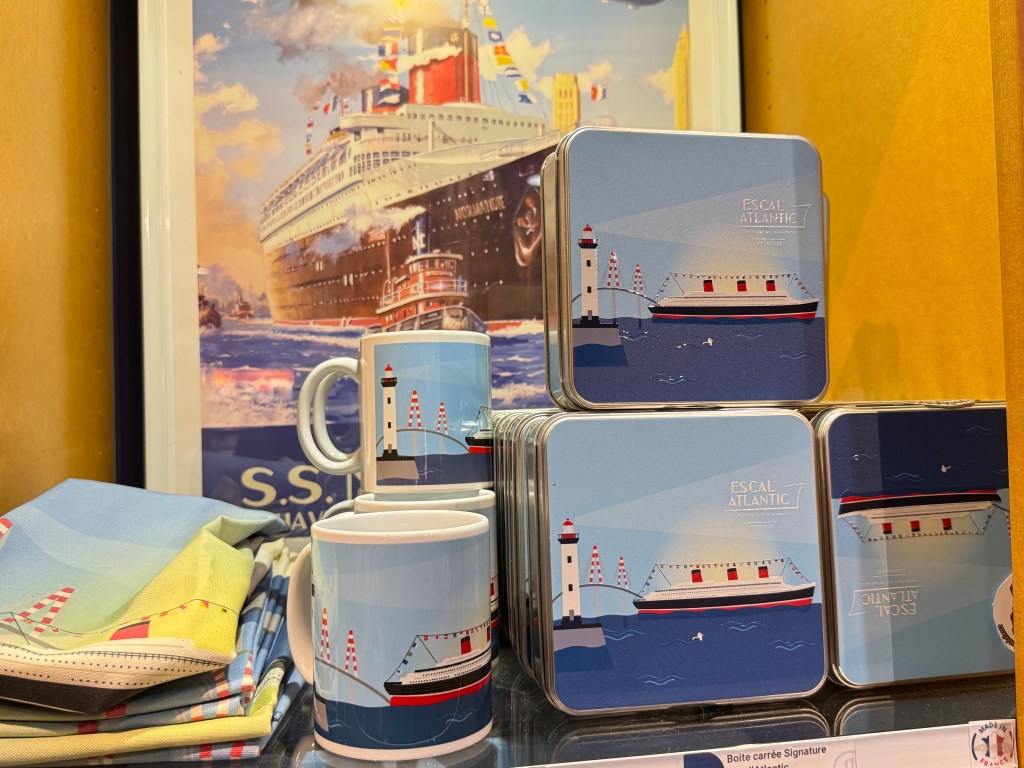
coasters and coffee mugs in a souvenir shop
Maritime-themed souvenirs fill the shelves of the gift shop at Escal’Atlantique. (Randy Mink Photo)

Loire Princesse Amenities and Mealtimes

The Loire Princesse, a product of Saint-Nazaire’s shipyards, was built in 2015. Sporting side paddlewheels, the floating hotel is outfitted with a shallow draft suited to Loire River travel.

In fact, “the MS Loire Princesse was engineered specifically for this river,” says Sandrah Gurash, North America general manager for CroisiEurope. “As this is a ‘wild’ river, water levels are not controlled by lock systems and it can impact navigation abilities. The shallow draft and paddlewheels allow her to navigate the river in all but extreme water level conditions.”

The 30 Upper Deck cabins feature a sliding panoramic window and a terrace with two chairs and a table, while the deck below has 18 cabins with high windows. I liked how my bed faced the terrace and appreciated the ample closet space and floor-to-ceiling mirror. Bright and white, the room and bathroom showed no signs of aging.

Large windows grace the Loire Princesse’s lounge/bar, where the fun and music happens. One night in this welcoming living room, we were serenaded with traditional Breton songs performed by a spunky duo that encouraged audience participation. The lounge’s outdoor patio affords great landscape views. One level above, the Sun Deck offers 360° panoramas.

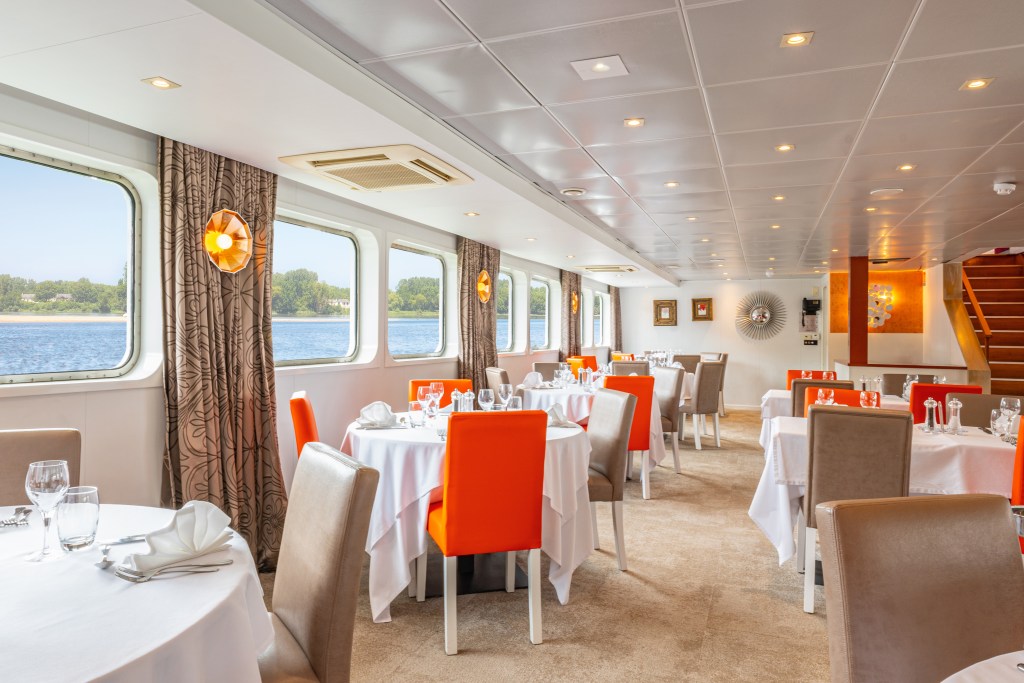
The best part of a CroisiEurope cruise, we had heard, is the refined French cuisine, and the Loire Princesse culinary team did not disappoint. Indeed, mealtimes in the restaurant merited exclamation points. The courses were artfully presented, the ingredients top quality, the sauces phenomenal. Each lunch and dinner (a plated meal orchestrated by a chef from Cameroon) seemed to outdo the previous one. Breakfast was a bountiful buffet. The cruise fare includes all drinks with meals and at the bar.

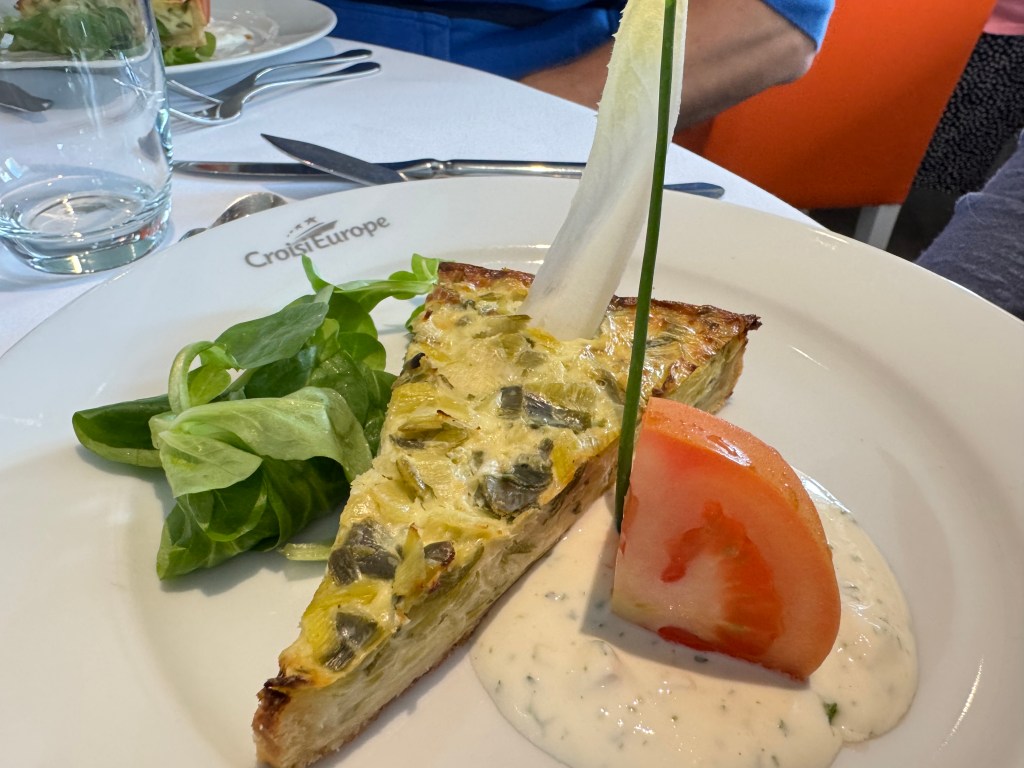
My favorite dinner started with assorted canapes and a silky, melt-in-your-mouth duck foie gras, followed by a quail filet in port wine sauce, brie filled with mascarpone and the grand finale—baked Alaska flambéed in Grand Marnier. A memorable lunch starred leek quiche and salmon steak in a white butter sauce the region is known for.

Our lunches and dinners did not include a choice of main course, but, starting in 2027, a selection of mains will be standard on all CroisiEurope river and canal cruises.
slice of quiche on a plate
Leek quiche is served for lunch in the Loire Princesse’s restaurant. (Randy Mink Photo)
cruise ship dining room
Gourmet meals await passengers in the Loire Princesse’s restaurant. (Photo credit: CroisiEurope Cruises)

Clisson Walking Tour and Muscadet Wine Route

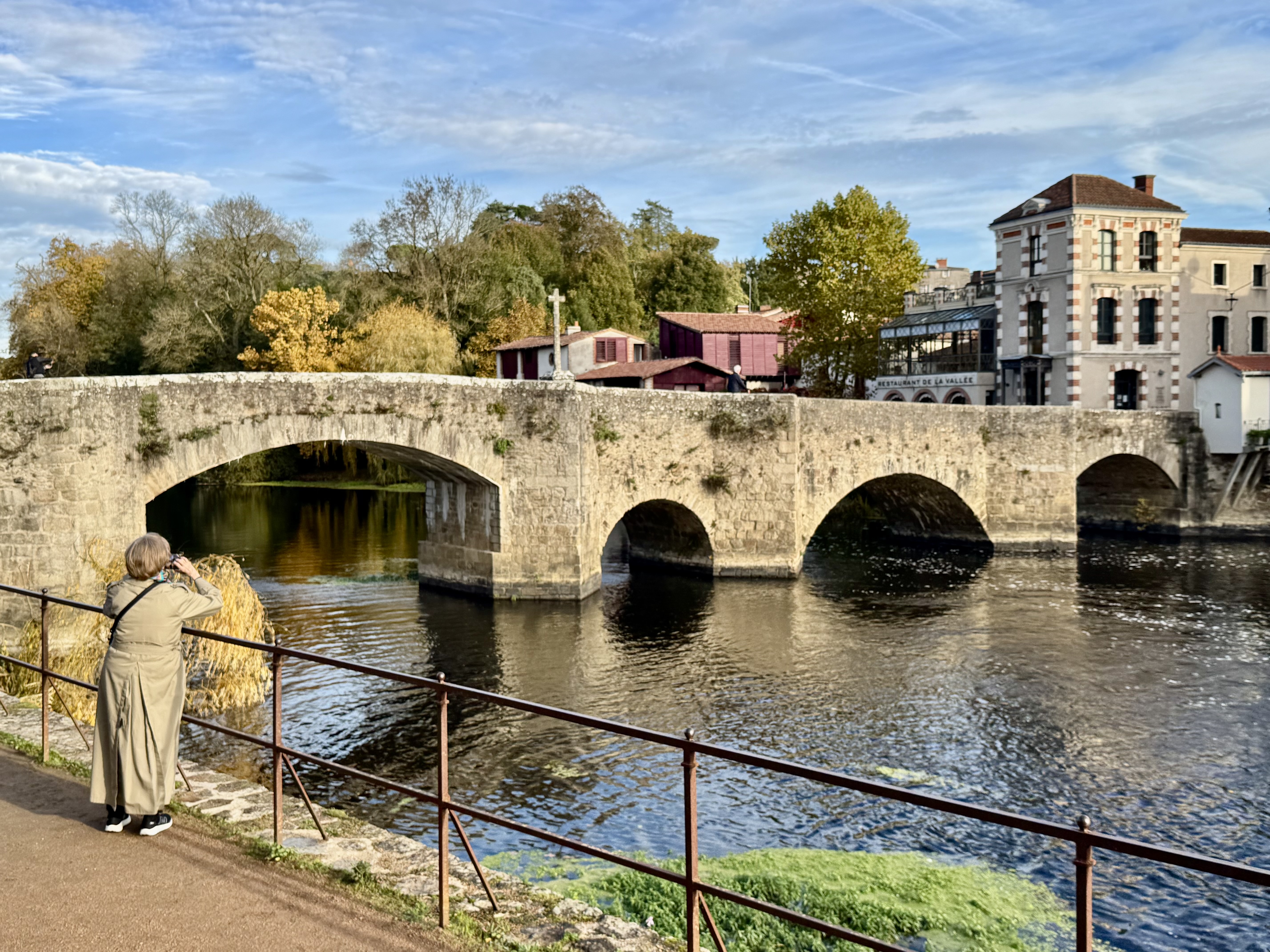
Heading east from Nantes on Day 3, our shore excursion took us to Clisson, a pretty village centered in picturesque castle ruins. Steps away from the medieval fortress is Clisson Market, a timber-framed structure where vendors sell fresh fruit and vegetables and locally caught fish. Rebuilt in the 19th century in the Italian architectural style, Clisson easily could pass for a town in Tuscany.

At our next stop, we gathered in a tasting room at Chateau Cassemichère to try several types of Muscadet, a dry white wine with a fruity bouquet that’s perfect with fish and seafood. The countryside south and east of Nantes has almost 400 wine growers, with Muscadet accounting for 80 percent of everything produced.
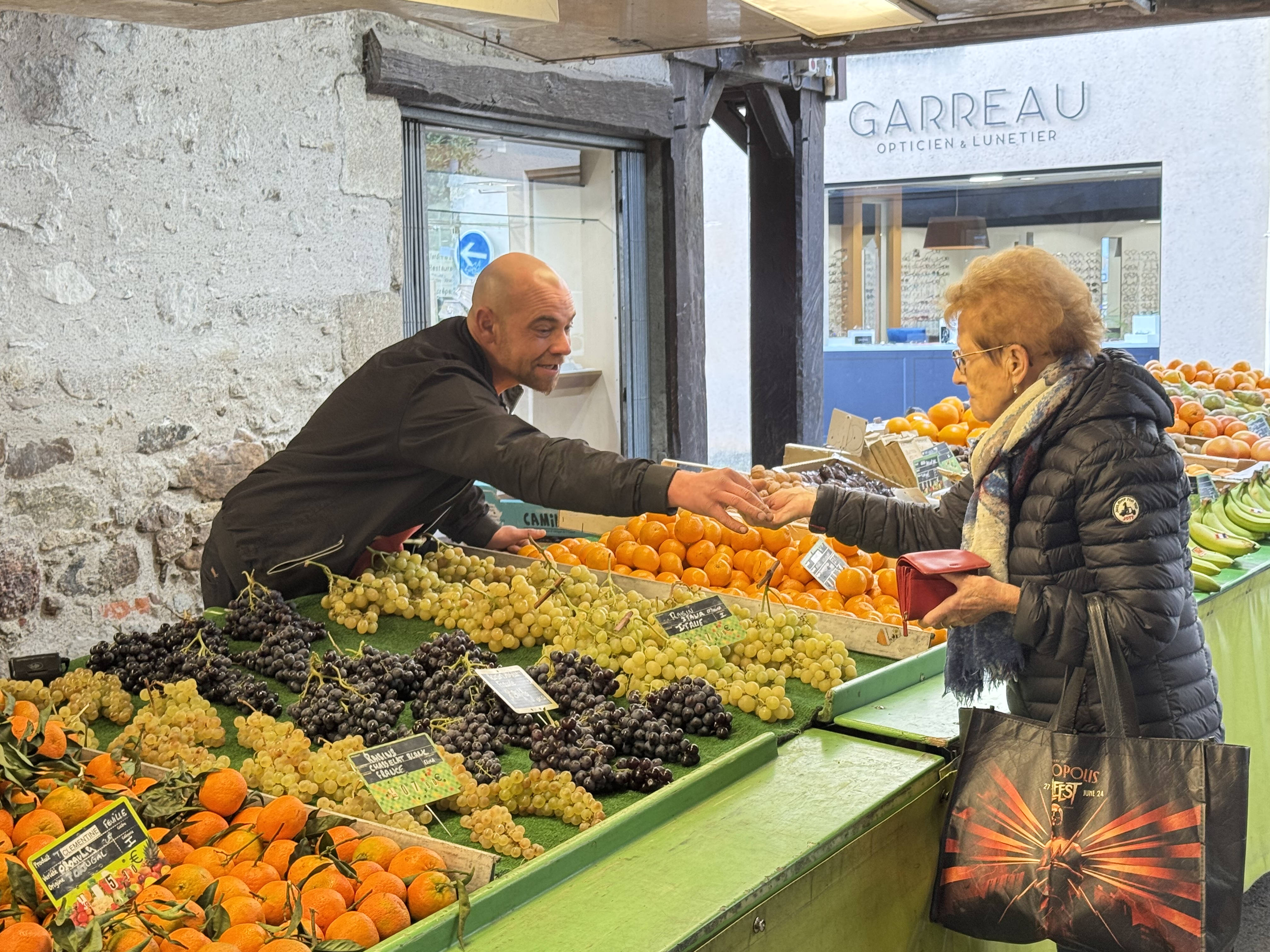
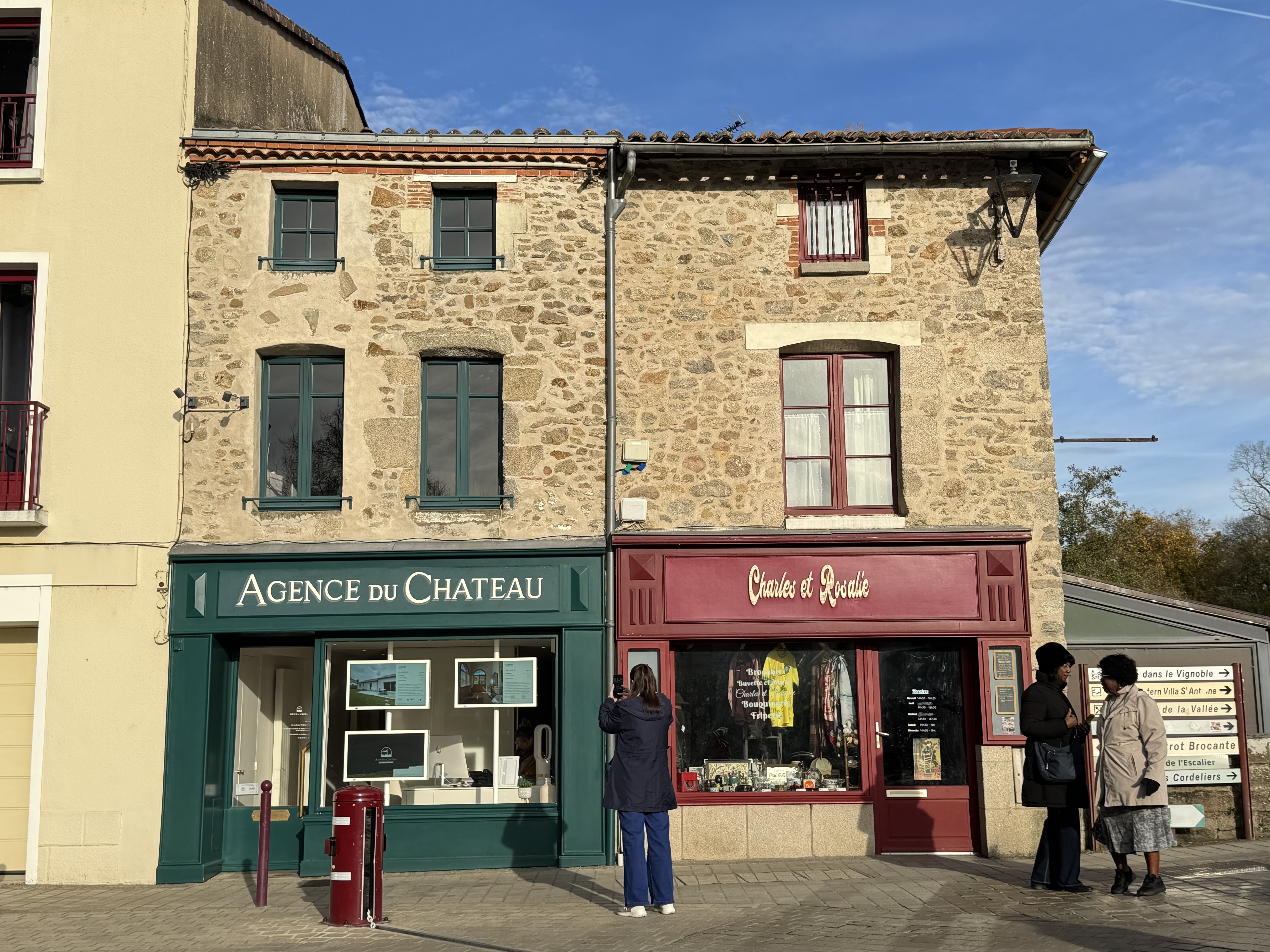
Walking tours of historic Clisson include a stop at the covered market. (Randy Mink Photo)

Loire Princesse shore excursions visit the picturesque French village of Clisson. (Photo credit: CroisiEurope)

Chateau Hopping in the Loire Valley

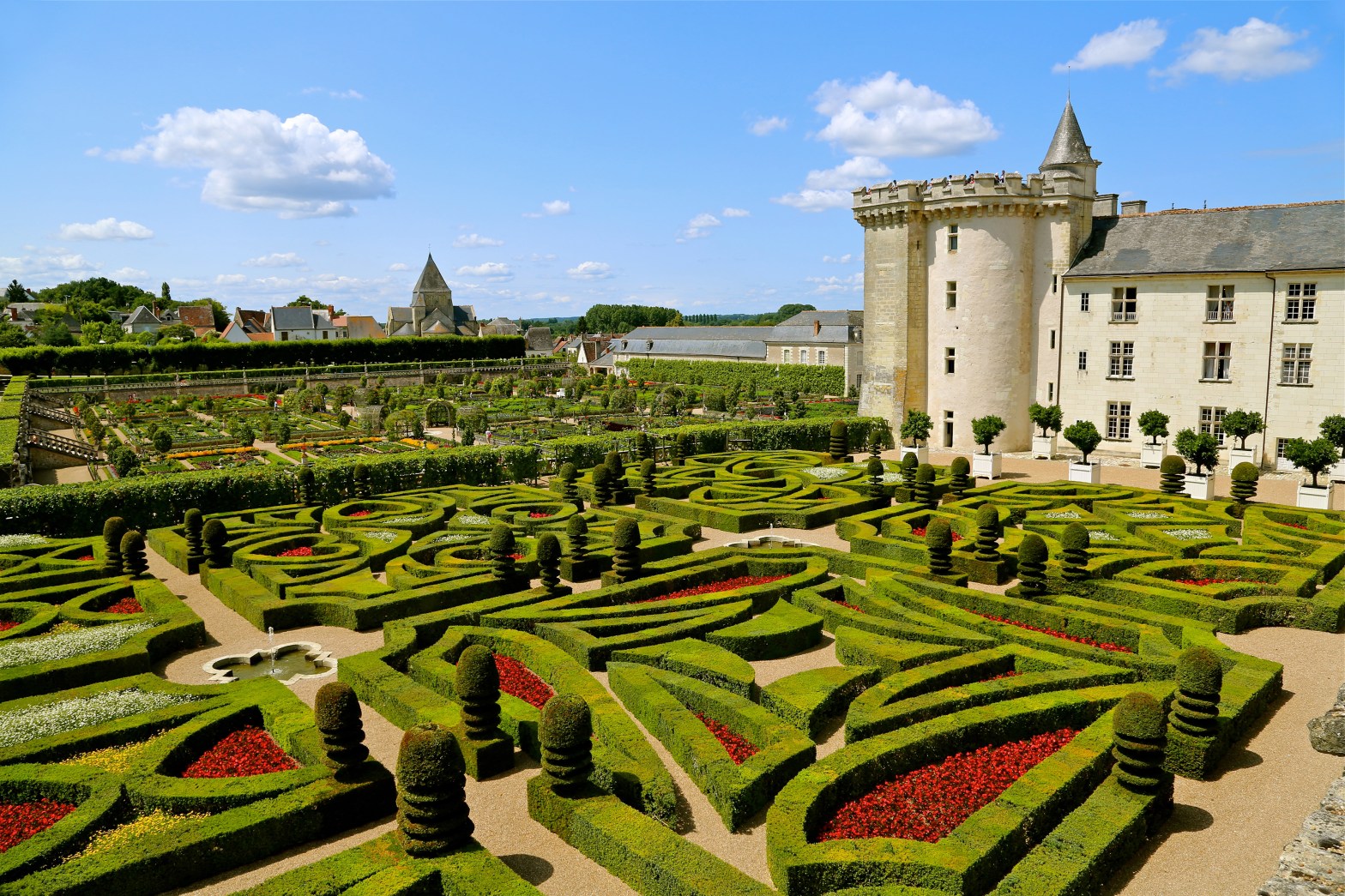
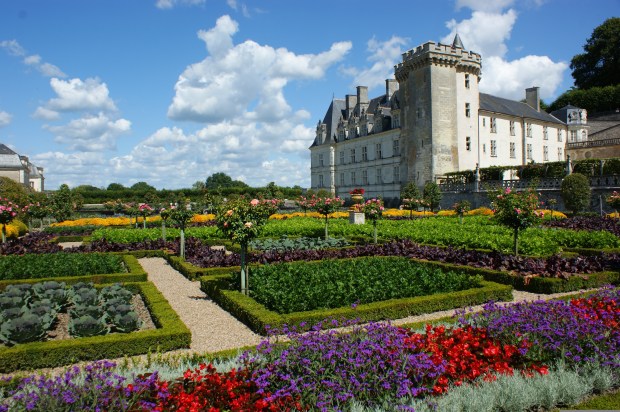
Our last day’s shore tour spotlighted two of the central Loire Valley’s most magnificent country estates—Chateau d’Azay-le-Rideau and Chateau de Villandry. Both fulfilled my visions of stately French manors. But it was the latter that really captured my imagination, thanks to the elaborate geometric patterns of its terraced, Italian-influenced flower, vegetable and herb gardens, a photogenic display attended by 10 full-time gardeners.
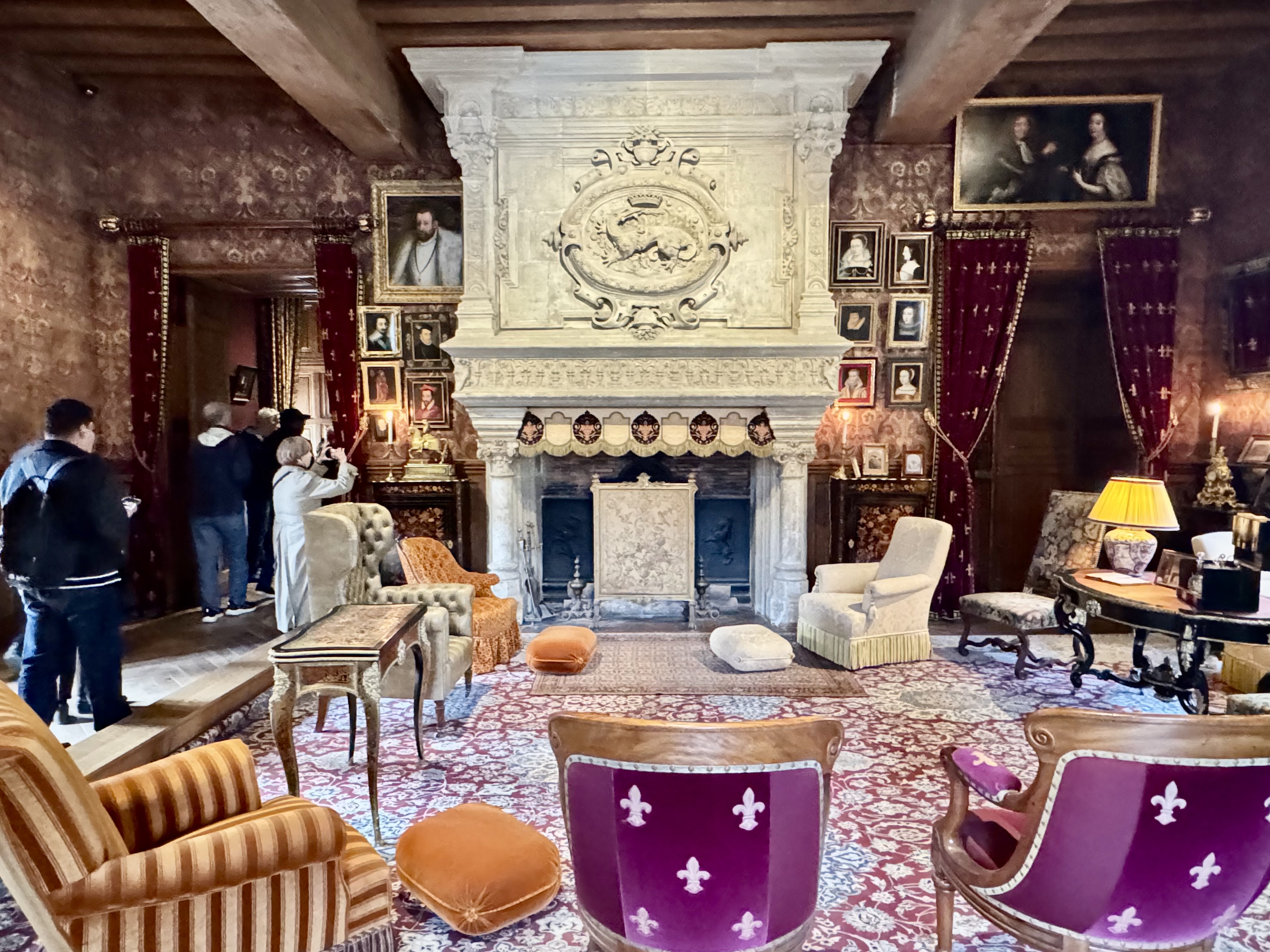
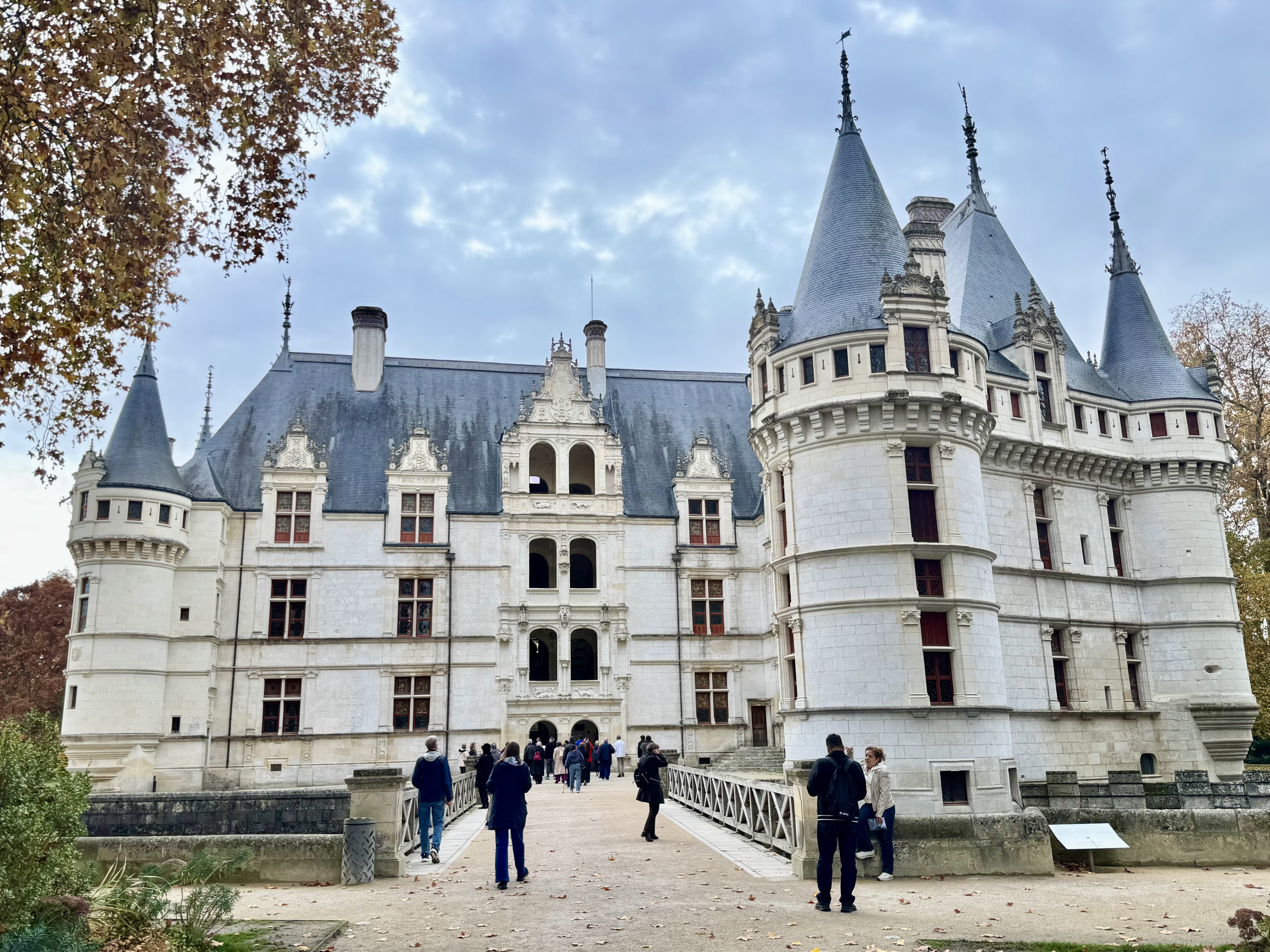
A Loire Princesse shore excursion includes a visit to Chateau d’Azay-le-Rideau, one of the Loire Valley’s grand Renaissance-era estates. (Randy Mink Photo)

At Chateau de Villandry, you’ll see tulips, begonias, roses, forget-me-nots and other flowers, depending on time of year. Some of the hedges are shaped into symbols, including hearts, fans and daggers. Planted throughout the estate are 1,015 lime trees.
chateau surrounded by flowering gardens
Chateau de Villandry is famed for its beautiful gardens. (Photo credit: Pixabay)

Panoramic views of the adjacent village and manicured gardens are available from atop the 12th century tower, the walled compound’s only remnant from medieval times. The chateau in its present form was built in 1536 by the finance minister of Francois I. Over the centuries, owners have included an ambassador of Louis XV and a brother of Napoleon I.
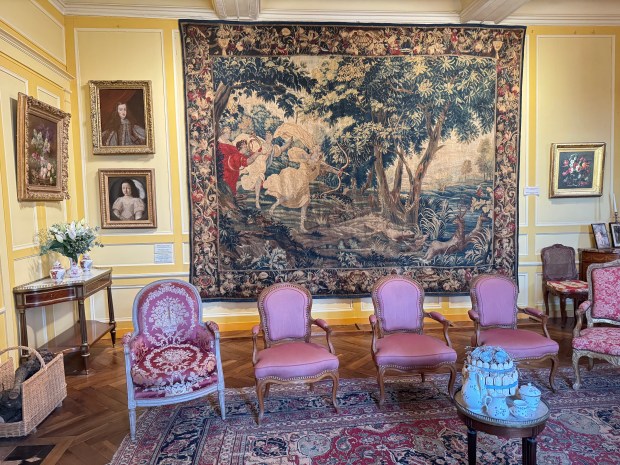
sitting room with large tapestry on the back wall
Sumptuous interiors awe visitors to Chateau de Villandry. (Randy Mink Photo)

In 1906, Joachim Carvallo and his wife, Ann Coleman, scientists from Spain and America respectively, took over Chateau de Villandry and restored its interiors and gardens. They were passionate collectors of old paintings, particularly 17th century Spanish art; some are on display. Of special note is the Oriental Drawing Room’s exquisite ceiling, a creation of Moorish craftsmen that came from a 15th century palace near Toledo, Spain. Joachim and Ann’s great-grandson, Henri Carvallo, now runs the estate and lives with his family in the former stables.

Ah, to be lord of the castle. The thought may be only a dream for us commoners, but it’s fun to fantasize. Having a chance to traipse through the Loire Valley’s aristocratic estates, along with receiving royal treatment onboard the Loire Princesse, is privilege enough for me. For more information on Loire River and other CroisiEurope cruises, log on to www.croisieuroperivercruises.com.


🔍 Search the site to discover more European Traveler feature stories. 🌍

FOLLOW US:

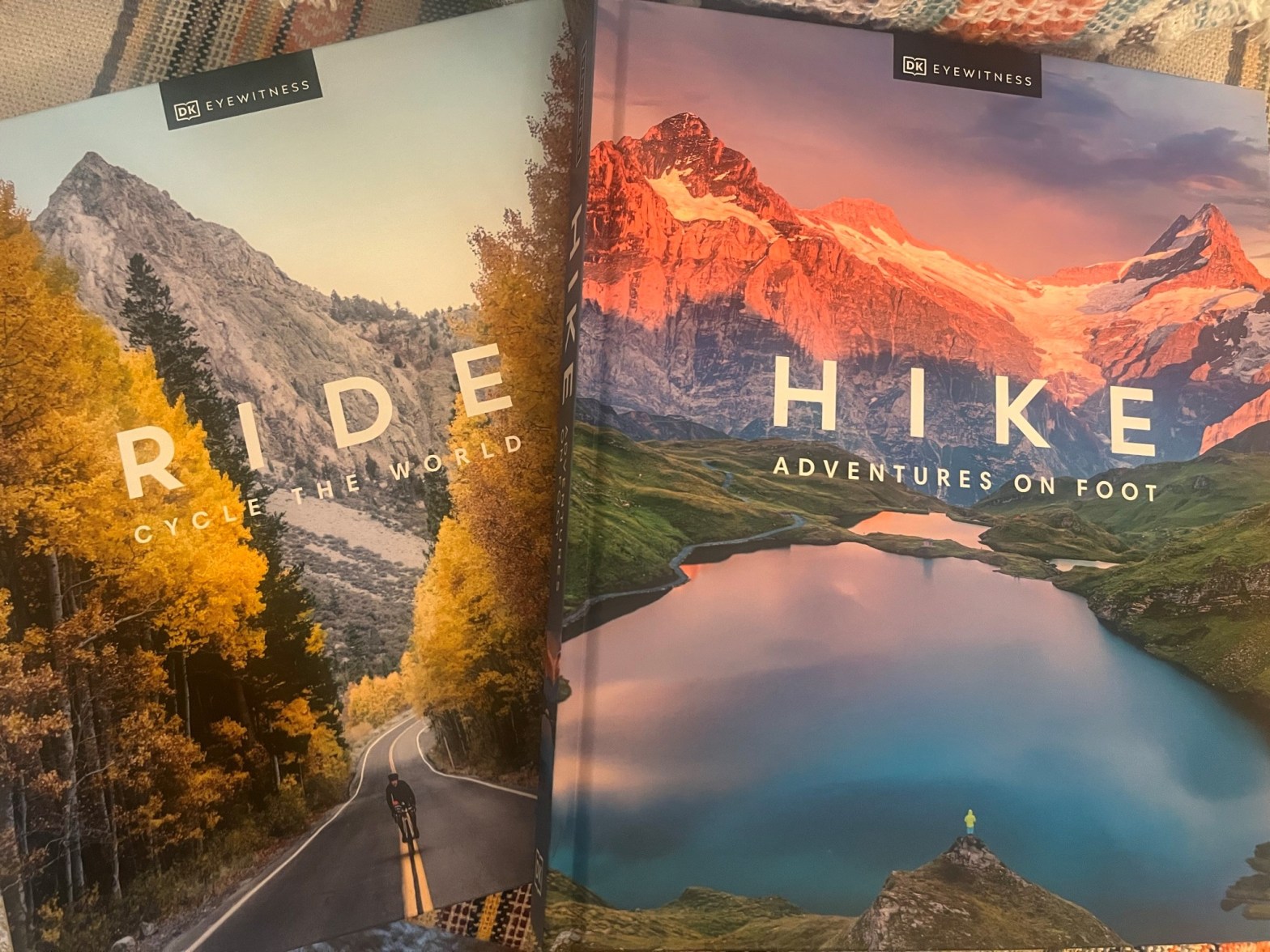
Two New Books Encourage Adventurous Hiking and Biking

HIKE: Adventures on Foot
One hundred and twenty-five opportunities to move your body across the world in an exhilarating, sustainable way! This published compilation of walking trails is the work of outdoor enthusiasts who have selected each featured route for its spectacular scenery, interesting history, or unique challenges. Each trail suggestion includes practical information to help you plan your trip, including the distance, total ascent, elevation, duration, as well as sightseeing tips. Hiking newbies and veterans alike can benefit from the book’s preparation tips, trail etiquette guidelines, and essential gear checklist.

One scenic hiking trail suggestion, Dove Lake-Cradle Mountain (Ronny Creek, Tasmania, Australia), is a one-day circuit traversing boardwalks over moorland, passing through lush rainforest, and ascending large boulders on Cradle Mountain. Readers are advised to look for ambling wombats and gray-furred Bennett’s wallabies near Ronny Creek and to pause for photo opportunities of dramatic vistas from the summit of Cradle Mountain. The return trip passes numerous sparkling lakes and offers a chance to see quill-covered echidnas in their home near Dove Lake.

A fascinating book for active hikers and armchair travelers alike, “HIKE” binds maps, history, geography, and interesting photography together into an inspiring and informational volume.


RIDE: Cycle the World
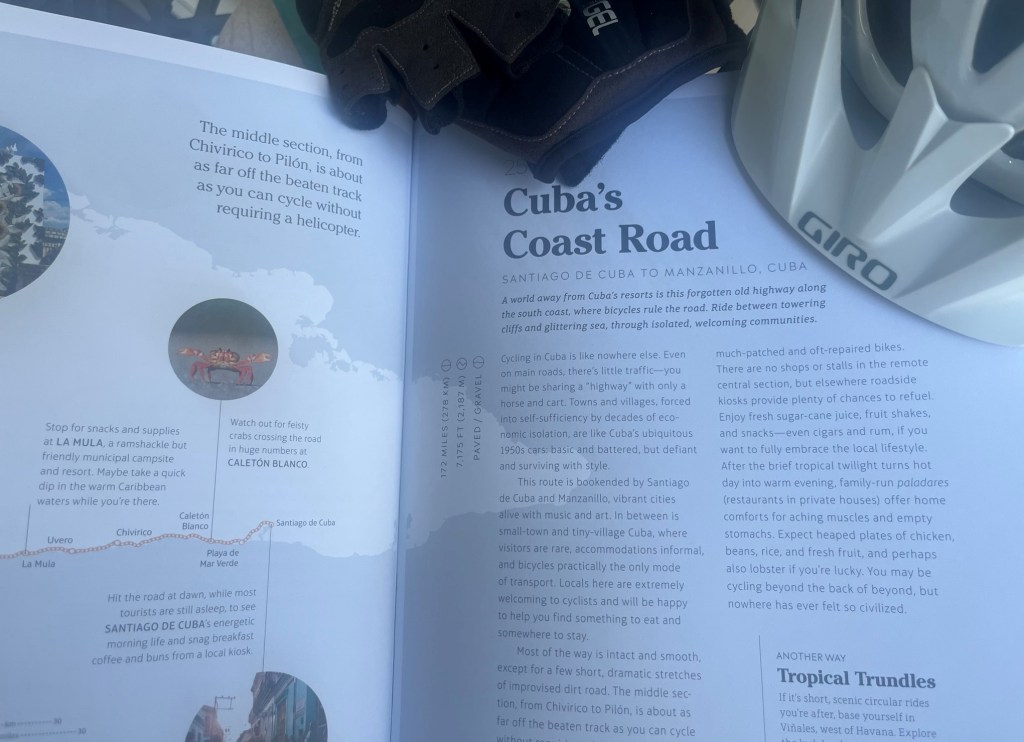
Explore the world by bike, cruising along the 100 cycleways presented in this compilation of trails recommended by avid cyclists. Along with colorful photos and area maps, this DK Eyewitness gem contains detailed route information, including road surface, elevation, total ascent, scenic outlooks, distance, and pit stops. Get inspired to go “bikepacking” in North America, Central and South America, Europe, Africa and the Middle East, Asia, and Australasia—wherever your travels take you.

Beginners, or those looking to upgrade their ride, are provided helpful guidance on which type of bike to choose for their adventures; road, mountain, gravel and touring, recumbent, and electric are the options explained and diagrammed in the opening pages of the book. Select a vehicle suitable for your experience level, desired terrain, comfort goals, and mobility needs, and prepare for your trip by reading up on bicycle maintenance, essential gear, and safety precautions.

Included in the book is a trail along the Helgeland Coast in Norway, which features a grouping of more than 6,500 islands rising from the sea. Best as a summertime route, with beautiful light but always a chance of showers, this Helgeland cycling opportunity traverses 126 miles in a “reasonably relaxed” ride on paved and gravel roads. “Syklist Velkommen” signs abound along the route, welcoming cyclists to stop for food, safe bike parking, and laundry facilities. Riders can expect photo-worthy vistas of mountain peaks, sandy beaches, and quaint and colorful wooden cabins, fishing huts, and houses. Along this route, stop at an old wharf along the trail to tour and sample sweets at Heidi’s Chocolate Factory in Dønna, eat a tasty meal cooked by famous chef Jon Aga at the Vega Havhotell, and visit the Vega World Heritage Centre to learn about eider ducks and how they helped earn the island UNESCO status.

Stock up on supplies and water, and prepare to feel the wind against your face as you explore spectacular sights via bicycle.  

For more DK Eyewitness titles, and further information about “HIKE” and “RIDE,” please visit https://www.dk.com/us/.   

Live the French Way—Celebrate the Pleasure of Life

Story and photos by Alison Ramsey

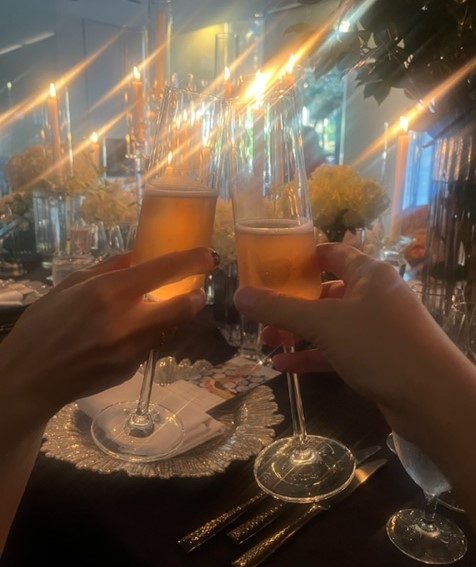
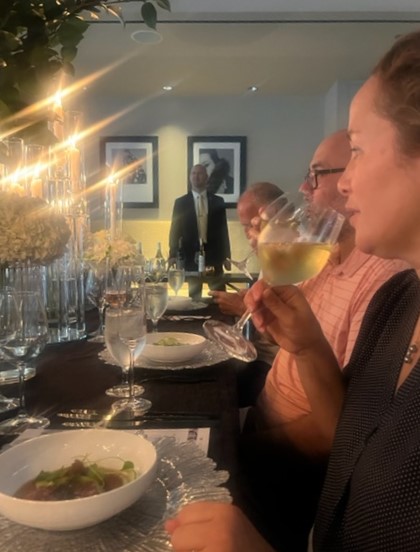
Dozens of blooming white flowers and shimmering candles in glass holders grace the center of a long dining table. Greeted with a glass of sparkling wine upon entry to the Cigale Room, Sofitel Chicago Wine Dinner guests seat themselves around the table and sip their bubbling beverages while reviewing the printed menu of culinary delights and drinks to come. The varied-height centerpieces create intimacy between clusters of conversing guests, allowing privacy within a group setting. Per French ideals, one simple joy of life is savoring food and wine that bring out the best in each other, and Sofitel Chicago is an expert in this pairing of dishes and drinks, offering fine dining experiences through its creatively curated Sofitel Wine Dinners. This series of seasonal dinners introduces guests to exquisitely prepared courses matched with wines and cocktails whose notes enhance flavors in the meal.

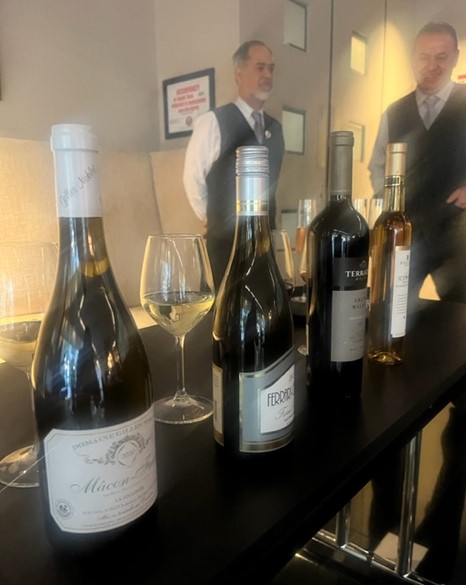
The September 2022 Sofitel Wine Days Dinner at Sofitel Chicago was prepared by Executive Chef Cliff Crawford, who crafts meals that embody Sofitel’s “Live the French Way” motto. He said, “I always strive to have a noticeable French influence in the menus. It can be ingredients used, such as cheeses or pâtes, or could be a modern take on French classics.” Per this ideal, the September dinner’s first course was a beautifully plated French-style tuna tartare alongside cucumber mousse and delicate cucumber curls, ponzu onion, and topped with a marquise-shaped scoop of paddlefish caviar. This flavorful delicacy was accompanied by a generous pour of golden Domaine Gilles Noblet Mâcon-Fuissé from vineyards in Mâconnais, Burgundy, France.

Sofitel Chicago began hosting these wine dinners in late 2021, and a gourmet dinner is scheduled for each of the remaining three months of 2022. The dining room’s exquisite décor changes based on the time of year, as does Chef Crawford’s menu planning. “It is really just about the season and the ingredients that are best at that time of year. It mostly revolves around produce. Wild mushrooms, for example, are one of my favorites. I love to have morels in the spring and black trumpets in the winter,” Crawford said.

The Fall Harvest Wine Dinner on October 7 will feature wines from France, Italy, and the USA, alongside seasonal spreads. The November 11 Winter Whiskey Dinner will serve an exclusive Maker’s Mark bourbon mixed into cocktails, in lieu of wine. The December 9 Art de Noel Dinner will feature holiday décor and include festive cocktails to compliment the meal.

Regarding guests at these luxurious dinner experiences, Chef Crawford said, “I would like to see them leave with plans to return. I feel we are a bit of a ‘hidden gem’ here in downtown Chicago; we are a great location, but not everyone has heard of us. I want them to feel like they have found something special.” To purchase tickets for upcoming dinners at Sofitel Chicago, please visit https://www.sofitel-chicago.com/dining/wine-dinner-series/. To round out the evening, a convenient and comfortable overnight stay in the posh rooms above can be booked at https://www.sofitel-chicago.com/.

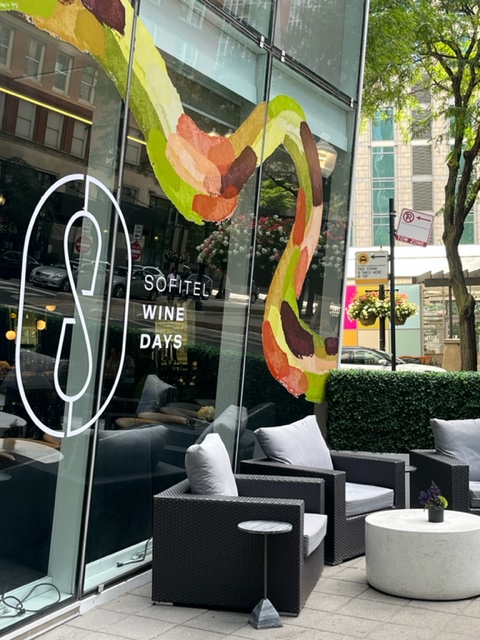
The 5-star Sofitel Chicago is part of a French luxury hotel chain that embodies “living the French way” by celebrating life through a sophisticated and unique approach to luxury accommodations and hospitality. Its stylish avant-garde exterior is a preview of the interior’s chic design and atmosphere. Le Bar, the glass-walled bar and lounge on the lobby level of the hotel, is a trendy place to unwind and socialize while indulging in savory appetizers, flatbreads, main dishes, and desserts, and sipping unique libations like the Banana Old Fashioned. A combination of Bacardi 8-year, Giffard Banane Liqueur, Angostura bitters, Angostura cocoa bitters, and Demerara syrup, with a dark cherry and an orange peel garnish, one patron described this drink as “a really interesting take on an old fashioned. Not too sweet, and very banana, which was fun!”

The higher floors of Sofitel Chicago offer a wide-windowed, stunning view of the bustling city below, while an easy flick of a switch lowers the blinds for privacy and comfort. In the European way, the fluffy bedding provides a warm nest in which to rest beneath a soft duvet with no need for a top sheet. Room bathrooms are supplied with bath and skin products by LANVIN Paris, a soft white robe, soaker tub, and rainfall shower. Luxurious and cozy, Sofitel Chicago provides home-away-from-home accommodations that pamper and allow for chic indulgence.

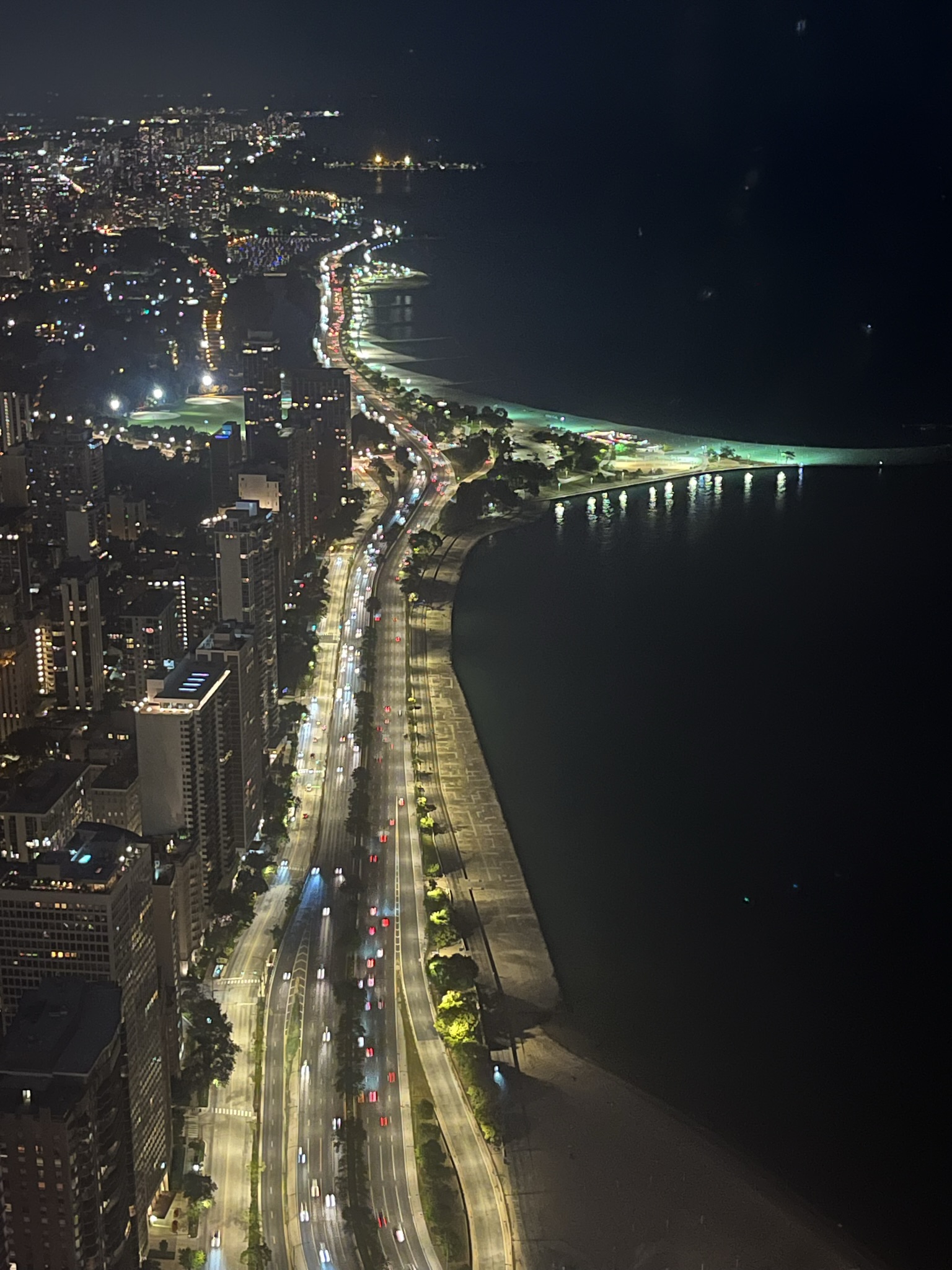
Further celebrate the art of living—l’art de vivre—and say oui to a nearby adventure that will bring the soirée to new heights. A mere five-minute walk from Sofitel Chicago, you can experience elevation to an even higher viewpoint of the city, at 360 CHICAGO, the top of the former John Hancock Center. The observation deck sits 94 floors high (1,030 feet above the Magnificent Mile) and is the home of Chicago’s highest thrill ride, TILT. To get to this height, you first stroll through an exhibition celebrating the history of Chicago and nine of its culture-rich neighborhoods. A quick 20-miles-per-hour elevator ride then lifts you to the glass-walled, 17,000-square-foot level that allows breathtaking 360-degree vistas of the city and lakefront. On a clear day, you can even see four states from this lookout deck!

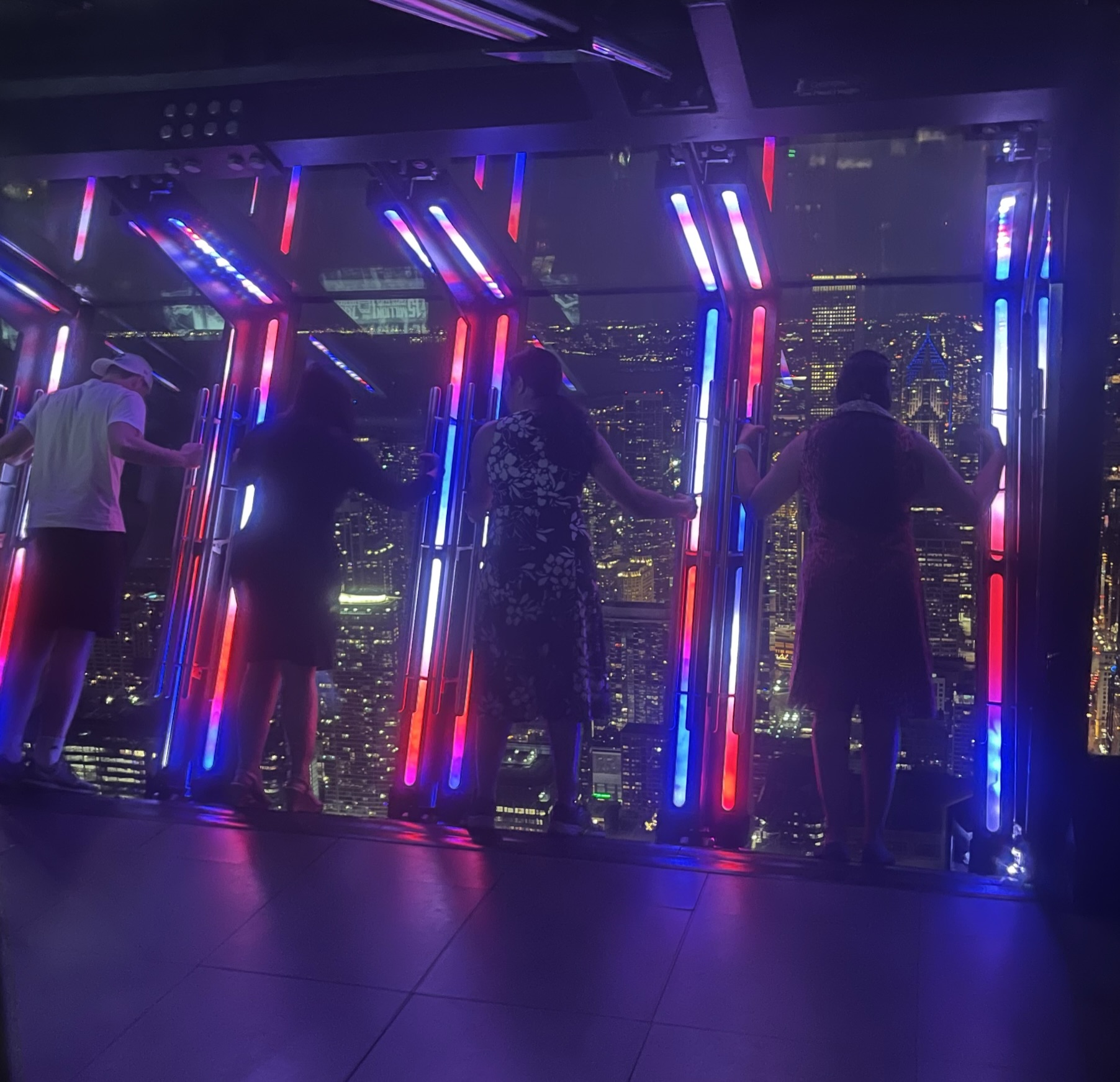
An add-on to the observation deck entry is a ticket to experience TILT, where guests 42 inches and taller can spend 2-3 minutes safely angling forward over the cityscape and peering downward through the glass window. While excited participants tightly grasp handles to their right and left sides, the glass wall is set into action in a series of motion profiles, allowing people to feel the sensation of leaning out into the sky and over the skyscrapers. Energizing music builds as the windows tilt farther and farther out at each interval, causing some people to close their eyes, some to giggle nervously, and others to shriek in terror. At night, colorful lights outline each panel separating participants. In “Extreme” mode (an experience that requires a prerequisite signing of a safety waiver), a window can even slide open for guests to enjoy further thrills and feel the city breeze. Trying out the basic mode, with its increasing angles and exhilarating music, Megan Pletzer from Madison, Wis., said, “You think it’s done, and then it just keeps going!”

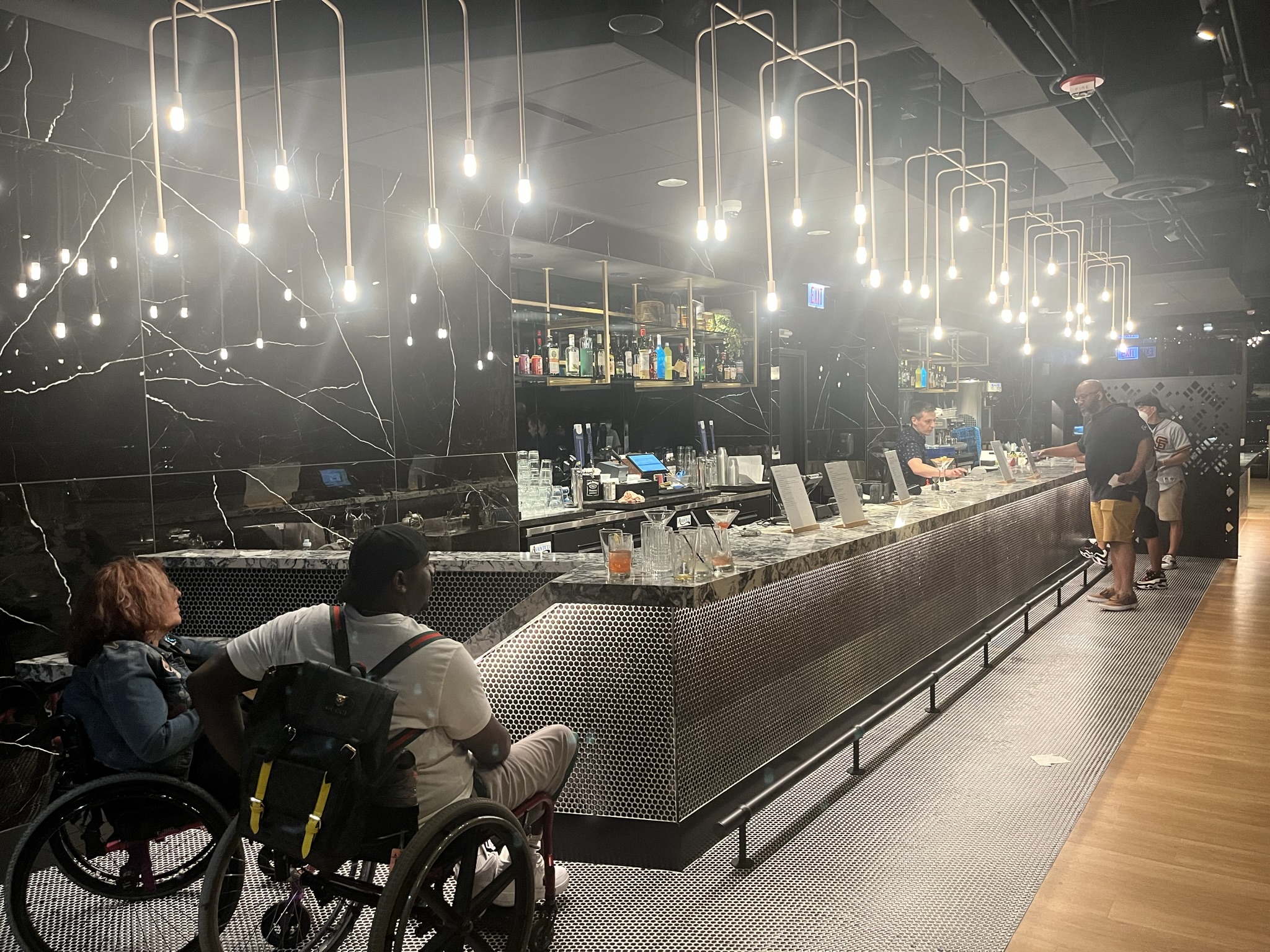
A general admission ticket to the observation deck includes entry to the brand new CloudBar, which officially opened on September 14, 2022. Owned and operated by Magnicity, a Paris-based company, 360 CHICAGO’s CloudBar is a novel, sky-high bar and lounge that magnifies the best of Chicago by featuring local food and beverage partnerships and décor by area artisans. Magnicity CEO, Alexia Vettier, said, “We want each Magnicity location to act as a true city ambassador for our guests—encouraging exploration of the vibrant neighborhoods within our cities and forging new adventures and experiences. We are thrilled to introduce our brand-new bar concept with CloudBar.”

Photos above courtesy of 360 CHICAGO.

The Gettys Group Chicago design team fashioned the area to give people the feeling of “floating in the air.” Numerous reflective surfaces (including the ceiling, drink rails, and back wall) echo the spectacular sights visible through the floor-to-ceiling windows. Modern European lounge furniture and stylish lighting coupled with customized, original graphics by Chicago-based muralist Lauren Asta emphasize the blended cultures found in the city.

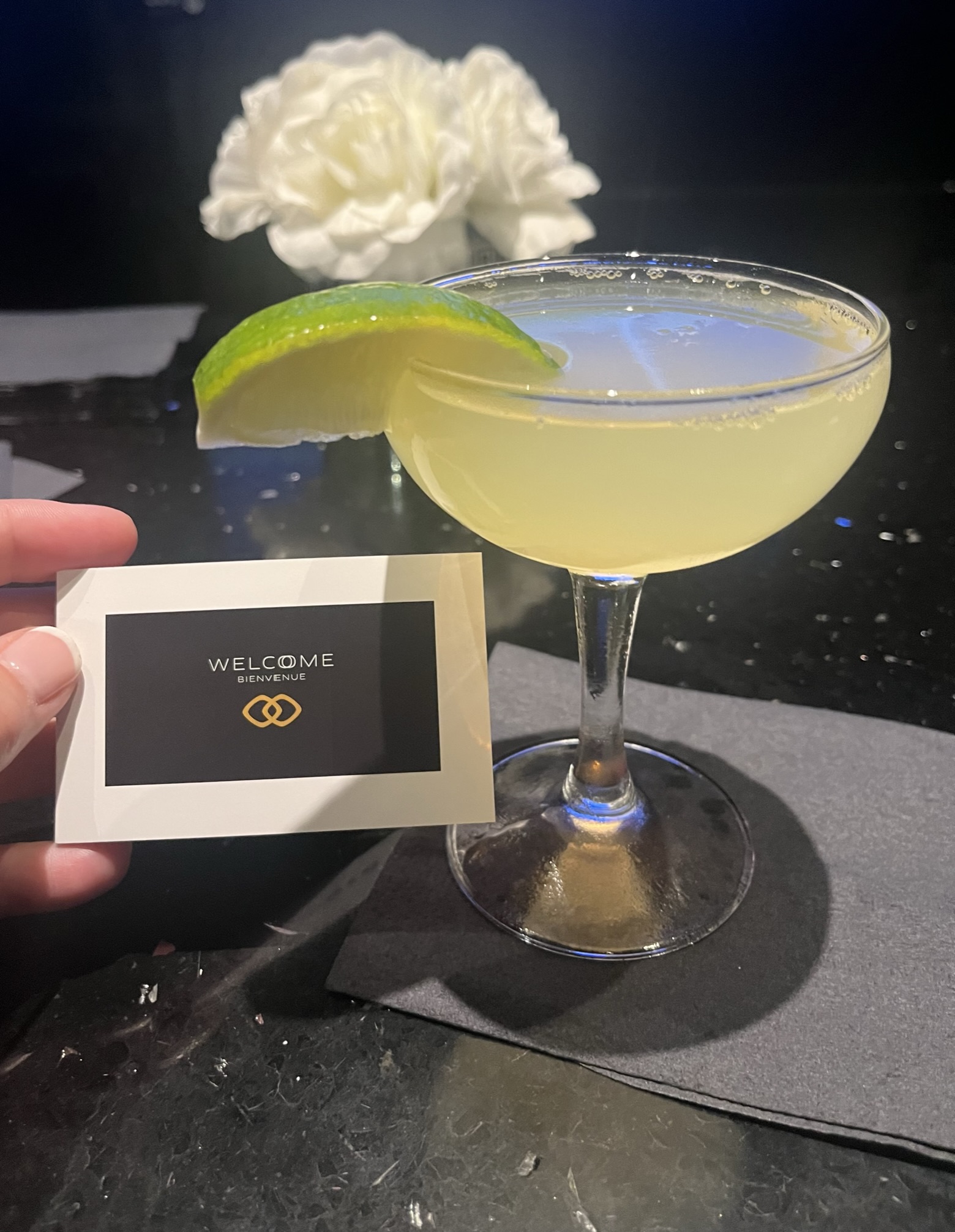
At this great height and surrounded by inspiring art and lights, you can also stimulate your sense of taste with snacks and sips from CloudBar’s offerings. The “Feeling Tilt-sy” cocktail carries on the “TILT” theme, served in a unique glass that leans to one side. Another colorful drink emits a haze of white mist from its lime-accessorized martini glass. Exclusively available at CloudBar is the Magnicity Pilsner, created by Moody Tongue brewery in partnership with 360 CHICAGO. Other true Chicago brands and products can be found at this exciting altitude, including wares from Garrett Popcorn, Vosges Haut-Chocolate, Carol’s Cookies, Kit Kat Lounge & Supper Club, and Kikwetu Coffee Company.

Photos above courtesy of 360 CHICAGO. Pictured at center above is artist Lauren Asta.

This space in the clouds is also available to be rented for private events, weddings, and parties. For information on event reservations, please visit 360chicagoevents.com. Relax at cloud level with besties and beverages, elevate your mood, and let the spectacular city views fill you with joie de vivre, the joy of living.

The Best of Outdoor and Camping Near Prague

In a city where the average daily temperature ranges from 30 °F to 66 °F across the entire year, camping and other outdoor activities are popular. From May to September, the temps are typically in the mid 60s to low 70s, so it is perfect weather for water sports. The only time it gets really cold is November to March, when it is in the 30s. 

Whether you want to camp in a tent in the woods or do some glamping in a fancy cabin, Prague has all of that and more. Many of the campgrounds are along the Vltava River—the longest river in the Czech Republic—so you can fish, swim, and do some boating. Leave your bags with a Prague suitcase storage facility first for safekeeping while you have a great time outdoors. 

Photo by Josh Hild on Pexels.com

The most popular camp in the city, Oase Praha boasts 167 sites and seven cabins. The basic sites have 328 square feet without any hookups; standards include 328 square feet with electricity. The comfort sites have 328 to 492 square feet, water, and electricity. The premium sites have 558 square feet, water, and electricity.

The cabins (luxury mobile homes) have room for up to six people, with three bedrooms, a kitchen with appliances, satellite TV, a bathroom, and a shower. Onsite you can find a restaurant, playgrounds, indoor and outdoor pools, a dog park, a horse trail and horses, and pedal go-karts, and much more. Showers, dishwashers, and washing machines are also onsite.

Centrally located in Prague, its name says it all. River Camping Prague is right on the Vltava River, so you can enjoy lots of water fun. A neighboring water sport facility rents out kayaks, rafts, and canoes. The restaurant has delicious Czech cuisine, and you can order rolls to be delivered for breakfast in the morning. Pets are welcome.

Rent a bike to get to the zoo or botanical gardens just a few minutes away. The snack shop is fully stocked, many sites have fire pits or grills, and you can get wood from the reception area. Electric hookups are also available, and you can shower or wash clothes at the wash facility.

Near the river as well as the zoo, botanical garden, and Troja Palace, Autocamp Petrokova is the perfect place for those who want to be near the major attractions. They boast large sites for tents, caravans, or motor homes, with hookups for electricity and water. Pets are welcome. 

You’ll be right near a tram stop, and a bus stop where the bus can take you to the train station so you can get around to the palaces, museums, and Charles Bridge. The park provides showers, washing machines, and a kitchen for cooking. There is a private road that runs along the Vltava River where you can walk, bike, or skate. 

Whether you want to pitch a tent, park your RV, or rent a bungalow, Matyas Camp has all that and more. Fall asleep to sounds of the river just feet from your site, with a view of the hills in the background. The campground boasts clean facilities, home cooking in the restaurant, and a fun-for-all-ages pool.

Electricity and water are available, and pets are welcome. Washing machines and showers are available nearby, and you can also rent a boat or bike for your enjoyment. The kids will love the playground, swings and hammocks, fishing pier, sandbox, and table tennis while you enjoy an adult beverage at the bar

Photo by Dominika Roseclay on Pexels.com

In the middle of the Vltava River on the island of Císařská louka, under the stars across from the Vyšehrad Castle, you’ll find Caravan Park Prague. Whether you want to park a trailer or pitch a tent, there is plenty of open space to enjoy. Electricity and water are available for use as well. 

You have a variety of choices at Triocamp. Bungalows offer room for six with beds, AC, bathroom, and a kitchen. Cabins boast room for four with beds, a small fridge, heat, and dining set with 24-hour restrooms and showers. They also have a hotel with beds for up to three people, and private restrooms with showers. 

For a really unique way to camp, try the safari tents. Up to six people will enjoy two bedrooms, a kitchen, seating area, and a deck with furniture. They also have large sites for tents and RVs with electricity, restrooms with showers, and a kitchen. In addition, they have a pool, play areas, and a bistro featuring live music nights. 

Just 15 minutes from the zoo, botanical garden, and Troja Castle, Camp Dana has lots of space to park your RV, van, or pitch a tent. You will have electricity and water, as well as the use of hot showers and toilets 24 hours a day. Cook in the outdoor kitchen and shop at the camp market while the kids play on the equipment.

Enjoy the terrace and garden or watch television in the lounge area. The hotel has rooms for 2-4 people, with a seating area, shared bathrooms, and an onsite laundry. The Stromovka Park is also nearby, where they have ponds, playgrounds, and a restaurant. 

Just a few minutes from downtown Prague, Camp Džbán is right on the edge of a nature reserve with hiking, swimming, and the national forest. The campsite boasts 320 spots for RVs or tents with electricity, picnic tables, and lots of green space to enjoy. The chalets have beds for four, kitchens, and outdoor seating. 

There is a playground, tennis/badminton/volleyball courts, and a golf driving range right at the campground. No need to go anywhere else unless you really want to. The café serves meals and a wide range of drinks and beer. Showers, toilets, and washing machines are also available. 

Camping Drusus has room for 70 RVs or tents as well as eight cabins, and a guesthouse that accommodates visitors year-round. Campsites have electricity and plenty of space as well as access to showers, restrooms, kitchen facilities, and laundry. Several rooms at the guesthouse hold up to four people, and some have private baths. You can dine at the onsite restaurant, GUSTA, with its own mini-brewery for home-brewed beer.

Be sure to check with these campgrounds to see if you need reservations in advance. Also, verify the rules about pets, because some do not allow them. And don’t miss your chance to go into the city and visit the attractions like the Řepora Museum, Koněpruské Caves, and Karlštejn Castle.

Photo by Todd Trapani on Pexels.com

Austrian Ice Caves

Photos Courtesy Austrian Tourist Board

Austria is a magnificent country that offers plenty of tourist attractions. One popular attraction is located in Werfen, Austria which is home to “Eisriesenwelt,” German for “world of the ice giants.”

Eisriesenwelt was discovered in 1879 by a scientist named Anton Posselt and is located inside of the Tennengebirge section of the Alps. Prior to Posselt’s discovery in 1879, hunters and poachers knew of its existence, but had never entered the cave. Although Posselt only explored 1/8 of a mile inside the cave, he published a report of his discovery a year later. It wasn’t until 1921 that Eisriesenwelt saw a large increase in the number of visitors to the cave.

Lamps are distributed to visitors who explore these breathtaking caves for a 75 minute tour. Visitors experience Posselt Hall, which holds the Posselt Tower stalagmite; the Great Ice Embankment, a formation towering over 75 feet; and the Ice Organ, created by the stalactites in Hymir’s Castle. The ice formations are sometimes highlighted with magnesium lighting for an added effect.

The Eisriesenwelt caves are open from May 1 to October 26, and during peak season tours are held every six minutes.

For more info, go to: www.austria.info