The Swiss Federal Railways (SBB) and Starbucks have collaborated on a pilot project to launch the first ever Starbucks store on wheels.
SBB and Starbucks will open traveling Starbucks stores on two intercity (IC) 2000 bi-level trains between St. Gallen and Geneva, Switzerland; the project converts the current onboard restaurants into mini Starbucks stores small enough to fit inside double-decker trains.
Travelers can buy and sip their favorite beverages onboard and having the comfort of a familiar drink, while reading a favorite book, or gazing out the window at the Swiss scenery are sure to enhance travels even more. With this project, SBB plans to target young guests and business travelers looking for a quick afternoon pick-me-up.
SBB’s subsidiary, Elvetino, remains in charge of onboard restaurant operations. Elvetino operates 90 railway dining cars, 198 minibars and is in charge of onboard restaurant services of SBB trains throughout Switzerland, Germany, France and Italy.
Switzerland and Starbucks have a long history together: Starbucks opened the first store in continental Europe in Switzerland more than 10 years ago, and the coffee machines used by Starbucks were developed exclusively for Starbucks by Thermoplan, a manufacturing company located in Central Switzerland.
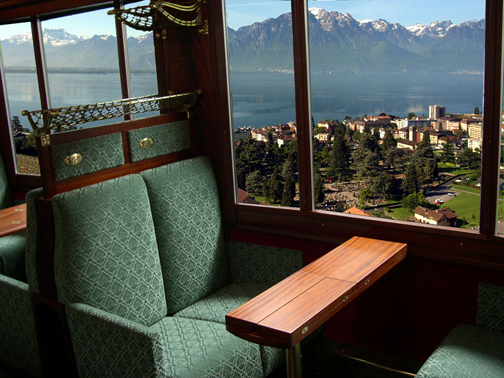
With the new Starbuck’s on-board train service, passengers will be able to stay alert to the inspiring Swiss landscape outside the window.
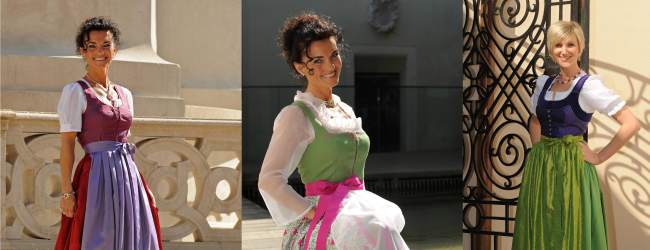
What is a Dirndl? If you have seen the movie “The Sound of Music,” you already know the basic elements that make up a Dirndl: skirt, bodice, apron and blouse. Simple, right? Far from it!
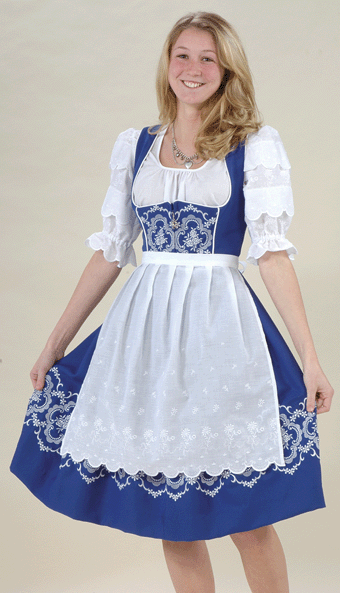
There is a veritable science to Dirndl cuts, fabric patterns, colors and embroidery.The main elements that make up a Dirndl are the wide skirt attached to a “Leiberl,” or fitted bodice, an apron (often with a hidden pocket) and a short Dirndl blouse.
The skirt usually starts at the waist or a little lower. You can choose between various lengths, depending on current fashion trends. The bodice used to be a separate item, but since the 1930s is sewn to the skirt. It comes in many different styles: with a high or low, round or square neckline, it is fastened with buttons, hooks, or ribbons.
An important element is the Dirndl blouse. It is generally very short (ends above the waist), with long, short or puffed sleeves. It can have many different necklines and is usually made of white cotton or linen. The Dirndl blouse accentuates the style of your Dirndl: Choose between delicately hand-embroidered pieces, blouses with extravagant ruffles and lace, or simple ones with straight sleeves.
Finally, there is the apron. Formerly worn to protect the dress underneath, it is now a purely decorative item. There are aprons for every-day wear and aprons for festive occasions which are usually of a more elegant fabric than the simple linen or cotton ones. Before you tie the knot—be sure to check on which side to place it—otherwise you might unwittingly send out the wrong message.
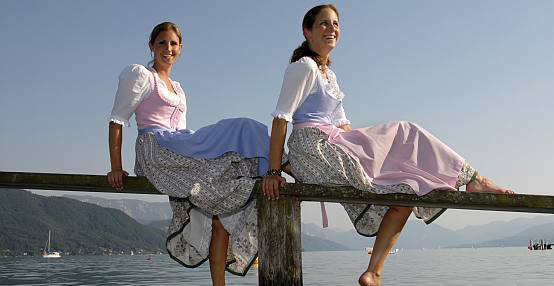
Different combinations of these elements make up the traditional Dirndl. There are different Dirndl styles for different occasions, even Dirndl styles that tell which region in Austria the wearer is from. With the recent “Dirndl Renaissance,” there are countless downright “unorthodox” styles that experiment with different fabrics, cross cultural references and punk elements.
If all these options seem daunting at first, remember: the most important thing is to have fun with the many different colors and patterns, and to choose a Dirndl that fits your personality.
FROM PEASANT GARB TO HIGH FASHION The Dirndl has evolved from its humble origins centuries past as the work garb of peasants to a modern-day fashion superstar. With its feminine silhouette, its versatility and simple elegance, the Dirndl is a fashion “evergreen.” But where does it come from, and how did it get so popular?
Allegedly, the short Dirndl blouse we know today was originally a long shirt. Way back when, the shirt was actually one of the “basics” in the contemporary wardrobe of the rural population. Women wore a bodice, or even just a tightly wound cloth as an undergarment for warmth and support. Aprons were tied around the shirt to protect it from stains and dust. When people came home from the fields, the apron was simply switched to a different one for house work, or one for festive occasions.
Eventually, for reasons of practicality and perhaps vanity, the shirt was sometimes worn underneath the bodice and so the Dirndl was born. For a long time it was the garb of women in the countryside, and different styles developed for different regions.
Finally, in the middle of the 19th century, Emperor Franz Joseph and his court used to vacation in the Salzburg Lake district. The emperor took to wearing Lederhosen during his hunting exhibitions there, and a fashion trend was born. Suddenly, the Dirndl was all the rage and the Viennese aristocracy wore Dirndls and Lederhosen during their stay in the country.
In the 1920s, the founders of the Salzburg Festival contributed to the popularity of the Dirndl by making it acceptable to wear during performances and society events. The Salzburger Dirndl manufacturer Lanz and the world-wide success of the operetta “Weisses Roessl” made the Dirndl an international hit.
Since then the Dirndl has conquered the international fashion world. In the last 10-15 years, the Dirndl and traditional costumes in general have experienced another huge surge in popularity, even outside of the regions in Austria where it has been an everyday item for generations.
WHERE TO BUY A DIRNDL? With so many different styles to choose from, where do you start your own quest for the perfect Dirndl? Where to find authentic, traditional styles, and which Dirndl designers are known for fun and tasteful modern versions?
The best place to buy your Dirndl, of course, is at the “source.” The “real” Maria von Trapp used to mainly wear Dirndls and ordered new outfits with her favorite Dirndl tailor whenever she went back to her native Salzburg. Today, with Dirndls and Lederhosen in high demand, there are enough Dirndl manufacturers and stores to make your head spin.
Photos courtesy Lake Geneva Office of Tourism, Switzerland
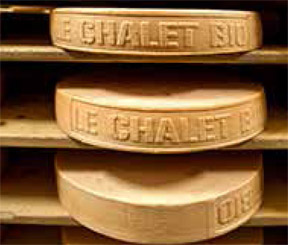
The GoldenPass Cheese Train in Switzerland will take you from Montreux to Château-d’Oex every Friday, Saturday and Sunday at 10:30 a.m. through April 27, where you can discover the specialities of the Pays-d’Enhaut region.
CHEESEMAKING DEMONSTRATION
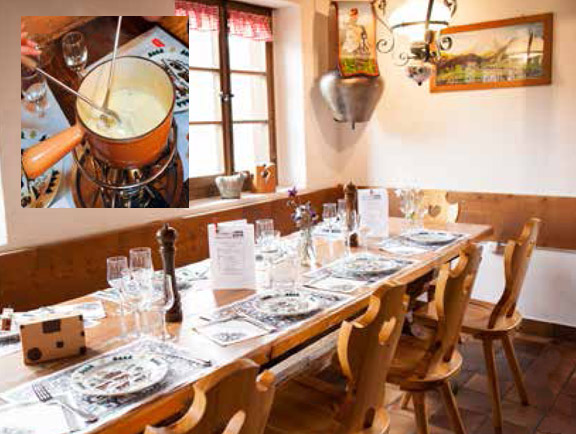
Le Chalet is a typical mountain chalet, serving fondue and dessert.
MUSÉE DU VIEUX PAYS-D’ENHAUT (SILHOUETTE MUSUEM) This museum of folk art was established in 1922 and gives an insight into the lives of the Swiss forefathers. The museum is well-known in particular for its collection of over 60 well-preserved scissor-cut silhouettes.
The art of paper cutting produces images that look like lace. They are carefully cut with scissors or cutters and are traditionally produced in one piece, in black and white. A paper cutting may also have different shades of color or formats, and sometimes it looks like a collage of colored papers.
Also in the Folk Art Museum there is painted wooden furniture, sculptures, statues, military paraphernalia, cow bells and skis, all from the XIV century. These objects are displayed throughout 15 individual rooms. The museum has also recreated rooms which depict the life of blacksmiths, alpine cheese-makers, country kitchens and a bread oven which dates back to 1665.
Flanders is a bucket-list destination for music lovers—big bands, unique scenes and tons of genres. With more than 280 festivals each year, there’s plenty to choose from.
Every summer millions of people gather in Flanders—a region full of history. You can enjoy live music in cities such as Antwerp, Ghent, Brugg and Boom as well as historical sites, exquisite food and shopping possibilities.
JAZZ MIDDELHEIM
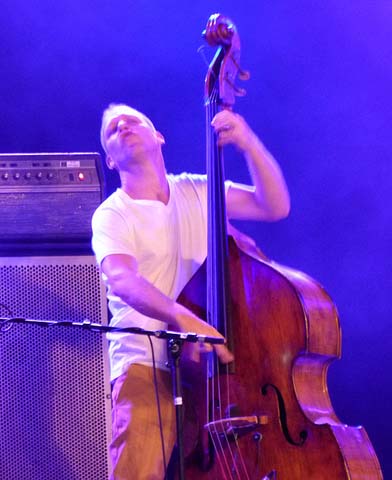
Jazz Middelheim, founded in the late 1960s, has become an iconic jazz festival. The festival grounds in Antwerp are within walking distance of the famous sculpture park. The green surroundings of the Park den Brandt with a high quality infrastructure, including a playground for children and gourmet catering, attract not only a vast jazz crowd but also families with children who love to linger in the park and enjoy the live music.
GHENT FESTIVALS After more than 160 years of existence, the Ghent Festivities have become one of the best festivals in Europe. Four international festivals take place there over a period of 10 days, with free music on 10 squares, children’s entertainment at various different locations in the city and hundreds of indoor and outdoor activities.
MAFESTIVAL One of the oldest classical music festivals with an international reputation takes place in Brugge. Daily concerts, competitions, workshops and lectures focus on the historical performance.
TOMORROWLAND Yesterday is History, Today is a Gift, Tomorrow is Mystery. What started out in 2005 as a one-day festival has grown into a three-day festival. Two weekends are being organized for the 10th anniversary of Tomorrowland in Boom. Tomorrowland is one of the largest festivals with 360,000 attendees. Tickets sell out in one day for this popular festival.
Photos Courtesy Frankfurt Tourist & Congress Board
Locals and tourists alike enjoy this beverage in rustic apple wine pubs all over the city. The “core” apple wine scene is in Old Sachsenhausen; numerous apple wine pubs line its streets where they serve customers their infamous “liquid gold.”
In the Middle Ages, beer and wine were the beverages of choice. As with many products today, apple wine came into being because of an unavoidable circumstance rather than an idea for a new product. In the middle of the 16th century, the Rhine-Main area went through a climatic change that negatively influenced wine production. Because of this, many vineyards transformed into fruit orchards, thus beginning apple wine production. During the Goethe era, taverns made the switch and became apple wine pubs. Today, apple wine remains a staple in Frankfurt and is growing in popularity.
It’s easy to spot a local apple wine pub: just look for the wreath hanging above the door. There’s even an old saying, “A wreath on the door means apple wine and more.” Traditionally, apple wine is served in a blue-gray stoneware jug called a Bembel. Other necessary glassware for apple wine drinking includes a ribbed glass called a Gerippte.
For an unforgettable Frankfurt experience, take a tour of old town in the “Apple Wine Express.” The Apple Wine Express is the city’s most popular streetcar and takes guests on a sightseeing tour around the city. For one hour, visitors can munch on pretzels, listen to music and sip apple wine while experiencing the city in a new way.